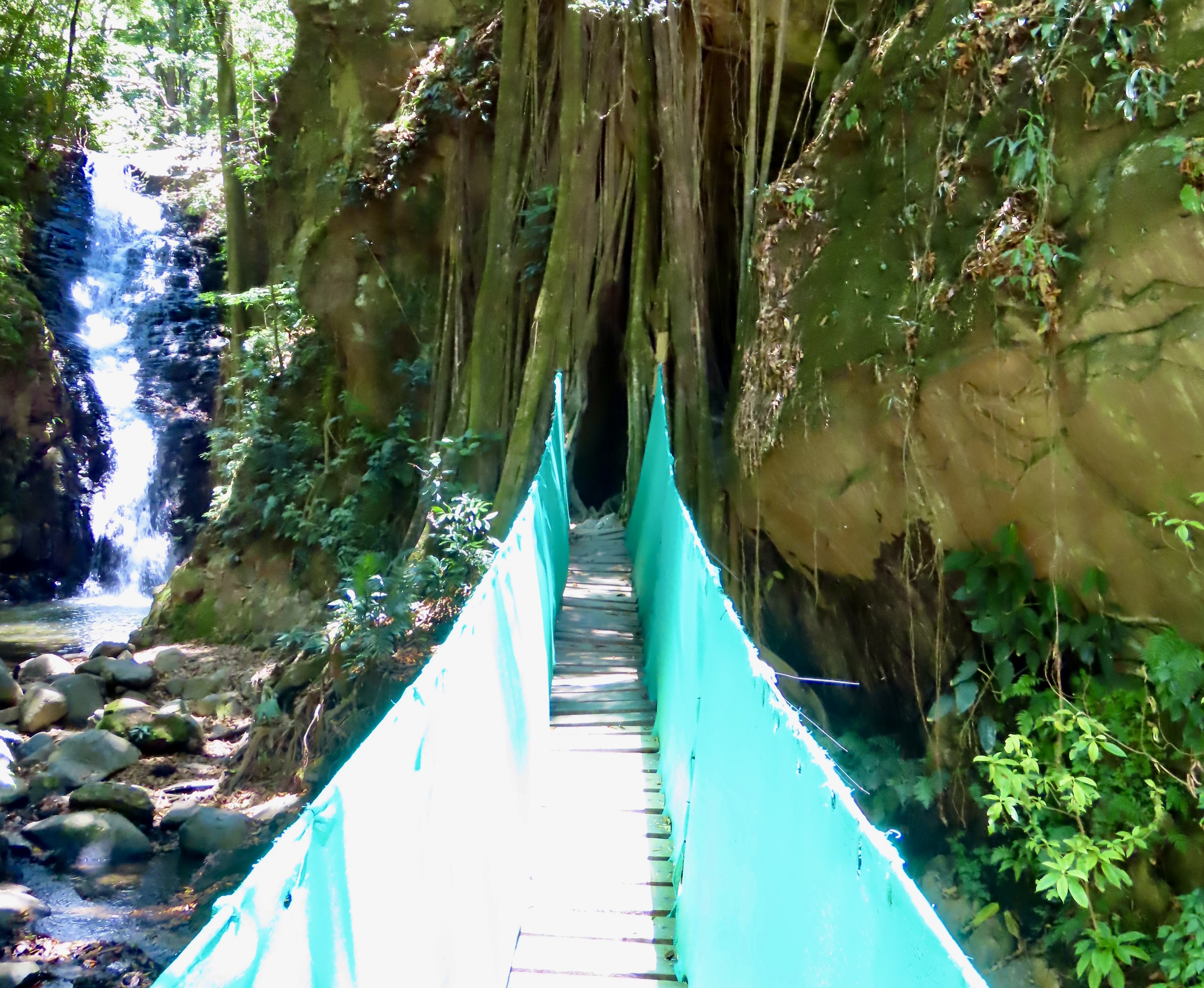
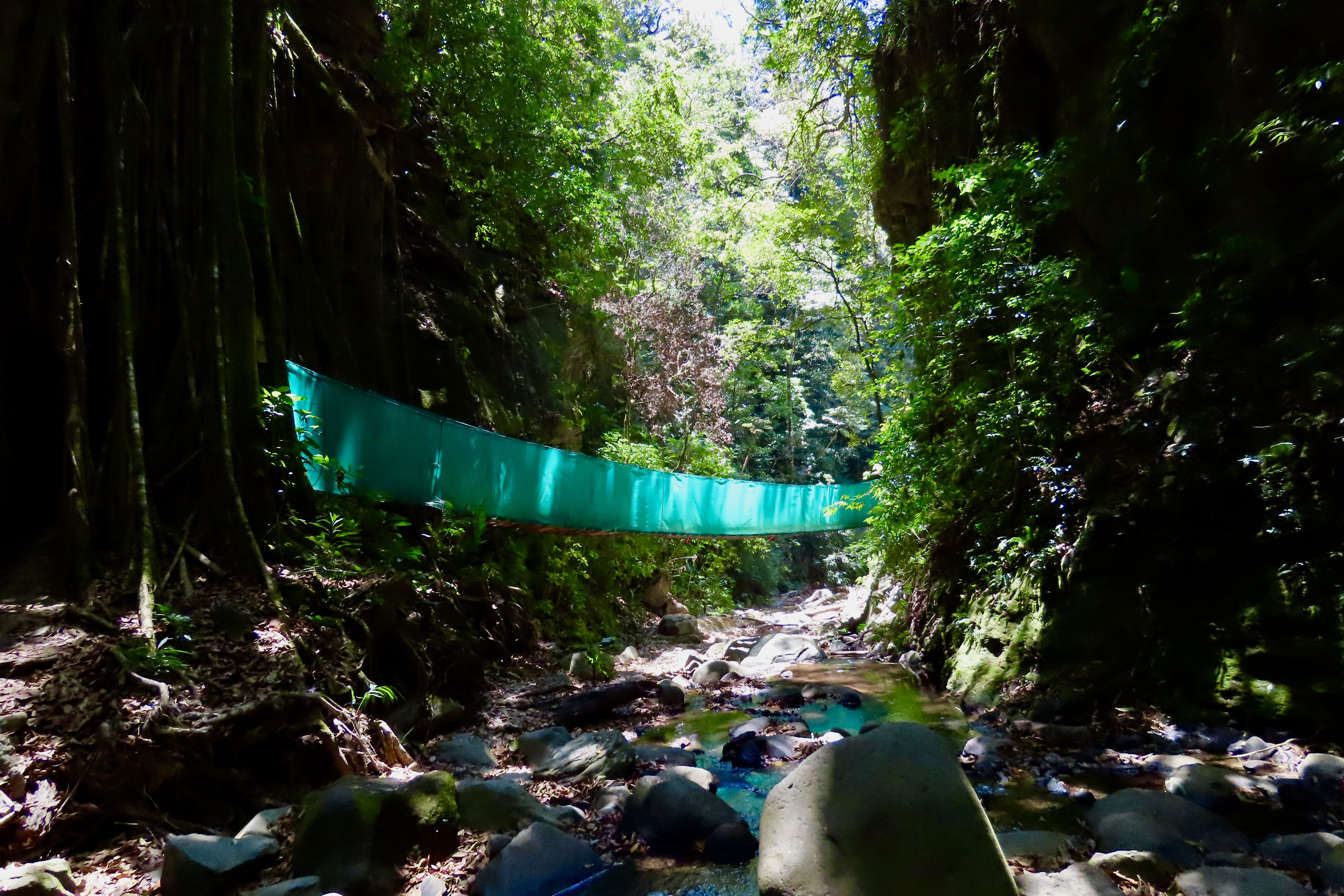
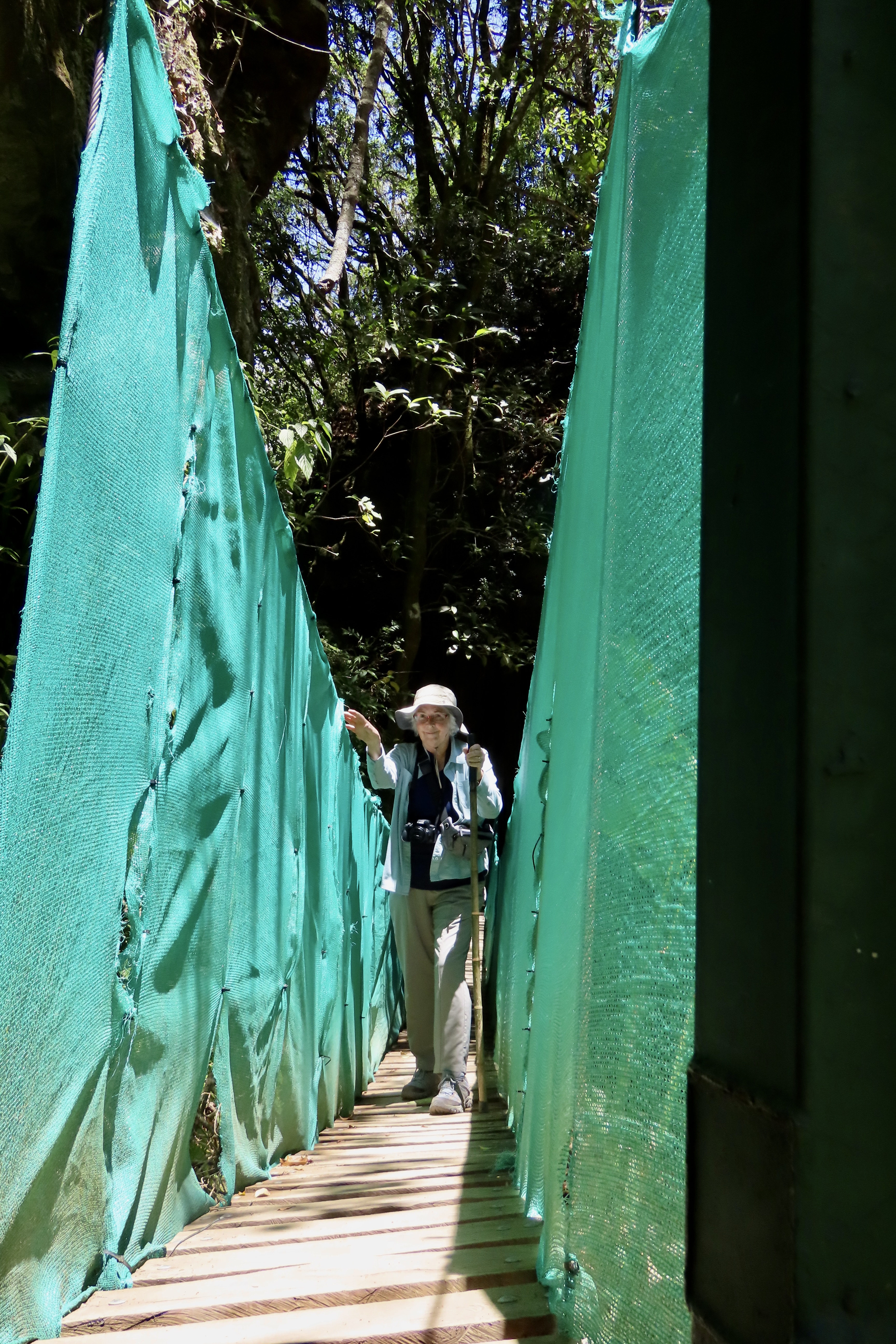
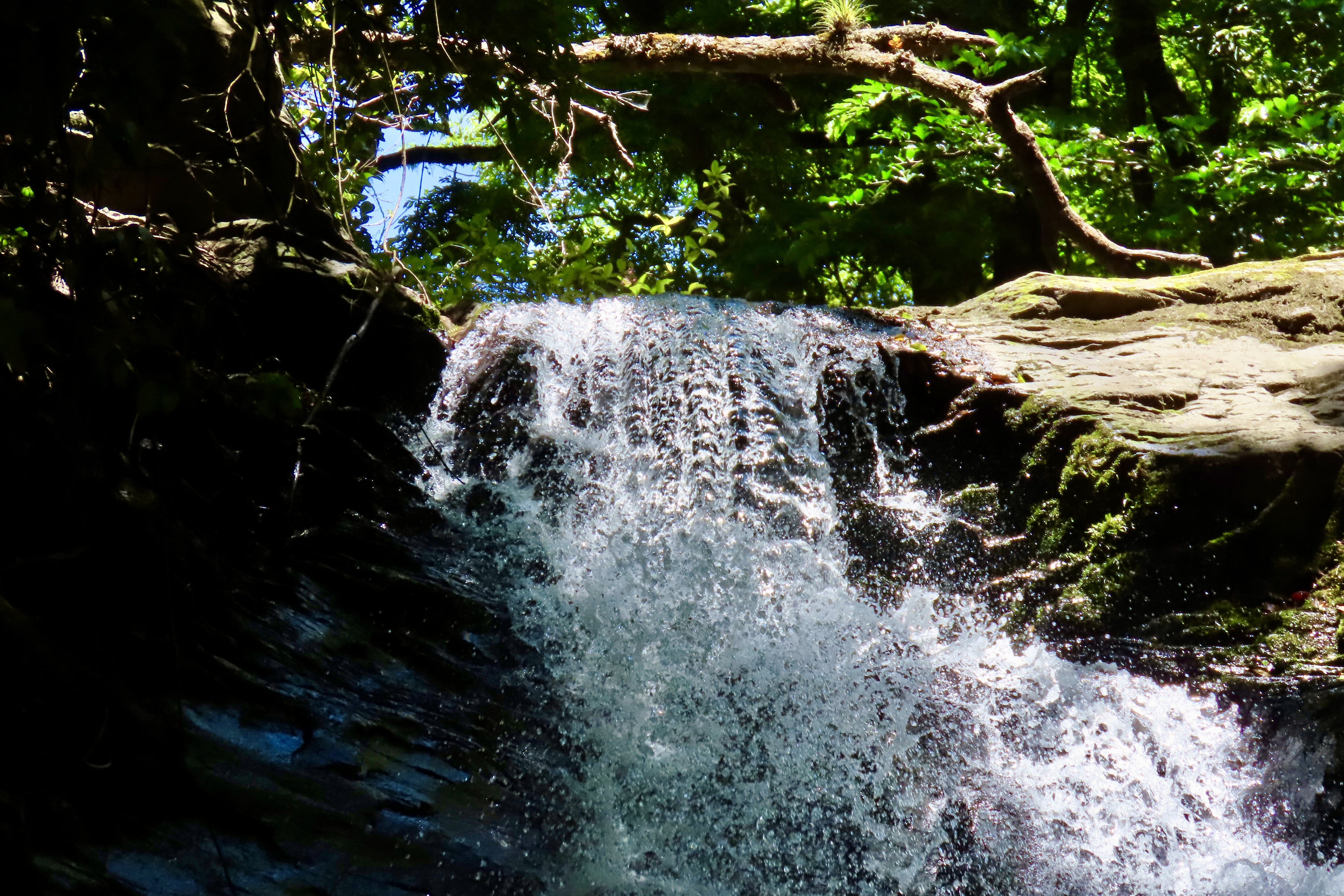
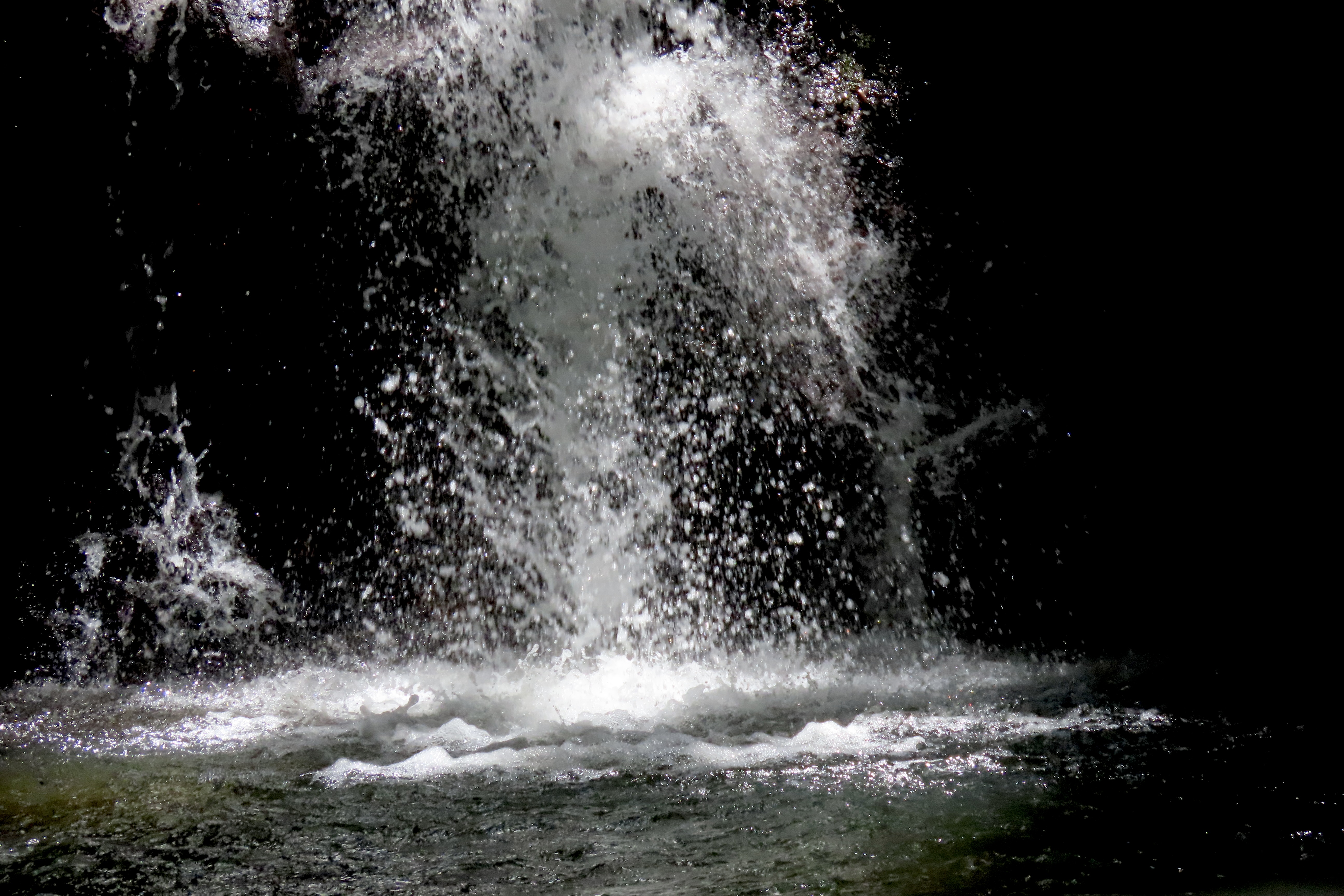
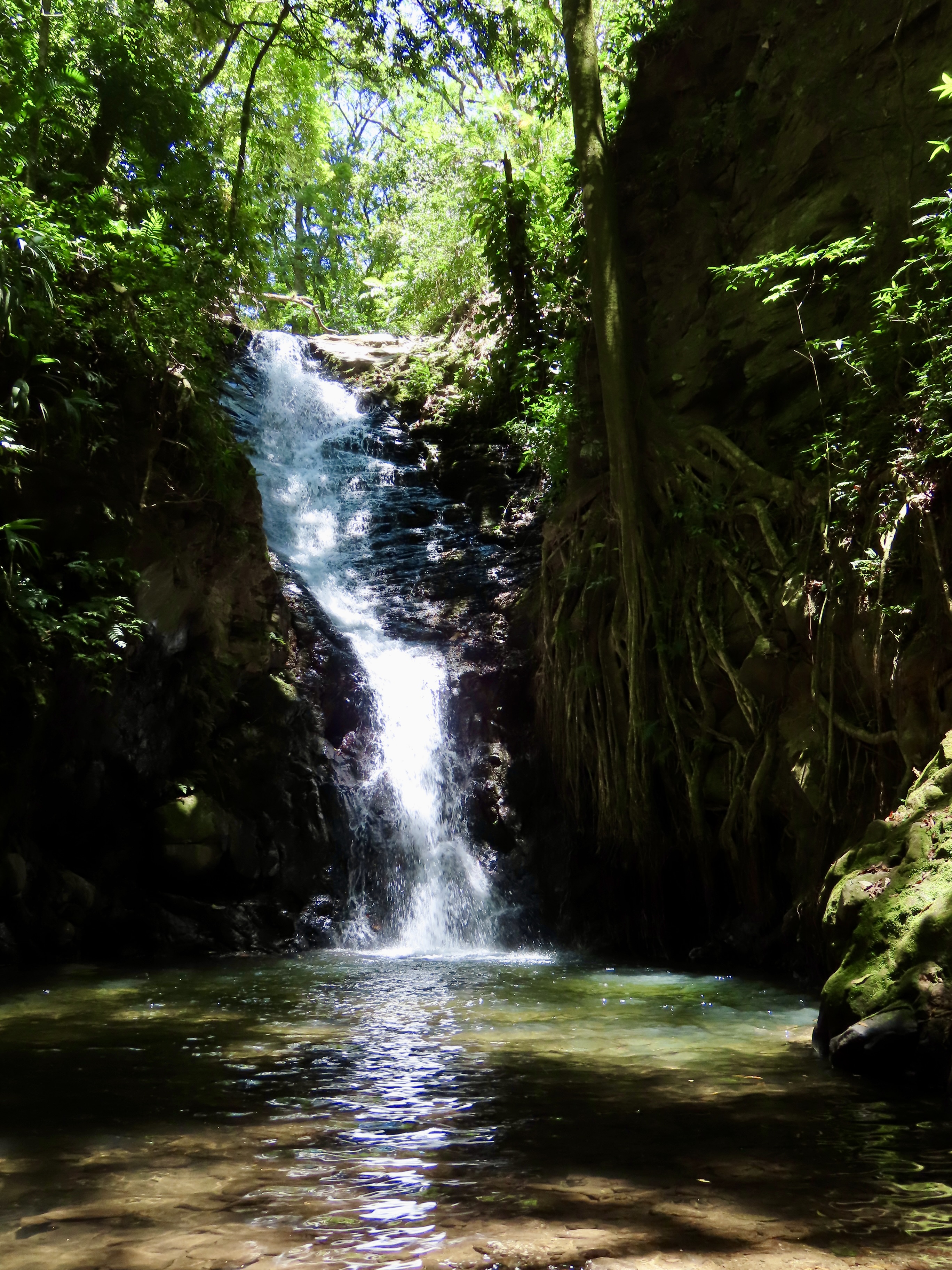
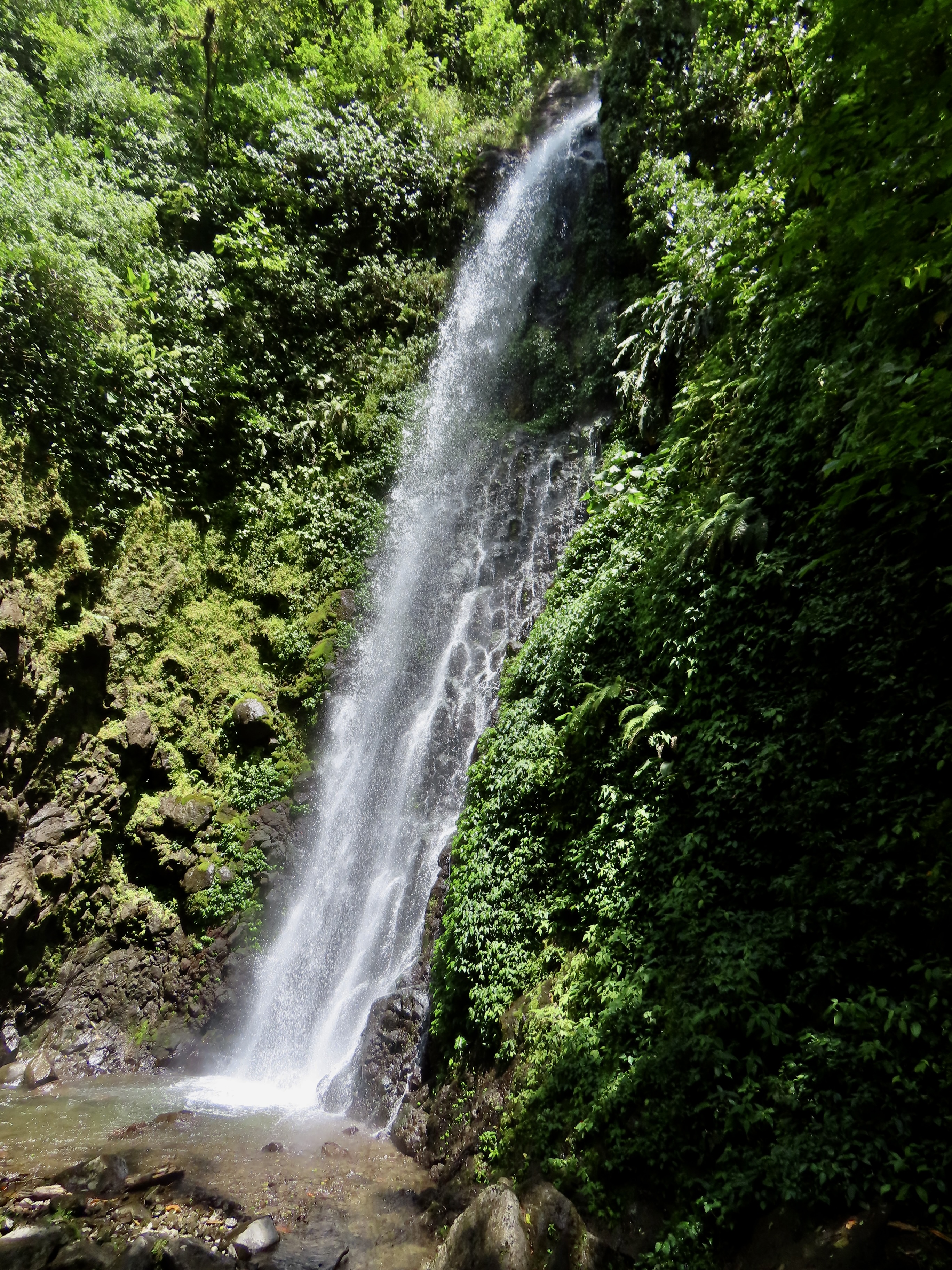
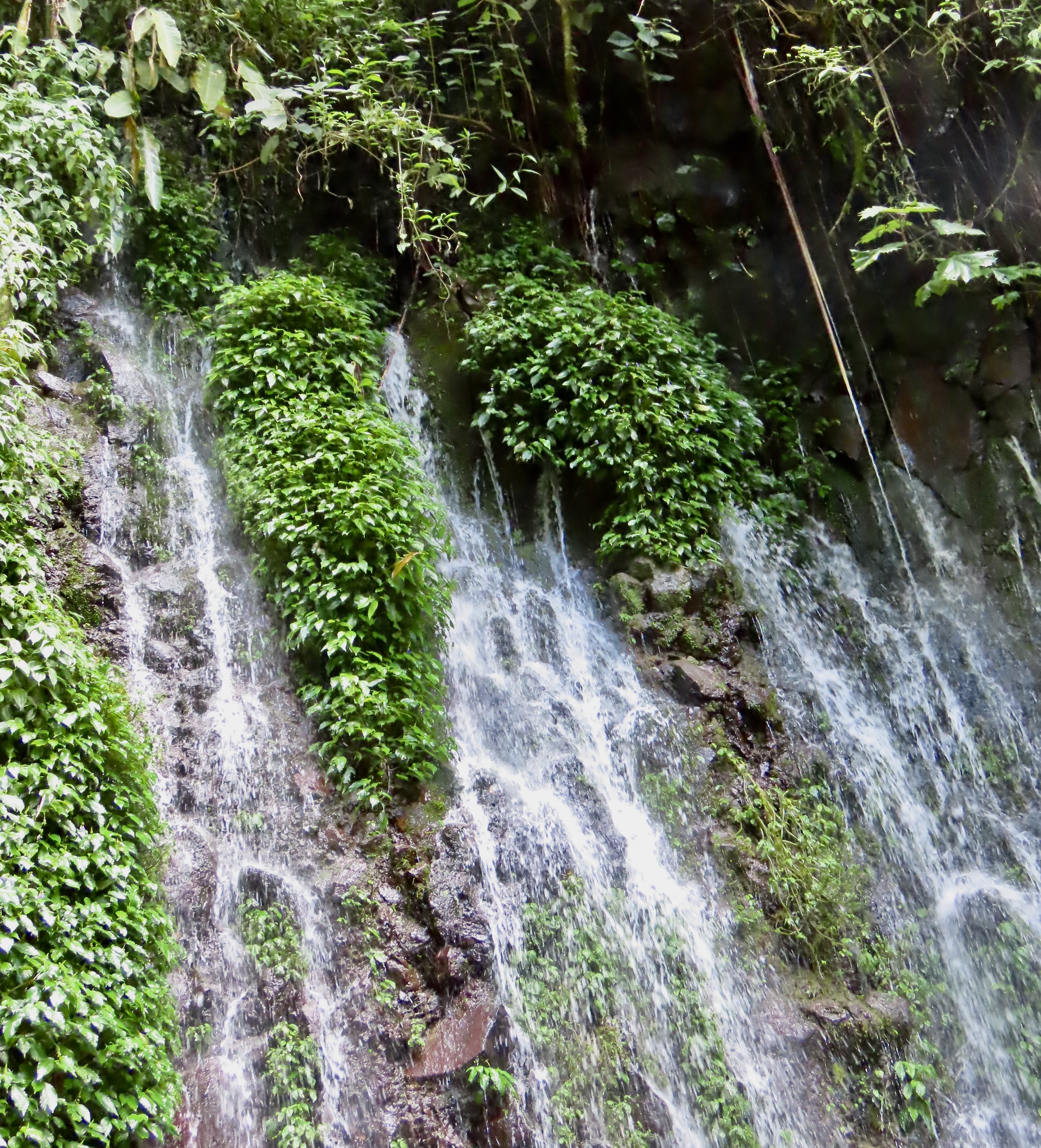
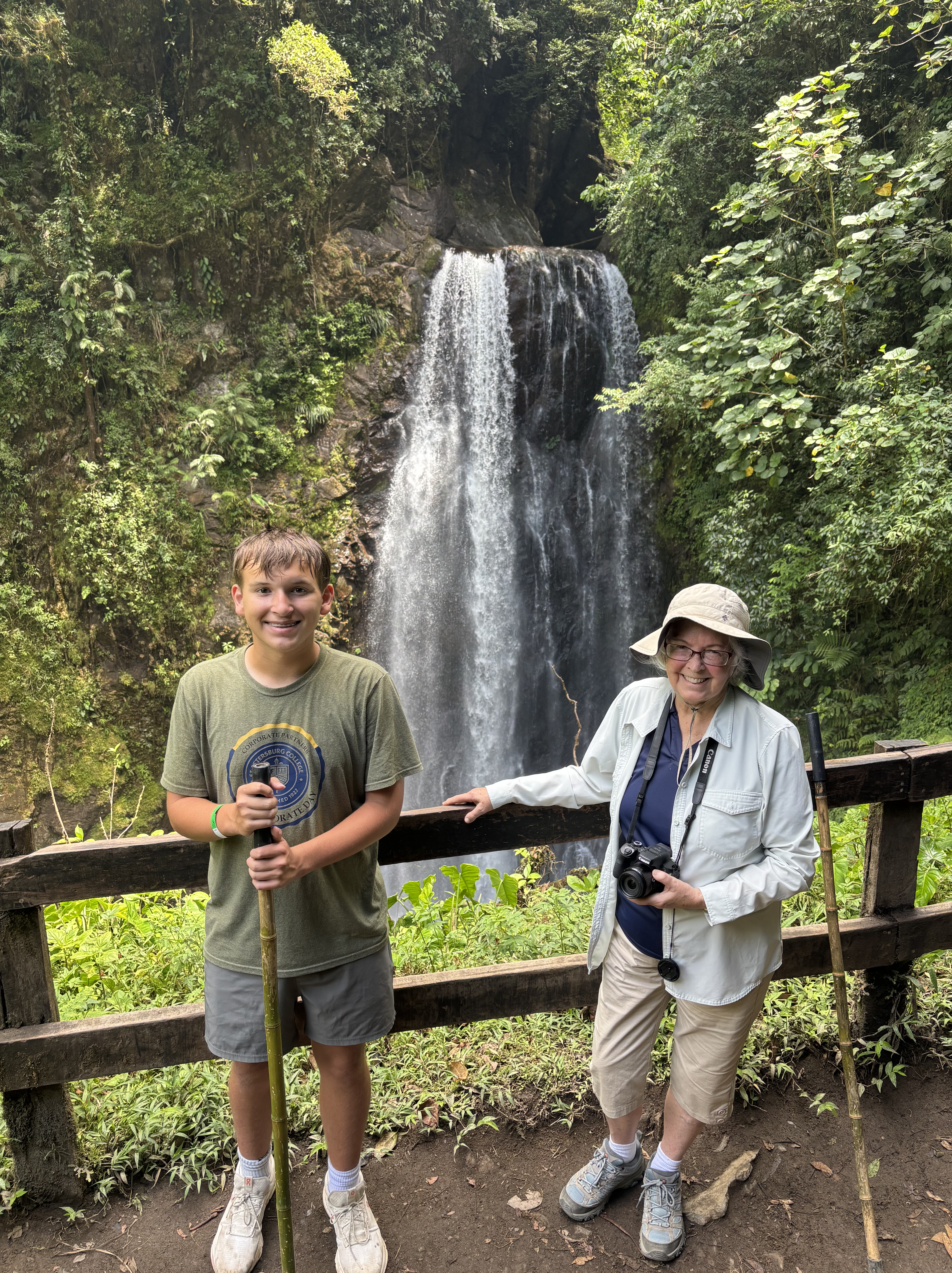
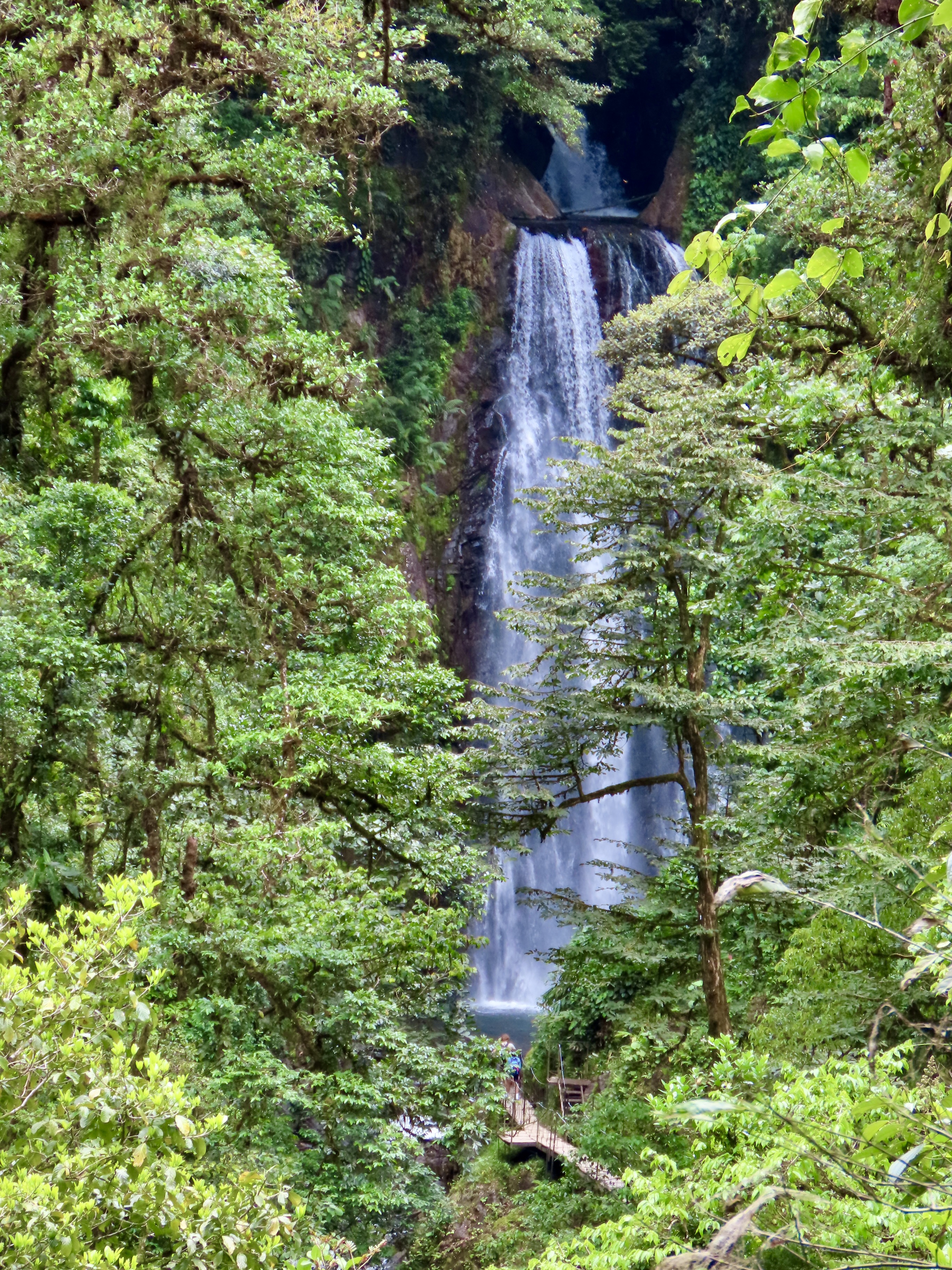
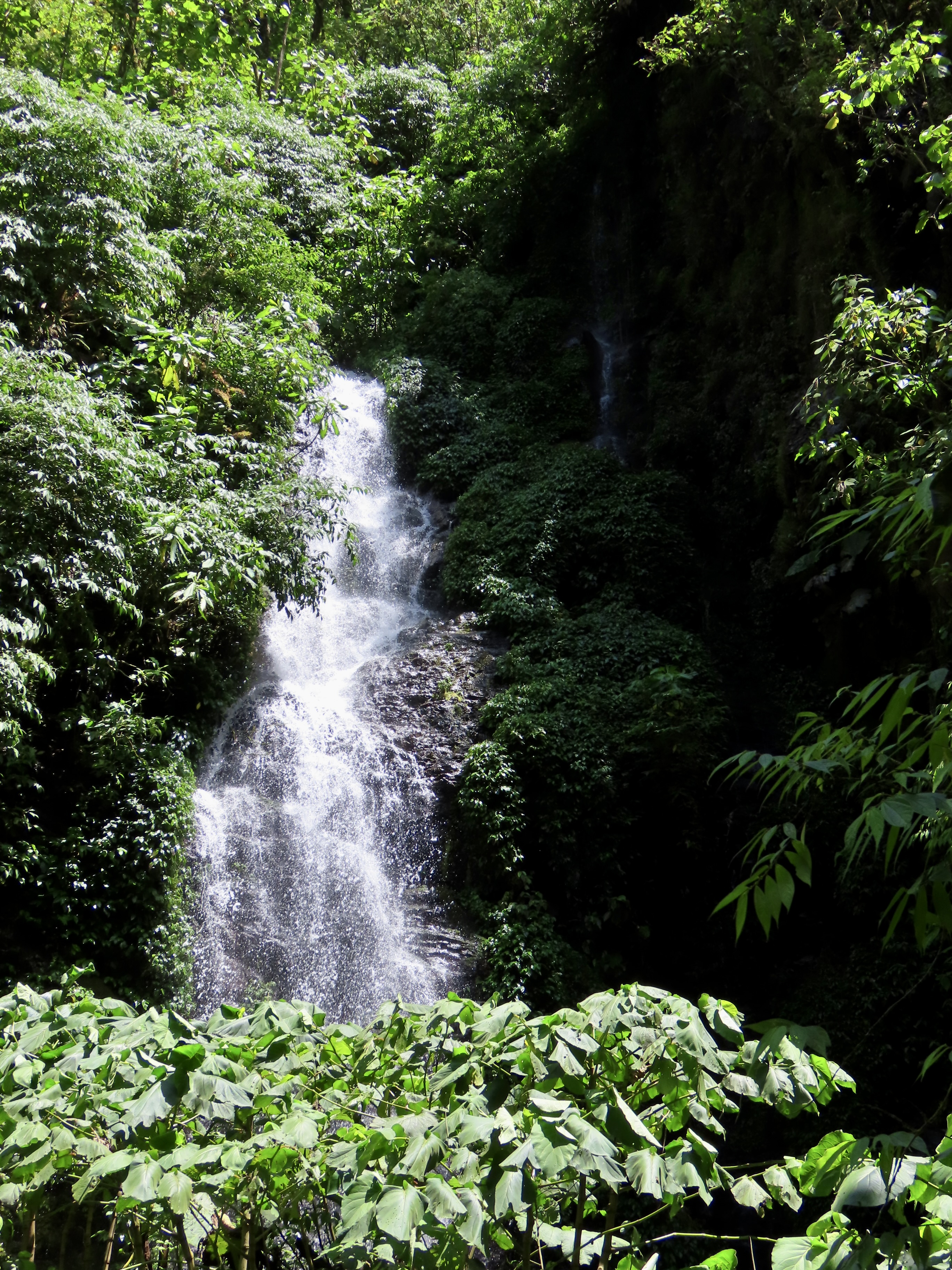
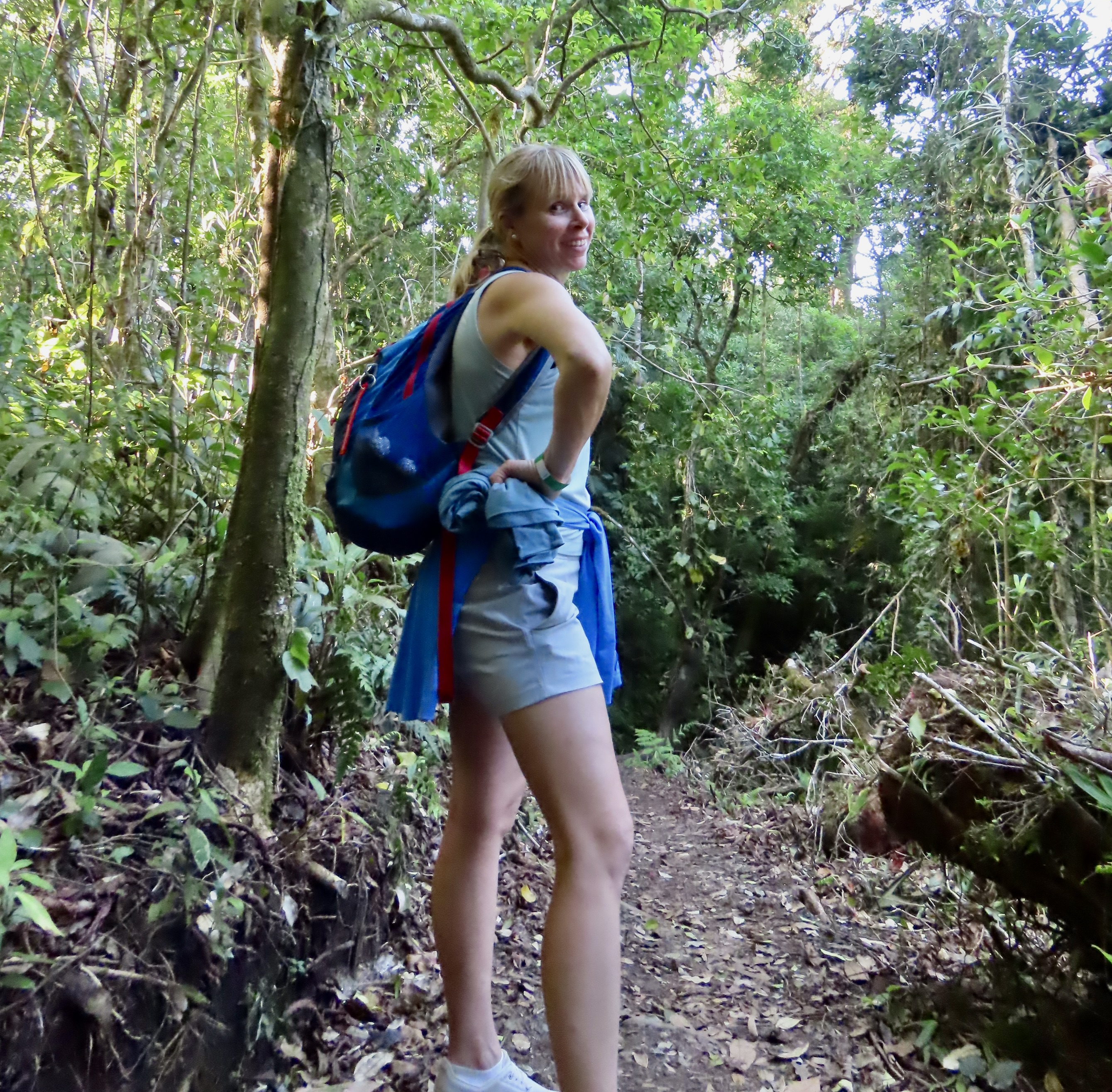
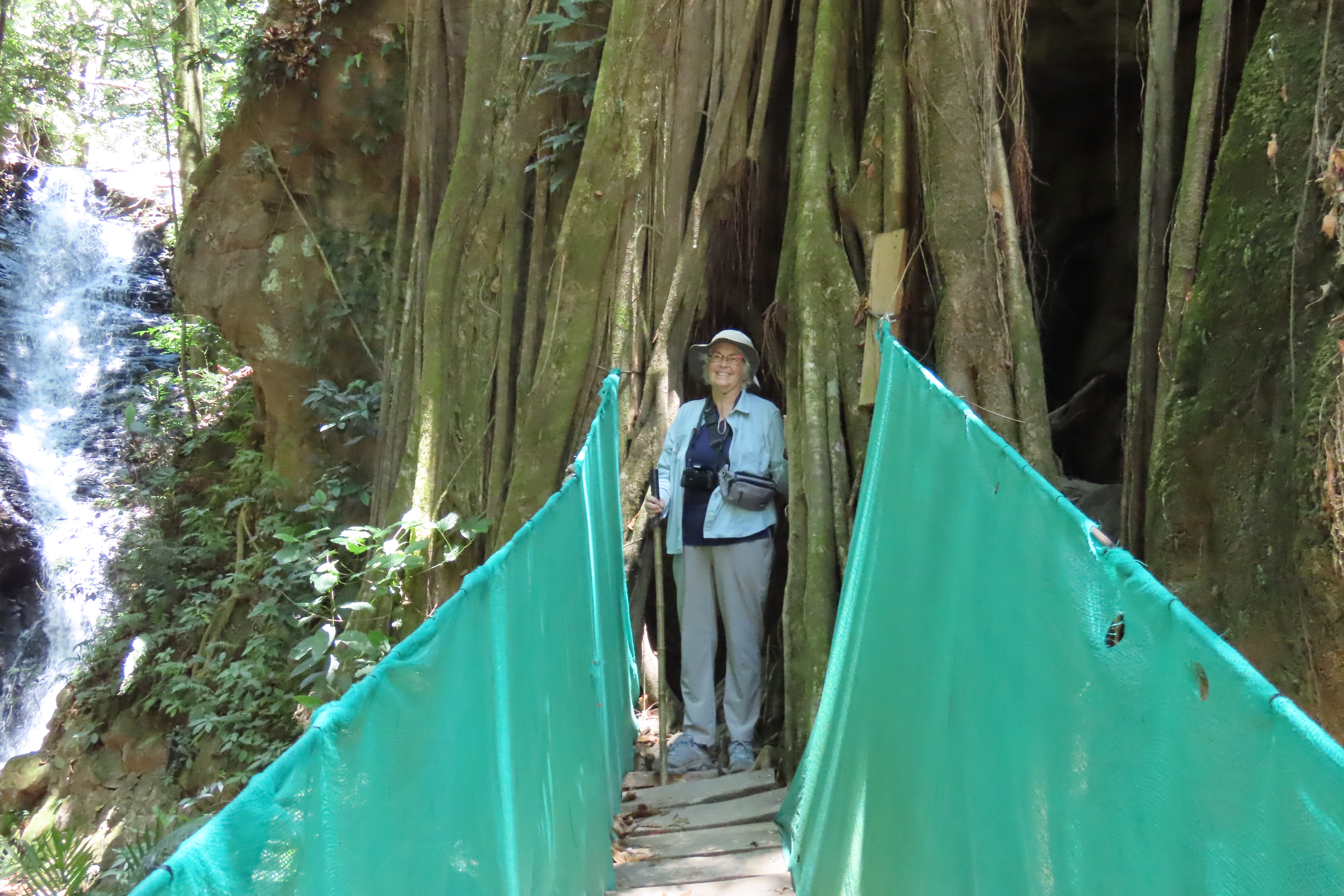
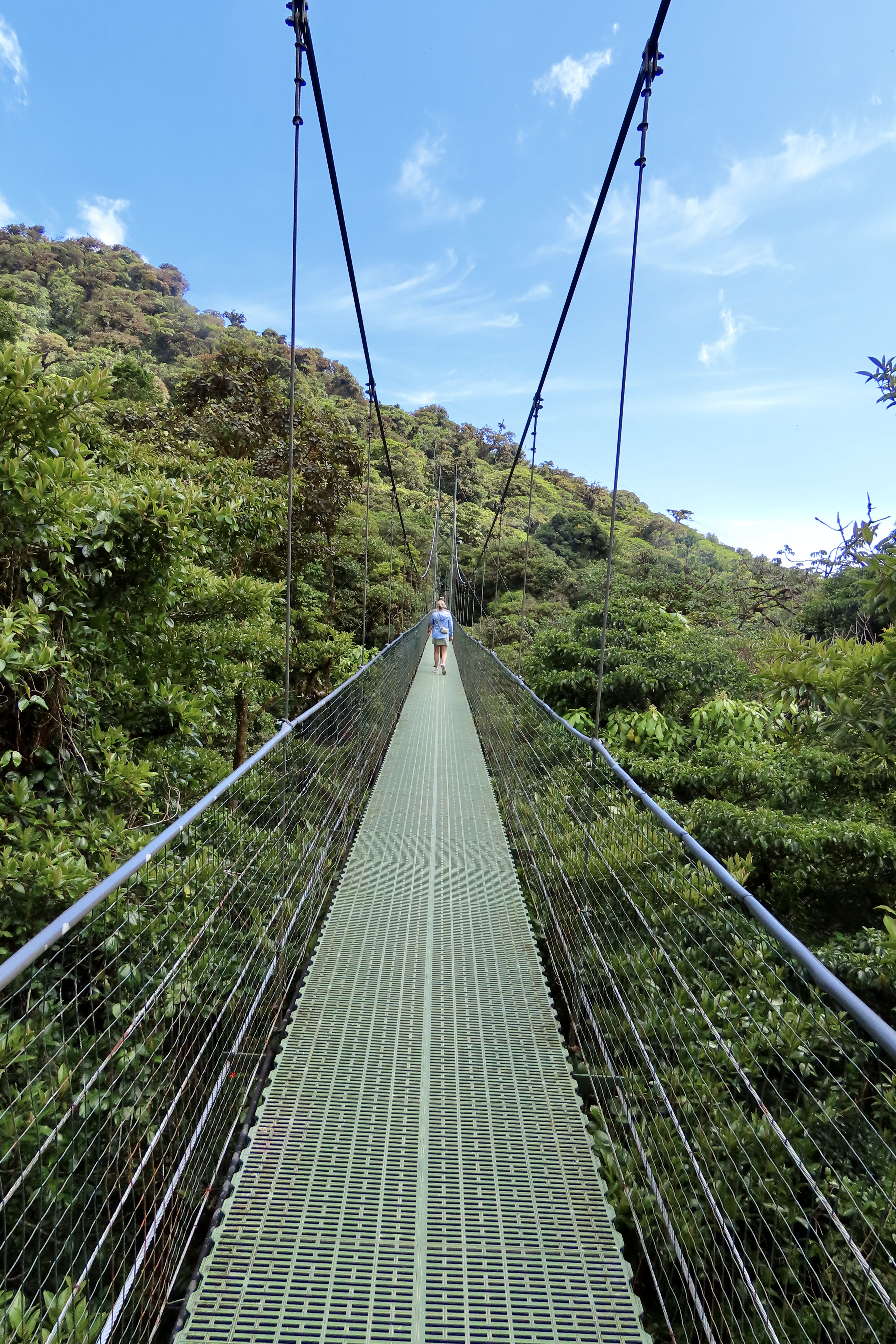
Catarata Los Murcielagos is a steep but easily reachable waterfall found in the heart of Monteverde, Costa Rica. It took about 20 minutes for Peggy and me to hike to it. Catarata translates to cataract and Murcielagos to bats. So we have a cascading waterfall with bats. We didn’t see any bats but the person-wide, shaky bridge and the gaping mouth of the ficus tree roots made up for it. Bright sun overwhelmed the bridge and made the ficus tree root tunnel look pitch black. The tunnel jogged to the left and deposited us close to the base of the waterfall where we enjoyed the water and took more photos.This is another bridge over the small creek that we crossed before reaching the waterfalls. I’m not sure whether the green, plastic walls were to protect people from falling off or to provide a sense of security! Probably a bit of both. The wall was flimsy enough that I wouldn’t have wanted to fall into it.Peggy provides a good perspective on how flimsy the narrow the bridge was. Between the bridges and the Ficus tree, it felt like we had ended up in an Indiana Jones or Lara Croft movie. Peggy is maneuvering a bit more carefully than Indiana or Lara would have, however. (I did too.)The top of the waterfall.And bottom. Peggy had been to the waterfall before with our son Tony, his wife Cammie and their three boys. The waterfalls provides a small but enjoyable swim. She had waded out to the waist-high middle.Top, bottom, in-between and pool. The whole shebang!
While I was wandering around taking bird photos and exploring jungle trails near our VRBO in Monteverde, Peggy went out on another waterfall hike with our son and his family. Know as El Tigre Waterfalls, it was an up and down 5-mile self-guided walk through a cloud forest that included more rustic bridges and four waterfalls. I urged Peggy to take good photos. And she did! Following are the results.
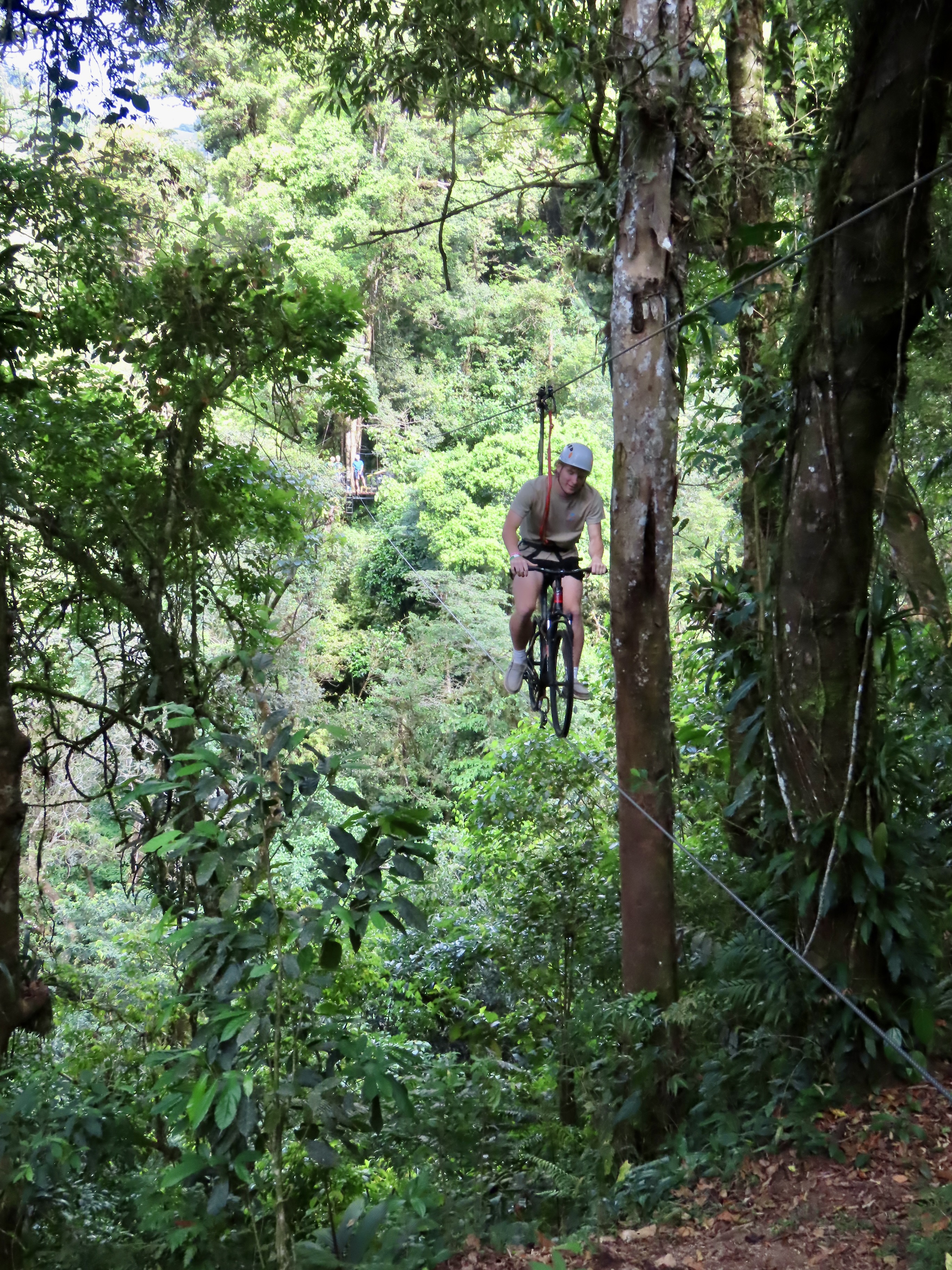
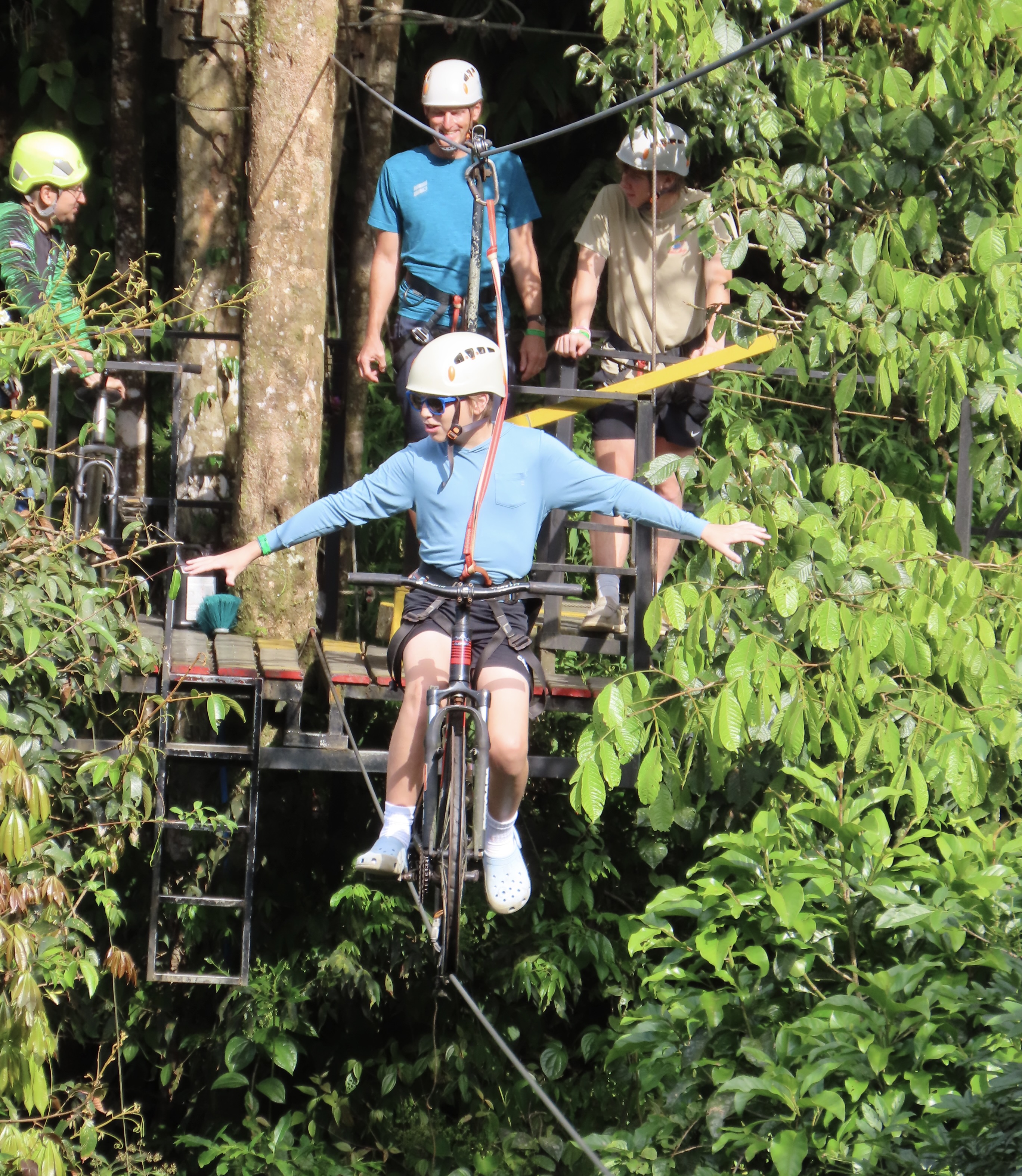
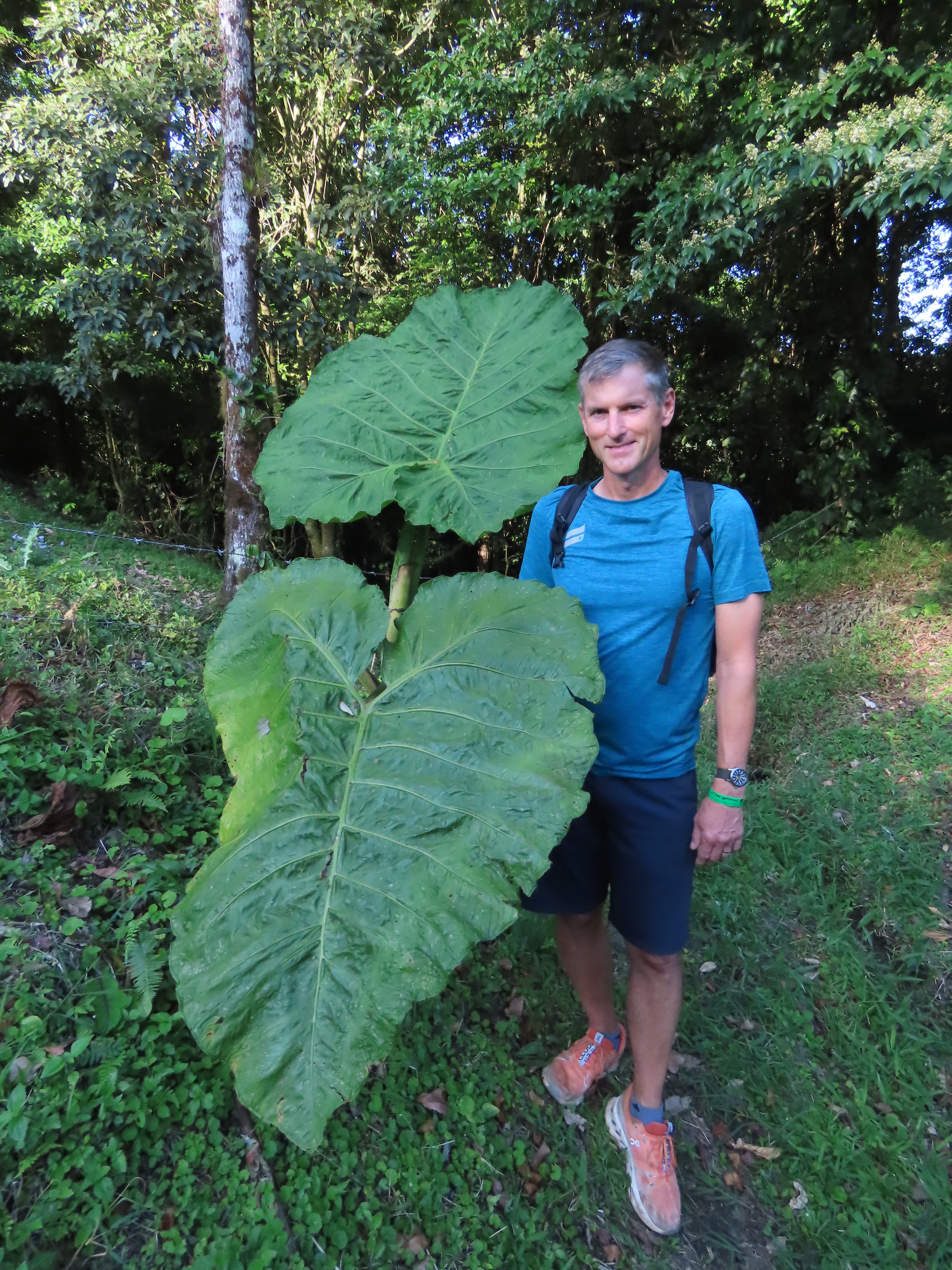
Tony, Cammie and one of the four waterfalls.A narrower but still gorgeous waterfall.A close up catching the right side of the waterfall.Peggy with our grandson Chris.Trees provided an interesting screen for the waterfall from another perspective. A smaller waterfall can be seen in the background.This was a first. A zipline for bicycles. Our grandson Connor is making his way across, looking quite serious.“Look, Mom, no hands.” Our grandson Cooper at the beginning of the zipline.When I think of a waterfall cascading down a mountain, this is what I picture.Photo of Tony with some really big leaves!I’ll conclude with this photo. I think of Cammie saying, “Another photo, really?” It was a steep uphill. Peggy may have been taking photos as an excuse to stop. Either that or to fulfill her responsibility as a mother/grandmother— not to mention my request to bring back lots of photos!
Peggy and I are off journeying through Greece, Scotland and Ireland over the next several weeks, so there won’t be much time for blogging. Initially, I decided to put the blog on hold, but I’ve decided to republish some of my favorite posts that may eventually make it into UT-OH!.
On Wednesday my dog Socrates and I head off into the wilderness on a guy’s trip. It’s the 70s, so I am carrying a book by Carlos Castaneda and meditating while Socrates digs holes and downs Milk Bones. Strange things happen.
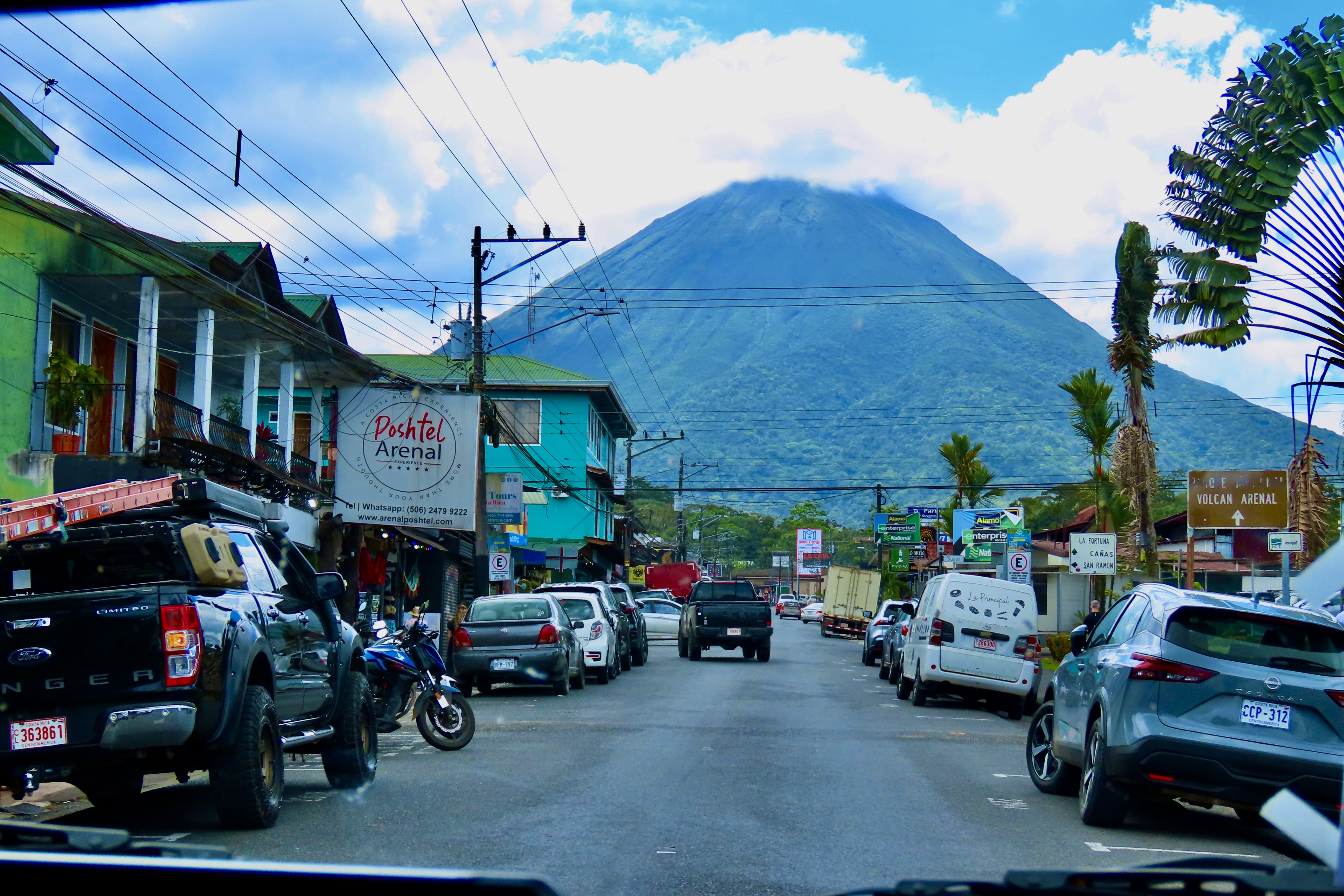
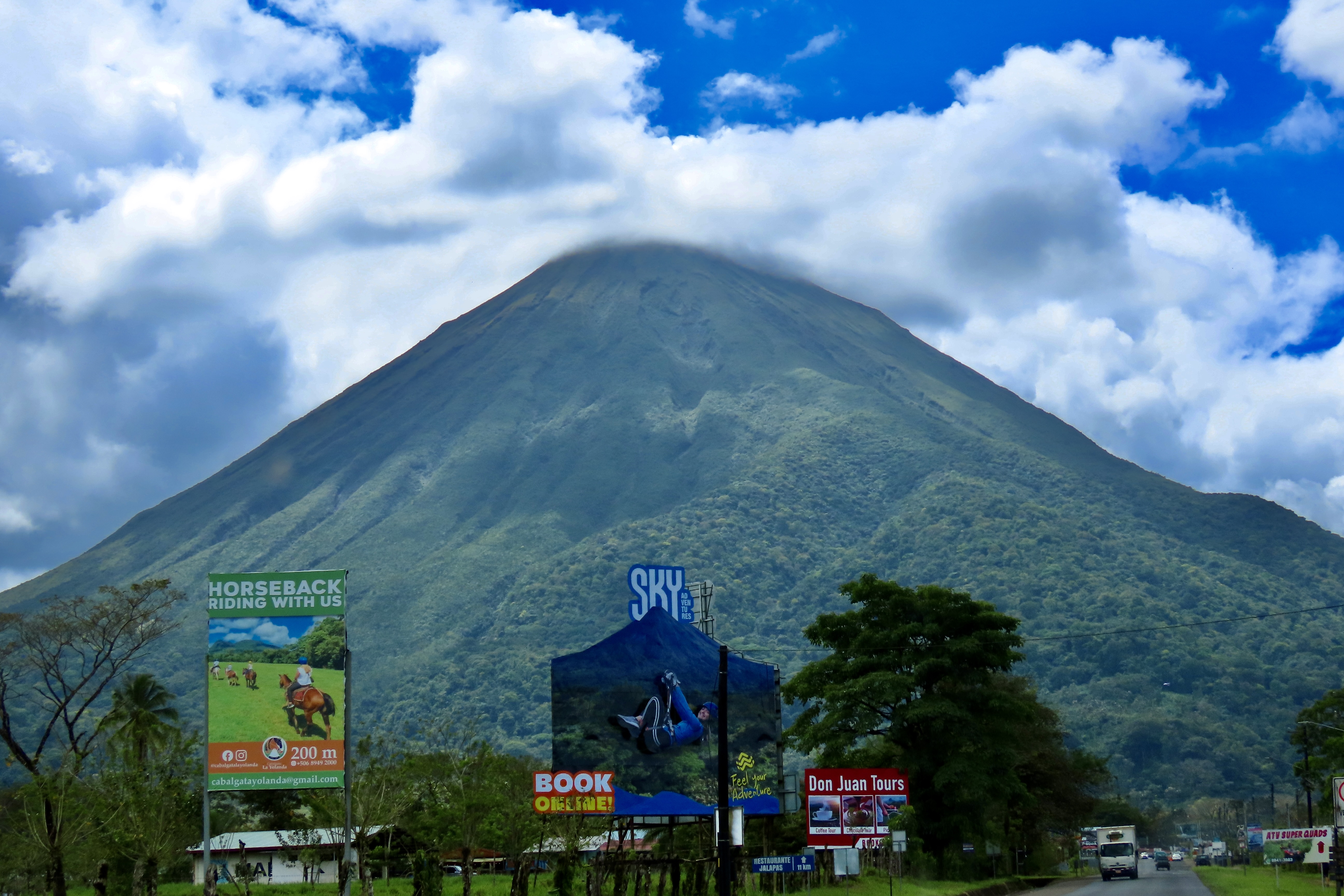
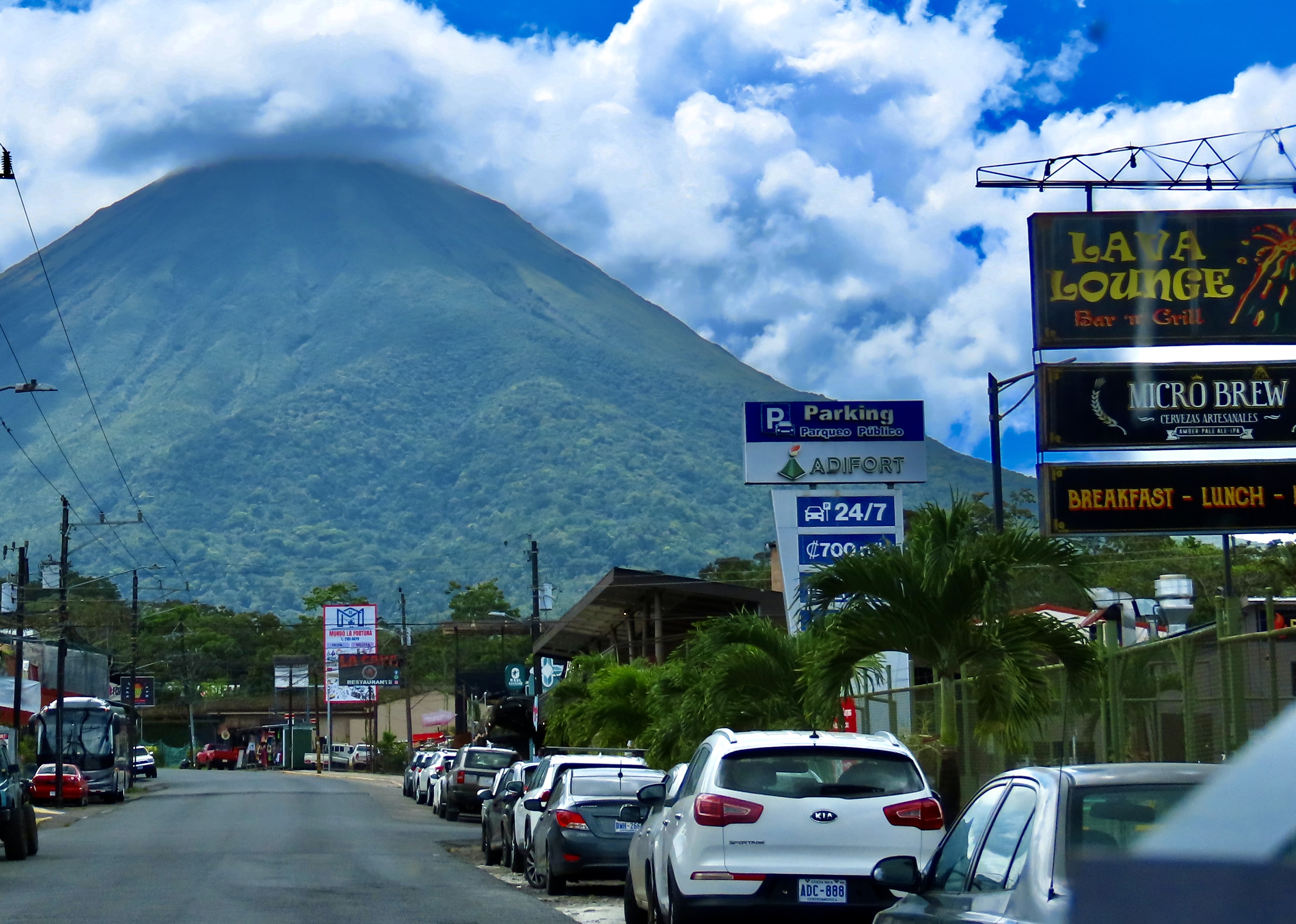
Since the popular tourist town of La Fortuna was only 30 miles away from Nuevo Arenal where we were staying, we decided to drive over and check it out. La Fortuna had avoided being destroyed by the violent eruption of Mt. Arenal in 1968 and used the continuing volcanic action over the following 40 years to draw tourists from around the world. While the volcano ceased its activity in 2010, its smoking top still provides a popular attraction for visitors.
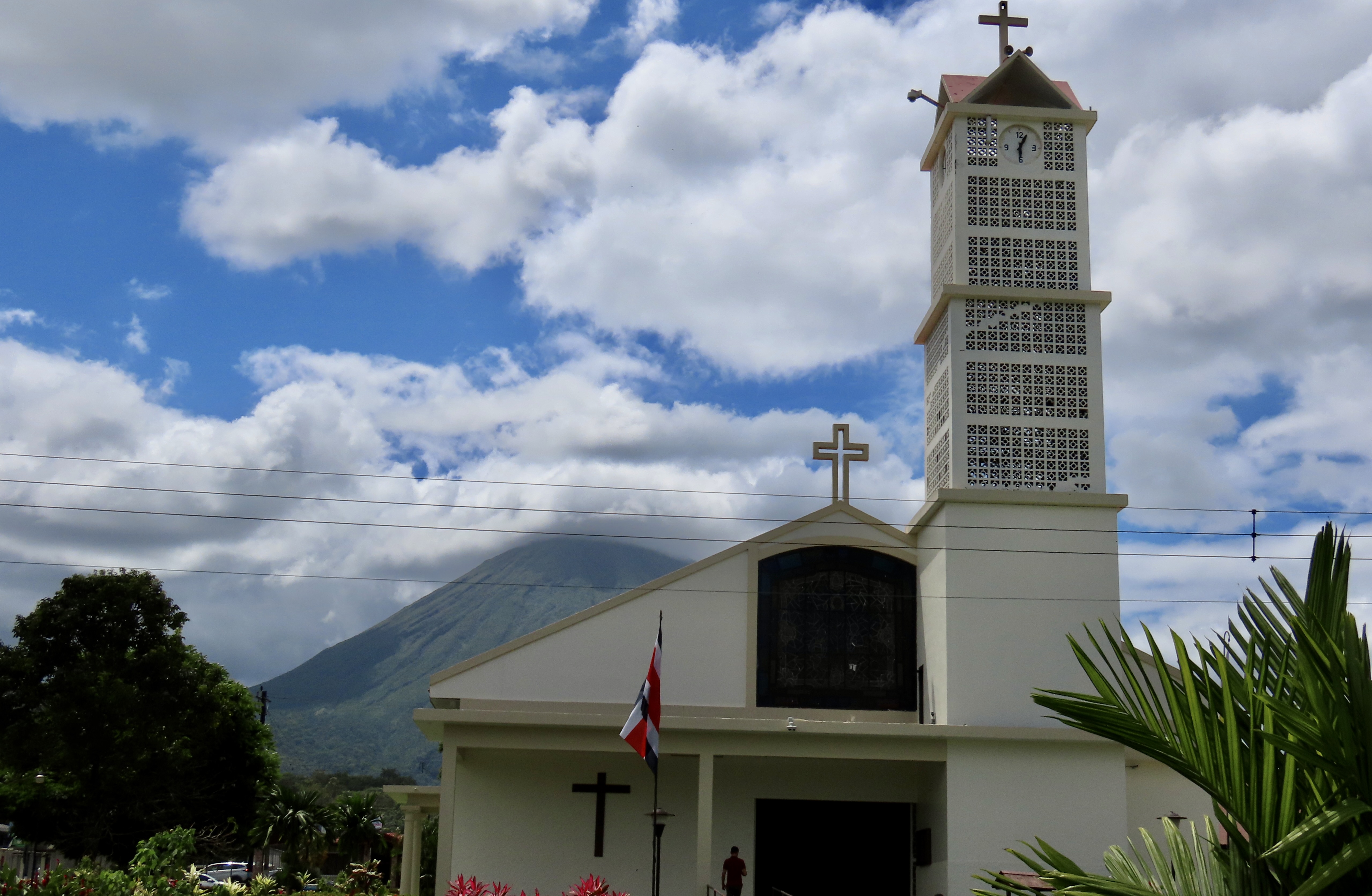
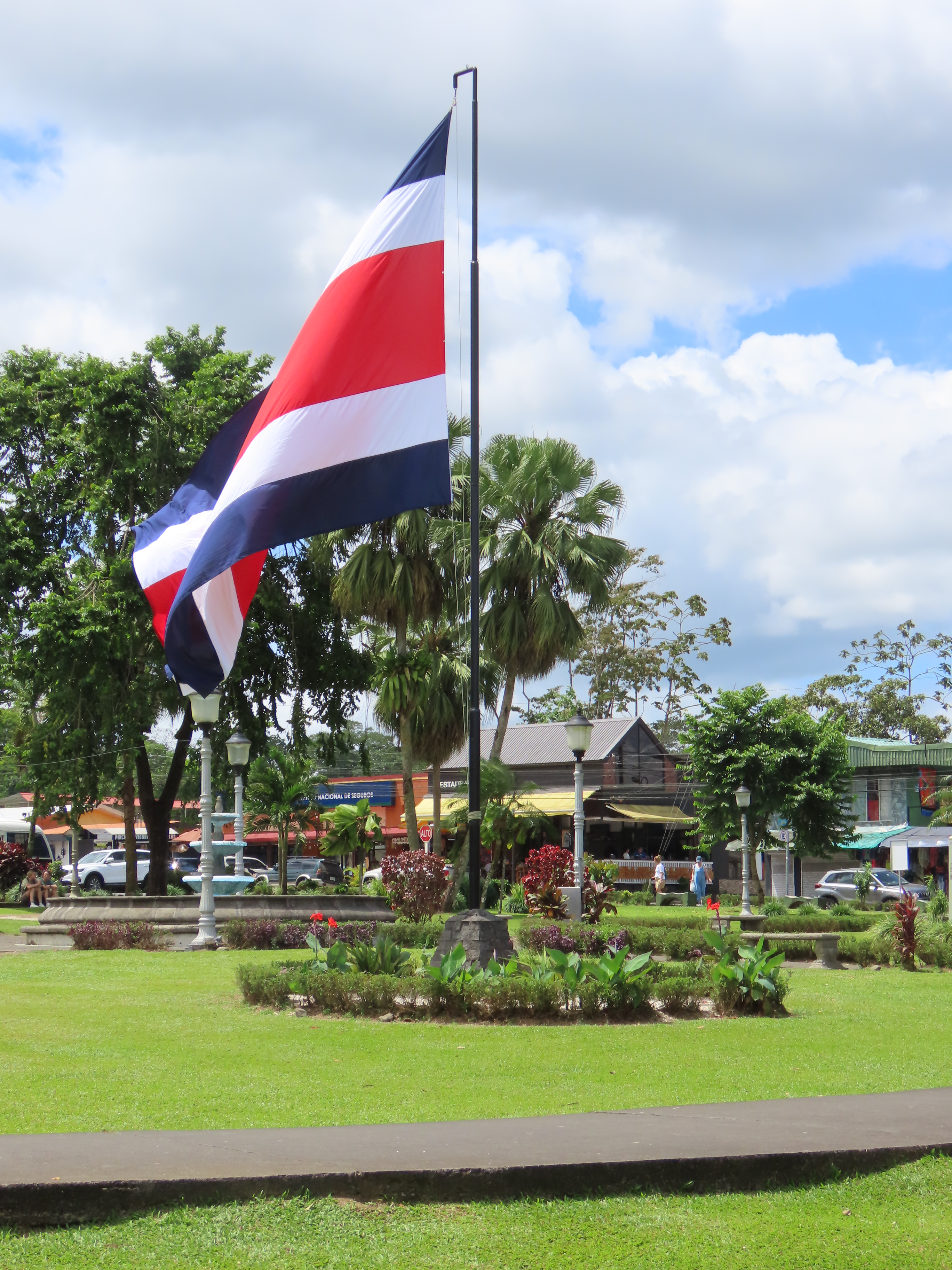
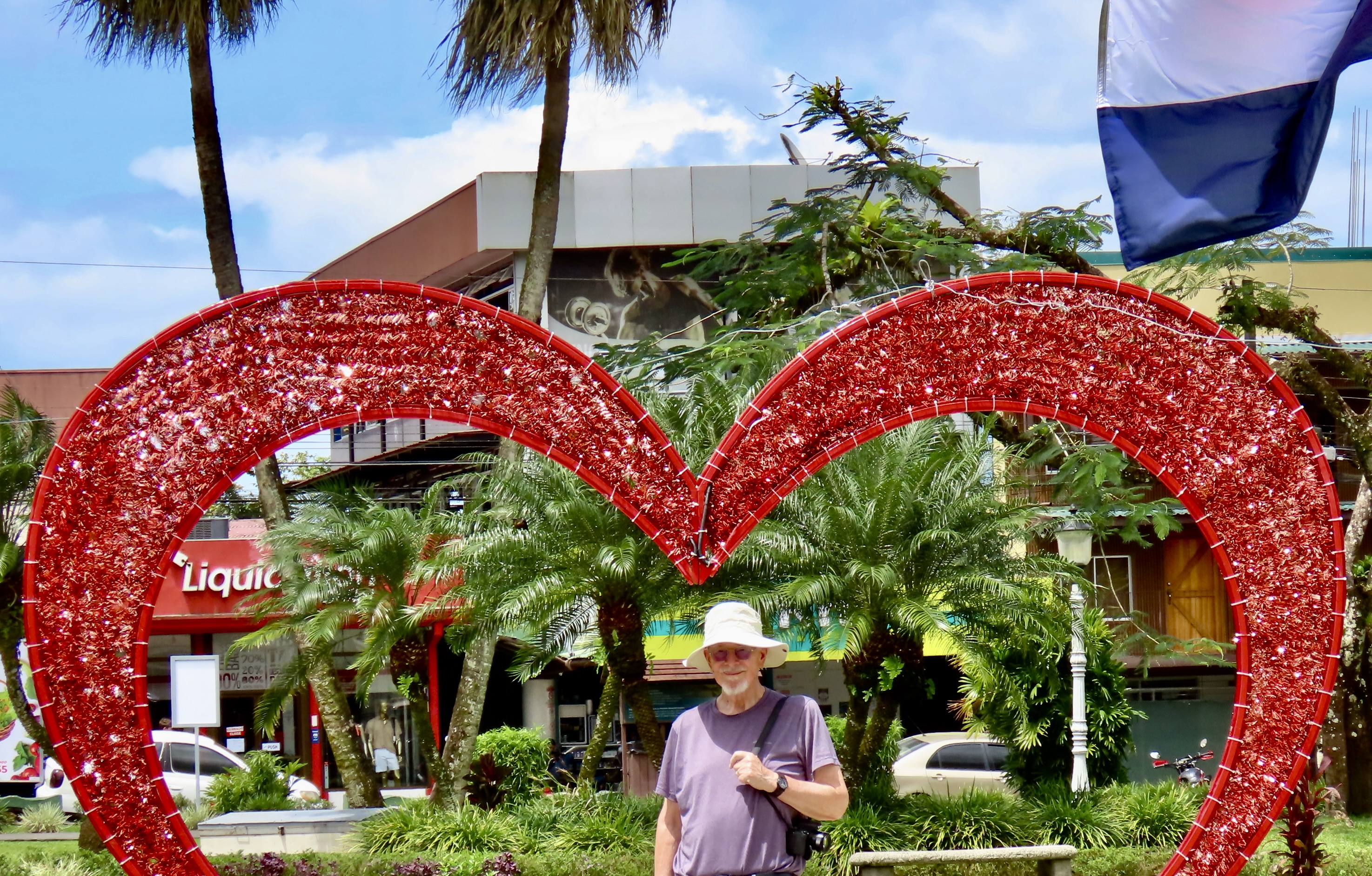
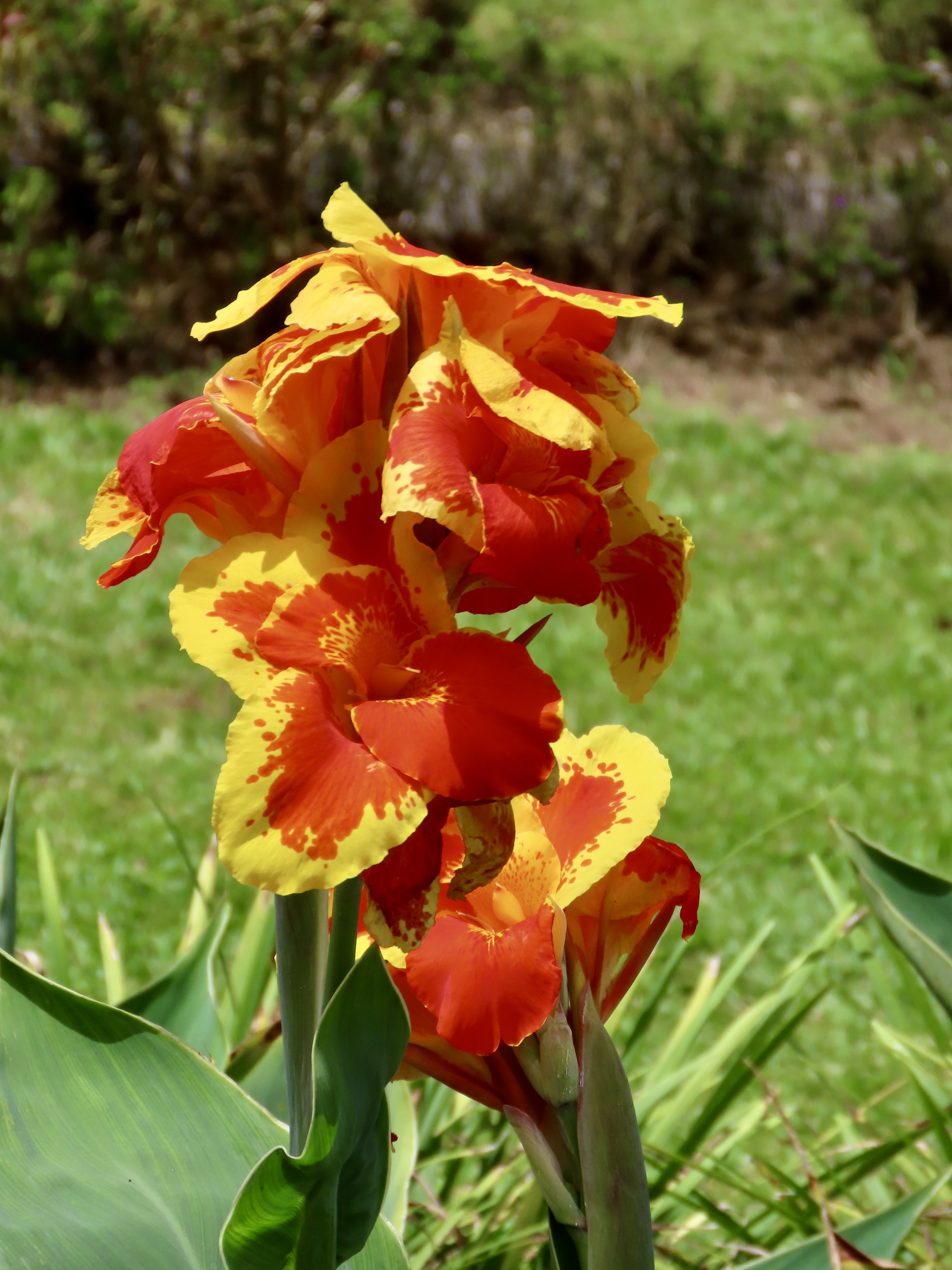
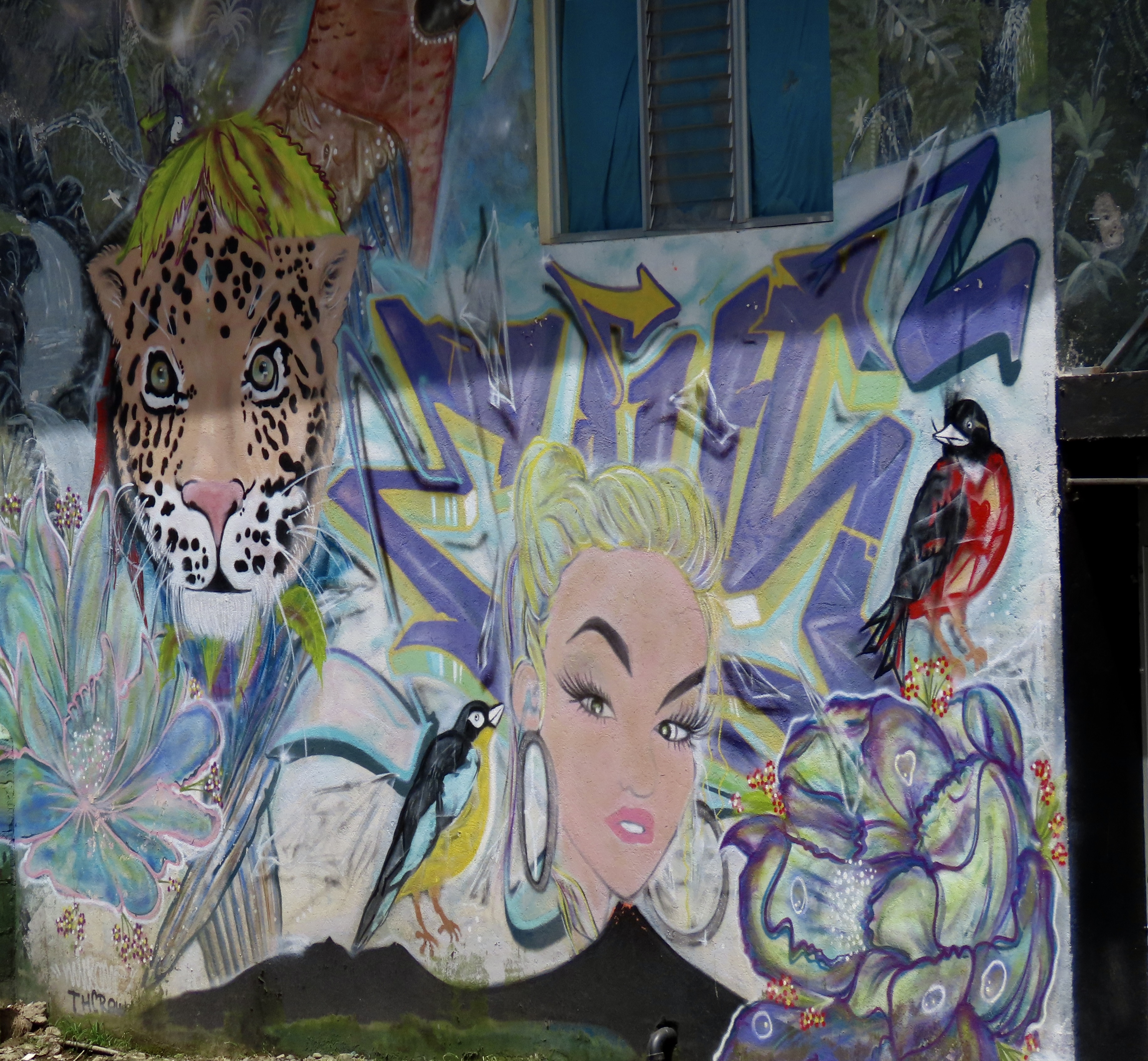
Mt. Arenal looms above the Costa Rica town of La Fortuna, a mere 6 miles away. It was cloudy when we visited so we couldn’t see the smoke that that escapes from the top. The red sign on the right proclaims Vulcan Arenal and points toward the mountain. A fan palm reaches out from the right. We were on the Big Island of Hawaii last year when Kīlauea was erupting, so we understand the attraction of a live volcano— as long as it is behaving itself.This photo from Wikimedia Commons of Mt. Arenal during its active but non-destructive phase shows why millions of tourists would have made their way to La Fortuna.Signs along the road advertised different ways tourists might want to enjoy the mountain. Options here included on the back of a horse, from a zip-line, or on your feet. The unreadable sign down on the right pushed using ATVs. For more laidback tourists, several hot springs— created by underground water’s close proximity to lava— demanded a visit. Numerous storefront operations along the streets of La Fortuna were eager to sign up visitors for these, and other tours. For example, one could repel down a waterfall, hike on hanging bridges, tour chocolate and coffee farms, or go on wildlife tours. The latter included seeing sloths.Good views of Mt. Arenal can be seen from anywhere in the town, including behind Iglesia de La Fortuna de San Carlos, the town’s Catholic Church.A small but attractive town park in front of the church featured Costa Rica’s flag…A large heart where visitors could have a photo taken. Peggy decided that I should be in one. And…Bunches of Cana lilies. These beauties, which can be found in flower gardens around the world, are actually native to Costa Rica.A block away, we found a mural featuring a jaguar and a woman. The thrush seems to be whispering something in the girl’s ear while its cousin, a robin, looks on.For lunch, we decided that eating in the lava lounge (on the right) was appropriate.A painting inside displayed an exploding Mt. Arenal. Peggy insisted on taking a photo, a challenge since the glass covering it reflected light coming in from the windows.
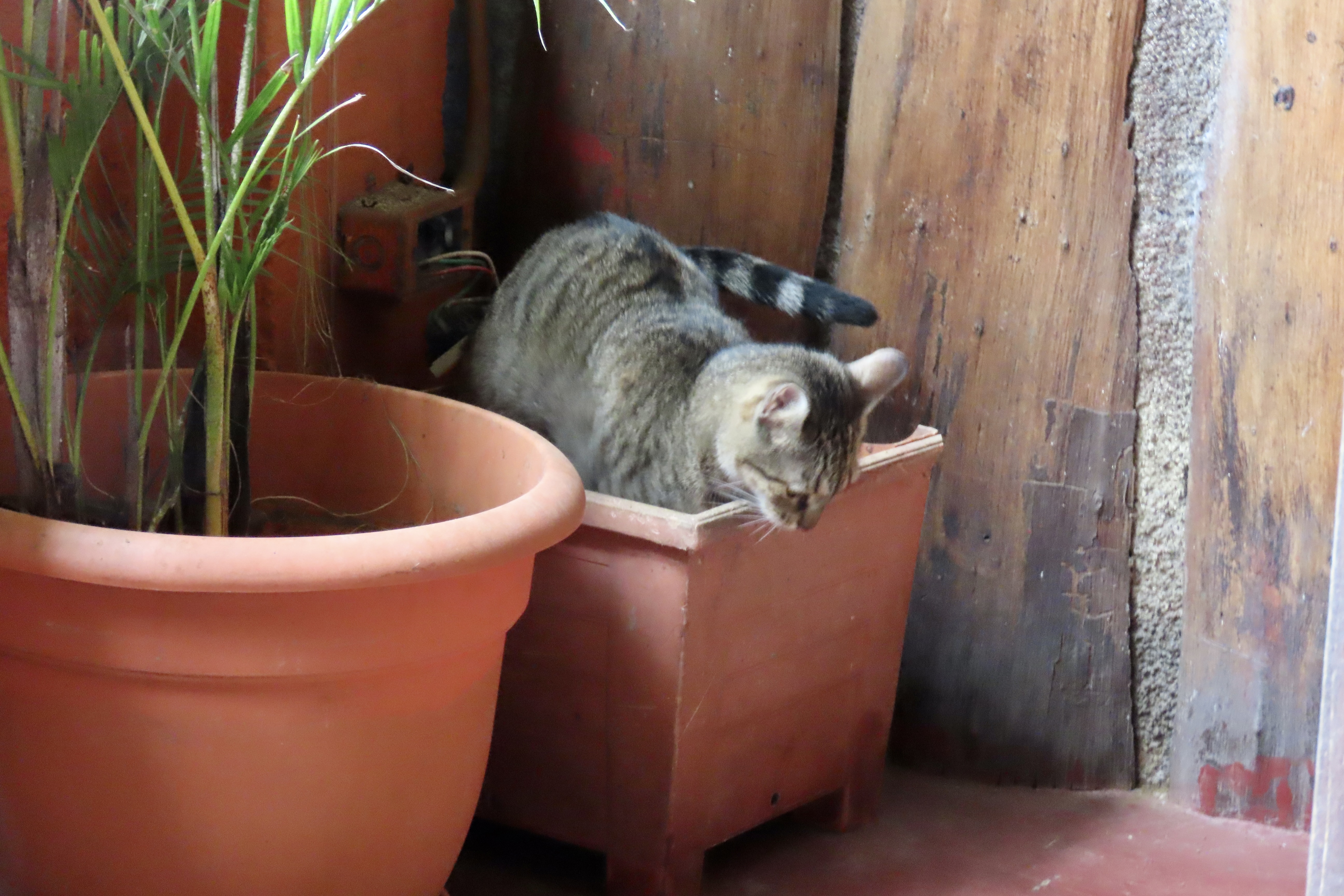
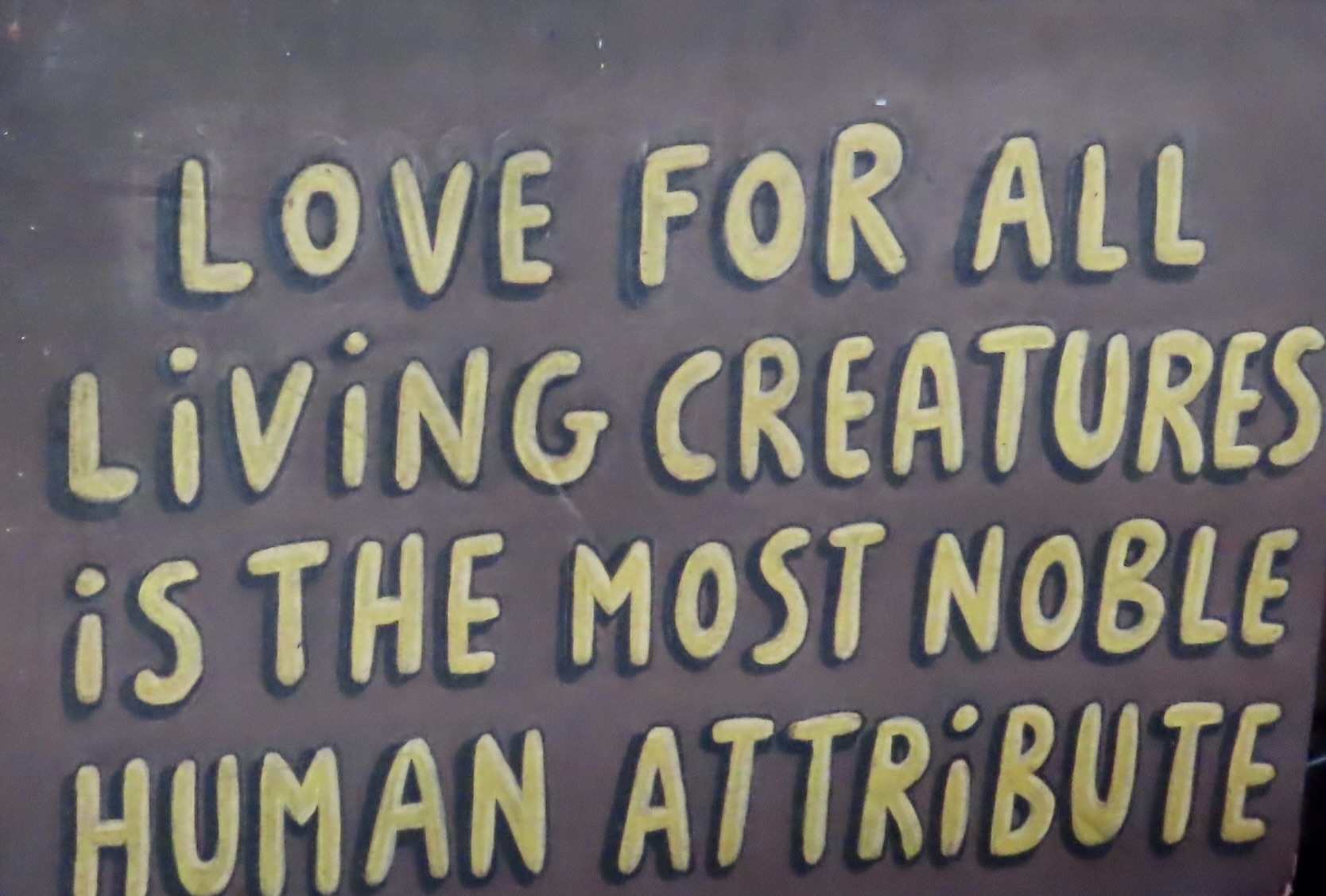
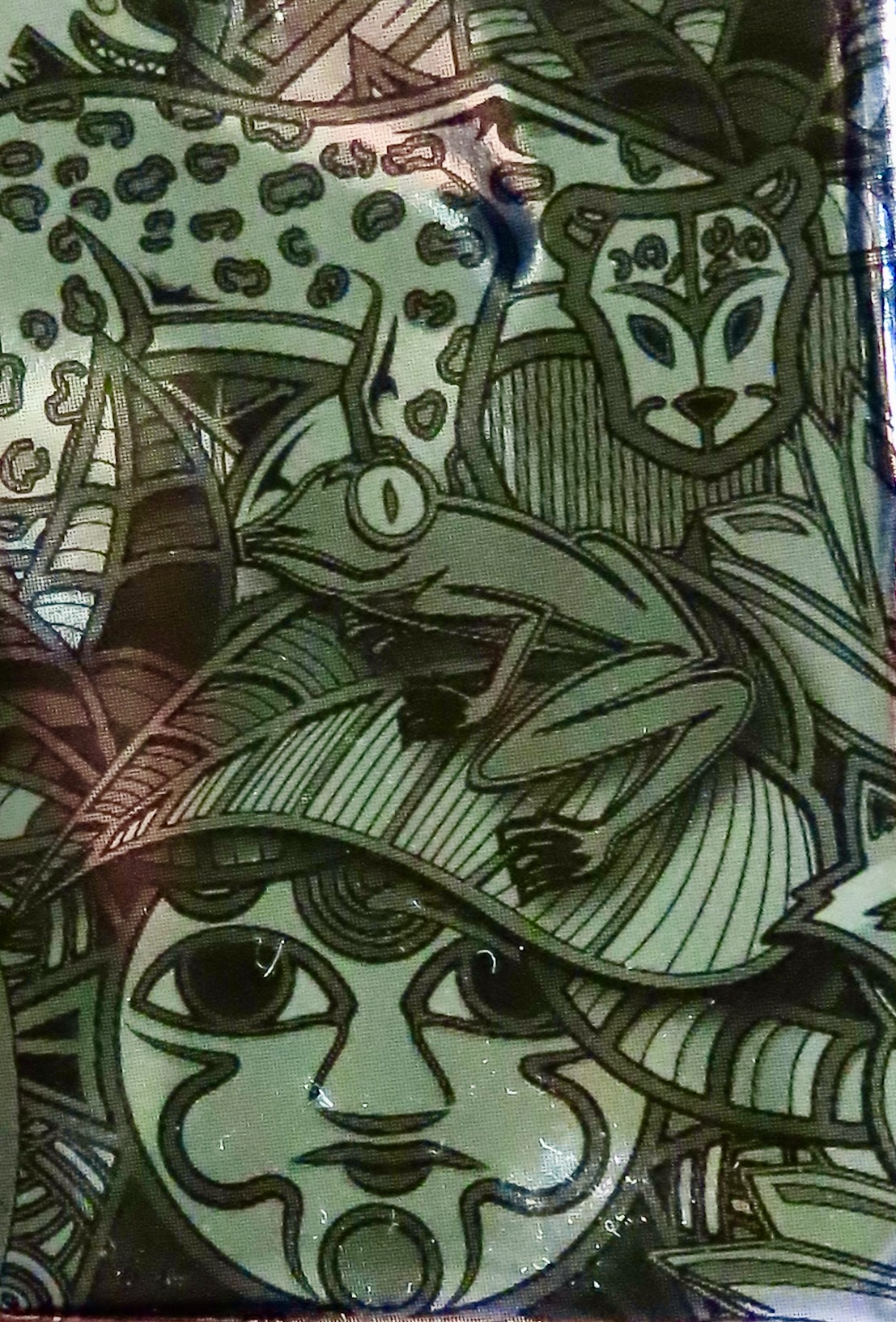
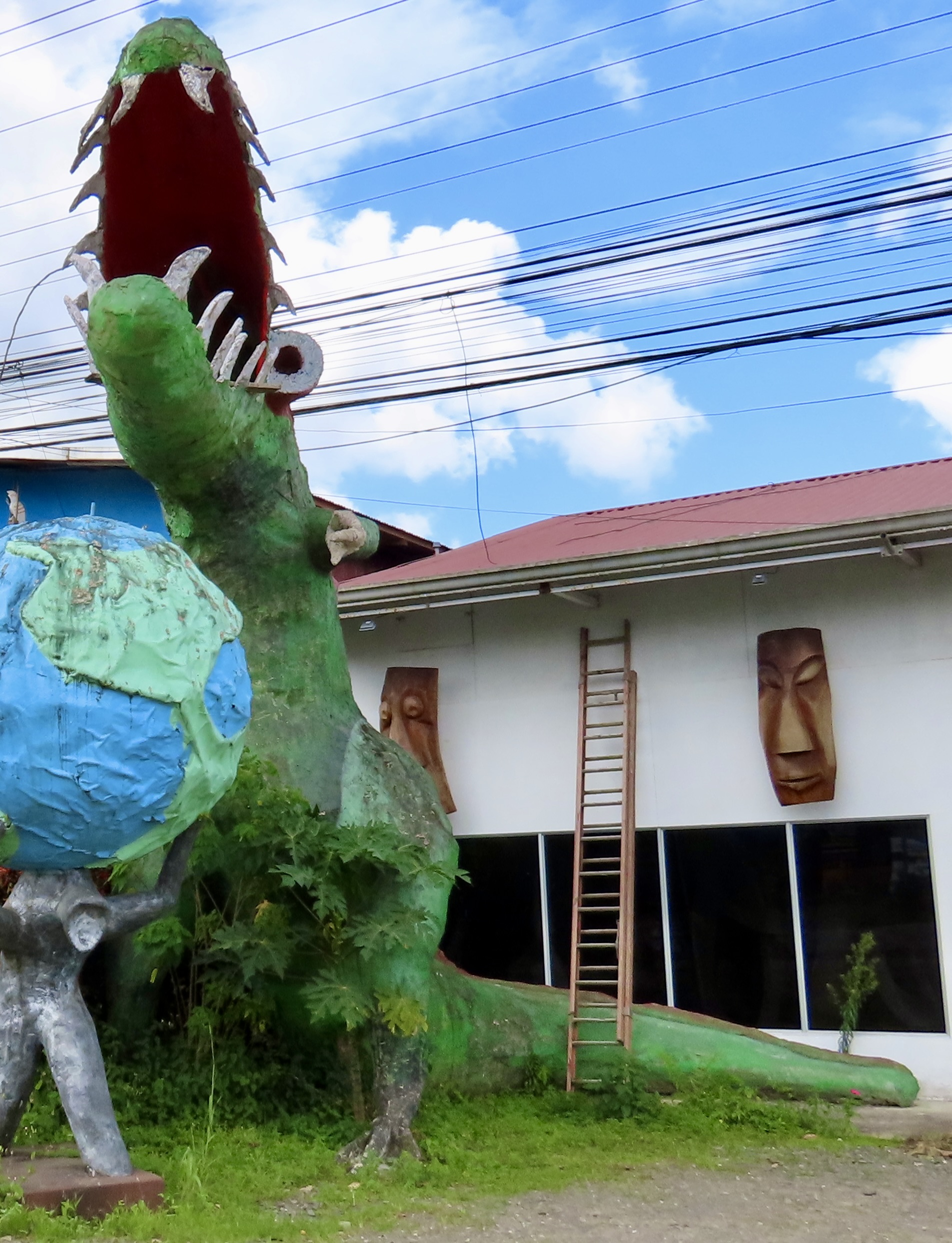
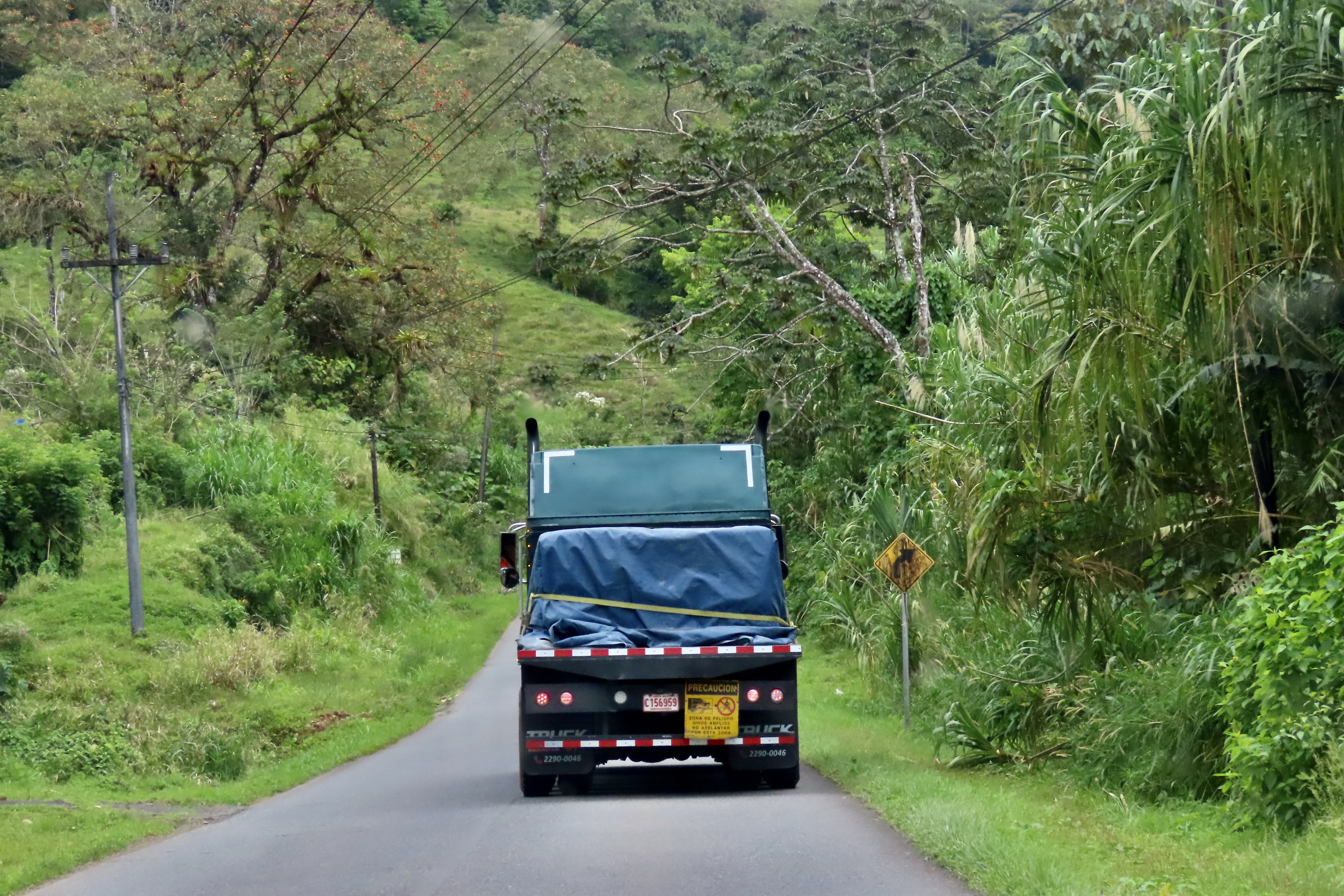
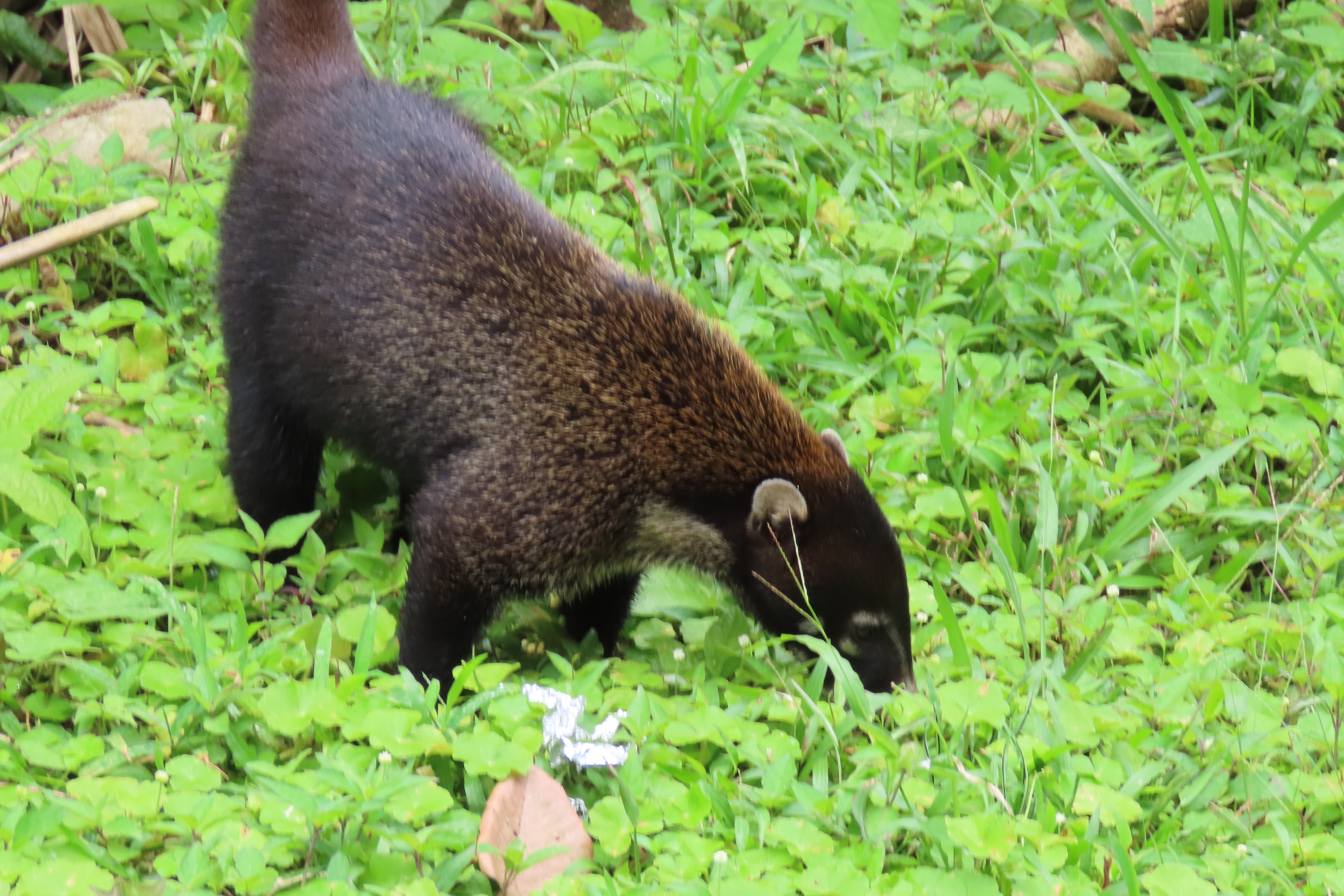
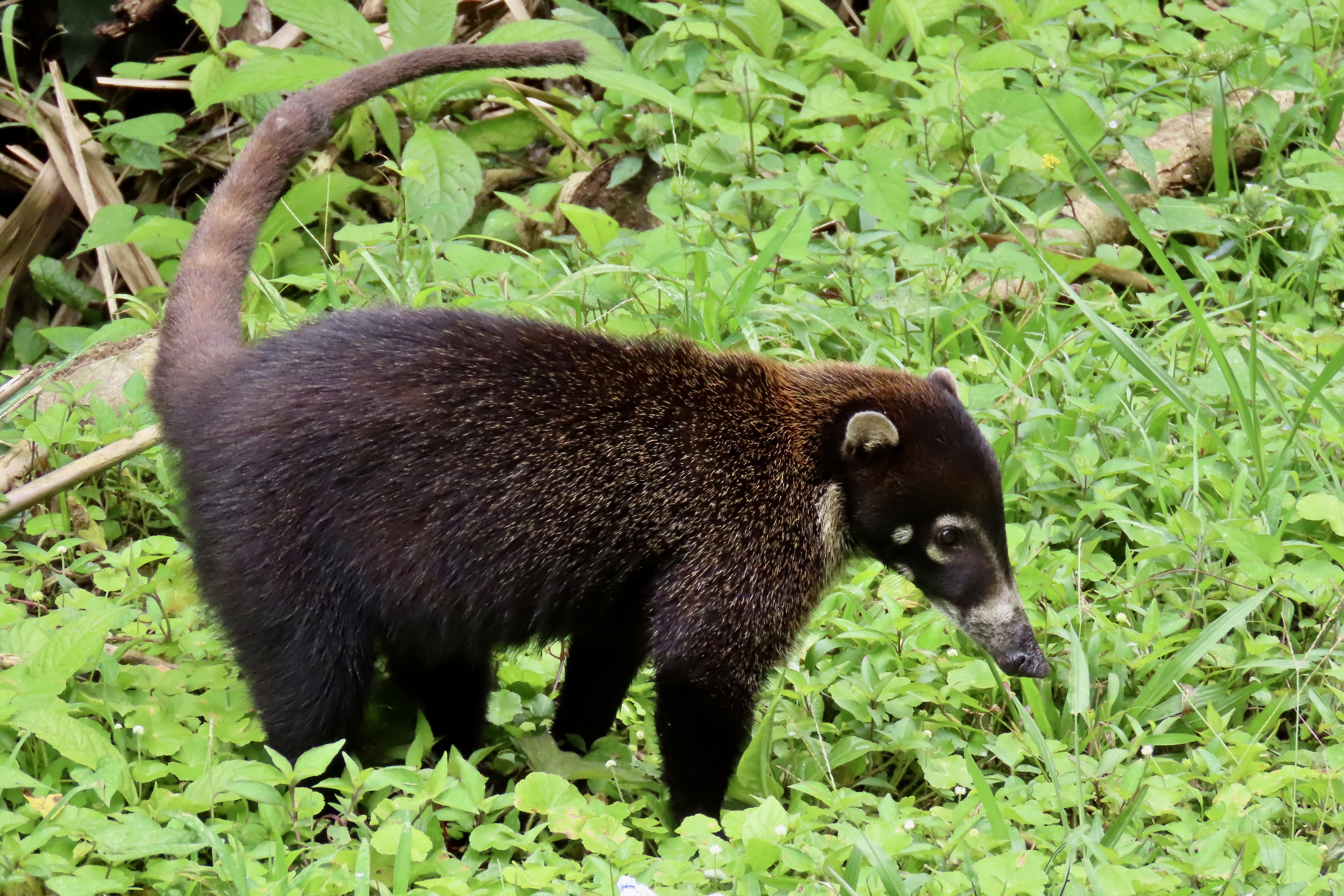
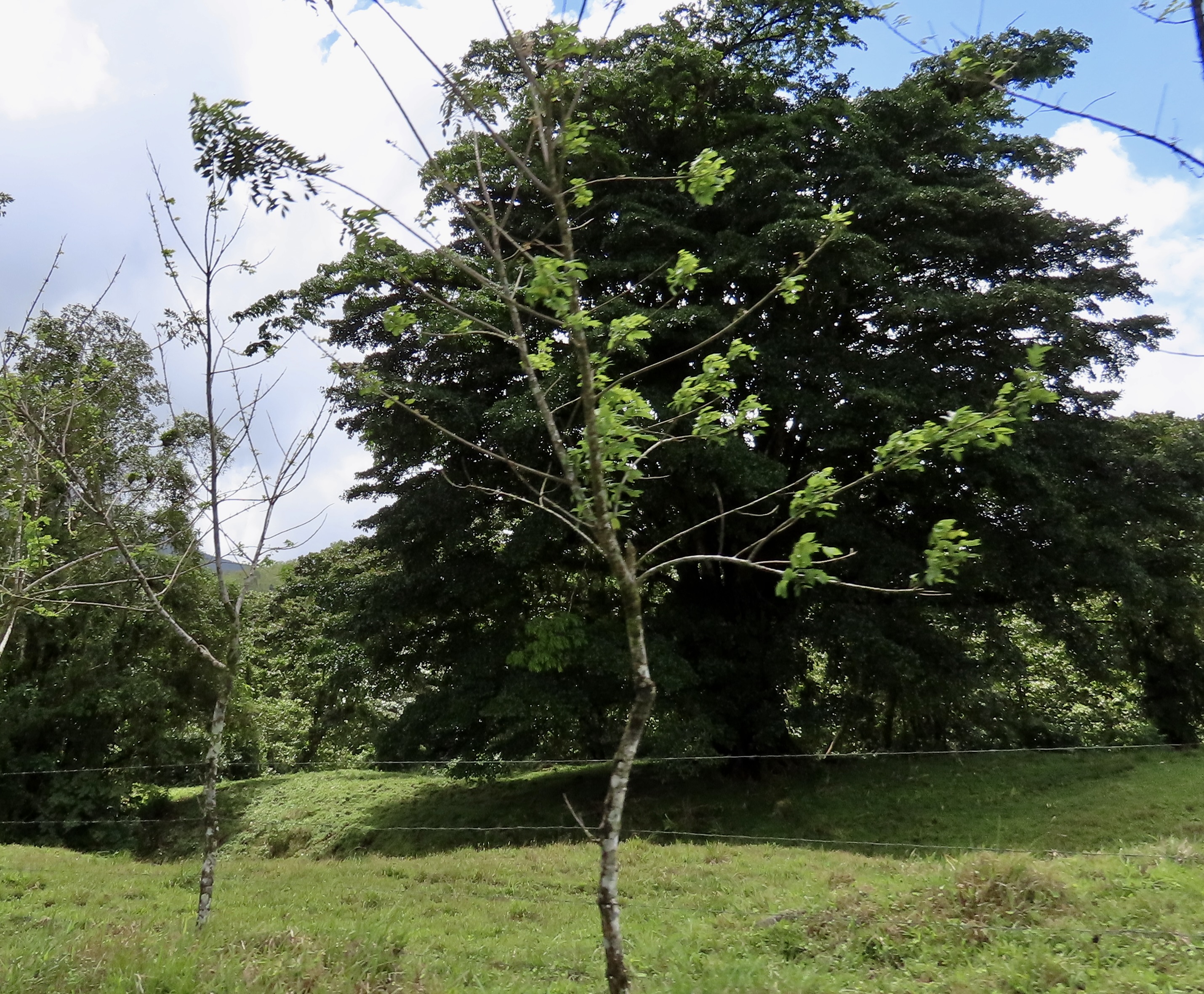
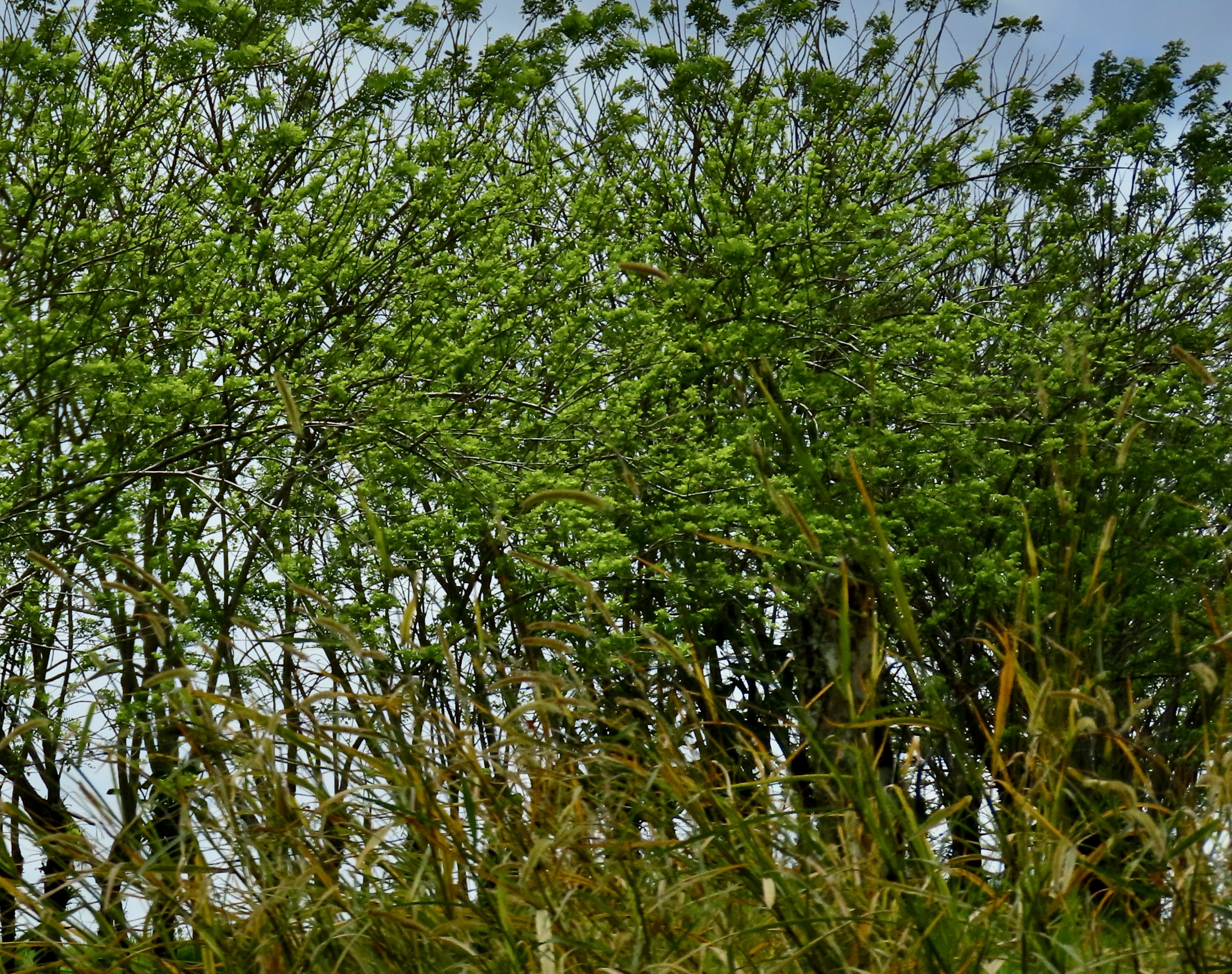
We thought the message was clear. An exploding volcano might be a mind boggling sight, but it isn’t something you would want in your backyard. The name of the town reminded me of the Roman Goddess, Fortuna. She was the goddess of fate, and could be rather fickle, bringing both good and bad luck. La Fortuna was on the good luck side. The nearby villages of Tabacón, Pueblo Nuevo, and San Luís were on the other. They had been completely destroyed by pyroclastic flows in 1968. The explosion had been so powerful that it had tossed up massive lava bombs weighing several tons. The giant boulders had been thrown a distance of a half mile traveling at speeds of 1300 miles per hour. If volcanos played baseball, I’d want Arenal on my team!When I went to use the men’s restroom in the restaurant, I found a kitty litter box right next to it, complete with a kitty taking care of business. How appropriate! Peggy and I laughed. We had to take a photo. The Lava Lounge is known for its rescue work with stray dogs and cats roaming the streets of La Fortuna.A sign on the wall declared “Love for all living creatures is the most notable human attribute,” a sentiment we agree with.After lunch, Peggy and I wandered around the small town checking out various shops. Peggy, whose love of chocolate is legendary, had to buy a dark chocolate bar. It came with this interesting wrapper. The label on top declared it as Nahua Costa Rican Chocolate. The Nahuas are an indigenous tribe of Mexico and Central America, ancestors of the Aztecs. They would have used chocolate extensively, consuming it as a bitter, frothy beverage known as xocolātl. Cocoa beans were also used for money. If you are familia with the movie Chocolat, Vianne would likely have been a descendant of the Nahua.On our way out of town we passed an artist’s studio with this statue. A carved sloth is climbing on the tree behind. A primitive monster posed above Earth. Was it going to gobble up the planet? And why did my mind jump to politics?Our trip to and from La Fortuna from Nuevo Arenal produced several interesting sights. This large truck demonstrated the width of the road. Passing wasn’t much of an option. When two large trucks met each other they slowed to a crawl, almost stopping to get by. Bridges along the road narrowed even further, with room for one vehicle at a time. While there were rules about who went first, using them felt like Russian Roulette to us, especially on a blind curve. We wondered why a number of cars had pulled off the road. We discovered that it was to watch a band of coatis foraging for food. They have long sharp claws for digging and a tough nose for ferreting out food.This guy had a dirty nose to prove it. We read that their diet ranged from insects to fruit. Tarantulas and scorpions were downed with the same enthusiasm they used for other items on the menu.Costa Rica is a ‘grow your own fence’ kind of place. Shove a stick into the ground, wait for it to root and grow limbs, connect the trees with barbed wire, and voila! you have a fence.The fences can be quite impressive once they grow out. And they don’t rot, which is a real problem in Costa Rica with standard wood posts. When Costa Ricans do choose to use fence posts, they are made out of cement.Restaurants ranging from a roof on poles to more elaborate establishments were found along the road. Each providing an adventure in eating. This Toucan Lane restaurant came with its own toucan out front There was a good chance it also came with a bird-feeding station that attracted toucans in the back. The sign in the background declared “That’s how fairy tales taste.” I’m not sure what the ‘taste’ referred to. Toucans?We passed over the Lake Arenal Dam coming and going.And were also treated to several views of the lake. That’s it for today. Next on UT-OH, I will take you to Sierra College where my conservative upbringing was put to test. President Harold Weaver and College Trustees review plans for the soon to be finished Sierra College in 1961. It was brand new when I arrived in that fall. While I would go on to UC Berkeley for my Junior and Senior years, many of my views of the world were developed in my time at Sierra. I’ll use Wednesday’s and Friday’s post to summarize the four most important.
A note on you never know who is going to read your blogs. I got an Email this week from Emily Bell, a producer for the Discovery Channel. The channel is doing a Revolutionary War feature on Brandywine, Fort Mifflin, and the Pennsylvania Navy as part of the Nation’s 250 Anniversary celebration. In doing her research she had read my post on Fort Mifflin and wanted to know if I would be available to participate. Here’s what she had to say:
The story of the Mekemson brothers is truly remarkable. We are focusing on the Battle of Brandywine, the siege of Fort Mifflin, and the heroic, often overlooked role of the Pennsylvania Navy. Because all four brothers fought together at Brandywine before splitting up, with Andrew and James heading to Fort Mifflin while Thomas and William joined the PA Navy, their journey offers a deeply heartfelt thread that ties these massive historical events together.
Unfortunately, I’ll be in Greece when the Discovery Channel is doing its filming at Fort Mifflin. I will be talking with Emily this week with more background information on the family before the war, however.
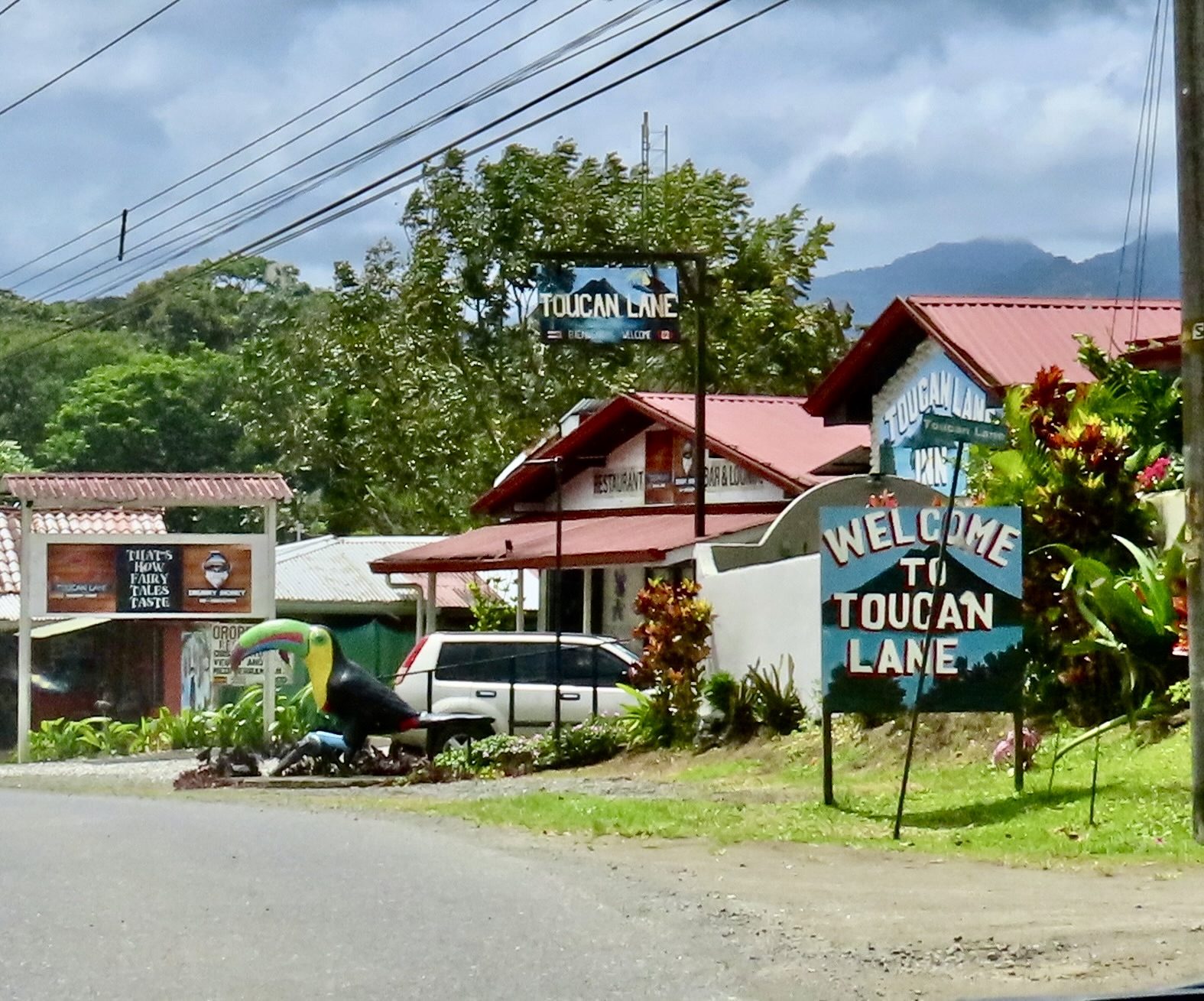
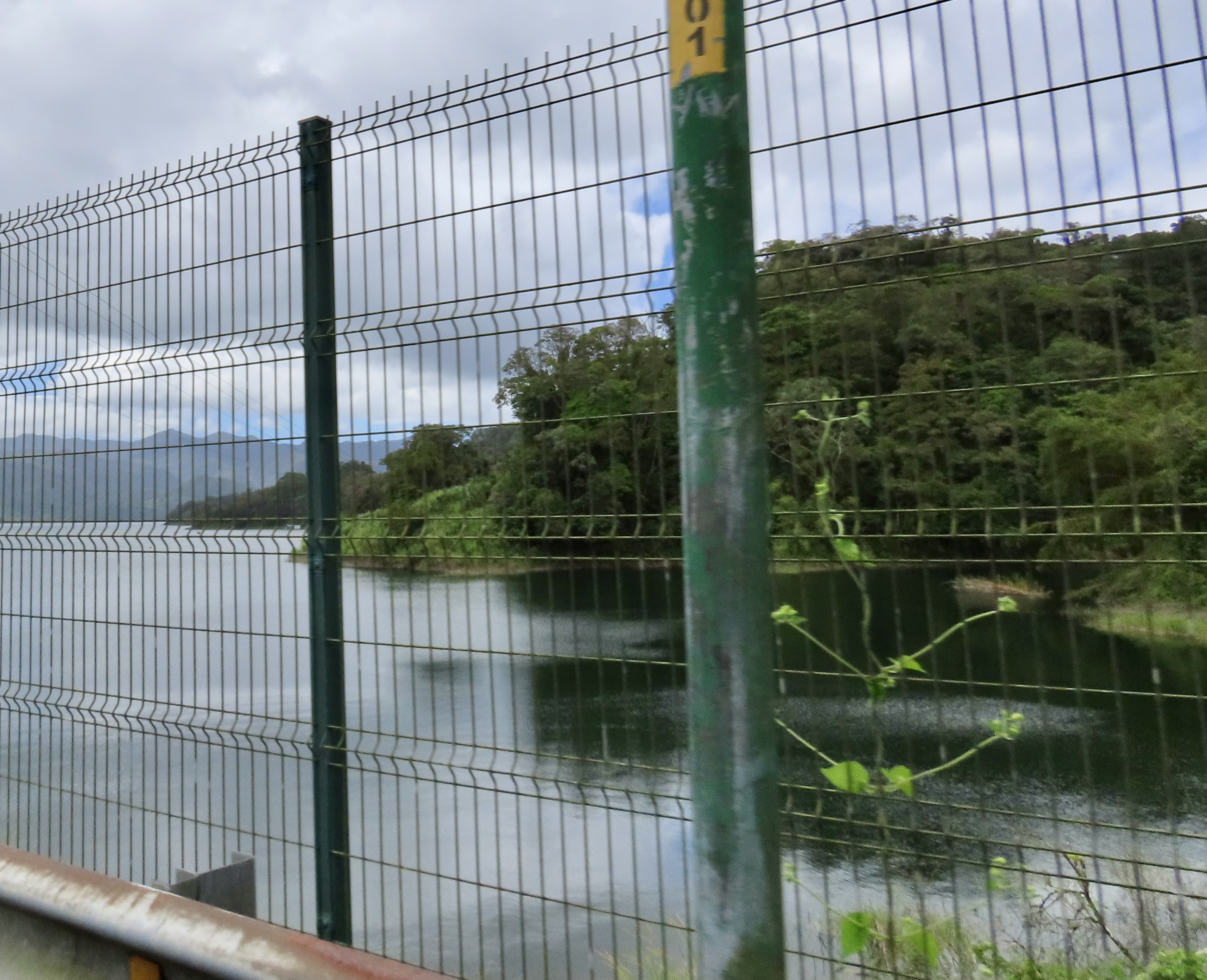
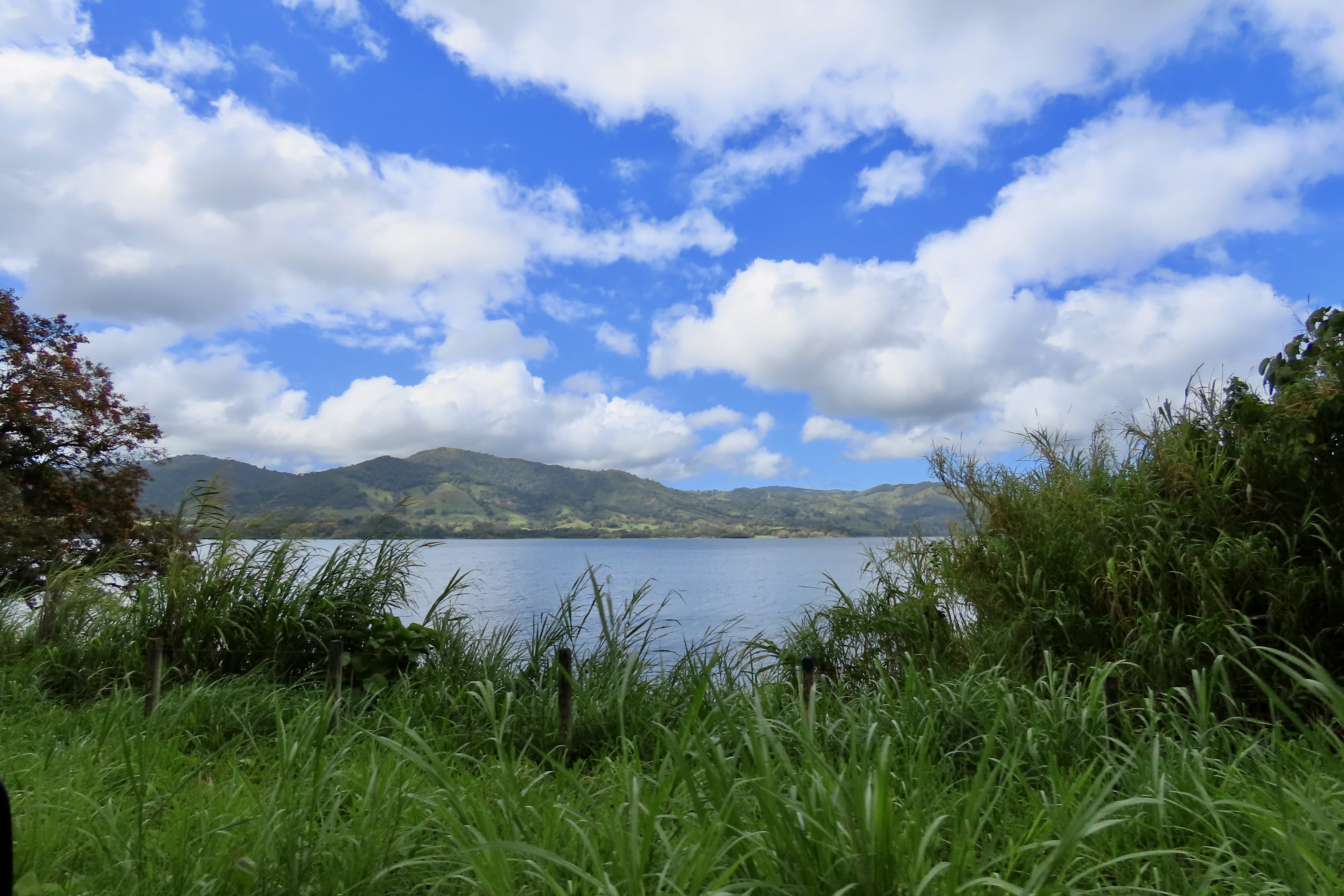
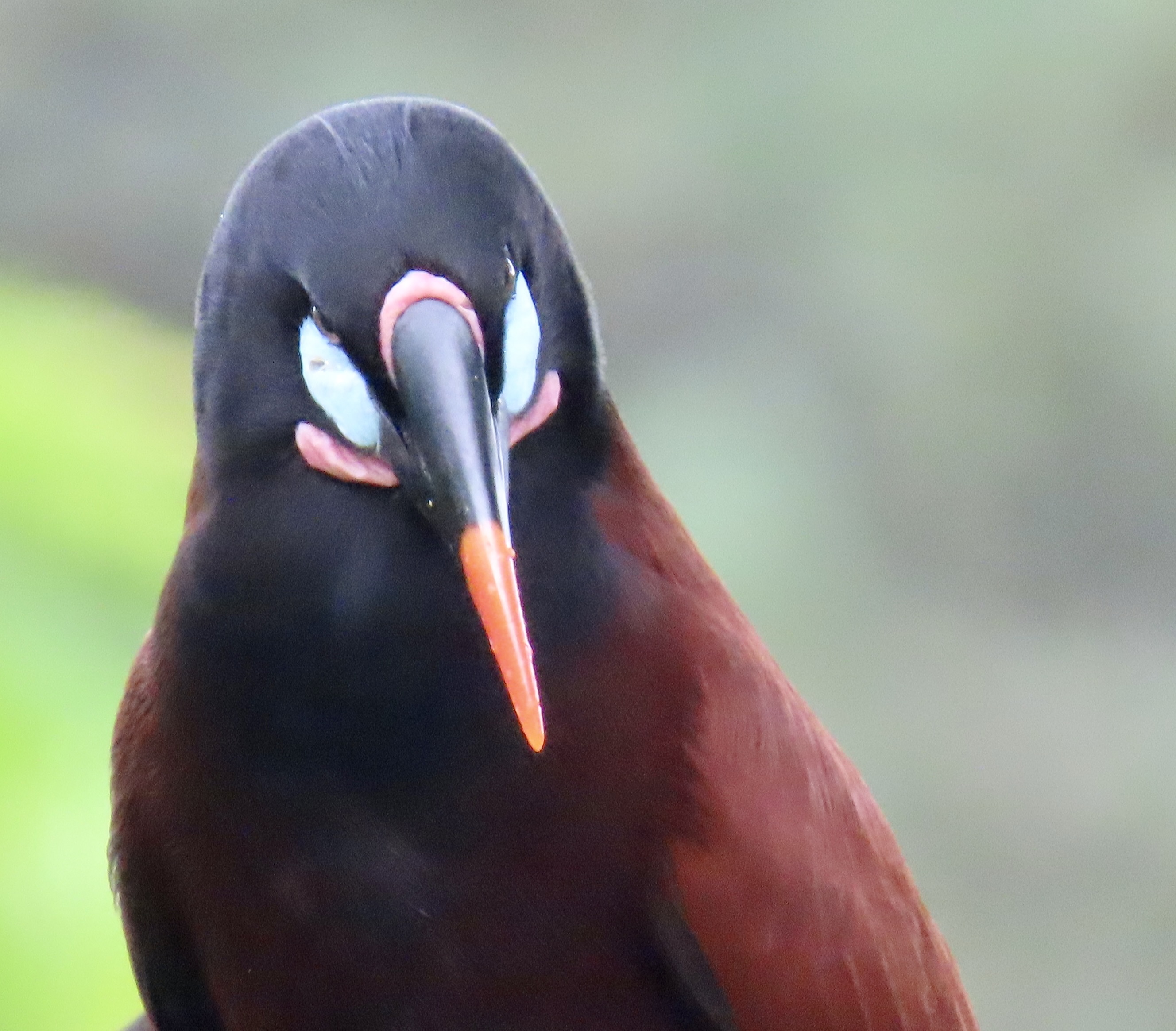
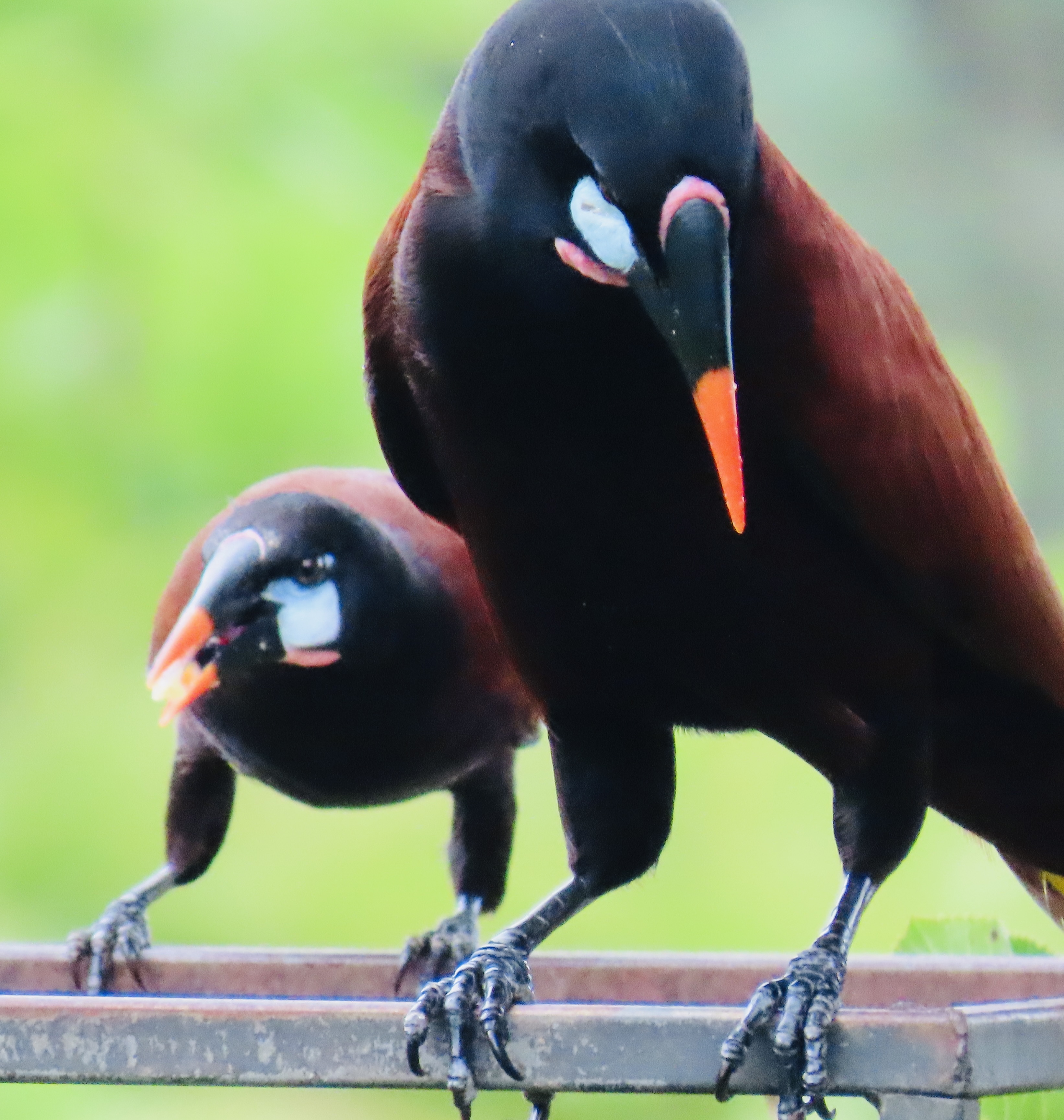
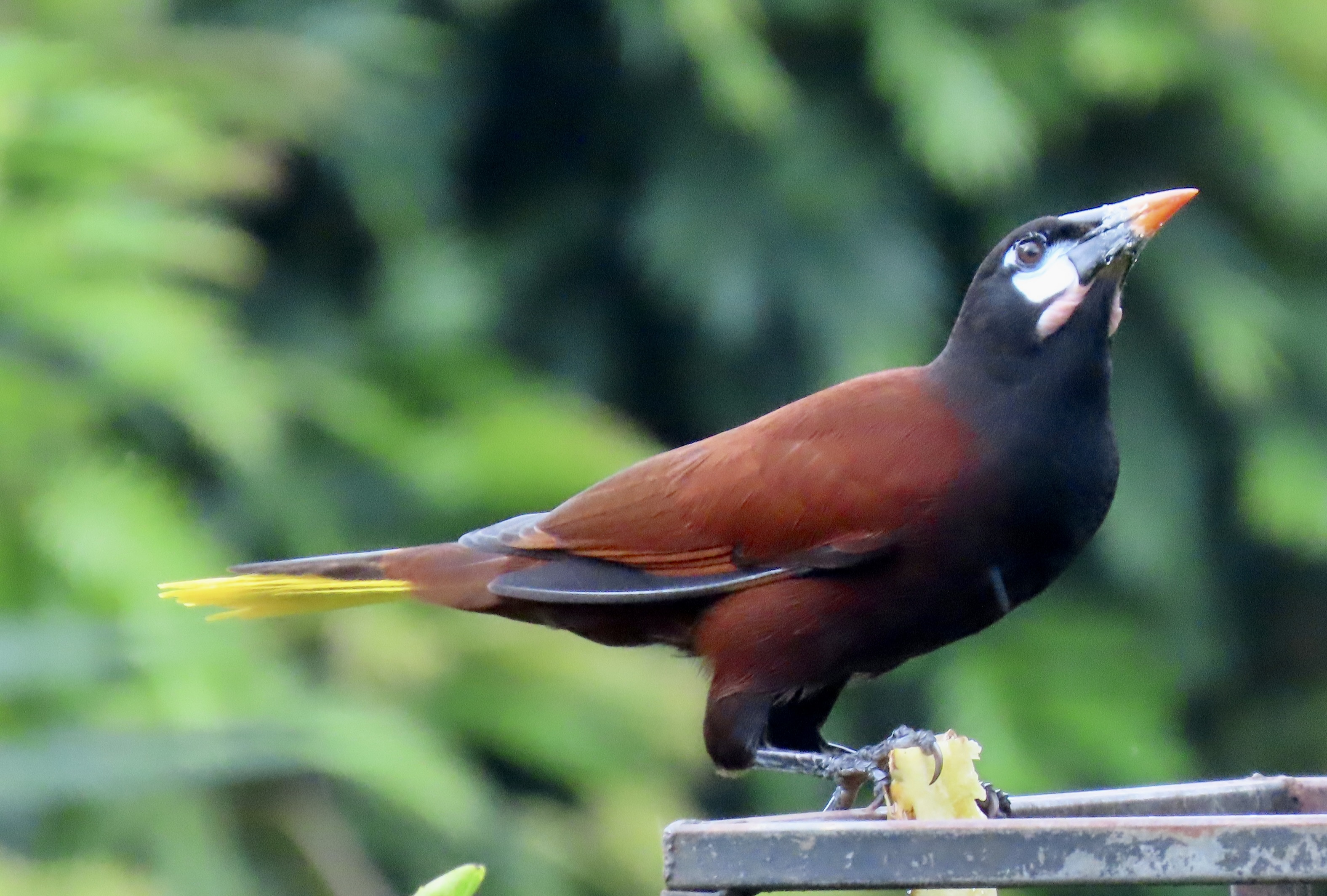
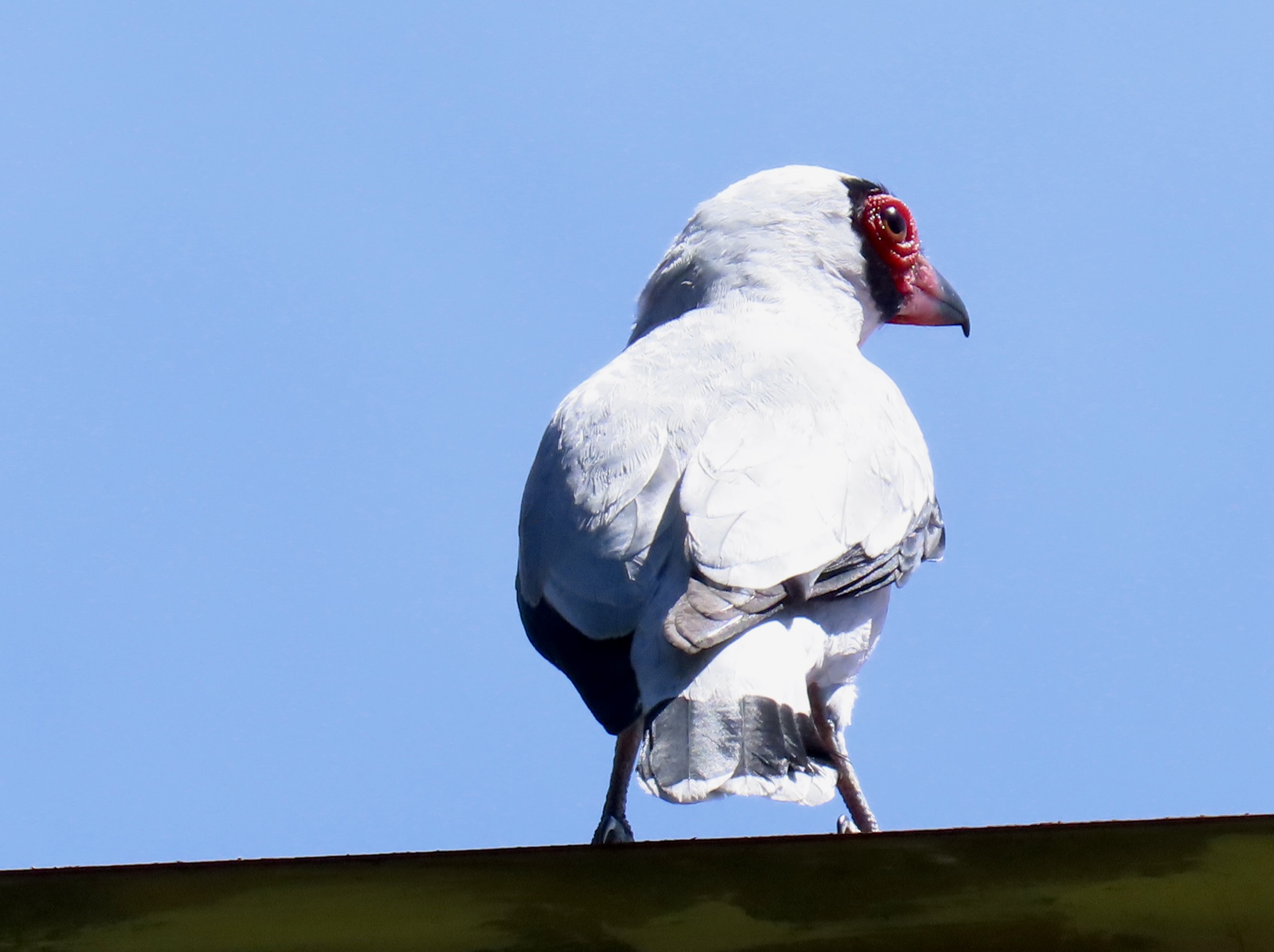
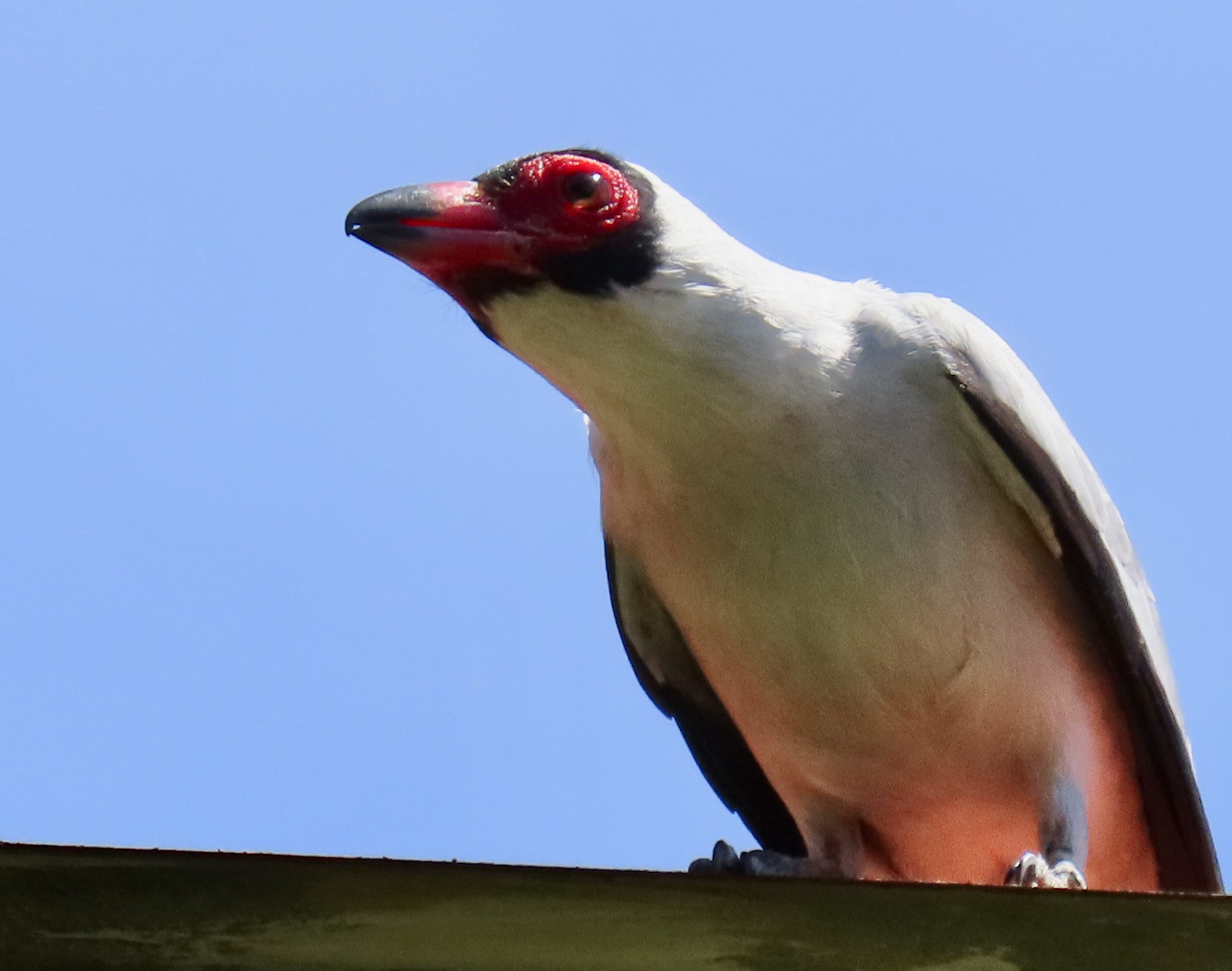
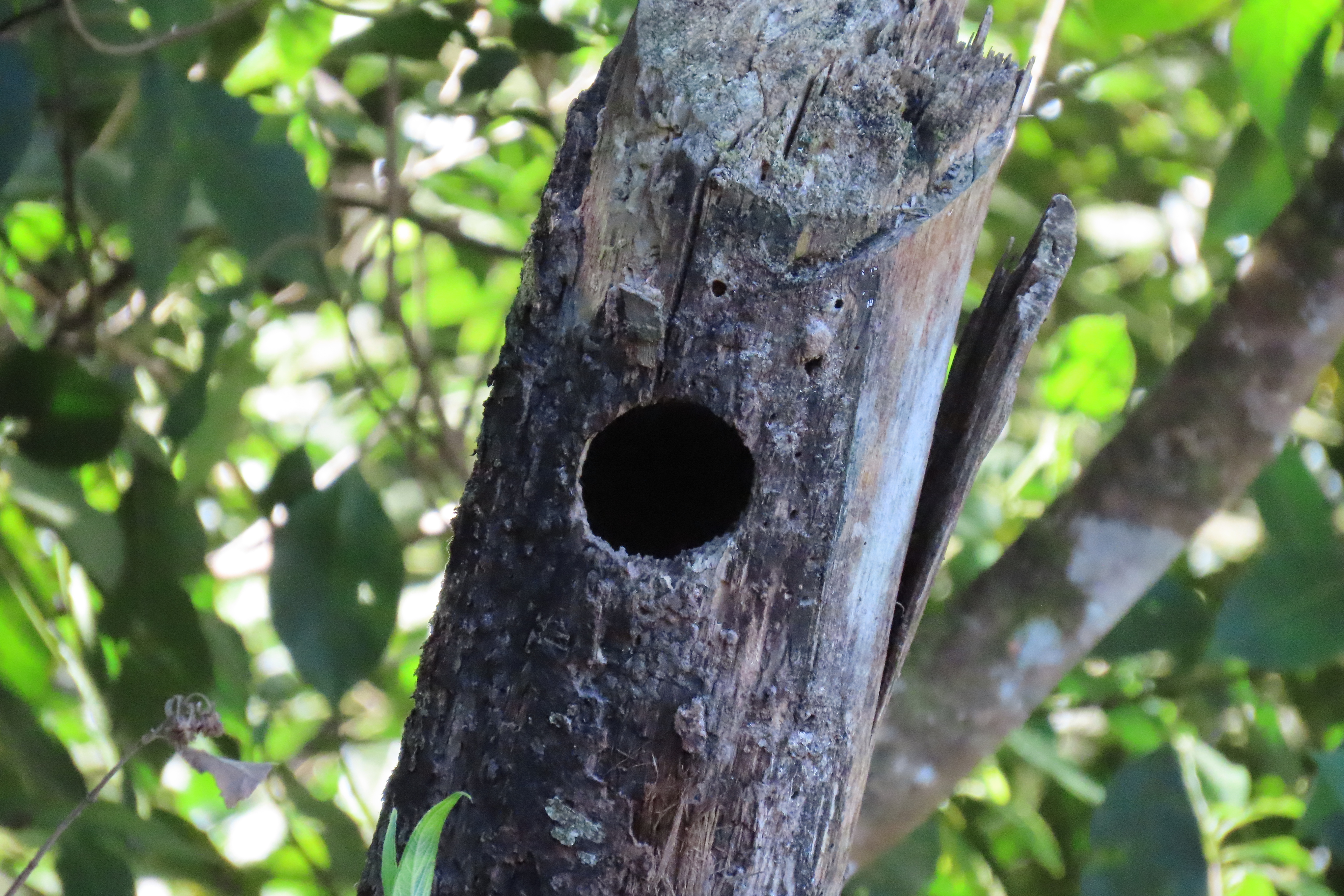
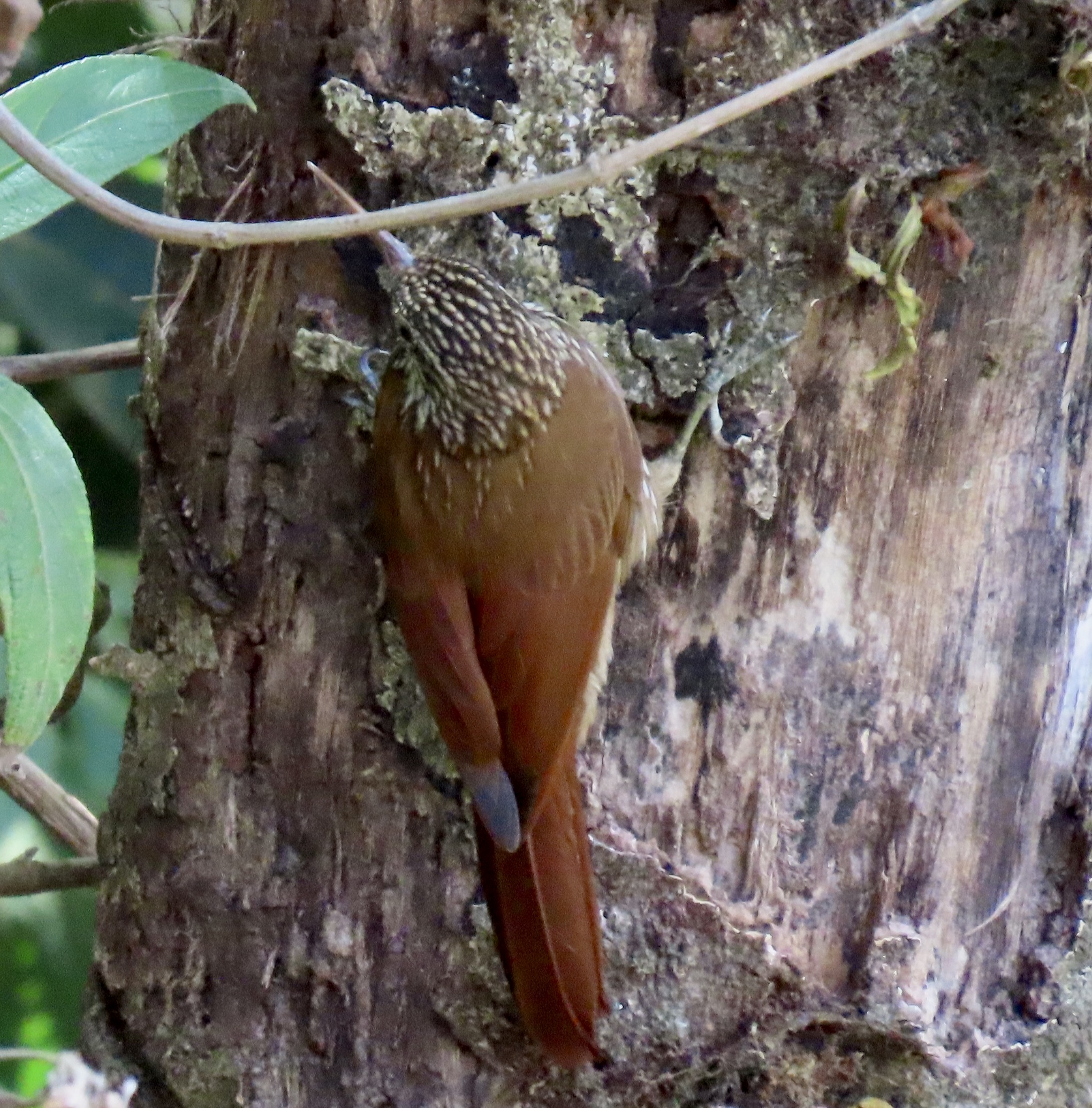
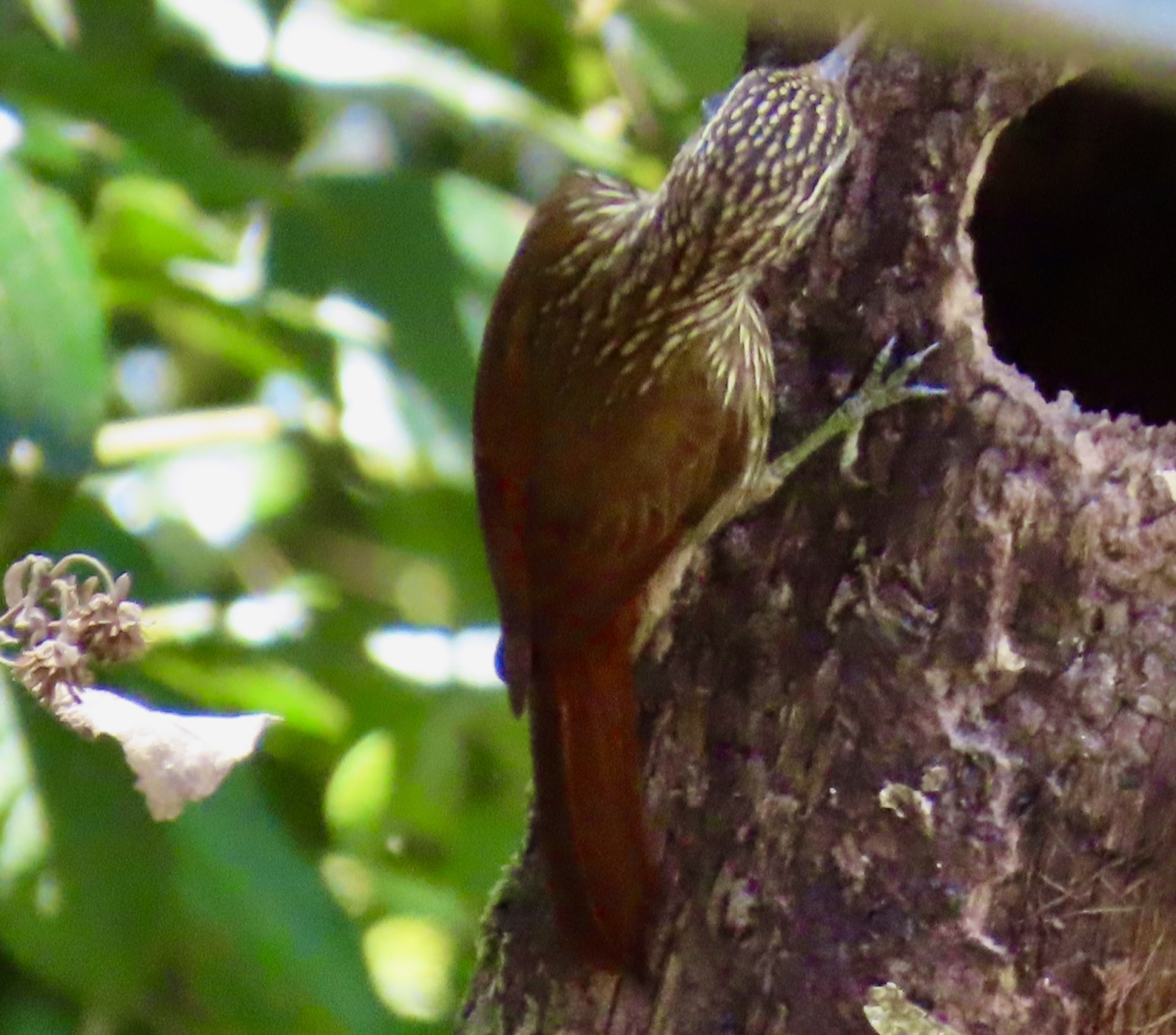
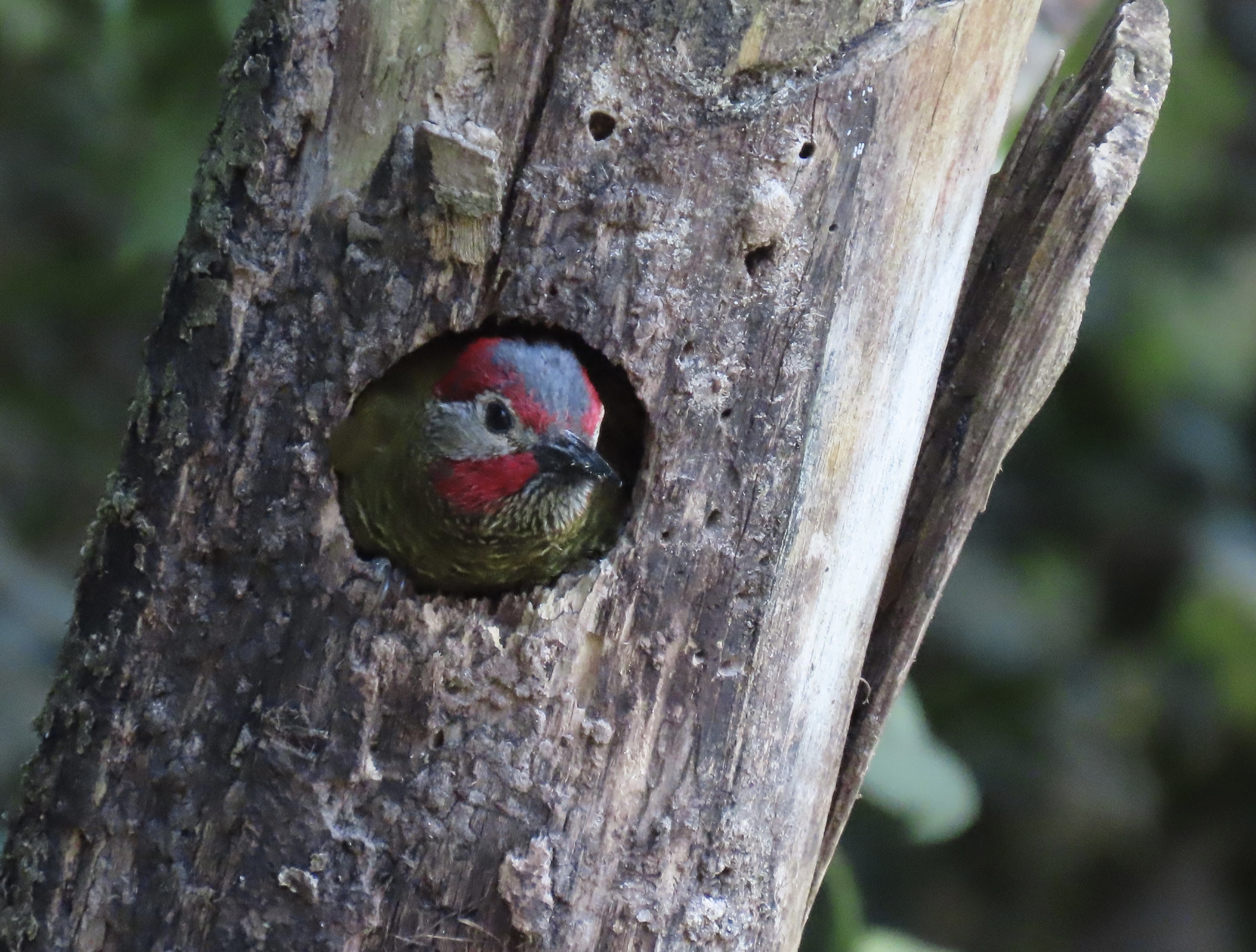
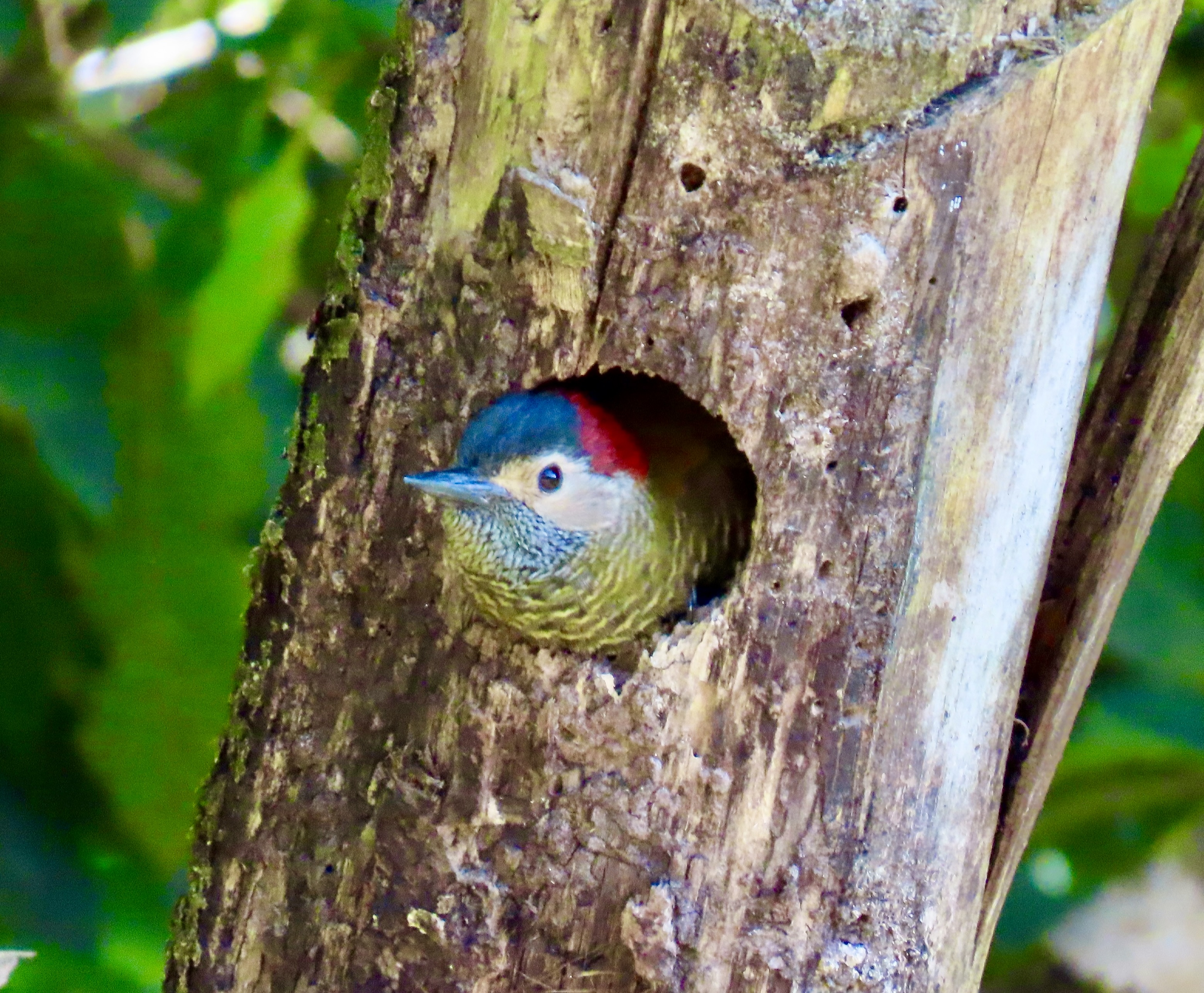
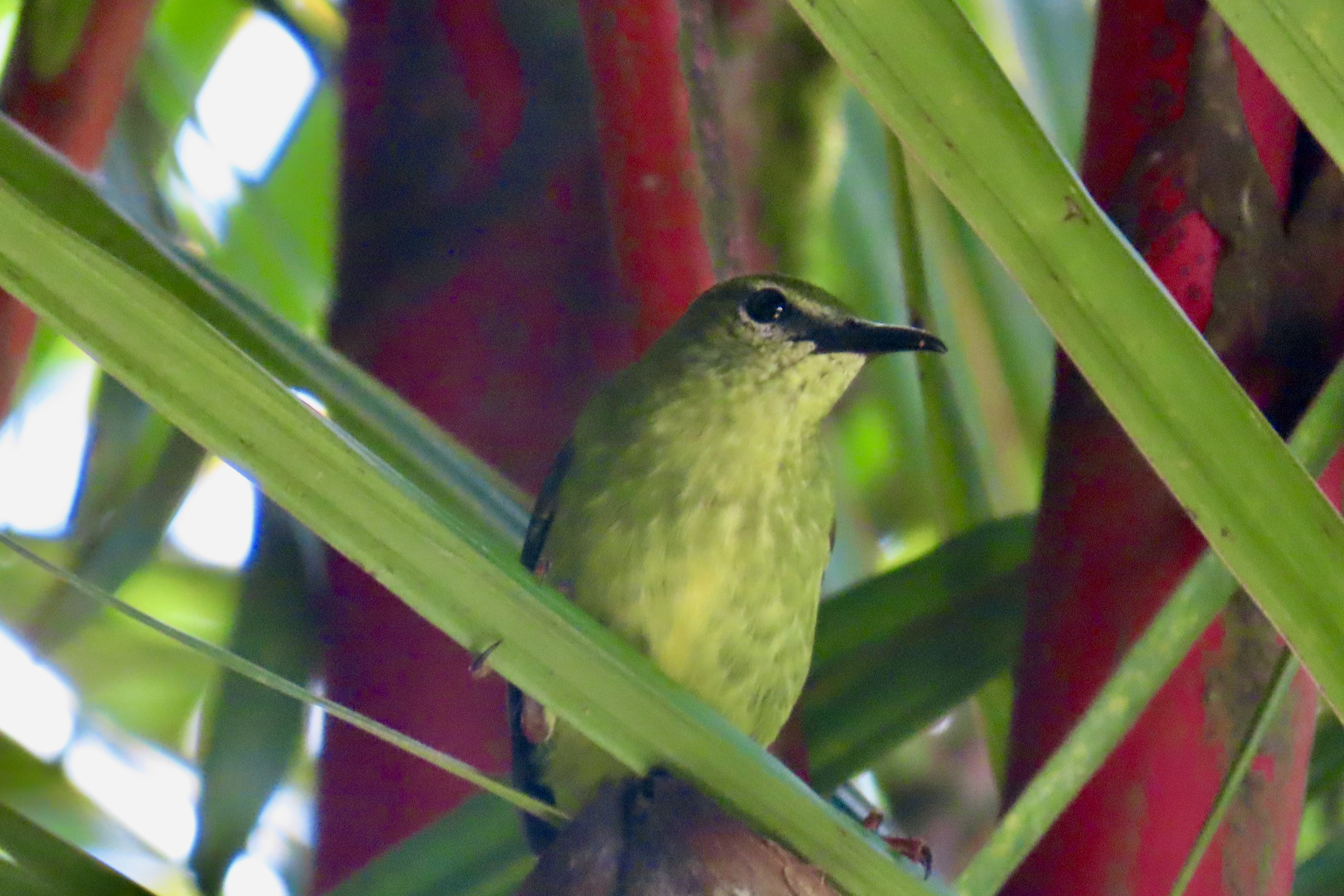
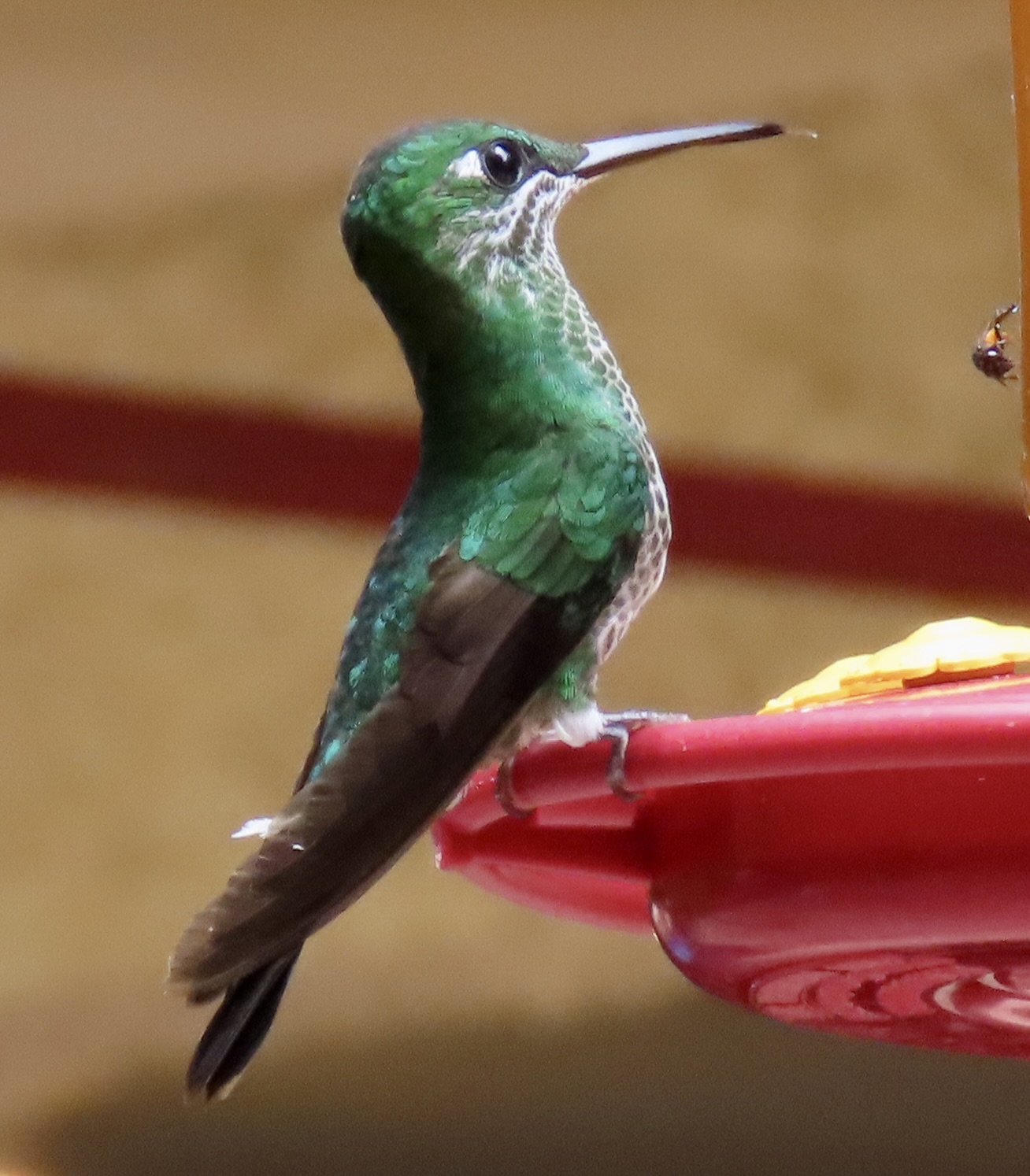
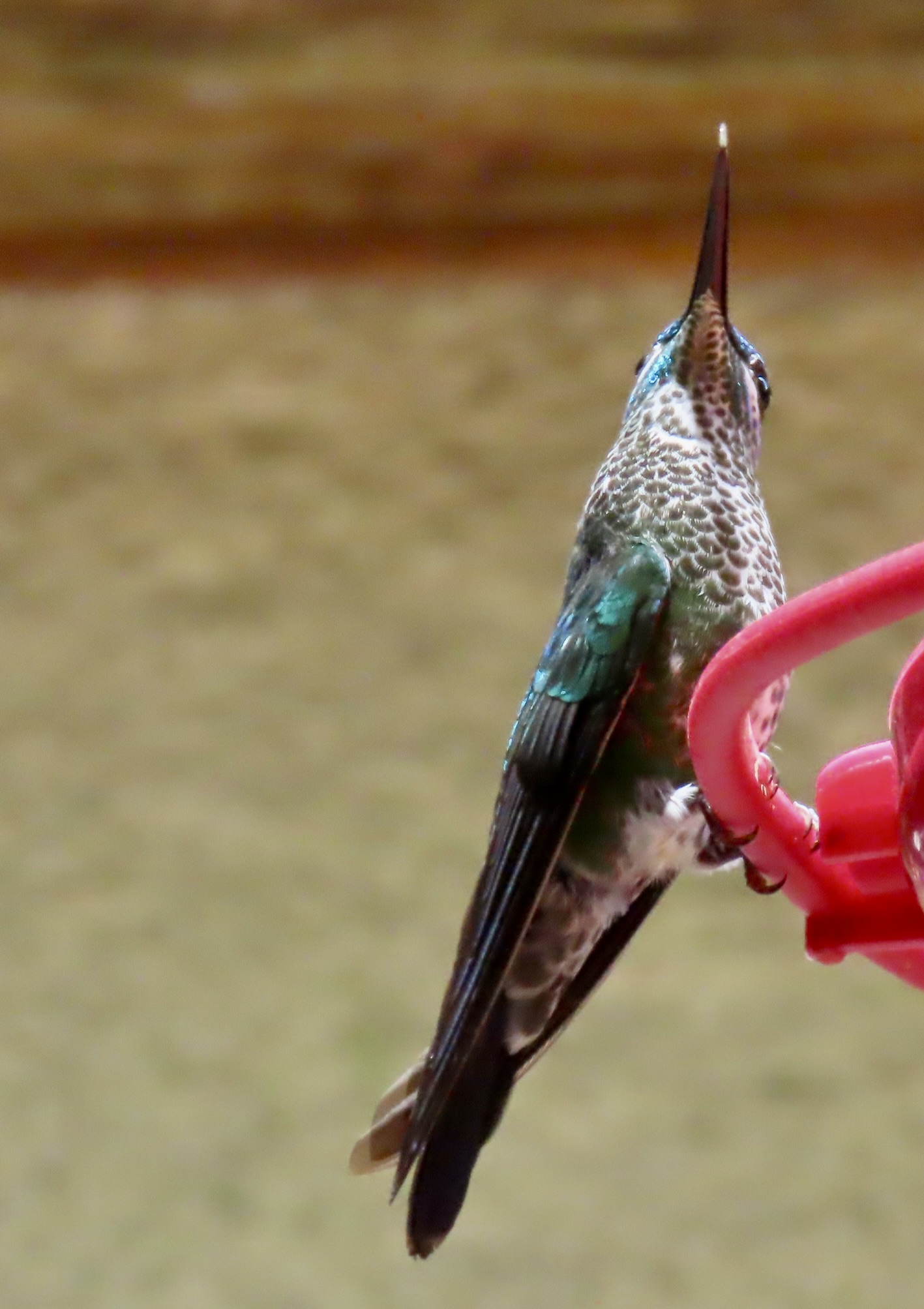
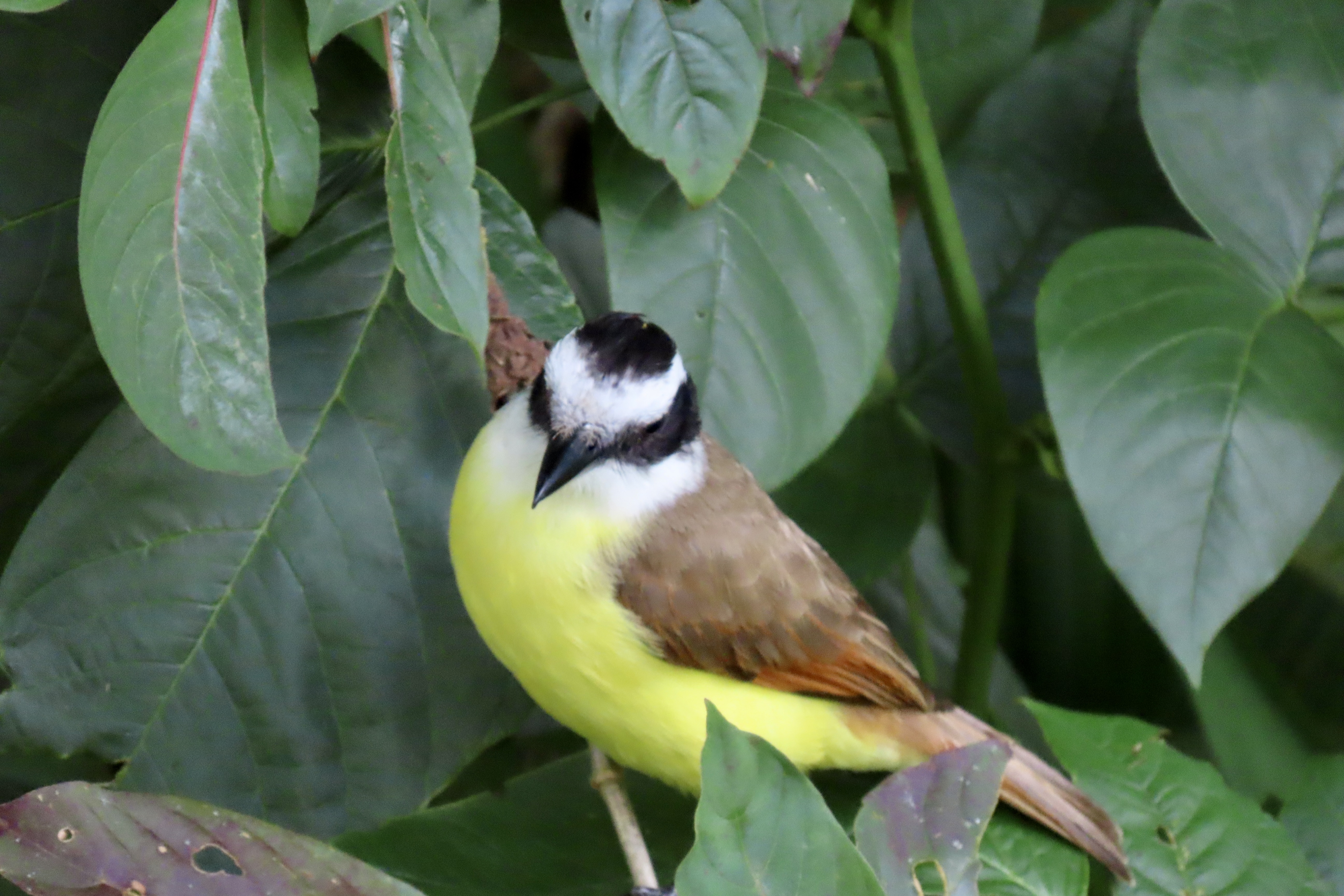
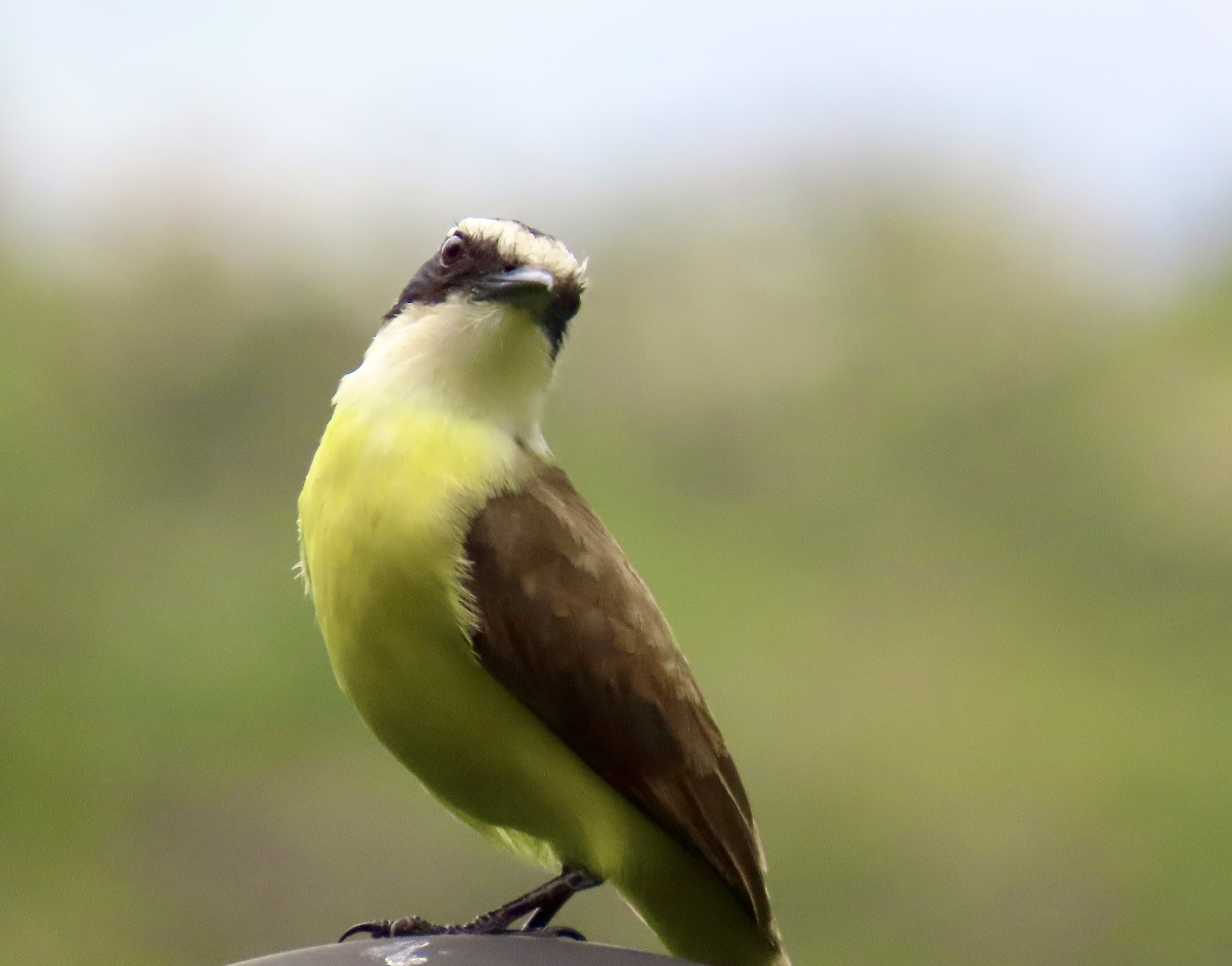
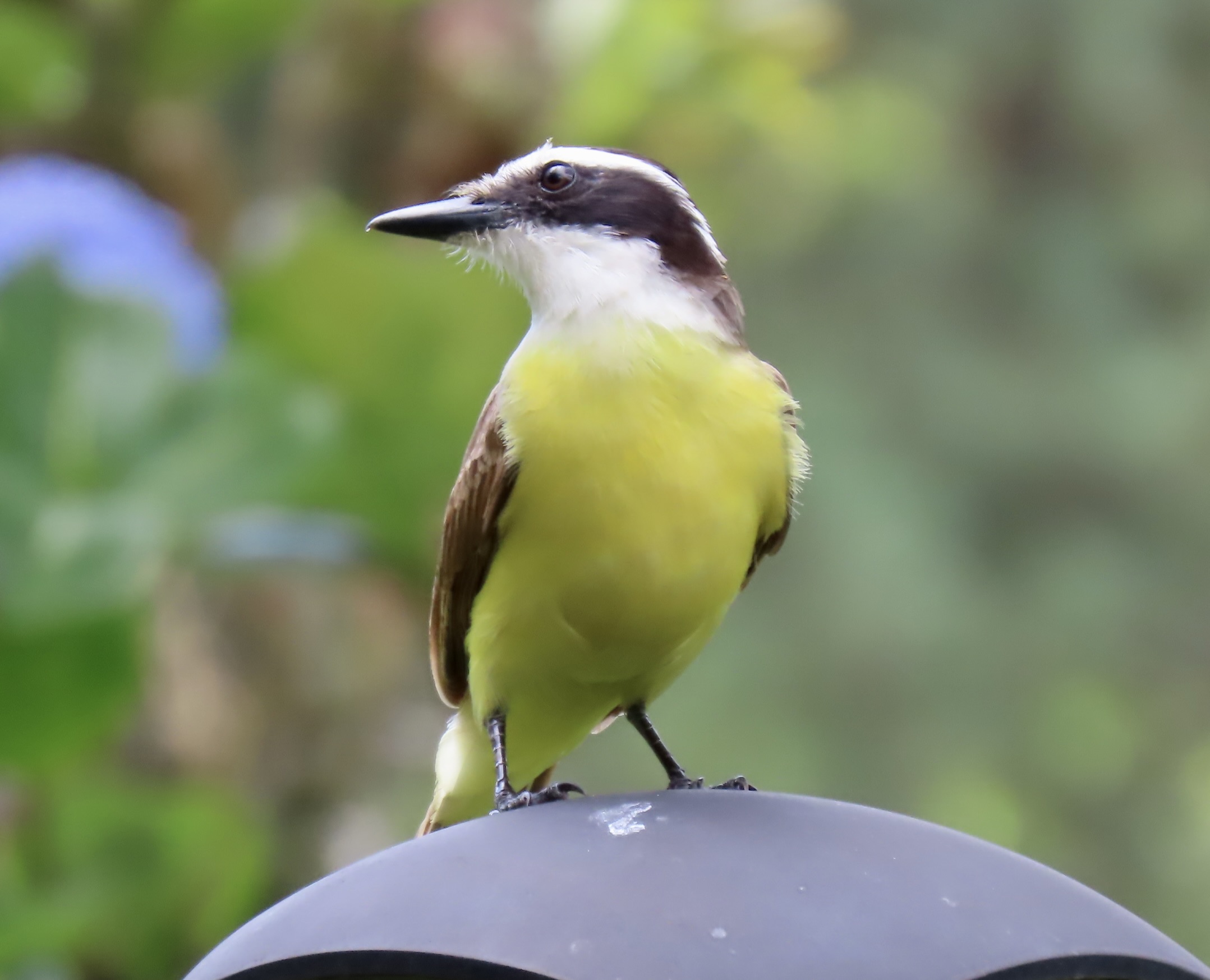
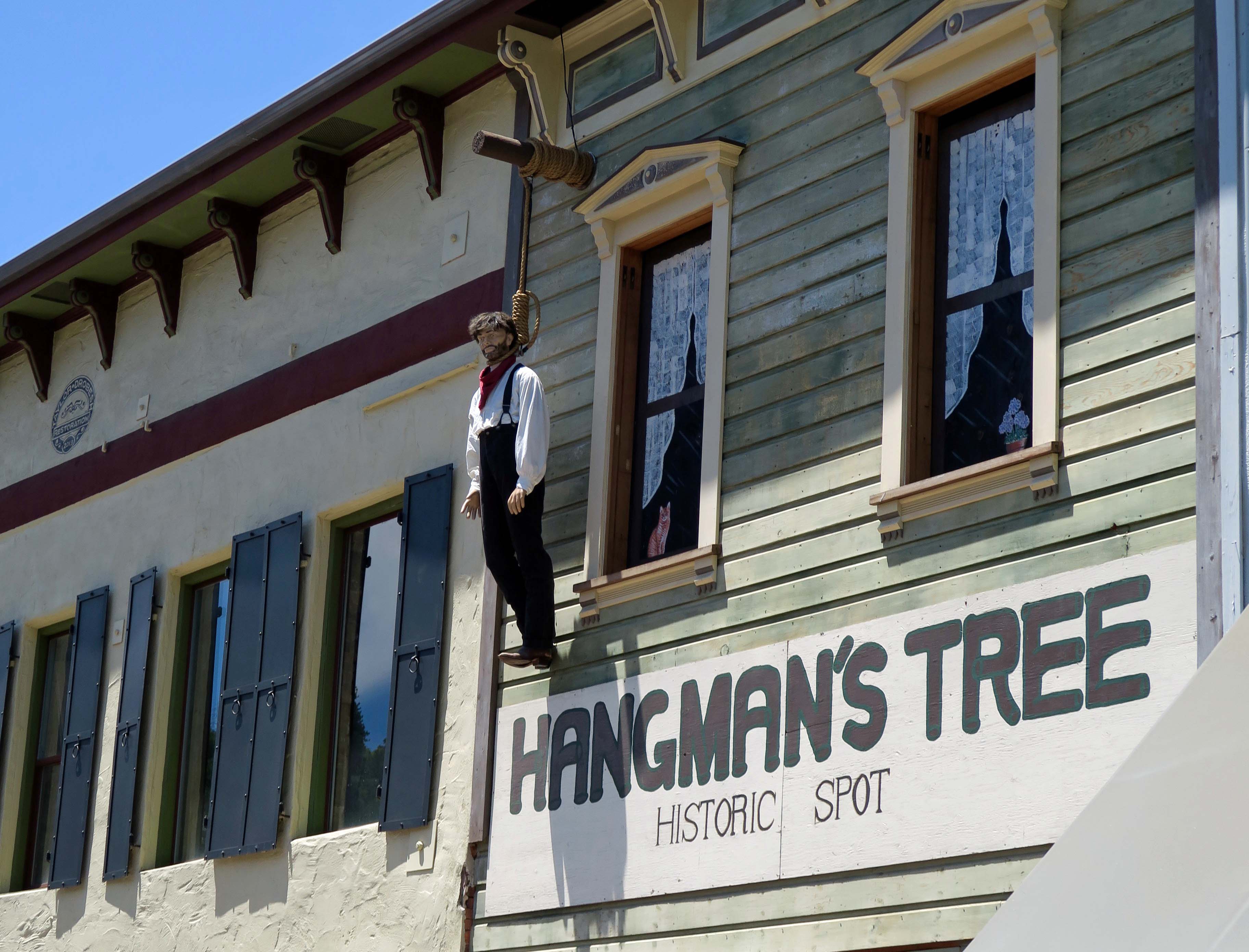
It’s the look. The odds are high that you recognize it. Parents give it to children, teachers to students, bosses to employees, wives to husbands. Etc. It’s behave or else, with a multitude of possibilities if you don’t. Peggy, as a retired elementary school principal, has a potent one. I don’t get it often, but when I do… The look is particularly imposing on the Montezuma Oropendola (Psarocolius montezuma). The slightly protruding eyes, set off by the white patches and pink wattles, are backed up by an imposing beak. The pink circle at top emphasizes length. The orange tip means business. If one giving you the look is worrisome, think of two. I wouldn’t want to tangle with the feet, either. Courting among the large males (they have twice the mass of the females) is one big brawl. The winner gets the girl, usually several of them!This Montezuma Oropendola was feasting on pineapple found in the bird feeding table that was located in front of our Villa in Nuevo Arenal. I imagine that his namesake, Montezuma, the last of the Aztec rulers, would have been pleased to have this large, distinctive bird given his name. The Oropendola fits as well, given how much gold the Aztecs had gathered and how Cortez lusted after it. Oro means gold in Spanish. Pendola means feather. It refers to the gold tail feathers found on the bird.The Masked Tityra (Tityra semifasciata) also had a unique, but not so threatening look. This bird is easily identified by a pinkish ‘mask’ around its eyes. I found it hanging out on the eaves of our house in Monteverde.The Tityra appeared as interested in me as I was it in. Actually, he was looking for a female that he had been trying to impress. When I spotted him, he was running back and forth on the eave with his wings drooping and sounding like a constipated frog. Apparently it was his mating dance.On the other side of our house in Monteverde, we found this woodpecker carved hole that would make an excellent home for a bird.A Streak-headed Woodcreeper (Lepidocolaptes souleyetii) seemed to agree. Its usual choice for a nest is a hole in a tree pecked out by a woodpecker, or natural. There seemed to be a problem. It would climb up the tree, peak in the hole and immediately fly back down the trunk to repeat the process. It wasn’t creeping; it was scrambling. I watched it check out the hole several times in the same way. I was beginning to wonder if the pecker was present.Suddenly, this little head peeked out to see what was going on.It was a Golden-olive Woodpecker (Colaptes rubiginosus). And yes, it probably had pecked the hole out of the dead tree. The creeper could go find a vacant hole for its home. Next time he/she showed up (male and female Streak-headed Woodcreepers have the same plumage), more than the hole might be pecked.Here’s another creeper, the Red-legged Honeycreeper. It isn’t, however, related to the Streak-headed Woodcreeper that makes its living off of crawling up trunks and eating insects. It’s related to tanagers instead. The Honeycreeper gets the honey part of his name because its passion is for sipping nectar out of flowers. Creeper comes from creeping through treetops and vines foraging for the flowers. This is a female. The male is an electric light and dark blue.Here’s another bird known for its love of nectar, a hummingbird. In this case a Green-crowned Brilliant (Heliodoxa jacula). We took its photo at a hummingbird feeding station in Monteverde with several feeders. Hummers were buzzing everywhere. The only thing more numerous than the birds were the people oohing and aahing over them. It was hard for Peggy and me to capture photos of hummers without tourists (Turista numeroso) in them. I’m not sure what the photo-bombing bug was.A fun shot of the Green-crowned Brilliant looking up. Note the yellow at the tip of its beak. That’s its tongue sticking out, a rather specialized appendage that can extend up to twice the length of its beak for obtaining nectar. It doesn’t sip the nectar like we would with a straw, however. It’s more like capturing the nectar. Researchers at the University of Connecticut have discovered that the tongue is a “dynamic, shape-shifting, and active pump. As it shoots out, the tongue reaches nectar and splits at the tip. The two grooves/tips open, and tiny, hair-like structures (lamellae) unfurl, trapping the nectar. Upon returning to the mouth, the flaps close, sealing in the liquid.” It can repeat this process up to 20 times a second, thousands of times a day, whether it is getting its nectar from a flower, or your hummingbird feeder. It’s also used for drinking water. I’ll conclude today with a handsome Great Kiskadee (Pitangus sulphuratus), a member of the tyrant flycatcher family.Peggy swore it was posing for her. We had a lamp post in front of our villa in Nuevo Arenal that it liked to hang out on. It would fly off its perch, return, and assume a different pose! It was zipping out to catch flying insects out of the air, an important part of its diet. The Great Kiskadee is omnivorous, however. It won’t pass up small snakes, frogs, lizards, or chicks and has even been known to fish for tadpoles. On bird feeders it’s been seen eating bread, peanut butter, bananas, and dog food. Woof! It’s known for being monogamous, hanging out with the same partner year around. I was beginning to think that it had a thing for Peggy. UT-OH! And that brings me to my next chapter in the book I am blogging.Founded during the Gold Rush, Placerville was once known as Hangtown for its harsh treatment of outlaws. On the day I was supposed to graduate from high school, I made the innocent* mistake of cussing out the city’s chief of police. He couldn’t hang me, fortunately, but he did give me a choice: I could spend my evening in jail cell or graduate. The former was an UT-OH! of gigantic proportions. *I didn’t recognize him.
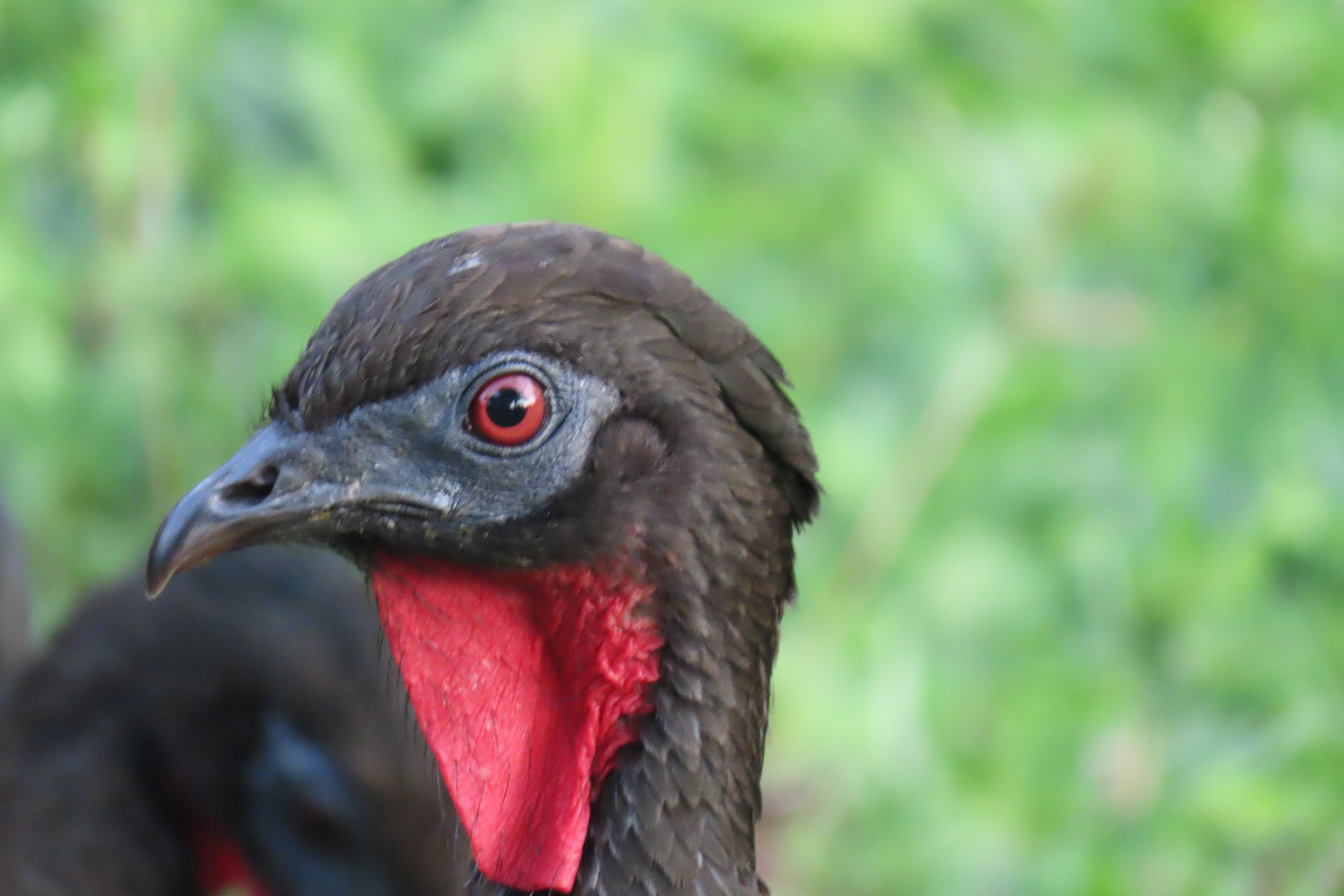
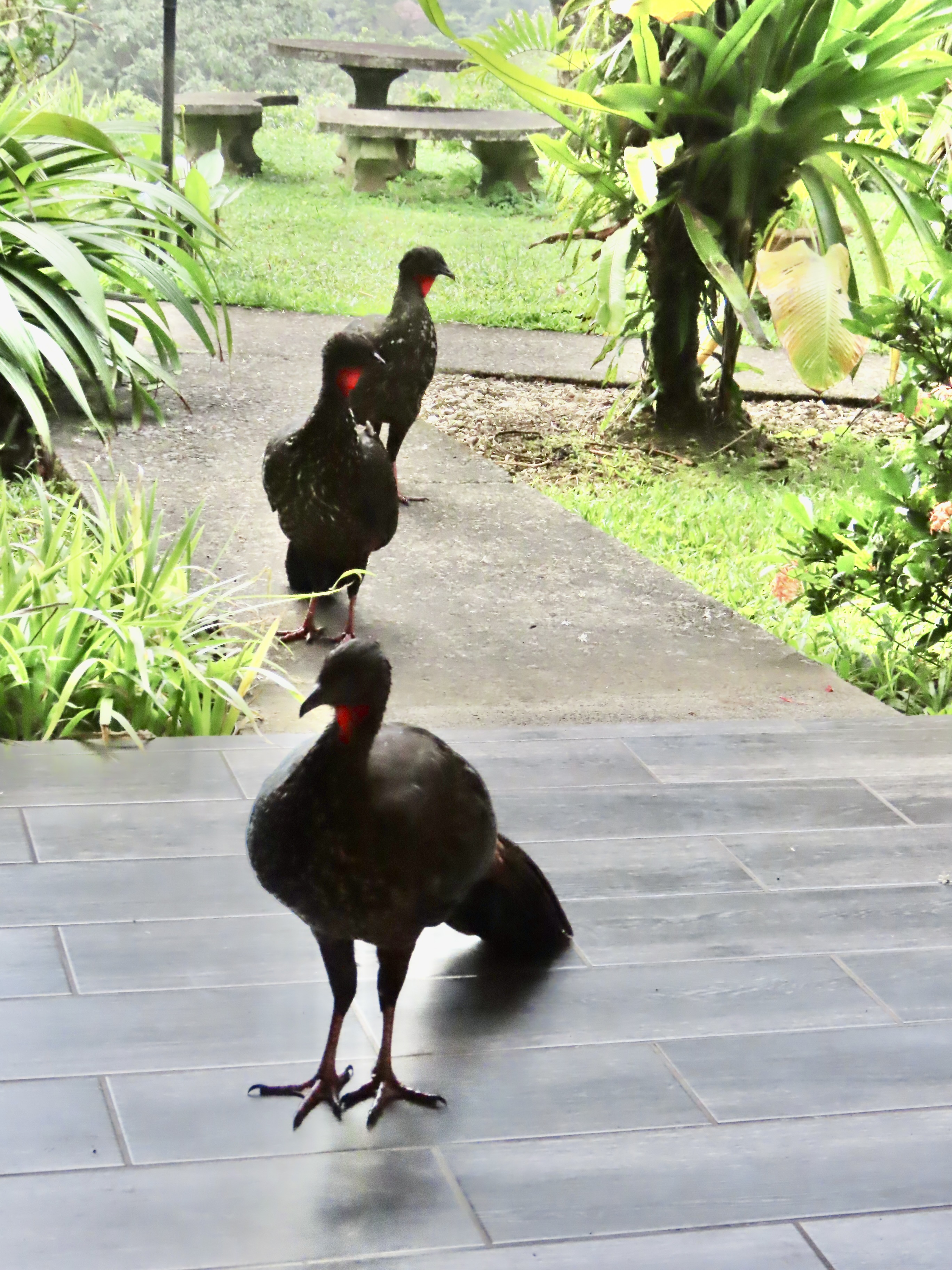
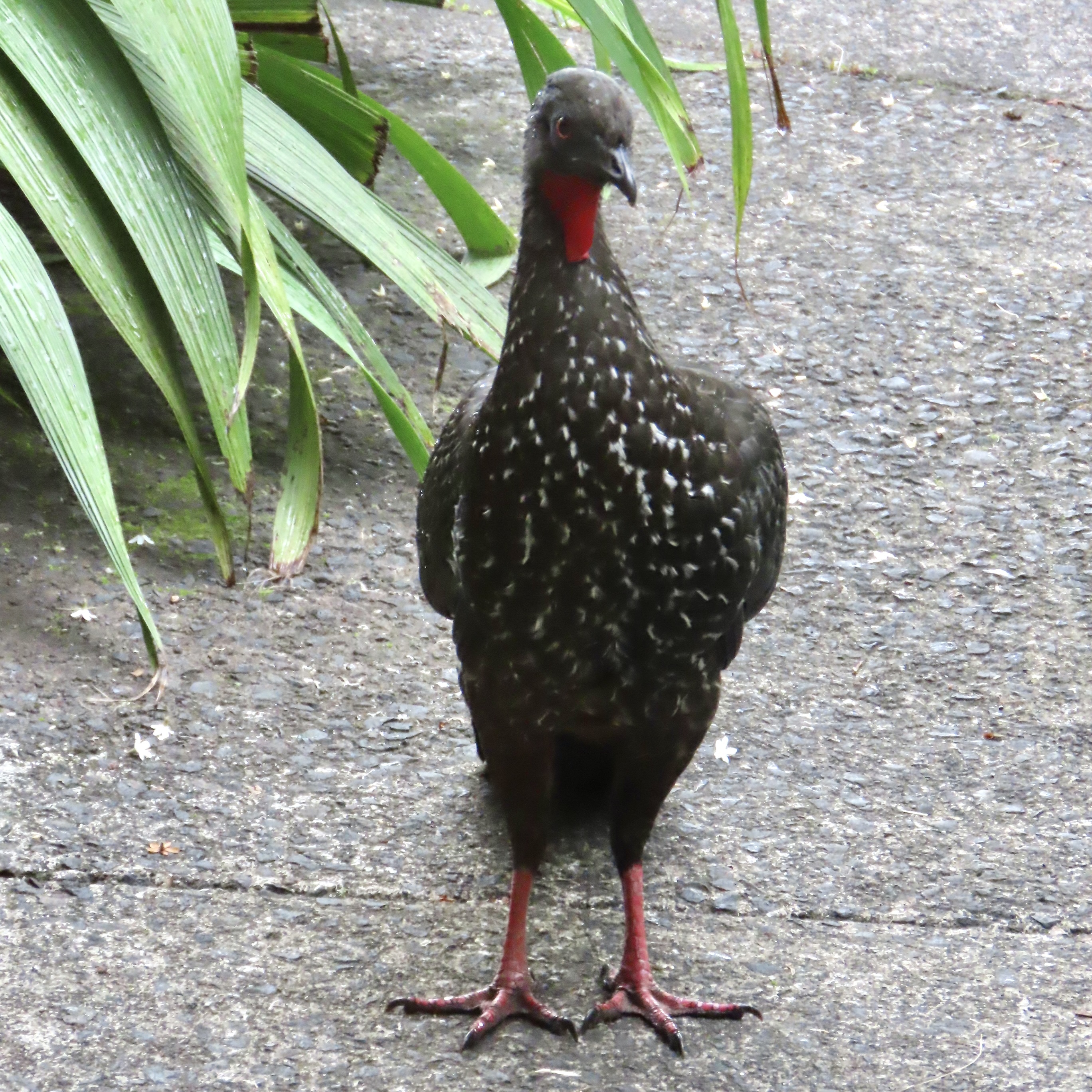
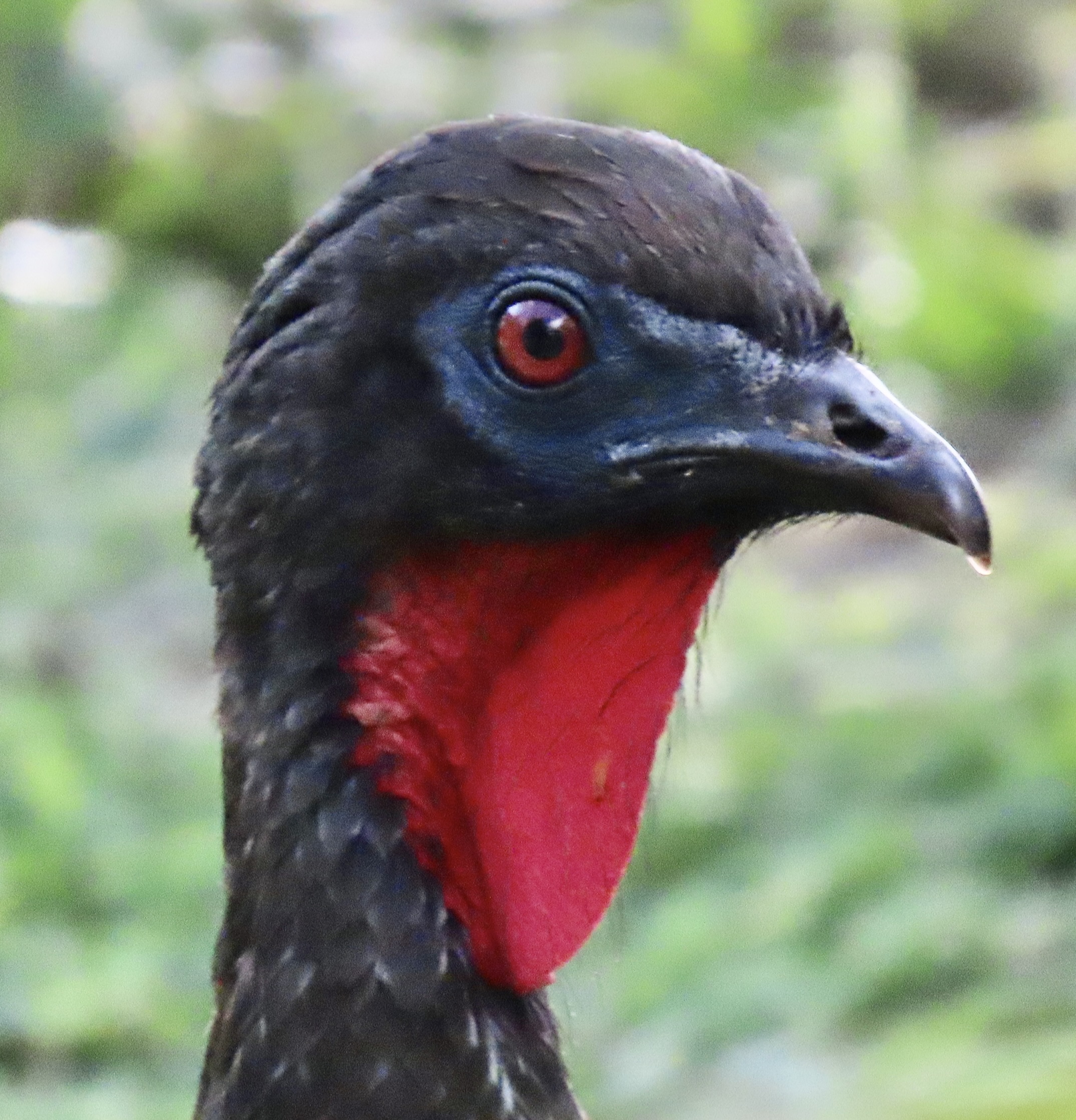
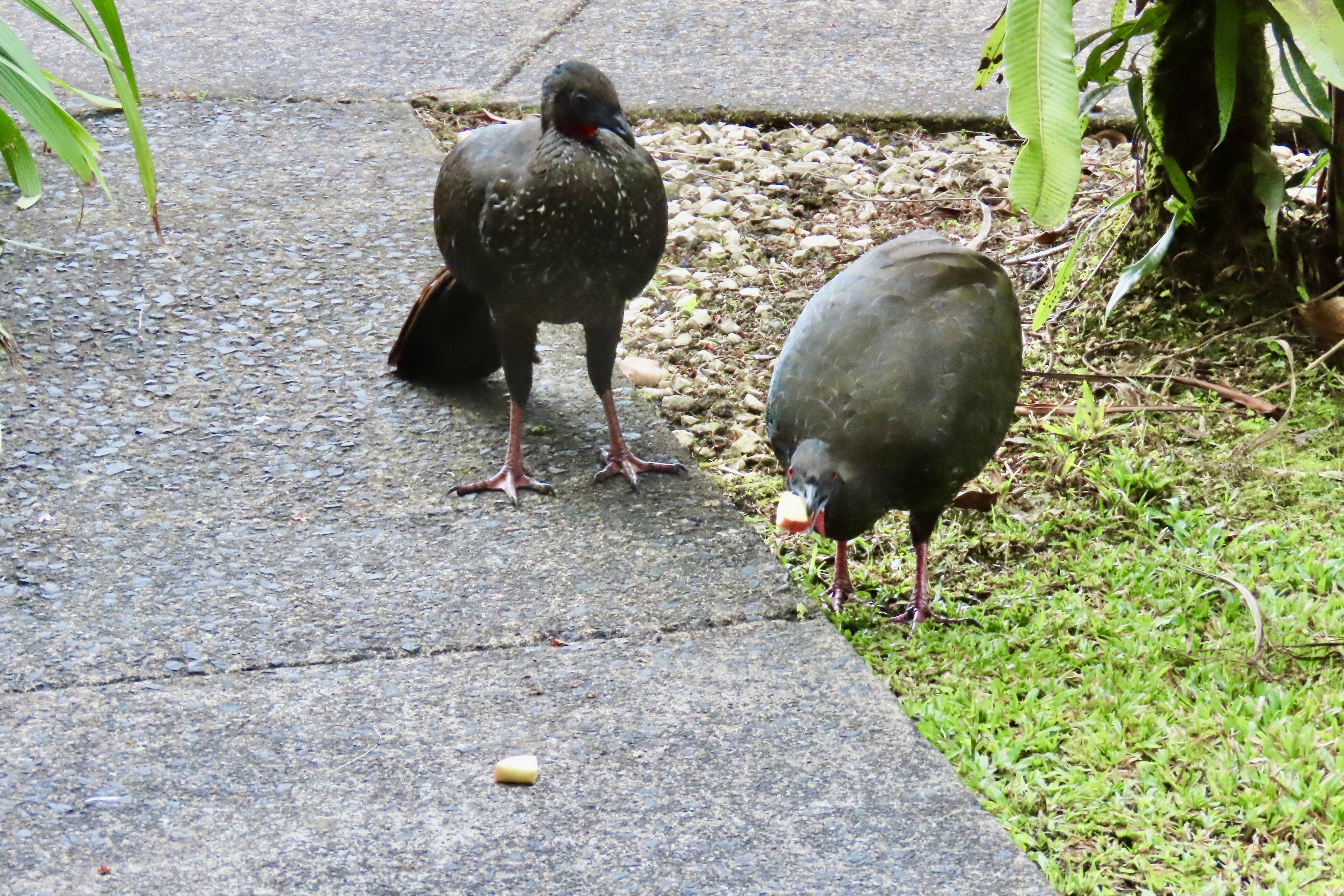
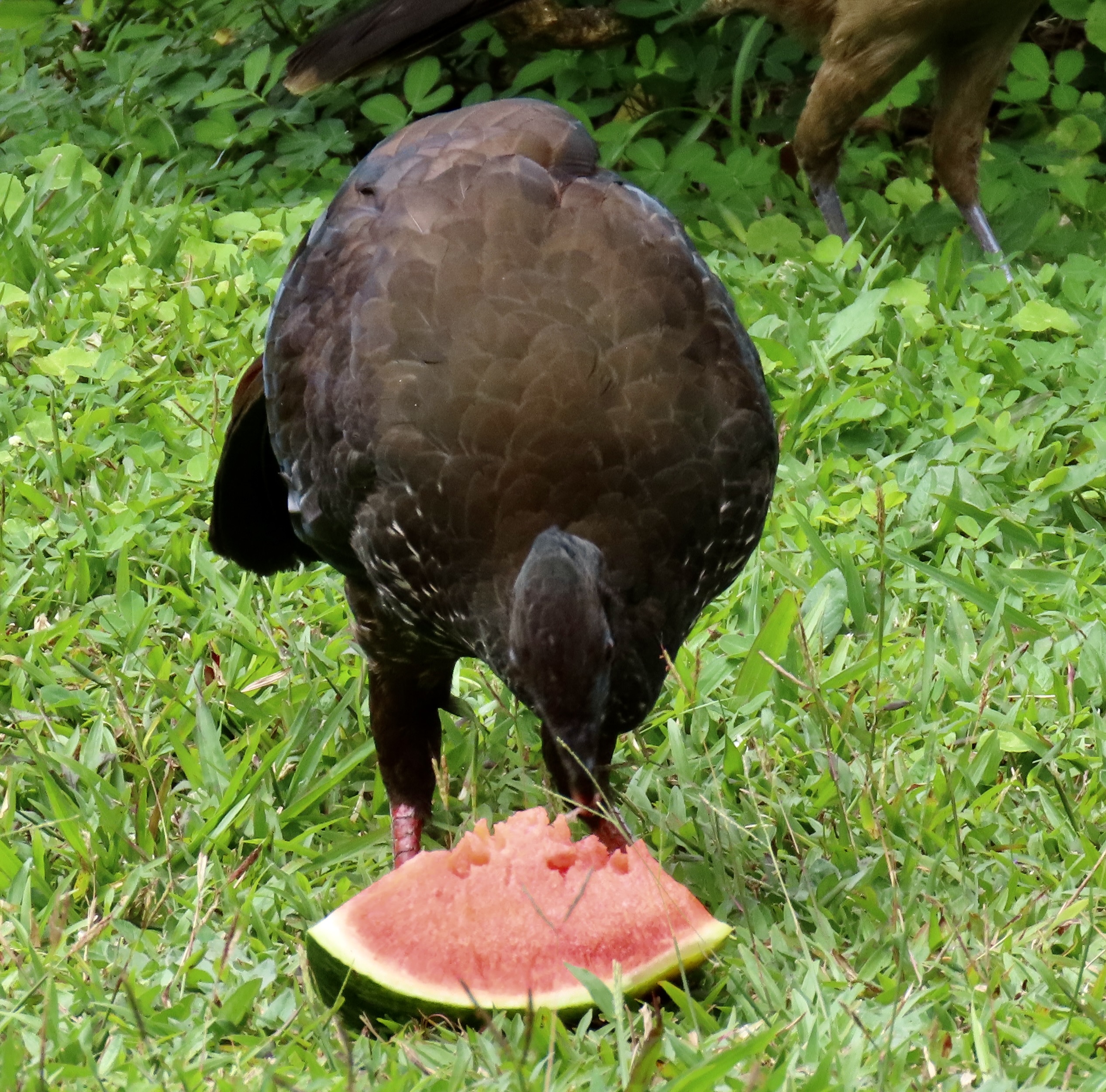
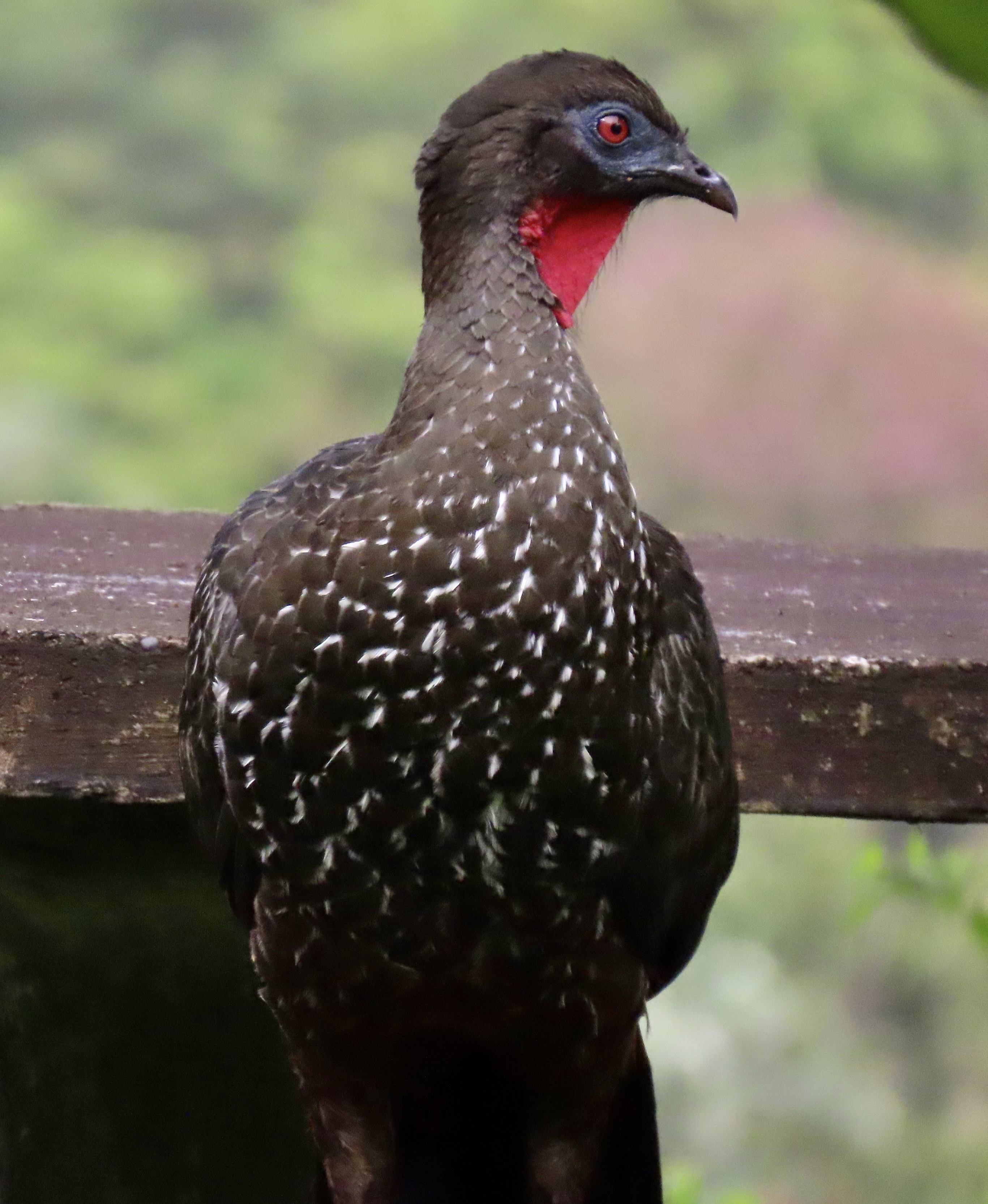
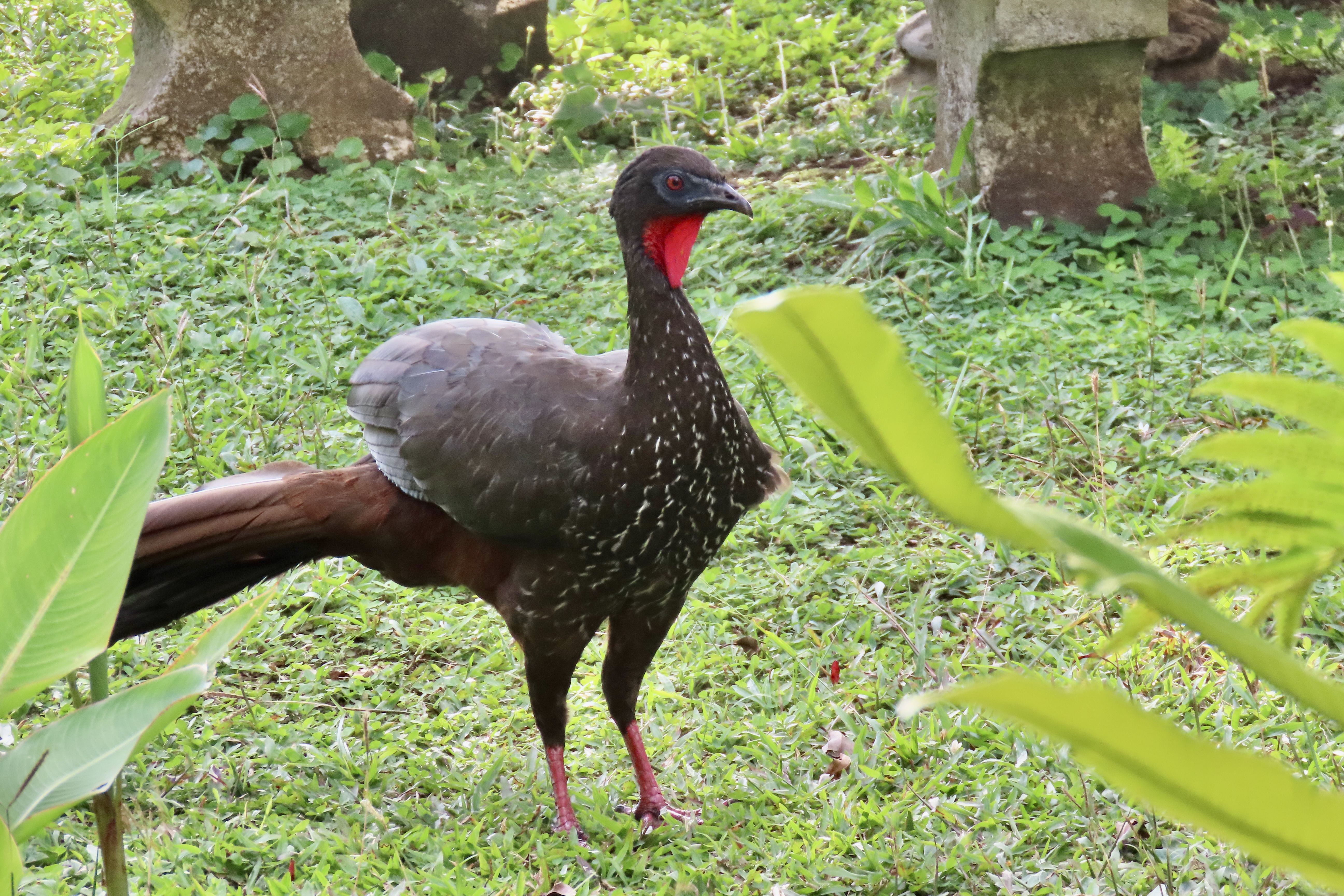
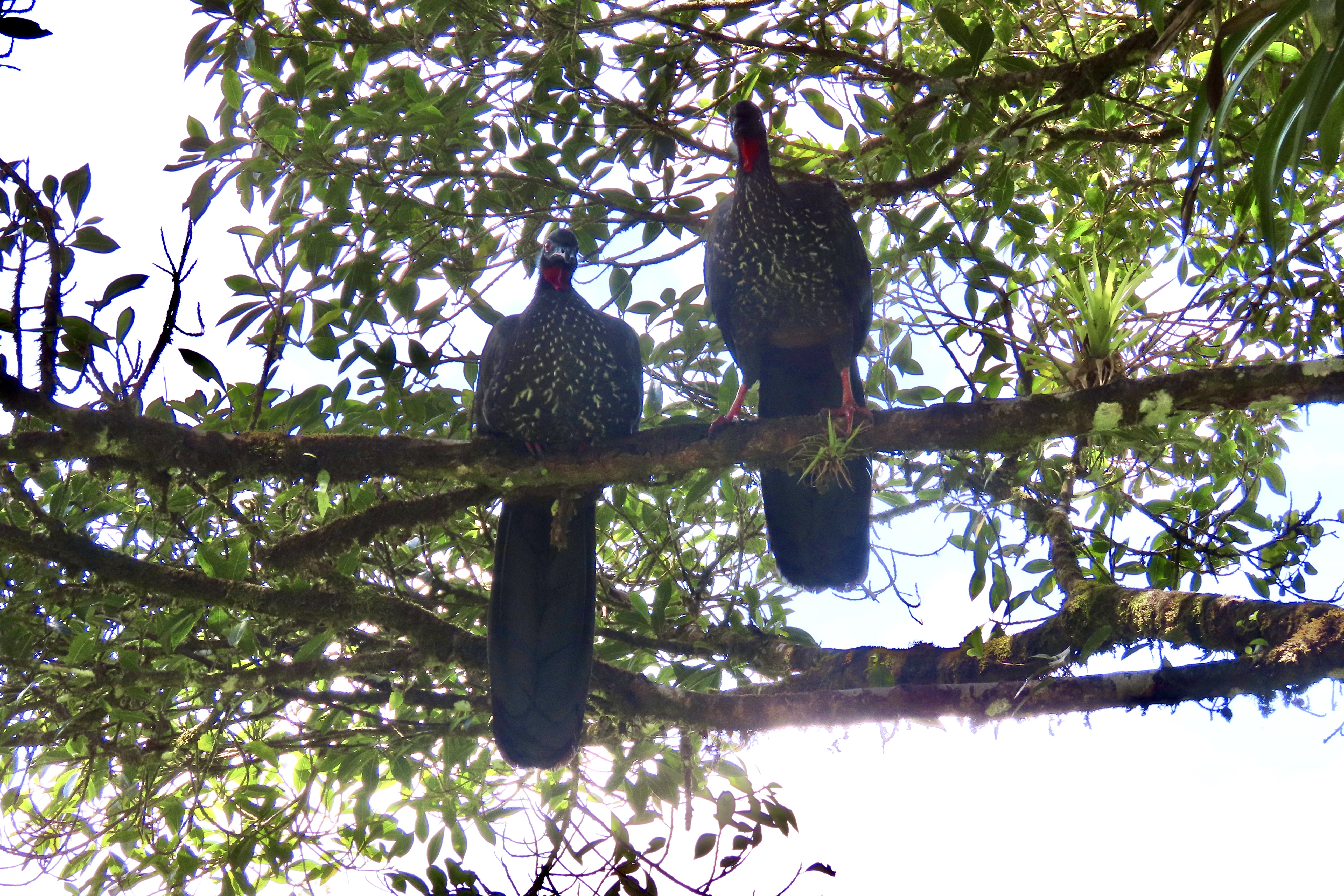
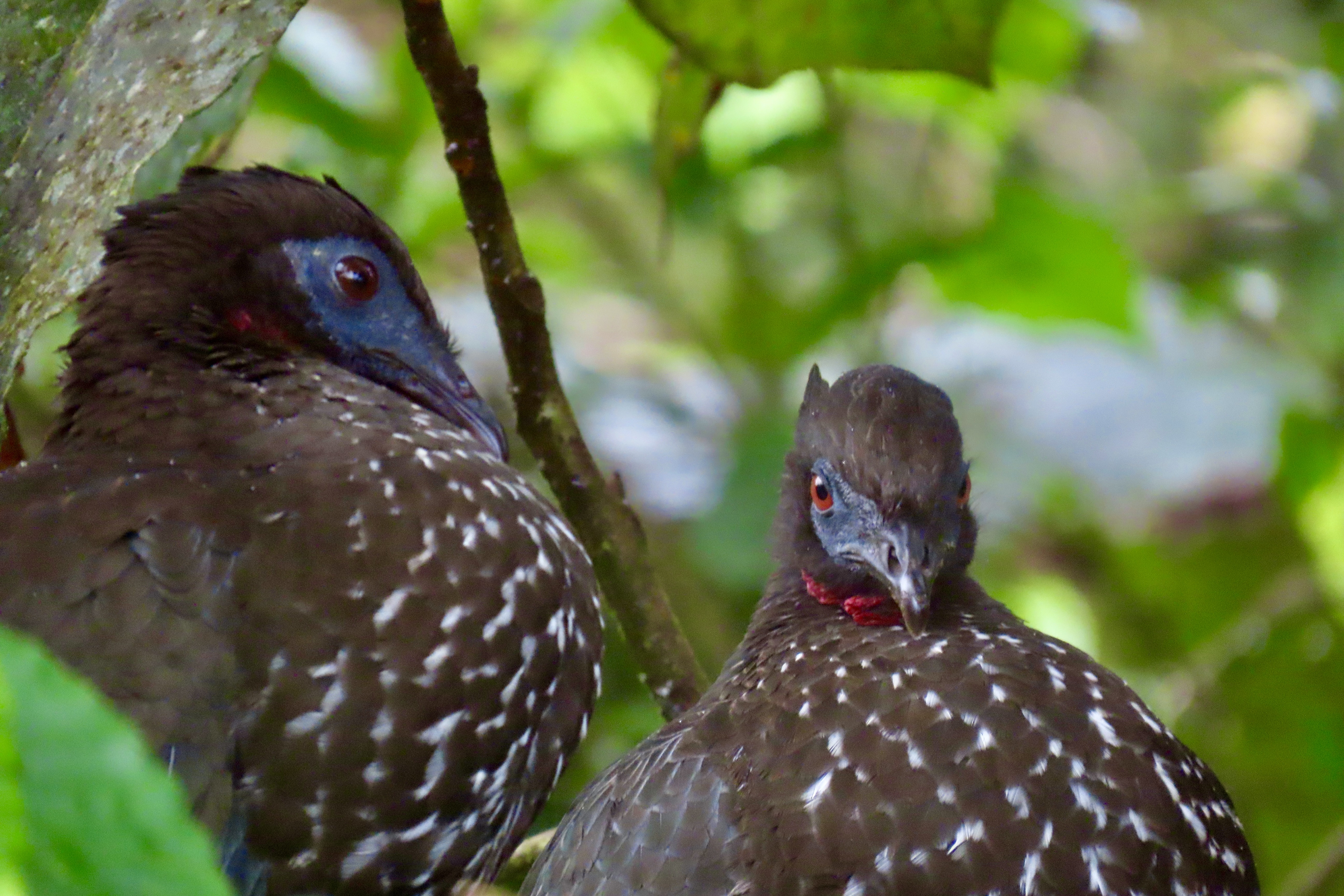
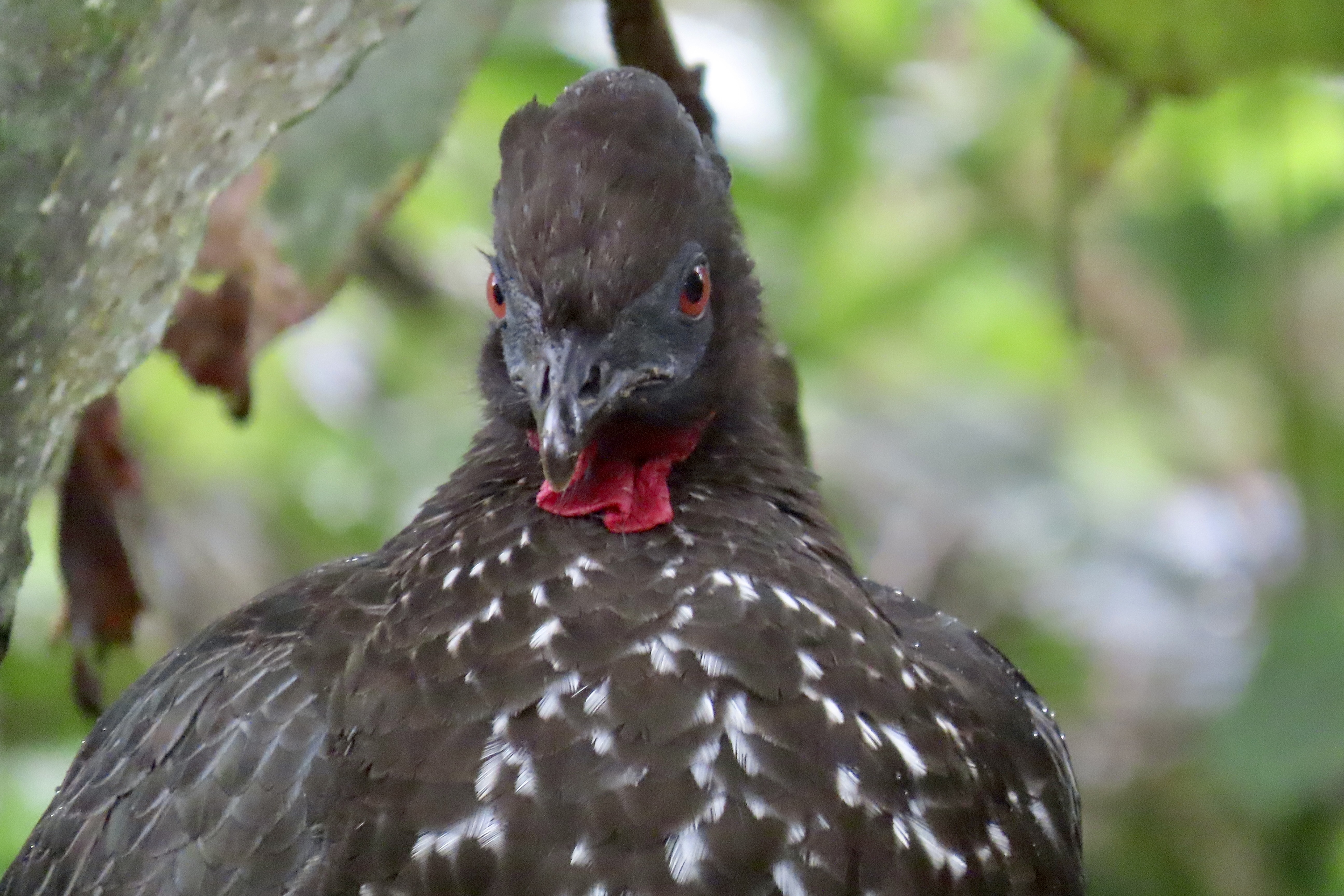
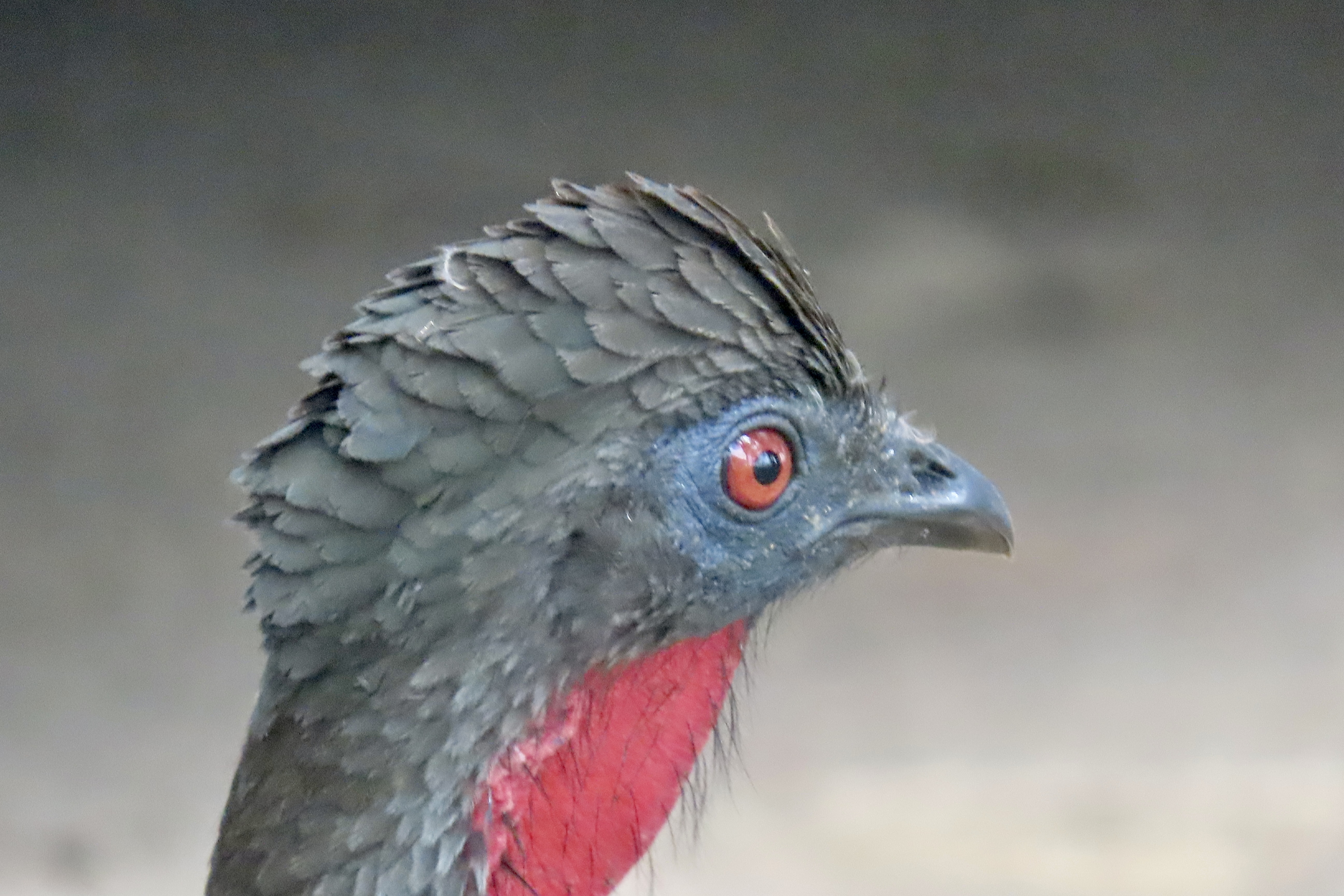
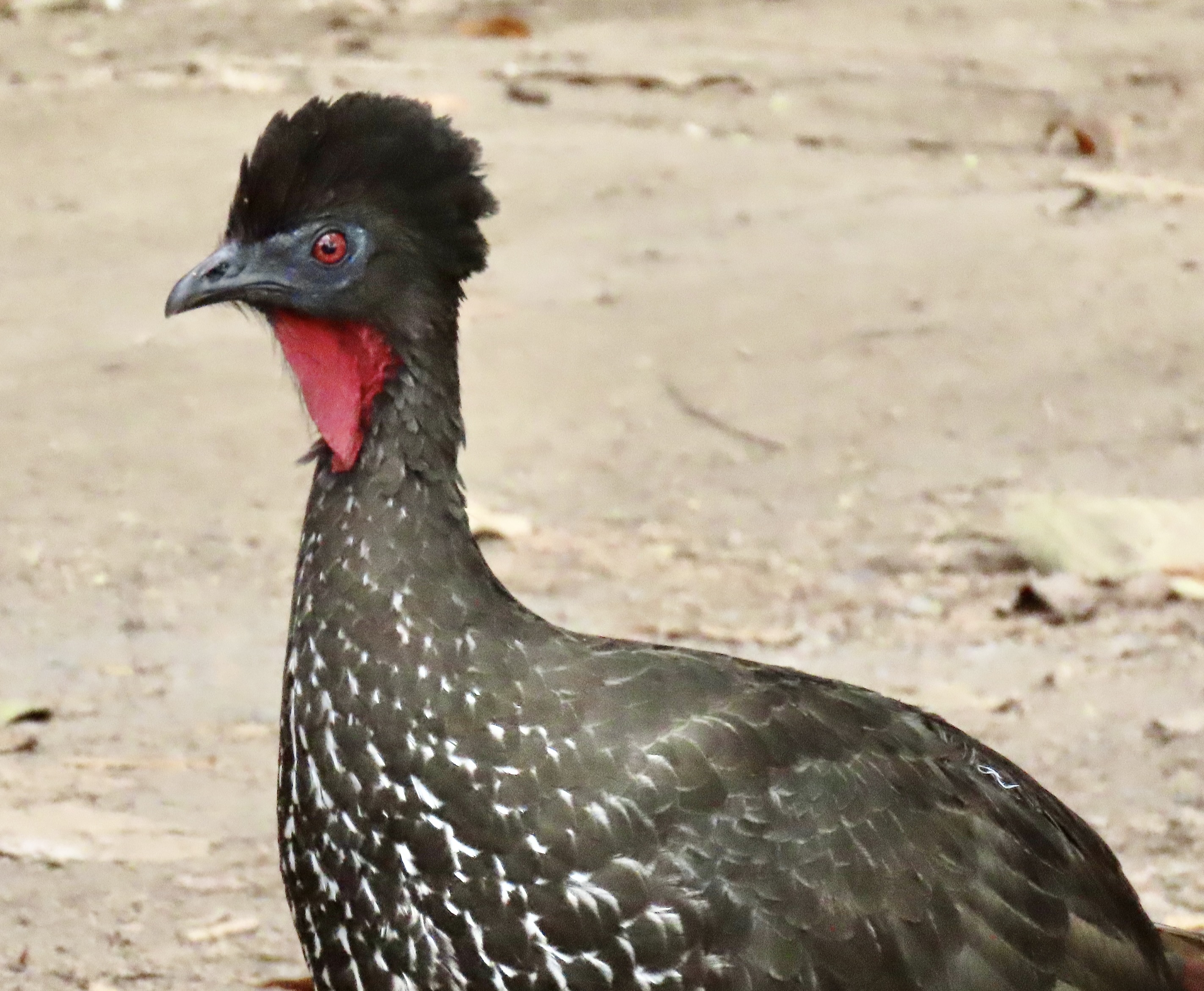
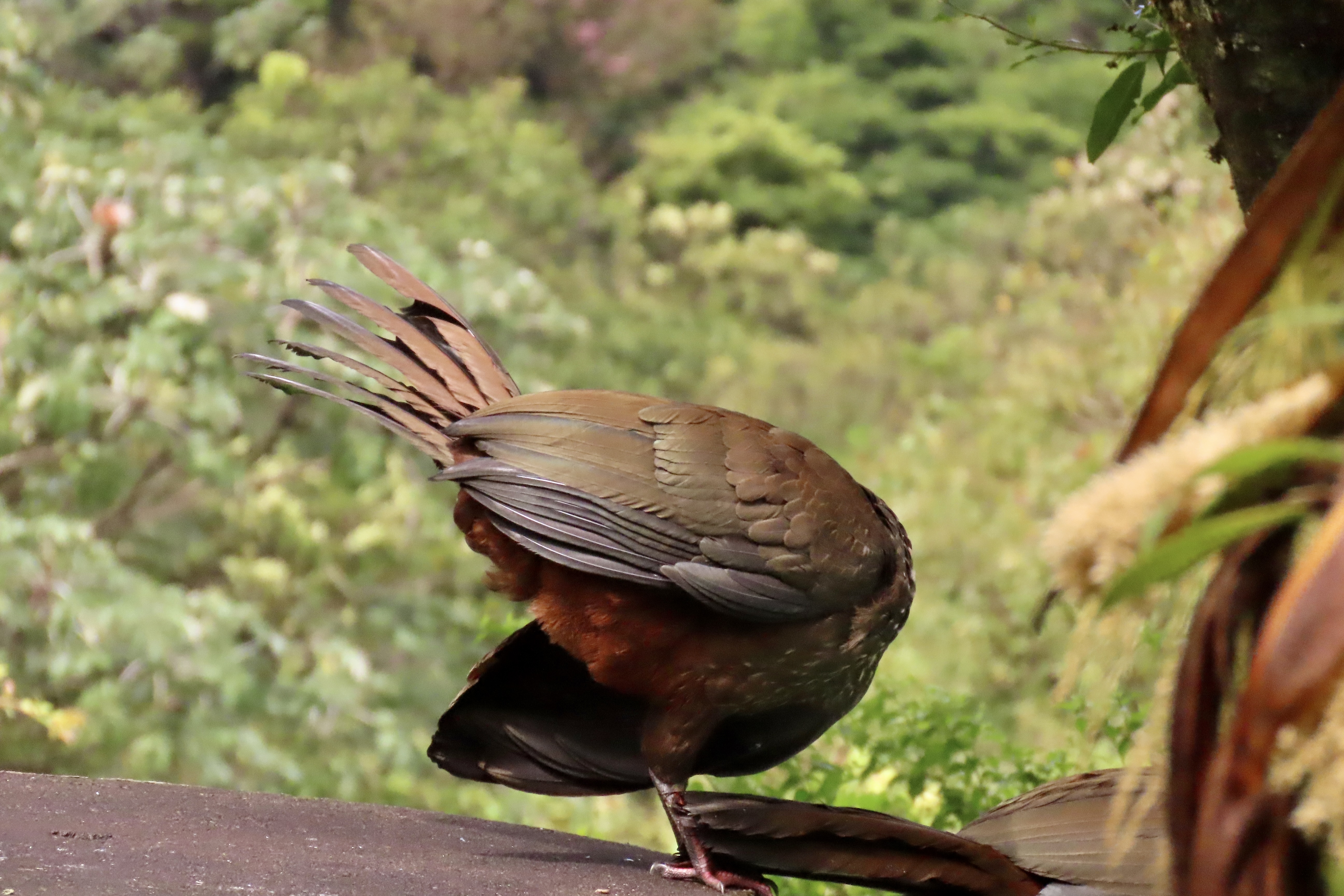
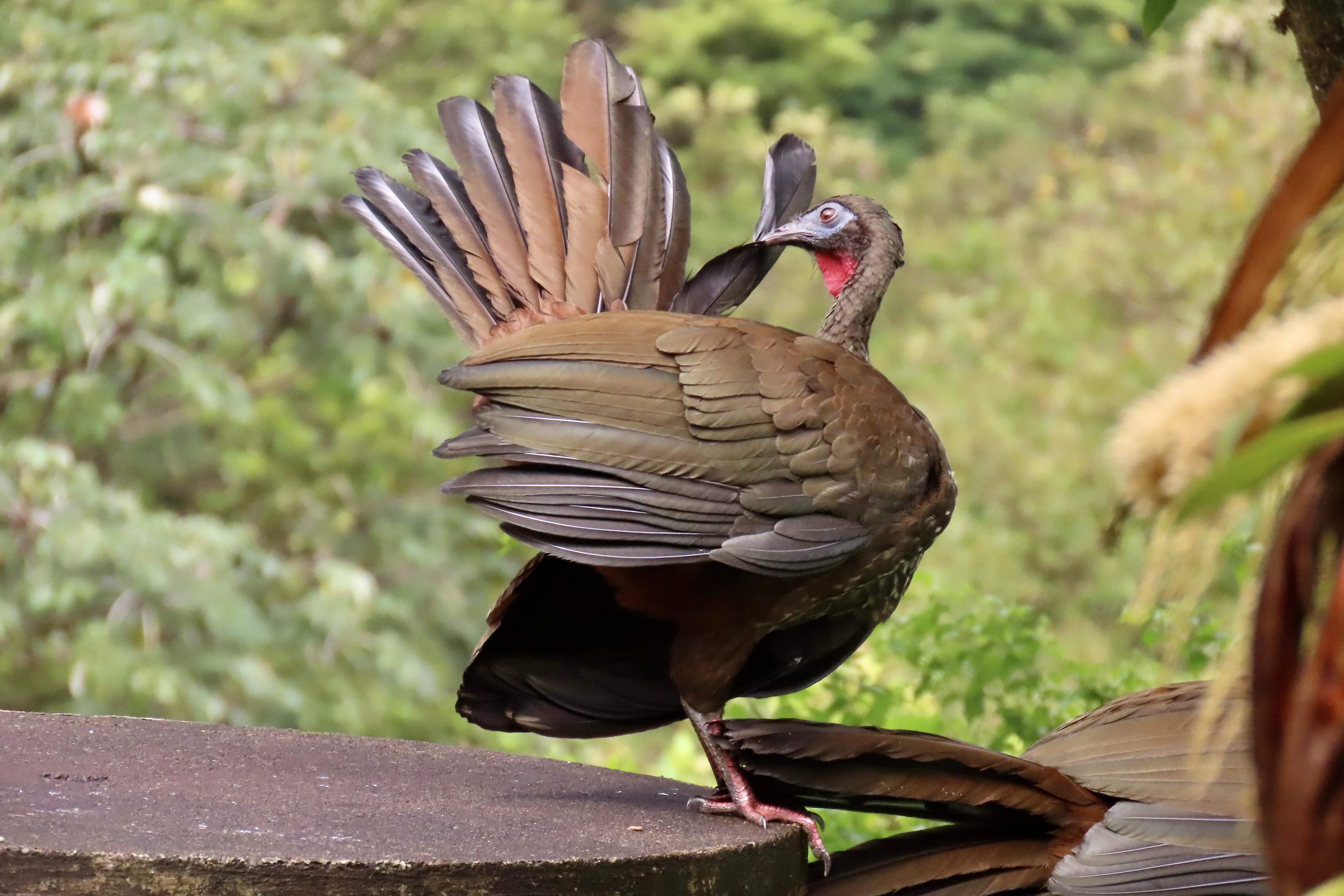
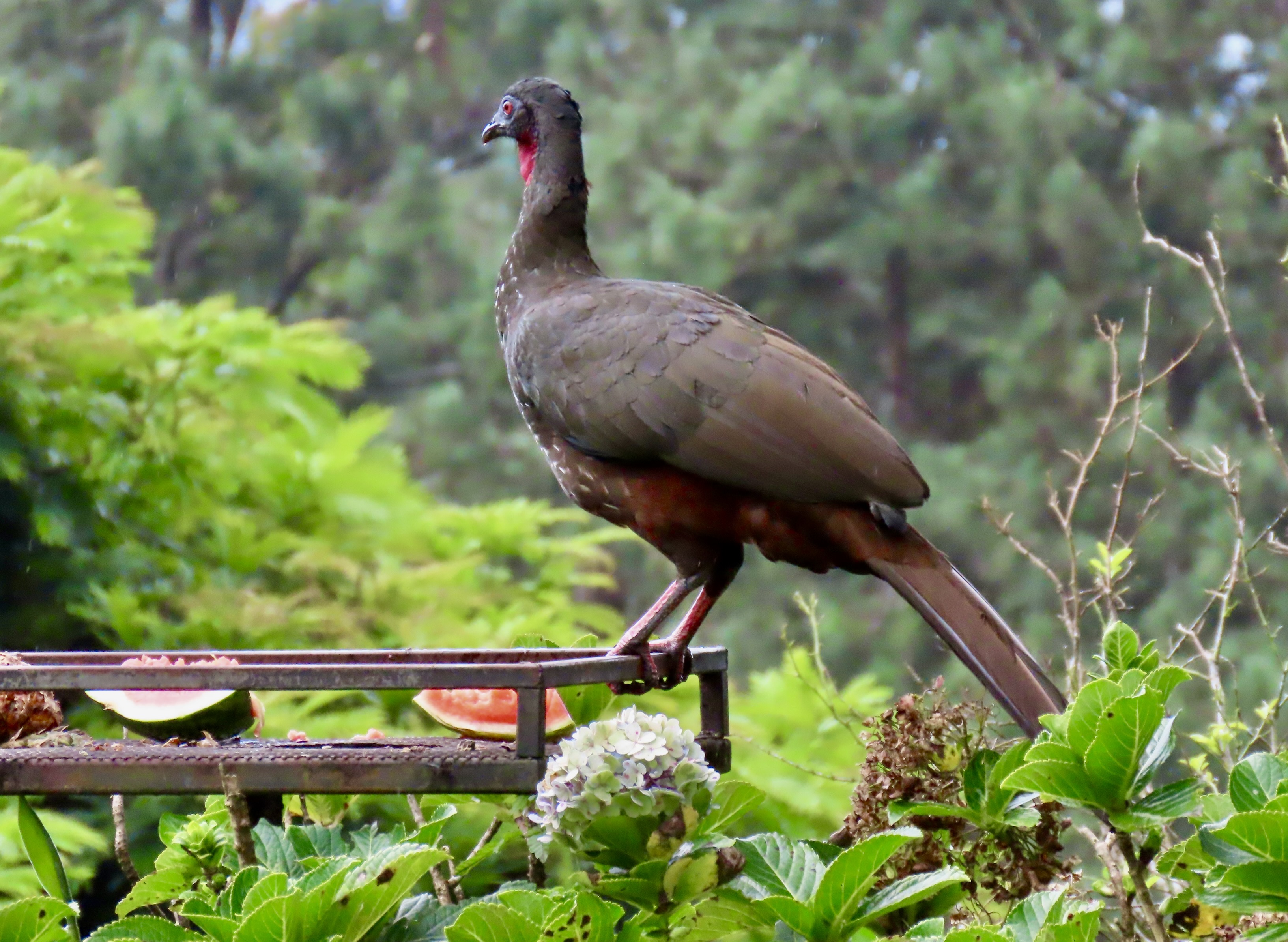
When Peggy opened the drapes on our first morning in Nuevo Arenal, Costa Rica a few weeks ago, this is what greeted her: A hungry Crested Guam demanding an apple, an orange, or a pineapple. We immediately noticed the Guam’s bright red wattle, eyes and long tails. The ‘laidback’ feathers on its head can stand straight up when the Guam is excited. Thus the description ‘crested.’Actually, there were three of them. (They hung out together the whole time we were in Nuevo Arena.) Peggy immediately grabbed her camera and caught this photo of them backlit by the sun. I must say, they were quite polite, just standing there, staring at us.But we couldn’t escape the hungry look. It’s sort of like ‘Feed me or else…’We were soon sharing apples, pineapple, oranges…And even watermelon with our new ‘companions.’Even when they weren’t on our walkway, the Guams monitored our behavior from the lawn and picnic table in front of our Villa.From the lawn. Note its raised wings. I think it was about to chase a Grey-headed Chachalaca that was chowing down on a bite of pineapple the Guam considered its lunch. (See the two videos at the end of today’s post.)They also watched us from the trees behind the villa. Note the long tails.They could see in our back window…A close up.We met this Guam on a hike by Lake Arenal. It was preparing to show off its crest.In full display! “Aren’t I beautiful/handsome.”Some grooming is required. For birds, it’s called primping and is used for feather maintenance.Even down to keeping them oiled! Is the other Guam massaging its legs with its tail feathers? It’s obvious that these big birds like each other, in fact they are monogamous. But I doubt that includes tail-feather leg massages. (Any Guam experts out there that would know?)The primary dining room for the Guams and all of the other fruit eating birds in our neighborhood was a bird feeding table that we and our neighbors kept supplied. Fortunately, it was right in front of our villa. We could sit inside or on our porch and take bird photos all day if we wanted to. You’ll be seeing a few…
Normally, the crested Guams (Penelope purpurascens) are not as tame as the ones that have found an endless supply of food at the Lakeview Villas where we were staying. Nor are they ground dwellers, preferring to live high up in the forest canopy and feed off of fruit they find up there, like the figs from the ficus trees we featured in our post last Monday. Similar to the Gray-headed Chachalacas (Ortalis cinereiceps) that you will meet next, they are members of the long-tailed family, Cracidae. Above them on the animal classification system they are also related to chickens, turkeys and other Galliformes, which is hardly surprising, given their body shape. They range from Mexico in the north to Ecuador and Venezuela in the south.
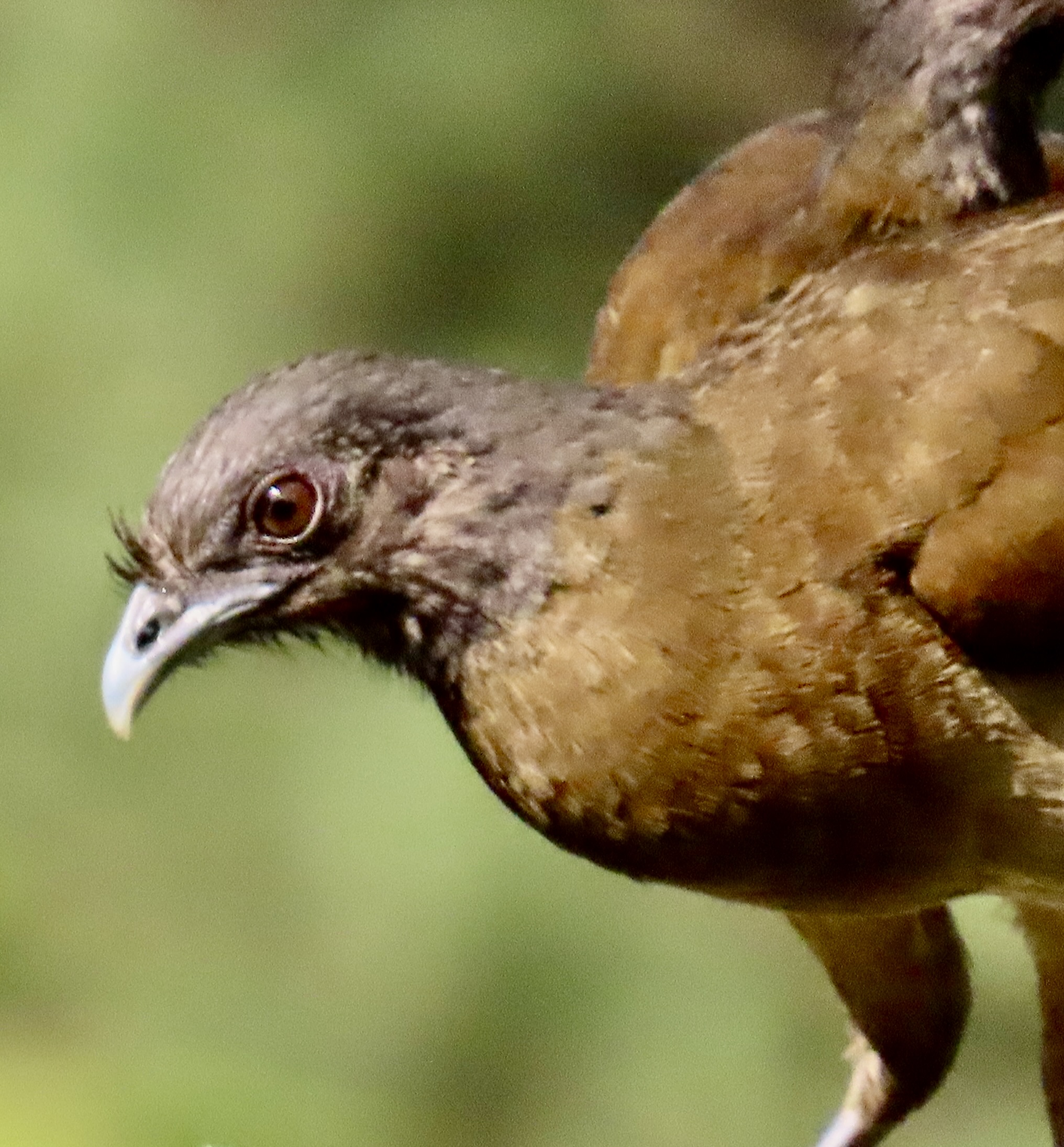
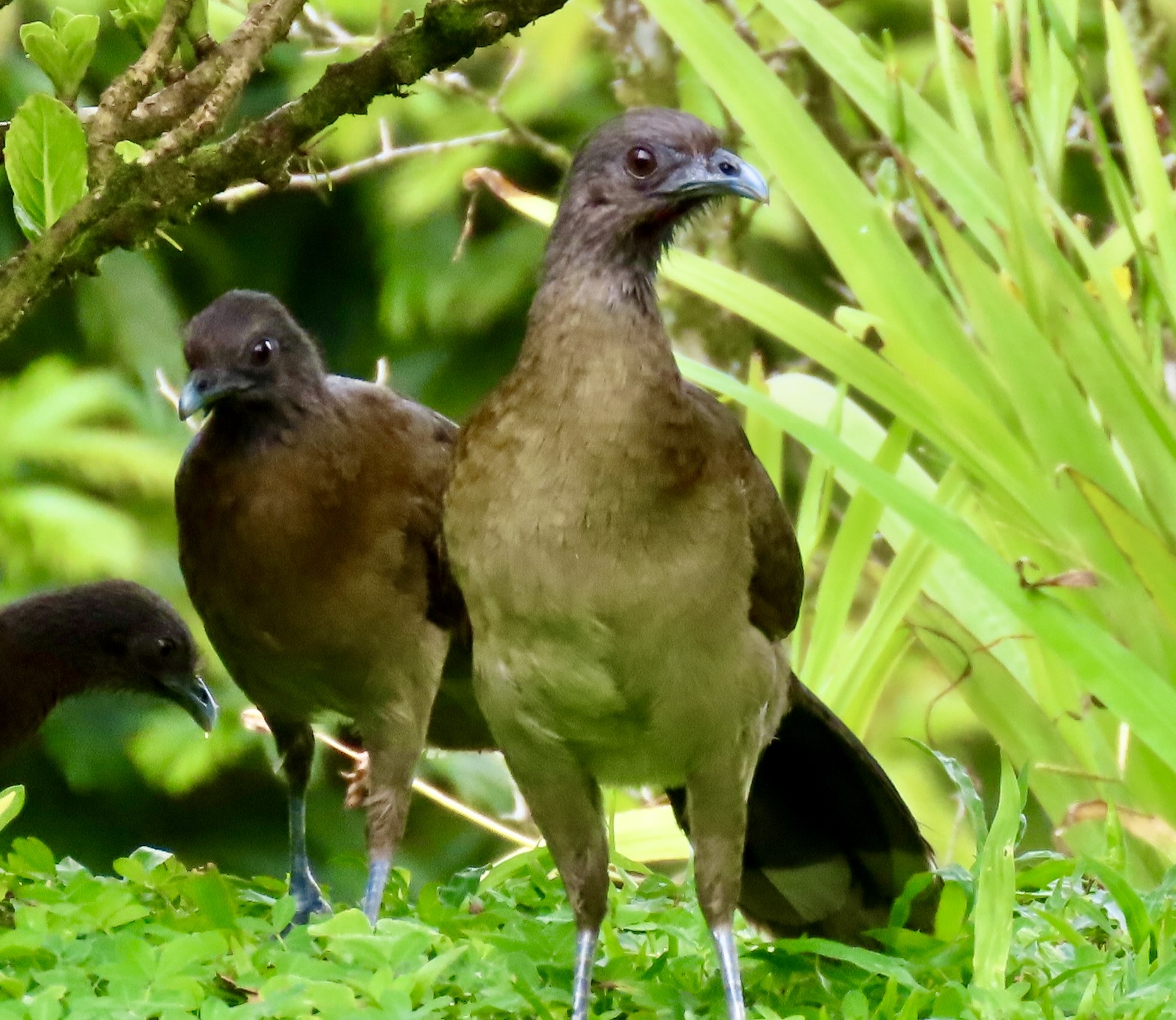
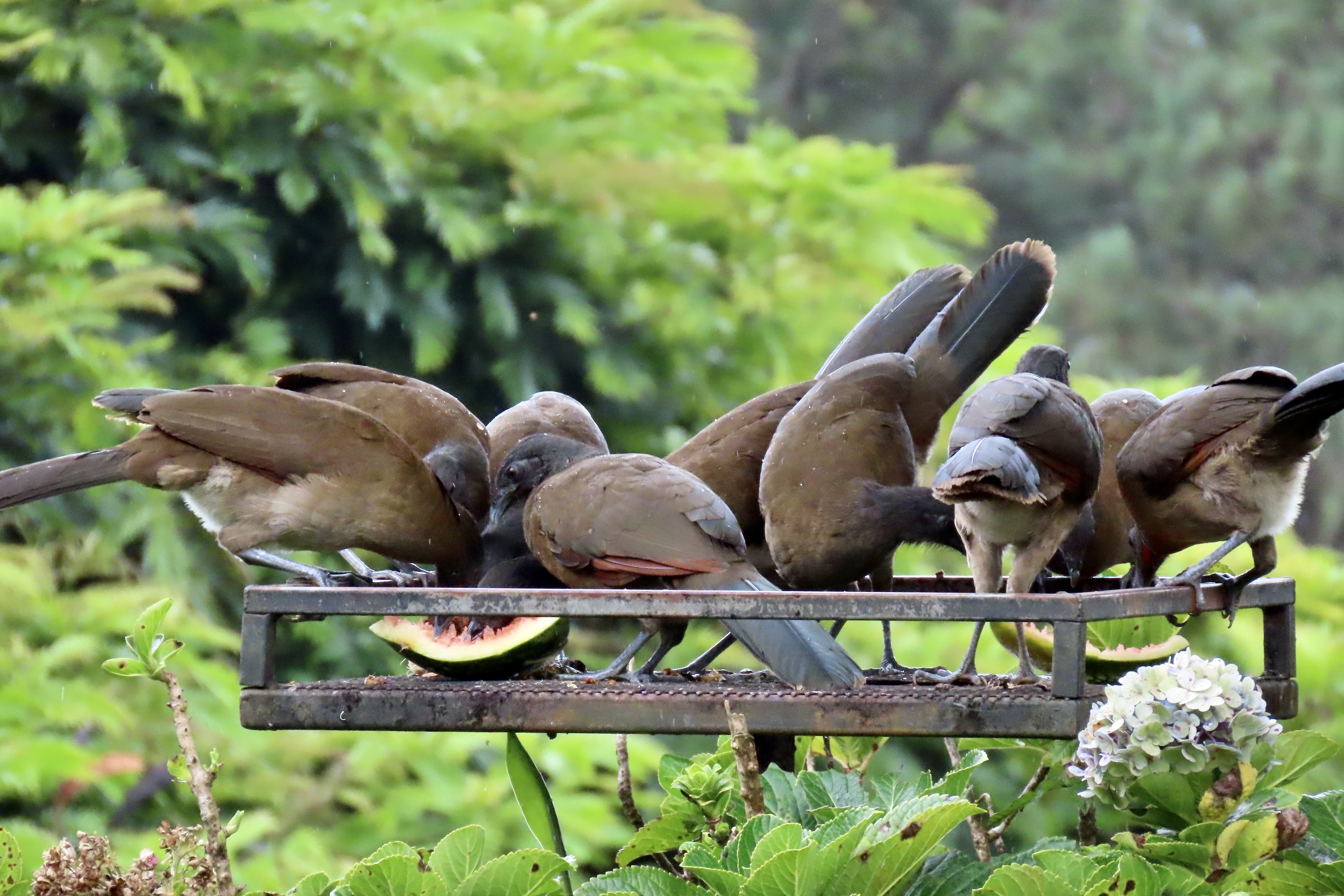
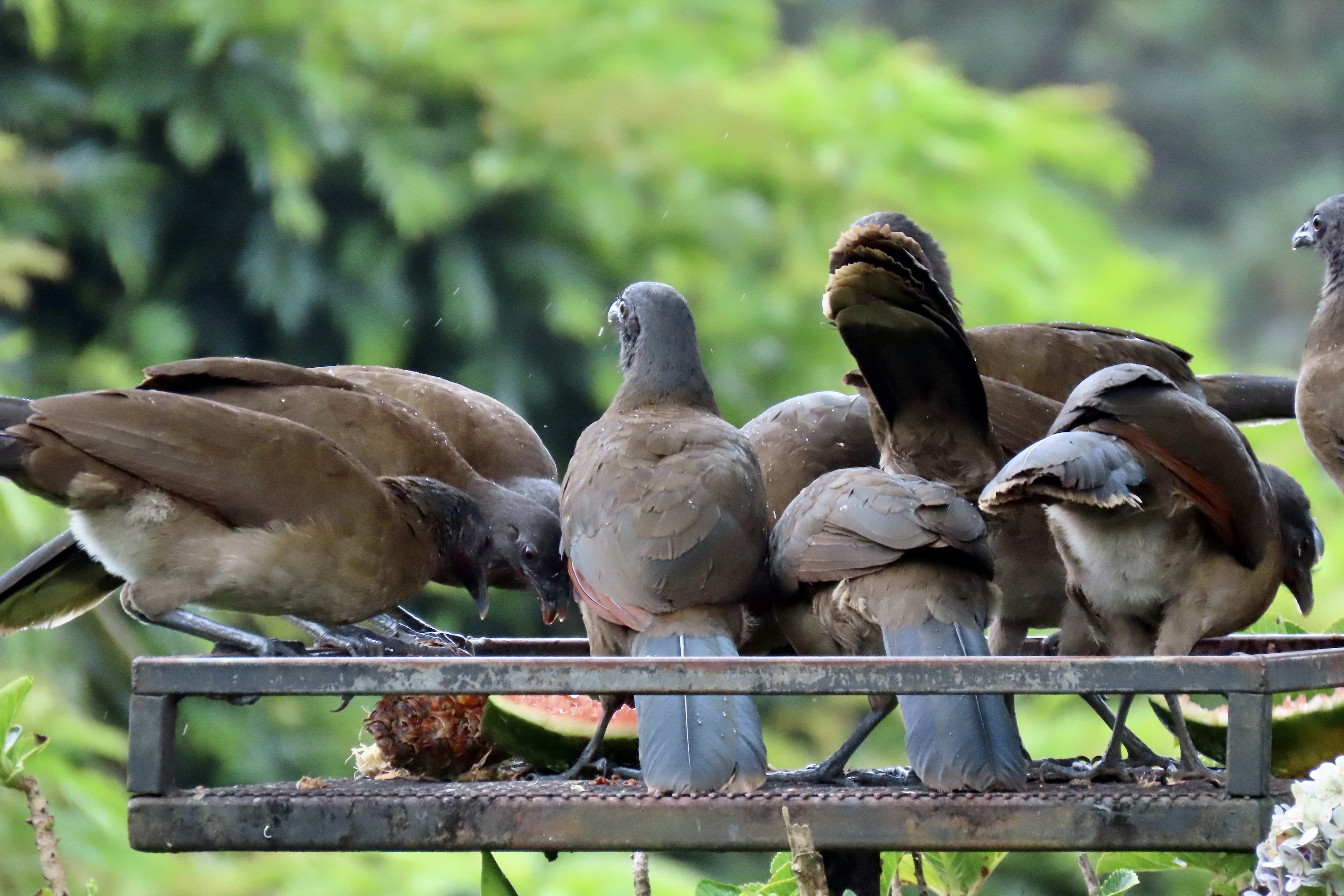
The smaller Chachalacas look a lot like the Guams minus the wattles and crests. At first we thought they might be their kids, especially given their obvious love of fruit. Closer inspection and a little research quickly defined them as a different species. Beyond looks, another defining characteristic is that they travel in groups ranging in size from 6 all the way up to 20. Ours was around 12. When these large birds make their way through trees, they sound like a herd of marauding elephants (slight exaggeration, but they are noisy.) It’s said that their name, Chachalacas, is derived from a sound they make early in the morning and late in the evening. We didn’t hear it in Nuevo Arenal, but I did one evening in Monteverde. I love the name.
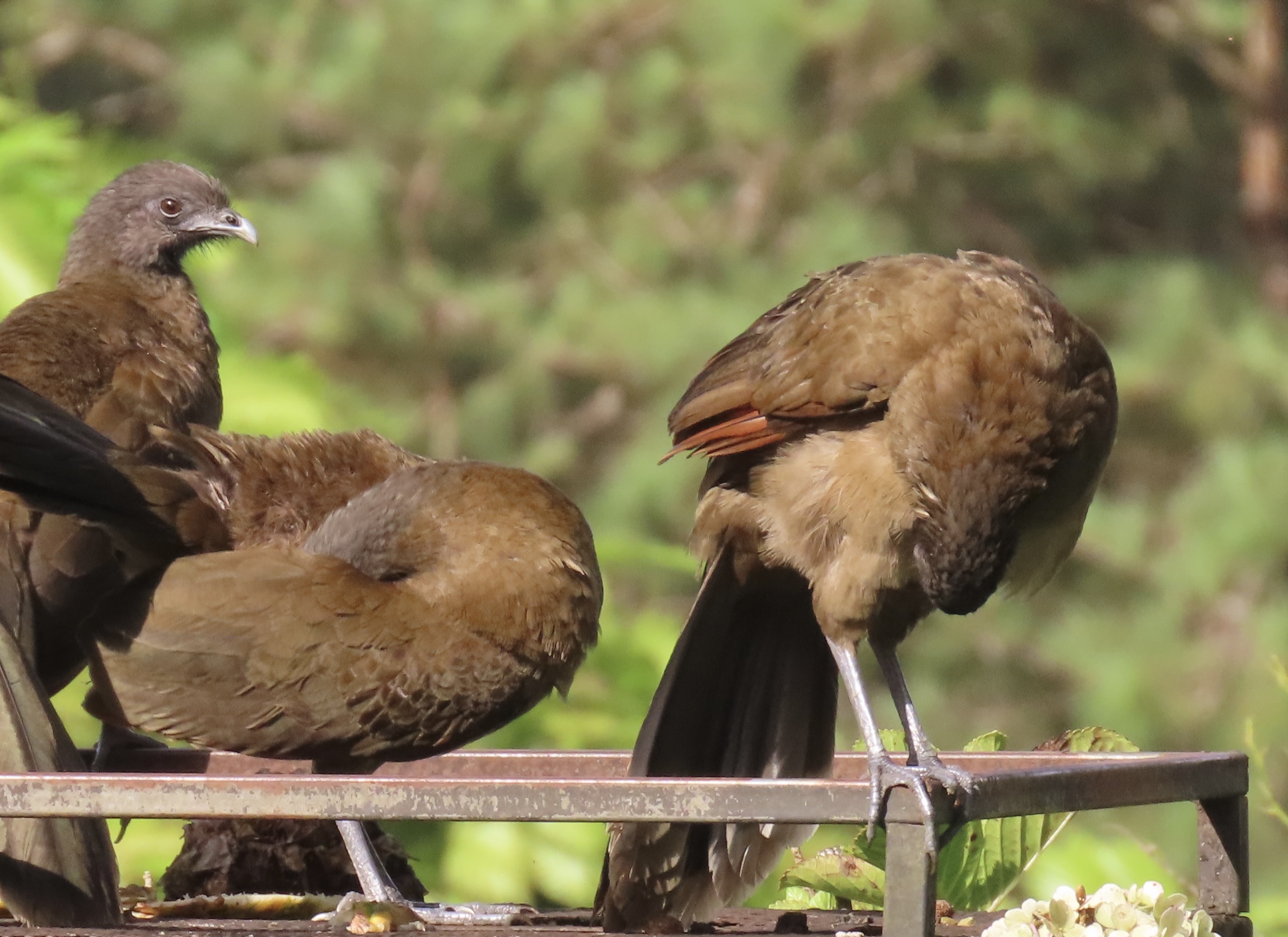
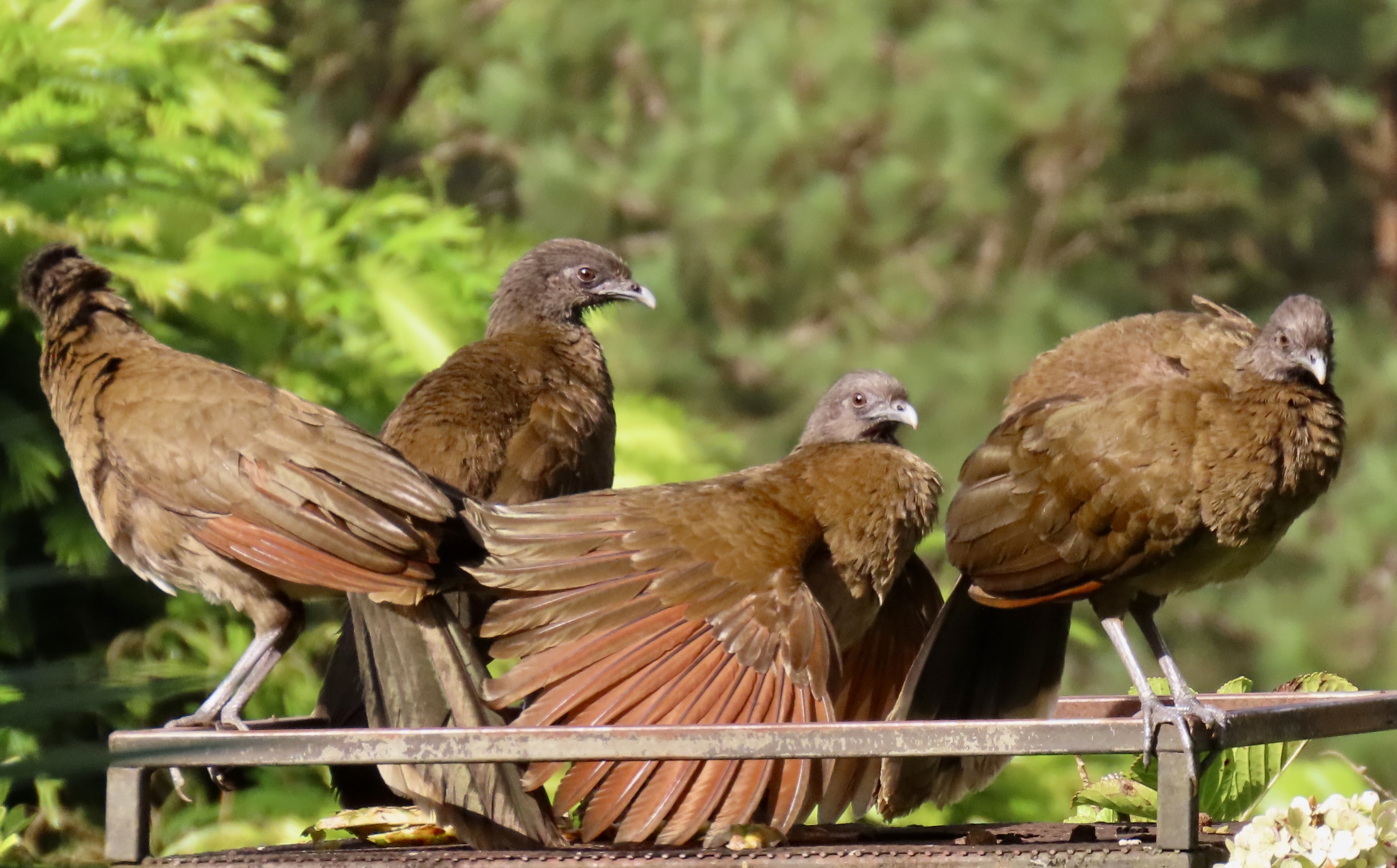
The ‘here’s looking at you’ pose of a Chachalaca. Impressive nose hairs.Another perspective.They would arrive at the food station en masse. Any fruit was quickly disposed of…Tails down and looking around, at half mast and breaking fast, fully up and having sup. (A little humor for my poet friends who follow this blog.)Grooming/primping Chachalaca style. Were they getting ready for a group photo?Maybe. Grin. You may wonder what the Crested Guams felt about the Chachalacas showing up and gulping down all of the fruit. The following videos will give you an idea. The first demonstrates the greed of the Chachalacas at the food table and the Guams’ response. The second shows what Peggy and I found to be a rather hilarious chase scene where the Guam kept losing track of the Chachalaca it was supposed to be chasing! (Click on the photos.)
BTW: Wednesday’s UT-OH! Post is on “first dates and squashed skunks!”
As you might have expected the Guams had little tolerance for the Chachalacas scarfing down the fruit!
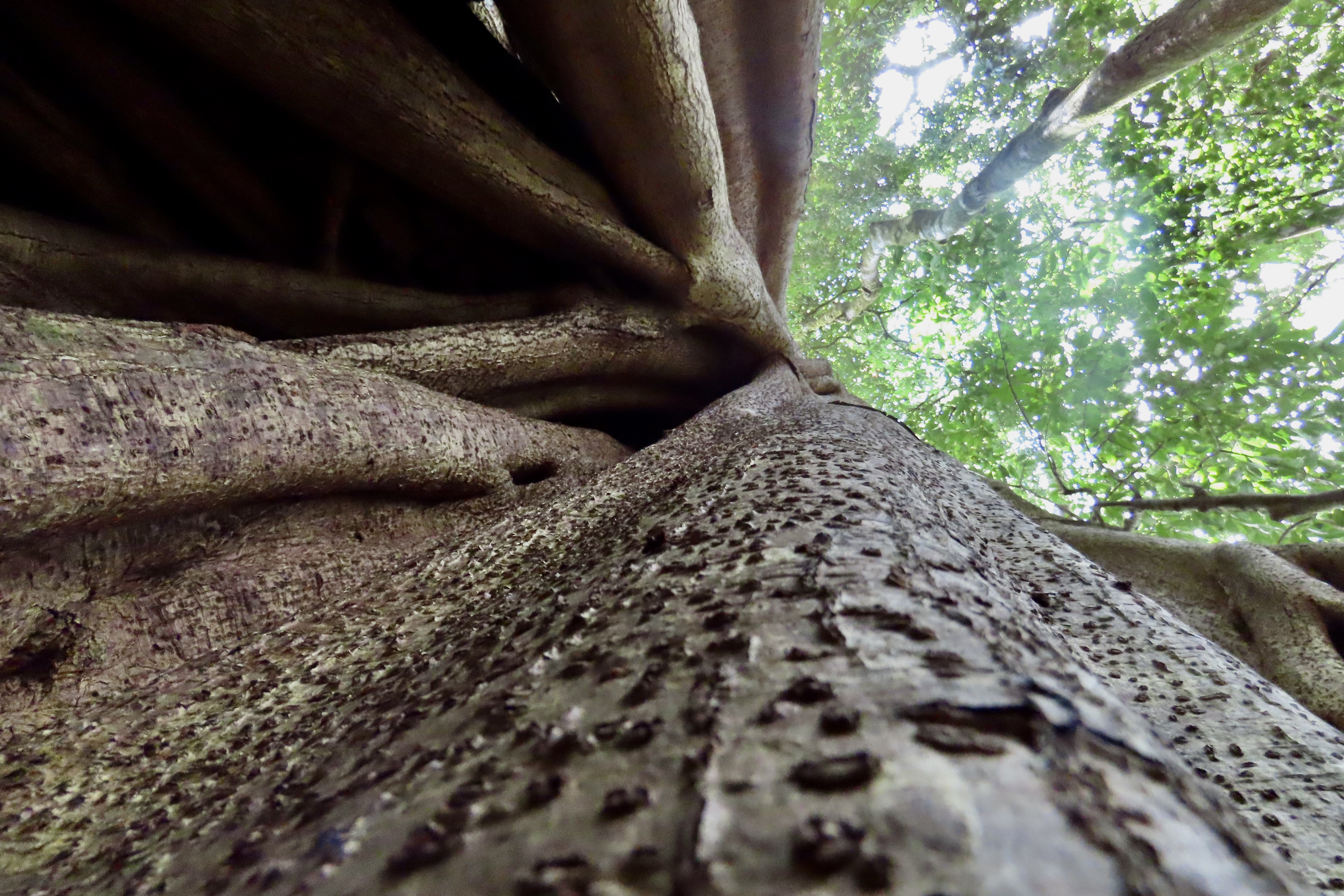
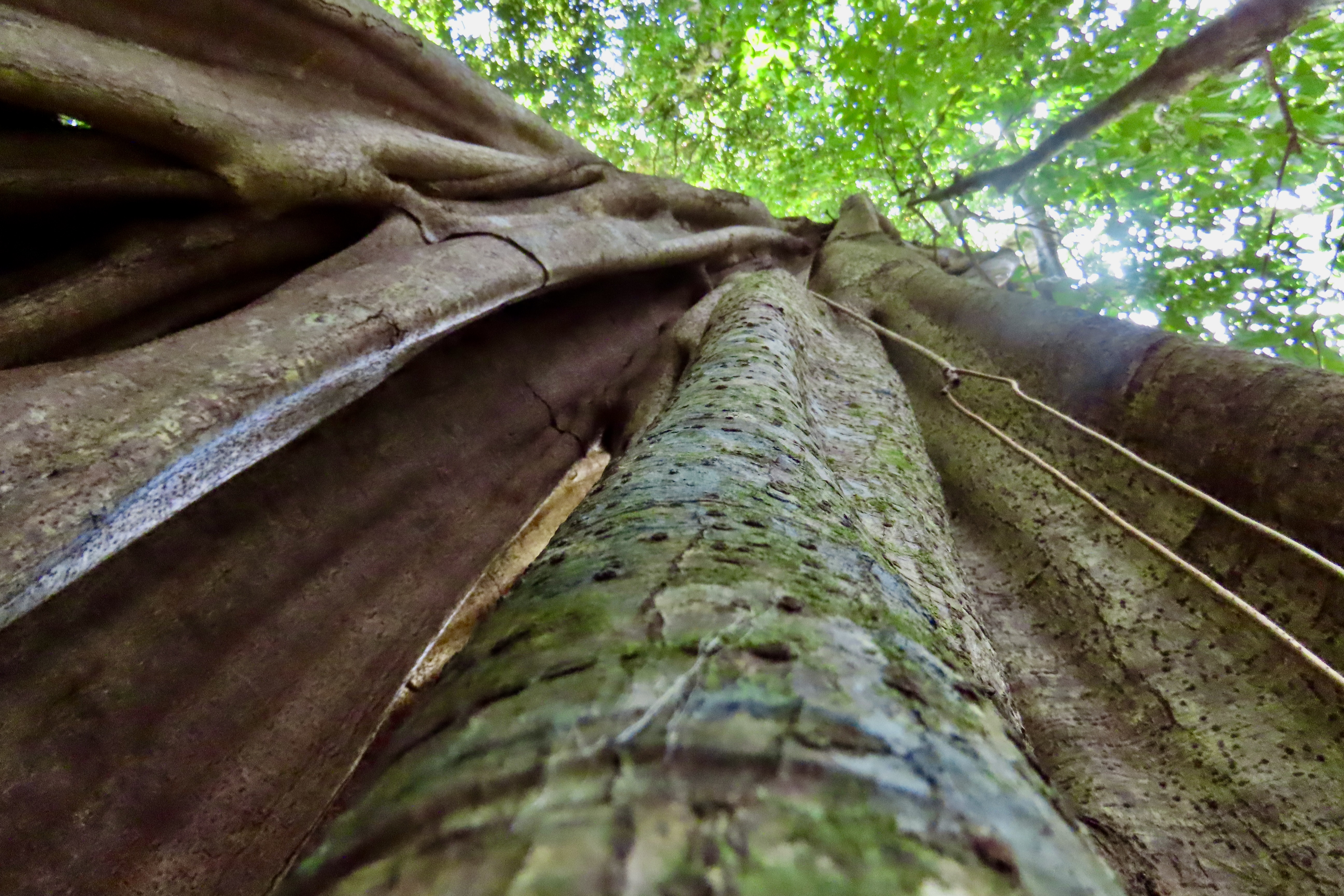
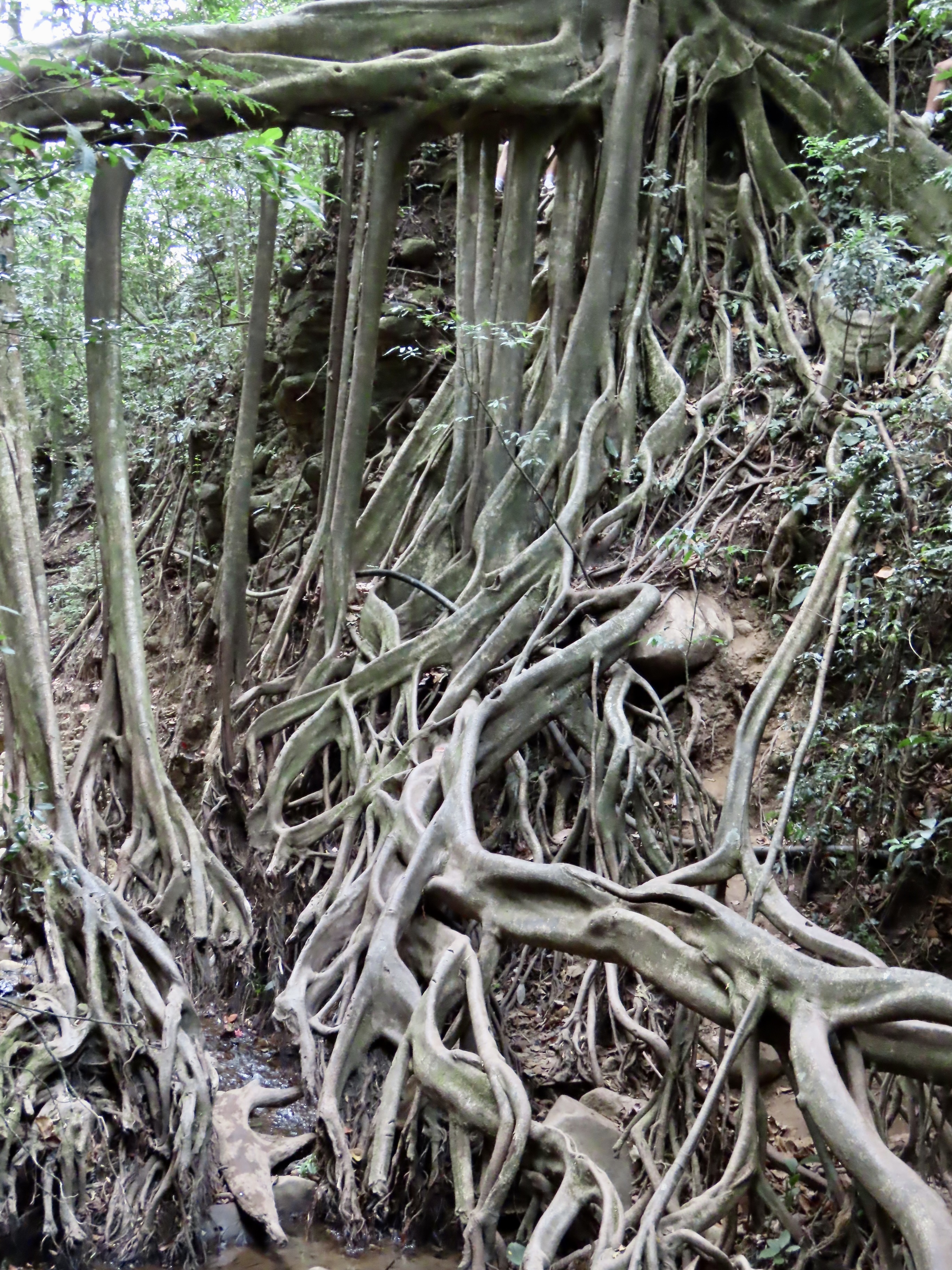
The view looking up into a Ficus Tree. These are all roots!
So, here’s the question: Do you like figs? Me, not so much— unless they are located in a Fig Newton. I carried them on backpack trips for years. They were yummy. The birds and monkeys and other animals of Costa Rica don’t have my finickiness when it comes to downing fresh figs; they devour them with relish. And then they poop out the seeds. No surprise there, of course, since they can’t digest them. It a relatively common way that seeds/plants are distributed.
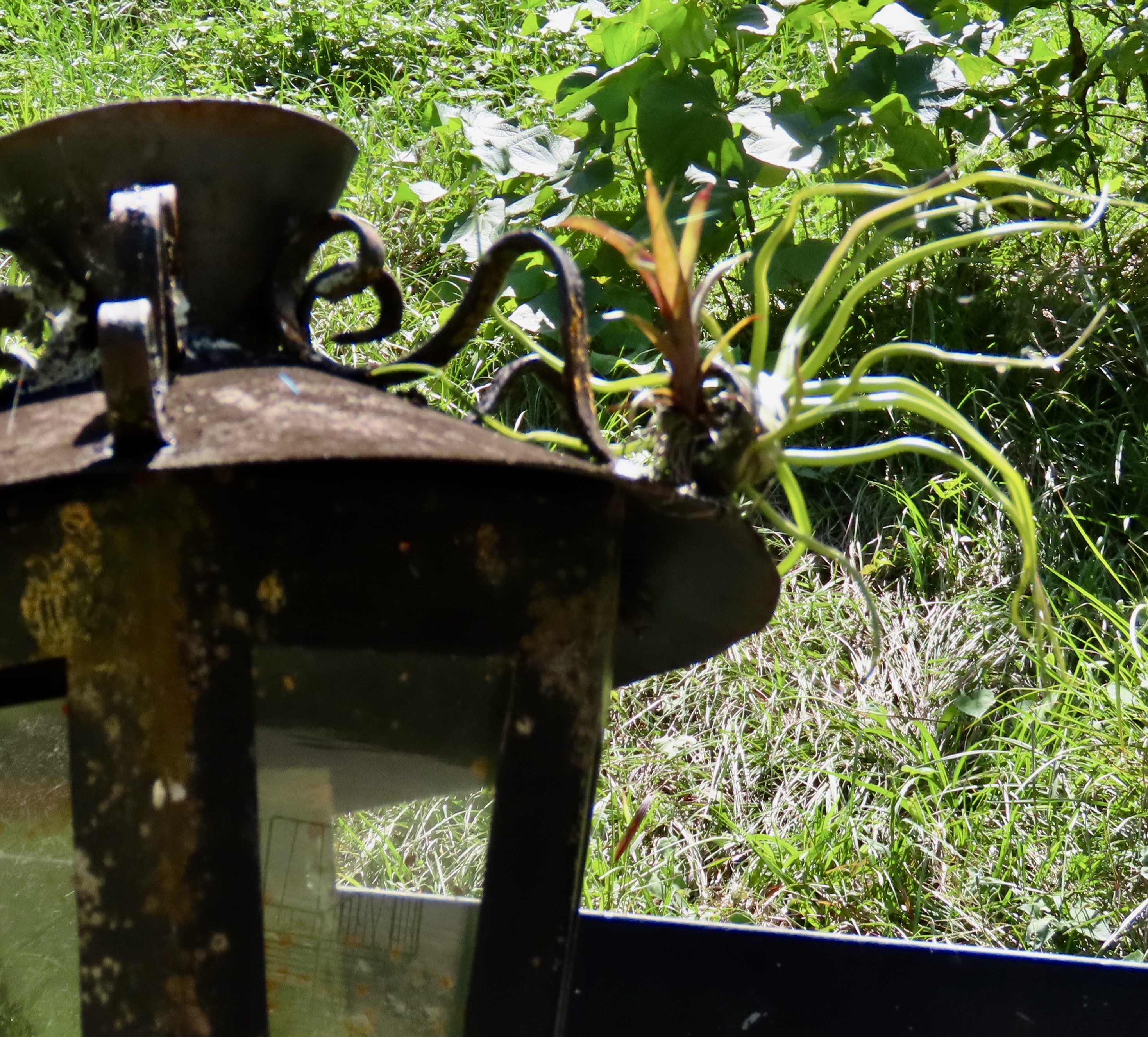
But here is where it gets interesting in terms of Ficus costaricana, the strangler fig of Costa Rica. The bathroom for birds, bats, monkeys and other arboreal animals that eat figs is often up in the tree tops, the canopies, which is where the seeds sprout and turn into an epiphyte. For those of you who may not be up on botany, an epiphyte is a plant that grows on a tree or other plant without harming the tree by obtaining its nutrients from the surrounding air, water and debris instead of the tree. We even saw one thriving on a metal lamp post.
This epiphyte seemed quite happy growing on a lamp post in Nuevo Arenal, Costa Rica.
The ficus is something of an exception to the no-harm rule, however. It sends roots out that eventually reach the ground and start to feed the ficus directly. The roots grow in size, surround the tree, and dig deep into the ground. At the same time, the limbs shoot up to provide sunlight for the figs leaves. Between the roots stealing water, and the leaves stealing sunlight, the fig eventually kills its host. Not nice. The process isn’t actually strangulation, but the result is the same. Dead is dead. Eventually, the dead tree rots out, leaving the Ficus with a hollow core.
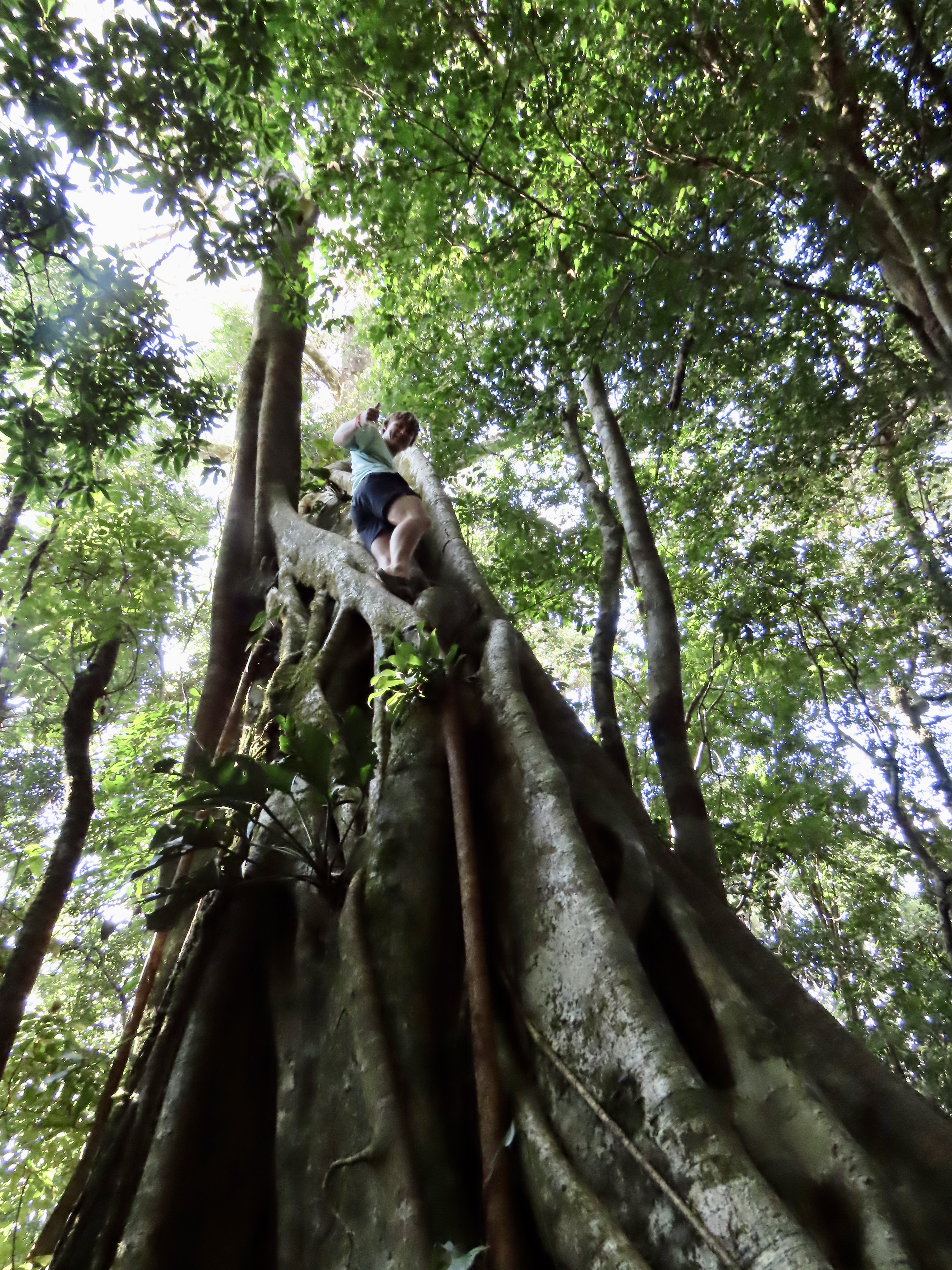
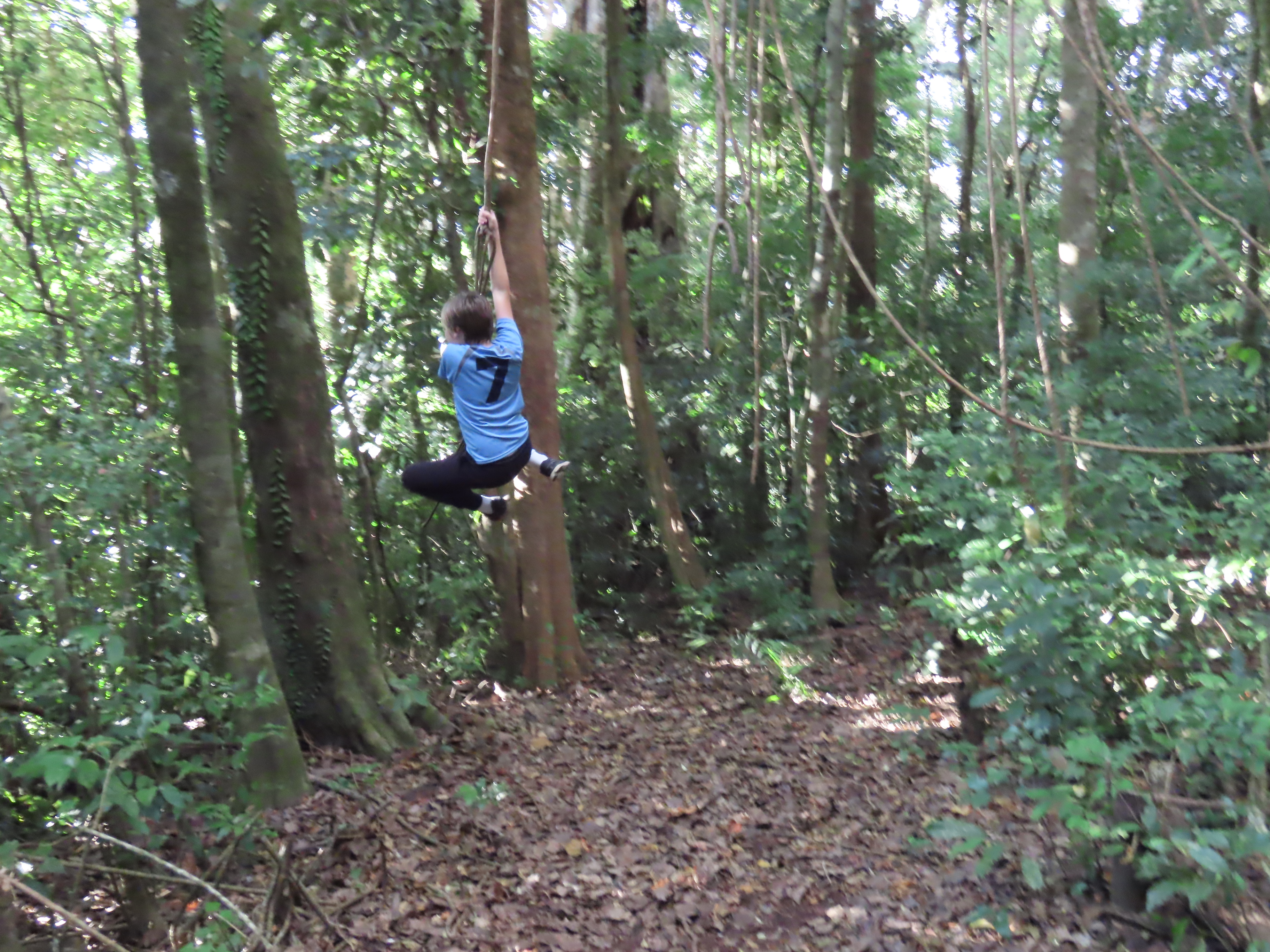
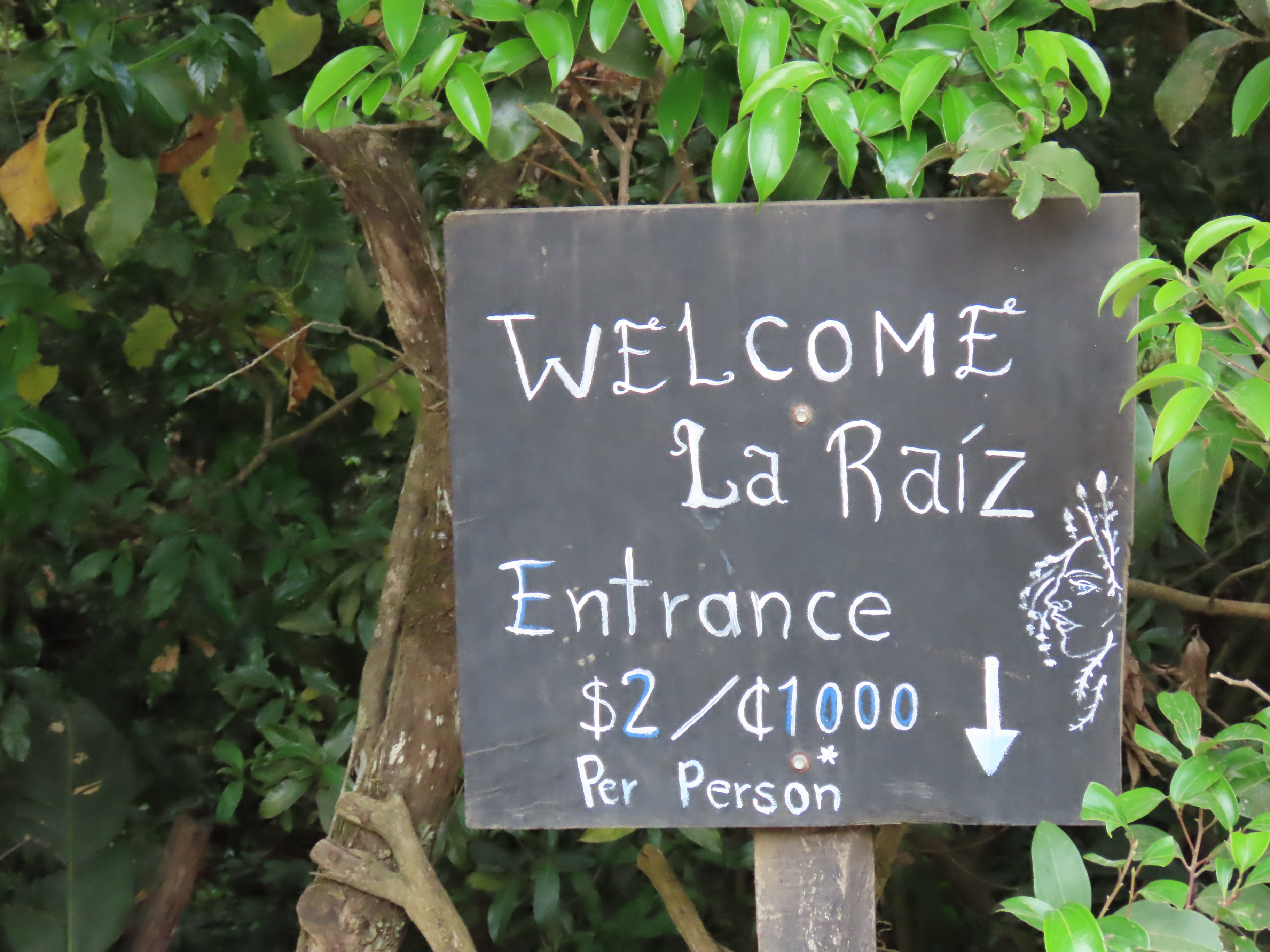
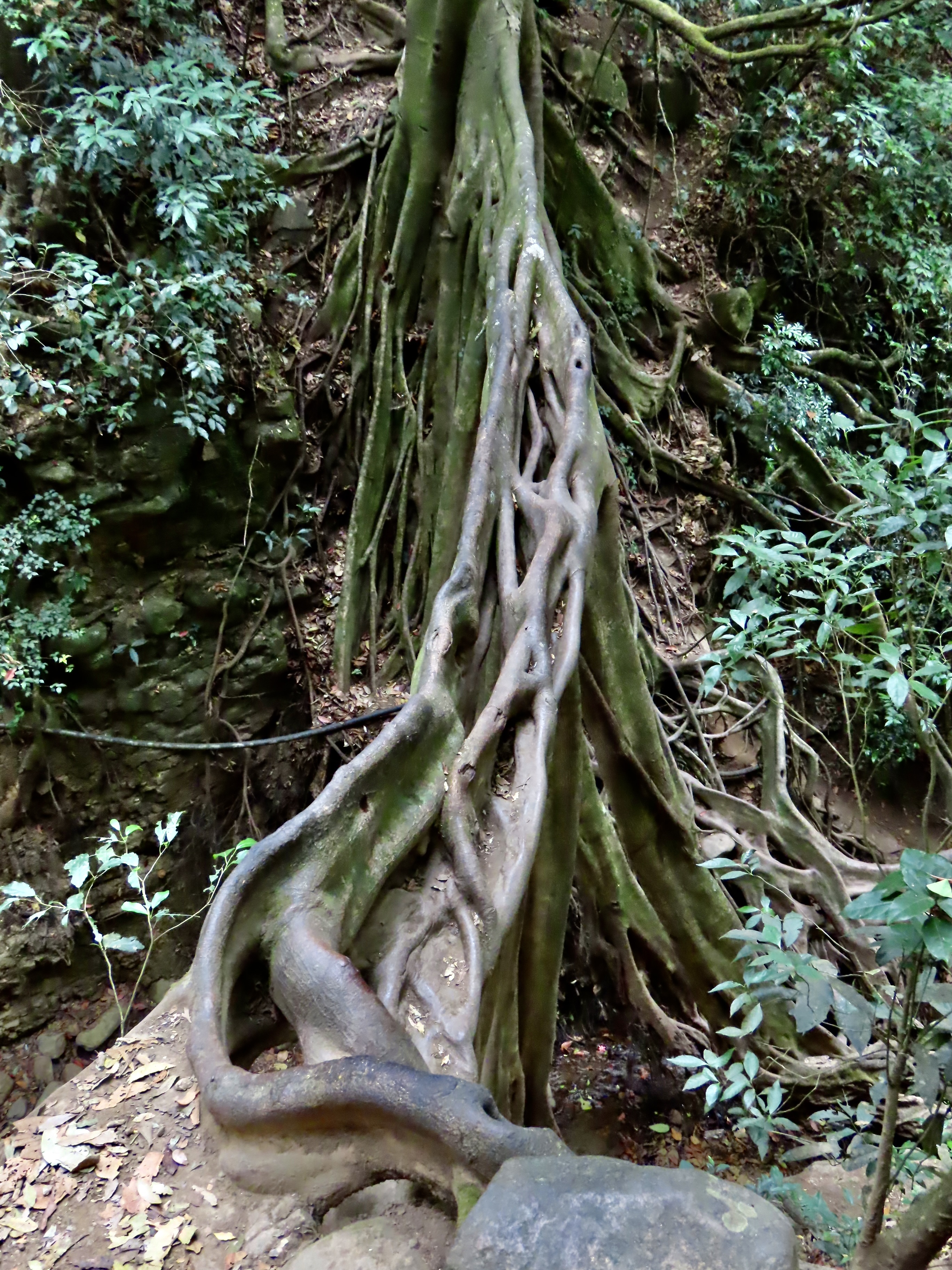
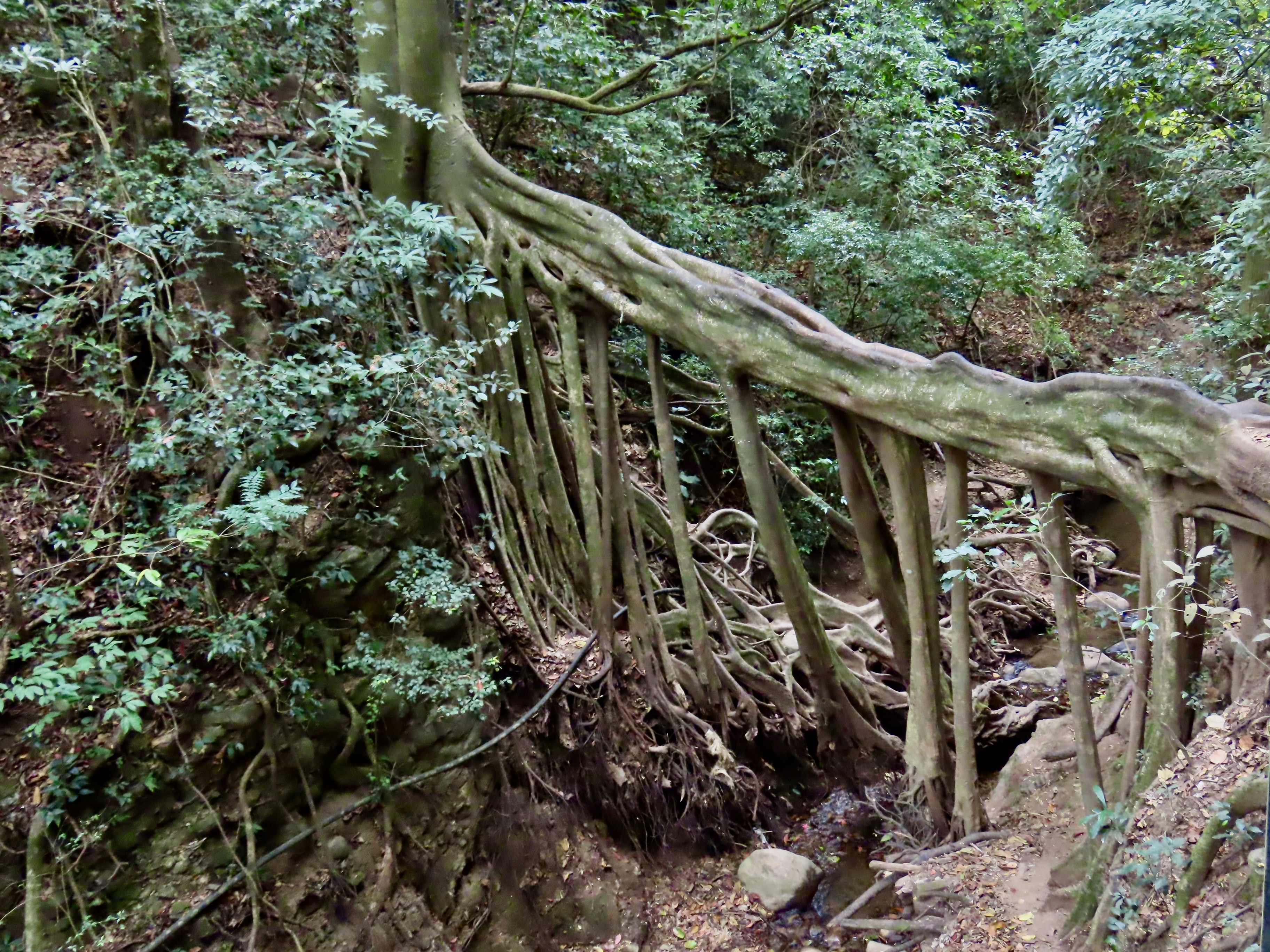
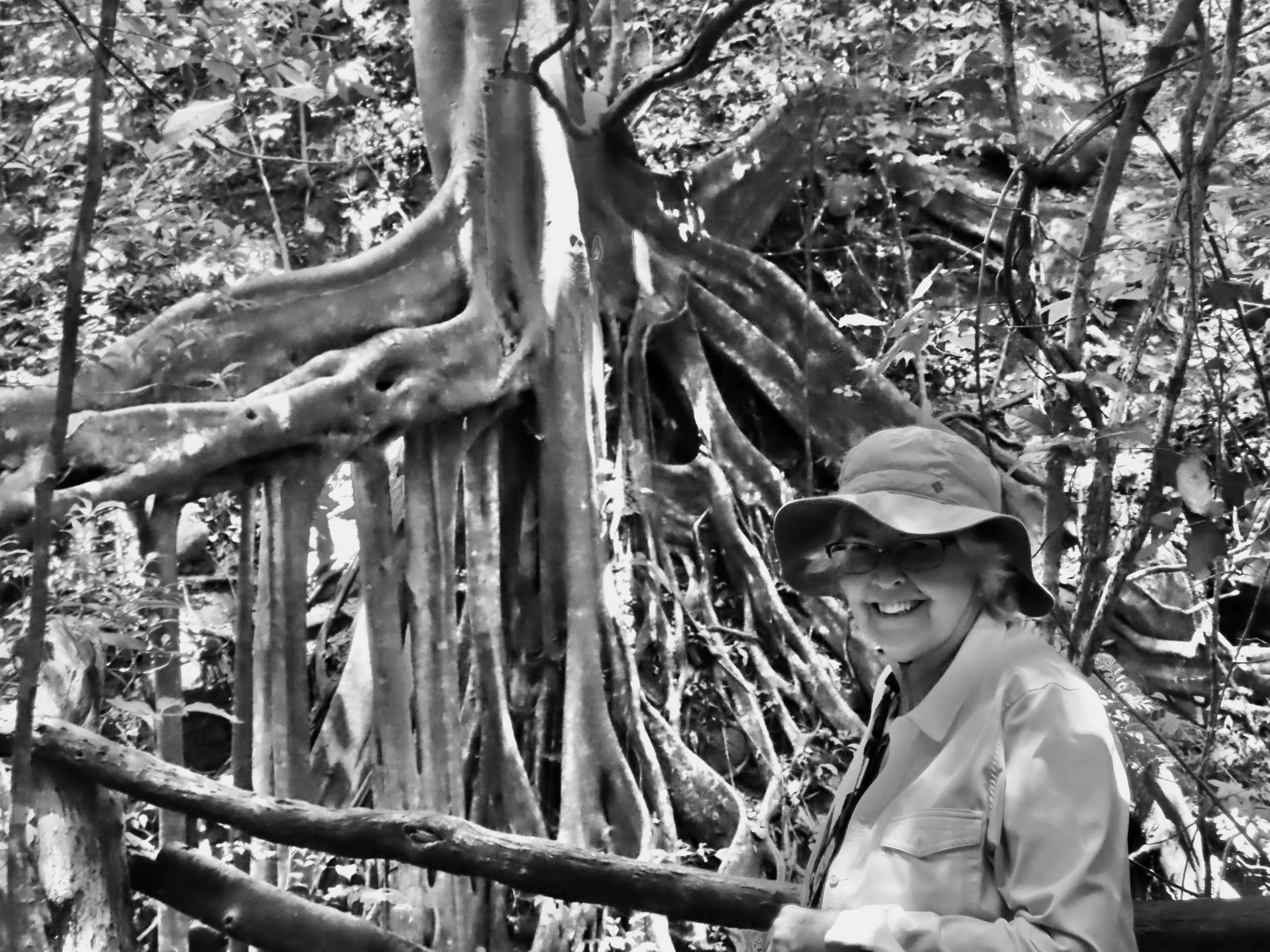
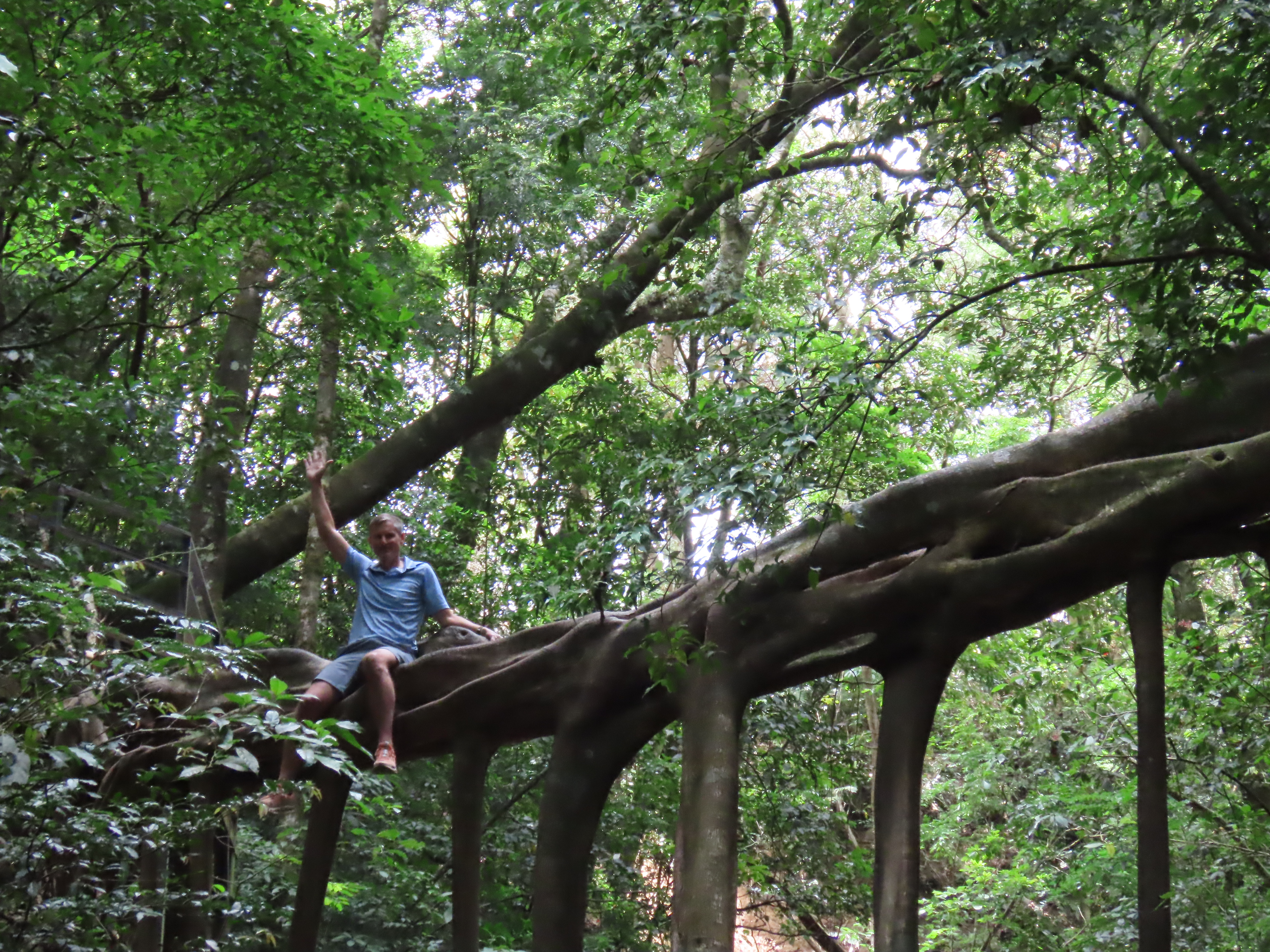
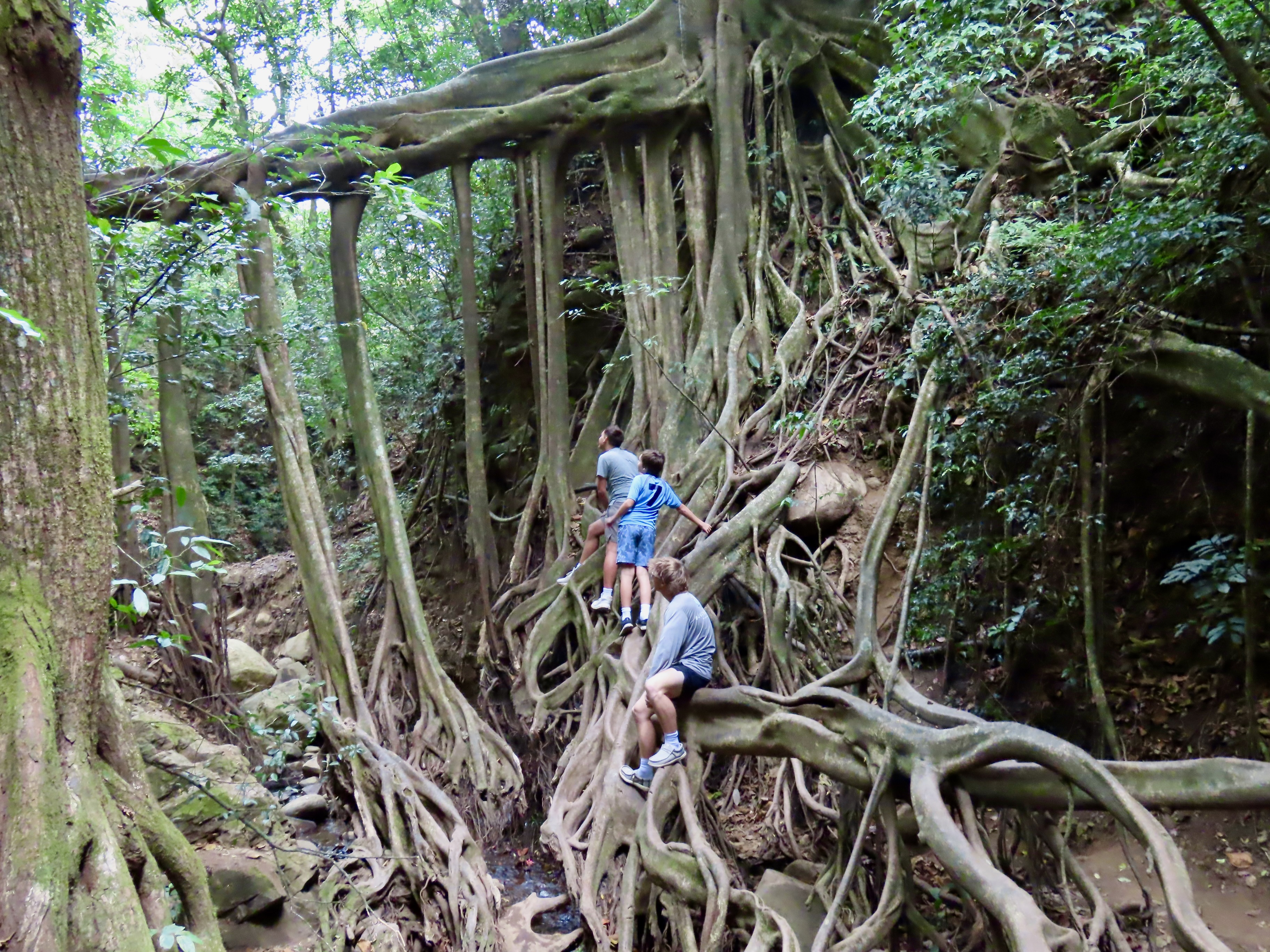
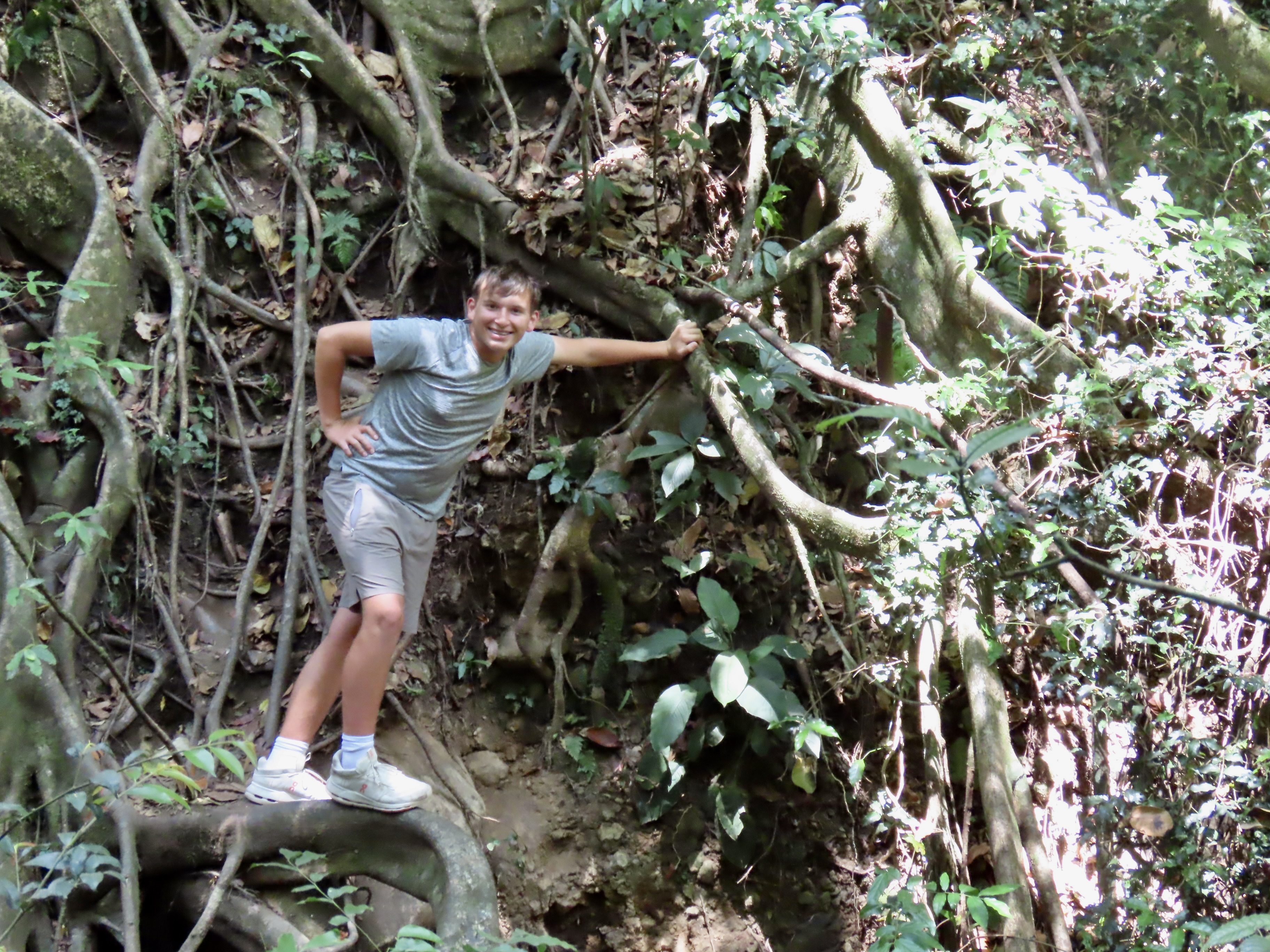
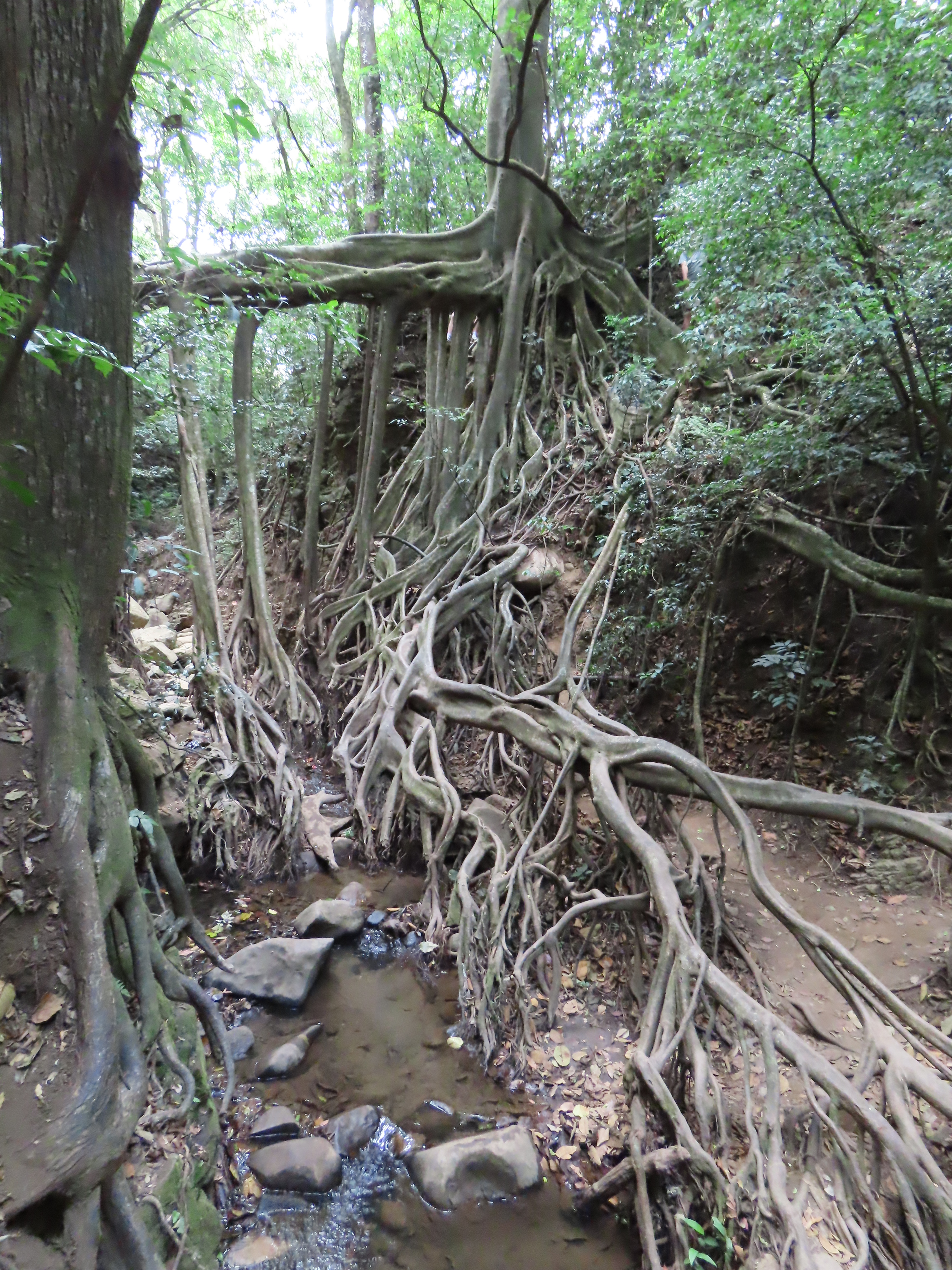
We were on our way to a waterfall when a hollow ficus tree became part of the trail . We had just crossed a rickety Indiana Jones type bridge. Peggy provides perspective. The waterfall is off to the left and will be featured in a future post.Another advantage of the hollow ficuses are that they provide great opportunities for tree climbers. Proving the point, our grandson, Connor perches about 15 feet up.One of the hanging roots that hadn’t yet reached the ground, provided a monkey-style swinging vine for our youngest grandson, Cooper. Had he hung on with one hand and pounded his chest, he could have been Tarzan!Another view looking up into the ficus tree. This giant was about a hundred yards away from where we were staying in Monteverde. The owner of the VRBO, Tobi, had taken us over to the tree and demonstrated swinging on the vine!And finally, our most unusual view of Ficus tree. The owners of this property called it simply La Raiz, the Root, and charged us $2 each to visit. The ‘root’ was well worth the price.It spanned a small creek and formed a bridge.A side view.Peggy on the other side of the bridge. I thought the roots made good candidates for rendering in black and white.Our son Tony thought the bridge provided a great place to sit. I’m pretty sure the boys would have made their way across the bridge, but parents (and grandparents) vetoed the option.Instead, they were all over the roots. A close up of our grandson Chris among the roots. His interest in bio-tech meant he spent much of his time in the jungle checking out the various plants. His bedroom resembles a greenhouse.The extent of the roots was impressive. These would have originally been under the ground but the creek had exposed them. It’s easy to see how the roots could have out-competed the host tree for water.Peggy and I preferred photographing them to crawling on them, wisely so, I suspect.
My next post: UT-OH Chapter 14: Surviving Baseball Bats and Dynamite Caps
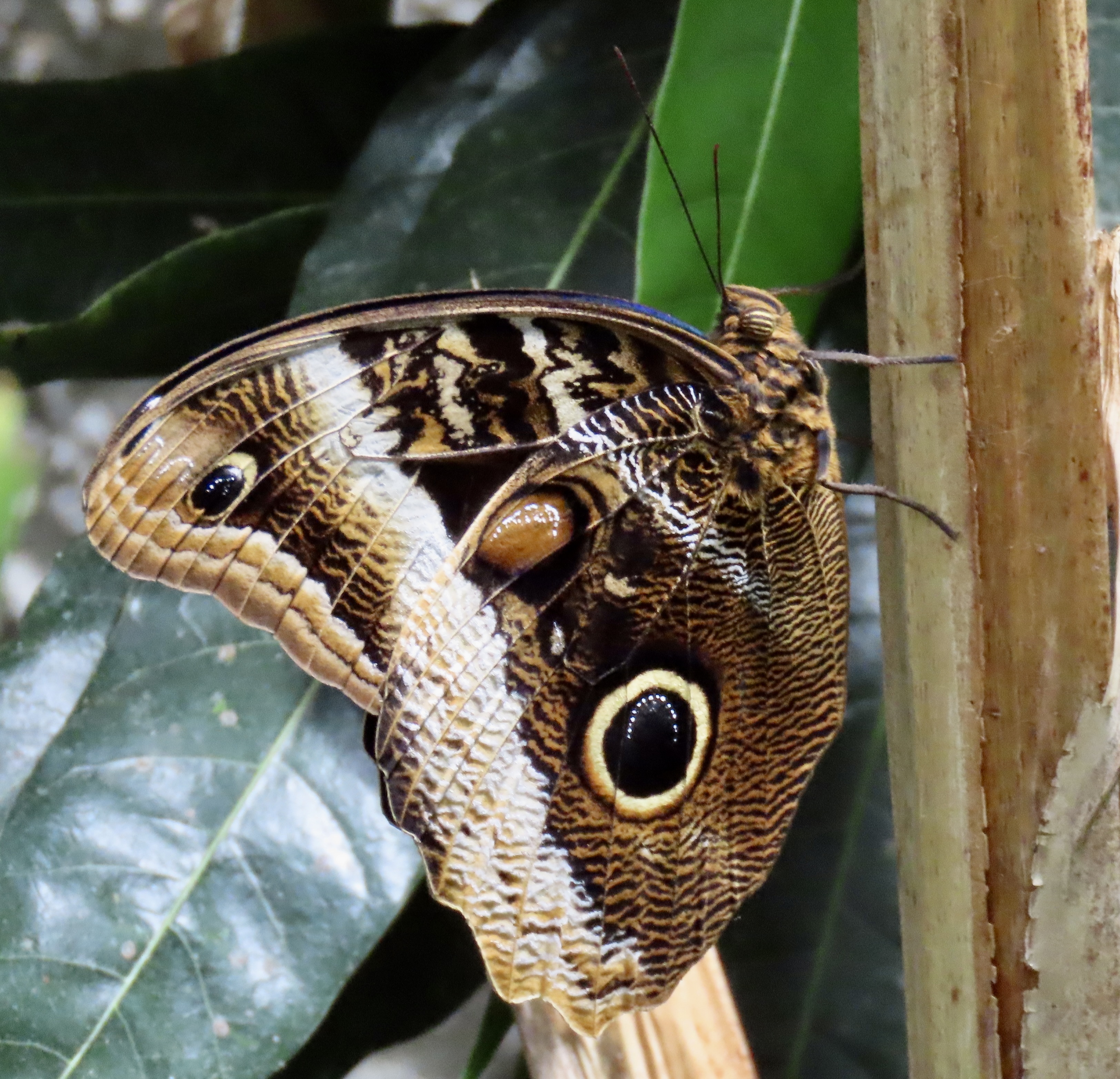
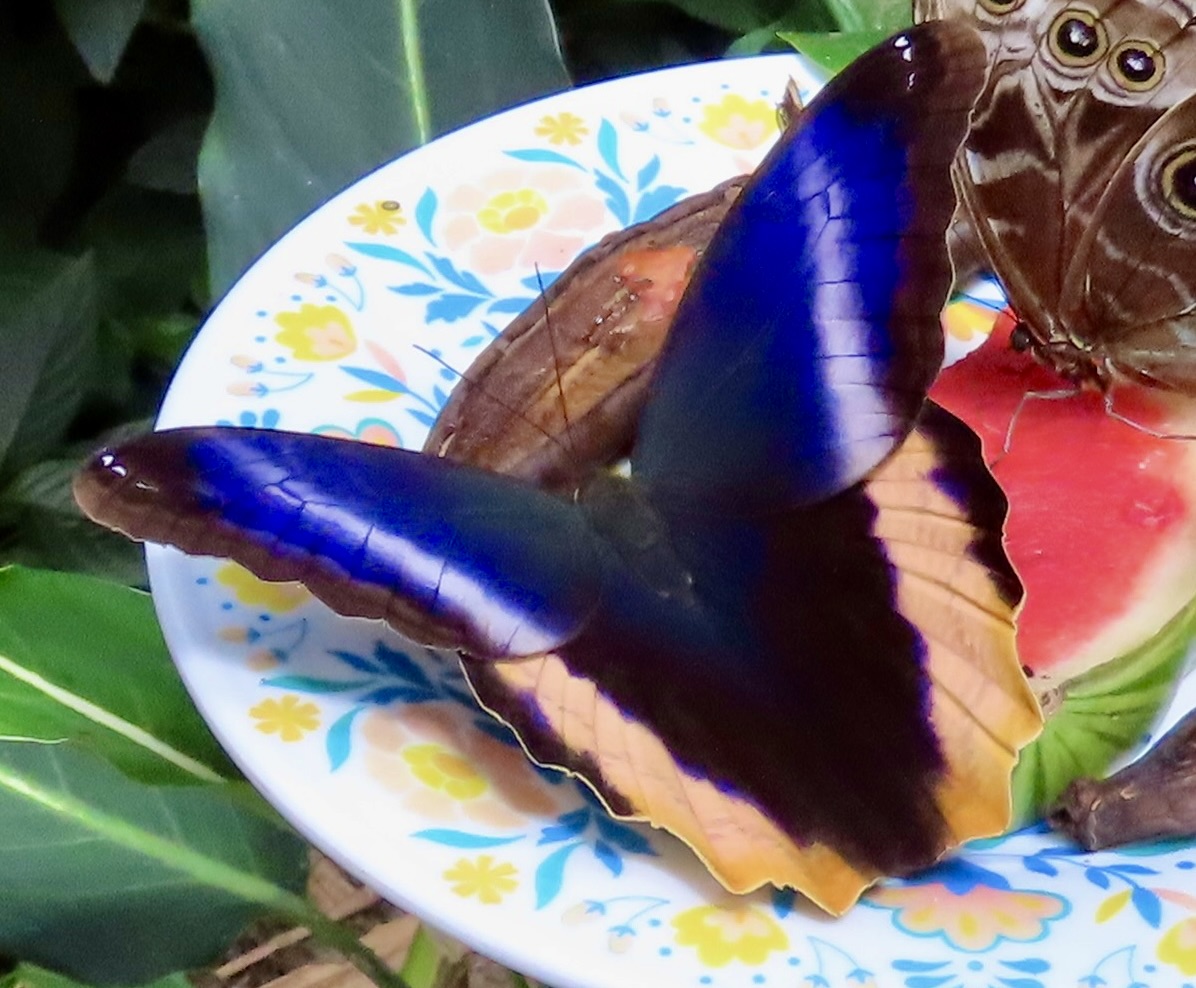
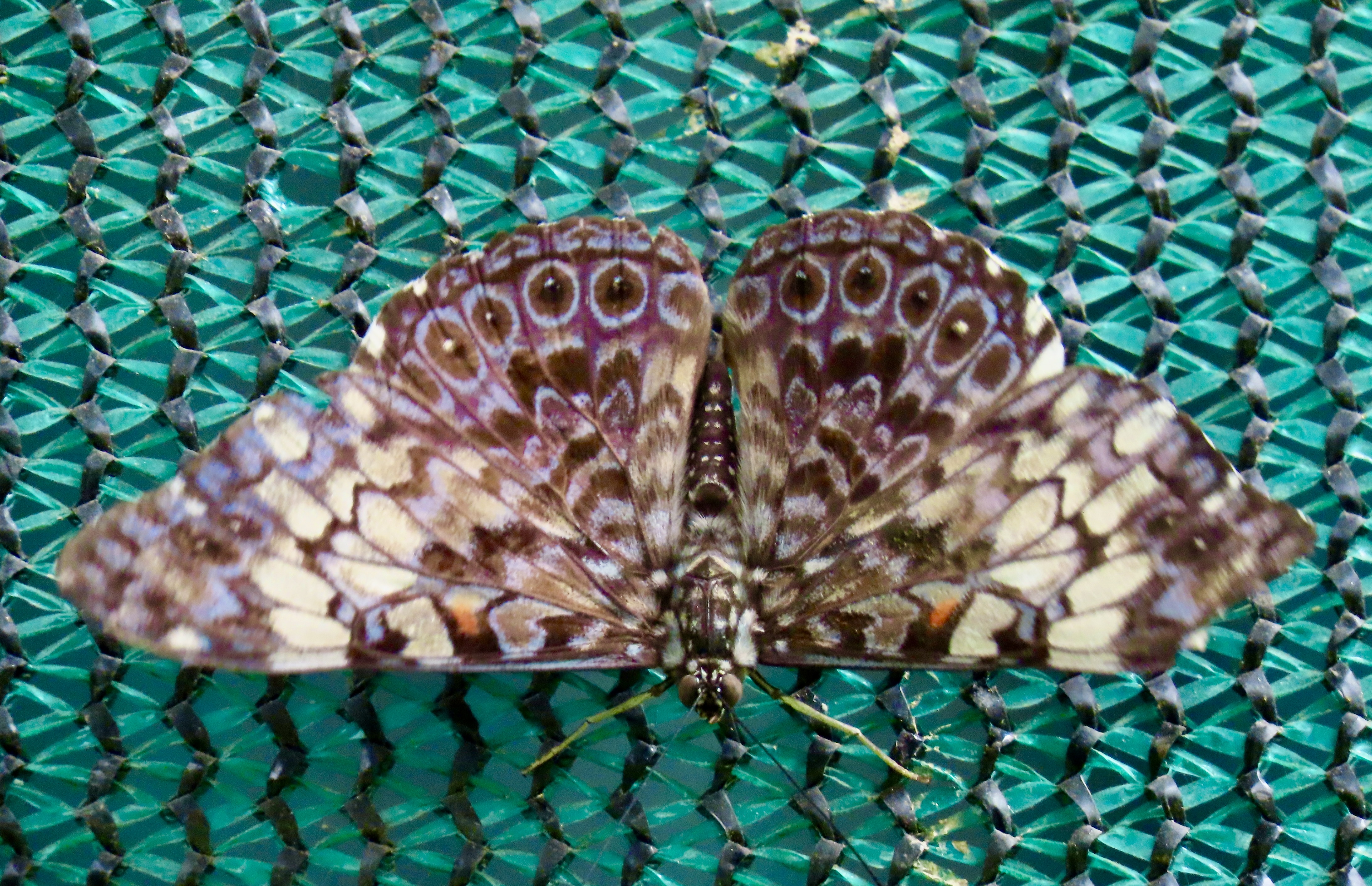
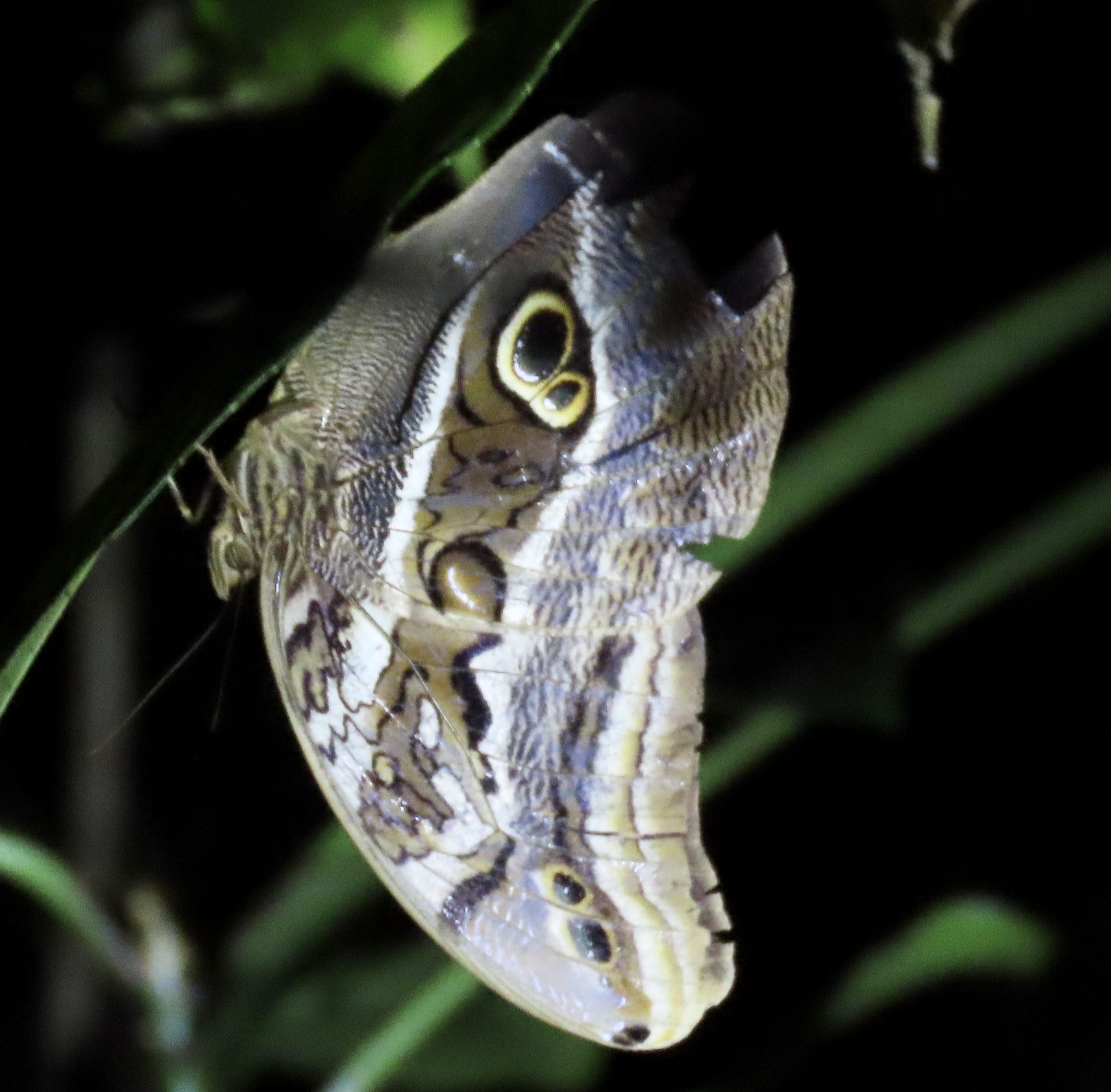
Our jungle night hike in Costa Rica introduced us to the Owl Butterfly in addition to the tarantula, pit vipers, and scorpions we featured on that post. Some fun, huh. This owl butterfly photo was taken during the day at the Monteverde Butterfly Gardens, where we visited to see it, and other butterflies of Costa Rica, up close.
The owl butterfly is so named because the large spot on the lower part of the wing. It has a matching spot on the other wing that resemble an owl’s eyes when the wings are open and seen from below. It’s called mimicry. One theory is that predators see the eyes and decide that fleeing is a better option than chomping lest they end up being the chompee. Another theory is that the predator sees the eyes and thinks that they represent the head of the butterfly, bites down, and get a mouthful of wing instead of the body. Given that the owl butterfly is one of the giants of the butterfly world with a 6-8 inch wing span, it has plenty of wing left to still fly. Either theory leaves the butterfly free to complete its goal in life, which is to breed and have babies, i.e. lay eggs.
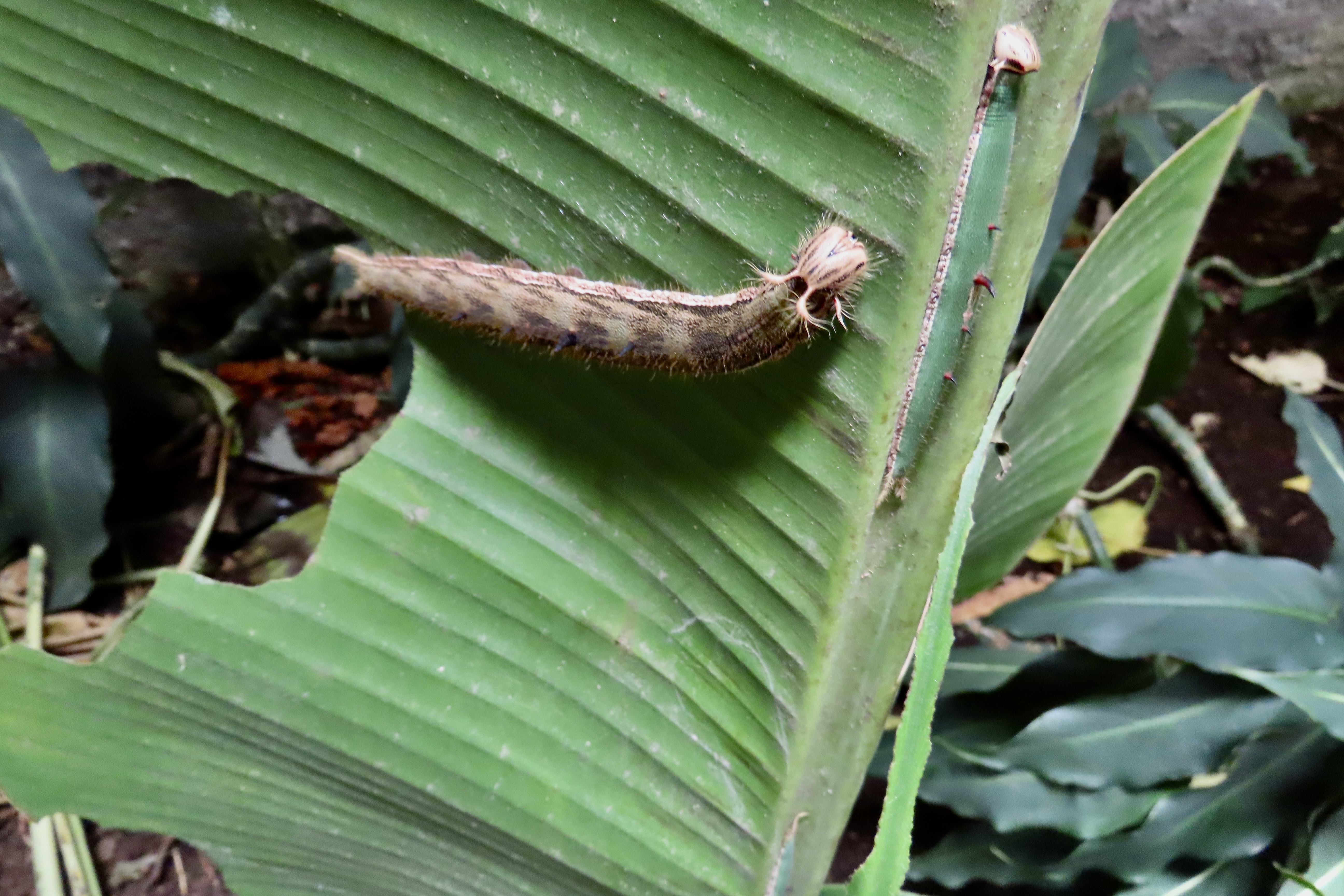
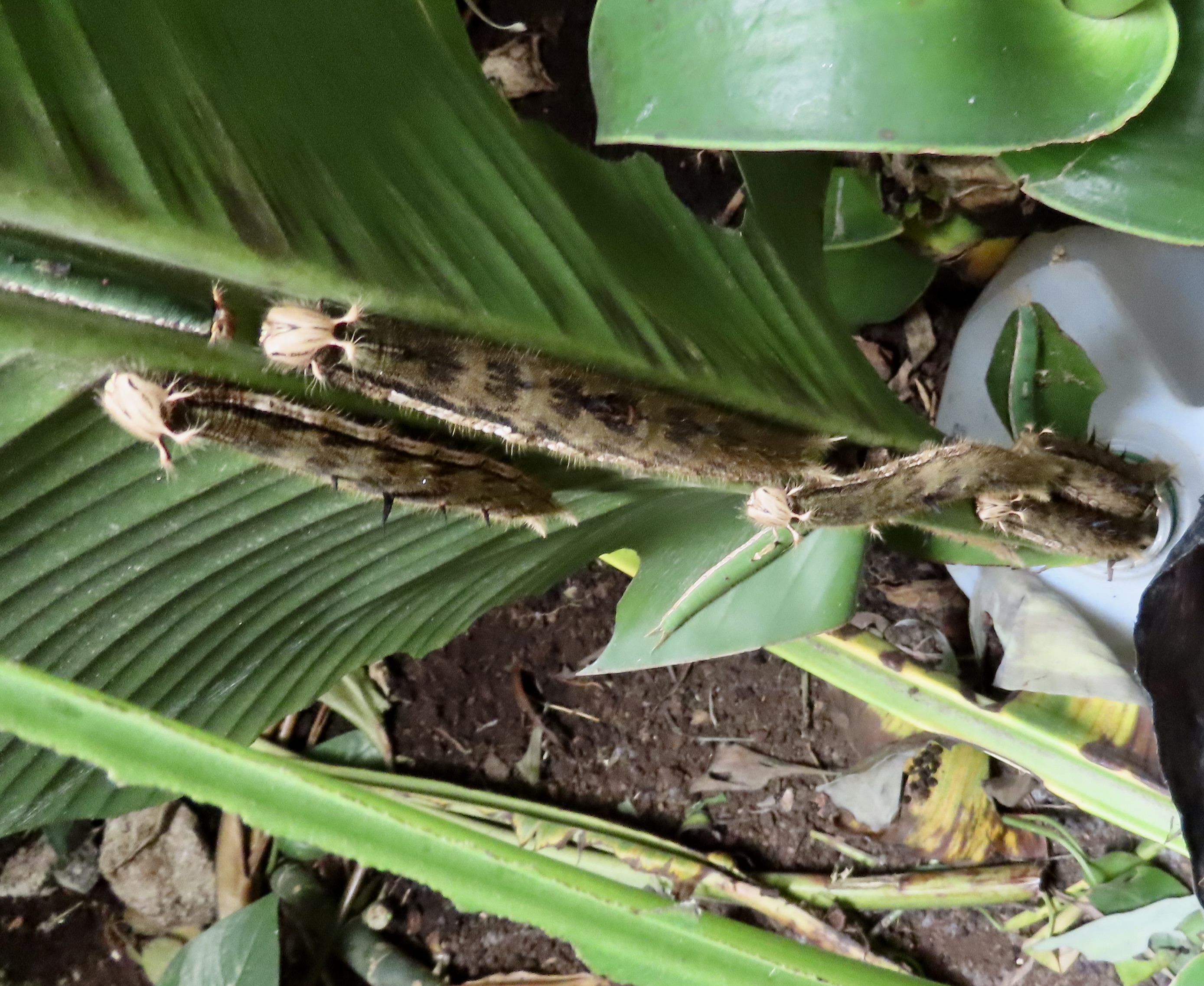
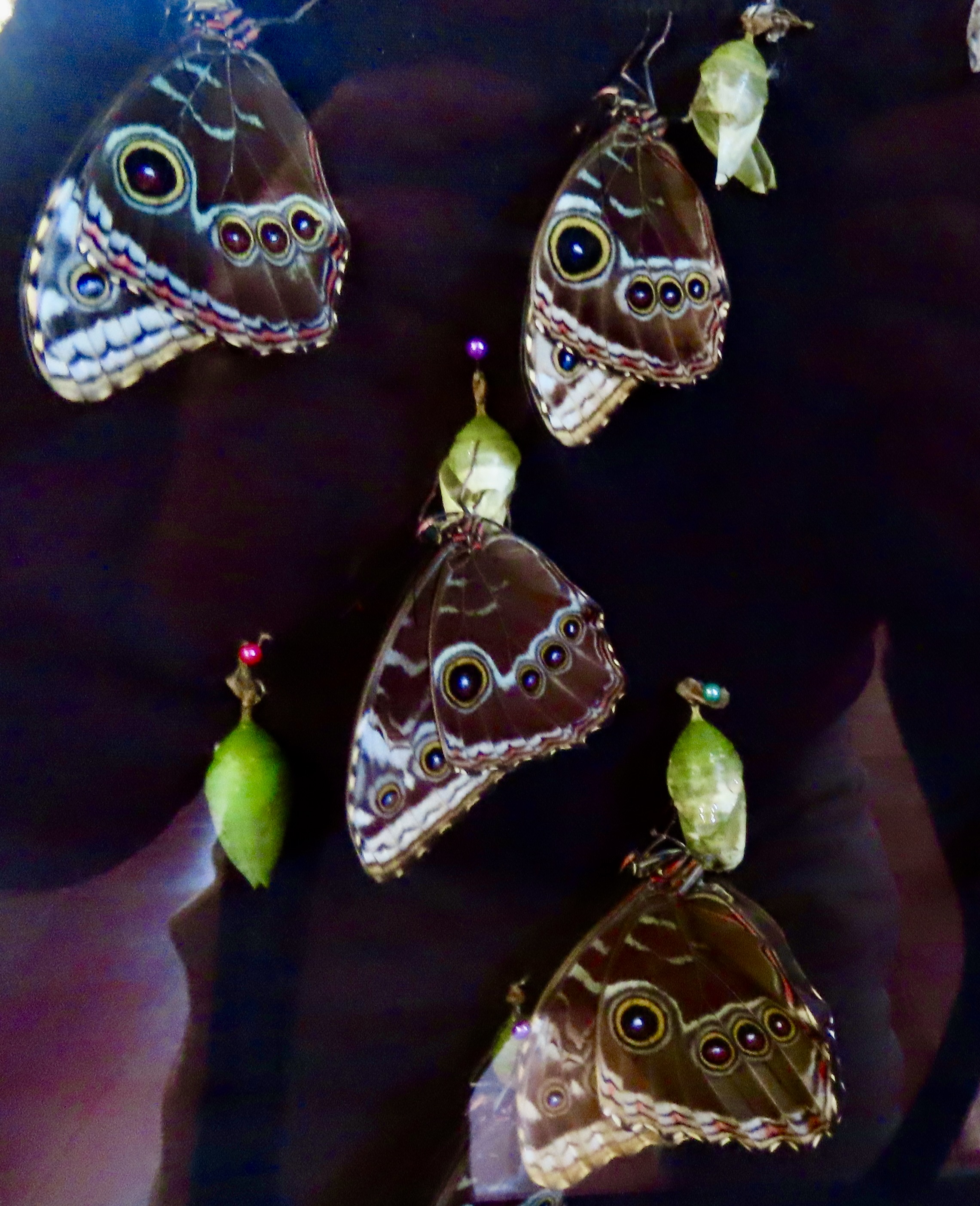
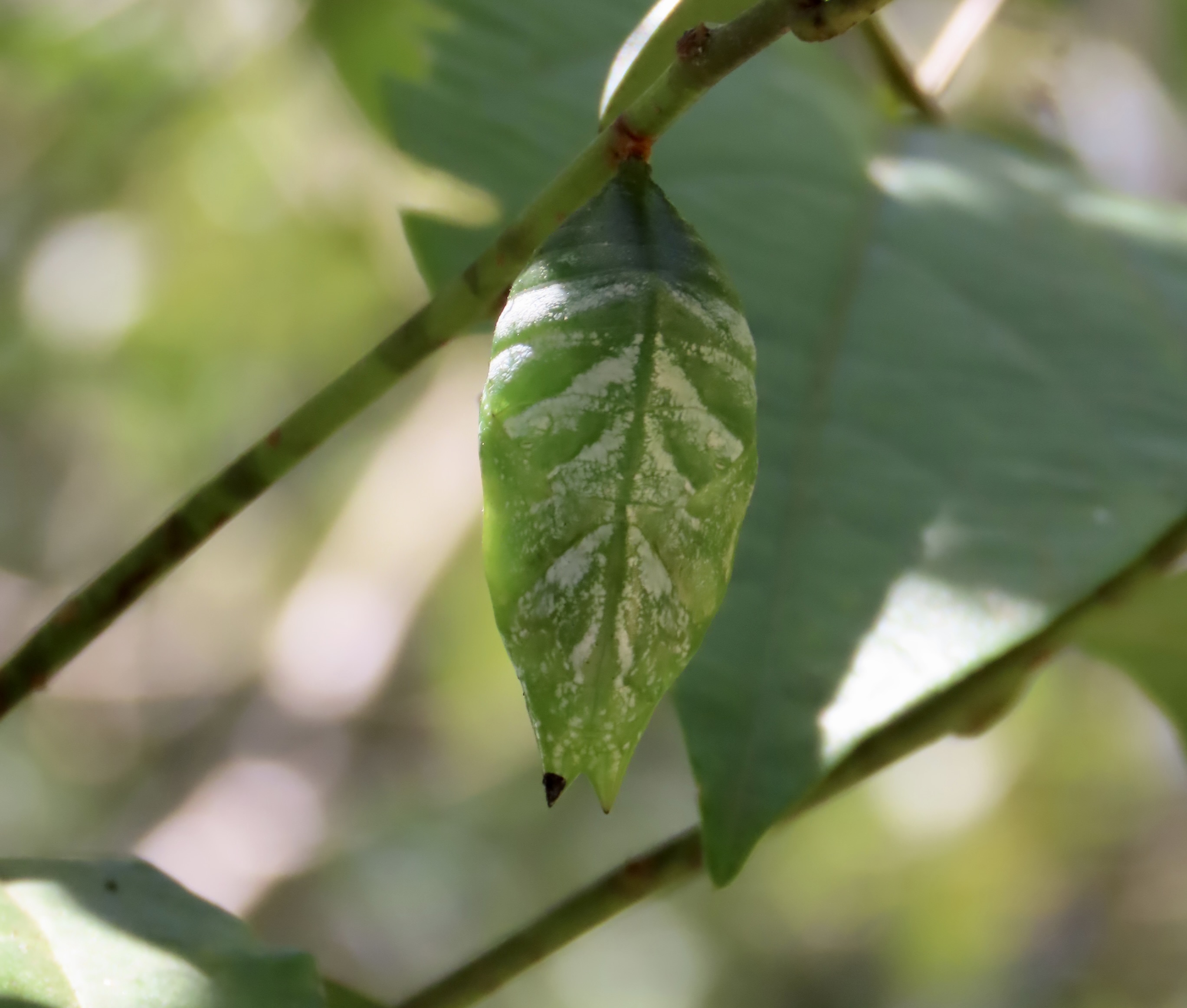
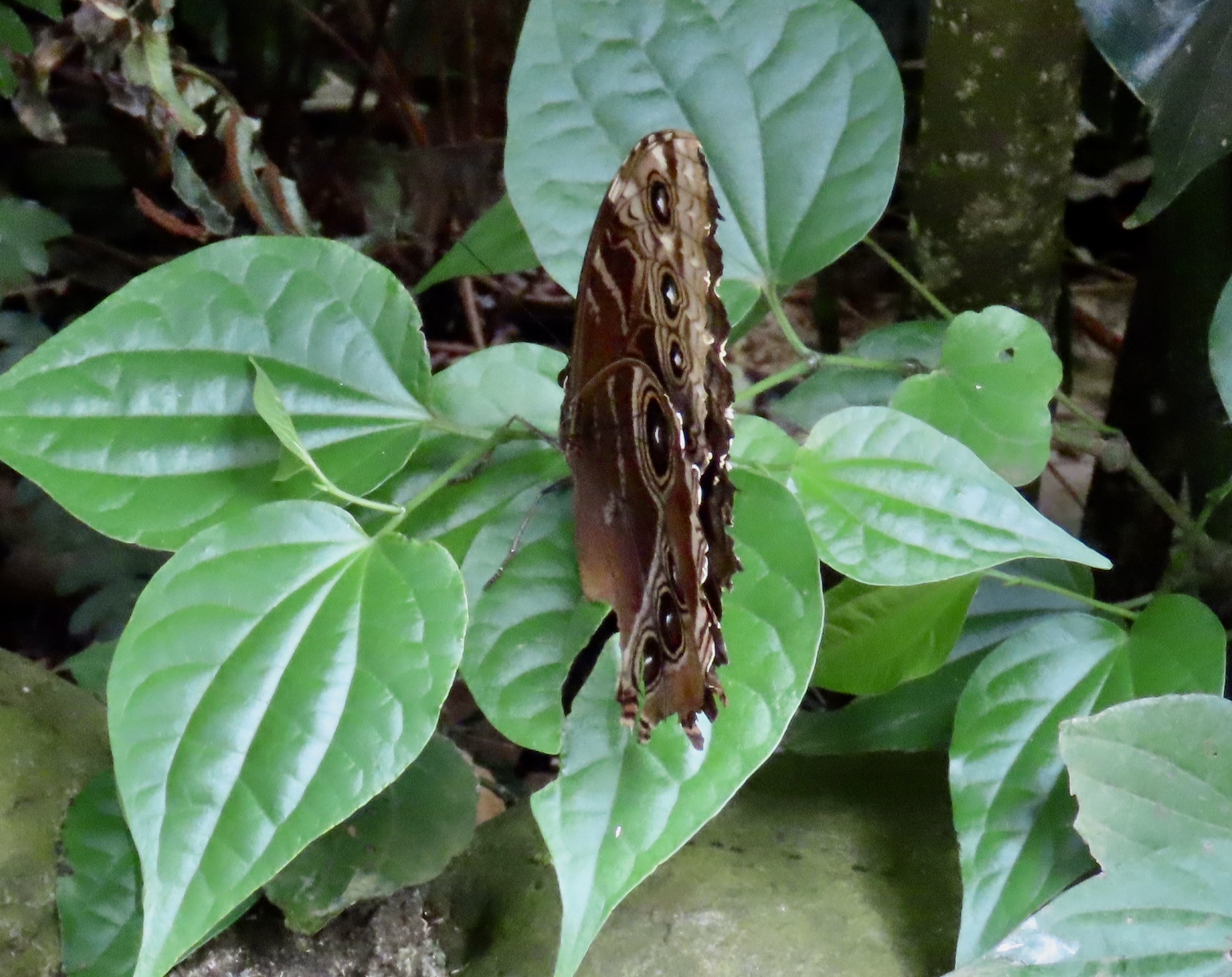
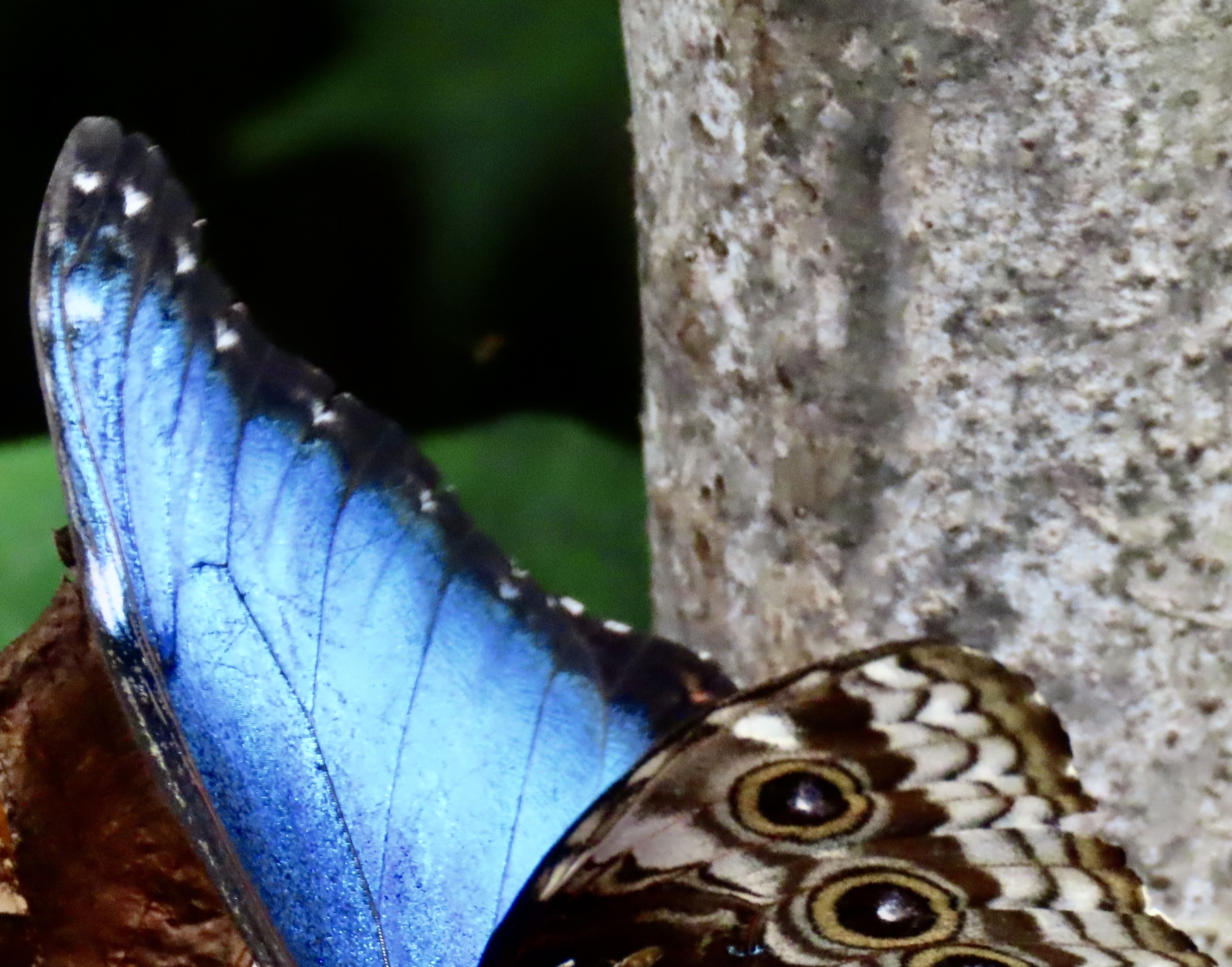
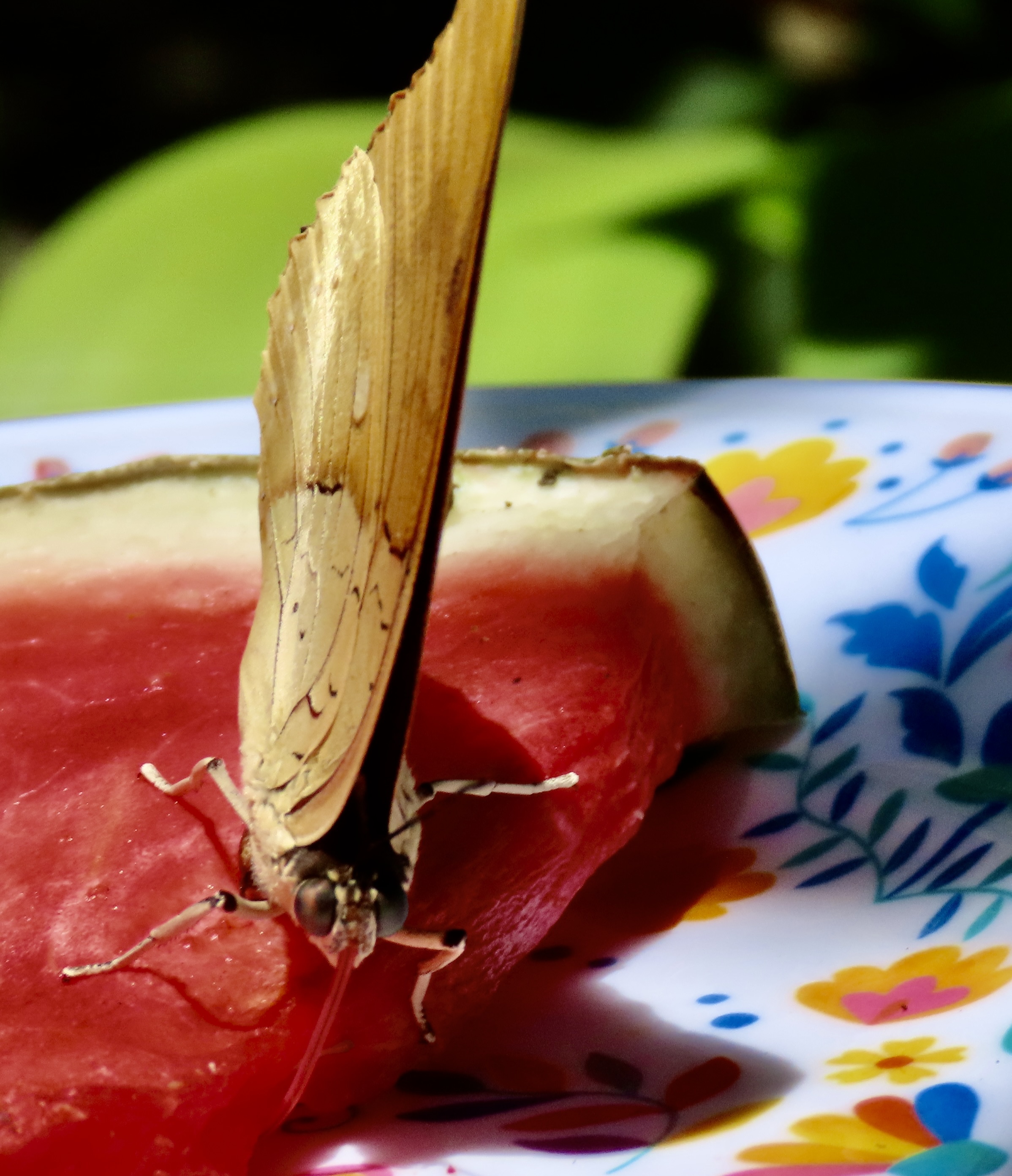
The eggs hatch into tiny caterpillars that come with a voracious appetite and quickly grow in size. Molting frequently, they change their looks each time. The caterpillar on the right is a younger version of the caterpillar on the left. The large hole in the banana leaf is why the big caterpillar is so big. It’s also the reason why banana farmers aren’t particularly fond of these insects that can grow 5 to 6 inches long off of devouring their plants before entering their chrysalis stage.From the perspective of the banana leaf, these owl caterpillars must look like one long gut approaching. The biggest one is about to enter the chrysalis stage of the metamorphous from caterpillar to butterfly. The first step is for to dissolve into a nutrient rich goop. Specialized cells that survive the melting process then utilize the nutrients to develop into the adult butterfly.The owl butterfly is quite beautiful when seen from above with its wings in open position. Here it was busy consuming watermelon that staff had left out for it. On the right is another one of Costa Rica’s best known butterflies, the blue morpho.Here a number of blue morpho are simultaneously hatching out of their chrysalis at a special hatching station that the Monteverde Butterfly Garden maintains for this purpose. Their wings have to dry and harden before they are ready to fly.Peggy found this blue morph chrysalis looking leaflike out in the Monteverde Butterfly Gardens. The chrysalis of the owl butterfly, btw, resembles the head of a viper. Both the leaf and the viper chrysalises are two more examples of evolutionary mimicry.A blue morph resting on leaves.A blue morpho gave us a brief glimpse of the vibrant blue color of its inner wing that gives the butterfly its name.
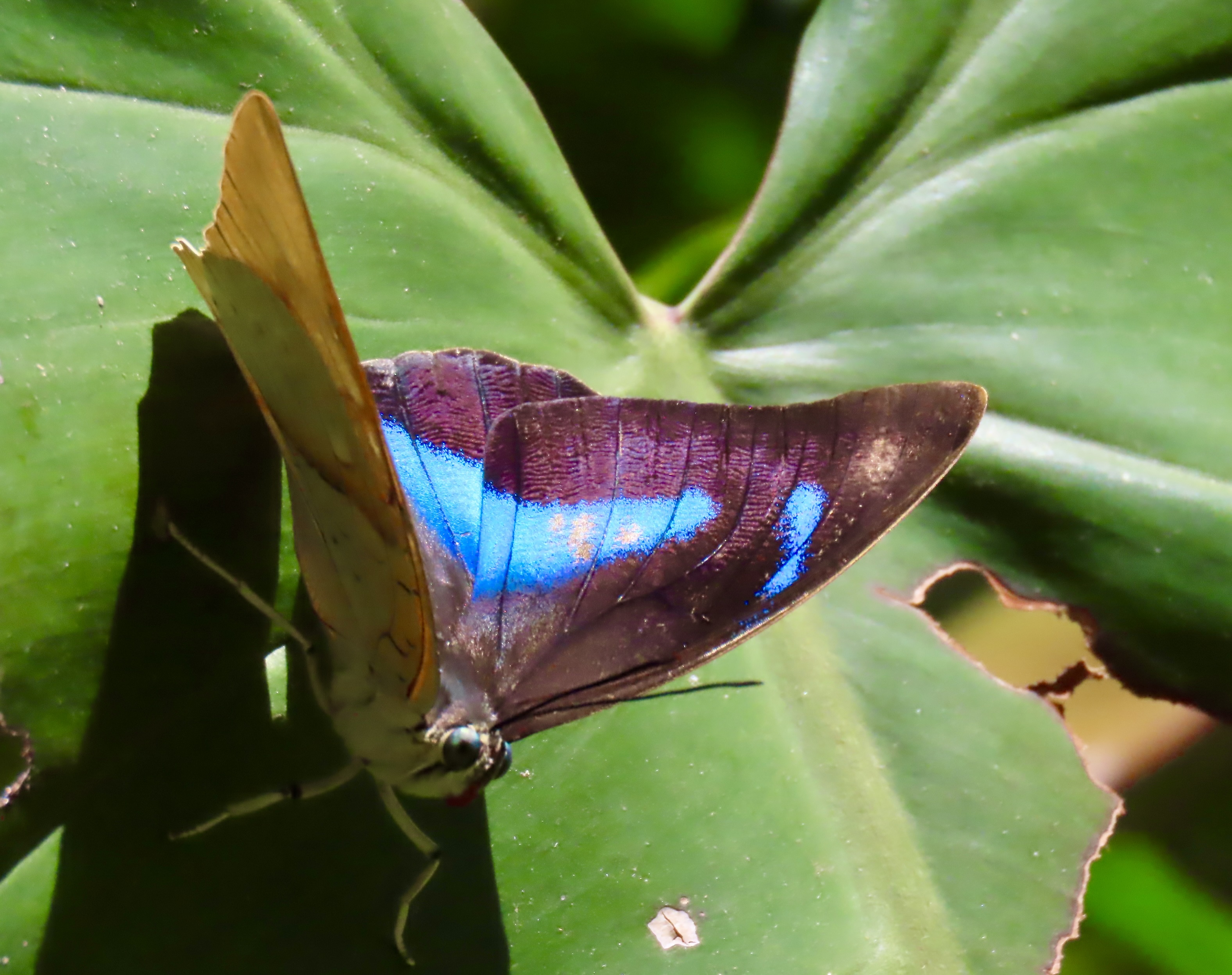
And now, for a quick look at some of the other beauties we photographed at the Monteverde Butterfly Gardens. Given that there are between 1200 and 1500 species of butterflies in Costa Rica, I’m late with this post, and my mind is on butterfly overload, I didn’t have time to pin down all the names.
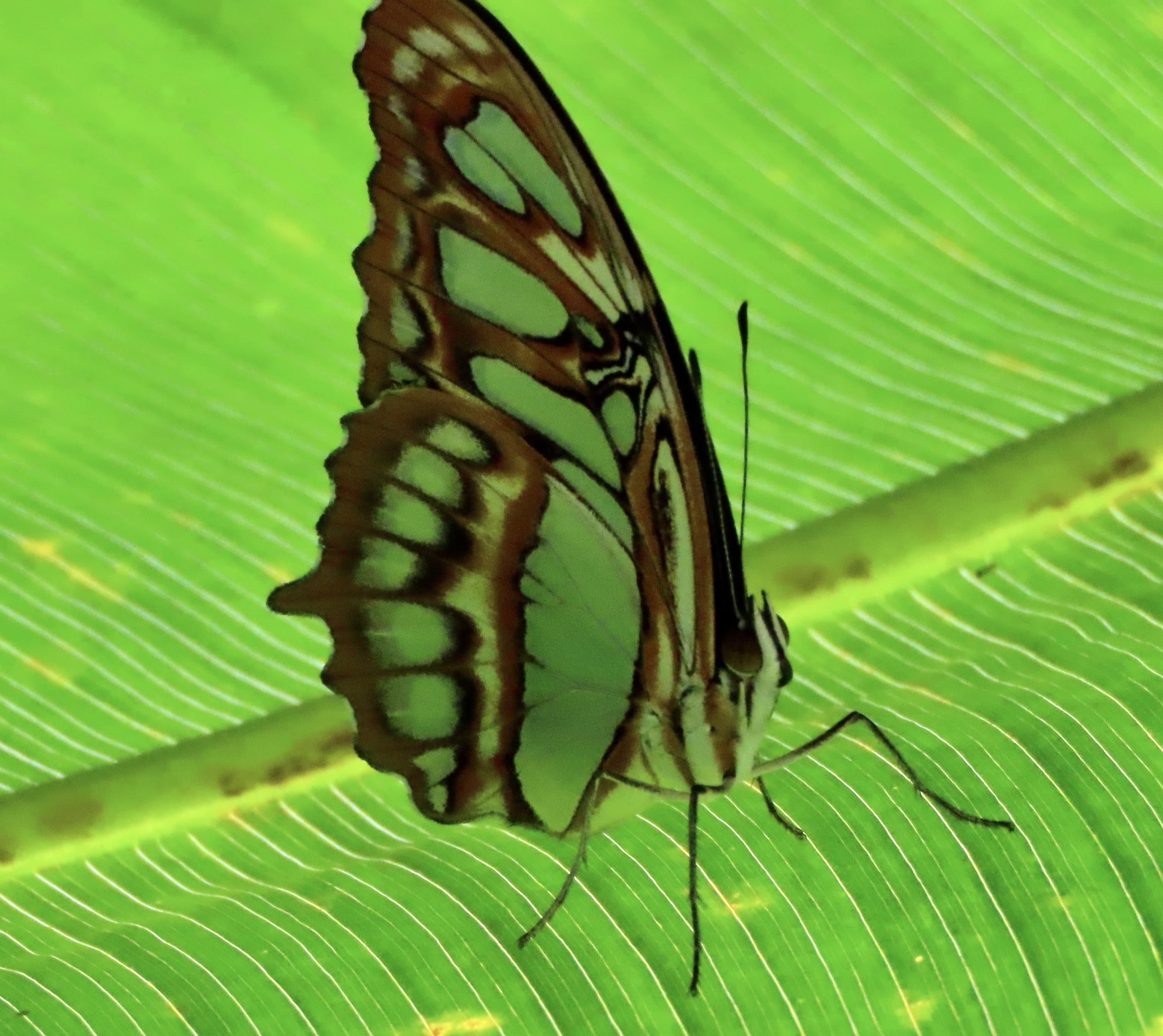
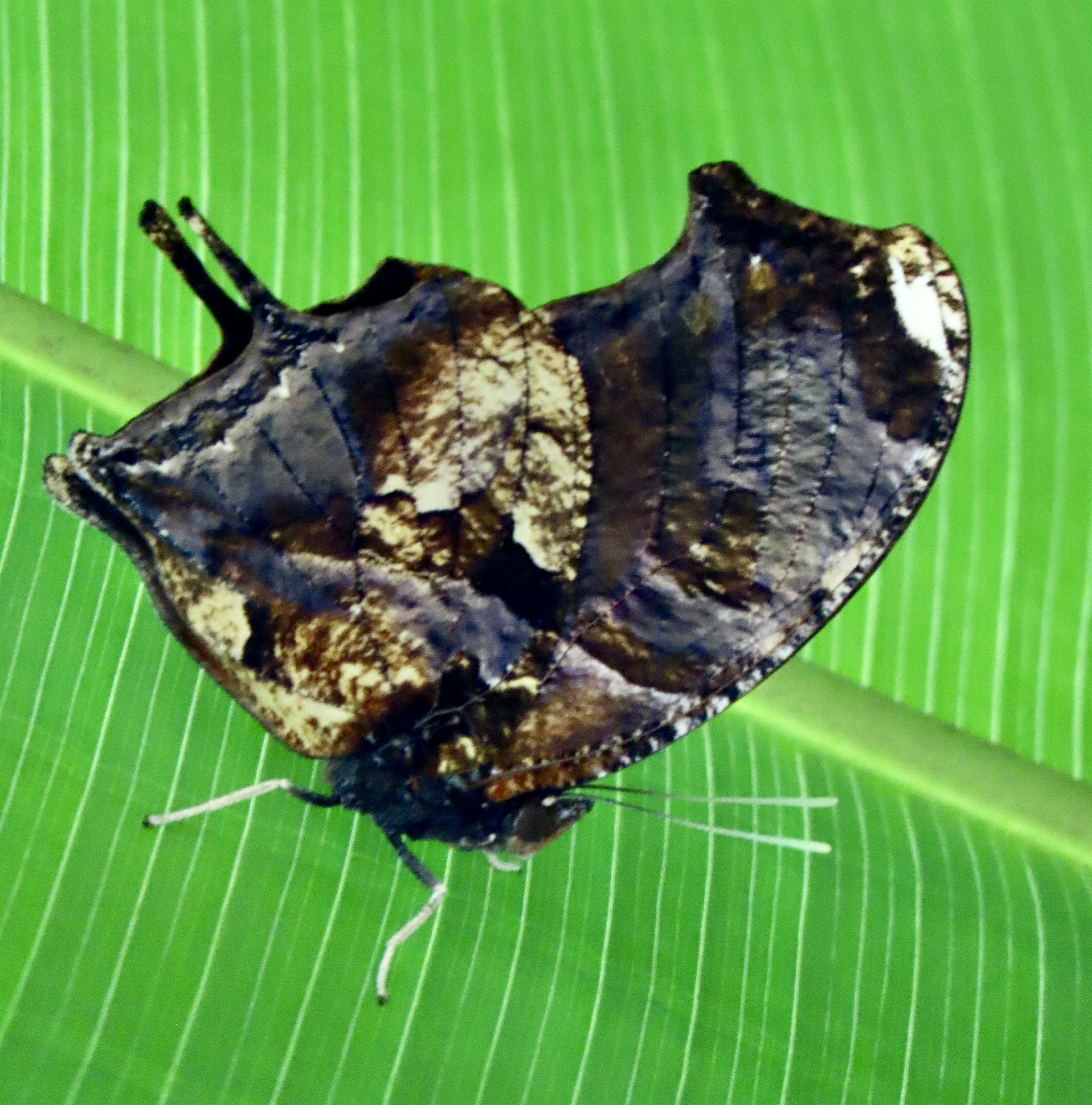
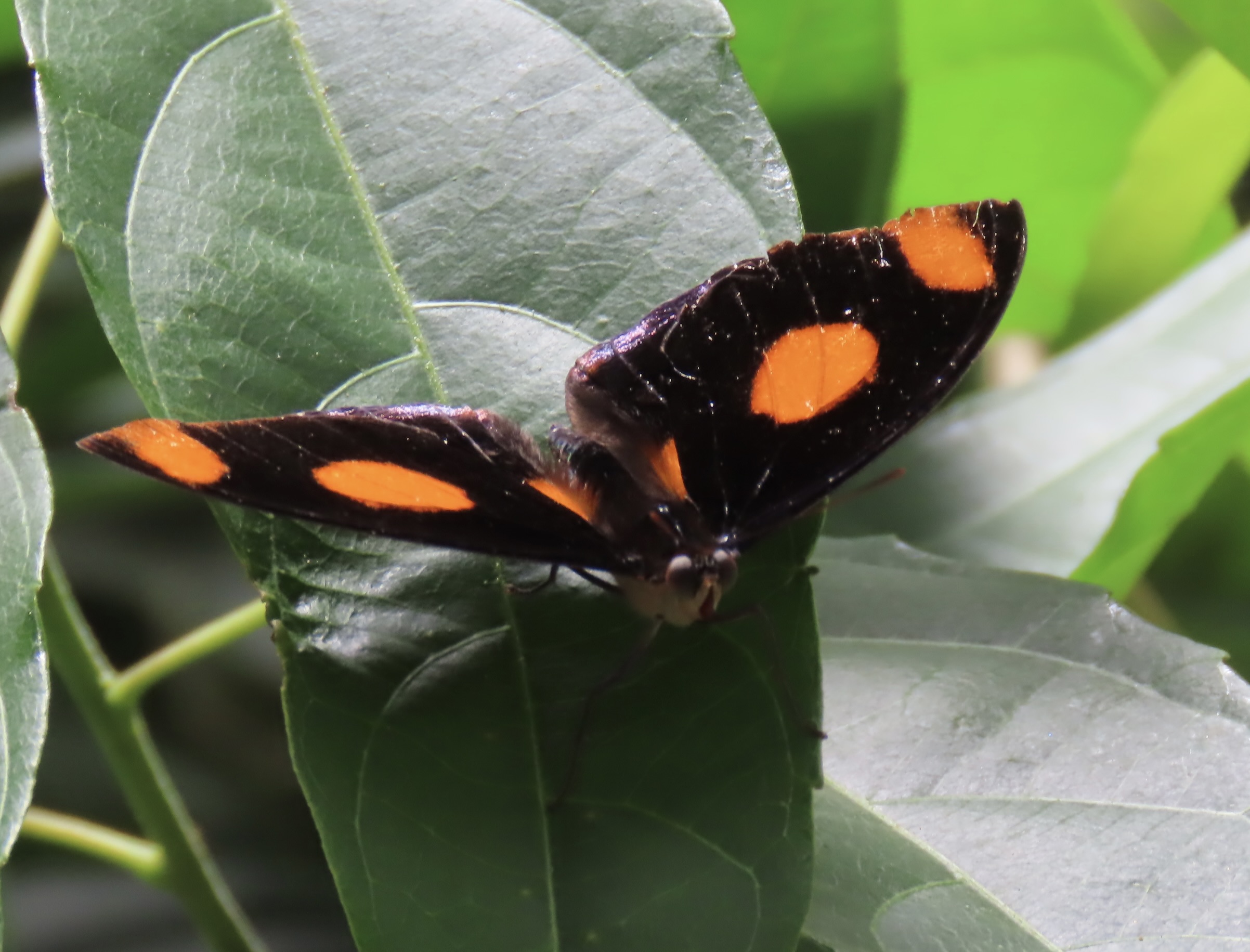
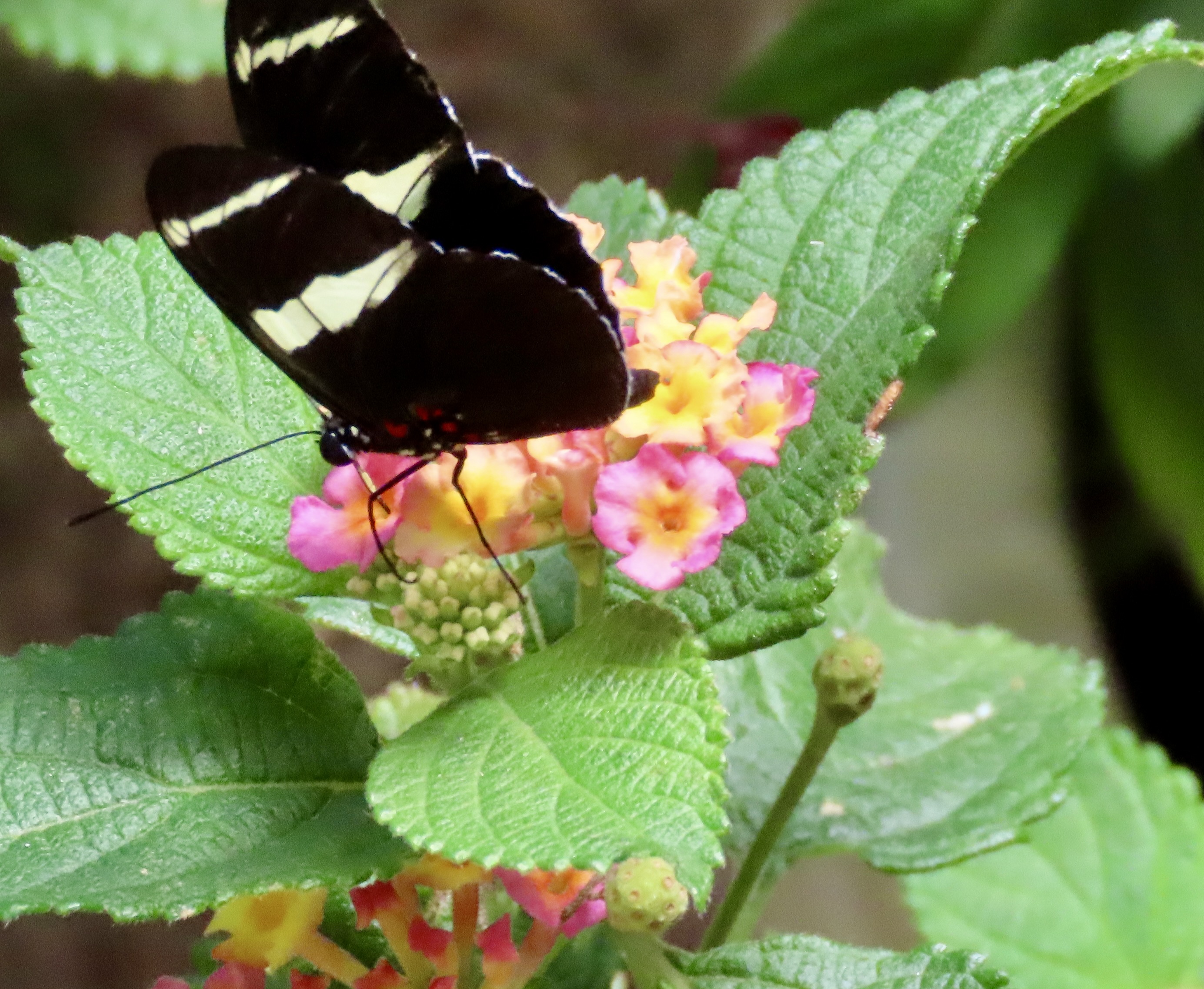
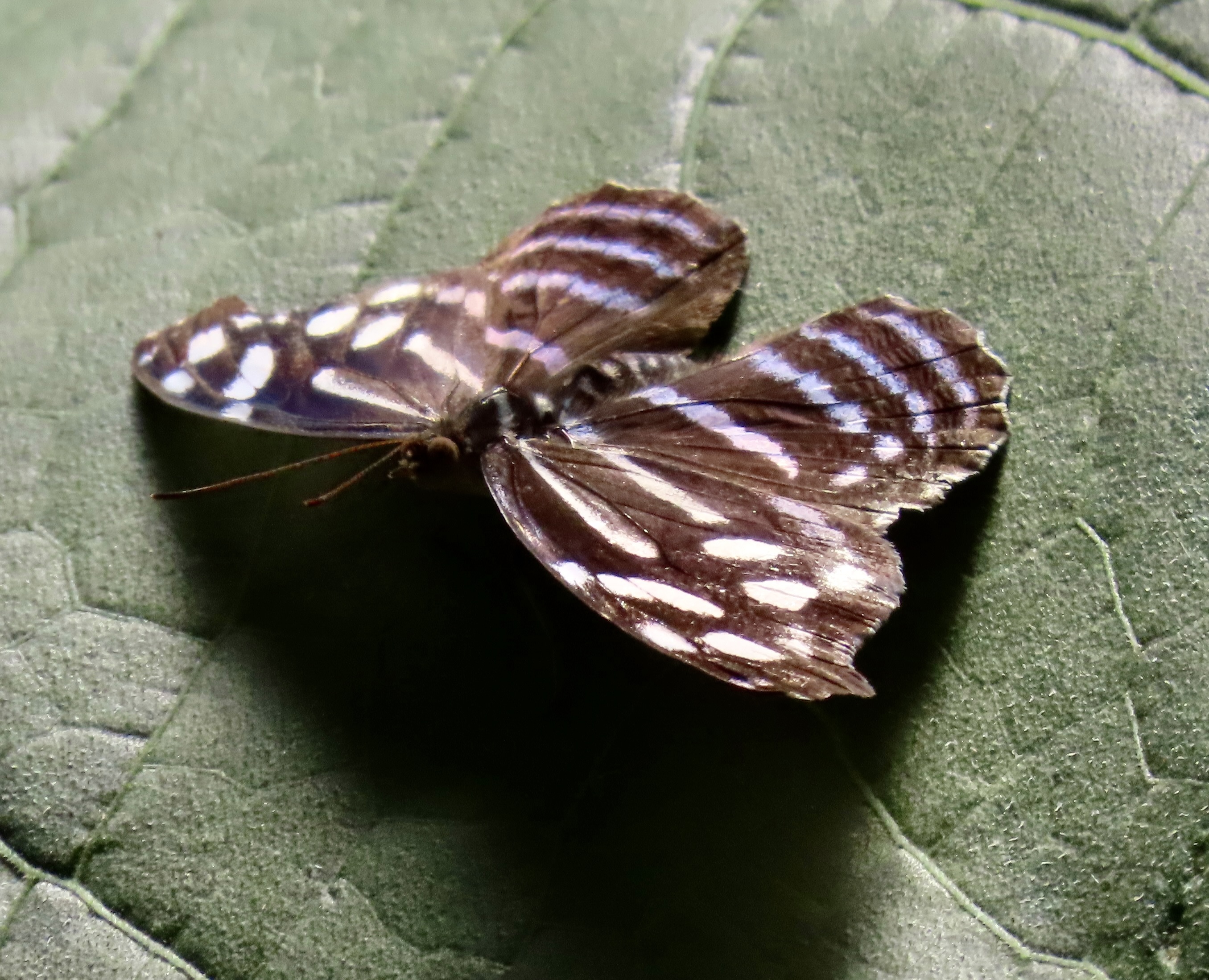
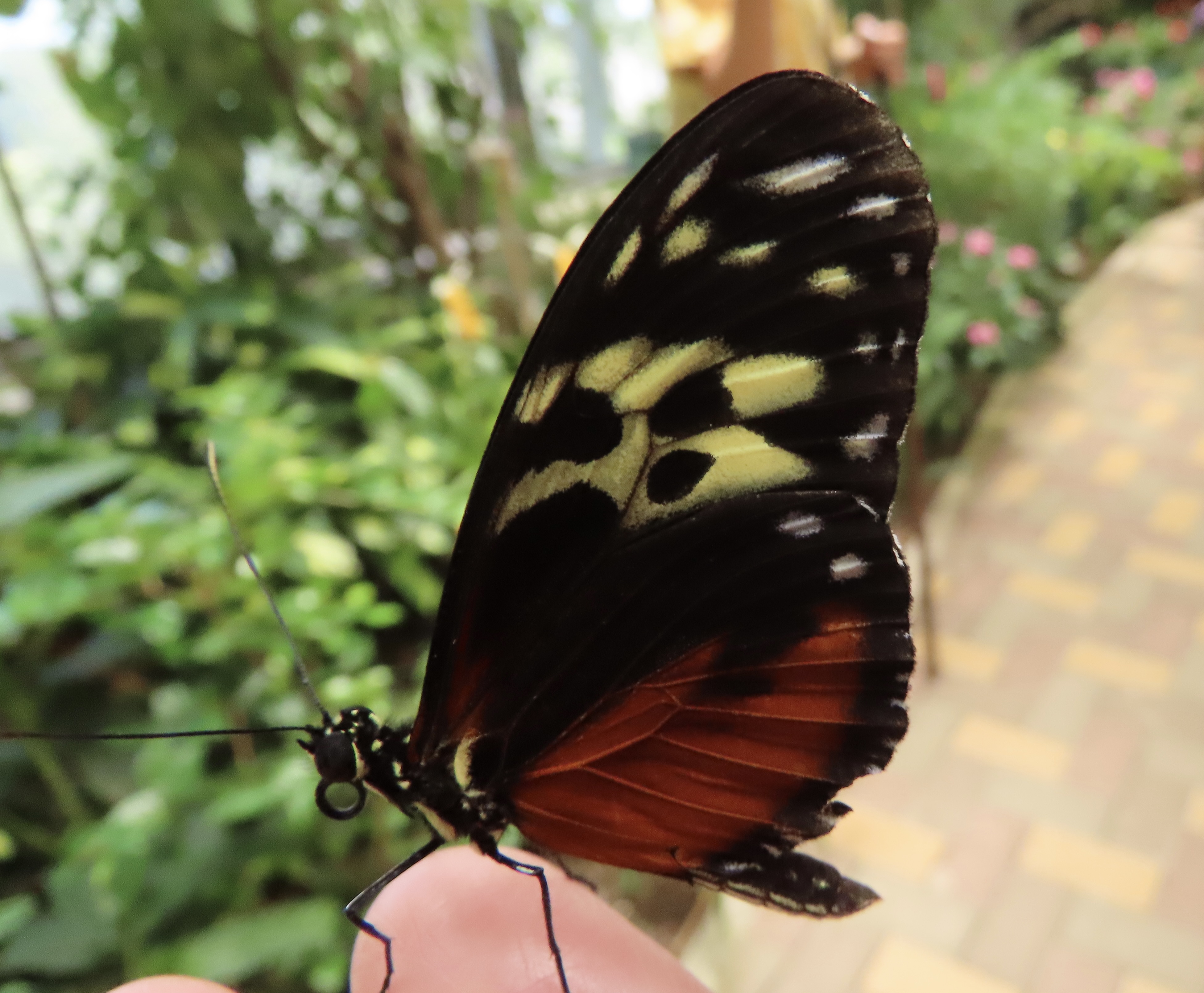
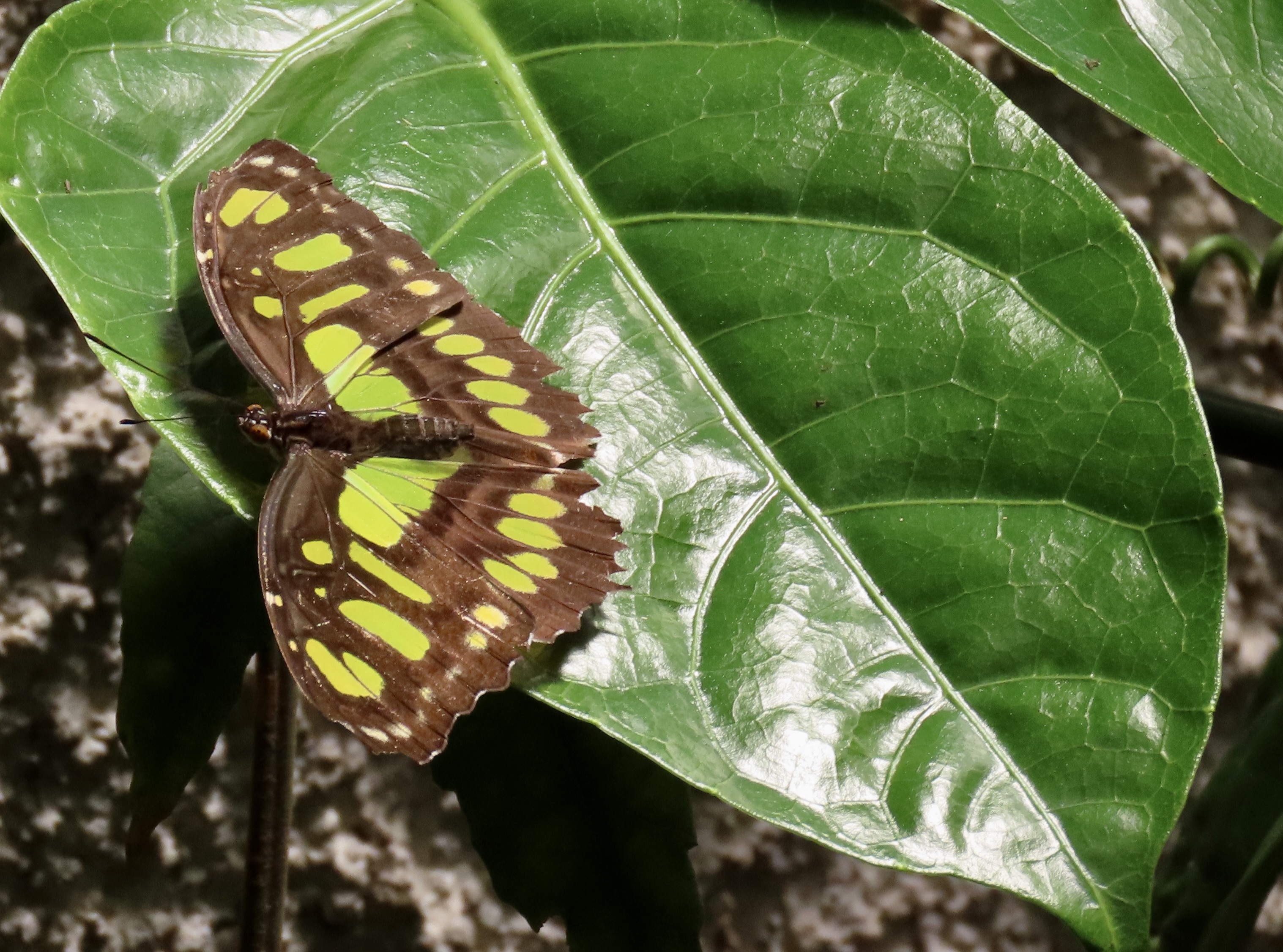
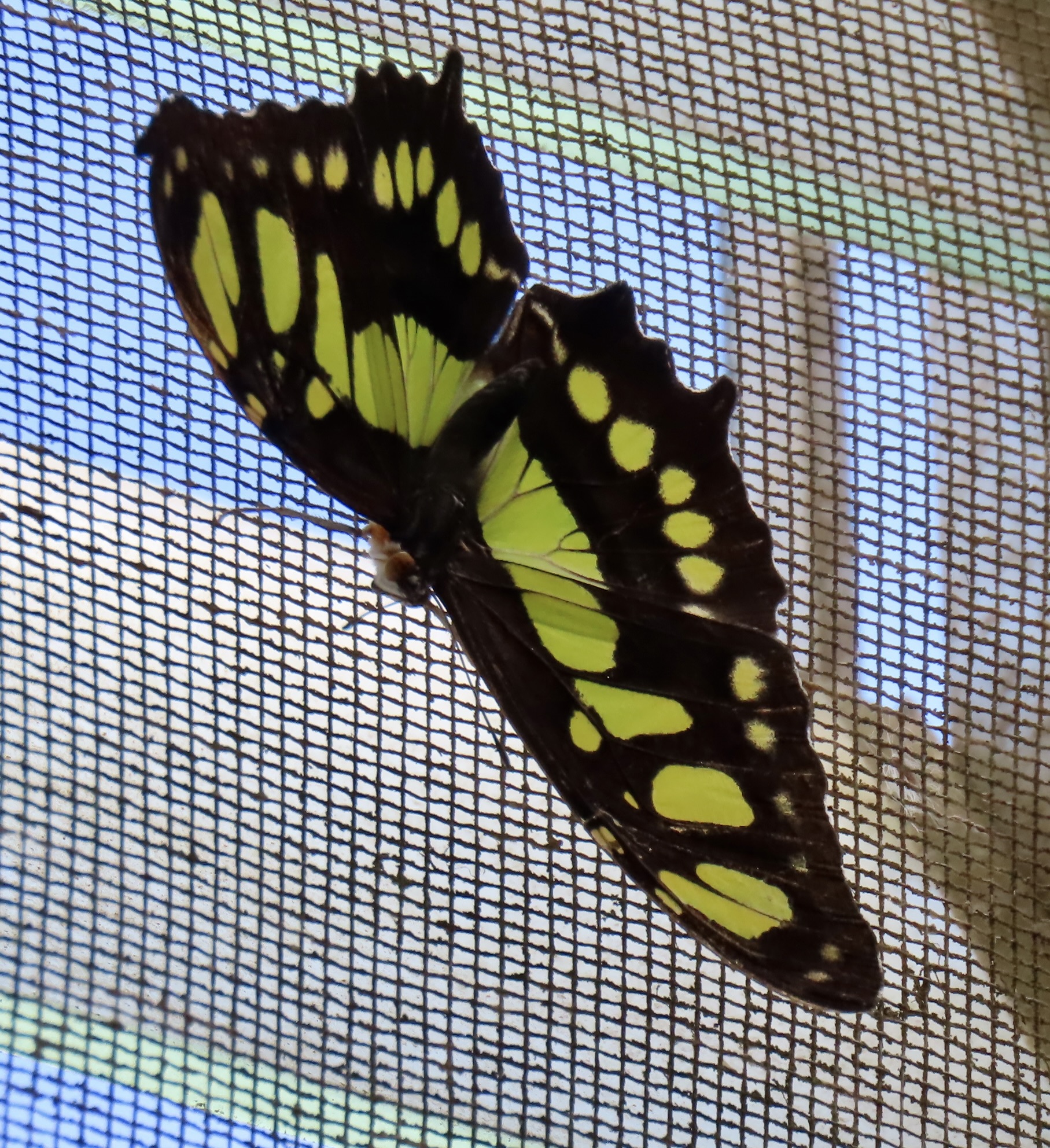
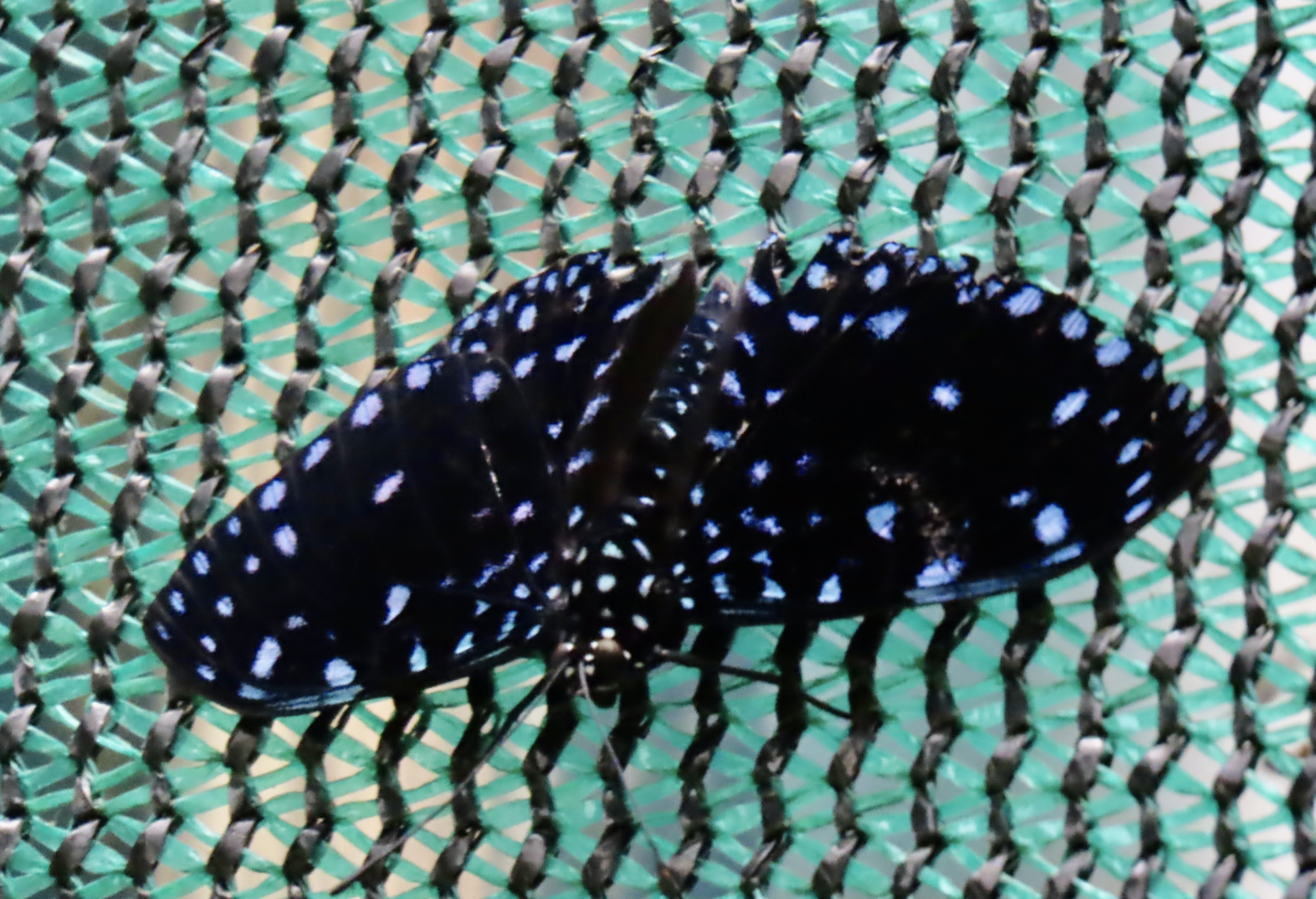
Set off by green, a Green Longwing Butterfly. Great camouflage. One of a number of butterflies that pretend to be dead leaves. This may be excellent camouflage on leaf litter covered forest floor. Not so good here.Red spots. This may be a ‘see me, see me’ look as opposed to camouflage. The caterpillars of some butterflies feast on plants that are poisonous to birds, lizards and other predators. The poison is transferred to the butterfly. Instead of hiding, the butterfly, announces its presence with bright colors that are designed to tell predators ‘You really don’t want to eat me.’ Other butterflies may adopt the same colorization in what is known as Batesian mimicry. They aren’t poisonous, but who’s to know the difference?Lunch. Butterflies, unlike caterpillars, sip nectar with their long proboscis instead of eating leaves. This is a HeliconiusSara (I think.)This sulfur colored butterfly is using its proboscis to sip watermelon juice. Note the color of the proboscis. Many Costa Rican butterflies take advantage of fallen, rotting (translate fermenting) fruit for food. They can actually become a little tipsy.This one looks like the same species as above with its wings open.Brown on green.I call this a finger butterfly since it landed on Peggy’s finger and refused to get off. It may be a Crimson Longwing.I’m going with a Malachite Butterfly on this one.And this one as well even through the colors are dramatically different. But note how close the pattern of their spots is. The butterflies often rested on the screens that kept them in the butterfly houses. Maybe they were longing to be free.Peggy’s favorite, a Starry Night Cracker Butterfly.And a final beauty. This is a Variable Cracker Butterfly. The unusual cracker name is said to come from the noise they make when they are flying.As for what noise that is, I lifted this: “The Cracker butterfly gets its name because the males are able to produce a crackling sound, reminiscent of bacon cooking in a frying pan. They make the sound when they take off, by twanging a pair of spiny rods on their abdomen against their anal claspers.” Not sure about the anal clasper but it brings a vision to mind.
Next Post: It’s back to UT-OH with two more final tales about the Mekemson Gang. There’s the issue of how I lived up to Bertha Brays expectations about my leading her son astray (although there’s an issue of who led who.) And there’s a question about why Tony Pavy wanted to shoot me. It had to do with his pig.
Night tours are big in Monteverde, Costa Rica. Every corner seems to advertise one. Take a dash of the exotic, throw in a pinch of danger, add a competent, knowledgeable guide— and how can one resist? No wonder there were at least 10 companies to choose from. There is big money to be made. We paid our $300 and off we went. We had an excellent guide, Marvin. He found us each of the big three, don’t mess with me, attractions, plus more.
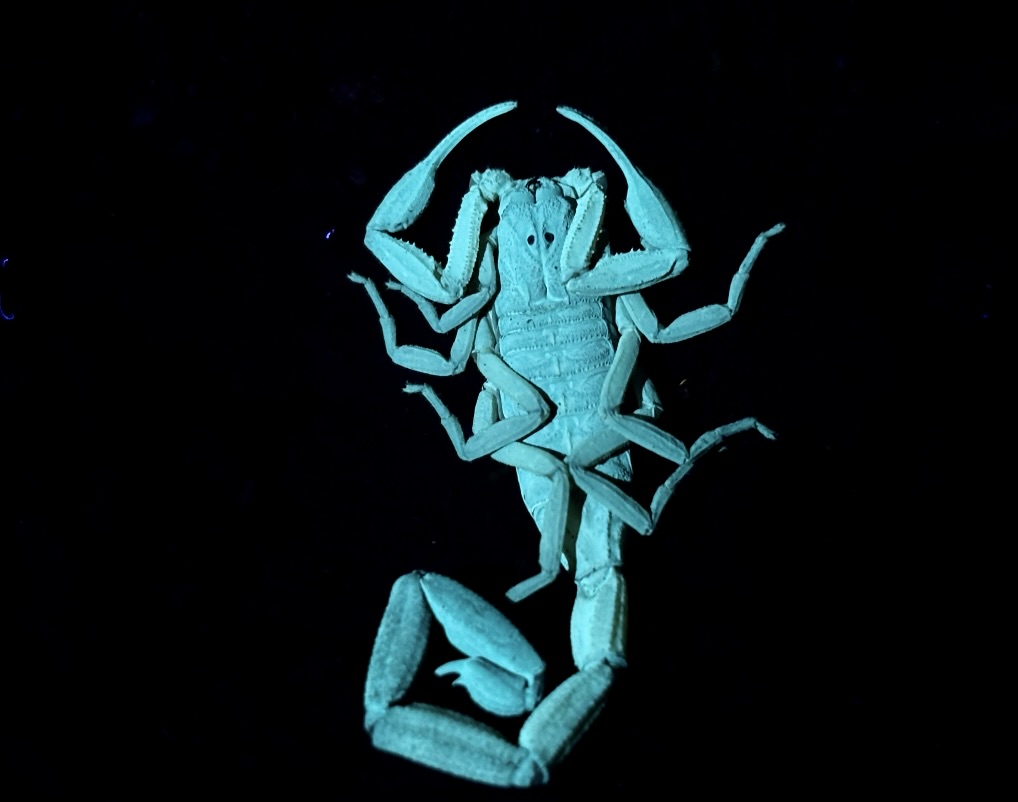
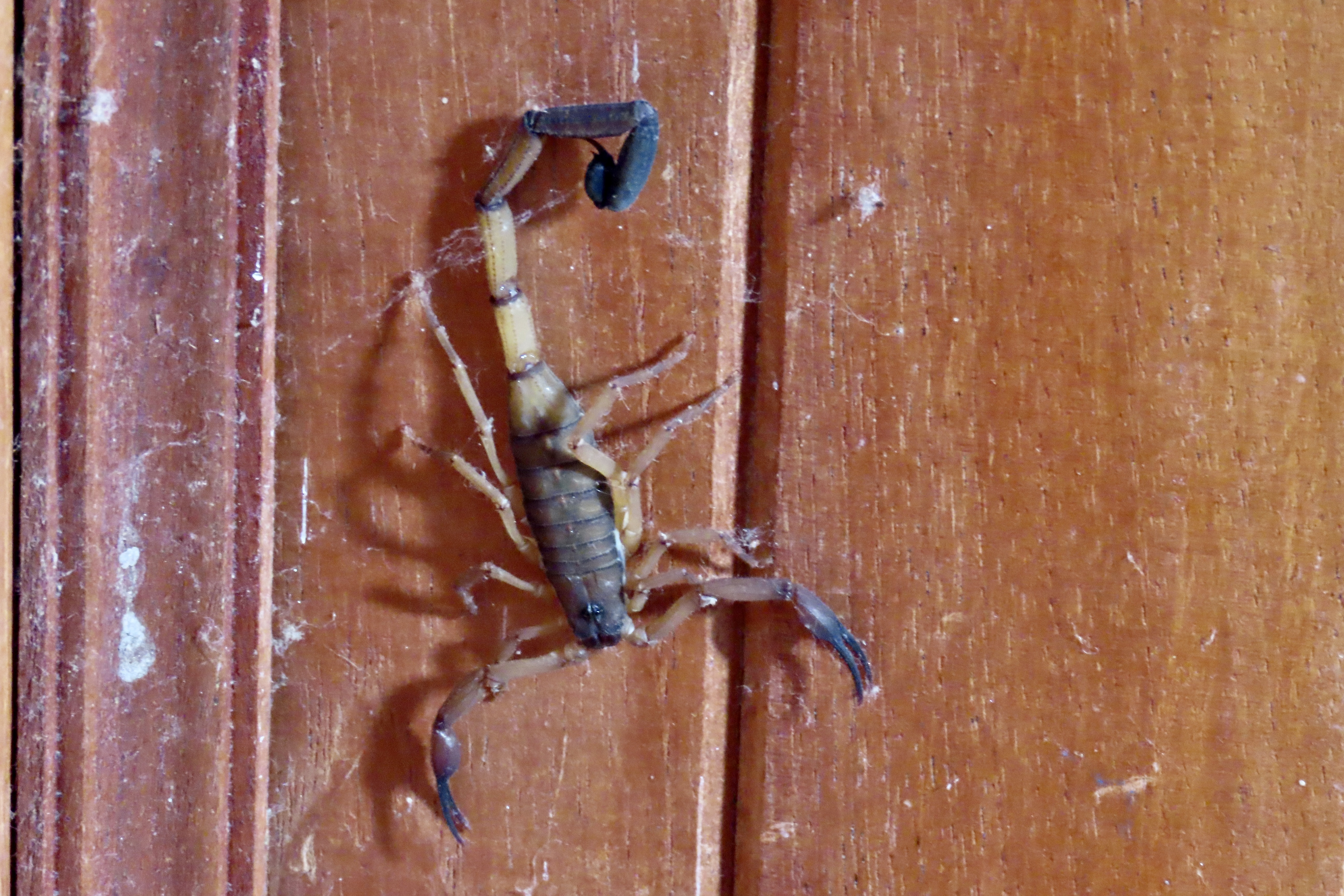
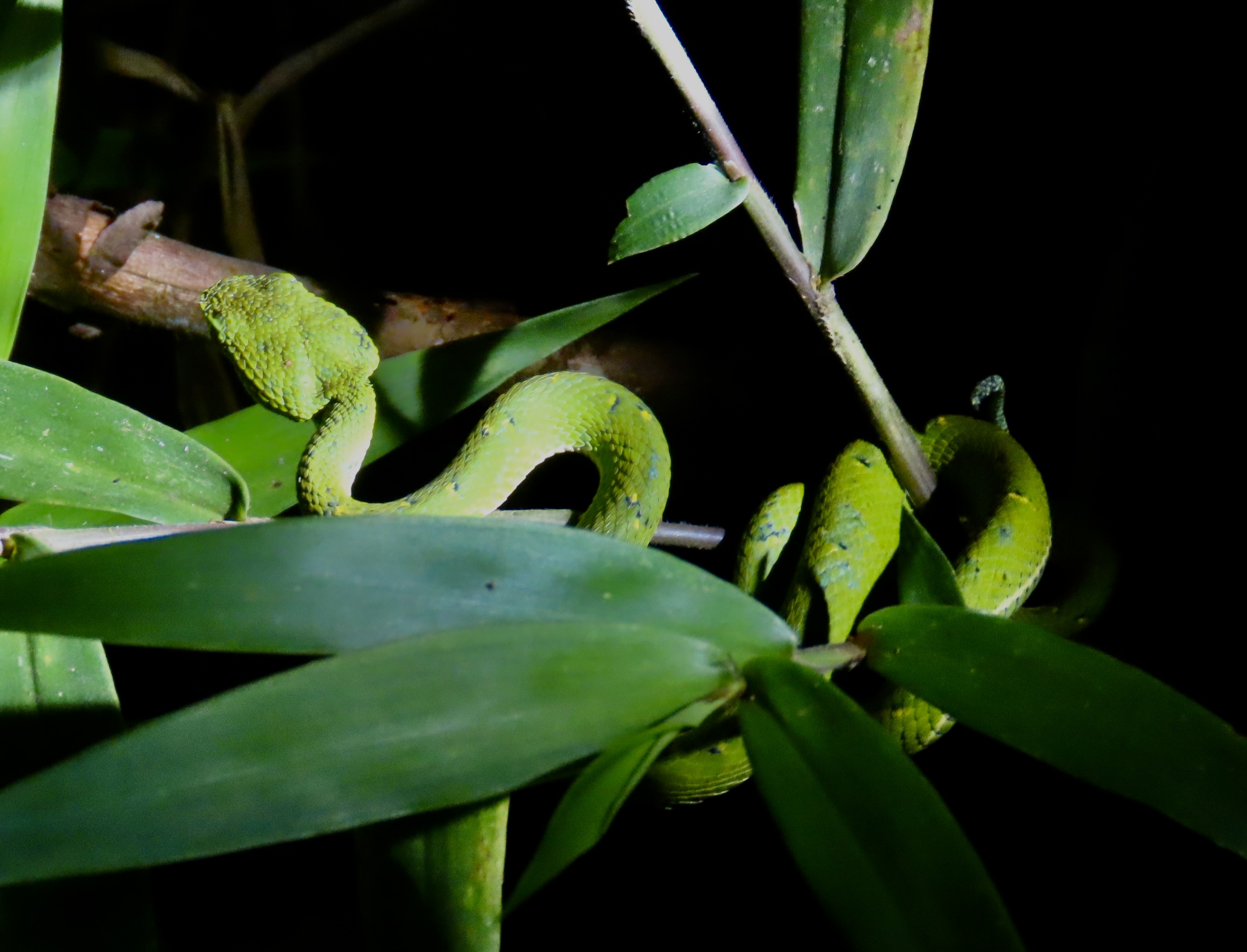
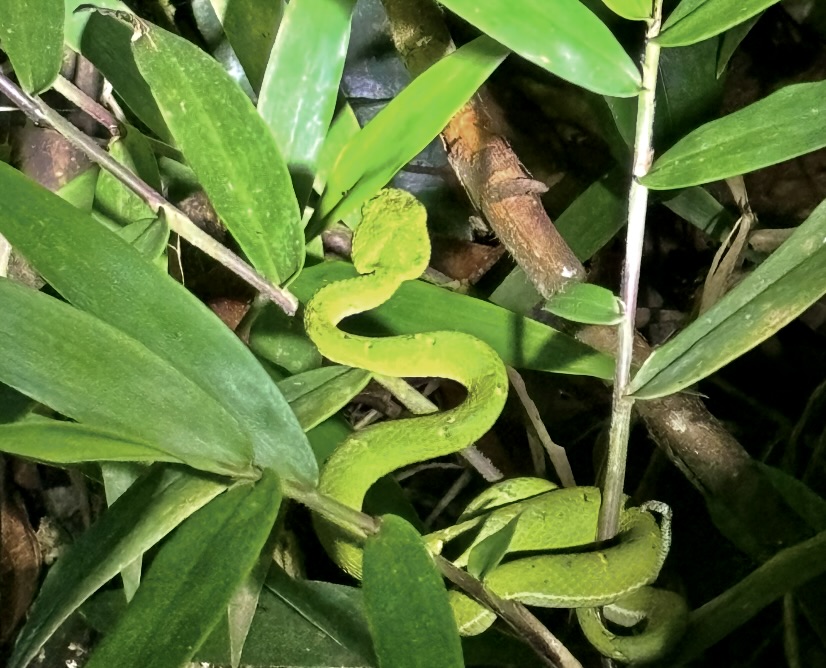
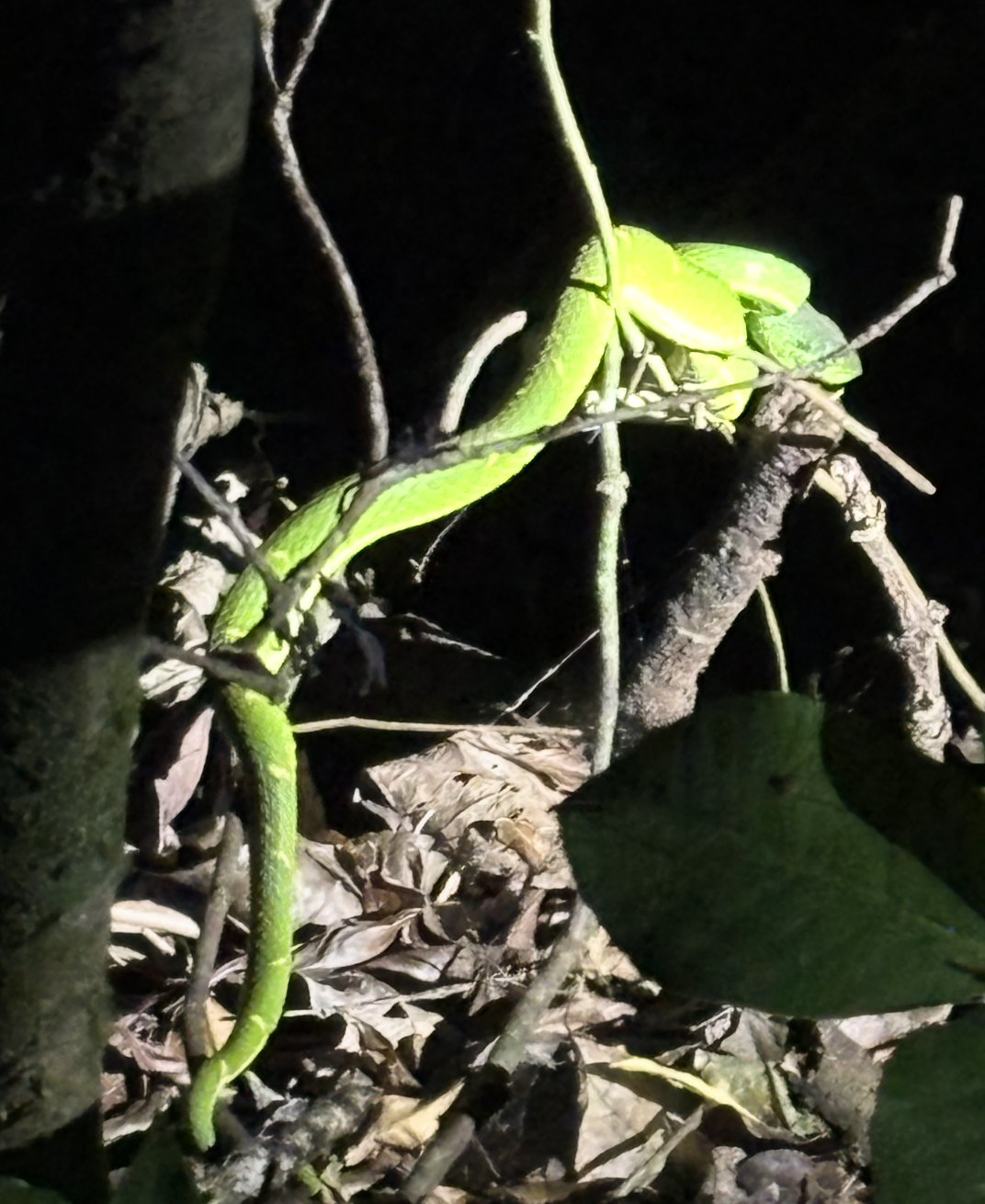
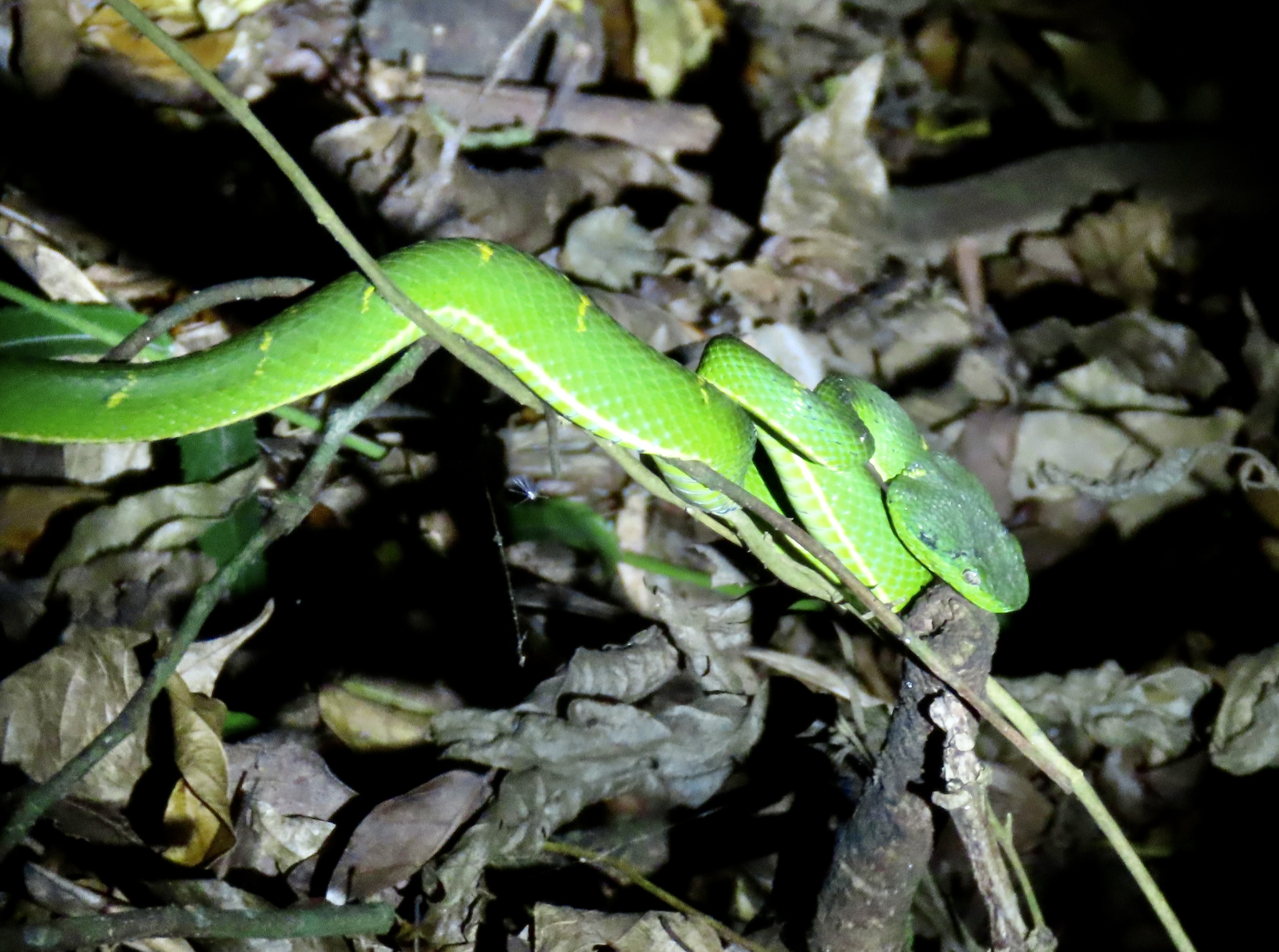
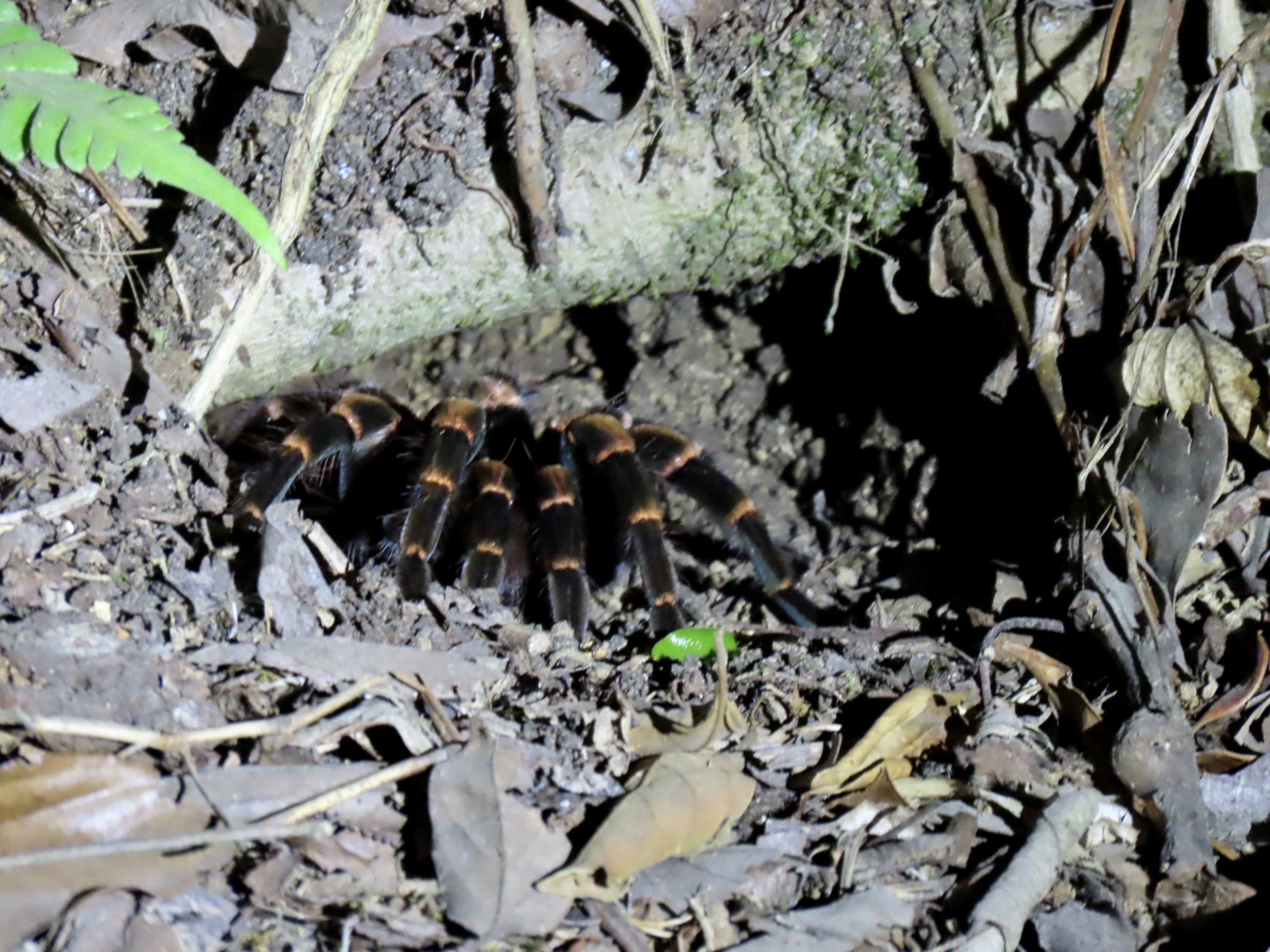
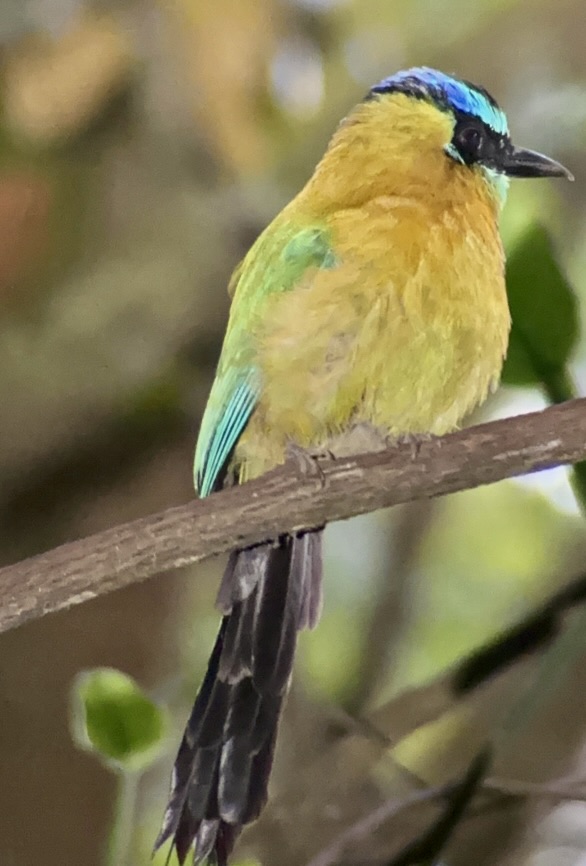
This iridescent, blue-green fellow was one of the creatures we came across. Actually, our youngest grandson, Cooper, spotted it first. Our son Tony claimed ‘That’s because Cooper is closest to the ground.” You will recognize this blue-green insect for what he is. A scorpion. I’ve seen many over the years. But never one of this striking color. They all pack a mean sting. Costa Rica claims that no one has ever died in the country from a scorpion. Well, except for that one girl…This one seemed almost tame in comparison. Our grandson, Chris, found it crawling up the wall behind him where he was watching TV at our VRBO. “Grandpa,” he yelled, “You have to see this.” “Well, hello,” I said, to the scorpion, and sent Chris scurrying for something to catch it with. He came back with a martini glass, i.e. large top, shallow bottom. Not ideal for catching something that packs a wallop in its tail, but great for a double martini if you get stung. Make it a triple. I slapped it over the top of scorpion but missed the offending appendage. It was swishing around trying to find me. I turned the glass right side up and he slid to the bottom, looking thoroughly peeved. “Just be glad it’s me,” I told him. “Anyone else and you’d be a grease spot on the wall.” It waved its tail at me in a single digit salute. I took him over to our balcony and tossed him out of the glass into the shrubs below. Chris, Peggy and I made a pact not to tell anyone else in our household. Mom might have had them packing.Next, on our pitch dark night, Marvin found a baby green pit viper known by the scientific name of Bothriechis lateralis, or if you prefer something you can pronounce, a side-striped palm pit viper. Apparently, they like to hang out in palms. Note its distinctive triangle shaped head: A sure sign you are dealing with a viper. Translate poisonous. There would be no trying to catch it! Least of all in a martini glass. I took this photo.Marvin, carried a spotting scope that gave us another view of the side-striped palm viper. He used Tony’s cell phone to take a photo through the scope. Here, you can see the stripe along its side. We each carried flashlights so we could see the trail plus light up whatever we wanted photos of. Not too far down the trail, we found an adult side-striped palm viper and Marvin took this photo through his spotting scope.I focused in on the upper part of its body. The viper, like New World monkeys, has a prehensile tail. It can use it to wrap around a limb while it dangles and relaxes. Or, he can whip it out to wrap around and retrieve dinner in the form of lizards and small rodents. While poisonous, few people die from its bite. Not so the lizards or a tasty mouse. The final member of our trio, a Costa Rican zebra tarantula, also known as the striped-knee tarantula. Peggy took this photo. These large spiders dig deep burrows into the ground which helps regulate temperatures. It’s reported that they often live together in large numbers. One was enough for us, but I must say, it was quite striking.Just so this post doesn’t give you nightmares, our night tour also produced less threatening species. This is Lesson’s Motmot seen through Marvin’s spotting scope. An owl butterfly. Marvin told us it was one of the largest butterflies in Costa Rica. It has large spots on the lower parts of its wings that resemble owl’s eyes when its wings are open.
Next up, the Mekemson Kids Did It: Something go wrong in Diamond Springs? Who do you blame? Like the gunslingers of the Old West, we developed a reputation that far exceeded our capacity for mischief.
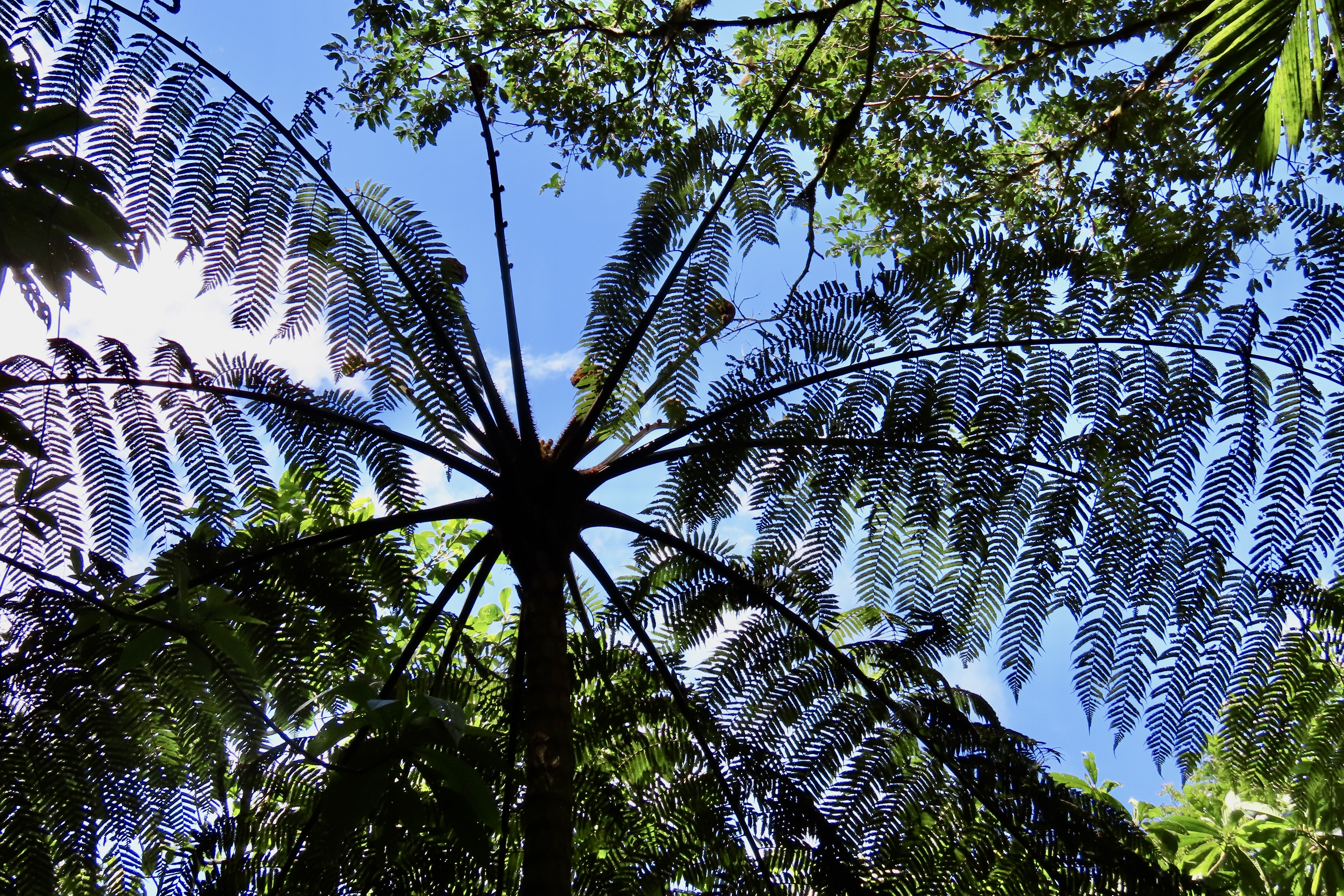
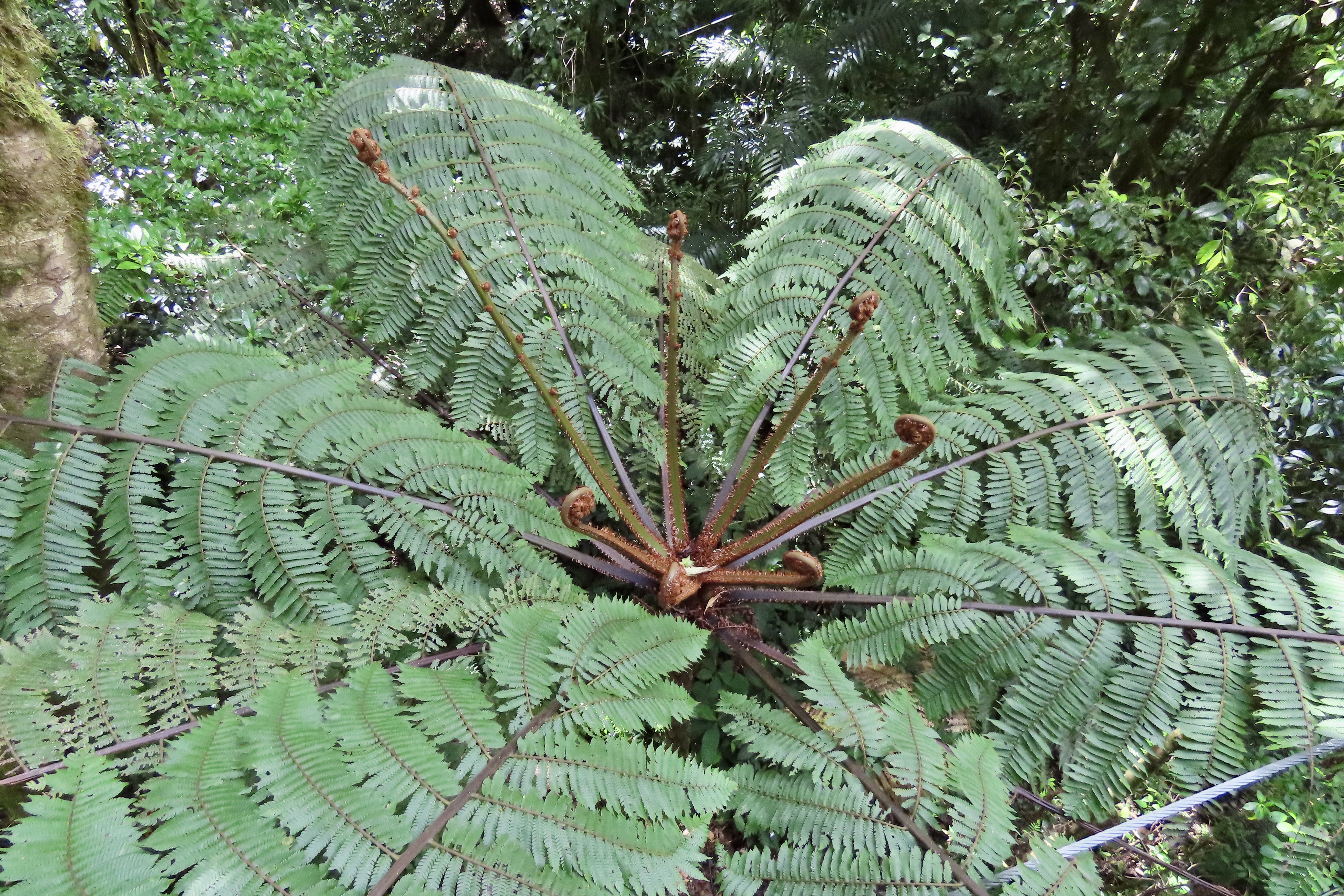
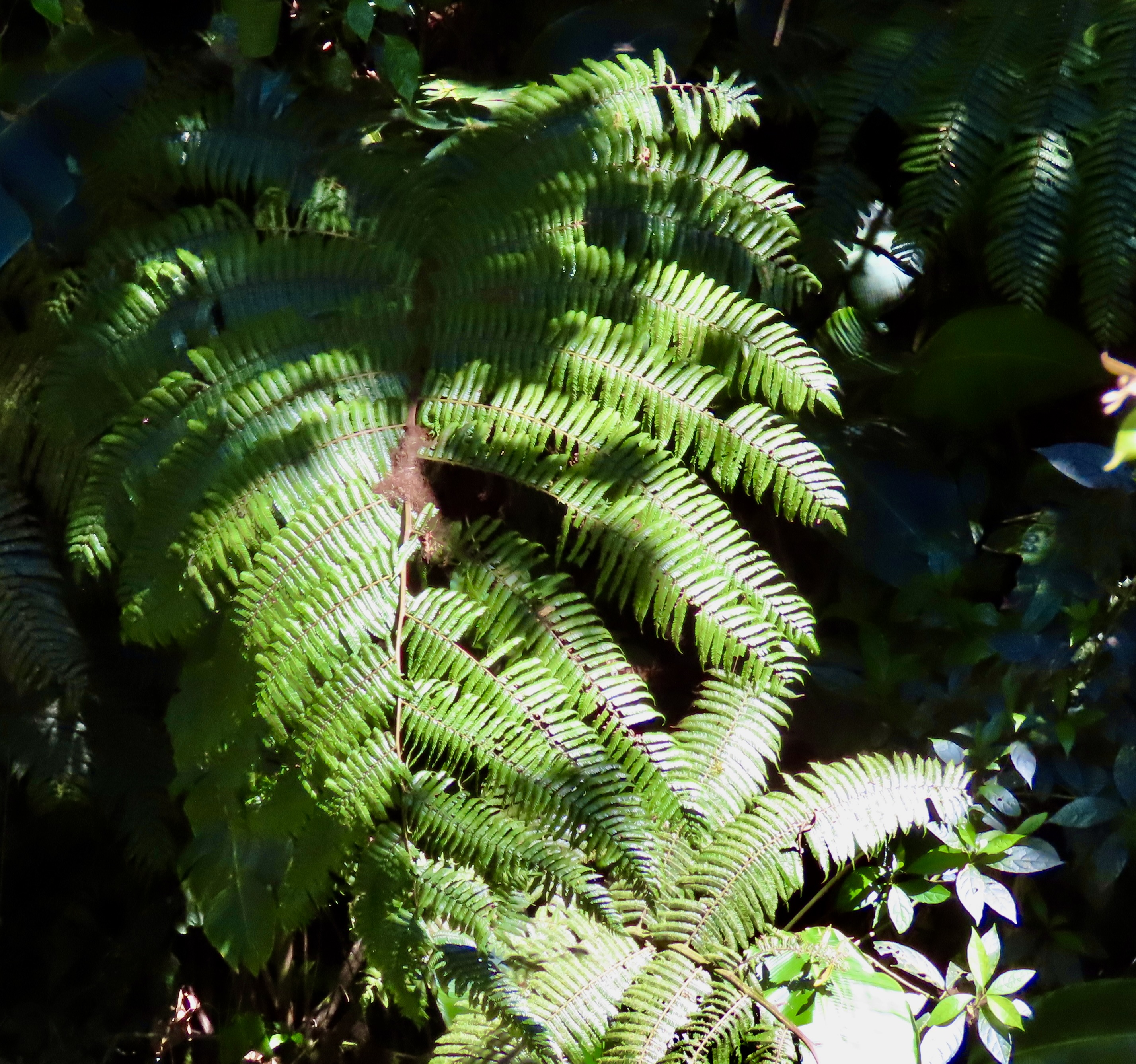
I mentioned in my last post that there were no photos of the Pond or the Woods. They were victims of the endless march of ‘civilization.’ Fortunately, and I should add, so far, there are still wild places on earth. Costa Rica has many. Some, such as Monteverde, are attracting hordes of tourists. There’s good and bad news here. Among the good is that the tourists provide Costa Rica with a welcome source of income and the opportunity for the tourists to enjoy the beauty and wildlife of Costa Rica. The bad news is the incredible commercialization that goes along with it and the impact. It’s similar to when the large cruise ships drop thousands of people onto the small Greek Island of Santorini, or our most popular National Parks in America turn into traffic jams in the summer. But enough on that. The tree above was a new one to me, a fern tree. There are more photos below after my UT-OH chapter on the Woods.
Part 2: The Woods
The Woods, like the Pond, earned a capital letter. To get there I walked out the back door, down the alley past the Graveyard, and through a pasture Jimmy Pagonni rented for his cattle. Tackling the pasture involved crawling through a rusty barbed wire fence, avoiding fresh cow pies, climbing a hill, and jumping an irrigation ditch. The journey was fraught with danger. Hungry barbed wire consumed several of my shirts and occasionally went for my back.
Torn clothing and bleeding scratches were a minor irritation in comparison to stepping in fresh cow poop, though. A thousand-pound, grass-eating machine produces acres of the stuff. Deep piles sneak up your foot and slosh over into your shoes. Toes hate this. Even more treacherous are the little piles that hide out in the grass. A well-placed patty can send you sliding faster than black ice. The real danger here is ending up with your butt in the pile. I did that, once. Happily, no one was around to witness my misfortune, or hear my language, except Tickle the Dog. I swore him to secrecy. He knew many of my secrets. It’s a damned good thing he couldn’t talk.
For all of its hazards, the total hike to the Woods took about 15 minutes. Digger pines with drunken windmill limbs guarded the borders while gnarly manzanita and spiked chaparral dared the casual visitor to venture off the trail. Poison oak proved more subtle but effective in discouraging exploration.
I could count on raucous California jays to announce my presence, especially if I was stalking a band of notorious outlaws. Ground squirrels were also quick to whistle their displeasure. Less talkative jackrabbits merely ambled off upon spotting me, put on a little speed for a hyper Cocker, and became bounding blurs in the presence of a hungry greyhound. Flickers, California quail and acorn woodpeckers held discussions in distinctive voices I soon learned to recognize.
From the beginning, I felt at home in the Woods, like I belonged. I quickly learned that its hidden recesses contained a multitude of secrets. I was eager to learn what they had to teach me, but the process seemed glacial. It required patience and I hardly knew how to spell the word. I did know how to sit quietly, however. This was a skill I had picked up from the hours I spent with my nose buried in books. The woodland creatures prefer their people noisy. A Curt stomping down the trail, snapping dead twigs, and talking to himself was easy to avoid, while a Curt being quiet might surprise them.
One gray squirrel was particularly loud in his objections. He lived in the top branches of a digger pine beside the trail and maintained an observation post on an overhanging limb. When he heard me coming, he would adopt his ‘you can’t see me gray squirrel playing statue pose.’ But I knew where to look. I would find a comfortable seat and stare at him. It drove him crazy. Soon he would start to thump the limb madly with his foot and chirr loudly. He had pine nuts to gather, a stick home to remodel, and a bright-eyed, bushy-tailed lady to woo. I was blocking progress. Eventually, if I didn’t move, his irritation would bring him scrambling down the trunk for an up-close and personal scolding.
After about 10 minutes of continuous haranguing, he’d decide I was a harmless, if obnoxious aberration and go about his business. That’s when I begin to learn valuable secrets, like where he hid his pine nuts. It was also a sign for the rest of the wildlife to come out of hiding. A western fence lizard might work its way to the top of the dead log next to me and start doing push-ups. Why, I couldn’t imagine. Or perhaps a thrush would begin to scratch up the leaves under the manzanita in search of creepy tidbits. The first time I heard one, it sounded like a very large animal interested in little boy flesh.
Occasionally there were special treats: A band of teenage gray squirrels playing tag and demonstrating their incredible acrobatics; a doe leading its shy, speckled fawn out to drink in the small stream that graced the Wood’s meadow; a coyote sneaking up on a ground squirrel hole with an intensity I could almost feel.
I also began to play at stalking animals. At some point in time between childhood and becoming a teenager, I read James Fennimore Cooper and began to think I was a reincarnation of Natty Bumppo. Looking back, I can’t say I was particularly skilled, but no one could have told me so at the time. At least I learned to avoid dry twigs, walk slowly, and stop frequently.
Occasionally, I even managed to sneak up on some unsuspecting woodland creature.
If the birds and the animals weren’t present, they left signs for me. There was always the helter-skelter pack rat nest to explore. Tickle liked to tear them apart, quickly sending twigs flying in all directions. There were also numerous tracks to figure out. Was it a dog or coyote that had stopped for a drink out of the stream the night before? Tickle knew instantly, but I had to piece it together. A sinuous trail left by a slithery serpent was guaranteed to catch my attention. This was rattlesnake country. Who’d been eating whom or what was another question? The dismantled pinecone was easy to figure out, but who considered the bark on a young white fir a delicacy? And what about the quail feathers scattered haphazardly beside the trail?
Scat, I learned, was the tracker’s word for shit. It offered a multitude of clues for what animals had been ambling down the trail and what they had been eating. There were deer droppings and rabbit droppings and mouse droppings descending in size. Coyotes left their distinctive dog-like scat but the presence of fur suggested that something other than dog food had been on the menu. Some scat was particularly fascinating, at least to me. Burped up owl pellets provided a treasure chest of bones— little feet, little legs and little skulls that grinned back with the vacant stare of slow mice.
While Tarzan hung out in the Graveyard and pirates infested the Pond, mountain men, cowboys, Indians, Robin Hood and various bad guys roamed the Woods. Each bush hid a potential enemy that I would indubitably vanquish. I had the fastest two fingers in the West and I could split a pine nut with an imaginary arrow at 50 yards. I never lost. How could I? It was my fantasy.
Daydreams were only a part of the picture. I fell in love with wandering in the Woods and playing on the Pond. There was an encyclopedia of knowledge available and a multitude of lessons about life. Learning wasn’t a conscious effort, however; it was more like absorption. The world shifted for me when I entered the Woods and time slowed down. A spider with an egg sack was worth five minutes, a gopher pushing dirt out of its hole, 20, and a deer with a fawn, a lifetime.
It isn’t surprising that I became known as Nature Boy by my classmates, given all the time I spent in the woods. I considered it a compliment.
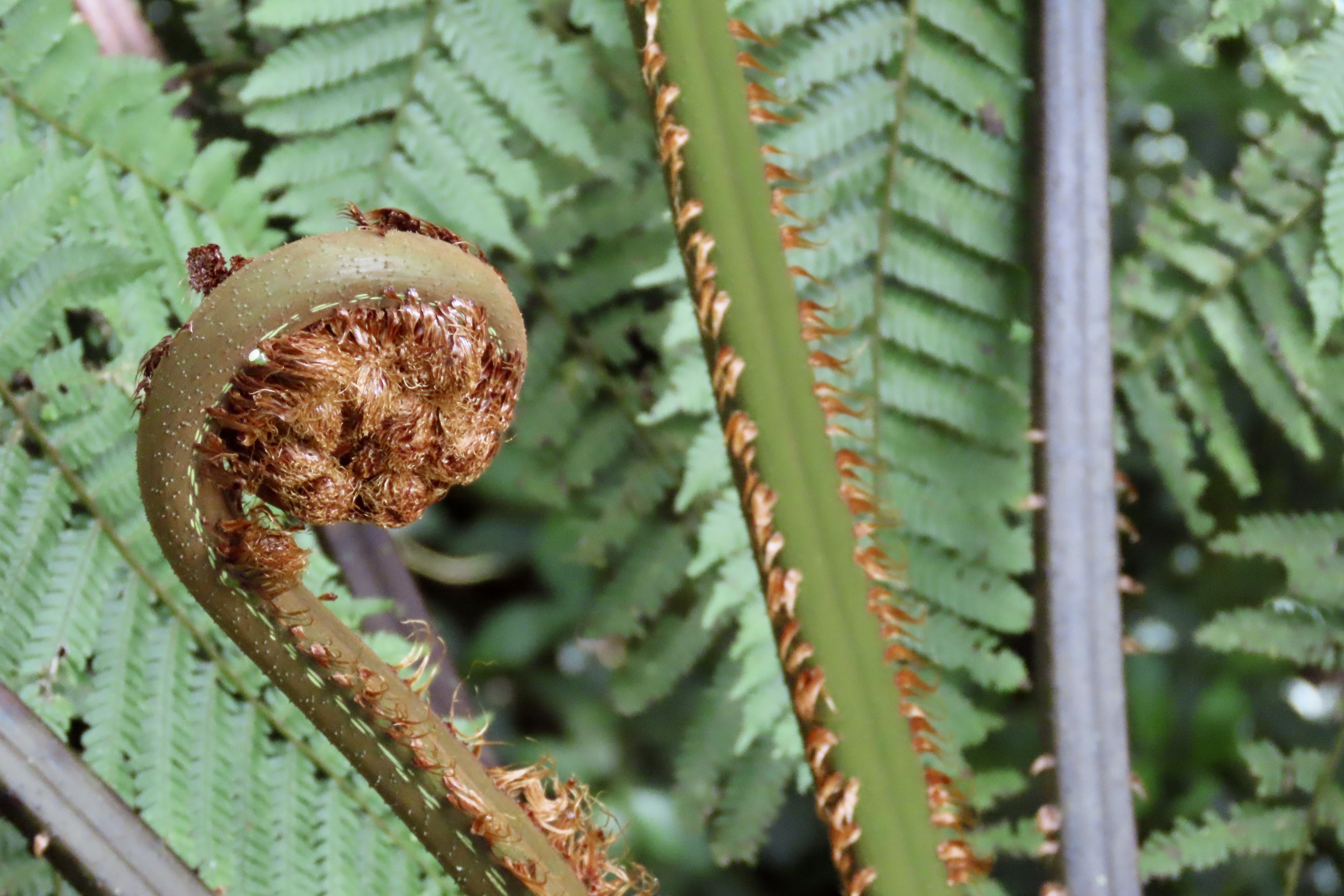
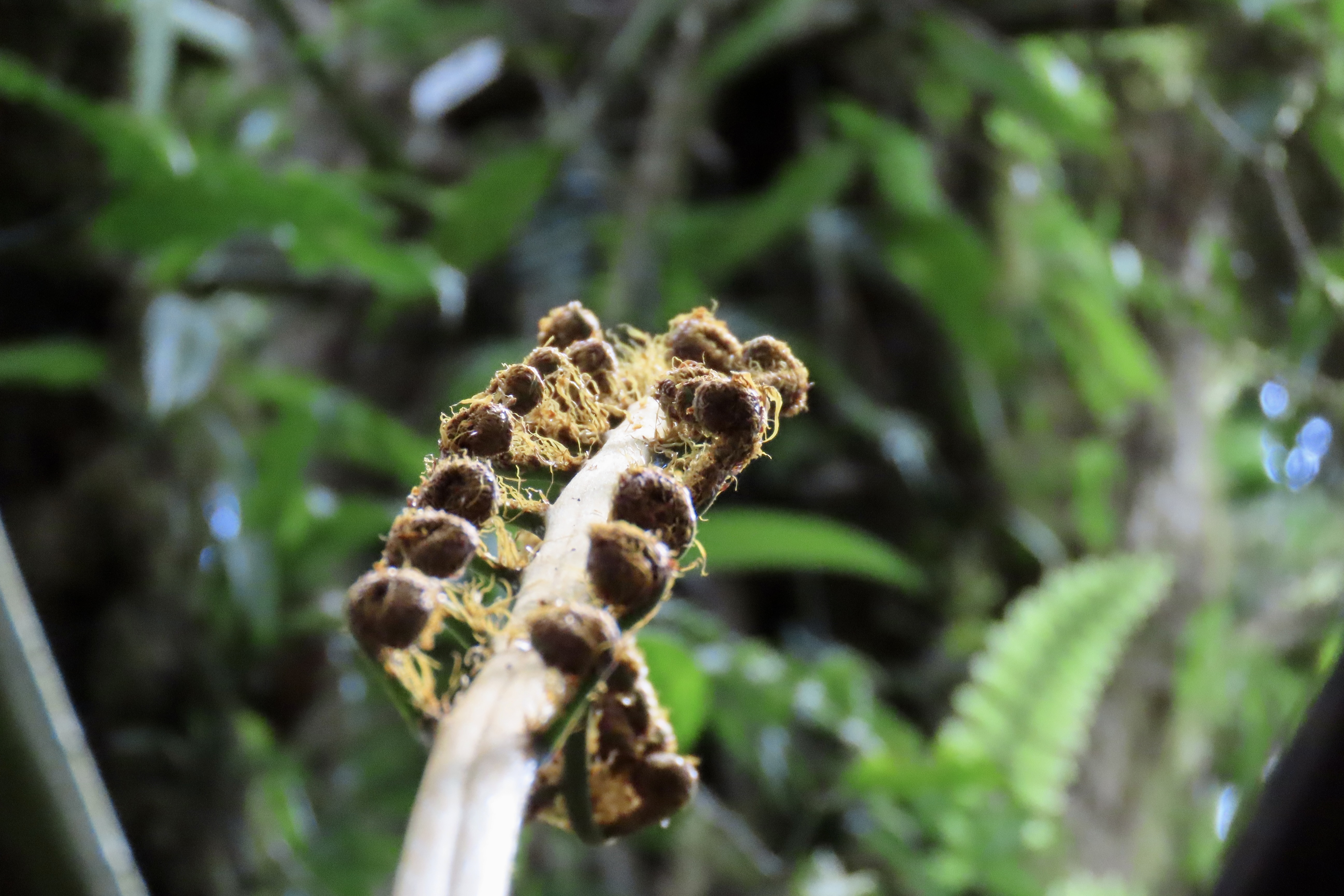
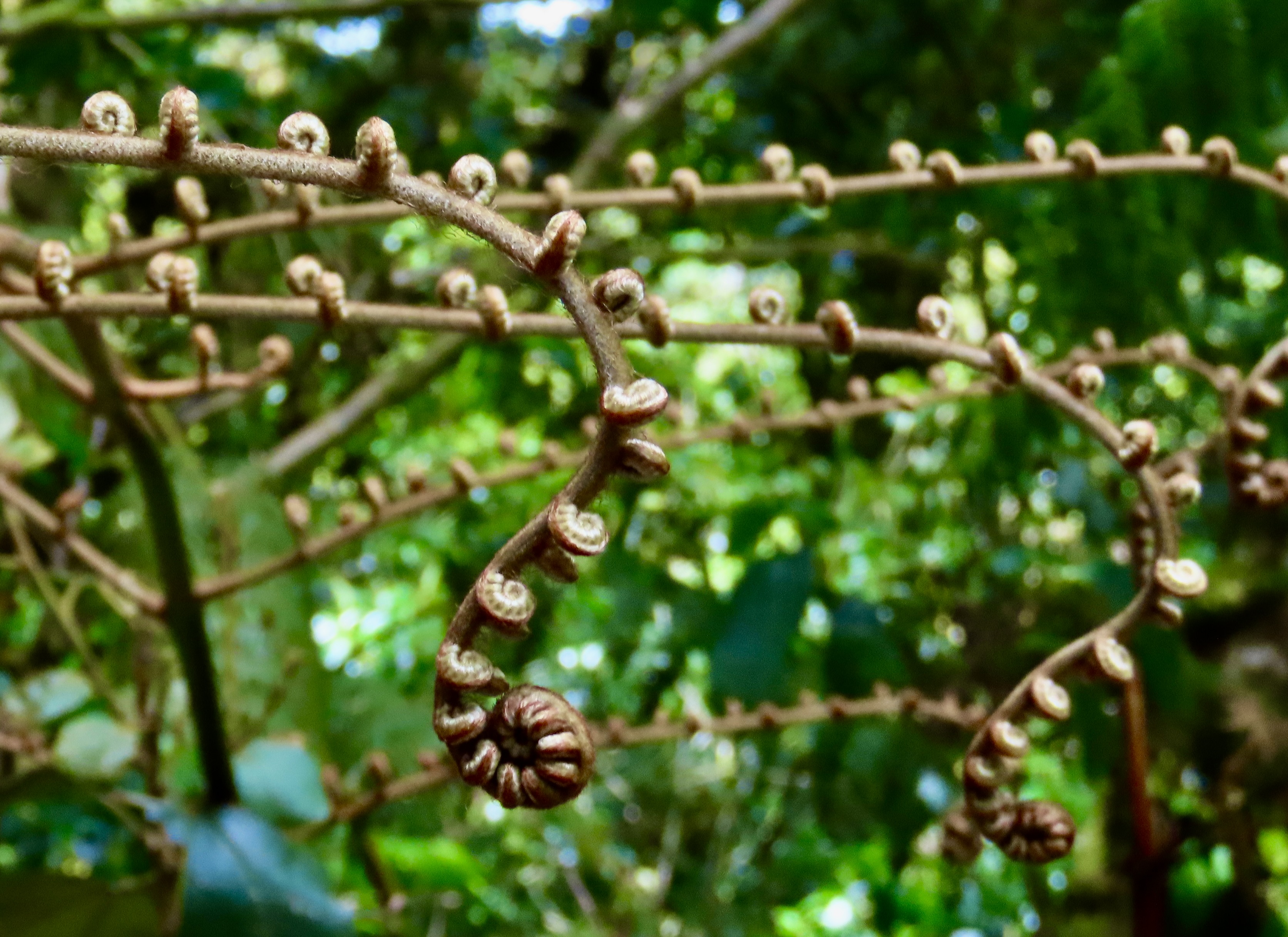
The hanging bridges of Monteverde gave us a unique opportunity to study both the canopy and the forest beneath. There were six bridges at Treetopia Park. At 774 feet, this was the longest. It was also more open. The canopy towered over most of the bridges.One bridge provided us with an opportunity look down on a fern tree. The leaves were a definite clue that we were looking at a fern.As did how the leaves unfold or unfurl known as Circinate vernation. This has always fascinated me about ferns. I have many photos of different species. But given that there are 10-12000 or more know species, I have a few to go…Here’s a different species at Treetopia.And another. Both tropical and temperate rainforests provide ideal conditions for ferns to grow. Some can be giants. We spotted these down on the ground from the hanging bridge. I wish I had a person down on the ground to provide perspective. They would have made my 5 feet 11 inches appear small.
2025 was a good year for us from a travel perspective. We stayed home, so to speak, and limited our wandering to Hawaii, the Southwest, and New England. Now we have the itch to go abroad again. We’ve chosen three areas known for their beauty, culture, wild areas— and relative safety: Costa Rica, Scotland, and Bali.
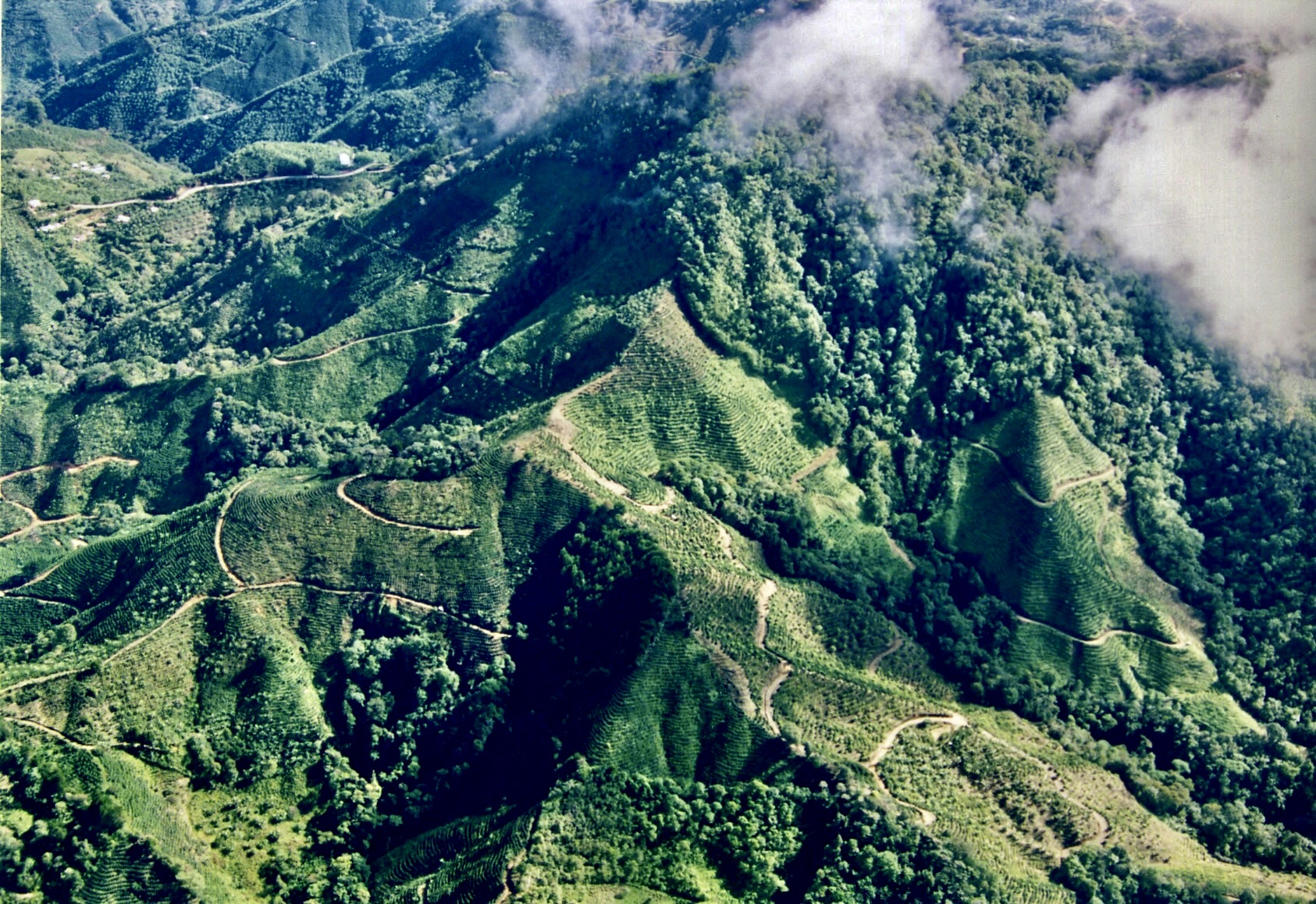
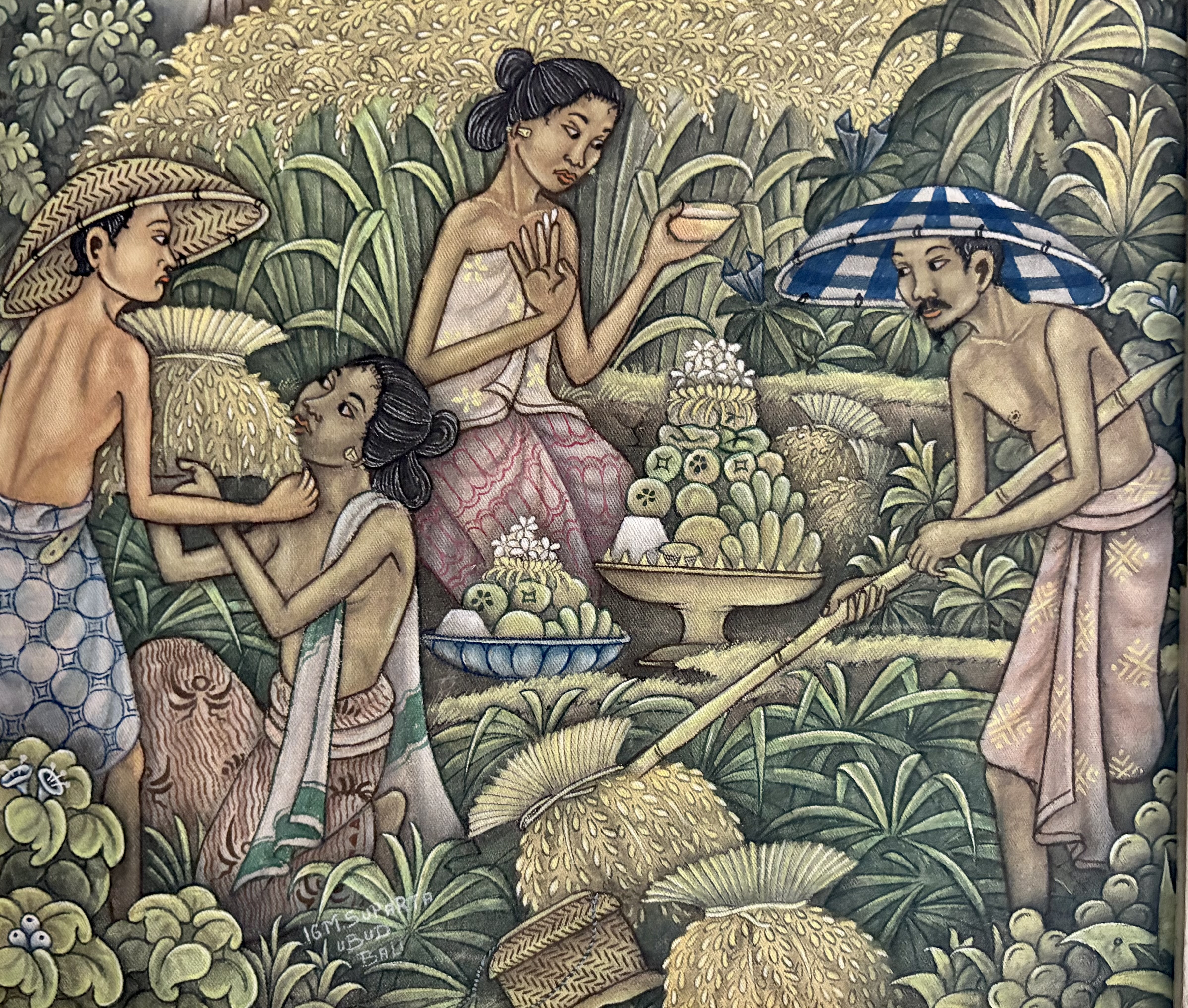
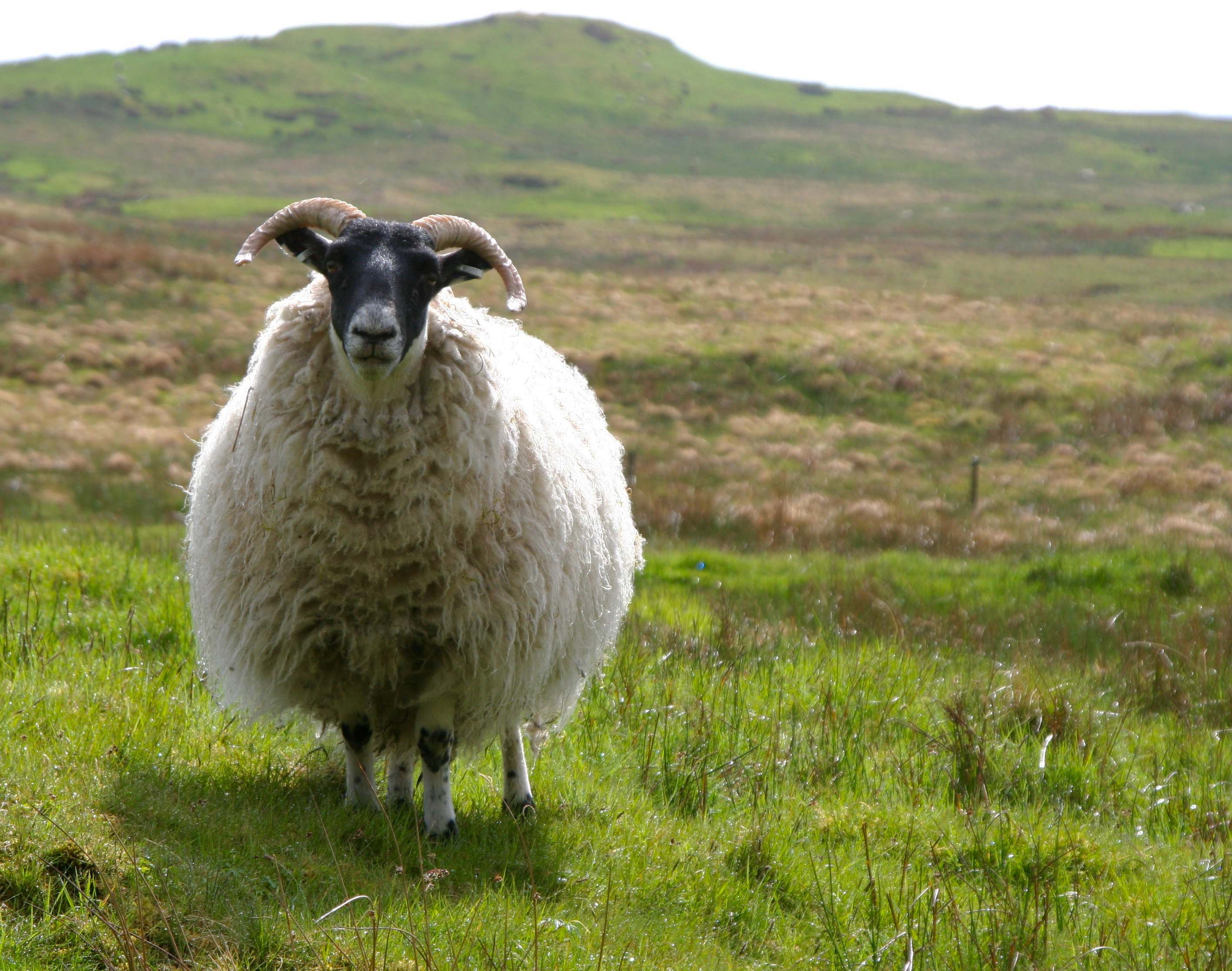
First up: Costa Rica. We took the above photo when we were in a small plane flying back and forth across the country on a tour in the 90s. This year we will be renting an SUV with high clearance and driving ourselves. The country roads can be challenging— even in the dry season! Peggy and I will be going there for the month of March. Our son Tony and his family will join us for a week in Monteverde.Next up, we will be visiting Bali. I visited in 1976 as part of a six month tour of the South Pacific. I’d lost my camera in Fiji, so I don’t have any Bali photos. I brought a painting home instead. The region is known for its colorful art. This one depicts a rice harvest. The woman on top is making an offering. It’s important to keep the gods happy. We will be there in May. Our grandson Ethan will join us for a week.We met this fellow in Scotland when we were doing family genealogical research in 2014. He had positioned himself in the middle of the narrow road we were driving on for about 10 minutes before finally moving over to the grass. Peggy and my families were Lowland Scotch so we were in the southern part of the country. This year we are visiting the highlands, coastal regions and islands of the north in late June and July. We will be checking out castles and looking for Nessie, the Loch Ness Monster. Our grandson Cody will be joining us for two weeks. We are planning to hop over to Northern Ireland after Scotland.
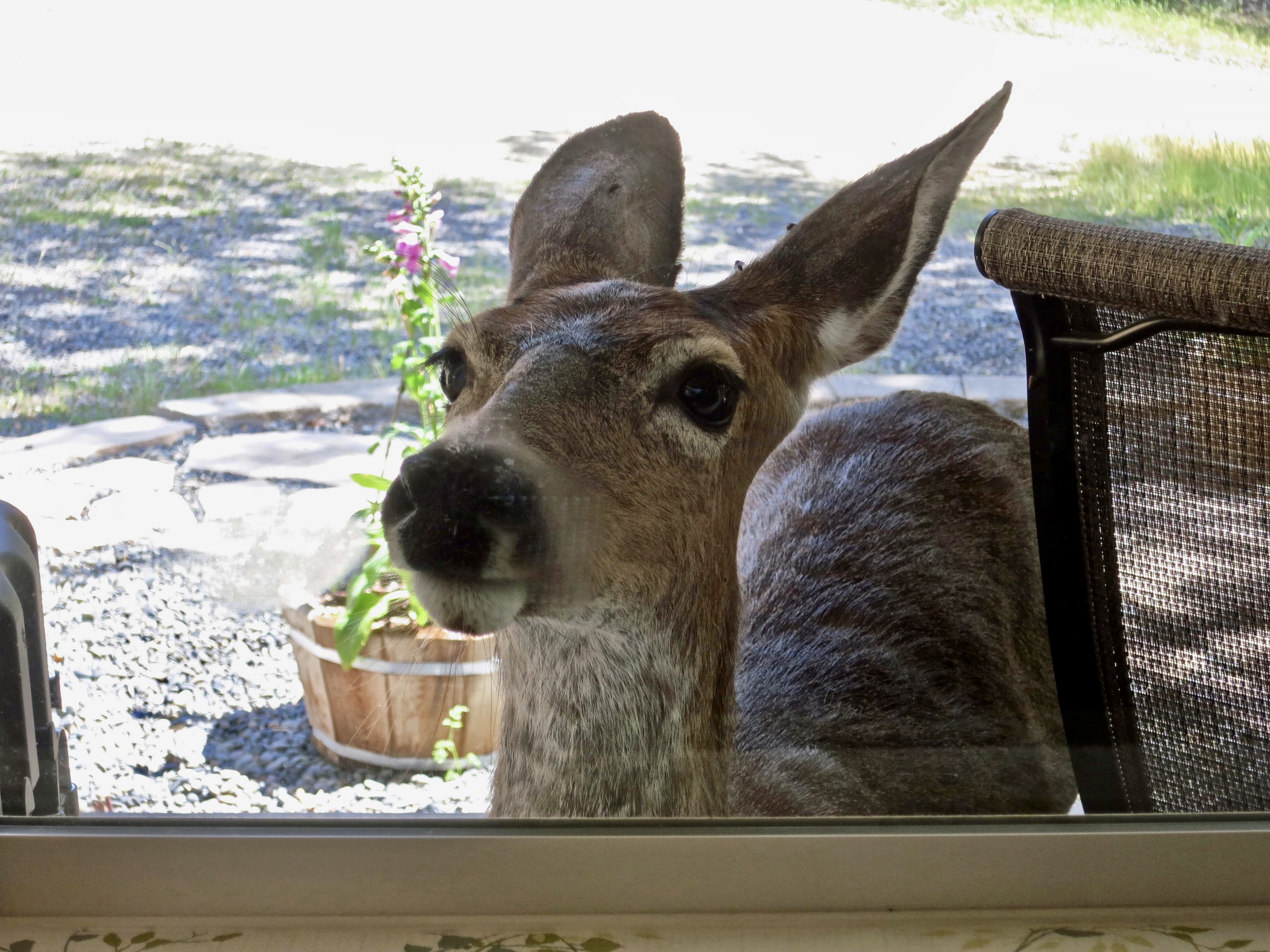
Naturally, we will be blogging about our journeys. But there is more, as they always say on late night TV ads. Or at least they used to. Peggy and I don’t stay up that late and most of our TV time is streaming without ads. I am continuing our focus series over the next two months and beyond. “Oh Deer” is my next one. I’ll be featuring the herd that lived in our backyard in Oregon and liked to stare at us through the windows.
A not unusual sight!
And finally, I’ll be offering a new series I’m calling “Ut-Oh” where I will be pulling together posts that I have included on my blog over the past 15 years plus new material featuring my more serious/humorous misadventures in my life. I’ll do an introduction to it next week.
The question here is why should such an innocent looking child be kicked out of the first grade for a year. My first post will answer the question plus relate how a caterpillar I was using to cut a road fell off a cliff— with me on it.
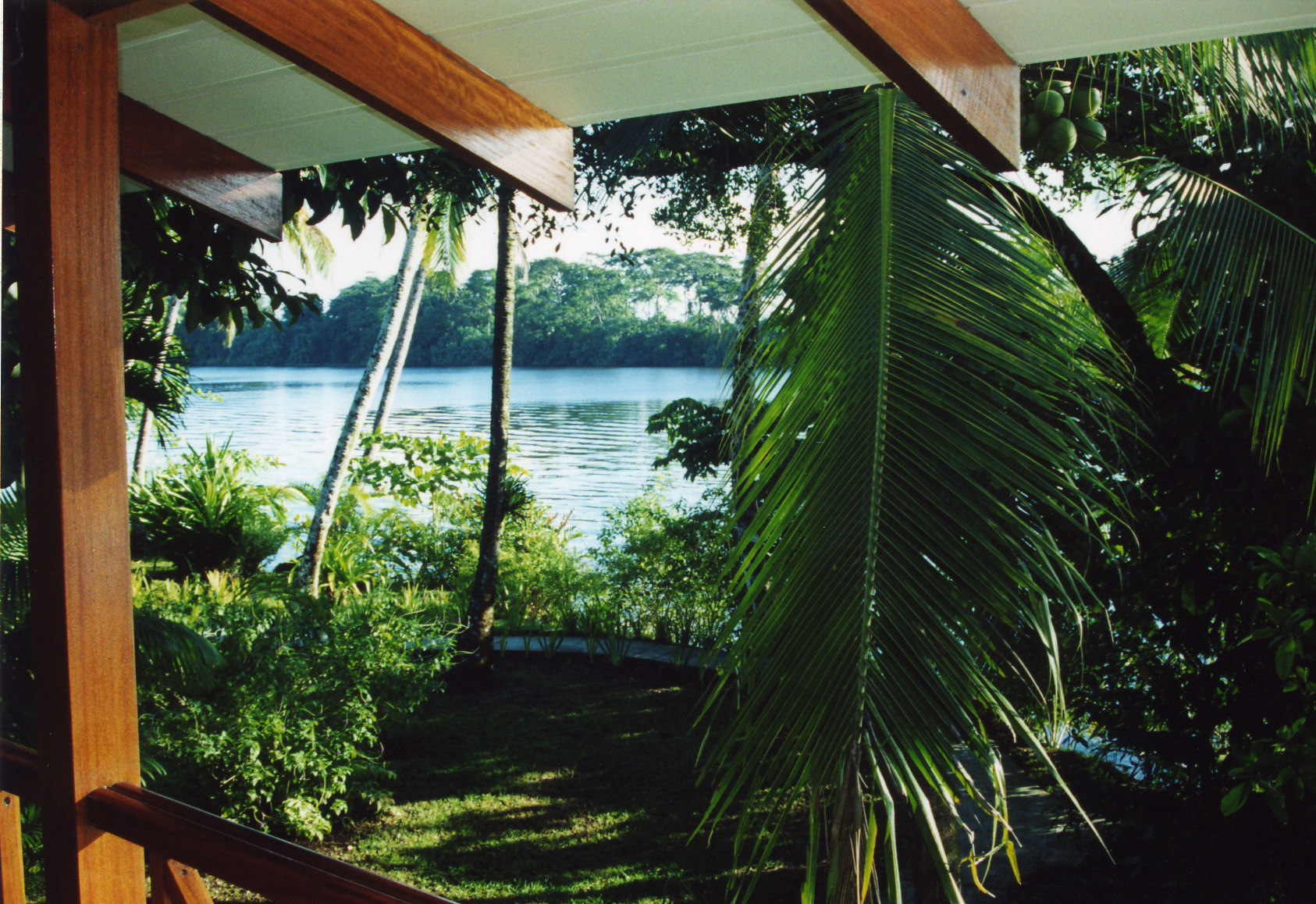
The view from our balcony at Tortuga Lodge on the edge of Tortuguero National Park on the Caribbean side of Costa Rica.
We missed seeing the giant 300 pound Green Sea Turtles and their prodigious effort of laying 80-100 eggs on our trip to Tortuga Lodge in Costa Rica. The large females go into a trance during the process. It sounds like a good idea when you are having 100 babies. Once mom has dug her hole in the sand and settled in, visitors can walk up and watch the process.
Seven weeks later the eggs hatch and the baby turtles instinctively scurry for the ocean. They’re tasty. Scurrying is good. On shore, sea gulls and crabs think feast. Jaguars also hang out in hopes of crunching down their share.
The ocean is hardly safer. Last fall I watched a flock of Brown Pelicans off of the coast of Puerto Vallarta discover a swarm of baby turtles heading out to sea. It was like Armageddon.
Of the hundred or so babies who hatch, one may be lucky enough to make it to adulthood… not good odds. If you are one of the lucky ones, however, you can expect to survive for 80 years. Your only enemies are men and sharks. Of course that’s enough. By the mid 1900s Green Sea Turtles were on the edge of extinction. Sharks were not the problem.
People found the meat tasty and behaved like the Pelicans when the turtles came ashore. Possibly even worse, they believed the eggs had an aphrodisiac quality. They killed the mamas and dug up the babies.
Tortuguero National Park on the northern Caribbean Coast of Costa Rica was established in 1970 as a sanctuary for the turtles. Tortuga Lodge sits on the edge of the park and offers a “gourmet dining opportunity” to view egg-laying mamas. I checked to make sure turtle soup wasn’t on the menu. Dinner by candlelight in the wilderness and the private viewing sounded good but I was wary of the last sentence, “You might get back to the lodge around 11 pm.”
What was with the might? It implies there is a might not. Could the jaguars somehow be involved? “Let’s see. I can eat this 2-ounce turtle or that 200-pound person. Hmmm.”
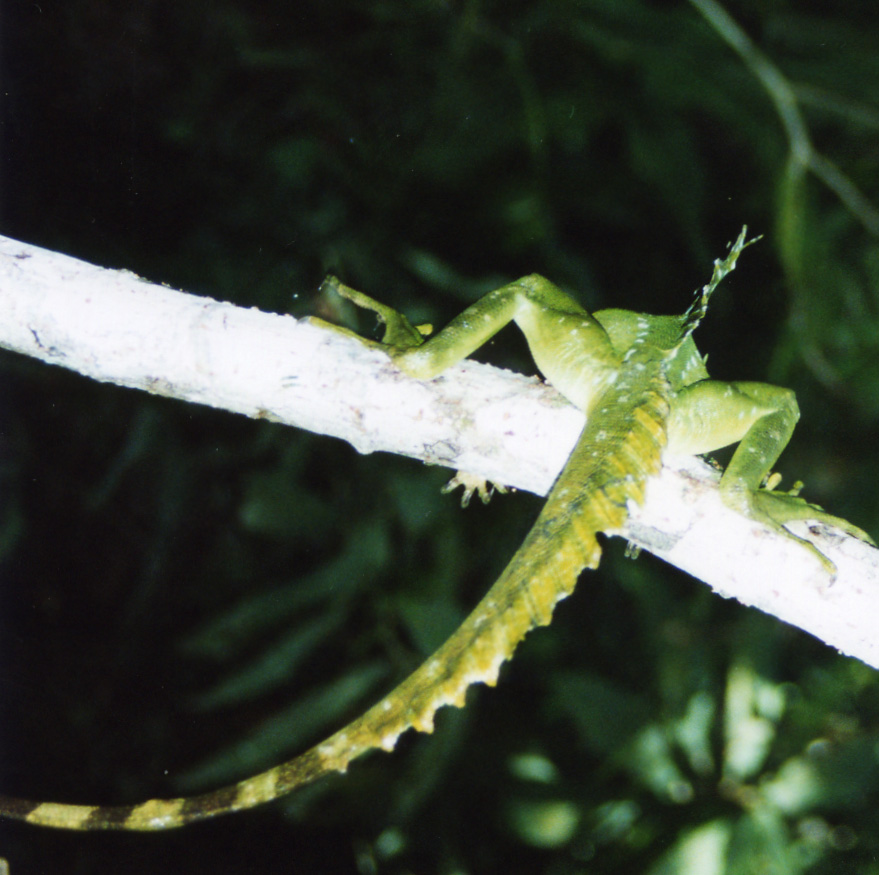
Anyhow, we arrived in late November, well past the egg-laying season. Turtles and jaguars were not on our agenda. Instead, we watched giant iguanas climb trees during the day and listened to howler monkeys howl at night. We ventured out on a tour of the regions dark, murky streams and then took out canoes on our own. Crocodiles lurked along the banks, bright butterflies went flitting by, and a Jesus Christ Lizard walked across the water.
Tortuga Lodge, like Monteverde Lodge, is owned and operated by Costa Rica Expeditions. Rooms were quite attractive, the food excellent and the guides knowledgeable. Getting there from San Jose involved travel by both van and boat. We flew back from a small airstrip located near the lodge.
Crocodiles lurk along the edges of canals located in Tortuguero National Park.
The eye of a Cayman.
We found an unusual beetle crawling across the lawn at Tortuga Lodge.