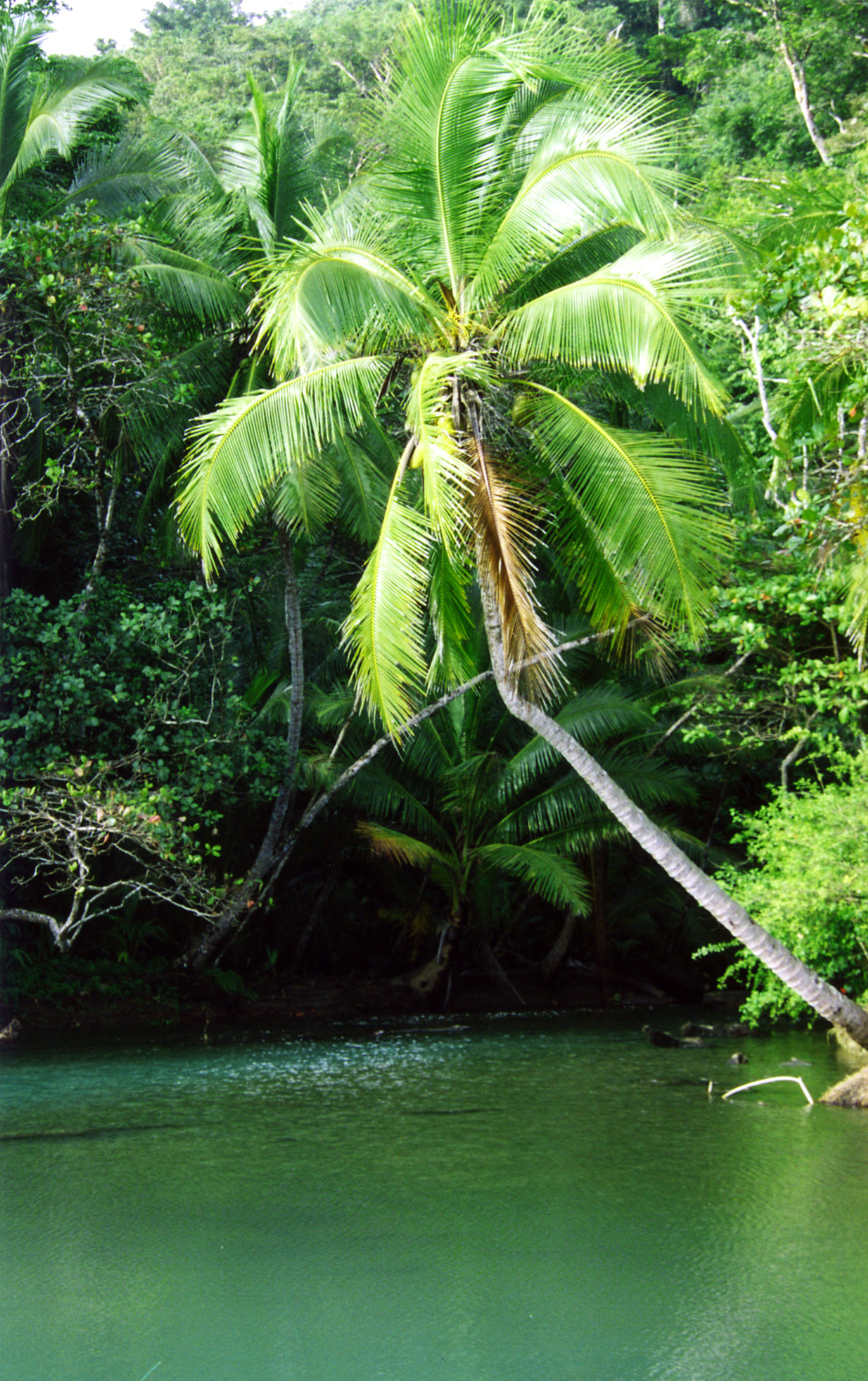
The Missing Turtles of Tortuga… The Passport Series

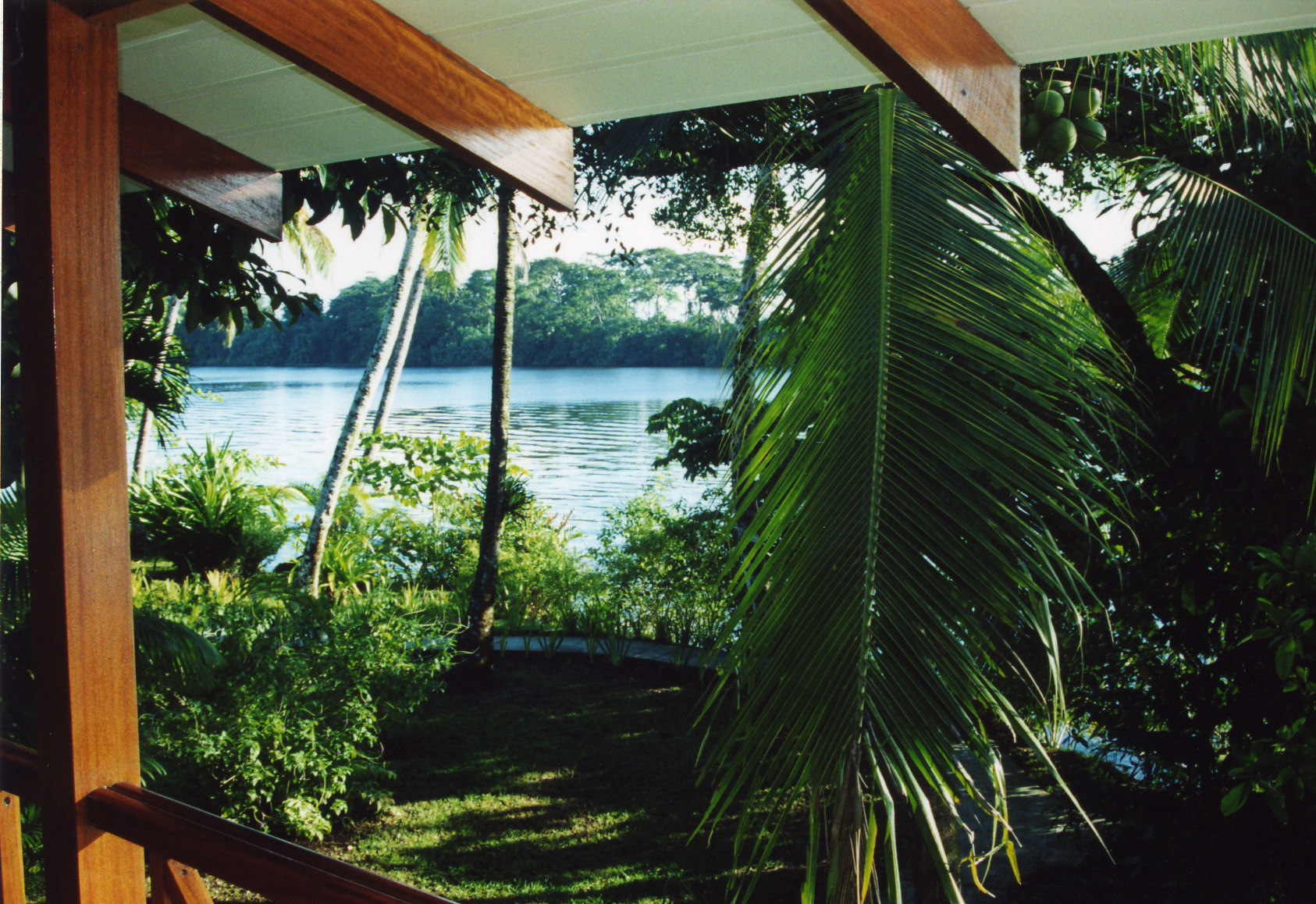
The view from our balcony at Tortuga Lodge on the edge of Tortuguero National Park on the Caribbean side of Costa Rica.

We missed seeing the giant 300 pound Green Sea Turtles and their prodigious effort of laying 80-100 eggs on our trip to Tortuga Lodge in Costa Rica. The large females go into a trance during the process. It sounds like a good idea when you are having 100 babies. Once mom has dug her hole in the sand and settled in, visitors can walk up and watch the process.

Seven weeks later the eggs hatch and the baby turtles instinctively scurry for the ocean. They’re tasty. Scurrying is good. On shore, sea gulls and crabs think feast. Jaguars also hang out in hopes of crunching down their share.

The ocean is hardly safer. Last fall I watched a flock of Brown Pelicans off of the coast of Puerto Vallarta discover a swarm of baby turtles heading out to sea. It was like Armageddon.

Of the hundred or so babies who hatch, one may be lucky enough to make it to adulthood… not good odds. If you are one of the lucky ones, however, you can expect to survive for 80 years. Your only enemies are men and sharks. Of course that’s enough. By the mid 1900s Green Sea Turtles were on the edge of extinction. Sharks were not the problem.

People found the meat tasty and behaved like the Pelicans when the turtles came ashore.  Possibly even worse, they believed the eggs had an aphrodisiac quality. They killed the mamas and dug up the babies.

Tortuguero National Park on the northern Caribbean Coast of Costa Rica was established in 1970 as a sanctuary for the turtles. Tortuga Lodge sits on the edge of the park and offers a “gourmet dining opportunity” to view egg-laying mamas. I checked to make sure turtle soup wasn’t on the menu. Dinner by candlelight in the wilderness and the private viewing sounded good but I was wary of the last sentence, “You might get back to the lodge around 11 pm.”

What was with the might? It implies there is a might not. Could the jaguars somehow be involved? “Let’s see. I can eat this 2-ounce turtle or that 200-pound person. Hmmm.”

Anyhow, we arrived in late November, well past the egg-laying season. Turtles and jaguars were not on our agenda. Instead, we watched giant iguanas climb trees during the day and listened to howler monkeys howl at night. We ventured out on a tour of the regions dark, murky streams and then took out canoes on our own. Crocodiles lurked along the banks, bright butterflies went flitting by, and a Jesus Christ Lizard walked across the water.

Tortuga Lodge, like Monteverde Lodge, is owned and operated by Costa Rica Expeditions. Rooms were quite attractive, the food excellent and the guides knowledgeable. Getting there from San Jose involved travel by both van and boat. We flew back from a small airstrip located near the lodge.

Crocodiles lurk along the edges of canals located in Tortuguero National Park.

The eye of a Cayman.

We found an unusual beetle crawling across the lawn at Tortuga Lodge.
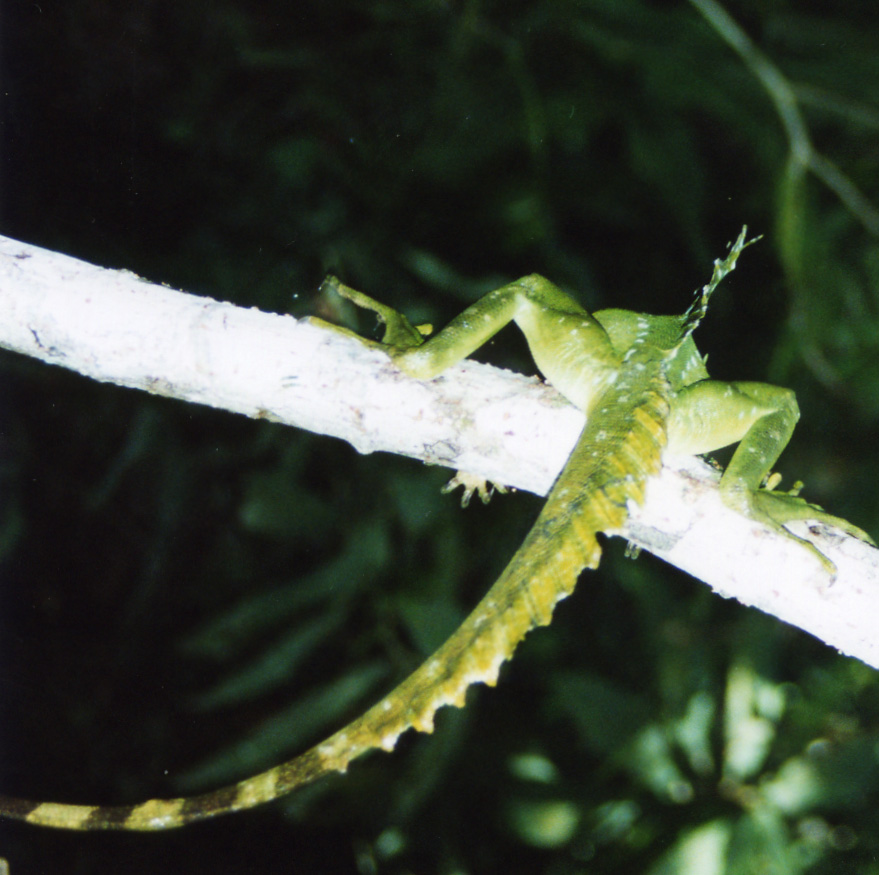
This lizard provided a colorful rear end view.

Monteverde Cloud Forest, Costa Rica… The Passport Series

The Monteverde Cloud Forest Reserve in Costa Rica is filled with tall trees and massive vines. These Strangler Vines once surrounded a tree. As their name implies, they strangled their host. Now only the vines remain.

The drive from San Jose, the Capital of Costa Rica, to the Monteverde takes around 3½ hours. Our guide and driver from Costa Rica Expeditions picked us up at our hotel. He was funny and knowledgeable, which made the journey pass quickly. We learned and laughed a lot.

Monteverde’s claim to fame is its cloud forest where mists hang out in mythical proportions. Luxuriant plant growth and abundant animal life have turned the area into a major tourist destination as well as a center for ecological study.

The area has an interesting history dating back to the 1950s when a group of Quakers and other pacifists out of Alabama arrived. They had moved from the US to avoid being drafted into the Korean War. Eventually a portion of the land they farmed became the base for Monteverde Cloud Forest Reserve.

We climbed some 4000 feet to reach the Montverde Lodge, the hotel where we were staying. The lodge perches on the edge of the rainforest and its rooms provide a front row seat to whatever action is taking place. I kept expecting a Howler Monkey to appear on our window ledge. The Lodge also features attractive gardens.

Leaving the valley floor, we climbed over 4000 feet up into Costa Rica’s central mountains to reach Monteverde. This photo is looking back over the way we came.

The Monteverde Lodge features a flower filled garden including this beauty.

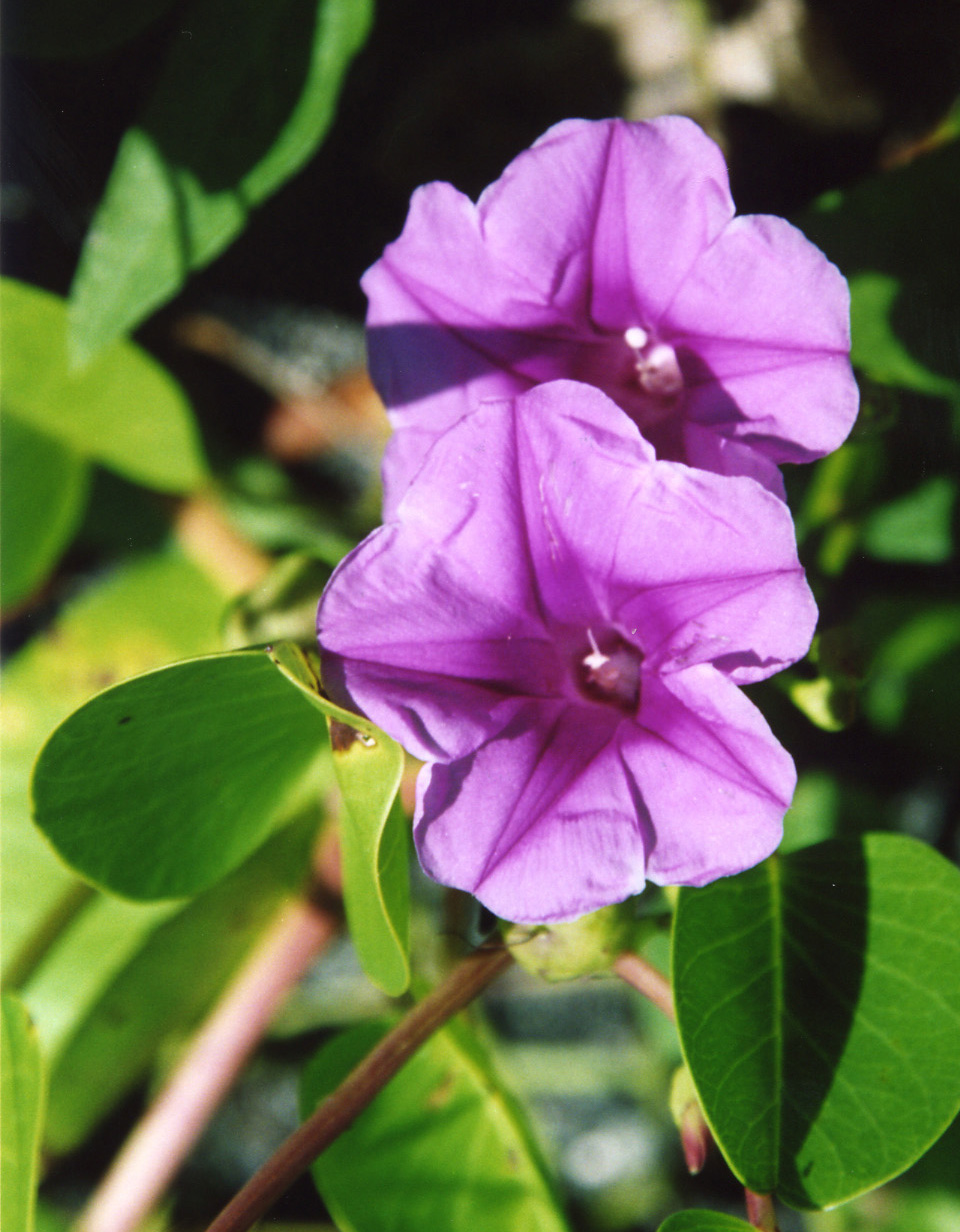
I also found this pair of flowers at the Monteverde Lodge quite attractive.

This fern at the lodge.was particularly interesting. it made me think of gears within gears.

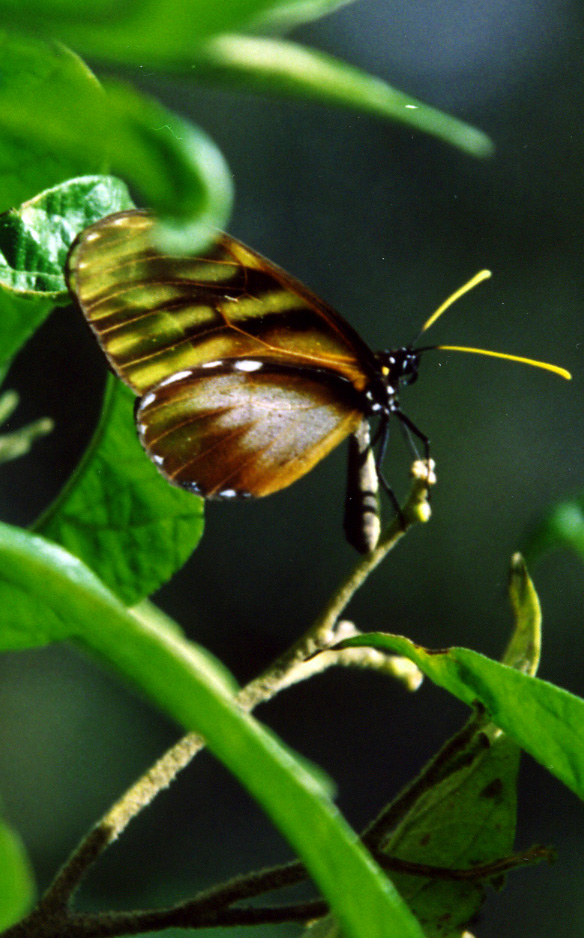
This butterfly we found at the Monteverde Lodge is a member of the Clearwing Family.

Our objective was to explore the rainforest, however. We went on several hikes including one at night and another that took us to a platform high in the forest canopy. The pitch-black night tour was quite interesting, especially when we turned our flashlights off.

On one of our hikes, we climbed to a platform high in the canopy of the Monteverde Cloud Forest. I think Peggy is smiling because we made it to the top.

This is a view of the Monteverde Cloud Forest looking down from the platform we climbed up to.

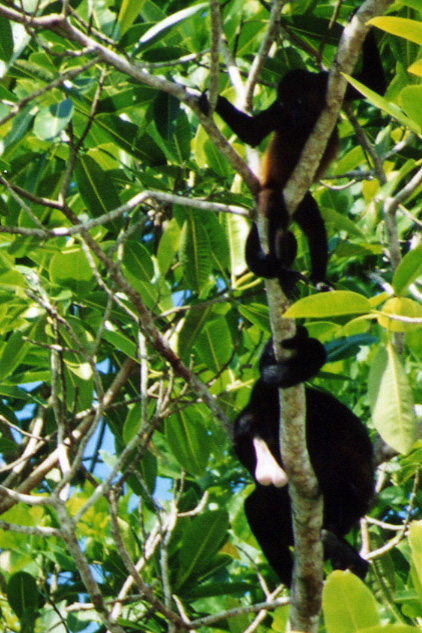
We spotted a pair of Howler Monkeys up in the trees. The one on top is all limbs and tail. The lower Howler looks like he is gnawing on a thigh bone… Hmmm.

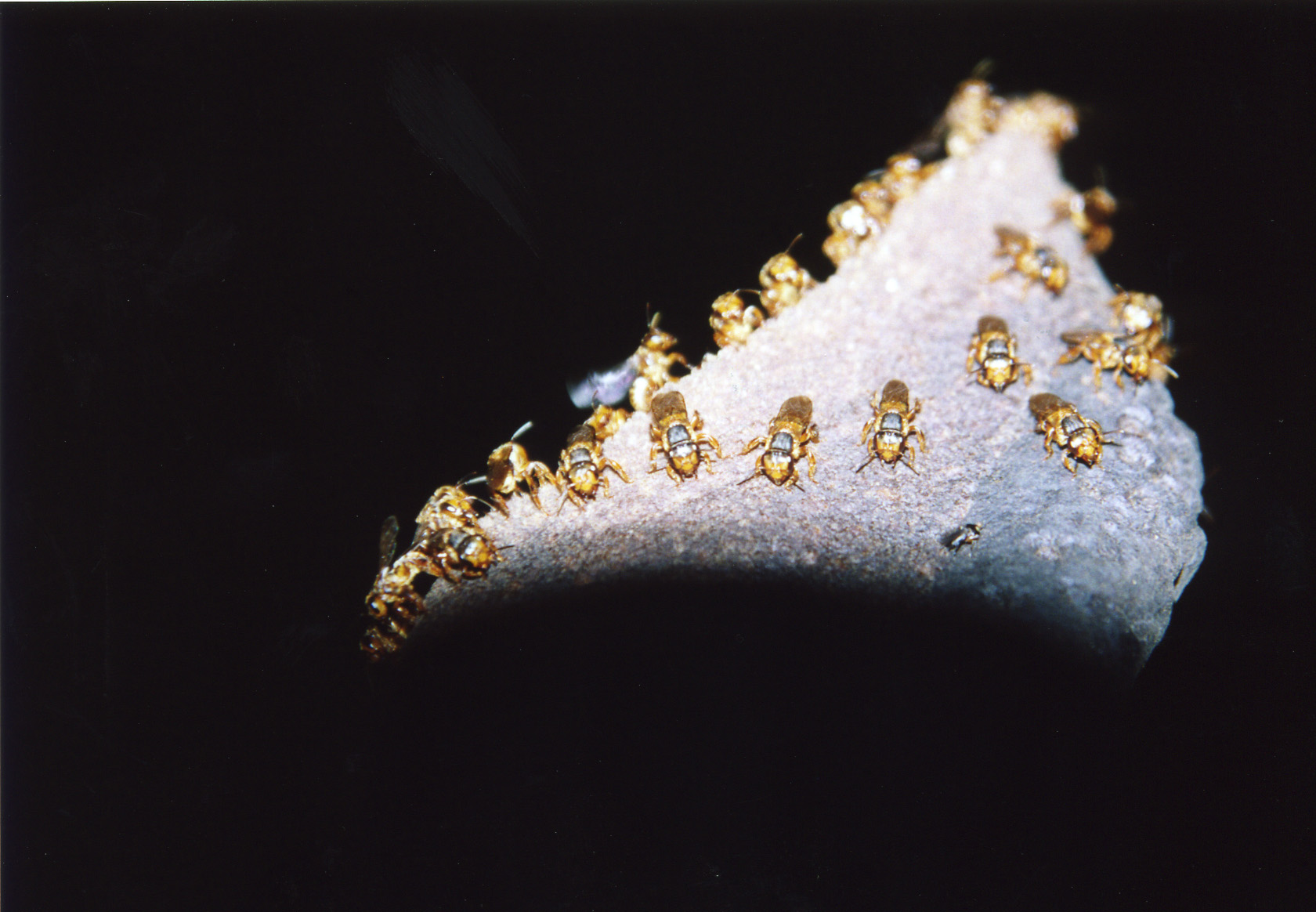
We came across this strange army of insects about to take flight on our night walk. The look ant-like but my guess is they are termites because of their thick bodies.

This colorful fungus was another denizen of the Monteverde Cloud Forest we came across on our night walk.

Corcovado National Park, Costa Rica… The Passport Series

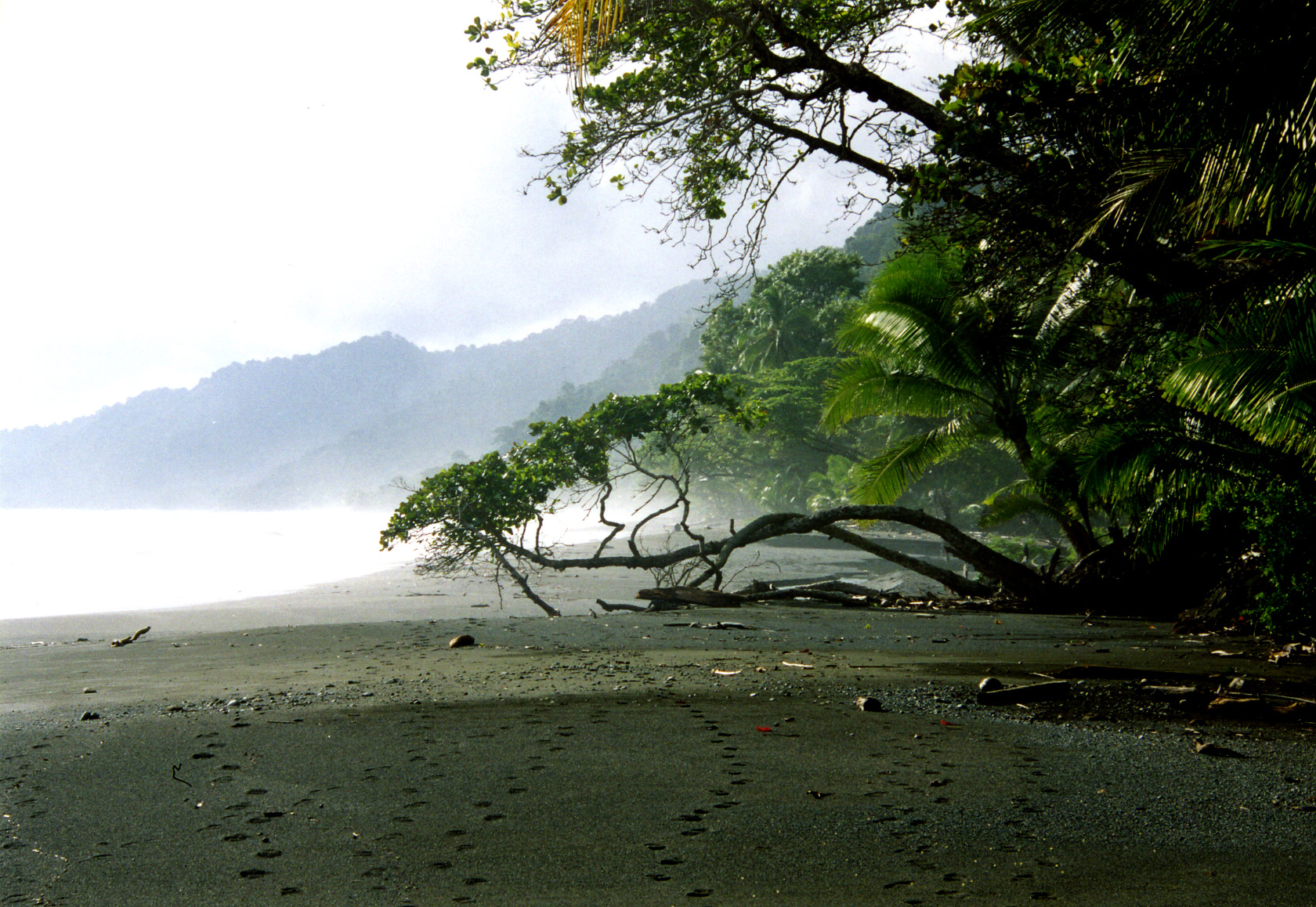
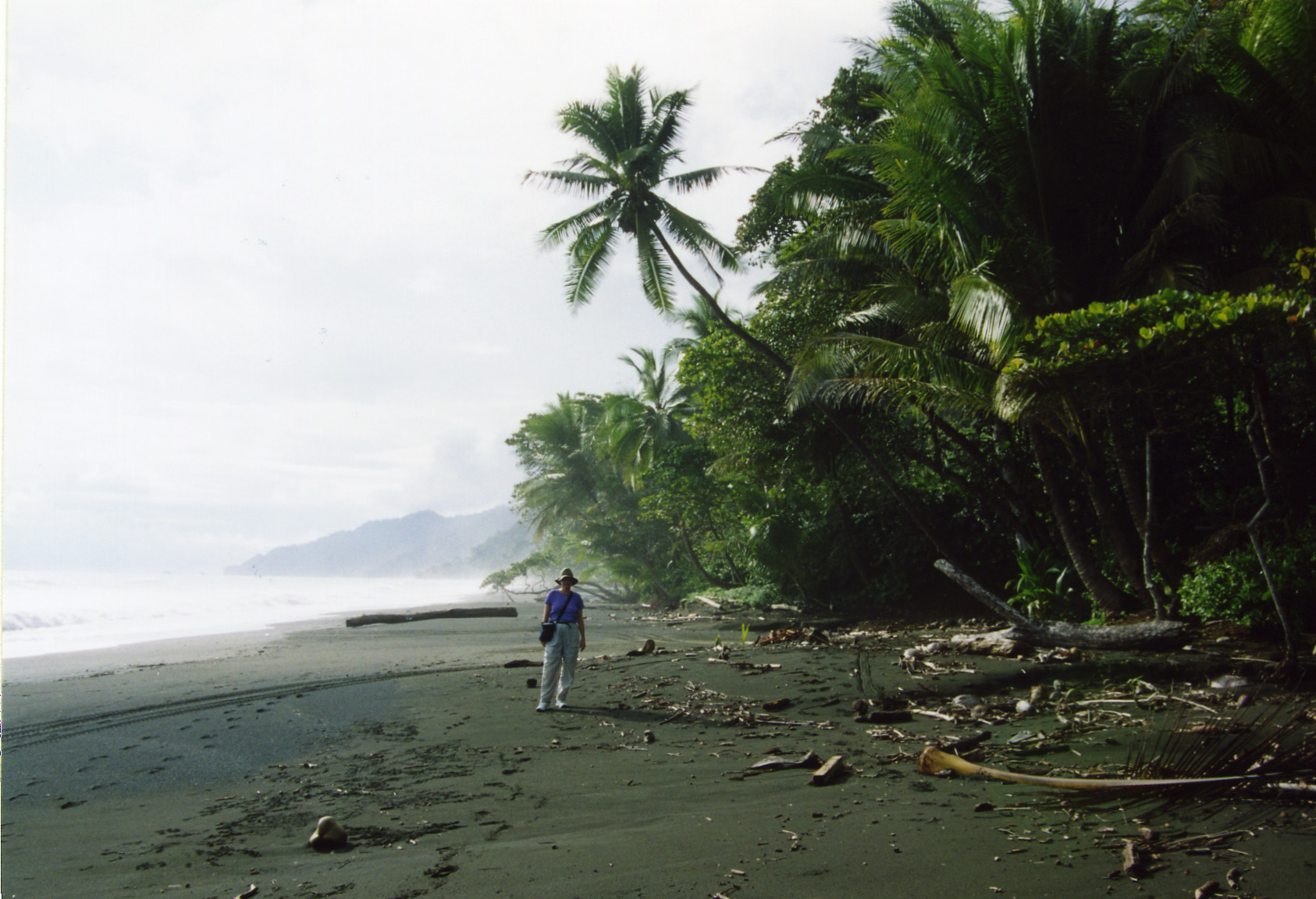
Miles and miles of scenic Pacific Ocean beach greet the visitor to Corcovado National Park in Costa Rica.

Vacation was two weeks away and I hadn’t made any plans. “Let’s go to Costa Rica,” I suggested to my wife, Peggy. “Why not,” she responded. Peggy is used to my procrastinating ways. Sometimes they even pay off.

I jumped on-line and lucked out. Costa Rica Expeditions had tours to fill at last-minute bargain basement prices. We could go to three great places for a cost we would normally pay for one. The company, by the way, did an excellent job.

Our itinerary included the Tortuga Lodge on the Atlantic Coast, Monteverde Lodge in Costa Rica’s central highlands, and La Leona Lodge on the edge of Corcovado National Park on the Pacific Coast. It was an ecotourist’s dream.

Today I am going to feature Corcovado, an area that National Geographic has described as “the most biological intense place on earth in terms of biodiversity.” The National Park is located on the Osa Peninsula in southwest Costa Rica. It teems with life including some 375 species of birds, 125 species of mammals, 500 species of trees and over 10,000 species of insects. The insects win.

We flew down from San Jose, Costa Rica’s capital, in a small 6-seater prop plane that skimmed over the country’s tropical-green mountains, jungles and rivers to a landing strip next to the small community of Carate. A one-horse cart was waiting to carry our bags to the La Leona Lodge. Guests are expected to make the 45-minute walk on their own. There are no roads. We strolled down the beach, waded in the ocean and enjoyed the scenery.

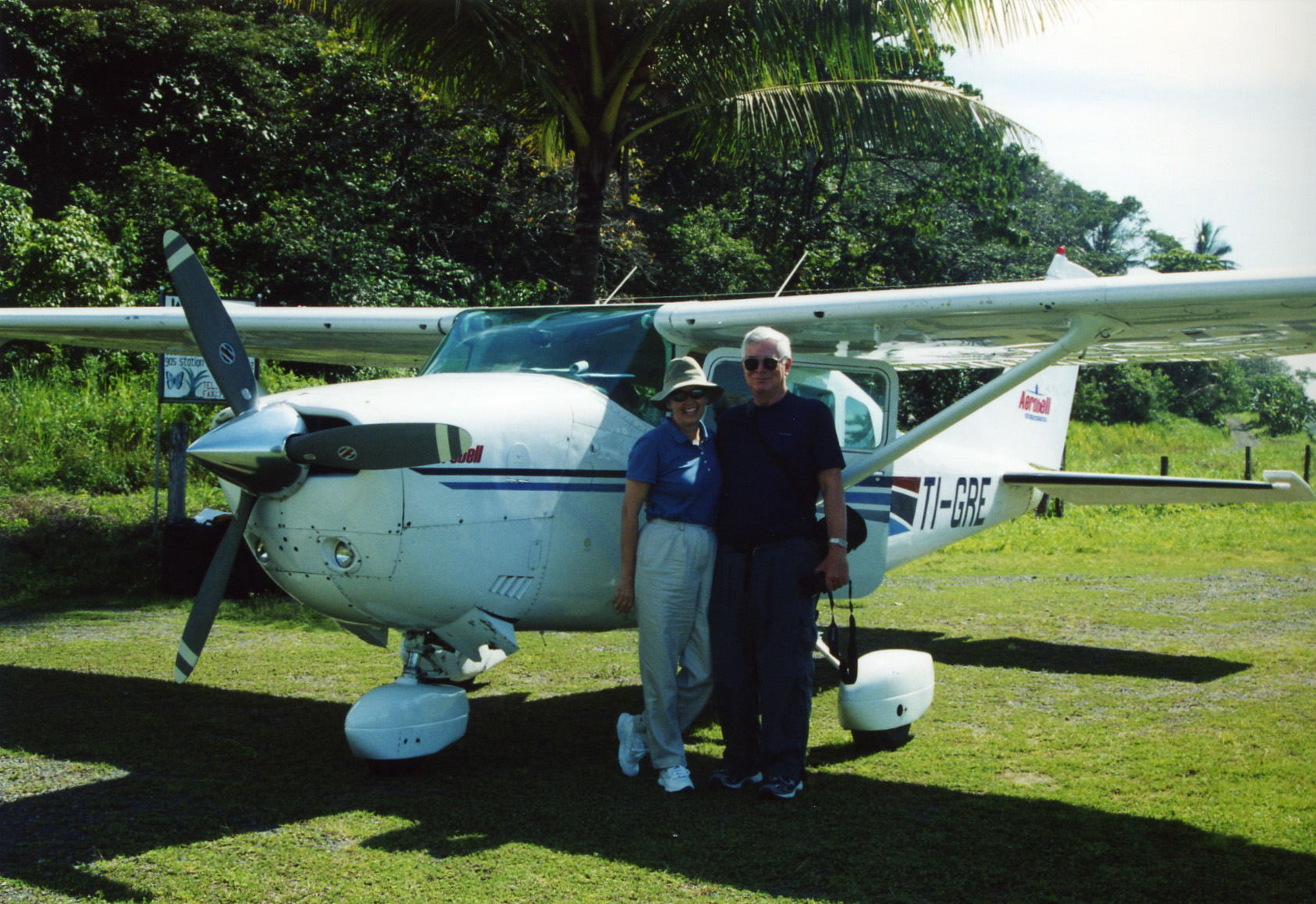
Peggy, I and the plane we flew in to Corcovado National Park.

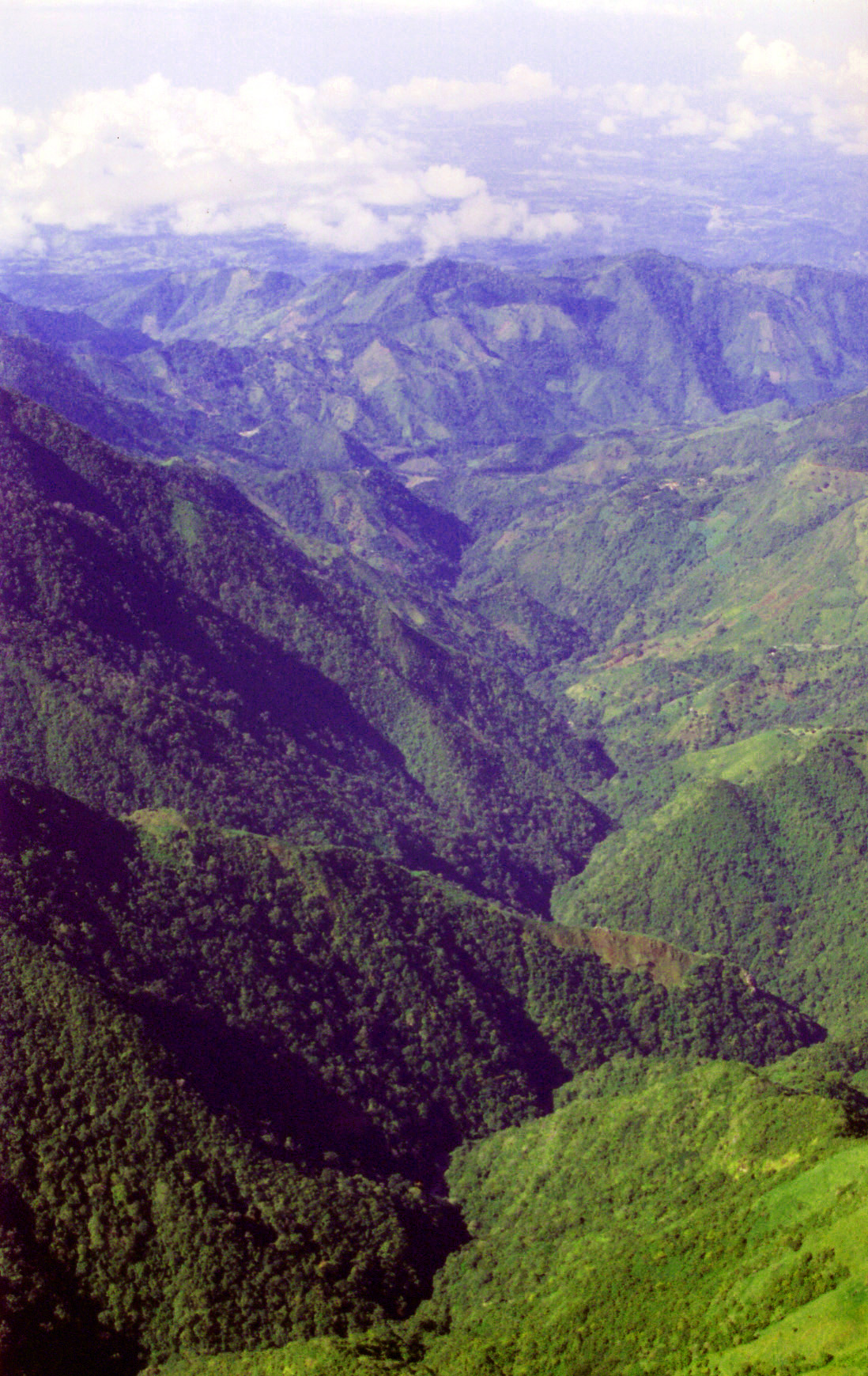
The plane skimmed over Costa Rica’s tropical-green mountains.

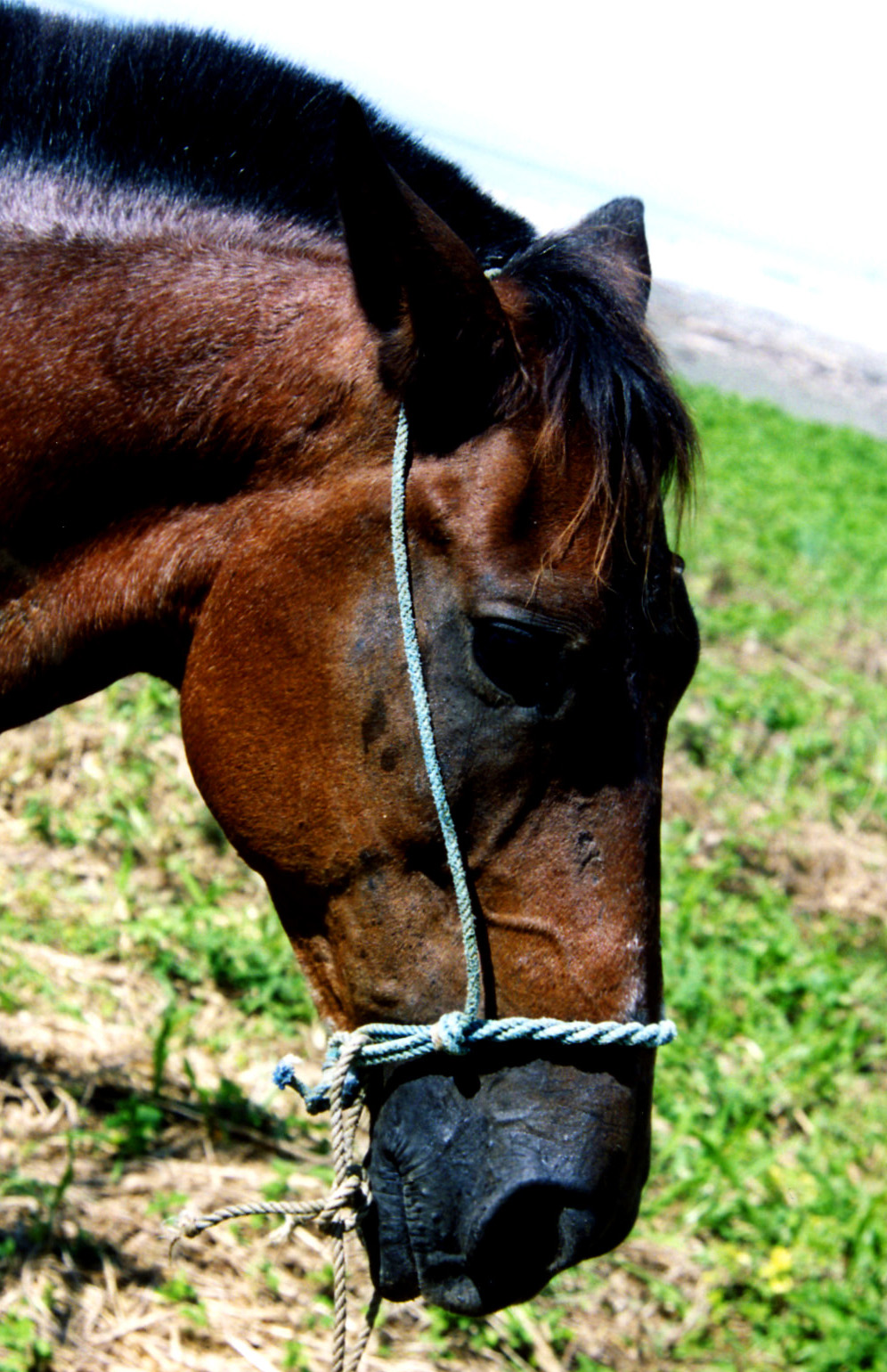
A one-horse cart waited to carry our luggage. I can’t say the horse was particularly excited about the prospect.

La Leona features comfortable tent camping, great meals, miles of beaches and a fascinating tropical rainforest. Each tent has a porch facing the Pacific Ocean. Waves lull you to sleep at night and at least a dozen of the regions 375 species of birds wake you each morning.

Our tent cabin at La Leona Lodge, Corcovado.

We spent our days hiking along the coast with detours into the rainforest. We also took advantage of the hammocks the Lodge has strung under the palm trees next to the beach. In the evening we would sit on our porch and watch the waves roll in or enjoy a cold beer at the Lodges open-air bar.

Peggy and I spent hours exploring the deserted beaches of Corcovado.

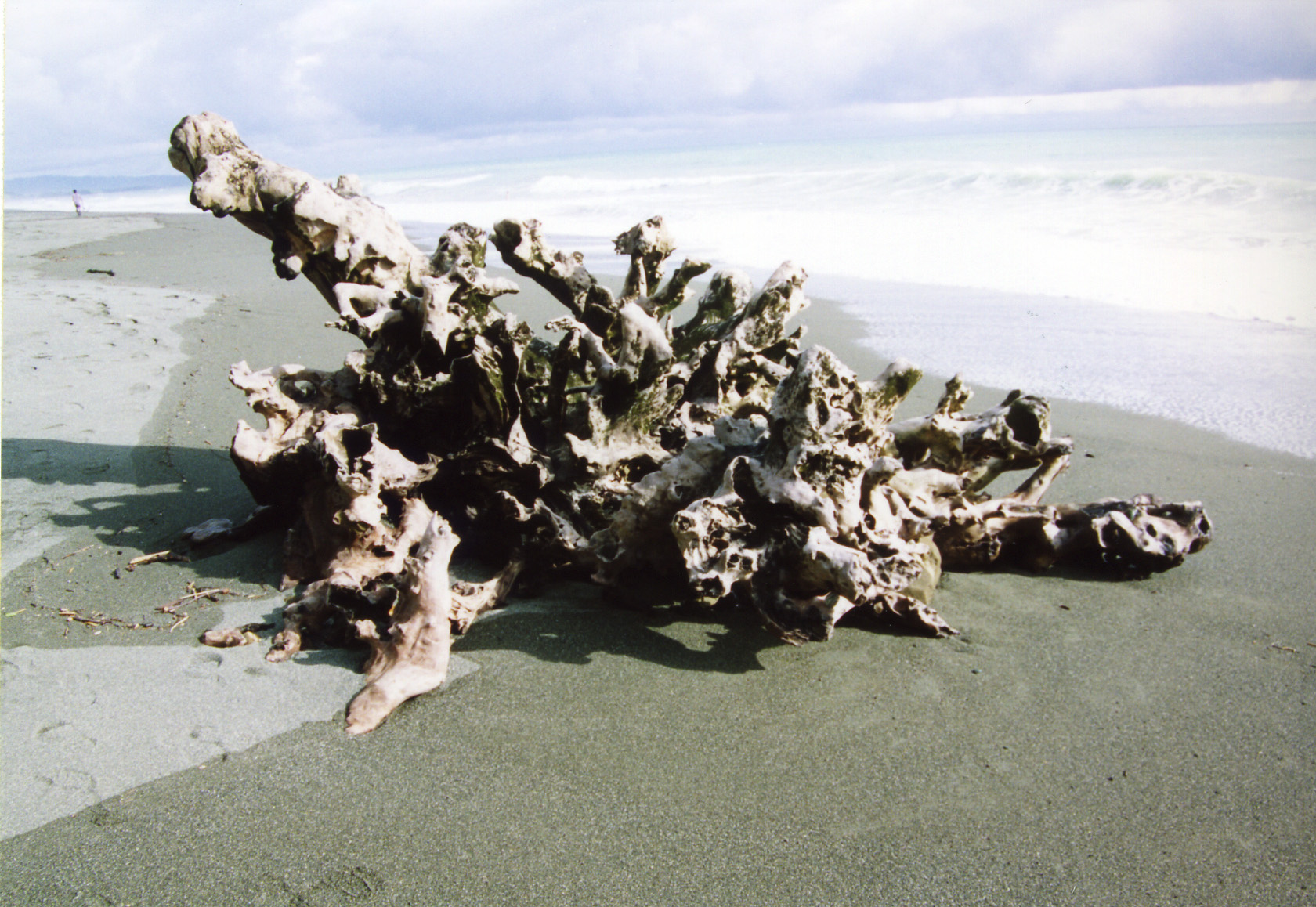
At one point we came across an impressive bit of driftwood.

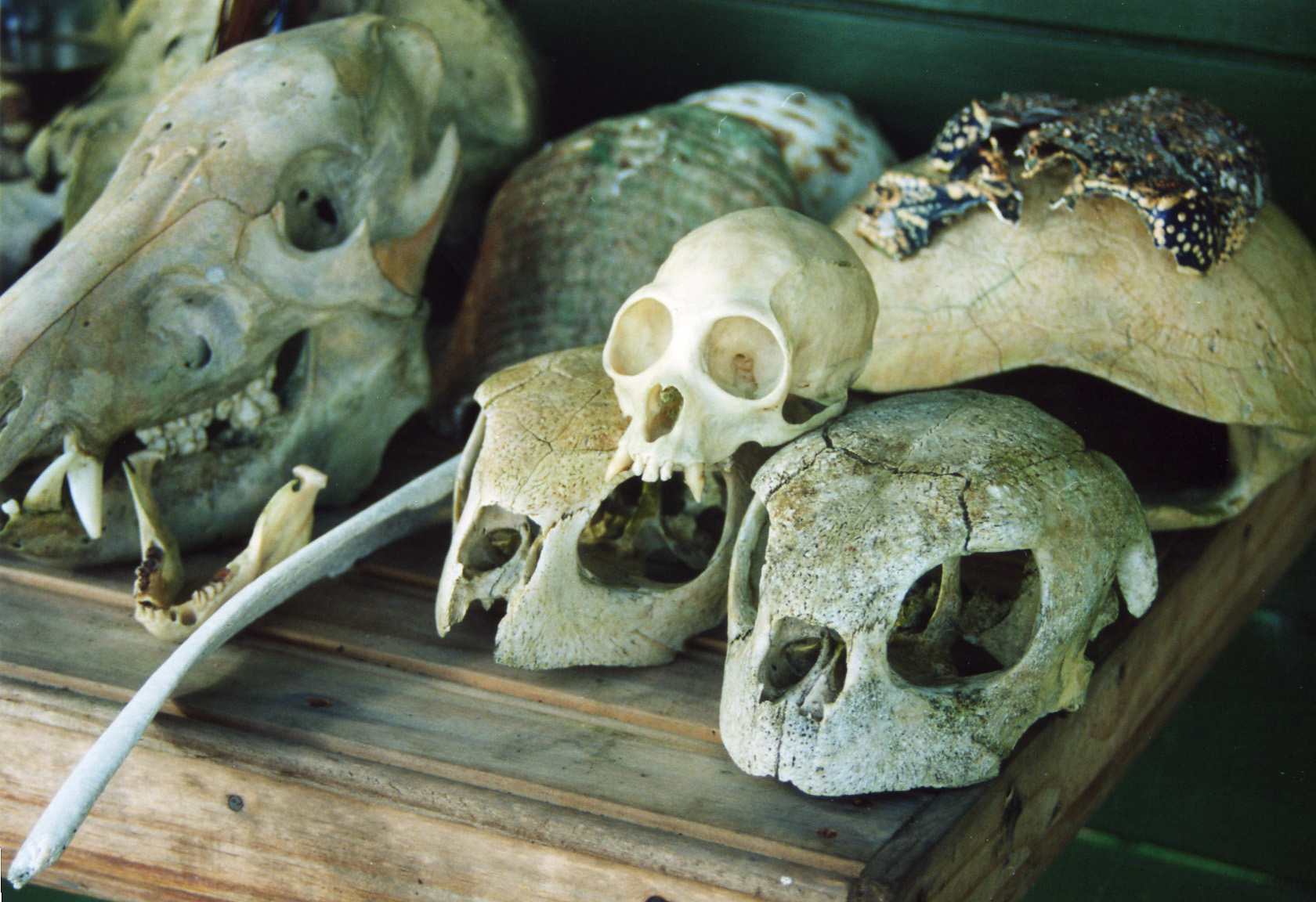
A Corcovado National Park ranger had gathered skulls of several park animals. A jaguar is on the left. The small human-like skull comes from a monkey. I believe the large smooth skulls are from dolphins… either that or aliens.

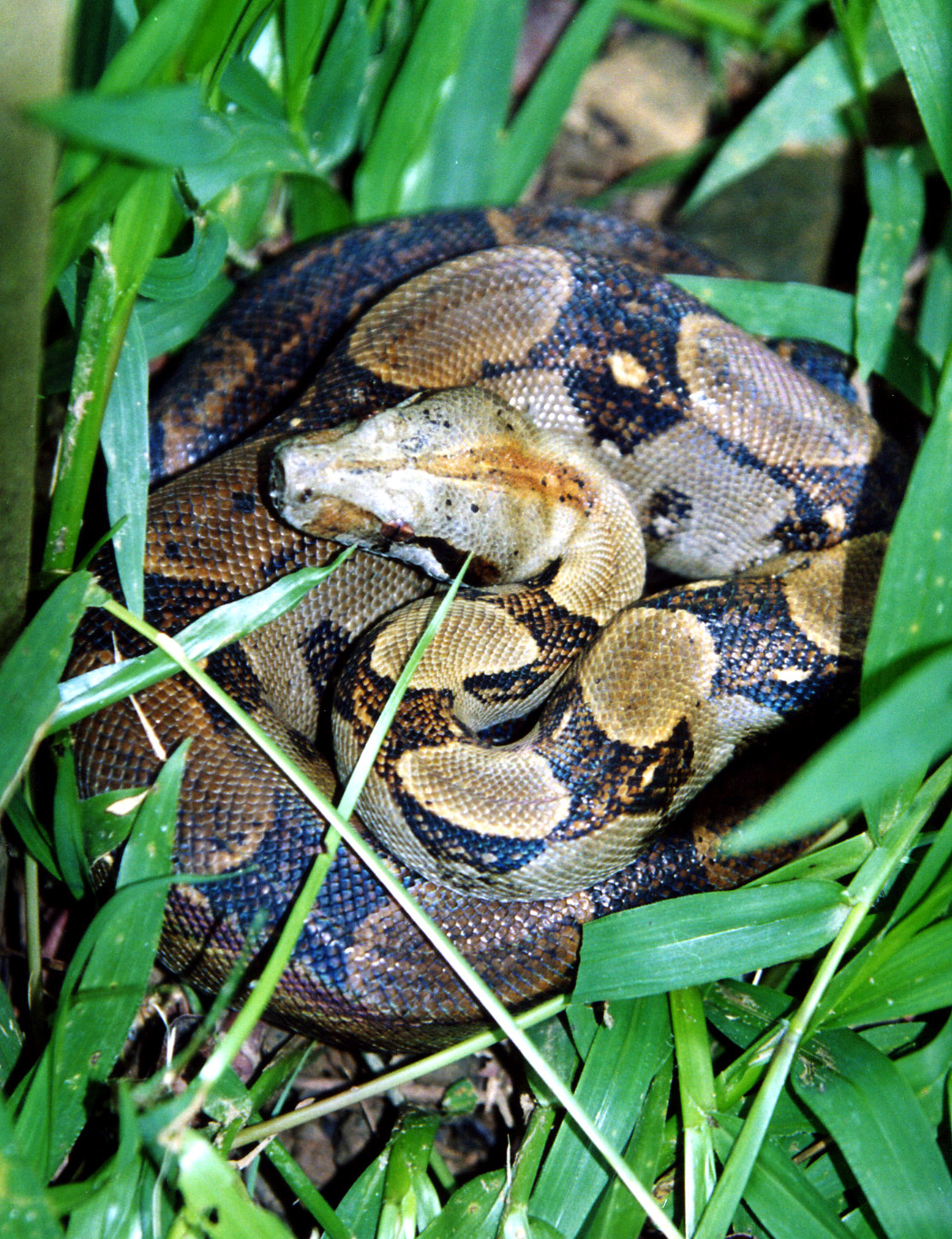
One time a troop of monkeys came swinging in through the trees and entertained us. Another time a boa constrictor went slithering by. All too soon, it was time to pack up our bags for the horse cart and walk back to the landing strip. We will return to La Leona Lodge and Corcovado National Park.

A boa came slithering through camp and then coiled up when I tried to take its photo. I kept plopping down about a foot in front of him trying to get an action shot and he became irritated.

A pair of Coatis were more amenable to having their photo taken. I love the way their tails appear to be entwined. The tail of a third Coati can also be seen.

A final reason why you should add Corcovado National Park in Costa Rica to your bucket list.