The Calendar Continues… More Photos from Southwest National Parks

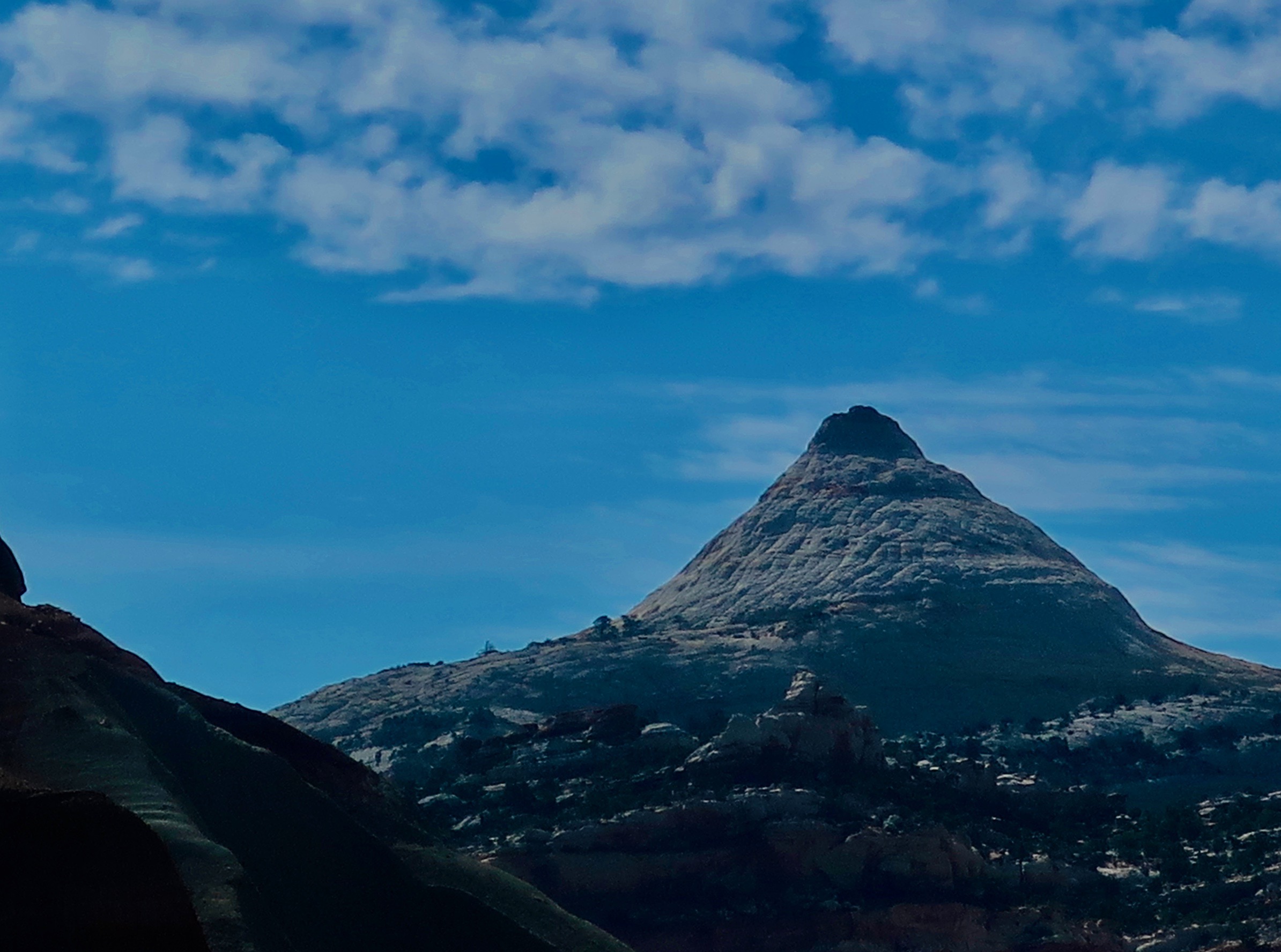
Monument Valley

I don’t know about you, but I’ve been having fun reliving our trips to the Southwest and it’s gorgeous national parks. I’ll wrap this calendar photo journey up today and tomorrow. In 2021, that’s next week, I’ll return to our backroads adventure, this time traveling down highway 191 as it winds through Utah and Arizona. Or maybe I’ll cover our most recent trip to the Oregon Coast where we watched impressive waves roll in and crash against the shore.

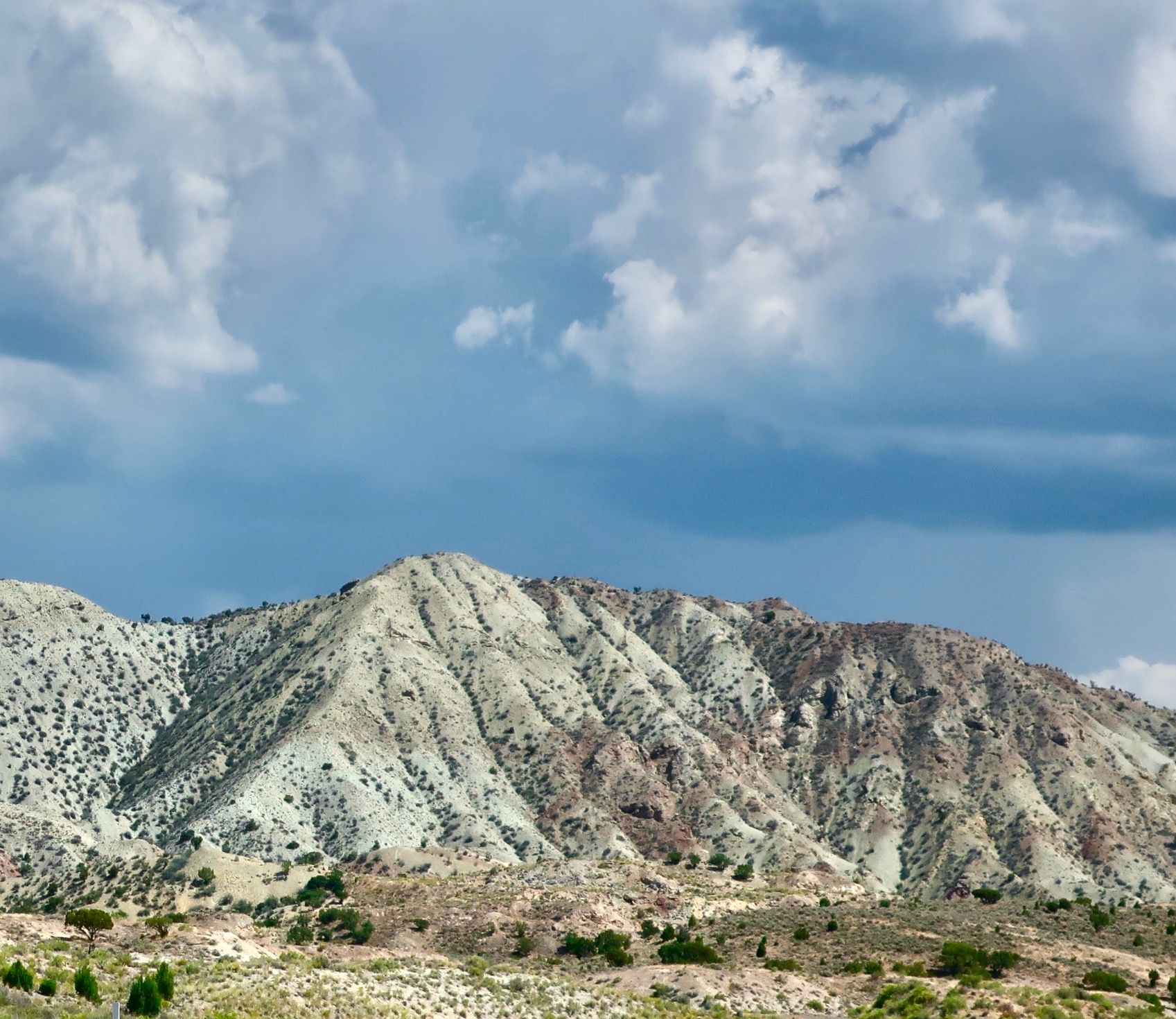
Petrified Forest National Park
Monument Valley
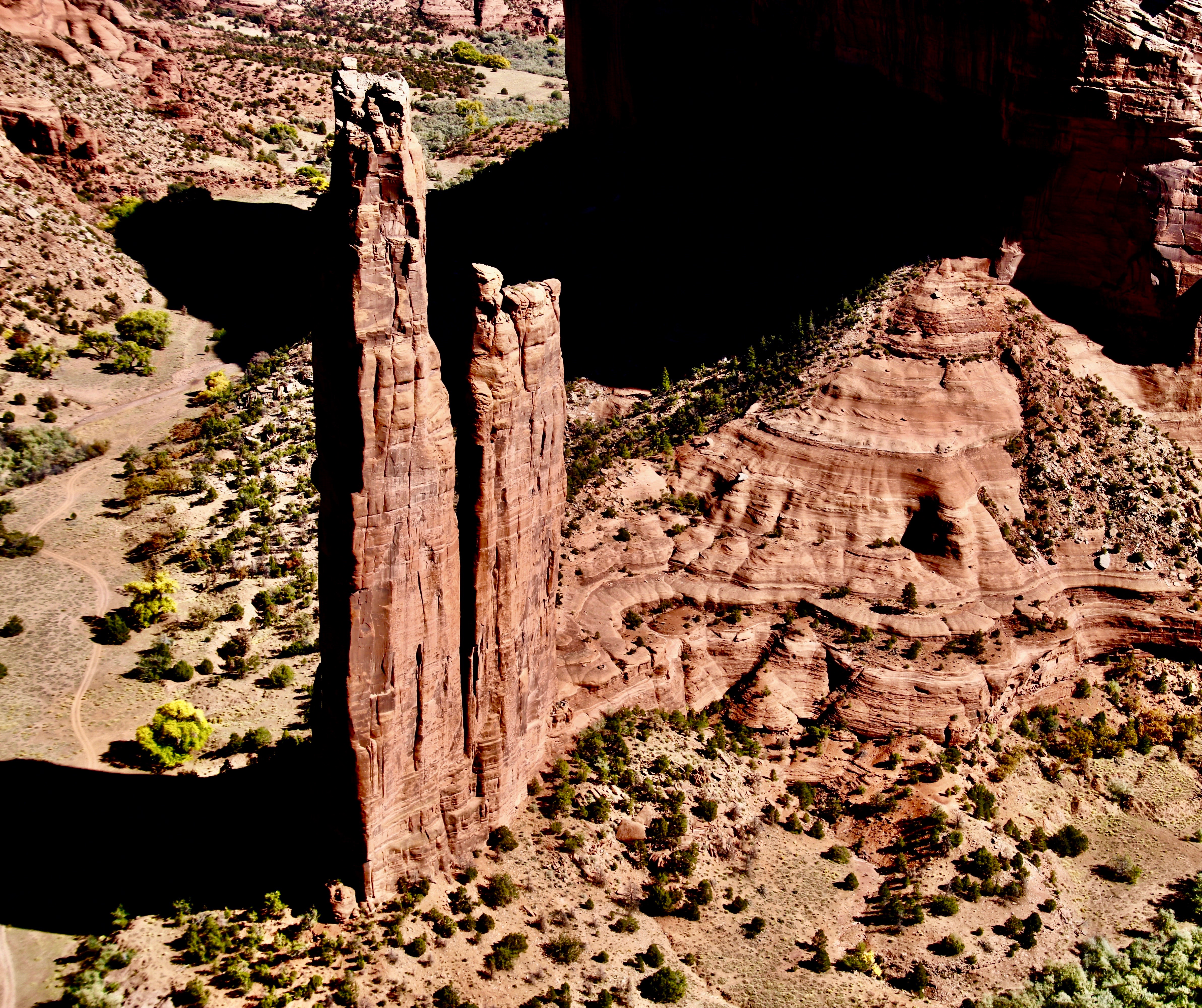
Canyon de Chelly
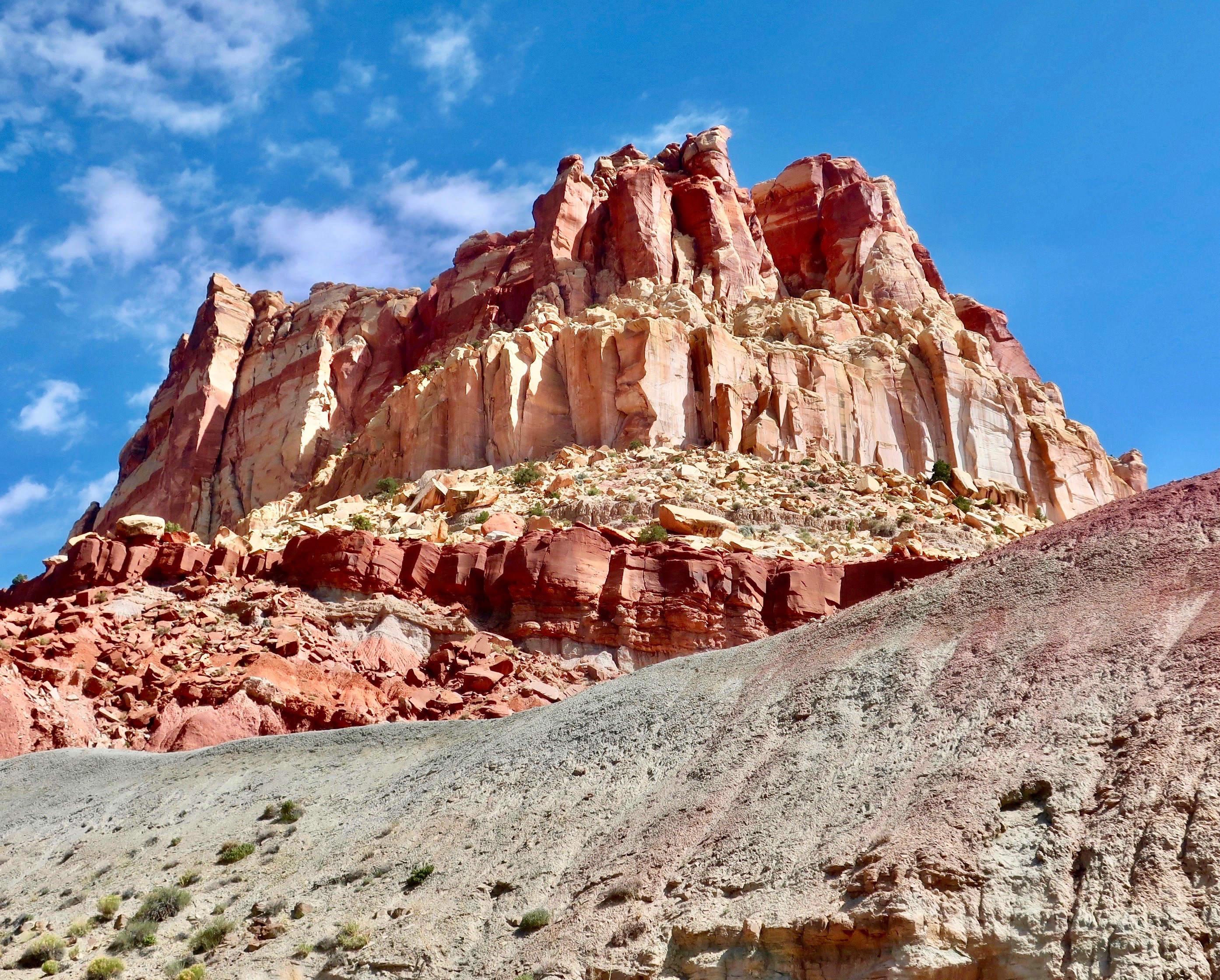
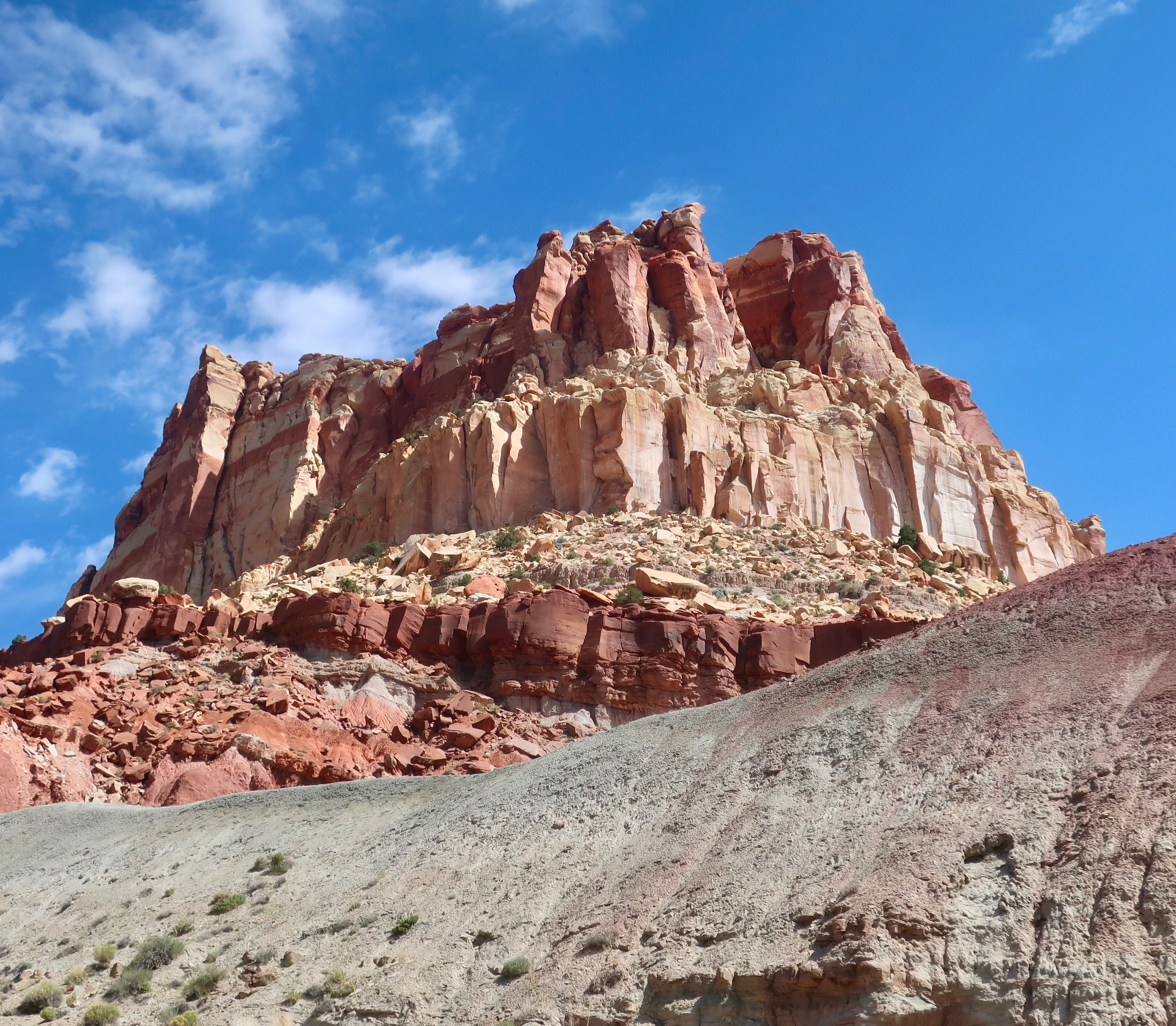
Capitol Reef (Very Recent Blog!)
Grand Canyon

NEXT POSTS:

The final calendar photos tomorrow on New Year’s Eve.

Next Tuesday I return to the Sierra Trek with a tale you won’t want to miss. And no: The American Lung Association was not running a pot smoking orgy in the mountains!

Utah’s Scenic Highway 24 Features the Stunning Capitol Reef NP… The Backroads Series

Utah’s scenic Highway 24 is worth traveling over on its own, but Capitol Reef National Park makes it special.

Peggy and I said goodbye to Highway 50 in the small Utah town of Sigurd with Capitol Reef National Park as our destination. We had been to the Park before and were eager to return. Our previous trip covered only a small section of Highway 24, however. This time we were determined to drive the whole road as part of our backroads adventure and were pleased to discover it, too, was quite scenic. I’ll start with photos we took before and after Capitol Reef NP and then focus in on the Park. These photos were taken by both Peggy and me.

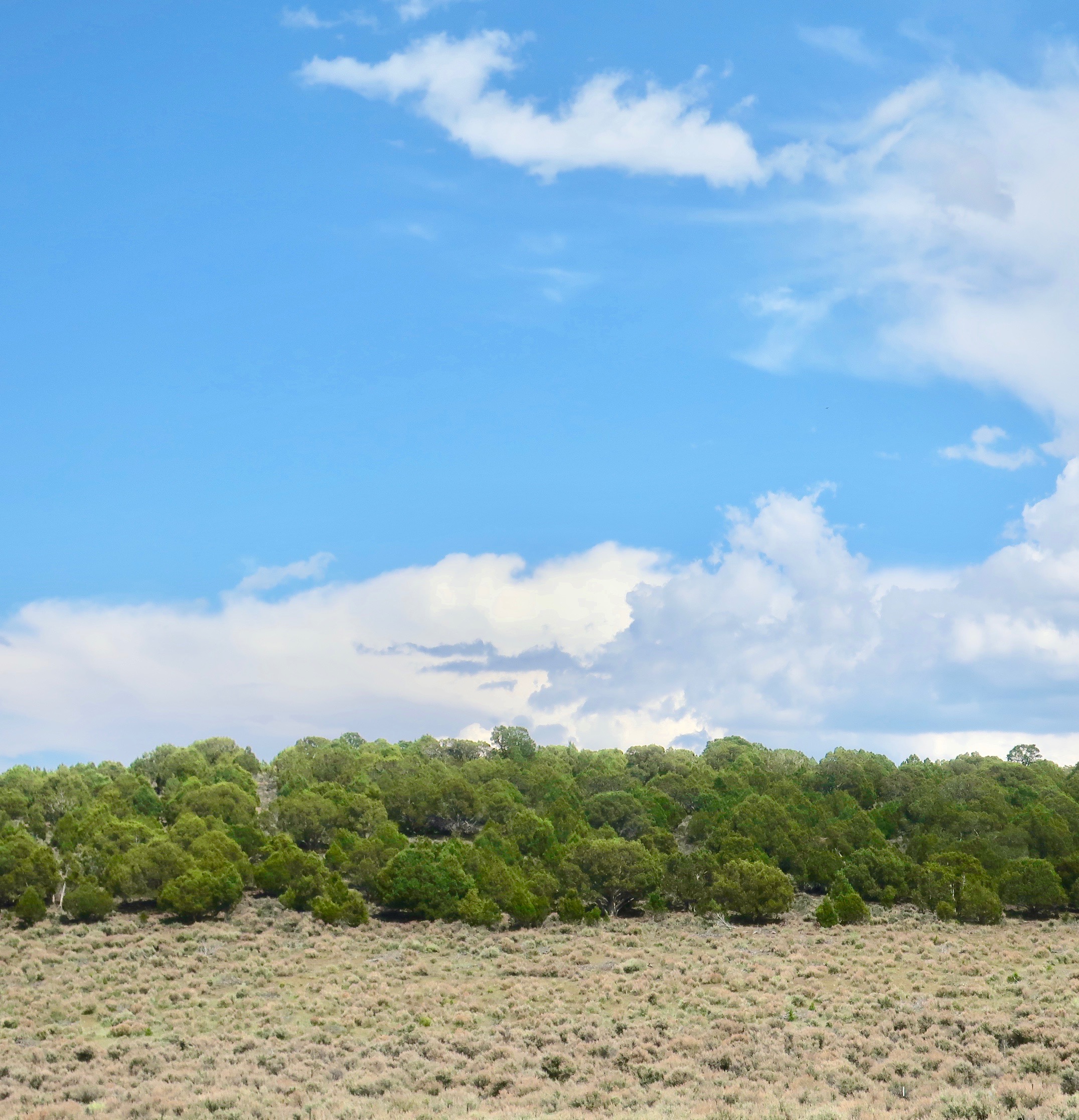
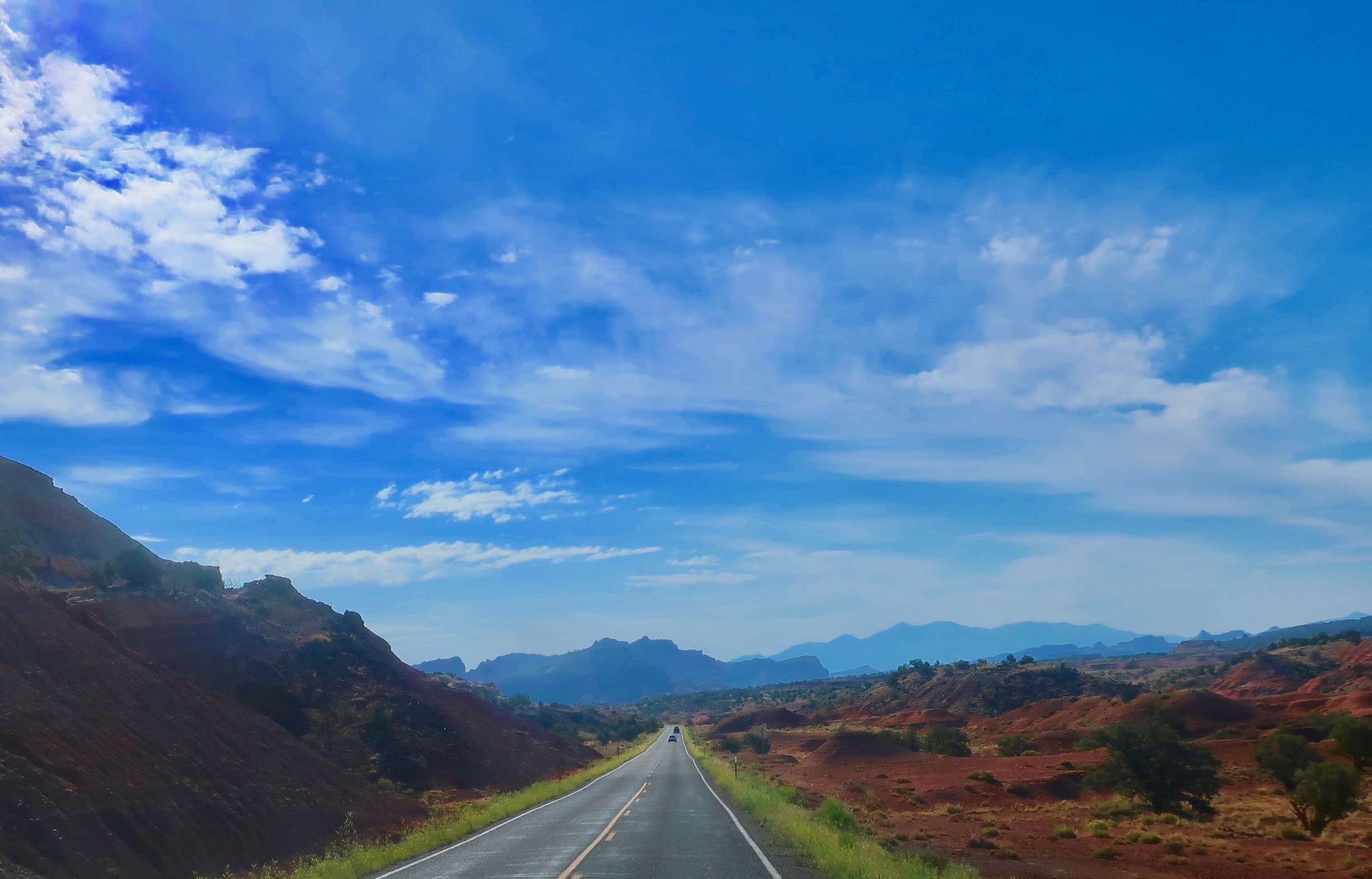
Three photos from along Highway 24 west of Capitol Reef National Park:

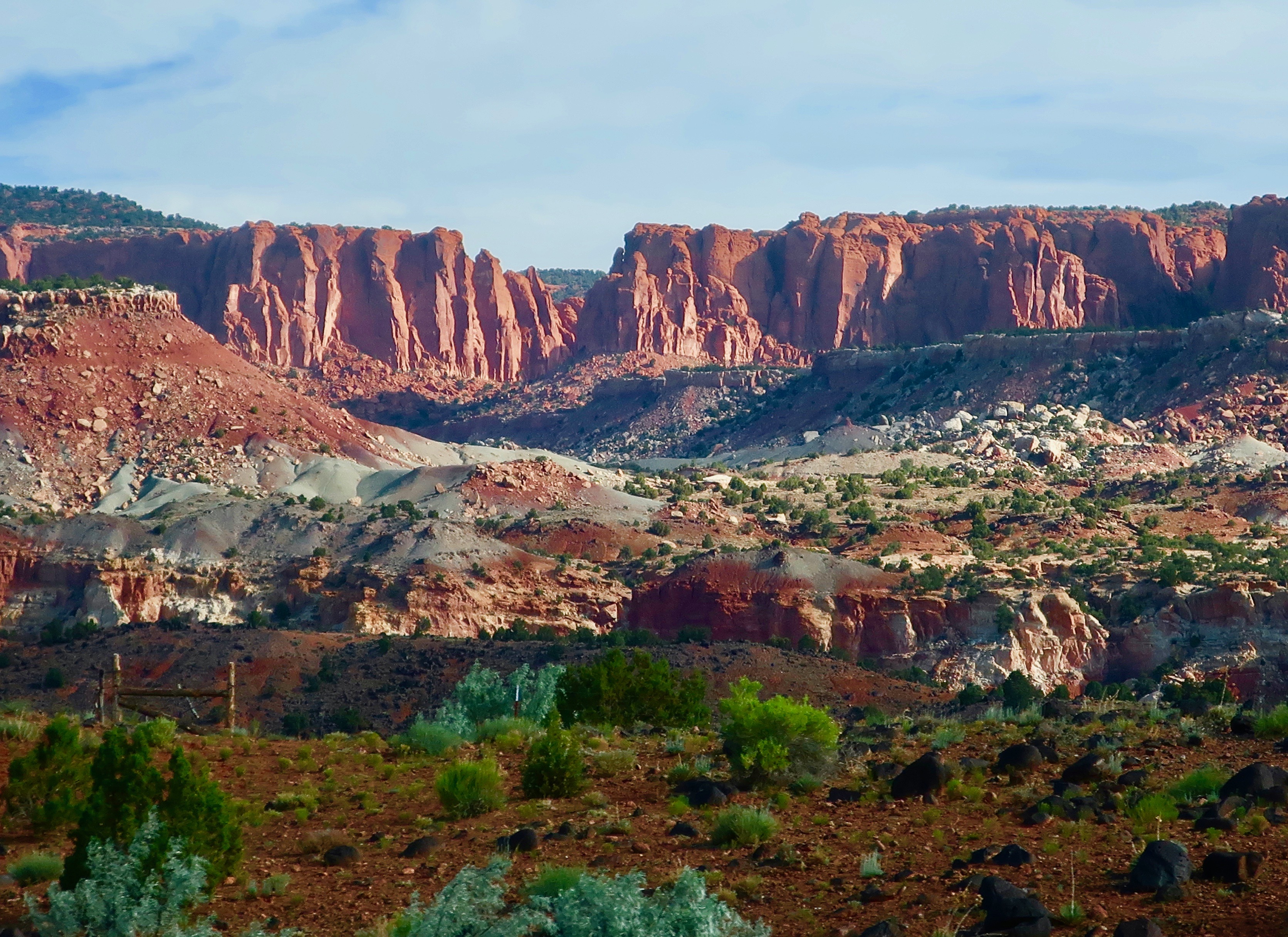
Three photos from along Highway 24 east of Capitol Reef National Park:

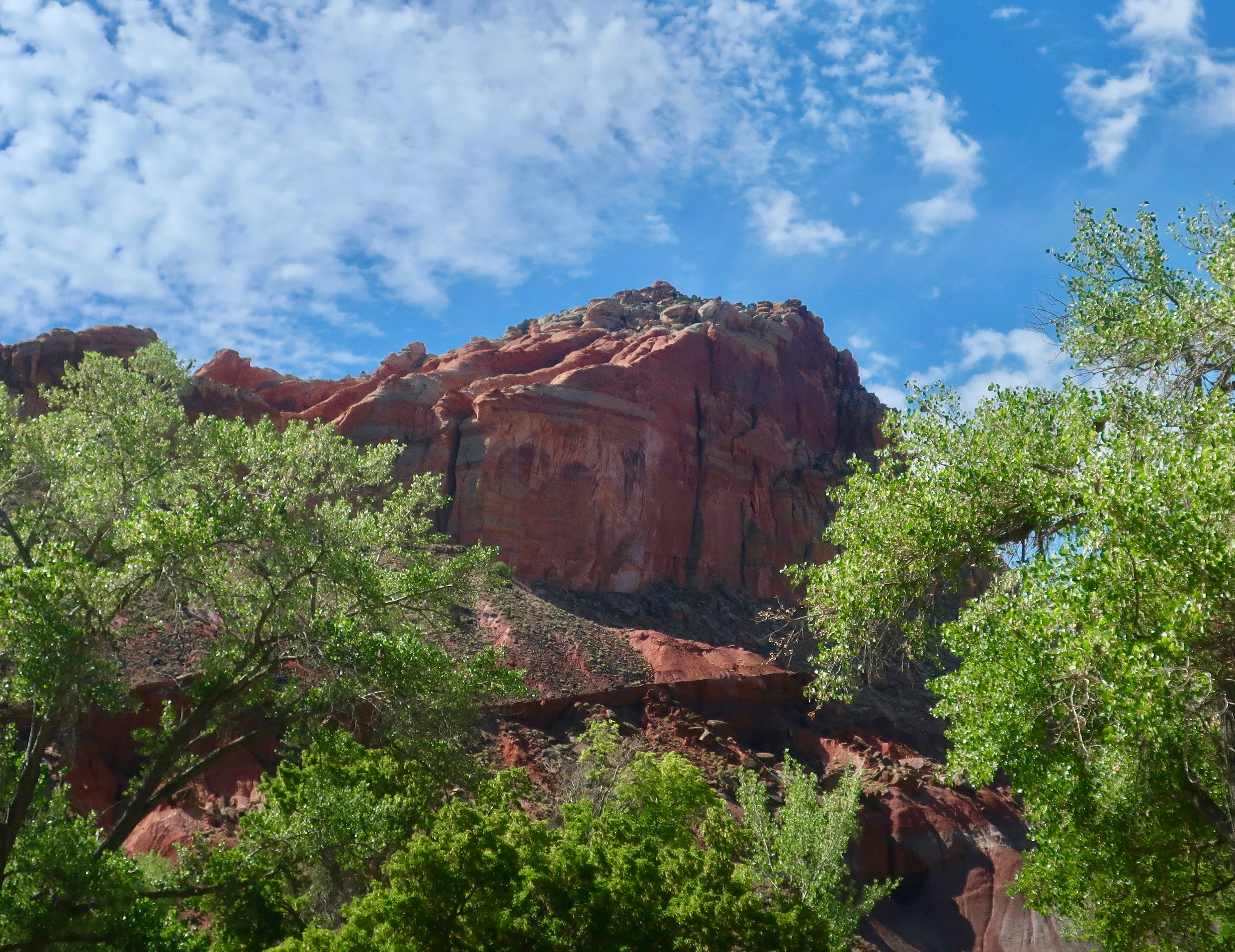
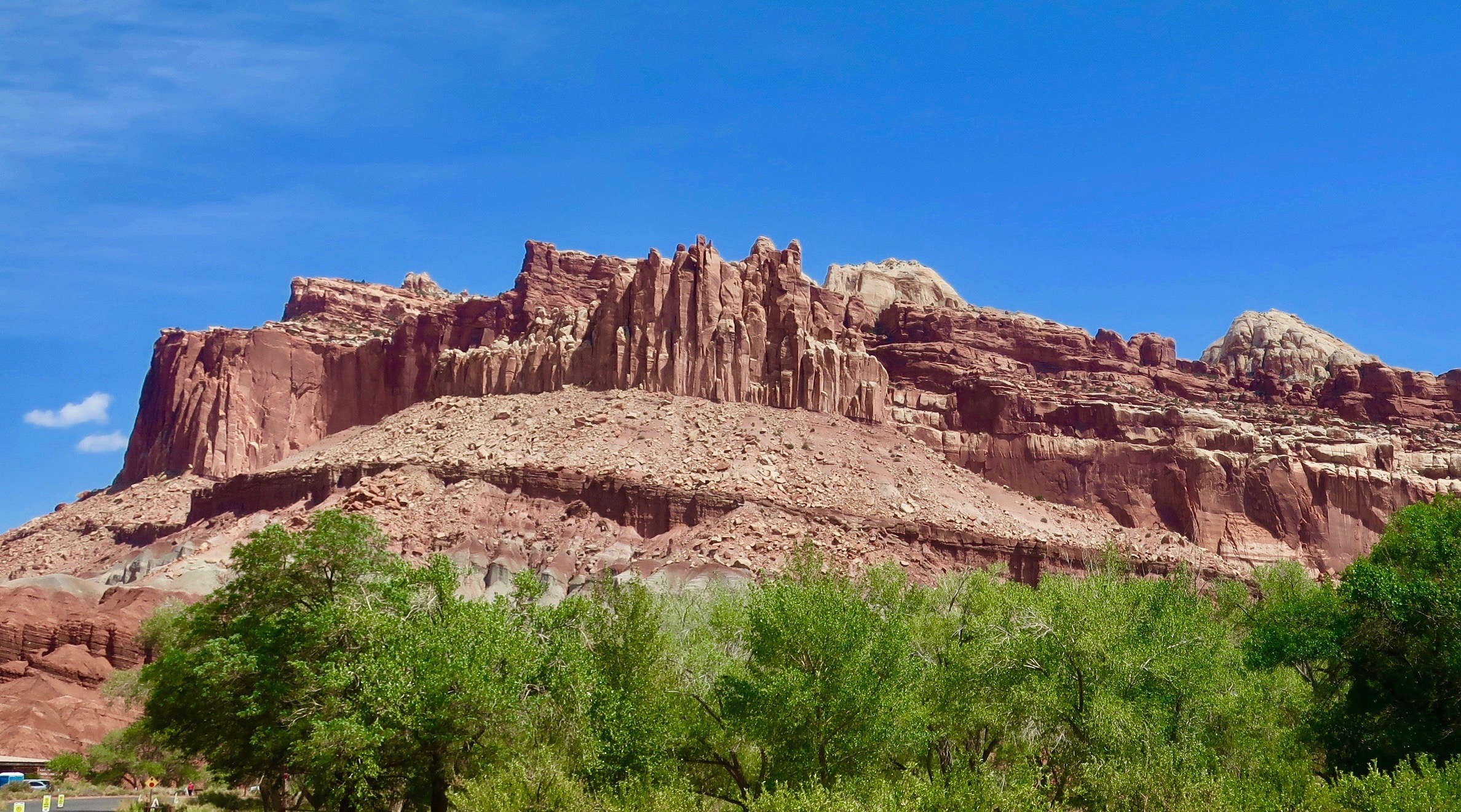
Most people familiar with the national parks of the Southwest will quickly recognize the Grand Canyon, Arches and Bryce. Maybe not so much Capitol Reef. That’s too bad; it’s quite stunning. Like the other parks of the Southwest, it is made up primarily of sedimentary rocks that were laid down over a period of 200 million years in ancient rivers, swamps, Sahara-size deserts and shallow oceans. Unlike the rocks in the other parks, which have a layered cake look— like the rocks east of the park shone above— Capitol Reef resembles a 100-mile warp in the earth. It’s a monocline known as the Waterpocket Fold. Sixty to seventy million years ago, an ancient fault in the area was re-activated and the layers of rock on the west side of the fold were lifted some 7000 feet higher than the layers on the east side. Erosion has since created the fantastic rock forms found in the Park today. Following are a few of the photos that Peggy and I took in the park:

And a final view. If you find yourself in Utah, Peggy and I highly recommend a visit to Capitol Reef National Park.

NEXT POSTS

Blog a Book Tuesday: Steve and I split up the Sierra Trek route for a review, each covering 40 miles in 3 days. Steve claims he is chased by a hawk, comes across migrating rattlesnakes, and has to pee around his camp to scare off the bears. I wonder what he has been smoking. As for me, I begin to comprehend how crazy the idea is but come off the trip on an absolute high. My plan is to finish the final 20 miles the following weekend…

A Photographic Journey through America’s National Parks… Series Conclusion

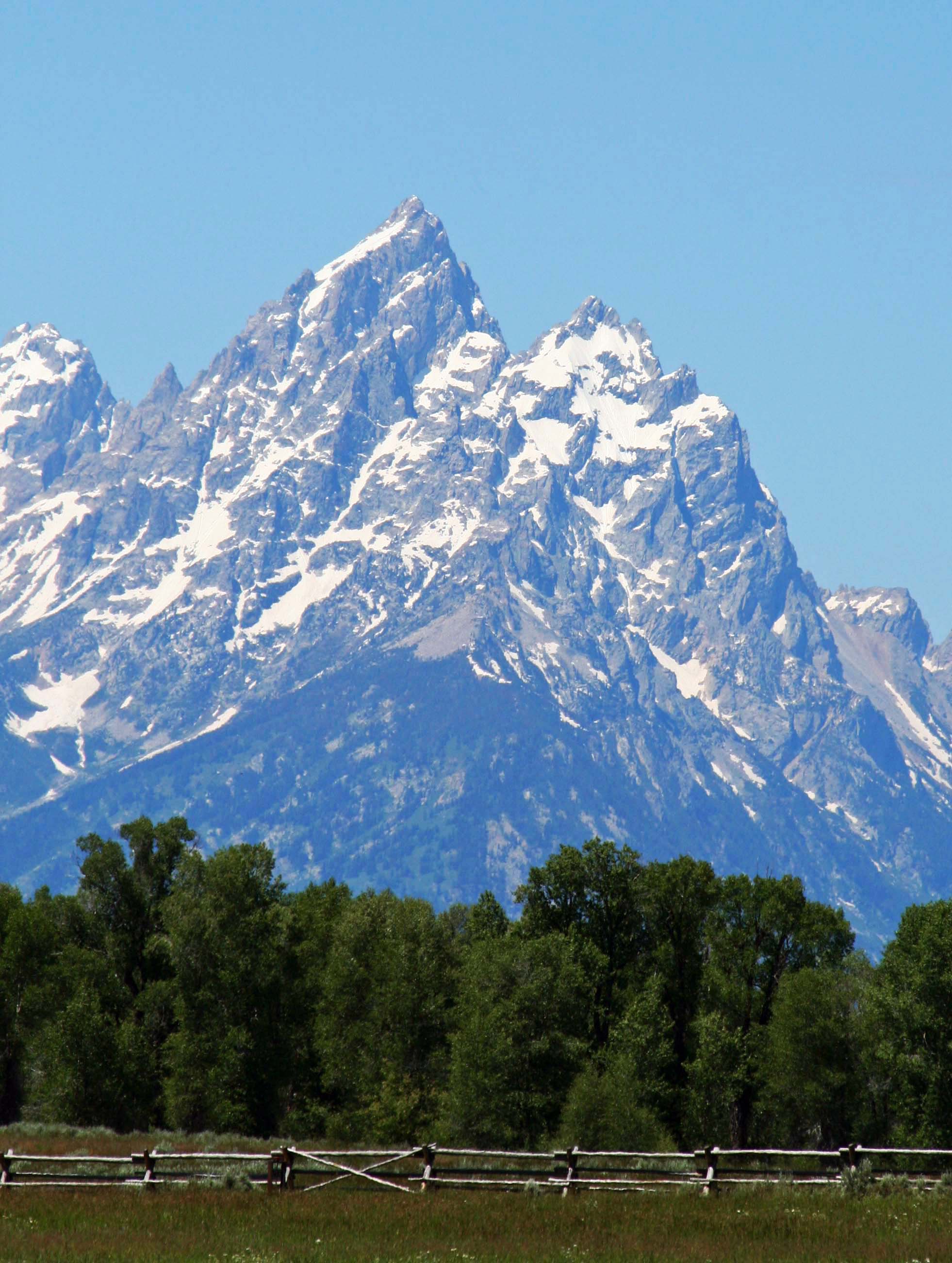
Grand teton photo by Curtis Mekemson.

National Parks in the United States and throughout the world protect and preserve many of our most scenic natural areas. This photo is of the Grand Teton Mountains in Wyoming.

Peggy and I decided to take a year off from work in 1999 and travel around North America. I worked as a consultant/citizen advocate on health and environmental issues when I was behaving like a serious adult, and led wilderness treks when I wasn’t. Peggy was fully adult and served as an assistant principal at a middle school.

People were more or less resigned to the fact that I came and went. You might say I was self-employed and self-unemployed. The only person I really had to check with was myself. Peggy’s situation was different, but the school district really wanted to keep her. They offered her an unpaid sabbatical. We bought a travel van and off we went.

We left on July 1. Planning was close to zero. Our only obligations were to meet up with friends for backpacking and kayaking in Alaska and to join Peggy’s parents in Florida for Thanksgiving. Beyond that we could be wherever we wanted to be and do whatever we wanted to do.

Early on, we decided to visit National Parks, Seashores, Monuments and Historical sites whenever we had the opportunity. It was a goal we continued when Peggy retired from being an elementary school principal in 2007 and we wandered in our van for another three years. As a result, we have visited the majority of America’s National Parks as well as many in Canada.

Over the past three weeks I have blogged about a few of the parks we visited. I hope you have enjoyed the journey. Today, I will wrap up this series with photos from several more. I will return to the National Park theme from time to time in the future.

Volcano Natioanl park photo by Curtis Mekemson.

A view of Volcano National Park on the island of Hawaii. The white steam in the background is coming from an active volcano.

Big Bend National Park photo by Curtis Mekemson.

A view of the Rio Grande River as it winds through Big Bend National Park in Texas. Peggy and I spent Christmas at the park.

Exit Glacier in Kenai Fjord National Park. Photo by Curtis Mekemson.

Exit Glacier at Kenai Fjords National Park. I ended backpack treks I led across the Kenai Peninsula near here.
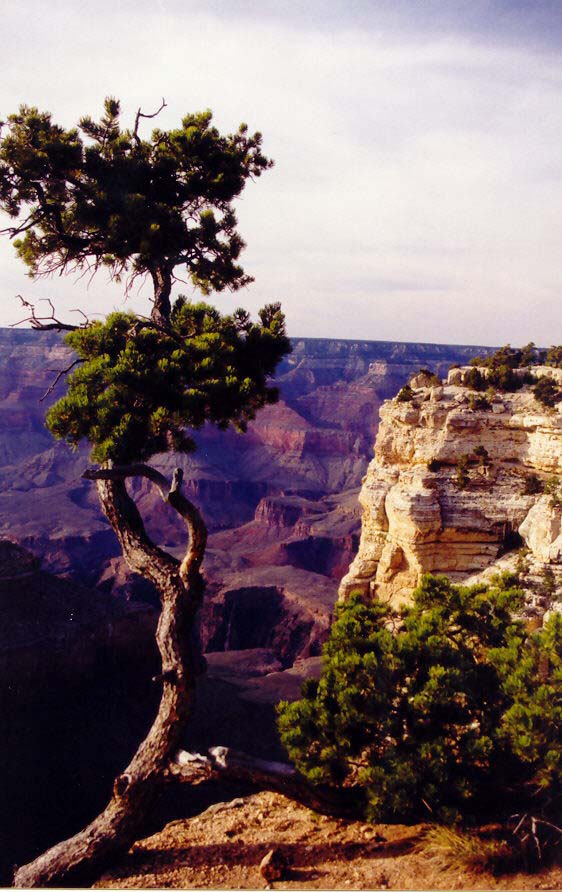
Sunset at Grand Canyon National Park in Arizona. (Photo by Peggy Mekemson.)
Sunset at Grand Canyon National Park in Arizona. (Photo by Peggy Mekemson.)

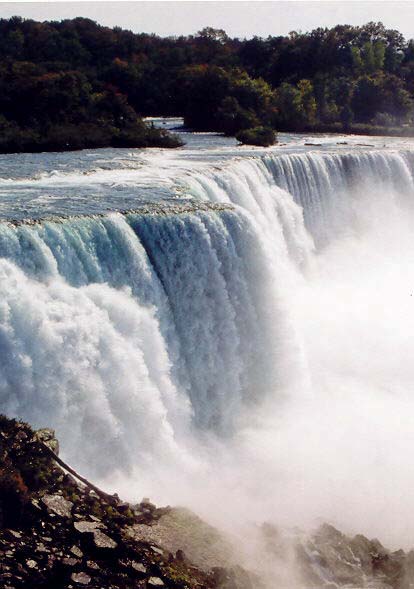
Niagara Falls photo by Curtis Mekemson.

Niagara Falls is not a National Park but it is a National Heritage Site.

Luna Moth on Natchez Trace.

We found this colorful Luna Moth on the Natchez Trace, a National Historic Highway that winds through Mississippi and Tennessee. No commercial traffic is allowed on the road, which makes it great for bicycling. (Photo by Peggy Mekemson.)

This brick outhouse found on the Natchez Trace is included because it is my favorite brick outhouse in the world. I hid out in it with my bicycle as a tornado tore up the countryside nearby.

This brick outhouse found on the Natchez Trace is included because it is my favorite brick outhouse in the world. I hid out in it with my bicycle as a tornado tore up the countryside nearby.

Photograph of Rocky Mountains National Park by Curtis Mekemson.

Rocky Mountains National Park in Colorado.

Photograph from inside Mammoth Cave by Curtis Mekemson.

A view from inside of Mammoth Cave National Park in Kentucky.
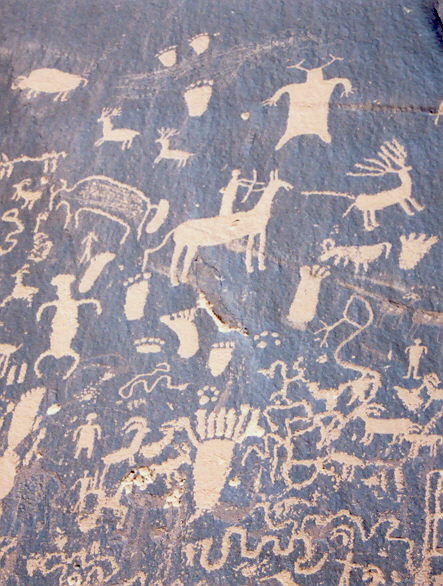
Photograph of Newspaper Rock by Curtis Mekemson.

A small section of Newspaper Rock National Historic Site in Utah. Native Americans have been leaving messages on this rock for over a thousand years. Note the guy shooting the elk in the butt with an arrow.

Photo of Painted Desert National Park in Arizona.

Painted Desert National Park in Arizona.

I'll conclude for today with this photo Peggy took of Capitol Reef National Park in Utah. (Photo by Peggy Mekemson.)

I’ll conclude for today with this photo Peggy took of Capitol Reef National Park in Utah. (Photo by Peggy Mekemson.)

NEXT BLOG: We are off to Puerto Vallarta, Mexico and the beginning of a new series. First up will feature photographs of Pelicans diving for fish in Banderas Bay. We were fortunate to be close to the action and caught some great shots. You won’t want to miss this blog.
Bryce Canyon… The National Park Series

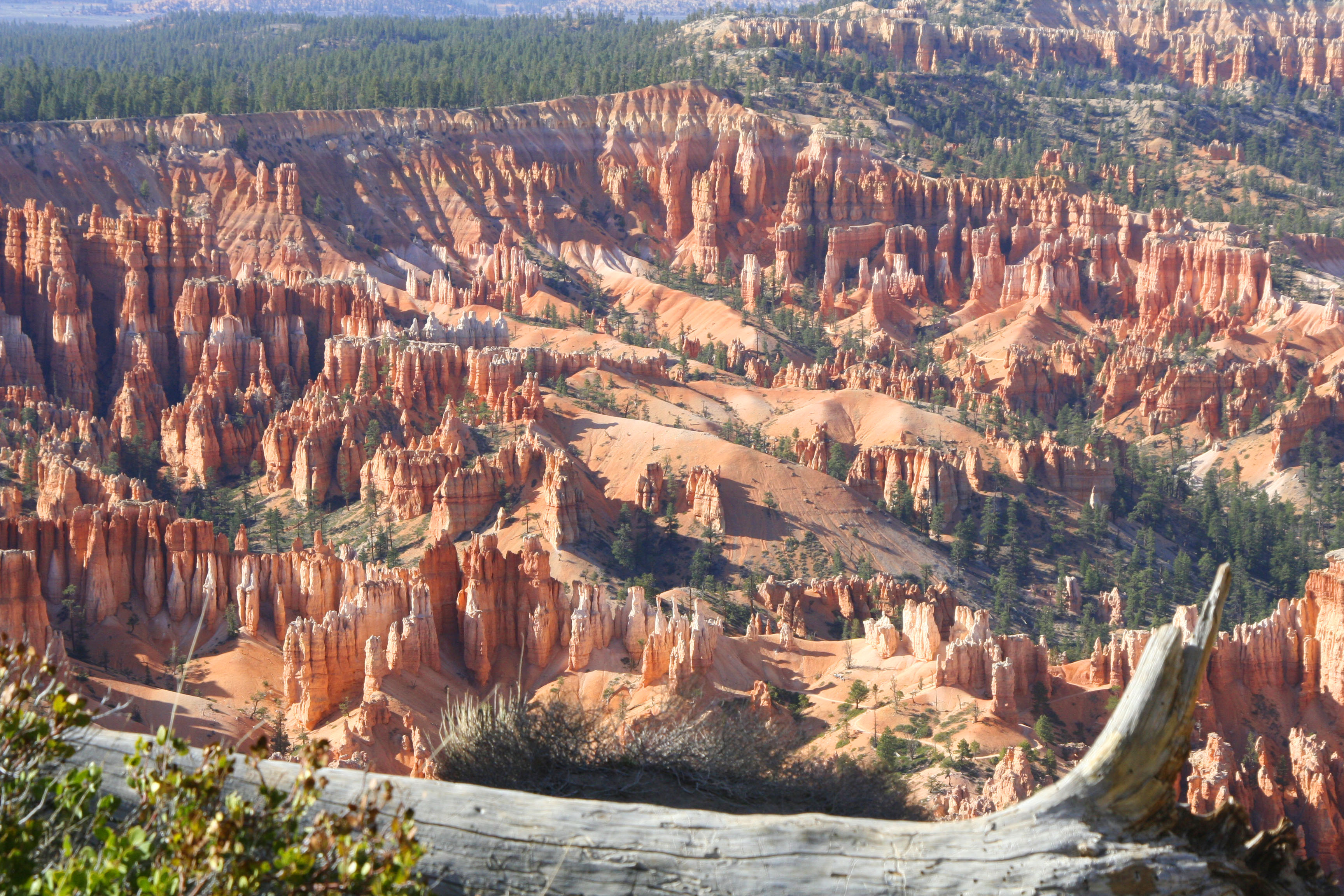
Bryce Canyon National Park in Utah is a fantasy land of rocks guaranteed to impress visitors.

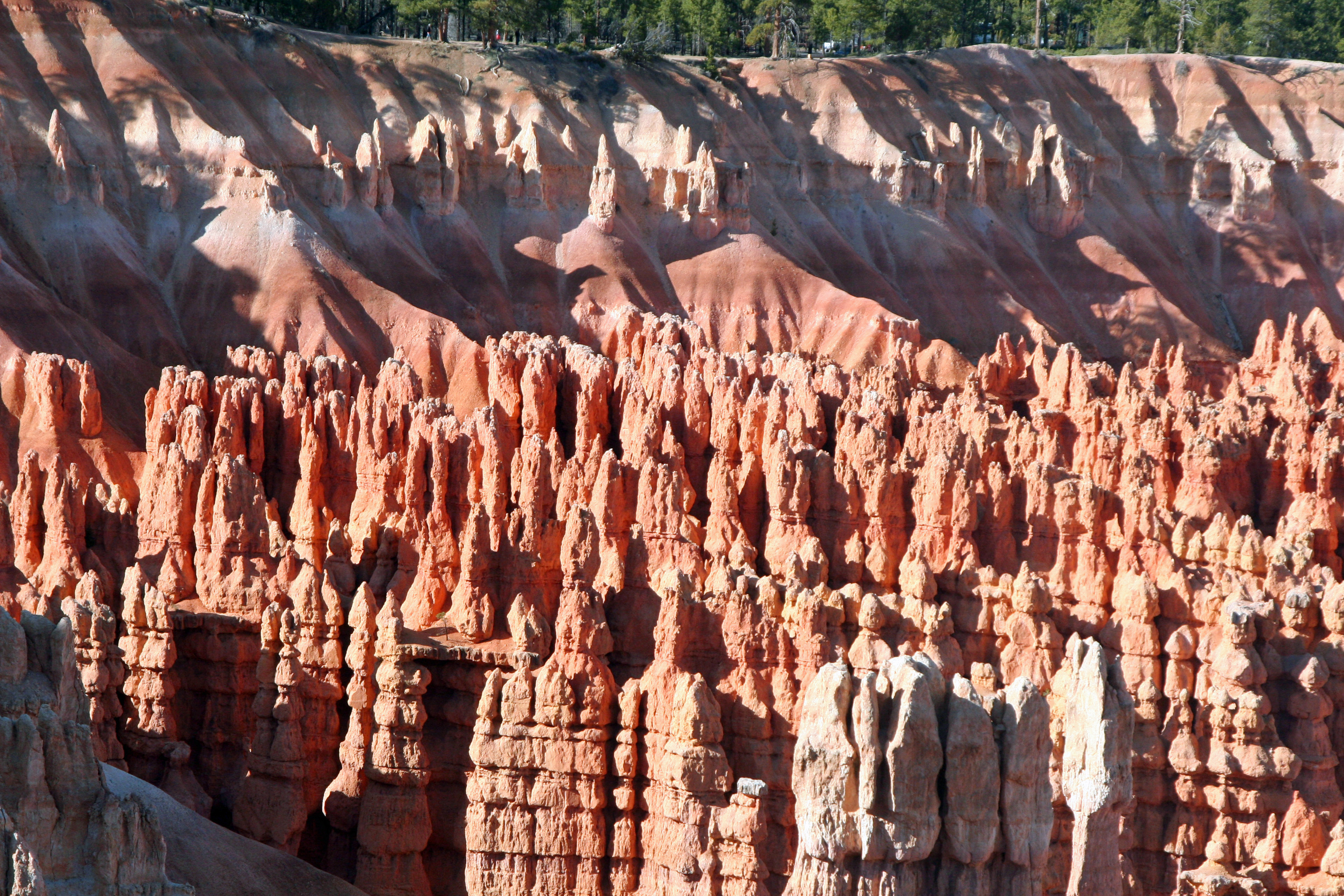
The first time I came across a group of hoodoos, I stopped and stared. Then I grabbed my camera. But I didn’t have to rush. Hoodoos are strange rock formations of arid regions. They don’t go anywhere. They just stand there for centuries as nature and erosion do their work, carving whimsical statues of stone.

Bryce Canyon National Park is a superb location for hoodoo watching. They come in a multitude of shapes, forms and colors creating a fantasy land that even the wildest of imaginations can appreciate.

Hoodoos are created in Bryce Canyon through the erosion of sandstone, which eventually creates whimsical statues.

Carved from sandstone of the Paunsaugunt Plateau, Bryce Canyon drops some 2000 feet in altitude to the valley below. Trails ranging from easy to challenging provide the visitor with numerous opportunities to meet the hoodoos up close. Or you can stroll along the rim trail. Be sure to check the park out at sunrise and sunset.

Bryce Canyon is located off of Highway 89 in Southwestern Utah. An easy day’s drive can take you to either Capitol Reef or Zion National Parks and through millions of years of geological history. I consider Utah’s Highway 12 that connects Bryce National Park with Capitol Reef to be one of the most scenic roads Peggy and I found in our 200,000-mile exploration of America.

A family of Hoodoos hidden in a canyon.

Following one of the many trails into Bryce Canyon will bring you face to face with one of the National Park’s unique sculptures.

Another sandstone hoodoo. This one reflects the warm colors of the setting sun.

Erosion created a box canyon here. I saw it and thought immediately it would have made a great corral for cattle stolen by outlaws of the old west.

A final view of Bryce Canyon National Park.