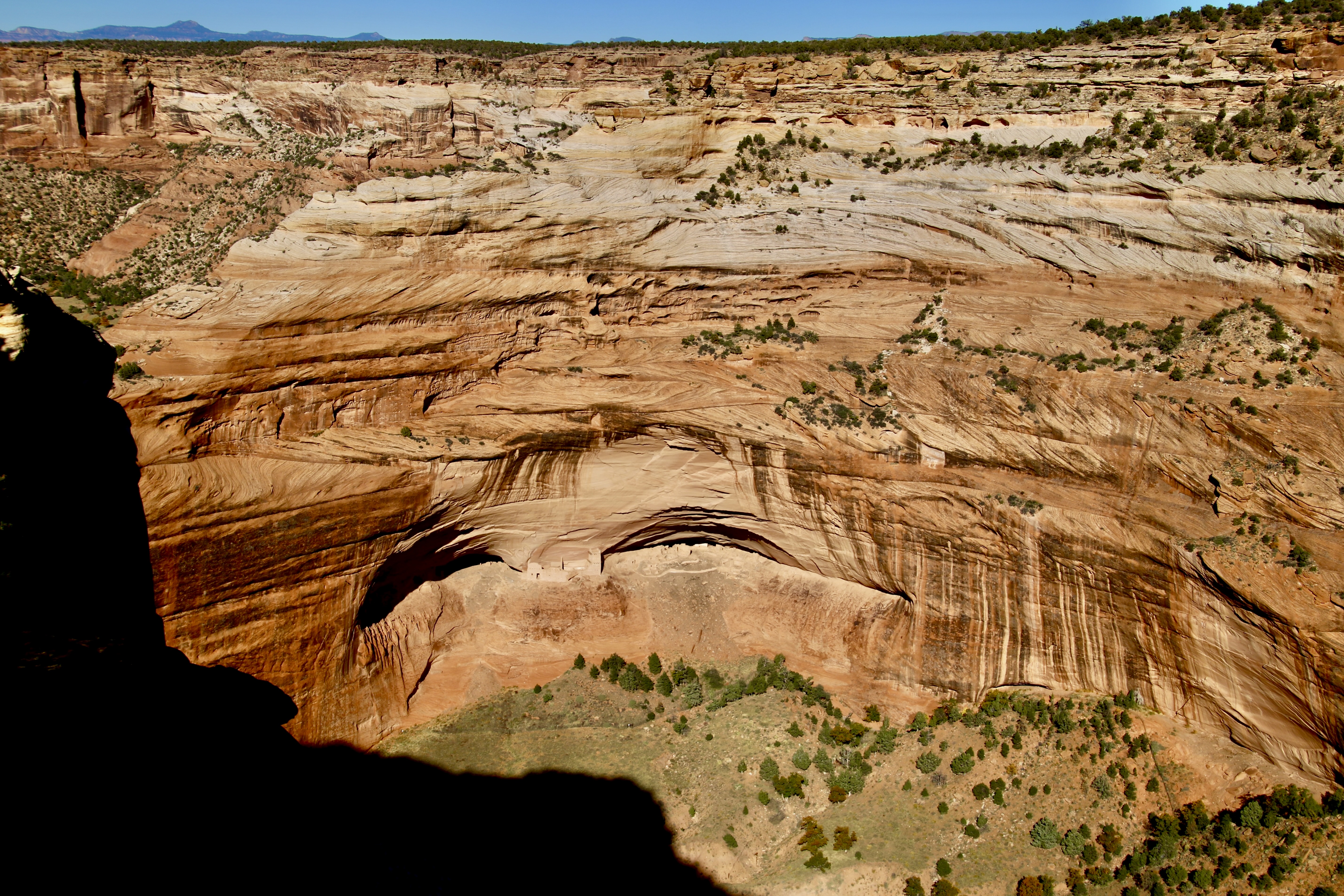
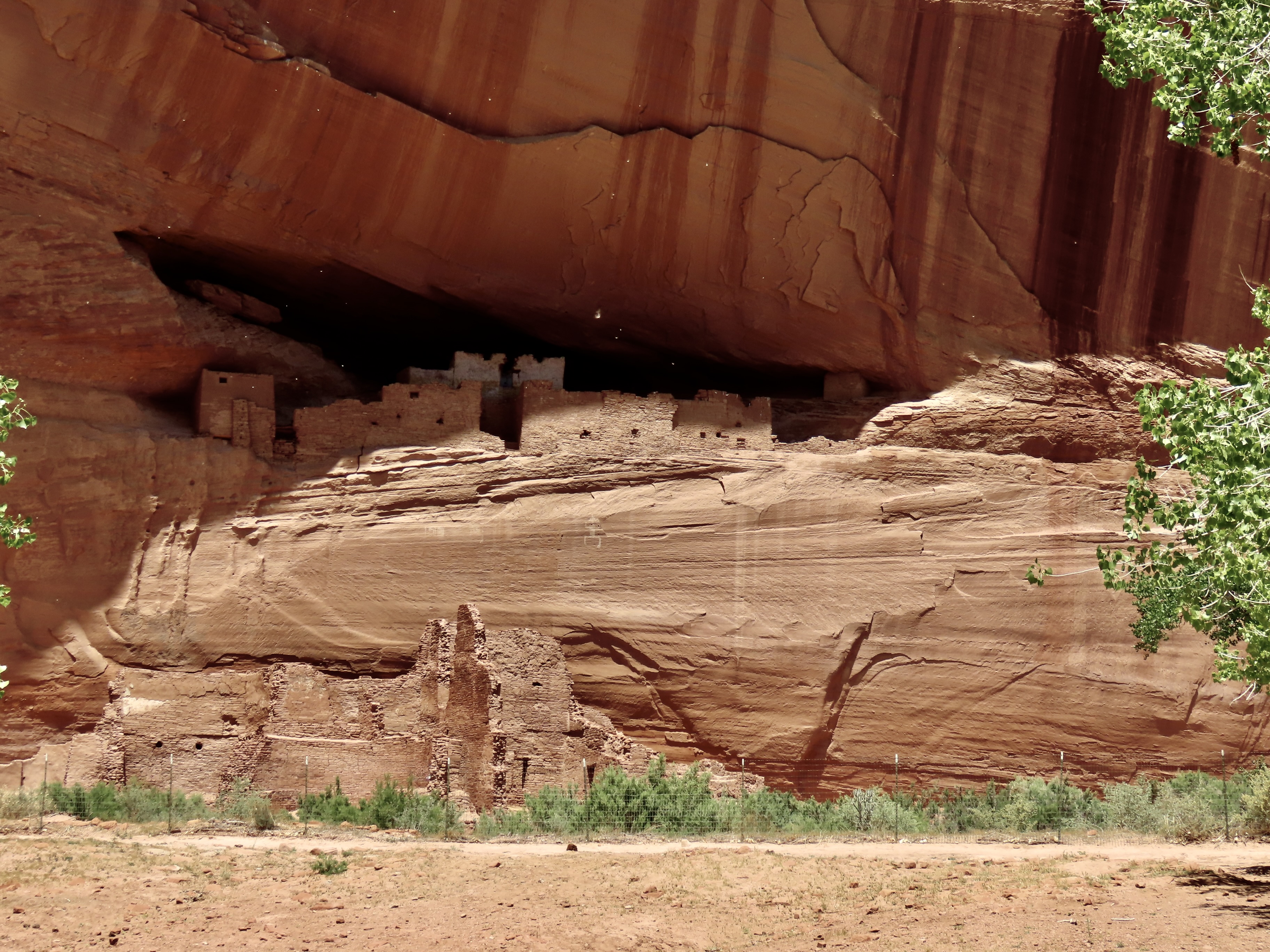
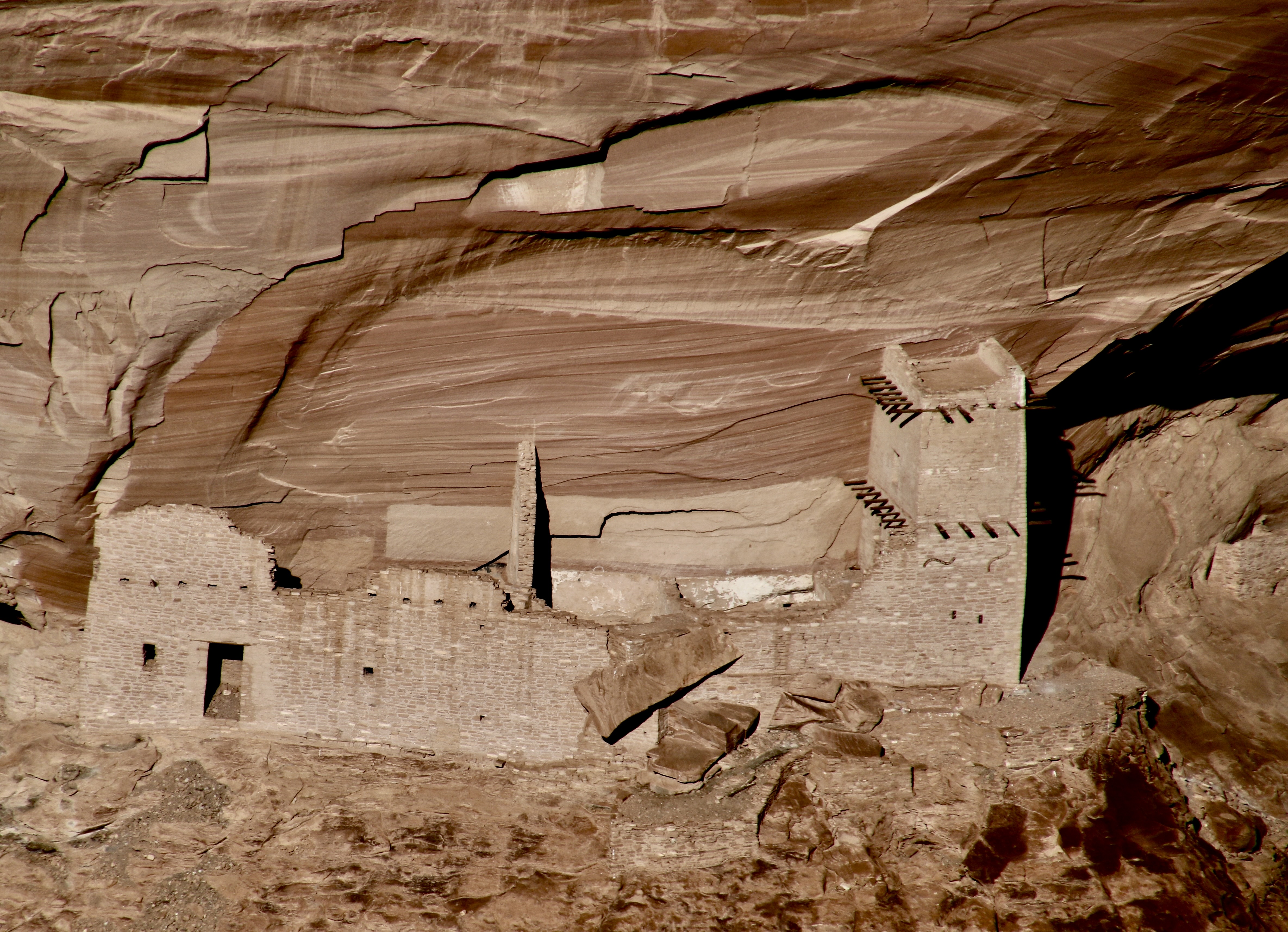
Canyon de Chelly has been occupied for five thousand years starting with various Archaic people. Ancestral Puebloans called it home from approximately 200 BCE to 1300 CE. Hopi lived there after 1300 up until 1700. Navajo people have occupied Canyon de Chelly since. Today, the canyon is owned by the Navajo Tribal Trust and jointly operated as a National Monument with the National Park Service. The photo above shows pueblos left behind by the Ancestral Puebloans (center caves). They are dwarfed by the high cliffs of the canyon. Their position on the cliff shows why they would have been difficult to attack.
The occupation by the Navajo has been interrupted twice. In 1805, Spanish forces under Antonio Narbona, the future governor of Spain’s New Mexico territory, attacked, killed and captured a number of Navajos because they refused to accept Spanish rule.
By the 1860s, the Navajo faced a new threat. American settlers from the eastern US were pouring into the newly acquired territory and the US Government developed a policy to make room for them by ousting the natives. The Navajos would be required to move to reservations, leaving their homelands behind for the newcomers. Not surprising, they refused. So a decision was made to force them out. The US Army under the command of James Henry Carleton ordered Kit Carson to subjugate the Navajo using a scorched earth approach that involved burning their homes, destroying their crops and killing their livestock.
Earlier, in his efforts to subdue the Mescalero Apaches, Carleton had given the following order to his subordinates: “All Indian men of that tribe are to be killed whenever and wherever you can find them. … If the Indians send in a flag of truce say to the bearer … that you have been sent to punish them for their treachery and their crimes. That you have no power to make peace, that you are there to kill them wherever you can find them”.
In 1864, facing starvation, the Navajo capitulated, signed a treaty, and began a forced march during the heart of winter to Fort Sumner’s Bosque Redondo Reservation in New Mexico. The 300 plus mile hike, the Long Walk as it came to be known by the Navajos, left numerous Navajo dead from exposure, starvation, and exhaustion. Bosque Redondo was equally bad if not worse. Food, space, water and sanitation facilities were limited in the extreme for the 8500 Navajo and 500 Mescalero Apache occupants. Furthermore, it was run like an internment camp instead of a reservation. An estimated one quarter of the population died during the four years of the camp’s occupation.
Finally, in 1868, a new treaty was signed with the Navajo that allowed them to return to a portion of their original homelands, including Canyon de Chelly. Today, the Long Walk, like the Cherokee’s Trail of Tears, is remembered by the Navajo an an important part of their history.
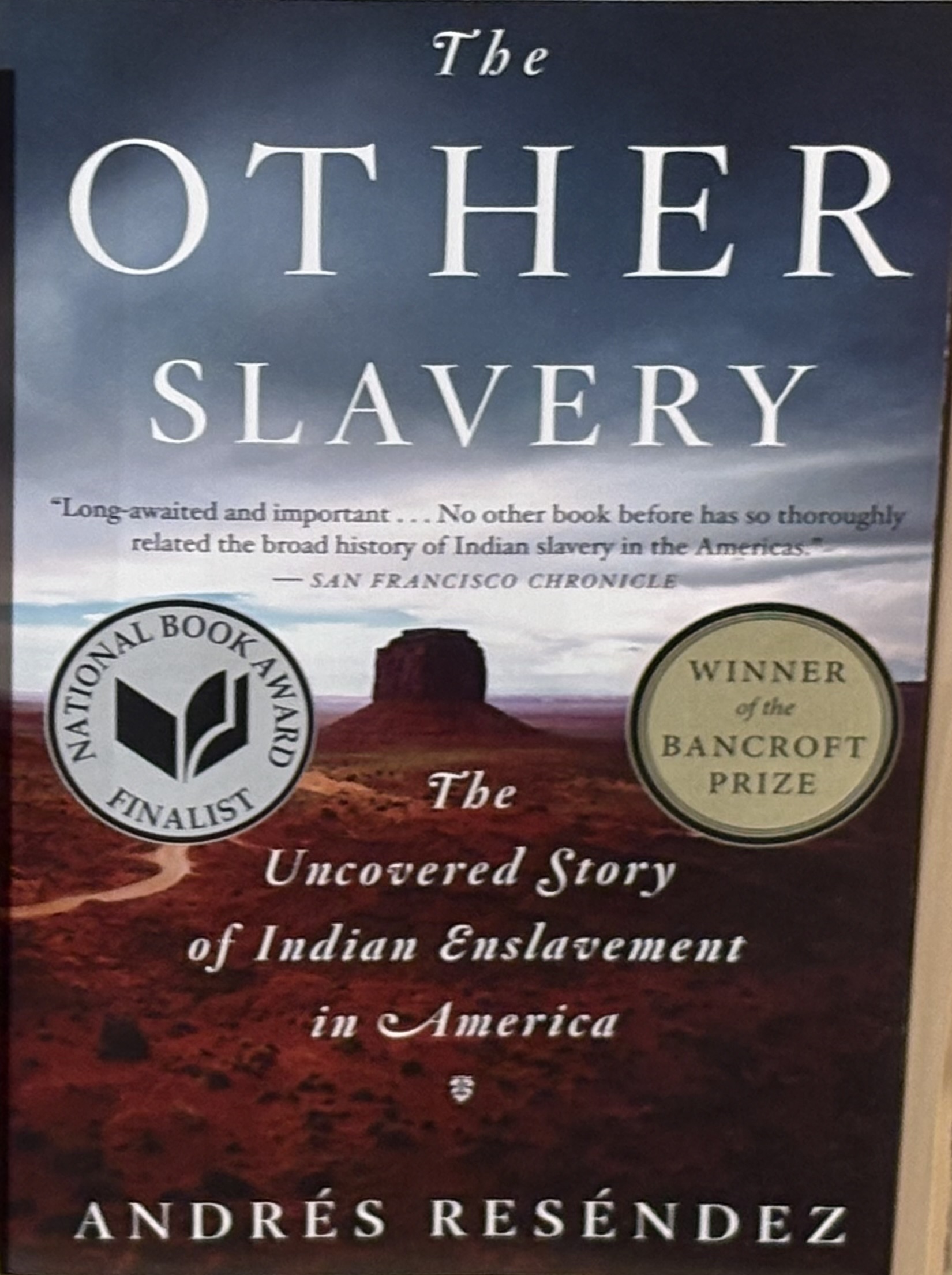
it isn’t a history that the Trump Administration wants remembered however. He has ordered the Department of the Interior to take action to ensure “descriptions, depictions, or other content that inappropriately disparage Americans past or living (meaning information like that above), and instead focus on the greatness of the achievements and progress of the American people.
Apparently, Carleton and Carson are not to be disparaged. My bad. History is to be remembered as Trump wants it remembered. George Orwell’s 1984 comes to mind.
If the administration has its way, books and displays like this are to be removed from national parks and monuments. A similar effort is underway at the Smithsonian.
Today, marks the end of my planned series on the Trump Administration’s threat to our national parks, monuments and other public lands. I believe that I have covered his primary focus and actions as they relate to our public lands. Having said that, I’ll still report on major threats as they emerge and, at some point, do a summary of how successful efforts to protect the parks have been.
I also have in mind doing a post on Mt. Rushmore National Monument. The President has repeatedly expressed a desire to have his image added to those of Washington, Jefferson, Lincoln, and Theodore Roosevelt. (At one point, Elon Musk even volunteered to carve it, but I suspect that’s off the table.) My objective is to look at the major accomplishments of each of these men who played such an important role in making the nation what it is today and then comment on how the President goal of Making America Great Again, relates to their accomplishments.
But for now, it’s back to sharing the beautiful and fascinating world we live in while Peggy and I continue to ‘wander through time and place.’
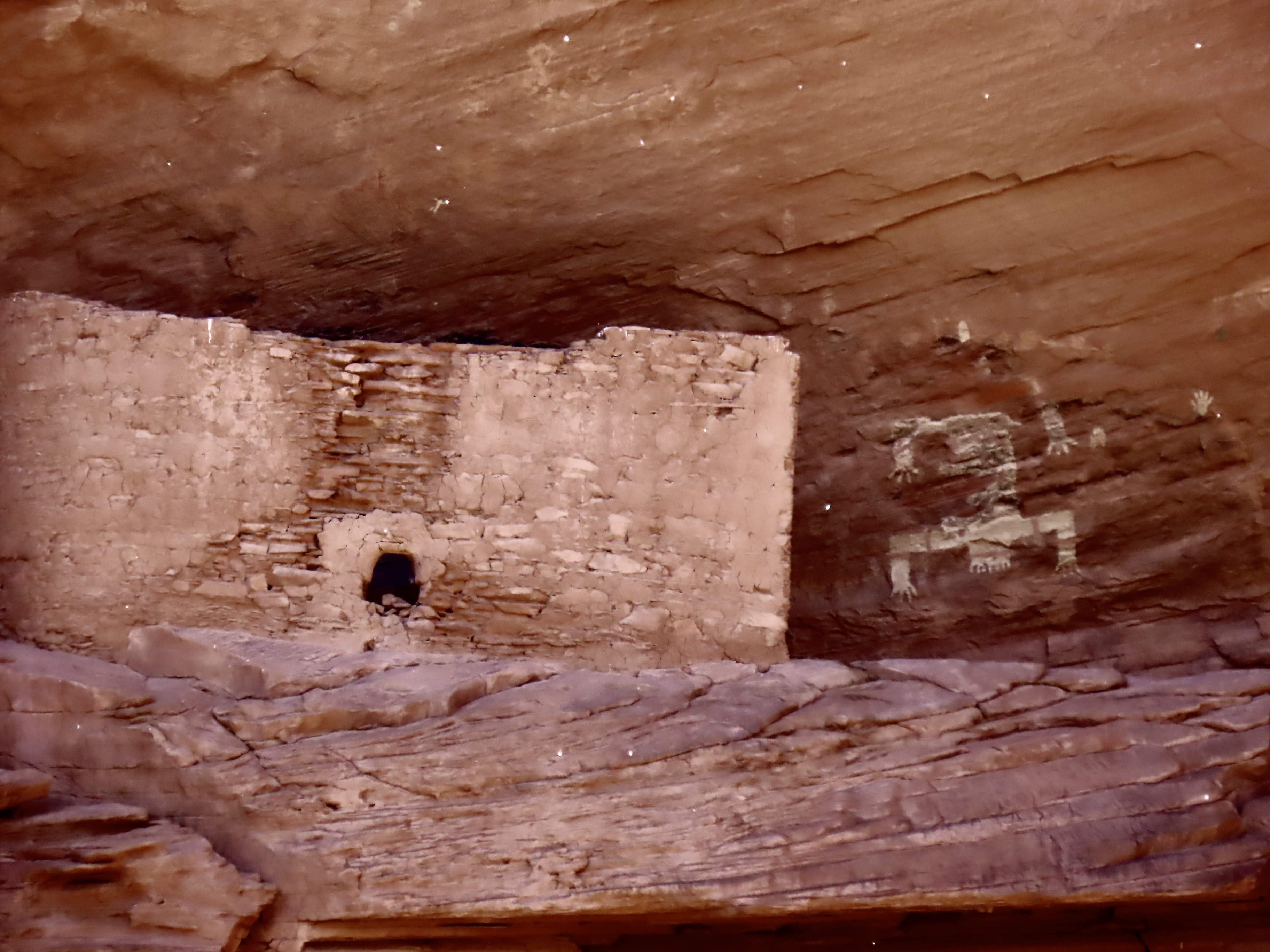
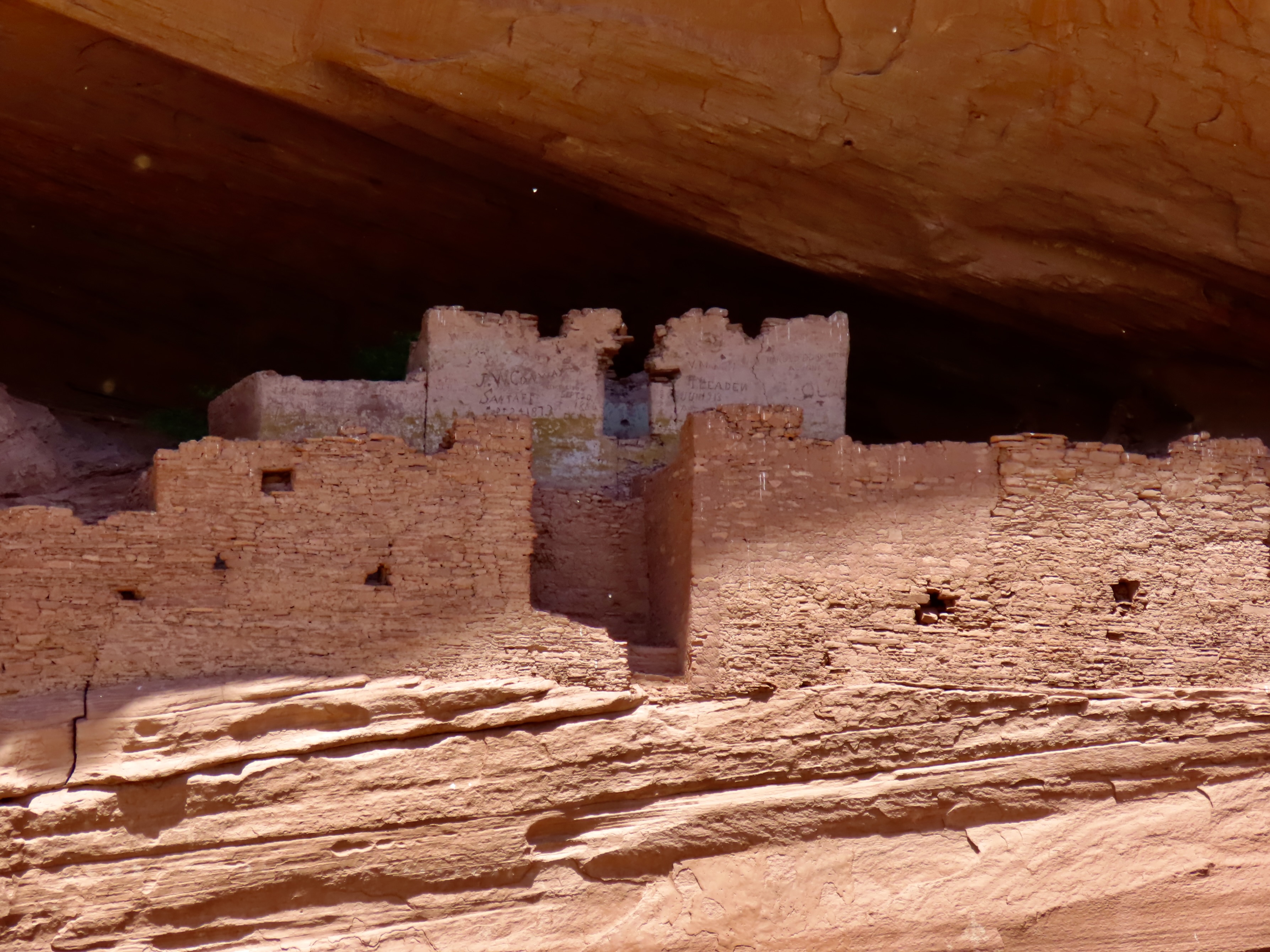
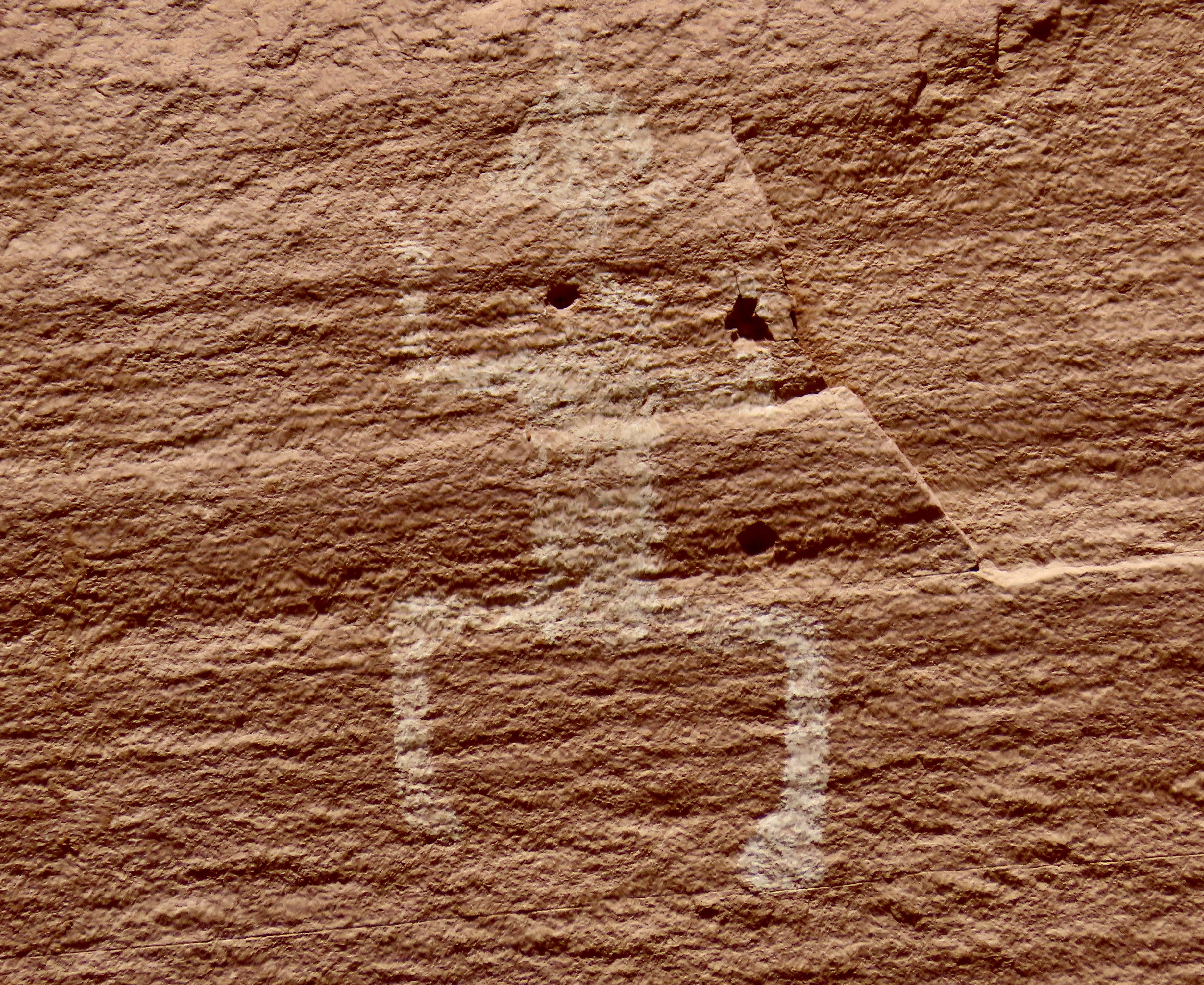
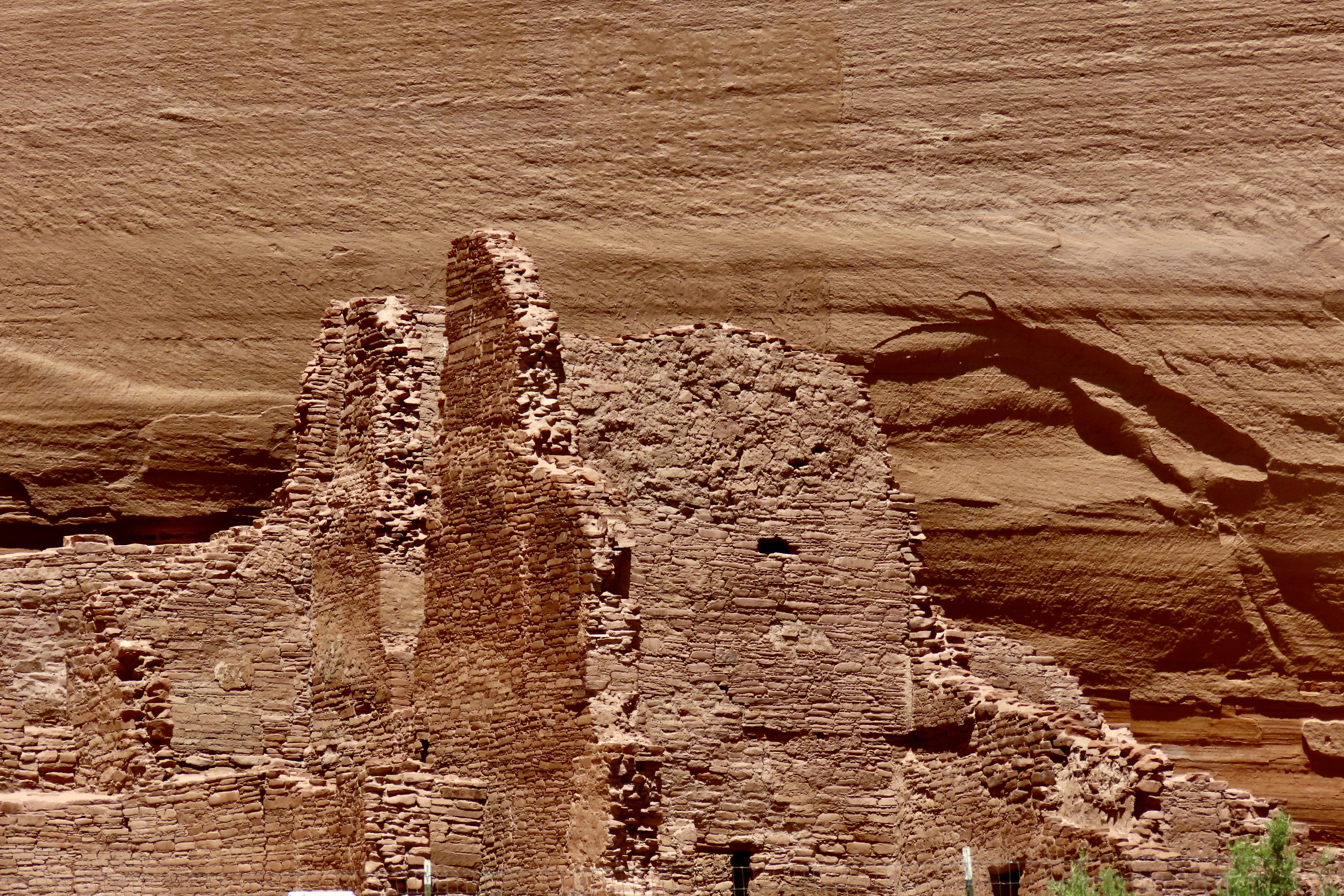
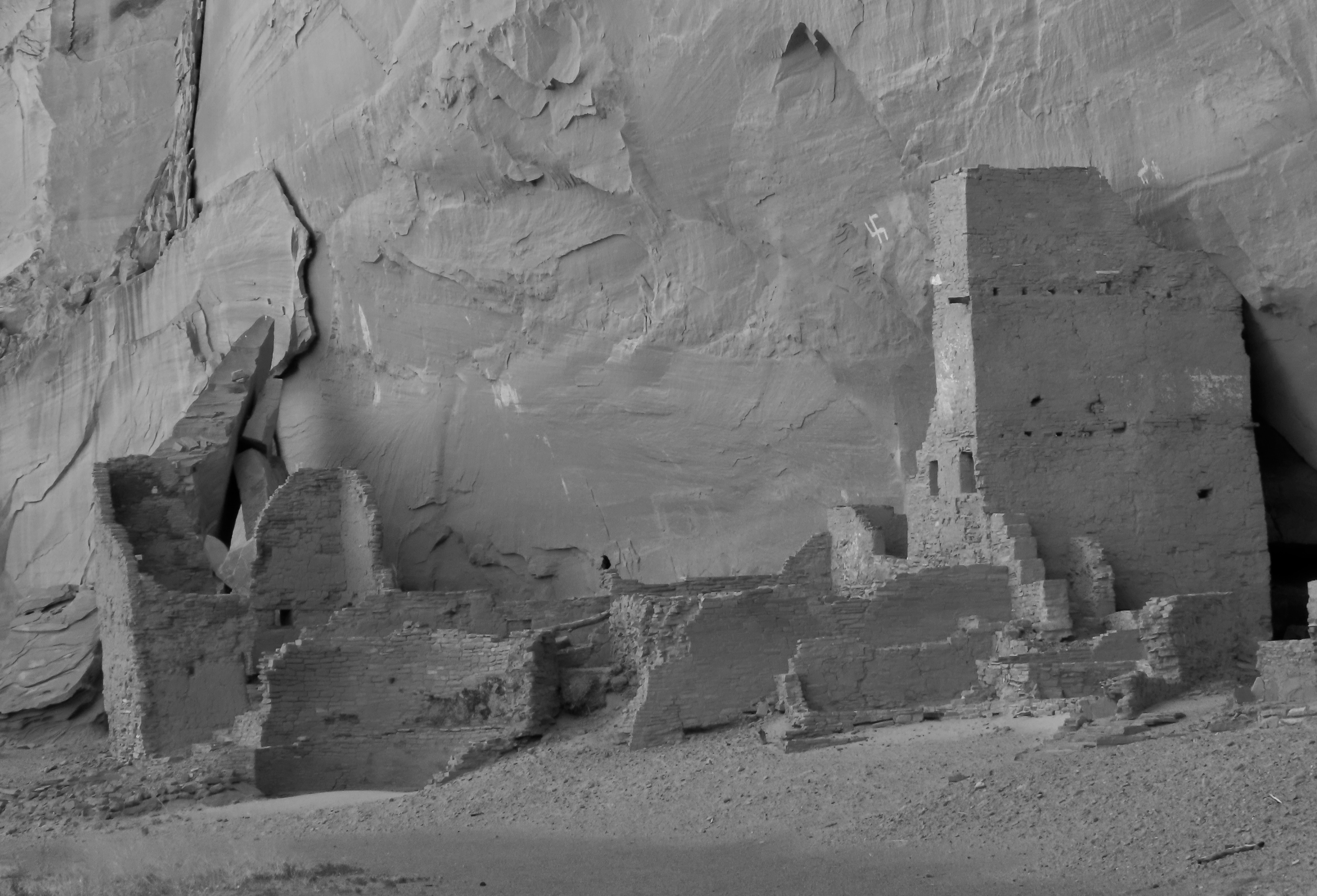
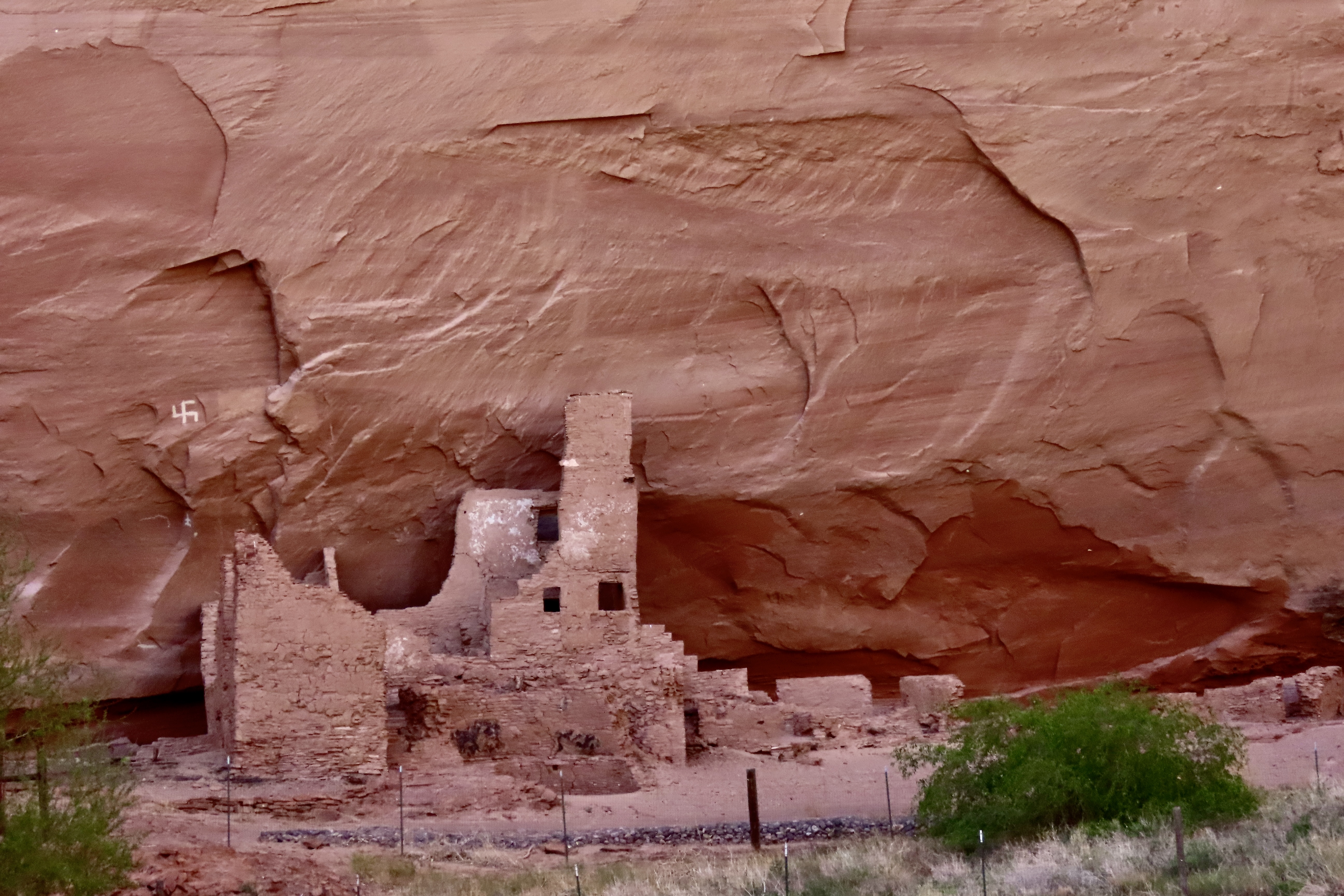
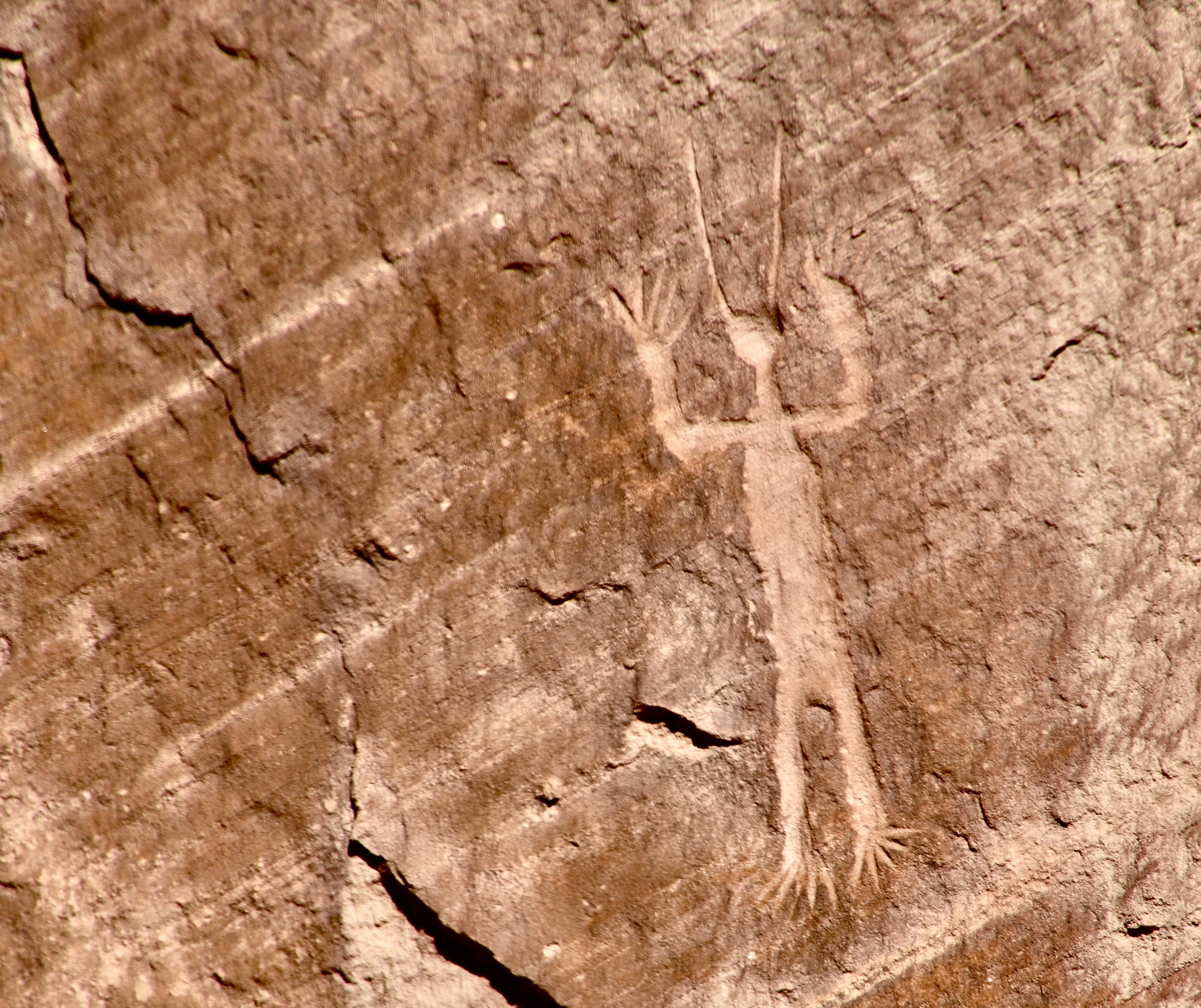
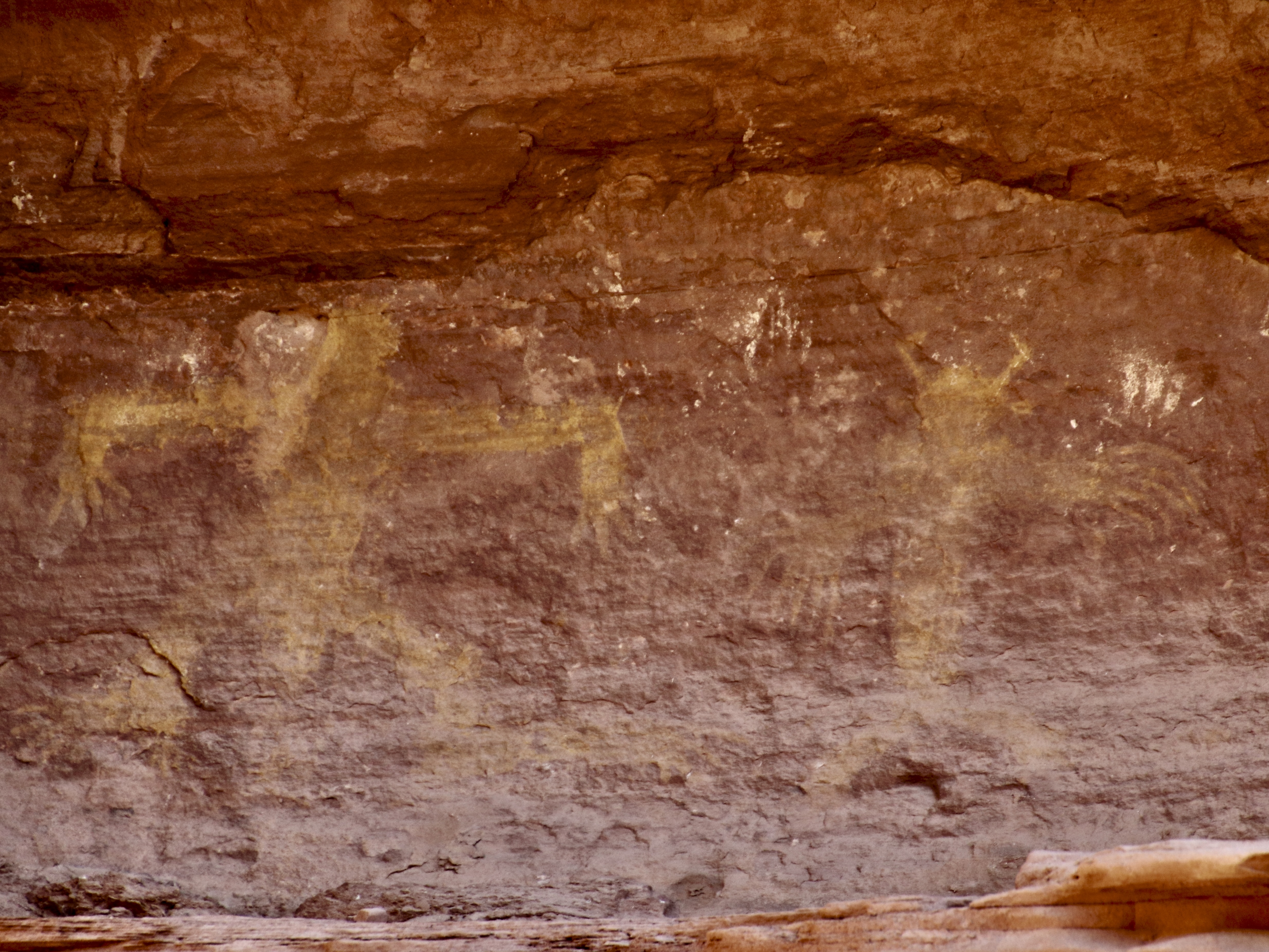
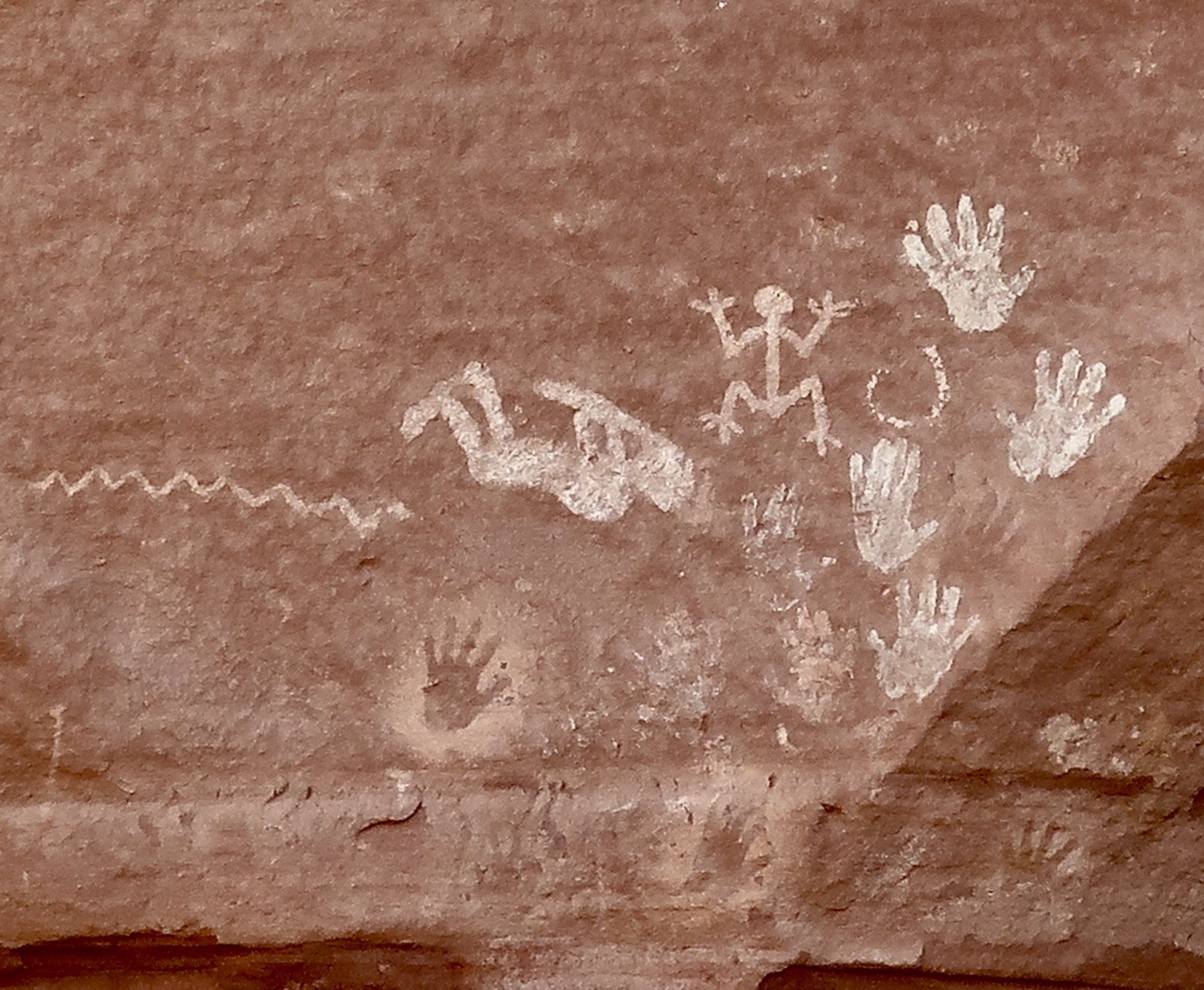
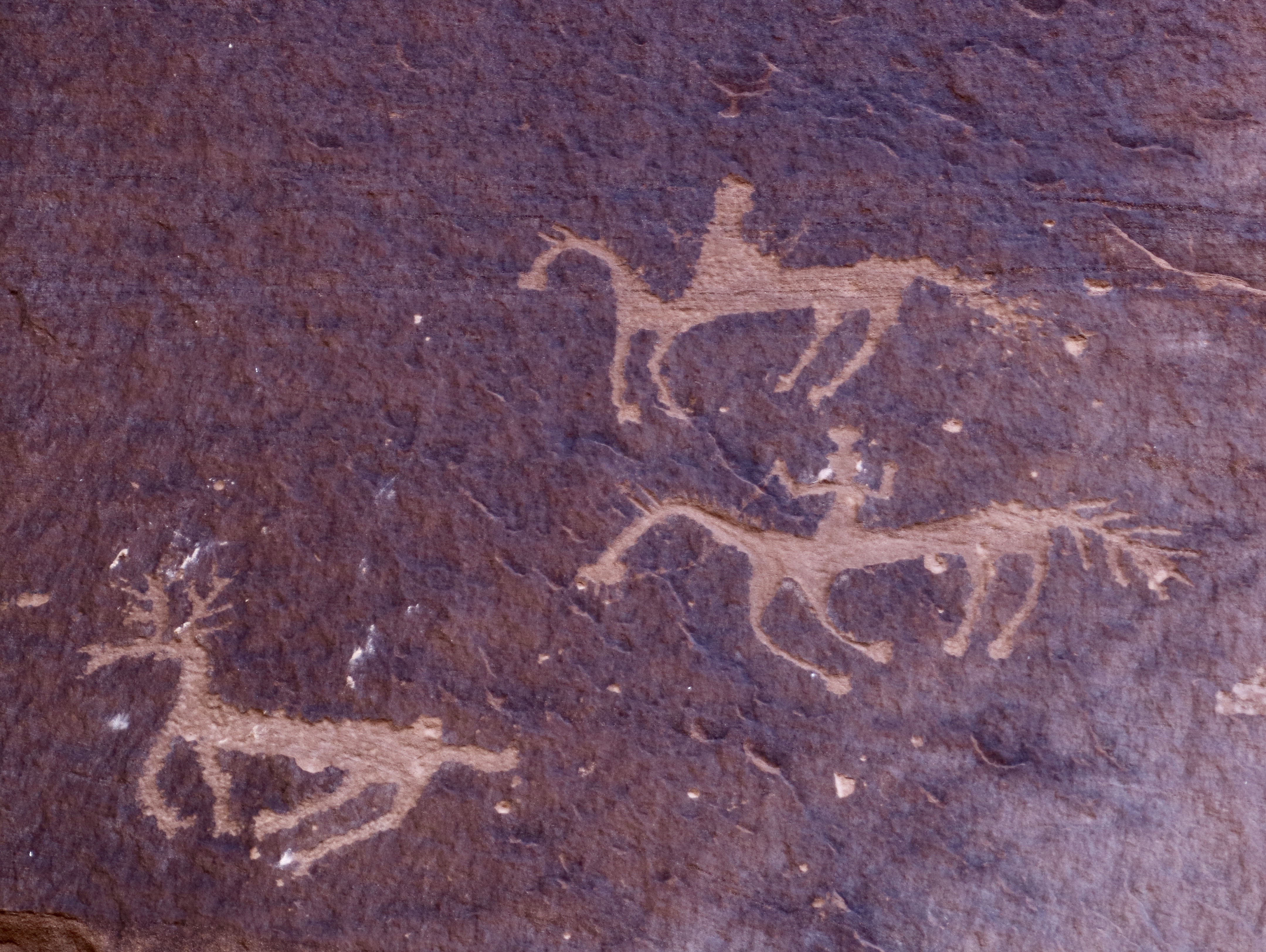
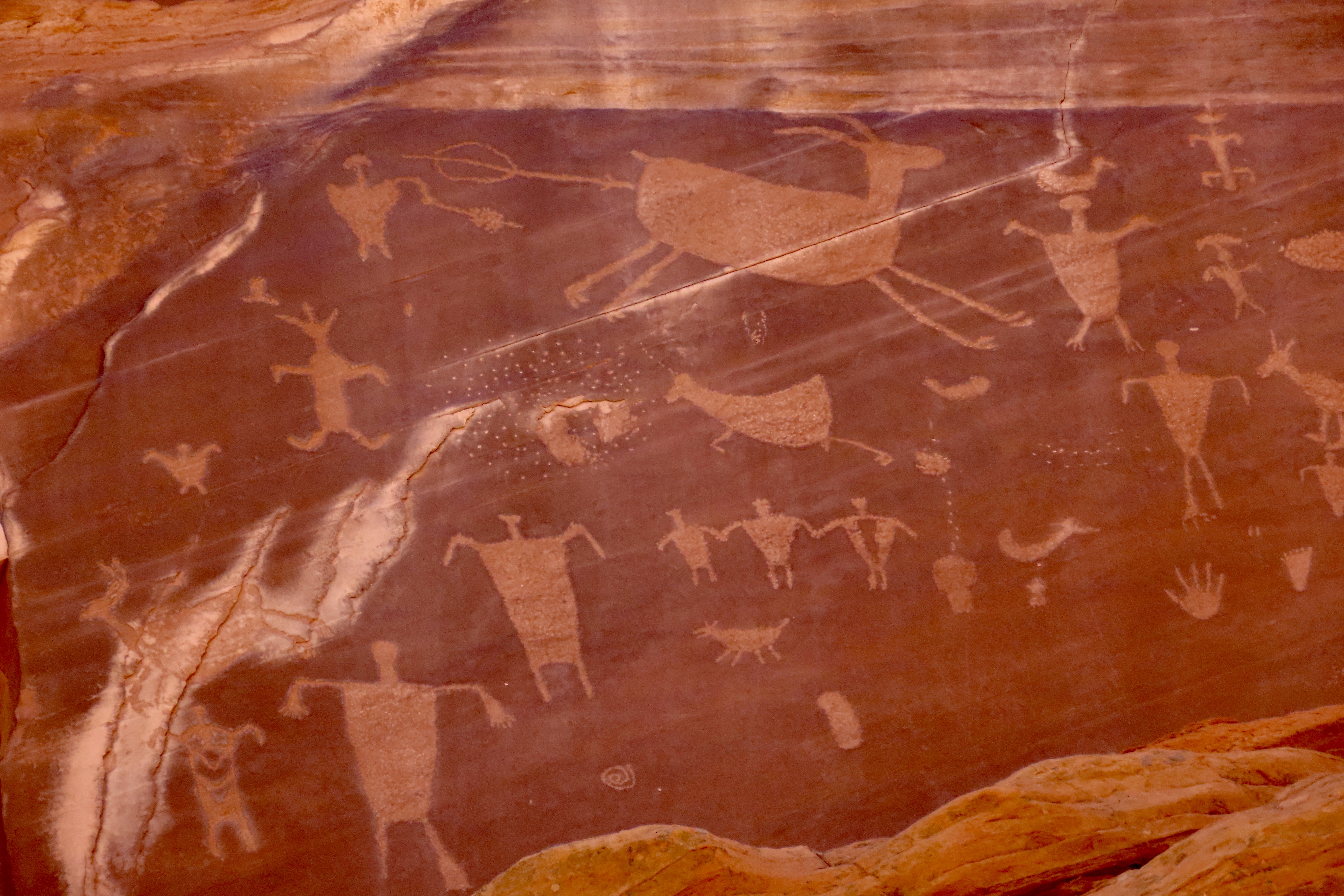
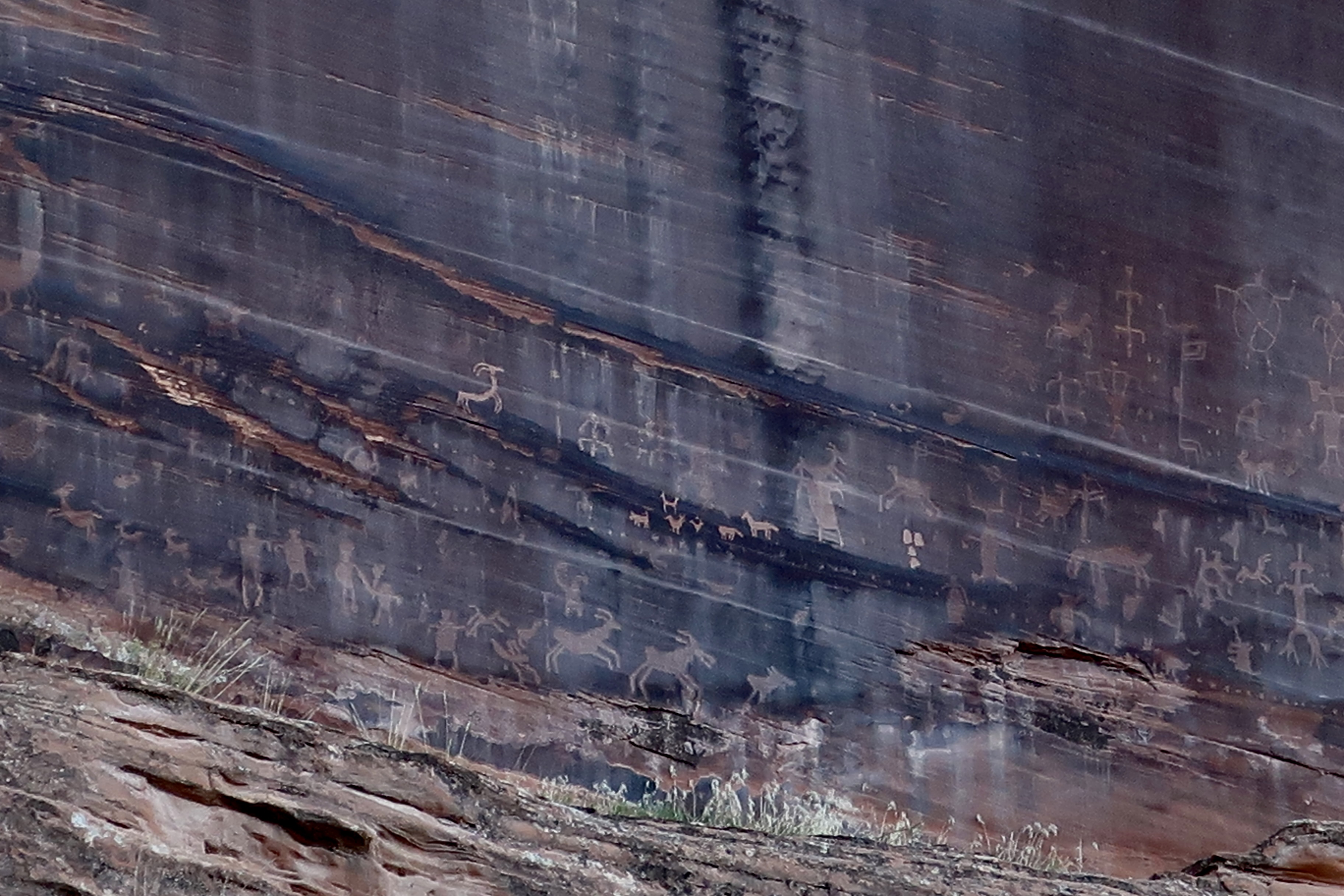
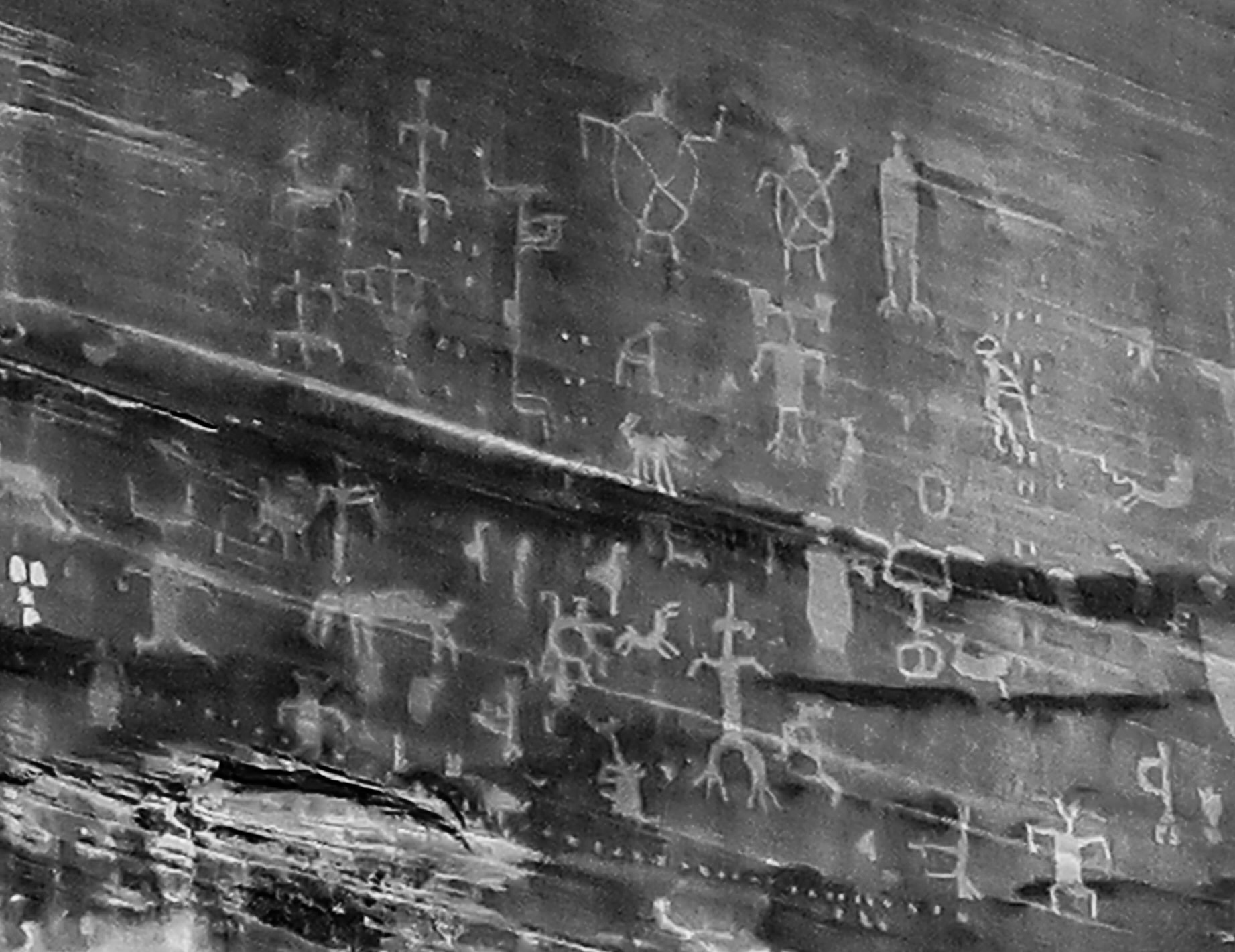
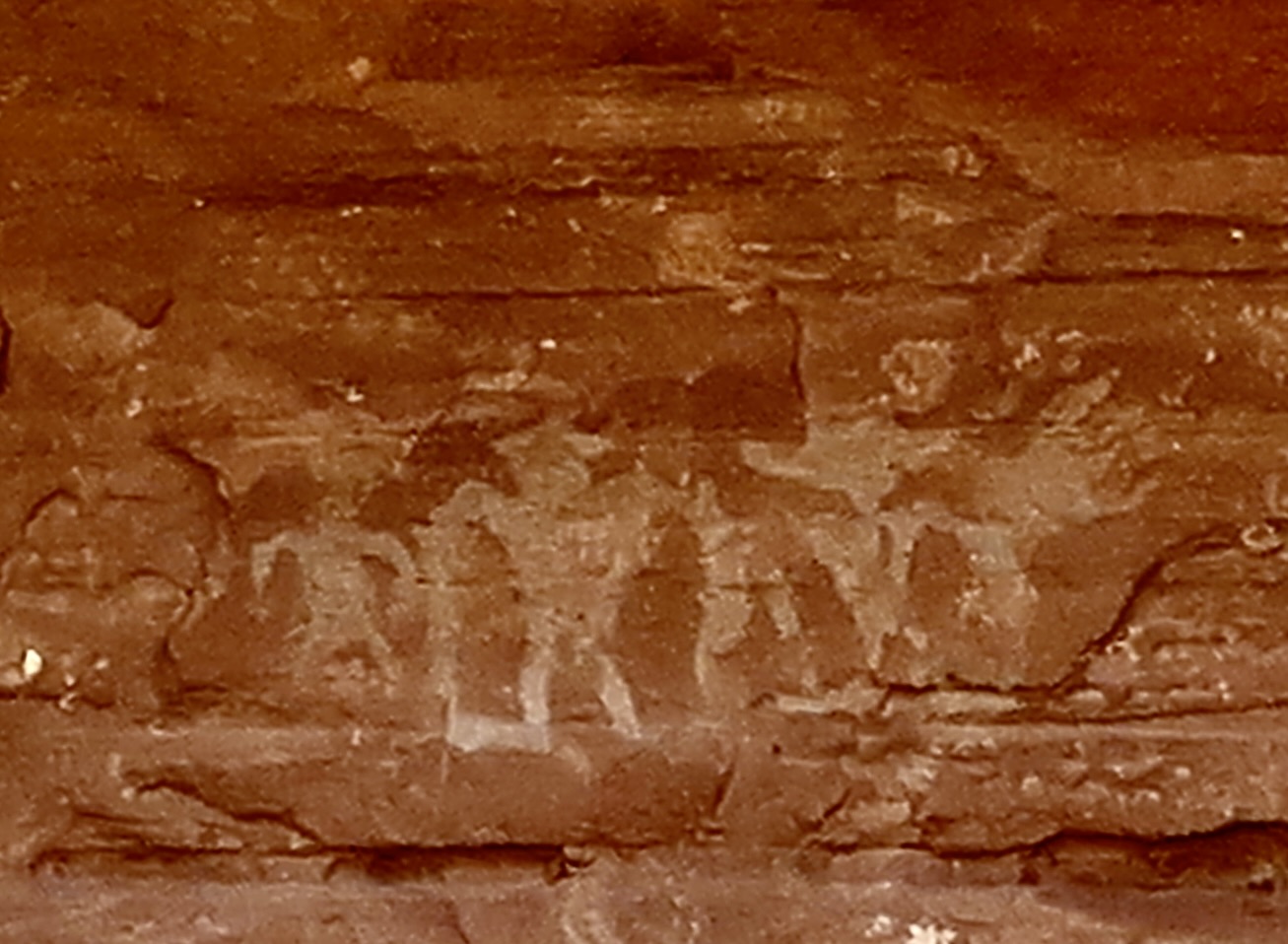
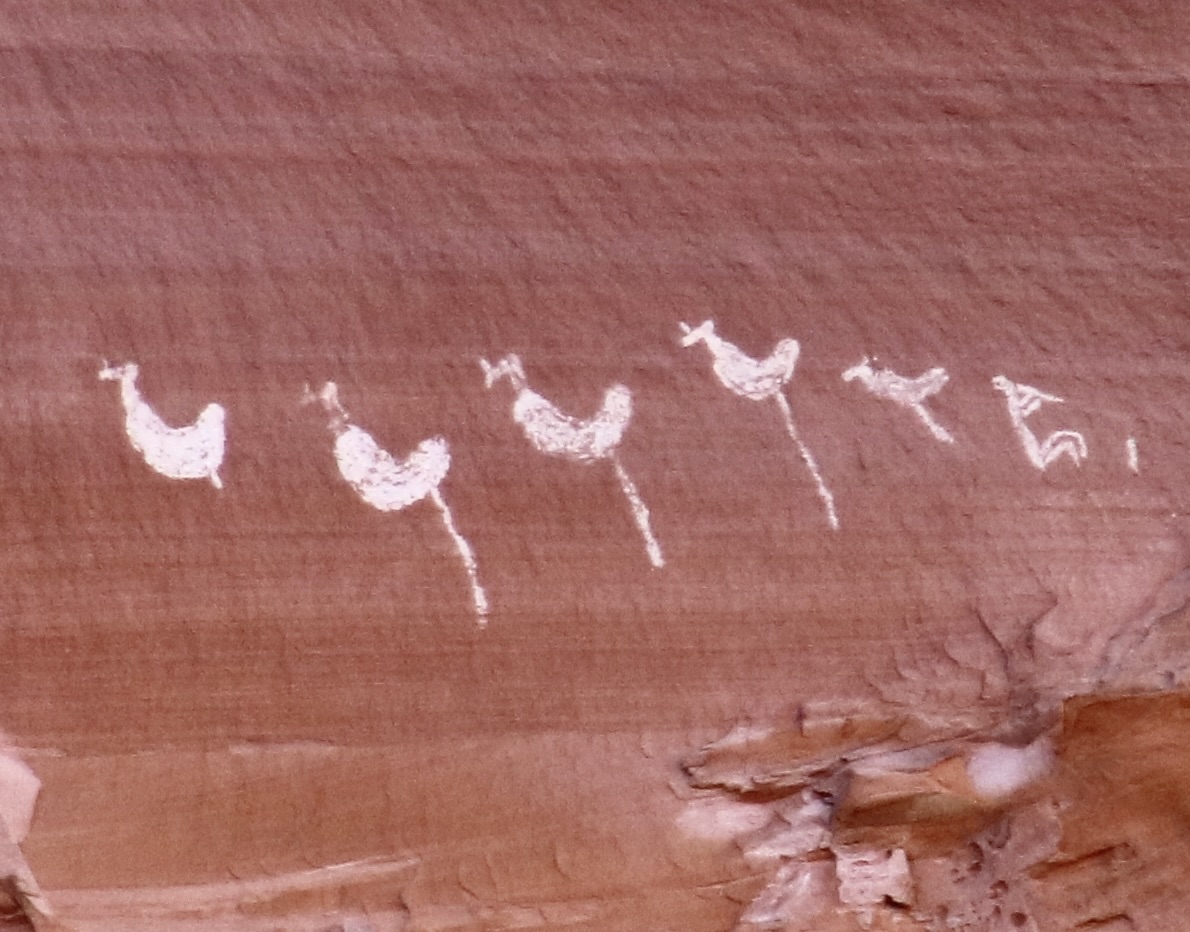
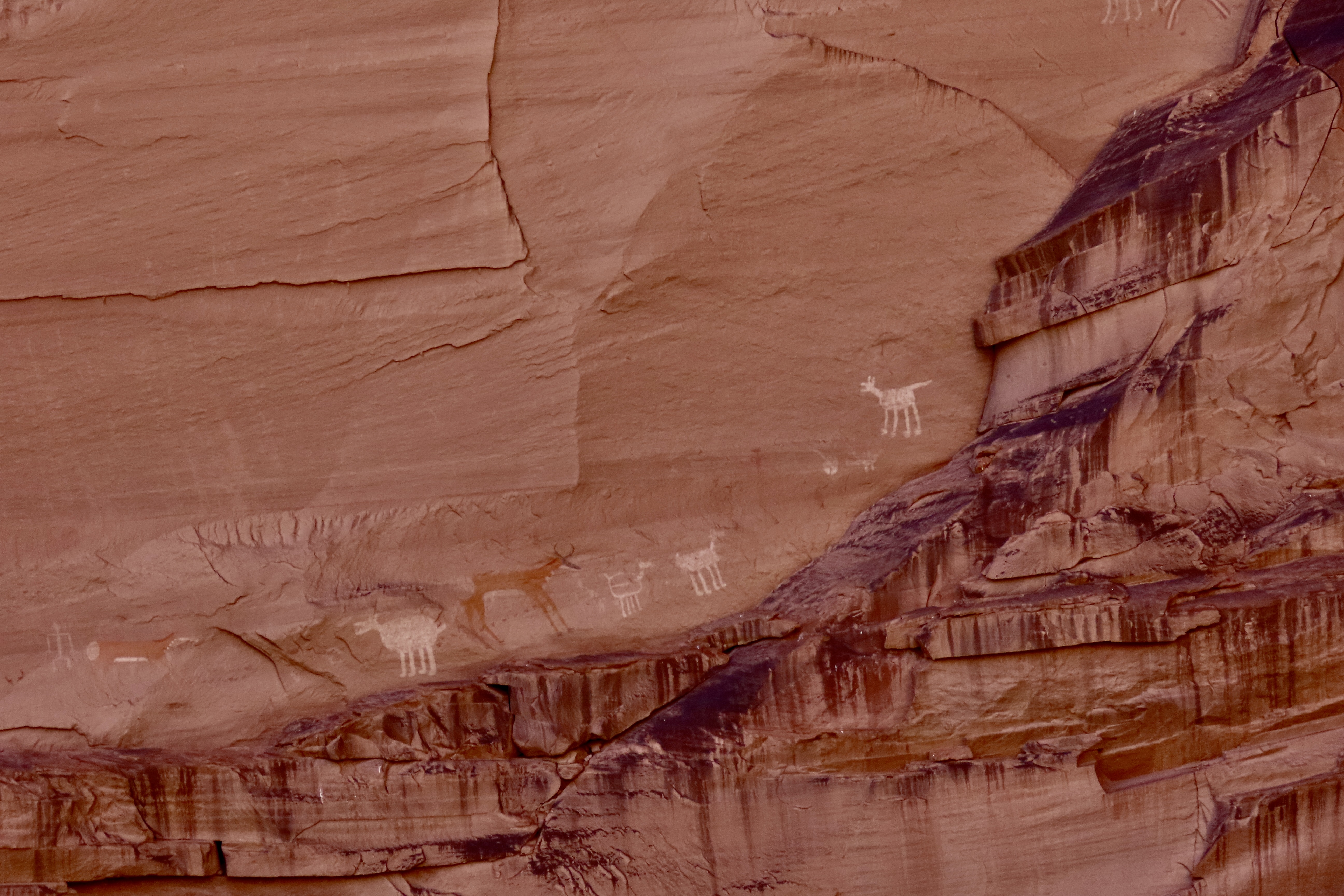
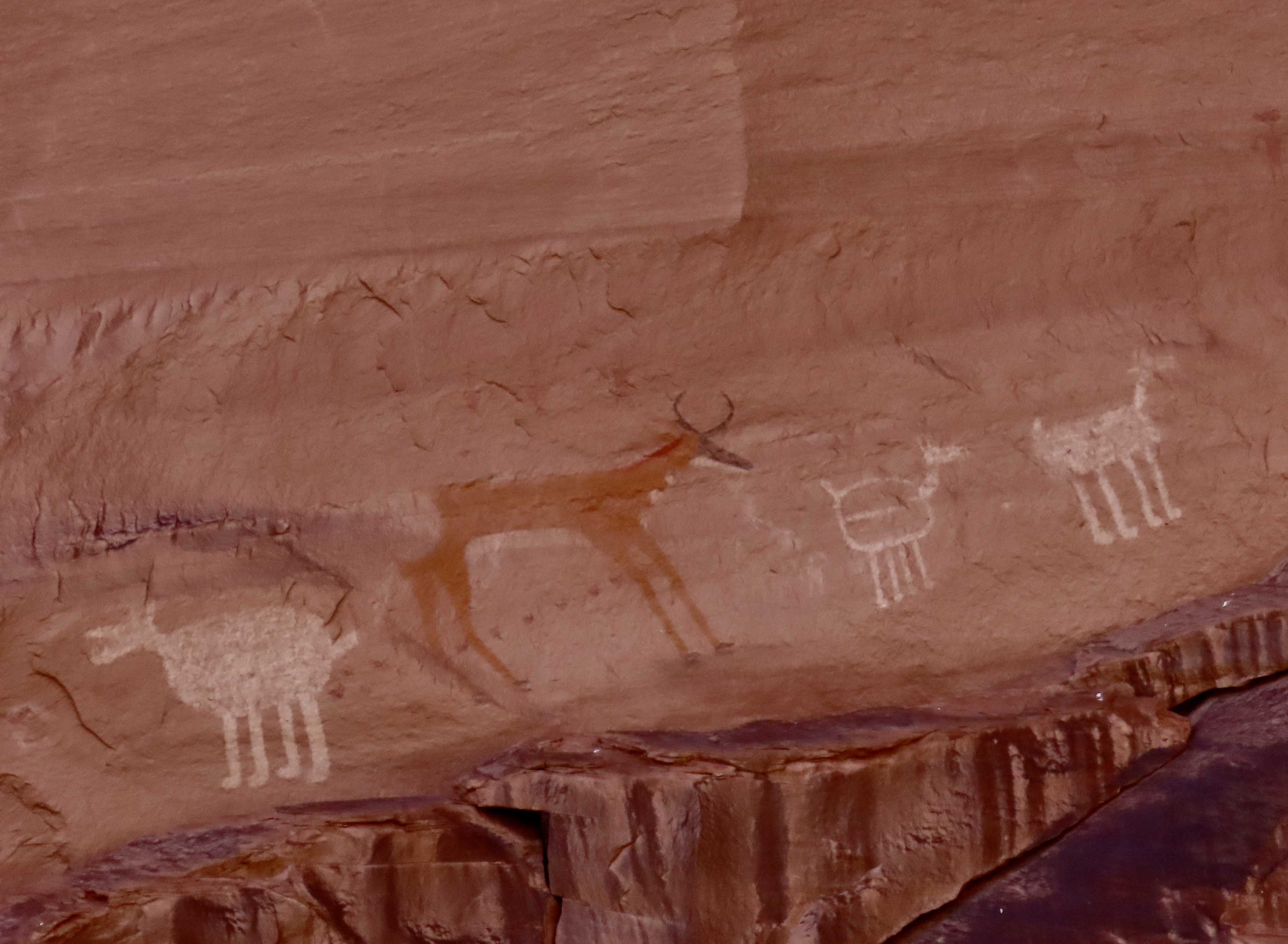
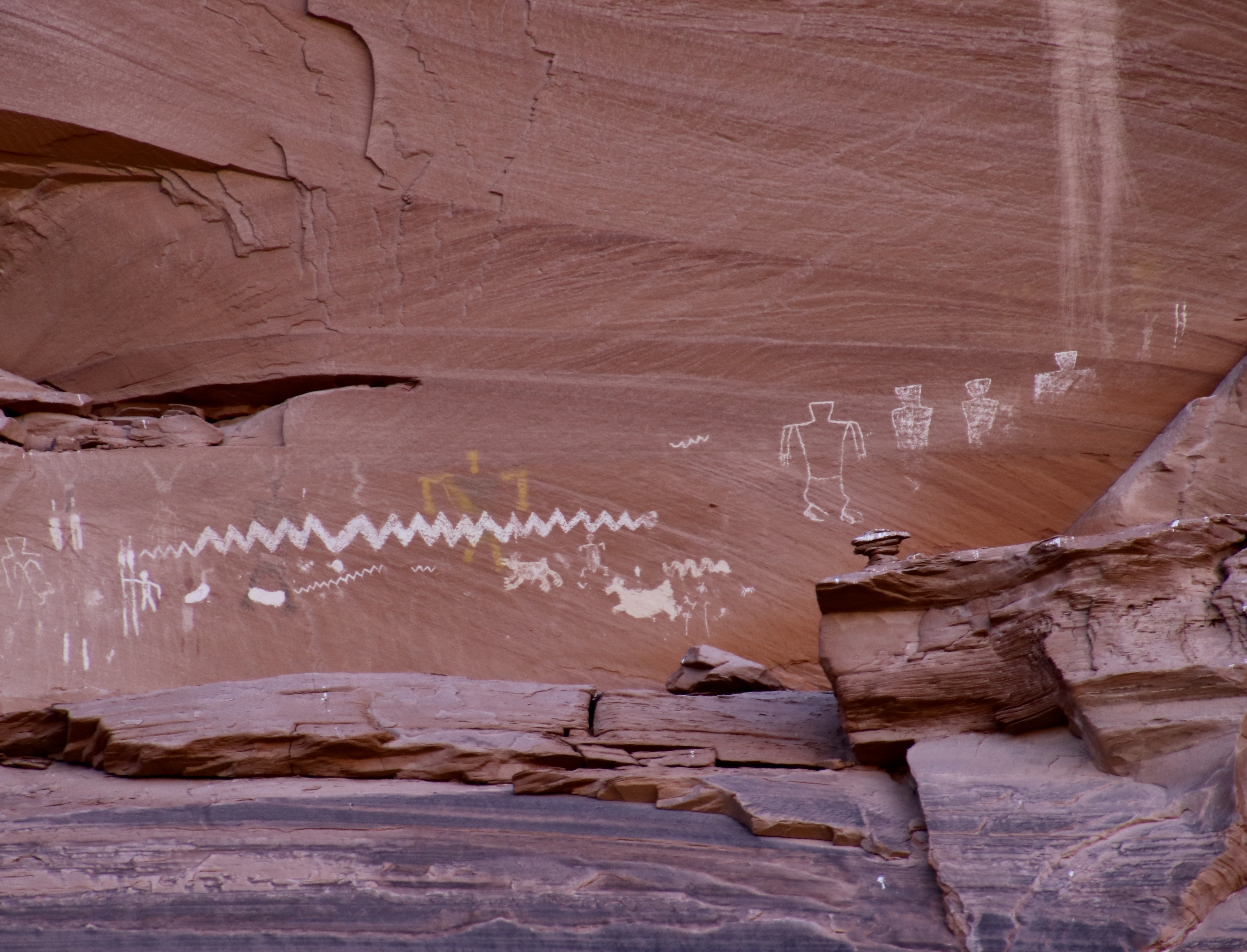
I was reading Baby Blues in the comics this past week and it made me think of this Ancestral Puebloan home and petroglyph in Canyon de Chelly. In the comic, Wanda is tucking her son in and says “Sweet Dreams, Hammie.” He responds, “Can you leave the light on? I had a really scary dream last night.” We can attribute his nightmare to stories his sister Zoe has told him about what hides in his room. Now, imagine you are a young boy or girl and your window opens out on the this creature climbing down the wall. Who needs a monster under the bed or in the closet? We really don’t know the meaning applied to this petroglyph, however. We can only guess. Mine is that the ‘monster’ wasn’t designed to scare children but may have been to discourage enemies from climbing up to the pueblo. If it encouraged children to be good, that was probably okay as well. But again, we can only guess at the meaning. The white dots, BTW, are cottonwood tree seeds. It was ‘snowing’ with them.The best known pueblo in Canyon de Chelly is named the White House Pueblo for the white color of the upper building. Initially built by Ancestral Puebloans in 1060 CE, they continued adding to it for the next 200 years. It is estimated there were more than 80 rooms when it was finished.Built on two levels, archeologists speculate that the botton level may have originally reached the upper level. The White House Pueblo is the only place in Canyon de Chelly that visitors can walk to without a guide. Have you spotted the petroglyph? Center on wall beneath the ’snowflake.’ Up close. There are others on the wall even more faint than this one. A view of the lower level of the White House Pueblo.Numerous other ruins left behind by the Ancestral Puebloans are found throughout the park. I rendered this one in black and white. The round building in front is a kiva.Another example.This ruin featured a prominent swastika. (There is also one on the pueblo I rendered in black and white above.) As I mentioned in a previous post, long before the Nazis adopted the symbol to their cause, it represented an heroic journey, good health, and well being to the Ancestral Puebloans and Navajos.Peggy was delighted to find a treasure chest of petroglyphs in Canyon de Chelly and searched “high and low’ so to speak for ones she might use in her next word search petroglyph book. I’m not sure this will make it, but you have to admit it’s unusual and perhaps a bit scary. You wouldn’t want one living under your bed.Speaking of scary, we almost missed these pictograph creatures. They seemed to be hiding in the rock, ready to pounce on us. Talk about Nightmare City. Check out the claws on the horned fellow.Not as scary but quite interesting. The pictograph figure on the left is the humped back Kokopelli lying on his back and playing his flute. We have numerous depictions of Kokopelli from different petroglyph sites throughout the Southwest but we have never seen him lying down. Given his role in fertility and protecting women in childbirth, it may have something to do with the woman on the right who is in the position that most petroglyphs relate to childbirth. Whatever his role, I would say it’s a hands-on experience. And then there is the snake slithering through the scene…This scene shows horsemen closing in on a deer. Since the use of horses in the Southwest by Native Americans depended on Spaniards bringing them to to America in the 1500s, these petroglyphs would have been created in the 1600s or later and are likely done by Navajos. I really like the sense of action portrayed by the deer and horses. And their ‘look.’The man on the bottom horse is holding onto the the reins in his right hand. Not sure what he is doing with his left. Waving. I’m surprised he wasn’t shown holding a spear.These pictographs by Ancestral Puebloans were at least 100 feet up on a canyon cliff. The top left scene shows how hunting was done prior to when horses, bows and arrows were introduced. A throwing stick, known as an atlatl, is being used to throw a spear with greater force and distance than a person normally could throw one. You can see the stick in the Puebloan’s hand. He has hit his target. Ouch. A number of other subjects are included on the panel. I’m intrigued by what looks like a very happy dog in the lower left hand corner complete with ears, nose, eyes, a smiling face and a wagging tale. Surely it’s my imagination.This large ‘canvas’ was similar to what are know as ‘newspaper rocks’ in Canyonlands and Petrified Forest National Parks. It is filled with petroglyphs showing a variety of animals and people. The lighter figure would have been a more recent addition.A closer look. Take a moment to explore the variety. Following are more pictographs that caught our attention:More anthropomorphic creatures coming forward out of the rock.Birds in a row. Are they doing the one legged turkey hop to Kokopelli’s flute music?We were interested in how these animals were positioned to walk on the edge of the broken off rock and even more interested in the reddish brown deer between them.A closer look at the deer.I’ll close today’s post with another unusual pictograph. Note the man holding up the two posts. Lightning seems to be emanating from the posts, or possibly being attracted to the posts in what may be some type of ceremony. Animals are attracted to the scene while the lighting cuts through a yellow shaman/man. Other men hike up the hill, leaving the area. I guess my comment is: What??? But that’s part of the magic of pictographs and petroglyphs.Next up: The ever attractive beauty and geology of the Painted Desert and Petrified National Park.
For those of you who keep track, Peggy and I are now back at our home/basecamp in Virginia. We still have several blogs from our journey into the Southwest that I will be posting over the next several weeks as we get ready for another adventure: Leaf peeping in New England, along the Blue Ridge Highway, and at Great Smoky National Park.
I don’t know about you, but I’ve been having fun reliving our trips to the Southwest and it’s gorgeous national parks. I’ll wrap this calendar photo journey up today and tomorrow. In 2021, that’s next week, I’ll return to our backroads adventure, this time traveling down highway 191 as it winds through Utah and Arizona. Or maybe I’ll cover our most recent trip to the Oregon Coast where we watched impressive waves roll in and crash against the shore.
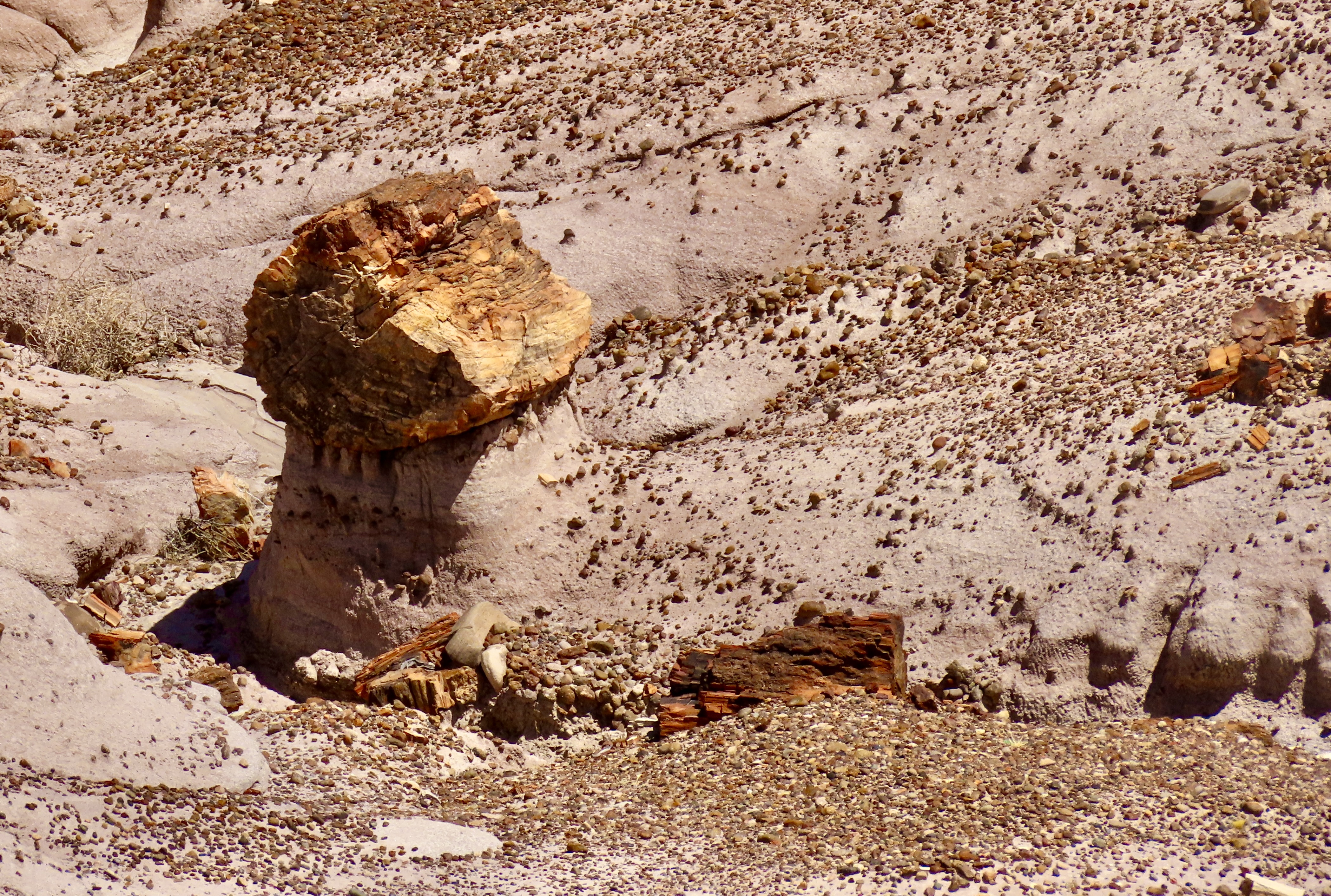
Petrified Forest National Park
Monument Valley
Canyon de Chelly
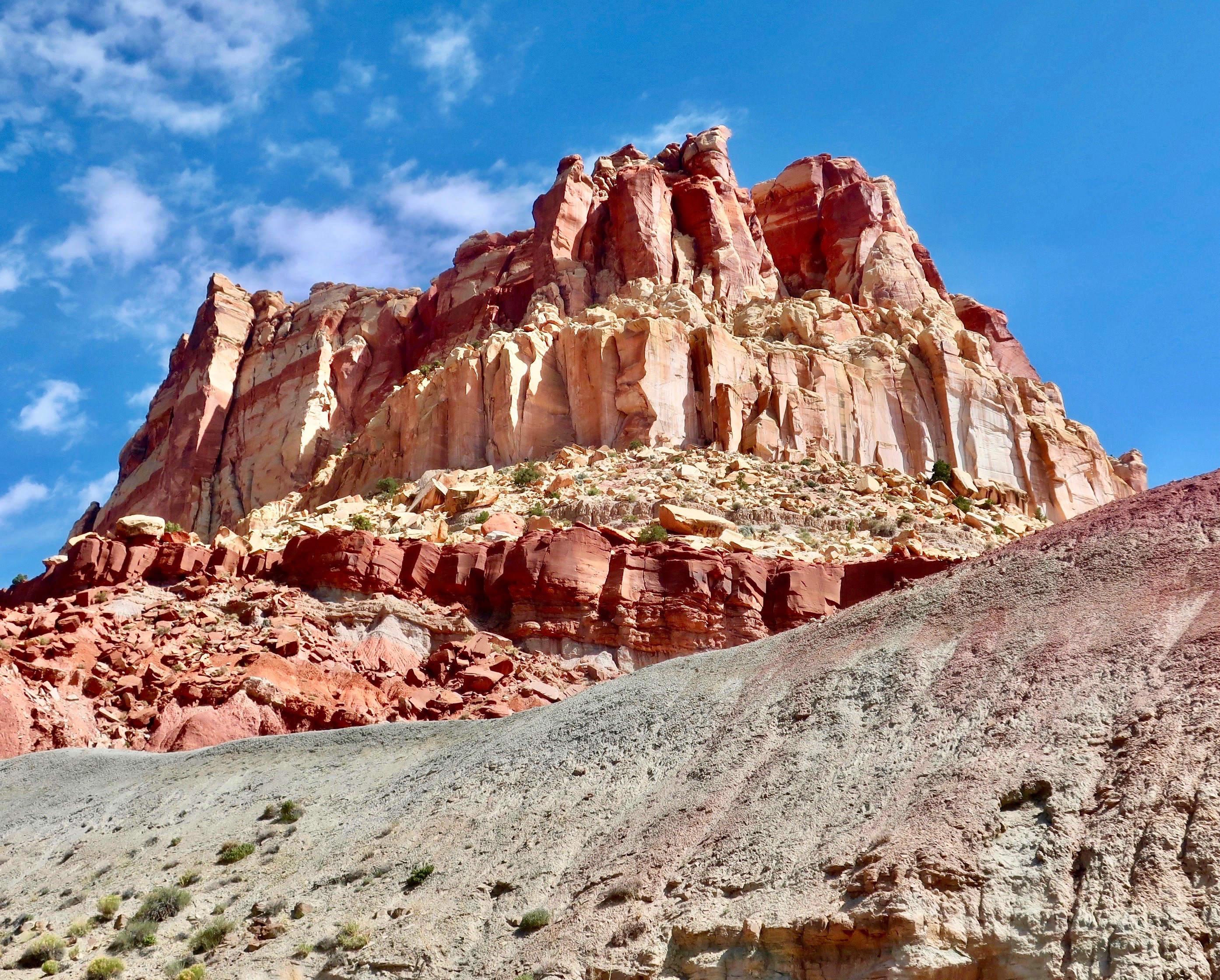
Capitol Reef (Very Recent Blog!)
Grand Canyon
NEXT POSTS:
The final calendar photos tomorrow on New Year’s Eve.
Next Tuesday I return to the Sierra Trek with a tale you won’t want to miss. And no: The American Lung Association was not running a pot smoking orgy in the mountains!
We expected to find impressive stone monuments in Monument Valley and weren’t disappointed. A convenient stump added to the magic of this scene. Many a Hollywood star ranging from John Wayne to Johnny Depp saddled up here and made Westerns.
Peggy and I are sitting in our van on the edge of the Bosque Del Apache National Wildlife Reserve on the Rio Grande River in central New Mexico. It’s supposed to be a major winter gathering place for numerous species of waterfowl, even the close to extinct whooping crane. We are watching as sandhill cranes return to the reserve in long lines after a day feeding along the river. At least a thousand have flown by so far.
We were greeted by a road runner when we came into the campground. The owner told us to watch out for wild pigs. I wonder if he meant peccaries. They are nastier than pigs and come with razor sharp tusks, great for rooting up food— or doing serious damage to pesky tourists. Here piggy, piggy, piggy. We saw lots of fresh tracks this morning when we were hiking up a desert wash near Los Lunas looking for petroglyphs, but there were no peccaries.
Other than the train that just roared by and the sound of sandhill cranes settling in for the night, it seems extraordinarily quiet here. If you travel 30 miles due east from where we are, however, you come on the Trinity site where the first atomic bomb was blown up on July 16, 1945, forever changing the world. A bit farther east, Smokey the Bear was discovered in a tree hiding out from a wildfire in 1950, and Billy the Kid practiced his fast-gun draws in the Lincoln County War of 1878. Continue on and you come to Roswell where UFO fans will forever declare that flying saucers crashed in 1947 and the government hid the fact. Traveling the opposite direction into the Rockies some 60 miles, the Very Large Array of radio telescopes searches the skies for alien life and other astronomical wonders. Lots has happened in this quiet place.
I rode my bike through here in 1989 as part of my 10,000-mile bike trek around North America. I crossed the Rockies in one day, bicycling 100 miles. If that seems a bit daunting, like it did to me at the time, the second 50-miles were all downhill. Woohoo!
We have just completed a delightful few days of exploring Taos, Abiquiu and Ghost Ranch following in the footsteps of Georgia O’Keefe and her friend Ansel Adams. It should make a fun blog. But that is all in the future. Today I want to share a few of the photos we took at the Hubble Trading Post, Canyon De Chelly and at Monument Valley. (Written a few days ago.)
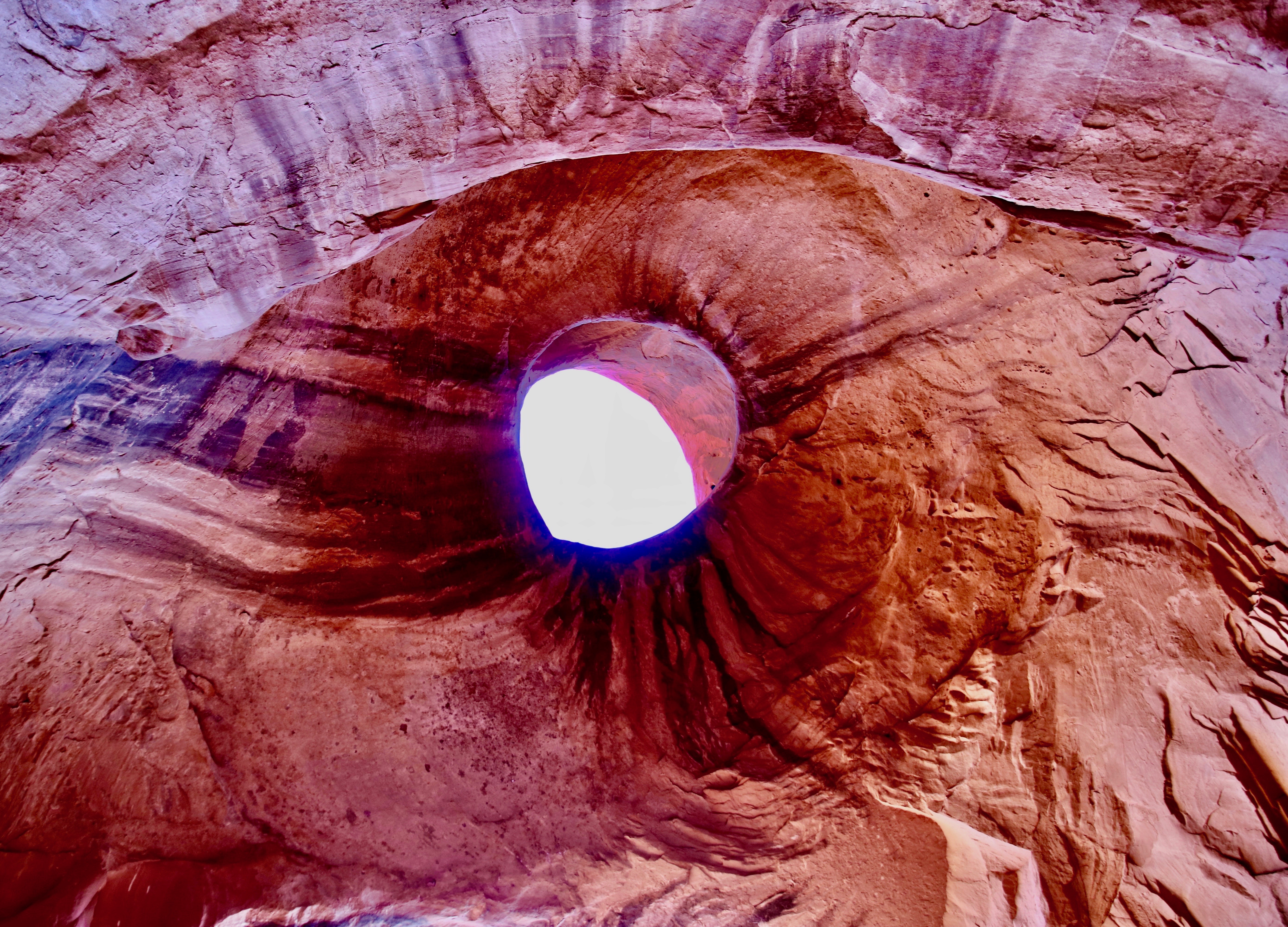
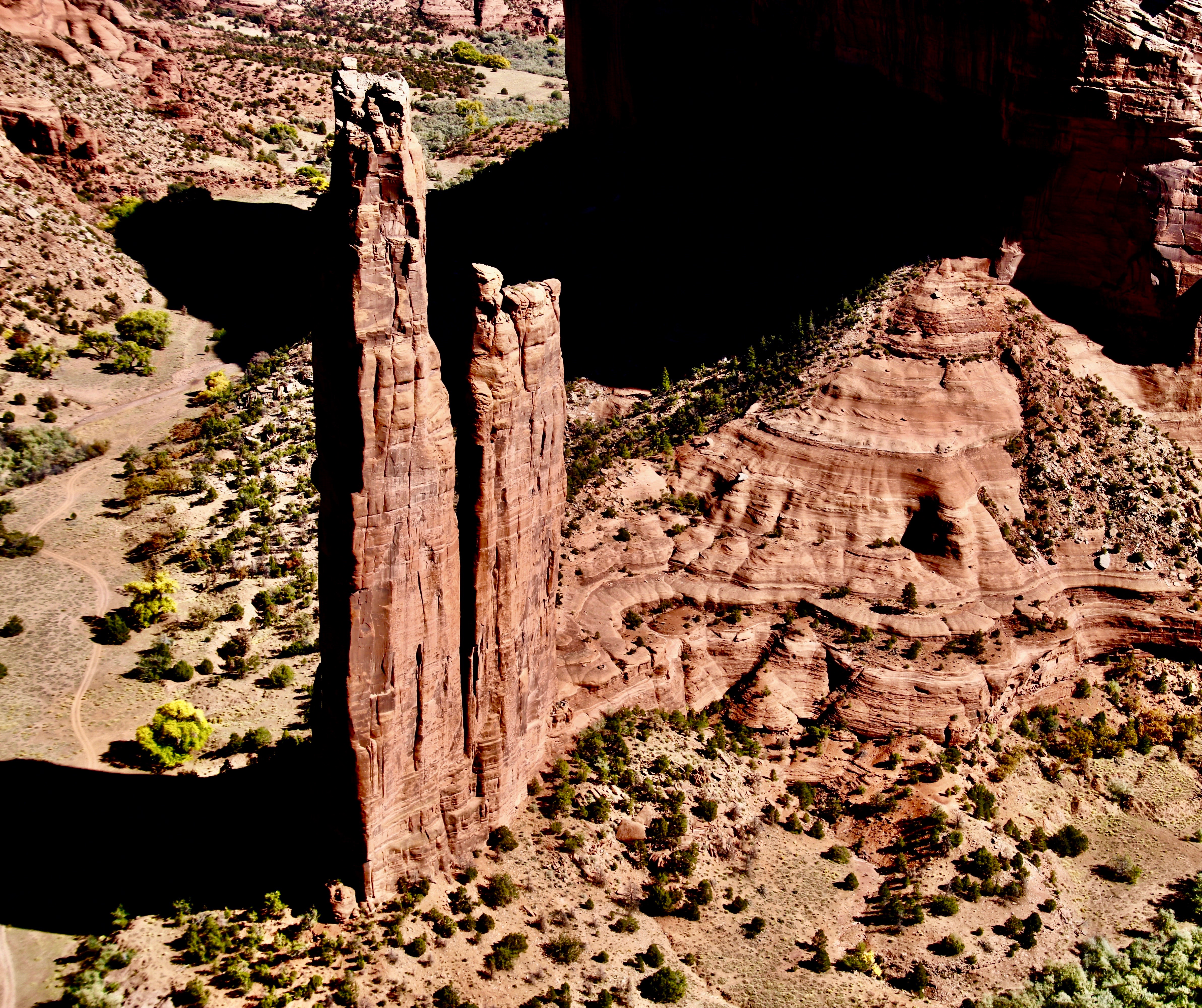
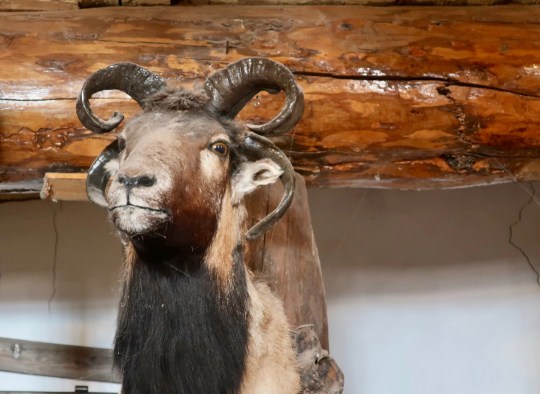
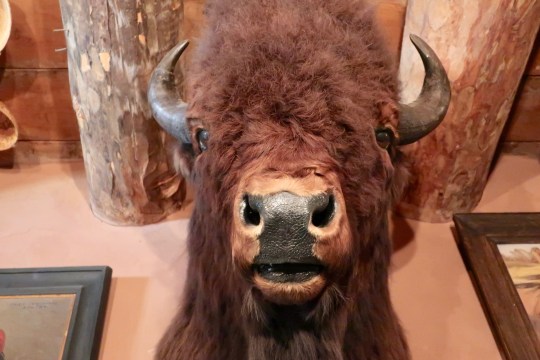
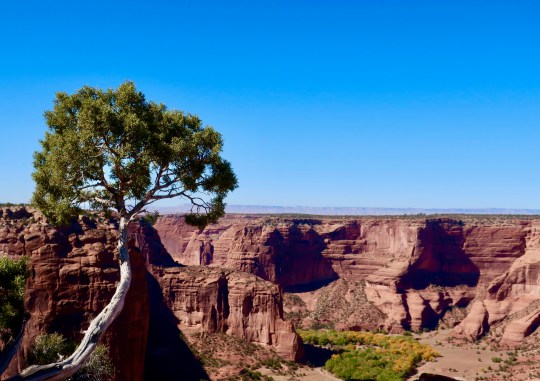
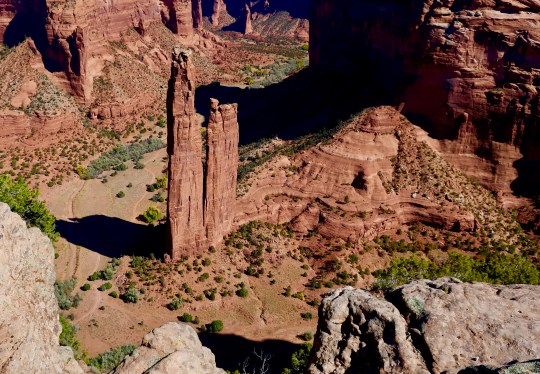
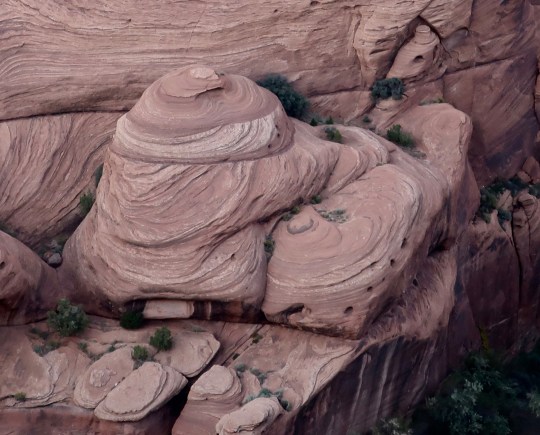
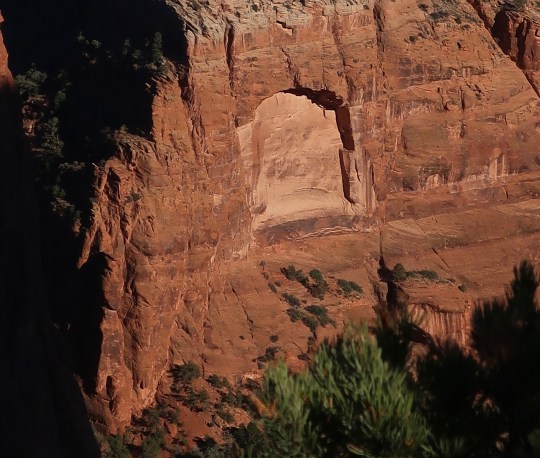
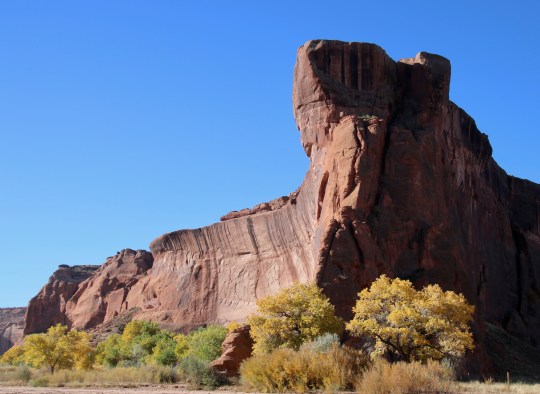
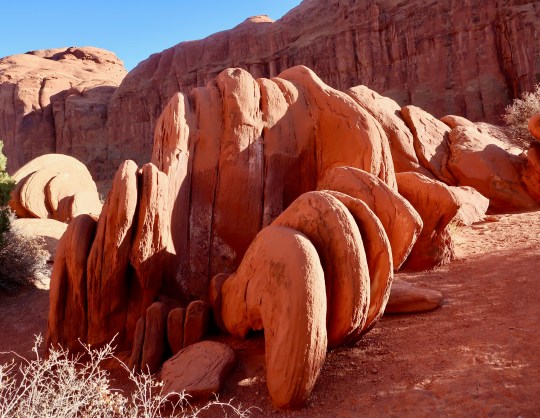
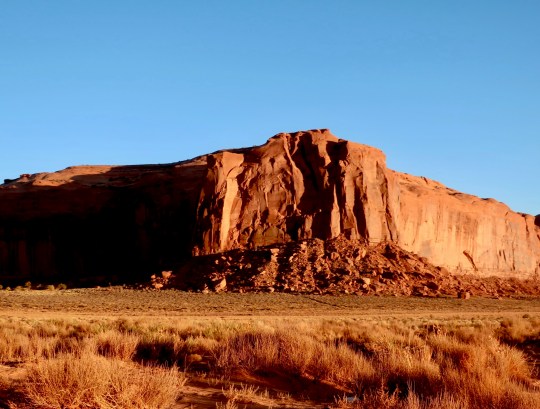
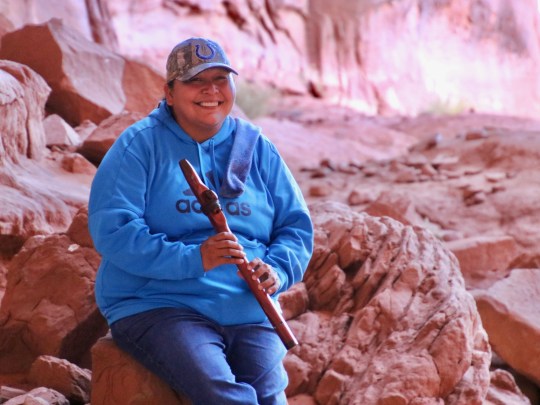
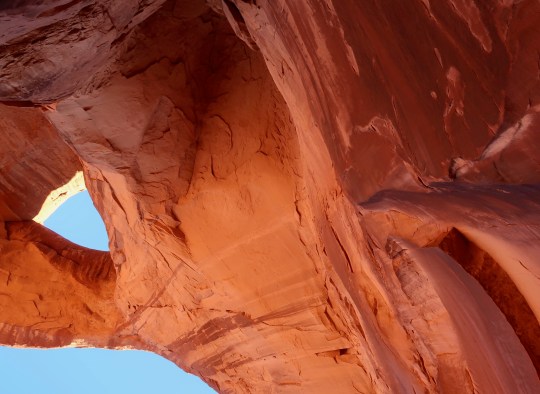
Sheep are important to the Navajos, both for their wool and meat. This four horned fellow, looking down his nose at me, decorated the walls of the Hubble Trading Post. He was joined by…A buffalo and…A magnificent elk.Hubble provided the Navaho with a means of making a living by encouraging them to make rugs and then buying them to sell. I was amused to find this one in his home, which is now part of the National Monument. The face reminded us of petroglyphs that are found throughout the Southwest, which we will feature in a later post.Rugs continue to be made and sold at the post in the traditional way.A view inside the Hubble Trading Post, which is still open for business and looks very much like it did a hundred years ago. We bought post cards to send to the grandkids.Navajo made baskets cover the ceiling of the Hubble Trading Post.We left the Hubble Trading Post and drove on to the Canyon de Chelly (pronounced shay) National Monument which is jointly operated by the Navajo Nation and the National Park Service. We were driving along the south rim of the Canyon when we came on a herd of handsome Navaho sheep. (Photo by Peggy Mekemson.)Visitors are welcome to drive along both the South and North rim of the National Monument. Several overlooks provide gorgeous views into the Canyon. Fall cottonwoods added a splash of color. Navajo still live in and farm the canyon.A number of ancient cliff dwellings are also found in the Canyon. (Photo by Peggy Mekemson.)As might be expected, prominent landmarks are incorporated into Navajo mythology and beliefs. The monument is Spider Woman.The power of erosion on various types of rocks creates marvelous land forms in the canyon. Check out the face on the right!Shamans of Native American tribes were known for the other-worldly journeys they took. Peggy and I thought this eroded rock looked like a window or door into such a world. Stare at it for a few minutes and you may see other beings looking out at you. Grin. (Photo by Peggy Mekemson.)As we returned to our campground, we were treated to a sunset that lit up the canyon walls.If you wish to journey into Canyon de Chelly, you have to have a Navajo guide. I highly recommend the experience. While you can appreciate the beauty from the rim, being inside provides a totally different perspective! (Photo by Peggy Mekemson.)Even the well traveled tracks that your guide takes you over provide a unique look.The views in the canyon went on and on, enhanced by the fall colors as they were from the rim.We visited a number of petroglyph sites. The fellow lying down is Kokopelli, known for his mischief and playing his flute, which he used to seduce women. (Photo by Peggy Mekemson.)Our guide, James Yazzie Jr., added considerably to the enjoyment of our experience. In addition to being a guide, he was a horse rancher, welder, Native dancer, and movie extra. His grandfather had been a ‘Navajo Talker’ during World War II.Monument Valley is also part of the Navajo Nation like Canyon de Chelly and once again we went on a Navajo guided tour. This monument is a beauty but somehow I couldn’t help but think of Rowan and Martin’s Fickle Finger of Fate award. Those of you who were around will probably remember the award that was given out weekly on the TV show. (Photo by Peggy Mekemson.)My imagination jumped to petrified Tyrannosaurus Rex claws when I saw these rocks!While I was focusing on ‘Rex’s claws,” Peggy captured these rocks in their golden setting. (Photo by Peggy Mekemson>)Monuments come in many sizes and shapes in Monument Valley.Peggy and I both took photos of this monument reaching for the sky.Our tour took us to the appropriately named “Big Hogan.” One of our tour group provided a perspective on just how big it is. The hole in the “Hogan” was quite colorful. (Photo by Peggy Mekemson.)Our guide, Roz, broke out her flute and played while we were admiring the ceiling of the “Hogan.” It was quite haunting. Kokopelli would have been jealous. (Photo by Peggy Mekemson.)I found the “Eye of the Sun” rock very dramatic.I am not sure the Ancients who created petroglyphs had a sense of humor, but I often find their petroglyphs humorous. This was in the Big Hogan and Eye of the Sun area.I’ll conclude this post with a view of the sunset in Monument Valley. (Photo by Peggy Mekemson.)
NEXT POST: The New Mexico world of Georgia O’Keefe and Ansel Adams.















 Wandering through Time and Place