
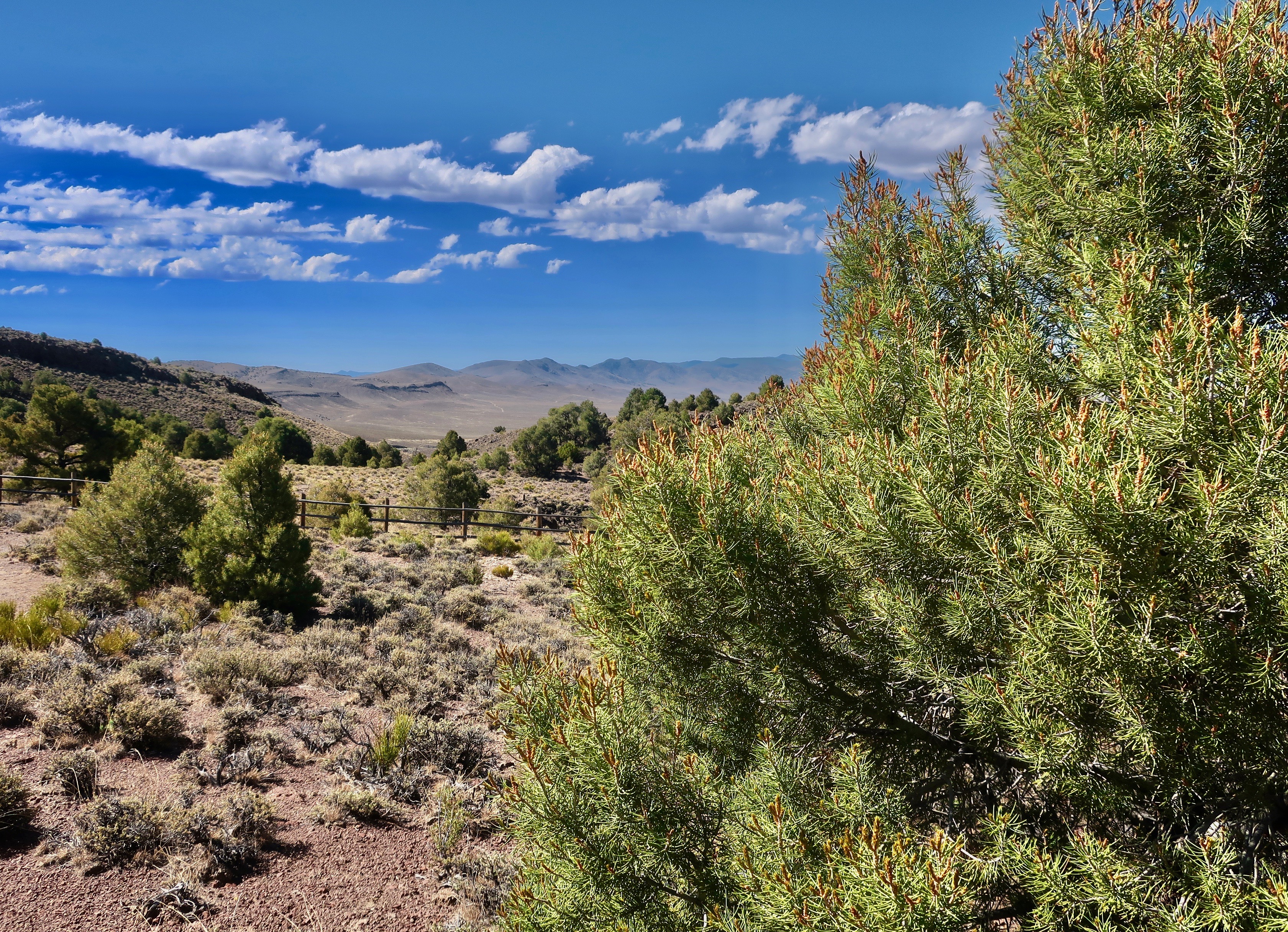
As we continued our backroads’ journey along Highway 50 through Nevada on America’s Loneliest Road, we passed over Hickison Pass, dropped down into another valley, and arrived at our campground for the night: Hickison Petroglyph Recreation Area. Peggy and I had stopped off here on another journey and been fascinated by both the rocks and petroglyphs.
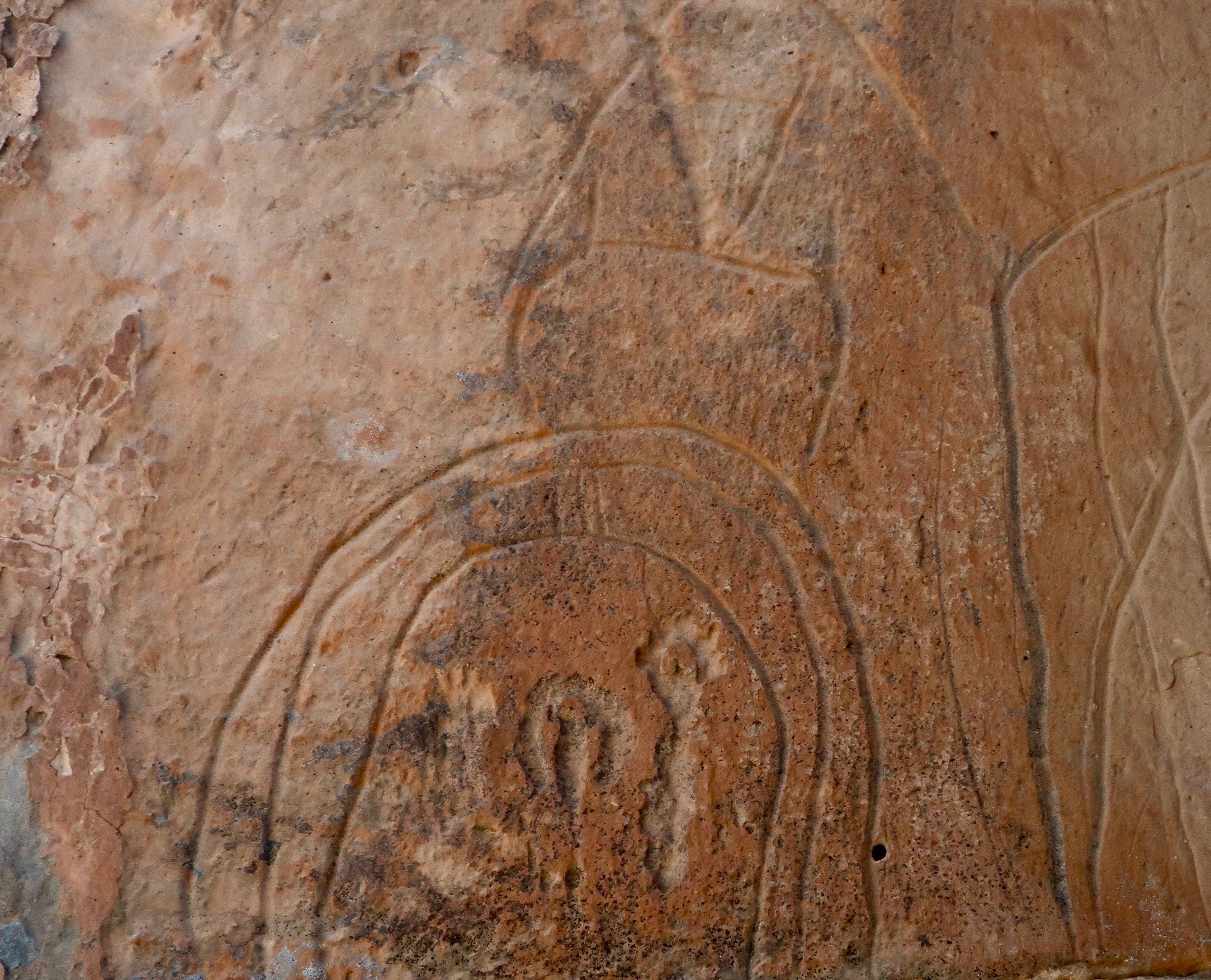
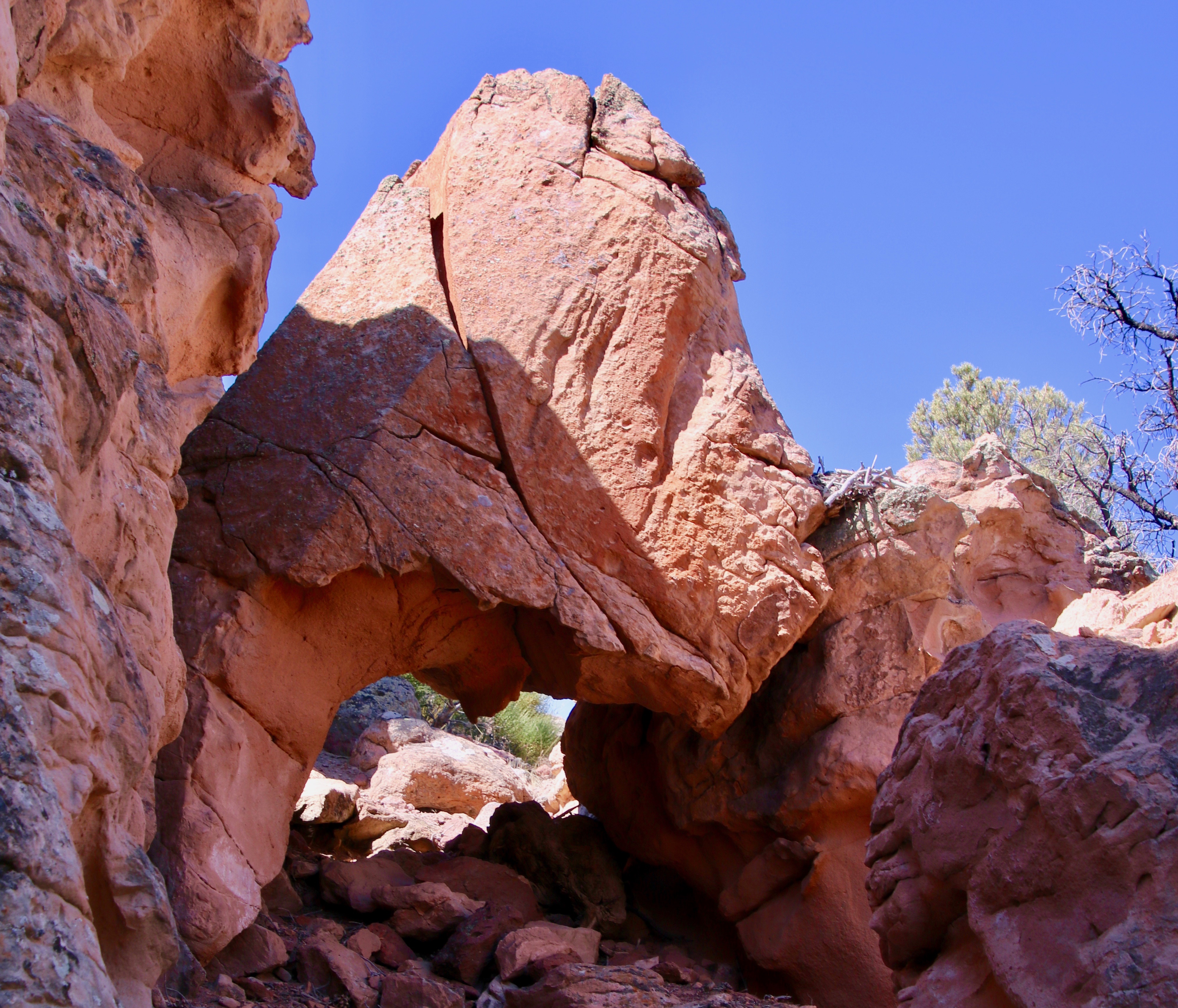
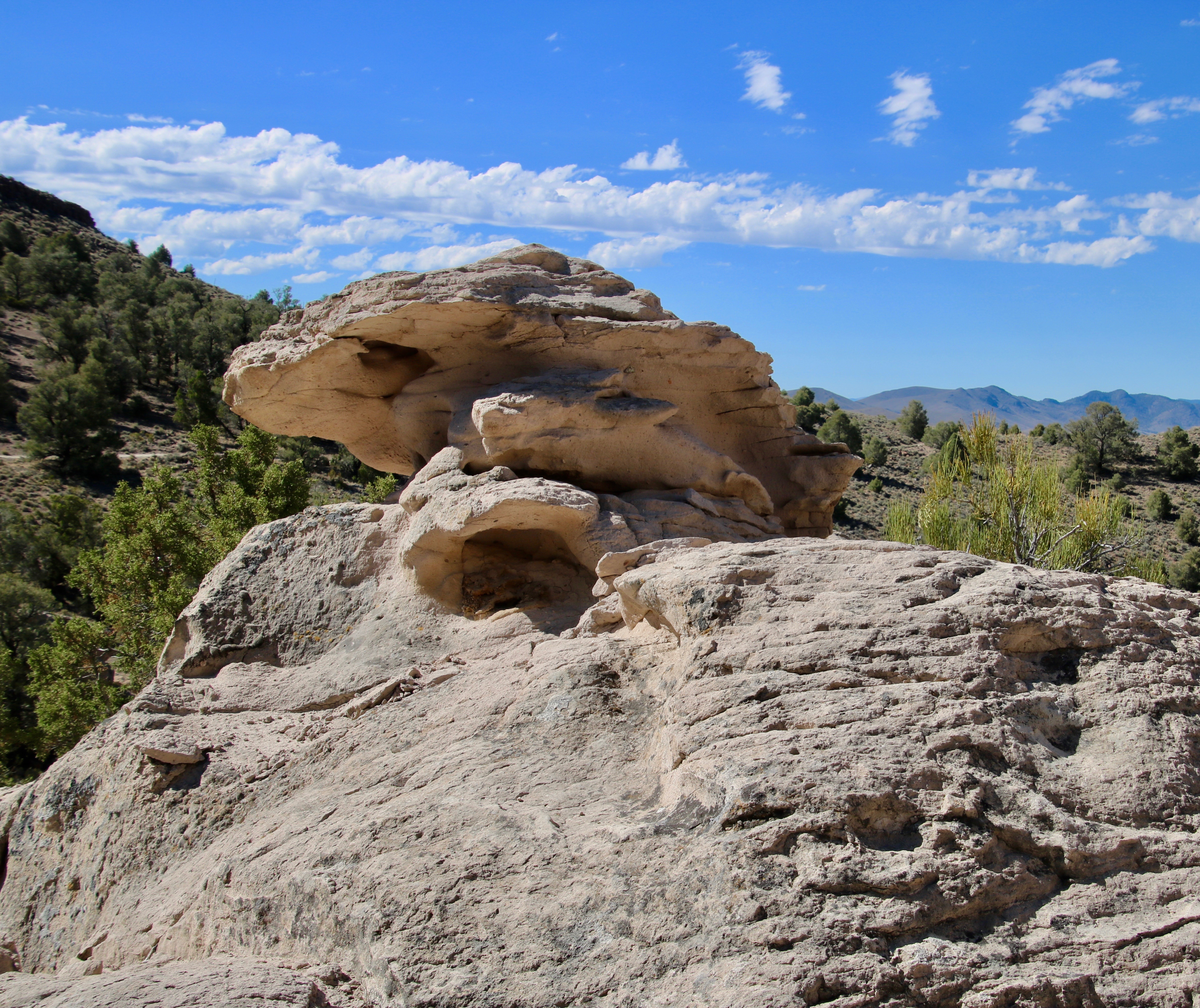
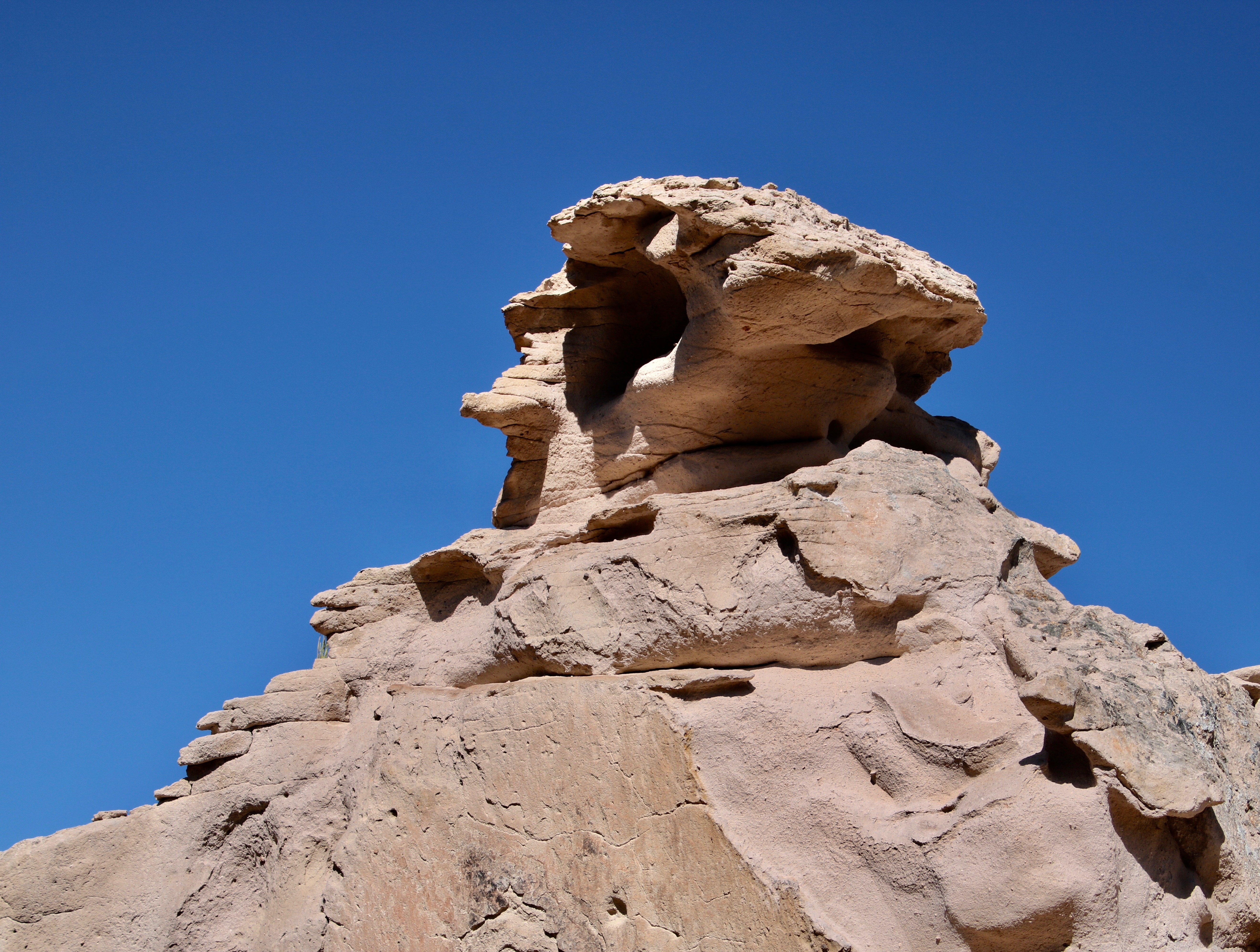
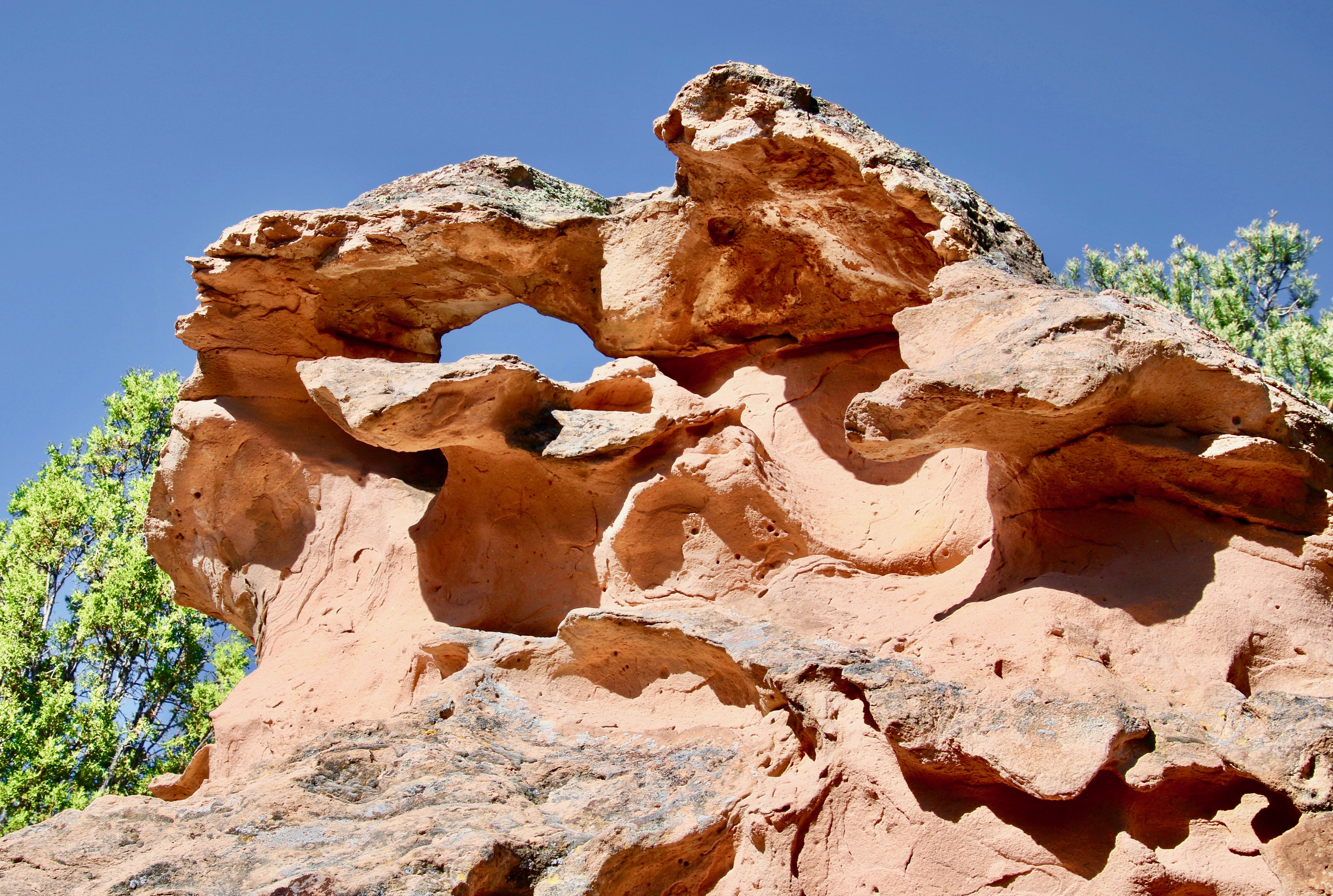
The rocks are composed of volcanic tuff, ash that has been ejected from an erupting volcano and then solidified into rock. It erodes easily in comparison to harder rocks, which is what has created the interesting rock forms at Hickison. It is also easily carved into petroglyphs. Like the Grimes petroglyphs that I featured on last Thursday’s travel blog, these are ancient, dating back thousands of years. But, as you will see from the following photos, they represent a different style.
The campground lacks water and electricity but we found it quite scenic. When we arrived, large, colorful bugs that resembled giant grasshoppers or crickets occupied our campsite. They are common in sagebrush country and go by the name of Mormon crickets. Actually they are shield-backed katydids.




But back to the rocks.
As you read this, Peggy and I are off celebrating Thanksgiving and our Anniversary at a favorite campsite on the Oregon Coast. We will catch up on comments and blogs when we return next week. In the meantime, we hope you are having/had a great Thanksgiving.
NEXT BLOGS: Tuesday is Blog a Book day where I will introduce you to the cast of characters that decided to hike a hundred miles across the Sierras with me. On Thursday’s Travel Blog we will finish up our trip across Nevada on Highway 50 and on into Utah, where it is also lonely.
 Wandering through Time and Place