
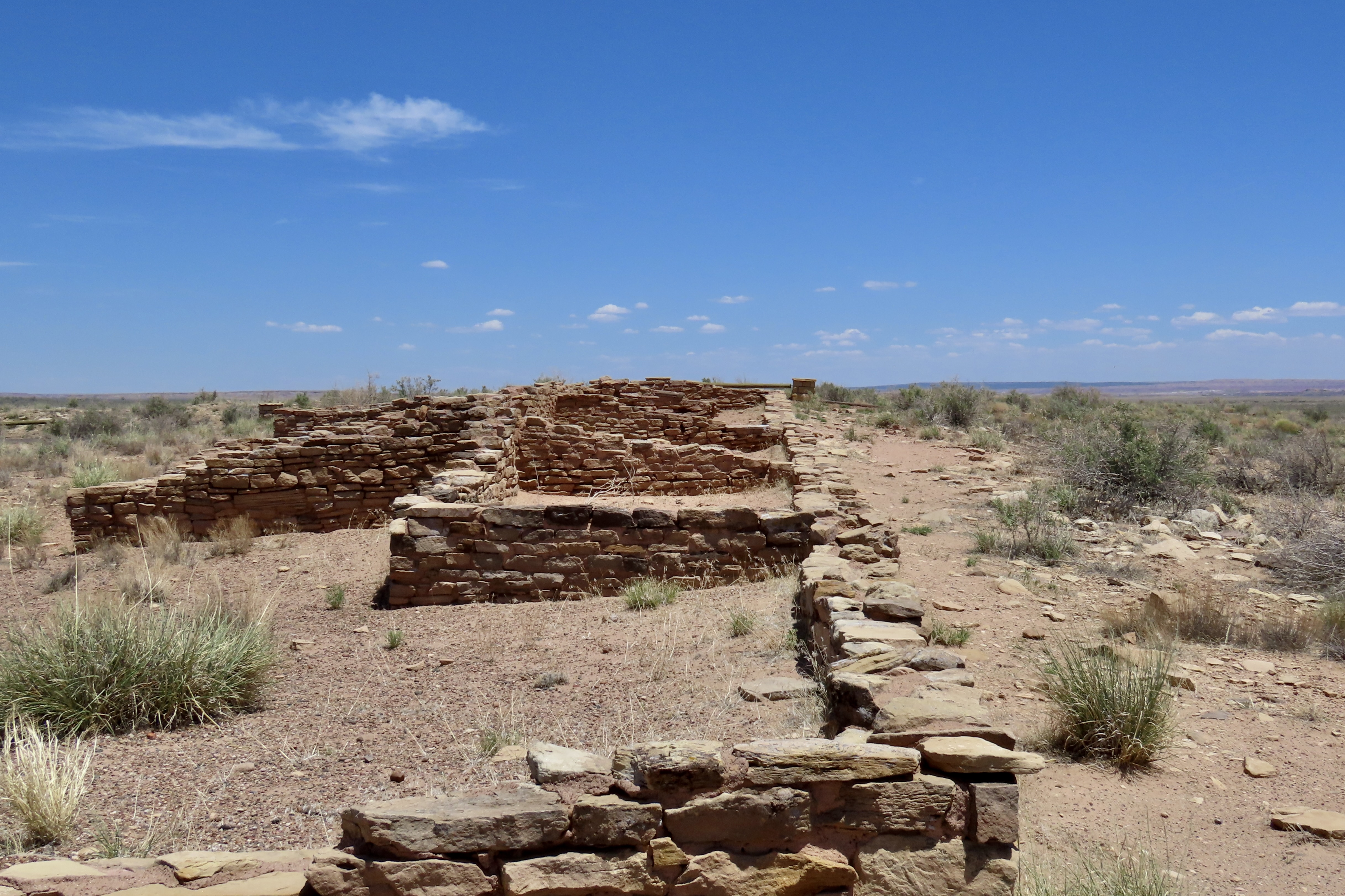
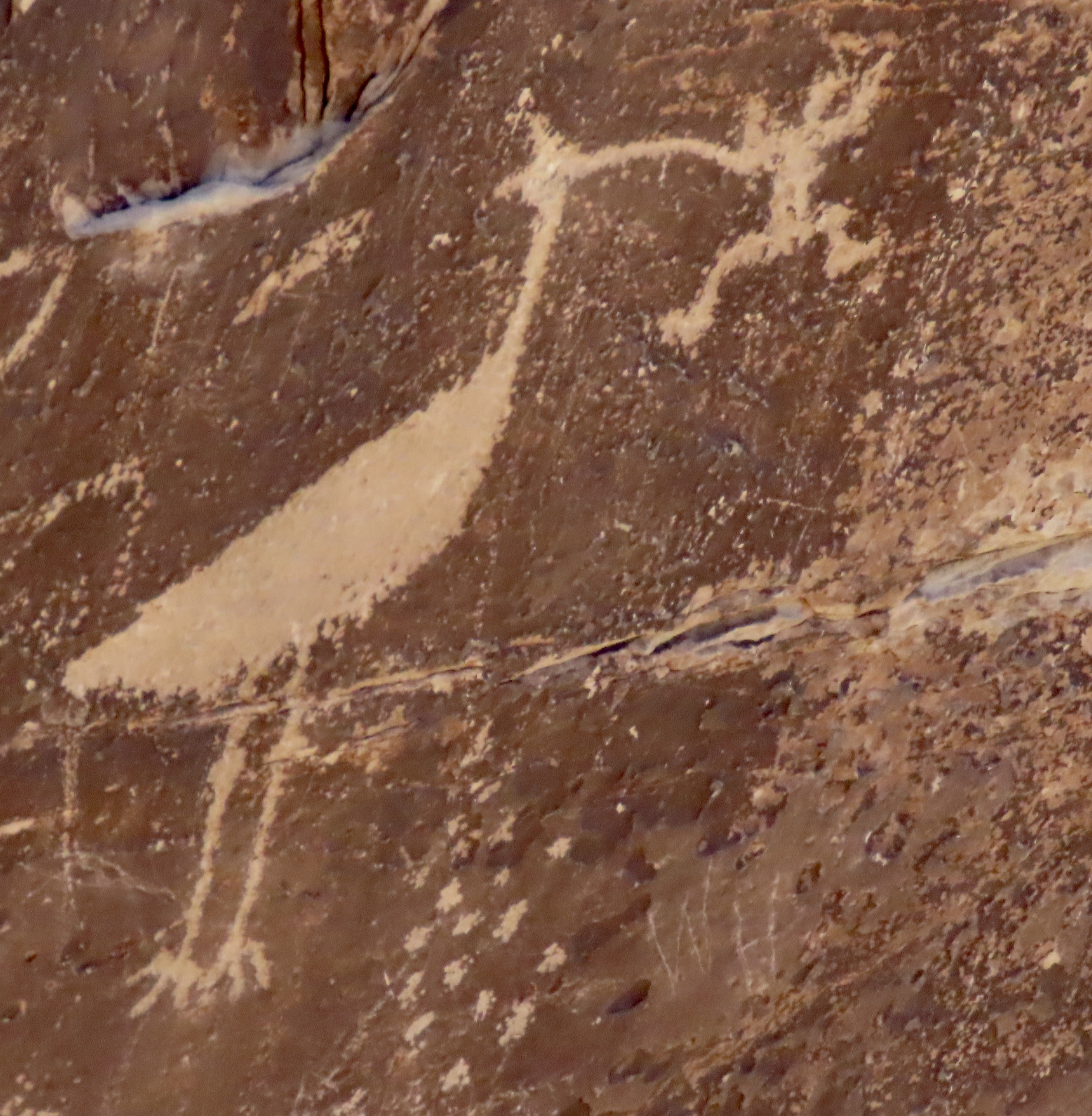
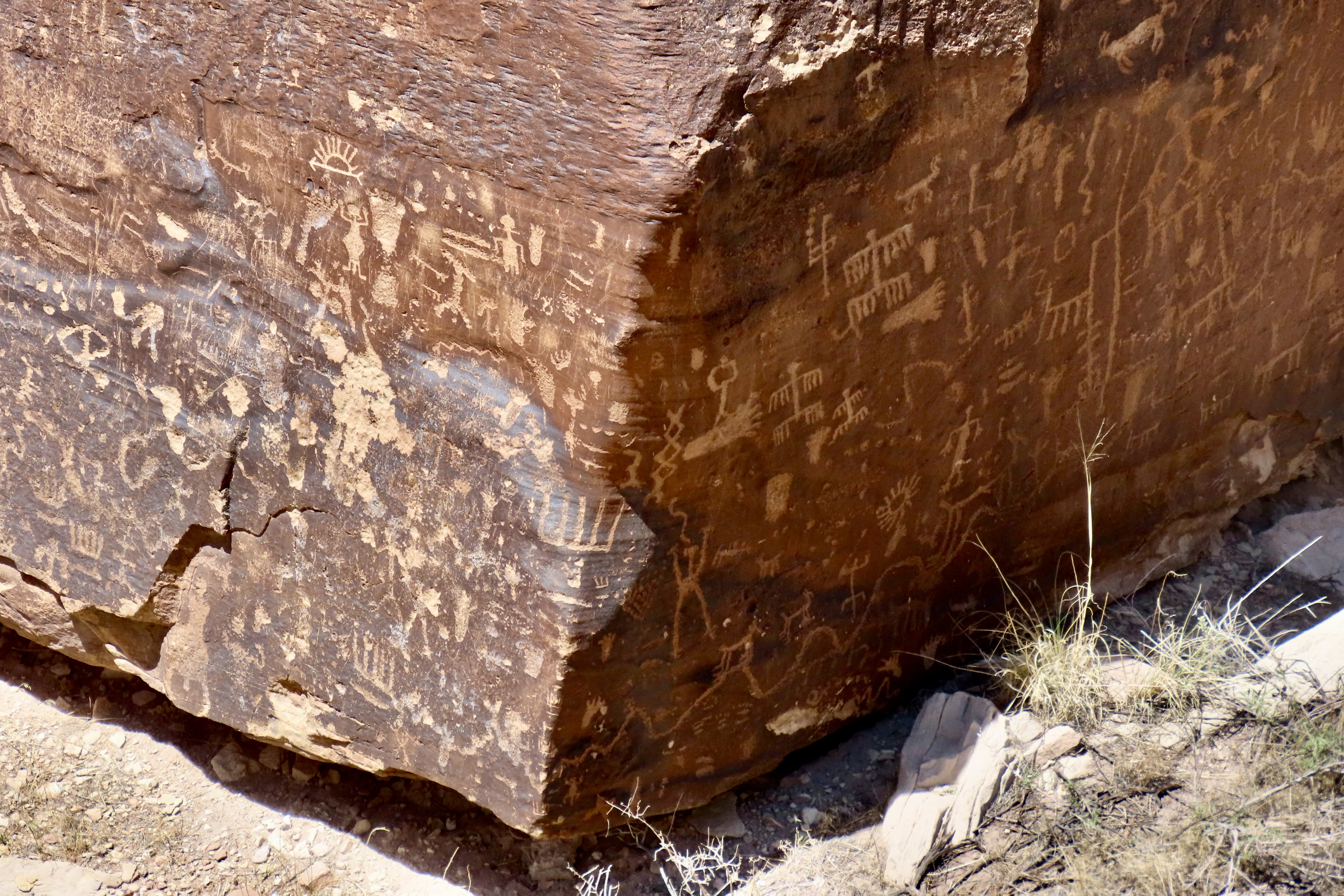
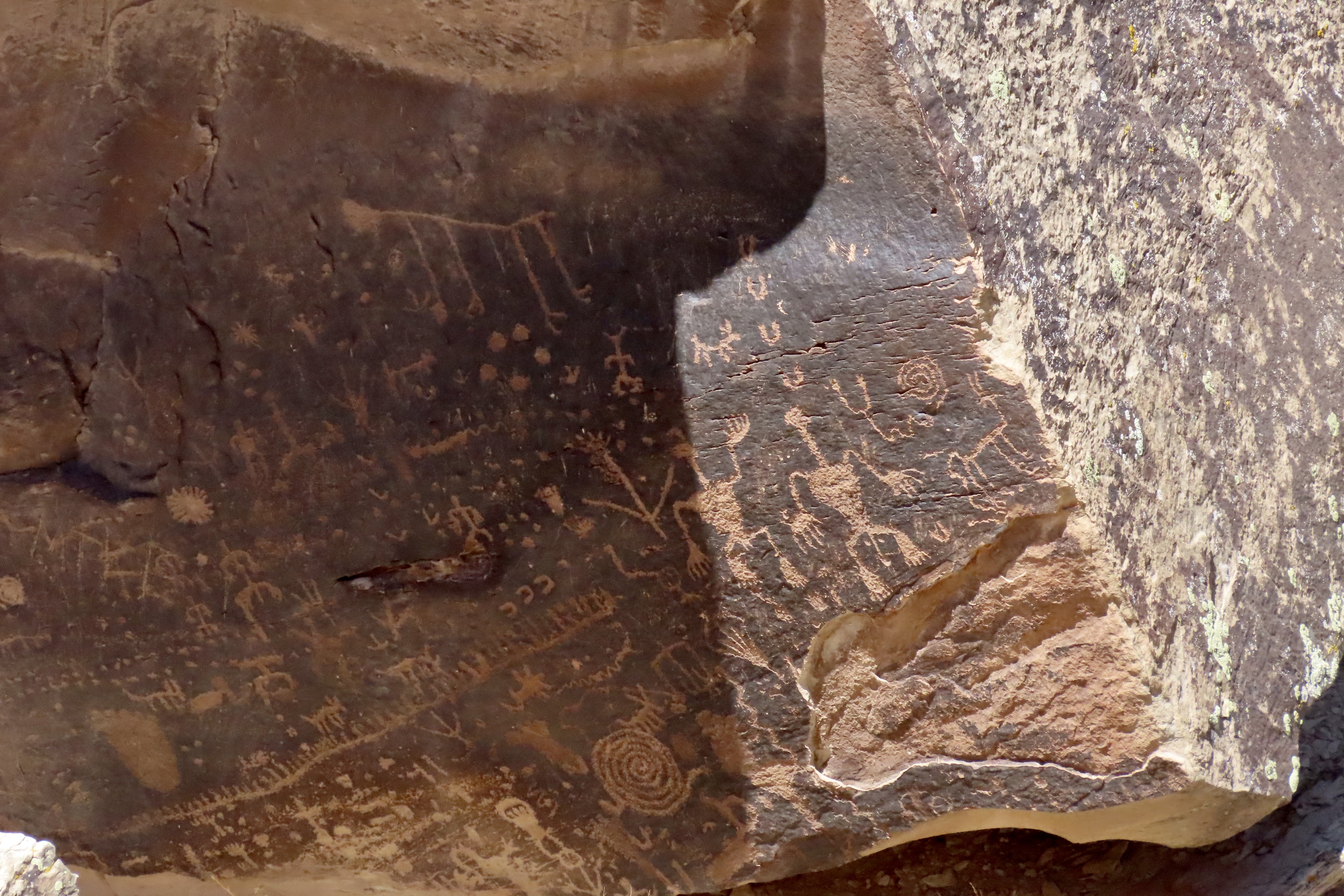
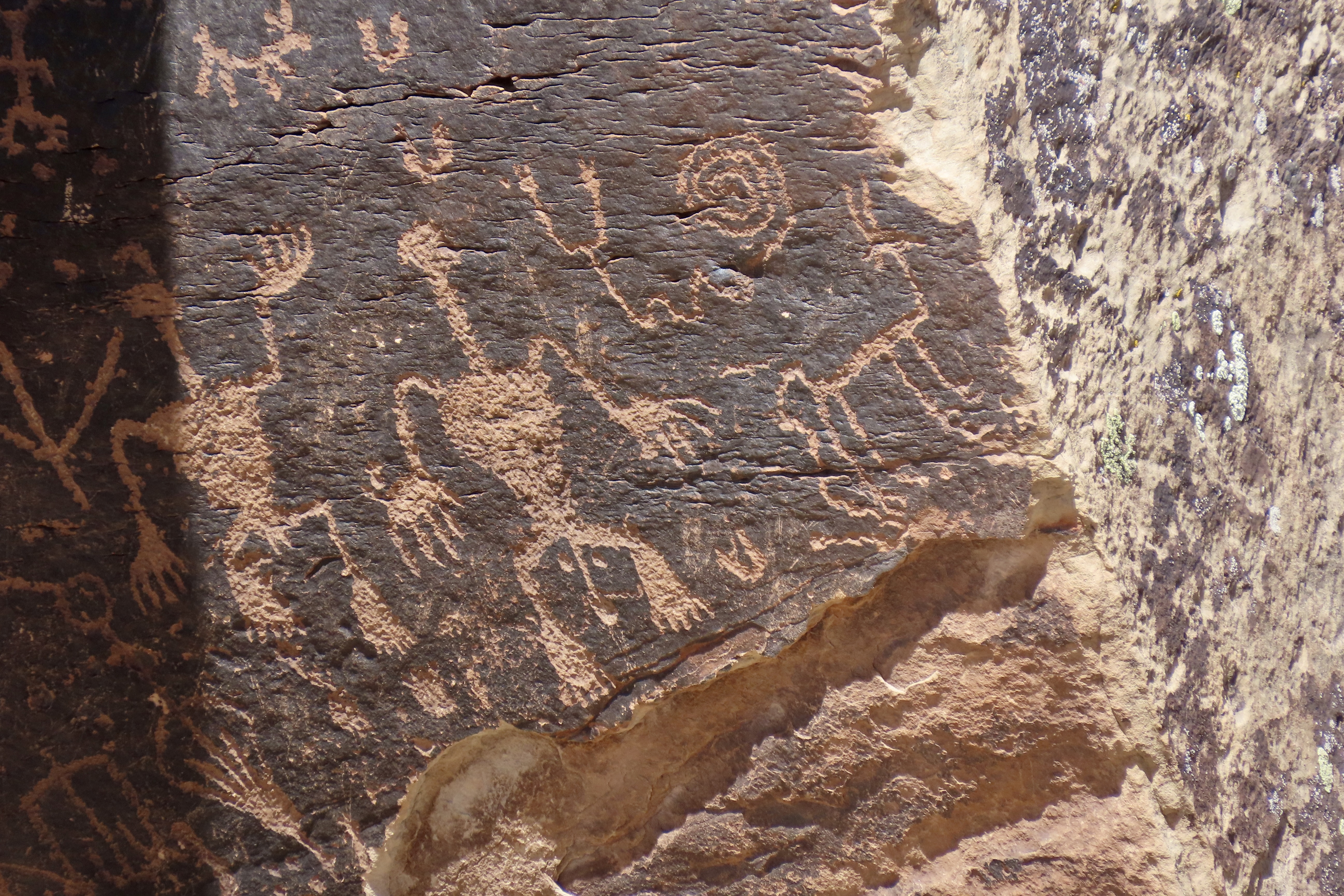
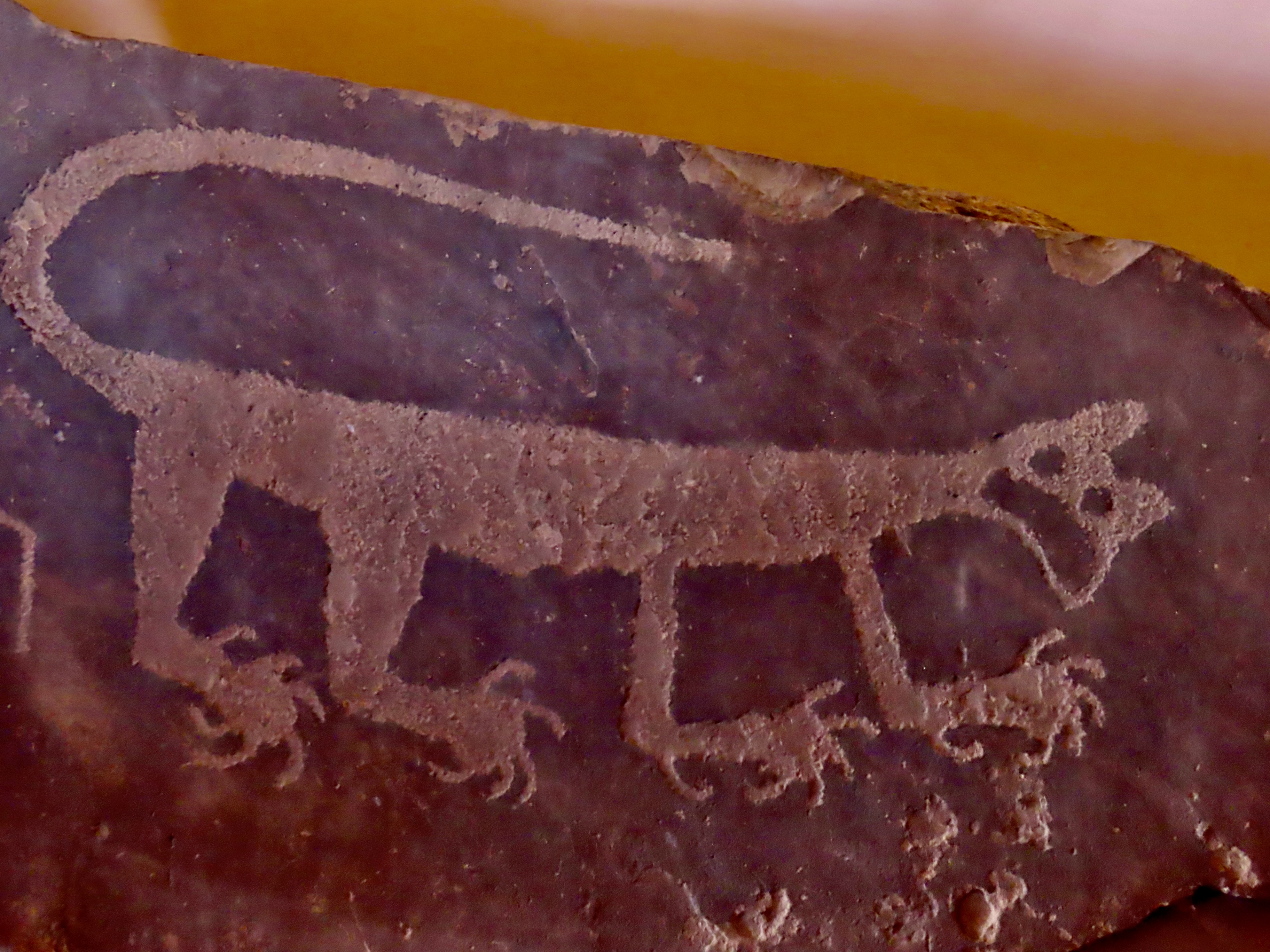
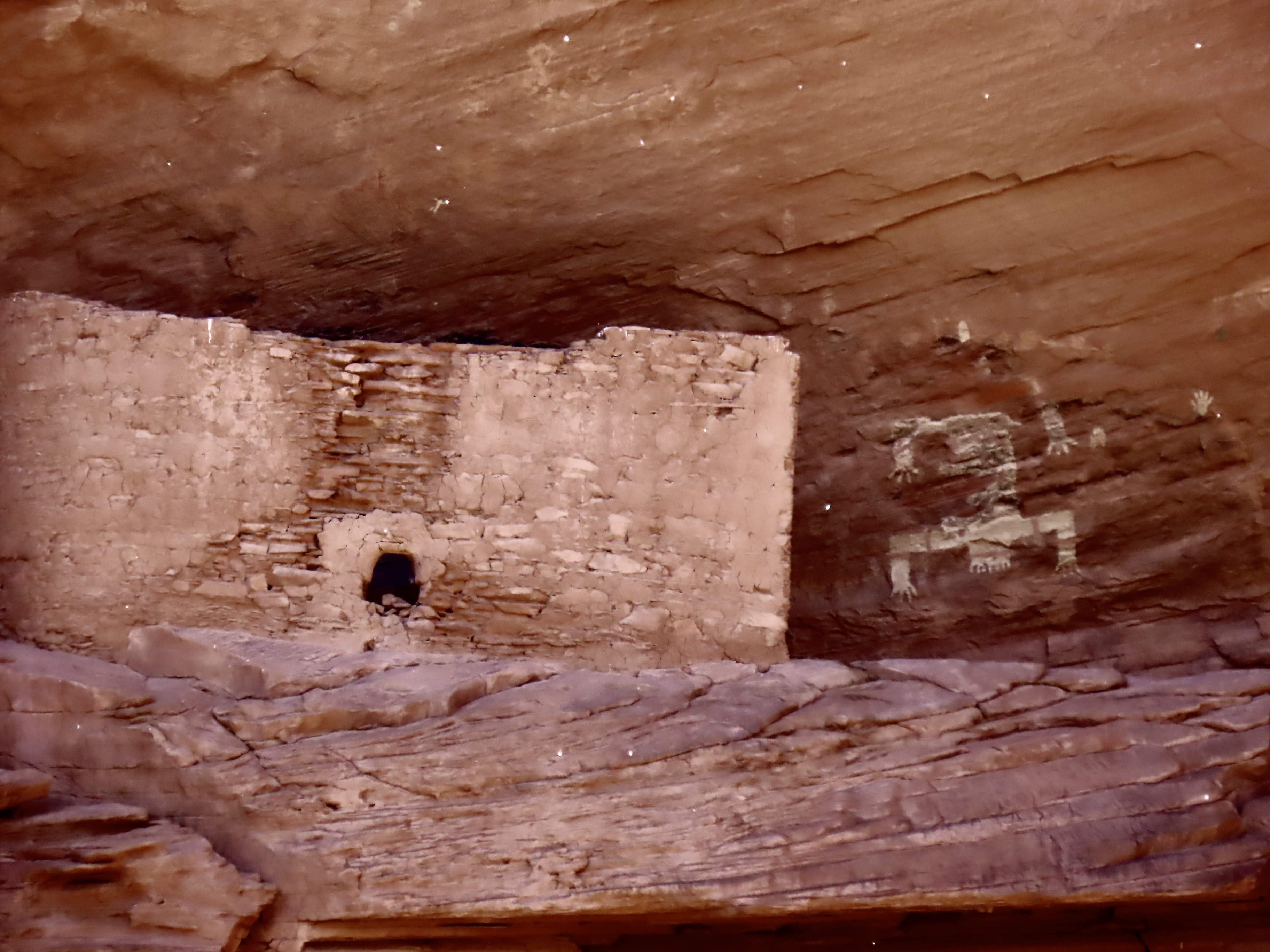
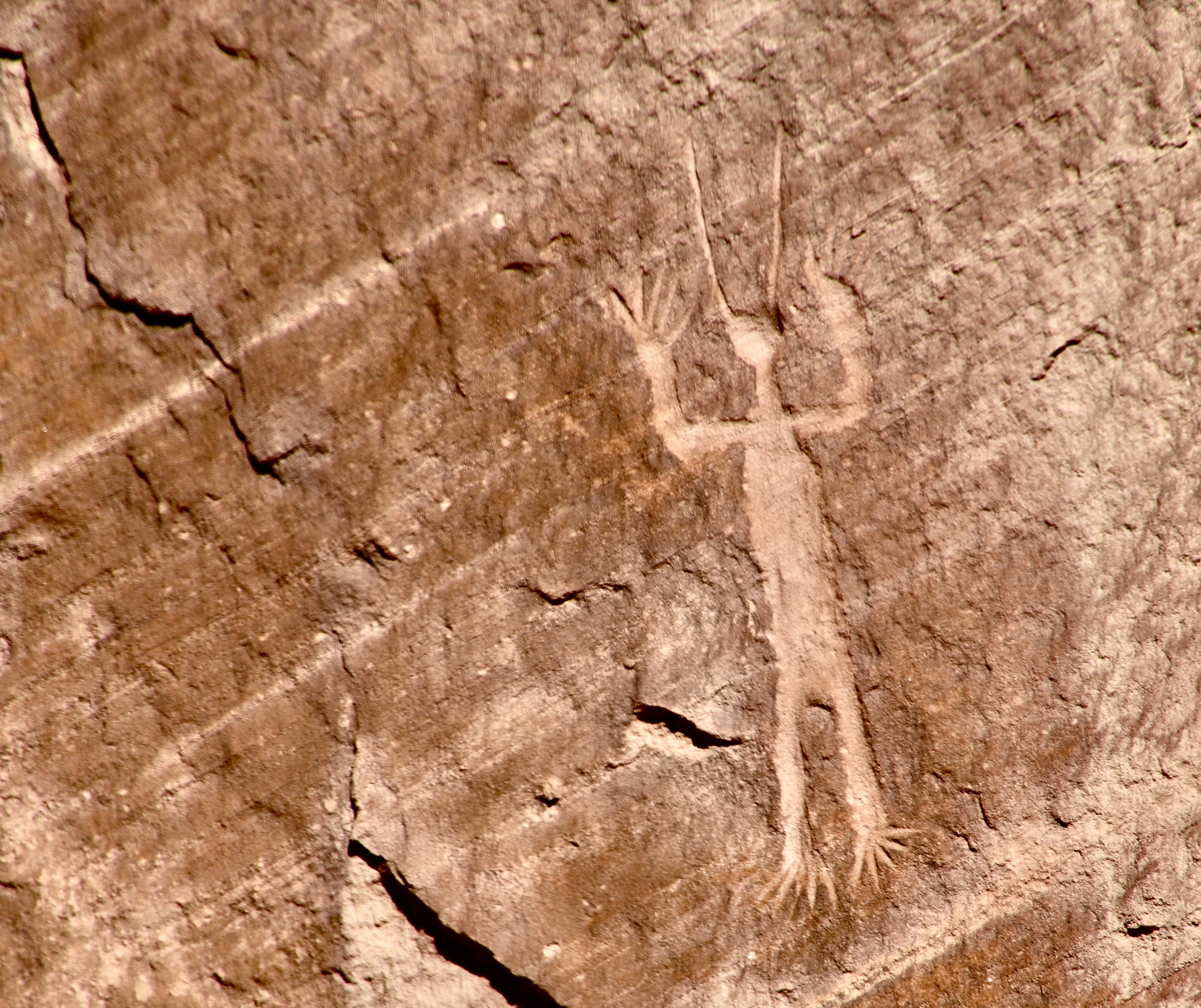
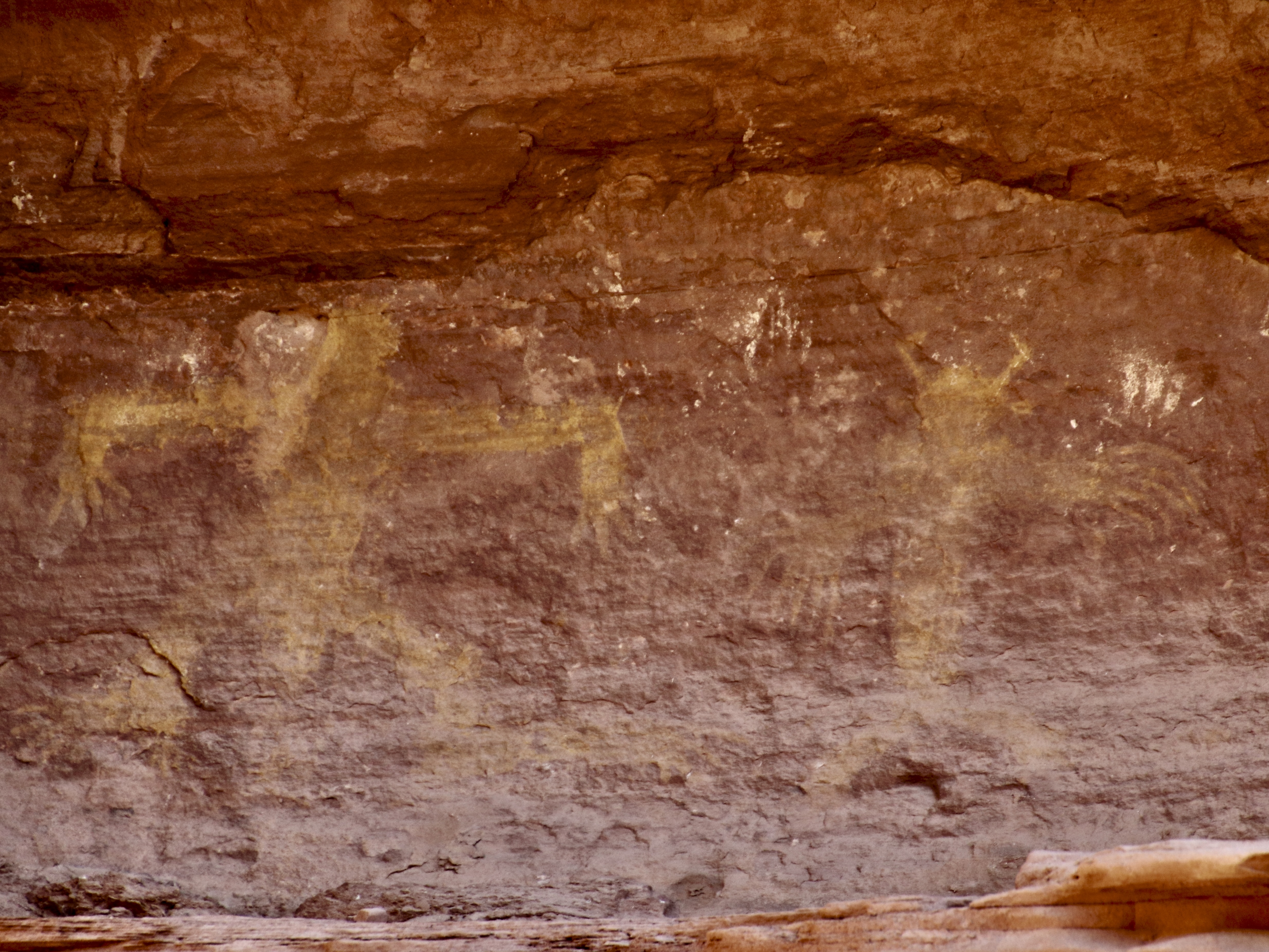
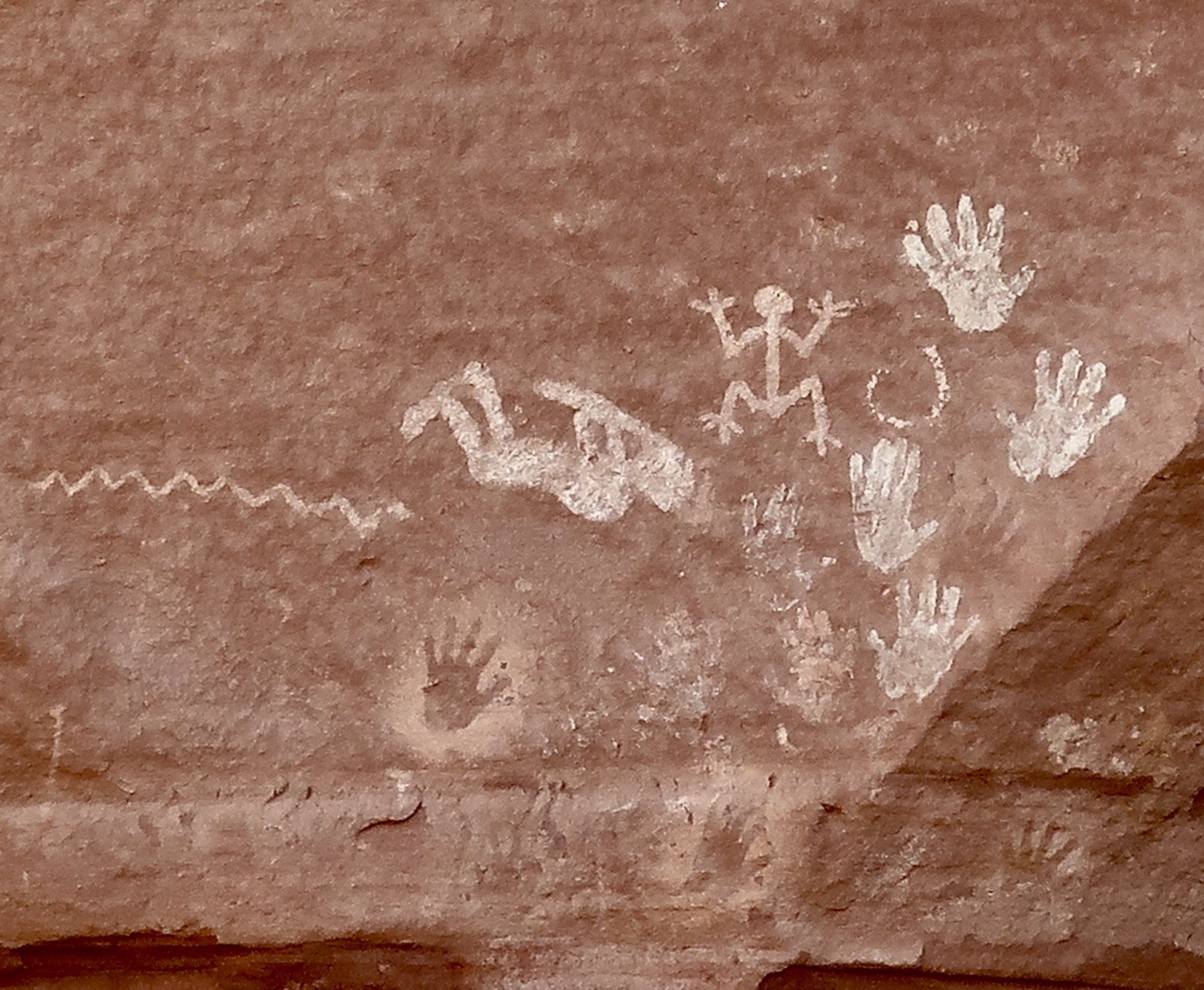
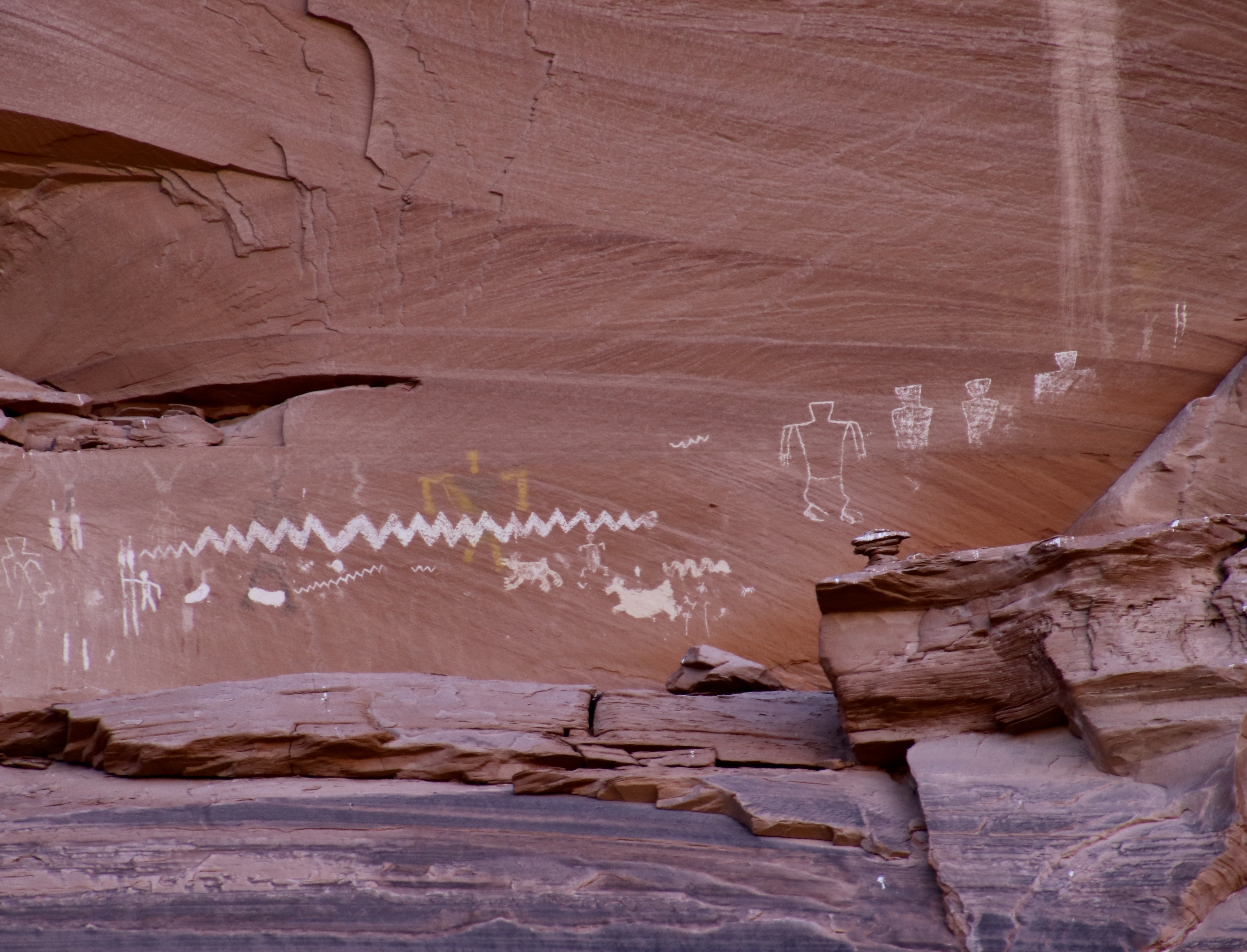
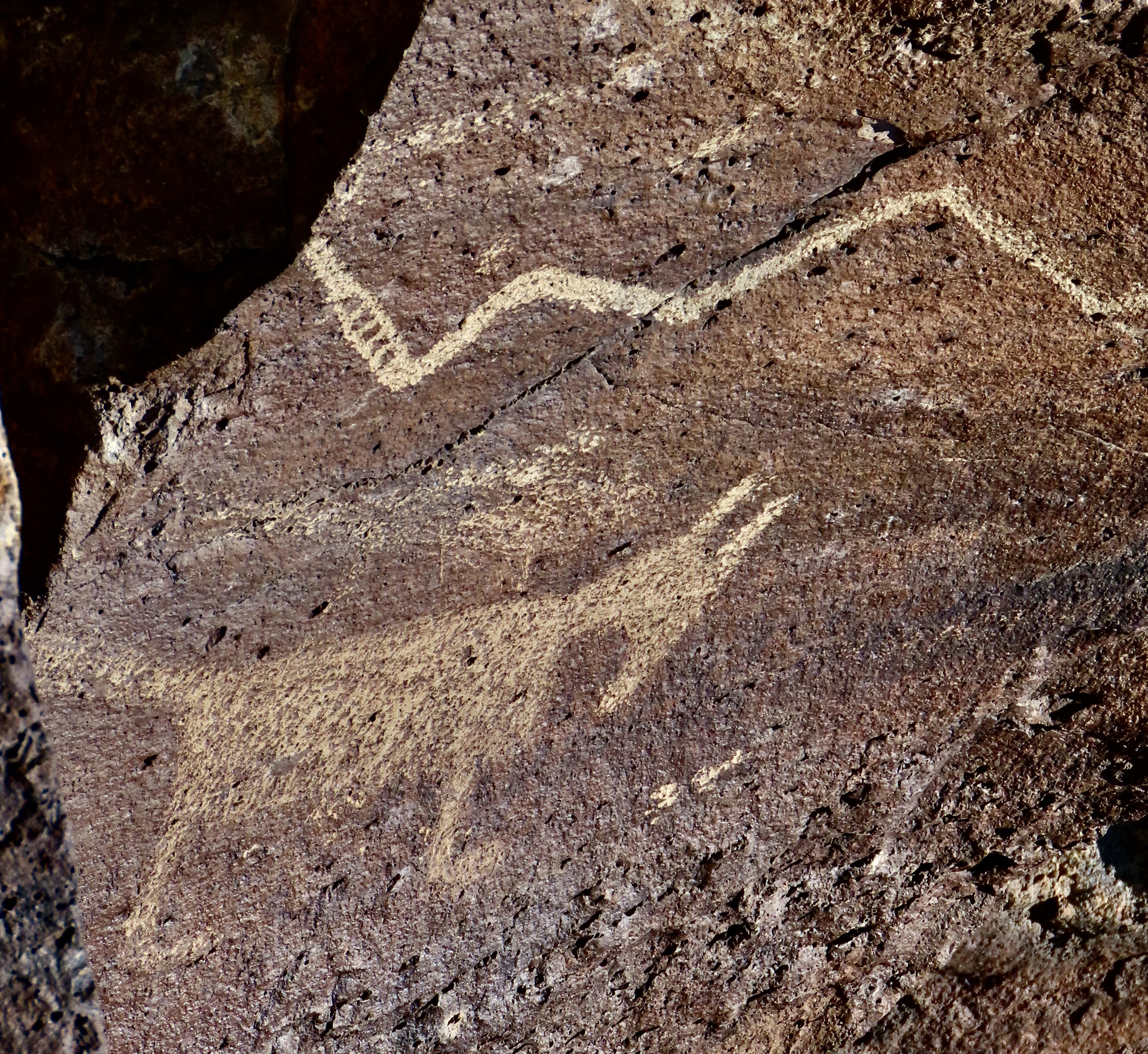
Peggy found several petroglyphs she might include in her next word search book— but don’t expect to find the naked couple.


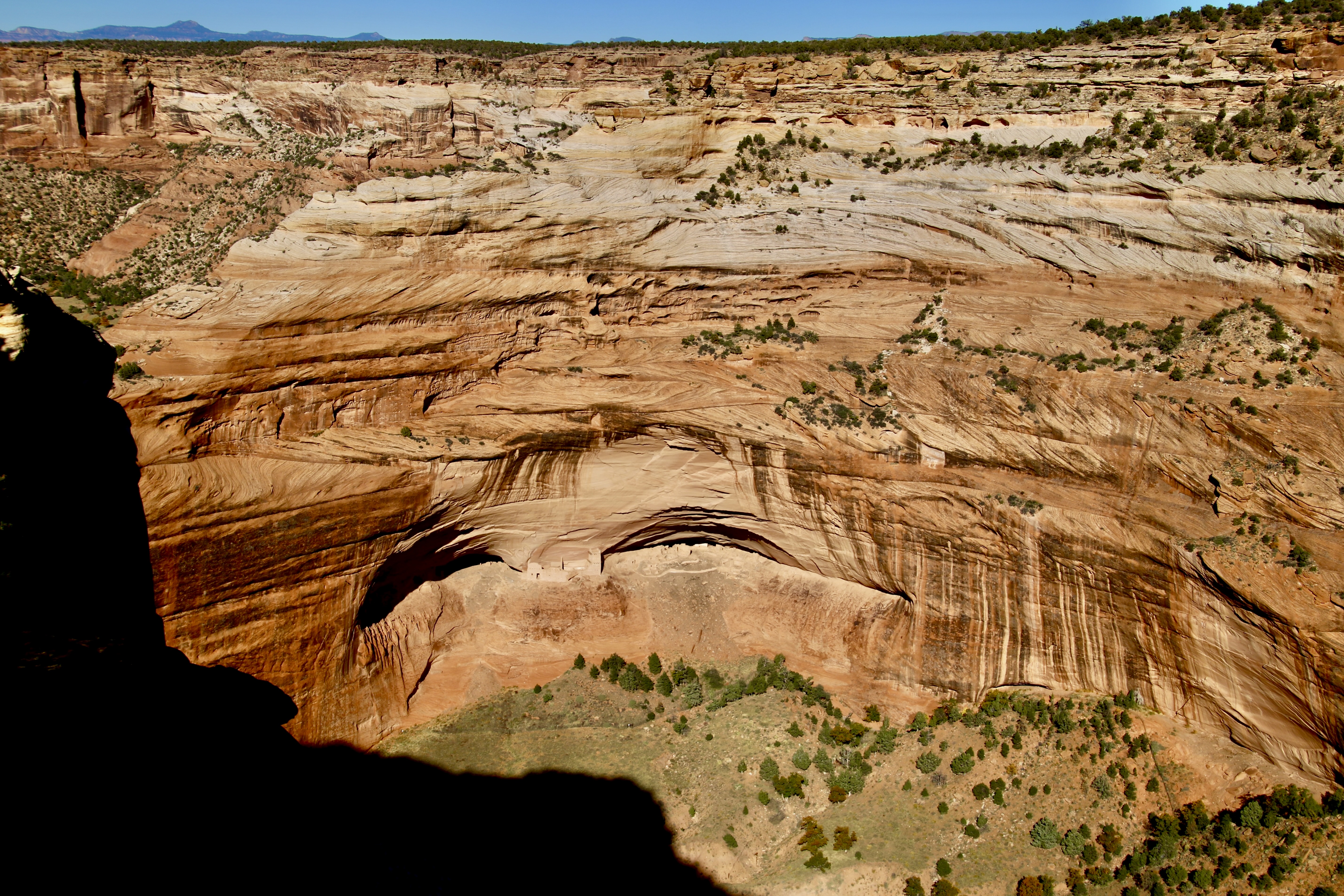
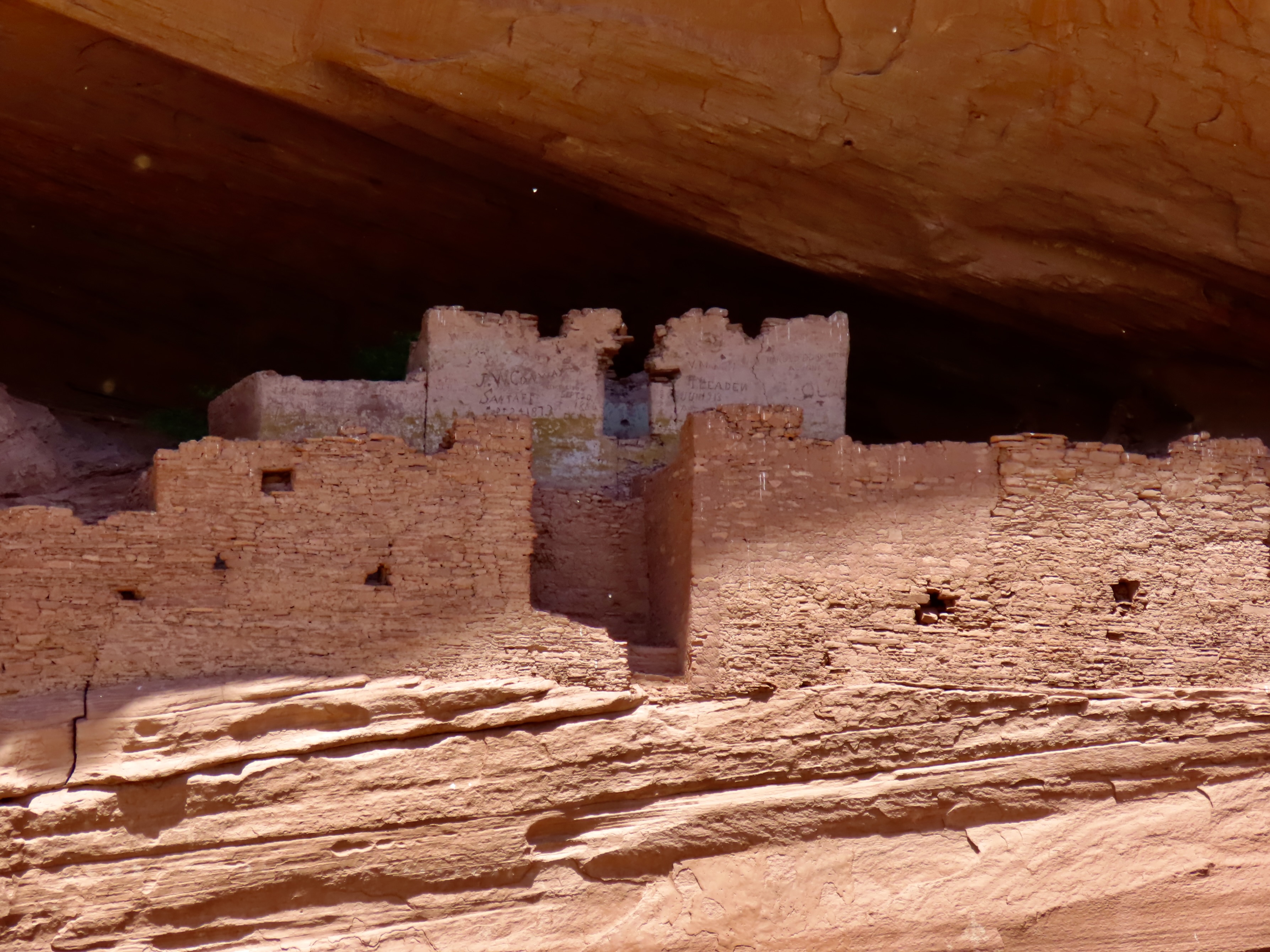
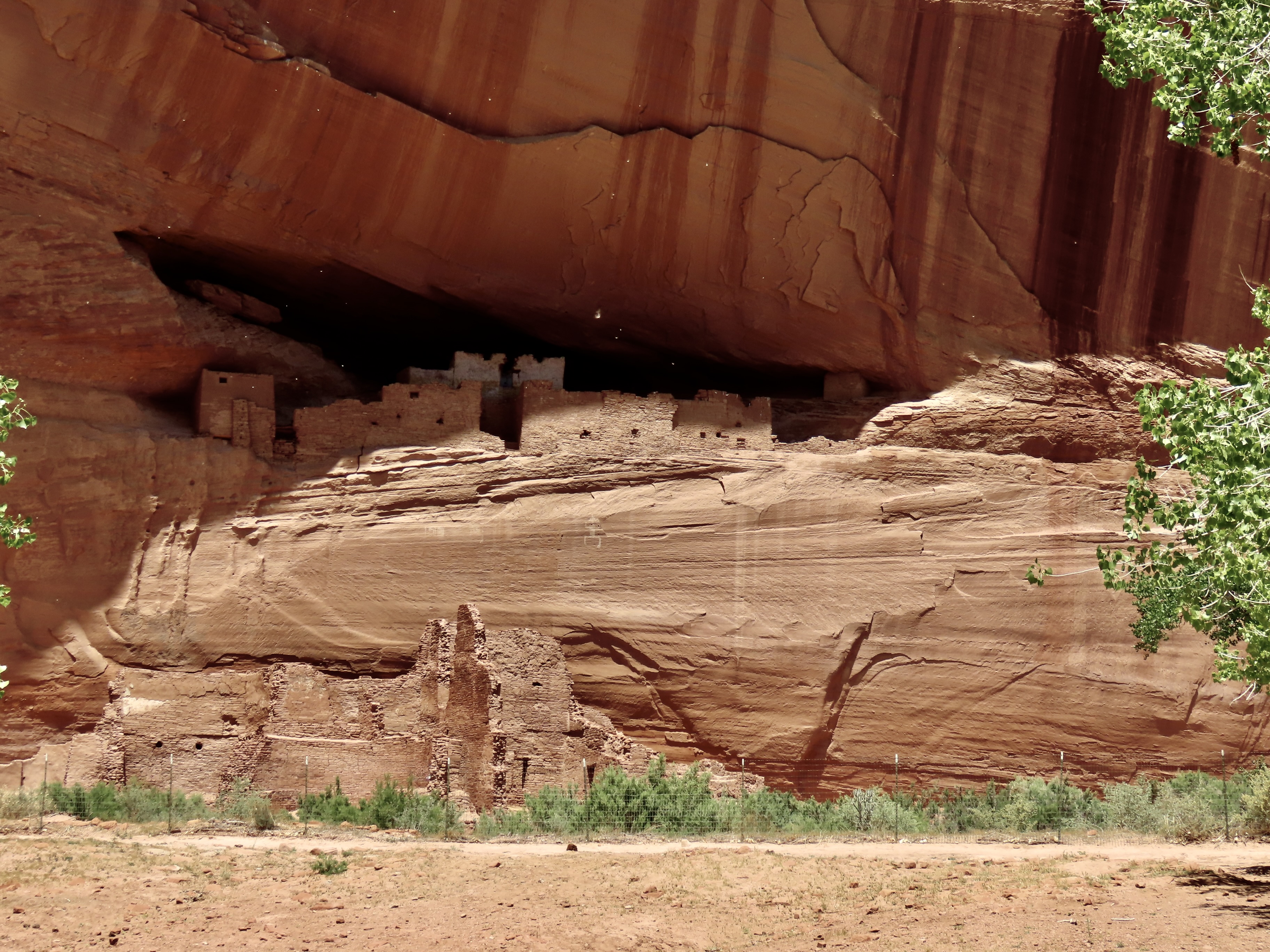
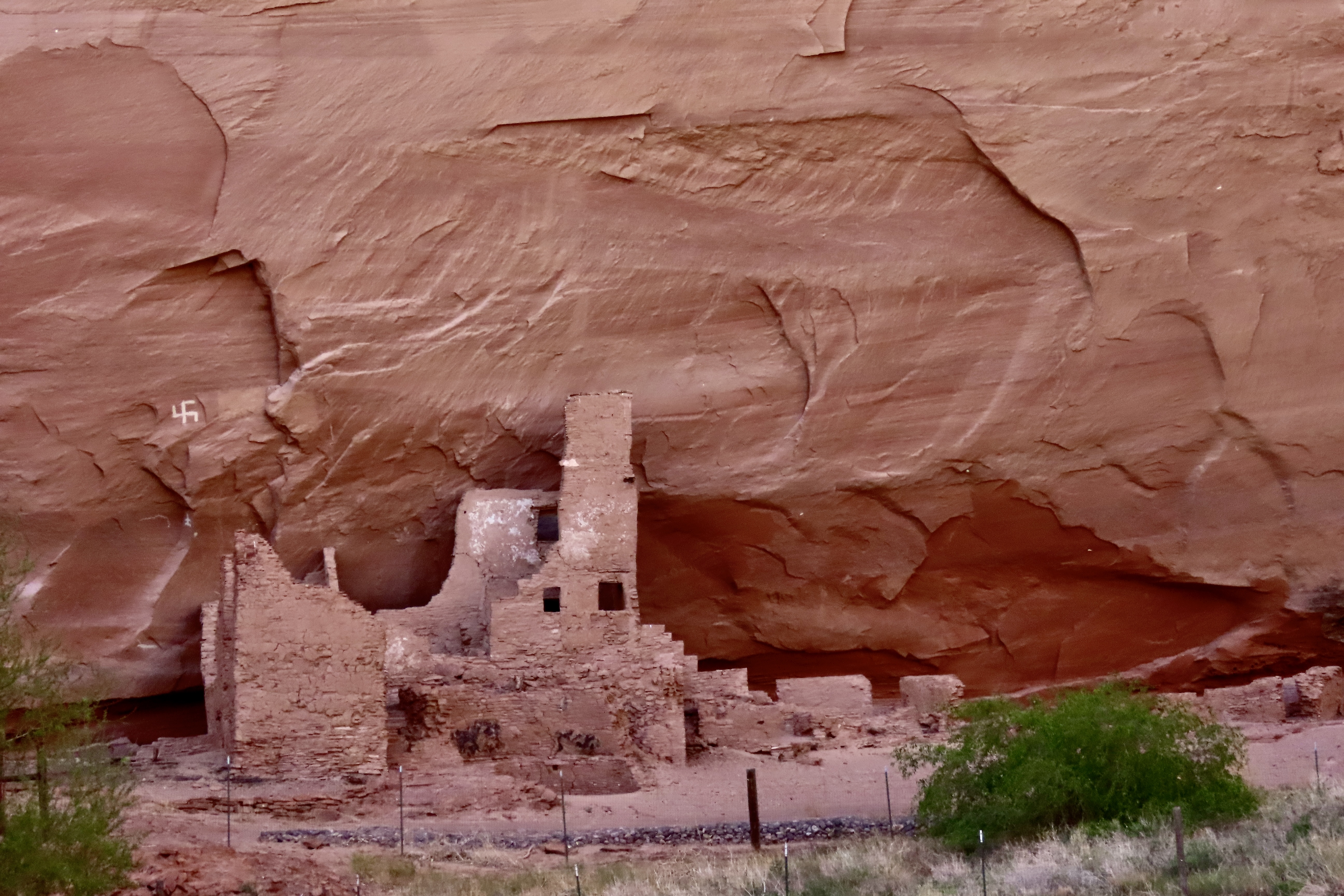
The occupation by the Navajo has been interrupted twice. In 1805, Spanish forces under Antonio Narbona, the future governor of Spain’s New Mexico territory, attacked, killed and captured a number of Navajos because they refused to accept Spanish rule.
By the 1860s, the Navajo faced a new threat. American settlers from the eastern US were pouring into the newly acquired territory and the US Government developed a policy to make room for them by ousting the natives. The Navajos would be required to move to reservations, leaving their homelands behind for the newcomers. Not surprising, they refused. So a decision was made to force them out. The US Army under the command of James Henry Carleton ordered Kit Carson to subjugate the Navajo using a scorched earth approach that involved burning their homes, destroying their crops and killing their livestock.
Earlier, in his efforts to subdue the Mescalero Apaches, Carleton had given the following order to his subordinates: “All Indian men of that tribe are to be killed whenever and wherever you can find them. … If the Indians send in a flag of truce say to the bearer … that you have been sent to punish them for their treachery and their crimes. That you have no power to make peace, that you are there to kill them wherever you can find them”.
In 1864, facing starvation, the Navajo capitulated, signed a treaty, and began a forced march during the heart of winter to Fort Sumner’s Bosque Redondo Reservation in New Mexico. The 300 plus mile hike, the Long Walk as it came to be known by the Navajos, left numerous Navajo dead from exposure, starvation, and exhaustion. Bosque Redondo was equally bad if not worse. Food, space, water and sanitation facilities were limited in the extreme for the 8500 Navajo and 500 Mescalero Apache occupants. Furthermore, it was run like an internment camp instead of a reservation. An estimated one quarter of the population died during the four years of the camp’s occupation.
Finally, in 1868, a new treaty was signed with the Navajo that allowed them to return to a portion of their original homelands, including Canyon de Chelly. Today, the Long Walk, like the Cherokee’s Trail of Tears, is remembered by the Navajo an an important part of their history.
it isn’t a history that the Trump Administration wants remembered however. He has ordered the Department of the Interior to take action to ensure “descriptions, depictions, or other content that inappropriately disparage Americans past or living (meaning information like that above), and instead focus on the greatness of the achievements and progress of the American people.
Apparently, Carleton and Carson are not to be disparaged. My bad. History is to be remembered as Trump wants it remembered. George Orwell’s 1984 comes to mind.
Today, marks the end of my planned series on the Trump Administration’s threat to our national parks, monuments and other public lands. I believe that I have covered his primary focus and actions as they relate to our public lands. Having said that, I’ll still report on major threats as they emerge and, at some point, do a summary of how successful efforts to protect the parks have been.
I also have in mind doing a post on Mt. Rushmore National Monument. The President has repeatedly expressed a desire to have his image added to those of Washington, Jefferson, Lincoln, and Theodore Roosevelt. (At one point, Elon Musk even volunteered to carve it, but I suspect that’s off the table.) My objective is to look at the major accomplishments of each of these men who played such an important role in making the nation what it is today and then comment on how the President goal of Making America Great Again, relates to their accomplishments.
But for now, it’s back to sharing the beautiful and fascinating world we live in while Peggy and I continue to ‘wander through time and place.’
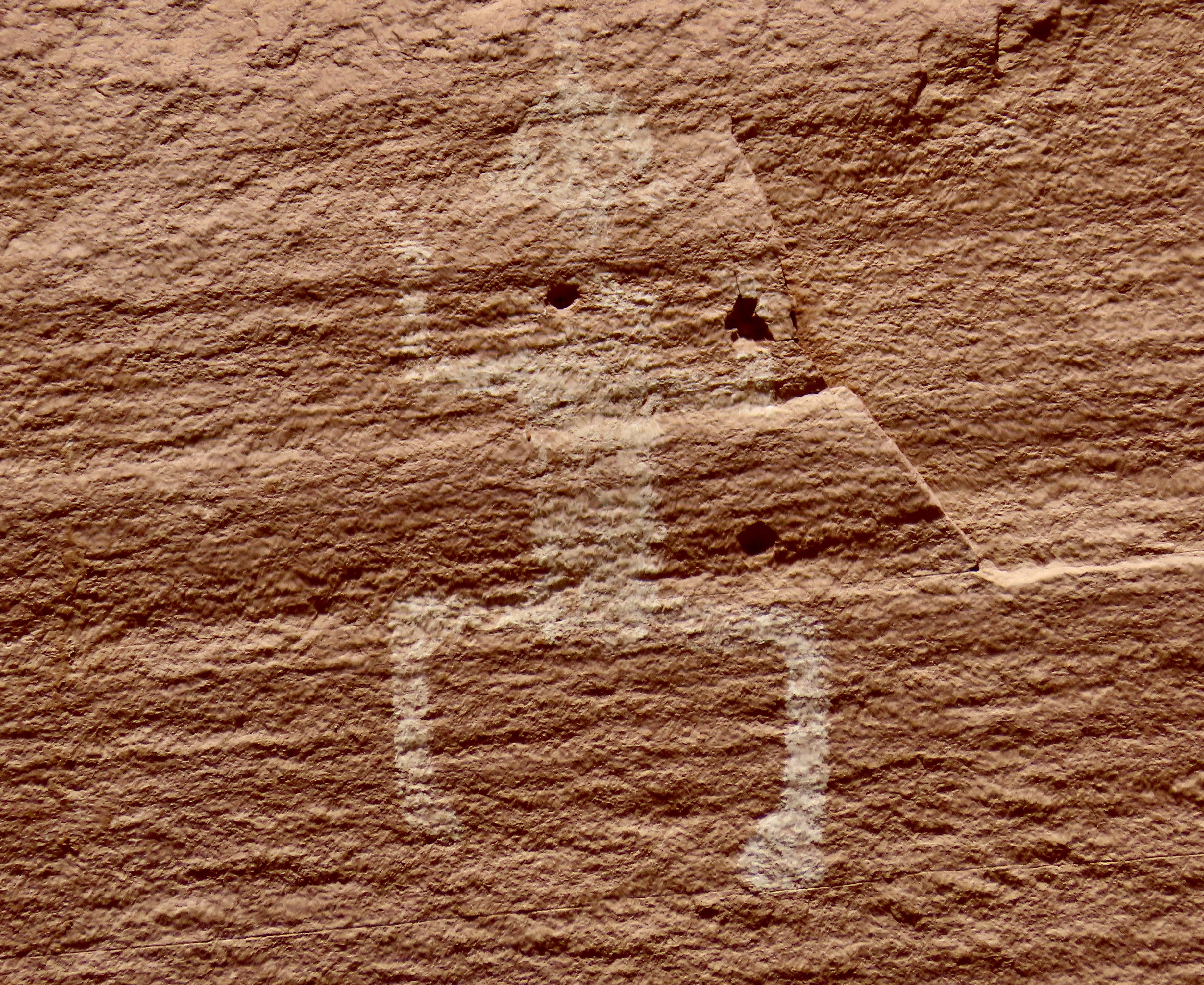
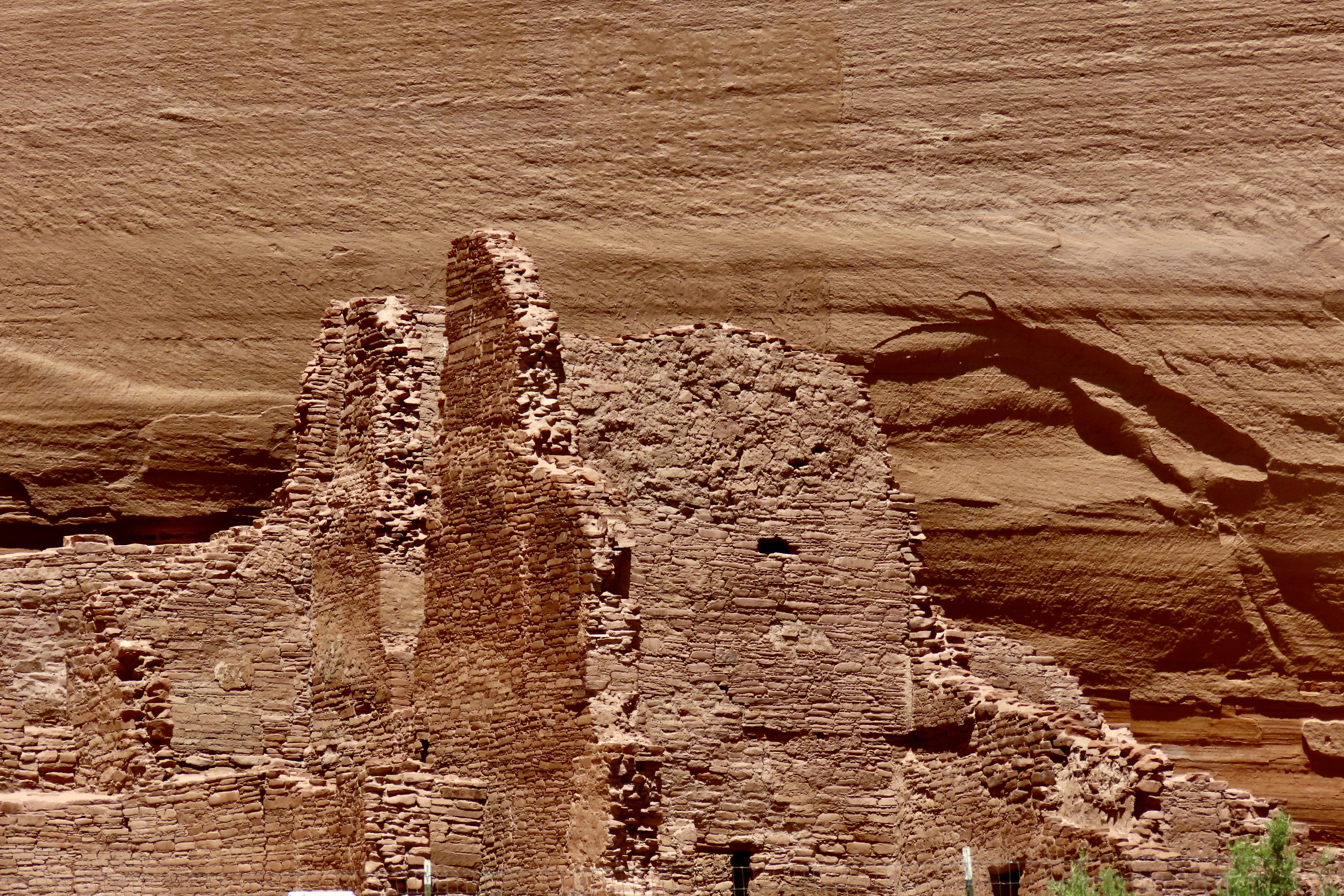
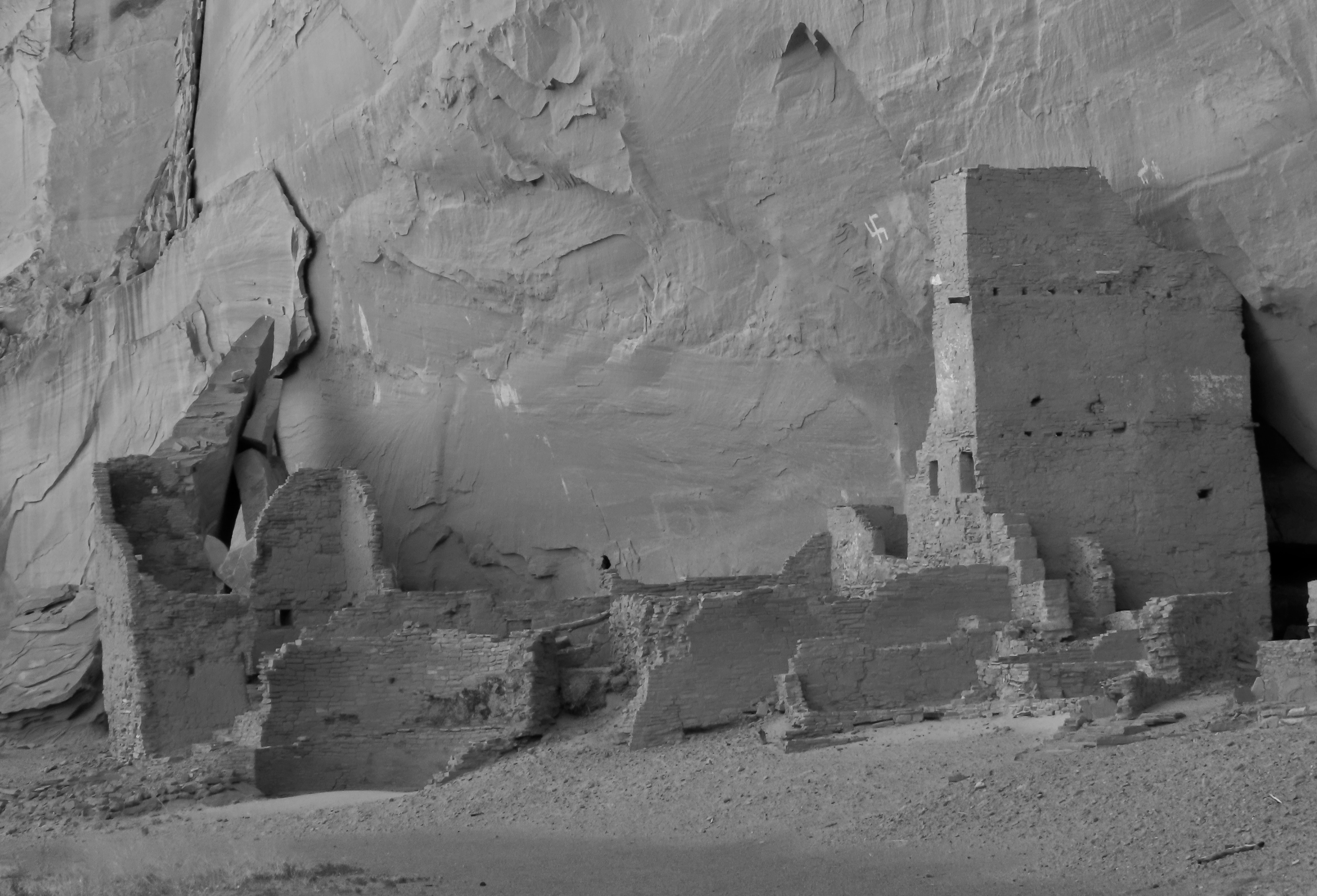
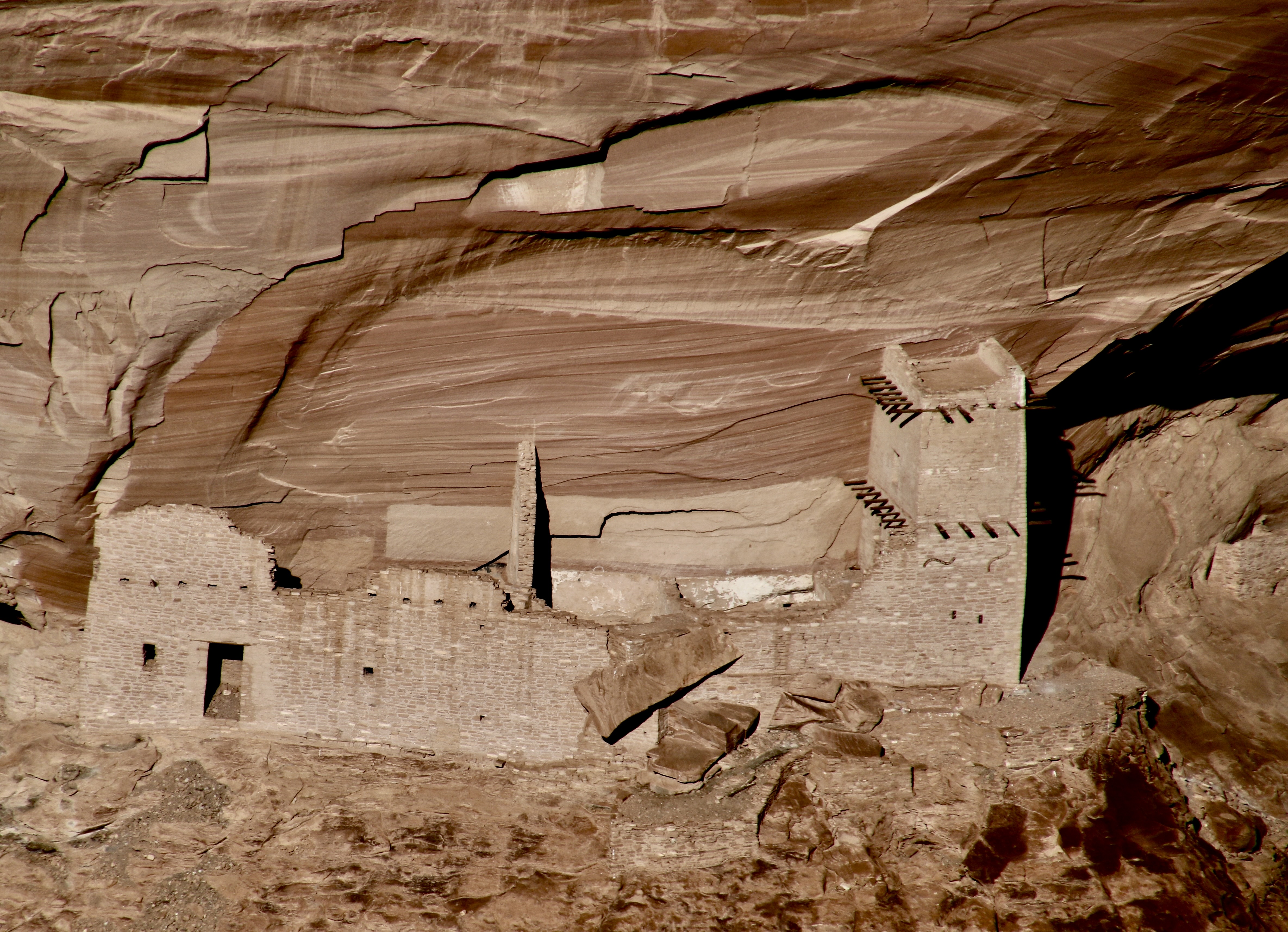
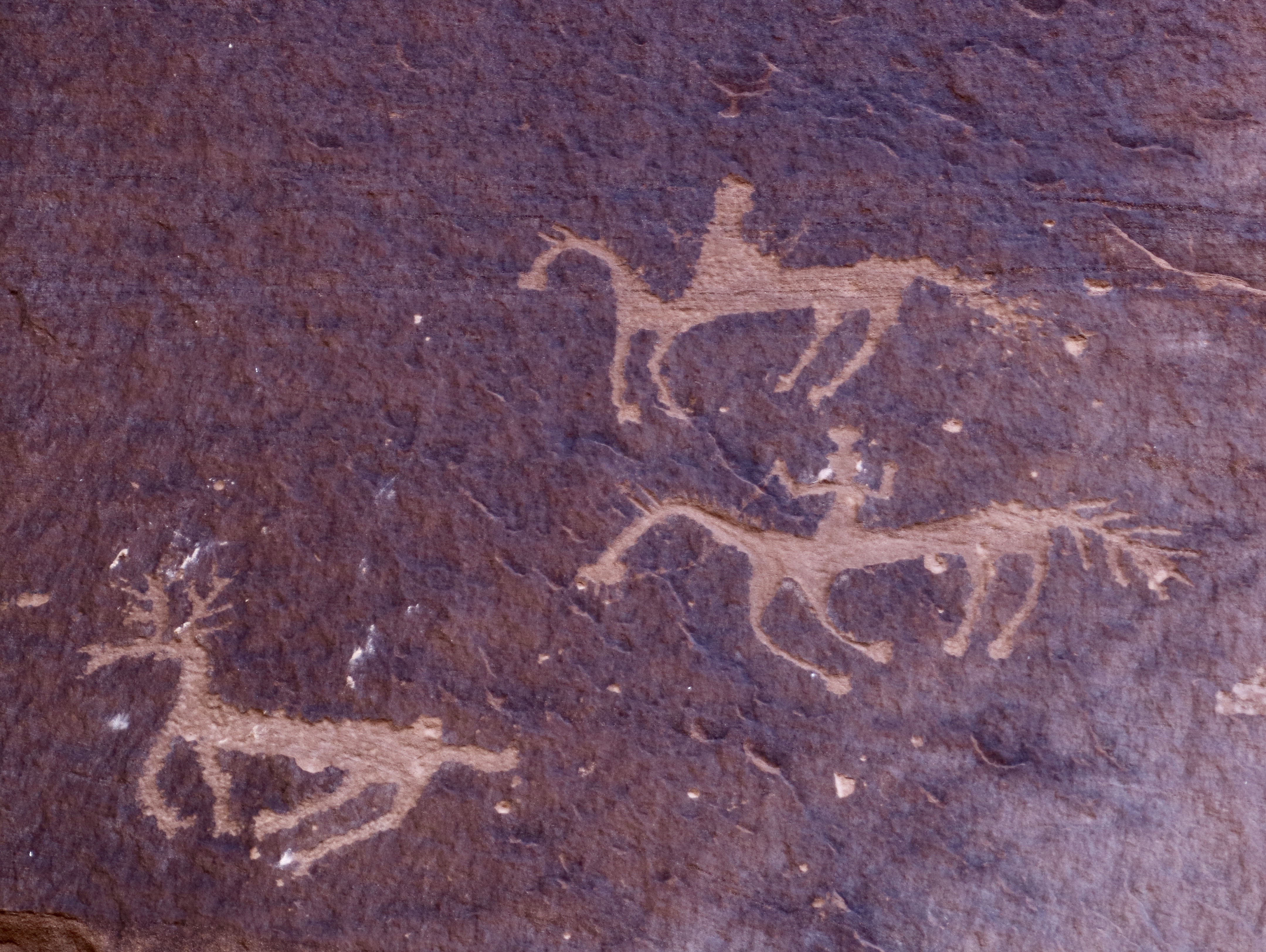
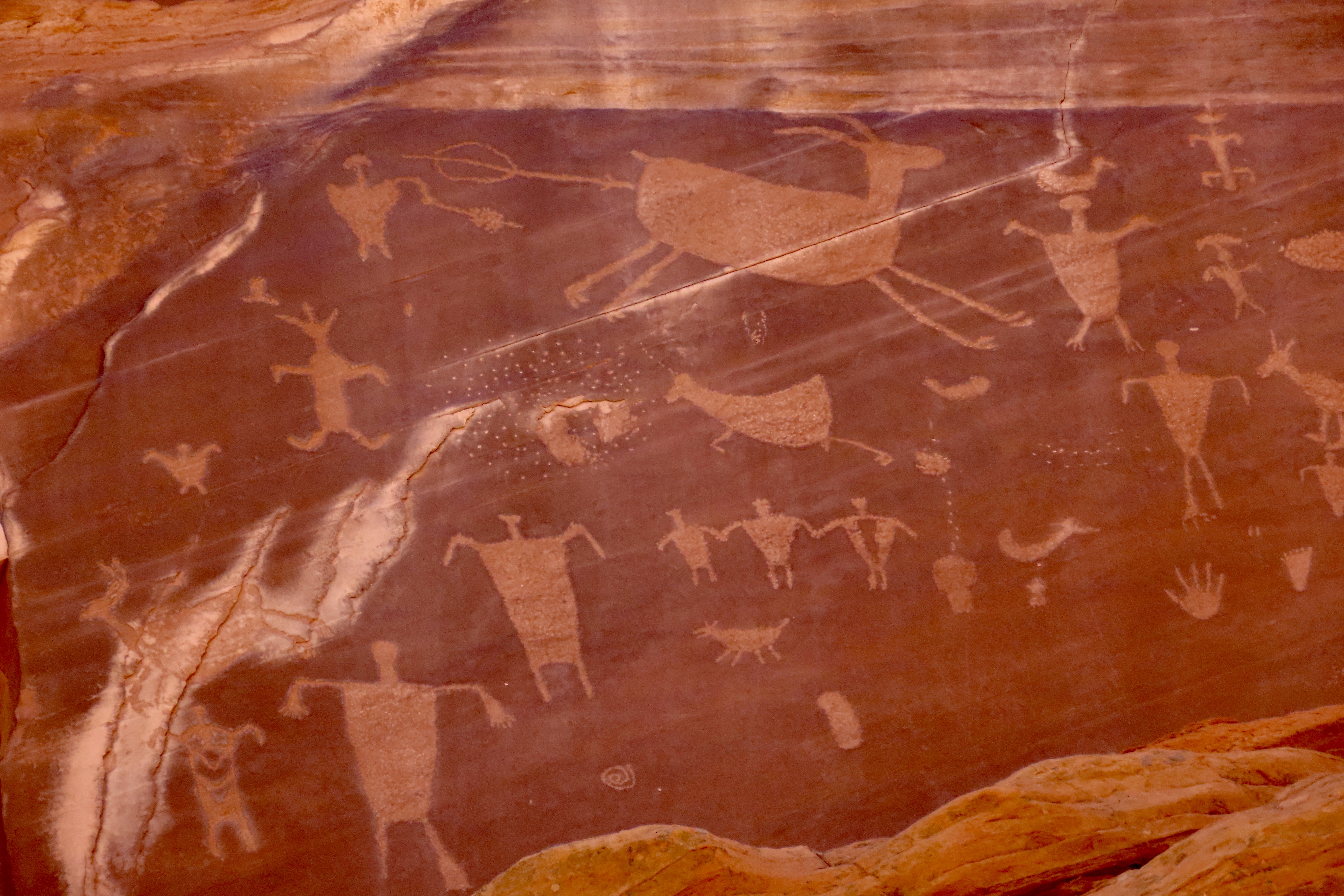
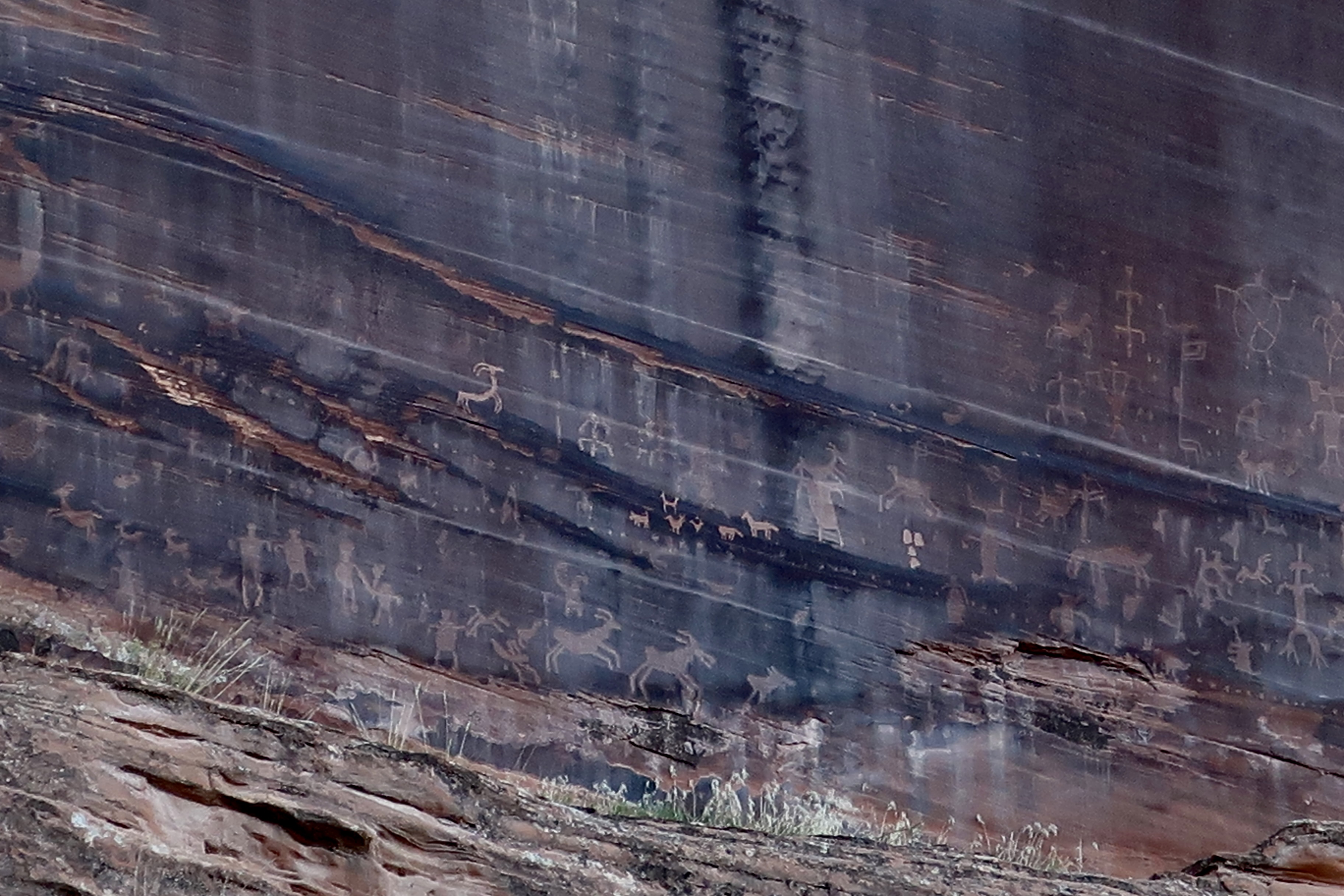
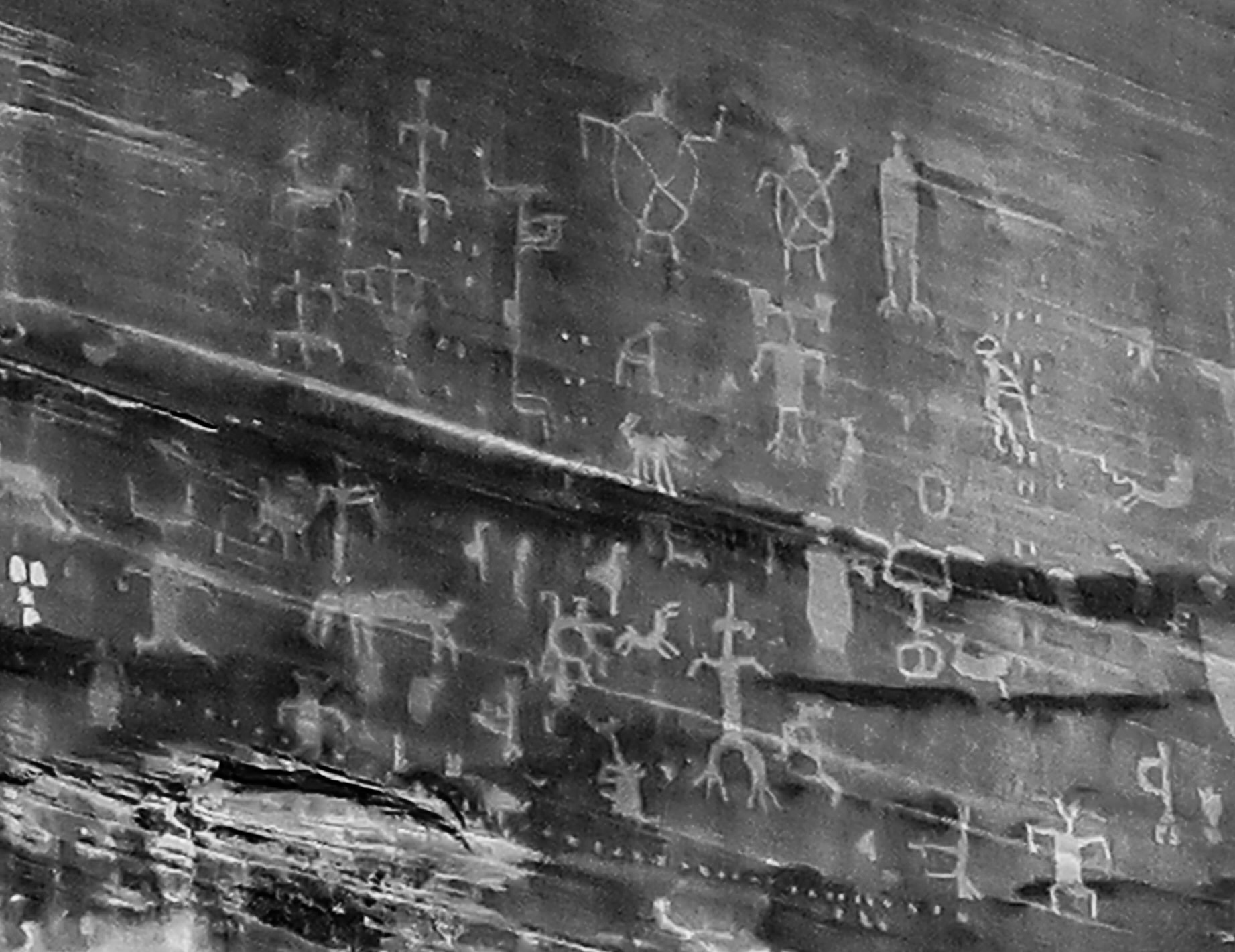
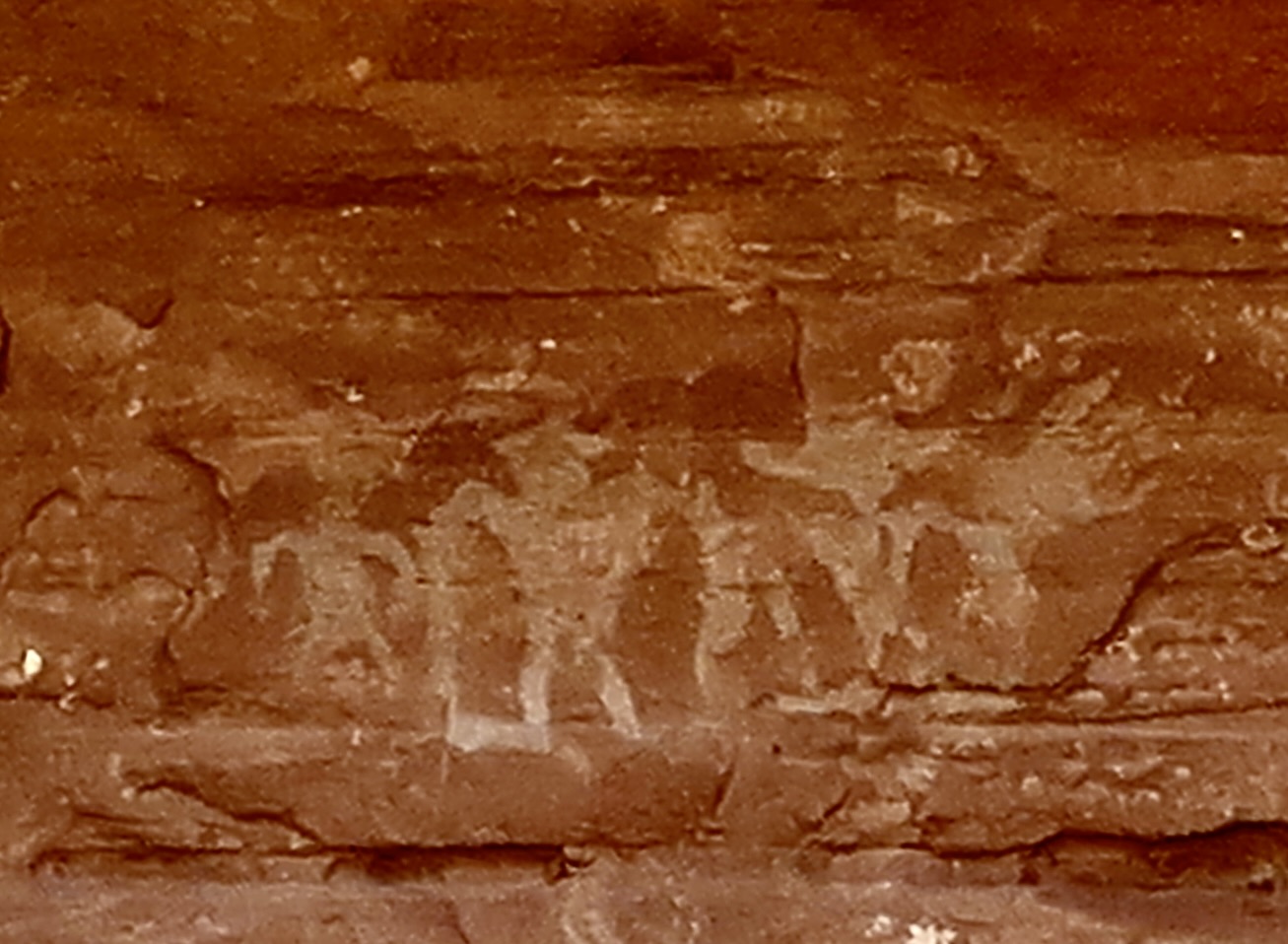
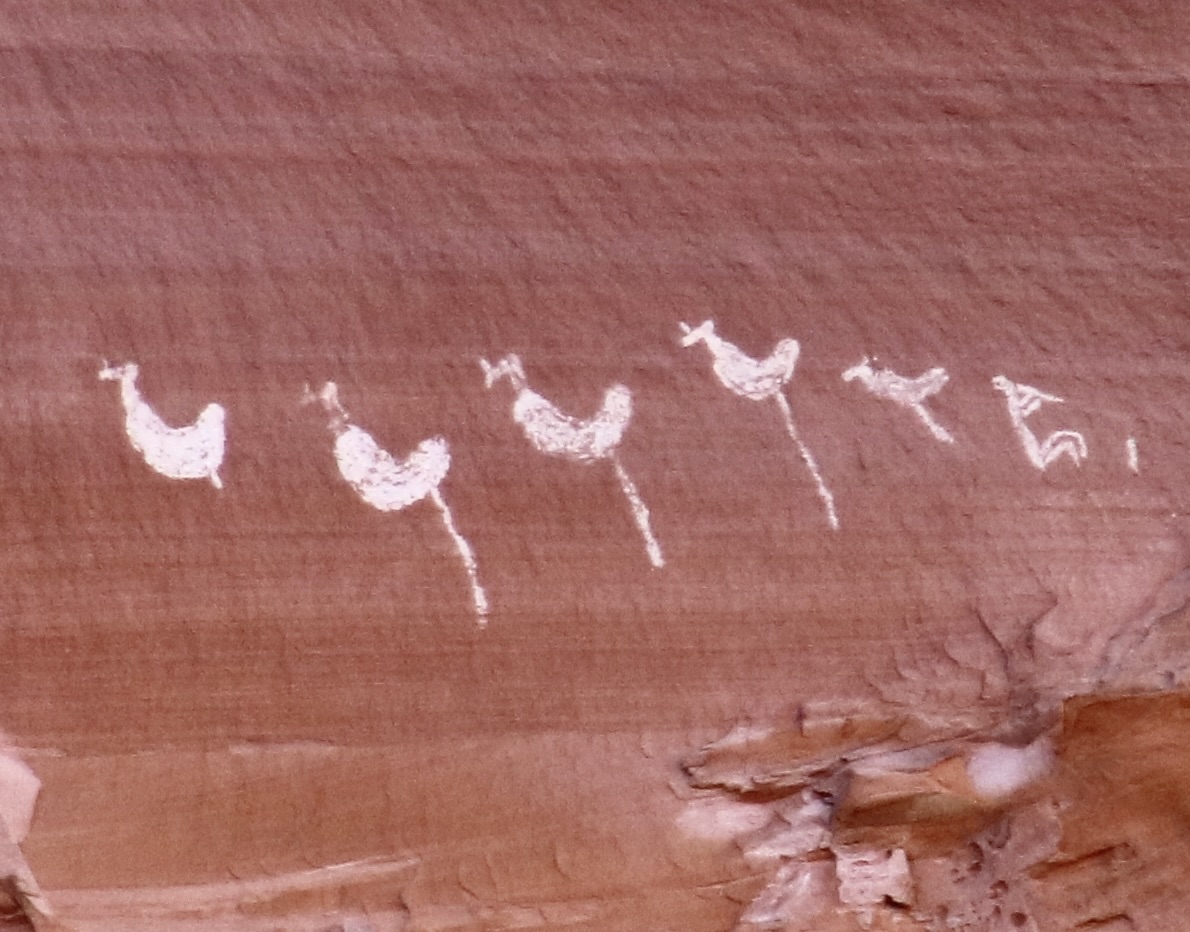
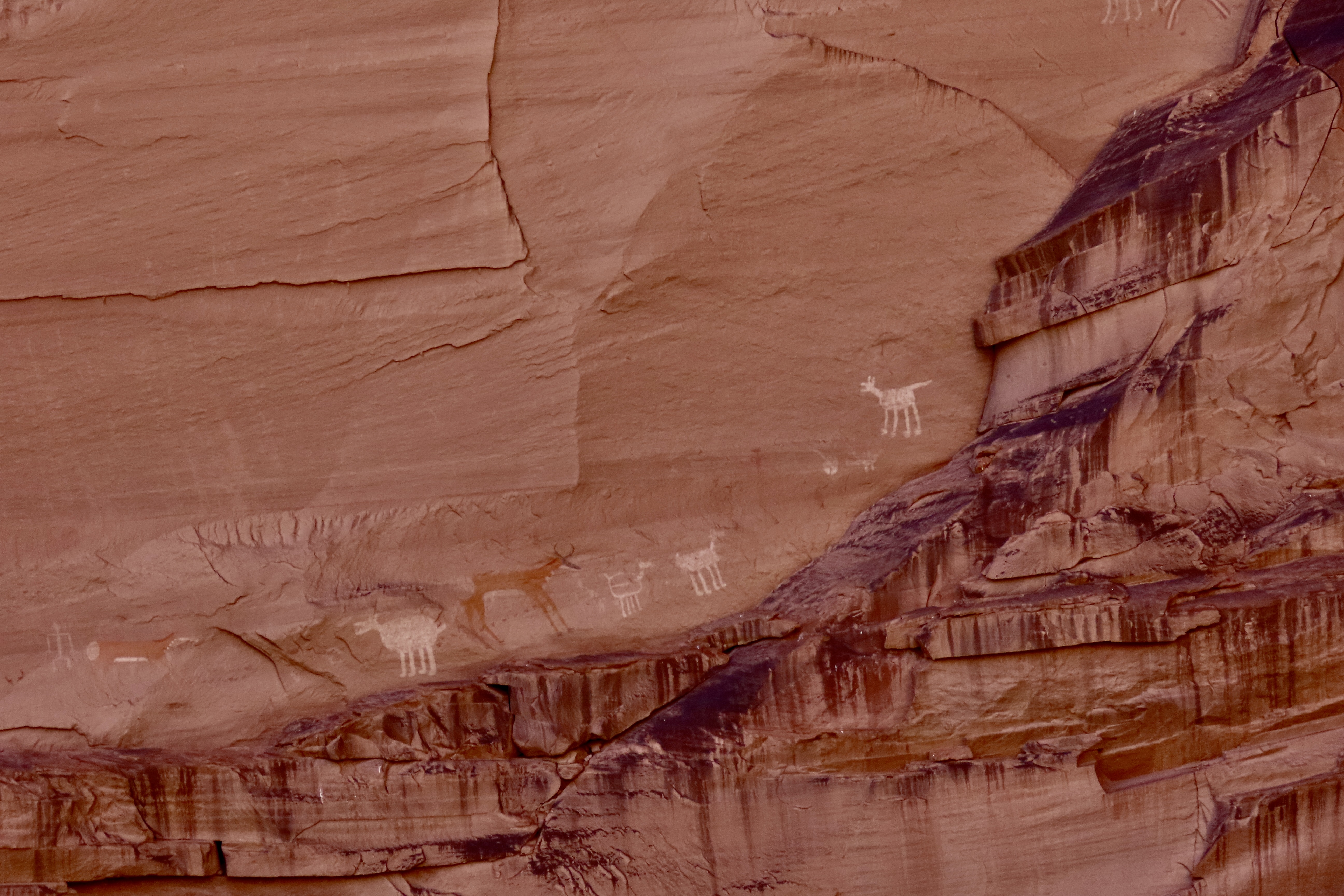
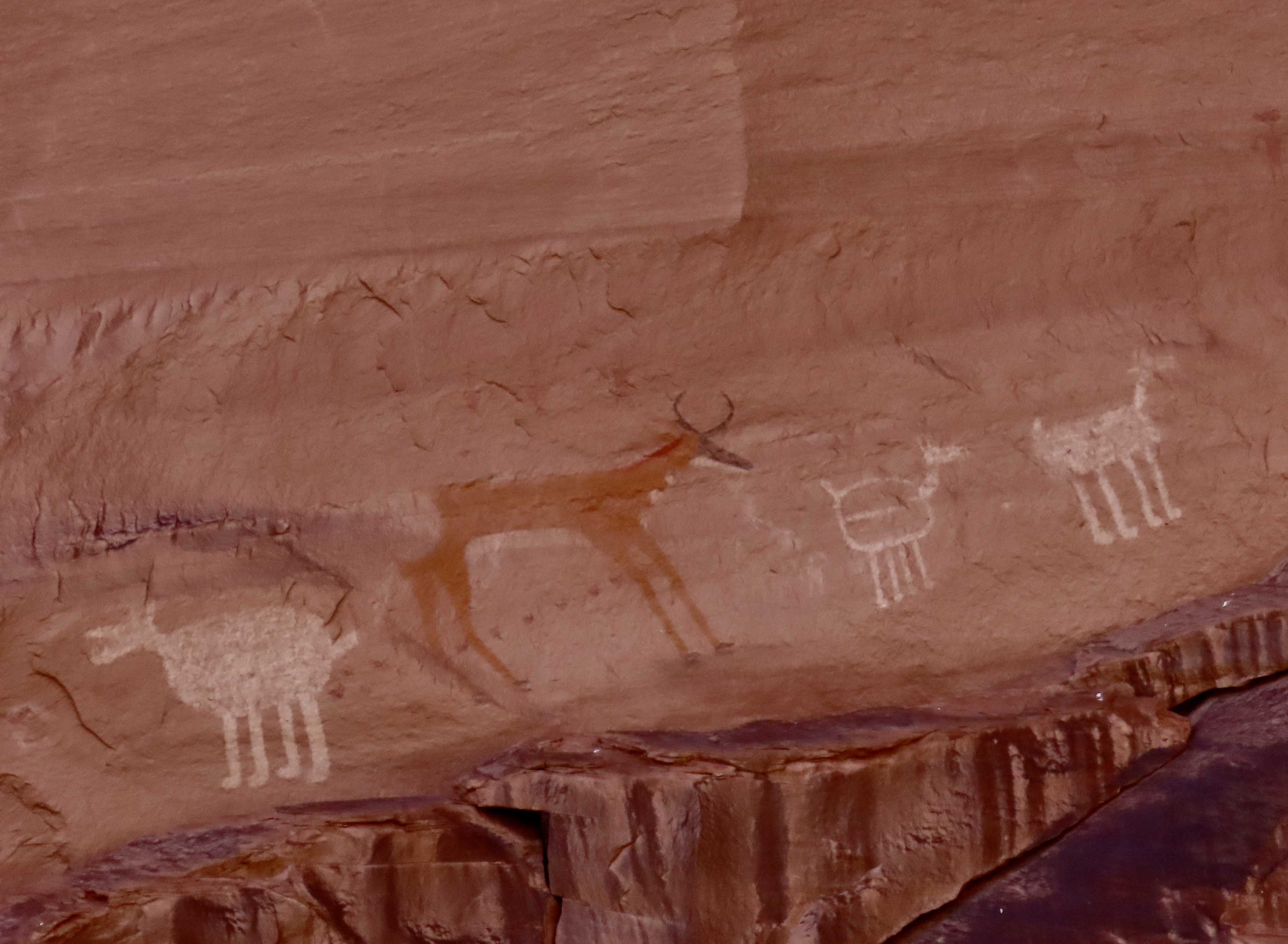
For those of you who keep track, Peggy and I are now back at our home/basecamp in Virginia. We still have several blogs from our journey into the Southwest that I will be posting over the next several weeks as we get ready for another adventure: Leaf peeping in New England, along the Blue Ridge Highway, and at Great Smoky National Park.
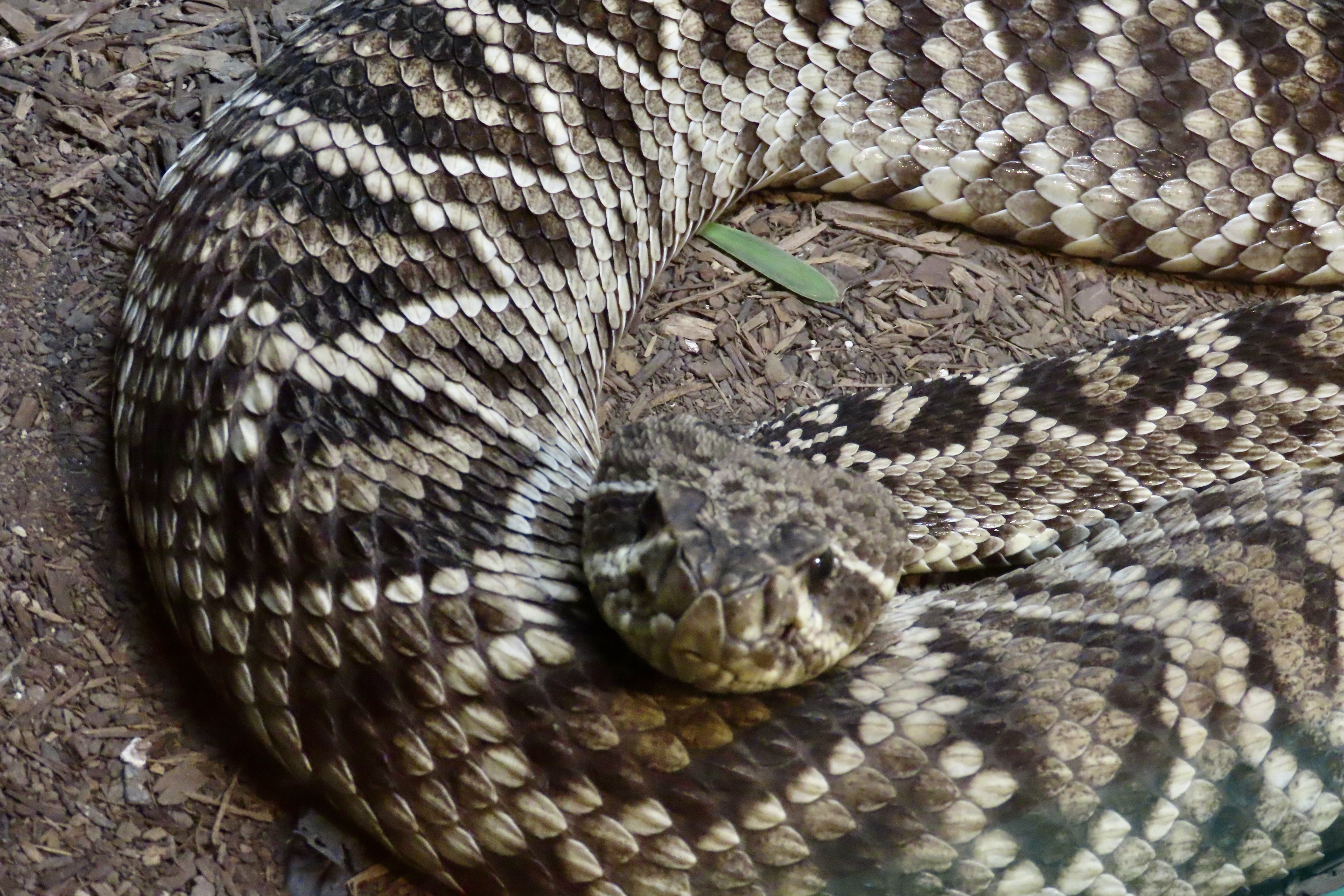
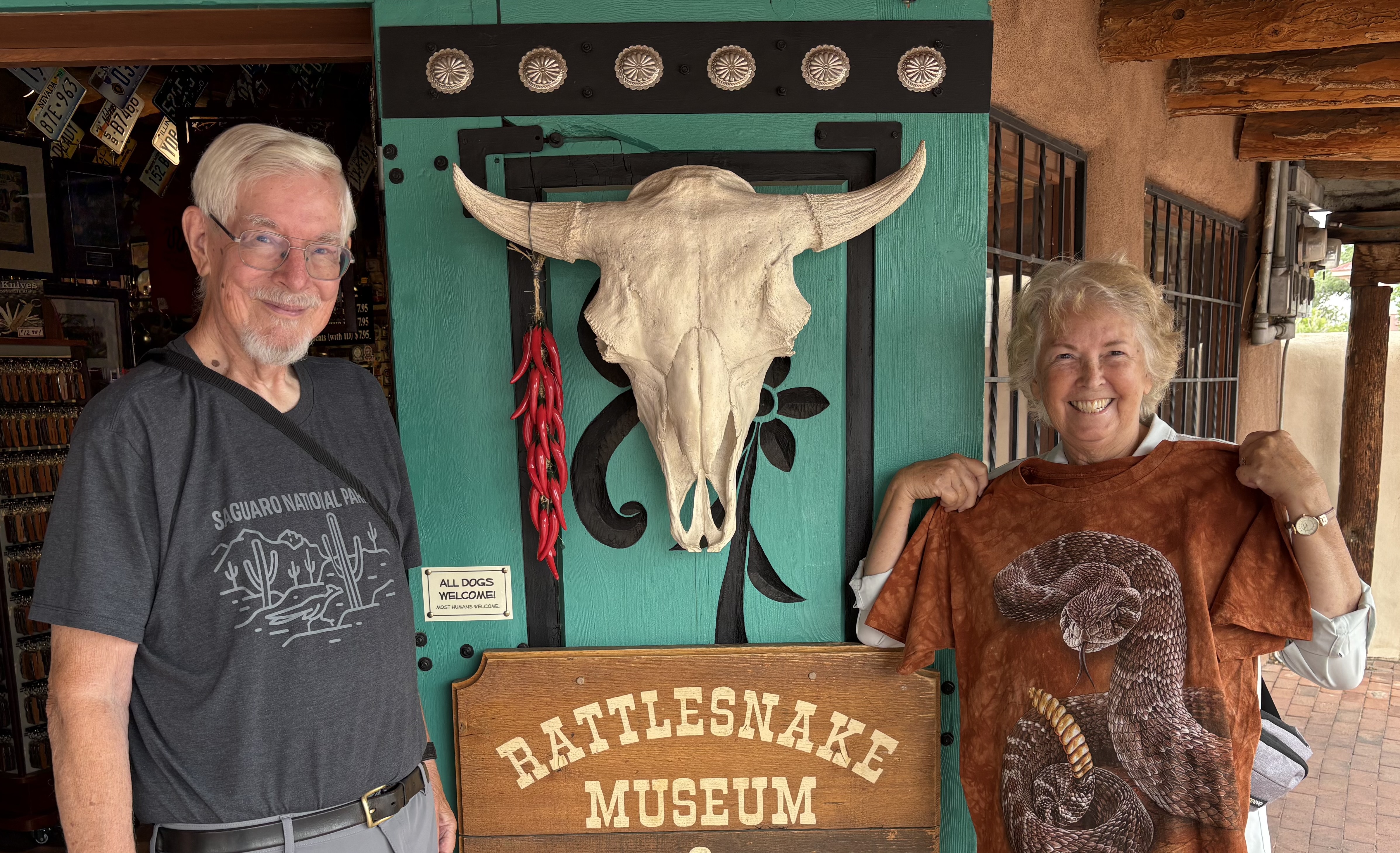
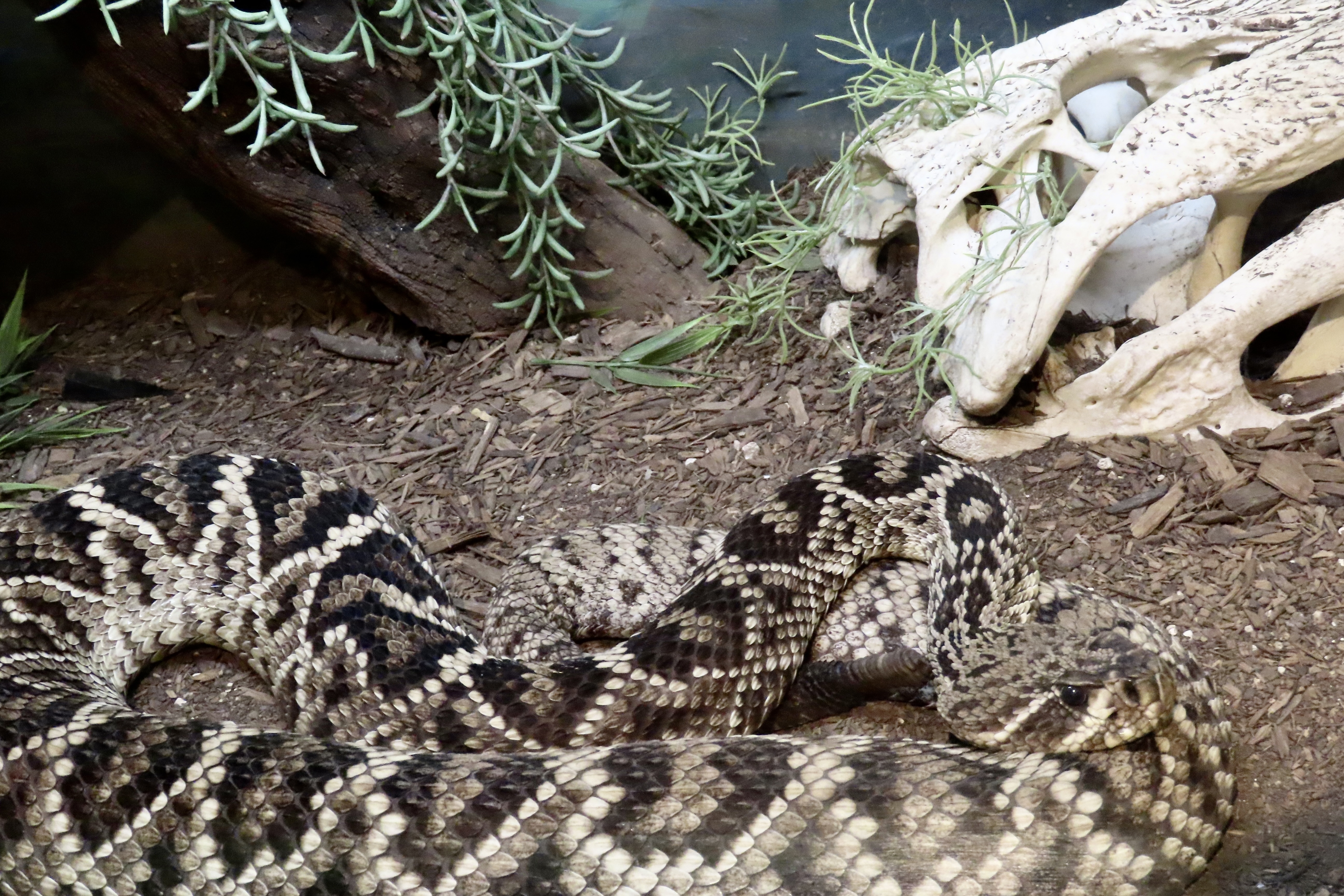
I’ve have been to Albuquerque, New Mexico several times over the years. One place that I always wanted to go but never managed to was the American International Rattlesnake Museum. They have one of the largest collections of live rattlesnakes in the world. Could it be that whoever I was traveling with didn’t share my enthusiasm?
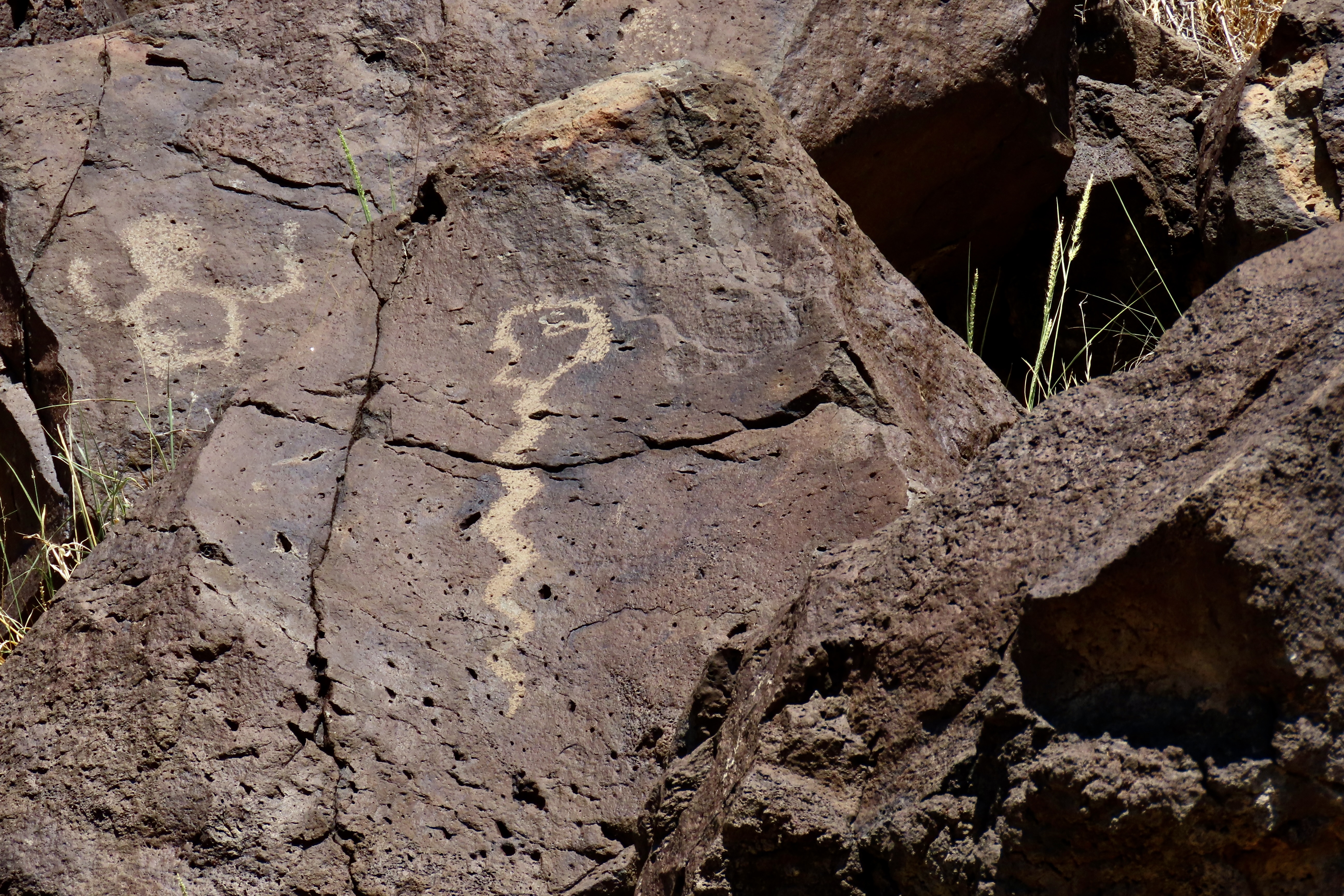
Peggy, however, is game for almost anything and snake images almost always show up among the petroglyphs that fascinate her so much. So off we went to the museum two weeks ago.
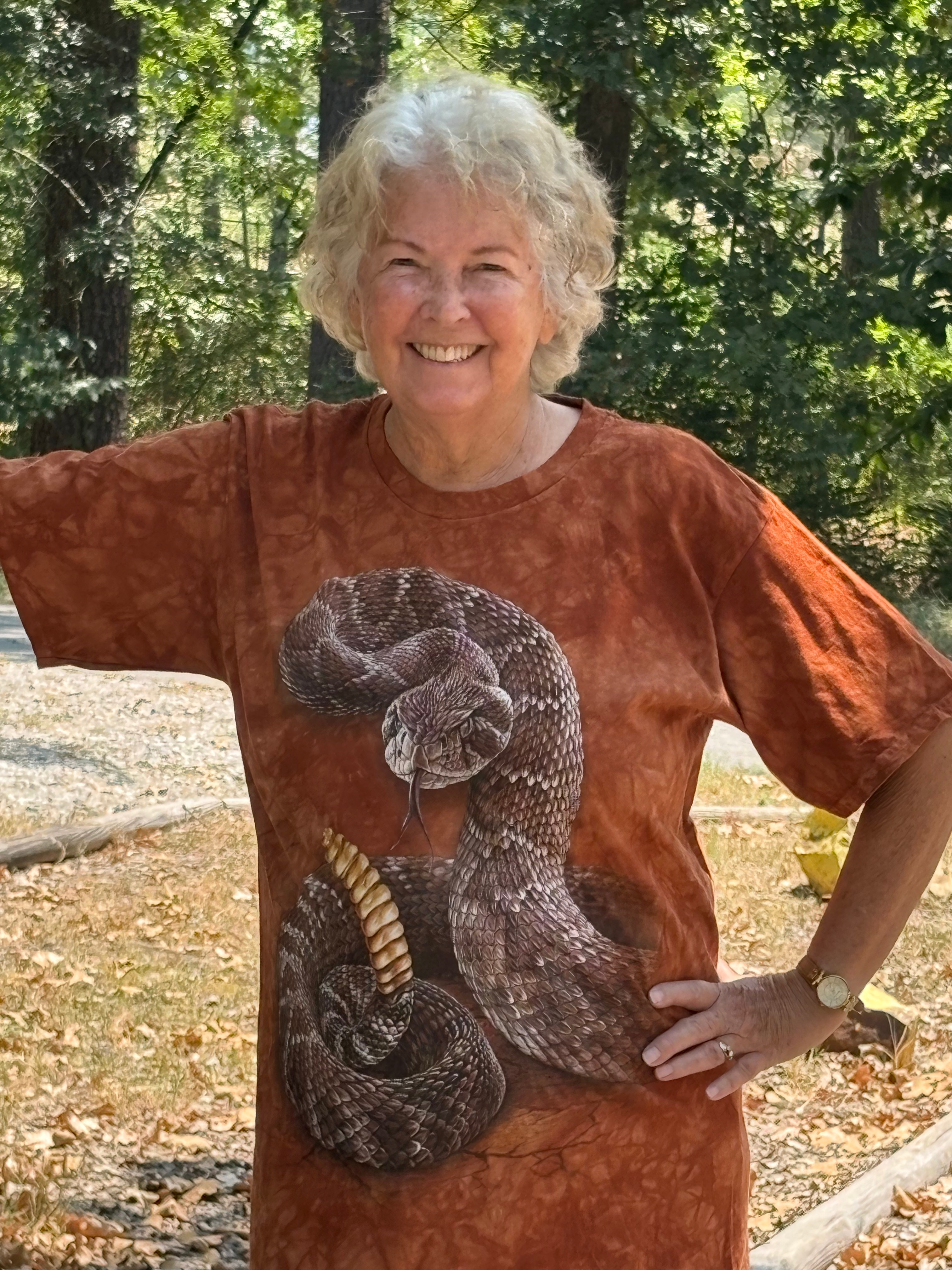
That I have a certain ‘fondness’ for rattlesnakes isn’t news to my blog followers. I’ve had numerous encounters with them over the years and have written about several. I’ve even been known to get down on my stomach when they are crawling toward me so I can get better head shots. (Peggy gets a little ouchy about that.) I suspect my attitude would be considerably different if I’d ever been bitten by one. Rattlesnake bites can be deadly, or at a minimum, extremely painful. It’s not something one wants to test.
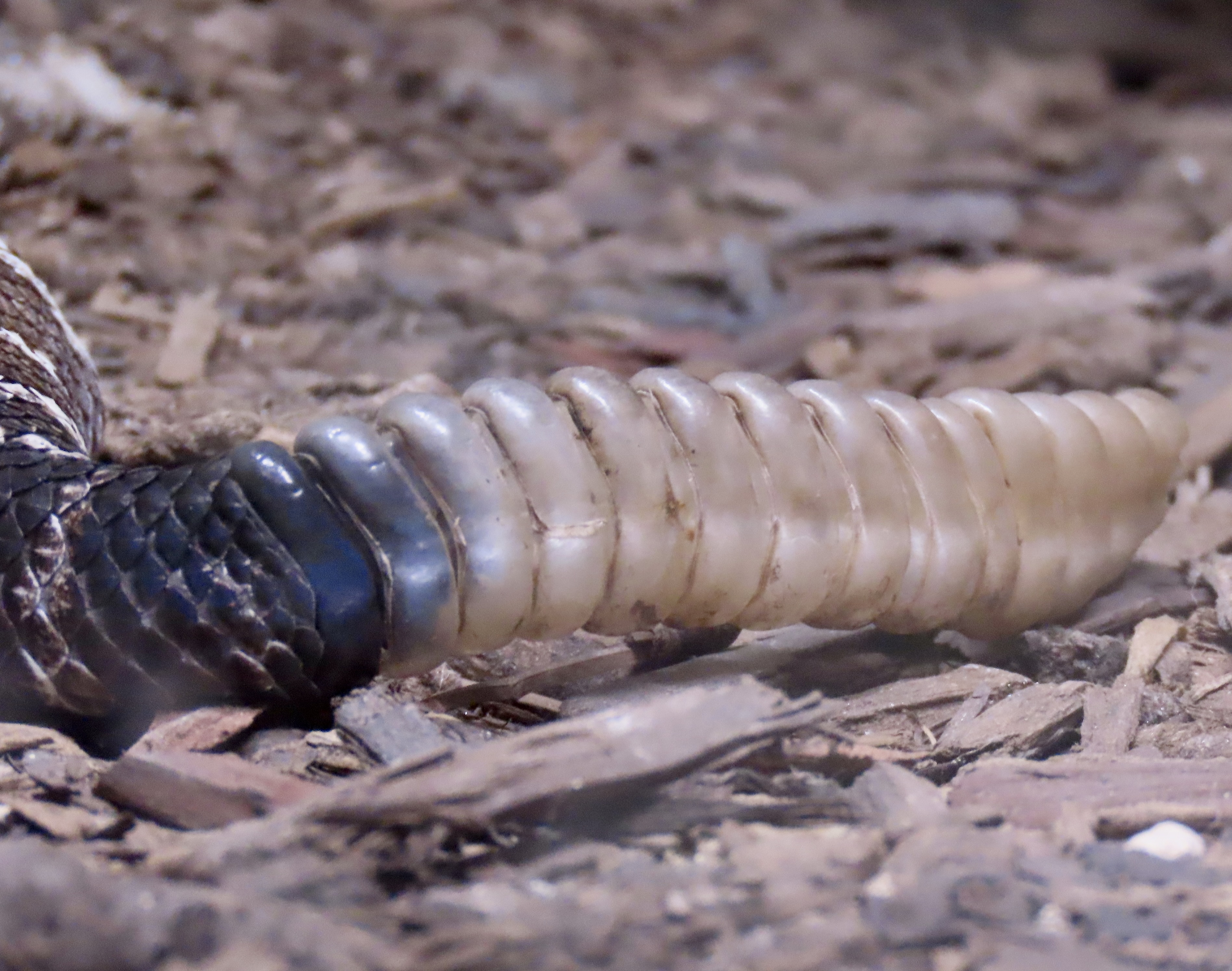
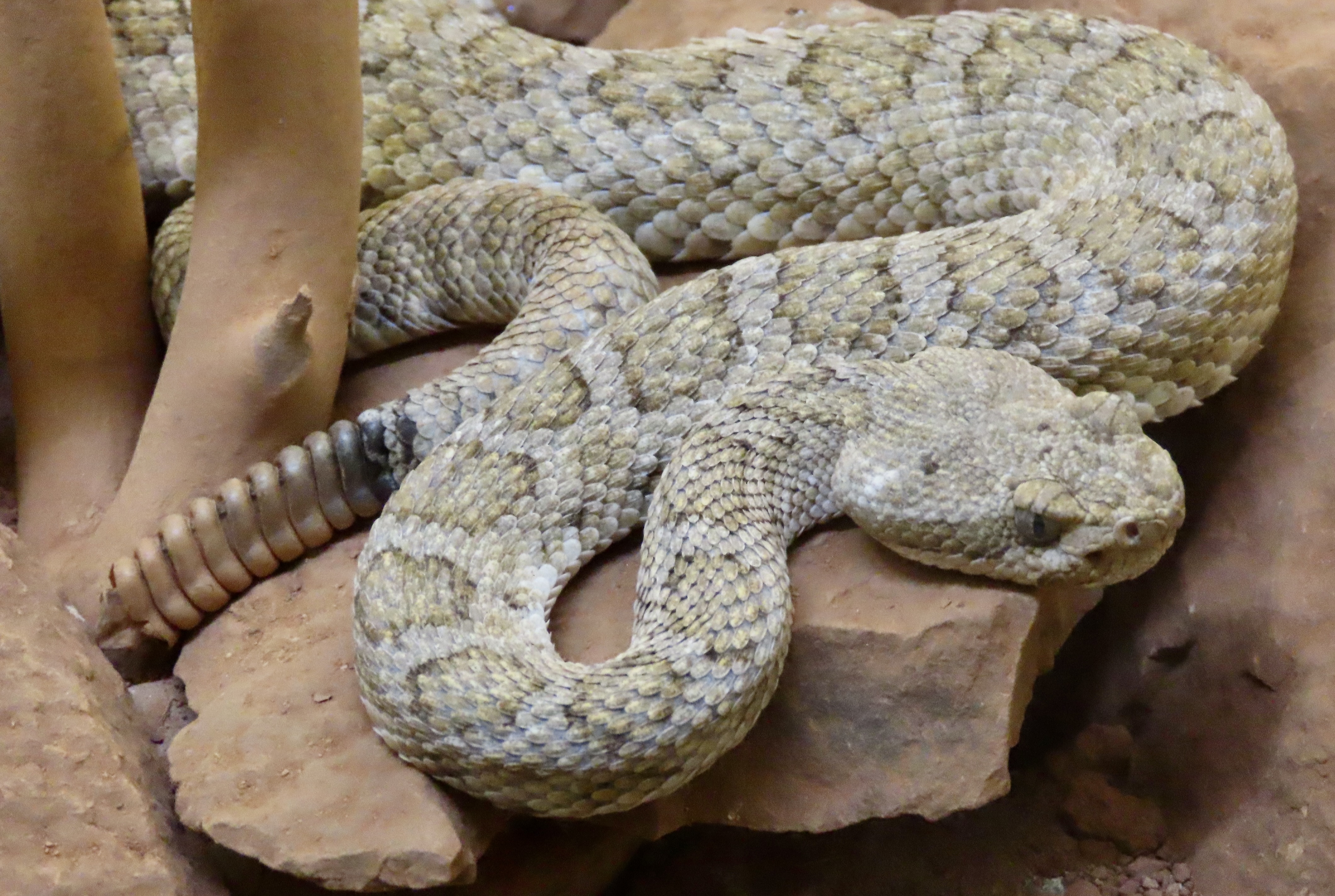
Fortunately, rattlesnakes come with an early warning system. They rattle. The rattles are made up of keratin, that’s the same thing your fingernails are made of. When irritated, the snake vibrates its tail, knocking its rattles together. It makes a very distinctive sound, one you never forget, one guaranteed to shoot your heart rate up faster that a skyrocket on the 4th of July.
A rattlesnake you see coiled up, rattling its tail, and ready to strike is worrisome, to put it mildly. It’s not a problem, however— as long as you stay clear of its strike zone, which can range from half to two thirds of its body length. For a six foot snake (which is a very big snake), that would be from 3 to 4 feet. If you want to check this out, use a long stick. I have. (Don’t try this at home, kids.)
One you can hear but can’t see is a quantum leap scarier. I stepped on a dead log once ‘that started to rattle’ and found myself an olympic winning 15 feet down the trail before my mind registered snake. There is some evidence that our fear of snakes is instinctive. For example, have you ever come close to stepping on one you didn’t see in advance. Did you find yourself thinking, “snake, maybe I should be concerned.”
When I was a Peace Corps Volunteer in West Africa, I had a cat named Rasputin that proved the hypothesis about fear of snakes. I discovered if I took the old fashioned spring off my back door and rolled it toward him, he would leap 6 feet into the air and land on our couch or other piece of furniture well out of reach from the deadly ’snake.’ Being scientifically oriented, I did it 3 or 4 times just to make sure.
On the other hand, back in California I had a basset hound named Socrates that seemed to counter the theory. I was hiking with him one day at Folsom Lake near Sacramento when I noticed him walk out on to a granite ledge and start sniffing down into the cracks. Suddenly he began barking like the baying hound he was: Loud. Simultaneously, the rock became alive with rattles. Socrates had discovered a rattlesnake den. They can get big, big like in a hundred snakes. Some have even been found with a thousand. Talk about an Indiana Jones’ nightmare…
It was for me, as well. “Socrates, come here!” I demanded. And then again. And again. Each time louder and more desperate. All, to no avail. He just kept barking louder. Damn, that dog could be stubborn. Finally, there was nothing I could do but walk out on the buzzing rock, grab him by the collar, and bodily drag him off. I was lucky I didn’t pee my pants. Had I not immediately put his leash on and pulled him away, he would have gone right back to barking up a storm at the irritated, poisonous serpents.
Here are a few facts on rattlers:
And now for a few of the photos we took at the museum.
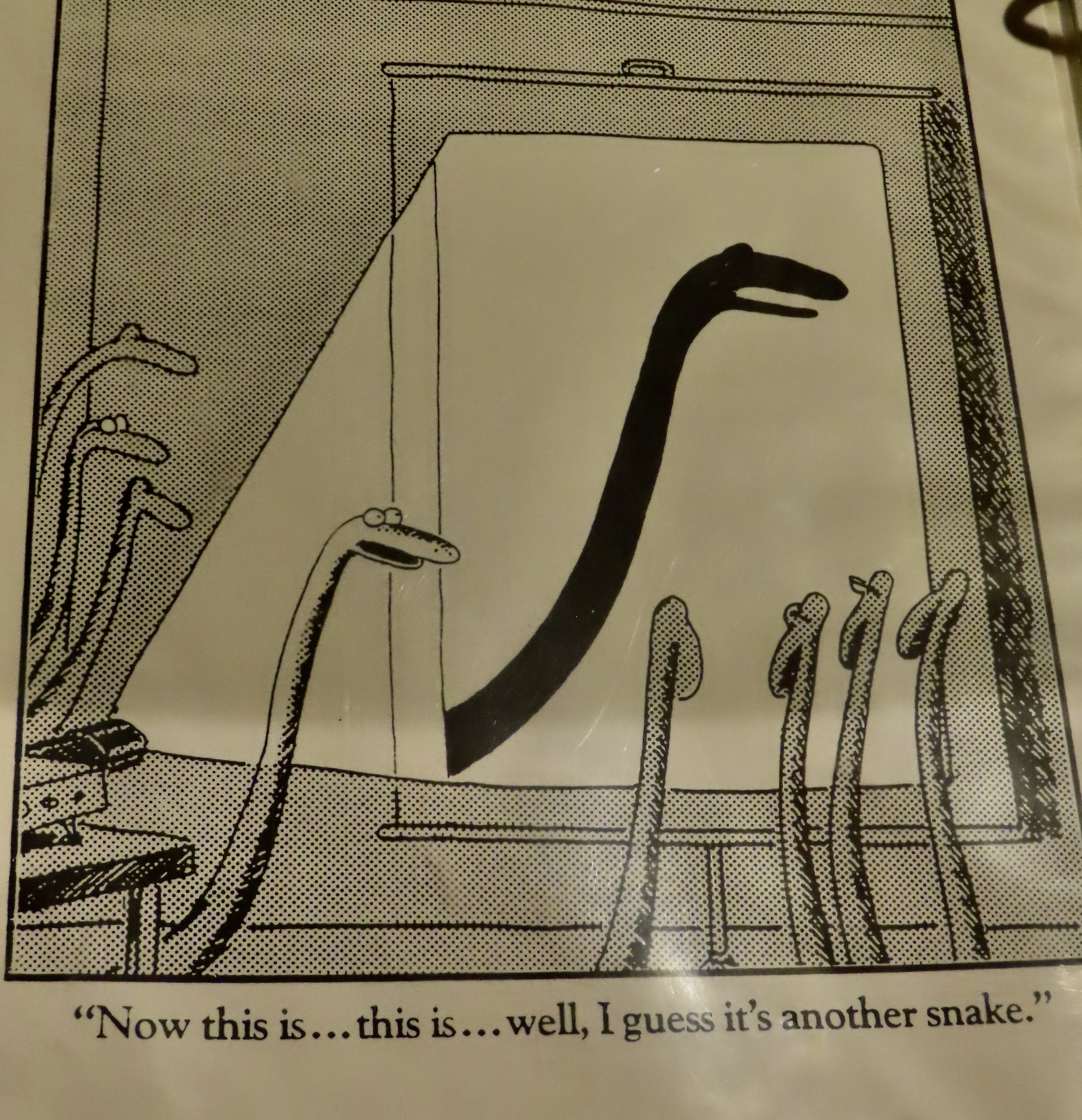
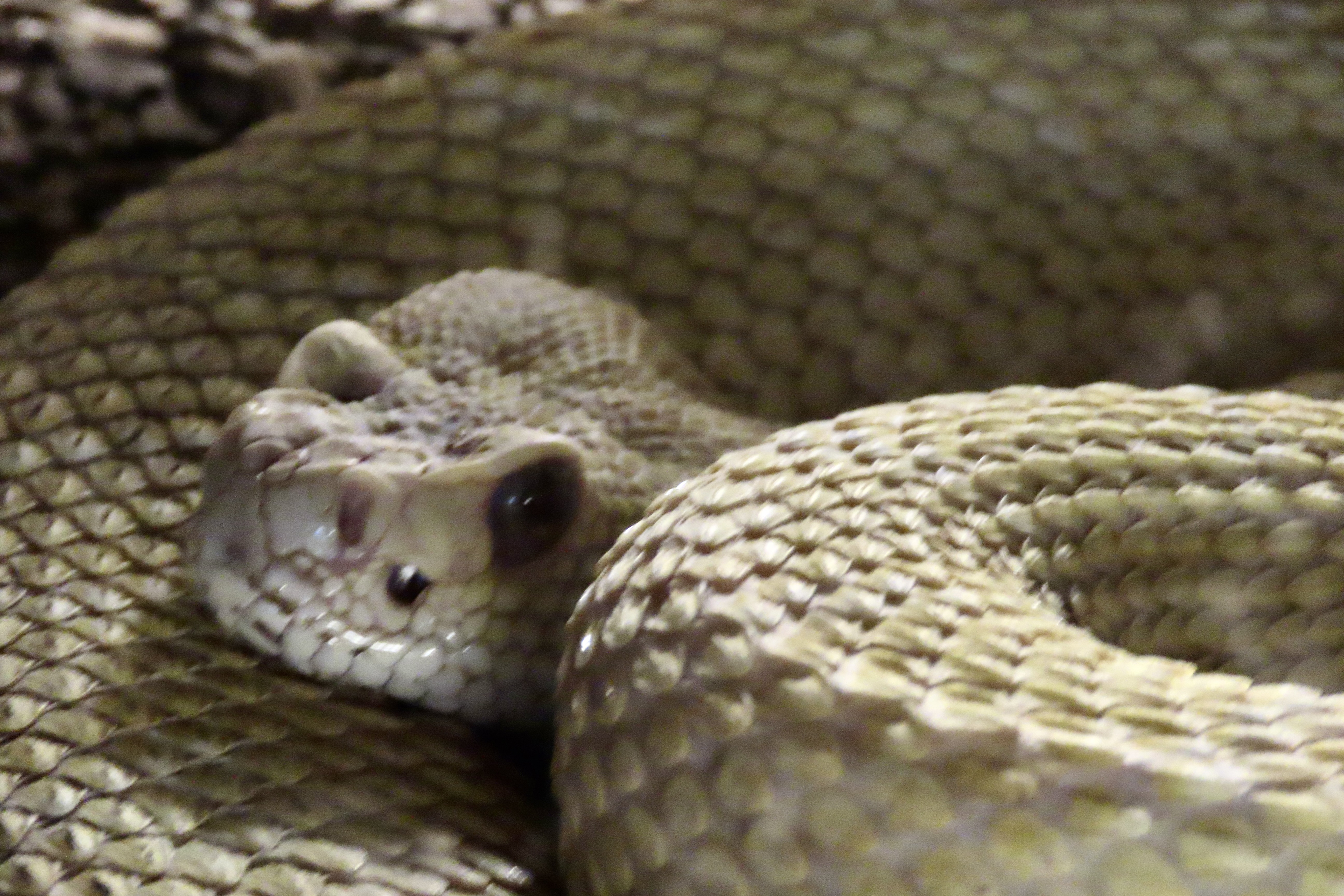
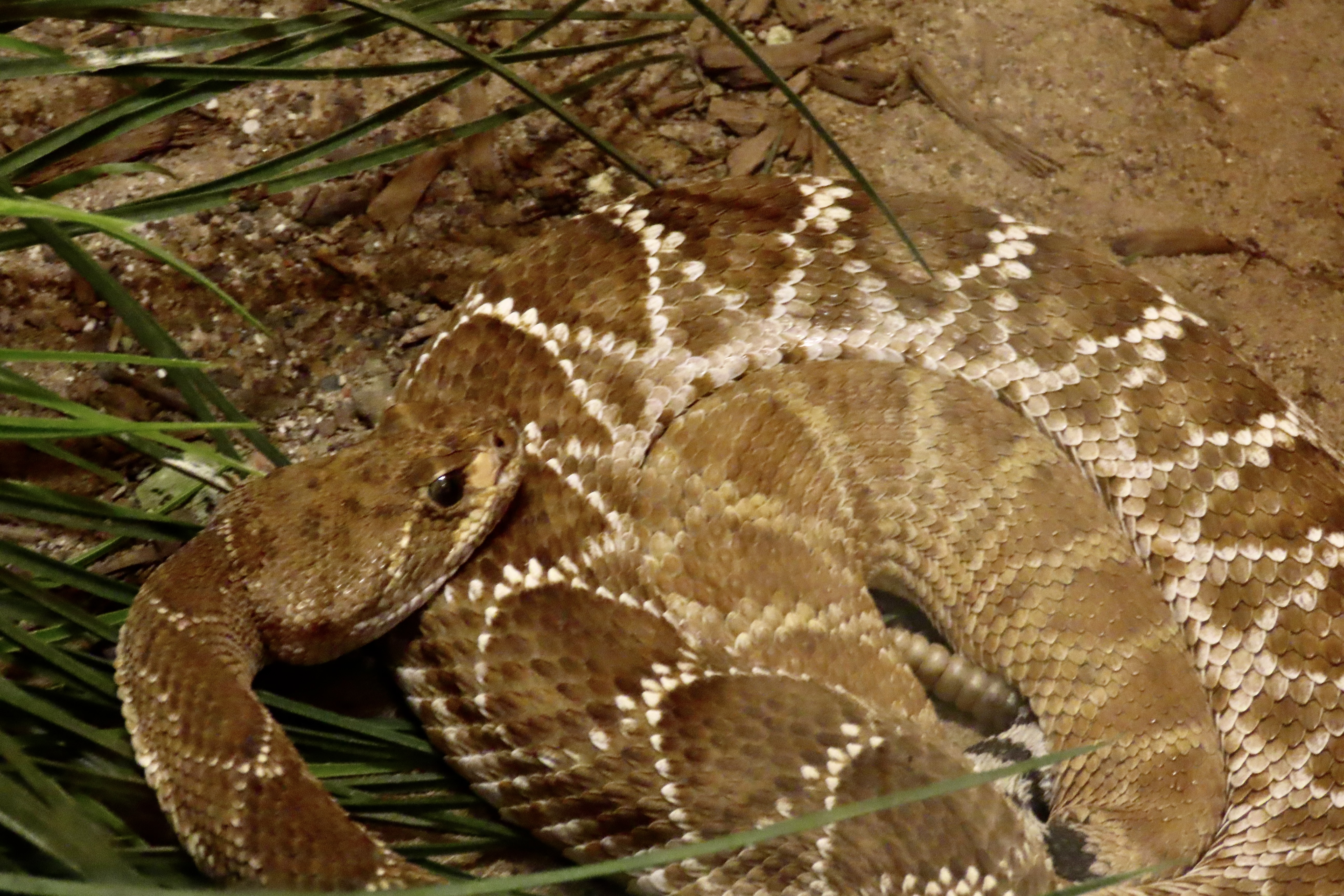
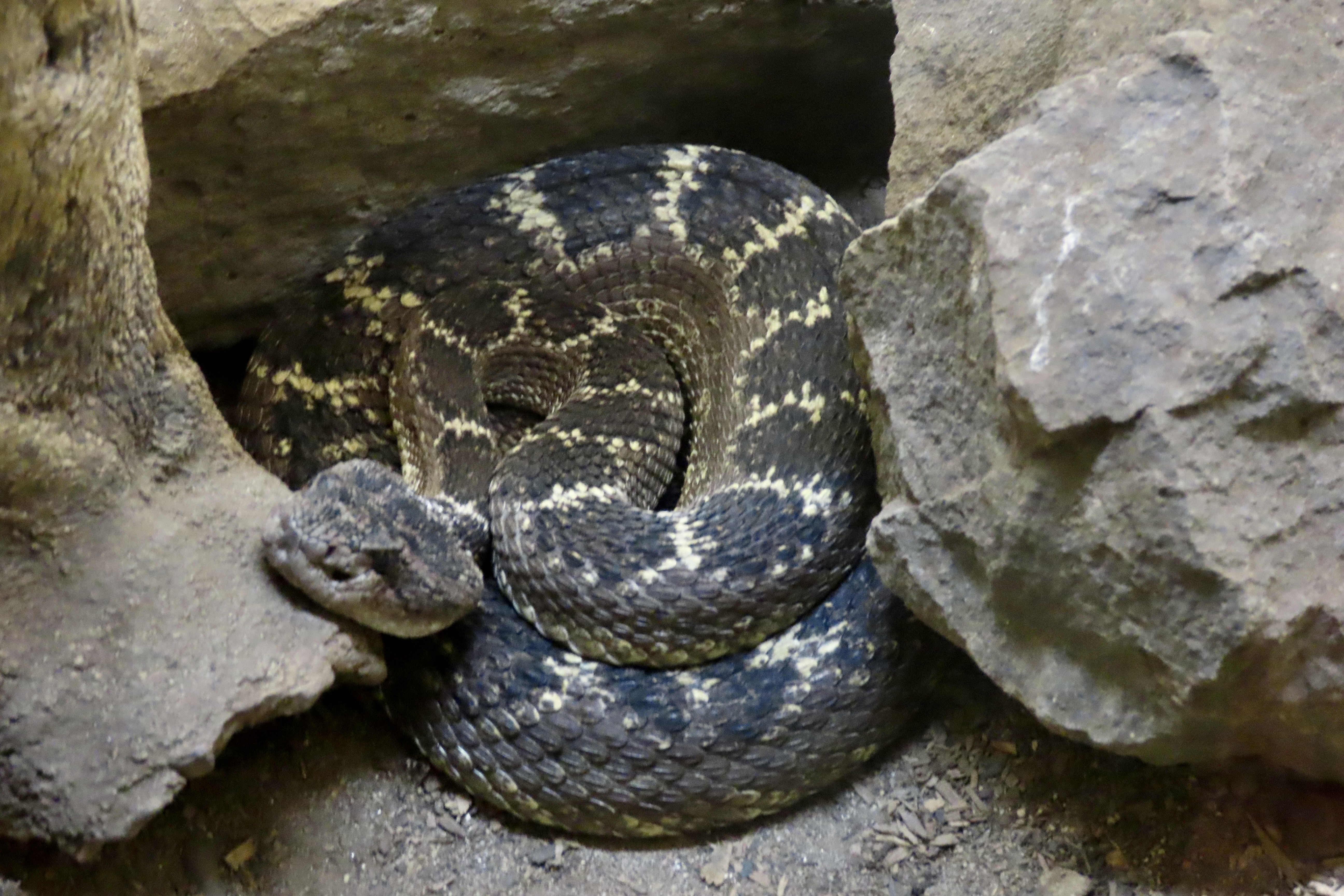


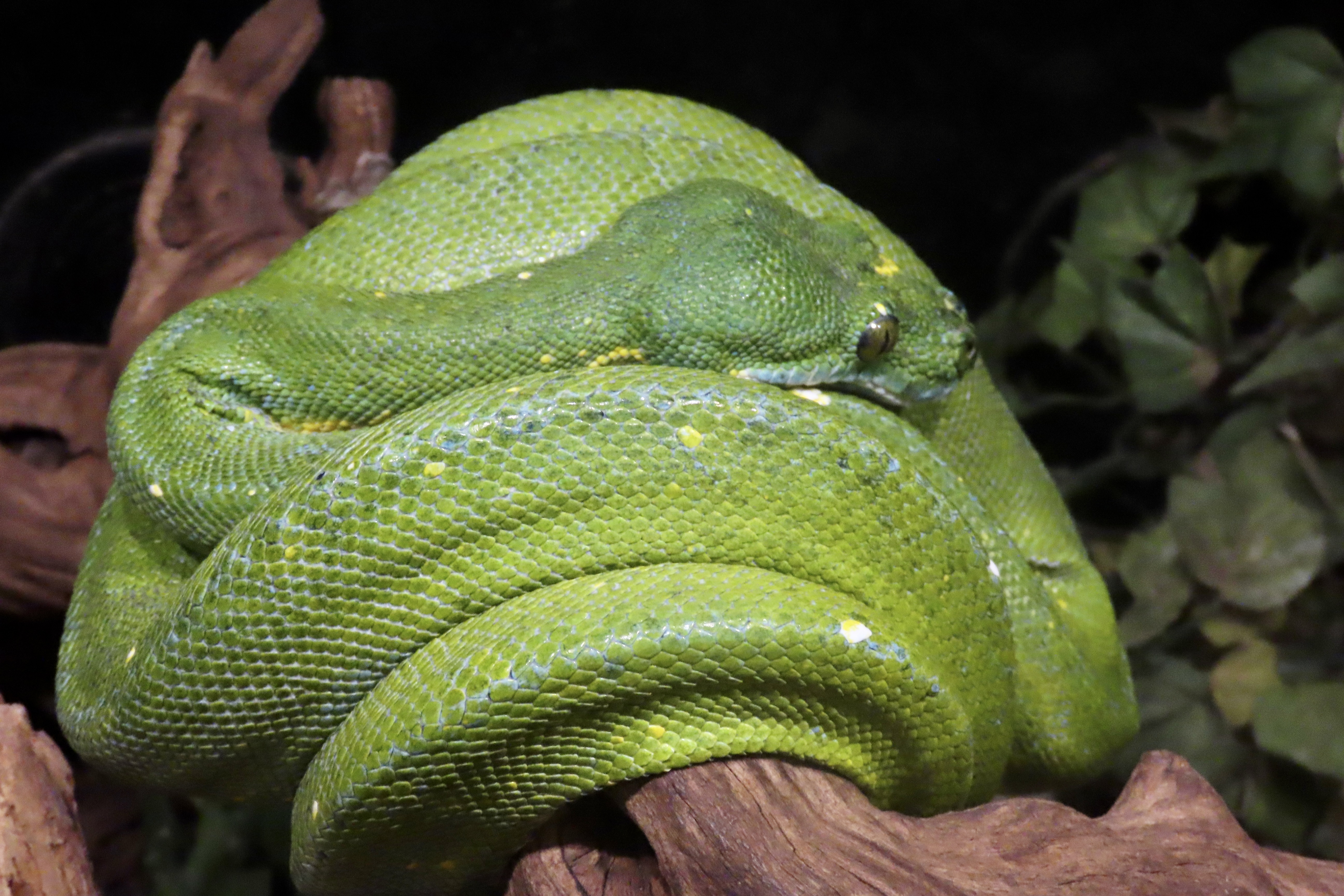
Plus a couple of snakes that weren’t rattlers, but we were fascinated by their colors.

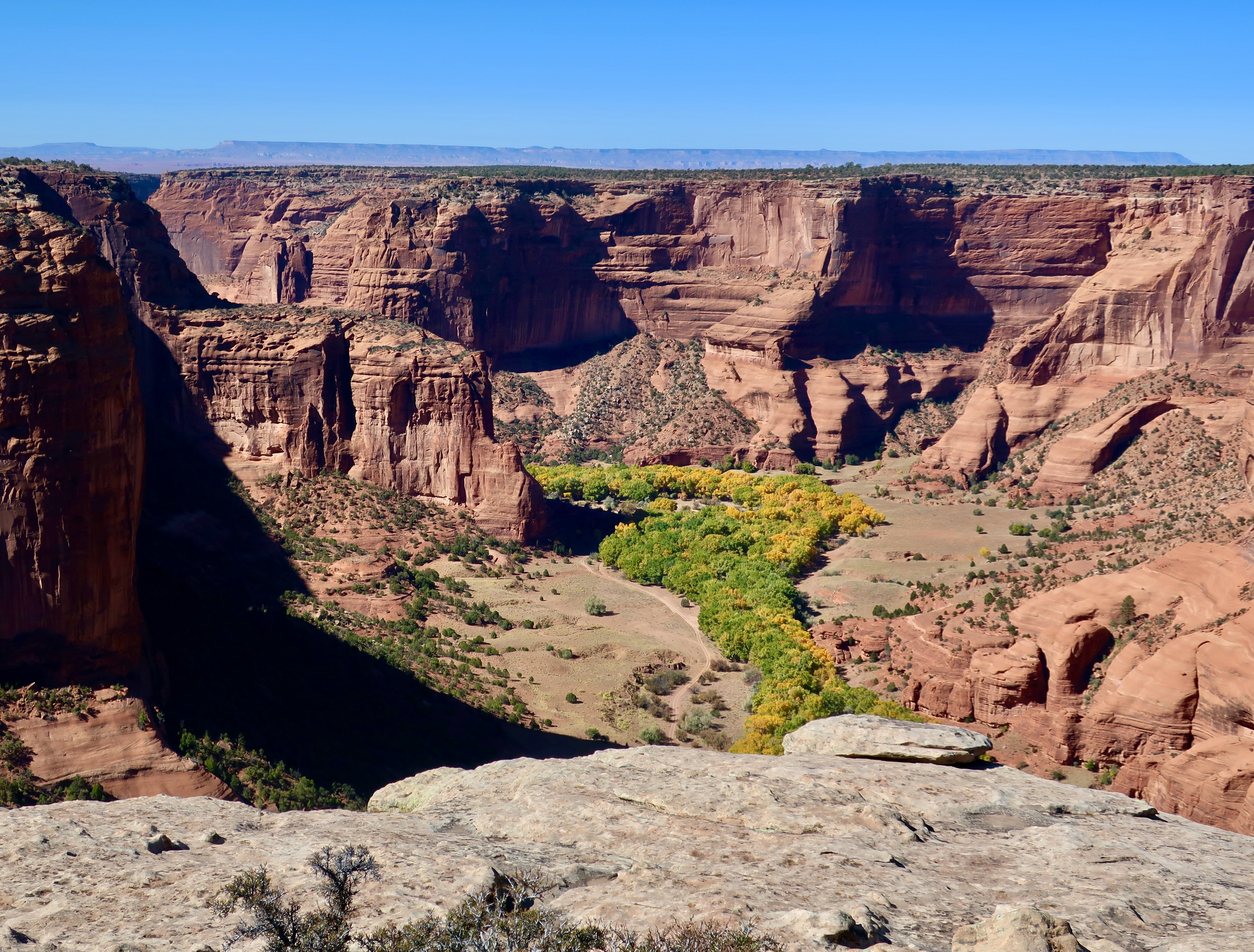
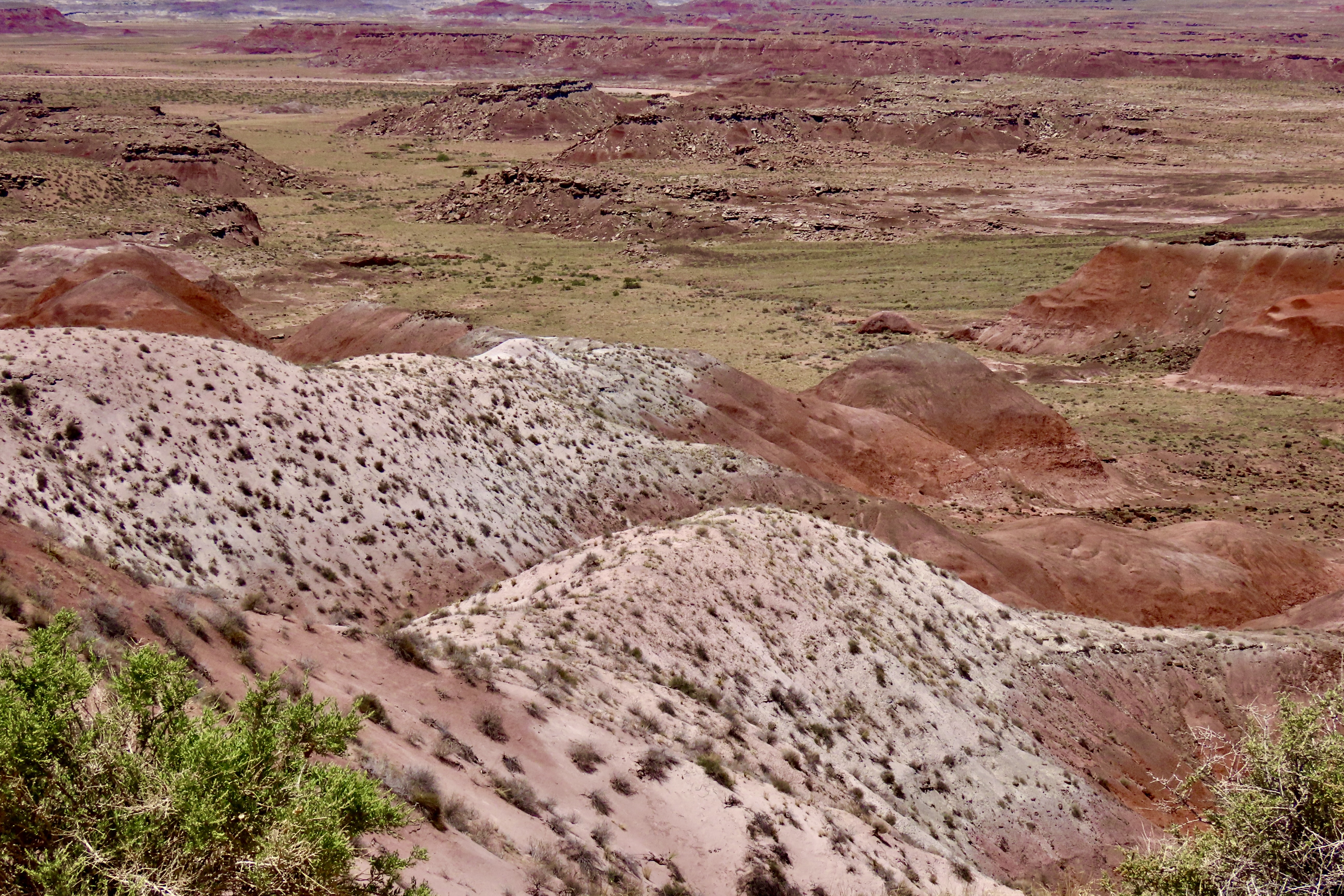
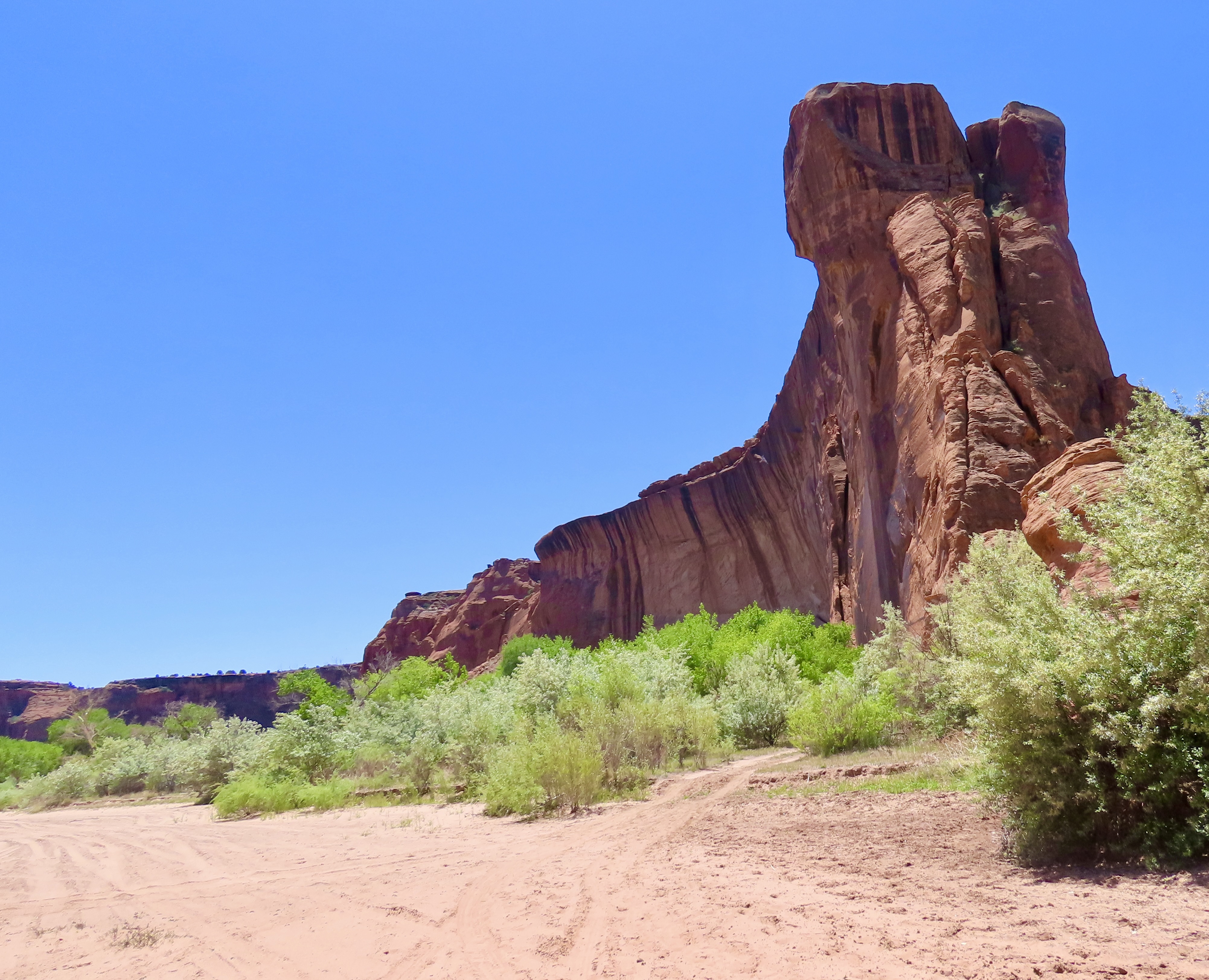
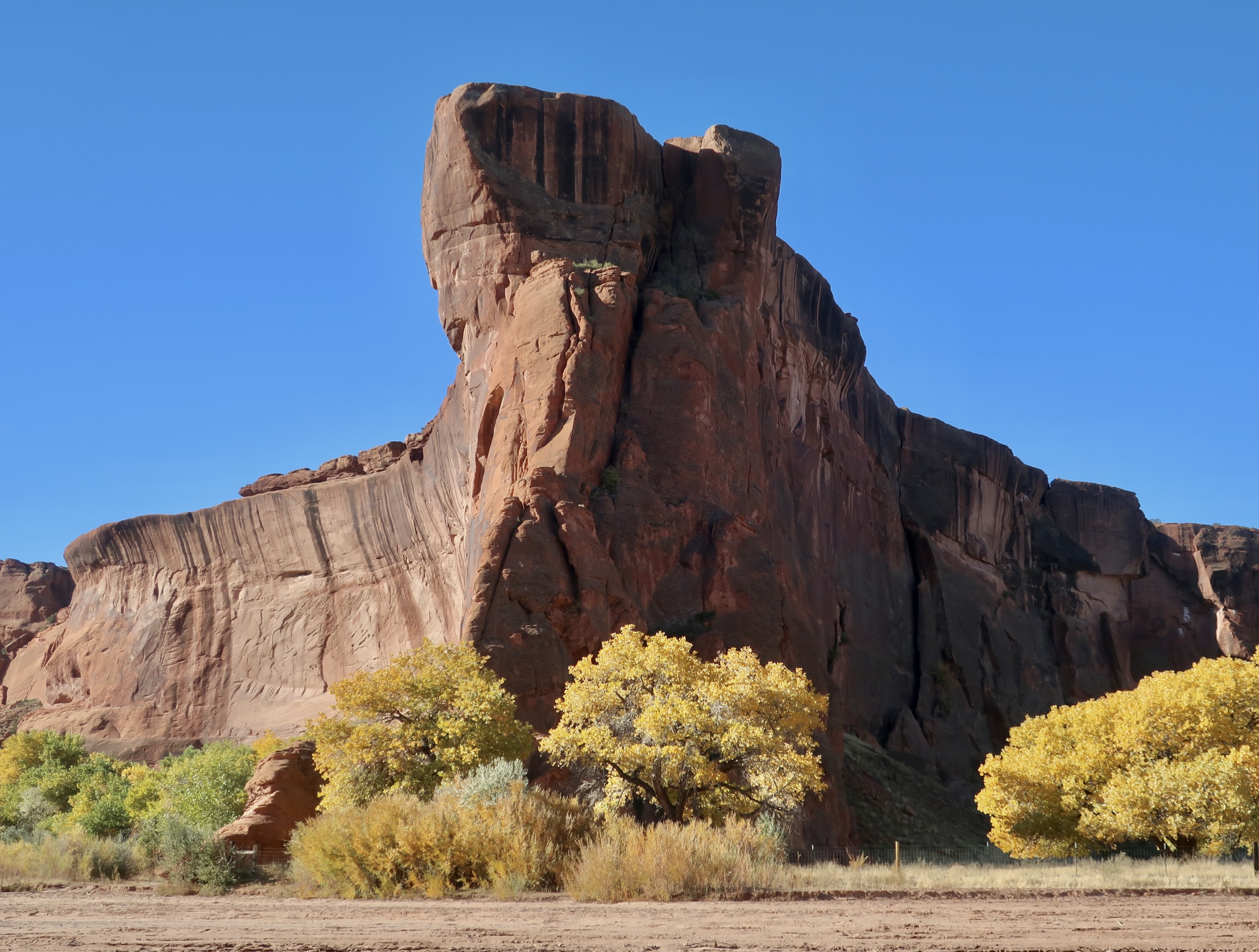
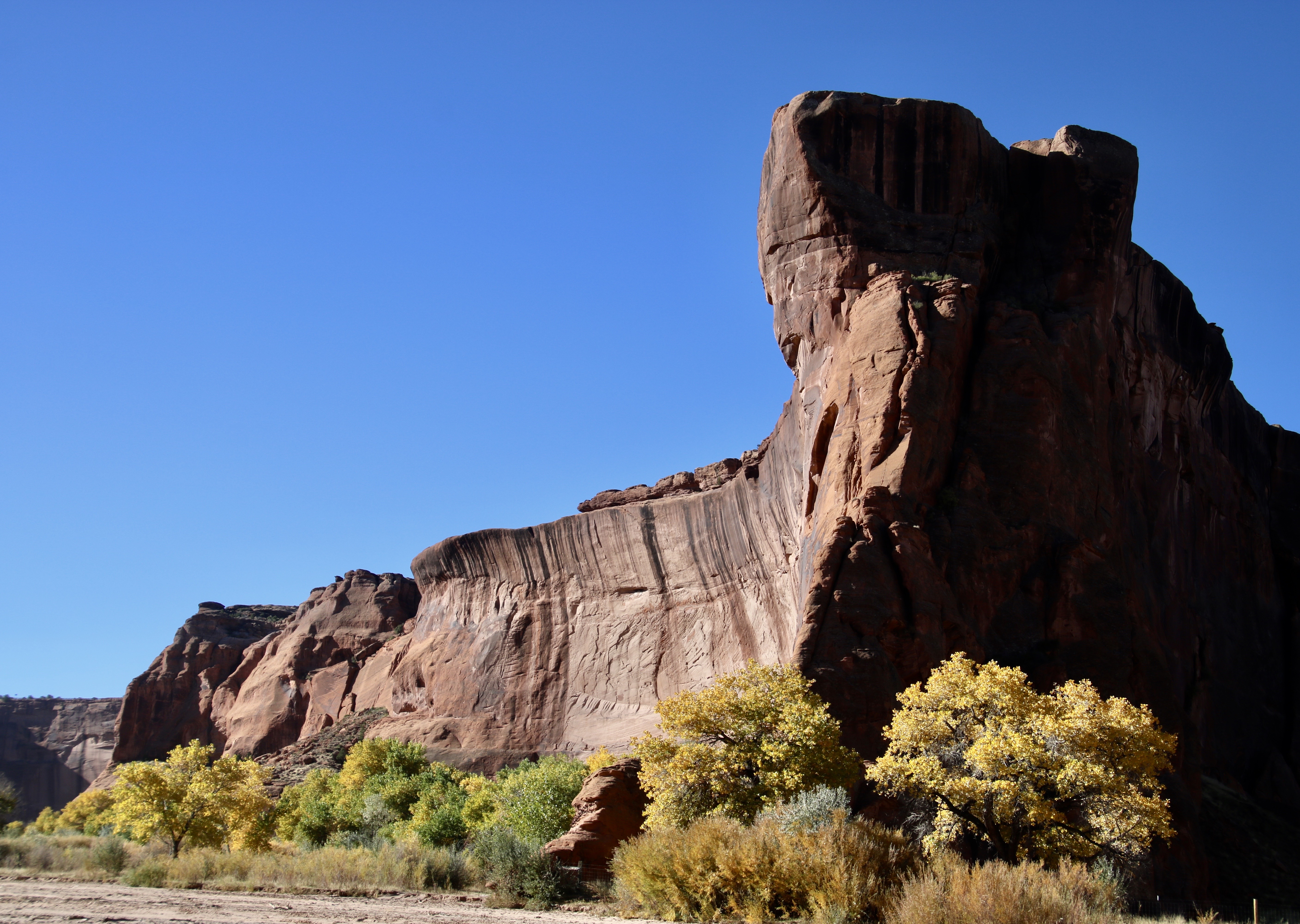
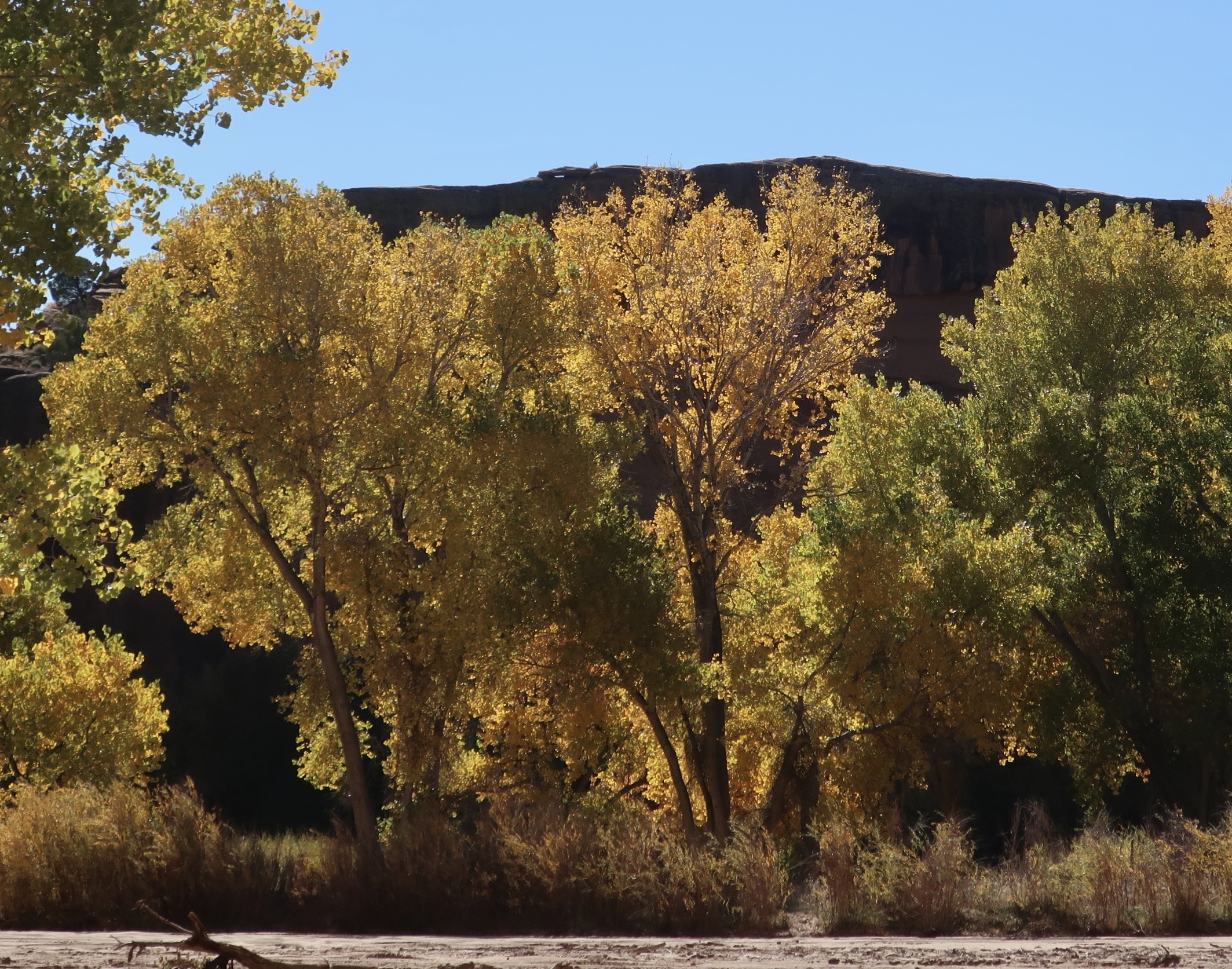
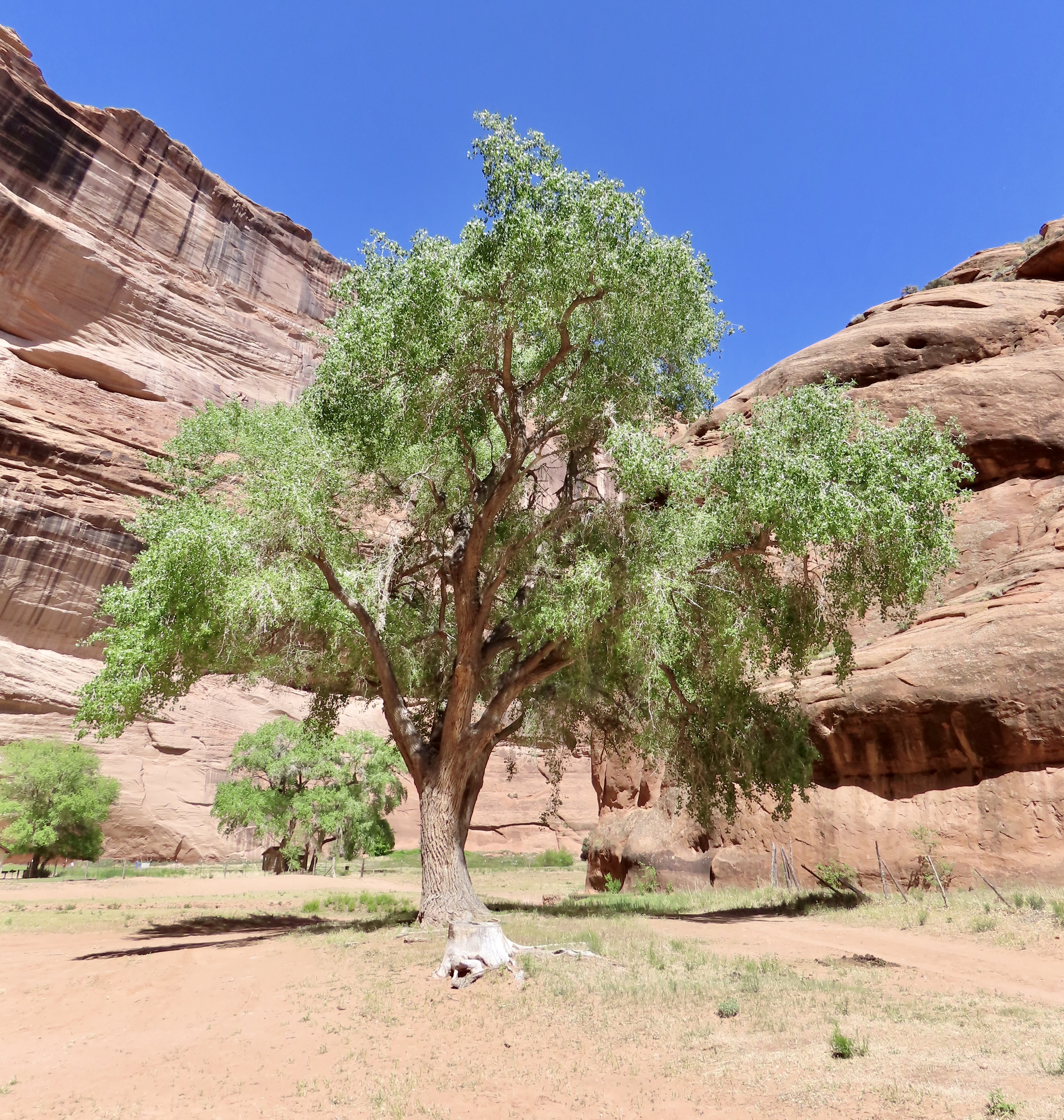
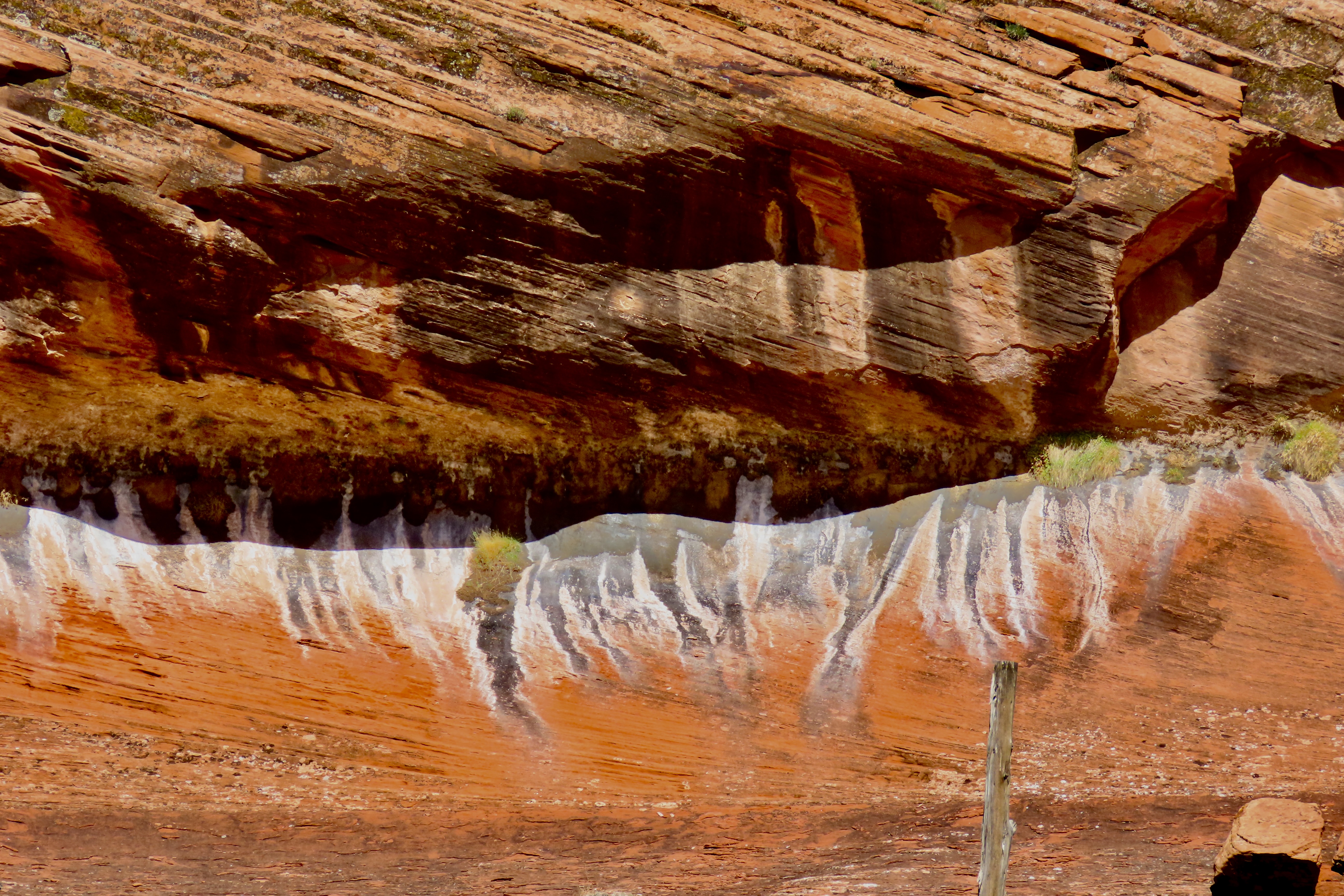
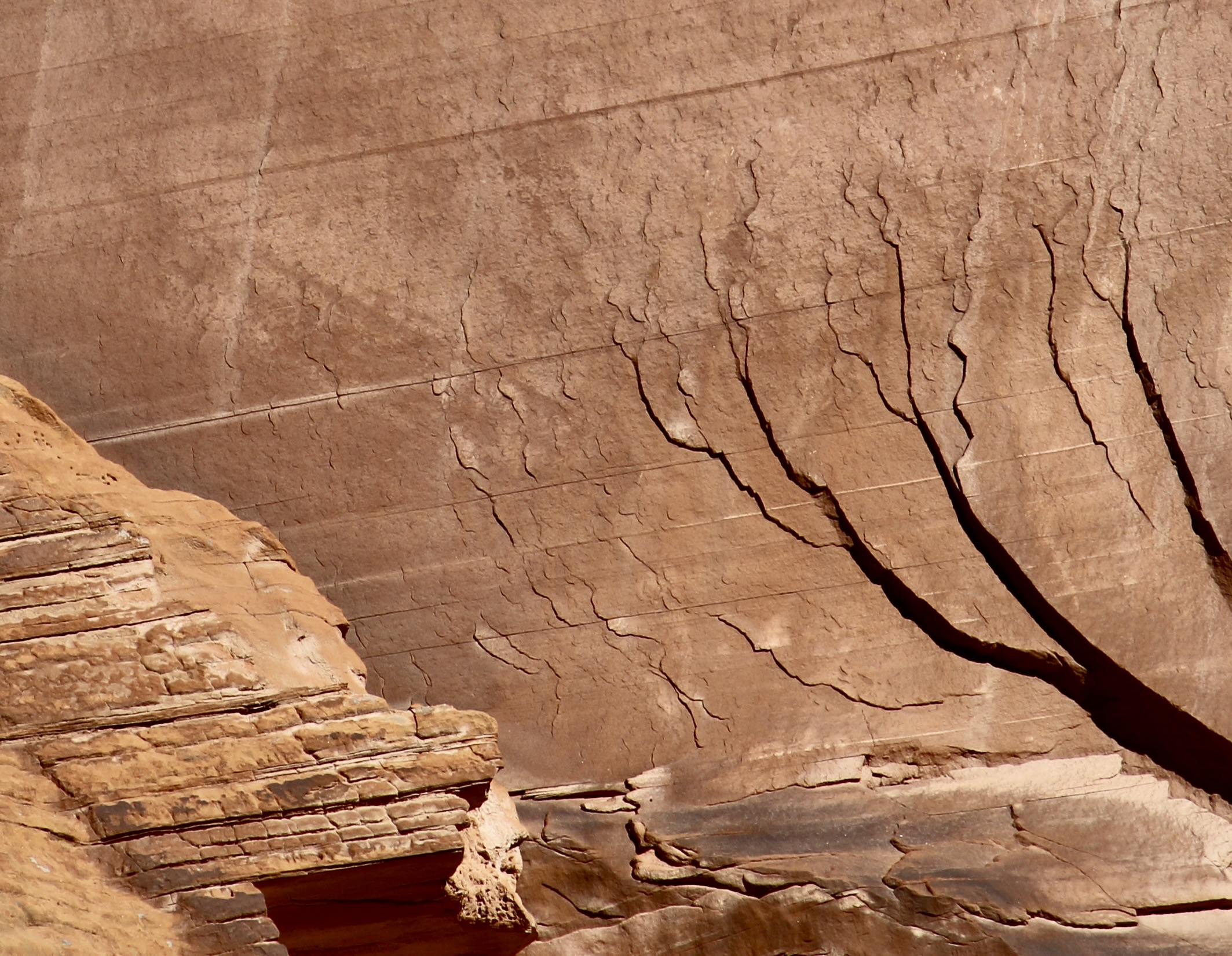
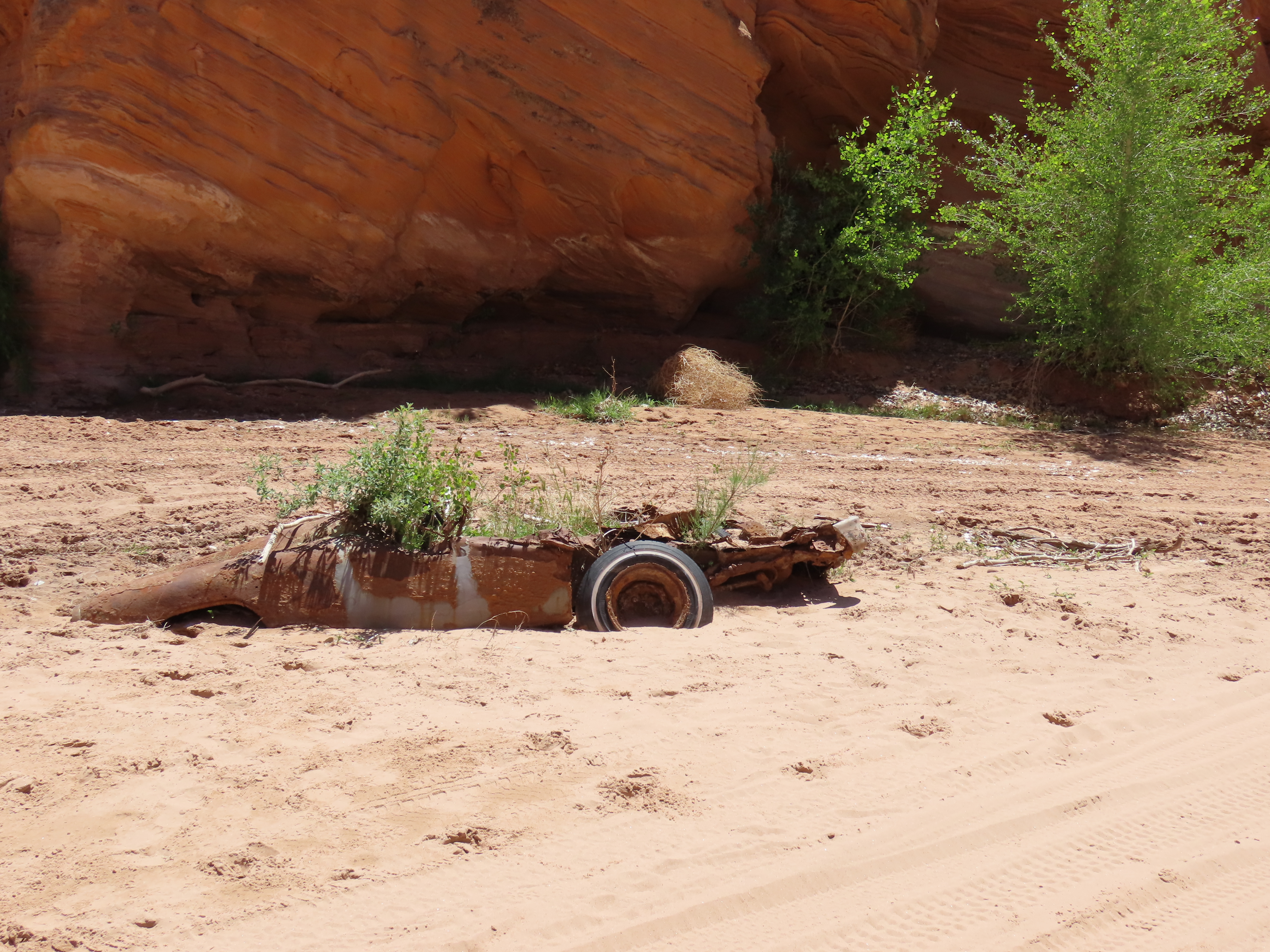
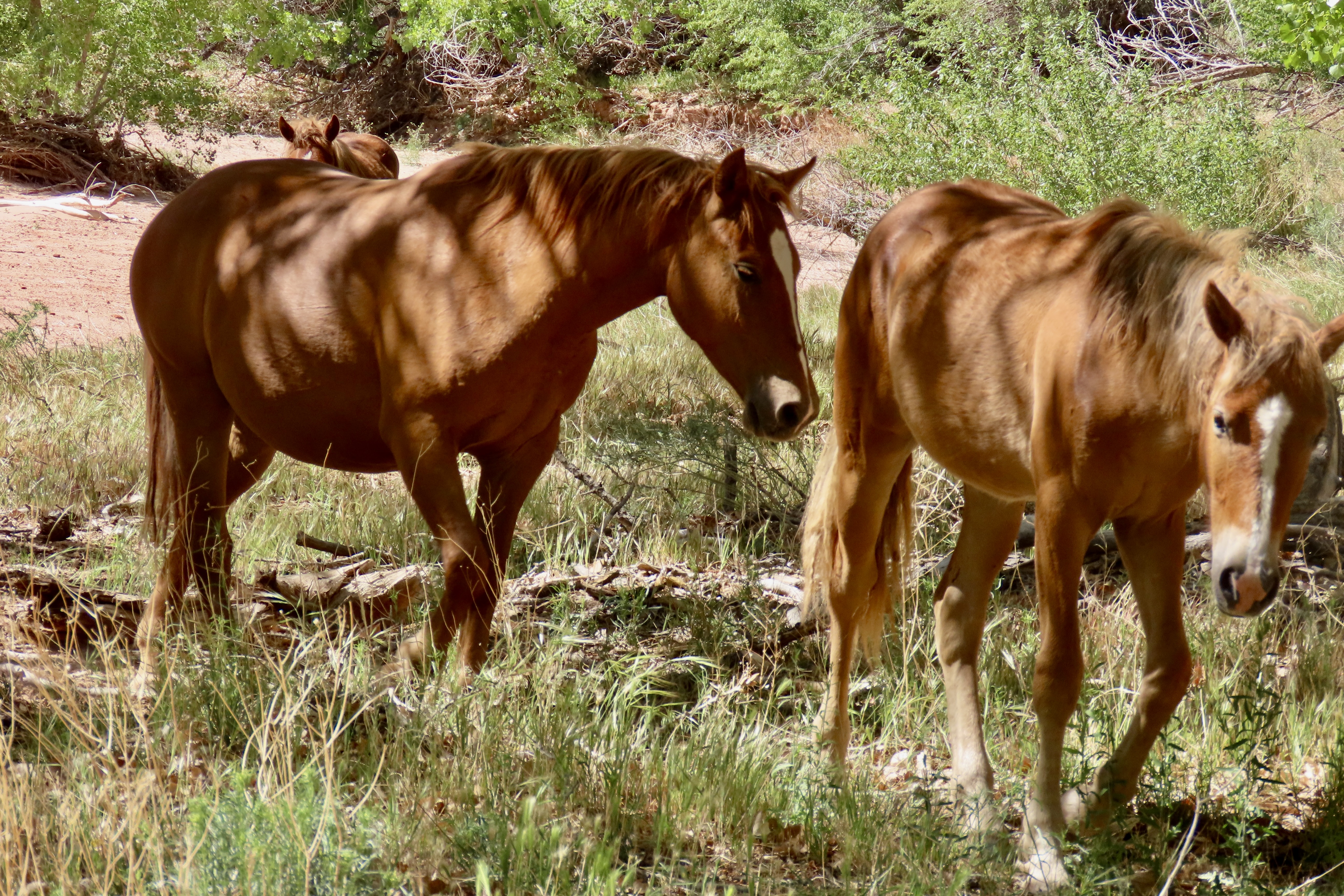
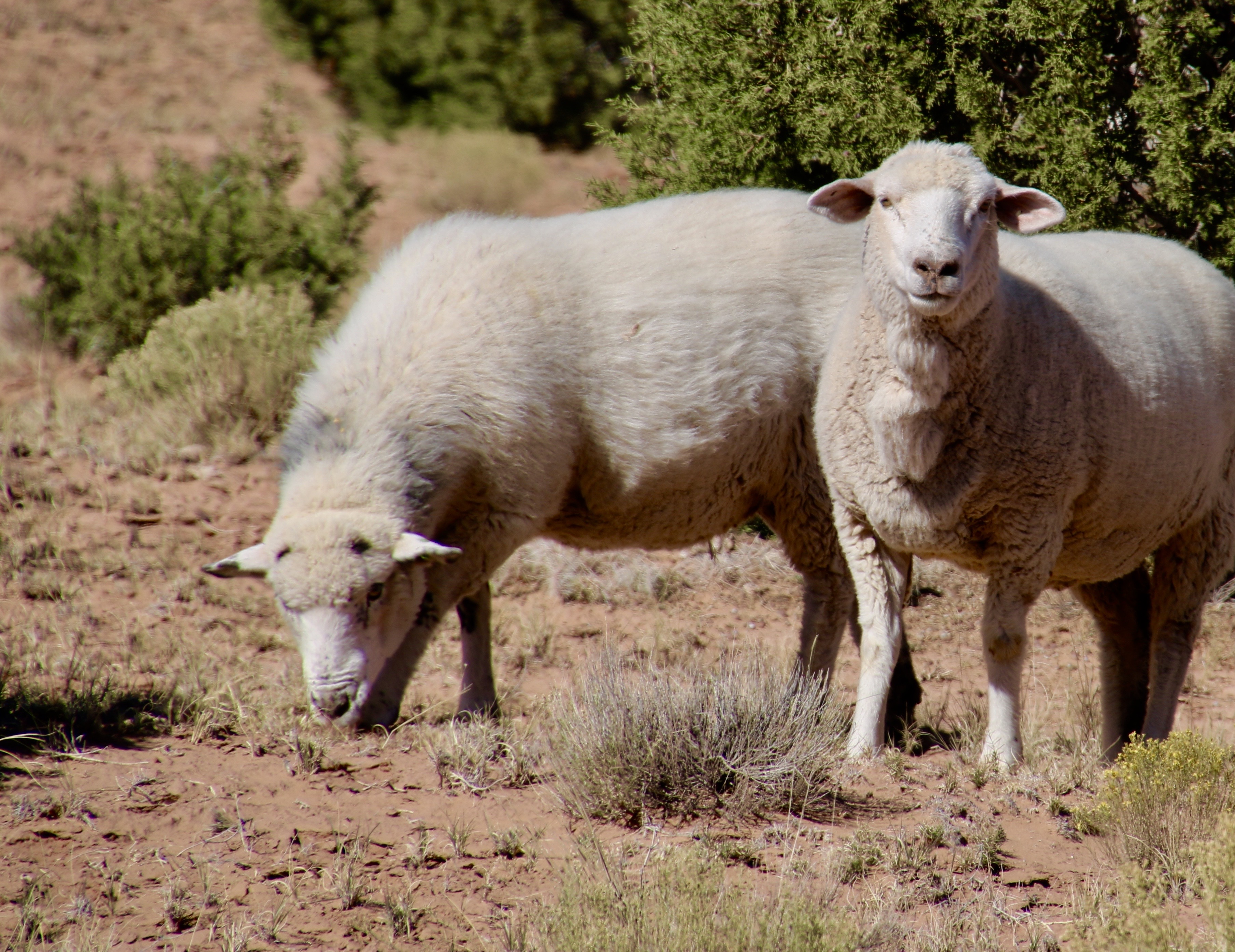
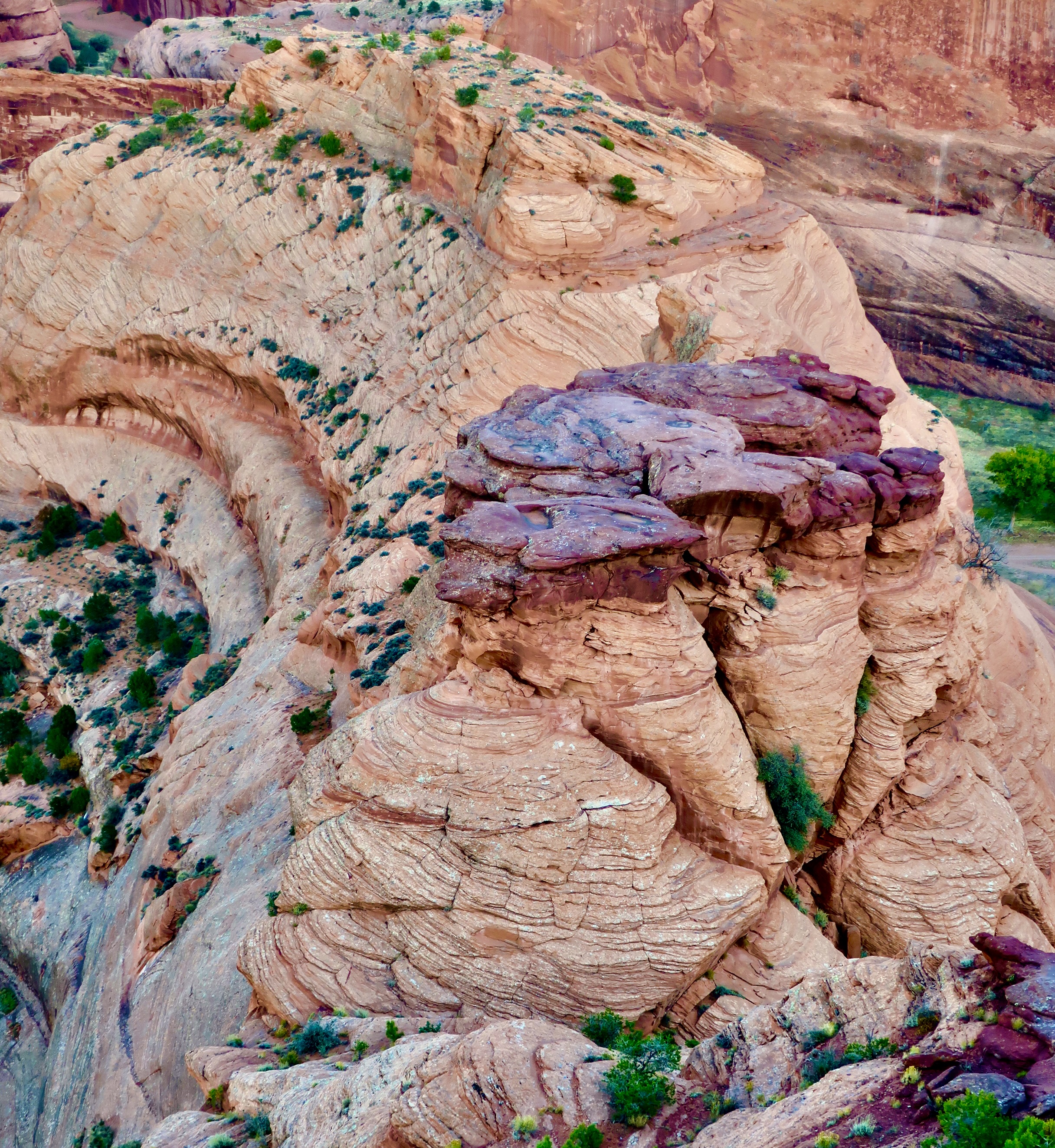
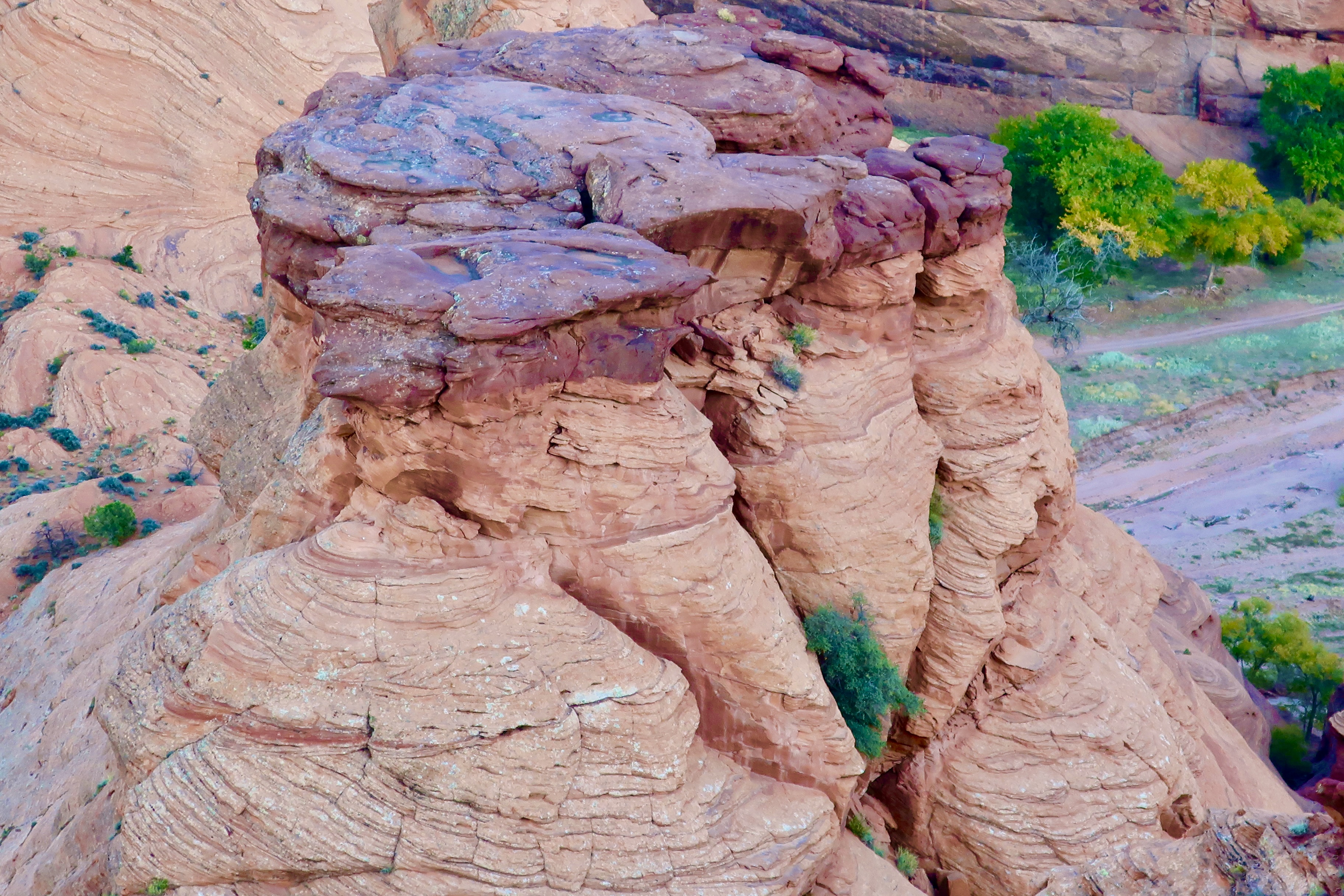
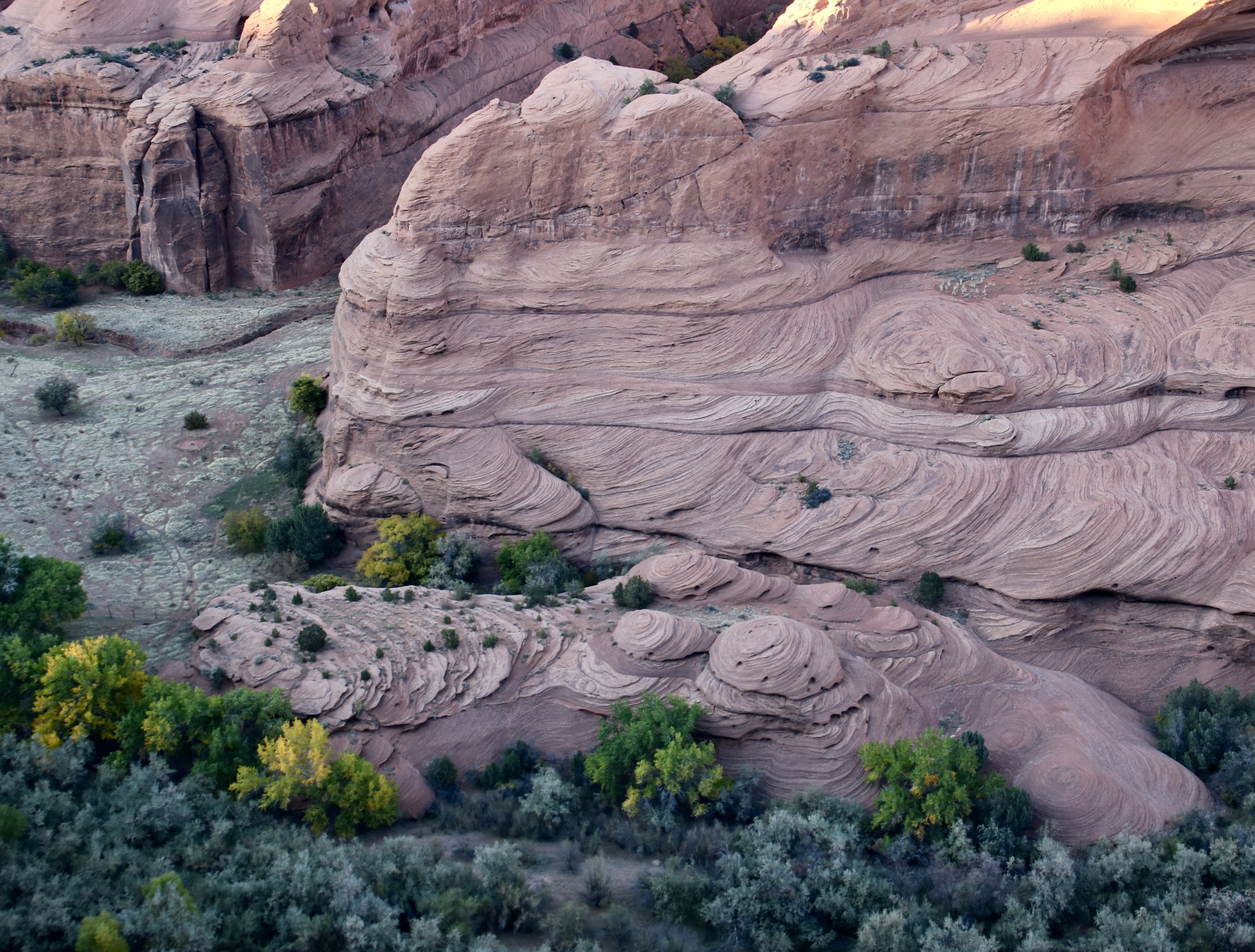
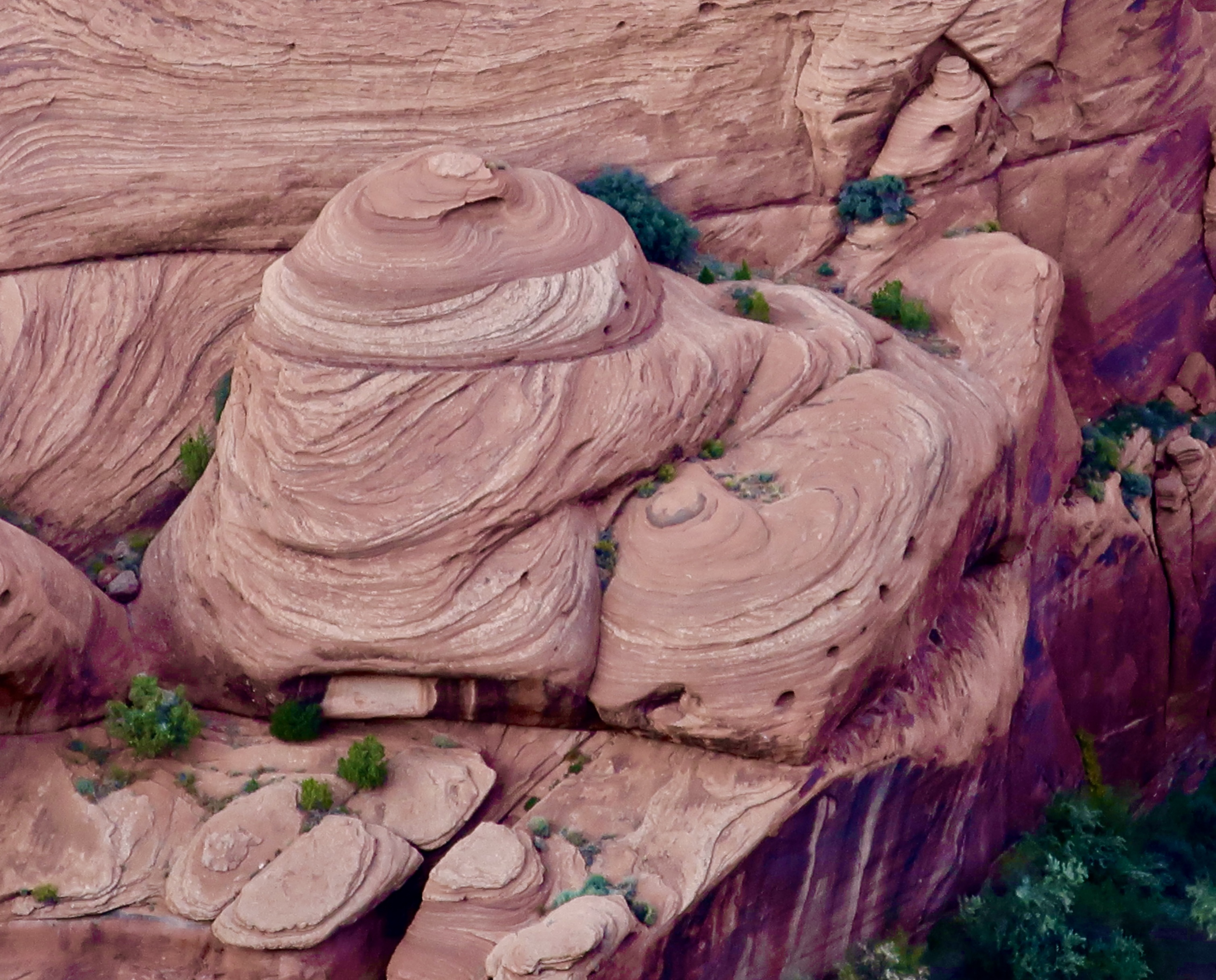
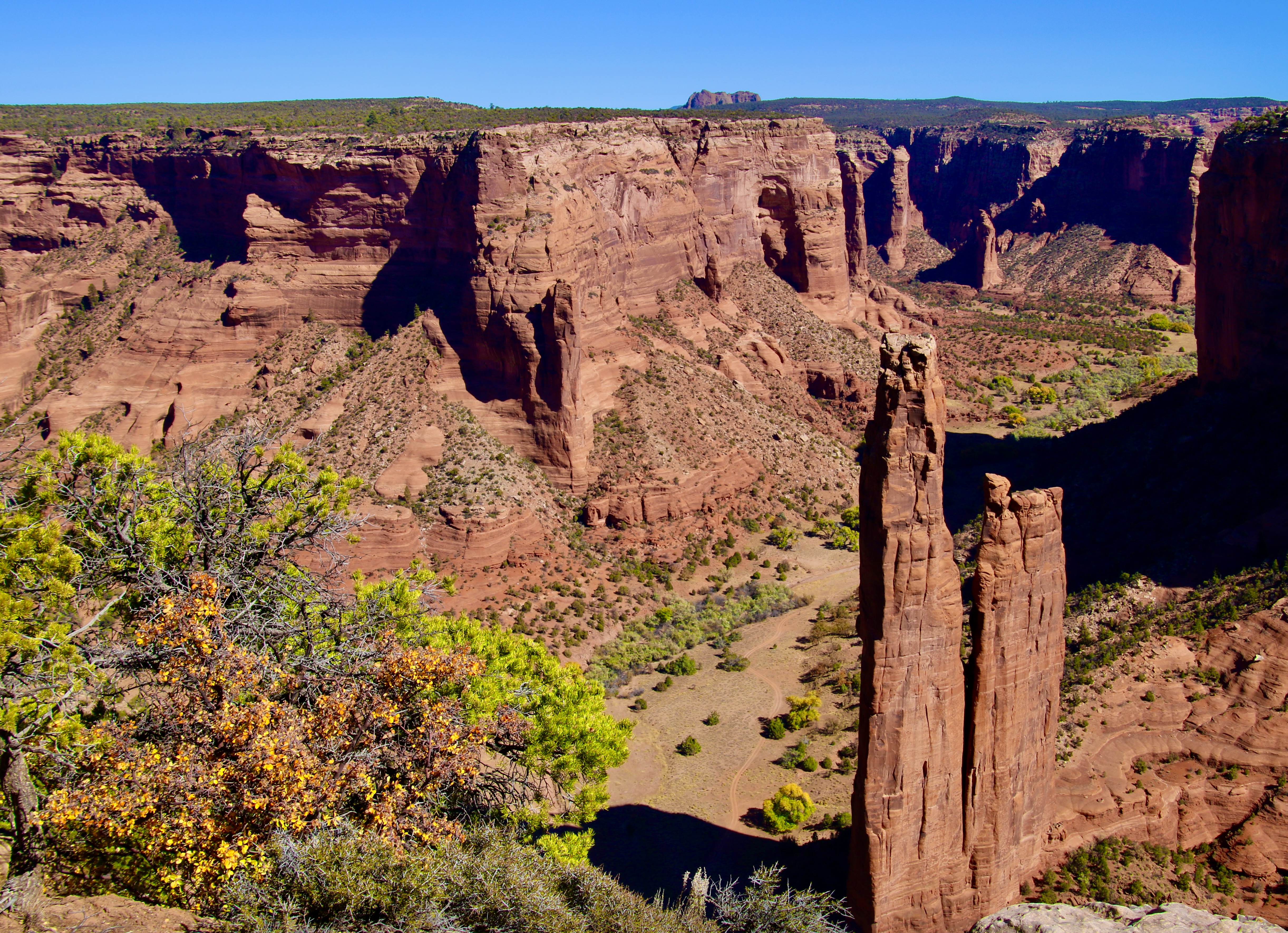
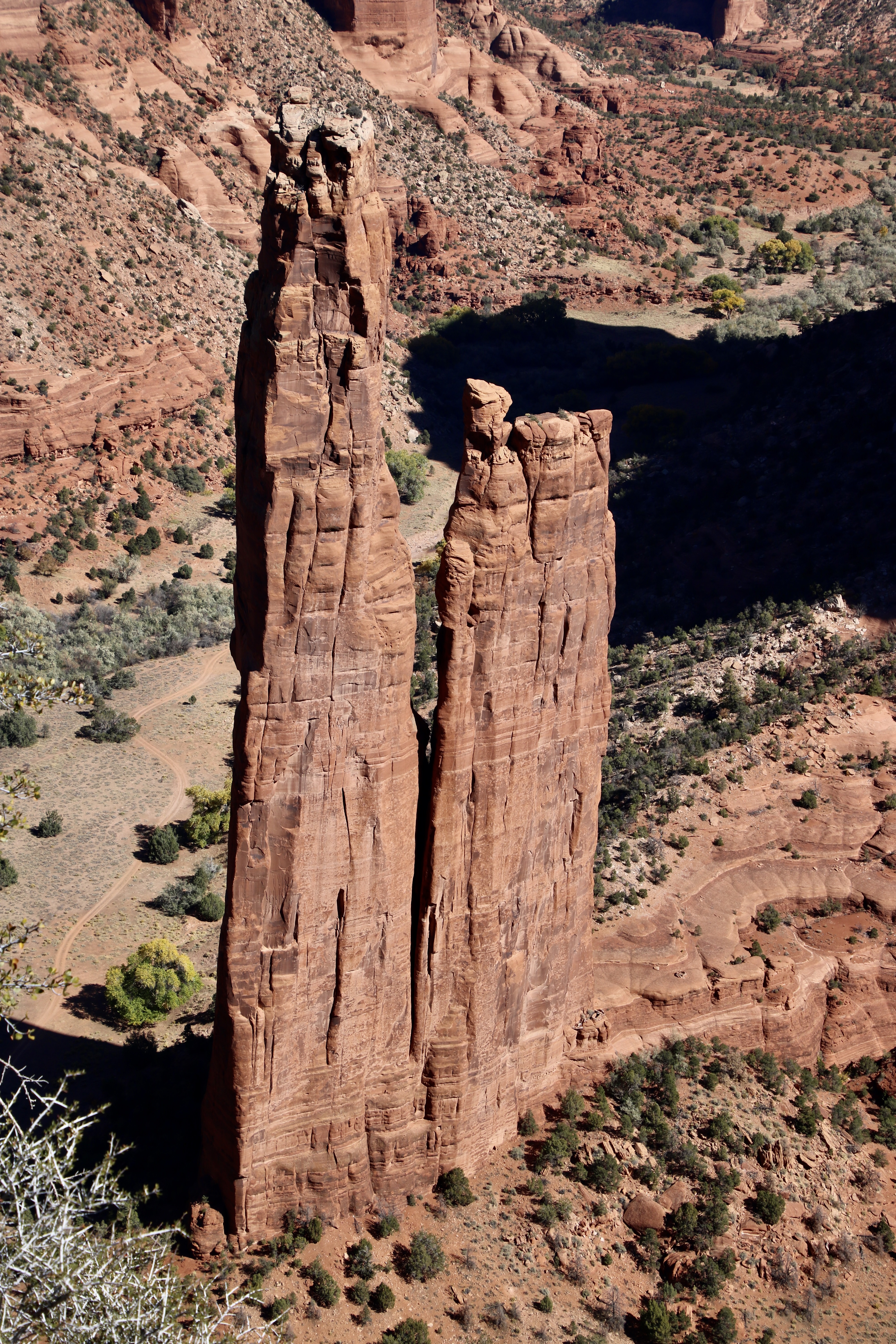
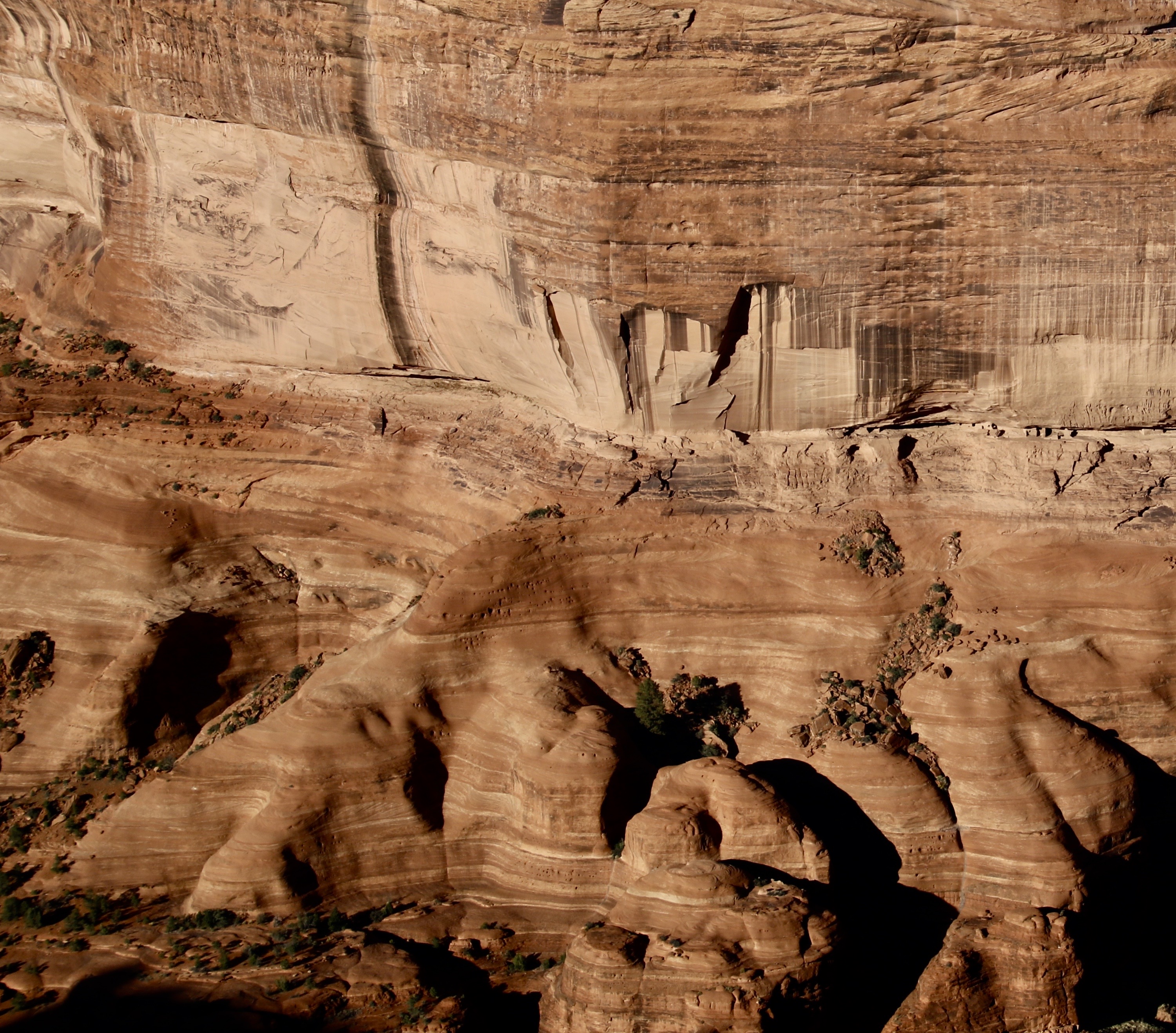
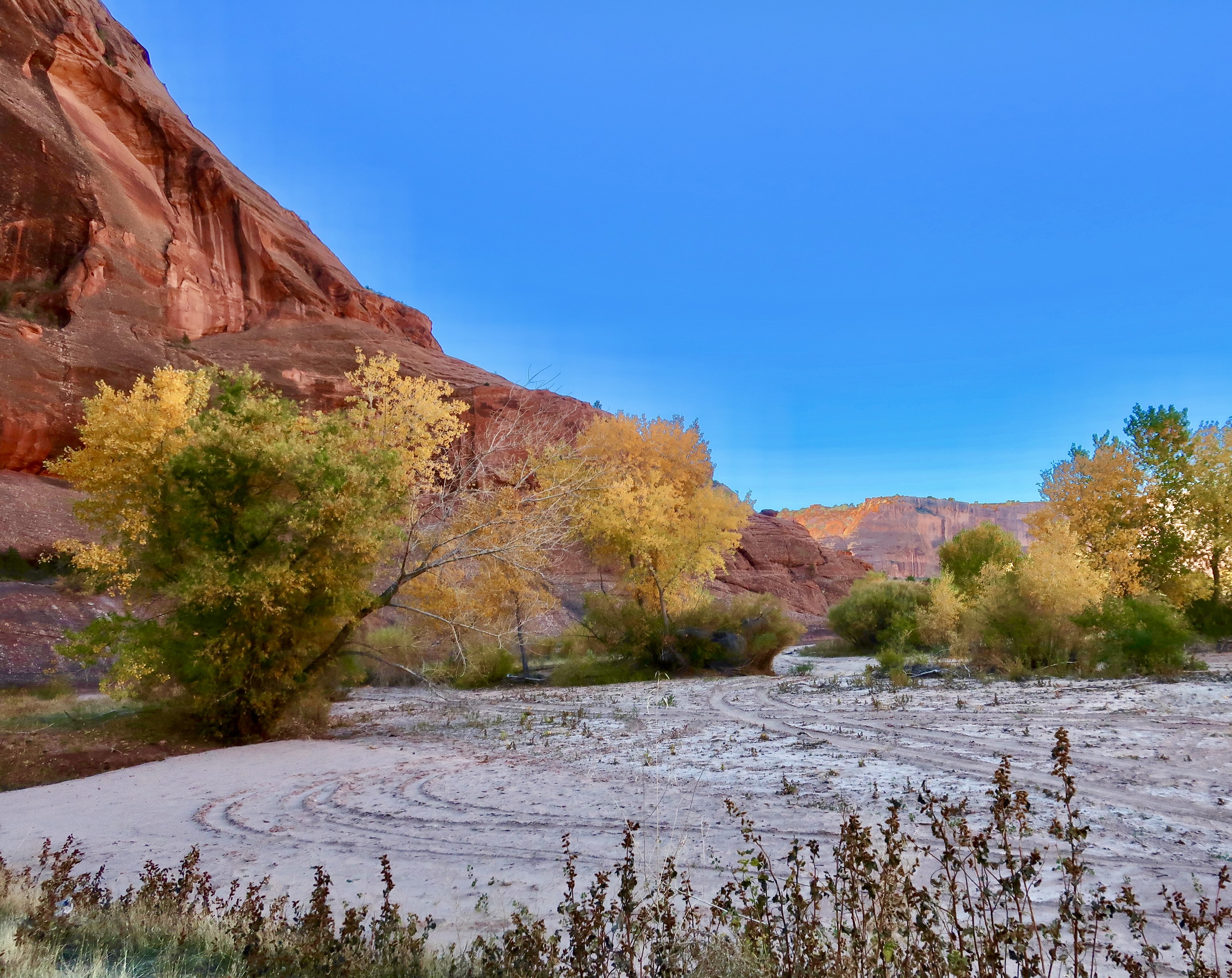
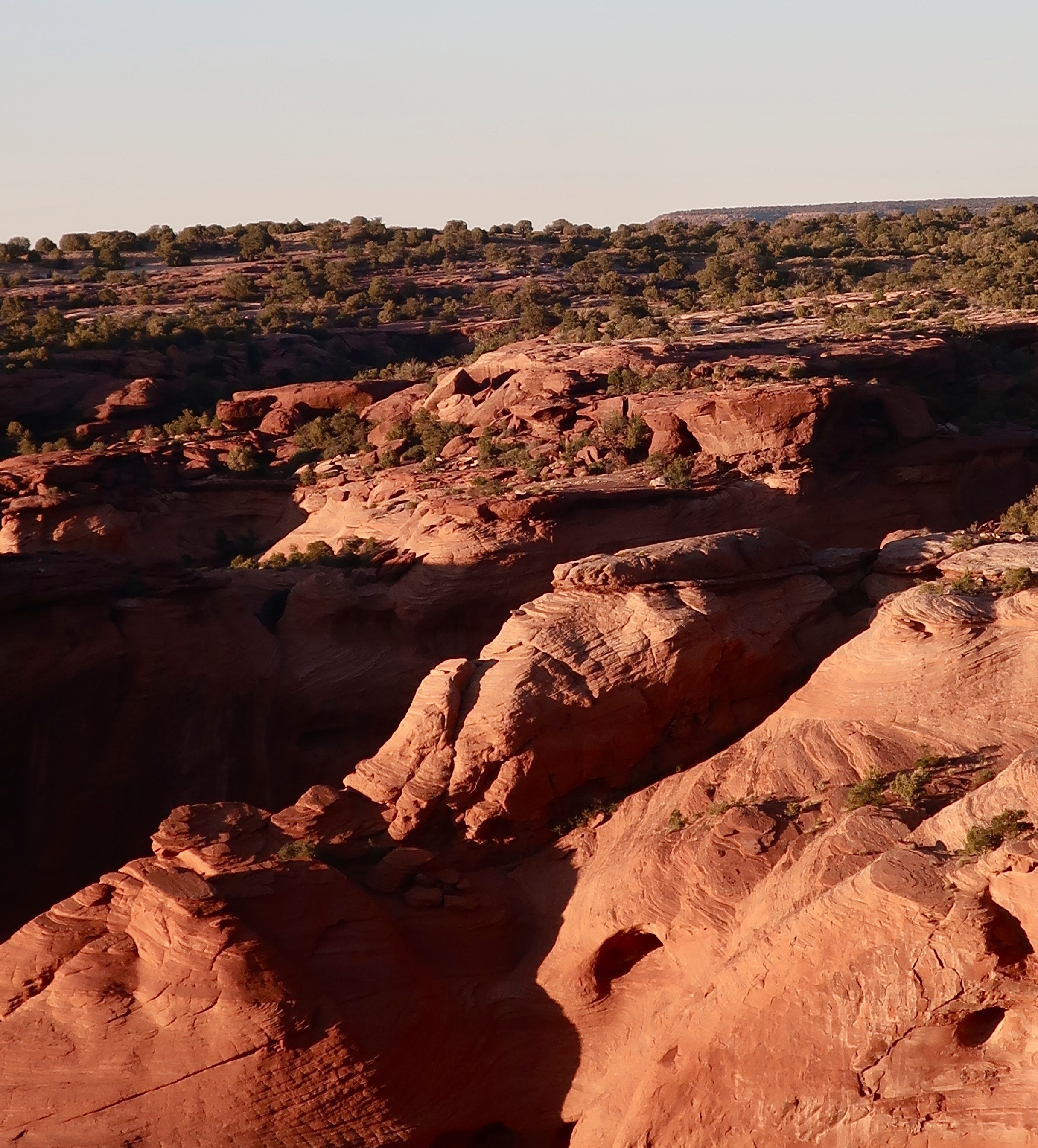
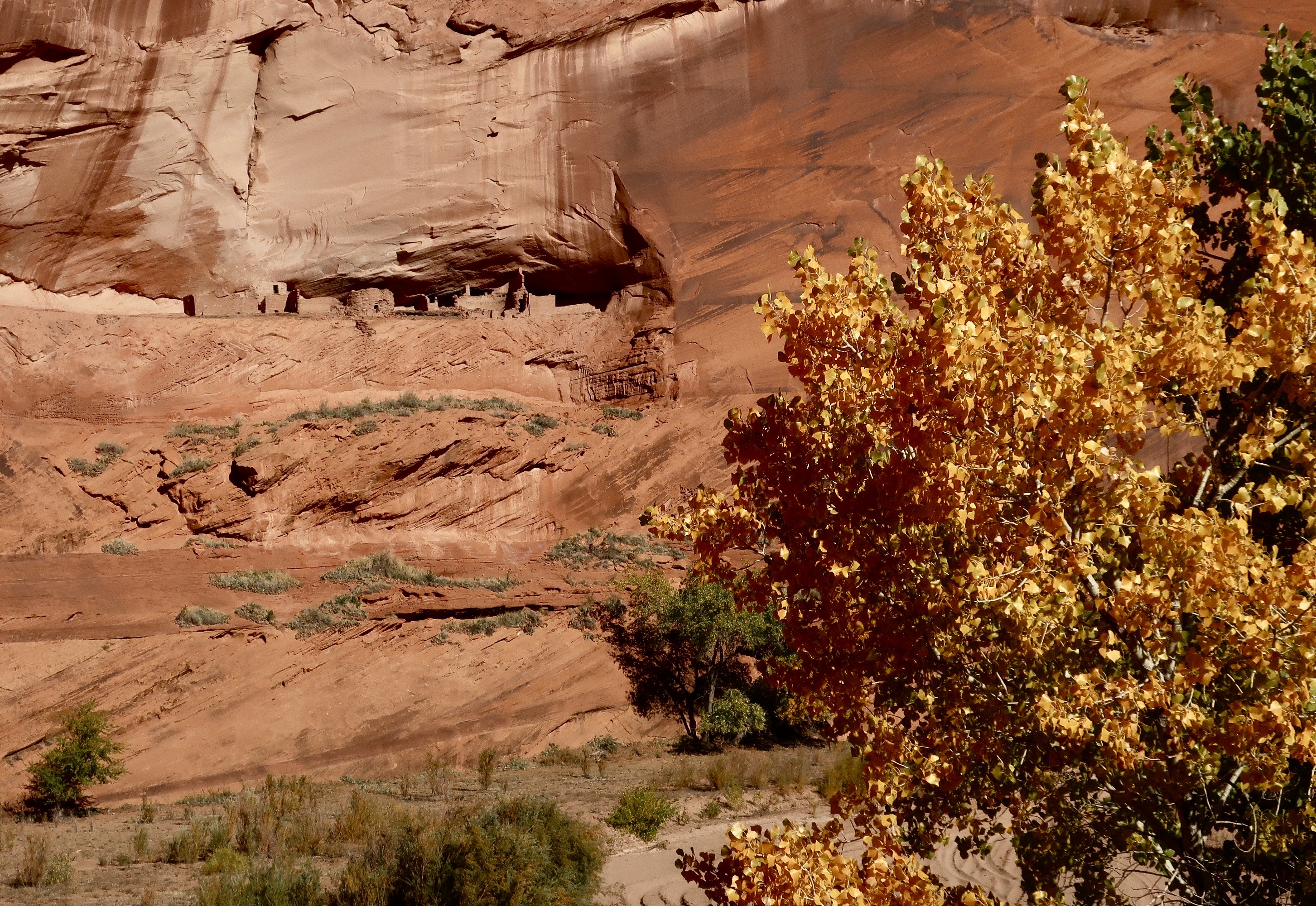
Peggy and I have visited Canyon de Chelly twice, first in 2019 in October and then this year in June. In 2019 we drove the South and North Rim roads and then explored the inner canyon. The two roads are open for anyone to drive. The tour of the inner canyon requires that visitors have a Navajo Guide along. Our friends Tom and Lita from Sacramento joined us in June where we did the inner canyon tour but, unfortunately, didn’t have time for the rim drives. I’ve opted to use photos from both visits.
We are going to feature the scenic side of the canyon today. Next week, we will look at the canyon’s ancient history in terms of pueblos that the Ancestral Puebloans built in the canyon and petroglyphs and pictographs from both the Puebloan and Navajo time periods. I also want to discuss the Long Walk where Navajo were forced to abandon their homelands to settlers pouring in from the eastern US. It’s the type of story that President Trump is now trying to ban from national parks and monuments because it detracts from his concept of a great America.
But first, the beauty.

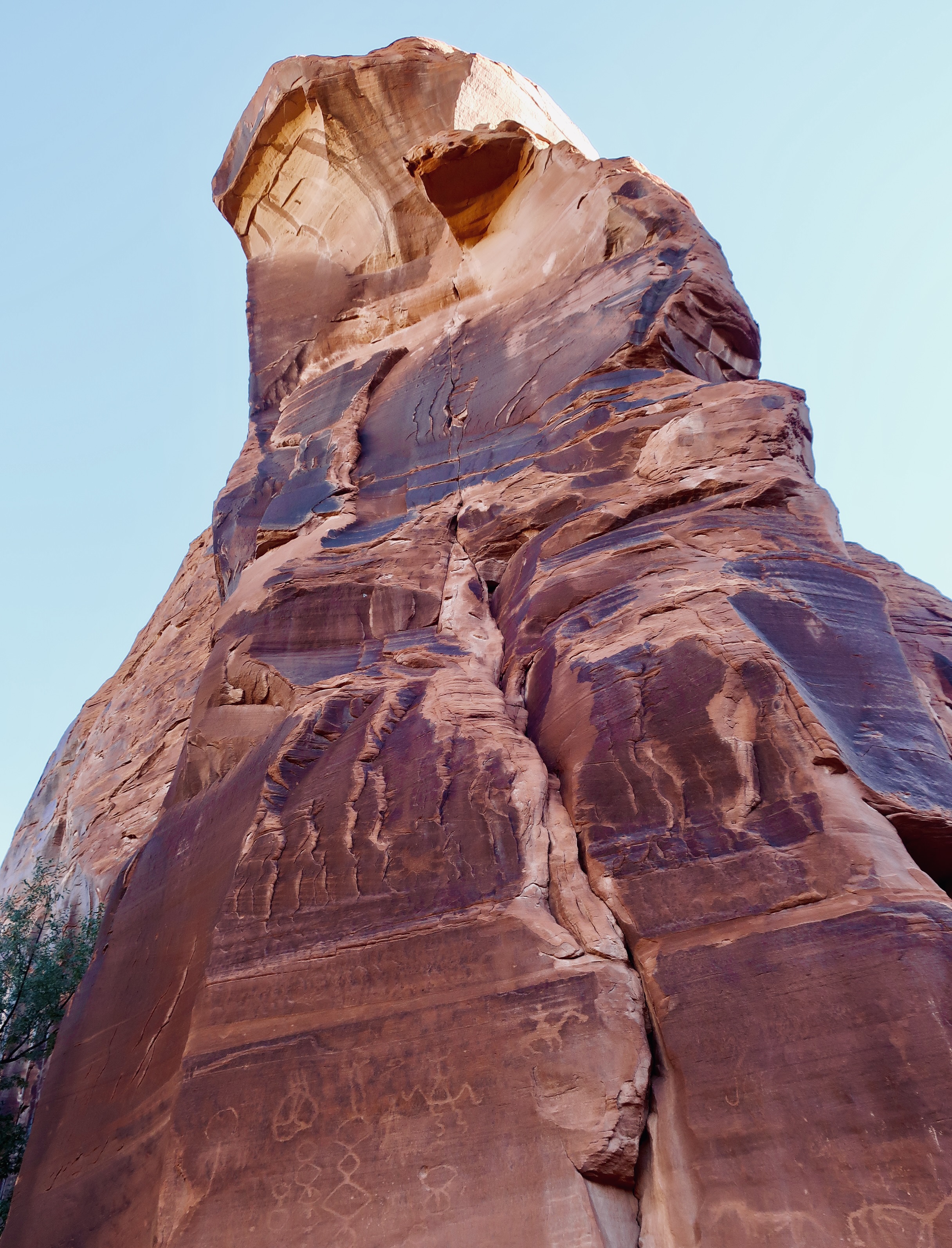
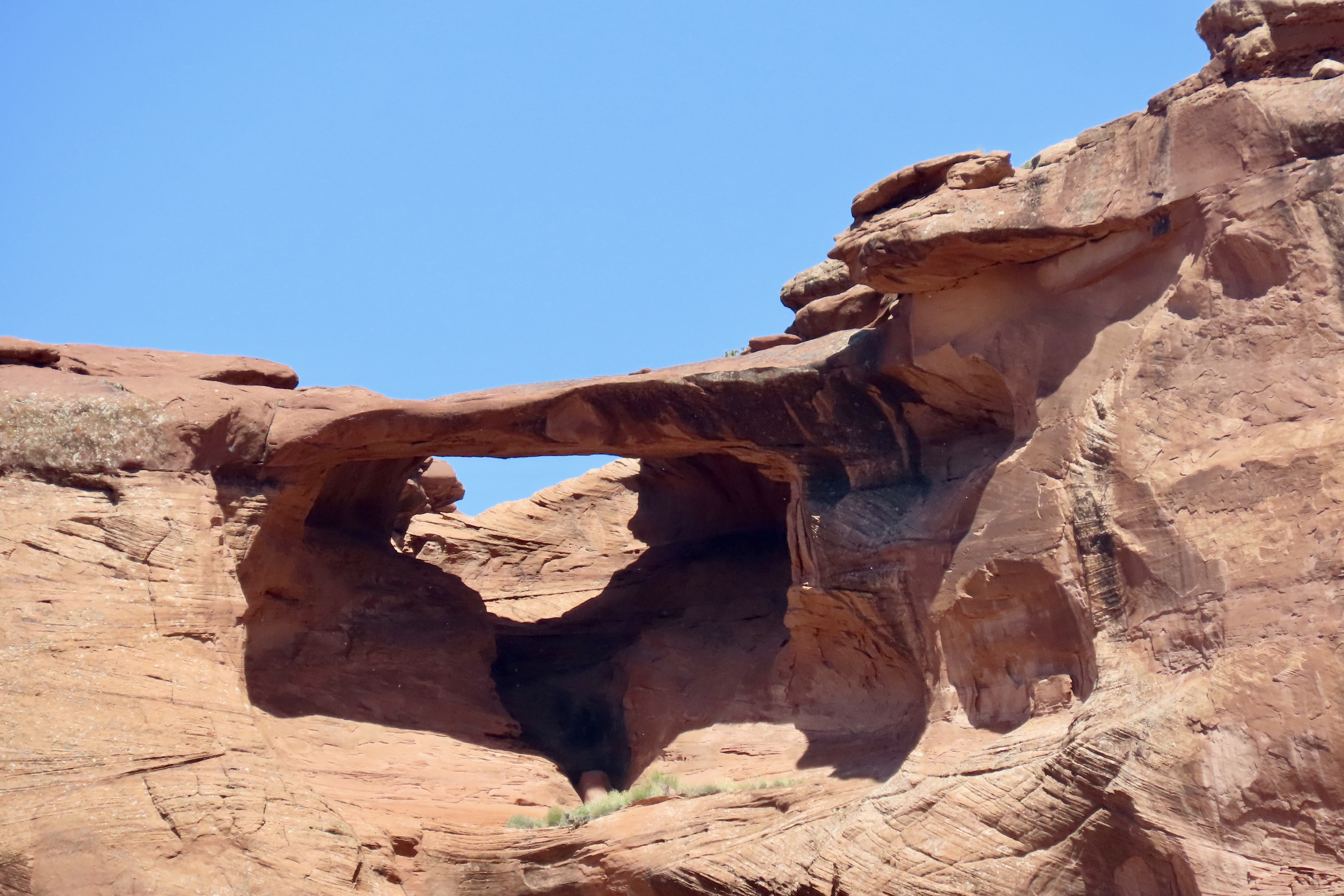
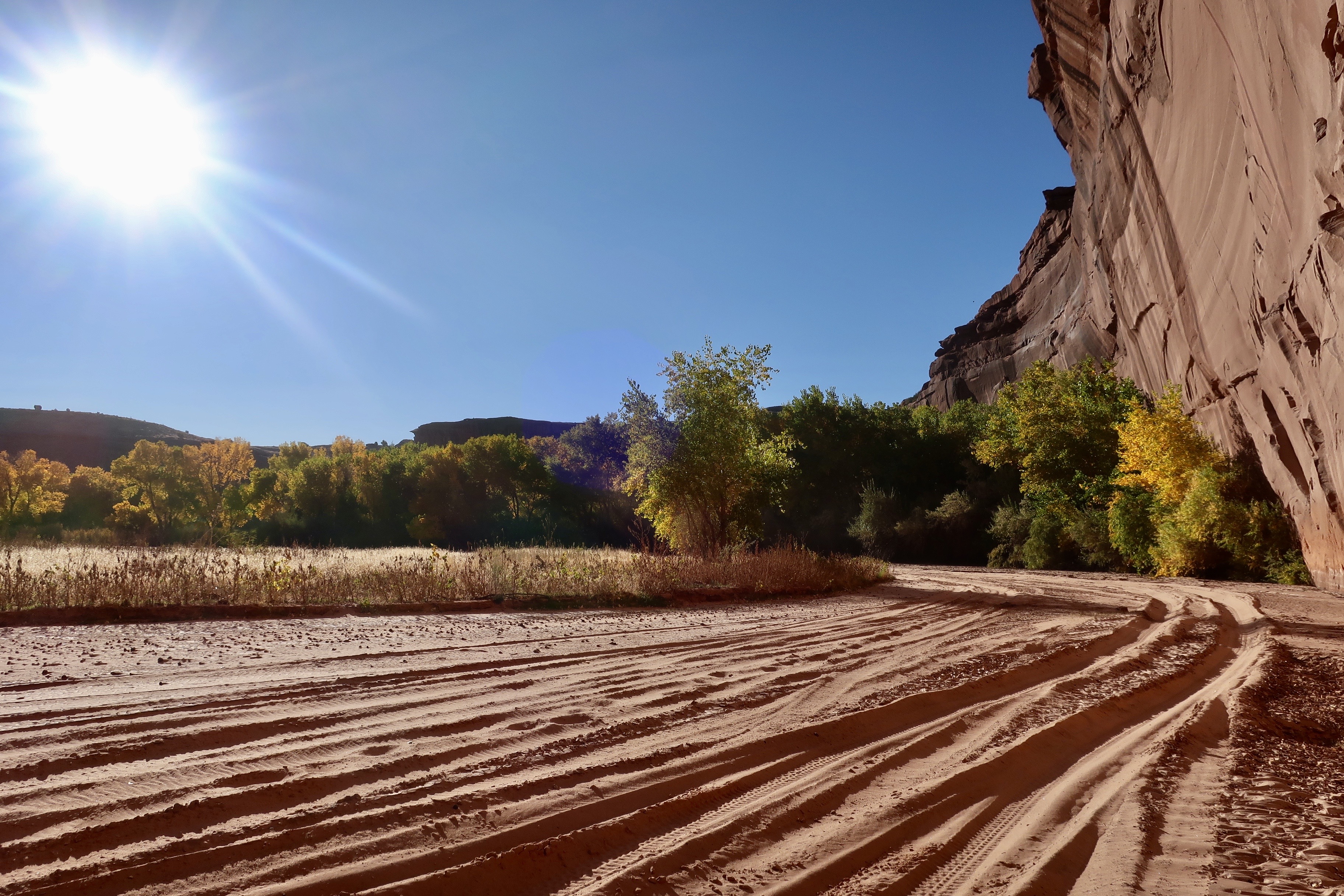
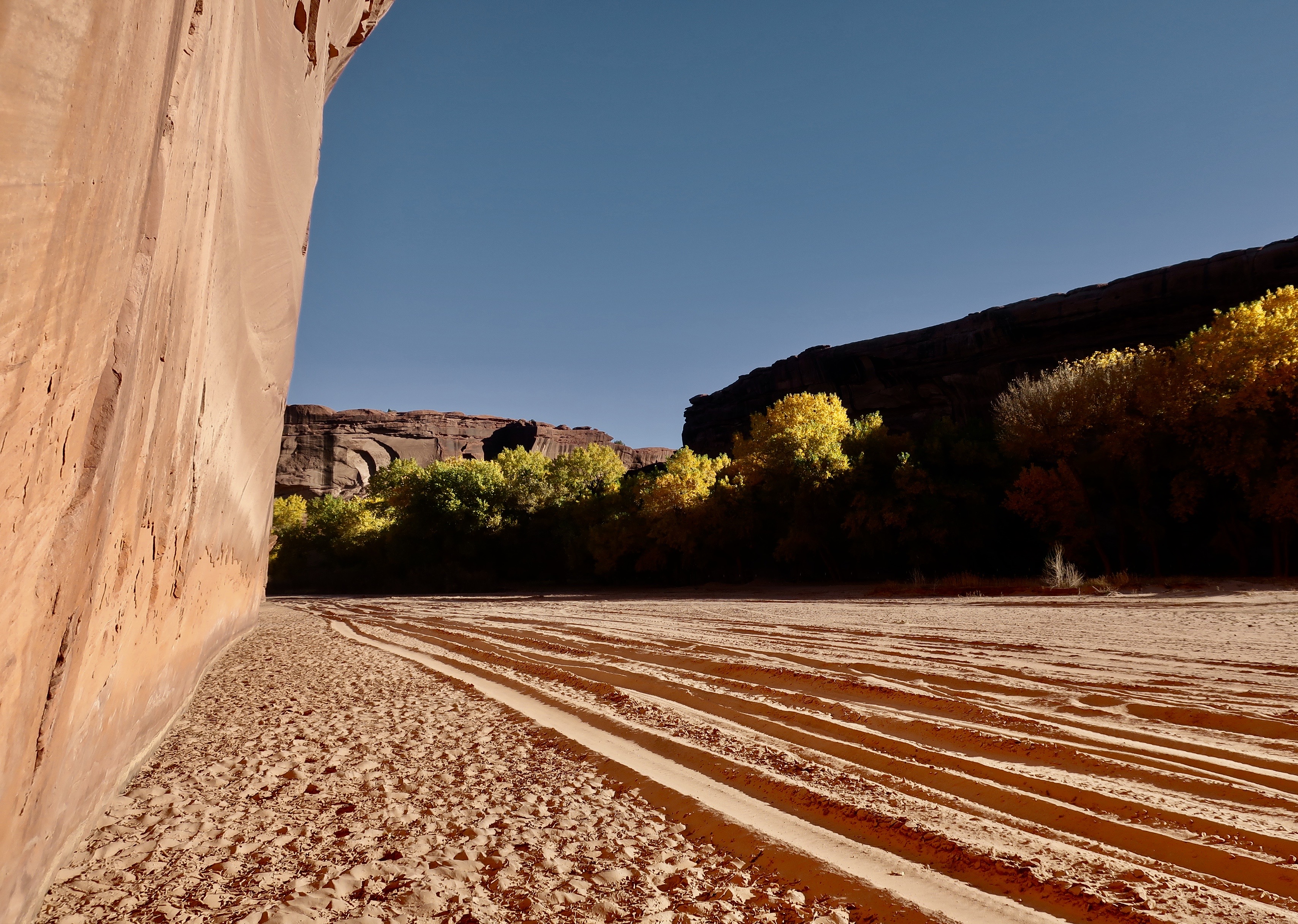
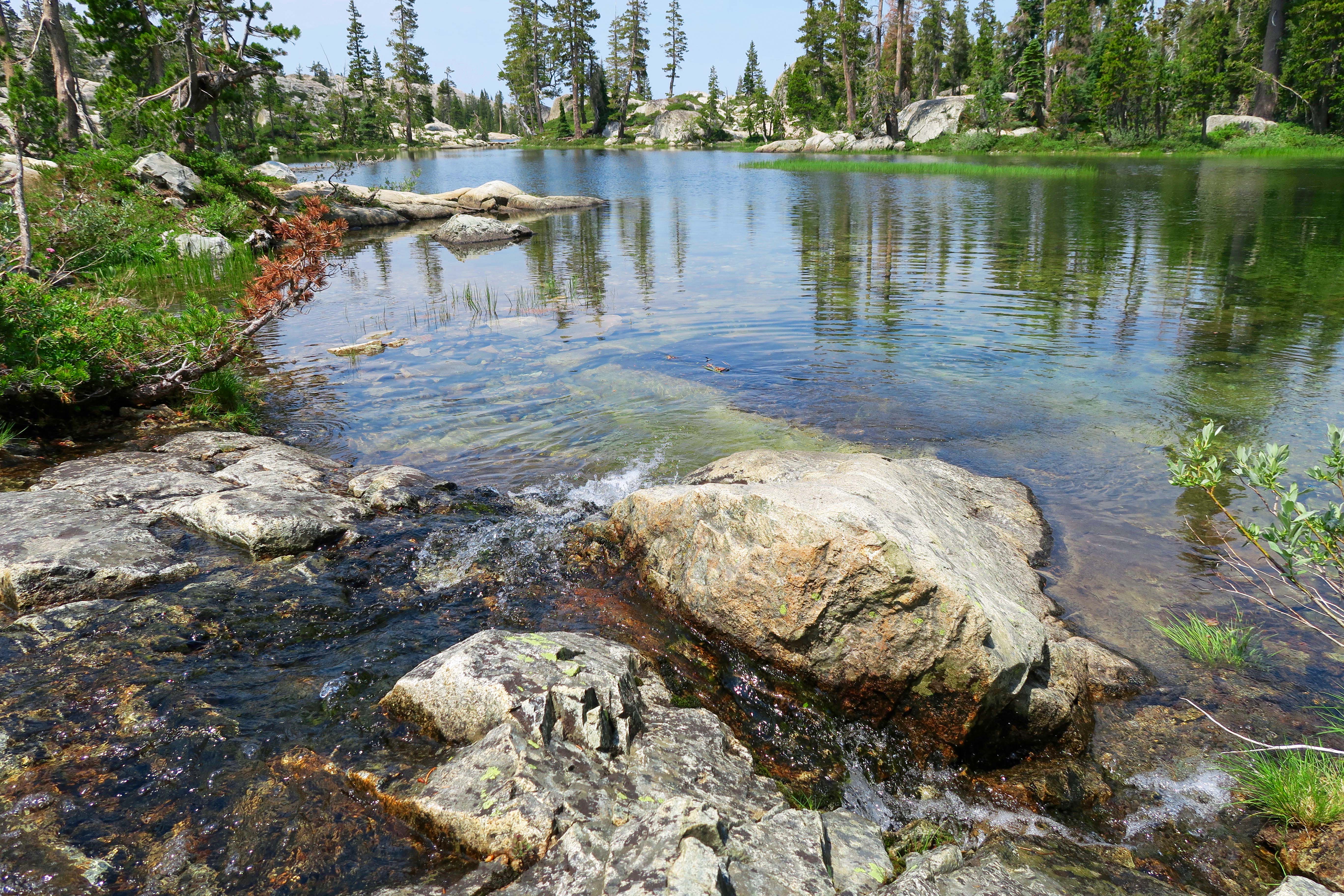
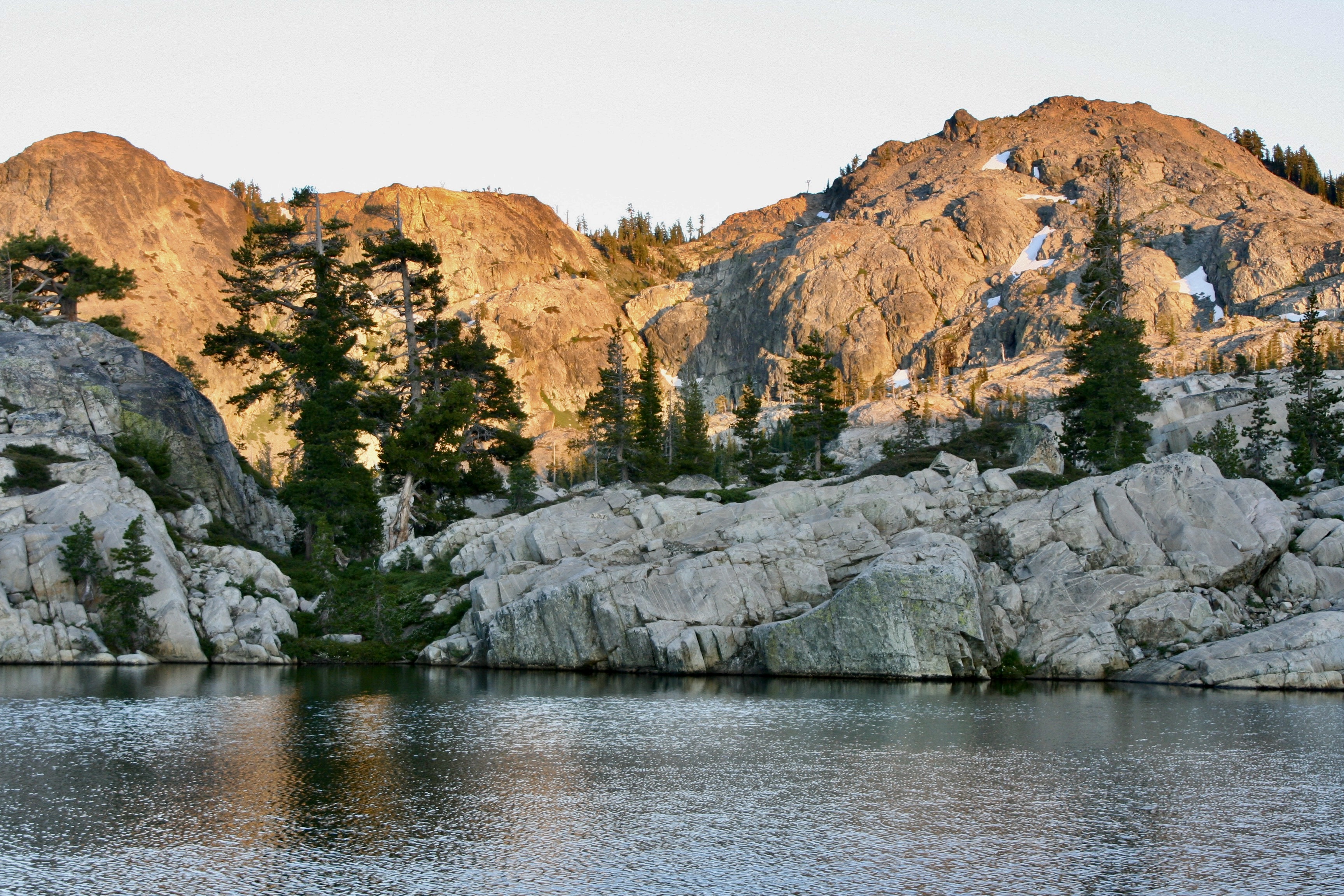
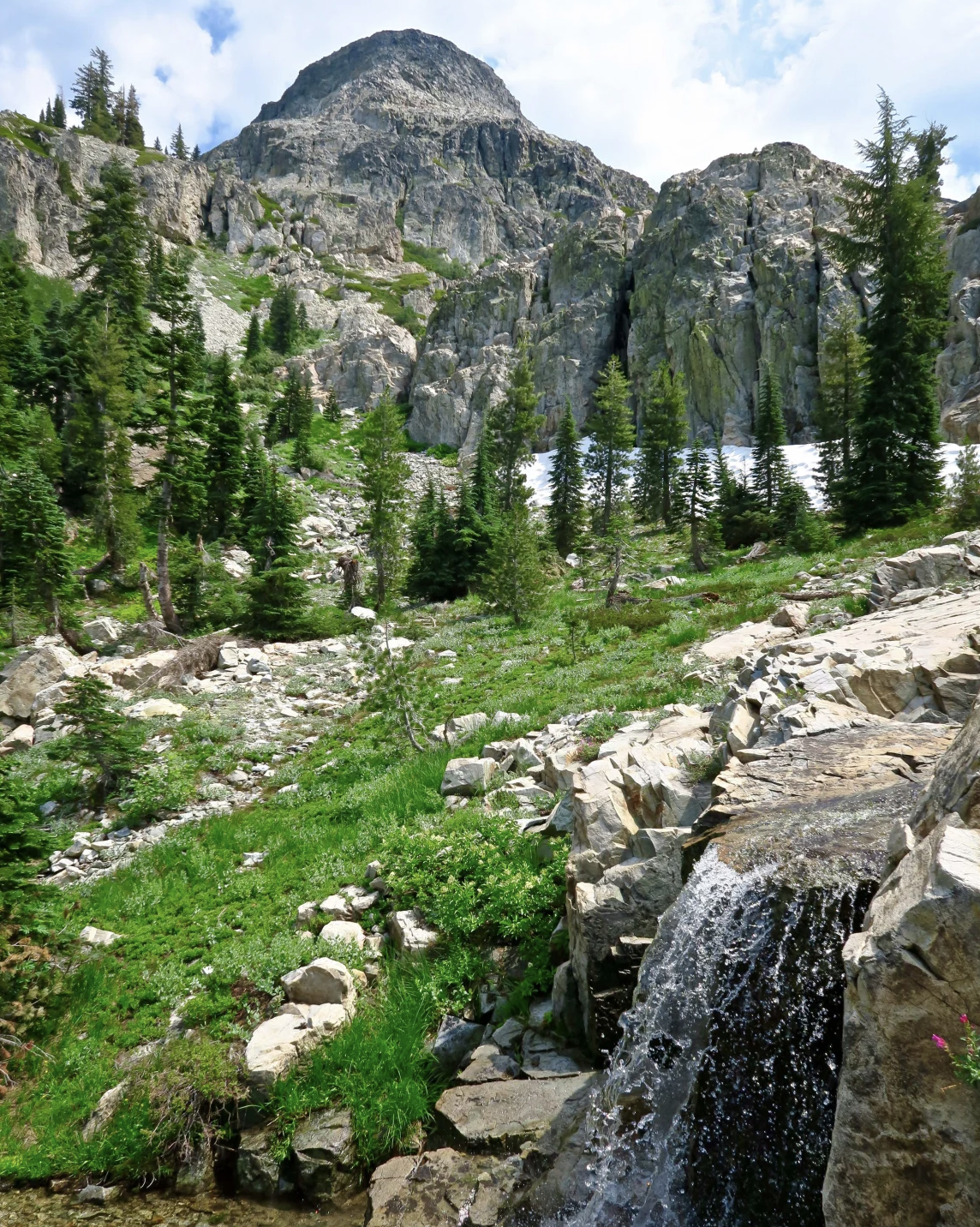
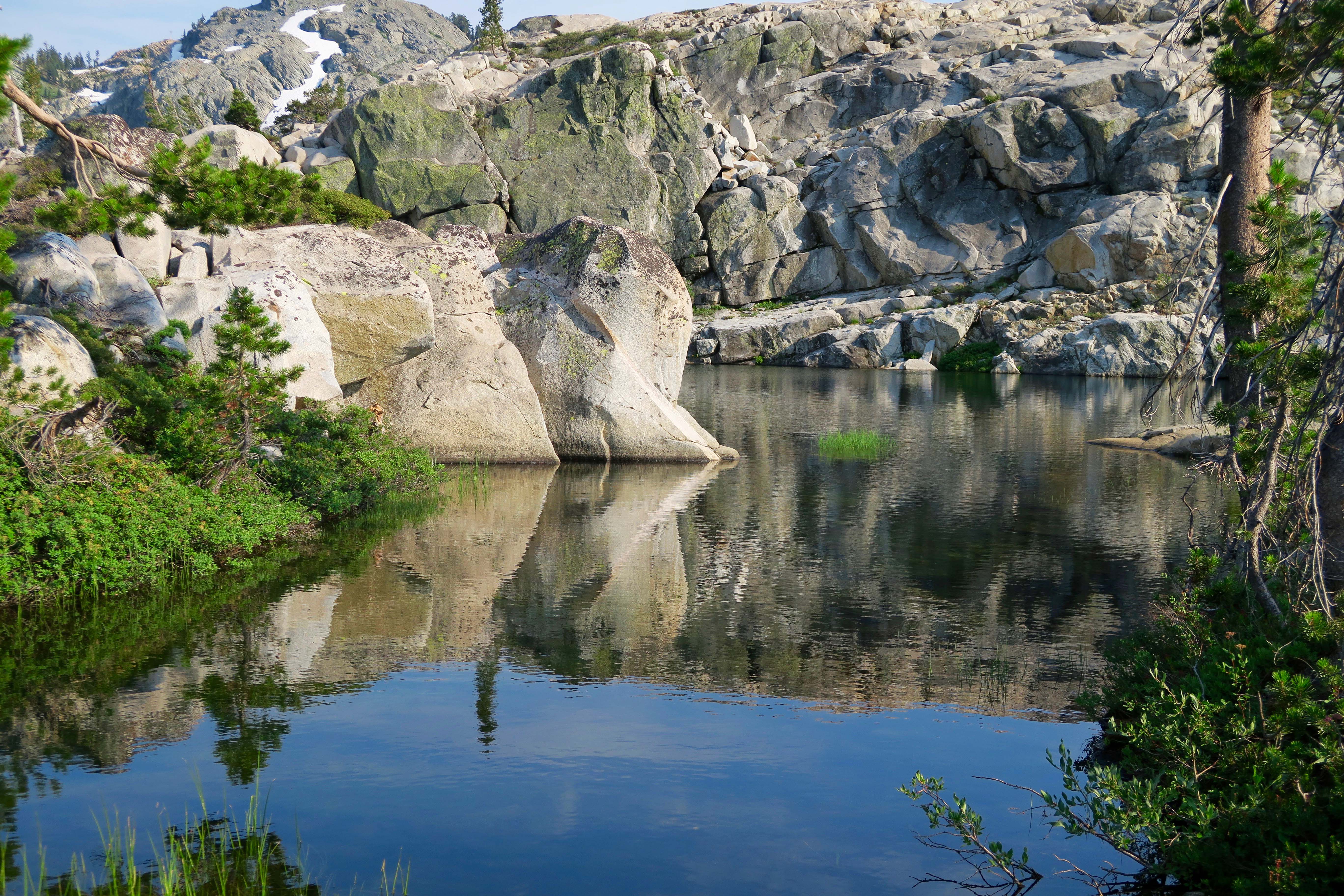
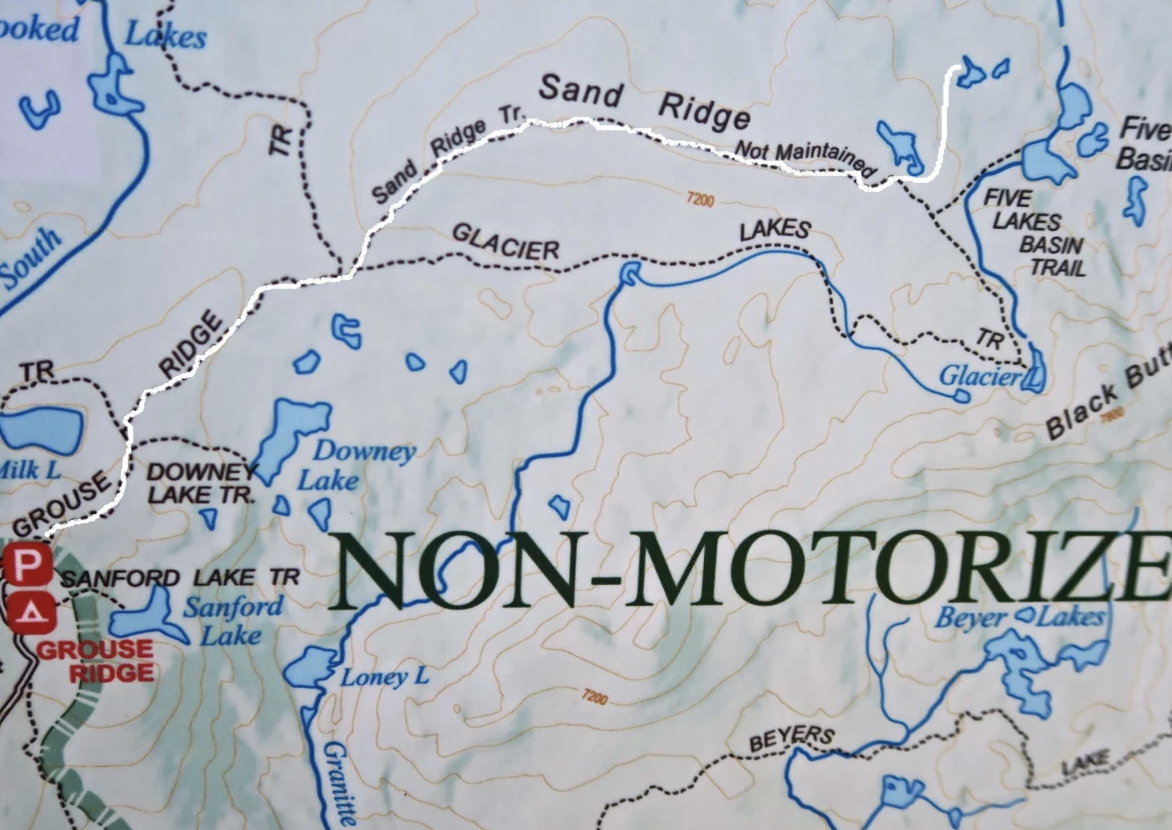
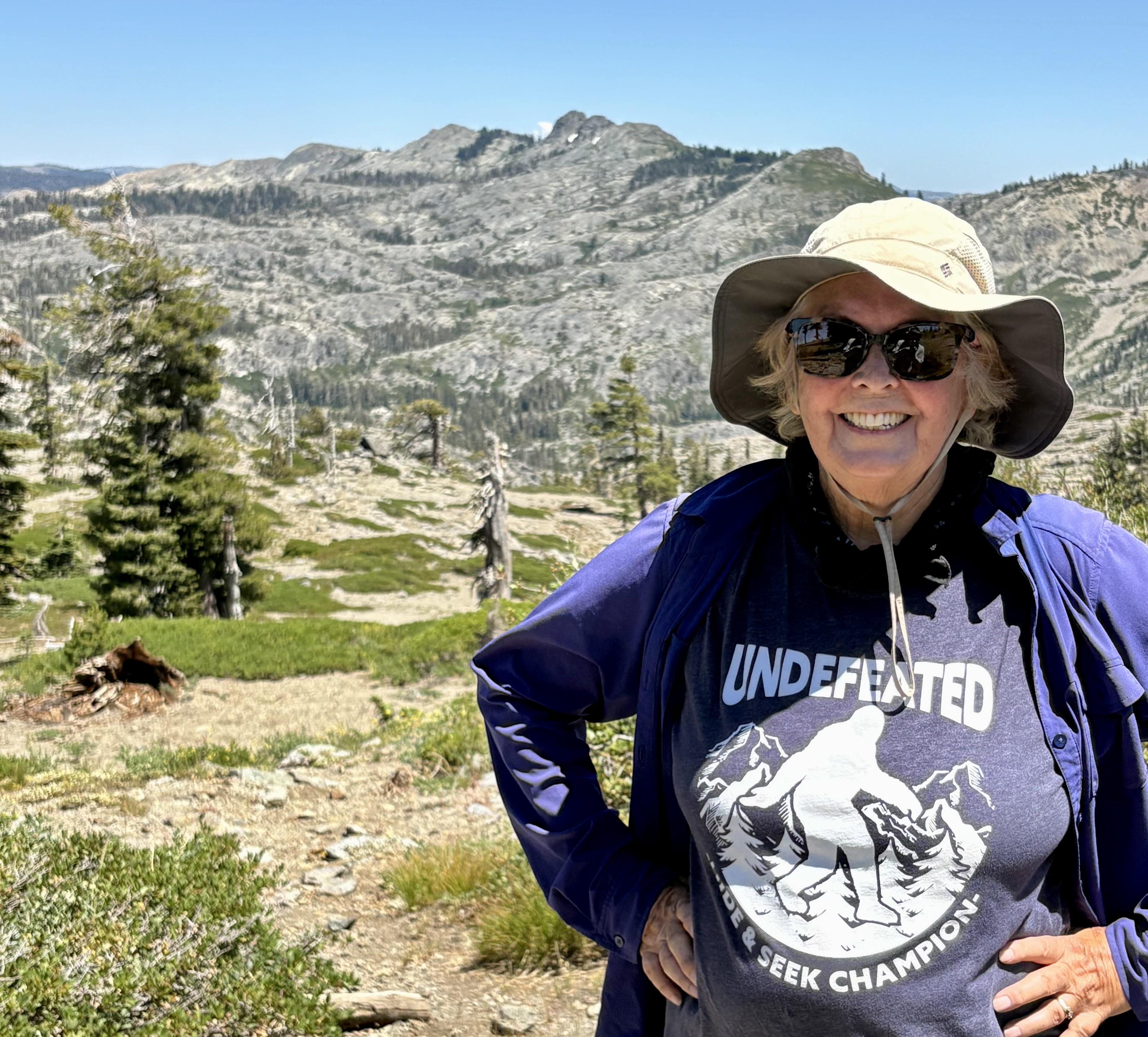
I’ve done a number of posts on the area over the years. People researching the Basin are bound to come across them. In fact, I was amused a couple of days ago when I was trying to remember when glaciers carved the basin with its lakes and googled the question. 20,000 years ago was the AI response. I looked up the source, as I usually do with AI answers. It was Wandering-Through-Time-and-Place. A fairly reliable source, I’d say. Grin.
I noted in an earlier post that the Grouse Ridge Non-Motorized Area is well-loved. Maybe too much so, especially for someone like me who prefers his/her wilderness rugged, wild and relatively people-free. But I make an exception for this region. It’s an easy place for people to get to and is very backpacker-friendly for families and newcomers to the sport. It serves as a great introduction. There is considerable value in this— for the people of course— but also for our world. People who experience the wilderness in a positive way are much more likely to appreciate it, and want to protect it, which is critically important for ourselves, our children, and future generations. As I have emphasized over and over in this series.
Especially in this era when the Trump Administration wants to open up national forests, BLM lands, and national monuments for logging, mining and housing developments. His most recent target is roadless areas. Information this month suggests that the administration is moving to repeal the 2001 Roadless Area Conservation Rule, opening up approximately 58 million acres of national forest lands to road building and logging. I doubt it will include the Grouse Ridge area. But it could.
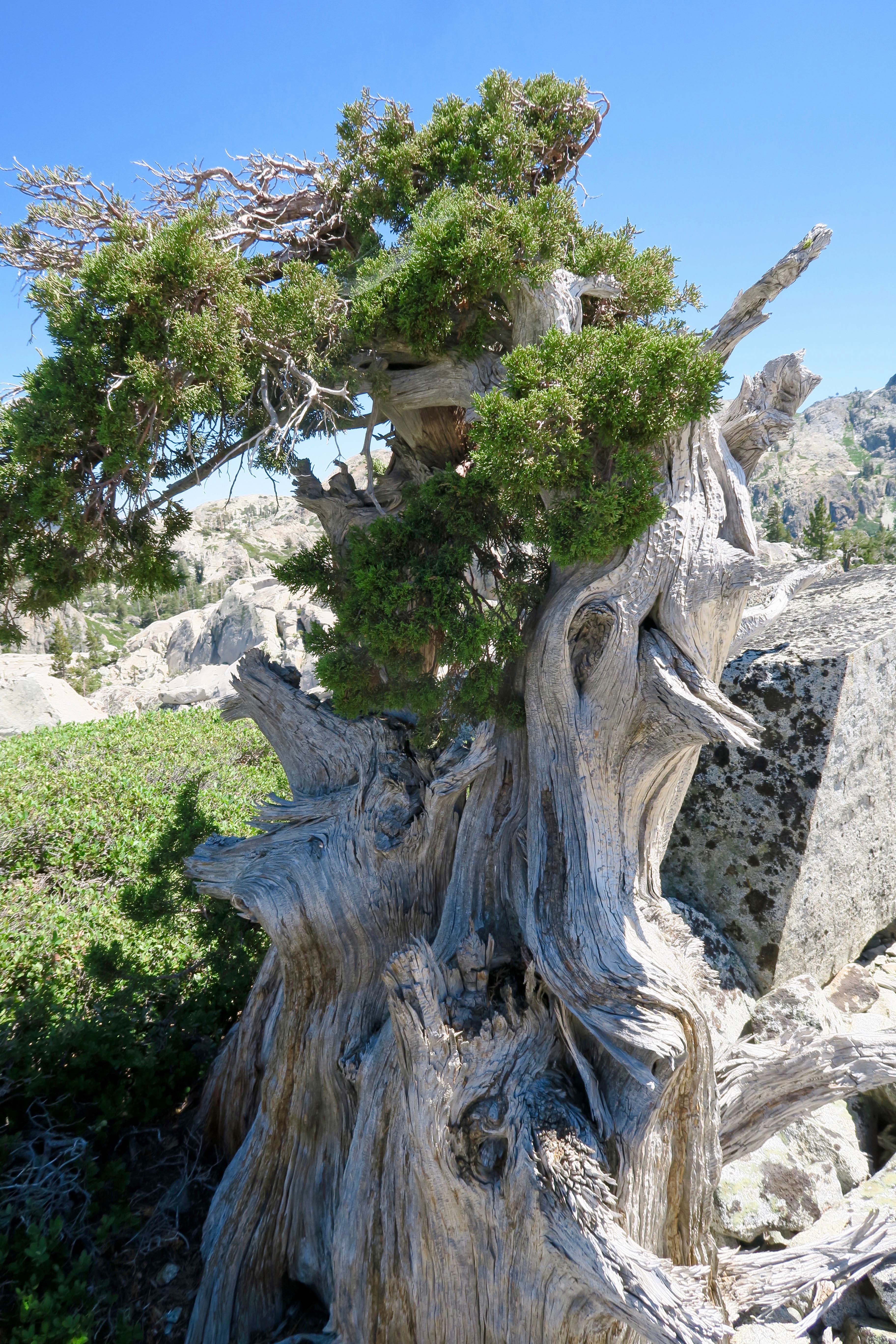
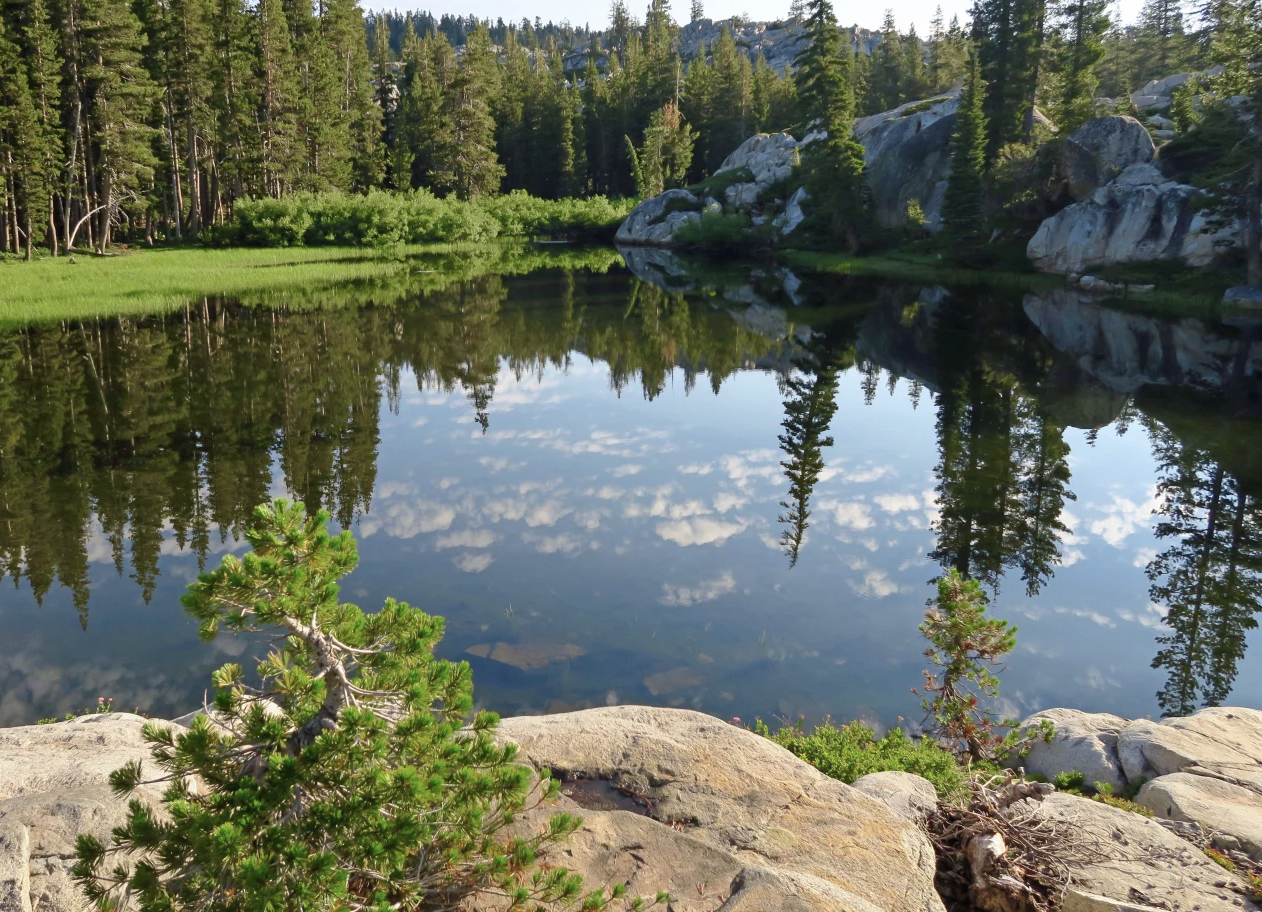
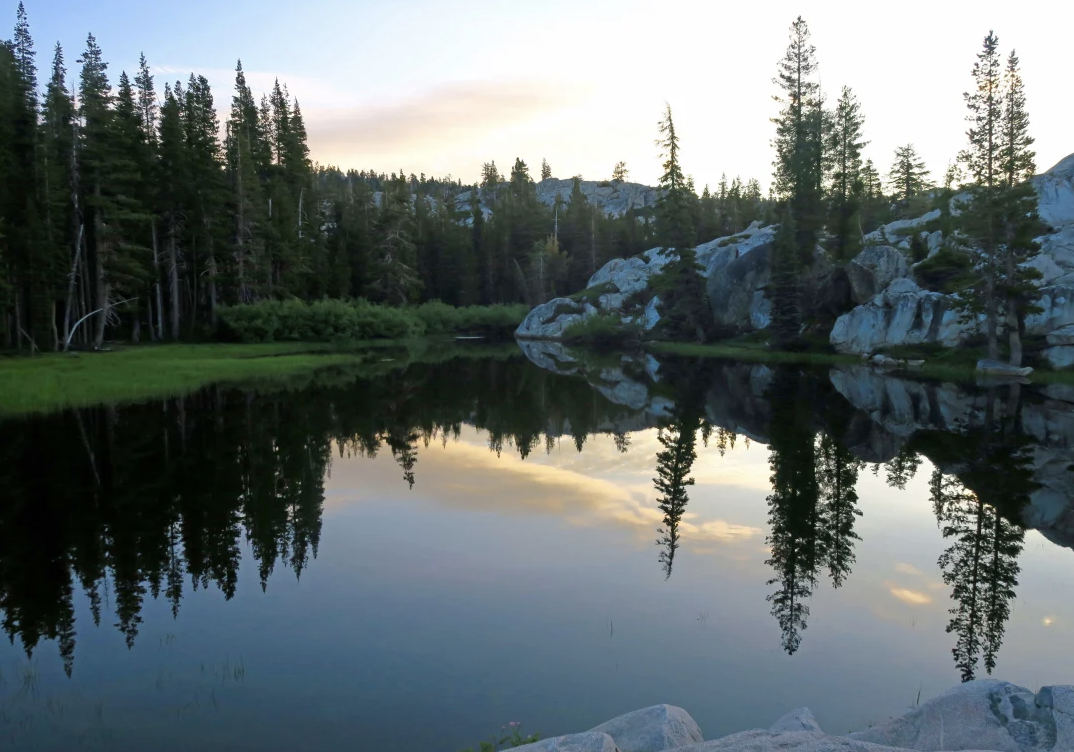
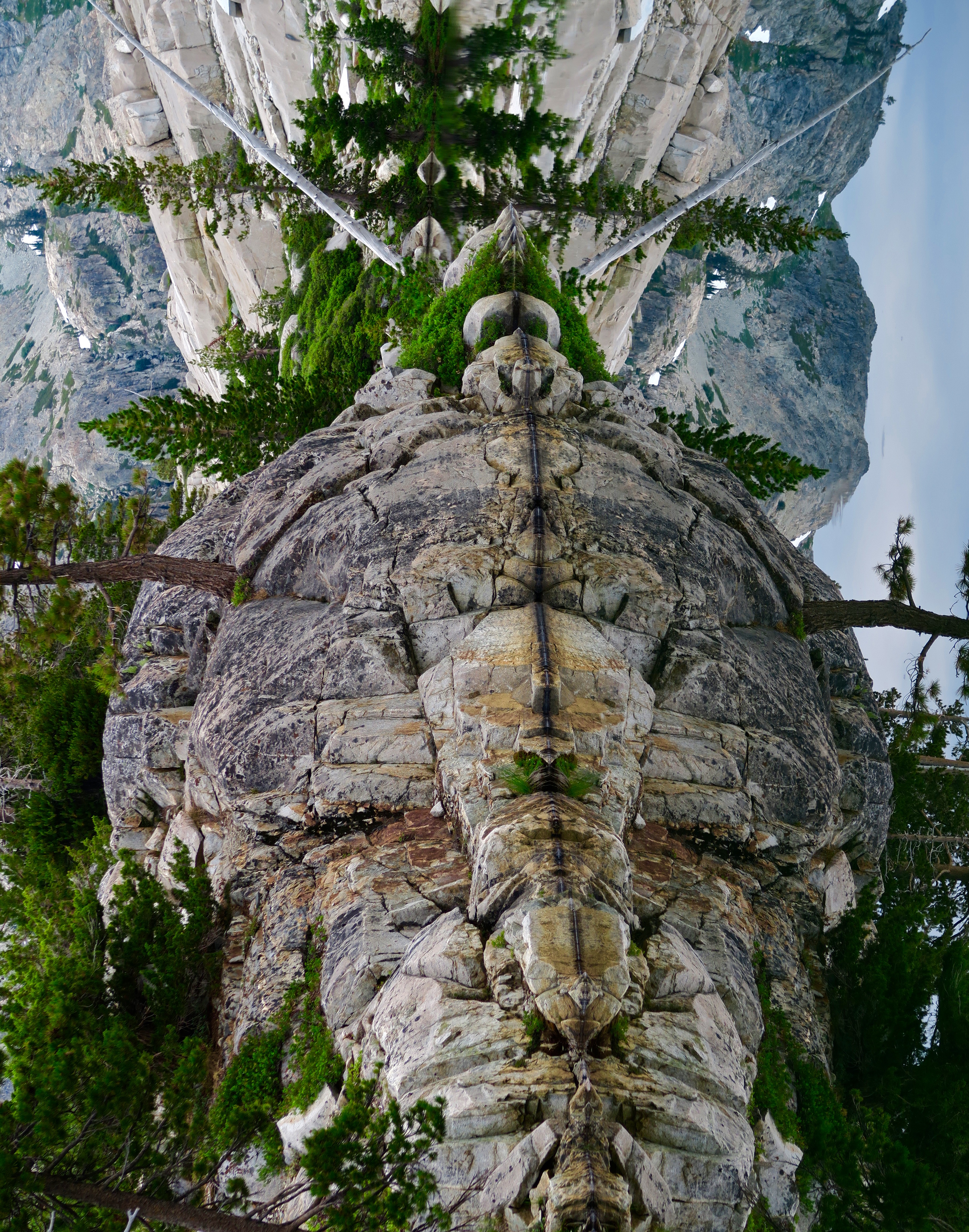
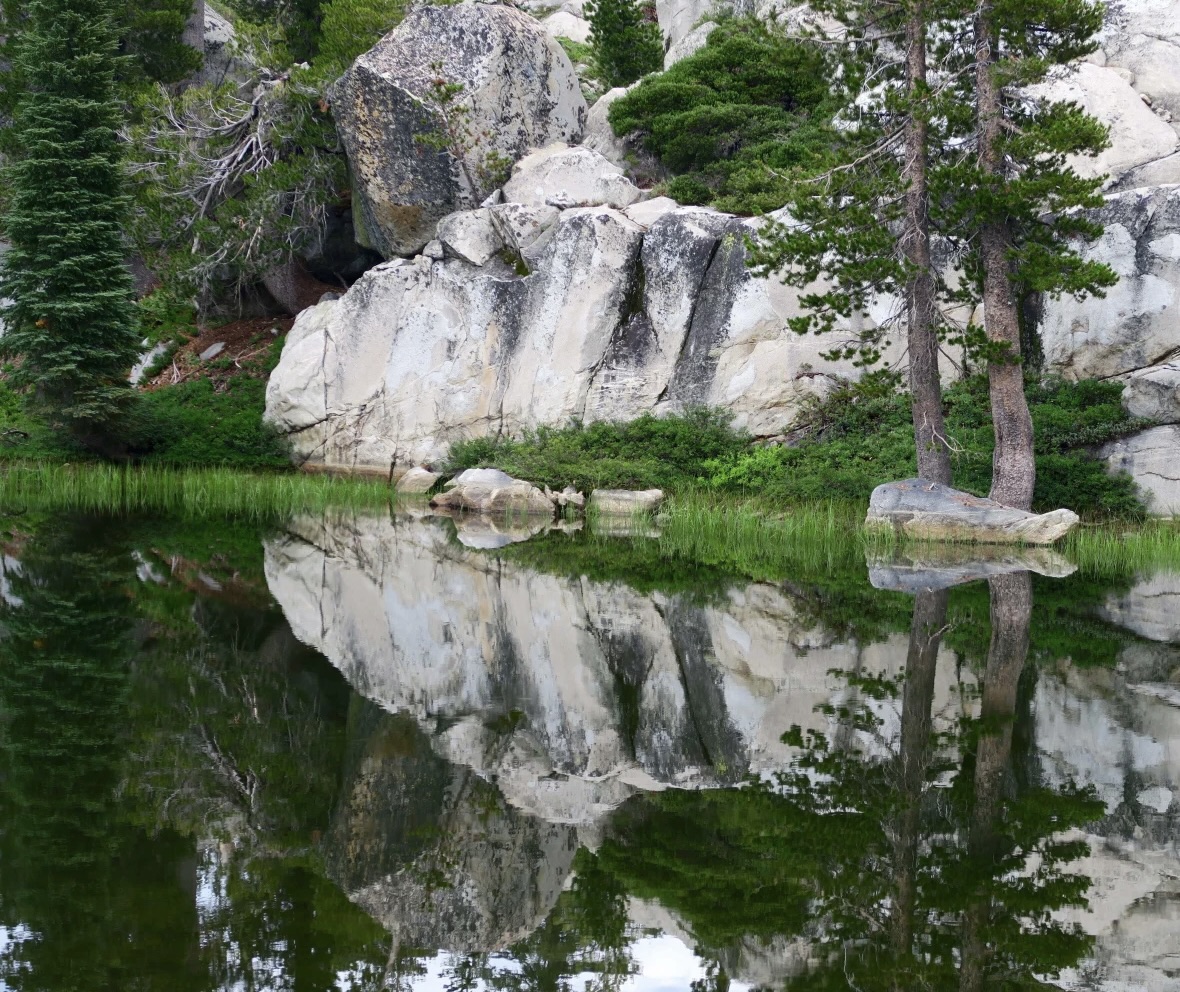
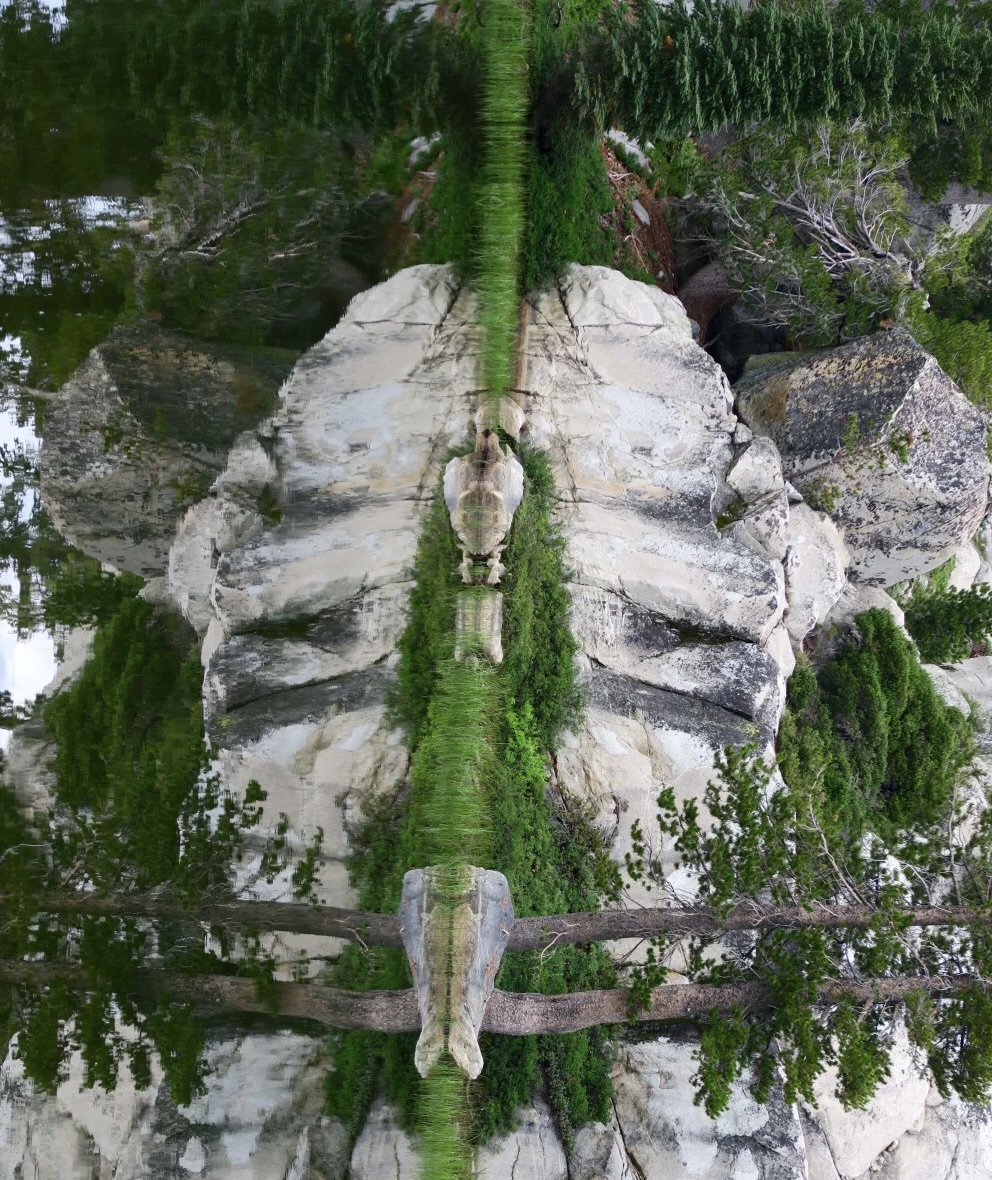
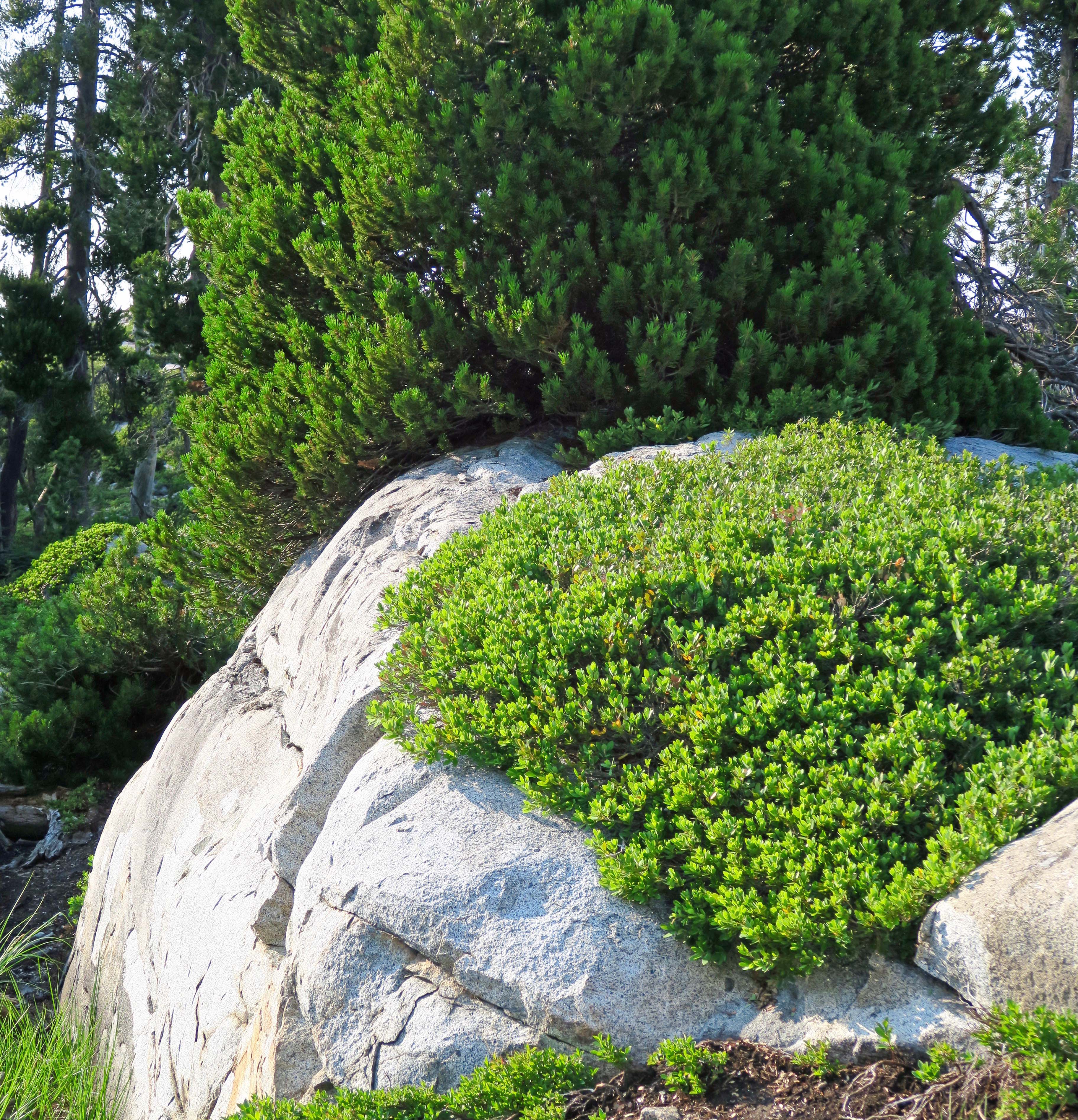
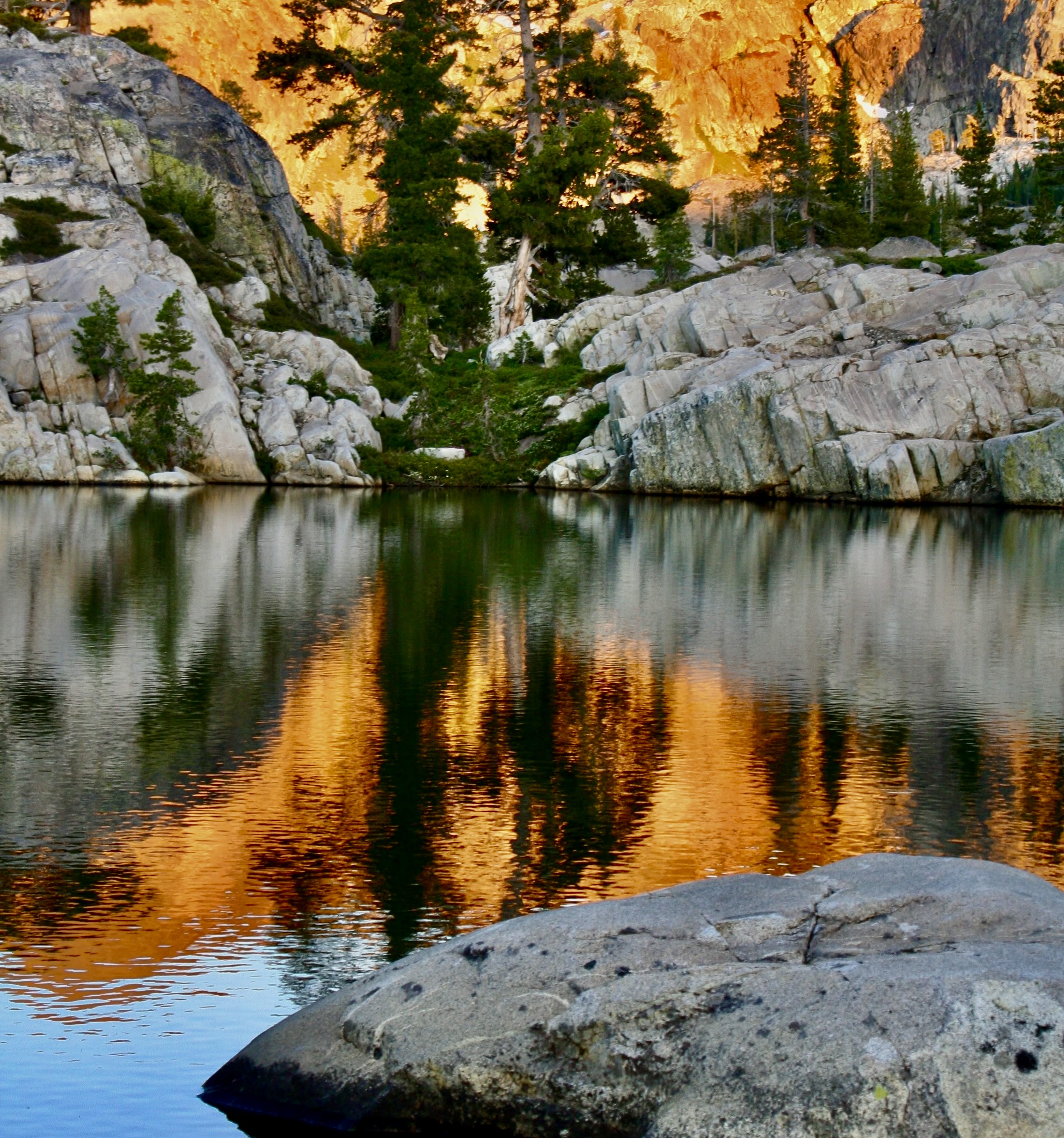
Here are some photos taken from my posts that emphasize what might be lost.
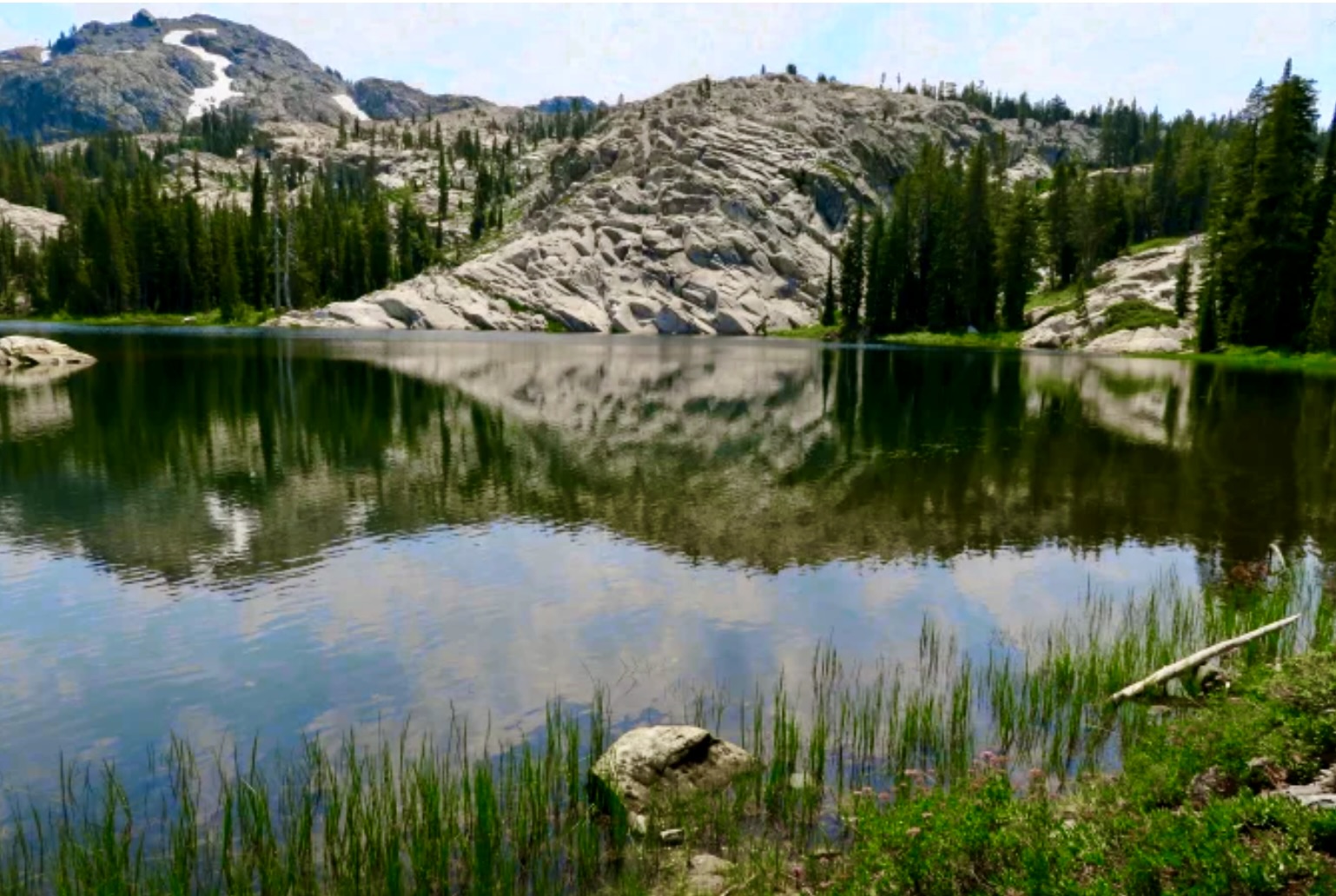
Old Pond
Blue mountain, white snow gleam
Through pine bulk and slender needle-sprays;
little hemlock half in shade,
ragged rocky skyline,
single clear flat nuthatch call:
down from the tree trunks
up through time.
At Five Lakes Basin’s
Biggest little lake
after all day scrambling on the peaks,
a naked bug with a white body and brown hair
dives in the water,
Splash!
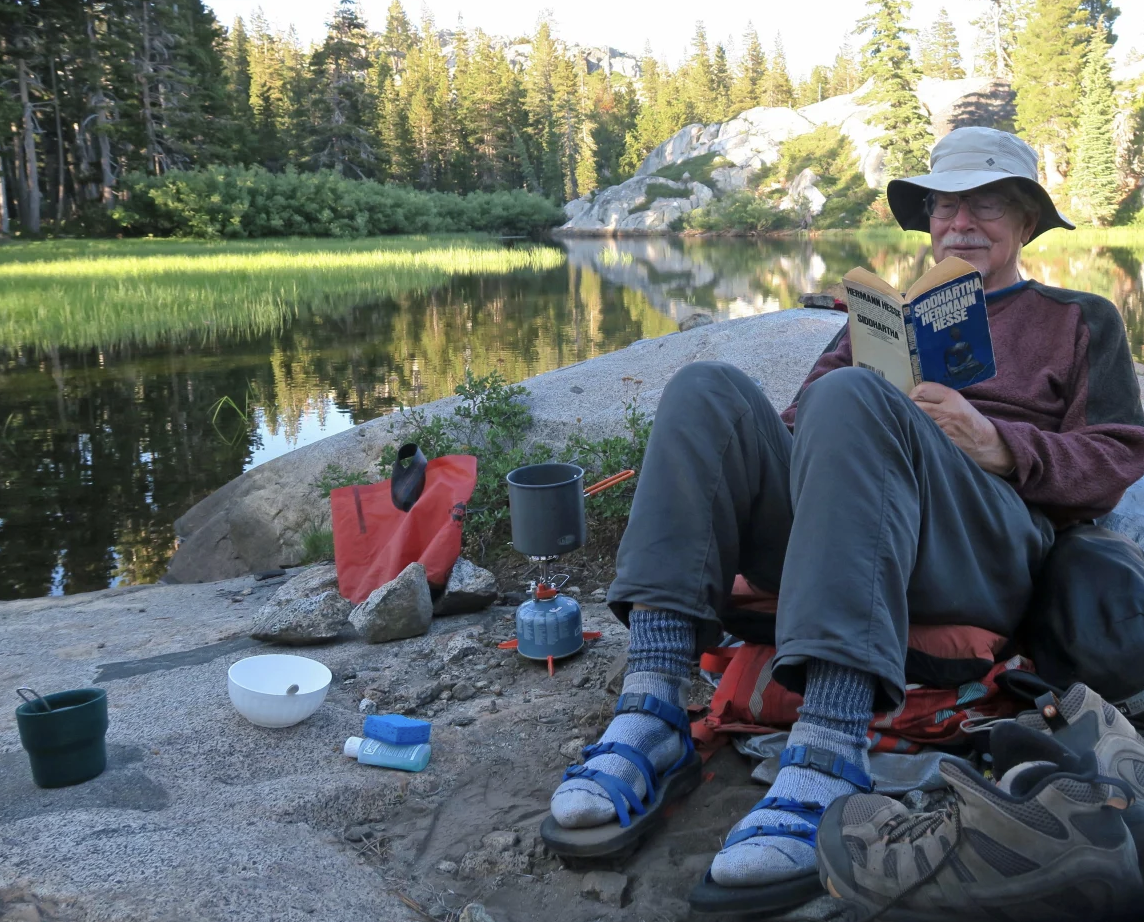
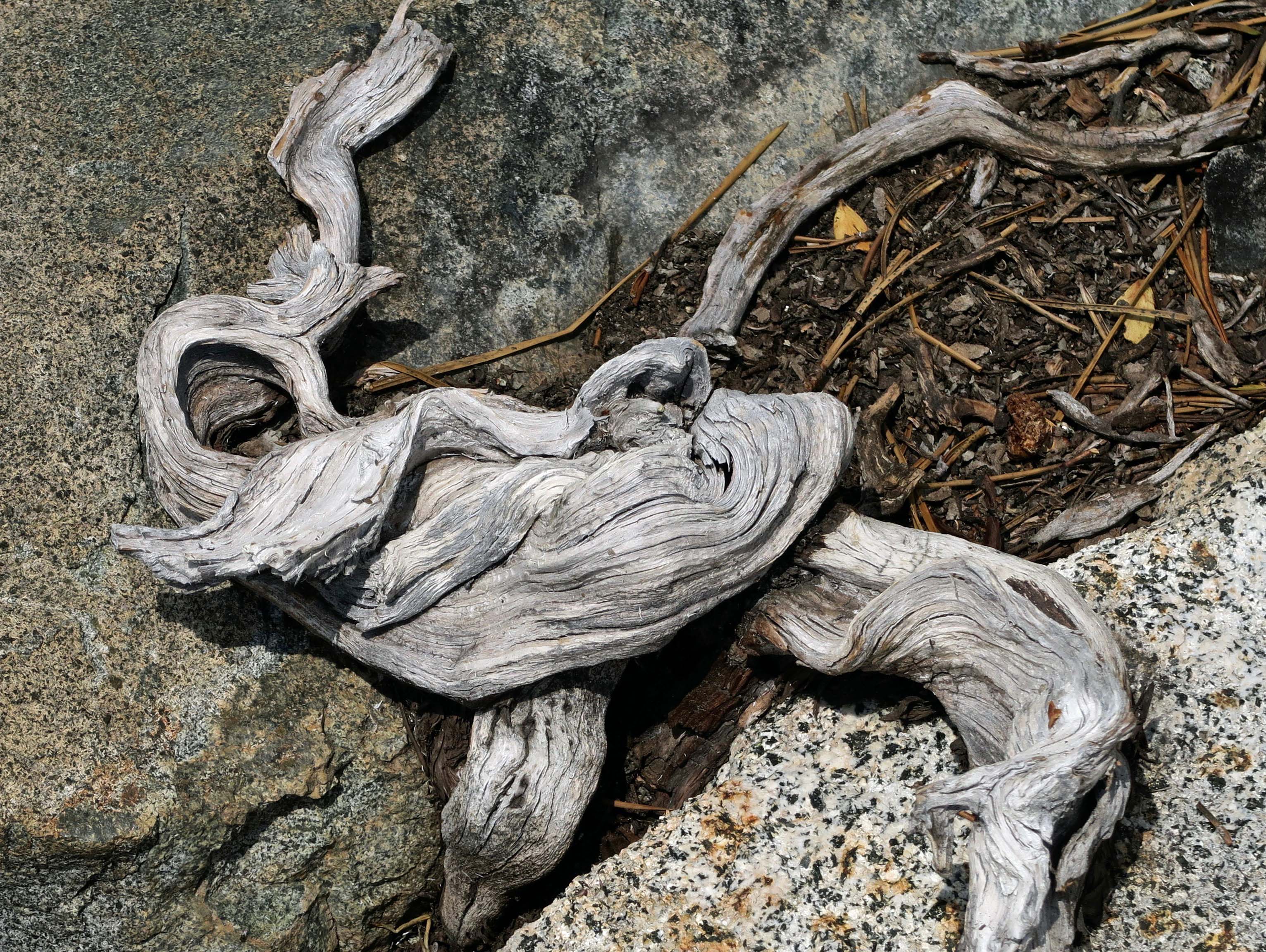
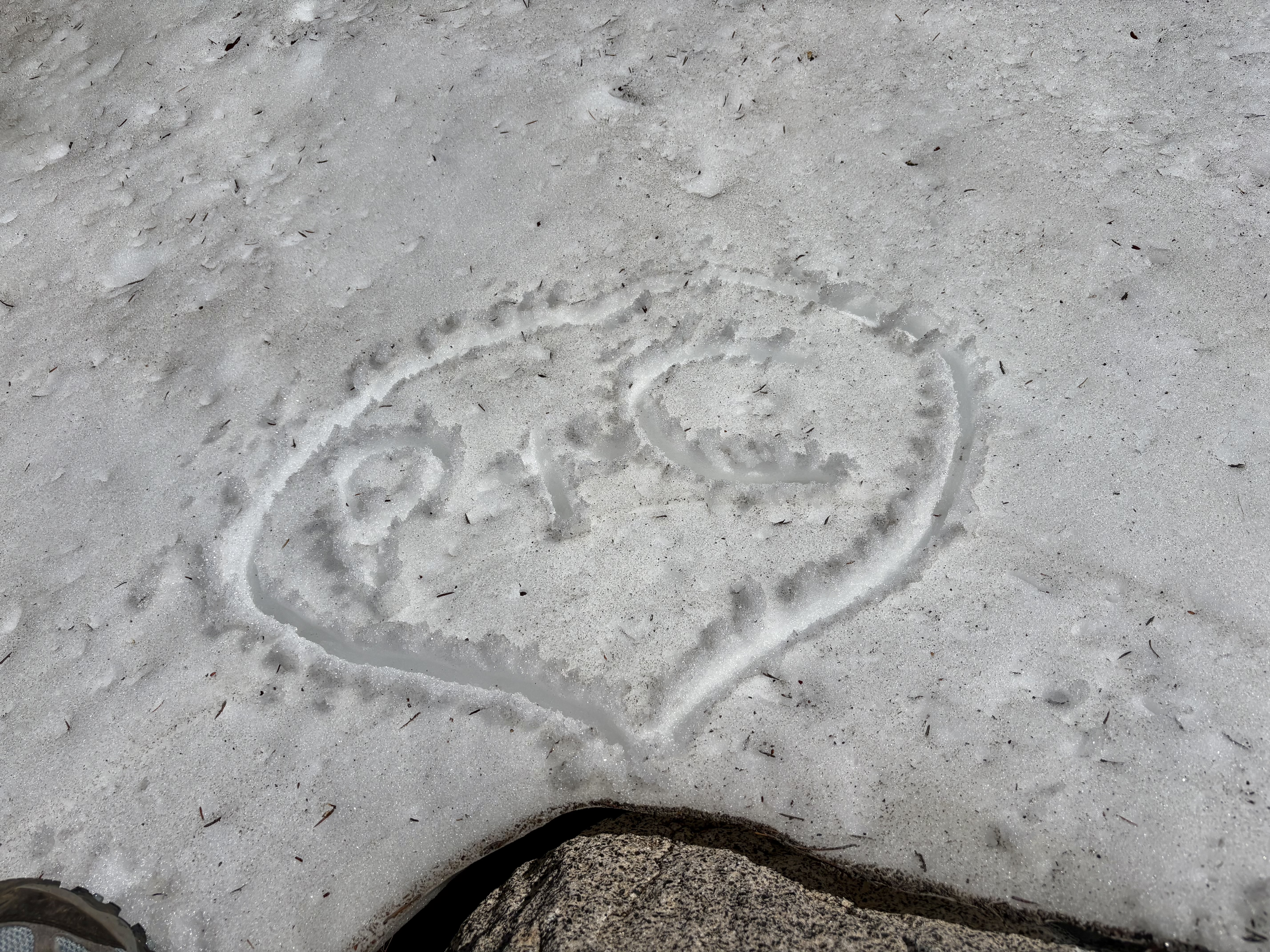
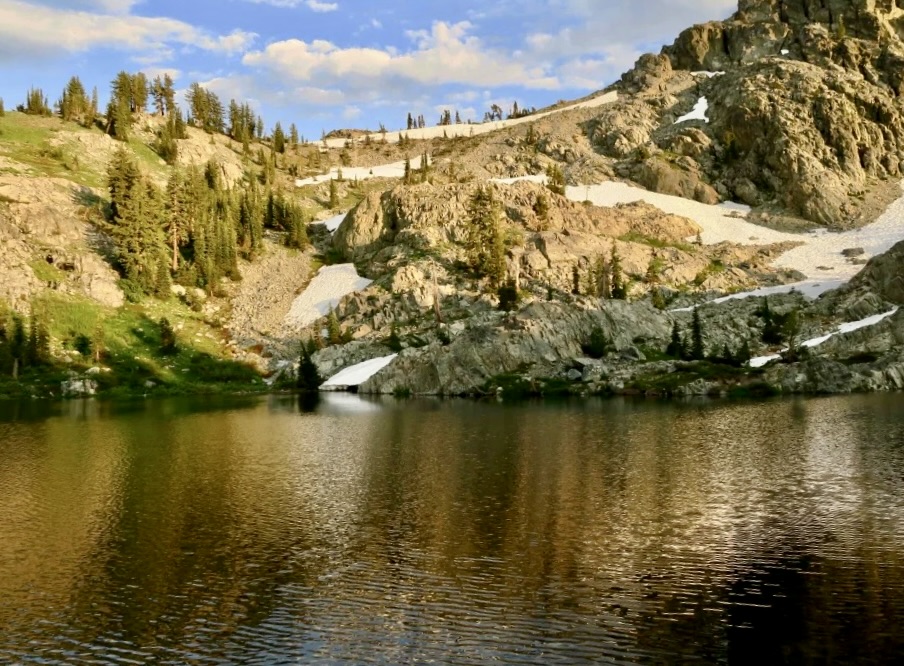
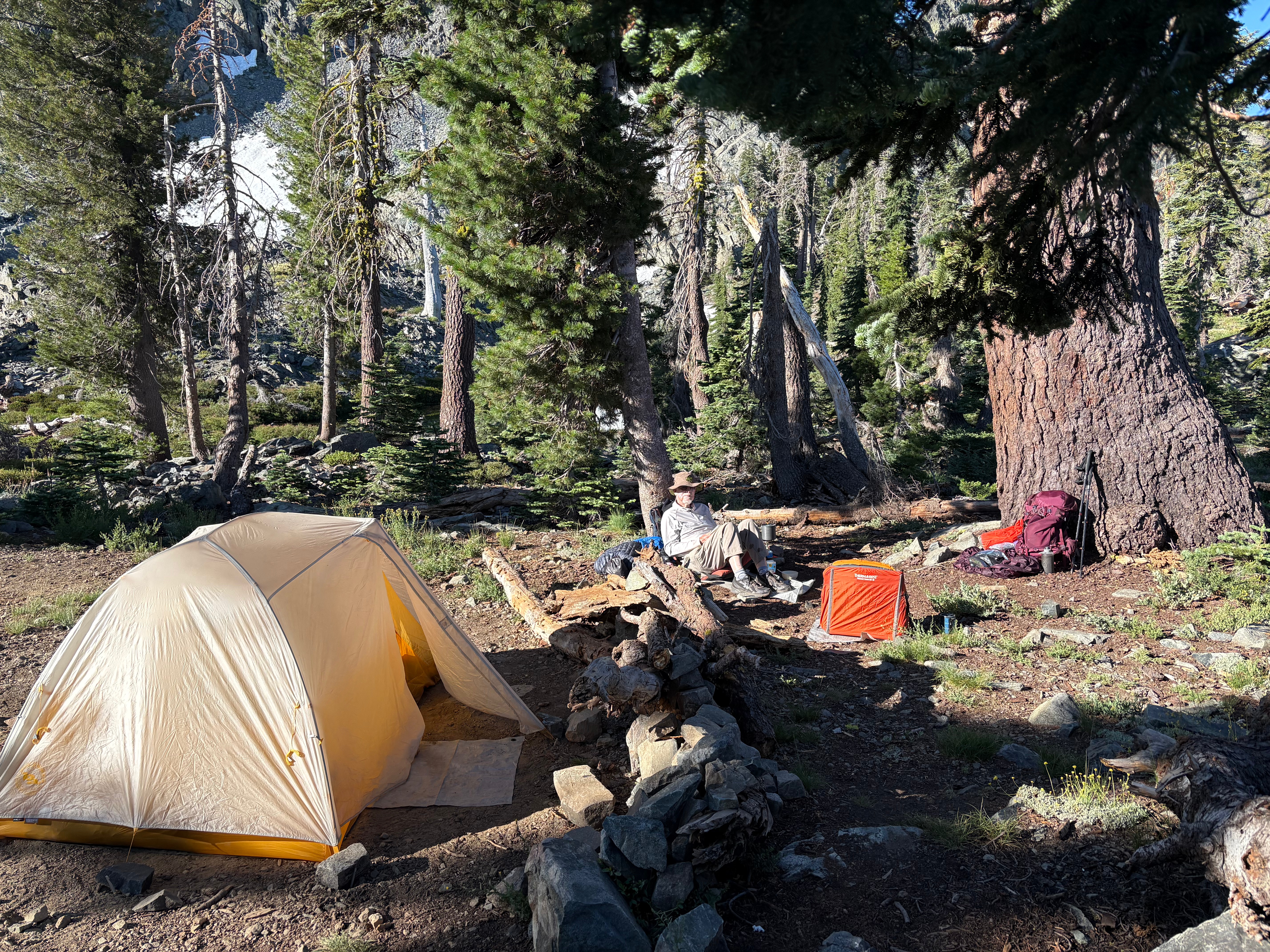
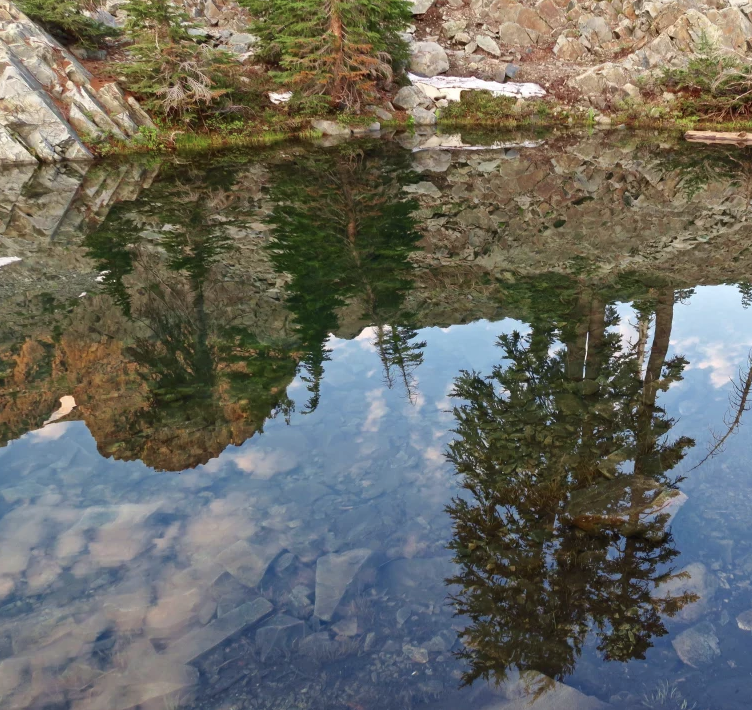
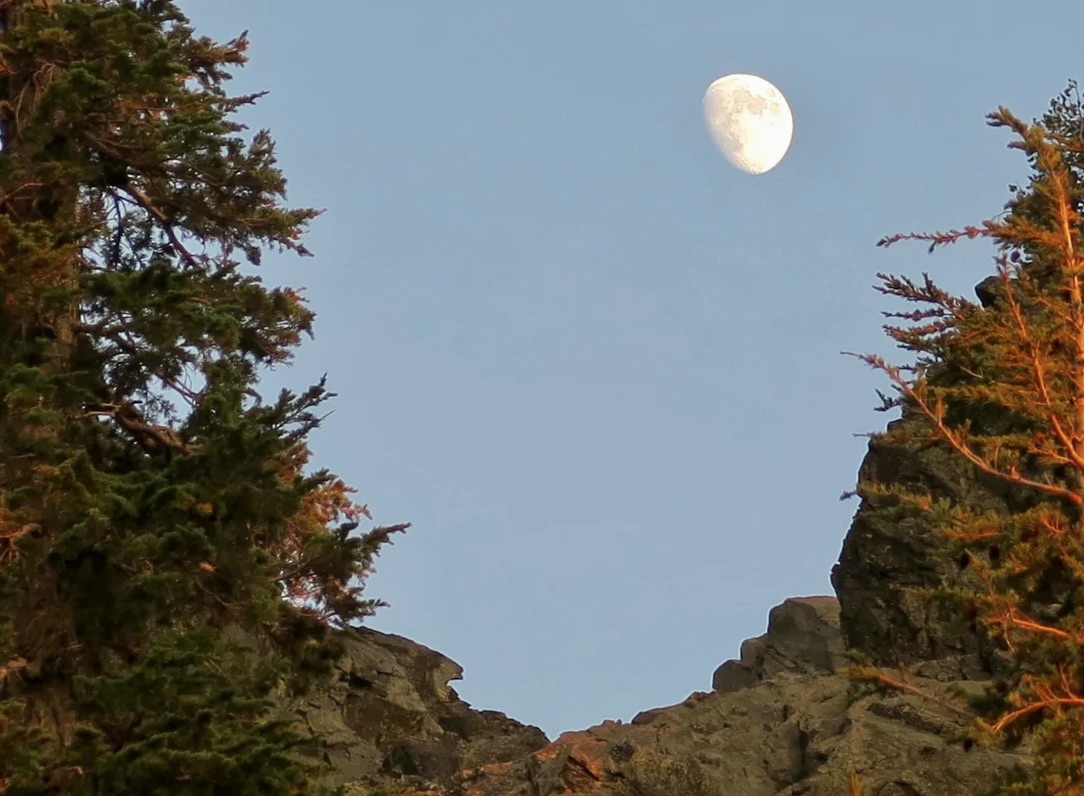
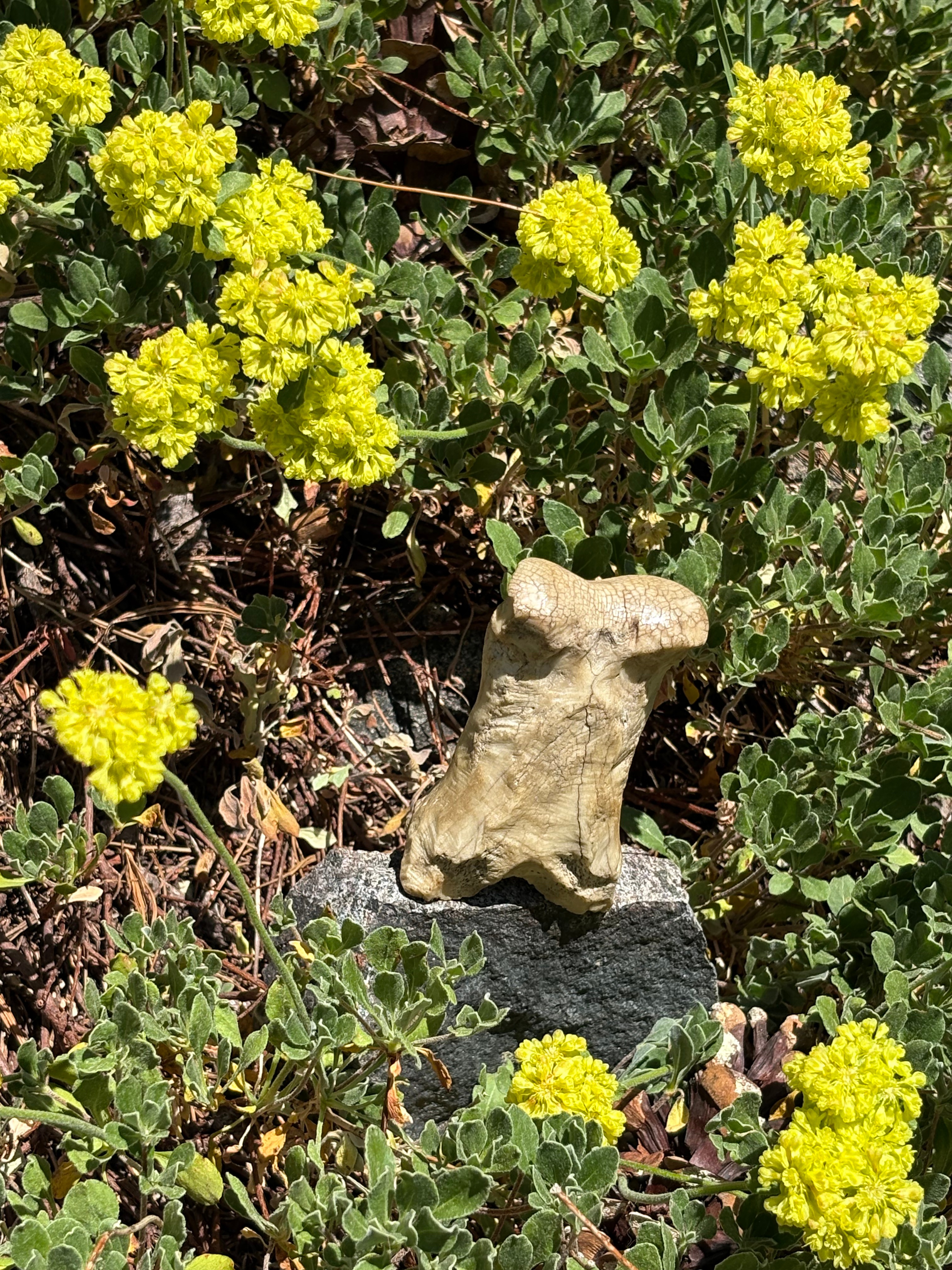
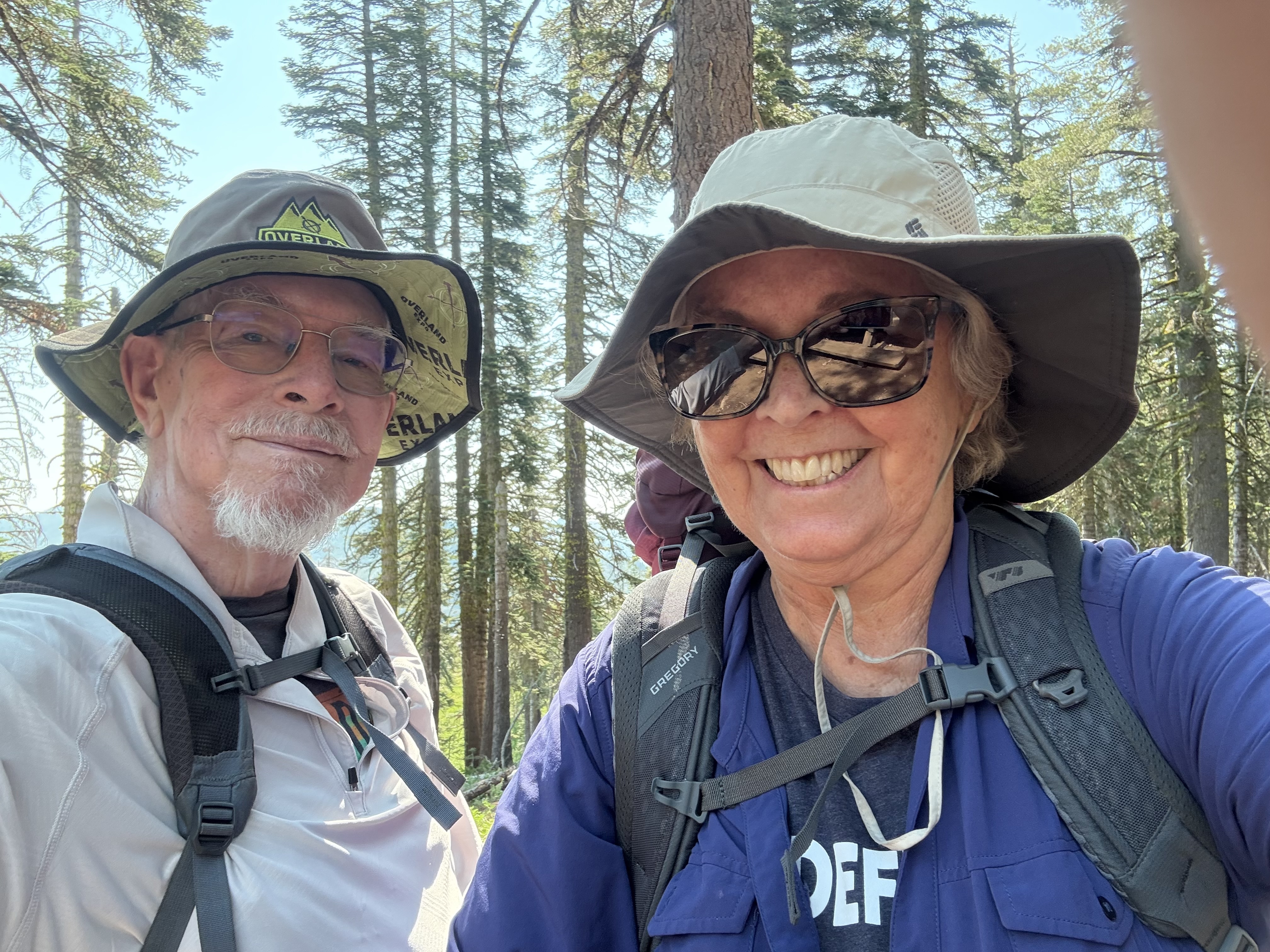
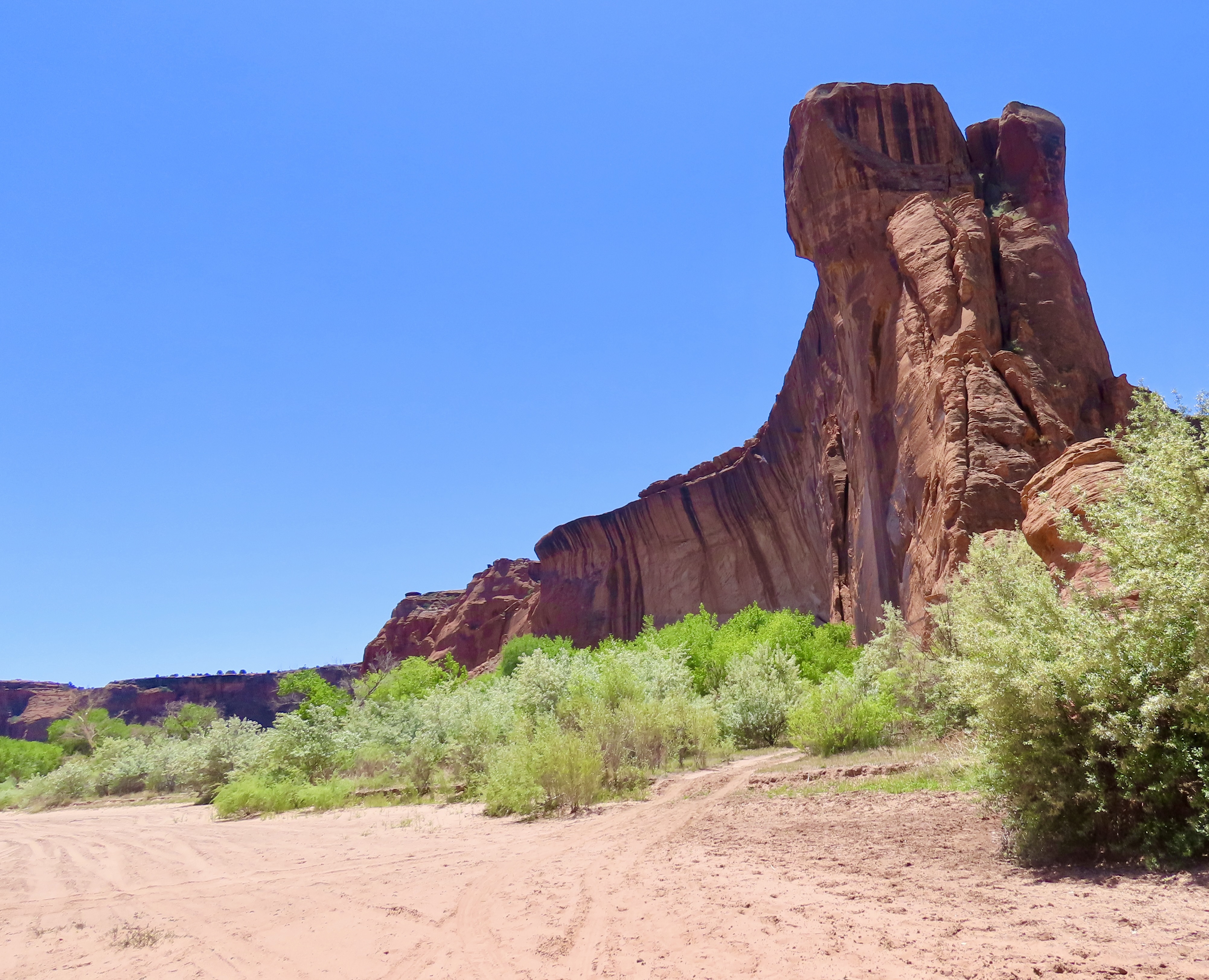

As part of our series about protecting national parks, monuments and other public lands, I’ve been reading news releases from the directors appointed by President Trump who oversee these areas. It’s not a task I would wish on anyone. It isn’t surprising that the directors all support the president’s objective of significantly reducing many public lands in size and opening up others for profit making operations. That’s why they were appointed.
The news releases are full of statements designed to hide their real purpose. Here’s an example:
“President Trump promised to break the permitting logjam, and he is delivering,” said Energy Secretary Chris Wright. “America can and will build big things again, but we must cut the red tape that has brought American energy innovation to a standstill and end this era of permitting paralysis. These reforms replace outdated rules with clear deadlines, restore agency authority, and put us back on the path to energy dominance, job creation, and commonsense action. Build, baby, build!”
Let’s did a little deeper. By ‘permitting logjam’ and ‘red tape’ and ‘outdated rules,’ he means rules that have been developed to protect our air and water quality, save rare and endangered species from extinction, and maintain areas of great beauty and/or cultural significance that the majority of Americans support protecting. The Administration’s perspective is that these rules get in the way of progress. Who needs clean air or water. “Build, baby, build!”
And how about American energy innovation and dominance? Obviously, he’s not talking about solar, wind and water power. We’ve been moving ahead quickly in the development of clean energy. The Trump Administration is actively discouraging this progress. Incentives designed to encourage their use have been cut. His passion is for coal, gas and oil, all three of which are nonrenewable resources and have been prime factors in the development of global warming that has been having such devastating impacts on the US and the world. The Texas floods of this past week are but one of a multitude of examples.
Several countries in the world have now reached the point where 80-100% of their energy needs are supplied by renewable clean energy. I’d argue that they are the ones achieving energy dominance, one that will last long beyond our nonrenewable resources and is vital to our battle against global warming.
On another subject, it’s interesting that right-wing Republicans played an important role in blocking the administration’s plans to sell off millions of acres of public lands in the West. Here’s what Christopher Rufo, a culture warrior and leading supporter of Trump in in the state of Washington had to say:
“Pre-2016, you’d have the small government argument against a kind of federal domination over the land, but Trump and MAGA is a nationalist movement,” he said. “I think many conservatives are now reassessing these questions, and many of us in the West understand that part of a great nation is the preservation of its natural beauty.” There is hope.
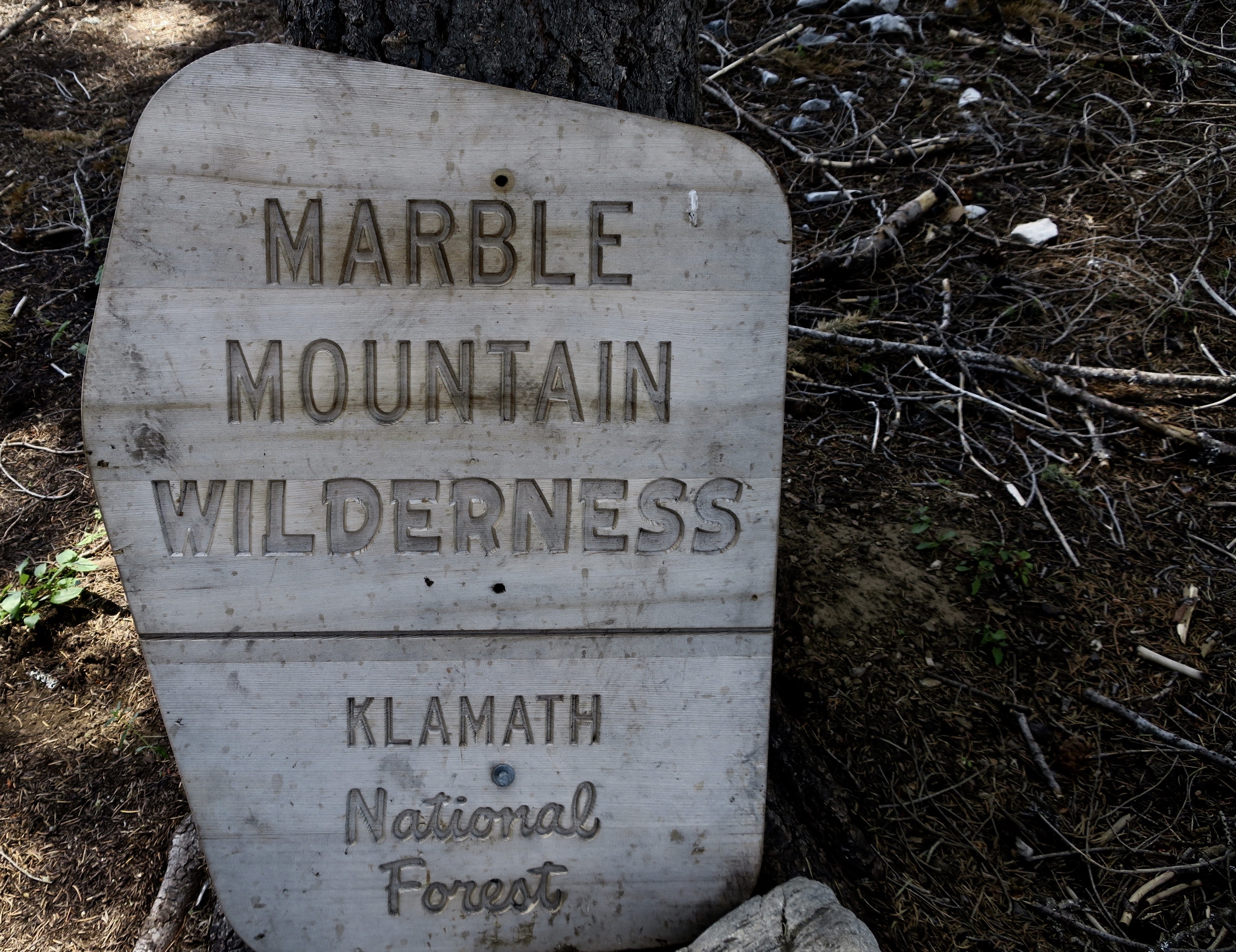
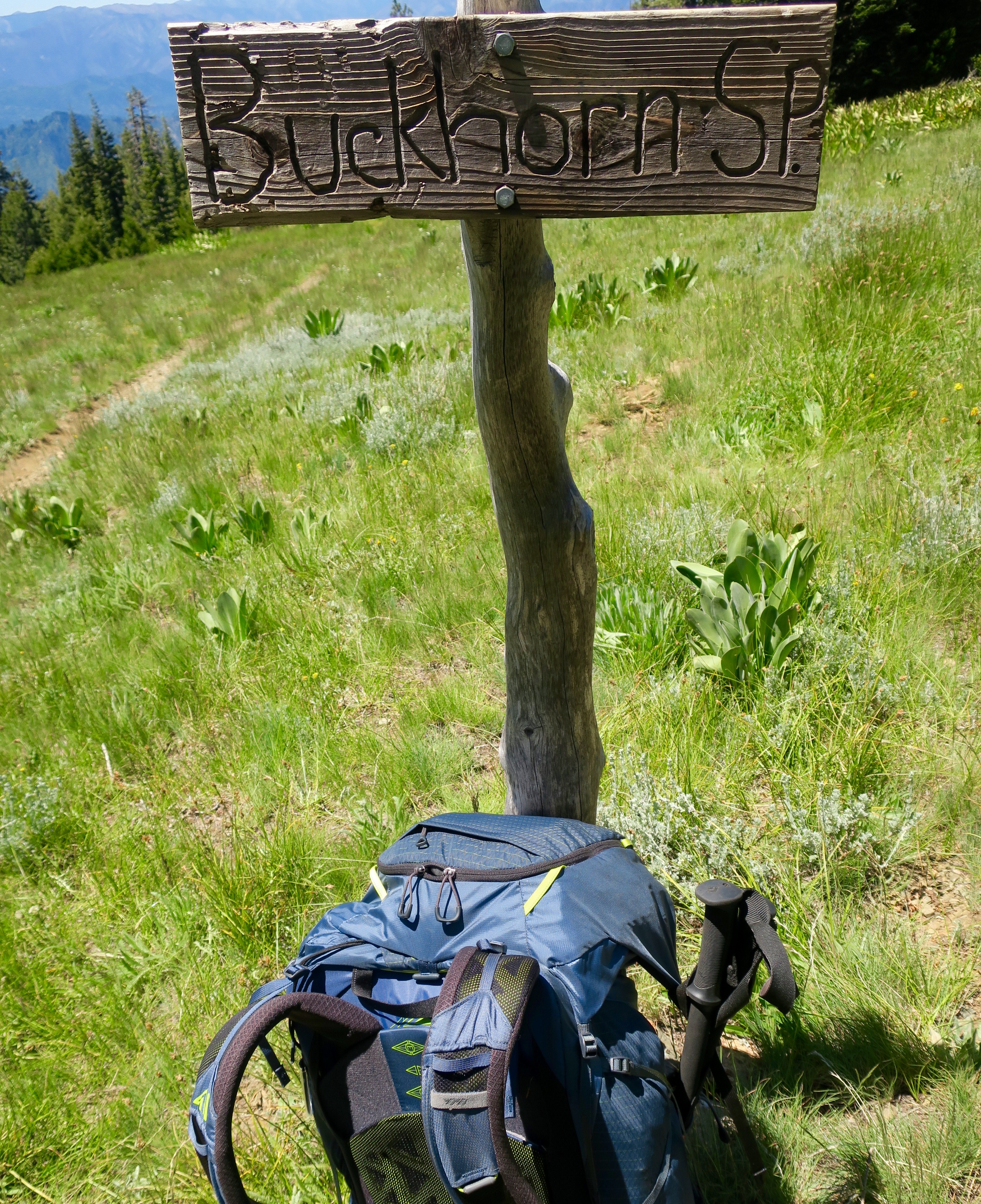
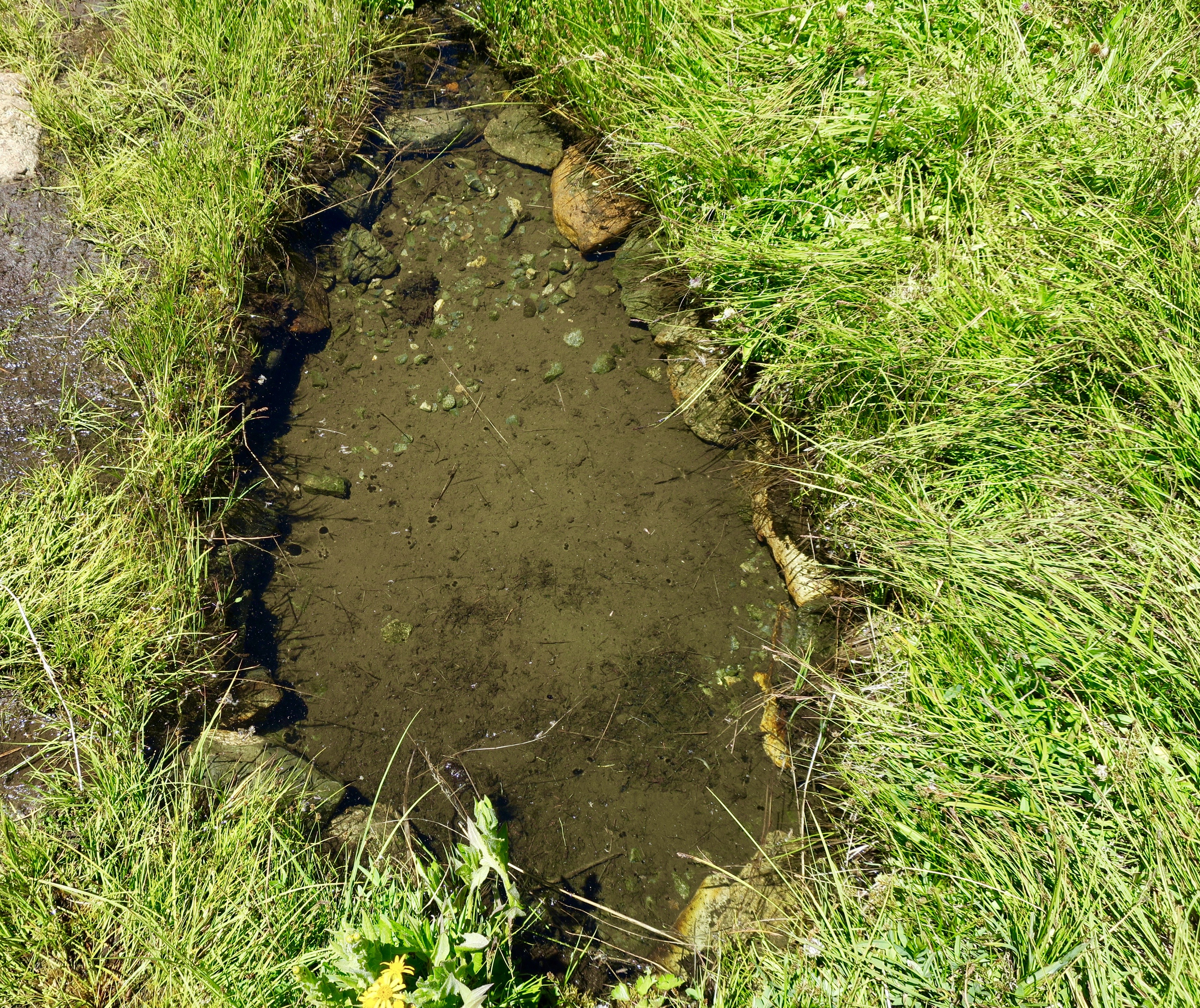
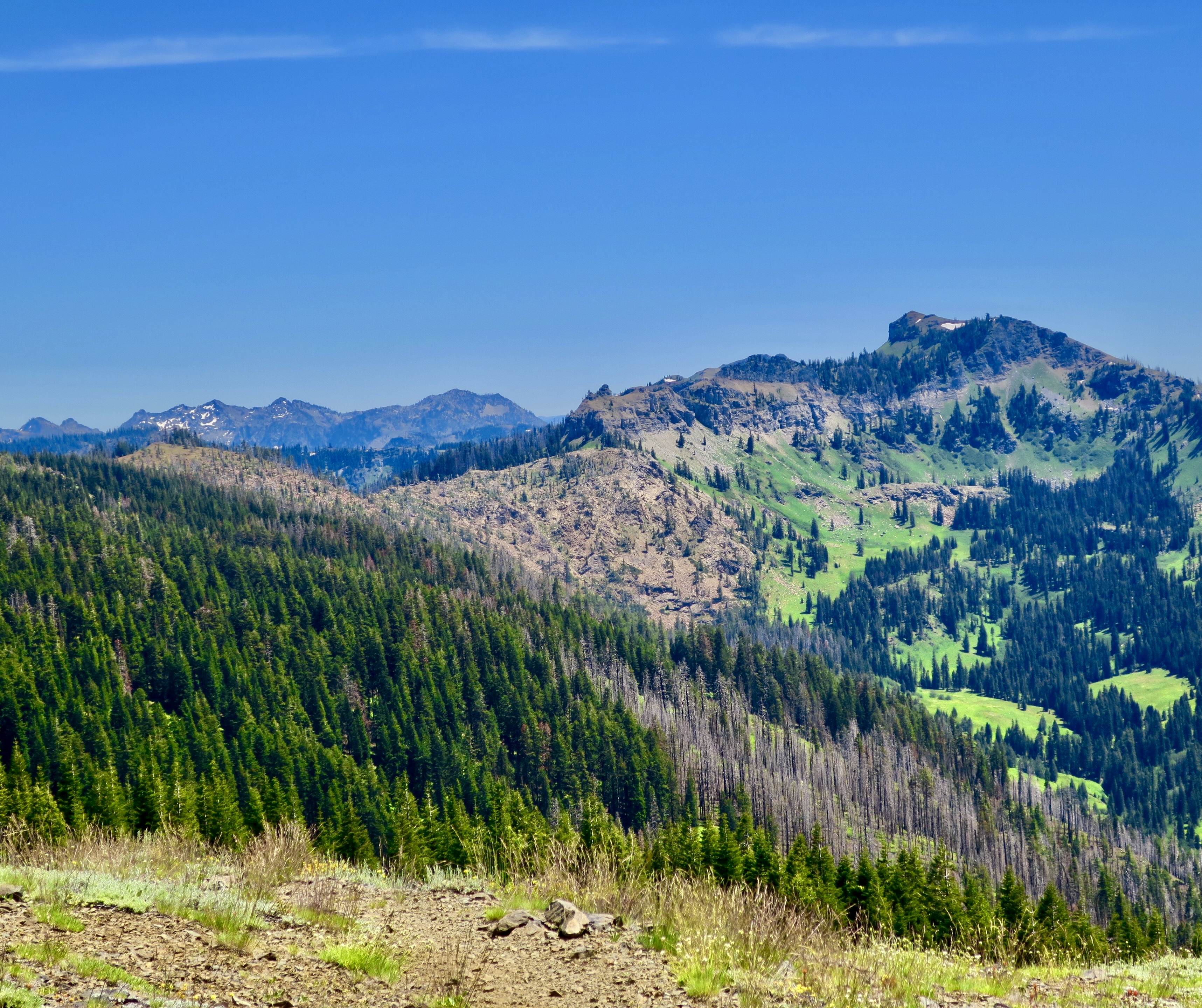
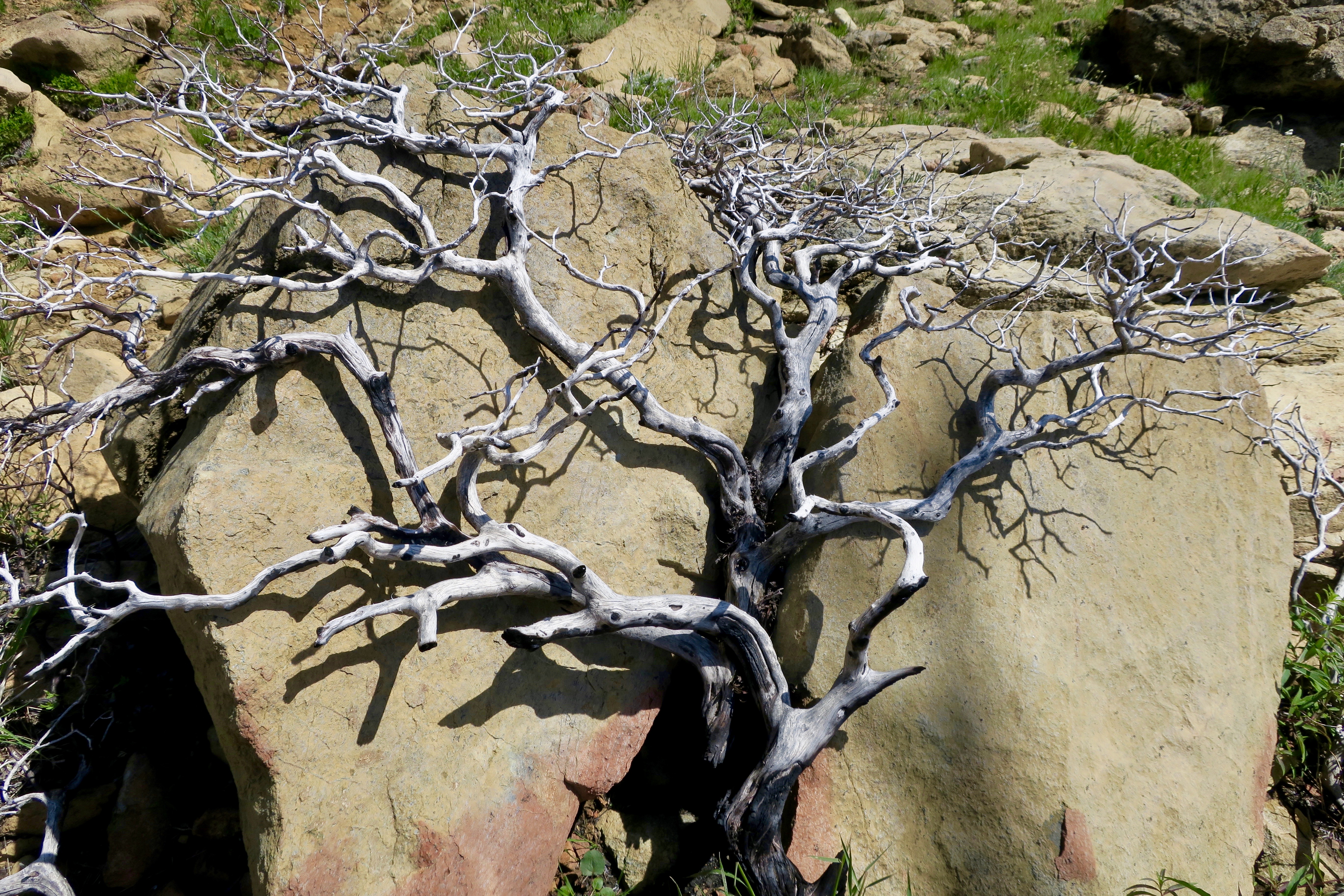
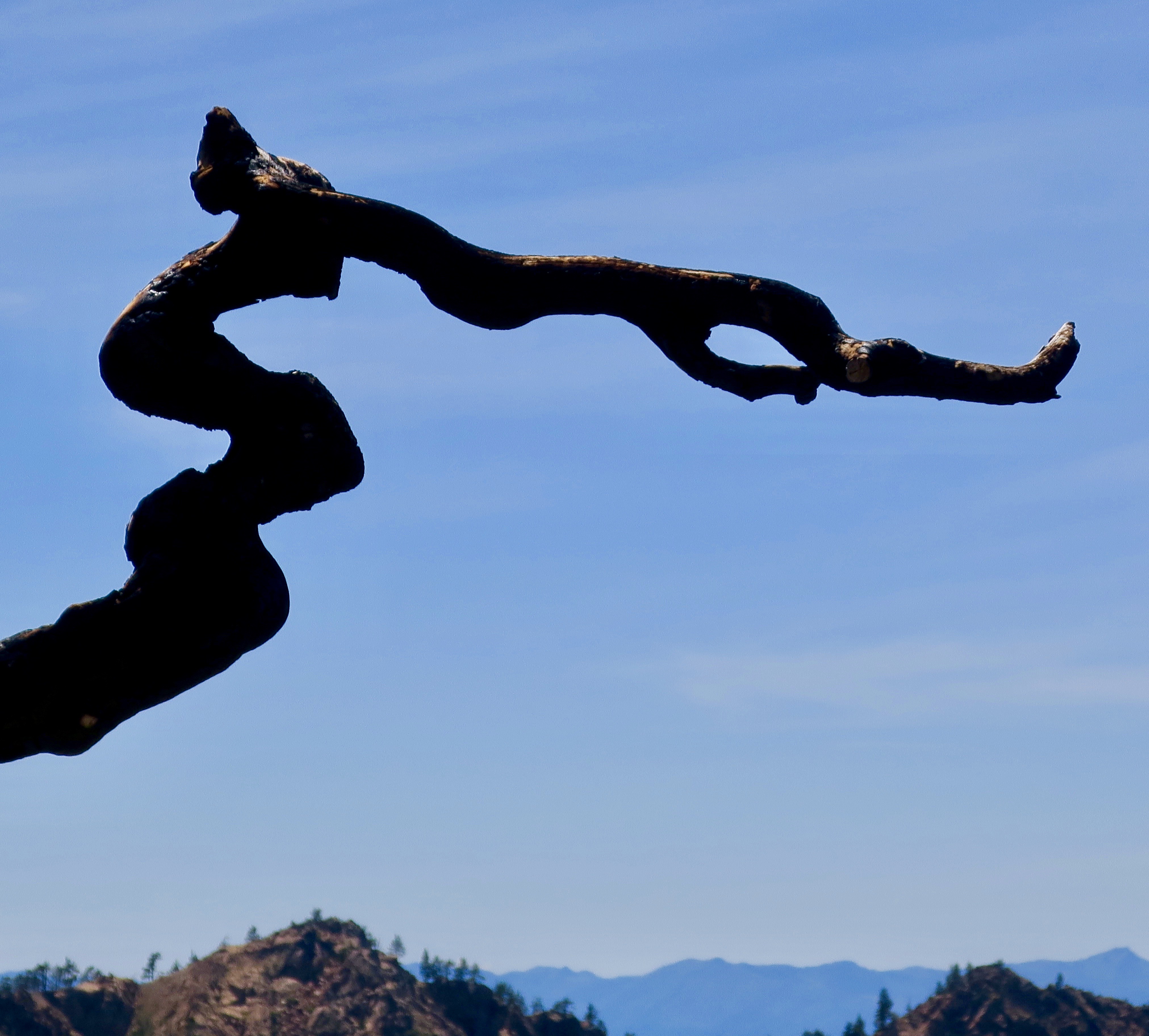
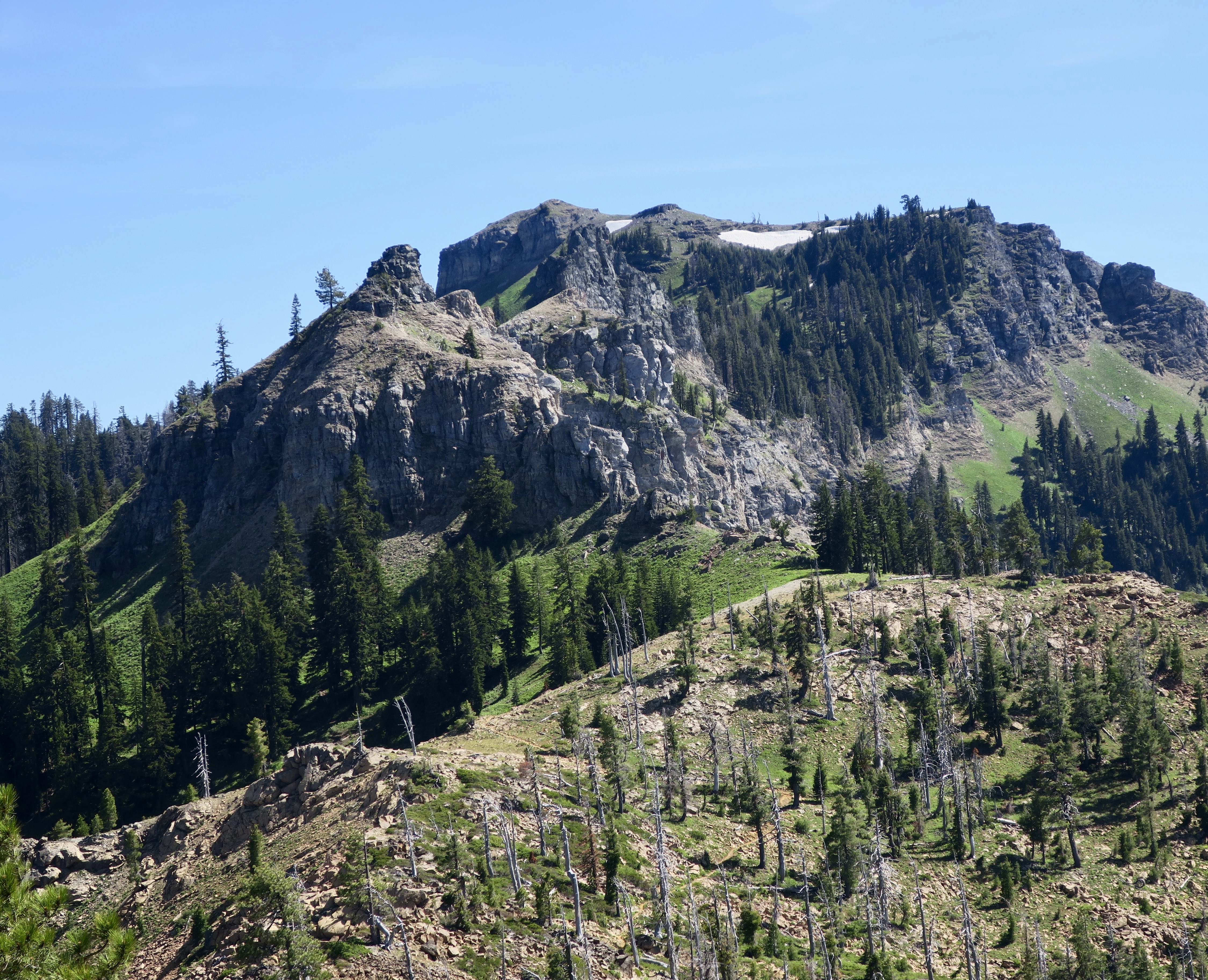
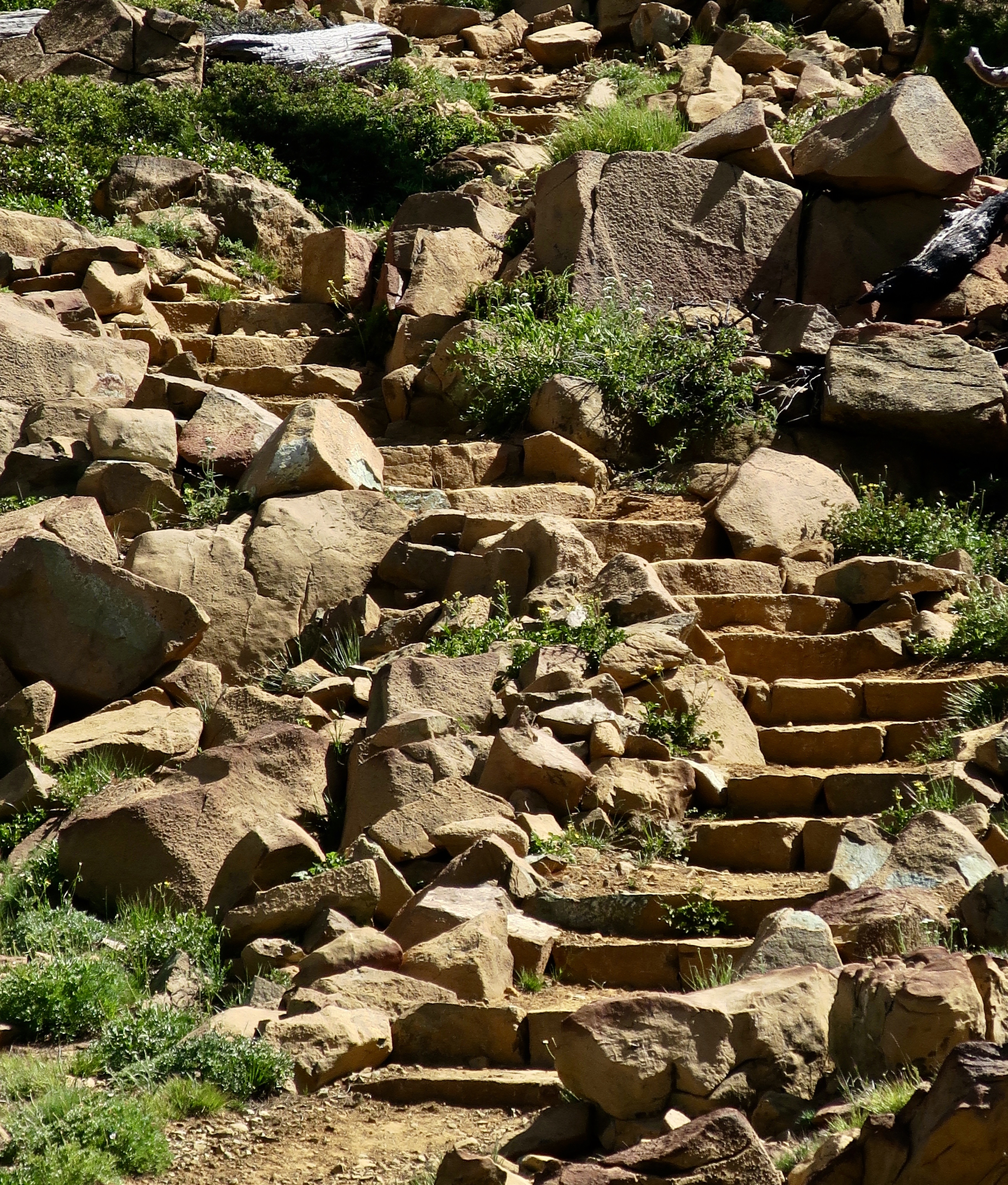
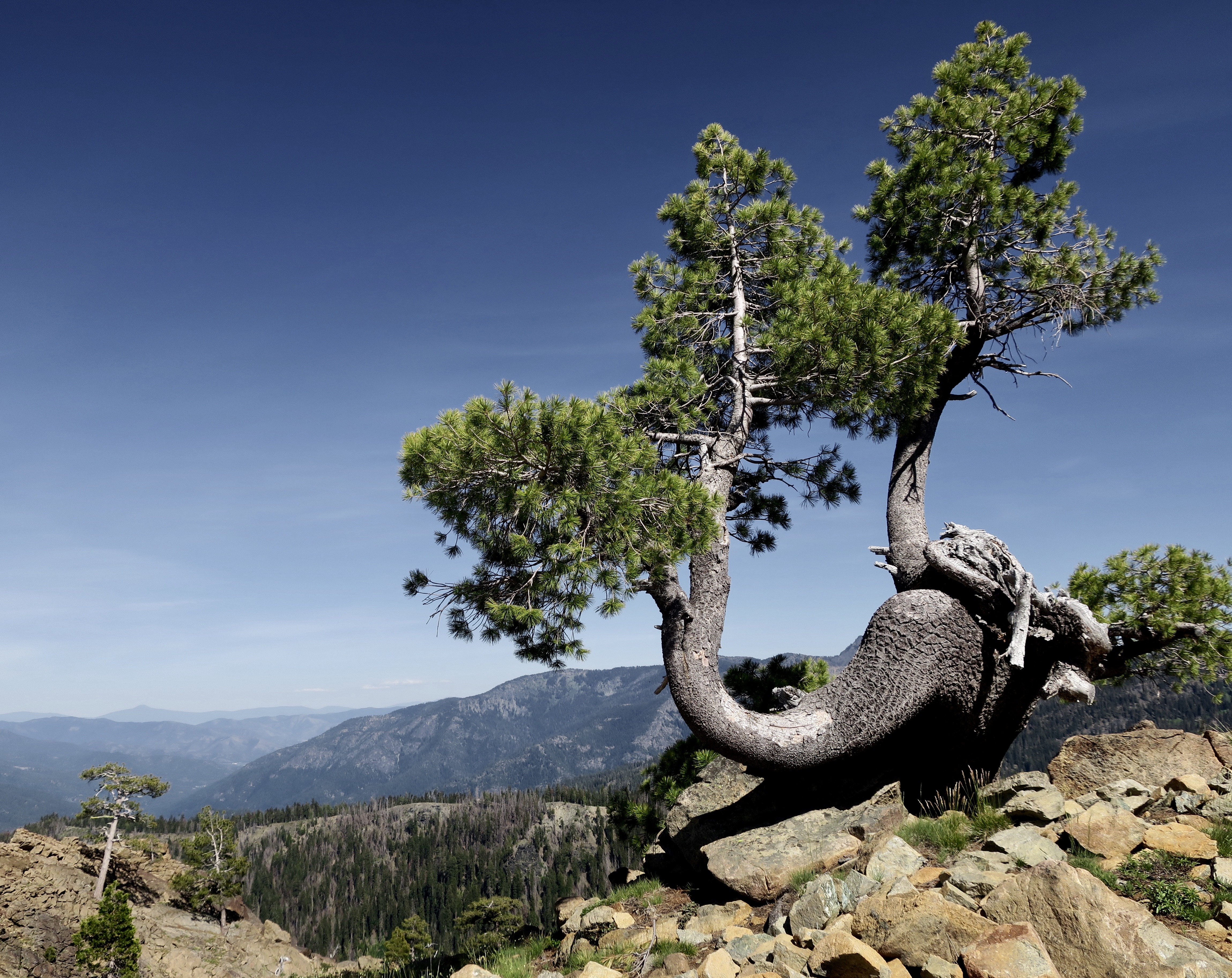
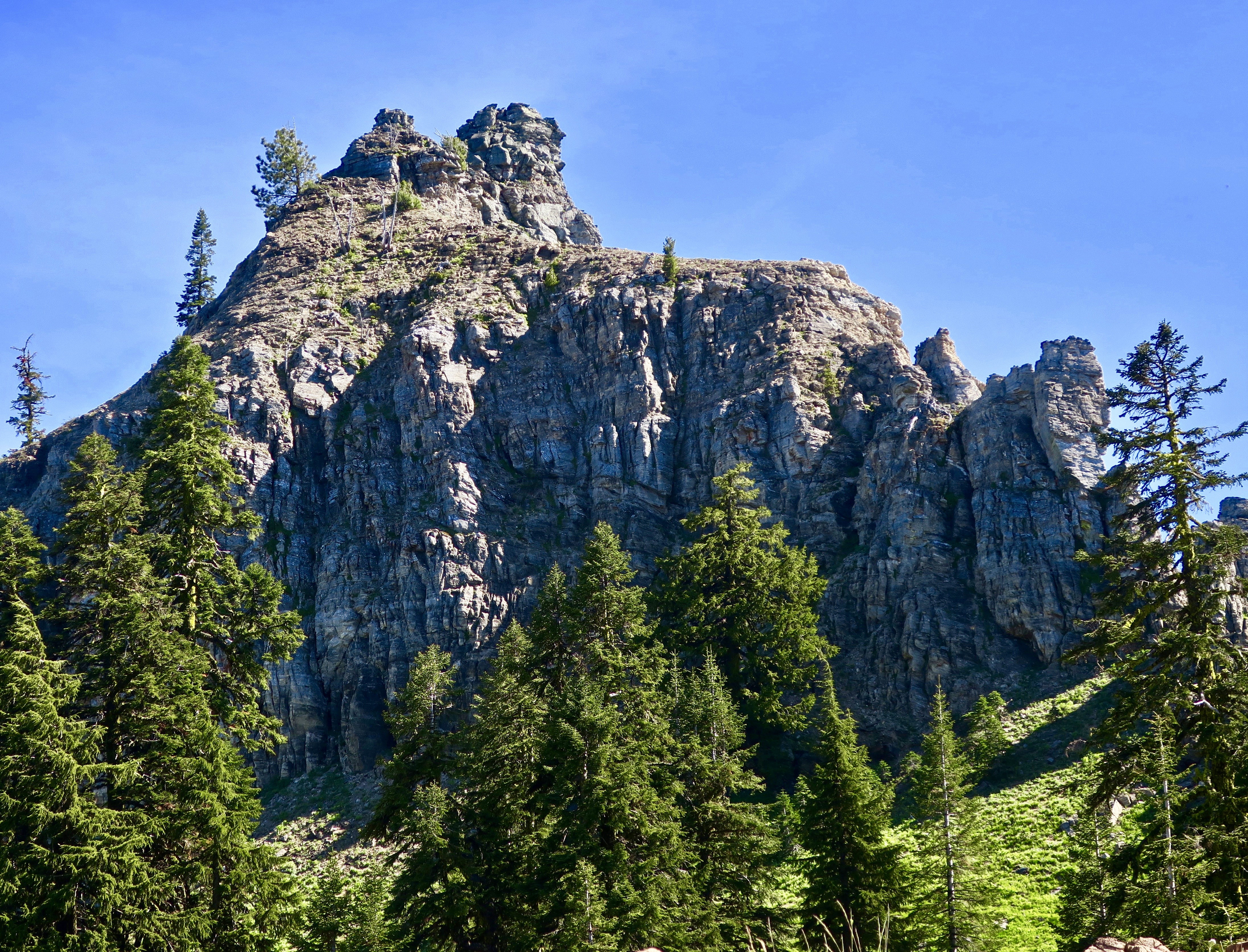
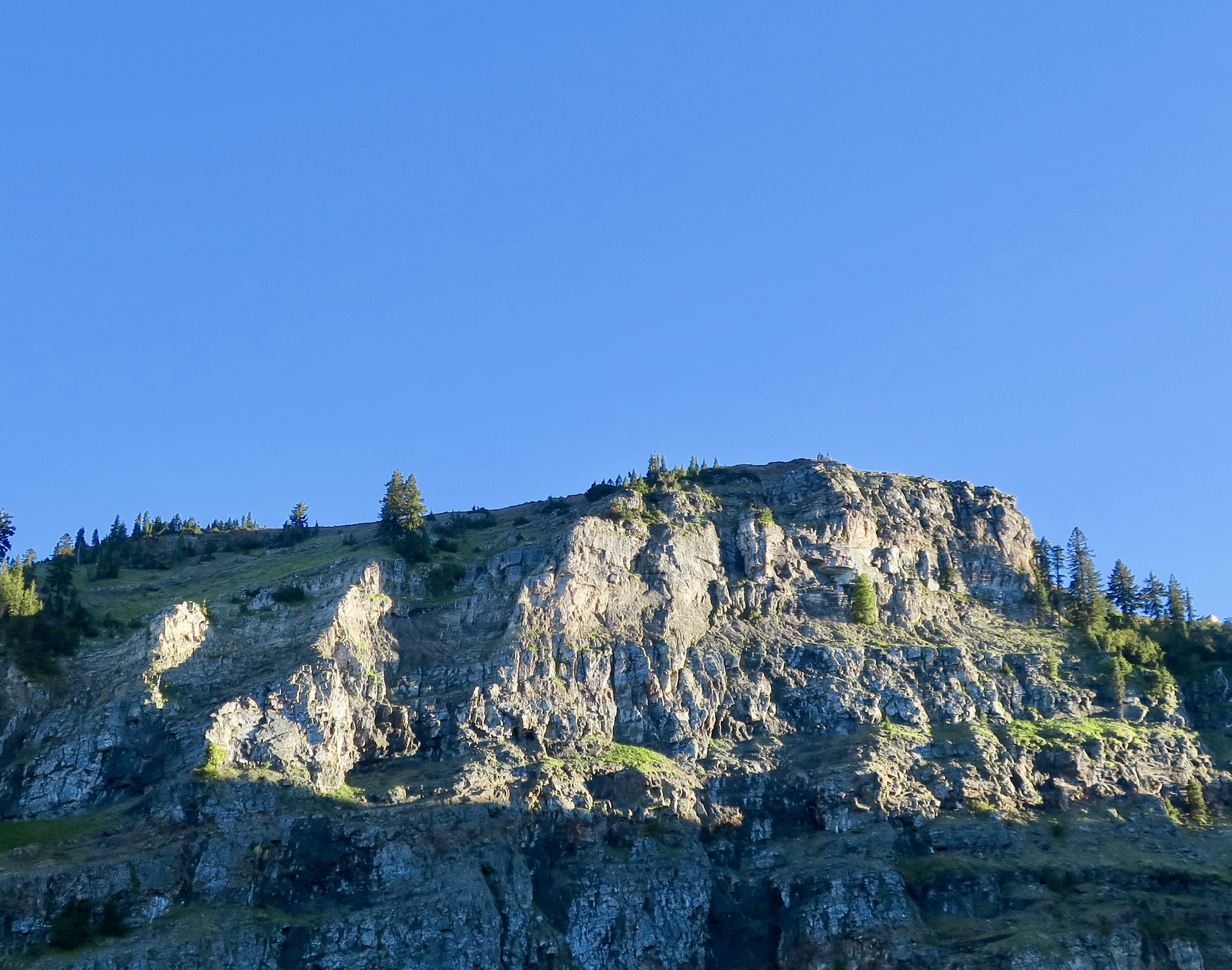
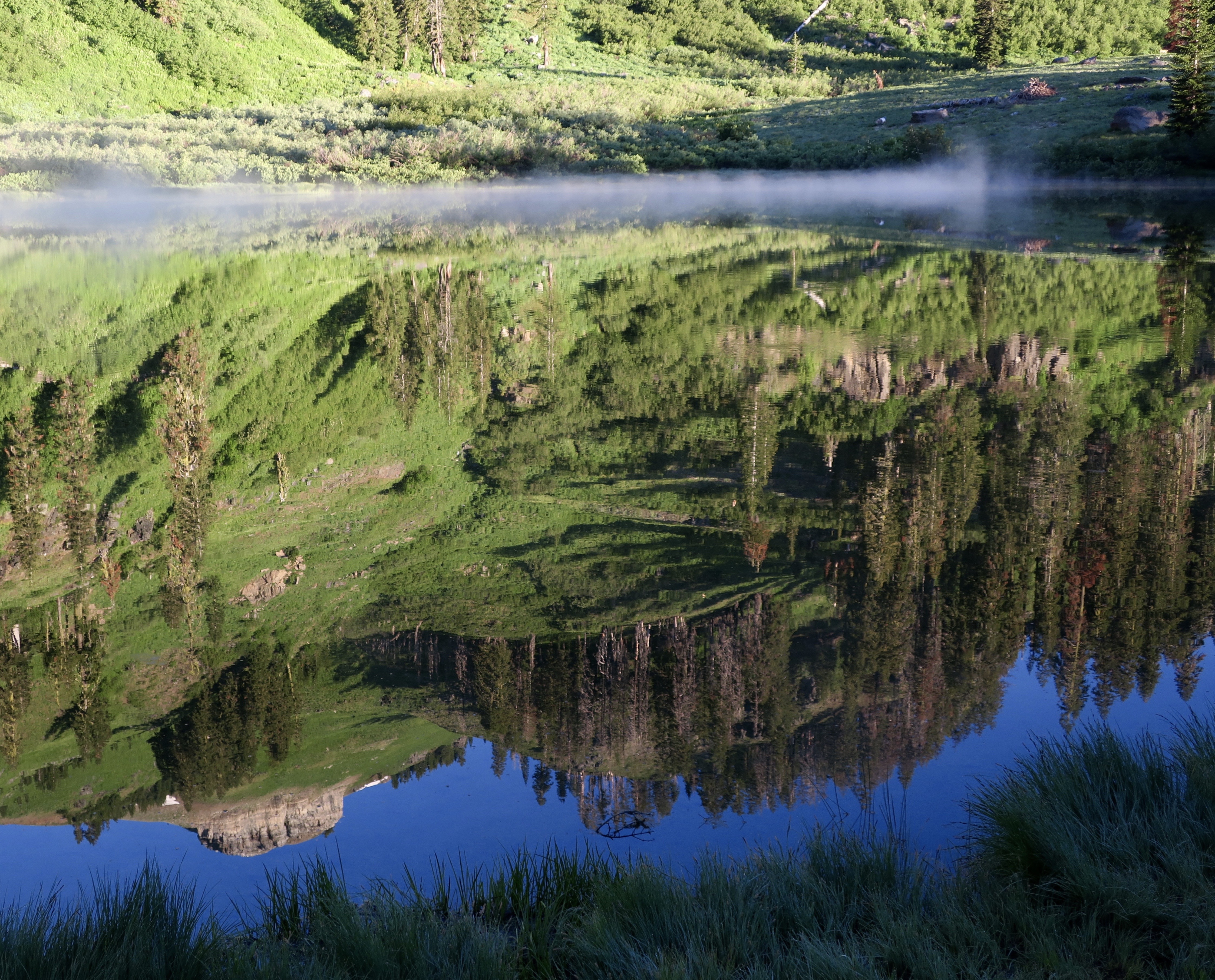
The Marble Mountain Wilderness, the subject of this post, is an example of this beauty.
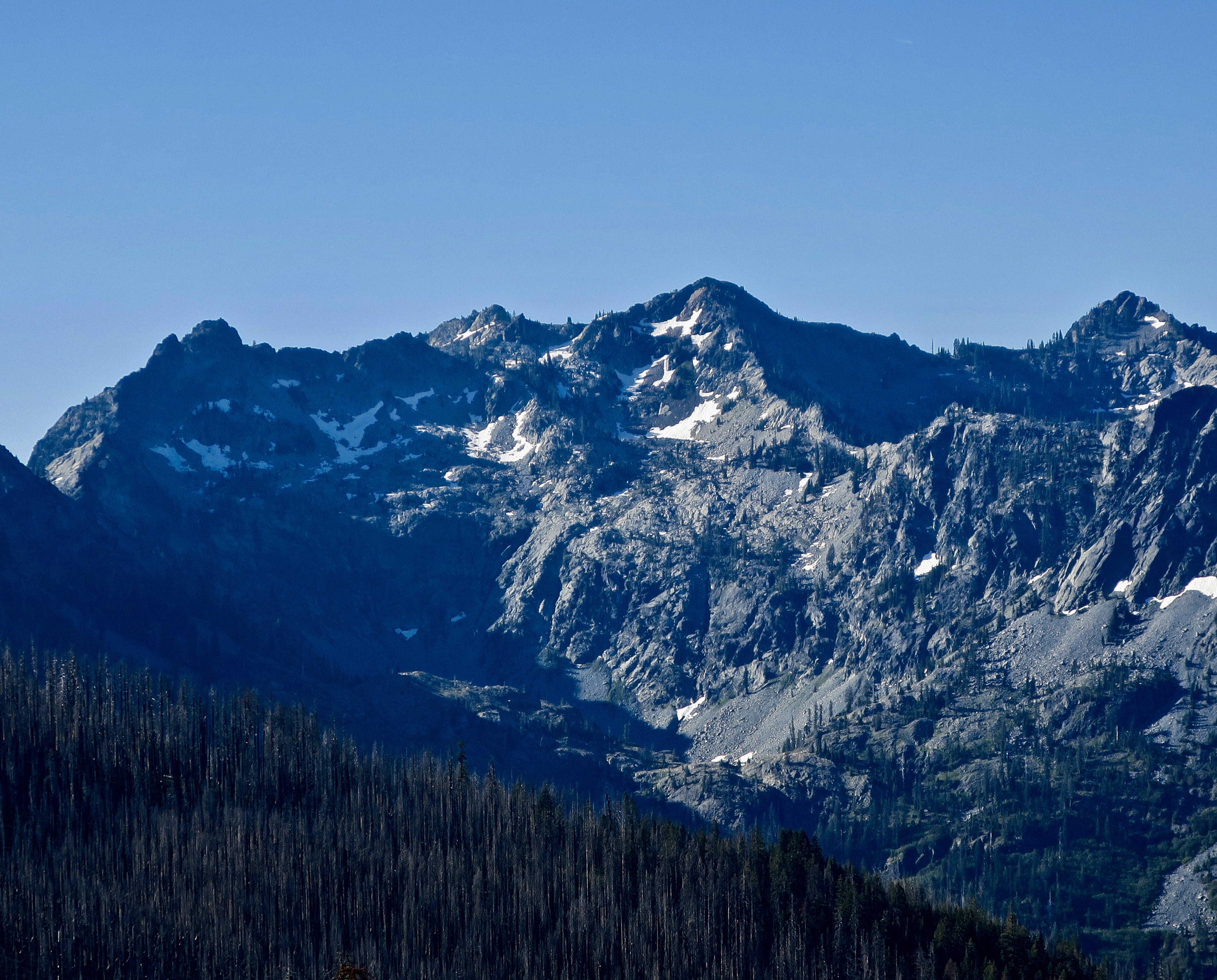

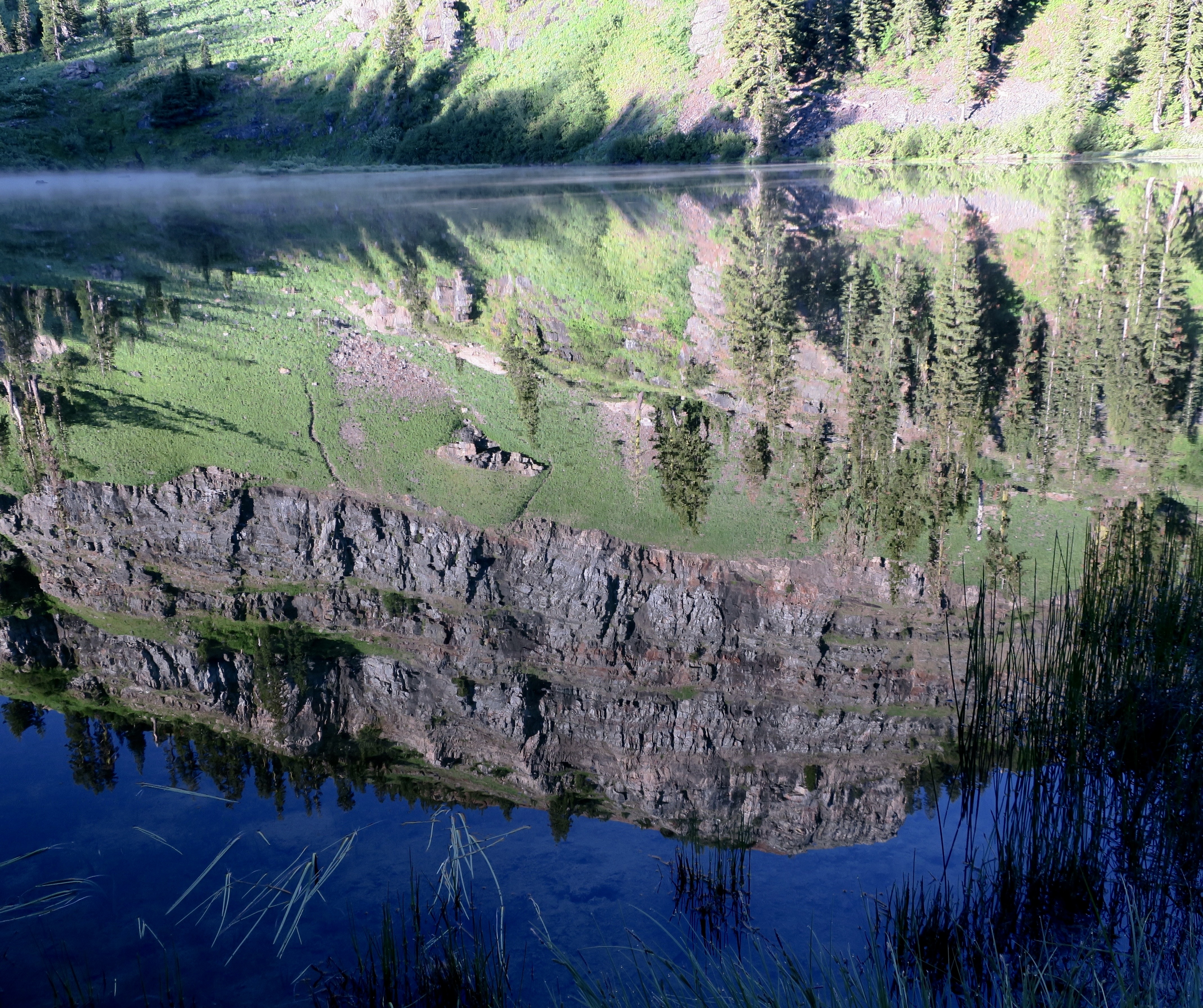


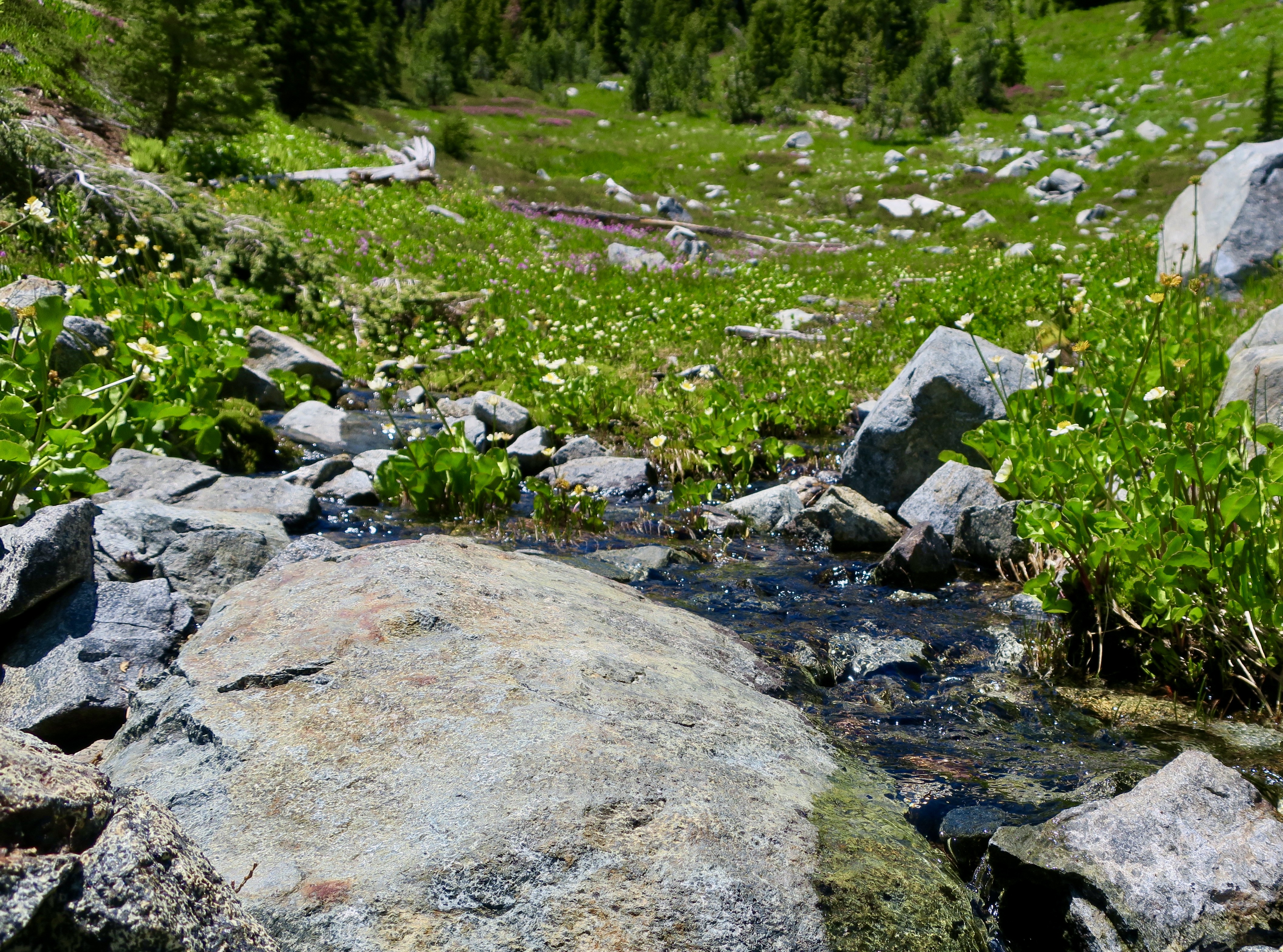
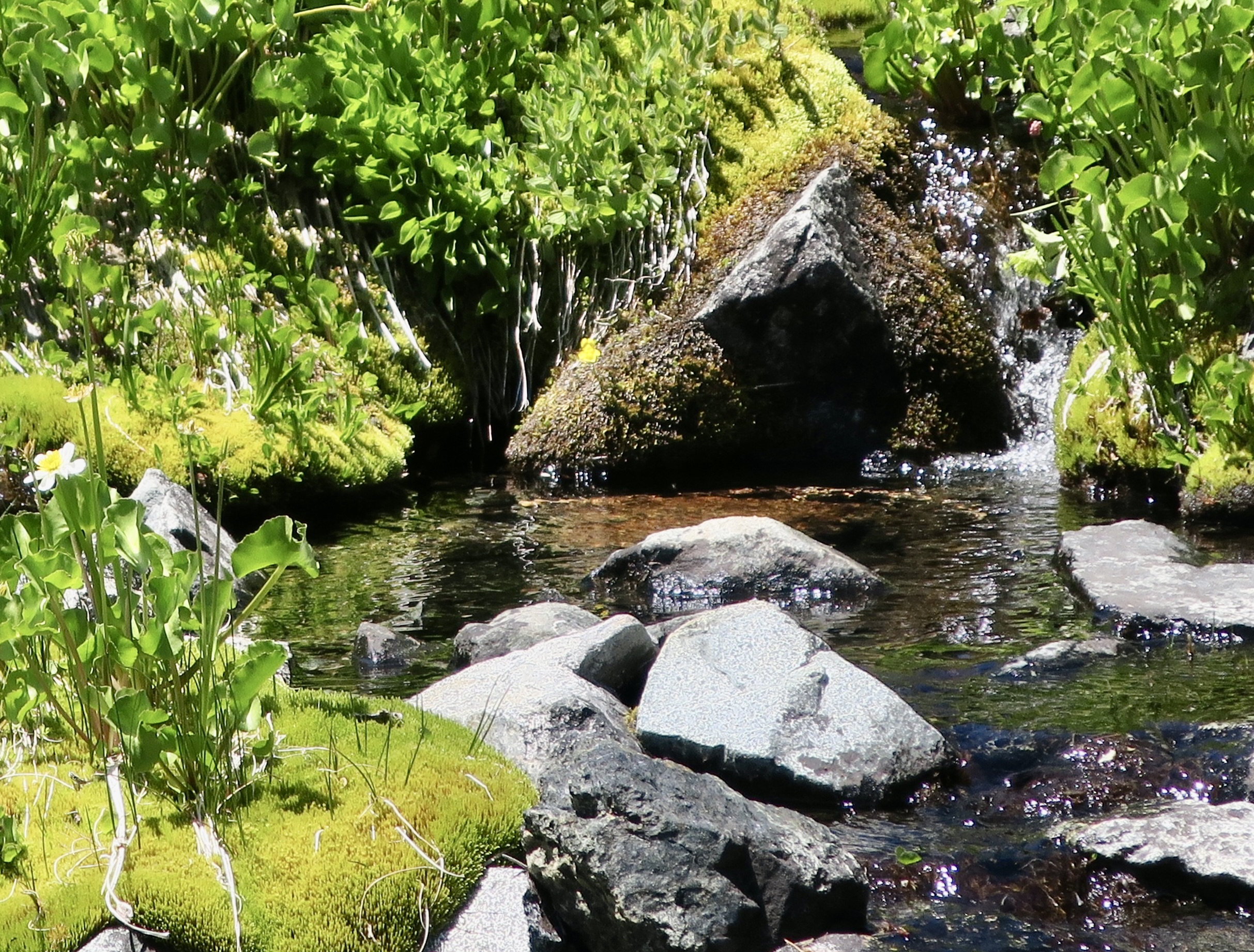
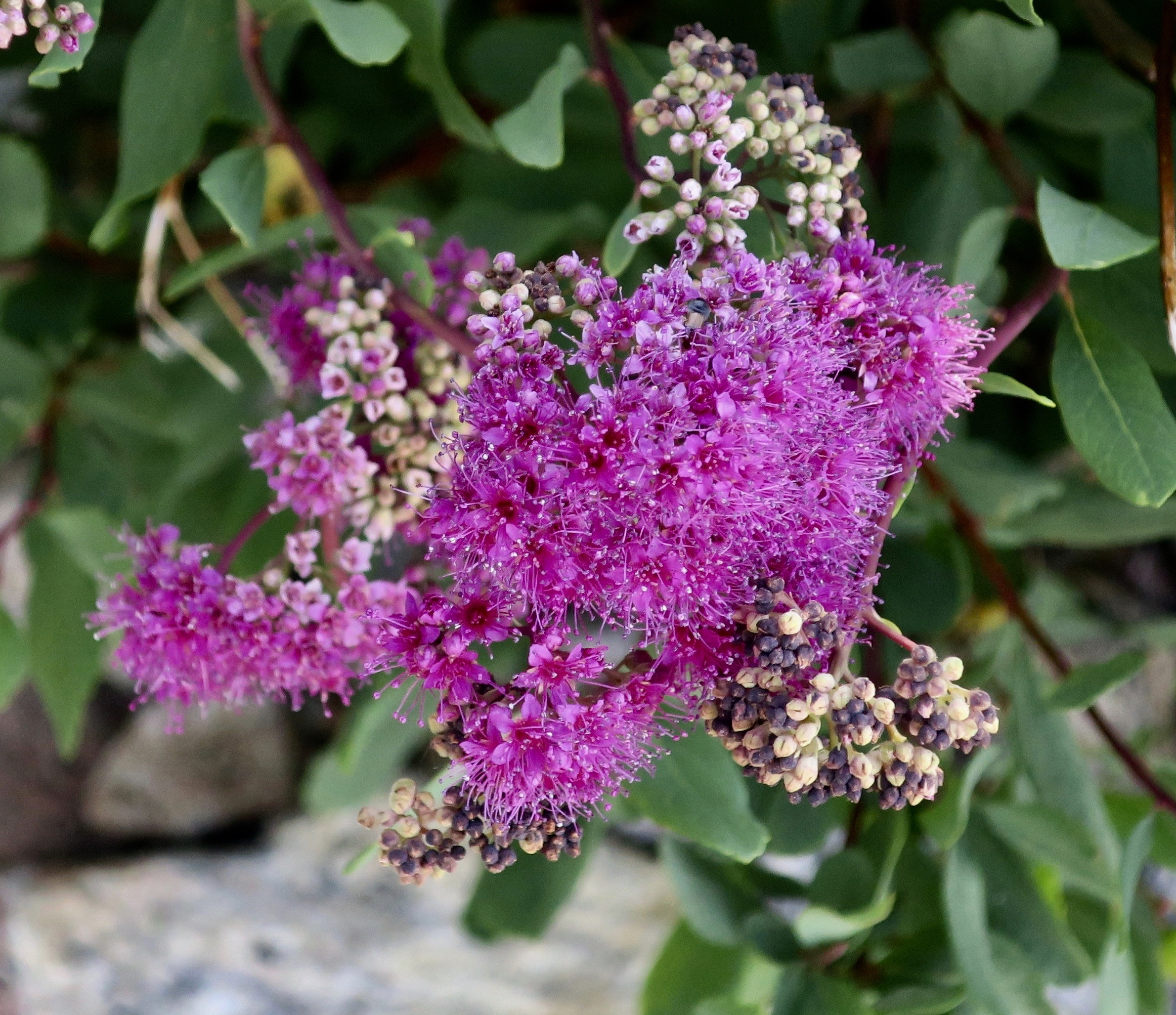
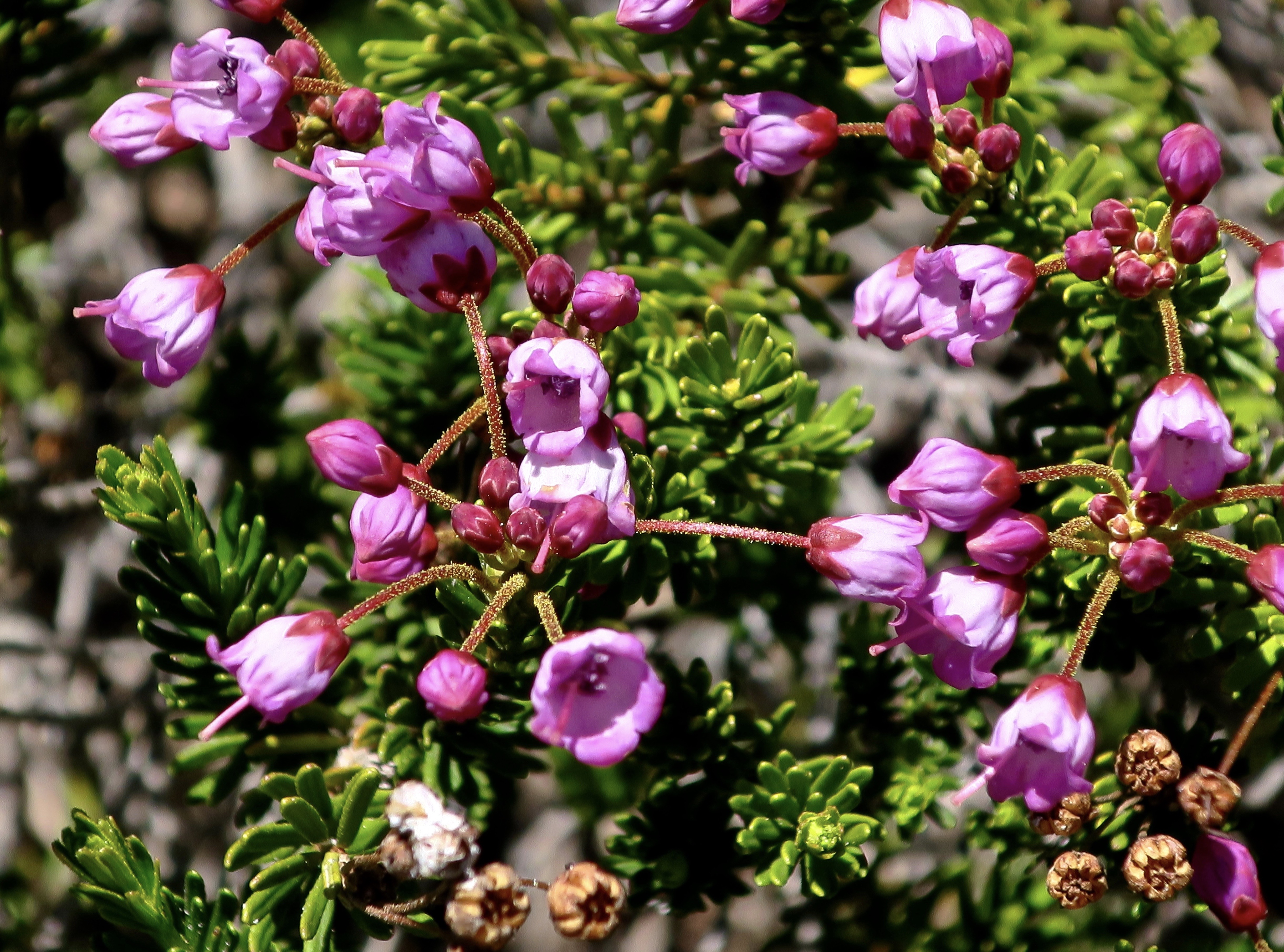


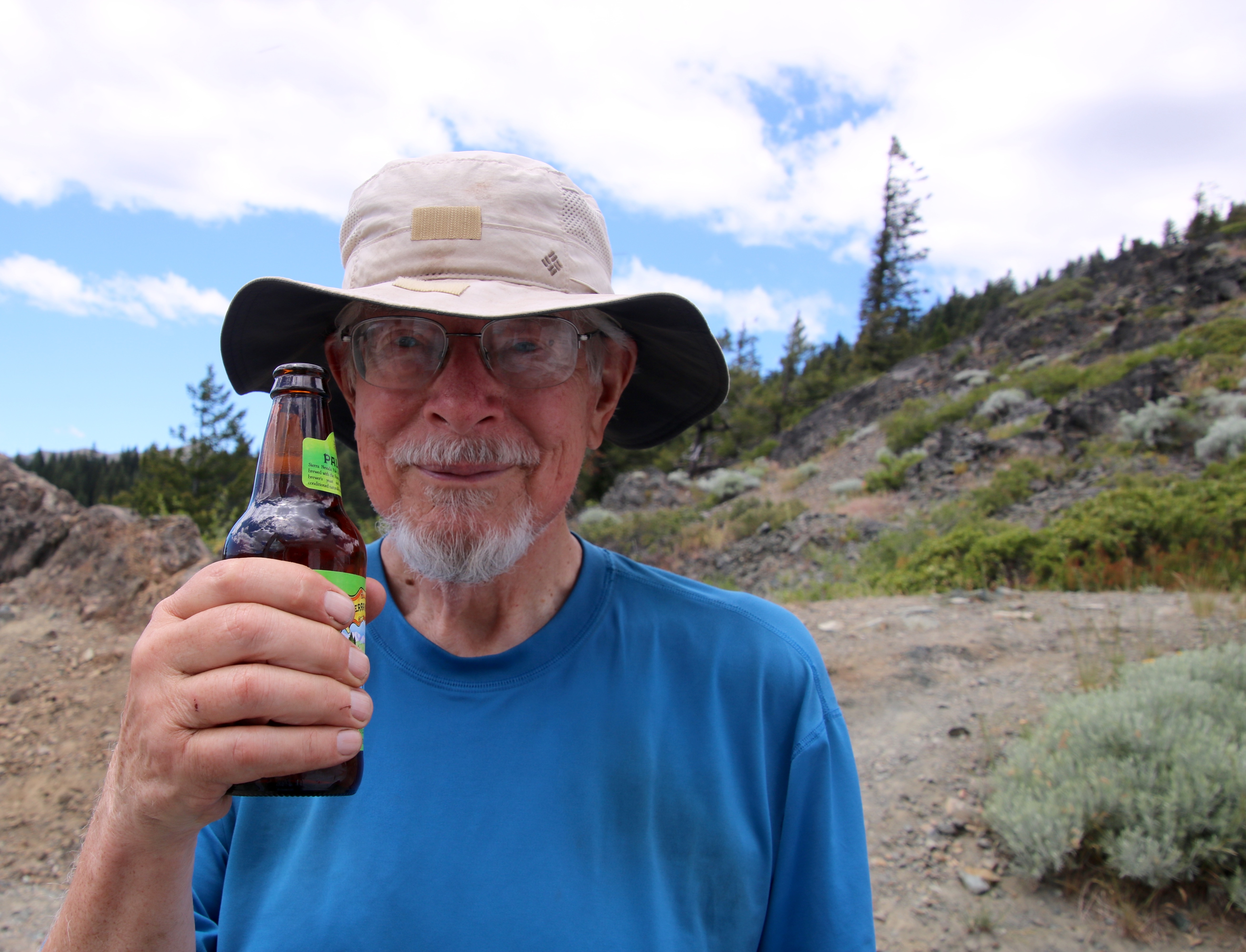


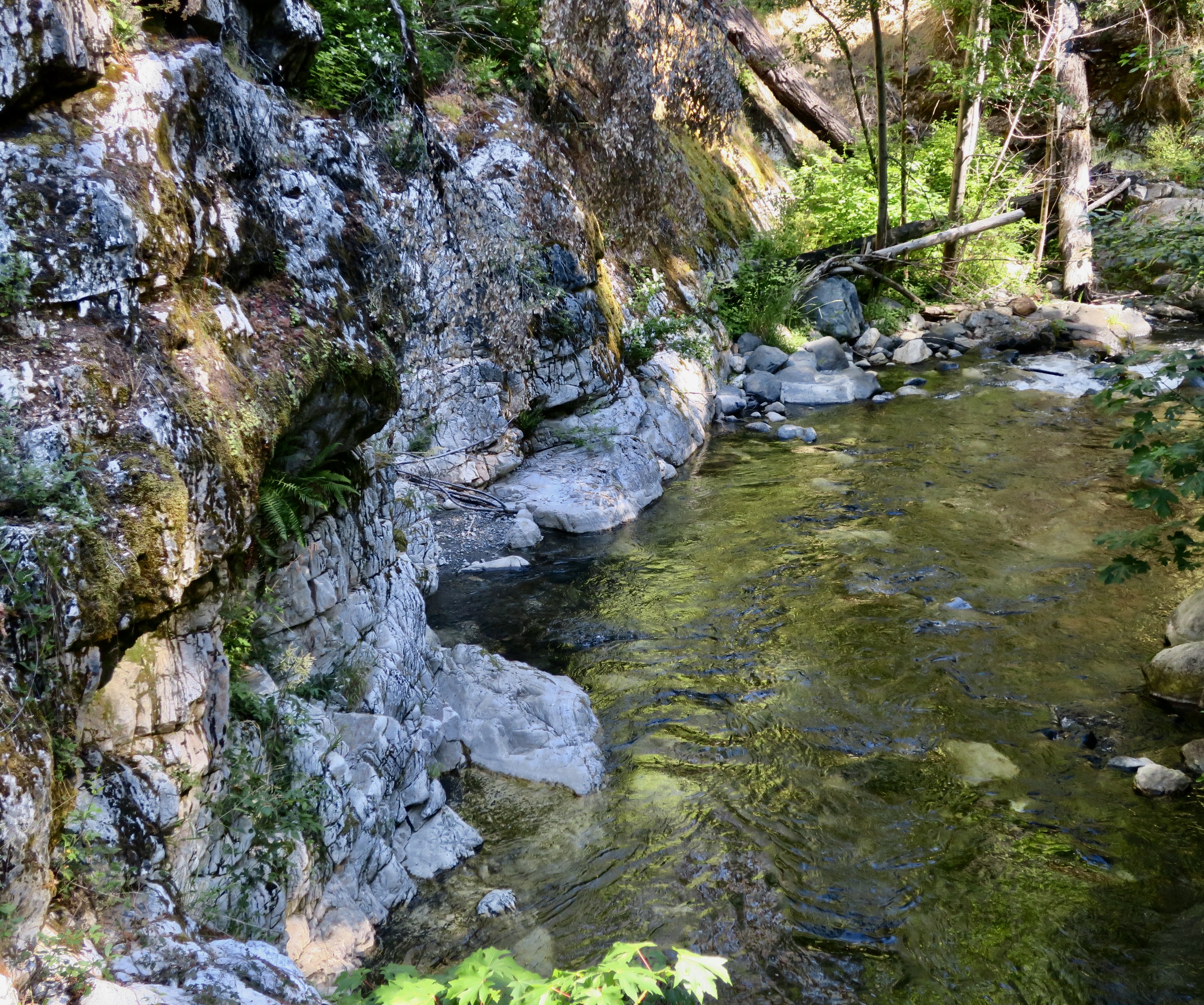
This post is part of Peggy and my series on national parks, monuments, wilderness areas and other public lands with an emphasis on their unique beauty, geology, flora, fauna and history that makes them so important to us today— and to our children, grandchildren and future generations.
There are a couple of interesting developments in the Trump Administration’s efforts to sell off public lands and post signs at national parks urging visitors to report on any negative historical signs or comments about the past. An example of the latter would be the forced removal of Native Americans from their homelands to make space for settlers from the East.
The Sierra Club reports that the plan to sell off public lands was stripped from the Administration’s ‘Big Beautiful, Mega-Deficit Bill’ in the Senate. This doesn’t mean that the Administration won’t move ahead in selling lands by claiming it doesn’t need permission from Congress.
As for public comments generated so far by the signs, an analysis done by the National Parks Conservation Association and summarized in the Washington Post shows strong support for the parks:
“The comments overwhelmingly praise the parks as beautiful national treasures, with dozens complimenting rangers for their knowledge and navigational help. Many called for undoing funding cuts and rehiring staff who were fired by the Trump administration.”
On the other hand, some felt that there were too many mosquitoes and not enough moose.
I think the message to the Administration might be “to watch what you ask for.” Whether the Administration chooses to report on the responses, select out the ones that support its policy, or simply bury the results, is another issue. I seriously doubt that it will report on the overwhelming support Americans show for national parks and other public lands.
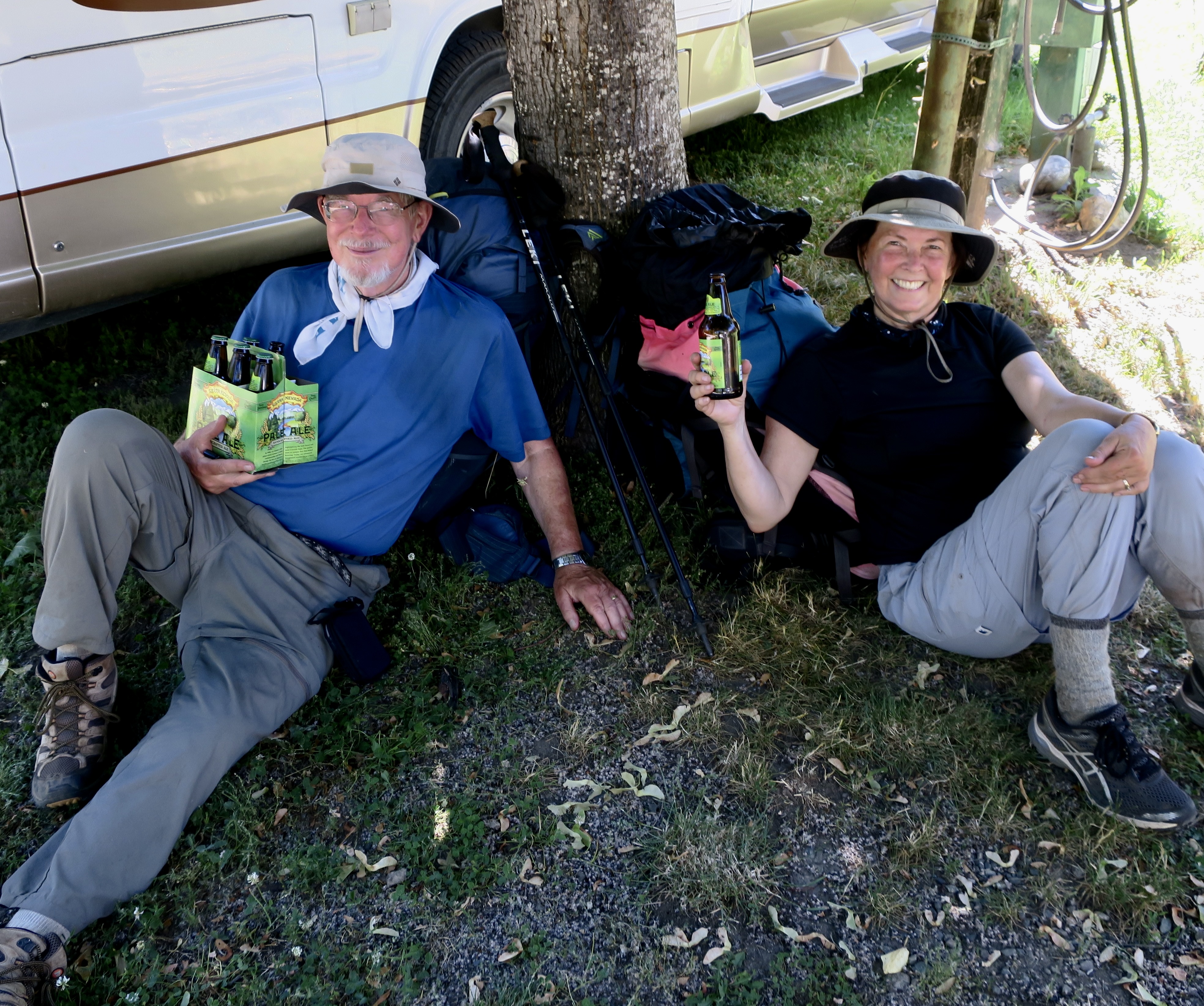
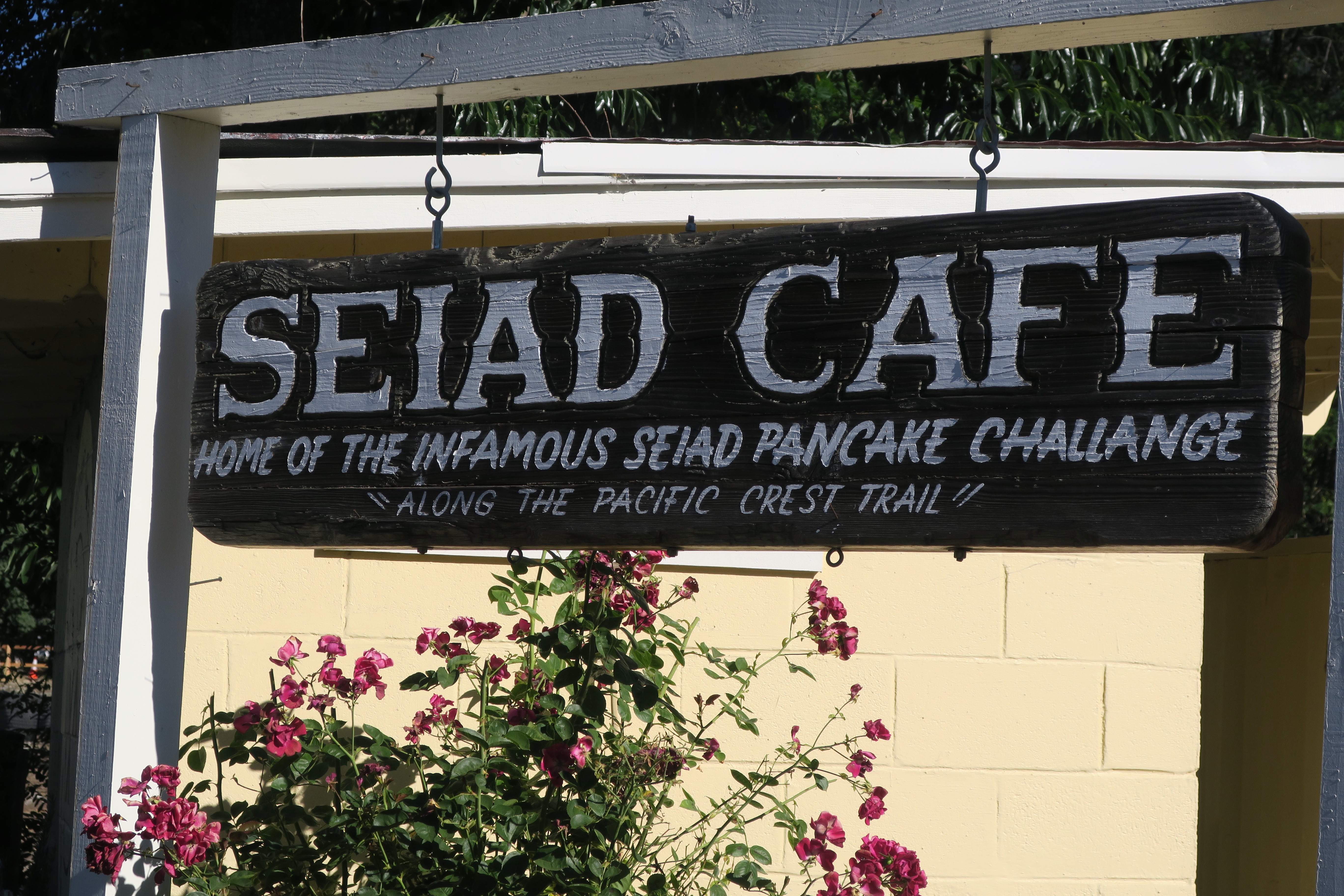
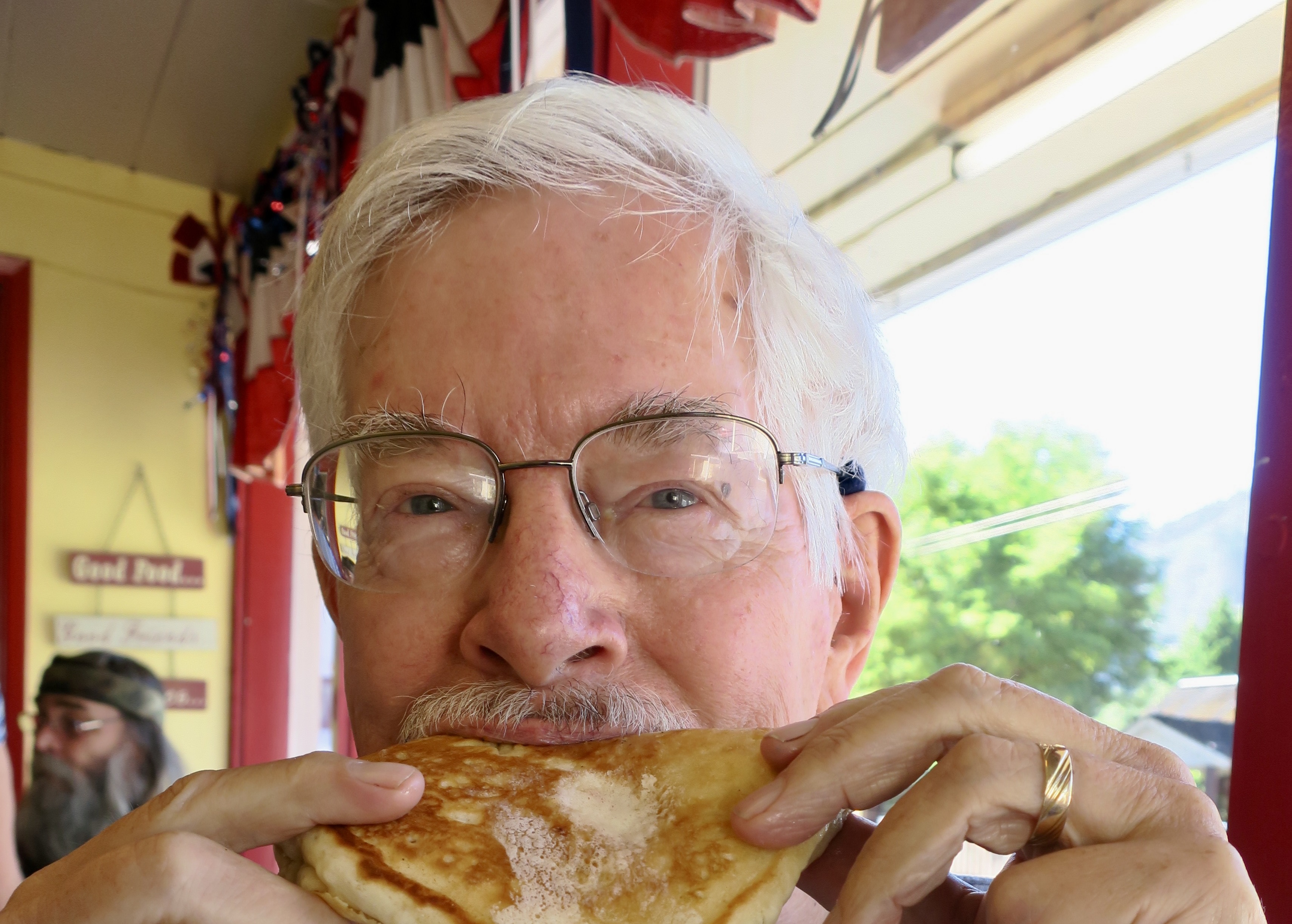

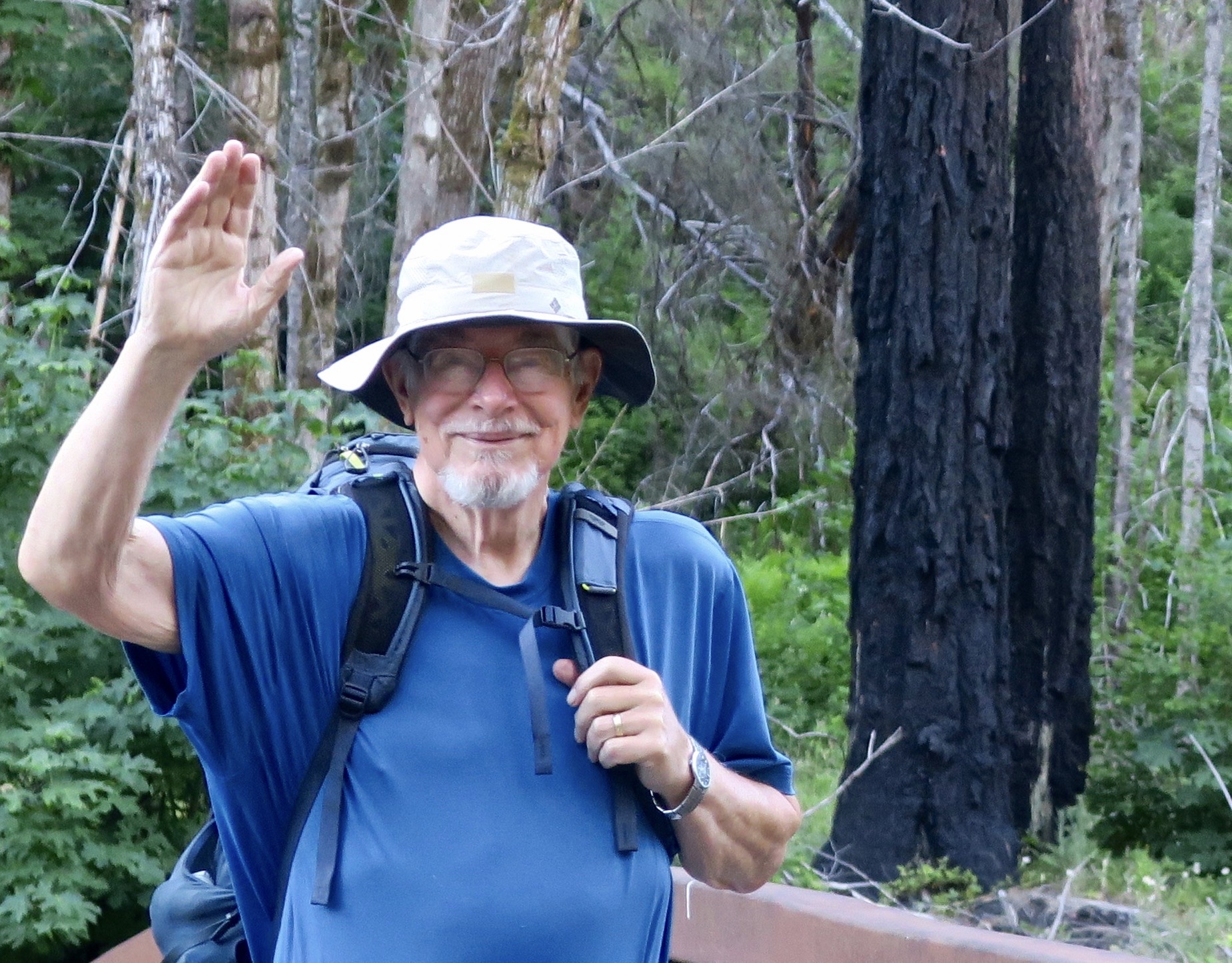

Peggy and I often get a question about where we are now, given that we wander a lot and our blogs may reflect a recent adventure or be back in time. Right now we are in Safety Harbor, Florida. Peggy and I flew out here from Sacramento to celebrate Peggy’s 75th Birthday with our son, Tony his wife, Cammie, their three sons: Connor, Chris and Cooper, plus…

Today, Peggy and I are continuing our series on national parks, monuments, wilderness areas and other public lands with an emphasis on their unique beauty, geology, flora, fauna and history that makes them so important to us today— and to our children, grandchildren and future generations. I can only repeat how vital it is at this point in history to let decision makers know how we feel about protecting and maintaining public lands.
In my last post, I discussed a bill by Republican Senator Mike Lee of Utah to be included in President Trump’s “Big Beautiful Bill” that would require the government to sell of 50-75% of BLM and National Forest Lands in America over the next five years. Here’s what the Southern Utah Wilderness Association has to say about the bill:
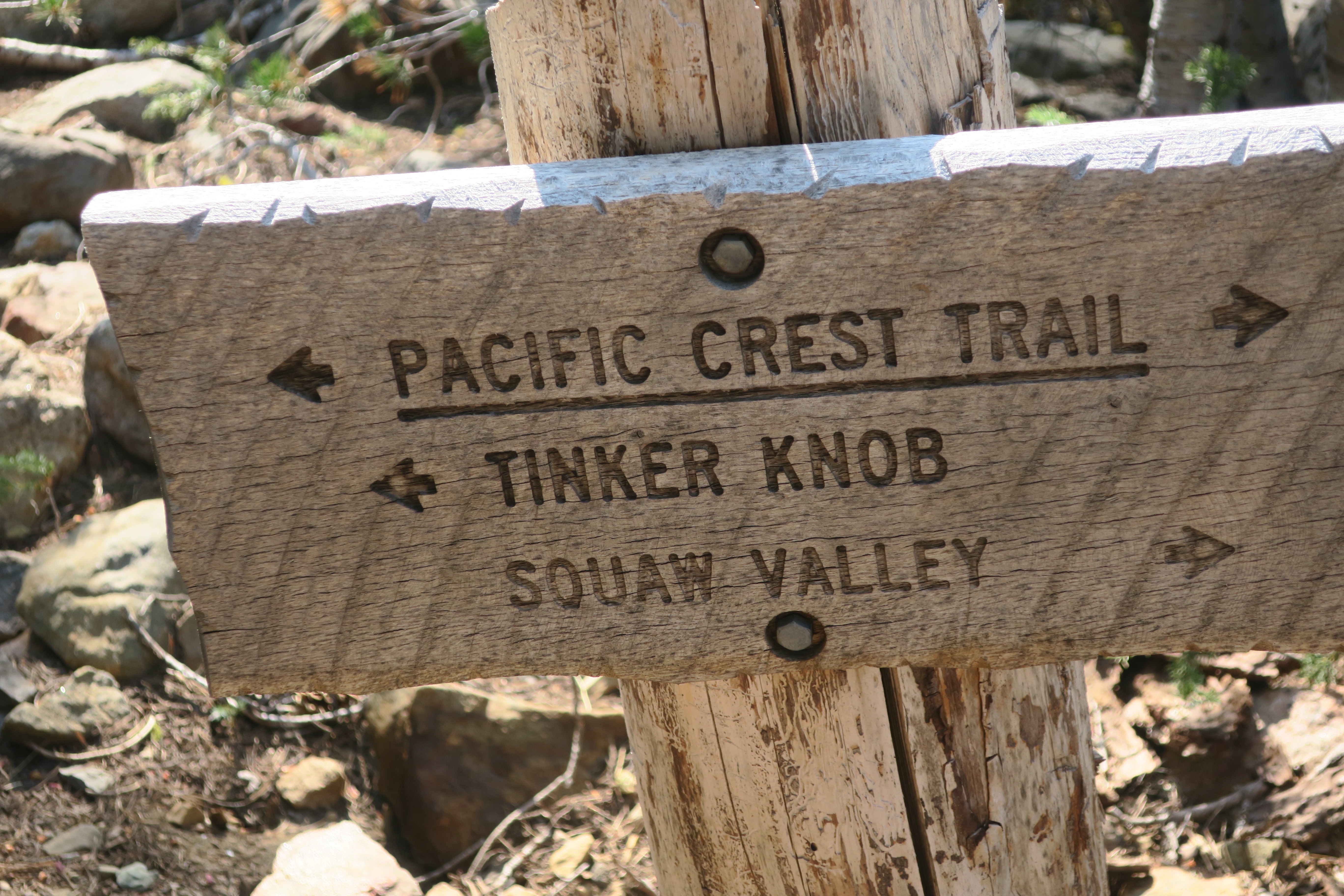
The Pacific Crest Trail Association also noted this week that the bill would have serious implications for the PCT by blocking access to the public lands that the trail now crosses over. The 750 mile trip I did for my 75th birthday would not be possible. But that’s nothing compared to the millions upon millions of people who would forever lose future access to these lands that now belong to all of us. Please, let your Senator know Lee’s bill will do irreparable damage.
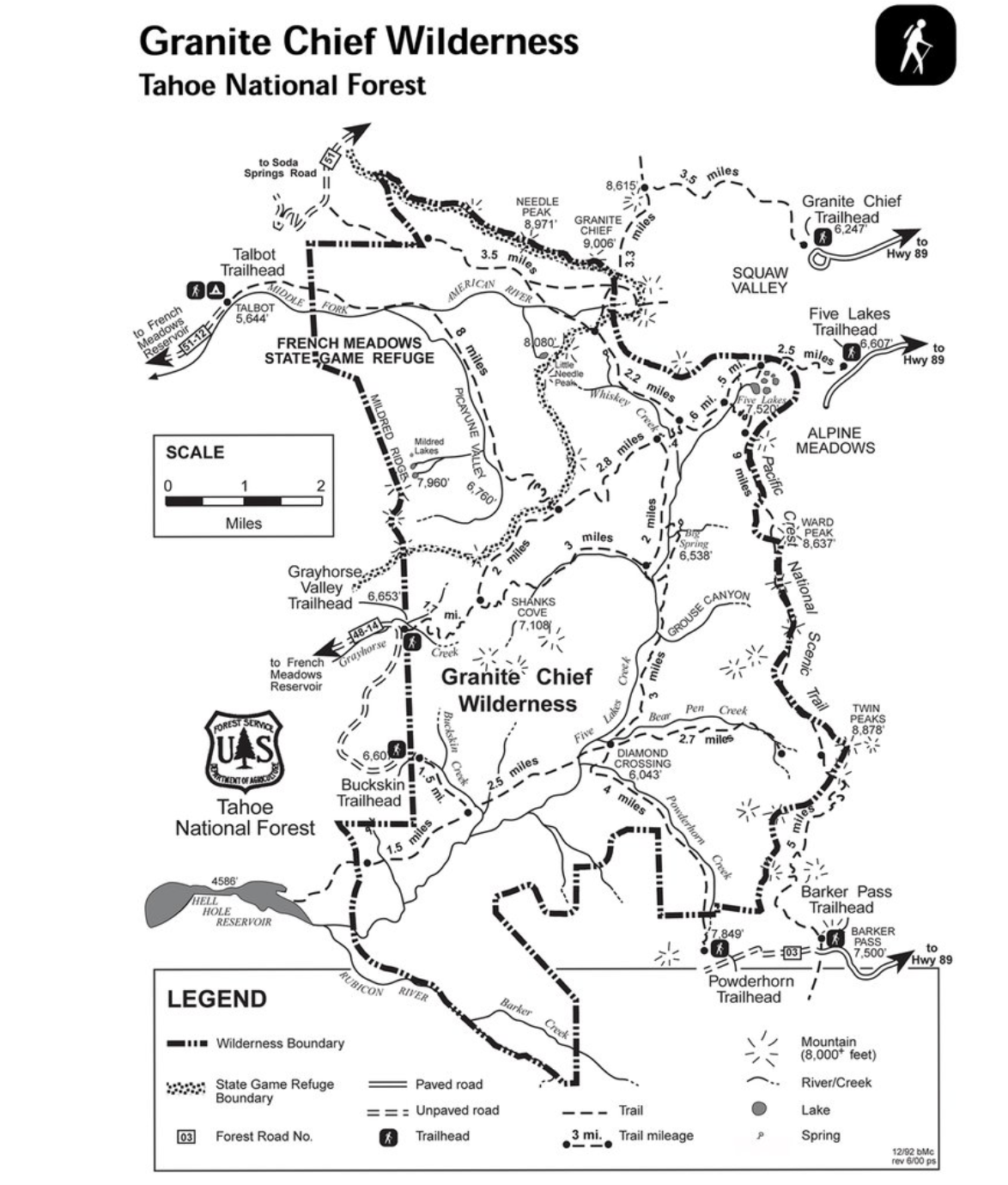
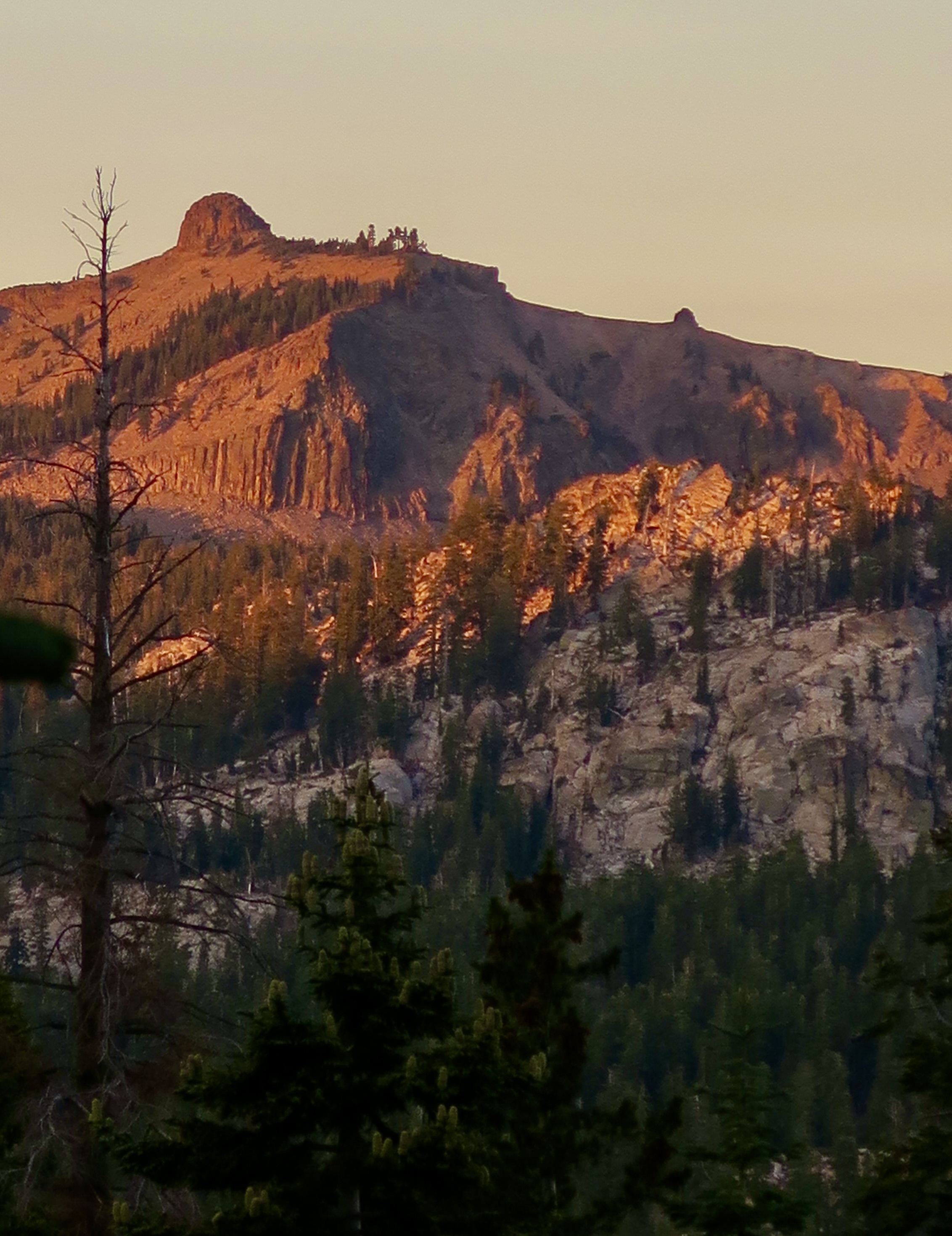
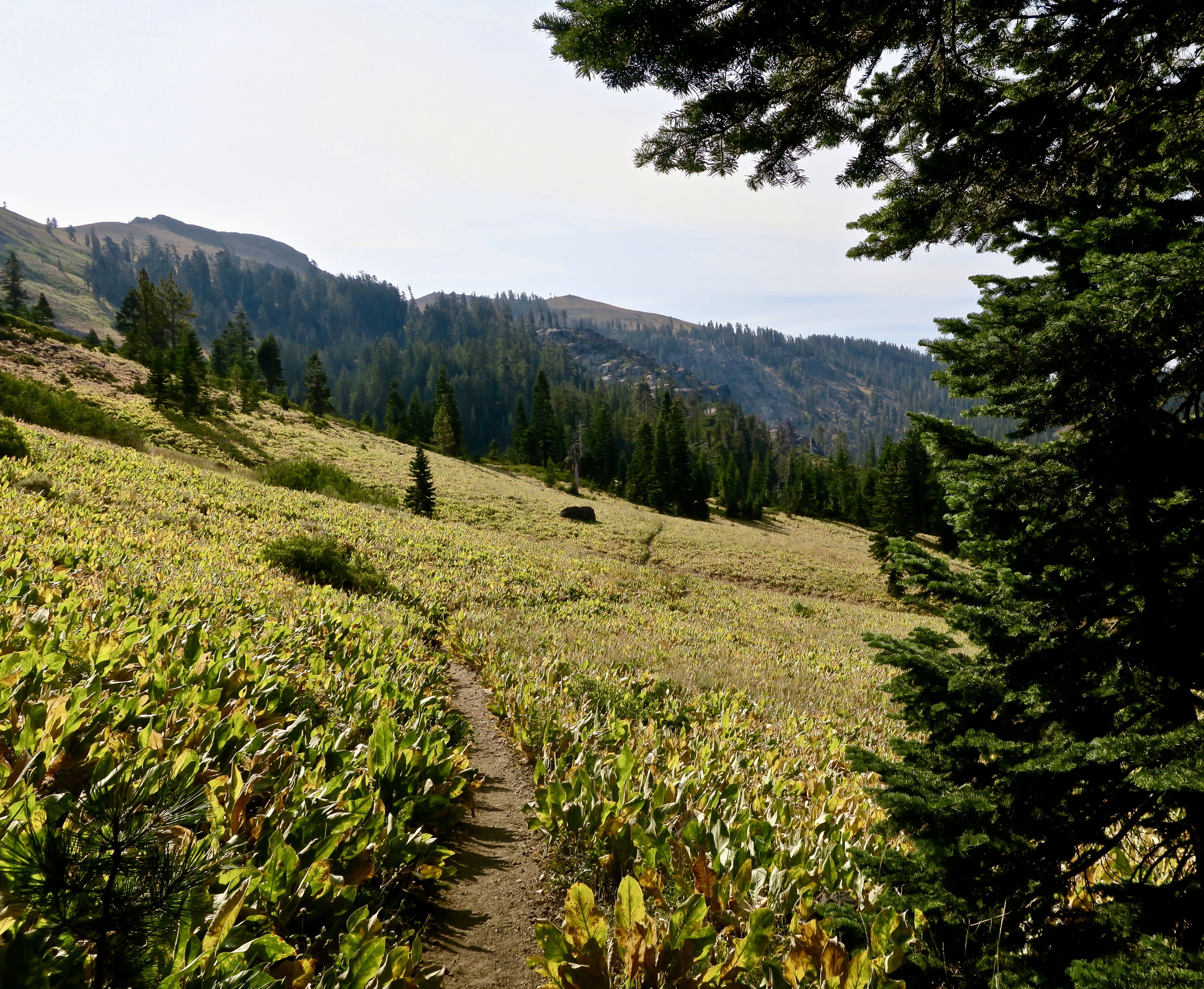
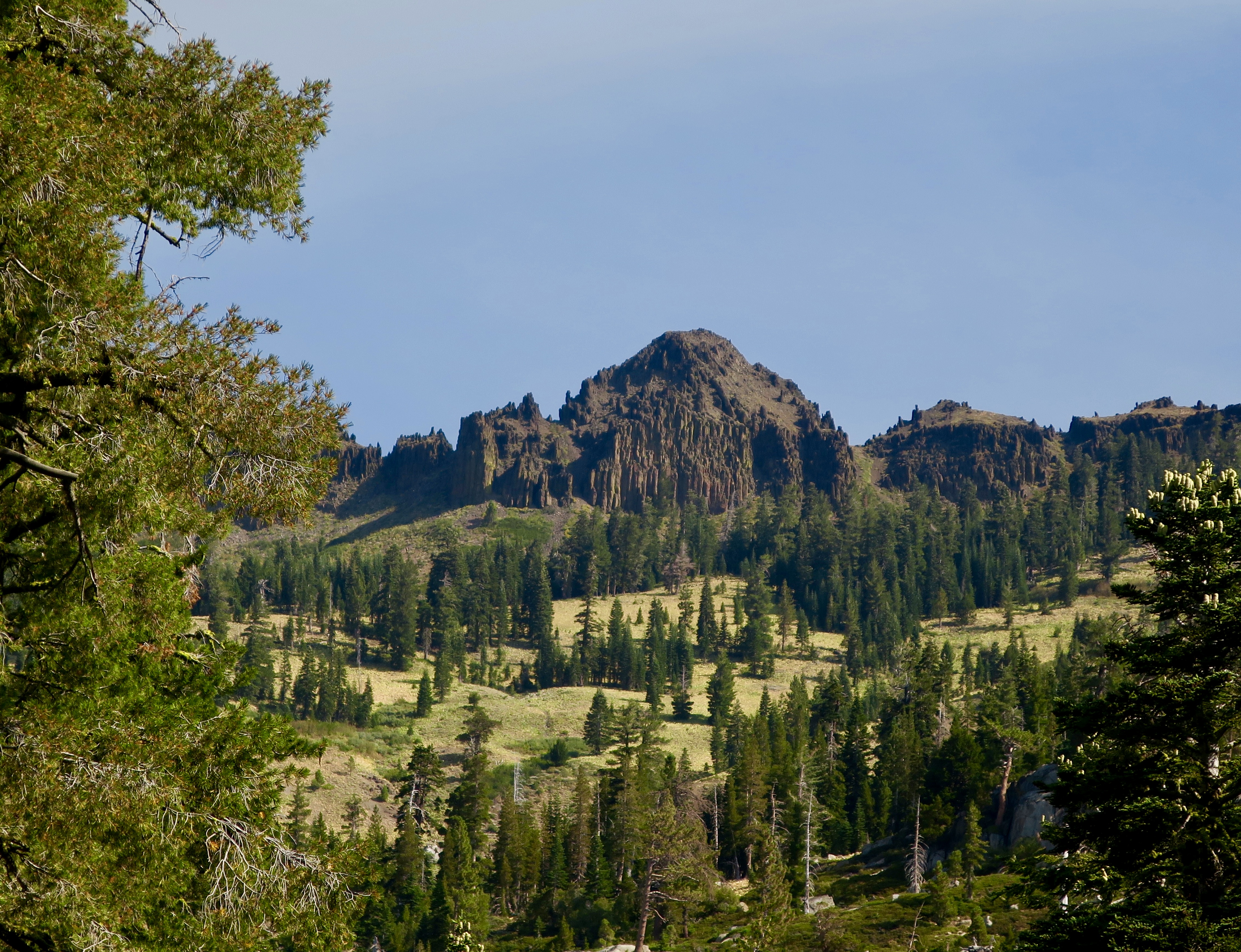
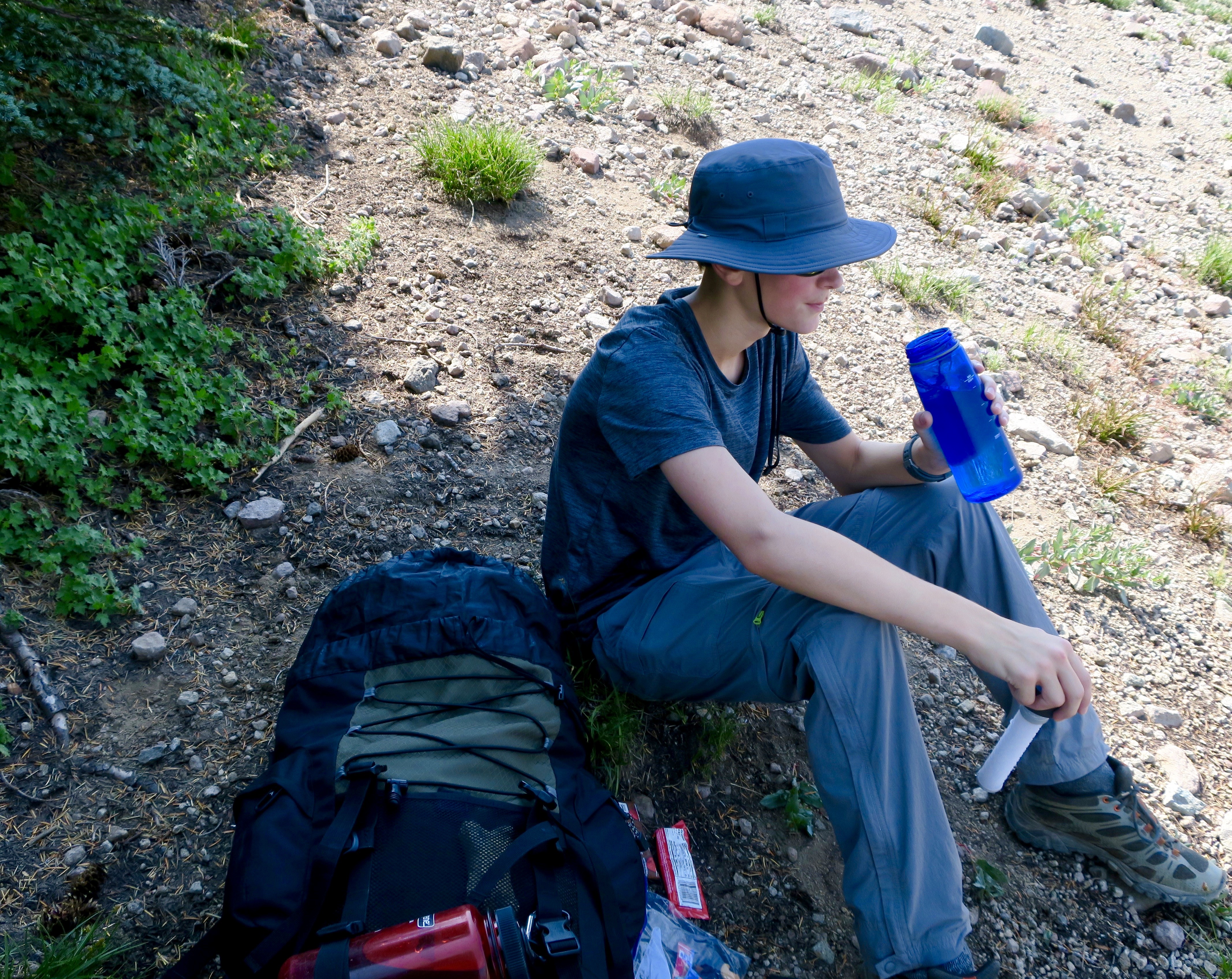
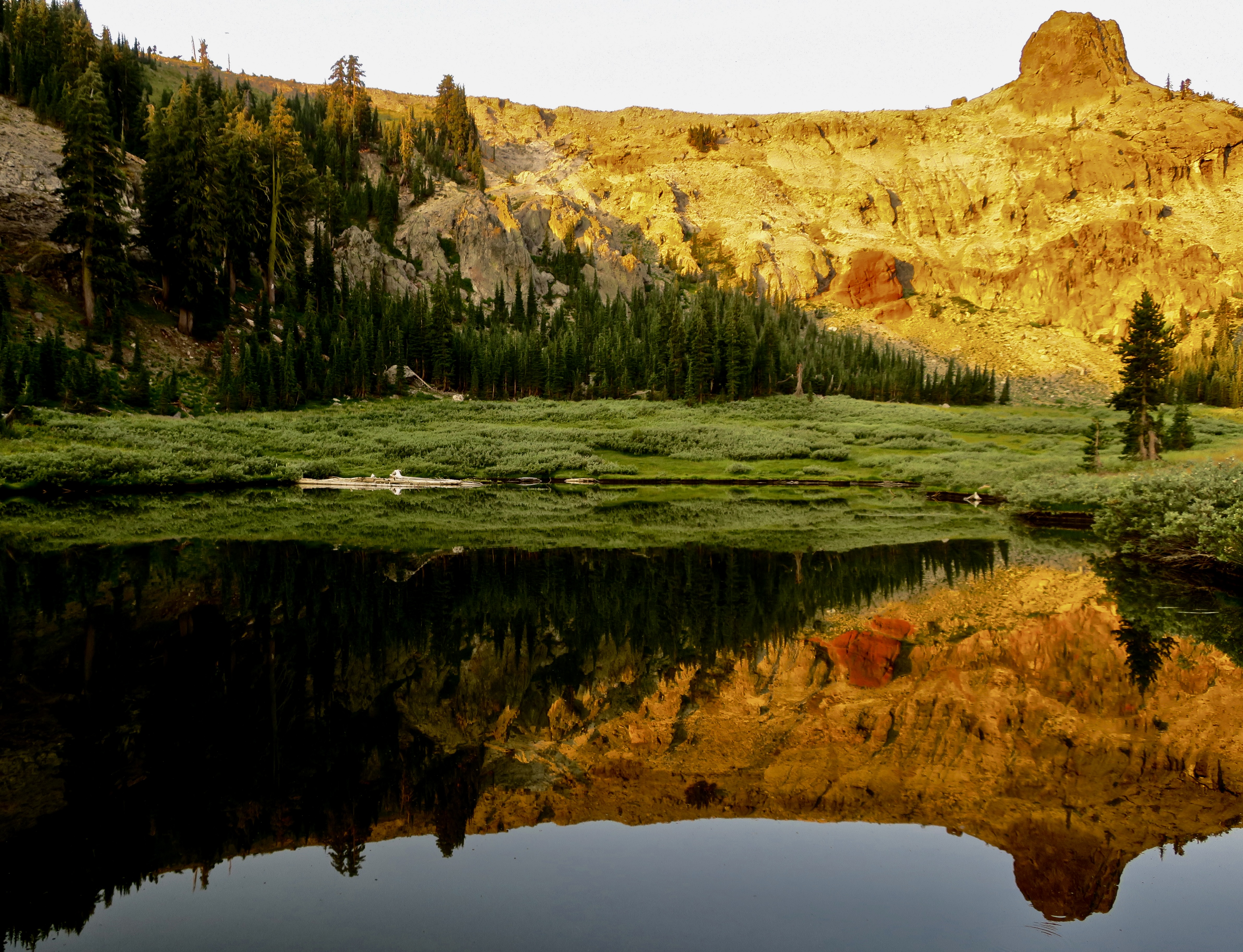
But, now on to my post about hiking through the Granite Chief Wilderness on the Pacific Crest Trail.
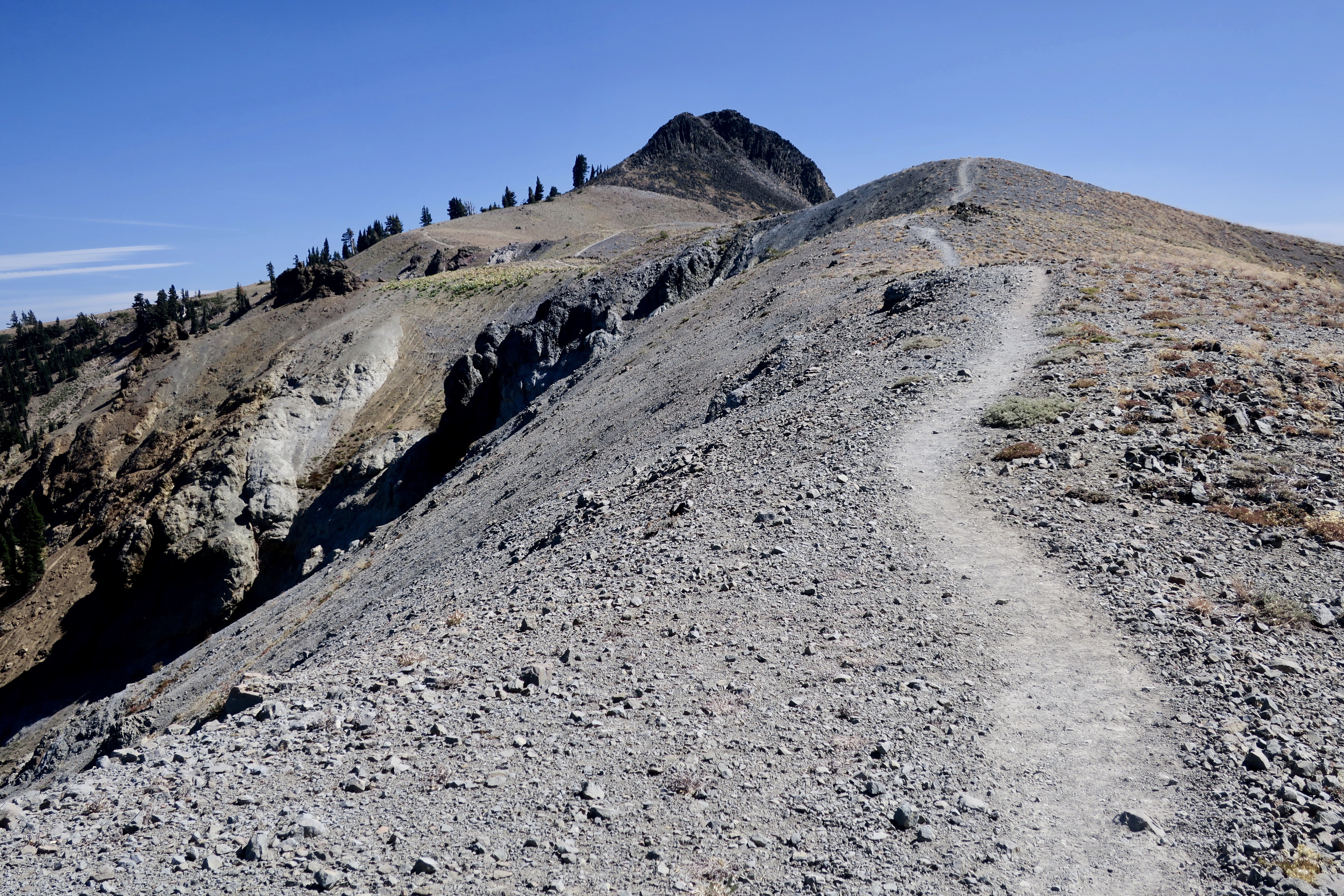
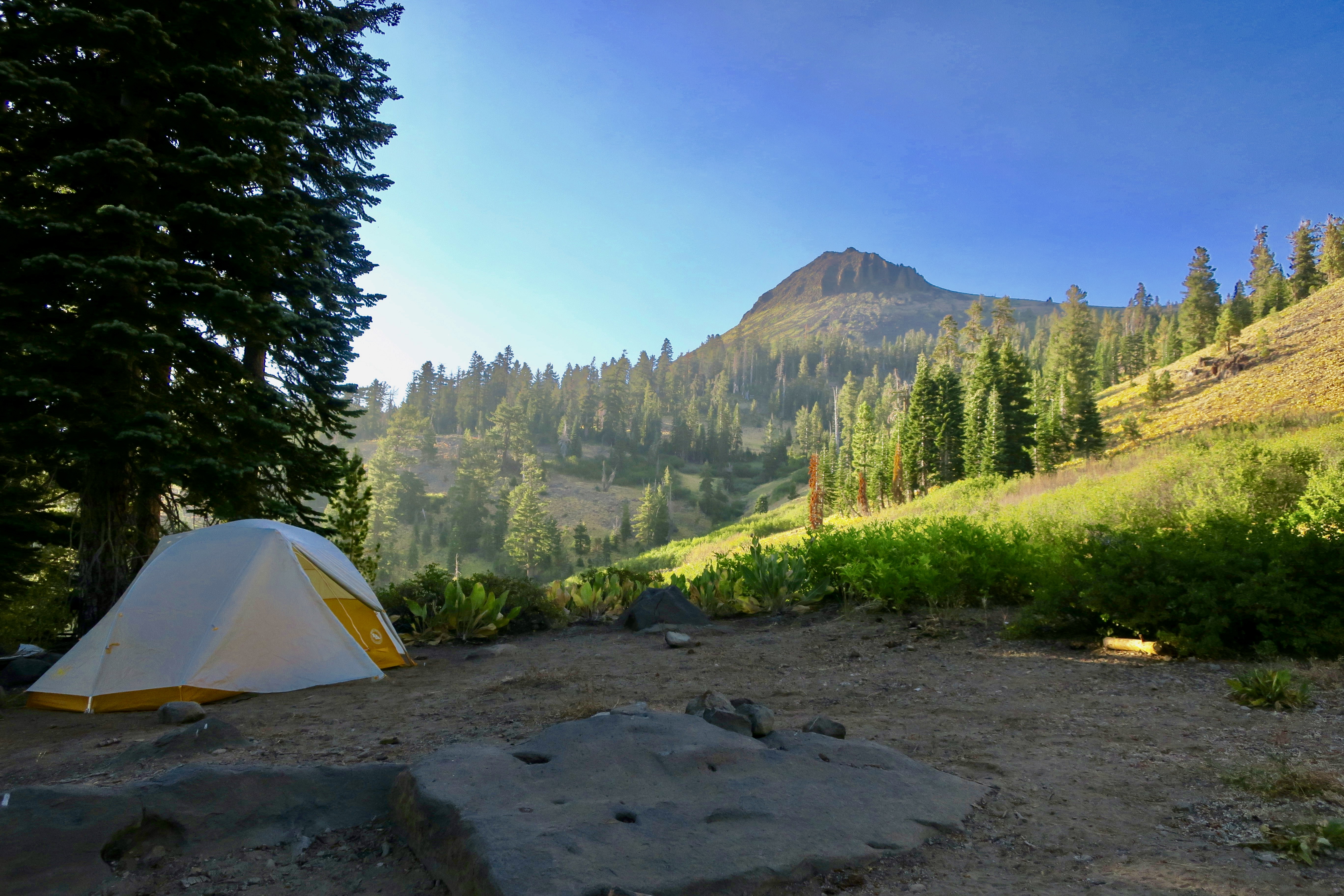
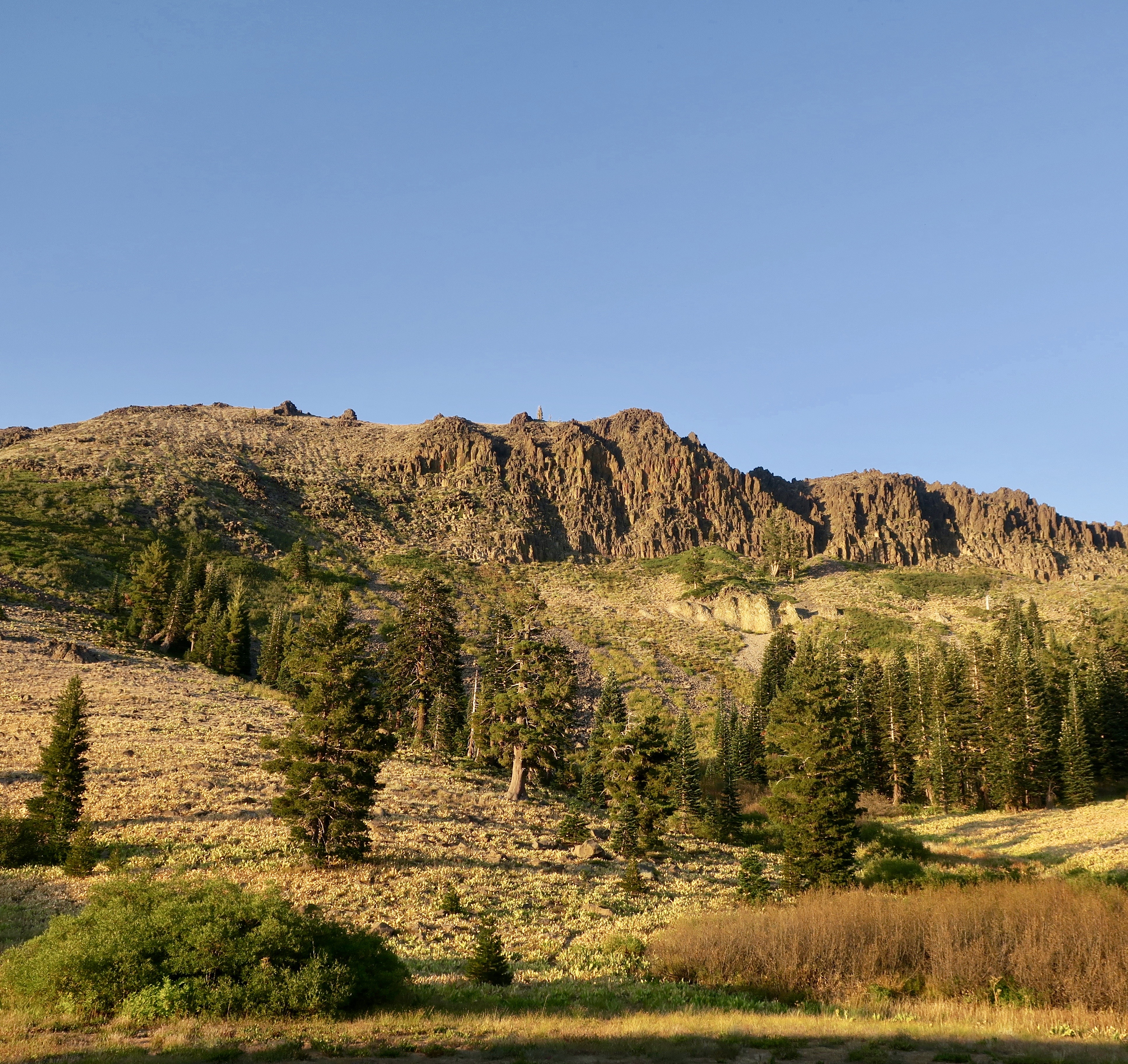

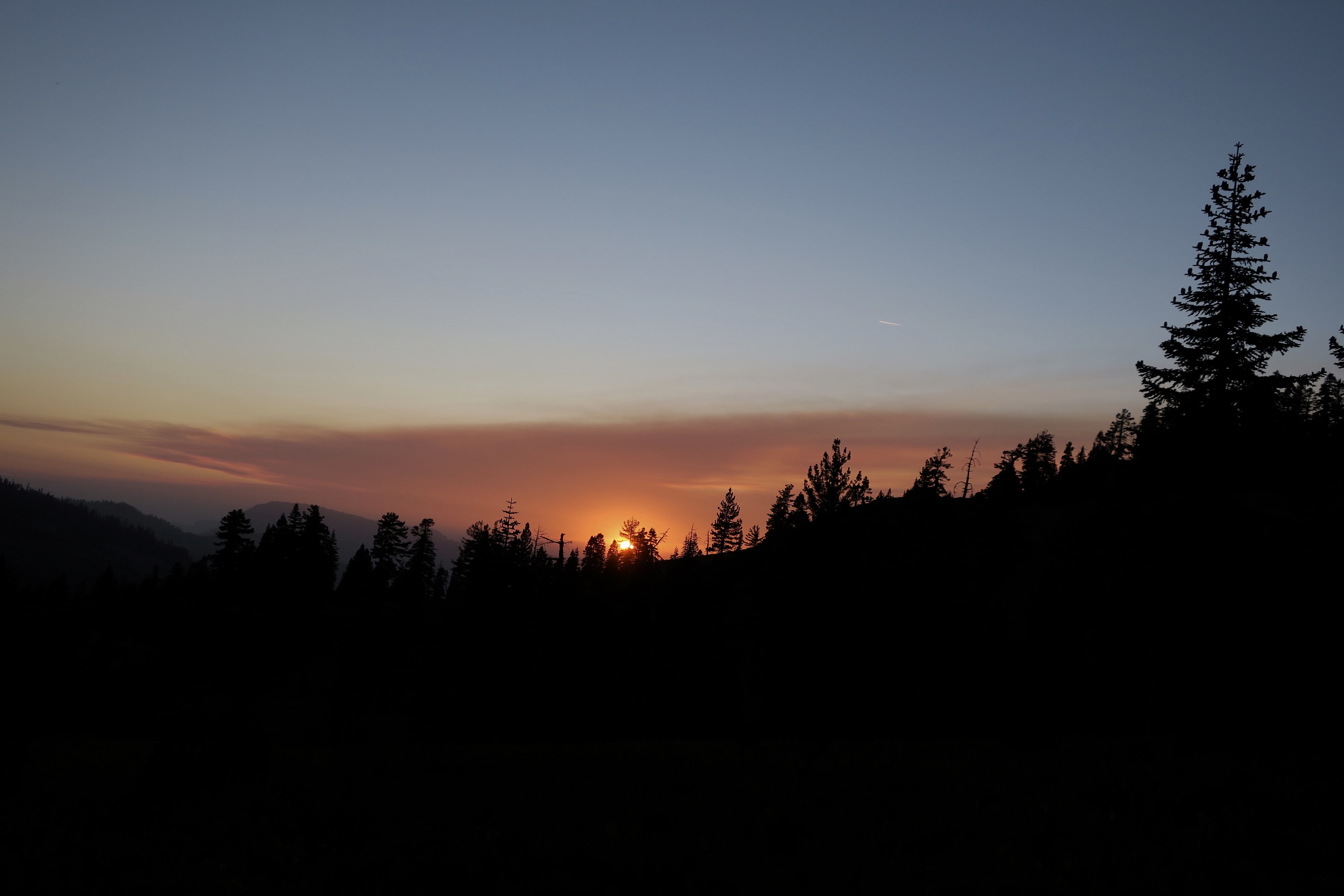
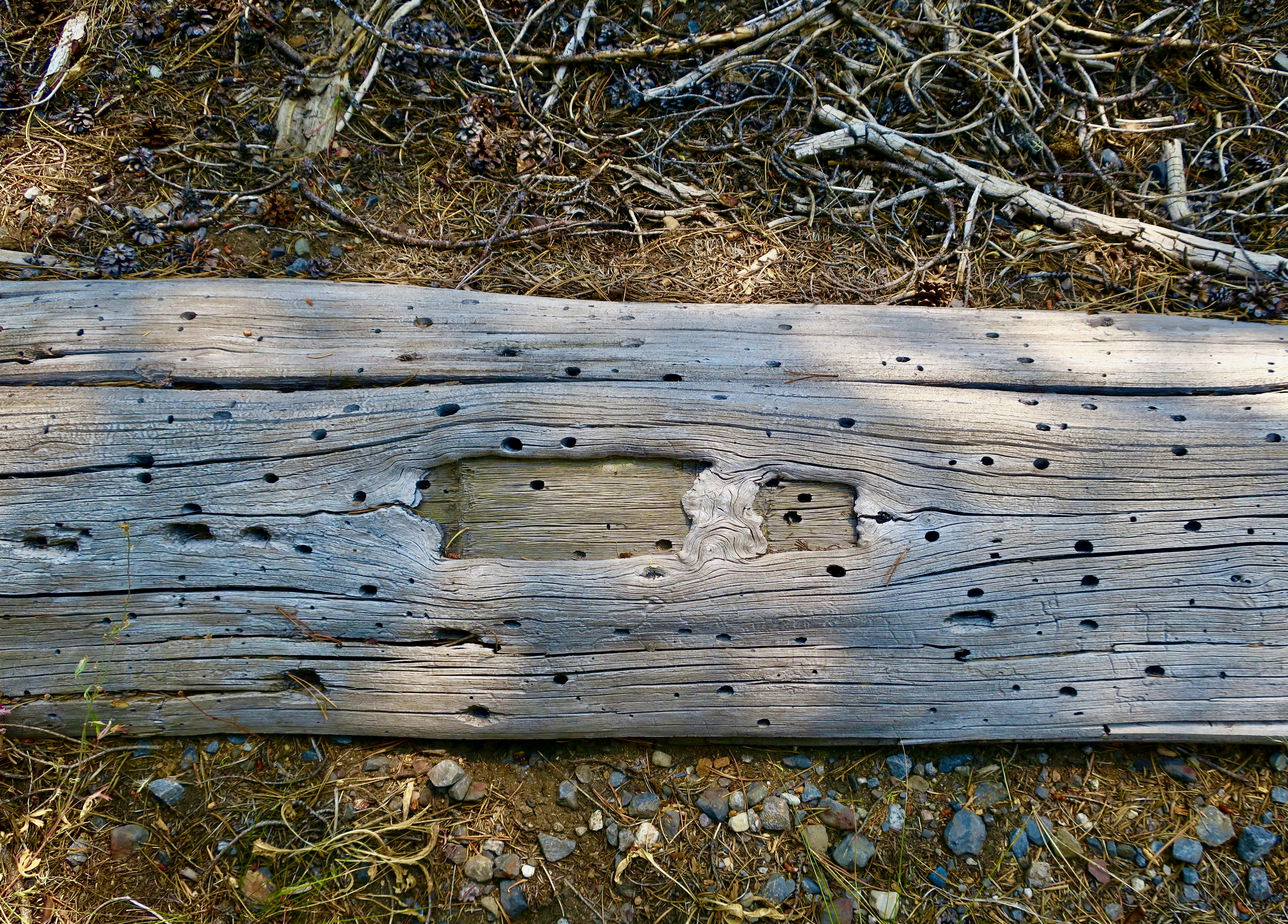
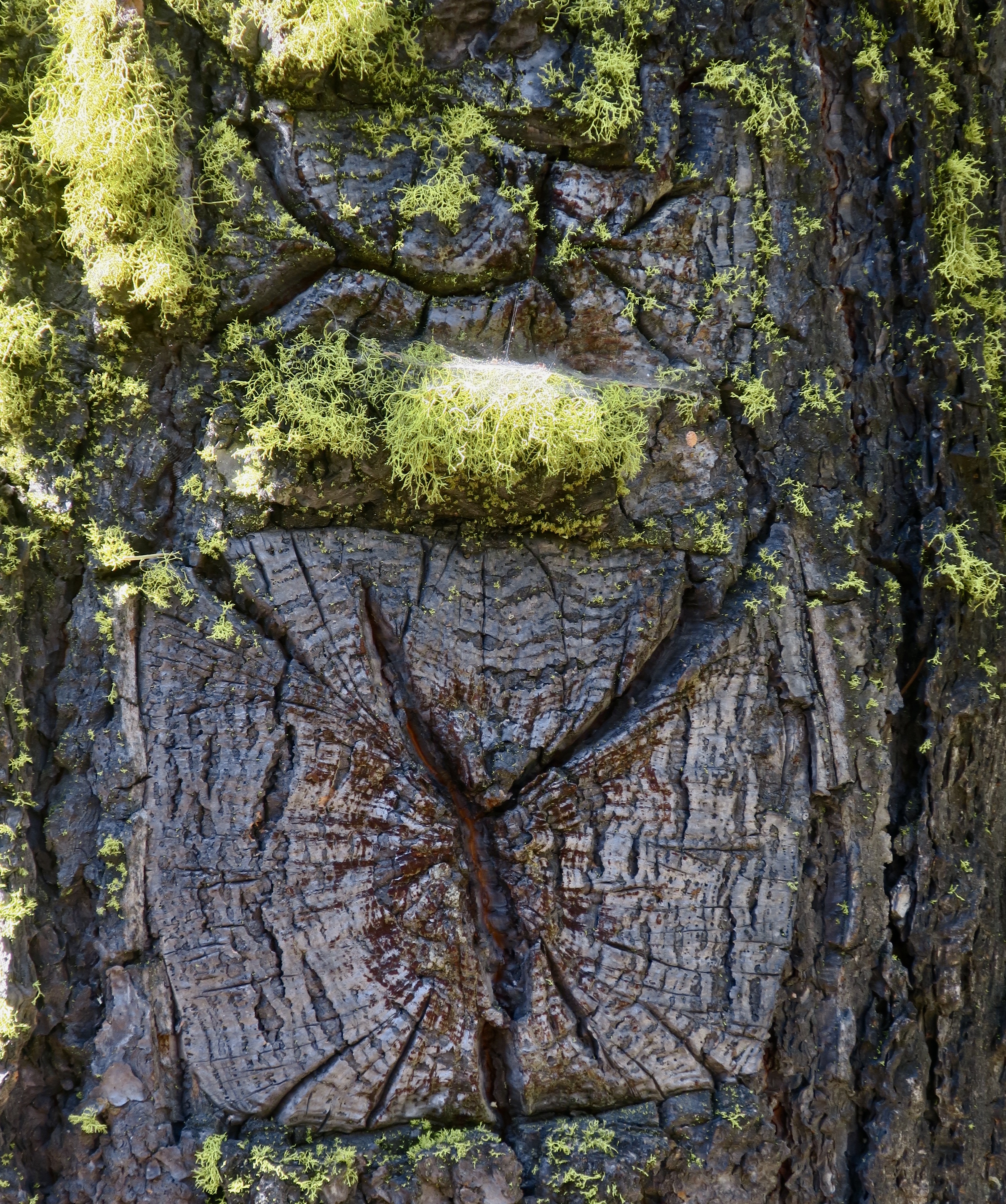
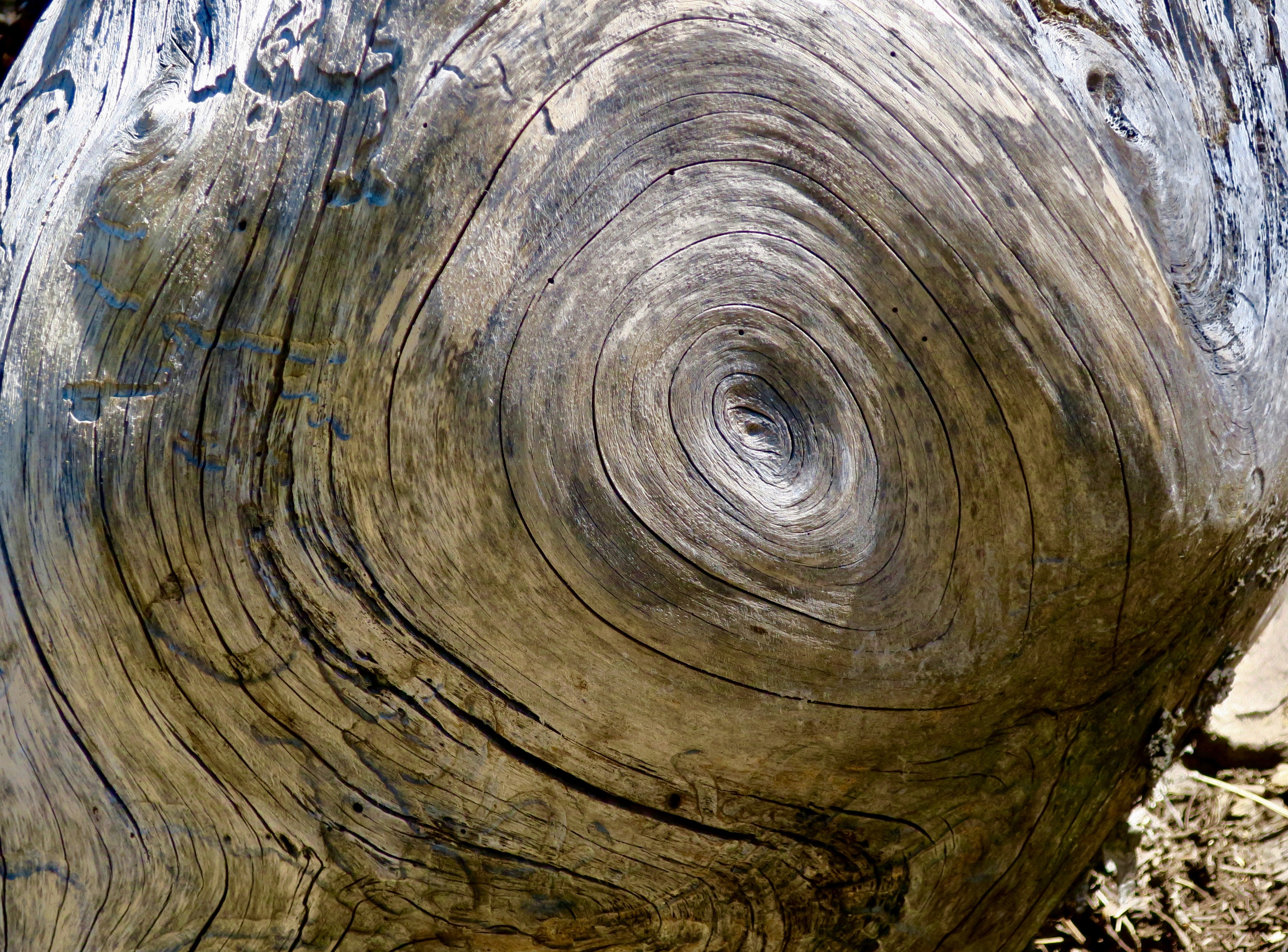
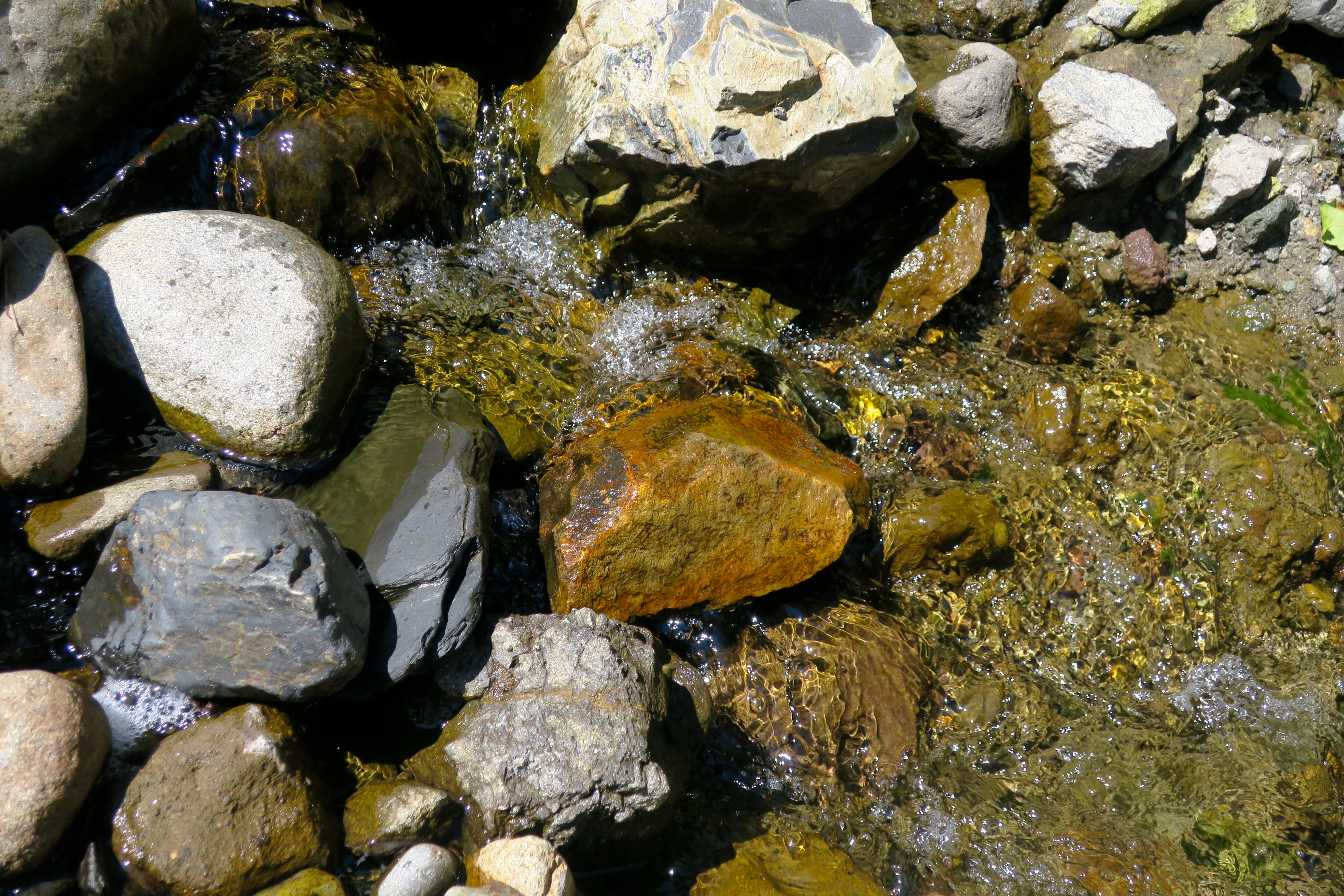
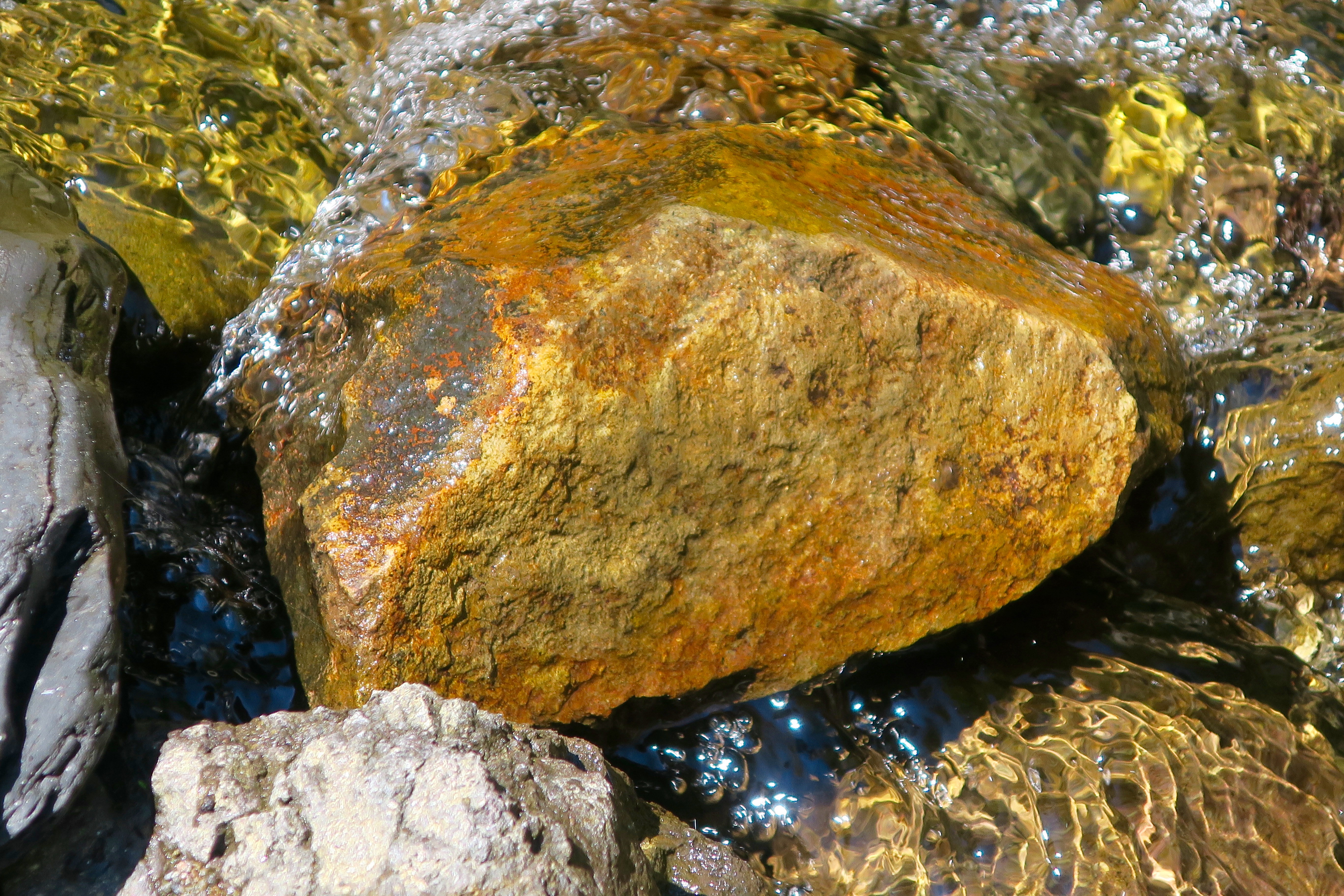
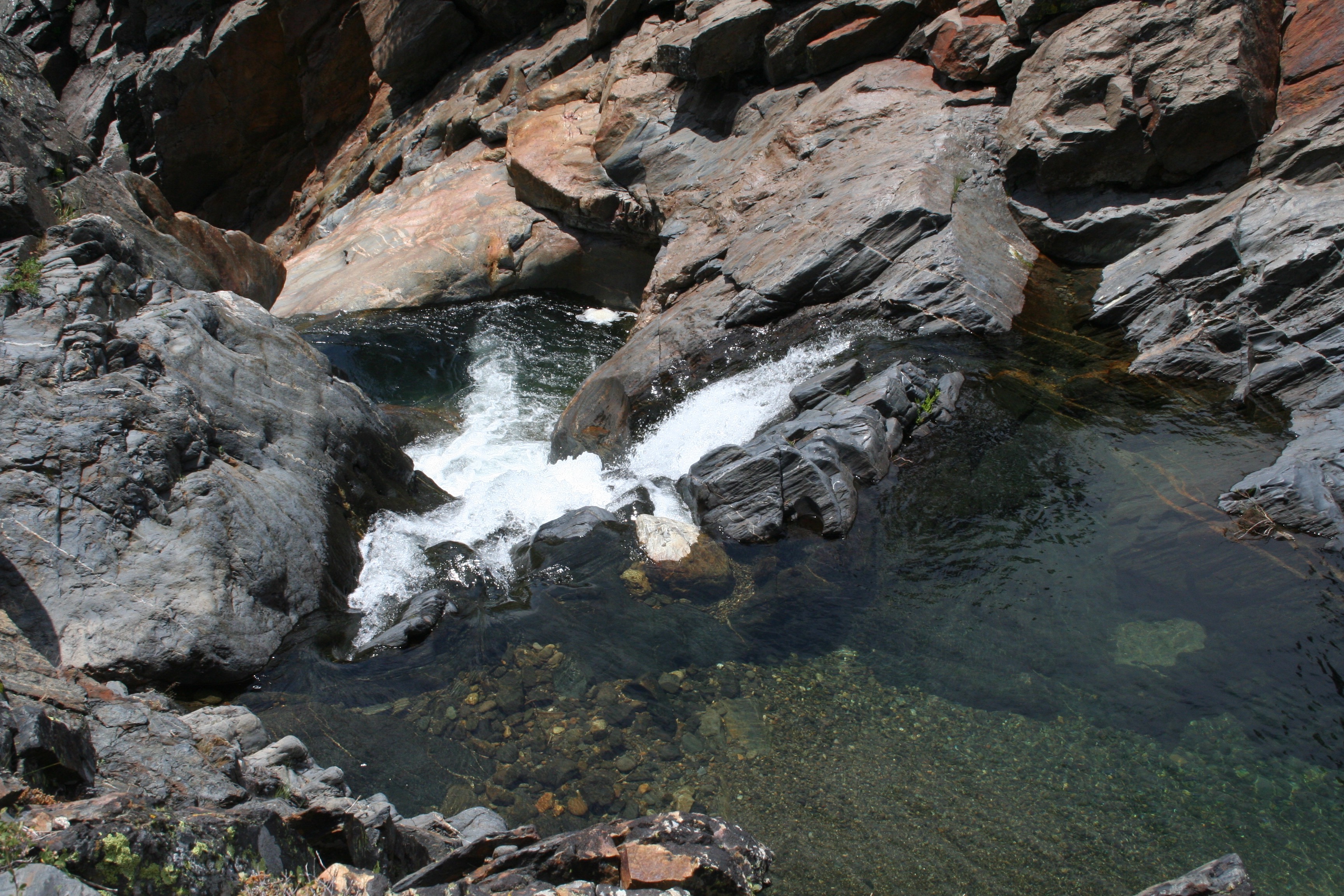
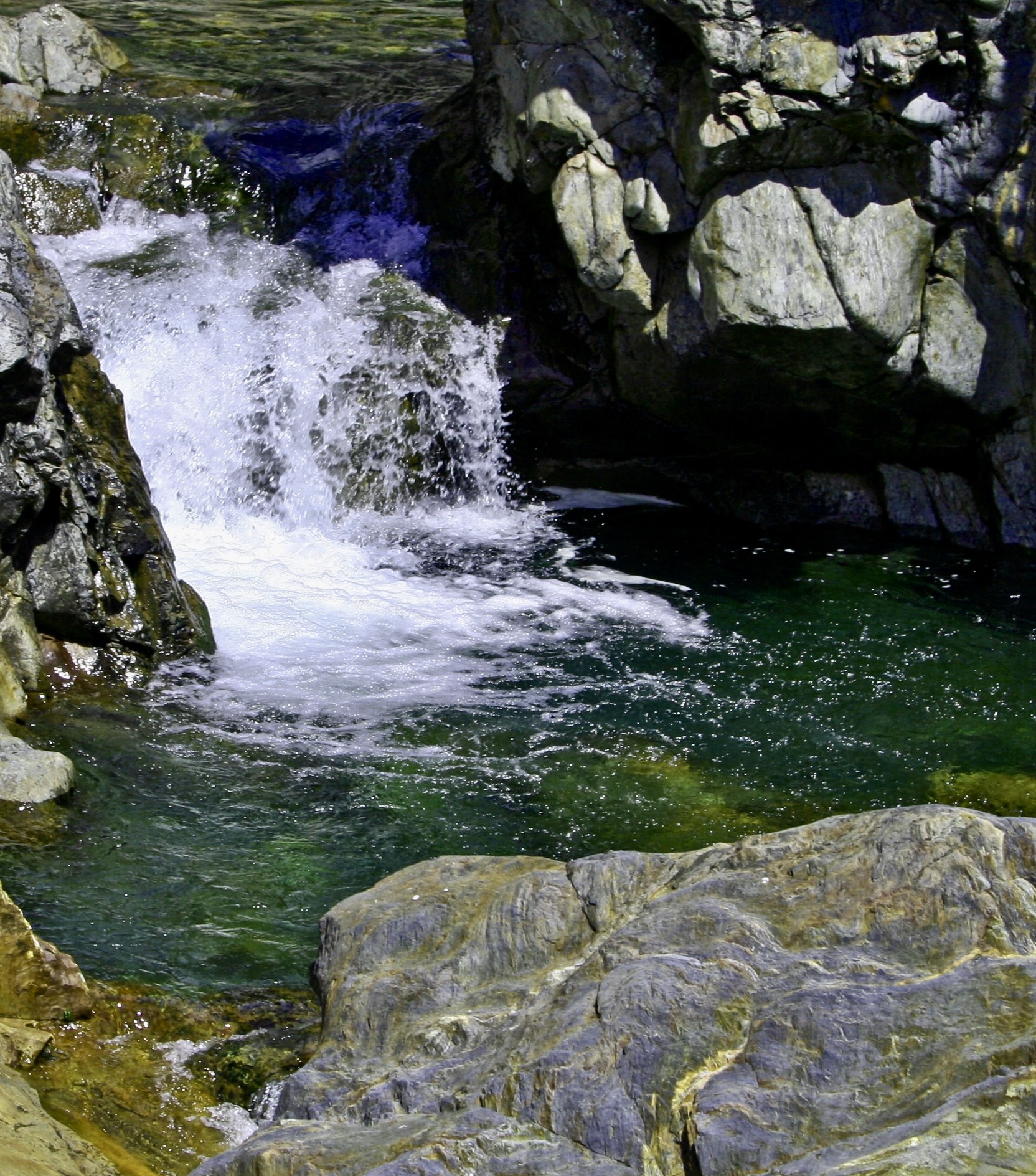
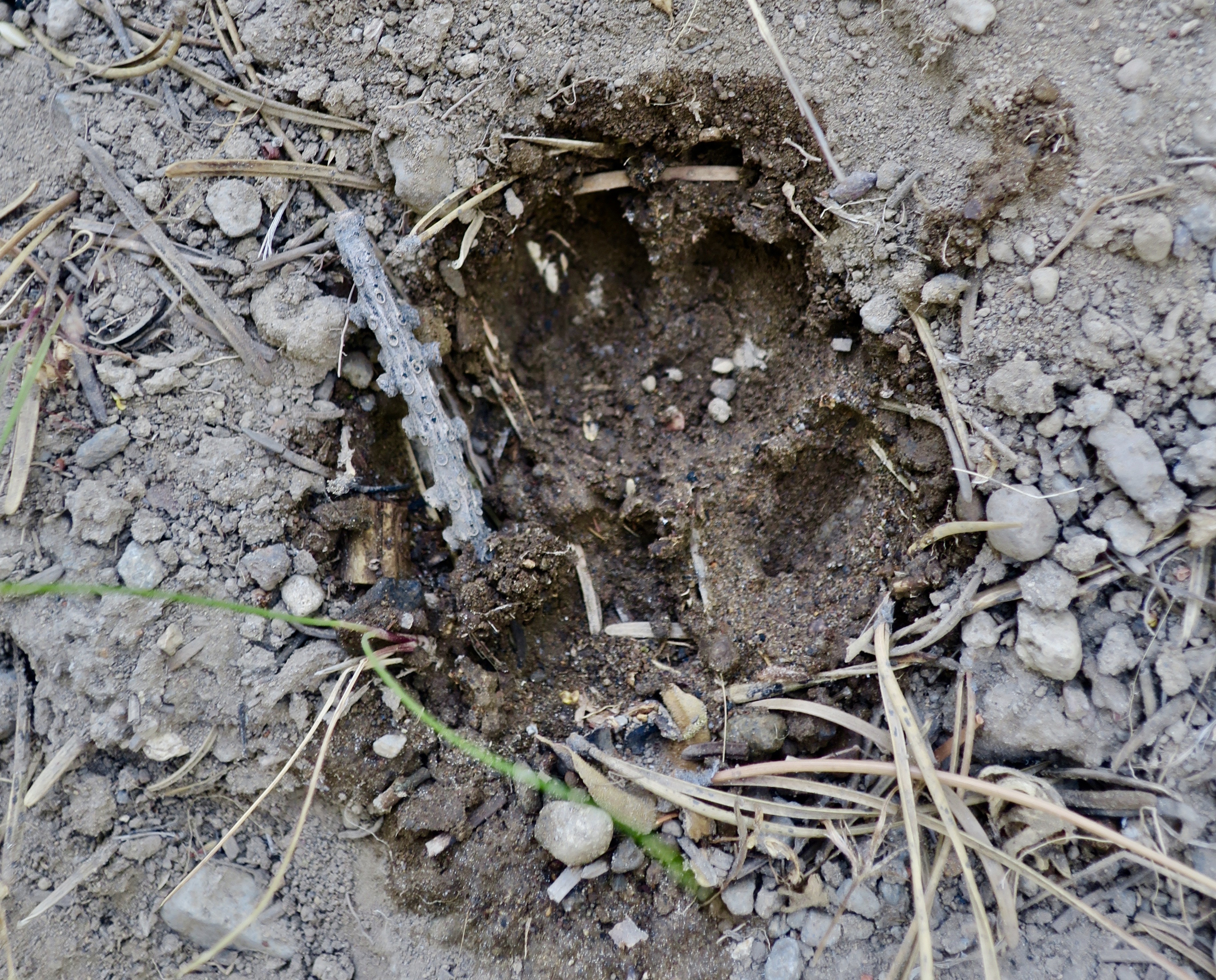
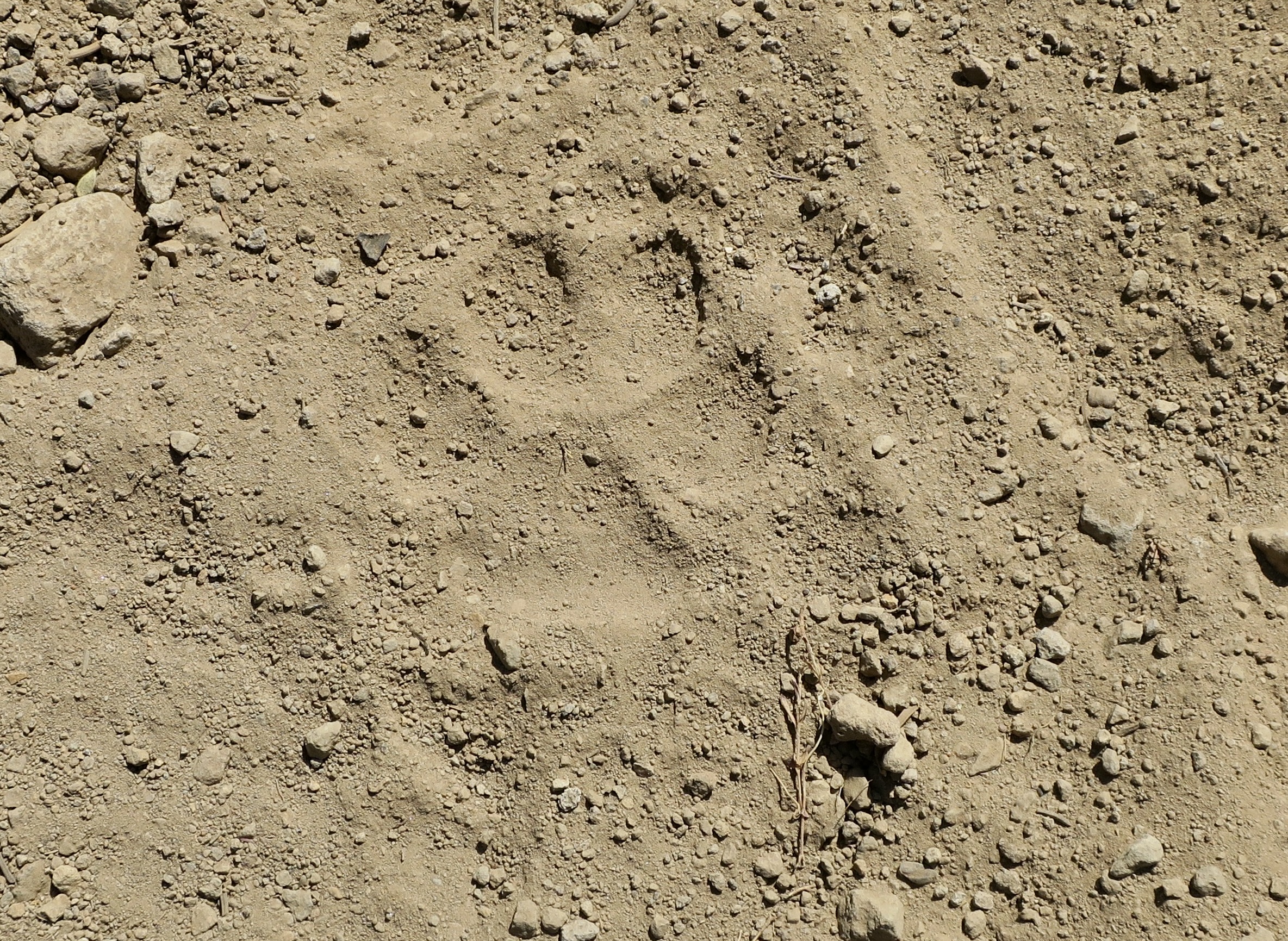
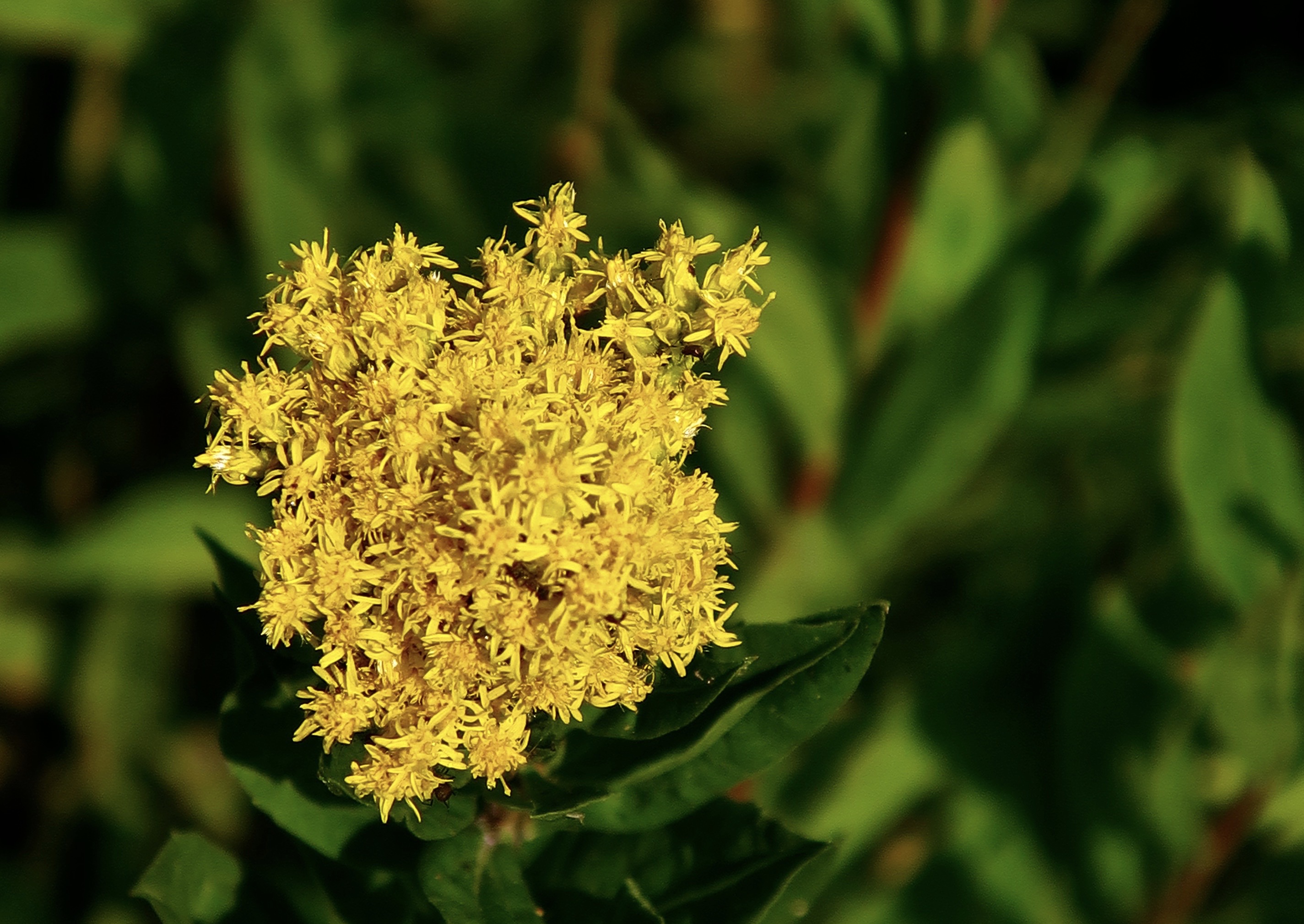
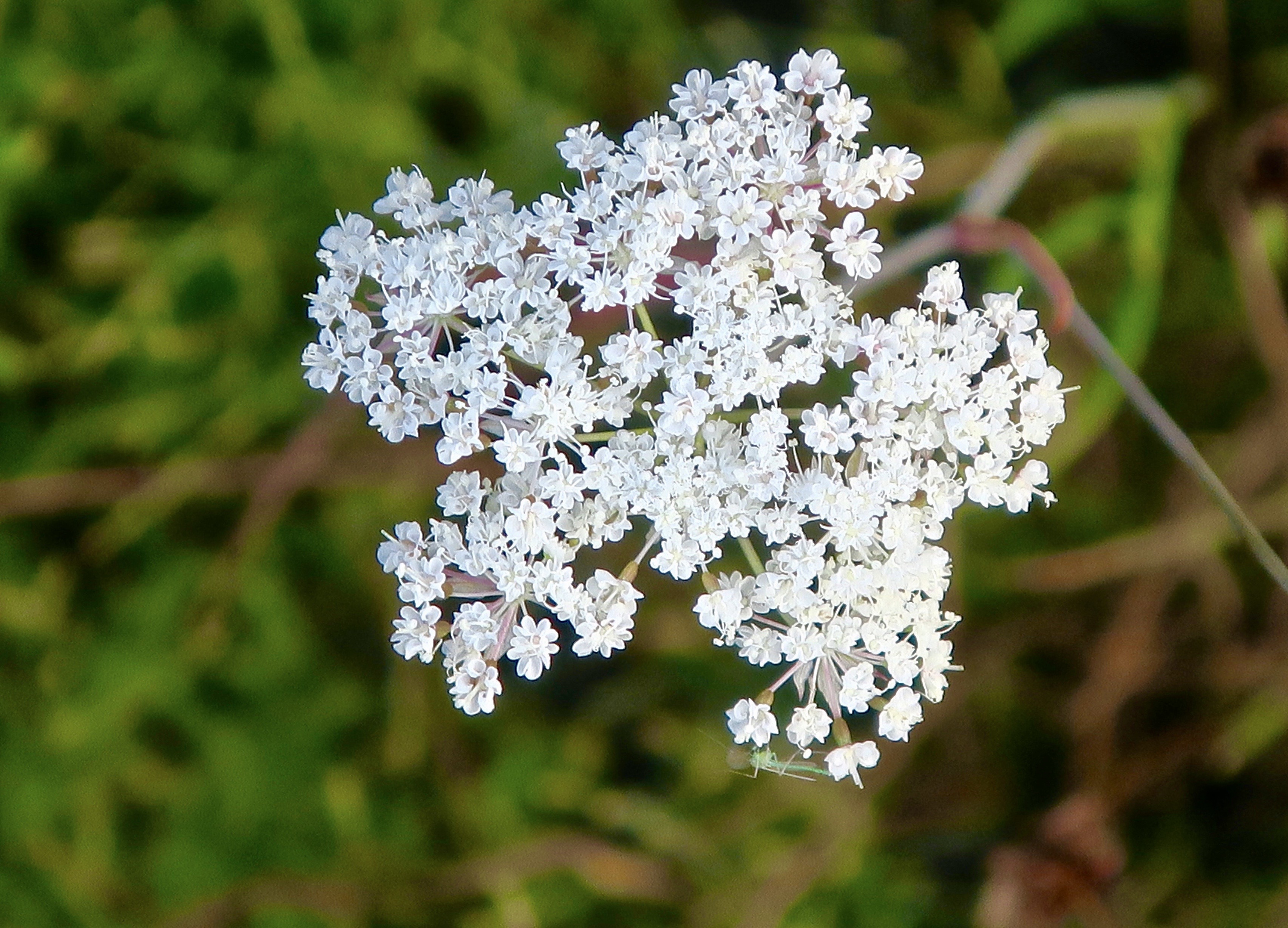
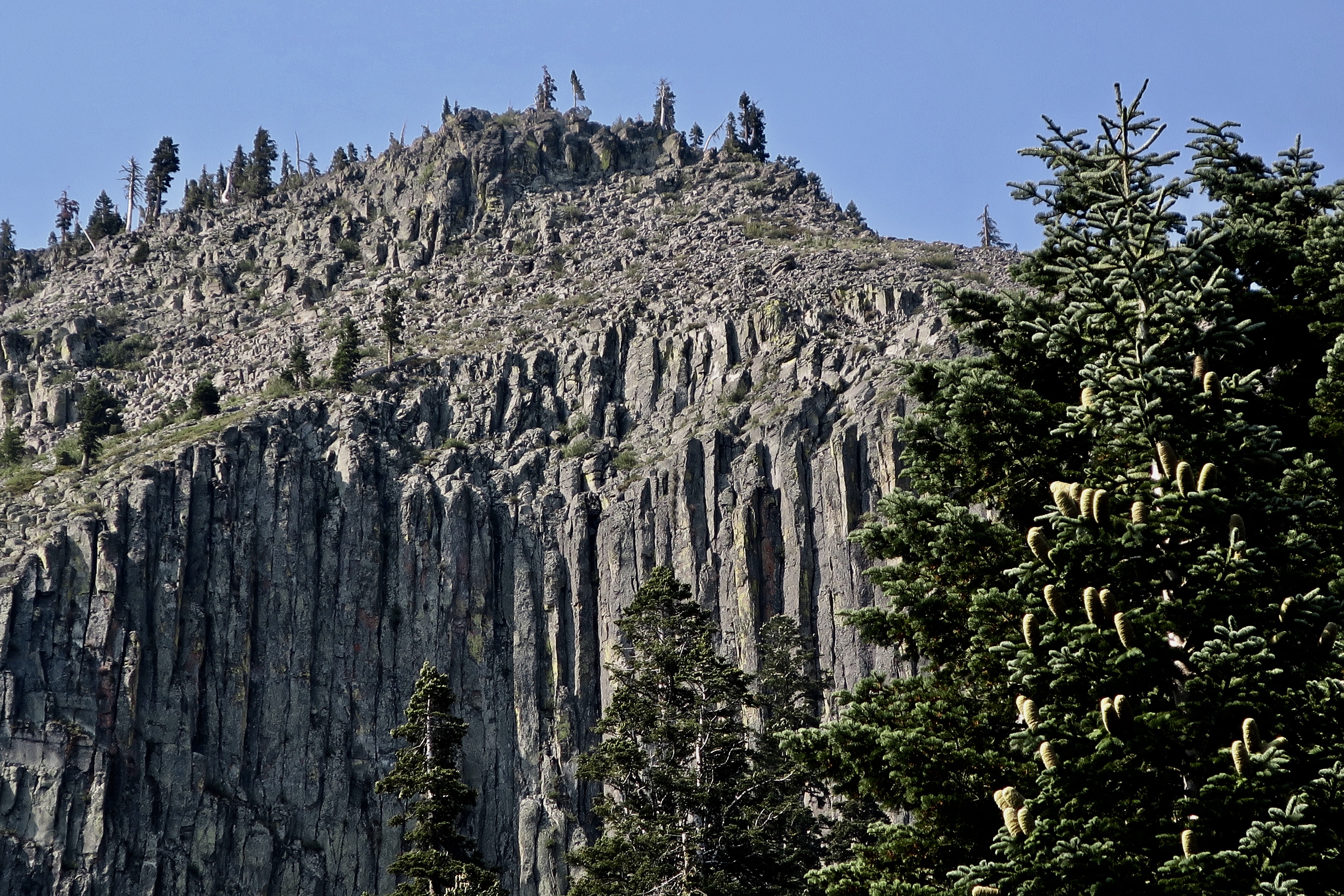
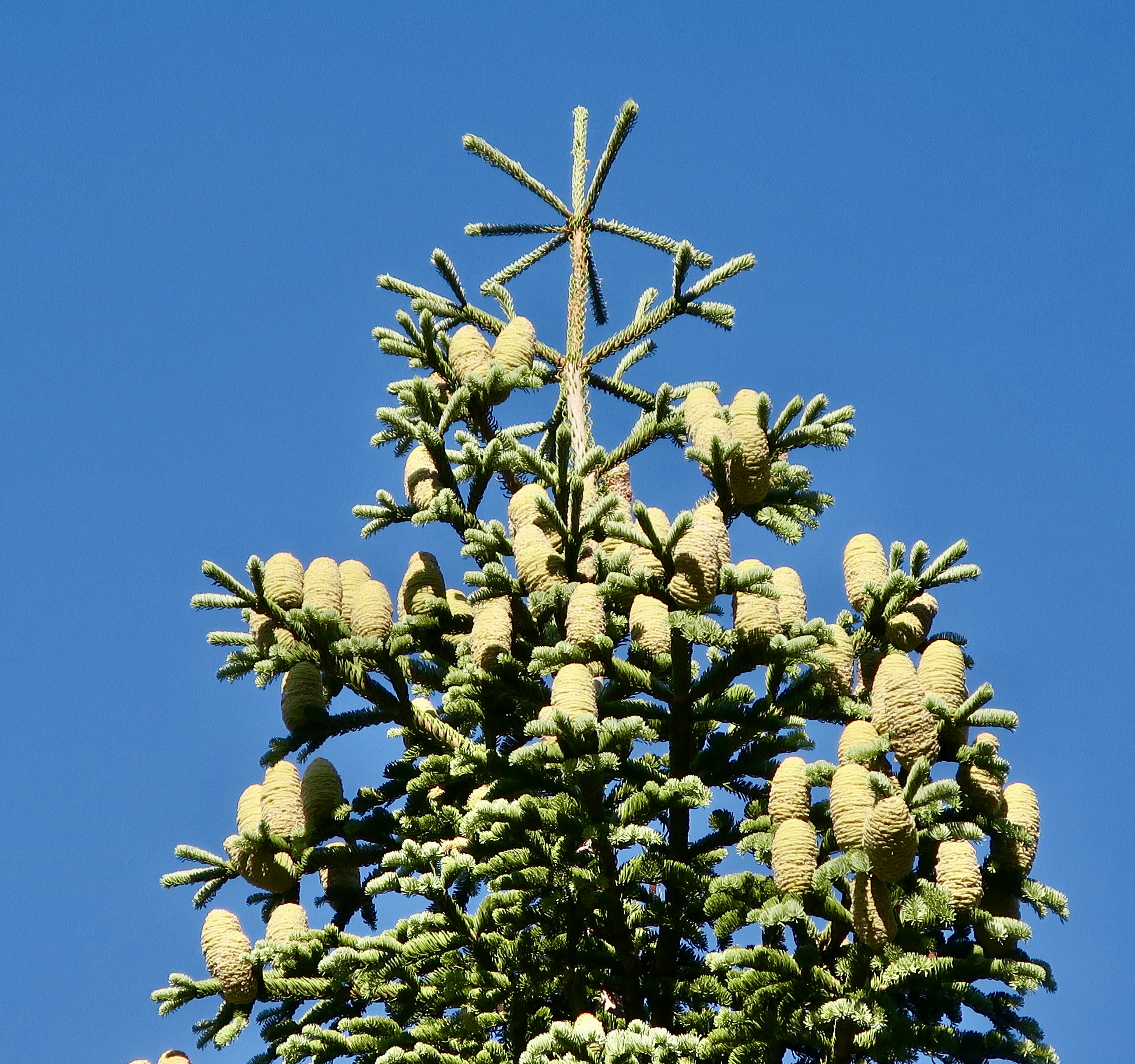
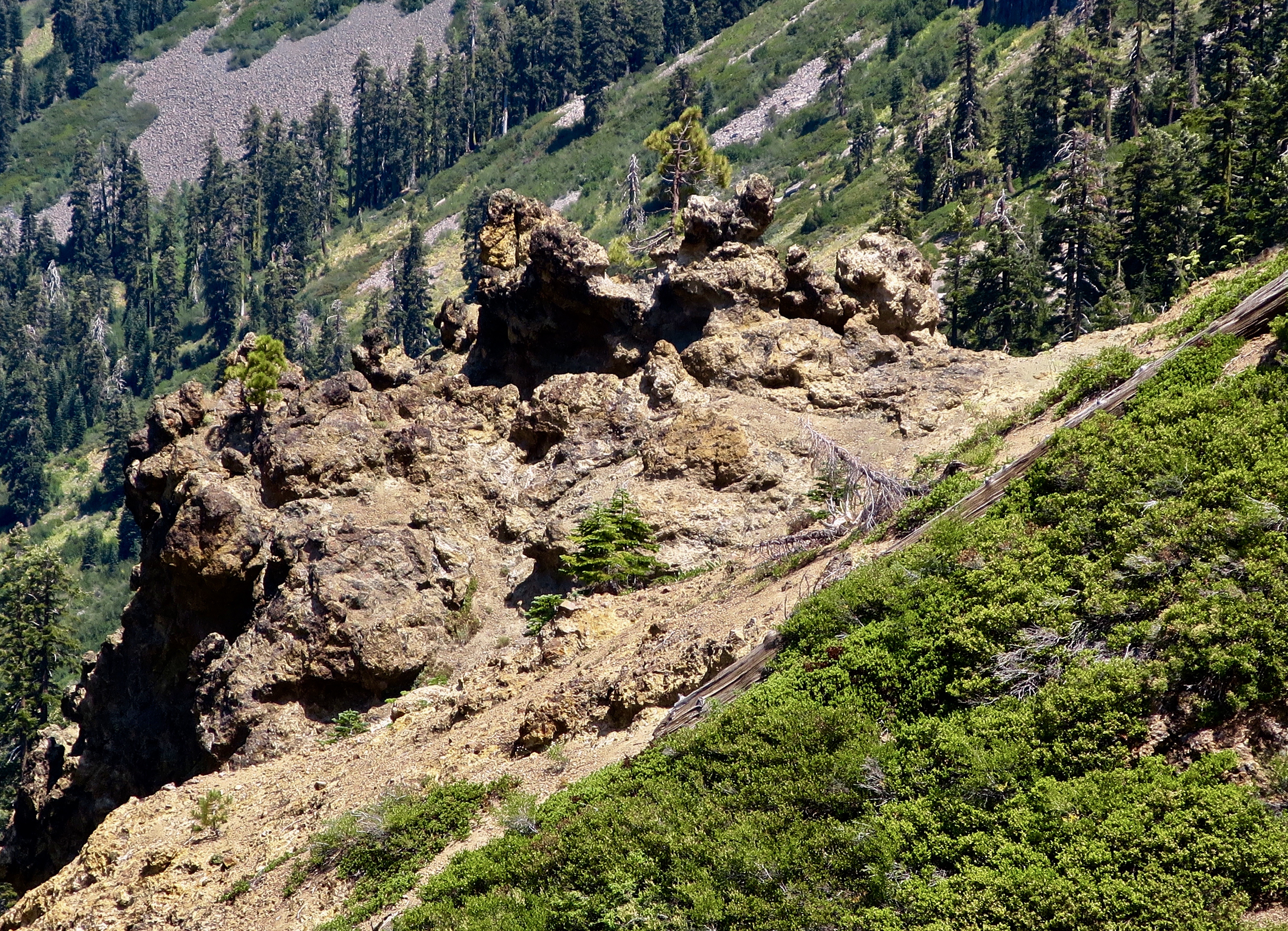
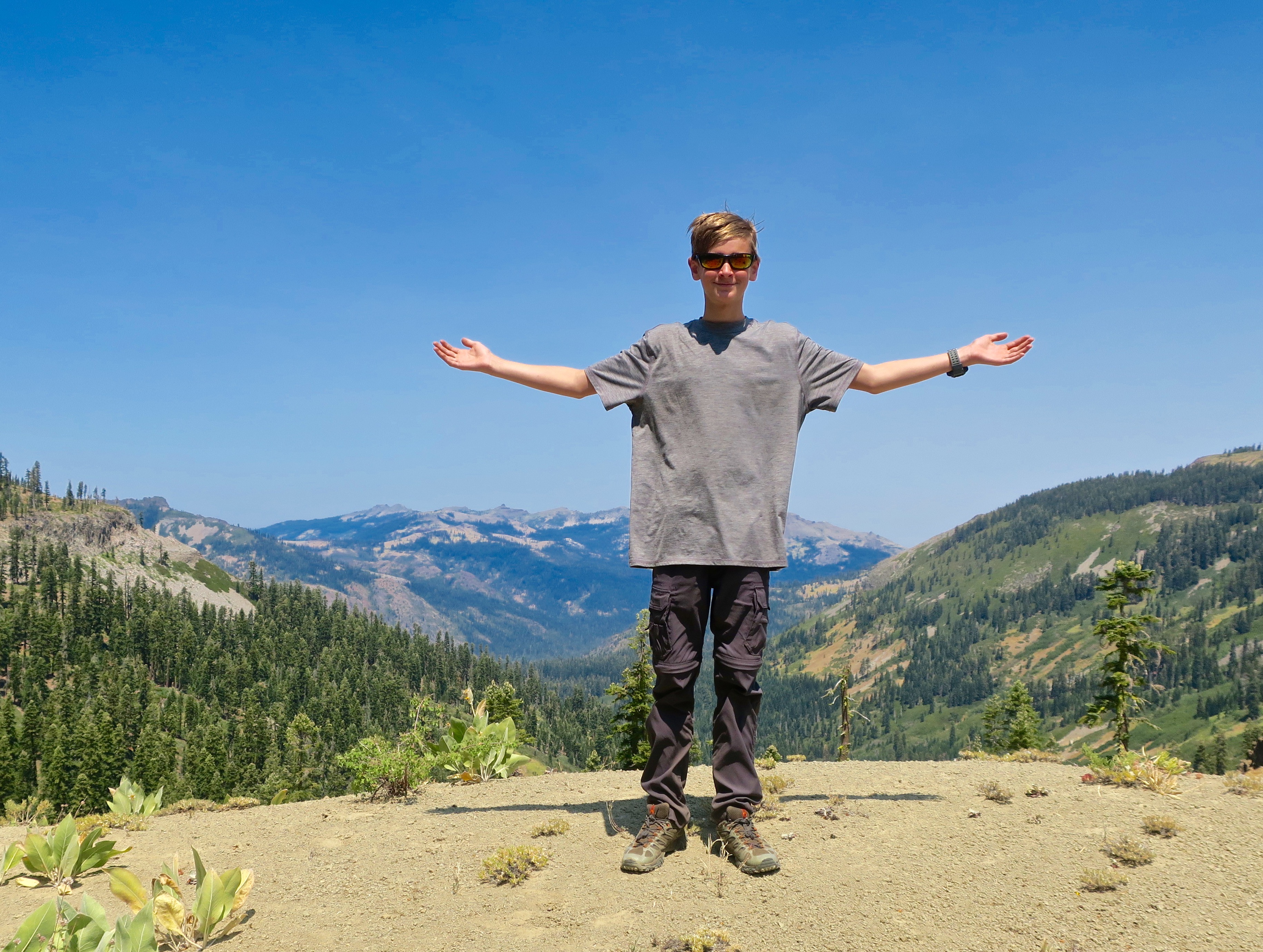
“Look deep into nature, and then you will understand everything better” – Albert Einstein.
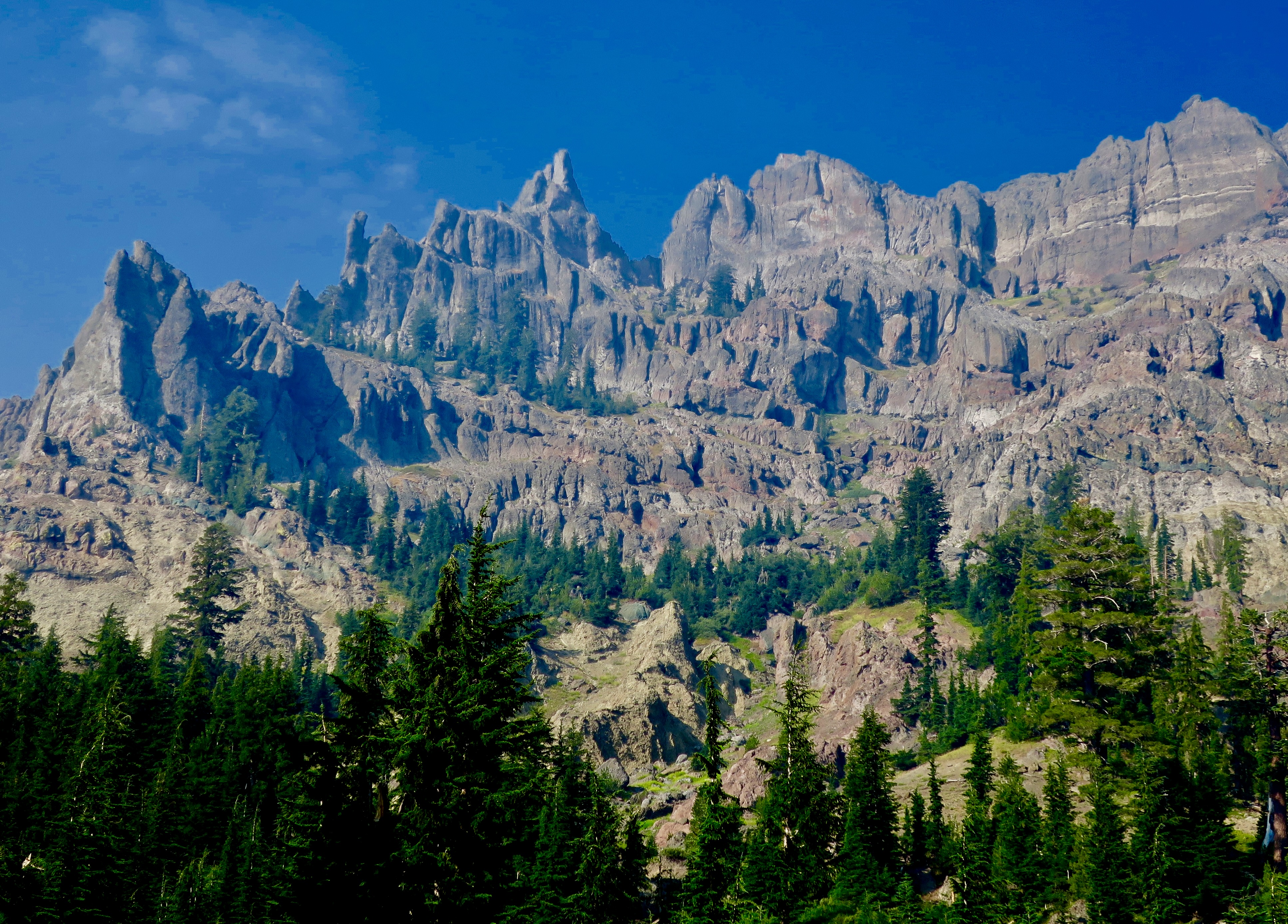
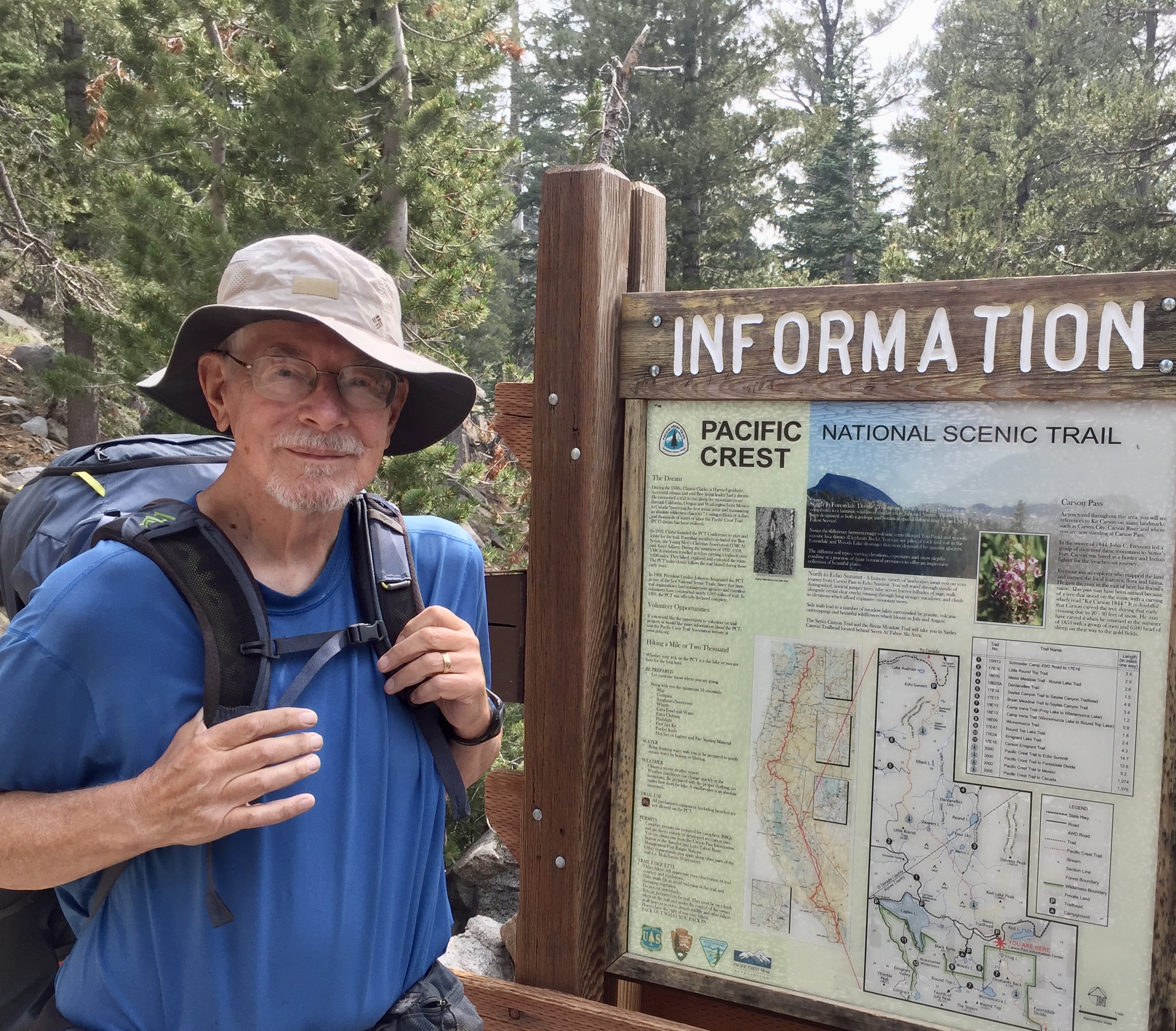
I’m continuing my trip through the Mokelumne Wilderness today, a 30 mile hike along the Pacific Crest Trail between Carson Pass on Highway 88 to Ebbetts Pass on Highway 4 in the Sierra Nevada Mountain Range south of Lake Tahoe. I made the trip in 2018 as part of my 750 mile trip down the PCT to celebrate my 75th Birthday.
This post is part of the series Peggy and I are doing that stresses the great value and need to protect our national parks, monuments, wilderness areas and other public lands in light of efforts by the Trump Administration to reduce them in size and— in some cases, totally eliminate them— to open new areas for economic development and exploitation as part of his Make America Great Again plan.
There have been two instances of administrative and legislative actions since my last post that are particularly worrisome:
One: A decision by Trump’s Department of Justice this past week that the President has the right to abolish National Monuments on his whim without any public input or due process.
Two: A Senate Bill in support of Trump’s efforts was introduced by Republican Senator Mike Lee of Utah to require that not less than 50% or more than 75% of BLM and National Forest Service land be sold off. Lee’s claim is it will provide land for affordable housing. Really? Given that his support for accessible housing in the past has been to introduce legislation to eliminate or defund affordable housing programs, one can only wonder what his actual motivation is.
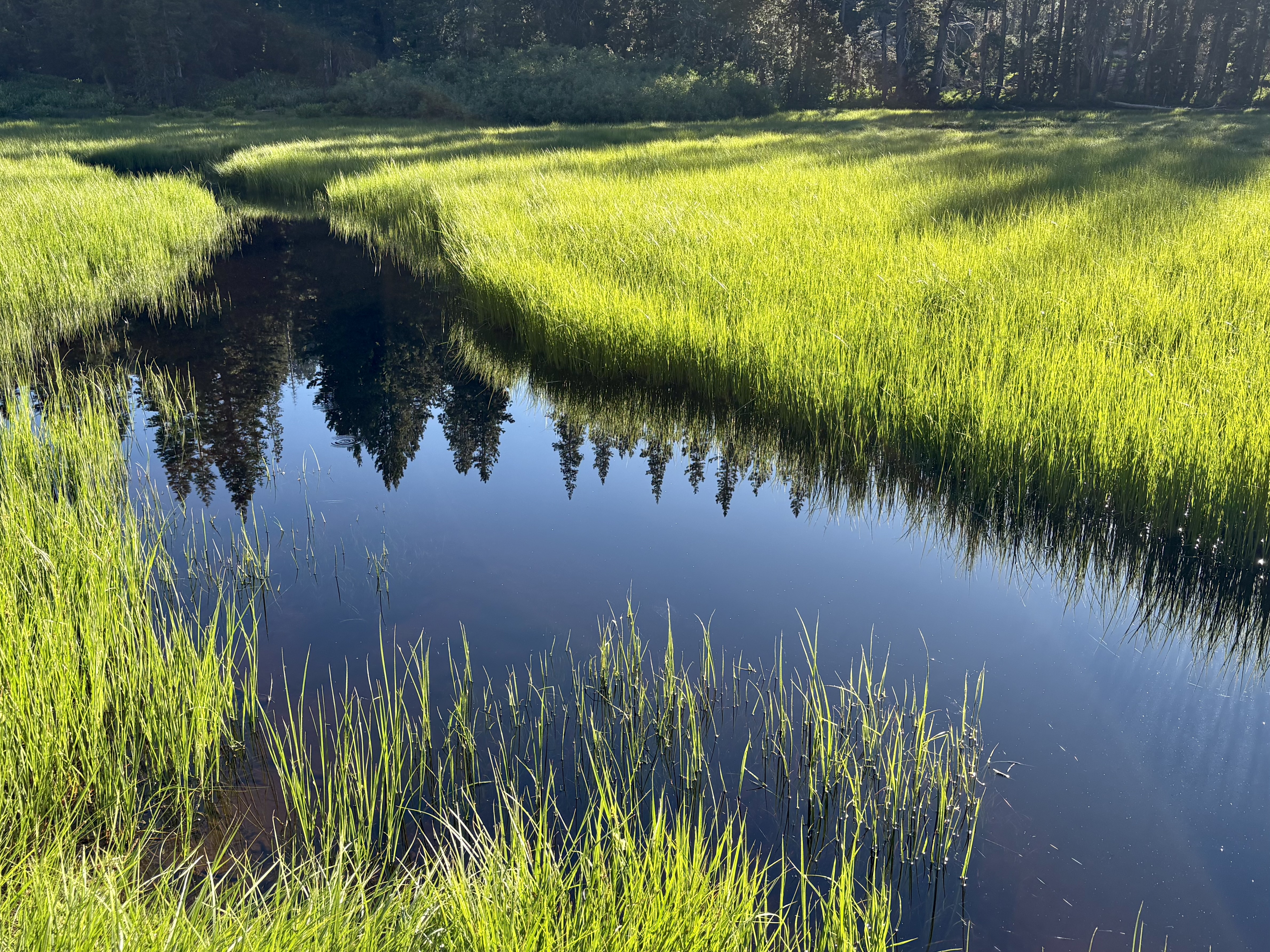
Now, back to our celebration of the beauty and value of our remaining wild areas with photos I took while backpacking through the Mokelumne Wilderness.
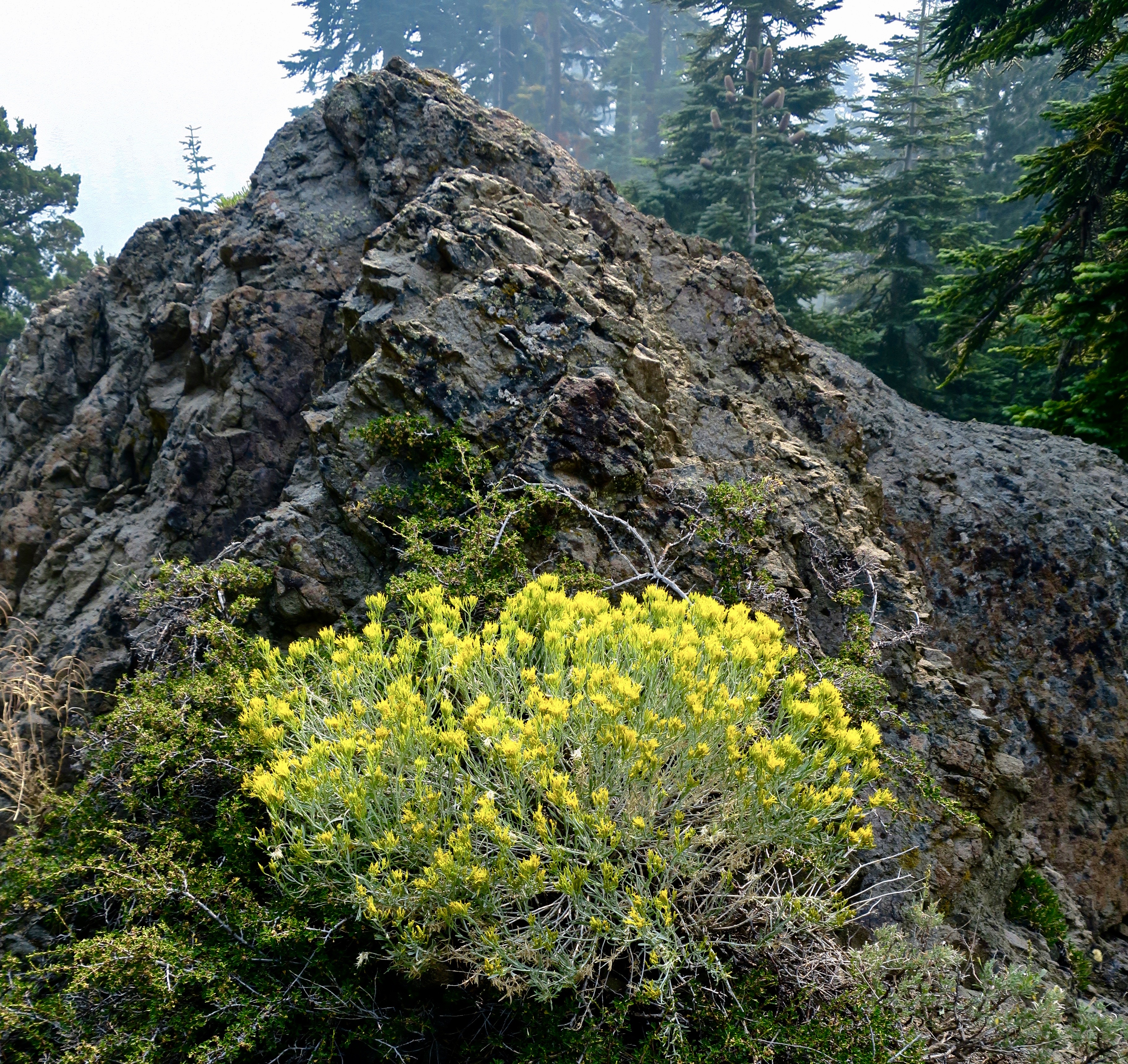
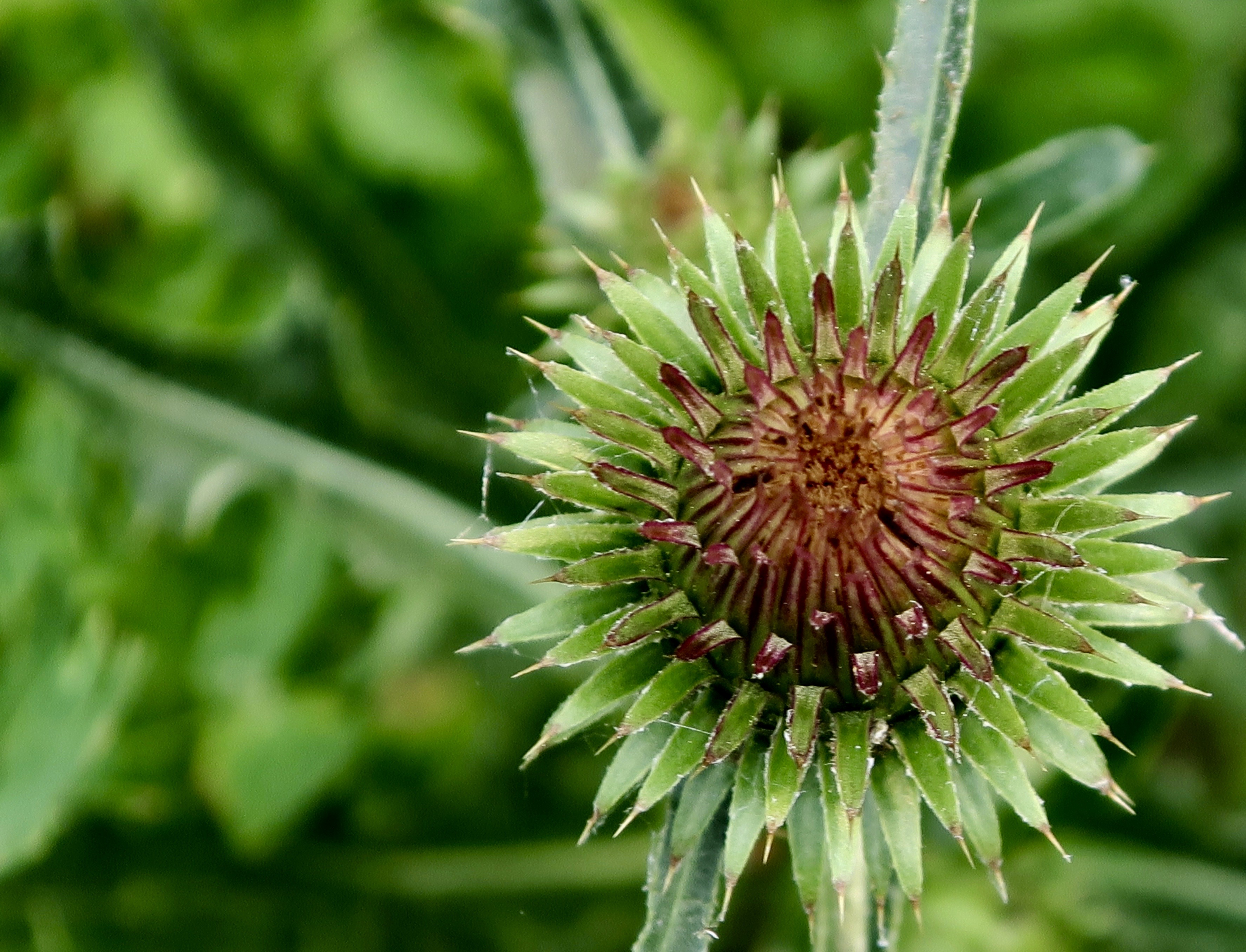
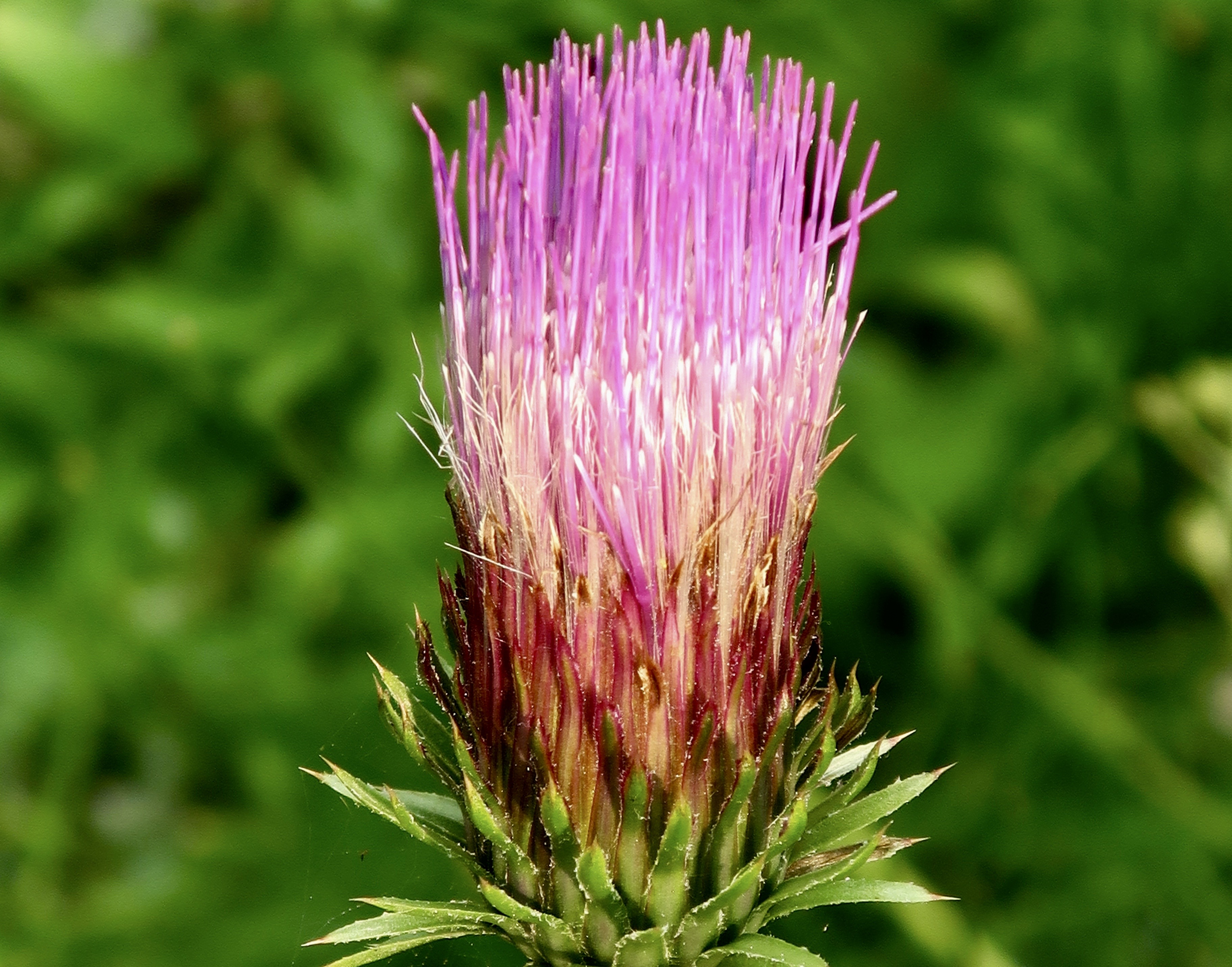
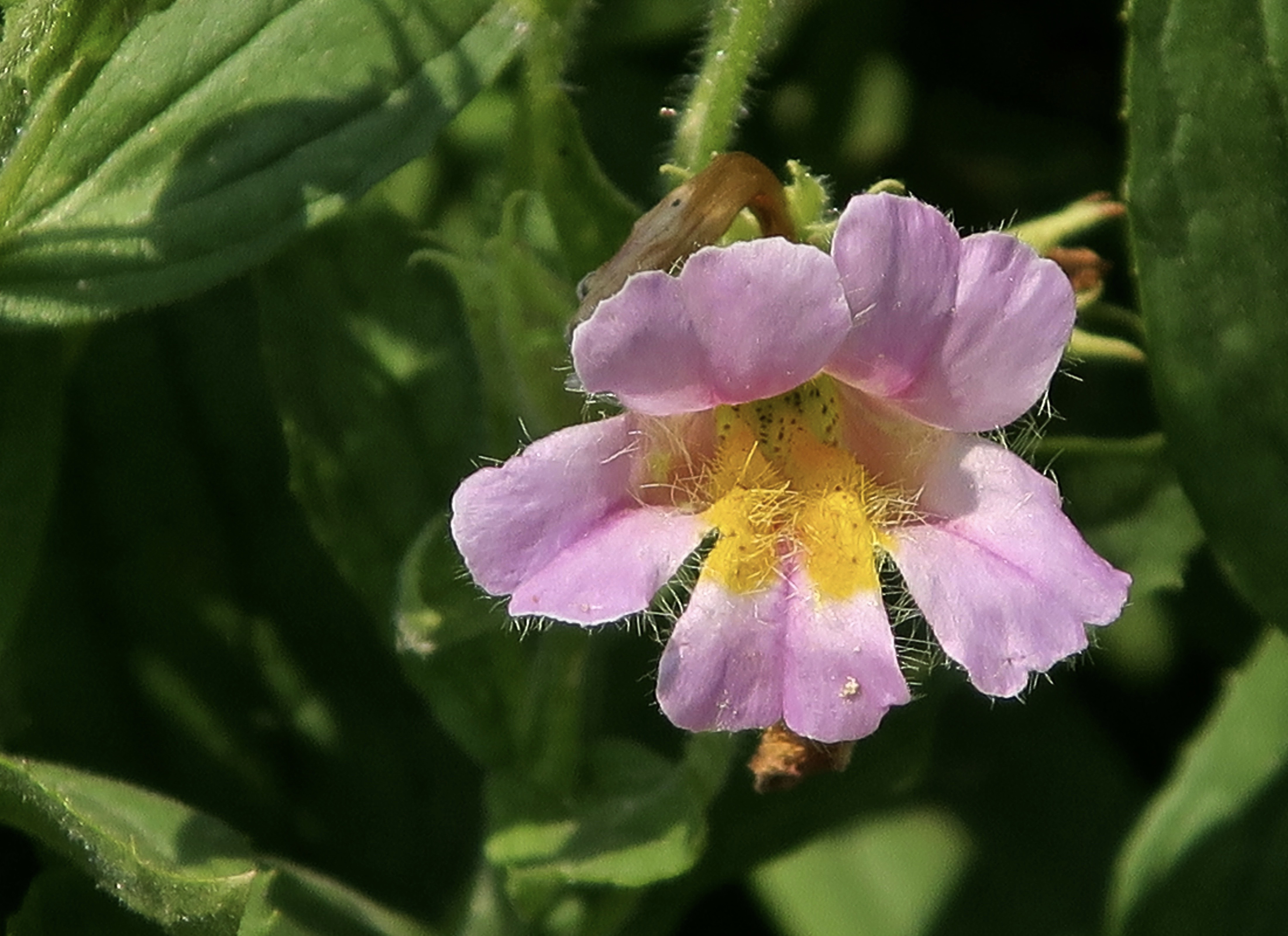
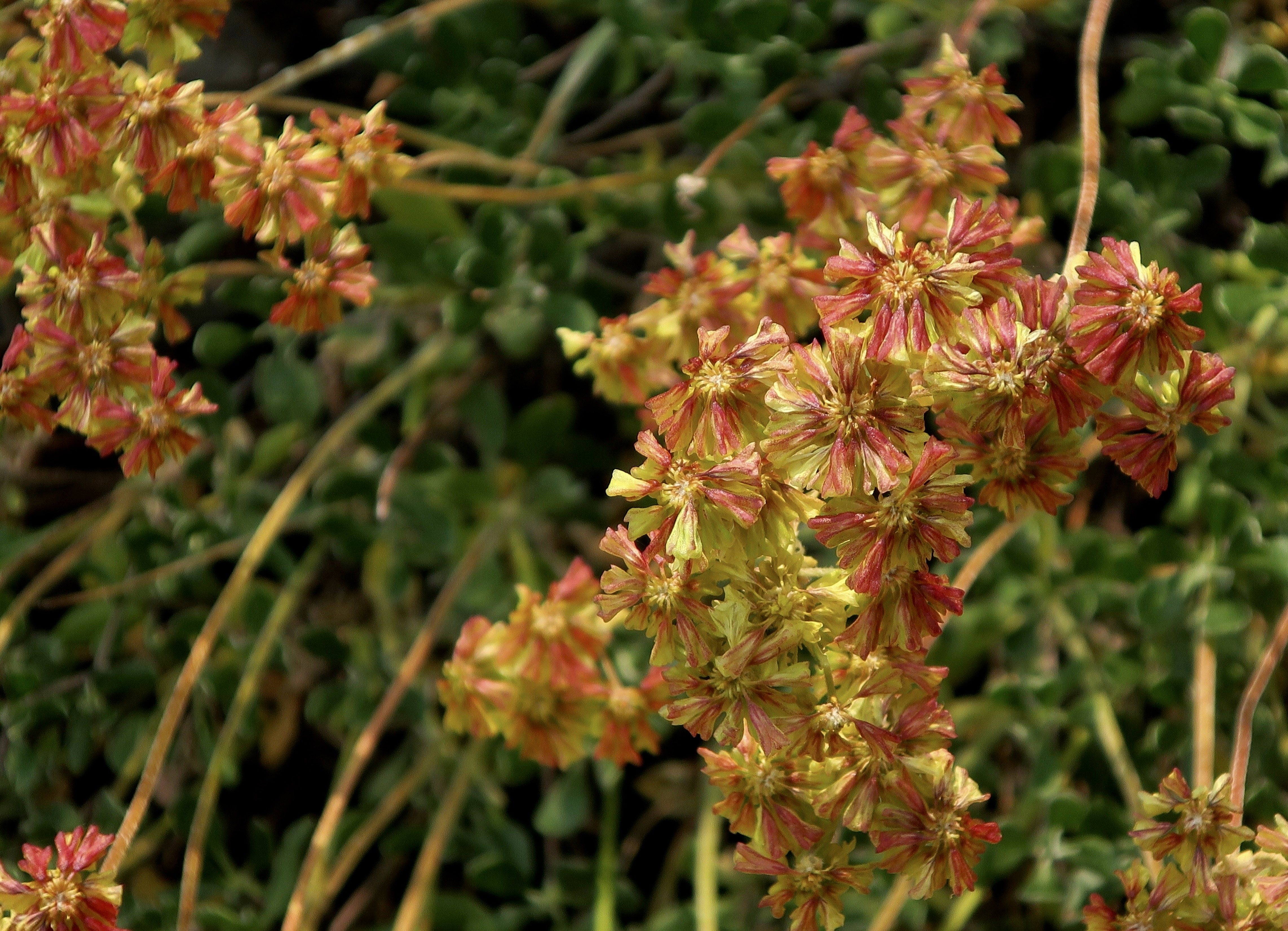
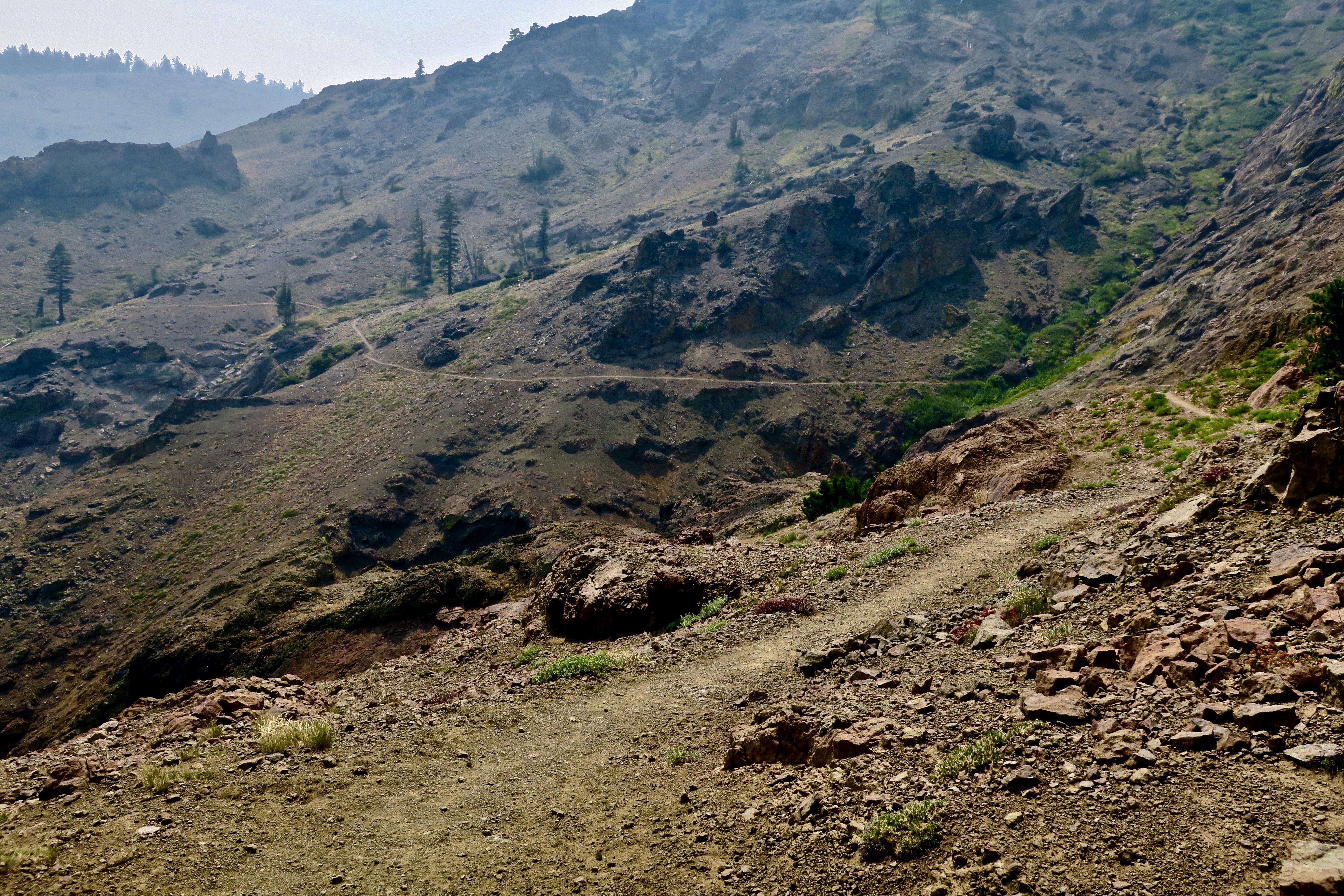
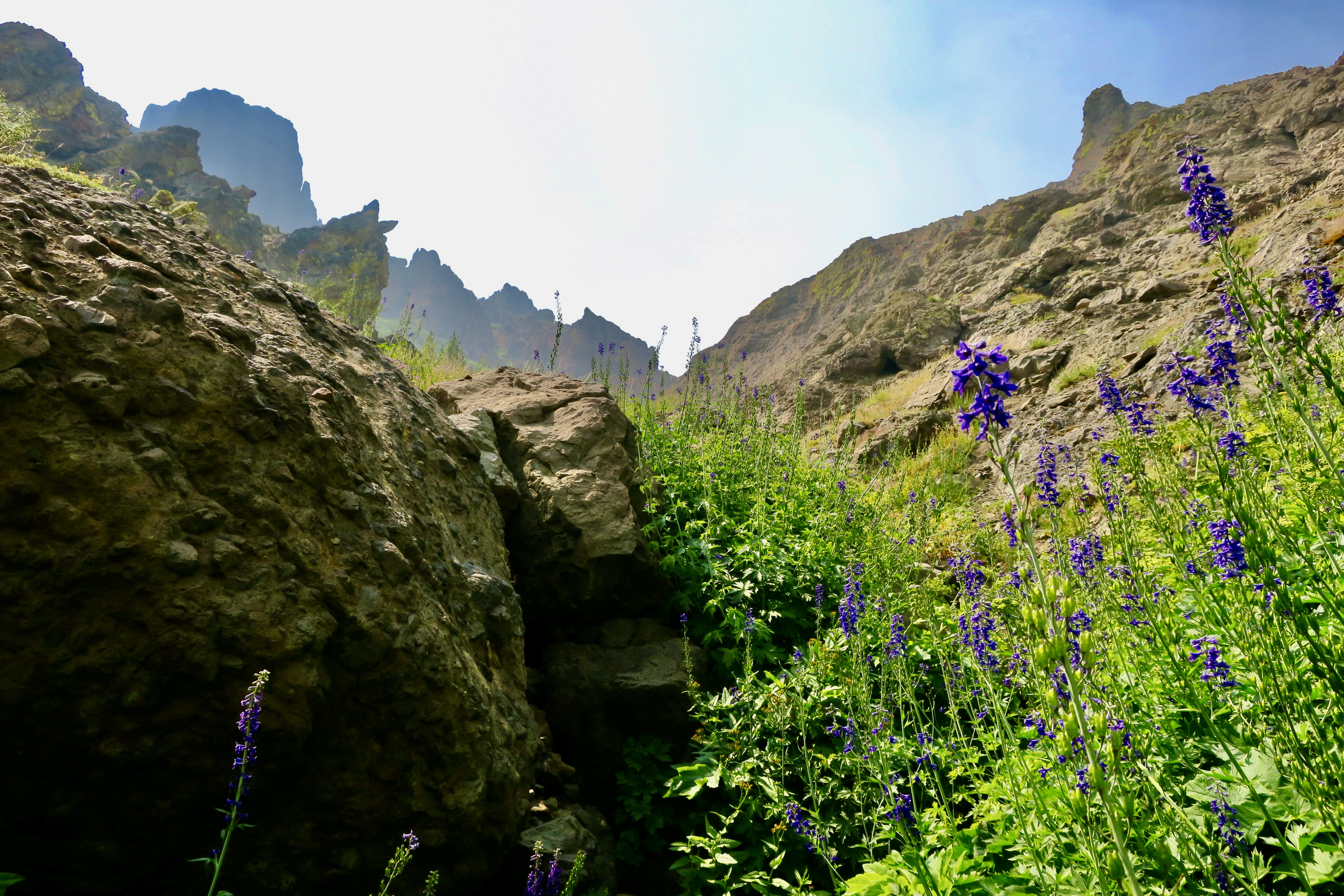
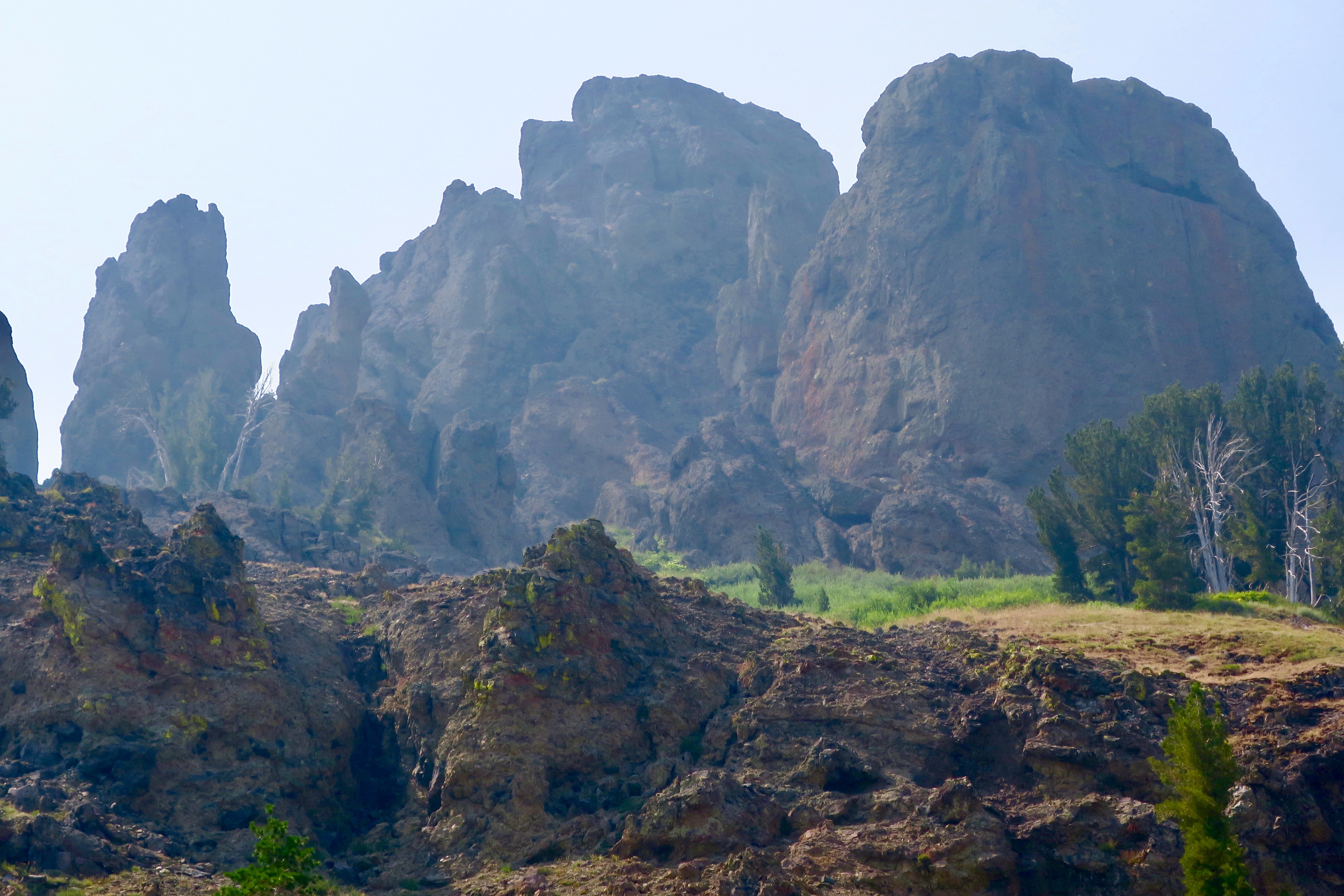
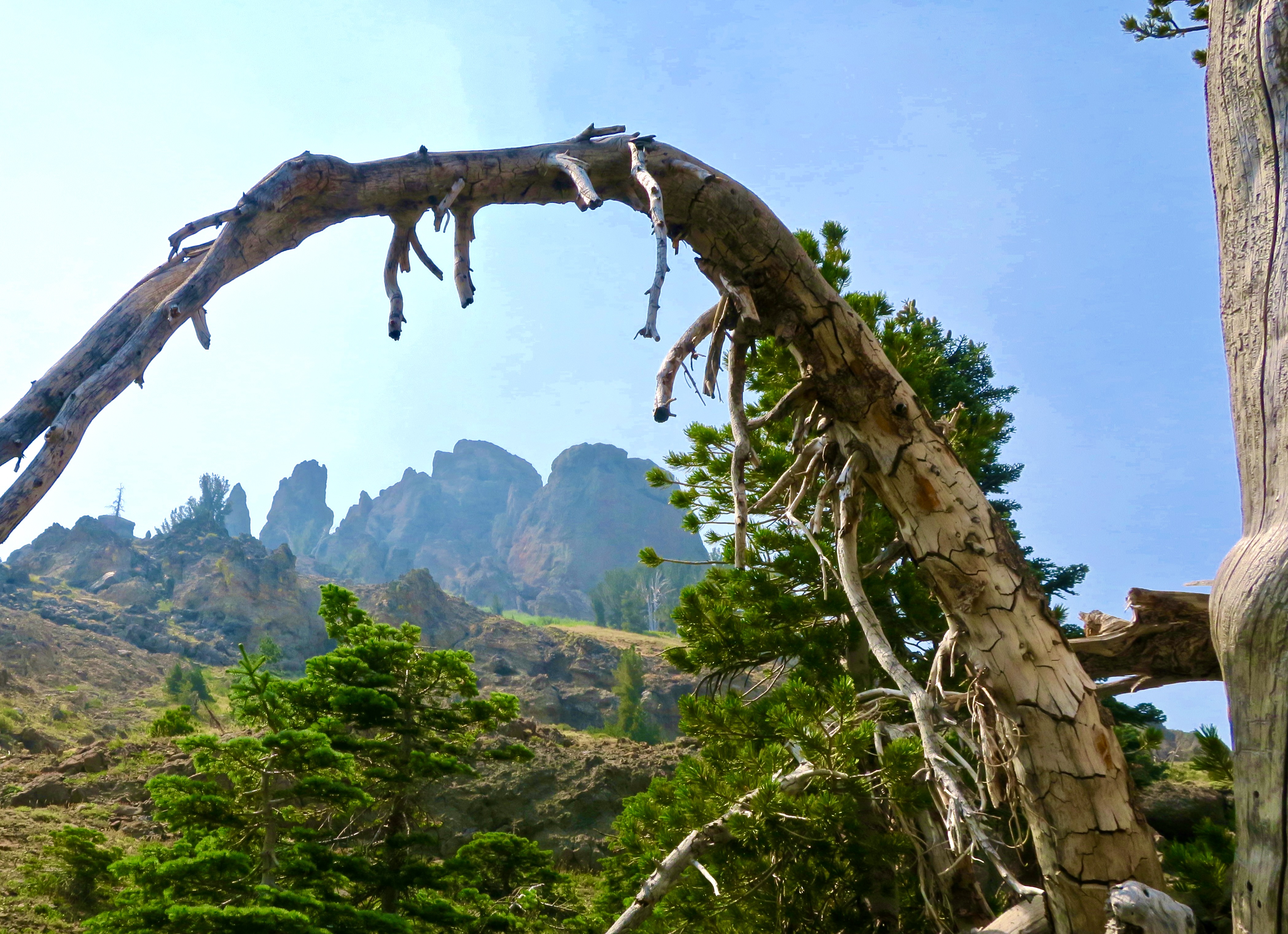
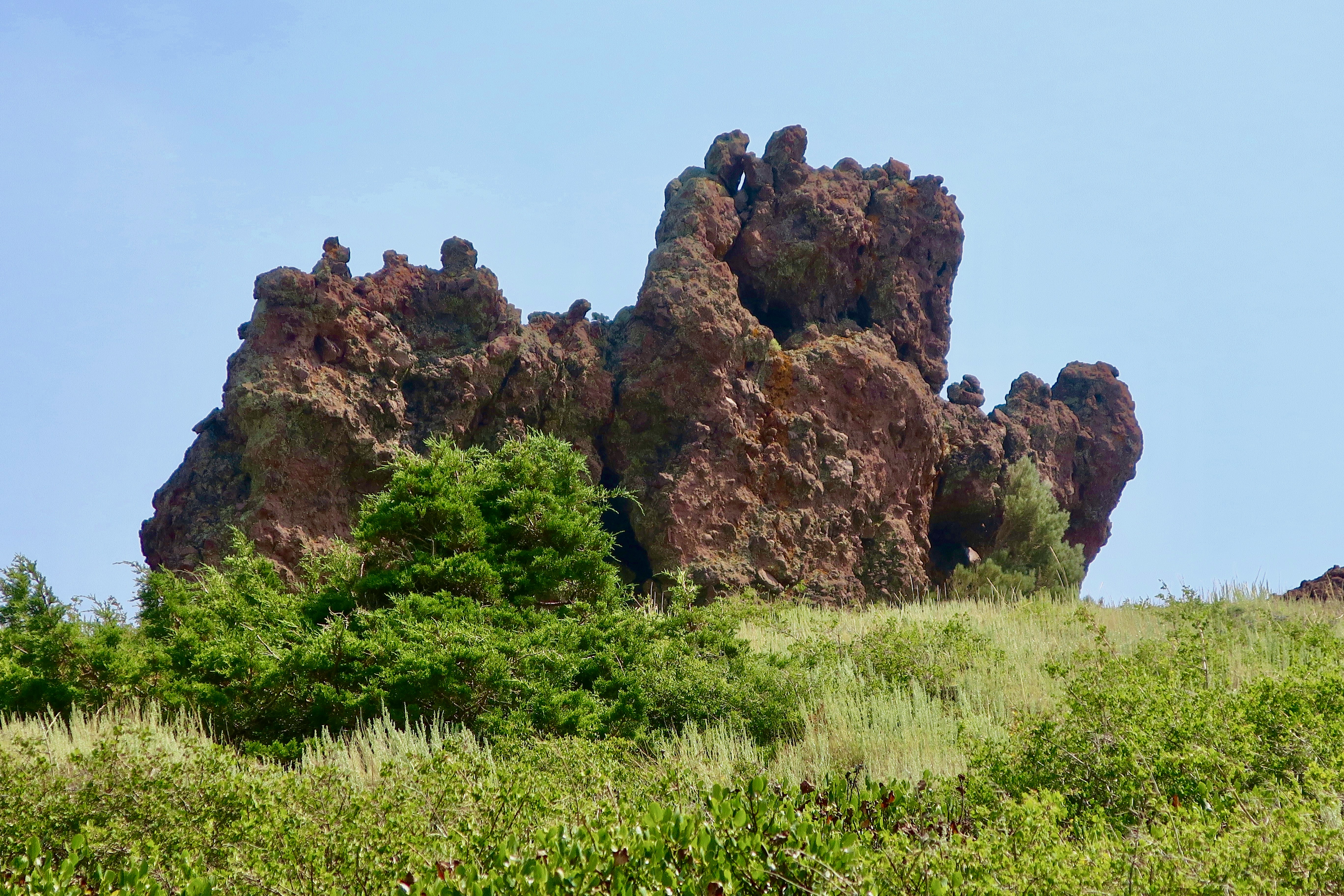
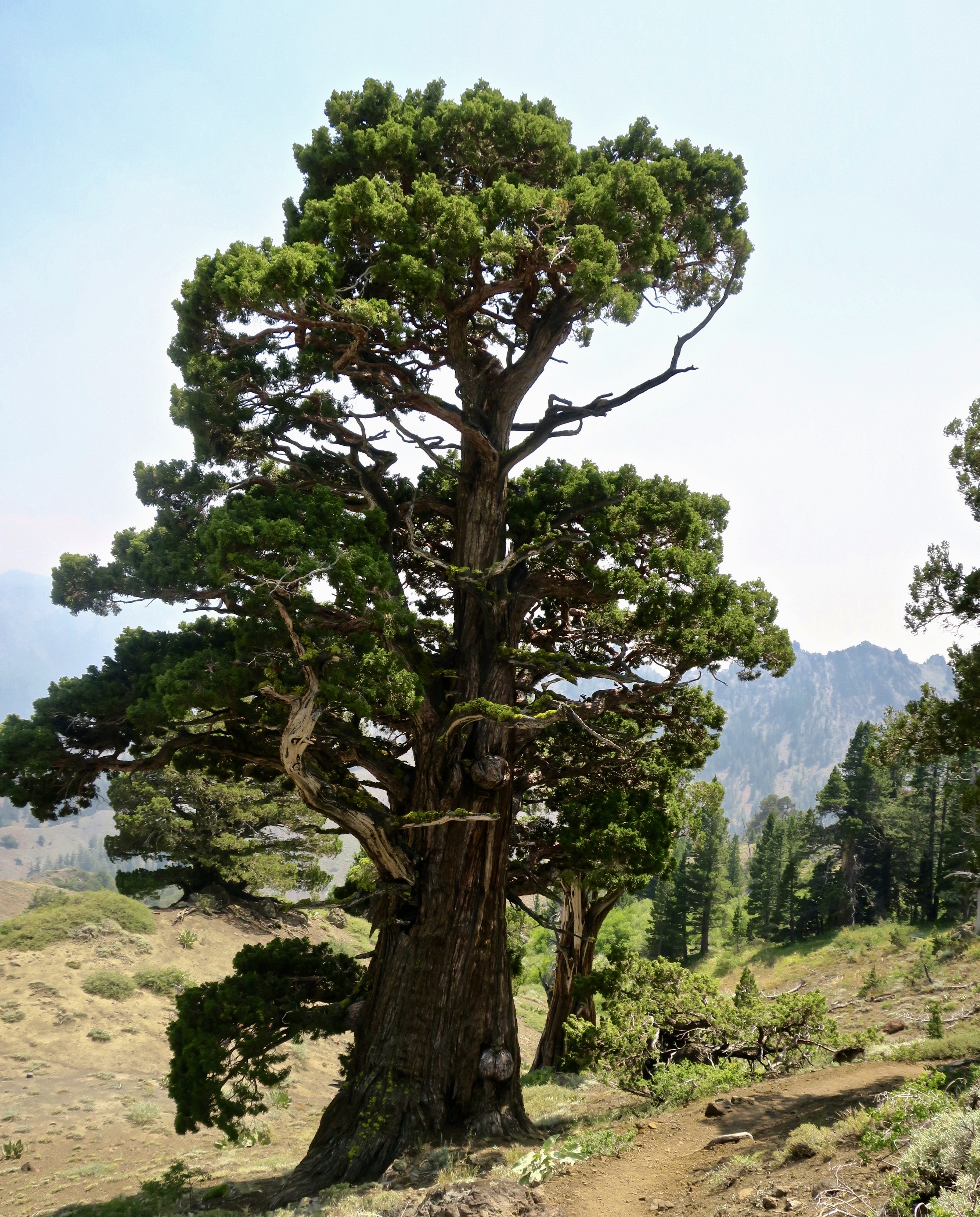
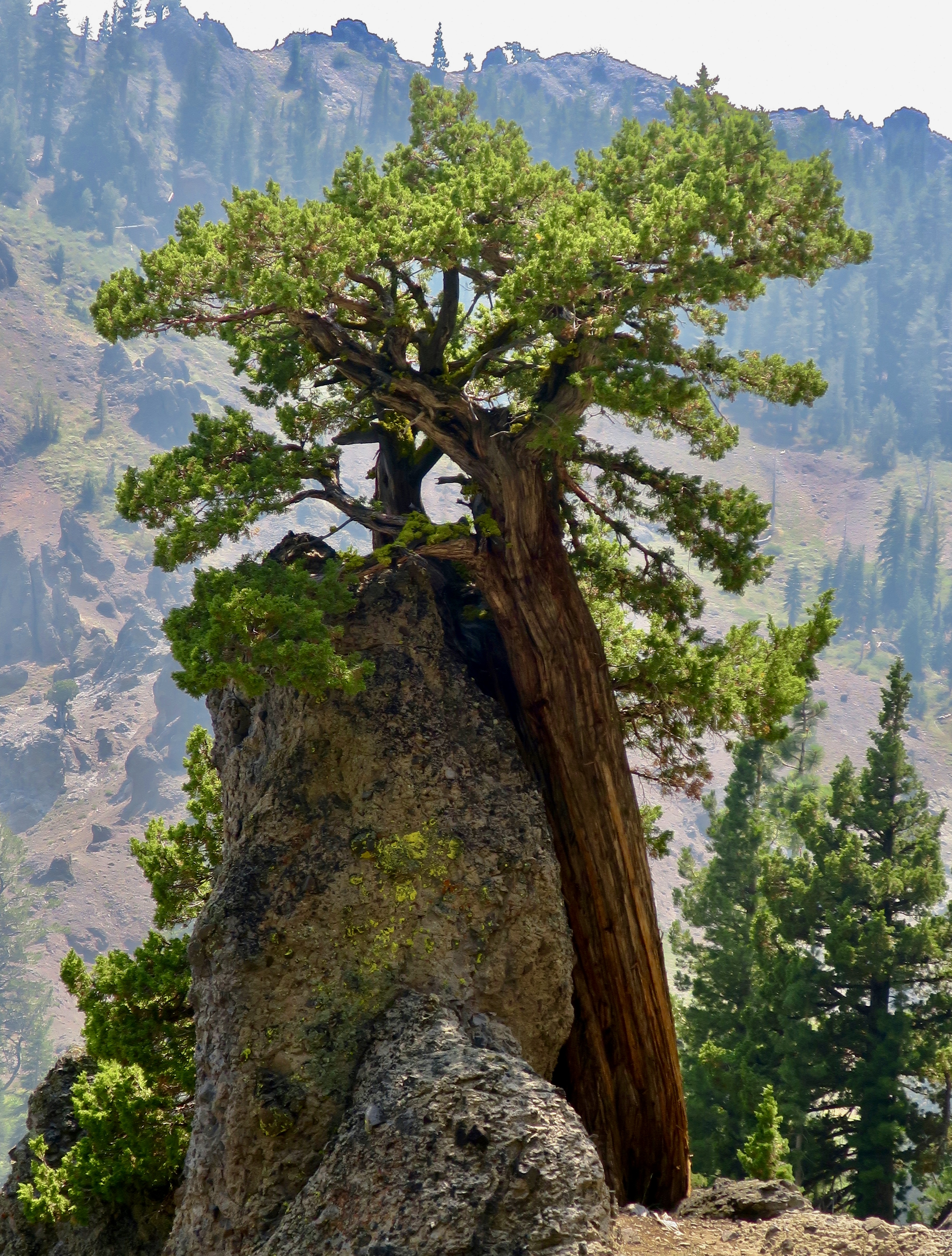
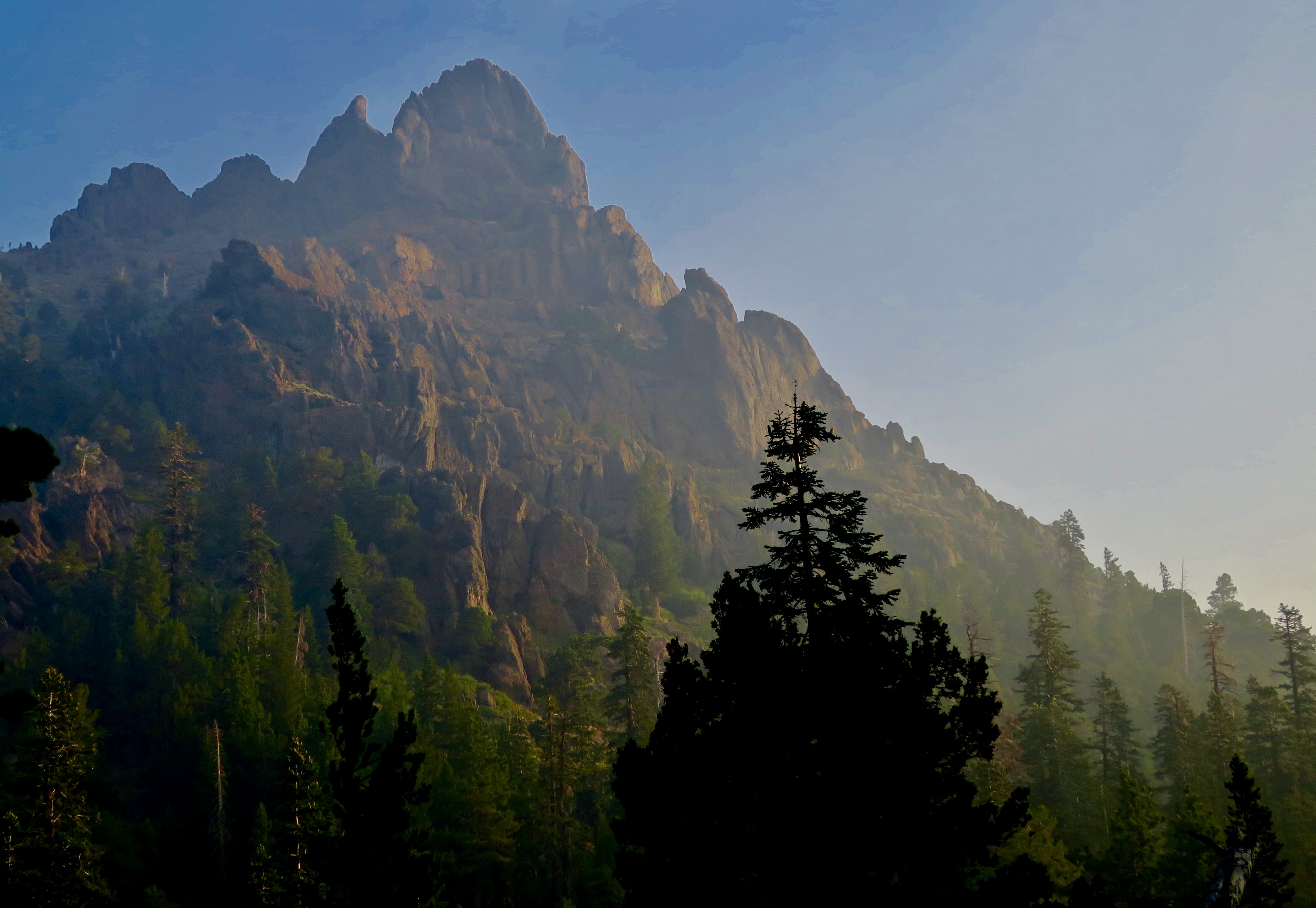
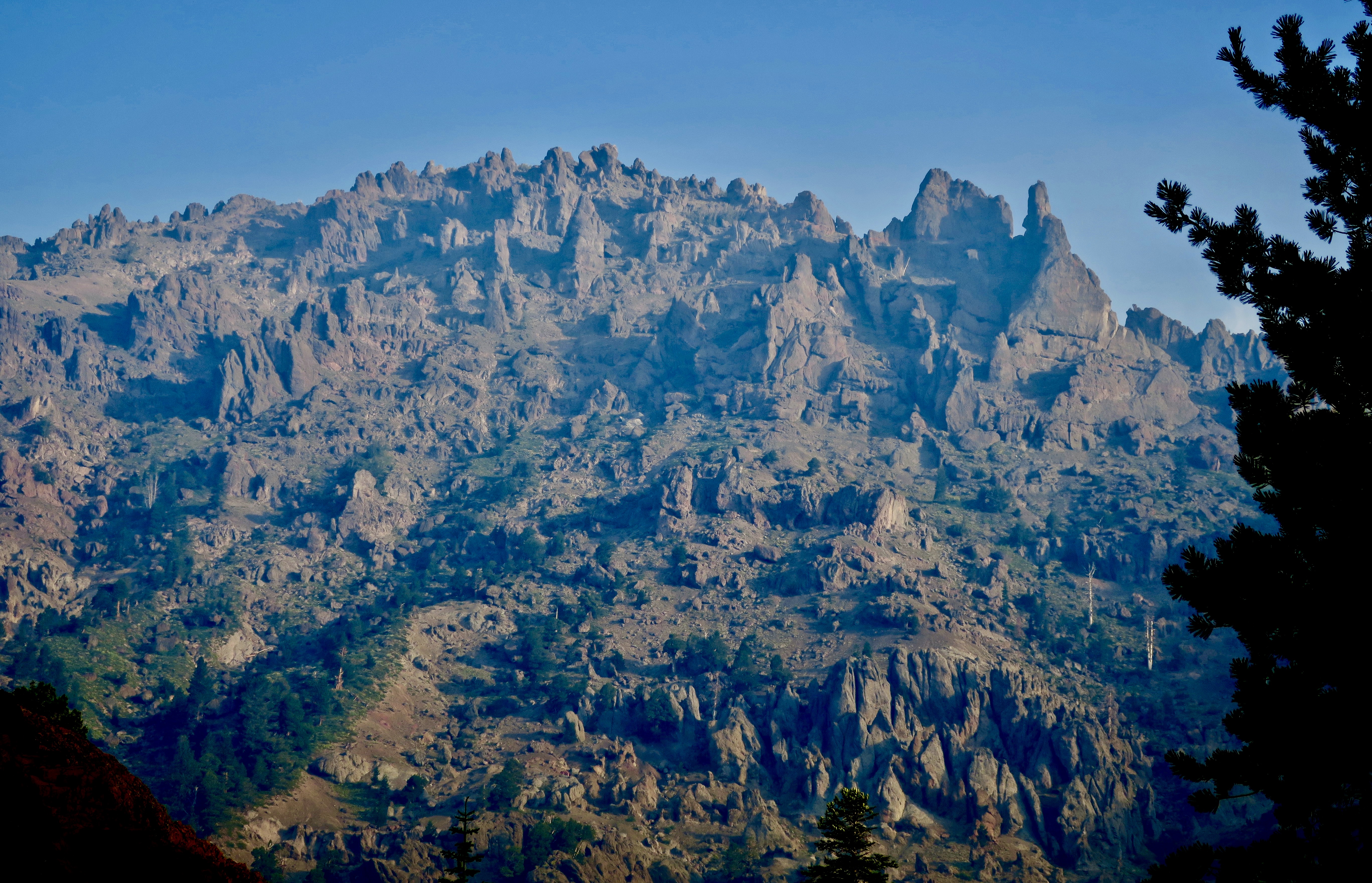
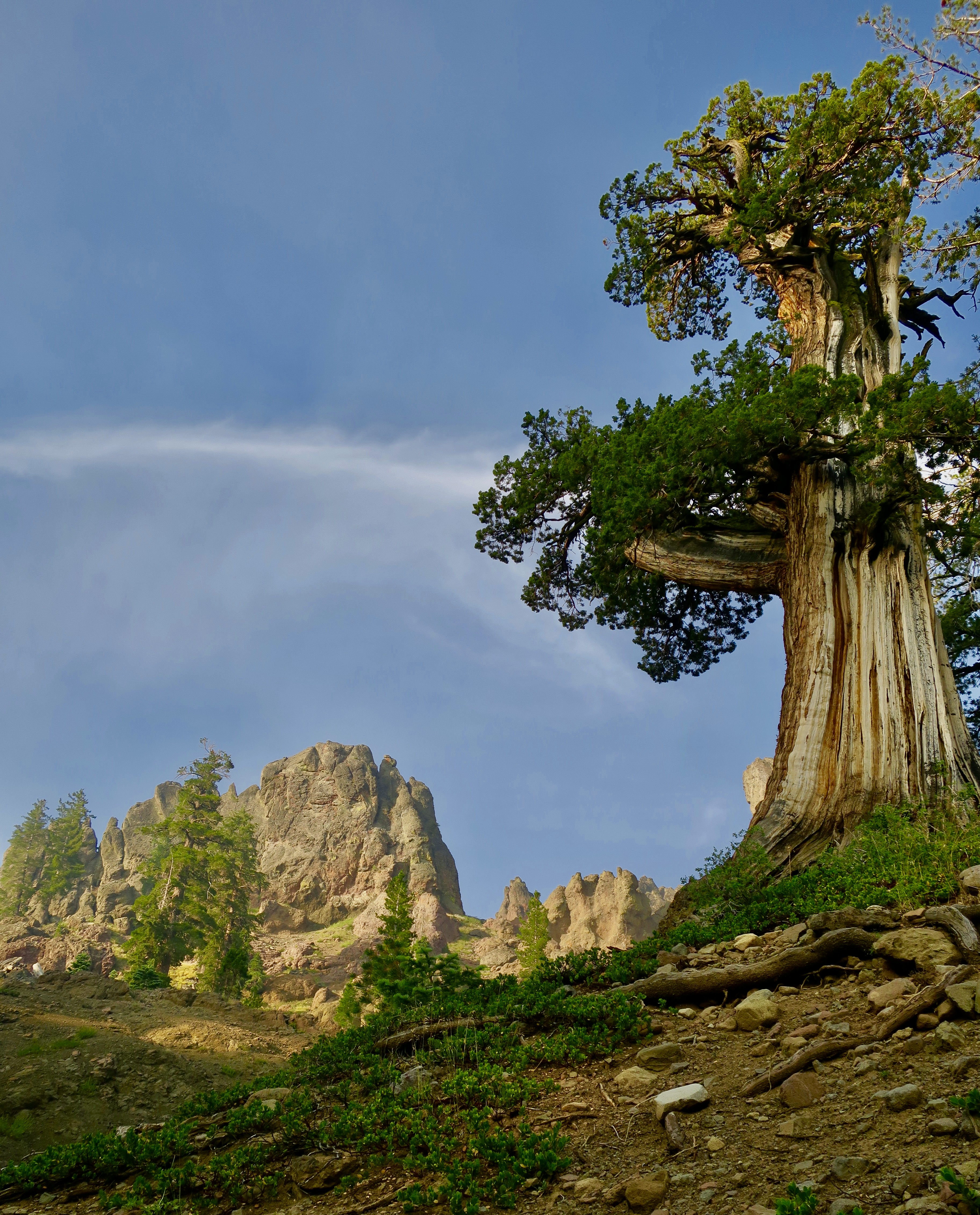
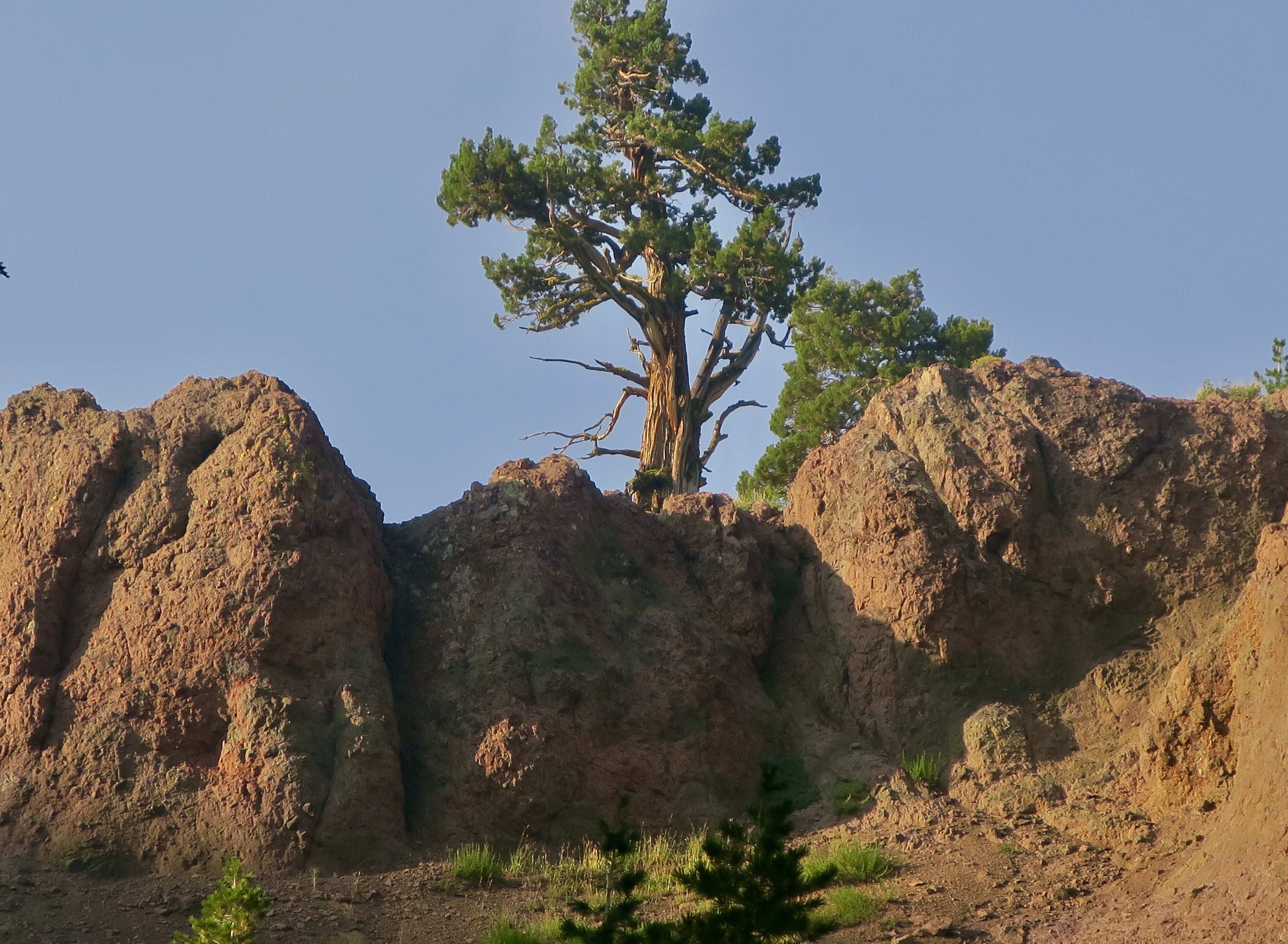
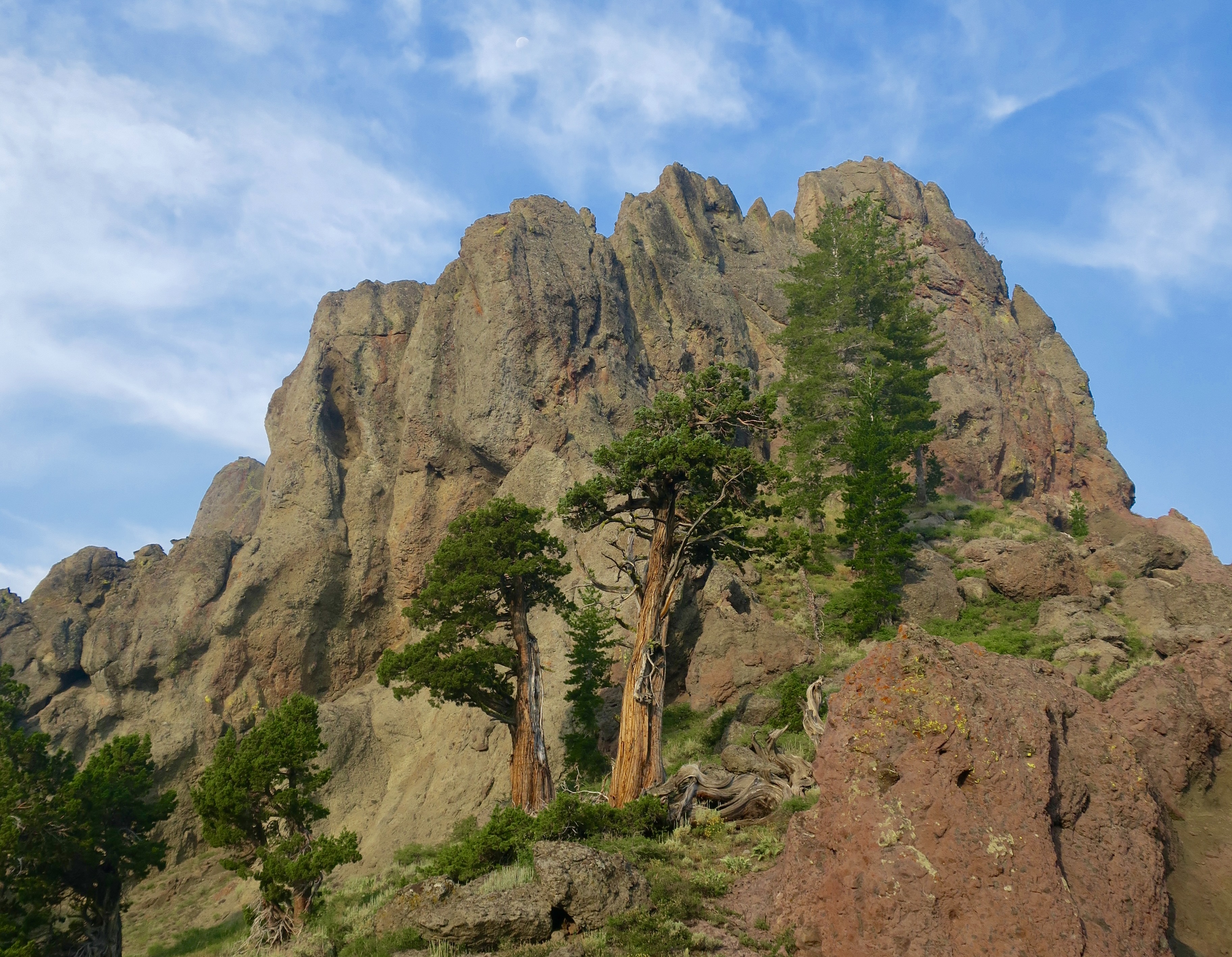
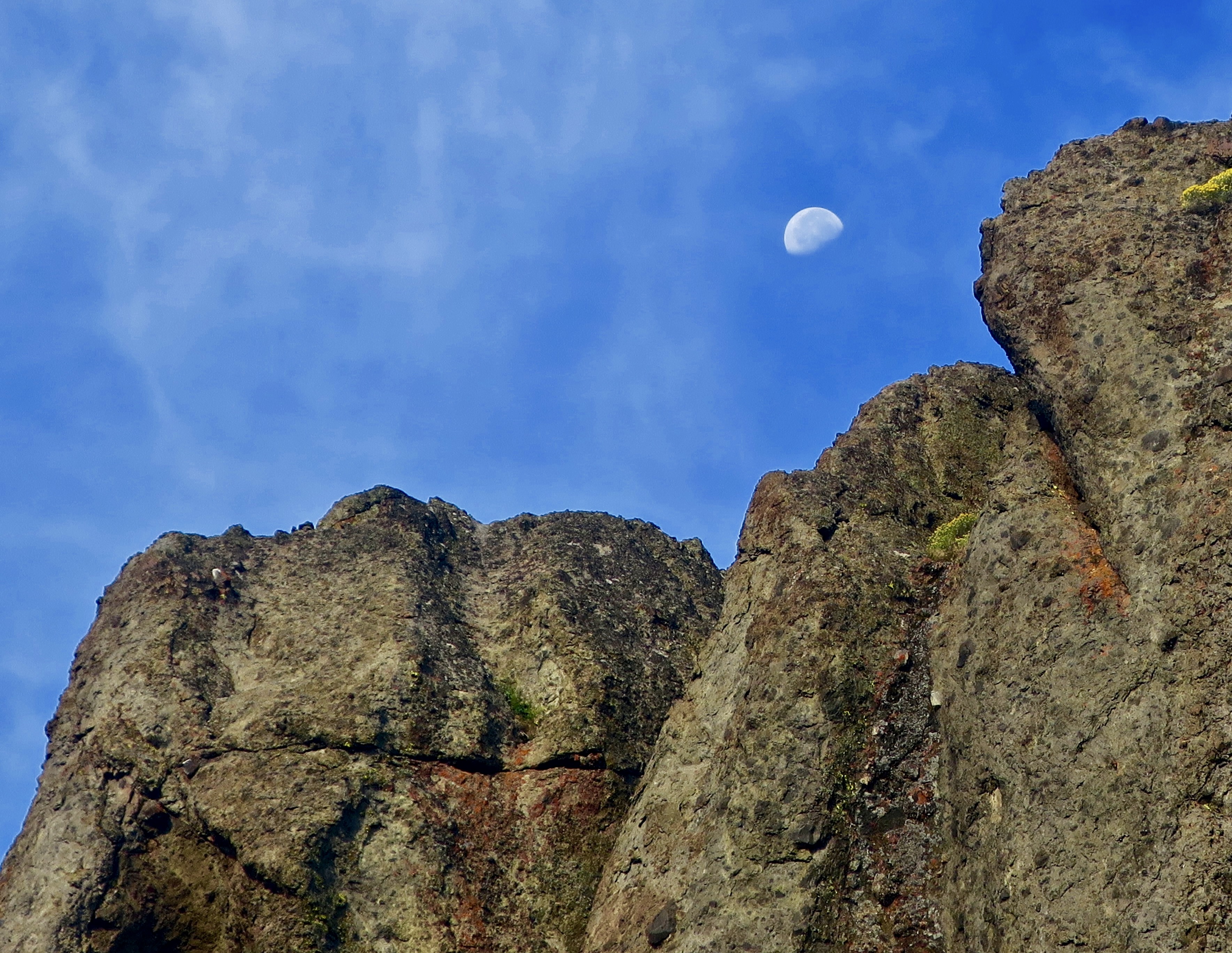
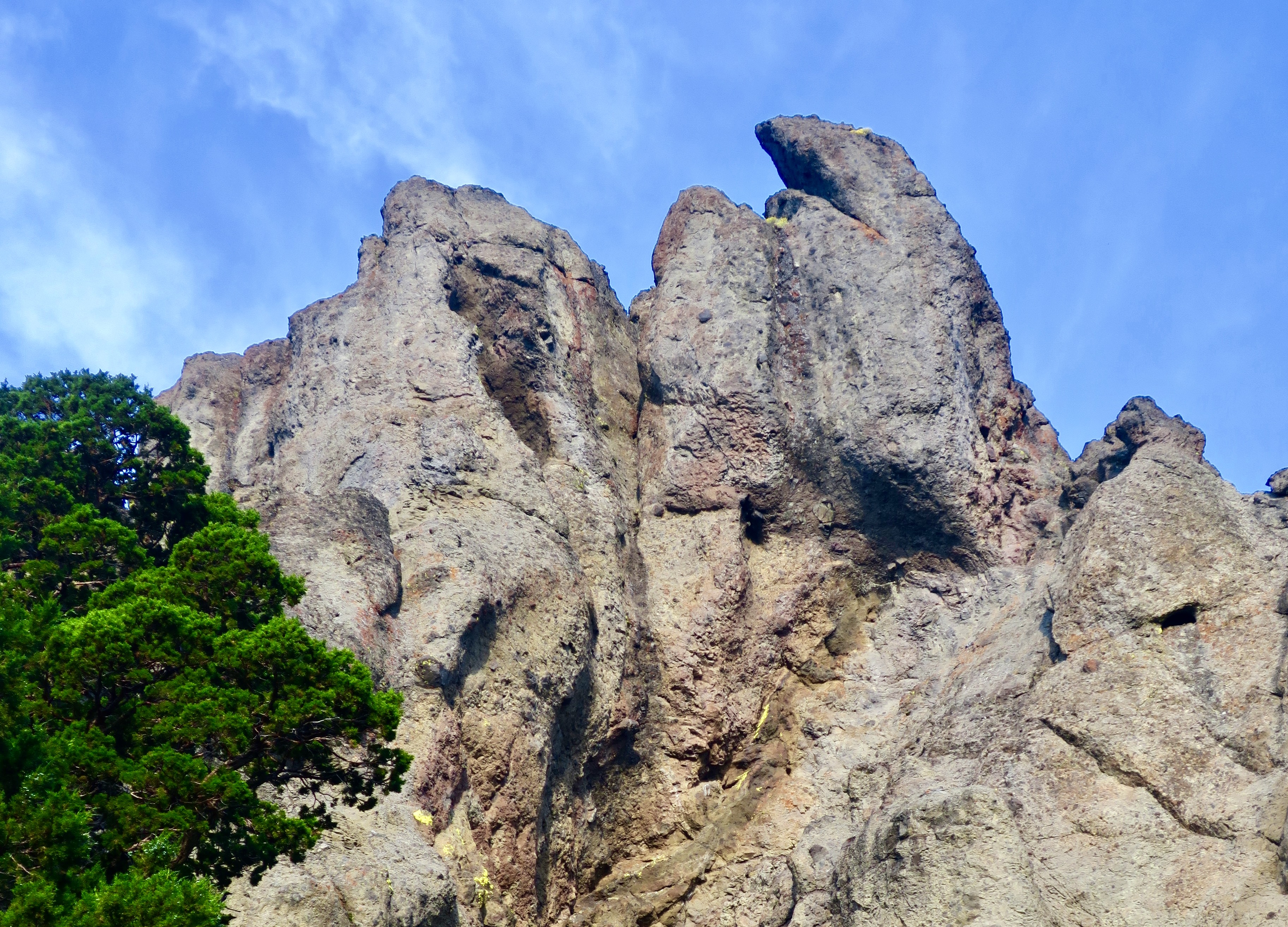
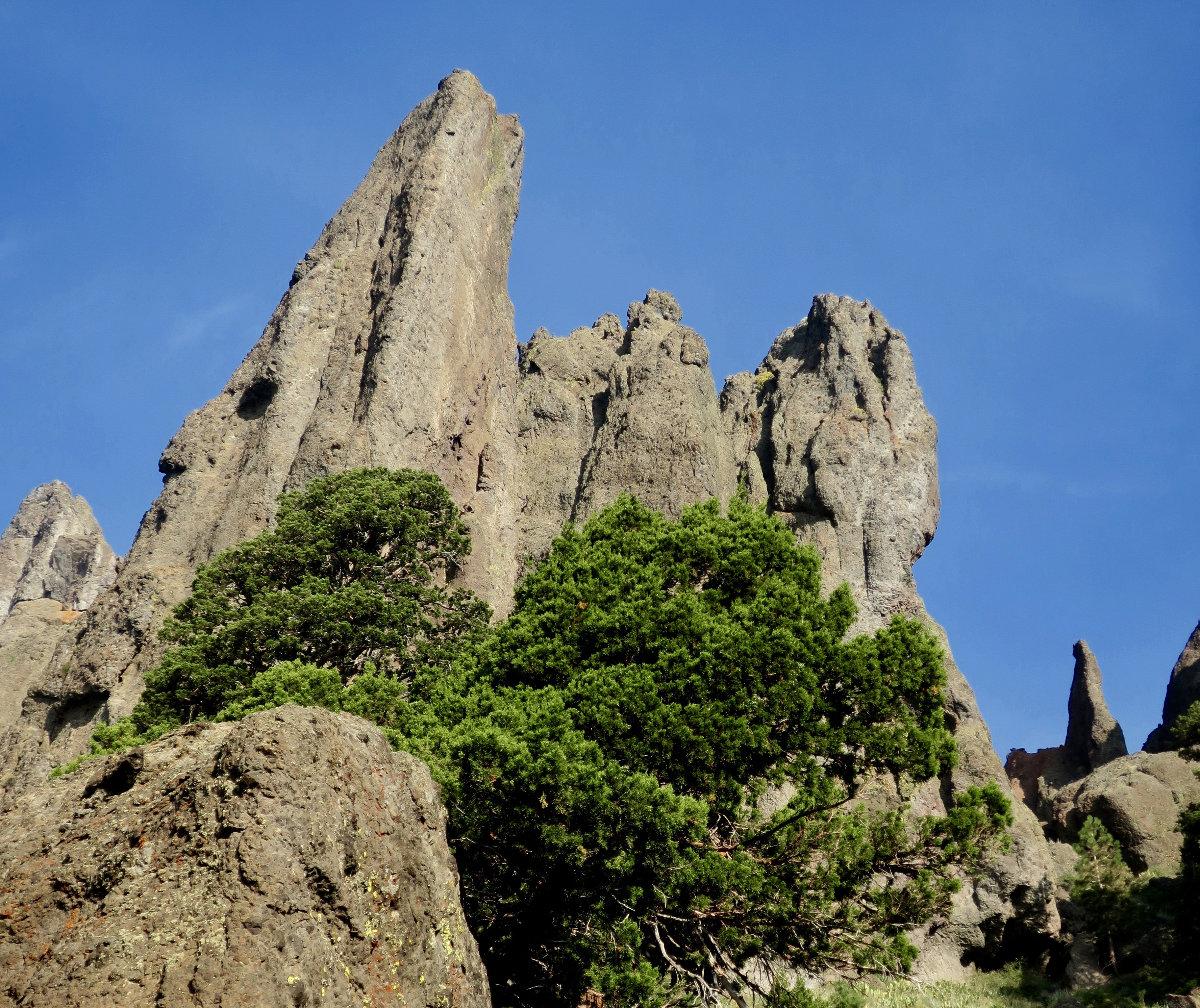
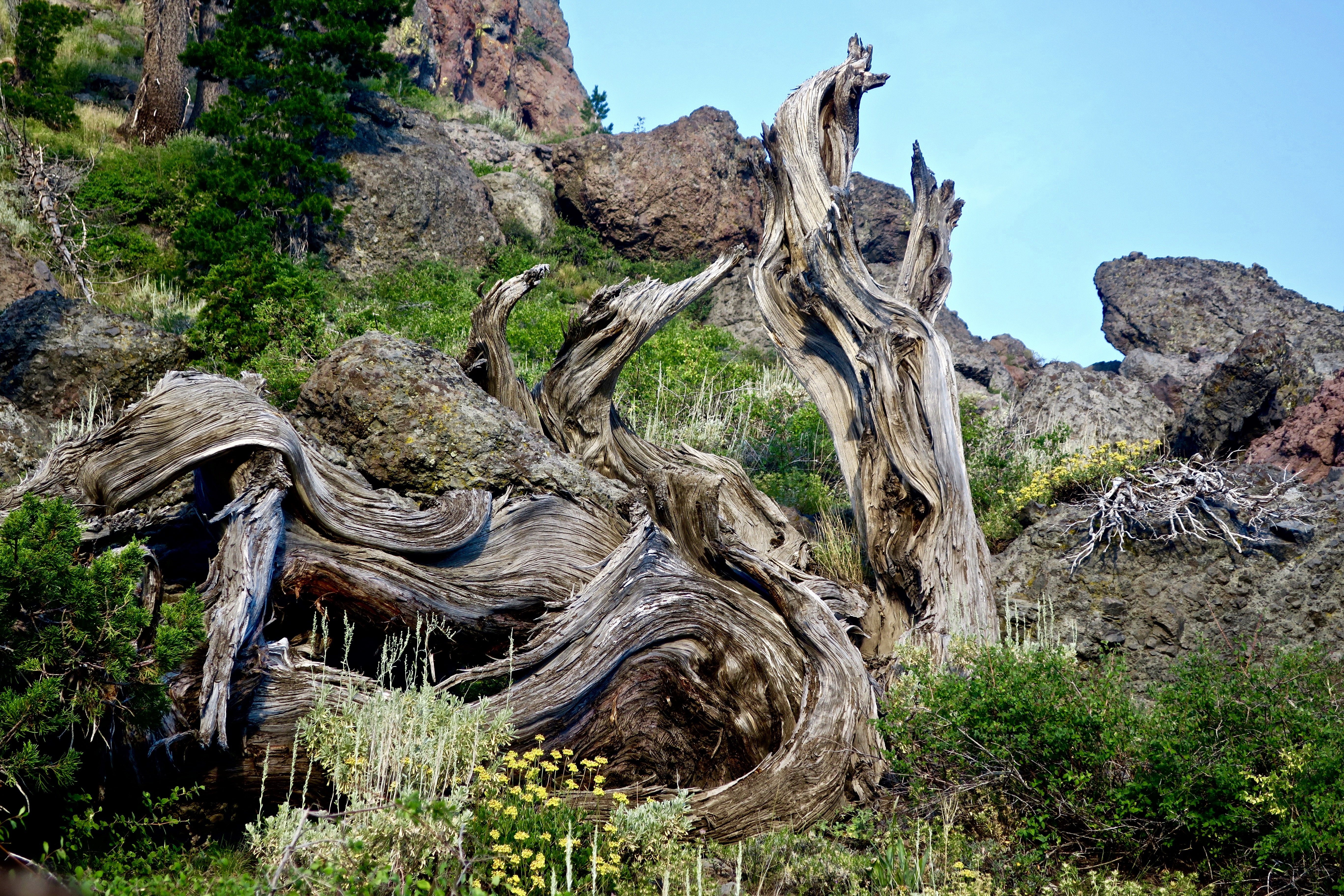
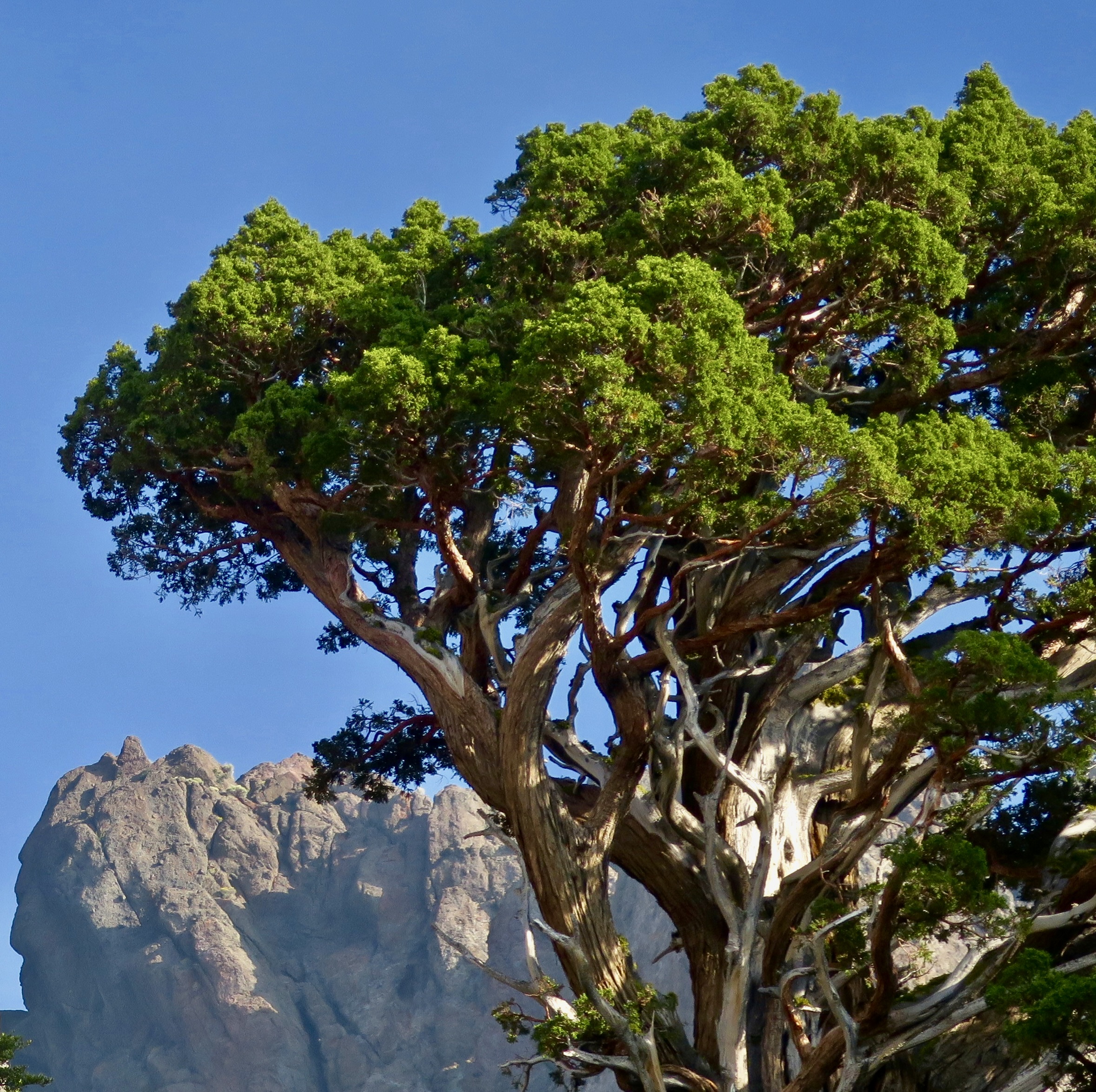
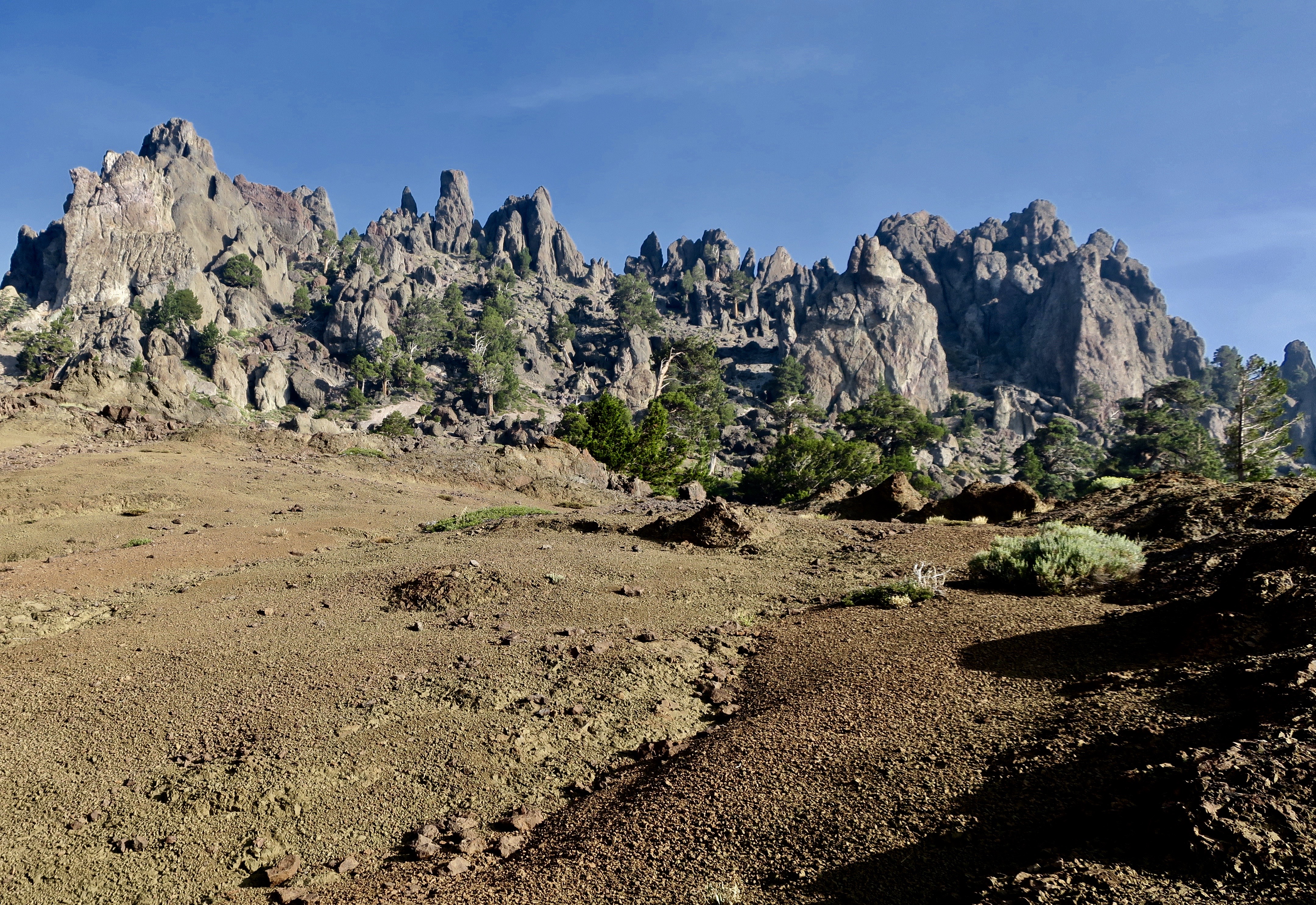
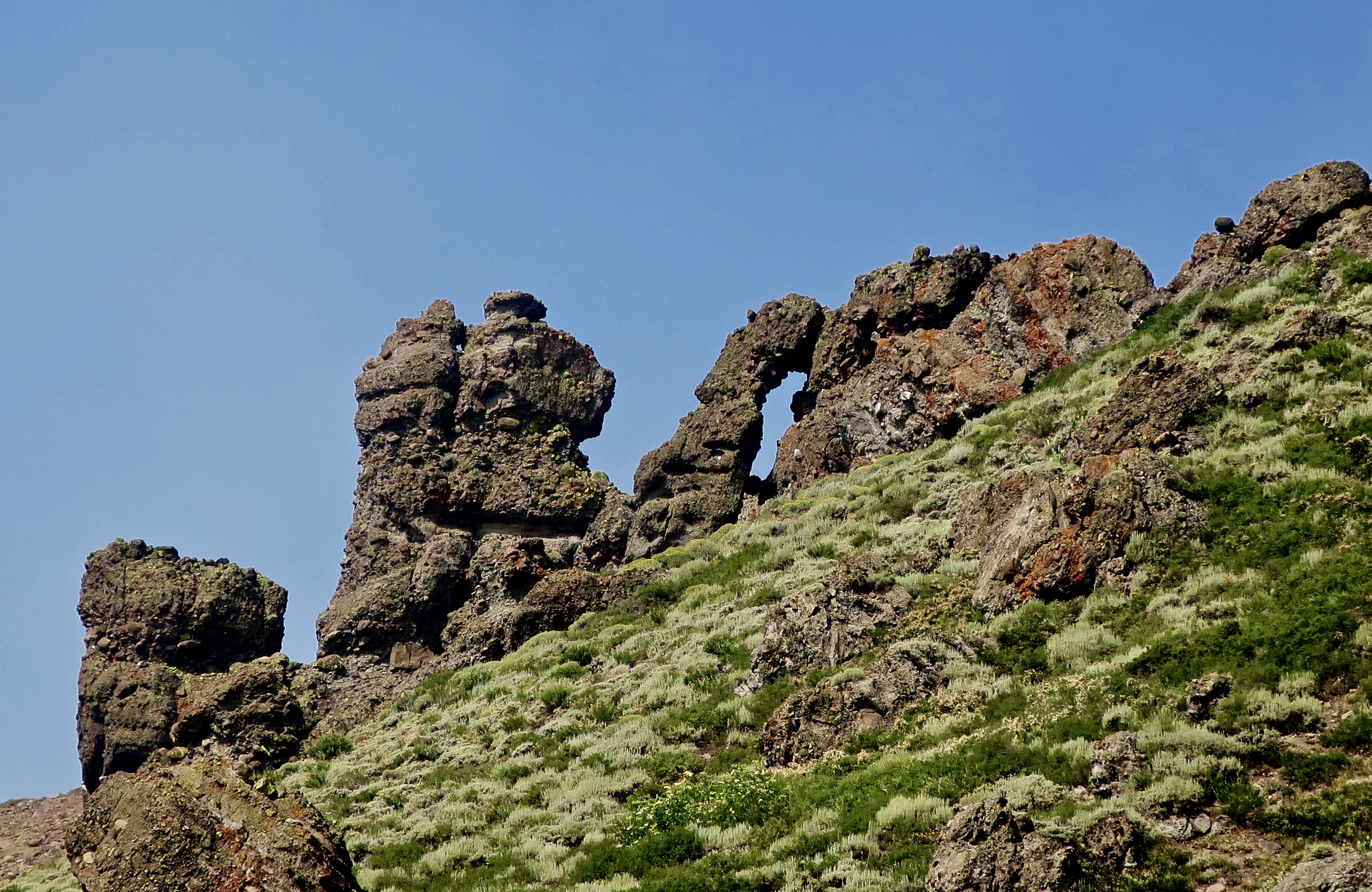
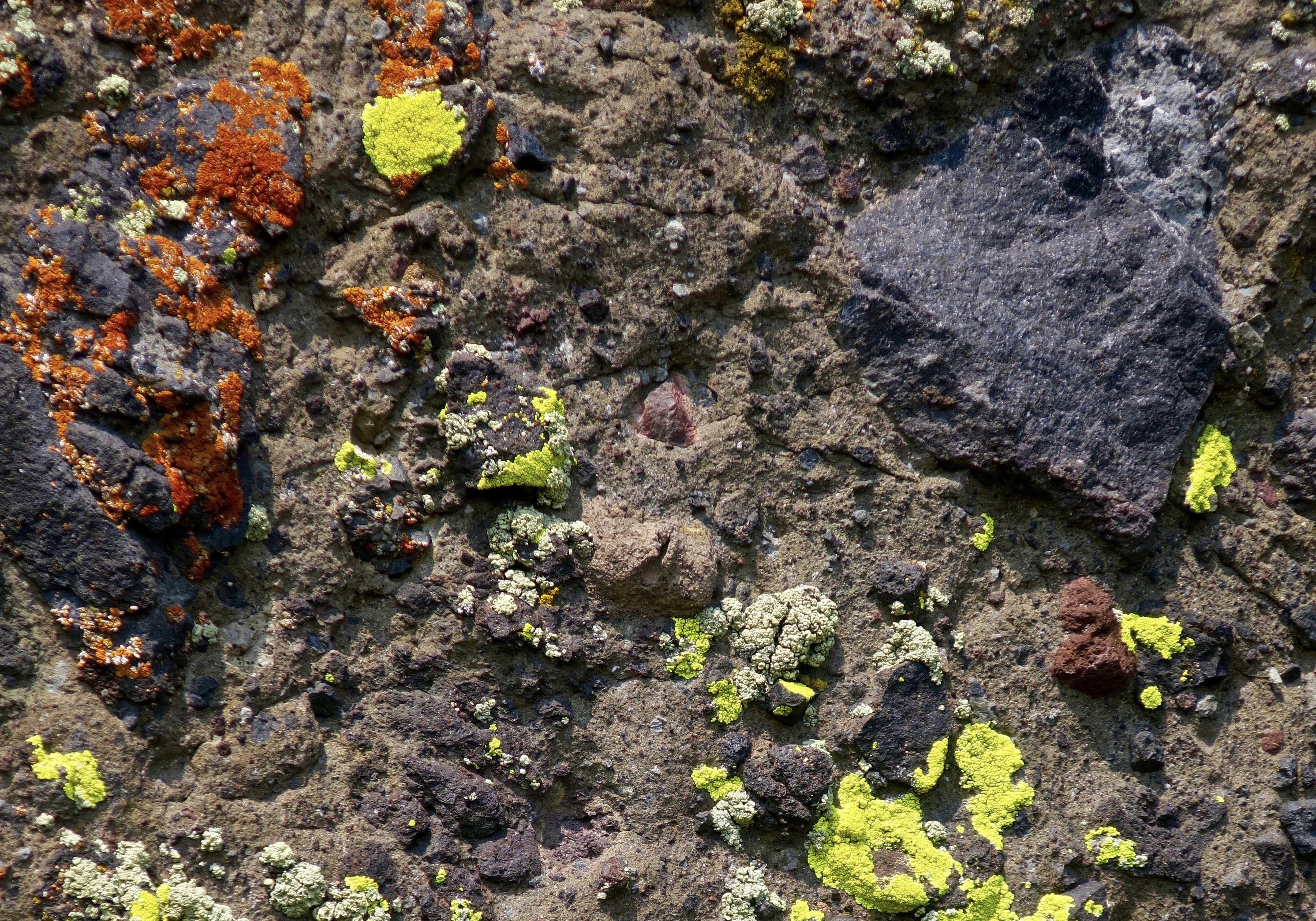
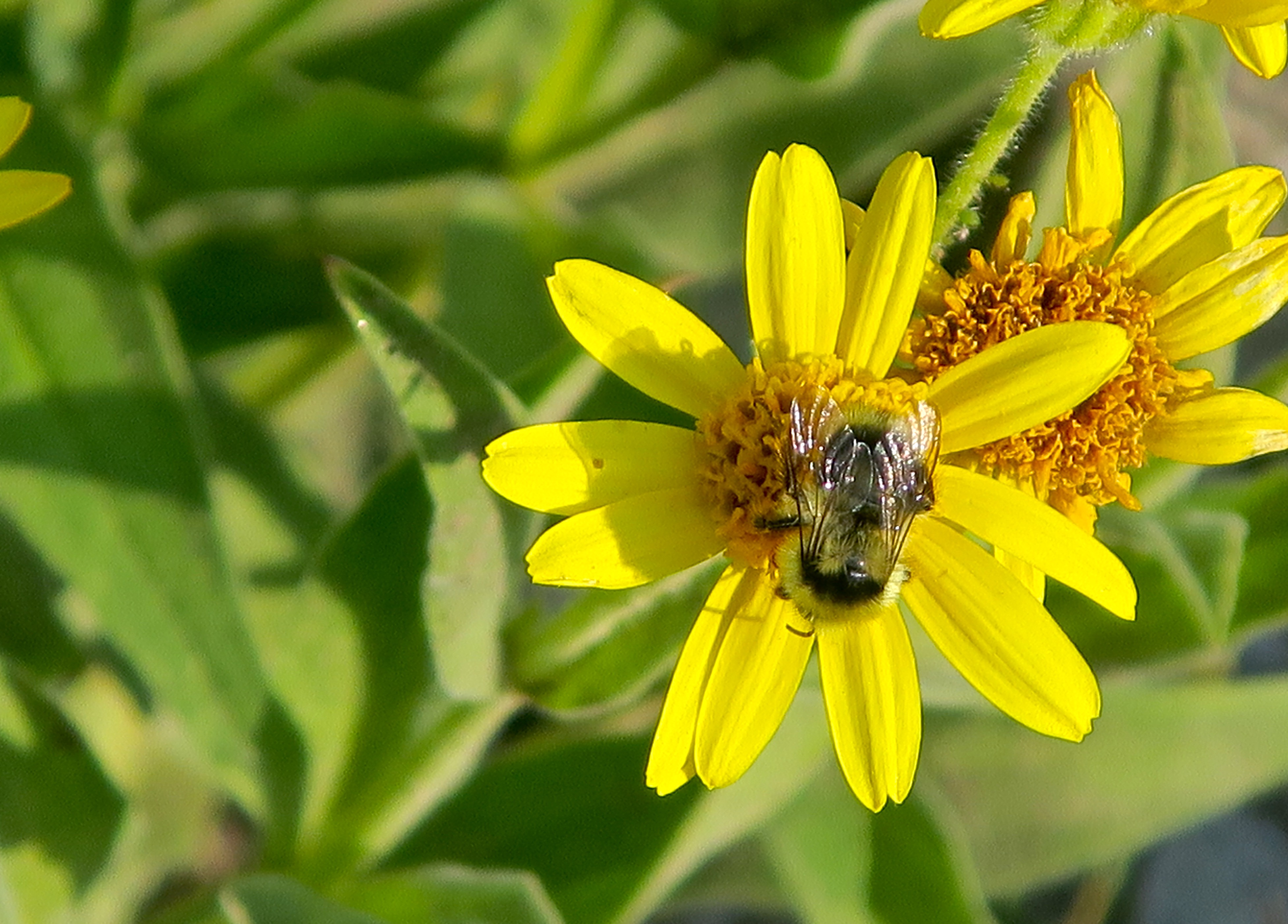
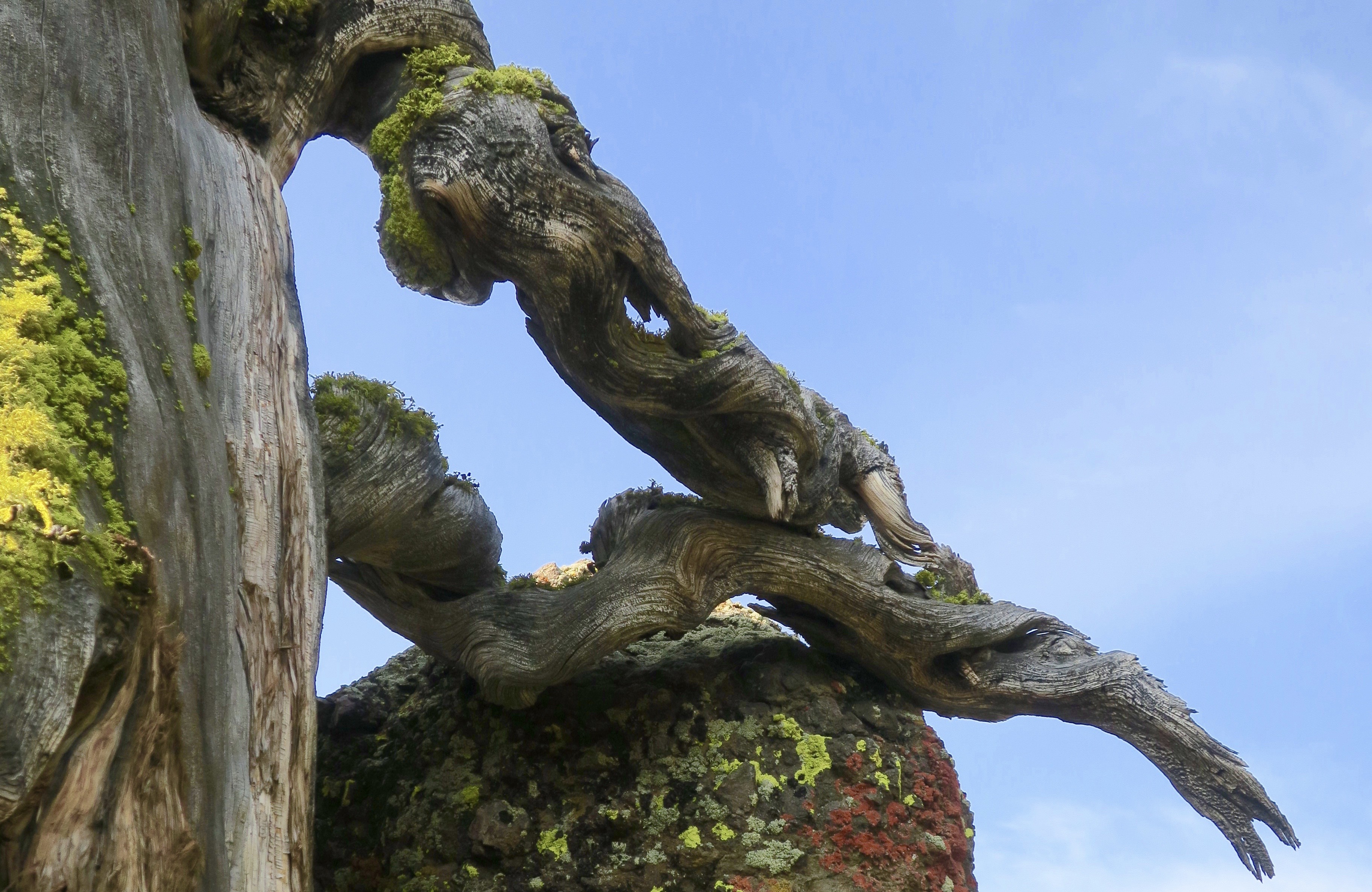
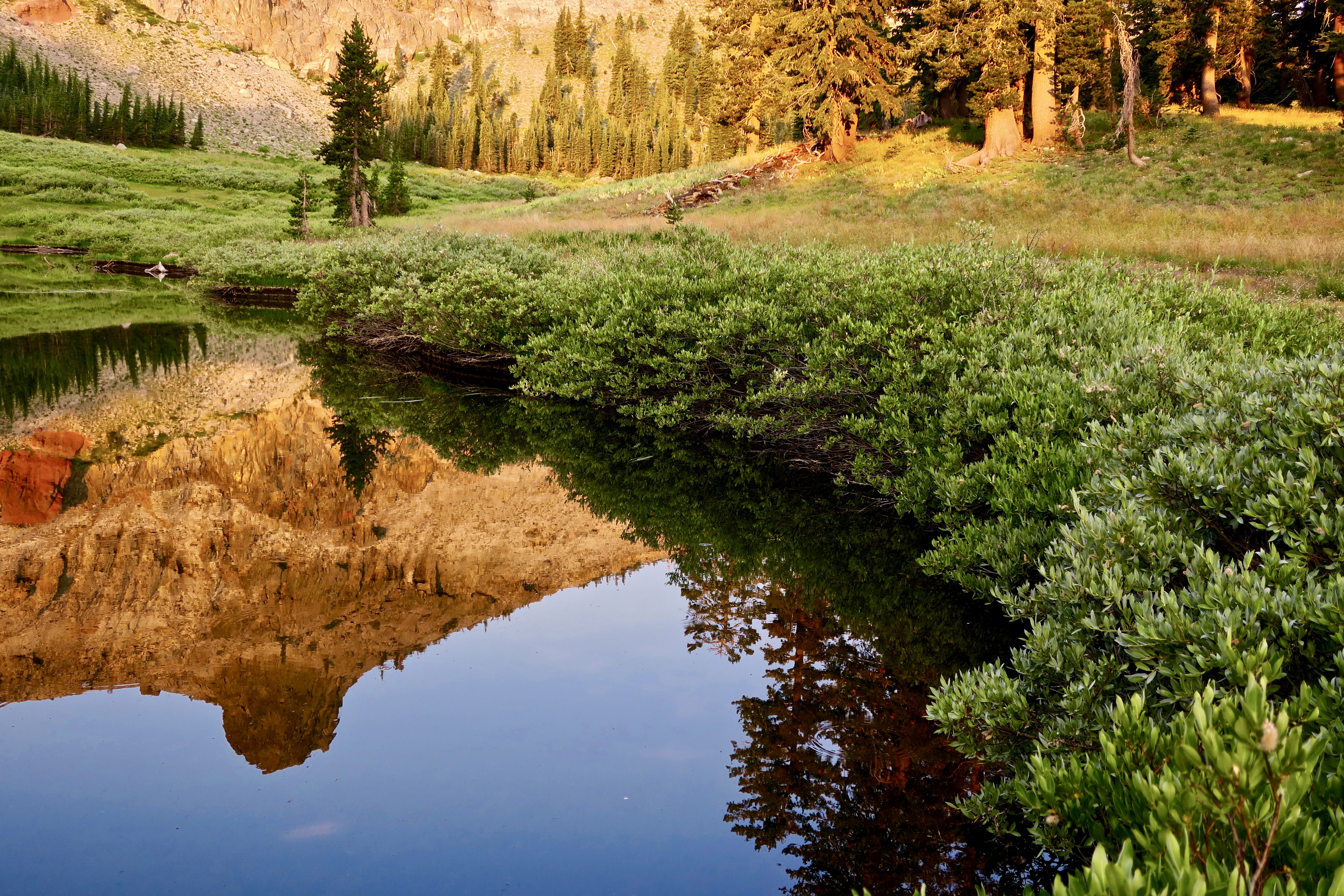
“The clearest way into the Universe is through a forest wilderness.” John Muir
The Wilderness Act of 1964
“A wilderness, in contrast with those areas where man and his own works dominate the landscape, is hereby recognized as an area where the earth and its community of life are untrammeled by man, where man himself is a visitor who does not remain.” –Howard Zahniser, Author of the Wilderness Act
What does this mean? Transportation is by foot or horse. No bicycles or motor vehicles are allowed. Even chainsaws are banned for use on trail maintenance. No one can build permanent structures of any type. It’s just you and nature.
As of 2023, there were 806 wilderness areas located in 44 states and Puerto Rico. These areas are overseen by the National Park Service, the US Forest Service, the US Fish and Wildlife Service, and the US Bureau of Land Management. All in all, some 5% of land in the US is set aside as wilderness area, the majority in Alaska.
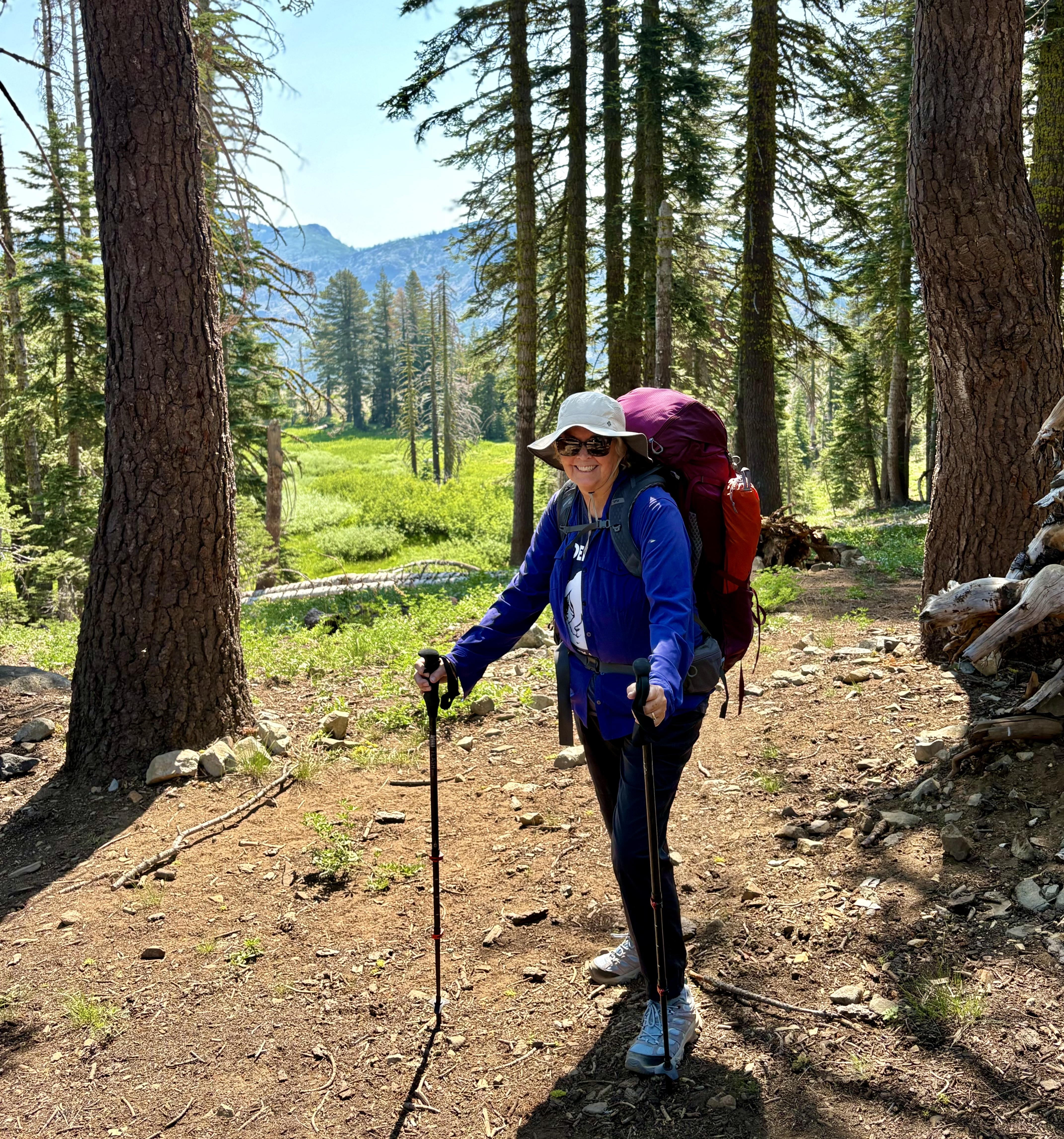
Over the past three months, I’ve been blogging (with Peggy’s help) about our national parks and monuments with an emphasis on their unique beauty, geology, flora, fauna and history that makes them so important to us— and about the threats that they are presently facing from the Trump Administration. Today we are switching to wilderness areas with the same emphasis. I’m going to cover three that I backpacked through on my 750 mile trip down the PCT in 2018 to celebrate my 75th birthday: The Mokelumne, Granite Chief/Desolation, and Marble Mountains Wilderness areas. If you’ve been with this blog for a while, some of the photos may be familiar to you.
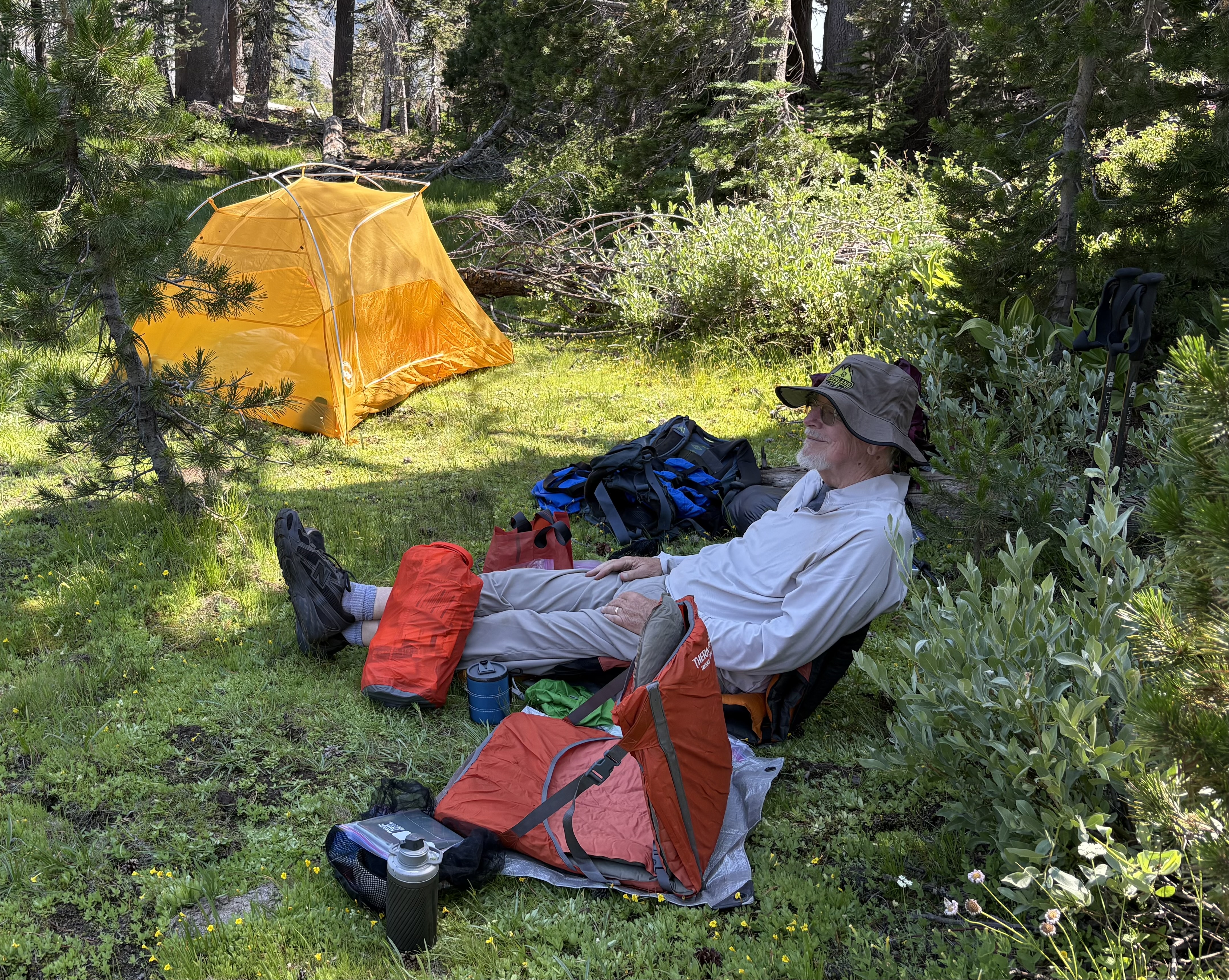
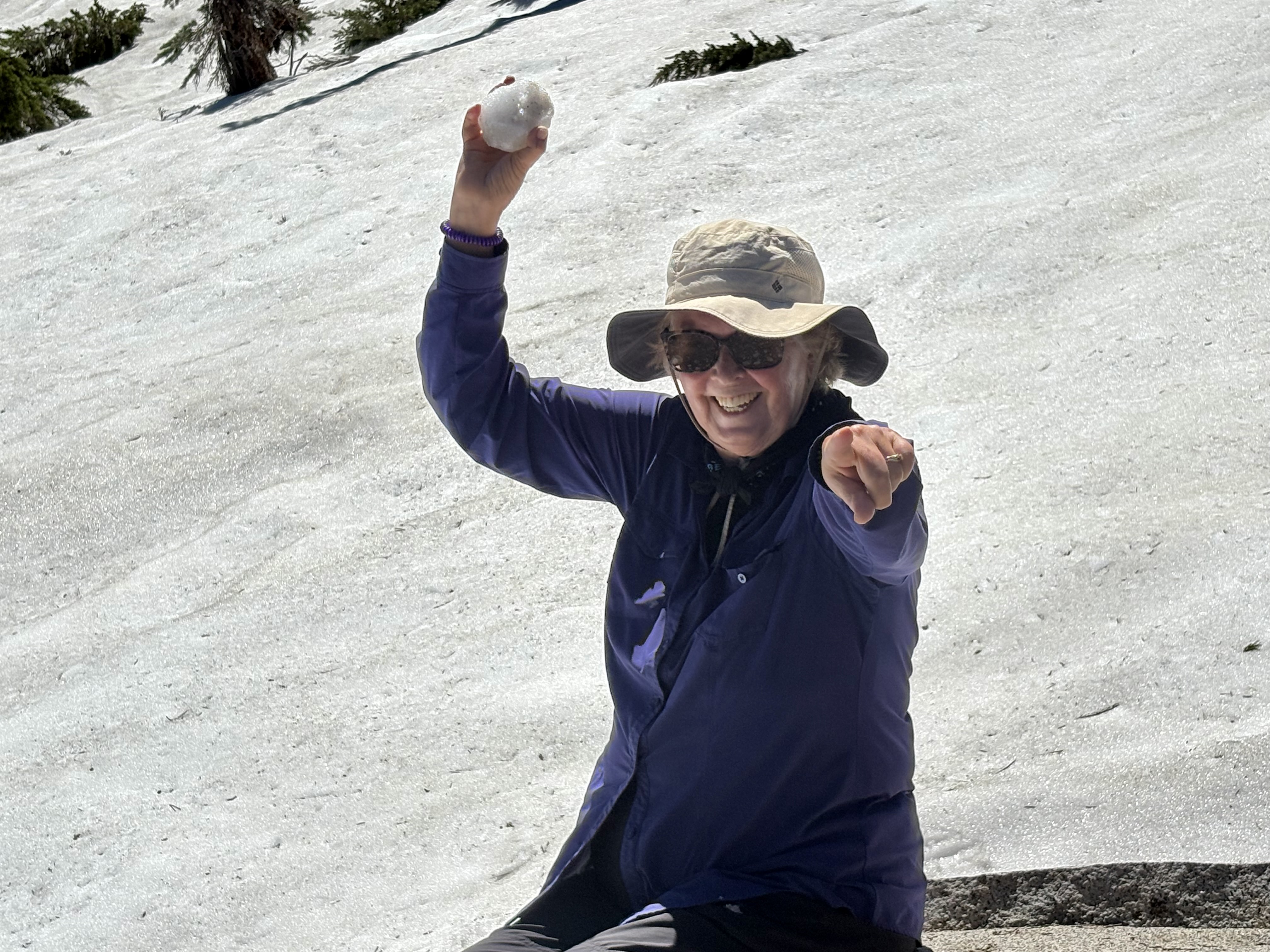
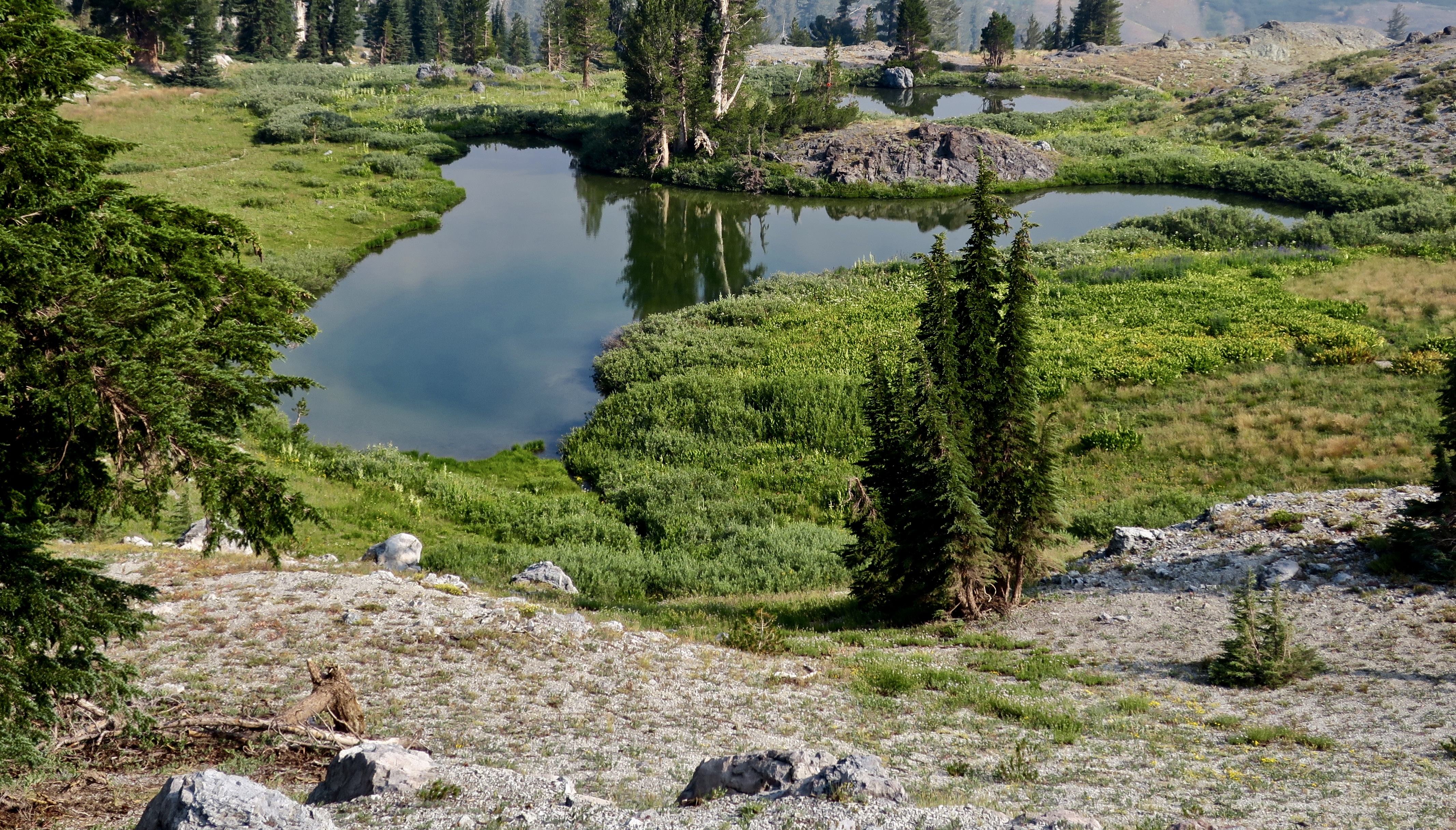
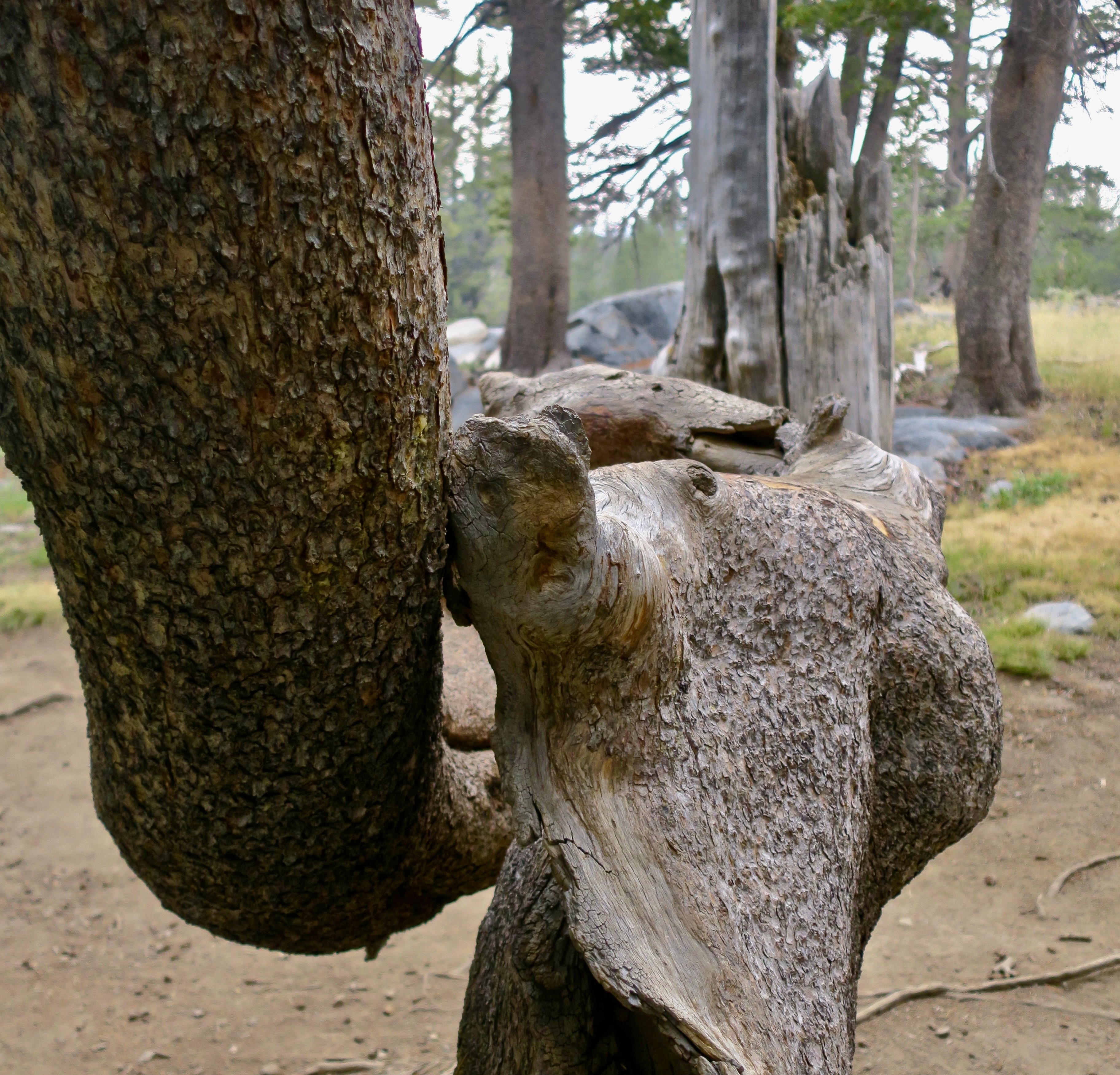
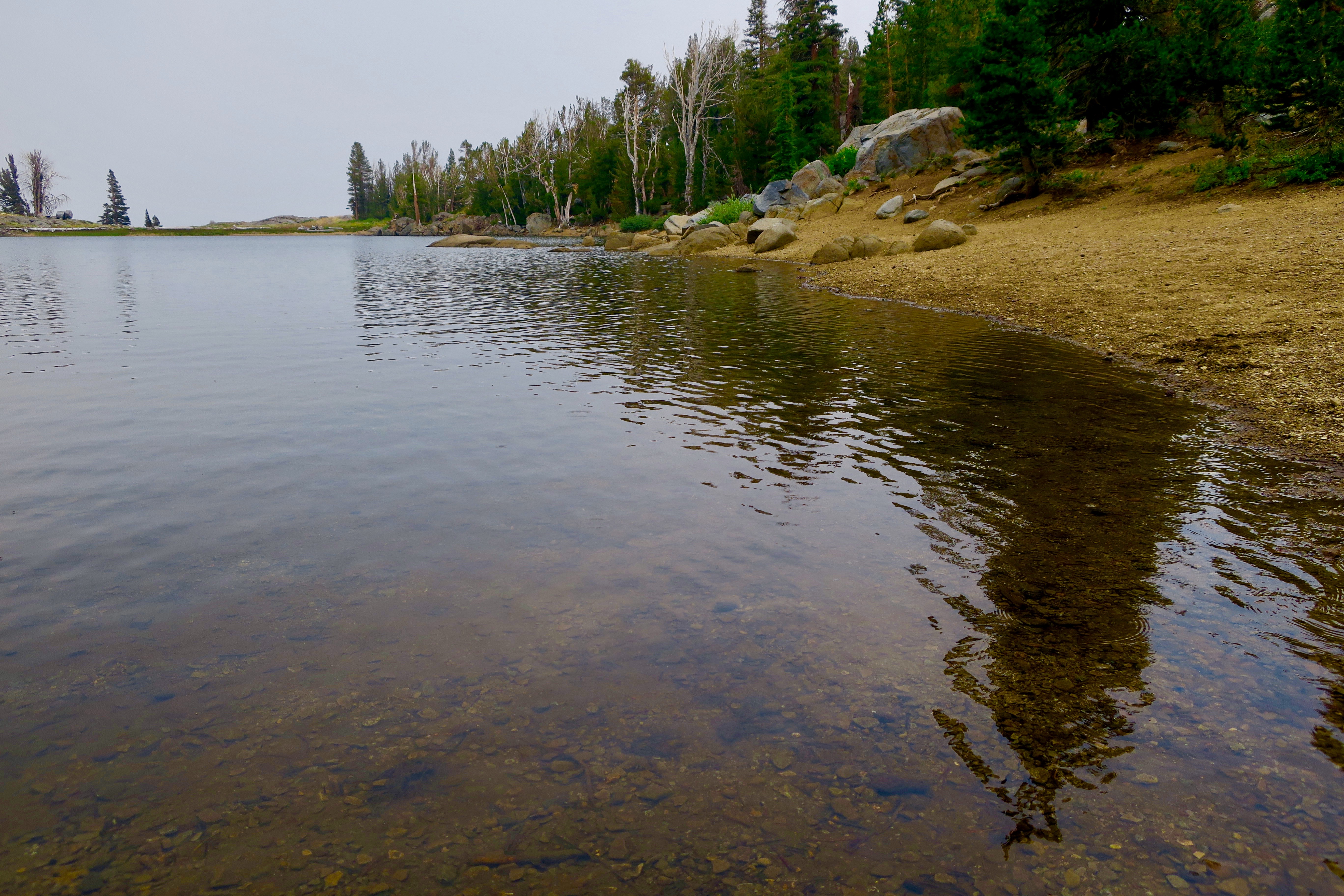
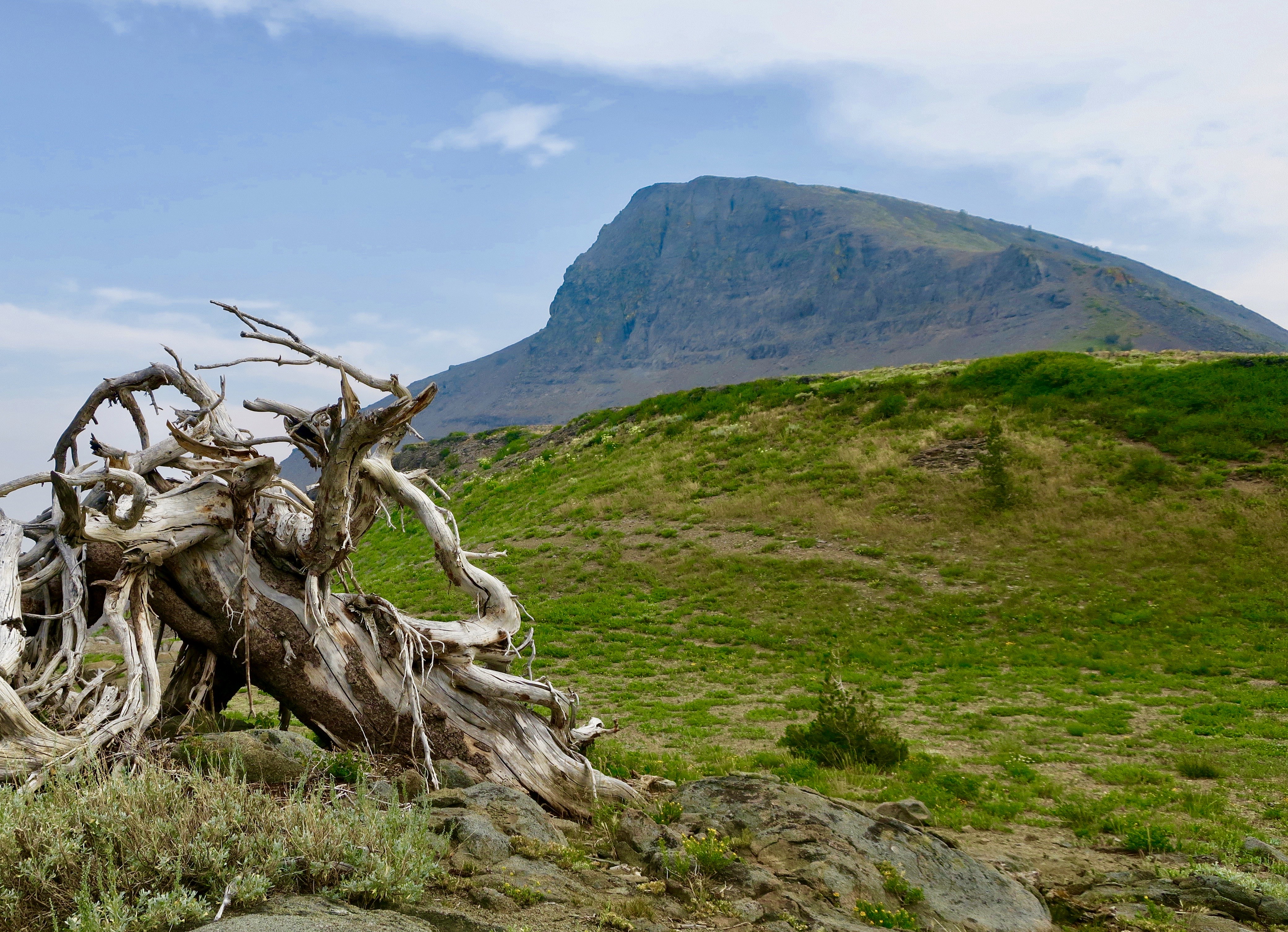
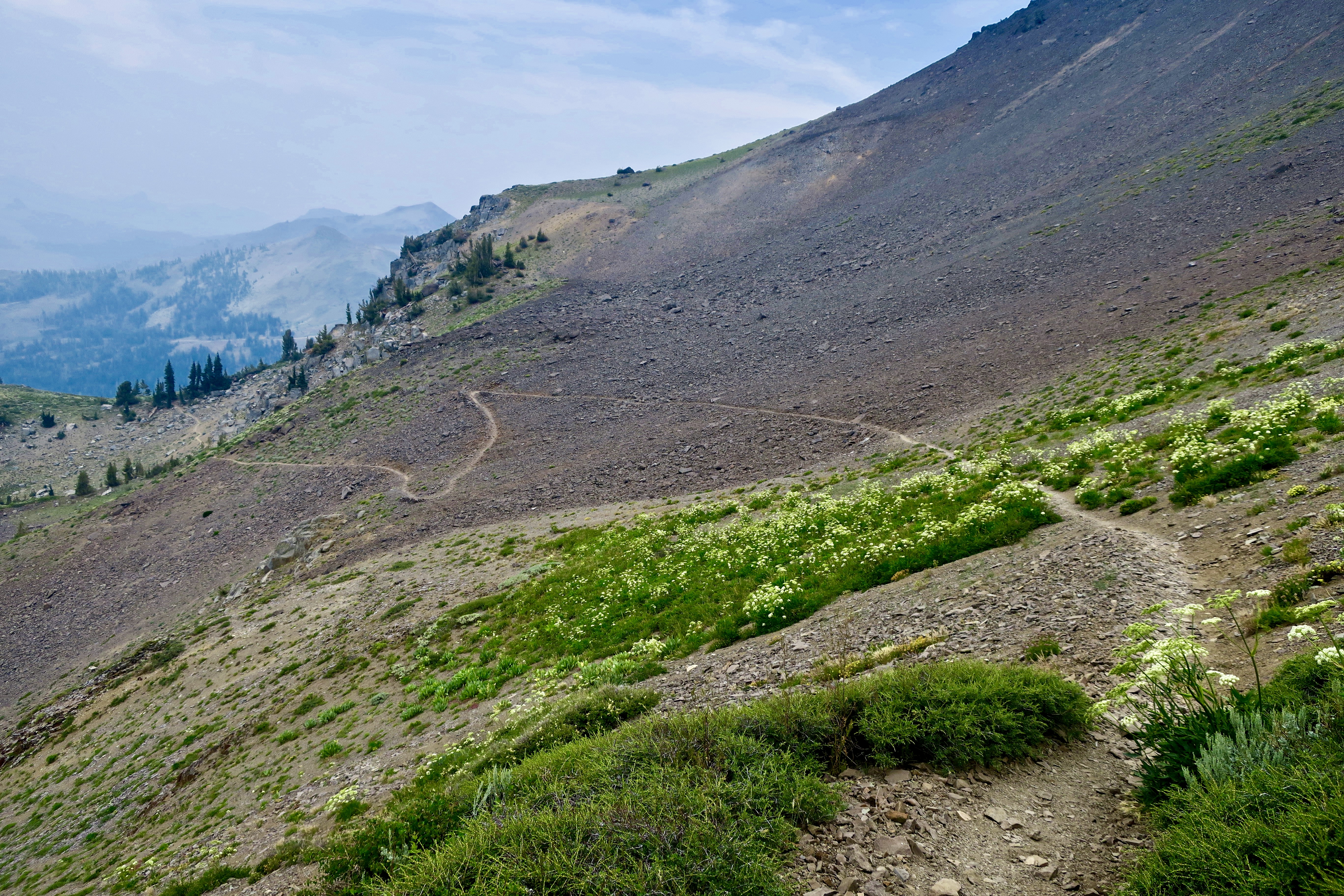
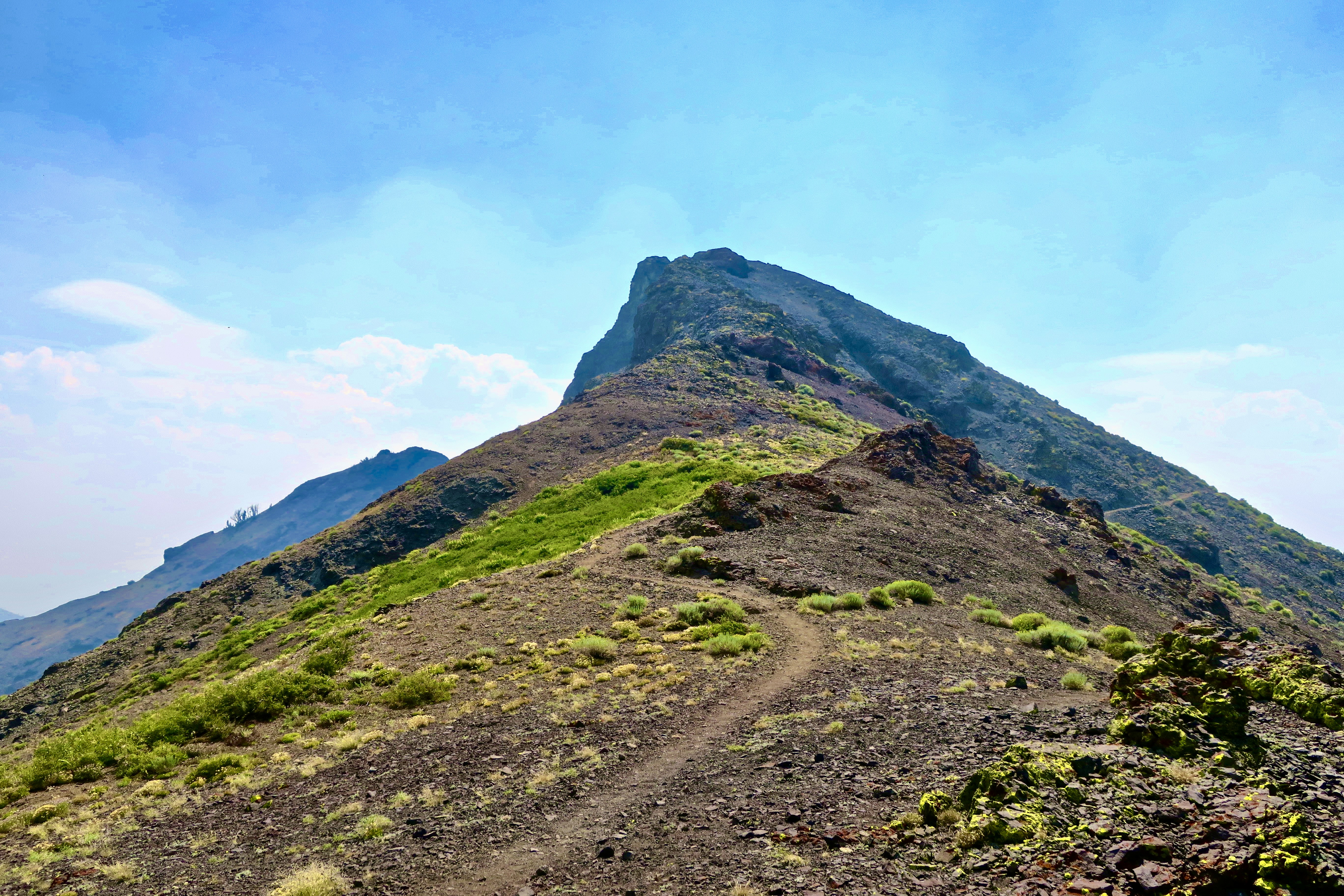
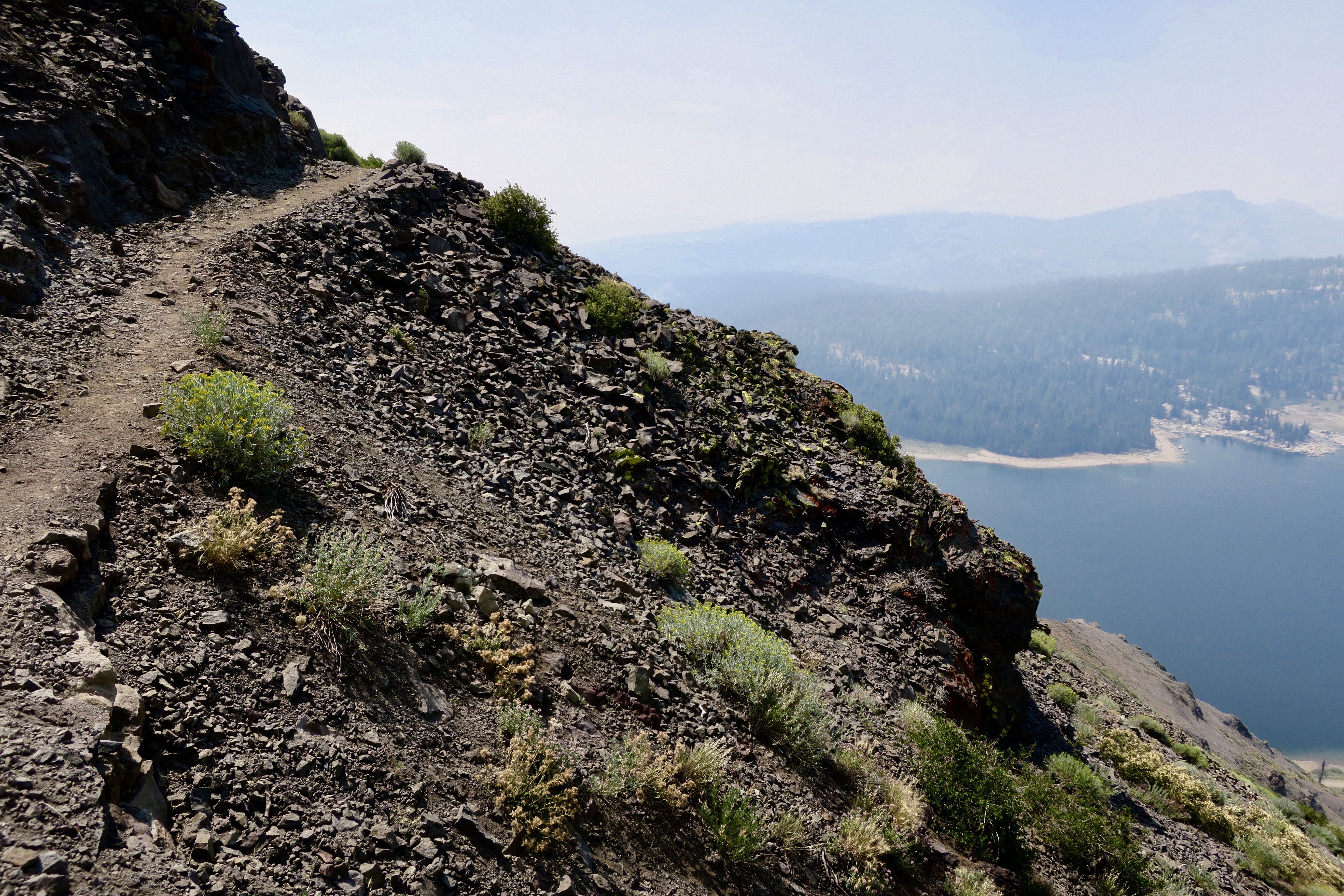
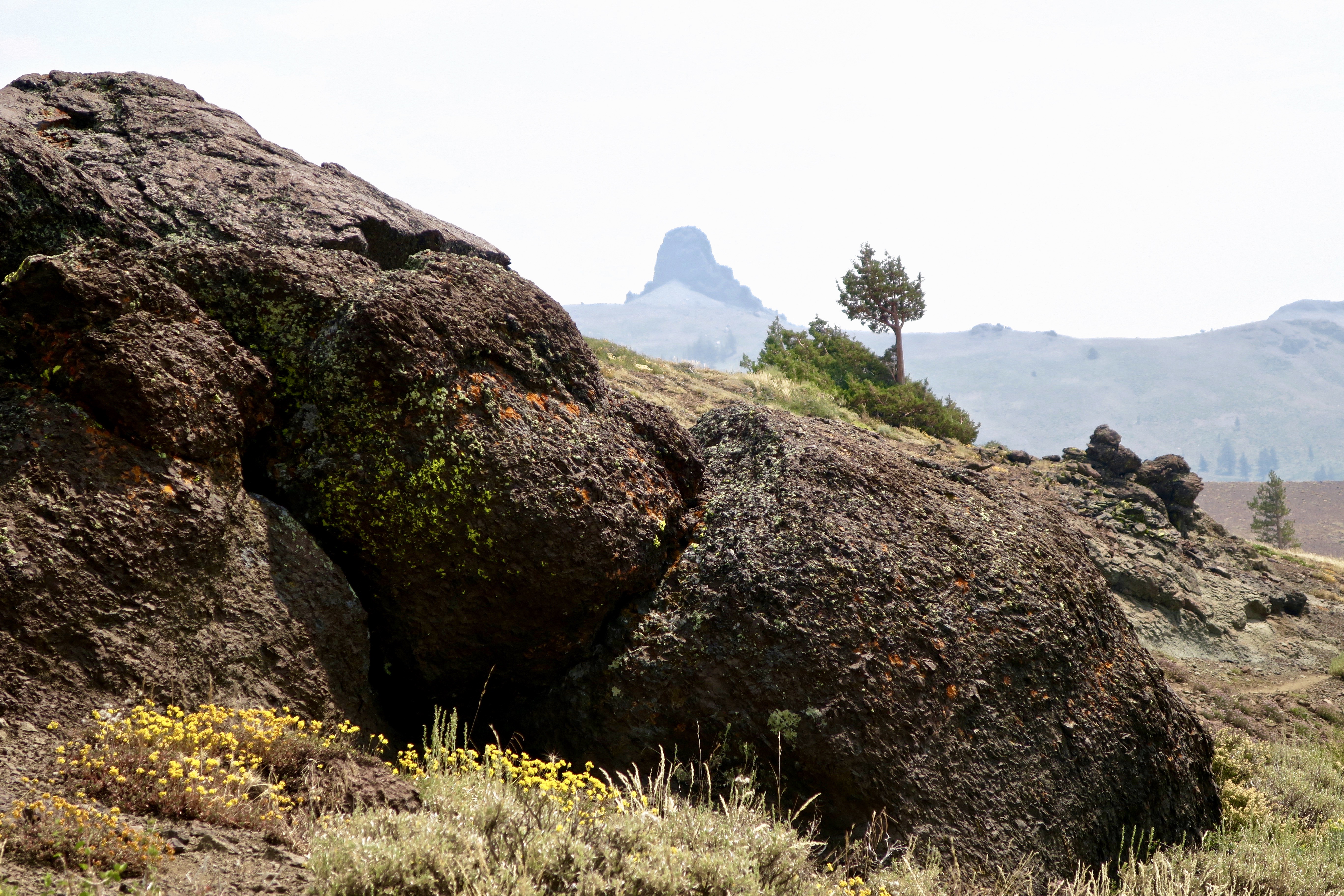
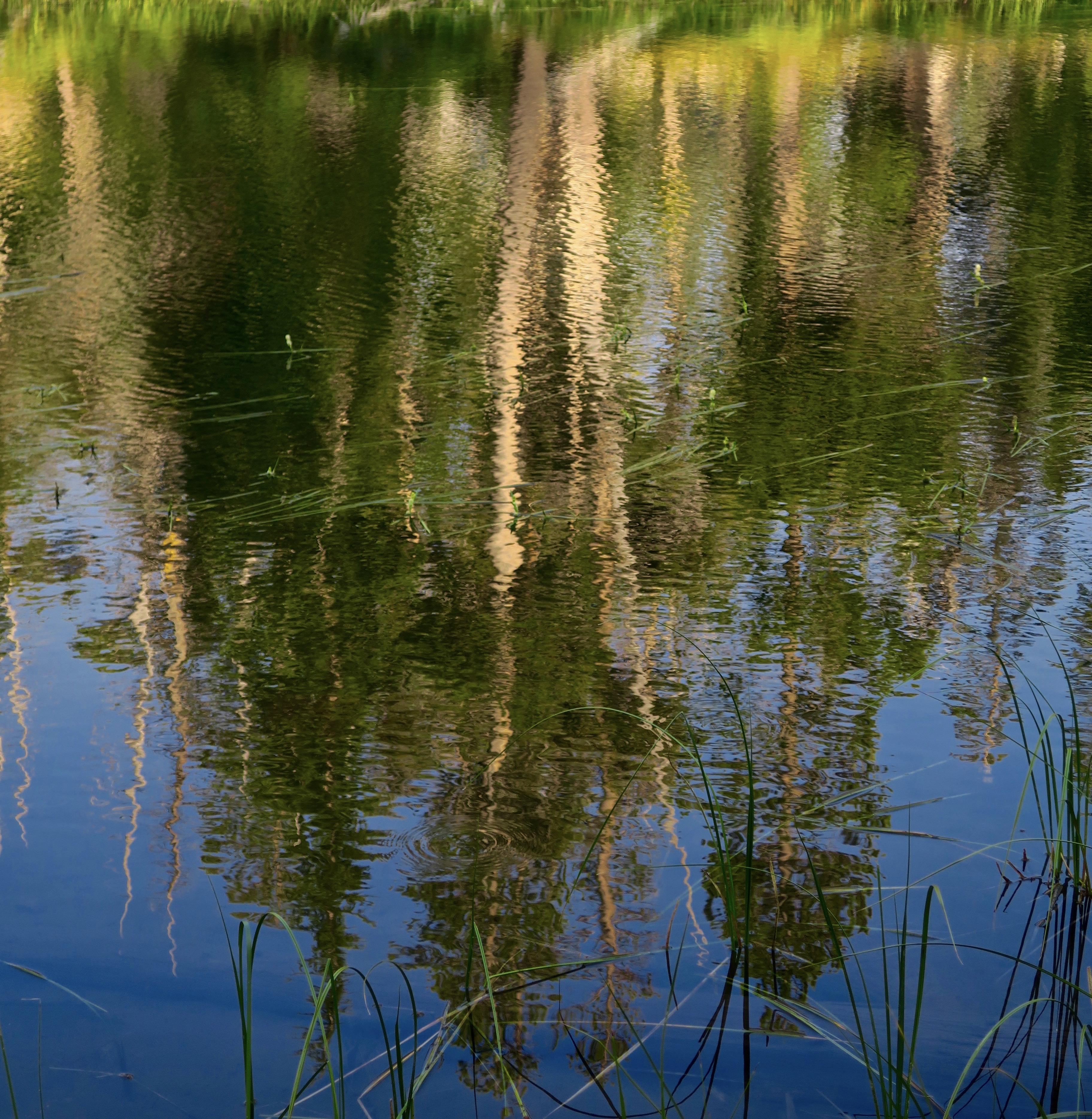
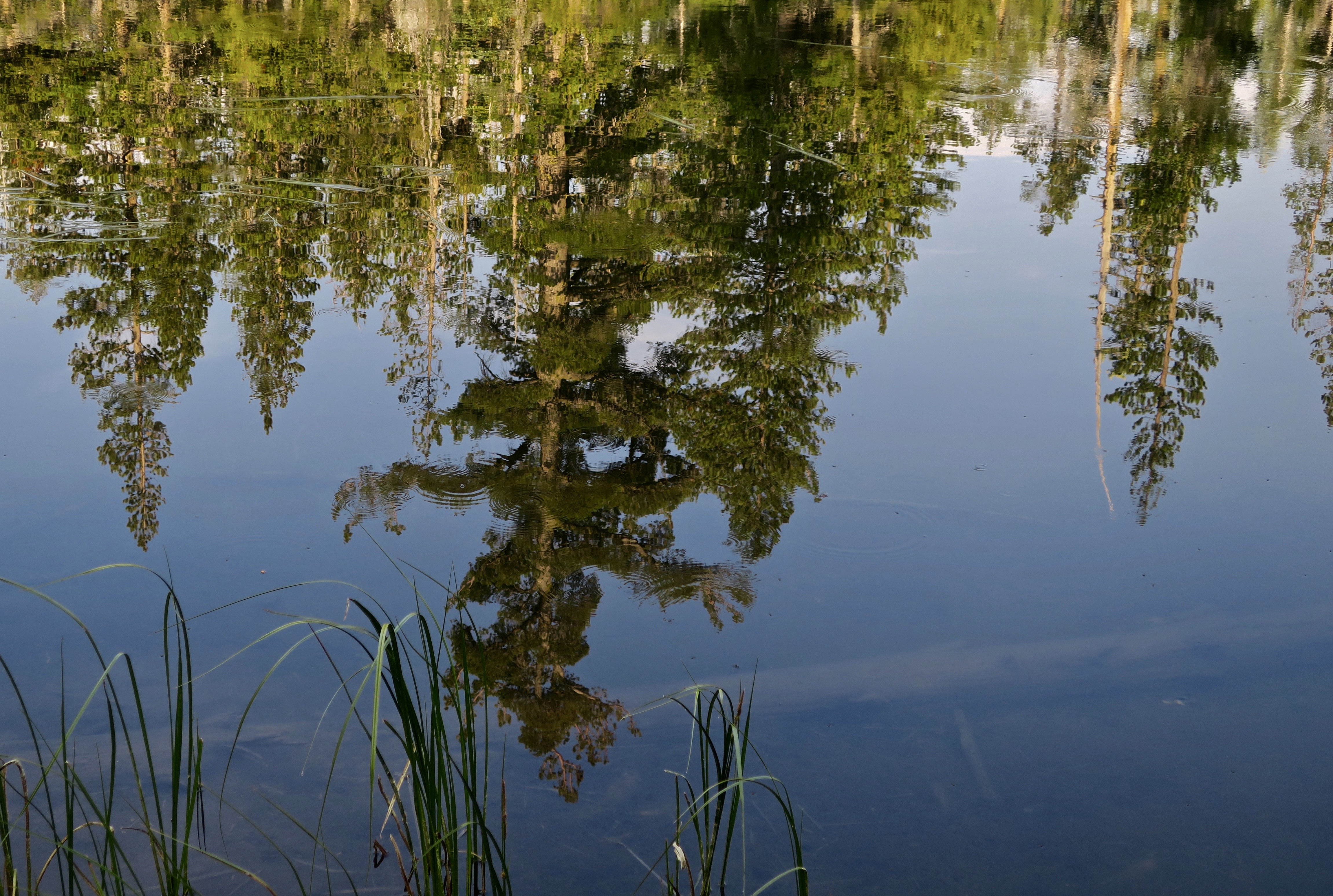
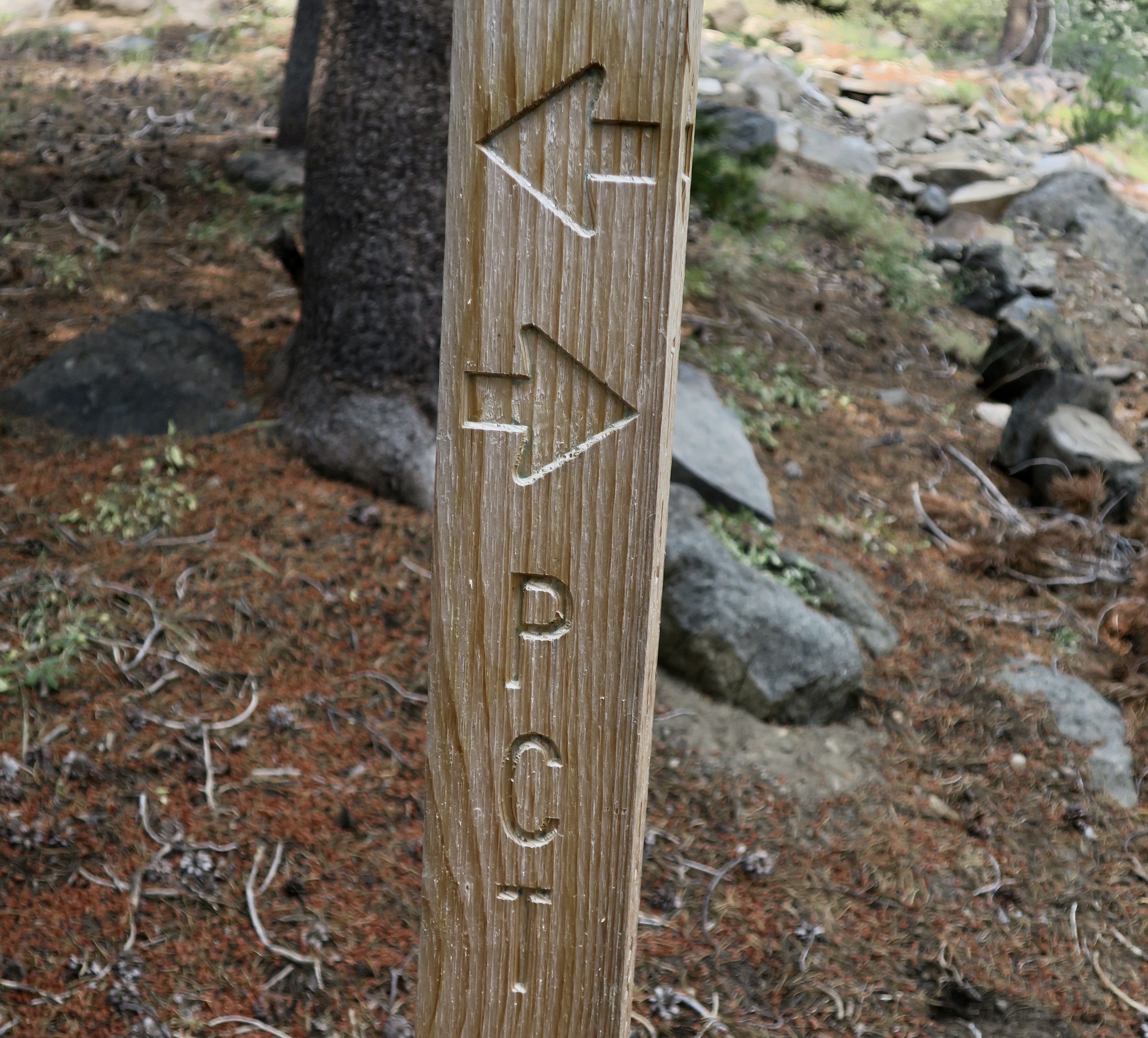
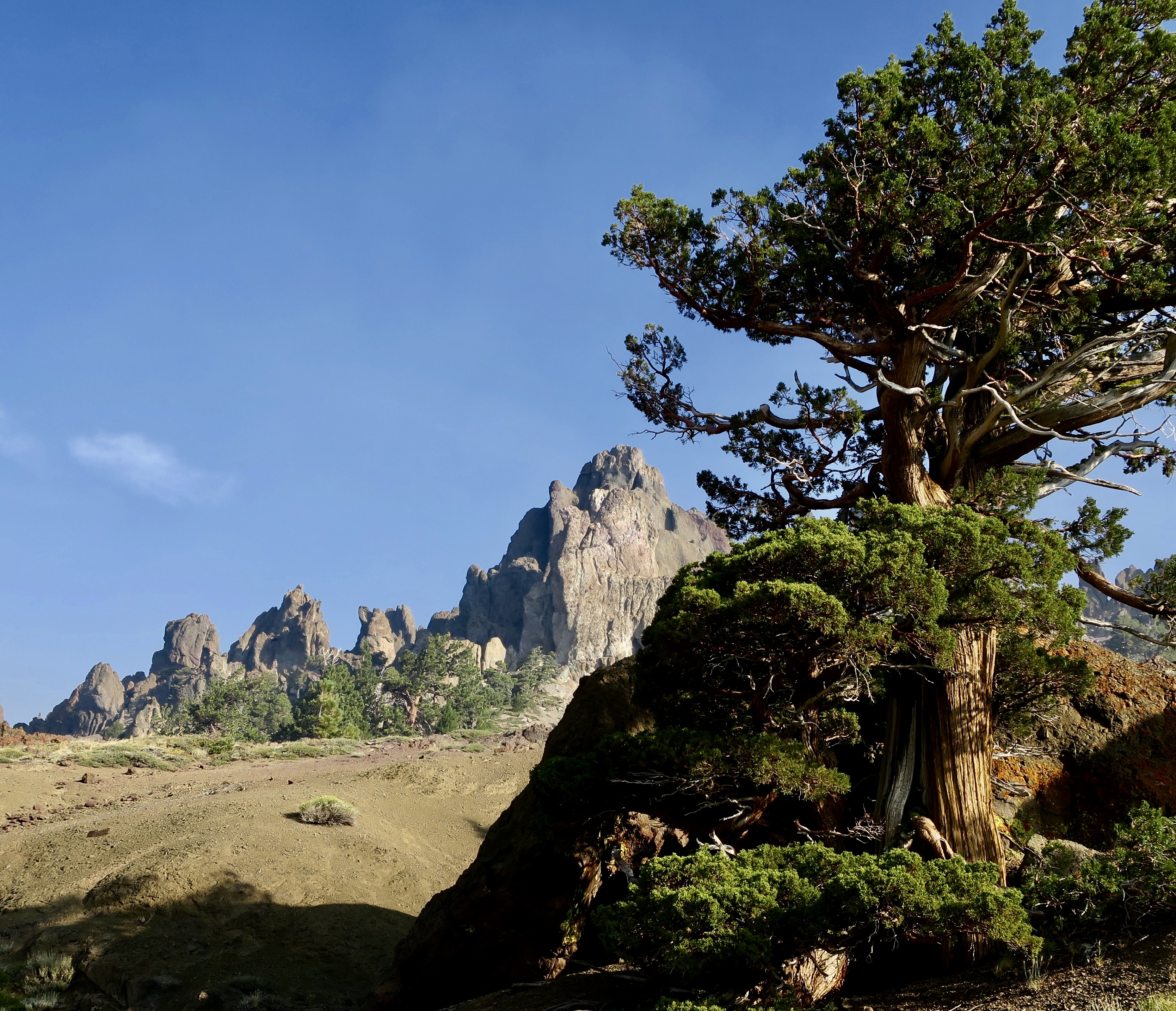
The Mokelumne Wilderness is conveniently located between two of California’s highways that cross the Sierras. Since I was hiking north to south, I started at Carson Pass (elevation 8573’) on Highway 88 and ended at Ebbet’s Pass (elevation 8732’) on Highway 4. The distance on the PCT is approximately 30 miles, which is relatively short— but there are plenty of ups and downs! And, as you will see, great diversity and beauty.

 Wandering through Time and Place