Organ Pipe Cactus National Monument… A Photographic Exploration of America’s National Parks

Saguaro Cactus in Organ Pipe National Monument. Photo by Curtis Mekemson.

While Organ Pike cactus give the National Monument its name, Multi-limbed Saguaro give it character. The power lines in the background are headed for the Visitors’ Center.

Organ Pipe National Monument had been on my bucket list for a long time. I liked its remote feel, how it hugged the Mexican Border, and how the only way to get there was via a small, rural road.

What surprised me were the number of Border Patrol police and their extensive network of roadblocks. I felt like I had left the US and entered a police state. People with guns to shoot you, dogs to sniff out your innermost secrets, and X-ray machines to probe your car make me nervous.  It didn’t matter if I was innocent, I felt guilty.

On top of the national paranoia over illegal immigrants, there was Arizona’s unique twist on the issue. Mexican-Americans and Mexicans were guilty until proved innocent.

As an aside, Peggy and I were on a bus to the small Mexican town of San Sebastian in the Sierra Madre Mountains last week. Our guide asked where we were all from and one couple announced they were from Arizona.

“Aha!” the guide proclaimed to the couple, “You must show me your passports.” He was joking and we all laughed, including the couple. But his point was made. What if people from Arizona had to carry special papers when they traveled in Mexico and were regularly stopped by police?

Politics aside, Organ Pipe Cactus National Monument was, um, filled with cacti. There were mighty Saguaro, whip-like Ocotillo, Barrel Cactus, Organ Pipe Cactus, Cholla, and round Prickly Pears that something with a large mouth had been eating. We got up early in the morning to miss the midday heat and followed a winding trail out into the desert. Dark clouds hung over the mountains; birds were busy announcing the day. Curiosity pulled us off the trail but sharp thorns required that we walk with care. The dark of early morning gradually gave way to bright sun.

Organ Pipe National Monument in early morning light. Photo by Curtis Mekemson.

Early morning sun broke through the dark clouds and provided enough light to walk by. Sort of. Running into cactus thorns is not fun.
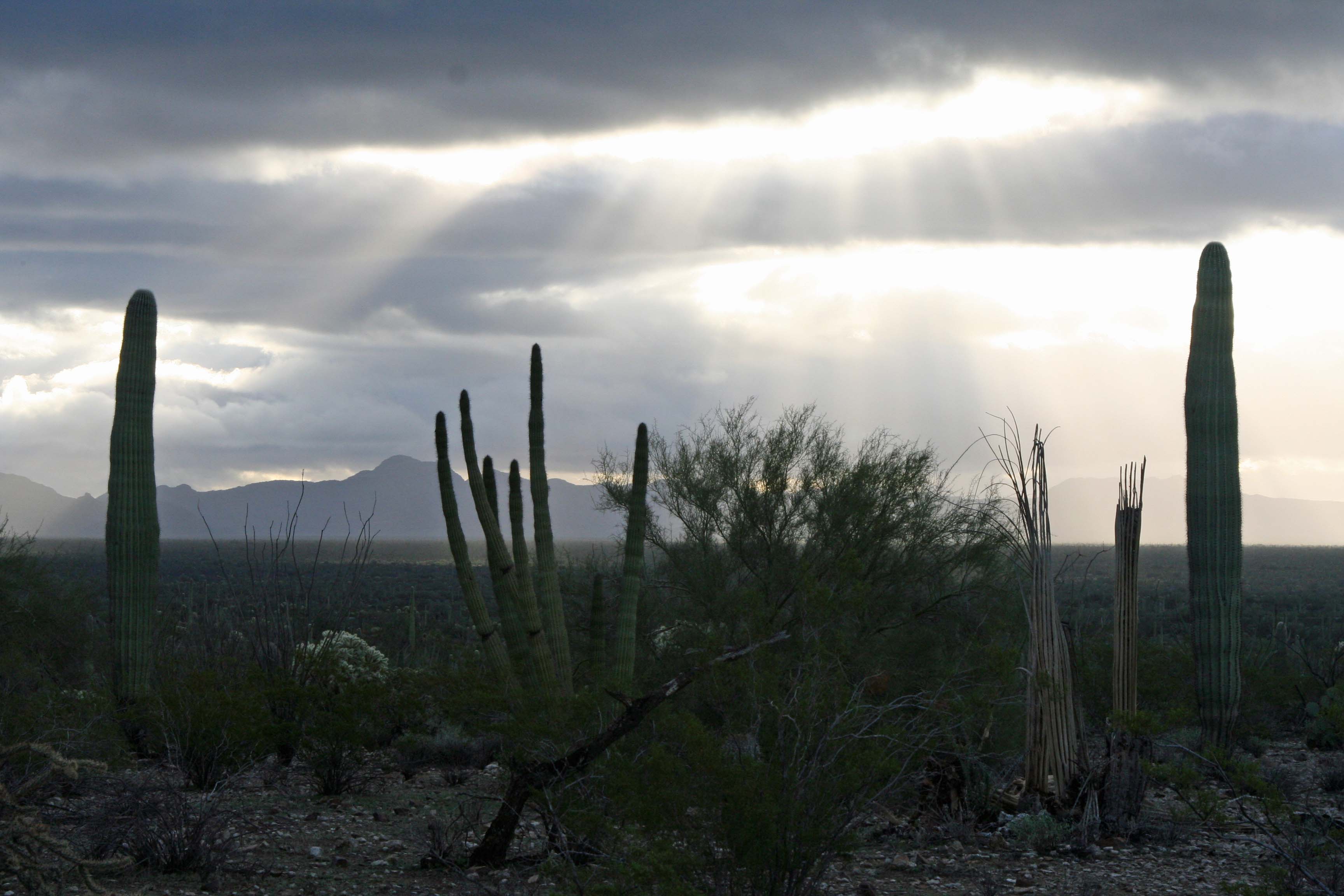
Two Saguaros and an Organ Pipe Cactus in Organ Pipe national Monument. Photo by Curtis Mekemson.

An Organ Pipe Cactus grows between two Saguaros.
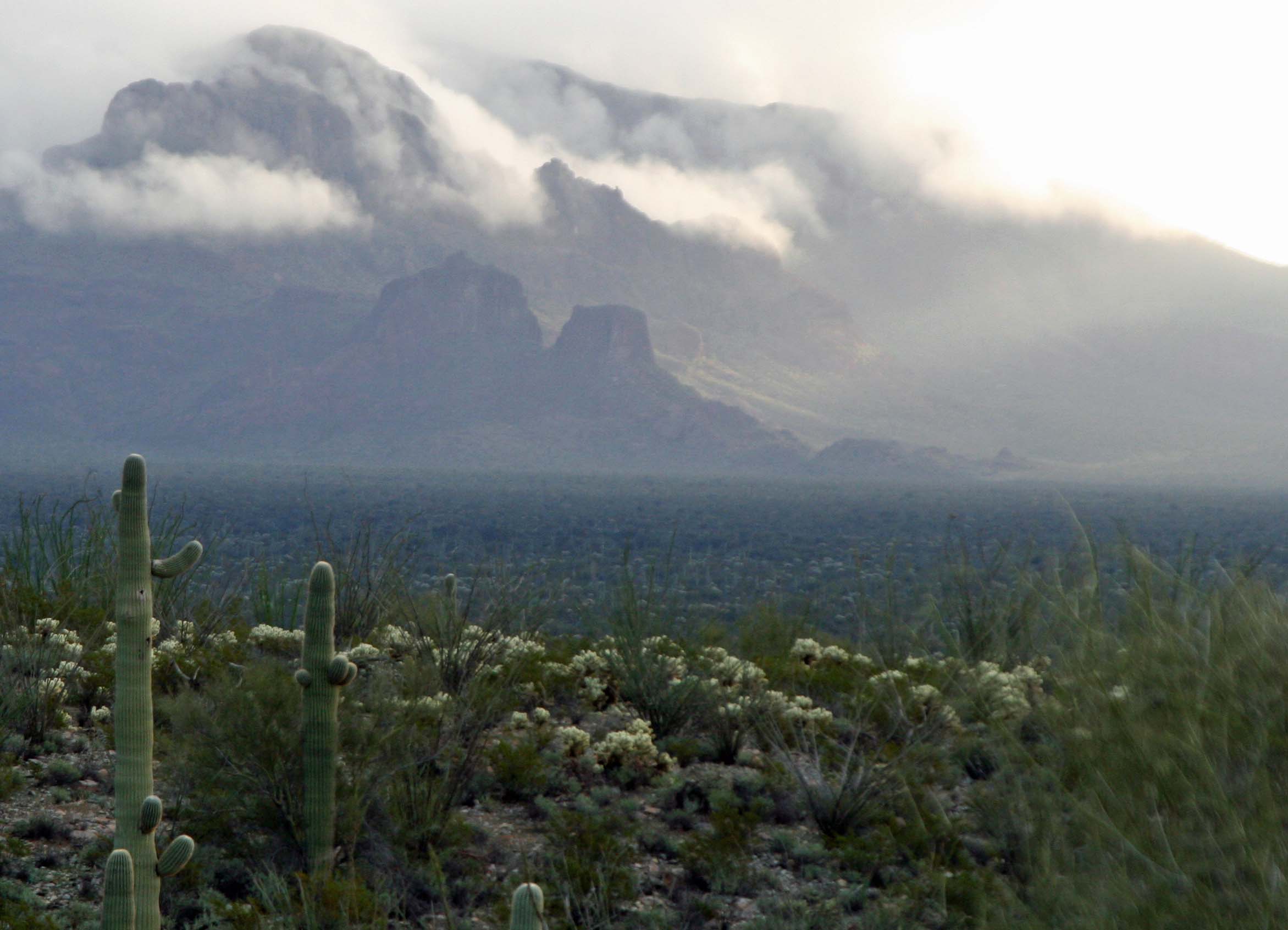
Misty mountains in Organ Pipe National Monument. Photo by Curtis Mekemson.

I loved this photo of the misty, almost mystical mountains.
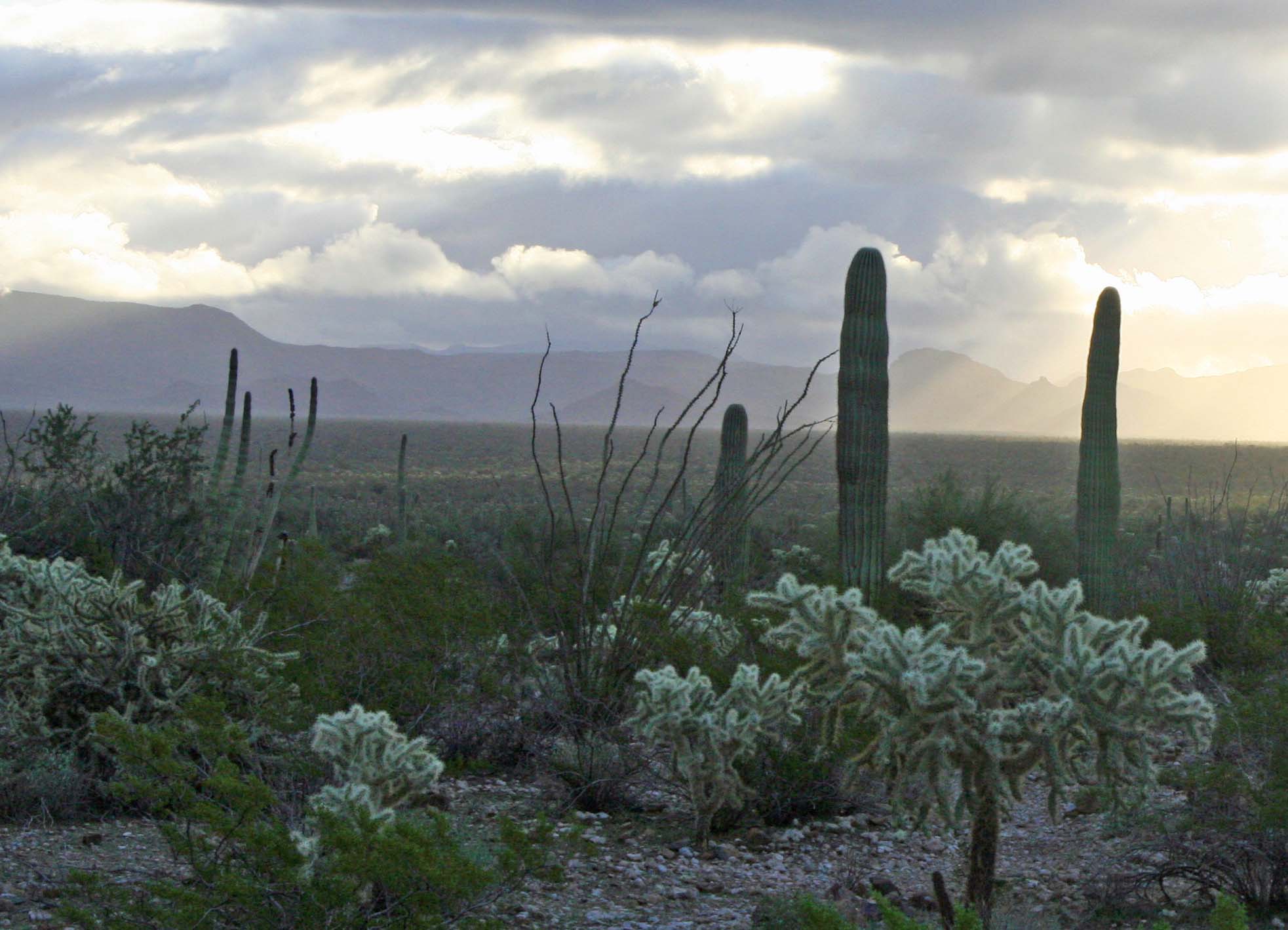
Organ Pipe National Monument. Photo by Curtis Mekemson.

Whip-like Ocotillo Cactus grows behind fuzzy Cholla.
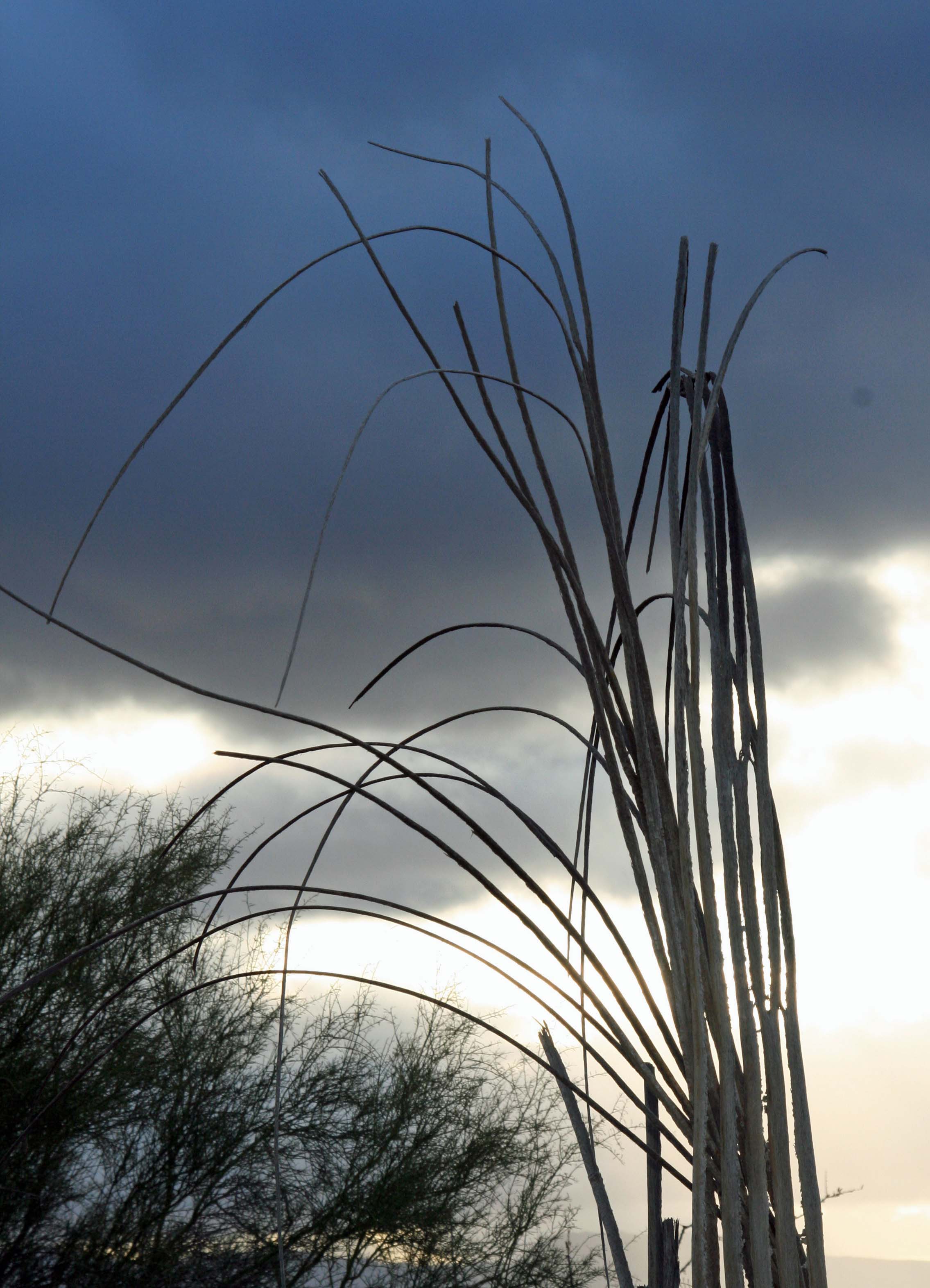
The "bones' of a Saguaro at Organ Pipe Cactus National Monument. Photo by Curtis Mekemson.

The “bones” of a Saguaro.

Cactus garden in Organ Pipe Cactus National Monument. Photo by Curtis Mekemson.

A cactus garden with an Organ Pipe Cactus on the left. It’s easy to see why care is required when walking off trail.

Organ Pipe Cactus in Organ Pipe National Monument. Photo by Curtis Mekemson

A mature Organ Pipe Cactus. Note the small holes in the top where birds nest.
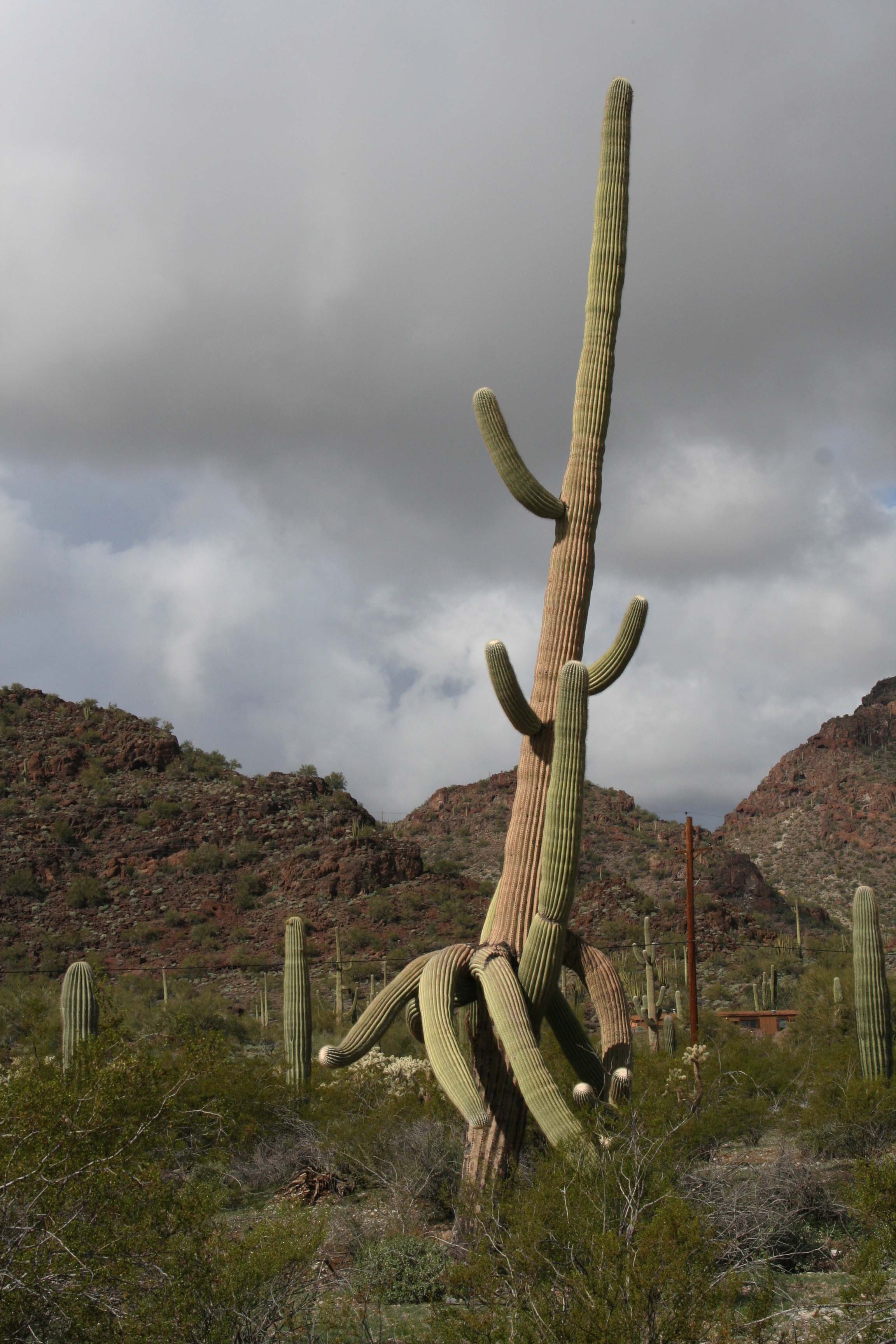
Multi-armed Saguaro Cactus in Arizona. Photo by Curtis Mekemson.

I’ll close today’s blog with a Saguaro who didn’t quite know what to do with its arms.

NEXT BLOG: We are off to Dinosaur National Monument where the big lizards roamed.


The Everglades… A Photographic Exploration of America’s National Parks

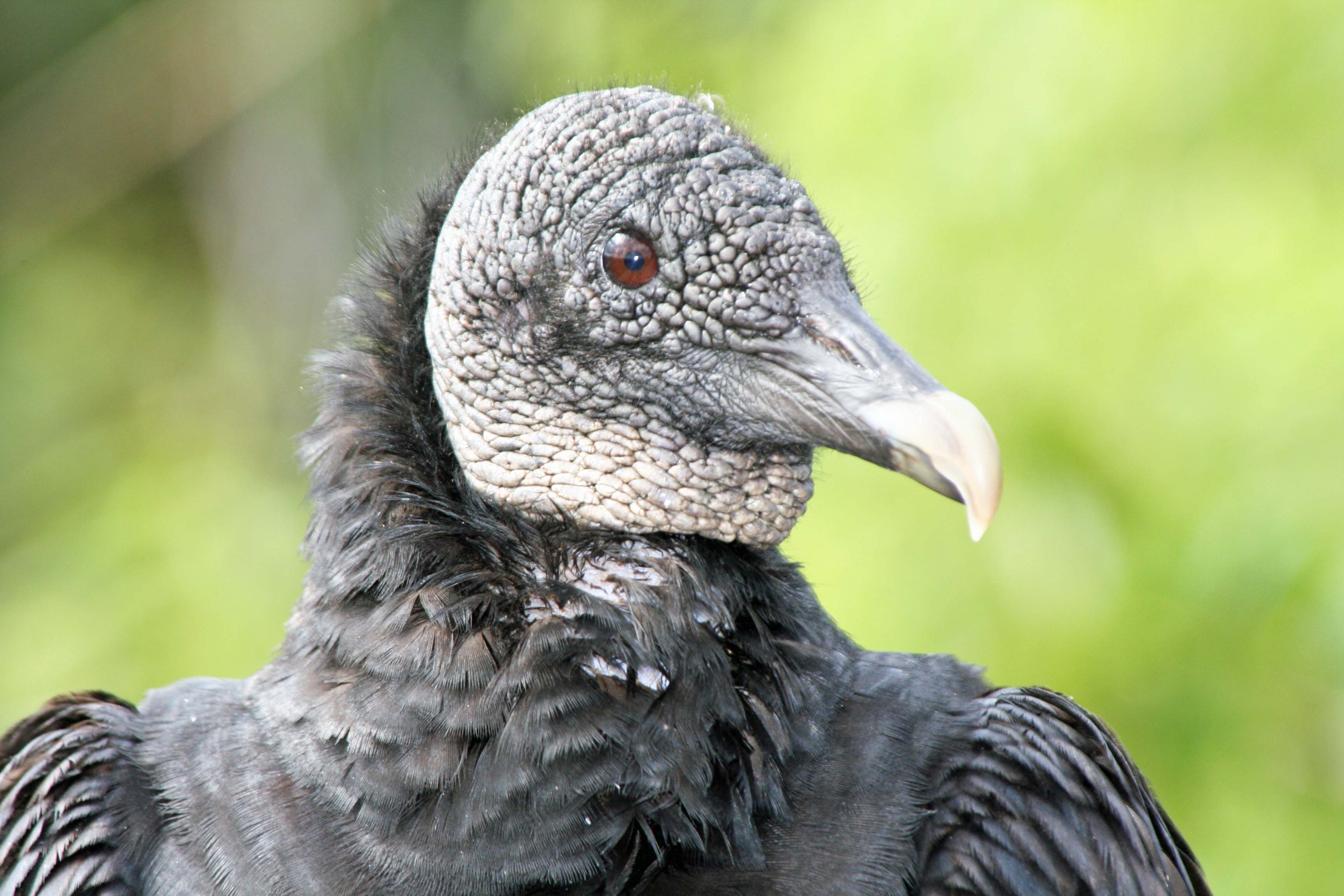
Photo of a Black Buzzard in Everglades National Park. Photo by Curtis Mekemson.

I’ve blogged about Black Buzzards before, but these characters deserve a repeat visit.

Peggy, in her former life, which I refer to as BC, before Curt, bought some swampland in Port Charlotte, Florida with dreams of a handsome profit. Eventually, over a period of about 20 years, the land reached the value she and her ex-husband had paid for it. In the heady years of the early 2000s, the property shot up to triple the original investment. We were able to dump (oh, I mean sell) it before the 2006 housing crash to a land speculator. We split the profits between our kids, the realtor, and Uncle Sam.

I tell this story because the property provided an excuse to visit Florida. It was one of three. The second was that Peggy’s parents had retired to the state from Ohio, joining the relentless flood of people from the Midwest whose elderly bones had lost their sense of humor about freezing cold winters. My brother, Marshall, a homeless man with a bank account and a van, provided the third excuse. He included Florida on his migration route. Marshall, in fact, gave us advice on when to sell the property. In the days before he had decided being homeless was more fun, he had owned a successful real estate appraisal business.

Our regular trips to Florida gave us a chance to explore the state, which can be quite scenic if you can see around the billboards and like orange trees. It’s long sandy beaches are very attractive. Peggy loves them. As a general rule, the state is too flat for me. I can gain more elevation in the twenty-minute walk to our mailbox than I can from driving to the top of Florida’s highest hill.

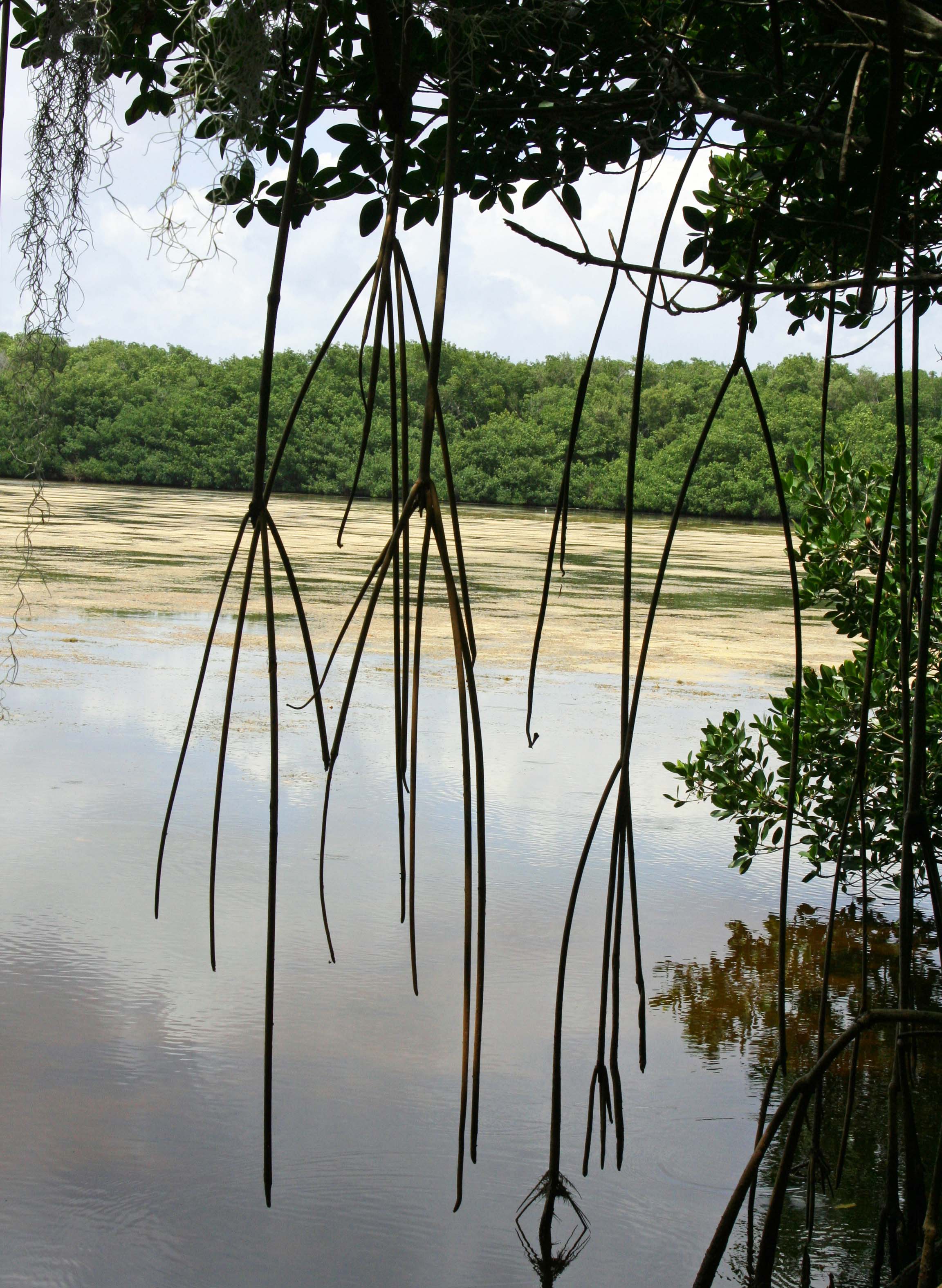
The low elevation and flat land make for  extensive wetlands in Florida, however. And I find this quite attractive. The swamps are filled with fascinating wildlife such as Black Buzzards, Pink Flamingos and the lurking alligators. Everglades National Park provides an excellent opportunity to explore what Florida has to offer.

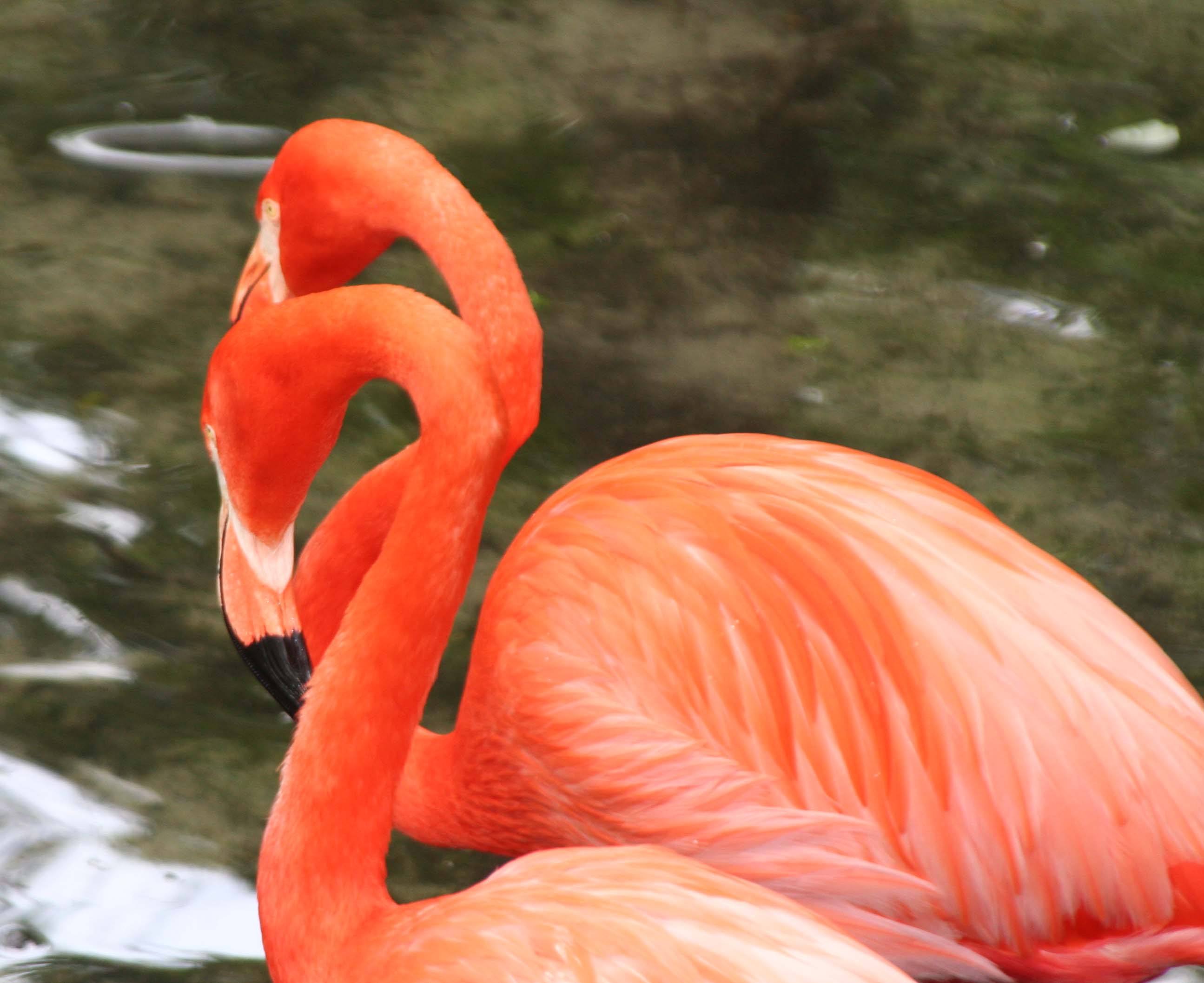
Photo of Flamingos by Curtis Mekemson.

You are much more likely to see photographs about Flamingos than Black Buzzards when reading about the Everglades. I suspect you have never seen a yard featuring plastic buzzards.

Anhinga in Everglades National Park.

This Anhinga was drying his feathers and presented another photo-op. (Photo by Peggy Mekemson.)

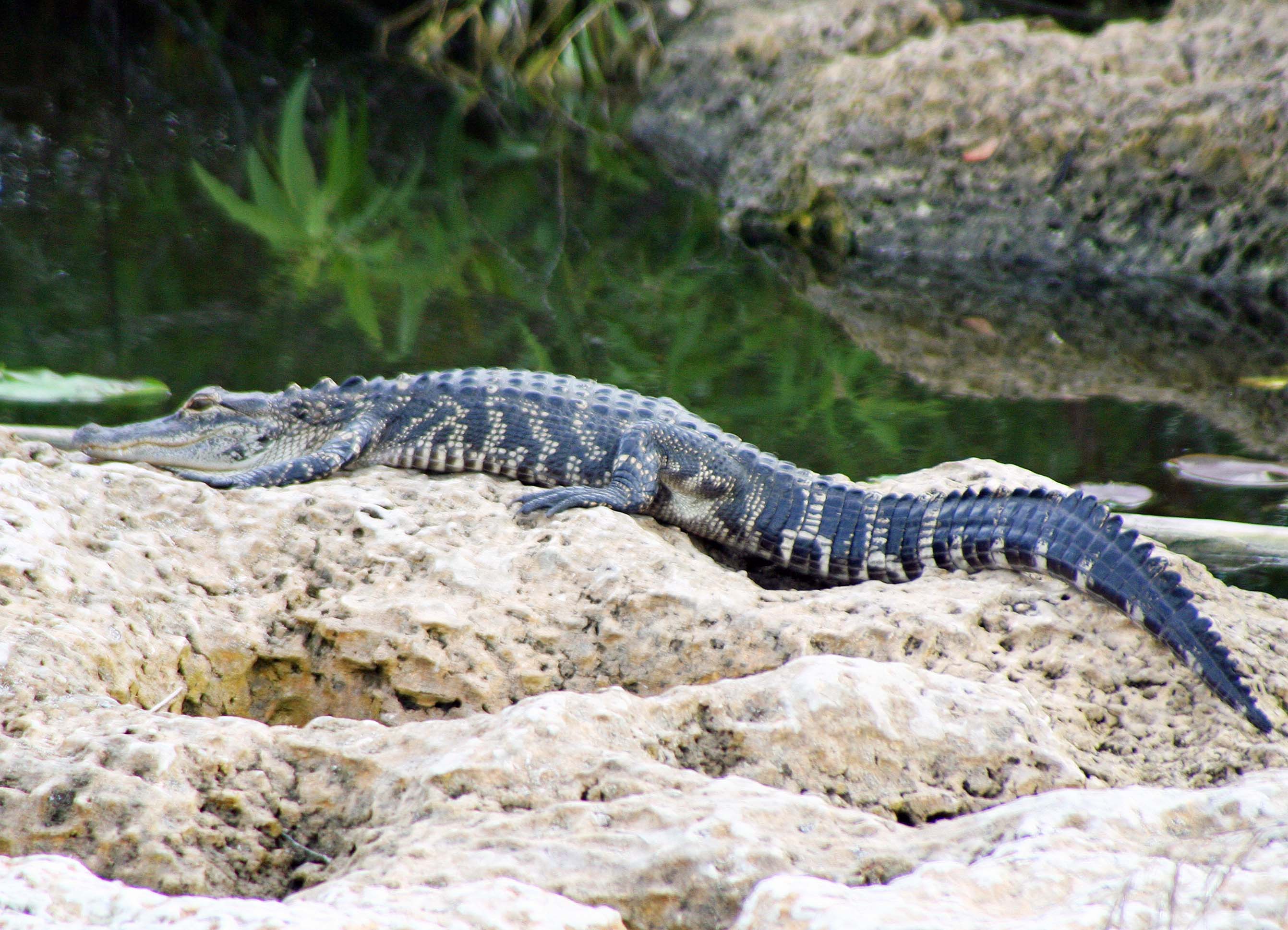
Alligator sunbathing in the Florida Everglades.

We came on this alligator sunbathing. It would be hard to appear more relaxed. (Photo by Peggy Mekemson.)

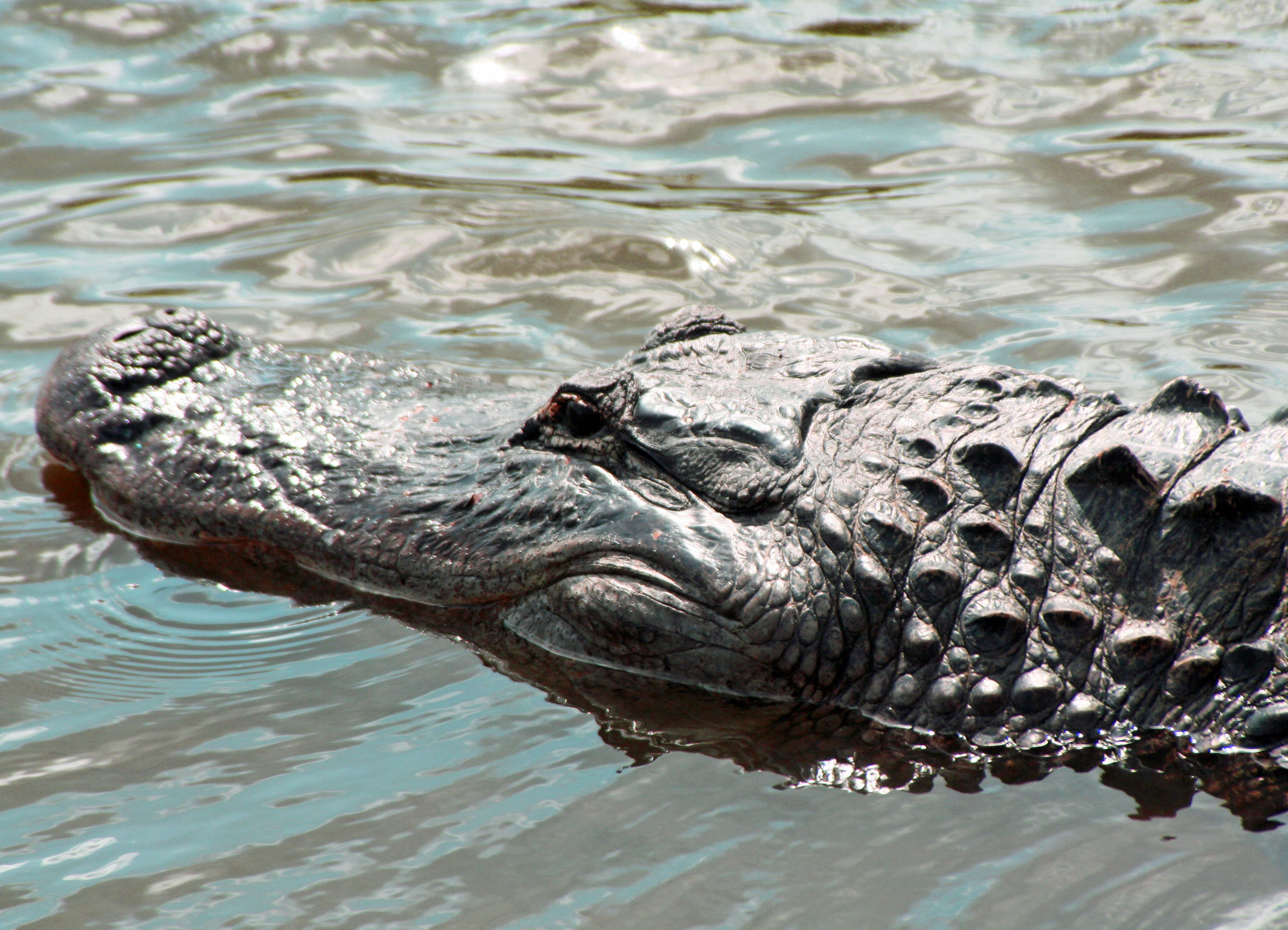
Alligator swimming through water in Florida Everglades. Photo by Curtis Mekemson.

I photographed this guy as he swam under a wooden bridge the park had built out above the wetlands.

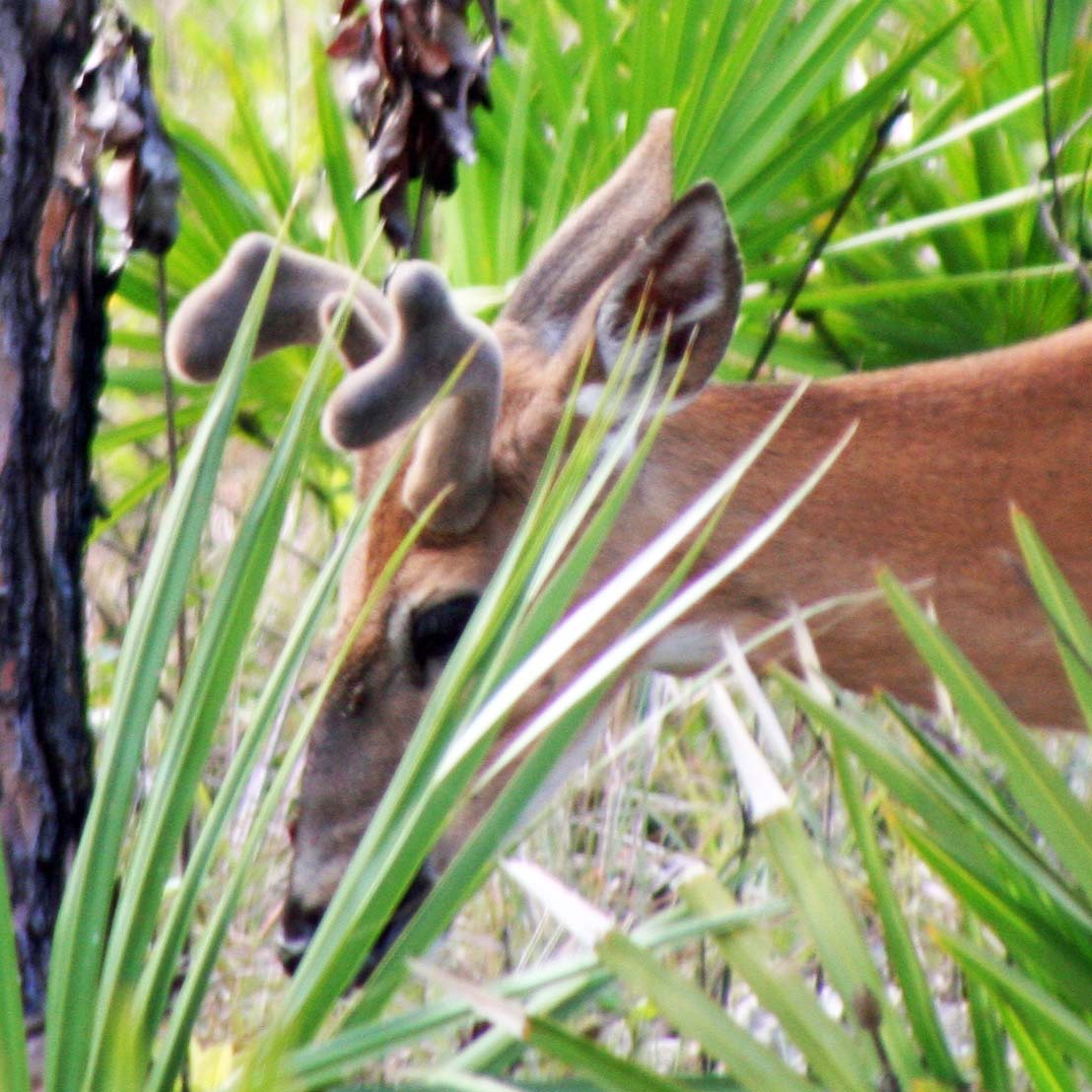
Everglade deer photographed by Curtis Mekemson.

This buck, whose antlers were still in velvet, came by to visit our campsite.

Everglades lake photo by Curtis Mekemson.

The Everglades teem with life. Our binoculars showed that the trees across the lake were filled with birds.

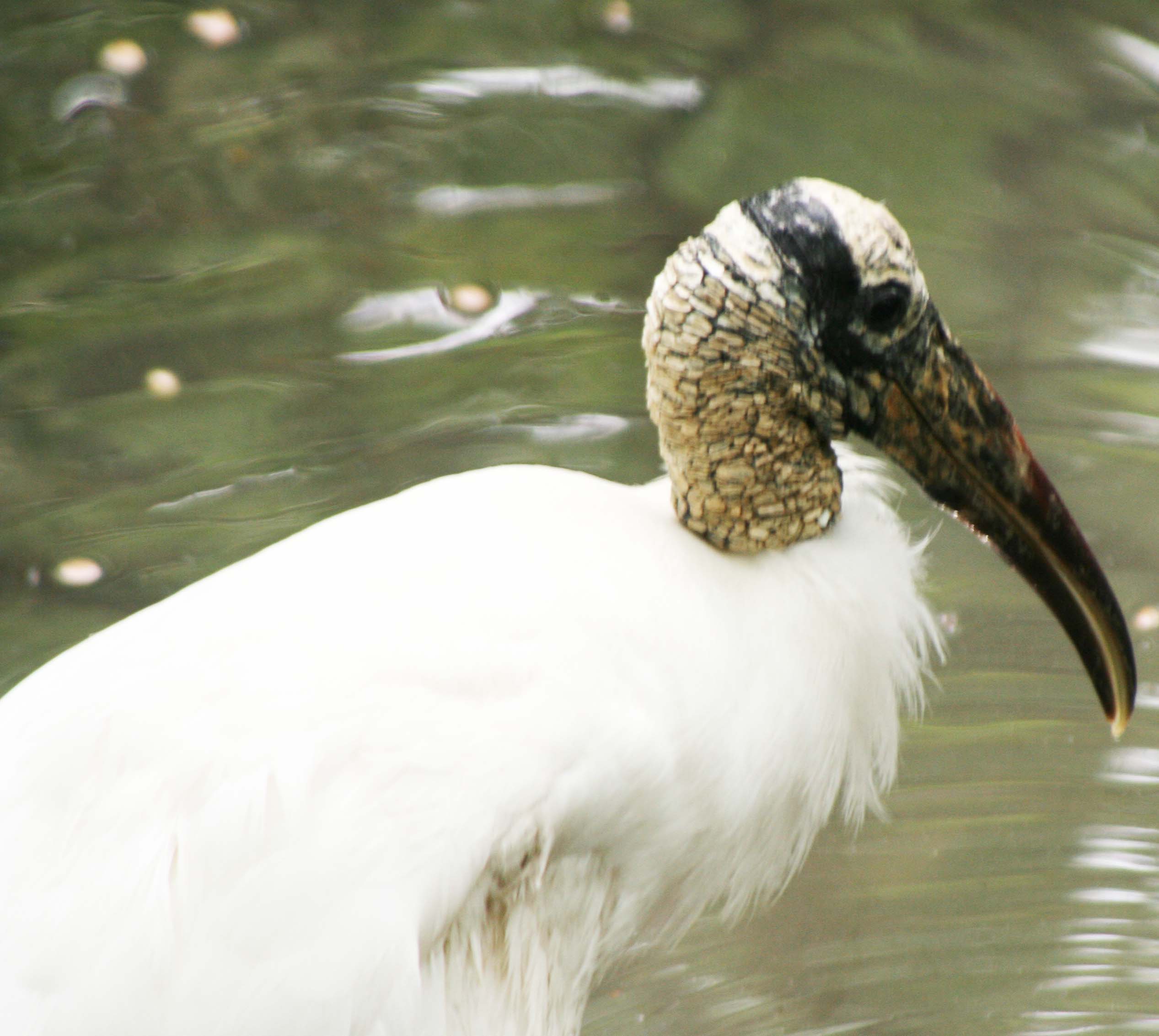
Photo of Wood Stork in Everglades by Curtis Mekemson.

This fellow, with his definitive neck and bill, is a Wood Stork.

Everglades Black Buzzard. Photograph by Curtis Mekemson.

I’ll close this brief visit to the Everglades with two more photos of the Black Buzzards.

Florida Everglades Black Buzzard take a bow. Photo by Curtis Mekemson.

Taking a bow. The buzzard and I thank you for following this blog. (grin)

NEXT BLOG: Since we’ve been hanging out where it is really wet, let’s dry out and head for Organ Pipe Cactus National Monument in Southern Arizona next to the Mexican Border.

Death Valley… A Photographic Journey through America’s National Parks

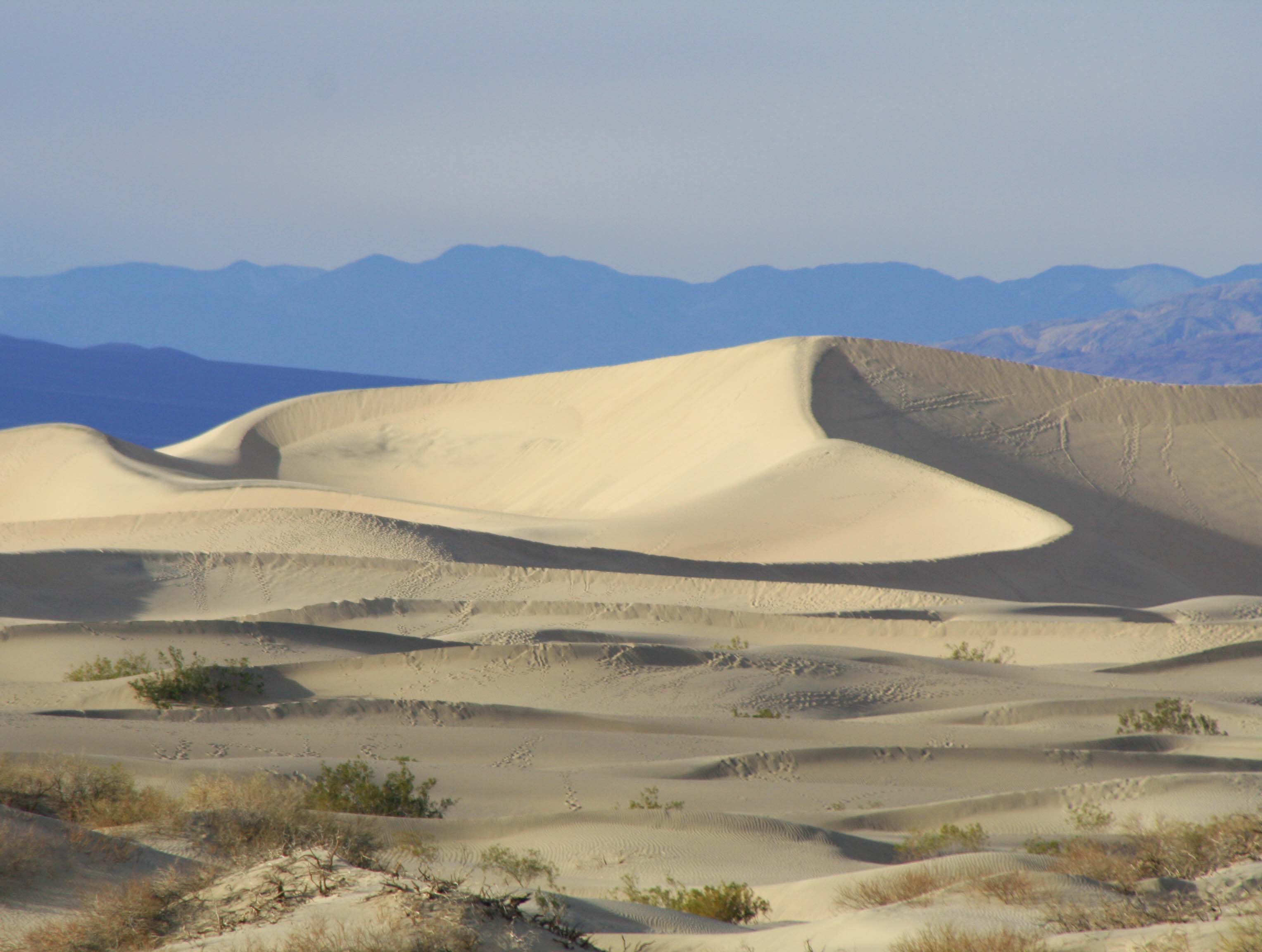
Sand dunes in Death Valley. Photo by Curtis Mekemson.

Tall sand dunes with their graceful curves loom up near Stove Pipe Wells in Death Valley National Park. It is quite an experience to walk out and climb to the top of the dunes.

I rode through Death Valley on my bicycle once. It was part of the six-month 10,000-mile solo trip I made around the US and Canada in 1989.

I had started my adventure in the small town of Diamond Springs near Sacramento, California, bicycled down the Central Valley, climbed up and over the Sierra Nevada Mountains from Bakersfield and, dropped down into Panamint Valley.  The climb from Panamint Valley to Death Valley was the toughest of my whole trip. I was out of the saddle, standing on the pedals, and travelling at 2-3 miles per hour under a relentless sun.

Halfway up there was a large water tank for cars that overheated and couldn’t make it. There was nothing for bicyclists. I was on my own. The climb was burned into my memory banks. But I made it, crossed the valley, and biked on to Maine, where I turned around and started back.

I had been to Death Valley several times before I made the bike trip and have been back several times since. The National Park’s solitude, stark beauty, history and geology have brought me back, time and time again.

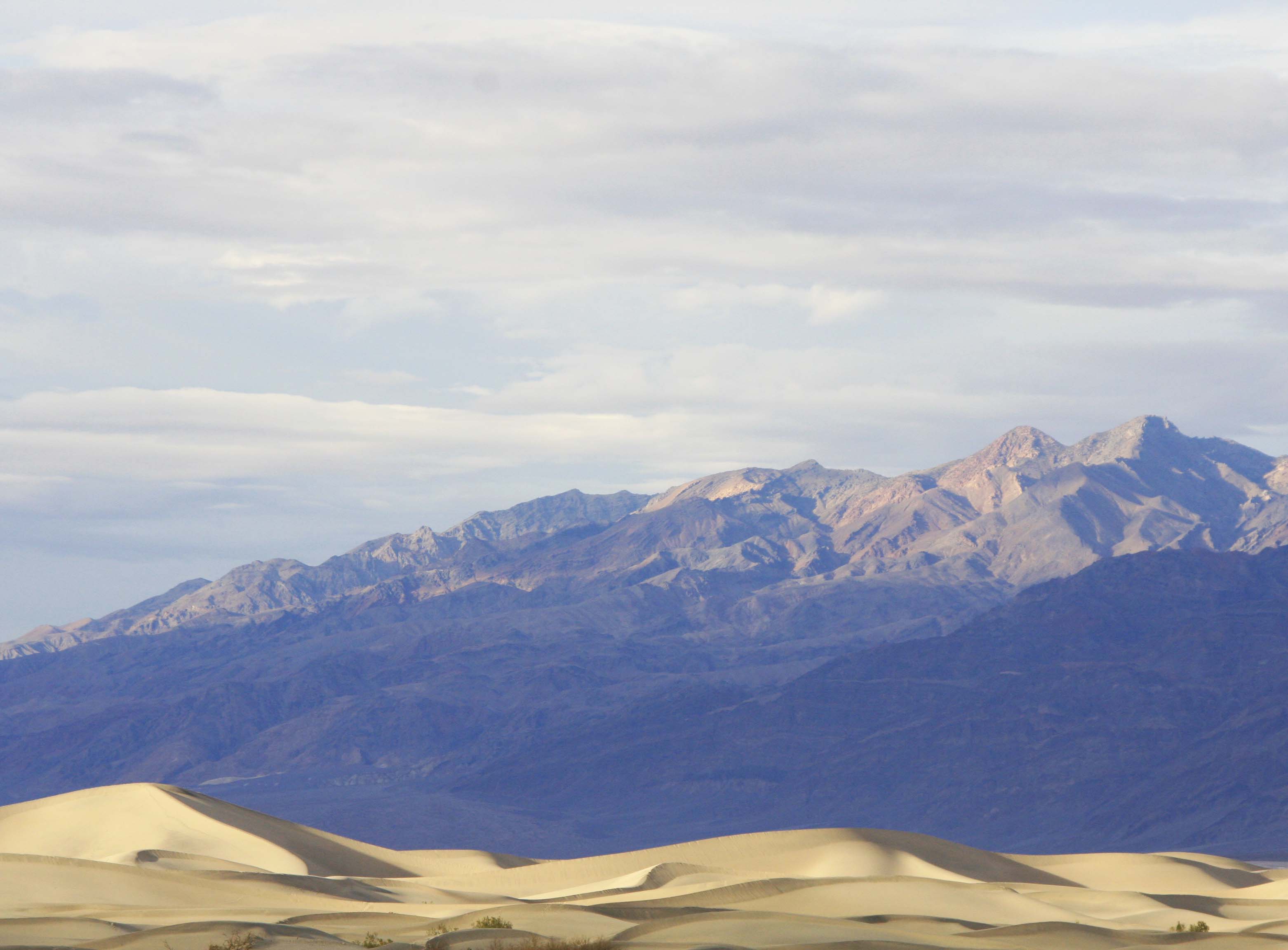
Photo of sand dunes and mountains near Stove Pipe Wells in Death Valley by Curtis Mekemson.

I like this photo because of the contrast between the golden dunes and purple mountains in evening sunlight.

Devil's Golf Course, Death Valley. Photo by Curtis Mekemson.

They call this section of Death Valley the Devil’s Golf Course. It’s easy to see why. Salt deposits left behind by an evaporated lake go down several thousand feet. (Photo by Peggy Mekemson.)

Zabriskie Point, Death Valley. Photo by Curtis Mekemson.

It is difficult to imagine the variety of landscapes in Death Valley unless you have been there. This photo was taken looking down from Zabriskie Point.

Photo of Zabriskie Point, Death Valley taken by Curtis Mekemson.

Another photo taken from Zabriskie Point. This one looks out across Death Valley.

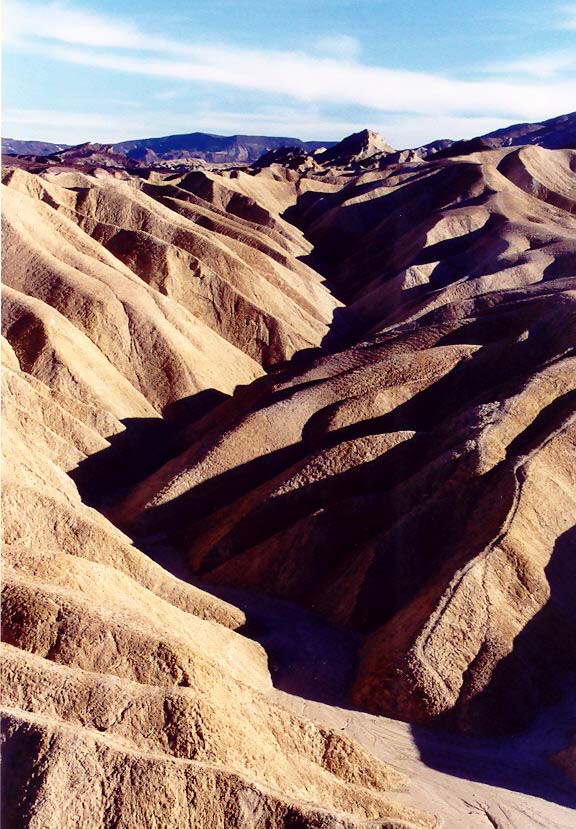
Golden Canyon, Death Valley. Photo by Curtis Mekemson.

You can hike up to Zabriskie Point following an old road that goes up through Golden Canyon. Part of the original Star Wars movie was filmed in this canyon. I kept a sharp lookout for Luke.

Here, Peggy caught a shot of me following the trail toward Zabriskie Point. The hiking was ever so much easier than my bicycling experience. (Photo by Peggy Mekemson.)

Here, Peggy caught a shot of me following the trail toward Zabriskie Point. The hiking was ever so much easier than my bicycling experience. (Photo by Peggy Mekemson.)

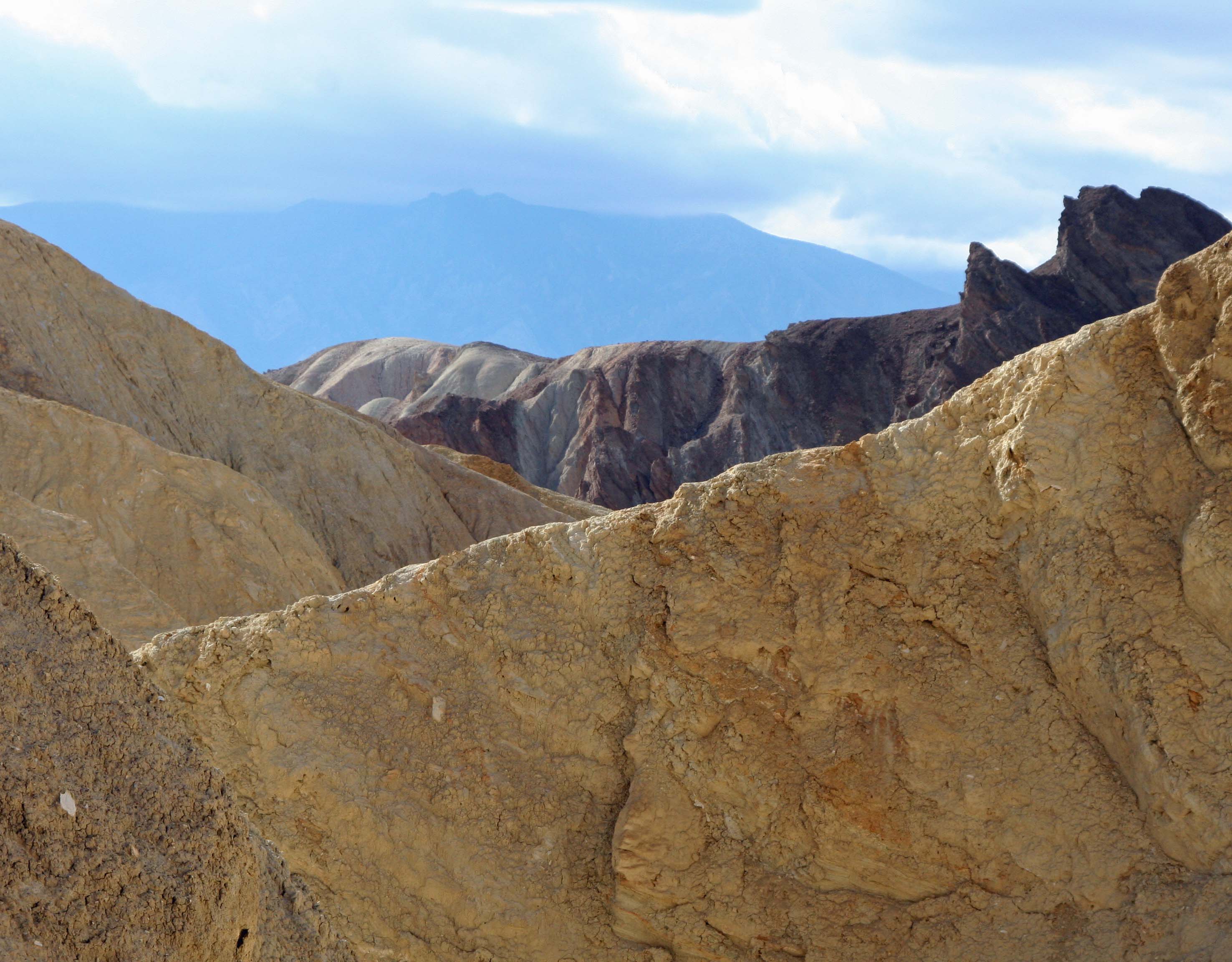
Golden Canyon, Death Valley. Photo by Curtis Mekemson.

Our view on the way down Golden Canyon.

Artist's Palette, Death Valley. Photo by Curtis Mekemson.

The colors here are created by different minerals in the rocks. Because of the color, this site is known as Artist’s Palette.

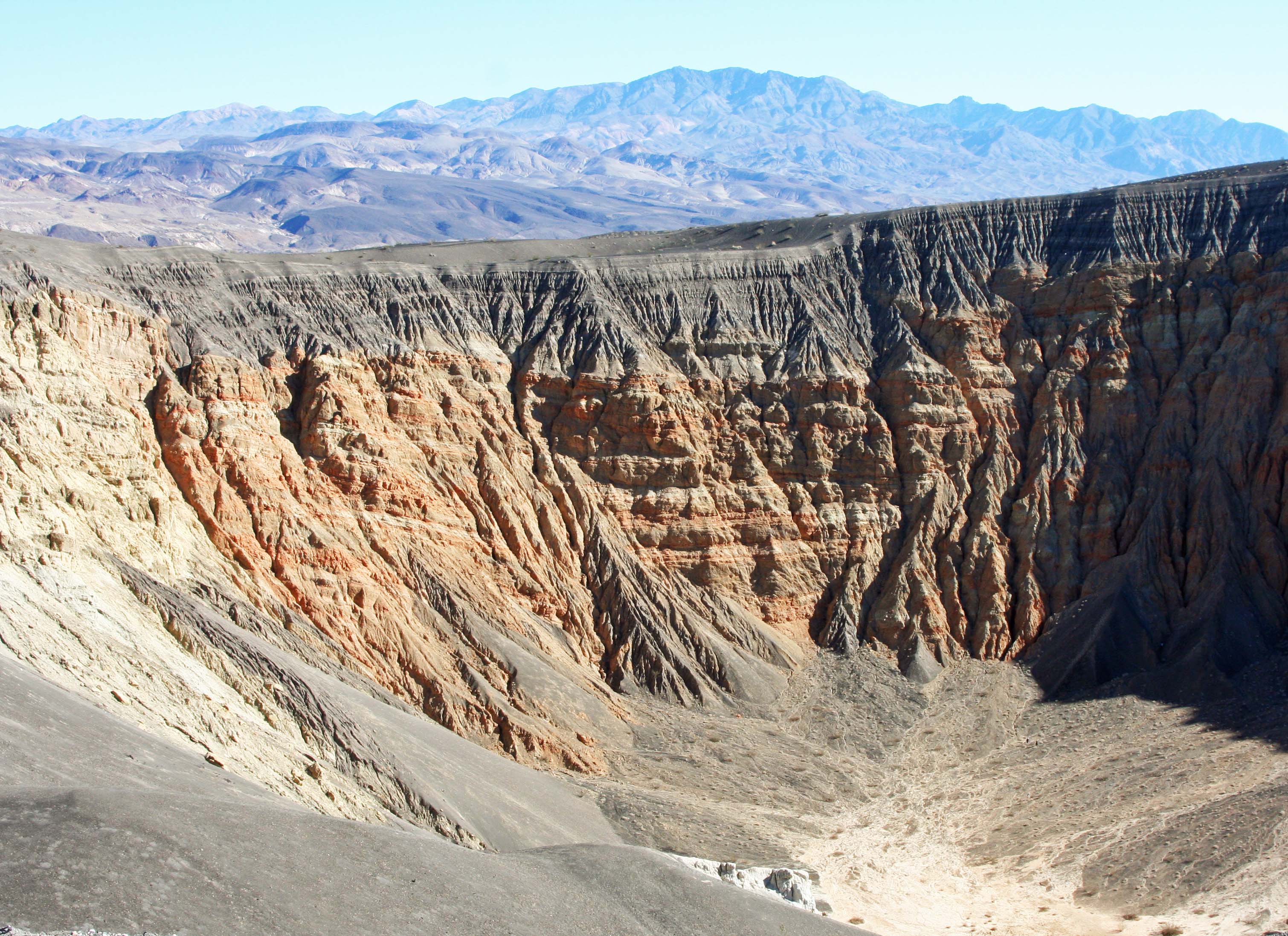
Traveling north, we come to Ubehebe Volcanic Crater, another of Death Valley's geological wonders. (Photo by Peggy Mekemson.)

Traveling north, we come to Ubehebe Volcanic Crater, another of Death Valley’s geological wonders. (Photo by Peggy Mekemson.)

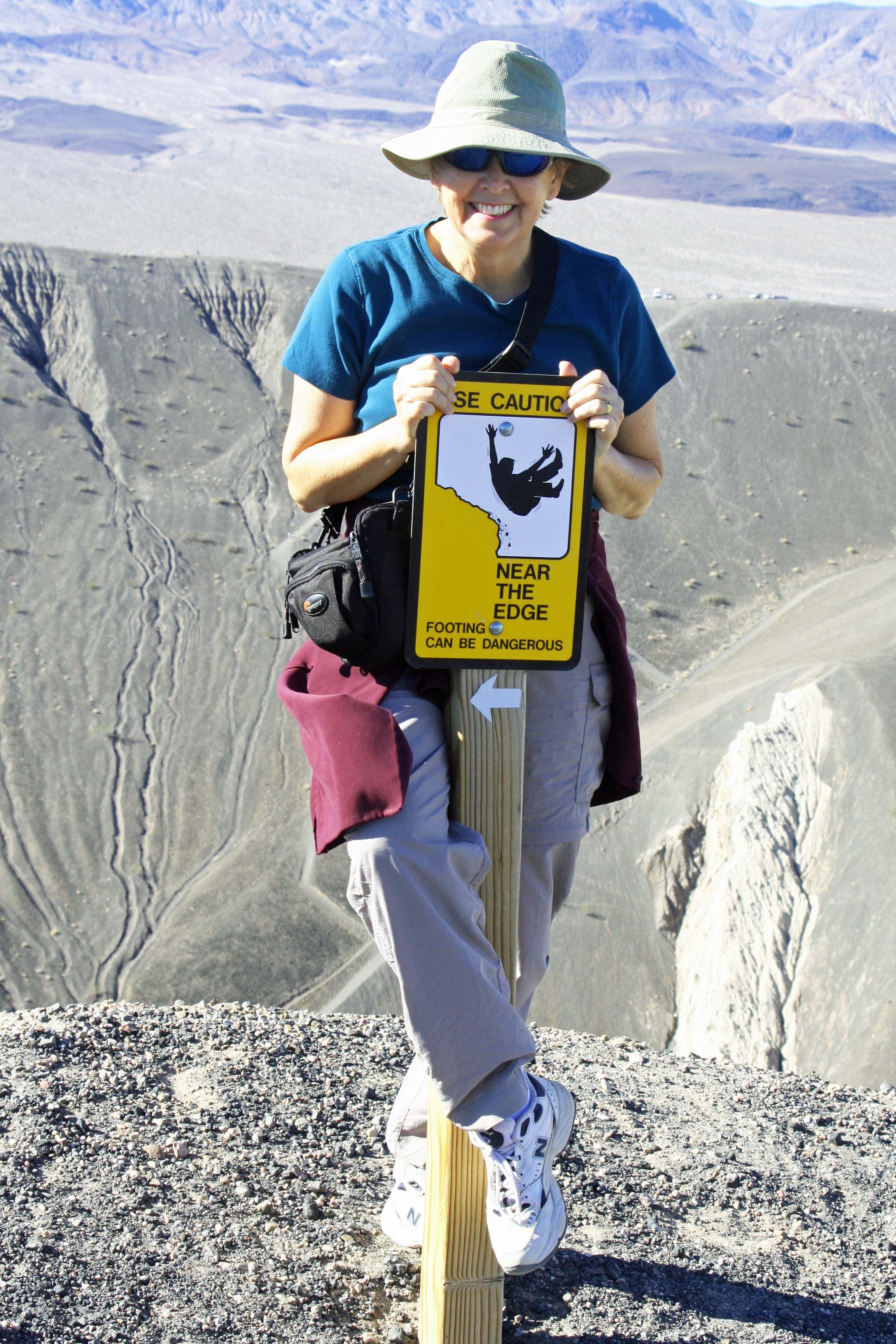
Warning sign at Ubehebe Crater, Death Valley. Photo by Curtis Mekemson.

You are welcome to walk into the crater. Falling is not recommended, as demonstrated by Peggy.

Small crater next to Ubehebe Crater in Death Valley. Photo by Curtis Mekemson.

A smaller crater next to Ubehebe.

Erosion patterns near Ubehebe crater. Photo by Curtis Mekemson.

I think the erosion patterns near Ubehebe are fascinating.

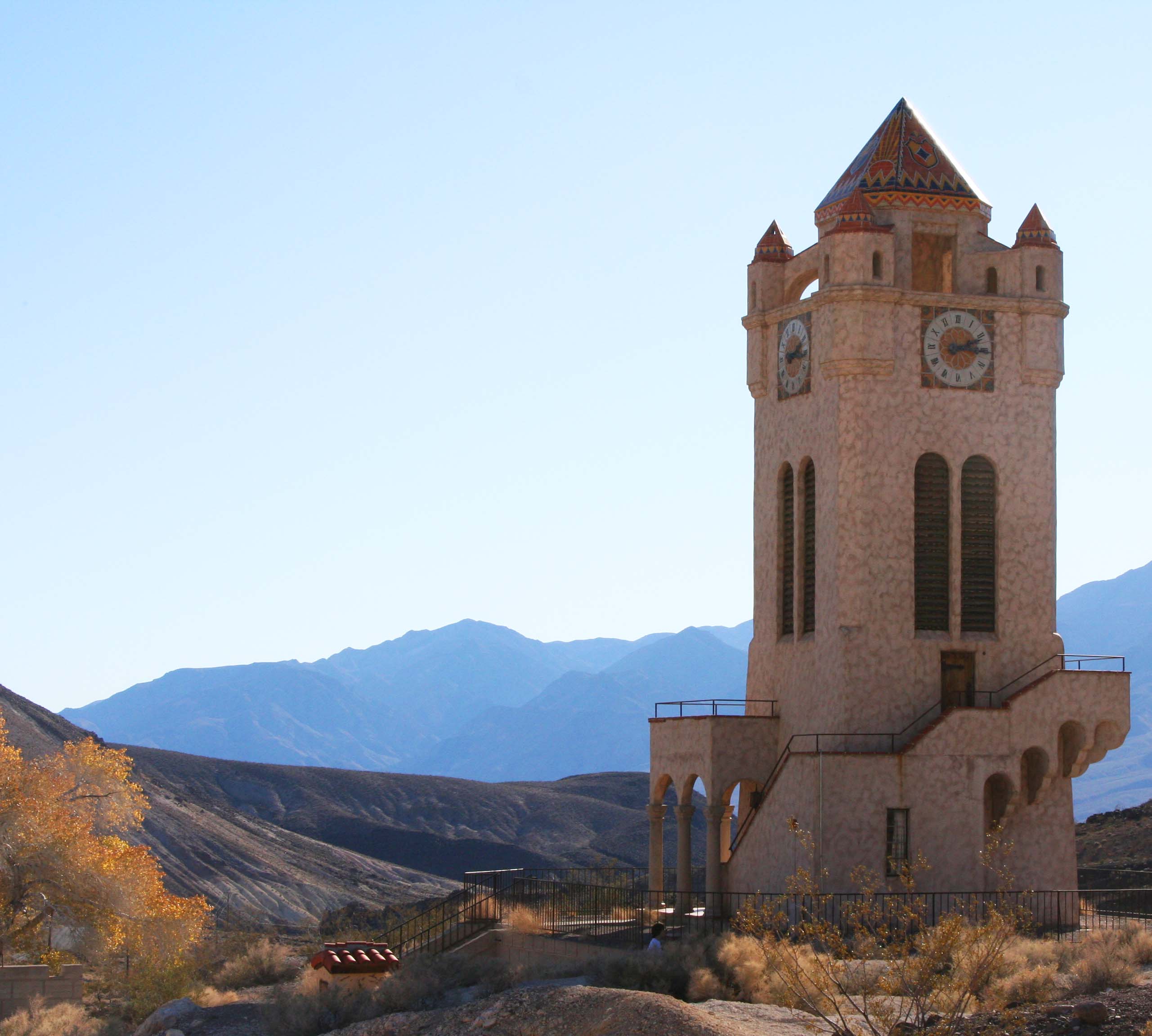
Scotty's Castle, Death Valley. Photo by Curtis Mekemson.

Scotty’s Castle. The history of Death Valley is filled with characters and none was greater than Scotty. Born Walter Scott, Scotty was a first class con-man who persuaded Albert Johnson to build the castle and then claimed it was built with money from his own gold mine. Albert, who loved Death Valley and liked Scotty, went along with the tale.

Scotty's Castle at Death Valley. Photograph by Curtis Mekemson.

The clock tower at Scotty’s Castle.

NEXT BLOG: We will journey east to the Everglades and I will introduce you to my all-time favorite buzzard.

Yosemite… A Photographic Journey through America’s National Parks

Yosemite's Half Dome captured on a hazy day. Photo by Curtis Mekemson.

Half Dome captured on a hazy day.

One of our goals over the past several years has been to visit all of America’s National Parks. We’ve been to all 50 states in pursuit of this objective. There are a couple in Alaska still on our “to do list.” Since Peggy and I are presently wandering in Mexico, I’ve recruited some of our favorite National Park photos to fill in while we are gone. Enjoy.

 My feet know a lot about Yosemite. For years I led backpack trips that included sections of the National Park as I wandered from Lake Tahoe in the north to Mt. Whitney in the south on journeys ranging from 70-360 miles. The latter I did to celebrate my 60th birthday.  This is the land of John Muir and Ansel Adams: towering granite mountains, sparkling lakes, snow-fed streams, forested slopes and vistas that go on forever.

Forest giant on northern edge of Yosemite National Park. Photo by Curtis Mekemson.

I captured this forest giant on the Pacific Crest Trail, which along with the John Muir Trail, provided my major routes through Yosemite.

Pacific Crest Trial sign in Yosemite National Park. Photo by Curtis Mekemson.

Trail signs are always welcome reminders that you are on the right route. This Pacific Crest Trial sign has been up long enough to be buried in the tree.

Pacific Crest trail downed tree displays beautiful grains of wood in its roots. Photo by Curtis Mekemson.

Downed tree along Pacific Crest Trail displaying beautiful grains of wood.

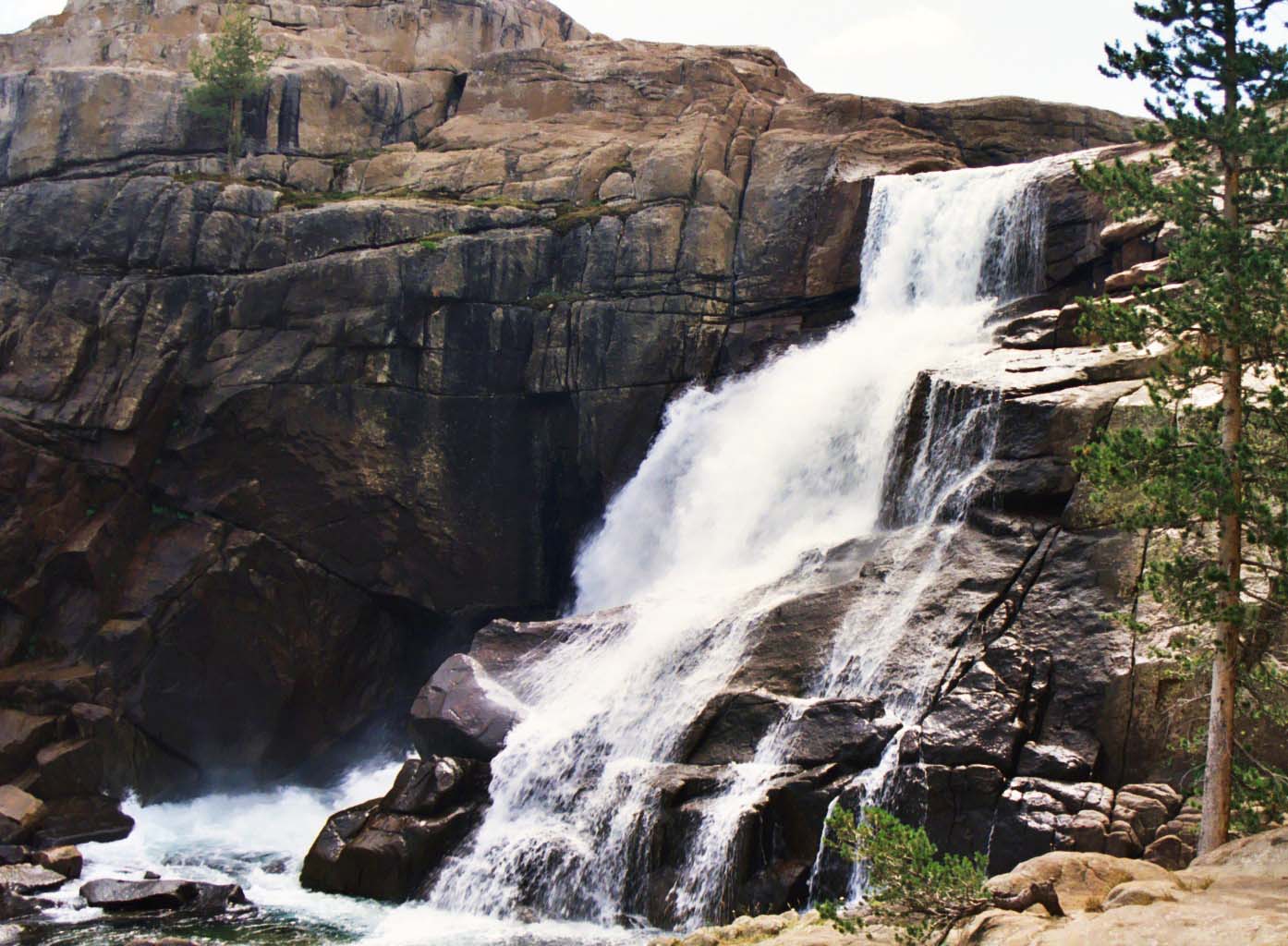
Falls on Tuolumne River in Yosemite National Park. Photo by Curtis Mekemson.

Falls along the Tuolumne River. Peggy, our daughter Tasha, and I had spent the night before below the falls chasing a mother bear and her two cubs out of our camp.

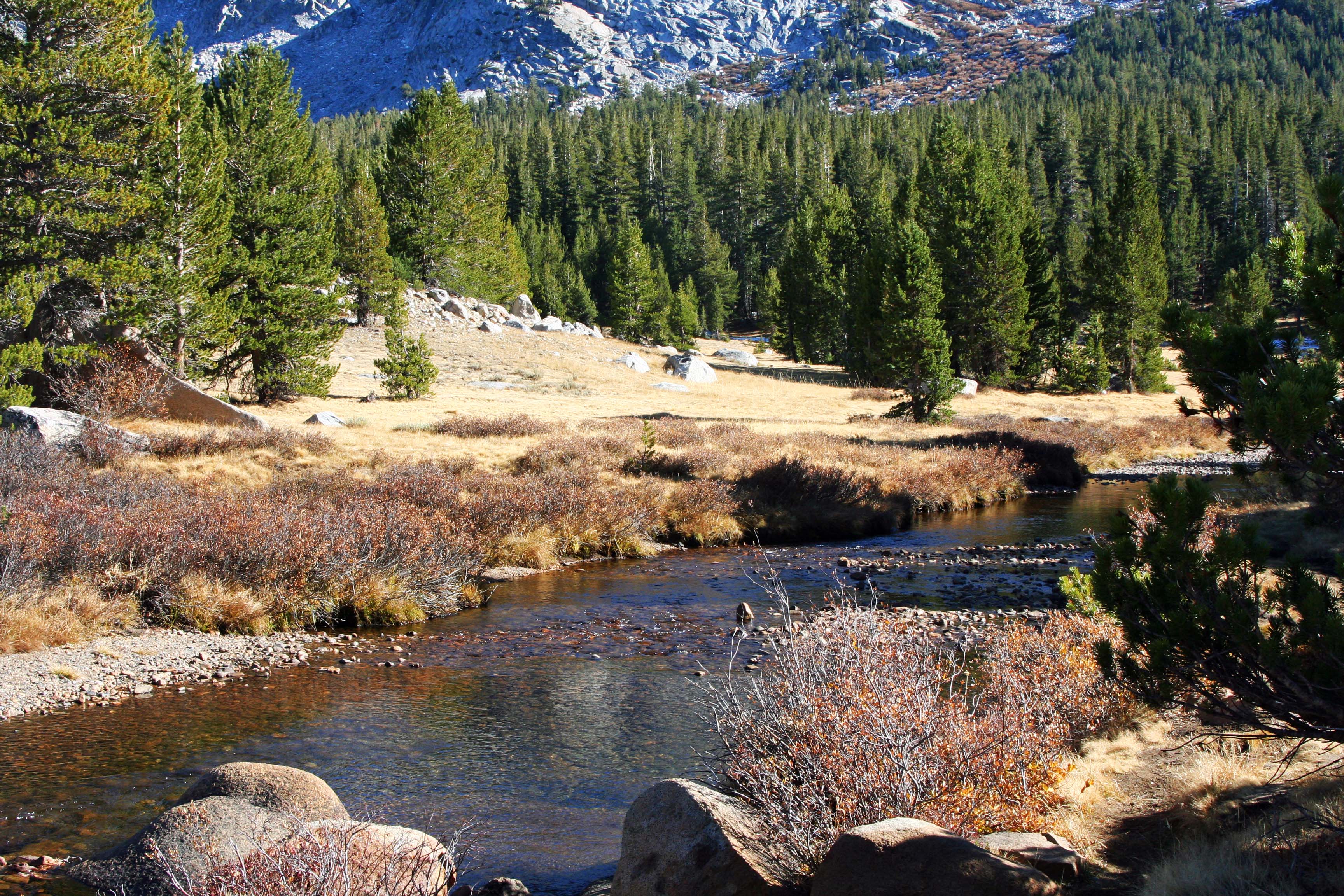
Tuolumne River flows through Tuolumne Meadows in Yosemite National Park. Photo by Curtis Mekemson.

Fall photo of Tuolumne River flowing though Tuolumne Meadows.

Tuolumne Meadows in Yosemite National Park. Photo by Curtis Mekemson.

Another fall photo of Tuolumne Meadows.

Granite in Yosemite National Park. Photo by Curtis Mekemson.

Granite rules in Yosemite!

A Yosemite meadow at a lower elevation. (Photo by Peggy Mekemson.)

Black and white photo of Yosemite Valley. Photo by Curtis Mekemson.

A final view looking down into Yosemite Valley. I utilized black and white here to honor the great Yosemite photographer Ansel Adams.

NEXT BLOG: A trip into Death Valley.


Arches… A Photographic Journey through America’s National Parks

Photo of stone sculpture and mountains in Arches National park. Photo by Curtis Mekemson.

Arches National Park is known for its soaring arches carved from stone, but that is only the beginning of its beauty.

One of our goals over the past several years has been to visit all of America’s National Parks. We’ve been to all 50 states in pursuit of this objective. There are a couple in Alaska still on our “to do list.” Since Peggy and I are presently wandering in Mexico, I’ve recruited some of our favorite National Park photos to fill in while we are gone. Enjoy.

Arches National Park is located in eastern Utah. While the towering rock arches are indeed striking, other rock sculptures are equally, if not more, impressive.

Stone sculptures at Arches National Park. Photo by Curtis Mekemson.

These stone sculptures stand like sentinels.

Shadow outlines of rock sculptures at Arches National Park. Photo by Curtis Mekemson.

With dark rapidly approaching, only shadowy outlines could be seen. I am thinking the Three Wise Men.

Wall of stone at Arches National Park. Photo by Curtis Mekemson.

This wall of stone greets visitors upon their arrival to Arches National Park. (Photo by Peggy Mekemson.)

Family of rock sculptures at Arches National Park. Photo by Curtis Mekemson.

I thought of this collection of rock sculptures as a family… Mom and the kids.

Sedimentary layers shown at Arches National Park. Photo by Curtis Mekemson.

This collection shows different sedimentary rocks laid down in ancient times.

Rock sculpture at Arches Natioal park. Photo by Curtis Mekemson.

Another photo that captures sedimentary layers and shows the impact of weather on various rocks. Different rocks erode at different speeds, thus creating the wonderful sculptures seen throughout the Southwest..

Evening sun turns a rock sculpture red in Arches National Park. Photo by Curtis Mekemson.

Caught in the evening sun.

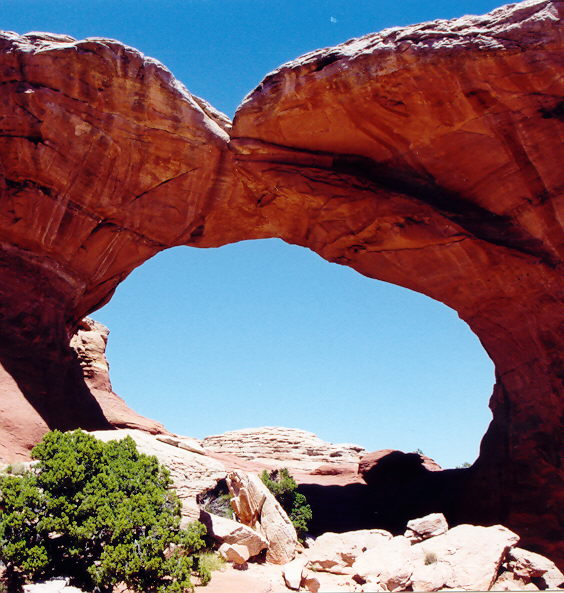
Photo of joining arches at Arches National Park. Photo by Curtis Mekemson.

Naturally, any photo essay on Arches National Park has to include some arches.

Two arches at Arches National Park. Photo by Curtis Mekemson.

The same arch caught 30 minutes later.

Under and arch at Arches National Park. Photo by Curtis Mekemson.

Looking up from under the arch. I knew the rock was solid but still felt nervous.

Arches National Park photo by Curtis Mekemson.

A final arch.

NEXT BLOG: We will head west to Yosemite National Park.

Bolinas: A Recluse Kind of Town… Pt. Reyes National Seashore

Mural of early Bolinas, California. Photo taken by Curtis Mekemson.

A mural depicting how Bolinas would have looked in the 50s. Not much has changed. The artist added a touch of humor with the blue surfboard the man in the brown sports coat is carrying.

Marin County had a problem. Its highway department would put up a sign on Highway 1 pointing west toward the town of Bolinas and the residents of the small coastal community would tear it down. Again and again. Located 30 miles north of San Francisco and just south of Pt. Reyes National Seashore, the town didn’t want anyone to know where it was; the town was a recluse.

Finally, out of frustration, Marin County held a vote: Did or did not the townspeople want the signs? They voted no. Today, nothing points toward the community. But a map or GPS will get you there.

I first made my way to Bolinas in the early 70s. Surfers, hippies, commune members, artists, writers and other alternative types called it home. I was running an environmental center in Sacramento at the time. Being ex-Berkeley and ex-Peace Corps, I more or less fit in. “I could live here,” I thought to myself.

The town was also known for its nude beach. I won’t incriminate myself other than to note that there are some places on the body it’s best not to get sunburned.

Ken, Leslie, Peggy and I made our way to Bolinas after we left Pierce Ranch. Other than a new park in the middle of town, I was happy to find that the community had changed little. The park, I was proudly informed by a shop owner, had been donated by one of the town’s billionaires. Big money had found its way to this small community, which is pretty much the story of Marin County. Extreme wealth and a laid back lifestyle go hand in hand. In Bolinas, VW Vans and BMW’s seemed to happily co-exist.

We wandered through town poking our heads in various shops and looking for a bookstore. It’s become a tradition whenever we travel. We love books and we like to support local bookstores. We found one on the edge of town next to the post office. It was quite unique; the owner was elsewhere and shoppers were invited to price their own selections. Seven suggested categories ranged from “unbelievably really great” for $20 to “ordinary” for a buck. It was possible (though not likely) that Peggy’s really great might be my ordinary. A small, metal box with a slot on top was set up for payment. A statue of the Virgin Mary fronted the box. I wasn’t sure whether she was there to say thank you or to haunt our conscience if we paid five bucks for a book we believed was worth ten.

Bolinas, California unique book pricing recommendations. Photo by Curtis Mekemson.

A sign with suggested prices for books in Bolinas, California that depended on your assessment of the book.

Bolinas Book Store photo by Curtis Mekemson.

Ken deposits $5 for a “great book” in the Virgin Mary box while Peggy, reflected in a mirror, looks on.

Bolinas, California  book store photo by  Curtis Mekemson.

I assume this was the missing owner’s office. I believe he painted the pictures.

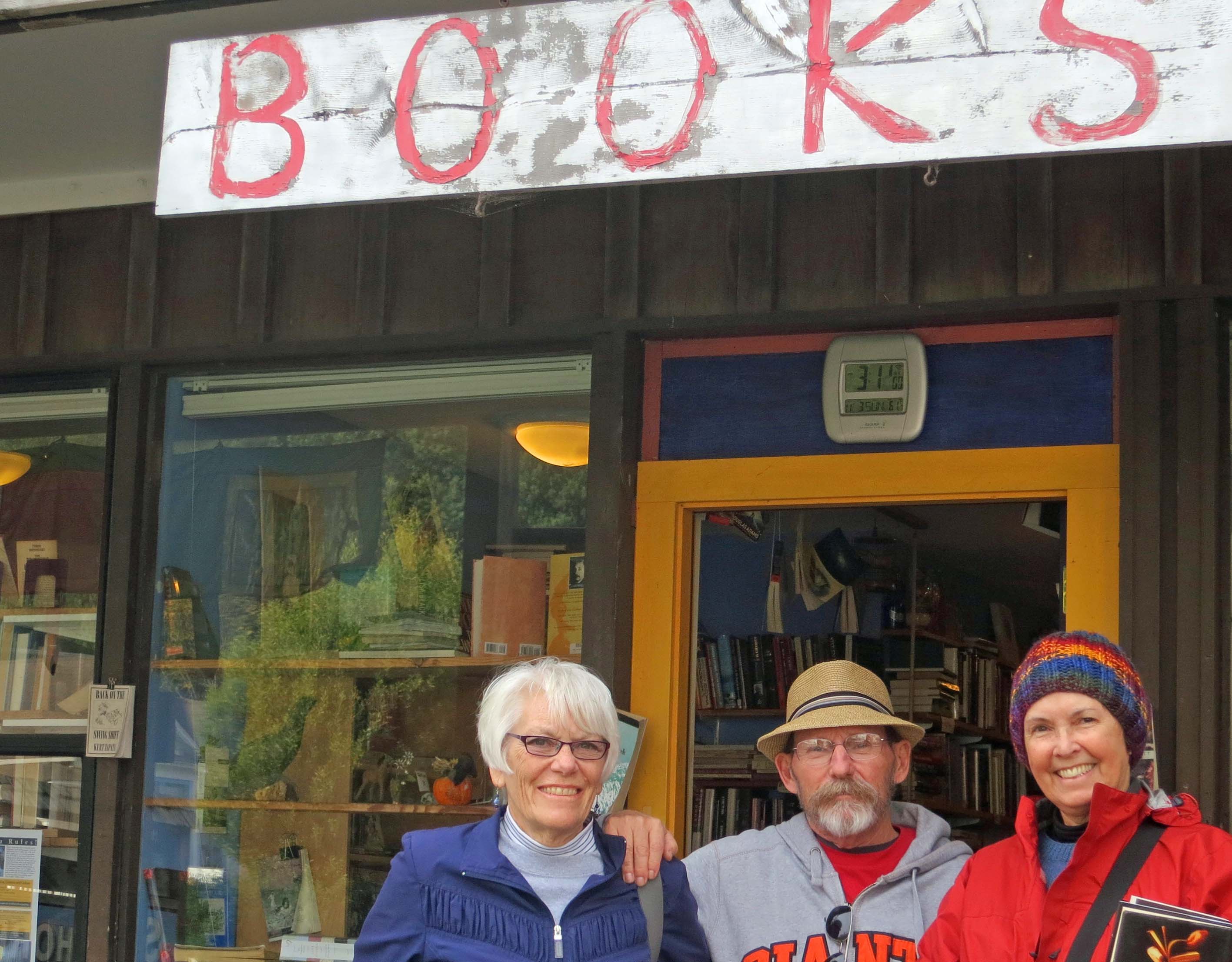
Leslie, Ken and Peggy stand in front of the Bolinas Bookstore named Books.

Leslie, Ken and Peggy stand in front of the Bolinas Bookstore named Books.

Our visit also included stopping off at a stuffed-to-the-ceiling antique store, admiring quaint houses that had been around since day one, taking photos of murals and visiting a small shop featuring incense, eastern music, and a Humpty-Dumpty Buddha.

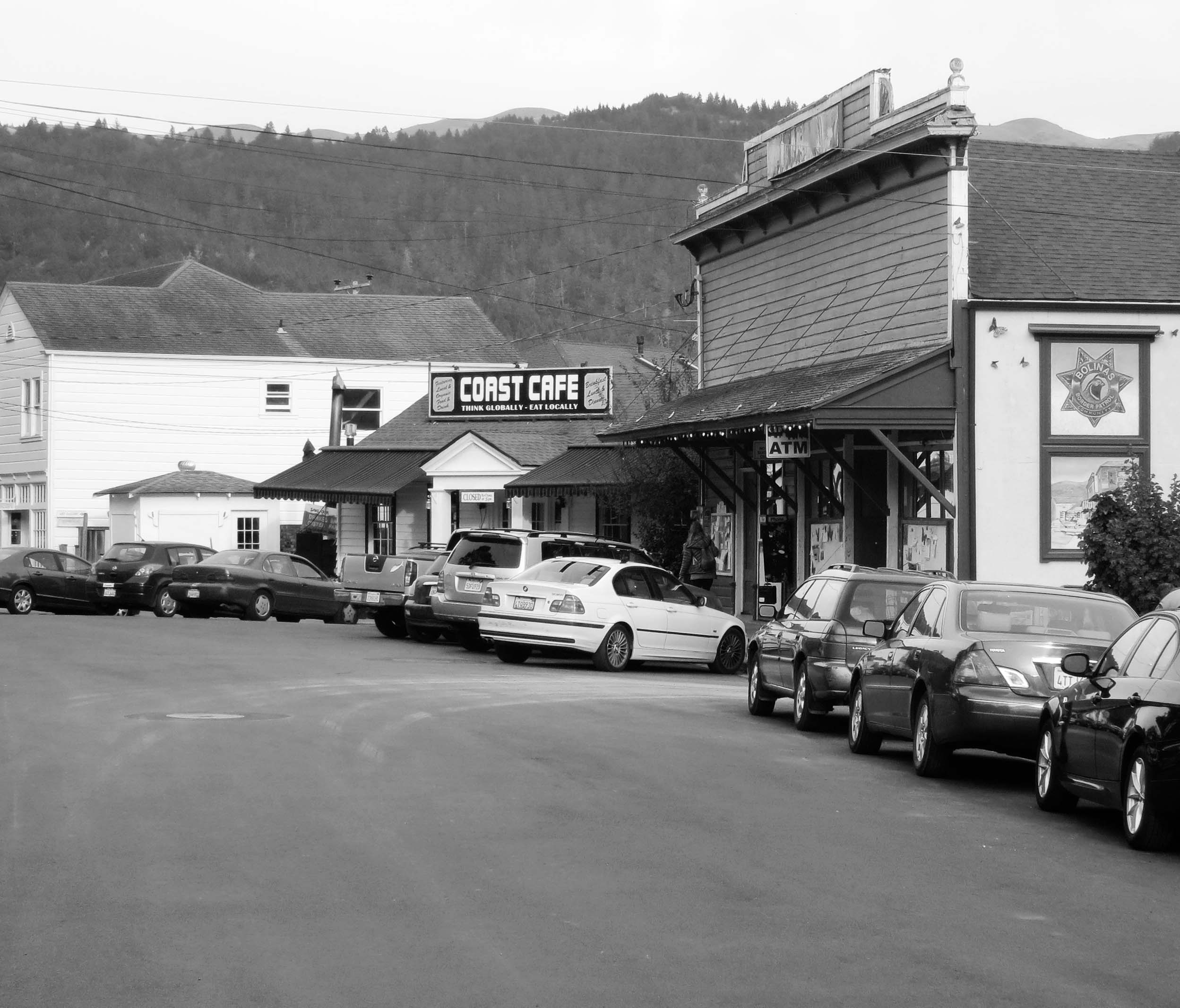
Photo of Bolinas California taken by Curtis Mekemson.

Bolinas today, which I did in black and white to give it a 70’s feeling. Take away the cars and the billboard building and you’ll find the Bolinas featured in the mural at the top of the post.

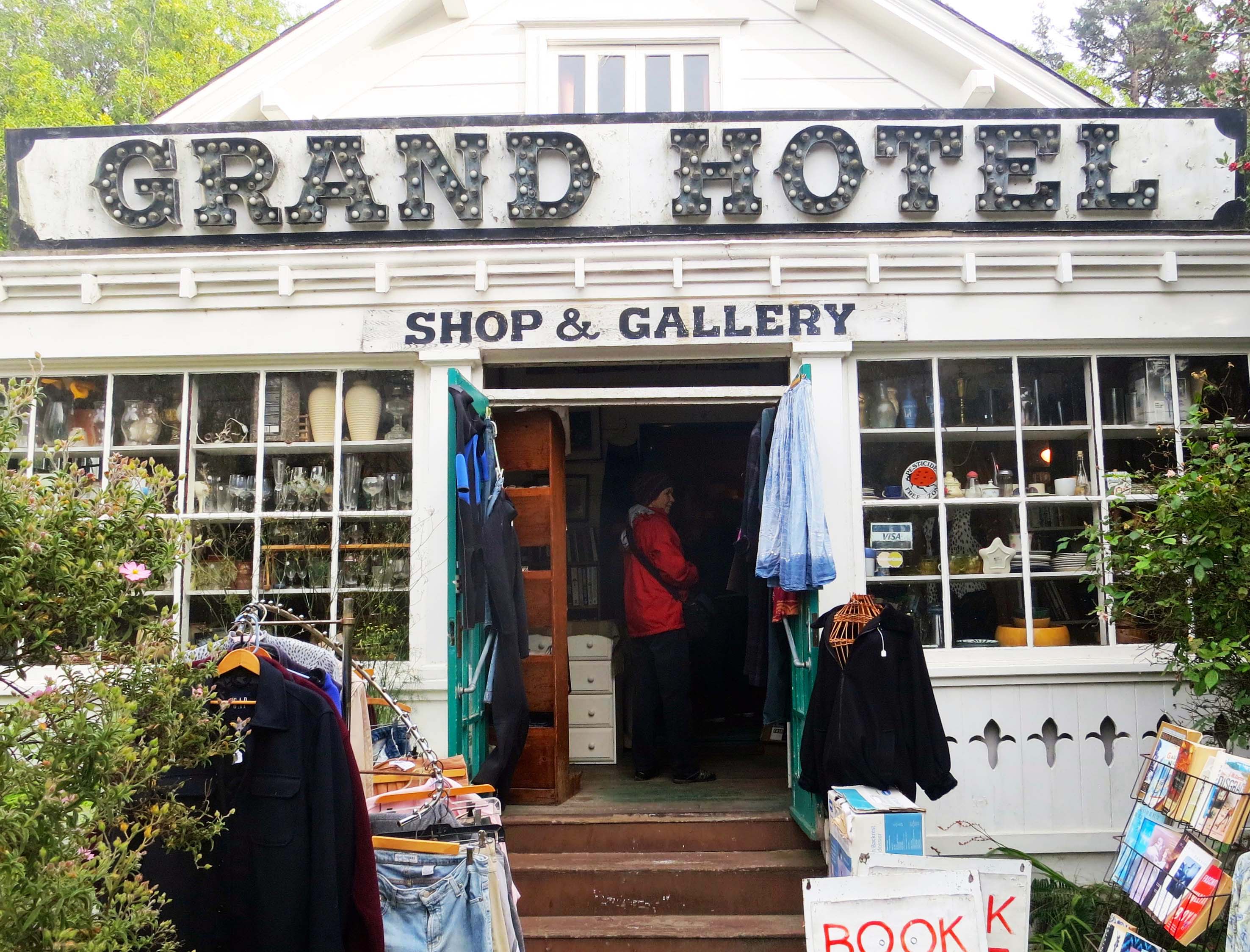
The Grand Hotel Shop and Gallery in Bolinas, California. Photo by Curtis Mekemson.

The Grand Hotel Shop and Gallery was stuffed top to bottom with antiques.

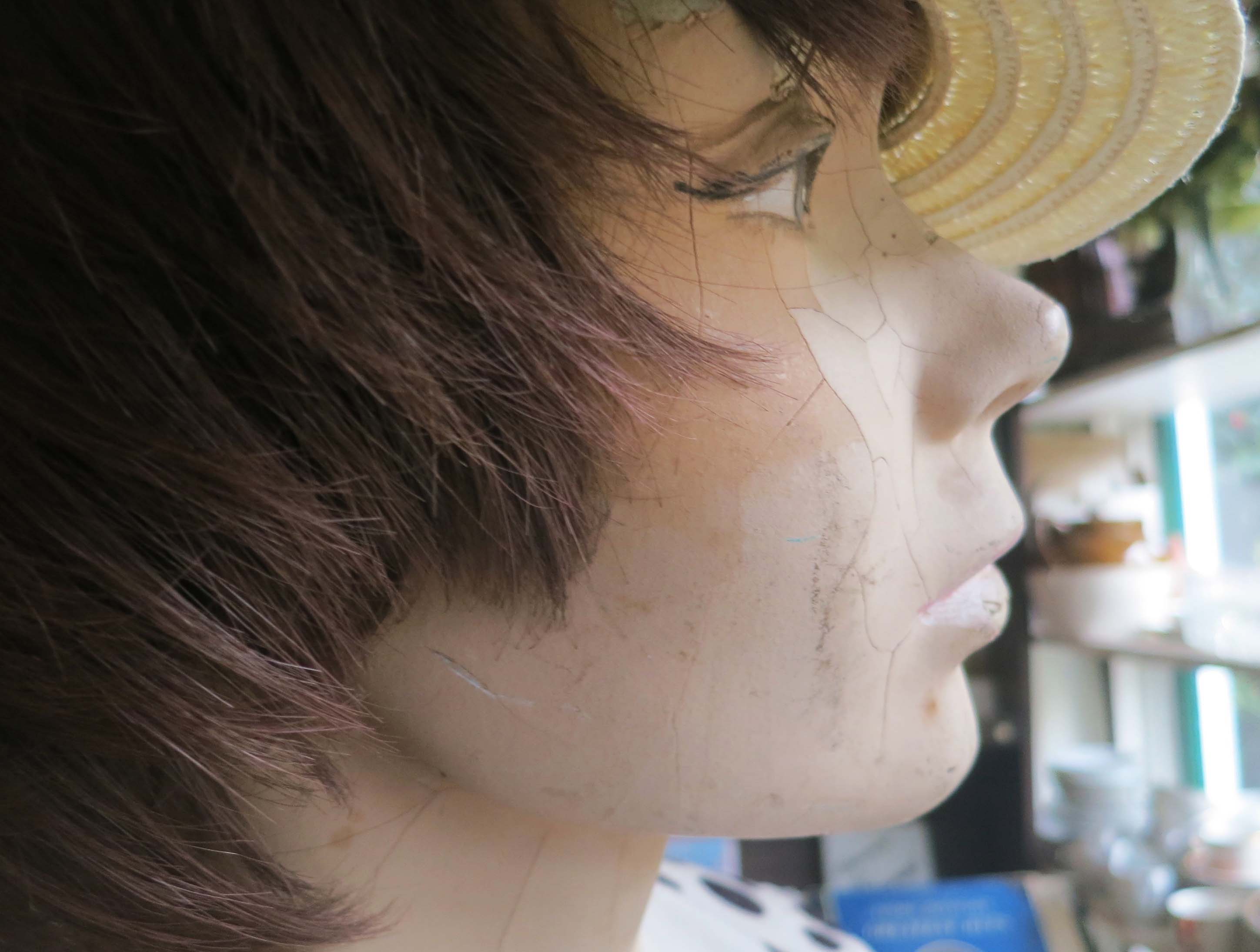
Mannequin in Bolinas, California. Photo by Curtis Mekemson.

I was intrigued with this aging mannequin I found looking out the window of the shop.

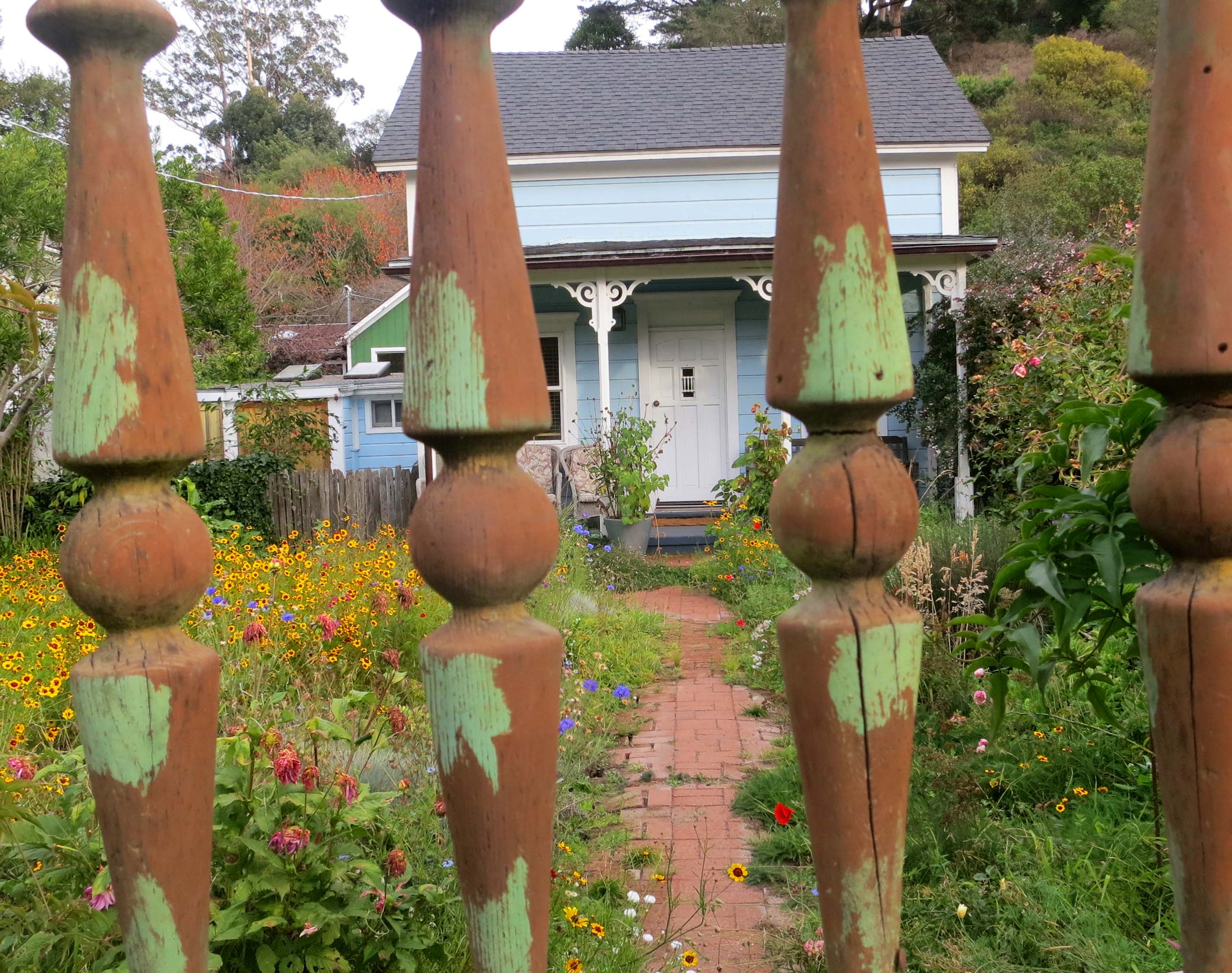
A home in the town of Bolinas, California. Photo by Curtis Mekemson.

The old homes in town have aged well.

Back in a hot-flash sign in Bolinas, California. Photo by Curtis Mekemson.

Incense, Eastern music, and this sign pulled us into a shop.

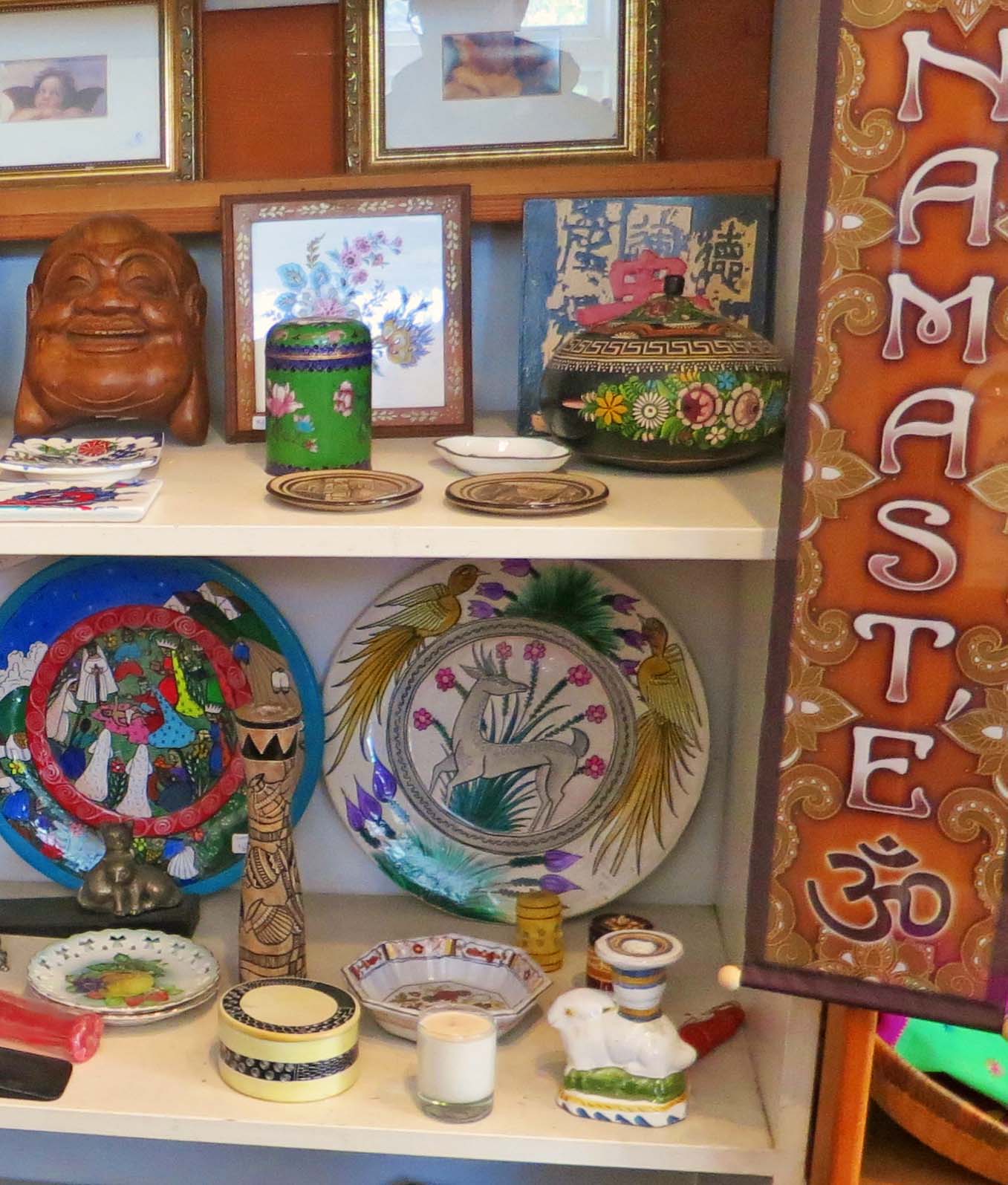
Eclectic Bolinas, California shop. Photo be Curtis Mekemson.

The laughing Buddha face on the upper left shelf made me think of Humpty Dumpty. The items in the shop were, um, eclectic…

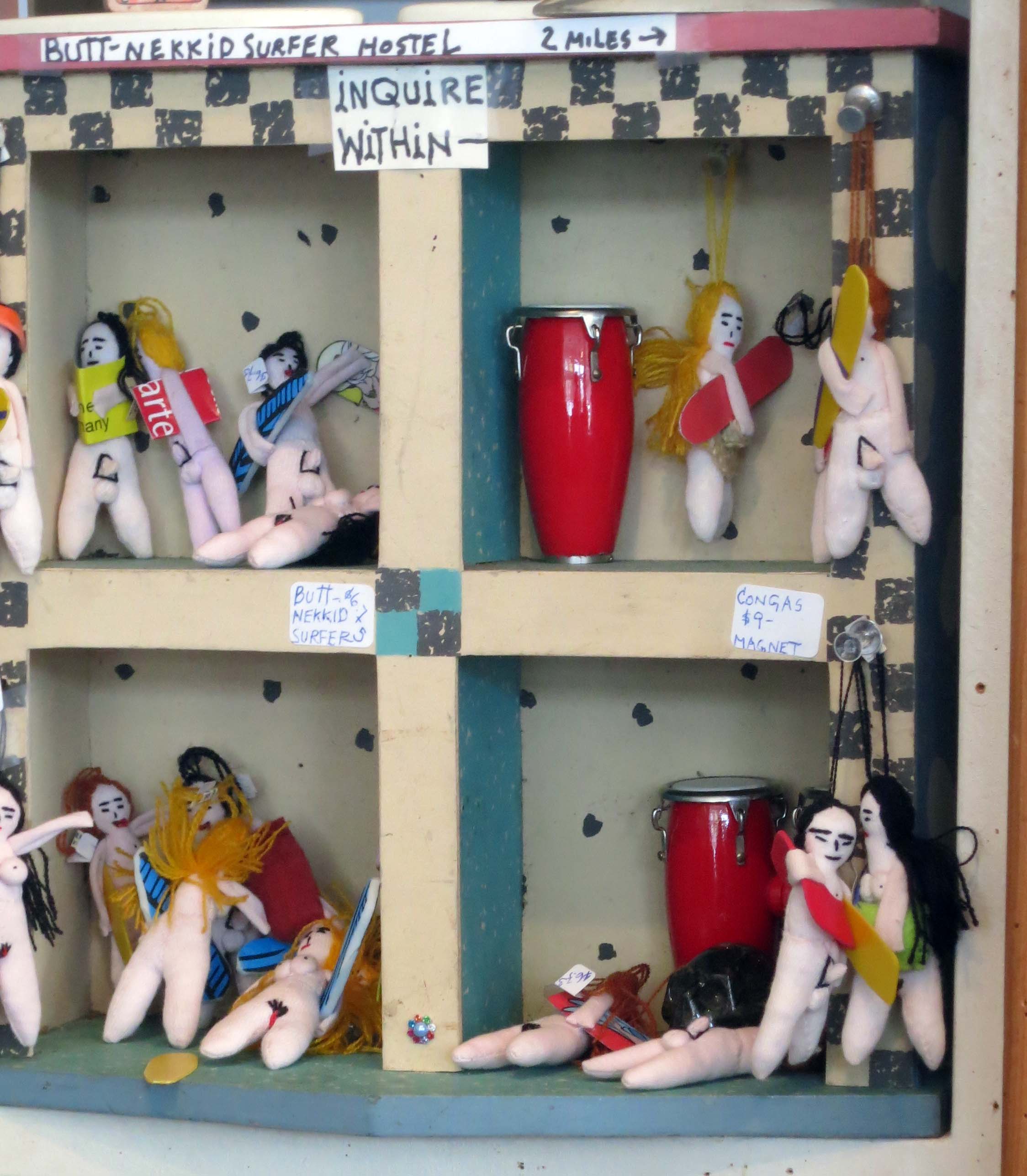
Inside of shop in Bolinas California. Photo by Curtis Mekemson.

Very eclectic.

Bolinas Shrine. Photo by Curtis Mekemson.

We found a shrine next door that the community had put up after 9/11.

Surf shop ad in Bolinas, California. Photo by Curtis Mekemson.

A Bolinas surf shop advertised using broken surf boards featuring Native American/First Nation art.

Halloween pumpkin in Bolinas California. Photo by Curtis Mekemson.

This pumpkin reminded me that Halloween had just passed…

2013 gas prices in Bolinas, California. Photo by Curtis Mekemson.

And this sign reminded me that we would be buying our gas elsewhere. This station matched what I was paying in the Yukon territory this summer.

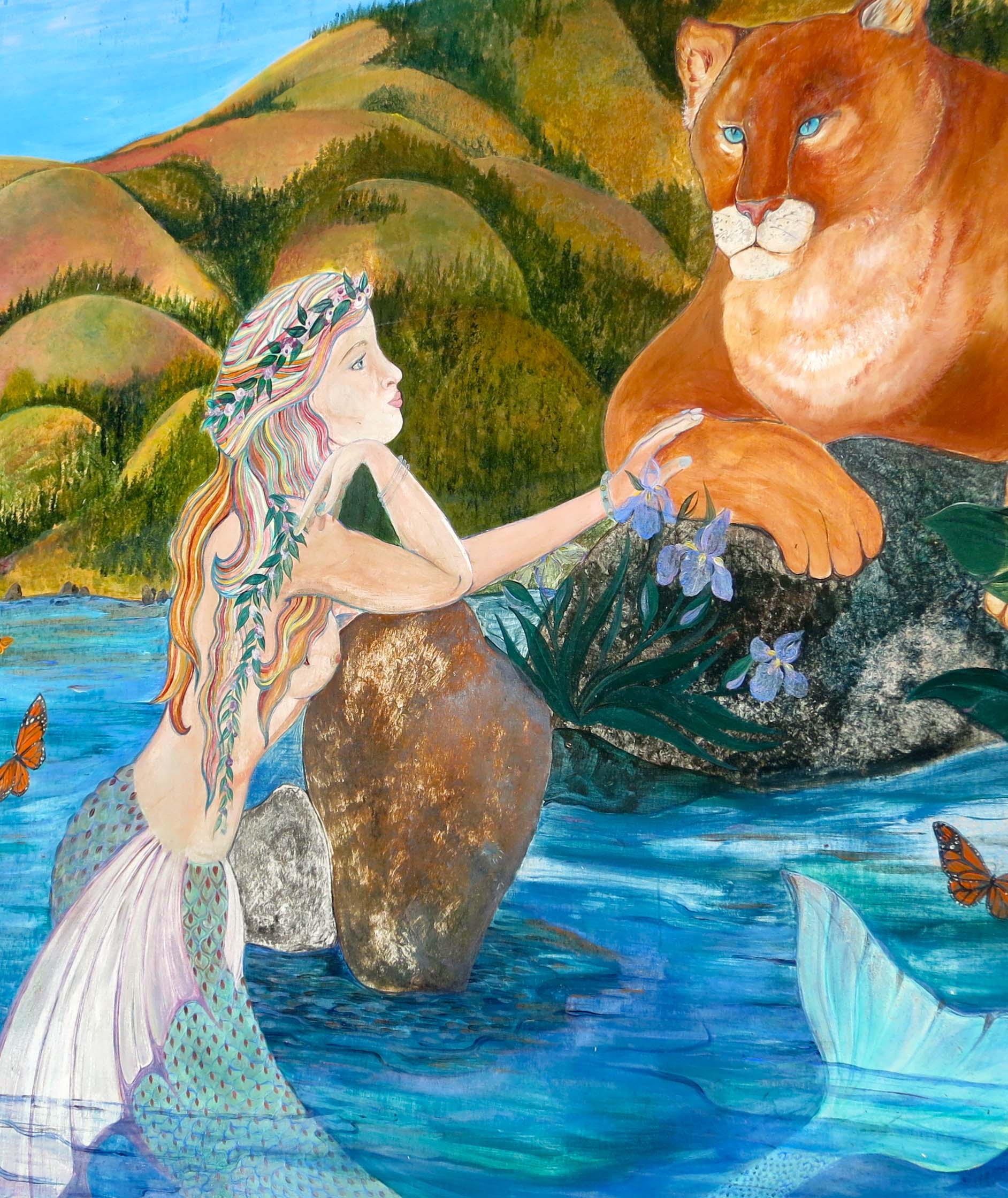
NEXT POST: Peggy and I heading off to Mexico for three weeks. To fill in, I’ve decided to put up photos that Peggy and I have taken in America’s National Parks. We’ve made a point of visiting close to all of them. I’ll close out my Pt. Reyes’ series with a Bolinas mural that I think reflects the area: ocean, wilderness, and a touch of magic.

Mural of mountain lion and mermaid in Bolinas, California. Photo by Curtis Mekemson.

Socrates Digs South Beach… Pt. Reyes National Seashore

Photo of Socrates the Basset Hound by Curtis Mekemson

Socrates the Basset Hound fell in love with digging opportunities at South Beach, Pt. Reyes National Seashore.

Peggy and I didn’t make it out to North and South Beach this time. Three days were not nearly enough to visit all of my favorite Pt. Reyes sites. I have a few photos from my pre-blogging days, however, so I decided to do a quick post.

These two beaches are actually one. If you enjoy crashing waves and long, lonely beach walks, this is the place to go. I still remember my first hike along the shoreline. My companion at the time was a long-eared, short-legged basset hound named Socrates.  It was before leash laws were established so the dog ran free over the sand. Sort of– Basset hounds aren’t noted for their long, graceful gaits.

For example, Soc loved to chase jackrabbits. The only time I ever saw him catch one was when the rabbit was rolling on the ground and laughing so hard he couldn’t escape. (Kidding.)

But there was another reason for our slow progress down the beach. Soc had a passion for digging. He could move more dirt in an hour than a bulldozer could in a day. (Slight exaggeration.) Given what he could do with dirt, you can imagine what he did with the sand. I was hoping for a high tide to hide his destruction.

When I urged the Soc to stop hassling whatever poor creature he was after, he whined and start digging harder. I was in danger of being buried under an avalanche of sand. The dog had Zen-like focus; it didn’t matter that he never caught anything. I’d get him away from one hole and he would start another 50 feet down the beach. Our slow progress made for a long walk but it was totally worth it for the joy the dog found in digging holes and the pleasure I took in watching him and, of course, the beautiful Pacific Ocean.

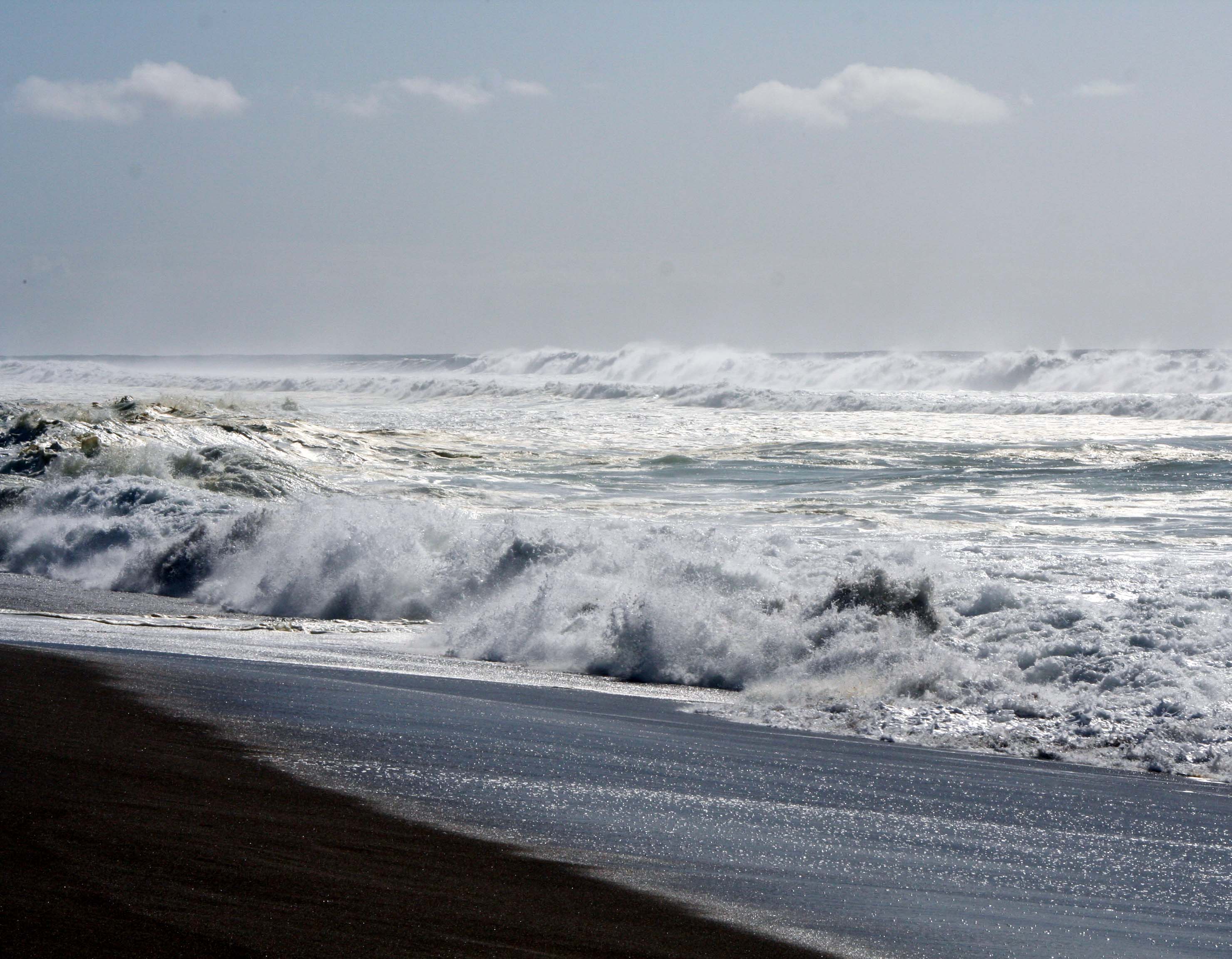
Waves at South Beach, Pt. Reyes National Seashore. Photo by Curtis Mekemson.

Waves come crashing in at South Beach.

Years later I discovered that North Beach was a great place for writing. I would park facing the ocean, get out my laptop, and start typing. The rolling ocean, an occasional whale, diving pelicans and raucous gulls served as my muses.

Photo of waves at South Beach, Pt. Reyes National Seashore. Photo by Curtis Mekemson.

Another thunderous wave.

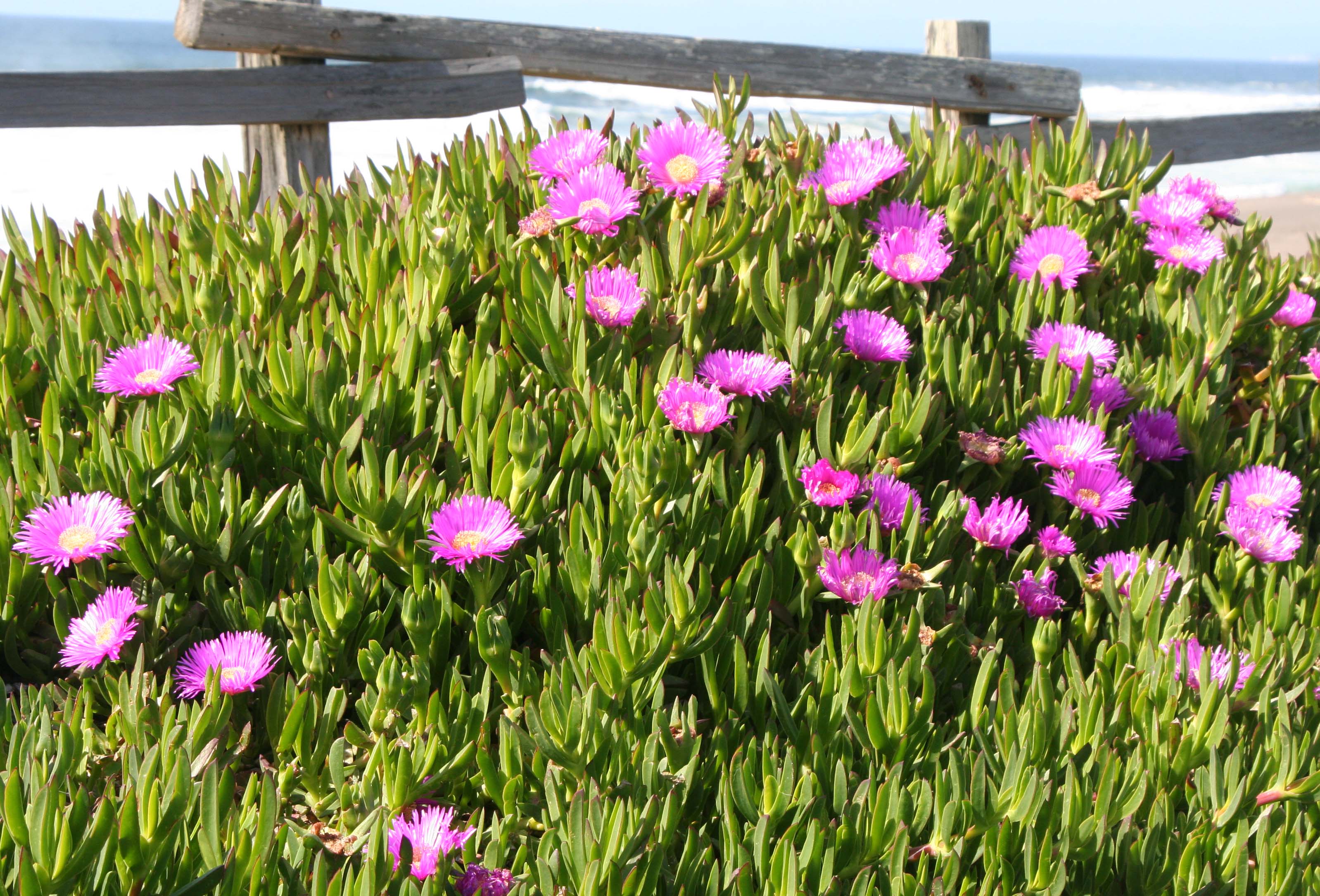
Ice plant at South Beach, Pt, Reyes National Seashore. Photo by Curtis Mekemson.

This ice plant formed the border between the parking lot and the beach.

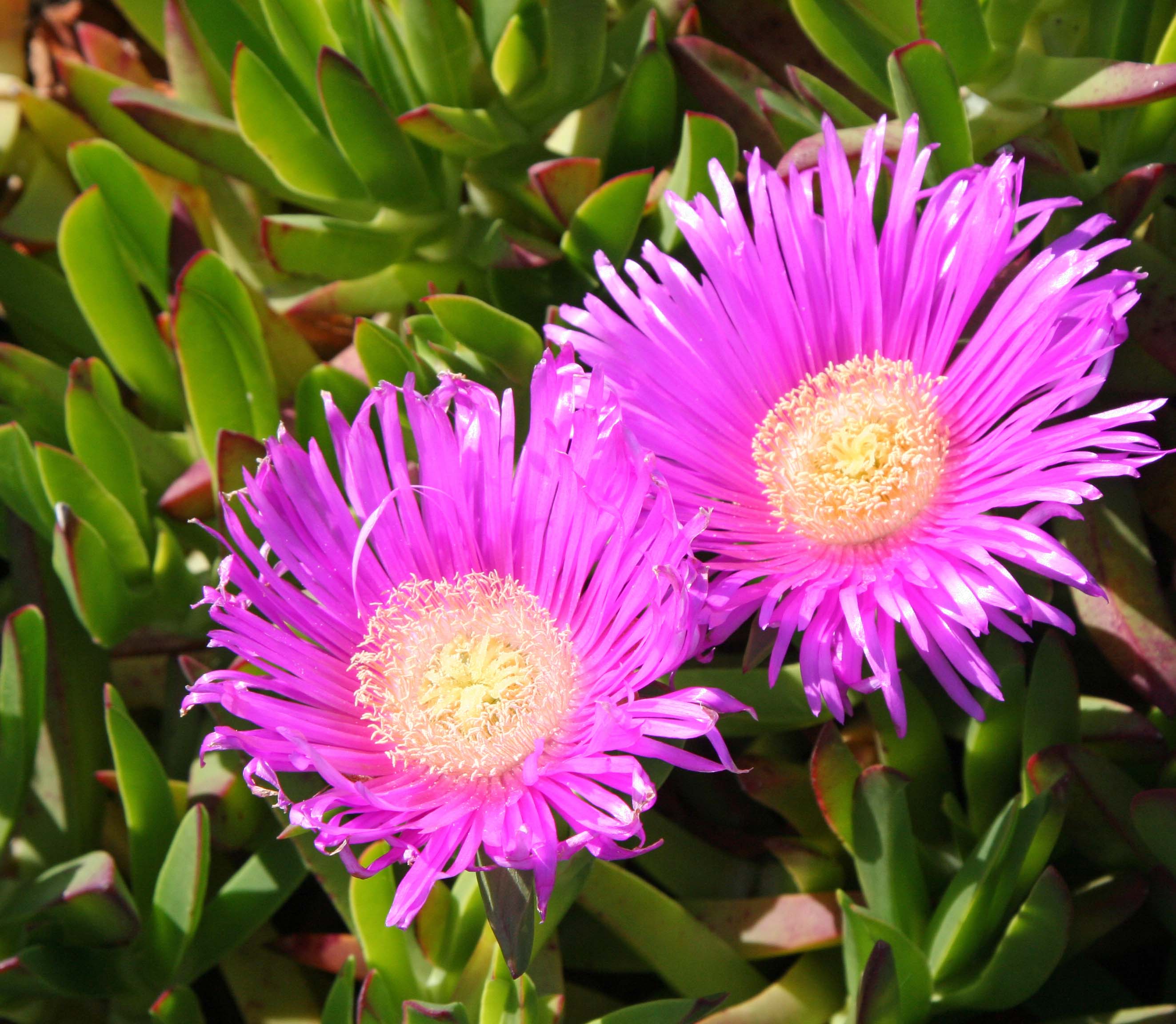
Close up of ice plant at South Beach, Pt. Reyes National Seashore.

It demanded I take a close up.

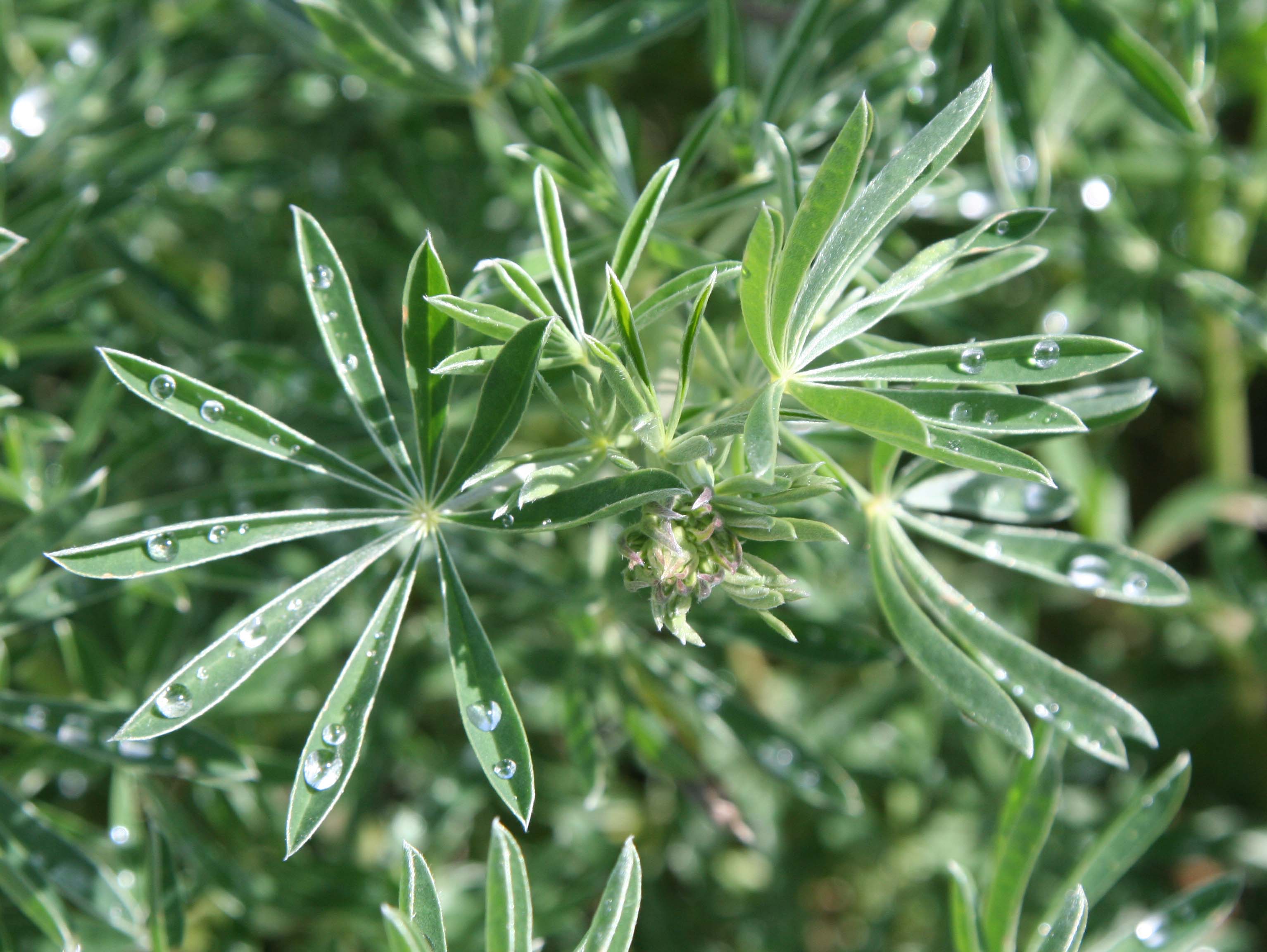
Raindrops captured by lupine leaves at South Beach, Pt. Reyes National Seashore. Photo by Curtis Mekemson.

These lupine leaves displayed captured rain drops.

Iris growing near South Beach, Pt. Reyes National Seashore. Photo taken by Curtis Mekemson.

I also found this iris quite attractive.

The winds at North and South beach provide excellent loft for kite flying. I enjoyed the dragon but it distracted me from my writing.

The winds at North and South beach provide excellent wind for kite flying. I enjoyed this dragon but it distracted me from my writing. I wonder what the gulls thought about it?

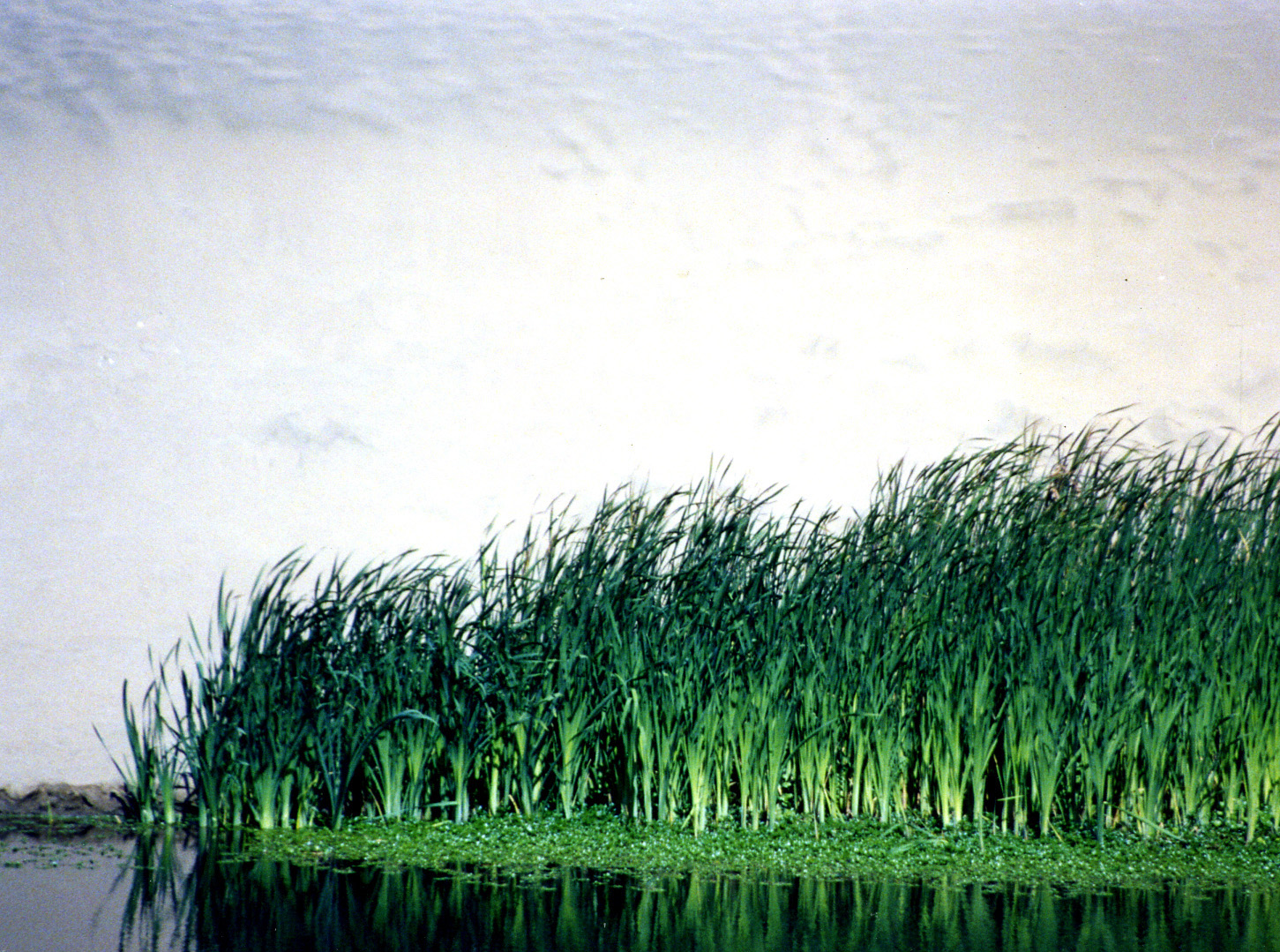
Tules near North Beach, Pt. Reyes National Seashore.

I discovered these tules on Bull Point trail near North Beach. Miwok Indians used these plants in making baskets.

NEXT BLOG: The hippie town that tries to hide: Bolinas. Here’s a final photo of South Beach.

Waves pound the beach at South Beach, Pt. Reyes National Seashore. Photo by Curtis Mekemson.


The Historic Pierce Ranch and a Herd of Tule Elk… Pt. Reyes National Seashore

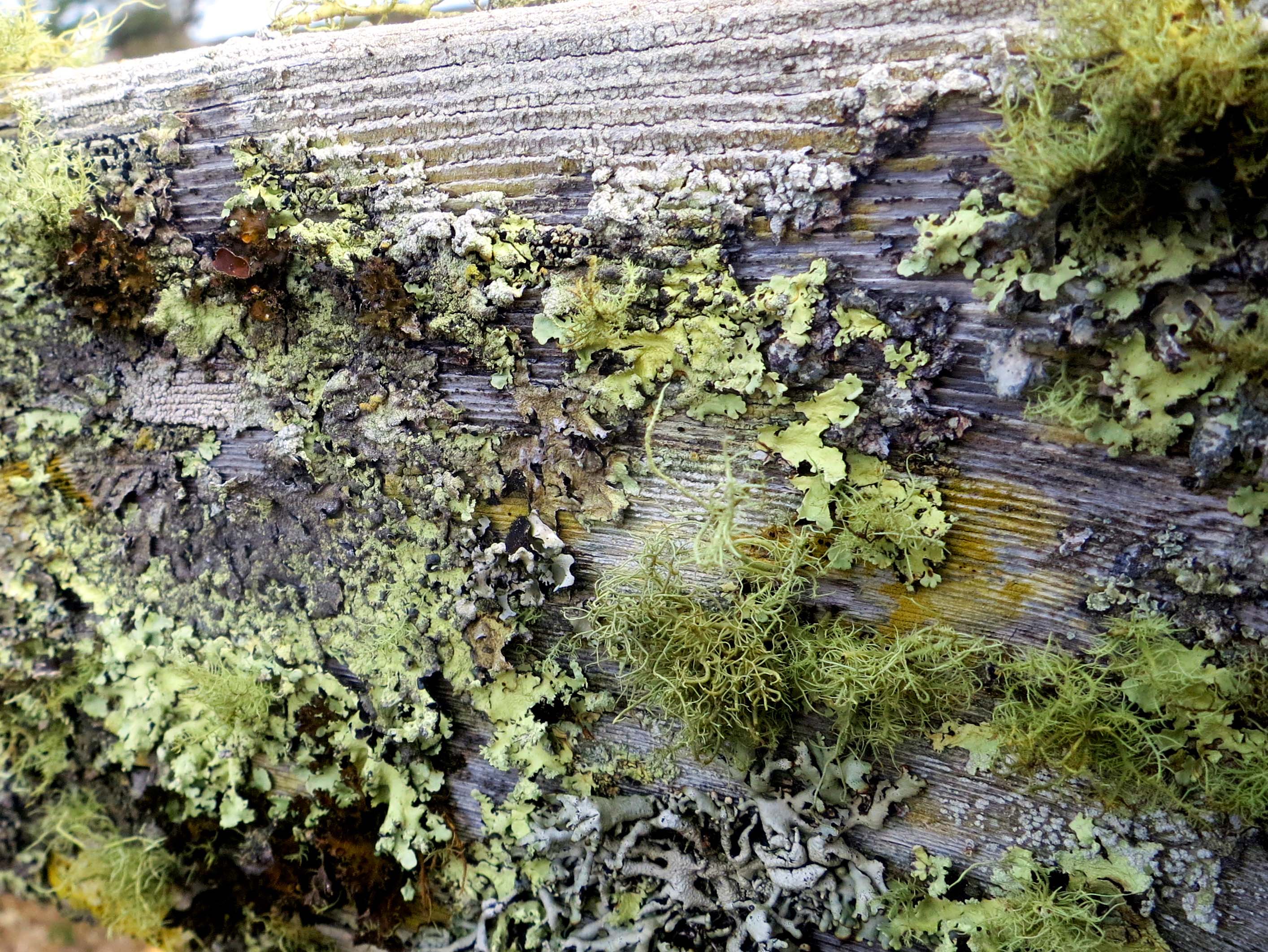
Lichens found on a fence on Pierce Ranch at Pt. Reyes National Seashore. Photo by Curtis Mekemson.

Lichens, adorning a fence on the historic Pierce Ranch at Pt. Reyes National Seashore, remind visitors that it has been 46 years since the last cow mooed.

Marin County land speculators, real estate firms, and local governments had a dream in the 1950’s. They were going to turn Pt. Reyes into one vast housing tract. Mouth-watering profits were to be made. Local tax dollars would increase proportionately. Everyone would gain.

Well, not quite.

Local ranchers saw a life style they had loved for over a century disappearing. The Sierra Club saw one of the world’s richest natural environments falling under the blades of bulldozers. The National Park Service saw it’s dream of opening the beautiful coast and forests of the area to the public being replaced by a forest of no trespassing signs.

An alliance was formed. Environmentalists and ranchers joined together with visionary local and national leaders to devise a plan that would protect the environment, allow ranchers to continue ranching, and give the National Park Service the opportunity to create one of America’s premier parks, a gift to America and the world that would last for generations. In 1962, John Kennedy signed the legislation that would create the Pt. Reyes National Seashore.
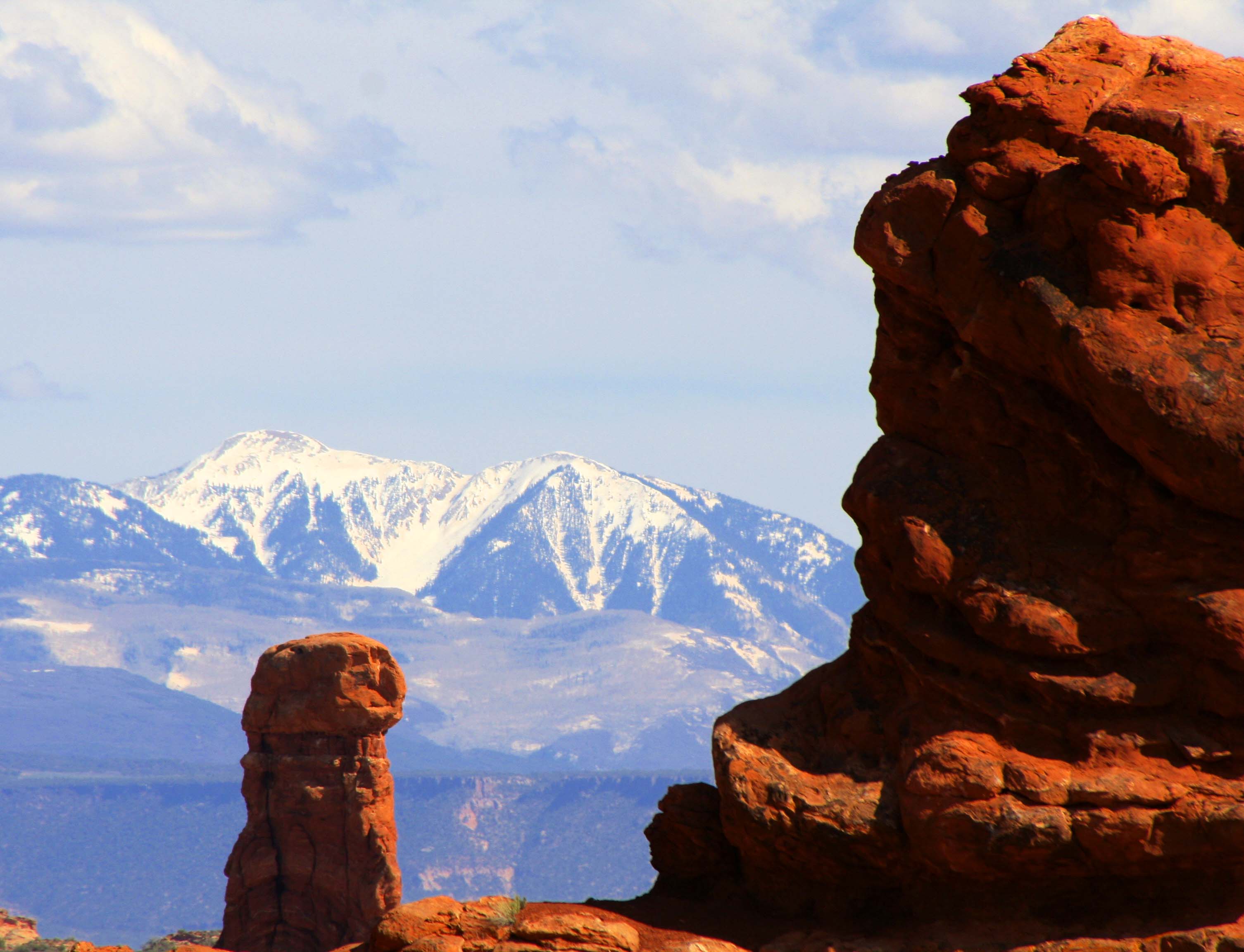
The Pierce Ranch, located out on Tomales Point, ceased operation in 1973. Three years later it became part of the park as a historic representative of the dairy ranches at Pt. Reyes that had been milking cows and shipping butter to the Bay Area since 1866.

In 1978 a herd of Tule Elk was reintroduced to the area as part of the Tomales Point Tule Elk Reserve. Native to California, Tule Elk had once roamed throughout the state in substantial numbers. By 1900 they were close to extinction. Saved by a Bakersfield rancher, over 20 protected herds are now located in California.

Photo of a lichen covered fence at Pt. Reyes National Seashore.

Another photo of the lichen covered fence. It’s like a strange forest.

Photo of cypress tree wind break on Pierce Ranch inPt. Reyes National Seashore. Photo by Curtis Mekemson.

Possibly the mother of all cypress tree windbreaks stands above Pierce Ranch.

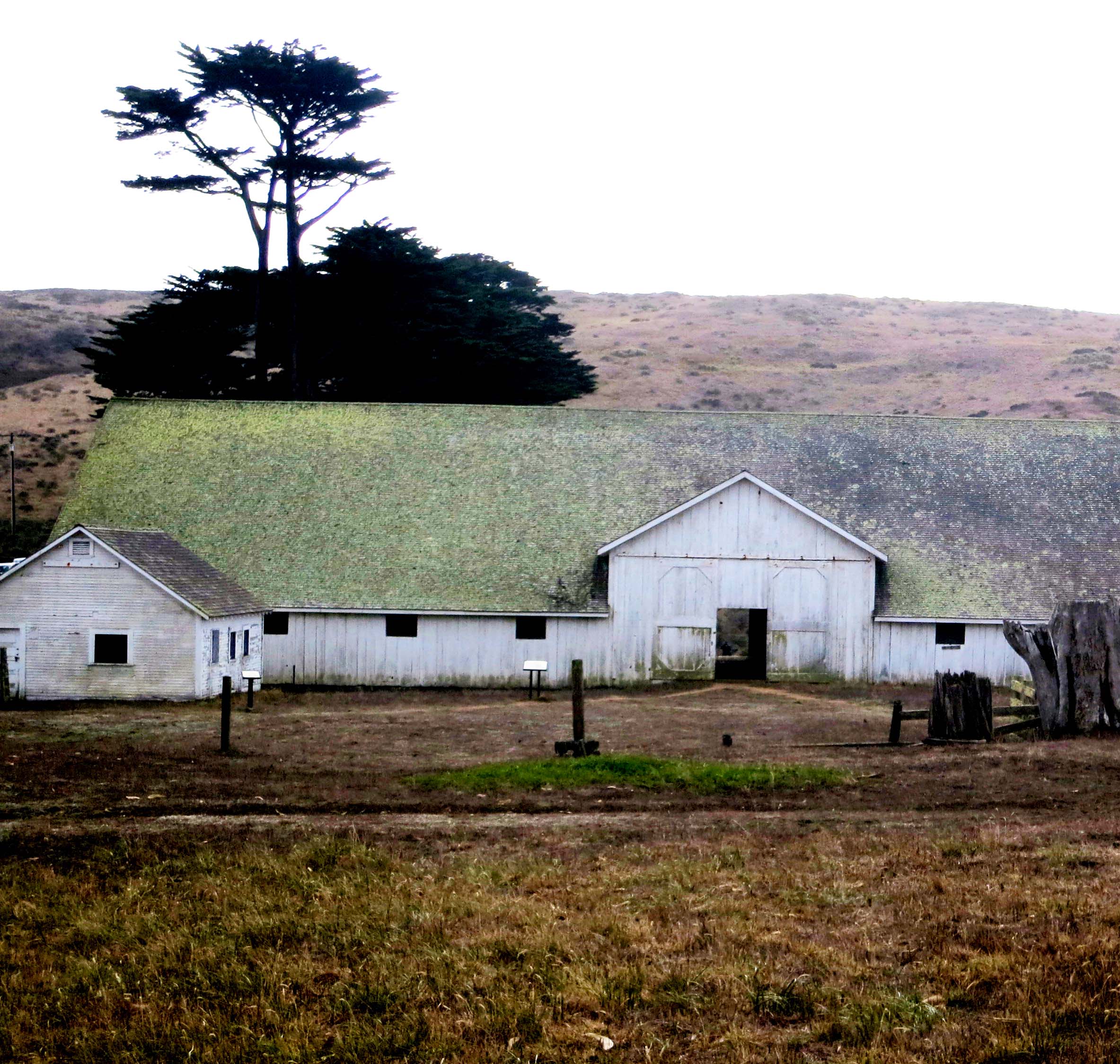
Photo of barn at Pierce Ranch, Pt. Reyes National Seashore.  Photo by Curtis Mekemson.

A number of buildings make up the ranch, including this old barn.

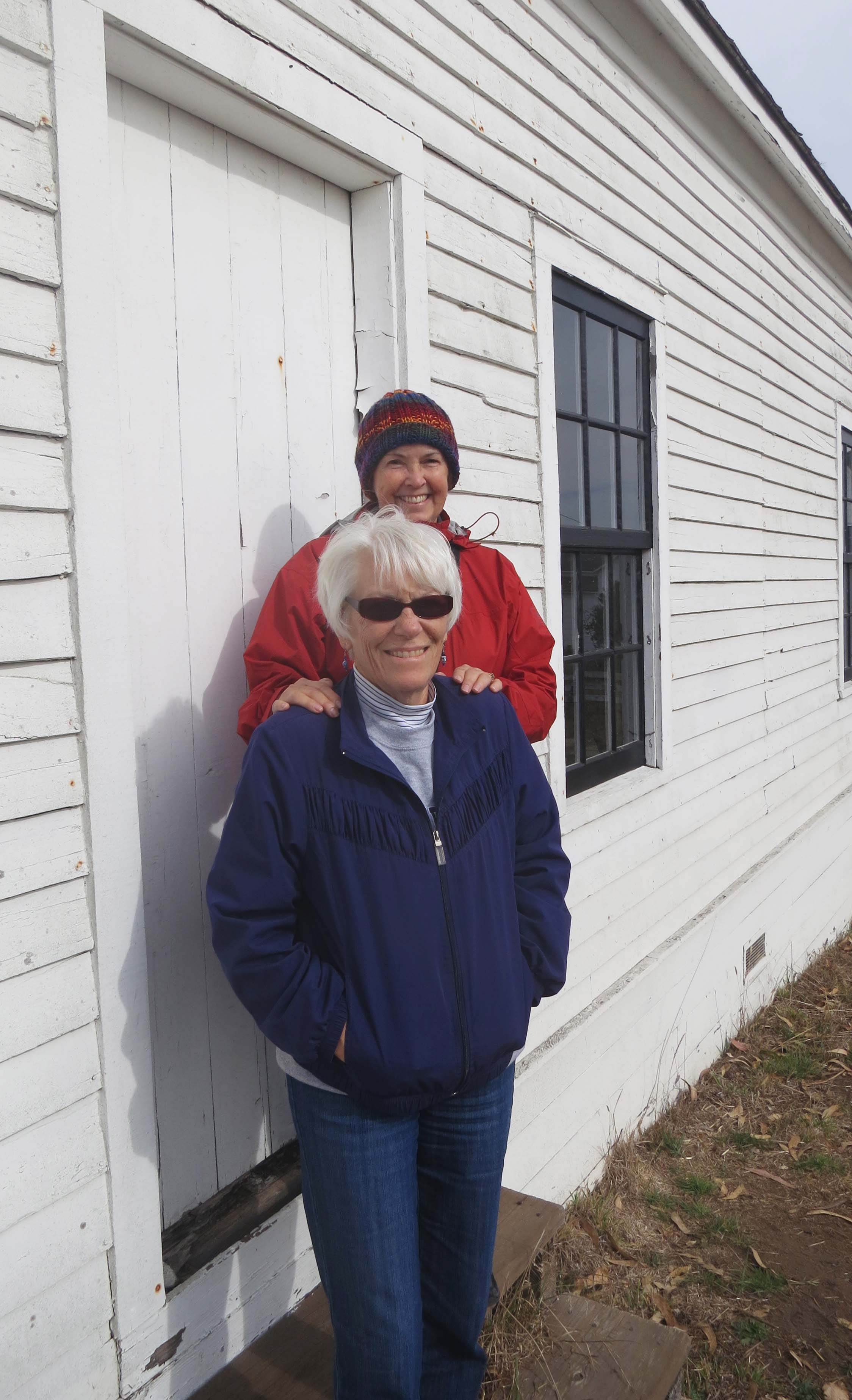
Photo of one-room school house at Pierce Ranch, Pt. Reyes National Seashore including Leslie Lake and Peggy Mekemson. Photo by Curtis Mekemson.

Isolated out on Tomales Point, Pierce Ranch formed a small community that included a store and this school-house. Since our friend Leslie Lake spent many years as a third grade teacher and Peggy worked as an elementary school principal, I’ve included them in the photo.

Looking inside school at Pierce Ranch on Pt. Reyes National Seashore. Photo by Curtis Mekemson.

Once filled with laughing children learning their abc’s, the school is now vacant and the windows are covered with cobwebs– ghostly reminders of the past.

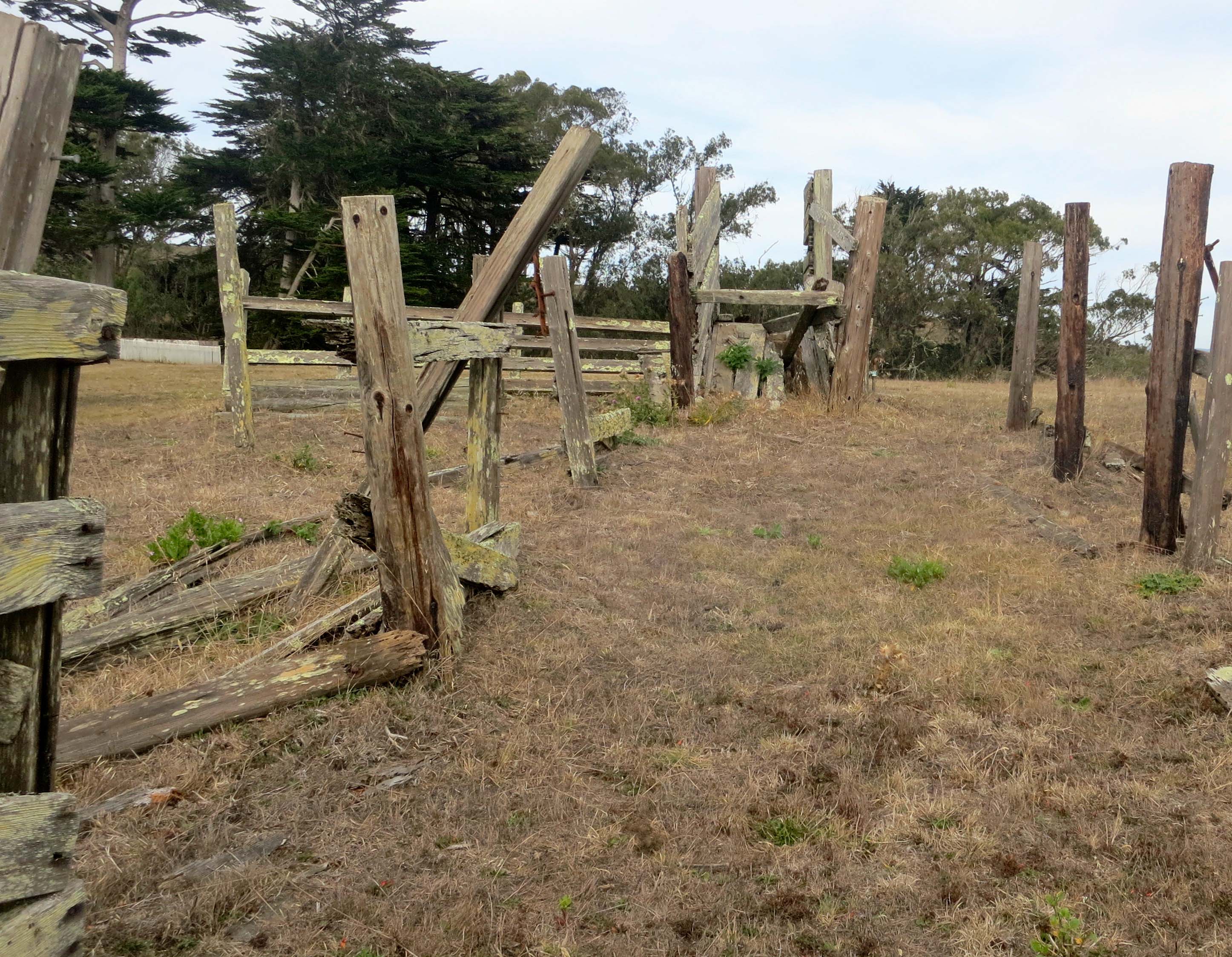
Old cattle pen at Pierce Ranch at Pt. Reyes National Seashore. Photo by Curtis Mekemson.

Once upon a time cattle would have been penned up within these fences, ready to be loaded on to trucks using the blocked ramp at the top of the photo.

Aging fence at Pierce Ranch, Pt. Reyes National Seashore. Photo by Curtis Mekemson.

A close up of the fence.

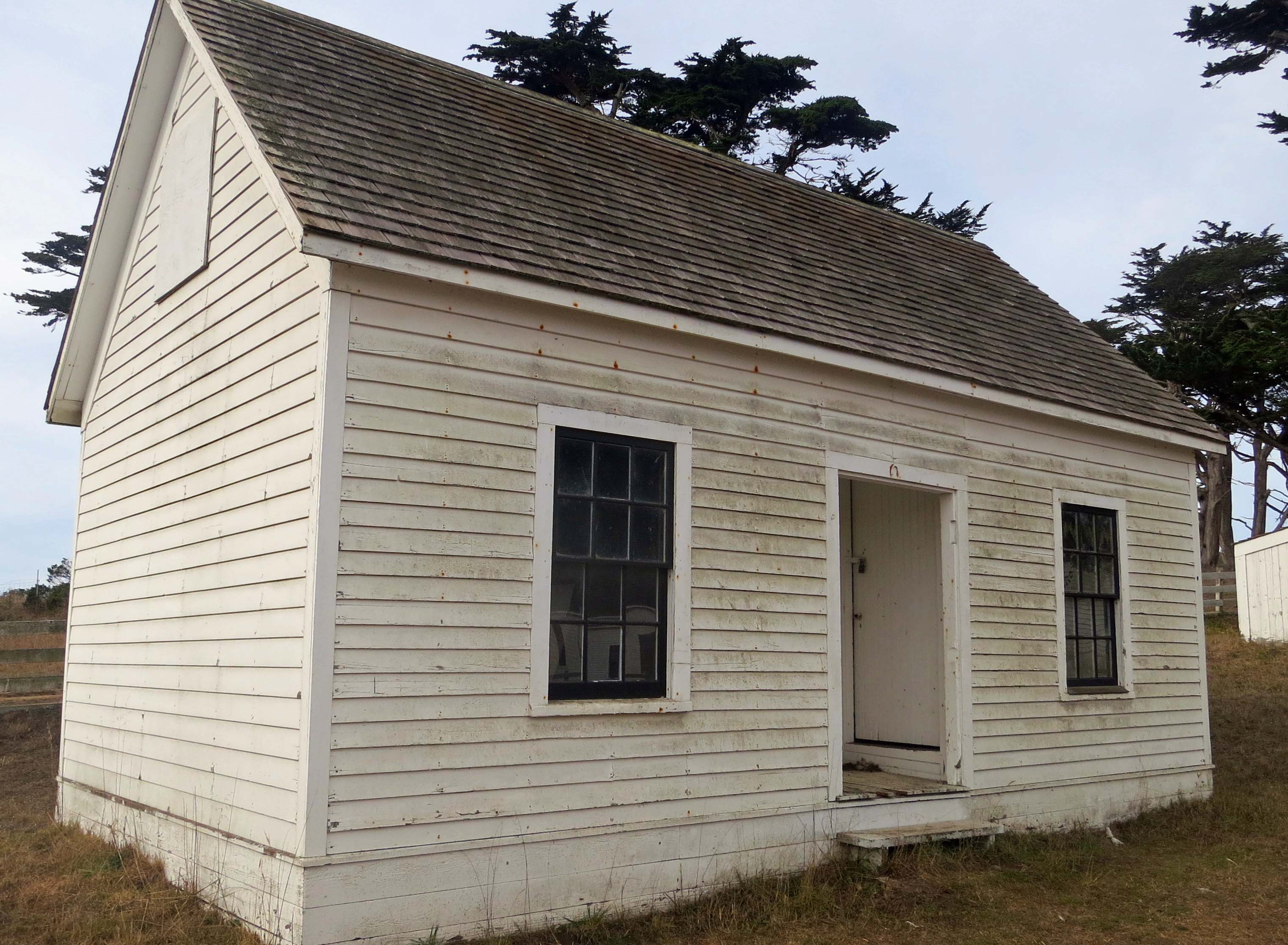
Bunk house at Pierce Ranch on Pt. Reyes National Seashore. Photo by Curtis Mekemson.

This small bunk house would have accommodated ranch hands. Up to 20 were employed at the height of milking season.

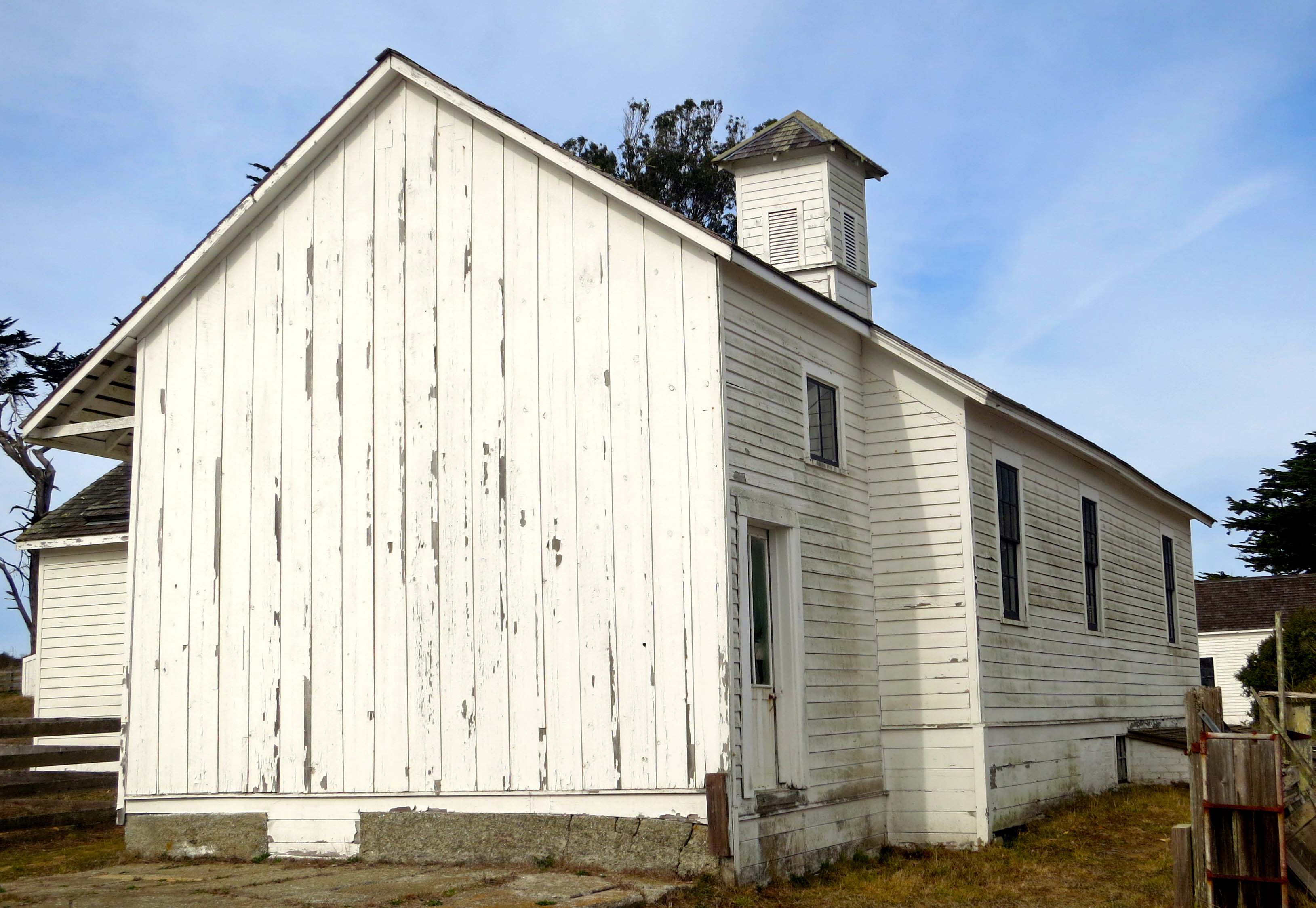
Photo of dairy house at Pierce Ranch, Pt. Reyes National Seashore by Curtis Mekemson.

This dairy house was where butter was prepared to be shipped off to San Francisco in large kegs. Butter from Pt. Reyes was considered to be very high quality and was sold in gourmet shops and used in the best restaurants.

Old farming equipment at Pierce Ranch on Pt. Reyes National Seashore. Photo by Curtis Mekemson.

What’s a farm without equipment? This piece had morphed into a planter.

Close up of old farm equipment at Pierce Ranch on Pt. Reyes National Seashore. Photo by Curtis Mekemson.

A close up.

Old soil tiller at Pierce Ranch, Pt. Reyes National Seashore. Photo by Curtis Mekemson.

This tiller also caught my attention.

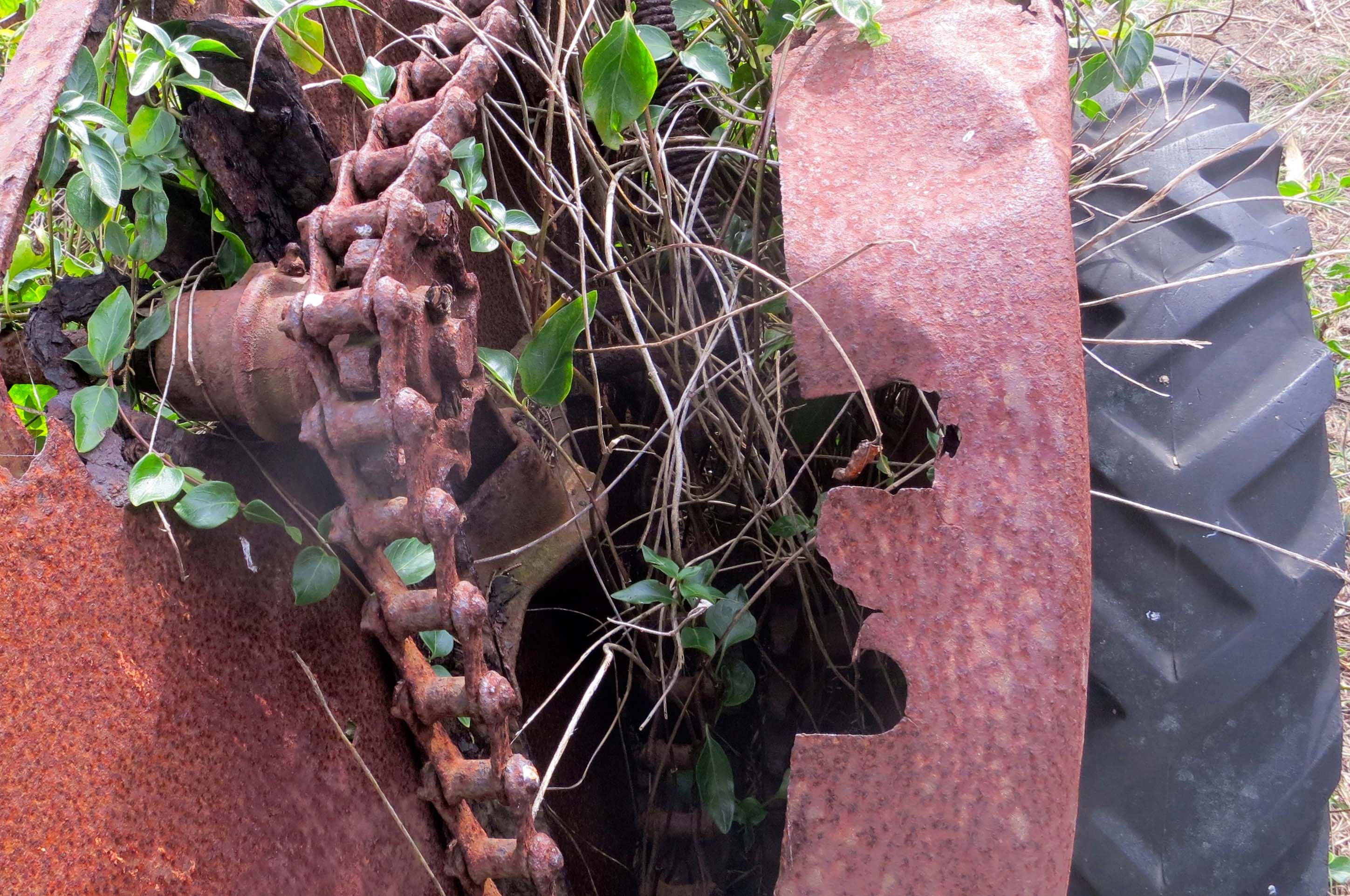
Rusted gear and chain on soil tiller at Pierce Ranch, Pt. Reyes National Seashore. Photo by Curtis Mekemson.

Rusted gear teeth and chain on tiller.

Tule Elk grazing on a hill at the Tule Elk Preserve at Pt. Reyes National Seashore.

Having toured Pierce Ranch we climbed the hill next to the ranch in search of Tule Elk. We found them a long ways off. (Photo by Peggy Mekemson.)

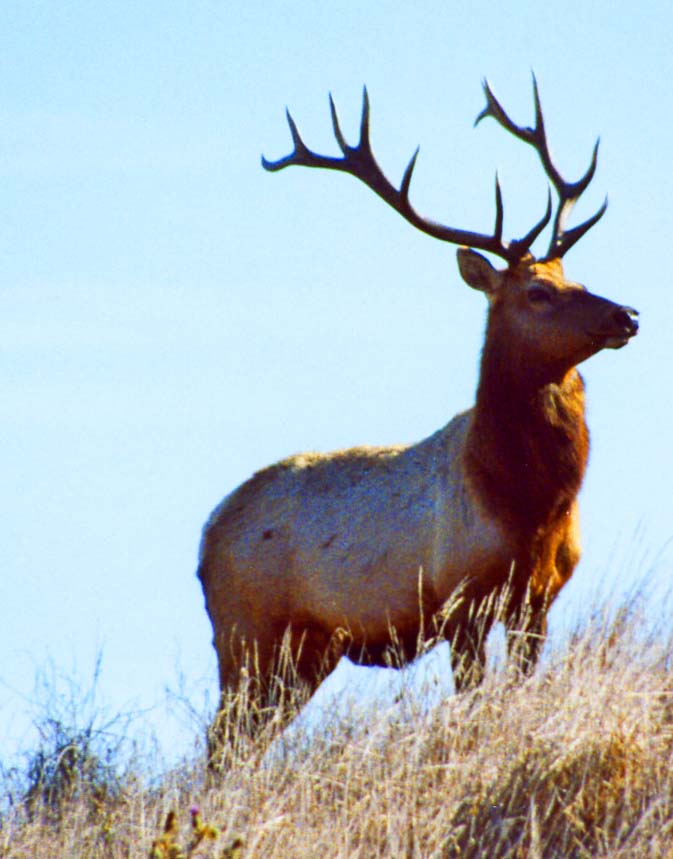
Photo of bull Tule Elk at Pt. Reyes National Seashore Tule Elk Reserve. Photo by Curtis Mekemson.

Here’s how one looked a little closer.

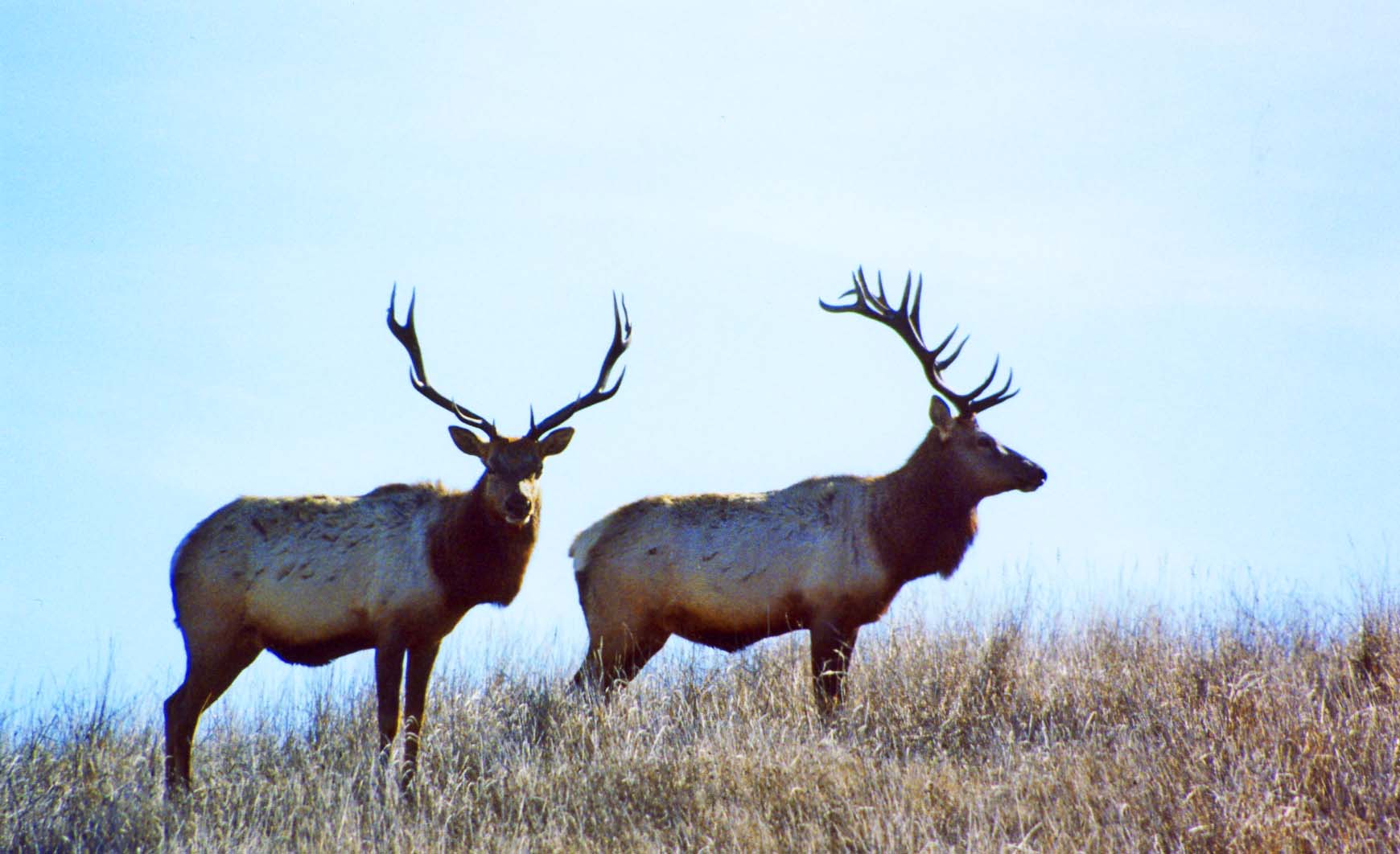
NEXT BLOG: North and South Beach where the Pacific Ocean crashes ashore. Here’s a final shot of the Tule Elk. One of the big guys had obviously taken an interest in me. I was hoping it wasn’t personal. –Curt

A pair of Tule Elk at Pt. Reyes National Seashore. Photo by Curtis Mekemson.

Limantour Beach: A Wild World… Pt. Reyes National Seashore

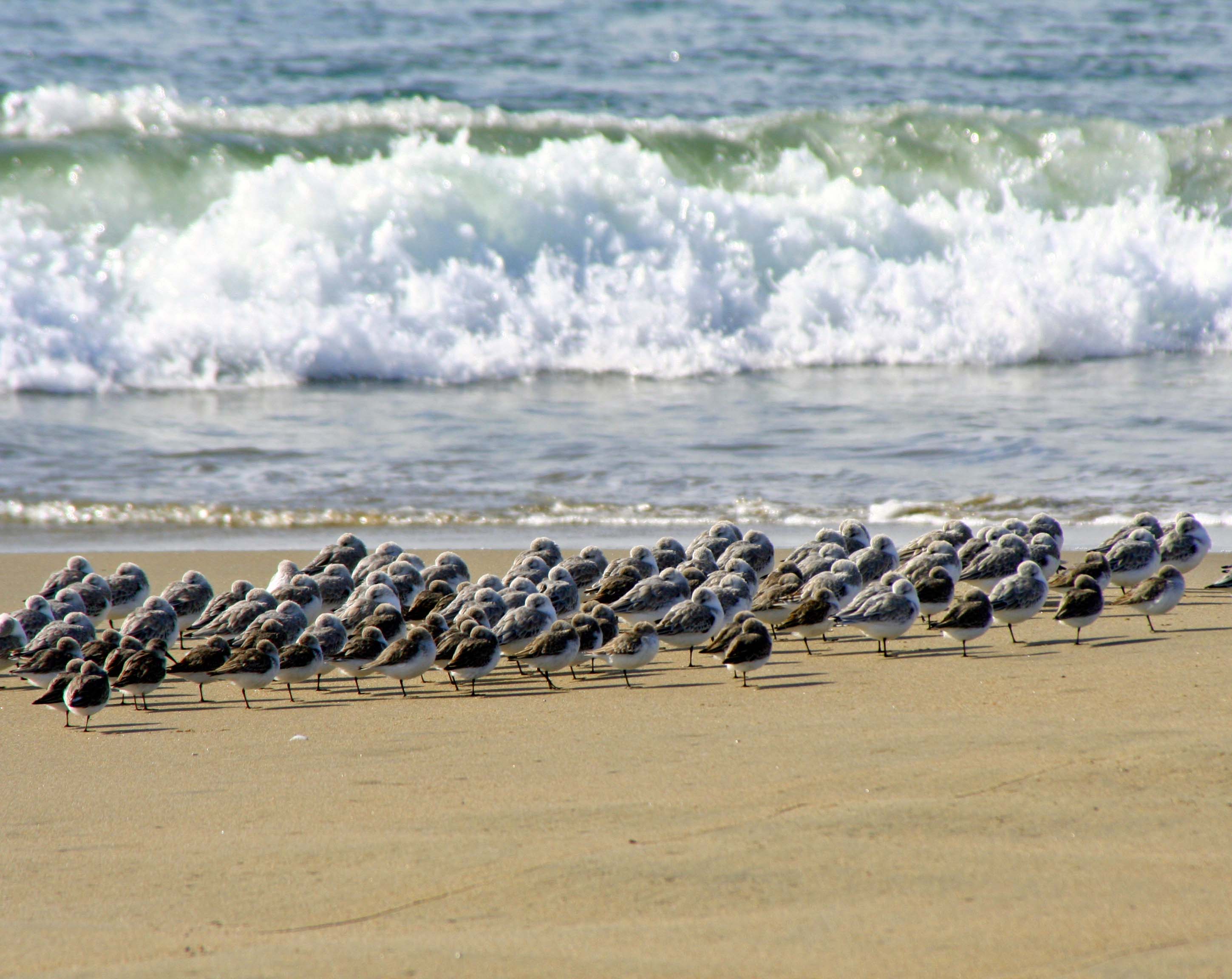
Shore, sea and sanderlings meet on Limantour Beach at Pt. Reyes National Seashore. (photo by Peggy Mekemson.)

Shore, sea and Sanderlings meet on Limantour Beach at Pt. Reyes National Seashore. (Photo by Peggy Mekemson.)

A steep ridge runs most of the length of Pt. Reyes National Seashore. The road to Limantour Beach is all business as it climbs up and over. Who needs switchbacks? A sign tells trailers to stay off. Our van Quivera has made the journey several times but always complains. Our friend Ken Lake’s truck laughed at the challenge.

The journey across provides an introduction to most of Pt. Reyes’ ecological zones.  Seeing a Kodak moment, I asked Ken to stop up on top. Fog and sun were battling with each over who would rule the day. Grass, brush, trees and canyons joined the drama. I searched the canyon for wildlife to add to my photo. Tule Elk and Black Tail Deer are commonly seen during the day, as are hawks and omnipresent buzzards. Nothing presented itself. All I found was some aging, hair-filled bobcat scat (poop) with a pile of fresh raccoon scat on top. I figured the raccoon was making a statement. I also figured that the scat didn’t need to be part of my photo. (“Good decision,” Peggy adds.)

Pt. Reyes photo along Limantour Road at Pt. Reyes national Seashore by Curtis Mekemson.

Sun and fog were part of the landscape in this photo I took from Limantour Road.

Pt. Reyes Natioanl Seashore photo by Curtis Mekemson.

Looking south from Limantour Road at where the deer and elk roam.

The road down to Limantour Beach is almost as steep as the road up and one section would scare a roller-coaster. Topping the last hill provides a broad view of Drake’s Bay, Limantour Beach and the Limantour Estero. A long narrow spit separates the Bay from the Estero. I suspect the view isn’t tremendously different from what Sir Francis Drake would have found when he sailed into the Bay in 1579, the first European to visit the area. Miwok Indians, who had called the region home for thousands of years, greeted the British explorer/noble/naval hero/pirate.

We parked the truck, crossed a walking bridge over the Limantour Estero, hiked down to the beach and walked north along the shore. Sea gulls, Sanderlings, crab shells, driftwood, animal tracks, sunning buzzards, gentle waves and distant vistas entertained us.

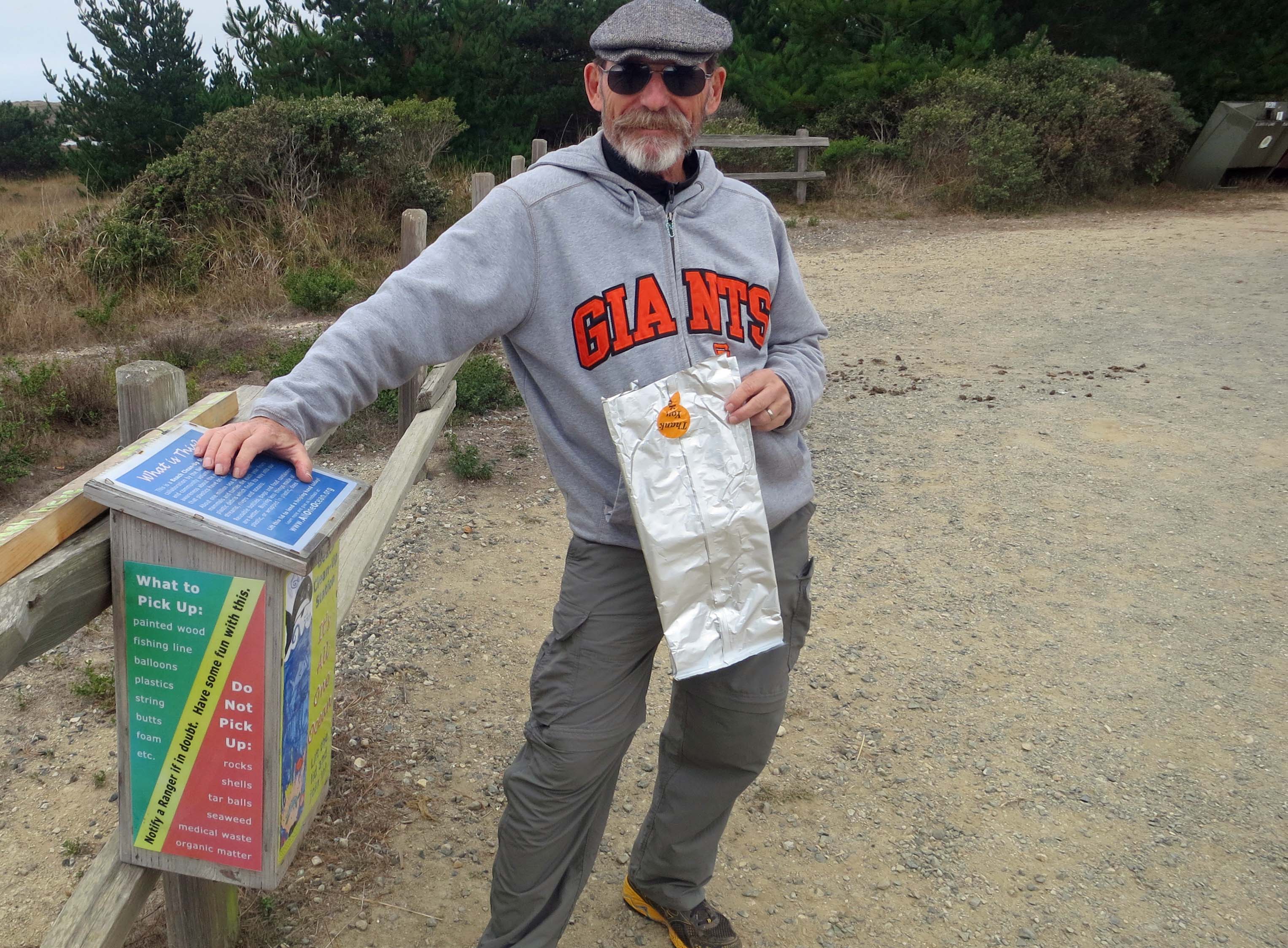
Bags provided for picking up trash on Limantour Beach at Pt. Reyes National Seashore. Photo by Curtis Mekemson

A great idea: The National Park Service provided bags so people could pick up trash as they walked along the beach. Ken immediately grabbed one and we all helped fill it. Note: Ken never lets anyone doubt his team loyalty.

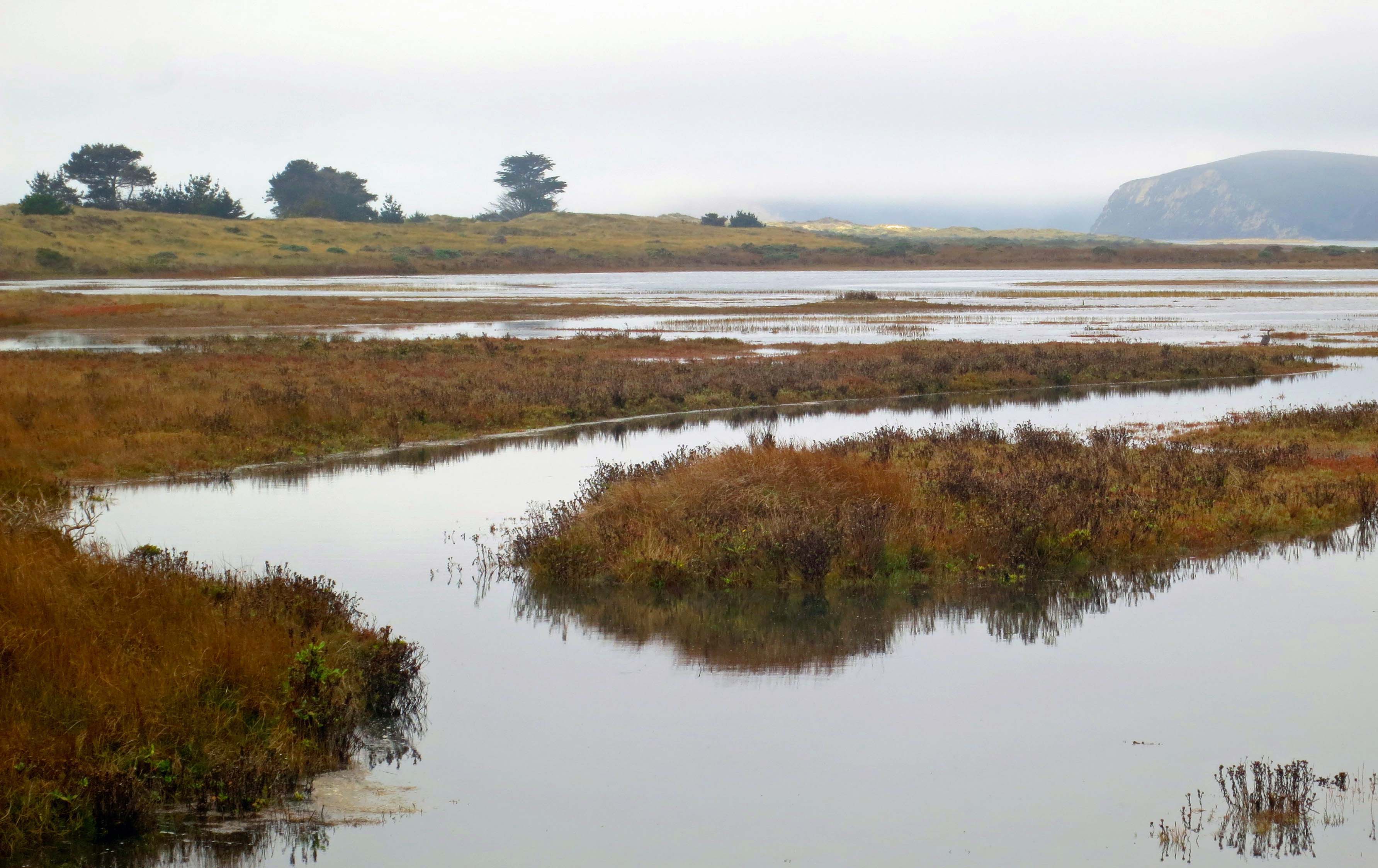
Estero de Limantour at Pt. Reyes National Seashore. Photo by Curtis Mekemson.

A bridge provided a view up the Limantour Estero or estuary. Estuaries are where fresh and ocean water mix, creating a rich environment for fish and birds. The Pt. Reyes headlands in the distance offers a great vantage point for whale watching. It is also home to Pt. Reyes’ Elephant Seal population.

Elephant seal photo by Curtis Mekemson.

I love elephant seals. These magnificent creatures spend the majority of their lives at sea and 90% of that time under water. They travel thousands of miles annually and can dive up to 2000 feet deep. This photo came from a blog I did about the Elephant Seals of Piedras Blancas.

Photo of the Estero de Limantour at Pt. Reyes taken by Curtis Mekemson.

Another view of the Limantour Estero, this one from the spit that separates the Estero from Drake’s Bay.

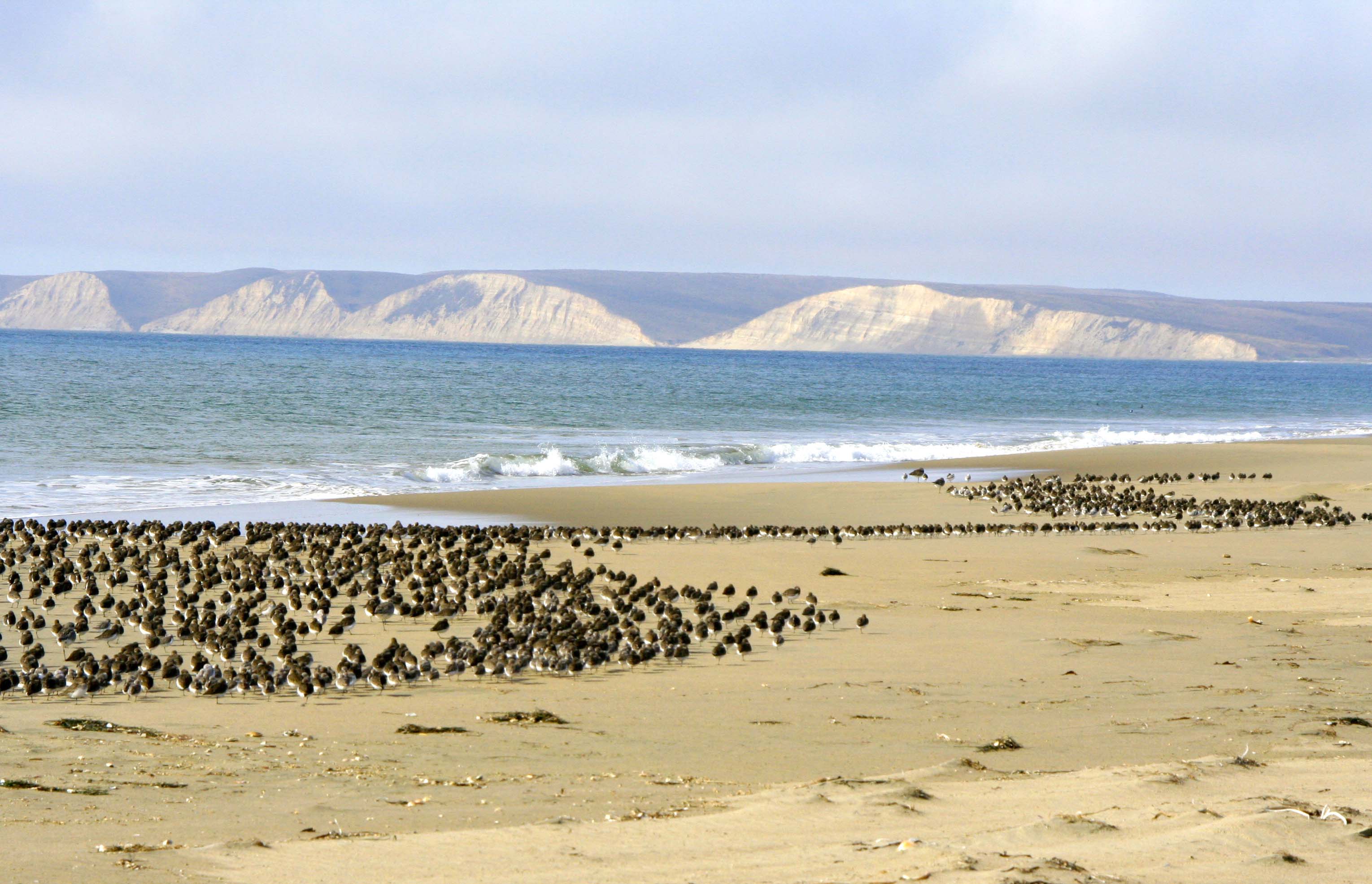
Limantour Beach at Pt. Reyes National Seashore.

Looking north up Limantour Beach across Drakes Bay. Sir Francis Drake named the area Nova Albion, New England, probably because the sandstone cliffs reminded him of the Cliffs of Dover. (Photo by Peggy Mekemson.) The small mounds or sand dunes are created by plant matter.

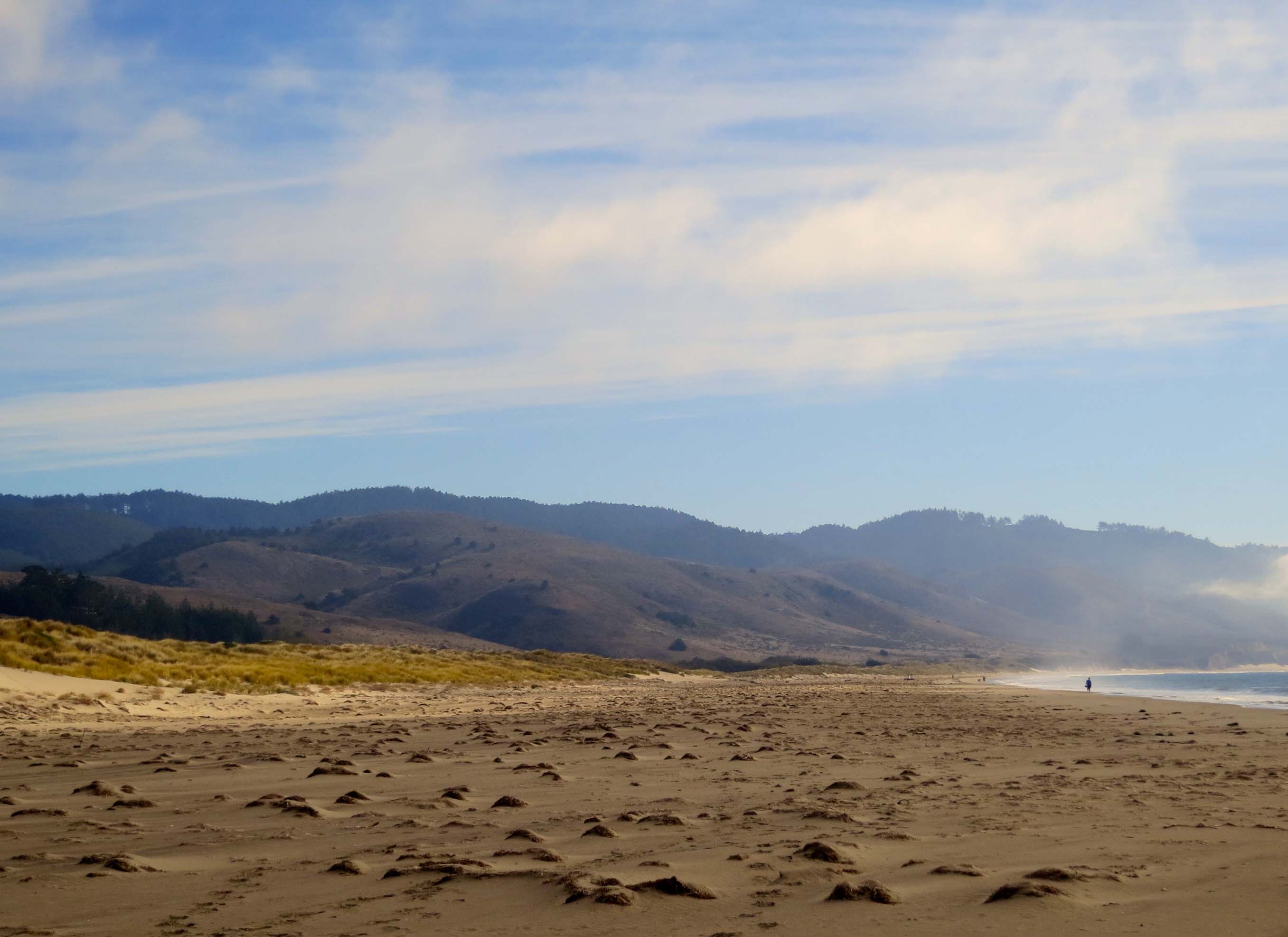
Looking south on Limantour Beach at Pt. Reyes National Seashore. Photo by Curtis Mekemson.

A lone person walks south on Limantour Beach.

Sea gulls on Limantour Beach at Pt. Reyes National Seashore. Photo by Curtis Mekemson.

Sea gulls tend to walk away when you get near them. I was encouraging these guys to fly. The one nearest appeared ready to leap into action.

Sea gulls in flight on Limantour Beach at Pt. Reyes National Seashore. Photo by Curtis Mekemson.

I finally succeeded.  I like the way this photo captures the different wing action of gulls in flight.

Sanderlings on Limantour Beach at Pt. Reyes national Seashore.

Meanwhile, Peggy was off checking out the seemingly endless flock of Sanderlings. (Photo by Peggy Mekemson.)

Flock of flying Sanderlings at Limantour Beach, Pt. Reyes National Seashore.

Who also decided to fly. How do they avoid winging each other? (Photo by Peggy Mekemson.)

Buzzards drying out wings on Limantour Beach at Pt. Reyes National Seashore. Photo by Curtis Mekemson.

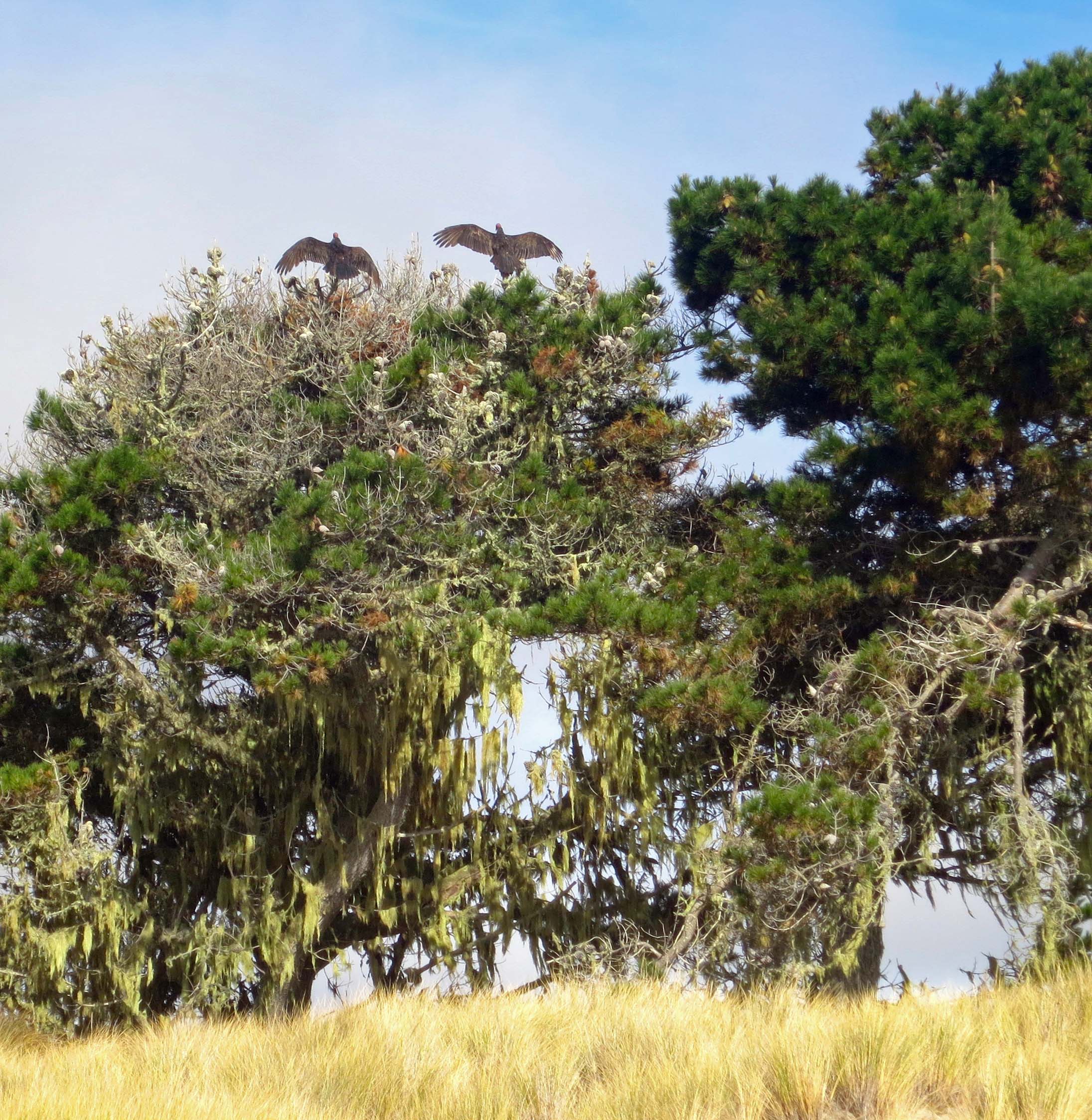
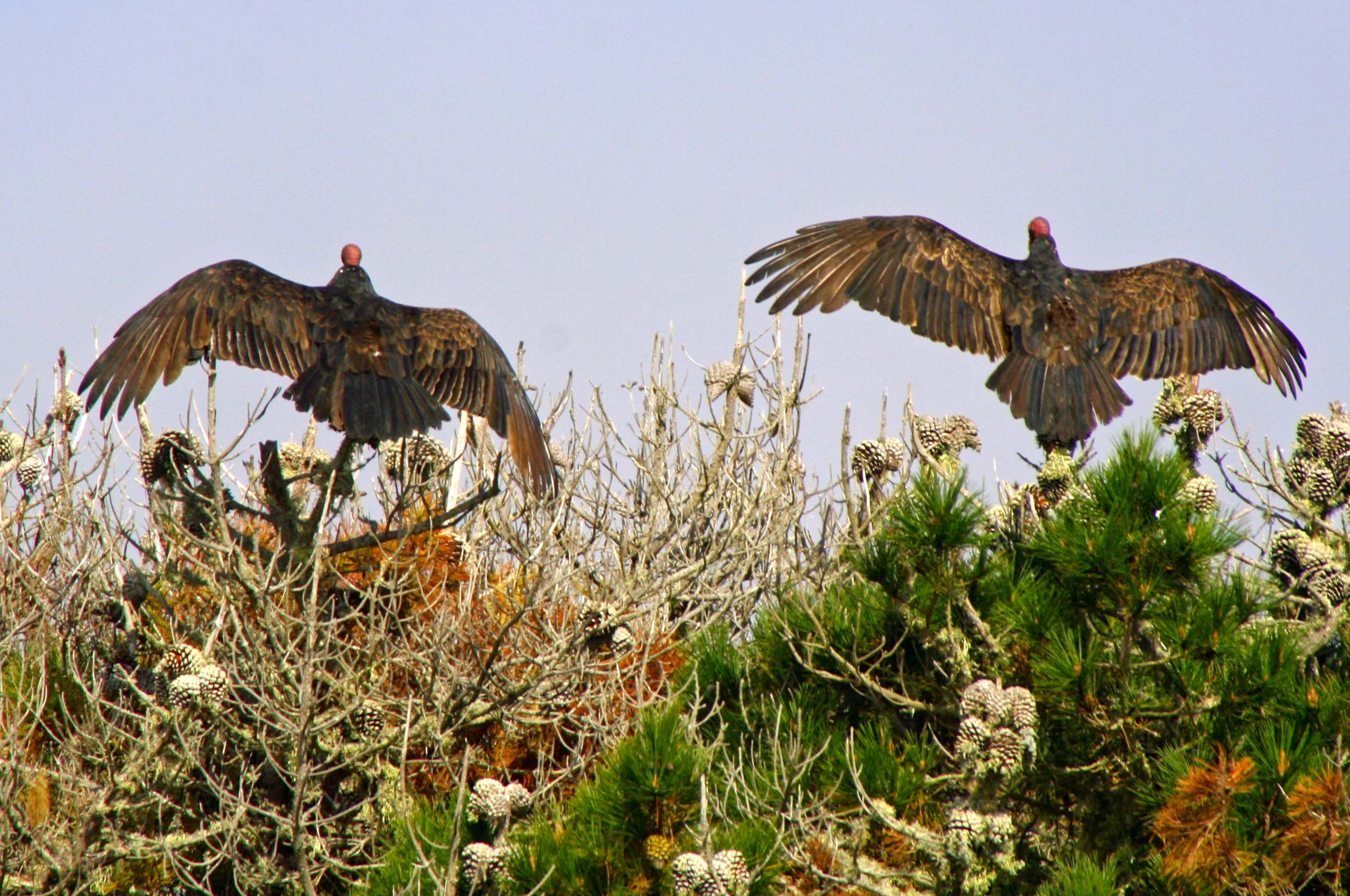
“Check out the buzzards,” Ken urged. A pair were perched on top of a pine tree drying out their wings from the morning’s fog in preparation for flight.
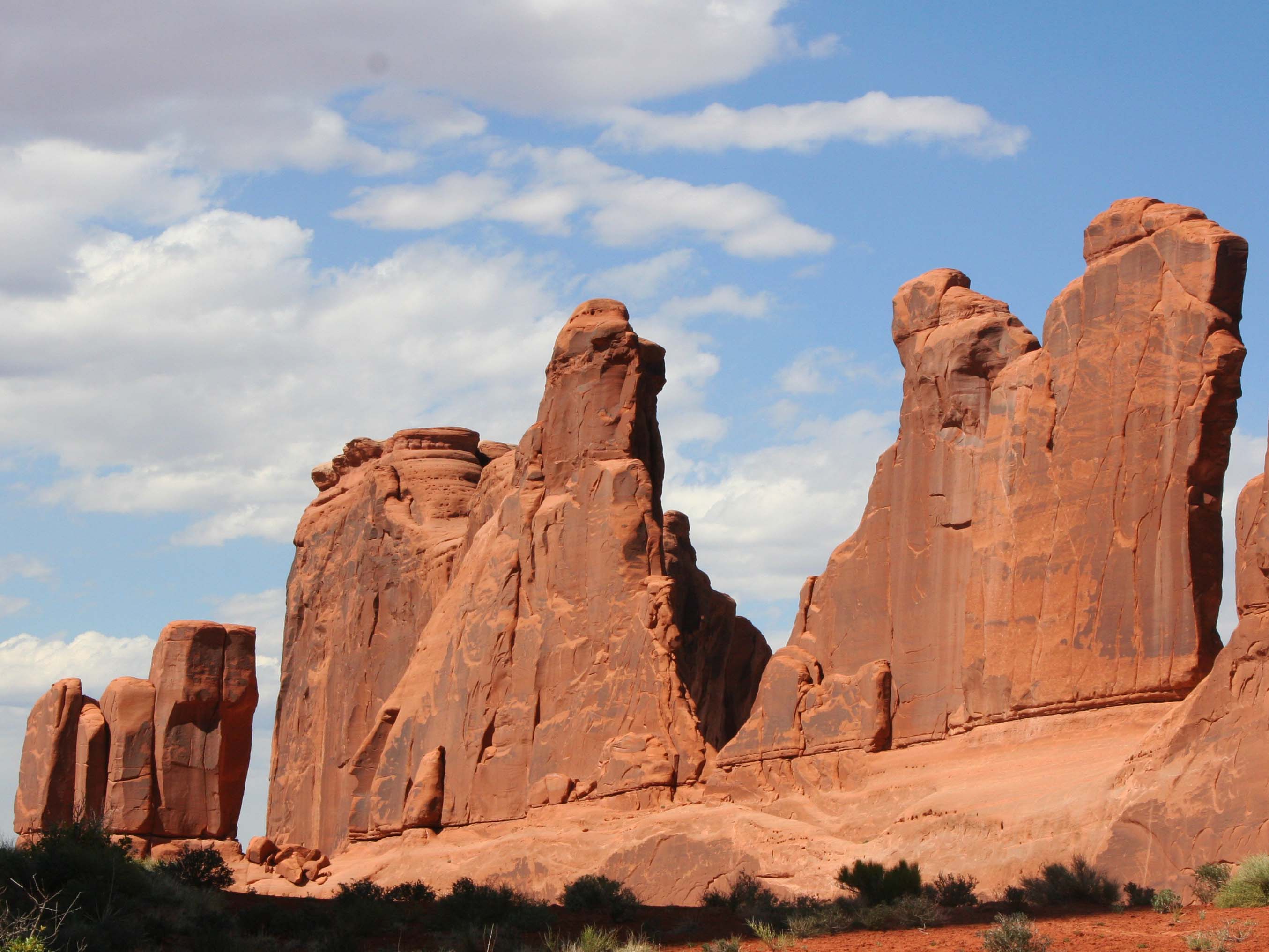
Buzzards dry wings at Pt. Reyes National Seashore.

Using her telephoto lens Peggy got up close. Note their heads. They are naked so buzzards can dip into dead treats without getting their feathers involved. Isn’t evolution grand? (Photo by Peggy Mekemson.)
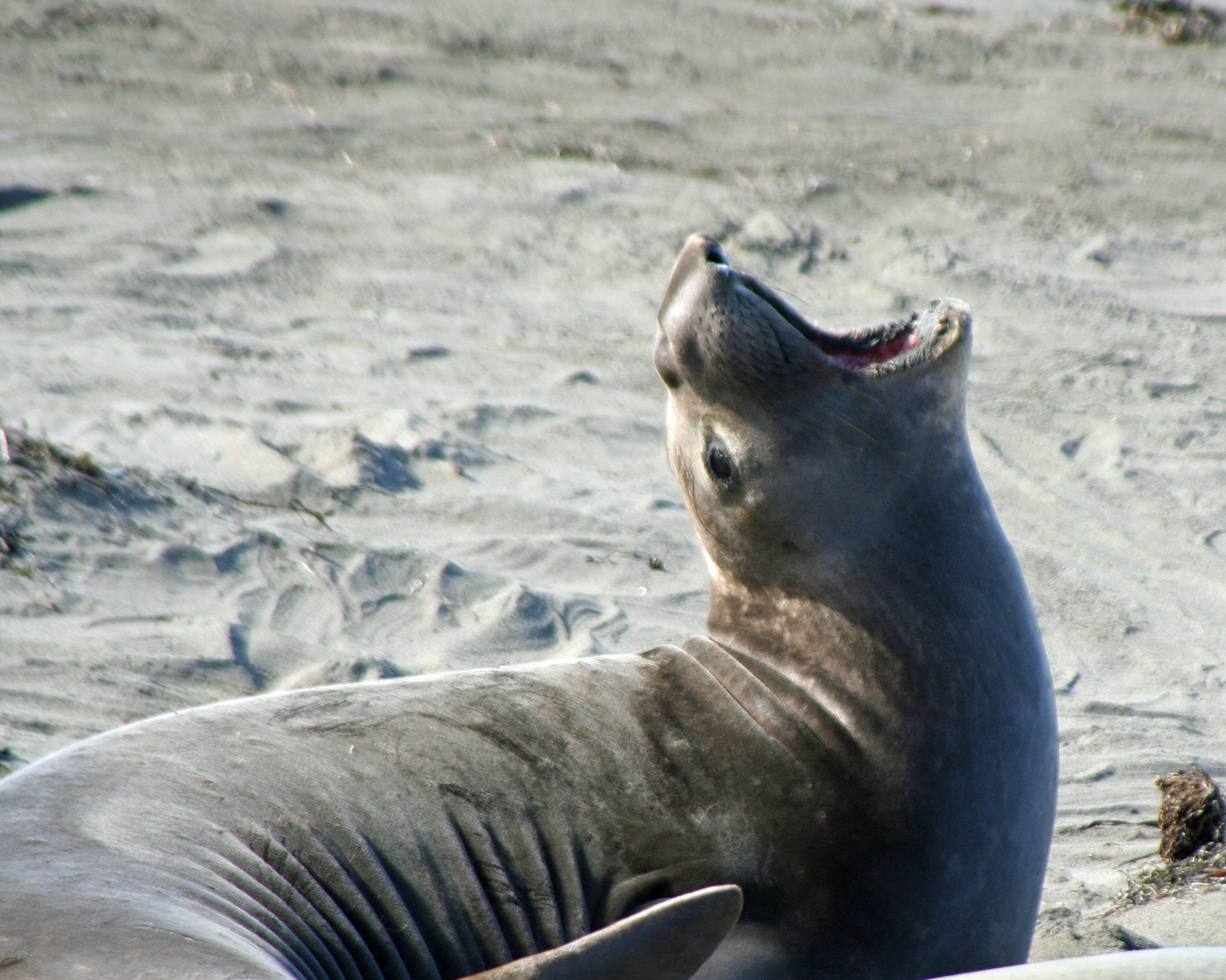
Buzzards feathers gor awry on Limantour Beach.

As we approached one got excitable. I think you might say he was having a bad feather day. (Photo by Peggy Mekemson.)

Raccoons leave tracks on Limantour Beach, Pt. Reyes National Seashore. Photo by Curtis Mekemson.

While animals were hiding out for the day, their tracks were abundant. Here, a family of raccoons made their way back to their home on the spit. Peggy and Leslie followed the tracks to what they decided was their home hidden in the brush.

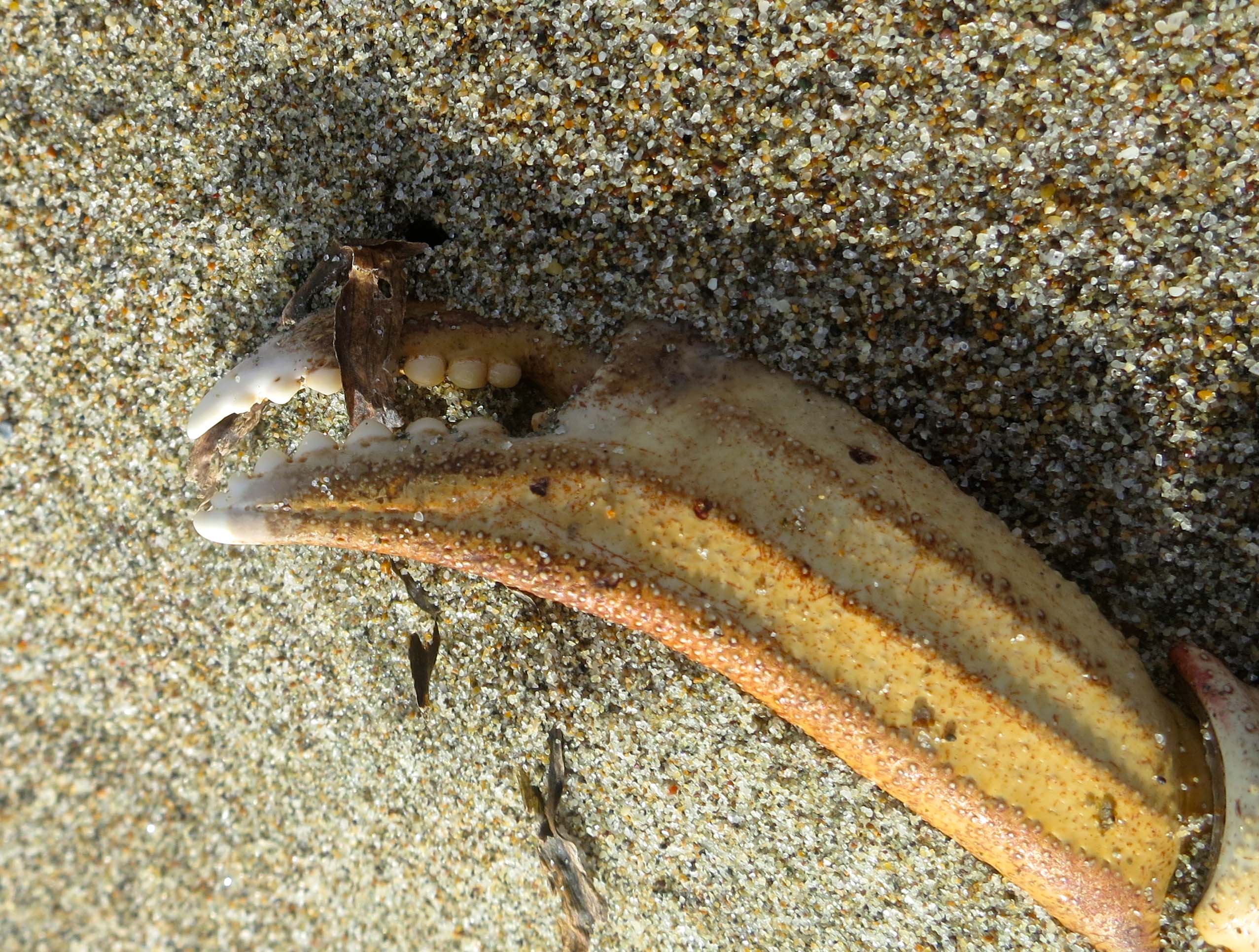
Crab claw showing teeth on Limantour Beach at Pt. Reyes National Seashore. Photo taken by Curtis Mekemson.

It’s possible that crab was on the menu that night for the raccoons. We found numerous empty shells along the beach. I liked the teeth in this claw.

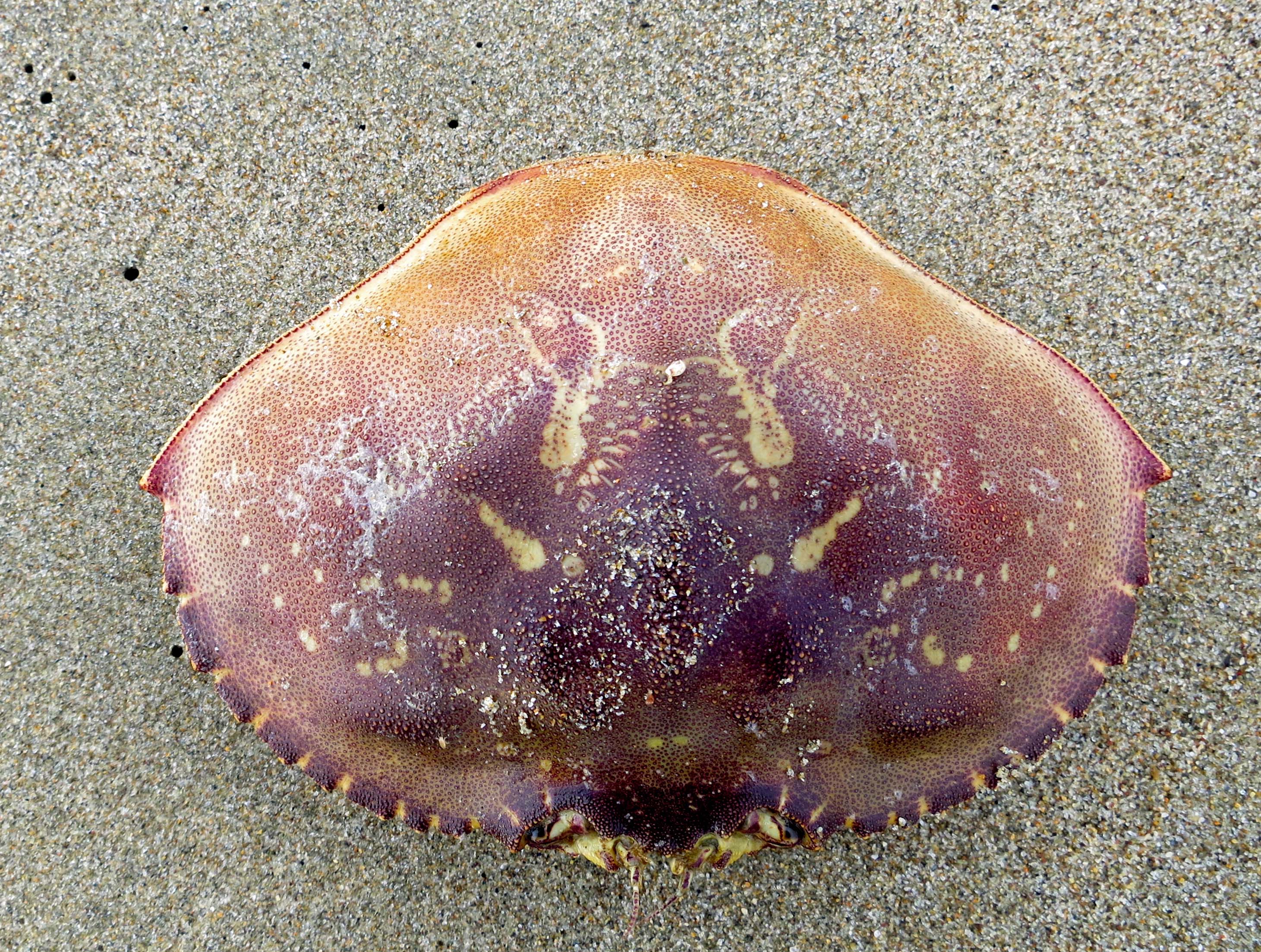
Empty crab shell found on Limantour Beach at Pt. Reyes National Seashore. Photo taken by Curtis Mekemson.

Empty crab shell. Many other birds and animals join raccoons in feasting on the oceans offerings. I also found a set of fox tracks leading down to the beach.

These tracks represent a virtual freeway into the grass on the spit.

These tracks represent a virtual animal freeway between the sand of the shore and the protective grass and brush of the spit.

Photo by Curtis Mekemson of driftwood on Limantour Beach at Pt. Reyes National Seashore

The grain of the wood exposed by the relentless pounding of the ocean is what attracts me to driftwood. We found a prime example on the upper beach at Limantour. A tree had been driven upside-down into the ground and was showing off its roots. I was curious about whether man or nature had been responsible for the upending.

Close up photo of driftwood on Limantour Beach taken by Curtis Mekemson.

A close up of the driftwood with its marvelous twists and turns plus two peek-a-boo holes.

Photo of spit on Limantour Beach by Curtis Mekemson.

We walked back to the parking lot following a trail along the spit.

Photo of grass on Limantour Spit taken by Curtis Mekemson.

Much of the trail made its way through the thick golden grass that dominates the spit and provides a home for Limantour Beach’s wild world.

NEXT BLOG: It’s off to the historic Pierce Ranch and a search for Pt. Reyes’ magnificent Tule Elk. I’ll conclude today’s blog with a black and white photo of gentle waves lapping up on the Limantour Beach.

Gentle waves visit Limantour Beach at Pt. Reyes National Seashore. Photo by Curtis Mekemson.

Earthquake Swallows Cow… Pt. Reyes National Seashore: Part 1

Sanderlings take flight at Pt. Reyes National Seashore on Limantour Beach. (Photo by Peggy Mekemson.)

Pt. Reyes National Seashore is an American Treasure. In this photo, Sanderlings take flight on Limantour Beach. (Photo by Peggy Mekemson.)

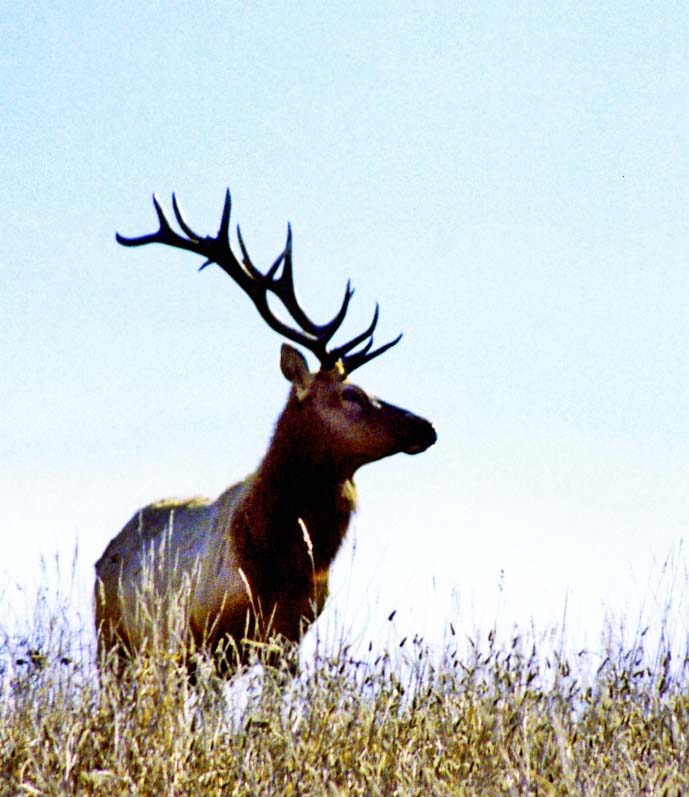
Photo of bull elk at Pt. Reyes National Seashore by Curtis Mekemson.

A bull elk is outlined against the sky at the Pierce Ranch.

My legs were not working and I was laughing. I had just completed one of Pt. Reyes’ easiest walks from the park headquarters out to the beach and back via Bear Valley. At the end of the 10 mile round trip, I had gratefully fallen into my car and driven to Bodega Bay. It was 1969 and the pre-Yuppified Inn-at-the-Tides consisted of motel cabins going for $15 as opposed to rooms starting at $200. My legs had gone on strike when I stepped out of the car to register.

I had just completed a year of recruiting for Peace Corps in the Southern United States where exercise had consisted of traveling between airports, motels and college campuses from Texas to Washington DC.  Adding injury to insult, I had eaten most of my meals at Southern restaurants serving large helpings of Southern food. Curt had become a little chubby. The legs were not happy. Fortunately, a half-pint of whiskey and a full night’s sleep ended their rebellion. The next morning I returned to my exploration of Pt. Reyes and the beginning of a life-long love affair with the North Coast of California.

Peggy and I returned to the area last week for three days and stayed at Olema Campground in the small town of the same name. It’s always been my campground of choice and has changed little over the decades. Even the restrooms have remained the same. I’ve used the campground as my jump off point for exploring Pt. Reyes, as a writing retreat, and as a campsite for the 500 mile-bike treks and 7 day walking tours I led on the North Coast during the 70s, 80s and 90s.

Photo of Olema Campground next to Pt. Reyes National Seashore by Curtis Mekemson.

One of my favorite campsites at Olema Campground backs up to a small stream and looks out on Pt. Reyes National Seashore. Obviously, we were celebrating Halloween.

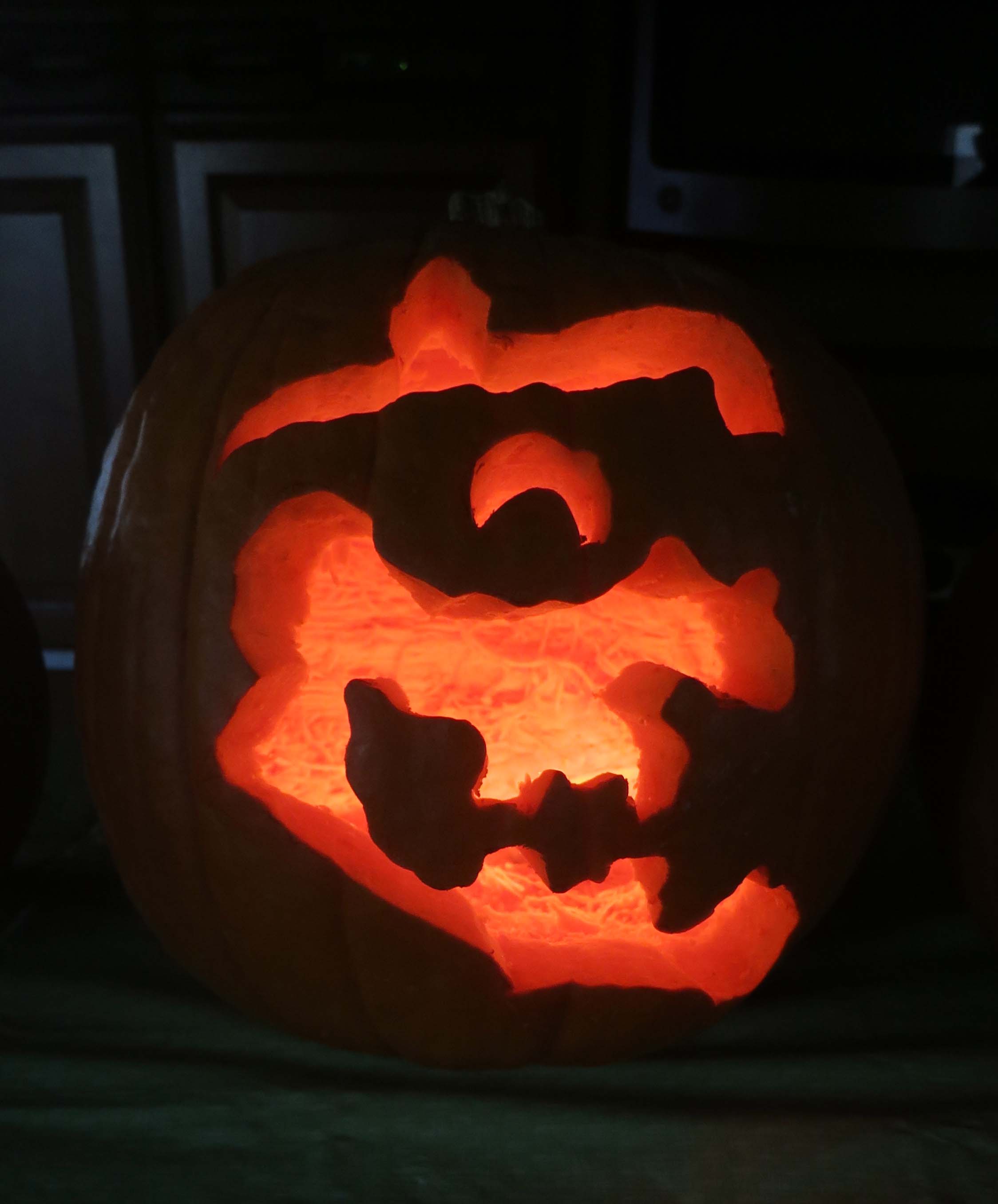
Pumpkin carving photo by Curtis Mekemson.

Peggy and I join my Sister Nancy and her husband Jim each year for a pumpkin carving contest. We brought ours to Pt. Reyes. This witch was my entry in the contest.

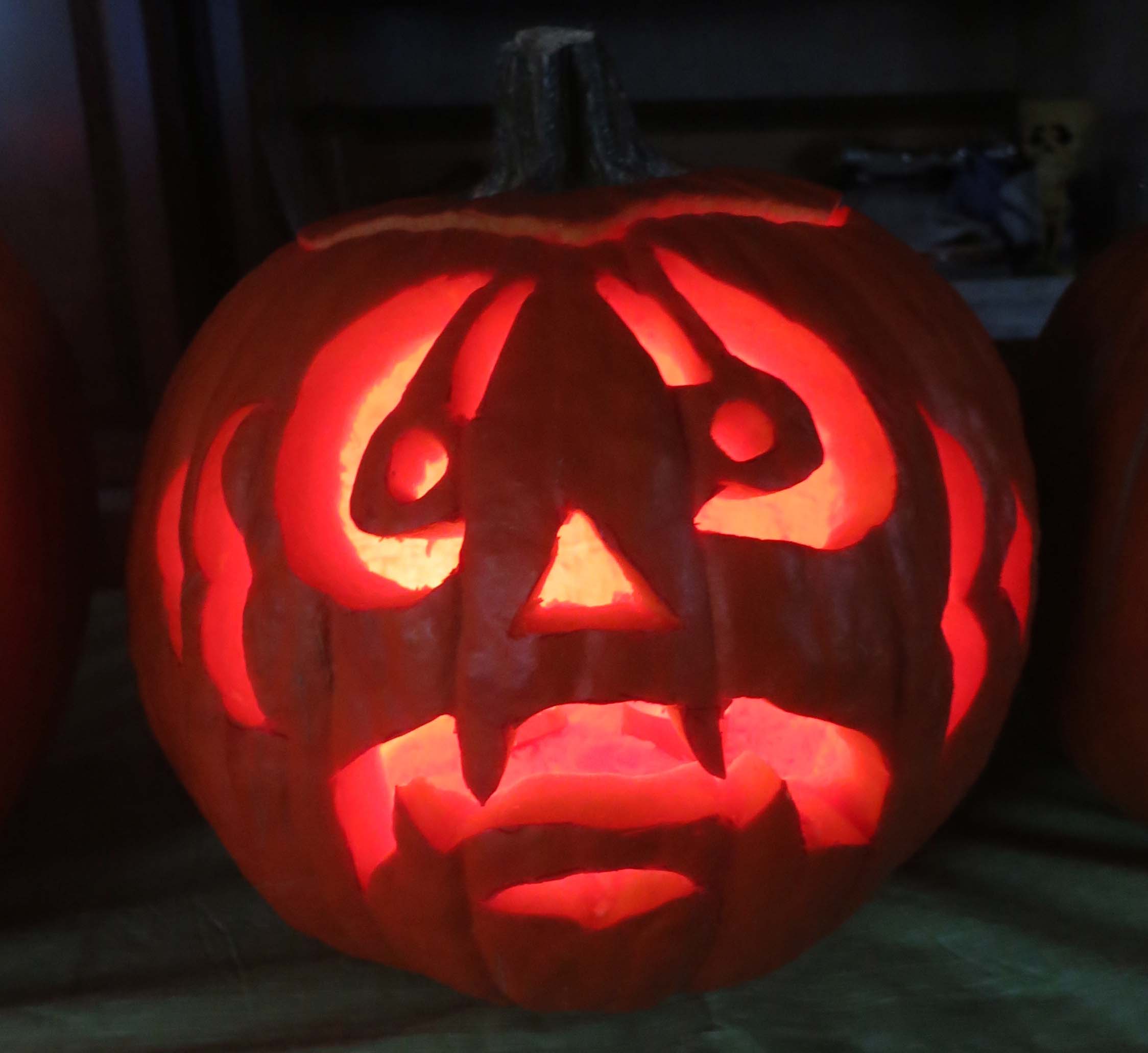
Peggy's pumpkin. (She won the contest. Our grandkids voted without knowing who had carved the pumpkins.)

Peggy’s pumpkin. (She won the contest. Our grandkids voted without knowing who had carved the pumpkins.)

Our friends Ken and Leslie Lake joined us at the campground, arriving just in time to eat lunch in Pt. Reyes Station and to visit the Bovine Bakery and Pt. Reyes Books. The bookstore is a jewel and the bakery has buttermilk scones to die for. They, along with the Station House Café, are required stops on my trips to Pt. Reyes.

 Photo of Point Reyes Books and Bovine Bakery in Point Reyes Station by Curtis Mekemson.

Two of my favorite stops at Pt. Reyes Station. For a small, locally owned bookstore, Point Reyes Books has a great selection. And I’ve never met a pastry at the Bovine Bakery I didn’t like. More often than not, people are lined up out the door.

Afterwards we visited the park’s information center in Bear Valley and did a short walk around the Earthquake Trail. The Olema Campground is located a quarter of mile from the park headquarters and the infamous San Andreas Fault. Sitting in camp we could look across the fault at the peripatetic park. It had begun life some 300 miles to the south and is still working its way north. Normally its progress is measured in inches over decades. In 1906 it jumped 20 feet in the earthquake that was responsible for the destruction of San Francisco. Local legend is the earth cracked open, swallowed an Olema cow, and closed, leaving only the tail showing.

Pt. Reyes National Seashore photo by Curtis Mekemson.

A view along the Earthquake Trail. One of the things I like about Pt. Reyes National Seashore is the diversity of environments…

Photo by Curtis Mekemson of how far the San Andreas Fault slipped near Olema, California in 1906.

Leslie and Peggy stand on the San Andreas Fault and demonstrate how far the fault slipped in 1906.

This old black and white photo included by the park service along the EarthQuake Trail shows the actual slippage created by the 1906 earthquake.

This old black and white photo included by the park service along the Earthquake Trail shows the actual slippage created by the 1906 earthquake. You can see the actual crack in the ground.

And this photo from the Earthquake Trail shows the result of the 1906 earthquake on San Francisco.

And this photo from the Earthquake Trail shows the impact of the 1906 earthquake in San Francisco.

NEXT BLOG: We will visit Limantour Beach and go for a beach walk.