A Rabid Wolf Wandered through Camp: The Wind River Mountains of Wyoming

The Wind River Mountains of Wyoming are a premier destination site for backpackers. A number of years ago I took six months off to backpack various locations in the western United States and added the area to my itinerary.

Mountain men were there first.

Place names such as Sublette County, Fremont Lake and the Bridger Wilderness recall these larger than life characters who were kept busy between the 1820s and 60s pursuing beavers, exploring the west, keeping their scalps, serving as guides, working as frontier entrepreneurs, and, in the case of John C. Fremont, running for President.

Many were also great storytellers and participated enthusiastically in the creation of their own legends.

One of the most popular locations for weaving tall tales was the Annual Fur Rendezvous that brought the various trappers together with suppliers out of St. Louis.

Six of the Rendezvous were held near the small town of Daniel, which is located on the Upper Green River 11 miles from Pineville. I stopped by and tried to imagine what the river valley would be like filled with over 1000 trappers, Indians, suppliers, missionaries, and wayward journalists.

The Mountain Men pursued their dangerous and often lonely profession during the winter when the fur pelts were at their best. The two to three-week Rendezvous in the summer was an opportunity to sell their furs, catch up with friends, gossip and resupply for another winter. It was also an excuse to party.

‘Whiskey,’ pure alcohol watered down and then flavored with tobacco, was passed around in a cooking kettle. Horse racing and shooting contests soon deteriorated to drunken debauchery. Old journals report the results.

One new guy was baptized by having a kettle of the alcohol poured over his head and lit on fire. A rabid wolf wandered through the camp and bit people at will. Several trappers were witnessed playing poker on a dead man’s body

A contract between William Ashley, the creator of the Rocky Mountain Rendezvous, and the trading firm of Jedediah Smith, David Jackson and William Sublette listed some 50 different items to be delivered to the Mountain Men.

Many of these items such as gunpowder, lead, beaver traps, and butcher knives related to their work. There were also cooking kettles, flour, sugar, allspice, dried fruit, coffee, grey cloth, and washing soap for every day living. Some items such as beads, ribbons, rings, bracelets and calico were probably trade goods for the Indians

As one might expect, ‘fourth proof rum’ (80 % pure), regular tobacco and the more high quality Smith River Tobacco were included for long, lonely nights. Slaves were producing the Smith River Tobacco in Virginia at the time.

Reviewing what the Mountain Men carried with them into the mountains led me to look at my own backpacking list. It appears life is more complicated today. My list contains over 60 items and I rarely travel for more than seven to ten days without checking back into civilization!

But then again, the Mountain Men apparently didn’t worry about such niceties as toilet paper and toothpaste, not to mention maps and reading material. They also shot much of what they ate.

Wednesday’s Blog: “There’s a Beaver Standing on My Tent.” I have my own mountain man experience.
The Old Church B&B, a Ghost, and a Lonely Grave: Part III

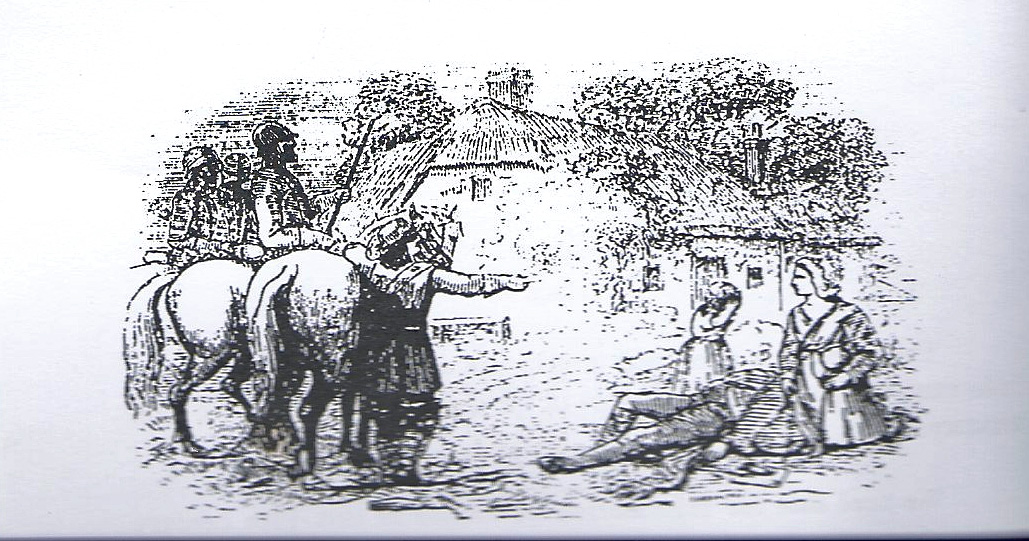
An early sketch of John Brown the Martyr of Priesthill Scotland being shot down by Bloody Clavers.

An early sketch of John Brown the Martyr of Priesthill Scotland being shot down by Bloody Clavers.

THE LONELY GRAVE

I first heard of John Brown the Martyr of Priesthill in the late 60s.

My dad arrived home from a reunion with a family tree that traced a branch of our family back to the martyr. Given the staunch Presbyterian leanings of the ancestral Mekemsons, it was an important connection.

My Great, Great, Great Grand Father, James Mekemson, married Mary Brown Laughhead Findlay. (Mary had already seen two husbands die.) John Brown was five generations up the line.

The story of John Brown’s murder verges on legend. He was, as the saying goes, a Covenanter’s Covenanter, a very devout man. Reverend Alexander Peden, one of the top leaders of the Covenanter Movement, described him as “a clear shining light, the greatest Christian I ever conversed with.” High praise indeed; the type you reserve for a man who is killed for your cause.

They say that Brown would have been a great preacher, except he stuttered. Leading Covenanters visited his home and secret church services were held there. Important meetings took place.

Alexander Peden stayed at his house the night before Brown earned his martyrdom and warned of dark times. Peden was something of a prophet when it came to predicting dire events. This time he was right.

Brown was out gathering peat with his nephew the next morning when soldiers led by John Graham of Claverhouse appeared out of the mist and captured him. The date was May 2, 1685.

Claverhouse, or Bloody Clavers as the early Presbyterians identified him, was the King’s go-to man when it came to eliminating Covenanters. He was not noted for his compassion.

He took Brown back to his home and demanded that he swear an oath to the King in front of his wife and children. Brown started praying instead. The legend states that Claverhouse ordered his soldiers to kill Brown but they refused. So he took out his own pistol and shot him in the head in front of his family.

The story then goes on to describe how Brown’s wife, Isabel Weir, went about the yard collecting pieces of her husband’s brain. (I don’t mean to treat this lightly, but somehow I can’t help thinking about a TV episode of Bones.)

The family eventually escaped to Ireland and then moved on to North America where it settled in Paxtang, Pennsylvania.

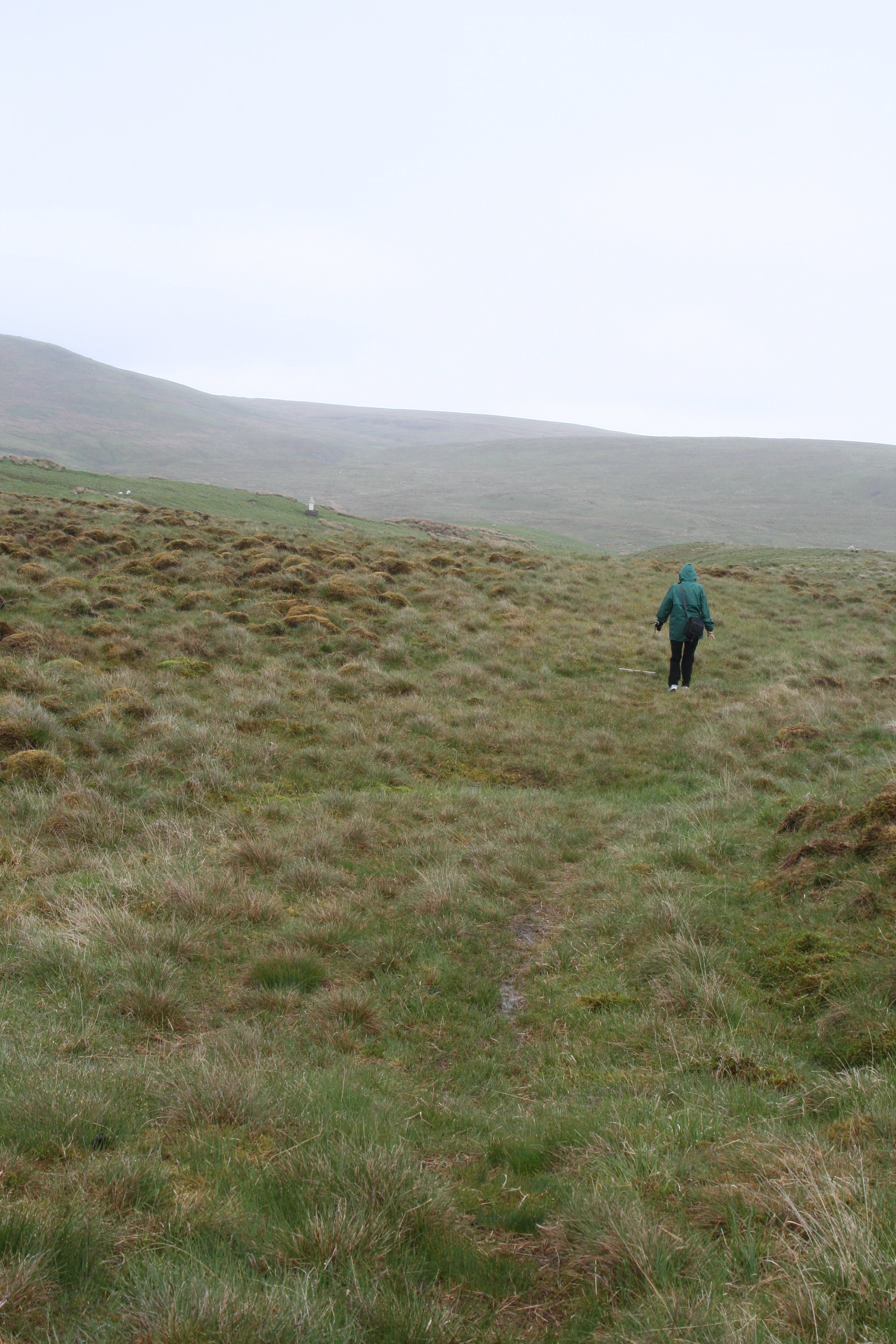
This shot of Peggy captures the isolation of John Brown's Grave, the white speck on the upper left of the photo.

John Brown’s appearance on our family chart in 1969 immediately caught my attention. Not too many families can claim a certified martyr. When I became serious about genealogy three years ago, I determined I would go to Scotland and find his grave.

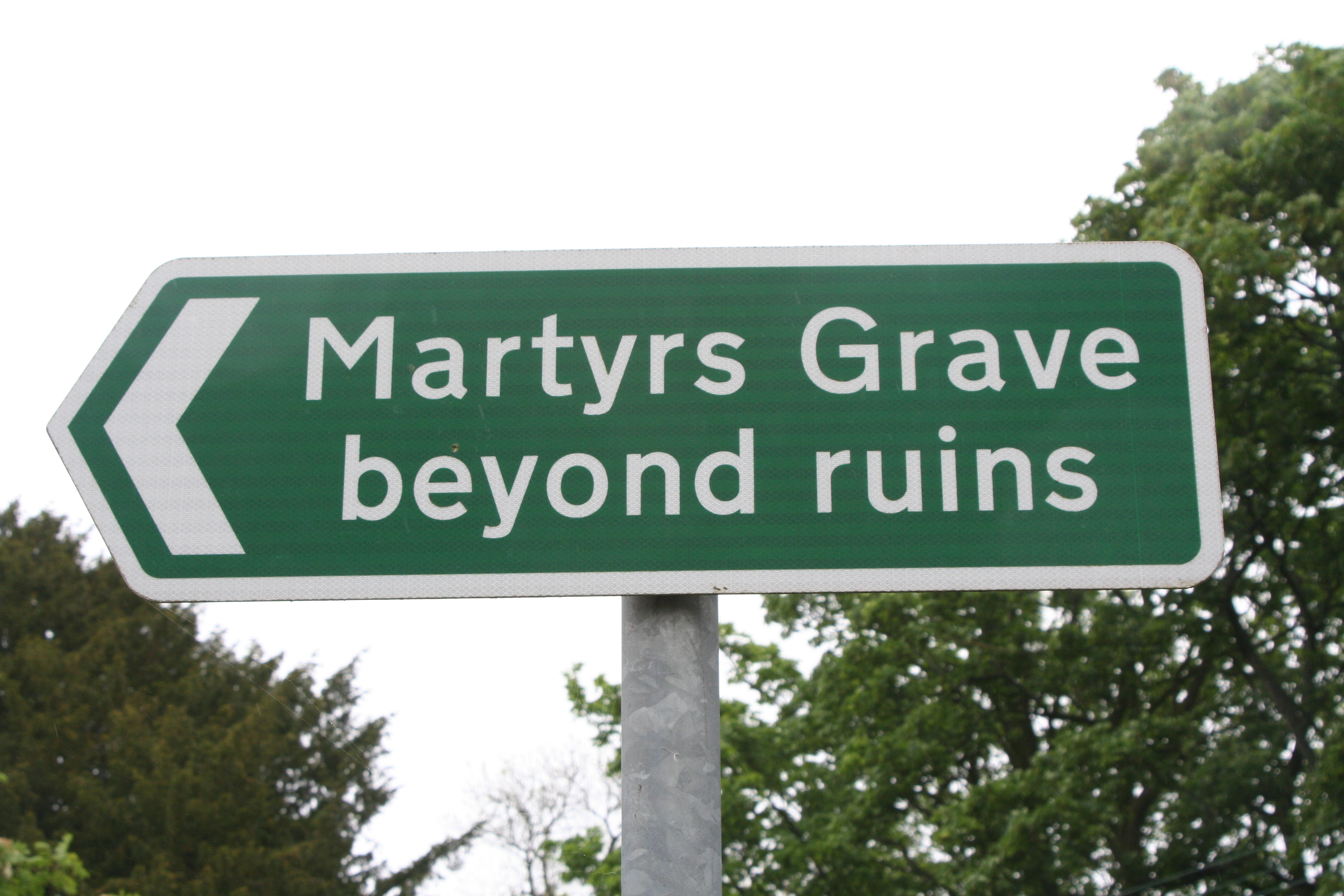
Our arrival at the Priesthill Farm with its disappearing woman meant that we were near. A faded sign pointed off to the right. The fine print suggested we would find the grave in a mile. We went wandering out across the grass-covered hills, following a muddy path that was minimally marked.

We were beginning to despair about out chosen route when we crested a hill and spotted the lonely grave in the distance with only sheep for company. We hiked down the slope, jumped a small creek, and arrived. After paying proper homage to the martyr we climbed above the grave to where he had lived. Only a few stones marked the site. Peggy photographed me standing in his house, near where he had been shot down on that misty morning in 1685.

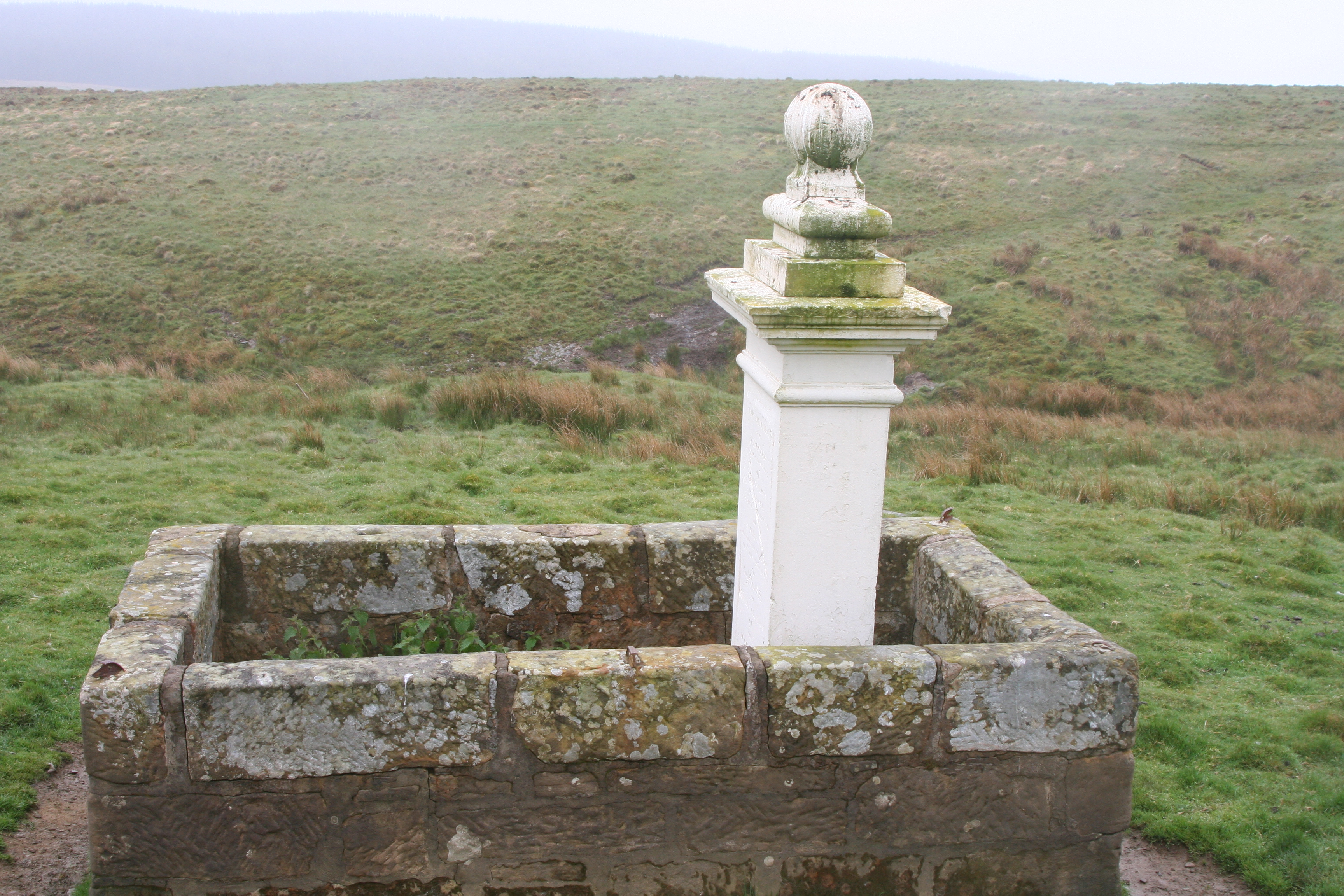
Looking down on John Brown's Grave.

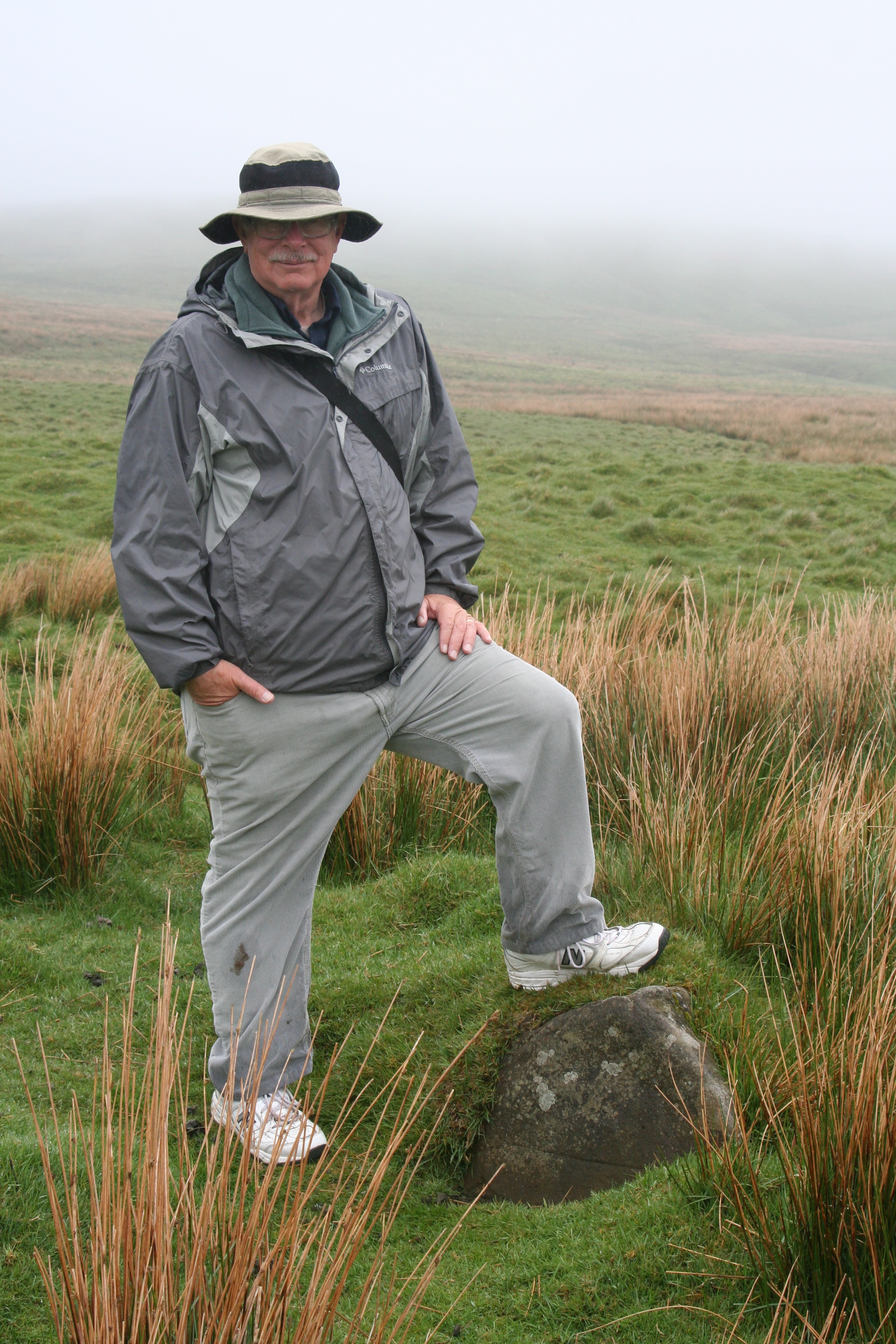
I am standing on a rock that may have been part of John Brown's home, only feet away from where he would have been shot.

Our ‘pilgrimage’ completed, we left Muirkirk and drove east to Dumfries where I visited the local genealogical center. The next day we returned our car to Edinburgh and took the train to London. Our visit to England and Scotland was over. Between our visit to Chatsworth, adventure on the narrow boat canal, exploration of Edinburgh, tour of southwestern Scotland and search for ancestors, we had a full three weeks. We we had enjoyed the Midlands of England, we fell in love with Scotland. We’ll be back.

Next Blog: Back to the wild west… There’s a beaver standing on my tent.

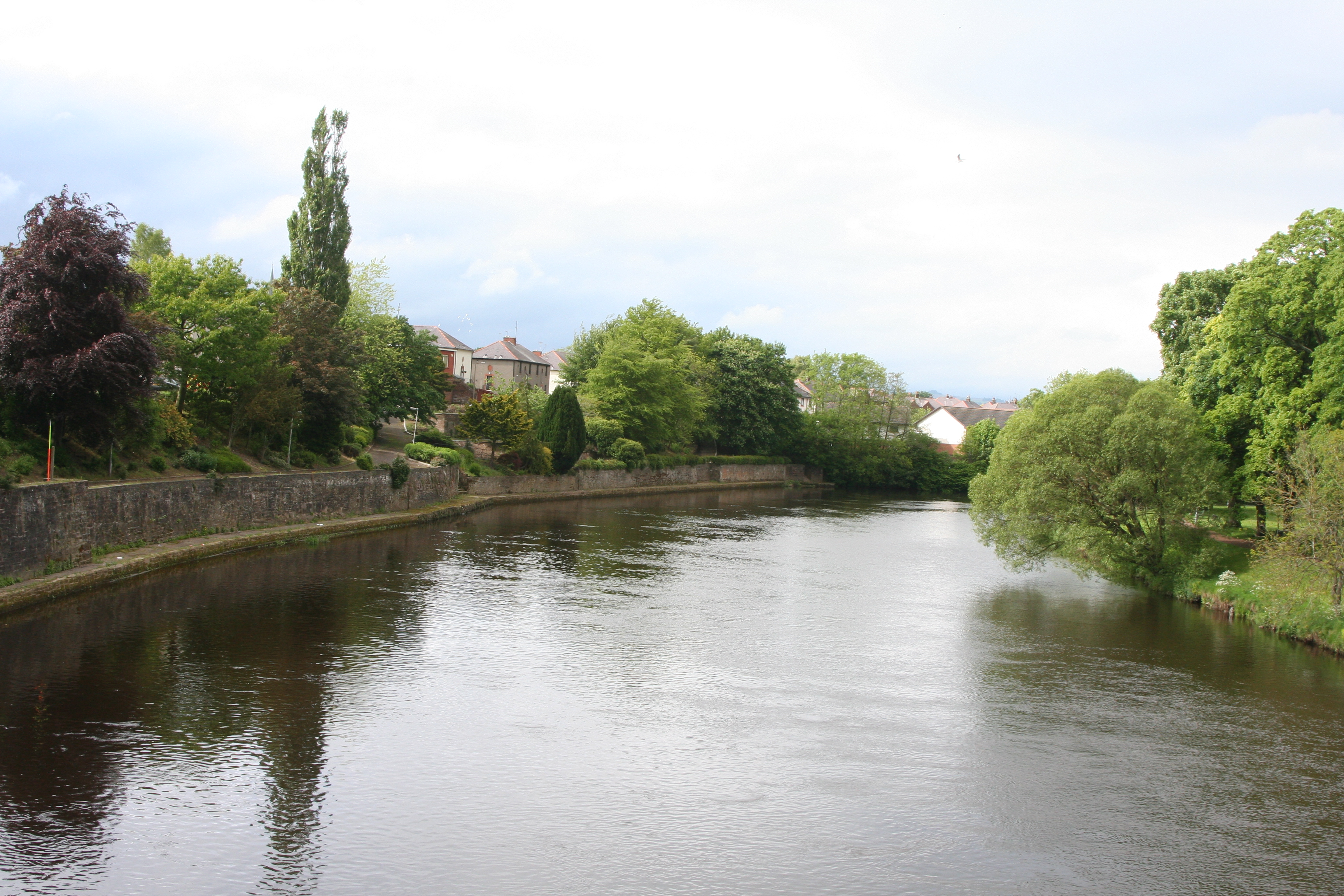
The River Nith flowing through the heart of Dumfries.

A final view of southwestern Scotland.

The Old Church B&B, a Ghost, and a Lonely Grave: Part II

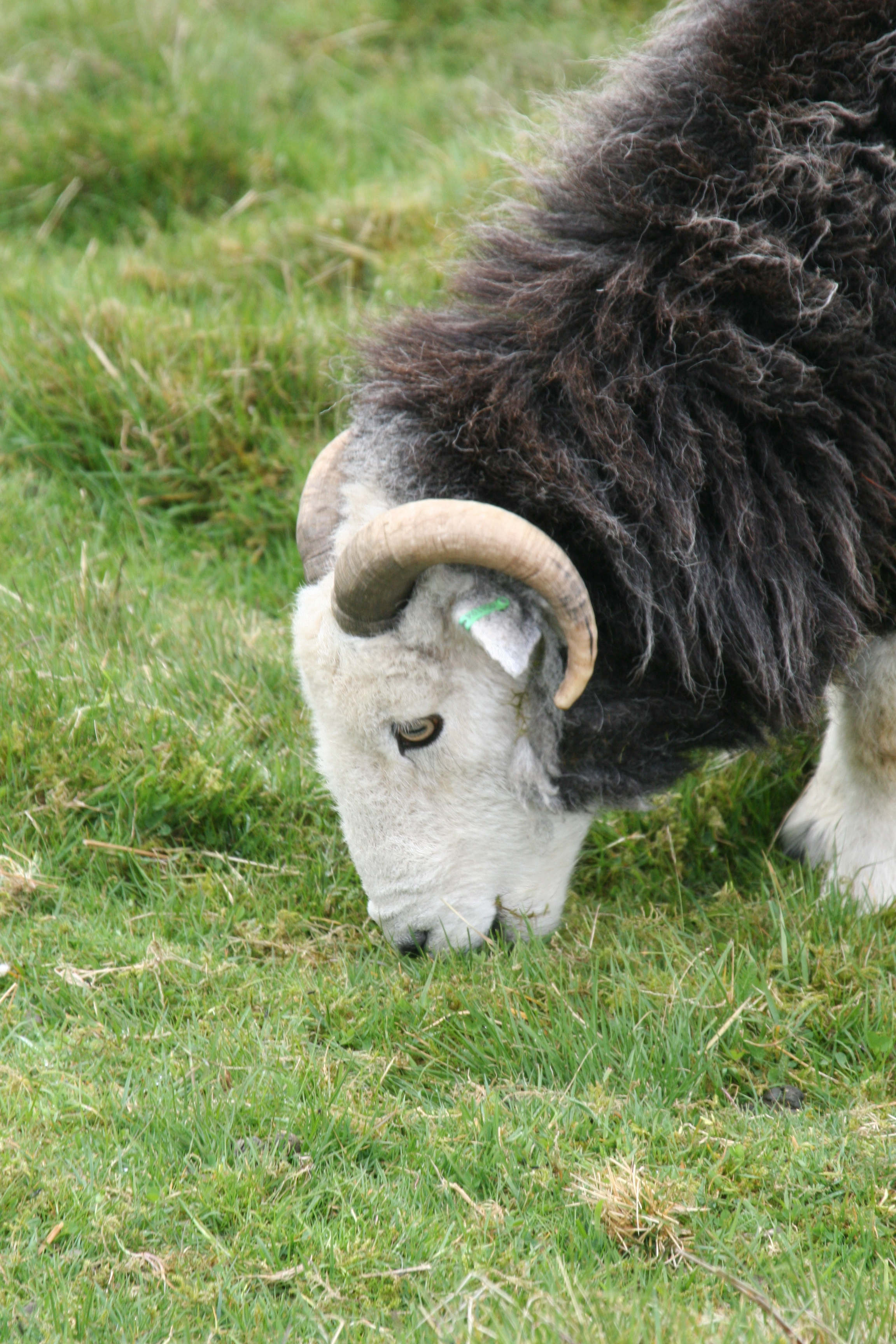
A ram we passed on our way into Priesthill. Nothing ghostly about him.

THE GHOST

Here’s today’s question: Do you believe in ghosts?

My childhood experience of growing up with a graveyard next to our house introduced me to ghosts. They were worrisome but mainly a product of my young imagination. My sister Nancy, on the other hand, believed in them one hundred percent. (See my blog “Mr. Fitzgerald Is Dead” under Misadventures.)

The visit Peggy and I made to Fort Mifflin, Pennsylvania last fall looking for information on the two Mekemson boys who died there during the Revolutionary War provided another experience. Scary! Did something really blow out the hurricane lantern leaving us alone in the dark? (Check out “The Mekemson Ghosts of Fort Mifflin” in Looking for Dead People.)
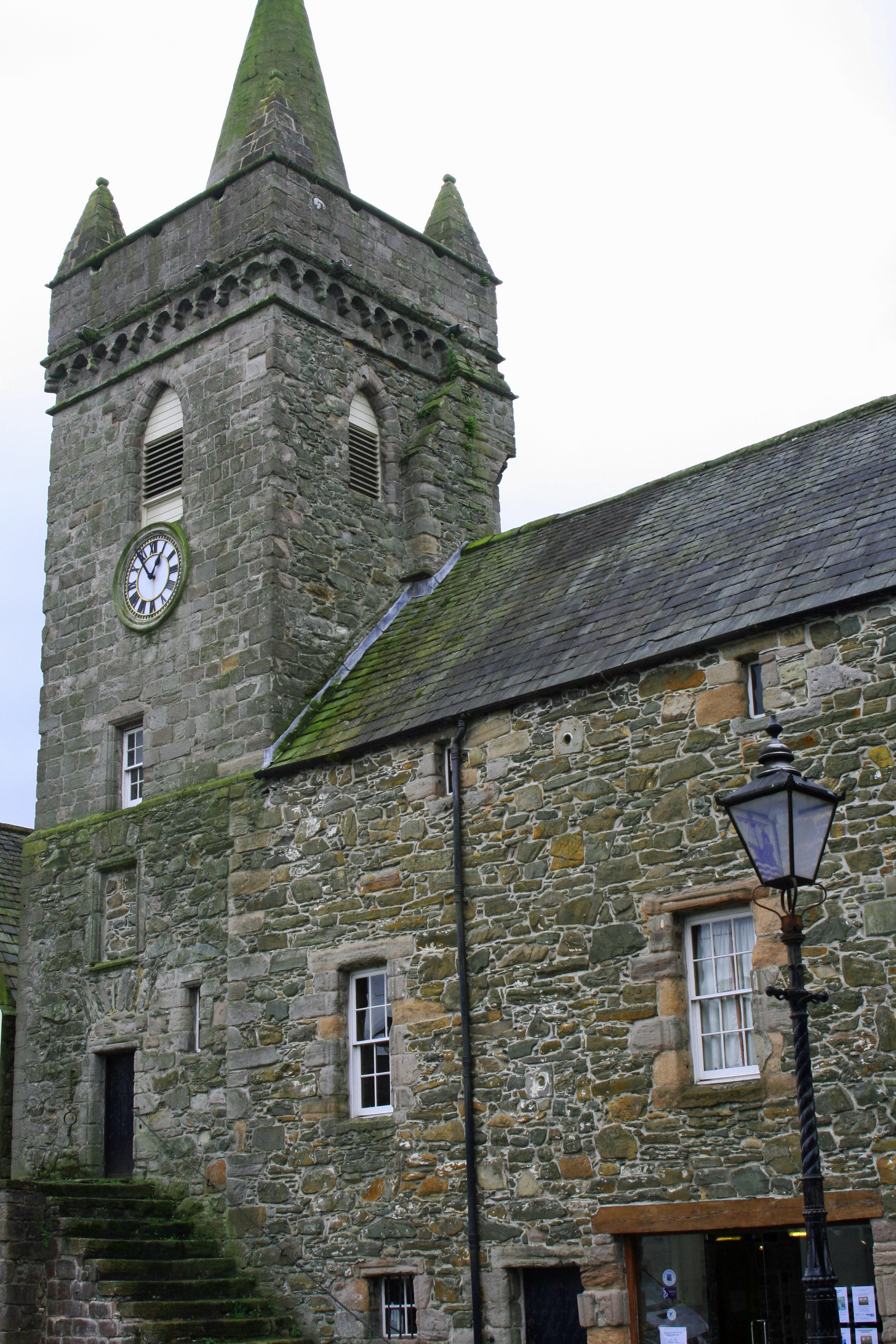
My first actual sighting of a ghost would wait for Priesthill, however. Maybe. Ghosts tend to be, um, Ghostly.

Priesthill is an old Scottish sheep ranch, dating back to at least the 1600s. This was the time when Scottish Covenanters had gone ‘off the grid’ with their Presbyterian Church and held services out in the open fields hidden away from the prying eyes of the English King and his henchmen. Armed men were posted around the perimeter in case the soldiers came.

Getting caught wasn’t much fun. You could lose your sheep, your cattle, your land and your life. You might find your body quartered and hung up in various communities to provide an example of why you should be a good Anglican.

Priesthill was one of the remote sites where the hidden services were held. To get there we drove north on the road in front of our B&B (the Old Church B&B in Muirkirk, Scotland) for a couple of miles and picked up a dirt road snaking off to the right through a sheep farm.

The road seemed to go on and on; recent rains had turned it into a muddy mess. Our brand new Mercedes rental car bounced along dodging sheep and accumulating glue-like mud mixed with sheep dung. It was still on the car when we returned it to Edinburgh.

Finally the old farmhouse came into sight. A woman was standing on a porch enclosed by a three-foot high rock wall. Since we would be walking through her property in search of John Brown’s grave, I got out to talk with her.

But she did something strange. She disappeared. Now this was strange in two ways. Obviously she didn’t want to talk with us. She turned her back and walked rapidly toward the door.  OK, I could live with that even though we had found most Scots to be friendly and helpful. Possibly she was shy.

What bothered me more was she sank.

It was like she was traveling down an escalator or open elevator. Her head disappeared beneath the stonewall before she reached the door. I did not see her go inside.

“Maybe there are steps down to an underground cellar,” I thought. Or maybe she merely bent over to work on a flower garden. Curiosity got the better of me. I walked over. There was no woman; there were no flowers; there were no stairs. As far as I could see the floor of the porch was solid stone.

I asked Peggy, “Did you see that woman disappear?”

“She went inside,” my logical wife explained.

“Ah,” I said and put the matter out of my mind. Or tried to, it kept nibbling away at me. A couple of days later I asked Peggy if she had seen the woman appear to sink into the porch.

“Yes,” she replied.

“Did you actually see her go in the house?”

“No,” was the answer.

So I rest my case for a possible ghost… or optical illusion. The owners of Old Church B&B know the owners of the the property. Maybe they can find an answer.

Saturday: Part III, A Lonely Grave

The Old Church B&B, a Ghost, and a Lonely Grave: Part I

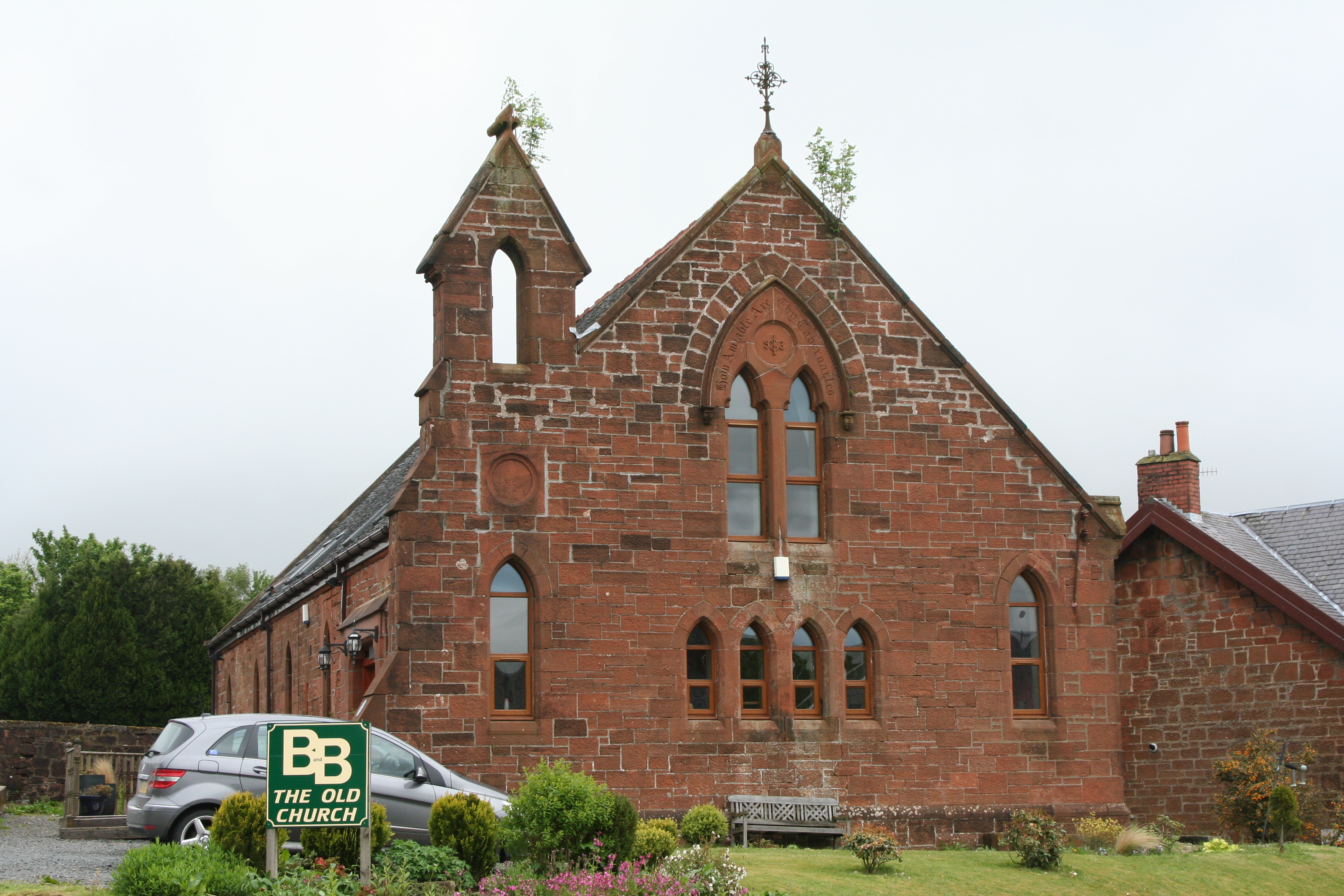
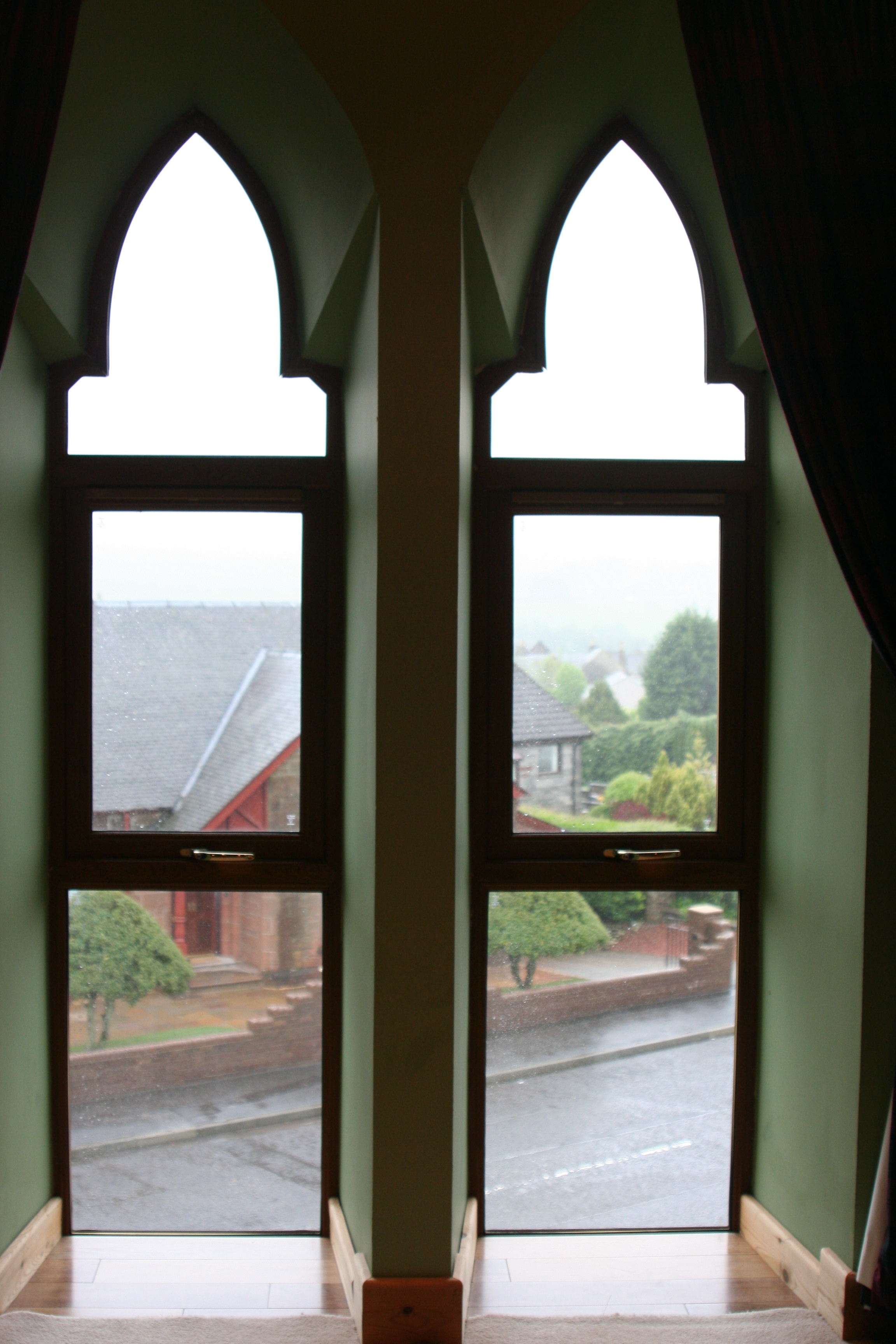
The Old Church B&B in Muirkirk, Scotland. The two upper windows provided our suite with a pleasant view of the town, countryside and rain. Note the plants growing on top.

Part One: THE CHURCH

Have you ever slept in a church? I mean seriously. Nodding off during a two-hour sermon doesn’t count.

Peggy and I had the experience in Muirkirk, a small community in southwest Scotland east of Ayr.  We were in town searching for the grave of my earliest known ancestor on my father’s side, John Brown the Martyr of Priesthill.

I picked the Old Church B&B off the Internet because it was located three miles from where Brown was shot down by ‘Bloody’ Clavers, the bane of Covenanters. But more on that later…

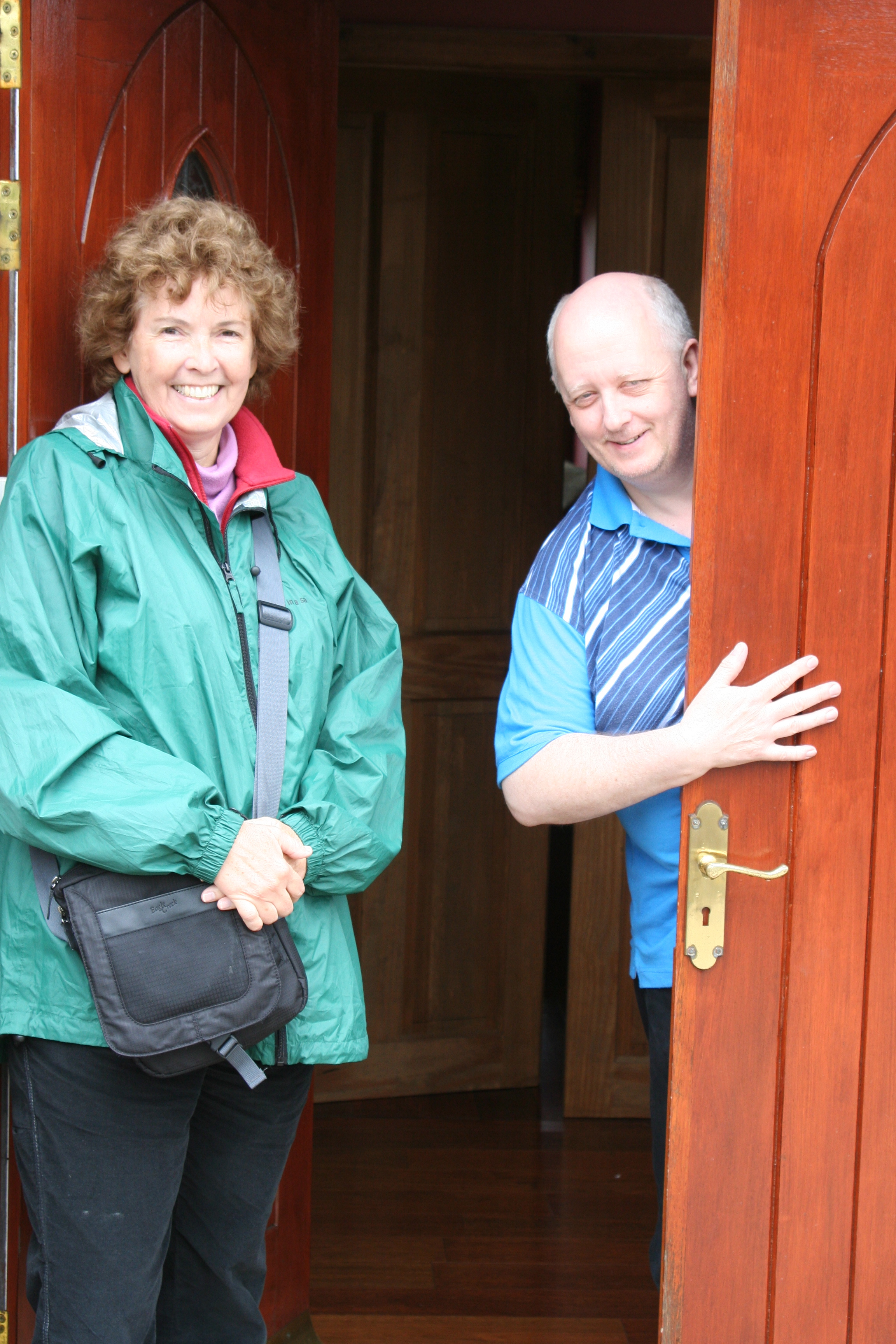
David greeted us at the door. I can't quite put my finger on it, but I felt he had a slight elvish quality, or is that impish?

What we weren’t expecting was how delightful our stay at the B&B would be. Total credit goes to the owners, David and Lesley Martin. (And, I might add, their children.) The Bread and Breakfast began its life as a church in 1873 and maintained that occupation up until its retirement in 1965.

David and Lesley bought the church in 2004 and set out to remodel it into the present B&B. (David still feels guilty about eliminating the pigeons that called the vacant building home.)

The Martins did a superb job on their remodeling effort; it’s called paying attention to detail. Each room is carefully thought out. Artwork, much of it painted by Lesley, adorns the walls. Furniture begs to be occupied. A wood stove provides crackling heat in the sitting room, a fact we truly appreciated during the cold rainy day we spent in Muirkirk. And the kitchen/dining room is right out of Sunset Magazine.

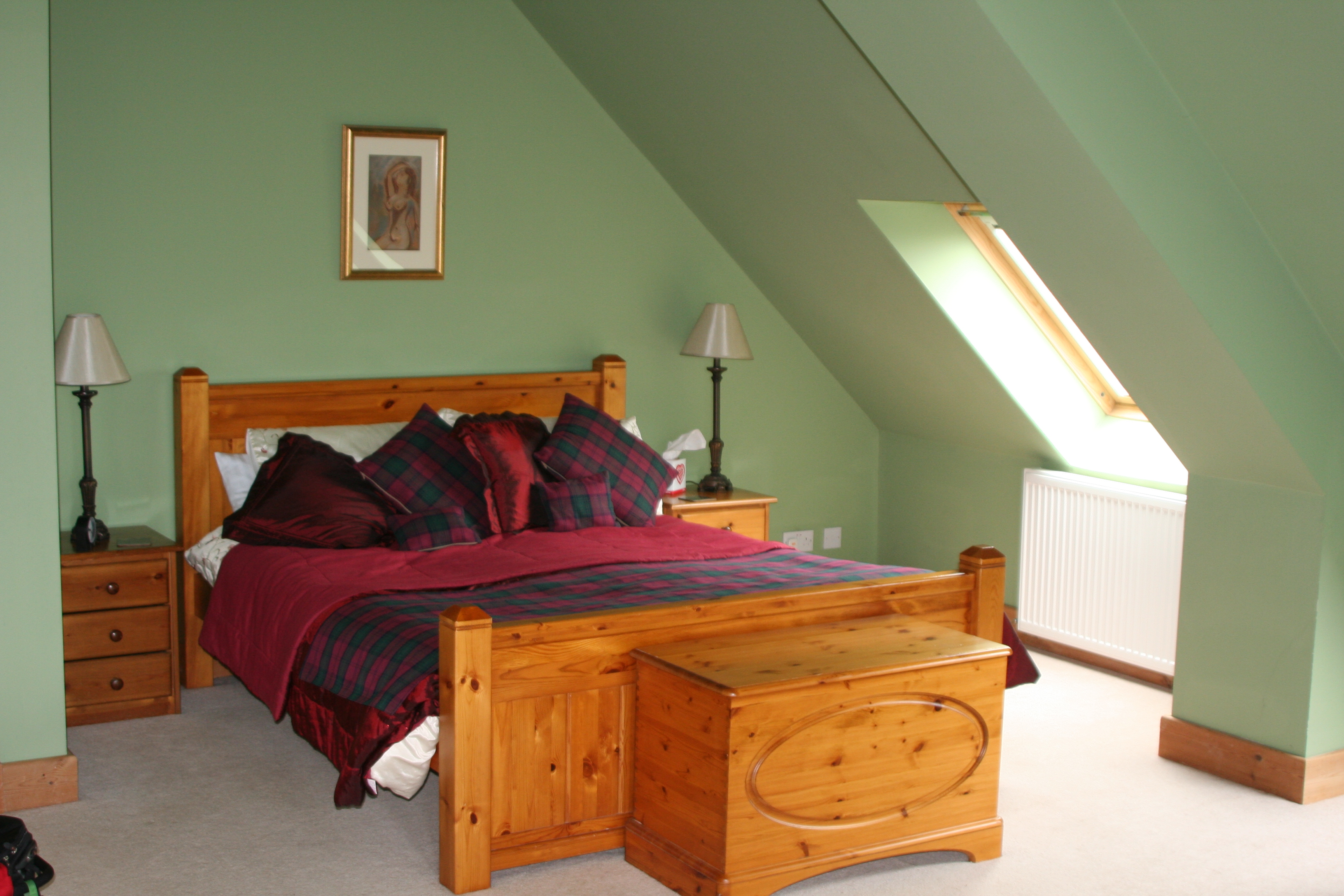
The inviting bed in our suite.

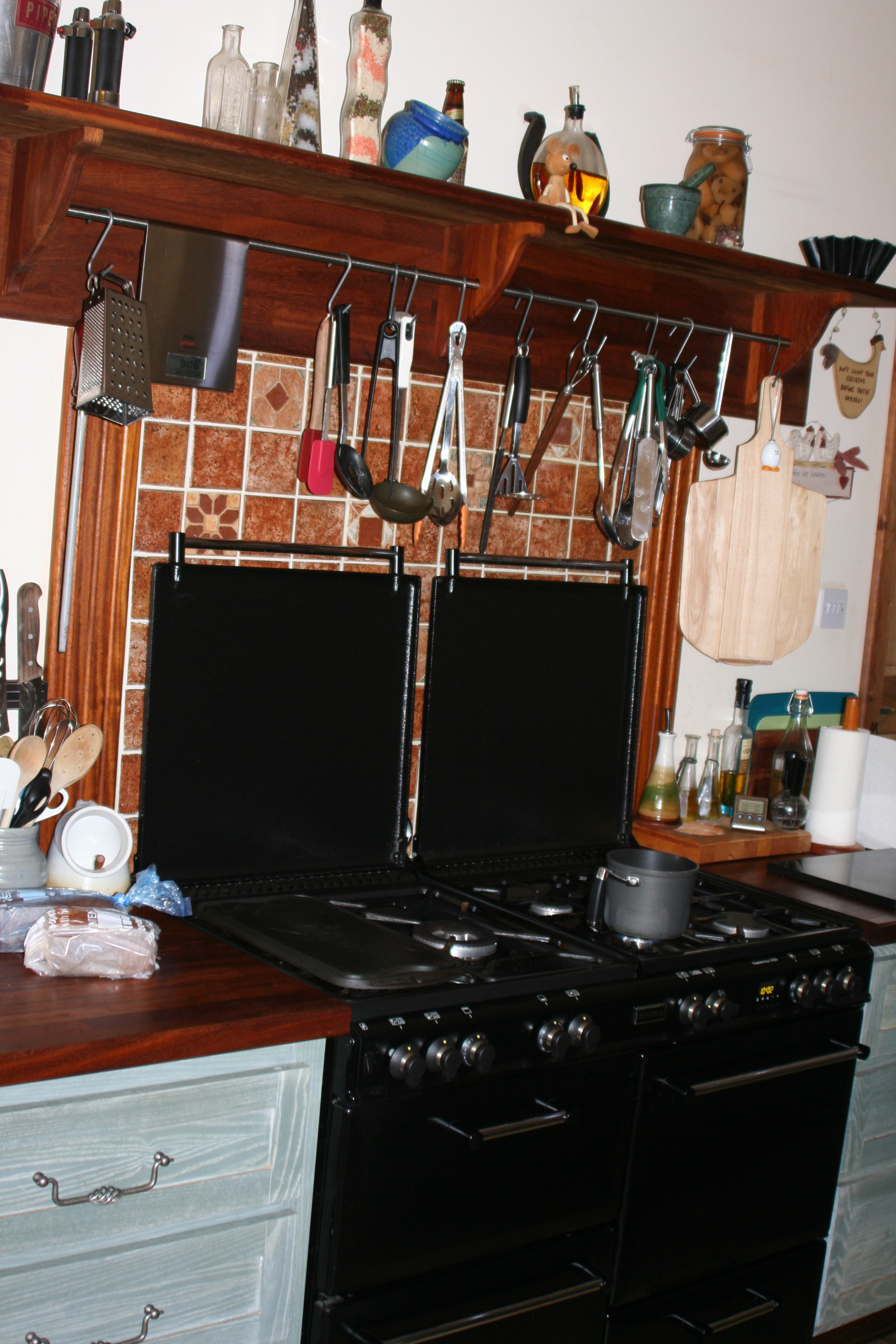
A serious cook's stove, with which Lesley whips up full Scottish Breakfasts and bakes mouth-watering bread.

But what really made the stay a joy was the warm friendliness of David and Lesley. David is a font of information on all things Scottish. I asked him about the Scottish independence movement, an event that has been evolving for over a thousand years. An hour later he had completed his dissertation. I’m not sure he stopped for breath. He’s for it.

Lesley runs an international bread baking school out of the B&B. That’s a twist. And a benefit for guests! We got freshly baked cookies when we arrived. Twice Lesley sent hot bread straight out of the oven to our room, along with several ounces of butter. Be still my pounding heart. Then there was the full Scottish breakfast she cooked up and David served.

Our one night stay turned into a two-night stay. The bottom line: if you find yourself anywhere in southwest Scotland, put the Old Church B&B on your itinerary.

A final note : Lesley commented on my last blog that I have been misspelling Edinburgh. My apologies to the fine people of Scotland. I shall reform.

Thursday’s Blog: The Ghost

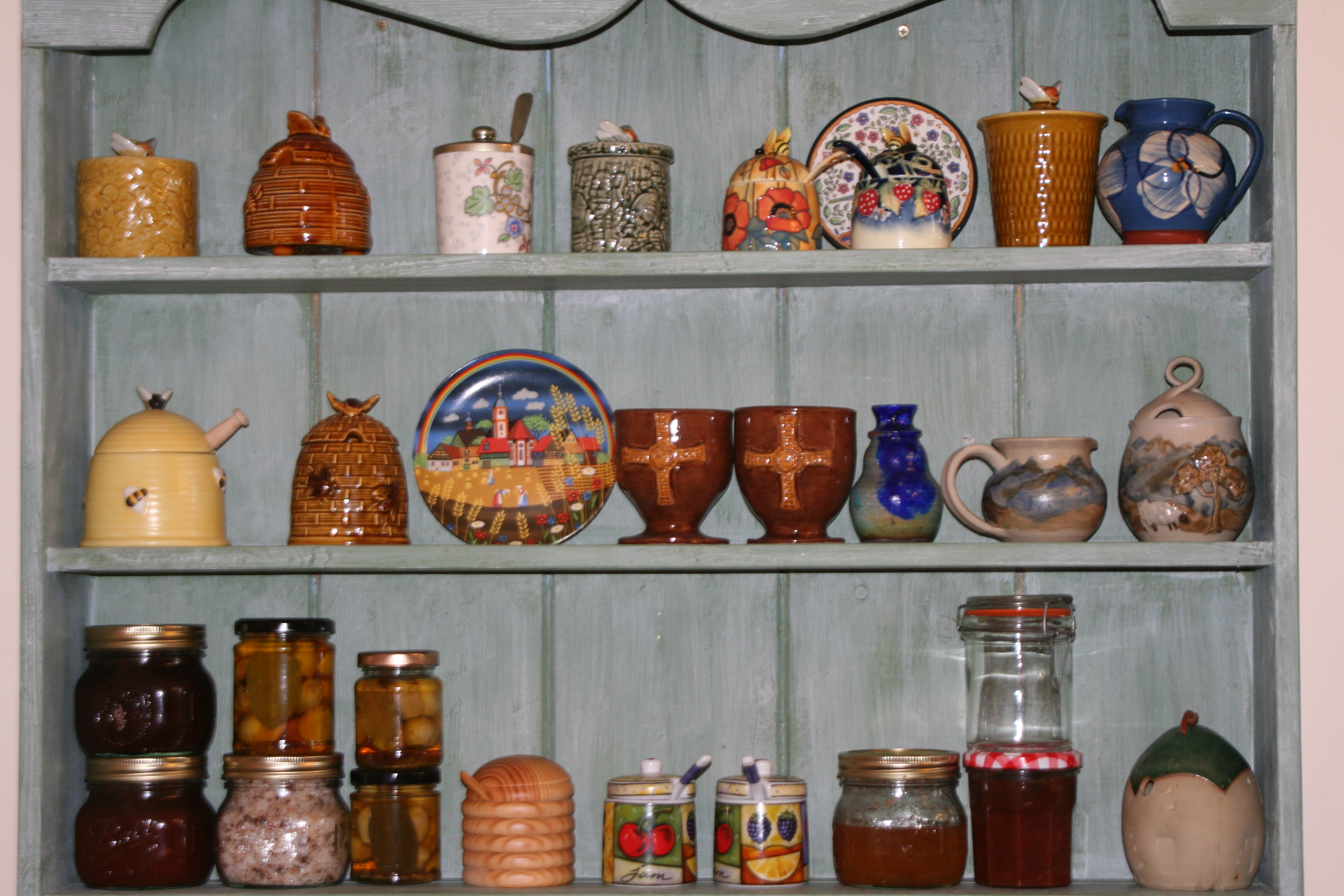
Knick knacks, canned fruit, and a genuine feel of home.

Was Great G’Ma Reincarnated as a Shetland Pony? The Road from Wigtown to Kirkcolm…

When we arrived in Kirkcolm Scotland, the ancestral home of my Great Grandmother, a Shetland Pony dashed over to the fence. I couldn't help but wonder if Great G'Ma had been reincarnated and was delighted to see us. Either that or the horse thought I was good for an apple.
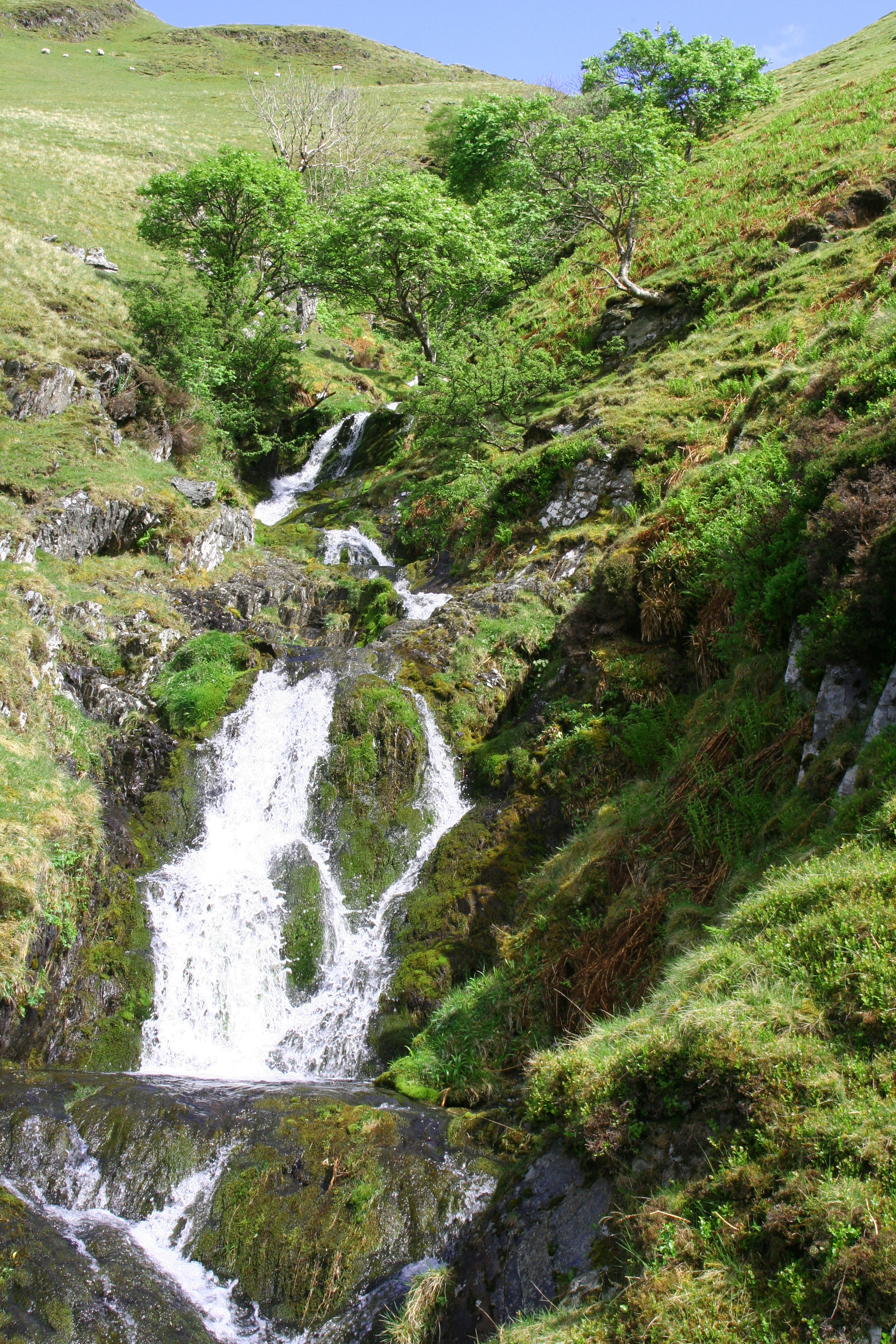
The bookstores in Wigtown were closed when we arrived on Sunday morning. Good thing. Our small house is already crammed with bookshelves stuffed with books. Plus our suitcases were bursting at the seams.

Not that an exploding suitcase would have stopped us. We’ve never met a bookstore we could resist.

The locked up stores were disappointing, though. Wigtown is billed as Scotland’s National Book Town. My brochure listed 13 bookstores in the small 4-block community. We had been prepared to gorge ourselves on the printed page. The dead ancestors could wait.

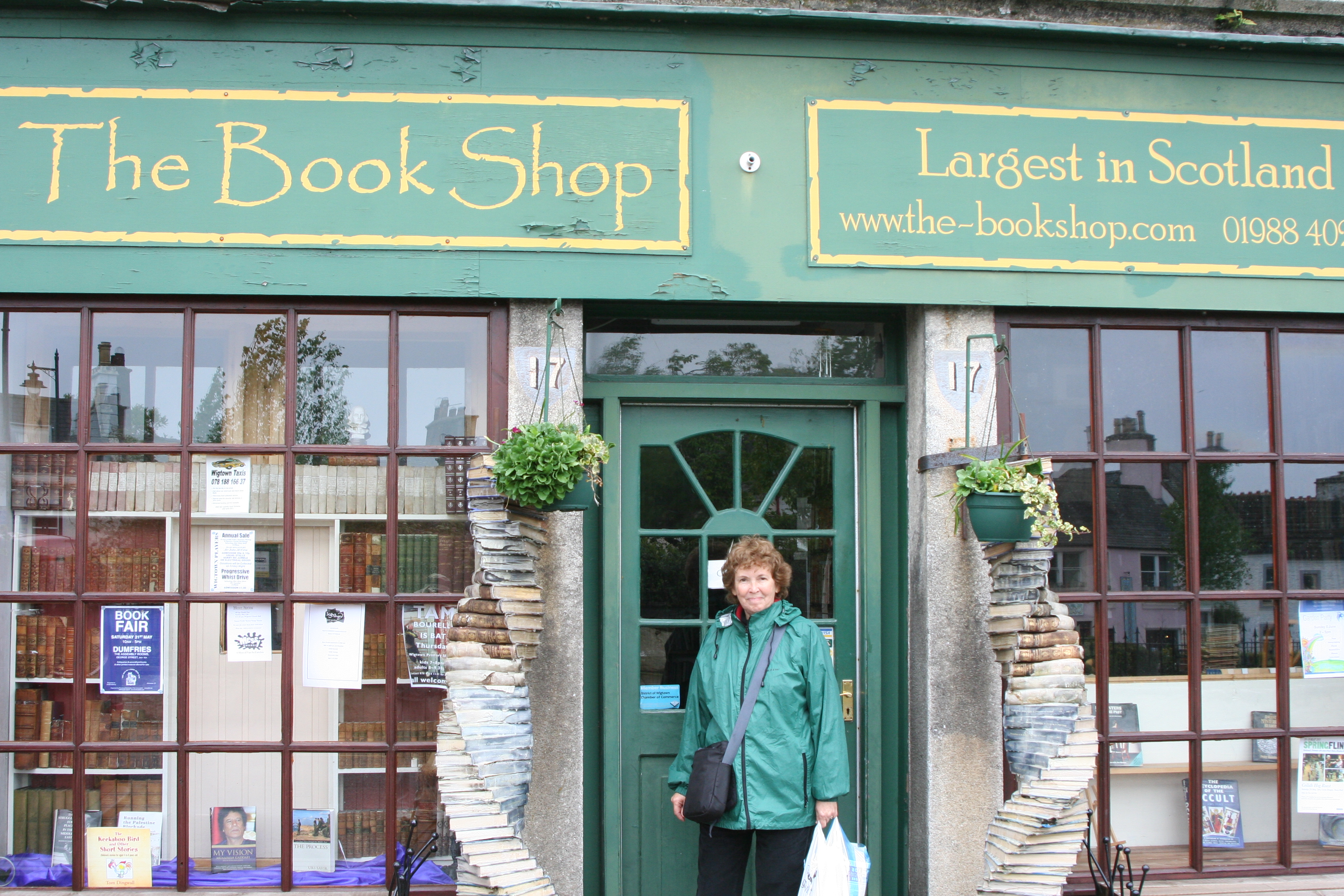
Peggy stands in front of one of Wigtown's many bookstores. I liked the creative use of books as an entry way.

We were looking longingly at books through a window when a taxi drove up. Out jumped the driver.

“Welcome to Wigtown,” he greeted us. “I’ll open the door for you.

“Wow,” I thought to myself. “Here’s a service I’ve never seen a taxi driver offer before.”

As it turned out, he owned the bookstore and Wigtown’s only taxi. While customers browsed, he ran around picking up fares. “Hard to make ends meet with only a bookstore,” he told us. Peggy and I bought six books to keep his kids from starving.

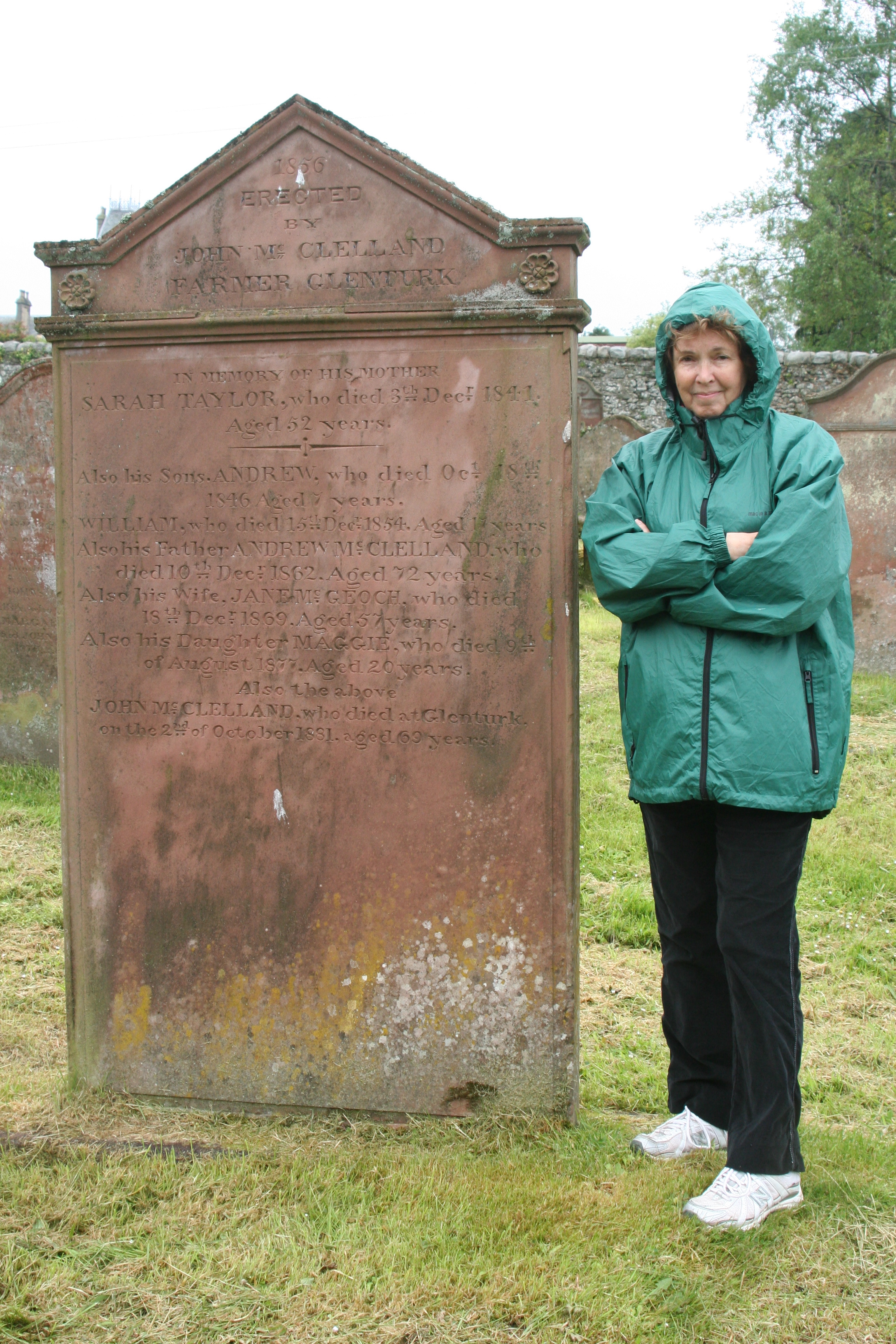
Naturally we had to stop by the town’s graveyard. While Peggy busied herself reading book length tombstones, I checked out the martyred Presbyterians. Two had been staked out in the mudflats so the flood tide would drown them: a slow, terrible way to go.

A standard sized tombstone in Wigtown

The king and his agents were infinitely creative when it came to reducing the population of Covenanters. But there is a thing about Martyrs; they hang around for a long time reminding people how bad their persecutors were.

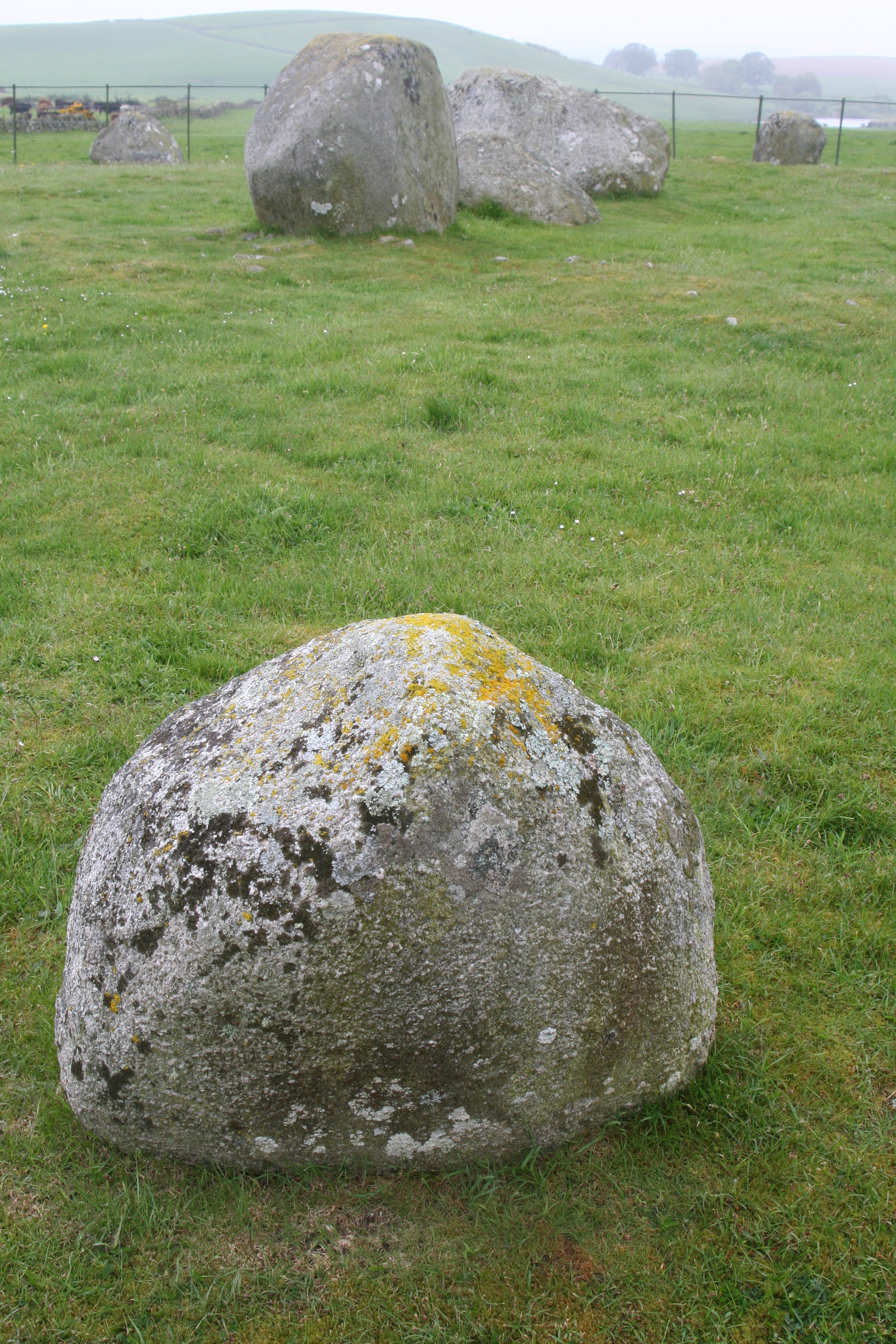
4000 years ago a different religion held sway in the region. Druids were the priests of the day and mistletoe was the ‘in’ thing. Lining up huge stones in circles kept folks off of the unemployment rolls. Stonehenge is just one of numerous examples.

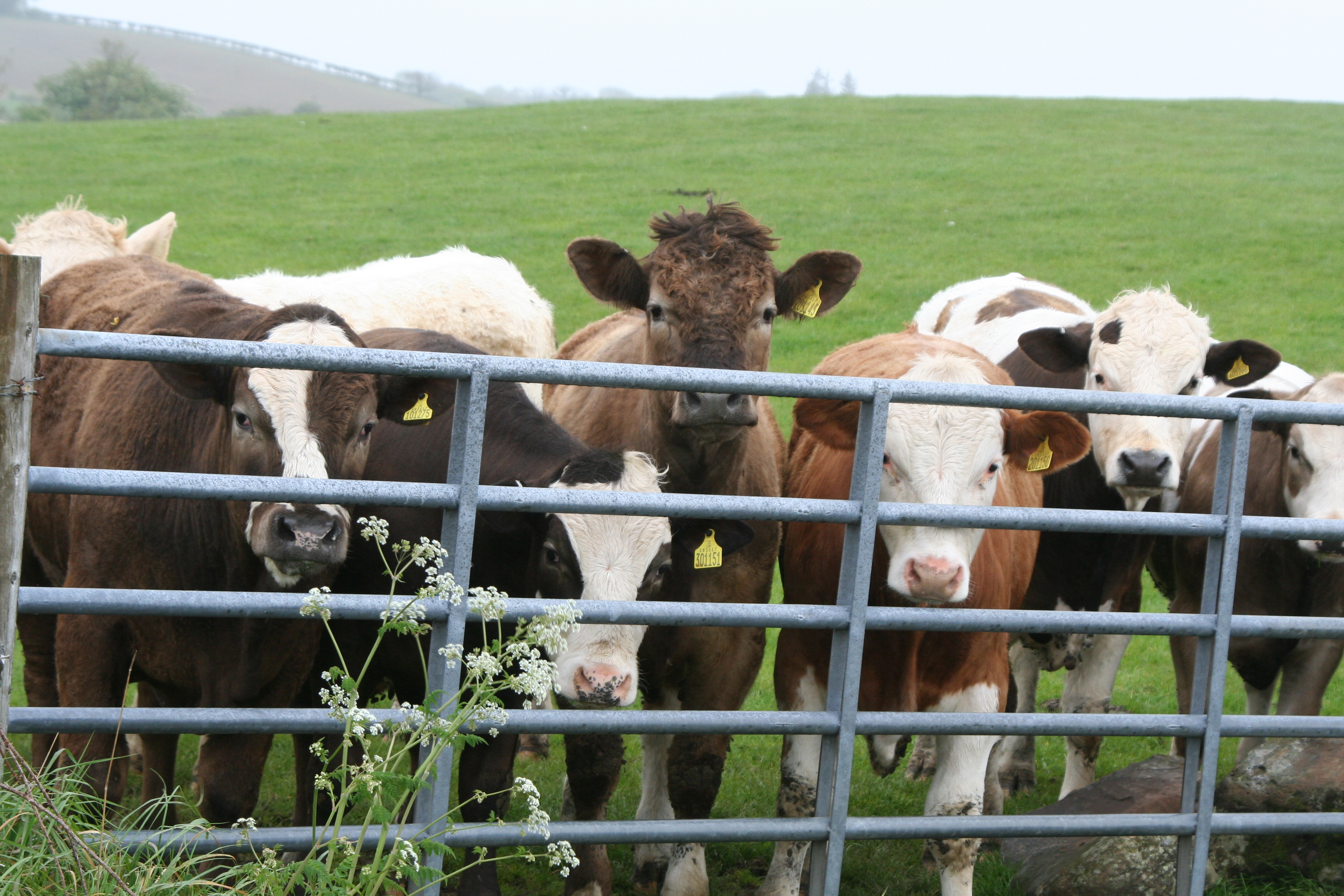
Outside of Wigtown we came across one of the early sites. I almost got a hernia thinking about what it would take to move the rocks. Some cows gathered to see if I was going to test my manhood. I refused. Instead I photographed the cows and the local scenery.

The stones of the Torhouse Stone Circle.

The cows.

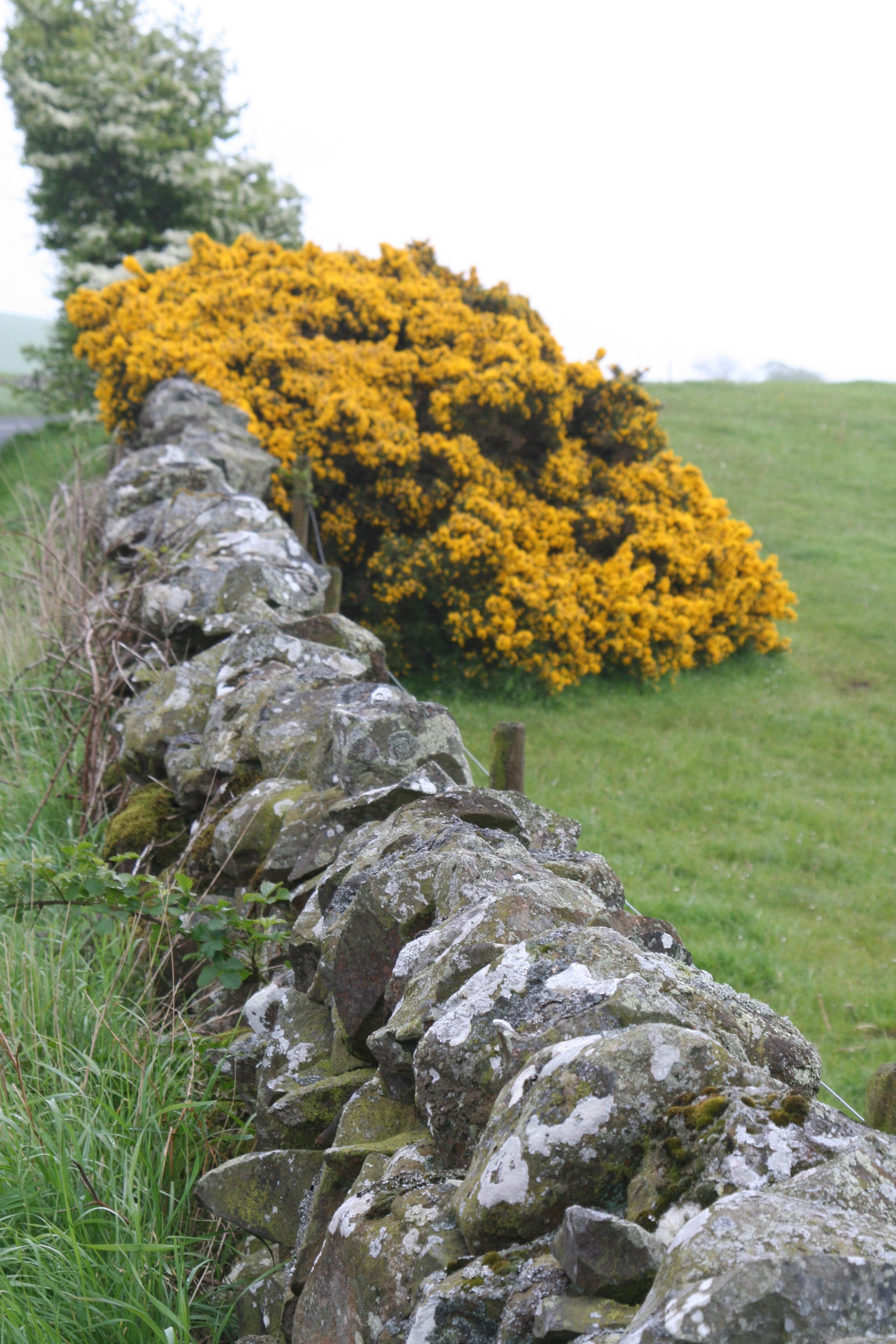
And the scenery: stone fences, Scotch Broom and the green, green grass of Scotland.

Kirkcolm is the ancestral home of my Great Grandmother, Jannette McRoberts Thomson Mekemson. A wild-eyed Shetland pony dashed over to greet us when we parked at the lower end of town. “Maybe,” I thought, “Great G’ma has been reincarnated as a horse and is excited to see me.

Or maybe the pony thought I was good for an apple.

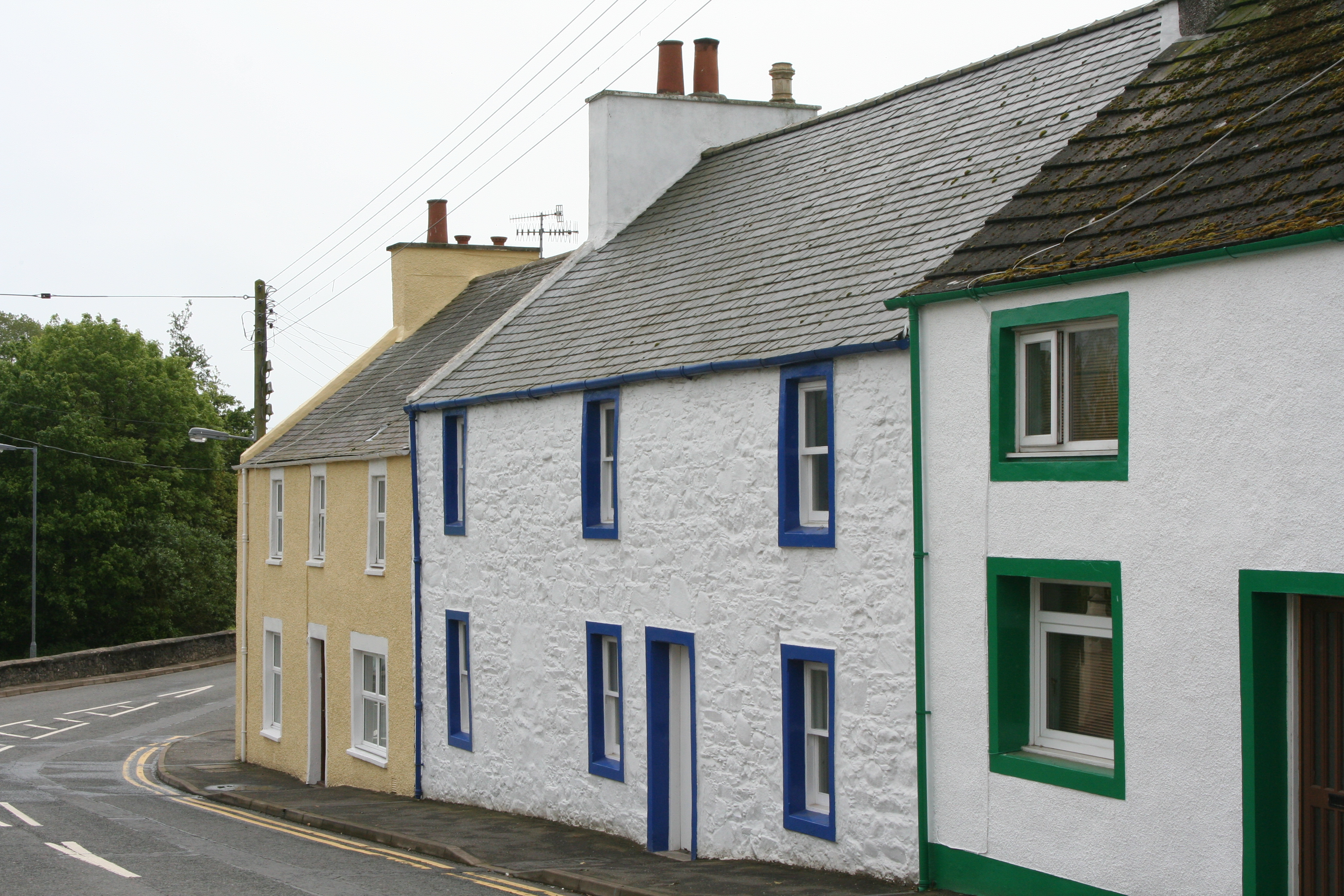
Peggy and I took a leisurely ten-minute stroll from one end of the town to the other. The houses were neat and colorfully painted. I would have been happy to spend the day, or a week.  The clock was ticking, however, and we had miles to go to our next destination.

The colorful, neat homes of Kirkcolm, Scotland.

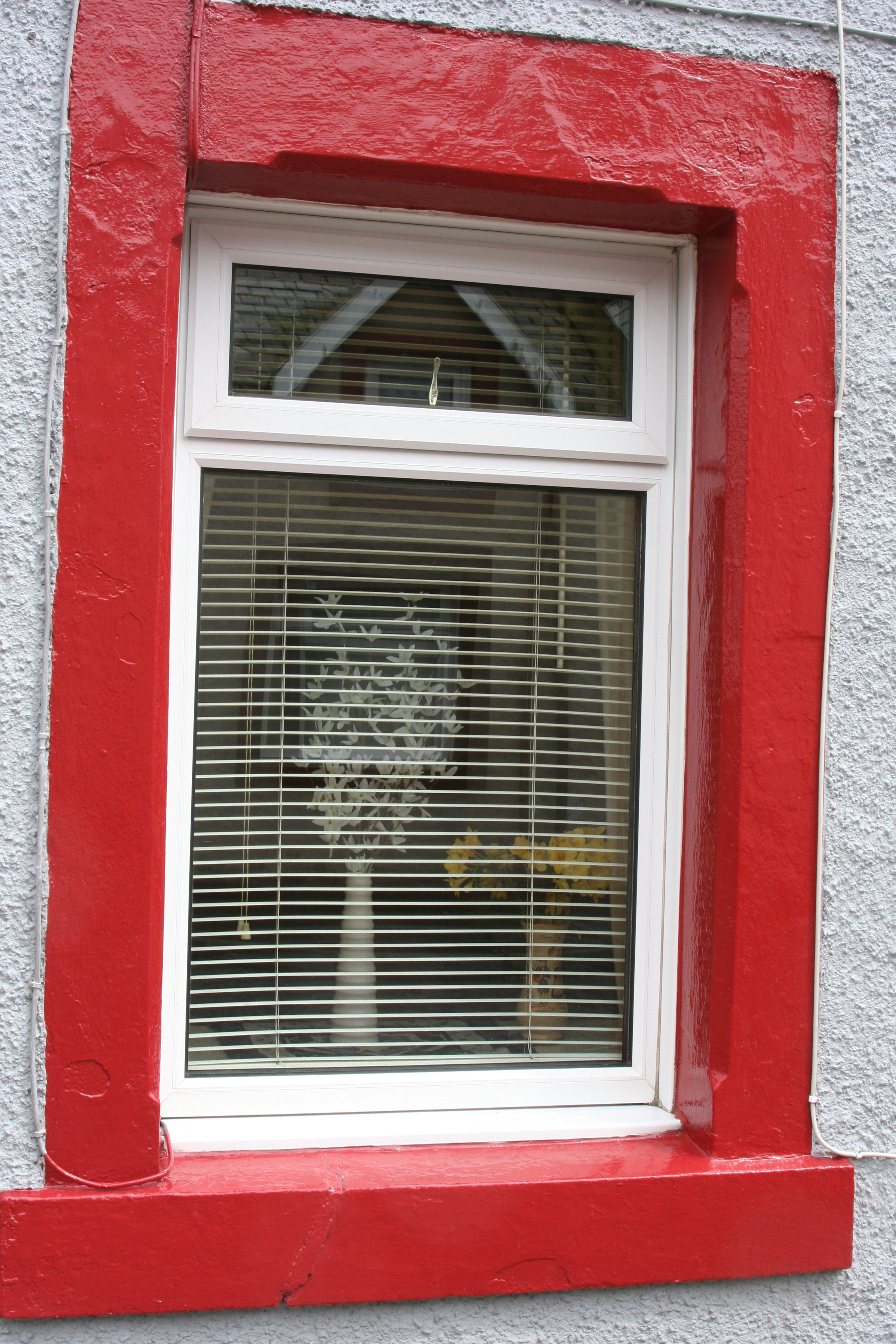
Another example of colorful Kirkcolm Scotland. Note the flowers behind the blinds.

First we took a quick detour across the peninsula following narrow roads to where Jannette’s father had been born. Then we headed on for Muirkirk, the Old Church B&B, a possible ghost, and the lonely grave of my Great Grandfather to the eighth, John Brown the Martyr.

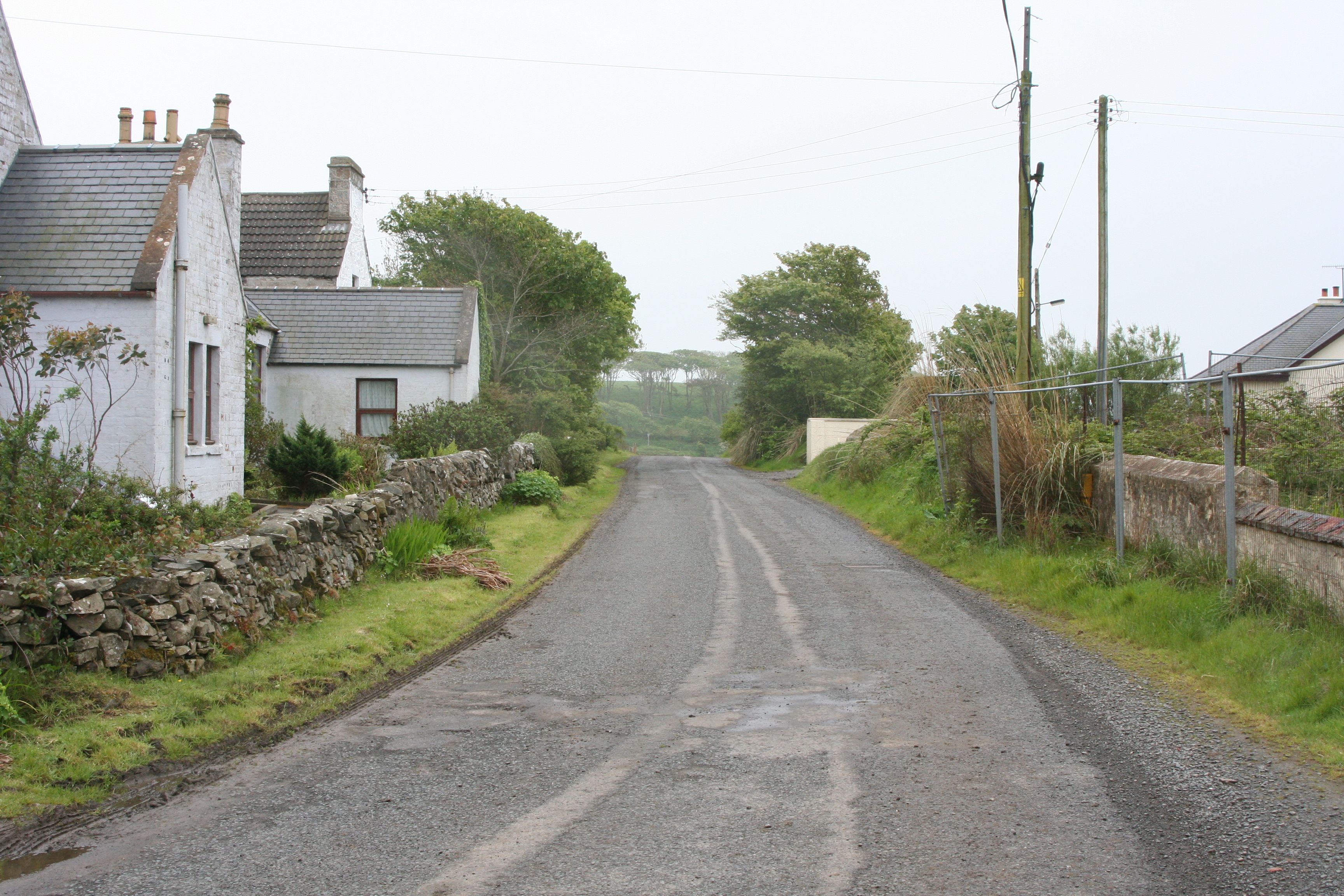
The narrow road through Dhuloch farm in Southwest Scotland. The early 1800's home of Samuel Melvin Thomson, my Great Grandmother's father.

How in the Heck Do You Pronounce Kirkcudbright?

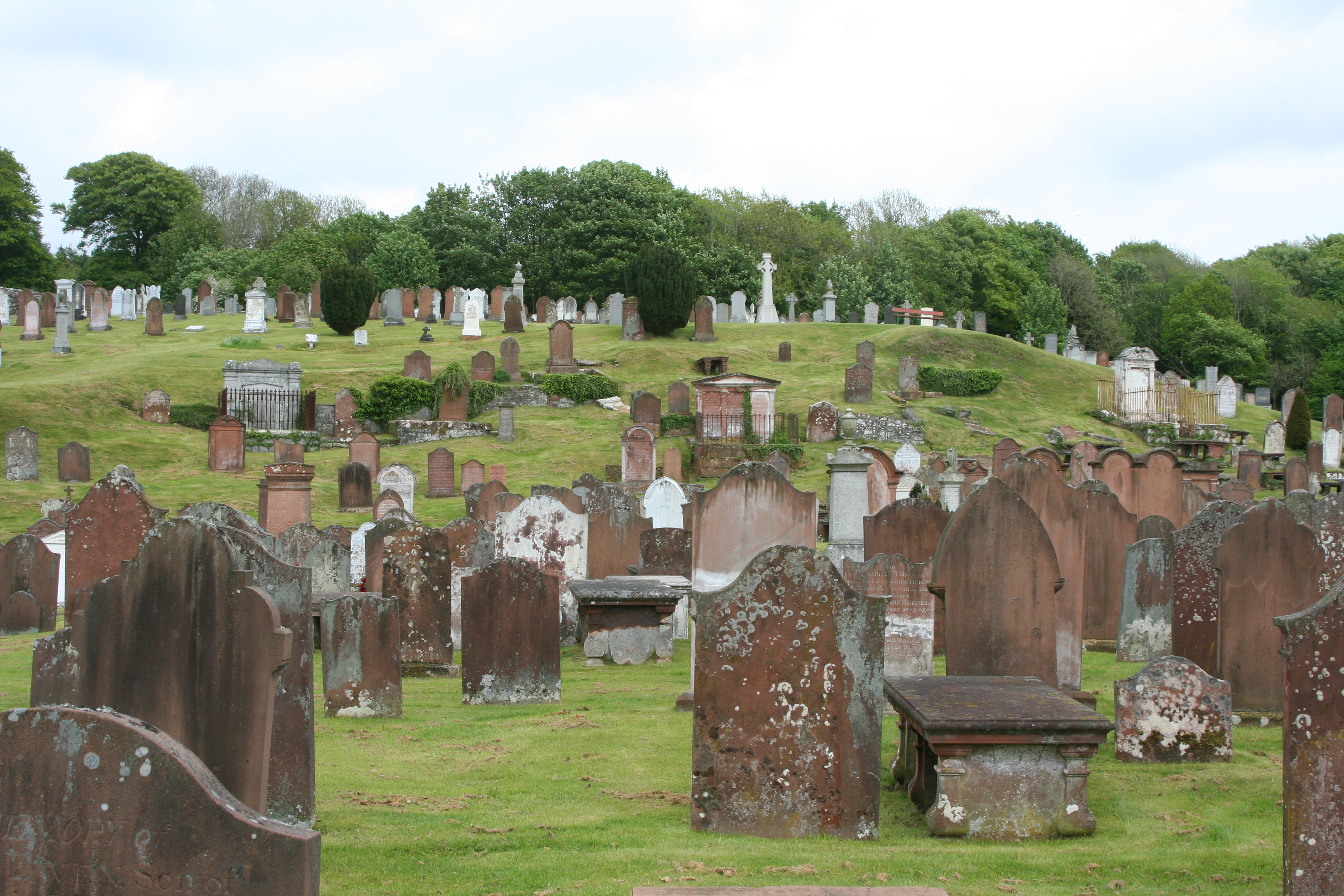
St. Cuthbert's Cemetery, Kirkcudbright. Searching for dead ancestors includes spending lots of time in graveyards. Note the size of the tombstones. They are filled with writing memorializing family members.

The second day of our Southwestern Scotland tour took us into Kirkcudbright on the River Dee. Once again I was on the trail of dead ancestors…

But first, just how do you pronounce Kirkcudbright? I think it’s a test Scots give to unsuspecting tourists. If you come up with kir-COO-bree and not kirk-cud-bright, you get a gold star.

Kirk, by the way, is a Scottish Church. Cudbright is a reference to Saint Cuthbert, an early luminary of Scotland who is rumored to have said his prayers while standing naked submerged in the ocean.

Why do saints do things like that?

Afterwards, sea otters were supposed to drop by and warm him up. Hmmm.

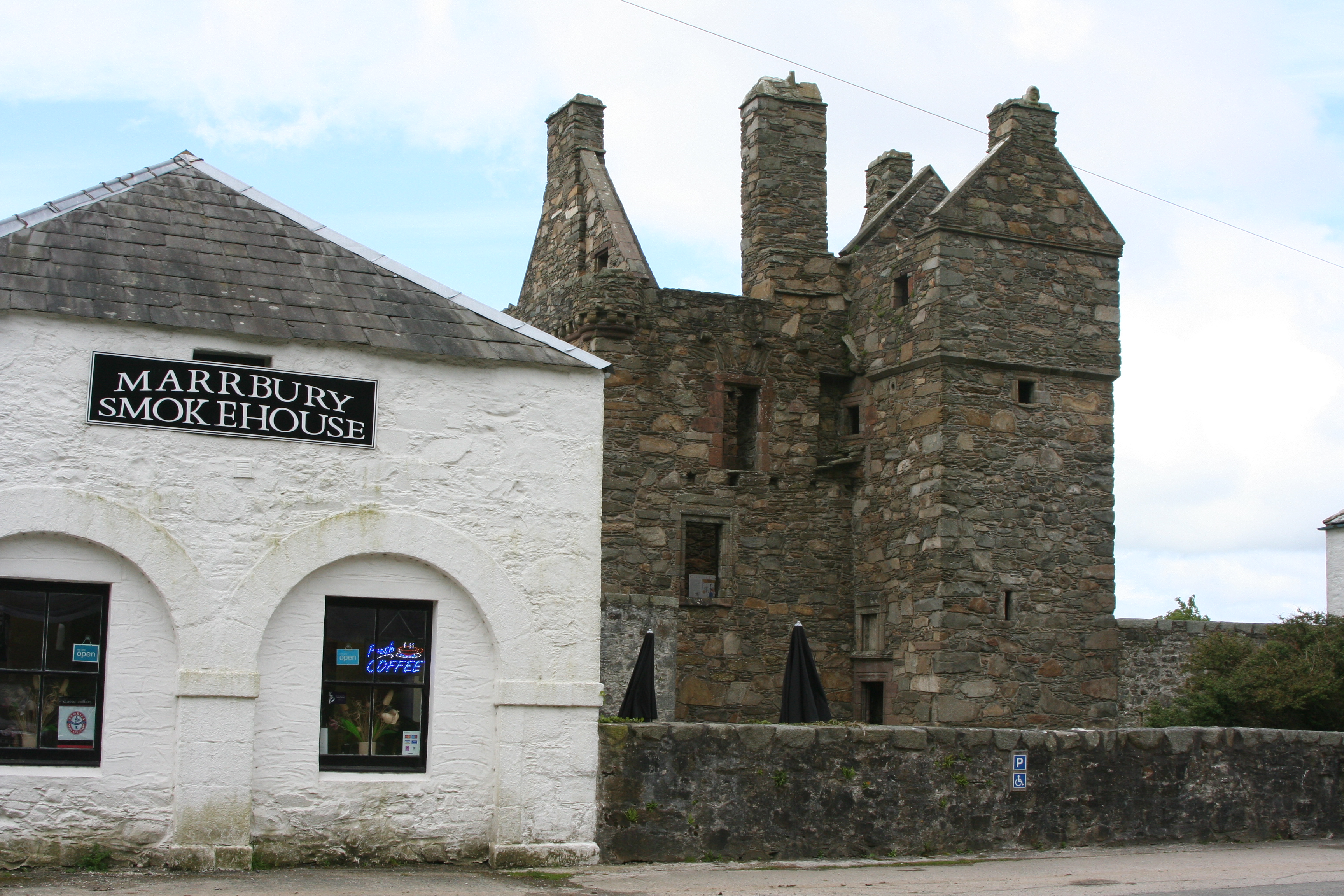
On our way to Kirkcudbright from Creetown, we stopped by Carsluith Castle where we bought the best, smoked salmon and Brie cheese I have ever had and Peggy posed as Princess. She has a thing for castles. It may be hereditary. Whenever we visit her mom, Helen declares, “The Queen does not cook.”

Carsluith Castle and the Marrbury Smokehouse where we bought delicious smoked salmon and Brie Cheese.

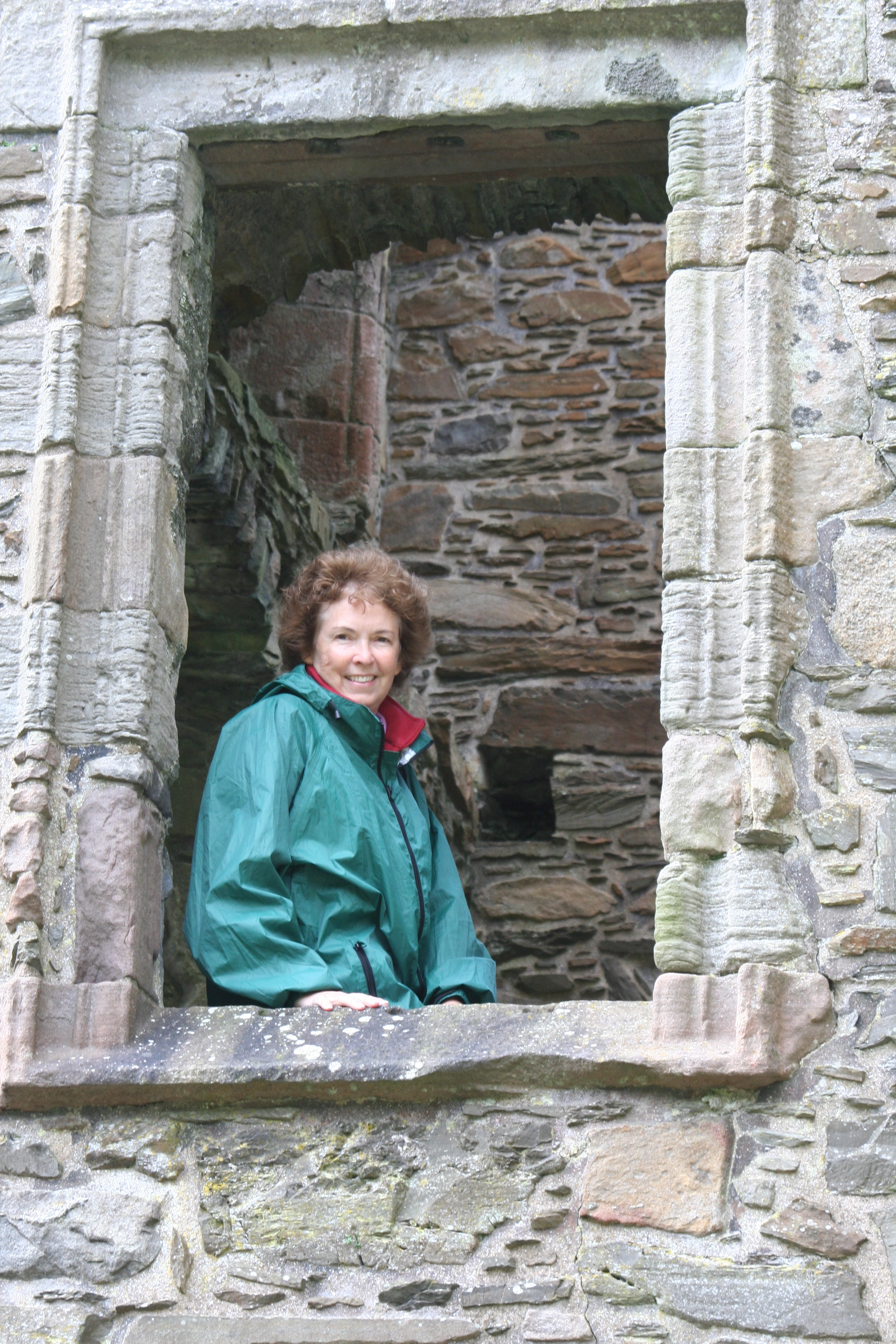
Princess Peggy looking out the window of Carsluith Castle smiles at the mere mortal taking her photo.

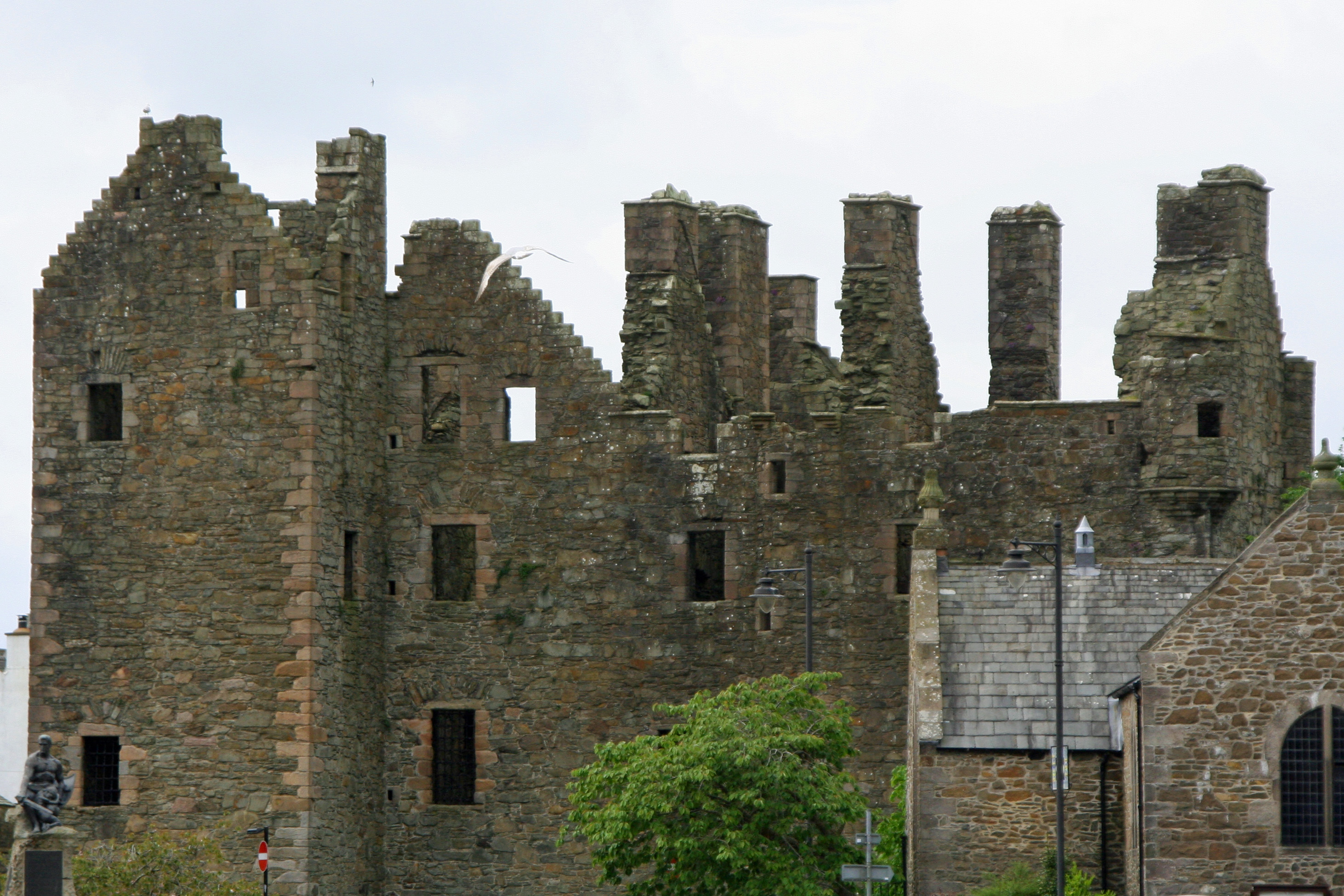
Kirkcudbright is a very attractive community. McClelland Castle dominates the town. Our brochure suggested that Robert McClelland of Kirkcudbright built the castle for conspicuous consumption as well as protection in the late 1500s when there was a slight break in Scotland’s bloody history.

McClelland Castle, Kirkcudbright, as it looks today.

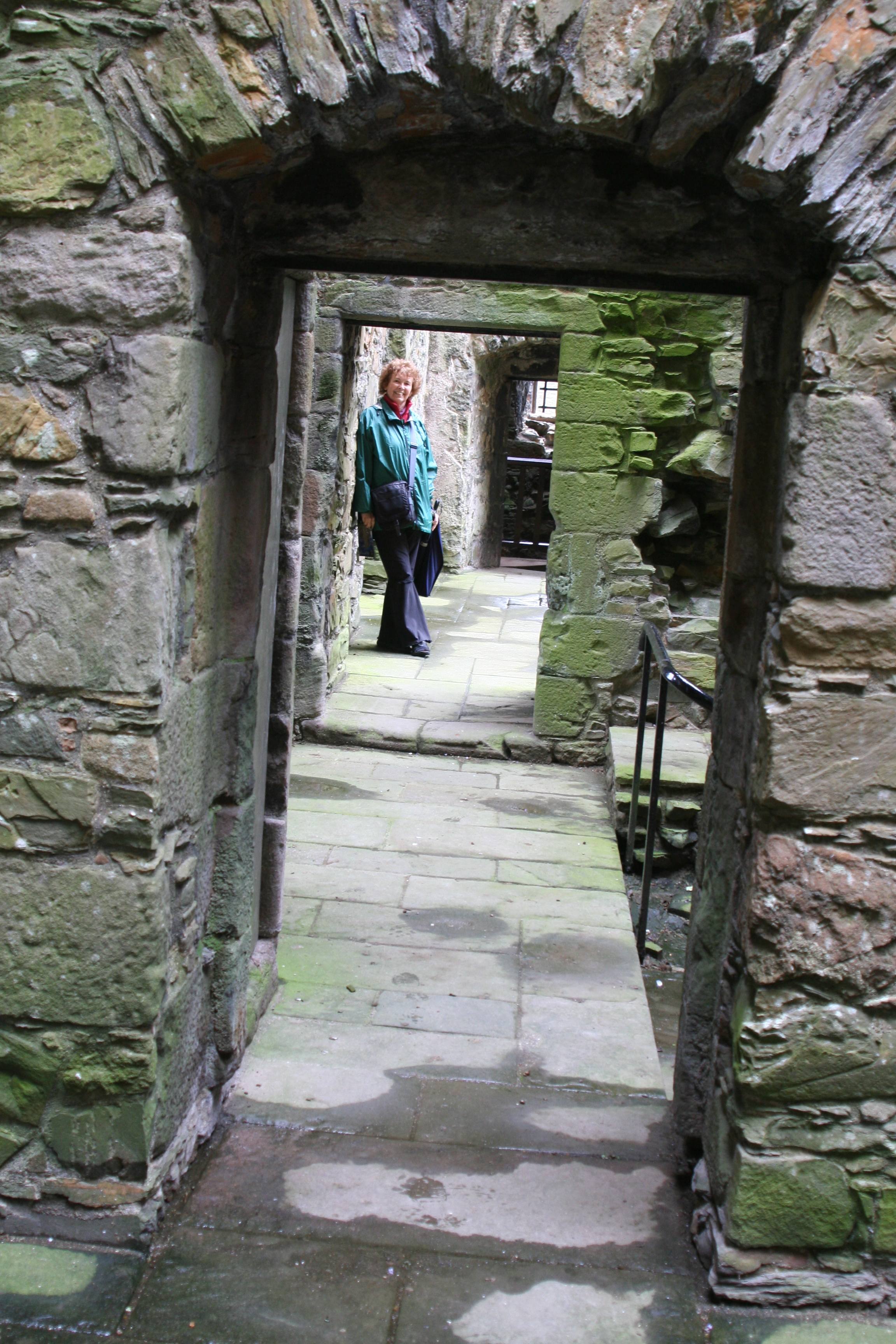
An inside view of McClelland Castle. Note the thickness of the walls.

By the mid 1600s the castle was on its way downhill, a victim of the commitment of the Lord’s of Kirkcudbright 2 and 3 to the Covenanter Movement. The Covenanters were serious Presbyterians who firmly believed that Jesus Christ, not the King of England, was the rightful head of their church.

The King didn’t approve. Consequently, there were lots of Covenanter Martyrs, including at least one of my ancestors, John Brown of Priesthill. You will meet John in a later blog.

McClelland could have been a distant relative as well (or not) since Browns and McClellands hooked up in the America of the 1700s. All I have to go on is the strong bond between Covenanter leaders that seemed to transfer to early America.

Peggy, on the other hand, had definite Kirkcudbright ancestors, the Kevans. I suggested possibly they worked as servants for the McClellands and got in trouble (grin). Turns out the Kevan/Cavan family was quite prominent in Kirkcudbright’s history.

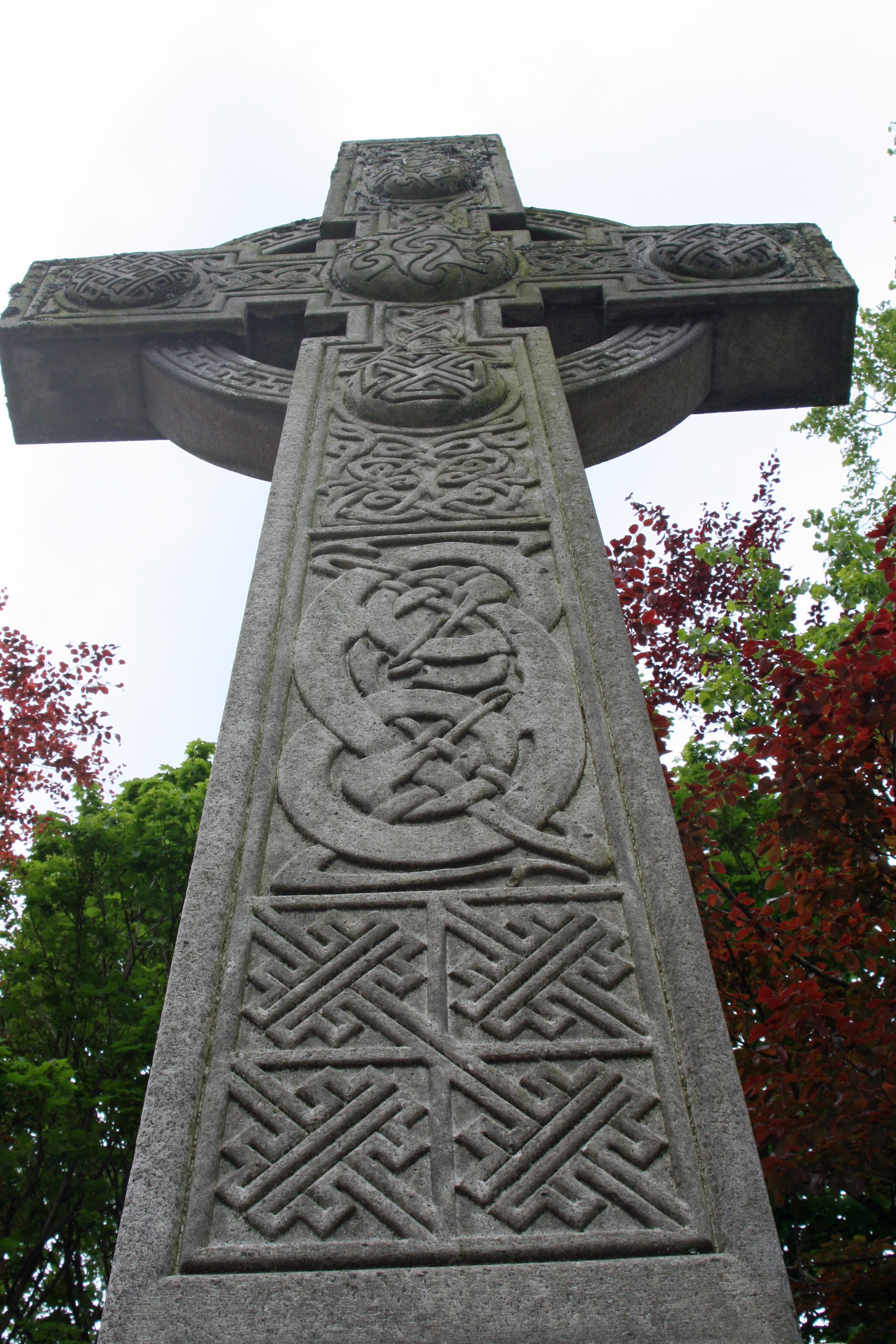
Peggy and I dutifully did a walking tour of the town under cloudy skies threatening rain. Highlights included the Tollbooth, an eclectic museum, a Celtic cross and the town in general.

The Tollbooth was once responsible for collecting taxes and serving as a jail for Covenanters and witches. It now serves as an art center.  The museum brought us up to date on just about everything of importance to Kirkcudbright including the towns relationship to John Paul Jones, a native of Scotland and a slave trader before he joined the American Revolution.

The Kirkcudbright Tollbooth which once served as a tax collection center and jail. It now serves as an art center and recognizes Kirkcudbright's commitment to the arts.

Kirkcudbright's Celtic Cross

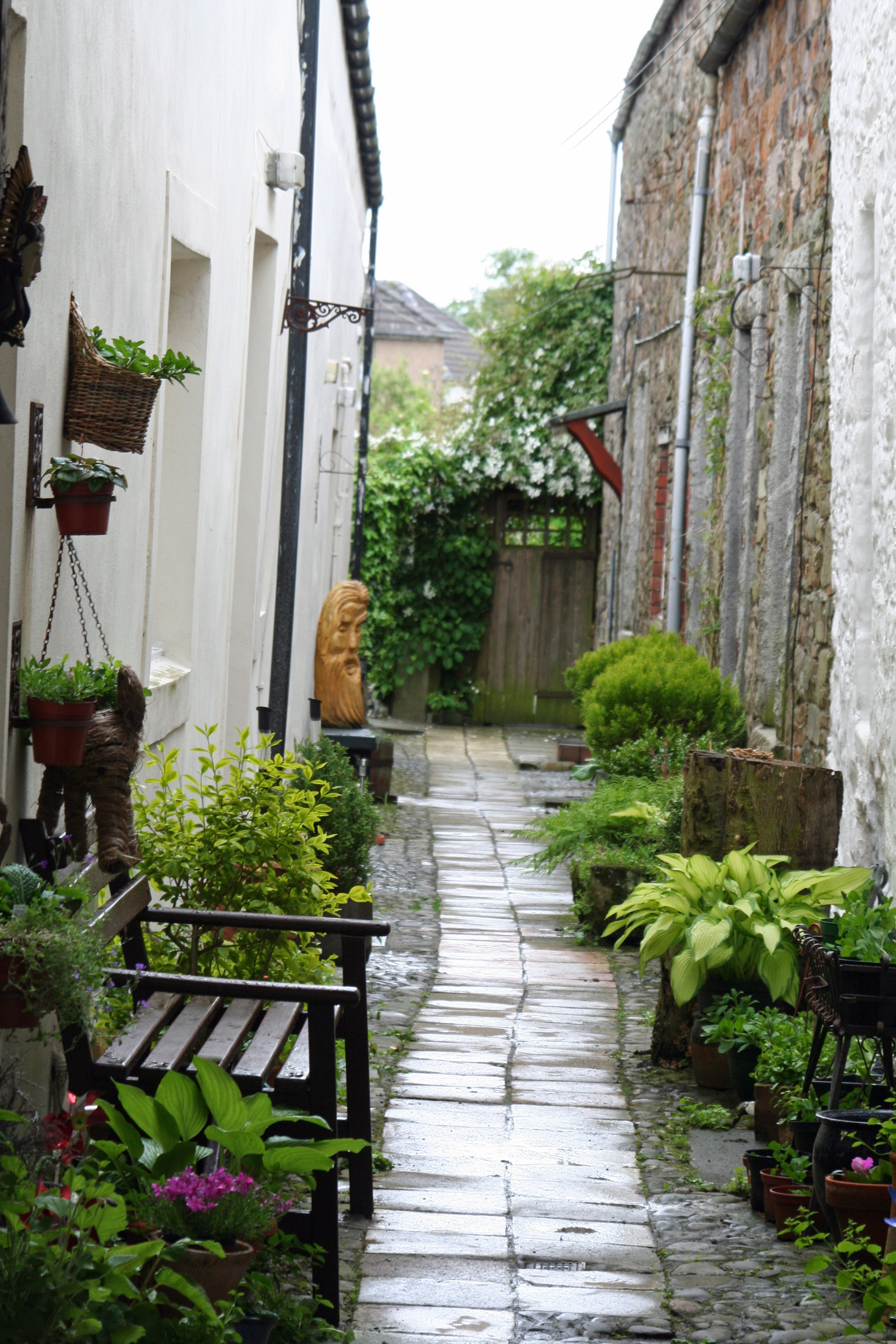
A walkway off of High Street, Kirkcudbright. We often found these intriguing paths filled with flowers and even art work off of main streets in Scotland's towns and villages.

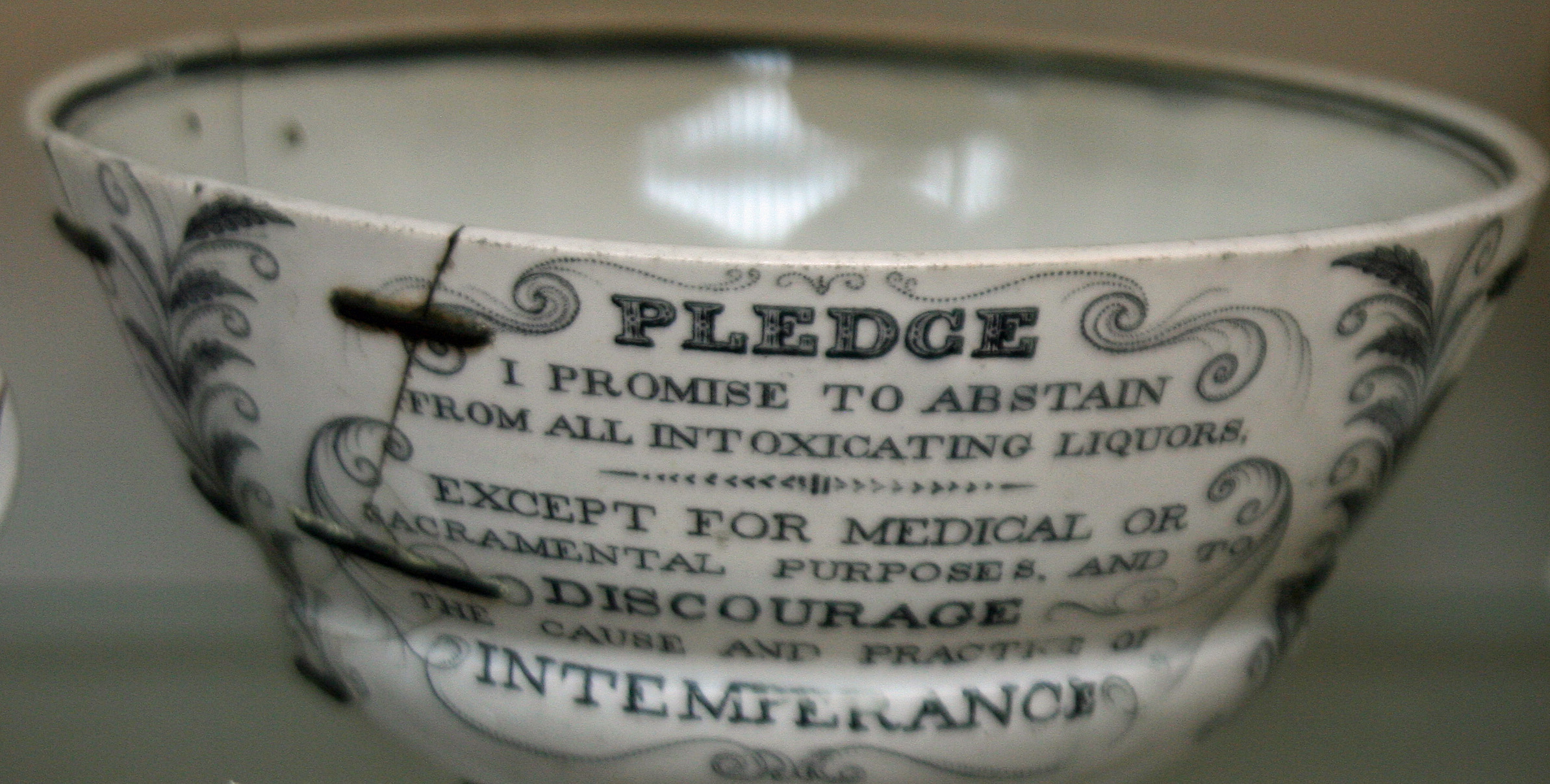
This 'take the pledge' bowl we found in the Kirkcudbright Museum amused me. I suspect my Scottish Grandmother would have approved.

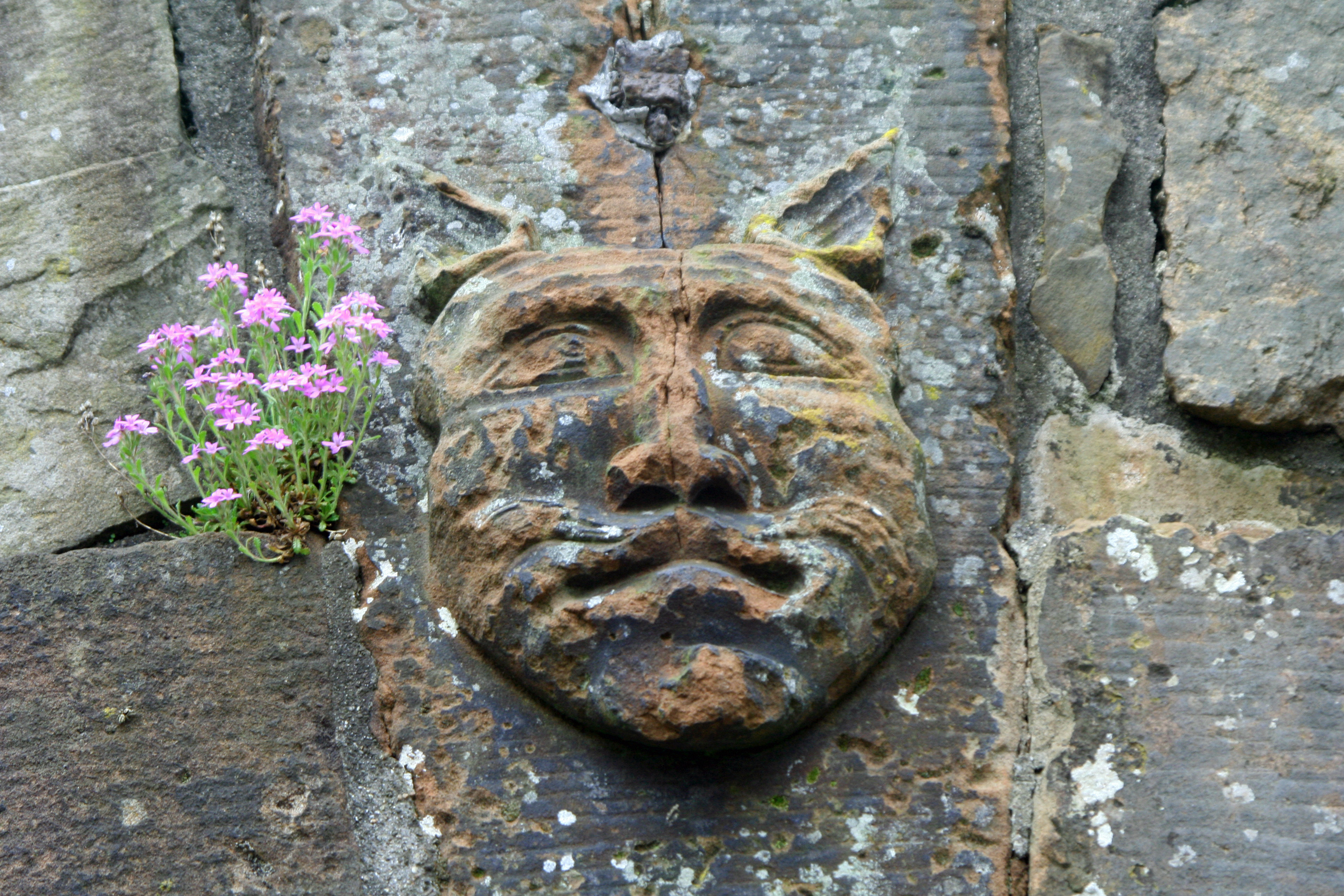
I was also amused by this gargoyle like cat-man we found over an arch near McClelland Castle. The flowers added a nice touch. I suspect cat man's job was to frighten off evil spirits.

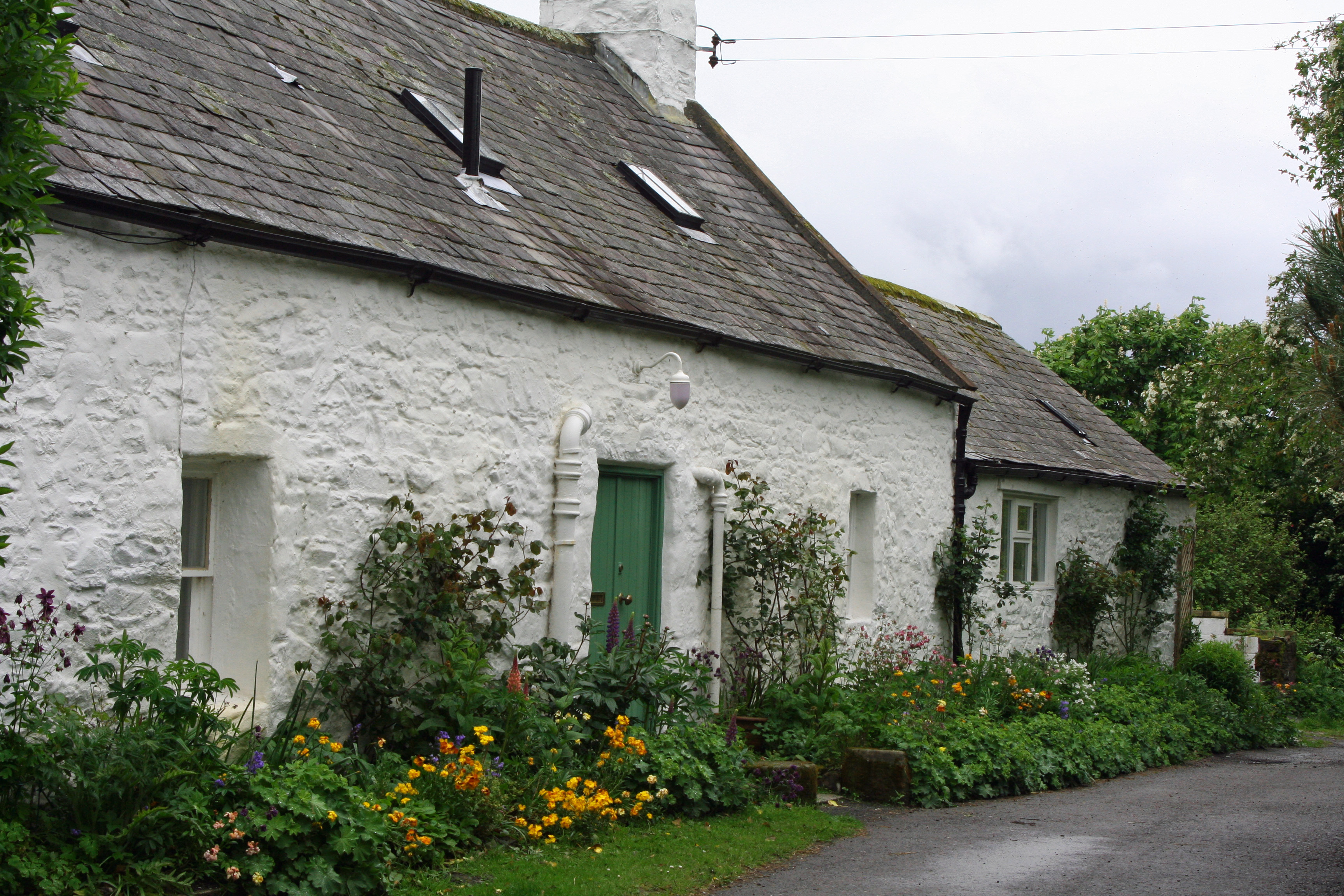
What photographer can resist a picturesque cottage?

Having sated our desire to see Kirkcudbright we headed back to Creetown. Next blog we visit Wigtown, Scotland’s bookstore center, stop by an ancient druid monument, and visit the birthplace of my Great Grandmother, the colorful village of Kirkcolm.

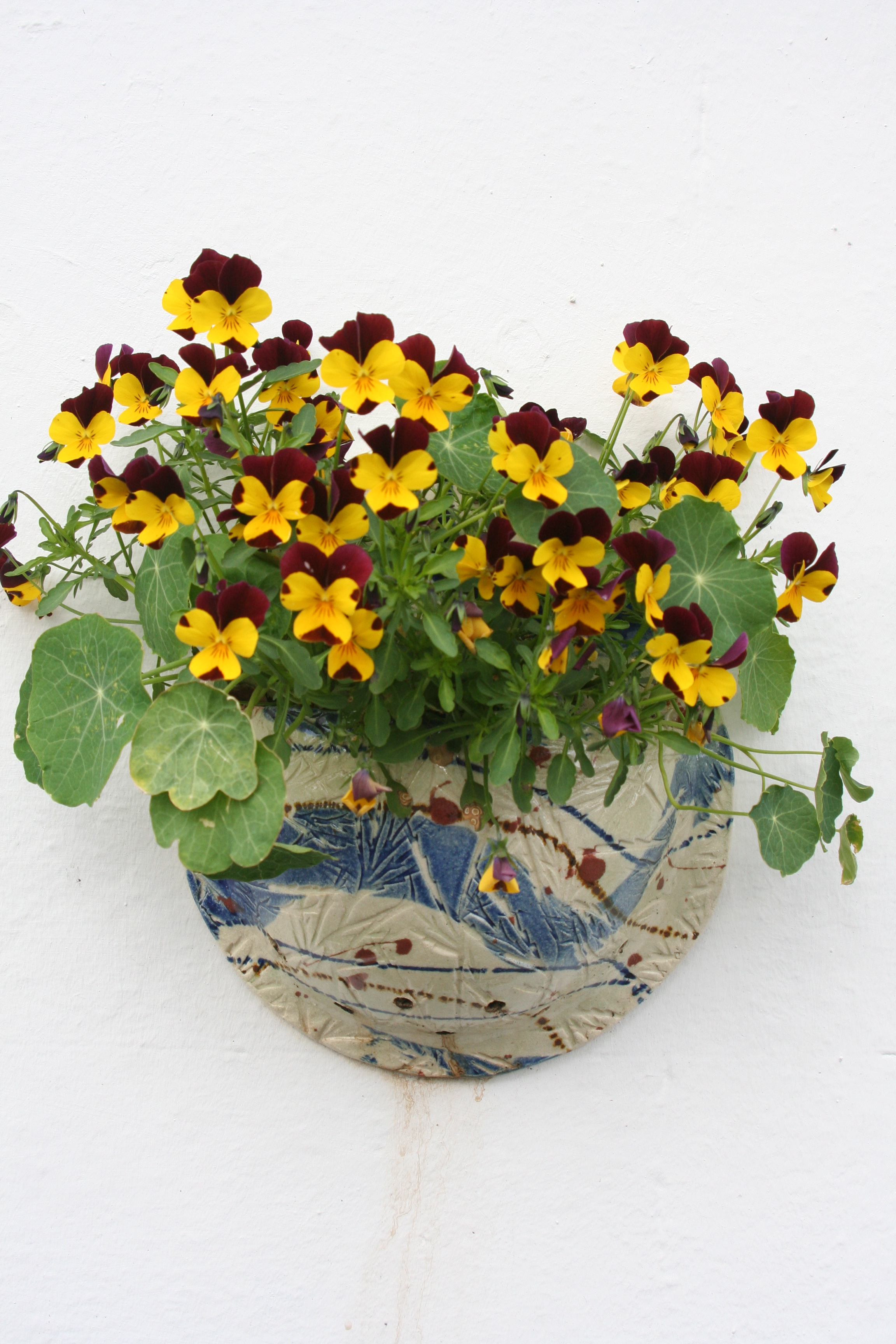
We found this pretty flower box attached to a house in Creetown.

How to Get Lost in Scotland

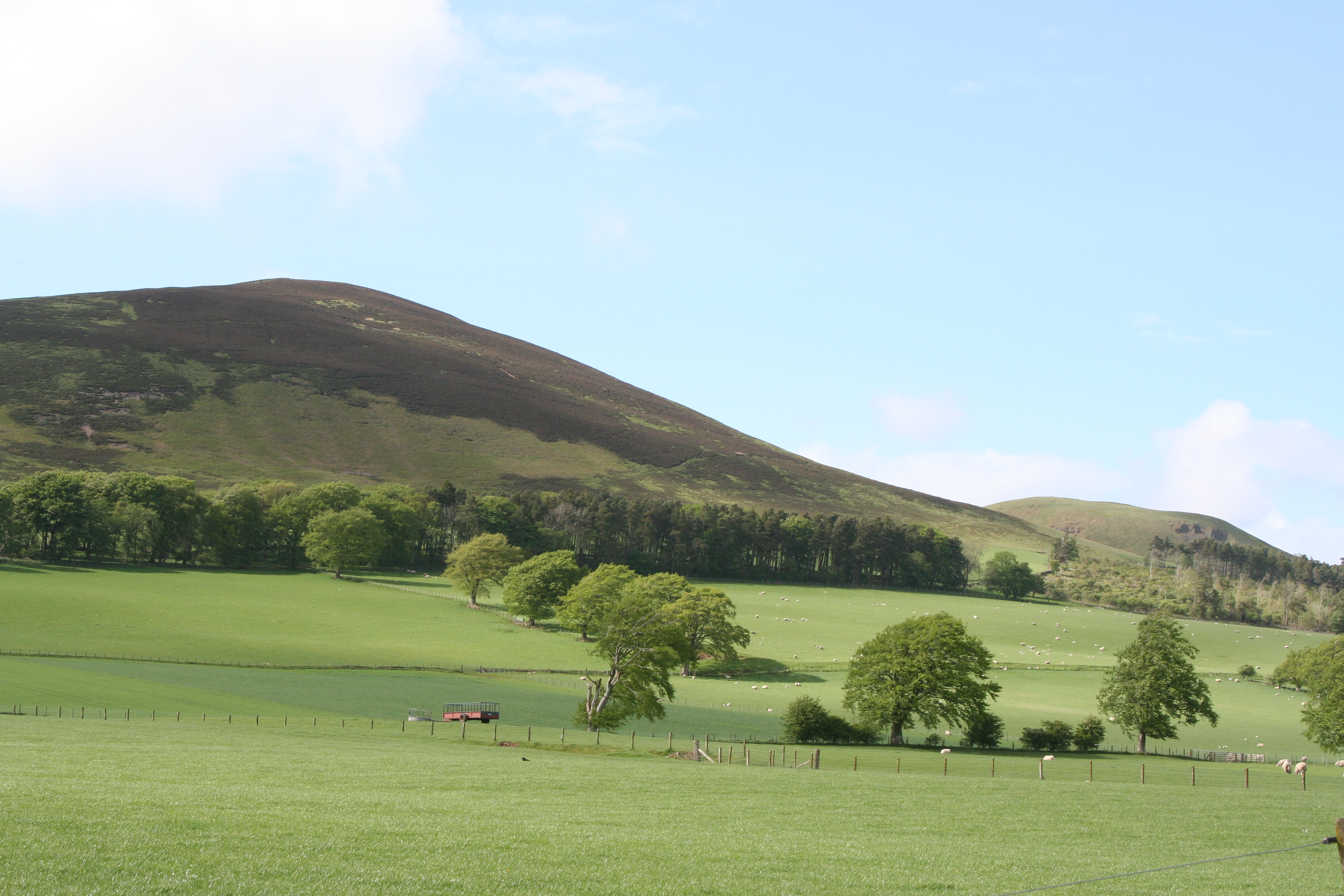
The Southern Highlands of southwest Scotland are both impressive and beautiful. "Lowlands" don't create waterfalls like these between Thornhill and Moniaive on Highway A 702.

Years ago my father told me that our family came from southwestern Scotland. I was mildly disgruntled. It would make me a Lowland Scot. I wanted to be a Highland Scot, a man of the mountains.

I have just completed a tour of southwest Scotland and I’ve changed my mind. The Southern Highlands produce some quite respectable mountains, or at least high hills, thank you very much.

And the whole area is beautiful.

We started our tour with a day in Edinburgh. Peggy and I, along with her sister Jane and husband Jim, took the train up from Long Eaton, England where we had just completed the narrow boat tour on the Trent and Mersey Canal I wrote about in my last blog.

While Peggy, Jane and Jim explored the city, I worked out our tentative Scotland itinerary. Having travelled a lot, I like to keep my plans flexible. Opportunity may knock.

While I worked on planning our itinerary, Peggy, Jim and Jane did a tour of Edinburgh. This was their tour bus. Could it be more garish?

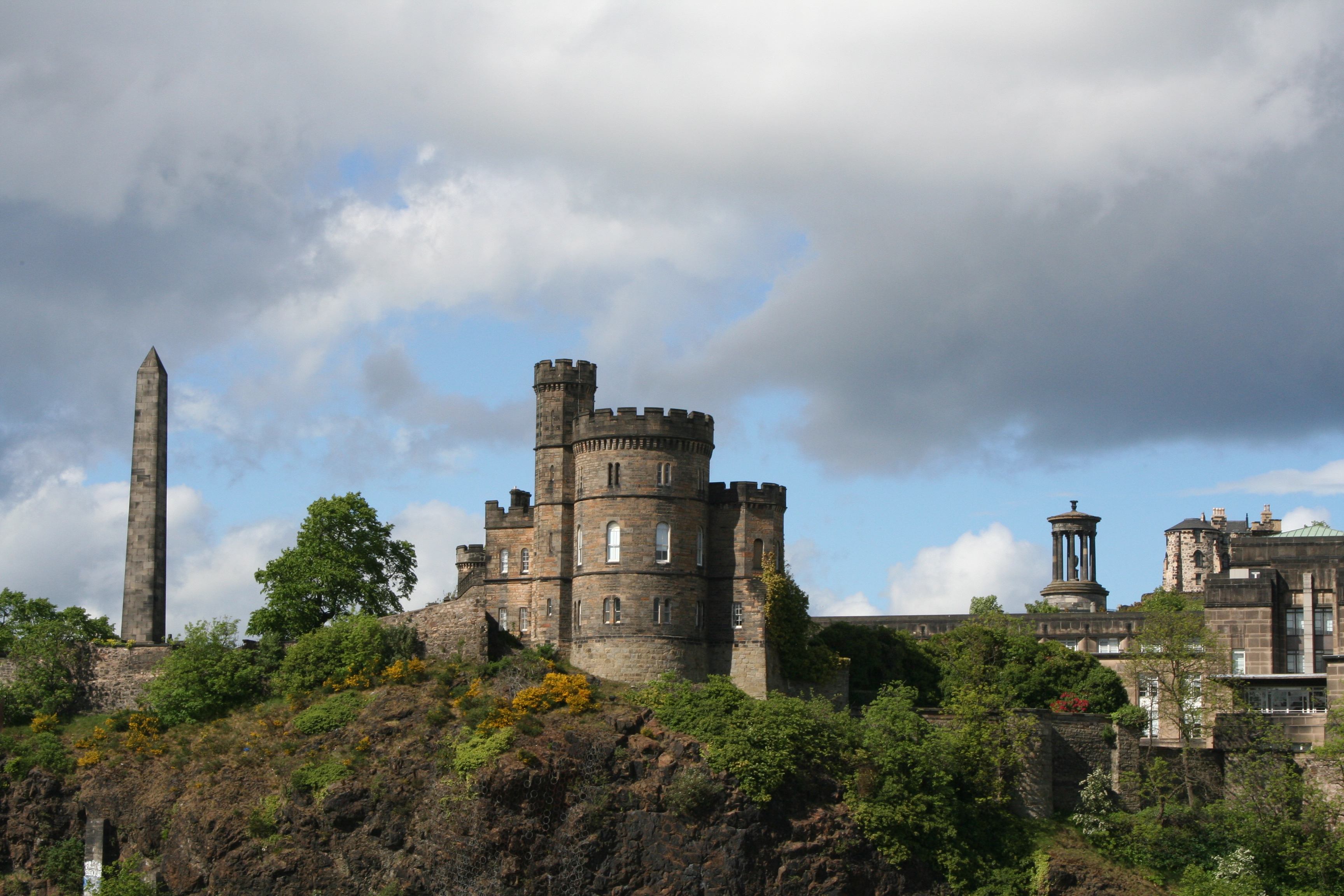
Edinburg has a lot to offer in sights, however, as this view of Edinburgh Castle suggests.

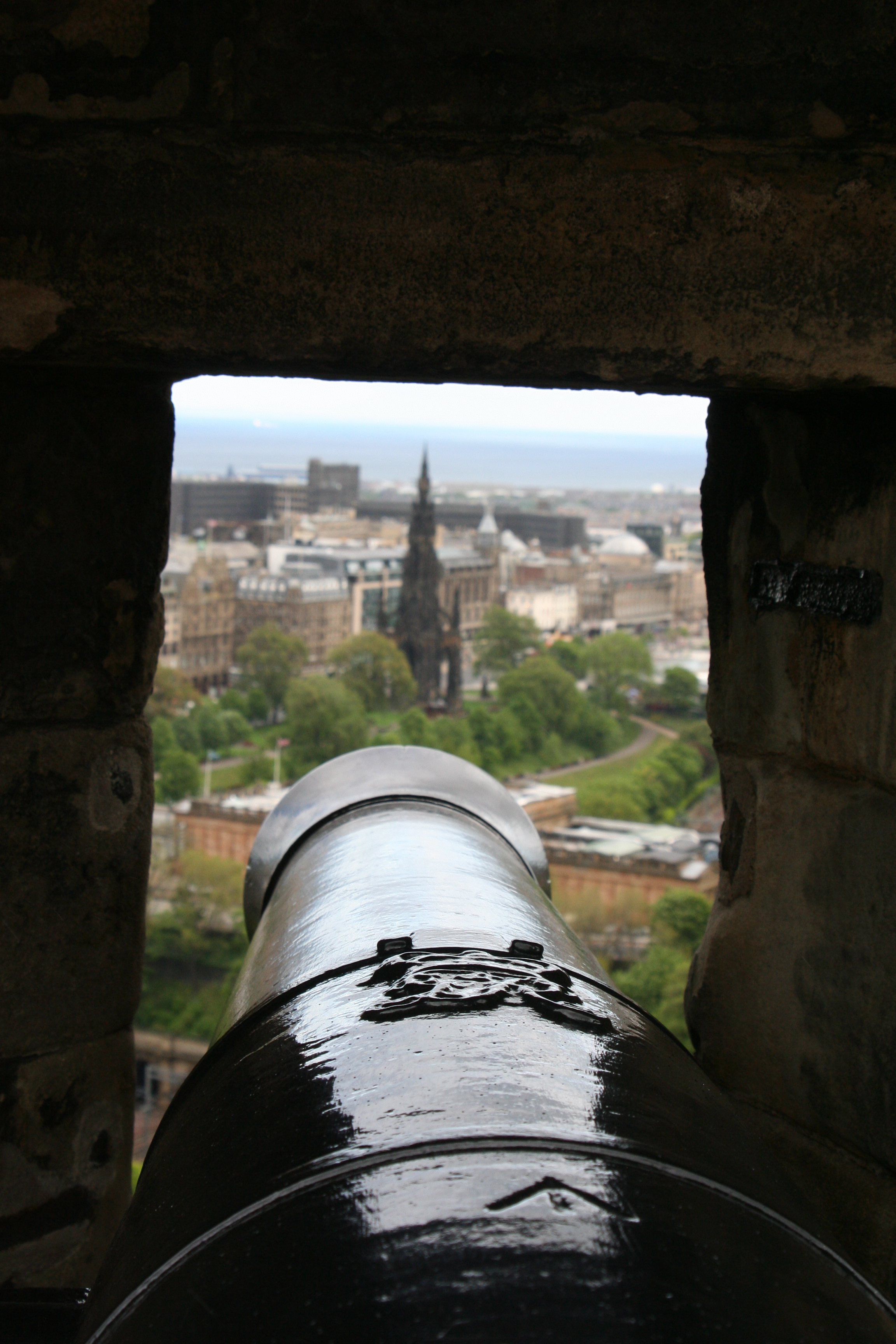
A cannon view of the Walter Scott Monument looking down from Edinburgh Castle. The writer Walter Scott and poet Robert Burns are highly honored as national heroes in Scotland.

A final view of Edinburgh looking up toward the Nelson Monument (on the left) from Waverley Station. We took the photo while picking up our rental car. Not many parking lots can claim such scenery.

The next day was a parting of the ways. We taxied together to Waverly Station where Jane and Jim had booked a train to London and Peggy and I had reserved a rental car. Quite to our surprise, the rental agency had upgraded us to a brand new Mercedes with a total of two miles on the odometer.

Peggy behind the wheel of our brand new Mercedes rental car. Note both hands grip the steering wheel and Peggy looks slightly wild-eyed as she chants her Scotland driving mantra... left, left, left.

New car or not, I do not recommend left-hand-side-of-the-road driver training in Edinburgh. To start with, the traffic sucks (bad word but applicable). Even more irksome, street names seem to change every block or so. And then there are roundabouts to master. A wrong turn can mean serious dislocation.

Peggy was the driver and I was the navigator. I am happy to report that one of us performed like a pro. Peggy was unflappable.

I, on the other hand, had us hopelessly lost in five minutes. In my defense, the car rental agency had given us two routes out. Both were blocked by construction. By the time we managed to work around street blockades, we had gone beyond the ability of my two downtown tourist maps to save us.

All I could recommend was full speed ahead and damn the double-deckers. An hour later we actually found the road I had intended to have us on in five minutes. Ten minutes later we were admiring the countryside.

A view of the country just outside of Edinburgh on Highway A 702. The square stones in the front of the fence were likely part of/or recycled from an old structure. The yellow flowers are Scotch Broom. Appropriately, I might add. We were to see lots of it.

Our first day’s goal was the small community of Creetown on the Wigtown Bay. Google informed me the trip was 110 miles and would take 2 hours and 47 minutes. But Google hadn’t planned for my extensive tour of Edinburgh, or the detour I took out of Moniaive. I missed a jog left.

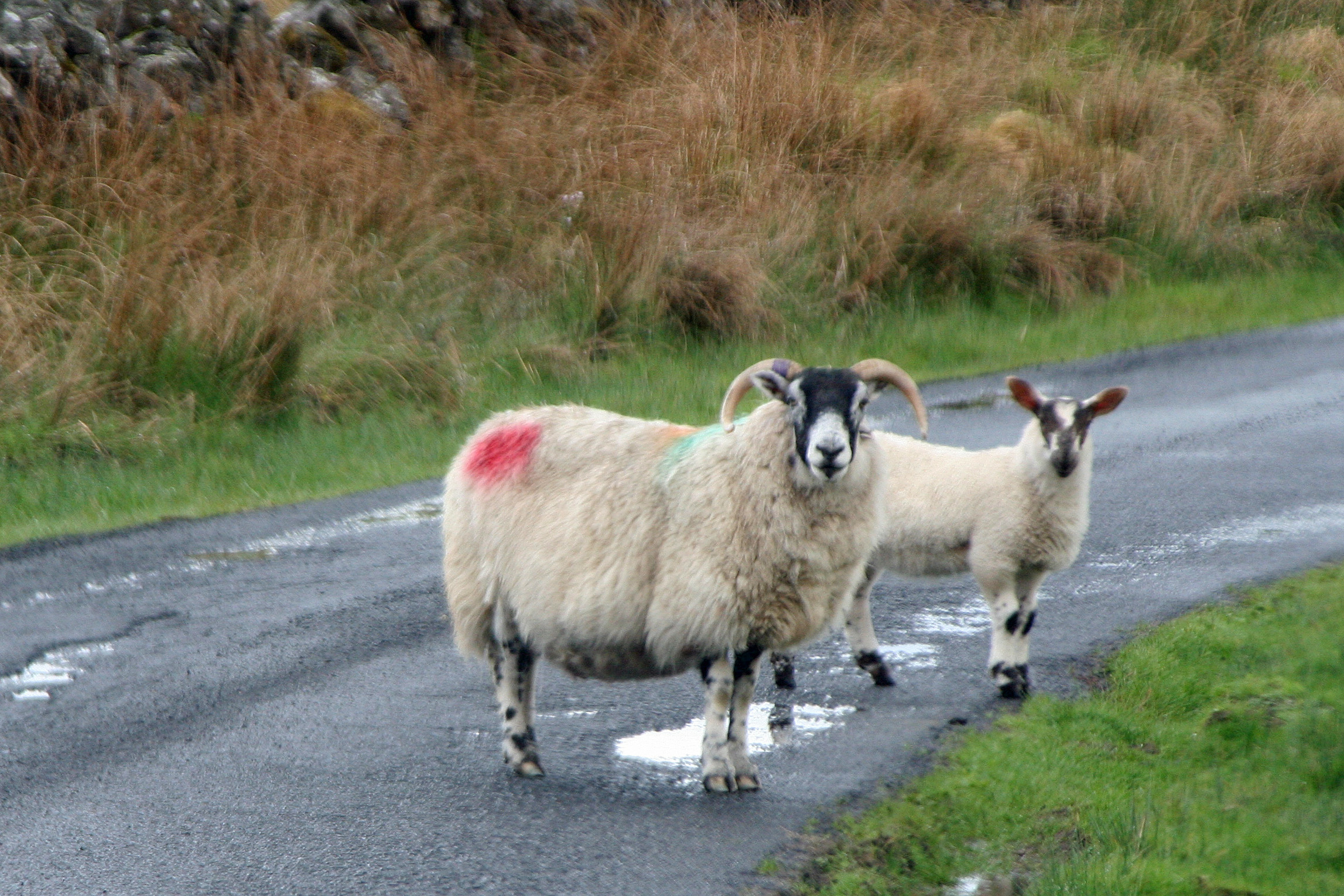
Our ample two-lane road became a narrow two-lane road and then a one-lane road with passing pullouts, and then a bumpy one-lane road filled with sheep that behaved like they hadn’t seen a car in months. Maybe they hadn’t…

These two fellows pretty much dominated our bumpy single-lane road, and wondered what we were doing on it.

While we were waiting for our two road companions to decide whether they would bother to move, I took a photo of this fluffy guy. I think he was trying to decide if he should charge.

All’s well that ends well, however. Six hours after leaving Waverly Station we arrived at our B&B in Creetown, the Ellangowan Hotel. It was time for a pint. (Next blog: How in the heck do you pronounce Kirkcudbright?)

Our first nights lodging in the small community of Creetown. Peggy was impressed by our canopy bed that featured lace curtains. I was more impressed with the bar that featured fine Scottish Ale and Indian Curry. Of special note: Most restaurants/pubs we visited in England and Scotland featured at least one Indian dish. Given my love of hot curries, I was one happy camper.

From Tulips to Lions… The Impressive Chatsworth House

The rainy view from our windows in the Old Church B&B in Muirkirk, Scotland. Note the shape of the windows. I suspect they were once filled with stained glass.

It’s a cold, stormy day in Muirkirk Scotland. Peggy and I are hiding out from the weather in the Old Church B&B. As the name suggests, it is indeed an old church that has been converted to a bed and breakfast. I am feeling quite holy.

Sheets of rain are pounding against our windows. The accommodations are spacious, the food great, and the owners, David and Leslie, quite humorous. It’s a great place to hang out for a day and catch up on my blog.

We are now in our final week of a three-week tour of Midlands England and Southwestern Scotland. Peggy’s sister, Jane Hagedorn and her husband Jim, joined us for the first part of the journey.

Jane is into everything English, particularly if it has a garden attached. So our first stop was at Chatsworth House and Gardens, the estate of the Duke and Duchess of Devonshire. It is located ten miles from Chesterfield, where we stayed our first two nights.

Chesterfield's most famous view, the Crooked Spire. Our taxi driver told us that the legend was the spire would straighten our when a virgin was found in Chesterfield. Given that the church dates back several hundred years, apparently virgins are a rare item.

Chatsworth House and Gardens: Think big, think impressive, think money… and think thousands of peasants helping to support it over the centuries. The house and property date back to the 1500s.

Tulips were the flower of the hour in the gardens. We found them everywhere and in every shape and color. But there were also many other types of posies, sculptures, waterfalls, ducks and gardeners. There was even a maze that Peggy and Jane eventually conquered.

Tulips...

Peggy and Peonies.

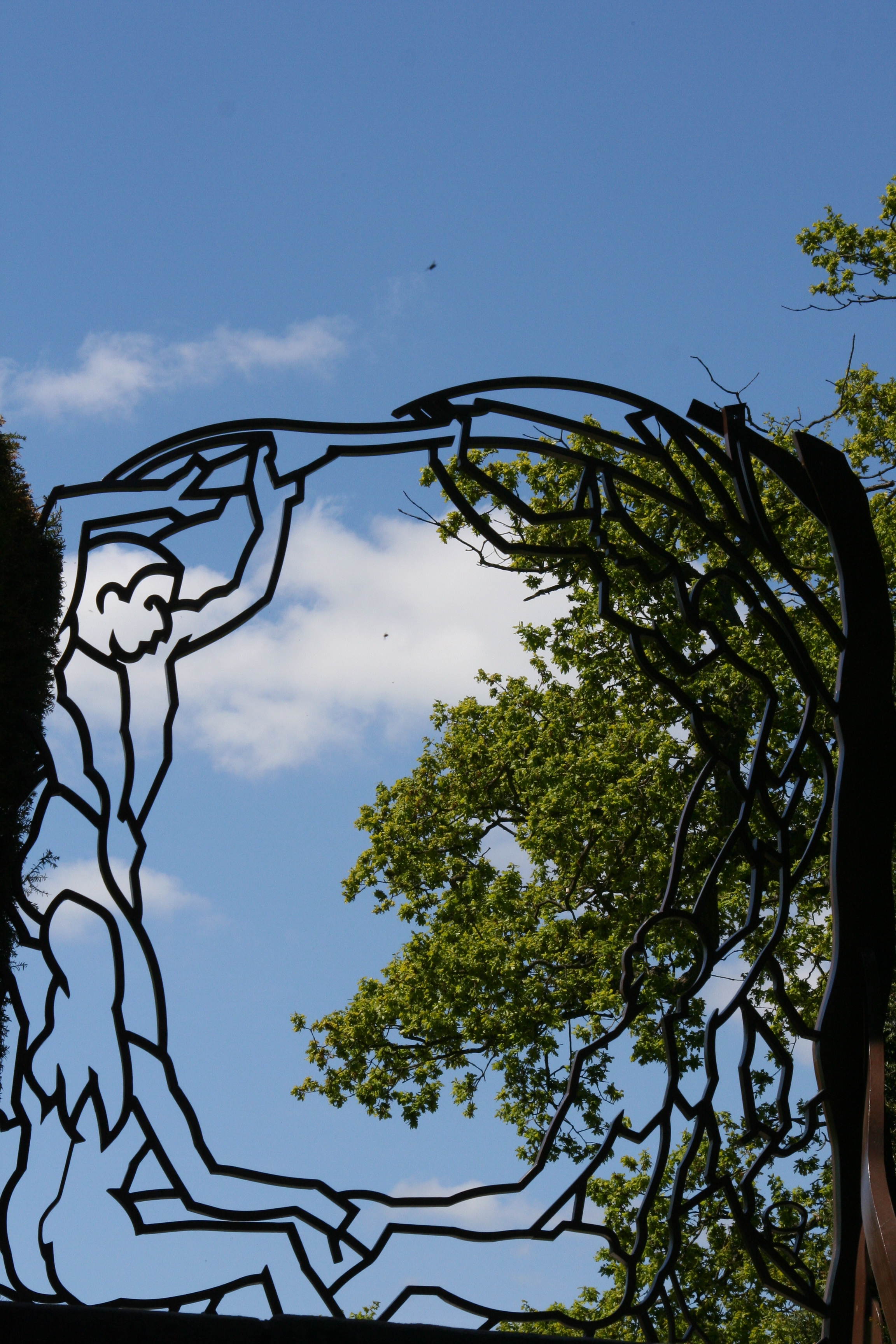
This gate was one of my favorite sculptures.

As for the ‘house,’ it is packed with treasures. How often do you walk through someone’s home and come across a Rembrandt?

The various Dukes and Duchesses were collectors… almost to the point of being pack rats, gathering bright shiny baubles from throughout the Empire. Apparently it was verboten to collect what your ancestors did. The result is a museum of miscellany, well worth the price of admission.

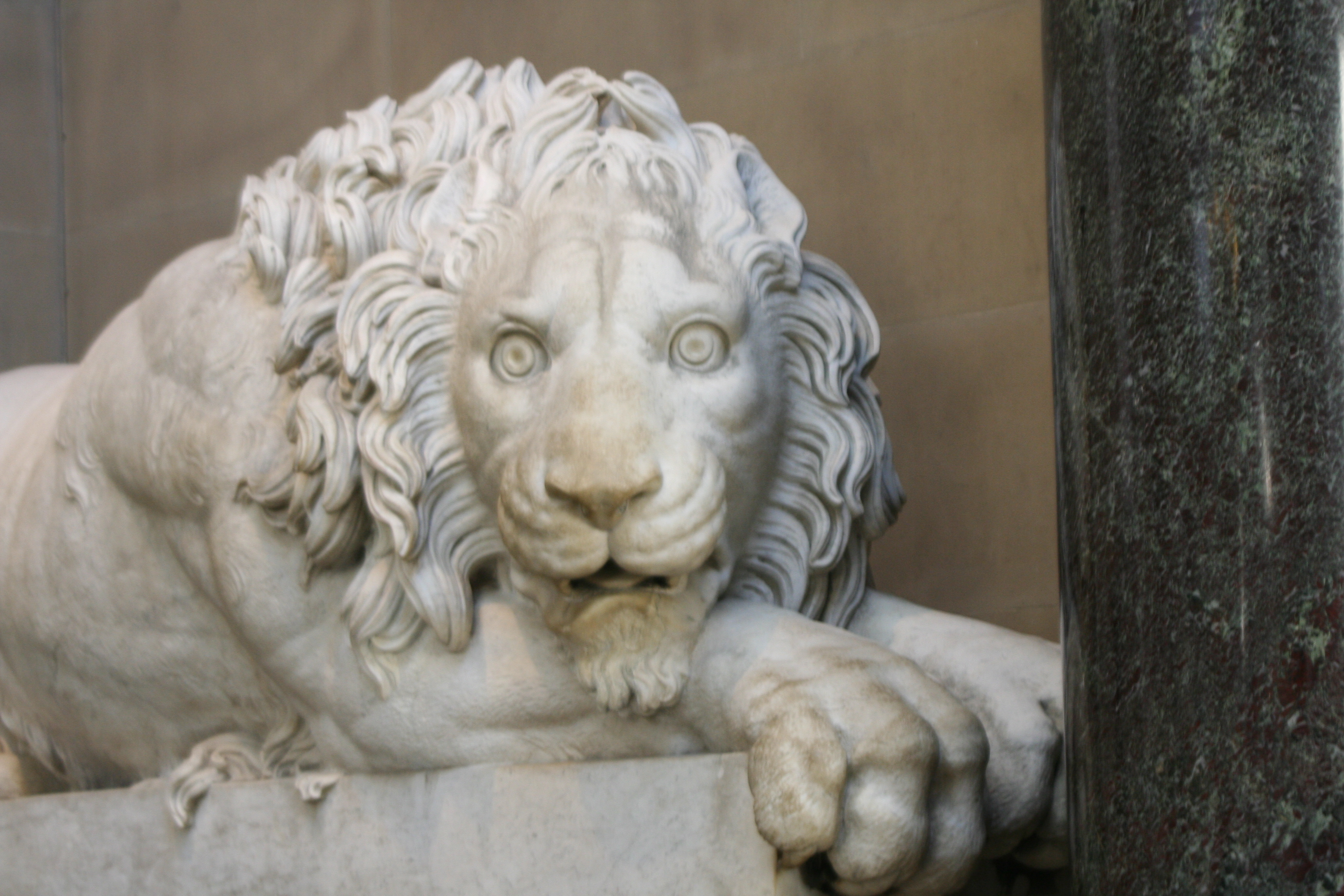
This rather impressive lion was one of what I estimate to be 395,281 items packed into the house... but it's a rough estimate.

A Cow Elk Woos Me

Where I was going backpacking in Cliff Dwellings National Monument was something of a mystery to me. I didn’t have a clue.

My pack was loaded with a week’s worth of food and six topographic maps, more than enough to let me wander wherever I wanted and hopefully avoid getting lost. I started off up the West Fork of the Gila River but soon came across a trail jogging out of the canyon to the right.

“Looks good to me,” I thought to myself and started climbing. I was determined that wherever I went for the week would be based on random decisions. So much of my wilderness experience had involved leading groups or scouting out potential routes for organized trips that the sense of abandon felt delicious.

Consequently, years later, it isn’t exactly clear to me where I went. I was more than happy to hike 4 to 5 miles in one direction and then 6 or 7 in another. The only thing I tried to avoid was backtracking. I do remember wandering through Woodland Park and Lilly Park as well as climbing in and out of several canyons.

I had brought along two science fiction books for evening and early morning entertainment. Southern New Mexico is UFO Country. I was also carrying my usual field ID book and one serious read, Aldo Leopold’s “Sand Country Almanac.”

Leopold had been responsible for the creation of the Gila Wilderness in 1924, making it the first specifically designated wilderness area in the United States, and, I might add, the world. People who love wild country and understand its intrinsic value owe a great debt to the man for his vision. I had read the book before but reading it again in the Gila Wilderness added a special significance.

I declared a layover day so I could savor it all at once. I was camped on a small stream located in a minor canyon and hadn’t seen a soul for four days. It was the perfect setting for getting lost in a book.
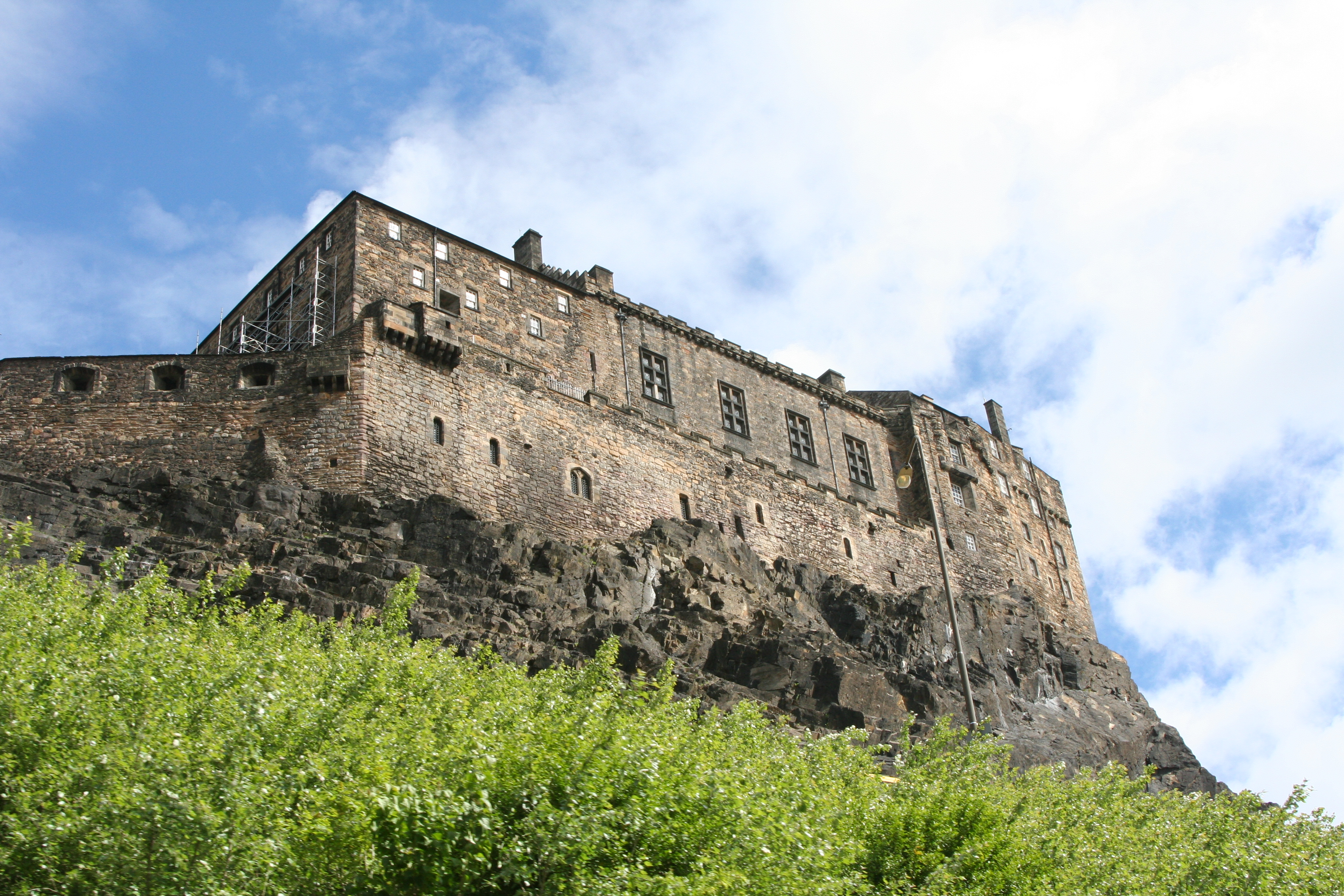
Some time in the early afternoon, a loud “Woooeee” shattered the silence.
“Big Bird,” I thought to myself. “Big Bird on steroids.” Aldo Leopold would have been up in a flash to discover the source. Of course he would have had his rifle with him. He was quite the hunter.
As usual, my only weapon was a dull three-inch pocketknife. Still, the mountain man in me demanded I get off my lazy tail and go exploring. I grabbed my binoculars and climbed out of the canyon. I was greeted by a broad, flat expanse of Ponderosa Pines but no Big Bird. “Woooeee,” I heard receding into the distance.  I put on my stalking cap and begin to sneak through the forest.

“Woooeee!” Big Bird shouted behind me. I whirled around only to catch a glimpse of something disappearing behind a bush. Big Bird it wasn’t. Nor was it the ghost of Geronimo. It looked suspiciously like a cow elk that had morphed from stalkee to stalker. I wasn’t sure that I liked my new role but decided to play along.

“Woooeee,” I called out and jumped behind a Ponderosa.

“Woooeee,” I heard a delayed three minutes later. I stepped into the open to discover that my female companion had come out from behind her bush and was staring intently at my tree.

“Woooeee,” I shouted at her as she once again disappeared. We had a game. A cow elk was wooing me.

Years earlier I had discovered that much of the higher animal kingdom is quite curious about humans that don’t act like humans. I once had a similar experience to my elk chat with a coyote on the American River Parkway in Sacramento.

First I would hide and then he would hide. Finally, out of frustration, the coyote plopped down in the middle of the trail, raised its head, and began howling. I plopped down in the trail as well, raised my head and joined him. We had quite the discussion.

The elk and I continued our game for about 15 minutes when I changed the rules. I sat down in plain sight with my back against the tree. Instead of hiding she stood watching me for several minutes. I could tell the wheels were grinding away in her mind.

Suddenly she charged. I didn’t move from my seat but my adrenalin cranked up several notches. She was all of 10 feet away when she slammed on her brakes, lowered her head, stared me in the eye, and woooeeed again.

Half fascinated and half frightened, I didn’t budge. Several hundred pounds of frustrated female were looming over me. I had zero doubt that she could kick the stuffing out of me. She held my gaze, snorted in disgust, shook her head and trotted off.

Whatever conversation we had been having was over. I breathed a sigh of relief and returned to camp. My first chore was to get out my guidebook. Female elks, it noted, can become rather aggressive and dangerous in the spring when they have calves. I’d been both ignorant and lucky.

After dinner I went for my evening walk following an animal path that ambled along beside the creek. I heard a snort and looked up. Five elk were standing on the canyon rim staring down at me.

The old girl had recruited some buddies to check out the weird human.  Unfortunately, this time I knew enough to be worried. I was an intruder in their territory, a possible threat to their precious babies.

My worry level turned to panic when all five came charging down the canyon wall. One moose had been scary; now I had a whole damn thundering herd. Running was out of the question. “Think, Curtis,” went dashing through my brain.

The only thing I could dredge up was something I had fantasized I might do if charged by a grizzly bear in the wilds of Alaska. I started jumping up and down, scratching my armpits and screaming ooh, ooh, ooh! It worked for great apes, why not me.

For the second time that day, I heard the screeching of elk brakes. This time there was no standing and staring, however. The herd turned as one and charged back over the canyon rim, disappearing into the night. Somewhat satisfied with myself, I returned to camp and the security of my tent.

I wandered around for another two days, keeping an eye out for UFO’s, steering clear of cow elks and visiting sites where this or that pioneer had been killed by Apaches. The pioneers also did a pretty good job of killing off each other, not to mention the Indians. With my food running low, I finally ceased my wandering ways and hiked back to the National Monument.

I was ready for my next adventure, this time in the Wind River Mountains of Wyoming.

(Next blog: There’s a beaver standing on my tent!)

Billy the Kid and Geronimo

Do kids still play cowboys and Indians?

Not likely… they have other interests like mutant super heroes, androids, and vampires. Plus there is the issue of being politically correct. Native Americans are no longer the enemy. Rightfully so.

But I grew up listening to the Lone Ranger on the radio. As soon as I learned to read I turned to Western writers like Luke Short, Max Brand and Zane Grey. By the time I hit high school, Bonanza was the rage on TV and my Sunday evenings were devoted to watching cowboy justice dispensed from the Ponderosa Ranch.

Years later I had an extra six months of play time so I decided to explore the Wild West of my youthful imagination in greater detail. After wandering through Zane Grey country for a couple of weeks, I found myself in the Gila Wilderness near Silver City, New Mexico. Legend lives in this area.

Henry McCarty, aka Kid Antrim, aka William Henry Bonney, aka Billy the Kid initiated his life of crime here in the 1870s stealing butter from the local ranchers. And then he got serious; he was caught with a bag of stolen Chinese laundry. His buddy Sombrero Jack had given it to him to hide.  The local sheriff decided to lock Billy up for a couple of days as a lesson that crime doesn’t pay but the Kid escaped through the chimney.

Two years later, at 16, he would kill his first man. Five years and some 11-21 murders after that (depending on press reports), he would be shot down by Sheriff Pat Garret. Billy liked to twirl his guns and enjoyed the polka… a real fun guy.

Of even more interest to me, the Chiricahua Apache, Goyathlay (one who yawns), better know as Geronimo, had roamed the region killing pioneers and hiding out from American troops for 25 years.

It was said that he could disappear behind a few blades of grass and walk without leaving footprints. In the 1880s, it took one-quarter of America’s military might, some 5000 men, to track him down. Geronimo was shipped off to a reservation but ended up finding God and riding in Teddy Roosevelt’s inaugural parade. Years later, Prescott Bush, the father of George H. and grandfather of George W., would allegedly steal his skull for Yale’s secret Skull and Bone Society.

I remember as a young kid jumping off a roof and yelling Geronimo. My friends and I patterned our behavior after World War II paratroopers who would leap out of airplanes shouting his name.

My primary purpose for being in Silver City was to use it as base for backpacking. I chose Cliff Dwellings National Monument as my jumping off point. People of the Mogollon Culture had called the area home between 1280 – 1300 CE and their cliff houses still stand some 700 years later, silent testimony to the value of building with stone. As to where the Mogollon went after their brief stay, it’s a mystery.

Like Geronimo and the Mogollon Indians I planned to disappear into the wilderness.

(Next blog: A Cow Elk Woos Me.)