
We leave the Colorado River as it flows through the Grand Canyon today and travel 6000 miles to the second river in our Great River Series, Europe’s Danube River. Peggy and I, along with her brother John and his wife Frances, cruised down the river from Vienna to the Black Sea for nine days in late September/early October this year while adding another 7 days with a pre-tour of Vienna in the beginning and a post-tour of Transylvania at the end.
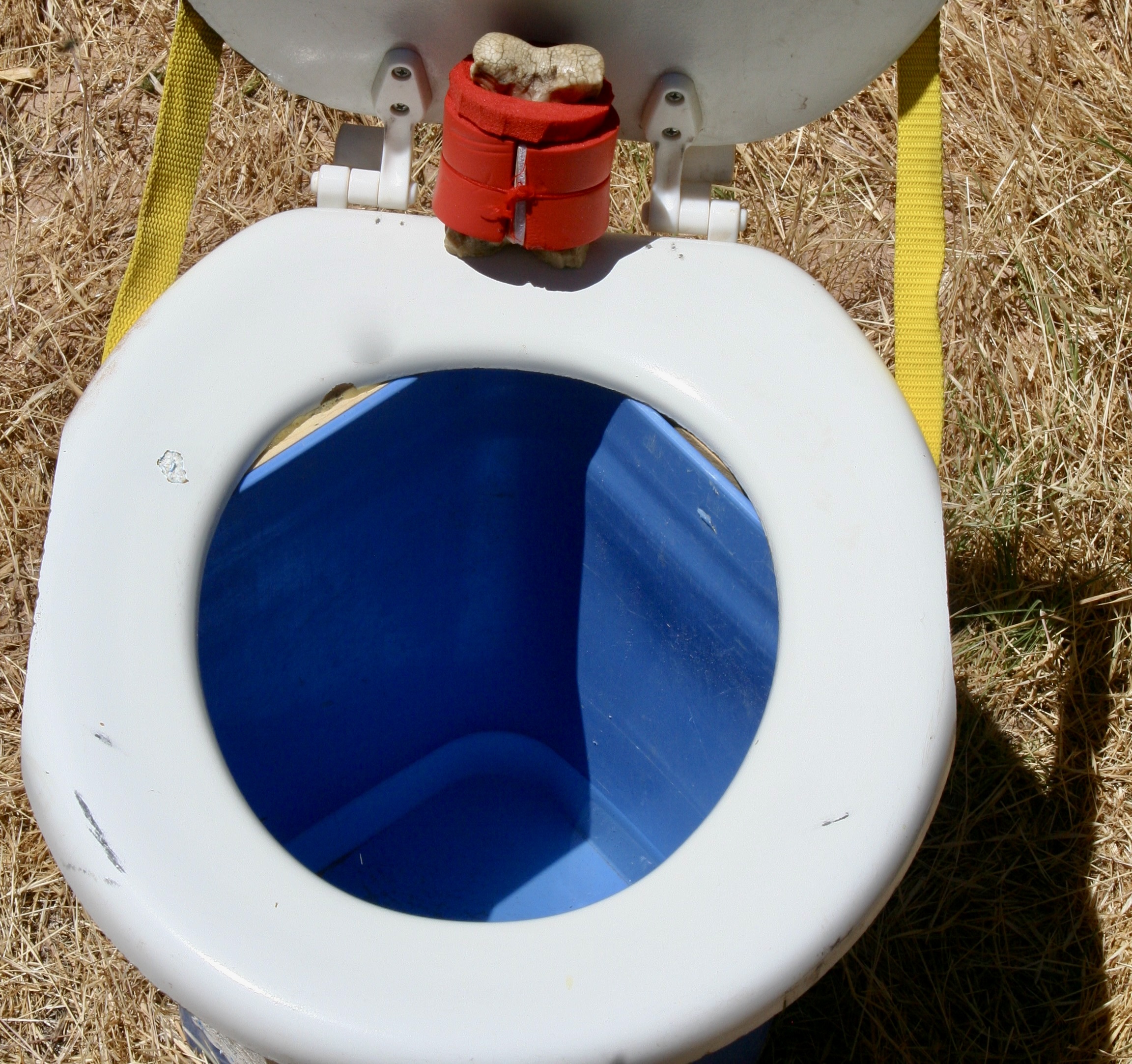
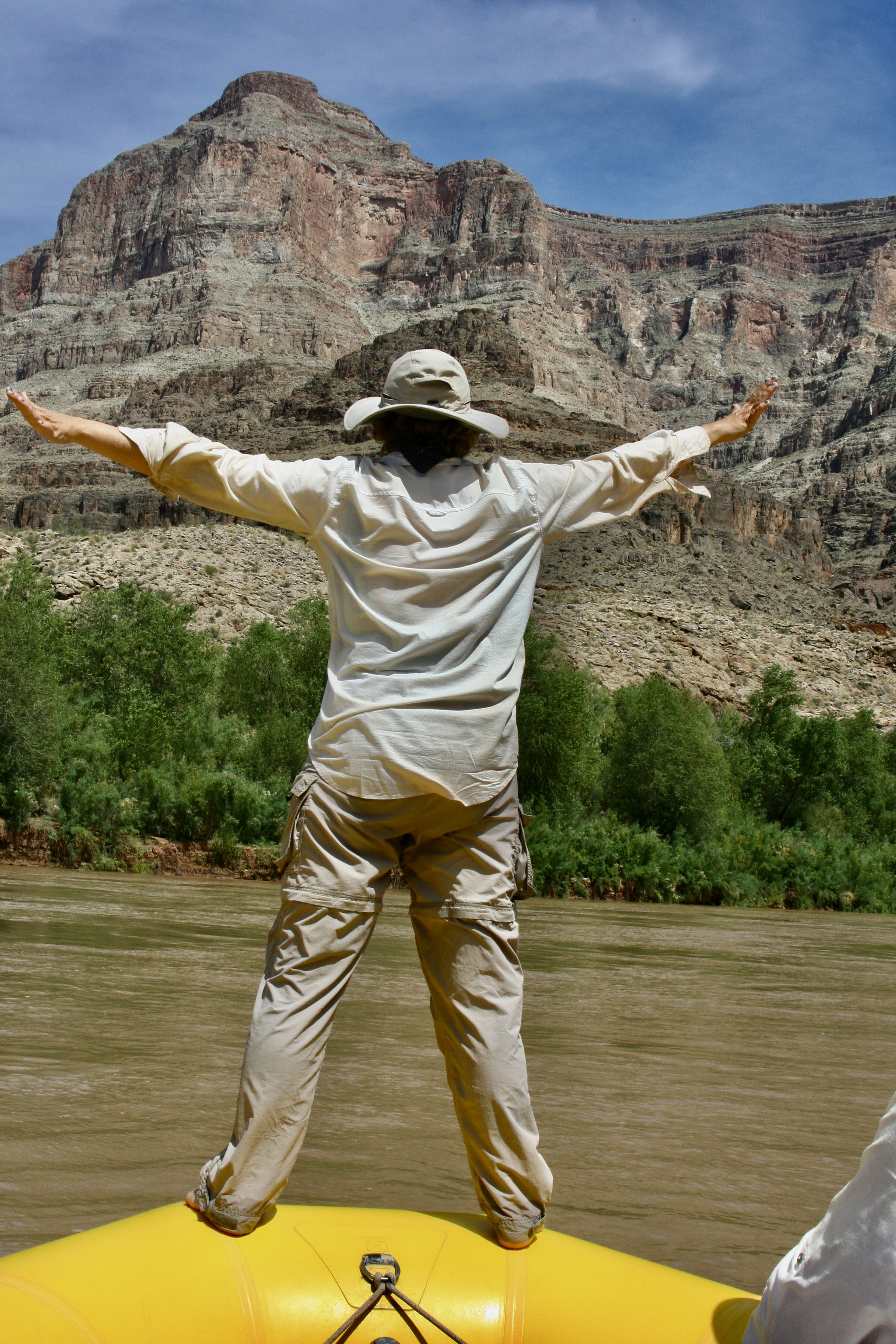
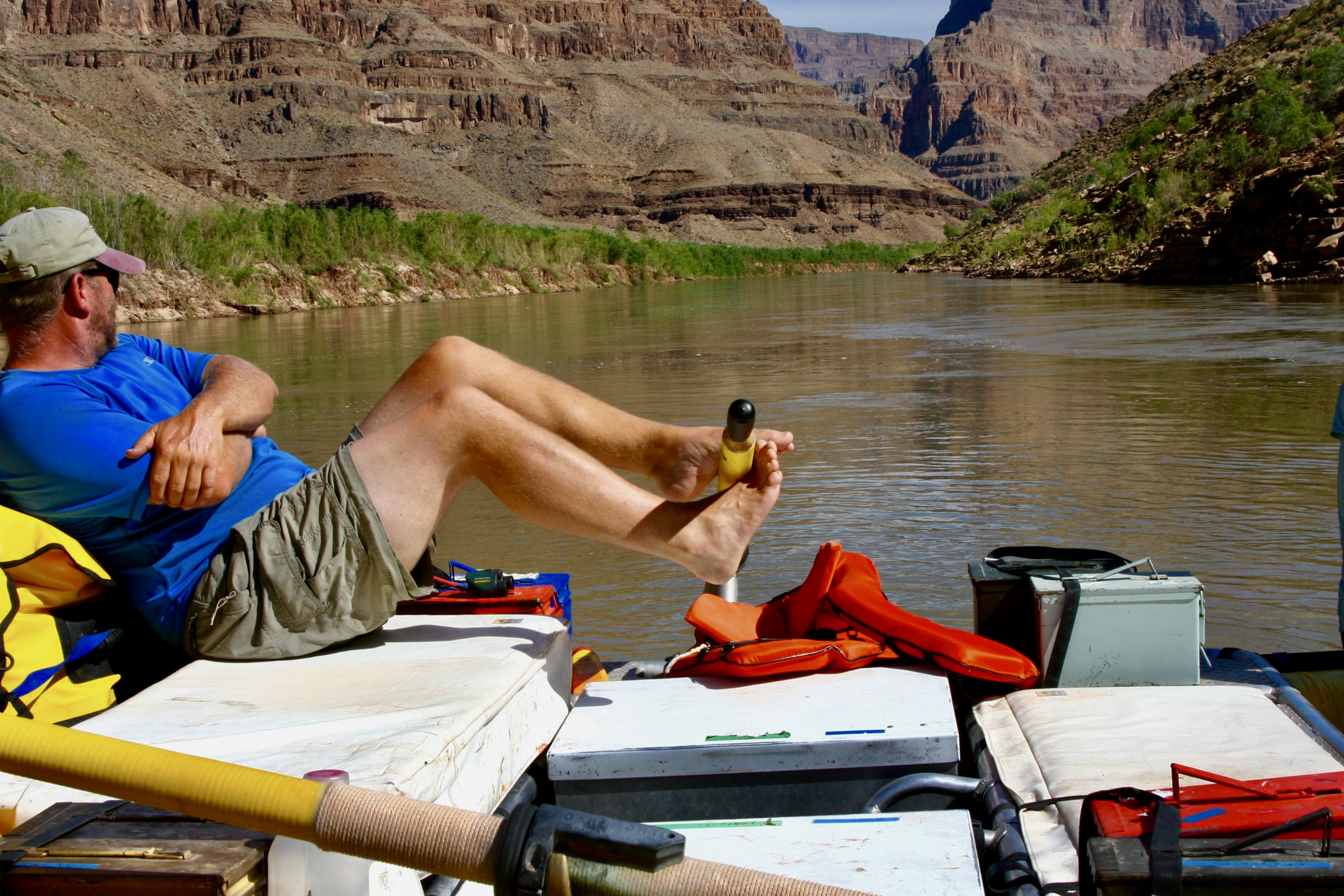
Polar opposites come to mind when comparing the two experiences. The Colorado combined the world class natural beauty of the Grand Canyon with the high adventure experience of floating through roaring rapids in small rafts. Accommodations are best described as roughing it. We slept on the ground in our two person tent, prepared our own food, and took care of bathroom chores on the groover— which was hopefully hidden from public view by bushes and rocks. Whatever bathing took place was in the ice cold river or or side streams with our clothes on— might as well wash both at once, right? Side trips normally involved climbing up the steep, possibly dangerous sides of the Grand Canyon to enjoy the beauty or leap 10 to 20 feet off cliffs into small, hopefully deep, pools of water. As for weather, think up close and personal.
The Danube has a beauty of its own but lacks the incredible scenery of the Grand Canyon. Our ‘raft’ was a brand new river boat holding around 100 people, where we ate four course meals served to us by friendly, attentive staff. (Peggy had won them over on the first day. When we entered the dining room we’d hear, “Hi Peggy,” coming from all sides.) We slept on a king-sized bed, had large windows looking out on the river, enjoyed a hot shower every night, and had a toilet that, um, actually looked and behaved like a toilet. Our side trips were usually into major Eastern European cities known for their culture and stunning architecture. It wasn’t quite ‘roughing it.’
The primary difference, however, was on focus. On the Colorado, it was the river, the surrounding natural beauty, and the adventure. On the Danube, it was on history and the cities that border the river. The Danube had once served as the boundary for Rome. In the centuries since the region, known as the Balkans, had seen continuing invasions including the Mongols out of Asia and the Ottoman Turks from Turkey.
World War I started in Bosnia when Archduke Franz Ferdinand of the Austro-Hungarian Empire was assassinated by a Serbian nationalist. World War II ended with Russian tanks and troops rolling across the area and establishing the Communist Eastern Bloc nations. Ethnic rivalry, seen most recently in the bloody Kosovo conflict, has often been intense. The word Balkanization, which refers to a country or region breaking up into smaller, frequently hostile units as the result of ethnic, religious, or political differences, is actually based on what happened in the region.
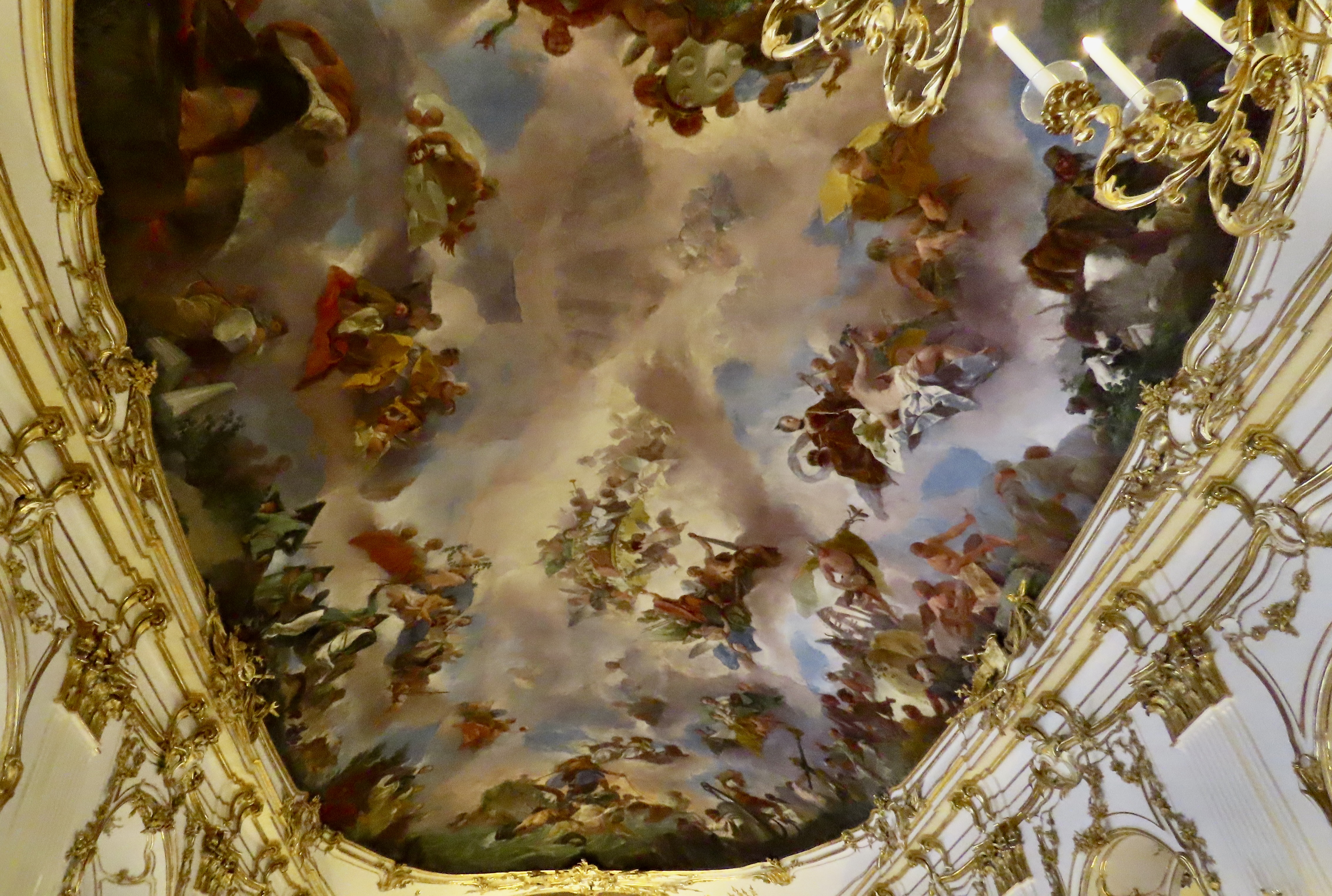
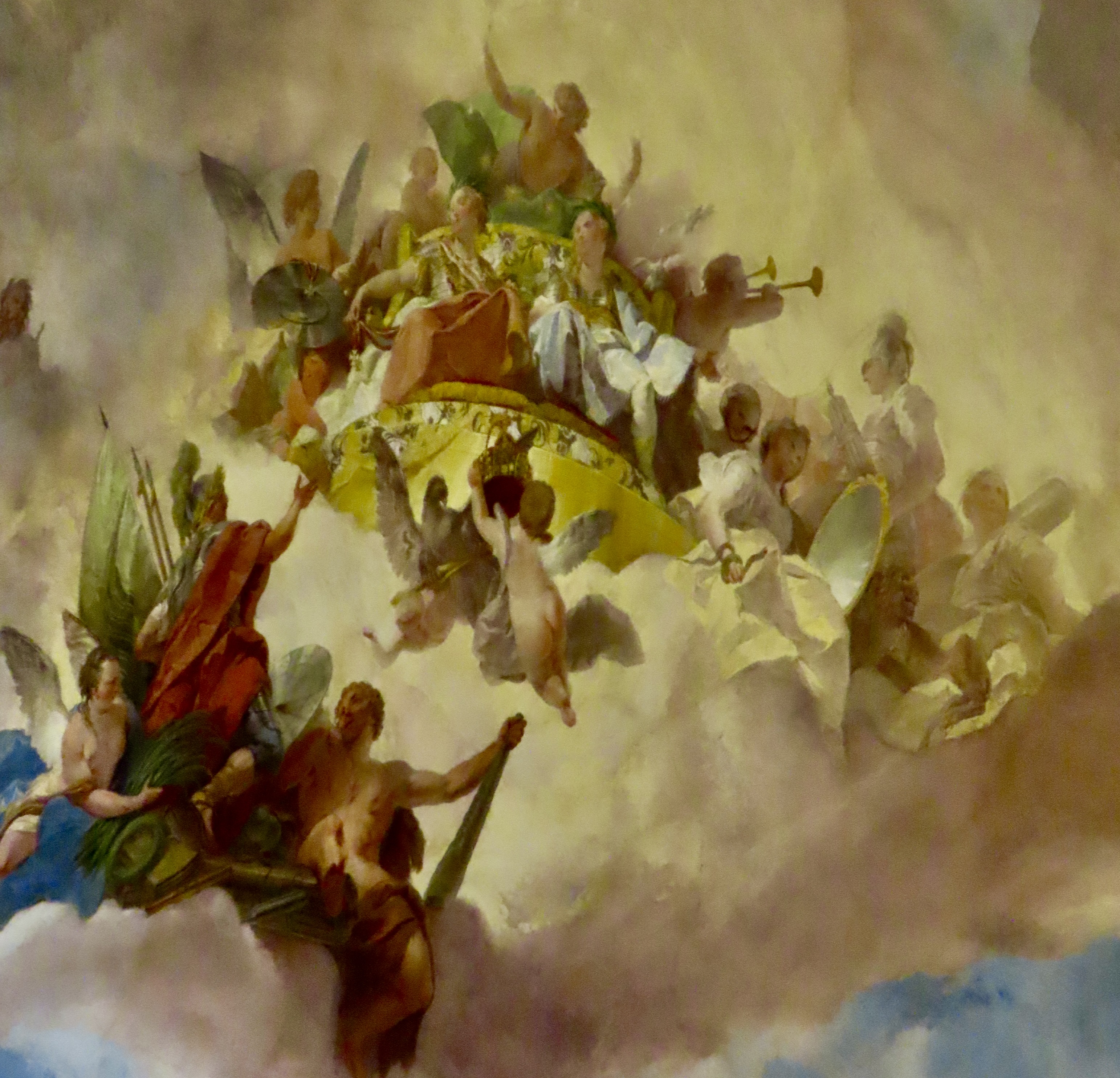
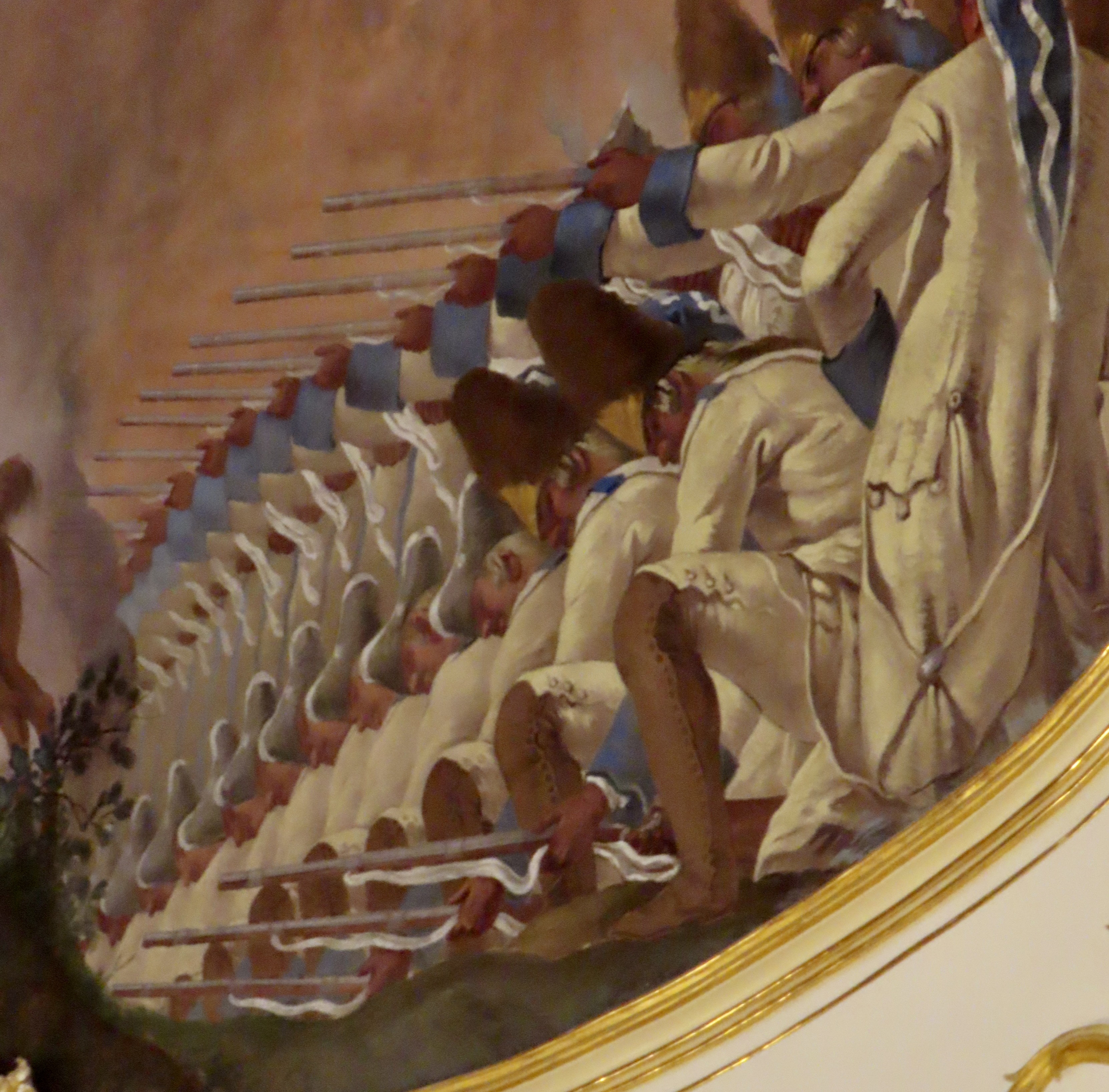
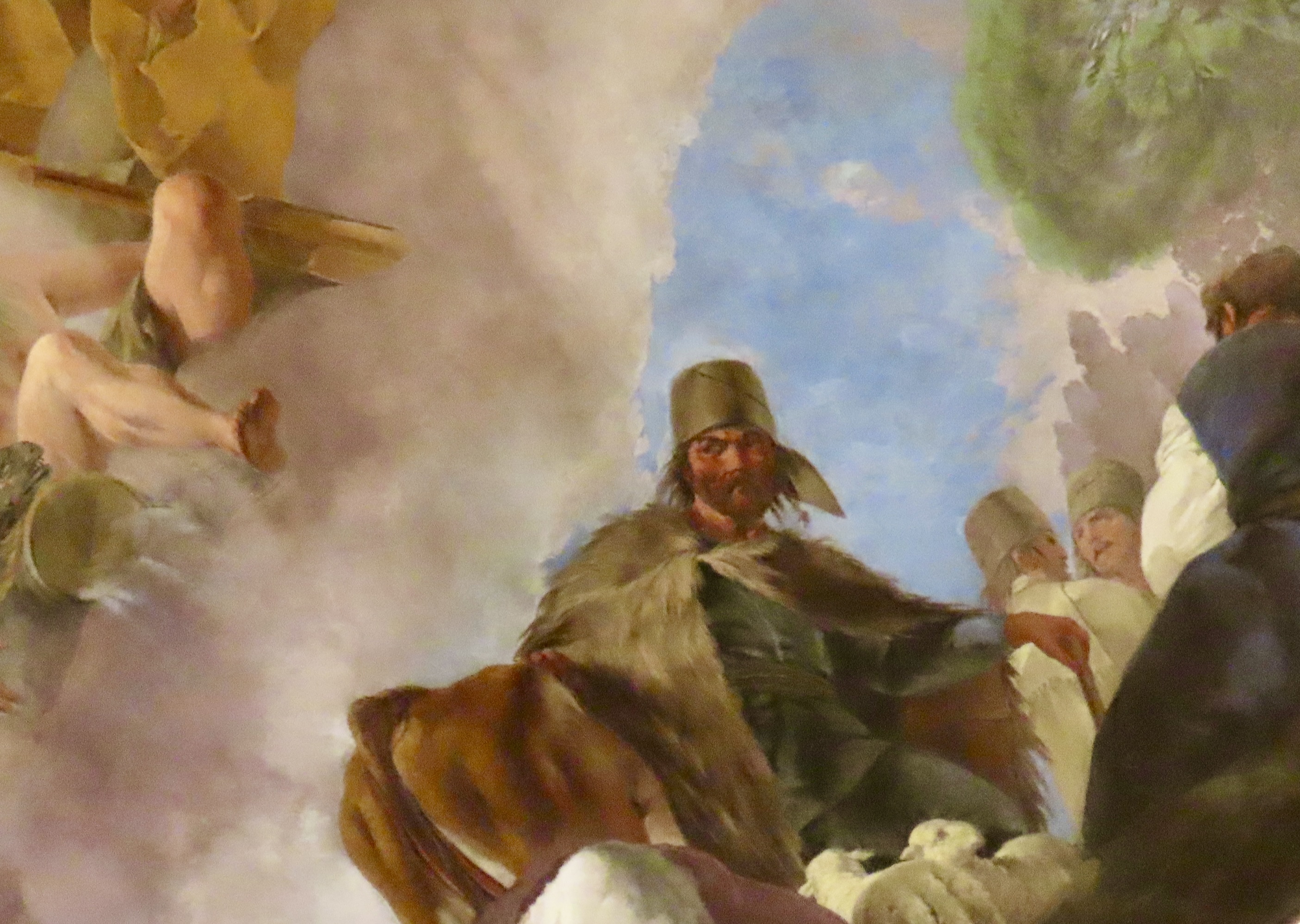
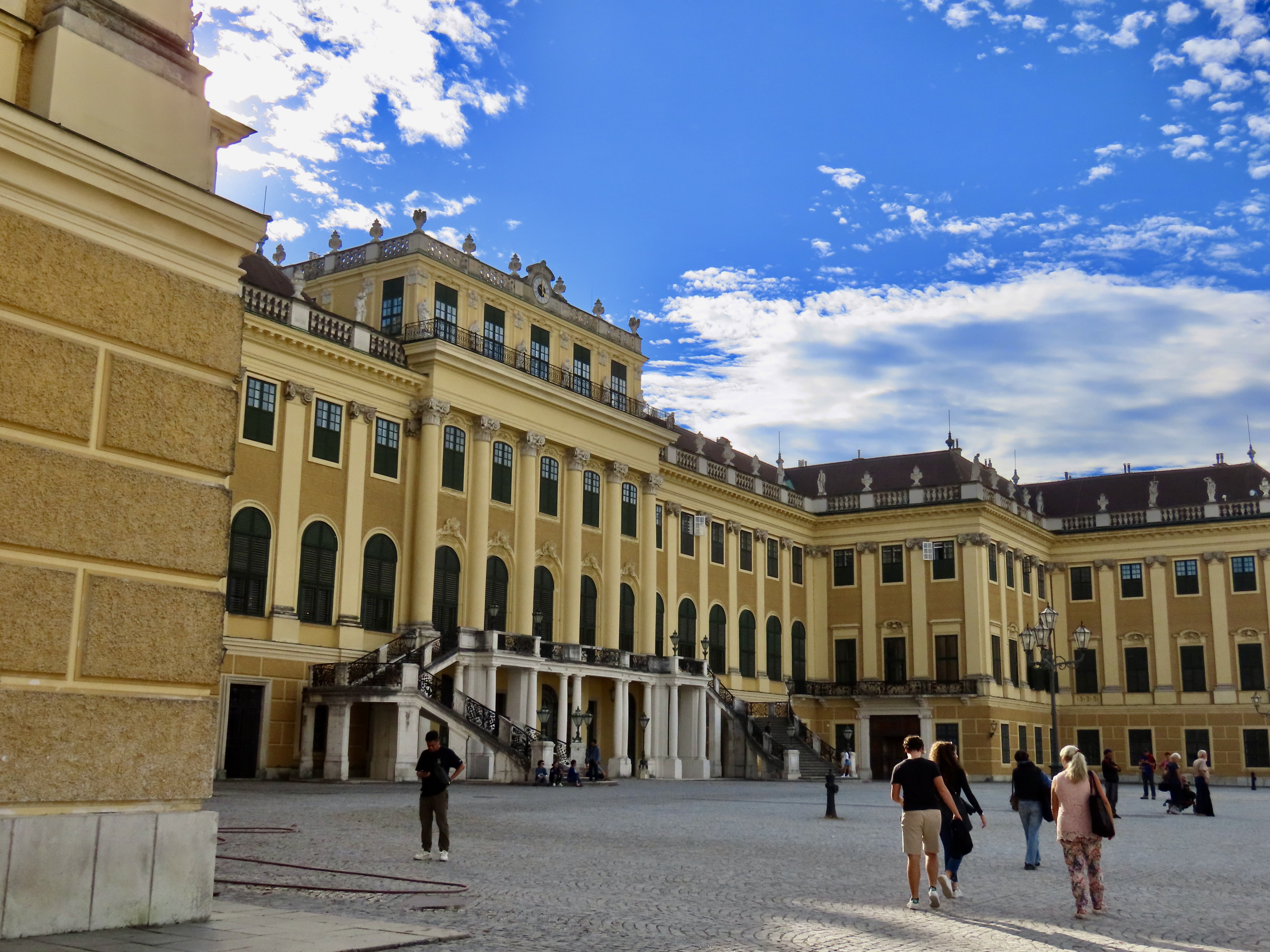
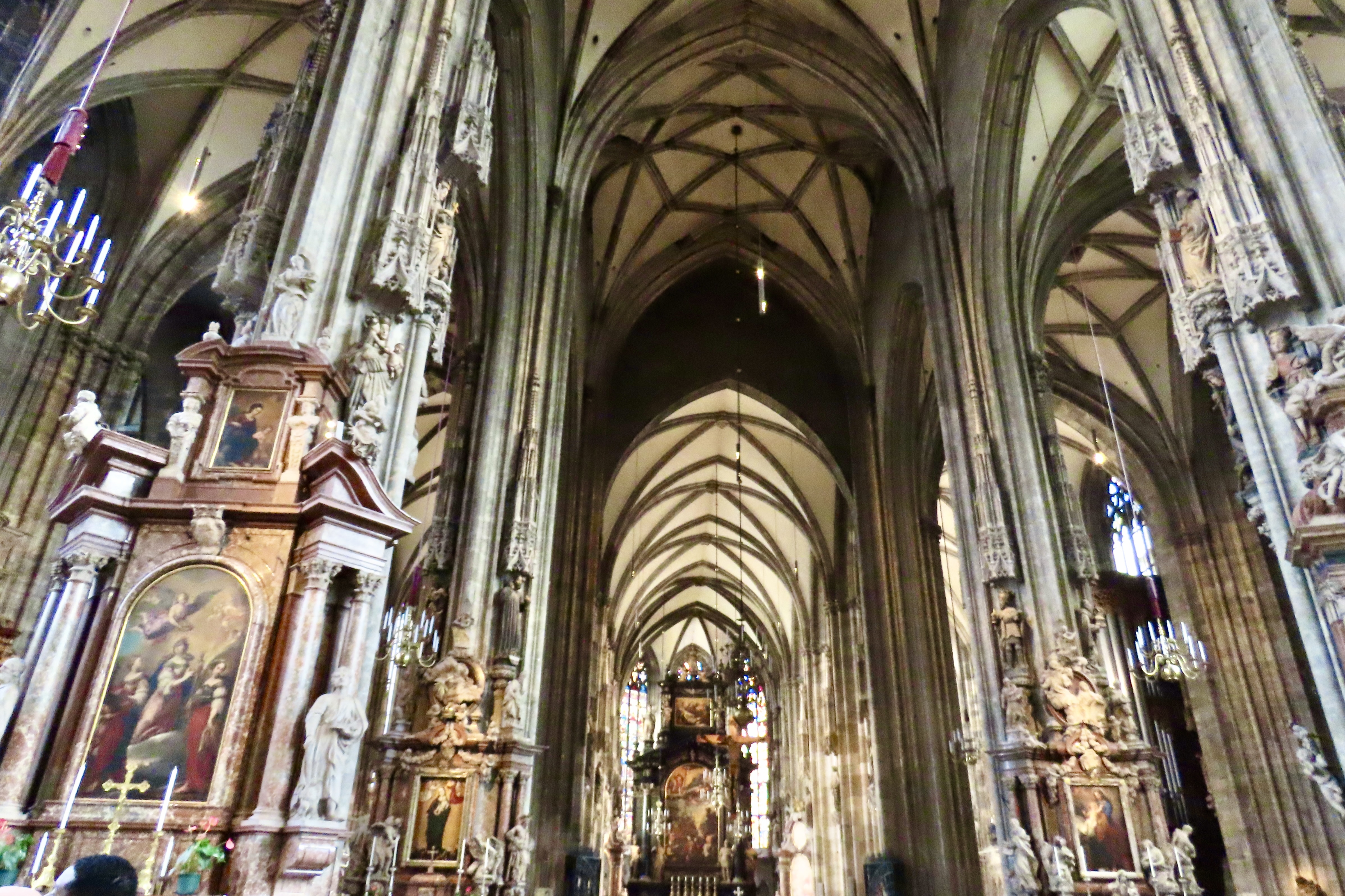
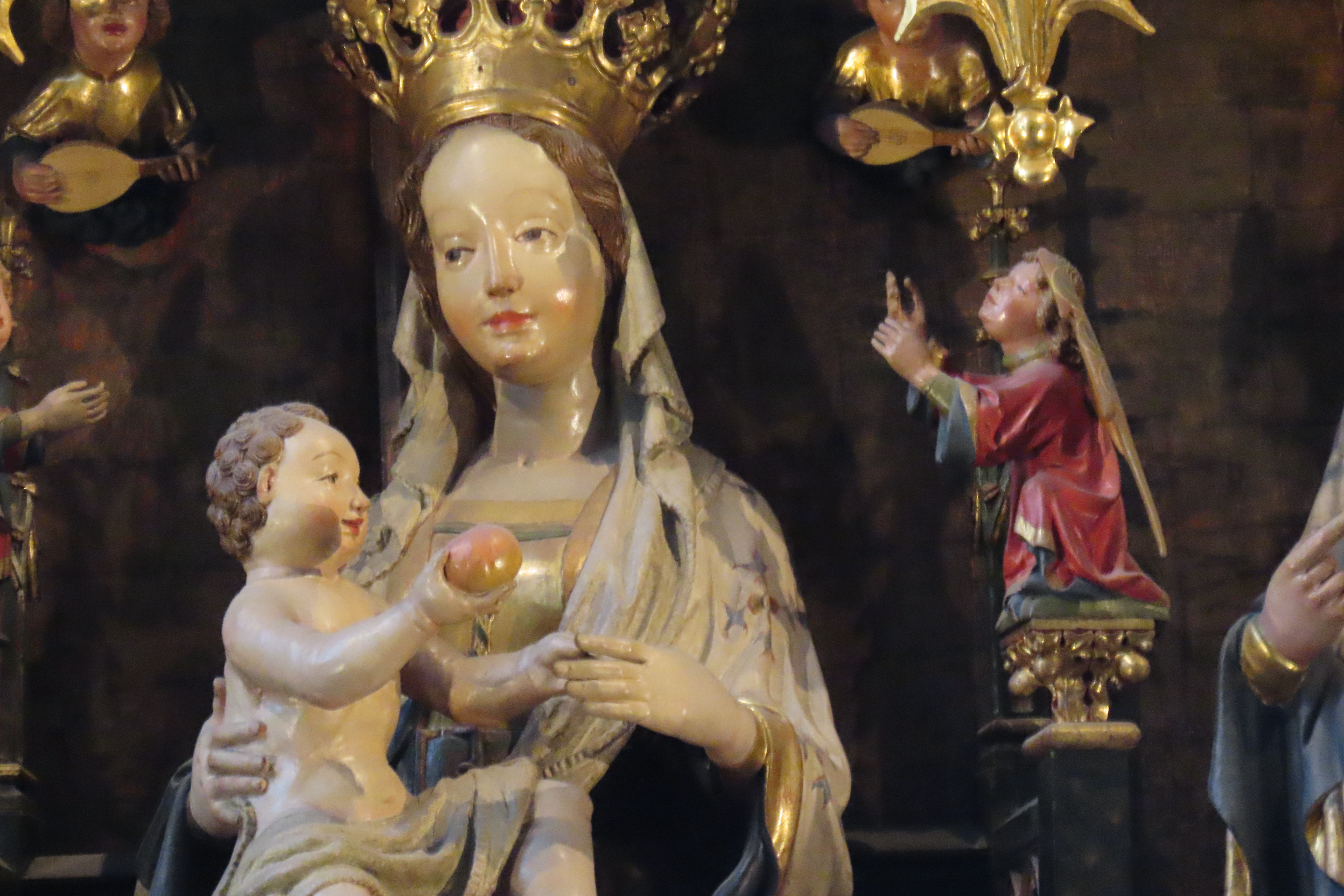
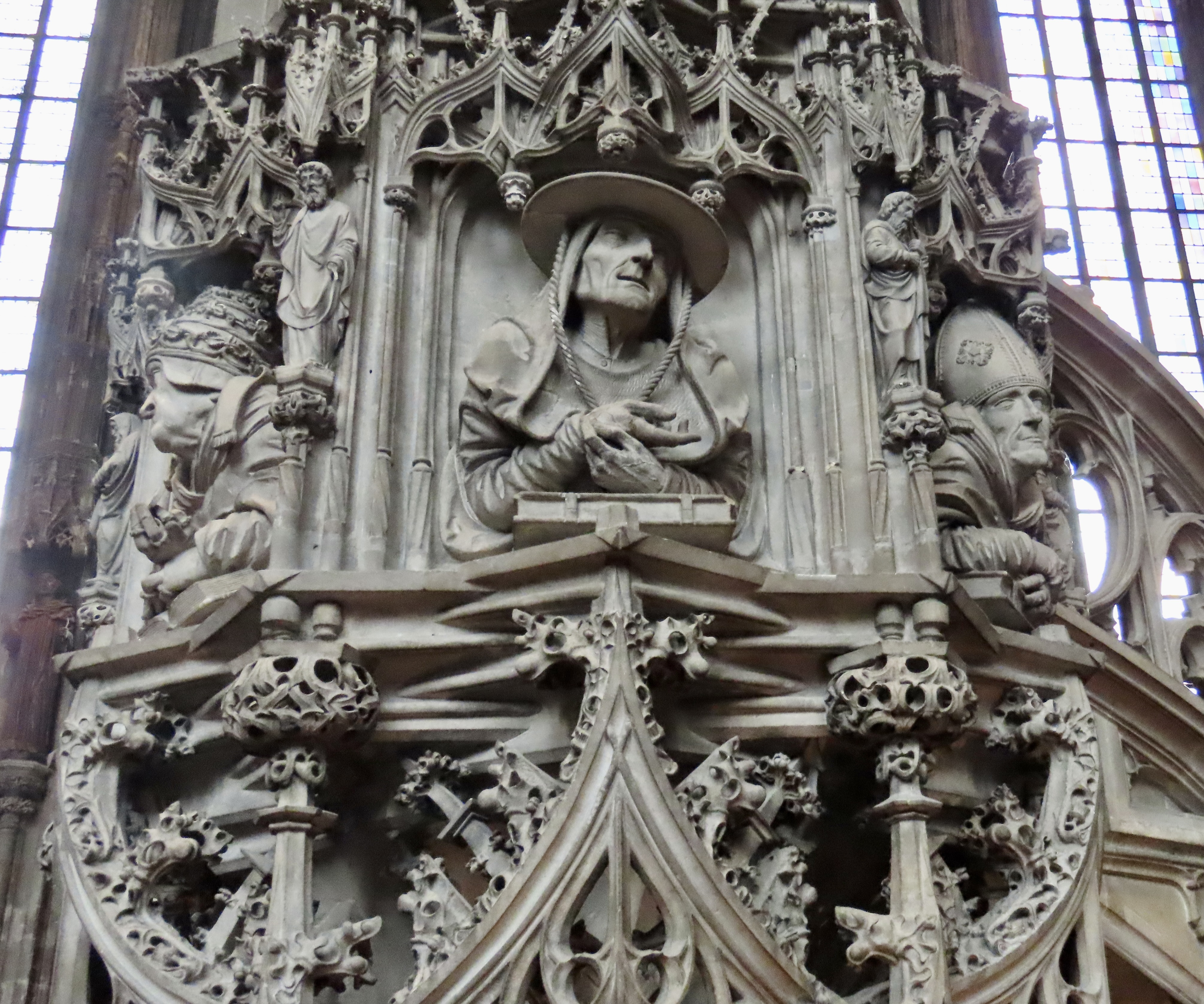
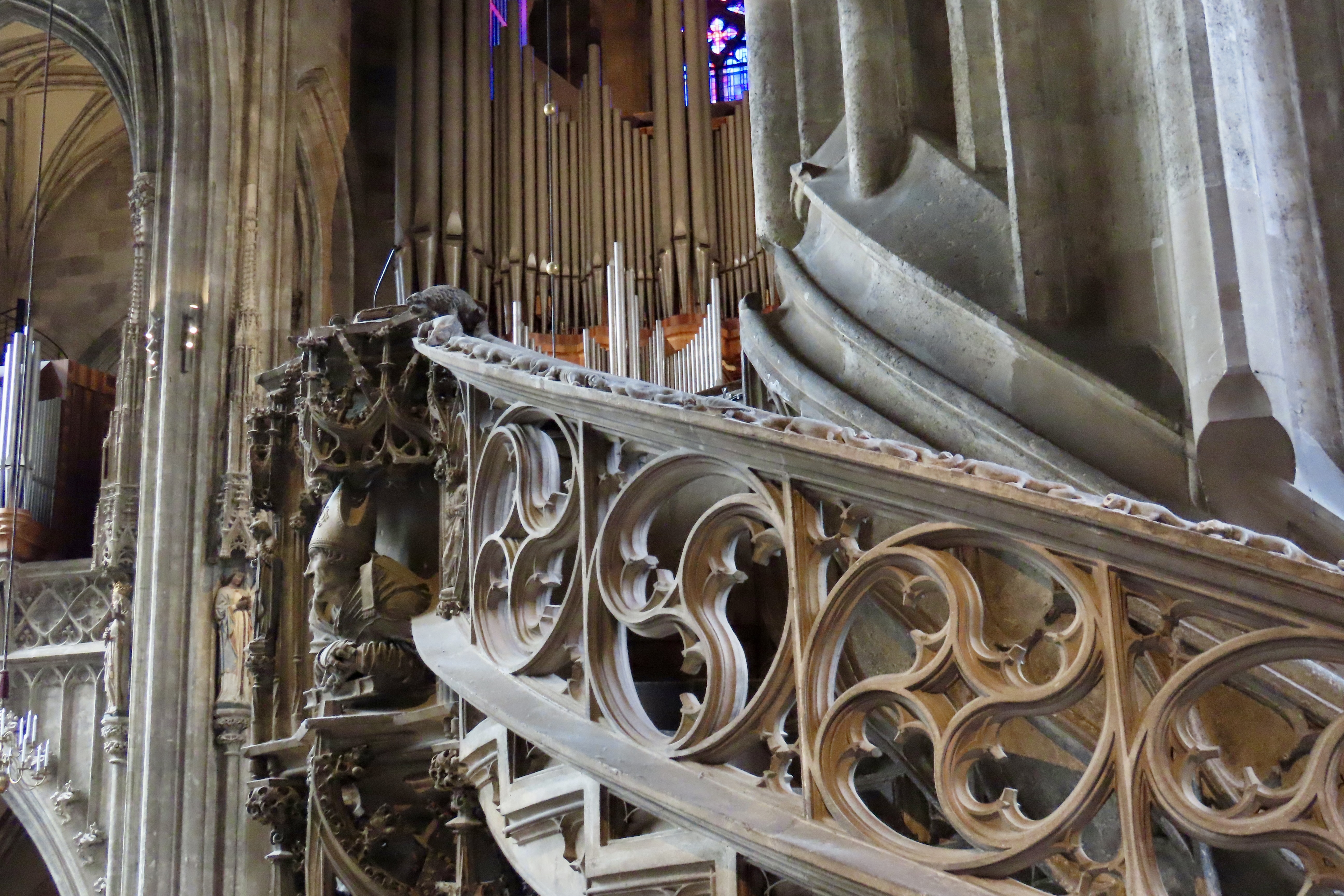
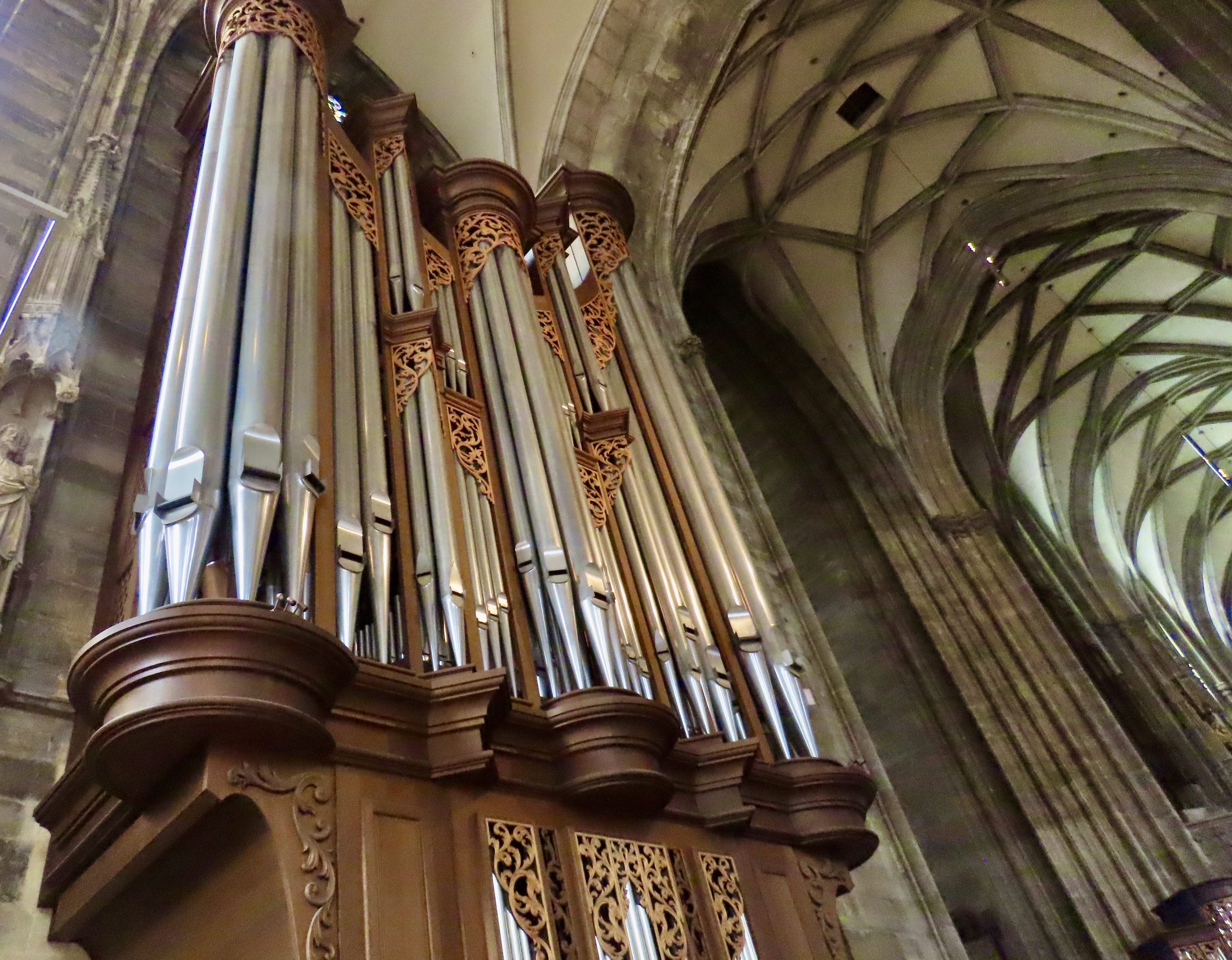
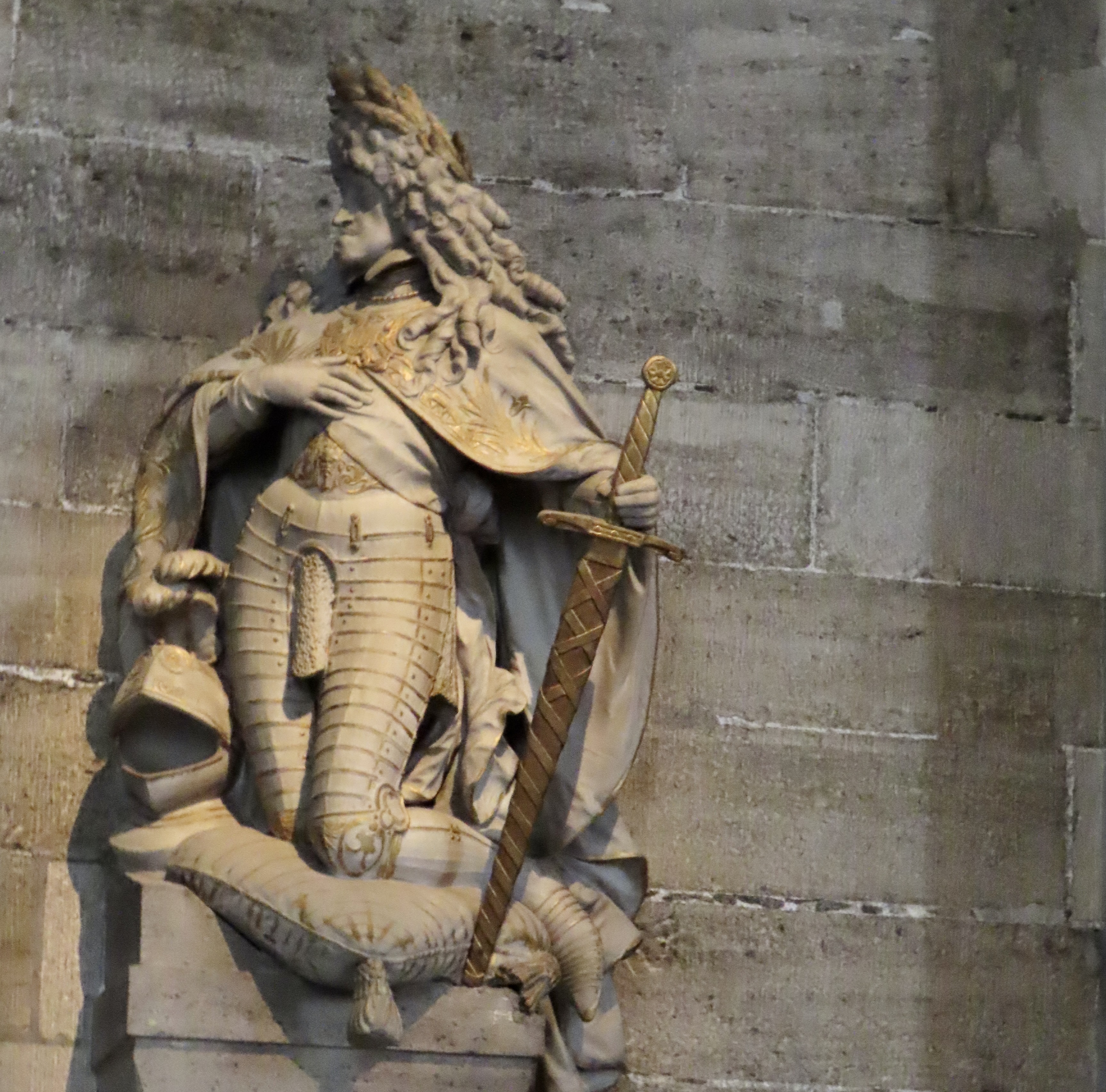
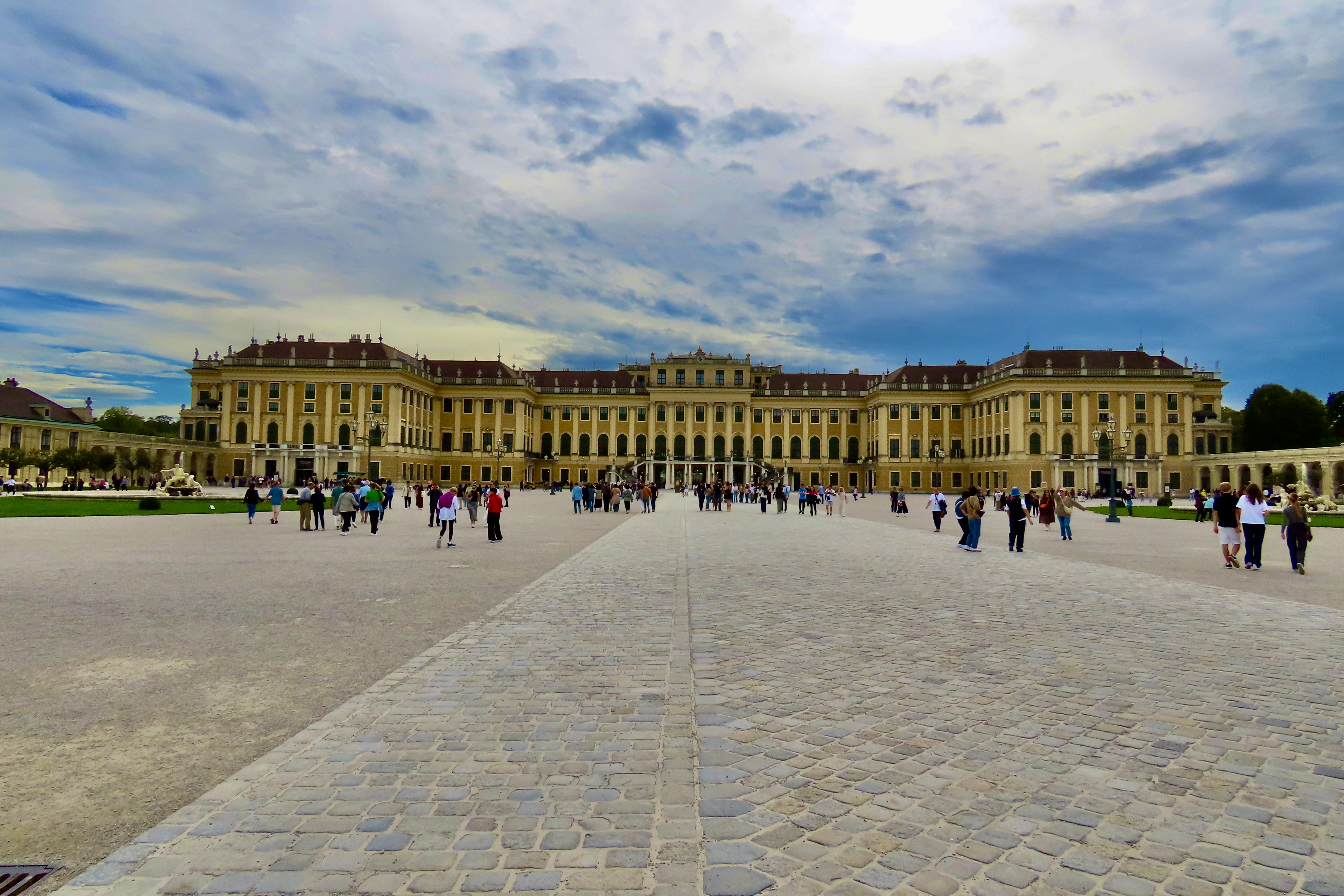
We followed the Danube River traveling for about 1200 (1930 km) of its 1700 miles (2,730 km) in a southeast direction starting in Vienna and ending at the Black Sea. I’ll start this series in the classic city of Vienna. On today’s post, I am going to feature St. Stephan’s Cathedral which dominates Vienna’s skyline and is remarkably beautiful. And strange, in a medieval sort of way.
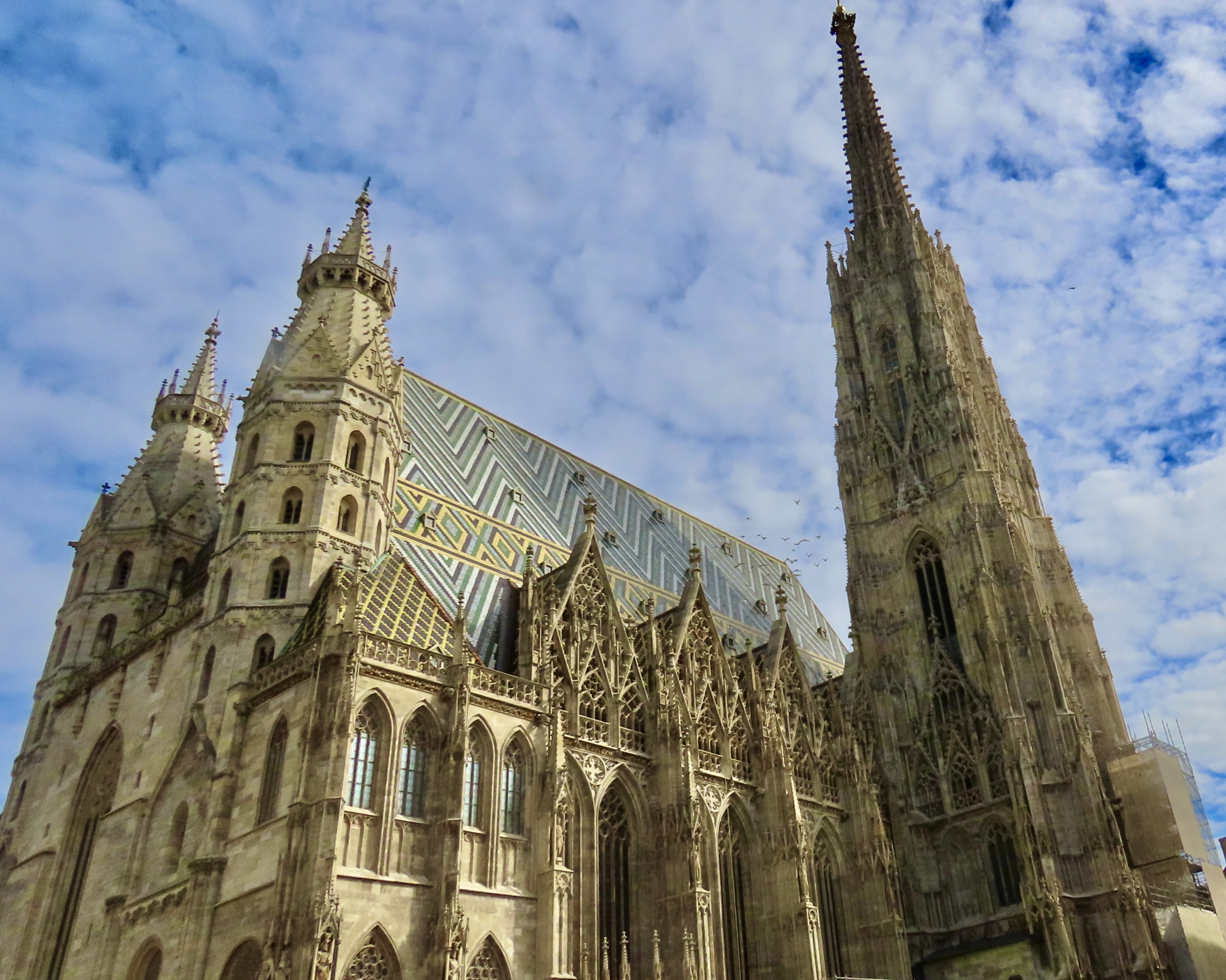
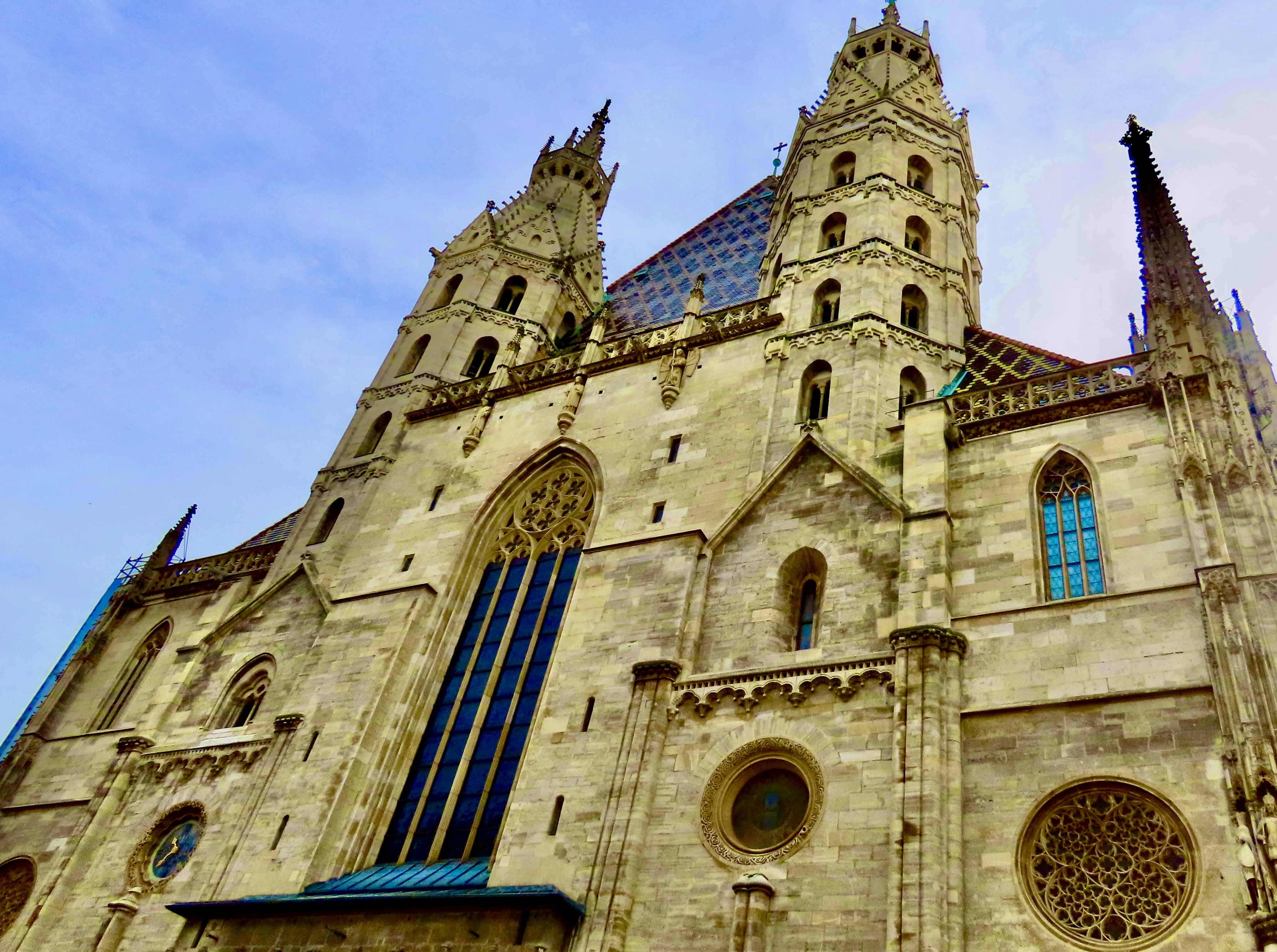
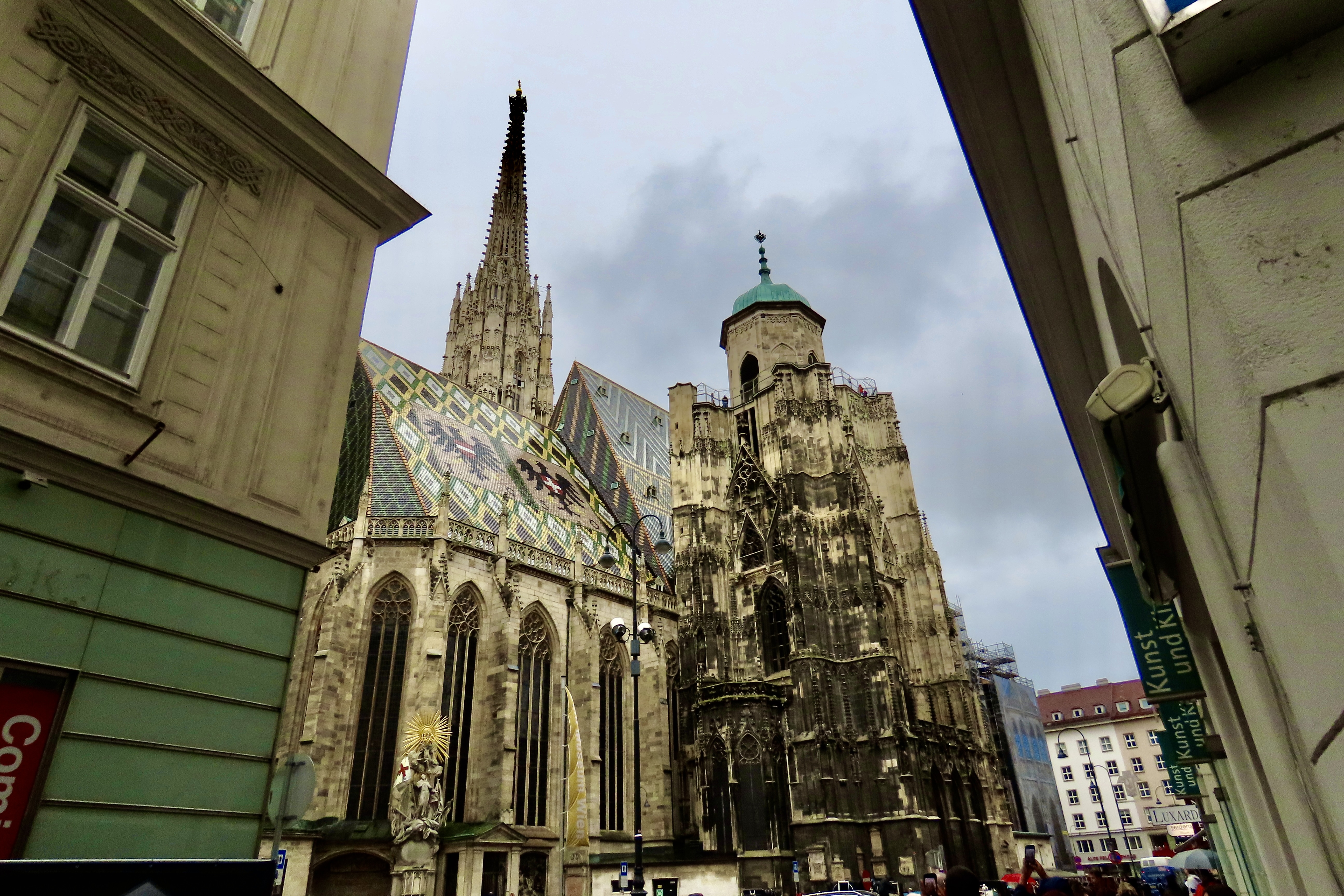
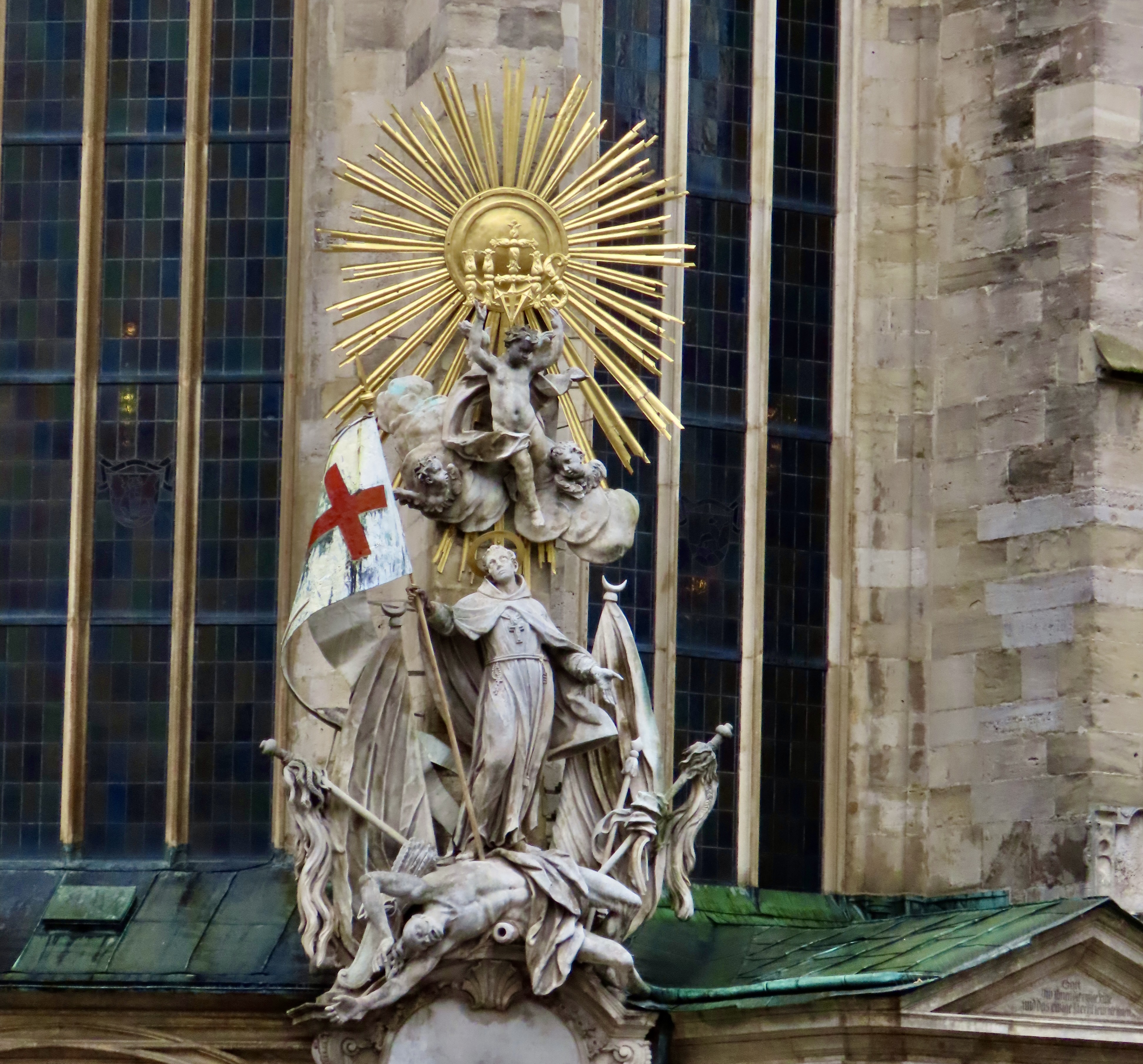
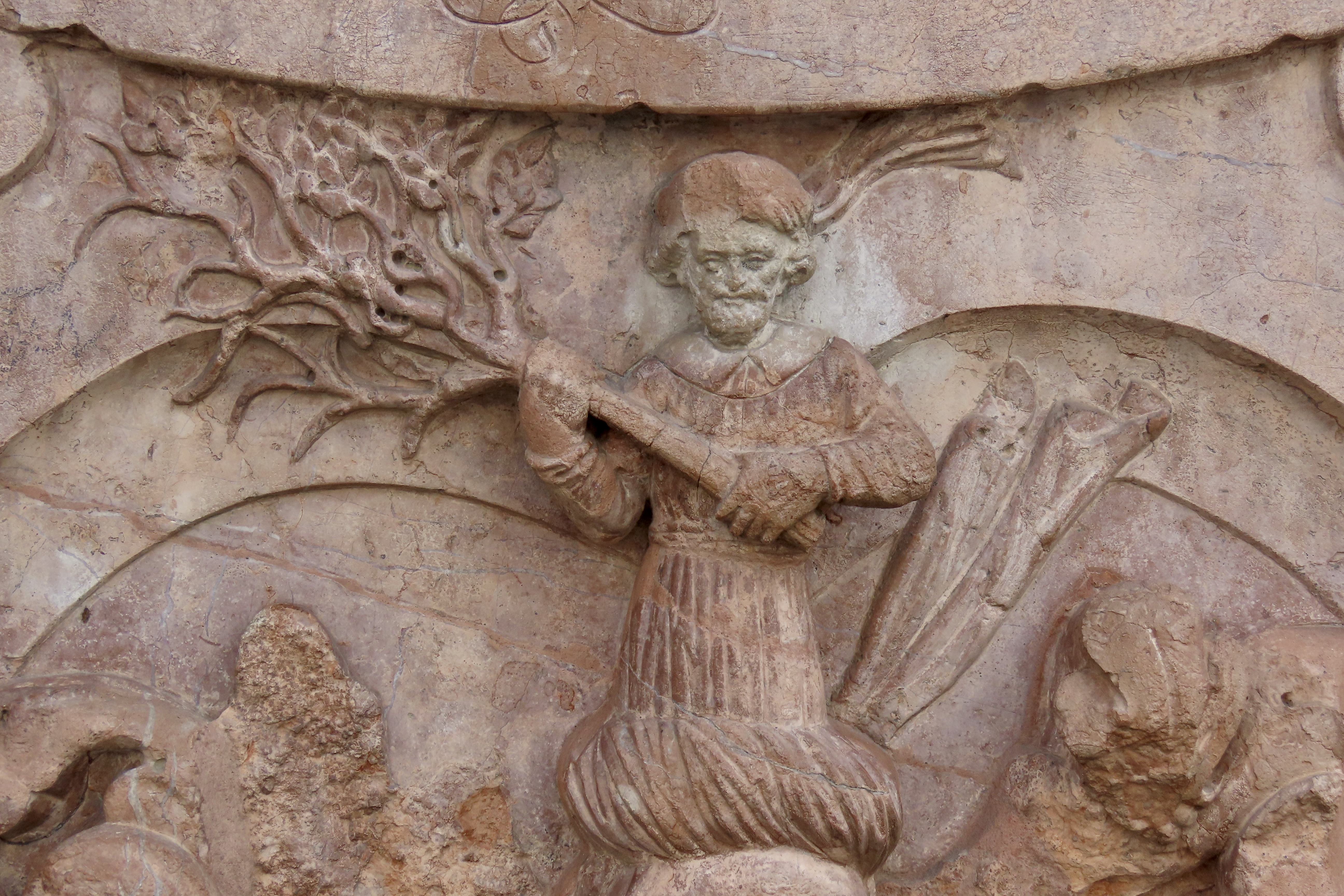
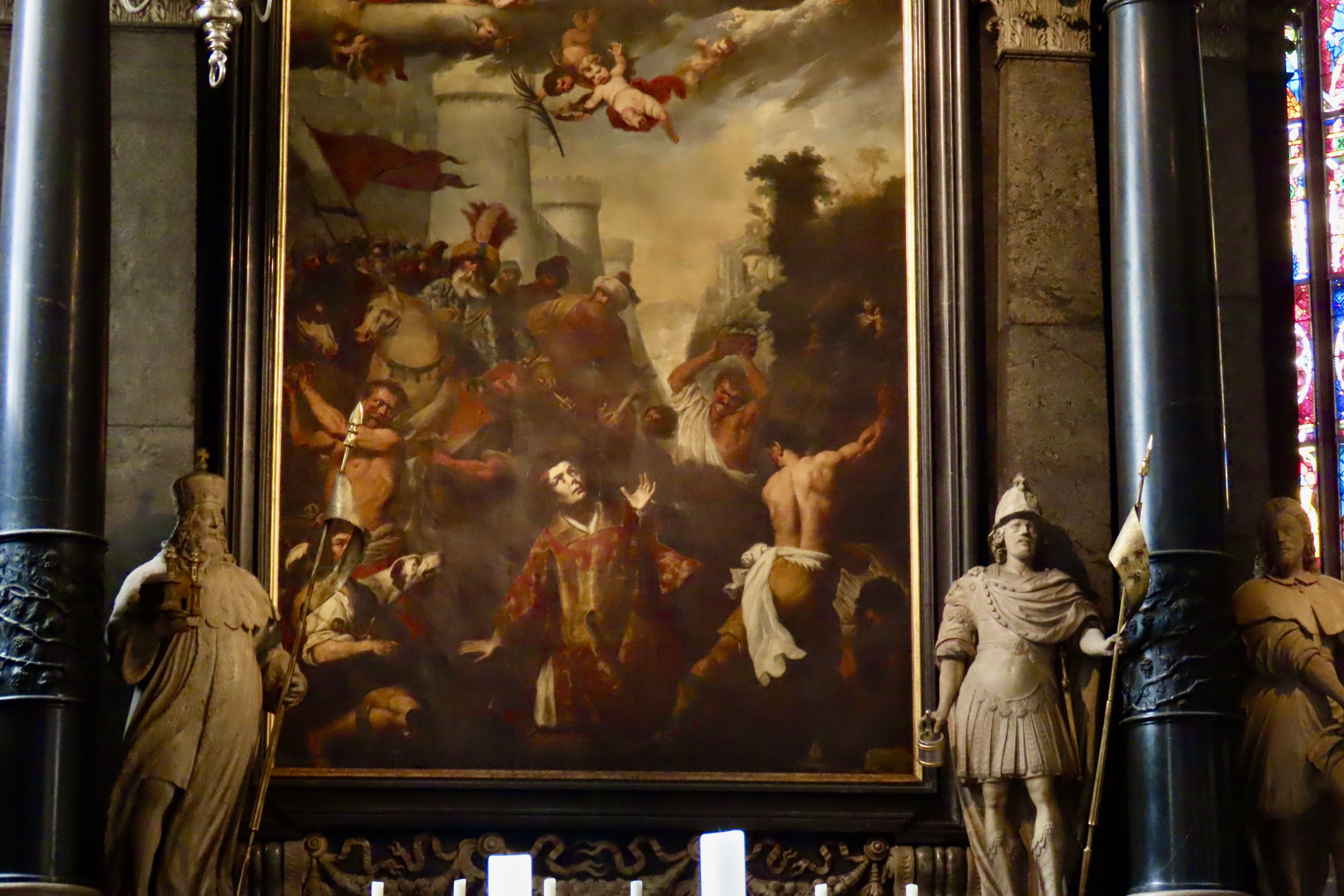
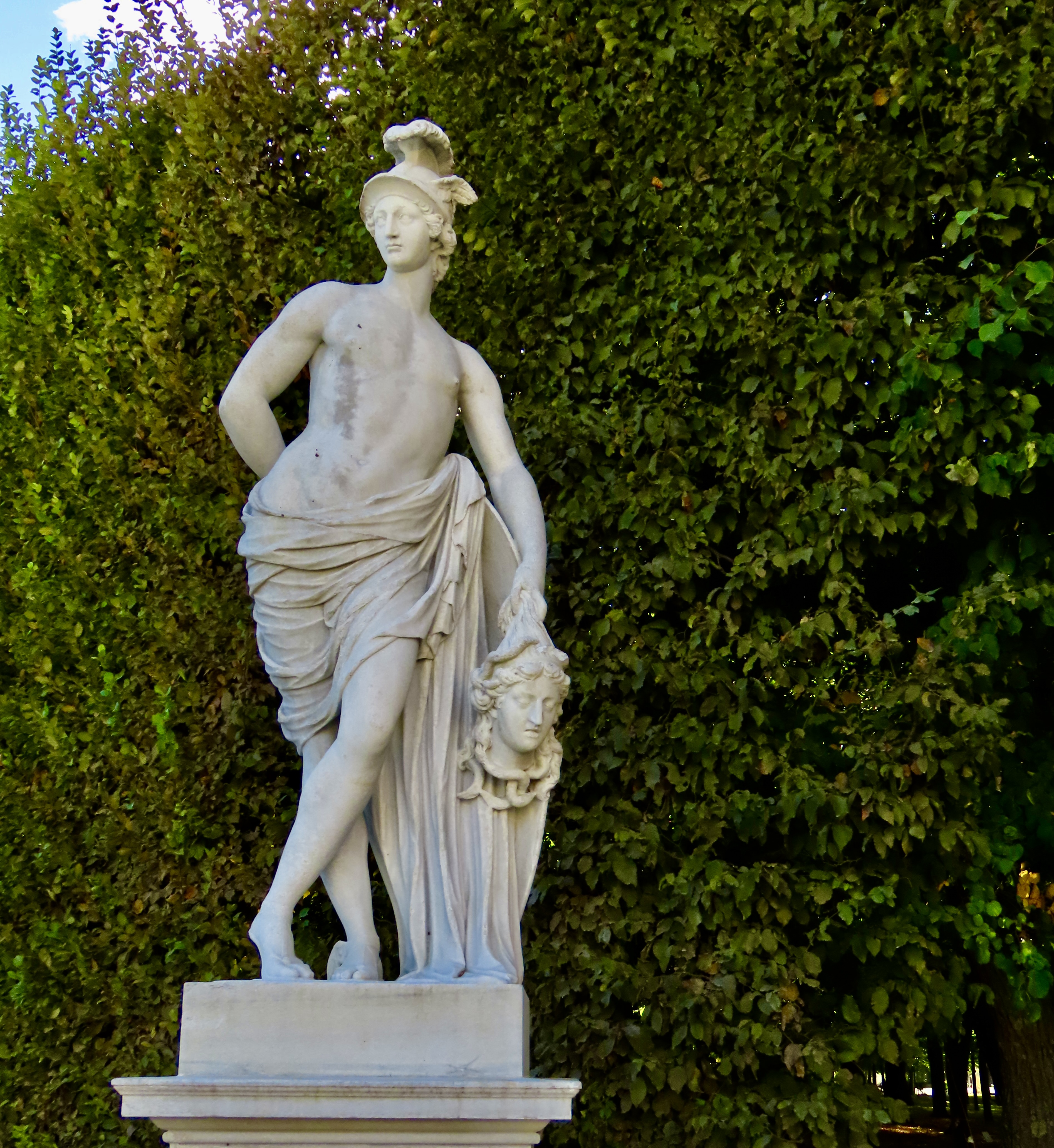
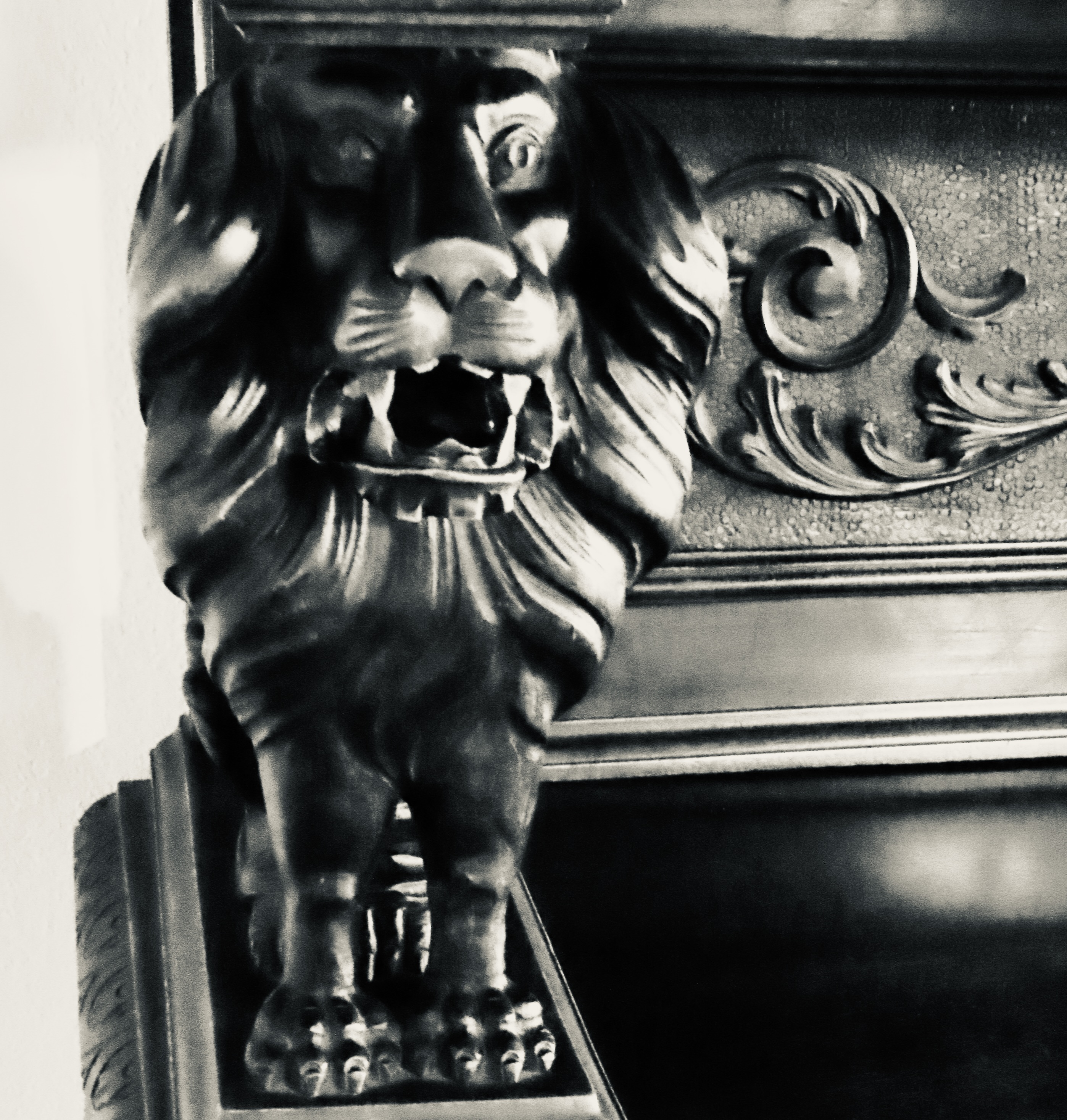
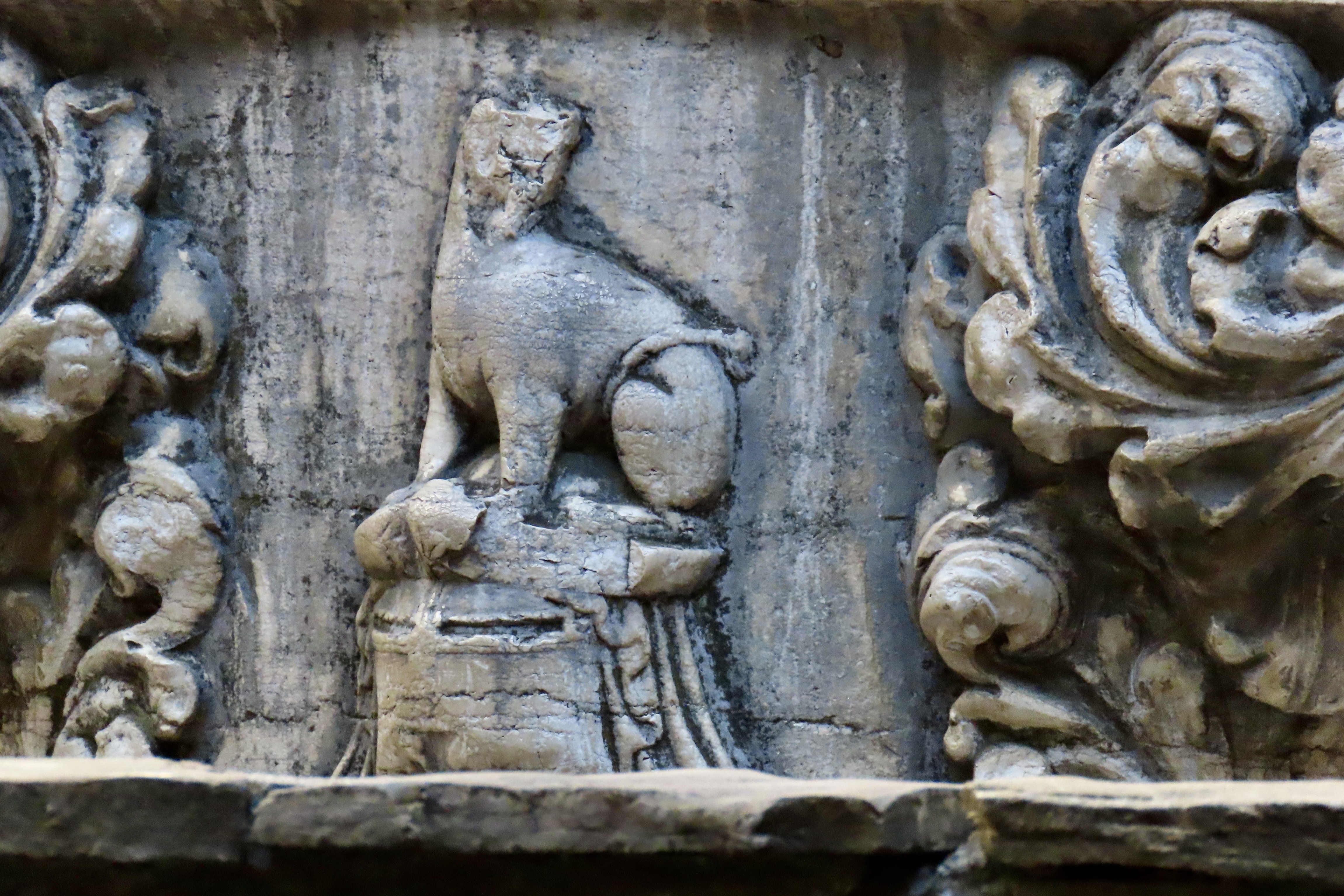
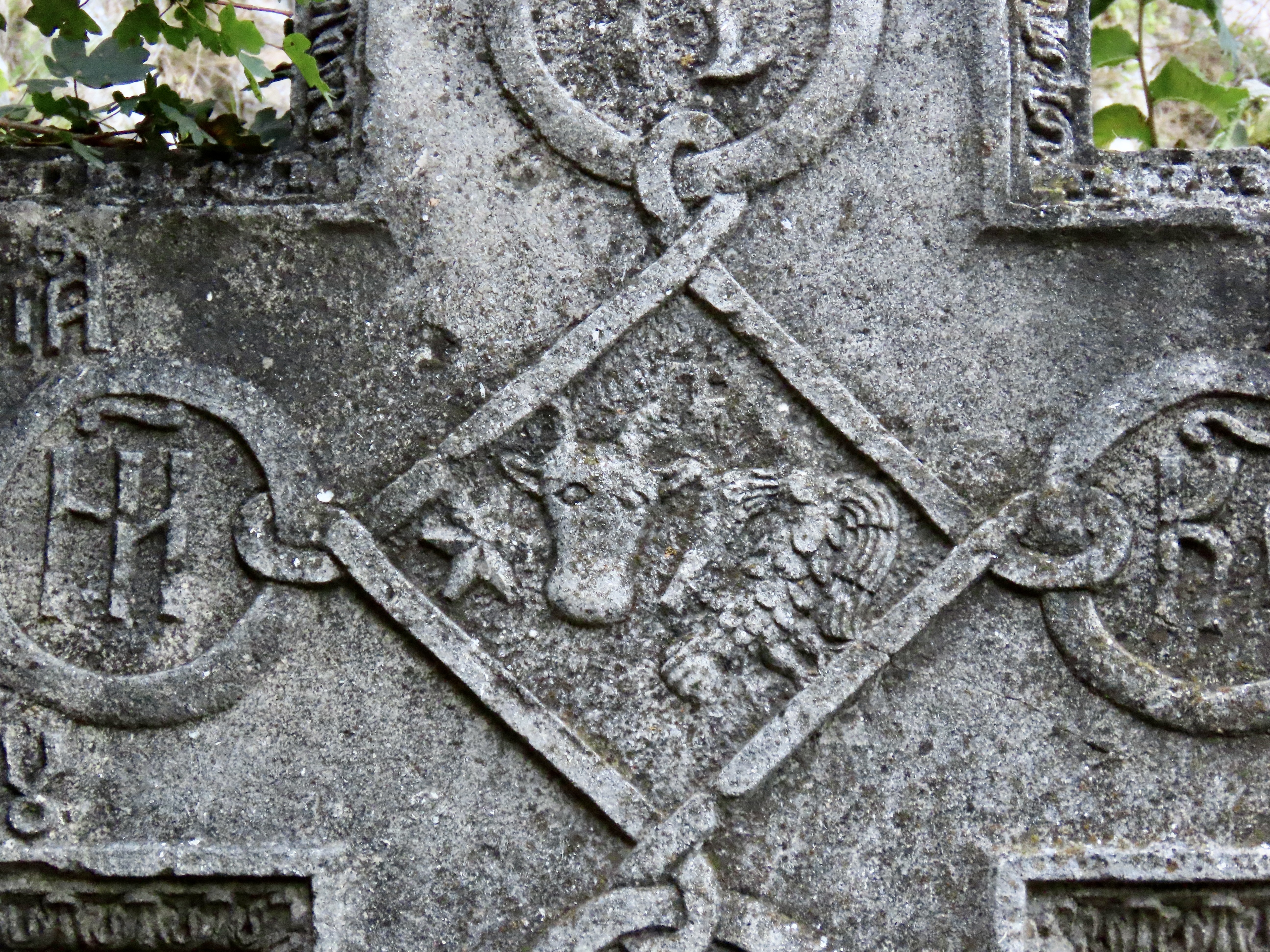
There are several at St. Stephan’s including St. Sebastian with arrows sticking out, St. Barbara holding a castle tower and St. Catherine of Alexandria holding a spiked wheel. Their stories are all similar. Deep faith brings them into conflict with non-Christian authorities. They are tortured and God miraculously intervenes to save them. Finally, they are killed. Thus you have faith, suffering because of faith, the power of God to miraculously intervene, and ultimately their willingness to die because of their faith. I assume they are all pulled into heaven where they live happily ever after. A story with a happy ending…
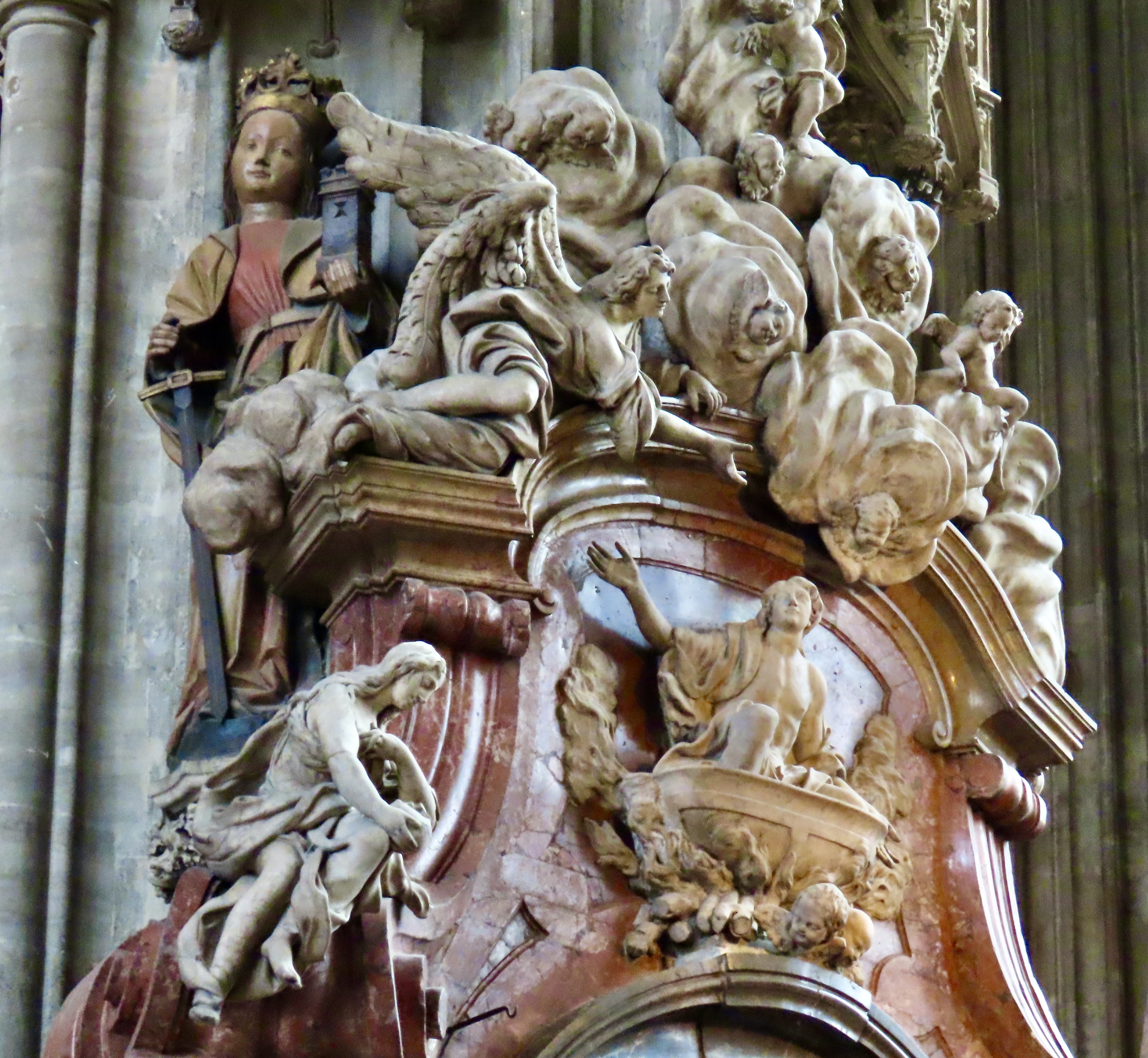
I, for one, if I ever have need for a saint, will stick with St. Francis of Assisi, the man of peace and nature who died of a natural disease. I like a guy who can talk to an almond tree and it suddenly breaks out in blooms.










Next post: It’s on to the Danube River and Vienna!
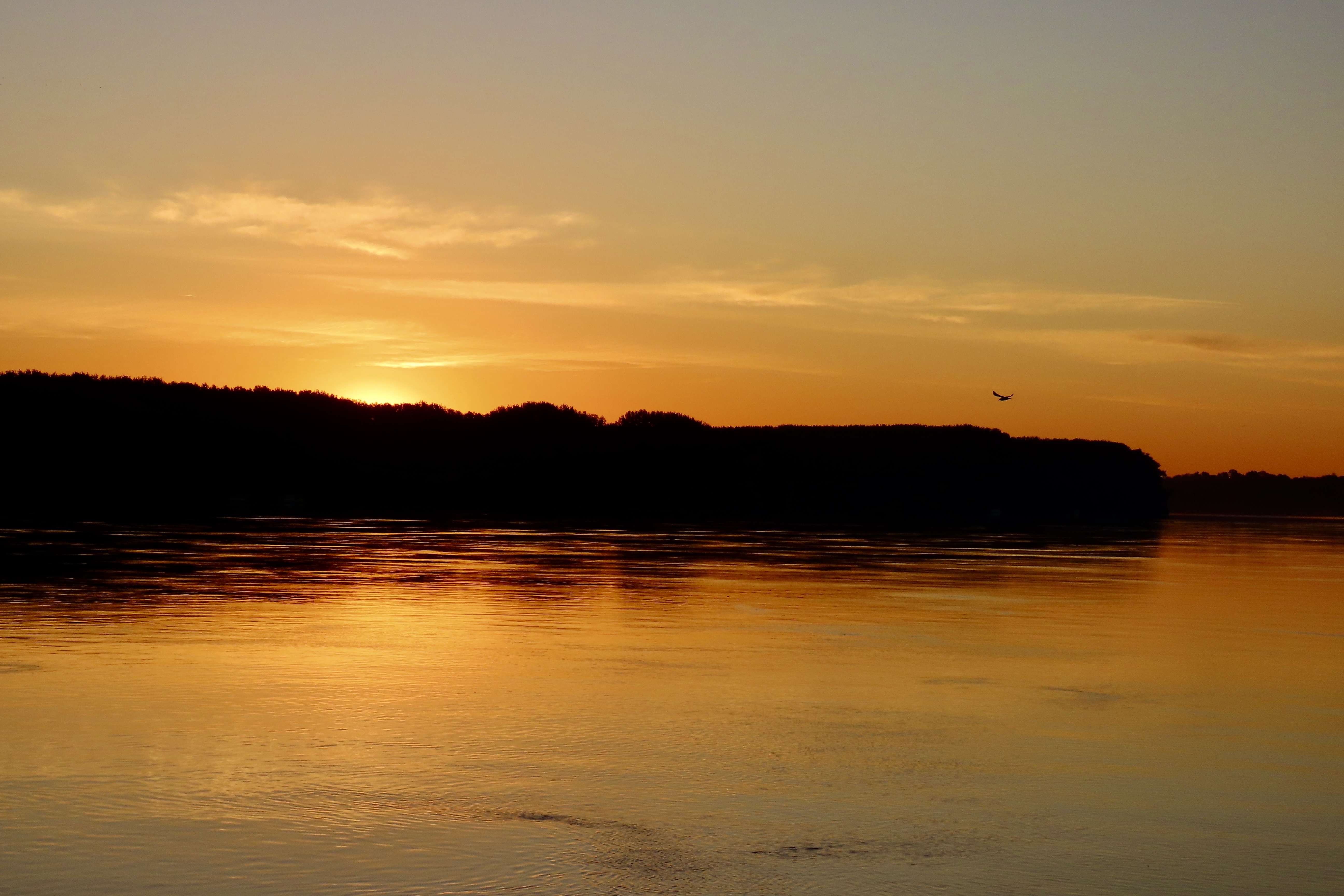
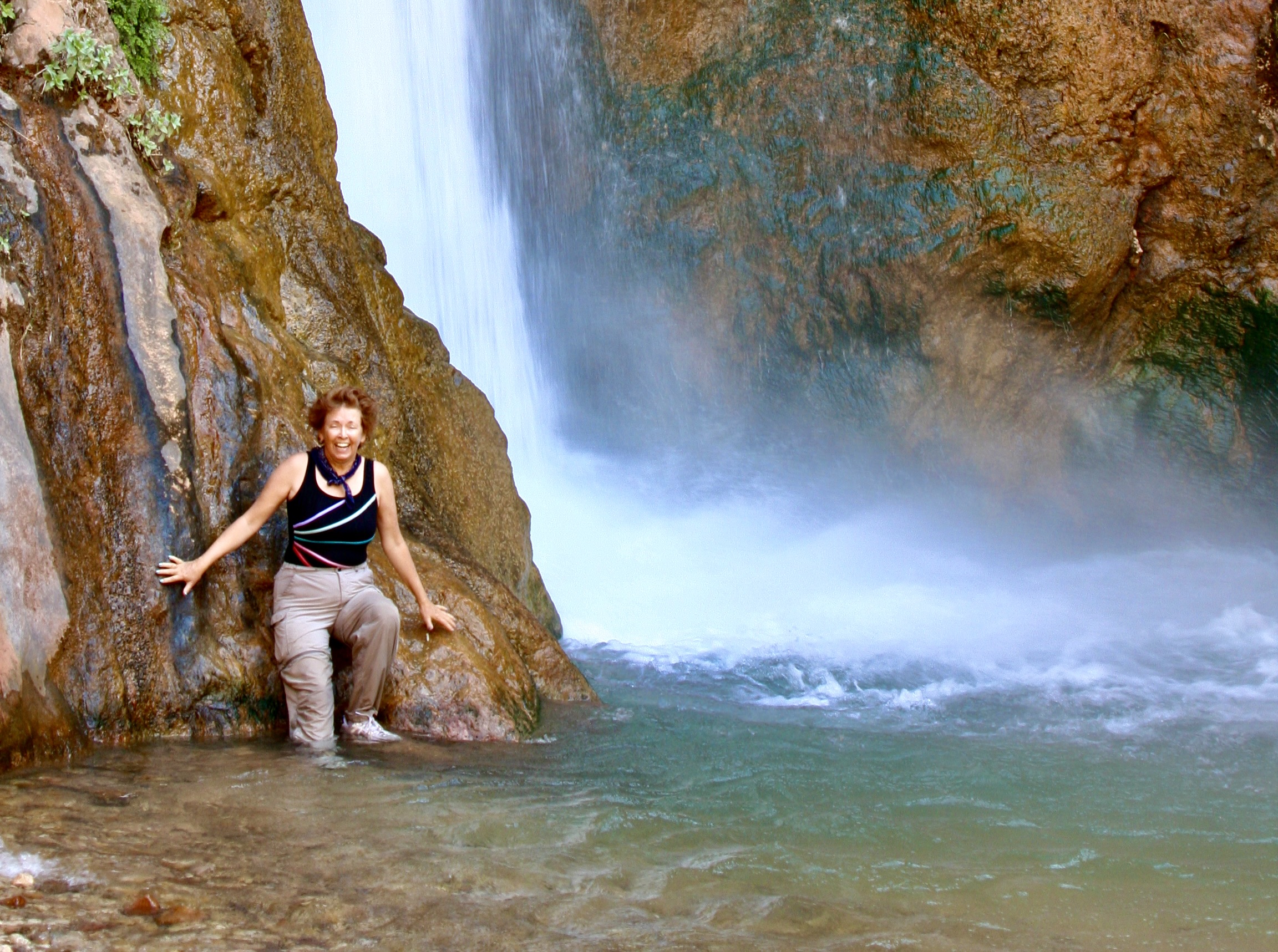
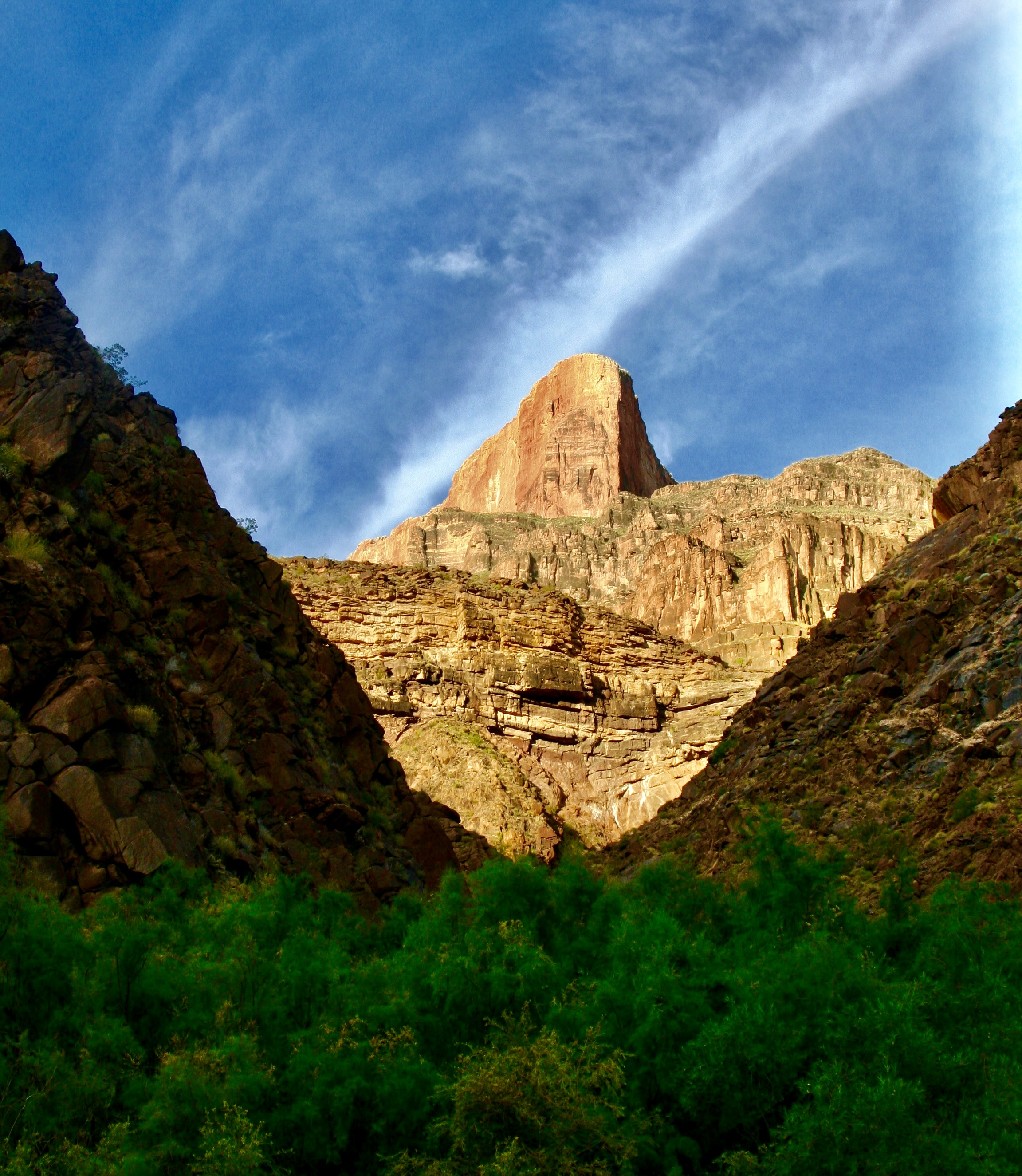
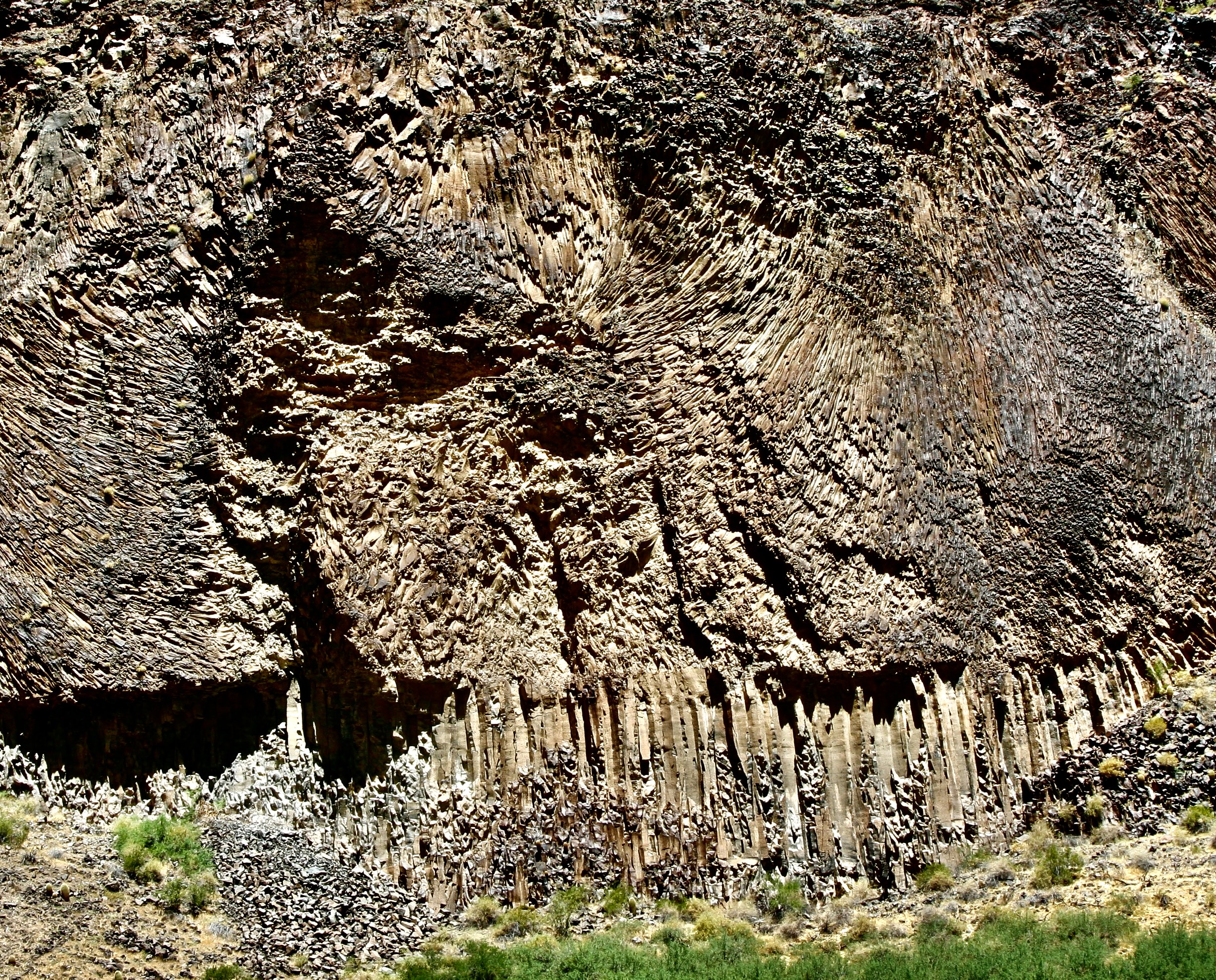
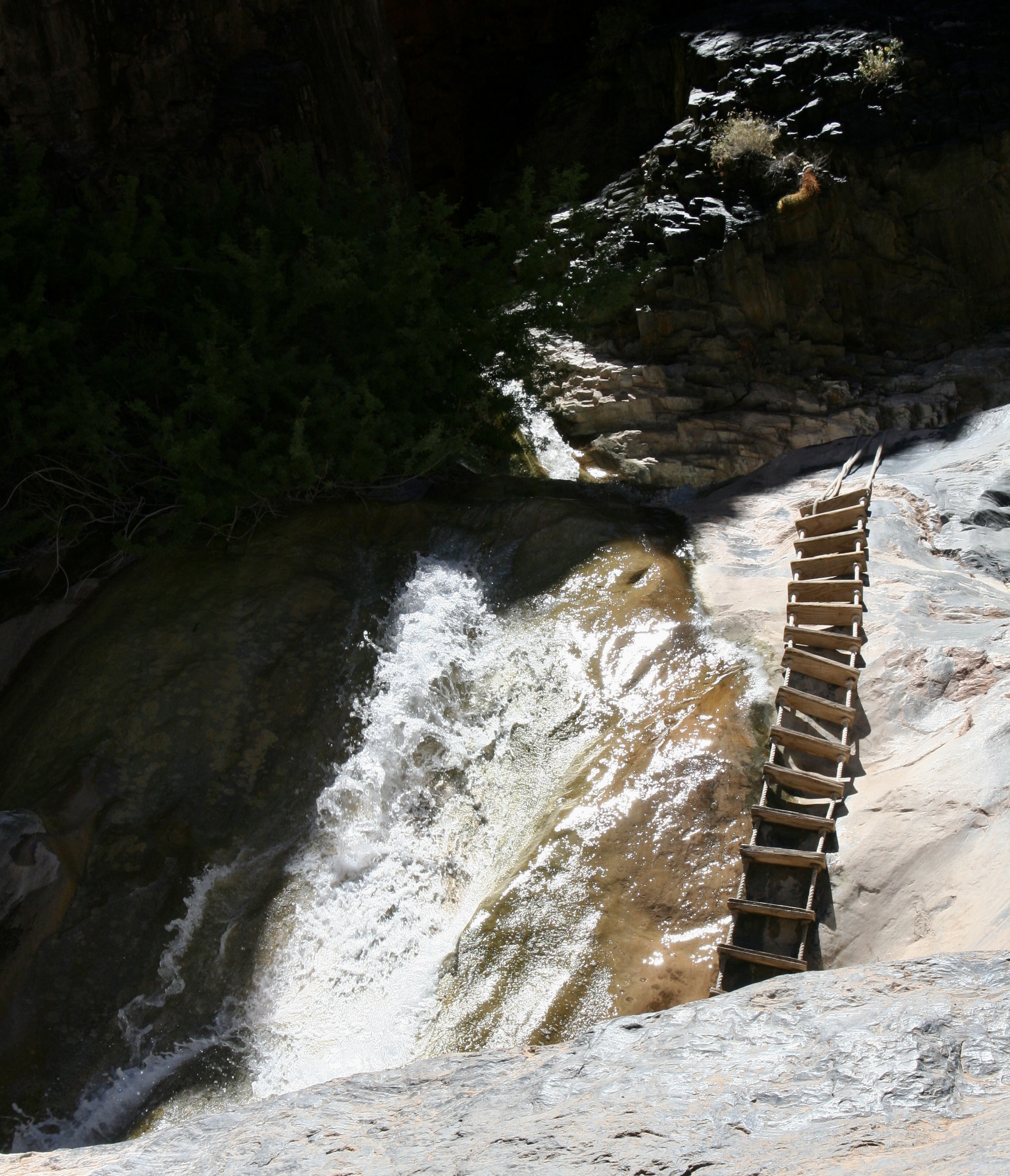
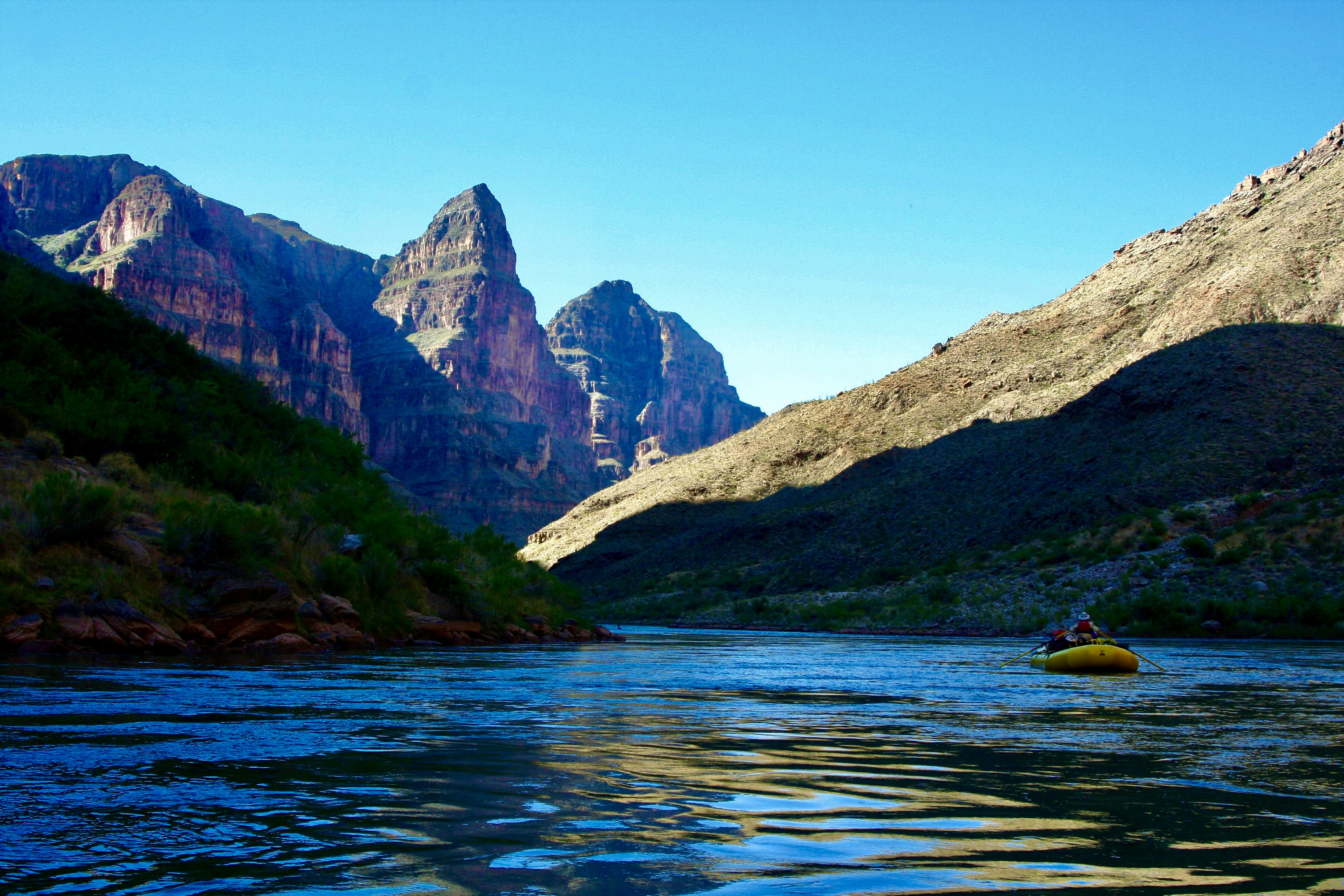
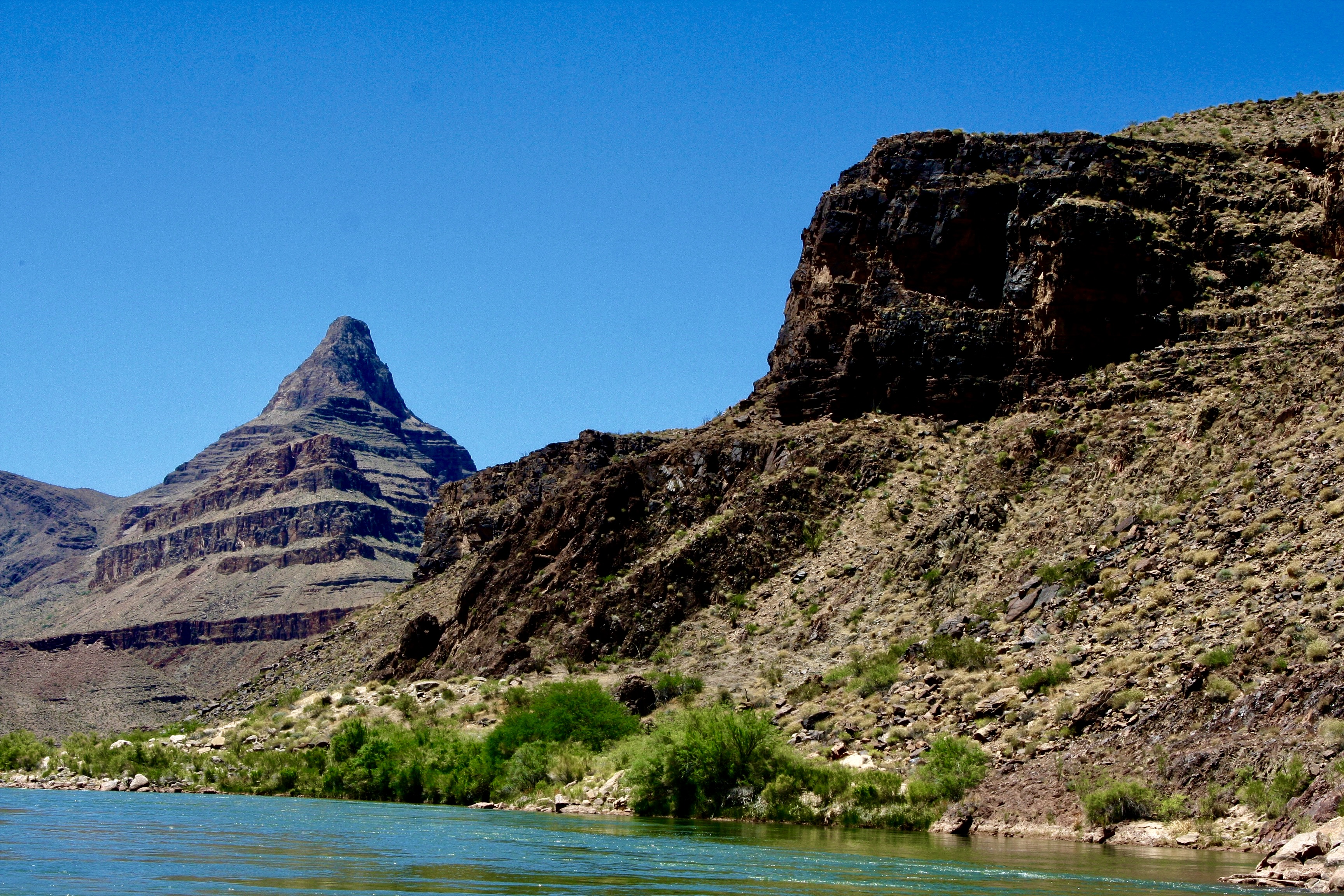
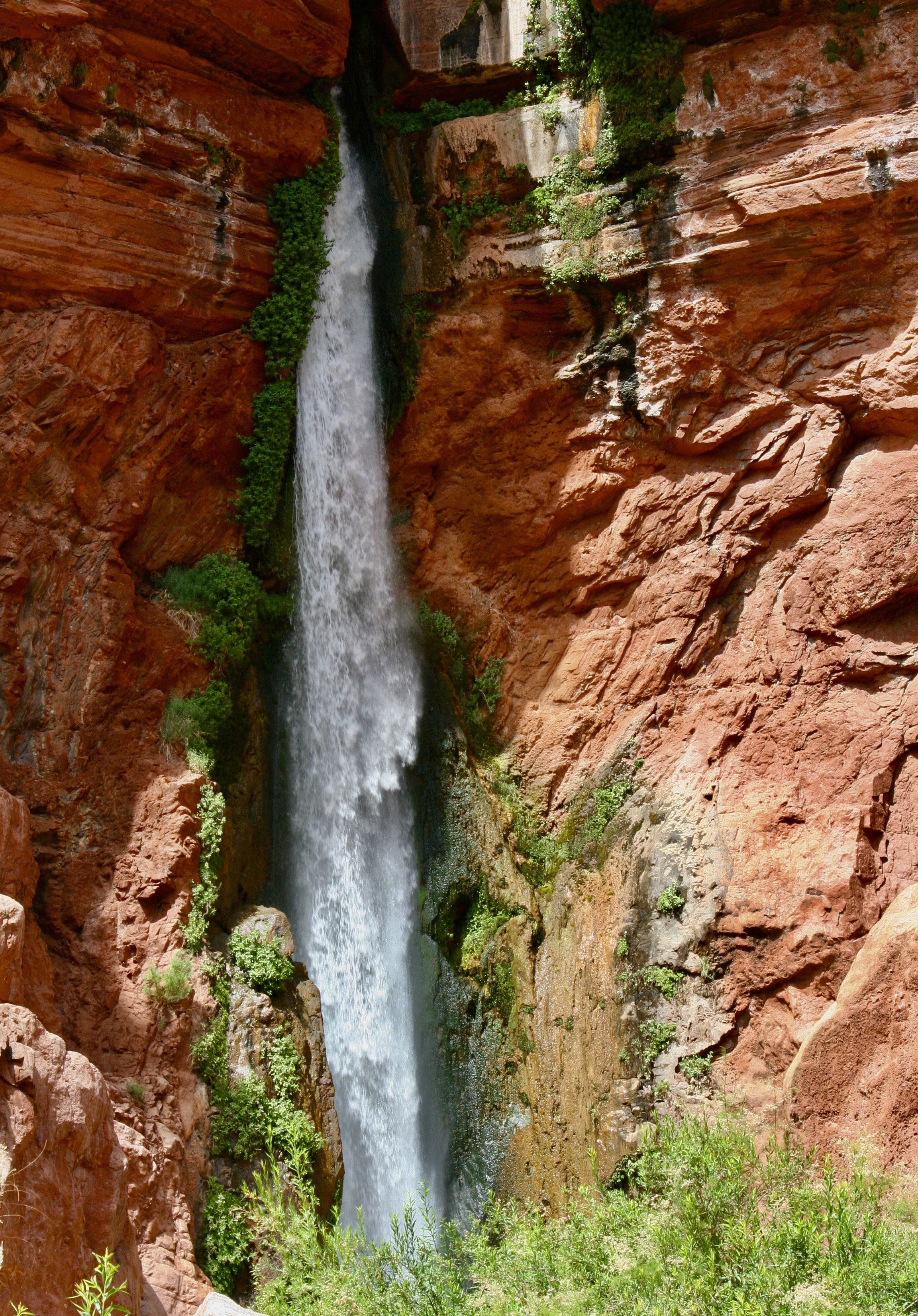
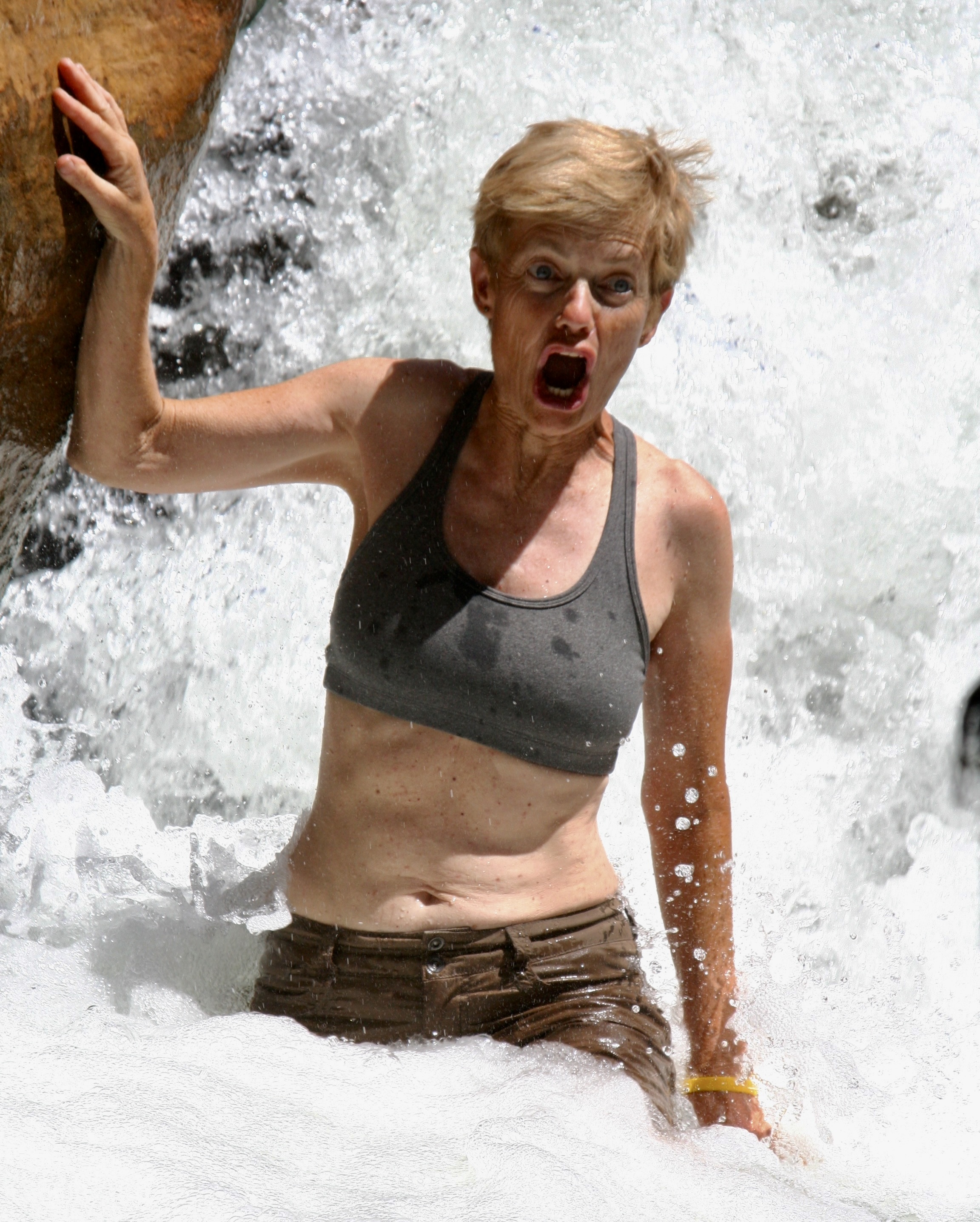
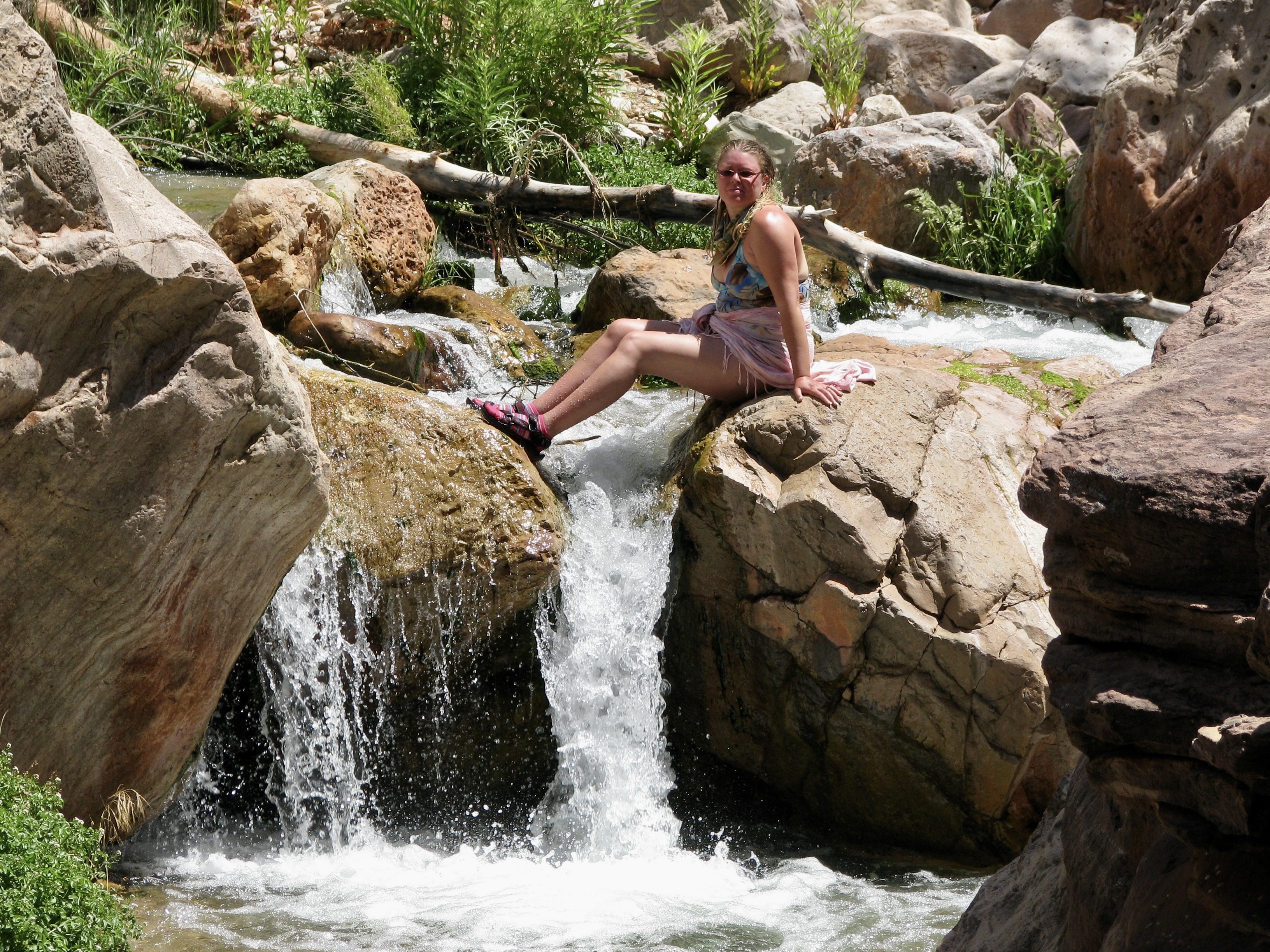
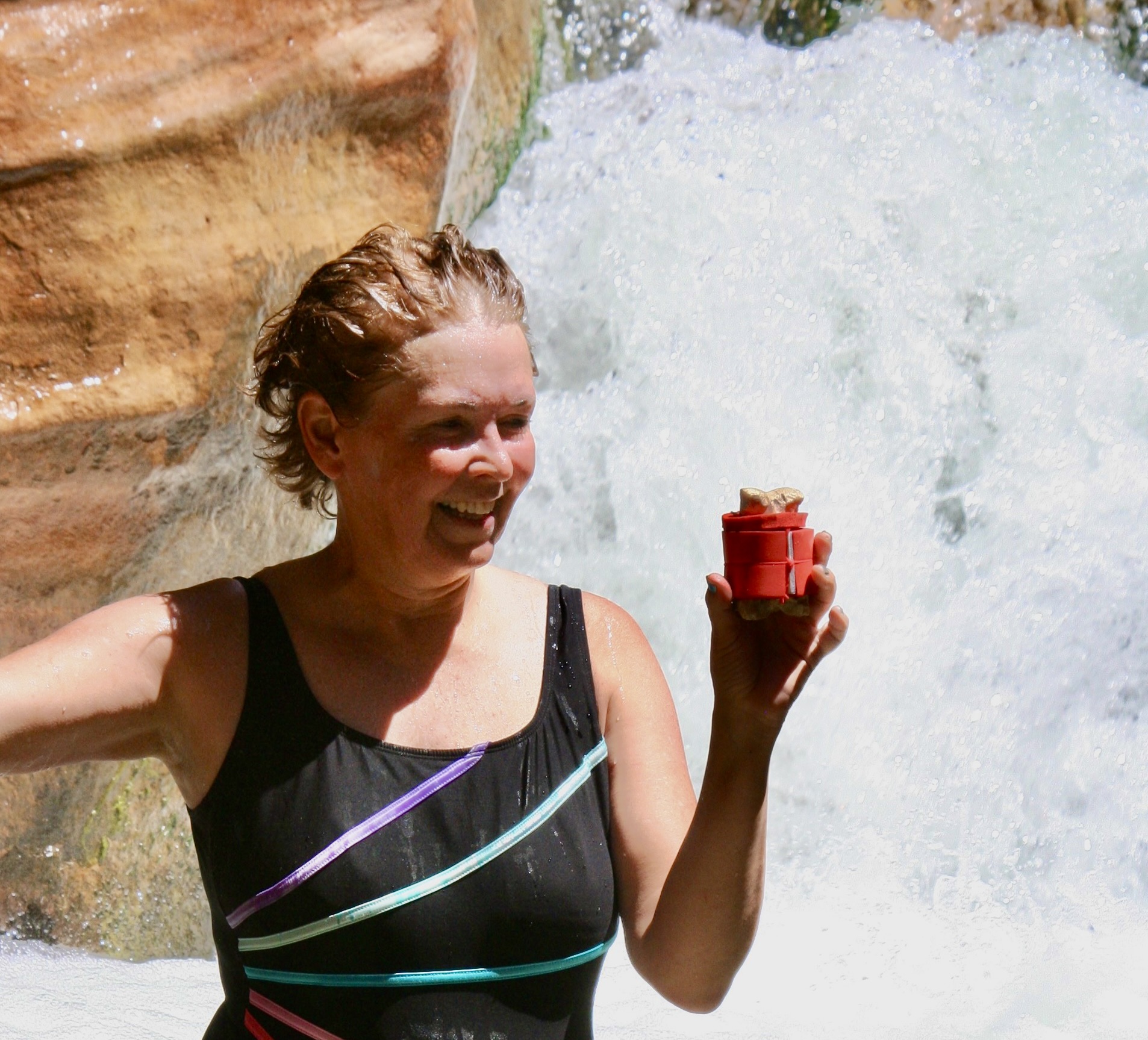
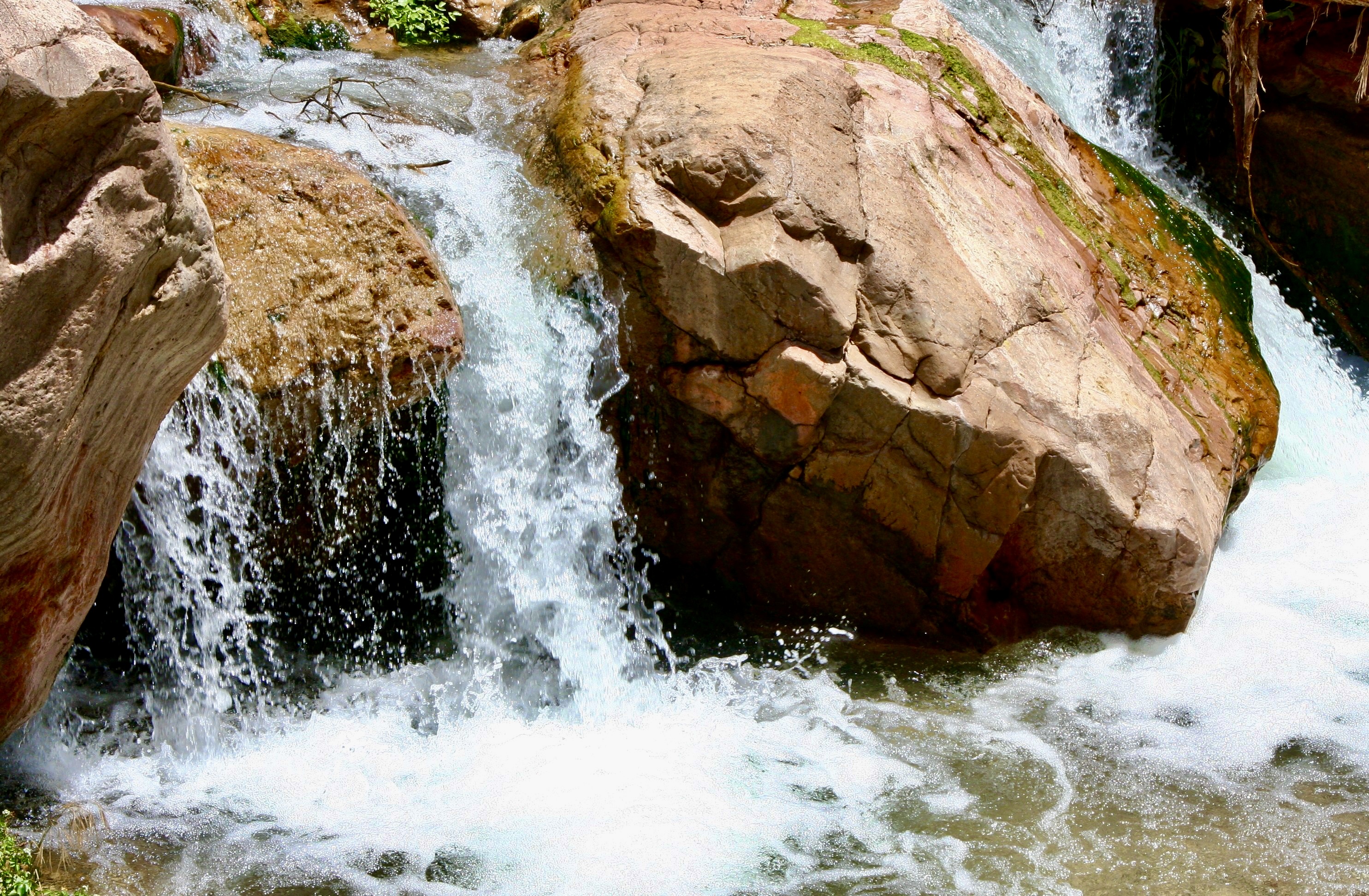
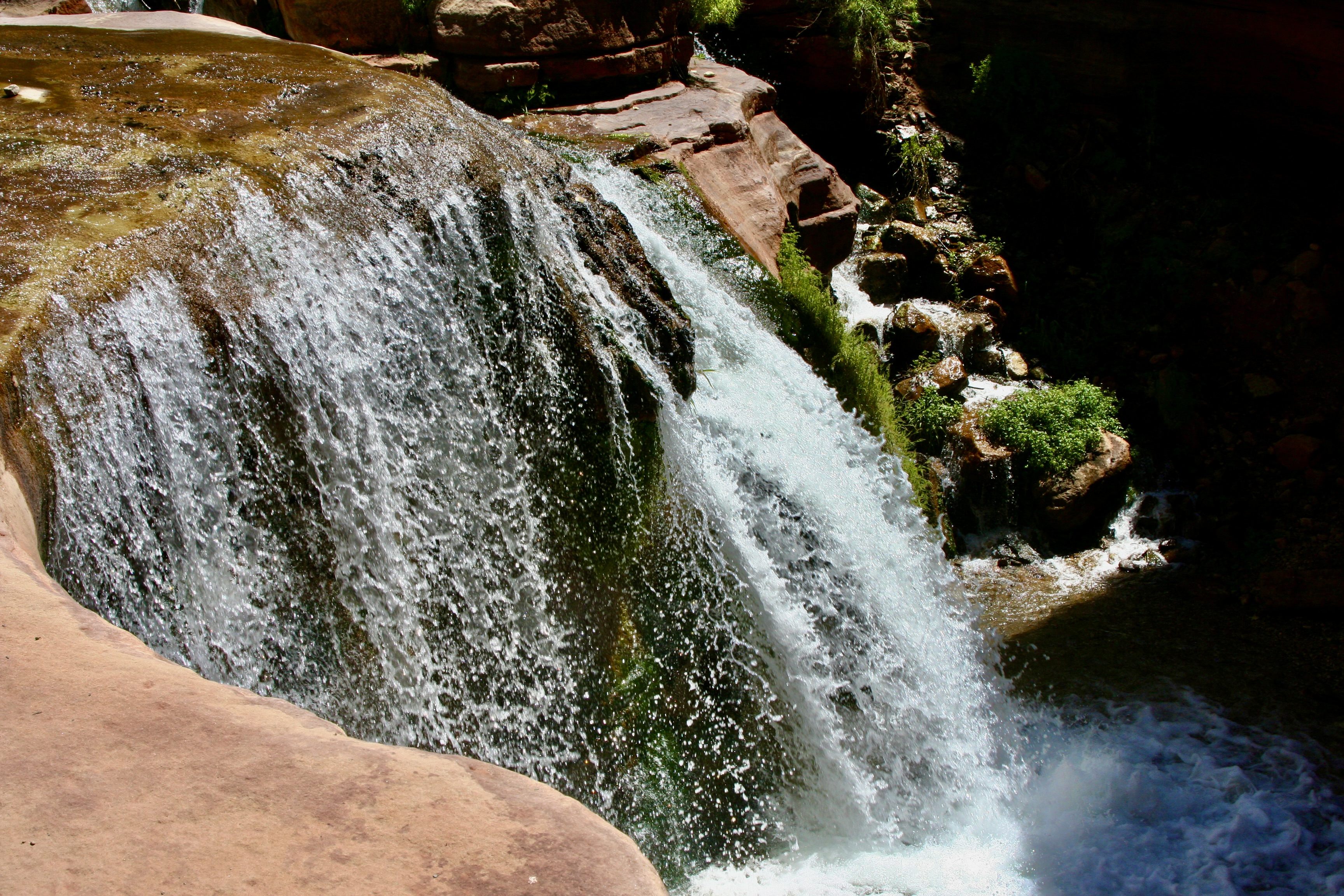
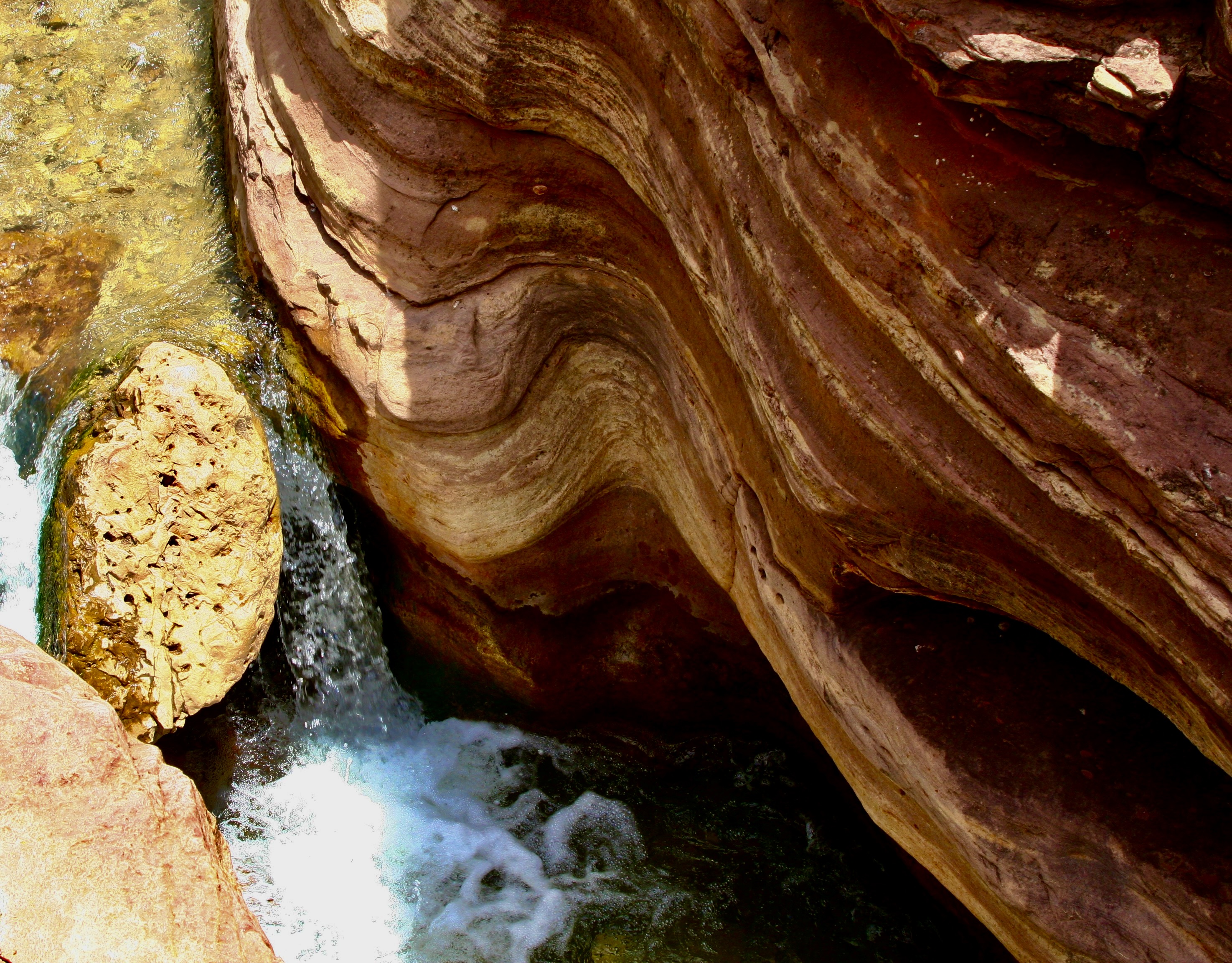
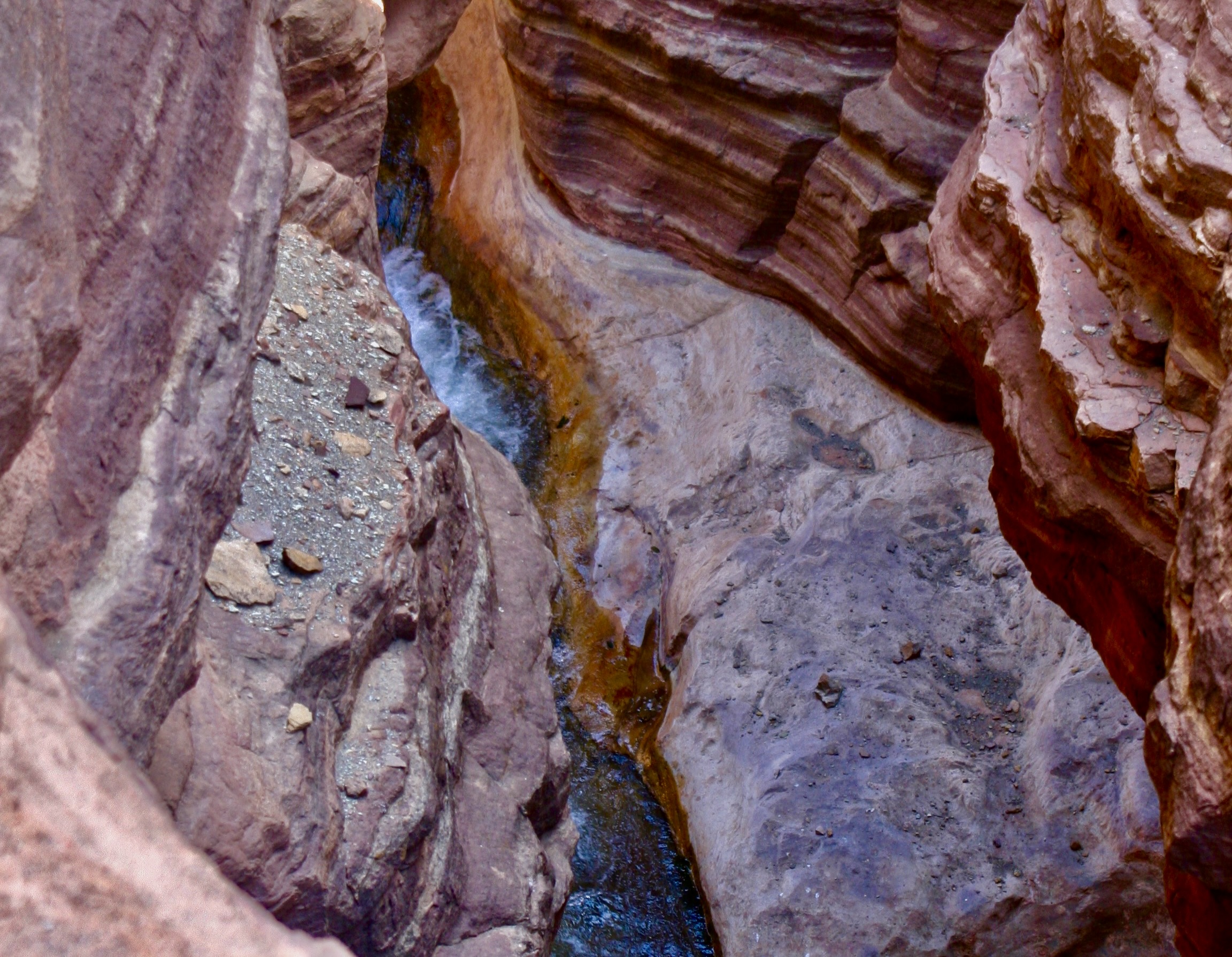
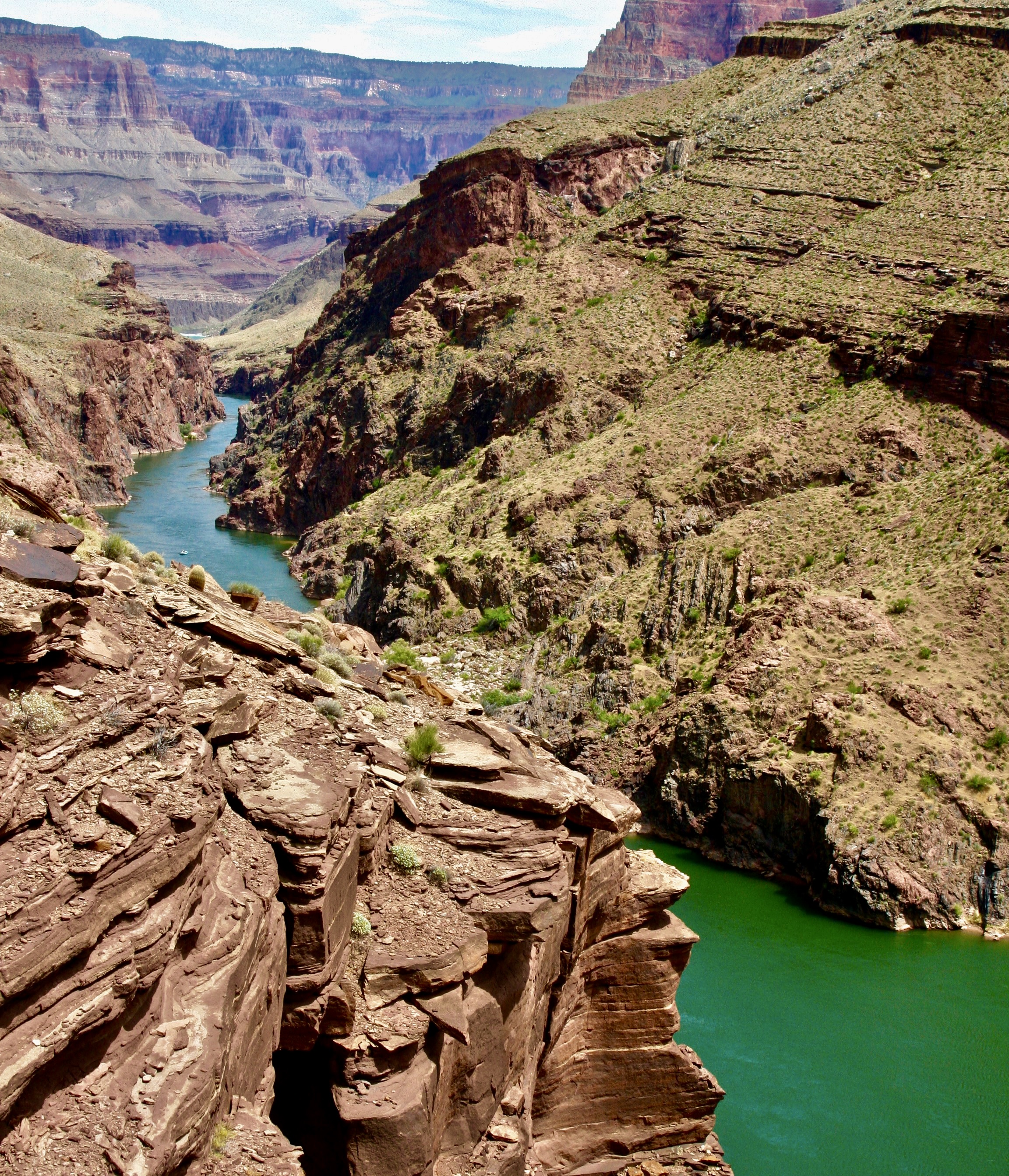
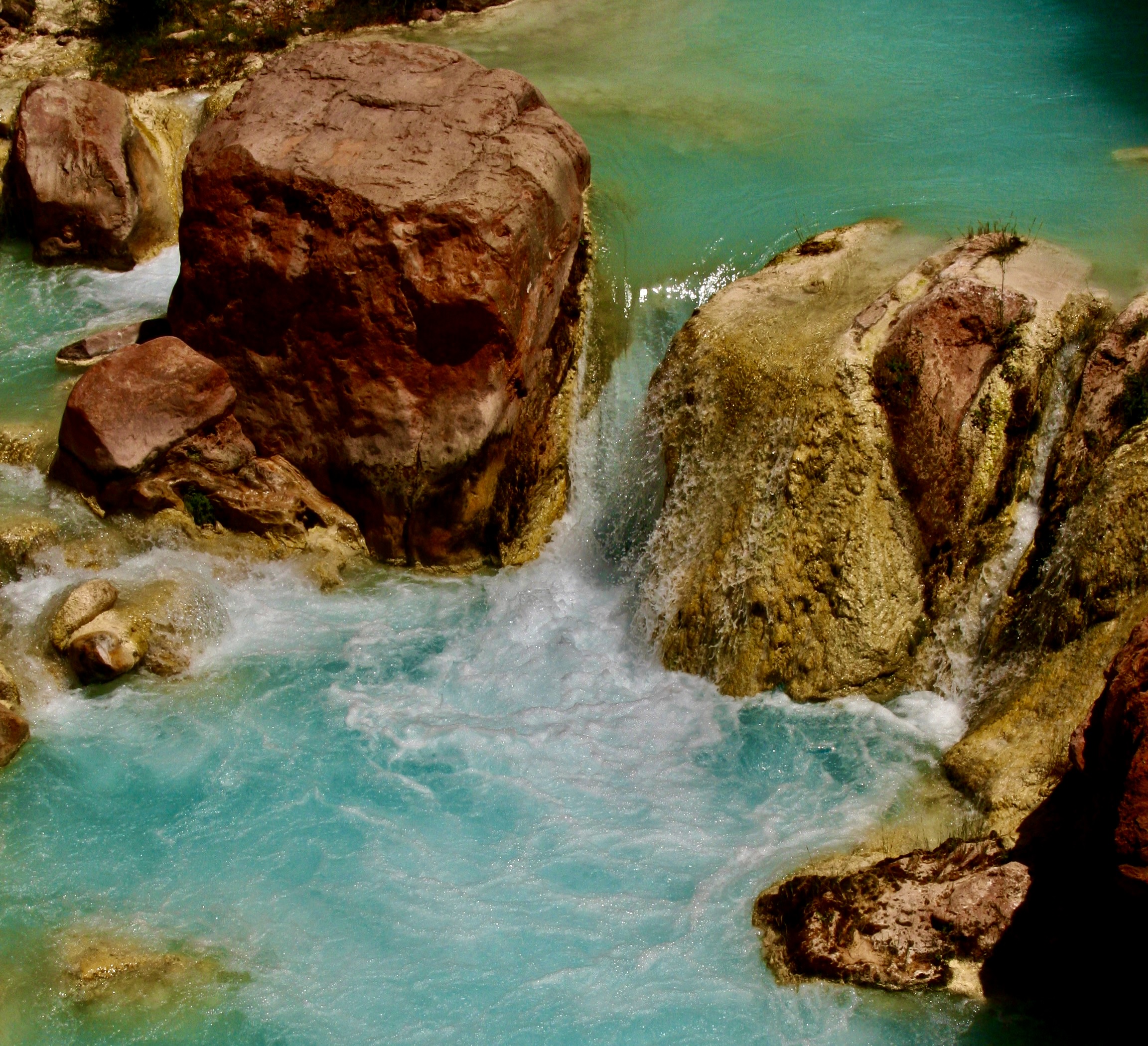
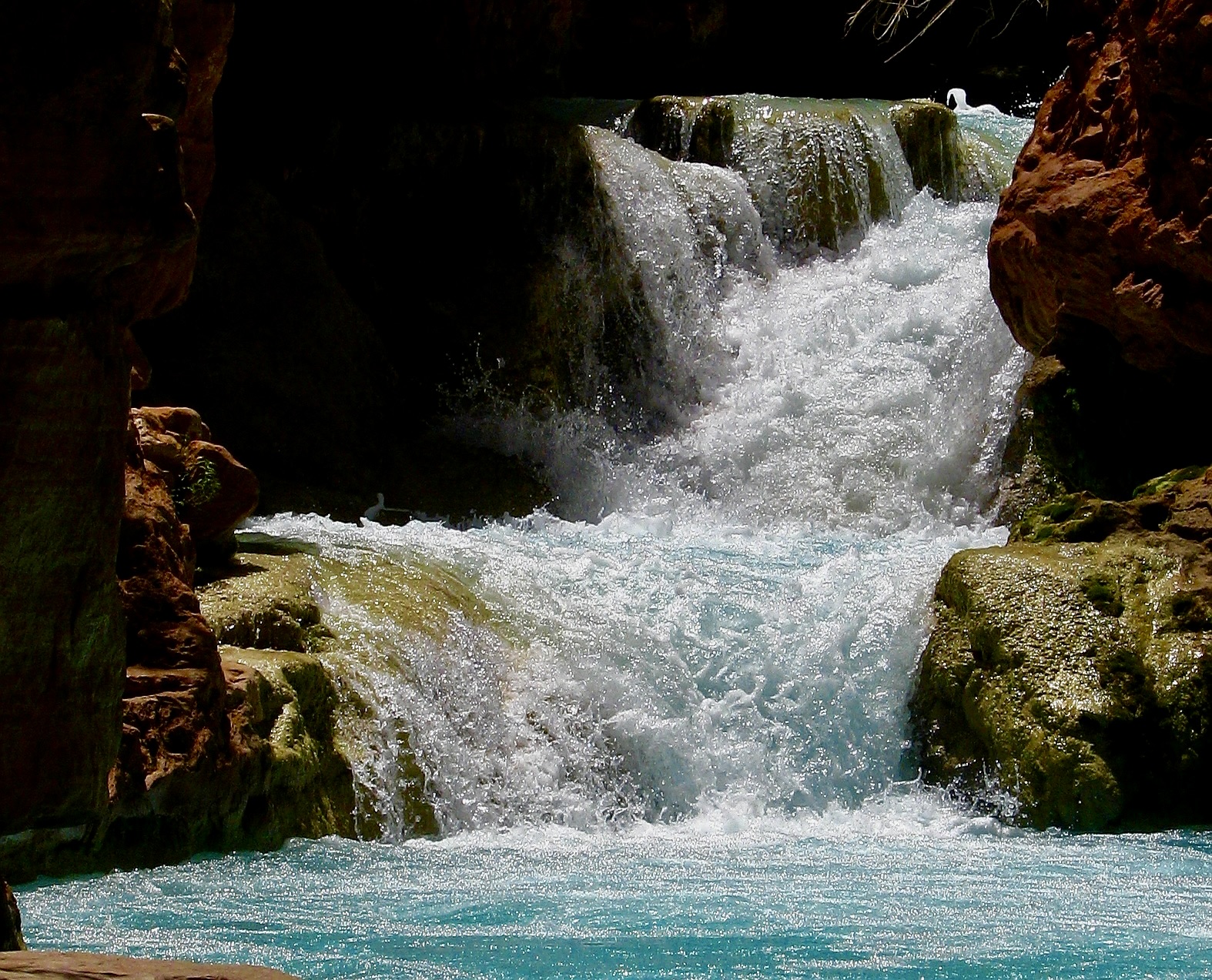
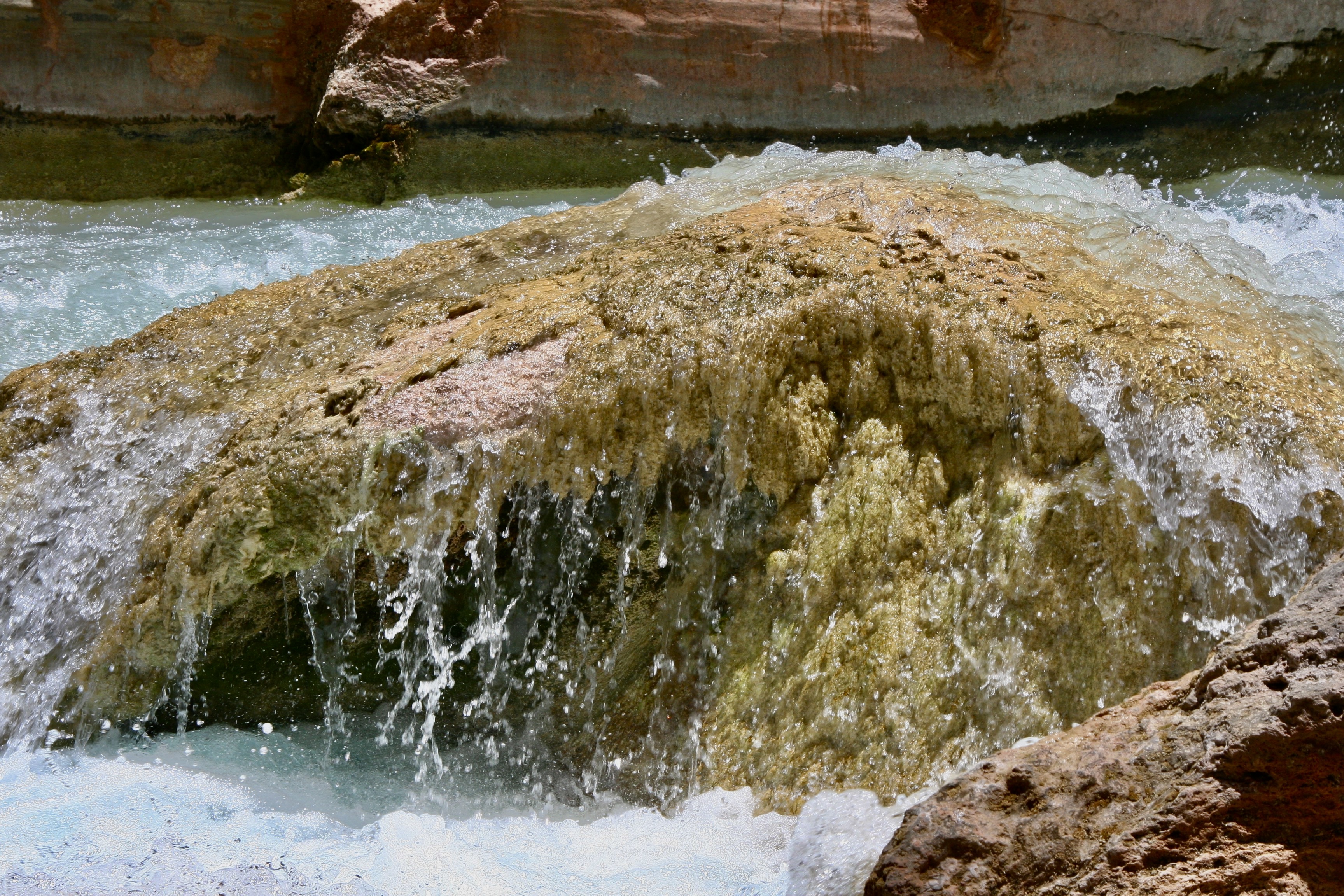
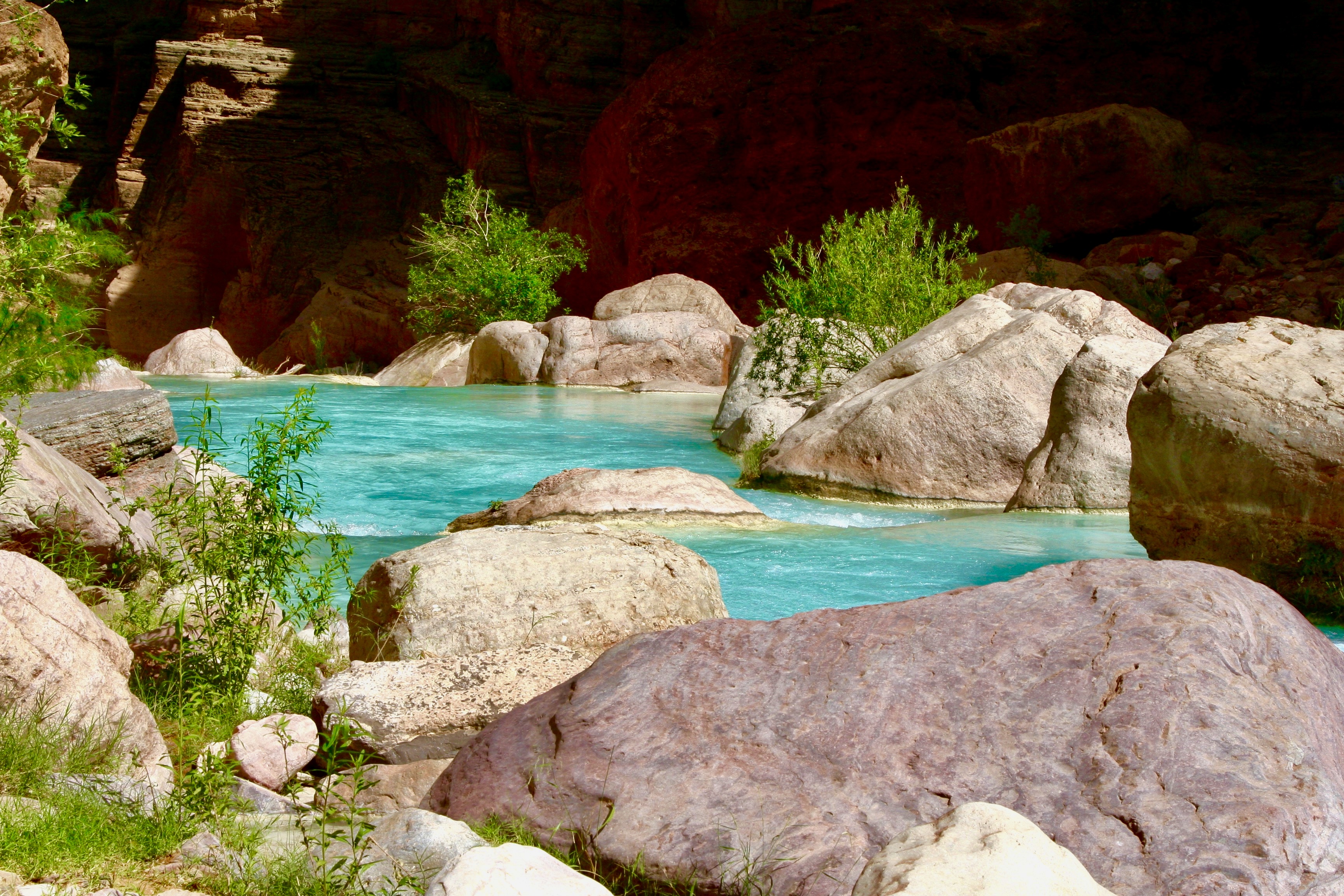
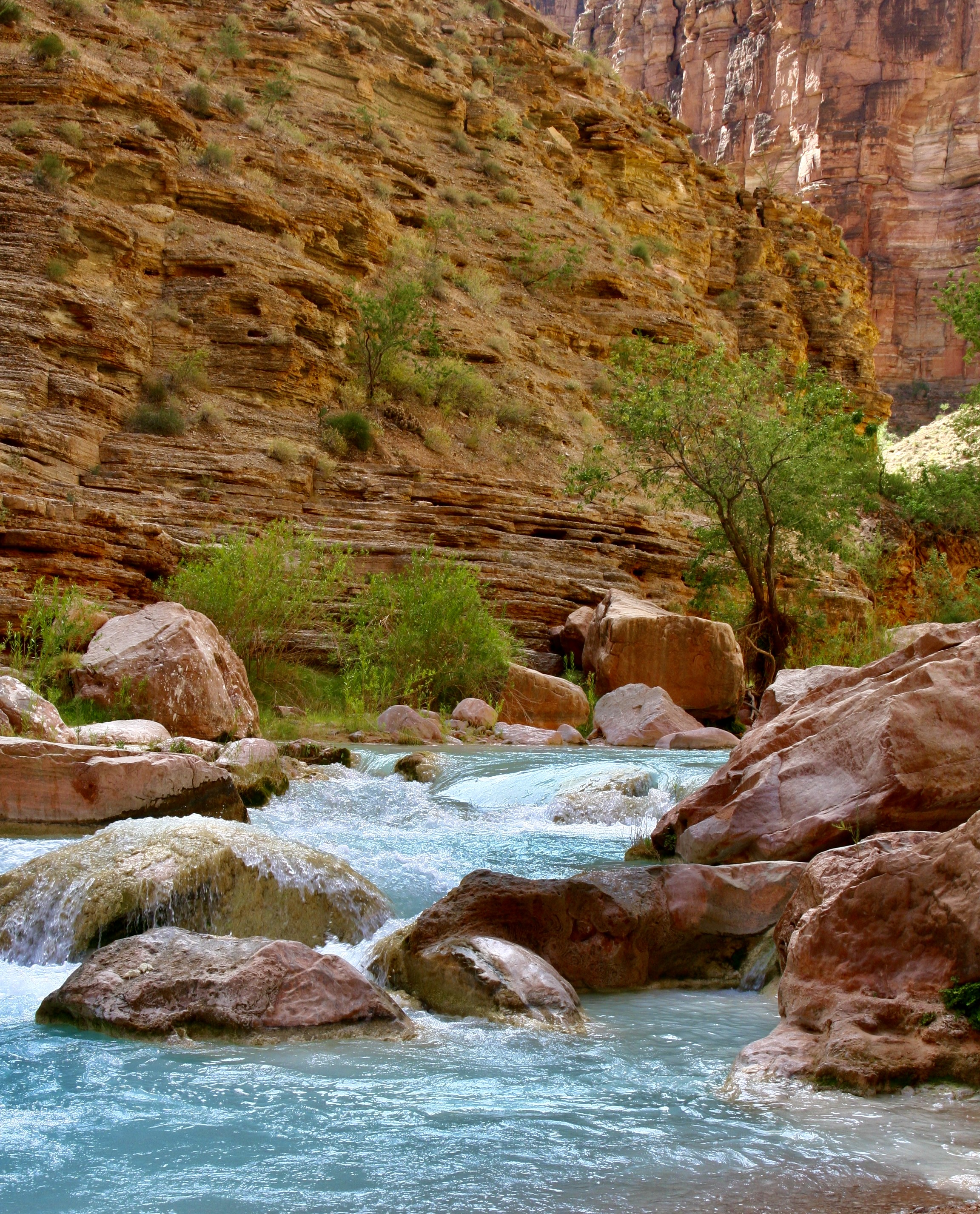
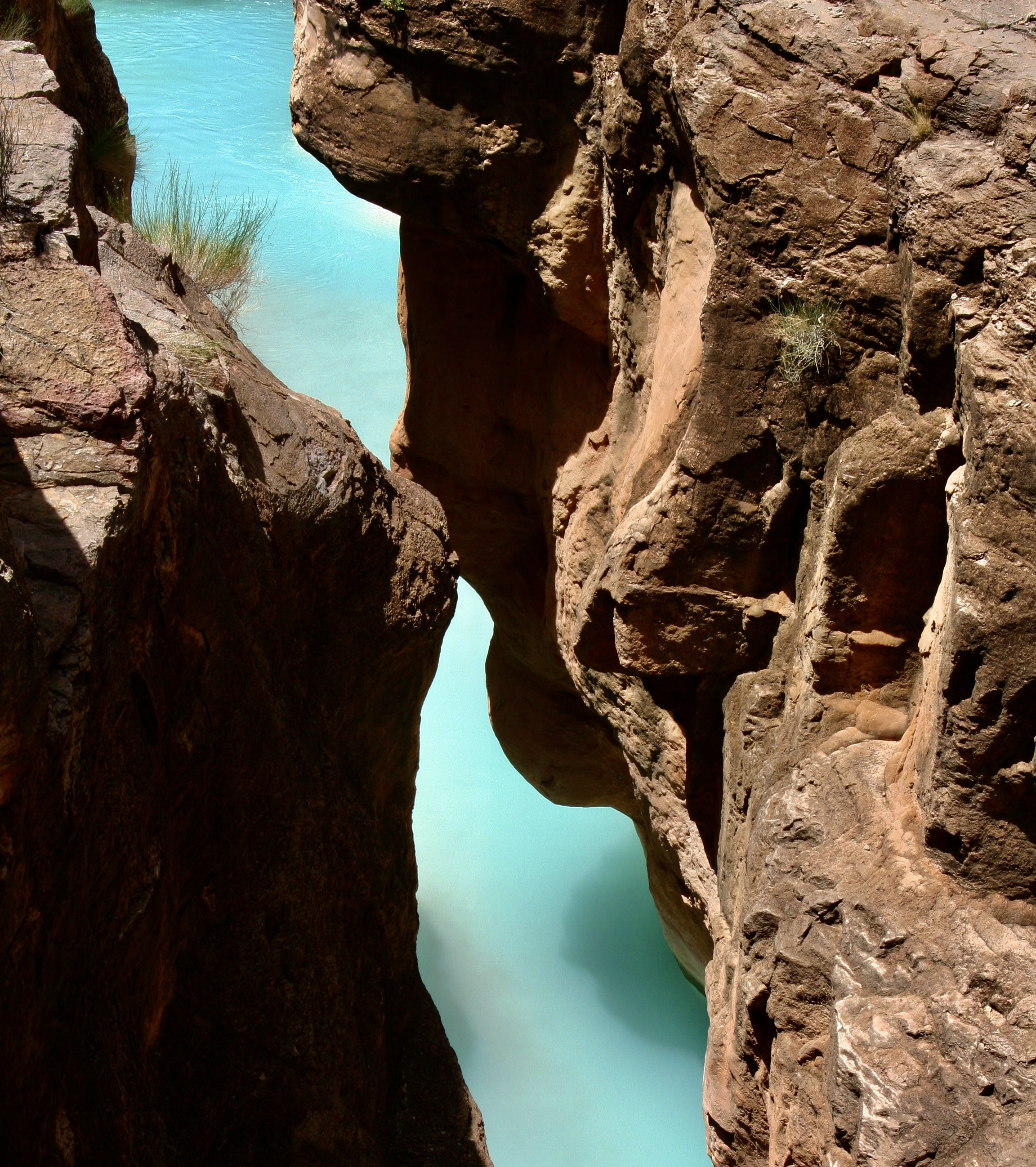
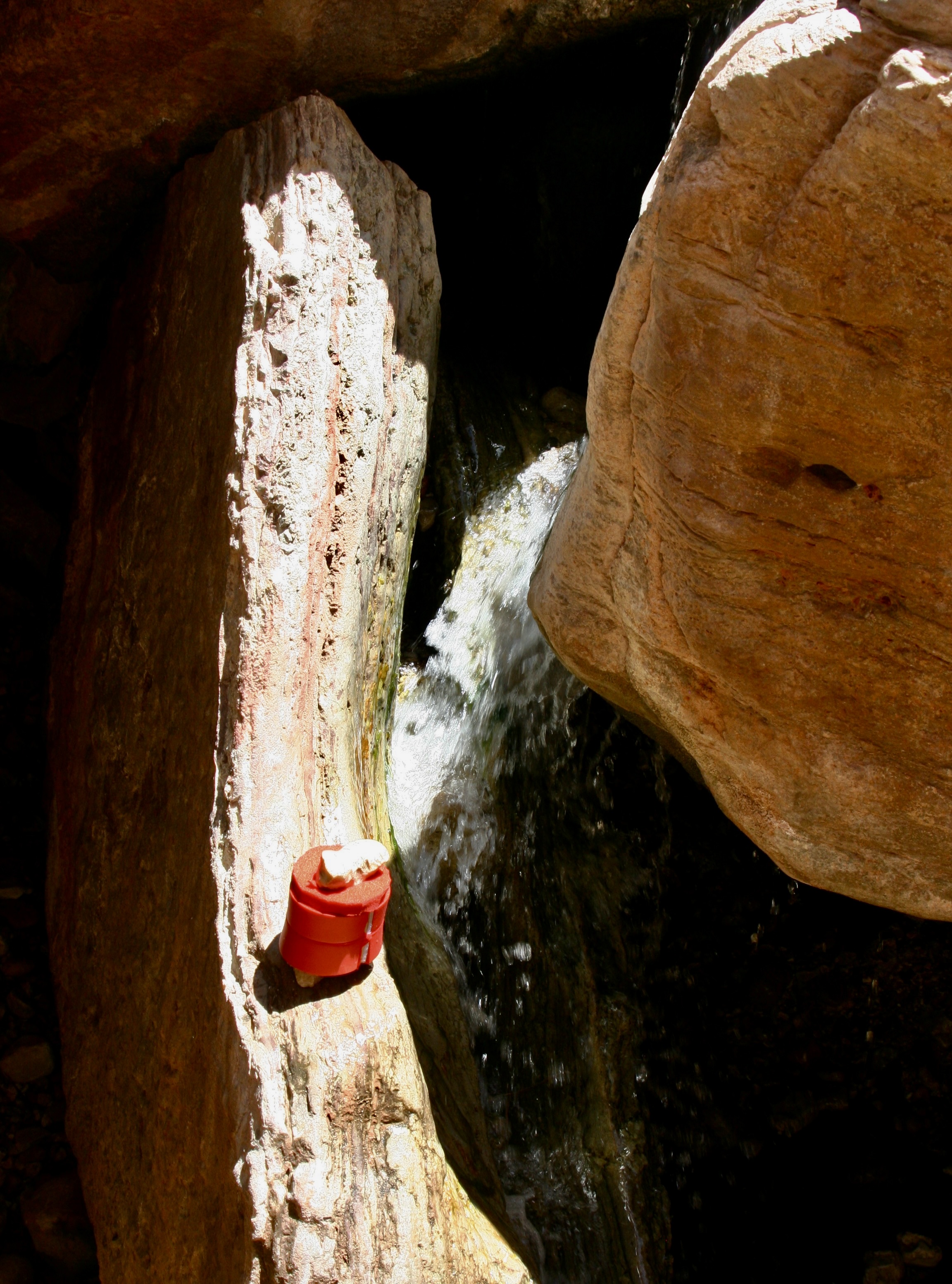
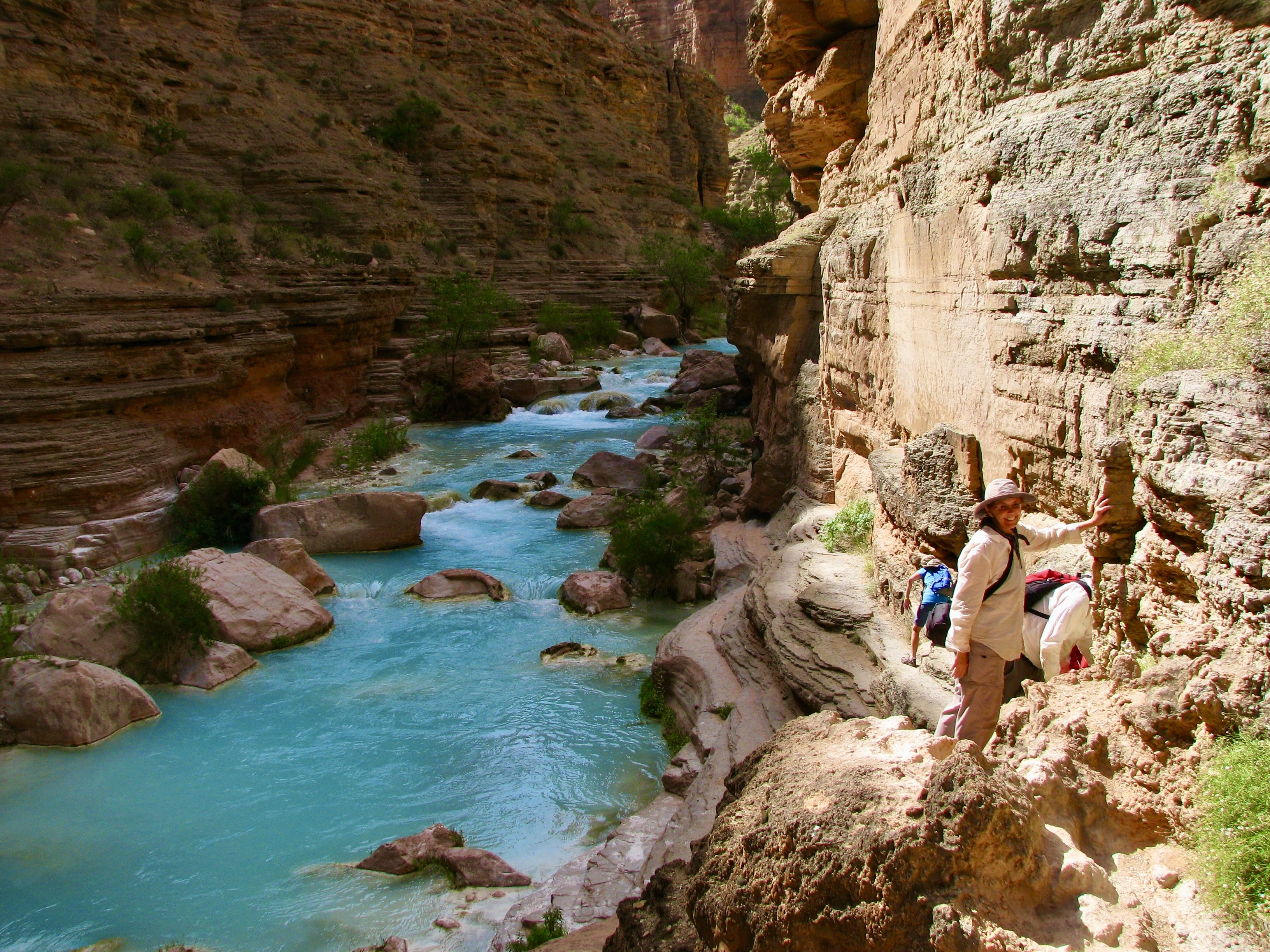
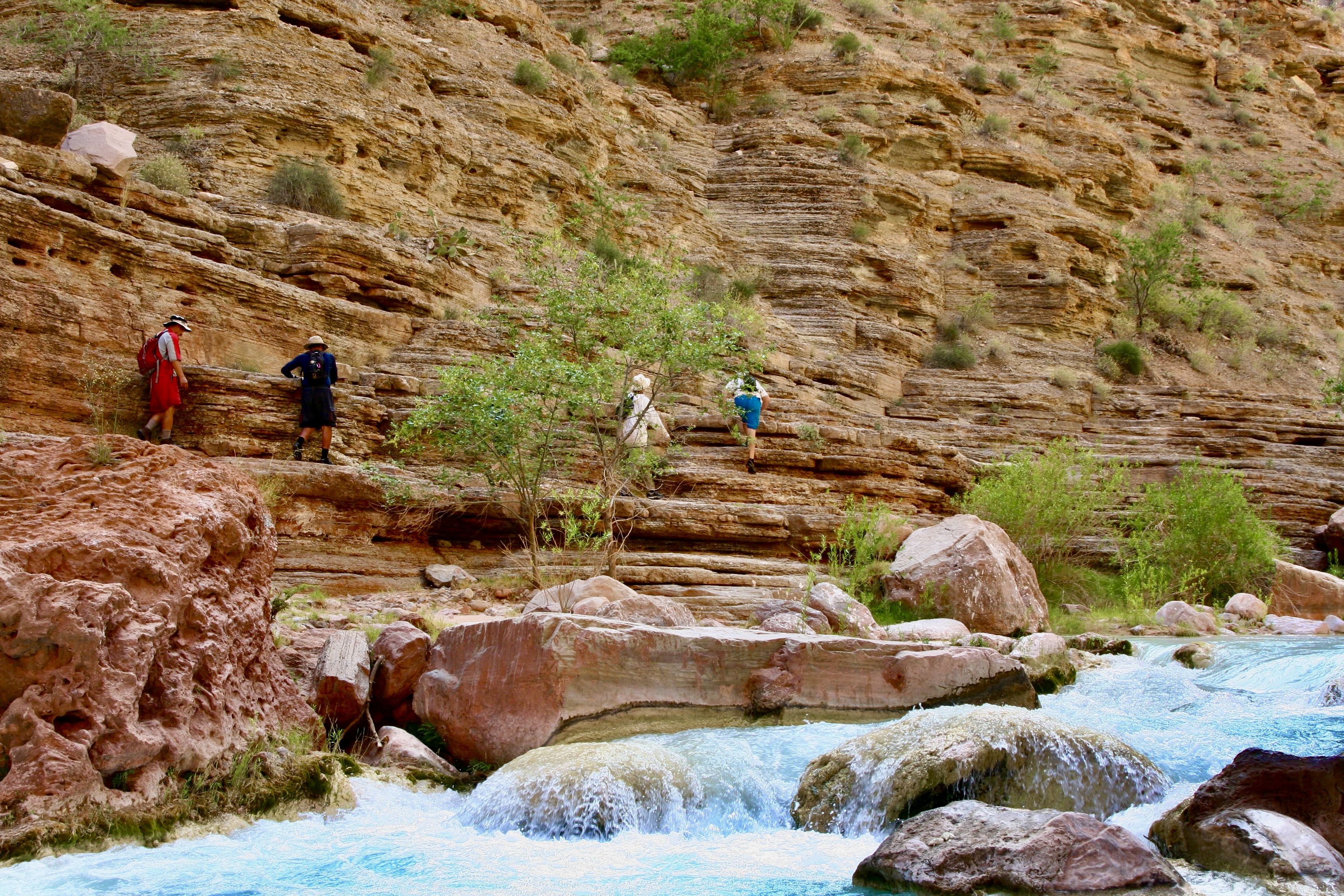
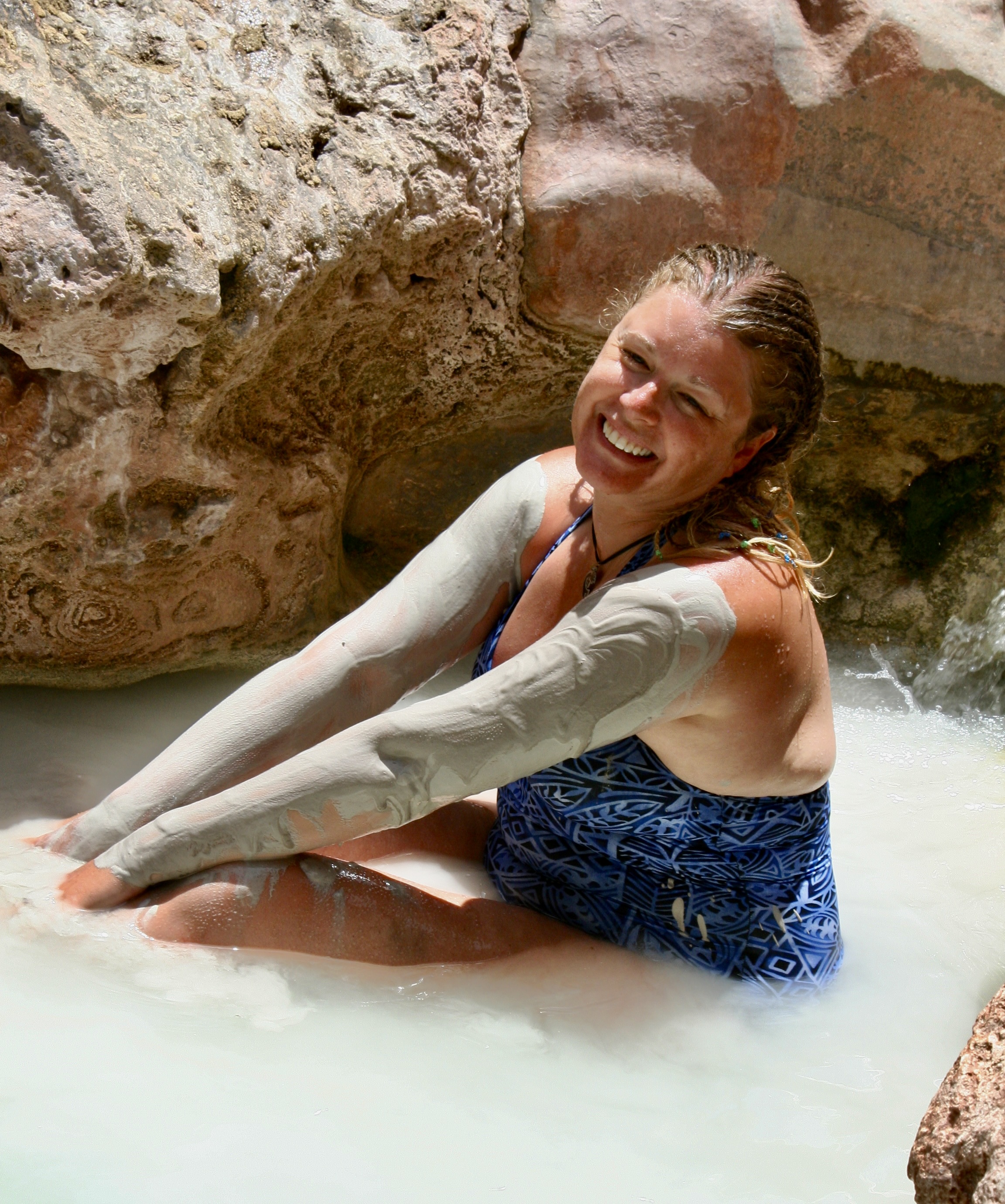
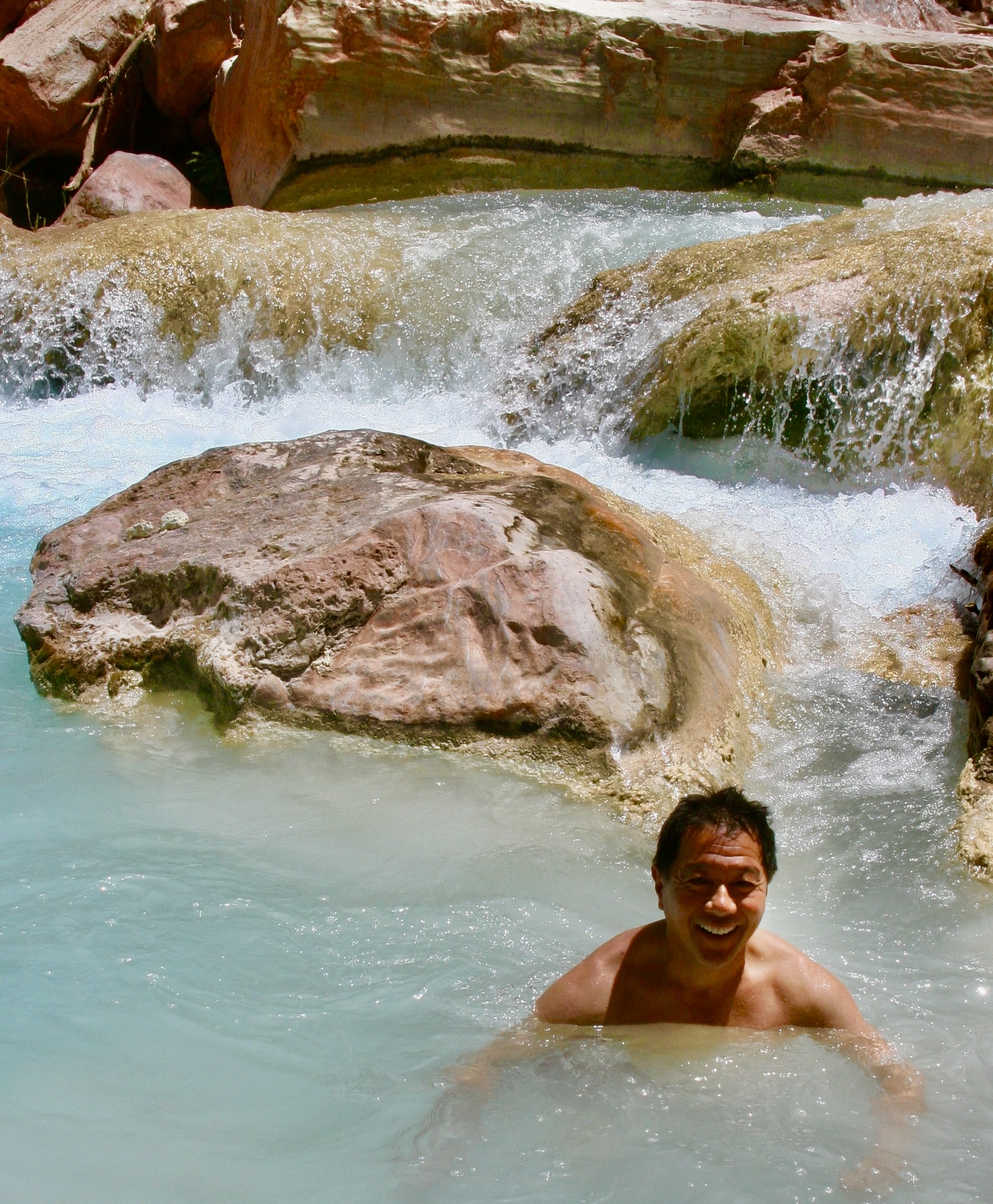
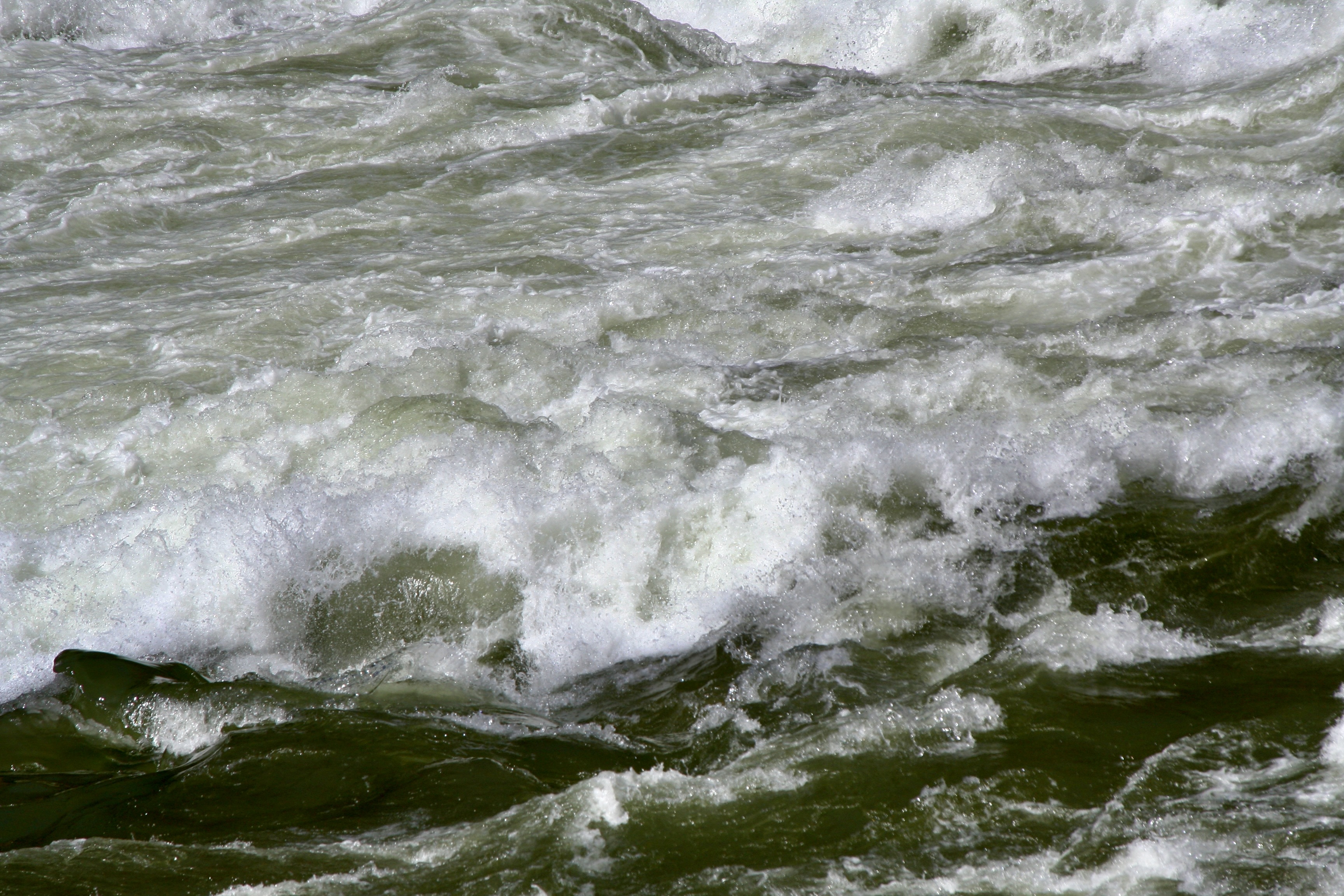
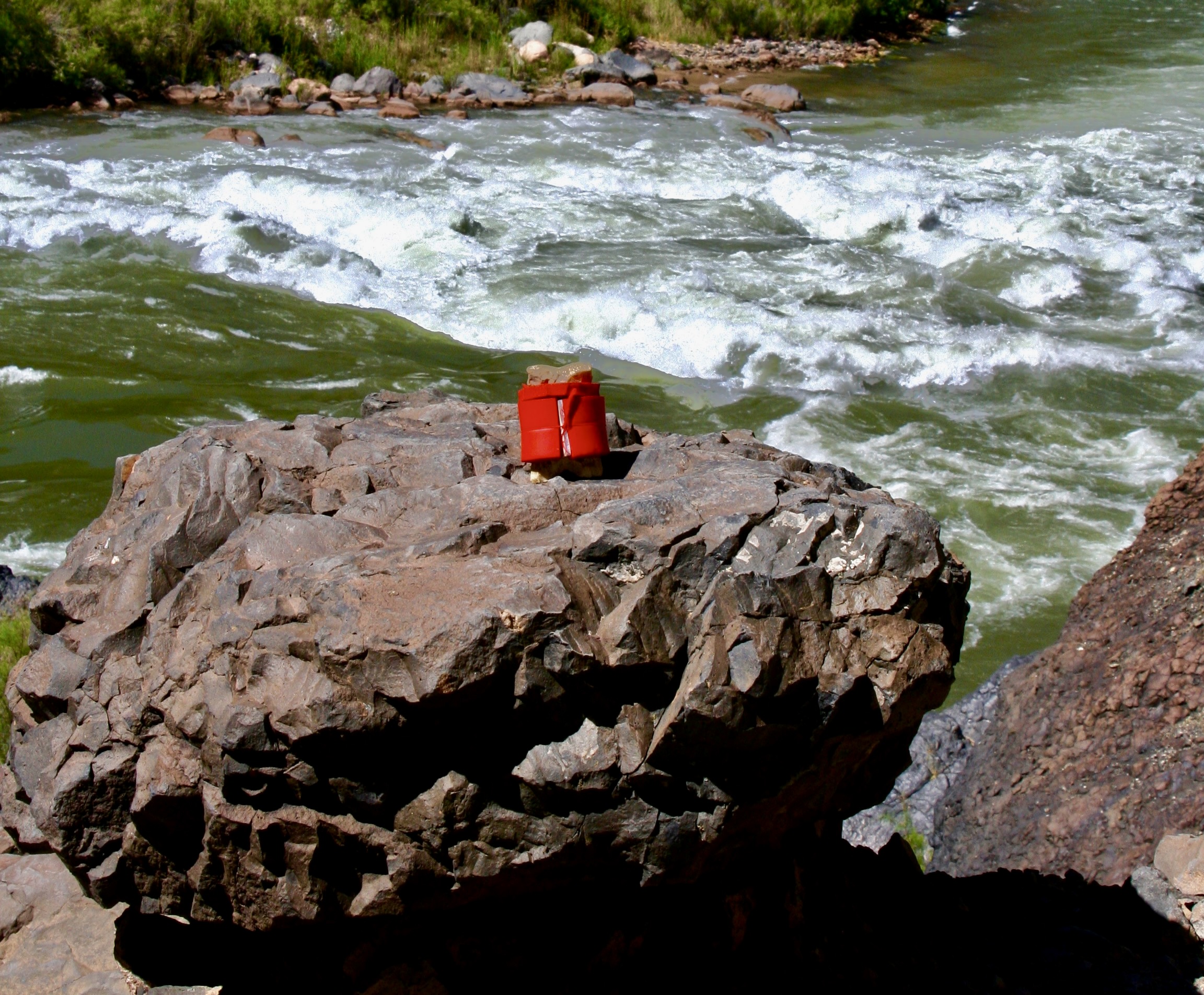
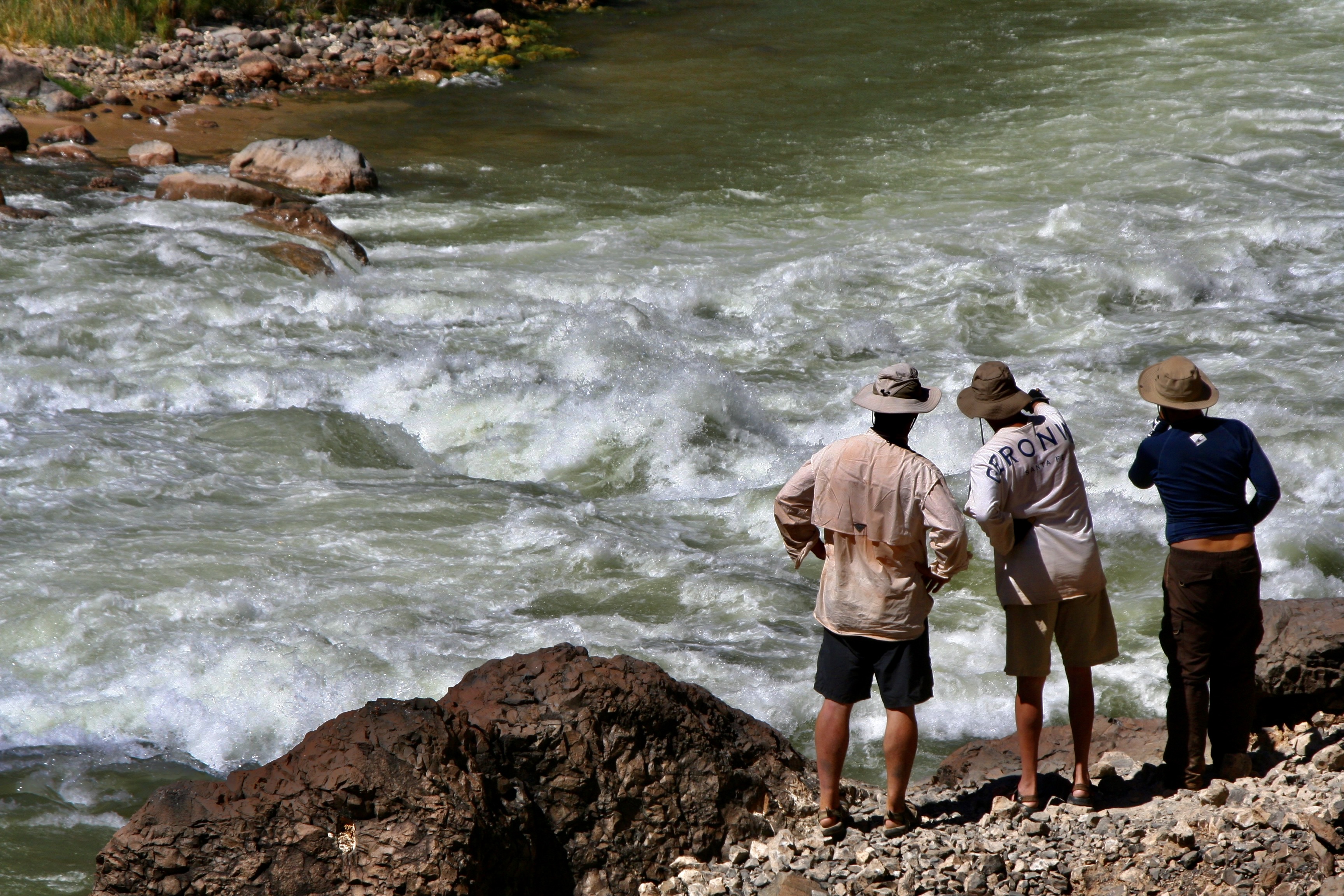
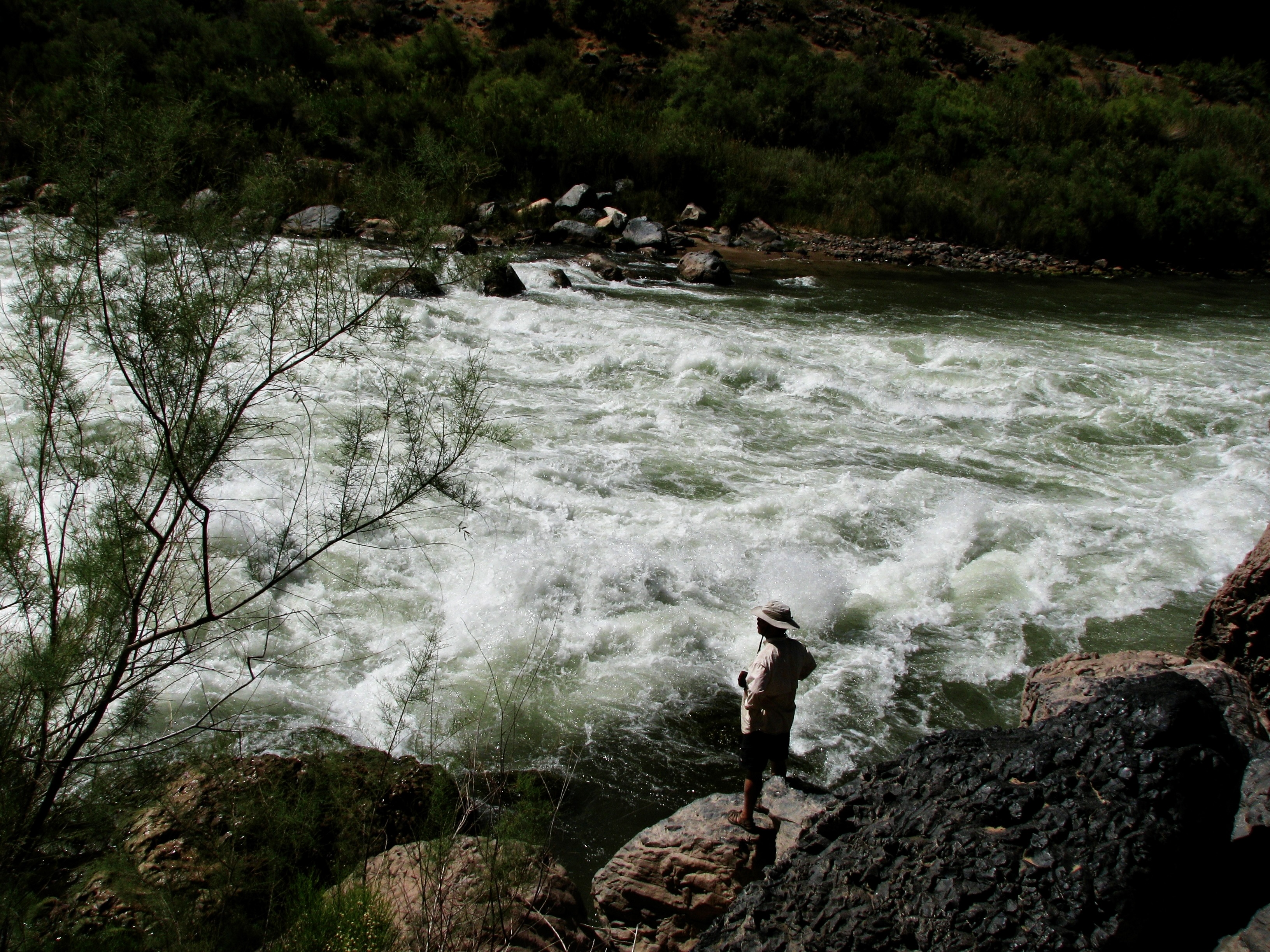
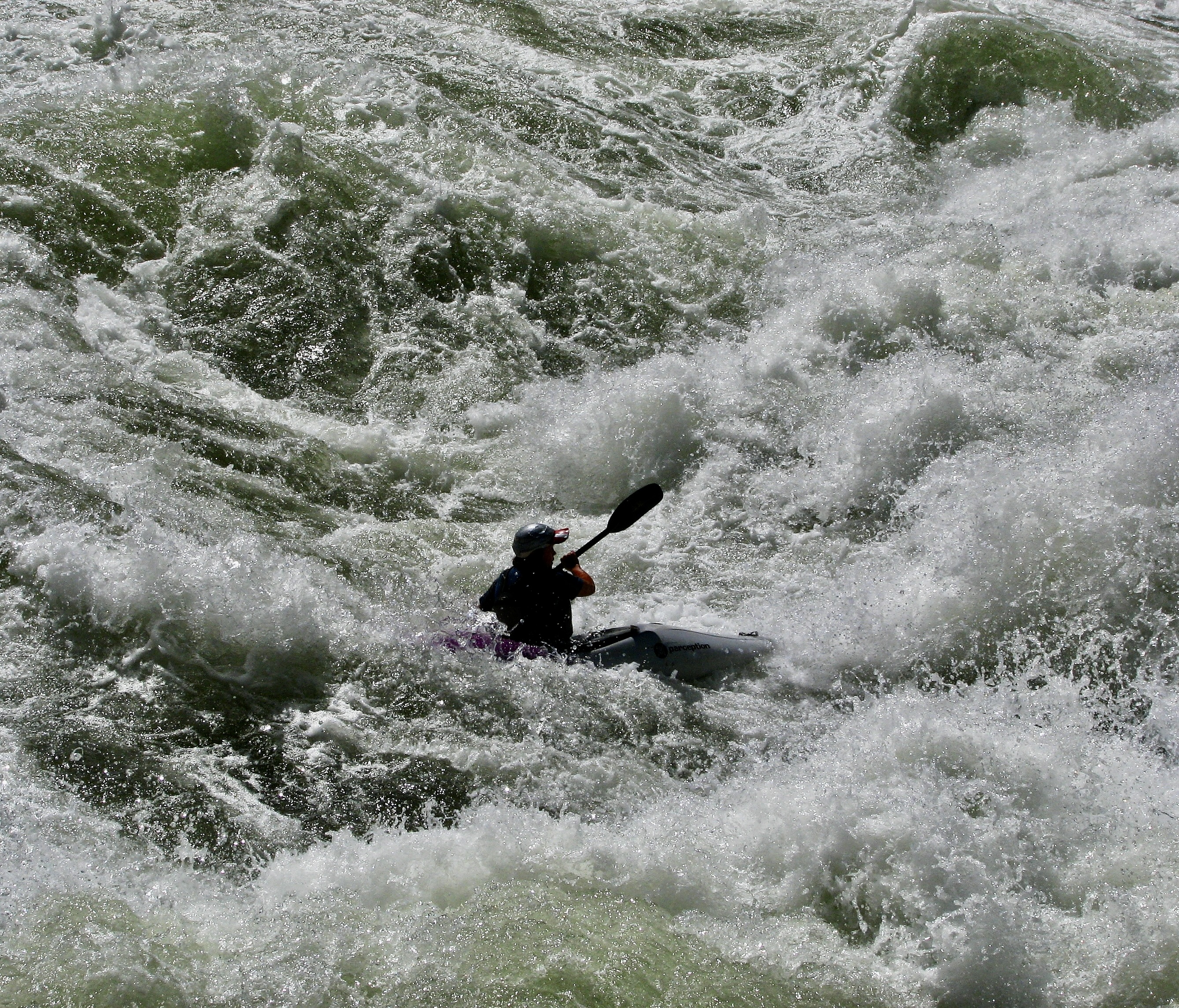
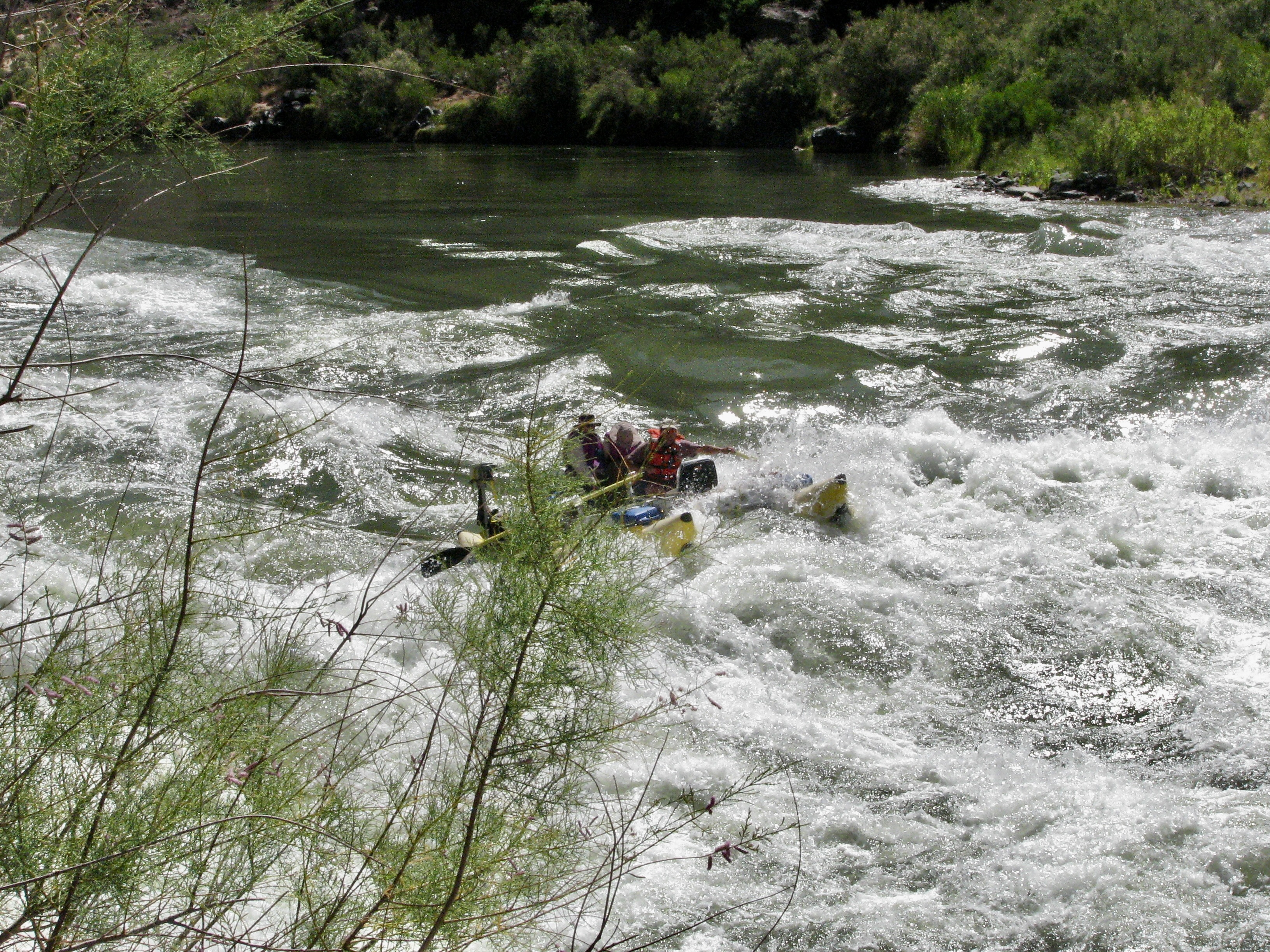
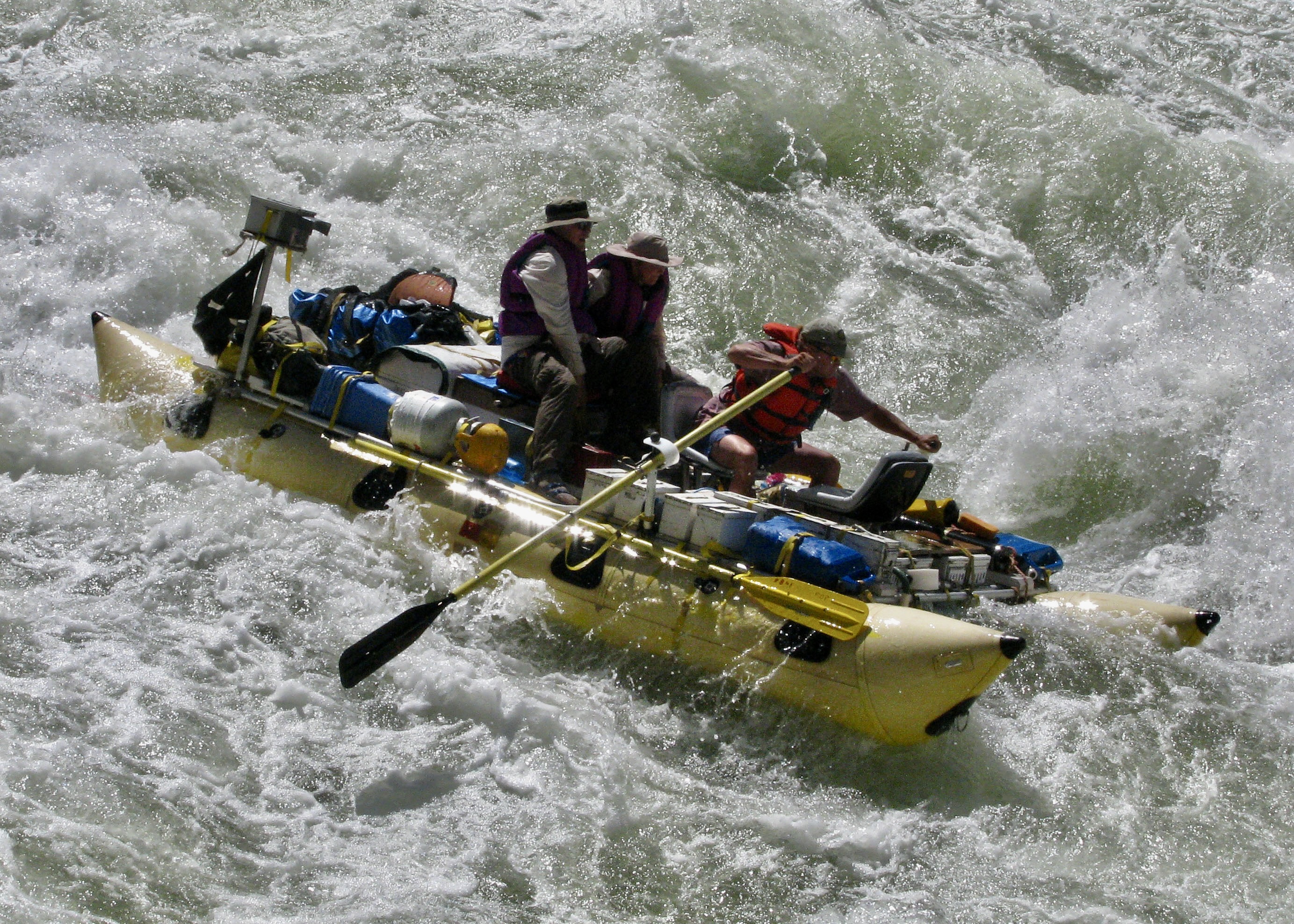
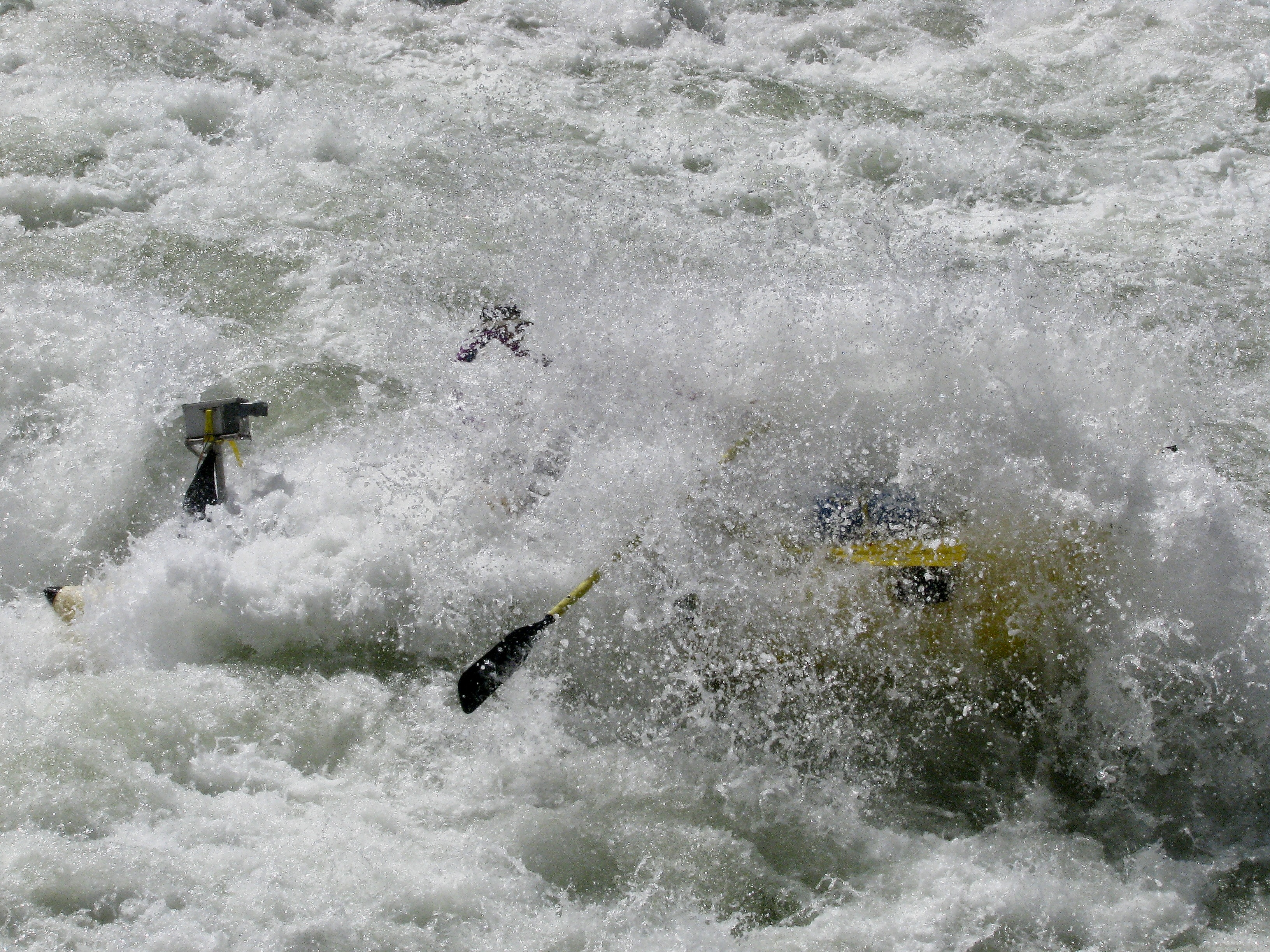
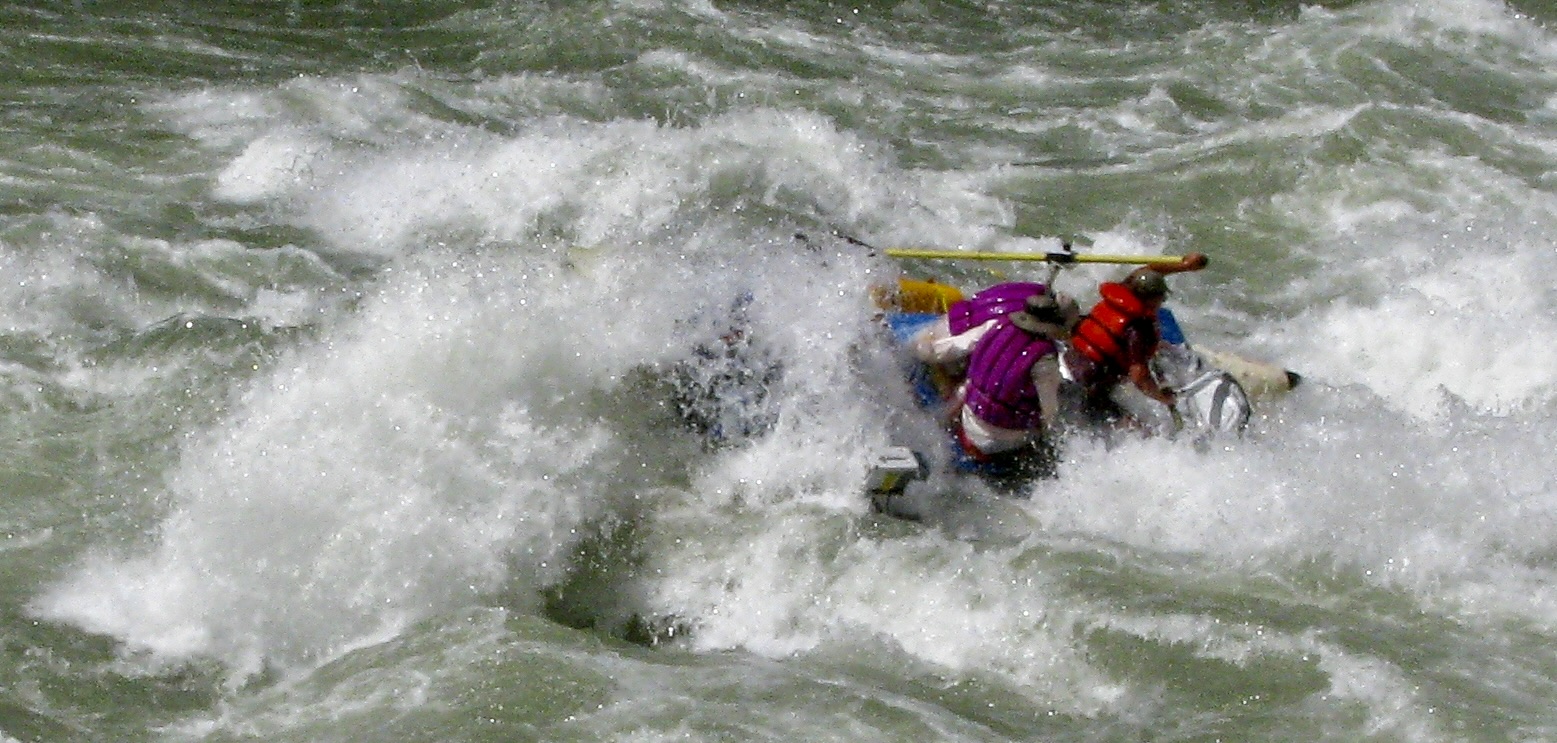
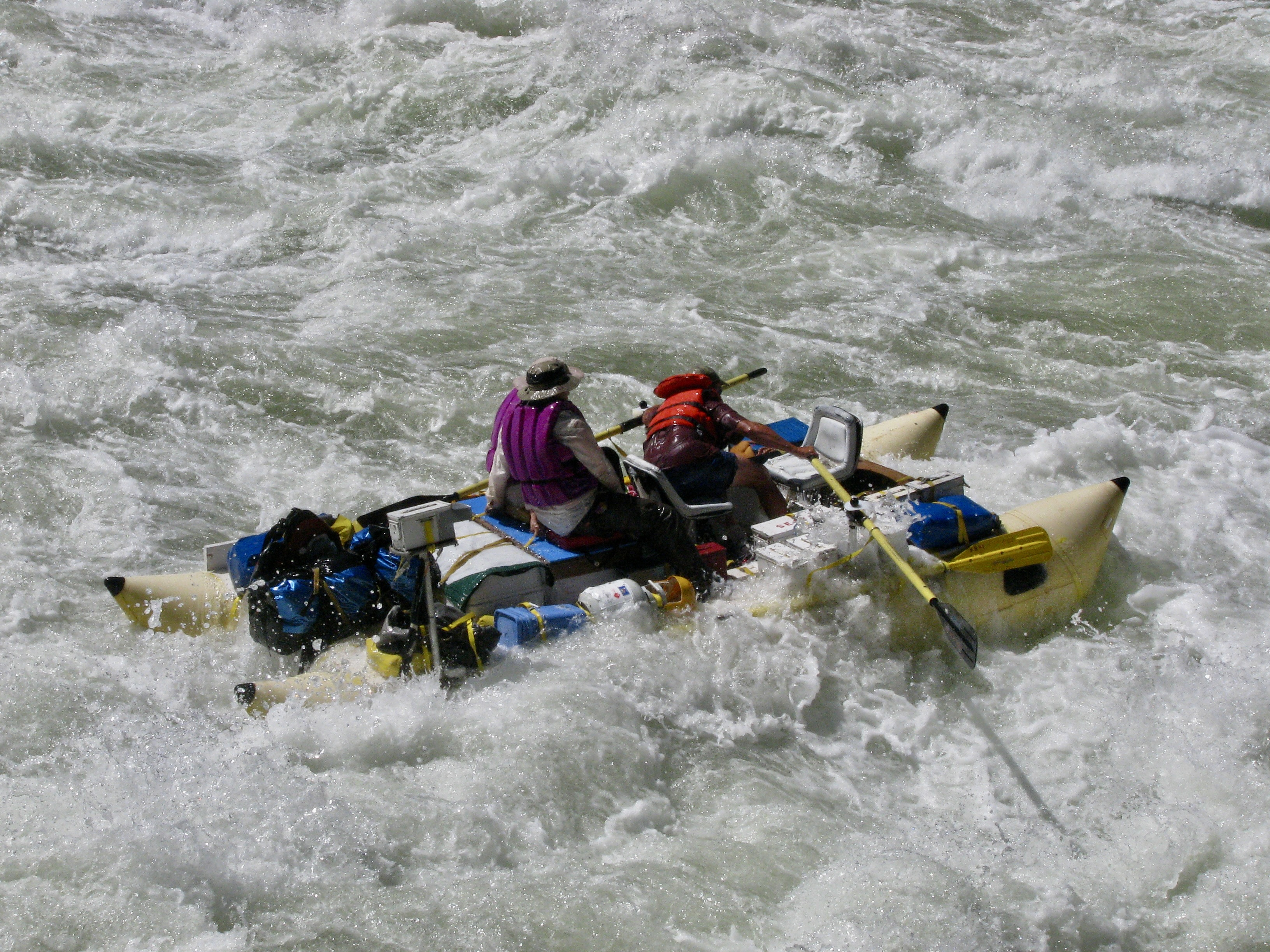
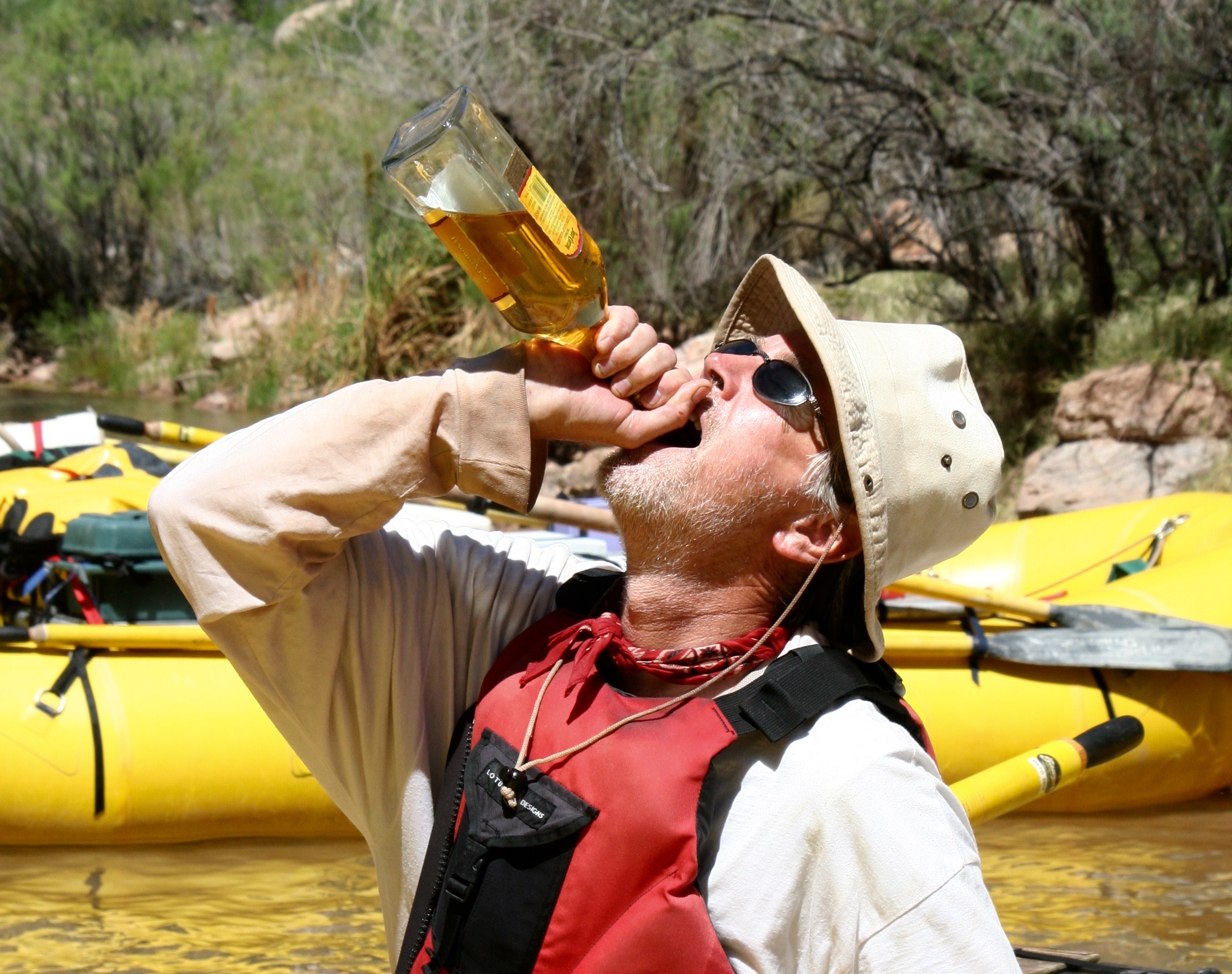
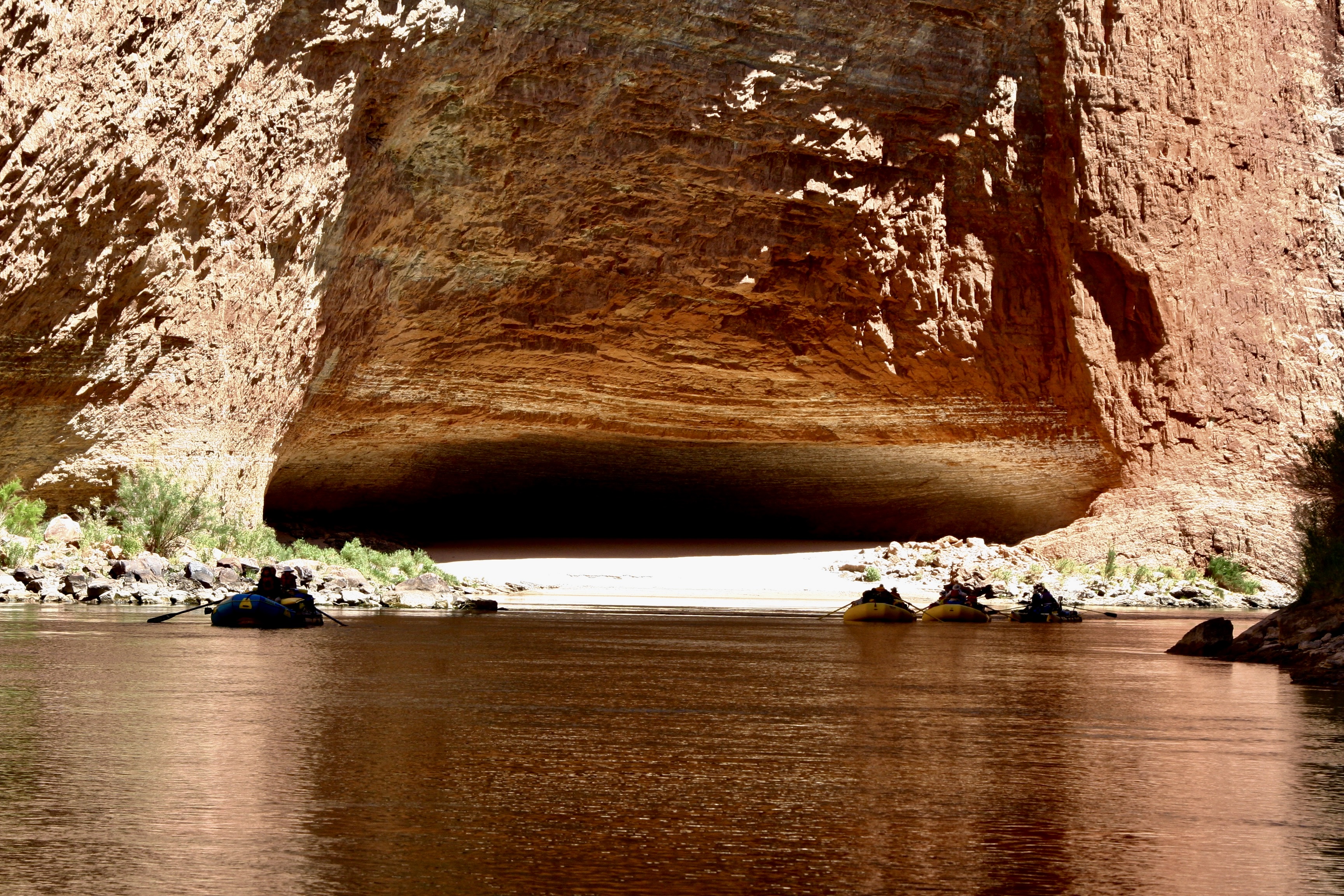
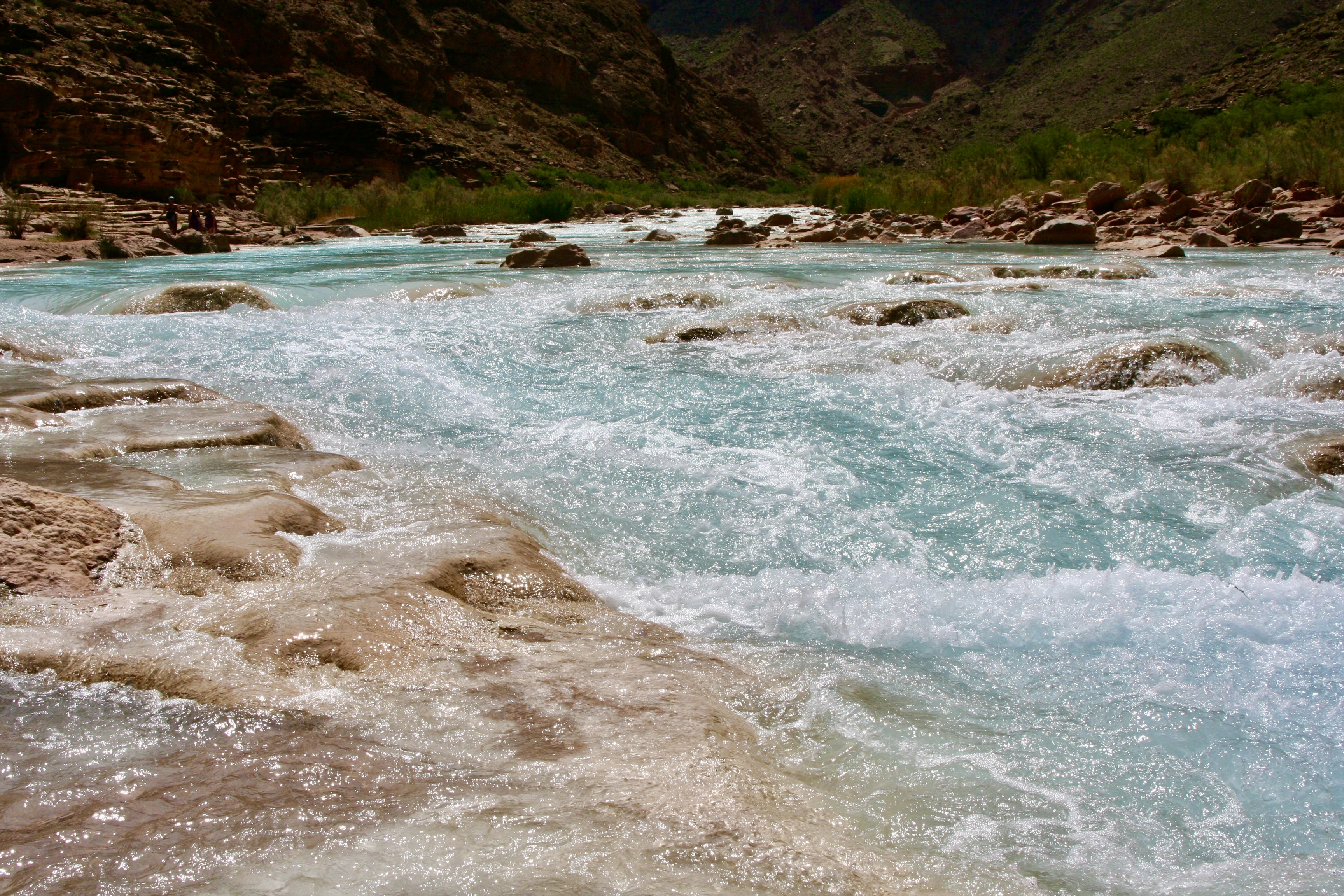
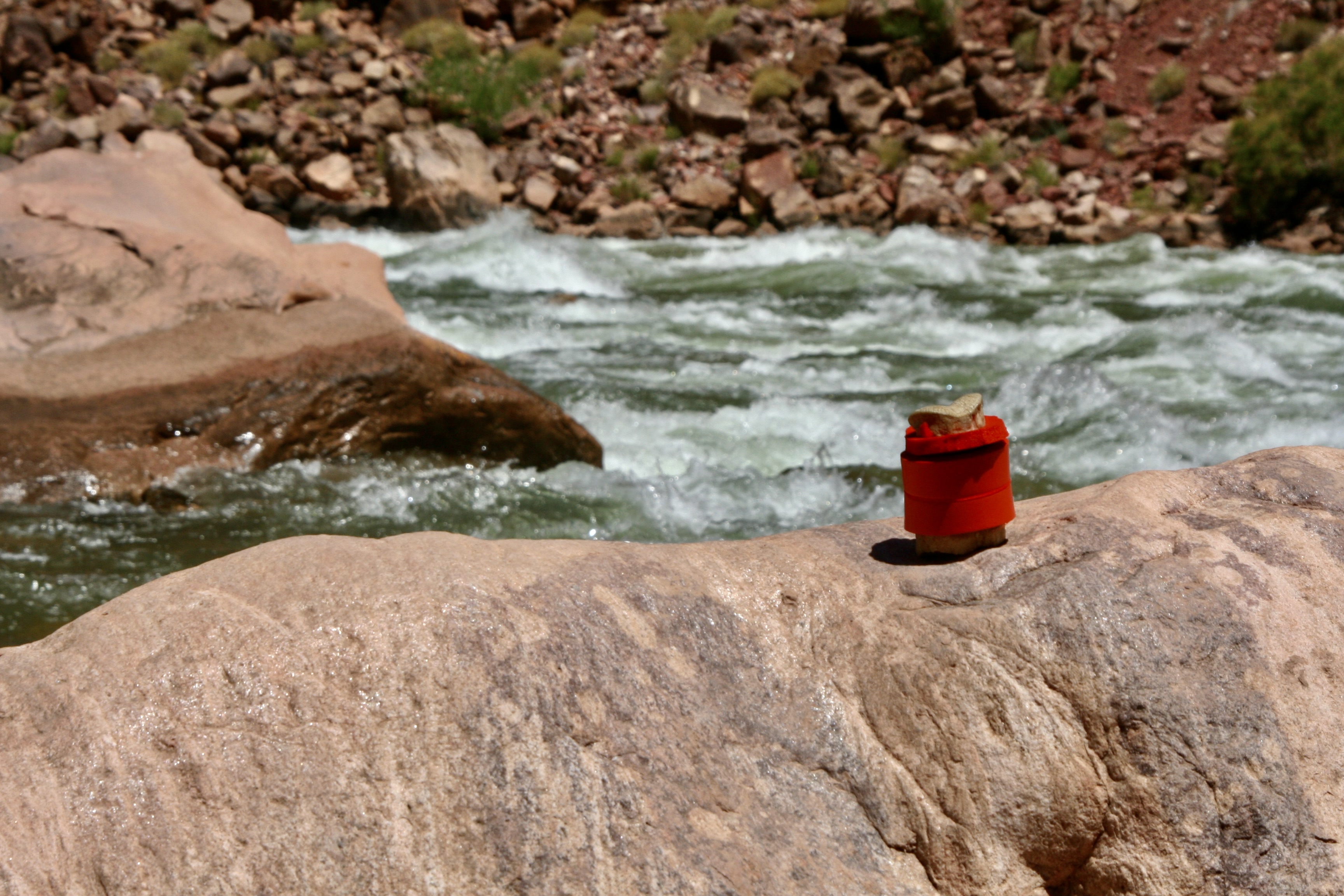
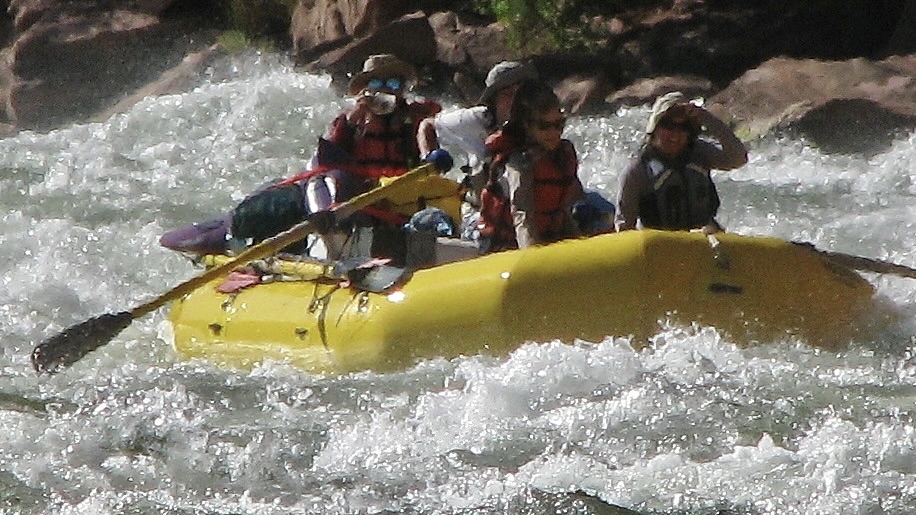
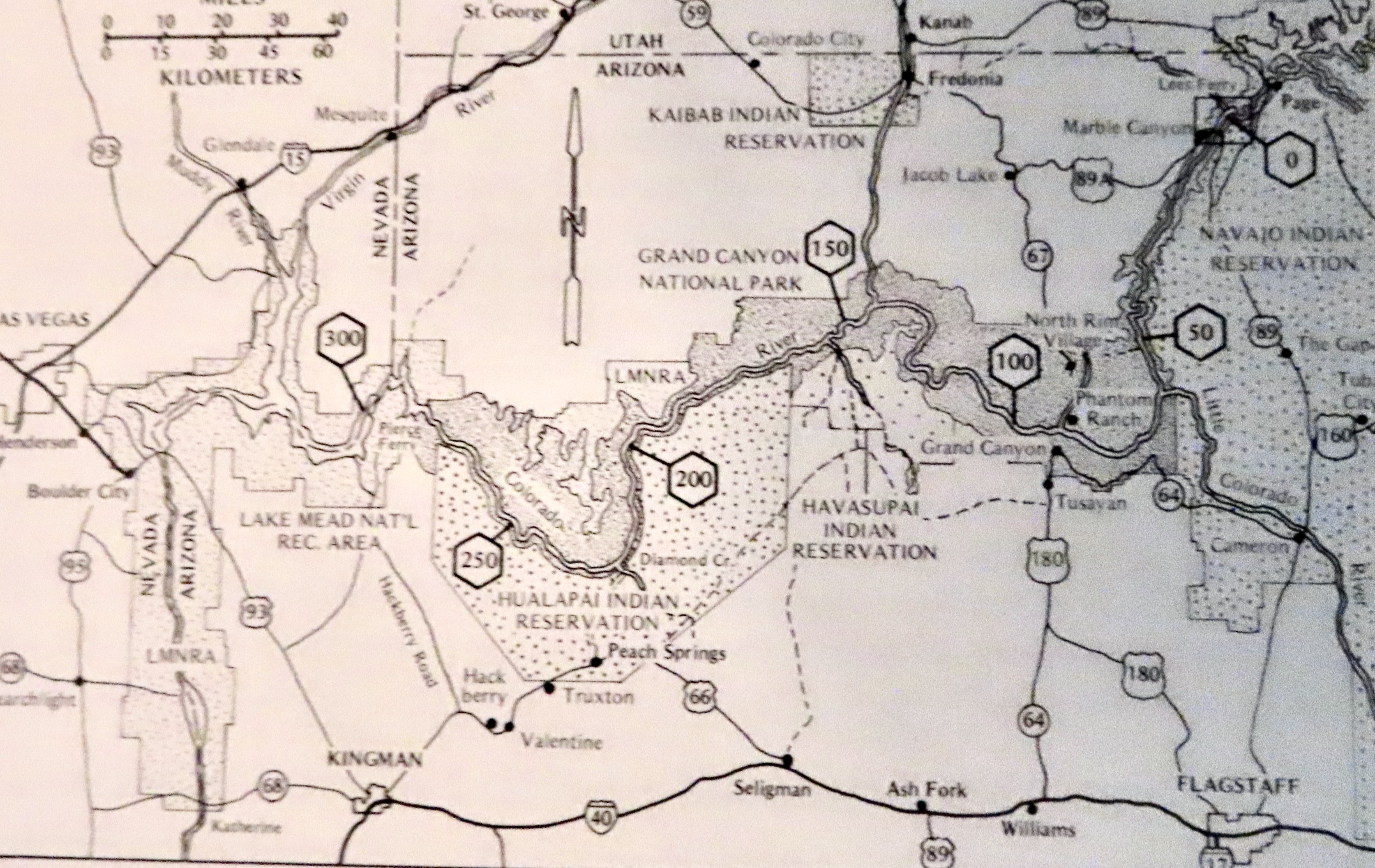
Today will take us another 44 miles down the river, which is short on miles but filled with both beauty and adventure. The beauty will be provided by Deer Creek Falls combined with a hike that takes us high above the river, and Havasu Creek that feature sparkling aqua blue water. Lava Falls Rapid will provide much of the adventure. Its #10 rating in difficulty recognizes it as one of the most challenging rapids in the world. We looked forward to it with excitement, and I might add, more than a little trepidation.
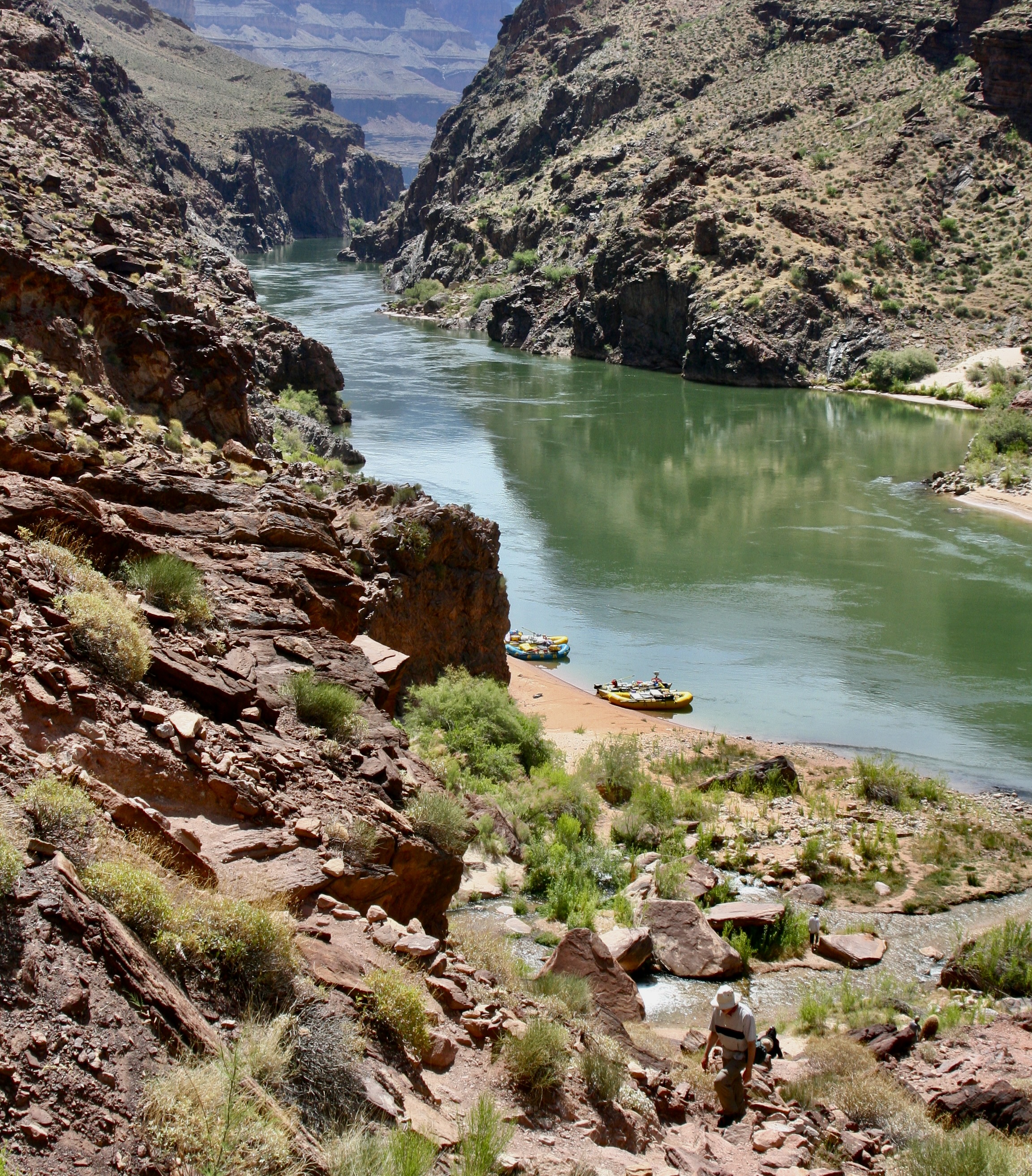
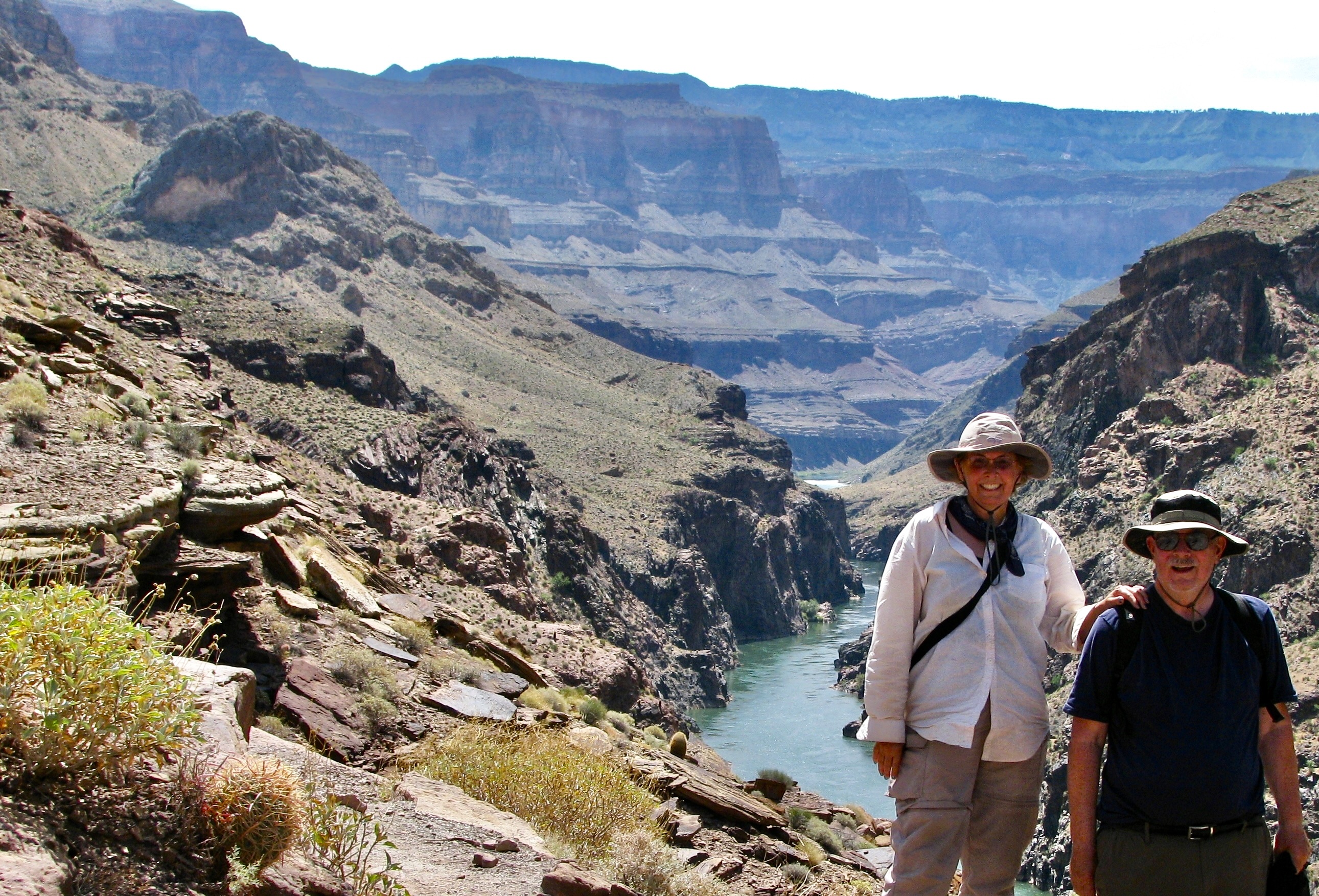

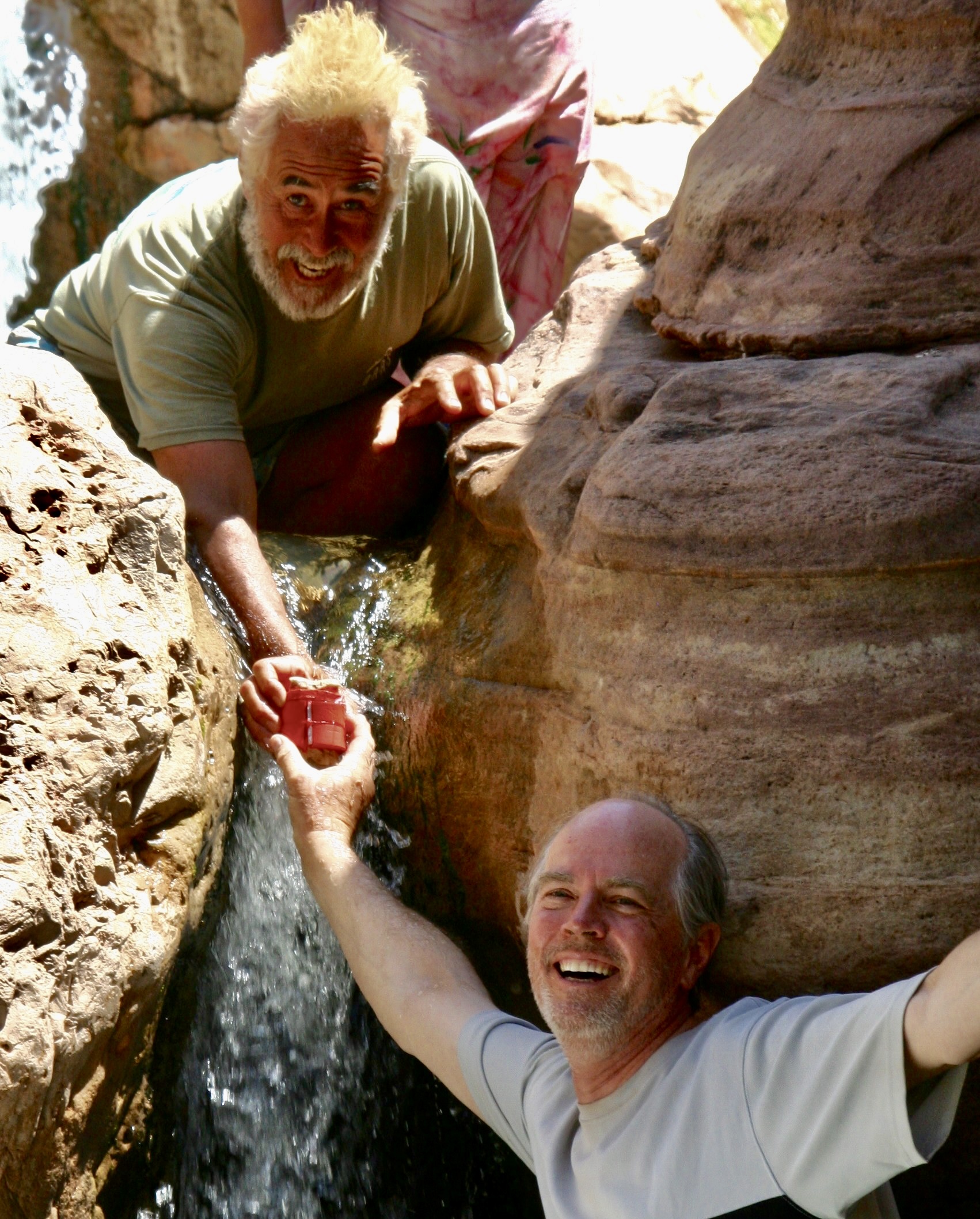
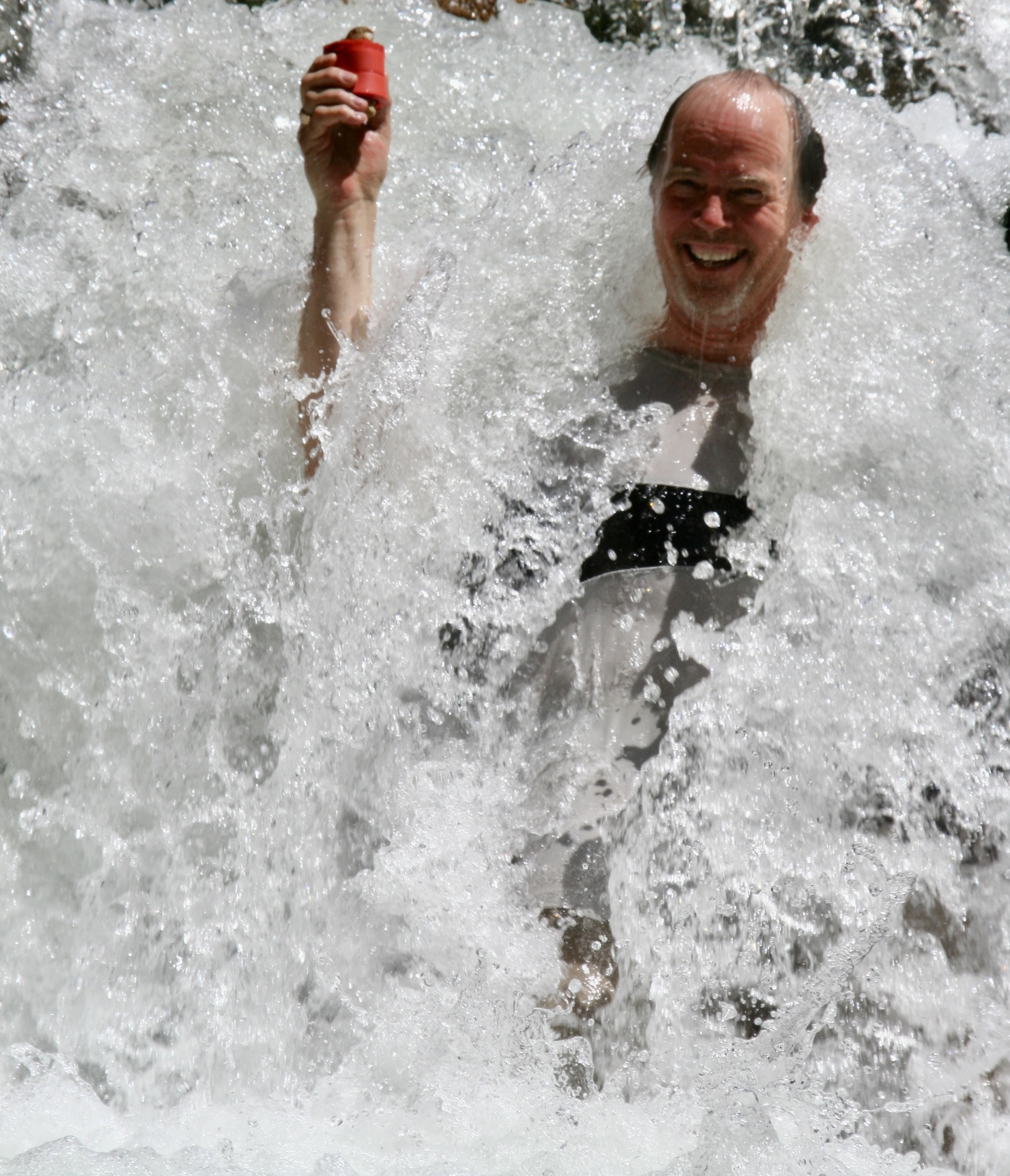
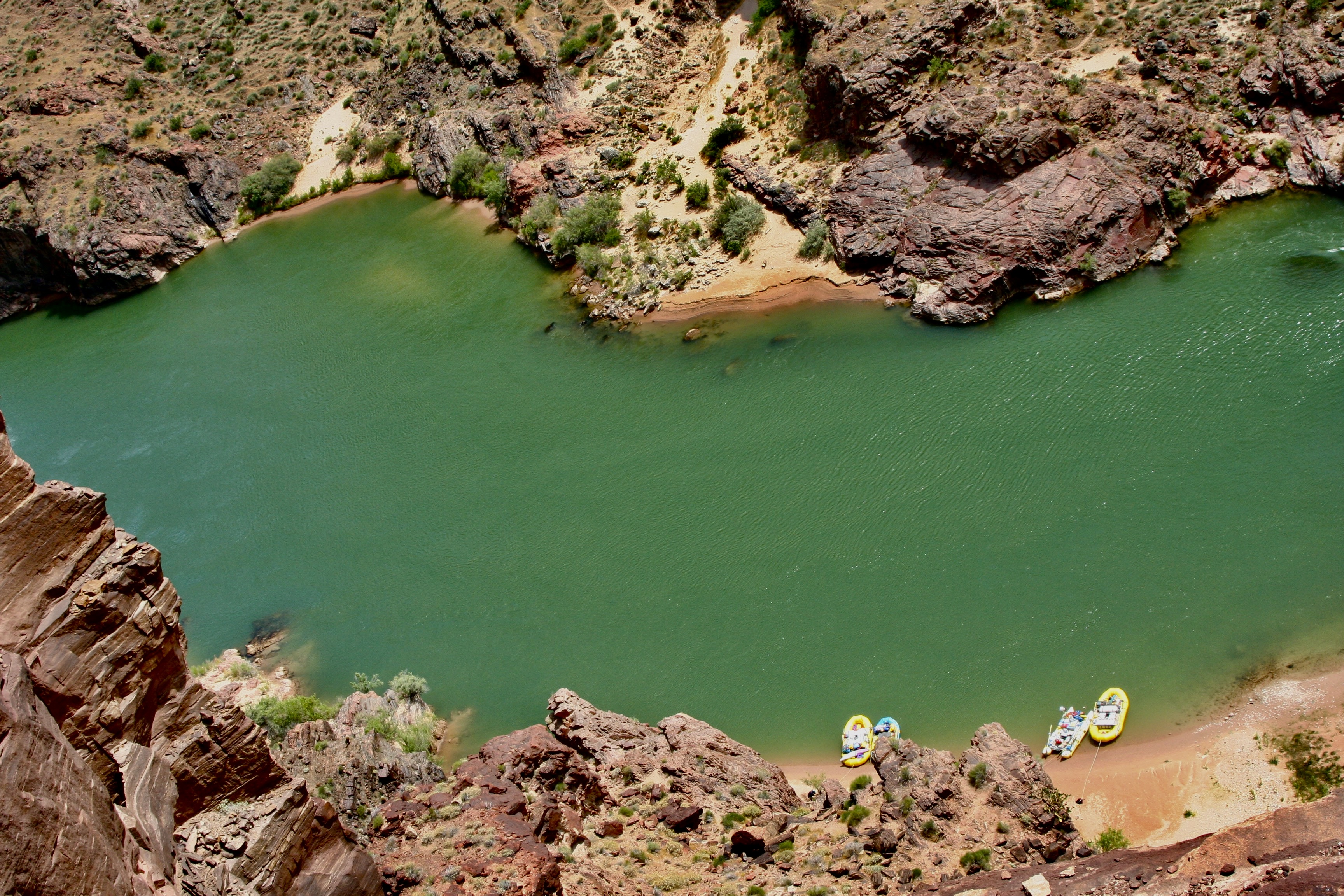
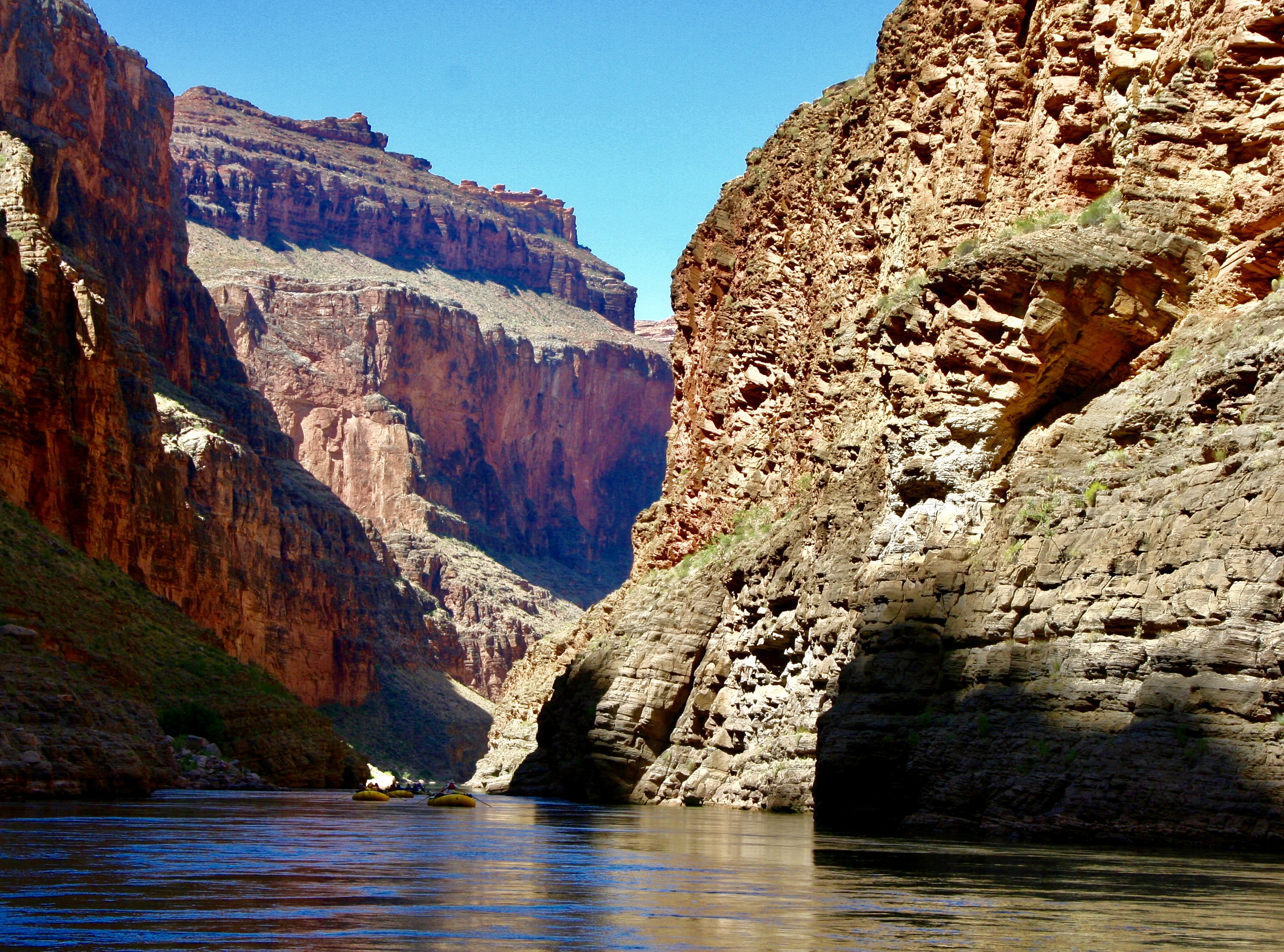
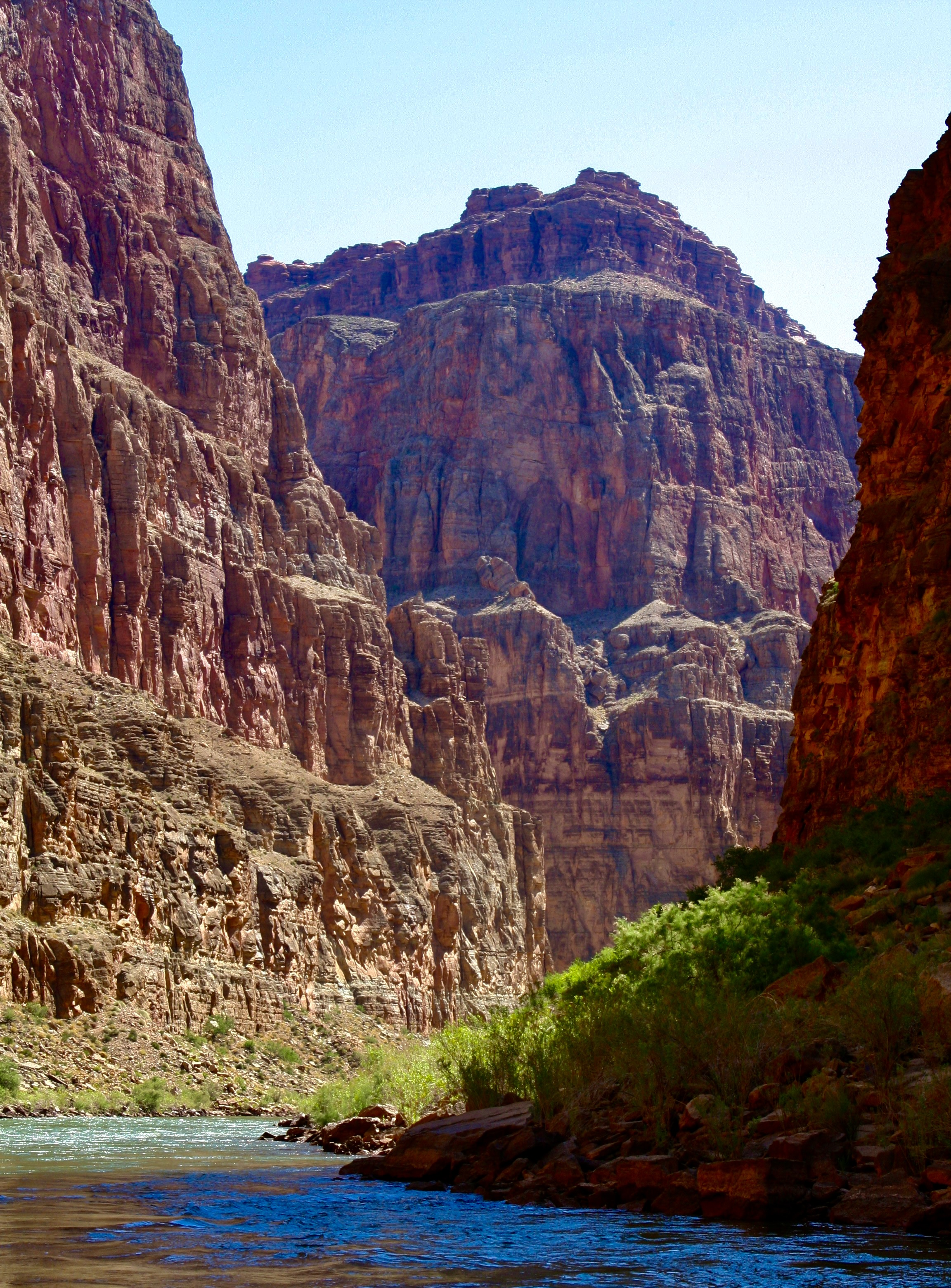
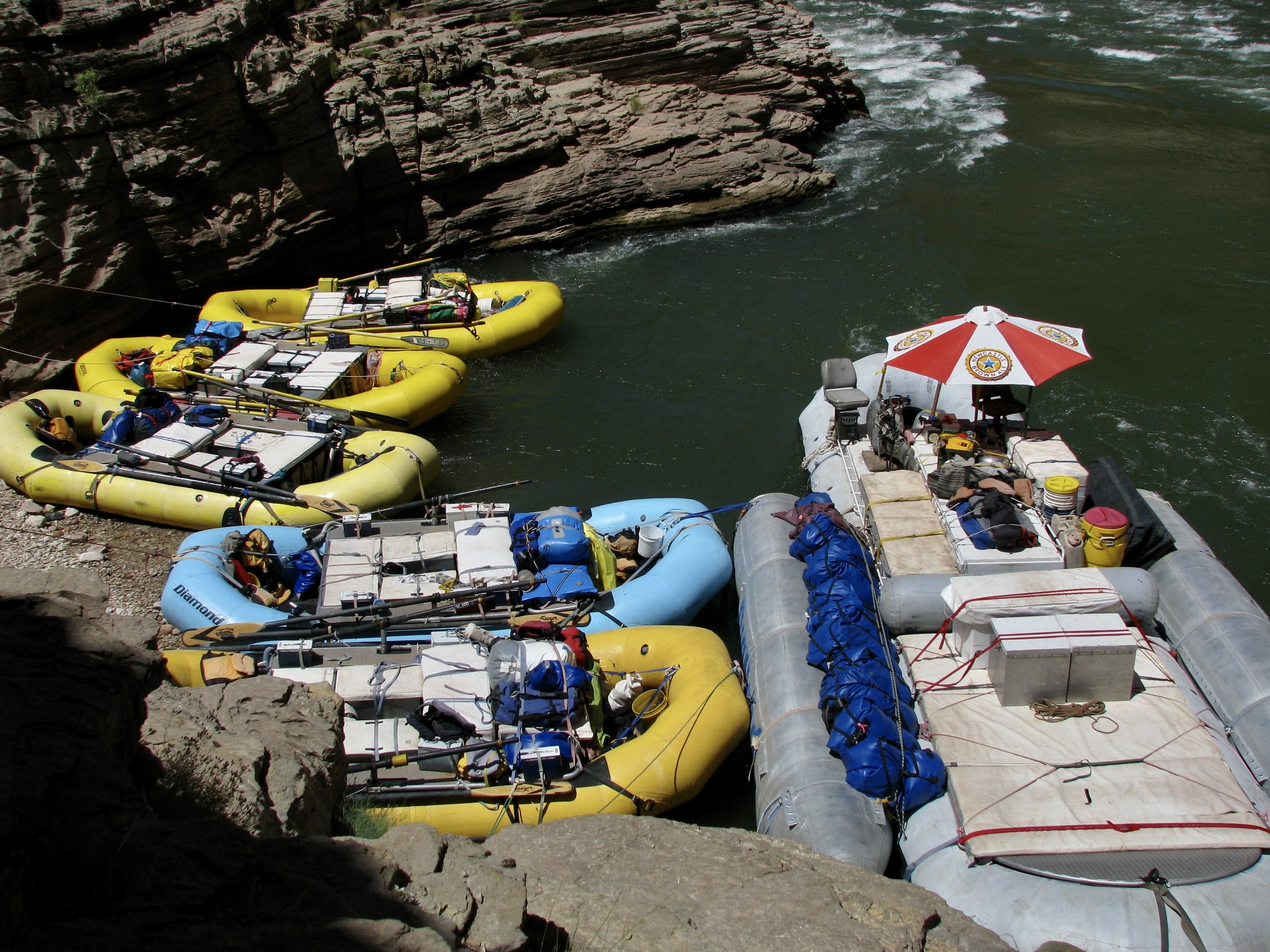
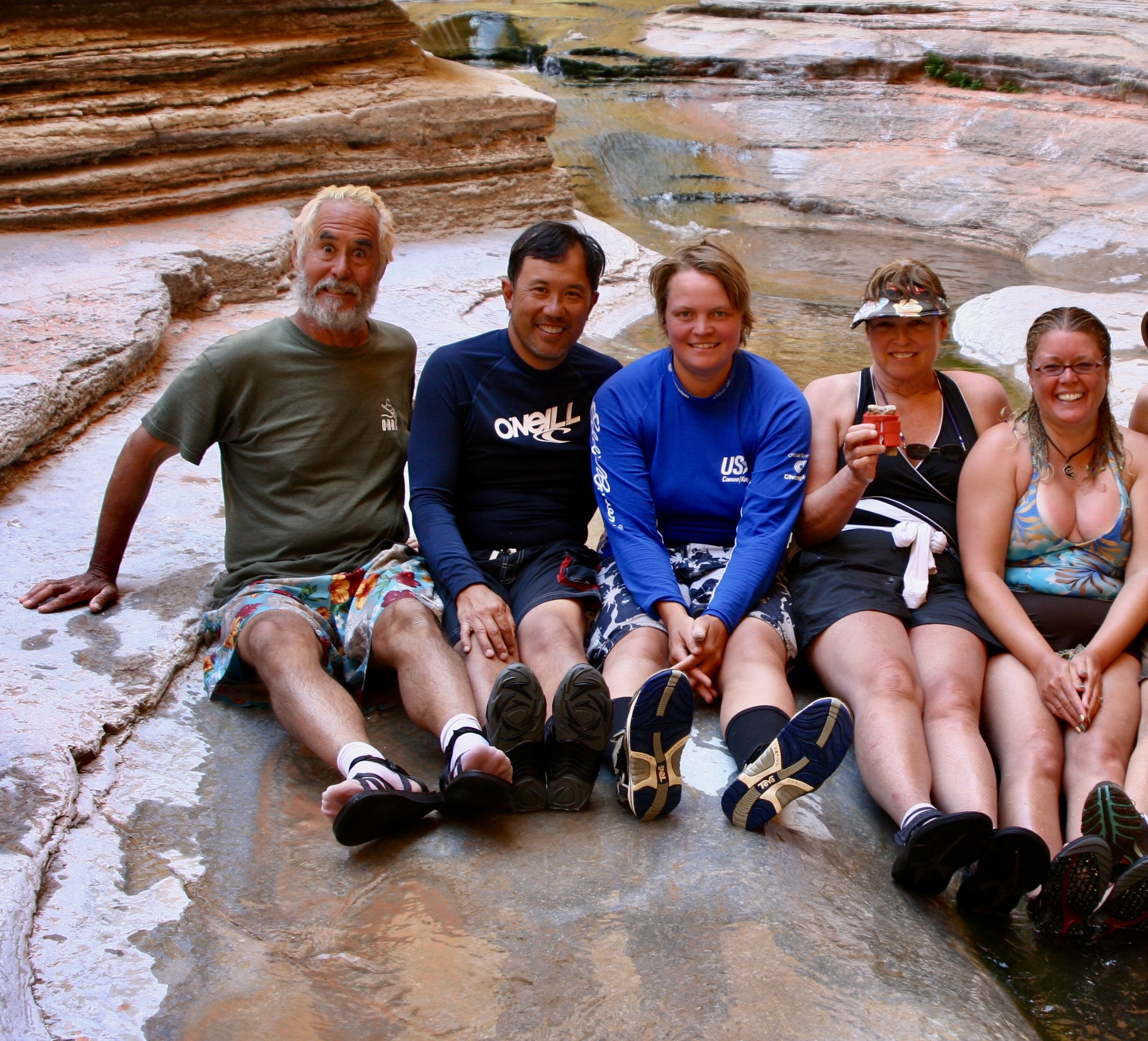
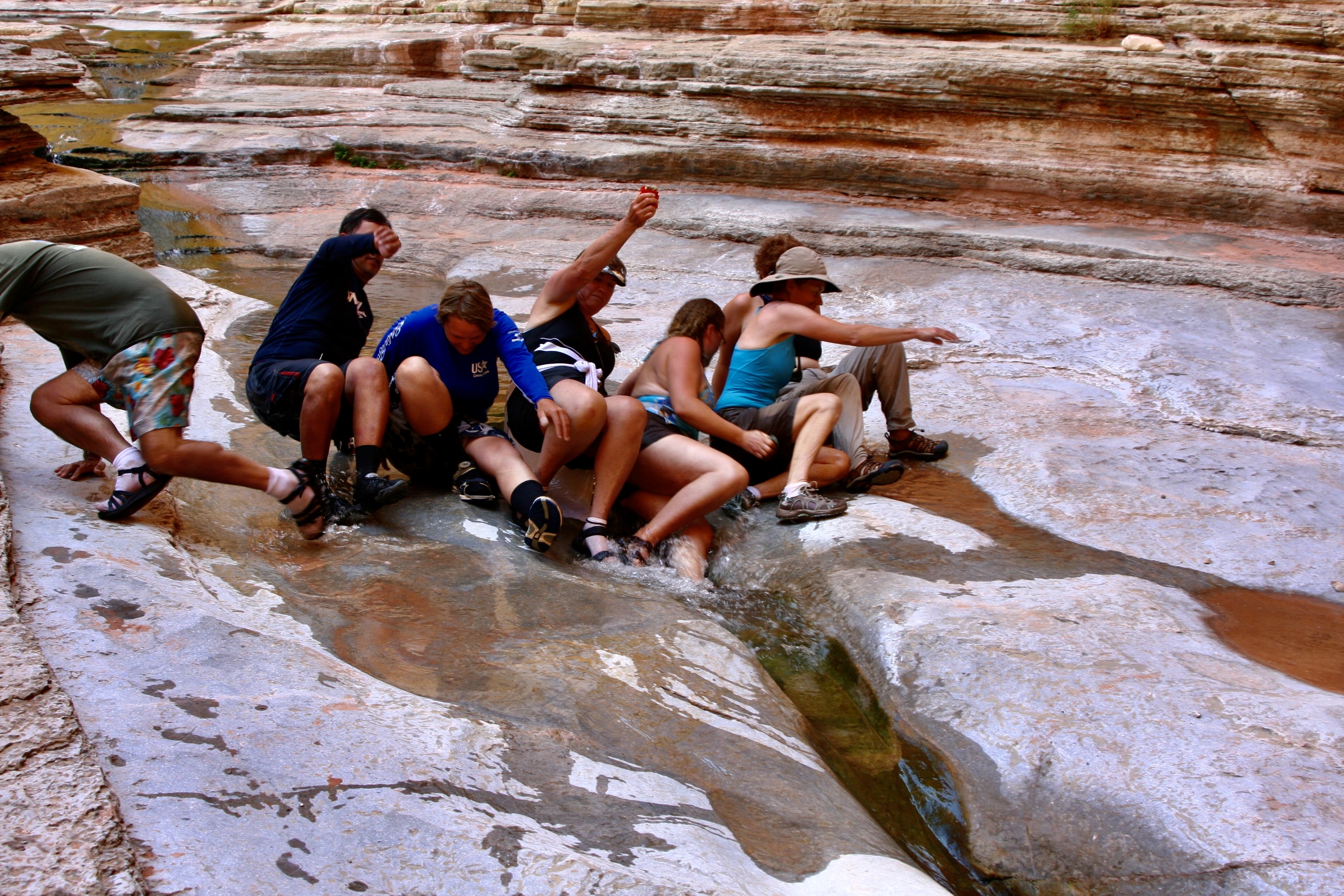
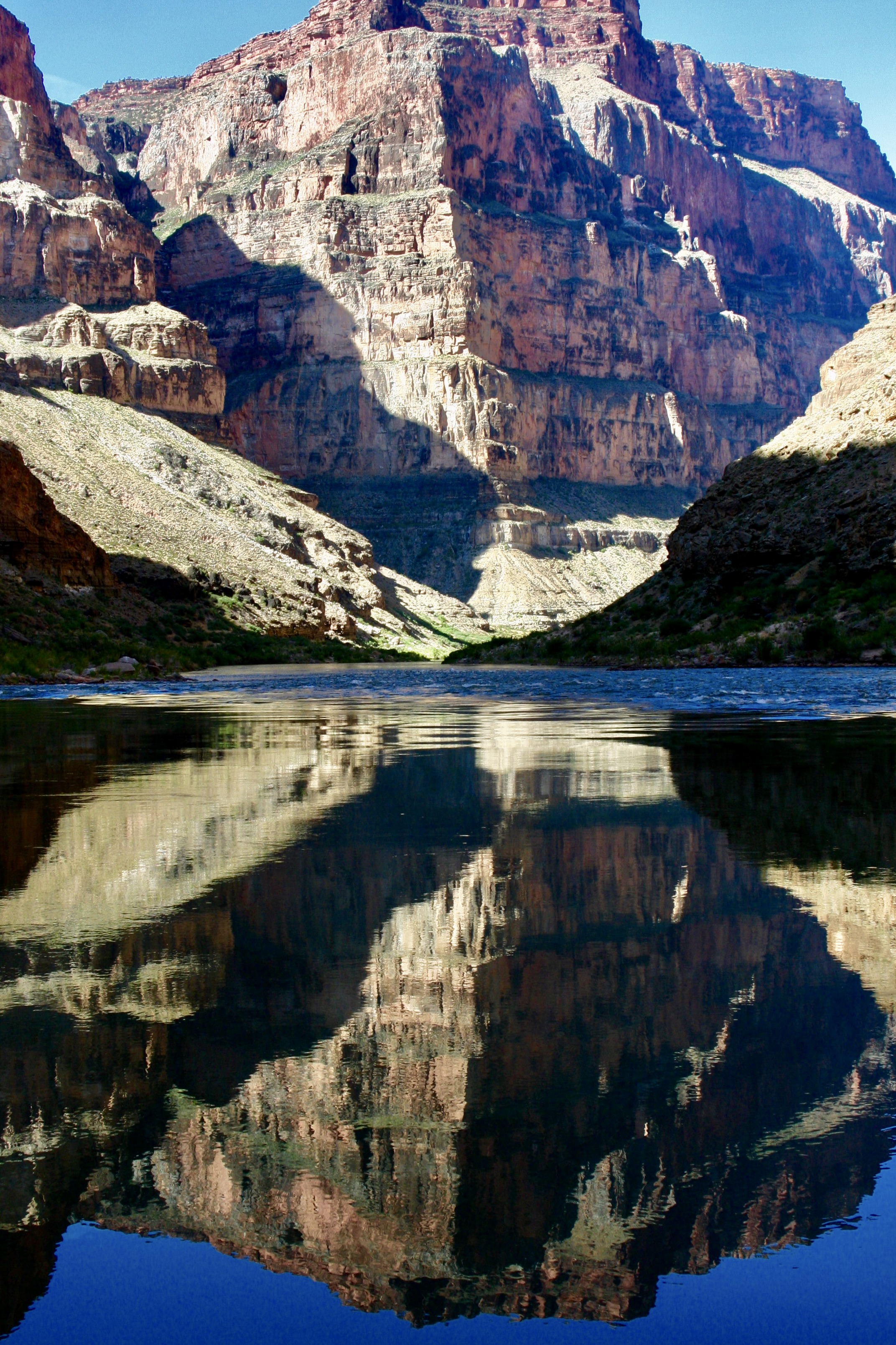
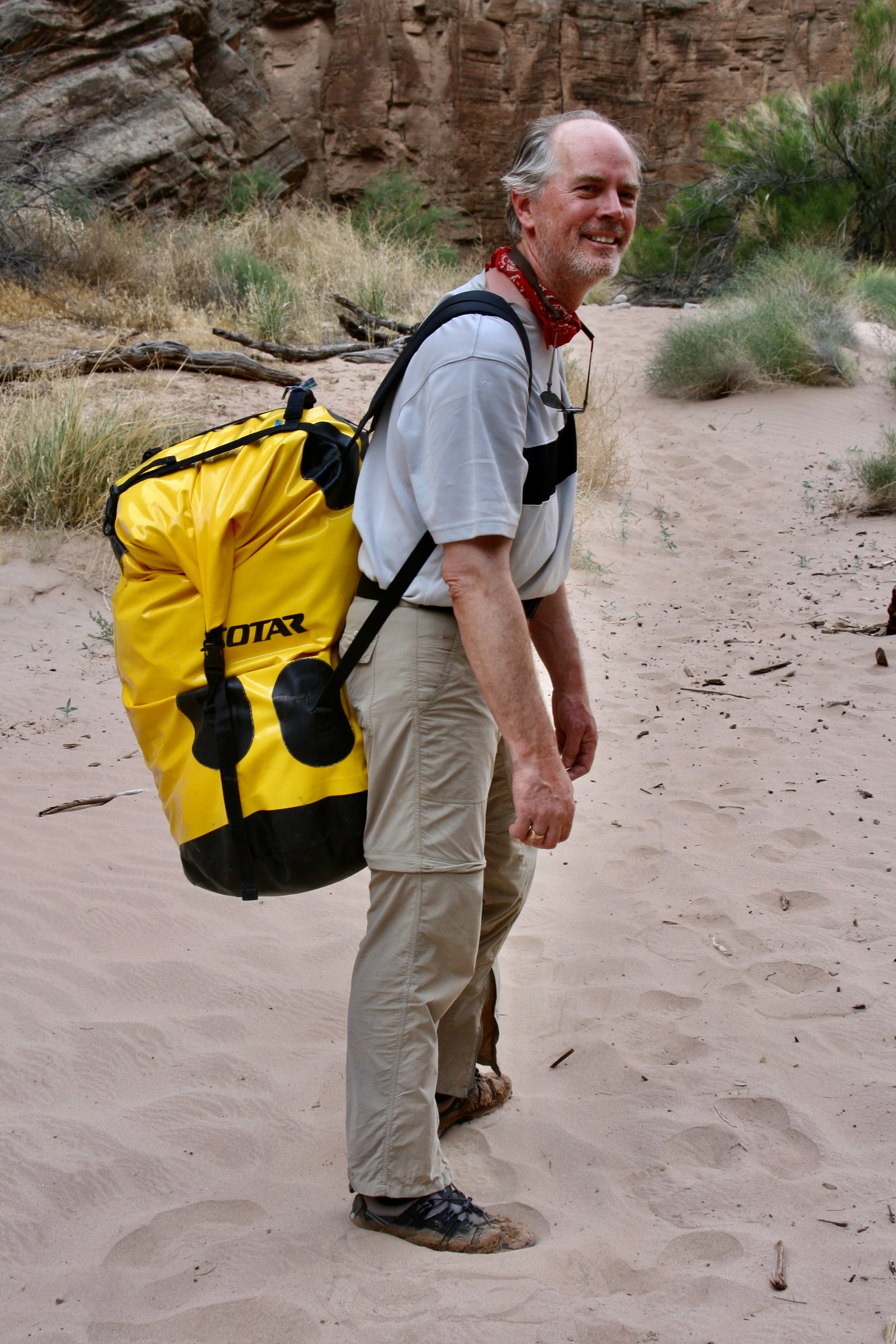

When I left Alaska in 1986 after three years of working as an executive director of a non-profit focused on health and environmental issues, I took six months off to solo backpack various locations in the West. My first stop was the Grand Canyon, perhaps not the best location to kick off a season of backpacking. Day one was spent hiking down the Tanner Trail from the high peaks on the rim to the scrawny tree on the right. I started with a 70 pound pack, including a generous amount of water. It was a steep, unmaintained, rocky and somewhat dangerous trail of 8-9 miles that dropped 4700 feet with the first source of water being the Colorado River.
Not surprising, I didn’t see another soul along the way and was exhausted when I arrived. I had just enough energy to pump some water, eat a handful of gorp, and throw out my tarp and sleeping bag. I buried my food bag in the sand next to me and crawled into my sleeping bag. That’s when the mouse chose to go dashing across my chest from its home at the base of the tree to my food sack. “Go away Mousey!” I yelled as I dropped into oblivion.
When I woke up in the morning, the first thing I checked was my food bag. Other than helping itself to some peanuts, Mousey hadn’t done much damage. I looked over at the tree to see if I could spot its home. Nope, but I did see something round, grey and skinny on the side of my tarp. “What the” I thought, and then it dawned on me. It was Mousey’s tail! Something had sat on the edge of my tarp and eaten the mouse during the night!








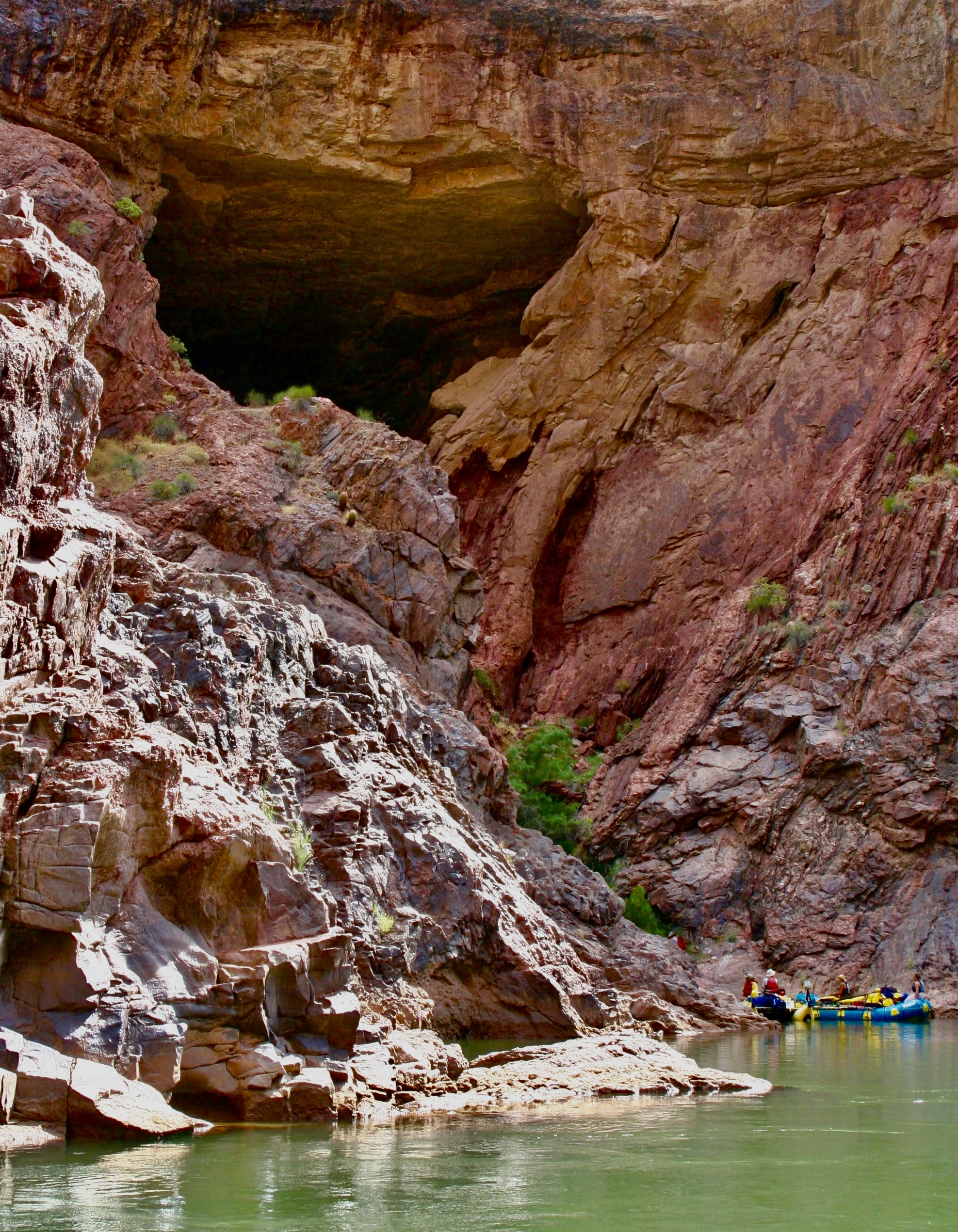

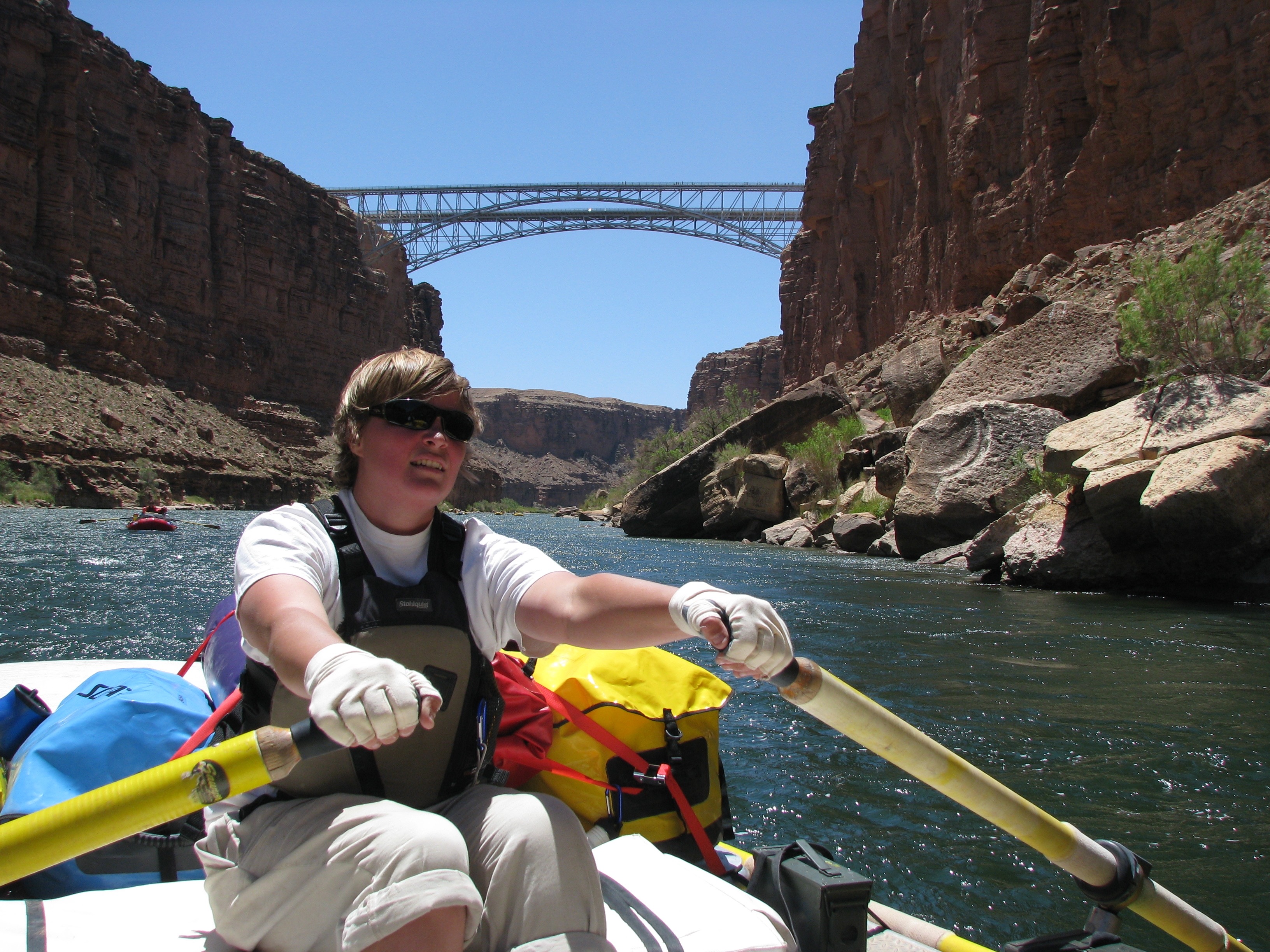
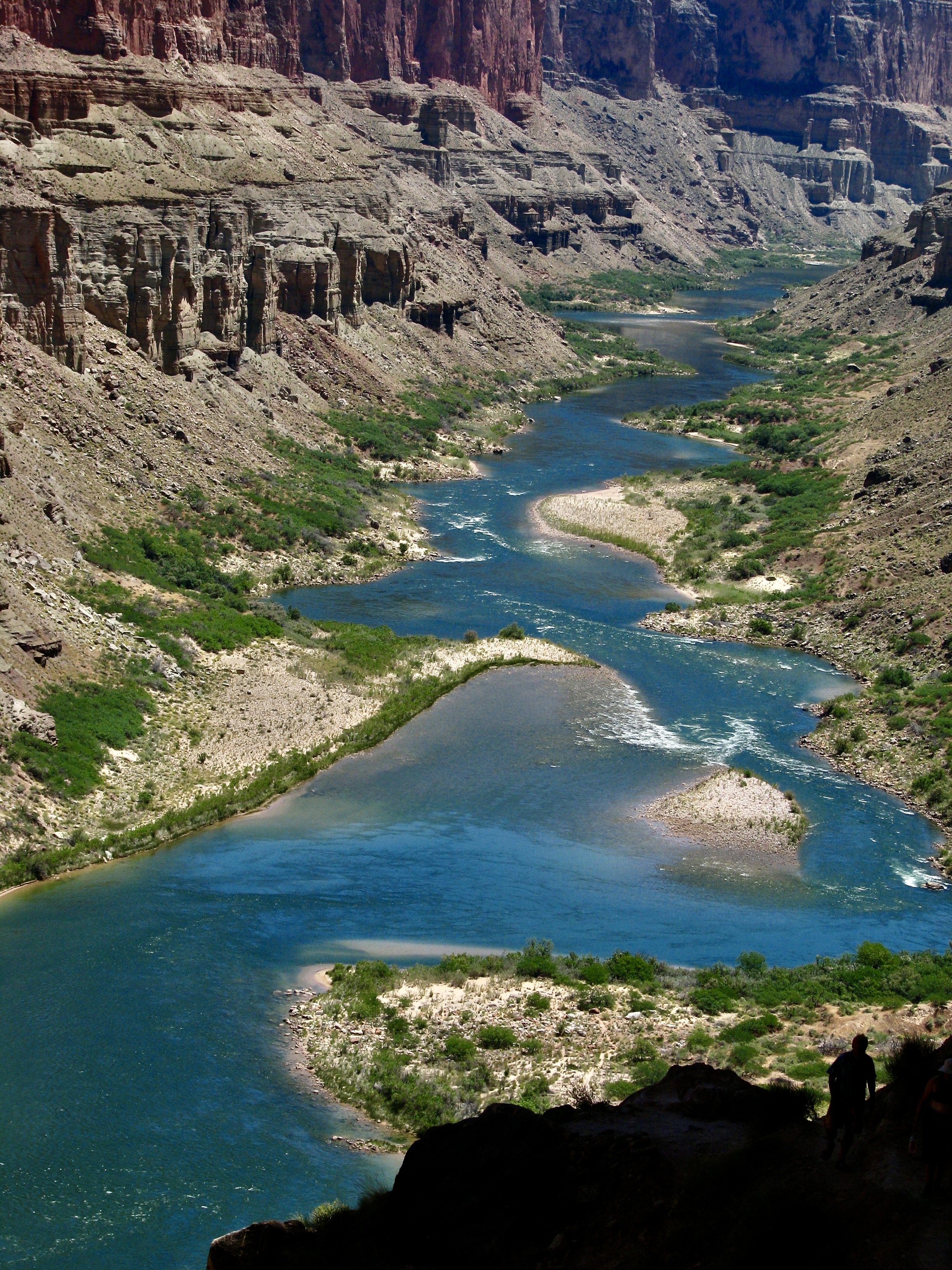
For those of you who like facts, here are a few about the river: The Colorado is 1,440 miles long from its headwaters in the Rocky Mountains to its mouth in the Gulf of California. I’ve backpacked through the area where it originates and kayaked in the Gulf of California. It ranks 6th in length among U.S. rivers. At its widest point it reaches 750 feet. At its deepest, 90. It flows along at 3-4 miles per hour but may reach 15 miles per hour in rapids. Given that the water comes out of the base of Glen Canyon Dam, it’s cold— an icy 46 degrees Fahrenheit during the upper part of our trip. Washing off in it usually elicited screams. Over the course of our adventure, it dropped 1700 feet in altitude, an average 8 feet per mile. That’s 25 times the average of the Mississippi River! Thus, the 250 rapids in the Grand Canyon.




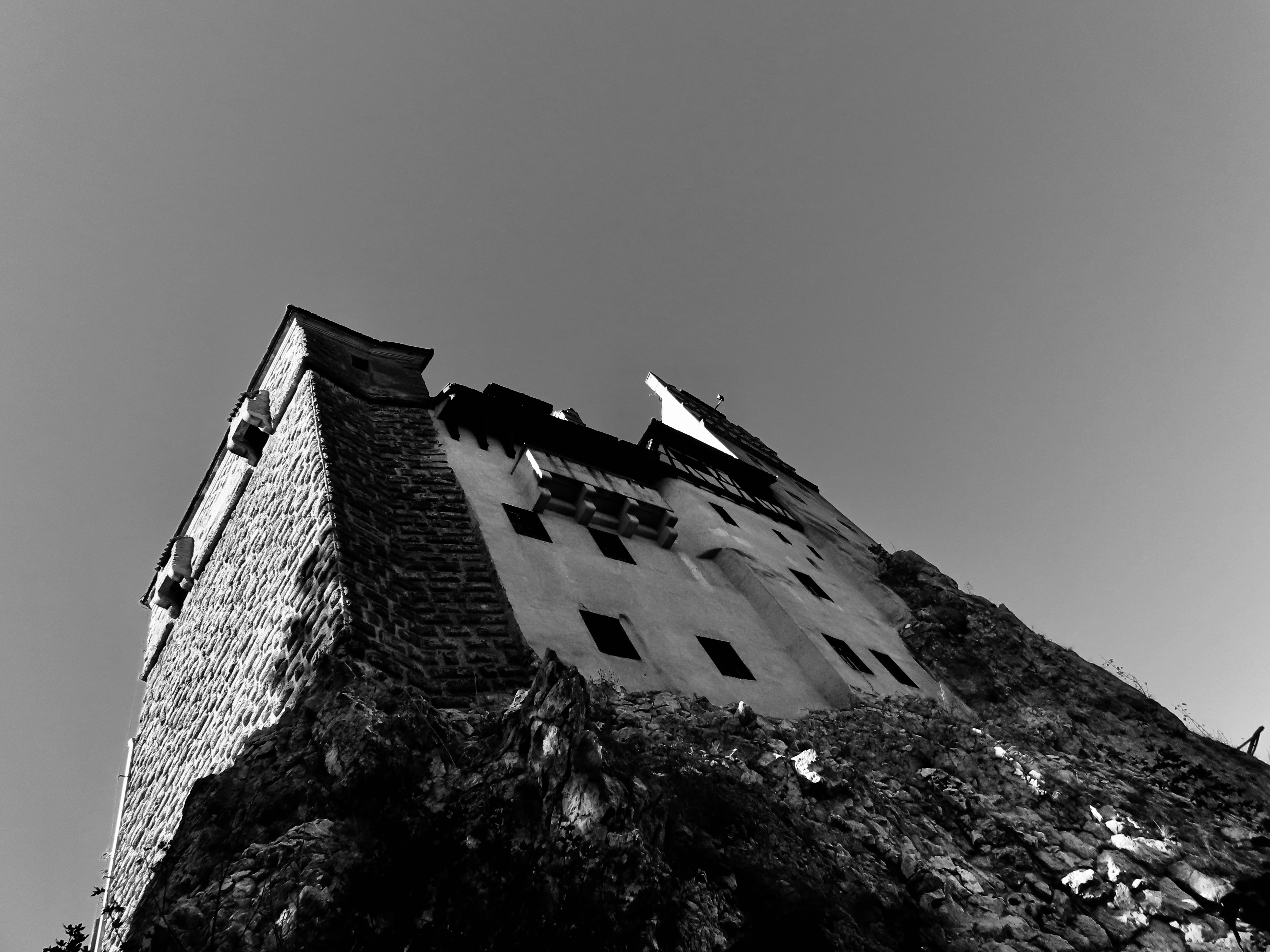
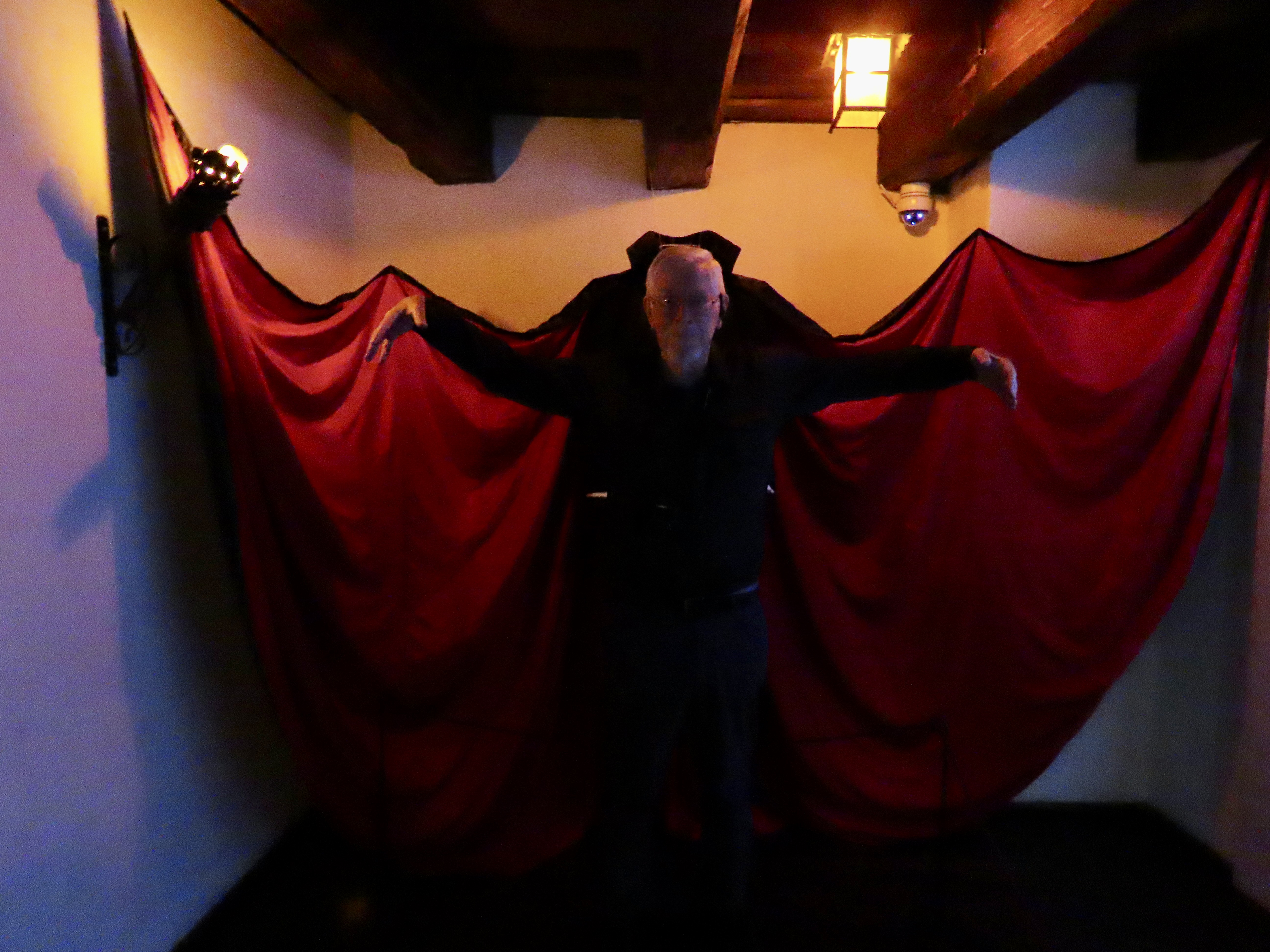
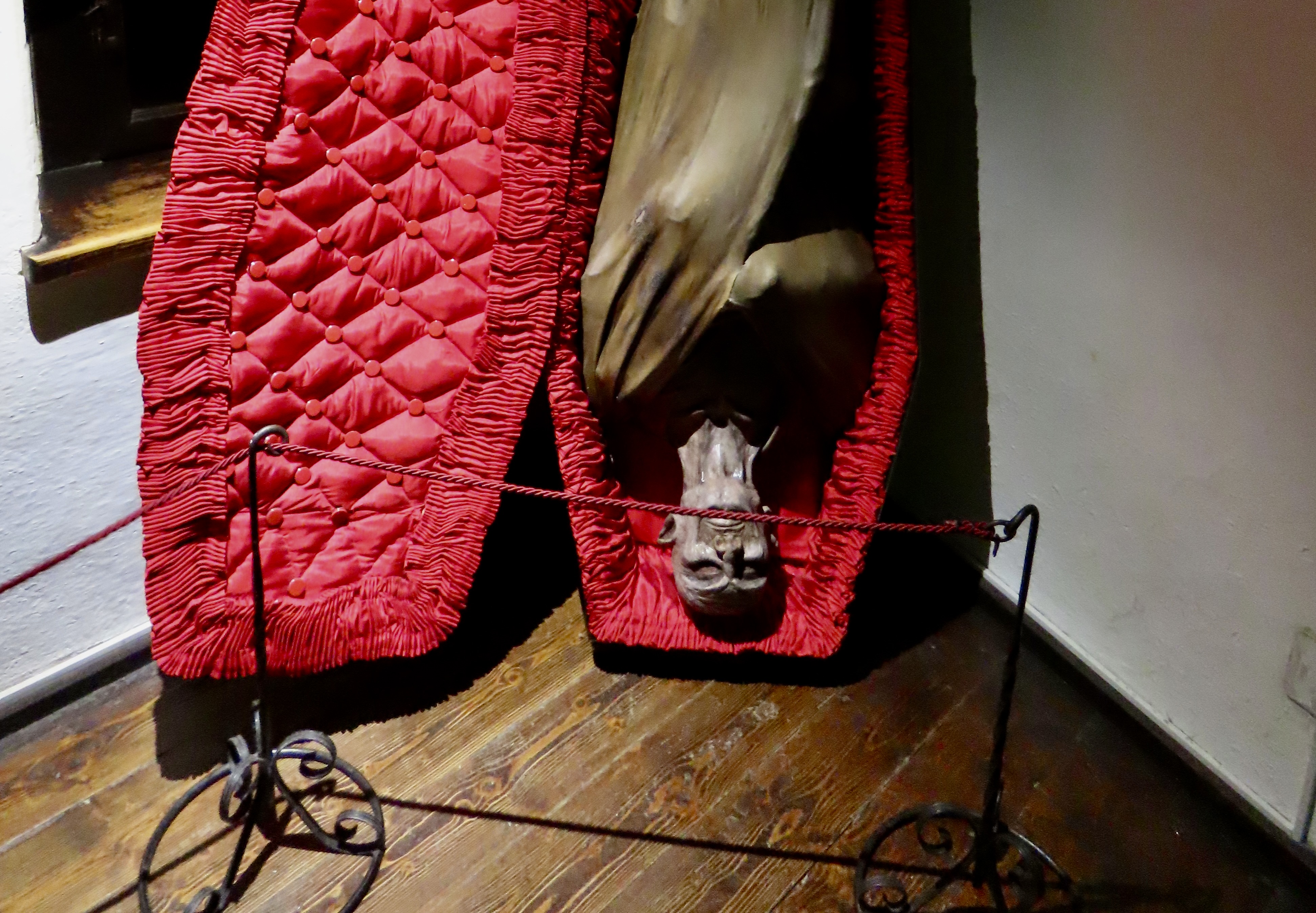
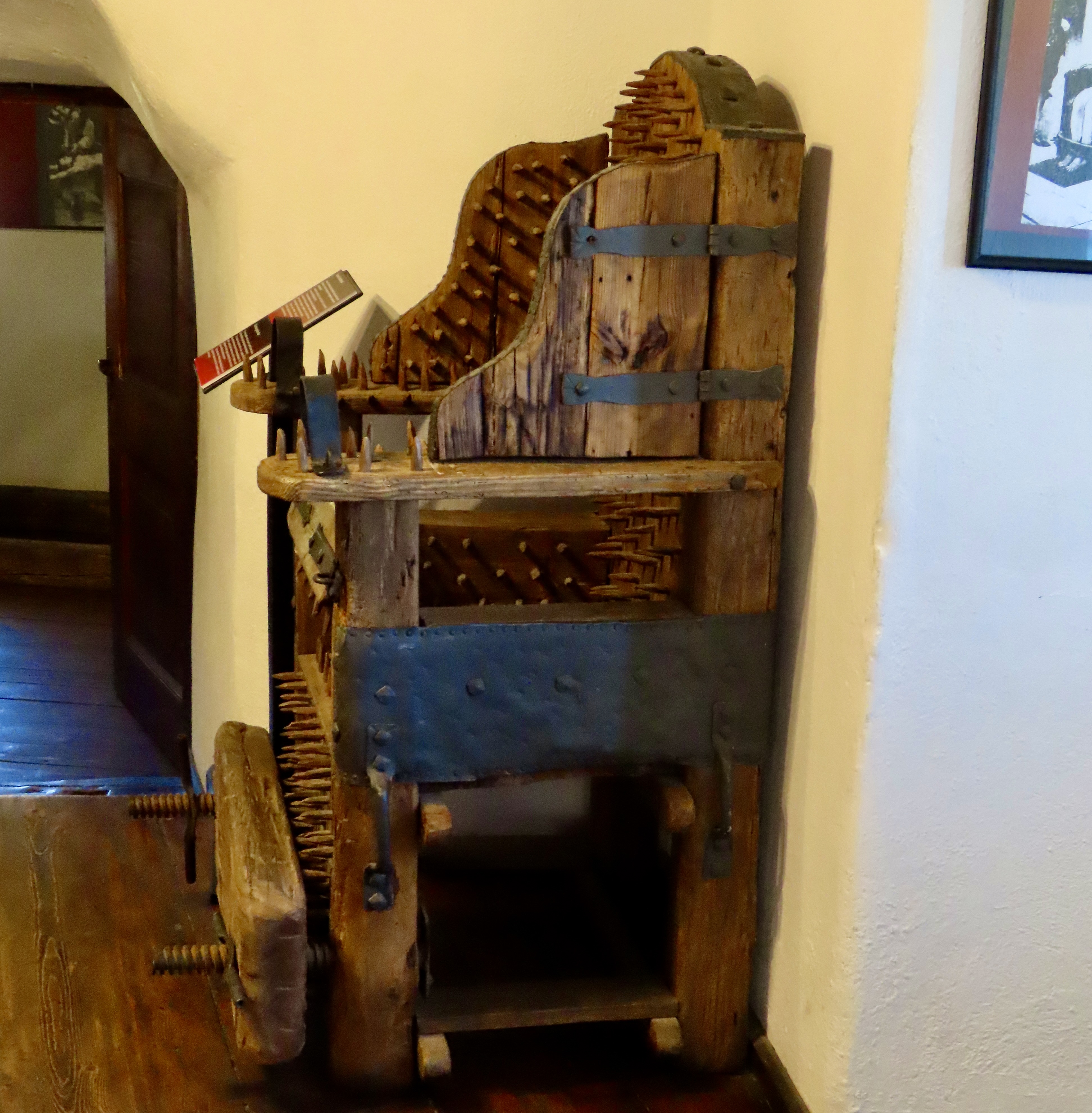
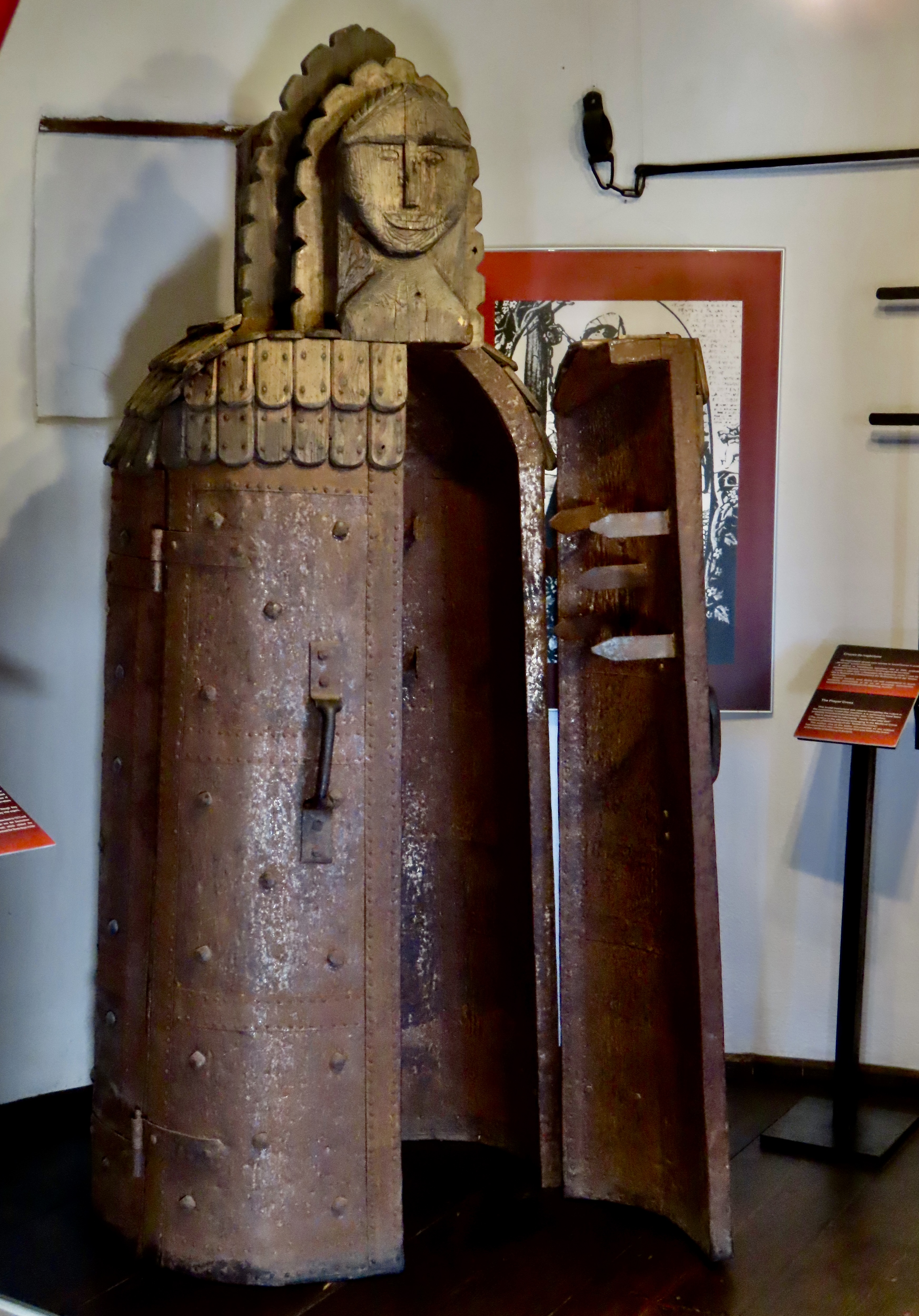
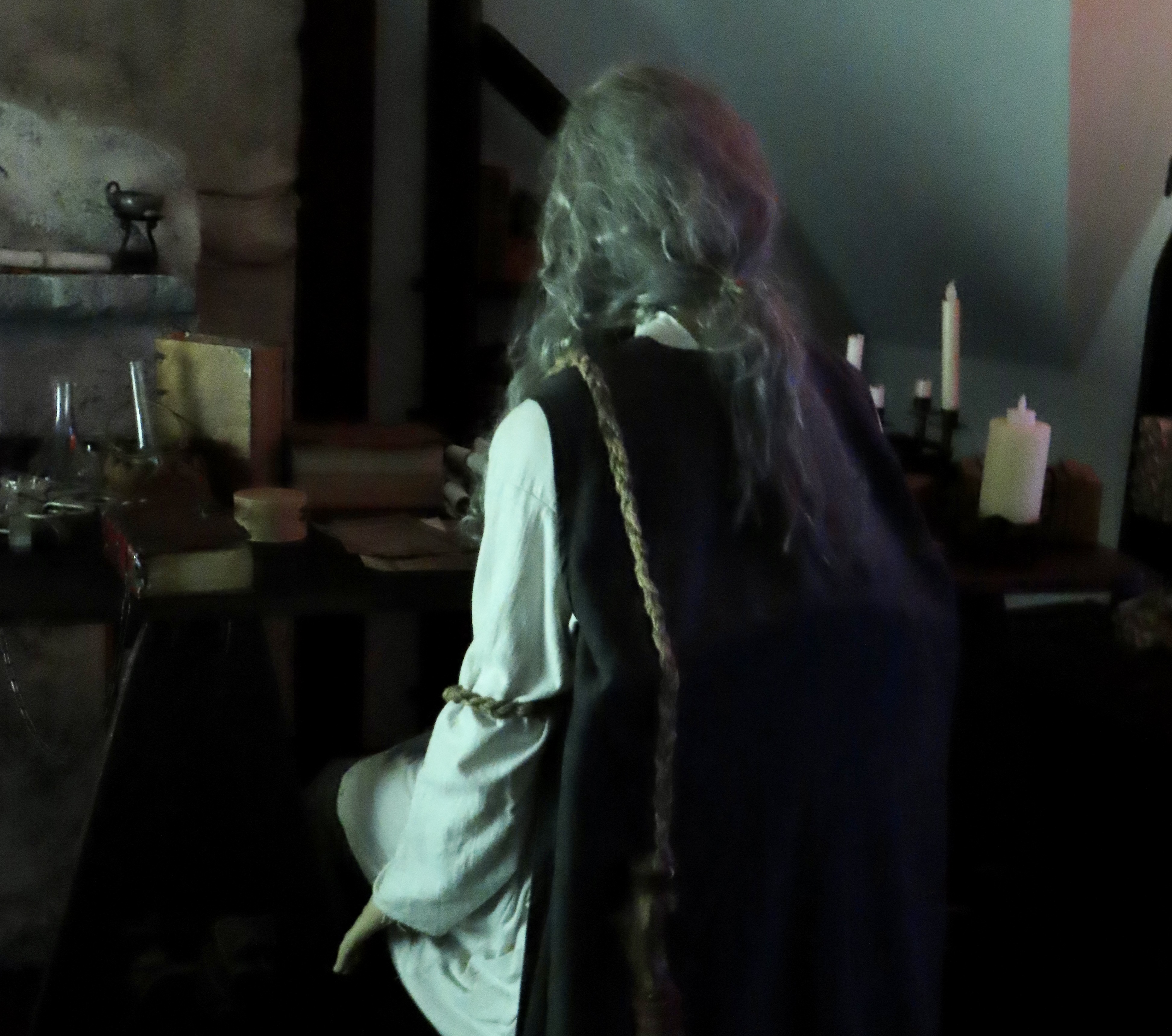
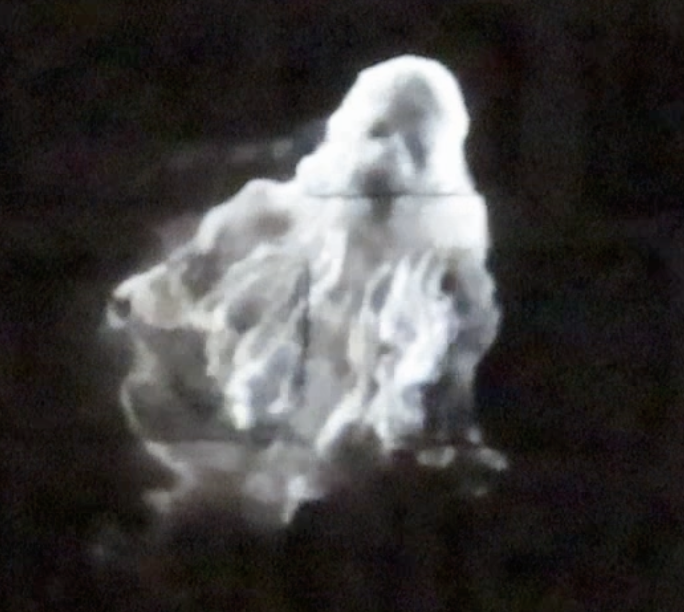
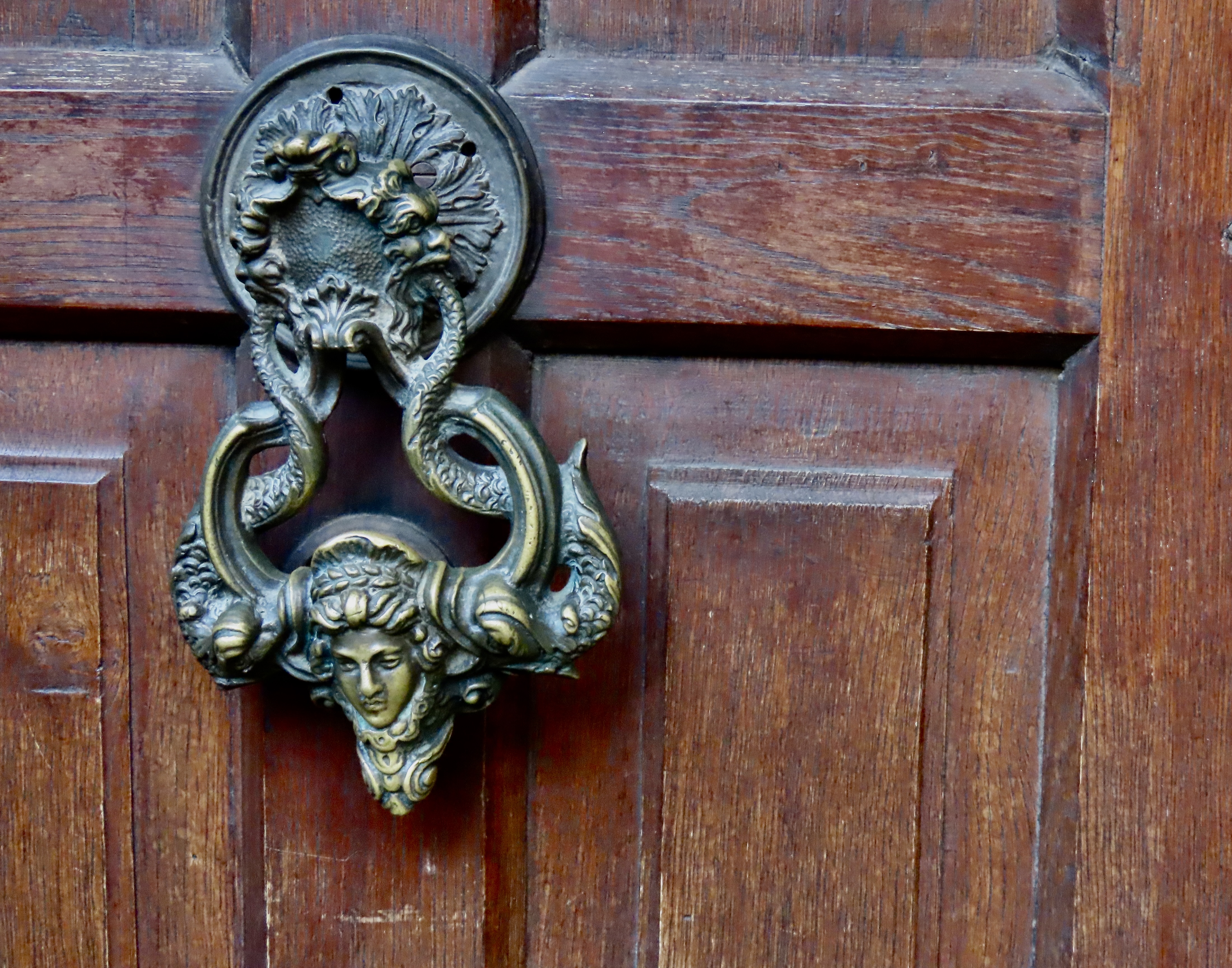
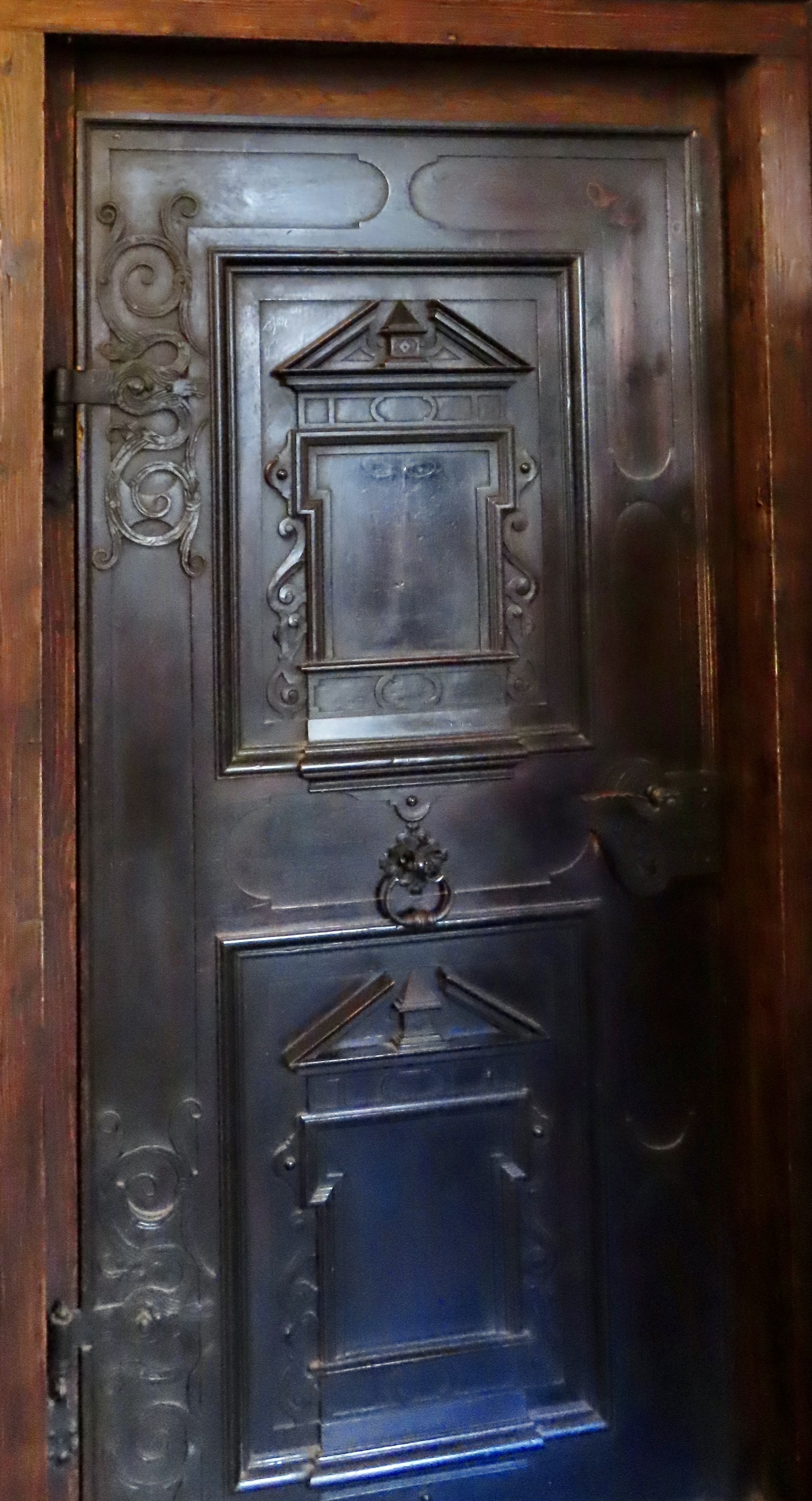
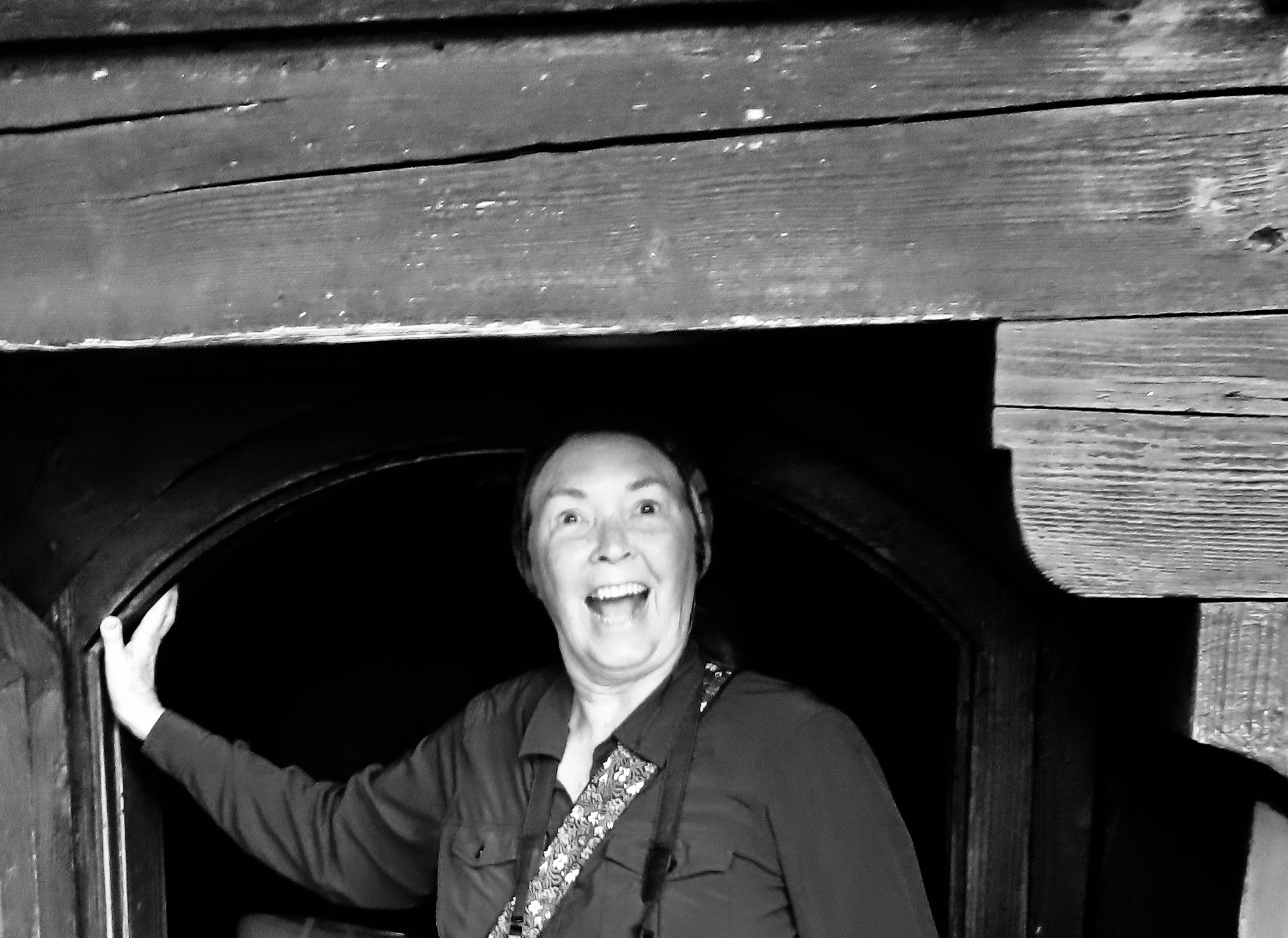
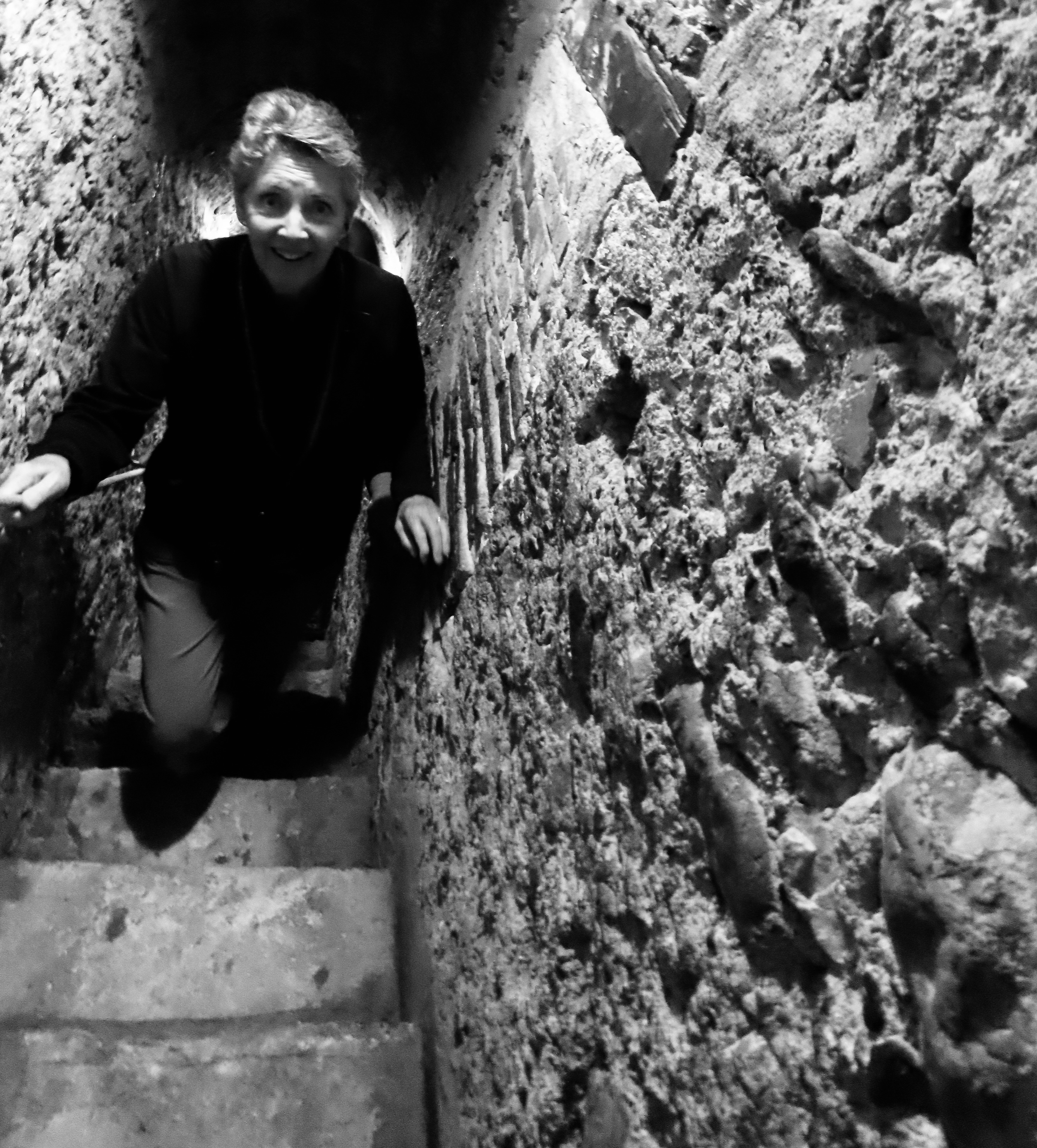
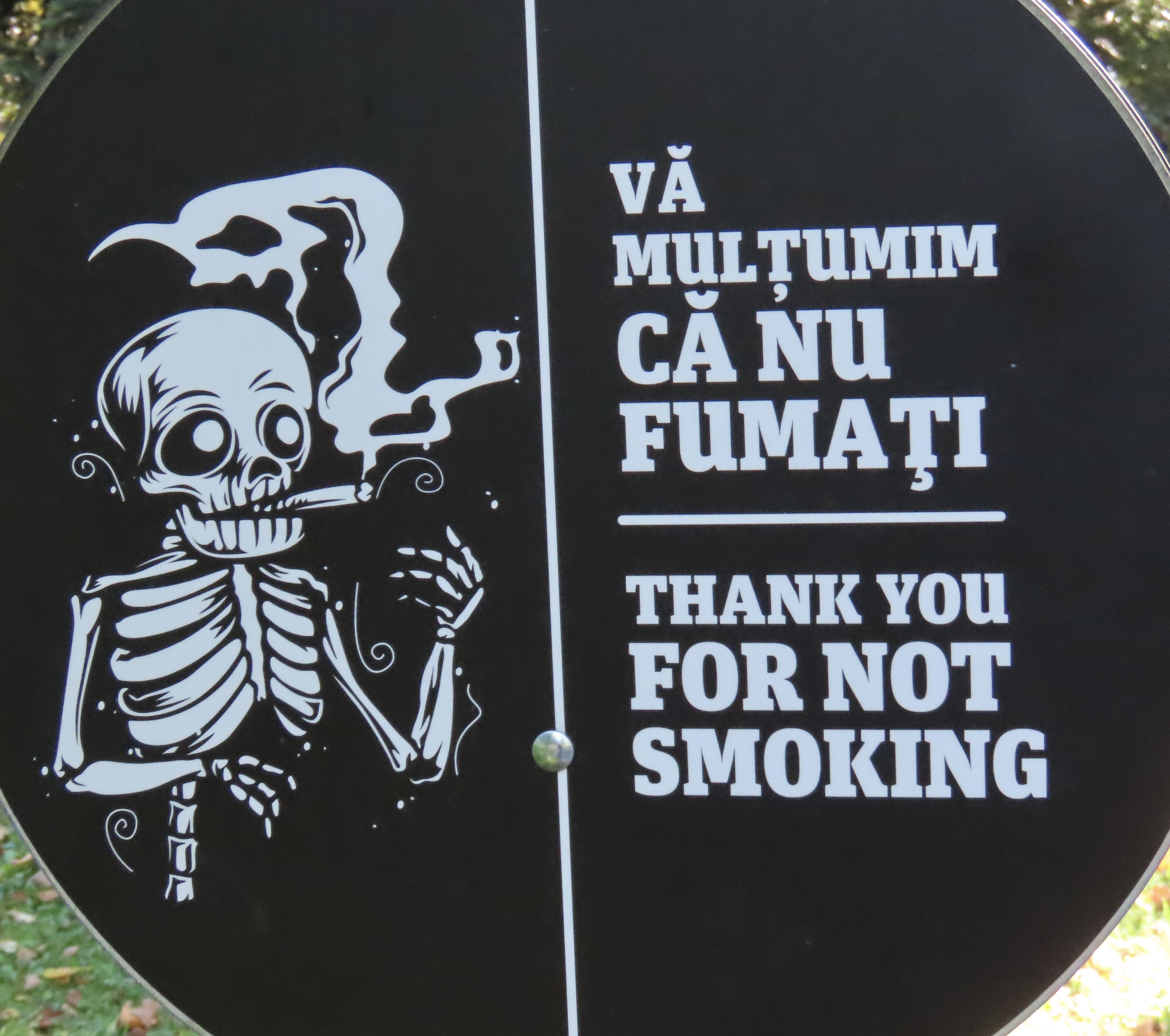
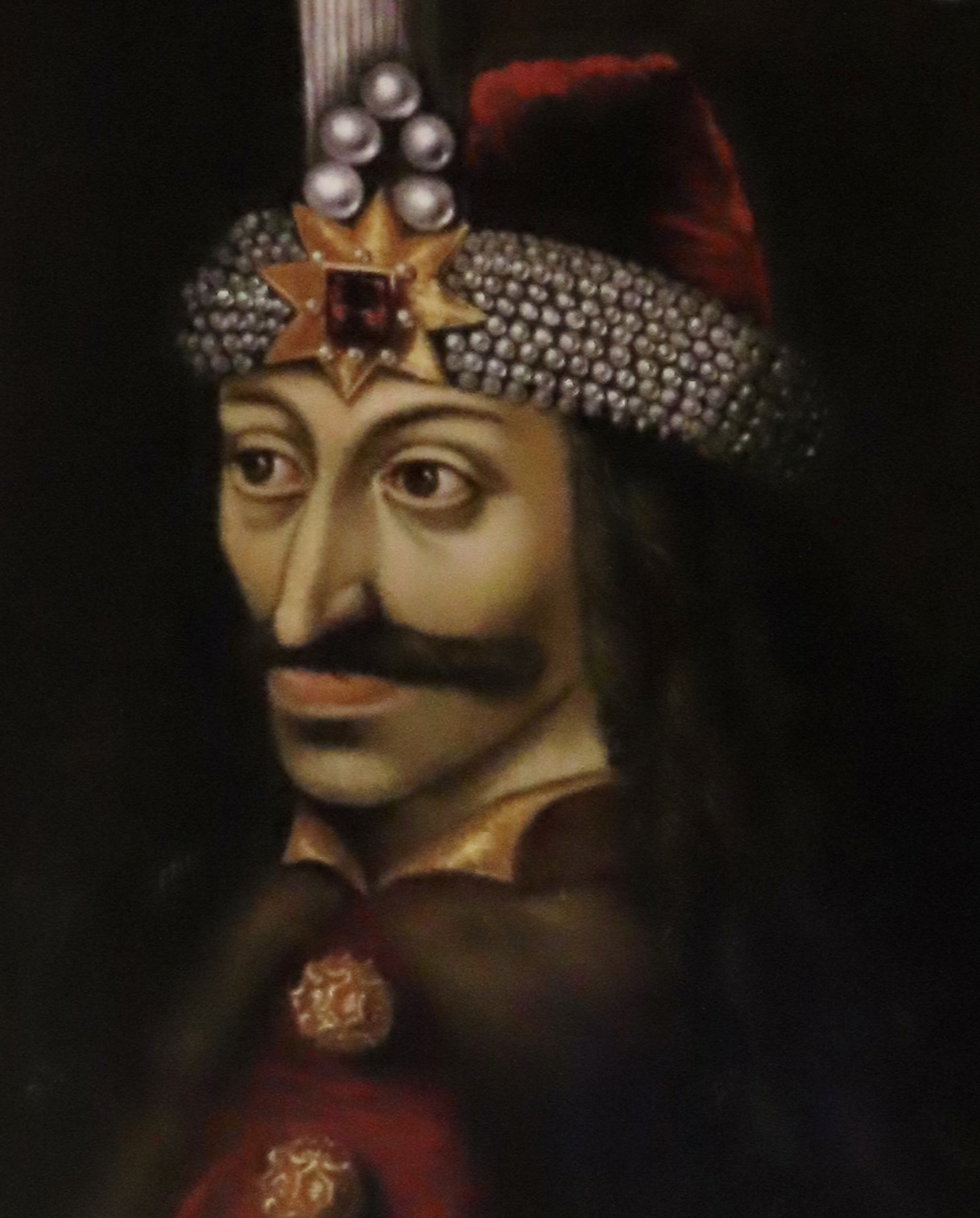
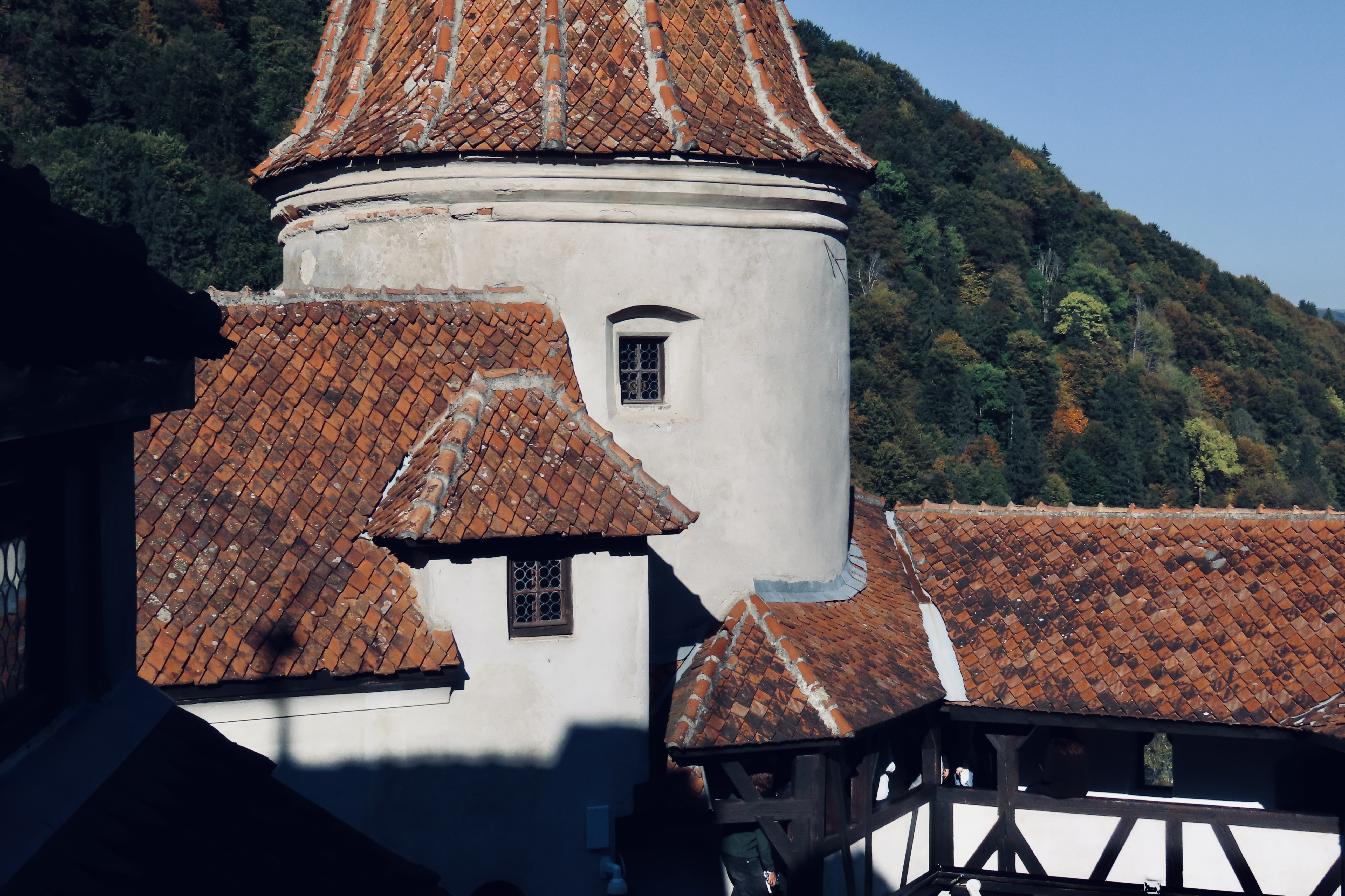
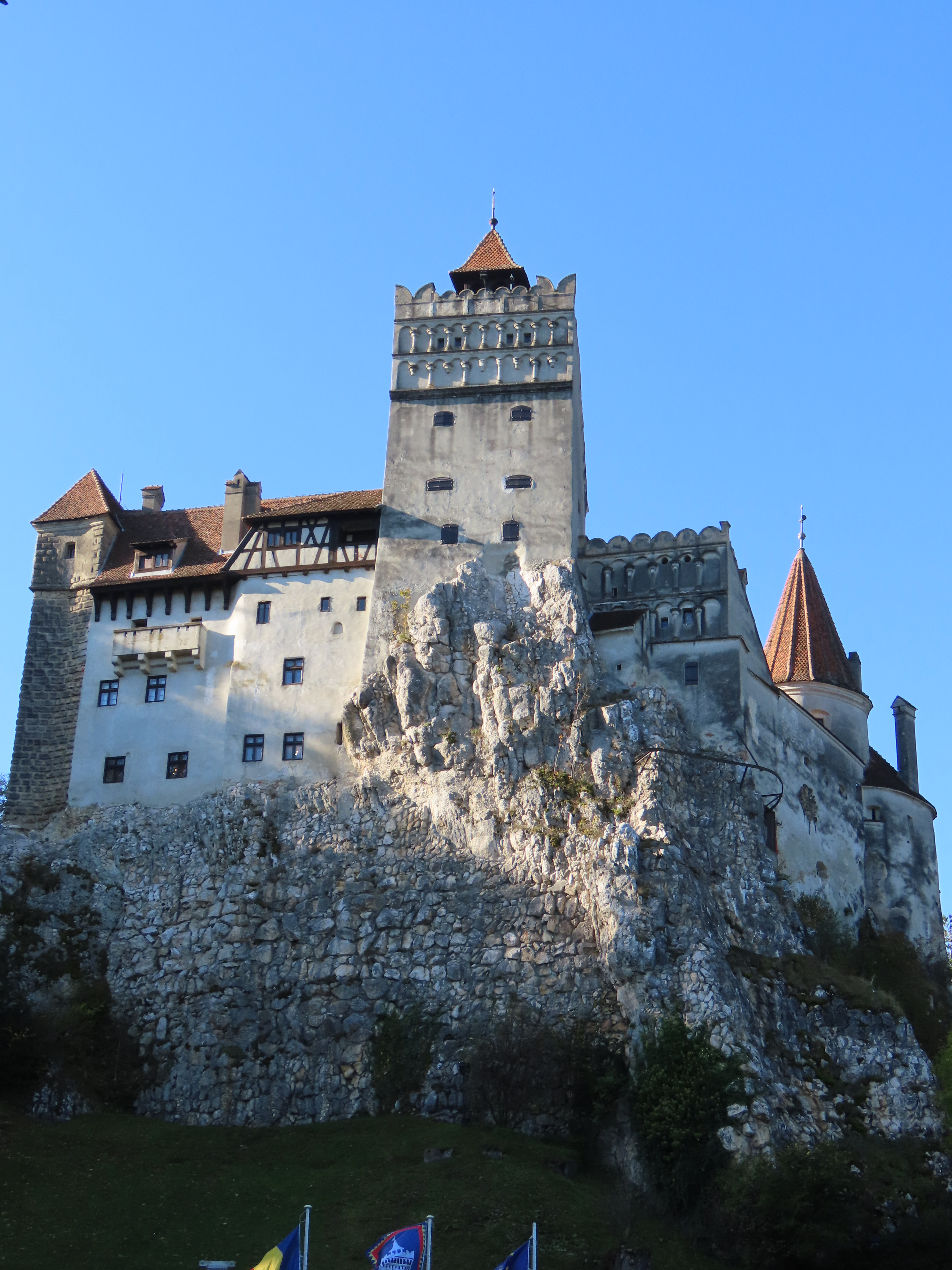
Stoker never visited Dracula’s Castle but he based his book partially on folk tales, legends, and the actual historical Dracula/Vlad the Impaler. Compared to him, Stoker’s Dracula was a wimp, a woozy, a rank amateur. Born in 1431, Vlad would be responsible for some 80,000 deaths throughout his 45 years of life, utilizing various means including torture— the worst of which was impaling. Not to get too graphic, but imagine sitting down on a yard long, pointed, narrow pole. Ouch. He once did in 20,000 Ottoman Turks using that method. The rest of the army turned and ran home. Even Pope Pius II was impressed. The gruesome chair and standing tomb above are other examples of torture implements he might have used. Once a delegation of diplomats visited Vlad and refused to take off their hats in respect. He had their heads cut off and their hats nailed to their heads. So, if you want scary, Vlad is your man.
These were violent times throughout Europe and Vlad was among the most violent. No wonder ghosts roam about his castle, virtual, or otherwise.
And now, to lighten things up, a leap forward to Halloween 2024…
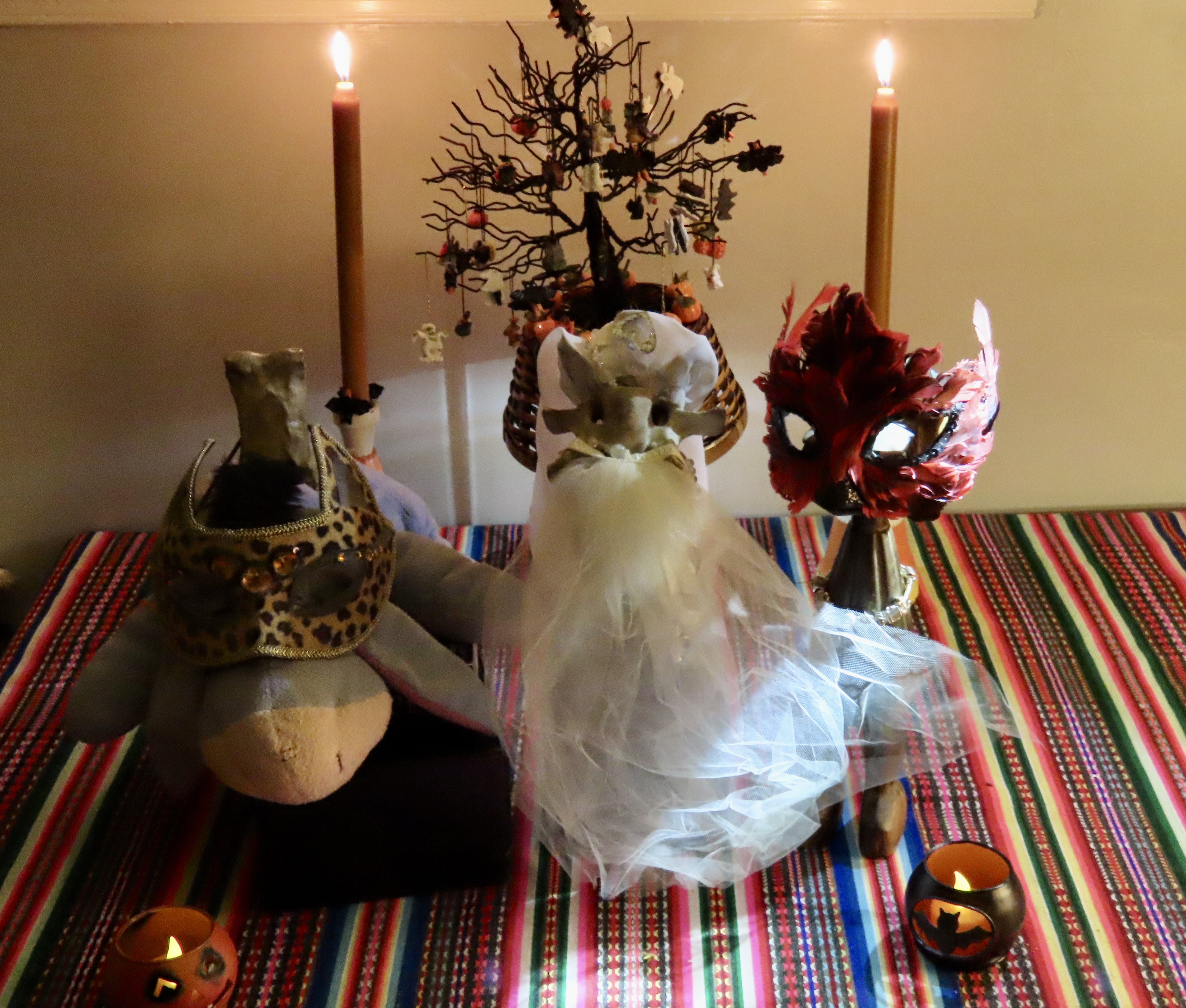
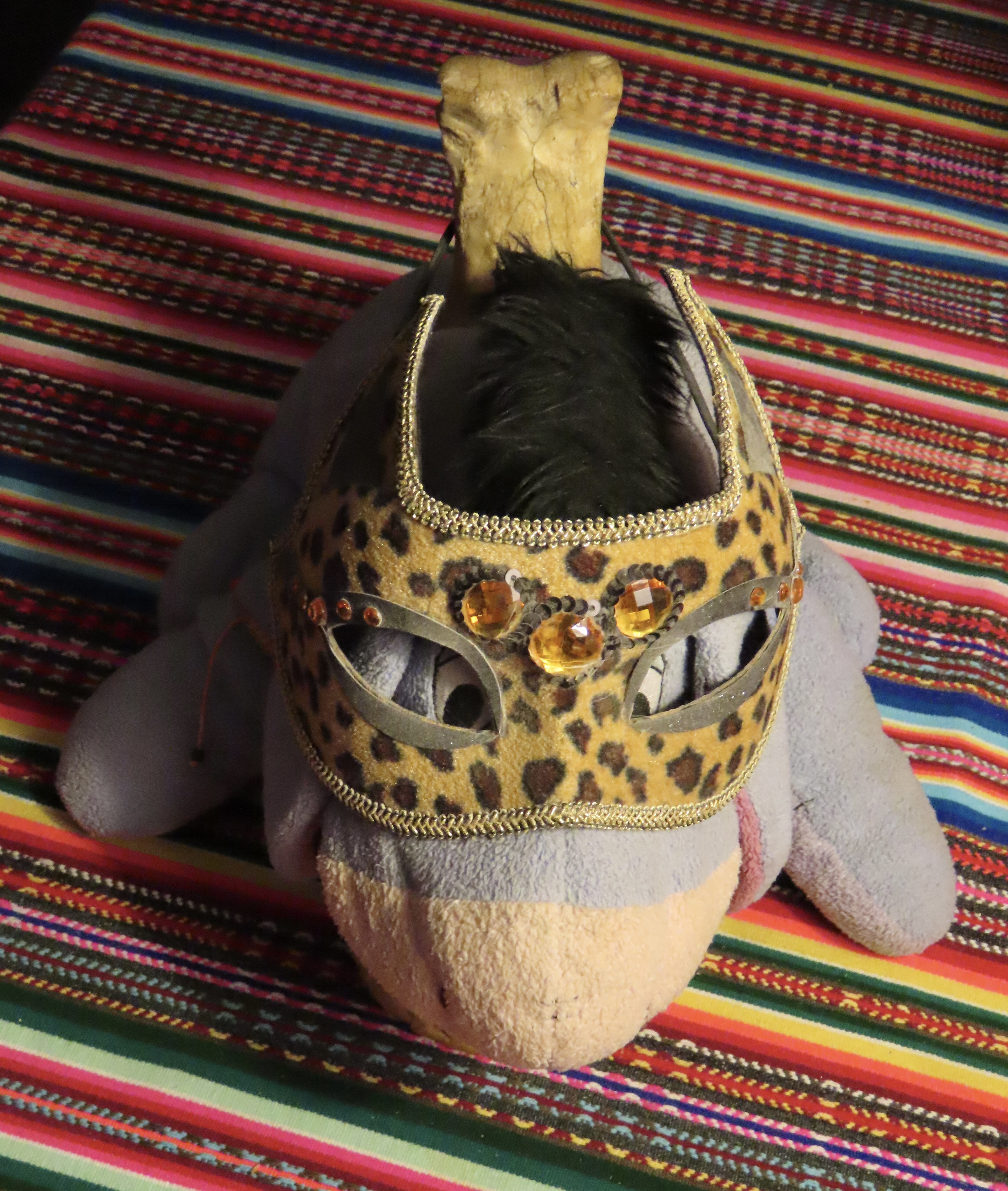
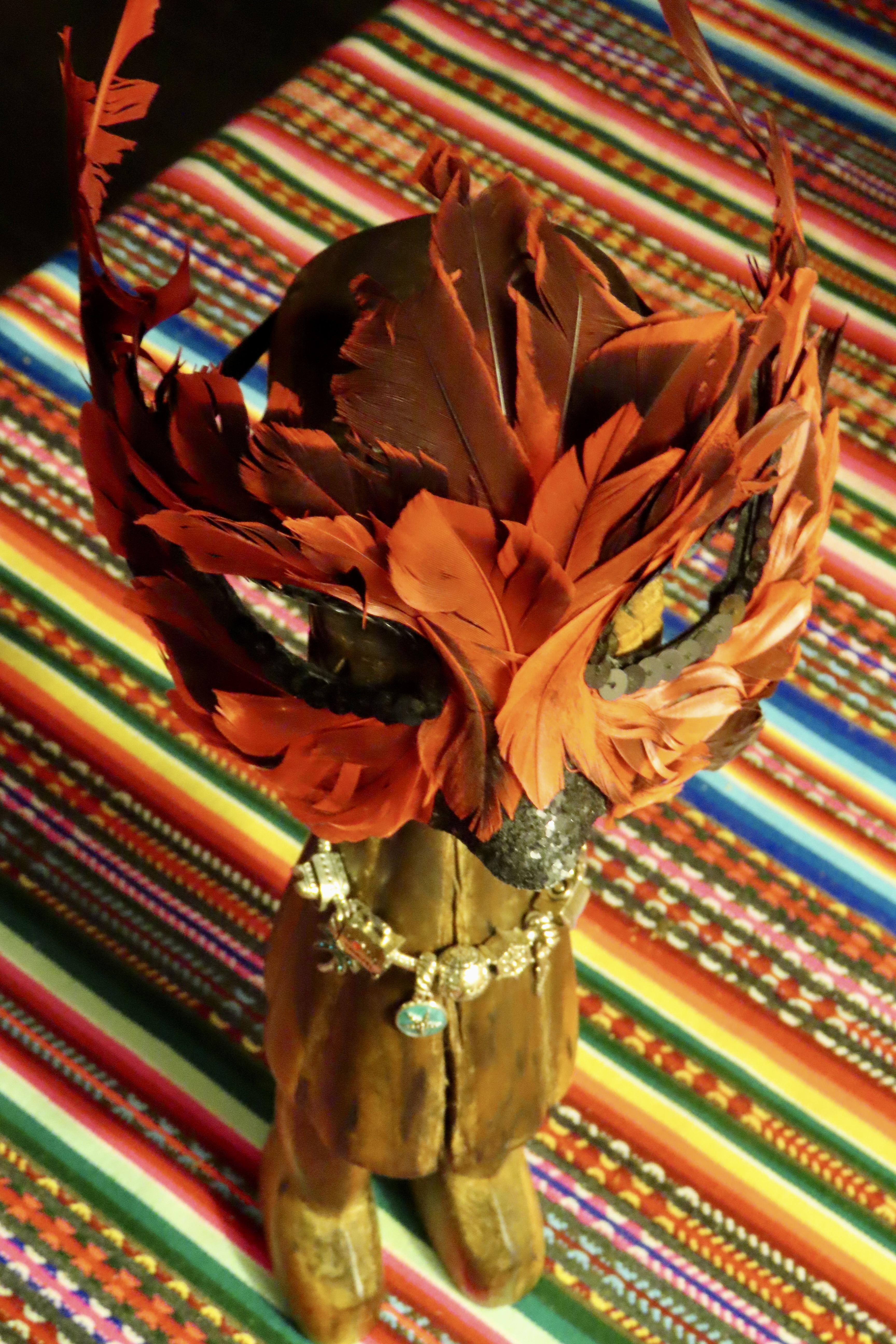
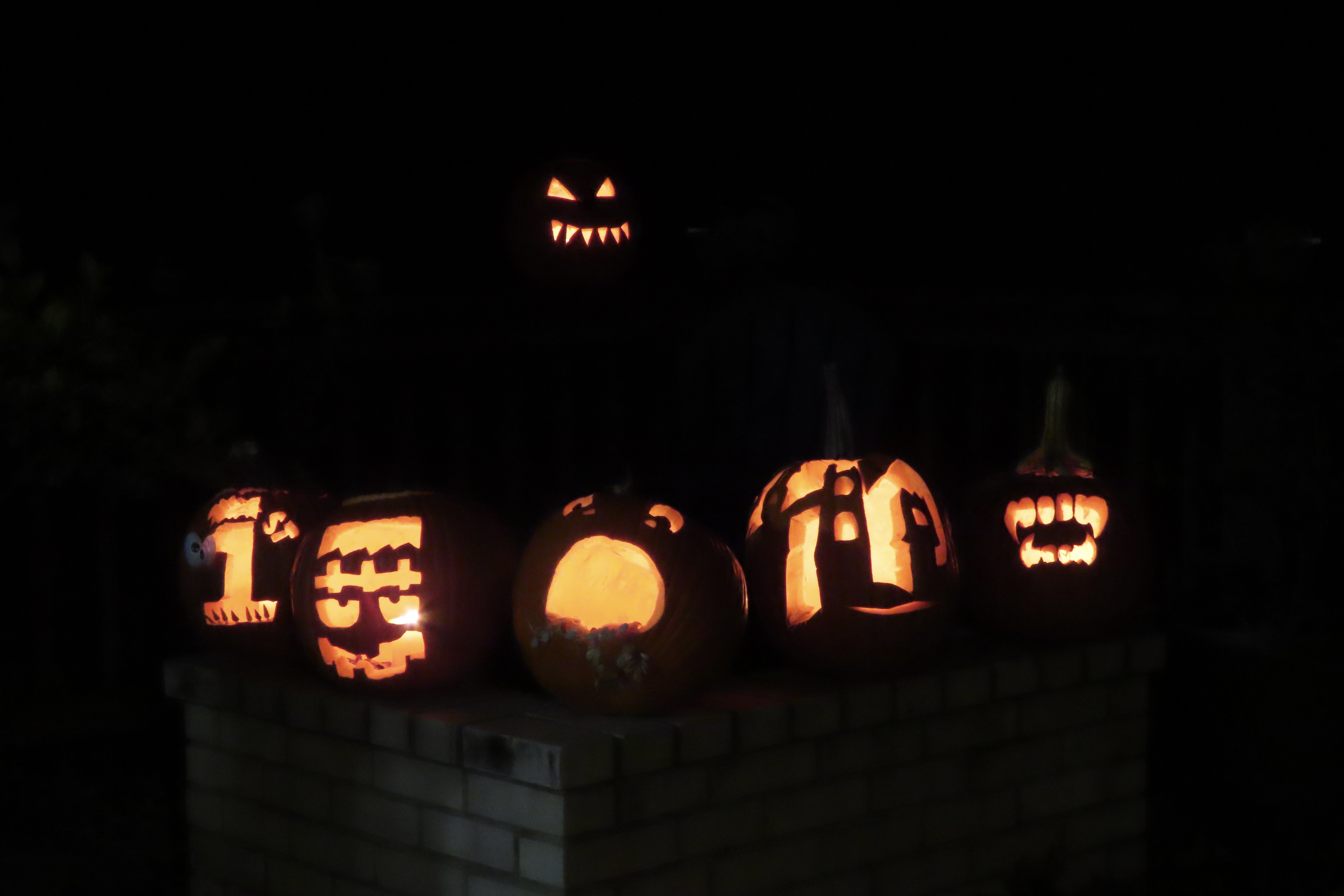
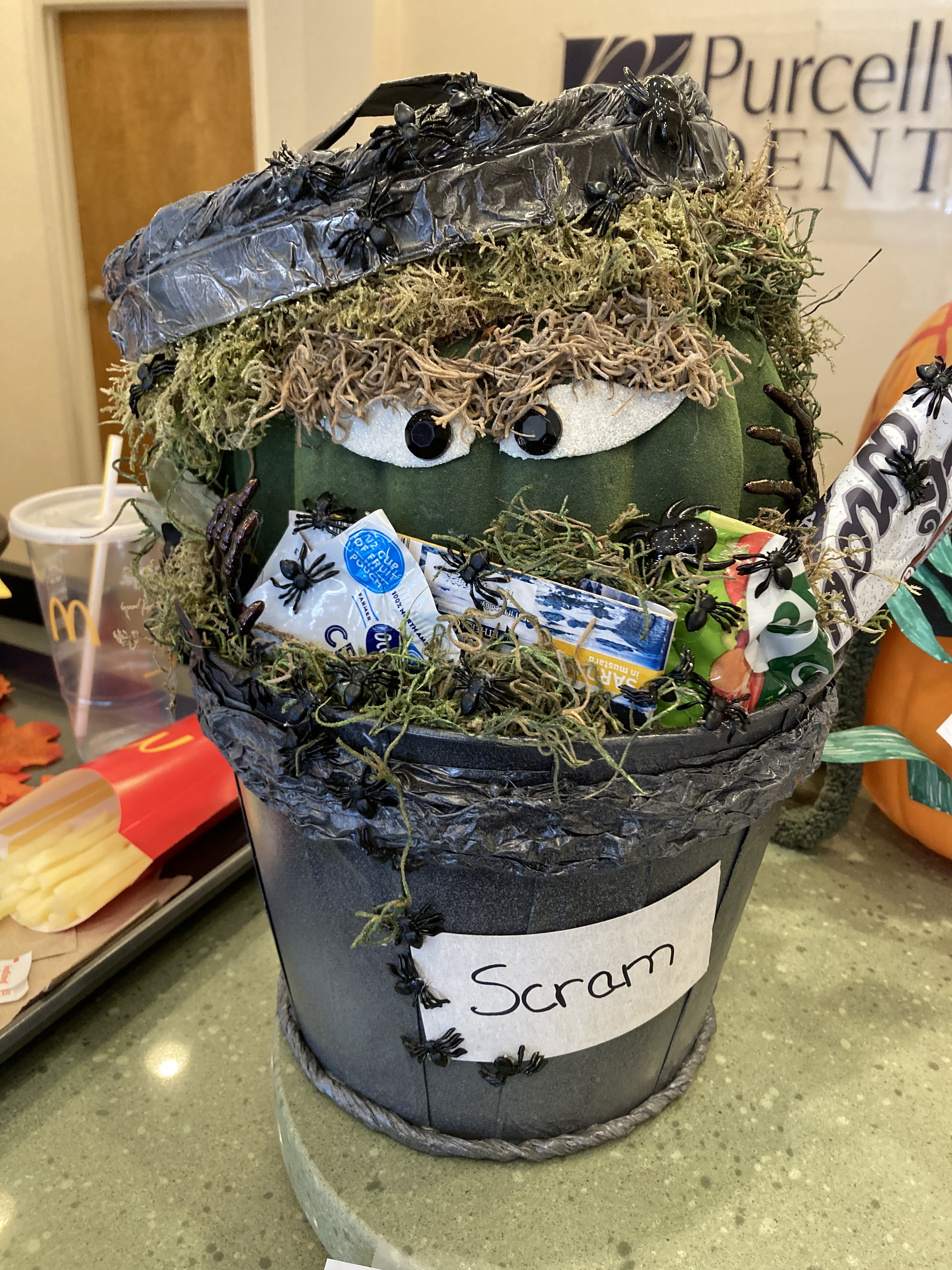
Peggy and I, along with Clay, Tasha, Ethan and Cody and, of course, Bone, Eeyore, Bonetta and George would all like to wish you and your family a Happy and Safe Halloween filled with laughter, goodies, and slightly scary things.
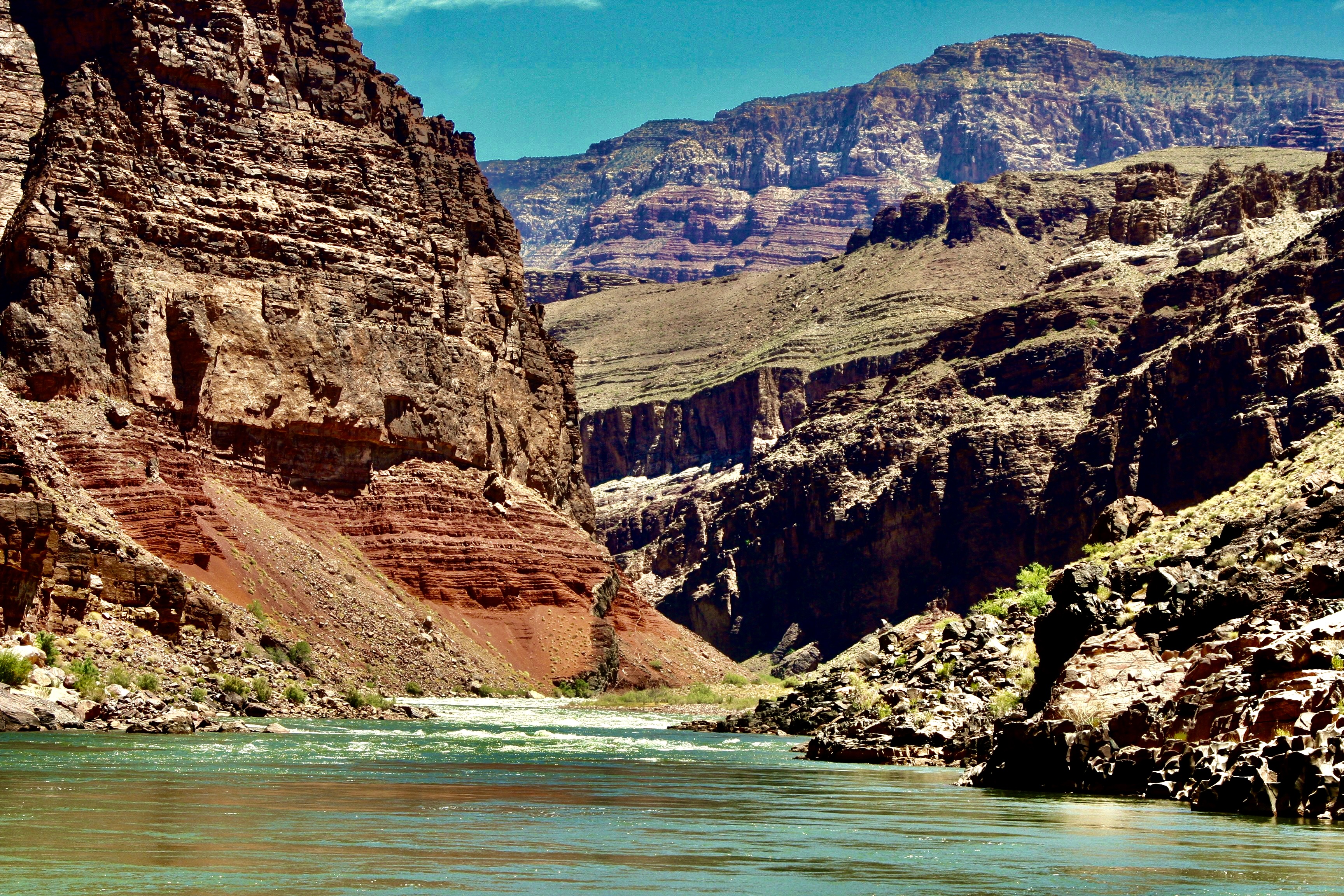
Most of our adventures start with a fair amount of forethought. Our 18-day raft trip through the Grand Canyon was an exception. It started with a phone call from our friend Tom Lovering.
“Curt, you need to jump online right now and sign up for a chance to win a lottery permit to raft the Grand Canyon.” It was more in the nature of a command than a request. Tom was plotting. There are relatively few private permits granted every year in comparison to the ton of rafters who want them. Floating down the Colorado through the Canyon is one of the world’s premier raft trips, providing a combination of beauty and adventure that are rarely matched. Tom figured that the more people he persuaded to sign up for the lottery, the better the chances of getting a permit. He’d made the request to several friends.
I would have probably skipped the opportunity. We were in the midst of wrapping up a three year exploration of North America and were seriously looking for a place to light— a semi-wilderness home. We were closed to settling on Southern Oregon. We had an hour to meet the filing deadline and the chances of winning, as I mentioned, were close to zilch. Plus I was woefully out of shape and 67 years old. I wasn’t sure that my body would have a sense of humor about the journey. Floating down the river on a private trip actually involves a substantial amount of work and everyone is expected to do their share. Rightfully so.
My child bride Peggy, however, who is seven years younger than I am and loves everything related to water, went straight to the site, filled out the required information in my name, filled out another in hers, and hit send. Fine, I thought to myself. That’s that. We can go merrily on our way and report back to Tom that we tried.
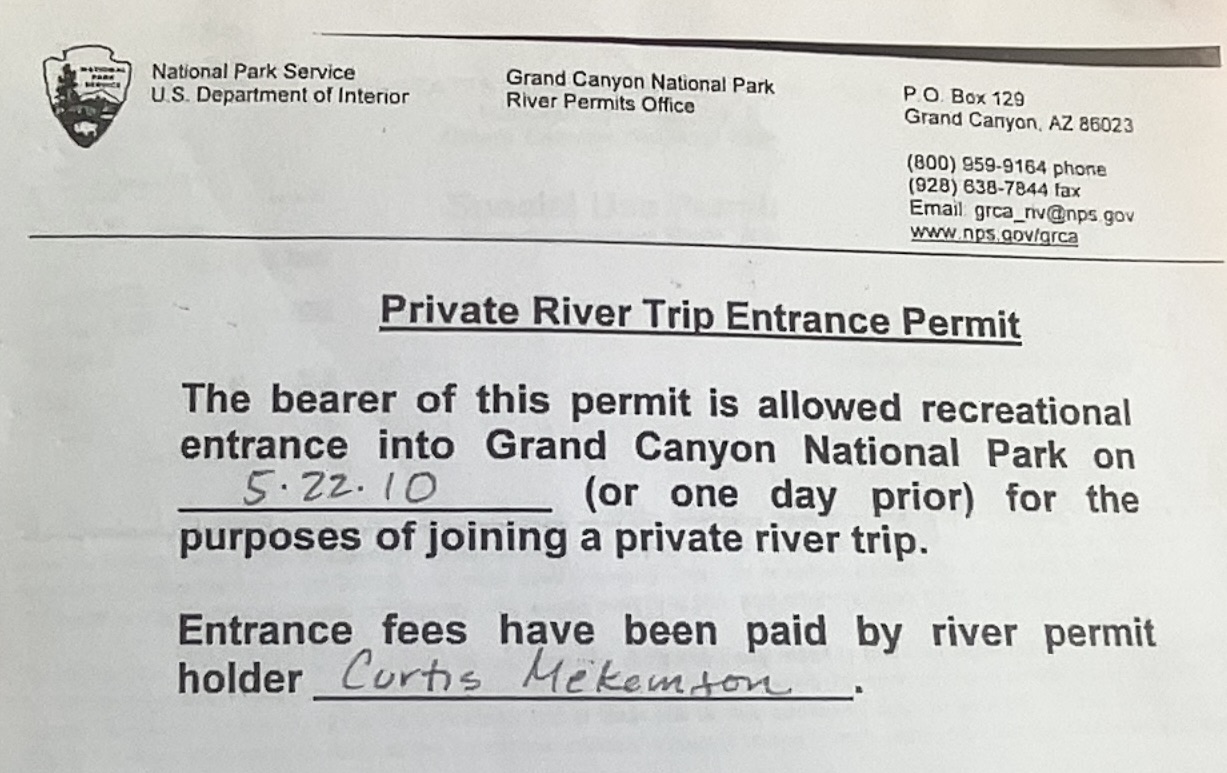
What I wasn’t expecting, as those of you have read my blogs about the trip know, was waking up the next morning and finding an email from the National Park Service announcing that I had won a permit. “Woohoo!” Peggy yelled. “Oh crap,” my fat cells responded. Tom didn’t believe me when I called him from somewhere in Nebraska. It took several minutes to convince him. And then he got excited. Here’s the actual permit:
My first task was to make sure that Tom would do the majority of the work in setting up the adventure. We didn’t have the time and I didn’t have the expertise for a white water raft trip. My experience was in organizing and leading long distance backpack and bicycle adventures. Tom, on the other hand, was an experienced white water enthusiast who had run the river several times and had boundless energy. Plus, he had volunteered. “There is a fair amount of paper work for you and certain responsibilities,” he mentioned in passing. Paper work, as I recall was a 40 page document, maybe it was 400. The responsibility, I learned was daunting. If we screwed up in some way by breaking the Park’s environmental or safety rules, I was accountable and subject to a large fine.
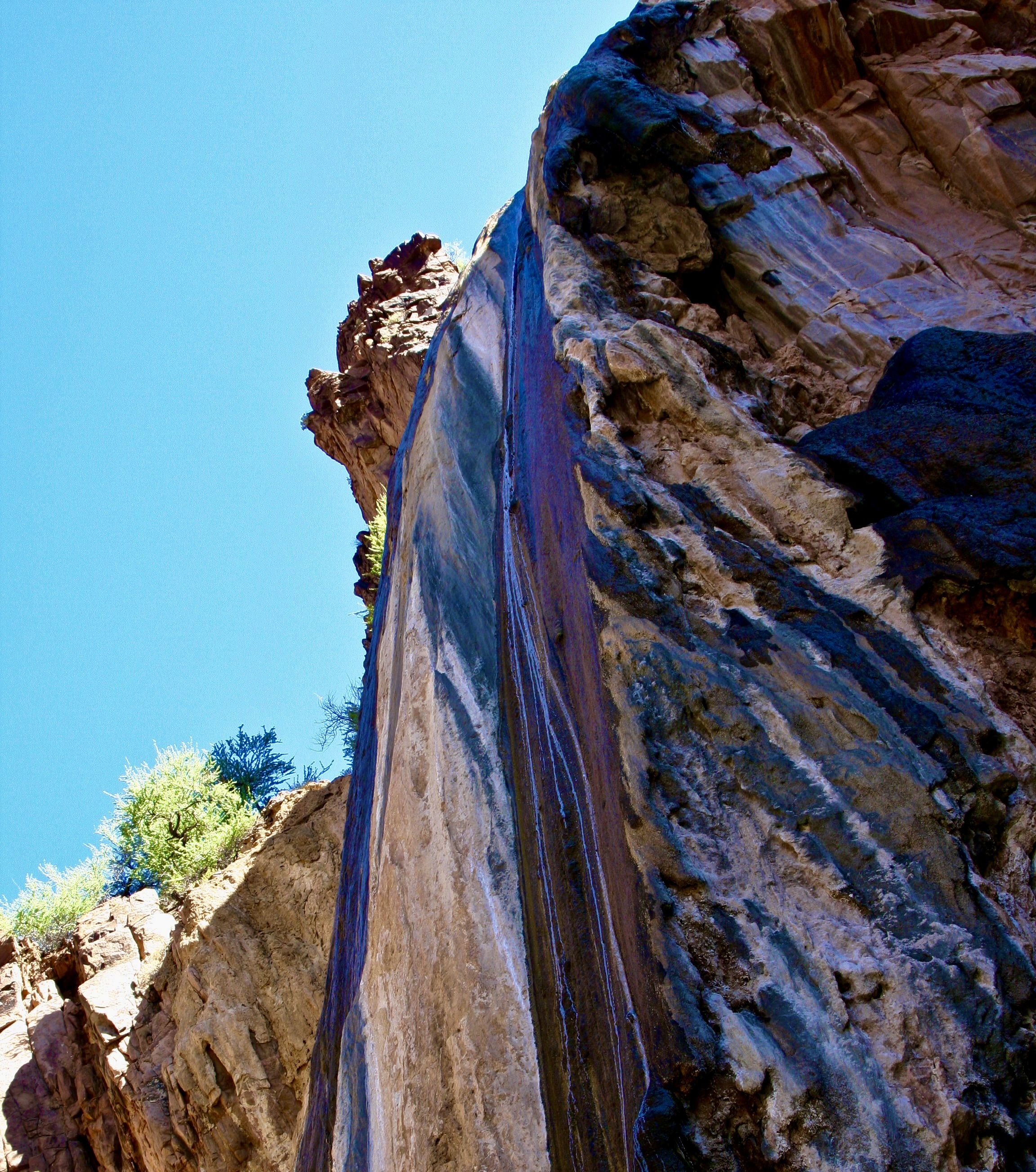
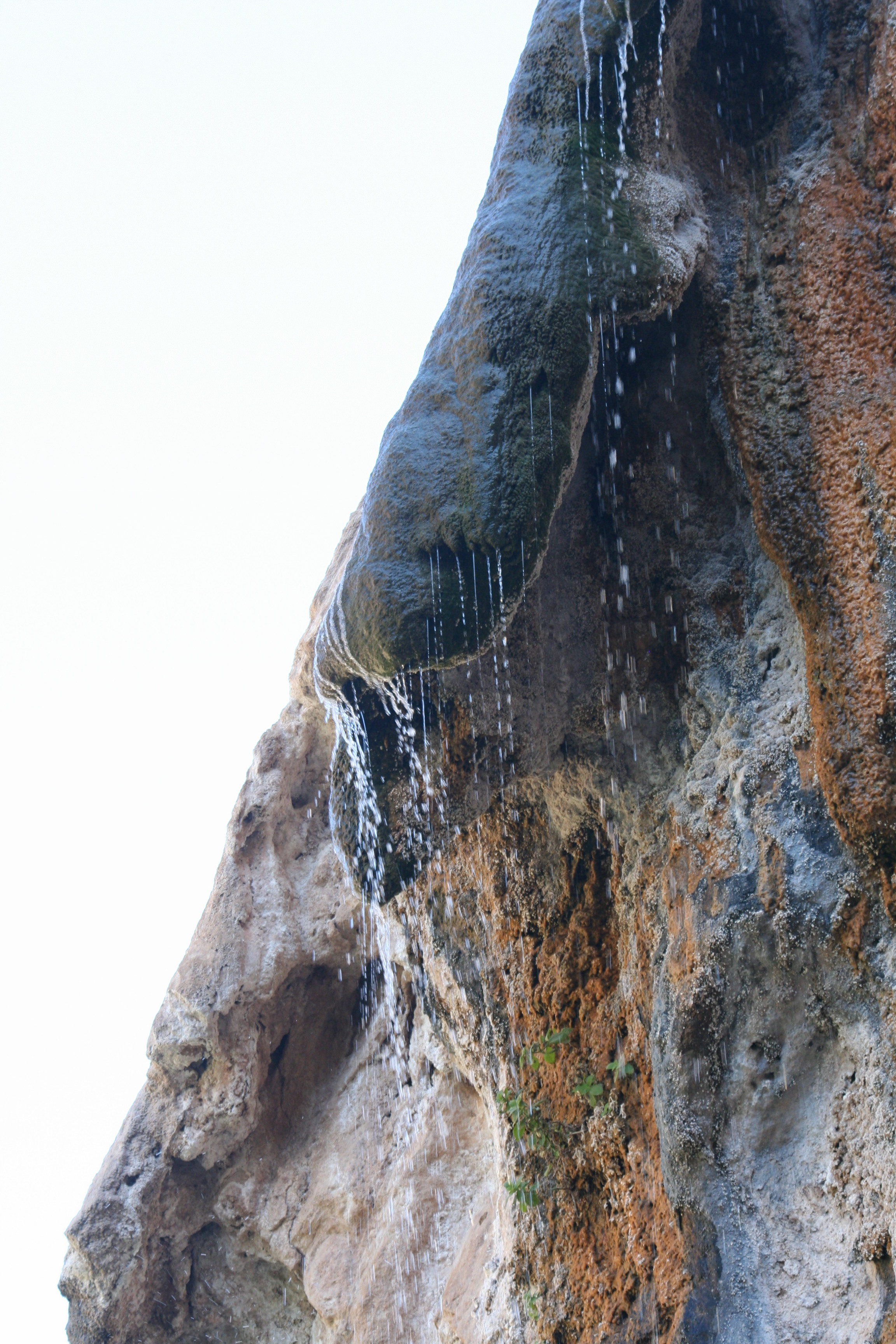
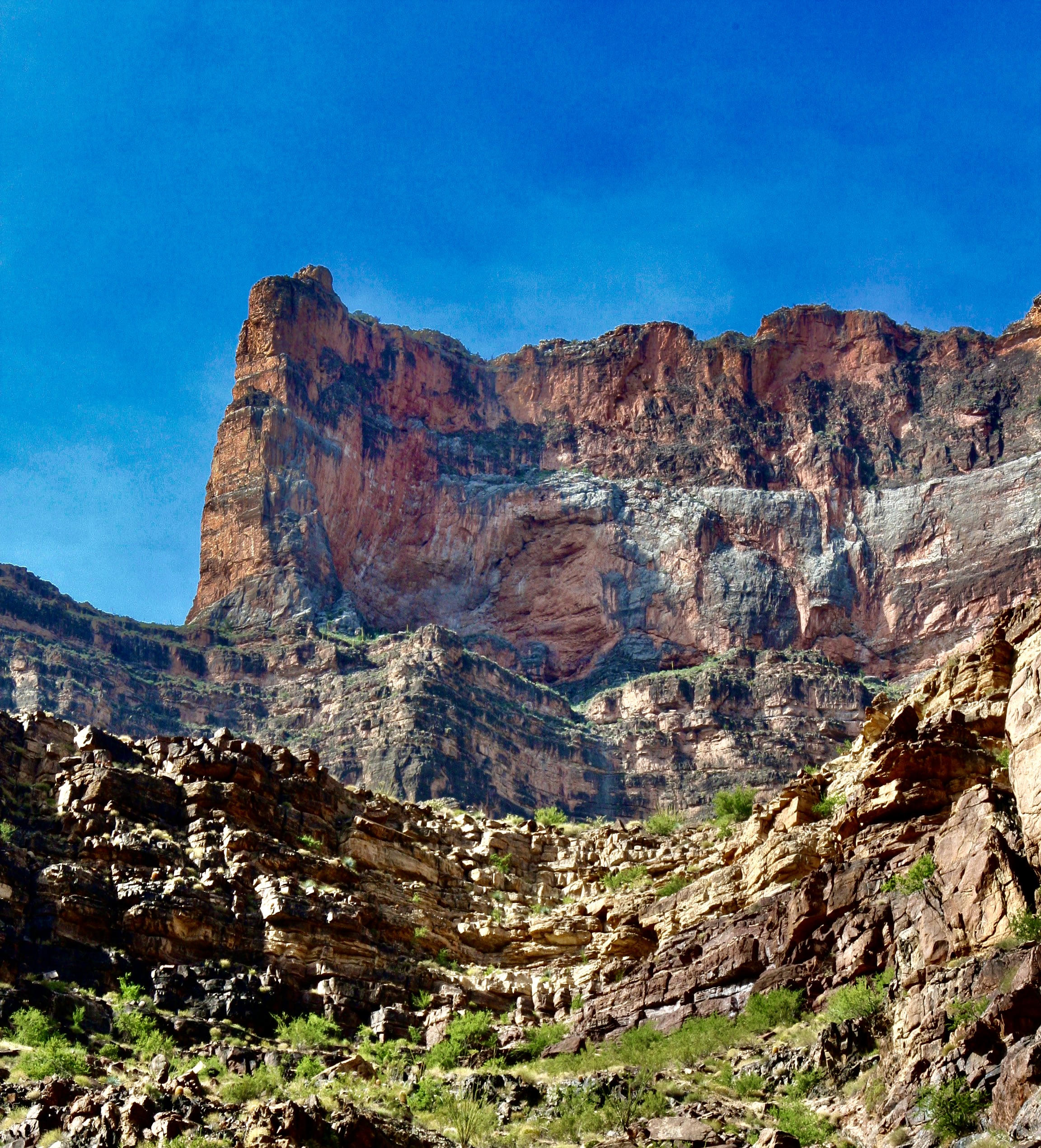
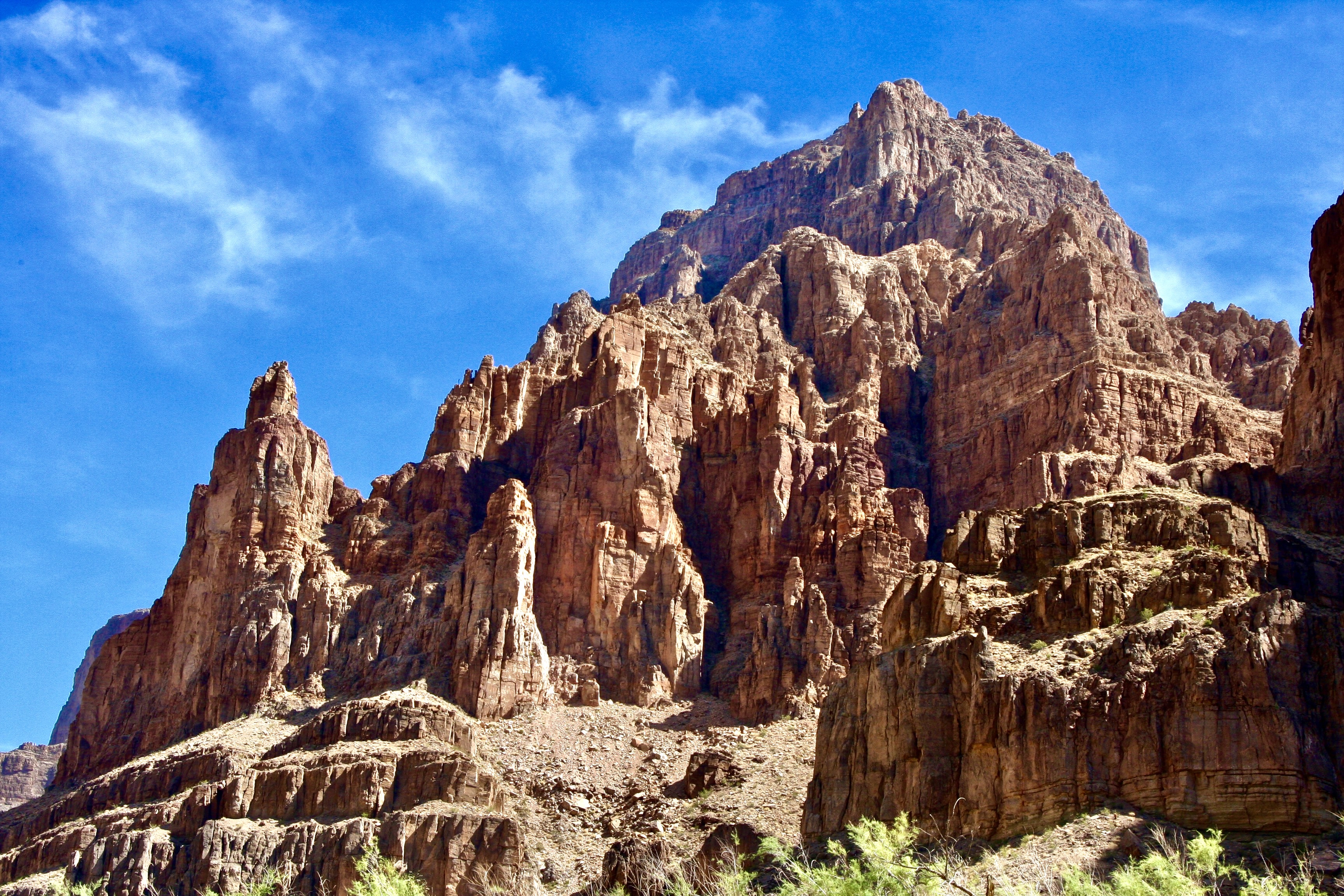
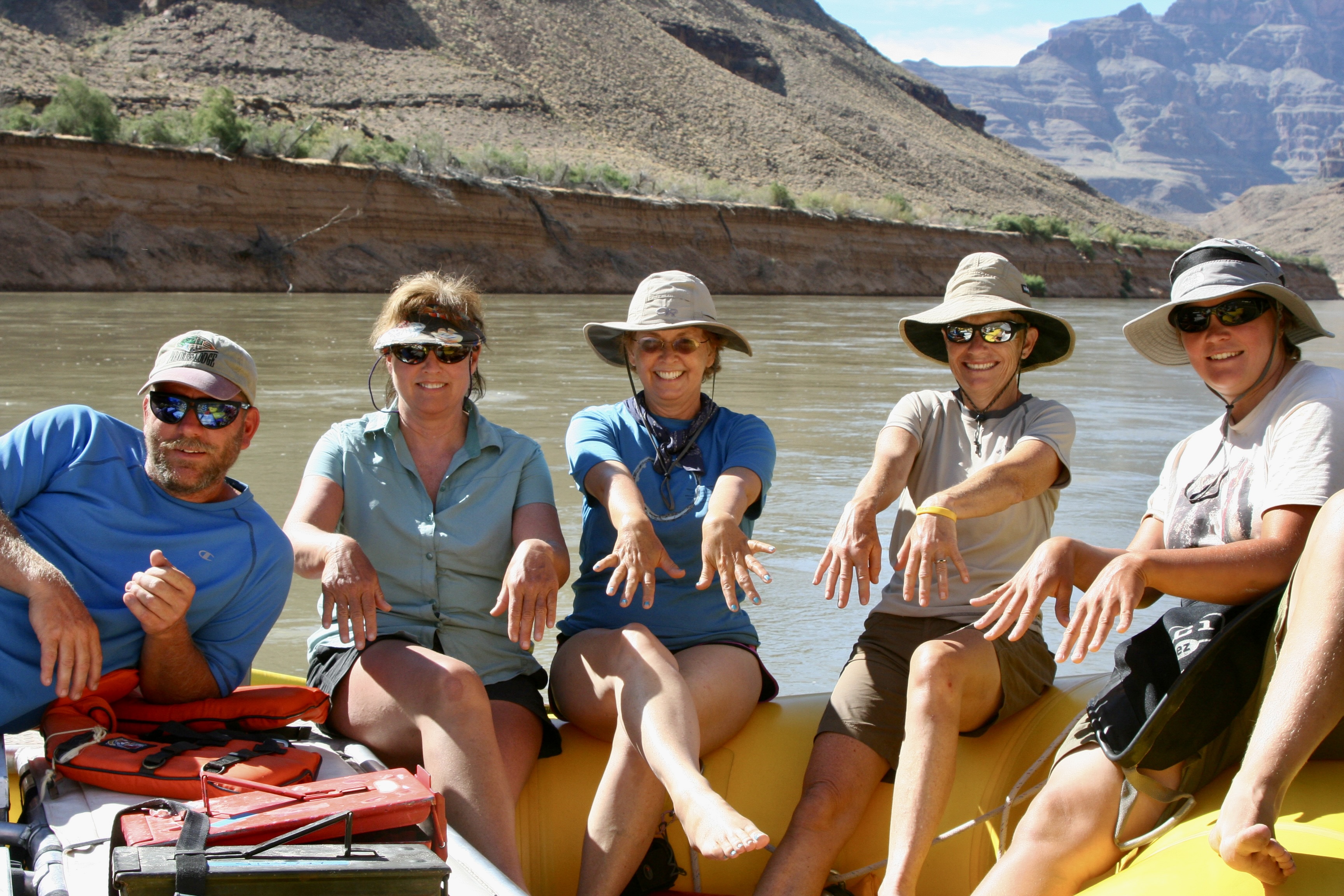
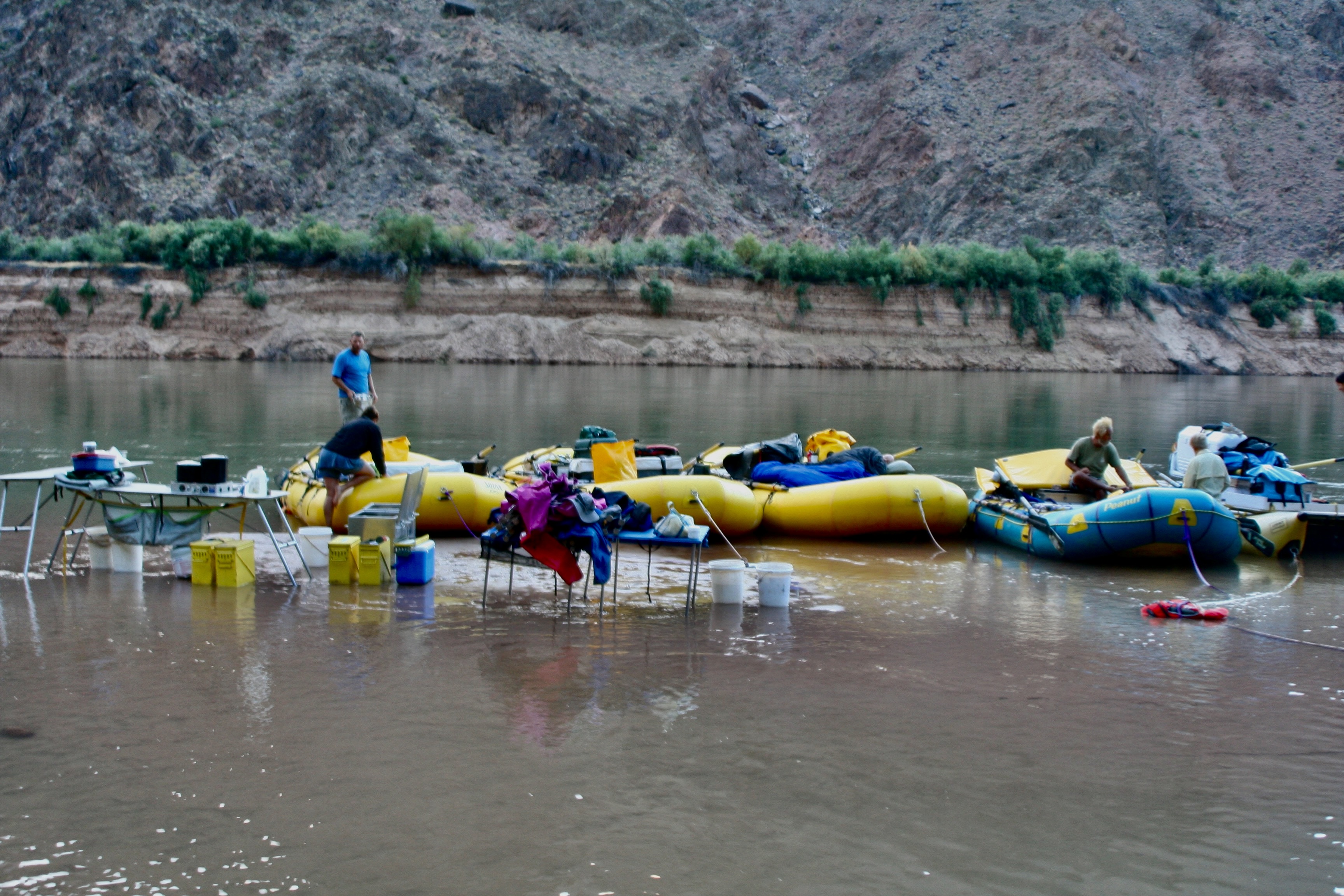
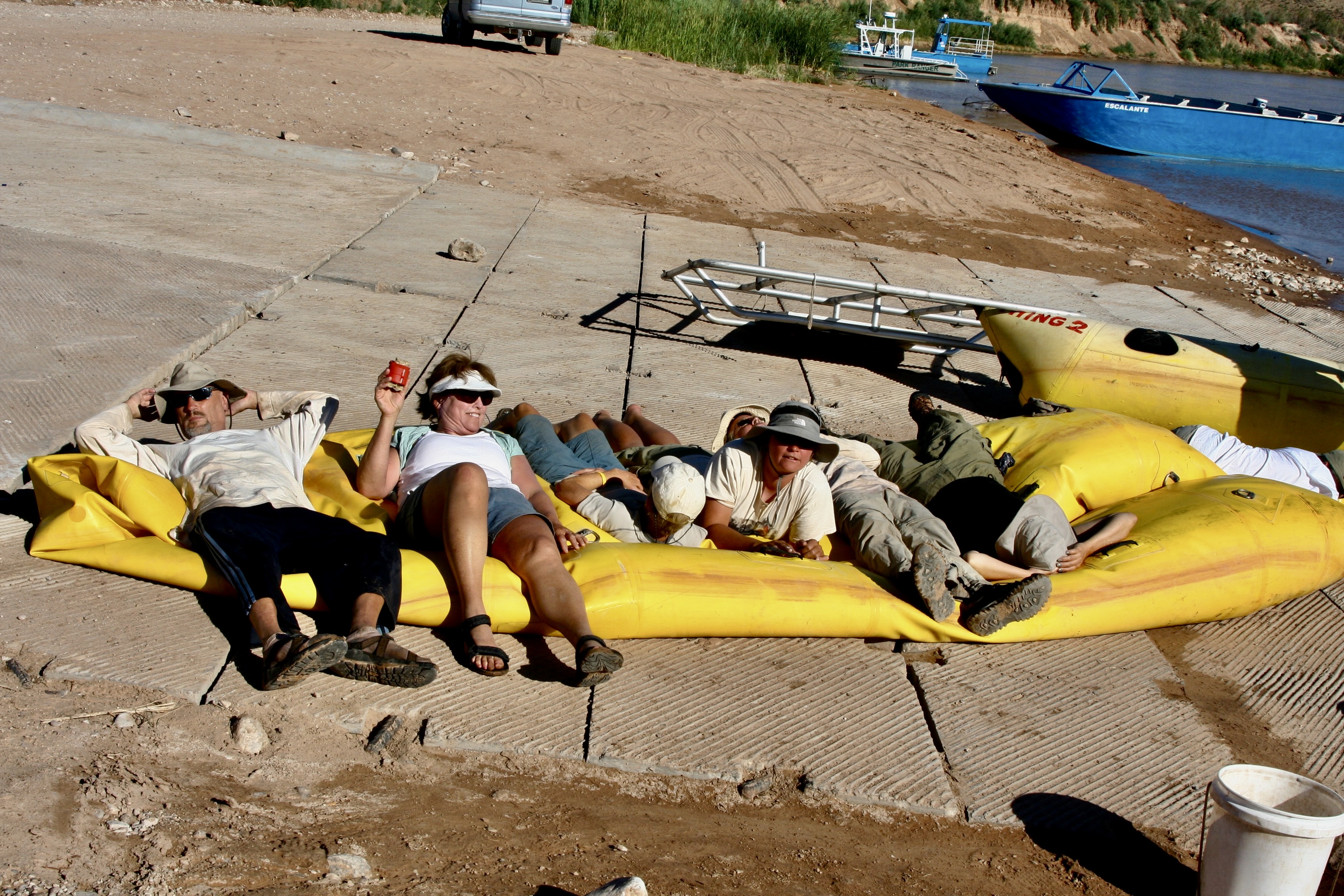
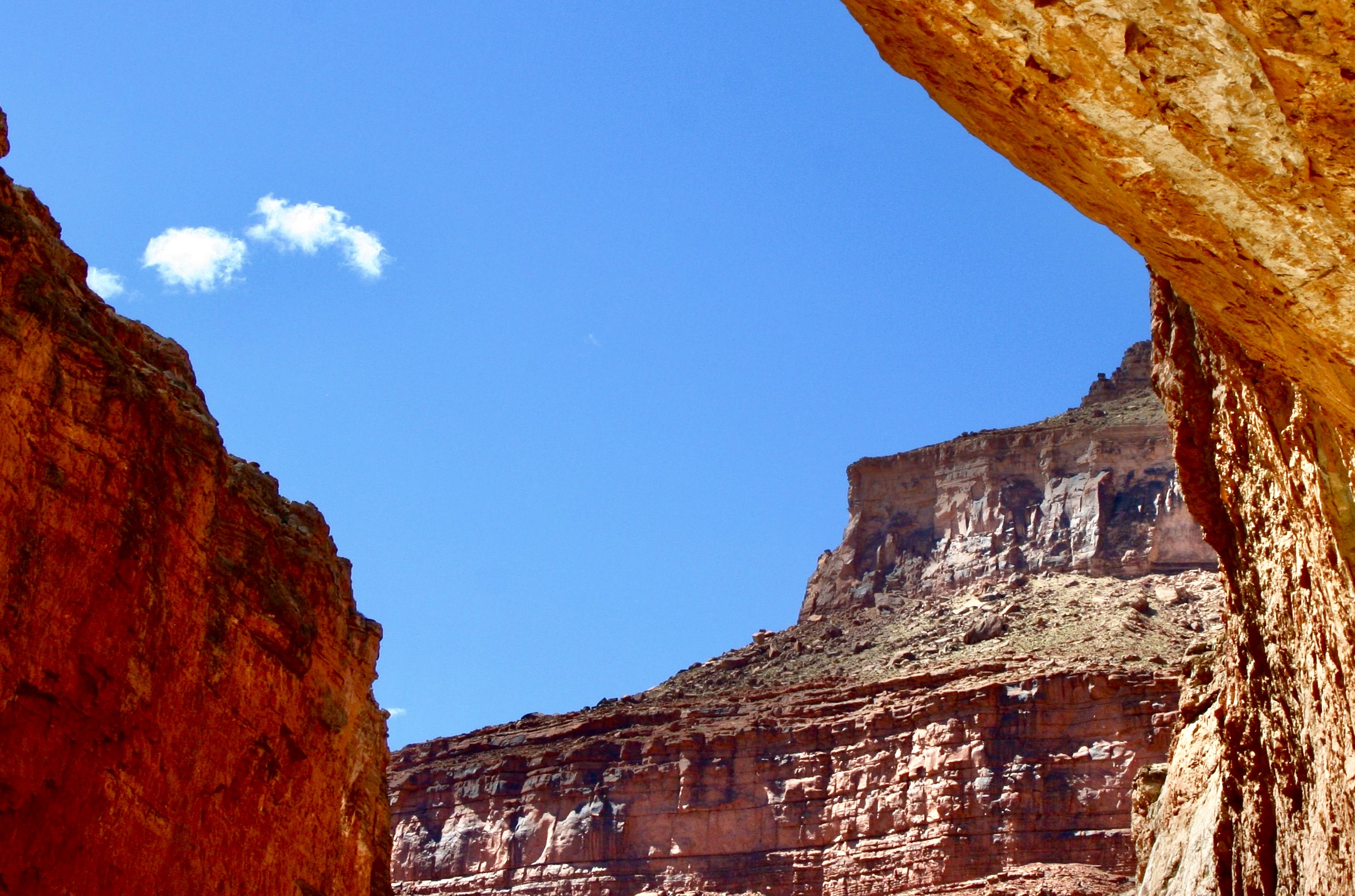
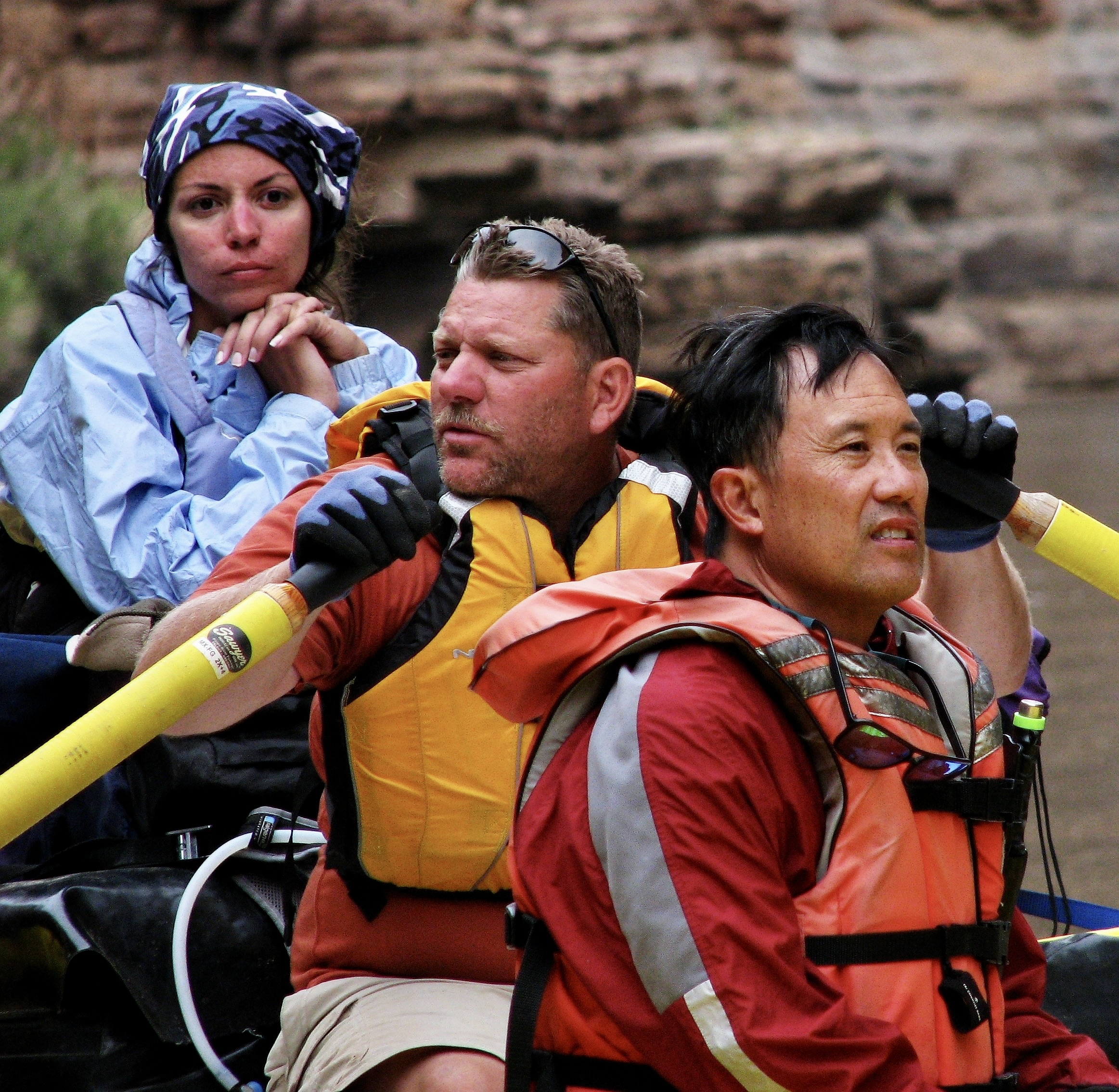
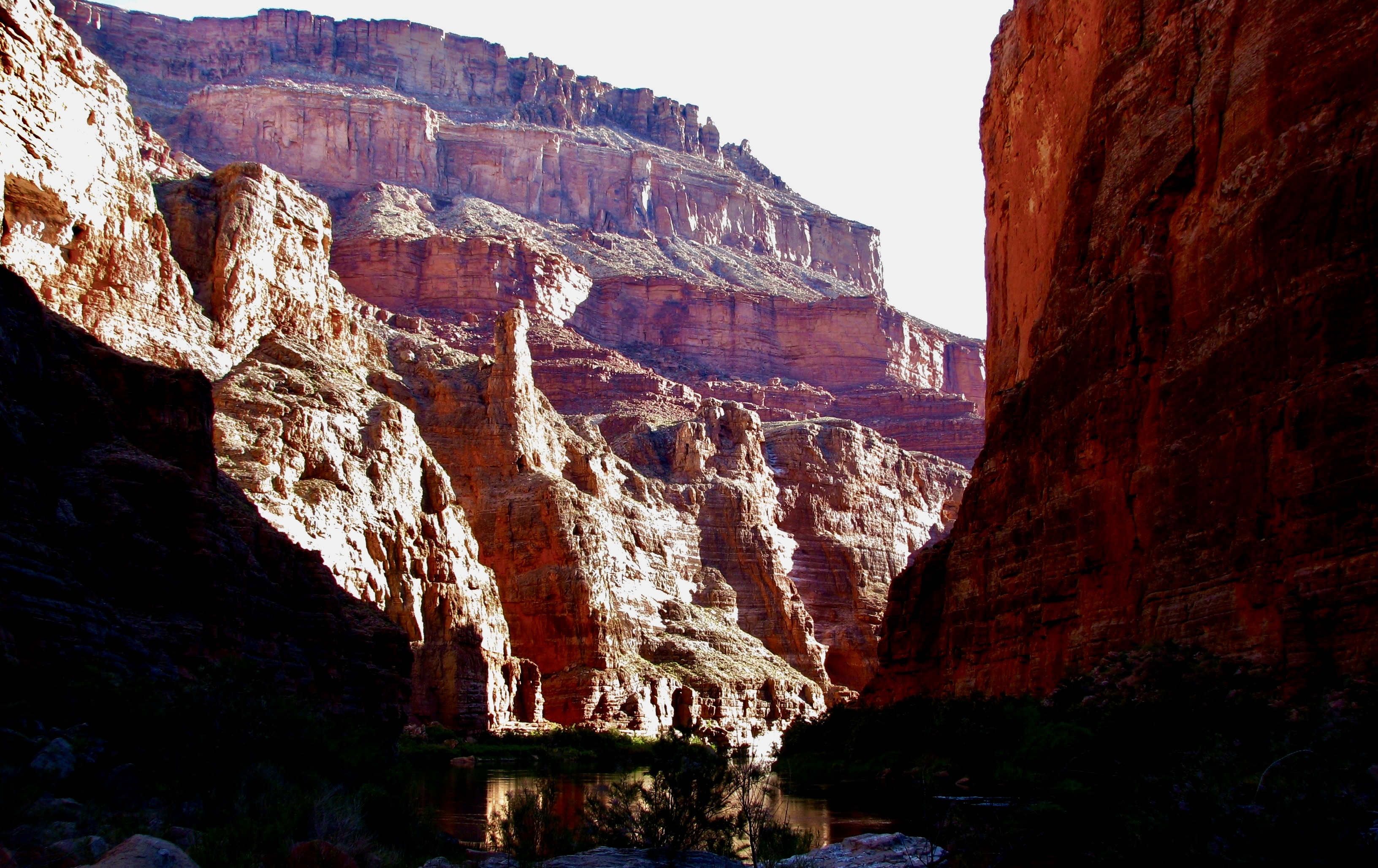
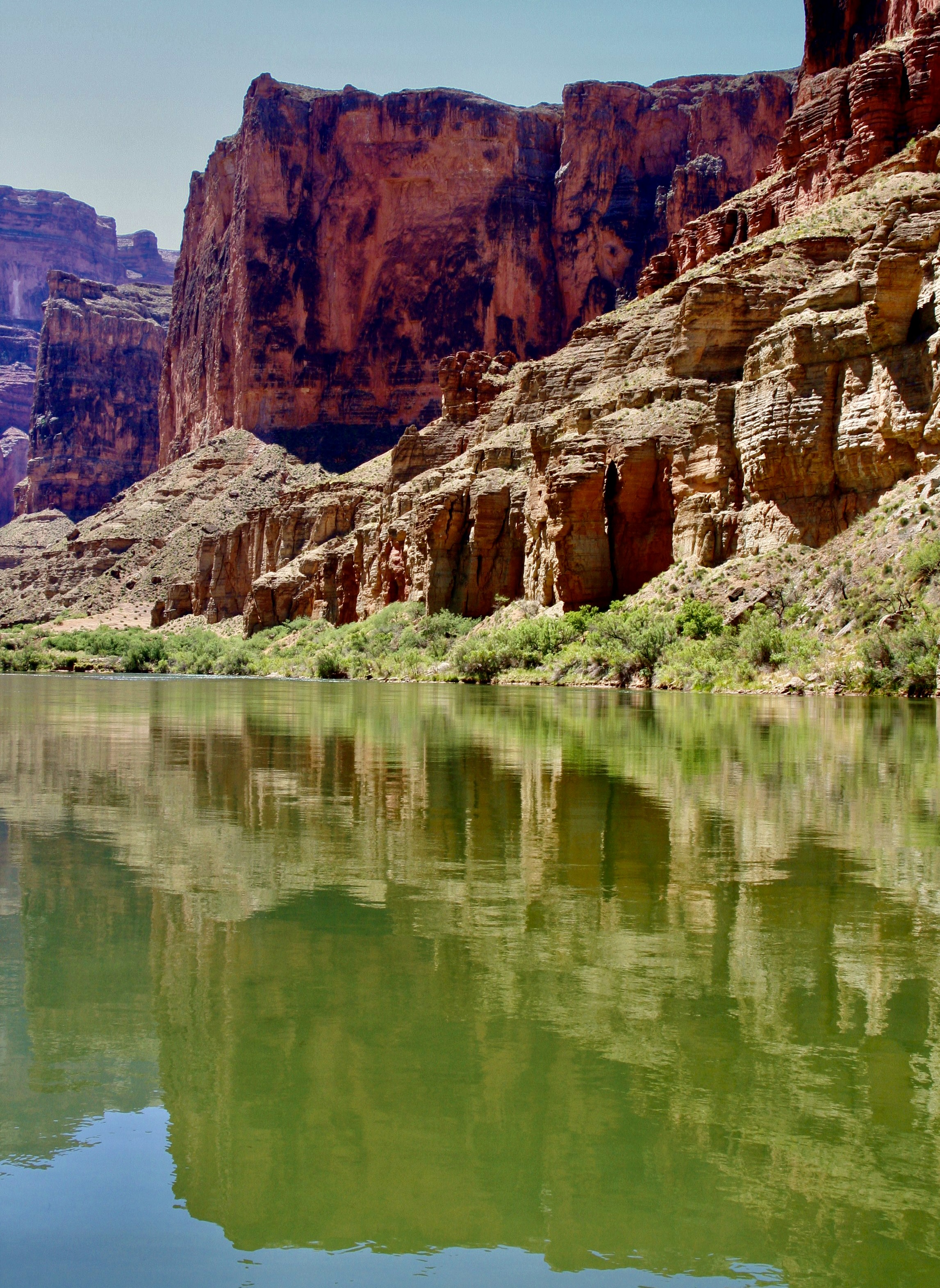
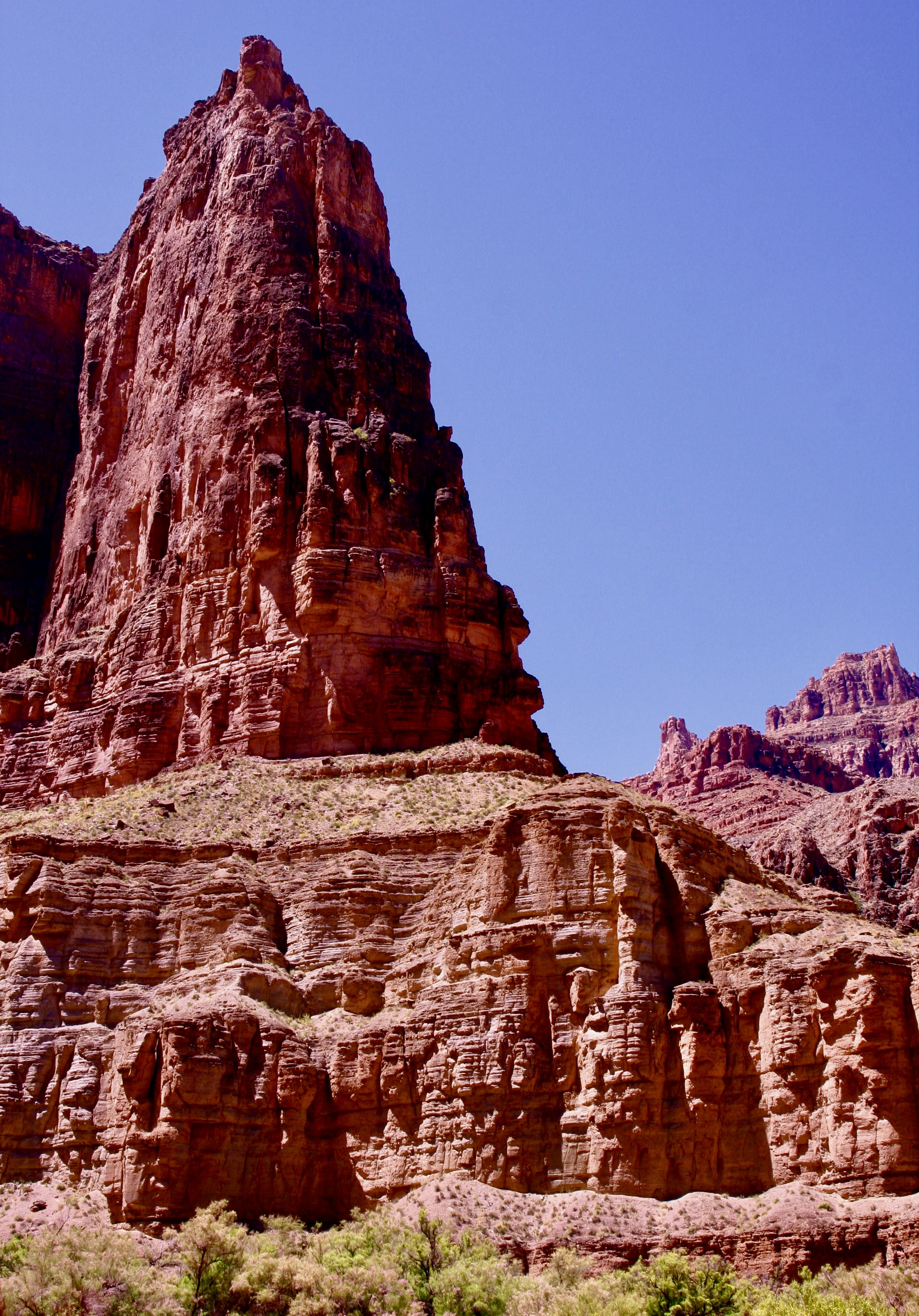
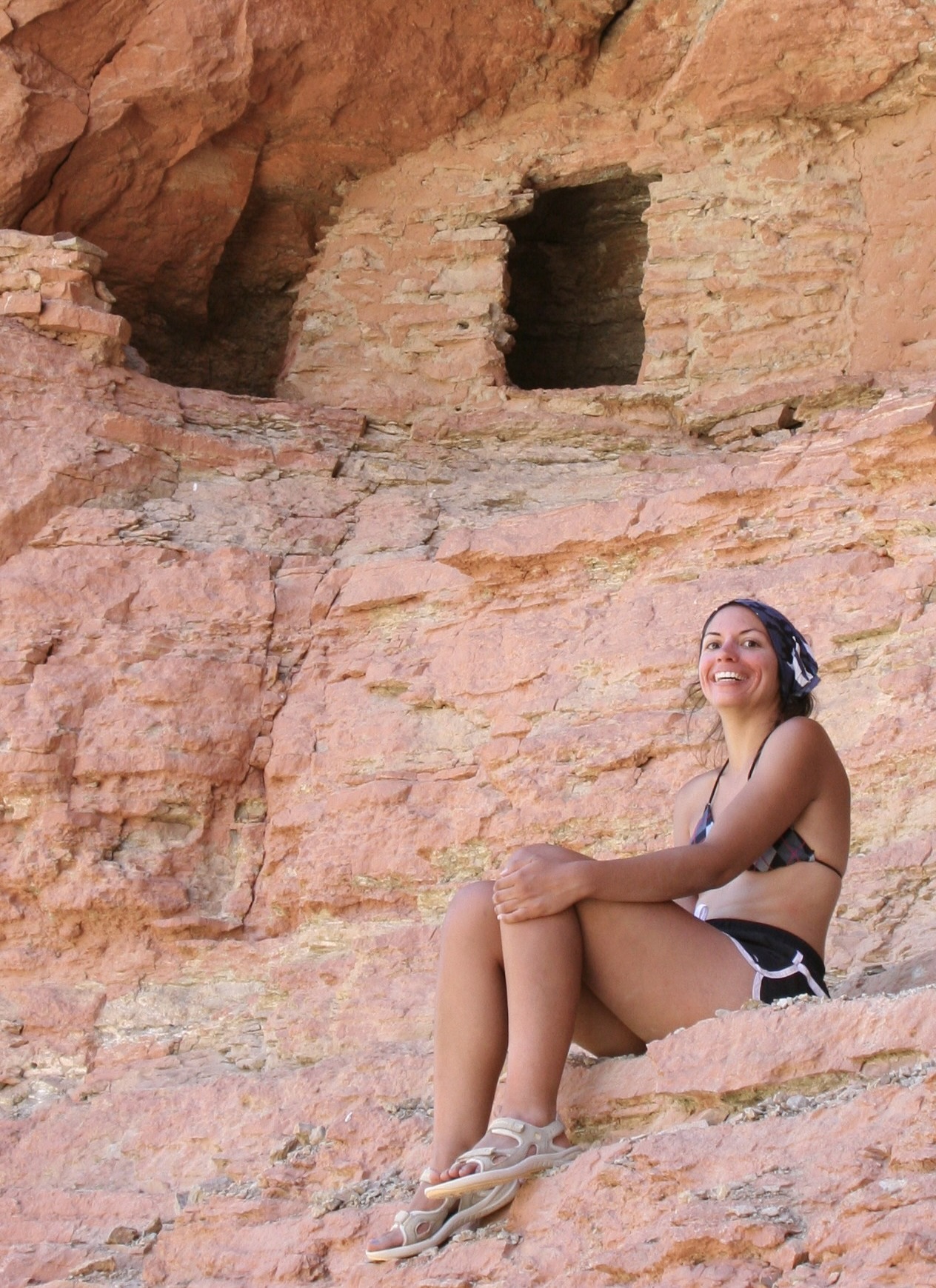
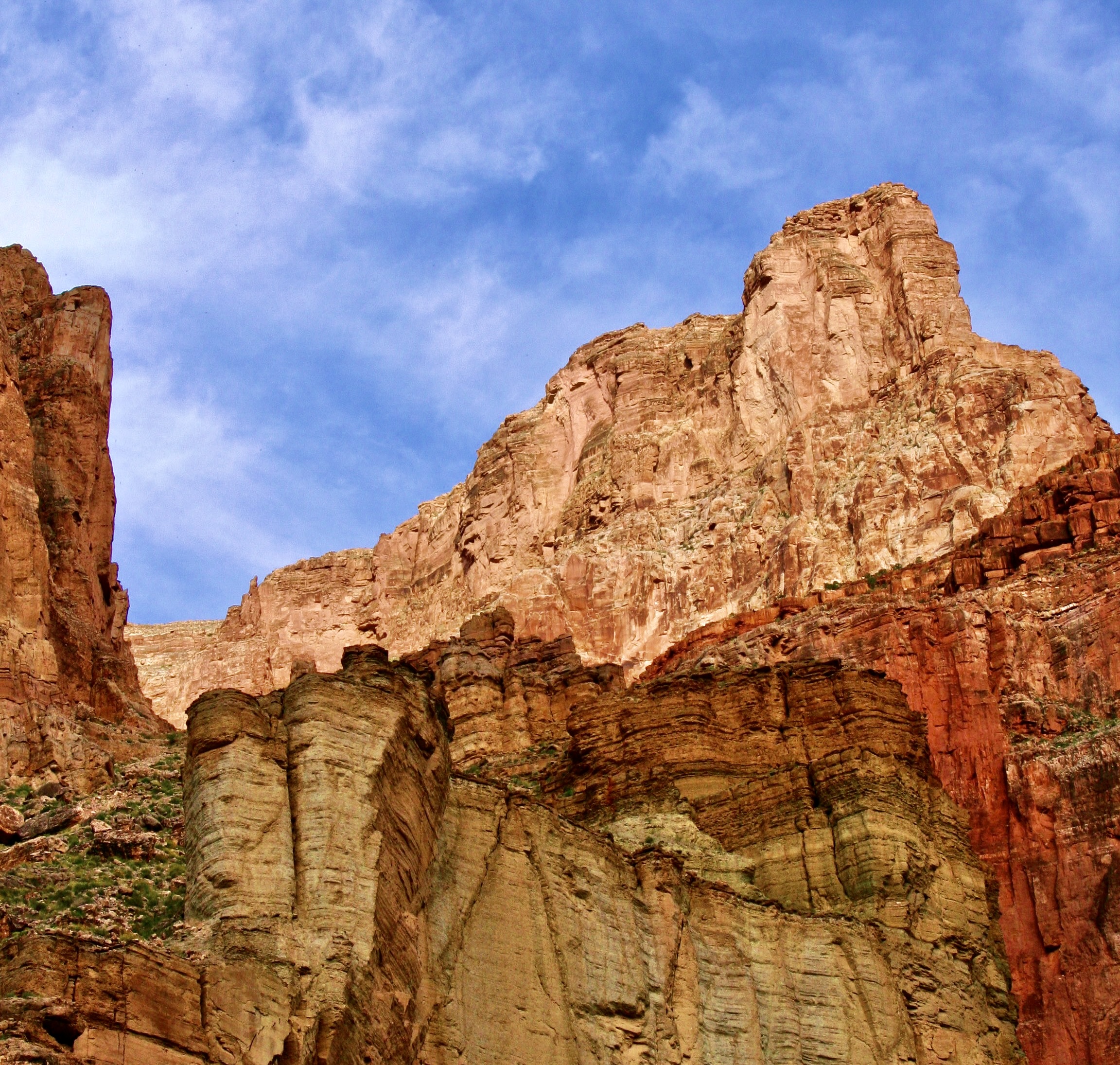
The raft trip in 2010 was the first blog series I ever did. I reposted it in 2018. Since I have already blogged extensively about the journey, I am going to use this and my next two posts as a summary of the trip and include many photos I didn’t use before.
I will note here that while the trip was even more physically challenging than I expected— and there were times I could have strangled Tom (and vice-versa, I’m sure)— I owe him a debt of gratitude for the opportunity. I love the Canyon and have explored it in many ways over the years including five backpacking trips into it. The river trip provided a whole new way to experience the beauty. Traveling with a great group was icing on the cake.
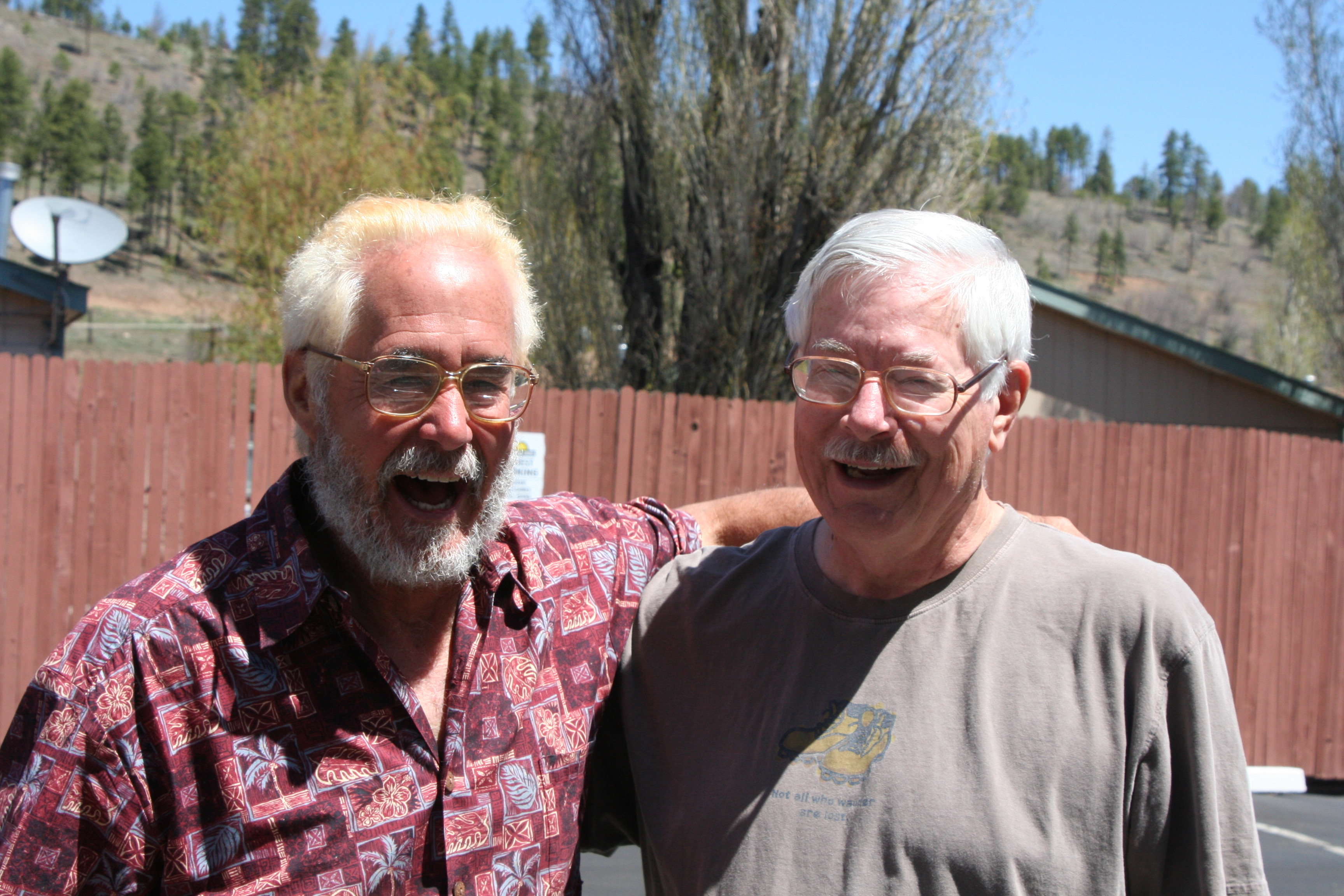
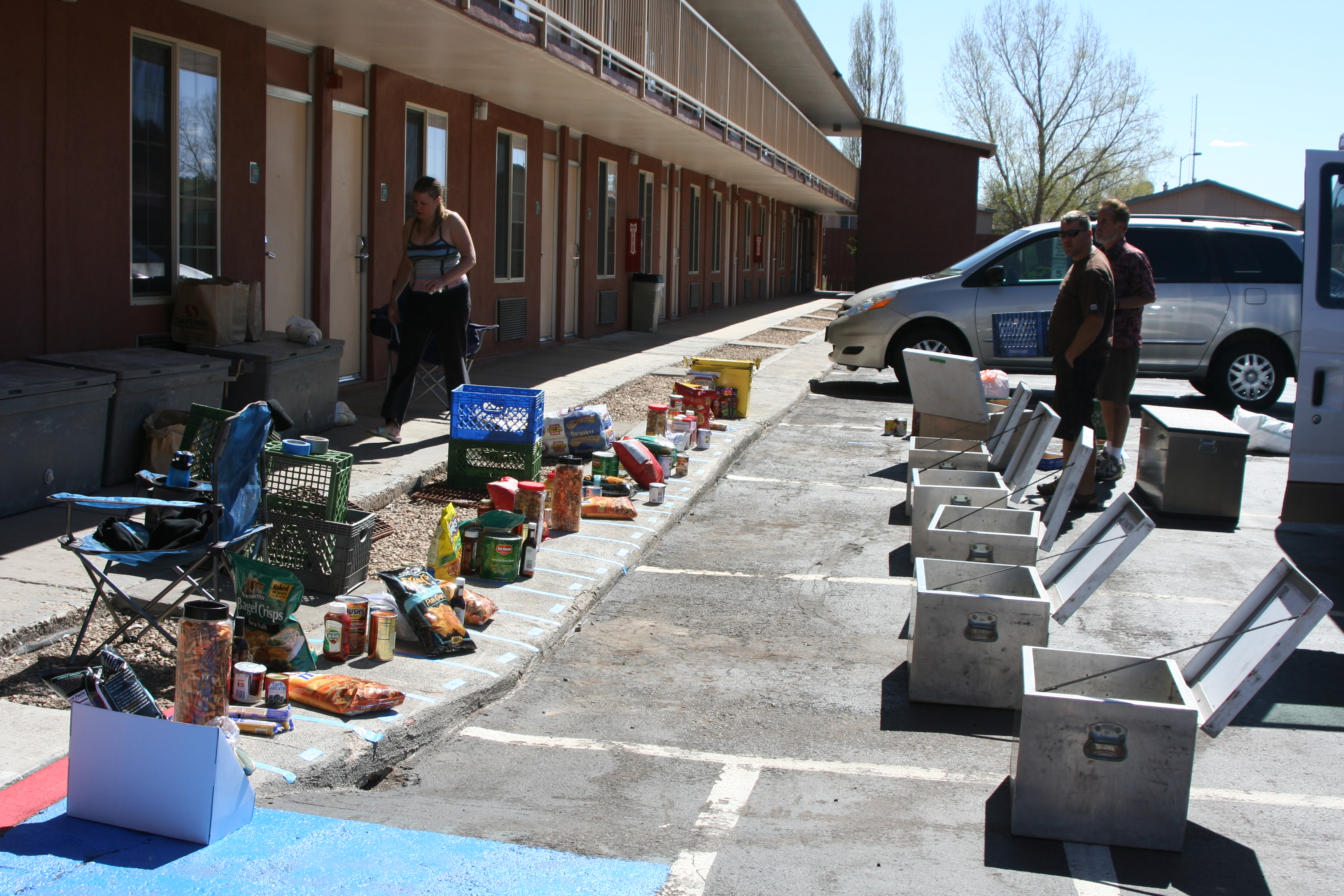
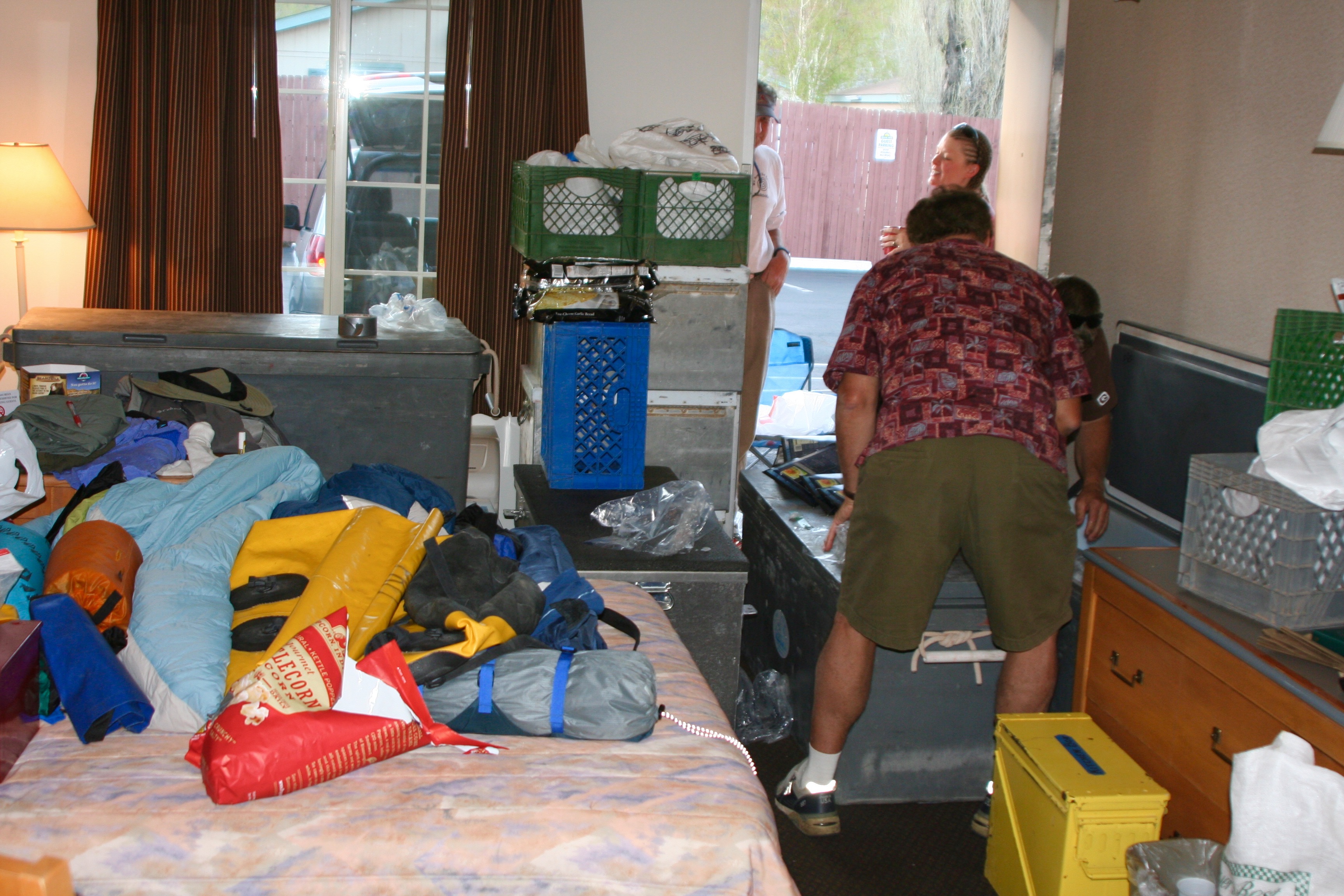
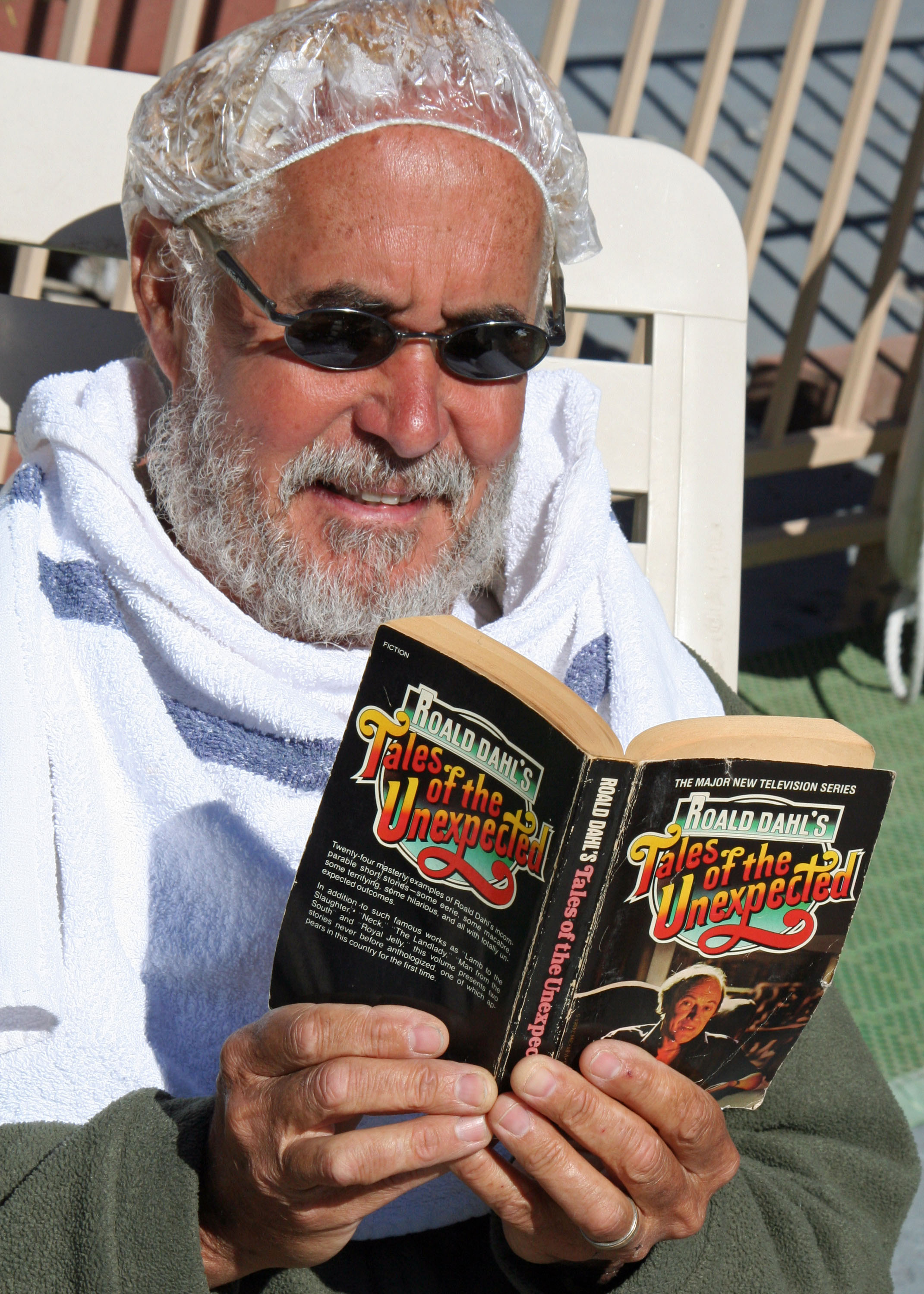
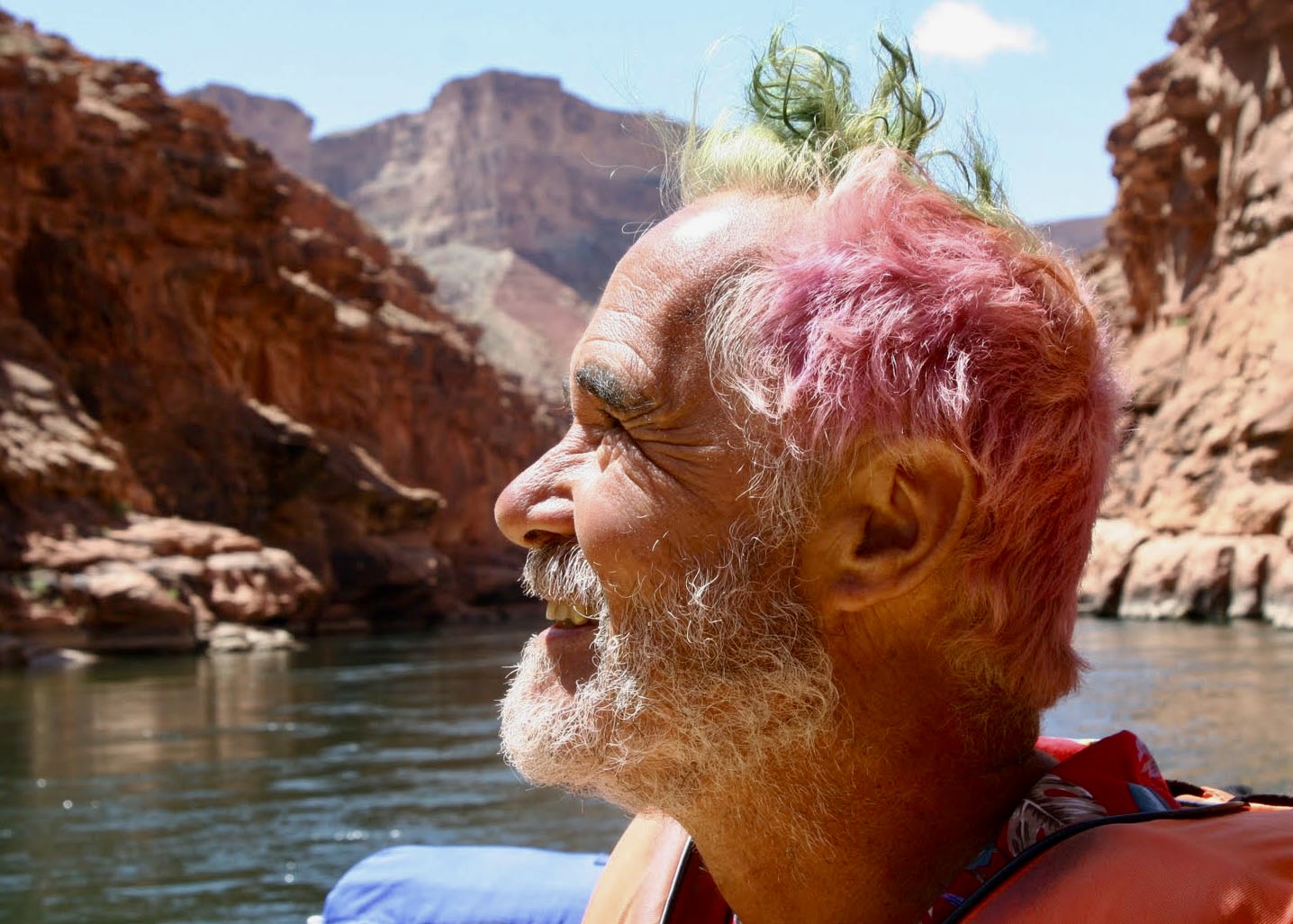
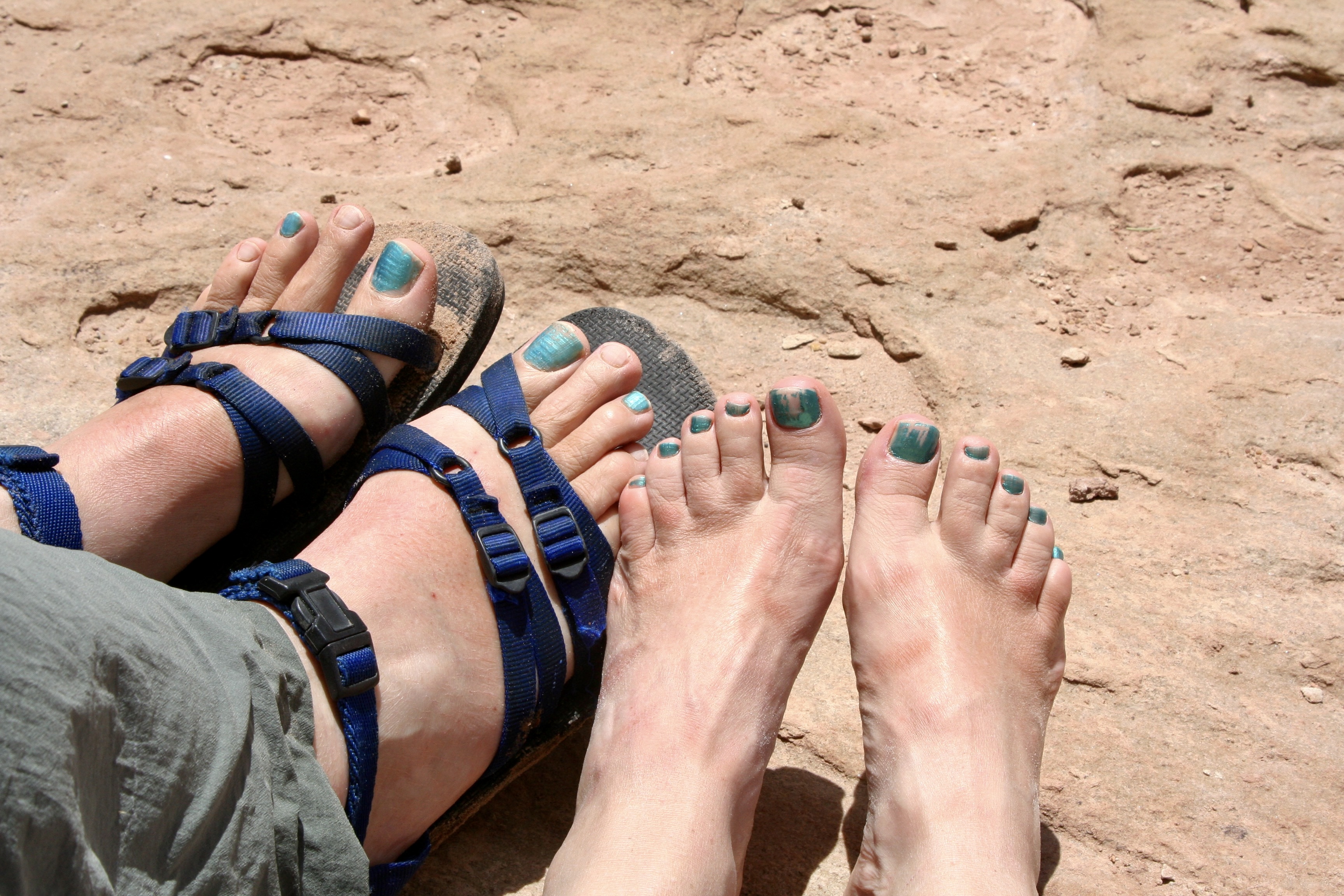
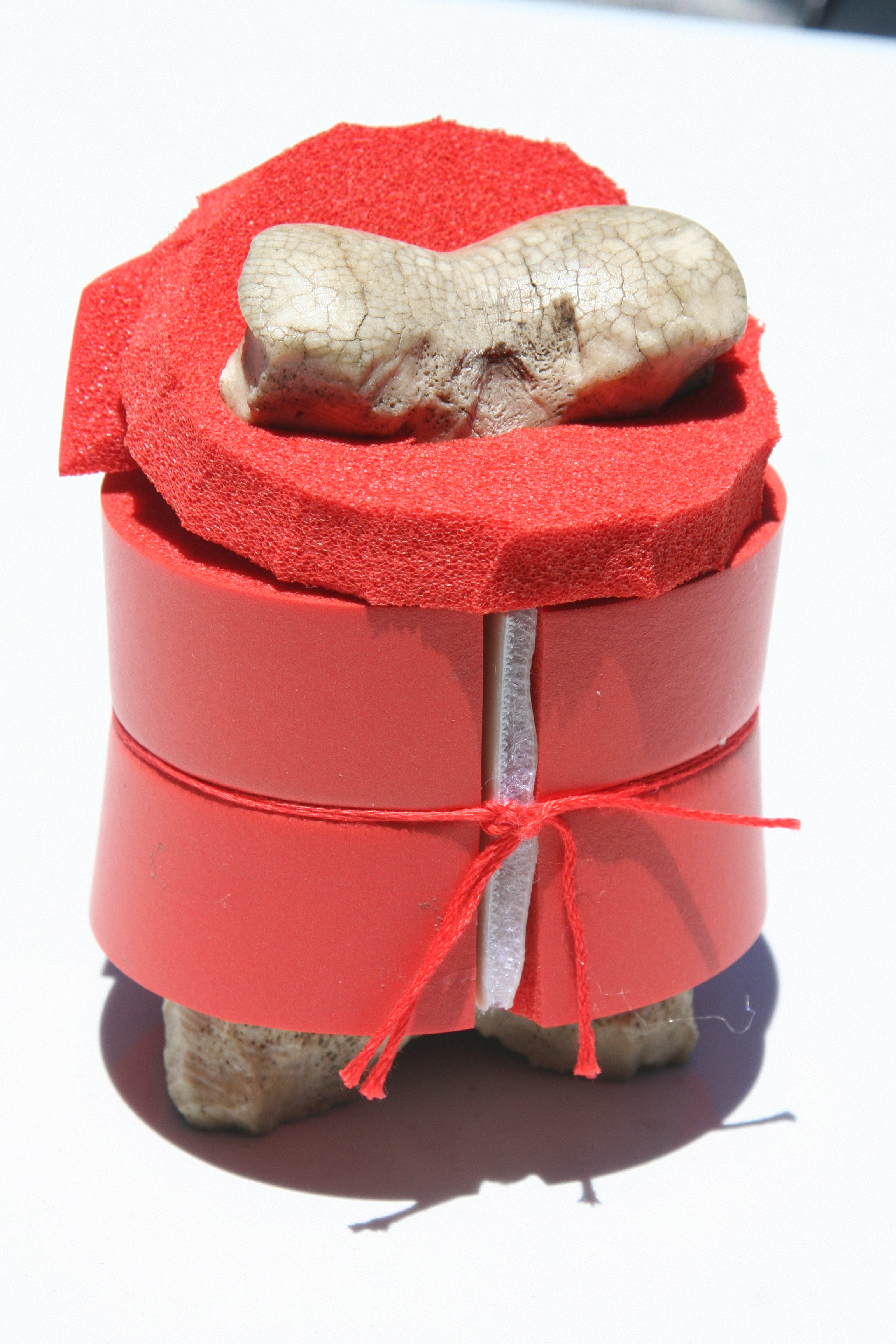
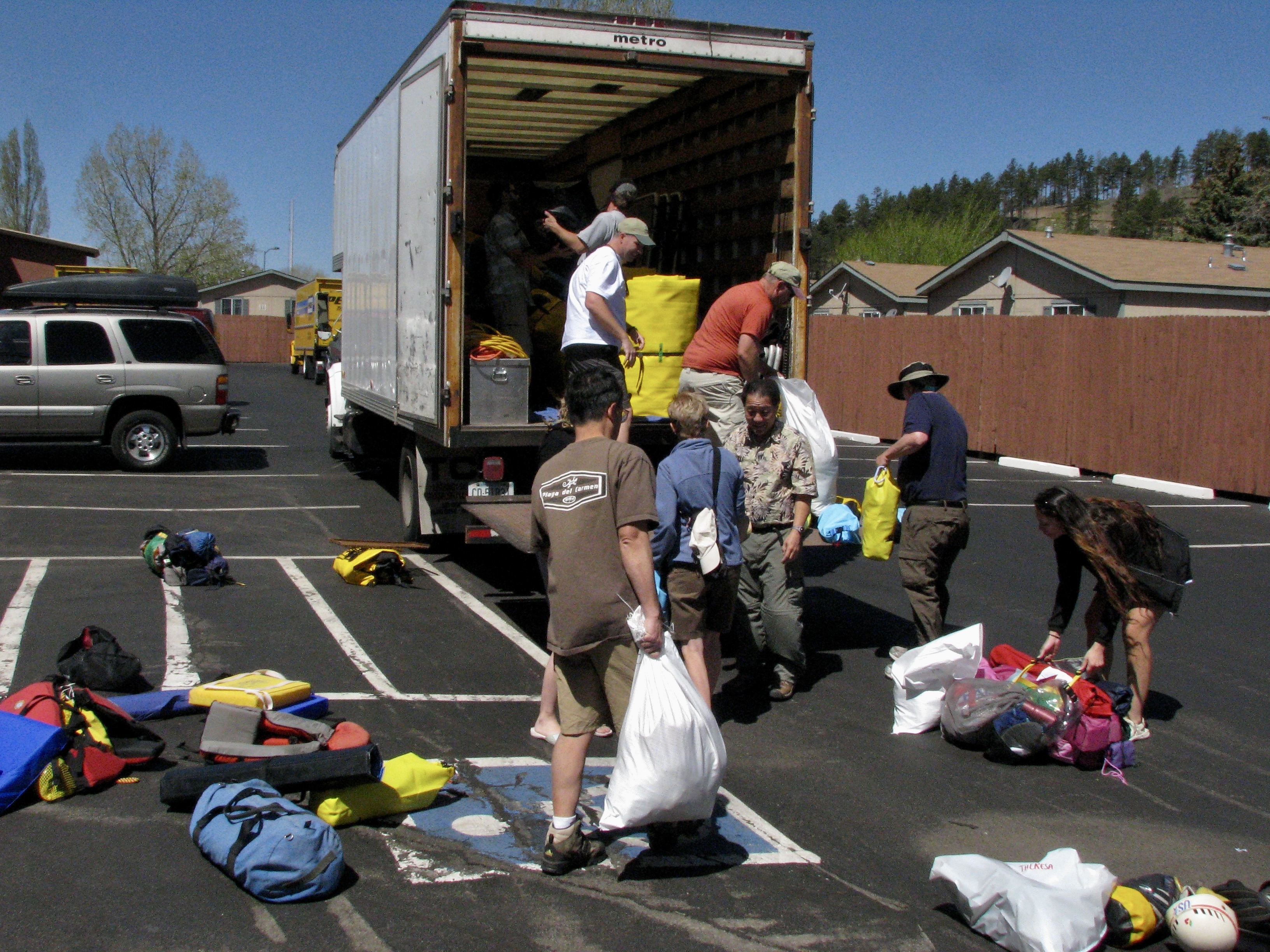
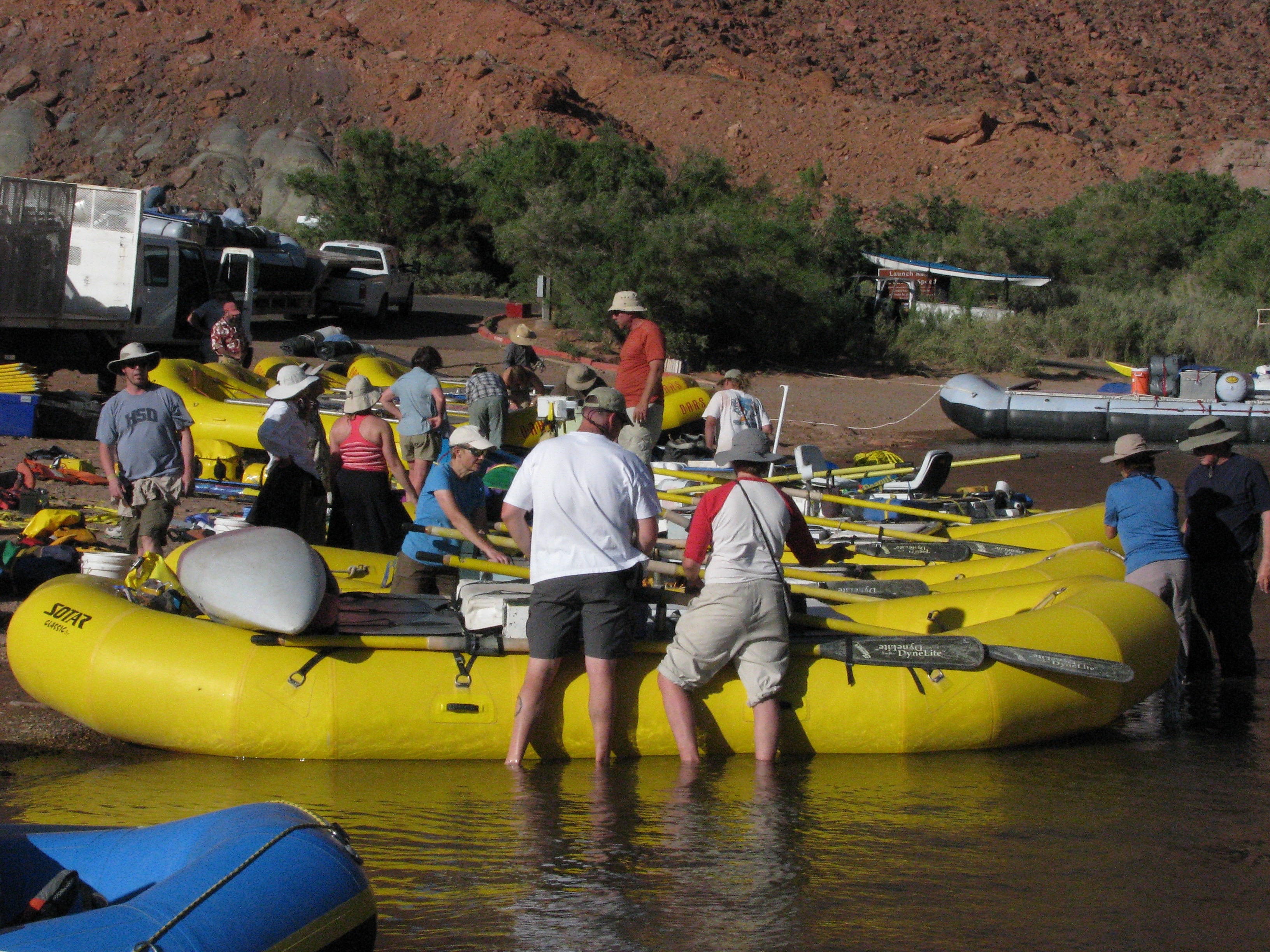
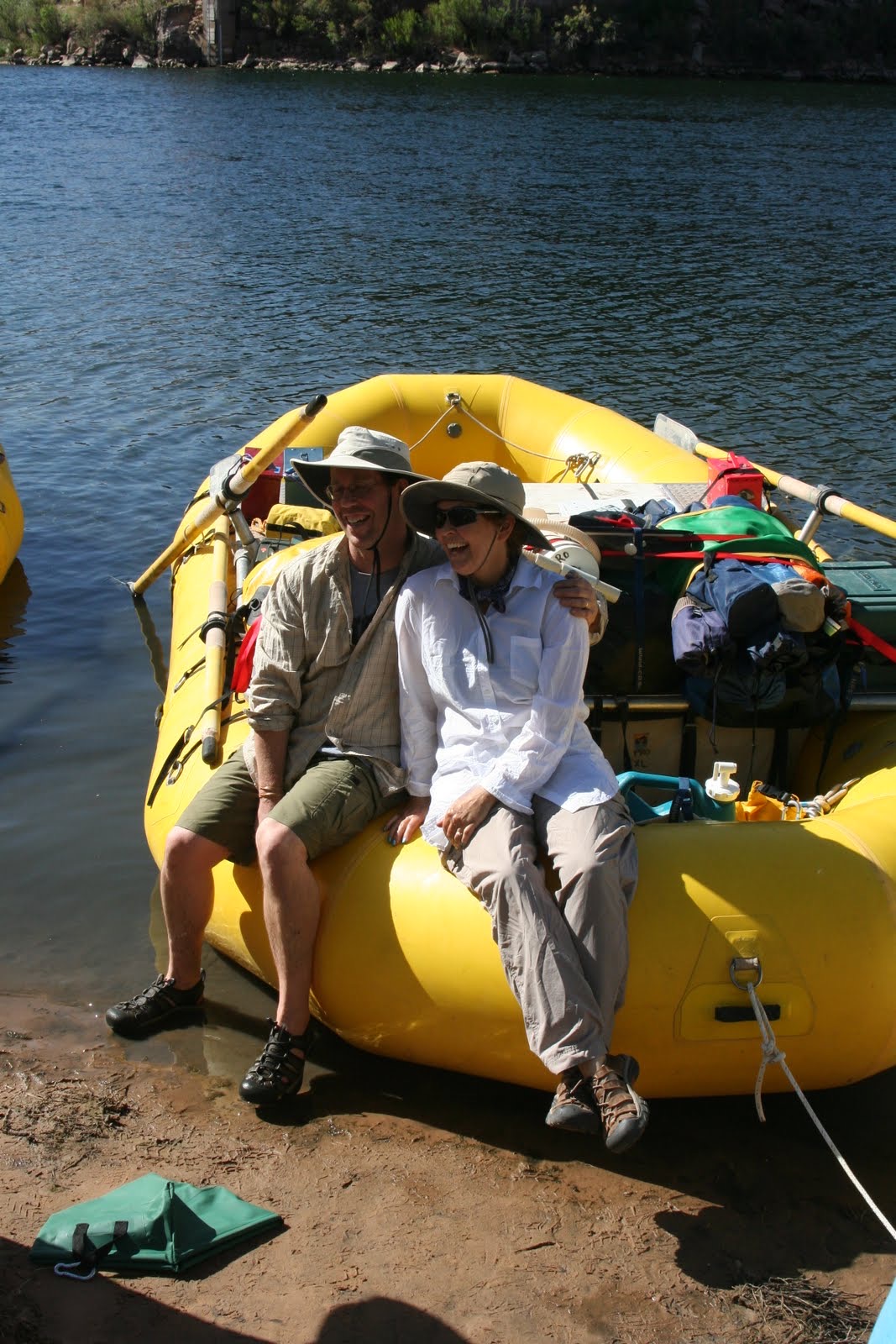
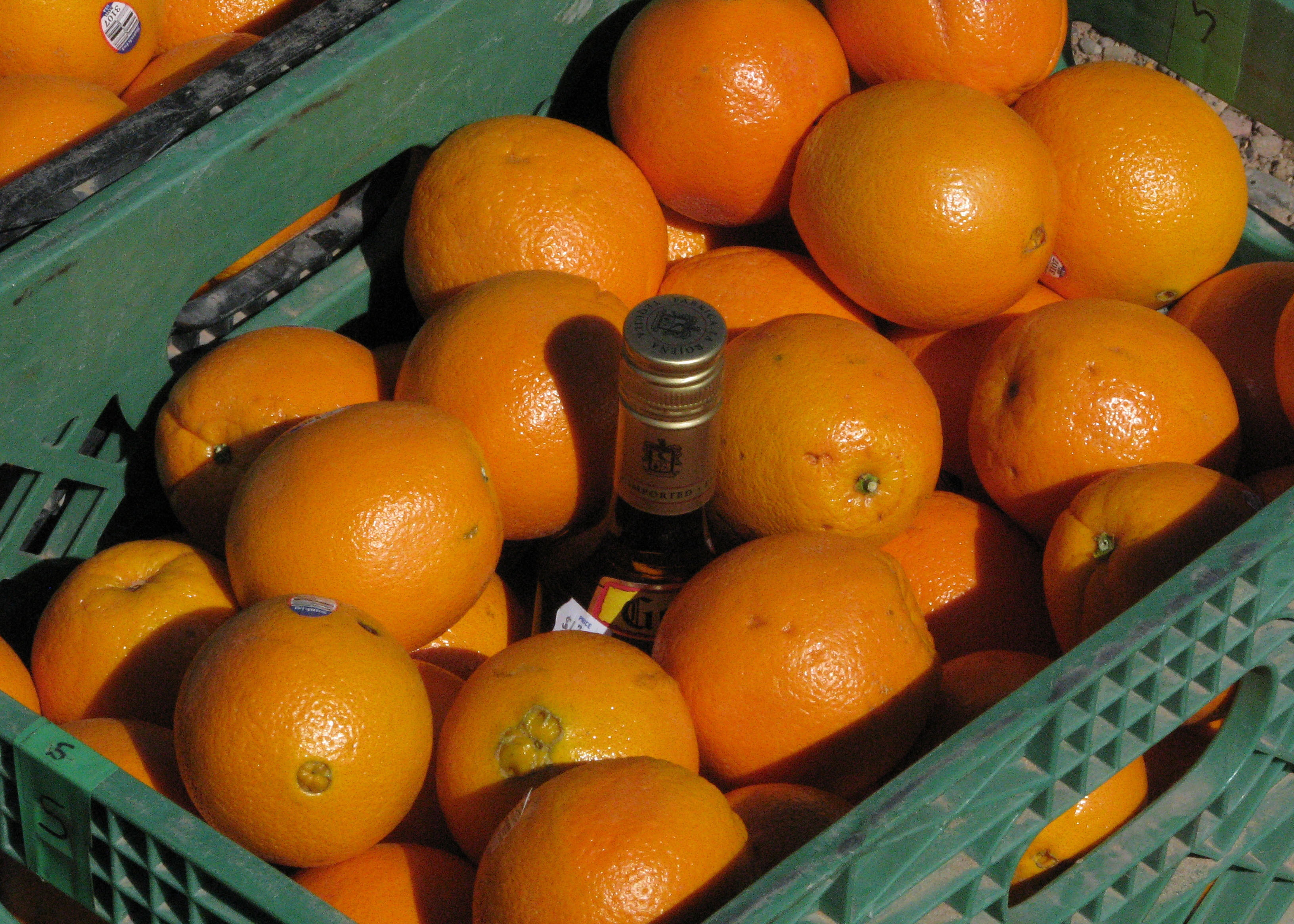
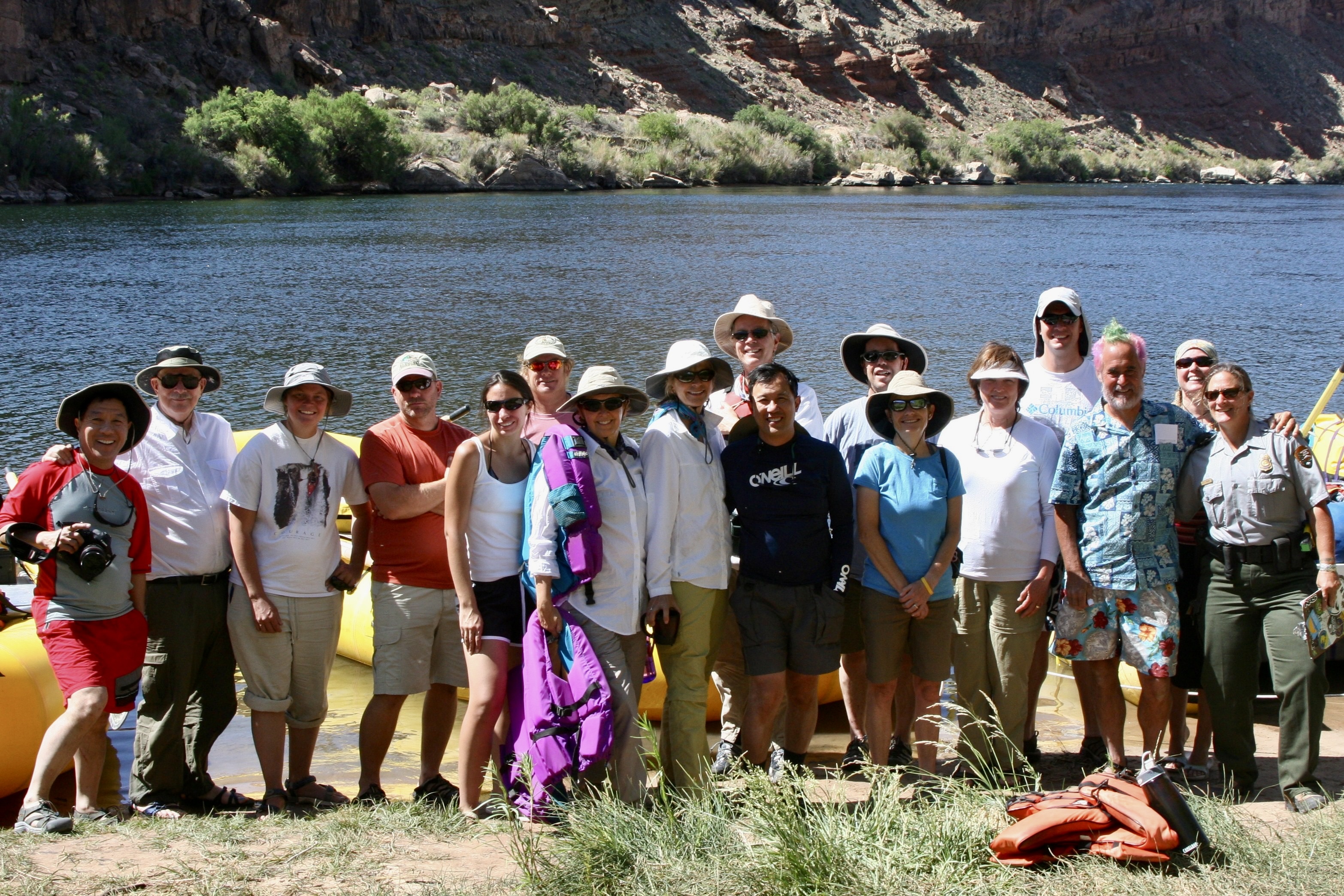
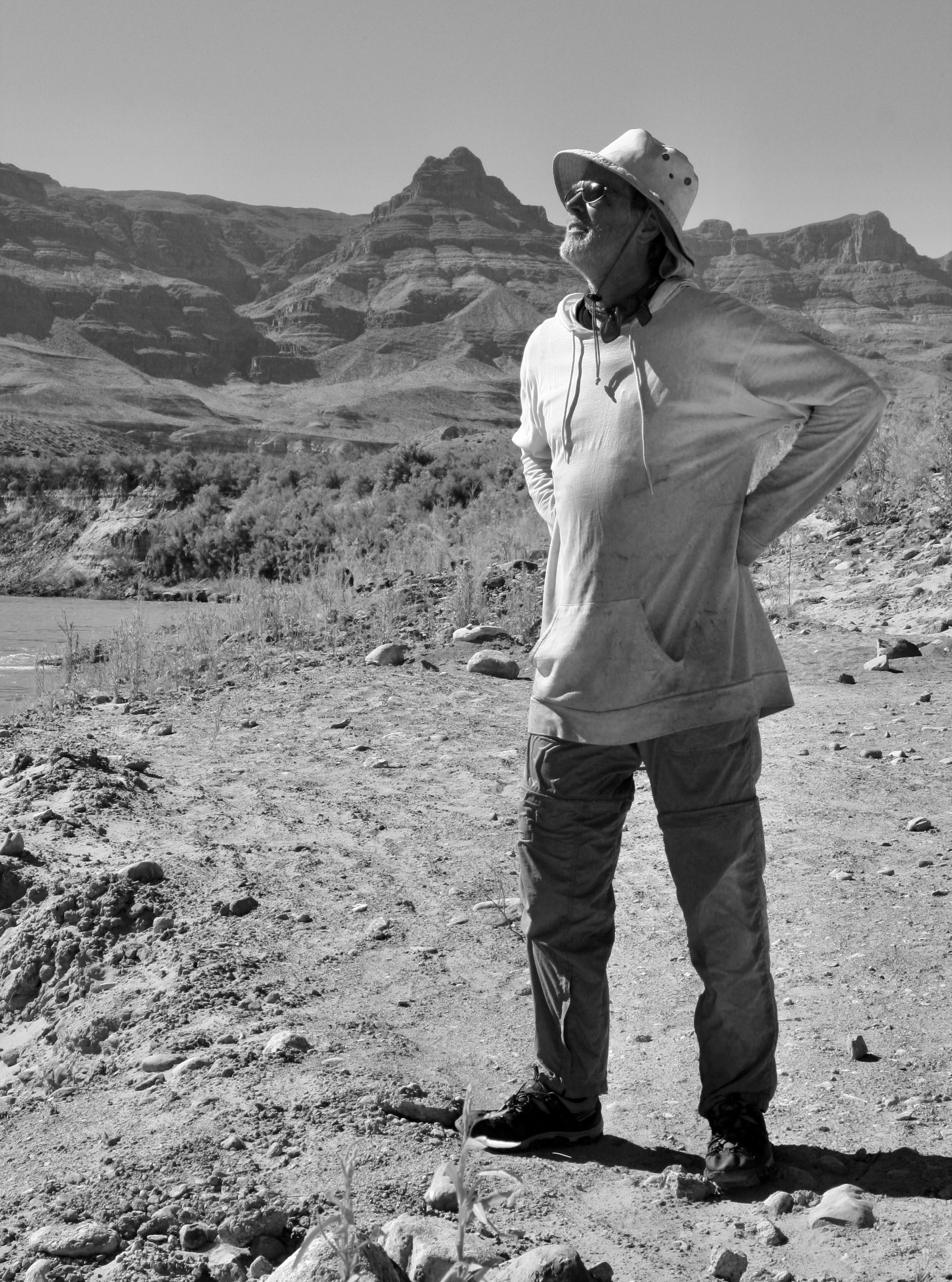
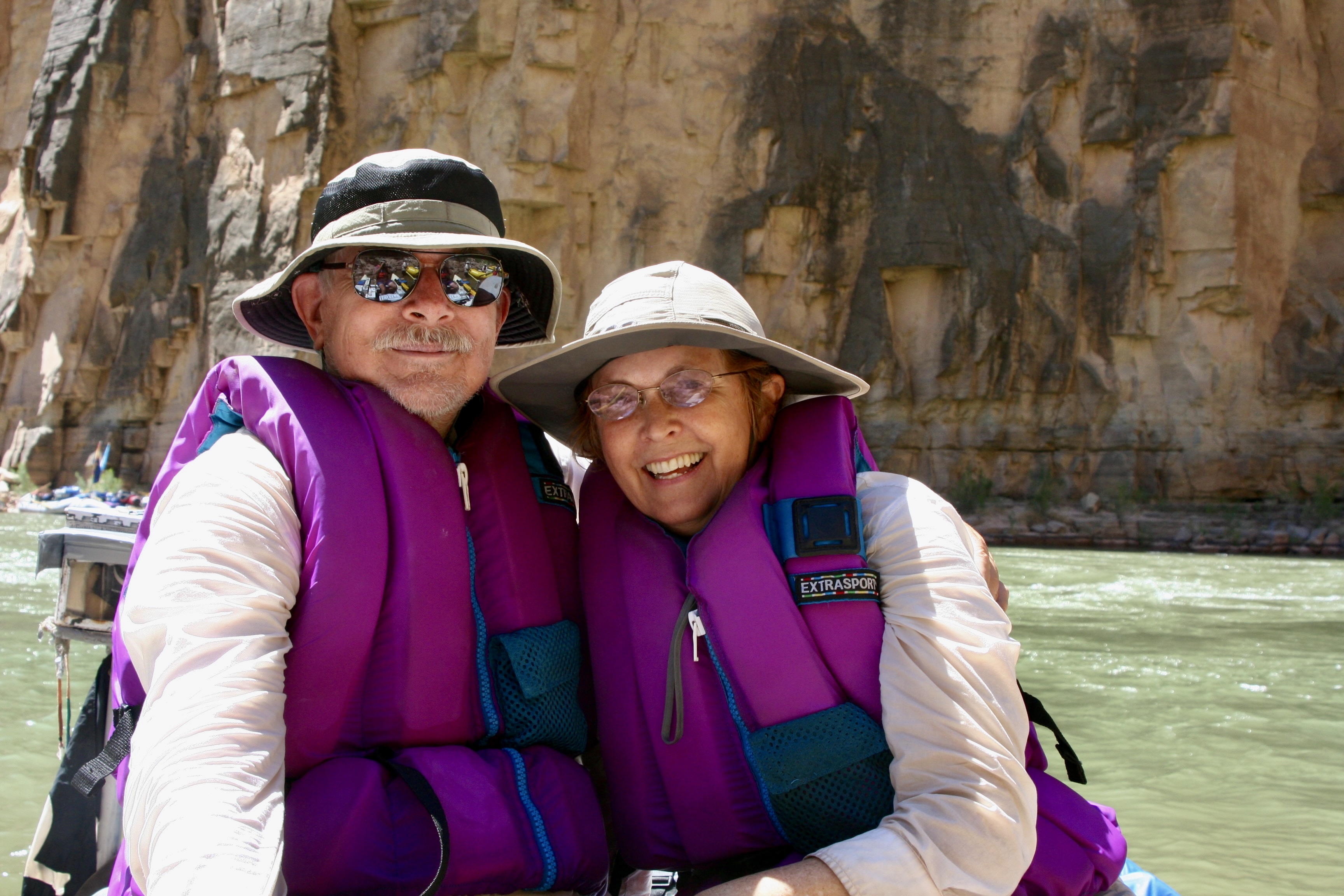
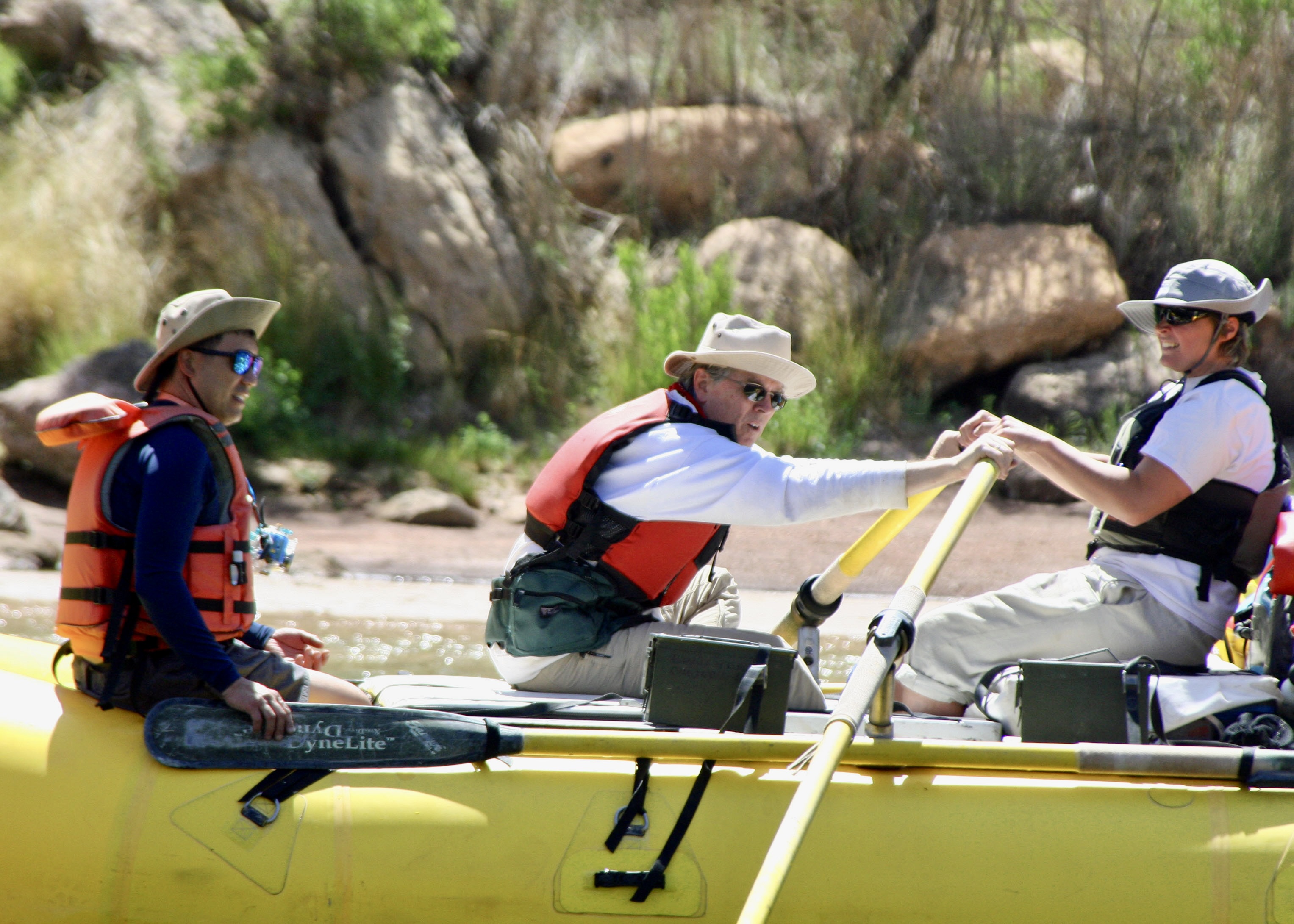
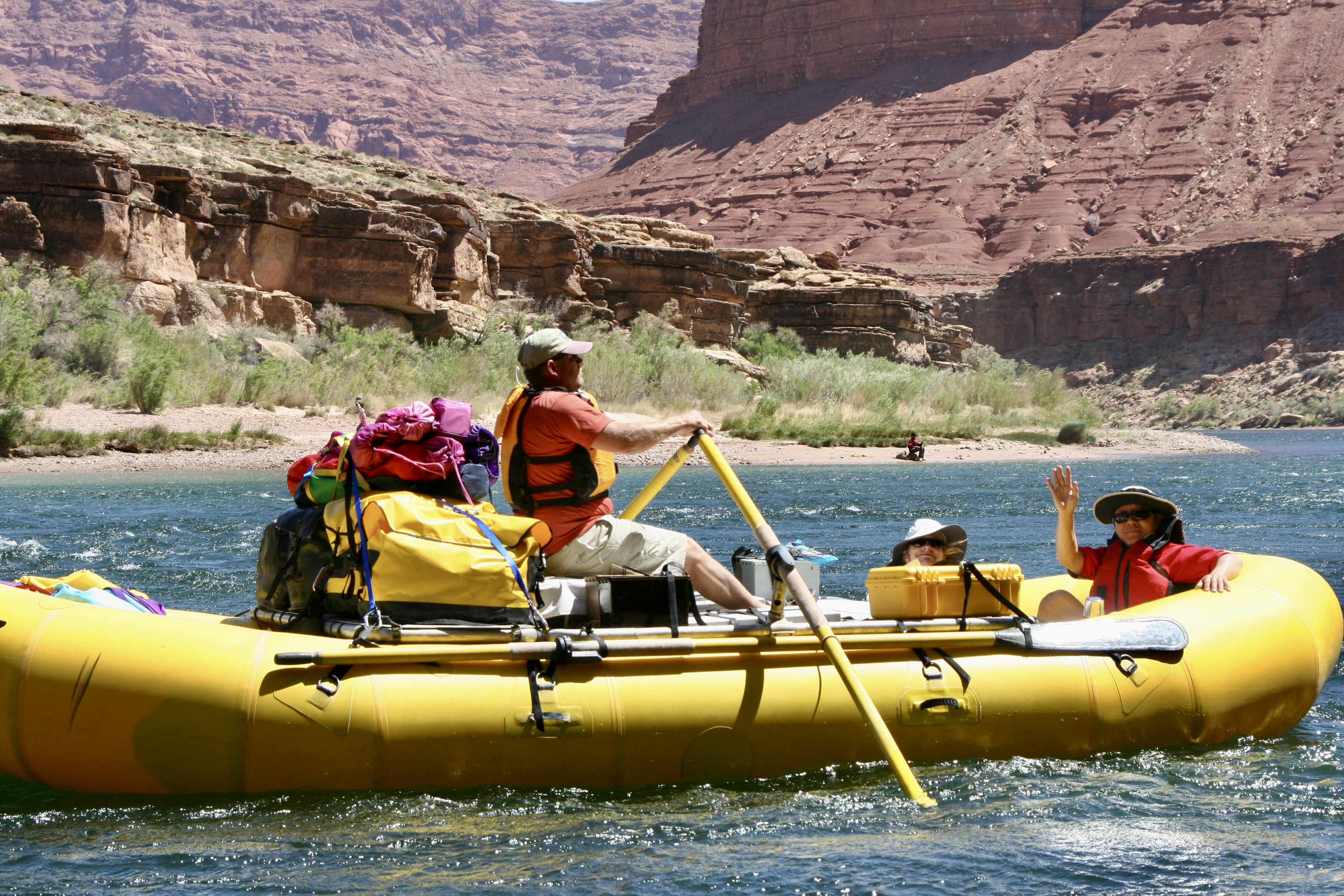
That’s it for the preparations. Now the ‘fun’ begins. The wind was back! We spent our first day fighting headwinds with gusts up to 60 miles per hour. If my dreams of a leisurely float down the river hadn’t already been demolished, they were now. We actually took turns with our boatmen rowing double. All of the photos were taken by either Don, Peggy, or me. I’ll note which ones are Don’s.
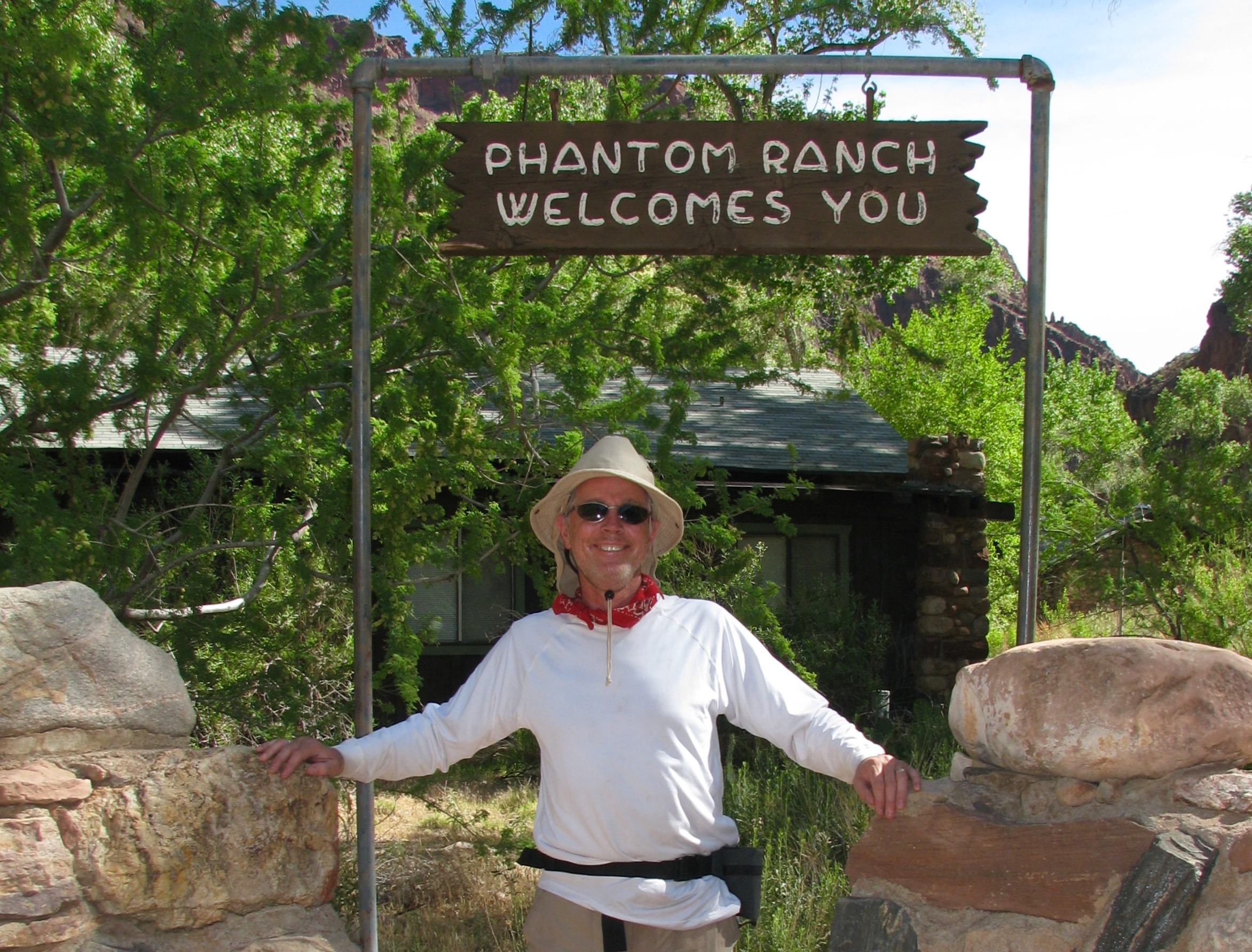
My post next Monday will take us from Lees Ferry to just below Phantom Ranch. Thursday is Halloween, however, and Peggy and I have a special treat for you, a tour of Dracula’s castle in Transylvania that we visited 2 1/2 weeks ago on our Danube River trip.

Today marks the beginning of our Great River series. The inspiration for it is our trip down the Danube from Vienna to the Black Sea that we just finished while traveling with Peggy’s brother John and his wife Frances.
Along the way, we traveled through Austria, Slovakia, Hungary, Croatia, Serbia, Bulgaria and Romania, all countries that I had never visited except Croatia. (Peggy had been to Austria, as well: Way back in BC…As in before Curt.) Other than the Romanian apple that got us in trouble with US Customs and a cold I picked up and undoubtedly shared along the way, our trip in a riverboat with the GoHagan travel company was quite good.
Knowledgeable (and often humorous) local guides led us on tours through cities, towns, churches, castles, and palaces while providing historical background that ranged from Mongol and Turkish invasions, to the Austro-Hungarian Empire, to the Russian Communist occupation following World War II.
We watched horses prance, people dance, and consumed at least three times as much food as we usually do. An ancient village with roots going back 5-6 thousand years and the beauty of the Carpathian Mountains of Romania/Transylvania wowed us.
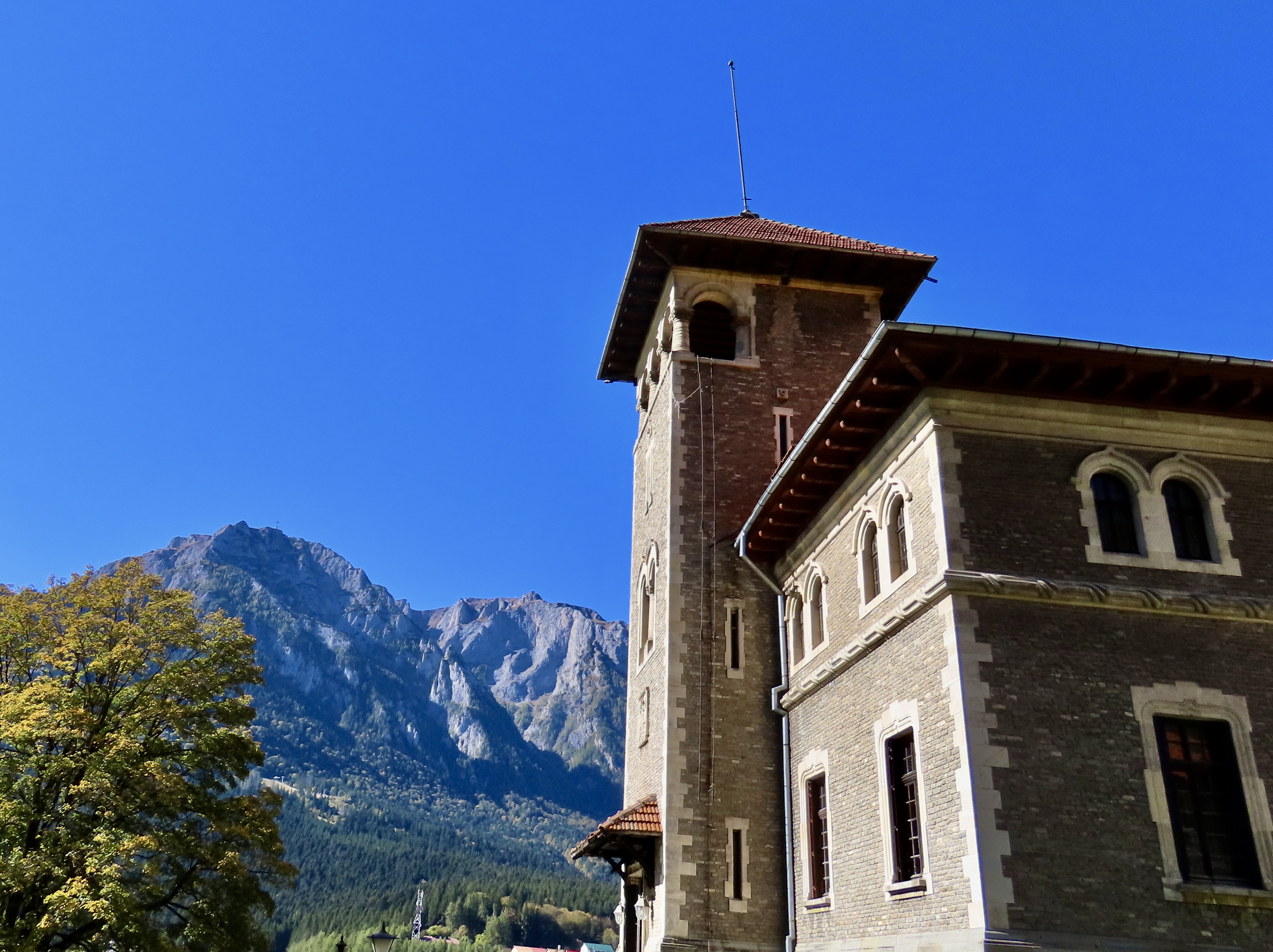
Dracula/Vlad the Impaler called the Carpathians home. While we found the Impaler’s castle fascinating, I think Peggy was more excited to discover that the Cantacuzino Castle (where we stopped for lunch) serves as the site for the Nevermore Academy of the Netflix series Wednesday, a take-off on the TV series, The Addams Family, of yore. How much does she like the series? Well, she has binged on it. More than once. Her scream of delight when she saw a sign promoting the castle as the series’ location led everyone on the bus to turn and look at her. I felt like I was married to a smitten teenager.
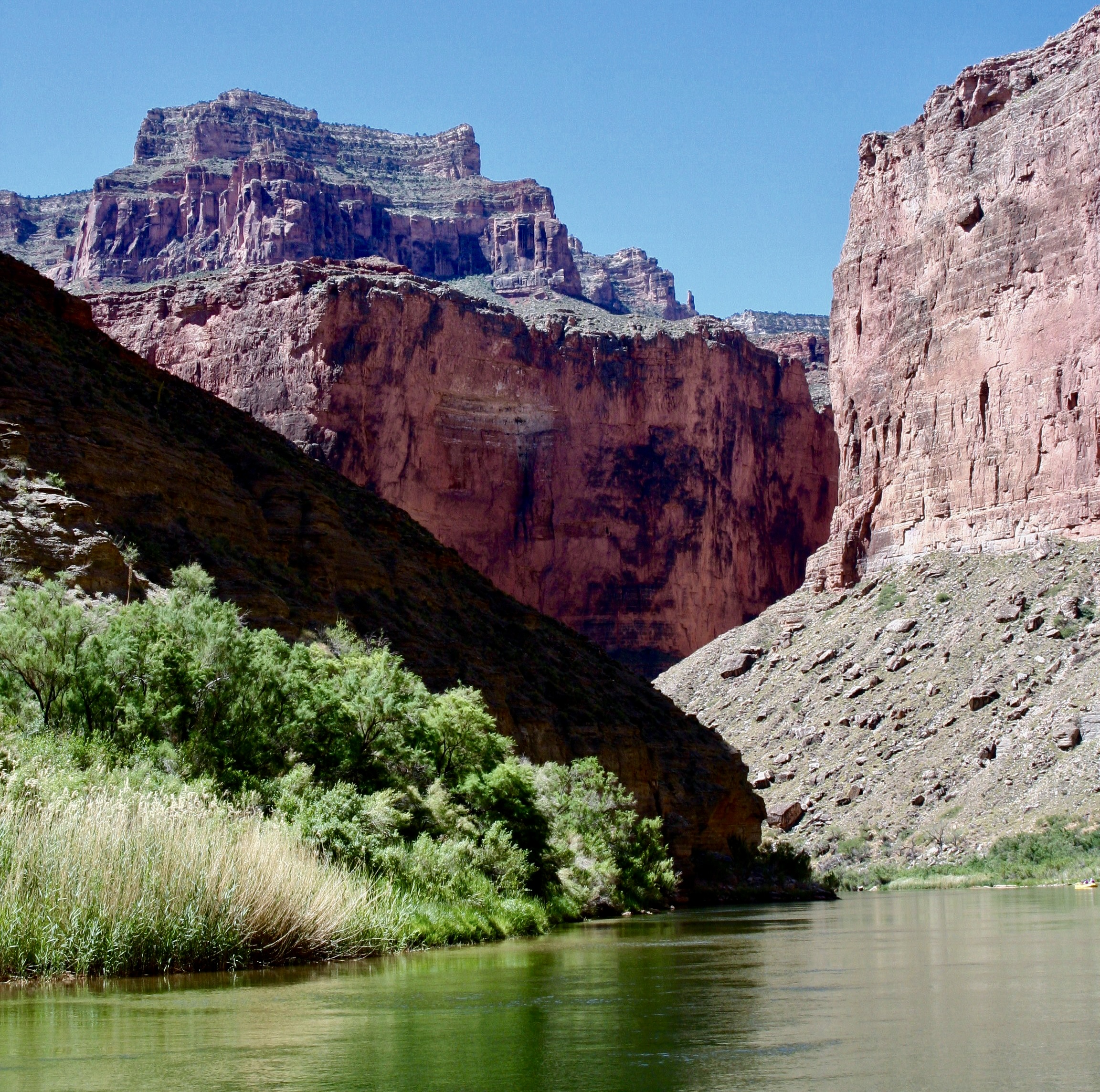
One great river doesn’t constitute a series, however. And we’ve promised a series which brings up what our criteria are for defining a great river. There are the normal factors, i.e. length and volume, but I would also add history and in beauty. The Nile is a great example for history, while the Colorado River on its run through the Grand Canyon is one for beauty. Both are mind-blowing.
There is one criterion that is strictly ours: We have to have floated on the river. For example, Peggy and I have crossed the Mississippi, Missouri, and Columbia Rivers numerous times from their headwaters to where they flow into the ocean. But our only personal experience has been to take photos and explore their history, with folks like Mark Twain and Lewis and Clark serving as our teachers. Peggy is known to stick a finger or toe in on occasion, however, “to test the water.”
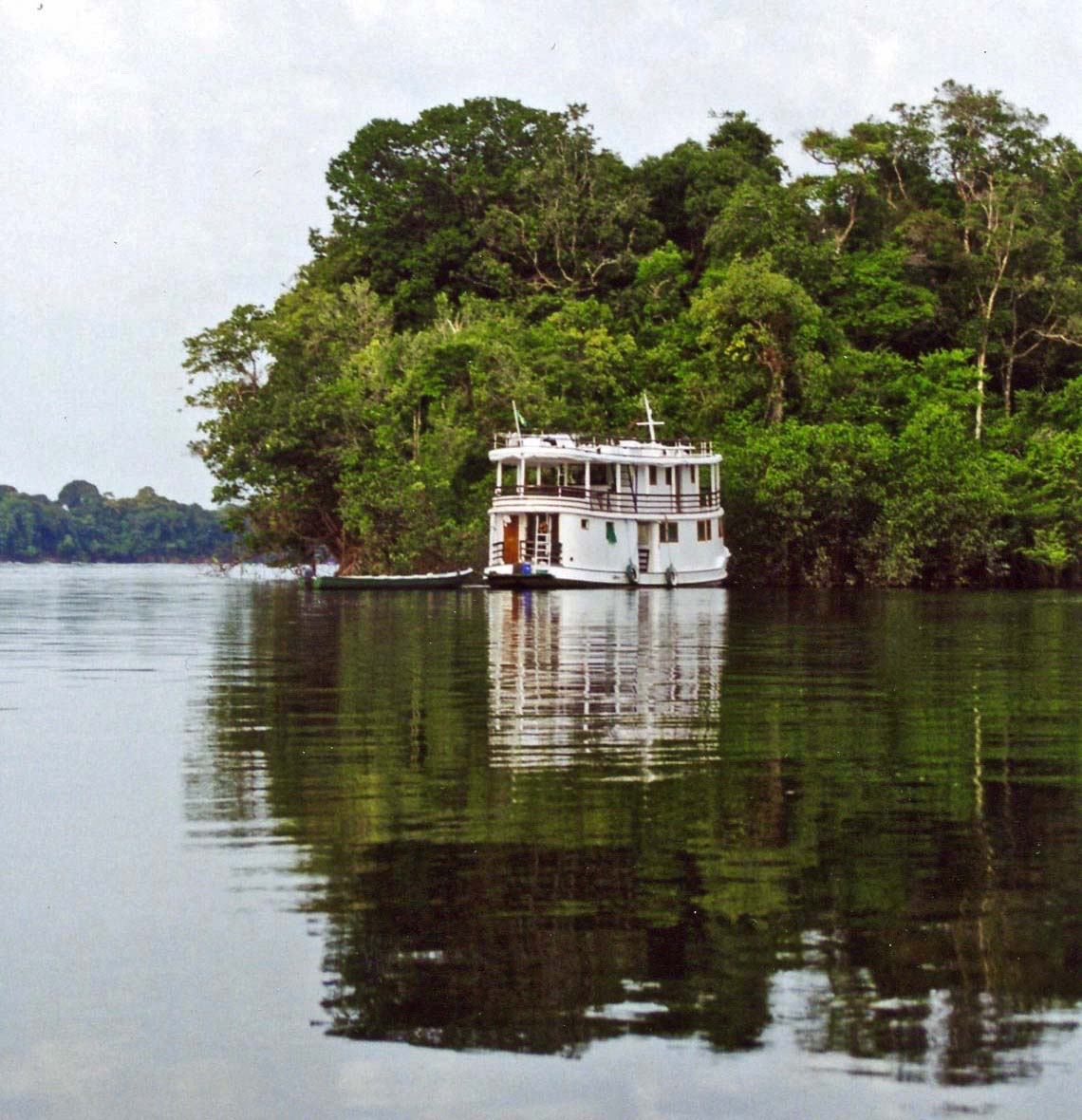
In addition to the Danube, the series will include the Colorado, Amazon, Rhine, Nile, Zambezi, and England’s Trent and Mercy Canal— not a Great River perhaps, but Peggy and I had a blast navigating it in a 60’ long 10’ wide narrow boat, stopping at pubs along the way.
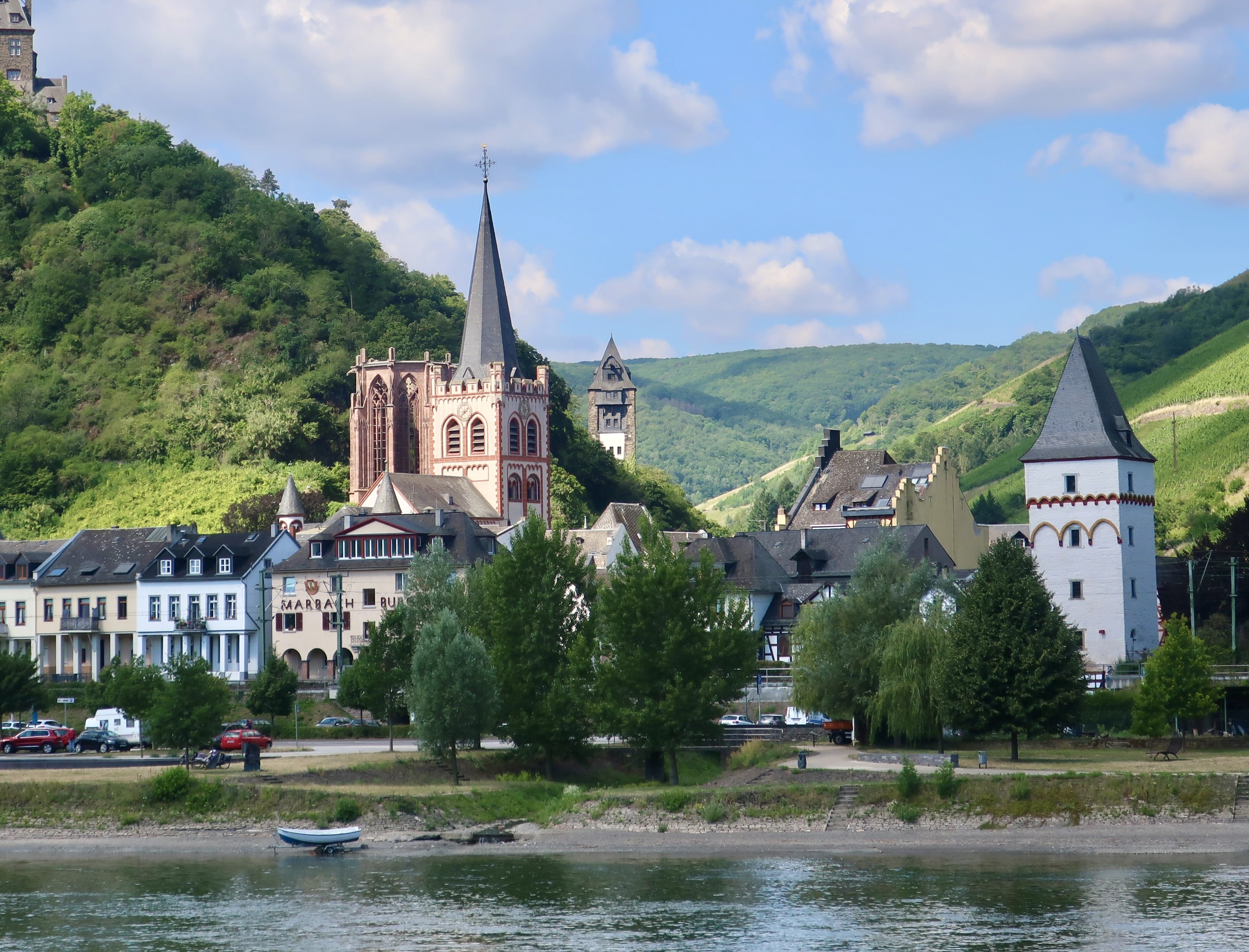
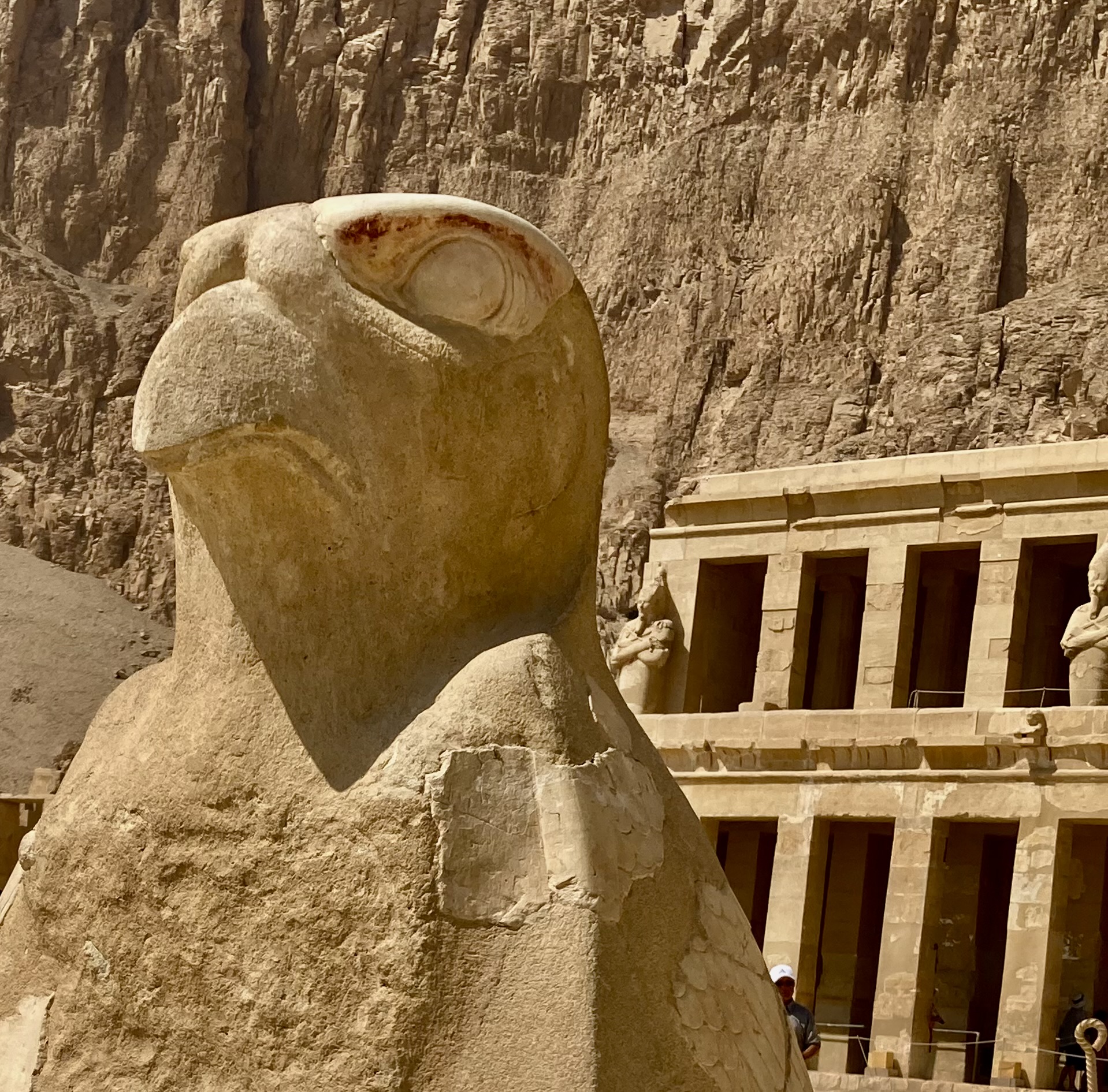
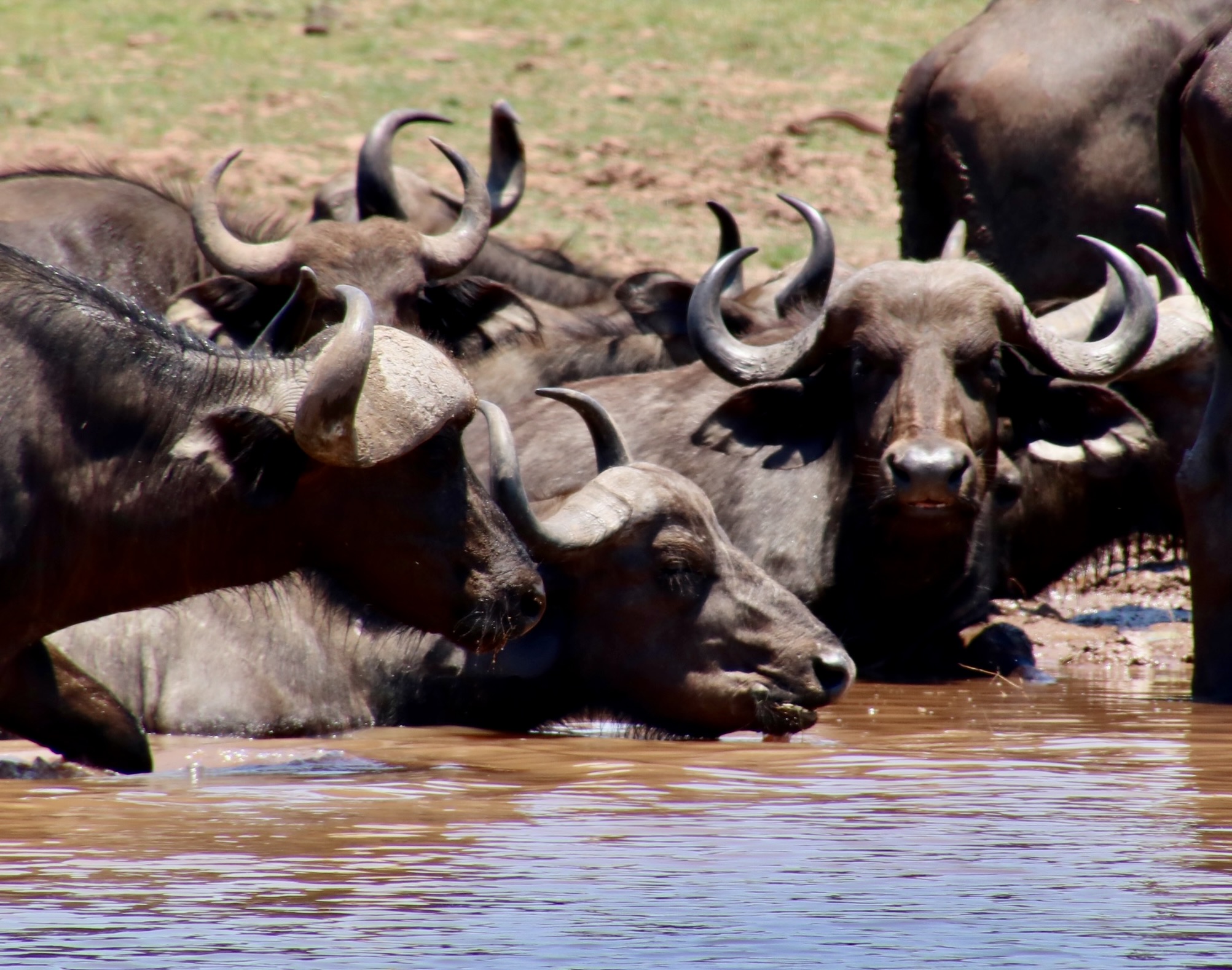
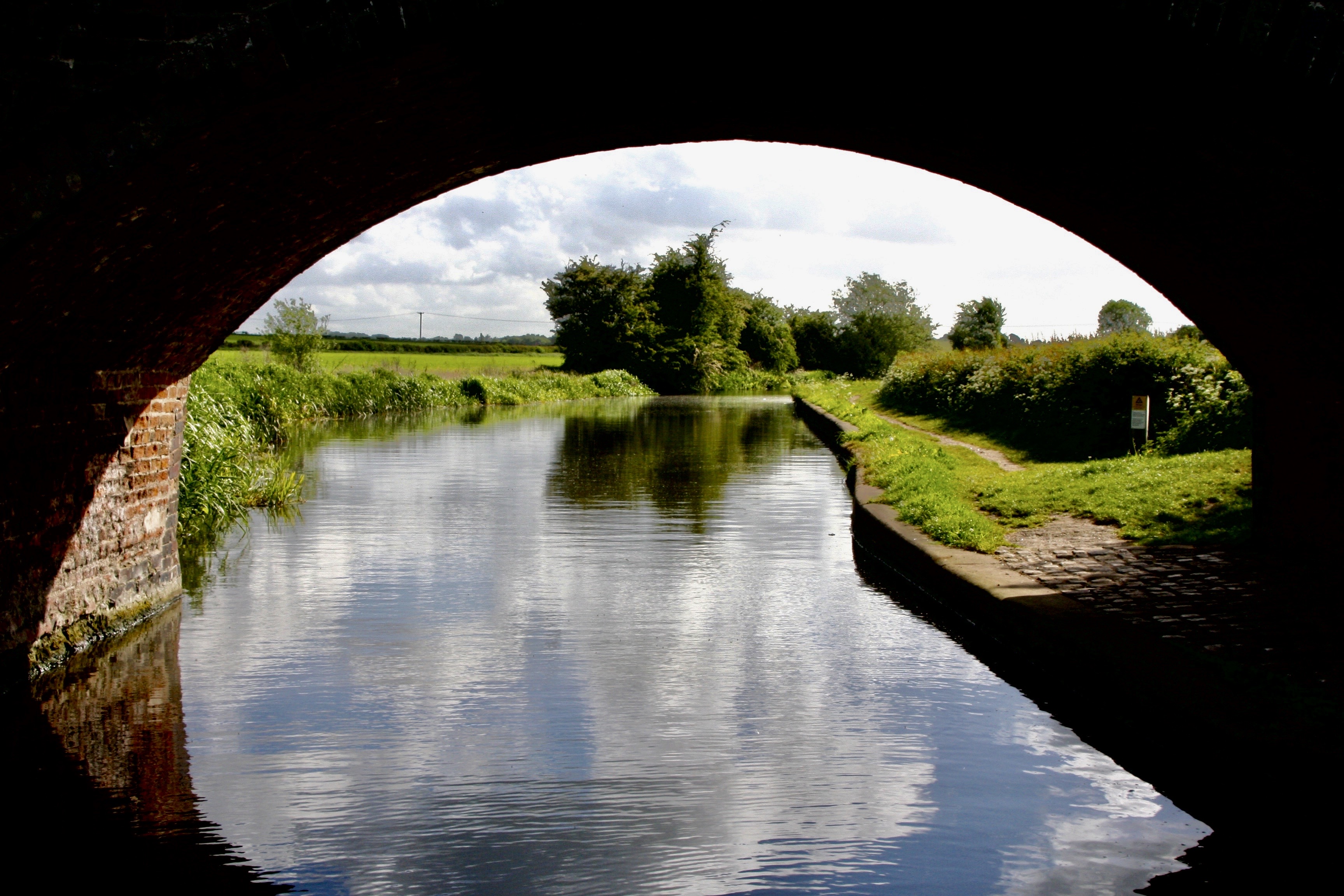
Since we have already blogged about these experiences (other than the Danube) in the past, I’ll simply do a summary post or two on each one that focuses on photos. The Nile may include more since there were several blogs that I ran out of time to do after the trip last year.
Next week, a quick look at the incredible beauty of the Colorado River through Grand Canyon National Park. After that, we will start on the Danube.
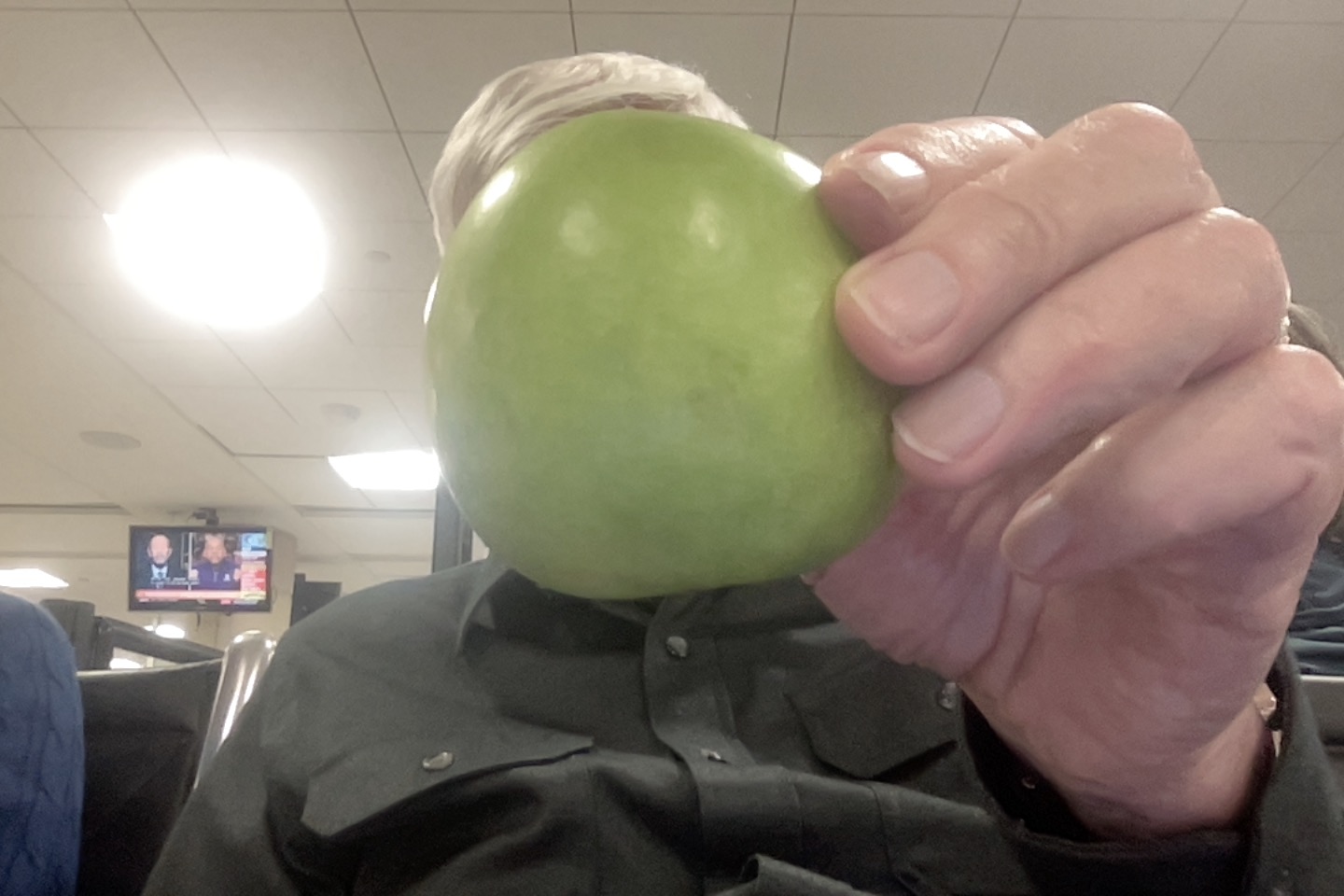
Peggy and I were innocent victims. The apple was using us for its nefarious purposes. The staff at our hotel in Bucharest had slipped apples into breakfast paper bags when Peggy and I, along with her brother John and wife Frances, checked out at 2 AM. They had included a sandwich made up a slice of cheese and a slice of ham on white bread without any condiments, plus— the piece de resistance— a two-bite muffin. I’d eaten the sandwich and muffin on our ride out to the Bucharest Henri Coandă International Airport. I was suspicious of my apple, however. It had a not-right feeling. I tossed it into a trash can. Let the Romanian authorities deal with it.
Peggy, on the other hand, had visions of eating the apple somewhere along the way on our seemingly endless journey as a defense against starvation. She slipped it into an extra bag she was carrying for gifts and the apple immediately burrowed itself into the bottom of the bag, where it hoped to be forgotten. I can’t blame it for not wanting to be eaten, but apparently it had other motives as well. I don’t know what John and Frances did with theirs. I’d watched Frances cut up lots of them on our trip down the Danube, however. As for John, it probably depended on his political assessment of the apple. Had he thought of it as liberal, or radical, he would have consumed it on the spot, down to its very seeds. Had it been Libertarian, he would have coddled it, possibly even slipping it into Texas where the laws are different (not really, when it comes to US Customs).
We had a 4 hour layover in Zurich where the apple would have been consumed except we were traveling business class and could hang out at the Swiss Air lounge where all sorts of goodies were available for eating. Likewise, we were fed two full meals on our flight from Switzerland to Virginia. The apple continued its happy and secretive existence in the bottom of the gift bag— until we were in the middle of a massive crowd of people slowly making our way toward the passport check stations. It was then that Peggy saw the sign: “All travelers entering the United States are Required to Declare meats, fruits, vegetables, plants, seeds, soil, animals, as well as plant and animal products (including soup or soup products) they may be carrying. The declaration must cover all items carried in checked baggage, carry-on luggage, or in a vehicle.” The food might contain dangerous pests. Not declaring it is a crime subject to fines up to $10,000!
It was an “Oh poop,” moment. Oh well. Having lived in California for many years, we were used to border checks for fruit. We either got rid of it before entering the state or declared it if we hadn’t. I’d stopped being overly concerned when the border checks were frequently unmanned. If we declared fruits, the guards told us to throw it into a nearby trash can, or eat it. So much for the dangerous pests.
When we reached passport control, Peggy bravely pulled the offending apple out of her bag and explained why she had forgotten it. “Here, you can have it,” Peggy offered with one of her dazzling, disarming smiles. “Or is there a place I can toss it?” The agent reacted like Peggy was offering her a dead rat with the bubonic plague. She grabbed Peggy’s passport and locked it up in a plastic box for Peggy to carry. “Follow that red line to Custom detention,” she told her. Suffering from guilt by association, I was directed to go with her.
We opened the door and a very stern looking fellow took Peggy’s passport and glared at the apple. We were told to go sit on the side with a lot of other people. We would be allowed to go when and If the agents found no more apples in our luggage, which, at the time, was going around and around on the Swiss Air’s luggage carousel. “Can I go pick up the bags and bring them back here?” Peggy asked. “No” was the terse reply. “You will not bring fruit into the country,” we were reminded again. We were very close to being criminals. Agents would go collect our luggage so we wouldn’t try to escape.
A sign declared we were to take no photos or record any conversations. I understood why. Four agents were standing in the back of the room sorting through a pile of garbage four feet high and four feet across, carefully pulling out each piece and examining it. I certainly wouldn’t want my photo taken doing that. I hoped that they were well paid. As for the no photos, I wasn’t going to take any photos of their secretive activities, but I really did want a photo of the apple.
I pulled out my MacBook Pro and opened Photo Booth. Positioning my apple where I wanted, I pushed the red cameral symbol. BEEP, BEEP, BEEP the computer went as it counted down. The wasn’t an ‘Oh poop’ moment. It was an “Oh shit” moment. I imagined guys with guns rushing over to grab me. I quickly closed my laptop and waited. Nobody seemed to have noticed. The problem was, I wasn’t happy with the photo.
Out came my laptop again, this time with the sound turned off. I positioned the apple just so (as you see it above) and snapped another photo. The only thing I could see in the photo that might be considered in the no-take area was a TV that featured Mr. Potato Head on the left and an orangish looking guy with horns on the right. Satisfied, I put the laptop away and we waited. And waited. Another family of four was in the same strait we were. The daughter had brought a closed package of beef jerky to give to her brother, which was apparently a crime even more serious than ours. Her father was roaming around like an angry bee.
A half hour passed, and then an hour, and then an hour and a half. Each time the agents brought in luggage, Peggy and the dad would jump up to see if ours was included. Nada. Once the agents brought in 20 pieces from a French airline. Who knows what that was about. Maybe the French were trying to smuggle in a hundred pounds of Foie gras. The French fellow they were holding couldn’t (or wouldn’t) identify any of the luggage. I felt for all of the passengers who were wondering where in the heck their luggage had disappeared to.
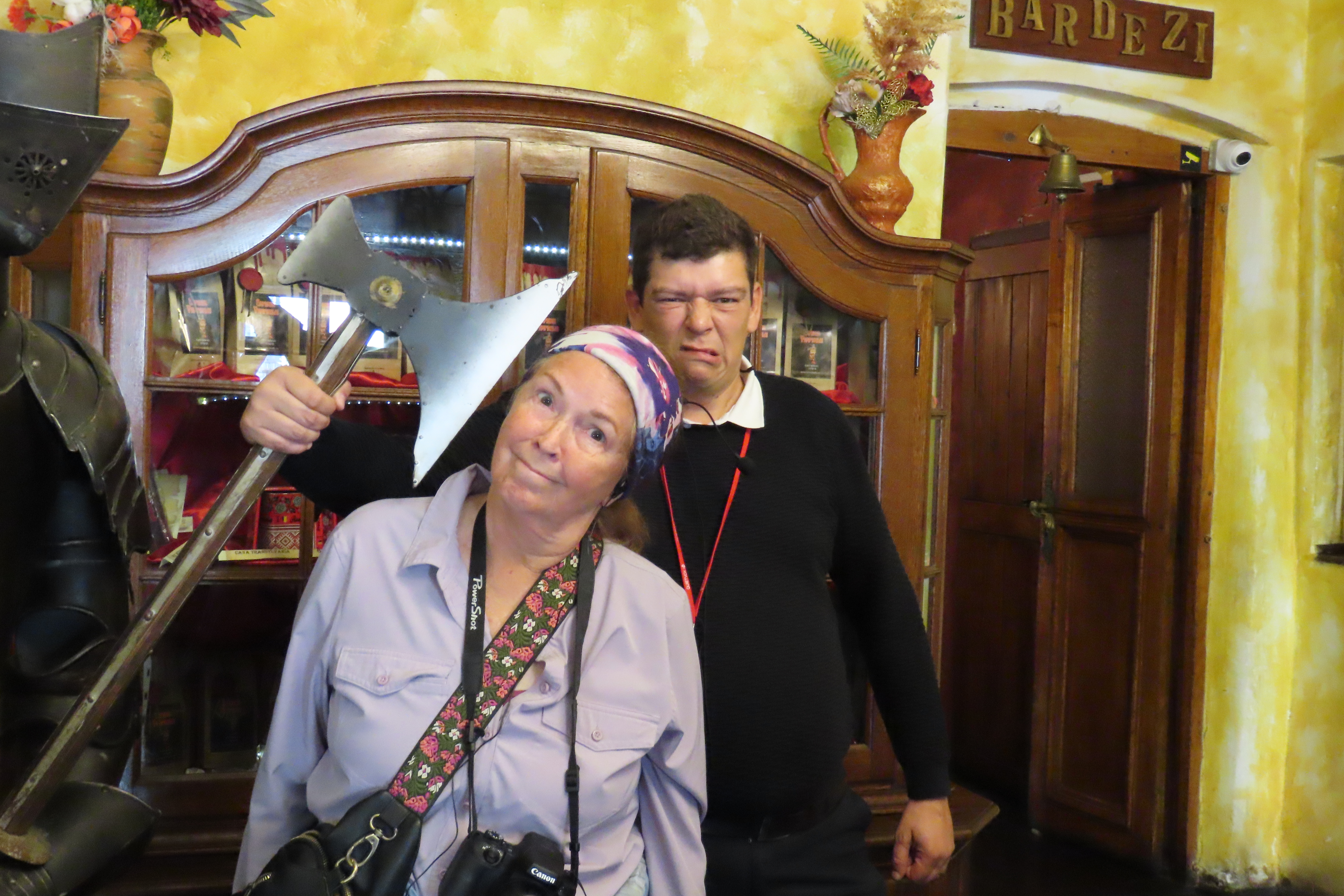
Finally, the dad went over to talk to the “Big Guy,” who stood about five feet tall, and asked if he could go out with an agent and identify his luggage. Maybe the fellow was feeling a little guilty about the dad’s long wait with children. He said yes. Peggy, who knows an opportunity when it knocks, ran over and requested the same privilege. Five minutes later Peggy and the dad showed up with the luggage that the agents hadn’t been able to find in two hours. Ten minutes later our luggage had been scanned, Peggy had her passport back, and we were free to go. It was one AM in Bucharest. We had been traveling for close to 24 hours. All’s well that ends well. We had been worried that the following photo may have shown our fate.
 Wandering through Time and Place