Today, I am continuing to dig back into my Word Press archives by looking at gargoyles. I have a weakness for them. While they are said to scare away evil spirits, they attract me. What can I say? As for the various body parts of saints, you will find them scattered in Catholic churches throughout Europe. One can only wonder… Anyway, Gargoyles and a sacred finger are the subject of today’s armchair travel as I wrap up my posts on Dubrovnik.
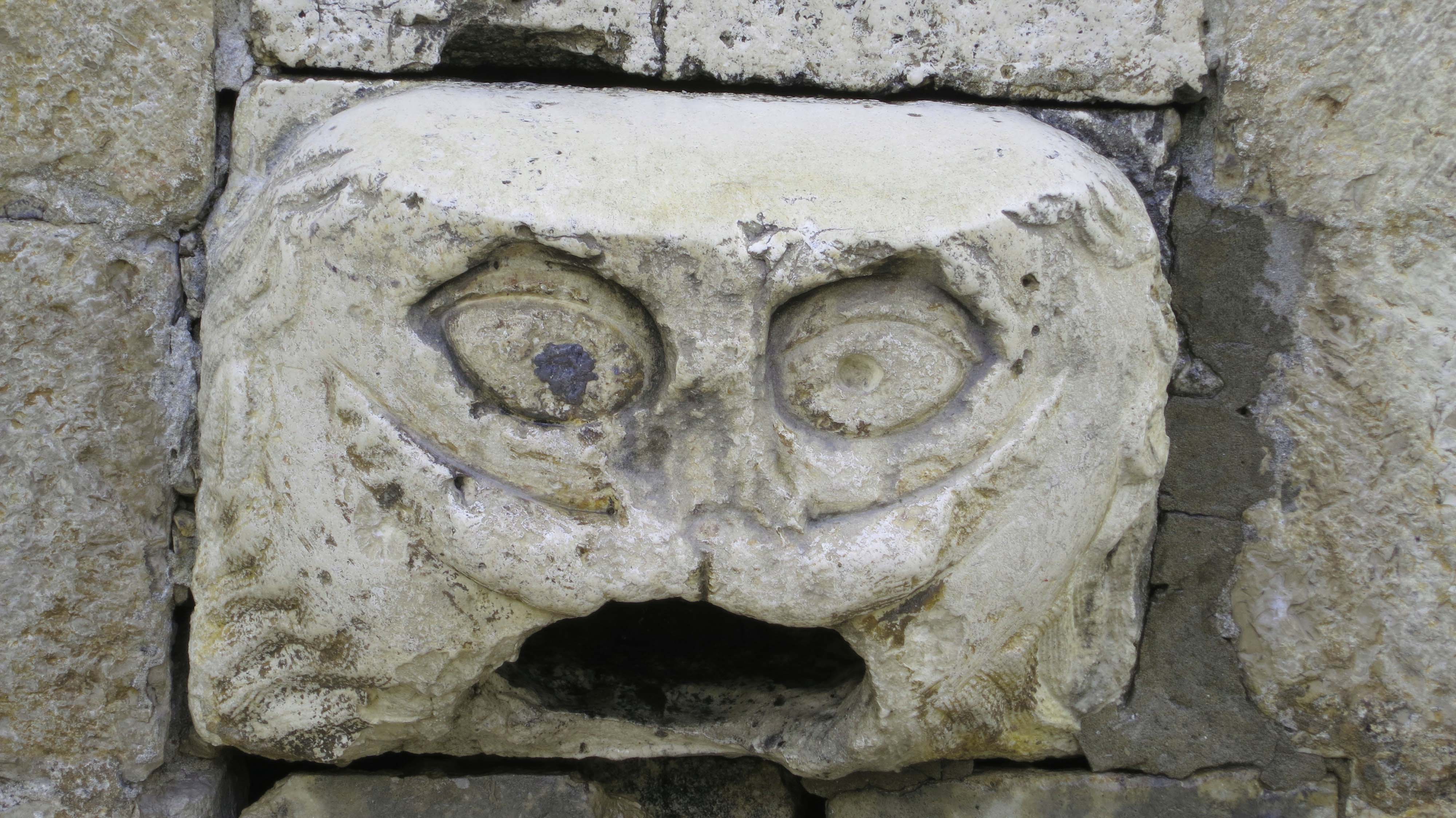
Weird amuses me— and few things are more weird than a gargoyle. During the middle ages, no decent cathedral would be caught without them. In addition to piping water away from the building, they served as reminders to the faithful that evil lurked in the world, an evil that could only be overcome by attending church and donating money. Their cousins, grotesques, were also found on churches. Equally ugly and portentous, they didn’t carry water.
Whenever I get near a gargoyle or grotesque, I can’t help myself; I have to take its photo. Fortunately, Peggy feels the same way.


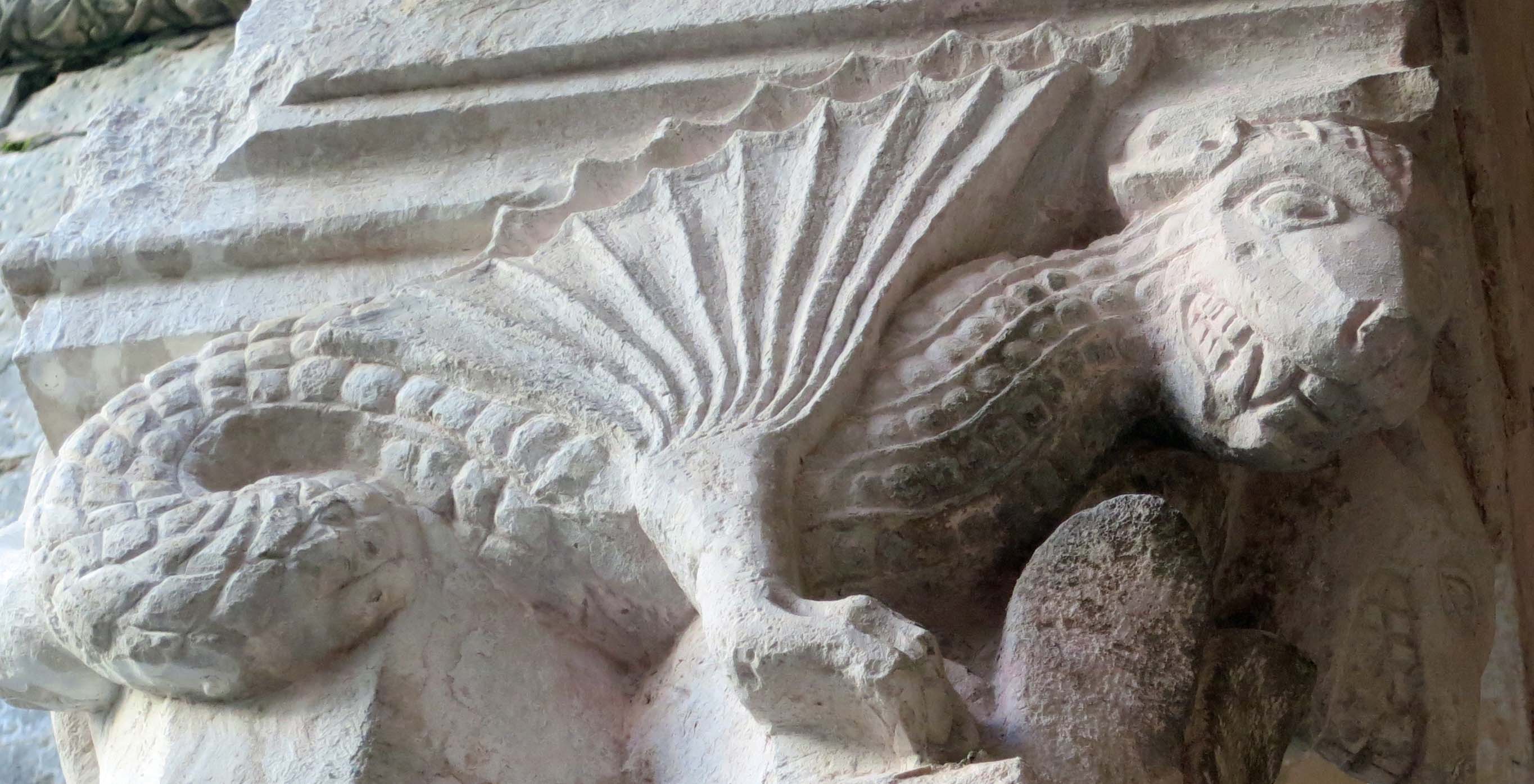
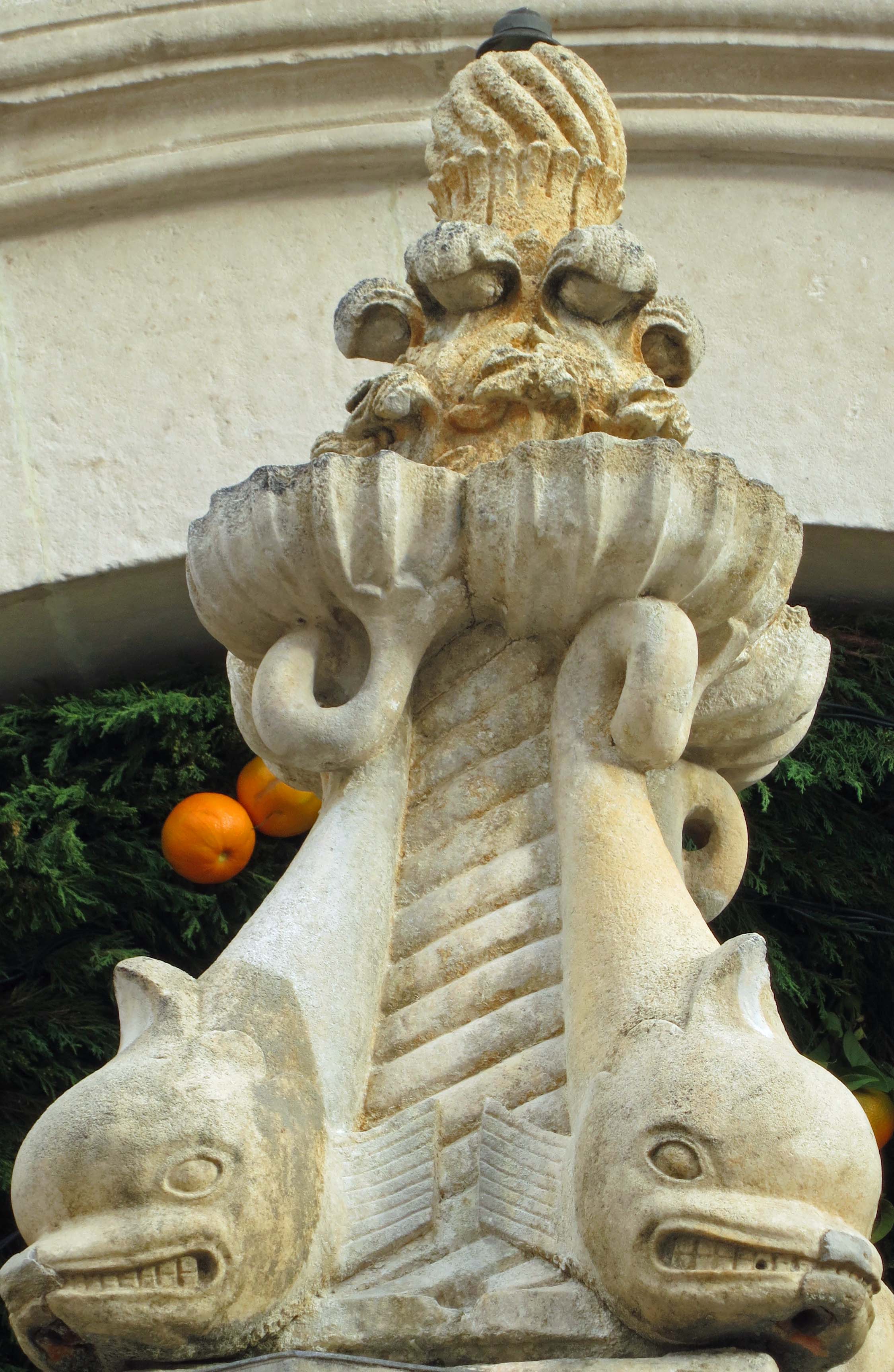
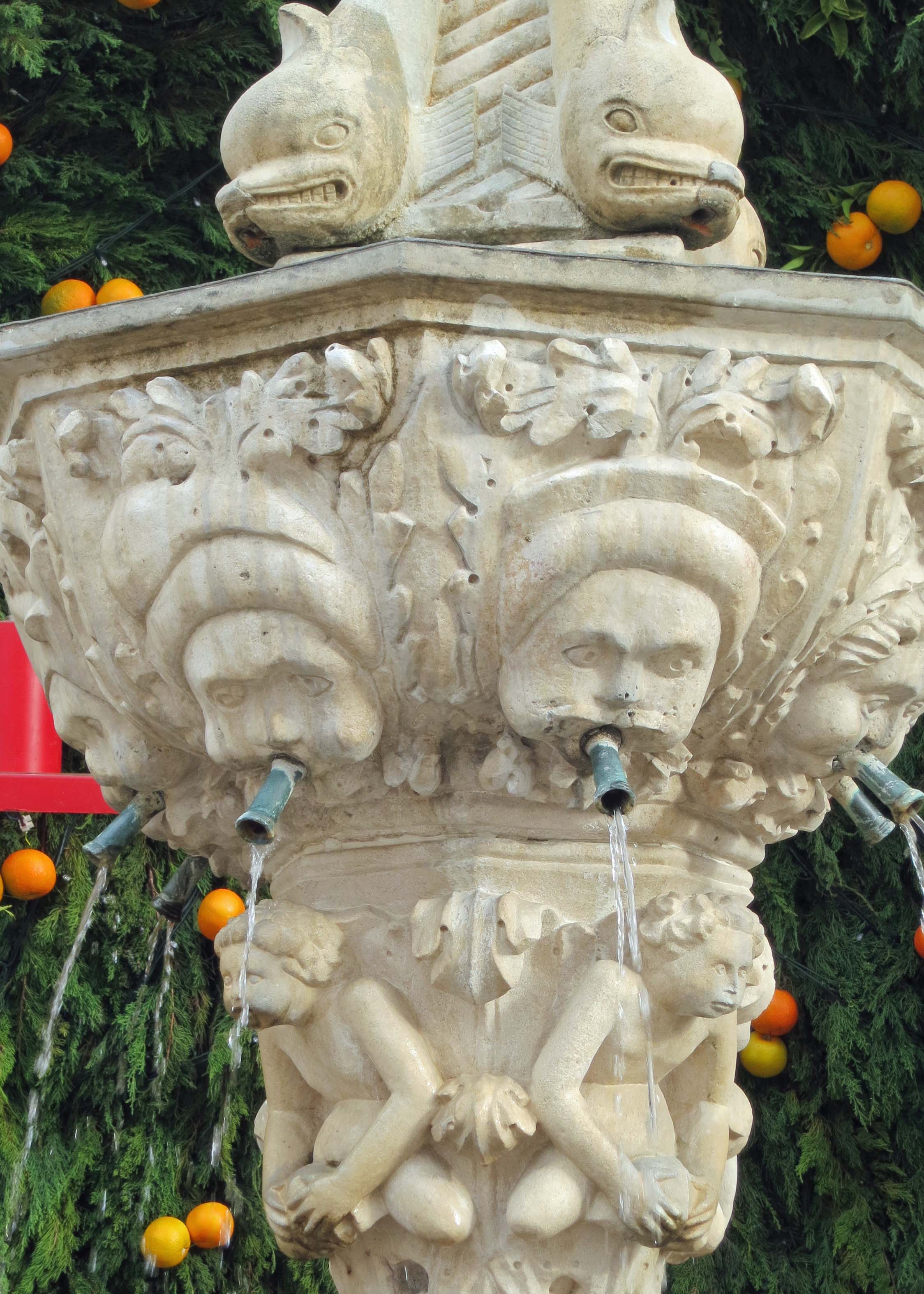
I have also found that fountains in Europe often host strange-looking beings. While the wealthy in pre-modern times might have water piped into their homes, the common folks obtained their water from community fountains. Dubrovnik built an aqueduct system in the mid 1400s to bring water to the city and then located two public fountains on the Stradun: big Onofrio’s Fountain located near the Pile Gate and little Onofrio’s Fountain found next to the clock tower in Lutz Square.

Something I find even stranger than gargoyles, grotesques, or fountain inhabitants are relics— bits and pieces of saints or other holy items kept around in reliquaries as items of worship. Pieces of the Cross are a common example. I once read that selling pieces of the cross was a thriving business during the Middle Ages. Scam comes to mind. The Dubrovnik Cathedral has a particularly impressive set of relics including a requisite piece of the Cross, Baby Jesus’ swaddling clothes, and various body parts of St. Blaise.
All of these items are reputedly capable of performing miracles and it is something of a miracle they exist. How they were obtained is usually rooted in the murky past. Pieces of the swaddling clothes were provided to women having difficult births. No matter how many pieces were cut out of the cloth, so it is said, the cloth returned to its original form.

NEXT POST: You want gargoyles? Wait until you see the white oak trees on our property and in the national forest behind us. These trees would fit right into “Lord of the Rings” or most other fantasies— or horror movies. My theory is that they will scare the heck out of the coronavirus if it comes around. Remember how the gargoyles were supposed to scare the evil spirits away from medieval cathedrals in Europe? I bet that they were recruited to frighten the plague as well! I know better, but it is fun to contemplate. And I find the trees interesting and amusing as opposed to scary. (At least during the day.)
 Wandering through Time and Place