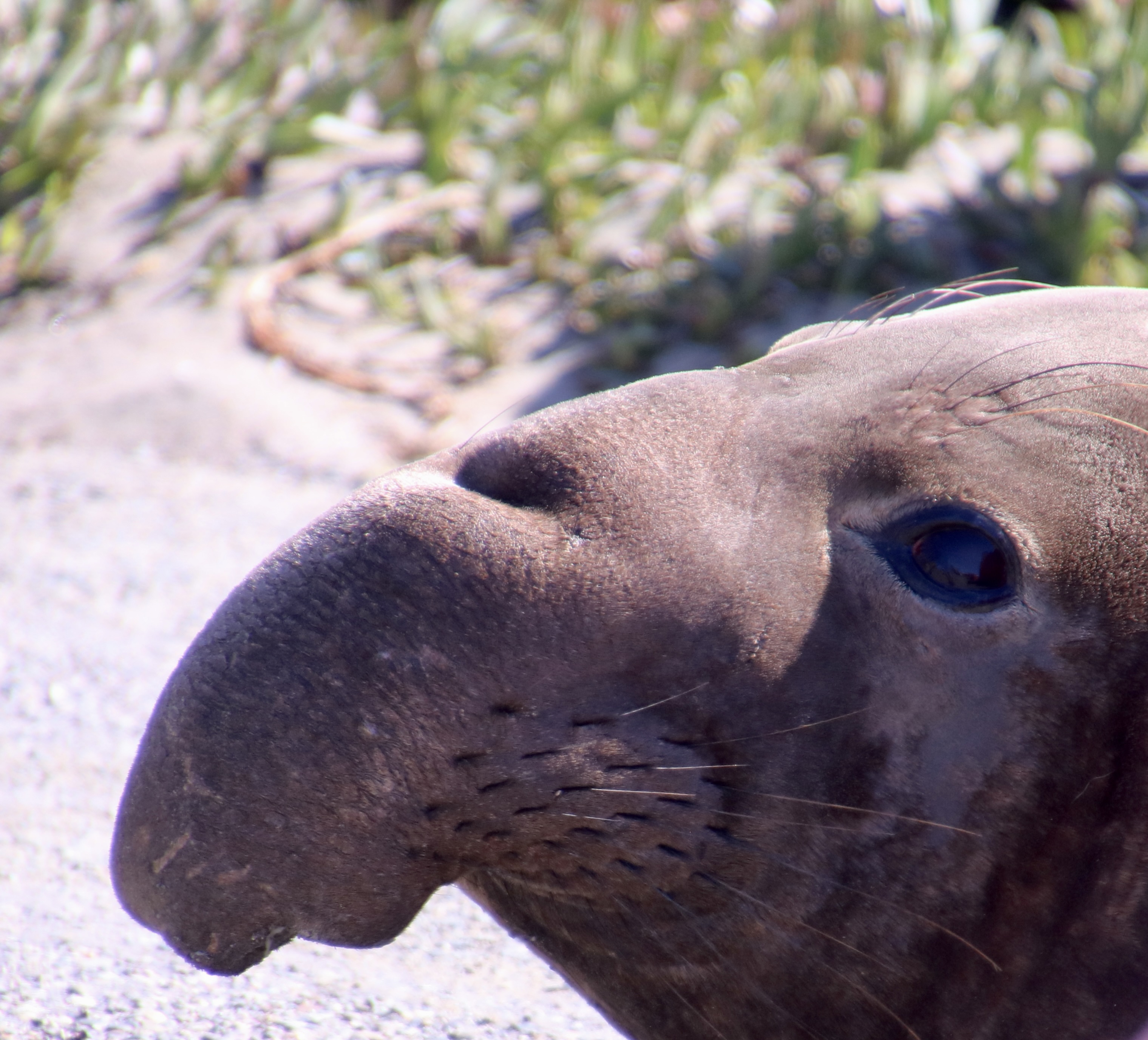
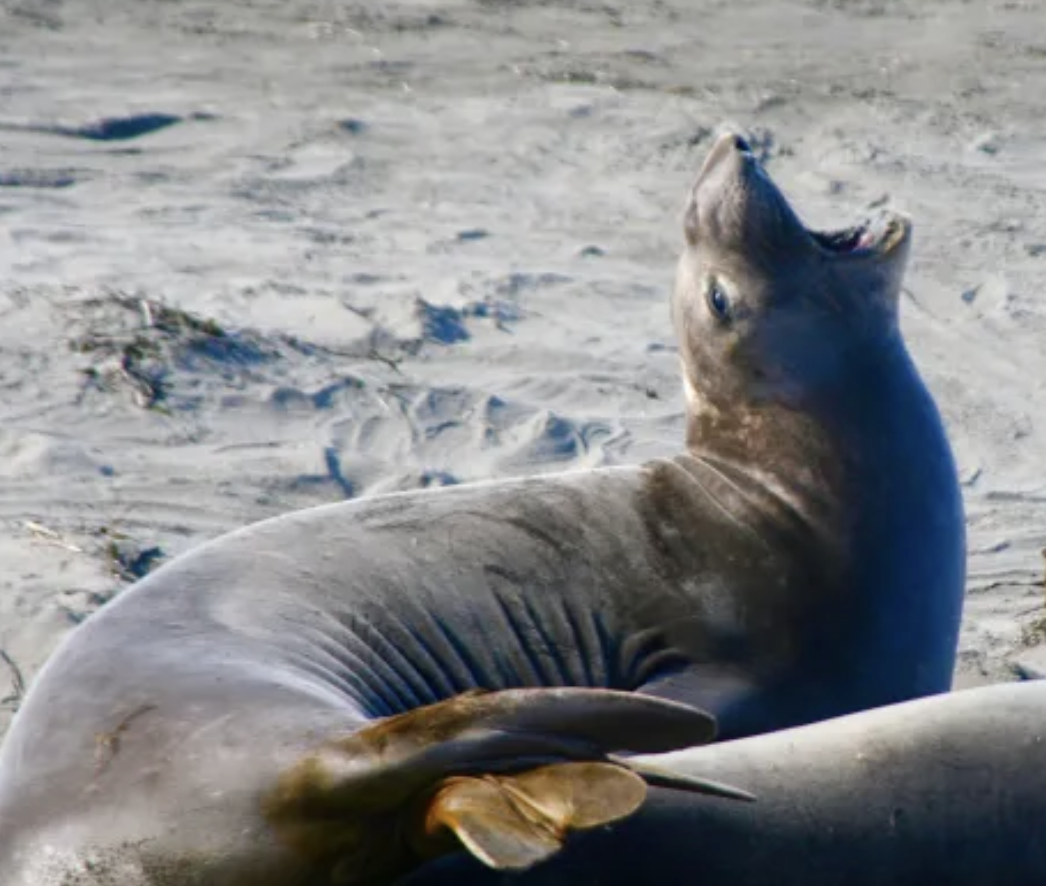
Elephant seals obtained their names because people thought their proboscises/noses resembled elephant trunks. Some imagination was required.An elephant’s trunk. Peggy took this picture while we were on a photo safari in southern Africa last year.The male elephant seal can actually inflate its nose and turn it into a resonating chamber so it acts like a megaphone for blasting out challenges in a unique vocalization that other elephant seals easily recognize. (This photo was taken at the Piedras Blancas Rookery in Southern California that Peggy and I visited 15 years ago. The top photo was taken at Point Reyes National Seashore in Northern California much more recently.)
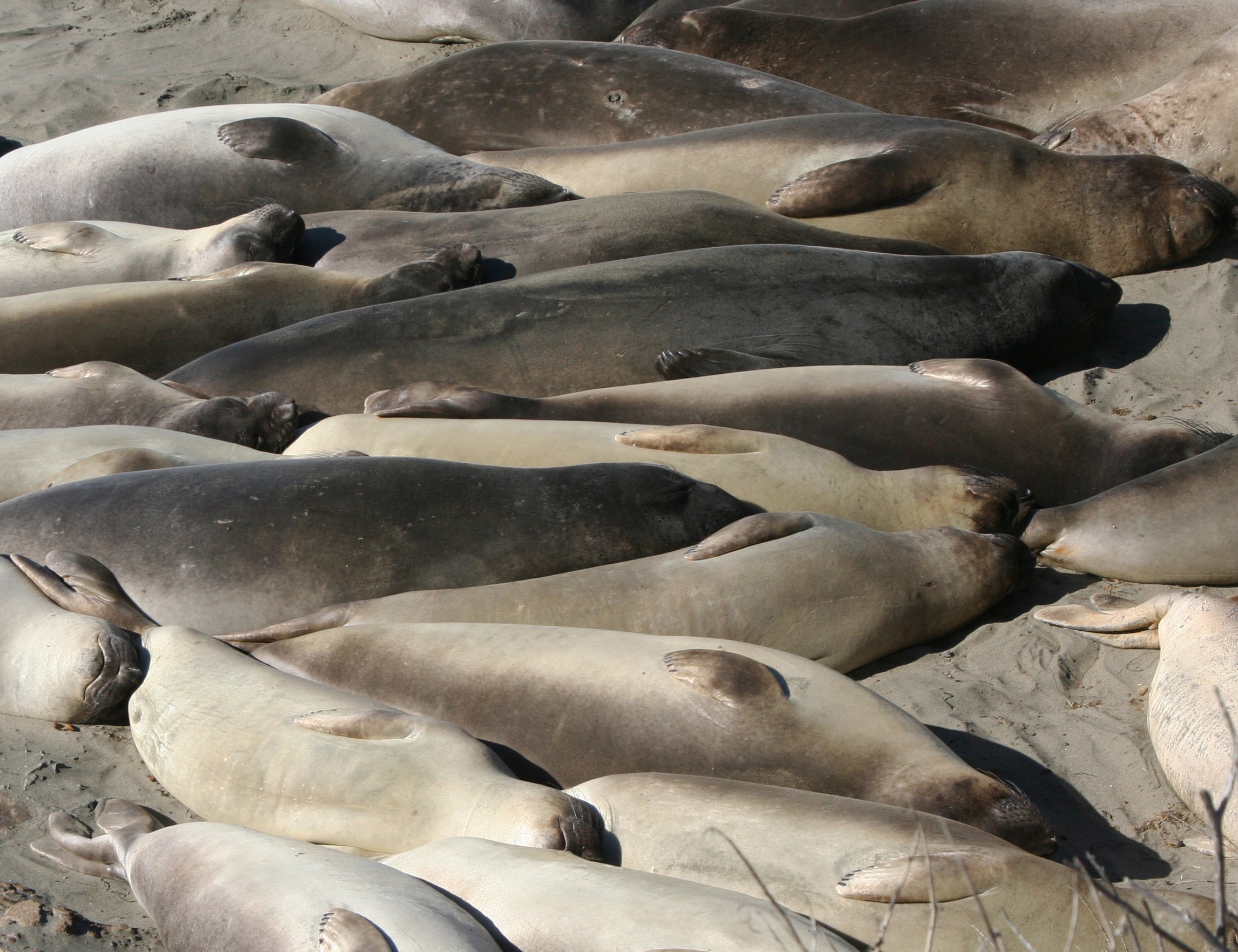
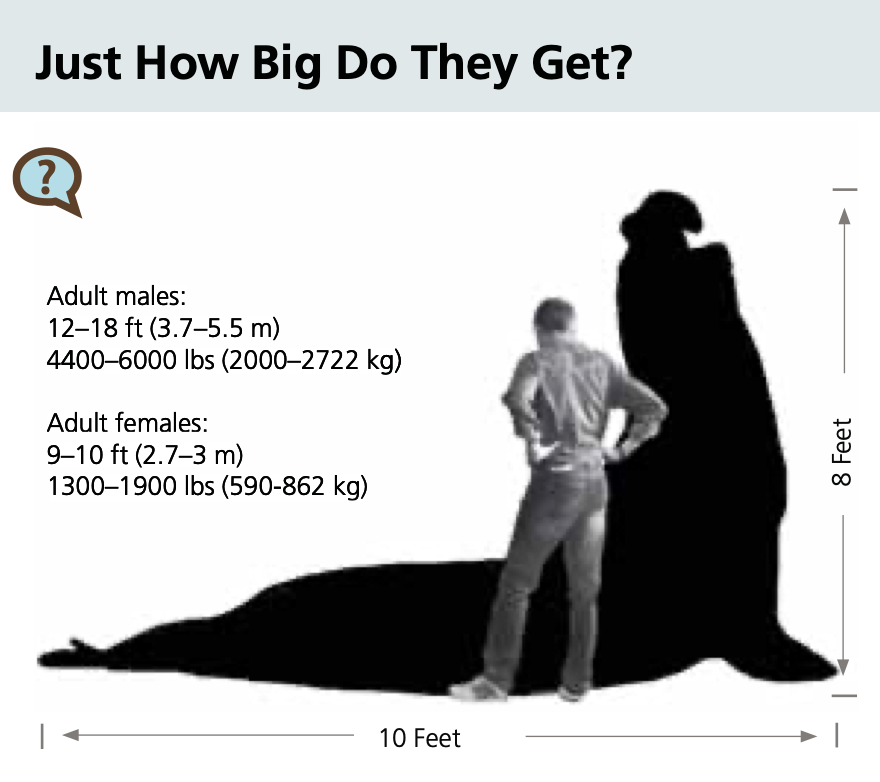
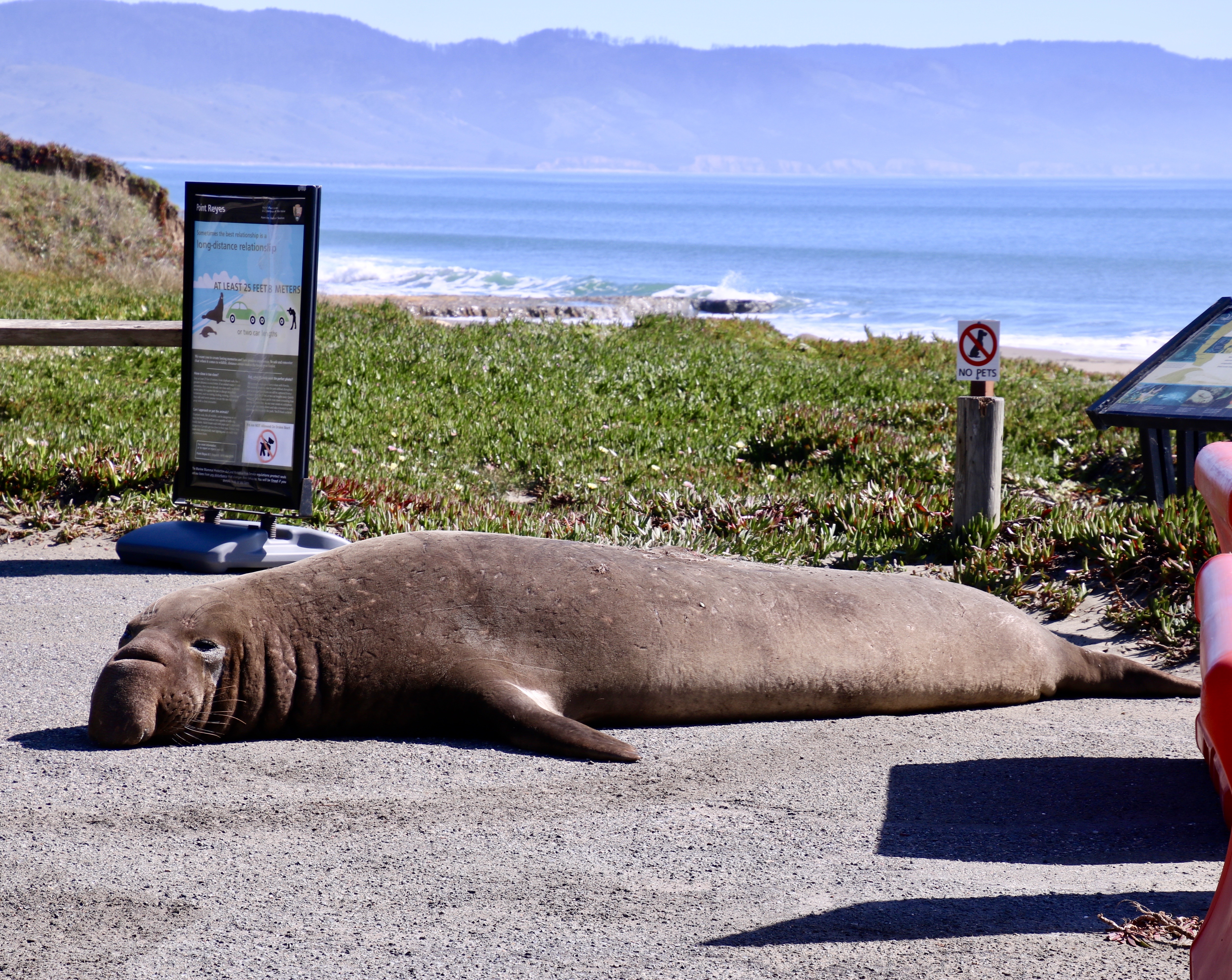
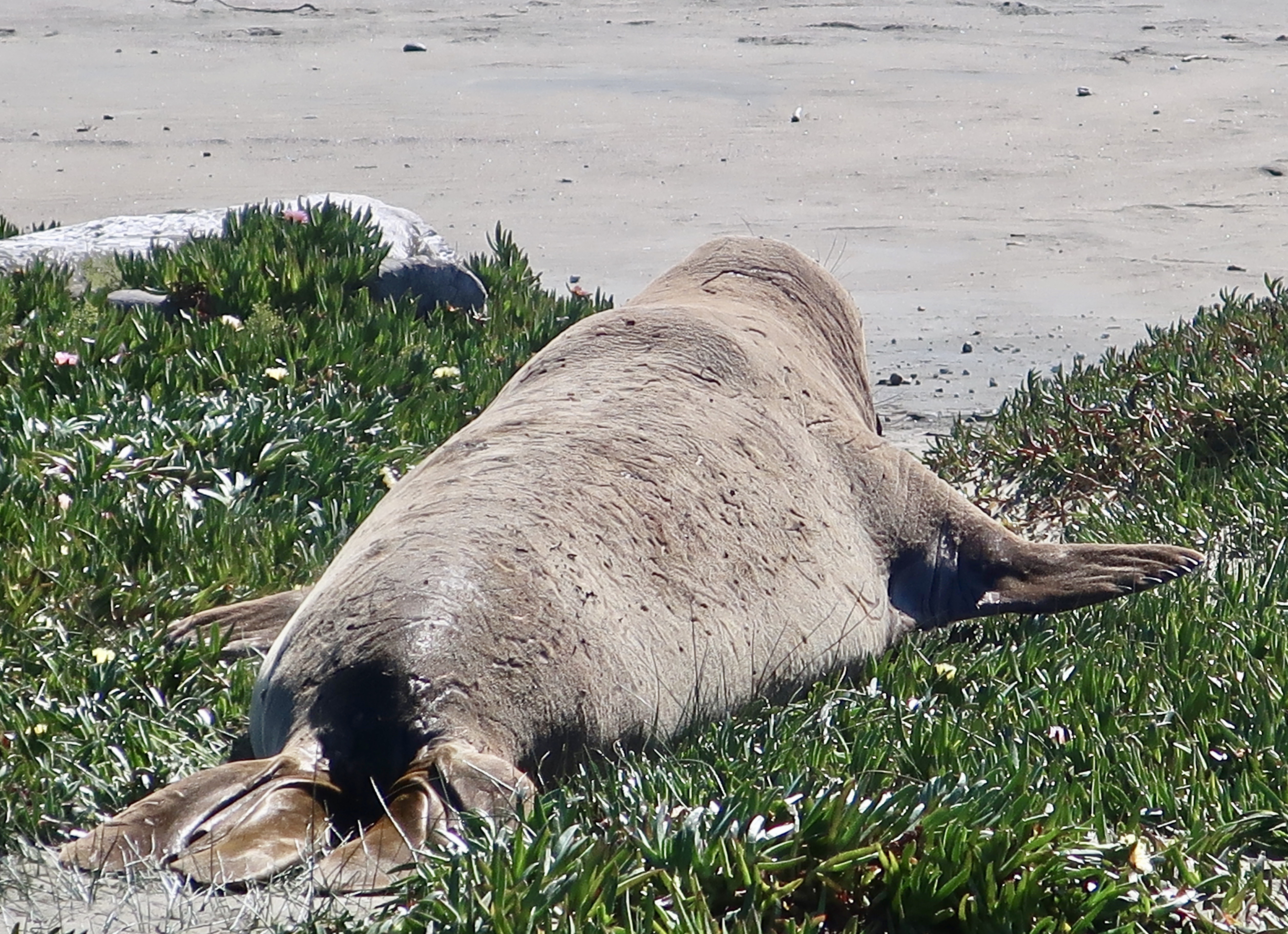
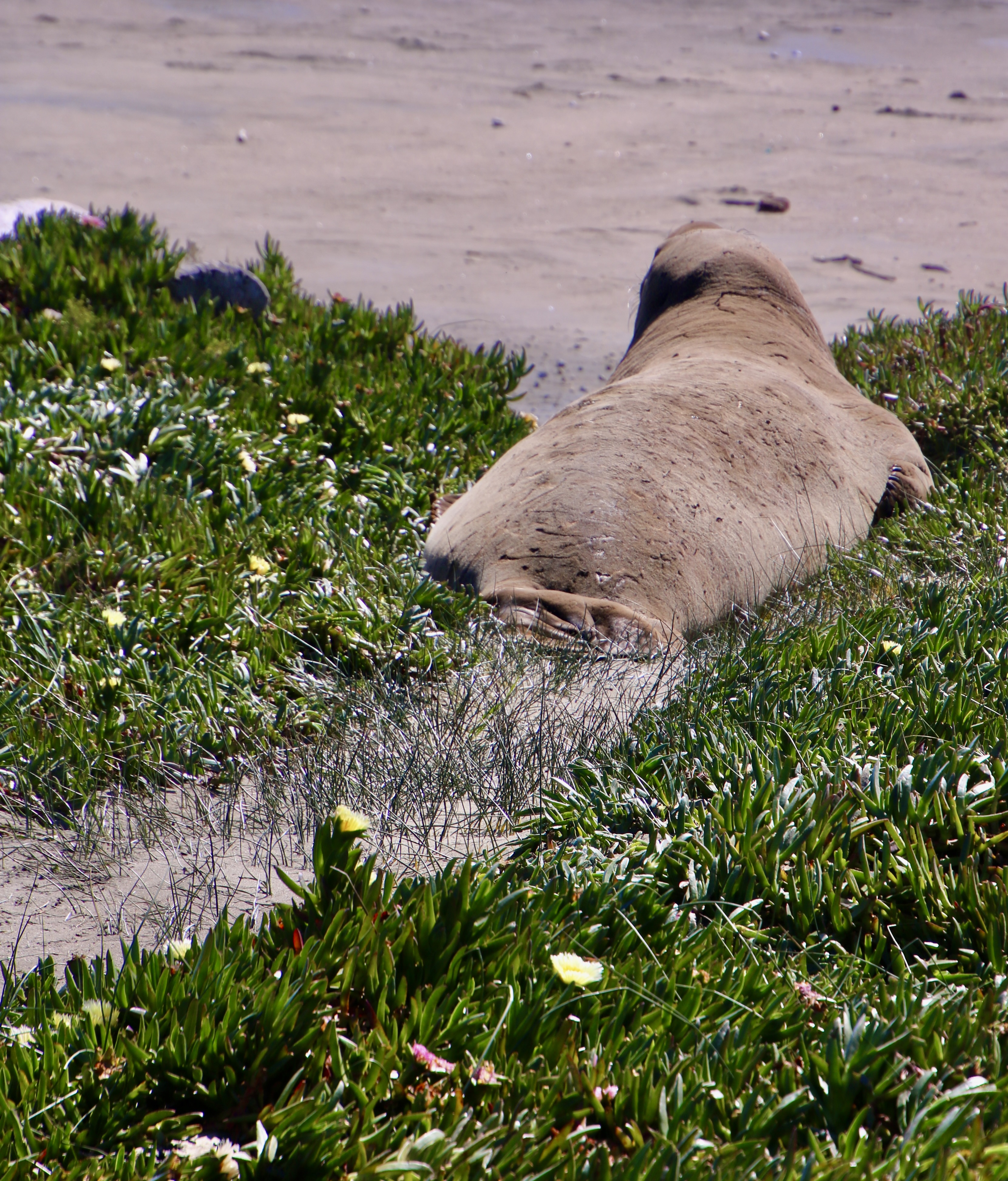
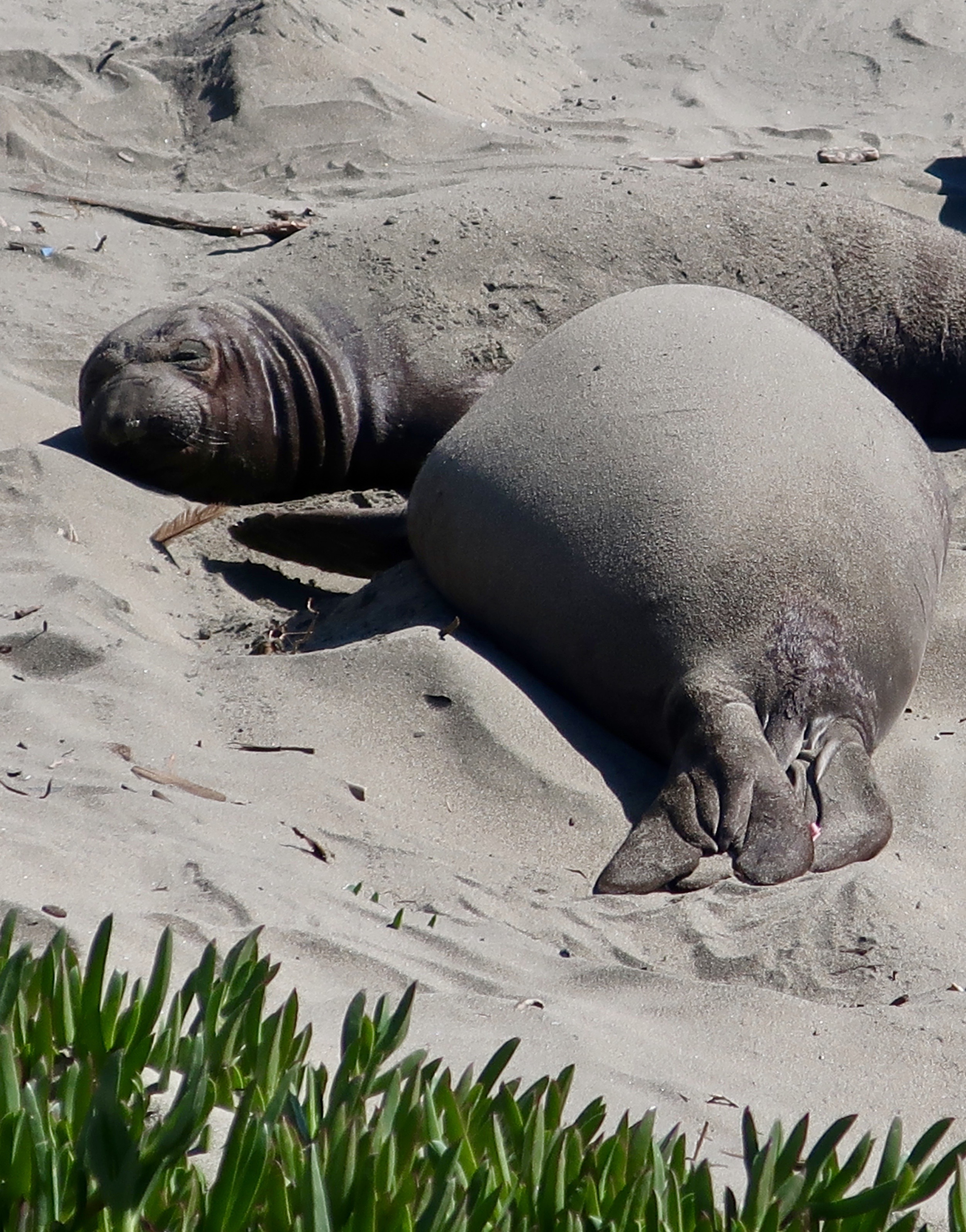
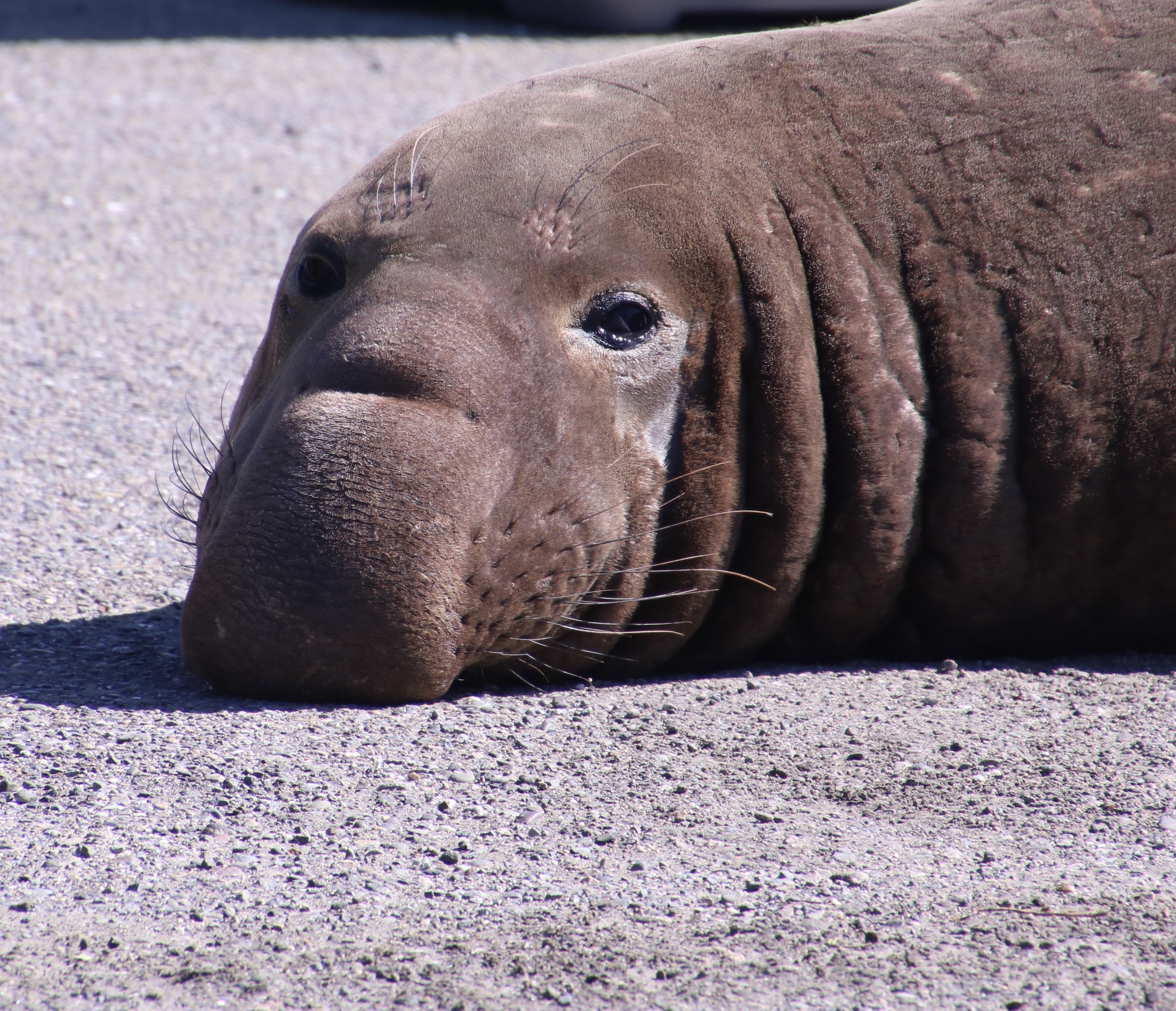
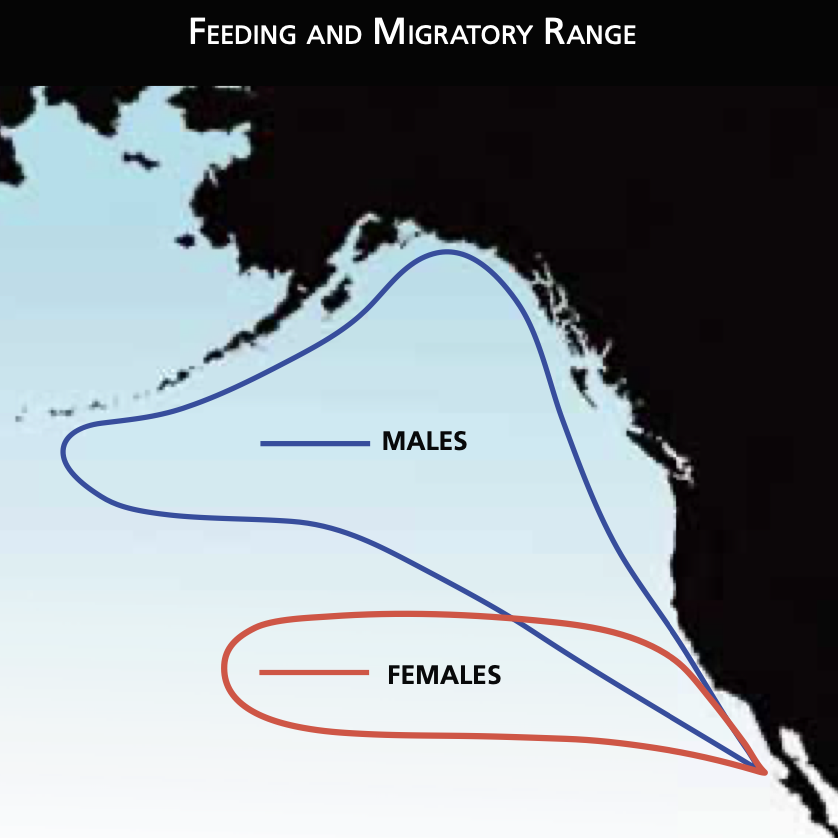
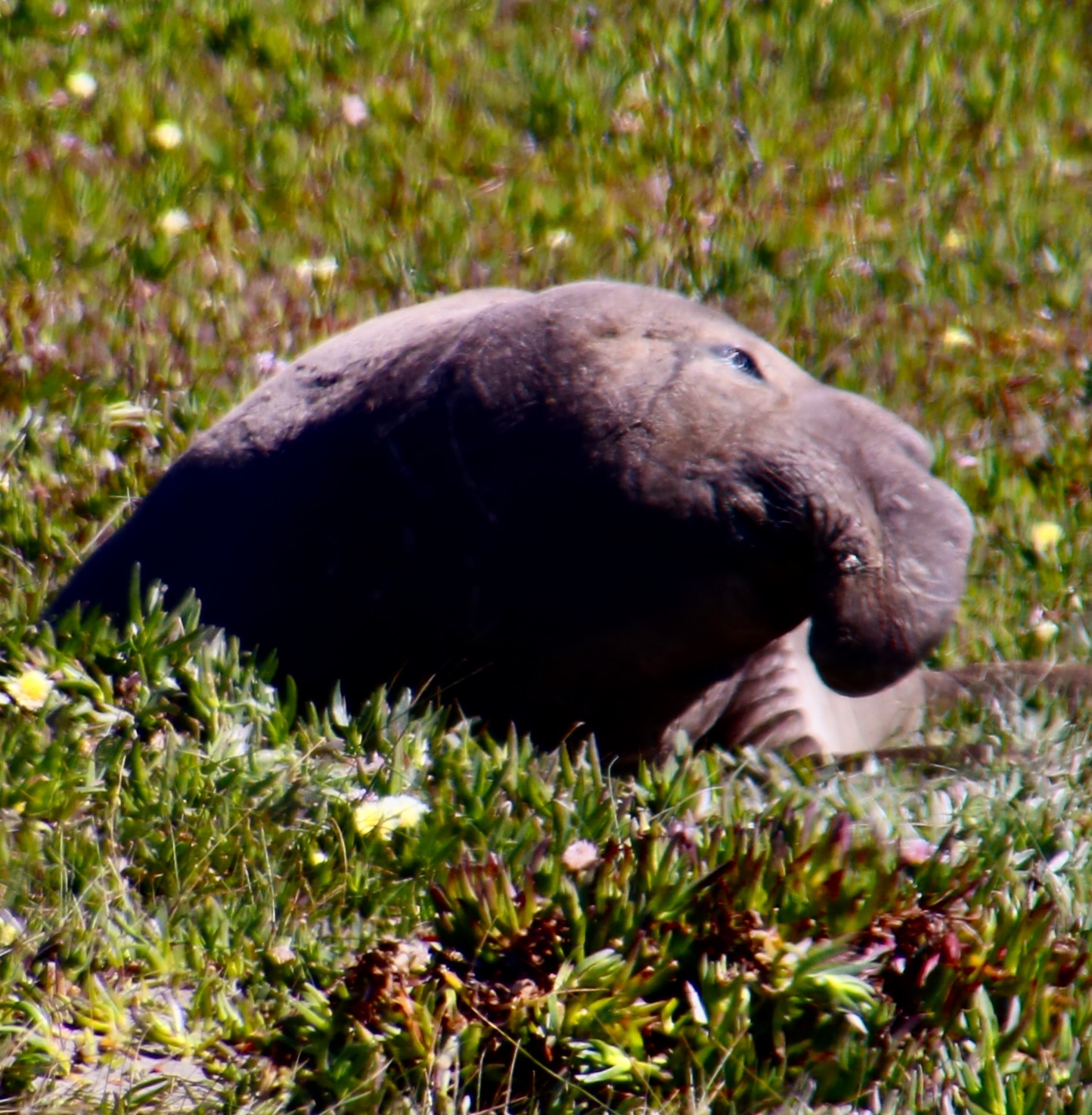
Each male’s dream is to establish a harem of females for breeding purposes. For an alpha male, this means between 20-50 females, although numbers can be as few as 10 or as many as 100. (Although how one bull could manage one hundred is hard for me to imagine. I did read that they sometimes have lieutenants…) Their size, fighting ability, and volume of vocalizations are all important in establishing the harem. The vocalizations mainly serve as a challenge, i.e. “Let’s fight and see who the biggest, baddest bull is,” or, to serve as a reminder: “You don’t want to fight with me. I kicked your butt last time.” The latter is usually enough to send past challengers scurrying. Harem status provides protection for the females, freedom from being harassed constantly by other males (a biggie), and a safe place to birth their pups.Elephant seals were once close to extinction, killed for their oil. A large male could yield over 25 gallons, which was used for lamps, lubrication, and making soap and paint. By 1900, only a few hundred remained on the coast and islands of Northern Mexico. Laws protecting their status, first by Mexico and then the US, allowed for a rapid increase in numbers. Today, Piedras Blancas alone hosts as many as 17,000 annually. As you might imagine, the beach gets a little crowded.Bull elephant seals are big. The illustration below from the National Park Service shows just how big…This is one of several reasons why the National Park Service suggests that people stay at least 100 feet away! You don’t want one deciding you are a threat to be eliminated or at least chased off.One came crawling up onto the parking lot at Drakes Beach, Point Reyes. We moved back but we were still closer than we had been. These large creatures are not built for land. Moving is more like shuffling forward like an inchworm. They can use their front flippers to help in movement and balance but not their hind flippers. Watching videos of smaller males getting away from alpha males suggests that they can move fast when sufficiently motivated! The guys at Point Reyes were relaxed: They would ‘galumph’ about 10 feet and stop to rest. Mating season was past. There was no reason for getting excited.This shot provides a view of the hind flippers dragging along behind while the front flippers are used to push and balance. While worthless on land, the hind flippers turn into powerful ‘propellers’ in water.The elephant seal moving through the ice plants was like a bulldozer creating a road.You want fat? Here it is. I think it is a youngster known as a super-weaner. Baby elephant seals normally weigh between 250-350 pounds when weaned. Super-weaners can weigh up to 600 pounds! How do they get that way? There are two approaches: One, they steal milk from nursing females and are known as ‘milk thieves,’ or two, they are adopted by an additional mother seal and are known fondly as ‘double mother-sucklers.’ It’s hard to imagine this guy even moving. Note the sand on both of the elephant seals’ backs. They use their front flippers to toss it up. It’s used like you or I use sunblock.Our parking lot friend moved its head to check us out and make sure that Peggy and I were showing proper respect. Note the eyes and whiskers. Both are helpful in locating food during the deep dives that elephant seals make. The large eyes help them see in the inky depths of one to two thousand feet where they normally search for food like squid and fish. (They can go as deep as 5000 feet.)The whiskers may be used in helping to find food along the bottom.This illustration from the National Park Service shows the feeding ranges of the male and female northern elephant seals. They spend 80% of their lives on the open sea and a surprising 90% of that time under water, much of which is spent making their deep dives.
They are uniquely qualified for the dives. For example, while you or I take a deep breath before we dive, elephant seals expel theirs to avoid having their lungs crushed by the tremendous pressure that exists at 1000 plus feet under the sea. Instead, they store extra oxygen in their blood. They have three times as much blood as we do on a per pound basis, i.e. lots, and and their blood is much richer in hemoglobin. They also reduce their heart rate when they dive and focus the majority of their blood on servicing their vital internal organs. Using these evolutionary modifications they are able to dive for 30 plus minutes per time, resurfacing for a short 3 minutes. Elephant seals continue to forage constantly during the migrations between their primary feeding ranges and where they travel to breed, have pups, and molt. It’s a good thing. When they arrive, they fast for the time they are on shore, (2-3 months), living off of the fat they have stored.
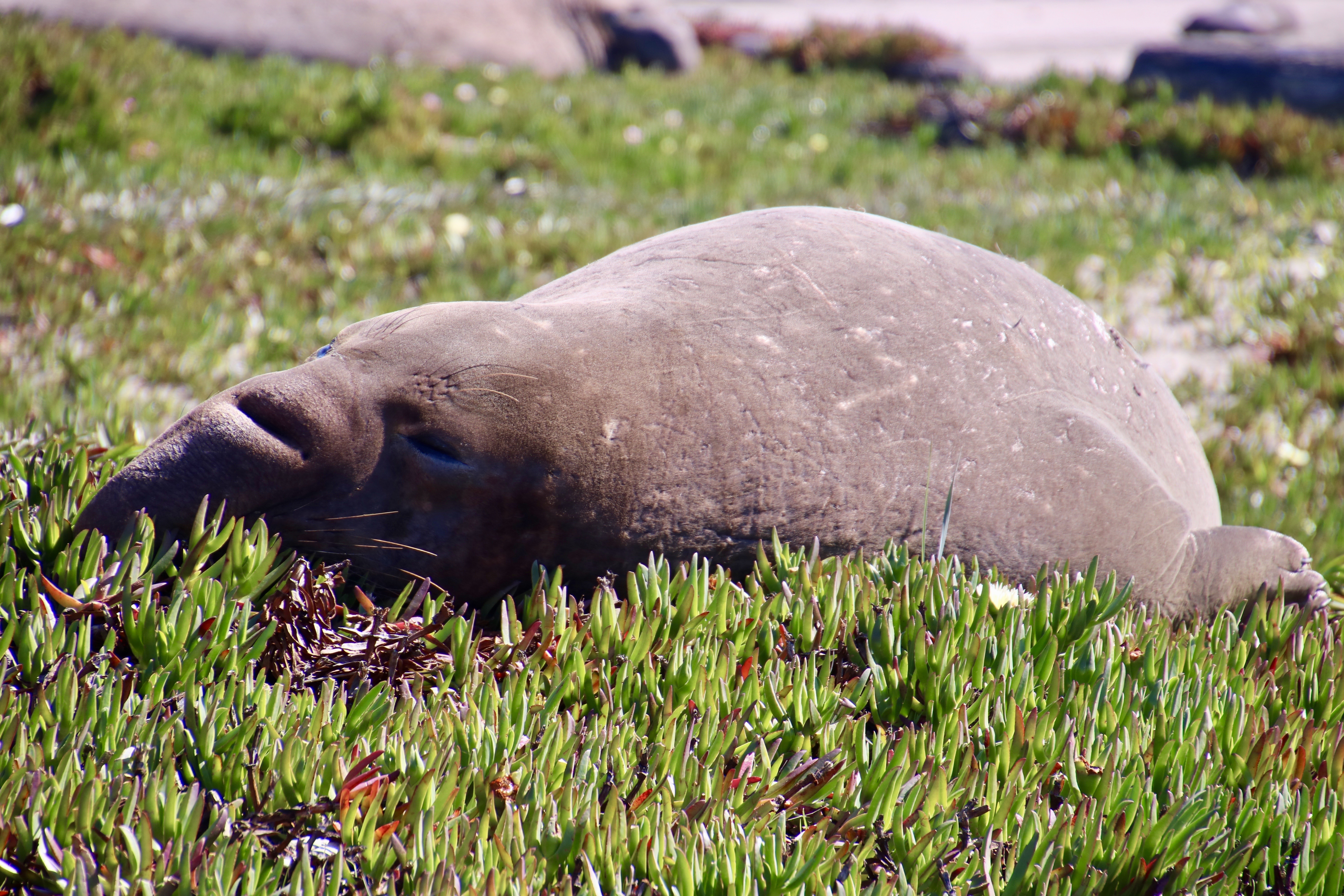
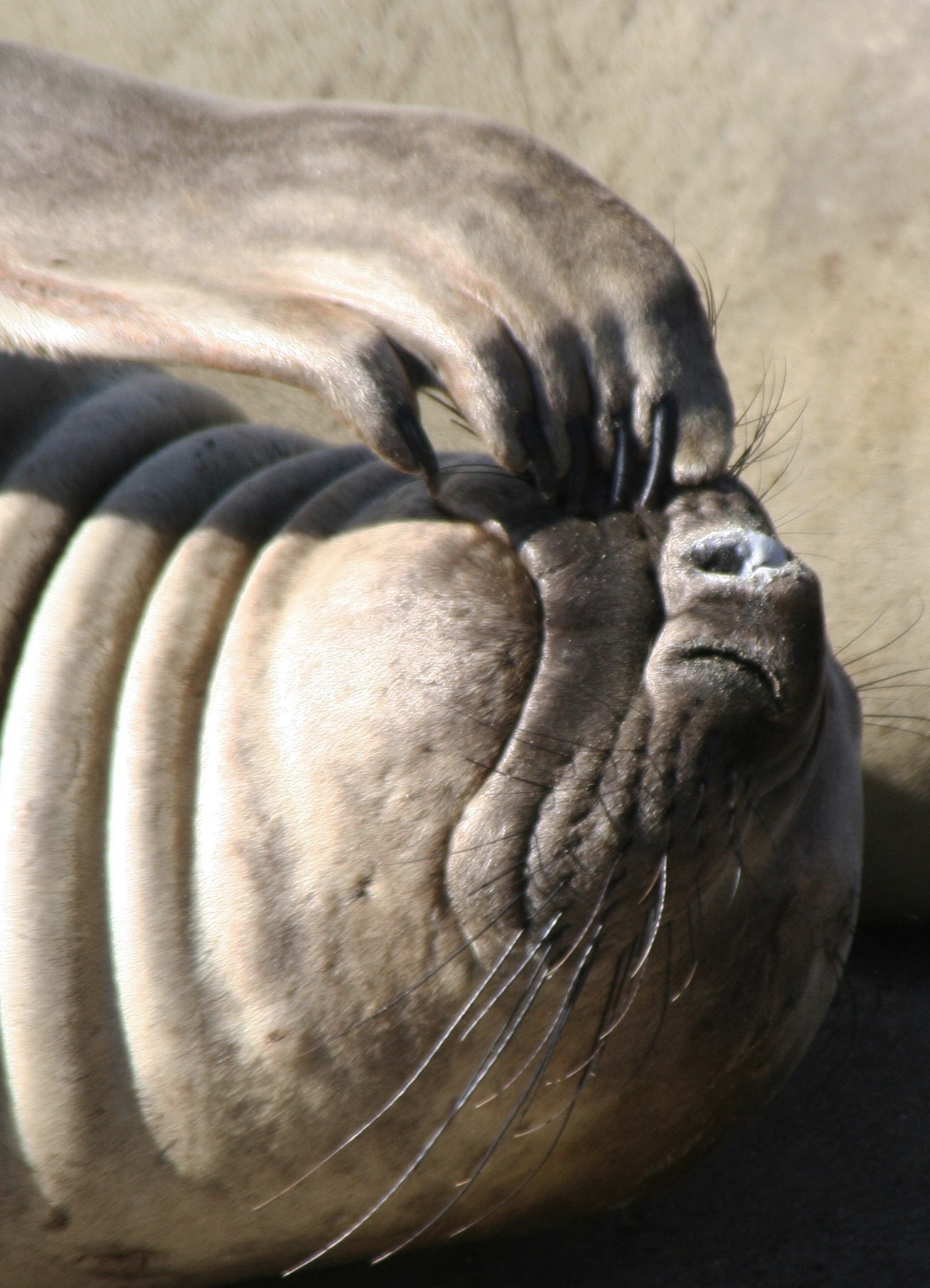
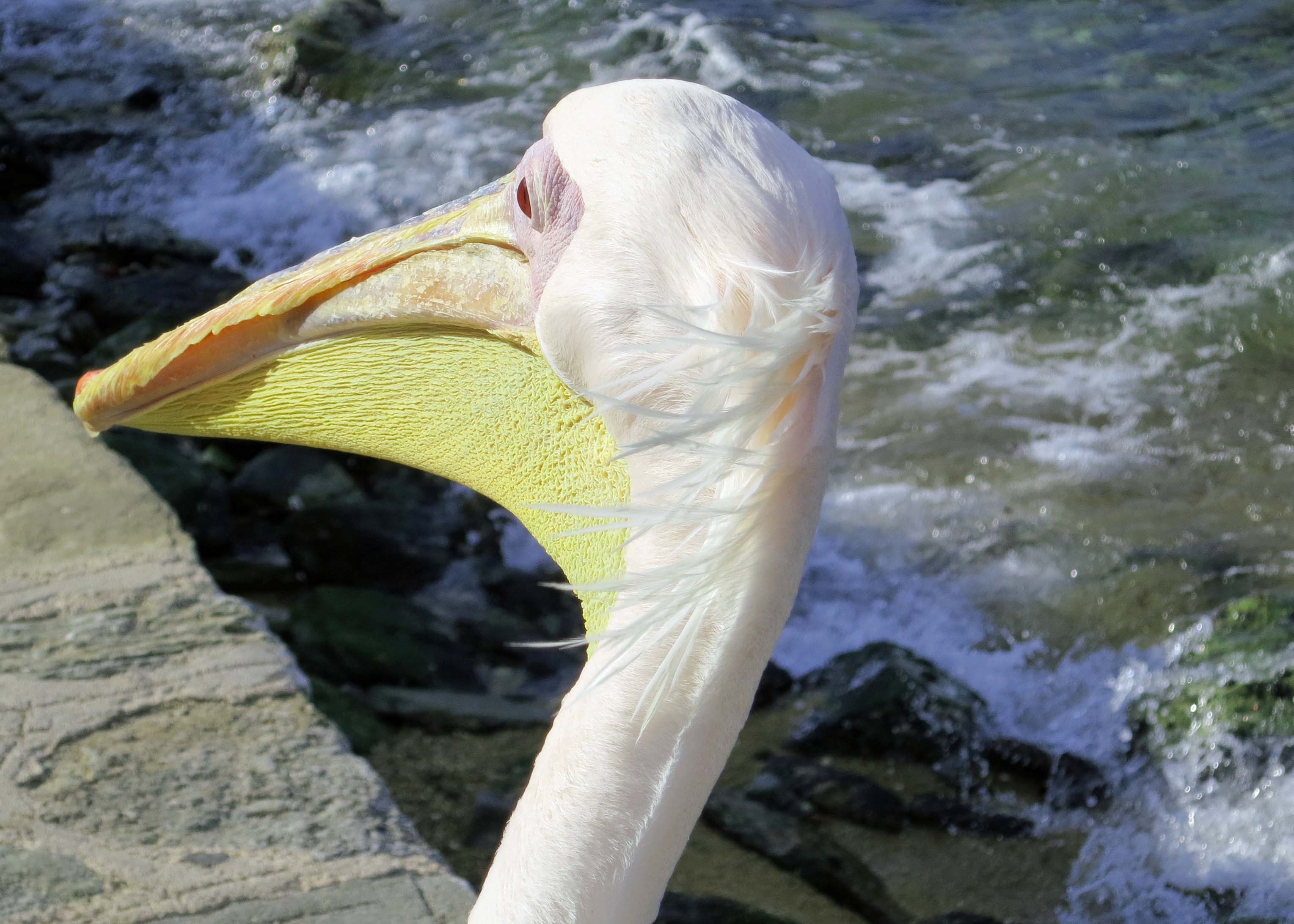
Wow, those are lots of details. It’s enough information to make you scratch your head. And— is this elephant seal winking its nose at us? (Piedras Blancas Rookery in southern California.)A final photo from Pt. Reyes that amused us. Next up pelicans. Can they match iguanas and elephant seals in character?Petros.

 Wandering through Time and Place