The iconic Mesquite Flat Sand Dunes of Death Valley provide a unique hiking opportunity for the adventuresome as well as a world class photo op. They also provide a great backdrop for movies. C-3PO and R2-D2 were lost here on ‘Tatooine’ in Star Wars Episode IV.
Death Valley is known as a land of extremes. At its lowest point, it drops to 282 feet below sea level. Summer temperatures can soar up to 120° F and have been recorded as high as 134° F. Rainfall averages are around 2 inches per year but can drop to zero. It’s hard to get more extreme. You don’t want to visit in the summer.
I would add, however, that Death Valley is also a land of superlatives. My title above about ‘breath-taking beauty’ is no exaggeration. We have 25 photos below to make the point. As I have stated before, all photos are taken by either Peggy or me unless otherwise noted.
Peggy and I have visited Death Valley several times over the years. It’s one of our all-time favorite go-to places. One of our visits was during the government shutdown in 2019 that President Trump had instigated during his first term. Death Valley was without staff. We had entered the Park from the south and stopped at a rest stop along the way. The restroom was closed and people were using the desert as a bathroom. Instead of carrying their trash out, many were simply dumping it next to the already overflowing trash cans. What was worse, a few miles up the road someone had decided that no supervision meant he could take his ATV for a spin on the desert floor and drive brodies (sharp circles). Large gashes in the floor had been created— gashes that would take at least 20 years, if not longer, to heal given the desert’s environment.
I’m relating this incident here because I want to make a point that National Parks need staff to function effectively. While the impacts of reduced staff aren’t as dramatic as no staff, the recent efforts by the Trump Administration to cut employees along with a number of other Trump/Musk driven initiatives related to the parks pose a serious threat. Here’s a quote that the National Parks Conservation Association —a bipartisan organization that has been promoting and protecting our parks since 1919— made after the first six weeks of the Trump Administration:
National parks as we know and love them are changing — dismantled before our very eyes under the new Trump administration in just six weeks. Fired staff, cancelled building leases, erased history. We see the writing on the wall, and it’s dark.
Dark indeed. Among the latest pronouncements from the Administration is one that suggests there is no reason to protect endangered species. Let them die. Another opens 59% of all national forests to be logged with minimal, if any, environmental protection. Old growth trees that have taken hundreds of years to develop will be cut down in minutes.
Today, Peggy and I are continuing our series showing the beauty, geology, flora and fauna of these areas to emphasize the value of protecting them. The parks belong to all of us, and, I might add, the plants and animals that call them home. We cannot afford to let them be lost to the whims of one man and his cohorts who apparently see their value primarily in terms of the money that can be made from their exploitation. Our children, grandchildren and future generations are depending on us.
And now: Death Valley.
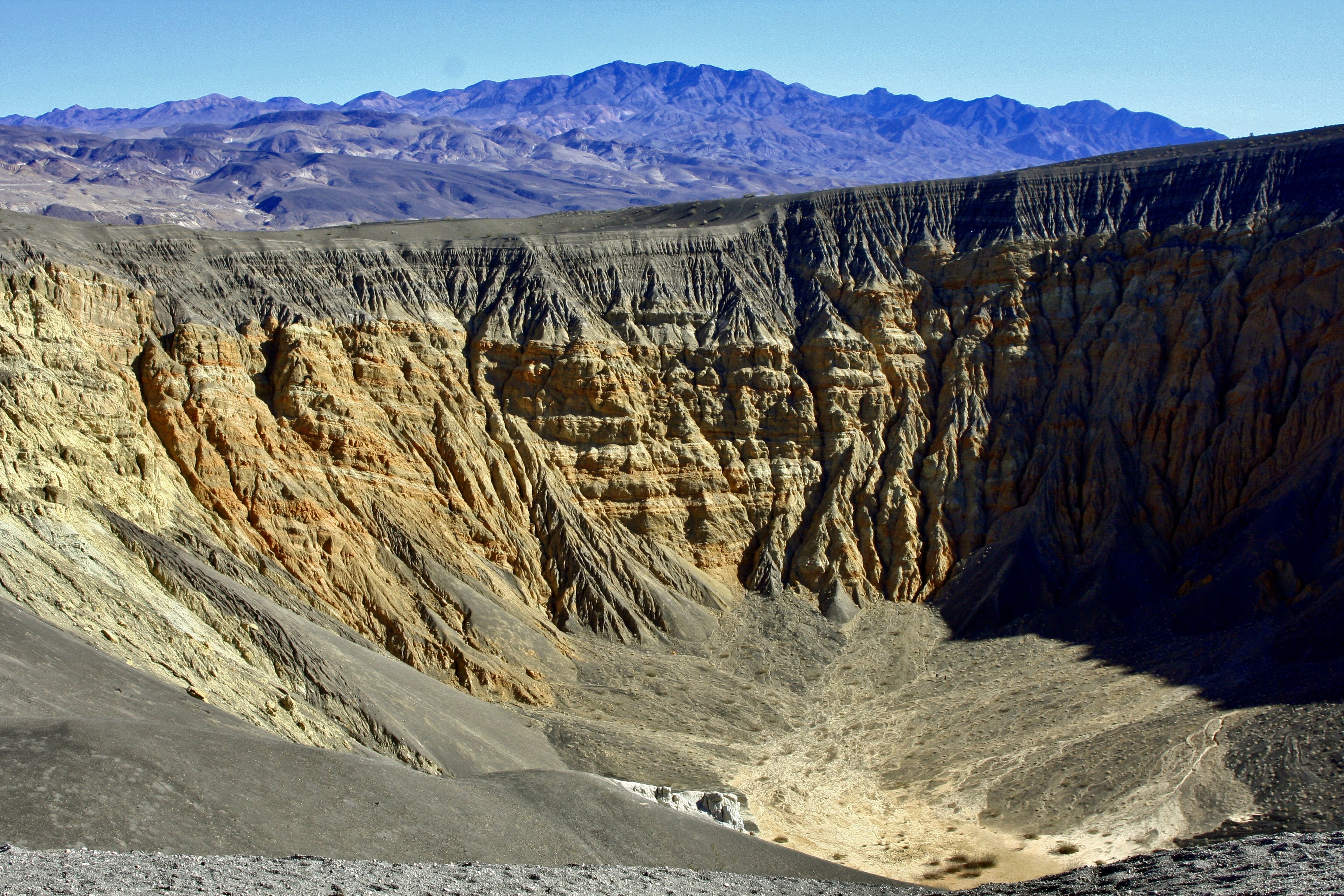
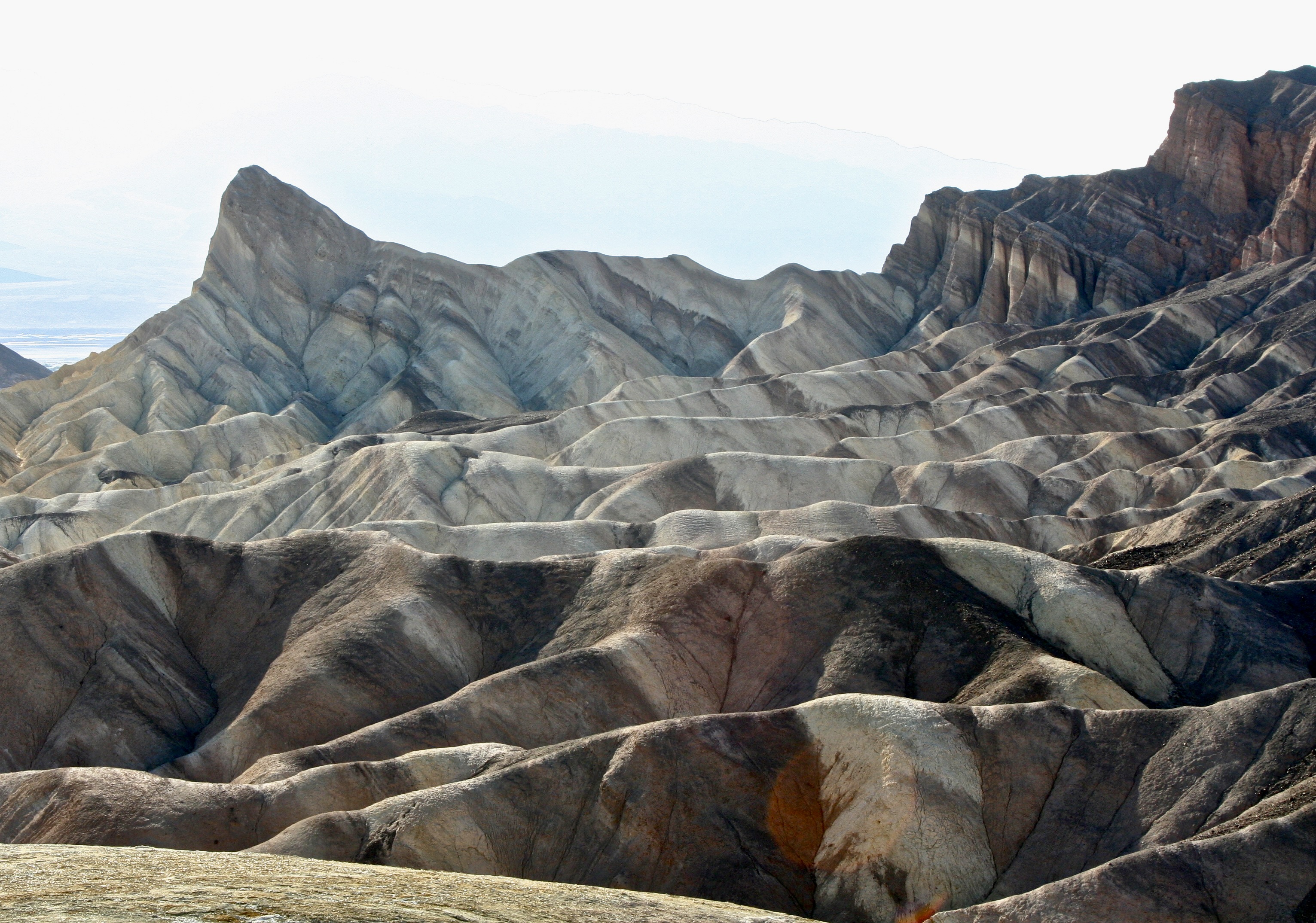
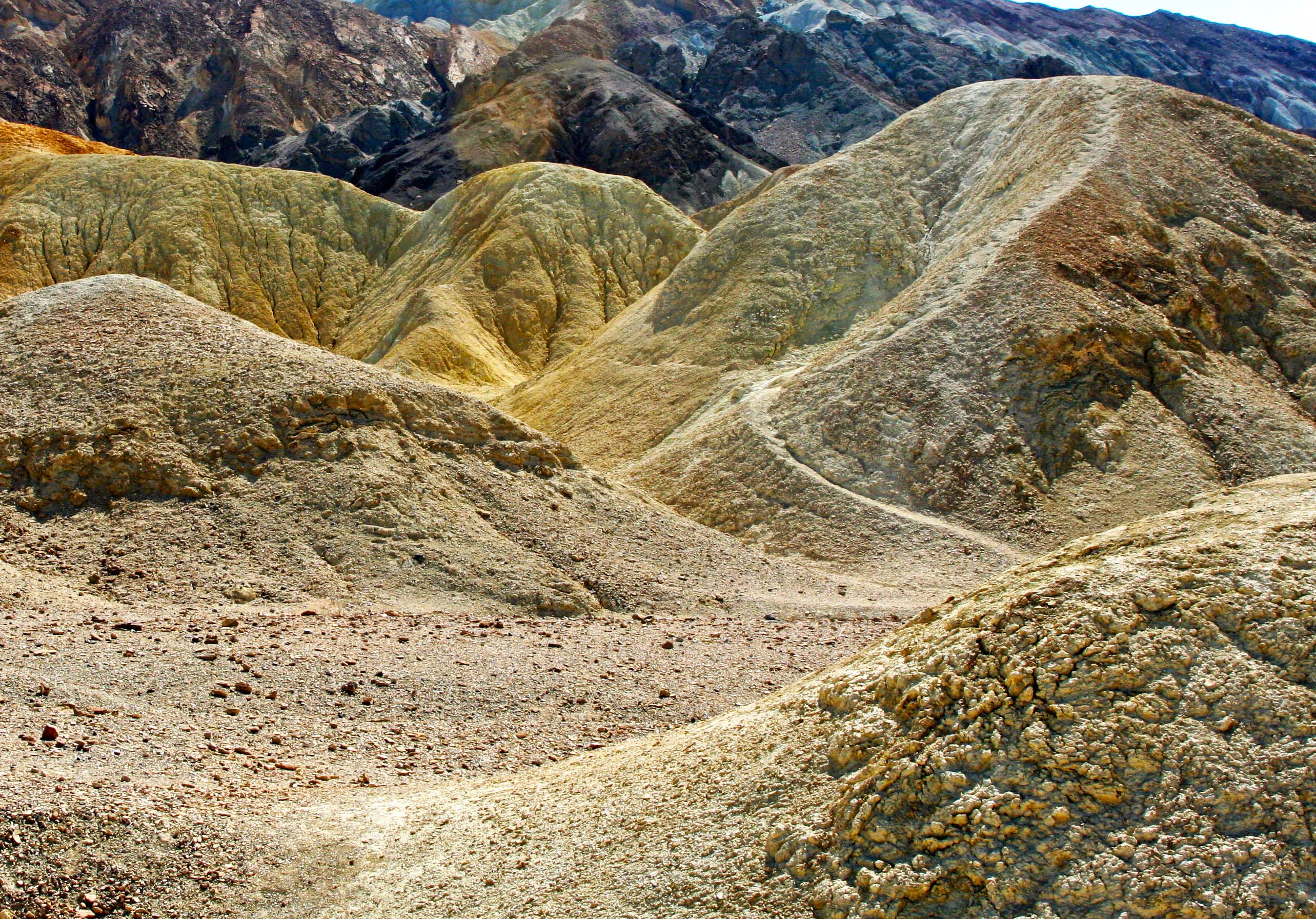
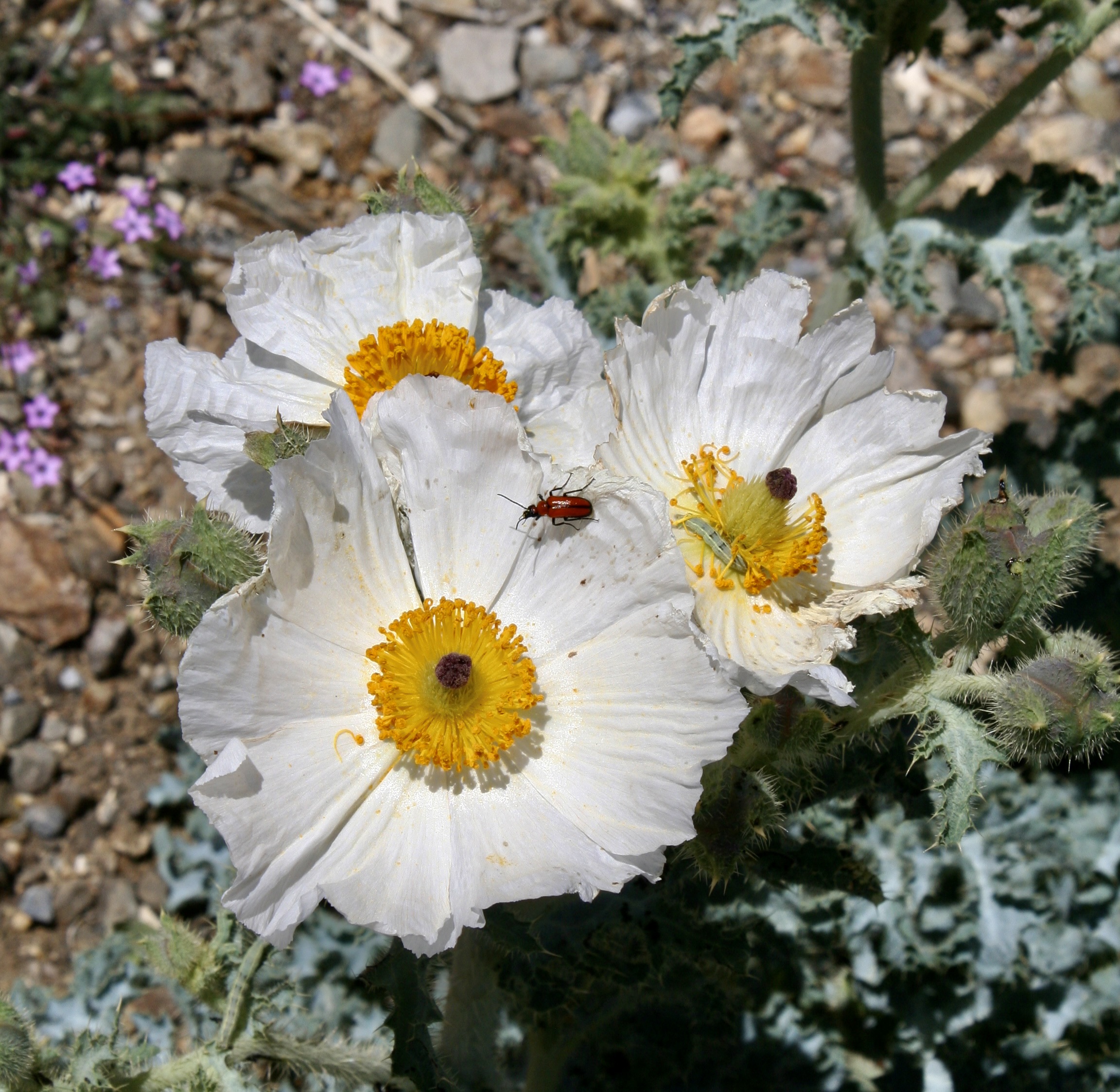
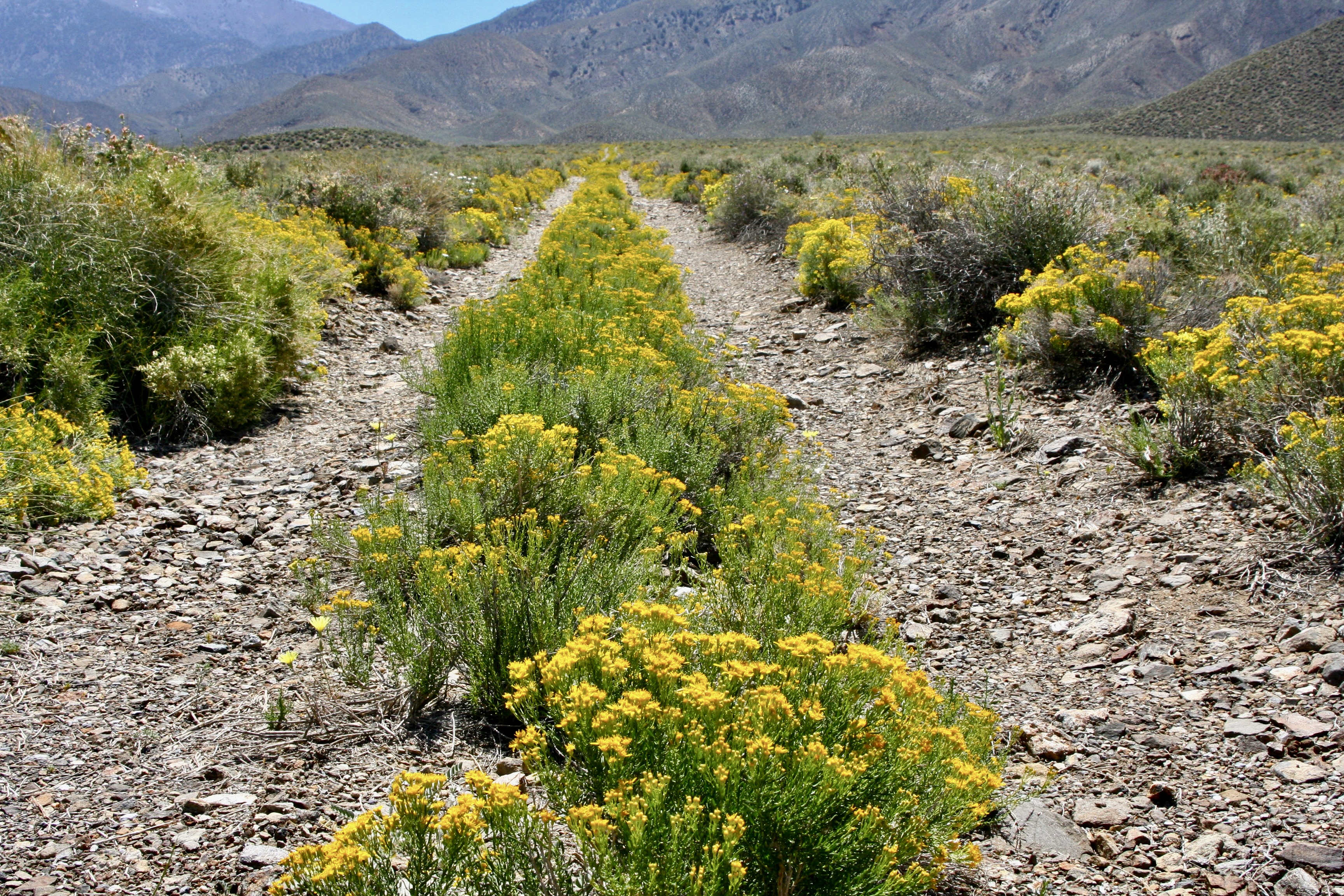
Beauty is everywhere in Death Valley. The extreme dryness of Death Valley allows visitors a rare opportunity to see geological forces at work. This is the Ubehebe volcanic crater in the northern part of the park. The crater, 600 feet deep and half a mile across, was created by a powerful eruption of volcanic steam. Trails lead down into the crater that visitors can hike.We took this photo near Ubehebe Crater. It shows the work of erosion over time creating an almost surrealistic scene.A coyote stood near the road into Ubehebe. Camping in the Valley, you can go to sleep listening to their wild calls in the distance. A moonlit night often produces a chorus.The majority of the sites visited in Death Valley are located within a short drive of the Visitors Center at Furnace Creek. Nearby, Zabriskie Point provides a number of different views that vary over the day as the sun shifts.In the sunlight.Another view we found interesting at Zabriskie Point. The dark ridge at the top represents a different geological era. Over 1.7 billion years of earth’s history can be seen in the Valley according to the National Park. 20 Mule Canyon, a short drive up the road from Zabriskie Point, provides a moderately challenging but gorgeous adventure over a 2.7 mile unpaved road. It’s a section of the route that was used by the 18 mules plus two horse teams that carried borax out of Death Valley. Pull offs along the way provide for further adventures, such as following paths that lead into a world that borders on fantasy.Another example.The road also followed this off-white, high ridge. We saw a couple of people hiking along the top.A final photo along the 20 Mule Canyon Road.Another favorite of ours for its sheer beauty and impressive land forms is Golden Canyon.A quick drive down highway 178 from Furnace Creek will take you to the parking area. From there, visitors can choose a relative easy walk that takes them into the heart of the canyon or select much more challenging hikes with lots of ups and downs! One route takes hikers up to Zabriskie Point.Looking out from Golden Canyon toward the Valley.Want even more color? Continue down Highway 128 to a one-way side road that takes you in to the well-named Artist’s Palate. Different minerals in the rock are responsible for the colors you see here, at Zabriskie Point and along the Twenty Mule Canyon Road.A closer look at the palate.Continuing on down Highway 128 will bring you to the Devil’s Golf Course, which is definitely worth the side trip to see it. If the park is ever privatized, I wonder (he said tongue in cheek) whether the president would add this to the 15 plus golf courses he owns around the world. First, however, he would have to bulldoze the salt flats that formed over thousands of years as ancient lakes evaporated. Given the million dollar membership fee he charges at Mar-A-Largo, I suspect he would charge even more here. Two side roads, one on the east and one on the west of the Park, take visitors up into the mountains above the Valley. Dante’s Peak, on the east side, provides a dramatic view into the valley.And flowers. We took lots of photos.The road on the west side of the valley taking visitors up to historic charcoal kilns had even more flowers.Including these white prickly poppies. A red beetle and a green caterpillar were visiting. The caterpillar was busy chomping down on the poppy’s stamens.An old road leading off the main road to the kilns featured yellow rabbitbush flowers. It demanded exploration. Maybe this year…We also found this rattlesnake along the road. Long time followers of my blog will recognize it. He was about 6 feet long and about as round as my arm. Peggy refused to let me out of our truck to take more photos, zooming off just as I was about to open the door!The historic charcoal kilns of Death Valley were at the end of the road. They were built in 1877 to supply charcoal for the Modock Mines, located 25 miles away, and likely closed after two years of use. We’ll conclude this post with a photo of the sun setting over the sand dunes of Death Valley. Next up we will feature the Chiricahua National Monument in Southeastern Arizona. We were there last week. A photo from next week’s post.










 Wandering through Time and Place