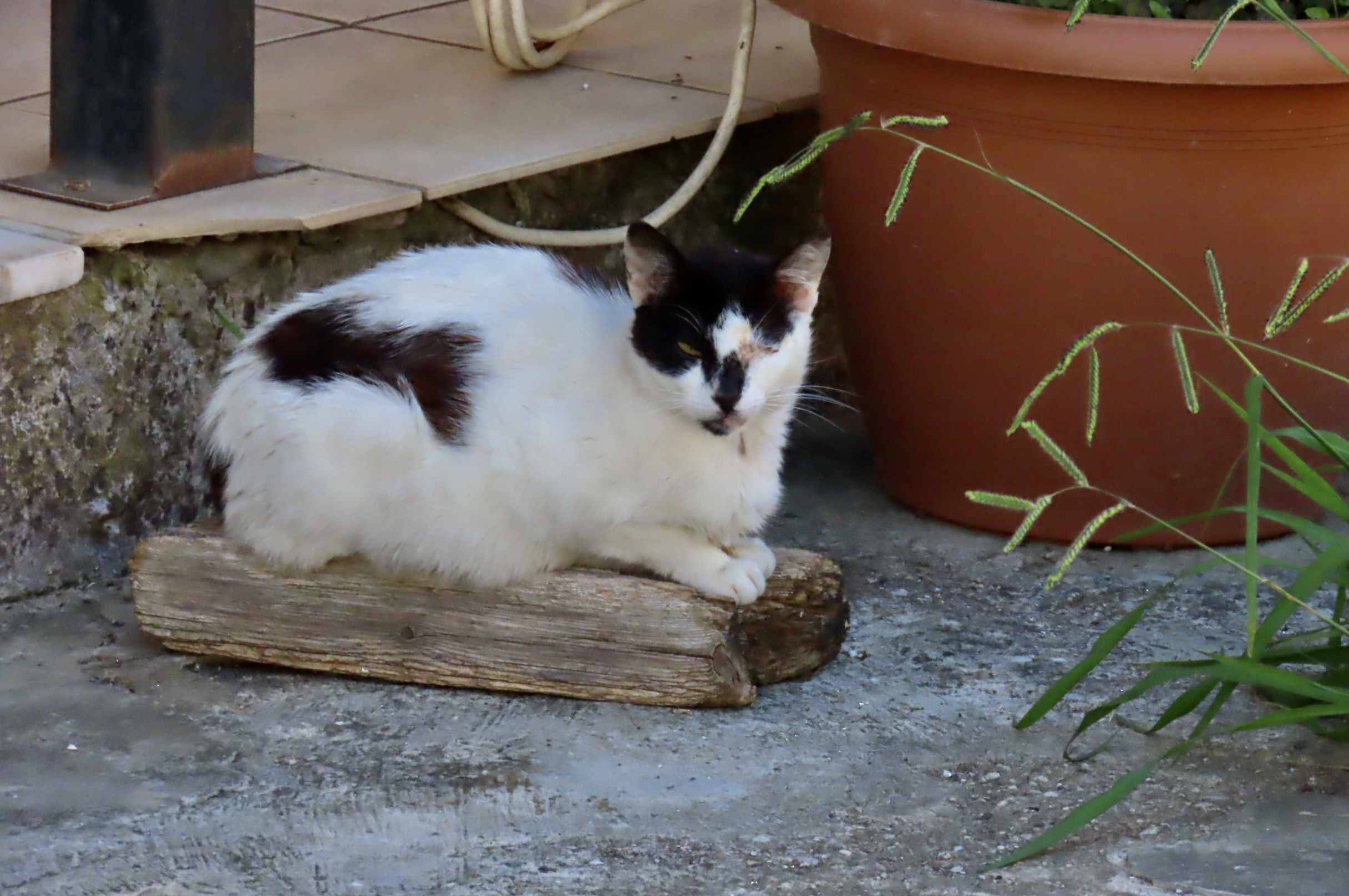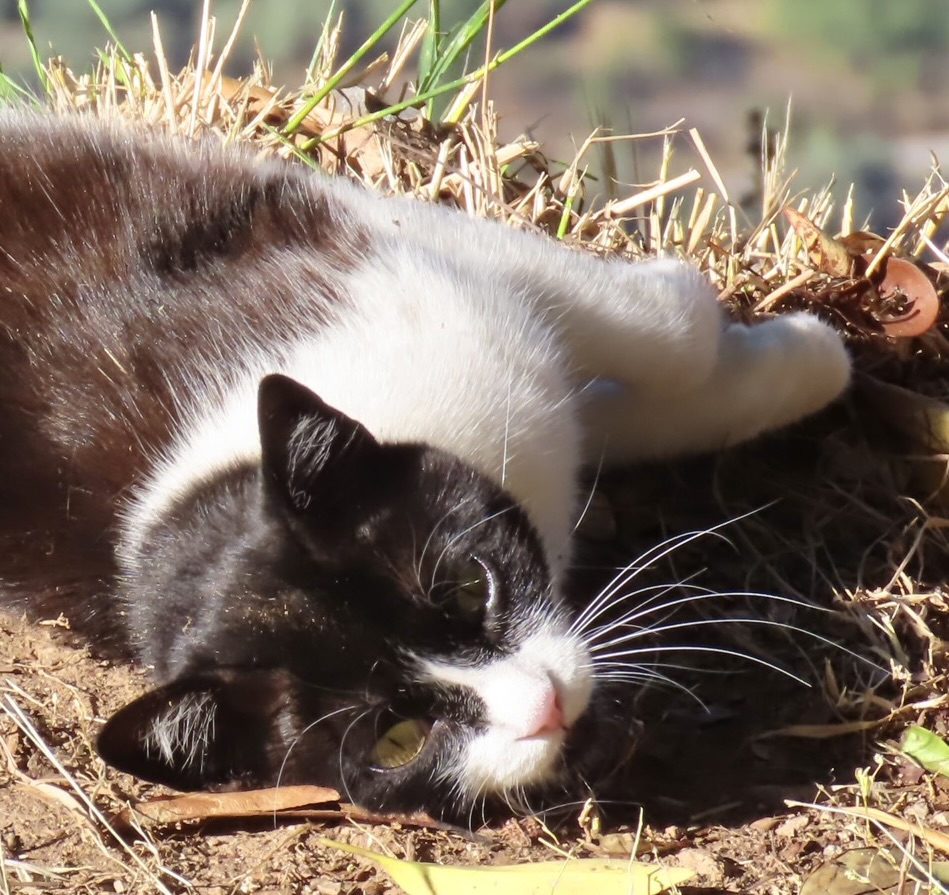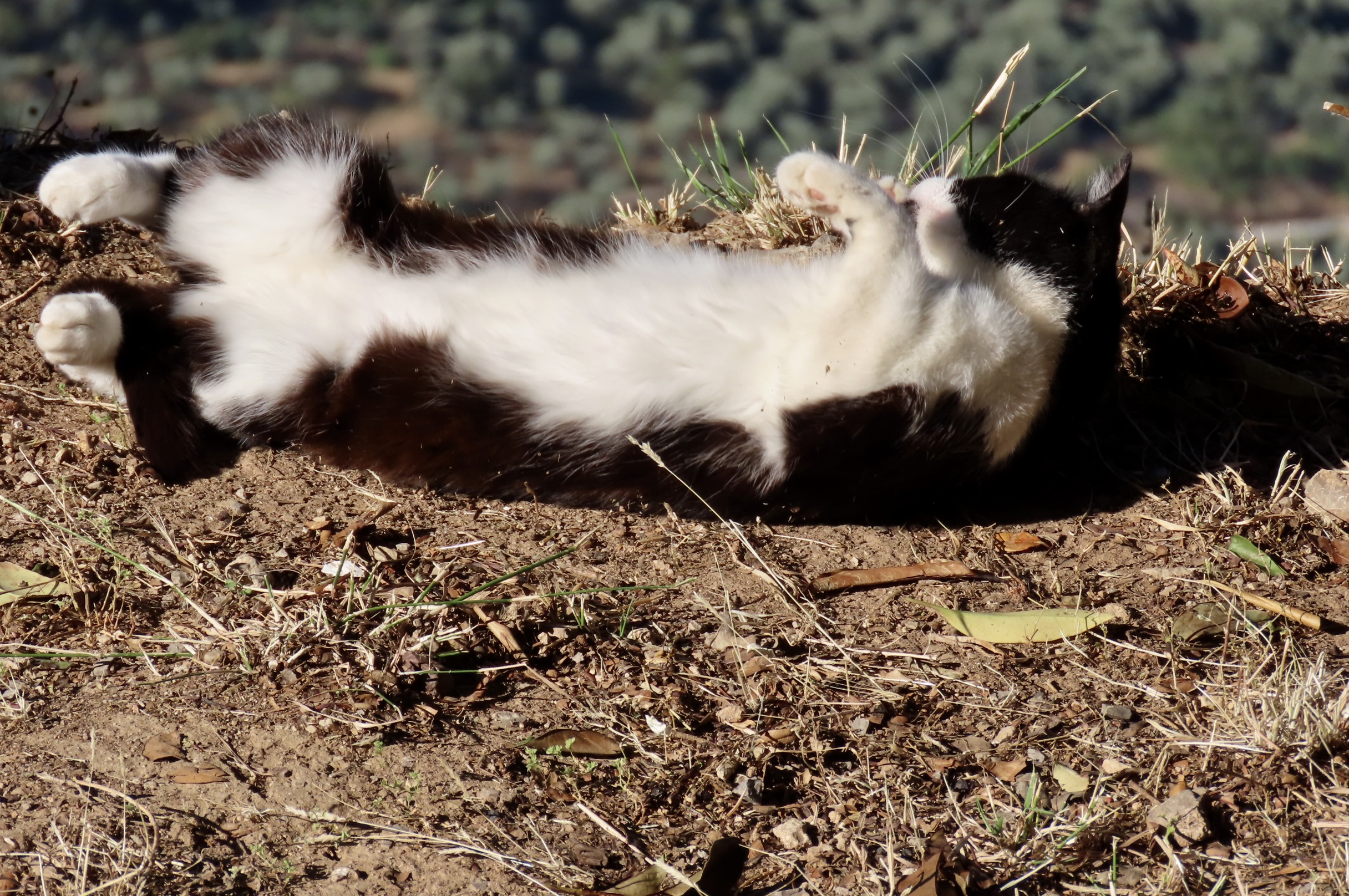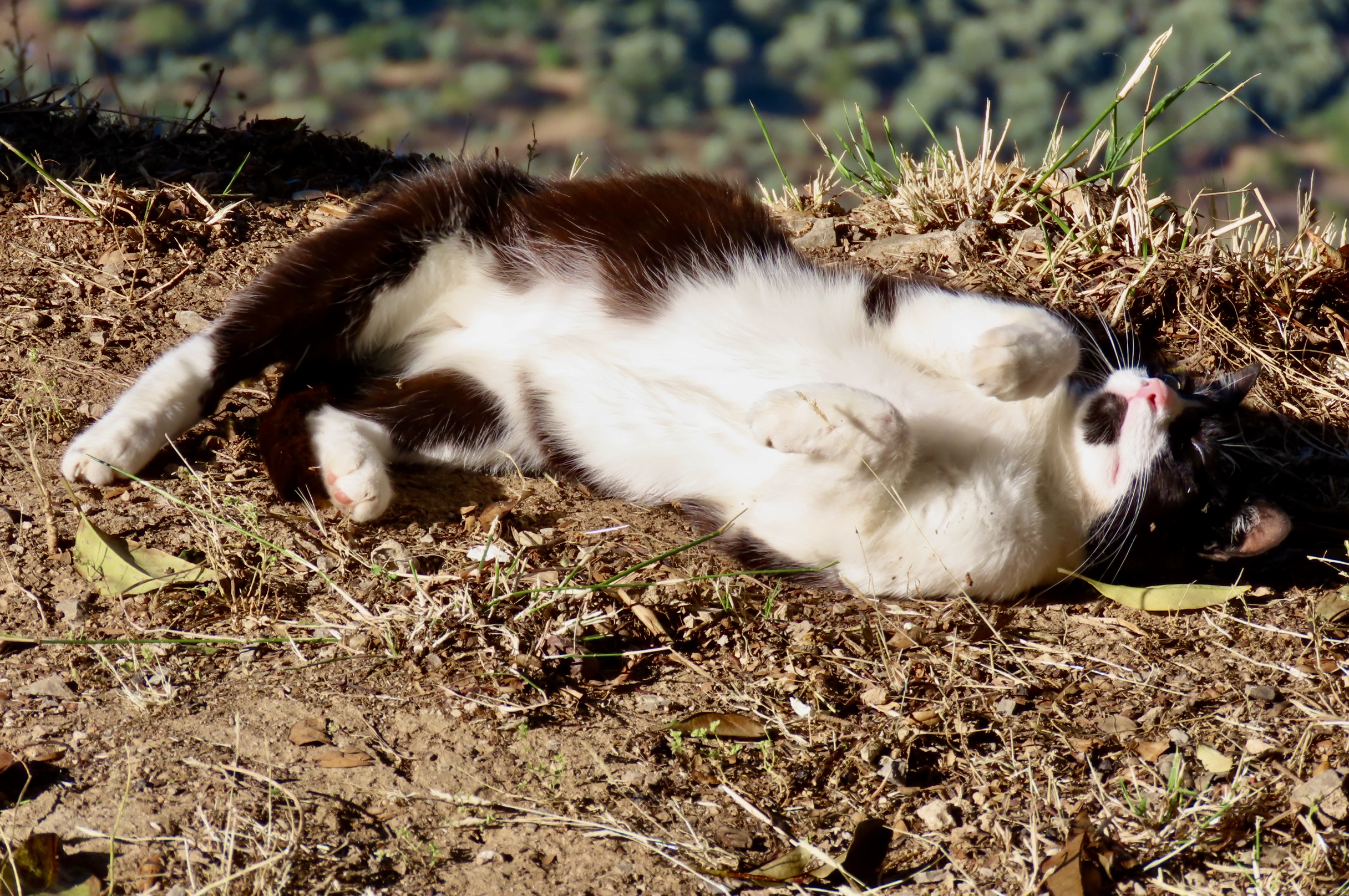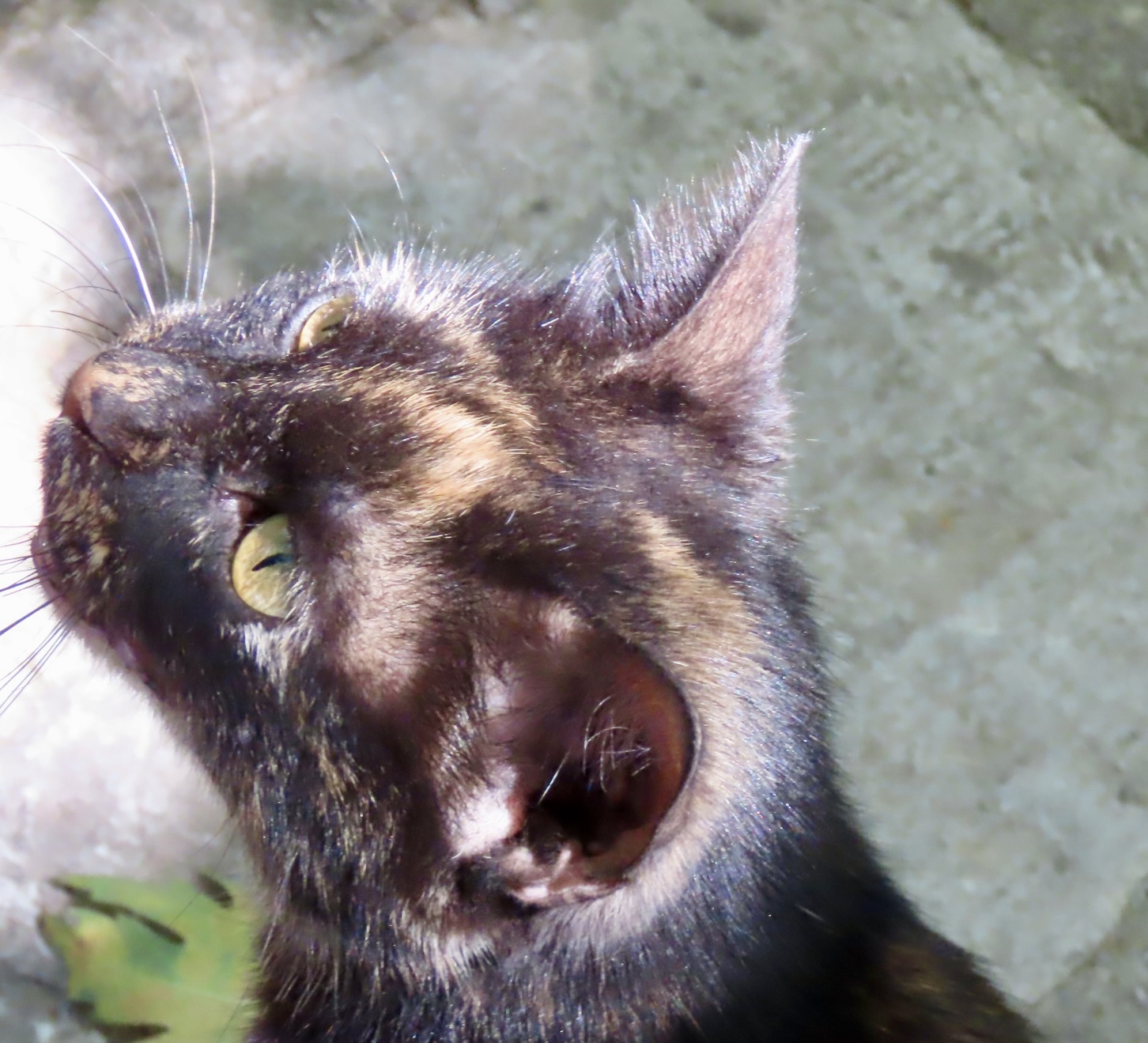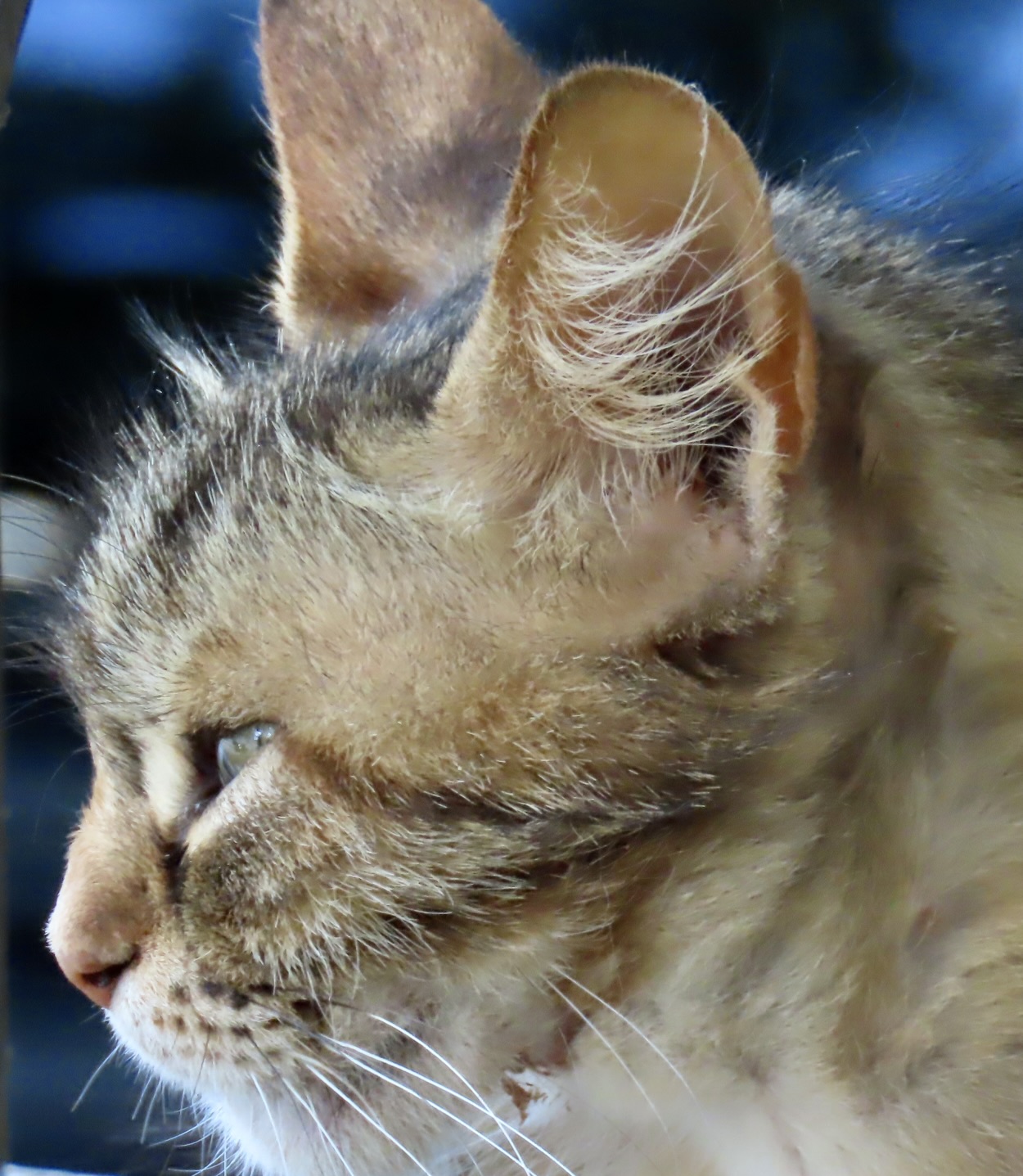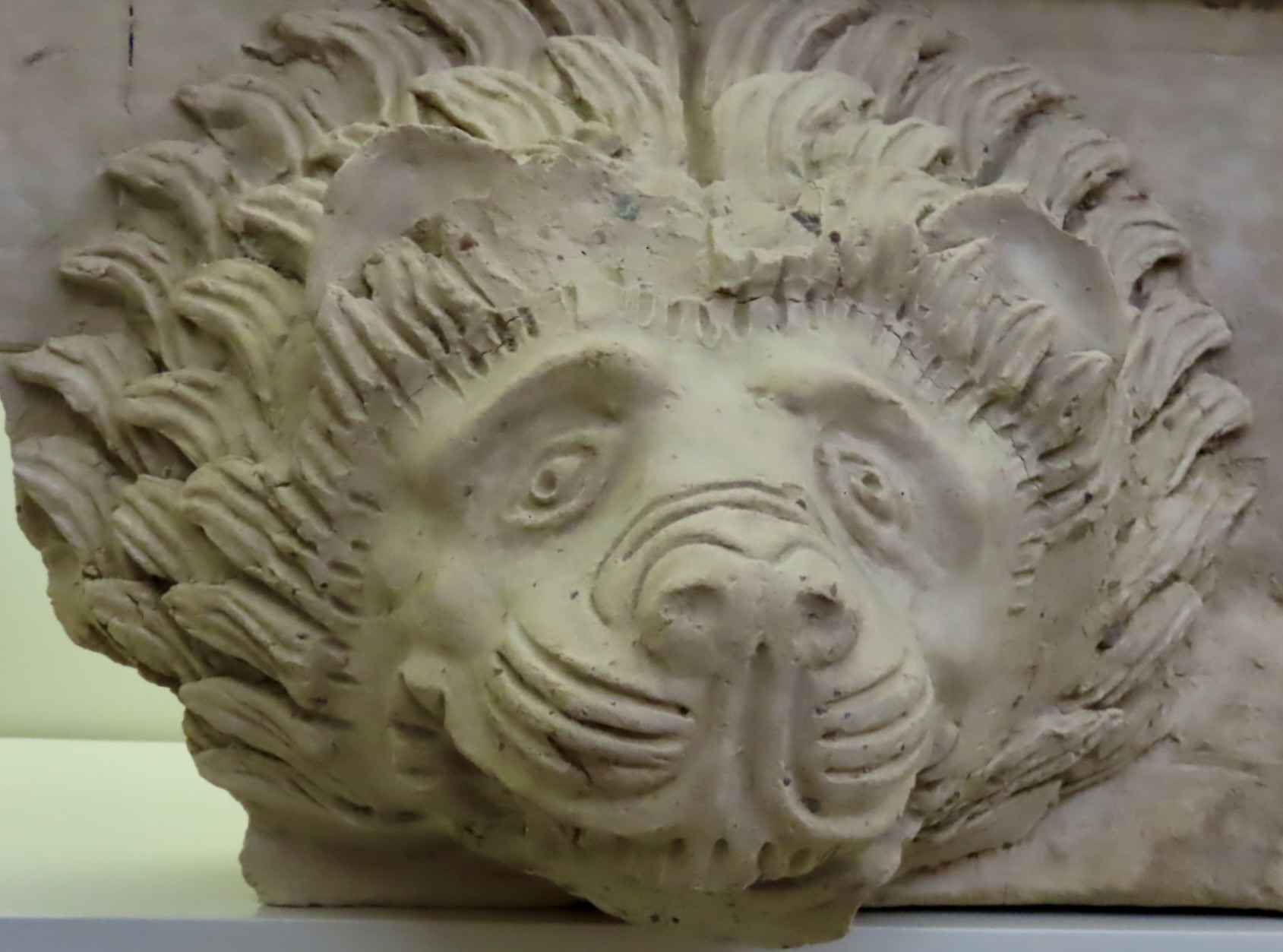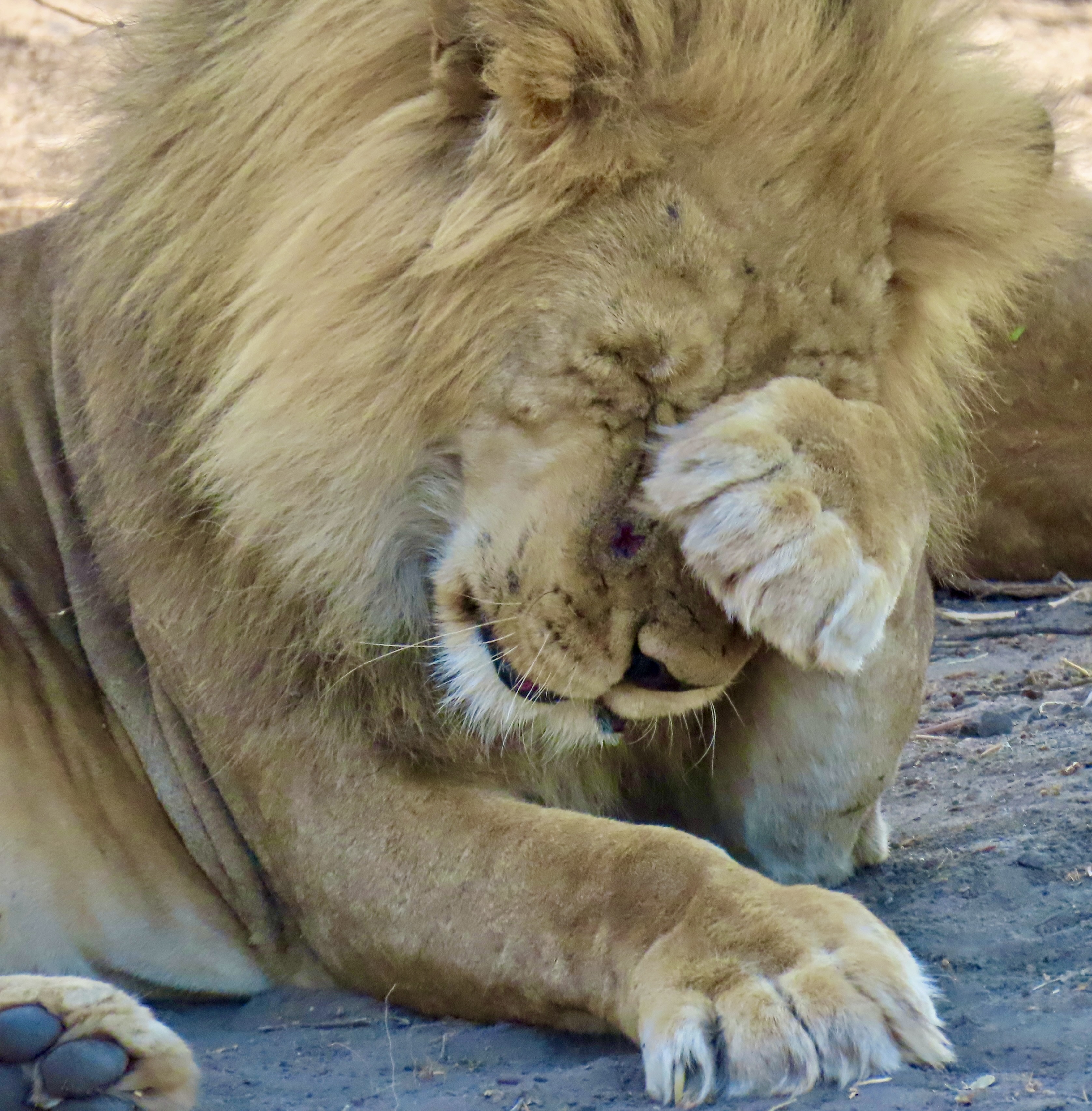


On Thursday, I’ll post the next in my UT-OH! blog-a-book series: The tale of how MC the Cat barely avoided having his danglies cut off, which, much to his dismay, would have ended his tomcatting ways.


On Thursday, I’ll post the next in my UT-OH! blog-a-book series: The tale of how MC the Cat barely avoided having his danglies cut off, which, much to his dismay, would have ended his tomcatting ways.
We are continuing our focus on Burning Man today with a look at the wild, whacky, weird (and, I would add wonderful) mutant vehicles that roam the Playa and make their way through Black Rock City every year. Other than official vehicles and bicycles, they are the only form of transportation that is allowed besides walking. Each year brings a new crop to admire as well as old favorites to appreciate. While who knows what 2026 will bring, my goal today is to provide a perspective of what is possible based on past years. The ‘mutations’ that people come up with are prime examples of the creativity that goes into making Burning Man special. BM encourages this artistic flare with mutant vehicles by requiring that they must be extensively transformed, unrecognizable from their original form. Throwing a few baubles on your vehicle and calling it mutant so you can drive around the Playa and Black Rock City doesn’t work.


Following are photos of 40 different vehicles. While that seems like a lot for a post, they are easy to scroll though, heavy on photos, light on words. Enjoy.


Thursday’s blog-a-book memoir will relate how a greyhound and a black cat got banned from sleeping on my bed.
Today, our focus series features ungulates. In case you don’t know what an ungulate is, like I didn’t, the short answer is that they are animals with hooves who walk or run on their toes. Did that help? They are divided into two categories: Odd toed ungulates (Perissodactyl) such as horses with one toe, and even toed ungulates (Artiodactyla) such as cows with two toes. The credit for having hooves goes to evolution. Horses, for example, started out with multiple toes just like us. They had 4 on the front and 3 on the back. Eventually, over millions of years, their claws/toenails expanded, grew together, and covered their toes. The evolutionary advantage being they could run a lot faster across grasslands and escape animals that wanted to eat them. A hoof is composed of keratin, the same fibrous protein that forms our toe and finger nails. It acts as a hard, protective casing that covers the toes and allows for weight-bearing, shock absorption, and traction— just like a good pair of running shoe works for our feet. But enough on the details. Let’s get to the fun part!


There’s a fun story here. The big ram above had been bringing his flock down to the park from the mountains for years when a new subdivision was built beside the trail. This didn’t seem to bother the big horns and you can imagine what a treat it was for the people. But then, one of the home owners put a shiny aluminum door on his garage next to the trail. The leader looked over and saw his reflection. Except it wasn’t his reflection in his mind. It was another lage male challenging him for the leadership. He reared back and charged at the same time the other big horn did, again and again. Nobody was going to get his nannies. The story the locals told us was that the owner of the garage door had a really hard time convincing his insurance agent how the damage had been caused!


Next up on UT-OH, my blog-a-book-memoir, I learn valuable lessons that every first grader should know: It’s not smart to put your head down on a track to judge a train’s distance when it’s a hundred yards away (it makes the engineer nervous), deciding to go on a mile and a half hike by yourself at 5:30 a.m. may be frowned upon, habanero peppers are hot, and why it’s valuable to wear underwear. Getting caught in your zipper and having to have the first grade teacher free you is no joke.
The focus series looked at cats last week. Dogs insisted it’s their turn this week.

Here are some fun facts about the puppy and other dogs as well. Leta’s nose print is unique to her. Just like your thumbprint is to you. No two dogs have the same one. What her nose does share with most other dogs are some 150 million olfactory receptors. Humans have around 6 million. That’s why their sniffing ability far exceeds ours. Some dogs have a lot more. The blood hound is top dog with around 300 million. They can follow tracks several days old and can stay on a scent trail for over 100 miles. Their sense of smell is so well documented that it can be admitted as evidence in a court of law. “Sniff, sniff. Woof, woof, woof!” Translated: Number three in the lineup robbed the bank.

While we are dealing with a dog’s sense of smell, here’s a fact I didn’t know. They have a back up system for ‘smelling’ pheromones (chemicals) that contain a great deal of information. It’s called Jacobsons Organ and is found on the roof of their mouth. It has a direct line to the brain where the information on the pheromones is translated: Valuable information to Bowser: Such as whether Fifi is ready to breed. Information on health and mood can also be transmitted. Yours, as well as another dog’s.
Pee, poop, and even feet carry pheromones which are created by scent glands. Because pheromones are volatile, they are released to the air and can travel long distances. That’s why Bowser might get excited if Fifi is in heat, even if she lives three miles away. Given an opportunity, he will go roaming and show up on her doorstep. I found the information about feet interesting as well. You’ve likely seen a dog kicking backwards after it has done its business. I’d always thought it was making a half hearted attempt to cover its poop. Actually it’s using the scent glands on its feet to mark its territory. It’s kind of a “I pooped here,” message. The pheromone is the sentence; the poop the exclamation point.
Scent glands near the anus provide all kinds of information, which is why dogs are always sniffing each other’s butts. Each dog has its own unique pheromones that travel to the sniffing dog’s Jacobsons Organ and then their brain where they are stored and interpreted for immediate and future use. A dog can actually recognize a dog it has sniffed years before. And remember its mood. “When I was a puppy, you were grouchy and bit me. Now you are old and I’m twice as big. Guess what?”


In my next post on UT-OH, I relate how listening to the Lone Ranger on our family radio almost led to my head being smashed by a train. Our next focus post will be on Hoofing It with Ungulates.

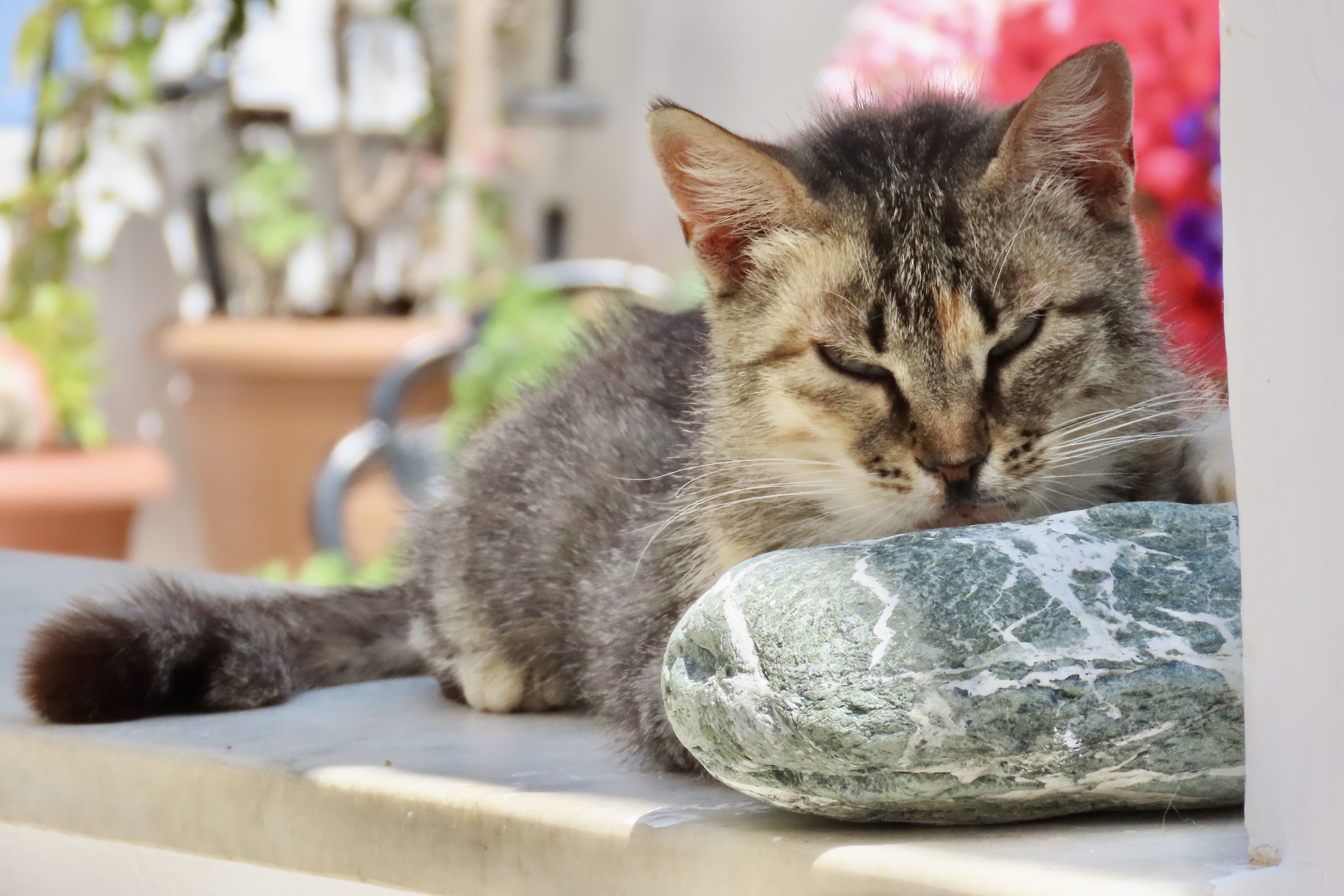
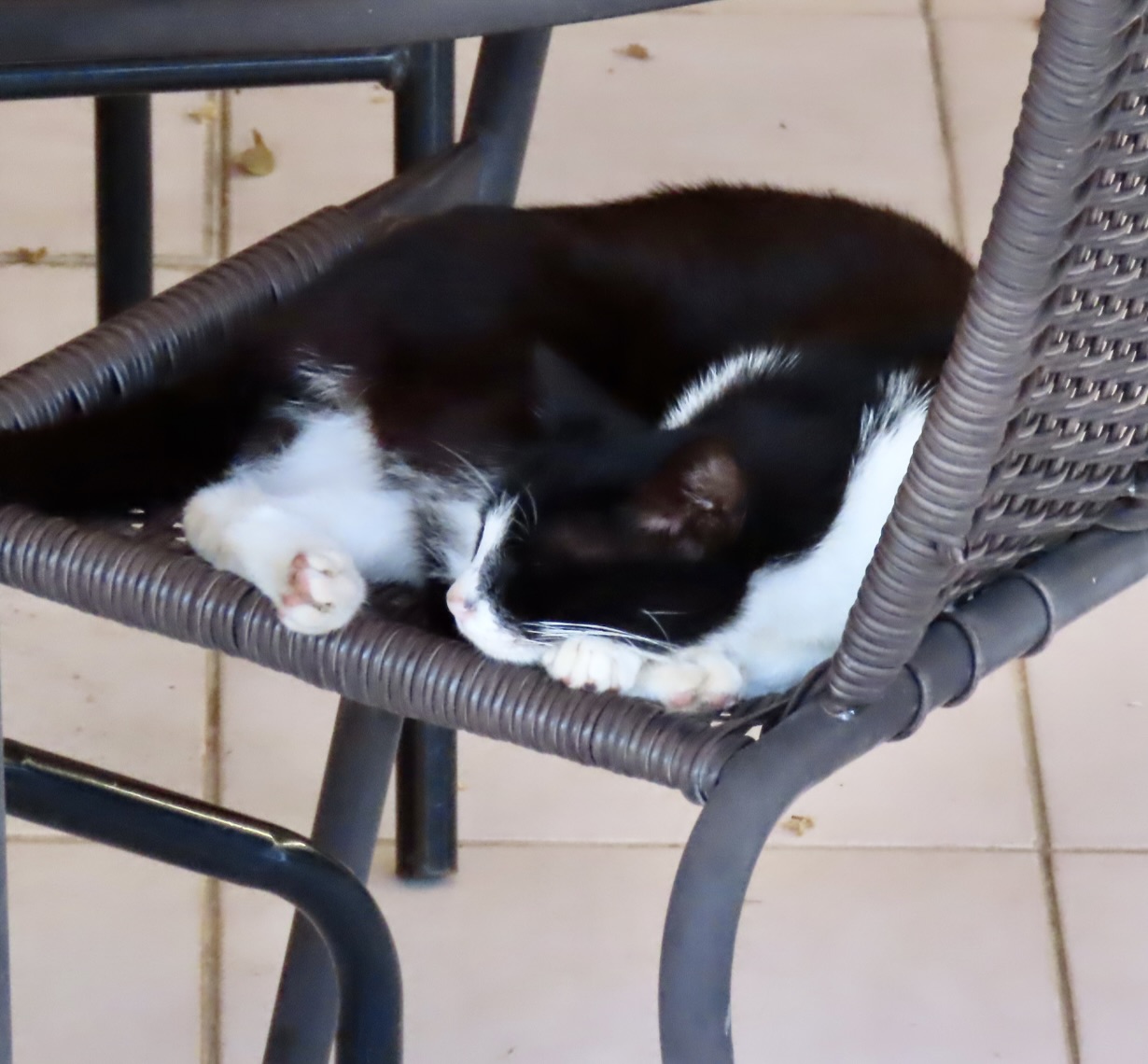
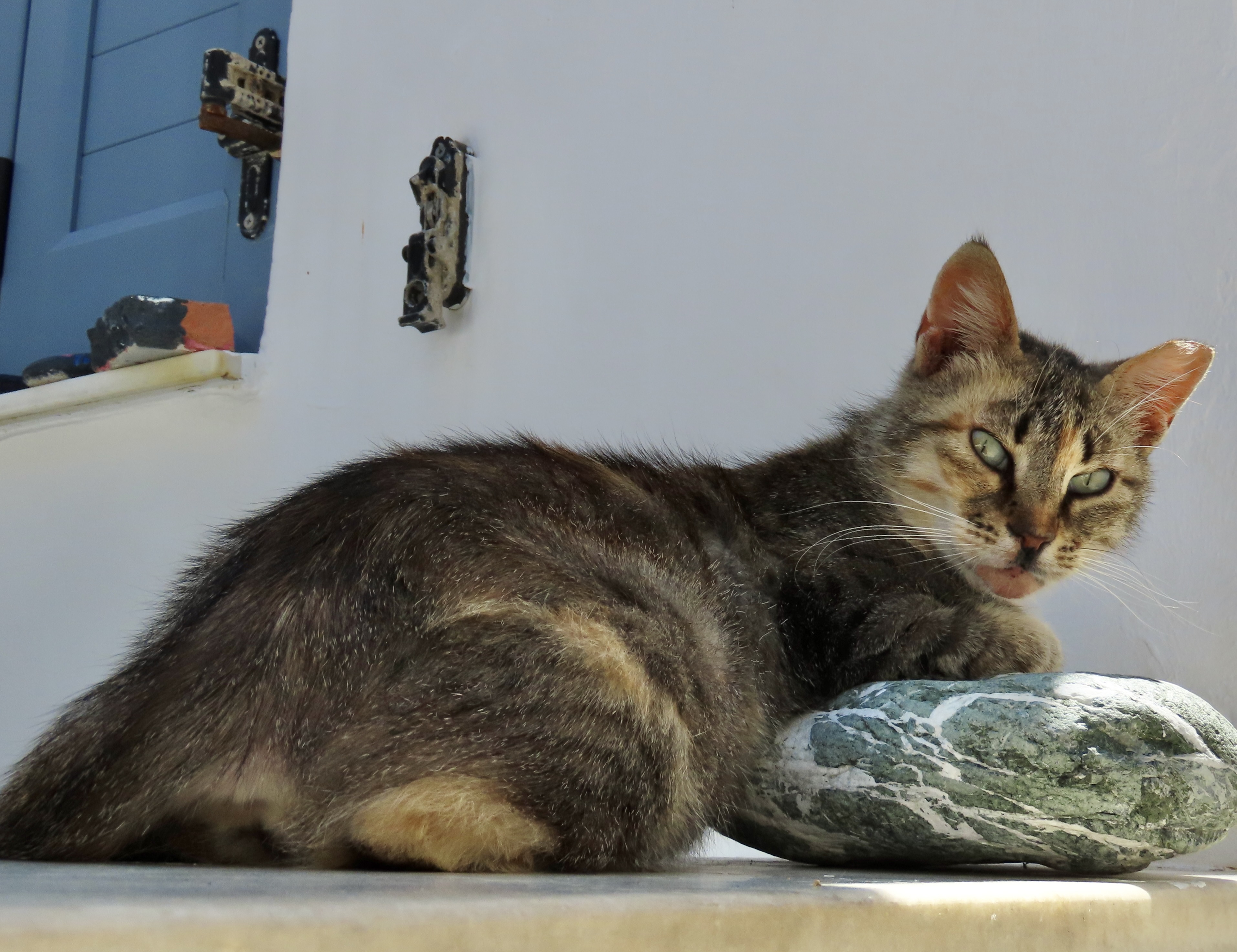
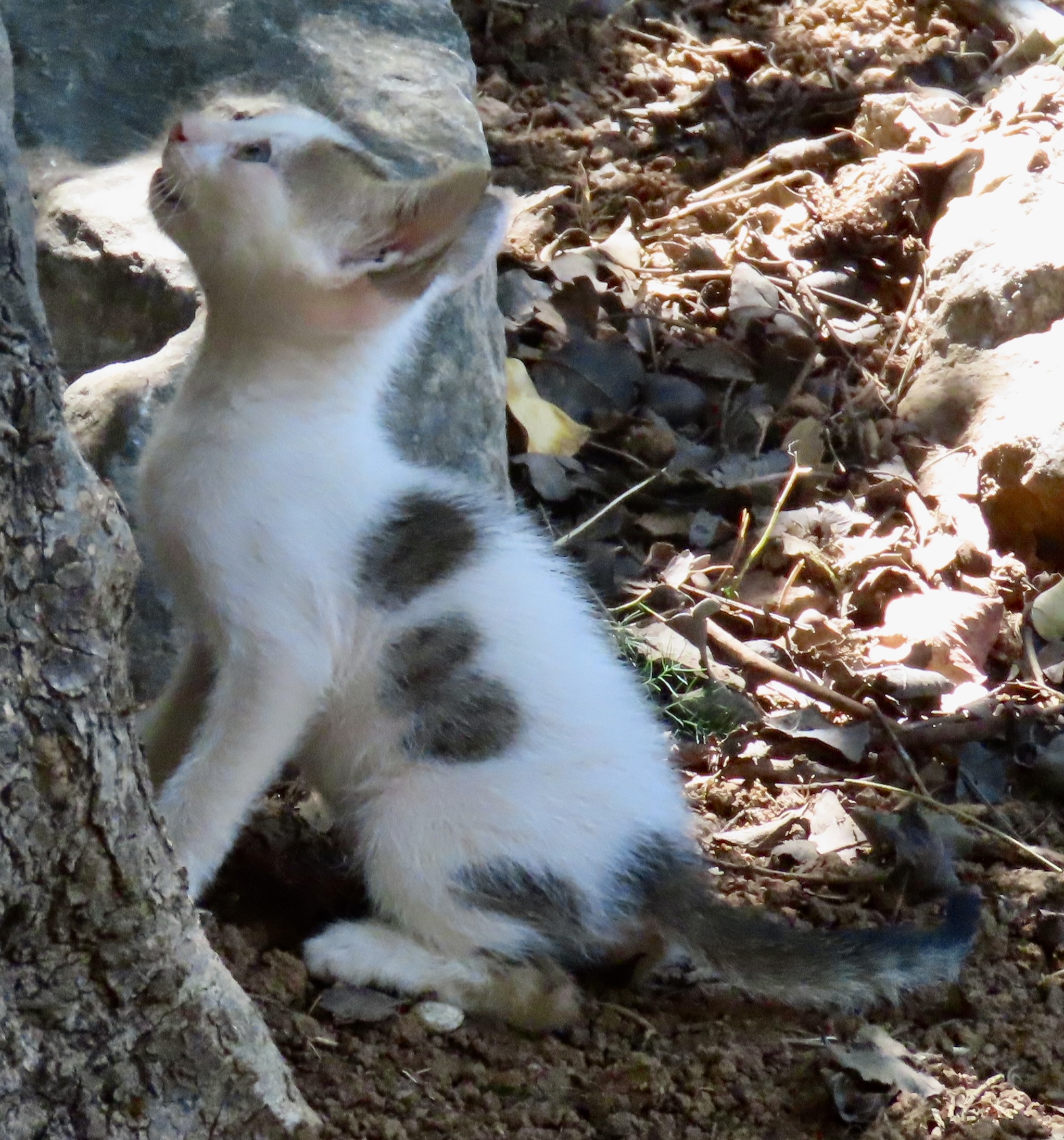
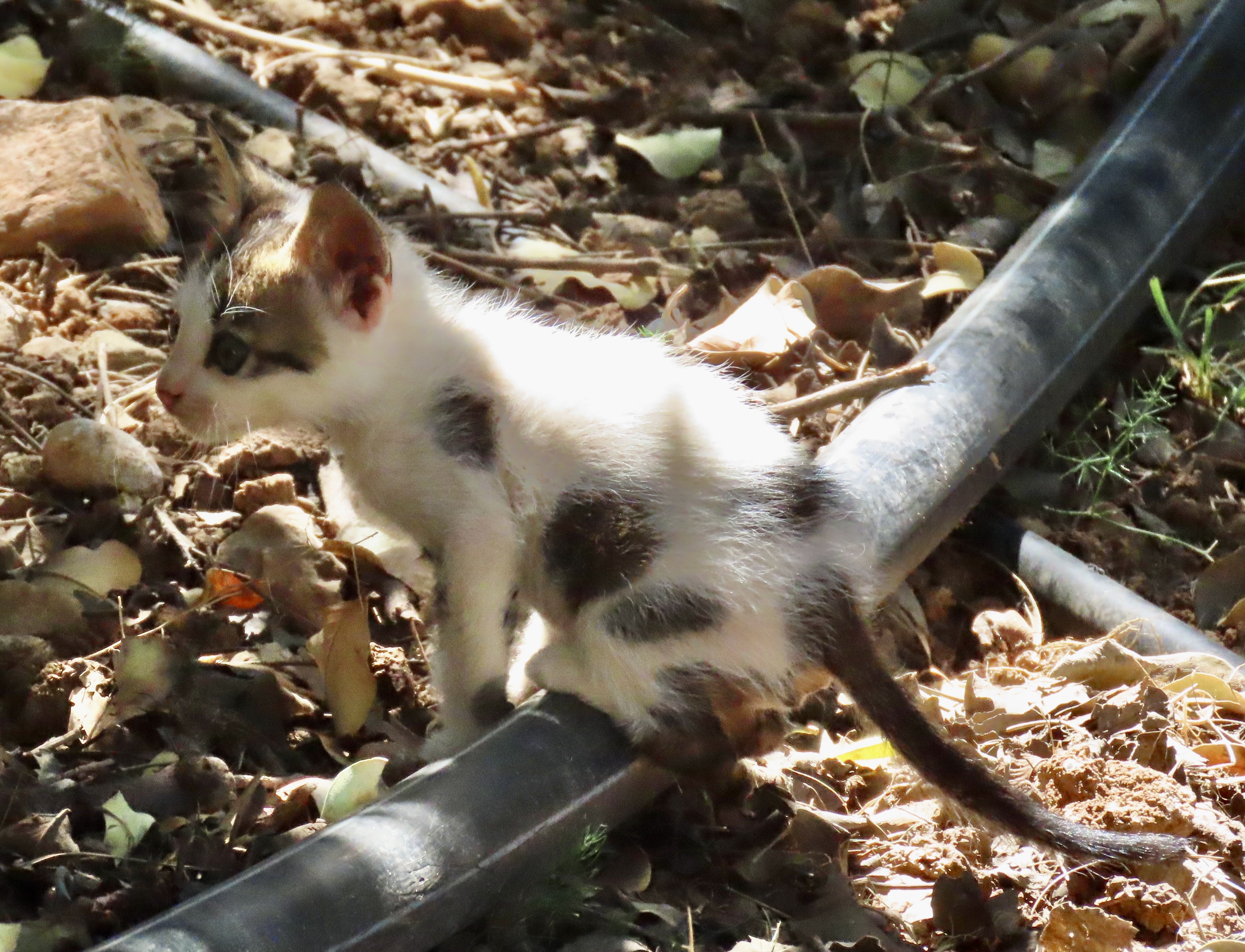
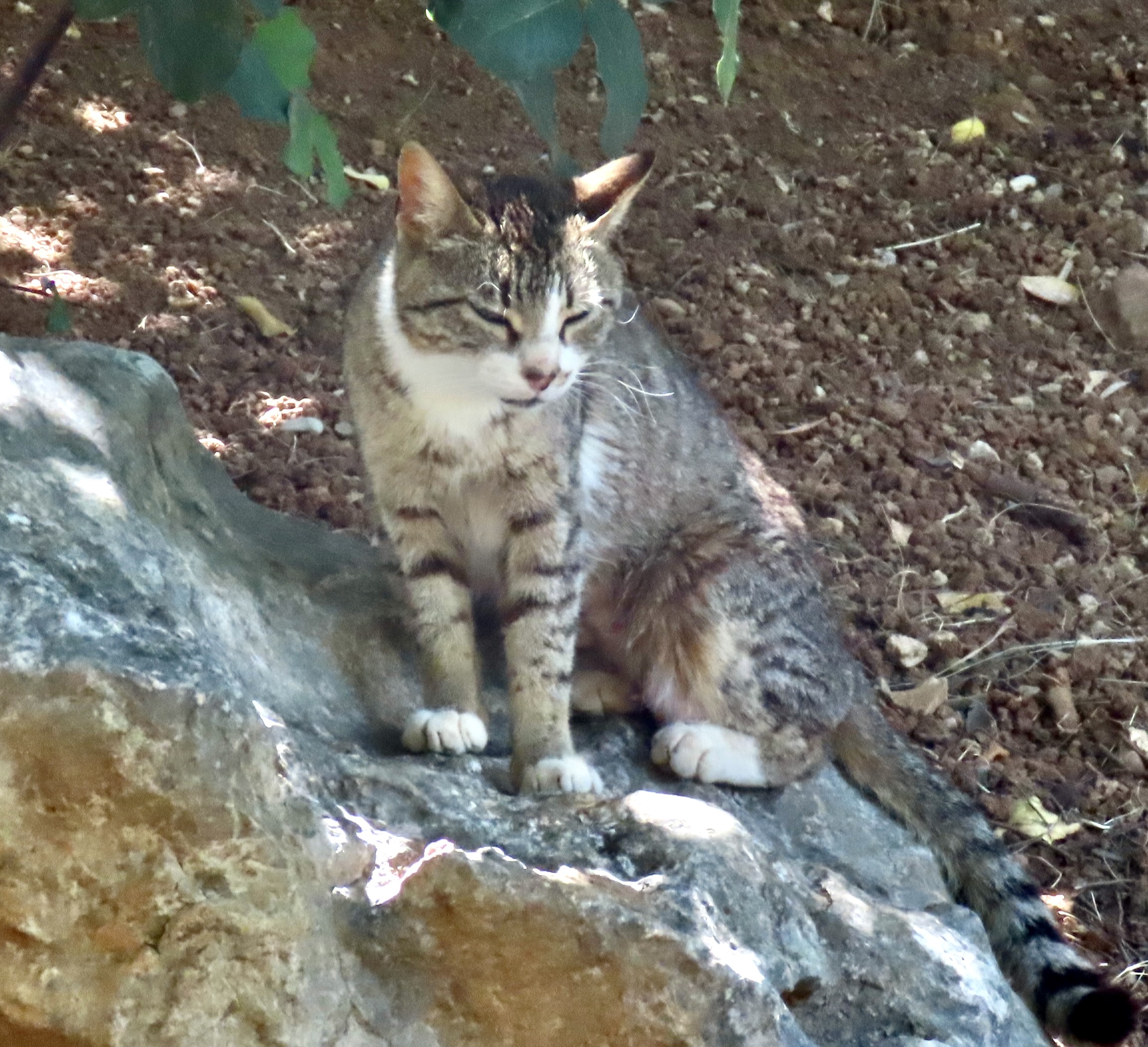
We are continuing our focus series today with a look at cats. Our travels provide us with lots of opportunities to watch and photograph our feline companions. In their own enigmatic way, they are quite photogenic. Most of today’s entries are from around the Mediterranean Sea— or from my personal experiences of being owned by three cats: Demon, Rasputin and FE.


On Thursday, join me as I get kicked out of the first grade for a year! It’s the first chapter in UT-OH!

The introduction to my new series is below, but first I want to share a few thoughts in general about UT-OH.
My objective is to relate stories from my past in a memoir format which incorporate— if you’ll pardon the expression— Oh Shit! moments. We all have them, right. My focus will be on such experiences that you laugh about later, not on those you find yourself asking yourself, “Why or why did I do that?” I can haunt myself on those. I don’t need to haunt you.
Second, let’s talk about the name: Ut-Oh. Some of you may look at it and say, “Curt doesn’t know that the proper spelling of Uh-Oh. Maybe I should tell him before he embarrasses himself further.” For the record, I know it’s Uh-Oh, but Ut-Oh is how I pronounced it as a kid and I have every intention of continuing to, no matter how embarrassing. It fits.
Third, a number of these stories I have told in the past in my 15 years of blogging. In fact I even started to organize them once before. I’m doing it again. My apologies to those of you who have already read them. A handful have been with me the whole 15 years. I love you, but a good story deserves to be told over. And there will be new tales!
Finally, there is the issue of accuracy. Peggy read an article recently that stated the older the story from your early childhood, and the more it has been told over the years, the more likely it is to change. Very slightly each time perhaps, but after 75 years? Who knows. Here’s a summary of what AI has to say about it: “Yes, memories from early childhood change over time… reflecting how our brain develops, making narratives richer or more fragmented.” I like richer. Having said that, I’ve tried to make my stories as accurate as possible given my memory and active imagination. Each one actually happened, even if my mind has modified the script, especially from my earliest years.
My intention, assuming I don’t get sidetracked, is to post UT-OH stories on Thursdays and my normal travel blog and focus stories on Mondays.
UT-OH! AN INTRODUCTION
We all have Ut-Oh moments where things don’t go according to plan. Most are relatively minor, like spilling a bowl of spaghetti in your lap when you are having lunch with your future mother-in-law (first marriage). Minor, perhaps, but it’s better if she does the spilling. Either way, it’s an ut-oh in small letters unless your sense of humor (or hers) is out of whack. Even then, it has the potential for making a good story.
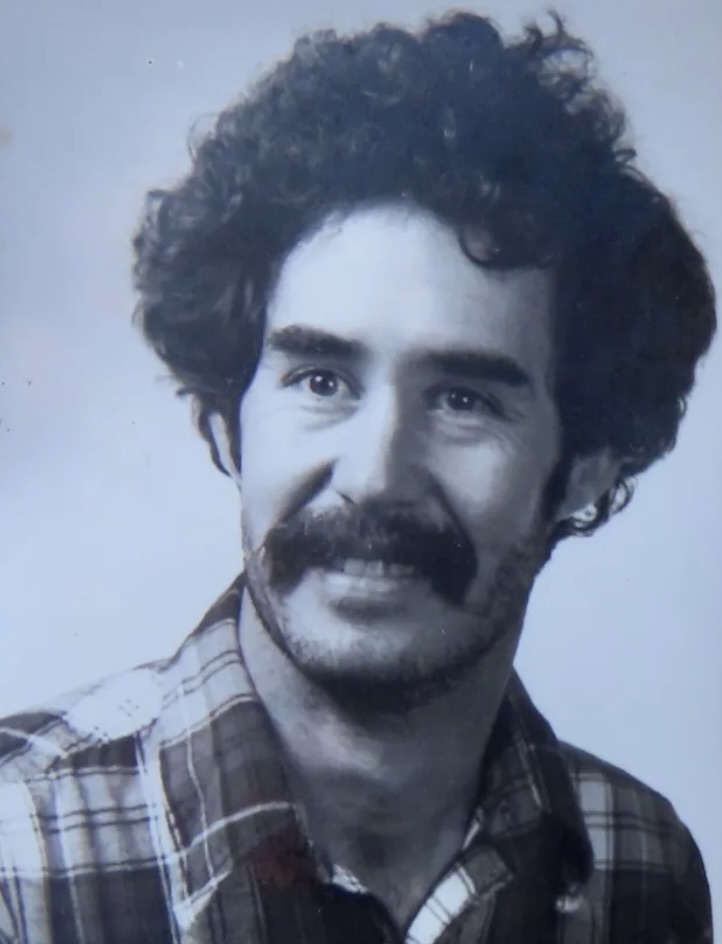
In this book, I am mainly talking about larger Ut-Ohs, even all cap UT-OHs— like the time a group of murderers, kidnappers, bank robbers, and Patty Hearst got stuck in a snowbank next to me on a remote mountain road in the Sierra Nevada Mountains. They were out practicing with their automatic weapons, apparently preparing to rob a Sacramento bank.
UT-OH is full of such tales. Most take place in the outdoors. How could it be otherwise given that I’ve spent over 77 years of my life wandering in the woods. I started when I was five by exploring the jungle-like graveyard next to my house. (I’d been kicked out of the first grade for a year.) At 75 I was backpacking 750 miles down the Pacific Crest Trail to celebrate my birthday. Now in my 80s, the adventures continue— as do the Ut-Ohs.
I know what it’s like to be stalked by a grizzly bear in Alaska, charged by a herd of elk in New Mexico, and attacked by army ants in Africa. Once, a rattlesnake tried to bite me on the naked butt. I hadn’t seen it slither into a cat-hole I had dug for bathroom duty in the woods and I’d almost pooped on him. Fortunately for both of us, he had rattled his displeasure as my rear loomed above him.
There are lessons to be learned in this book. Checking your cat-hole for rattlesnakes is one of many. For example:
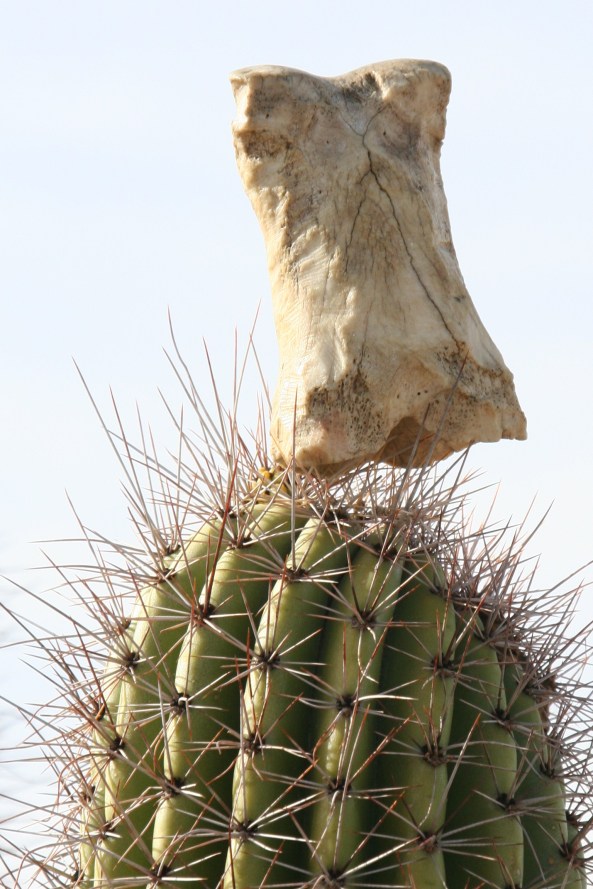
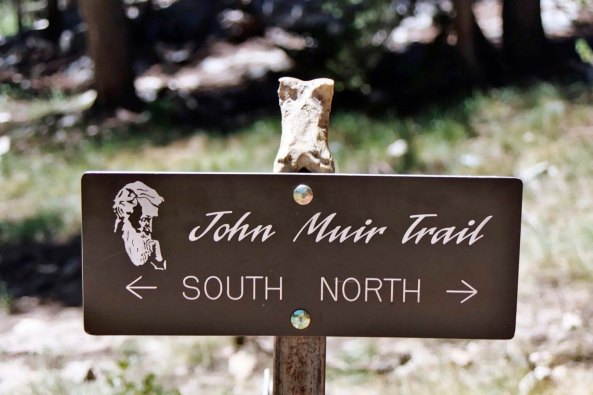
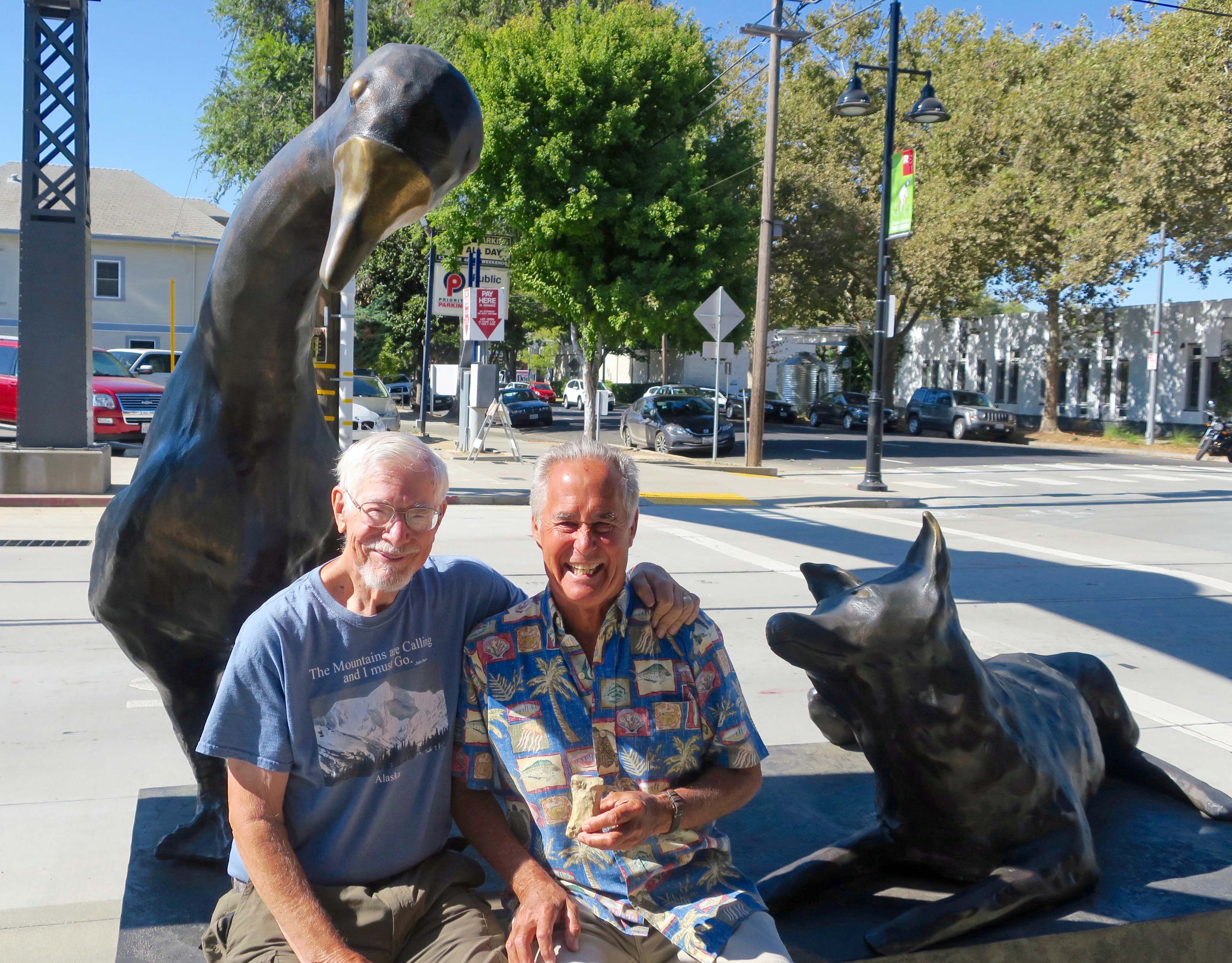
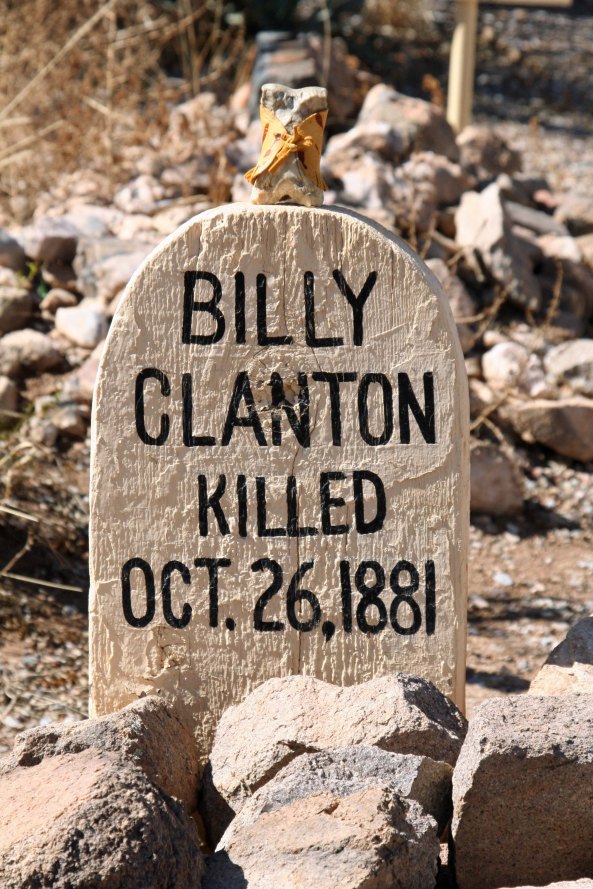
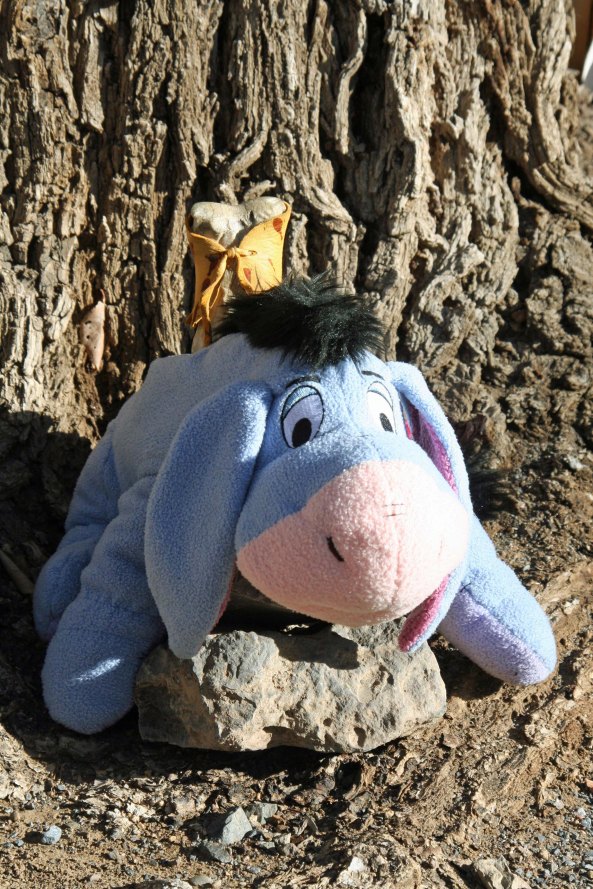
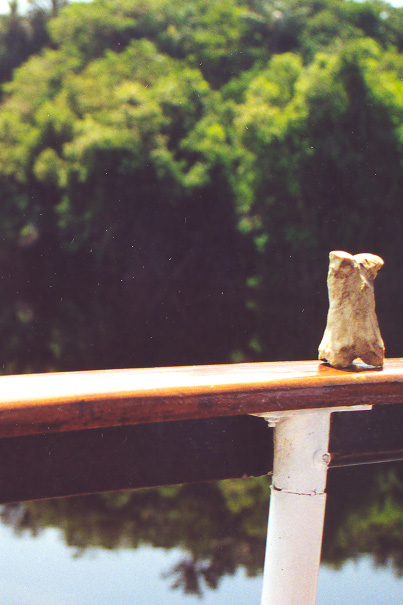
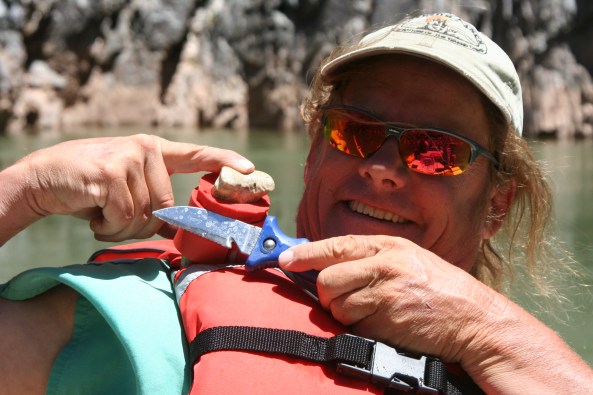
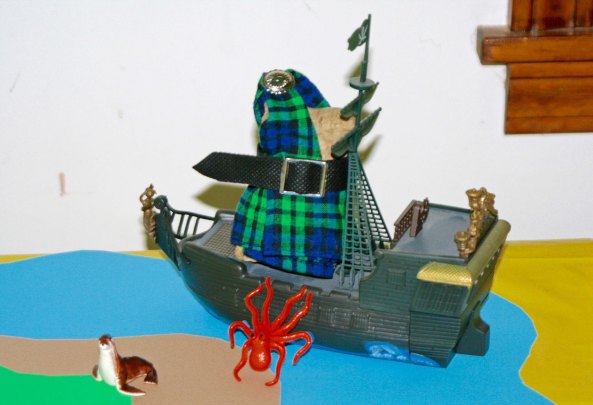
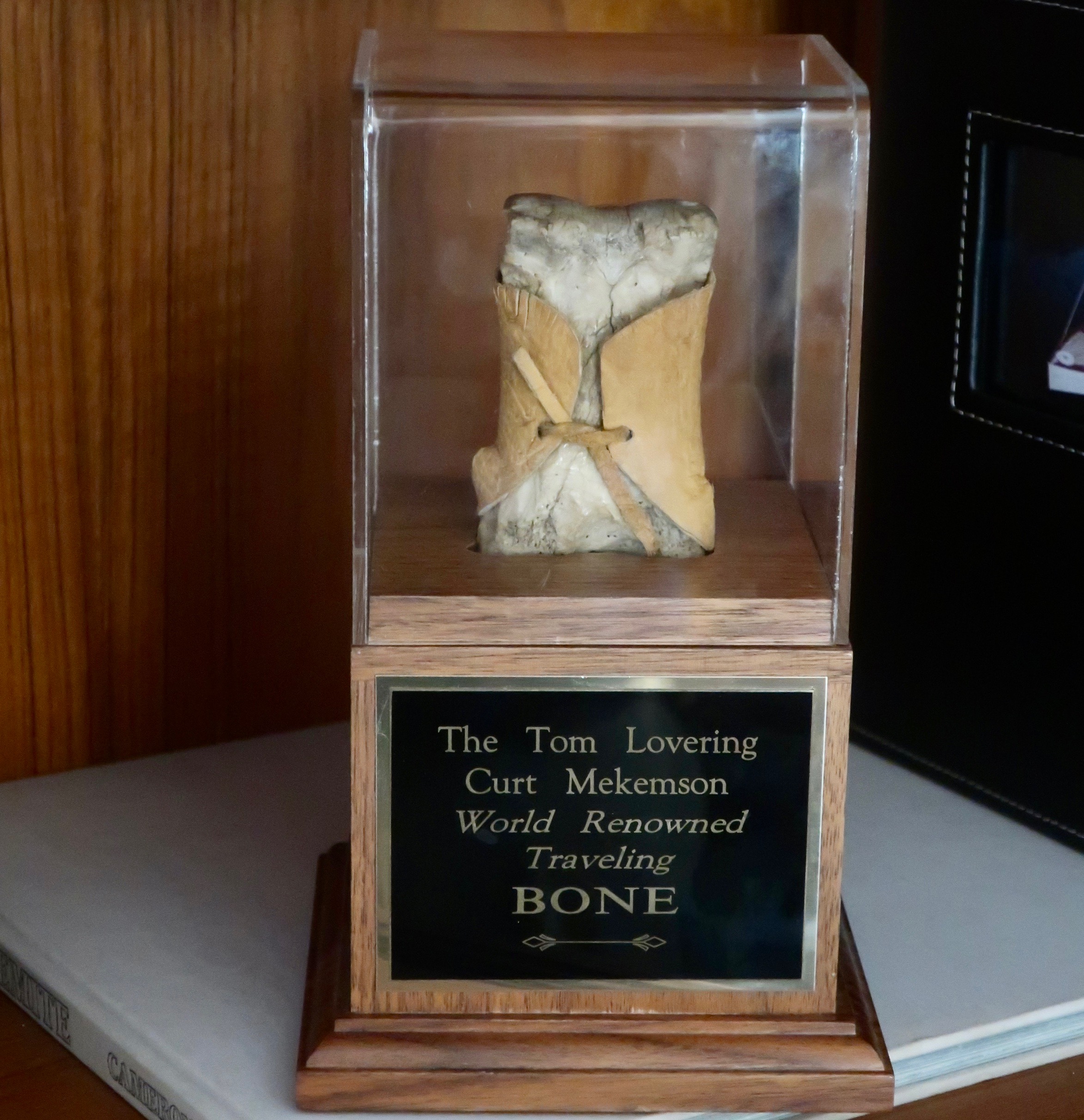
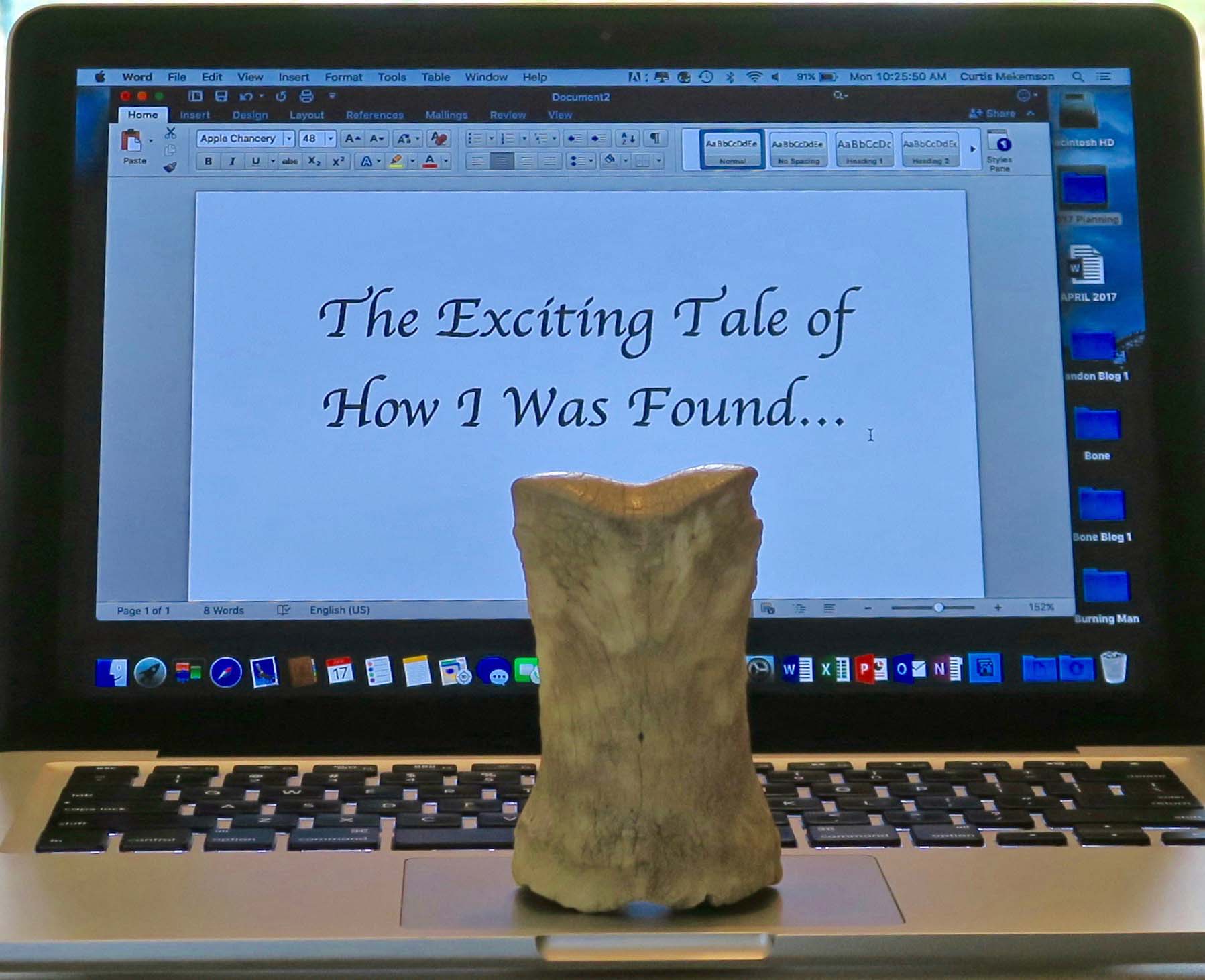
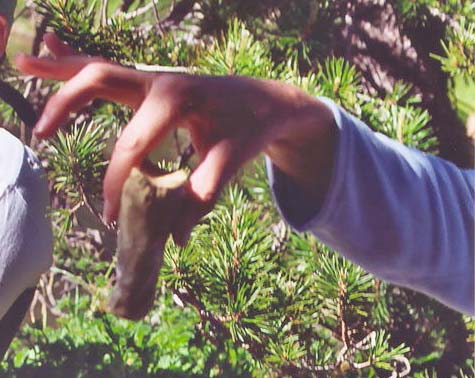
But hey, I’m a man who has been carrying a horse bone with him as a traveling companion for 48 years. What could possibly go wrong? Join me next Thursday as I get kicked out of the First Grade and learn that the graveyard next door is a very scary place at night.


Today’s post on deer is part of our focus series where I make use of our extensive photo library to feature a single subject. From 2011 to 2021 we lived in Southern Oregon up in the mountains about 30 miles west of Ashland on five acres that backed up to a million acres of national forest. There were many things that we loved about the property. The deer herd that insisted on calling it home was a big one!


On Friday I will do the intro to the my memoir: UT-OH. I am blogging one chapter at a time. I am quite excited about the book and have already written 22 chapters. Please join me.
2025 was a good year for us from a travel perspective. We stayed home, so to speak, and limited our wandering to Hawaii, the Southwest, and New England. Now we have the itch to go abroad again. We’ve chosen three areas known for their beauty, culture, wild areas— and relative safety: Costa Rica, Scotland, and Bali.


Naturally, we will be blogging about our journeys. But there is more, as they always say on late night TV ads. Or at least they used to. Peggy and I don’t stay up that late and most of our TV time is streaming without ads. I am continuing our focus series over the next two months and beyond. “Oh Deer” is my next one. I’ll be featuring the herd that lived in our backyard in Oregon and liked to stare at us through the windows.

And finally, I’ll be offering a new series I’m calling “Ut-Oh” where I will be pulling together posts that I have included on my blog over the past 15 years plus new material featuring my more serious/humorous misadventures in my life. I’ll do an introduction to it next week.


Our 2025 wrap-up is based on three trips we made during the year and blogged about. The first was Hawaii, which I posted two weeks ago. The second was our Southwest journey that I posted last week. Today we are covering our third, and final trip of the year: The leaf-peeping drive through New England in October and November.
While the photos we selected for the Hawaii and Southwest were ones we chose to use in our annual family calendars, this one is different. Because our New England trip was recent, I’ve selected photos not used in the calendars. Most were also not used in our blogs—sort of a third level, so to speak. But, in New England, even ‘also-ran’ is colorful!
Drive down any country road in New England at the right time in the fall and you will see what leaf peeping is all about. In the photo above, the road wasn’t filled with as much color as many we drove down, but the reddish-orange tree lit up by the sun was enough for us to snap a picture out the window.


As we noted in last week’s post, our 2025 wrap-up is based on three trips we made during the year and blogged about. The first was Hawaii, which I posted last Monday. Today’s post features our Southwest journey where we wandered through the Southwestern US for five months visiting national parks, state parks, and national monuments. Next week’s post will cover our three week leaf-peeping trip through New England in the fall.
The photos used in the three posts are all from ones we selected to include in three calendars we developed for our extended family, each focused on one of out trips. (Not all of the photos here made it into the calendars, but it was a flip-of-the-coin type decision.)
We discovered the towering rock above in Chiricahua National Monument, which is located in southeastern Arizona. The monument is named after the Chiricahua Apaches who roamed the area prior to it being occupied by pioneers from the eastern US. A couple of notes. One, the park is filled with a fascinating variety of rock structures. Two, we have discovered over the years that national monuments often include scenery, geology, history, plants and animals that easily match those found in national parks. They are definitely worth visiting and are usually far less crowded.


Happy New Year to everyone and thanks for joining us on our adventures in 2025. It’s much appreciated. Costa Rica, Bali, and Scotland are coming up in 2026! Curt and Peggy