Introduction to the National Park Series… A Quick Review of the Five We Have Visited in 2024

Each national park has its own beauty and uniqueness. We visited the Florida Everglades in February just before we started our trip west.

Peggy and I are great fans of national parks. Each has its own beauty and uniqueness. After all, that’s how they become national parks! In 1999 Peggy and I took a year’s sabbatical from our jobs for an extended trip around North America. One of our goals was to see as many national parks as we could. We ended up visiting 50, which was close to all that America had at the time. We also visited Canadian national parks as we drove the Alaska Highway up and back from Alaska.

We’ve continued to visit parks ever since. Several, we have returned to many times. Our journey up the Pacific Coast that we just concluded included four. I’m going to do a quick review of them today and throw in the Everglades since we were there before we headed west. Then I will move on to the two parks we just visited: North Cascades and Glacier. But there is more—as they always used to say on late night tv ads.

Over the past three years, as Peggy and I zigzagged our way across the US six times, we visited several parks including four that I didn’t have time to blog about: The North Rim of the Grand Canyon, Mesa Verde, Big Bend, and Theodore Roosevelt. That will bring the total in this series to 11 counting today’s review. Let’s get started! Note: All photos in this series were taken by either Peggy or me unless otherwise noted.

THE EVERGLADES

One way to think of the Everglades is as a vast, slow flowing river spread out over 7,000 square miles. According to the National Park Service, the “Everglades are home to frogs, toads, alligators, hundreds of species of birds, 300 different species of fish, Florida panthers (endangered), crocodiles, and snakes, just to name a few!” There are, also, more mangroves than anywhere else in North America.

The bird life was incredible! It ranged from Osprey…
To anhingas…
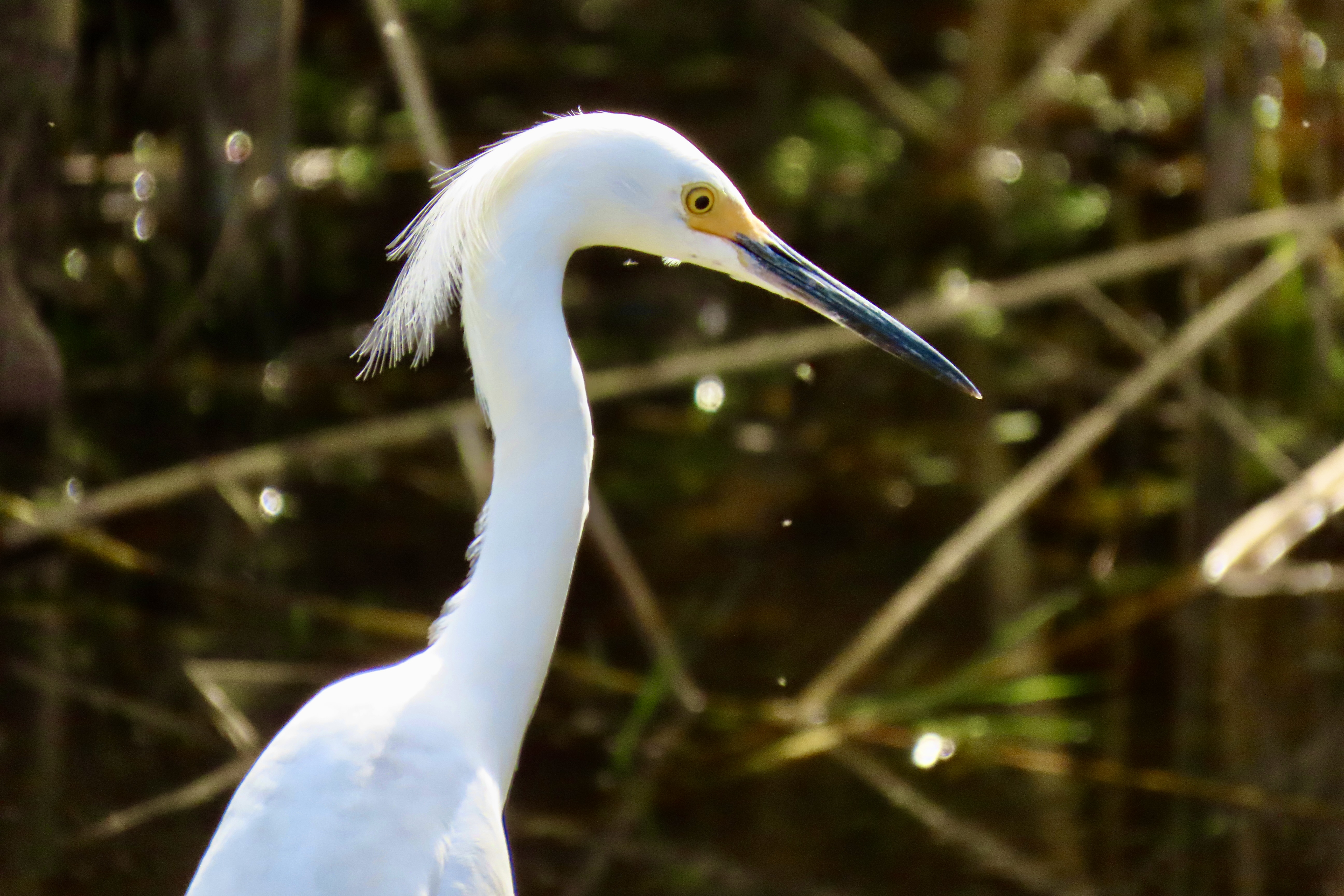
To snowy egrets…
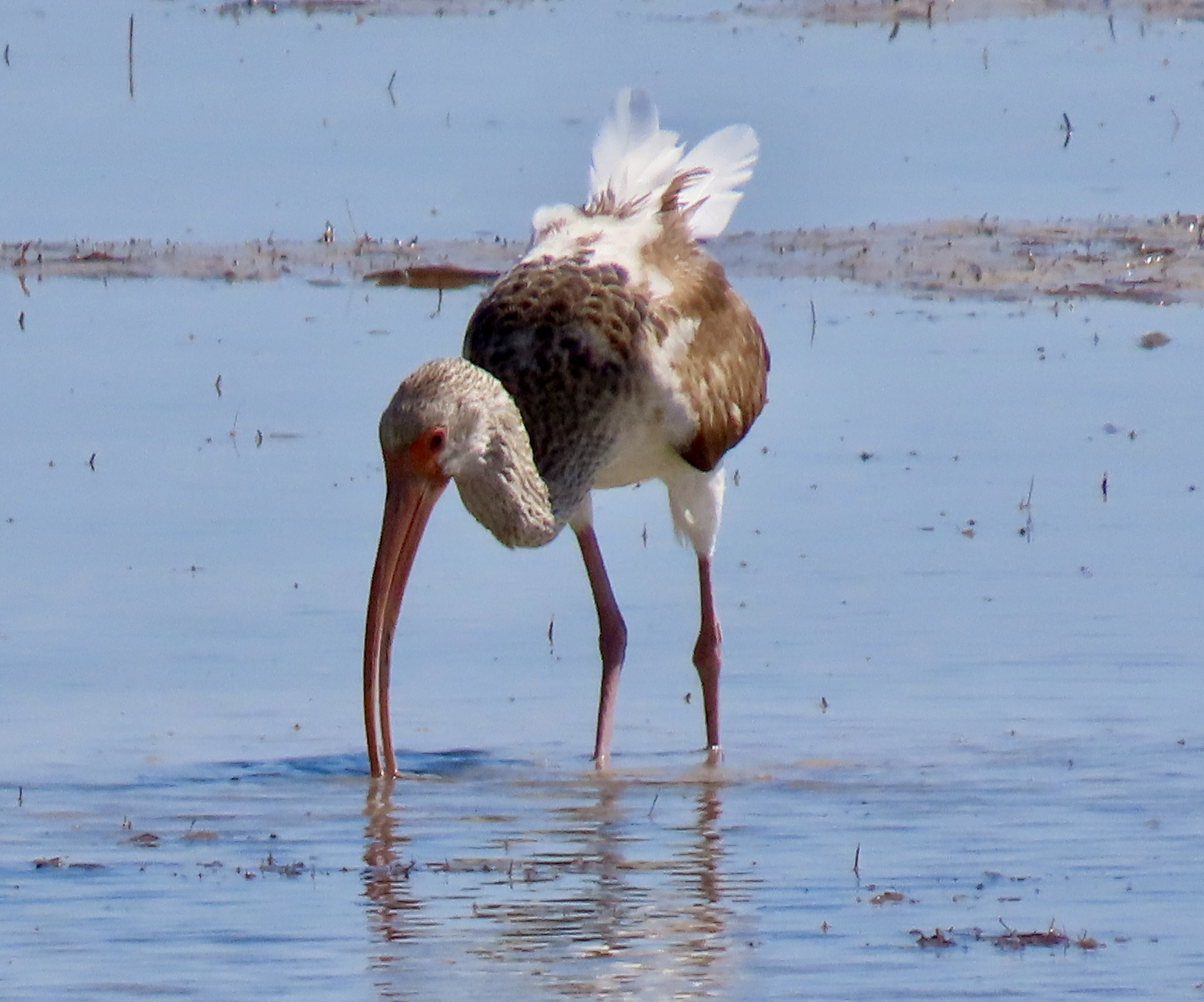
To ibis and many, many other species.
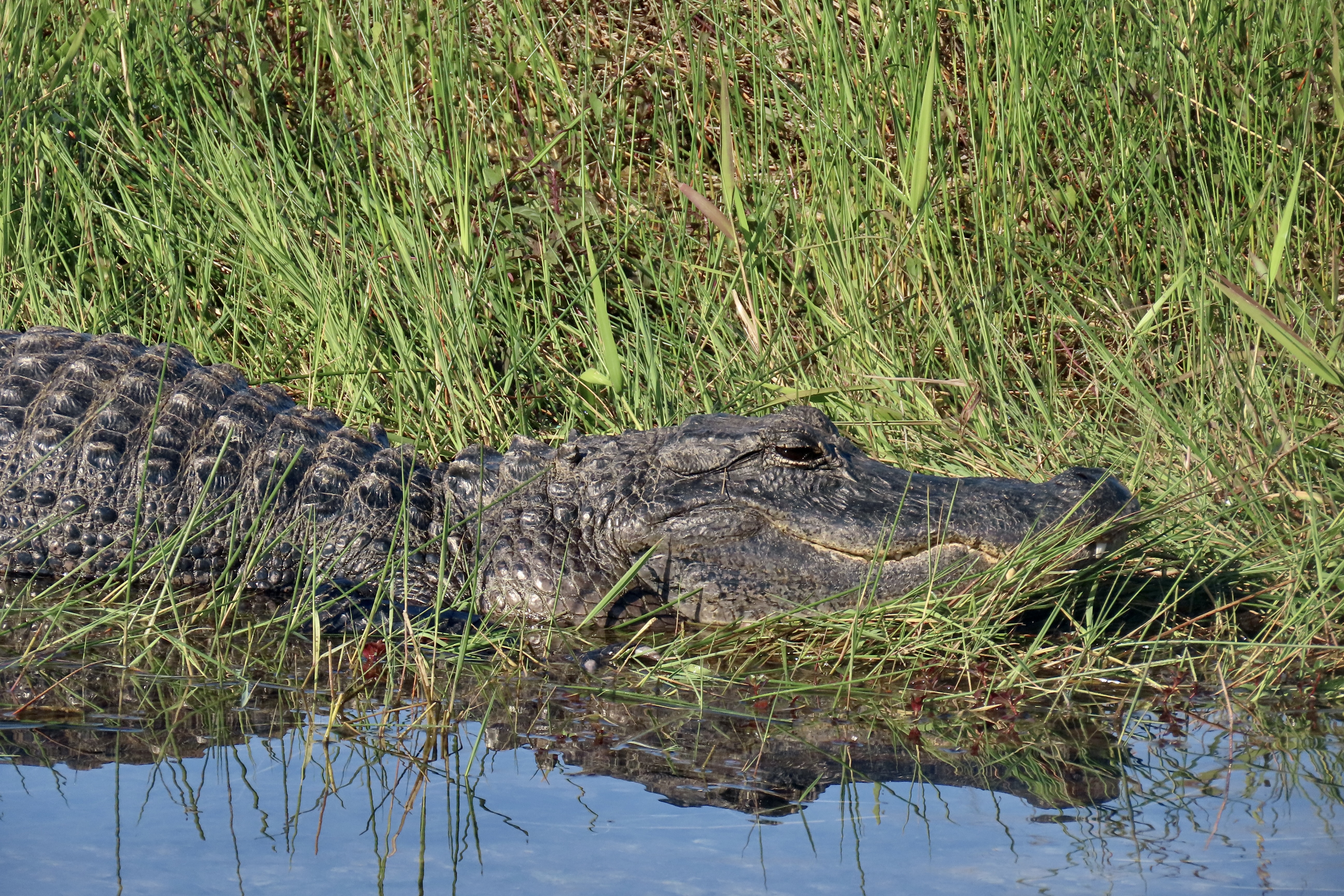
We also saw a number of alligators, and several crocodiles. We liked the reflection on this alligator. The look on its face made us wonder what it had been up to!

THE PINNACLES…

The Pinnacles National Park, located just east of the Salinas Valley in central California, was the first national park we visited on our trip up the coast. Raised to national park status in 2013 by President Obama, it is a recent addition to the system. The park is noted for its monoliths, spires, canyons and the beauty of its spring wildflower display.

Huge monoliths rise up from the ground…
As do impressive spires.
Massive boulders have tumbled down from the ridges creating talus slopes and ‘caves’ people can actually walk through. This small one contained a creek we followed up a canyon.
We were there in April and wildflowers were everywhere. We had never seen a shooting star displaying this many flowers.
A lone oak standing on the crest of a hill caught our attention.

POINT REYES NATIONAL SEASHORE

Technically, Point Reyes National Seashore is not a national park. The primary reason is that the land incorporates a number of dairy ranches that were there before the park was created. But it is a unit in the national park system. And, I might add, a well-justified unit. Located just north of San Francisco, it is renowned for its beauty and wildlife. It also has the interesting geological history of having migrated north from Southern California along the San Andreas Fault. (Pinnacles has a similar history.) I was a regular visitor during the years I lived in Sacramento. It served as my winter go-to break. The summers were for the mountains.
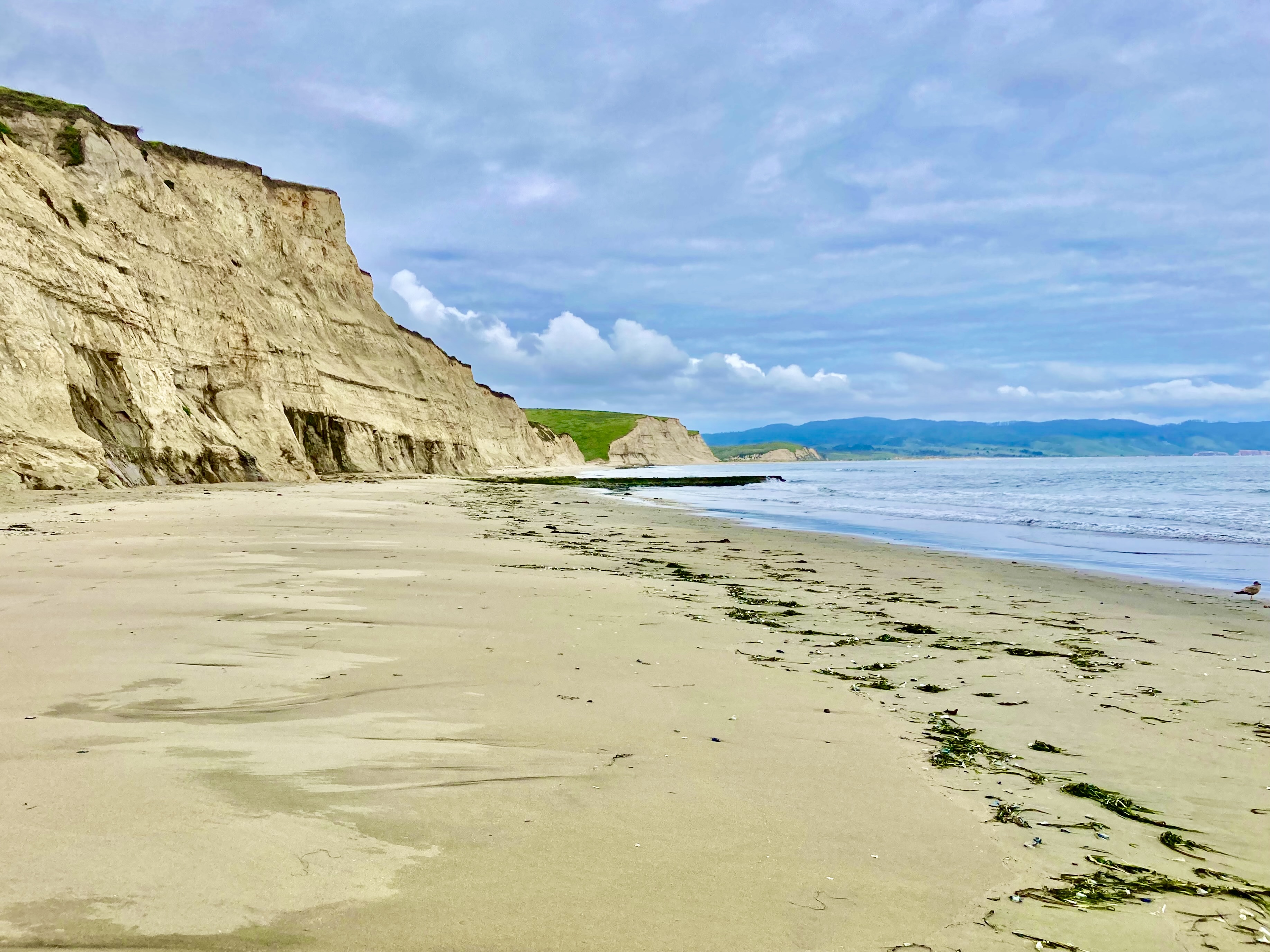
Long Beaches with spectacular cliffs, forested mountains, grass covered hills and valleys, plus abundant wildlife contribute to the appeal of the park. During December through March, this beach will be busy with elephant seals breeding and having pups.
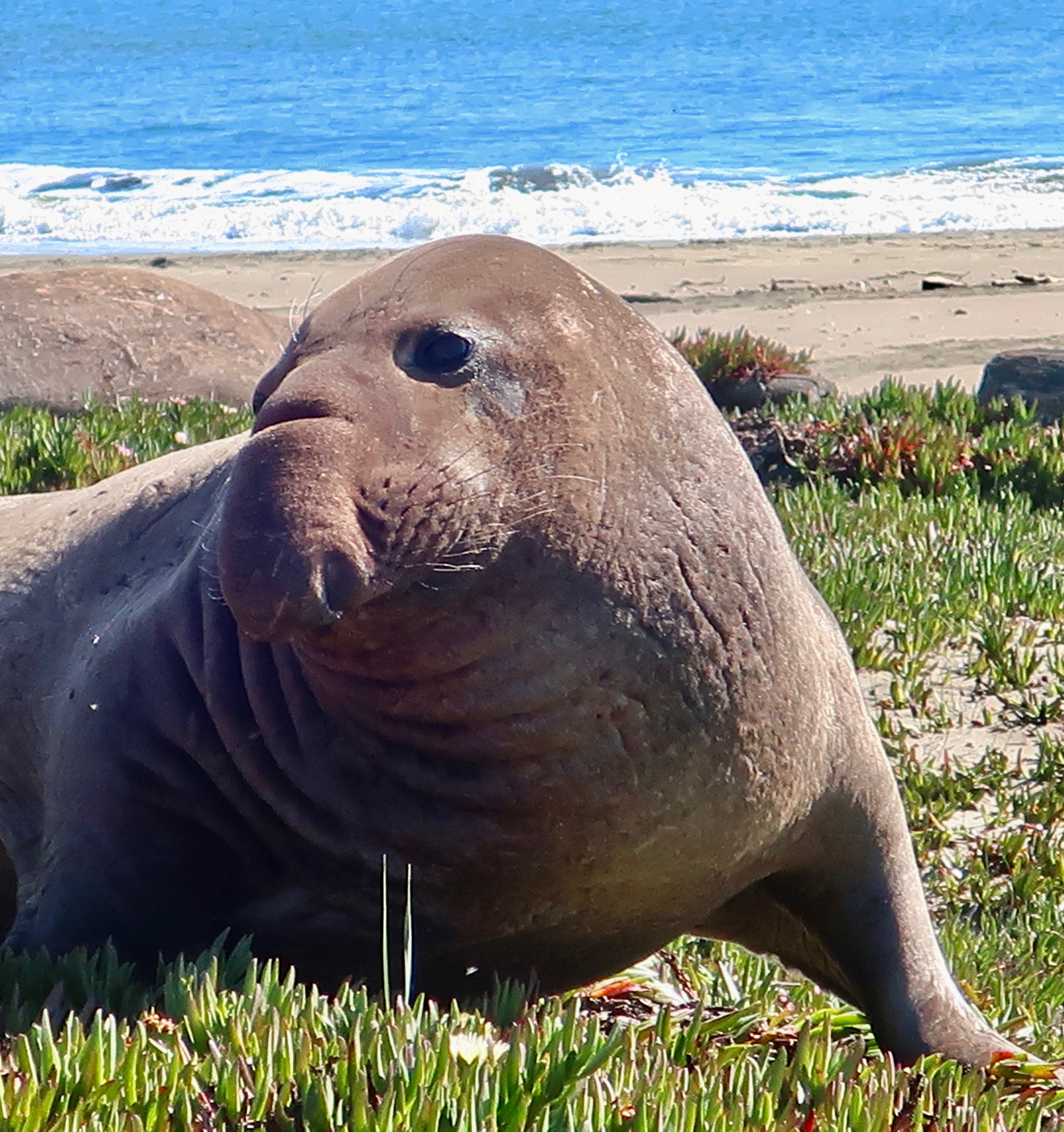
We found this charming fellow and other elephant seals at Drake’s Beach on a previous visit. He’s come ashore looking for love.
This whimbrel was strolling down the shore at Limantour Beach.
A great blue heron made a lightning fast strike to catch a fish at Abbots Lagoon.
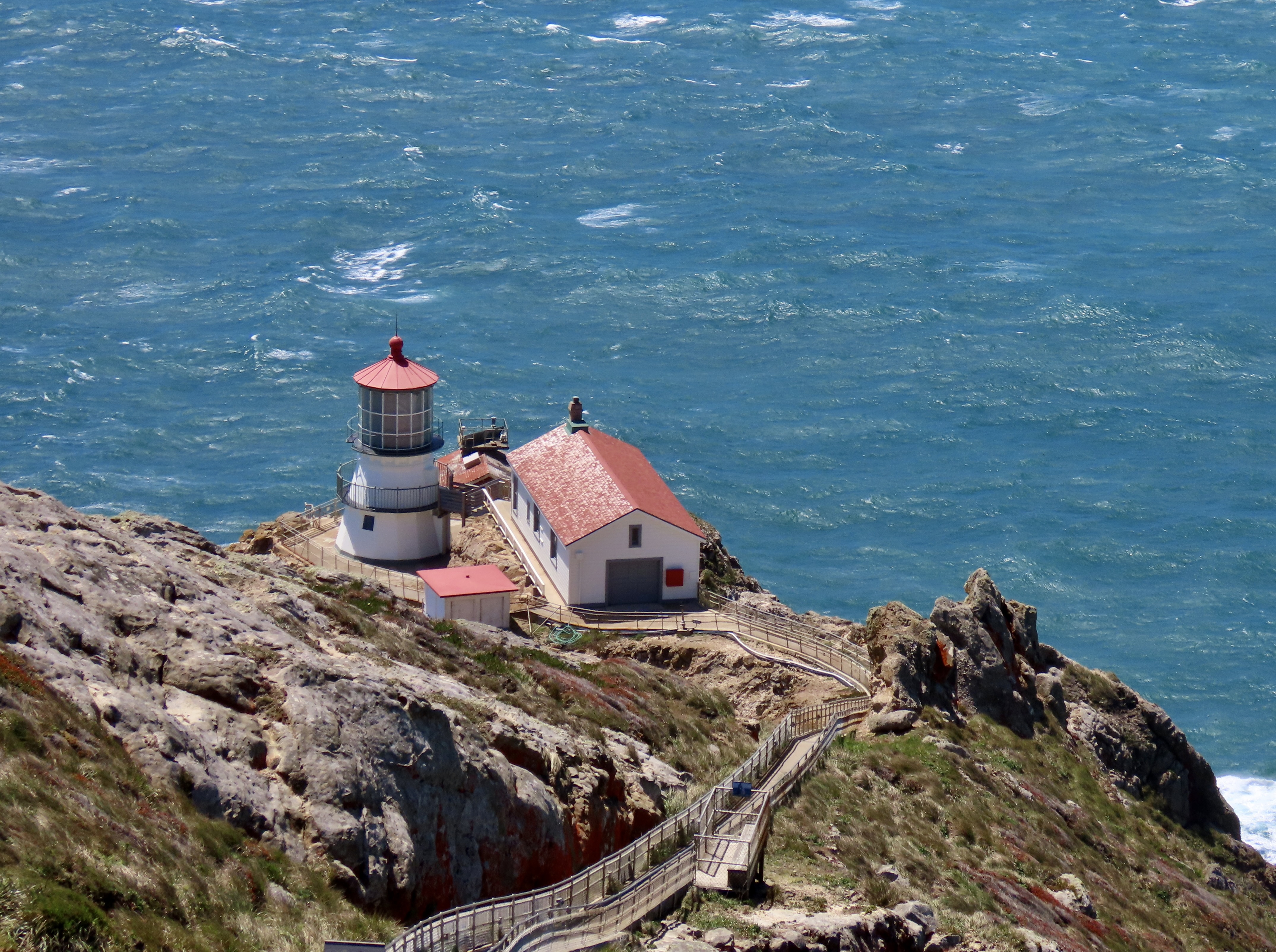
The Point Reyes Lighthouse, always worth a visit.
The Pierce Point Ranch provides an introduction to the historic significance of dairy farming at Point Reyes.
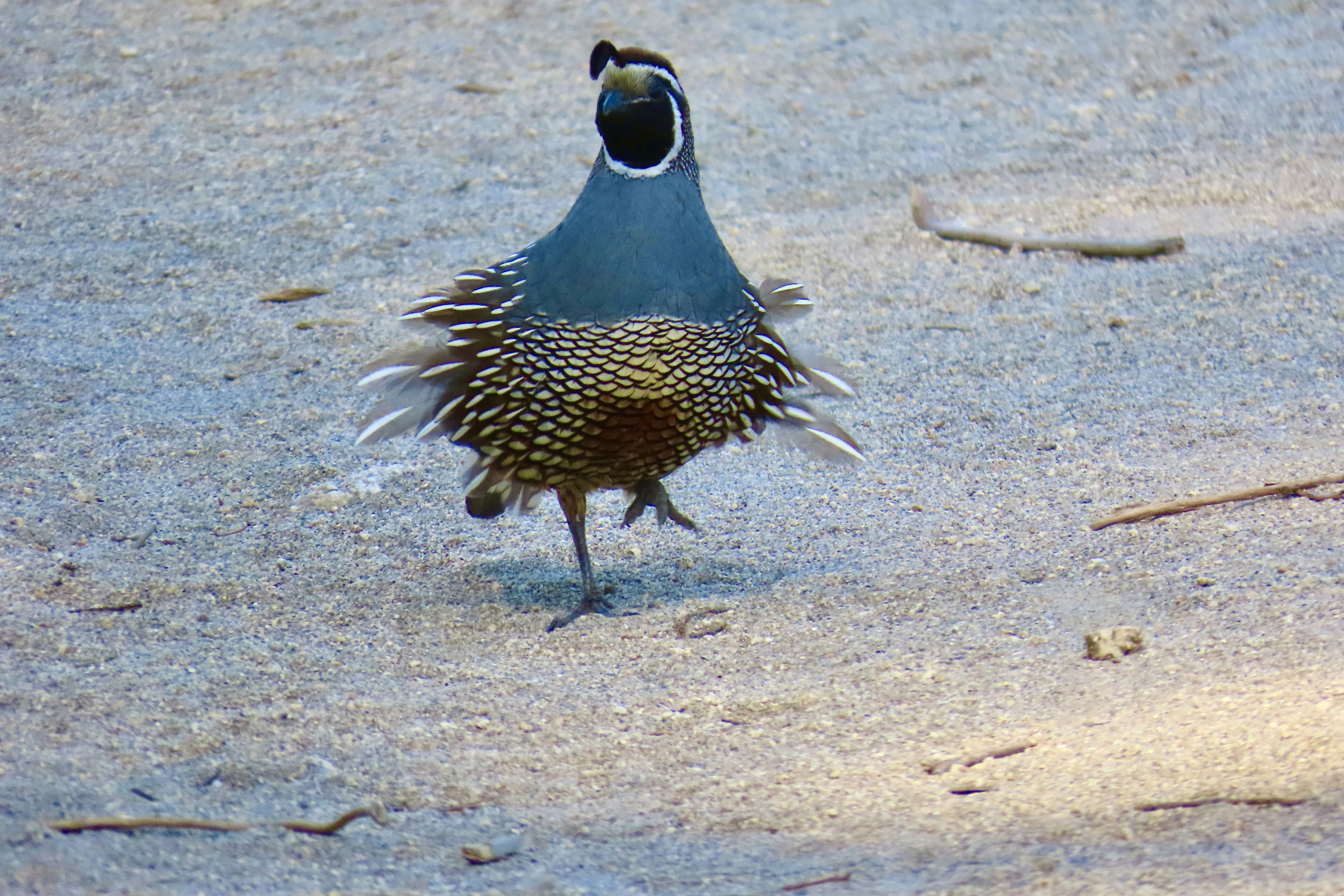
California quail were running around the ranch when we visited. The wind was ruffling this guy’s feathers.
And a large herd of tule elk is usually found nearby.

REDWOODS NATIONAL PARK

The National Park Service works in close coordination with the California Department of Parks and Recreation to maintain the towering redwoods that grace the coastal area of far northwestern California. It’s all about the trees , some of the oldest and tallest in the world, but its rainforest character, crashing waves and wildlife add to its splendor.

Massive trees reach for the sky…
Crashing waves roll ashore…
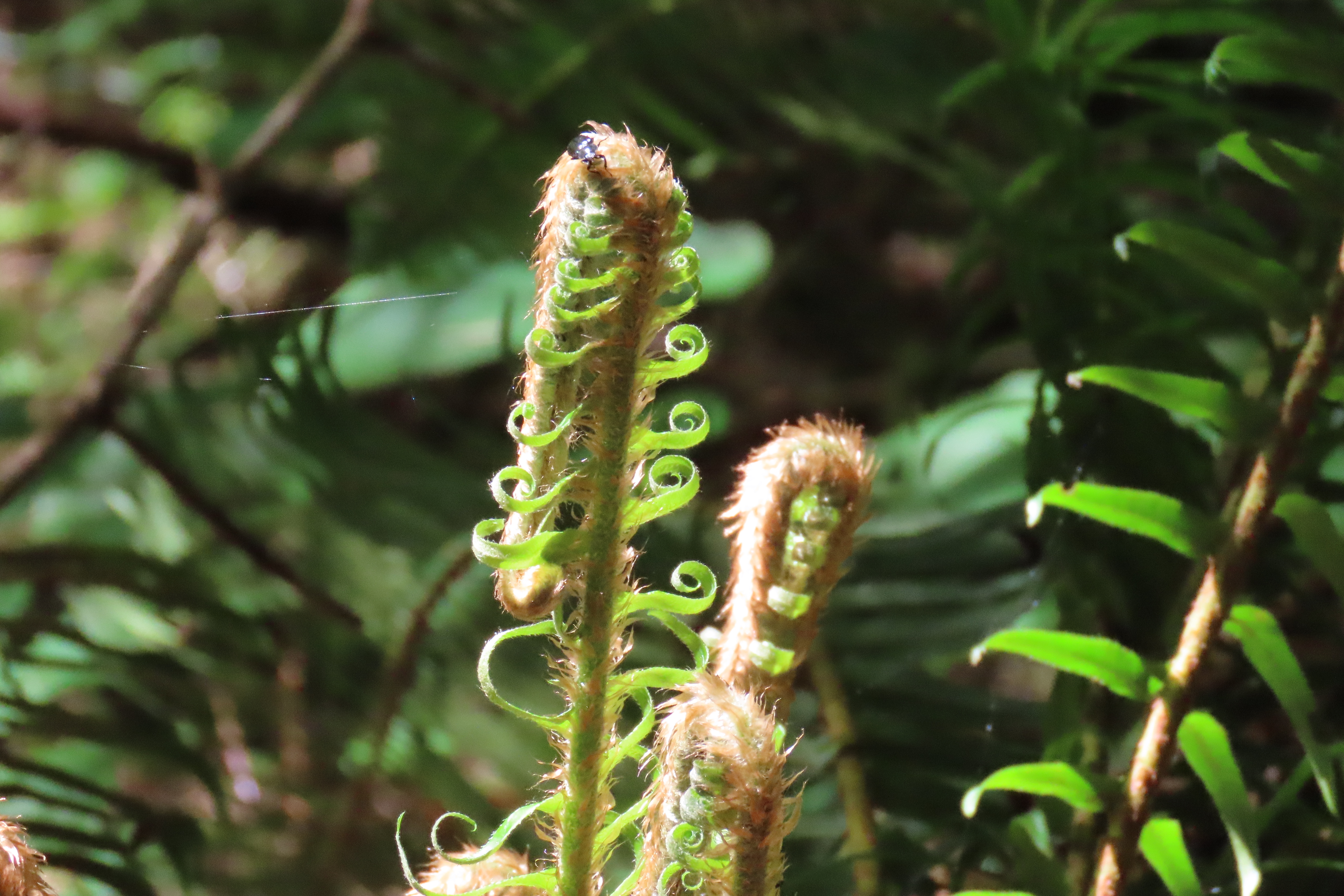
The rainforest harbors ferns whose origins are lost in the mist of time…
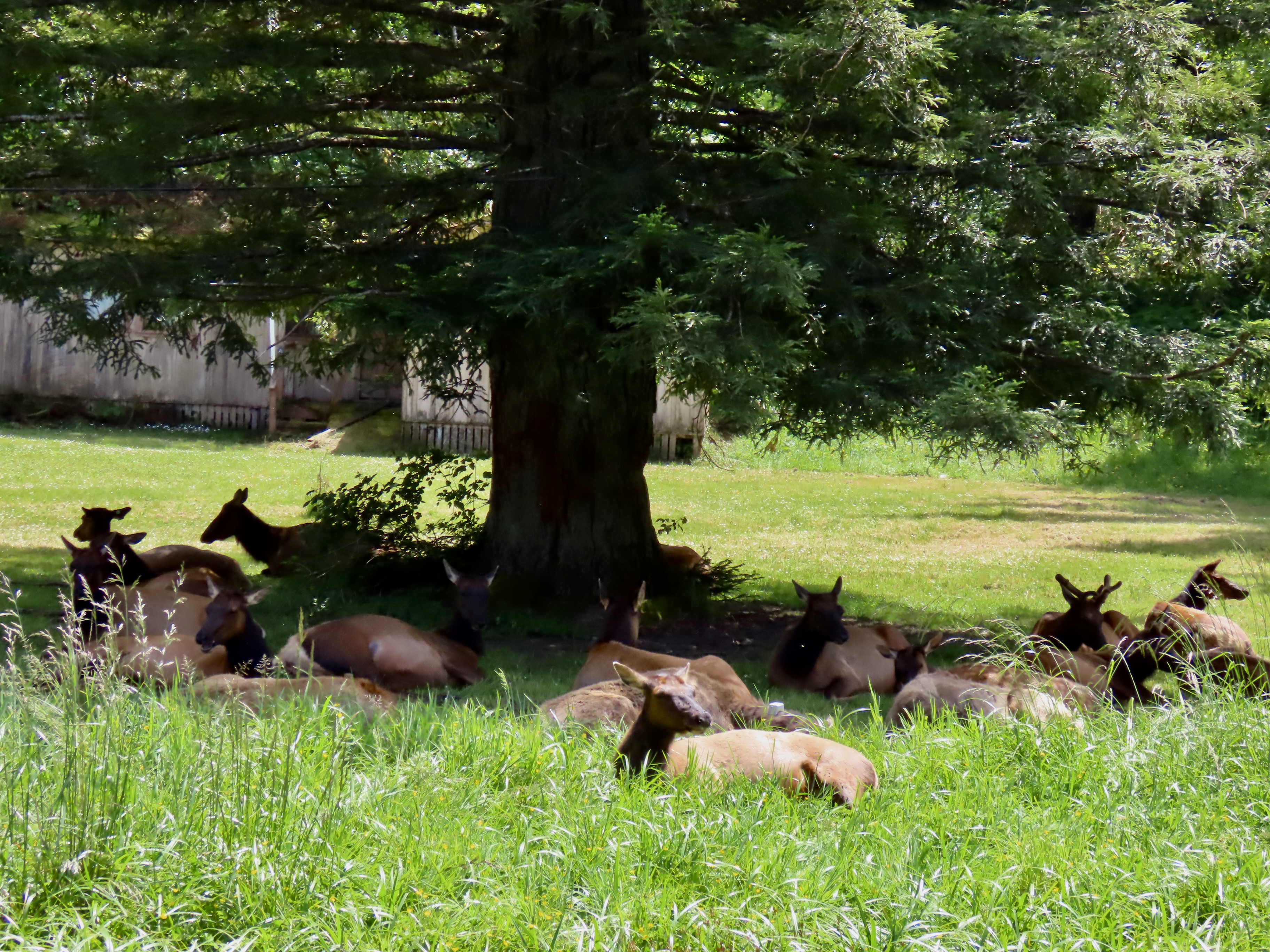
Herds of Roosevelt elk are as likely to be found bedding down in someone’s front yard as they are wandering through the redwoods…
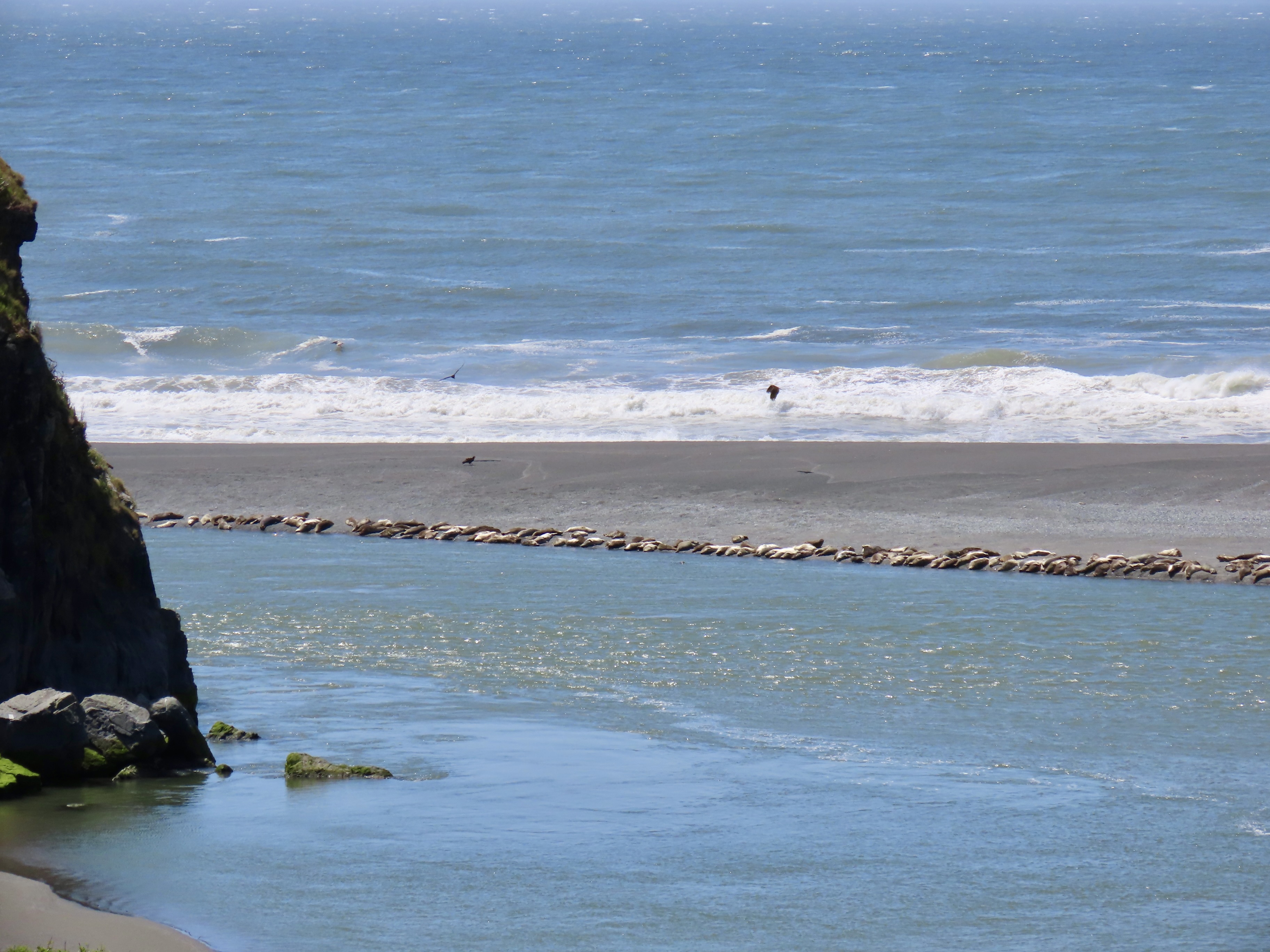
And hundreds of seals pull up on remote shores to rest and bathe in the sun.

OLYMPIC NATIONAL PARK

Olympic National Park serves as an iconic example of a temperate rainforest receiving over 150 inches of rain on its west side while harboring old growth forests on its drier east side. Major rivers come tumbling down from its glacier covered peaks. Its 62 miles of wilderness coastline constitutes the longest undeveloped coastline in the contiguous US. As I noted in my post on Olympic National Park, our visit was limited this year, so I have added a couple of photos from previous trips. The other photos you will probably remember from last week!

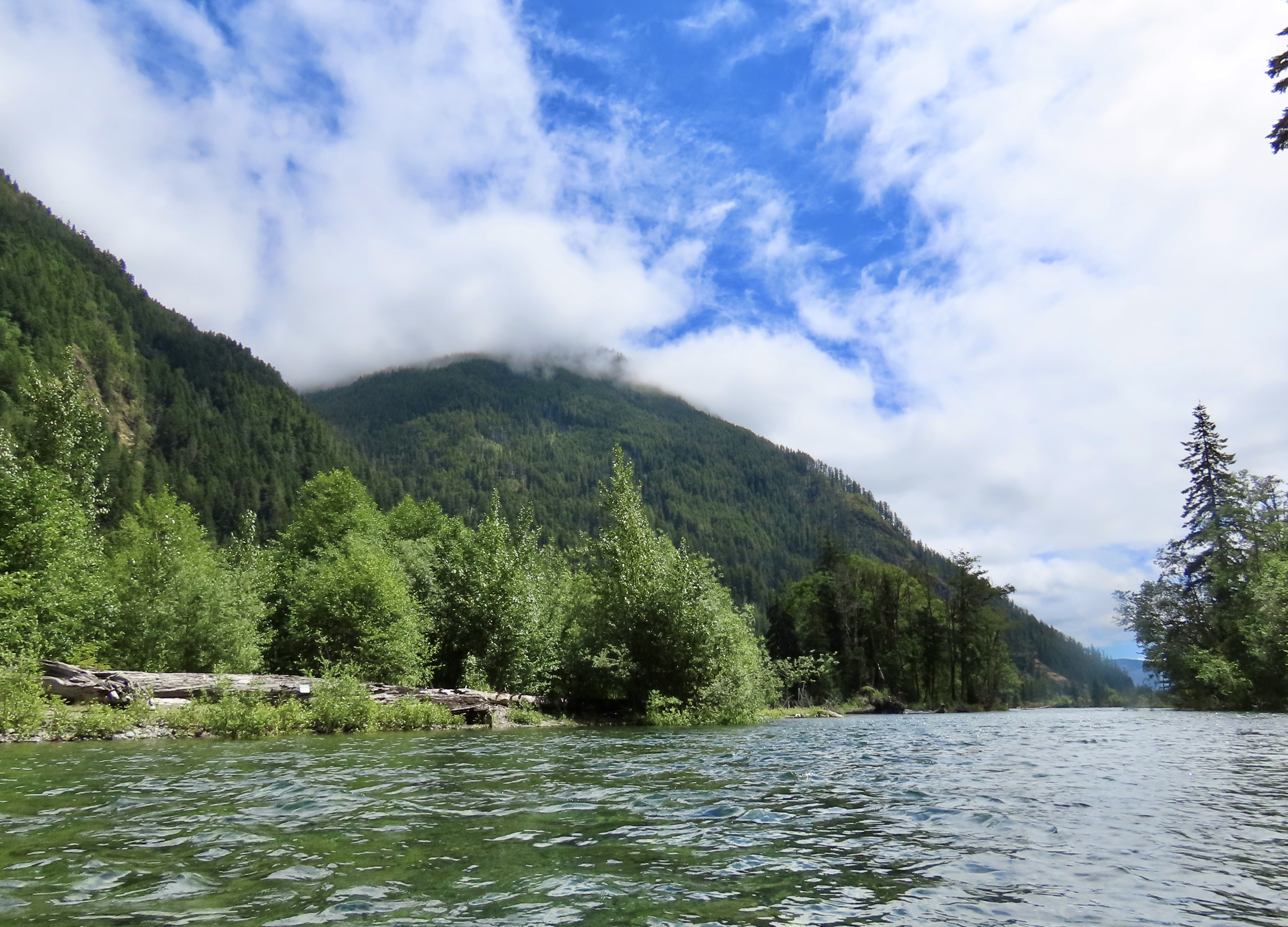
The Skokomish River is one of several that flow out of the park fed by the extensive rainfall and high glaciers.
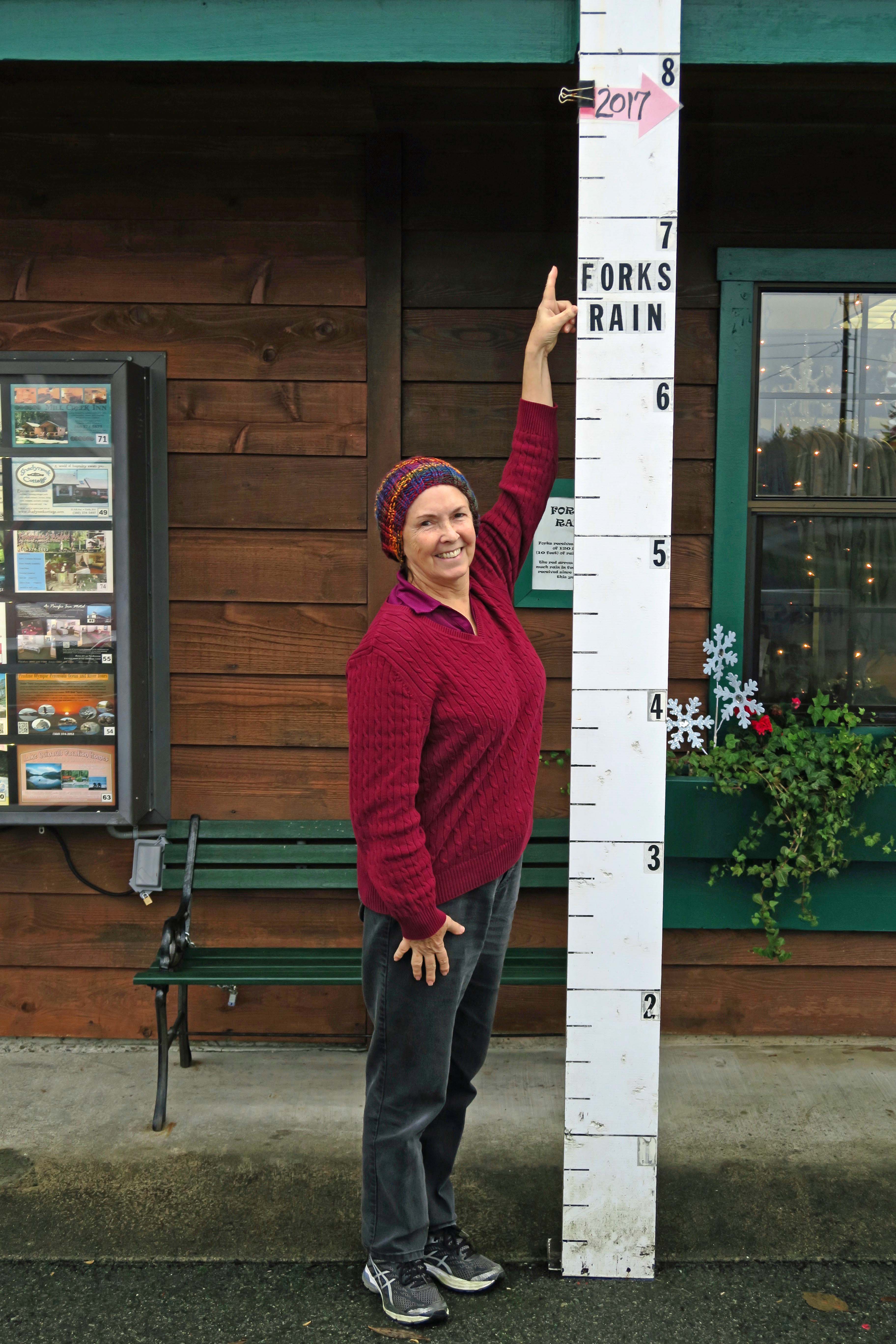
Photo of rainfall at Forks, Wa. by Curtis Mekemson.
In 2017 we stopped in the small town of Forks (home to the Twilight books and movies) on the western side of Olympic National Park. Here Peggy points out how much rain the park had received by November.
On that same trip, we drove over to the wilderness part of the park that runs along the Pacific Coast. Here Peggy is admiring sea stacks. Huge piles of driftwood brought in by Pacific storms stretch up the coast.
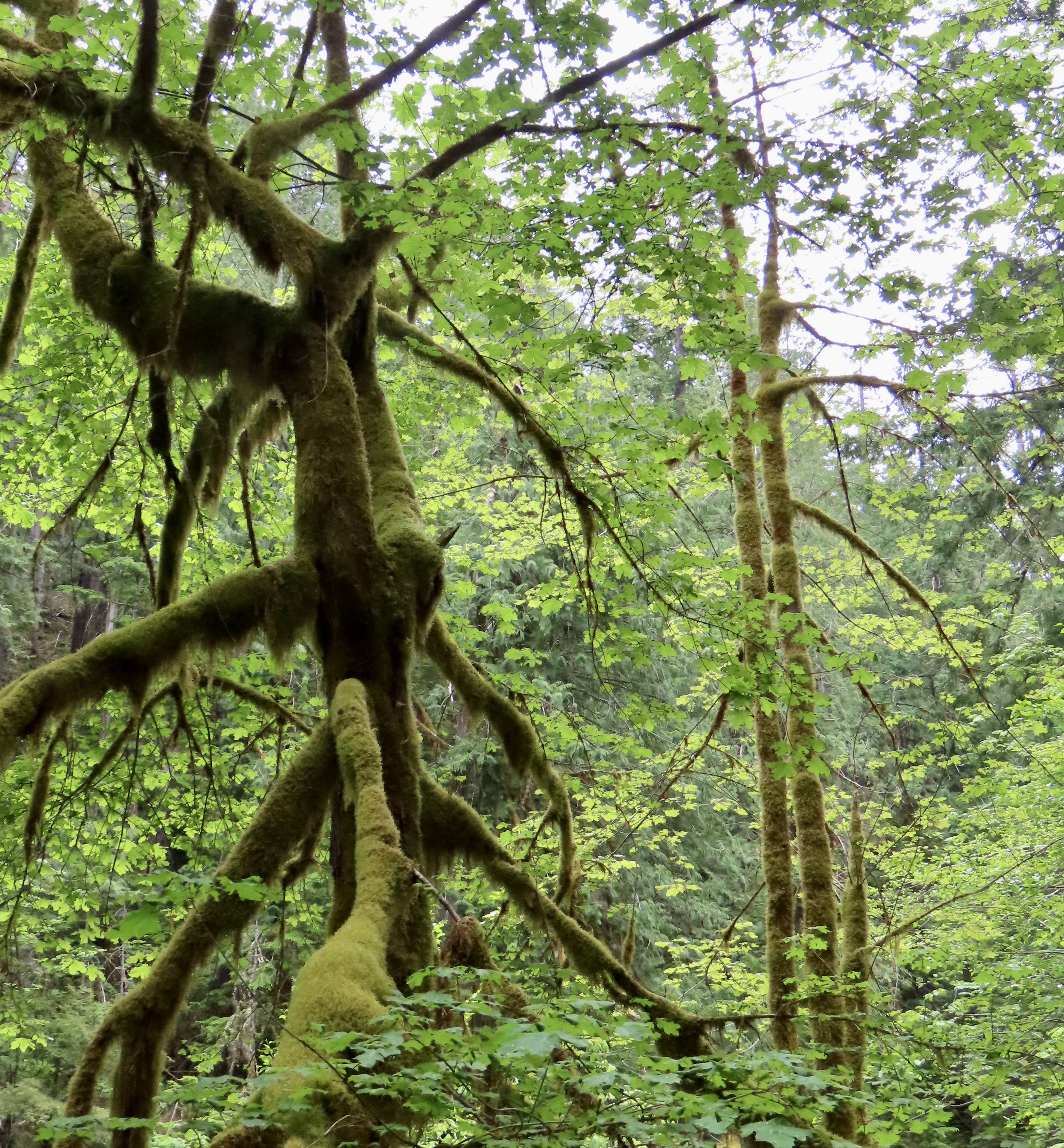
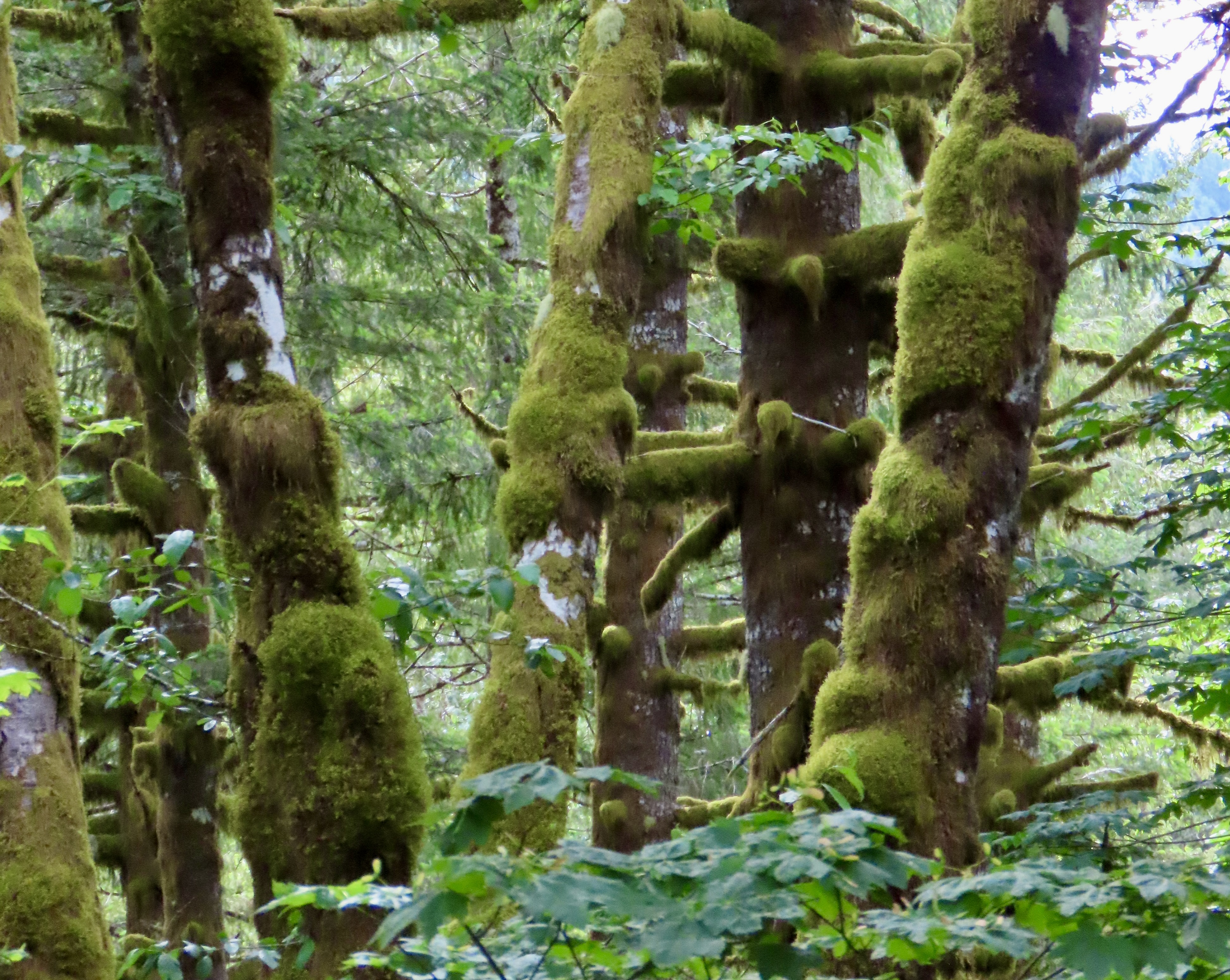
Back on the southeastern portion of the park, we admired the moss covered trees that are typical of temperate climate rainforests.
Our hike up the Staircase Rapids trail along the Skokomish, led to this view we had when crossing a bridge that had been wiped out twice before by the raging river during spring melt.
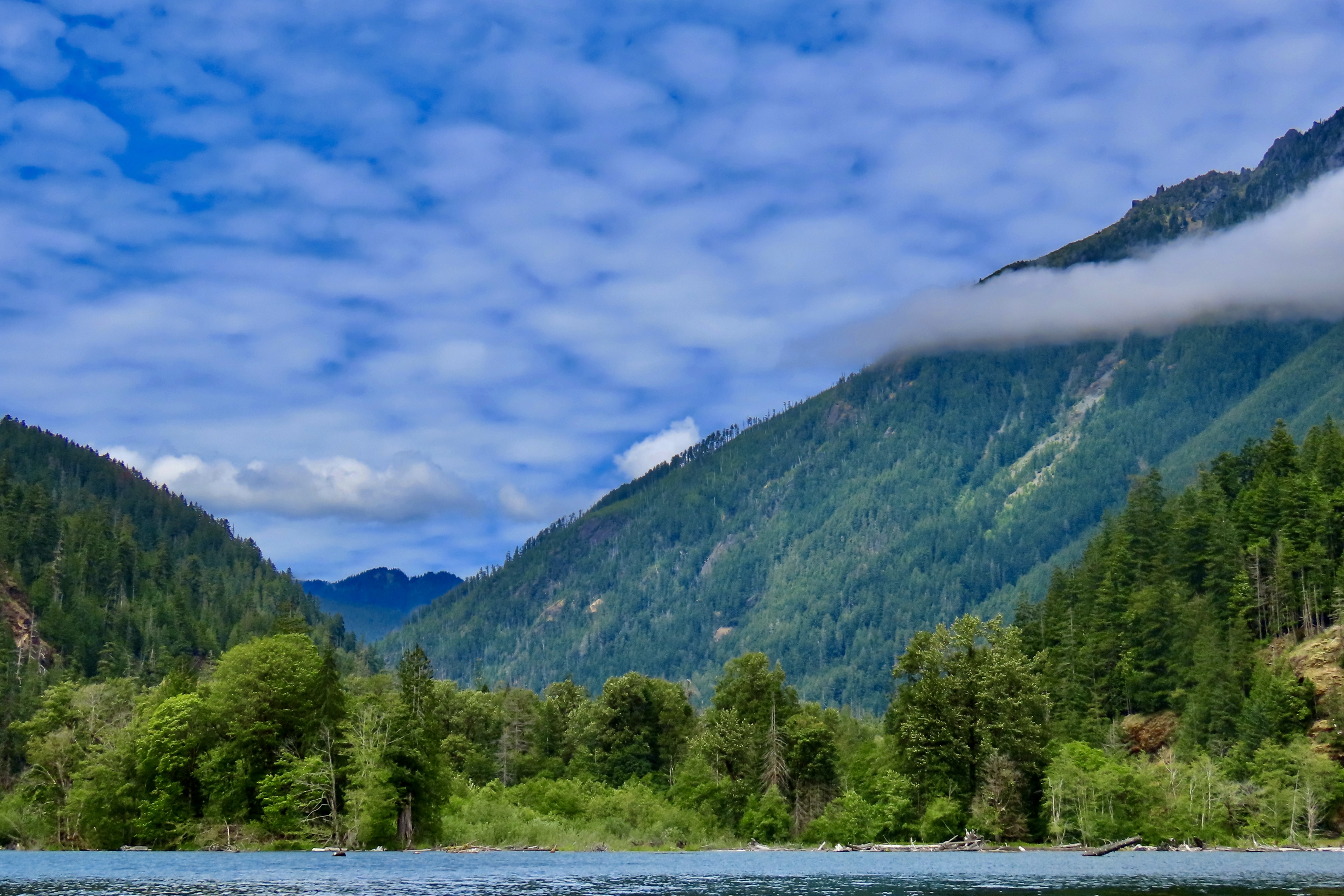
A final photo that provides a view into the park from our kayak trip on upper Cushman Lake. Next, we will explore the impressive mountains of Cascades National Park as we leave our trip up the Pacific Coast and start our journey back to our basecamp/home in Virginia.
Cascades National Park

Olympic National Park: Kayaking… The Pacific Coast Series #24

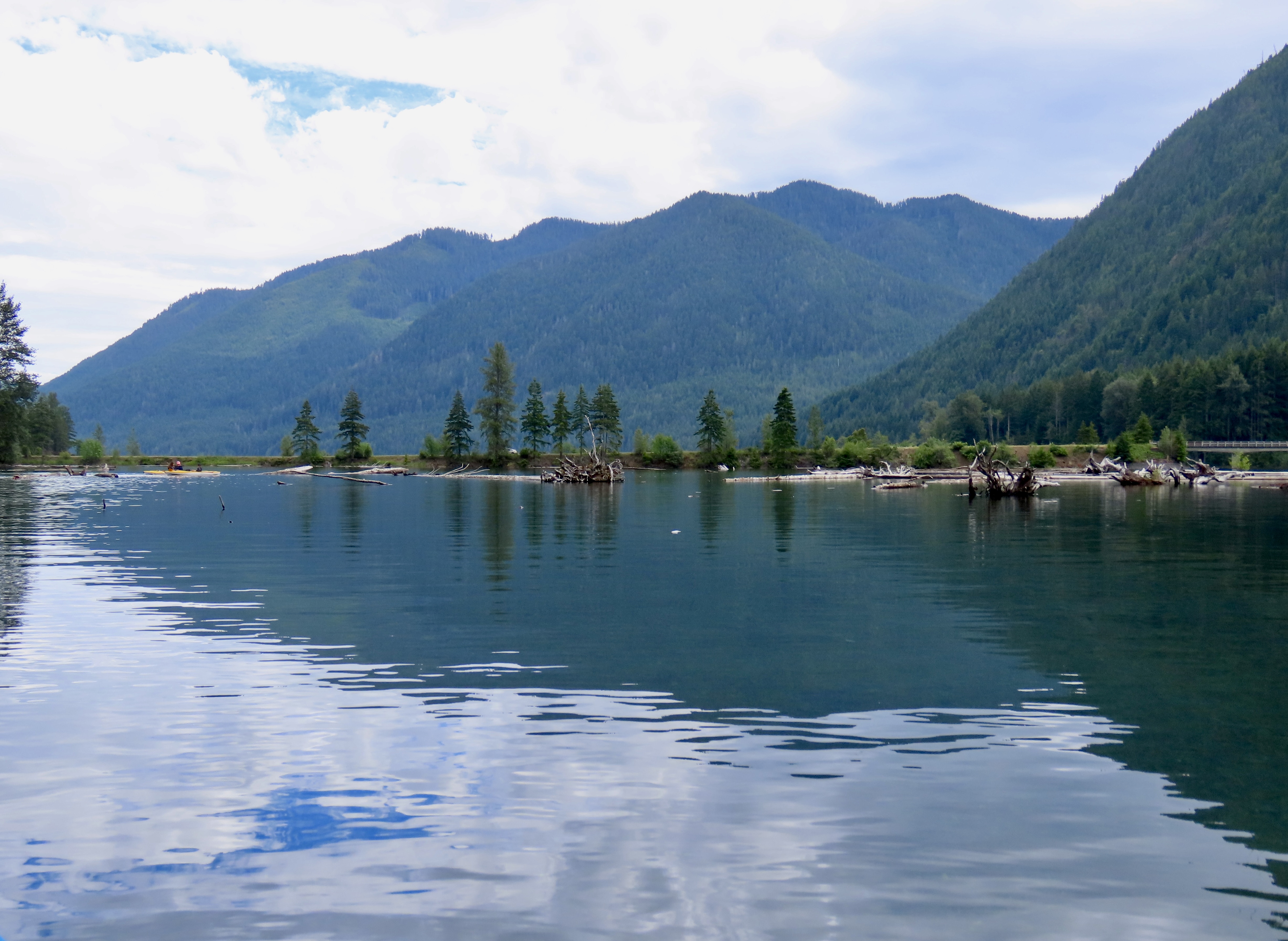
Cushman Lake is a fairly large lake around 10 miles in length and a 100 feet in depth. While it isn’t in Olympic National Park, the northern end where we kayaked serves at the gateway to the Staircase entry to the park. The road into the park can be seen on the right. The Skokomish River, which I featured in my last post, flows into the lake at the upper right end of this photo.
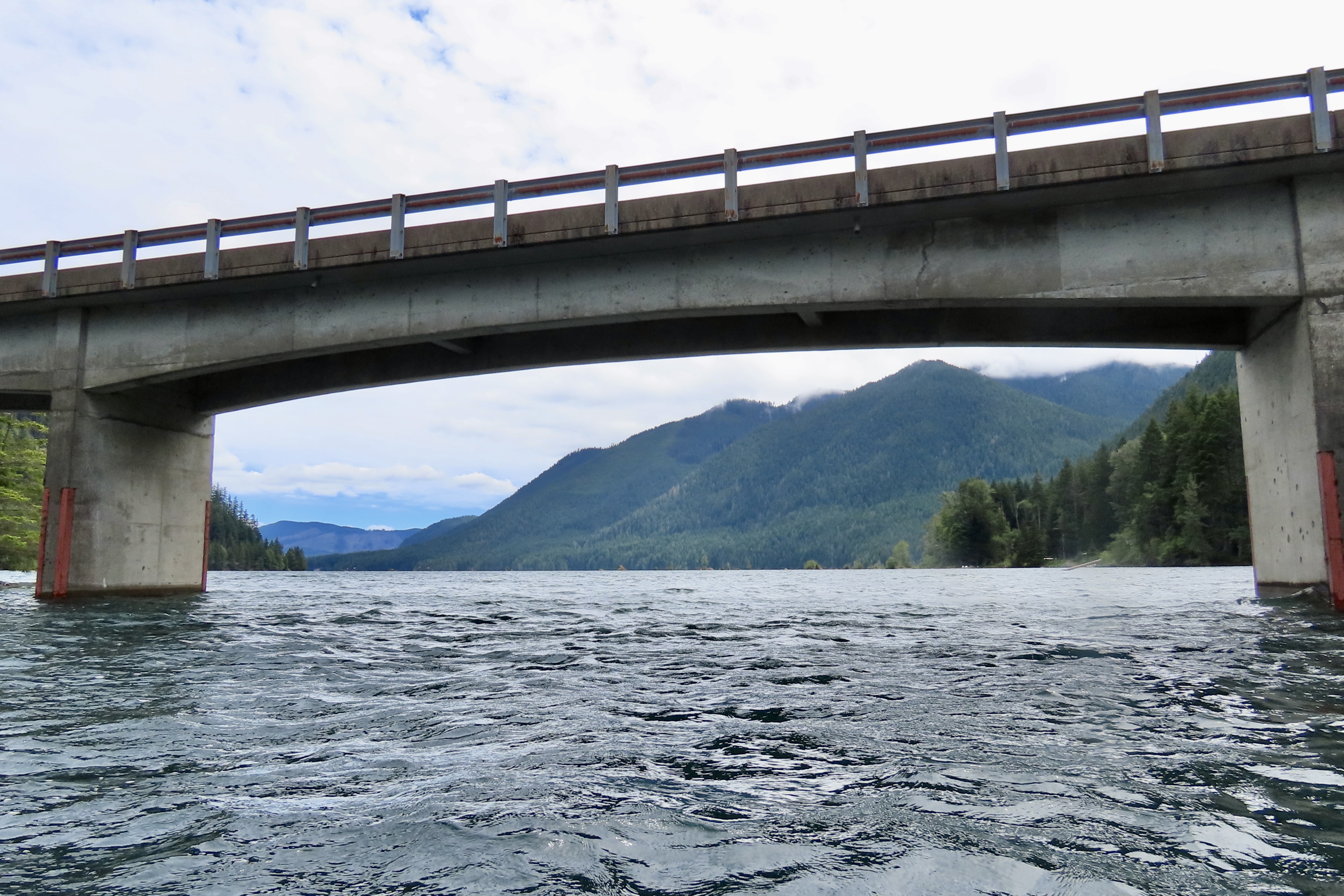
The upper end of the lake is connected to the lower end via the bridge on the left. We kayaked from the Bear Gulch Picnic Site and explored this upper section including the lower end of the Skokomish River.
The red pin shows the location of Lake Cushman in Washington. Note: Forks, the site of the Twilight books and movies, is on the upper left. We were camped near Shelton.
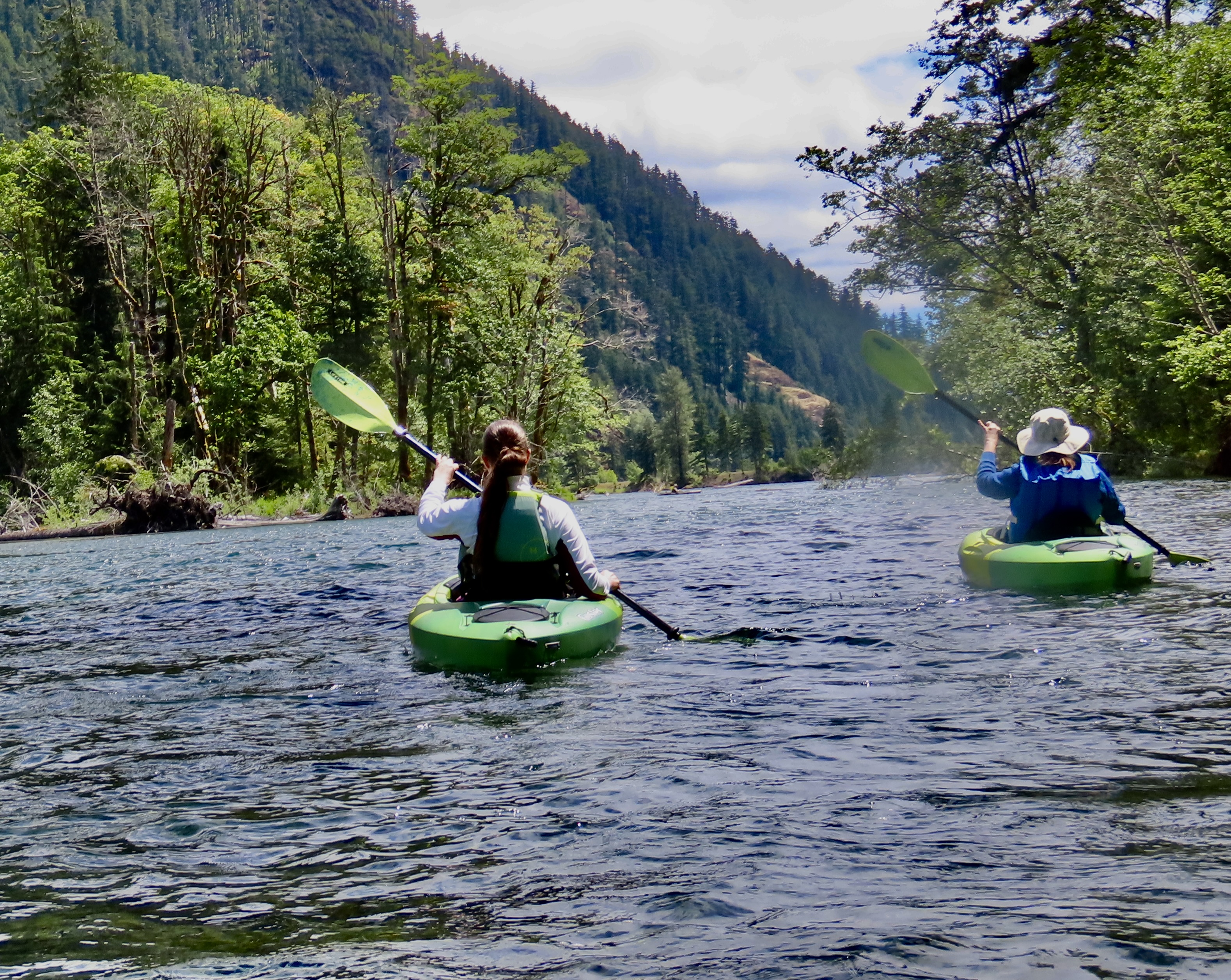
Our niece, Christina and Peggy are kayaking into the Skokomish River here. The slight blur around Peggy was due to a drop of water on my lens. Grin.
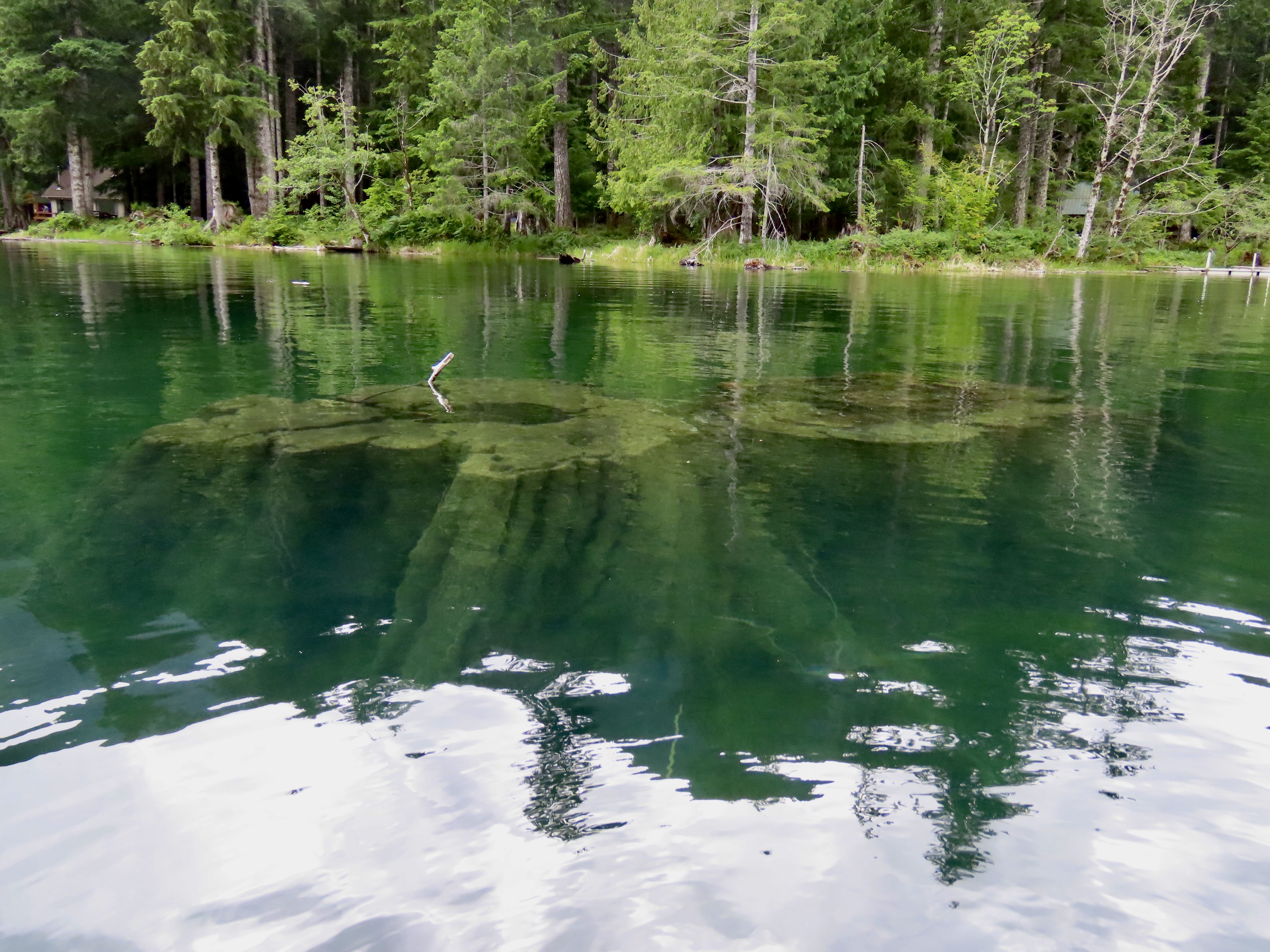
Peggy caught this interesting photo. An old growth forest of huge trees once occupied this canyon before they were logged out. These large stumps, now flooded by the lake, provide perspective. Compare them to the trees on the lake’s edge. And doesn’t the photo seem surreal?
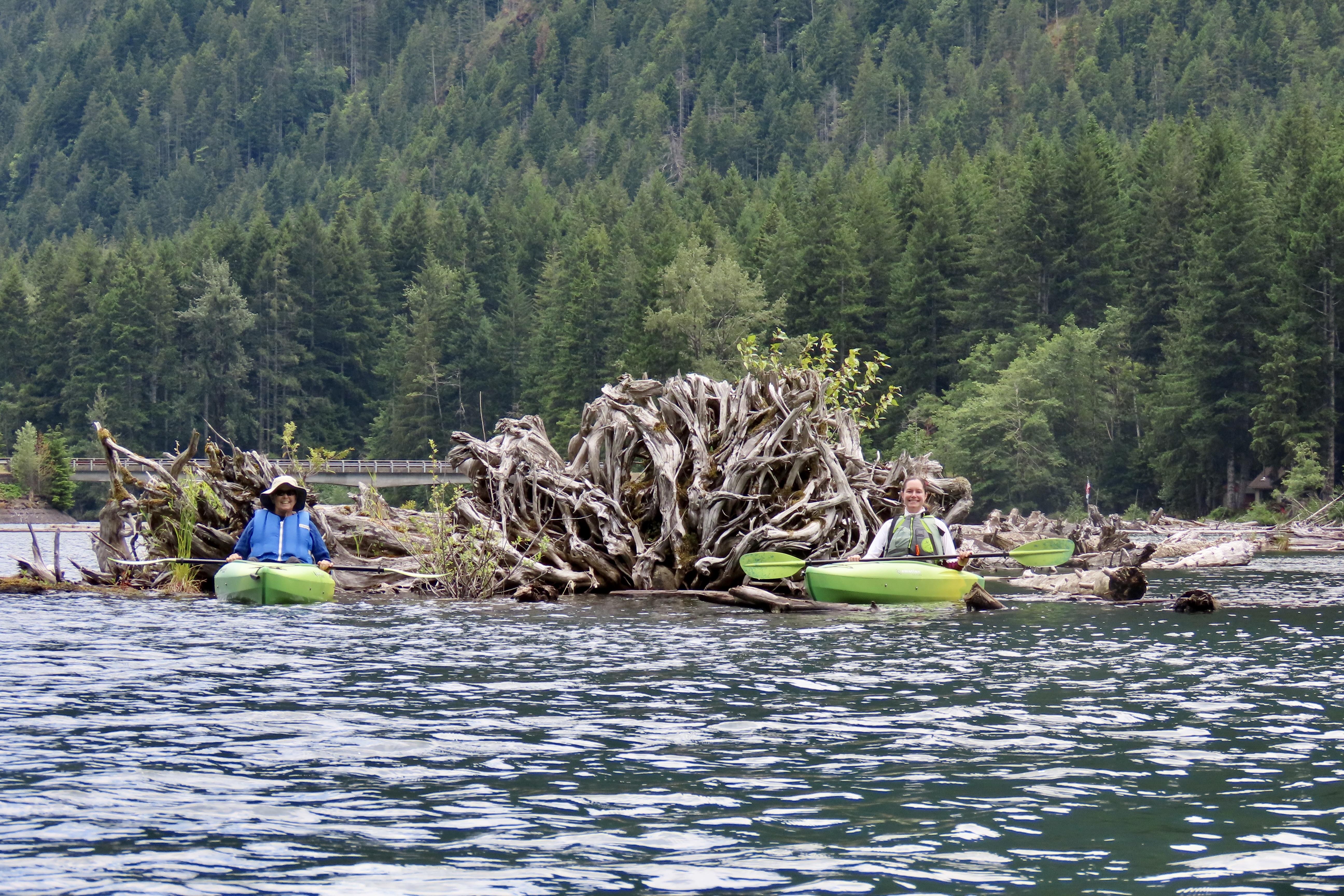
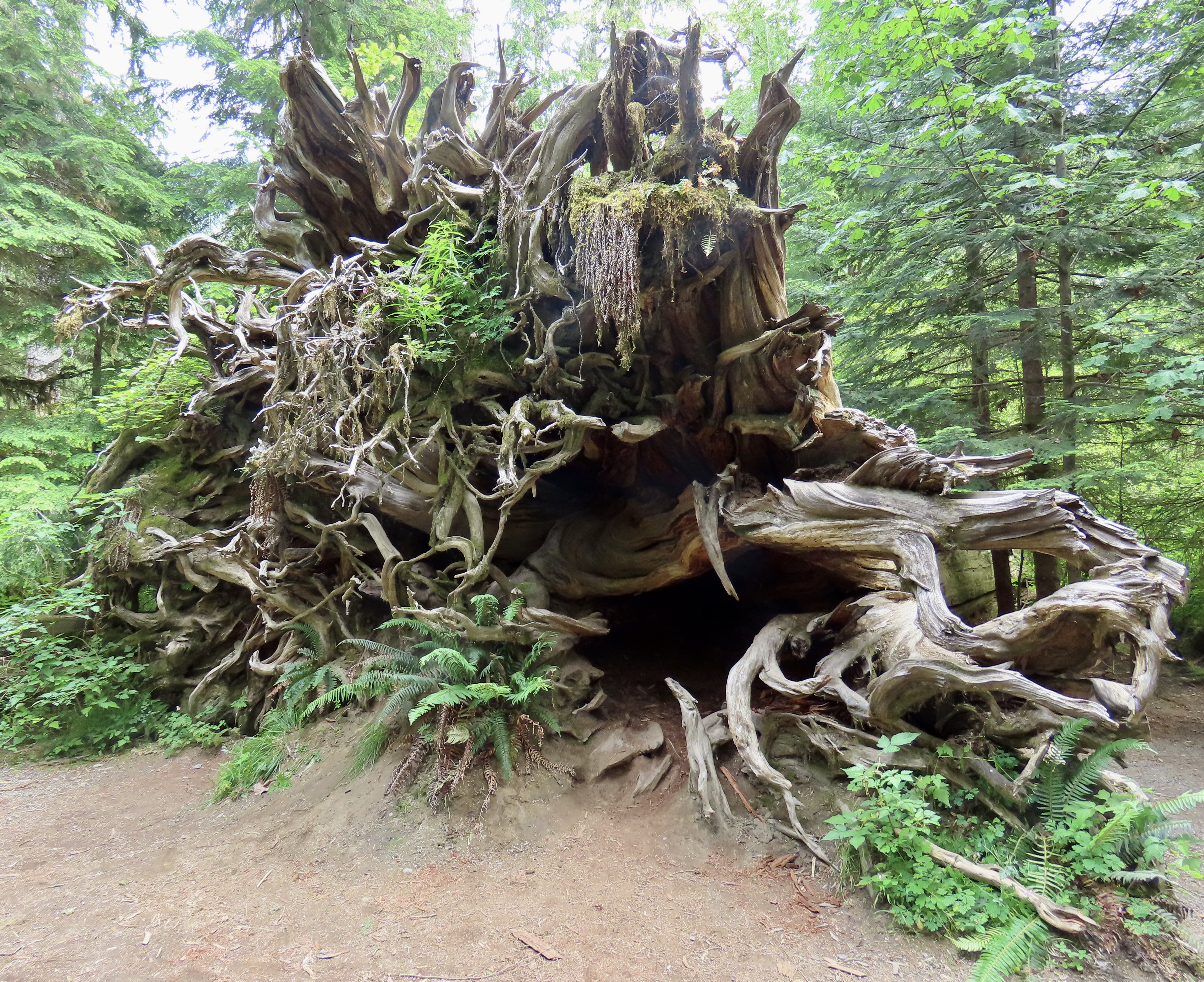
Peggy and Christina wanted their photo taken by these roots from another large tree that would have once stood in the canyon before Lake Cushman was dammed. The bridge on the map can be seen in the background.
This surface shot of upper Lake Cushman shows how shallow the hundred foot deep lake had become.
I thought the roots had personality.
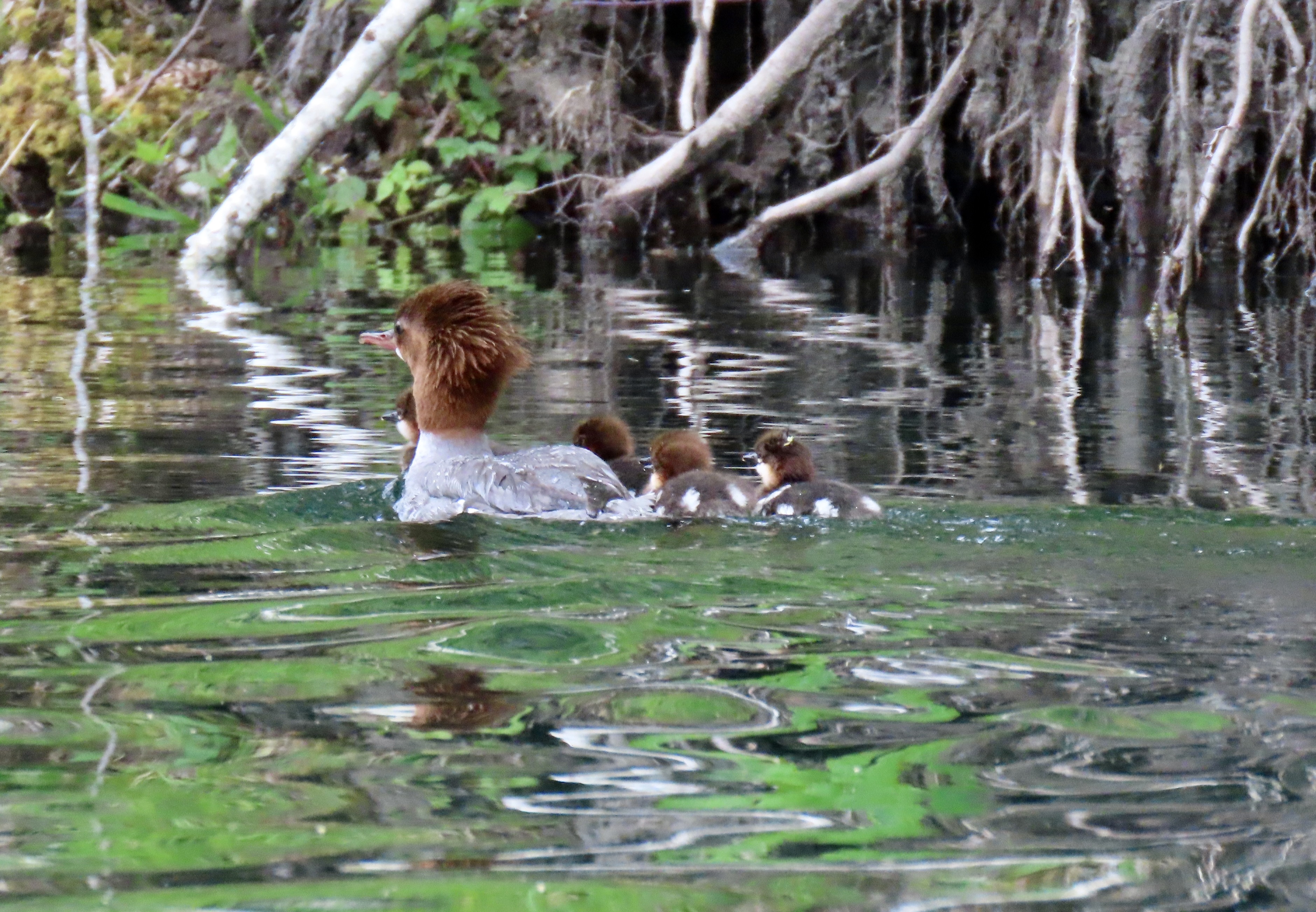
Peggy found this merganser with its chicks.
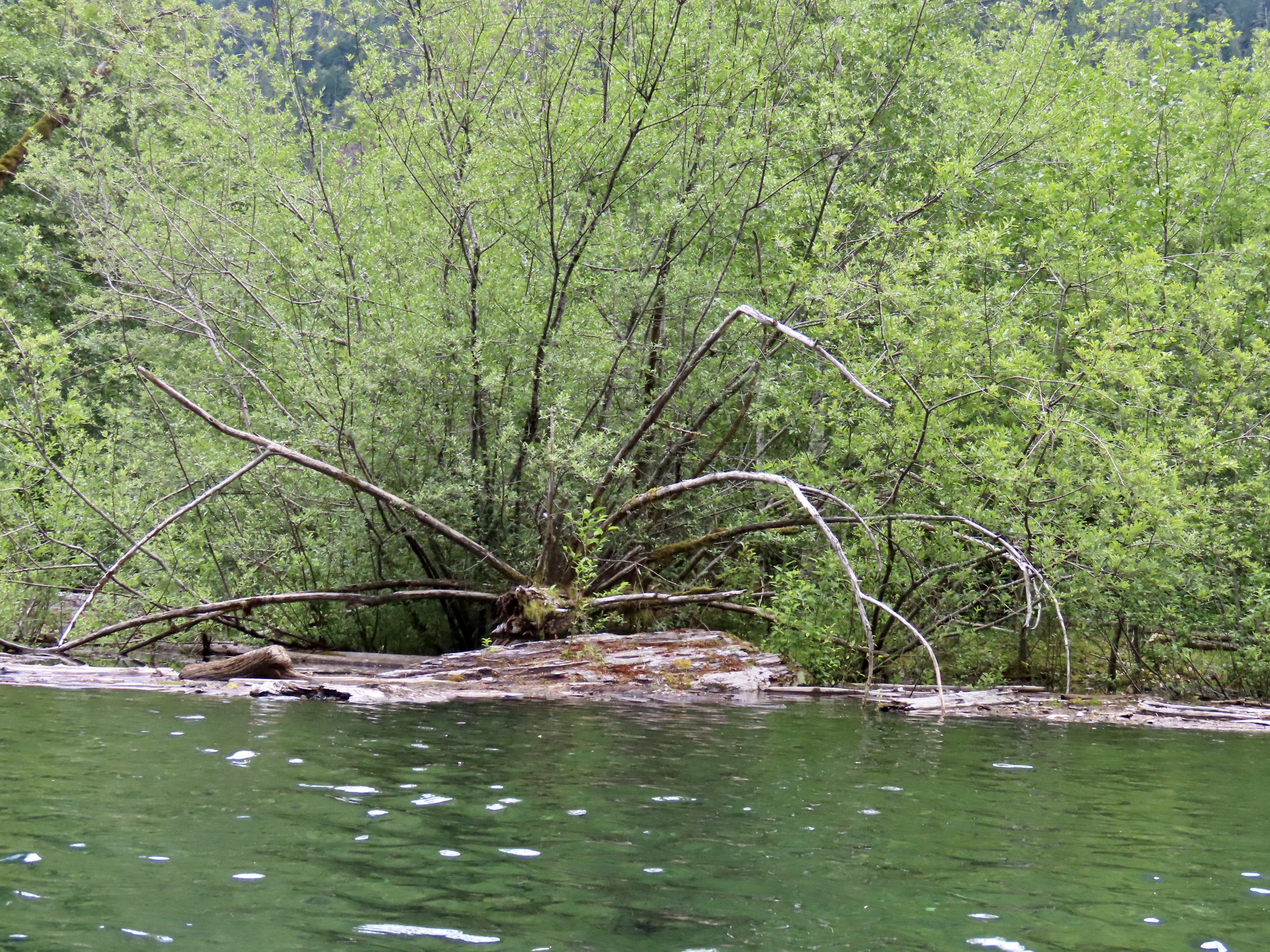
And she imagined this bush as a huge spider lurking on the bank of the Skokomish waiting to capture unwary kayakers.
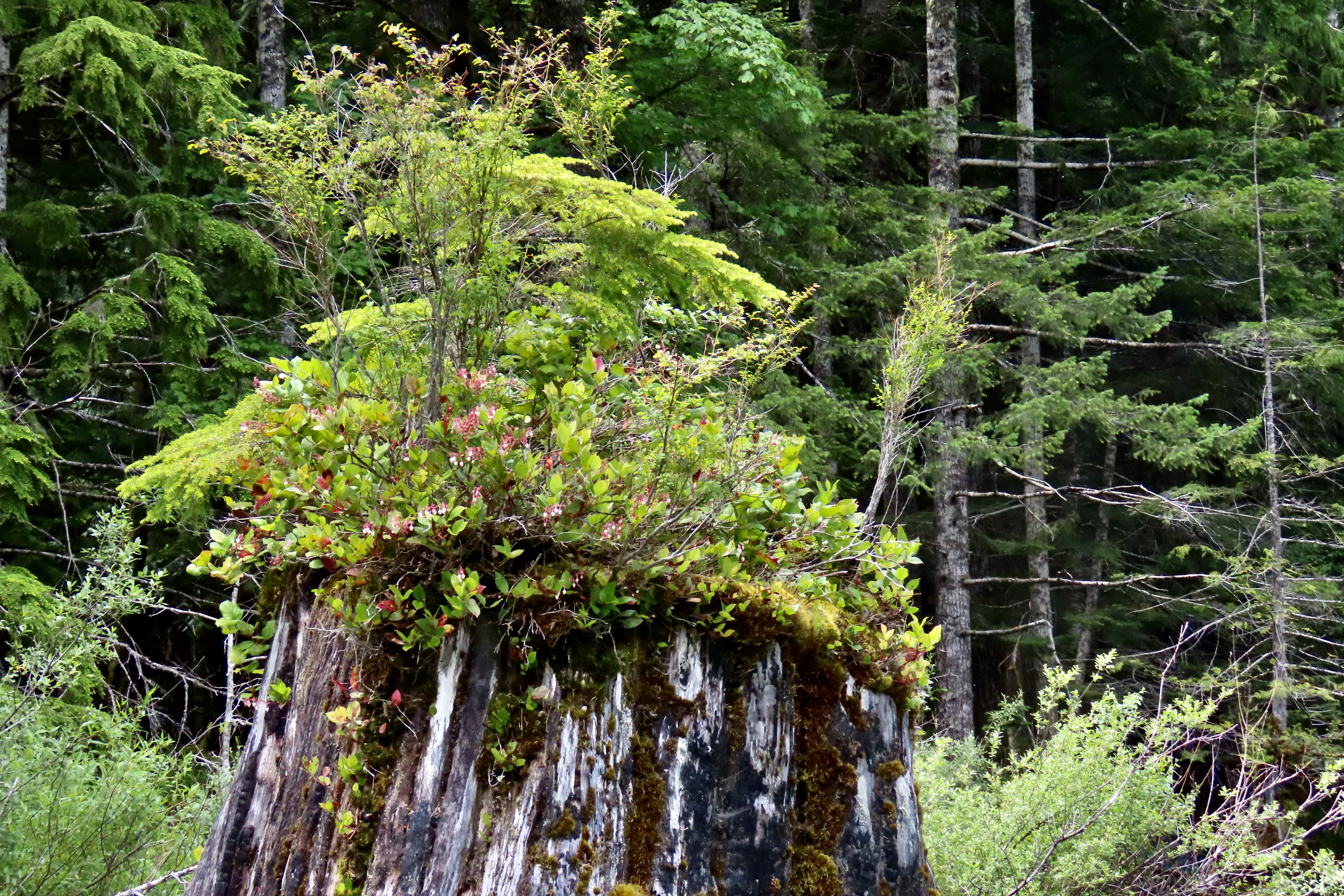
This stump on the lake’s edge was busy growing its own forest
A close up.
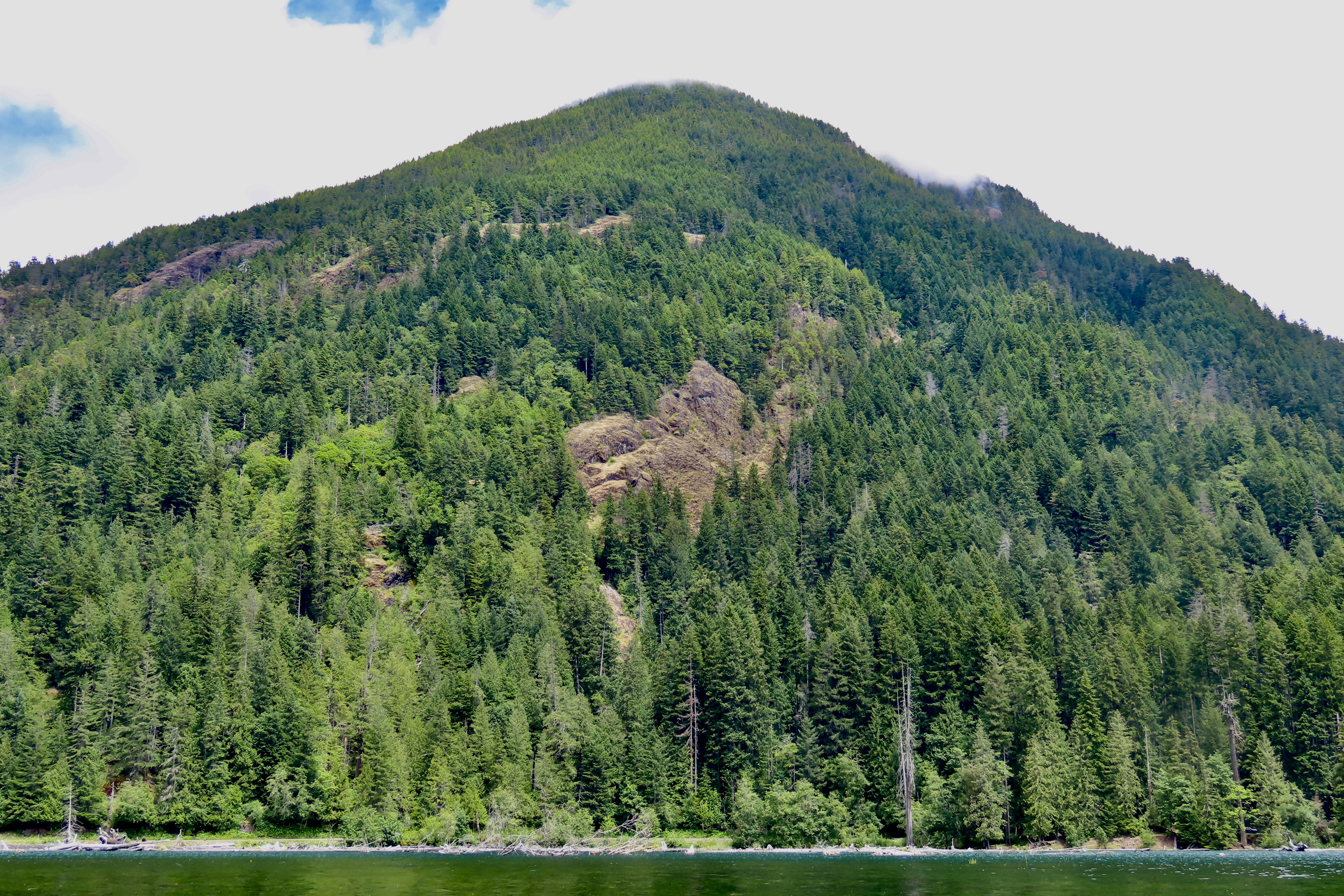
Tall trees lined a portion of the upper lake.
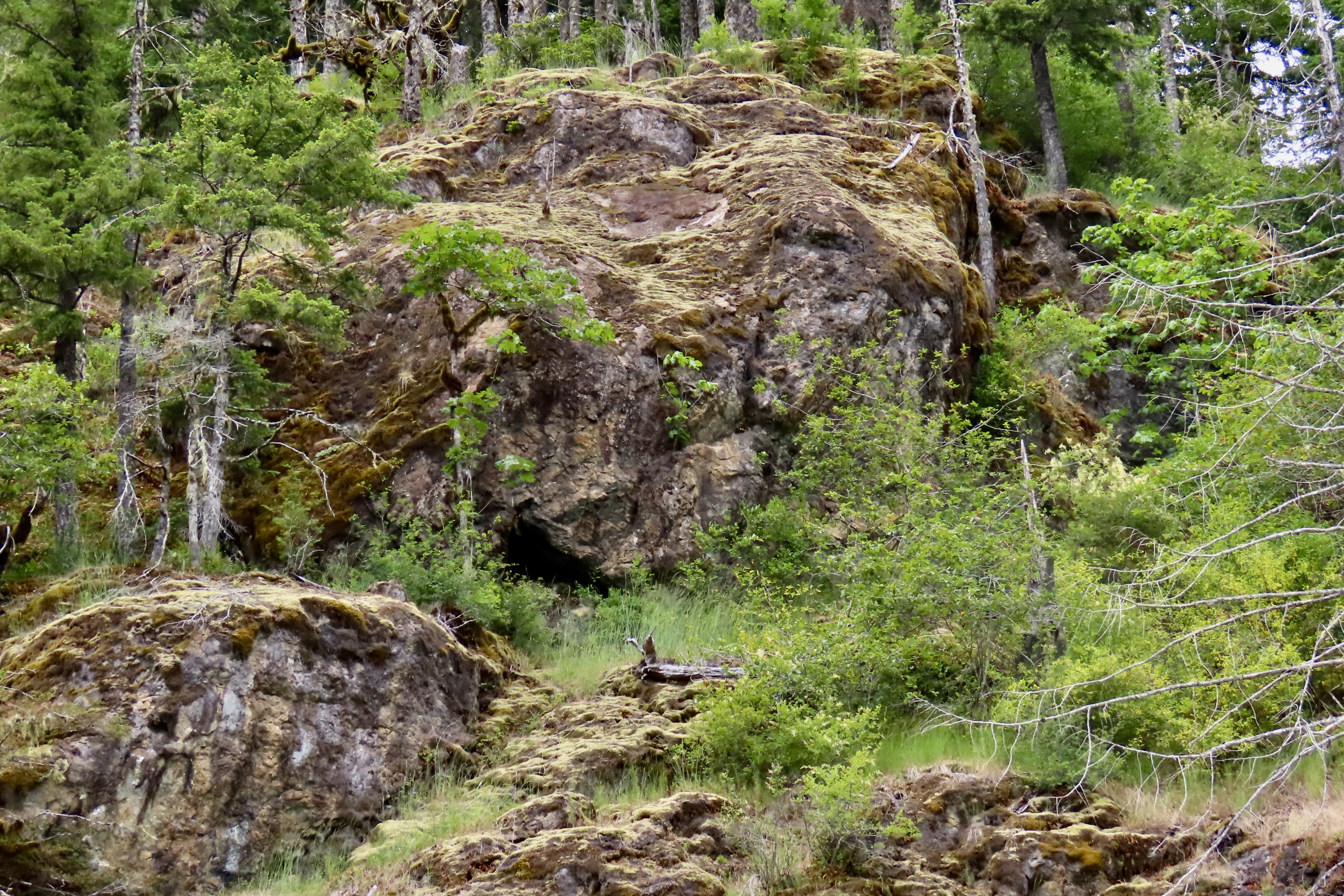
Large rocks were located in the forests above the lakes.
We wondered what wildlife the cave might host? A snoozing bear in the winter, perhaps…
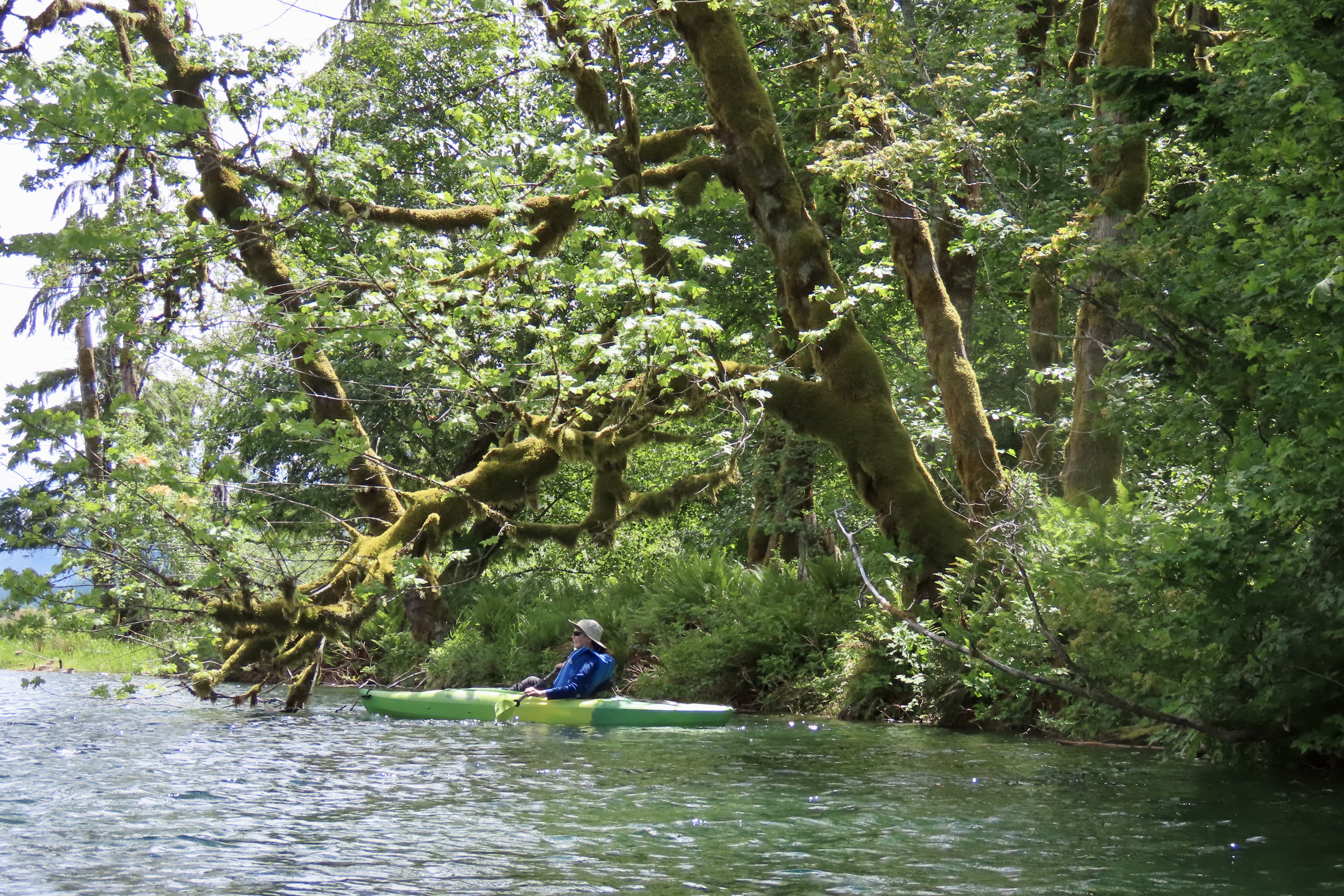
Peggy found a convenient tree to rest under on the Skokomish River.
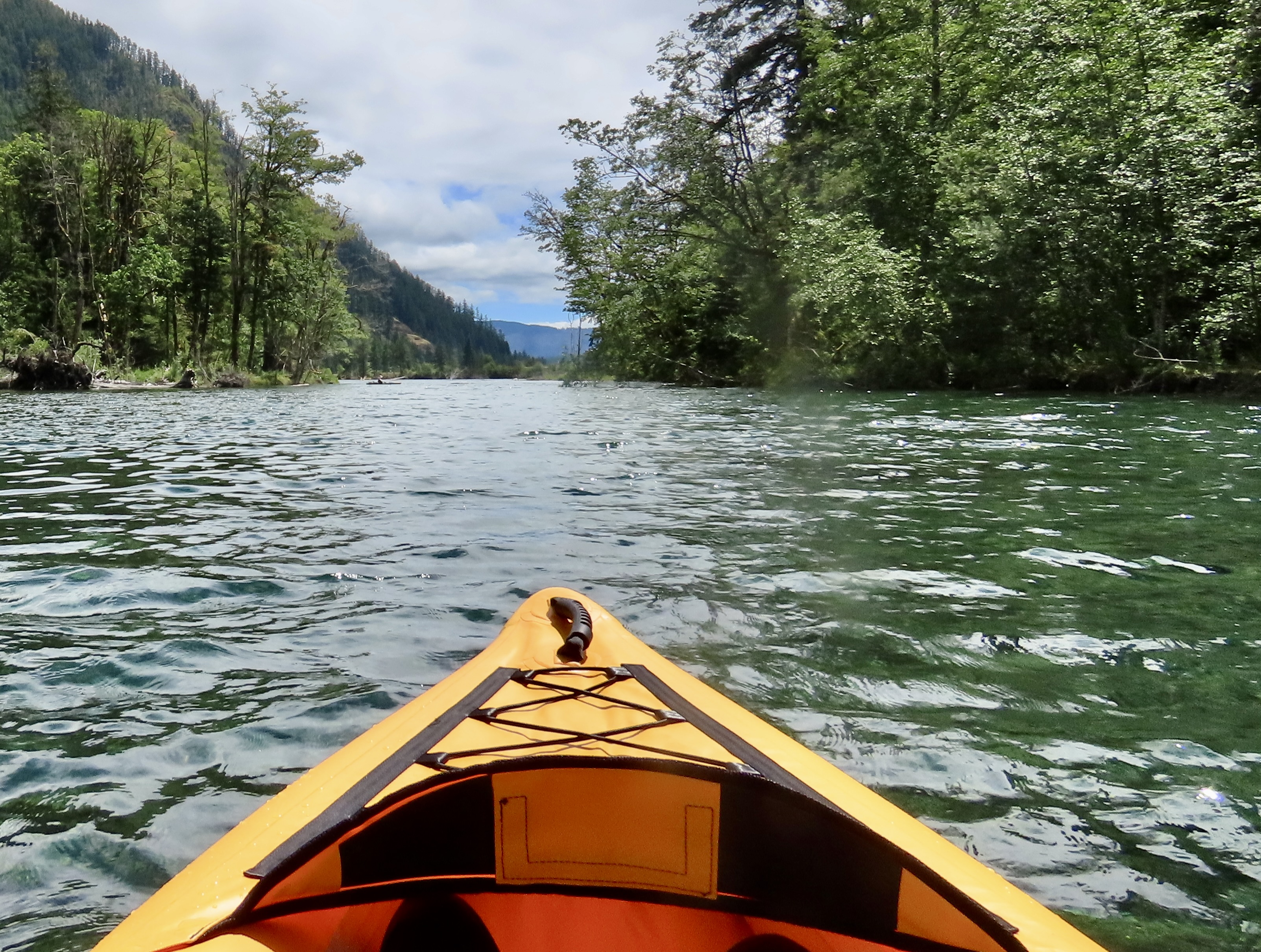
It was a beautiful day for kayaking. A slight breeze came up and the water grew more choppy in the early afternoon.
We rowed over to the bridge for a glance at the lower section of Cushman Lake and things got much more windy and choppy! We decided that it was time to call it a day. That’s it for now. Next, we will feature a walk at Nisqually National Wildlife Refuge north of Olympia that Christina took us on.
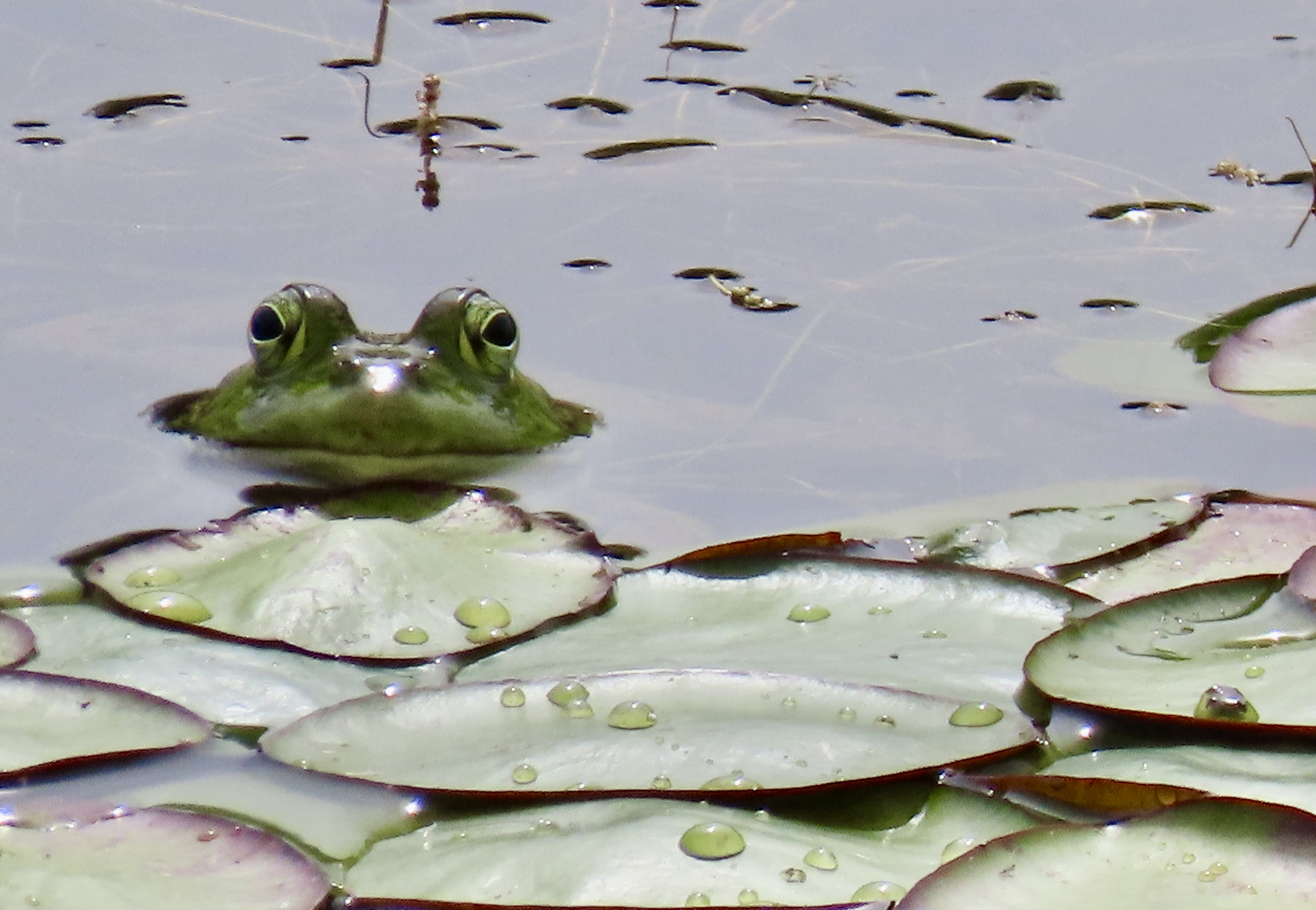
There were frogs…

Olympic National Park: A Hike Up the Staircase Rapids Trail… Pacific Coast Series #23

Olympic National Park has both beauty and diversity ranging from its well known rain forest to high mountains, coastline, lakes, rivers and wildlife. We’ve been there several times over the years and were looking forward to exploring even more of what it has to offer. This photo was take from our kayaks on Cushman Lake which is at the southern entrance to Olympic.

But the best laid plans of “Mice and Men”… You know how that goes. I developed a health issue and decided to go directly to Olympia rather than the gorgeous campsite on a bay near Port Angeles we had reserved for a week. It turns out the issue wasn’t urgent. My doctor in Virginia told us to continue on our trip and see her when we got back.

Fortunately, we were already planning to visit our niece, Christina, who works in Olympia. She is a good friend, as are her brother Jay and her sister Amy. Jay and I have backpacked together. Both Jay and Christina have been to Burning Man with us, and Peggy is Amy’s godmother. Before starting on our West Coast adventure, we had just completed our safari trip to South Africa with their dad John (Peggy’s brother) and his wife Frances!

Christina had taken time off from work as an attorney for the Washington State Attorney General’s office and had a ton of outdoor stuff planned for us. Fortunately, one of these activities included a hike up the Staircase Rapids Trail on the Skokomish River at the southern end of the park.

Moss covered trees are an iconic symbol of Olympic National Park. No surprise, it’s a rain forest! The park receives 100-140 inches a year— more on the coast, less as you journey inland. It is estimated that it takes 70-100 inches a year to create a rainforest. We were hiking on the park’s Staircase Rapids Trail when we took this photo. The trail and Lake Cushman receive around 100 inches a year.
The moss creates a magical world where you half expect to find elves around the next corner. Or Bigfoot.
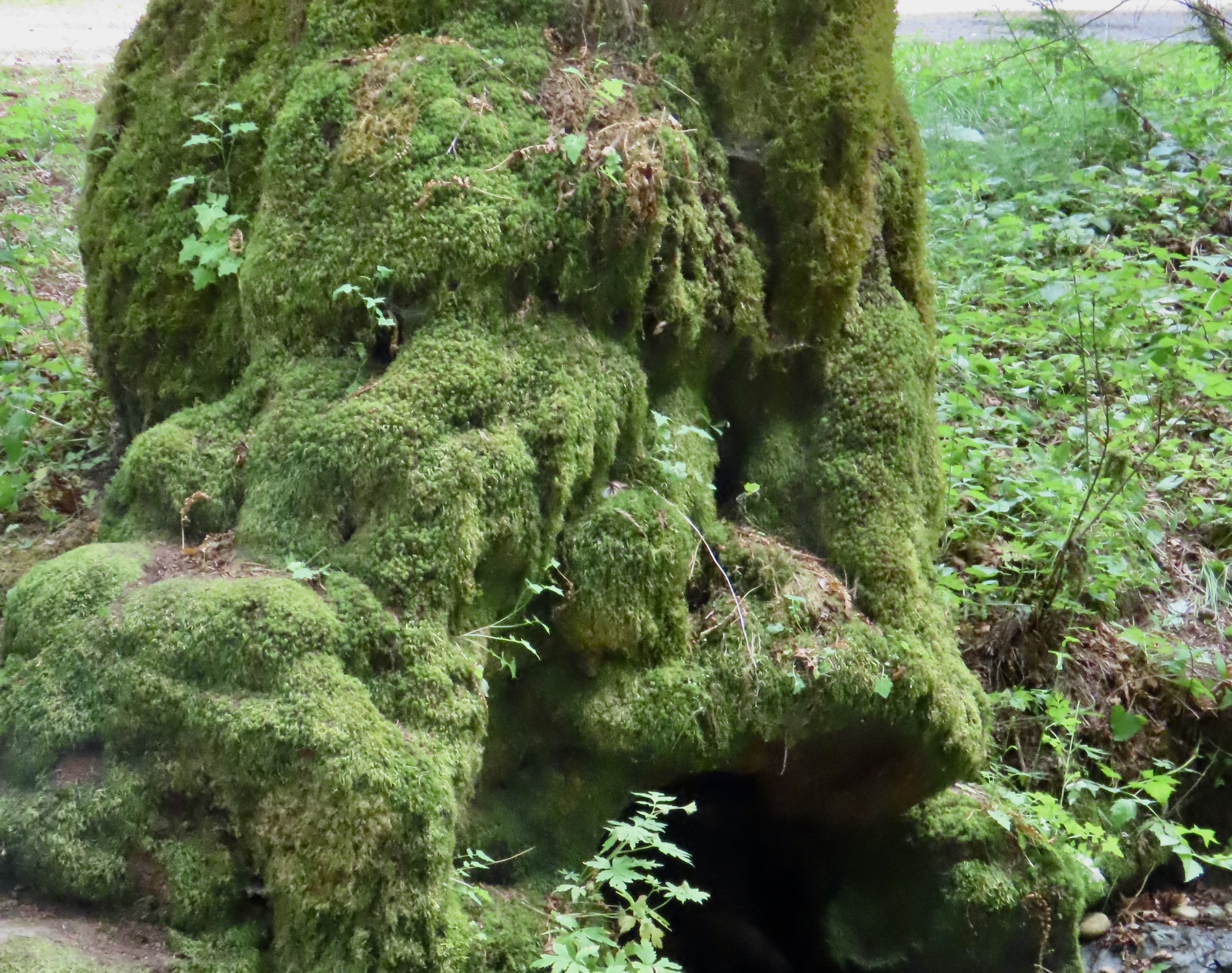
This was a moss covered root.
Speaking of roots, I wondered if this tree was about to rise up and go wandering. Had we arrived at Fanghorn Forest from Lord of the Rings?
Hmm. Were we about to meet Treebeard?
If so, he was lying down and taking a nap for a year or two.
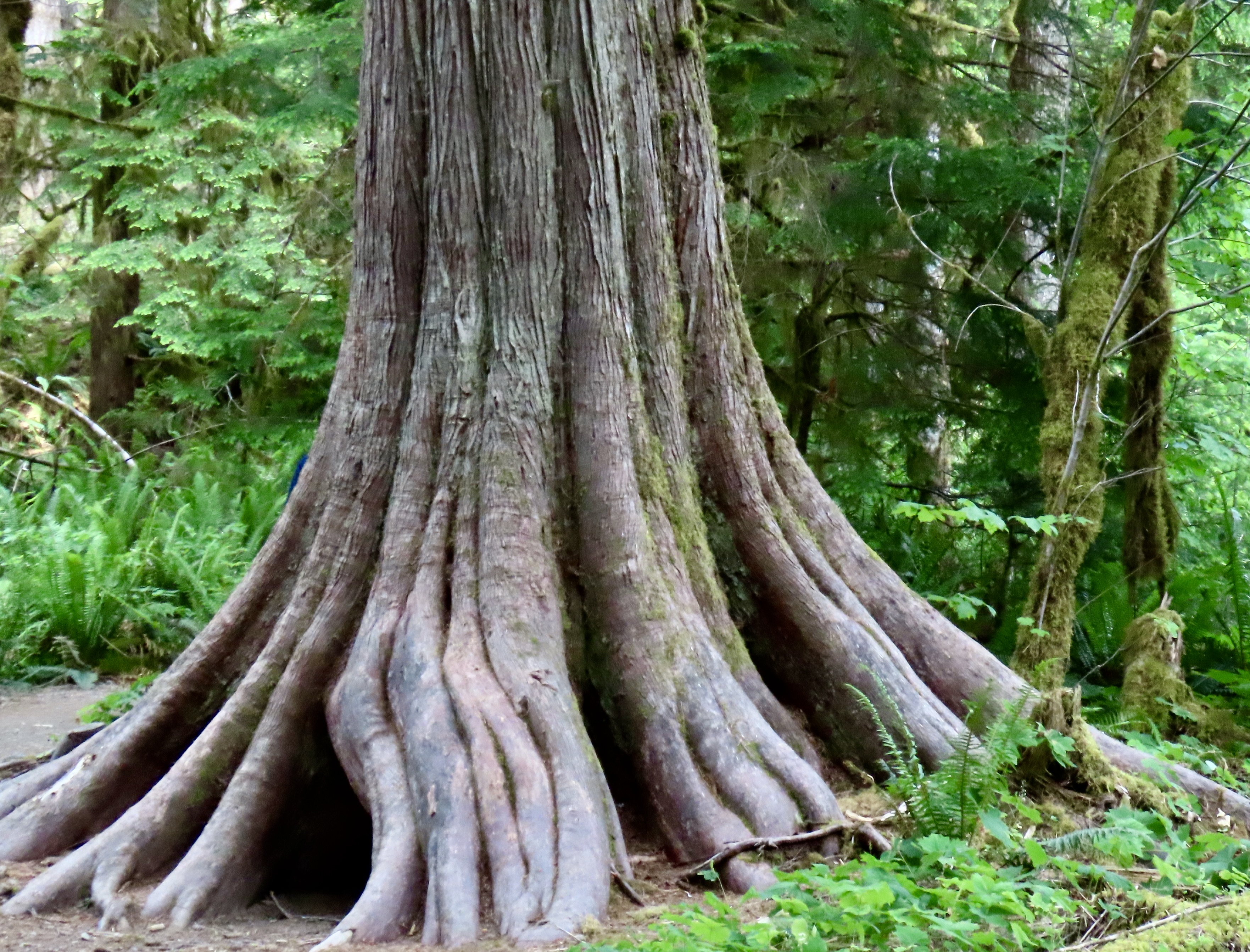
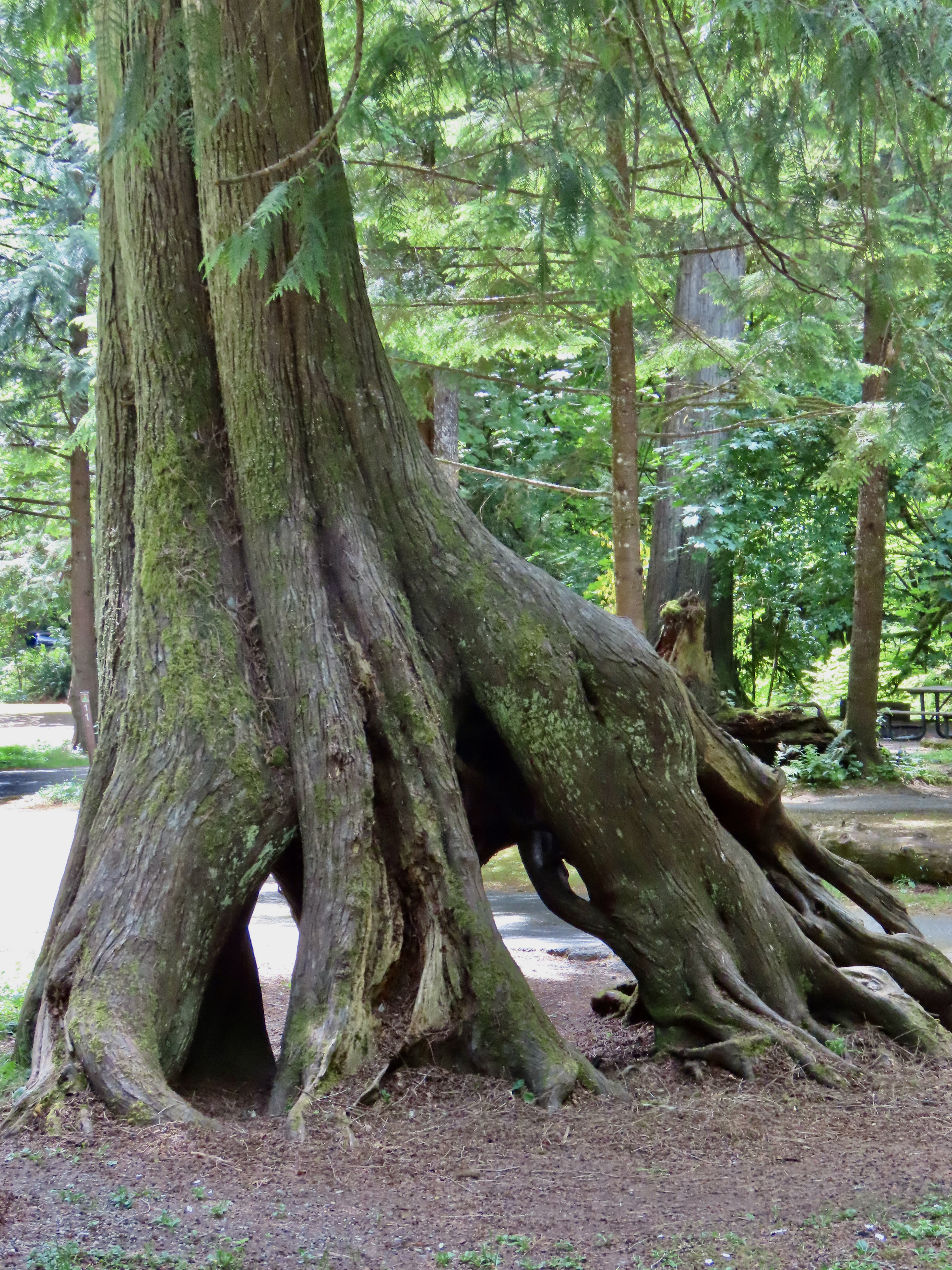
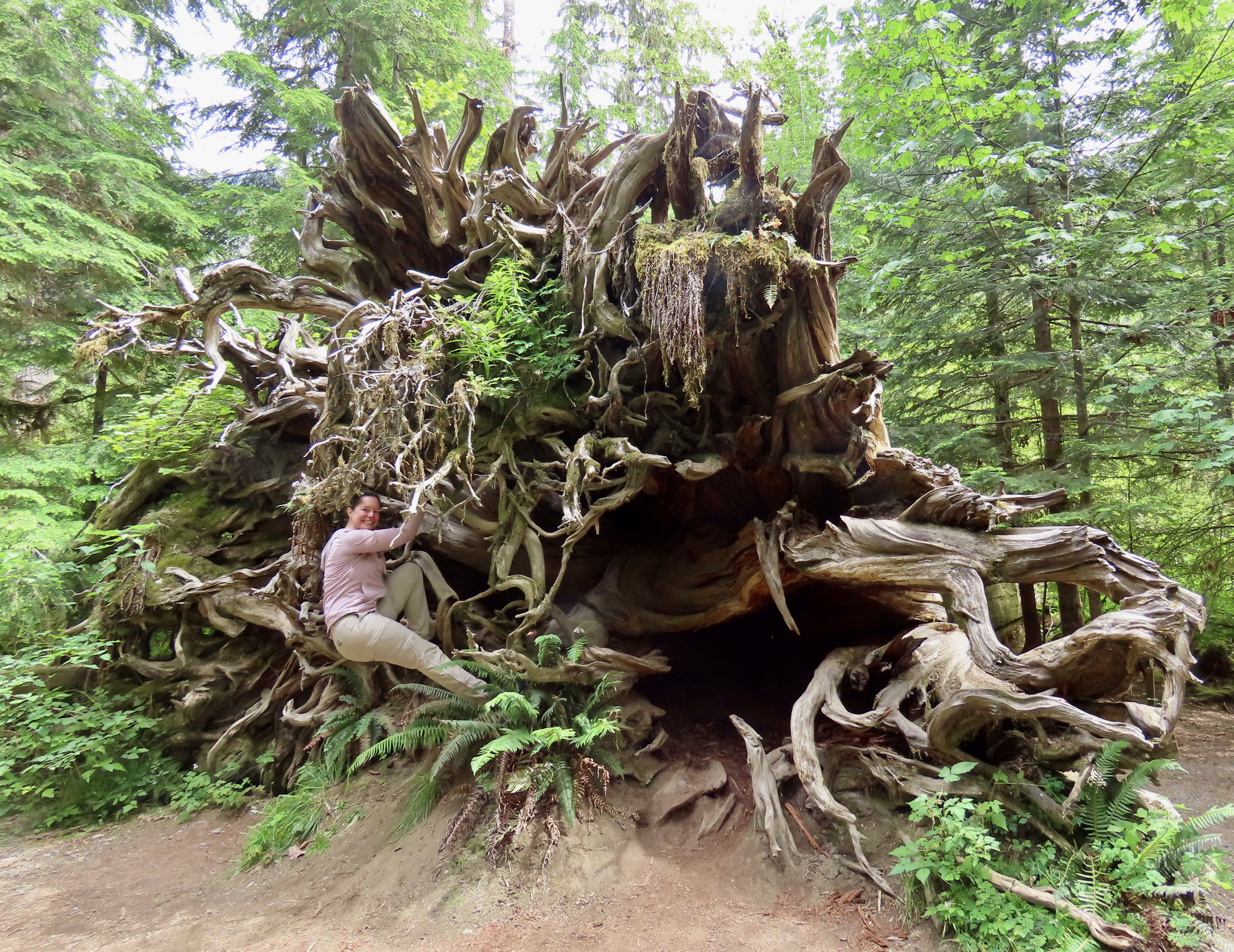
This was the granddaddy of roots along the trail, however. I half expected to find a dryad/wood nymph playing among the roots.
And did! At no prompting from us, Christian immediately headed over to the tree and started climbing among the roots of the forest giant— like she belonged there.
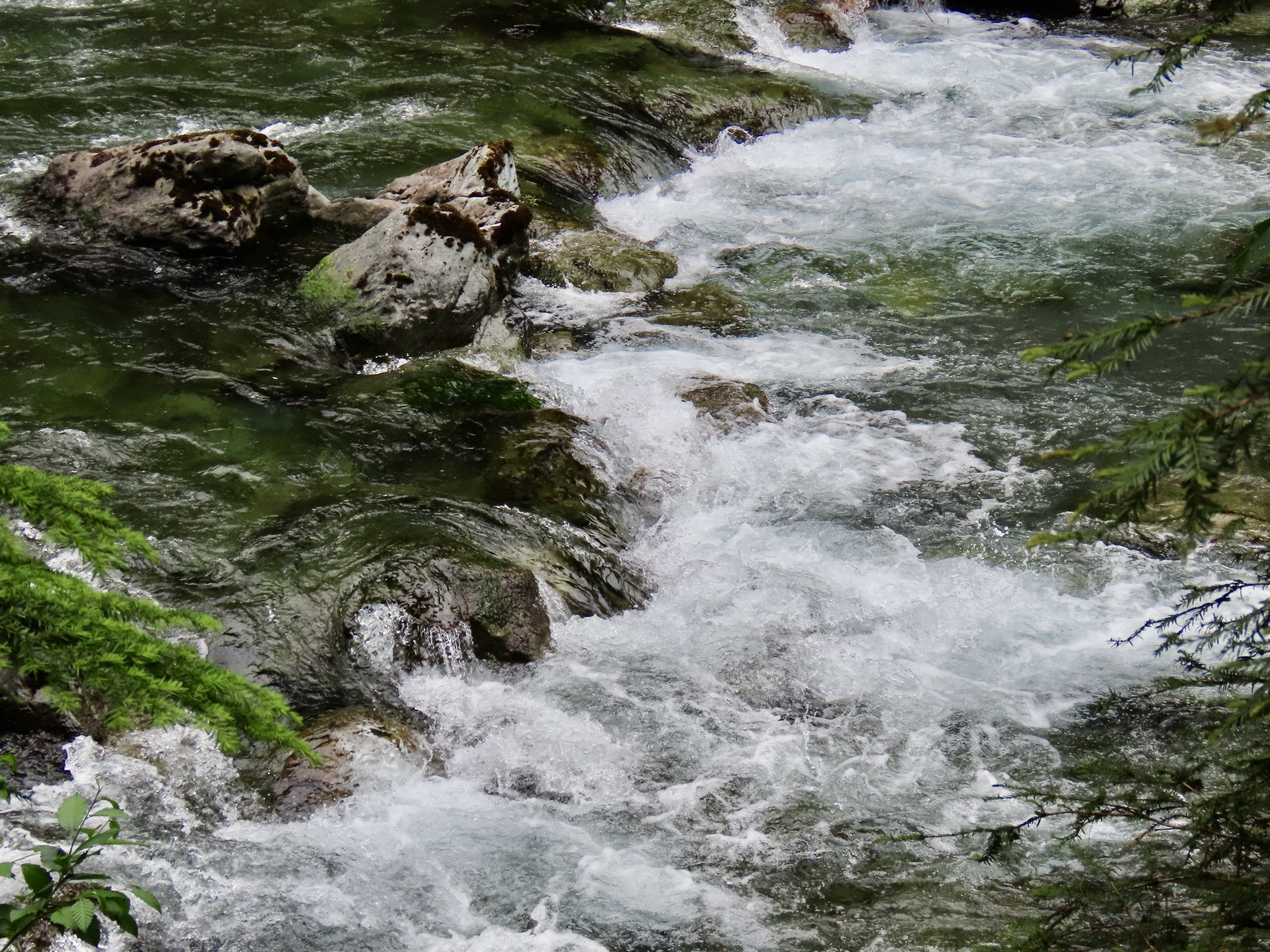
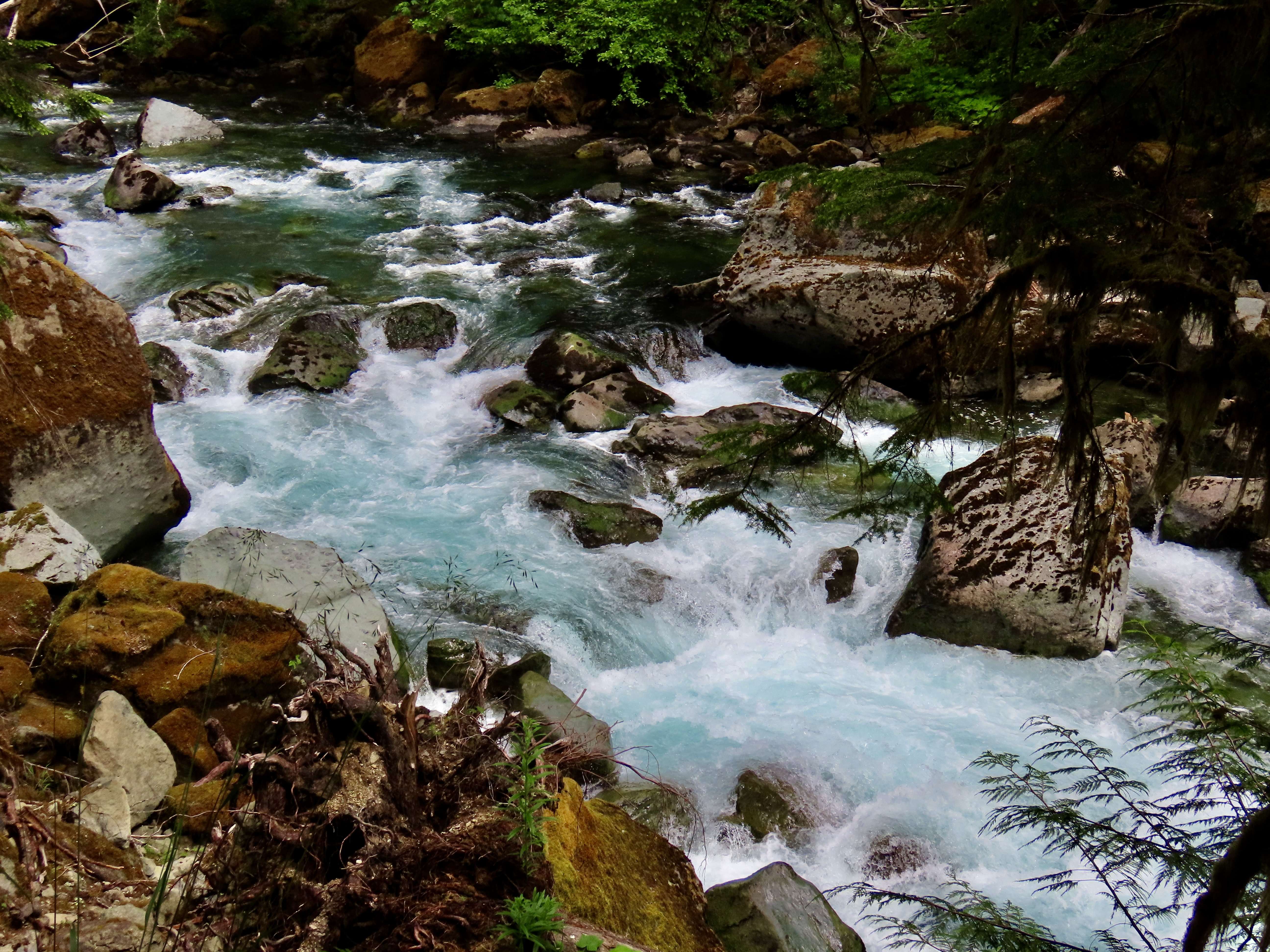
Given the name of the trail, Staircase Rapids, we expected to find rapids along the trail. And we did. But they were gentle. We had missed the massive runoff from snowmelt in the spring.
Most of the snow had already melted off.
Small rapids have a charm of their own, however.
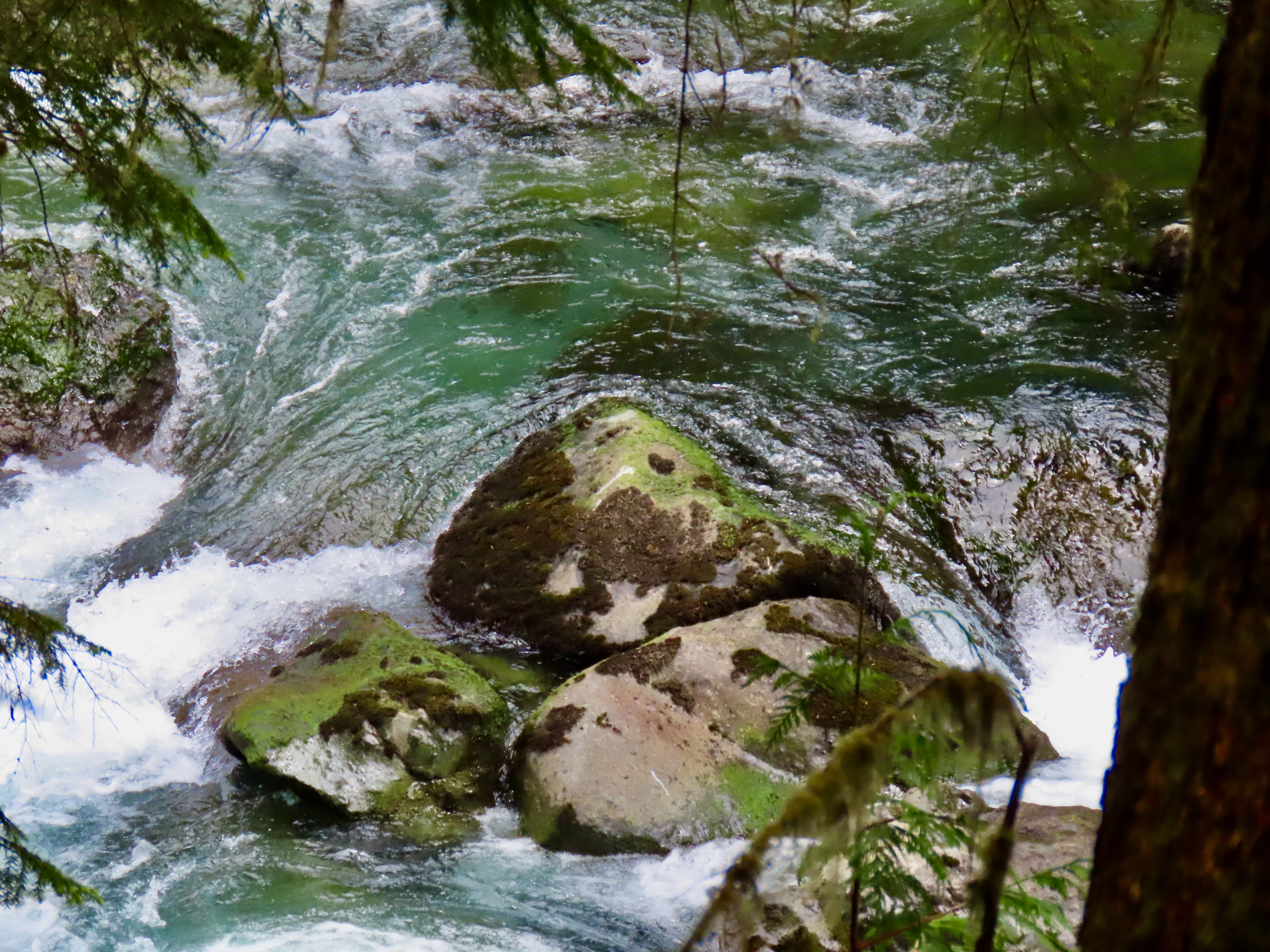
A bridge across the Skokomish River provided this view.
One brave soul wanted a different perspective. At 81, I decided to pass… Grin.
And depended on my telephoto to bring me up close and personal. That’s it for today. Monday’s post will find us kayaking on Cushman Lake and the Skokomish River just below the Staircase Rapids.
Kayaking on the Skokomish River at the edge of Olympic National Park

It’s National Park Week 2013… April 20-28

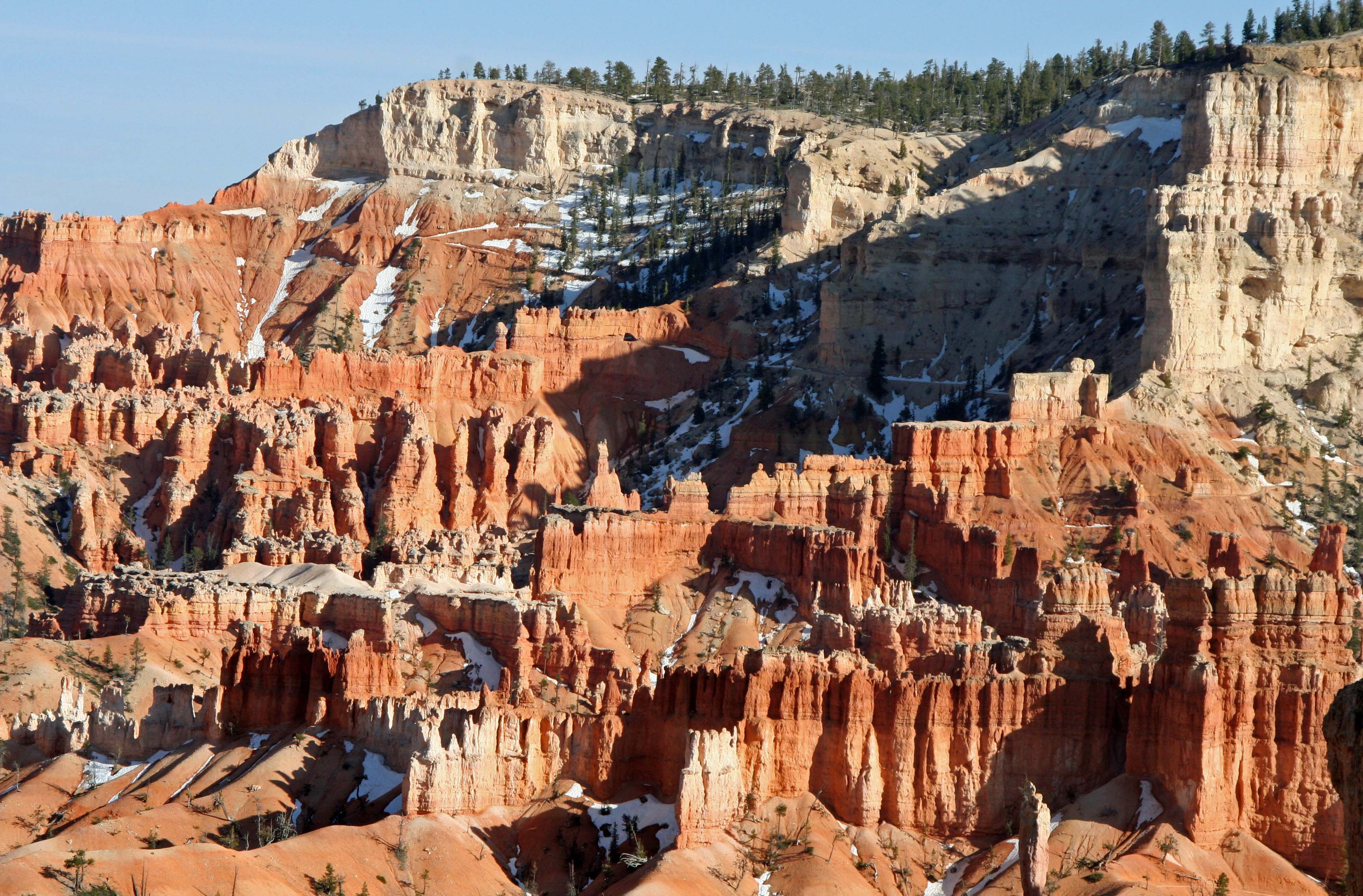
Bryce Canyon

Bryce Canyon National Park, Utah

It’s National Park Week. One of my blogging friends reminded me. Somehow I lost track of time and became so wrapped up in the minutia of life that the week had arrived before I realized it was happening. Shame on me.

The United States and many other nations around the world have done a magnificent job of setting aside national parks. We owe it to ourselves to go out and explore these treasures. And, we owe it to our great, great, great, great-grandchildren to protect these sites of rare natural beauty for future generations.

It won’t be easy. There will always be people who believe financial gain outweighs any other consideration. Why save thousand-year-old redwood trees when they can be turned into highly profitable redwood decks?

Redwood

This 1500 year old redwood is located in Redwoods National Park on the northern coast of California.

Several years ago, Peggy and I set a goal to visit all of America’s National Parks. With the exception of Kobuk Valley and Lake Clark in Alaska, we’ve succeeded. It has been an incredible journey. Our travels have taken us from Denali National Park in Alaska to the Dry Tortugas National Park off the Florida Keys.

In addition to driving through and hiking in these parks, I have also backpacked in 13, biked through five, and kayaked or rafted in three. Once I even organized a winter ski trek into Denali National Park where we slept out in minus 30-degree weather and listened to wolves howl. That was a learning experience…

Since I couldn’t escape to a national park this week, I did the next best thing; I went through photos of parks Peggy and I have taken. All I could think of was wow– what incredible beauty!

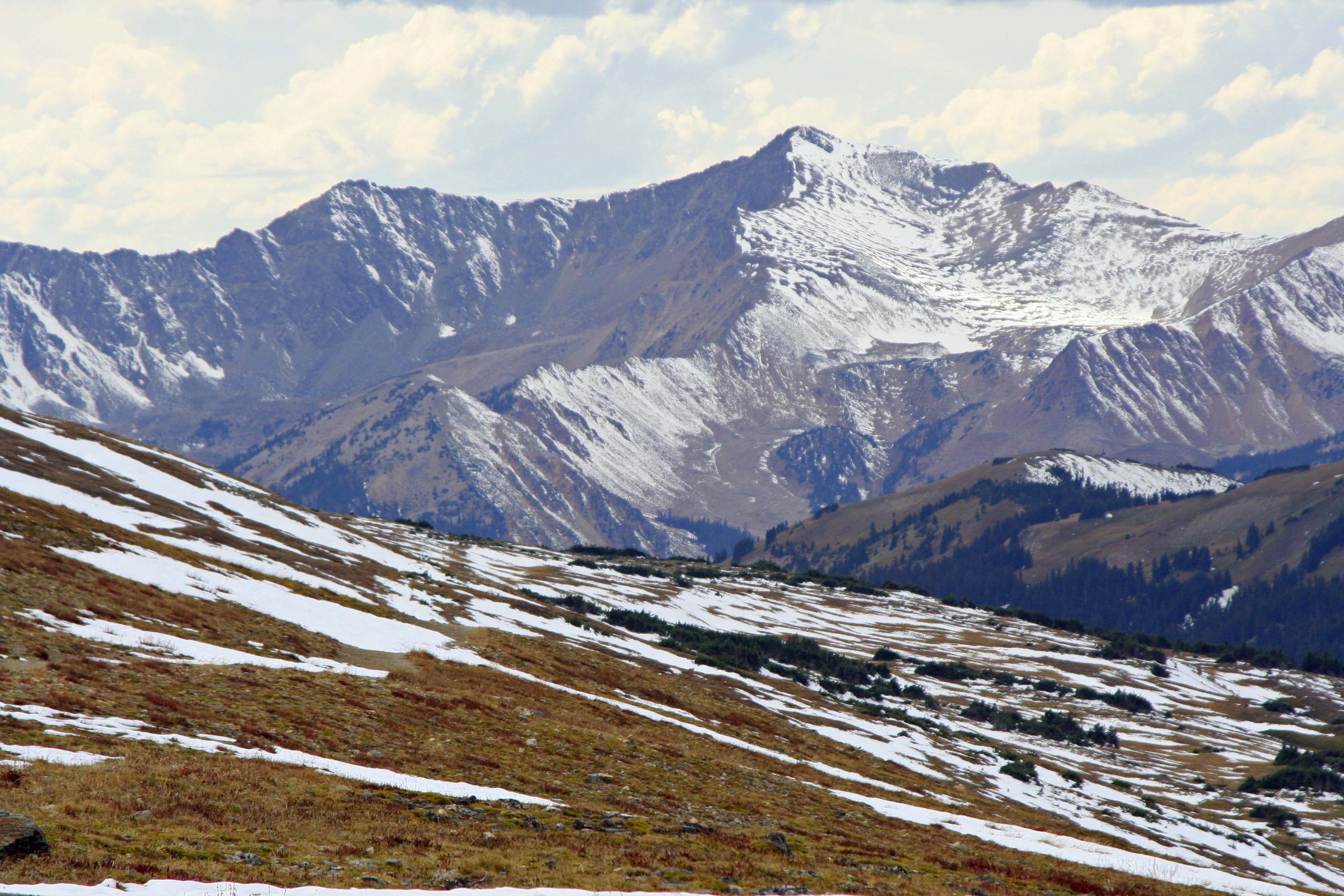
Rocky National Park in Colorado.

Rocky Mountain National Park in Colorado.

Hawaii Volcanos National Park.

An active volcano in Hawaii Volcanos National Park on the Island of Hawaii.

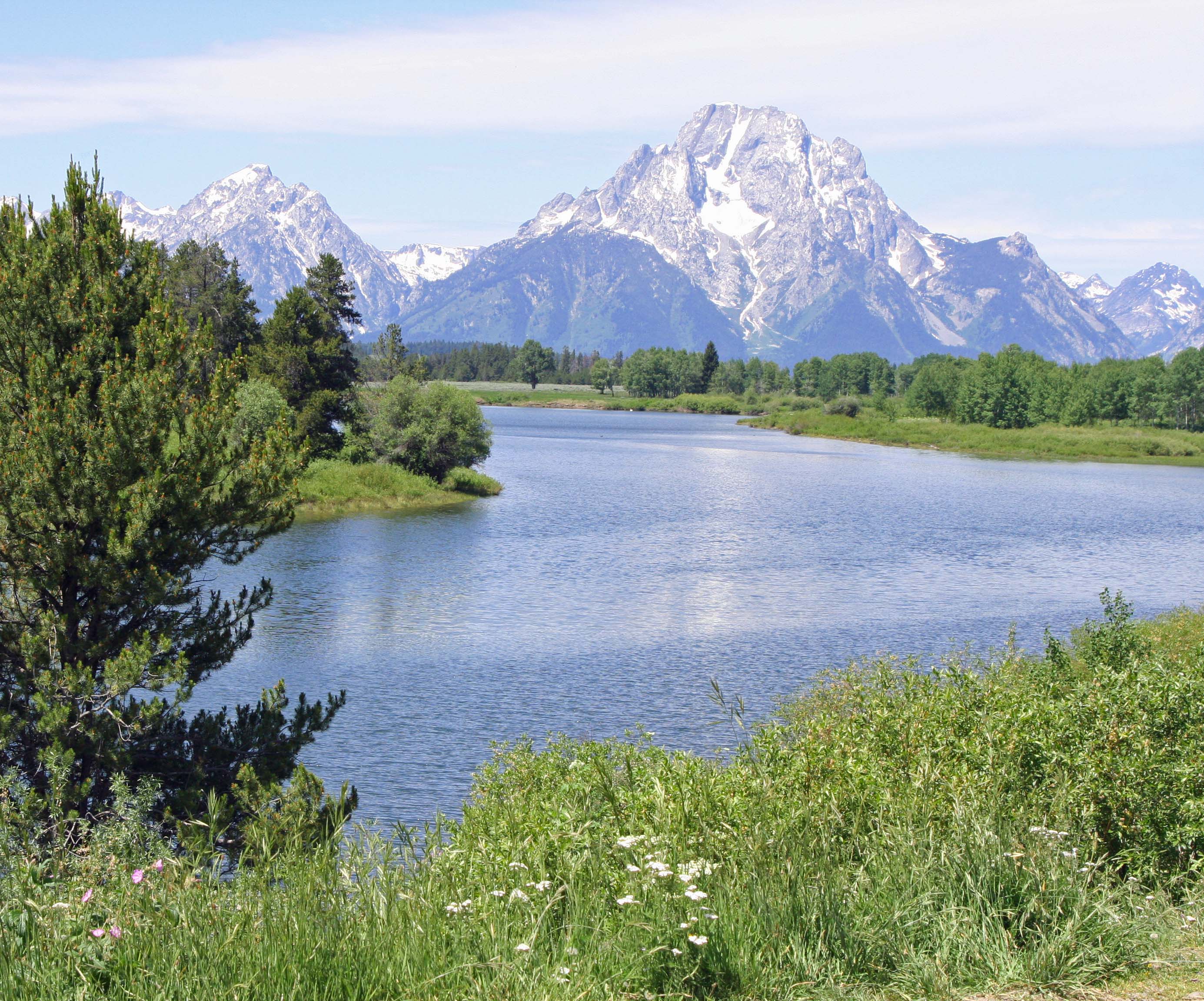
Grand Tetons National Park in Wyoming.

Grand Tetons National Park in Wyoming. A sign warned us to look out for an active grizzly bear.

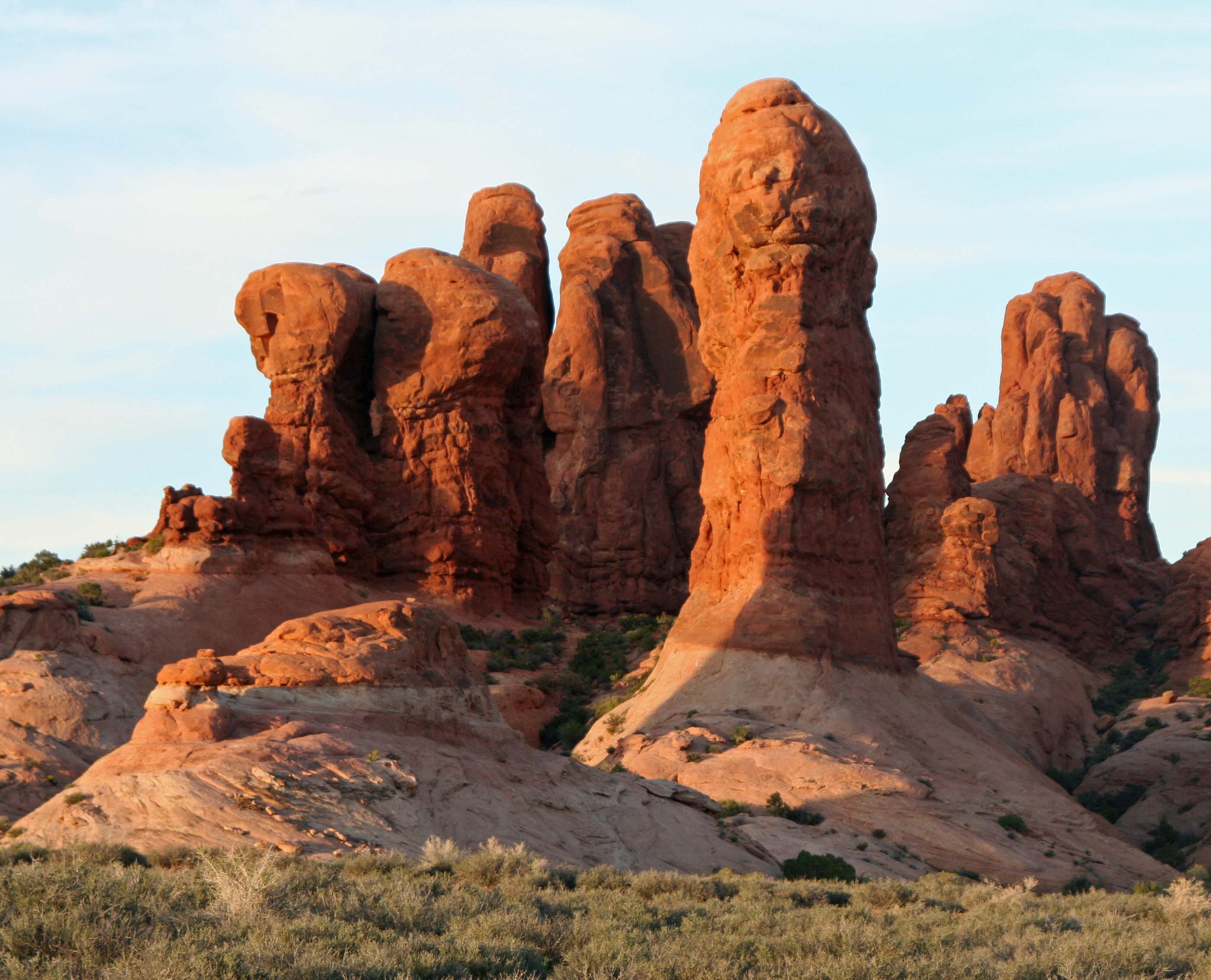
Arches National Park, Utah

Arches National Park, Utah

Tuolumne Meadows, Yosemite National Park, California

Tuolumne Meadows, Yosemite National Park, California. I once woke up near here with a bear standing on top of me.

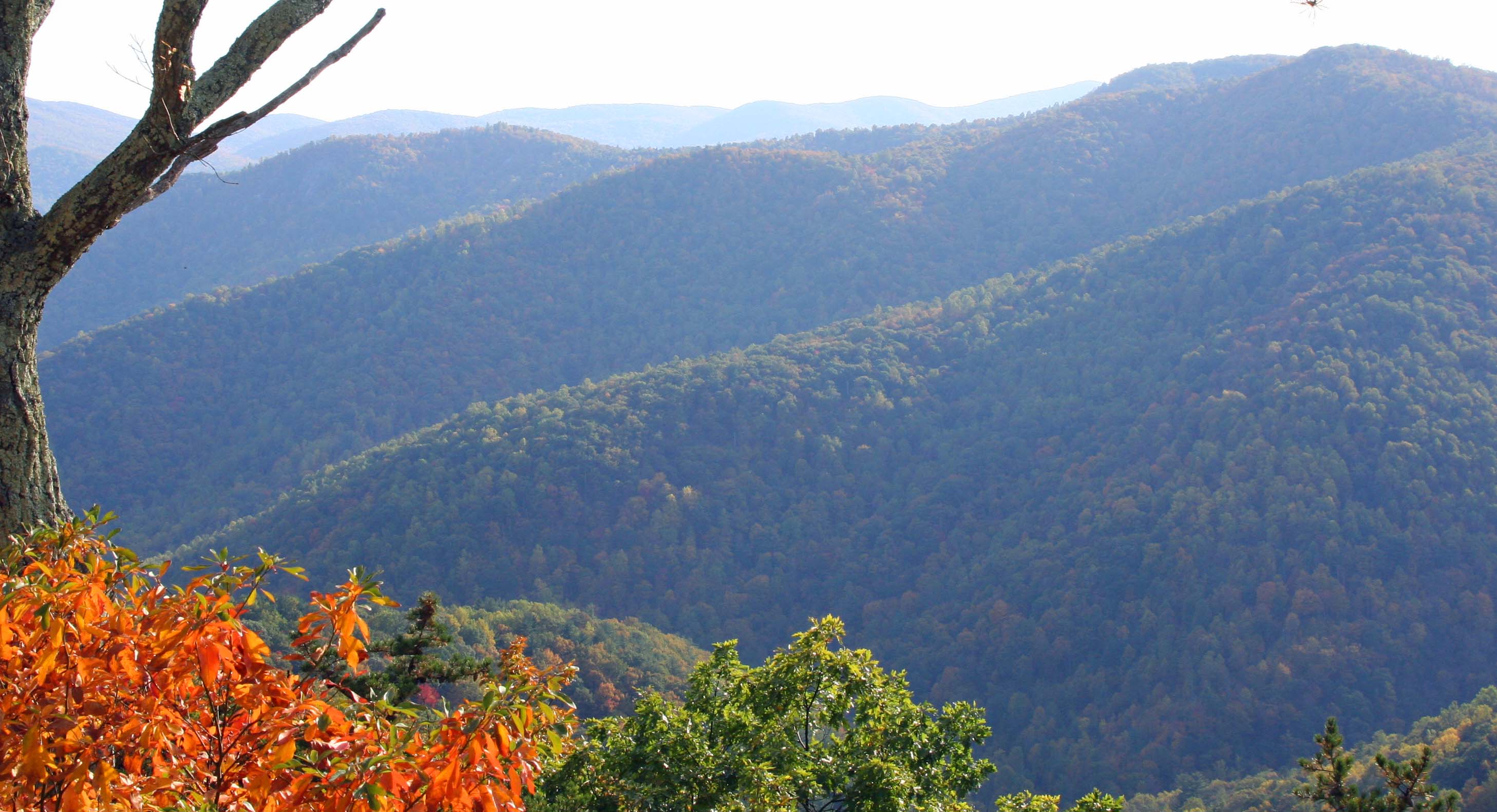
Fall colors of Shenandoah National Park in Virginia

Fall colors of Shenandoah National Park in Virginia.

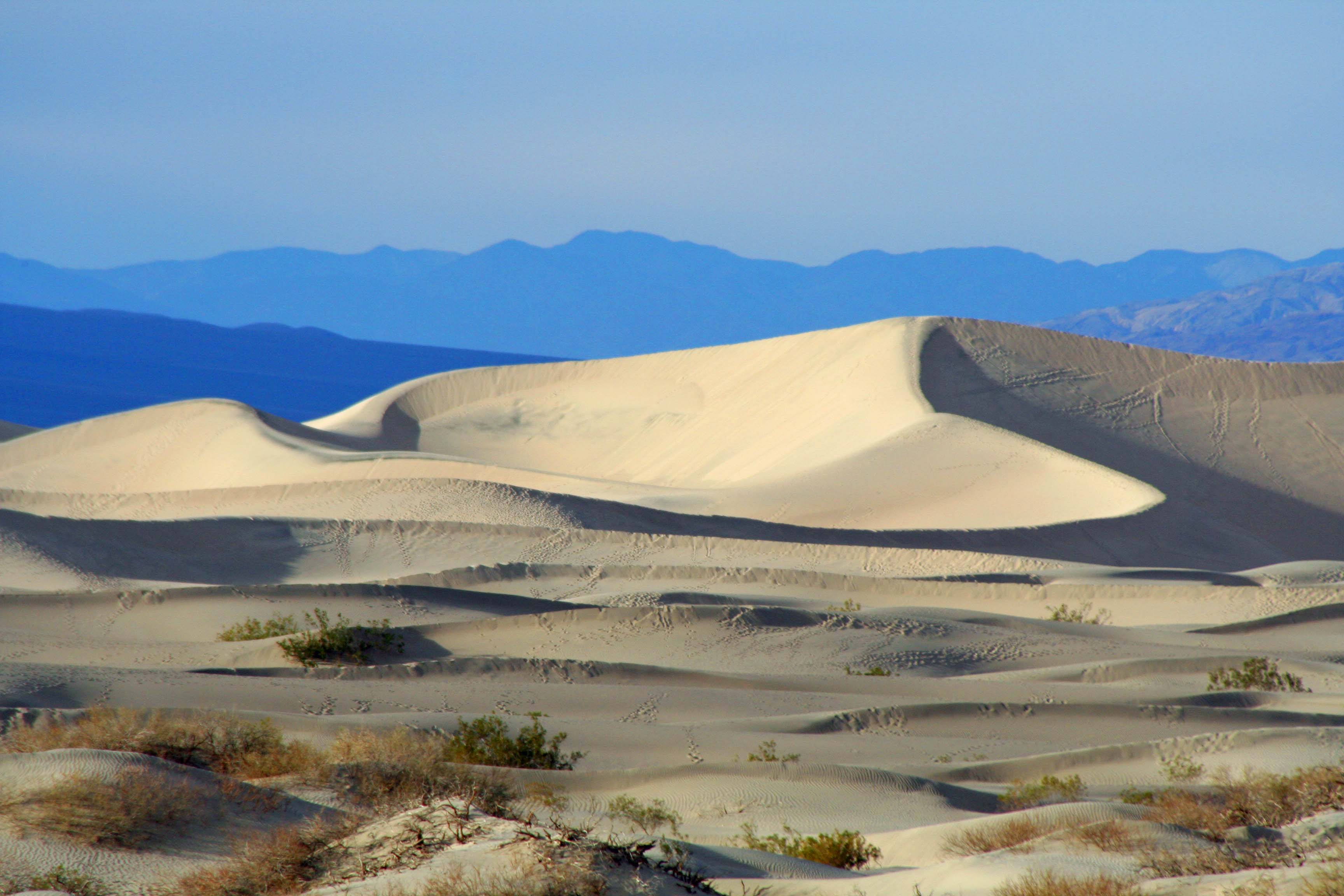
Sand Dunes in Death Valley National Park.

Sand dunes in Death Valley National Park.

The green of Olympic National Park in Washington.

The green of Olympic National Park in Washington.

Lesser known National Parks such as Great Basin in Nevada also hold great charm and beauty. This photo features the van Peggy  and I travelled in for four years as we travelled around North America.

Lesser known national parks such as Great Basin in Nevada also hold great charm and beauty. This photo features the van Peggy and I travelled in for four years as we wandered around North America.

Spectacular scenery is only part of the national park story. Wildlife, birds, insects, reptiles, flowers and history add to the experience.

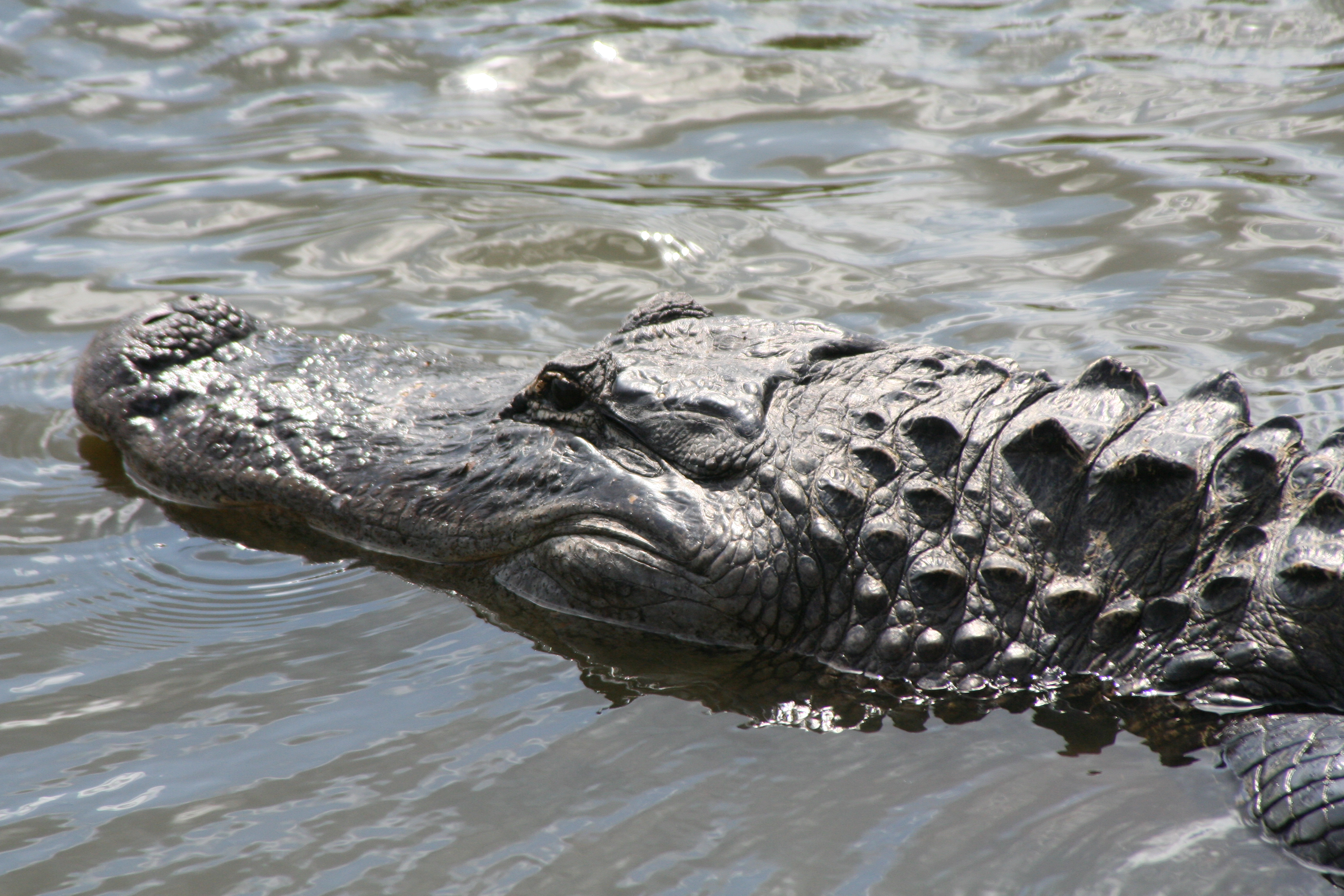
Peggy and I found this beauty swimming through the water at Everglades National Park in Florida.

Peggy and I found this beauty swimming through the water at Everglades National Park in Florida.

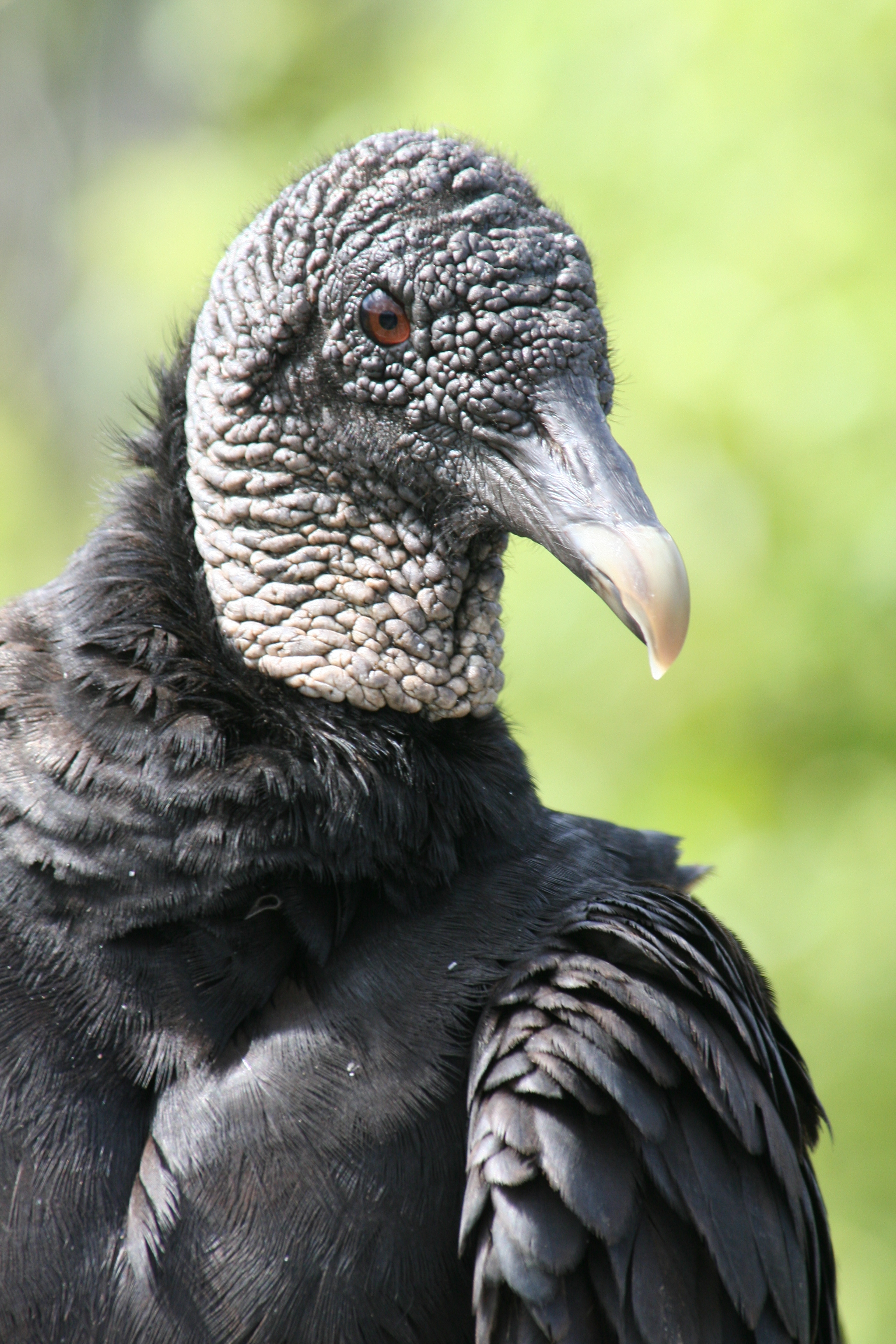
And this striking Black Buzzard was another Everglades resident.

And this striking Black Buzzard was another Everglades resident.

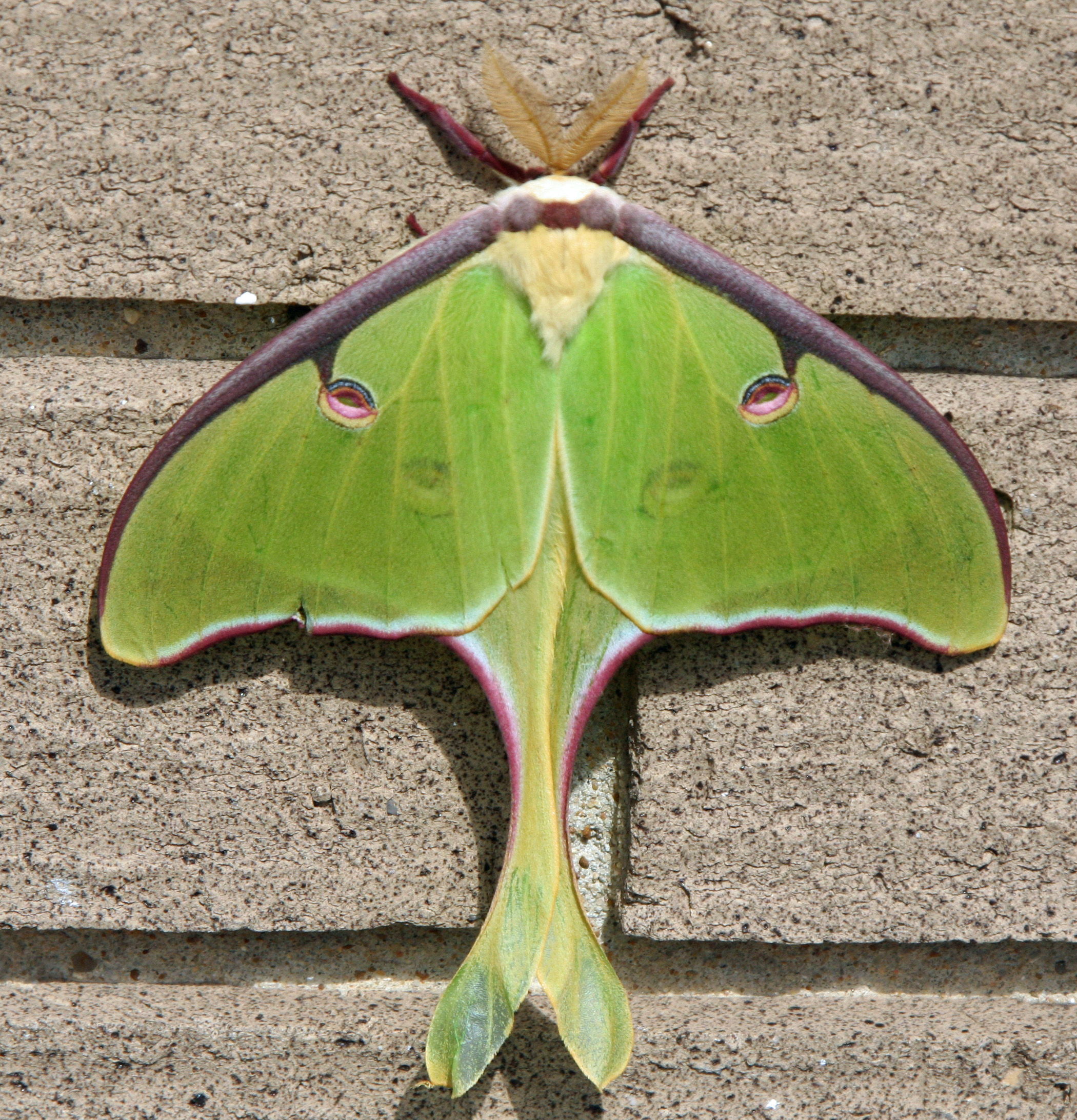
We found this Luna Moth on the Natchez National Parkway.

We found this Luna Moth on the Natchez Trace National Parkway.

Brown Pelicans are a common visitor at Pt. Reyes National Seashore.

Brown Pelicans are common visitors at Pt. Reyes National Seashore.

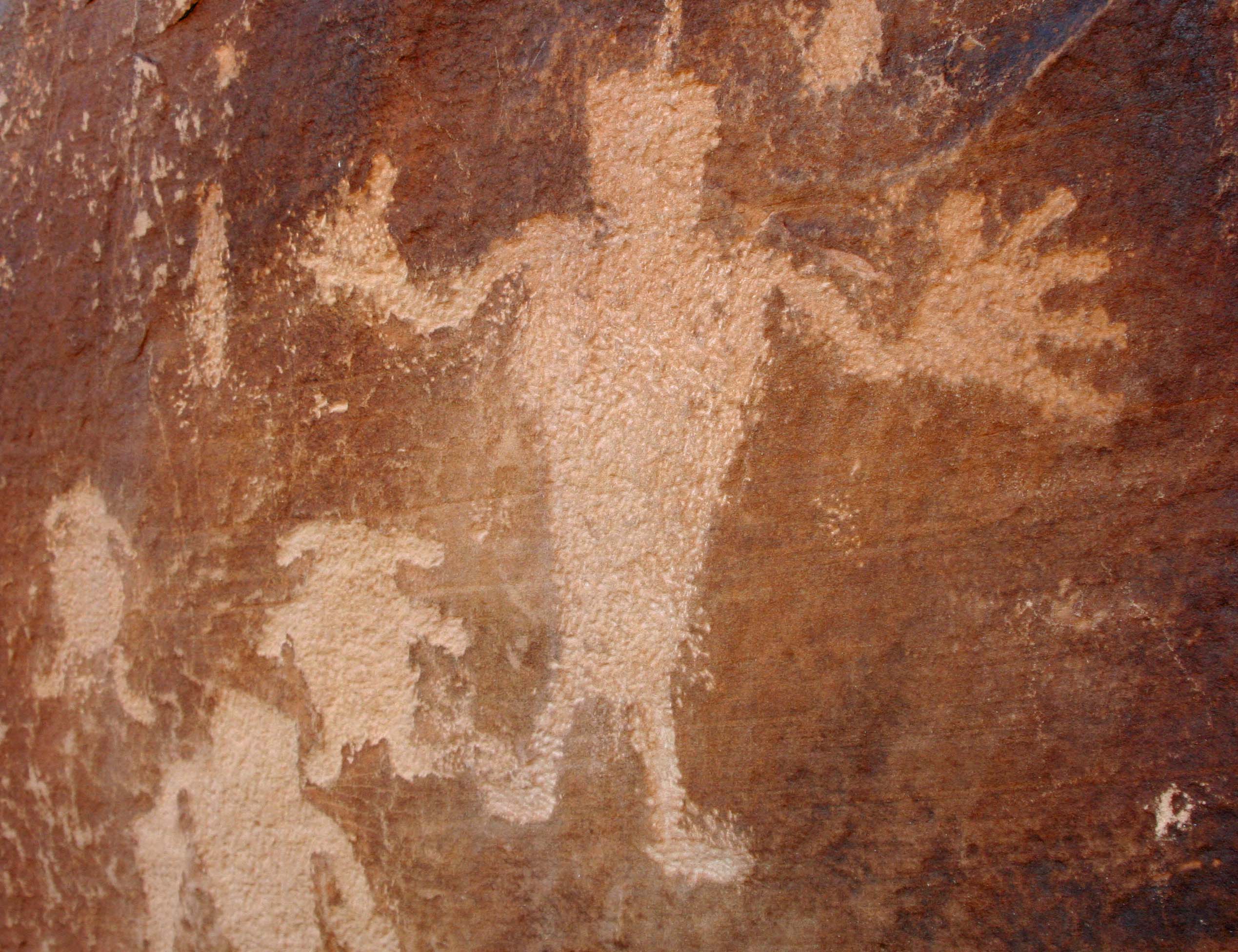
Peggy and I are great fans of Native America rock art, much of which is protected in National Parks and at National Monuments. This man with his big hands and fat little dogs has always been one of my favorites.

Peggy and I are great fans of Native America rock art, much of which is protected in national parks and at national monuments. We have several thousand photos from different sites. This one from Dinosaur National Monument in Colorado/Utah has always been a favorite because of the big hands and fat little dogs.

It never hurts to complete a blog with a pretty flower. We found this Foxglove growing in Olympic National Park.

It never hurts to complete a blog with a pretty flower, even if it goes on and on. (grin) We found this Foxglove growing in Olympic National Park.

NEXT BLOG: I hope you have enjoyed my two diversions over the past week because of Earth Day and National Park Week. On Monday I will return to Europe and Rome’s historic Colosseum.