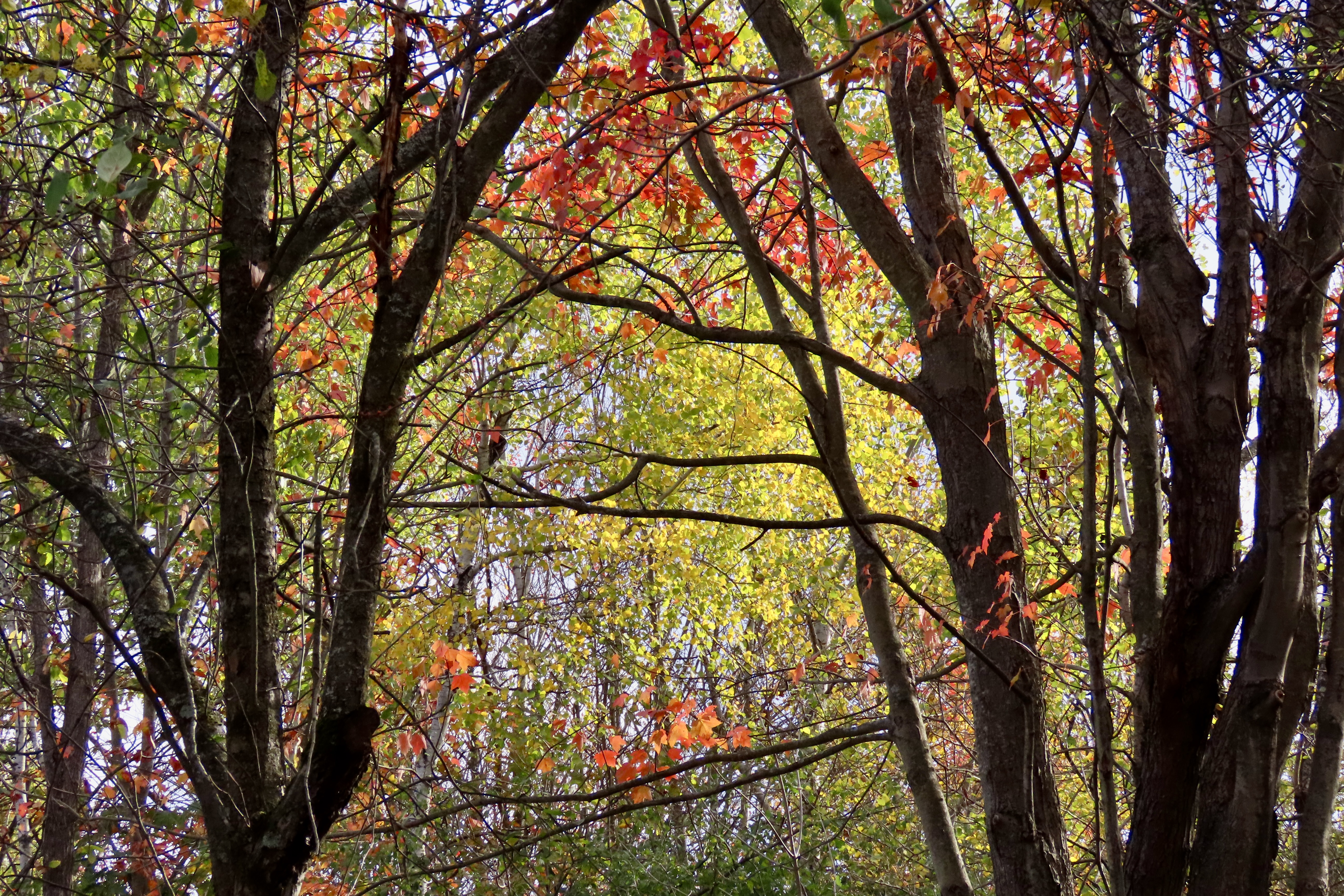
From Stowe, Vermont to Bar Harbor, Maine… Beautiful Scenery and a Scary Encounter

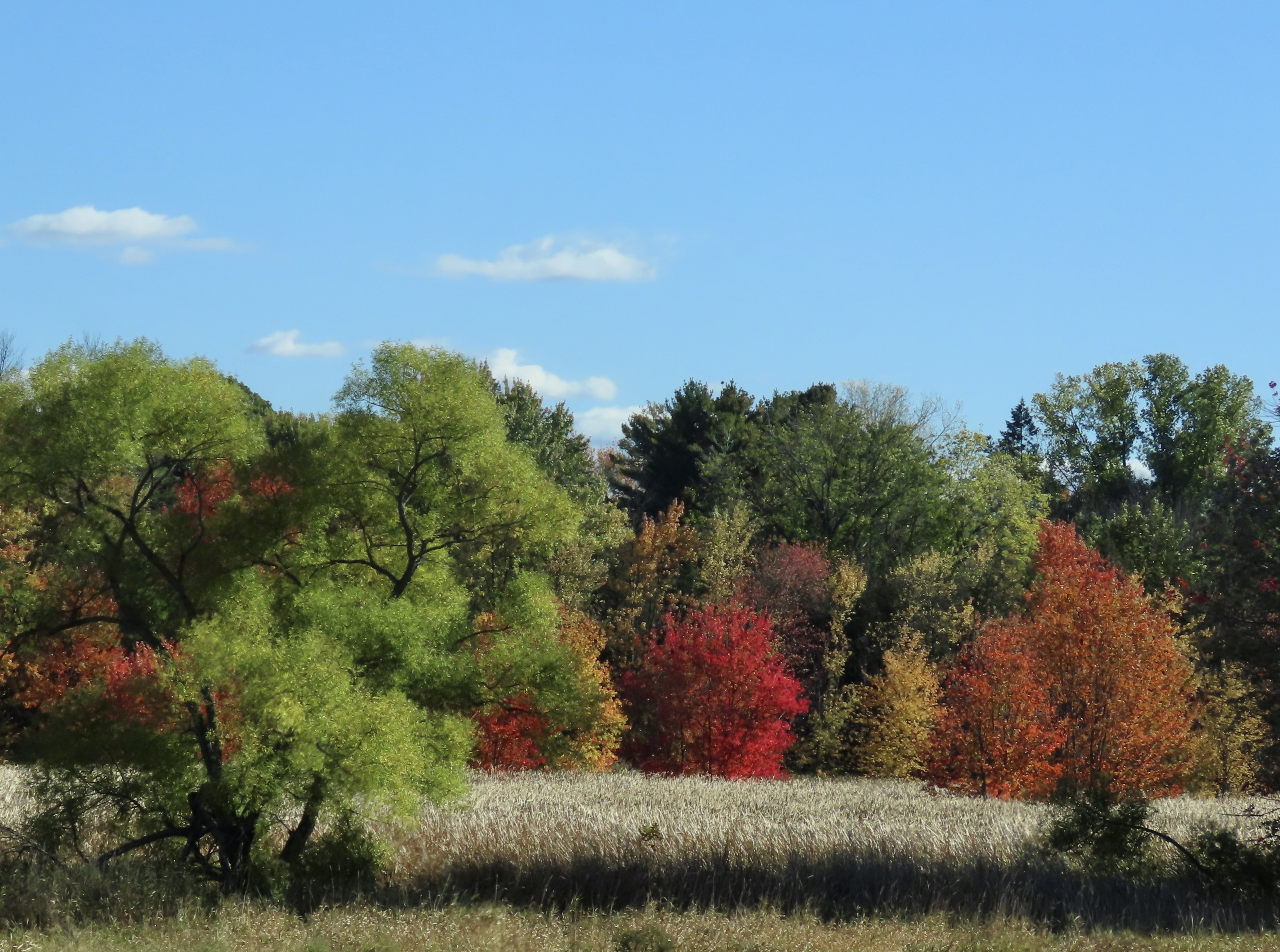
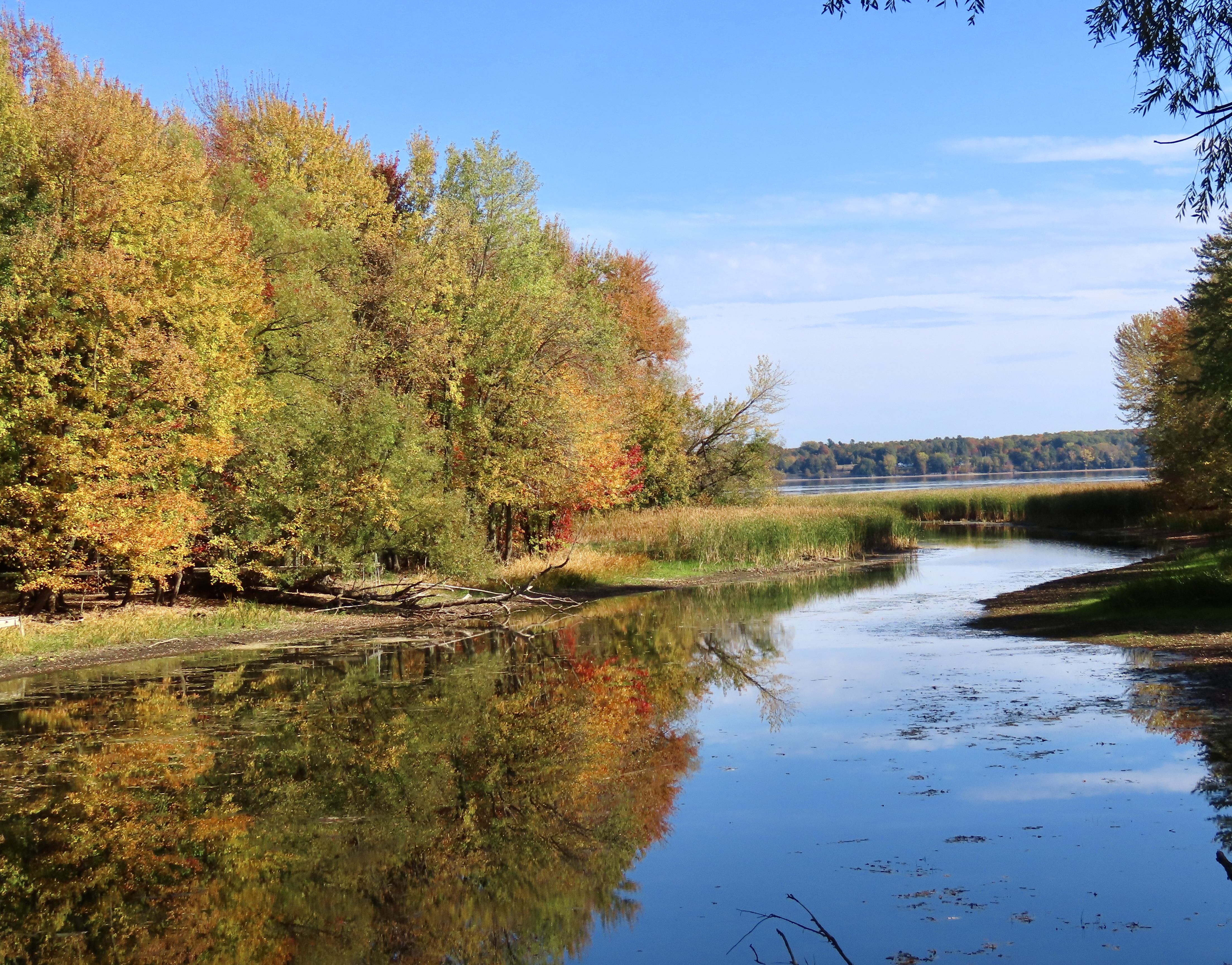
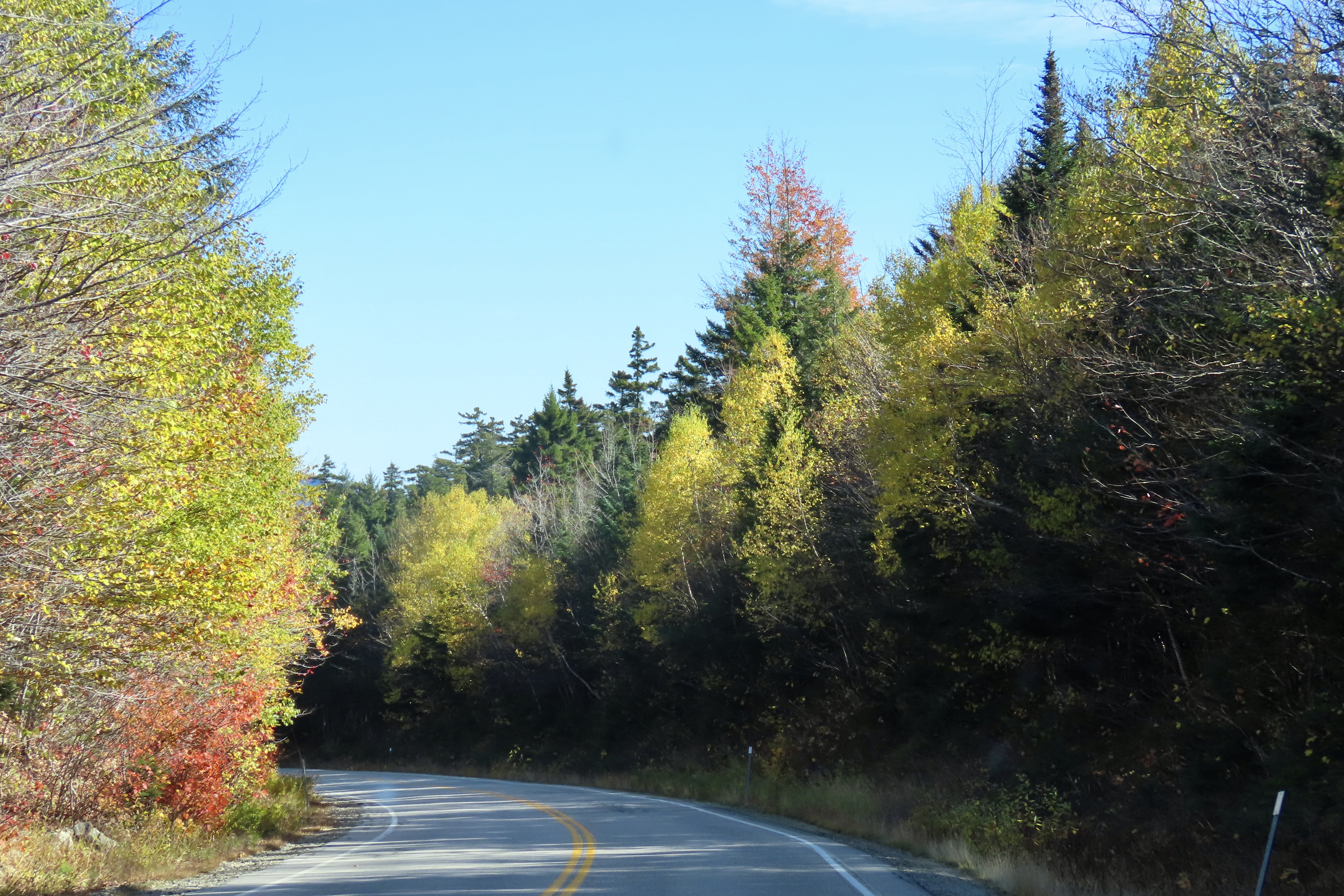
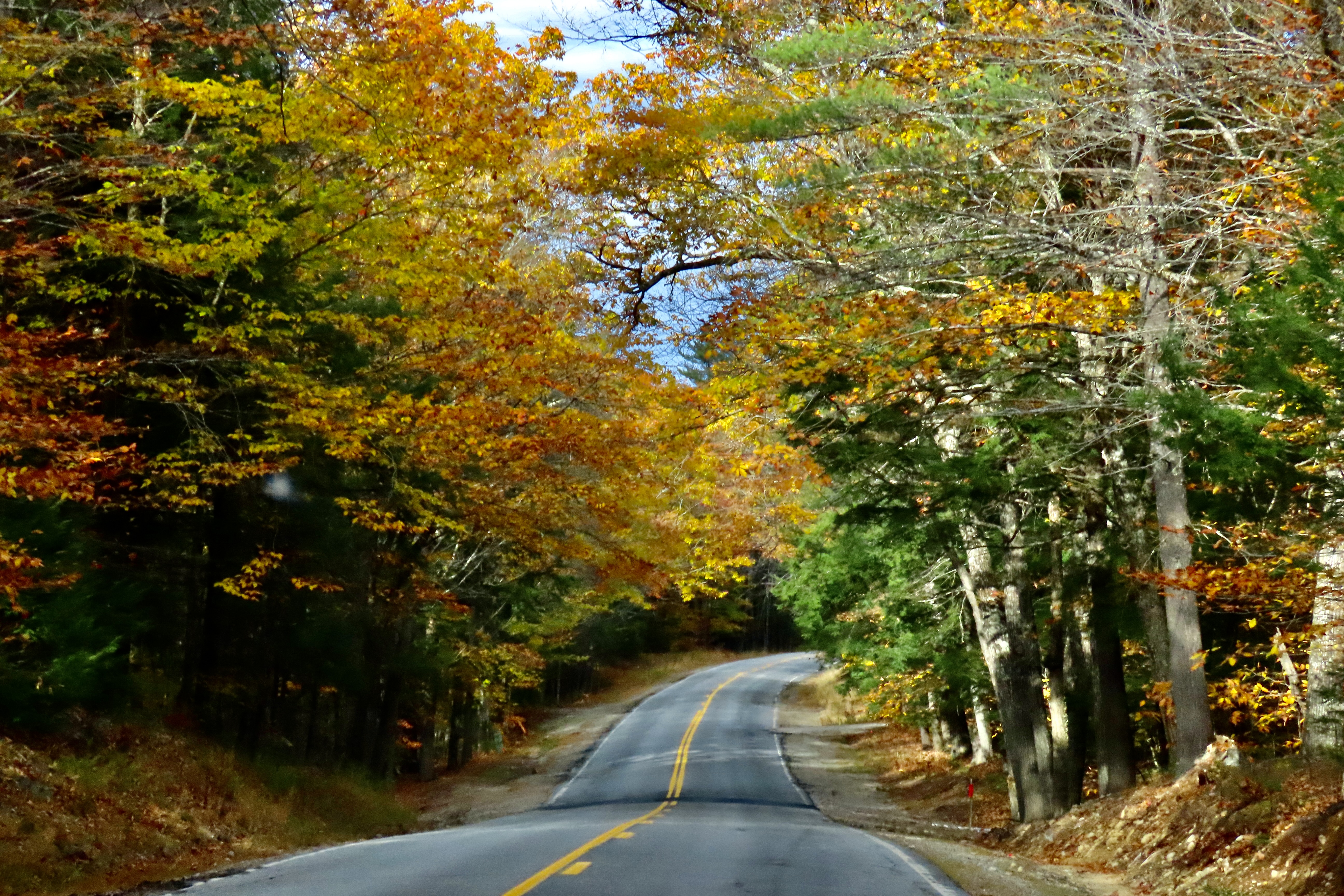
We left the crowded sidewalks and packed streets behind when we left Stowe, traveling the backroads of Vermont. You may have heard our sigh of relief as we once again had time to admire the scenery. Like this.
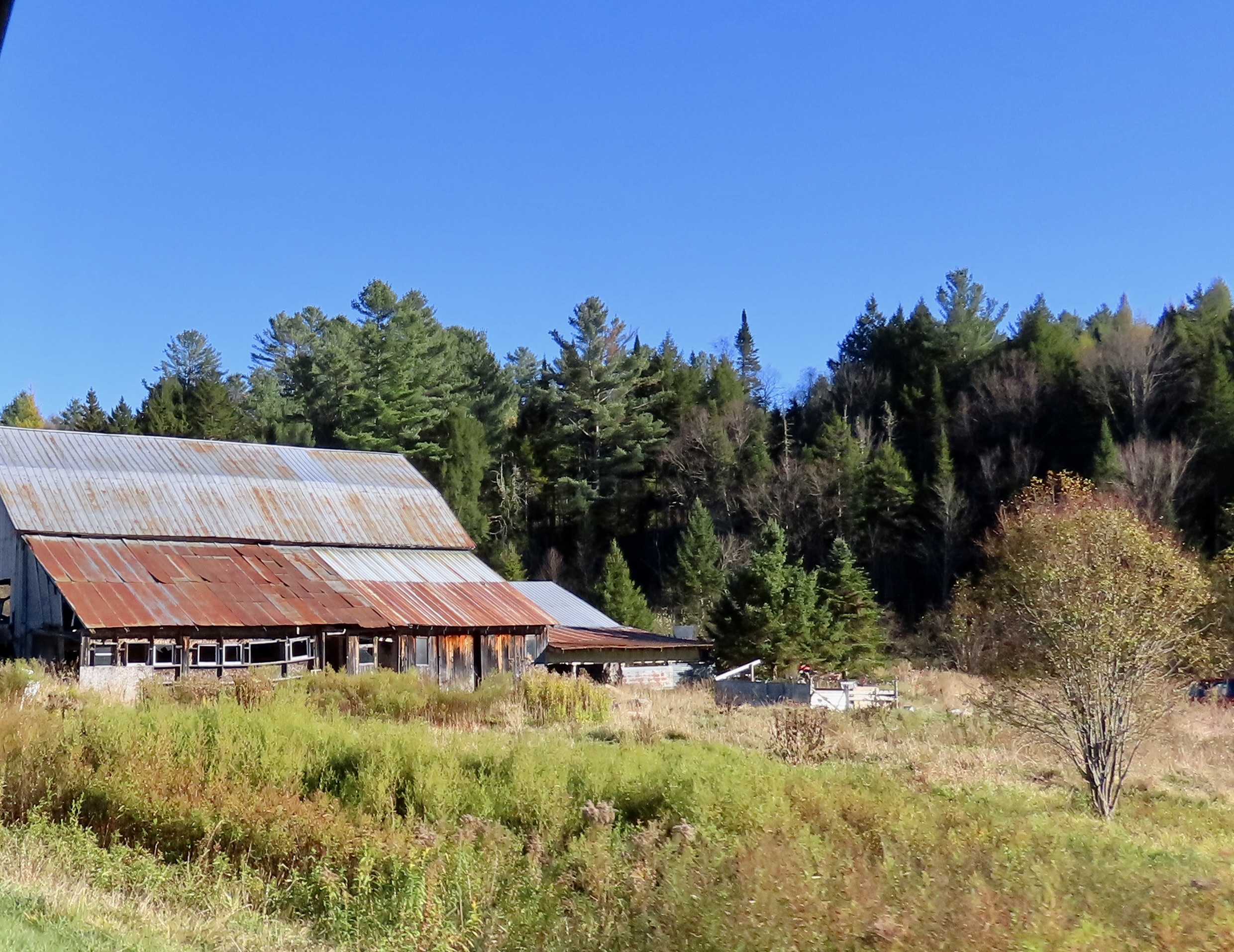
This old barn with its overgrown fields was part of it.
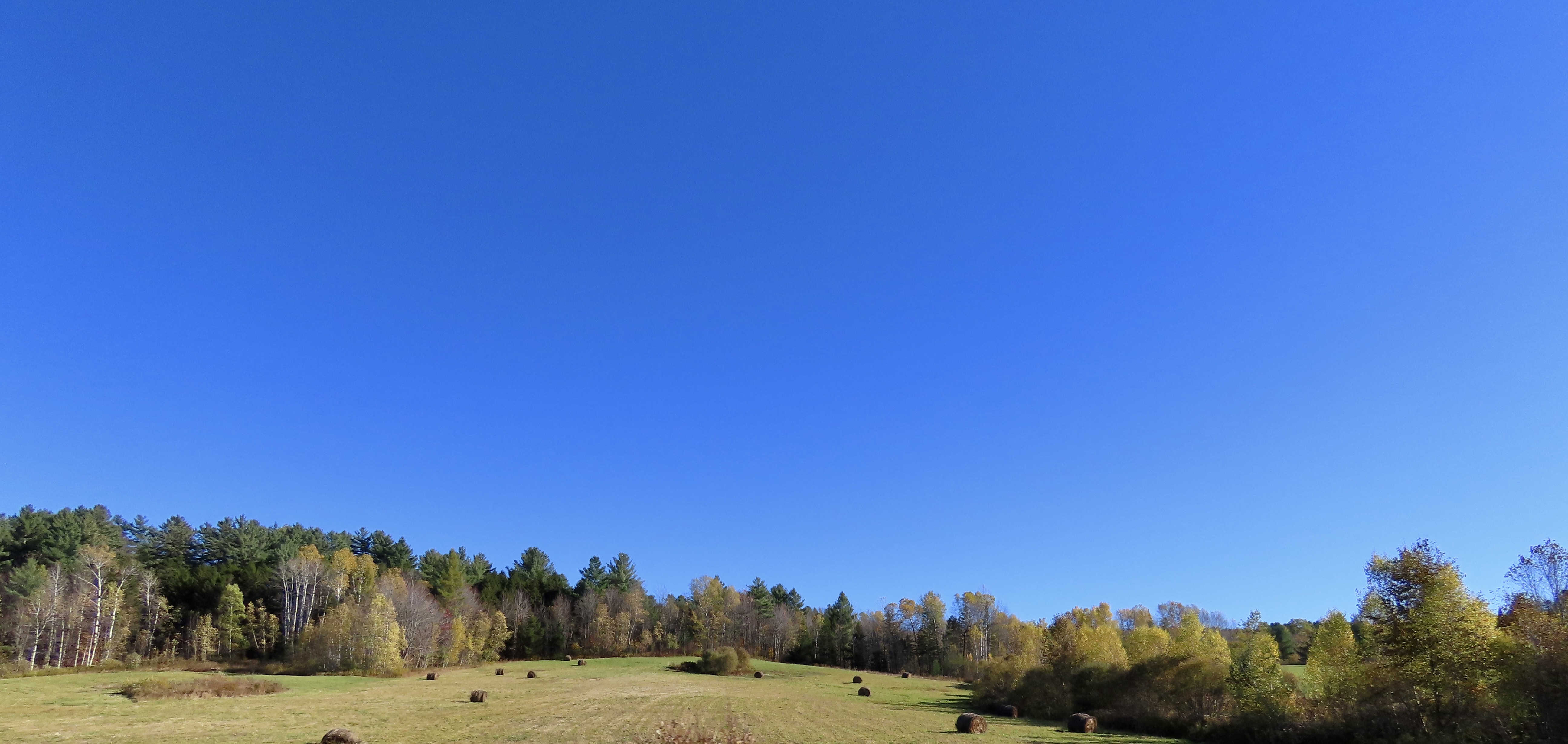
Rolled up hay bales were one more sign that Vermont had left summer behind and was preparing for winter.
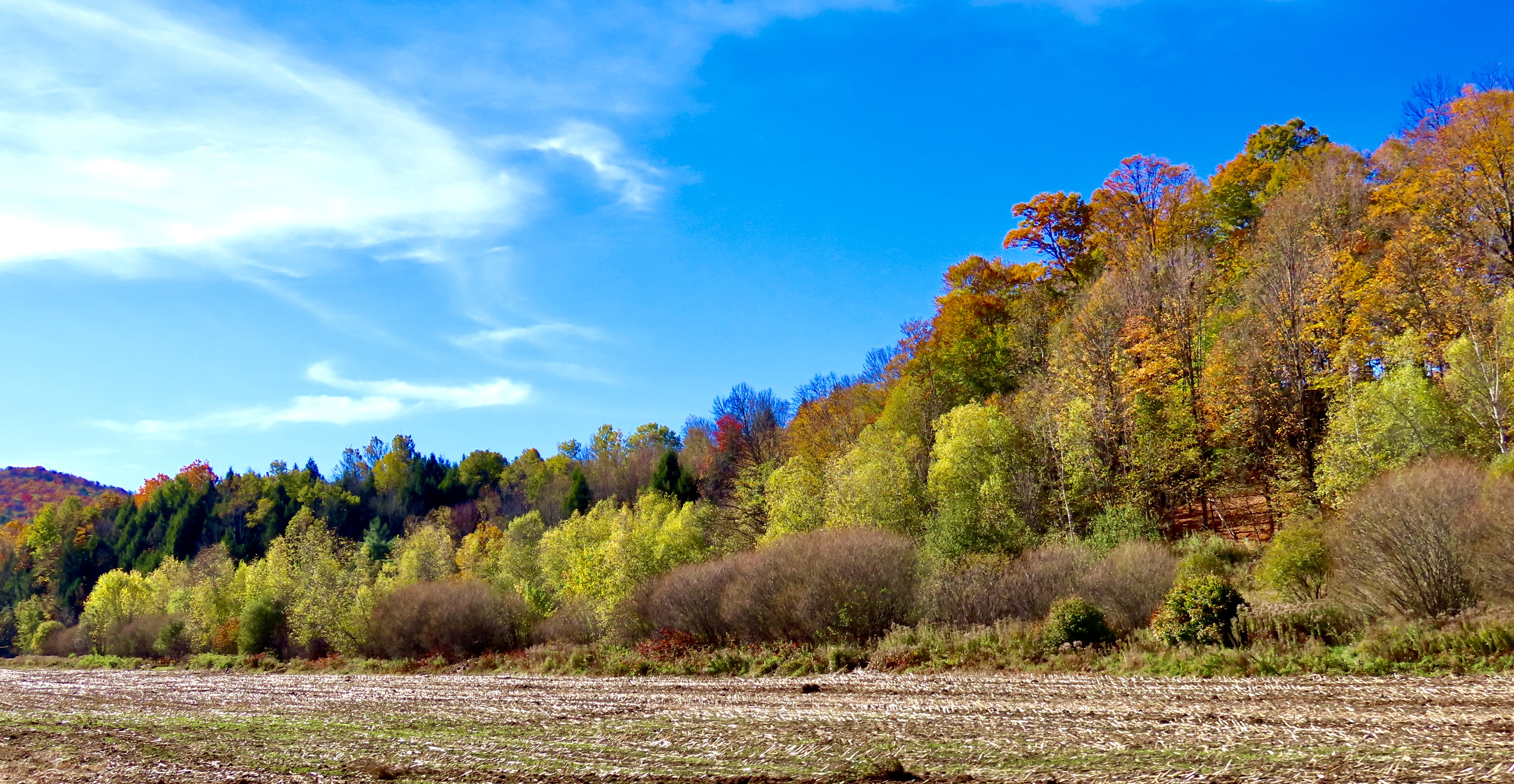
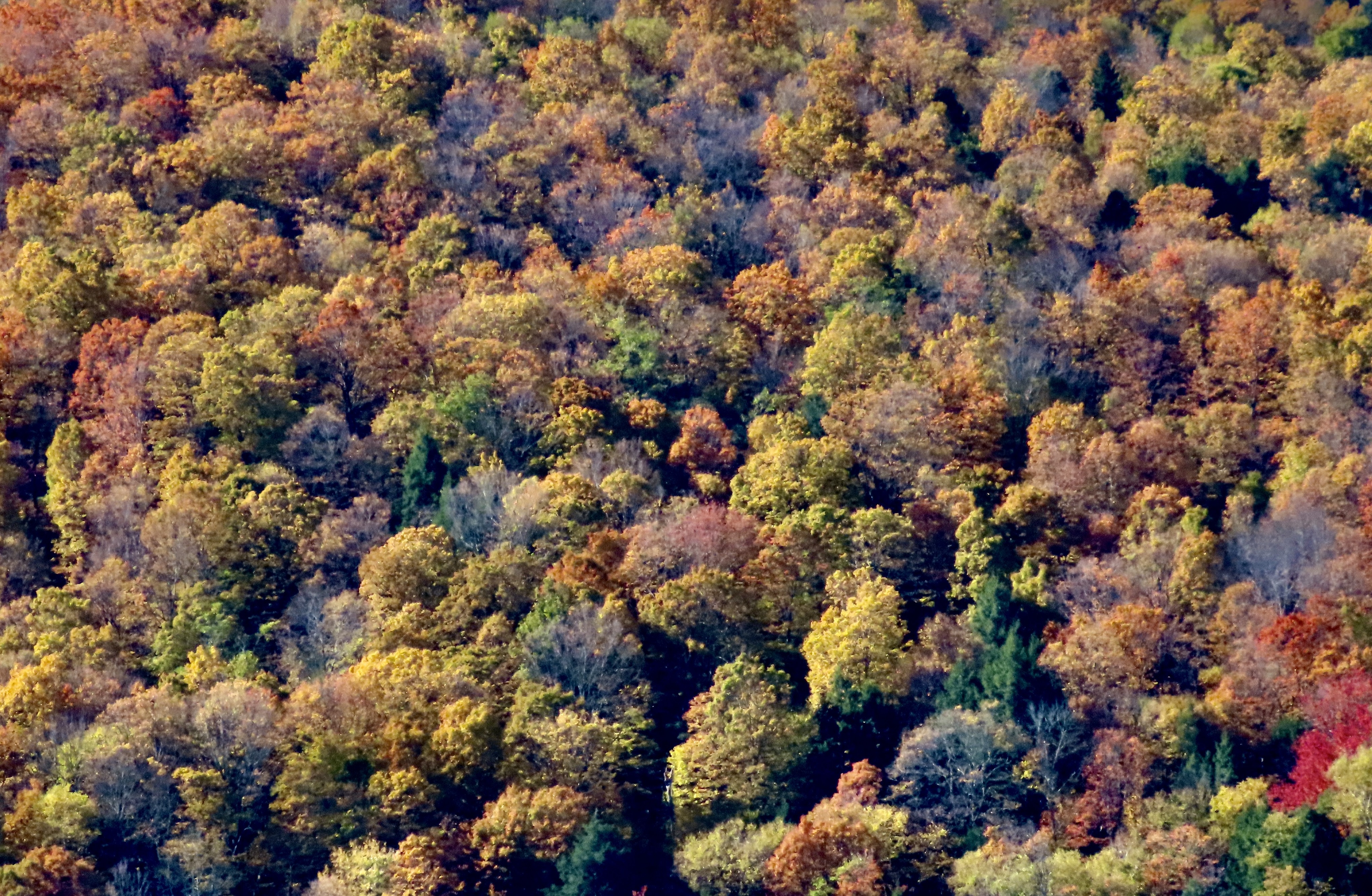
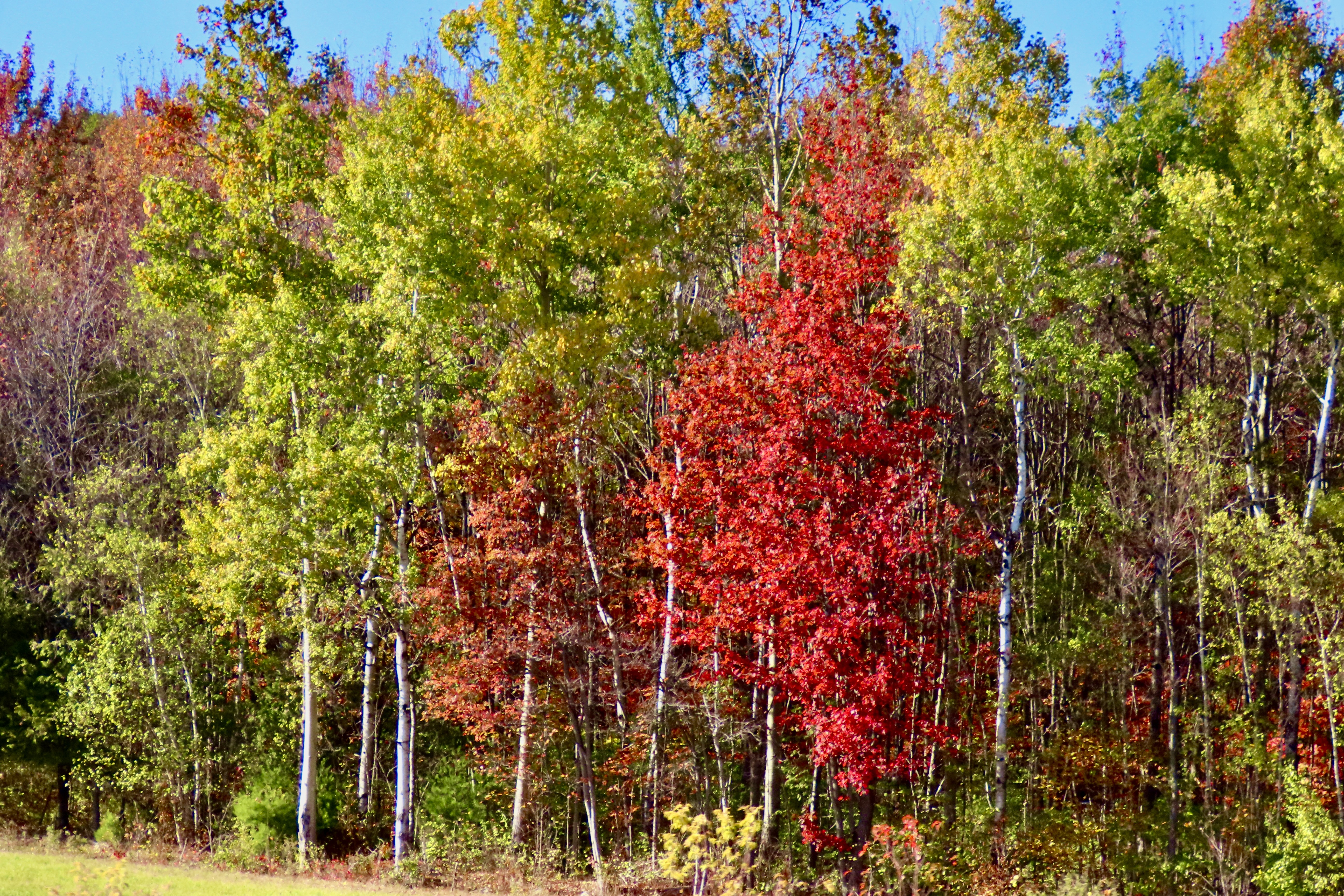
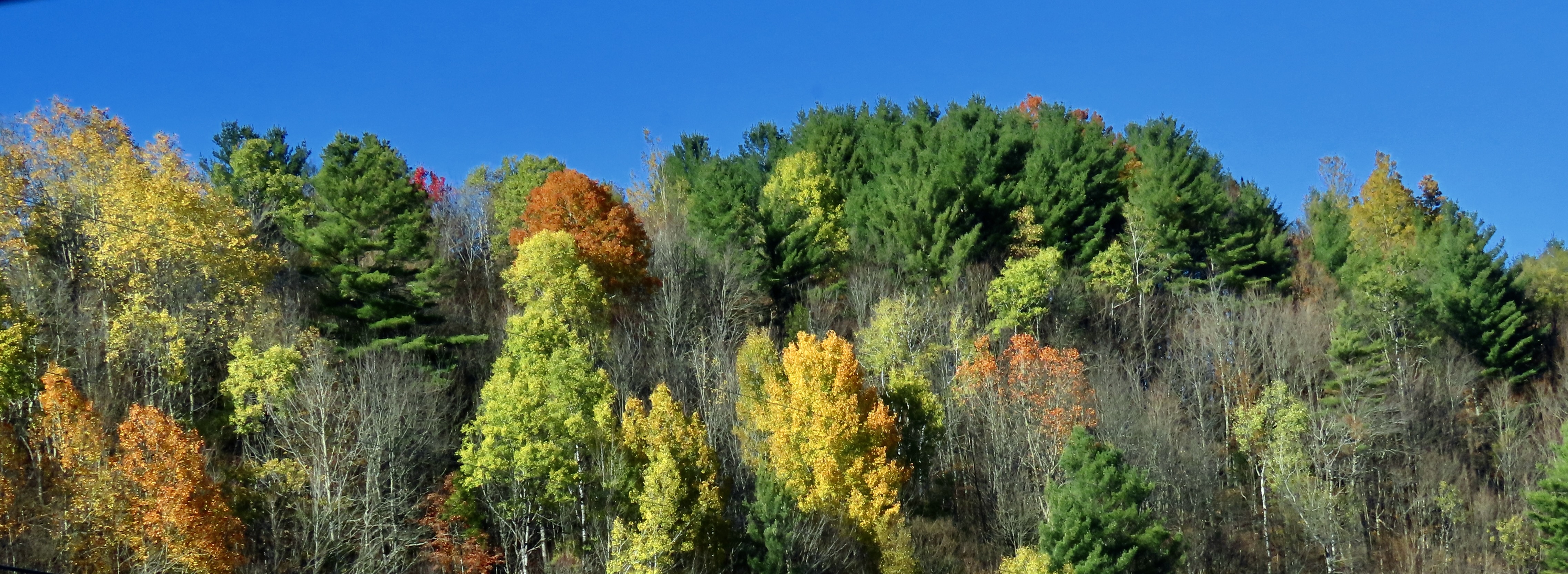
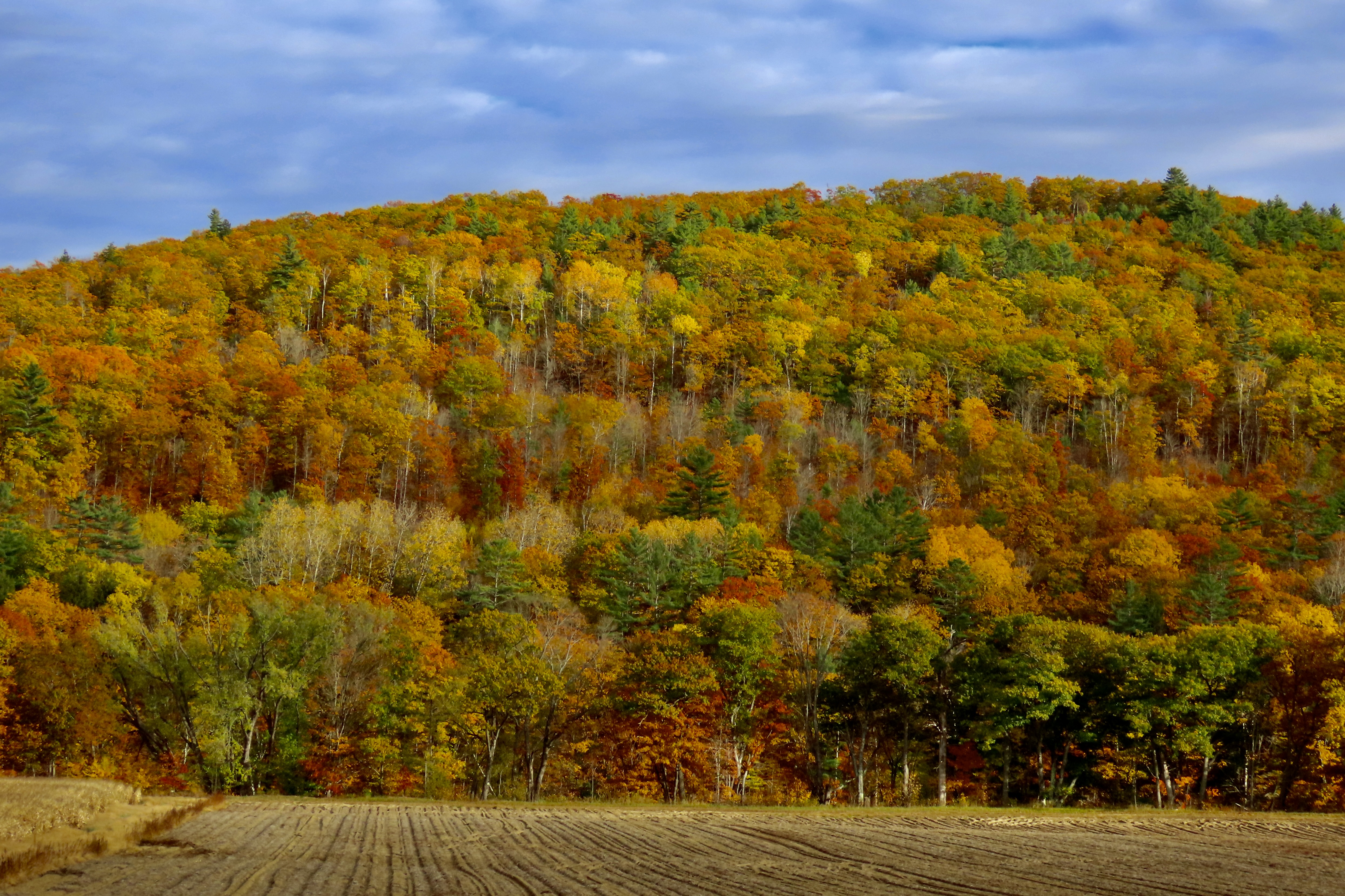
There was still plenty of color to catch our eyes.
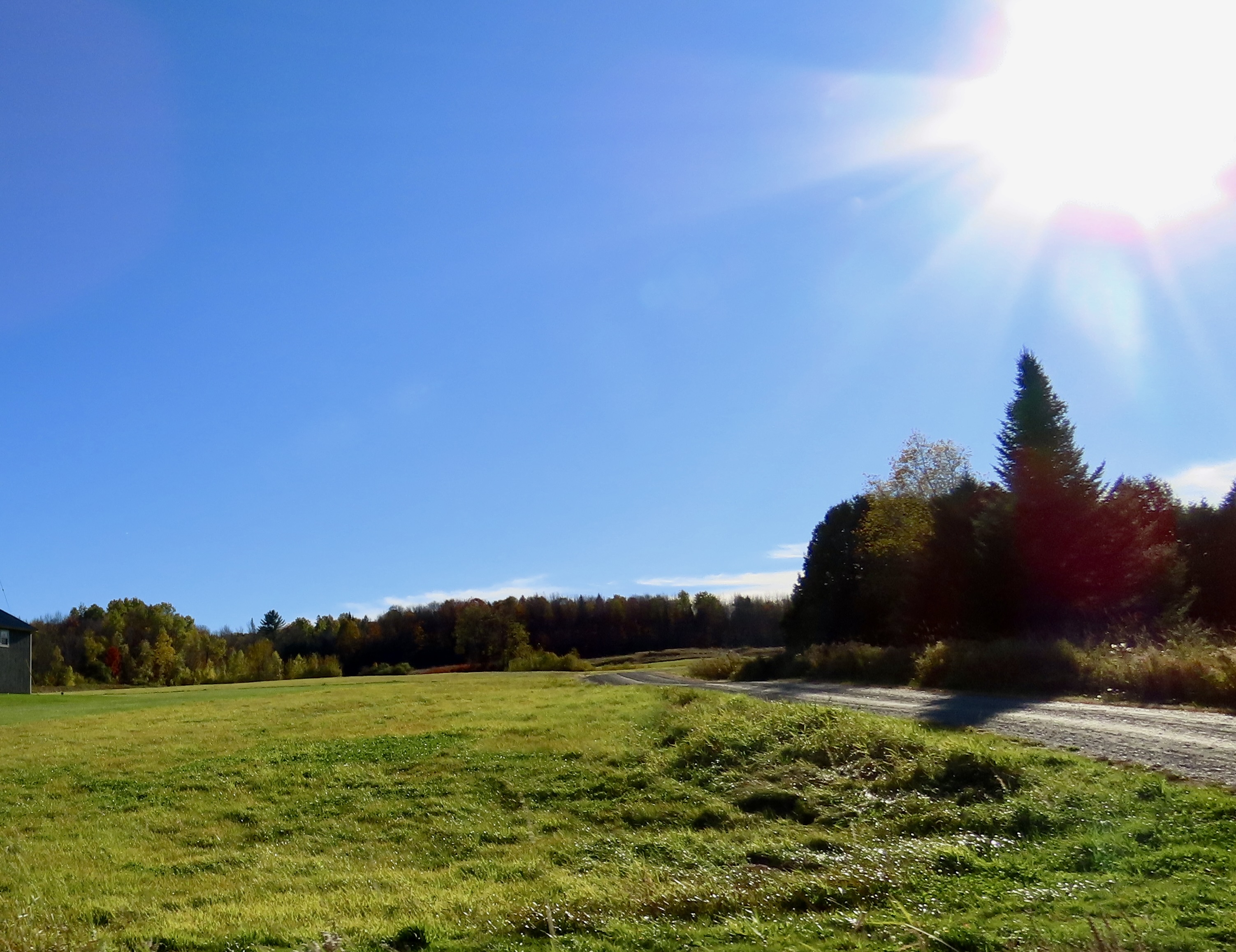
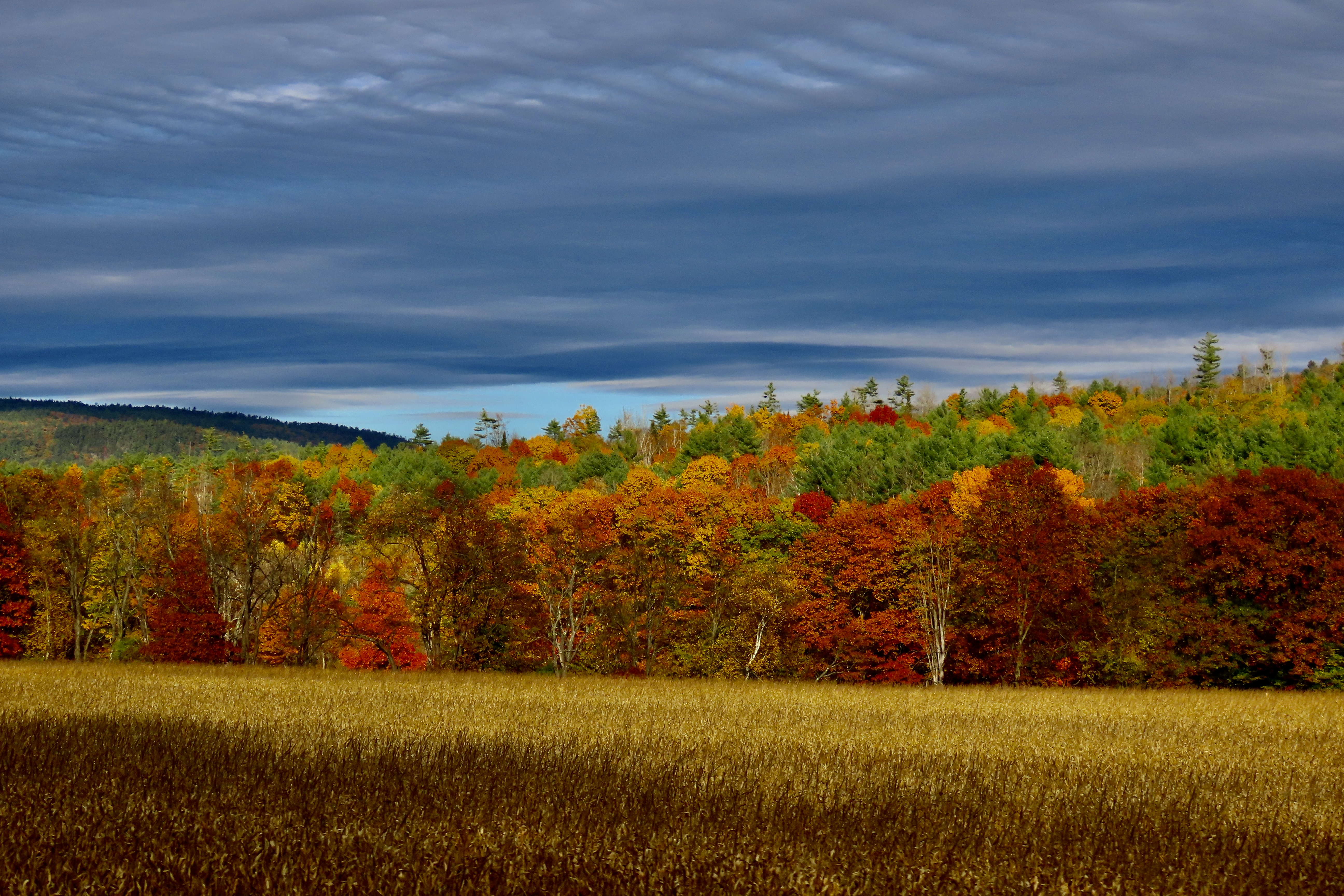
And a bright sun to illuminate the fields and trees.
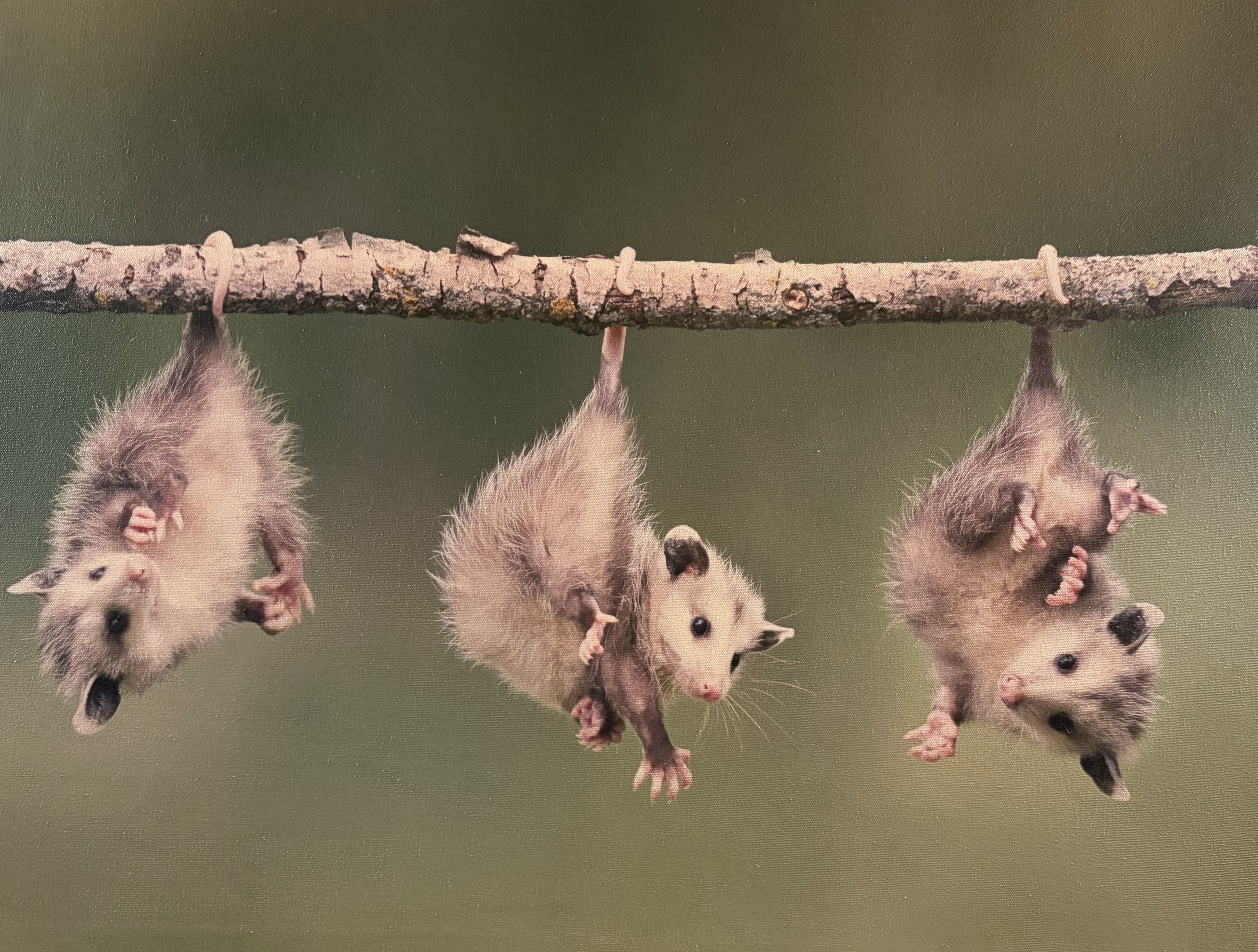
A photo of cute baby possums adorned the wall of the Pine Grove Motel where we stayed in Barton, Vermont that night. As it should. We were in the Possum Room. The motel was ancient and small but remodeled and clean with amenities including a refrigerator, microwave and even a toaster. Two single beds served our sleeping needs. At least they did until midnight when we heard a strange noise. At first I thought in might be an animal in the attic and happily pictured a possum. Peggy and I quickly realized, however, that someone was using a key and trying to get into our room. My assumption was that he/she had mixed up room numbers. I’ve done that. I went over and politely said through the door that the person had the wrong room. (No way was I opening the door!) The person continued to work his key and wouldn’t quit. Maybe he was drunk. I was getting worried. “You have the wrong room,” I said loudly. “Go away!” He smashed the door with his fist. But left. It took a while for us to go back to sleep.
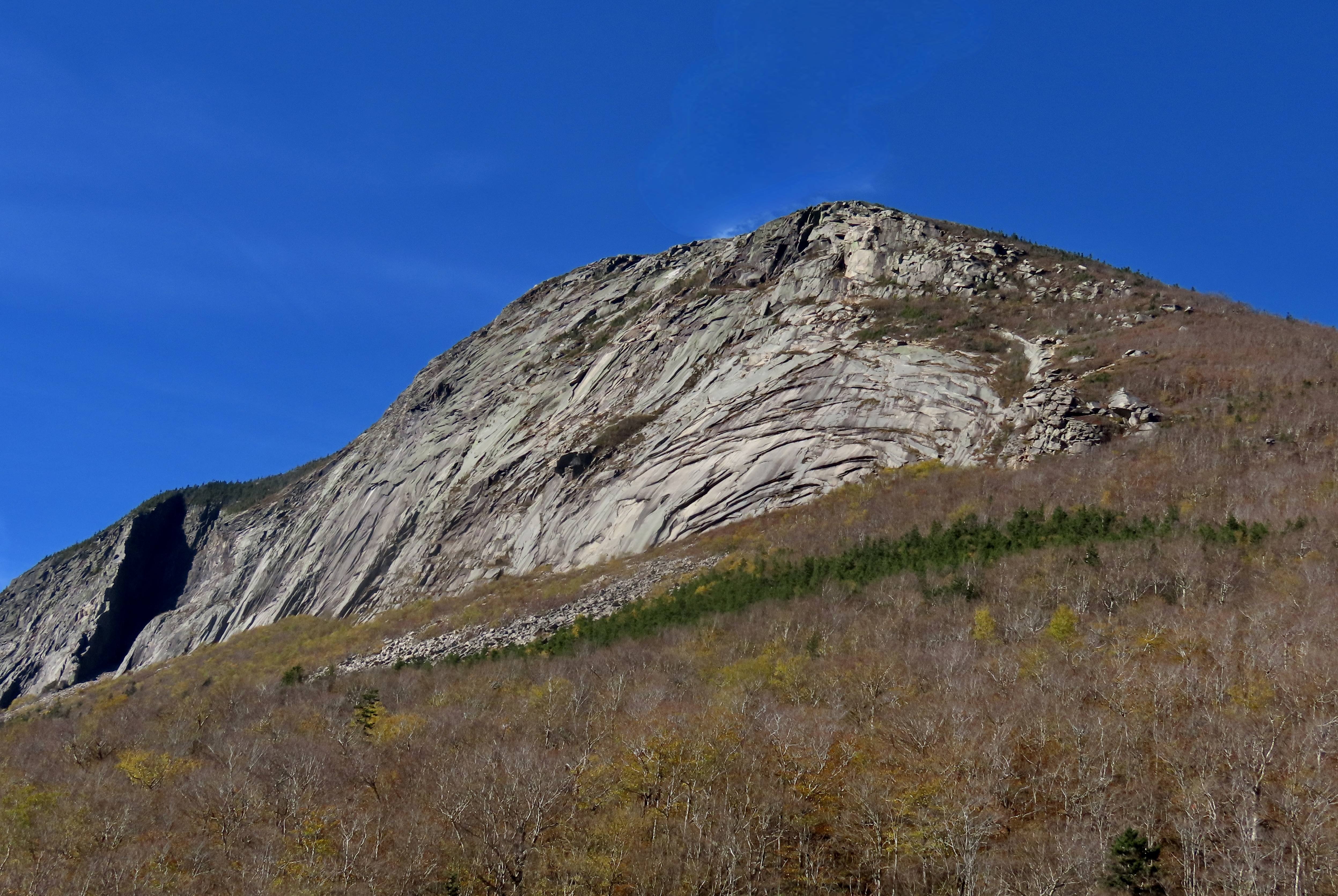
The next morning we climbed on I-91 and zipped down the freeway to I-93 where we left the Green Mountains of Vermont behind for the granite White Mountains of New Hampshire. There is a reason why New Hampsire is known as the Granite State!
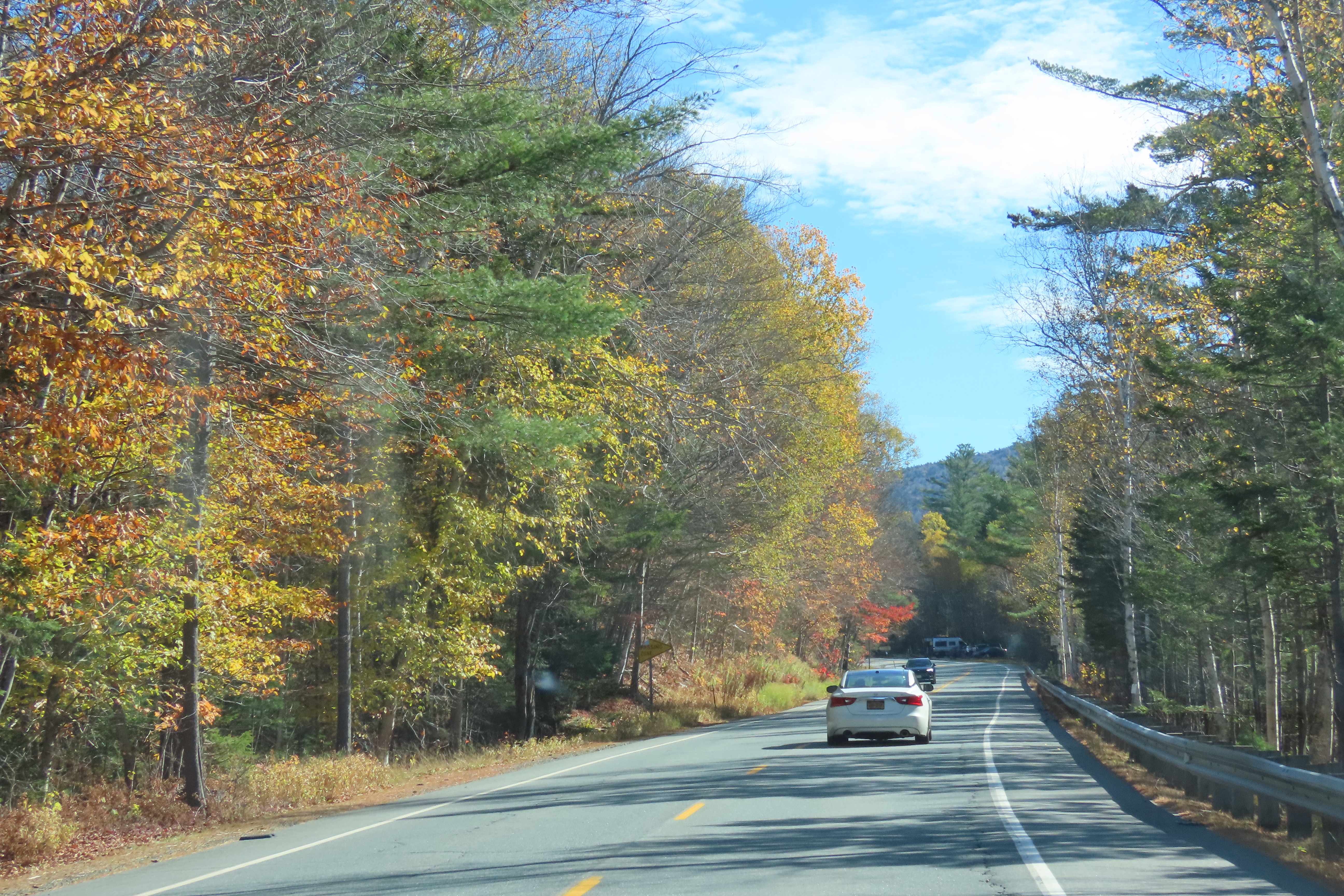
Our goal was New Hampshire’s Kancamagus Highway noted for its fall colors. At 34 miles long, it is considered New Hampshire’s most scenic drive. The US Forest Service even charges people $5 to drive the road if they use any of the pullouts. (Our handy-dandy National Park Senior Citizen Pass that we have been using for a quarter of a century worked.)
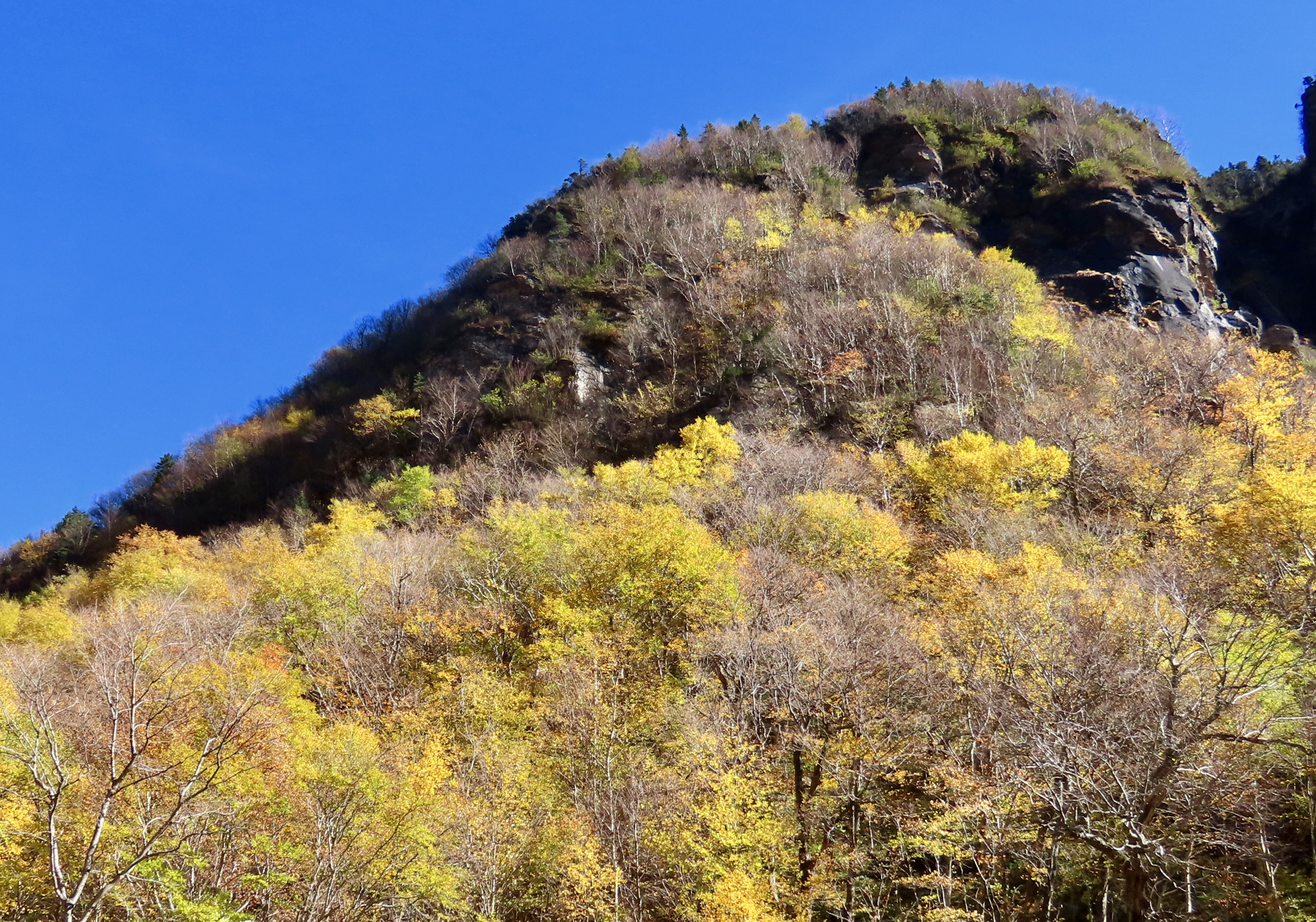
Unfortunately, the famous fall colors were past their prime.
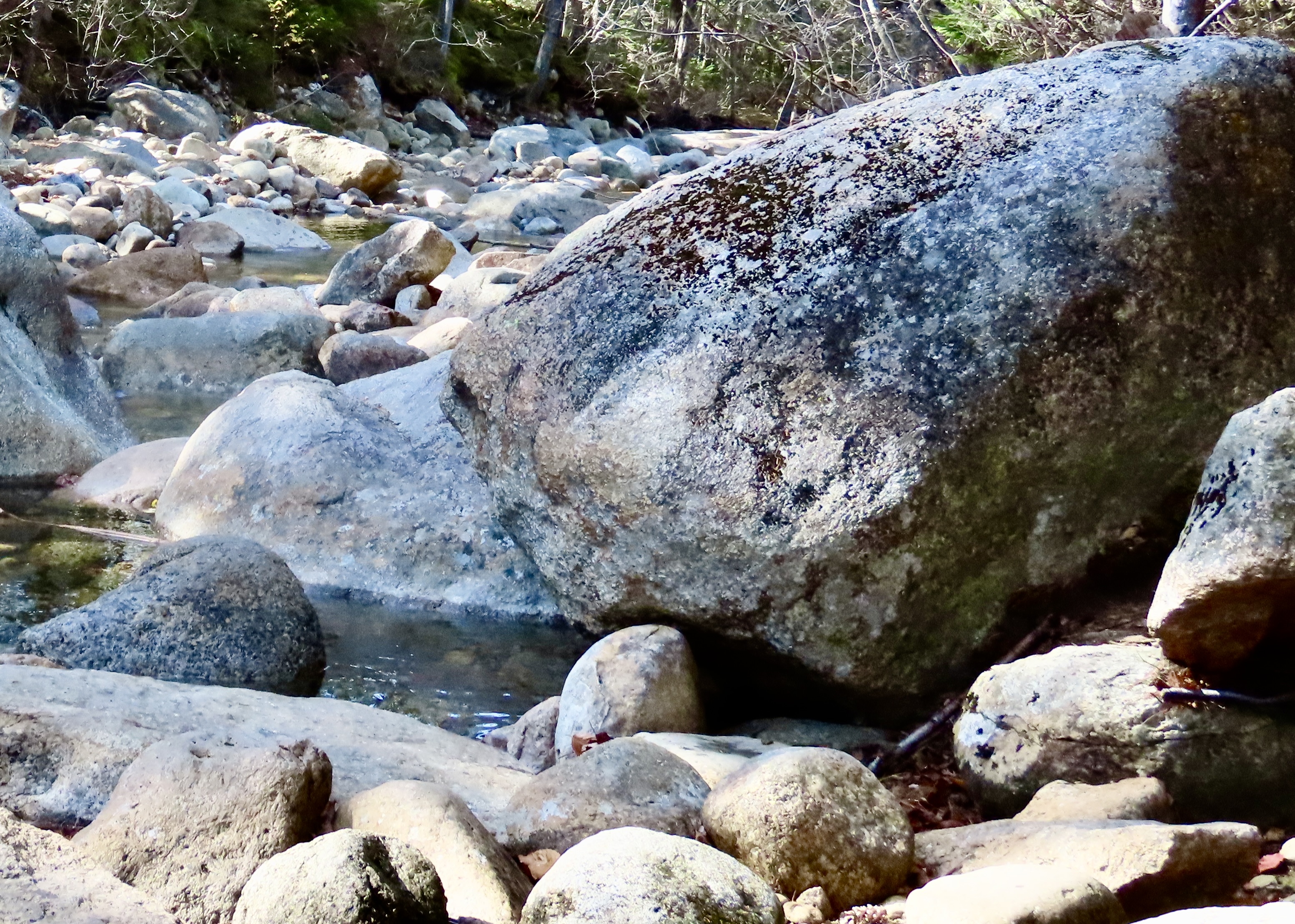
So we went looking for other things that might catch our eyes, like this boulder filled stream along the highway. More granite.
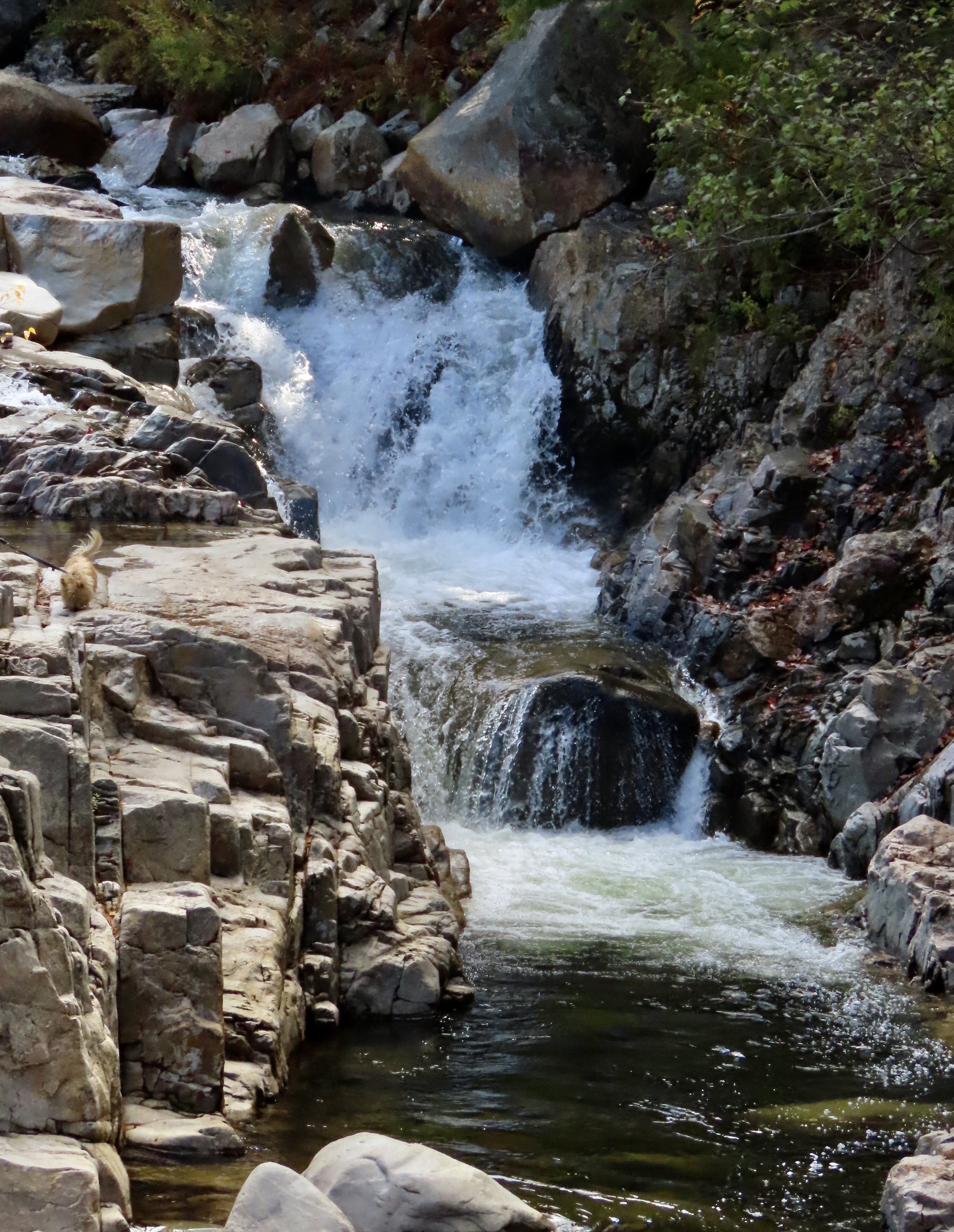
Farther along, we found a waterfall to admire.
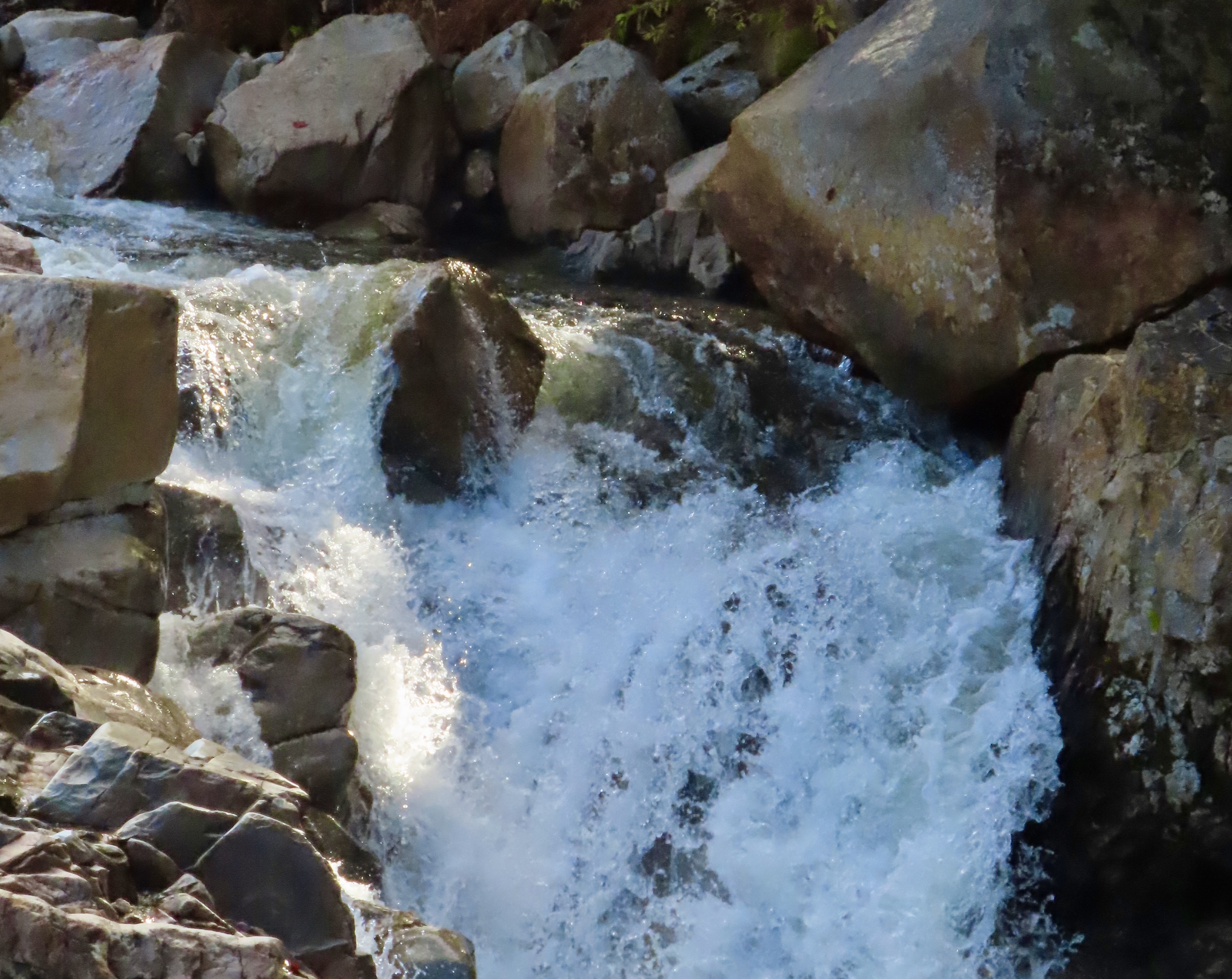
Sunlight lit up a corner, creating translucence.
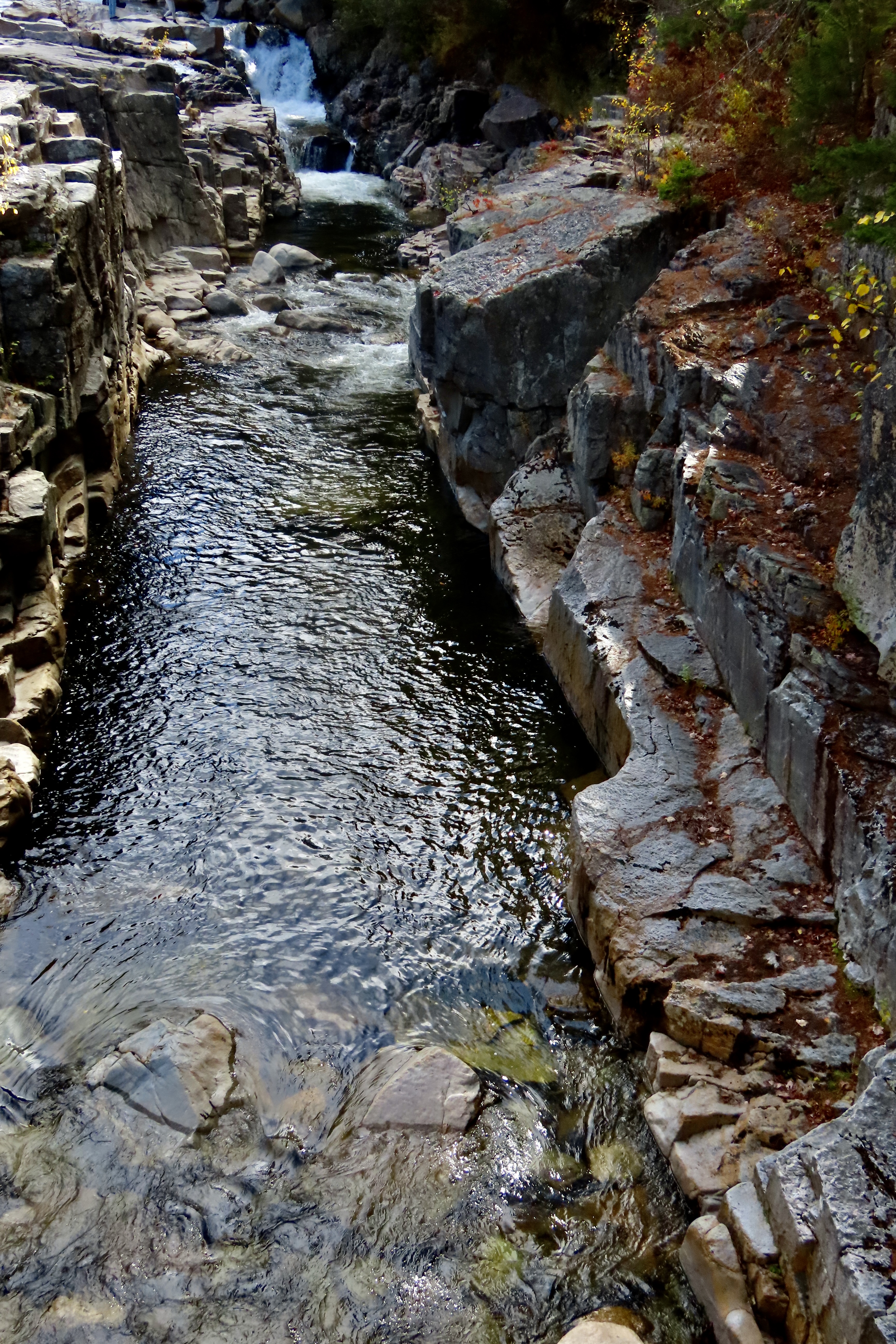
We thought that this ‘long shot’ provided an interesting, different perspective. The waterfall was at the very top. Dark, inky water ran along the channel and then gained a tad of color as it flowed over rocks at the end.
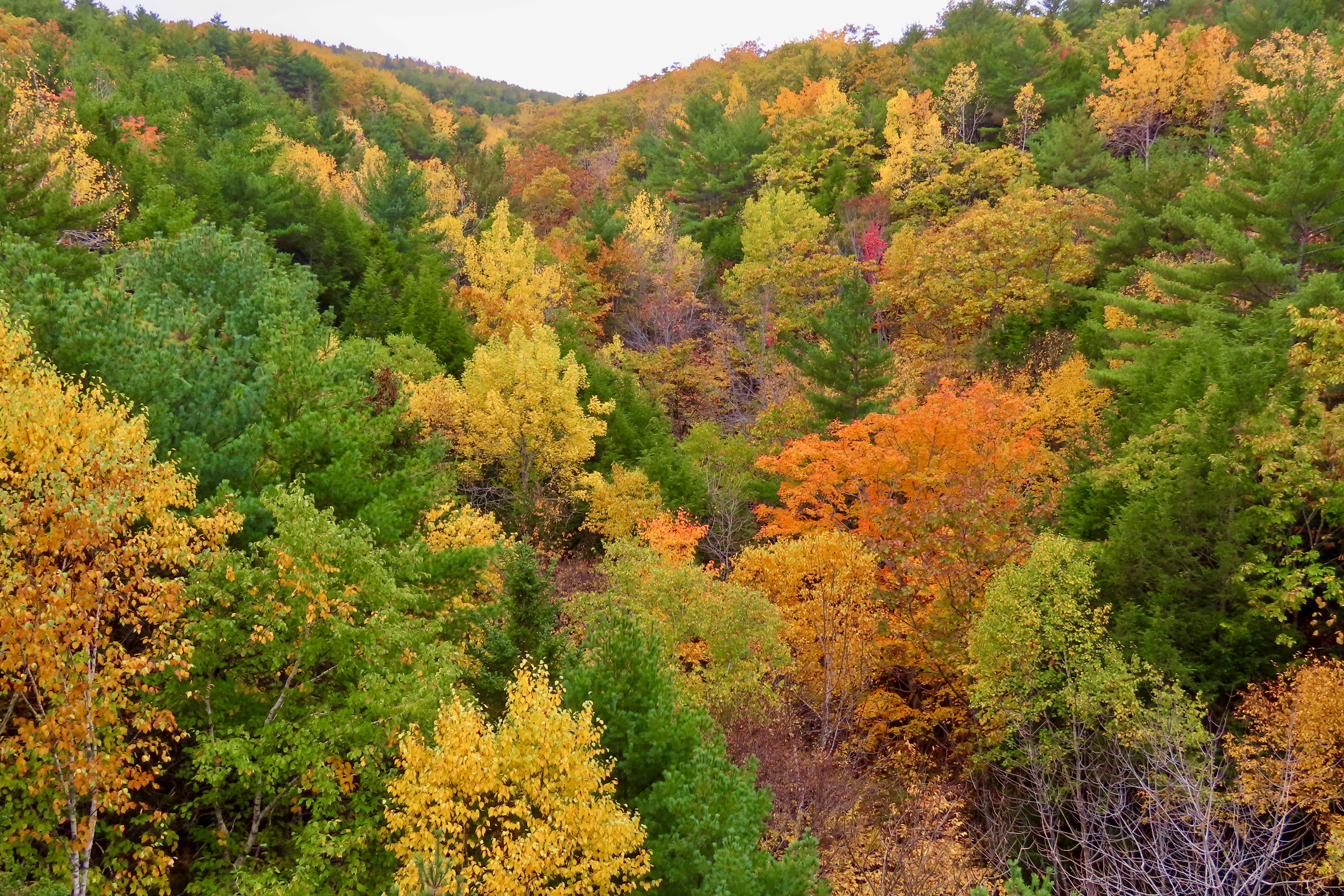
Of course we found some colors along the highway. After all, it was still early in October and we were in New Hampshire.
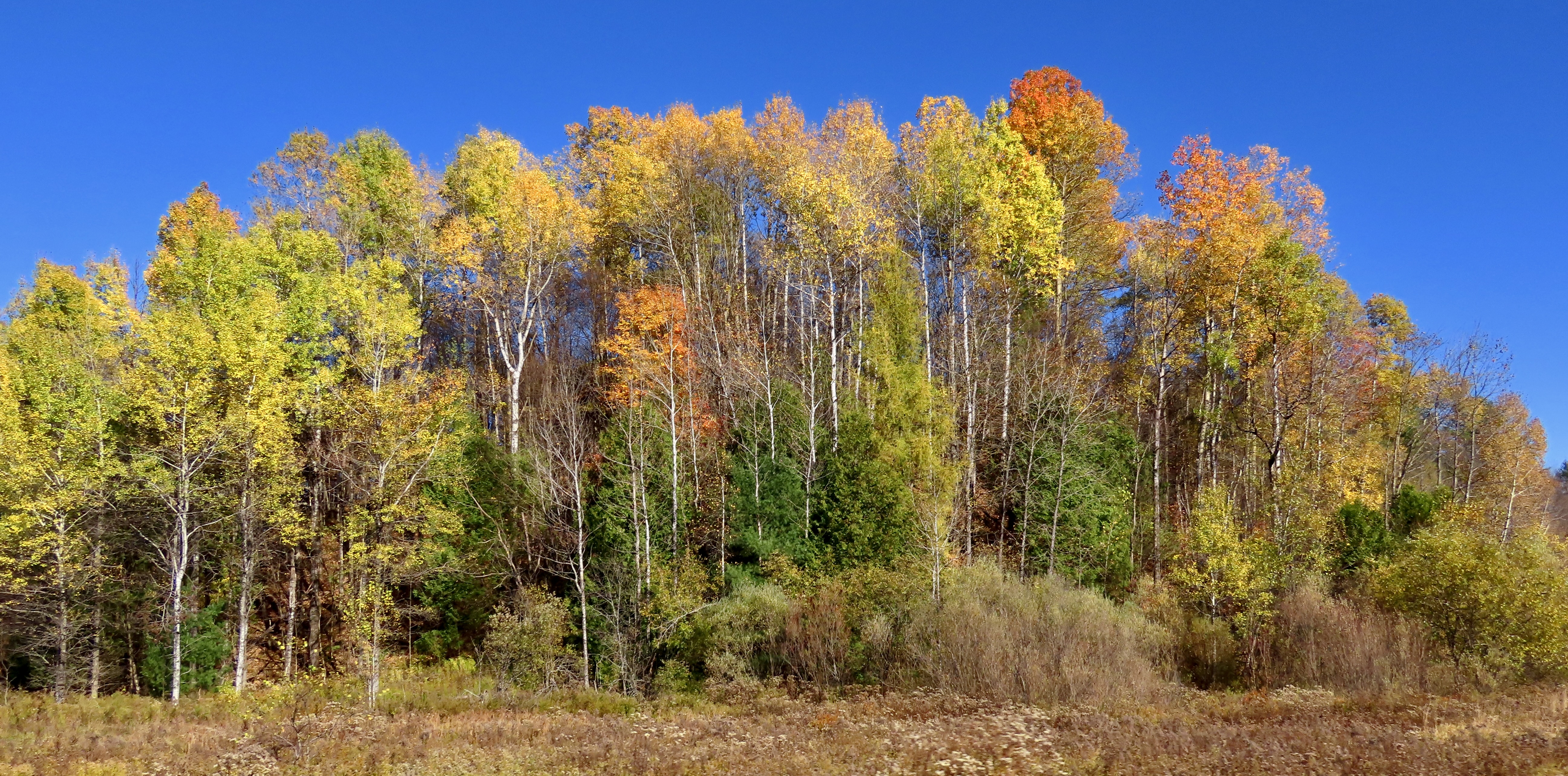
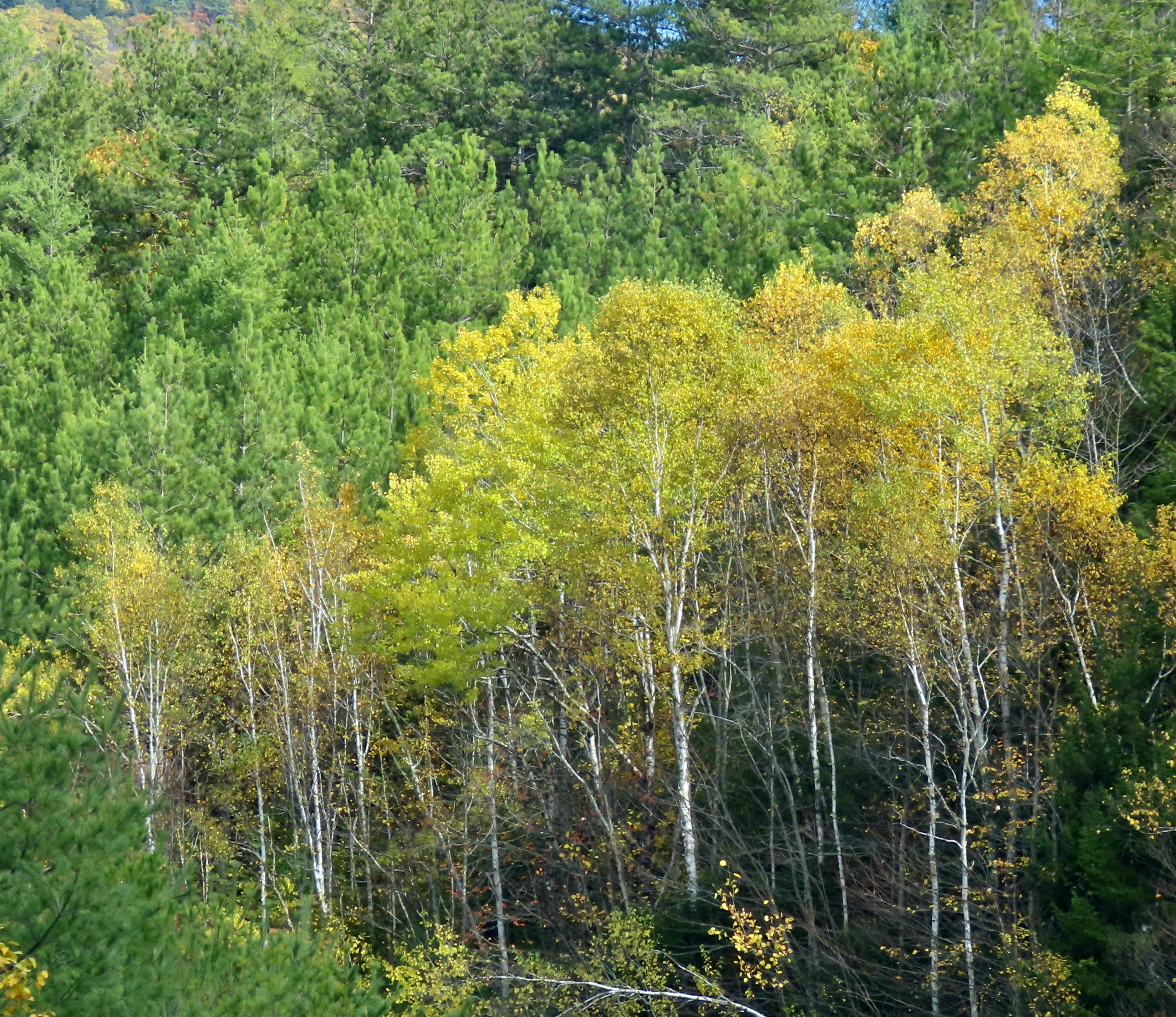
Birch trees were still showing off their yellow leaves and white bark.
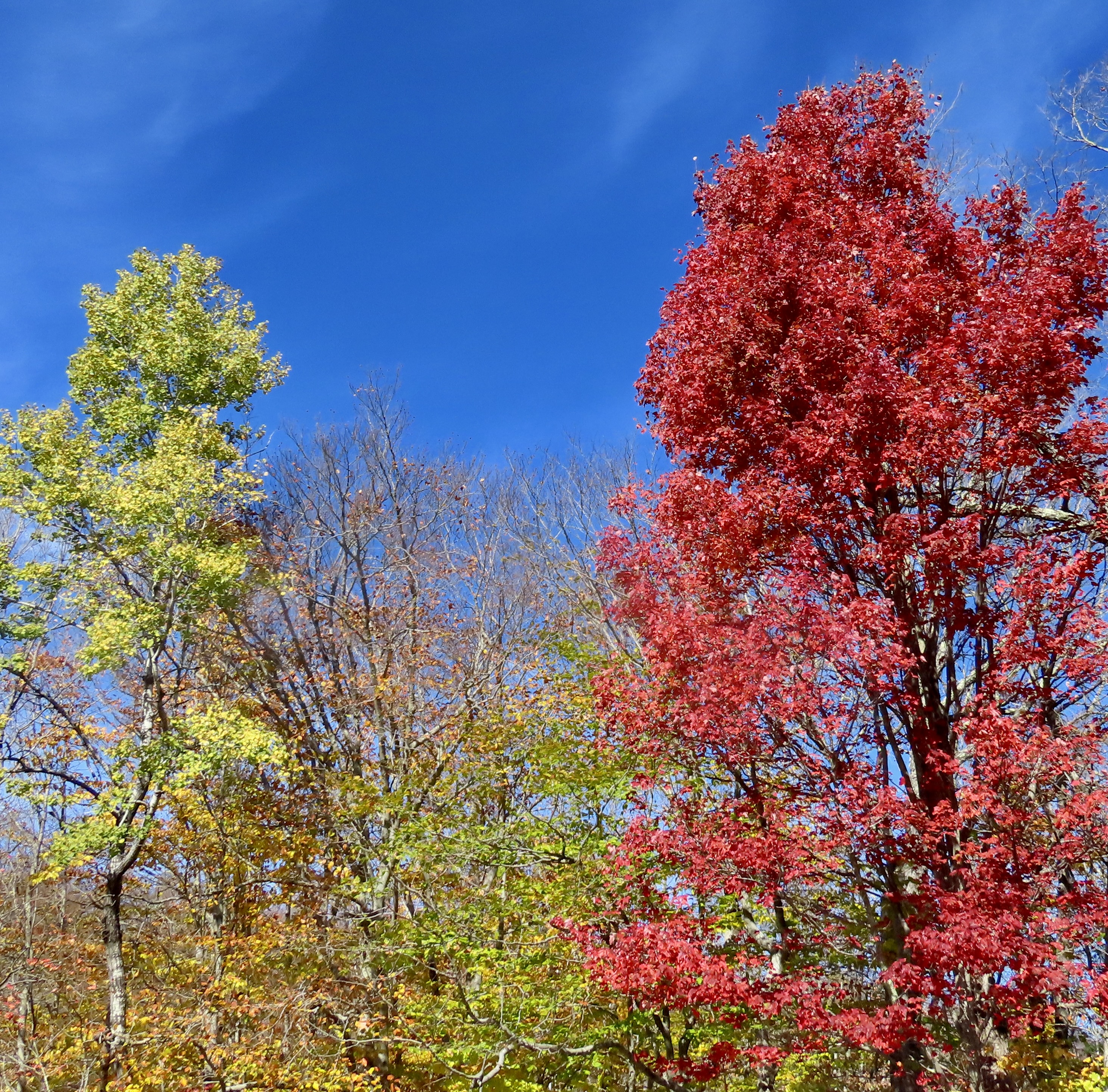
And maples still provided a dash of red.
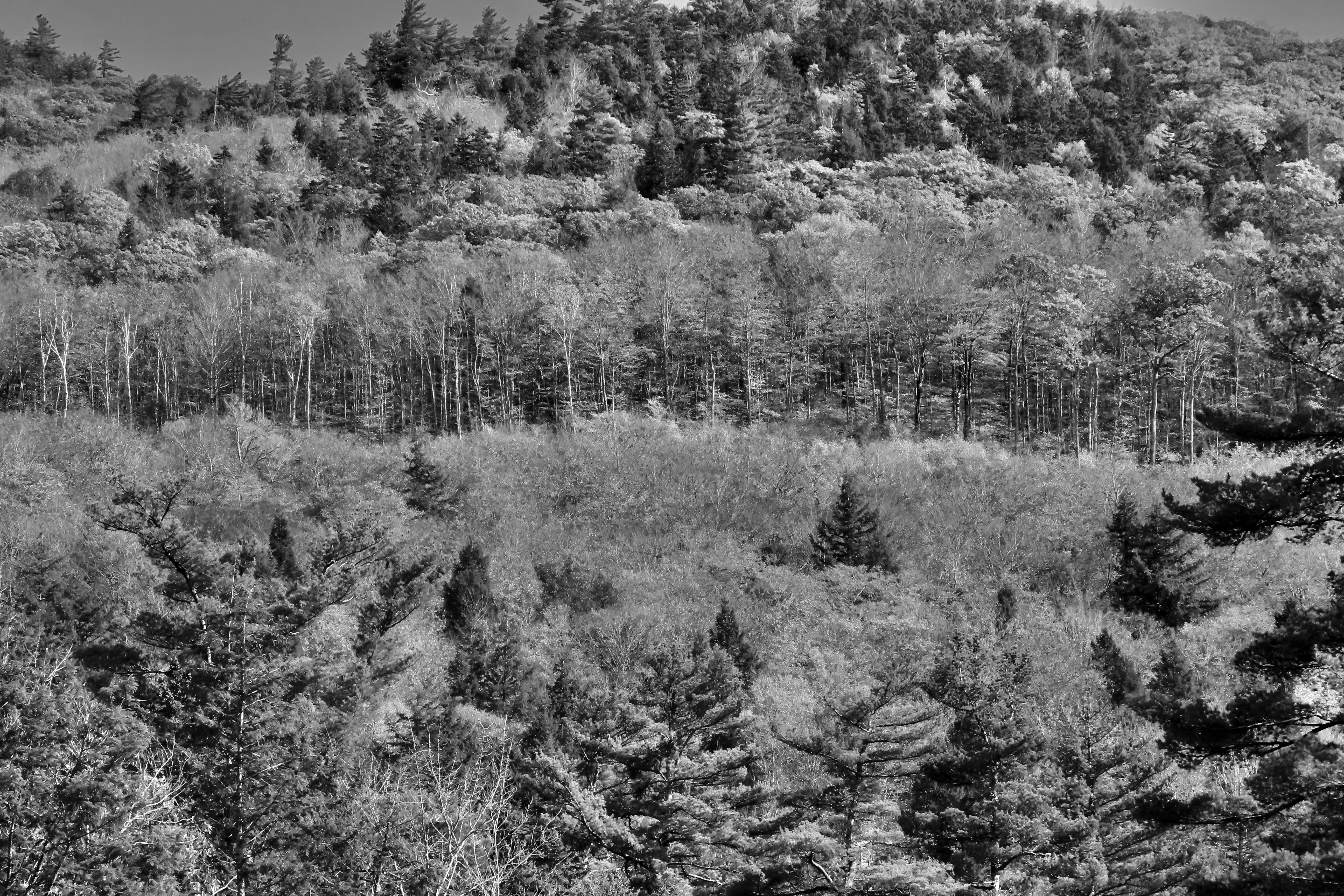
My favorite photo, however, was this picture that we took and I rendered in black and white.
Soon after we left the Kancamagus Highway, we entered Maine and once again found ourselves on backroads with close to zero traffic. GPS and I had an argument over which way to go. We were in Robert Frost country, however. He had spent the majority of his life in New England. My decision was easy: “Two roads diverged in a yellow wood, and I took the road less traveled by,” as I often do. It’s my motto. I had even memorized Frost’s poem, The Road Not Taken, in high school. GPS was disgusted and kept telling us to turn around for miles.
We spent our night in Farmington, Maine where we had a large room with a kingsize bed, no one tried to get into our room, and there was an excellent Chinese restaurant about 50 yards from our doorstep. While most of the photos we took the next day on our way to Bar Harbor resembled the ones you have been seeing throughout this series, we were particularly impressed with the brownish tint of this scene…
And the reddish brown in this one.
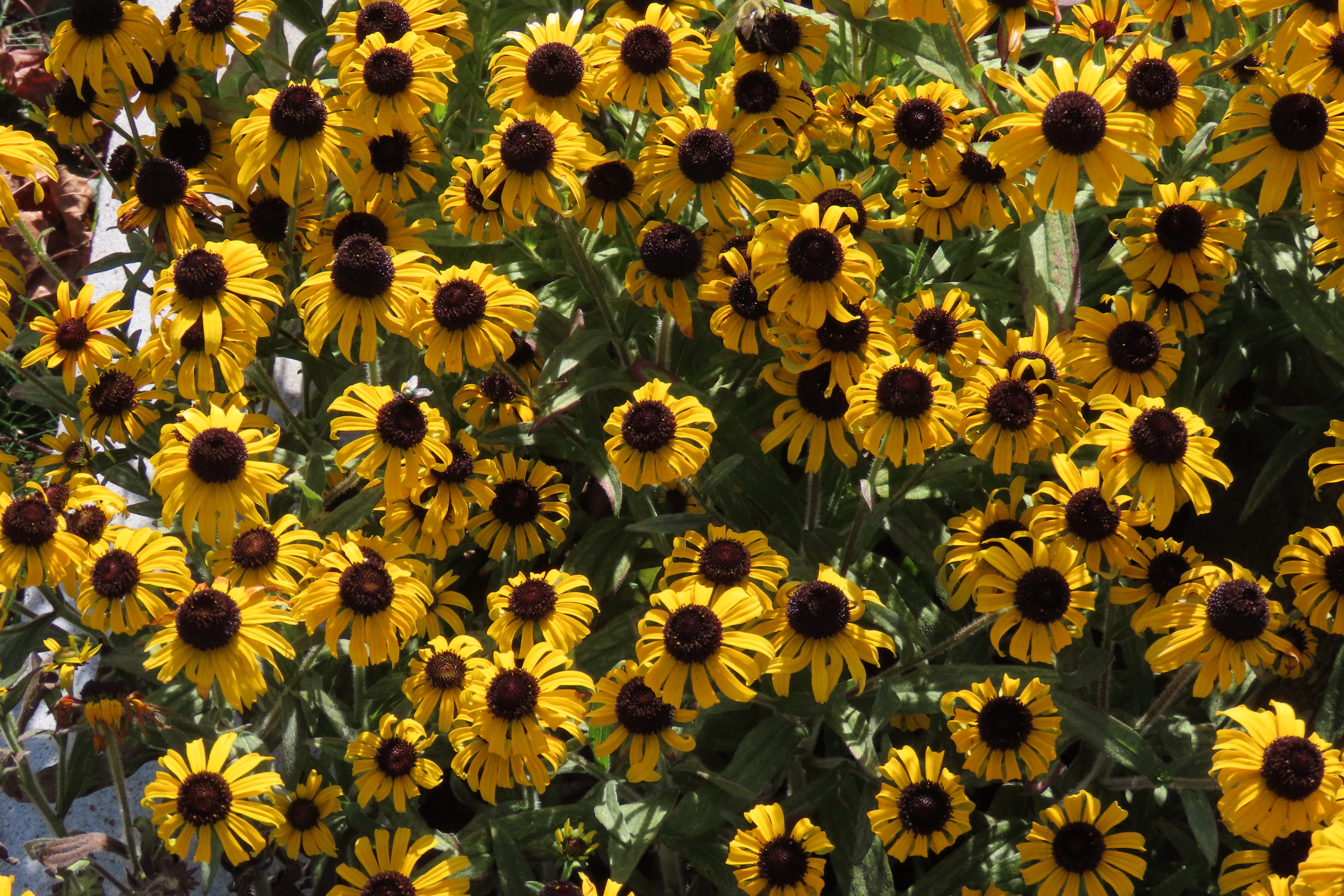
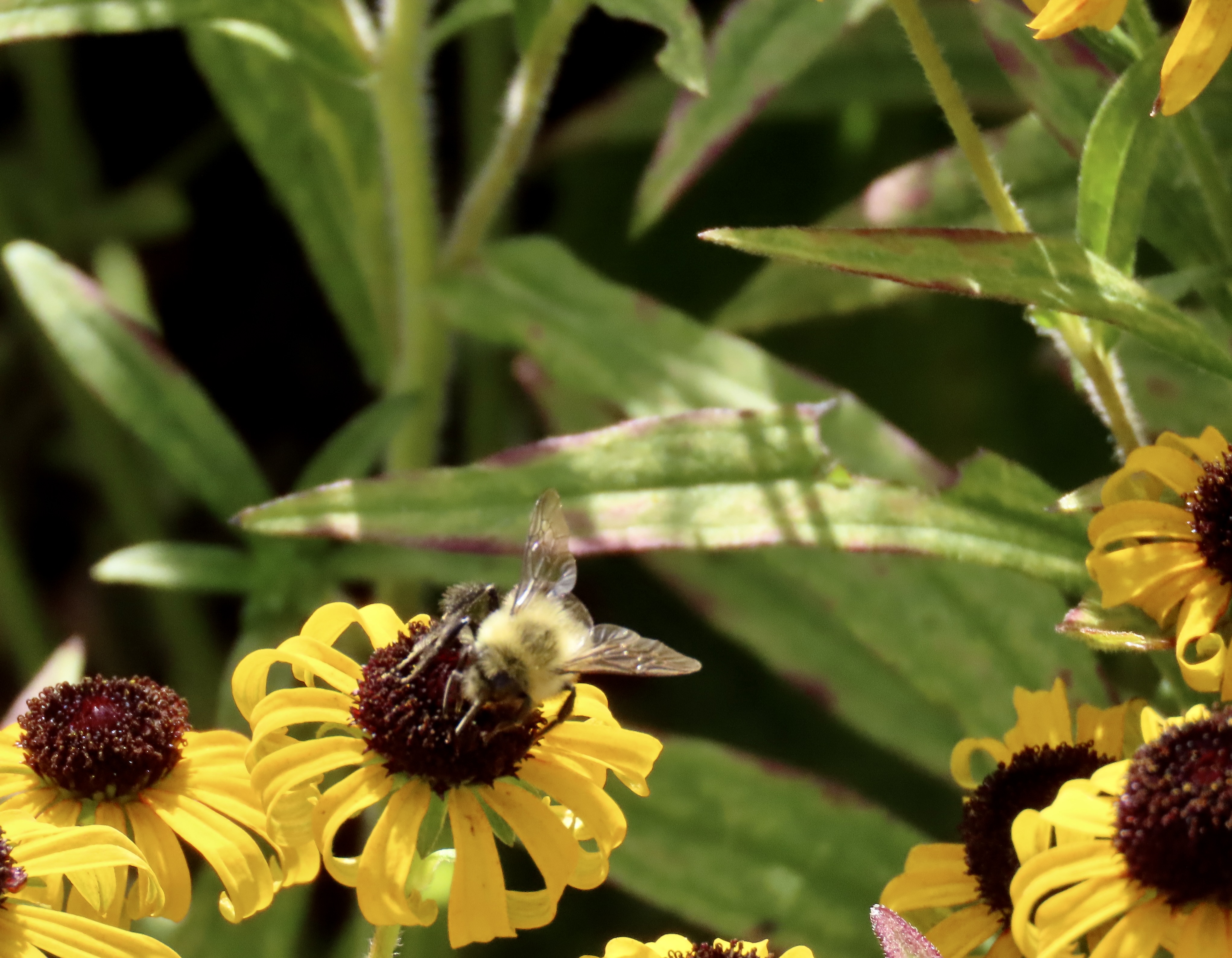
Having time on our hands before we could check into our motel in Bar Harbor, we stopped at an information center in Bangor, Maine. These Black Eyed Susans greeted us.
A bee was busy harvesting the nectar.
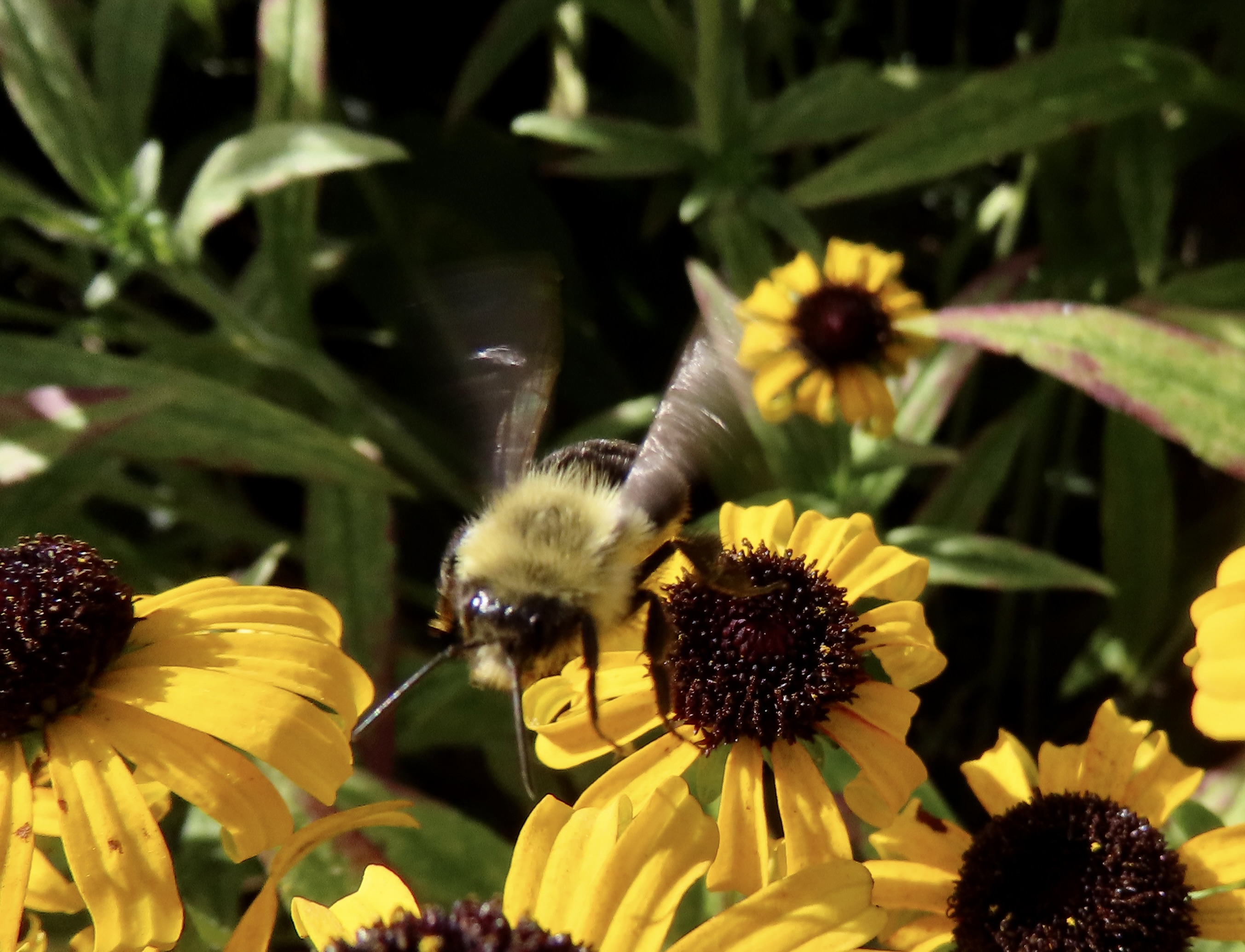
When I got too close, it flew toward my lens. I liked the wing action. That’s it for today. Next up: Acadia National Park!
The colors of Acadia National Park.

A Tale of Two Cabins, Lake Champlain, Smuggler’s Notch, and Stowe… Leaf Peeping in New England

Beautiful leaves, but are any left on the trees?
The answer was yes. These two photos were both taken at our cabin near Chazy, New York. The sunlight here reminded us that we still had a lot of leaf peeping to do.

Our West Chazy NY cabin was the second one on our tour. I already blogged about the first: Bare minimum: no electricity, no heat, no insulation, no water and an outhouse— all on the coldest day of our three week trip. The second was the direct opposite: A full kitchen, bathroom, sitting room, streaming TV, fun decorations, heat, and, I might add, excellent insulation. The owner, Shane, greeted us when we arrived and told us that he had put a dozen eggs in the refrigerator! “Our chickens are producing eggs faster than we can eat them,” he told us.” Let me know if you need more.” When we went online to give the cabin a five out of five, we were surprised that Shane had already been there and given us a five out of five as guests! Both cabins cost about the same to rent. It’s a tale of two cabins, a dickens of a story, if you will.
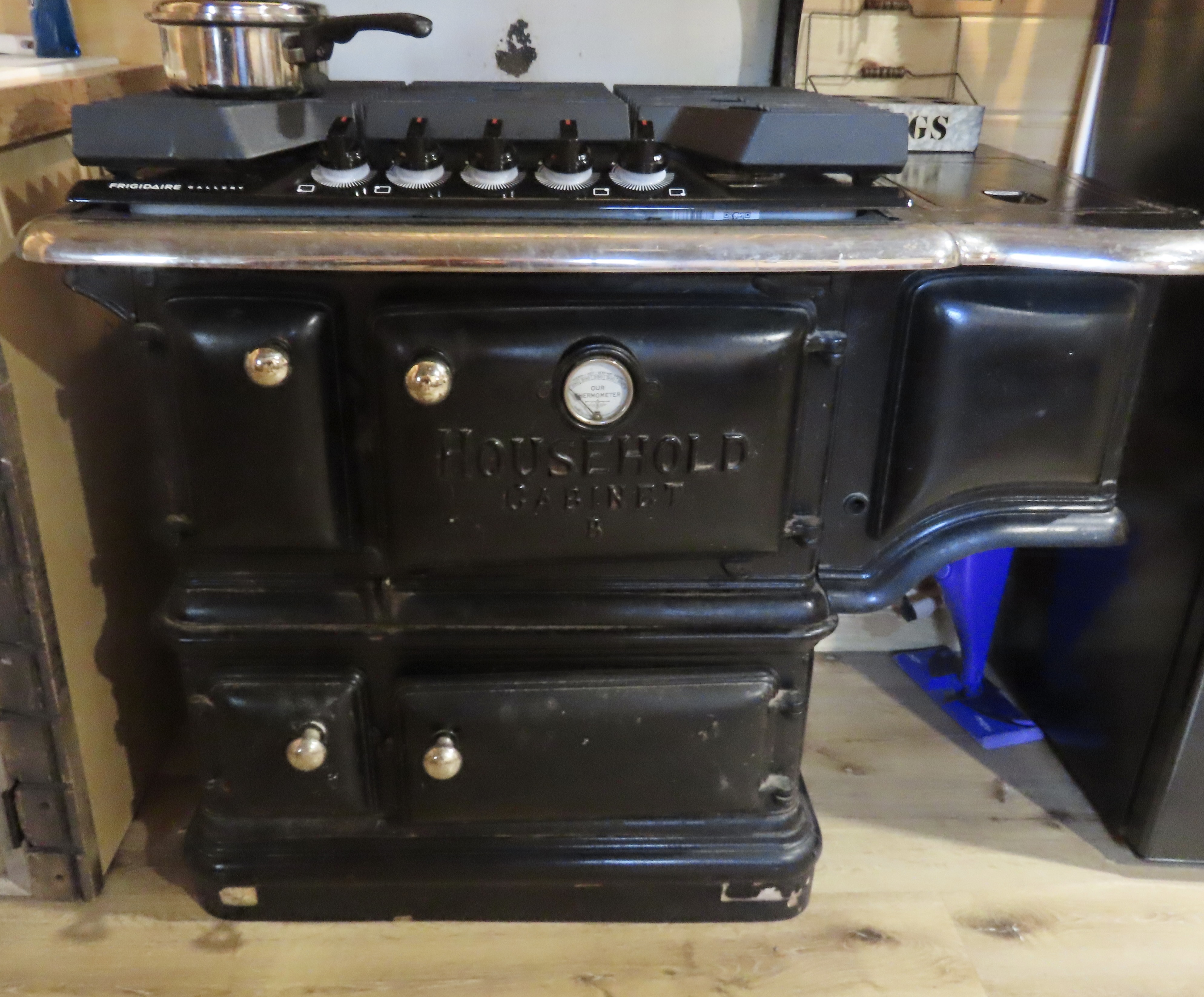
This stove serves as an example of what Shane had done in the cabin. He had taken a beautiful antique wood stove and modified it by putting a modern gas stove on top. It was the best of both worlds.
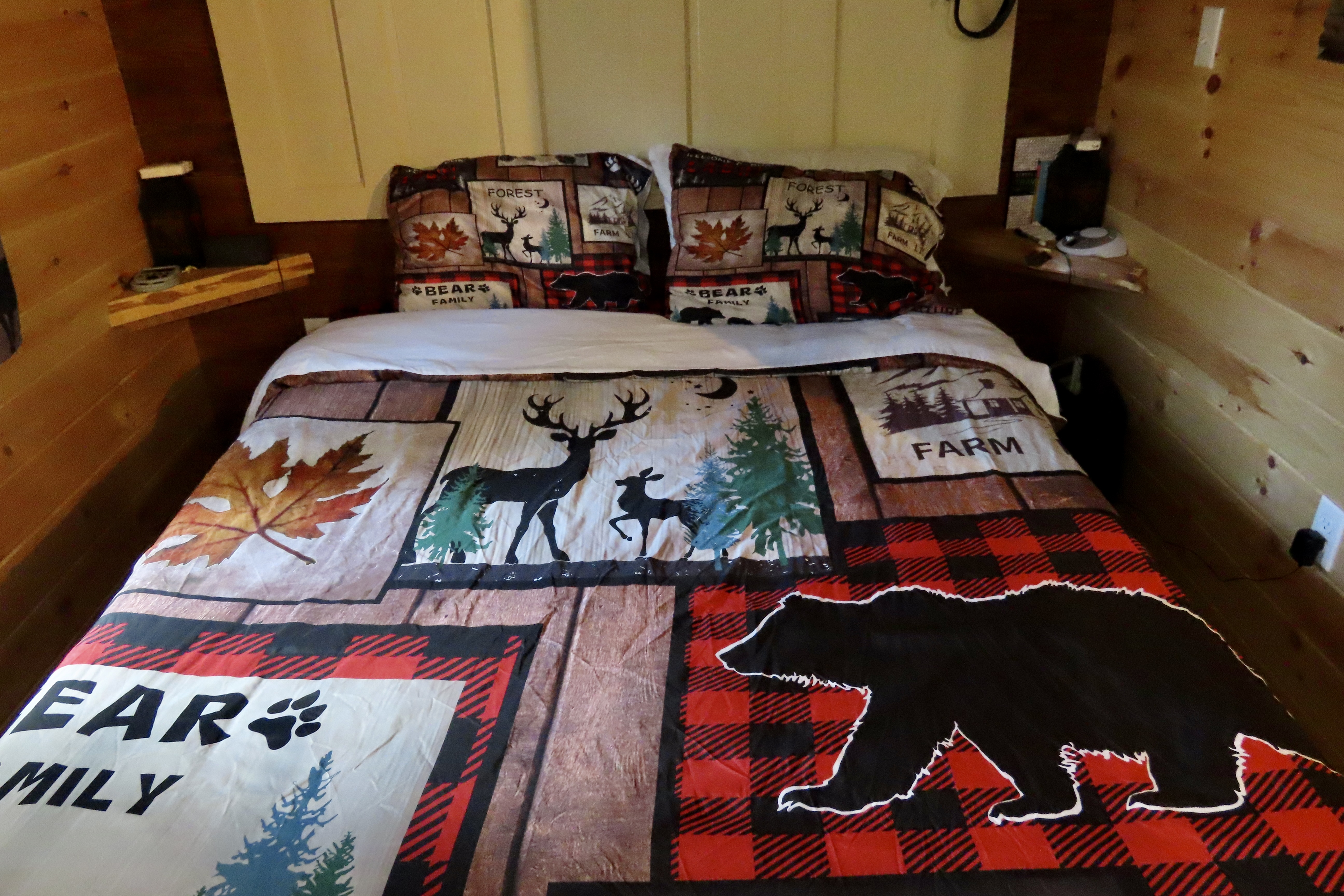
Bedspread, pillow cases, curtains and rugs all included outdoor scenes packed with wildlife and country themes.
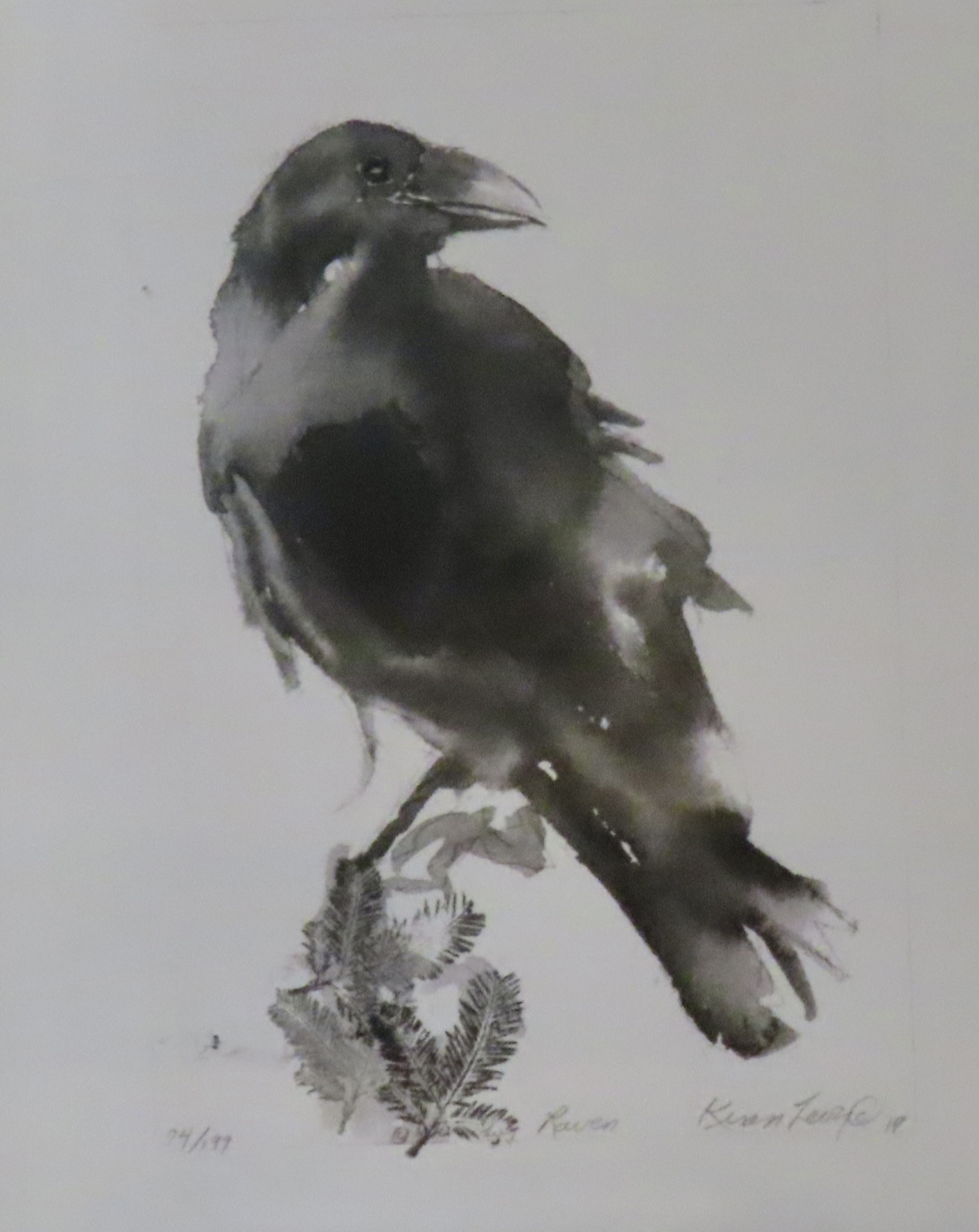
There were also lots of crow decorations. This was due to the fact that Shane calls the cabin, the Crow’s Nest. In fact you can look up the cabin at Crow’s Nest, West Chazy, NY.
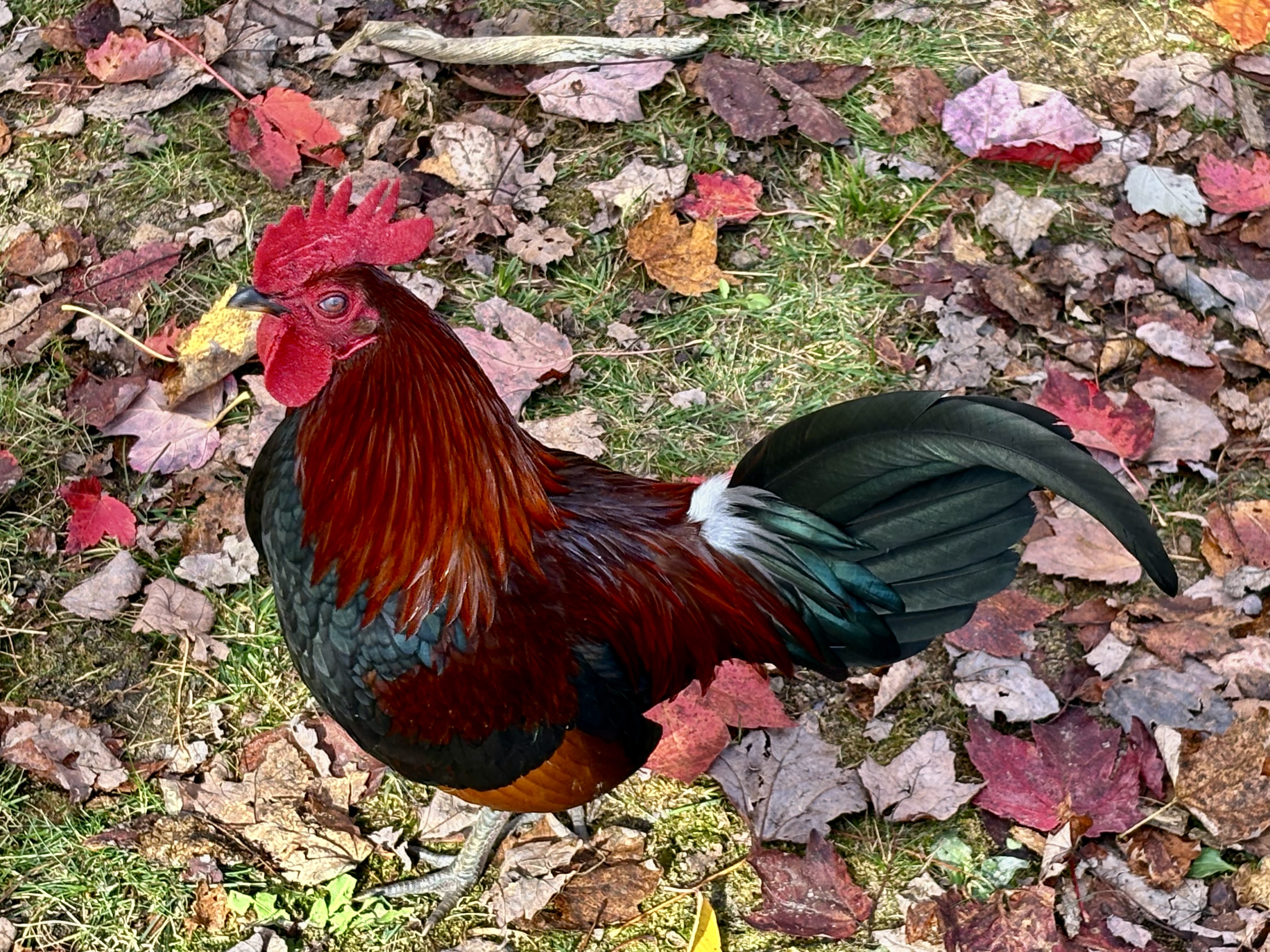
We didn’t see any crows outside, but this banty rooster was strutting his stuff. He crowed about how he was inspiring the chickens to lay eggs. There were also goats, a white turkey, and the egg laying hens that guests could visit.
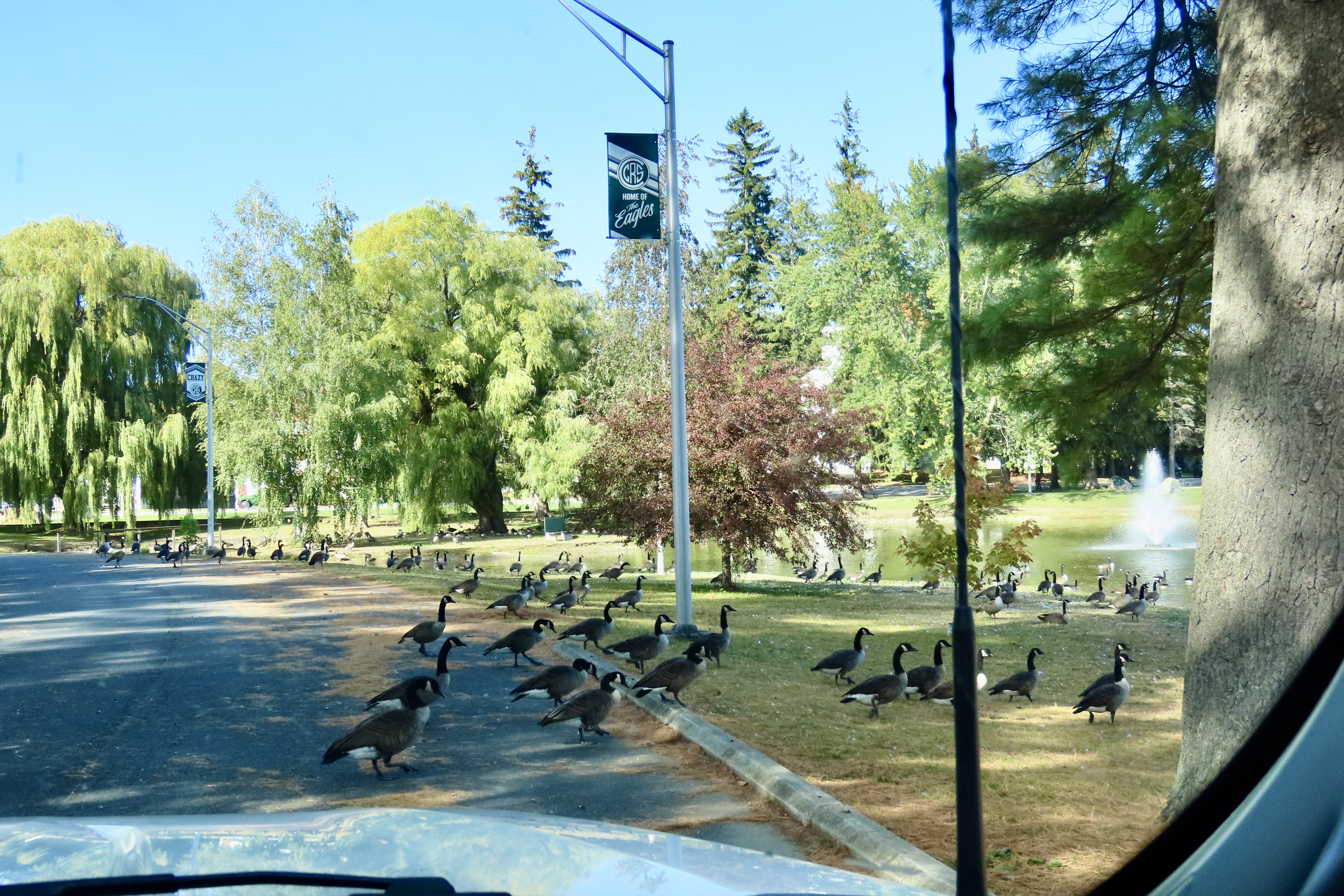
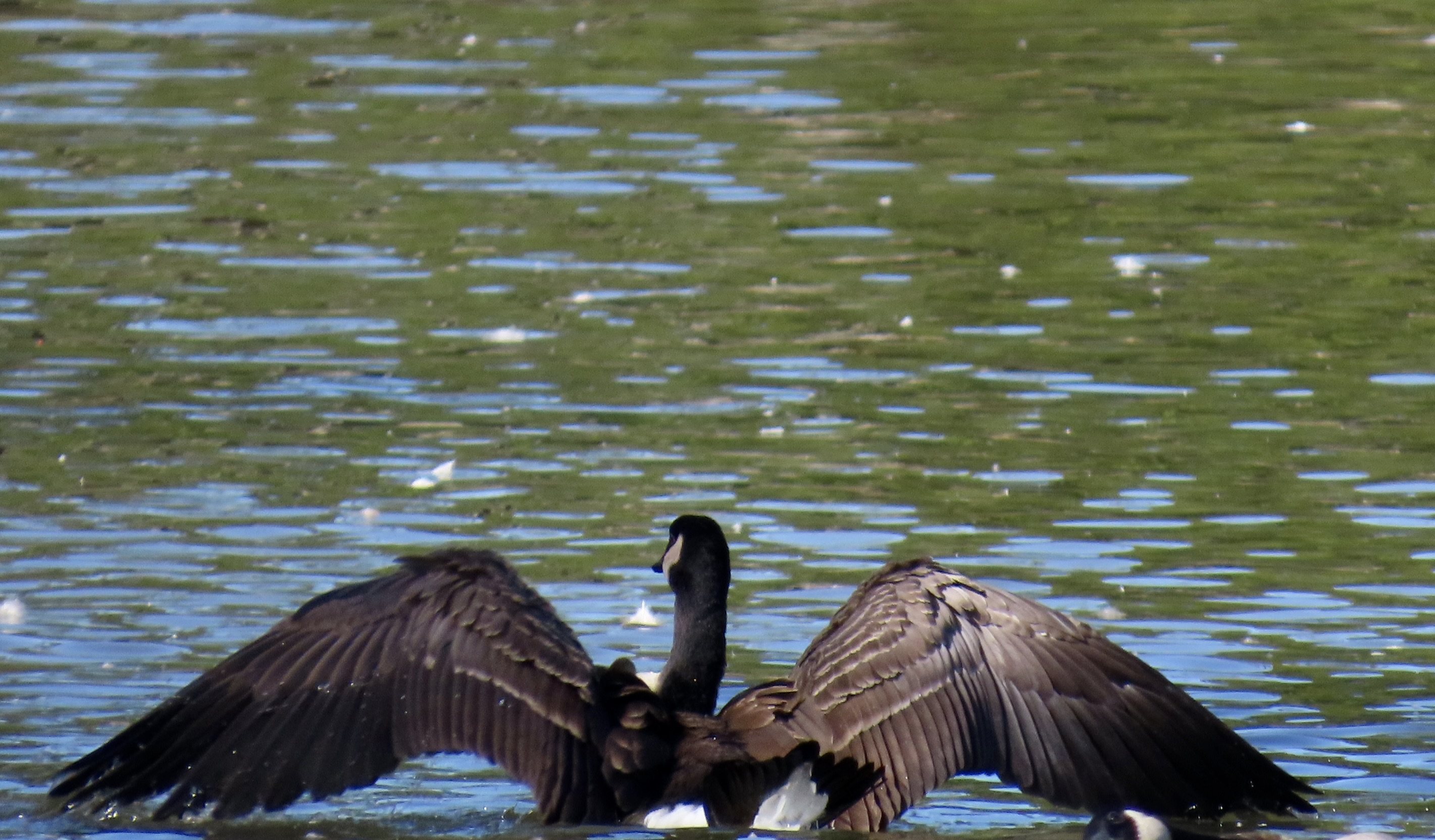
The most common member of the bird family we found in the area were Canada Geese. There were dozens/hundreds of them. Everywhere. In creeks, small ponds, and Lake Champlain. No body of water was too small or too large. We noticed that they seemed a little skittish and headed into the water whenever we got close. We also wondered why they were hanging out near the Canadian border and hadn’t flown south. And then it dawned on us. They didn’t have passports, they didn’t haven’t visas, they didn’t have US citizen papers, and, worse, they were dangerous criminals: They pooped in public parks and on people’s lawns. The geese, frightened that we were ICE agents, prepared to fly back across the border on a moment’s notice.
You are now cleared for flight on runway #1.
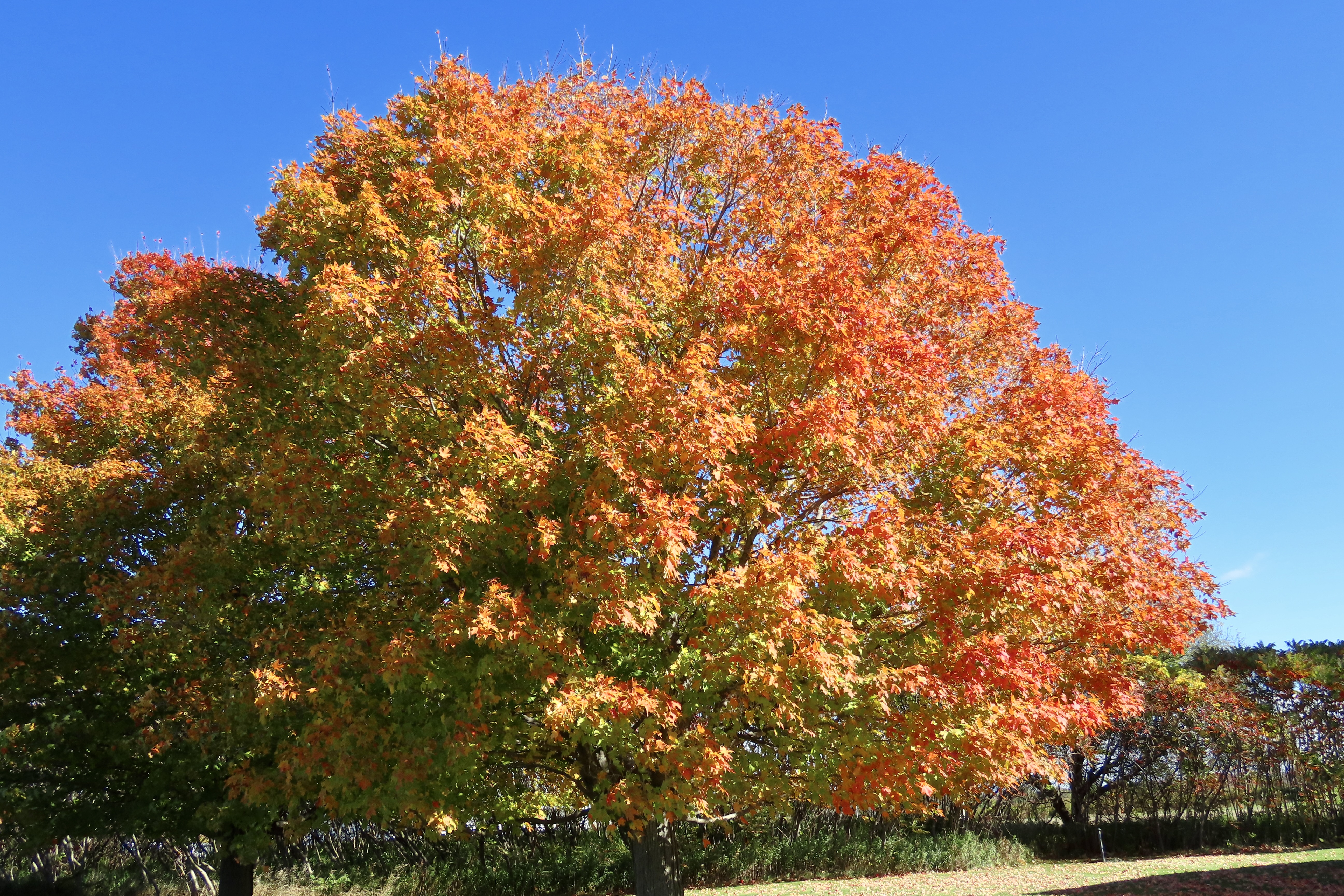
Since the Vermont islands on Lake Champlain were a short drive away from Chazy, we made a day trip over to visit them. This gorgeous tree was right next to the Vermont Information Center. Peaceful, huh?
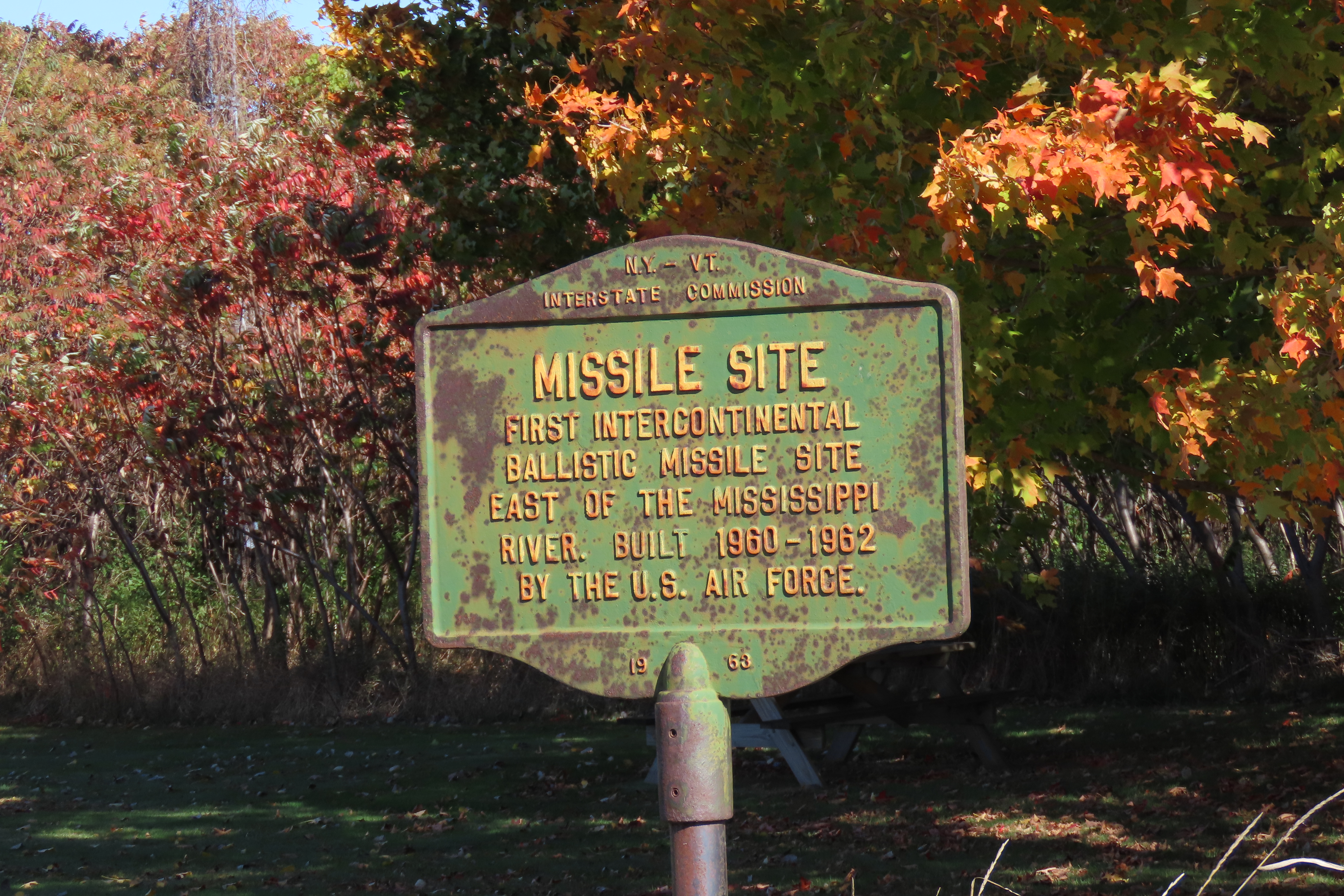
This sign stood next to the tree. I was once exploring an ICBM site north of San Francisco when I heard a loud grinding noise. A large cover drew back and out came the missile with its nose pointed toward the sky. Scary, eh! That would have had me fleeing toward the mountains ( and probably peeing my pants), except I knew that the site was decommissioned and some type of visitor demonstration was scheduled.
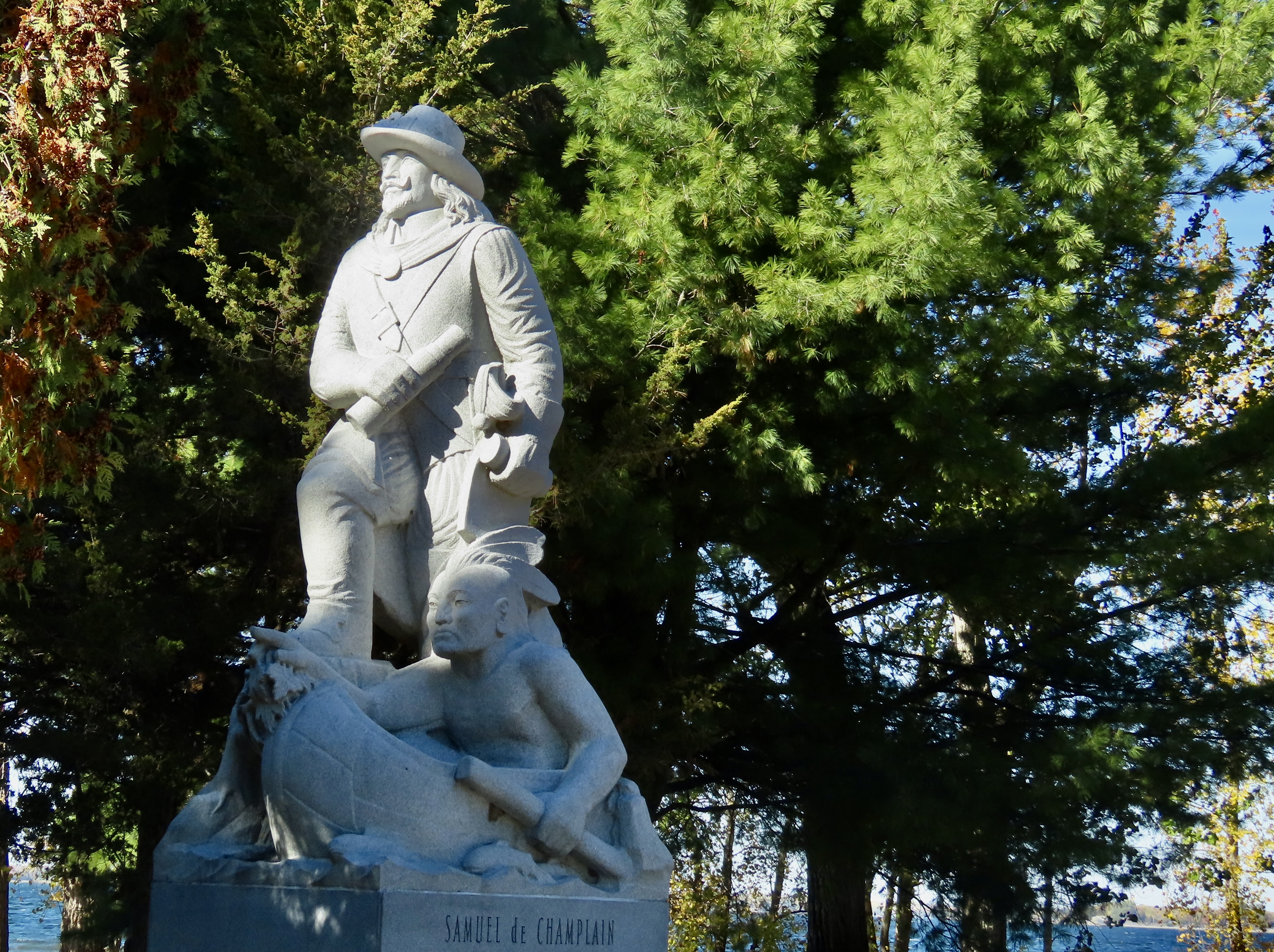
The islands are all connected by bridges and a road. The first Island we explored was Isle de Motte. It featured a large statue of Samuel Champlain, who the lake is named after, and a native. Both were holding rolled up documents, which I assume represented treaties between the Hurons, Algonquins and France. The allies were attacked by a large body of Iroquois when Champlain was first exploring the lake in 1609. Champlain saved the day by shooting two of the Iroquois chiefs with his flintlock. Note how the Indian wisely hid behind a rock while Champlain fearlessly faced the enemy. (One of the reasons the Americans were able to defeat the British during the Revolutionary War was that learned from the Indians.)
An actual self-portrait done by Champlain of how he pictured the event. My thoughts are: Duck! But that wouldn’t be nearly as impressive to the folks back home. Champlain became known as the Father of New France while the Iroquois became forever enemies of the French, siding with the English during the French and Indian War.
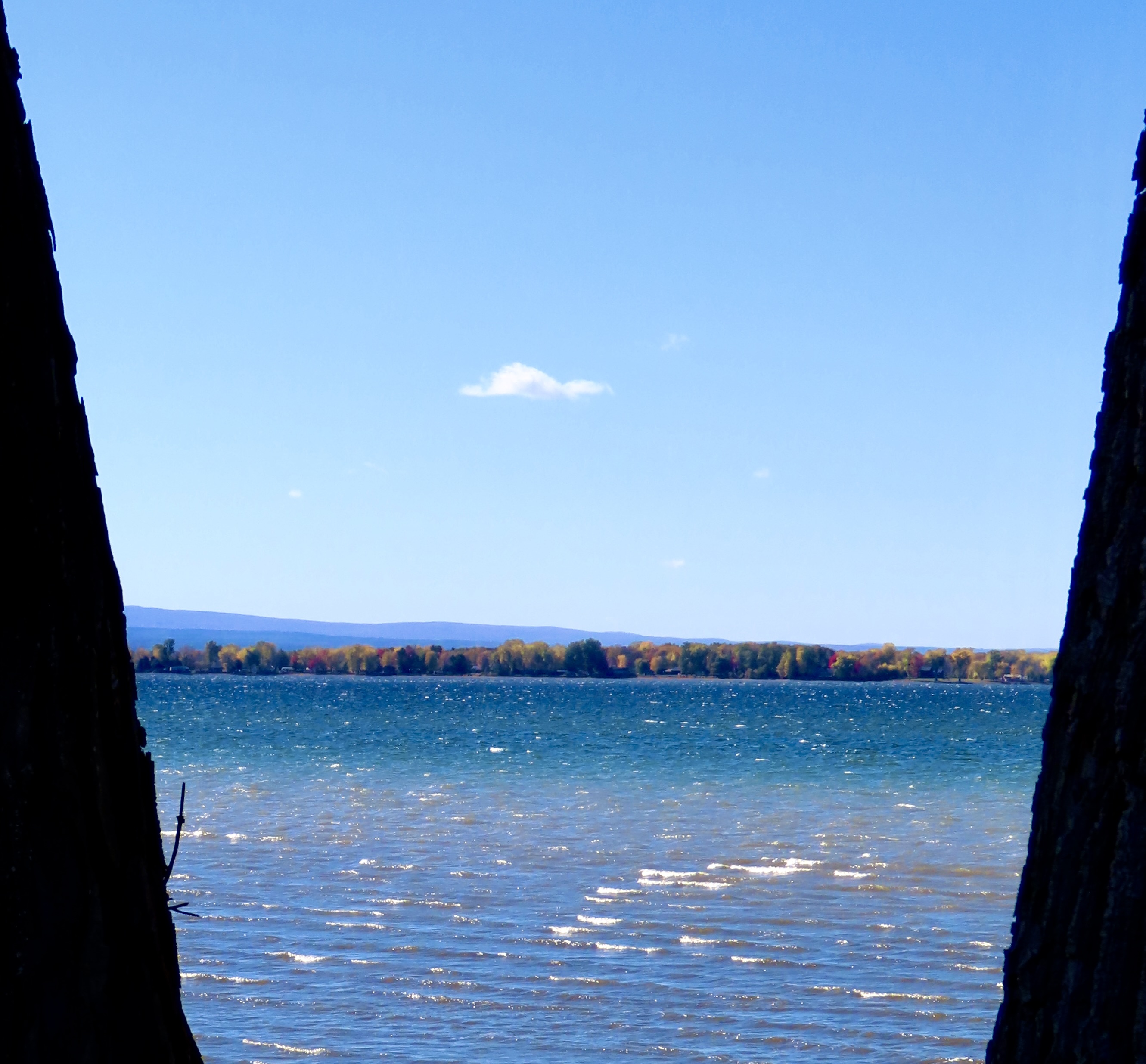
As Champlain used his muzzle to sight in on the Iroquois, I used a tree near his statue to sight in on the shore of New York State. Our cabin was about five miles away from the shore. The Adirondacks can be seen rising in the distance.
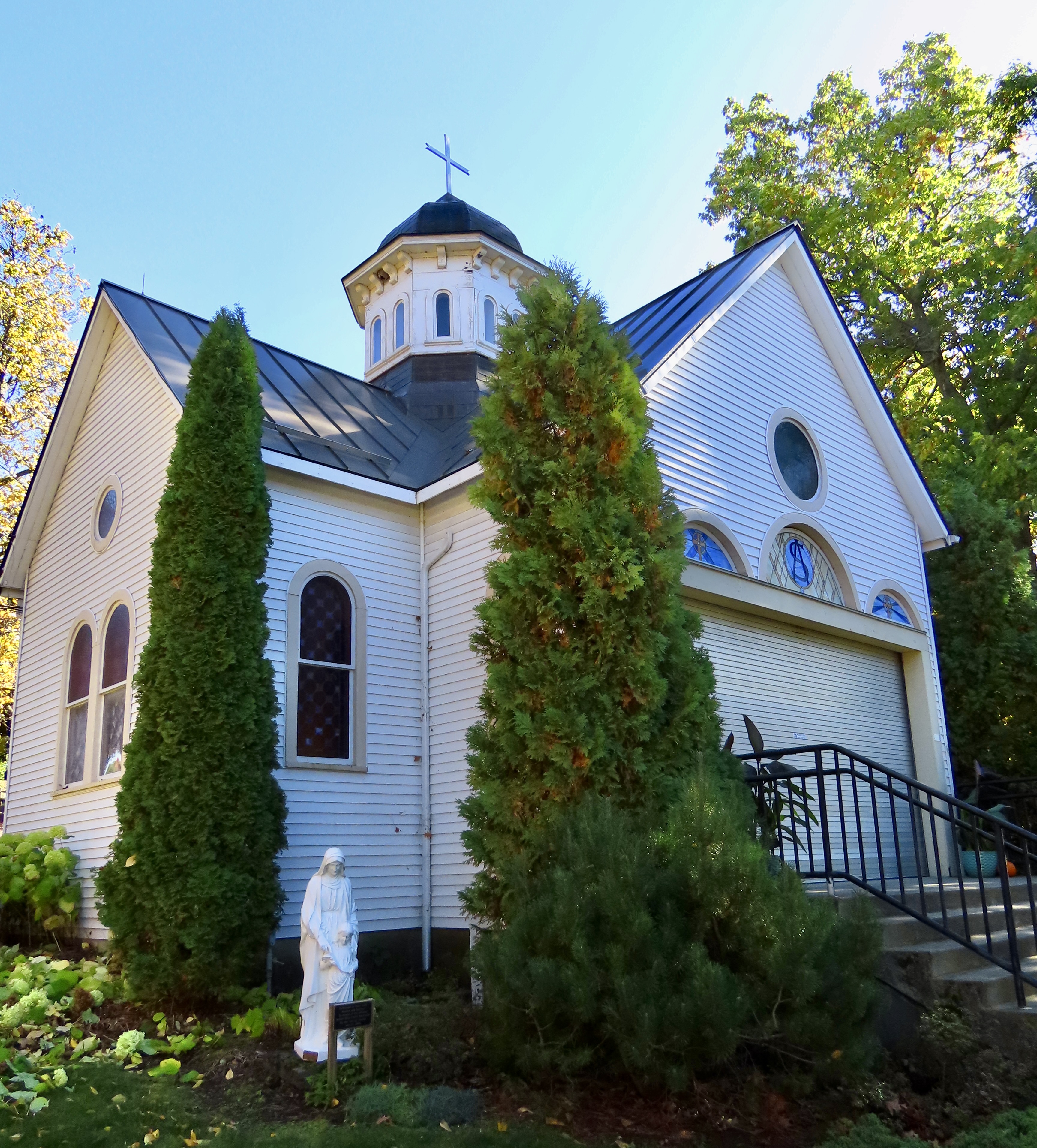
A small attractive chapel that is part of St. Anne’s Shrine, stood just across the road from Champlain’s statue. For services, the large door in front opens up to a covered patio in front of the church where the congregation sits.
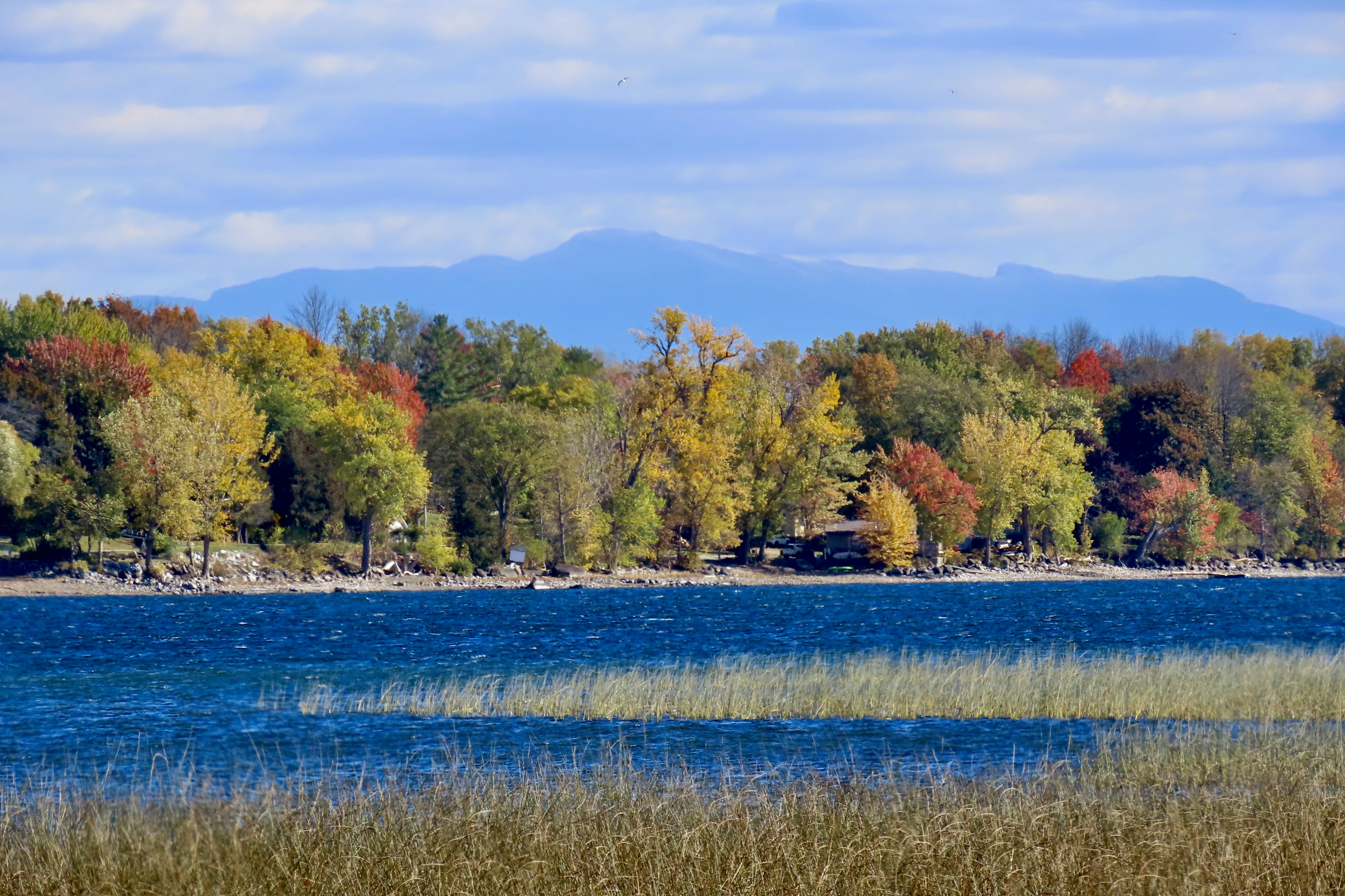
We continued to have great water and fall tree views as we drove around the islands. The mountains in the distance are the Green Mountains of Vermont.
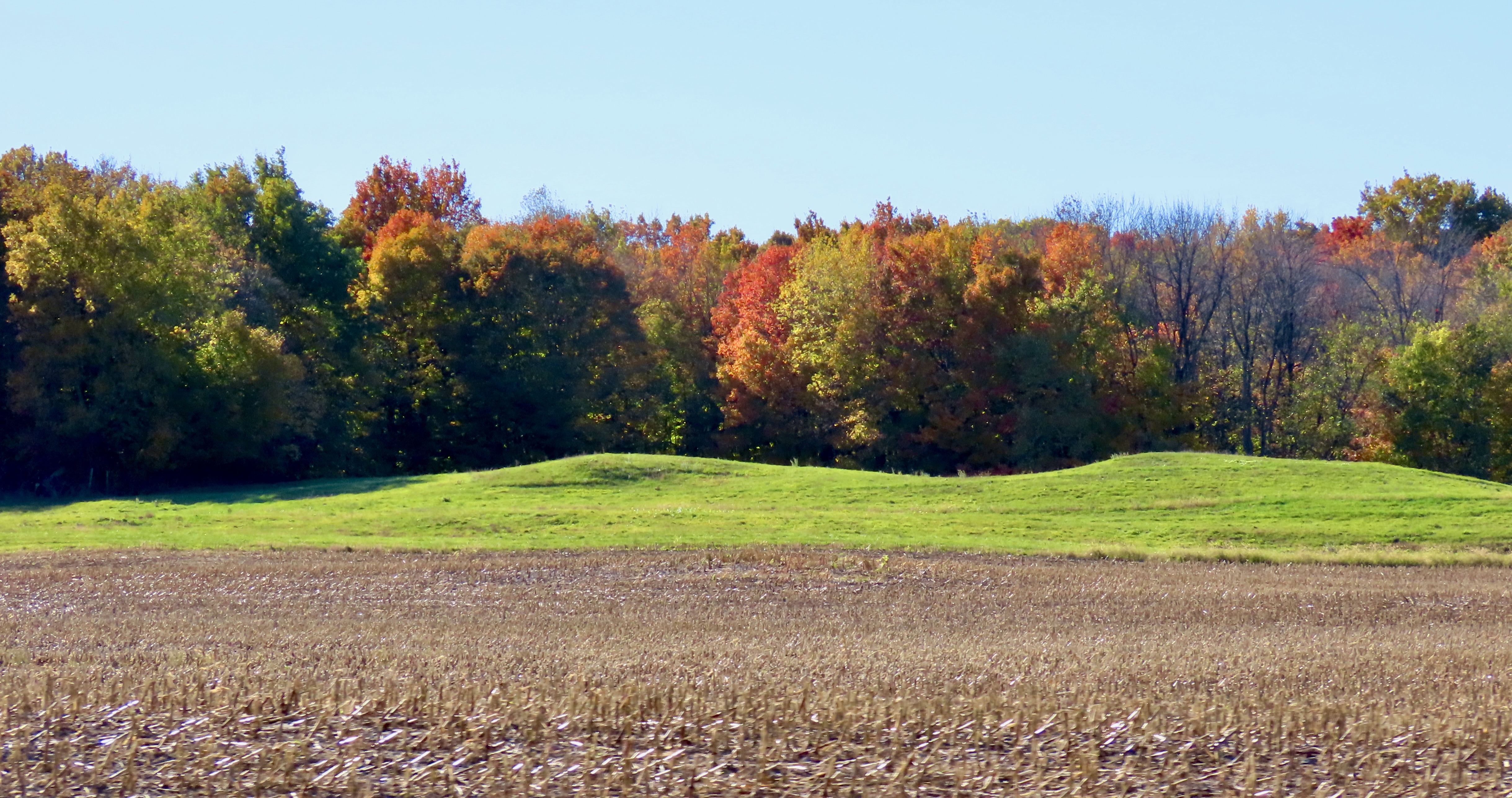
Farm lands made up much of the property on the islands. Here, the corn had been harvested and farmers were getting ready for winter.
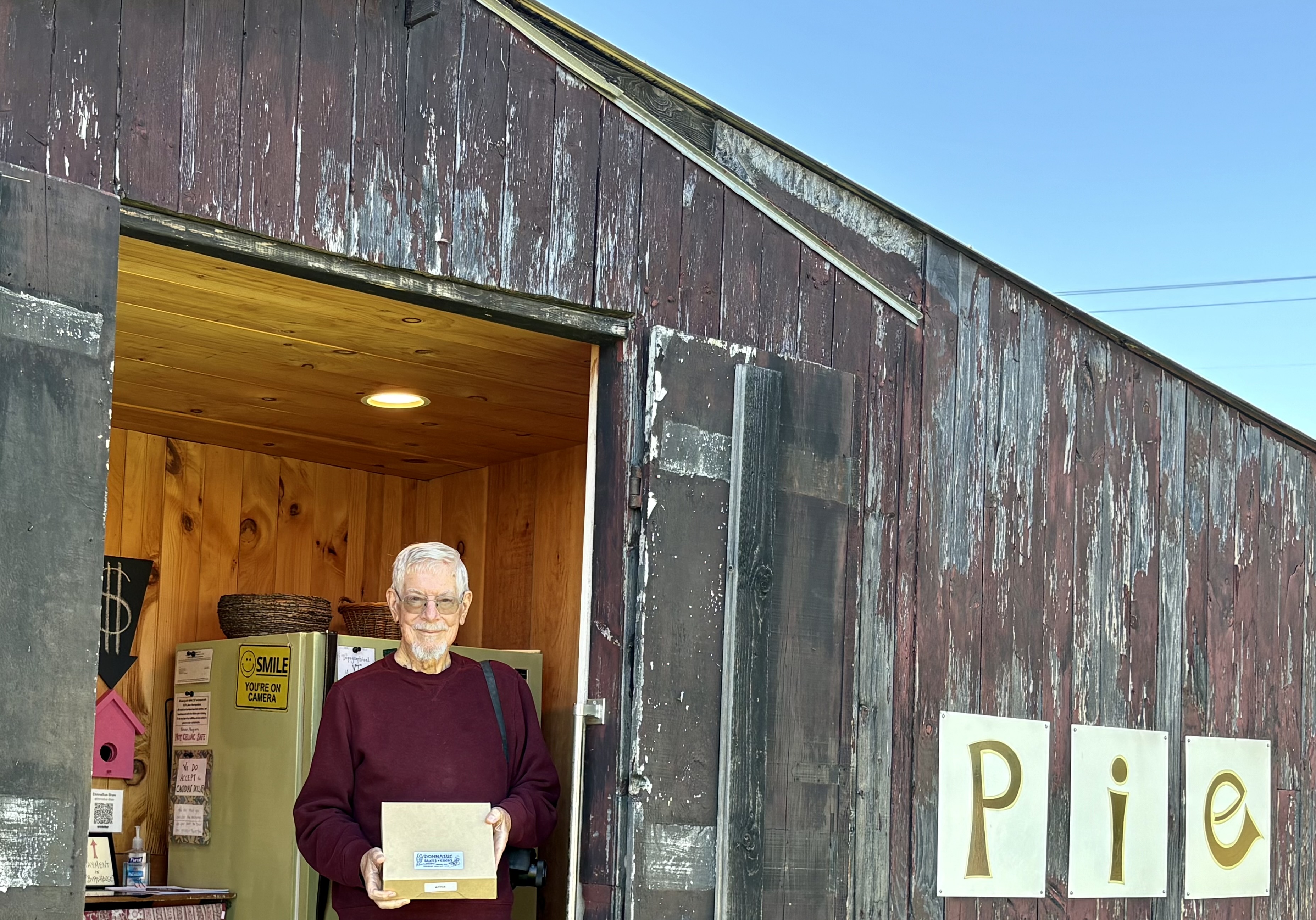
Iorek, our truck, made a quick left turn into a small, self-service bakery run on the honor system. We picked out an apple pie and stuffed our money into the birdhouse door beneath the large $ sign. We actually made the pie last for three days, which was amazingly disciplined considering how yummy it was.
A final photo from the lake area. It was now time to begin our journey across Vermont. We packed up the truck and sadly left our cabin in the woods, telling Shane we would likely be back, maybe for a month.
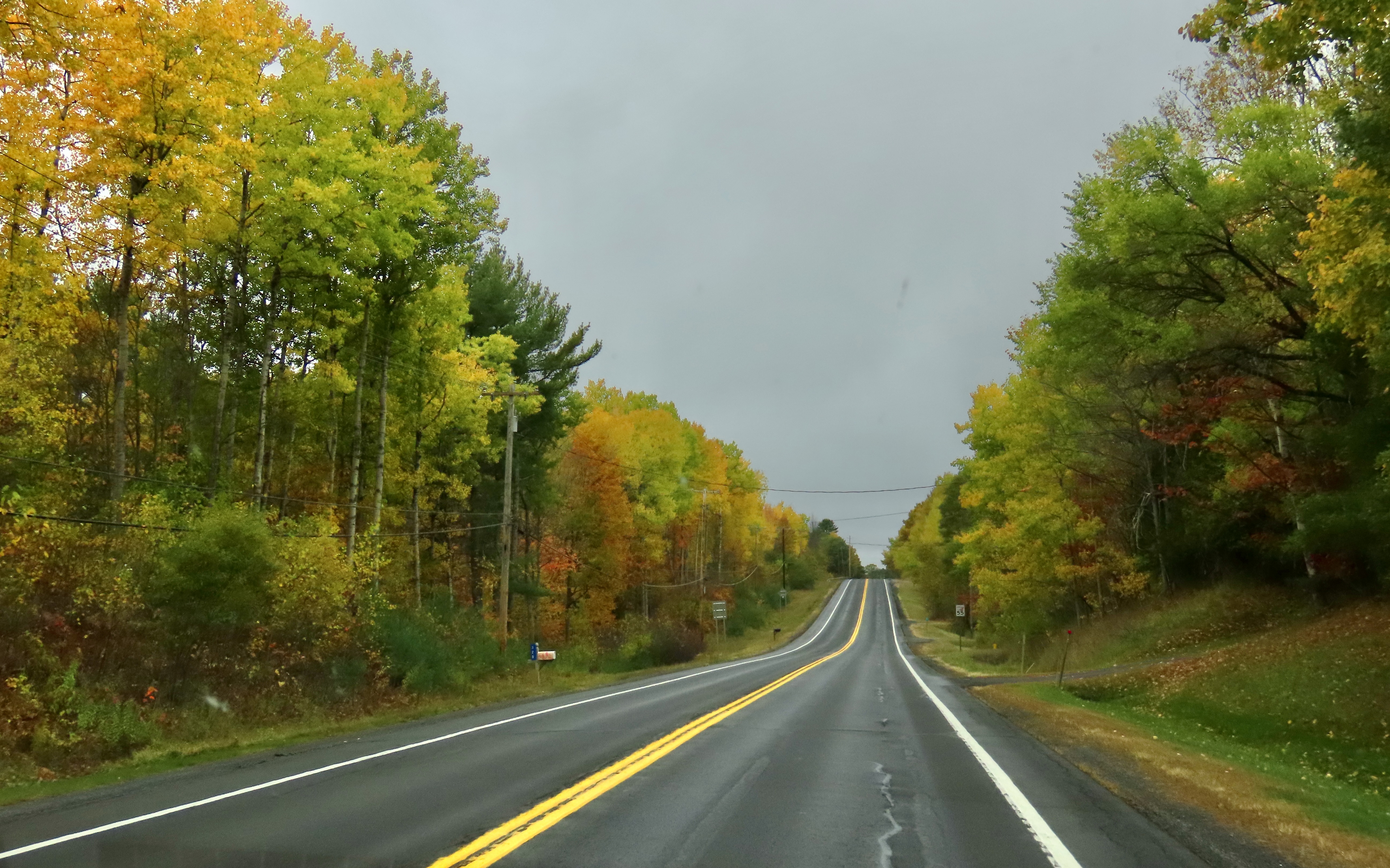
Following back roads across northern Vermont toward Stowe, we continued to be treated to gorgeous leaf peeping treats.
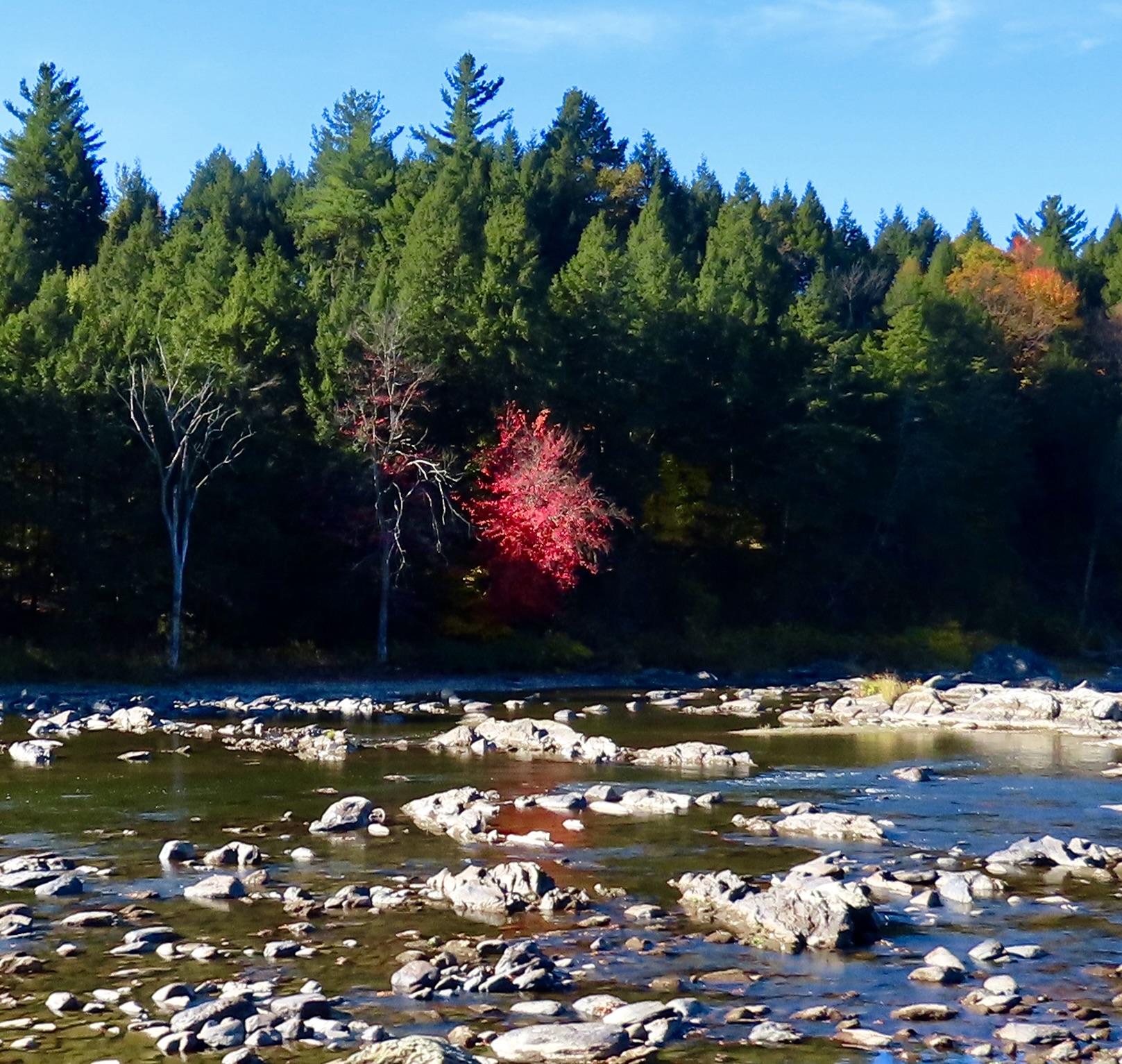
As many as we saw, there was no danger of burnout! This was an interesting combination of river, green, and one bright tree peering out of the dark shadows, caught by the sun. Gets your attention, huh.
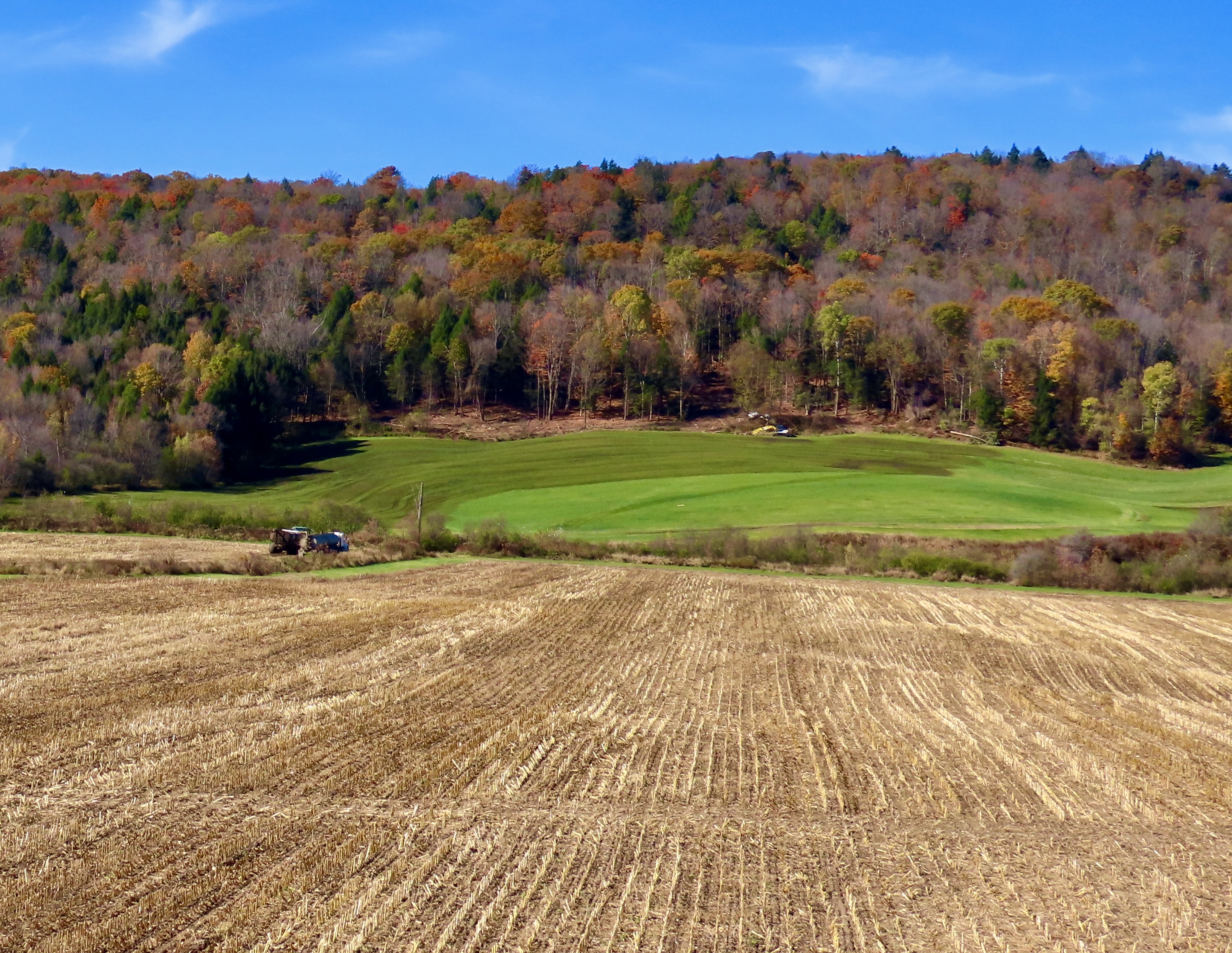
A fun part of photography is taking photos that can pull viewers into the photo. We felt that the straight lines of the harvested crop heading down to the green field and then the forest did it here.
The tree line starting up close on the right and moving down into the distance also pulls viewers into the photo.
Sheer color splashed across the photo by nature, like paint on a Jackson Pollock painting, works as well. Grin.
Smugglers notch was so intriguing we did it twice. One reason was the beauty. Another was history. As the name suggests, it was used by smugglers. In 1807, when Thomas Jefferson embargoed trade with Canada because of conflict with Britain, Northern Vermont residents smuggled goods into Canada as a way to survive. Later, the gap worked as part of the Underground Railway moving escaped slaves to Canada. Finally, it kept Northern Vermonters in booze during Prohibition.
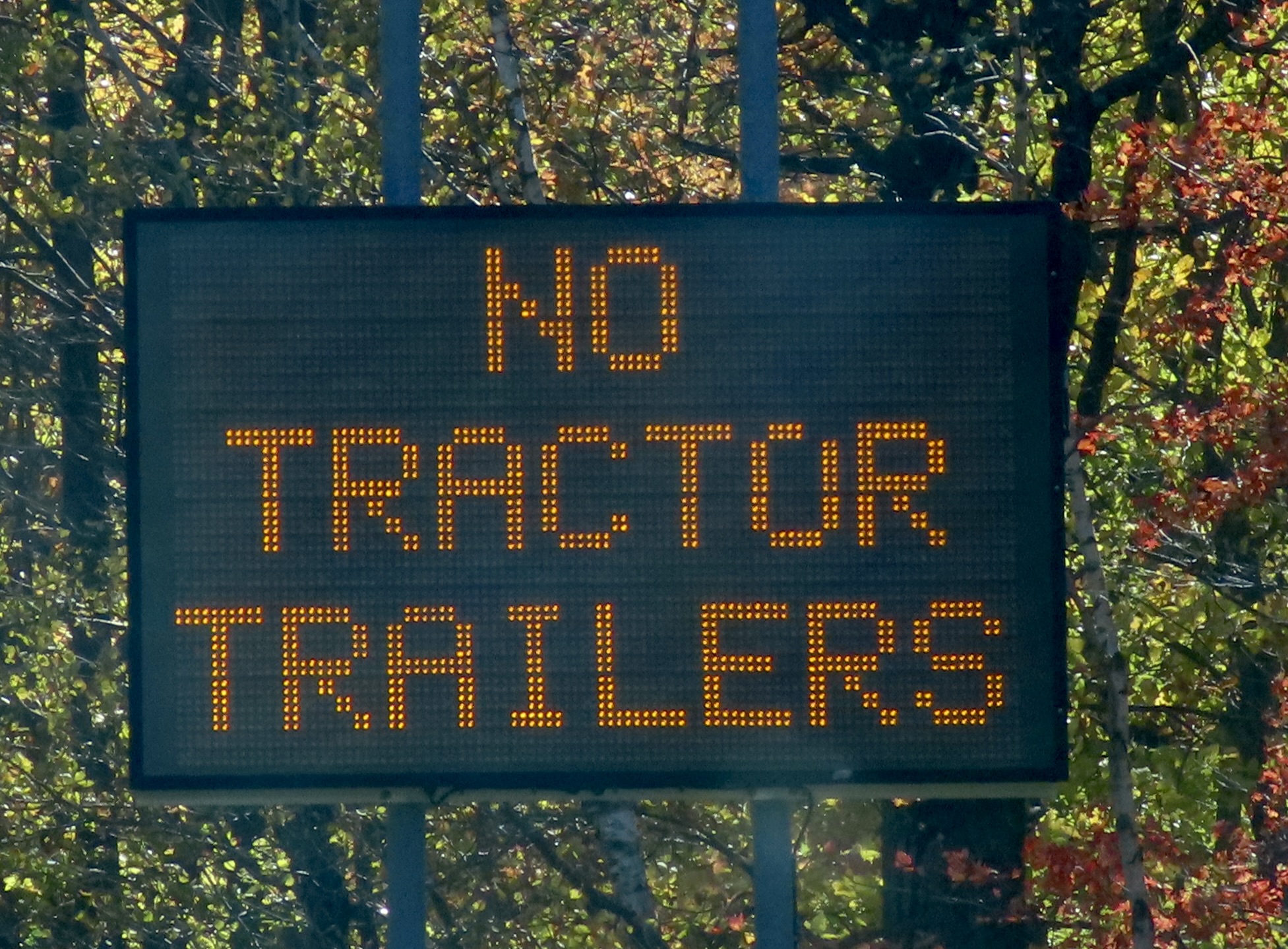
Finally, as this sign suggests, the road is a challenge to drive. Up on top it turns into a narrow one way road that snakes its way around large boulders in hairpin tight curves that even Iorek had problems with. Sign after sign forbid large trucks from going across and provided convenient turn-around locations.
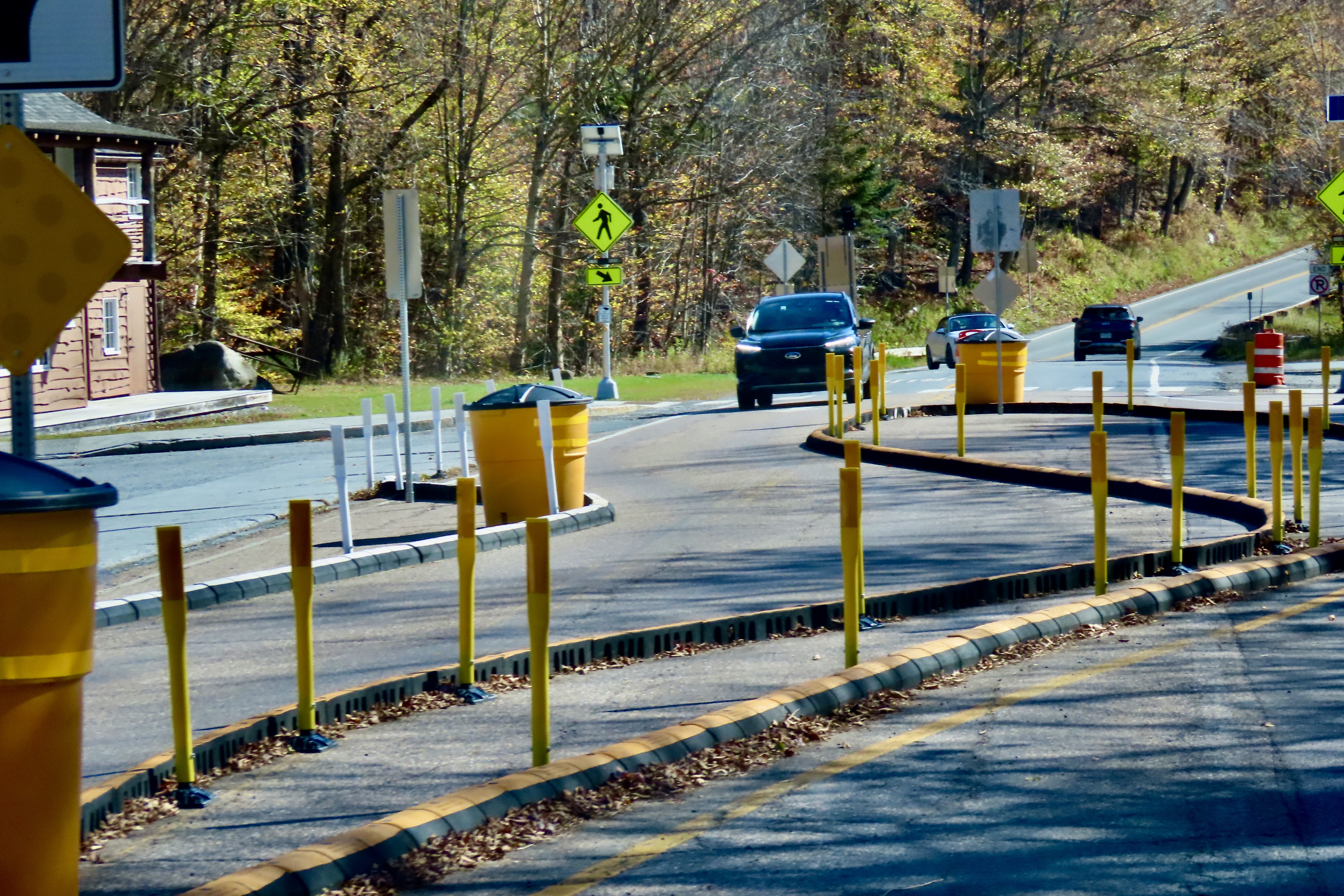
Finally, everyone is required to drive through low-height barriers called chicanes that mimic the narrow road and tight curves. A sign informs drivers that if they can’t make it though, they won’t make it over the pass. This applies to tourists pulling trailers as well as 18 wheelers. Regardless of the precautions, several tractor trailers end up trying to get over and jackknifing on the curves each year, causing delays that can end up taking hours to clear. There’s a hefty $2500 dollar fine plus whatever it costs to get a tow truck (or tow trucks) up on top to solve the problem.
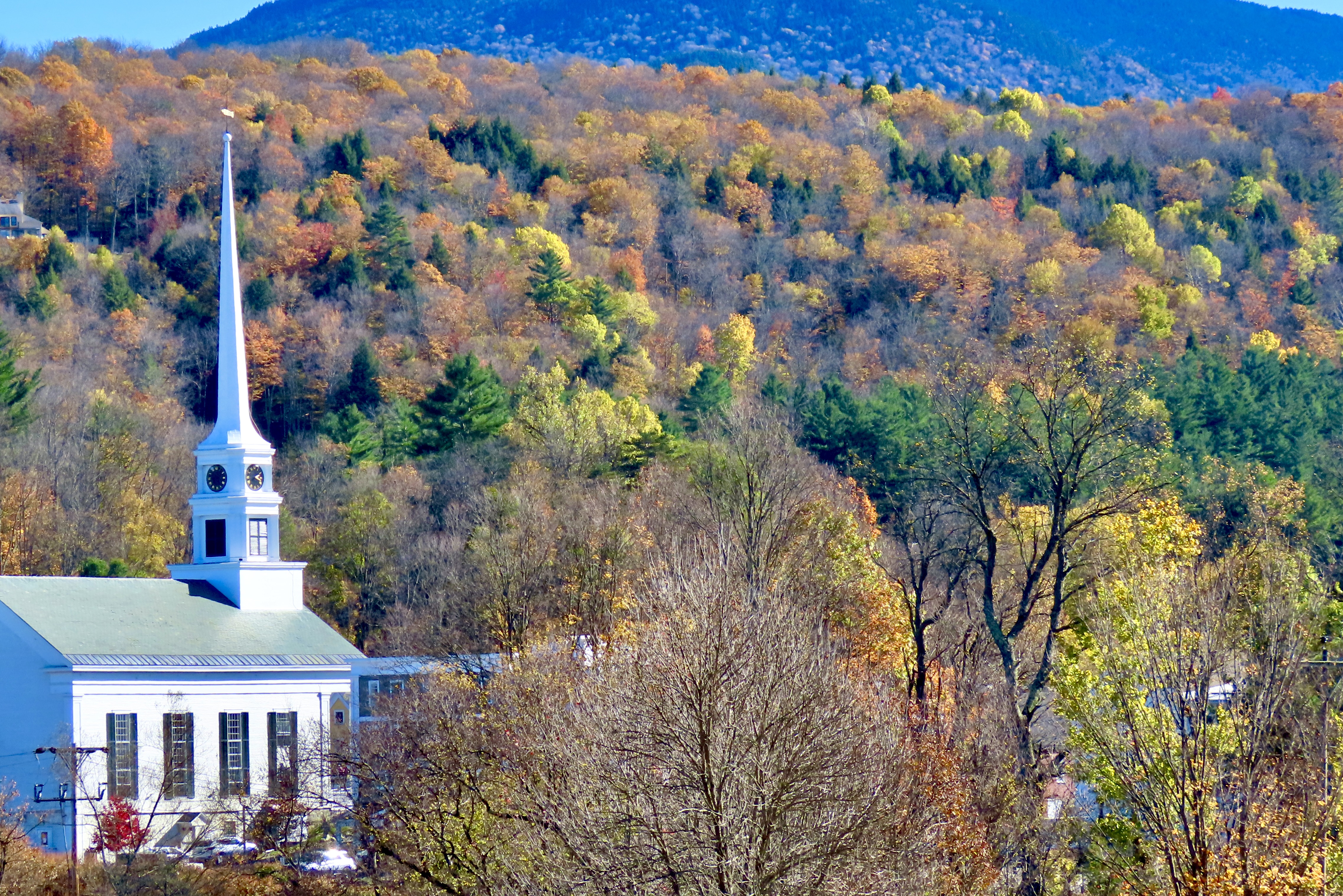
Coming down off the pass, we got our first views of Stowe. If you don’t mind crowds of tourists and packed highways, a stop is definitely worth it. This photo shows its iconic New England Church that sits on the main street.
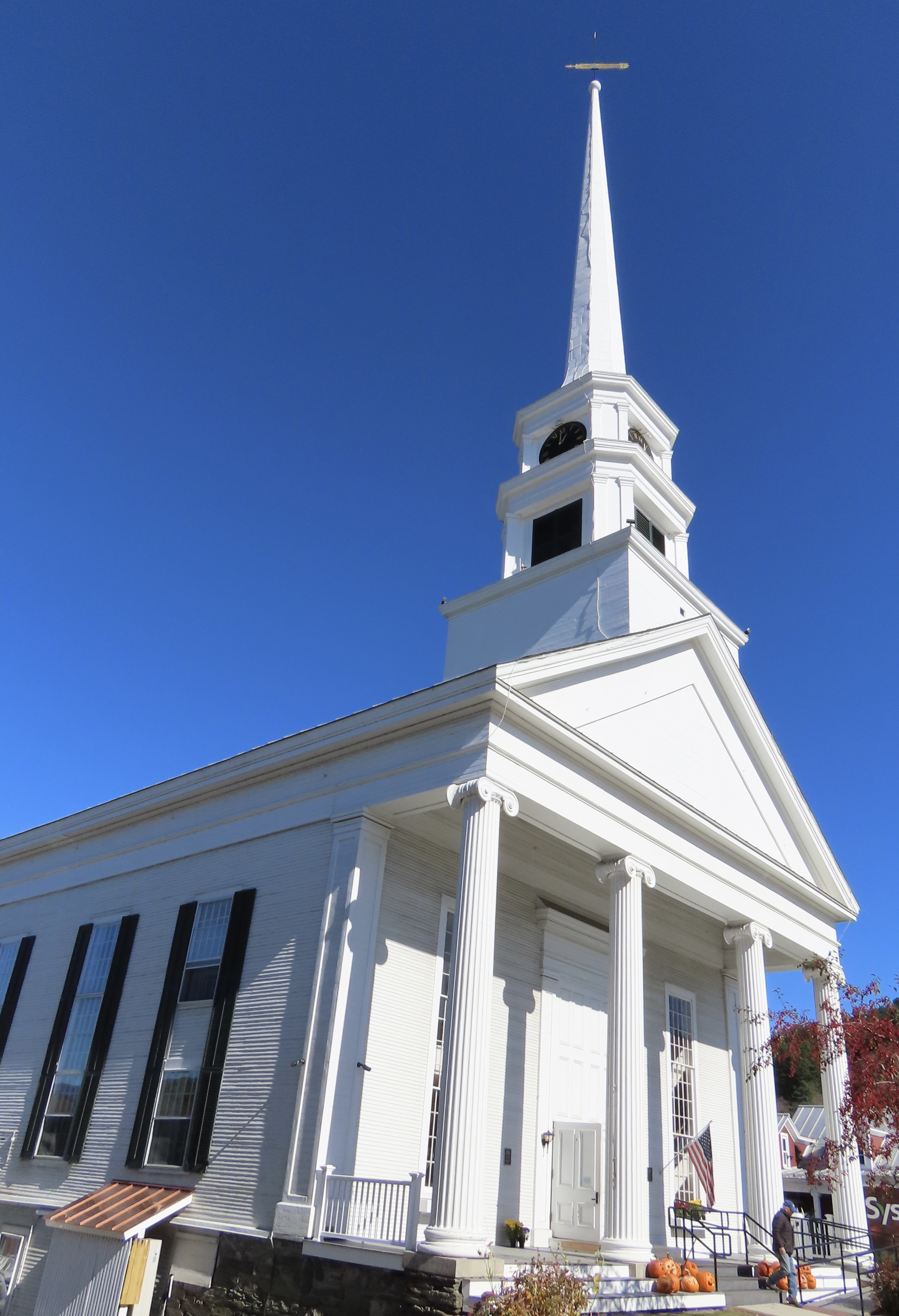
A view of the church from downtown.
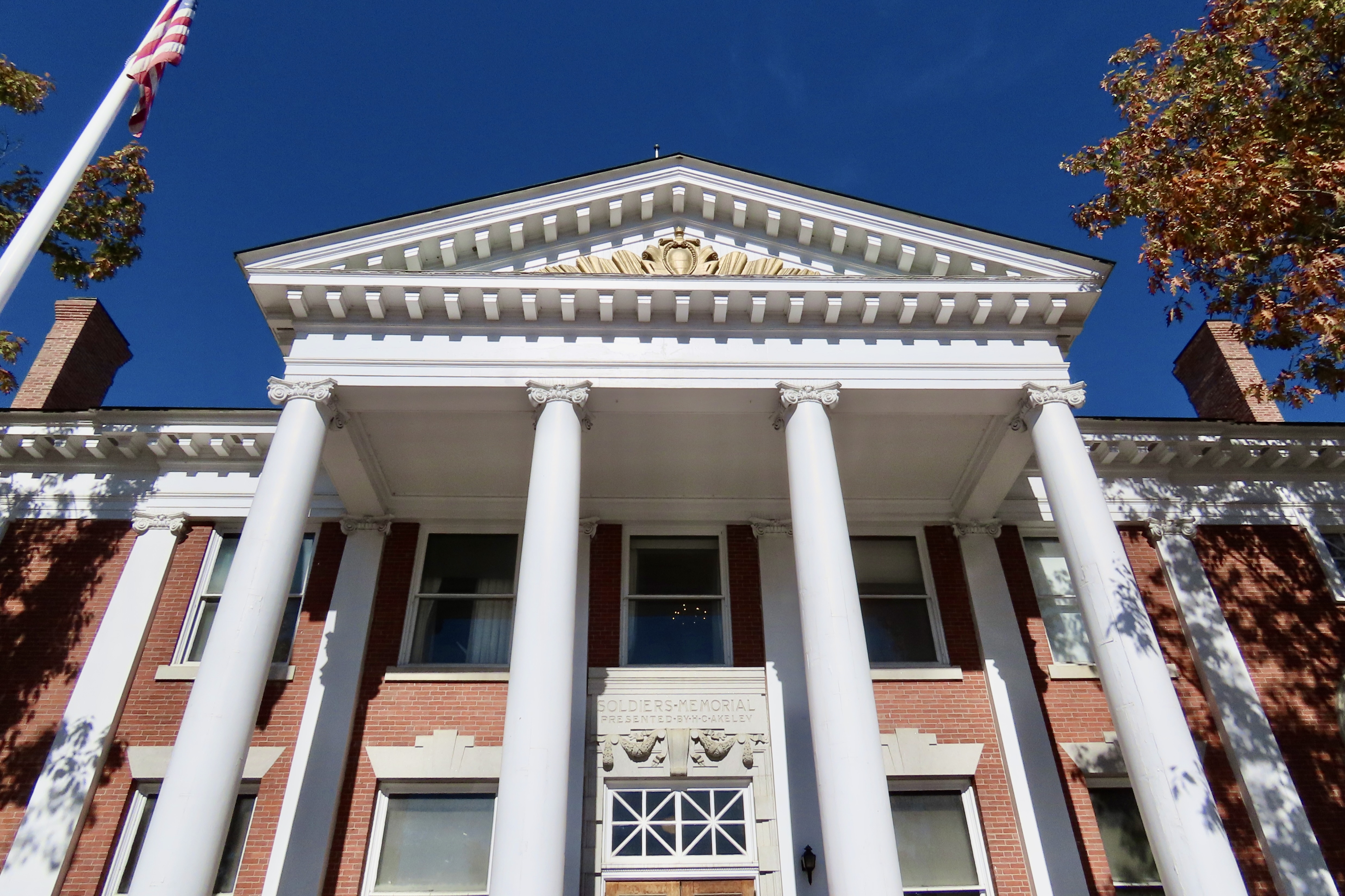
Town Hall.
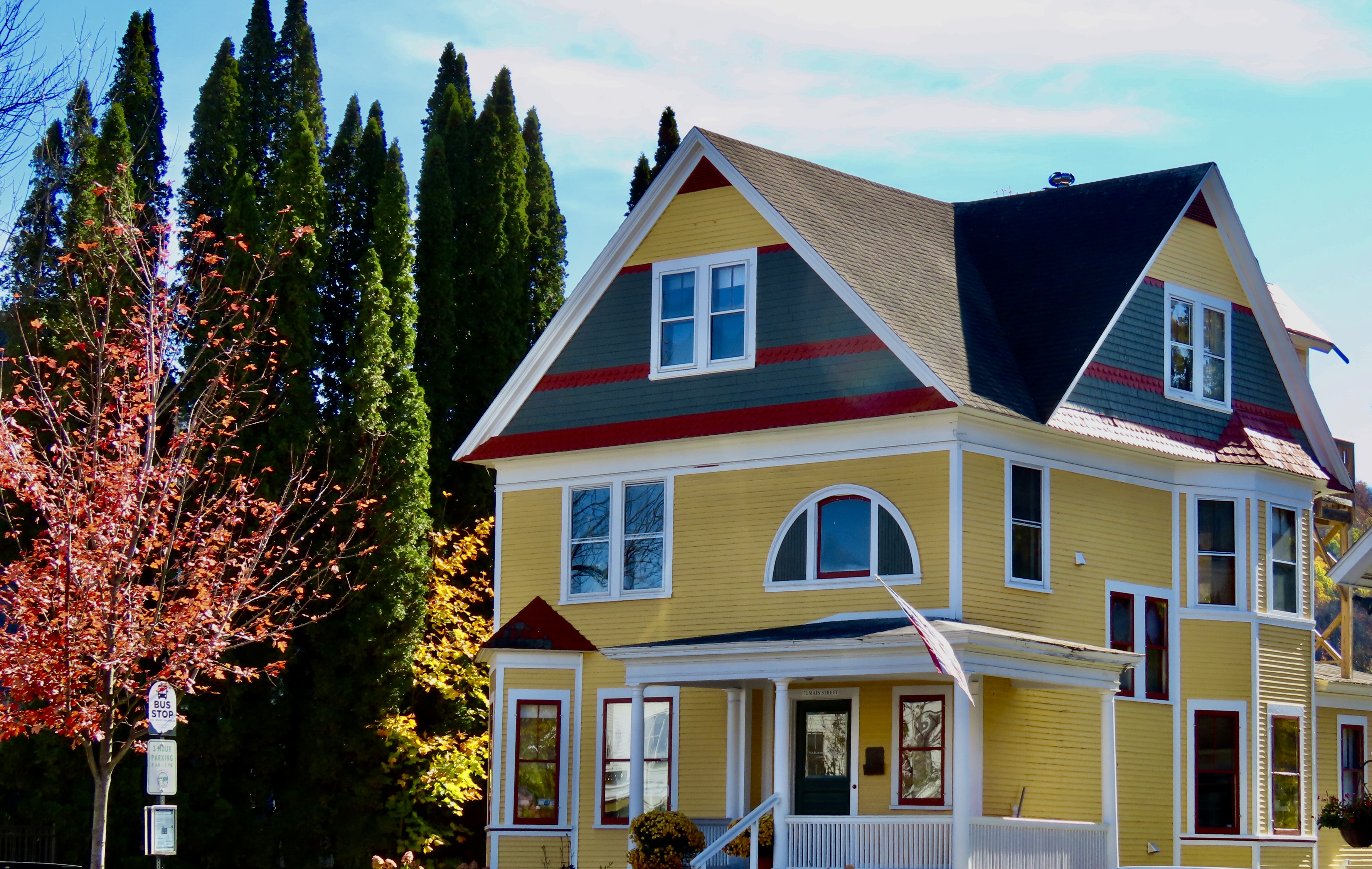
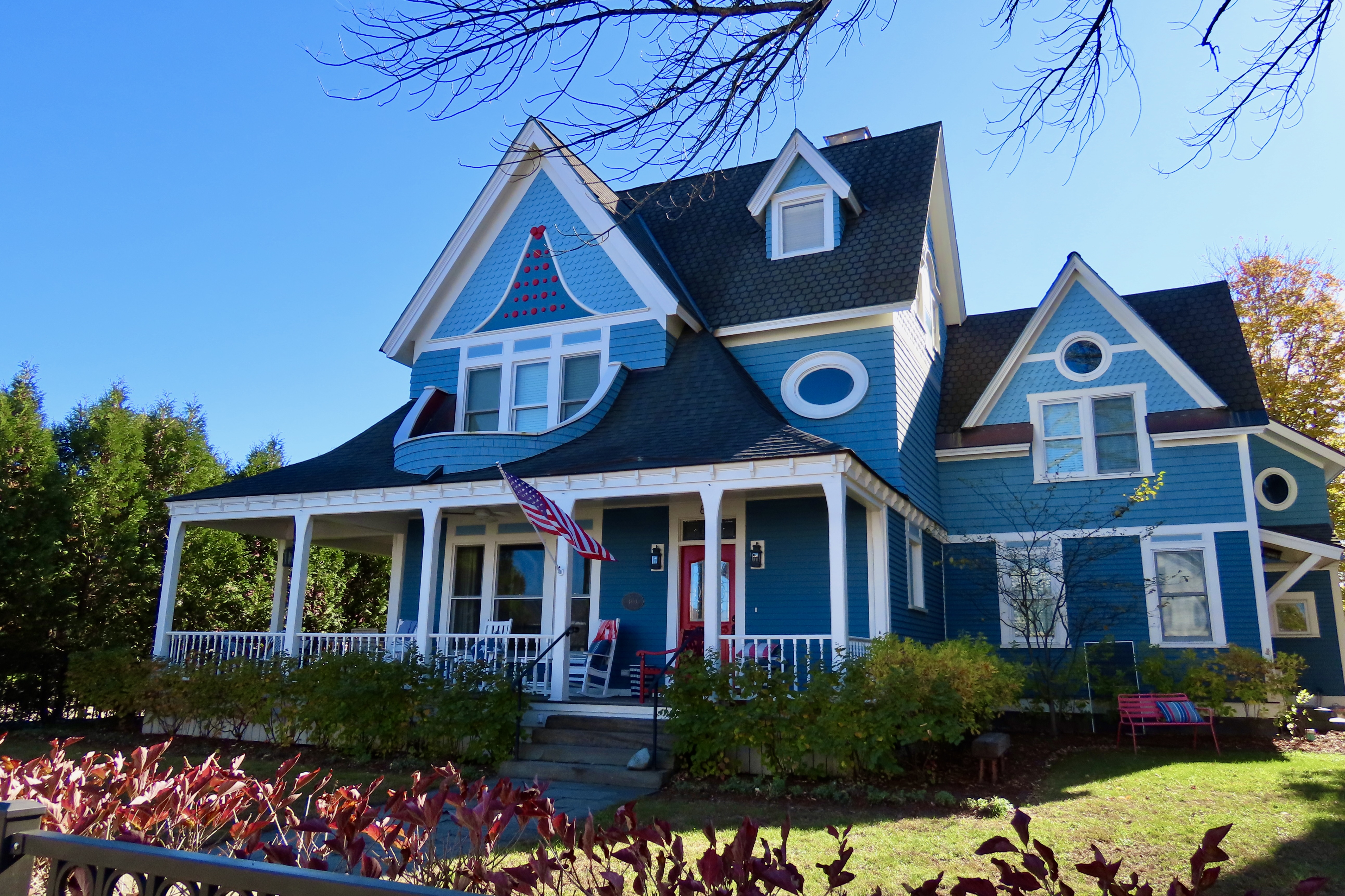
What impressed Peggy and me the most, however, were the beautiful homes.
I’ll conclude with Peggy’s favorite. In our next post we will finish our tour across Vermont, take you through New Hampshire and end in western Maine.
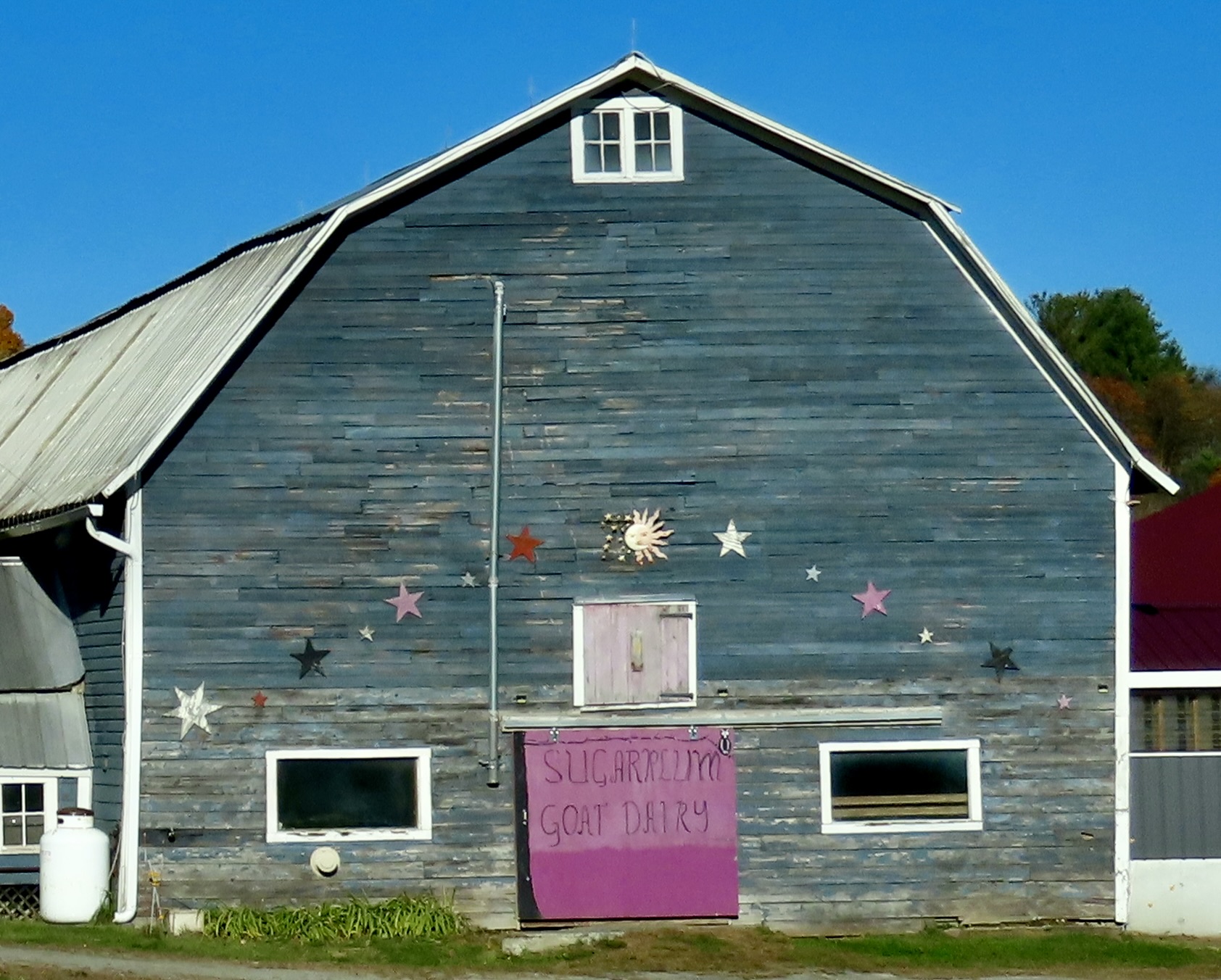
Dairy goat farming, we learned along the way, is becoming a big thing in Vermont. This is the Sugar Plum Goat Dairy.

The Fall Colors of Vermont and Lake Champlain: Exploring New England Part 1

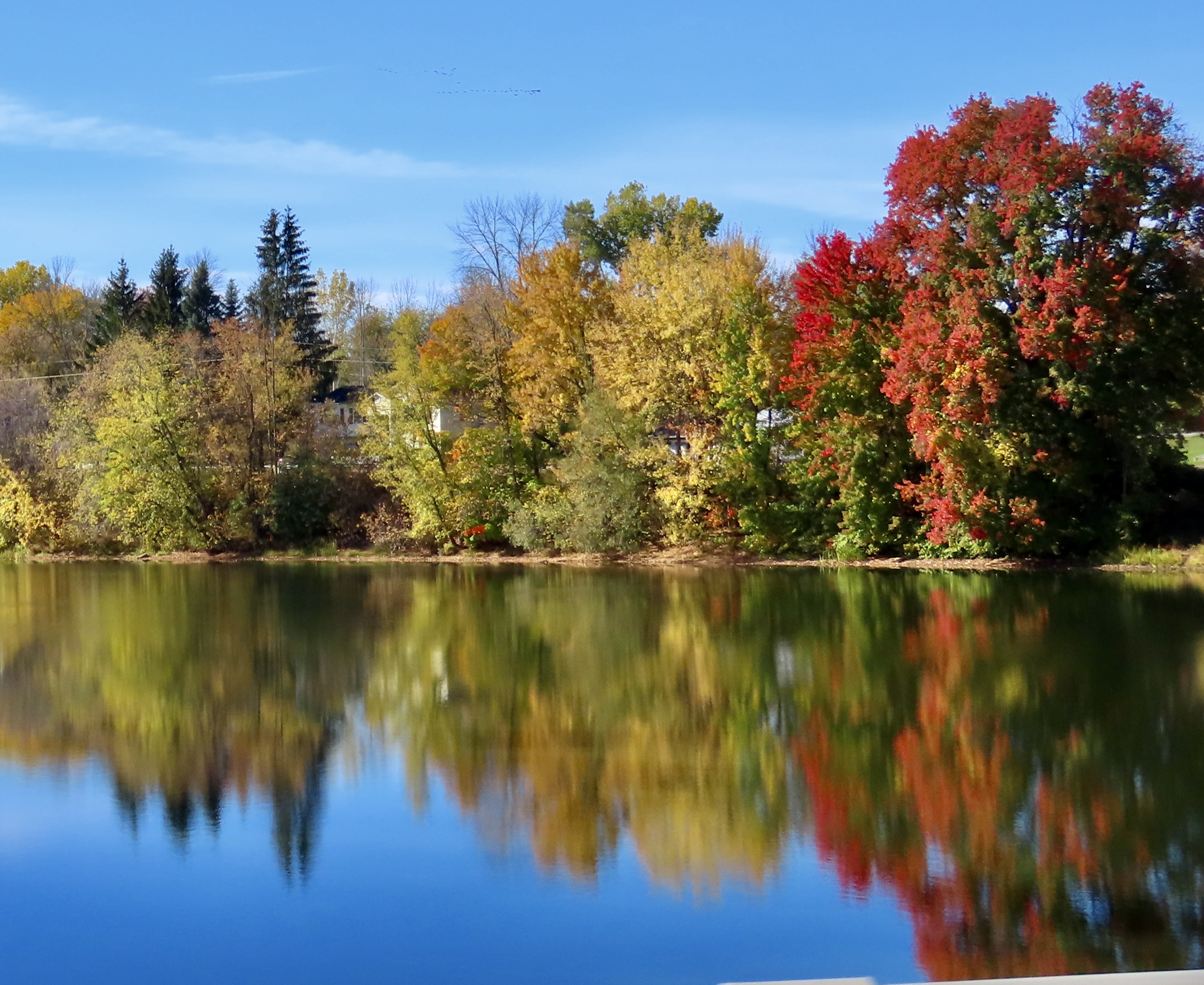
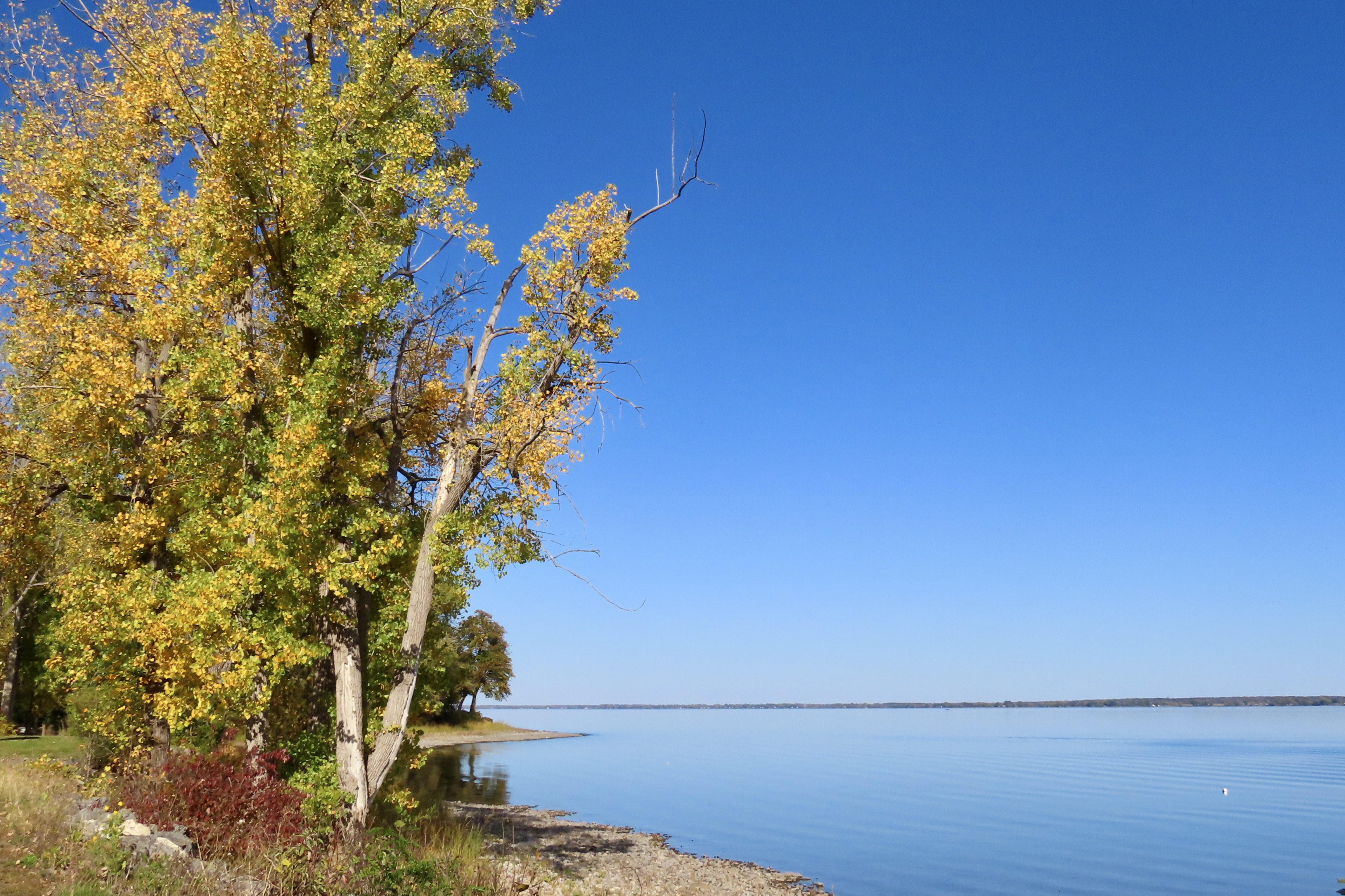
As I write this post, Peggy and I are situated in a cozy little cabin near Chazy, New York. Lake Chaplain is 5 miles to the east and the Adirondack Mountains are 5 miles to the west. The Canadian Border is 6 miles to the north. Here, we are looking out at Lake Champlain from the New York side. The land in the distance is Isle La Motte in Vermont, one of several islands in the lake. The reflection caught our attention.
Another view of Lake Champlain. No islands here. You’ve undoubtably heard of Nessie, the Loch Ness Monster, but have you heard of Champy, the Lake Champlain Monster that looks and behaves in the same way: illusive. And why am I thinking of Sasquatch now? Anyway there have been over 300 reported sightings of Champy over the years in the 125 mile long lake. I’ve stood on the edge of Loch Ness in an ancient ruined castle and searched the waters for Nessie. Minus the castle, I’ll do the same here. Just in case…

Peggy and I made a trip through New England in the fall 25 years ago when we had both taken a year-long sabbatical from our jobs. We decided it was time to visit the beautiful fall foliage again with Vermont and New Hampshire as our destination plus a side trip to Acadia National Park and a few of the scenic towns along Maine’s coast.
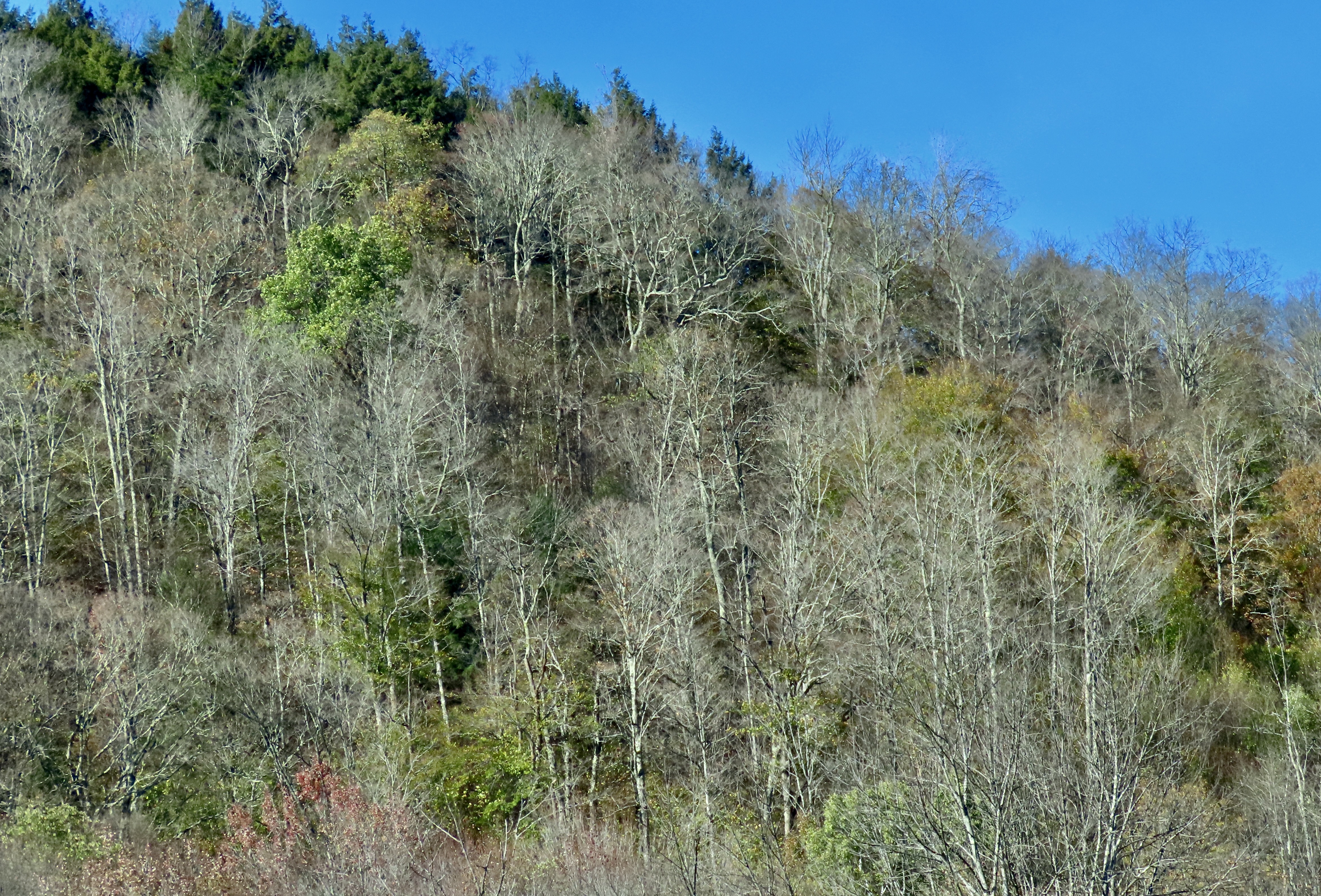
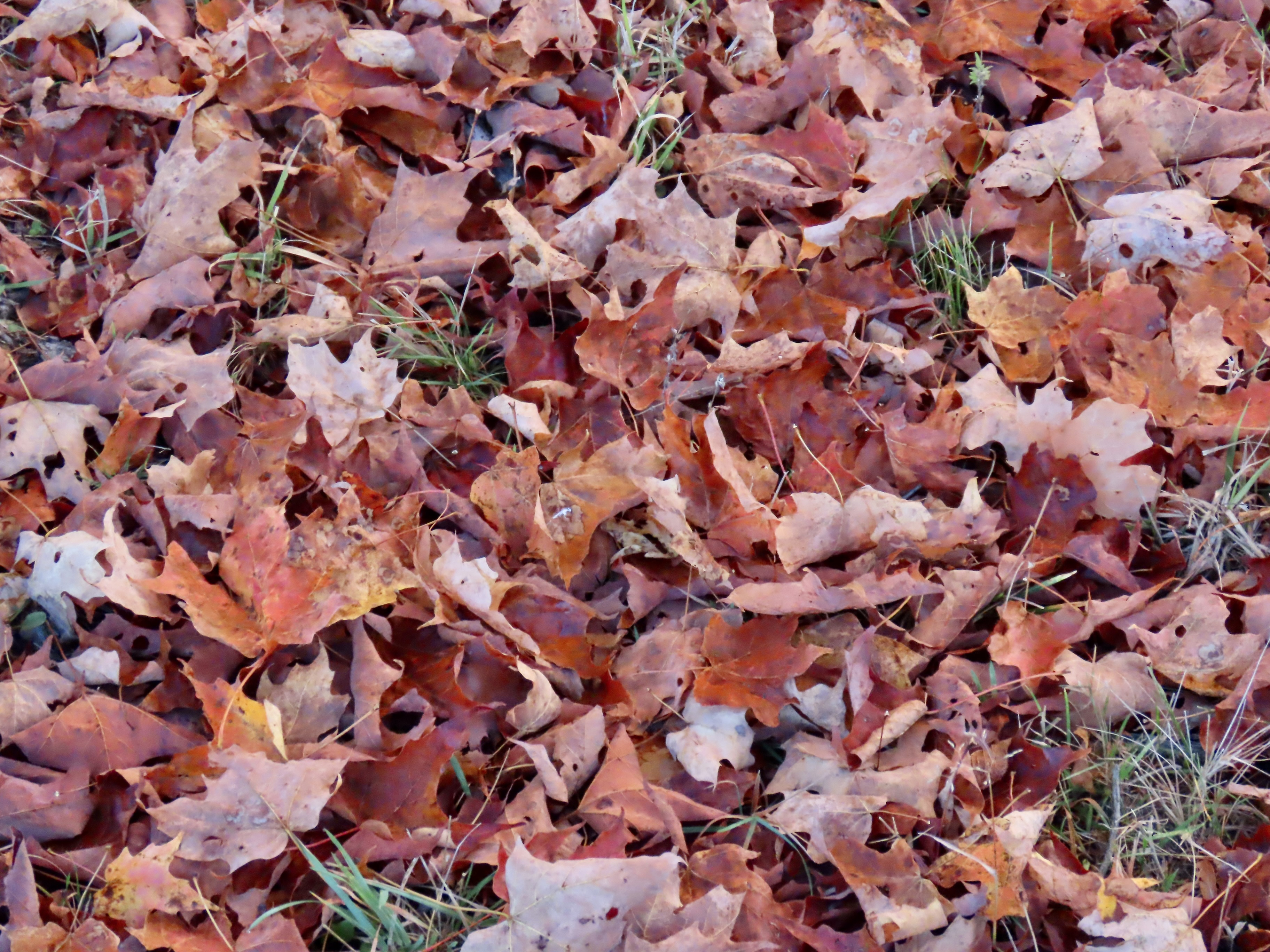
While one can normally expect fall foliage in Vermont to last into the first week in October, our arrival in the area suggested we were too late.
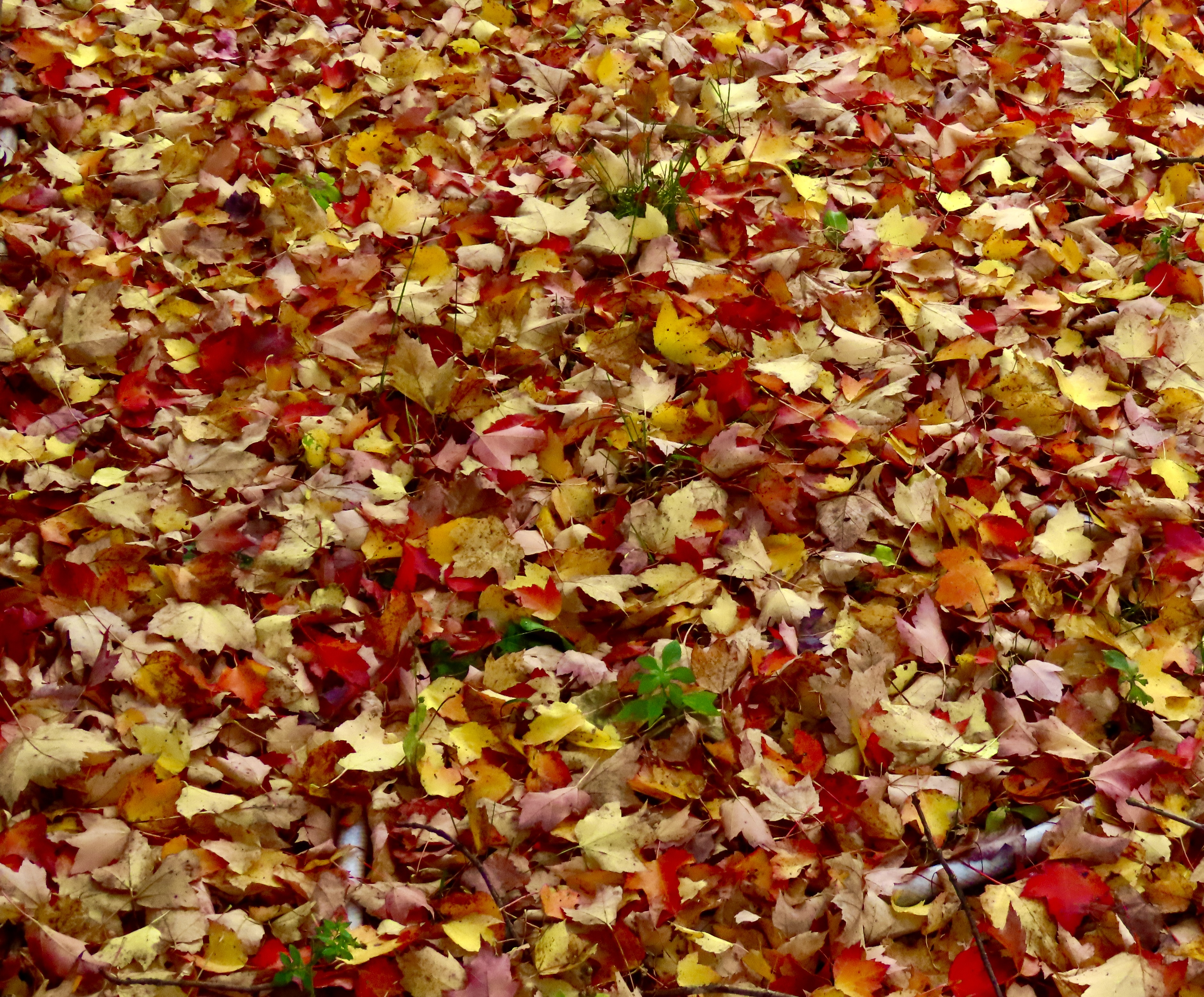
There were more leaves on the ground than in the trees. The woman at the Sticky Fingers Bakery (yummy), on Route 100 up through the heart of Vermont, told us that the state was facing a serious drought. The normal 25 inches had turned into 6. That’s desert level rain! Hello Global warming! The leaves, she told us, hadn’t been nearly as vibrant and had dropped early.
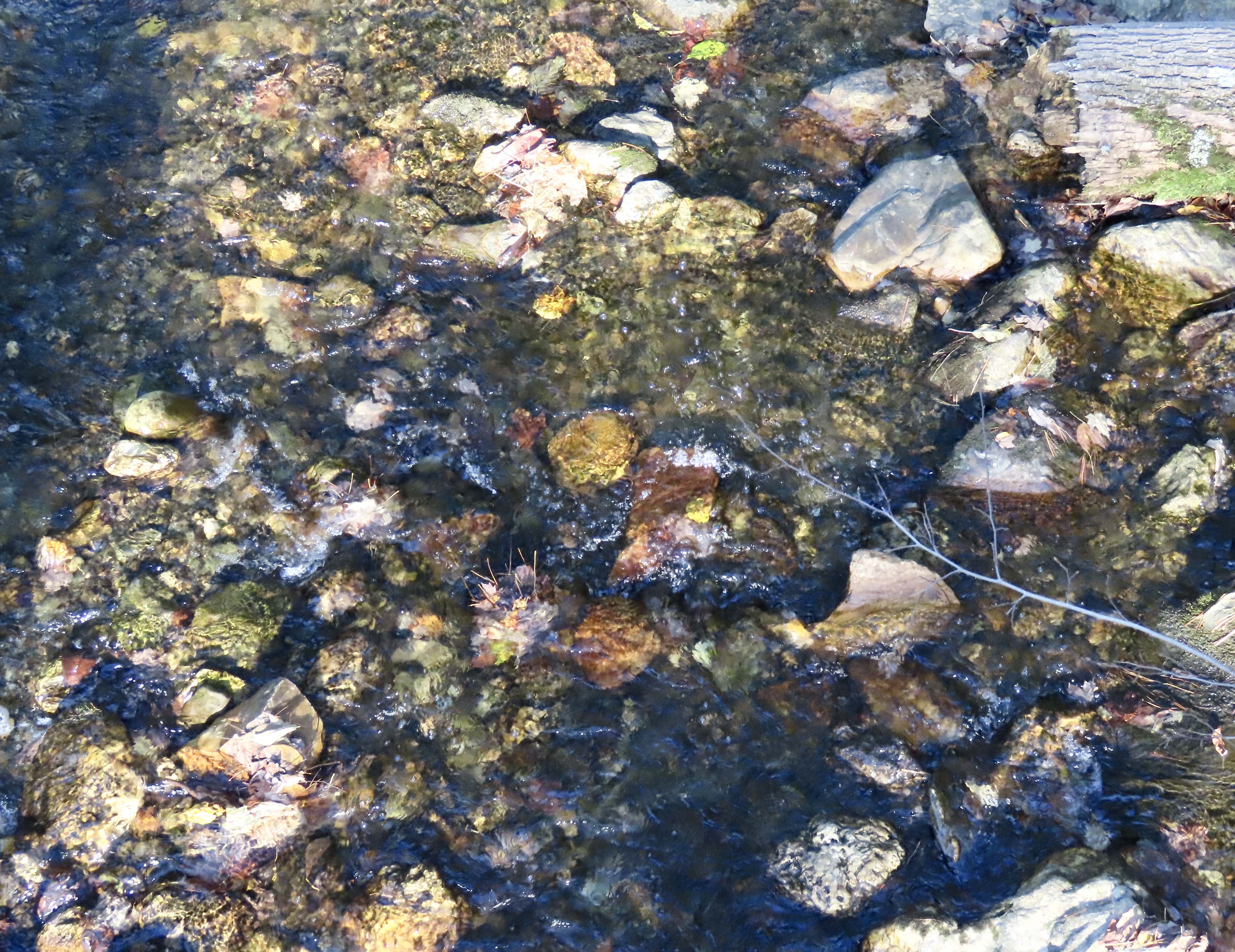
New England is beautiful with or without its colorful fall leaves, however. There would be plenty to occupy our time (and cameras). Our first night was spent in Williamstown, Massachusetts, a small town on the Vermont border. This colorful creek was flowing by the 1896 House and motel we were staying at.
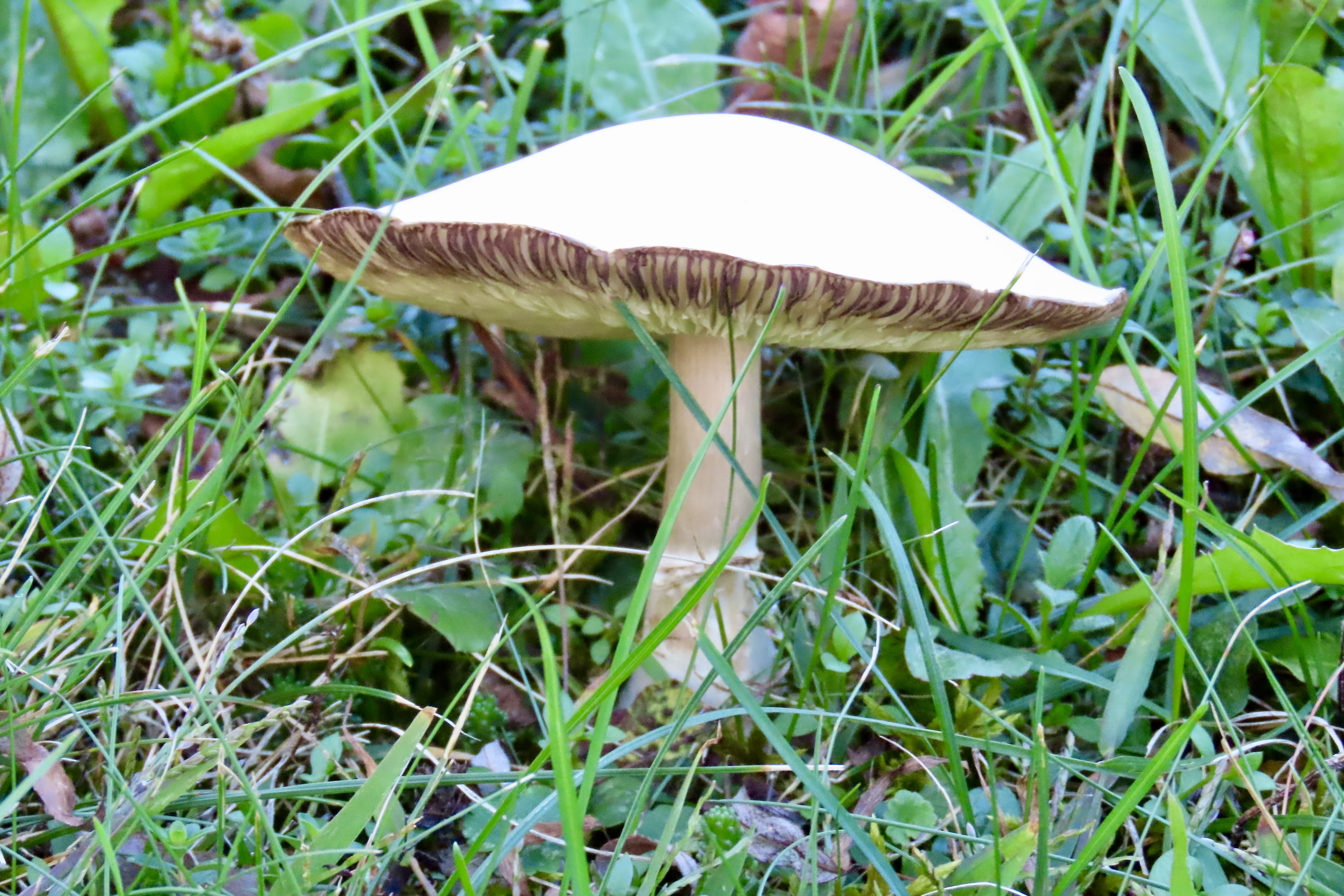
We found a brilliant white capped toadstool growing on the lawn. It literally defined white.
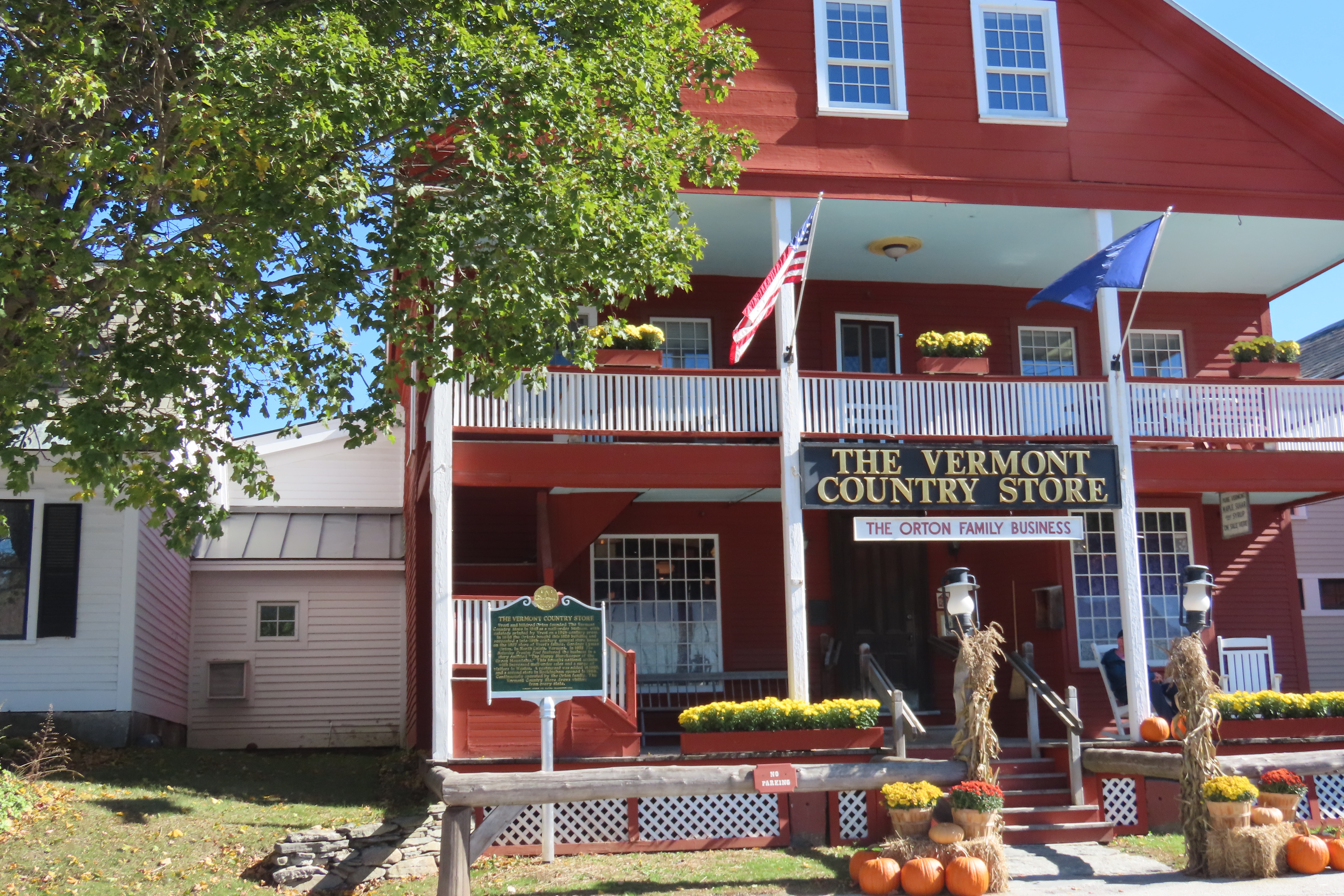
Route 100 is chockfull of fun stores, restaurants and breweries to explore. The Vermont Country Store in Weston is the grandaddy of the stores. It was so big that Peggy got lost. I almost called for a search and rescue team. It turns out, however, what I call lost, Peggy calls shopping. She was busy buying Christmas presents. Our kids and grandkids love top grade Vermont maple syrup. And maple sugar candy. It melts in your mouth.

One of the clerks at the store told us that the peak of the fall color was the previous week. She suggested we drive over to Lake Champlain on Vermont’s western border to catch more color. That’s why I kicked this post off with photos from the lake.
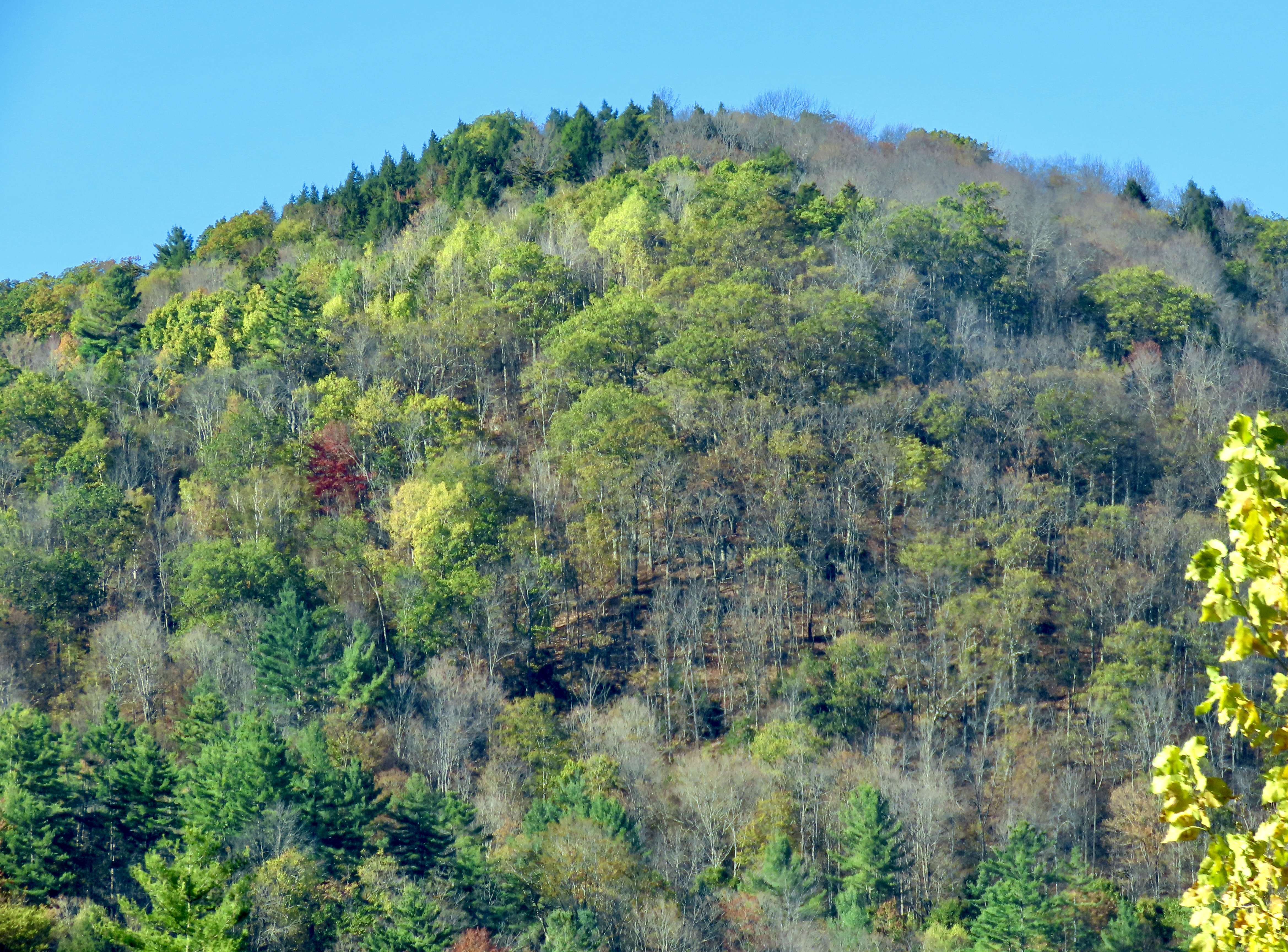
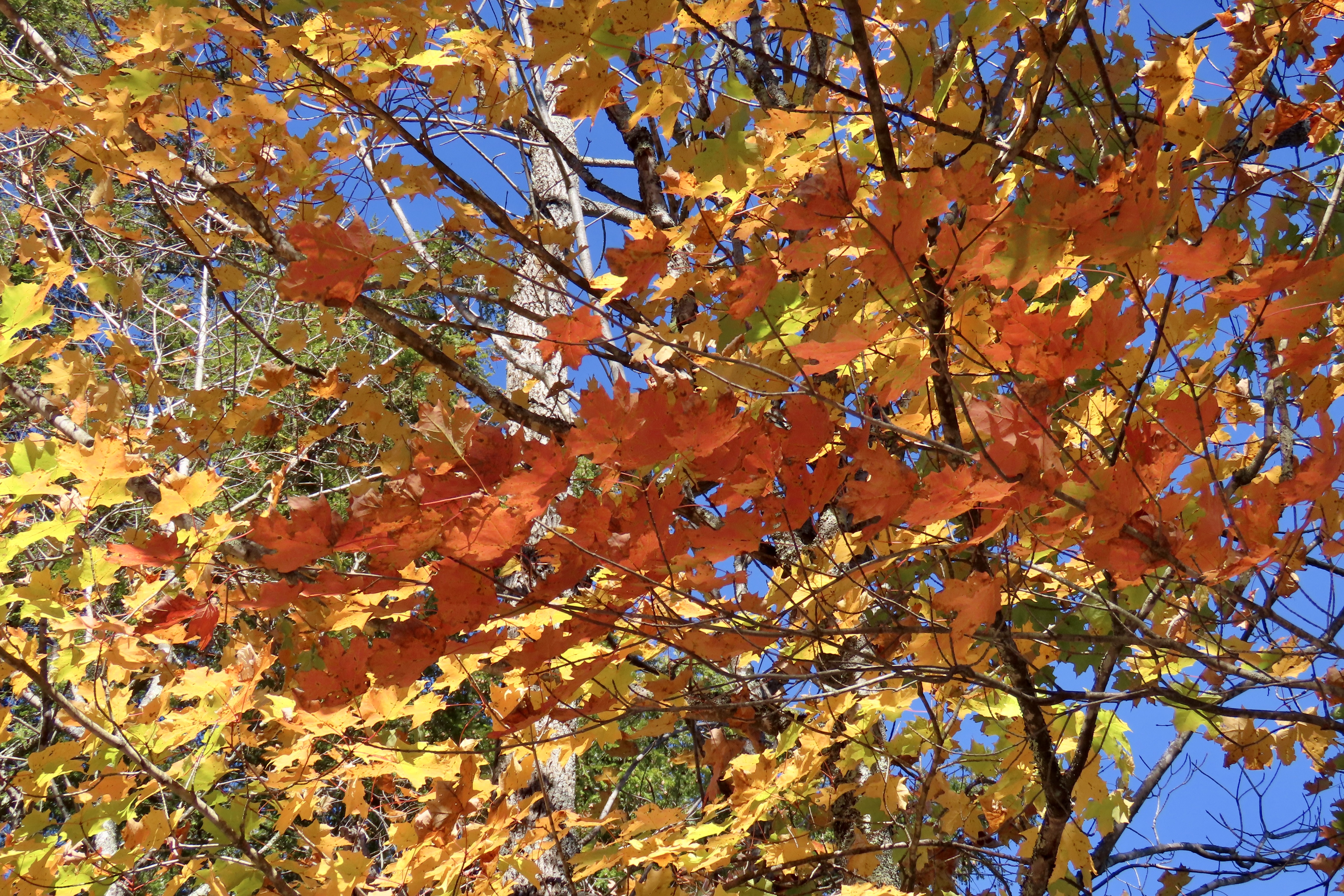
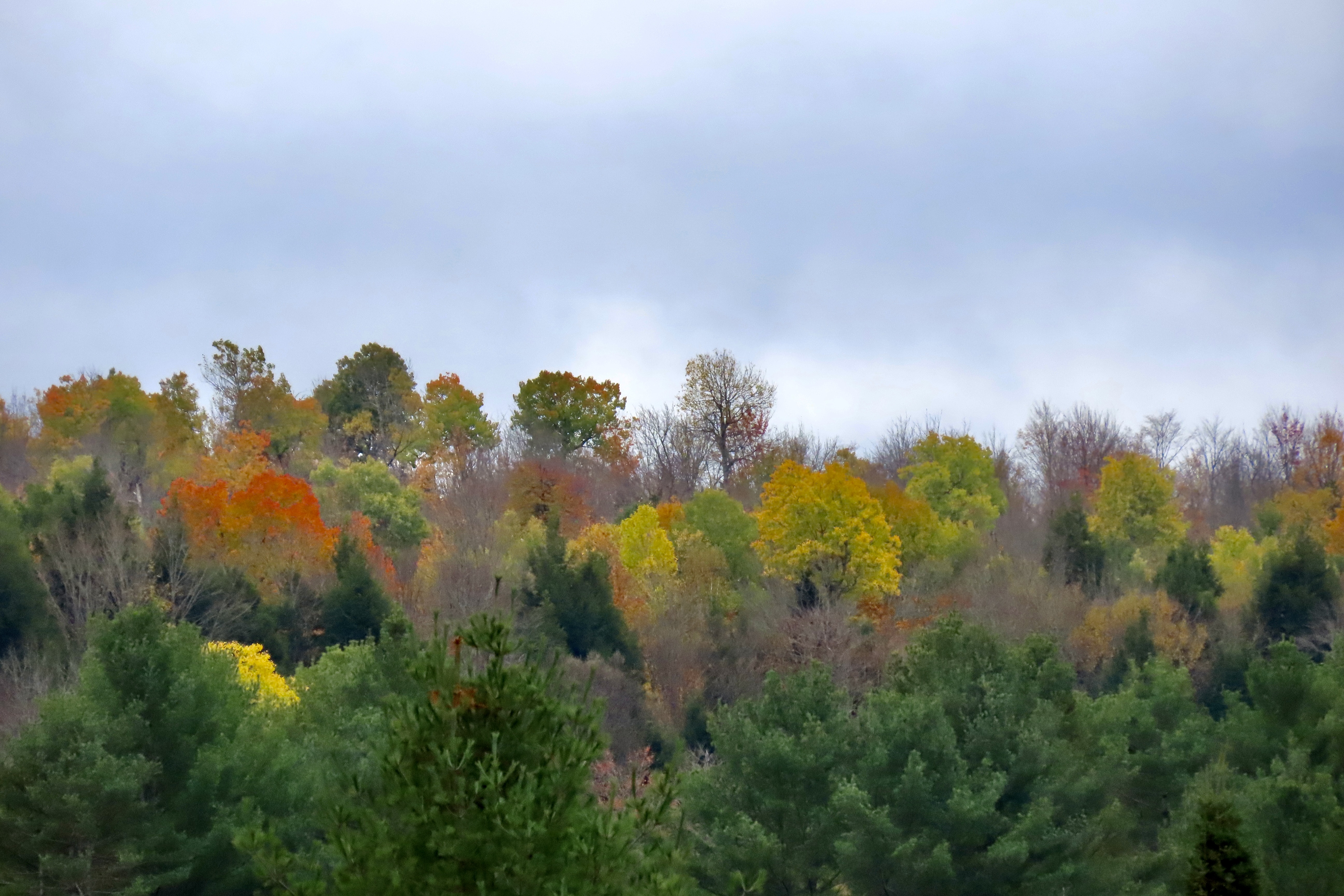
The limited fall foliage didn’t mean there weren’t hold outs. A few trees had volunteered to stay dressed up for the week. The lack of color made them stand out! They were the belles of the ball, so to speak.
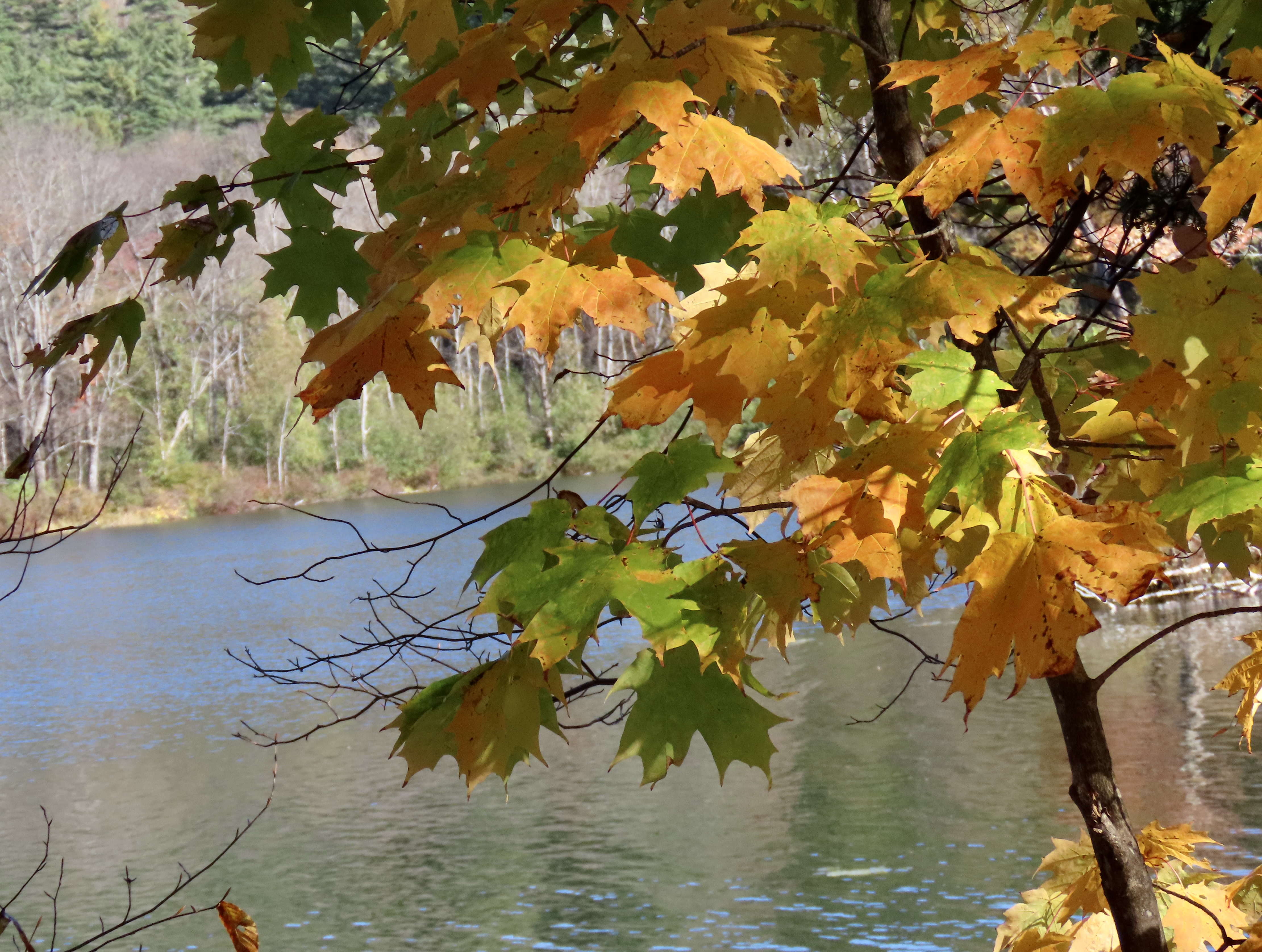
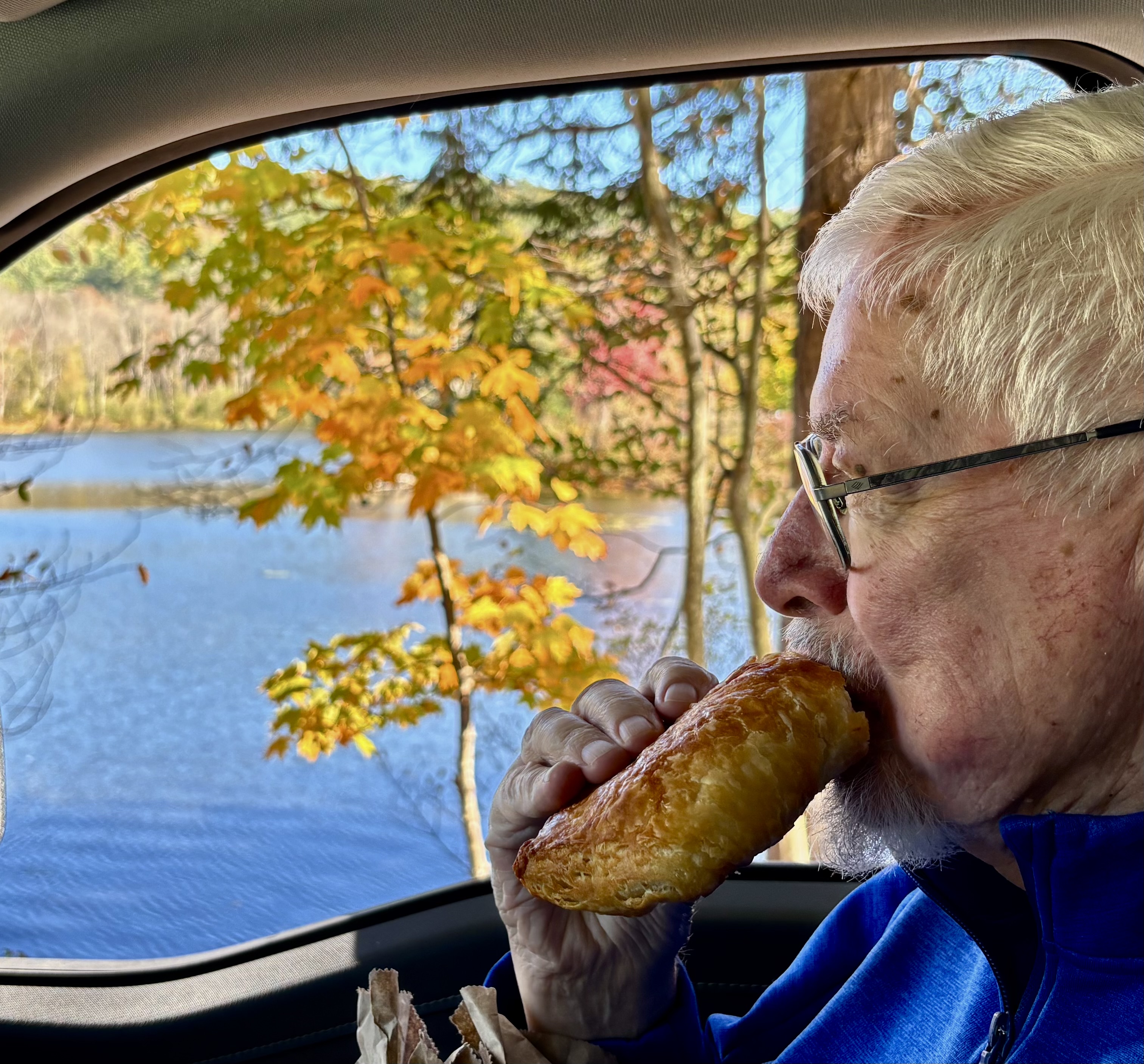
We parked under striking orange and yellow leaves next to a small lake where we had stopped for lunch. Peggy was eating a cinnamon roll from the Sticky Fingers Bakery and I was eating an apple turnover. Healthy, huh?
Looking out toward the lake.
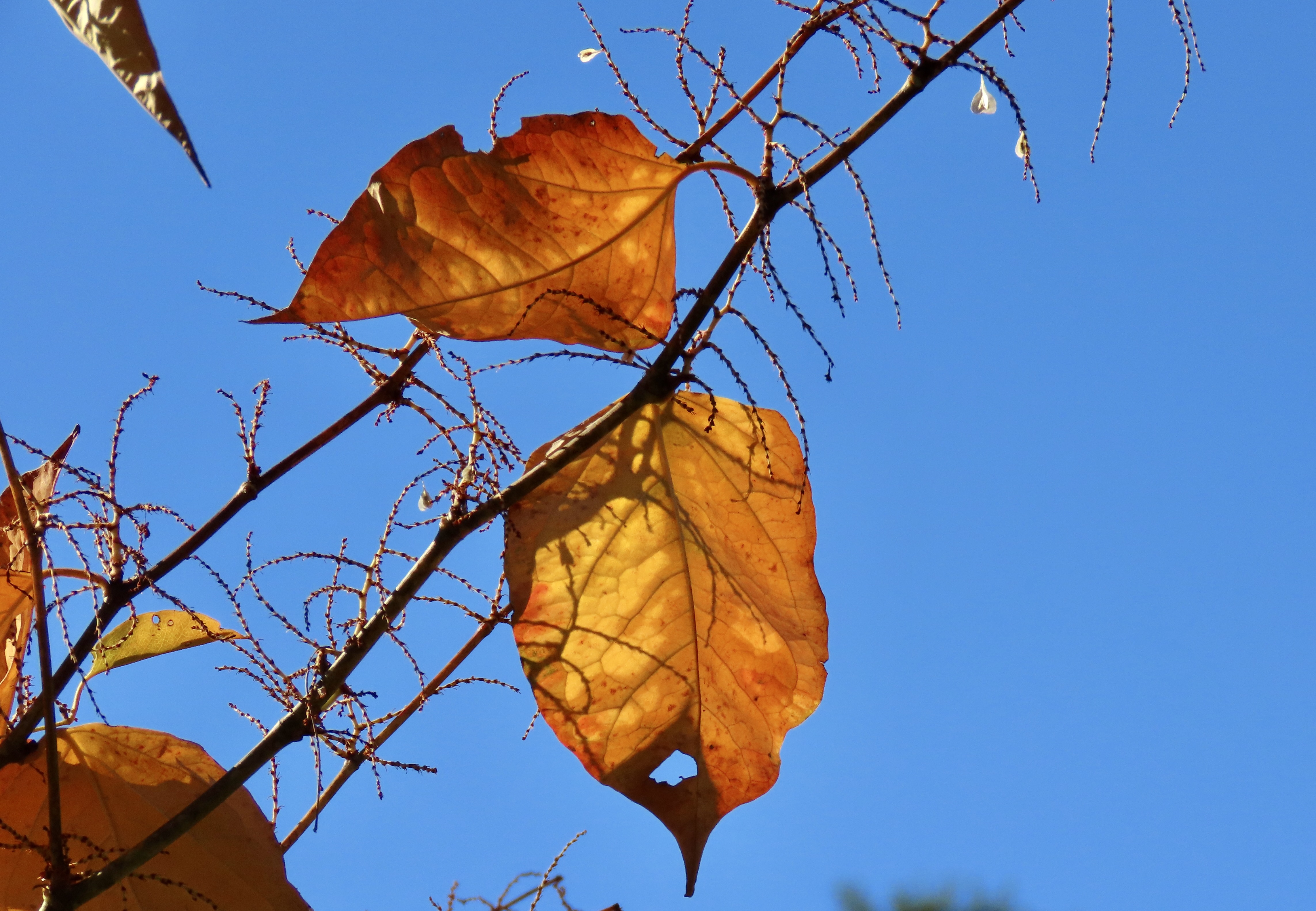
Even these two beatup holdouts were alive with color.
Me, happily consuming my Sticky Fingers apple turnover. Peggy just had to take a photo.
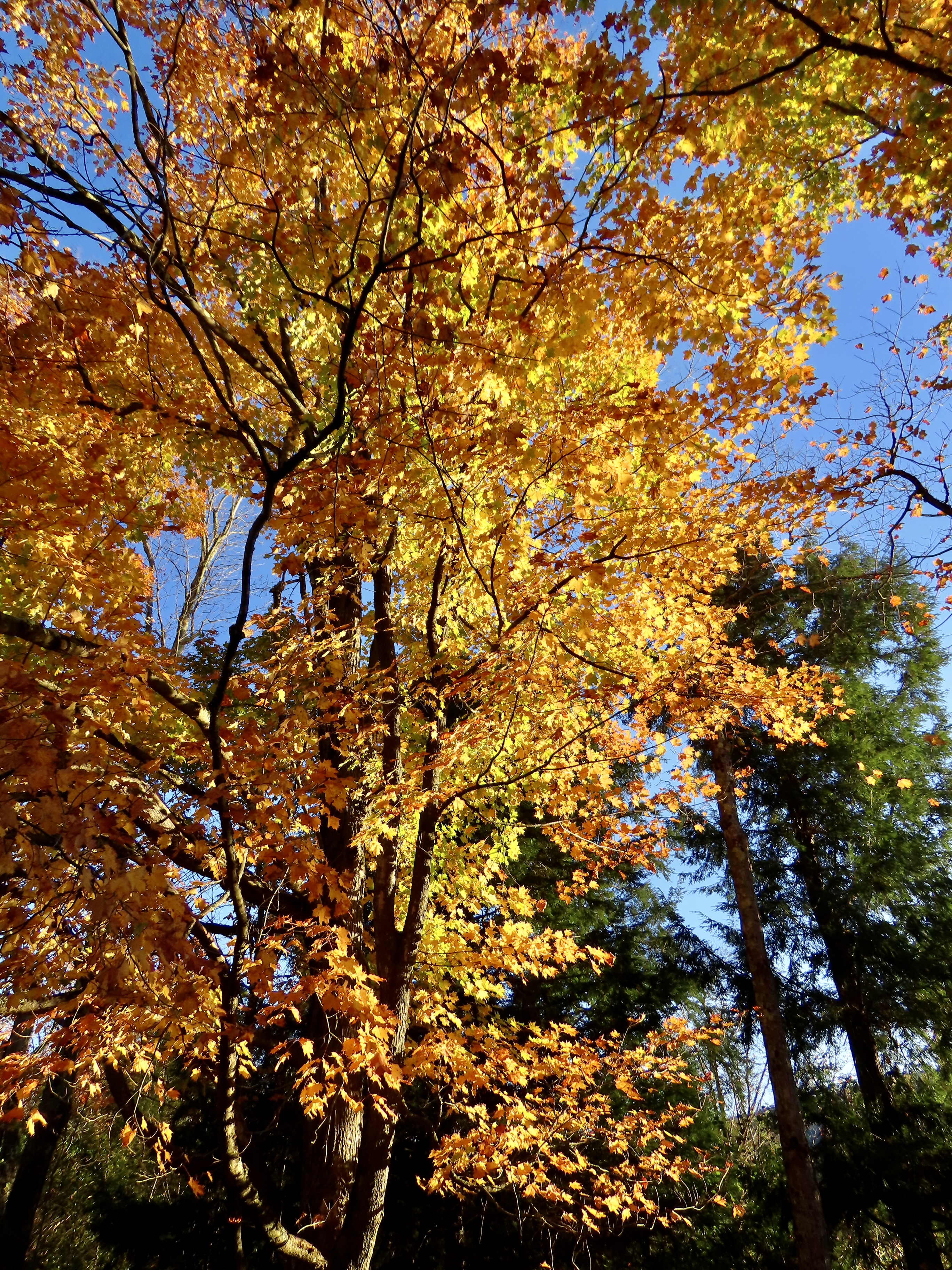
The winner for our fall Vermont colors was right outside a small cabin we had rented north of Stowe.
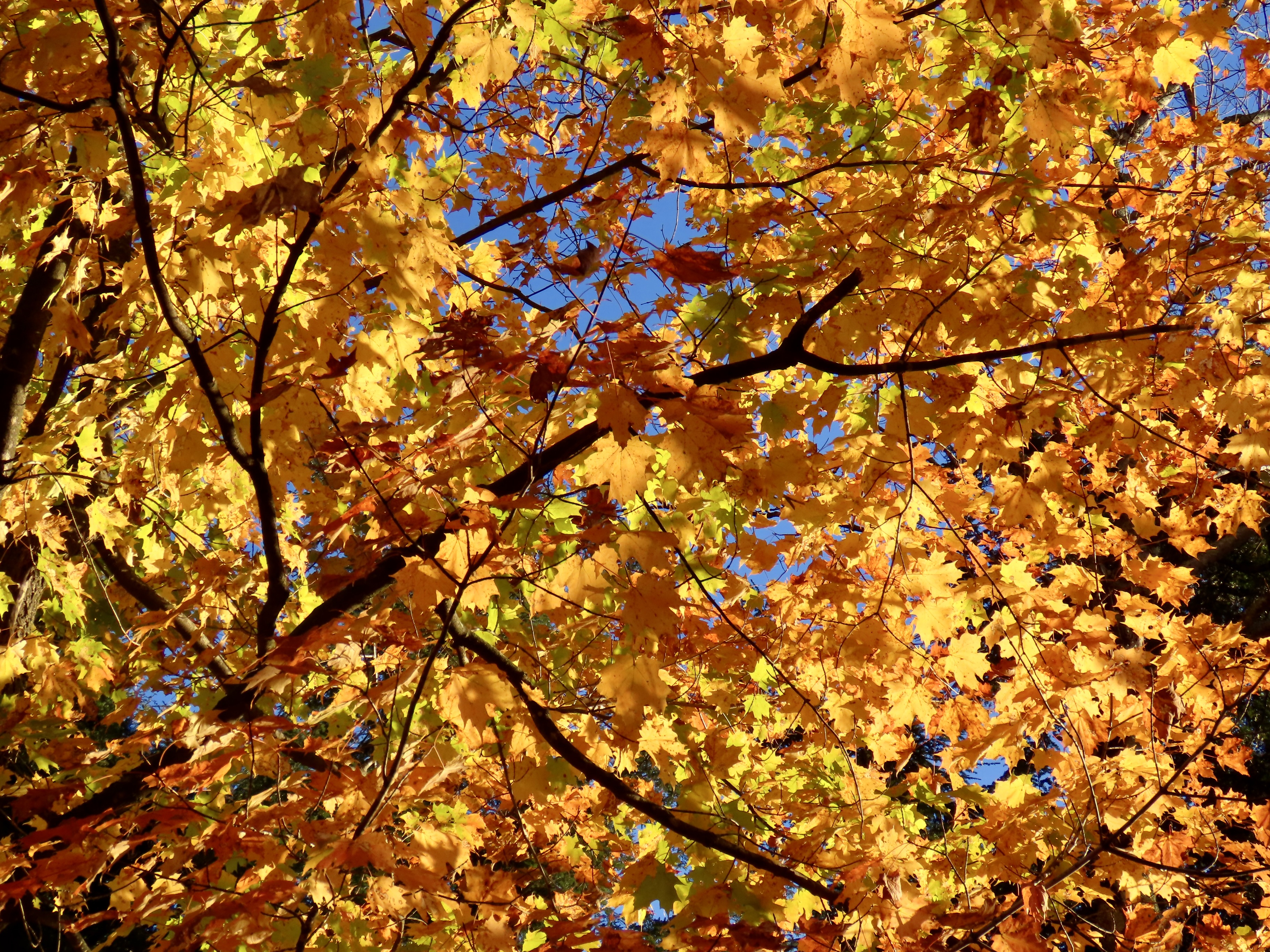
Looking up through the leaves.
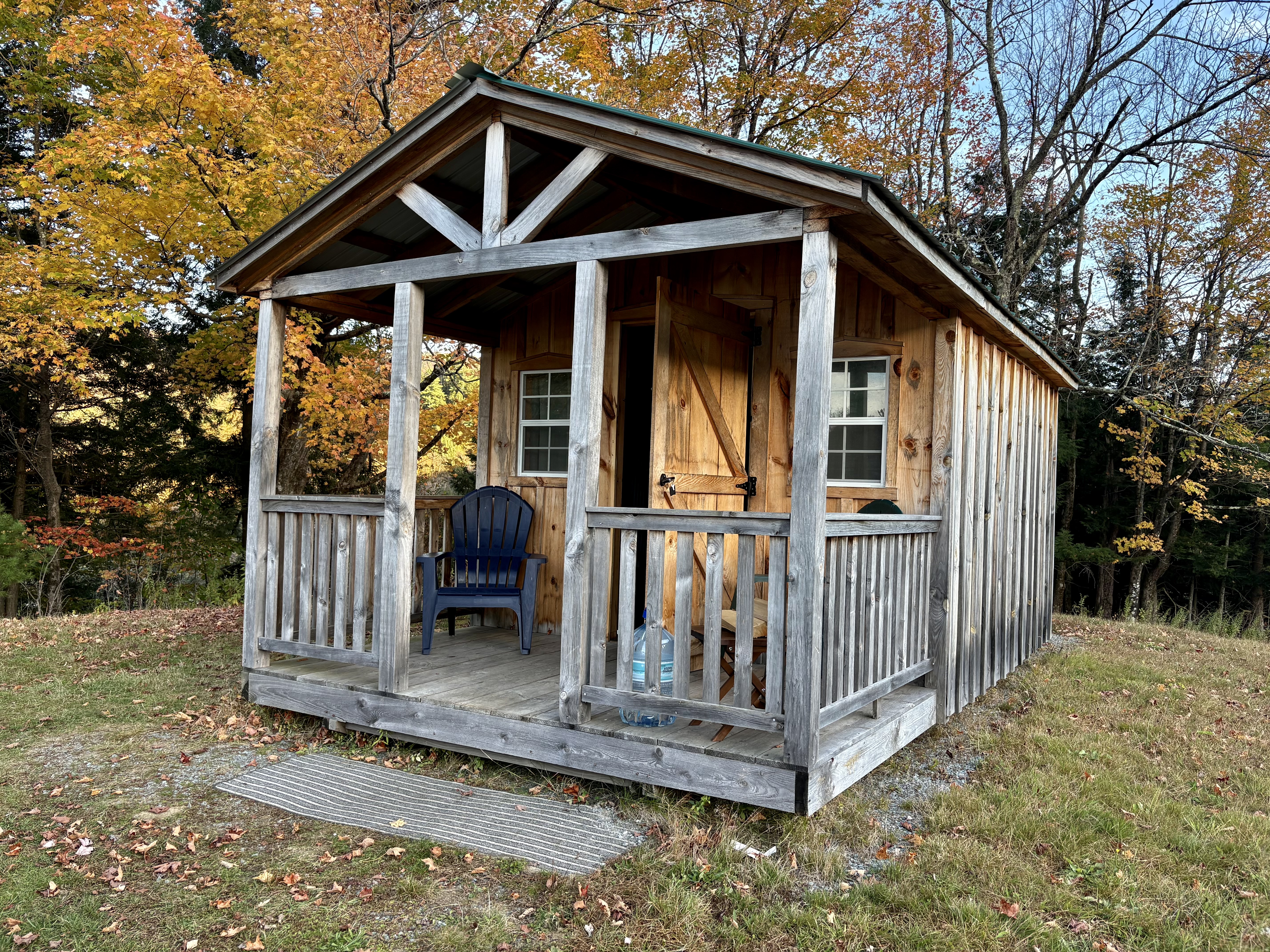
This is our handsome little cabin and the tree. The cabin comes with a story.

Our original plan had been to stay in Stowe, Vermont. It’s considered the most picturesque of the Vermont towns. When I saw the $300-350 prices per night of available places left to stay, sticker shock set in. I started looking at the surrounding areas. This small cabin was about 25 miles to the north and came in at under $100. It was love at first sight. “Go for it!’ my buddy exclaimed. We like cabins in the woods. “Bring warm blankets,” the owner urged, which suggested that heating might be a problem. We threw in four quilts, a down cover and our backpacks.

Beyond that, I apparently didn’t read the small print.

After a pleasant drive over country roads, we arrived at the cabin. As promised, the owner had left the key in the door. Inside, we discovered our furniture was a double-bed sized futon and a coffee table. Electricity was a battery connected to a small lamp. Our water was in a large bottle on the porch. As for a bathroom, it was an outhouse located about 25 yards away. None of this mattered to us. We are backpackers. We even had an extra lantern, a backpacking stove and headlamps along.

The real challenge was the cold. Temperatures were dropping below freezing and the cabin came with air conditioning, i.e. gaps in the structure that guaranteed that the temperature inside matched the temperature outside. Somehow, I ended up with one blanket. Peggy ended up cozy. I’ve never been able to figure out how she does that. It was a warm blanket, however. My biggest problem was cold feet. I put on my slippers. The other problem was having to pee, not once, not twice, but three times. I rarely have to go twice and never 3 times! Out I dutifully went each time, at least off the porch.

Peggy woke up at 12:30 after my second trip and we renegotiated the blanket distribution. I actually slept warm and cozy up to 5:30 and my third adventure into the great outdoors. I managed three hours of sleep throughout the night. Not bad, considering.

I’ll conclude with a few fall photos we took near Chazy, NY, where we stayed after our Vermont cabin.
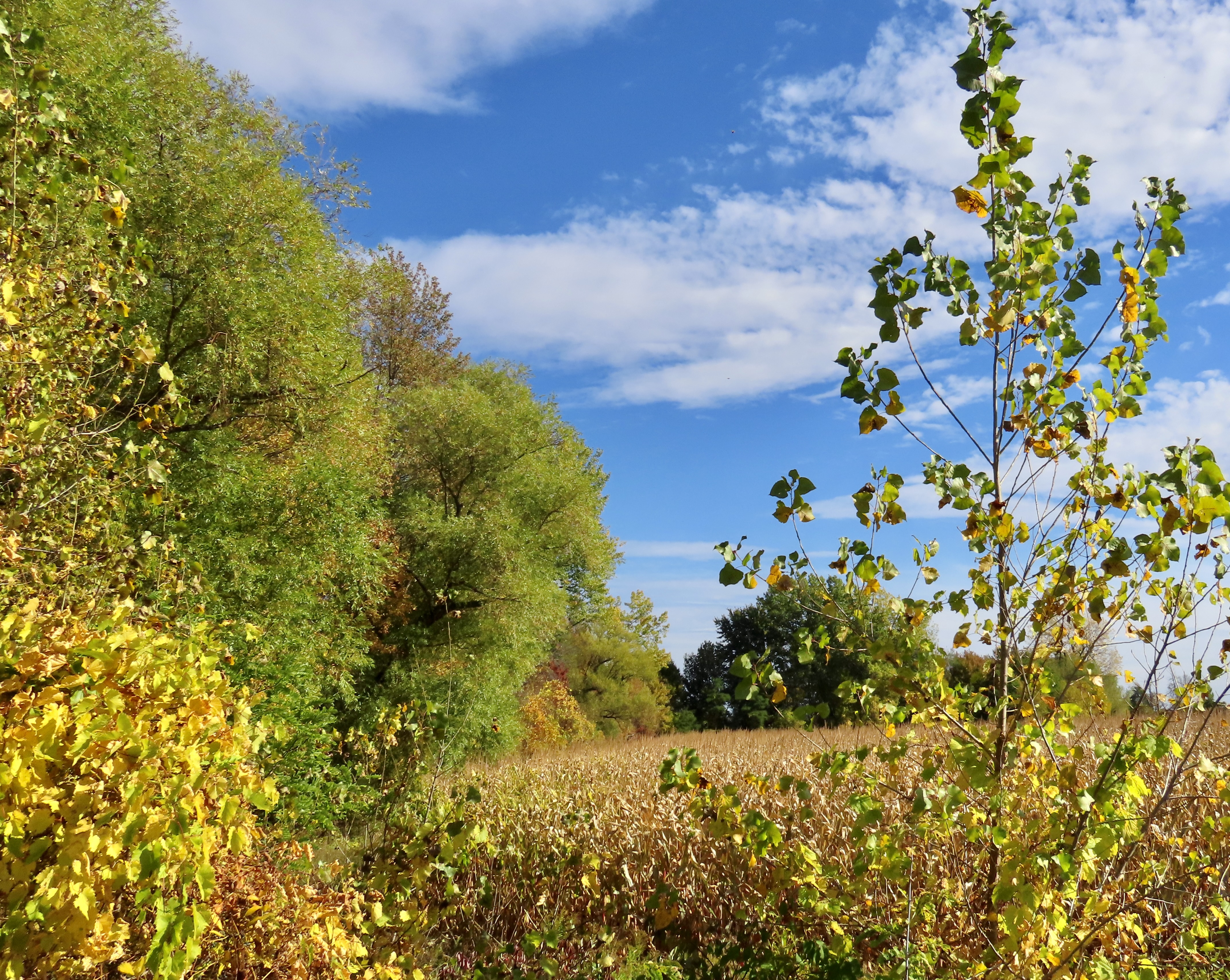
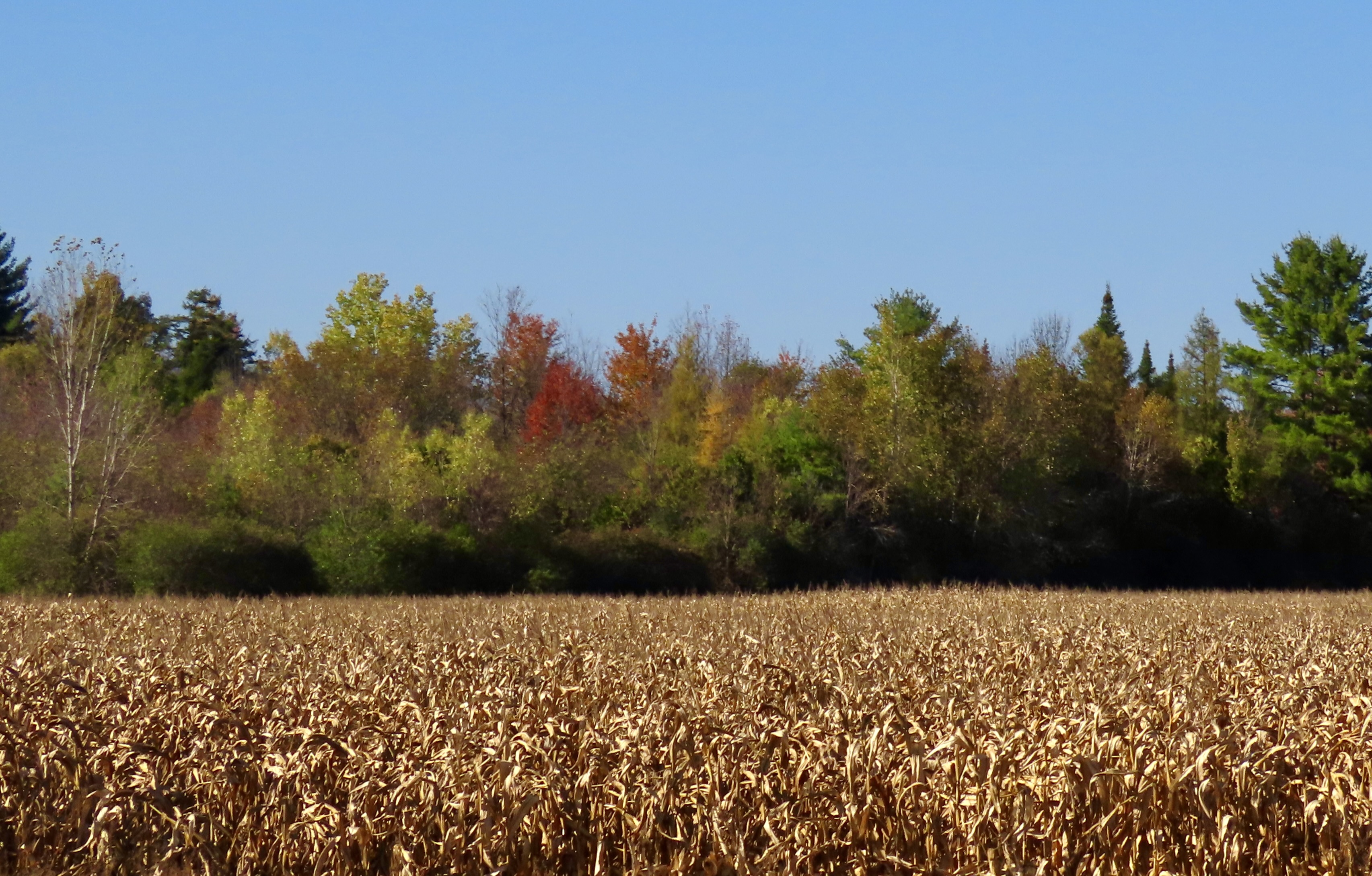
Cornfield and color. The dried corn shucks went with the season.
Awe shucks.
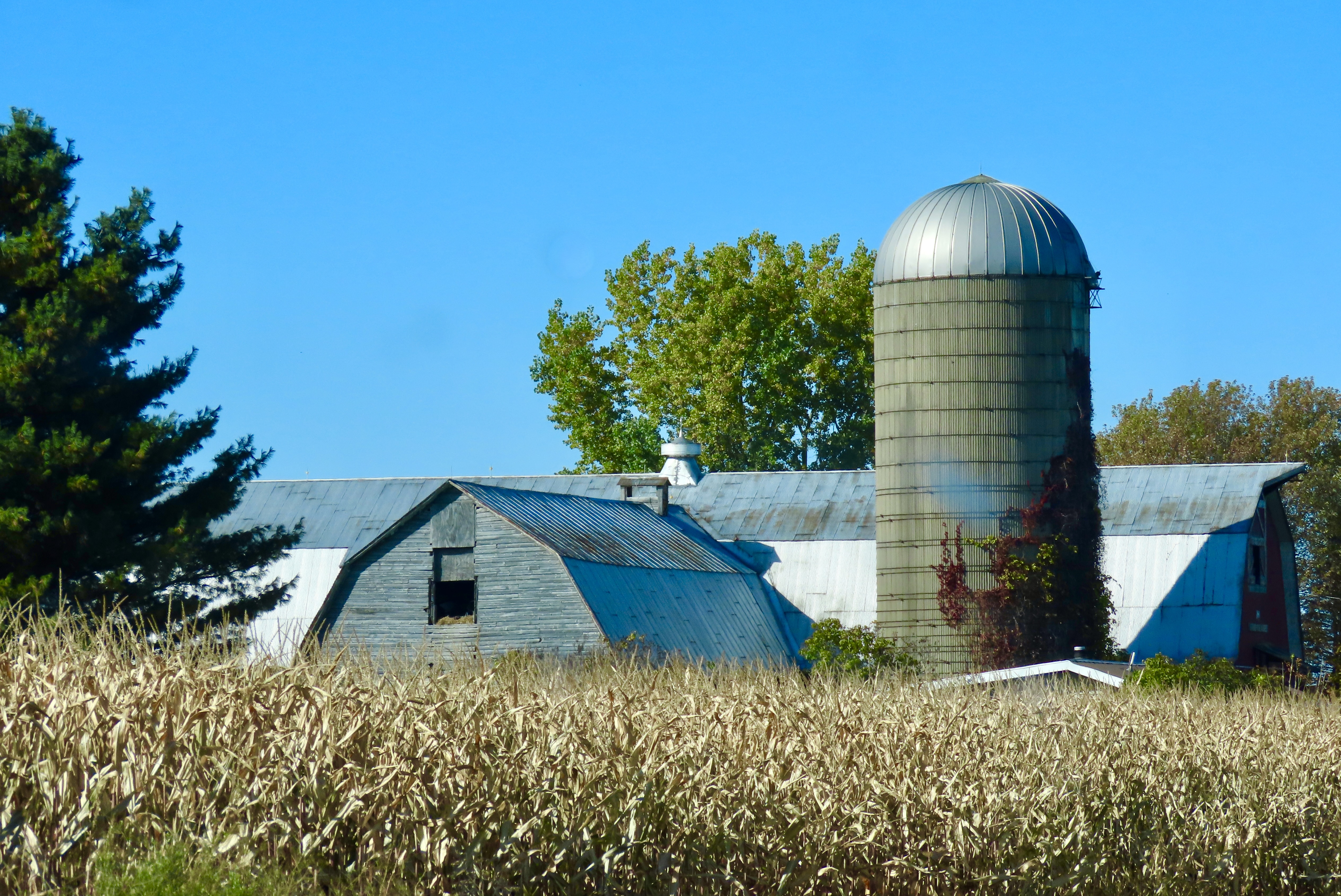
An old barn near Lake Champlain.
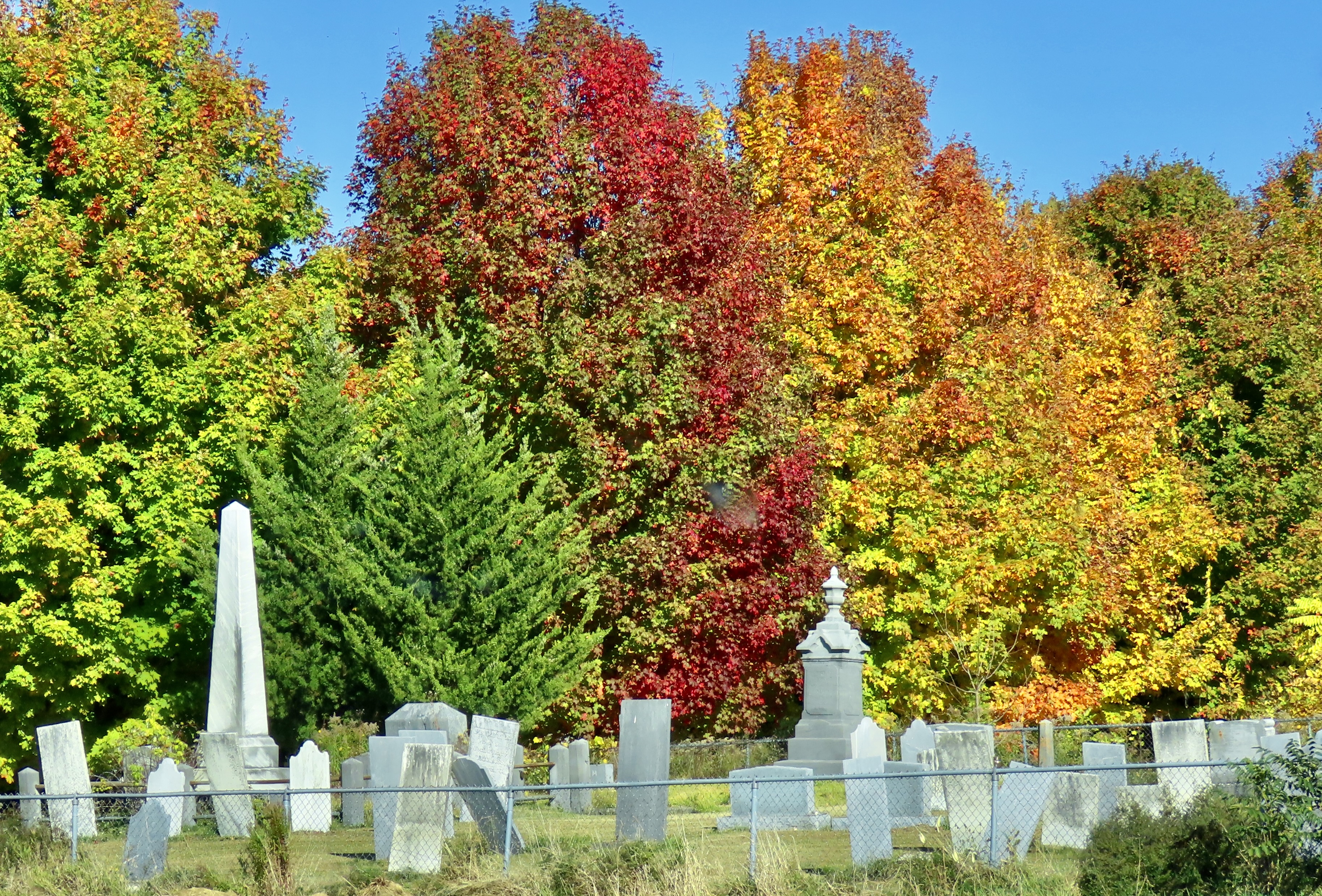
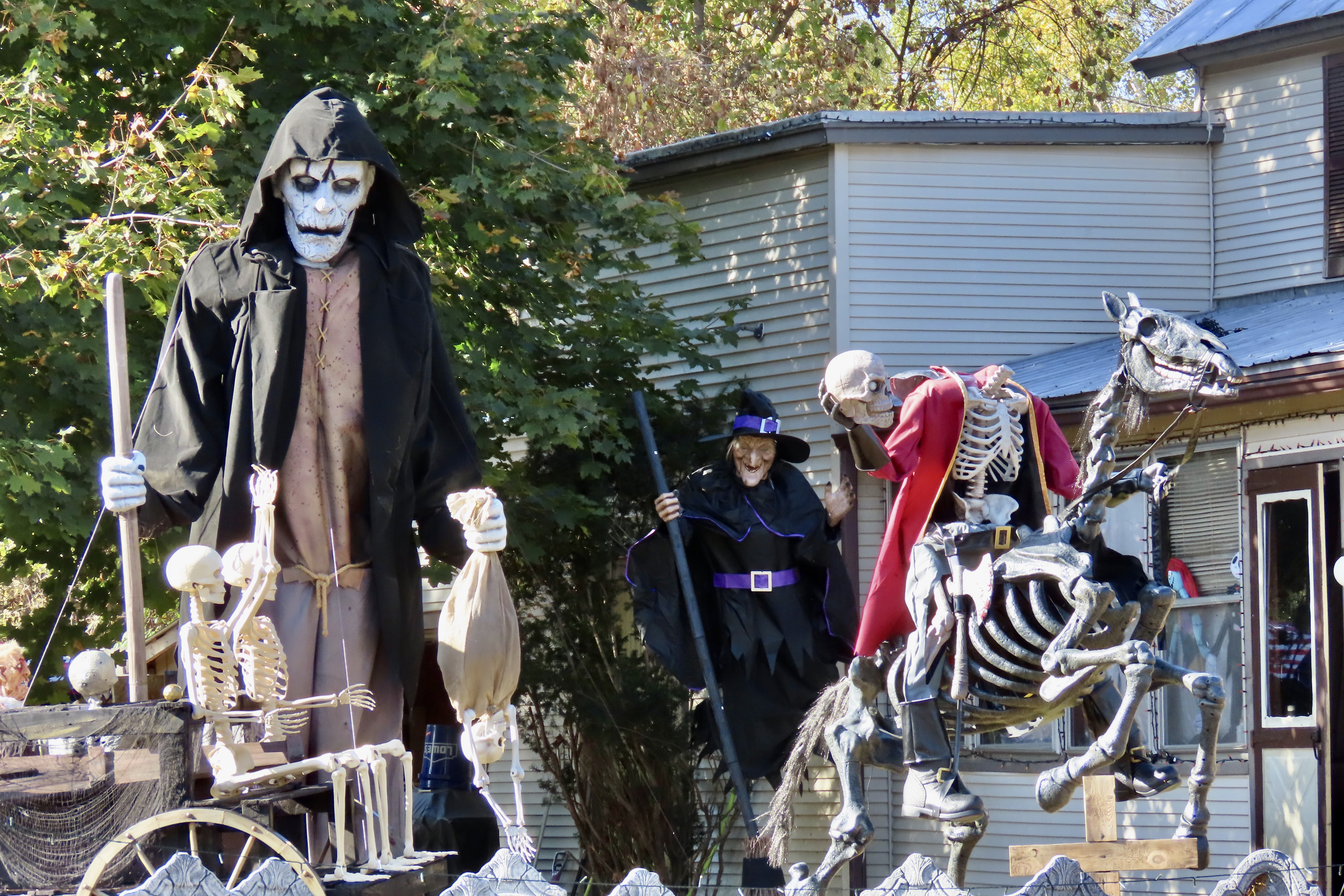
The ghosts would be out dancing on their tombstones on a harvest moon night. T’is the season.
While thinking ghostly thoughts, we came across this display in a small town near Chazy. Happy Halloween.
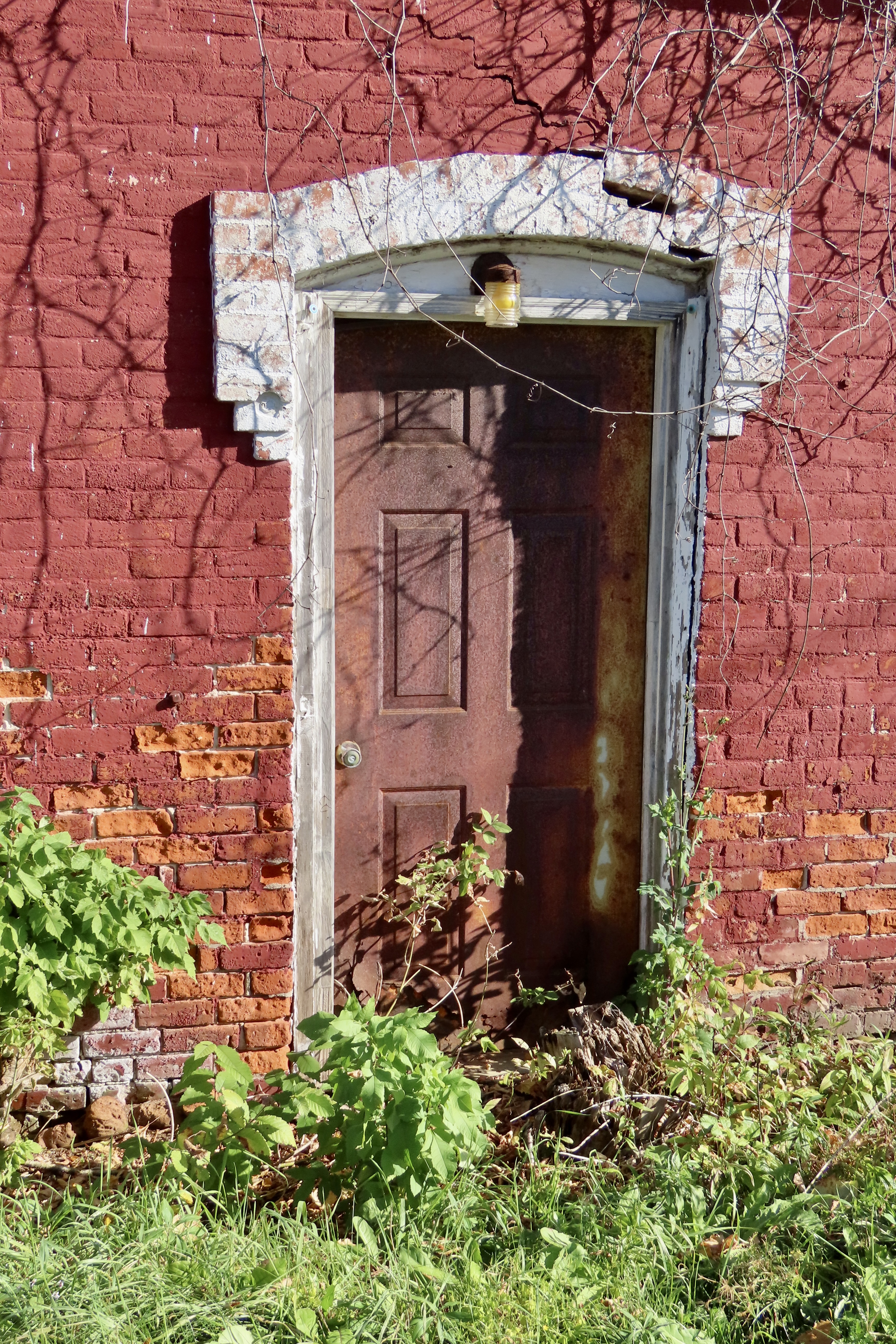
For those of you who like old doors. It, too, has spooky potential.
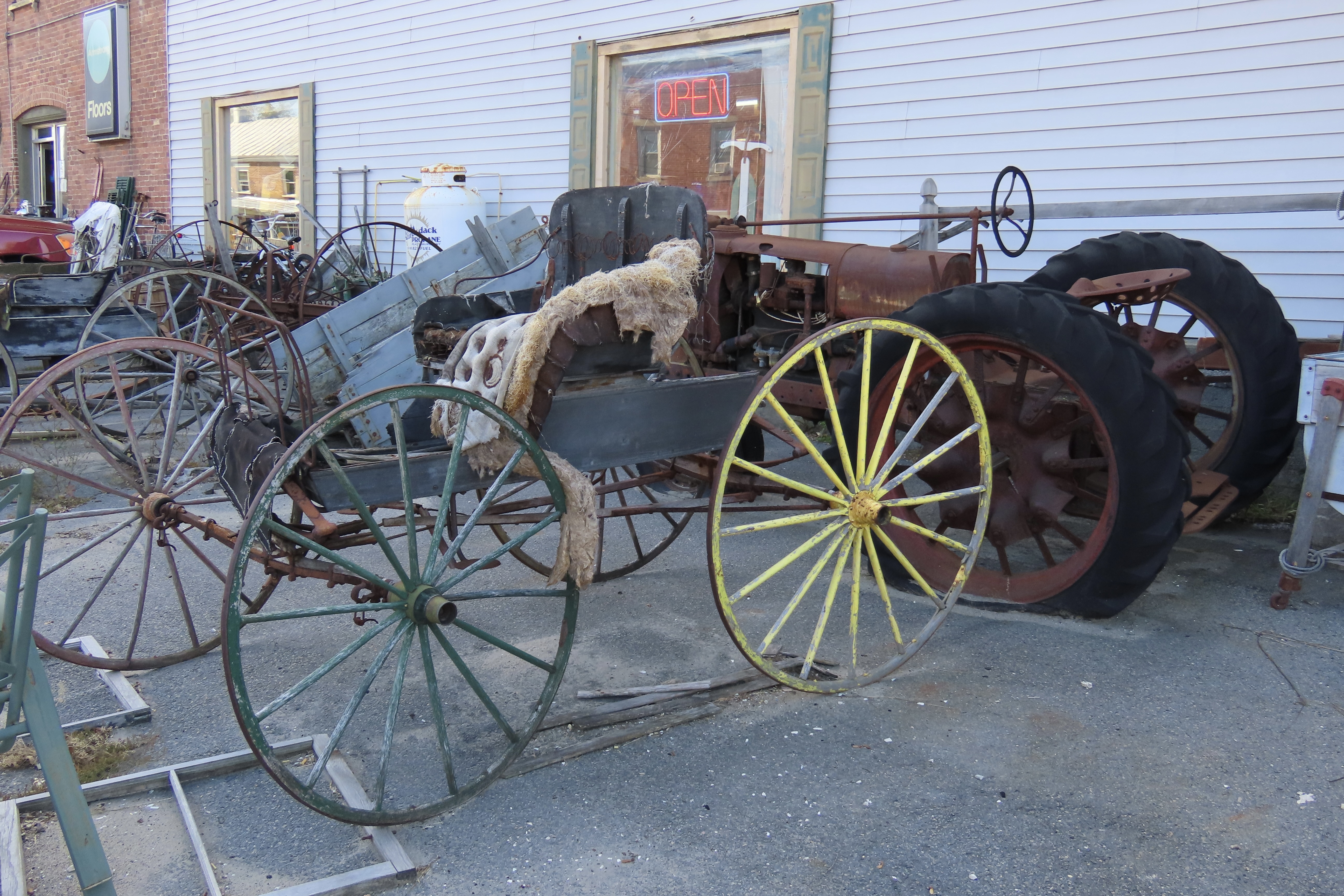
I’m betting you’ll know why we took this photo of an old buggy.
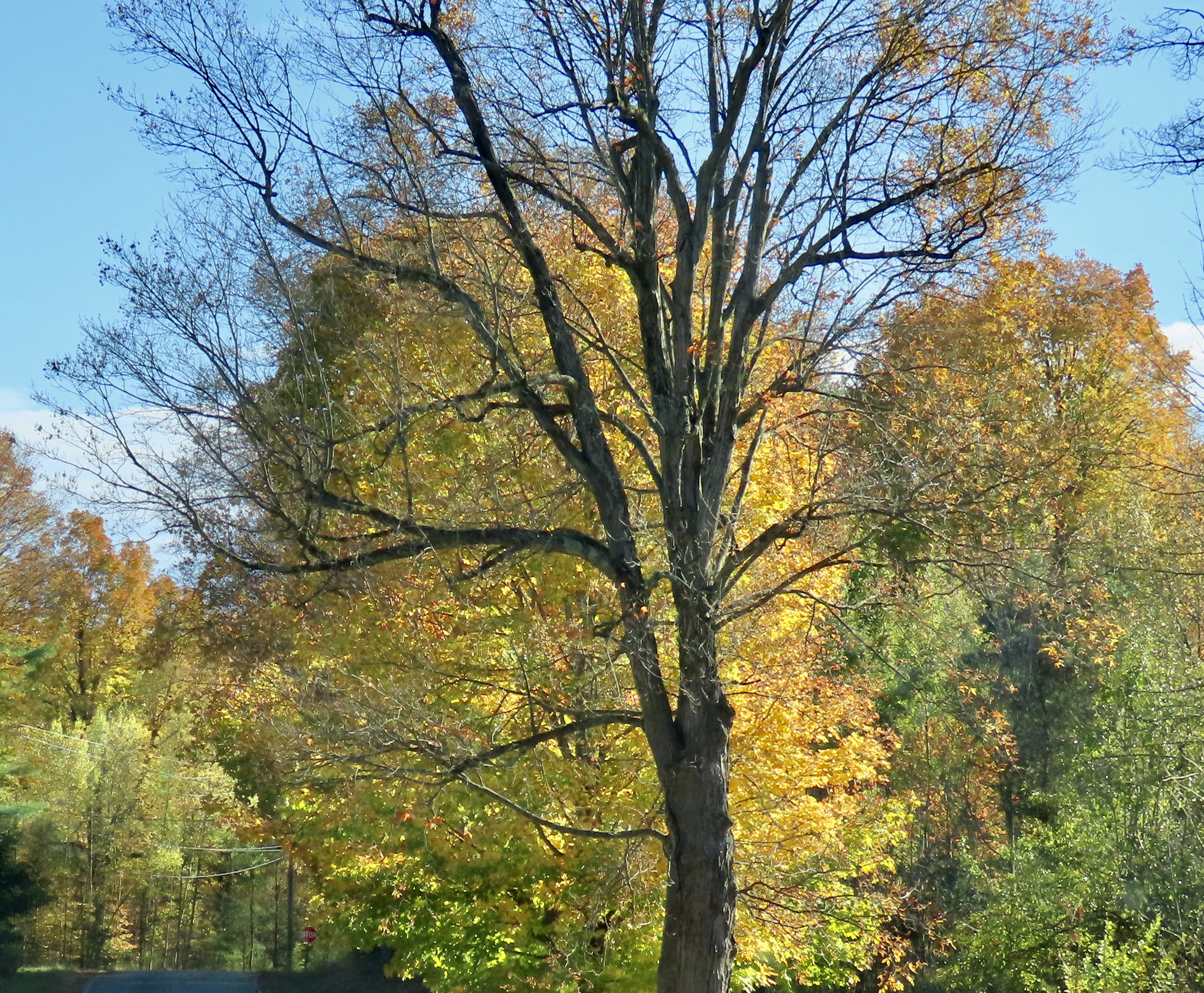
Yellow.
Red.
I’ll conclude today with this roadside attraction. Next up, Peggy and I journey into the Adirondack Mountains where we find even more color and end up at Saranac Lake, a few miles from Lake Placid, site of the 1932 and 1980 Winter Olympics. America’s Olympic teams still train there.
A rainy day in the Adirondack Mountains.