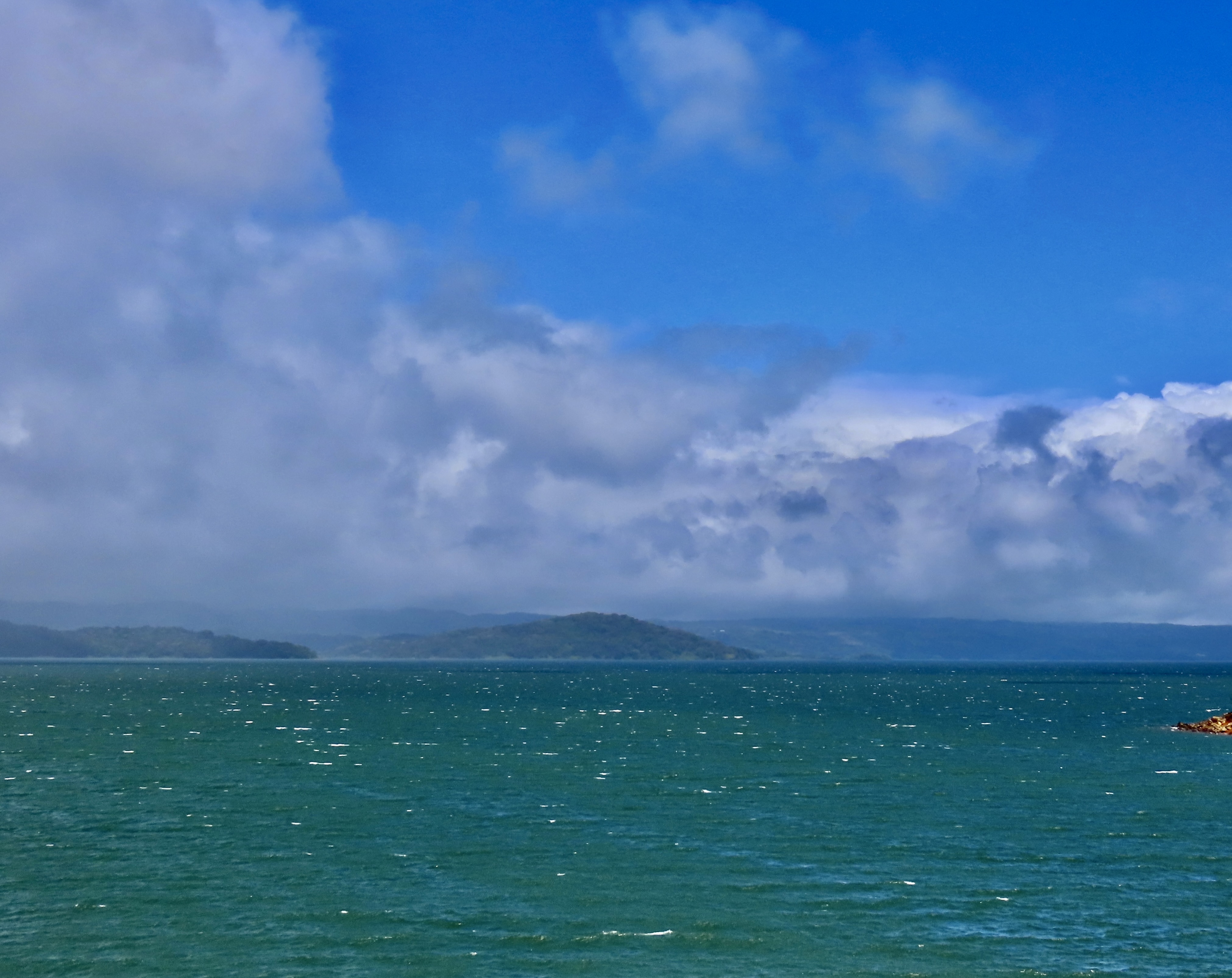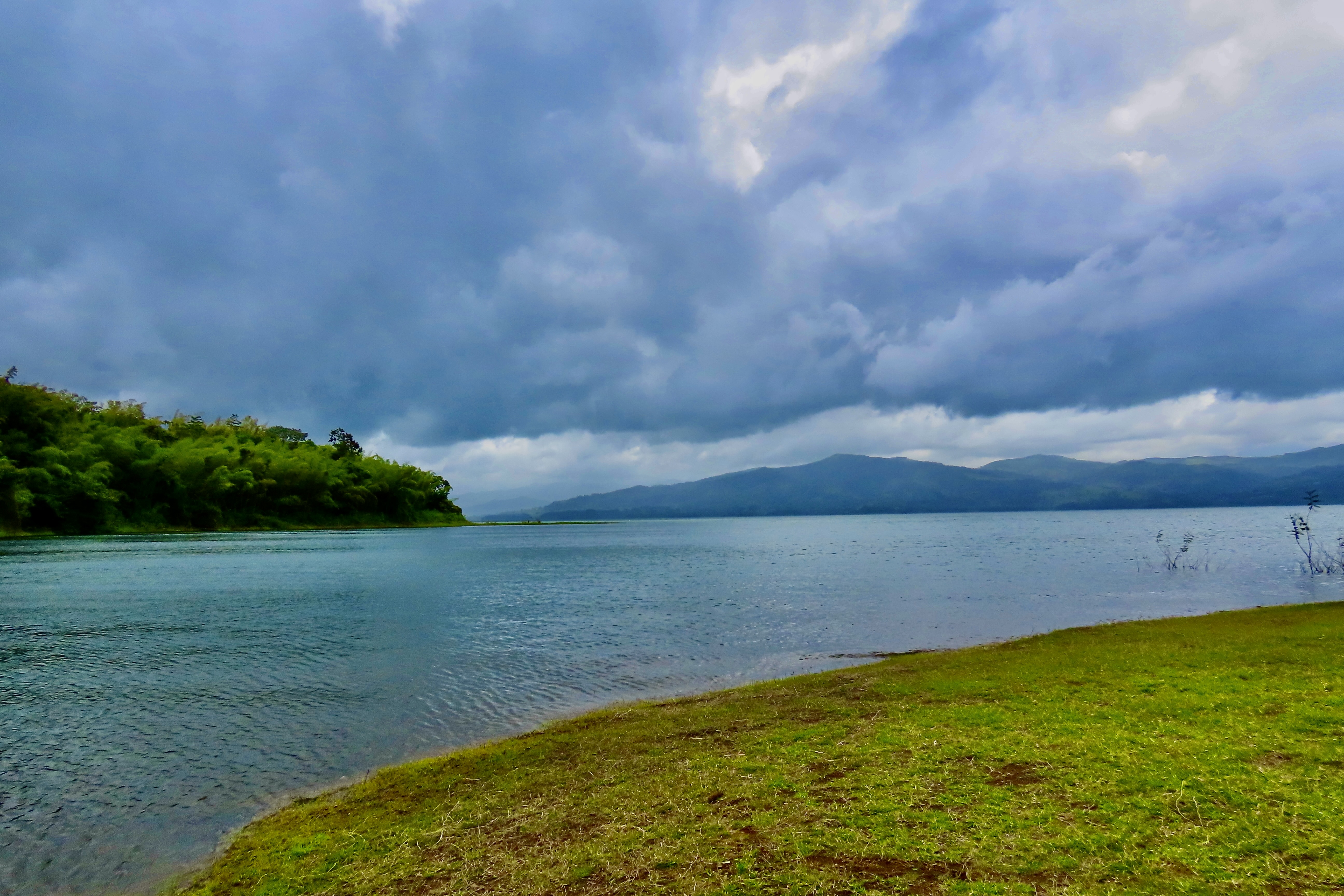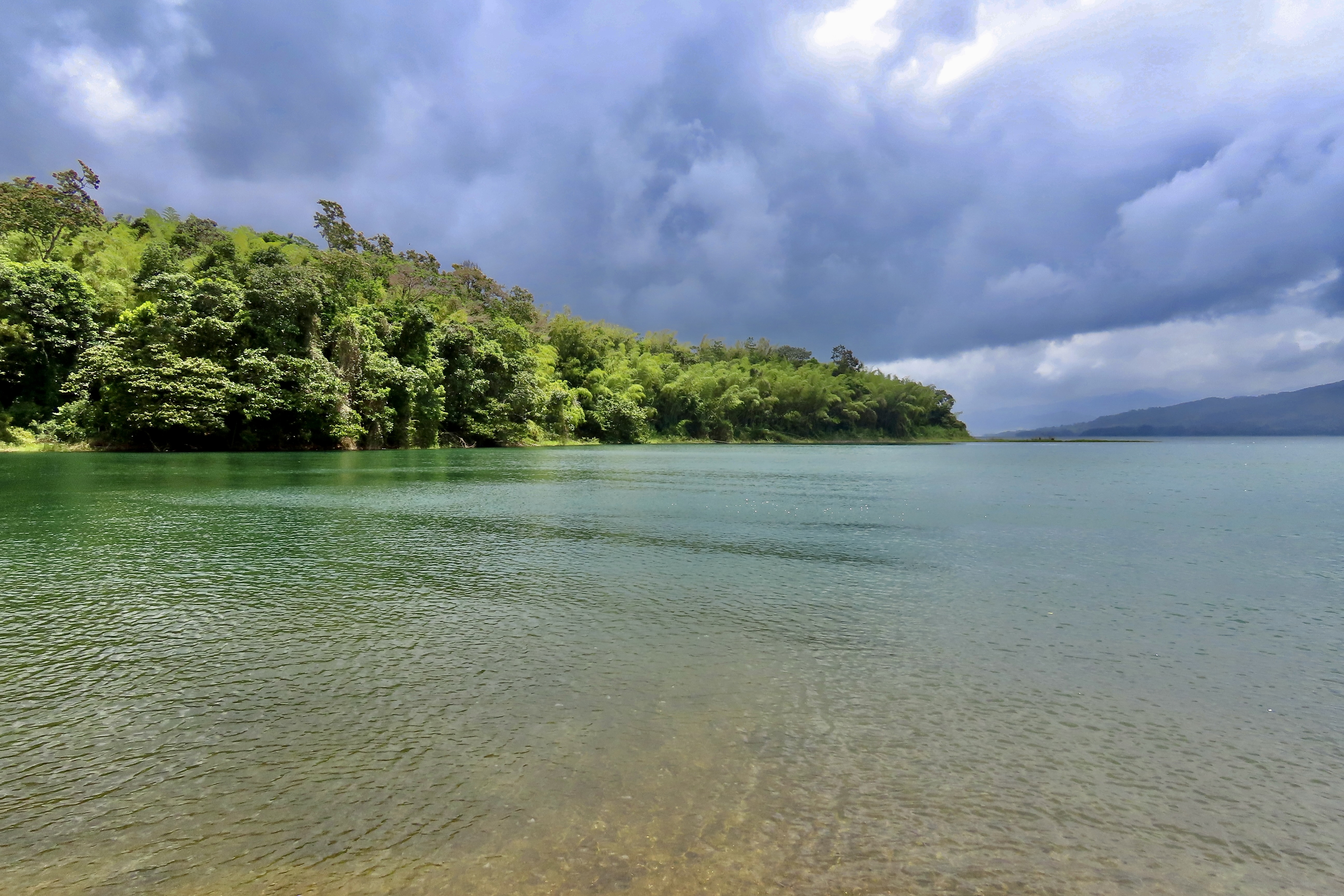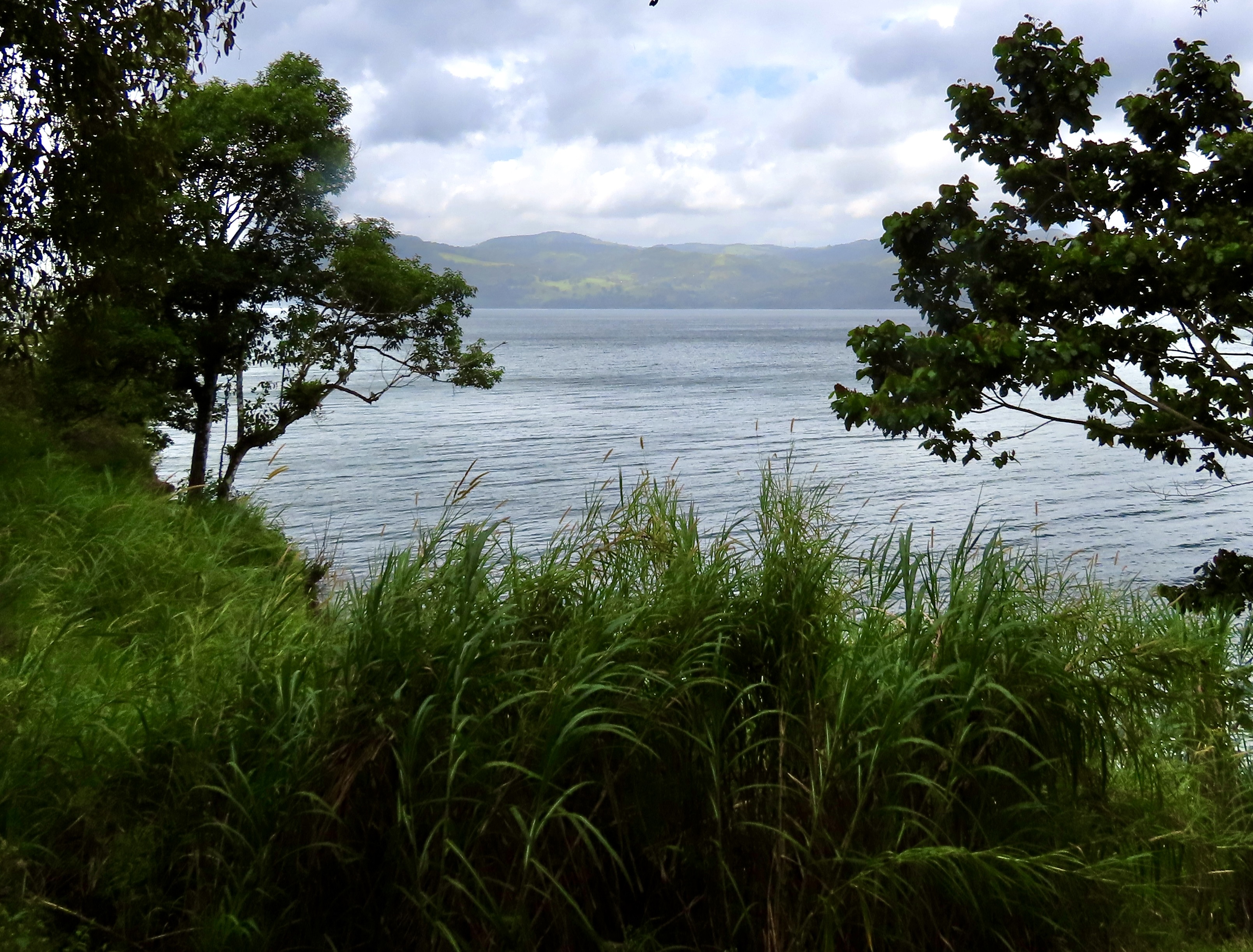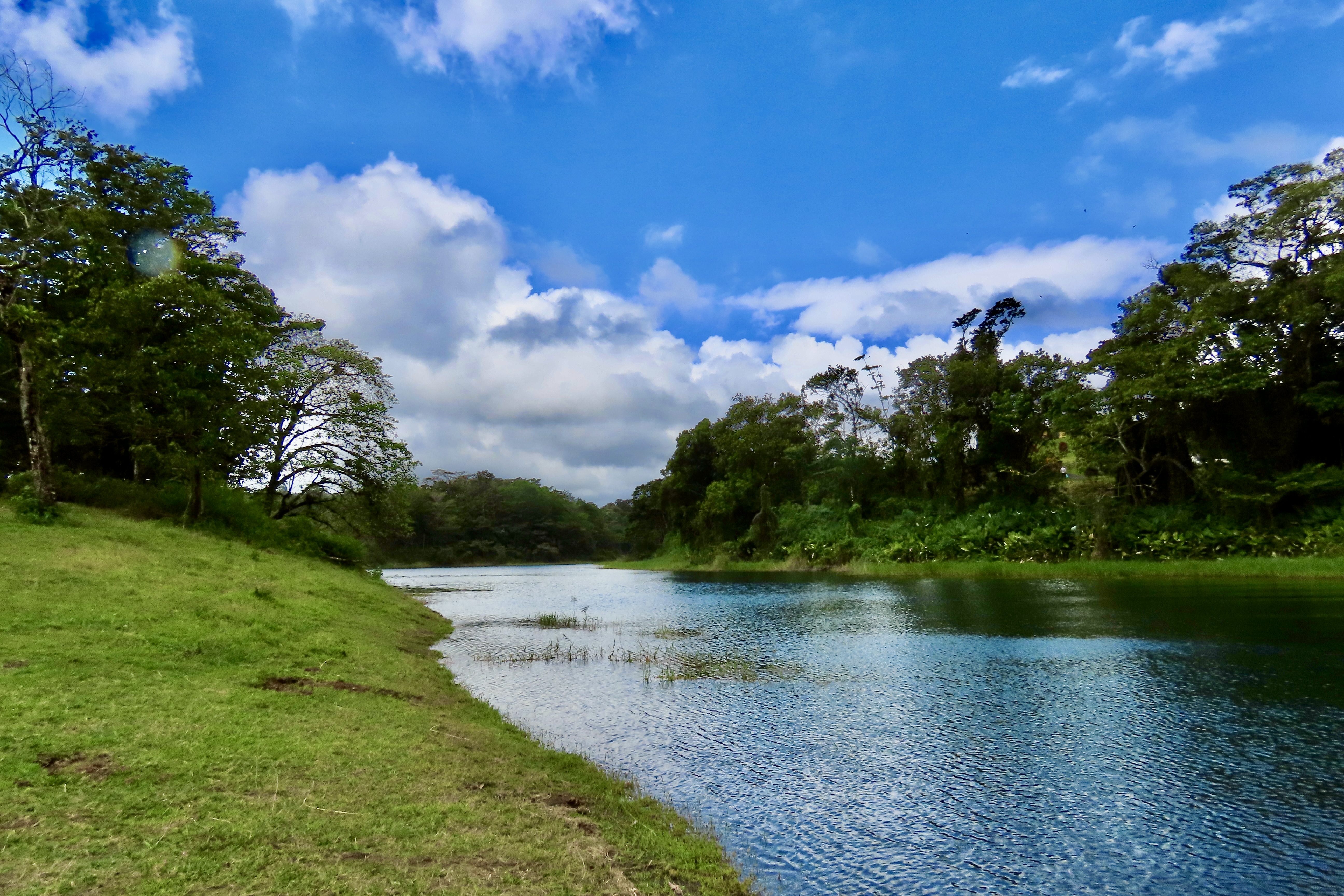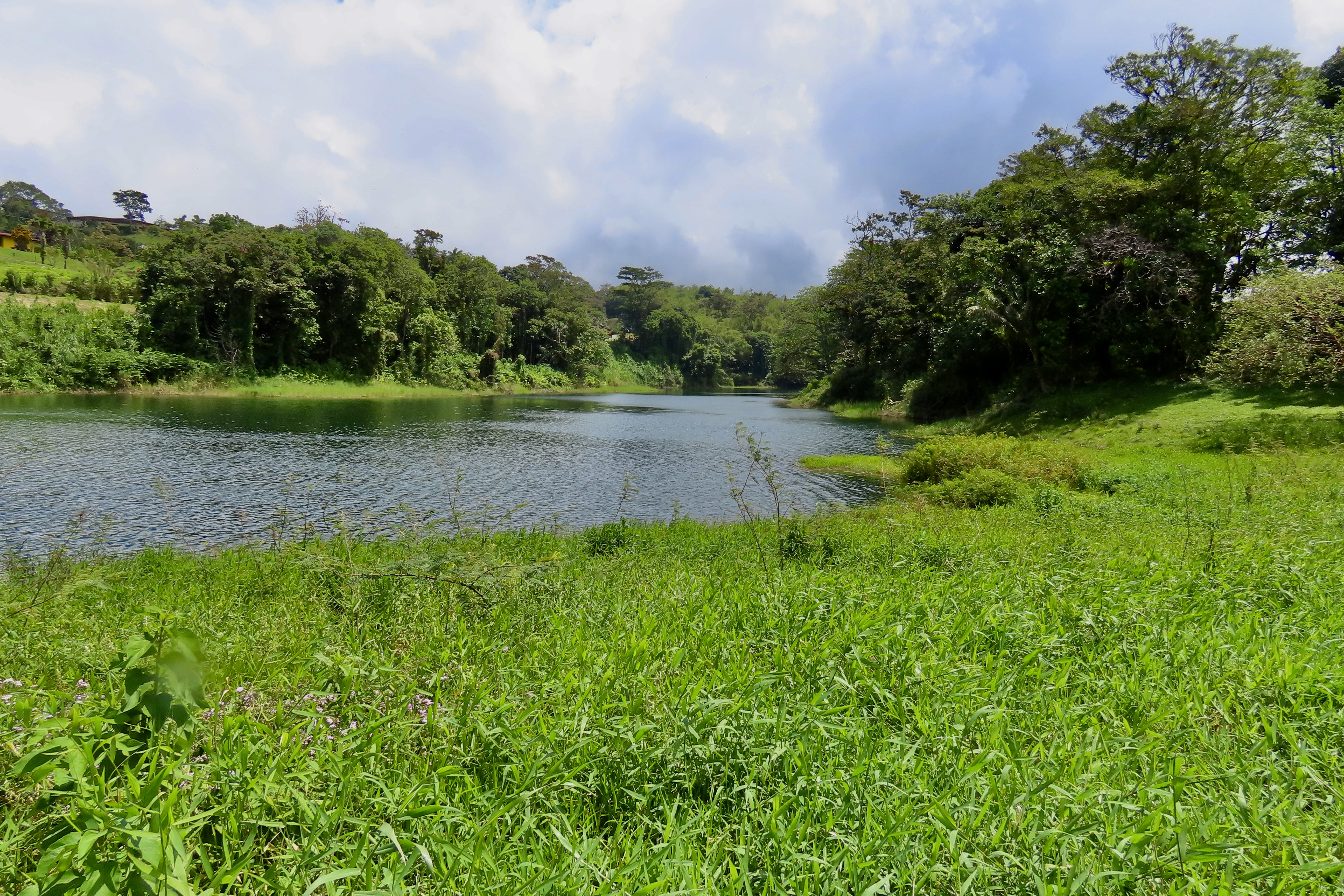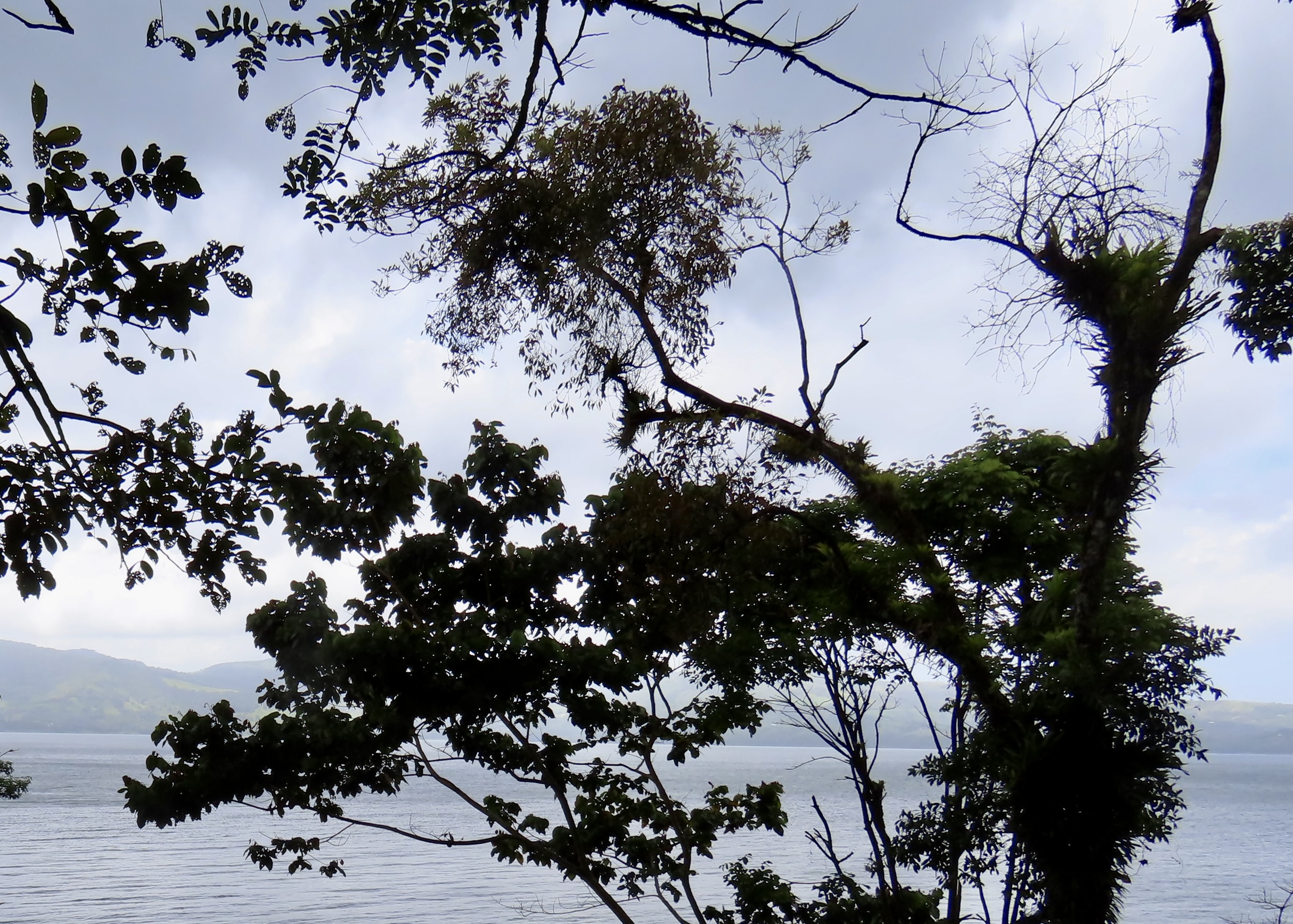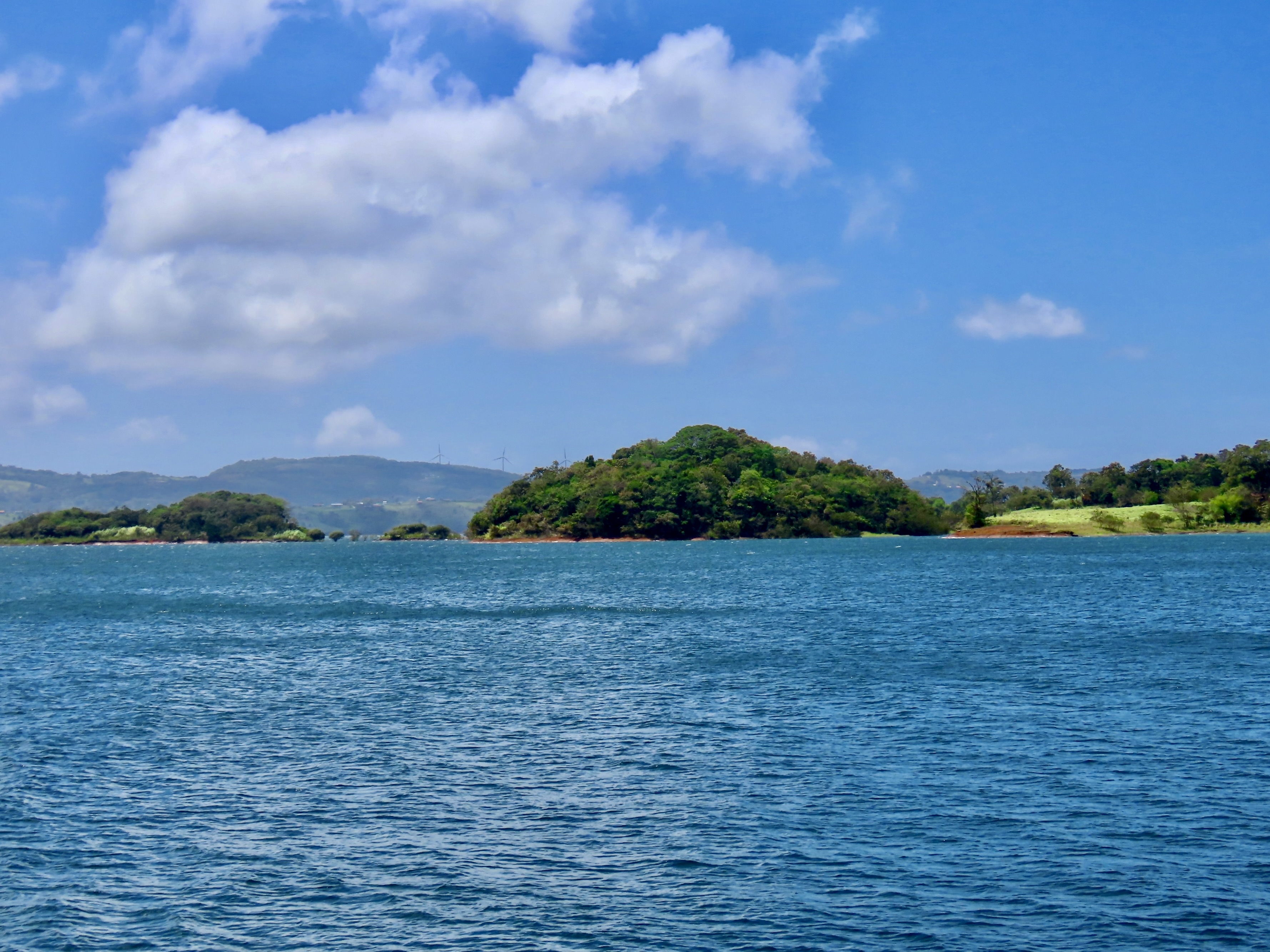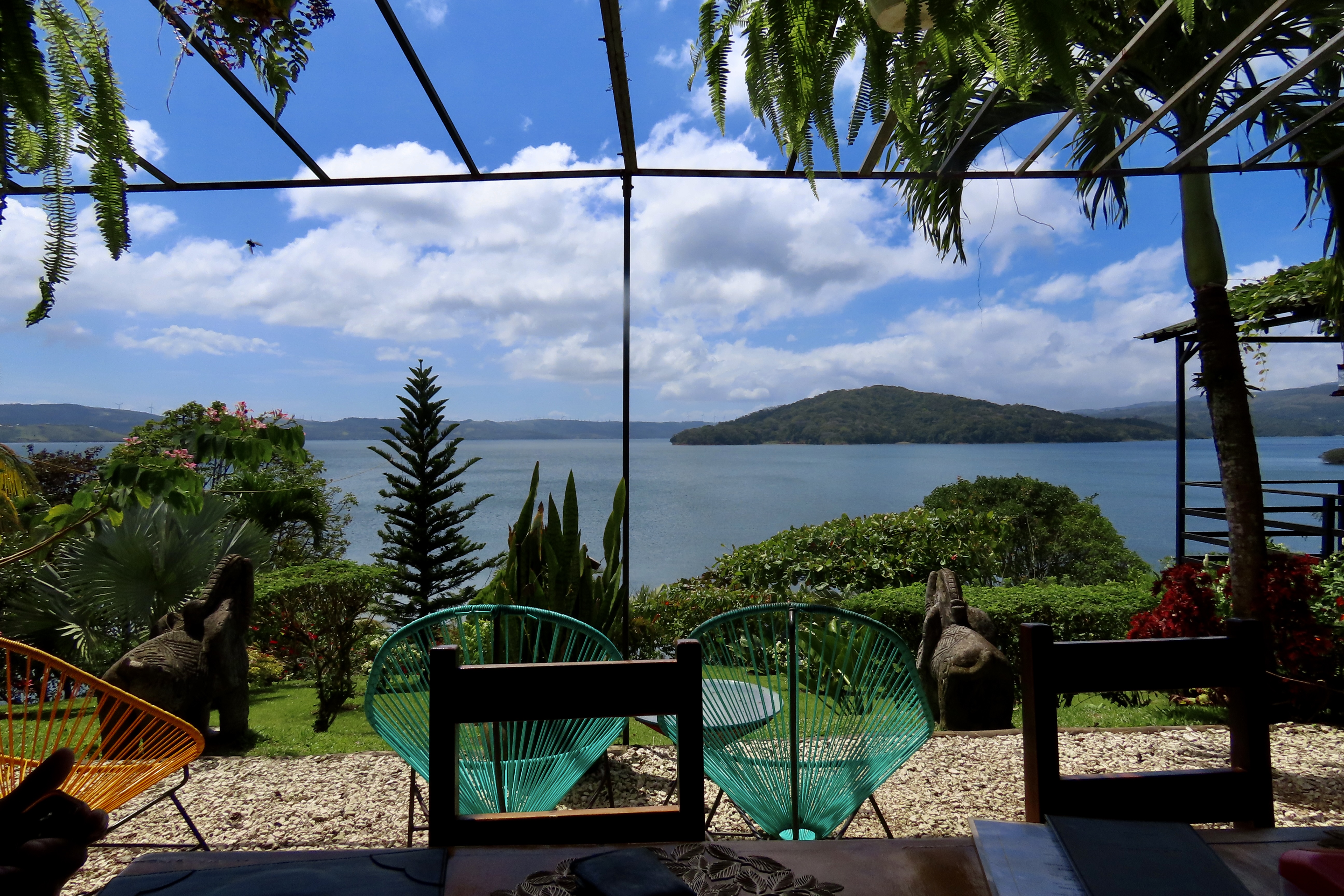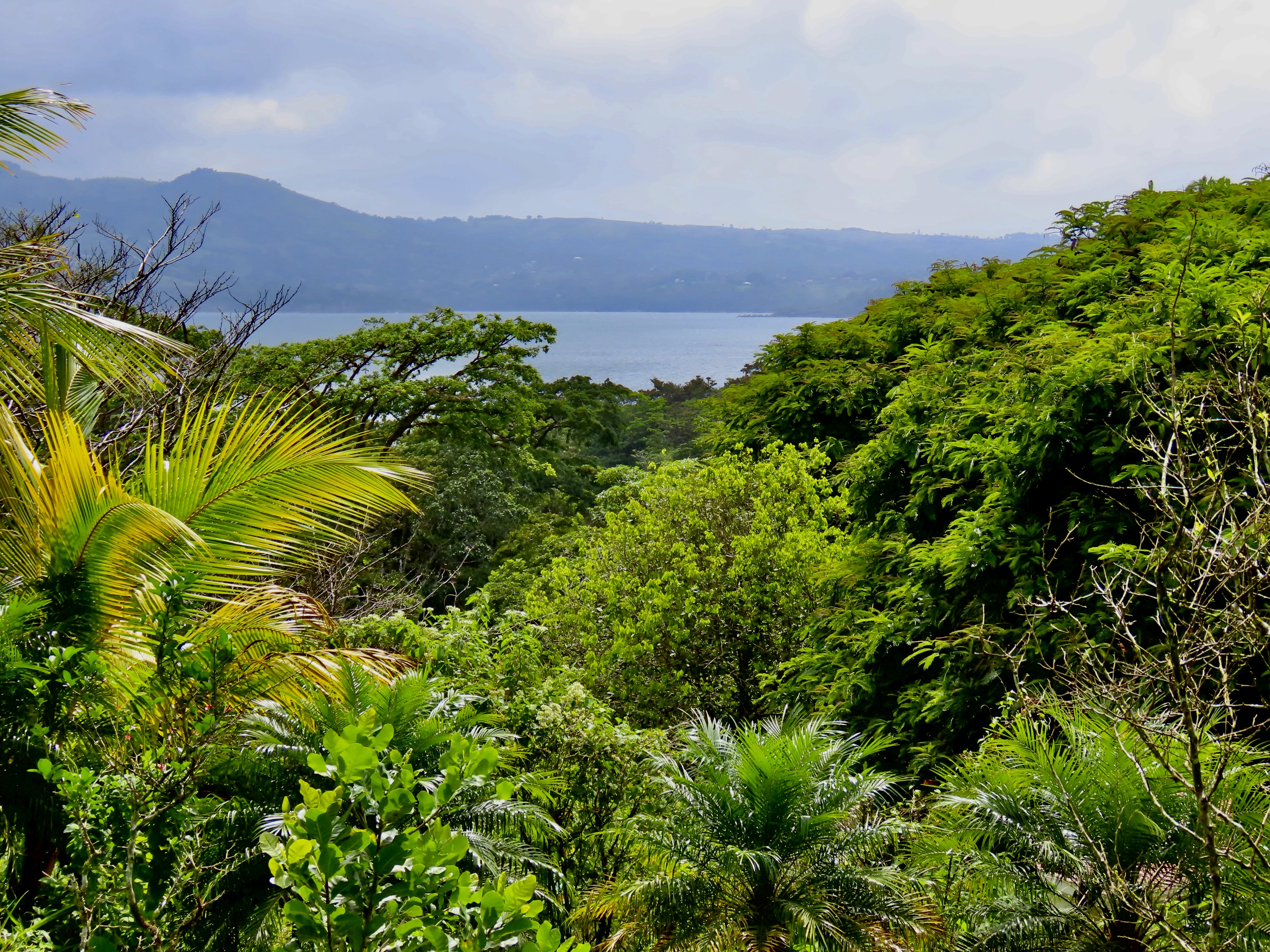
The first place we stayed on our monthlong trip to Costa Rica was in the small town of Nuevo Arenal on the shore of Lake Arenal. It’s called Nuevo (new) because old Arenal, the town of Tronadora, and a huge cattle ranch are now buried deep under water.
In 1979, Costa Rica decided to create a major hydroelectricity project by damming the lake as part of its modernization efforts. Arrangements were made to move the inhabitants of Arenal and Tronadora to new communities. They had new homes, but their farms, ranches, and jobs were left behind. Hacienda la Rosita, the cattle ranch that covered much of the land now occupied by Lake Arenal, was expropriated by the Costa Rican Government, i.e. taken without compensation. I assume that the owner of the property, P. Eckrich & Sons, a subsidiary of the U.S. based Beatrice Foods, at least got a lot of steaks. Or maybe the cattle learned how to swim.
The new dam tripled the size of the lake to 33 square miles (85 square kilometers), making it the largest lake in Costa Rica. Its depth ranges between 98 feet in the dry season to 198 feet in the rainy season (30 and 60 meters). Initially, it was responsible for creating 50%-70% of the country’s electricity. Now it’s closer to 12%-17%, but still significant. 95-98 % of Costa Rica’s electricity comes from renewable sources, making it one of the top countries in the world for clean power. The US is around 24%.
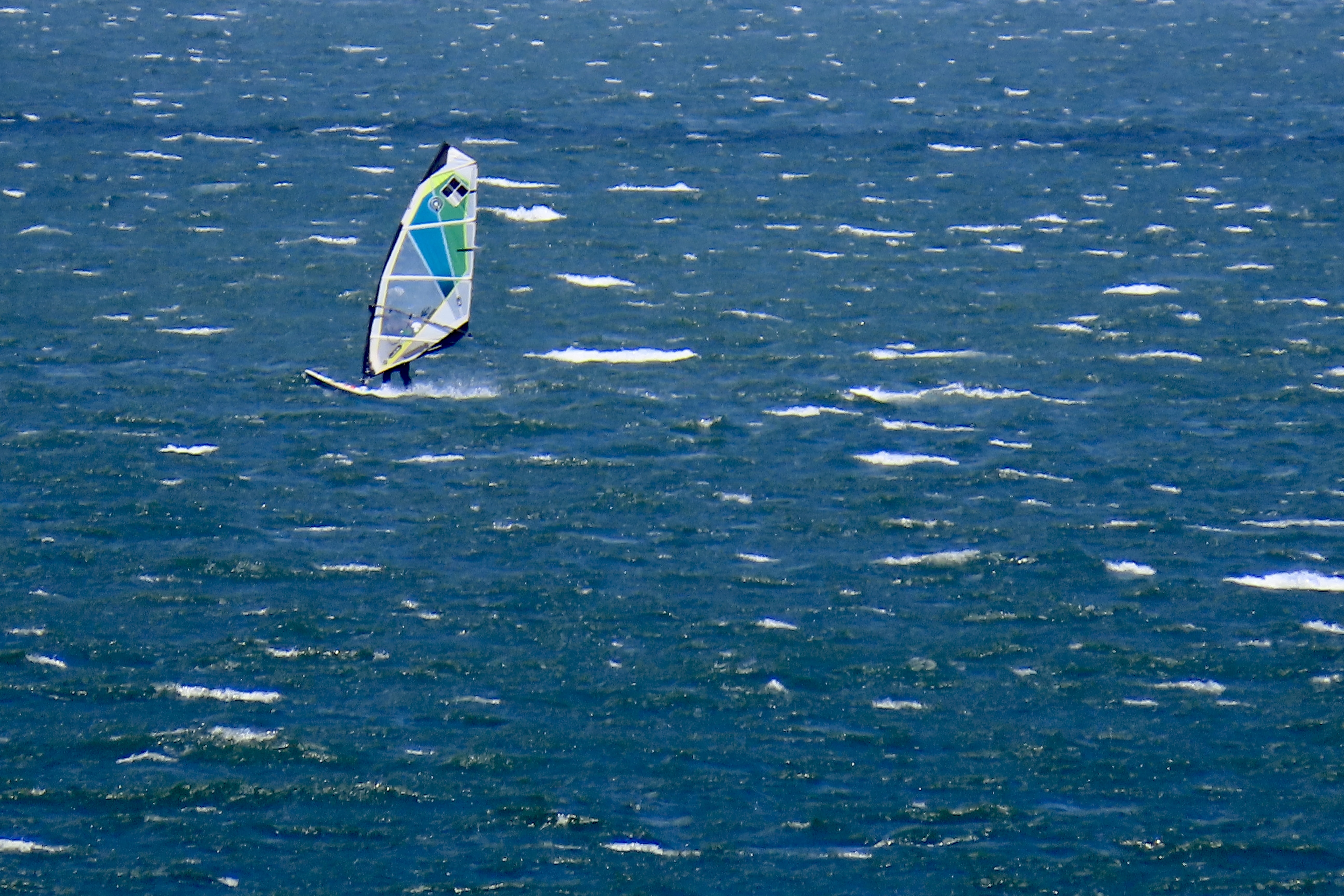
Today, recreational activities ranging from fishing to windsurfing to kayaking and paddle boarding draw tourists from around the world, providing an important source of revenue for the local economy and country. The pages and pages of VRBOs, Air B&Bs, and tour companies listed on Google is an indication of this!
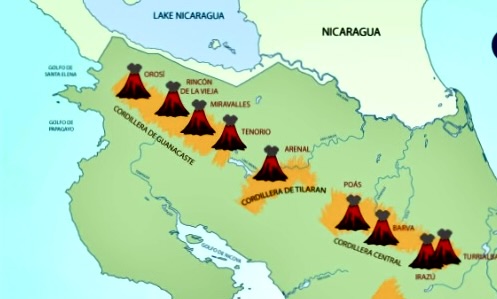
The area is part of the Central America Volcanic Arc created by plate tectonics as portions of the ocean plate dive under Central America. There are several active volcanos in Costa Rica. Mt. Arenal, located a few miles away from the lake, erupted on July 29, 1968 with a major explosion that destroyed the town of Tabacón and killed 87 people. It can seen from Lake Arenal and is still smoking. Hot springs, geothermal power, and a tourist attraction are positive aspects of the volcanic action. Earthquakes and the possibility of Mt. Arenal erupting, again, are on the negative side of the ledger. I wondered how the dam would behave in a major earthquake. The mountain has been quiet since 2010.
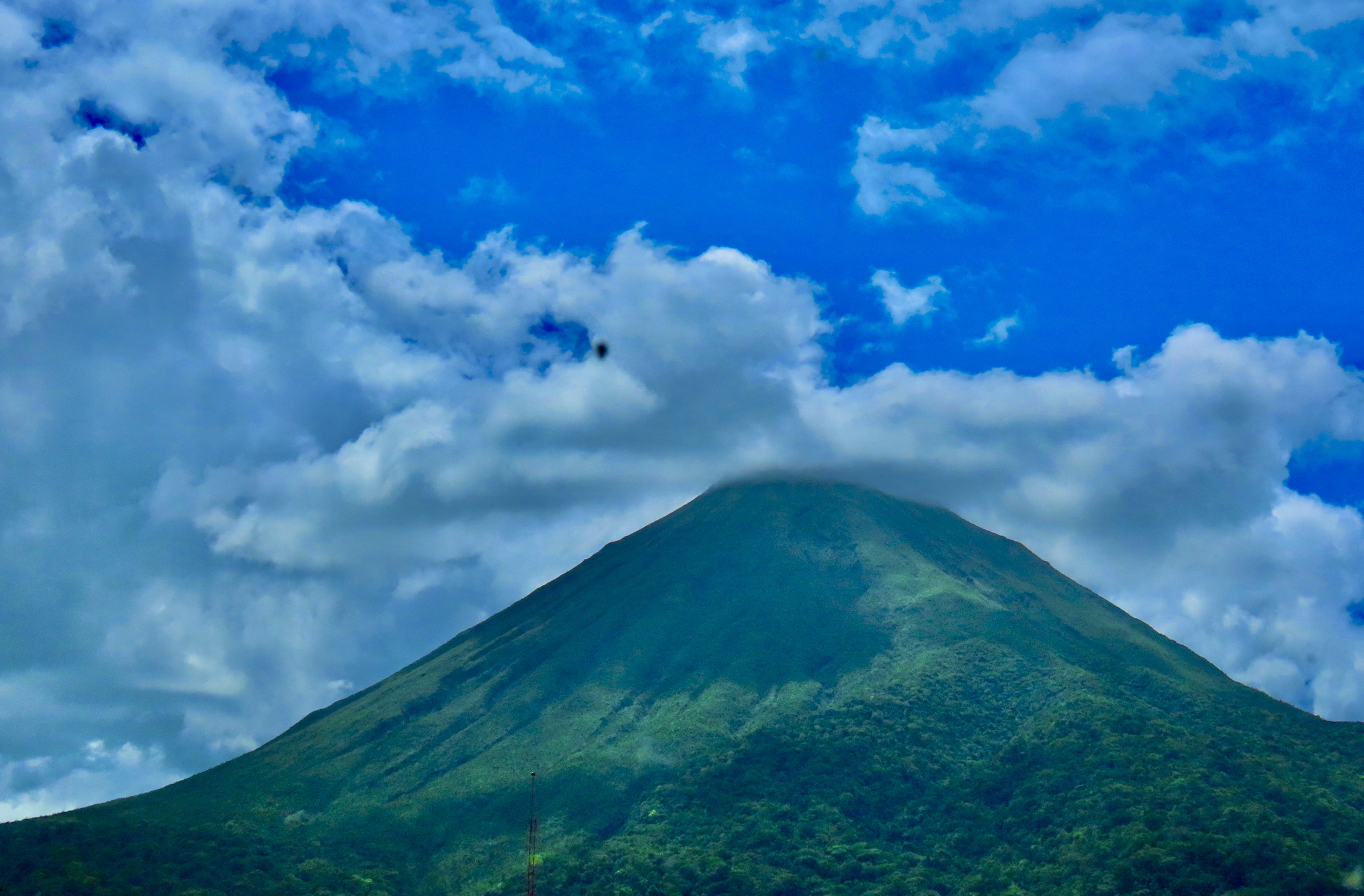
Next… photos of Lake Arenal that Peggy and I took.