A Scottish Ghost… Halloween Tales II

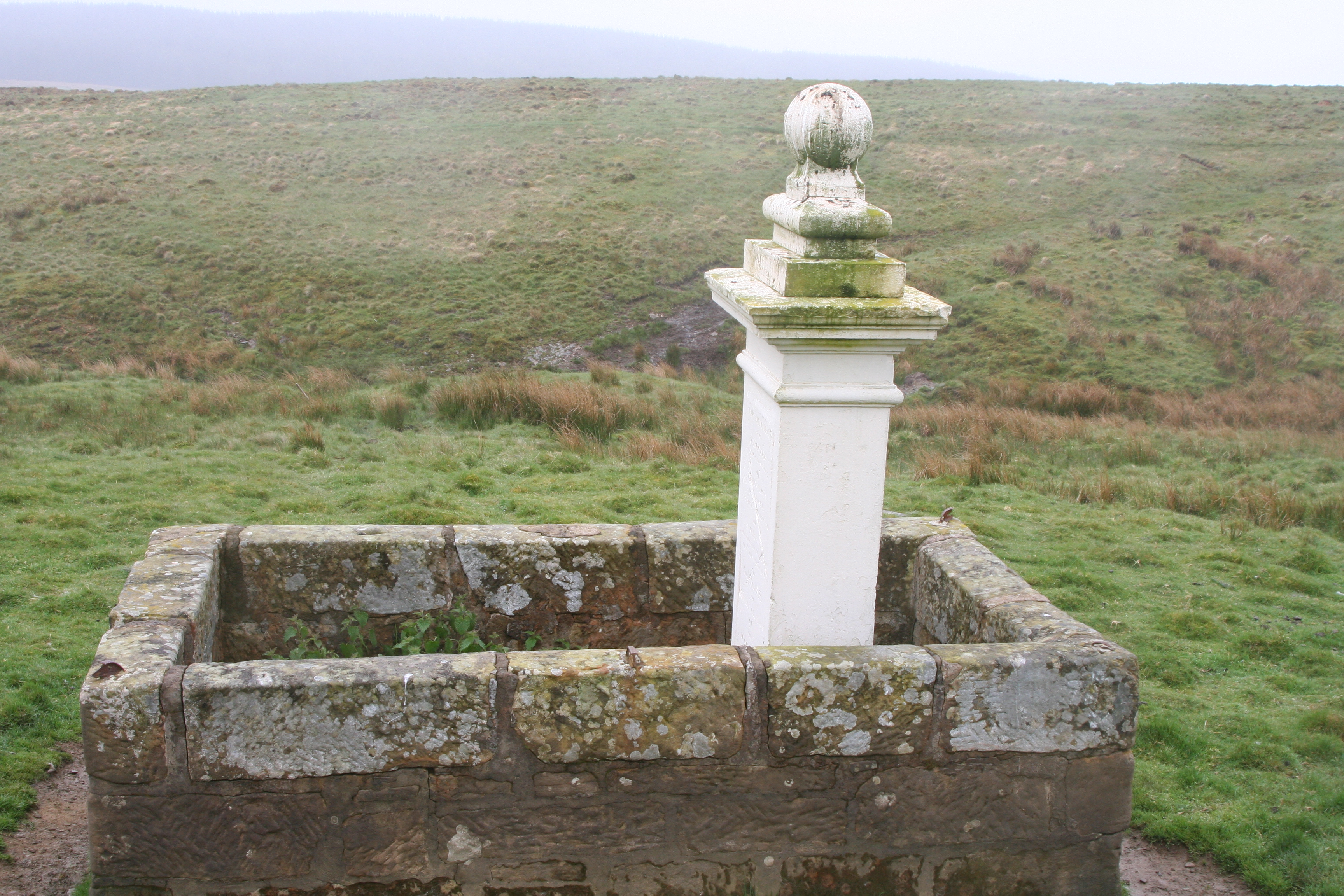
The ghostly grave of John Brown the Martyr on a lonely Scottish moor.

Since I am telling family ghost stories this week, I am going to relate a ghostly encounter that Peggy and I had in Scotland last year.

It has to do with my search for the grave of John Brown, the Martyr of Priesthill.

I first heard of Brown in the late 60s when my dad arrived home from a Mekemson family reunion. He proudly produced a family tree that traced a branch of the Mekemsons back to the martyr. Given the staunch Presbyterian leanings of our ancestors, it was an important connection.

My Great, Great, Great Grand Father, James Mekemson, married Mary Brown Laughhead Findlay. (Mary had already seen two husbands die.) John Brown was five generations up the line.

The story of John Brown’s murder verges on legend. He was, as the saying goes, a Covenanter’s Covenanter, a very devout man. The Scottish Covenanters received their name from signing a Covenant that only Christ could be King, which eliminated the King of England from being God’s representative on earth. The King was not happy.

Reverend Alexander Peden, one of the top leaders of the Covenanter Movement, described Brown as “a clear shining light, the greatest Christian I ever conversed with.” High praise indeed; the type you reserve for a man who is killed for your cause.

They say that Brown would have been a great preacher, except he stuttered. Leading Covenanters visited his home and secret church services were held there. Important meetings took place.

Alexander Peden stayed at his house the night before Brown earned his martyrdom and warned of dark times. Peden was something of a prophet when it came to predicting dire events. This time he was right.

Brown was out gathering peat with his nephew the next morning when soldiers led by John Graham of Claverhouse appeared out of the mist and captured him. The date was May 2, 1685.
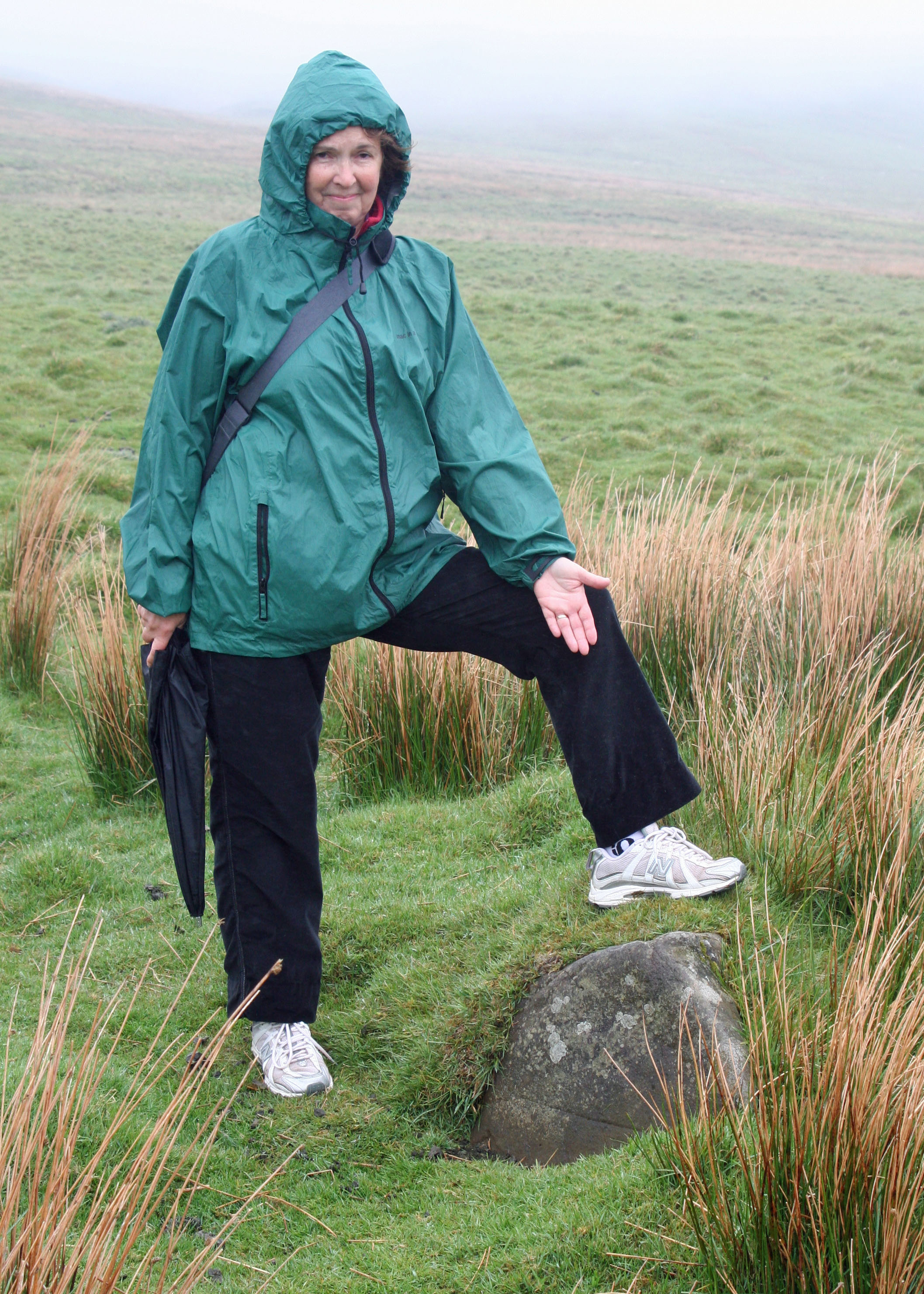
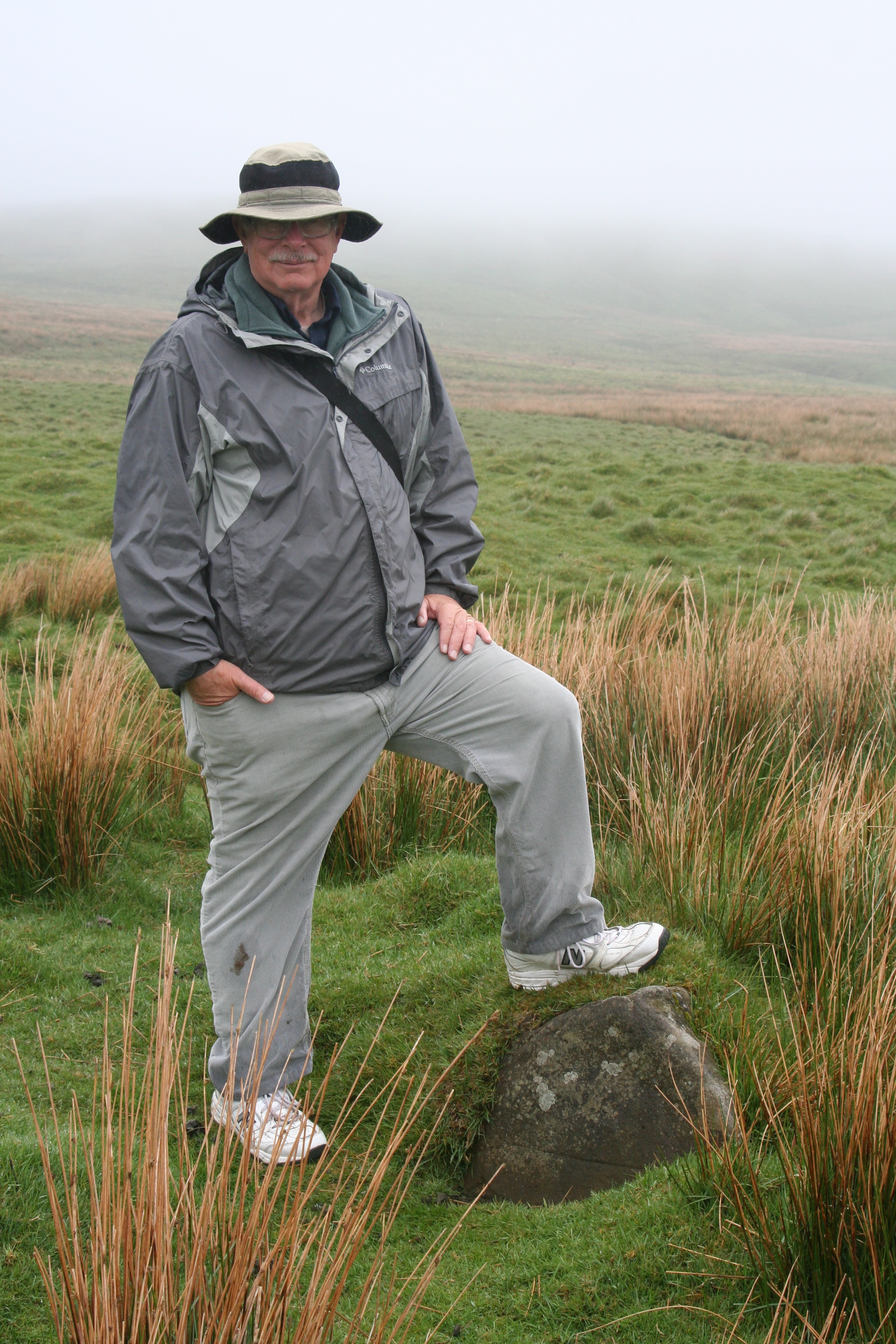
Peggy stands near where John Brown was shot on the likely remains of his house. Mist covers the distance as it would have on the day he was captured.

Claverhouse, or Bloody Clavers as the early Presbyterians identified him, was the King’s go-to man when it came to eliminating Covenanters. He was not noted for his compassion.
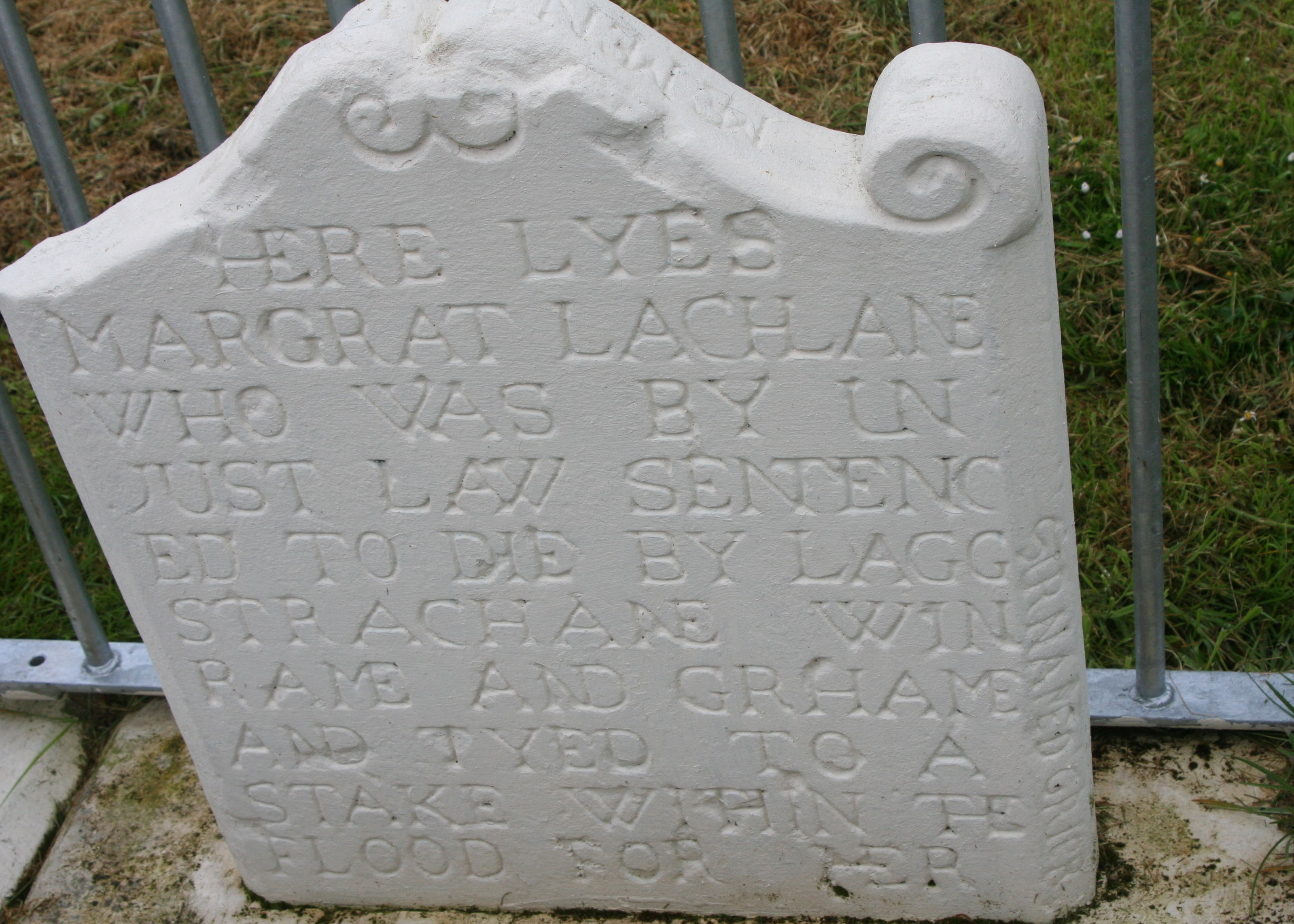
Covenanter’s martyr graves are found throughout the Scottish Lowlands. This woman was staked out in the ocean to be drowned. If violent deaths create ghosts, the Scottish Lowlands are filled with them.

He took Brown back to his home and demanded that he swear an oath to the King in front of his wife and children. Brown started praying instead. The legend states that Claverhouse ordered his soldiers to kill Brown but they refused. So he took out his own pistol and shot him in the head in front of his family.

The story then goes on to describe how Brown’s wife, Isabel Weir, went about the yard collecting pieces of her husband’s brain. (I don’t mean to treat this lightly, but somehow I can’t help thinking about a TV episode of Bones.)

The family eventually escaped to Ireland and then moved on to North America where it settled in Paxtang, Pennsylvania.

John Brown’s appearance on our family chart in 1969 immediately caught my attention. Not many families can claim a certified martyr. When I became serious about genealogy three years ago, I determined I would go to Scotland and find his grave.

It was listed as being near the small town of Muirkirk on Priesthill farm. Priesthill is an old Scottish sheep ranch, dating back to at least the 1600s. This was the time when Scottish Covenanters had gone ‘off the grid’ with their Presbyterian Church and held services out in the open fields hidden away from the prying eyes of the English King and his henchmen. Armed men were posted around the perimeter in case the soldiers came.

Getting caught wasn’t much fun. You could lose your sheep, your cattle, your land and your life. You might find your body quartered and hung up in various communities to provide an example of why you should be a good Anglican.
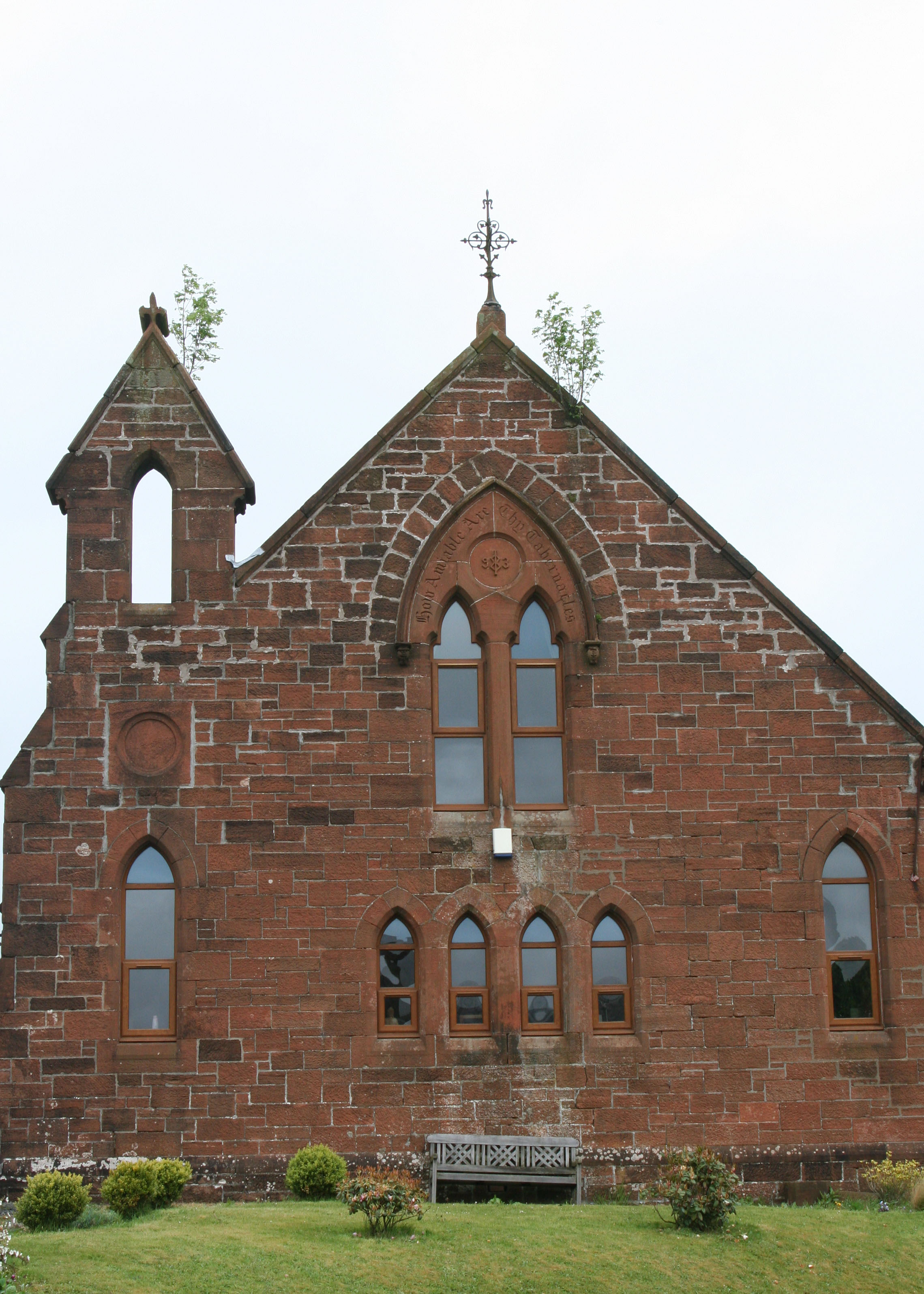
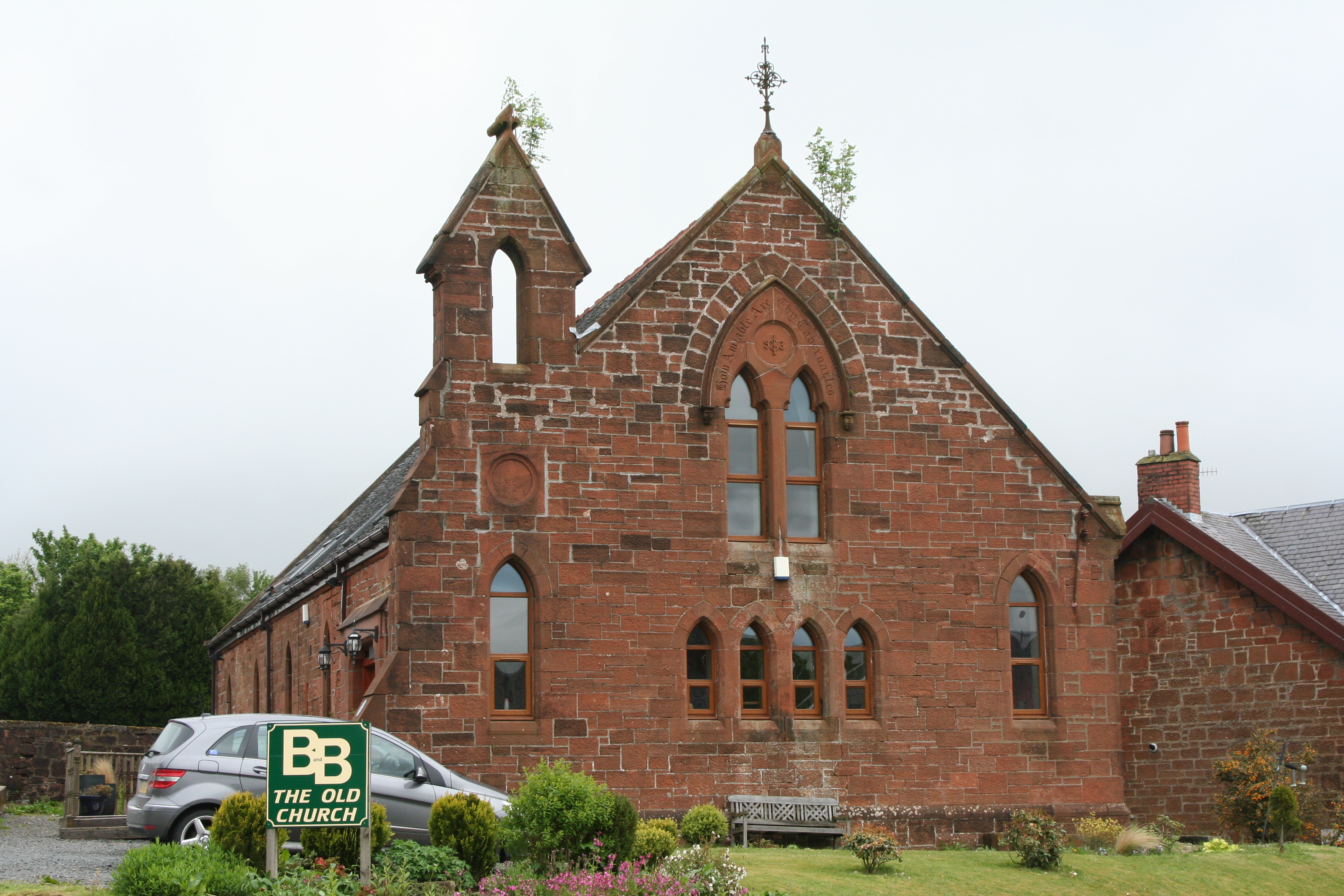
The Old Church B&B in Muirkirk Scotland where we stayed when searching for John Brown’s grave.

Priesthill was one of the remote sites where the hidden services were held. To get there we drove north on the road in front of our B&B (the Old Church B&B in Muirkirk… highly recommended) for a couple of miles and picked up a dirt road snaking off to the right through a sheep farm.

The road seemed to go on and on; recent rains had turned it into a muddy mess. Our brand new Mercedes rental car bounced along dodging sheep and accumulating glue-like mud mixed with sheep dung. It was still on the car when we returned it to Edinburgh.
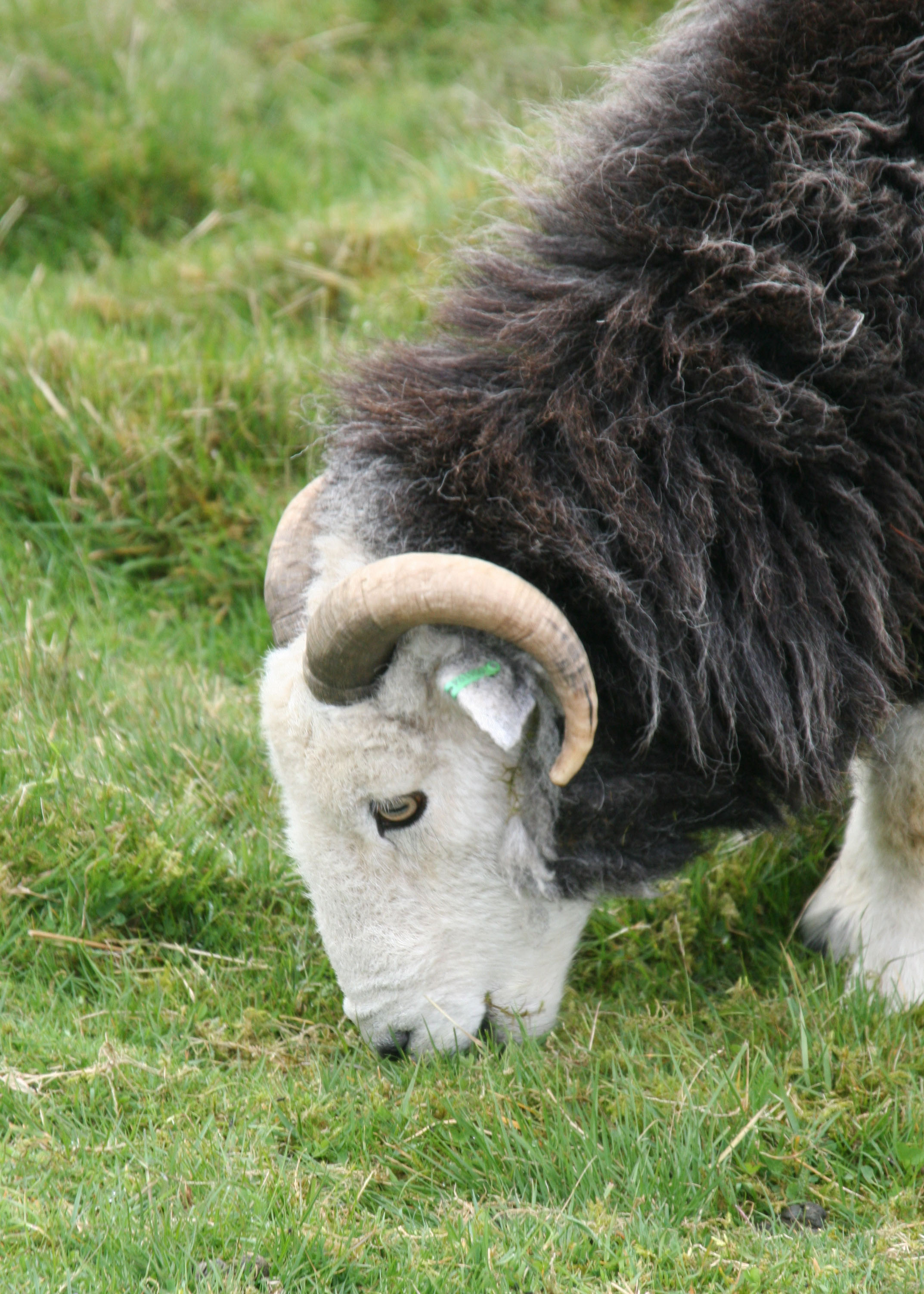
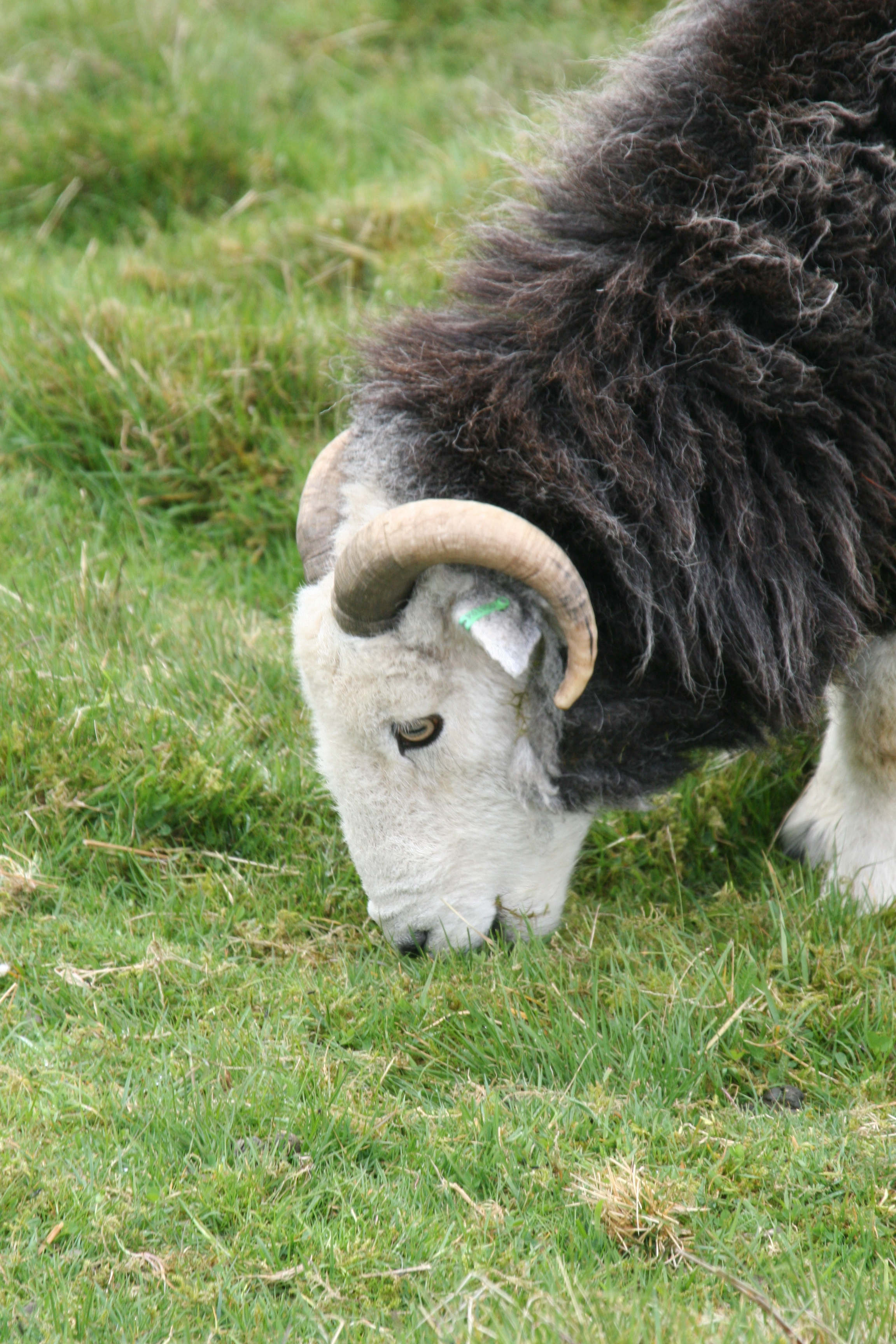
One of the sheep we had to dodge.

Finally the old farmhouse came into sight. A woman was standing on a porch enclosed by a three-foot high rock wall. She was wearing clothes that my great-grandmother times five might have found fashionable. Since we would be walking through her property in search of John Brown’s grave, I got out to talk with her. (Unfortunately, I left my camera behind.)

But she did something strange. She disappeared. Now this was strange in two ways. Obviously she didn’t want to talk with us. She turned her back and walked rapidly toward the door.  OK, I could live with that even though we had found most Scots to be friendly and helpful. Possibly she was shy.

What bothered me more was she sank.

It was like she was traveling down an escalator or open elevator. Her head disappeared beneath the stonewall, before she reached the door. I did not see her go inside.

“Maybe there are steps down to an underground cellar,” I thought. Or maybe she merely bent over to work on a flower garden. Curiosity got the better of me. I walked over. There was no woman; there were no flowers; there were no stairs. As far as I could see the floor of the porch was solid stone.

I asked Peggy, “Did you see that woman disappear?”

“She went inside,” my logical wife explained.

“Ah,” I said and put the matter out of my mind as we wandered out the indistinct trail across the vacant moors to John Brown’s lonely grave. But the thought wouldn’t conveniently disappear like the woman; it kept nibbling away at me. Later I asked Peggy if she had seen the woman sink into the porch.
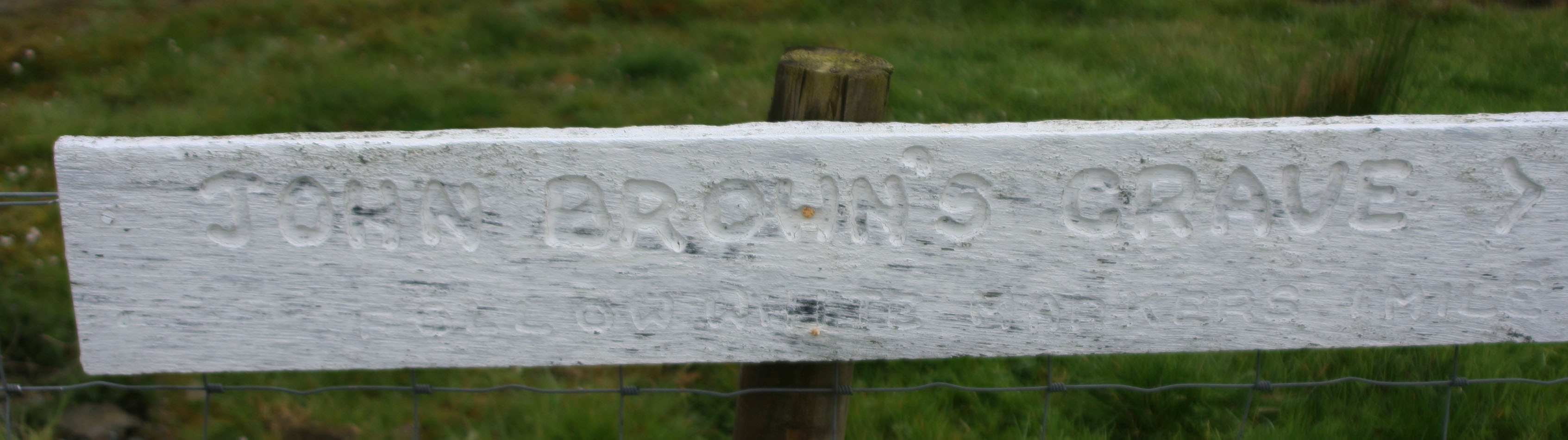
The sign in the farmyard pointing us toward John Brown’s grave.

“Yes,” she replied.

“Did you actually see her go in the house?”

“No.”

So I rest my case for a possible ghost. We did, by the way, find John Brown’s grave. His ghost was said to have appeared gloatingly in Clavers’ tent the night before Clavers was killed in battle.
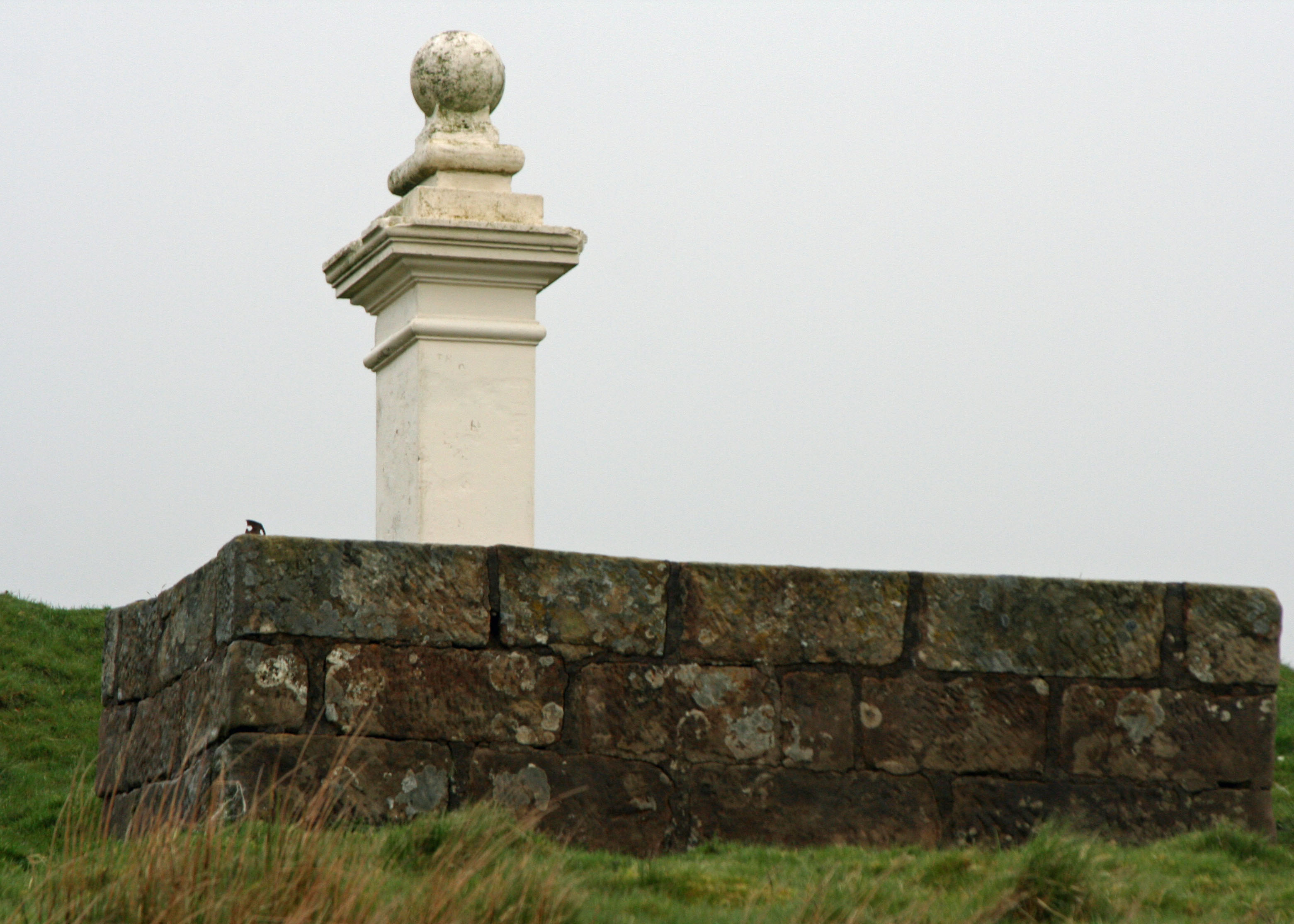
A close up of John Brown’s grave.
The Old Church B&B, a Ghost, and a Lonely Grave: Part III

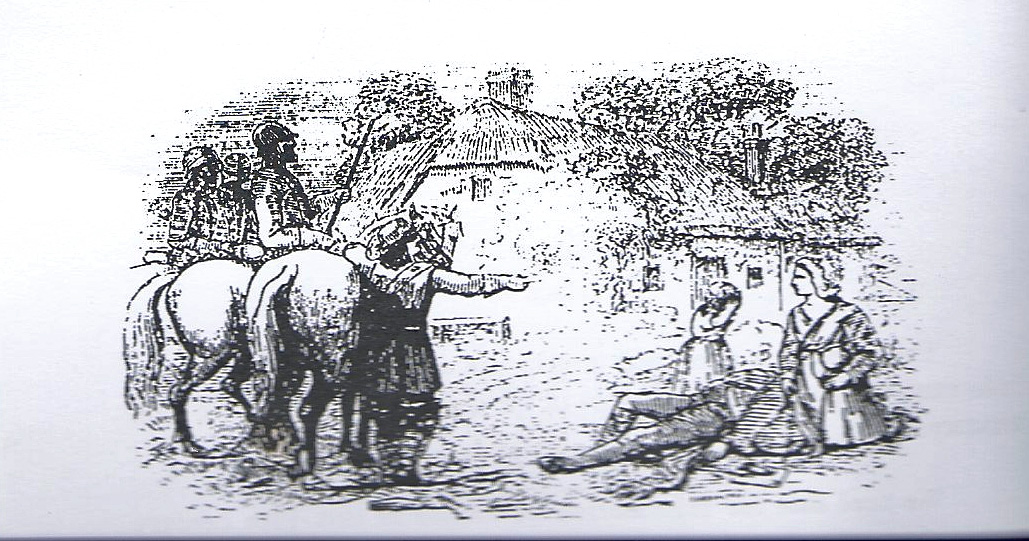
An early sketch of John Brown the Martyr of Priesthill Scotland being shot down by Bloody Clavers.

An early sketch of John Brown the Martyr of Priesthill Scotland being shot down by Bloody Clavers.

THE LONELY GRAVE

I first heard of John Brown the Martyr of Priesthill in the late 60s.

My dad arrived home from a reunion with a family tree that traced a branch of our family back to the martyr. Given the staunch Presbyterian leanings of the ancestral Mekemsons, it was an important connection.

My Great, Great, Great Grand Father, James Mekemson, married Mary Brown Laughhead Findlay. (Mary had already seen two husbands die.) John Brown was five generations up the line.

The story of John Brown’s murder verges on legend. He was, as the saying goes, a Covenanter’s Covenanter, a very devout man. Reverend Alexander Peden, one of the top leaders of the Covenanter Movement, described him as “a clear shining light, the greatest Christian I ever conversed with.” High praise indeed; the type you reserve for a man who is killed for your cause.

They say that Brown would have been a great preacher, except he stuttered. Leading Covenanters visited his home and secret church services were held there. Important meetings took place.

Alexander Peden stayed at his house the night before Brown earned his martyrdom and warned of dark times. Peden was something of a prophet when it came to predicting dire events. This time he was right.

Brown was out gathering peat with his nephew the next morning when soldiers led by John Graham of Claverhouse appeared out of the mist and captured him. The date was May 2, 1685.

Claverhouse, or Bloody Clavers as the early Presbyterians identified him, was the King’s go-to man when it came to eliminating Covenanters. He was not noted for his compassion.

He took Brown back to his home and demanded that he swear an oath to the King in front of his wife and children. Brown started praying instead. The legend states that Claverhouse ordered his soldiers to kill Brown but they refused. So he took out his own pistol and shot him in the head in front of his family.

The story then goes on to describe how Brown’s wife, Isabel Weir, went about the yard collecting pieces of her husband’s brain. (I don’t mean to treat this lightly, but somehow I can’t help thinking about a TV episode of Bones.)

The family eventually escaped to Ireland and then moved on to North America where it settled in Paxtang, Pennsylvania.

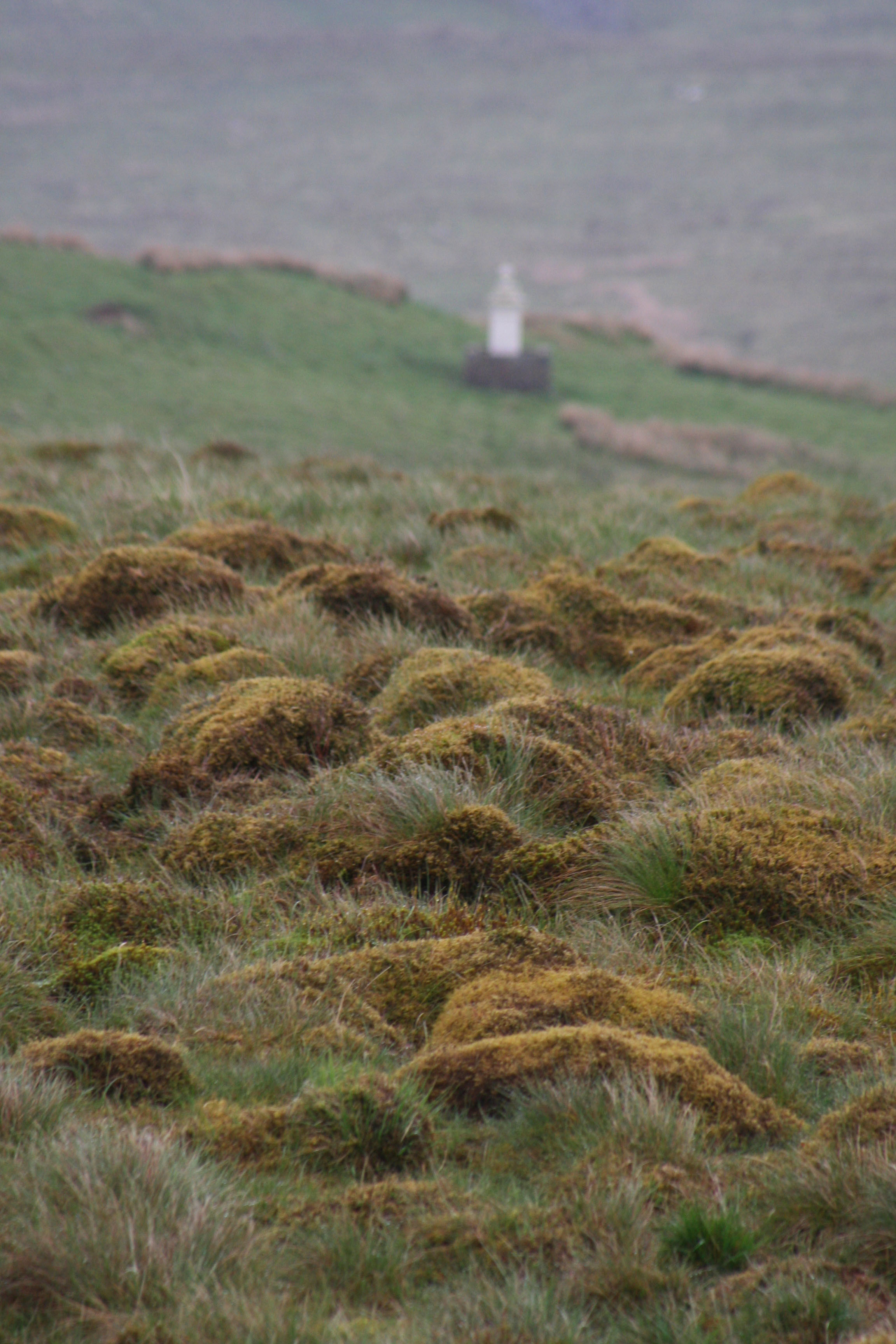
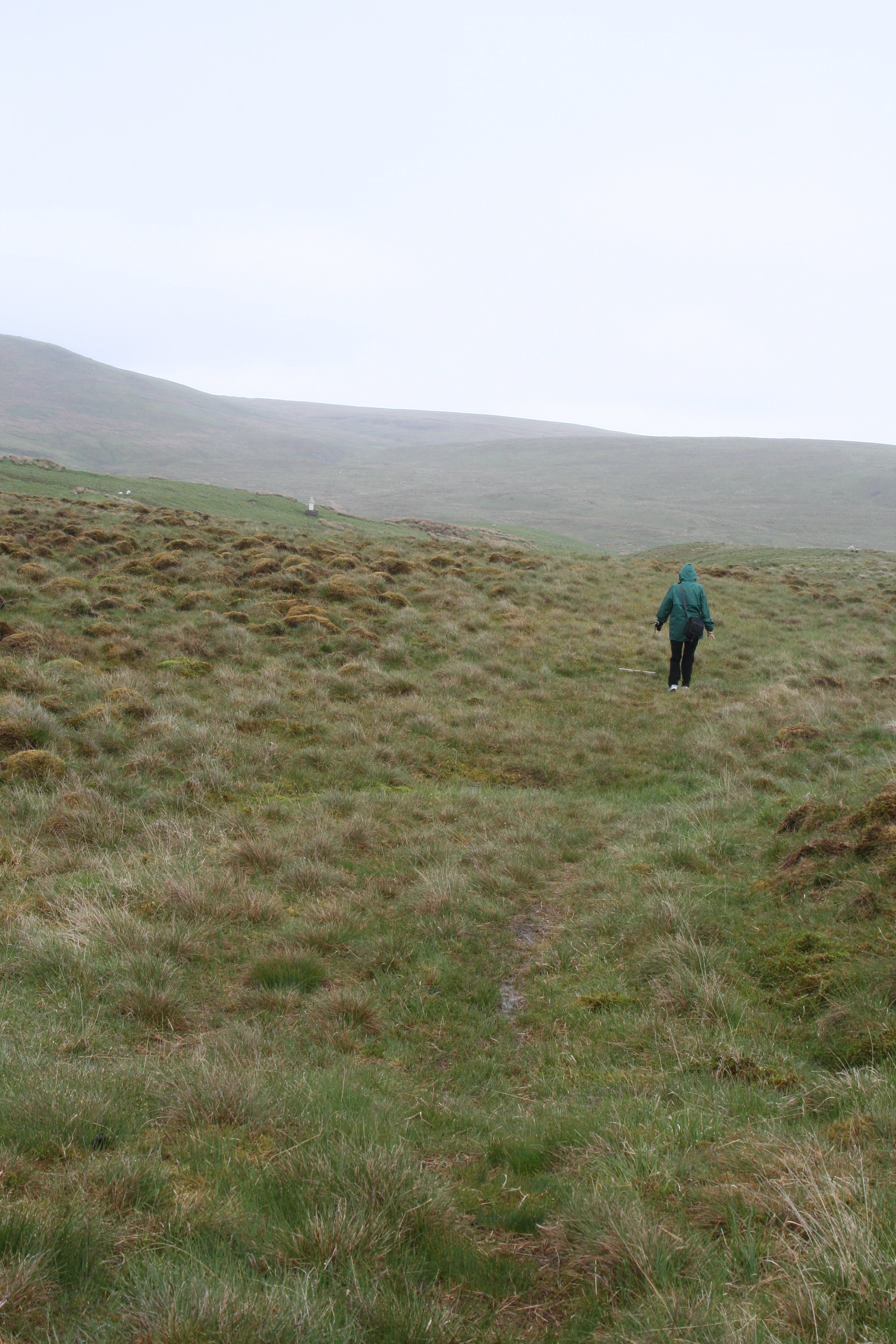
This shot of Peggy captures the isolation of John Brown's Grave, the white speck on the upper left of the photo.

John Brown’s appearance on our family chart in 1969 immediately caught my attention. Not too many families can claim a certified martyr. When I became serious about genealogy three years ago, I determined I would go to Scotland and find his grave.

Our arrival at the Priesthill Farm with its disappearing woman meant that we were near. A faded sign pointed off to the right. The fine print suggested we would find the grave in a mile. We went wandering out across the grass-covered hills, following a muddy path that was minimally marked.

We were beginning to despair about out chosen route when we crested a hill and spotted the lonely grave in the distance with only sheep for company. We hiked down the slope, jumped a small creek, and arrived. After paying proper homage to the martyr we climbed above the grave to where he had lived. Only a few stones marked the site. Peggy photographed me standing in his house, near where he had been shot down on that misty morning in 1685.

Looking down on John Brown's Grave.

I am standing on a rock that may have been part of John Brown's home, only feet away from where he would have been shot.

Our ‘pilgrimage’ completed, we left Muirkirk and drove east to Dumfries where I visited the local genealogical center. The next day we returned our car to Edinburgh and took the train to London. Our visit to England and Scotland was over. Between our visit to Chatsworth, adventure on the narrow boat canal, exploration of Edinburgh, tour of southwestern Scotland and search for ancestors, we had a full three weeks. We we had enjoyed the Midlands of England, we fell in love with Scotland. We’ll be back.

Next Blog: Back to the wild west… There’s a beaver standing on my tent.

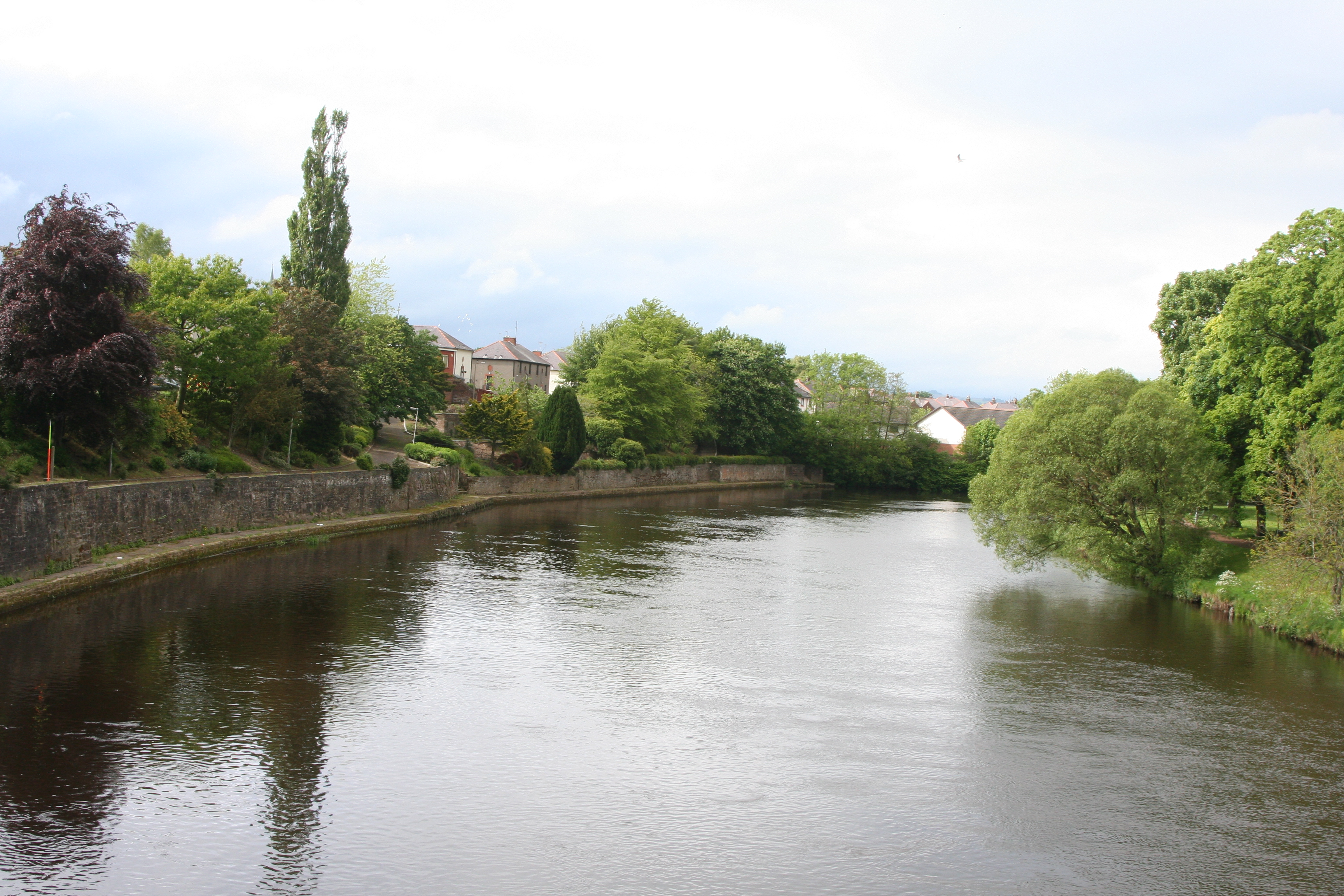
The River Nith flowing through the heart of Dumfries.

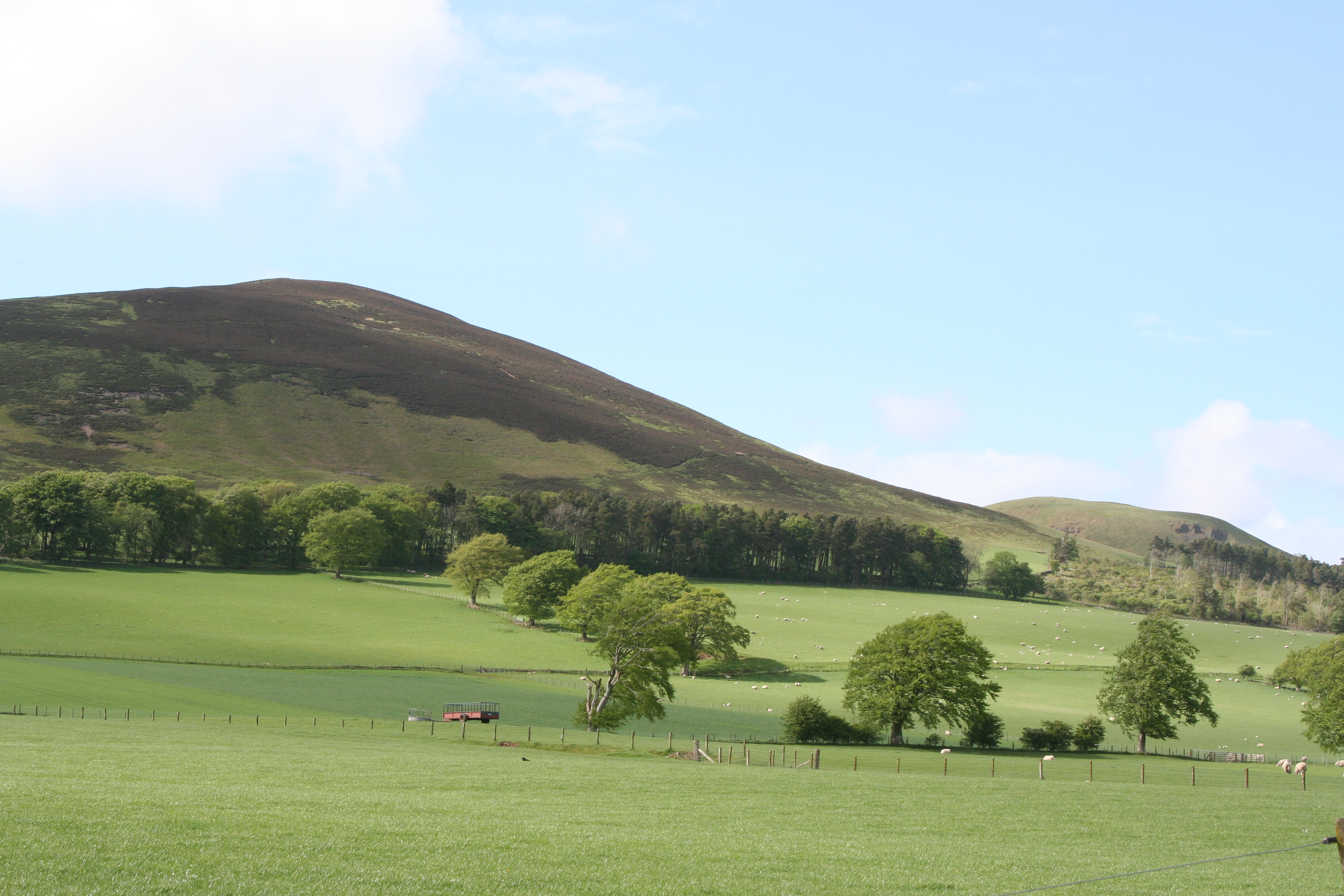
A final view of southwestern Scotland.

The Old Church B&B, a Ghost, and a Lonely Grave: Part II

A ram we passed on our way into Priesthill. Nothing ghostly about him.

THE GHOST

Here’s today’s question: Do you believe in ghosts?

My childhood experience of growing up with a graveyard next to our house introduced me to ghosts. They were worrisome but mainly a product of my young imagination. My sister Nancy, on the other hand, believed in them one hundred percent. (See my blog “Mr. Fitzgerald Is Dead” under Misadventures.)

The visit Peggy and I made to Fort Mifflin, Pennsylvania last fall looking for information on the two Mekemson boys who died there during the Revolutionary War provided another experience. Scary! Did something really blow out the hurricane lantern leaving us alone in the dark? (Check out “The Mekemson Ghosts of Fort Mifflin” in Looking for Dead People.)

My first actual sighting of a ghost would wait for Priesthill, however. Maybe. Ghosts tend to be, um, Ghostly.

Priesthill is an old Scottish sheep ranch, dating back to at least the 1600s. This was the time when Scottish Covenanters had gone ‘off the grid’ with their Presbyterian Church and held services out in the open fields hidden away from the prying eyes of the English King and his henchmen. Armed men were posted around the perimeter in case the soldiers came.

Getting caught wasn’t much fun. You could lose your sheep, your cattle, your land and your life. You might find your body quartered and hung up in various communities to provide an example of why you should be a good Anglican.

Priesthill was one of the remote sites where the hidden services were held. To get there we drove north on the road in front of our B&B (the Old Church B&B in Muirkirk, Scotland) for a couple of miles and picked up a dirt road snaking off to the right through a sheep farm.

The road seemed to go on and on; recent rains had turned it into a muddy mess. Our brand new Mercedes rental car bounced along dodging sheep and accumulating glue-like mud mixed with sheep dung. It was still on the car when we returned it to Edinburgh.

Finally the old farmhouse came into sight. A woman was standing on a porch enclosed by a three-foot high rock wall. Since we would be walking through her property in search of John Brown’s grave, I got out to talk with her.

But she did something strange. She disappeared. Now this was strange in two ways. Obviously she didn’t want to talk with us. She turned her back and walked rapidly toward the door.  OK, I could live with that even though we had found most Scots to be friendly and helpful. Possibly she was shy.

What bothered me more was she sank.

It was like she was traveling down an escalator or open elevator. Her head disappeared beneath the stonewall before she reached the door. I did not see her go inside.

“Maybe there are steps down to an underground cellar,” I thought. Or maybe she merely bent over to work on a flower garden. Curiosity got the better of me. I walked over. There was no woman; there were no flowers; there were no stairs. As far as I could see the floor of the porch was solid stone.

I asked Peggy, “Did you see that woman disappear?”

“She went inside,” my logical wife explained.

“Ah,” I said and put the matter out of my mind. Or tried to, it kept nibbling away at me. A couple of days later I asked Peggy if she had seen the woman appear to sink into the porch.

“Yes,” she replied.

“Did you actually see her go in the house?”

“No,” was the answer.

So I rest my case for a possible ghost… or optical illusion. The owners of Old Church B&B know the owners of the the property. Maybe they can find an answer.

Saturday: Part III, A Lonely Grave

The Old Church B&B, a Ghost, and a Lonely Grave: Part I

The Old Church B&B in Muirkirk, Scotland. The two upper windows provided our suite with a pleasant view of the town, countryside and rain. Note the plants growing on top.

Part One: THE CHURCH

Have you ever slept in a church? I mean seriously. Nodding off during a two-hour sermon doesn’t count.

Peggy and I had the experience in Muirkirk, a small community in southwest Scotland east of Ayr.  We were in town searching for the grave of my earliest known ancestor on my father’s side, John Brown the Martyr of Priesthill.

I picked the Old Church B&B off the Internet because it was located three miles from where Brown was shot down by ‘Bloody’ Clavers, the bane of Covenanters. But more on that later…

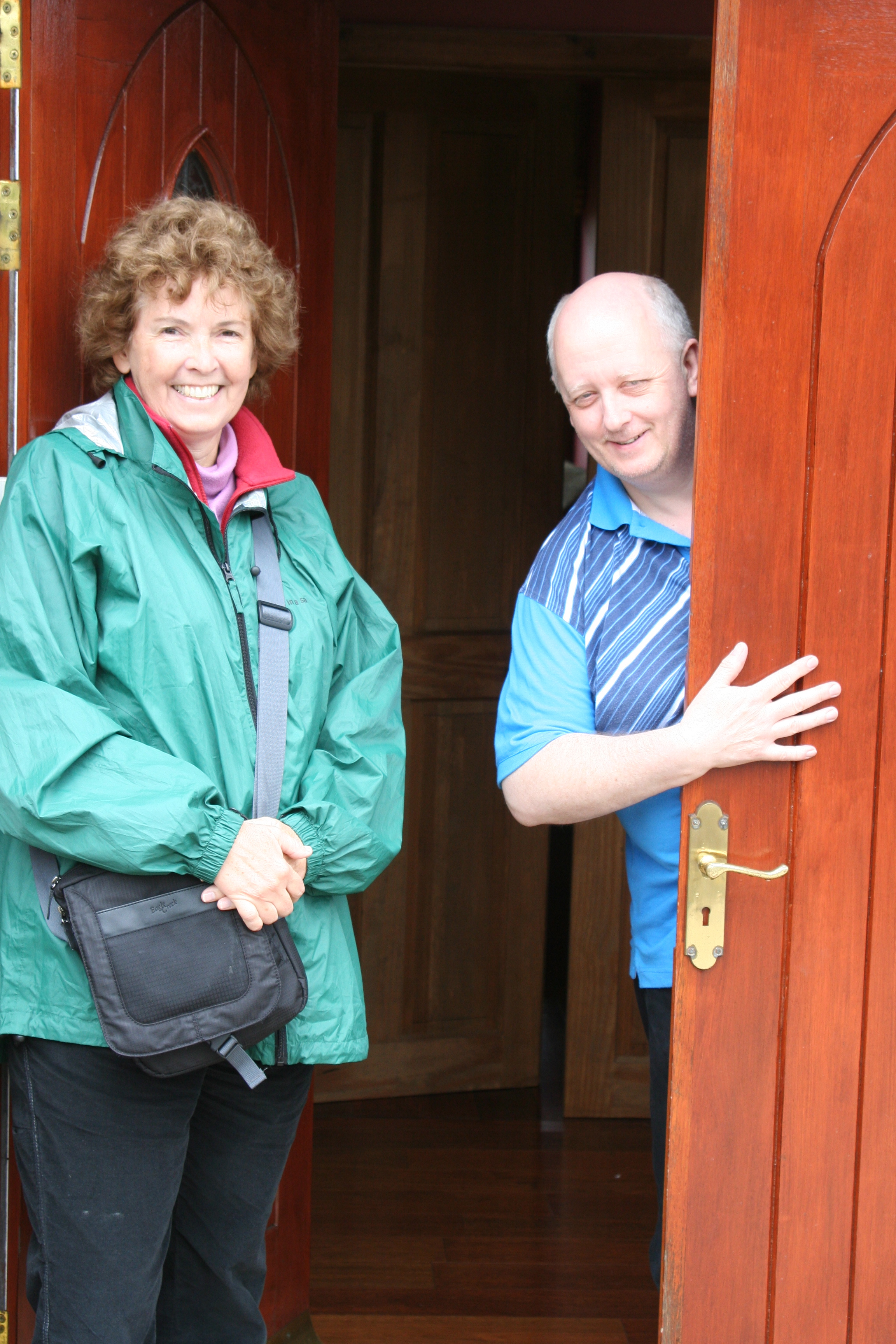
David greeted us at the door. I can't quite put my finger on it, but I felt he had a slight elvish quality, or is that impish?

What we weren’t expecting was how delightful our stay at the B&B would be. Total credit goes to the owners, David and Lesley Martin. (And, I might add, their children.) The Bread and Breakfast began its life as a church in 1873 and maintained that occupation up until its retirement in 1965.

David and Lesley bought the church in 2004 and set out to remodel it into the present B&B. (David still feels guilty about eliminating the pigeons that called the vacant building home.)

The Martins did a superb job on their remodeling effort; it’s called paying attention to detail. Each room is carefully thought out. Artwork, much of it painted by Lesley, adorns the walls. Furniture begs to be occupied. A wood stove provides crackling heat in the sitting room, a fact we truly appreciated during the cold rainy day we spent in Muirkirk. And the kitchen/dining room is right out of Sunset Magazine.

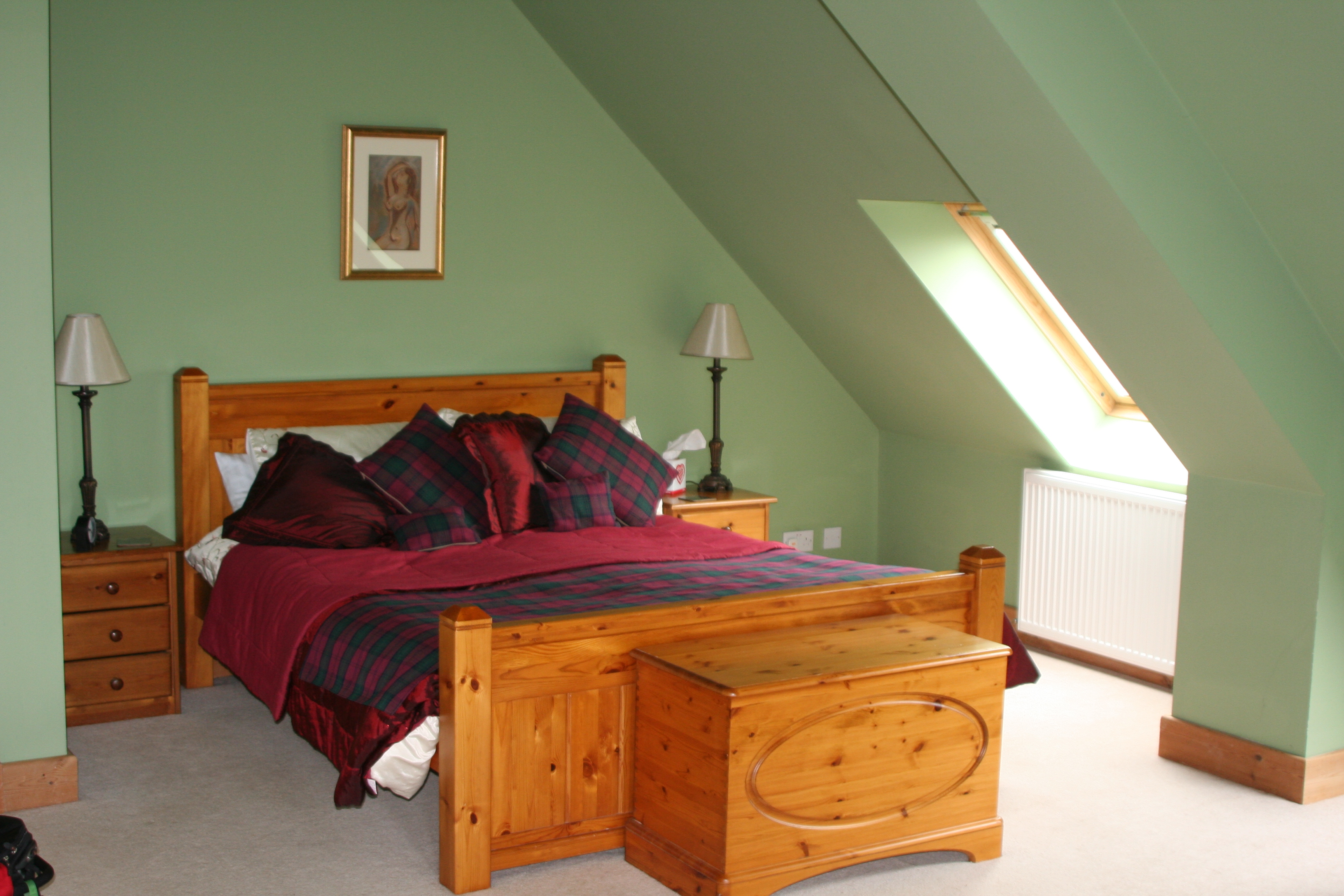
The inviting bed in our suite.

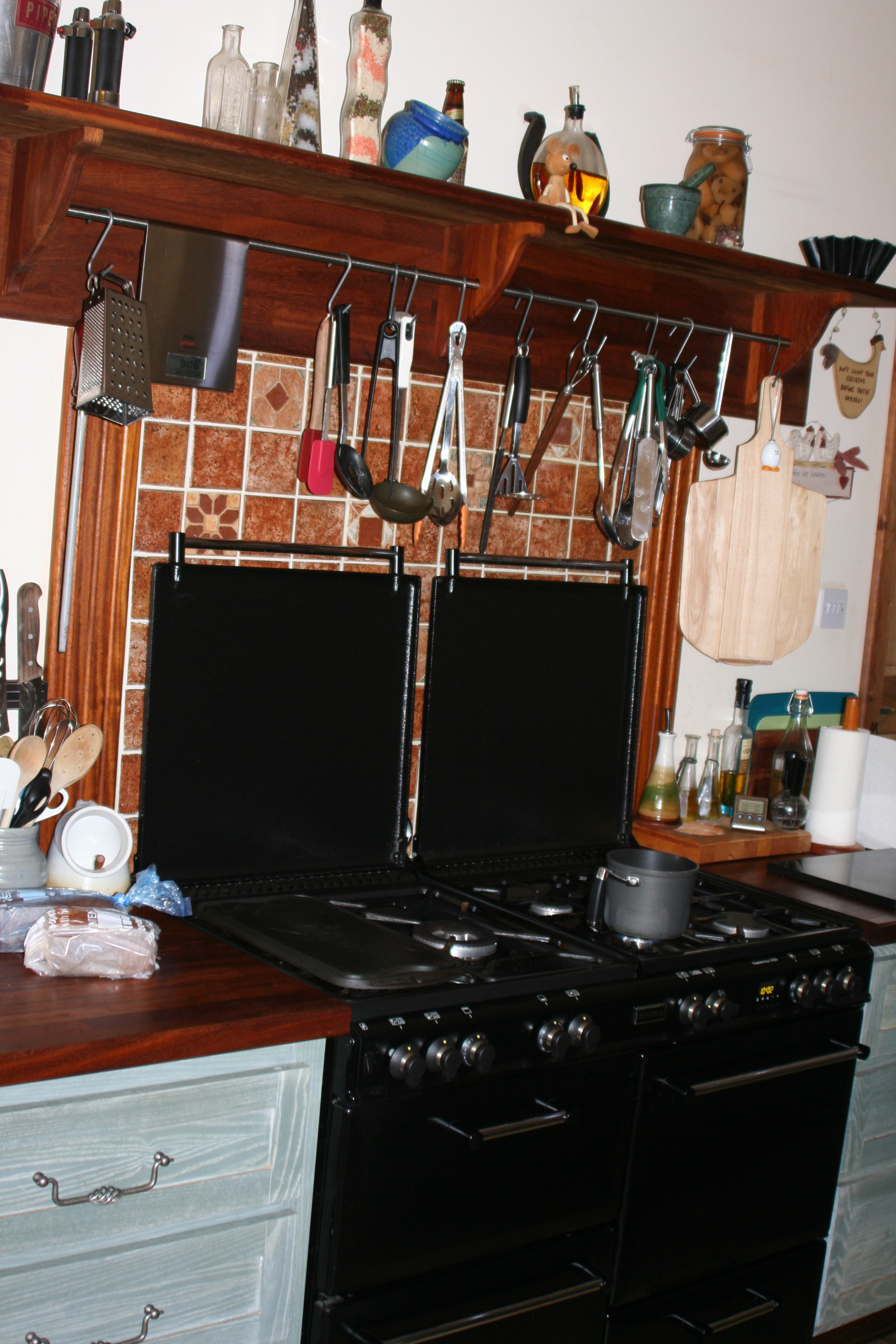
A serious cook's stove, with which Lesley whips up full Scottish Breakfasts and bakes mouth-watering bread.

But what really made the stay a joy was the warm friendliness of David and Lesley. David is a font of information on all things Scottish. I asked him about the Scottish independence movement, an event that has been evolving for over a thousand years. An hour later he had completed his dissertation. I’m not sure he stopped for breath. He’s for it.

Lesley runs an international bread baking school out of the B&B. That’s a twist. And a benefit for guests! We got freshly baked cookies when we arrived. Twice Lesley sent hot bread straight out of the oven to our room, along with several ounces of butter. Be still my pounding heart. Then there was the full Scottish breakfast she cooked up and David served.

Our one night stay turned into a two-night stay. The bottom line: if you find yourself anywhere in southwest Scotland, put the Old Church B&B on your itinerary.

A final note : Lesley commented on my last blog that I have been misspelling Edinburgh. My apologies to the fine people of Scotland. I shall reform.

Thursday’s Blog: The Ghost

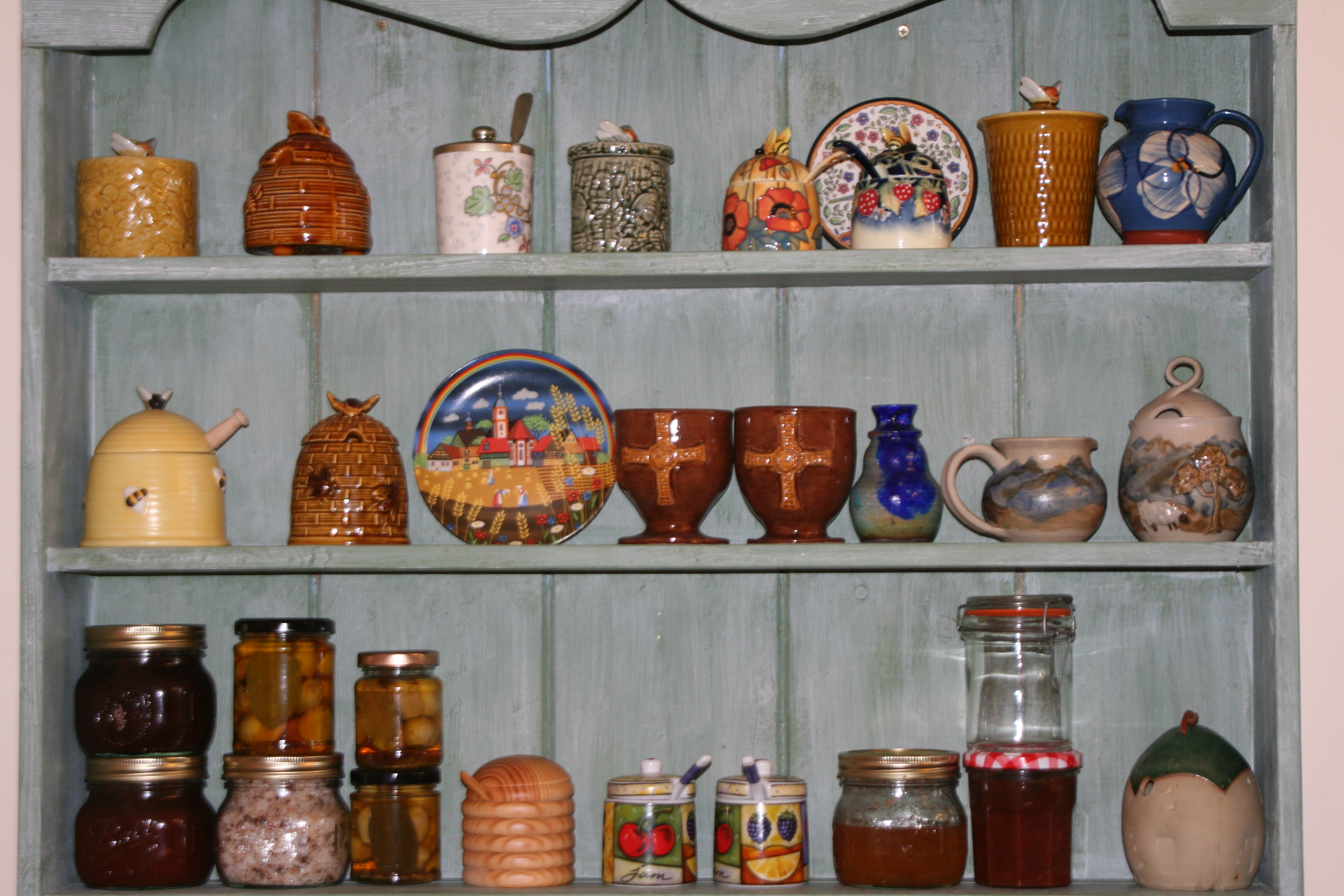
Knick knacks, canned fruit, and a genuine feel of home.