





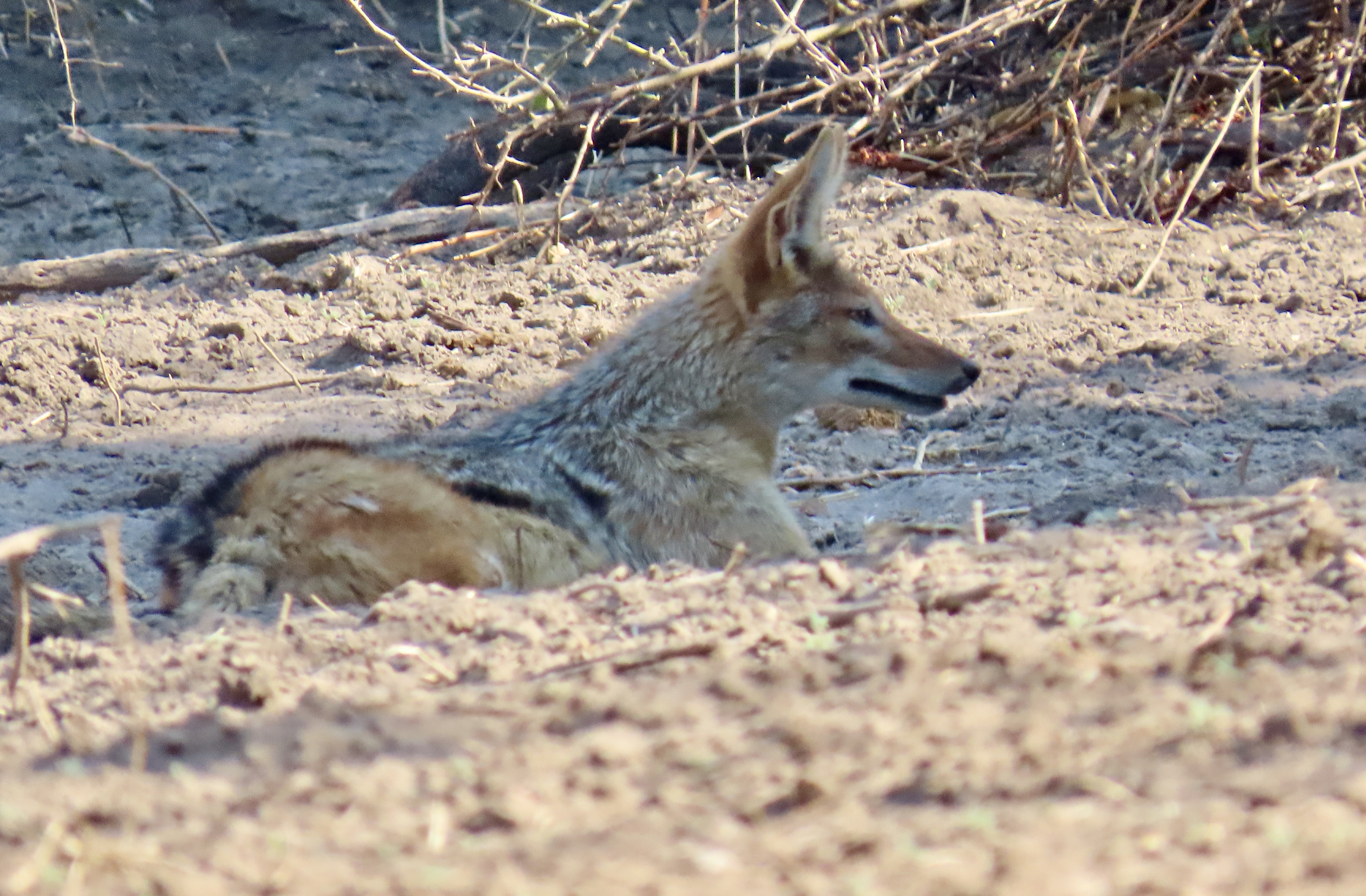
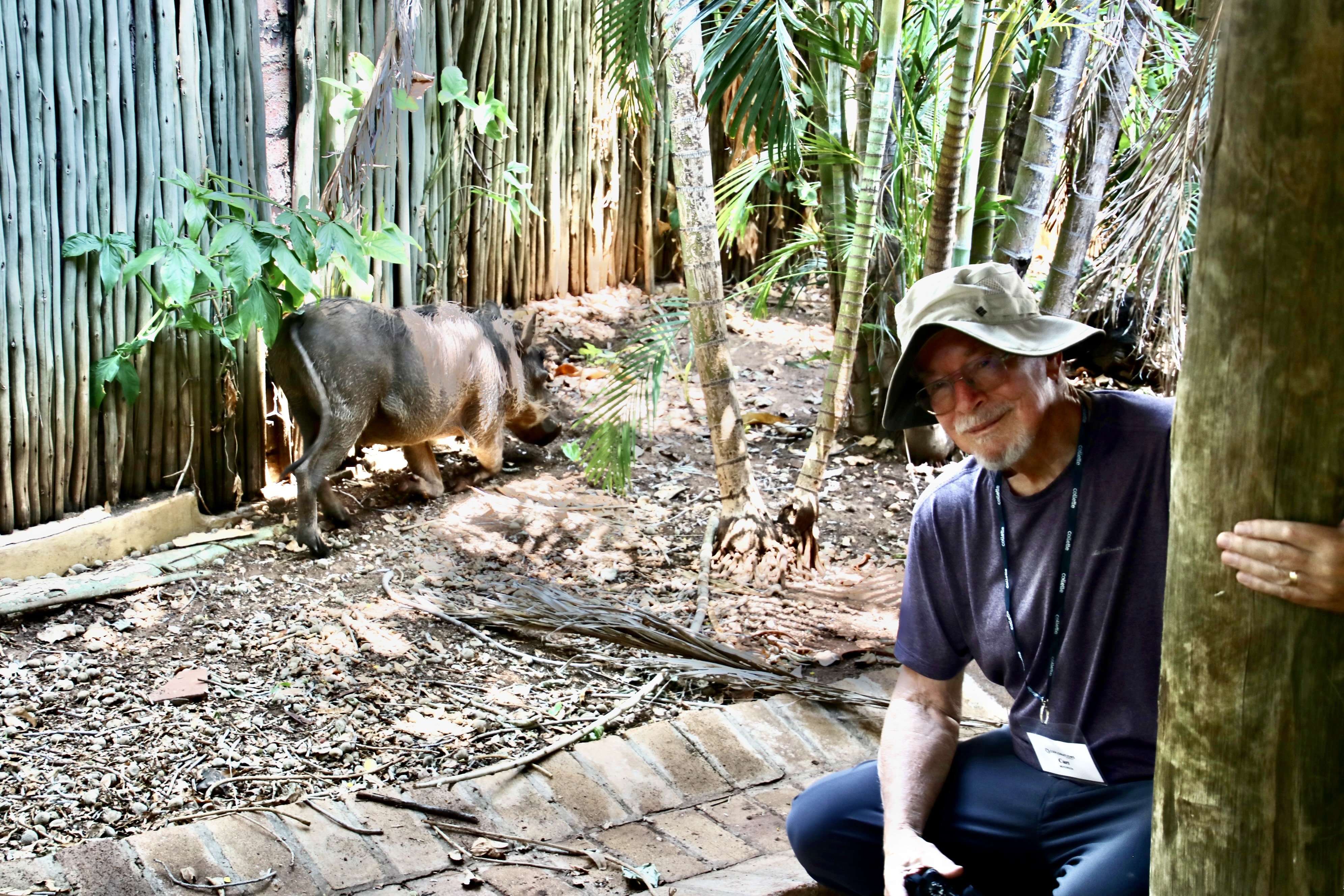
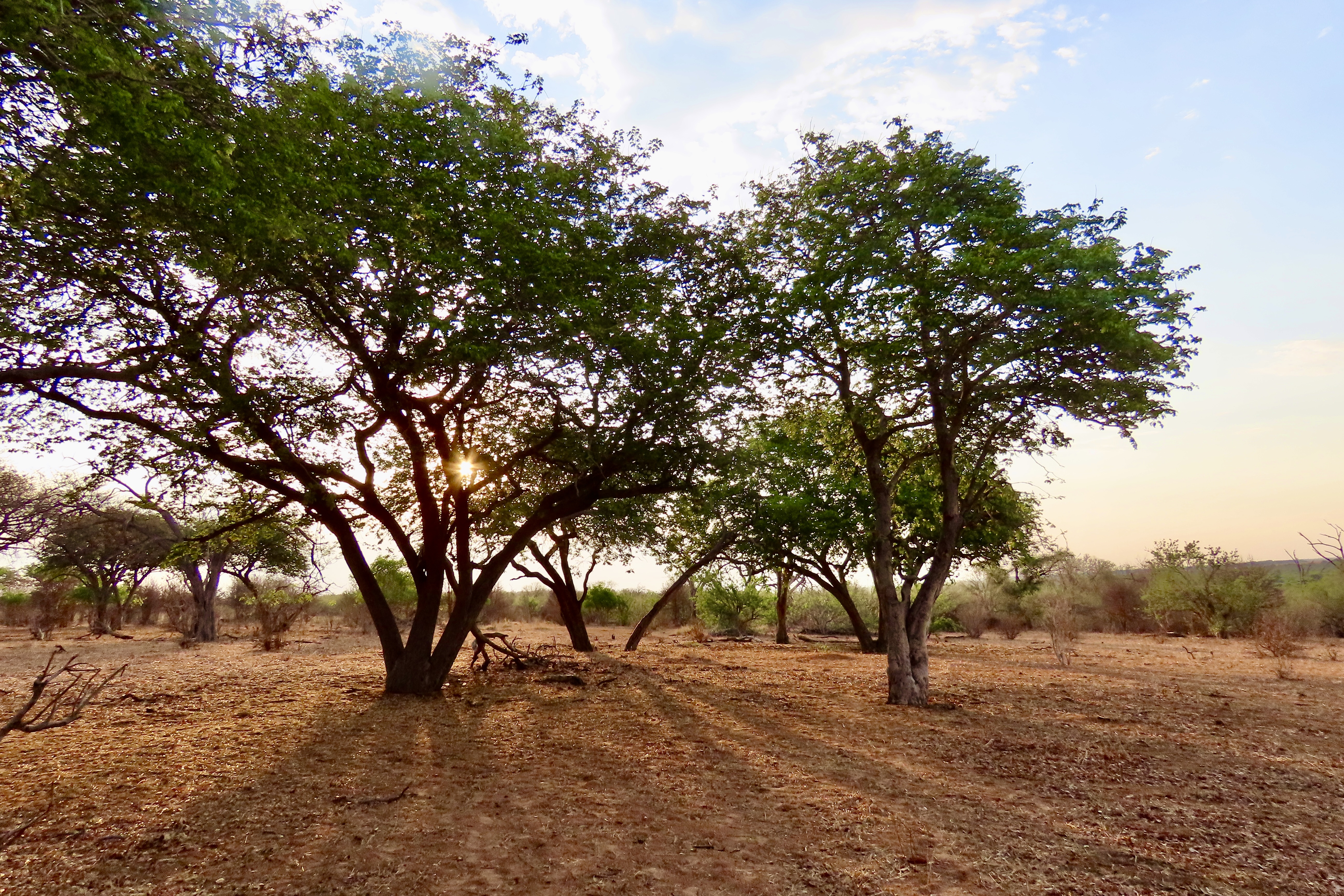
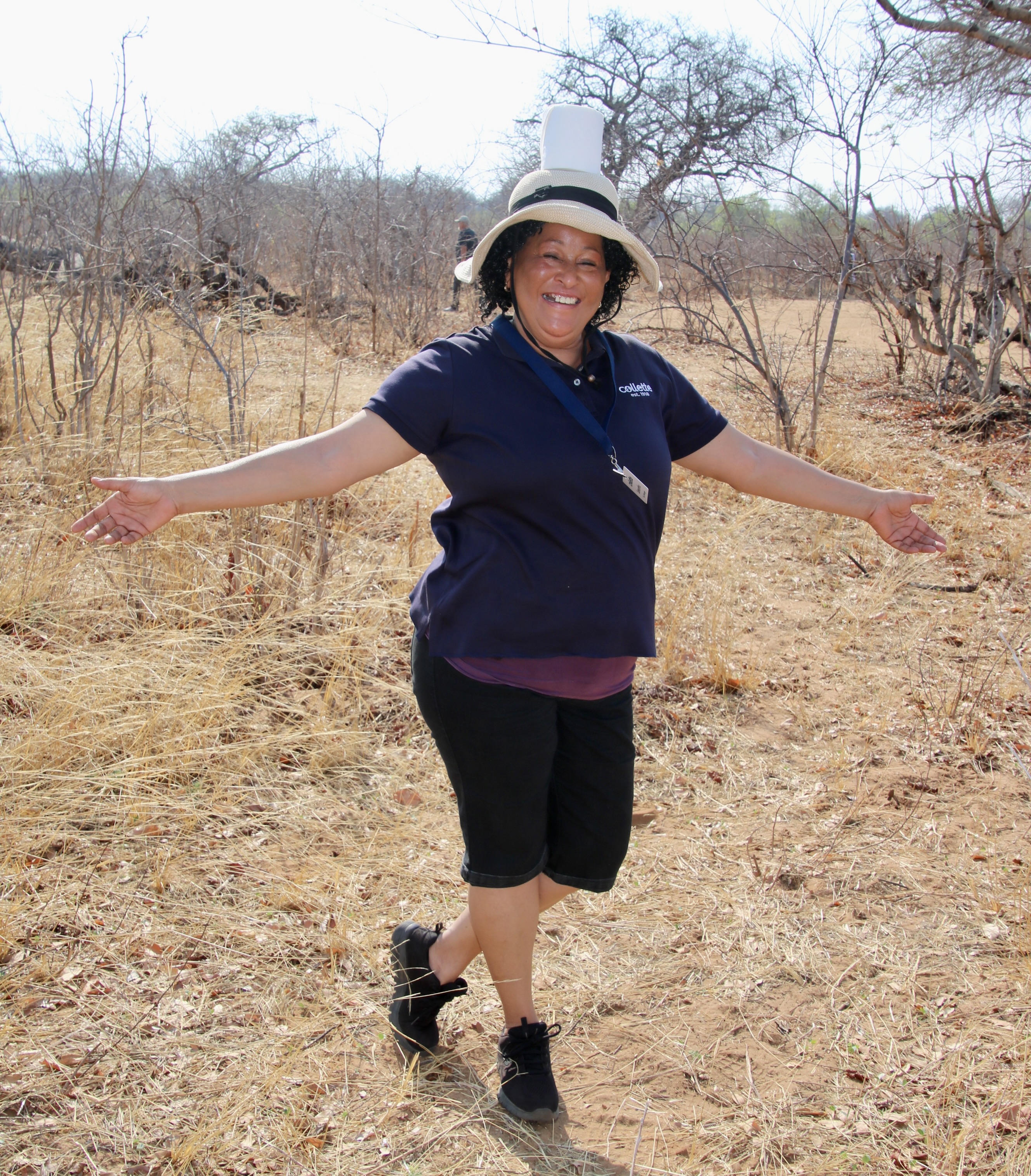



In the animal kingdom, baboons are close relatives of ours, sharing 94% of our DNA. While others are closer (chimpanzees at 99% for example), 94% is close enough to feel a sense of identity, or at least imagine one. This mom’s interactions with her baby were about as ‘human’ as they get.


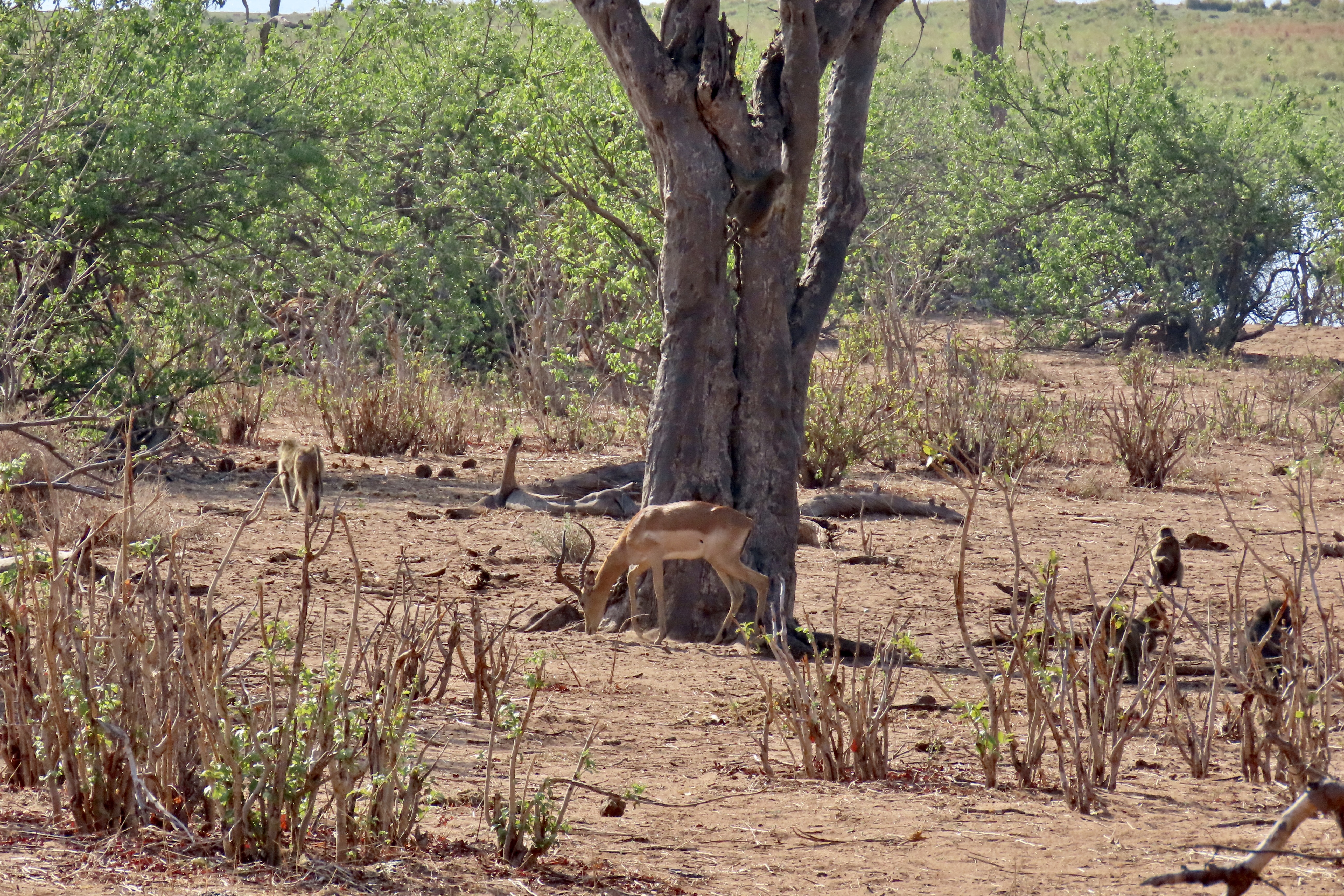

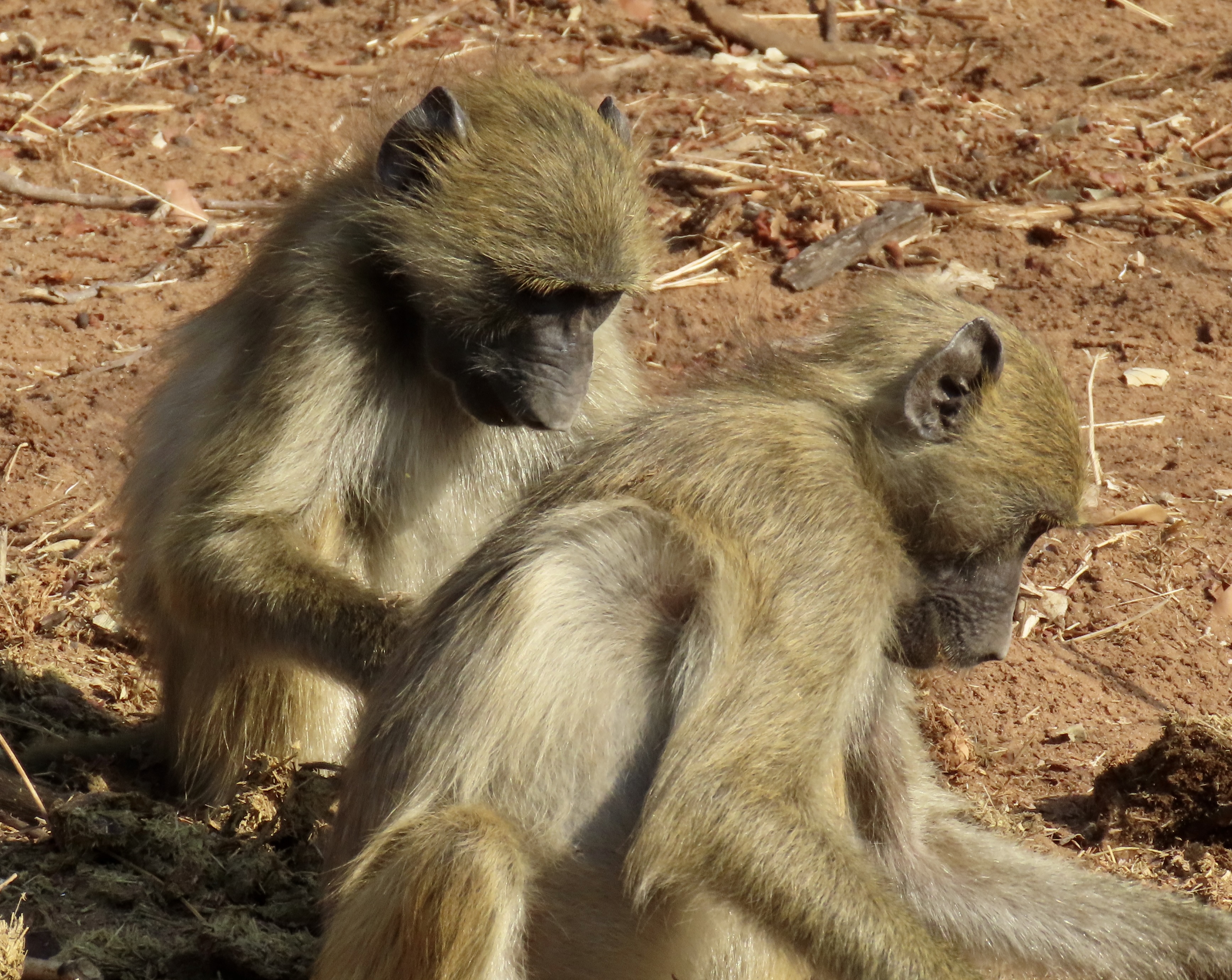


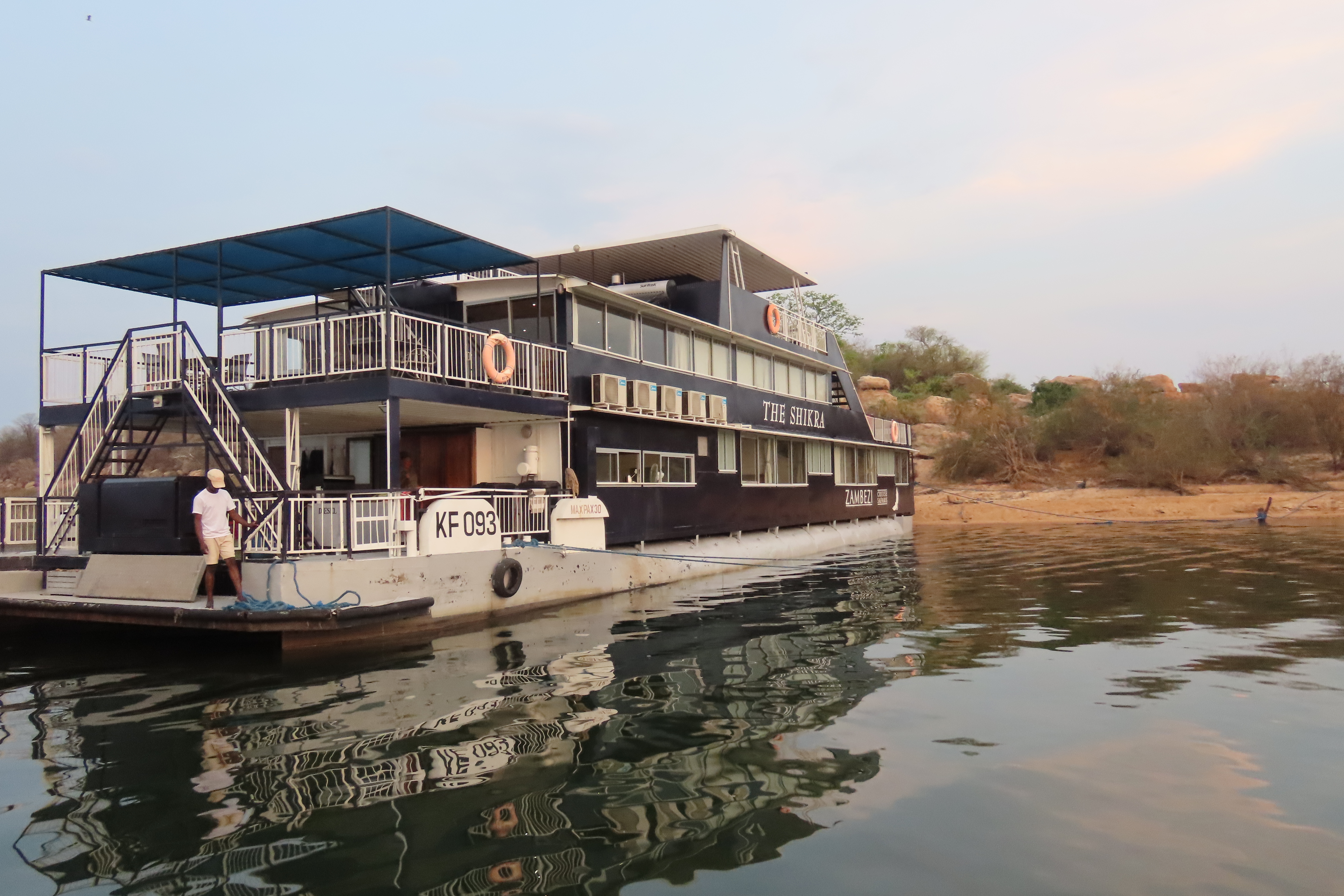
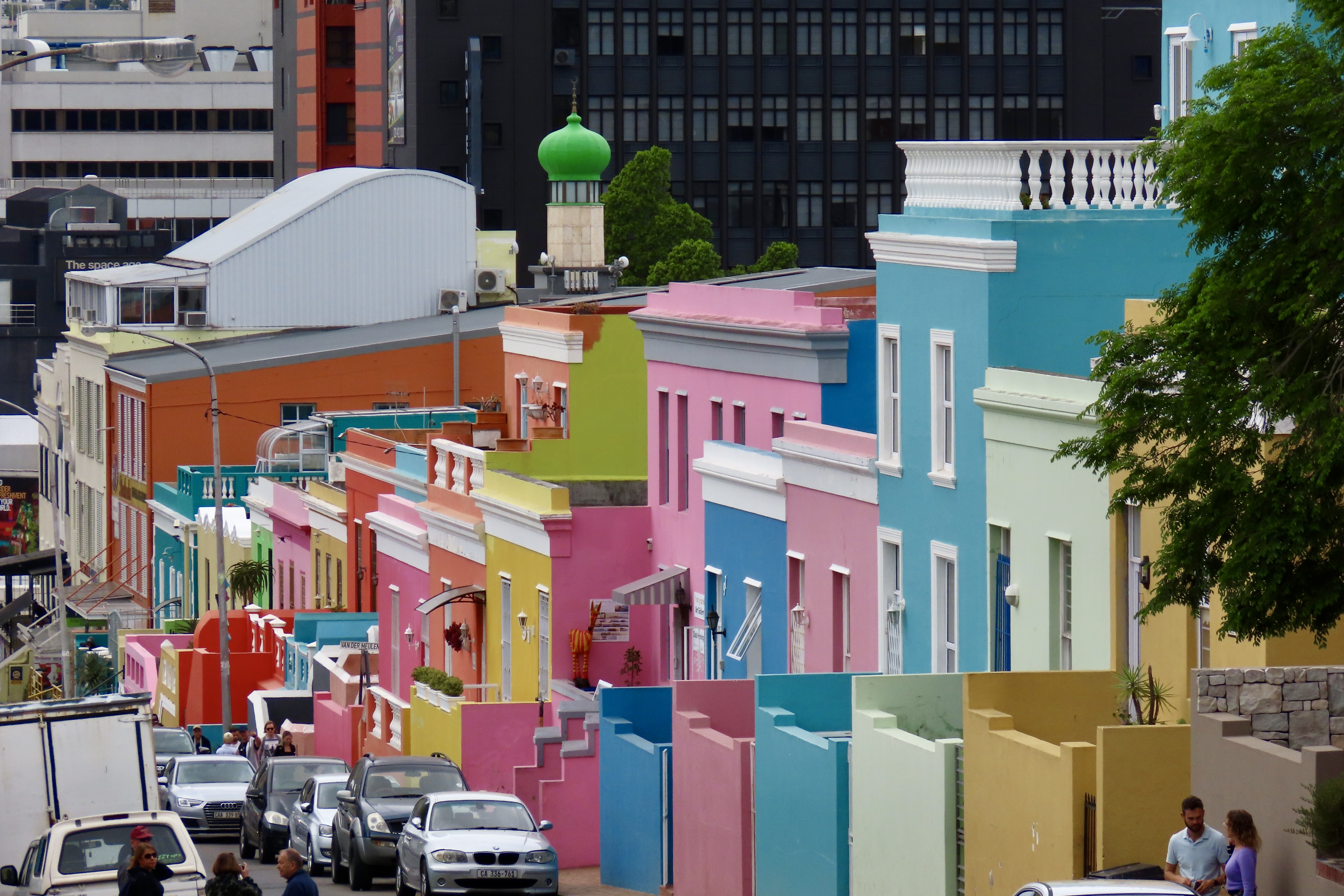
Today, I am starting my series of posts on Peggy and my recent safari to Botswana, Zimbabwe, and South Africa. It was an incredible adventure, one of our best ever. We owe a large vote of thanks to Peggy’s brother John and his wife Frances for asking us if we would like to join them on the Collette Travel Agency organized trip. Along the way, we visited four national parks, Victoria Falls and Cape Town— staying in accommodations that ranged from a safari lodge, to a tent camp, to a house boat, and comfortable hotels.

As for the wildlife we saw? It was incredible! That’s the only way I can think to describe it. In addition to seeing a great variety, we watched them going about their daily business of eating, sleeping, fighting, breeding and even pooping. (Elephants do a lot and hippos whirl their tails like a fan when going. It’s best not get caught in the splatter zone.) What we hadn’t expected to see was the colorful birdlife. It was a plus. Our guides also went out of their way to introduce us to local African culture, which I appreciated a lot, given my service as a Peace Corps Volunteer in Africa.
While we weren’t on a photographic safari, per se, we took a few. Make that 5,000. Grin. We will share some of the best. Exploring in open safari vehicles and boats, plus a “walking safari” provided excellent opportunities for both observation and photography. Our approach will be to feature one animal per blog for the major animals and then move to combined posts for the the birds and animals we saw fewer of.
I’m starting today with elephants. I was going to do two posts on these large, intelligent, family oriented animals but decided on three after I noted a rescue effort by family members when I was reviewing our photos of elephants enjoying a mud bath in Chobe National Park. It reflects an important aspect of how elephants care for one another.
But first, let me begin by noting that elephants take lots of baths, both by cavorting in mud and spraying water (and muddy water!) on themselves. Getting clean isn’t the objective, obviously. With minimal hair and few sweat glands, keeping cool in the hot African sun isn’t easy. The mud baths provide an opportunity to cool down, but they also serve as sunblock, and, to a degree, insect repellent. Elephants can get sunburned. And what blood sucking bug wants a mouthful of mud?


Searching on the net, I found where moms help their babies out when they are stuck in mud holes. I also read that when an adult went down, possibly because of old age, the other elephants gather around and help it stand, leaning in to provide support. Such behavior suggests the caring, empathetic nature of elephants. My post today provides a unique example, particularly the role played by the younger elephants.
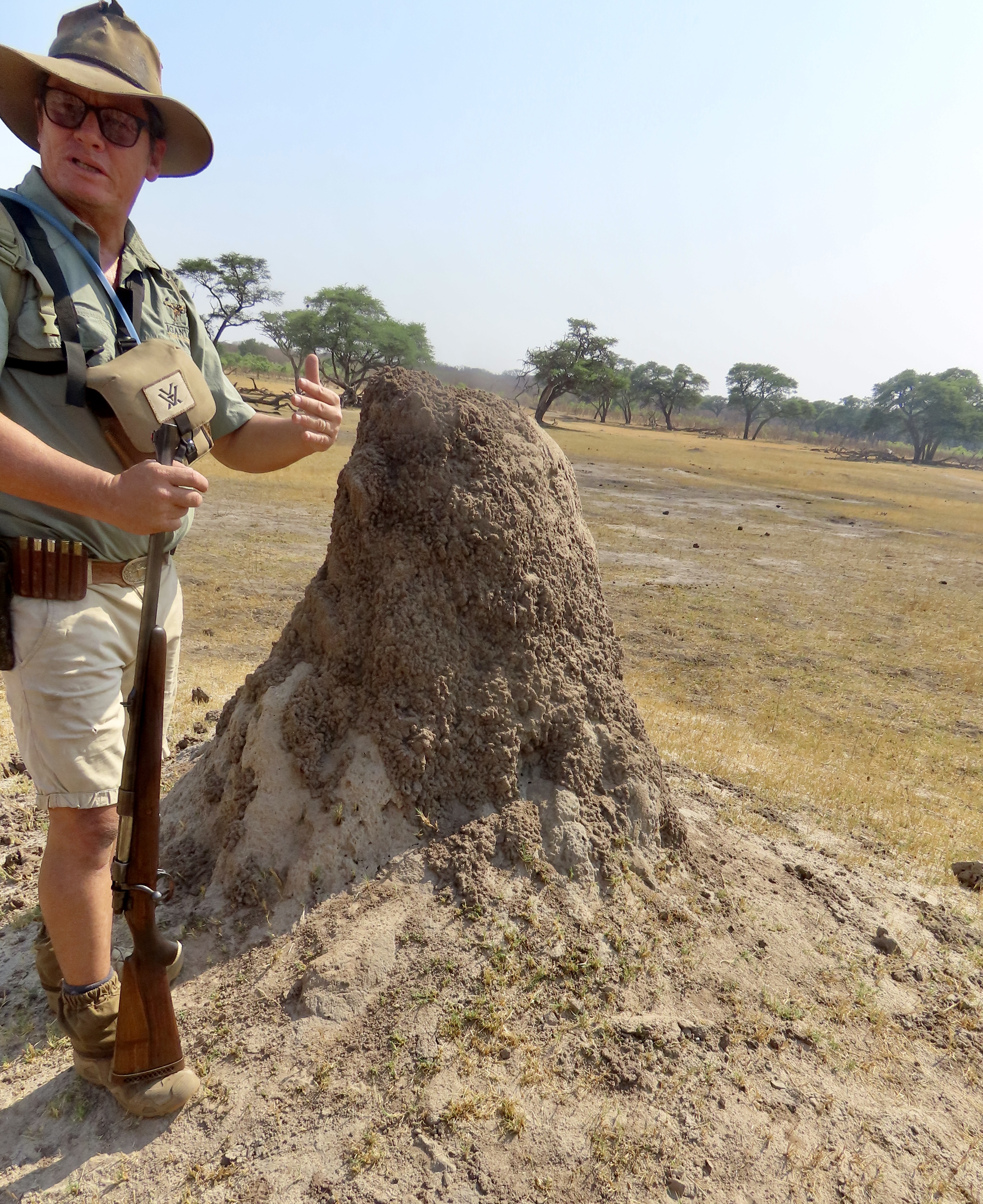
I’ll conclude today by providing an example of another mud bath, this time traveling into Hwange National Park in Zimbabwe. Several artificial water holes have been established in the park to provide wildlife with water in dry season. It also serves to spread the animals out to reduce overgrazing. Peggy and I took these photos from an observation tower that had been set up beside one of the water holes.


It took me a while to get back to Africa after my Peace Corps assignment there from 1965-67. When my feet first touched African soil at Roberts Field in Liberia, Peace Corps was a baby of four and I barely qualified as a young adult at 22. That was 58 years ago. I always wanted to go back, but there was a lifetime of other things that needed to be seen and done…

Peggy and I made up for our lack of African travel this year. In February we flew off to Egypt and boated up the Nile to celebrate my 80th birthday. It was an incredible experience, packed with ancient history and magnificent structures stretching back over 5000 years.

Now, we have just returned from a journey to the southern part of the African continent that included national parks in Botswana and Zimbabwe, Lake Kariba, Victoria Falls and Cape Town. It was equal to, if not more impressive than our Egypt adventure. Imagine a herd of several dozen wild elephants joining us for dinner by drinking out of a swimming pool located next to our dining table.

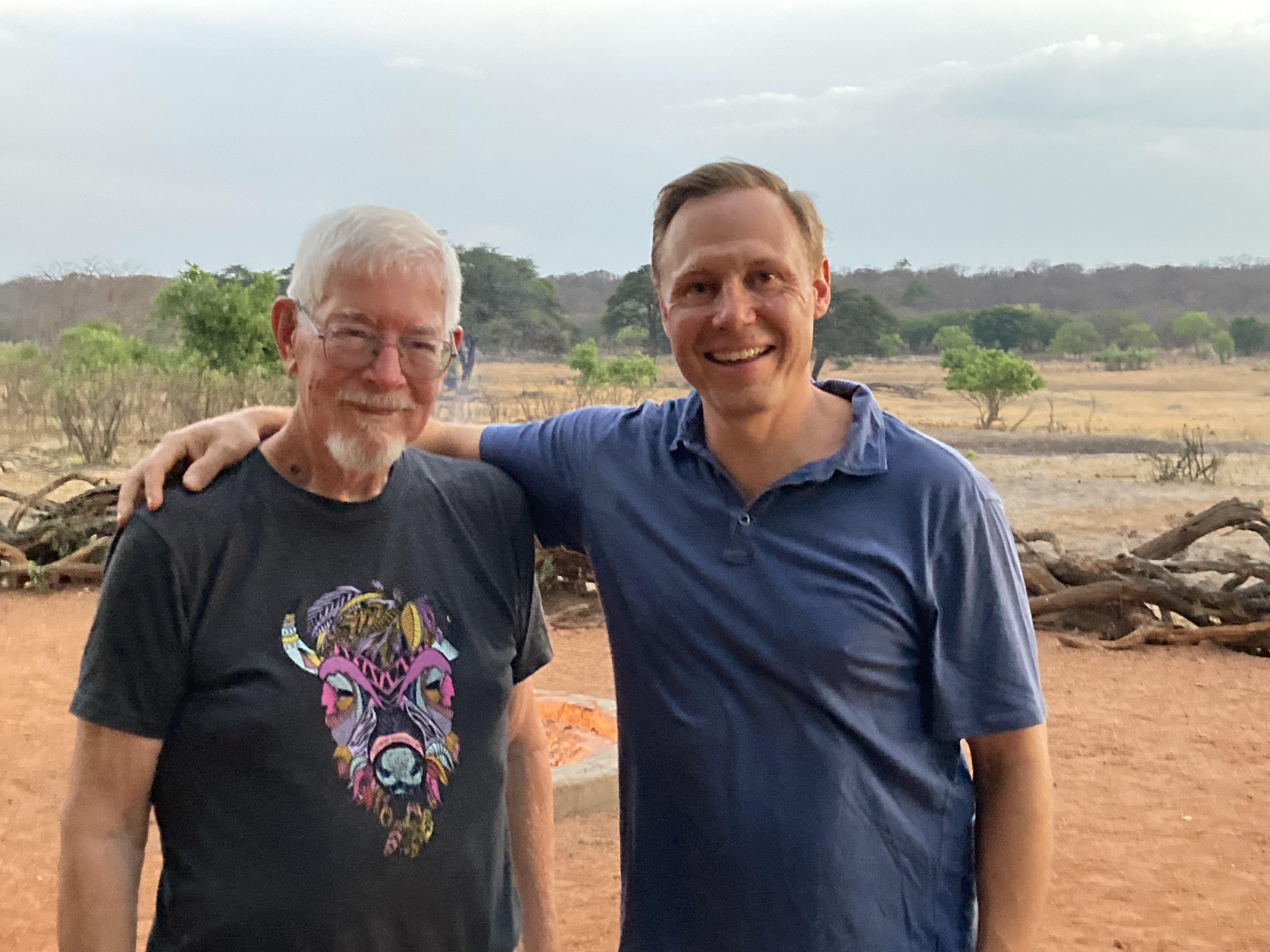
Our recent trip started with a call from Peggy’s brother, John Dallen. Eleven years ago we took a delightful repositioning cruise with him, his wife Frances and friends Lee and Kathy Saaga, exploring the Mediterranean before sailing across the Atlantic back home. Since then, John has called several times with offers to join Frances and him in exploring the world. There were some great trips. But, as John likes to note, our travel styles differ substantially. If he is going to be out for six months, each day is carefully planned and reservations made, normally at four and five star hotels. If Peggy and I travel for six months, we have a vague idea of where we are going and make reservations a day in advance, if then. We once travelled for a year without making one. Our normal mode of travel is with a van or small travel trailer— or, putting our backpacks on and disappearing into the wilderness.

This time, John made us an offer we couldn’t refuse. “Would you like to go on an African safari with us?” It took us five seconds to say yes. There would be hippos and lions and elephants to see, not to mention leopards, wart hogs, baboons and numerous other animals and birds. I will be featuring the places we visited and the wildlife we saw in our next several posts.
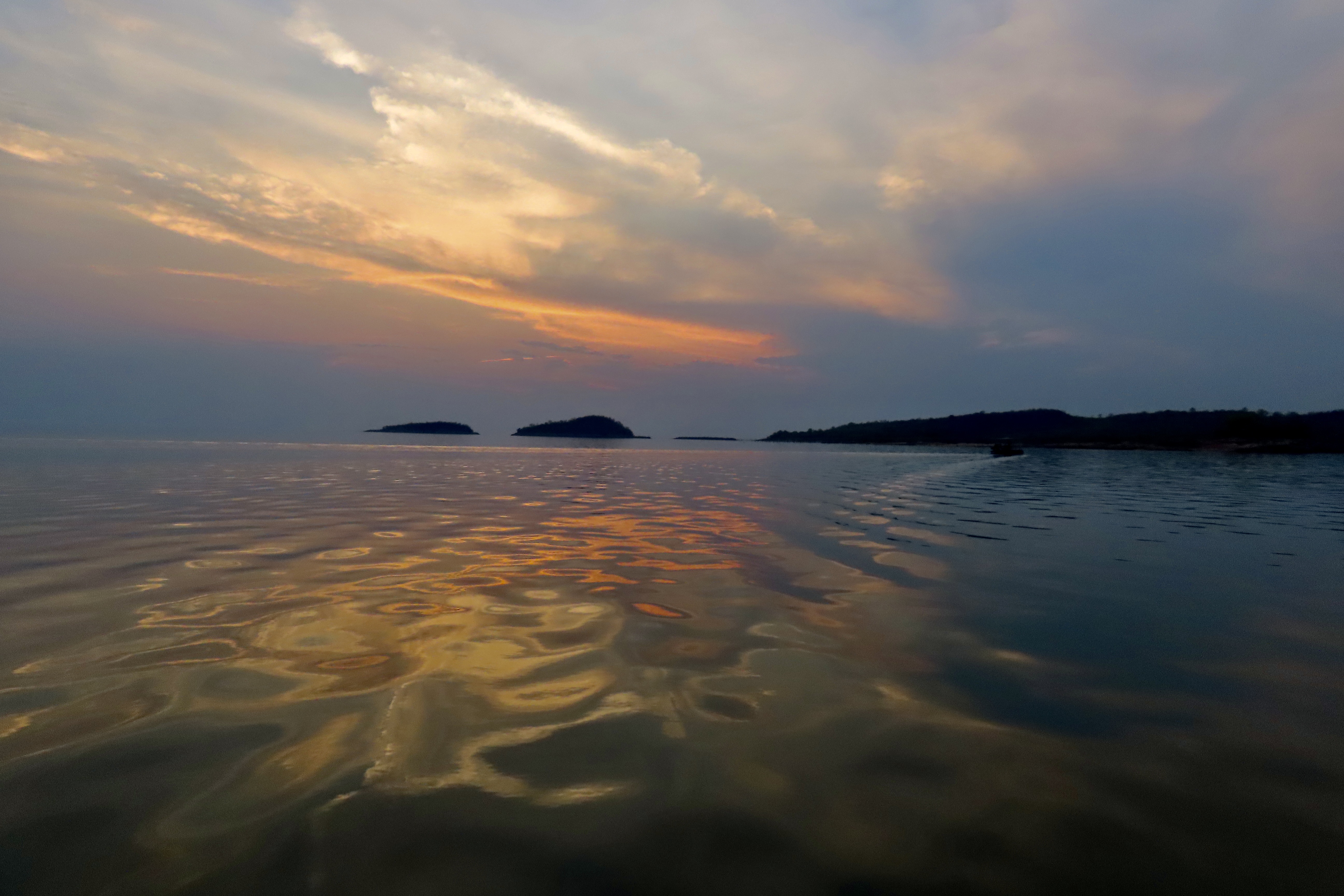
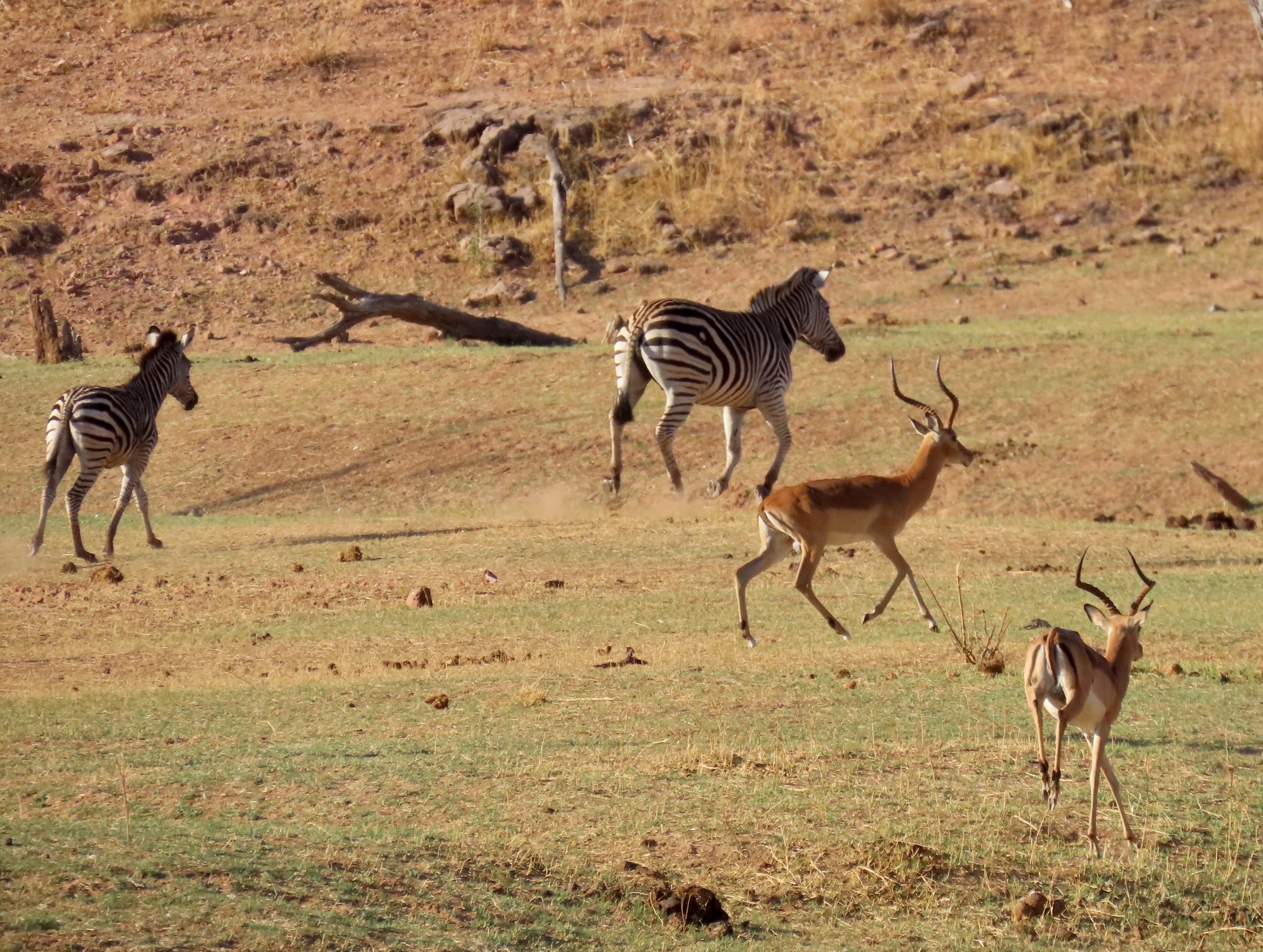
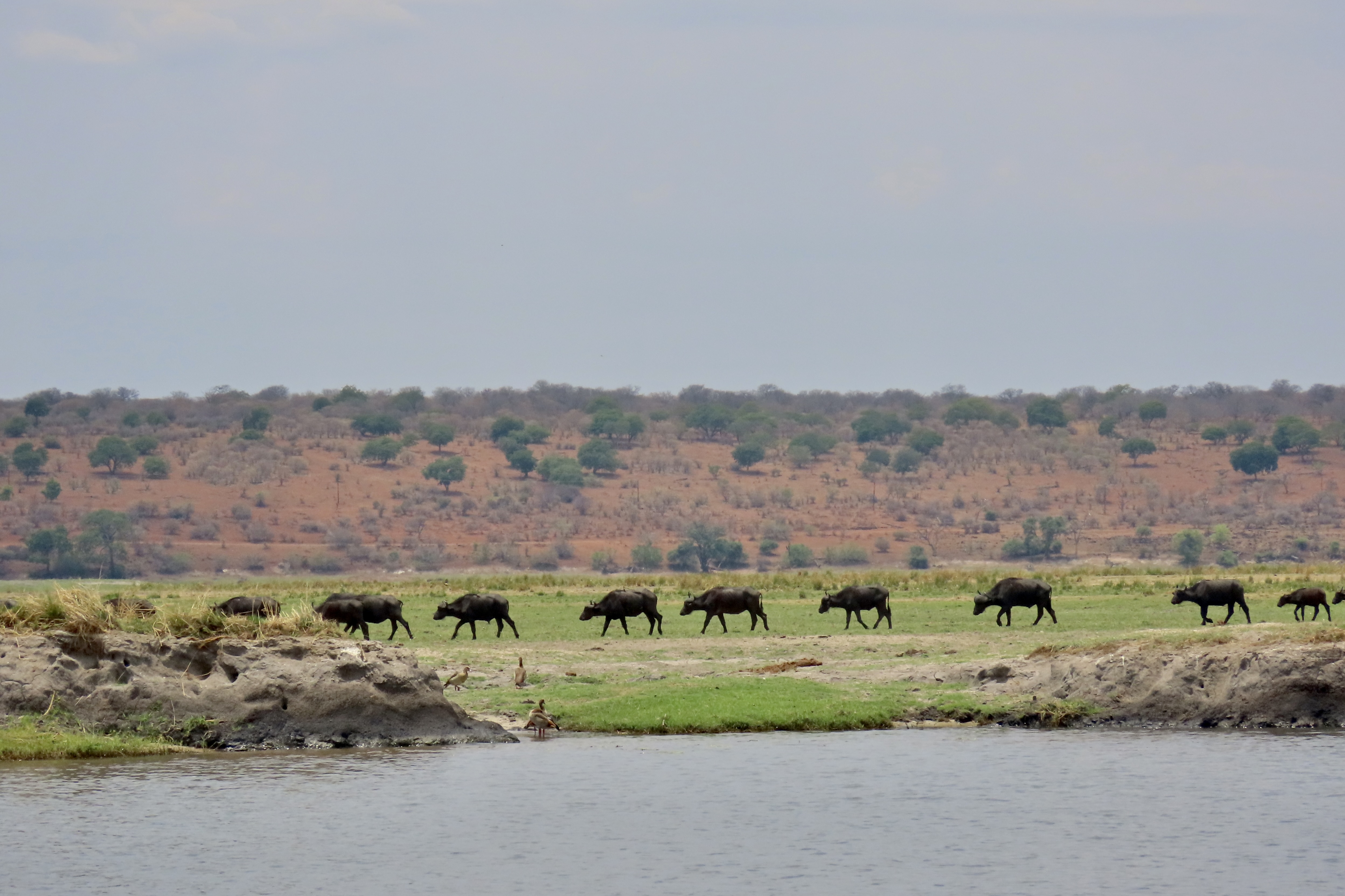
Today’s photos will give you a taste of what to expect. Peggy was traveling with her usual camera, a Canon EOS Rebel with a 20 to 300 mm Tamron lens. For Africa, I upgraded from my pocket Canon Power Shot to a different version, a Canon Power Shot SX 70 HS. Due to the miracle of modern technology it comes with a 21 to 1365 35mm equivalent lens and weighs just over a pound. It made it possible for us to capture photos like the hippo above.


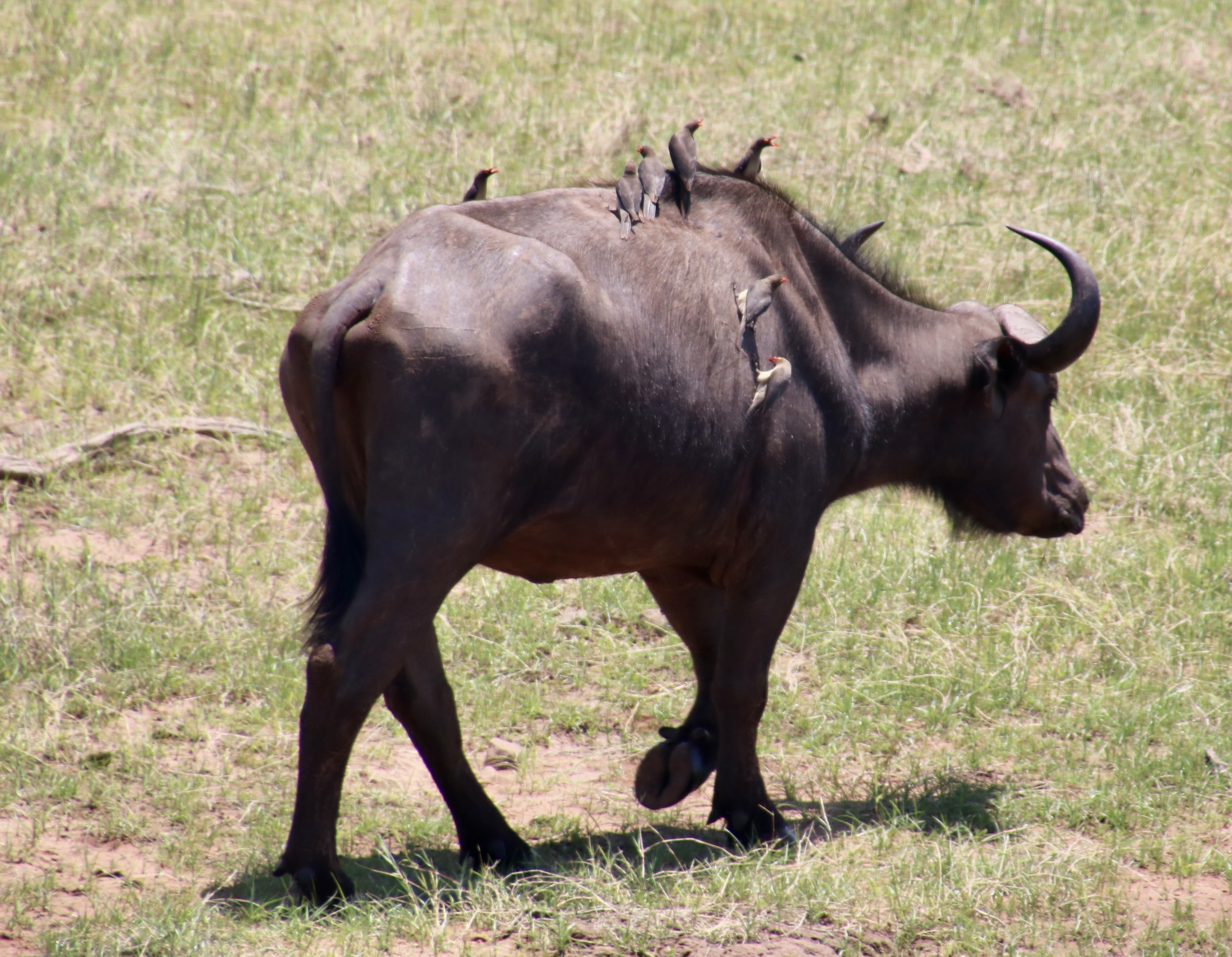
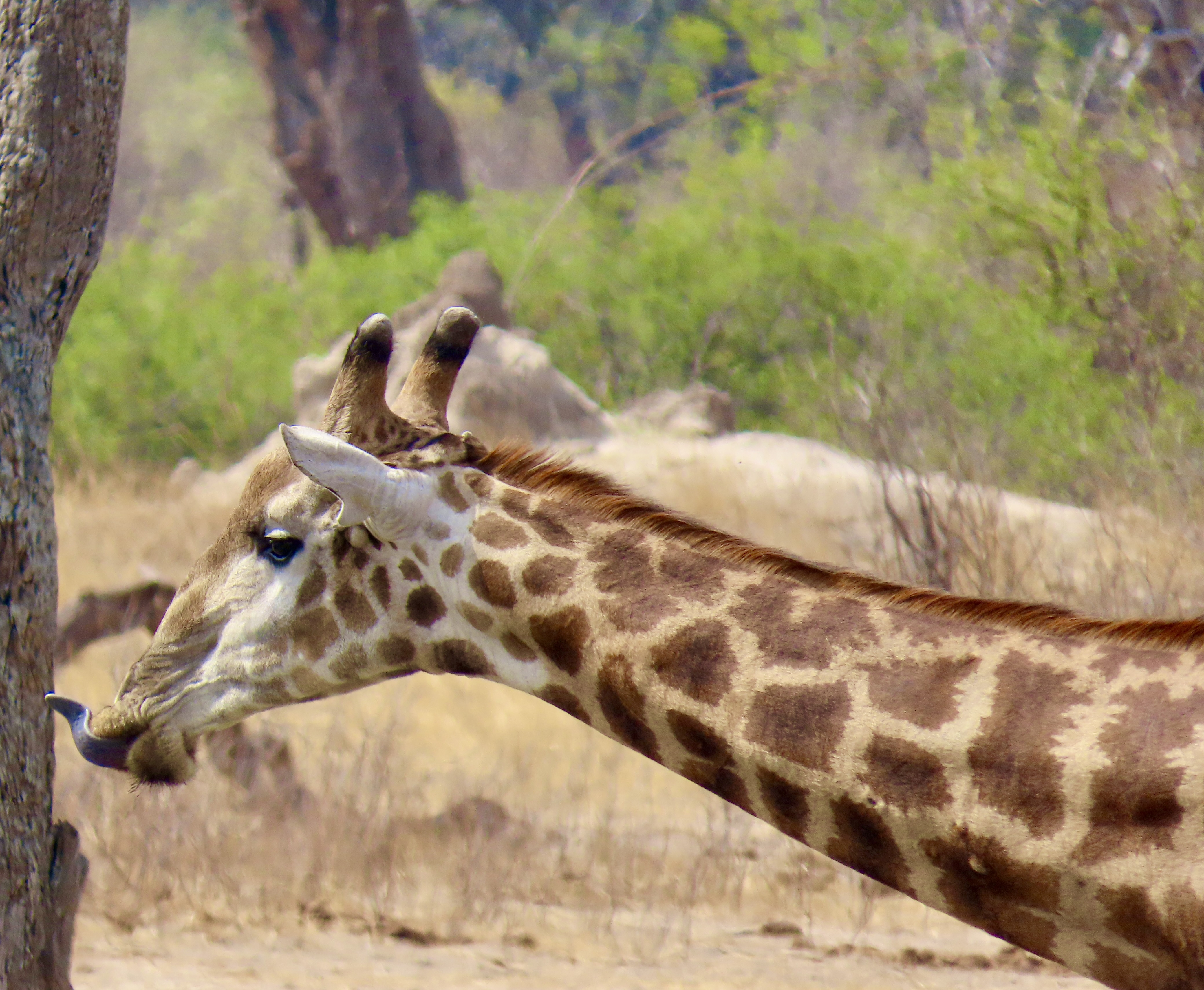


 Wandering through Time and Place