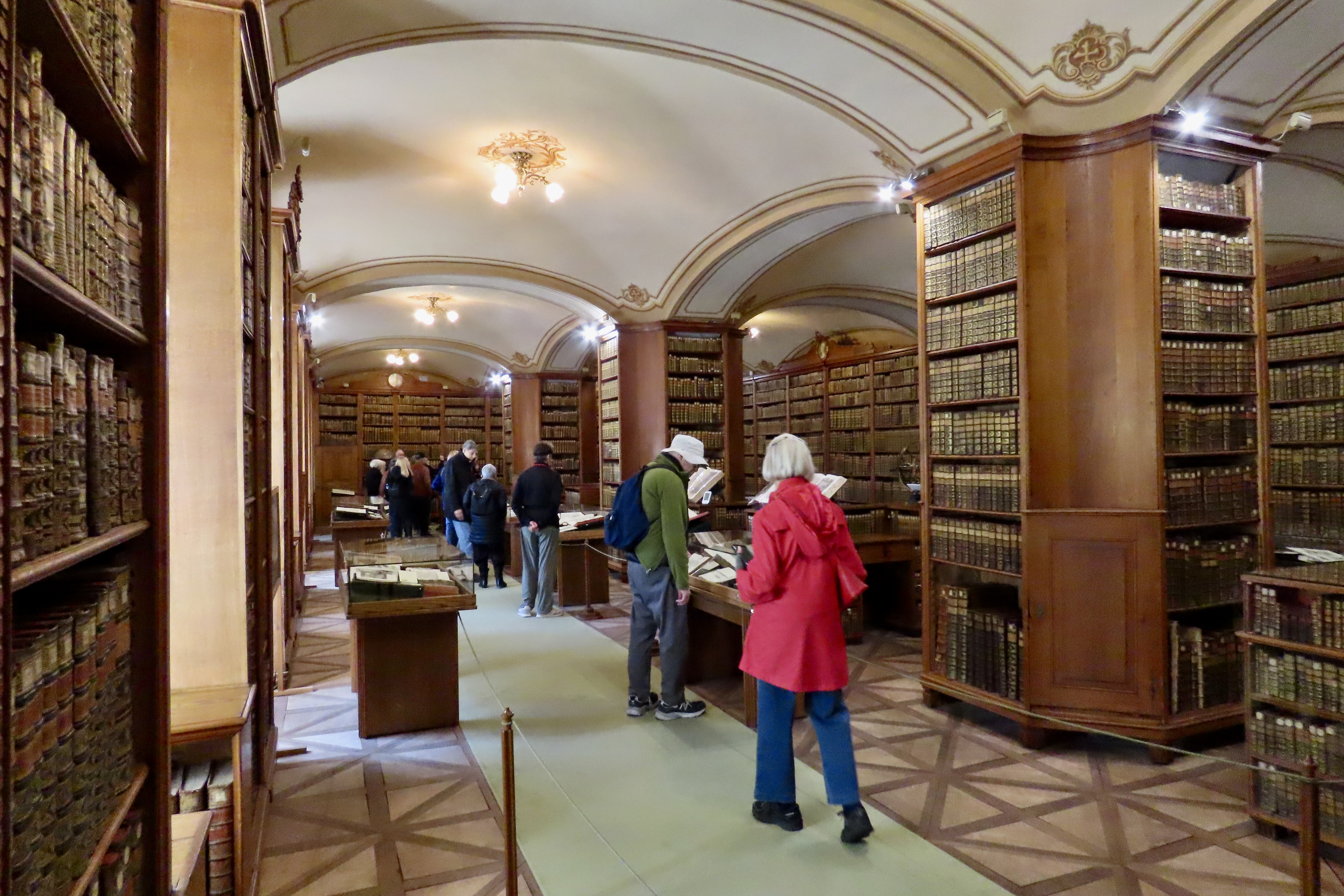
Meet Draco Aethiopicus. Ulisse Aldrovandi chose to include him in his 1640 book Serpentum et Draconium Historiae, a natural history of snakes and dragons. I think Draco looks pretty good, considering the age of the book. It’s one of 130,000 volumes found in the Cathedral Library of Kalocsa. Started in medieval times, most of the books were lost during the 150 year Turkish occupation of Hungary. Efforts to rebuild the library collection were initiated in the 1700s. The content of the books, in addition to religious materials, include medical, judicial, scientific and historical works.
One of the sources for Aldrovandi’s book was Claudius Aelianus (175 – 235 CE), a Roman author who wrote 17 books on the nature of animals. He, in turn, relied upon earlier accounts. Here’s the translation of what he said about Draco: “The land of Aithiopia (Ethiopia)–the place where the gods bathe, celebrated by Homer under the name of Okeanos (Oceanus), is an excellent and desirable neighbour–this land, I say, is the mother of the very largest Drakones (Dragon-Serpents). For, you must know, they attain to a length of one hundred and eighty feet, and they are not called by the name of any species, but people say that they kill elephants, and these Drakones rival the longest-lived animals.” Works for me. Except I like elephants.
Peggy and I wandered around enjoying the collection and the illustrations on display.
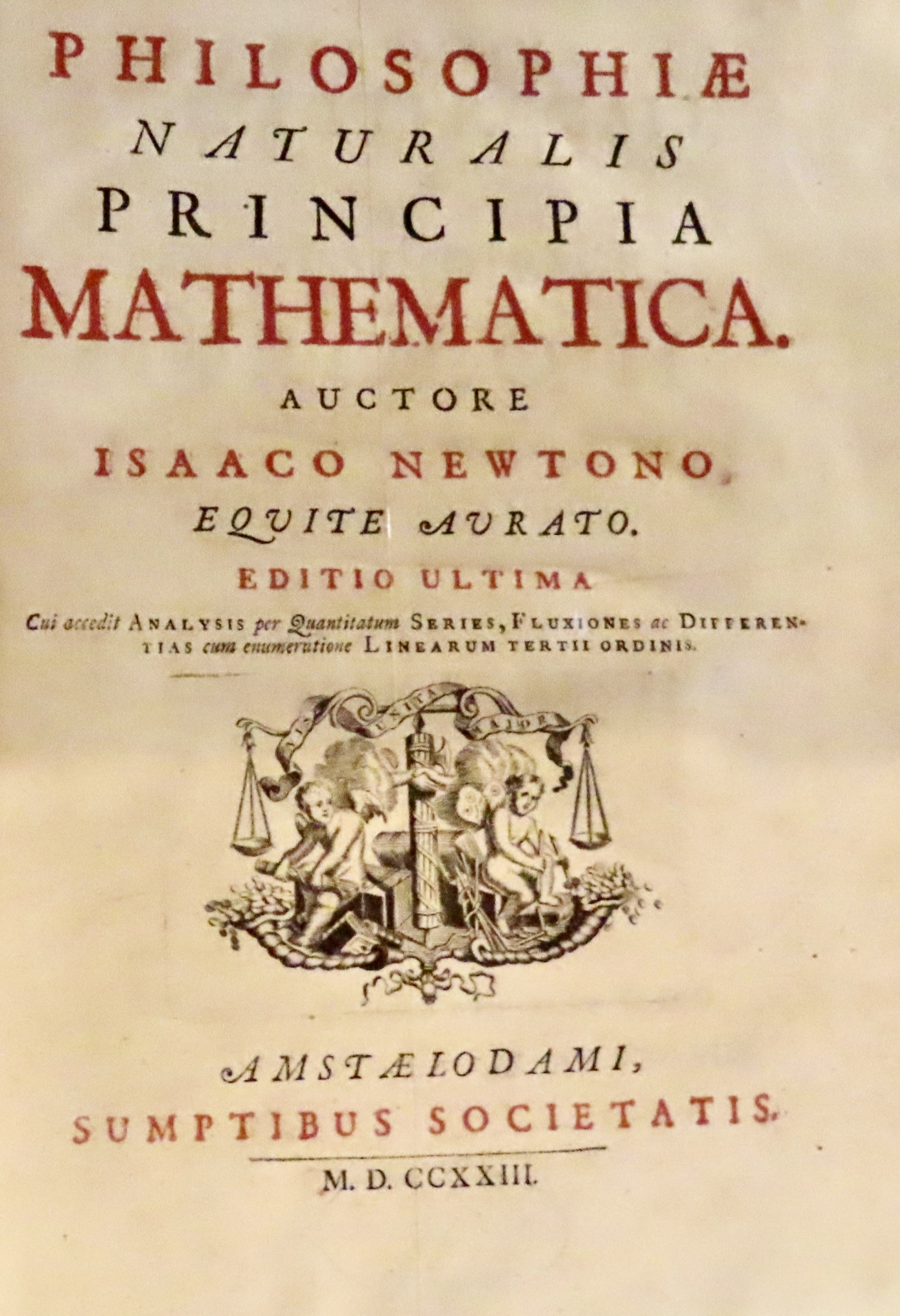
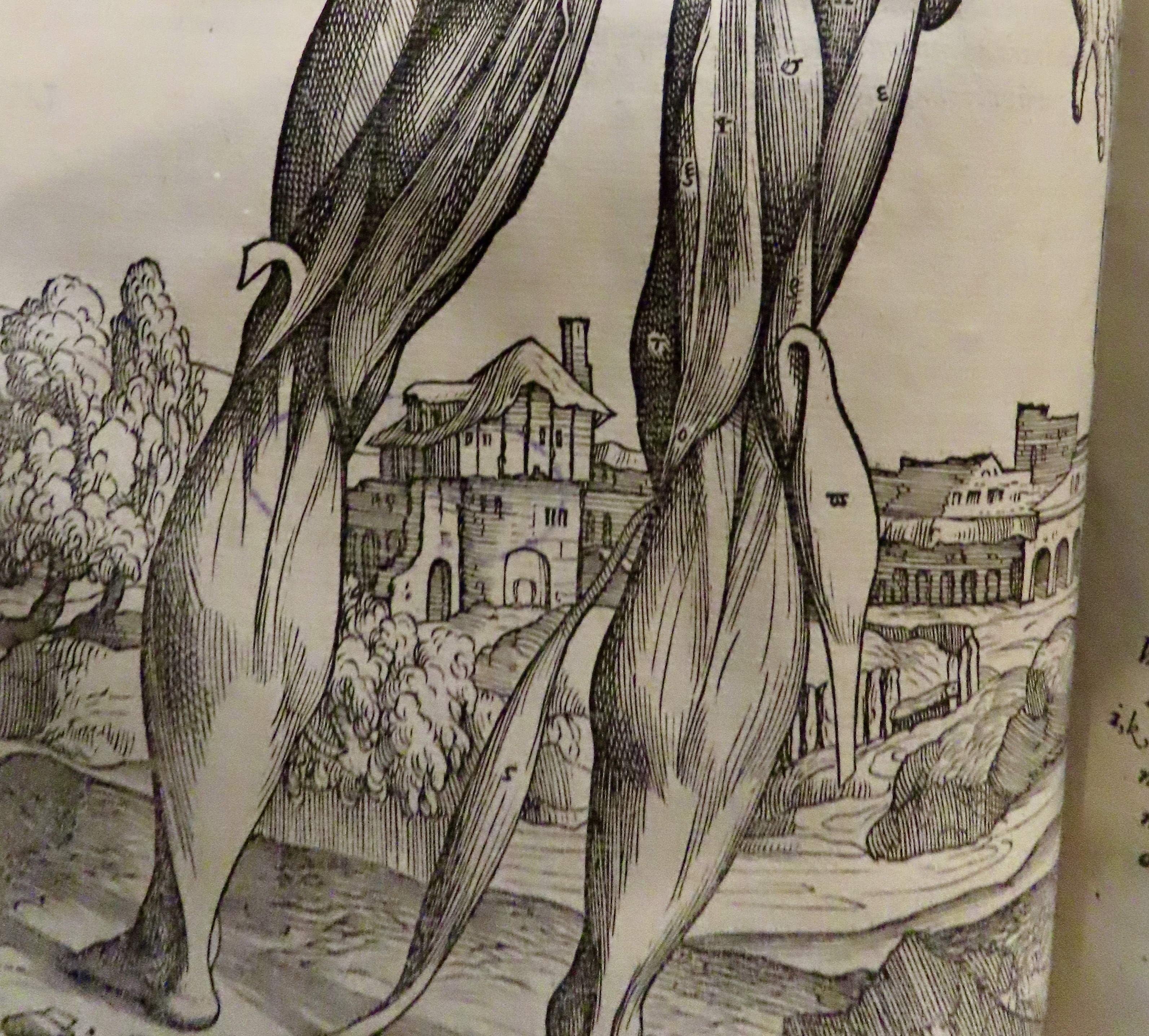
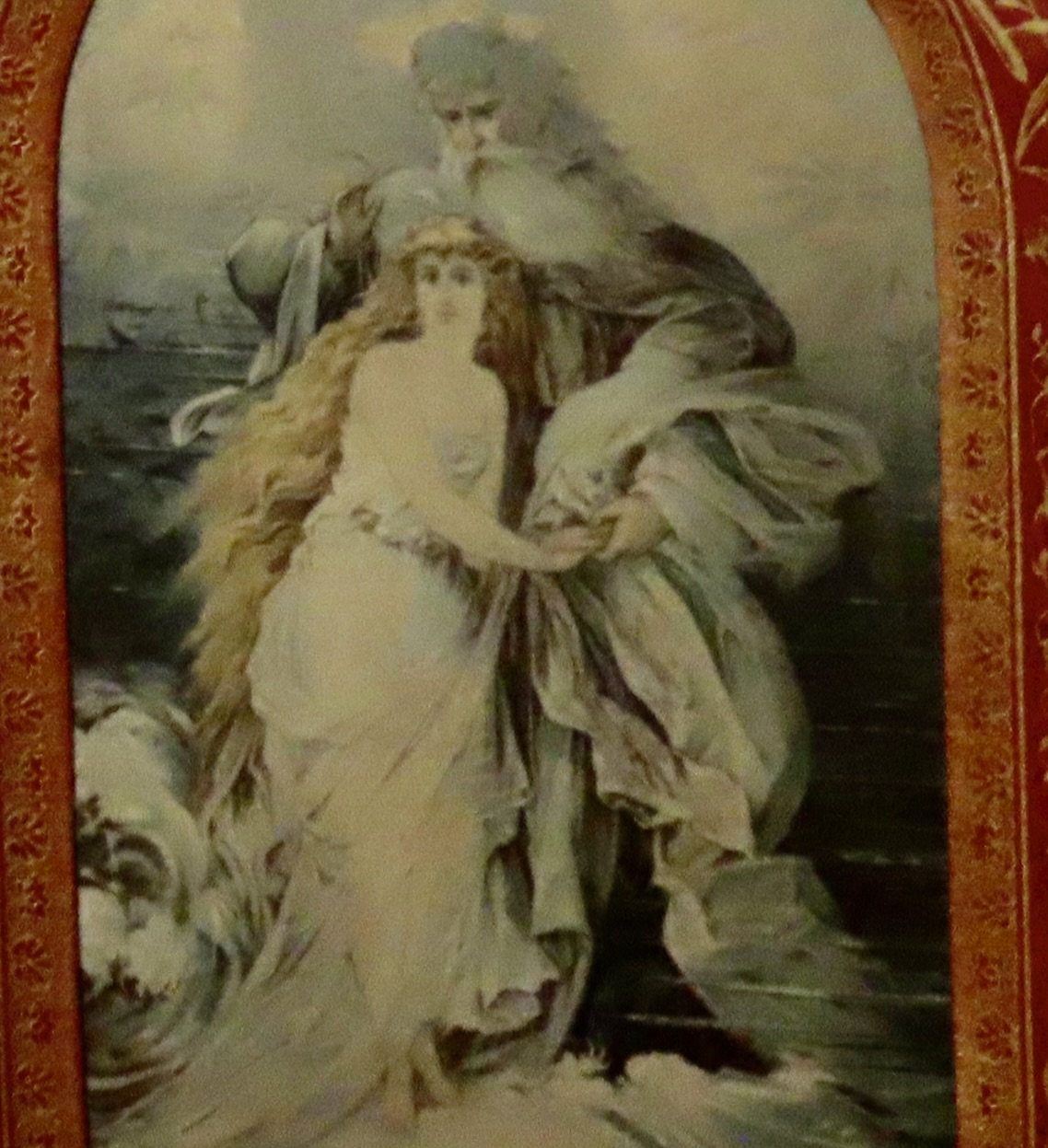
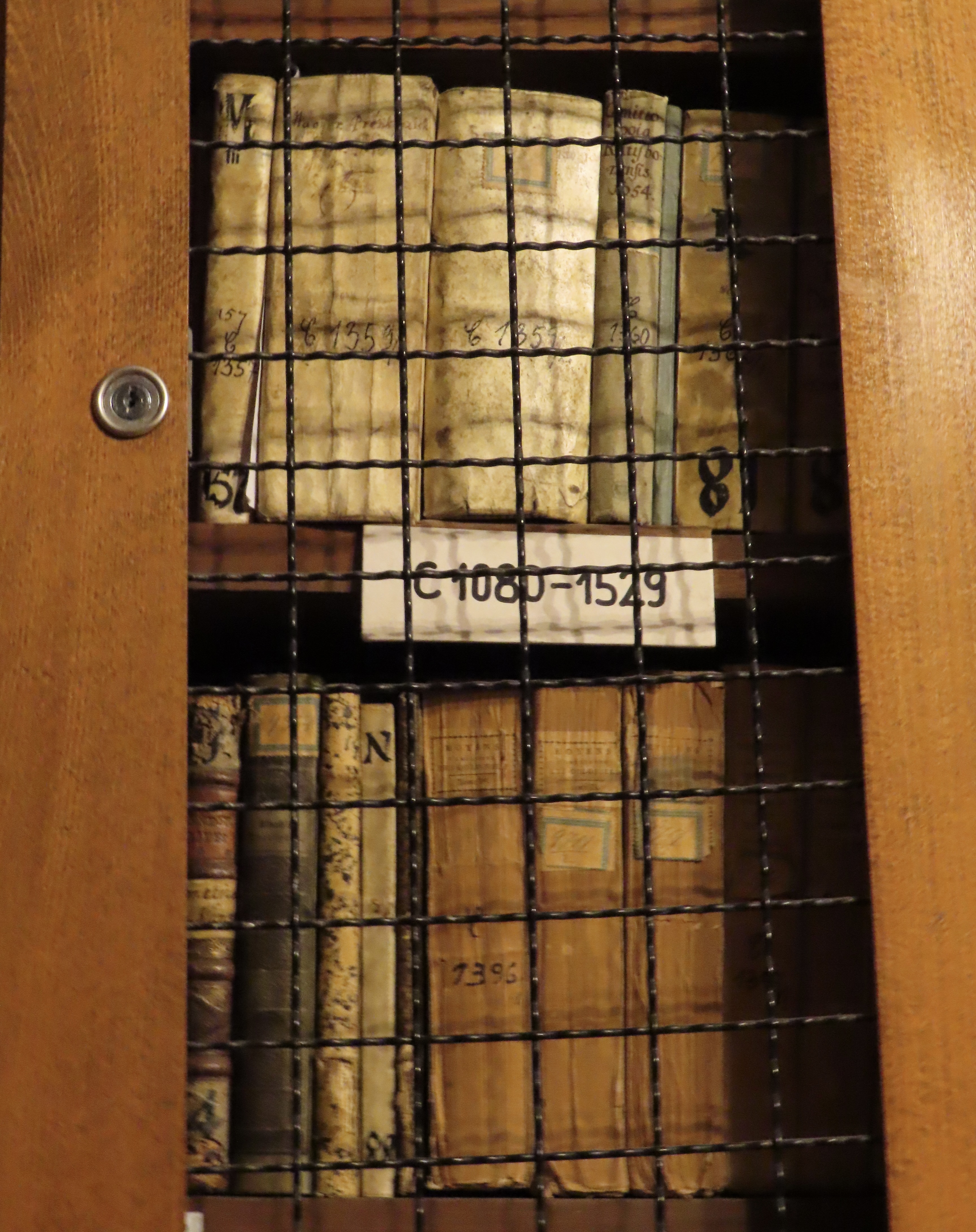
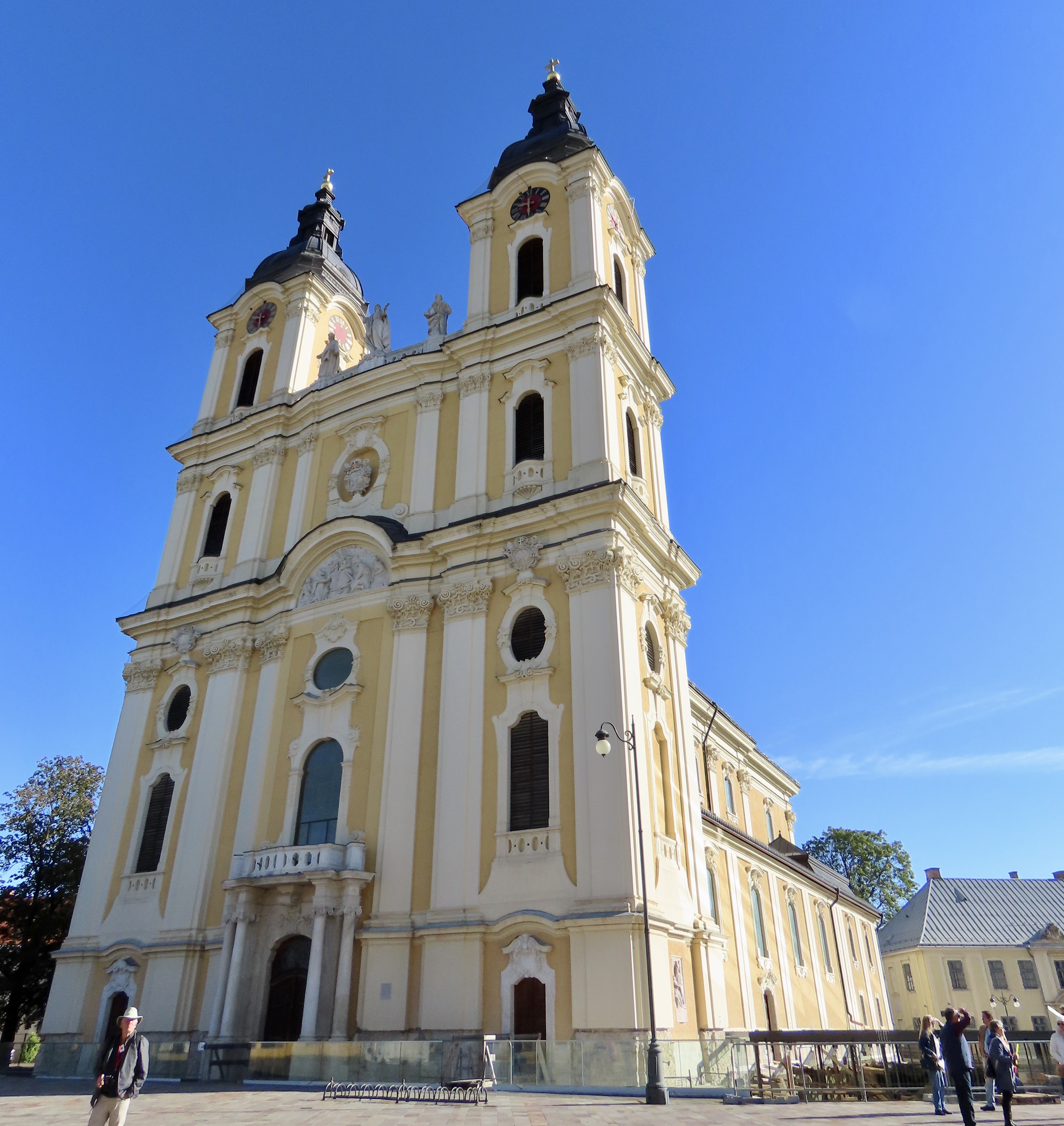
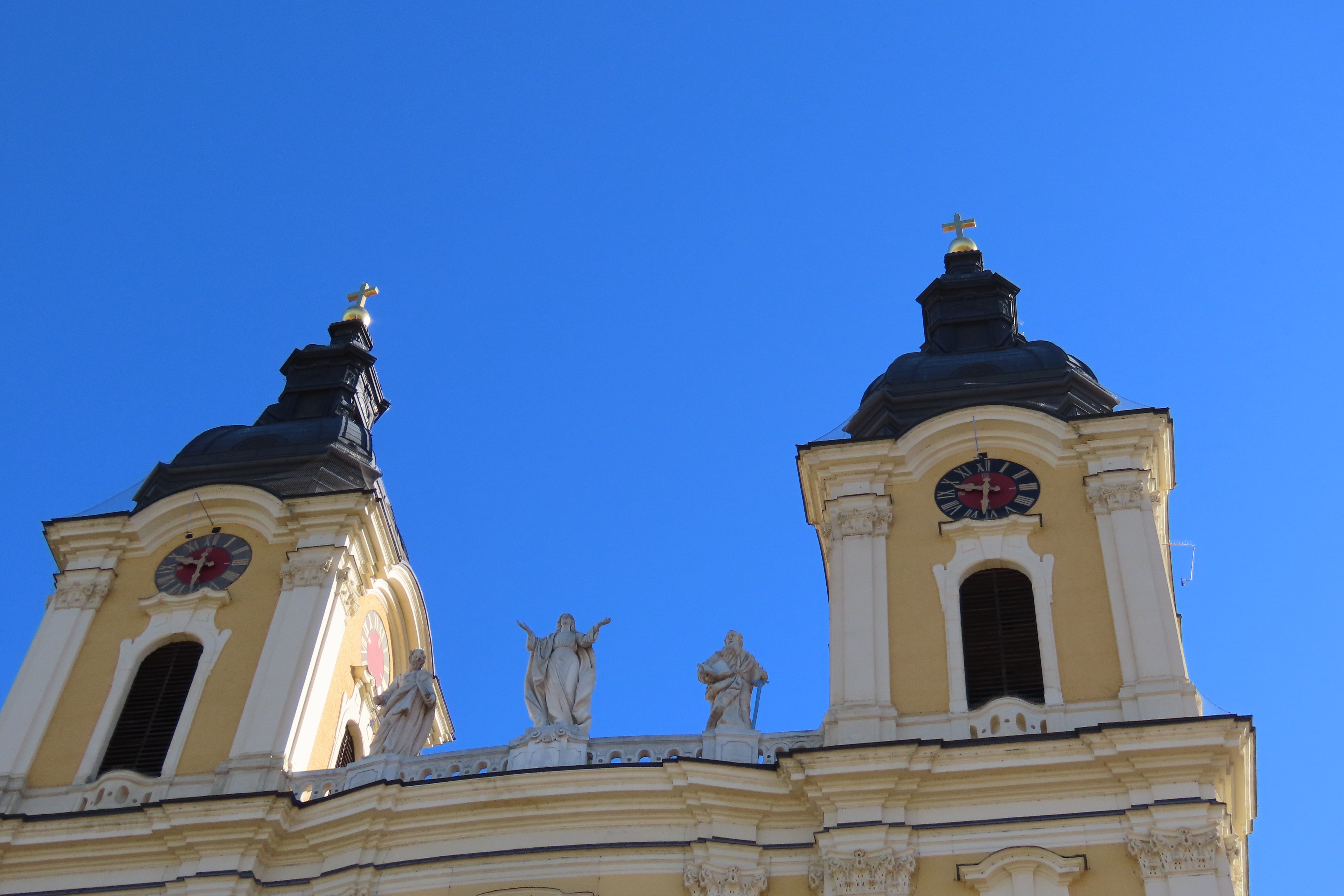
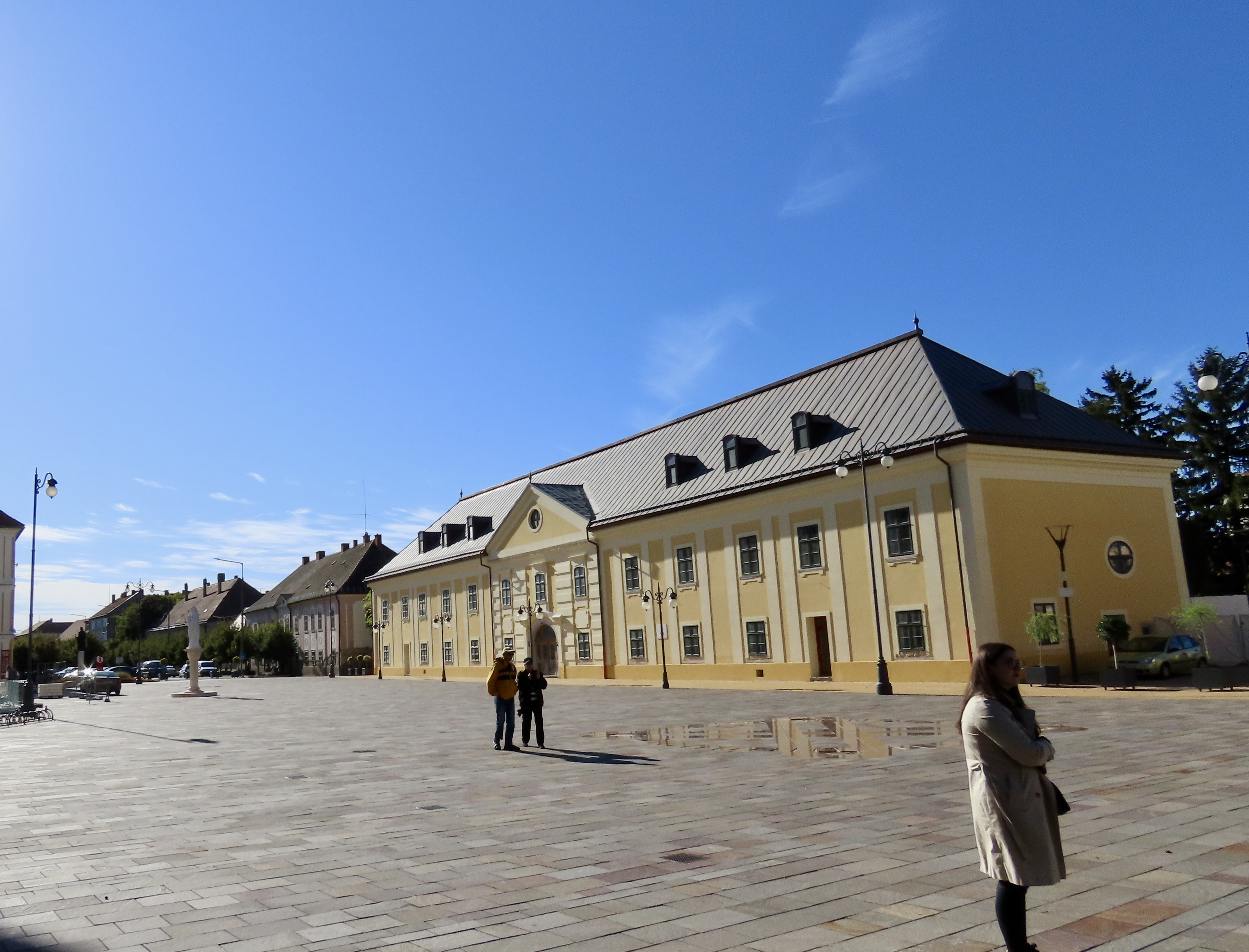
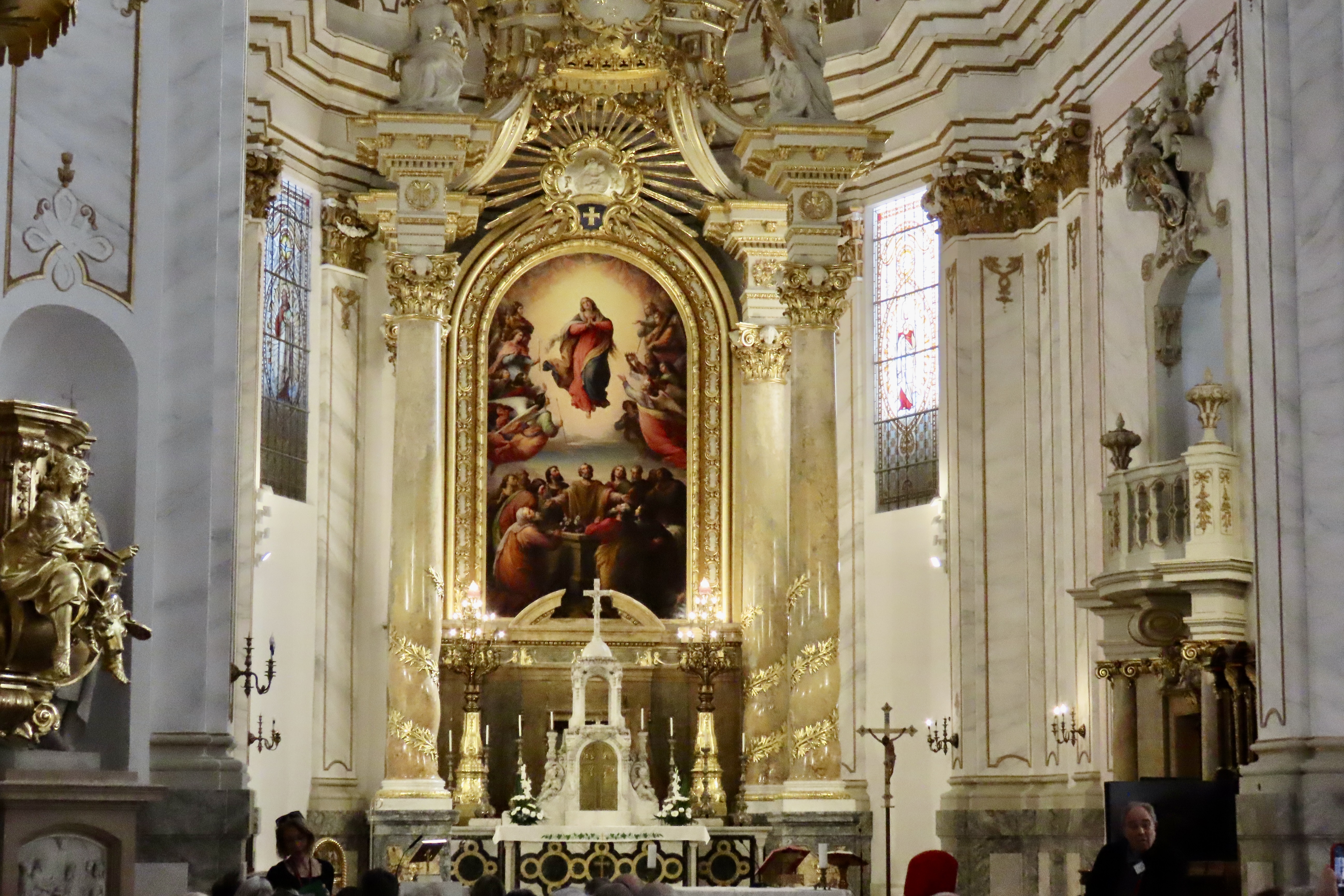
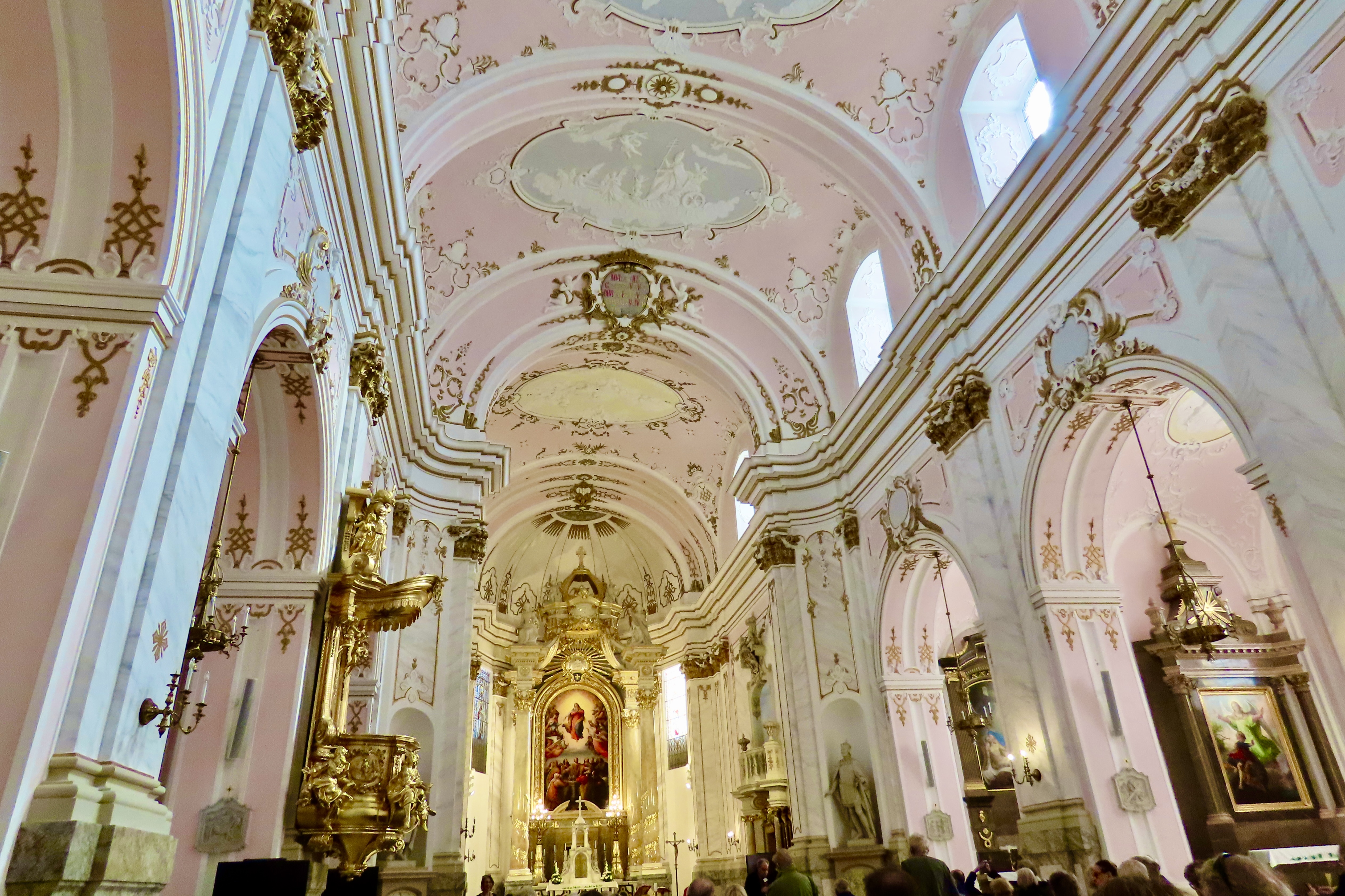
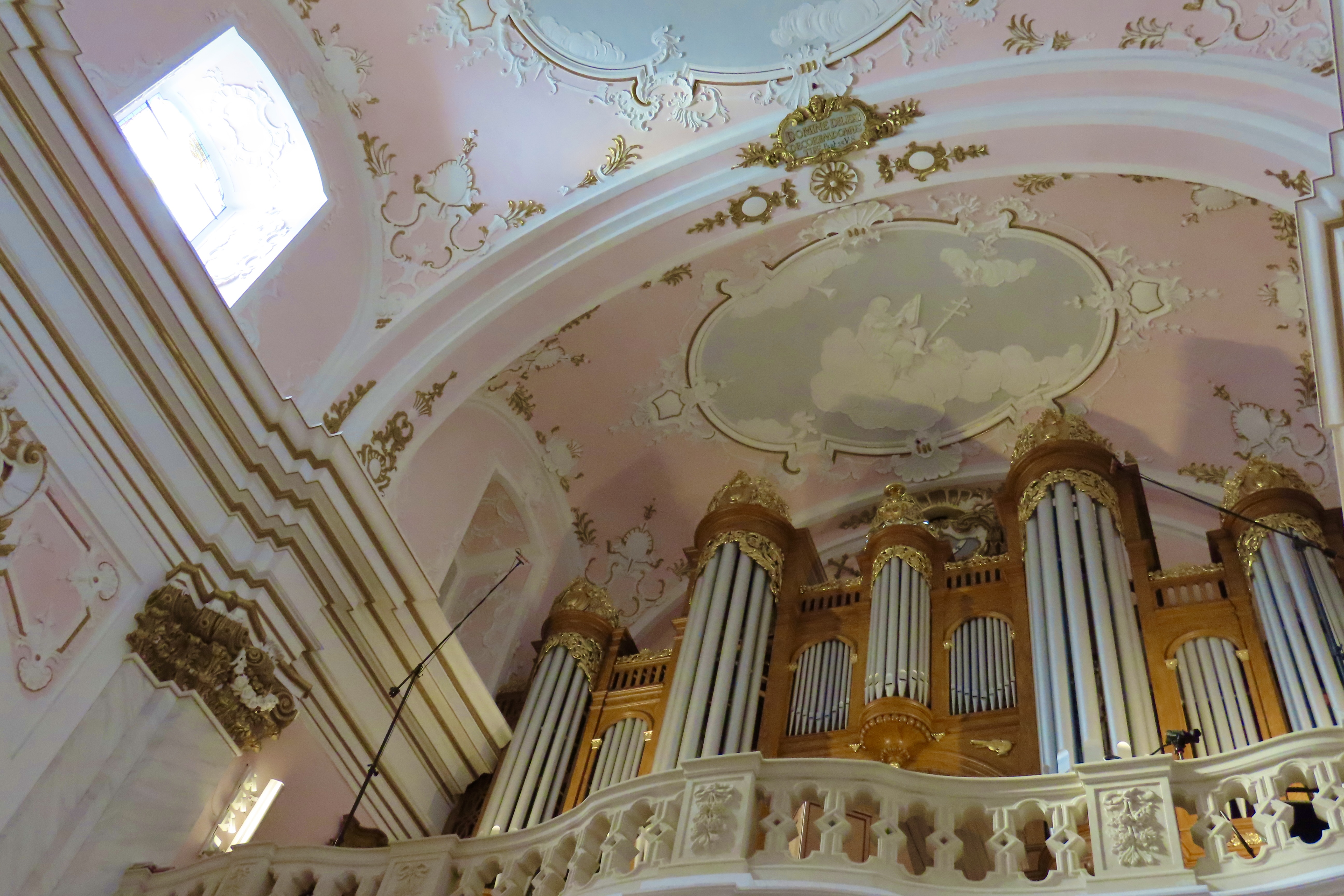
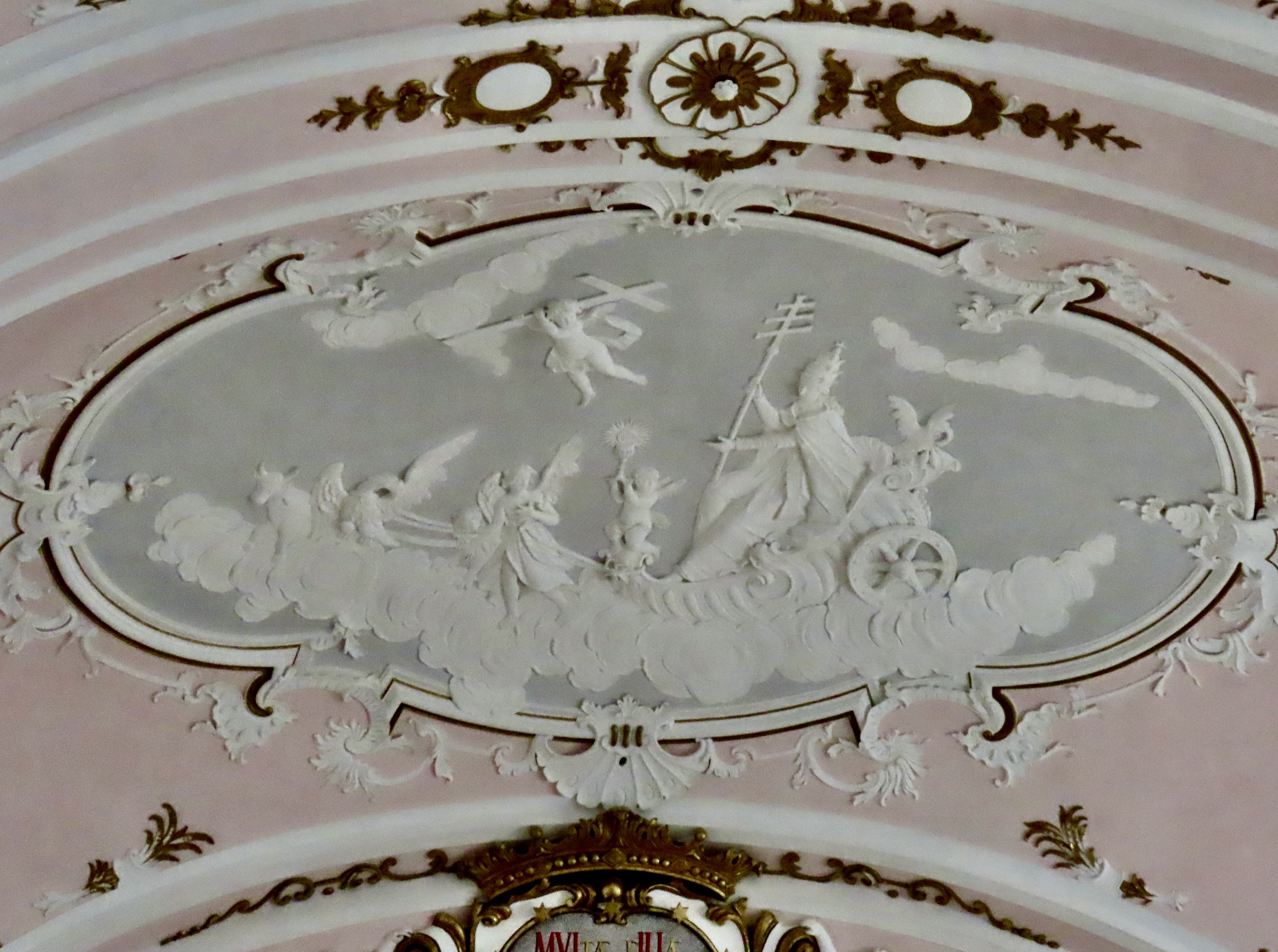
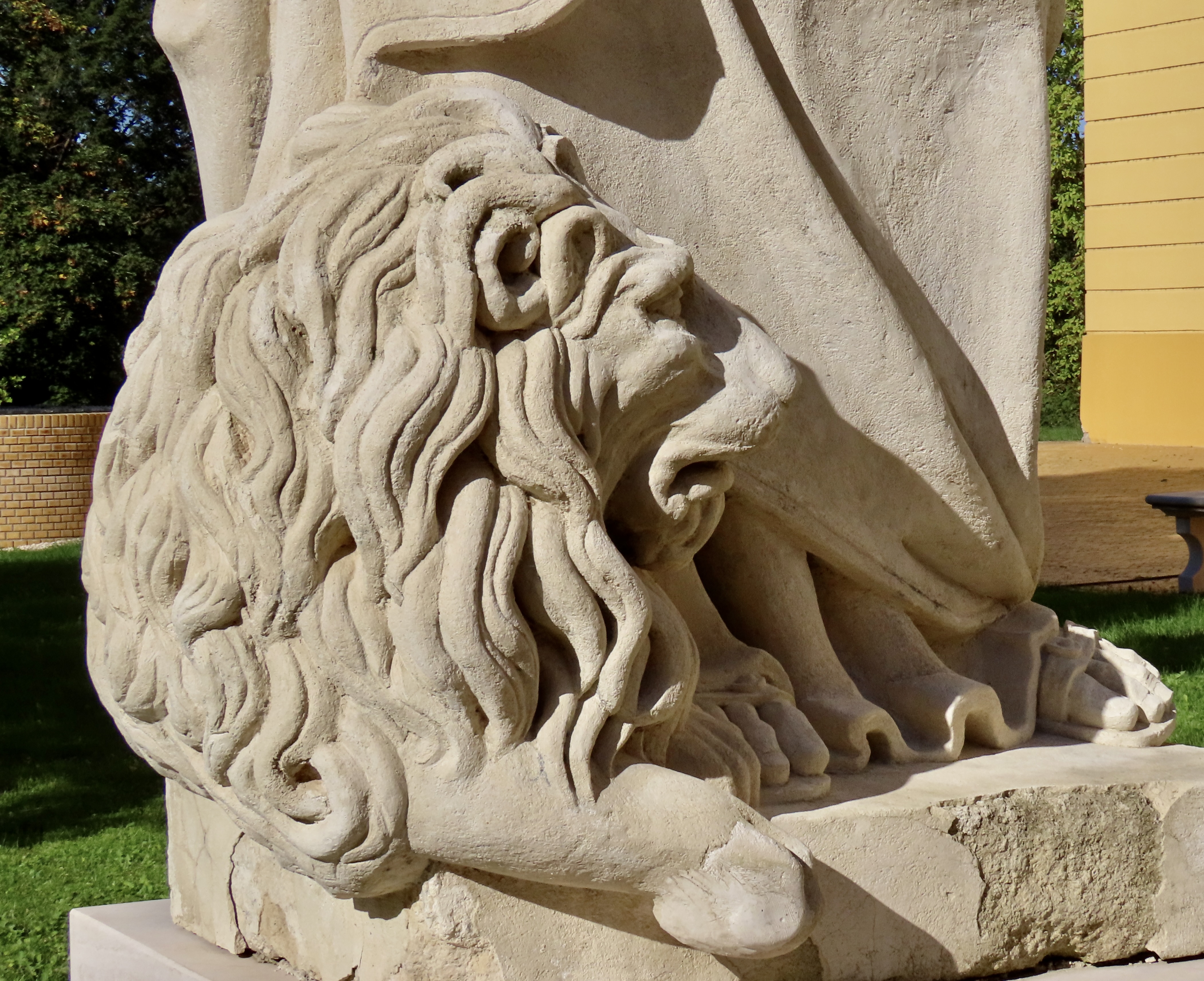
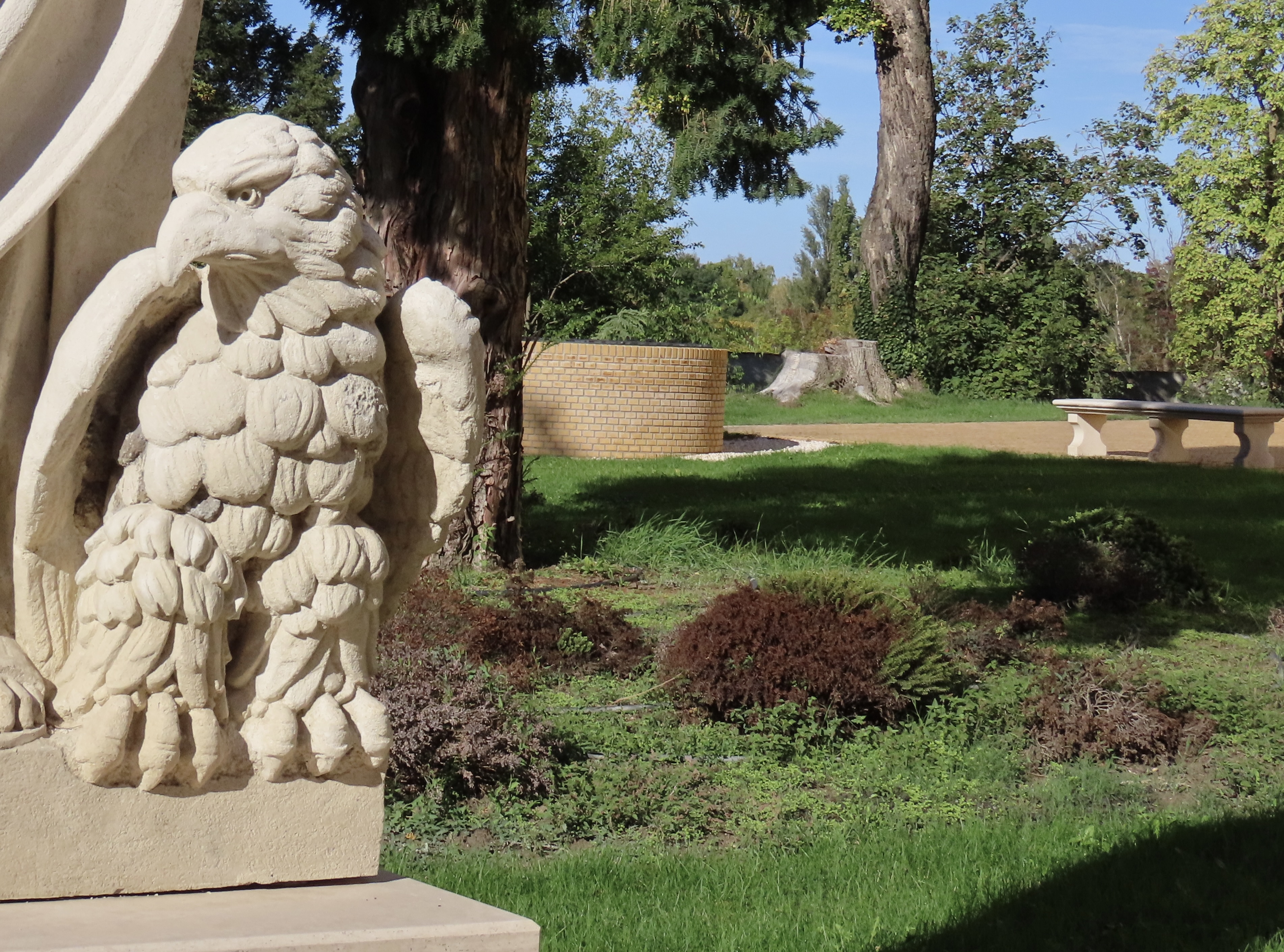
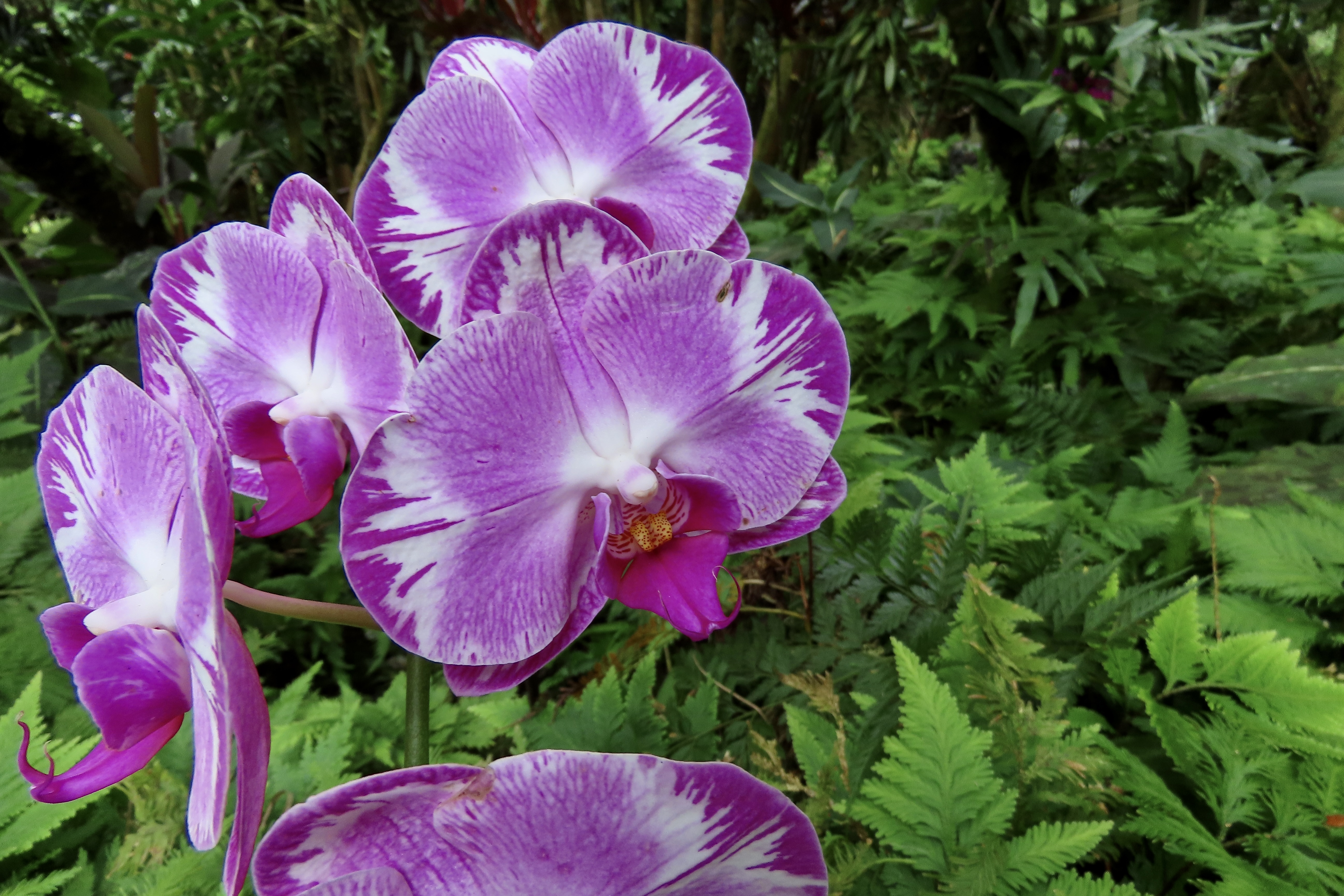
An early edition of Isaac Newton’s Principia Mathematic.A scenic anatomy lesson. My first thought was Biblical where the really old dudes got really young wives. Several of them— not counting concubines. My second thought was hairy. His and hers. It could be that the older man is the father of the young woman.Some of the oldest books in the library. Members of our group check out the illustrations provided in the library.The rather attractive Assumption Cathedral dominates the skyline of Kolocsa and the surrounding country.The Virgin Mary, St. Paul, and St. Peter are perched on top of the church, which led to an irreverent thought (not my first): Peter, Paul and Mary. And what were they singing? Puff the Magic Dragon, naturally, in line with this post.Outside the church, all of the buildings in the Holy Trinity Square were painted yellow. We found it attractive but wondered why one color. Turns out it was Queen Maria Theresa’s favorite. Best to keep the Queen happy.The altar inside the Church of the Assumption displays a large painting of the Virgin Mary being Assumed. (The Catholic Church’s words, not mine.) For my part, I’ll assume she made it, but I know that’s an assumption.The golden, pink and white colors inside the church made for an interesting look.The church’s organ.We found the stuccos on the ceiling of the church to be particularly impressive.Outside I found two rather impressive beasties. This lion…And an eagle. Check out the talons! There may be some kind of record here. That’s a wrap on Kalocsa, or, in the immortal words of Bugs Bunny, “That’s all folks.” In our next post Peggy and I are returning to the Big Island of Hawaii, where we will take you to the beautiful Hawaii Tropical Botanical Garden, which is almost out of this world.


 Wandering through Time and Place