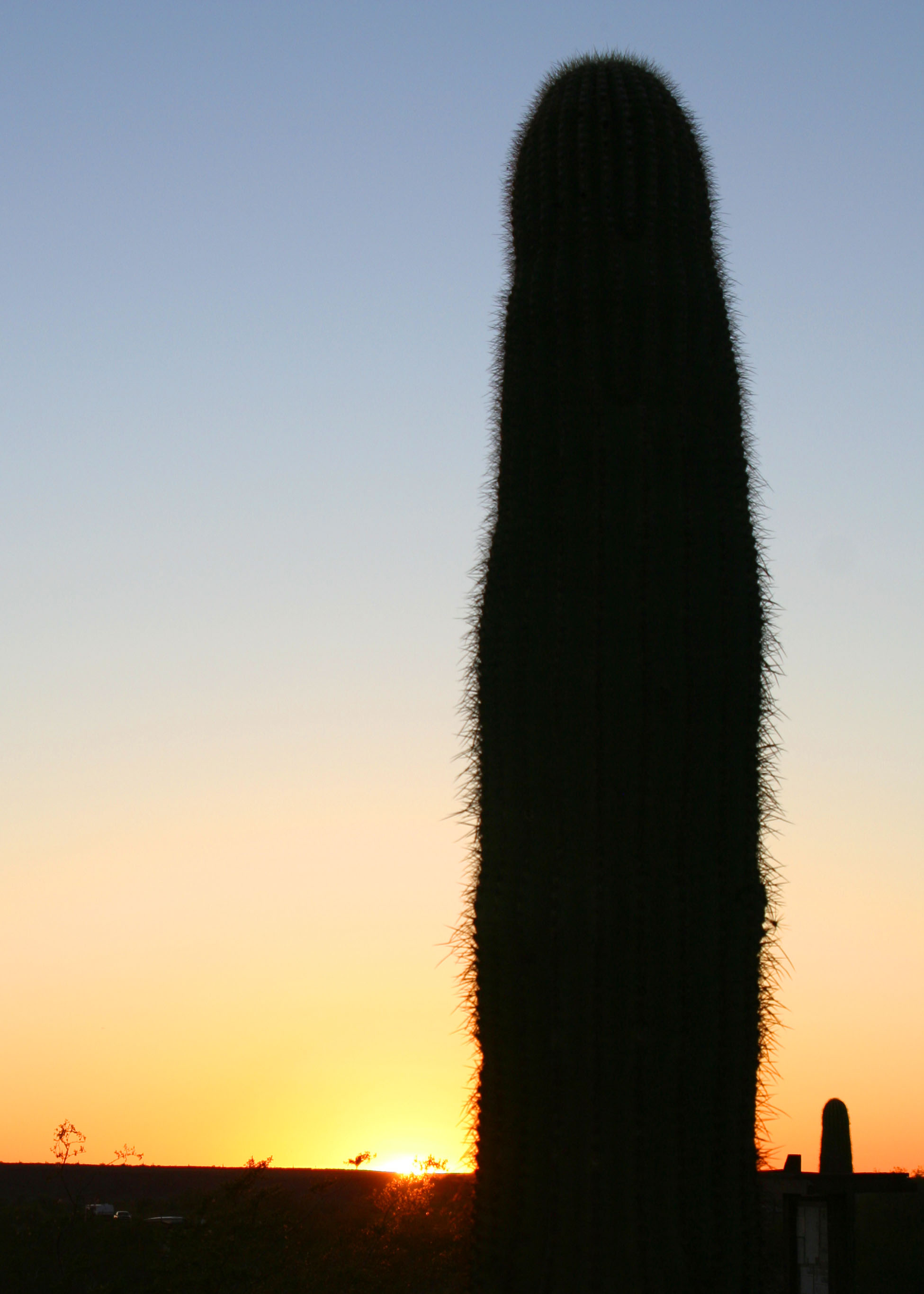
An “armless” saguaro at Organ Pipe National Monument is outlined by the sun’s setting rays.
David McElroy and his wife Edith Barrowclough came down from Alaska recently to visit Peggy and me at our home in Southern Oregon. Edith went to high school with Peggy in Port Clinton, Ohio. David is an Alaskan Bush Pilot and a published poet, which makes for an interesting combination.
In addition to the high school connection, our son Tony now flies helicopters for the Coast Guard out of Kodiak, Alaska and I once lived in Alaska. We also share a love of wandering. We told stories, visited a local winery, and ate Thai food in Jacksonville. Edith and Dave are good folks; we enjoyed the visit.
David left us a special present. He downloaded several unpublished poems from his computer to my MacBook. One, about a desert walk, reminded me of similar walks that Peggy and I have taken at Organ Pipe Cactus National Monument and other locations throughout the Southwest.
I decided to post David’s poem today (with his permission) and illustrate it with our photos from Organ Pipe. The National Monument is located in Southern Arizona on the border with Mexico. (My pardon for the skipped lines… I fought for two hours trying to turn off Microsoft’s paragraph function. Grrrr. Maybe one of my readers can give me the solution. I am sure somebody will say, “It’s simple Curt…”
Desert Walk
Armless saguaro too young to wave
much less salute but old enough
for sex open their white flowers
to night and pollinating bats
that might, that must, come by.
Except for grasses, Mesquite
and most plants here hang seedpods,
a rich feed ripening for two kinds of doves,
these little rats along the trail,
cottontails, and ducks in the creek.
And so the need for hanging hawks,
owls that burrow, coyotes wafting
like dust through creosote brush,
and in the heat among cactus thorns
snakes sewing the needles of themselves.
Lush rock in low sun, green cattails,
the beat up tin of water over gravel,
hopeful saguaro ruler straight–
over a hill, around a bend,
the land composes a scene of itself.
And the woman on whom nothing is lost
aims her camera with one hand,
and with the other in complete confidence
passes the cup she’s been holding
over her shoulder to the hand
in the desert behind her which is mine.
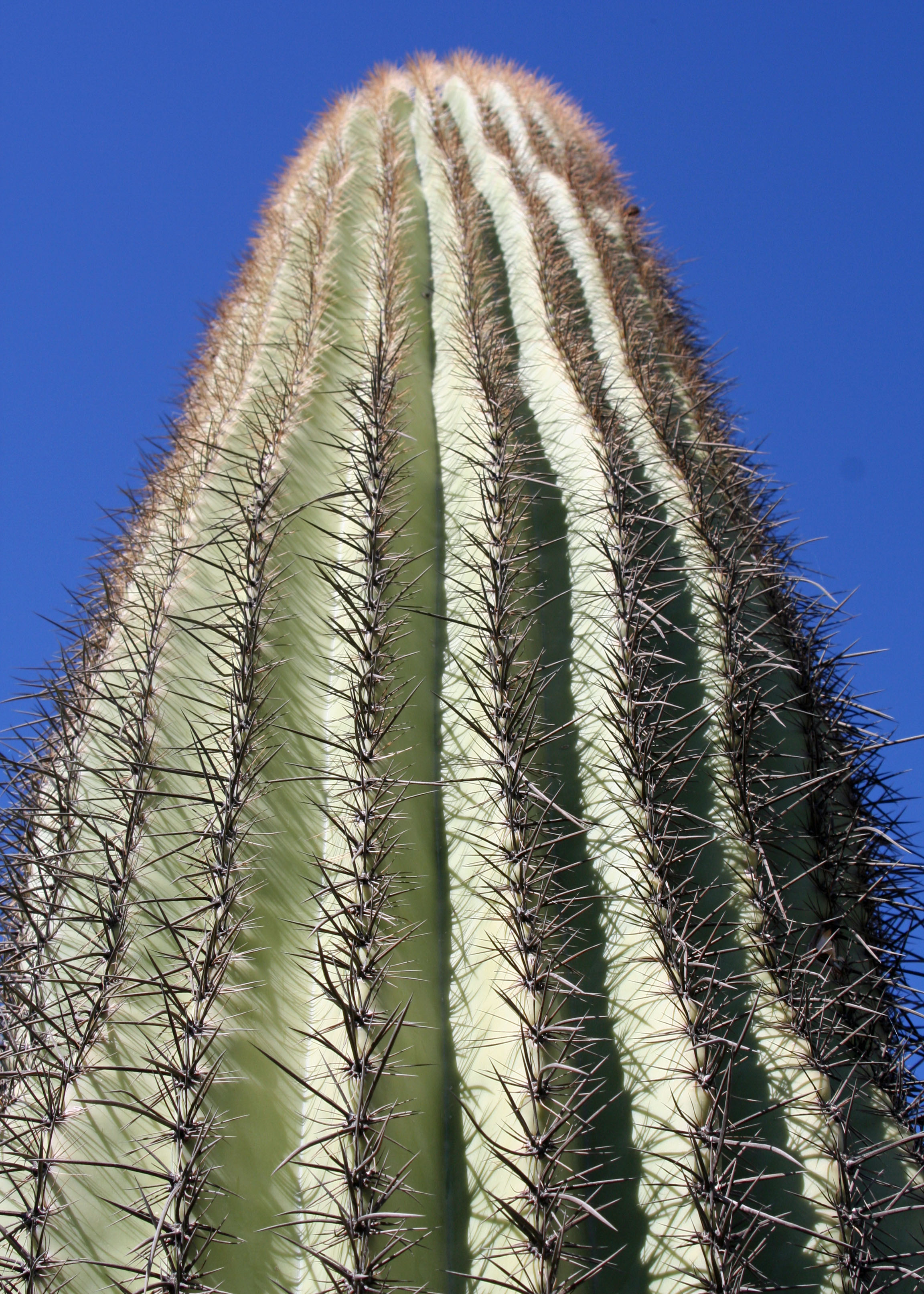
A saguaro “ruler straight.” Note the thorny protection. Peggy and I, and I am sure David and Edith, are quite careful when walking among cacti.
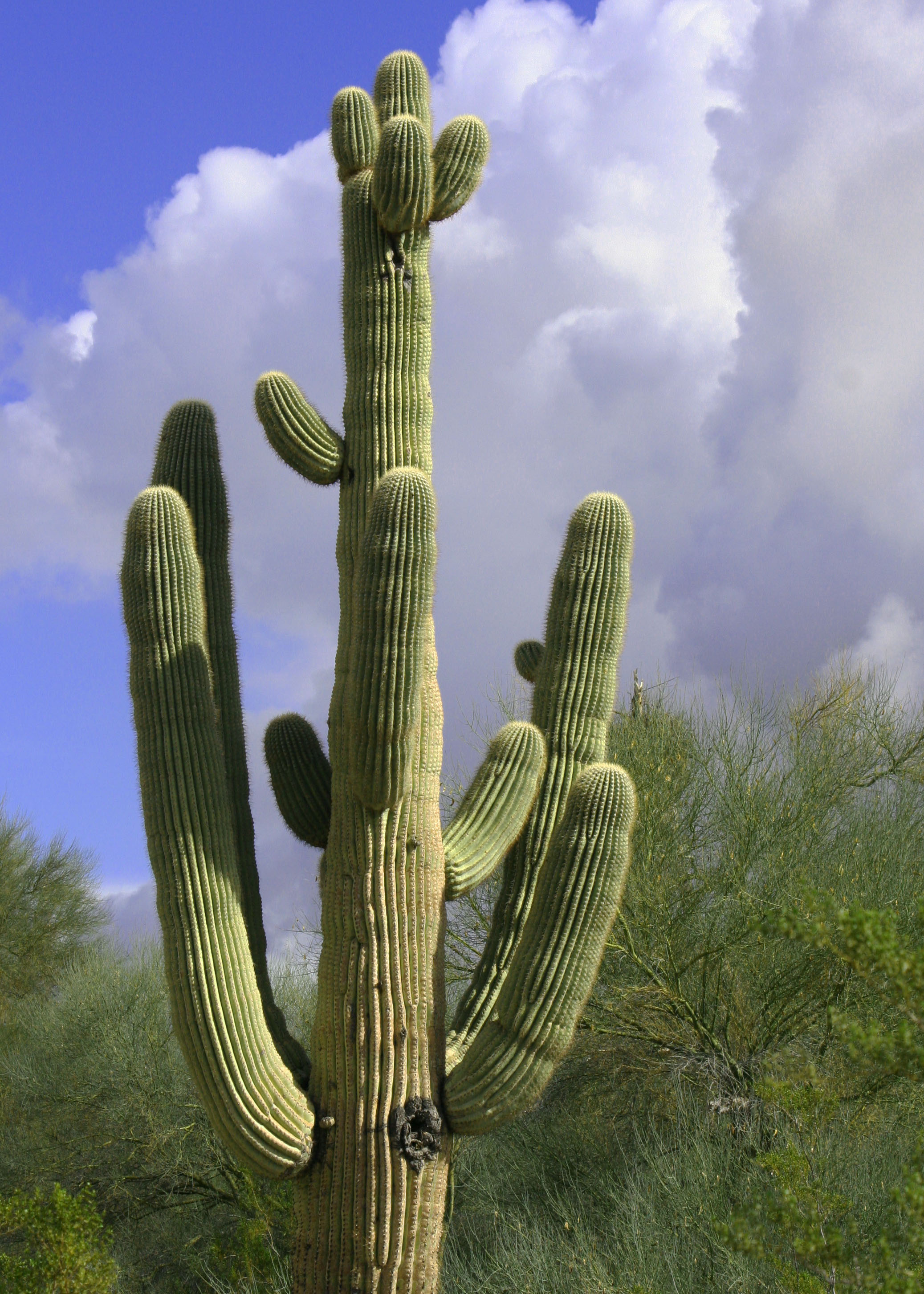
I prefer my saguaros with arms. It gives them more personality.

Check out the wild ‘gesture’ of the saguaro to the right and behind. The power lines are running to the headquarters of Organ Pipe National Monument.
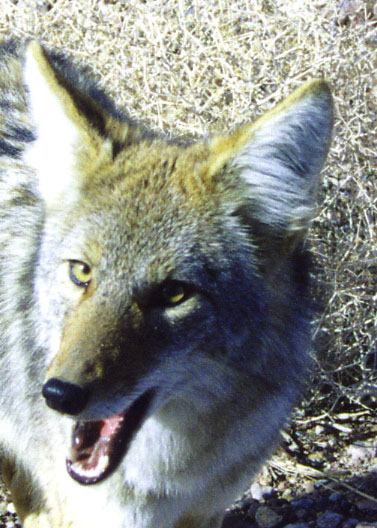
A coyote went “wafting like dust through creosote brush.” I took this photo at Death Valley National Park.

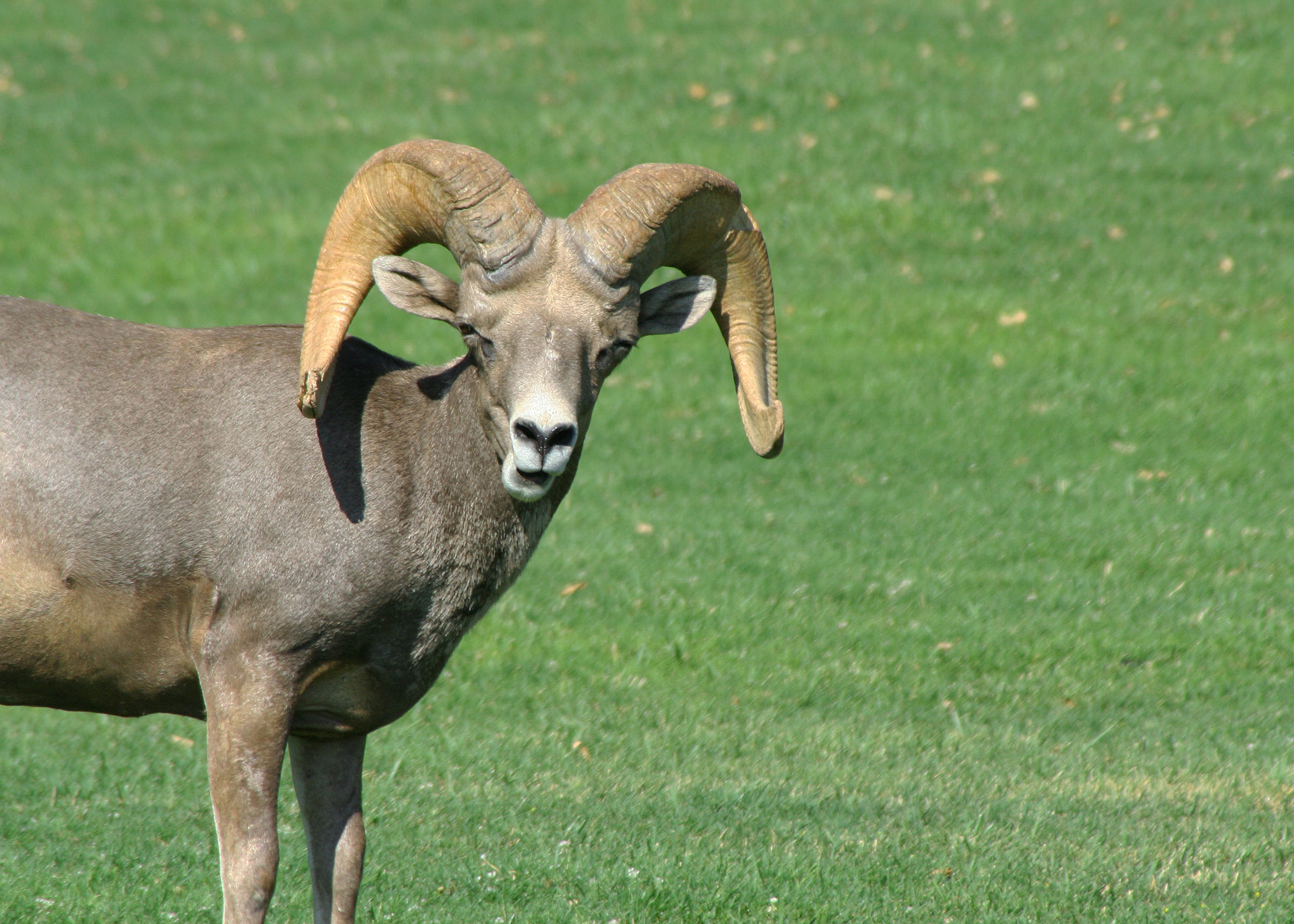
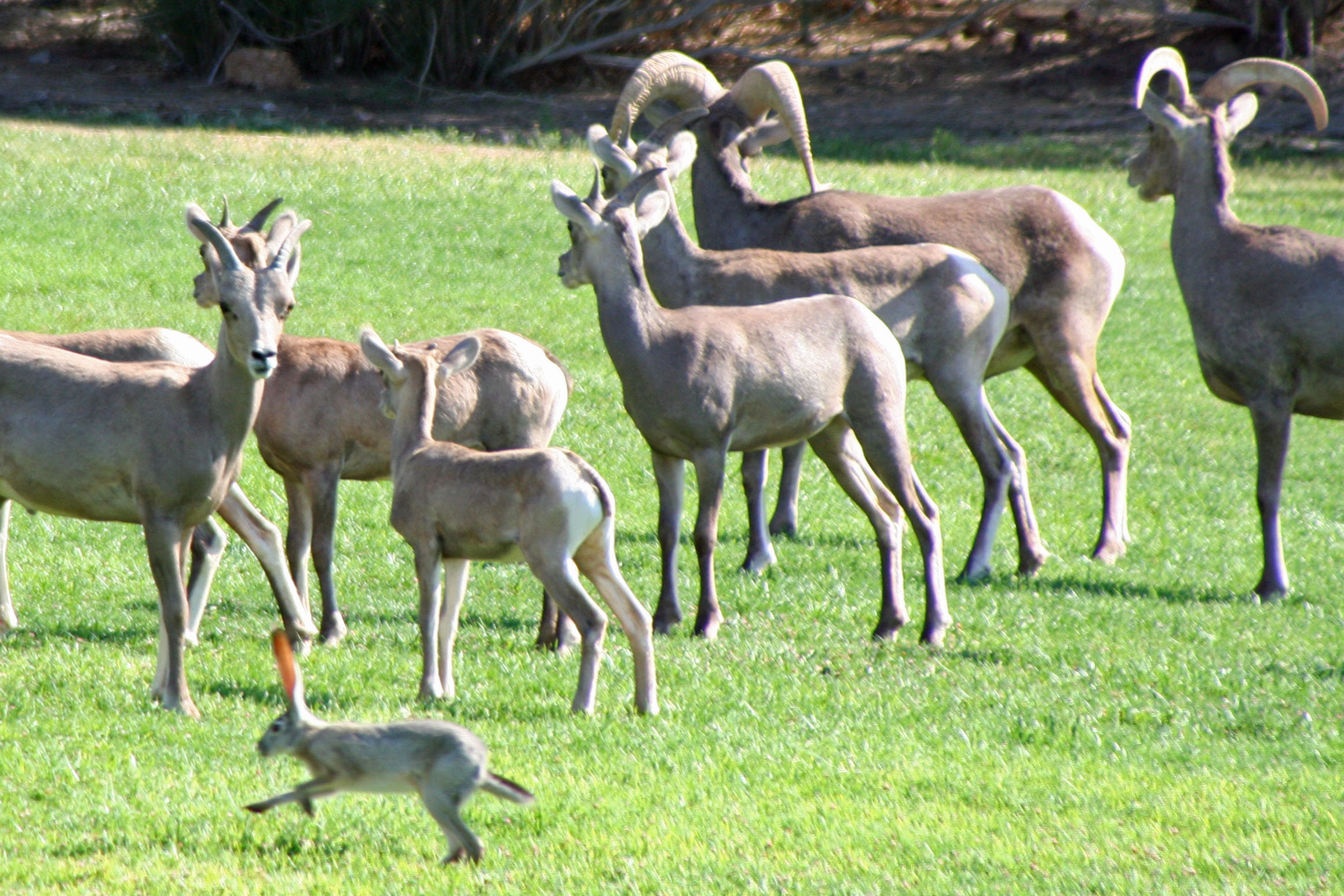
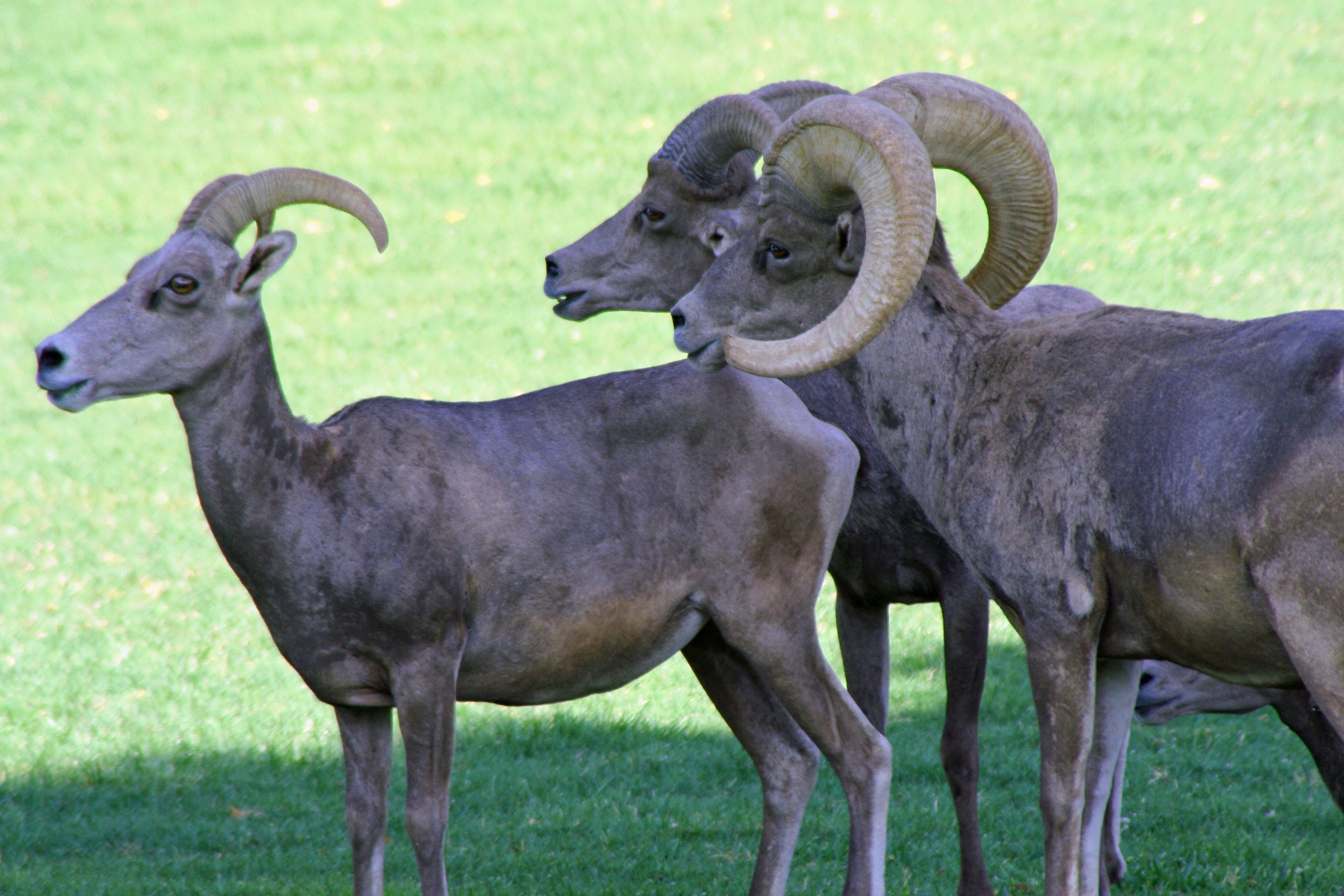
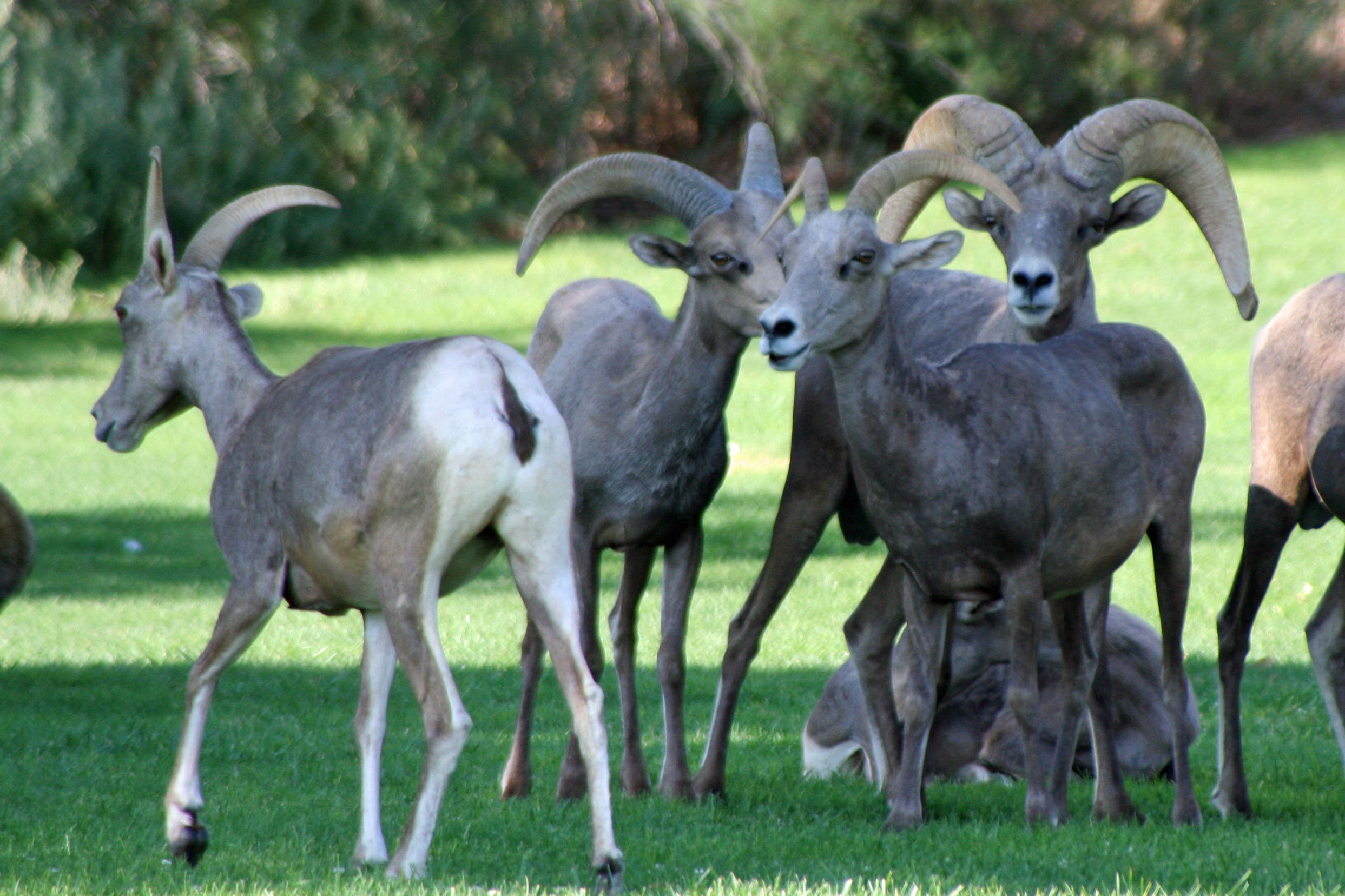
The desert Bighorn Sheep is another inhabitant of Organ Pipe National Monument, although rarely seen. I caught this big fellow hanging out near Lake Mead.

An organ pipe cactus is on the left in this scene from Organ Pipe National Monument. The cactus in front is a cholla. The cactus behind it is a barrel cactus.

A view across Organ Pipe National Monument showing the desert and rugged mountains. Peggy and I were out on an early morning walk.

One concern from anyone traveling to the National Monument is its location on the Mexican Border and the drug issue. I pulled this photo of the border fence at Organ Pipe off of the web. There has to be a better solution than building fences between nations. It reminds me of the Berlin Wall.
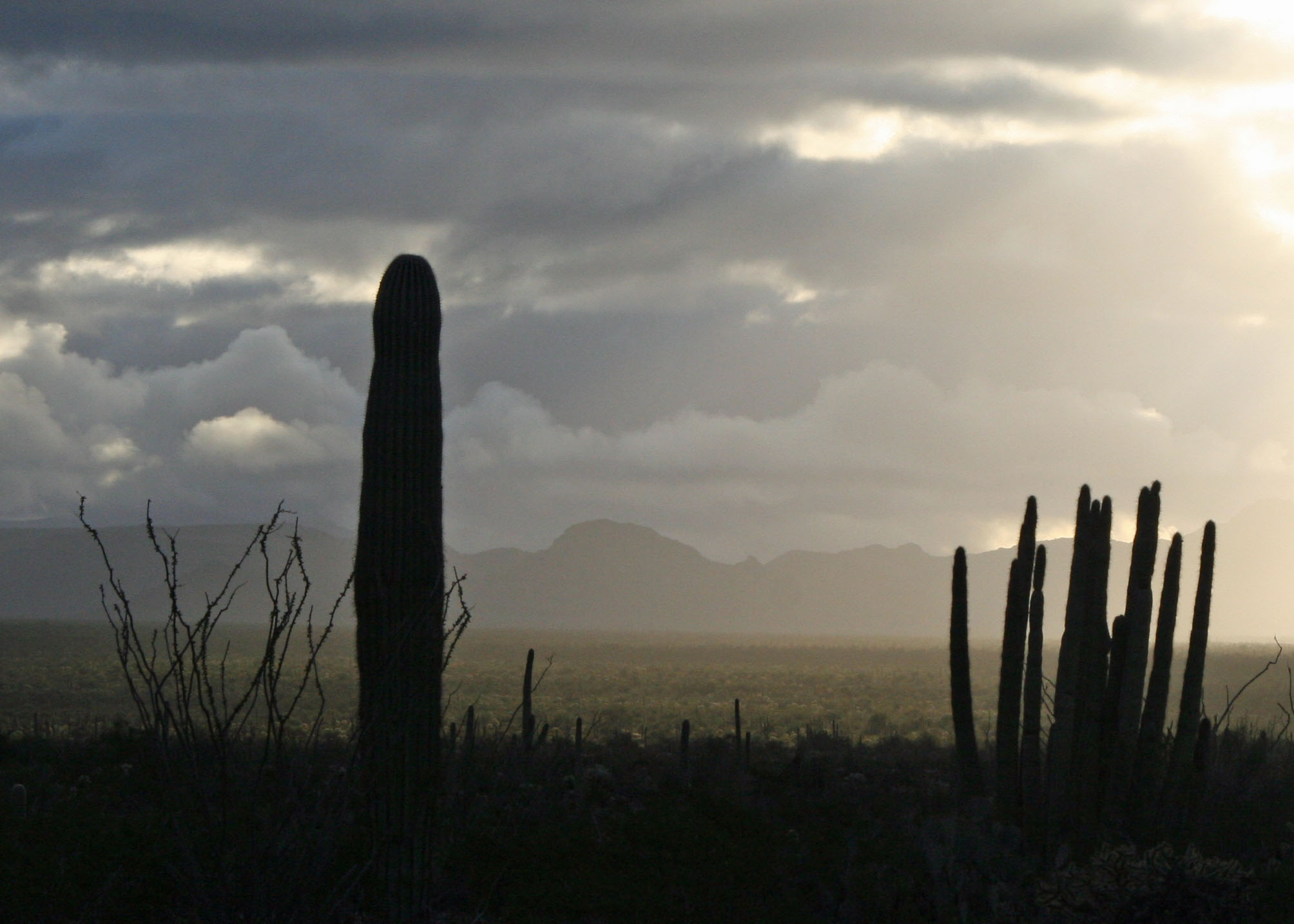
On a happier note, I’ll conclude with another photo from our early morning desert walk featuring saguaro and organ pipe cacti. The cactus on the left with the skinny (and spiked) limbs is an ocotillo.



 Wandering through Time and Place