It’s National Park Week 2013… April 20-28

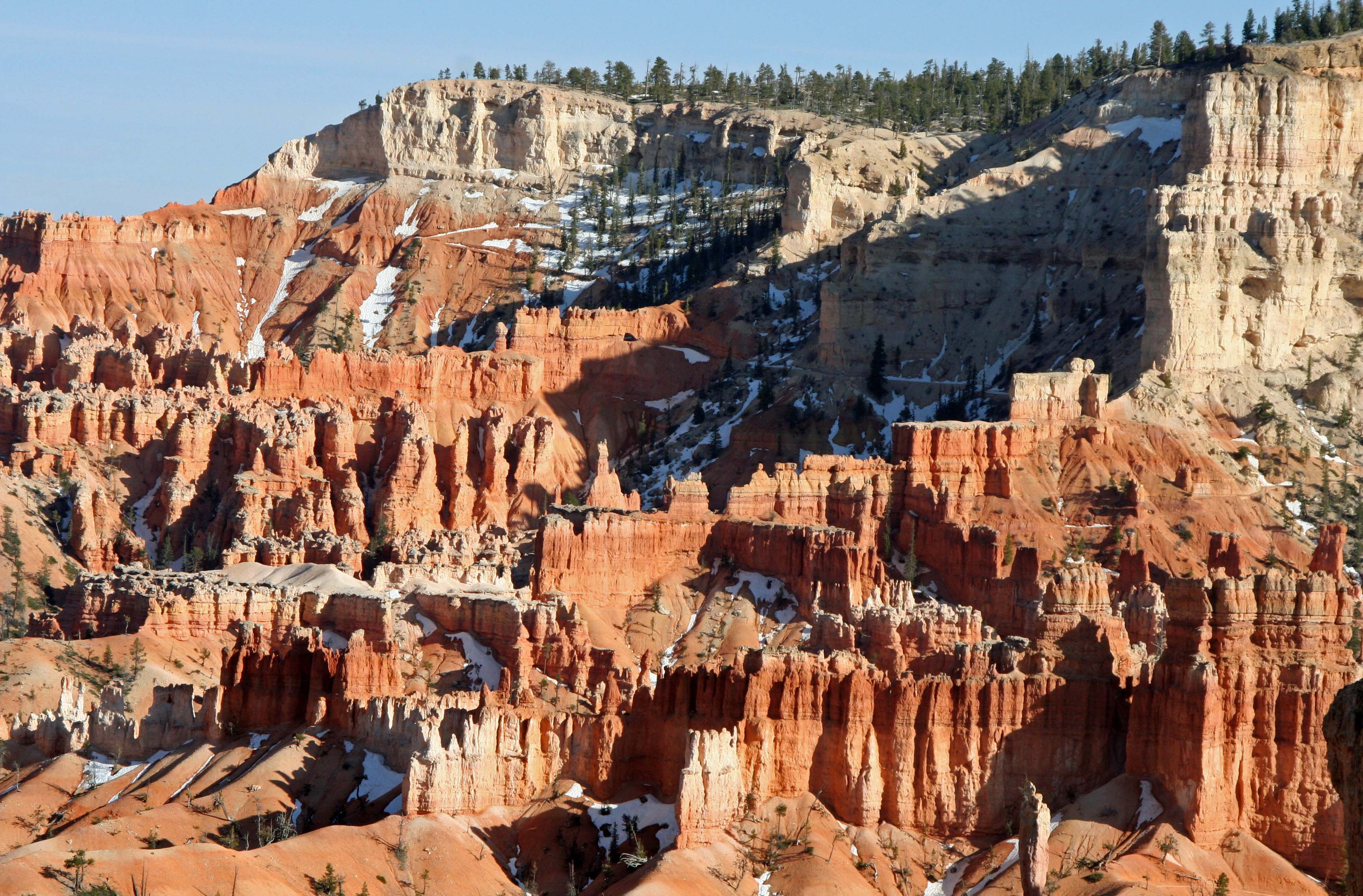
Bryce Canyon

Bryce Canyon National Park, Utah

It’s National Park Week. One of my blogging friends reminded me. Somehow I lost track of time and became so wrapped up in the minutia of life that the week had arrived before I realized it was happening. Shame on me.

The United States and many other nations around the world have done a magnificent job of setting aside national parks. We owe it to ourselves to go out and explore these treasures. And, we owe it to our great, great, great, great-grandchildren to protect these sites of rare natural beauty for future generations.

It won’t be easy. There will always be people who believe financial gain outweighs any other consideration. Why save thousand-year-old redwood trees when they can be turned into highly profitable redwood decks?

Redwood

This 1500 year old redwood is located in Redwoods National Park on the northern coast of California.

Several years ago, Peggy and I set a goal to visit all of America’s National Parks. With the exception of Kobuk Valley and Lake Clark in Alaska, we’ve succeeded. It has been an incredible journey. Our travels have taken us from Denali National Park in Alaska to the Dry Tortugas National Park off the Florida Keys.

In addition to driving through and hiking in these parks, I have also backpacked in 13, biked through five, and kayaked or rafted in three. Once I even organized a winter ski trek into Denali National Park where we slept out in minus 30-degree weather and listened to wolves howl. That was a learning experience…

Since I couldn’t escape to a national park this week, I did the next best thing; I went through photos of parks Peggy and I have taken. All I could think of was wow– what incredible beauty!
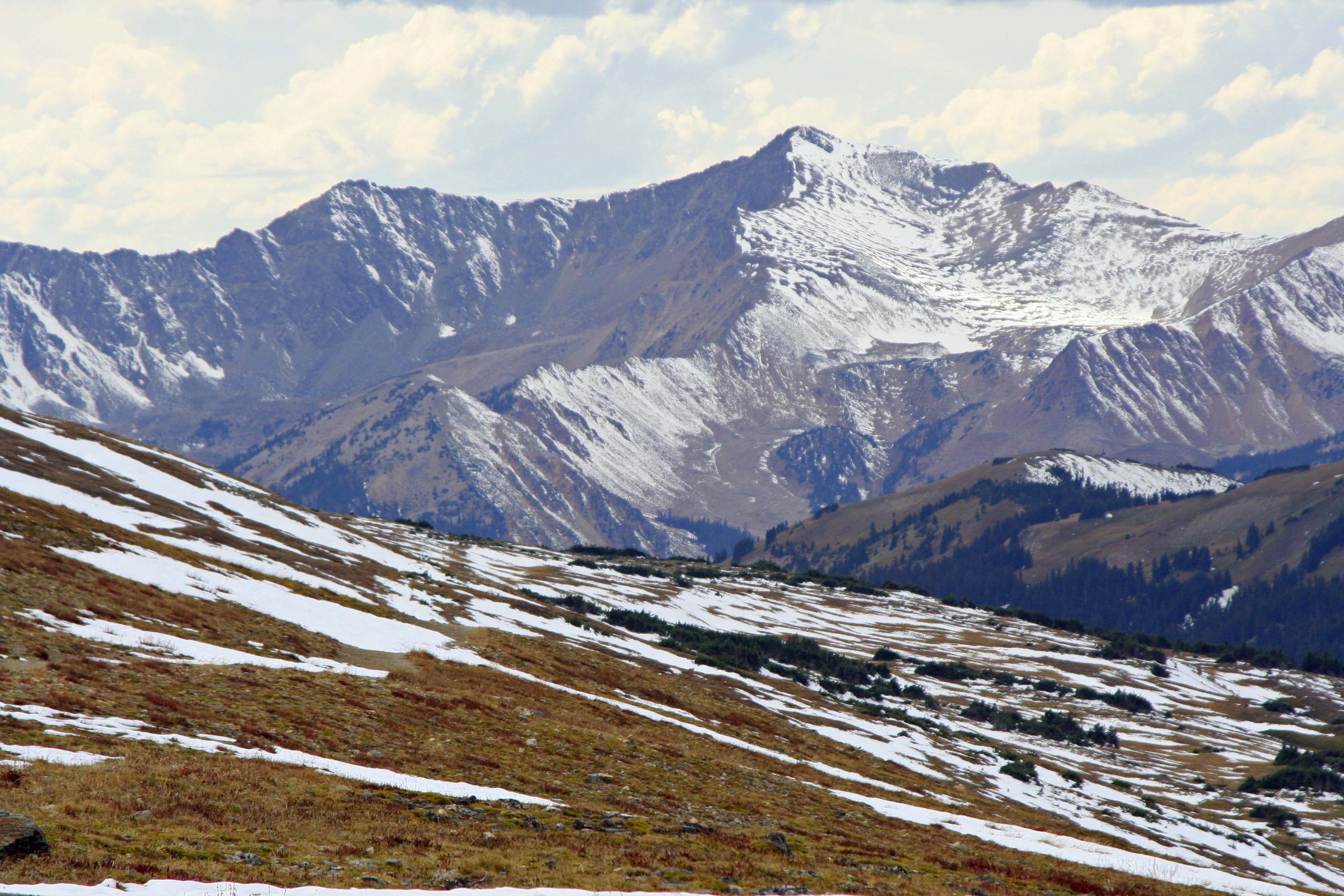
Rocky National Park in Colorado.

Rocky Mountain National Park in Colorado.

Hawaii Volcanos National Park.

An active volcano in Hawaii Volcanos National Park on the Island of Hawaii.
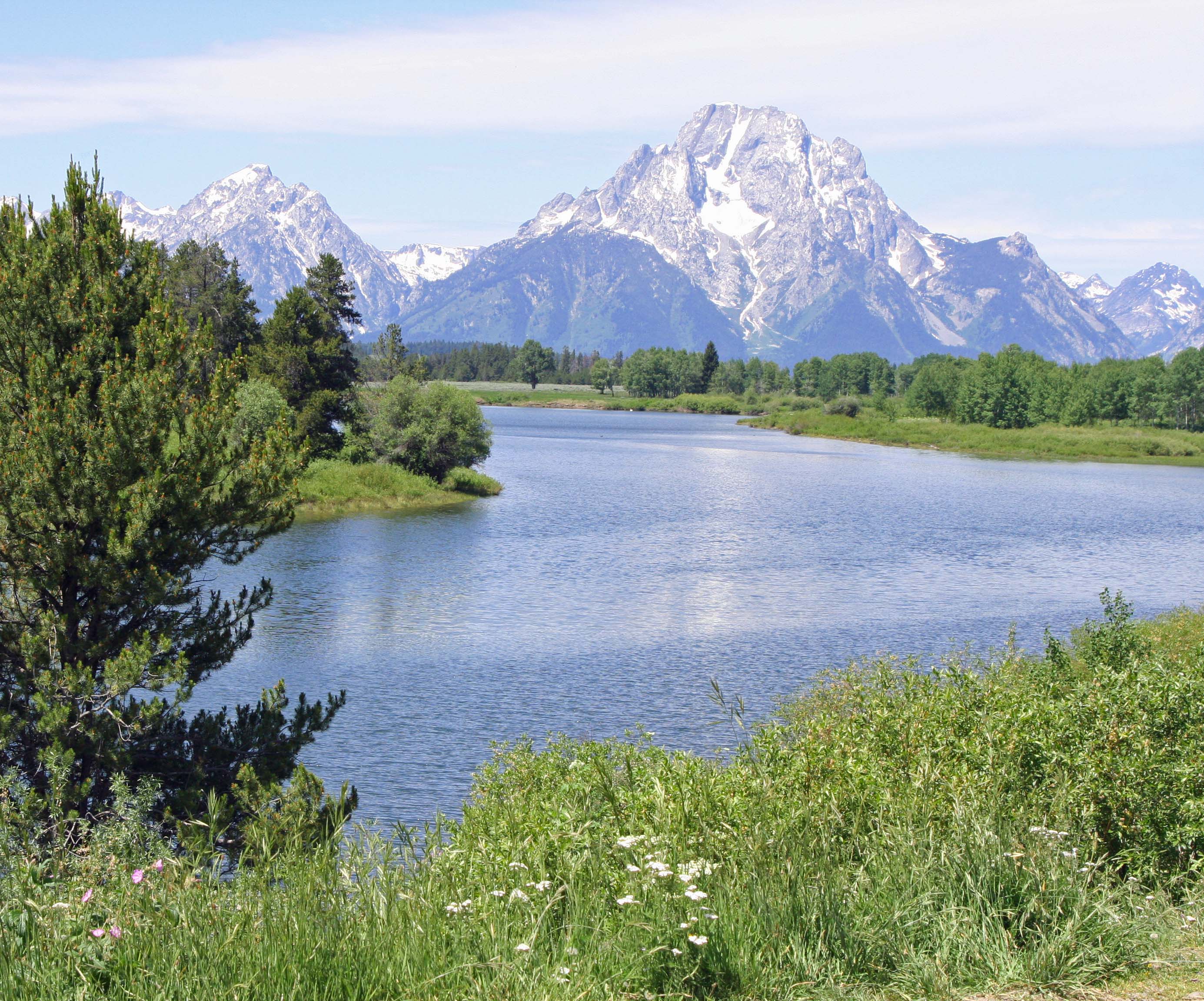
Grand Tetons National Park in Wyoming.

Grand Tetons National Park in Wyoming. A sign warned us to look out for an active grizzly bear.
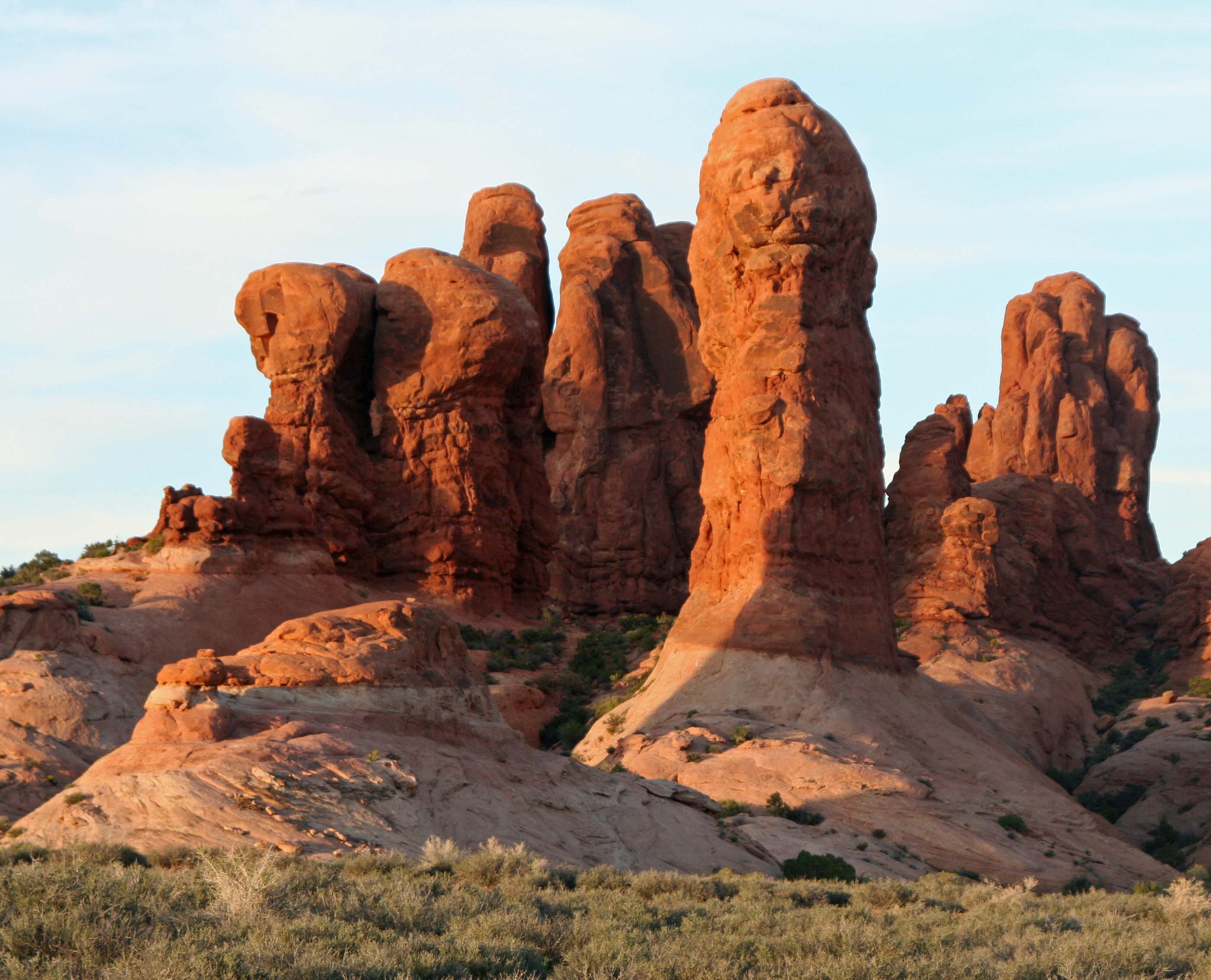
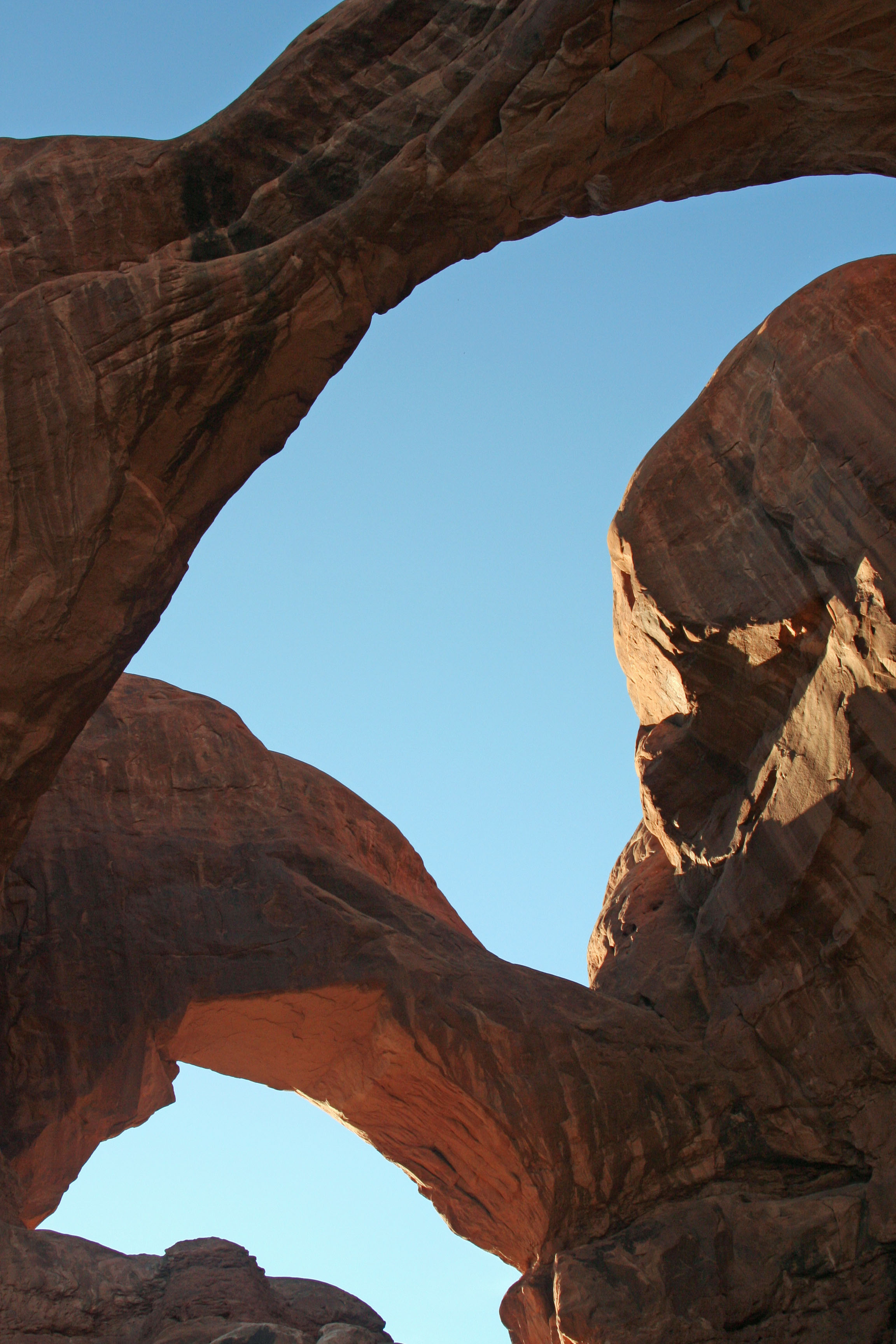
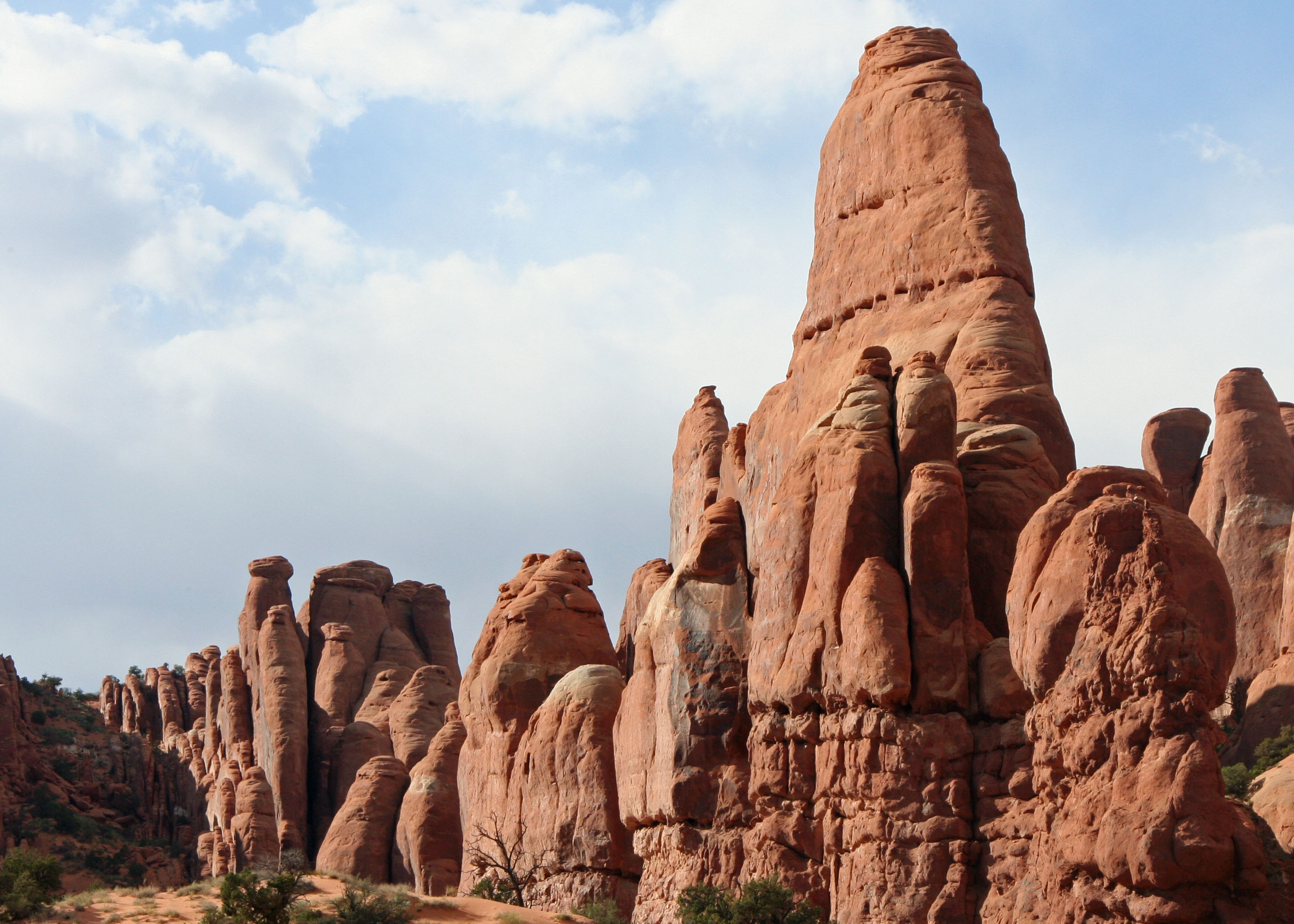
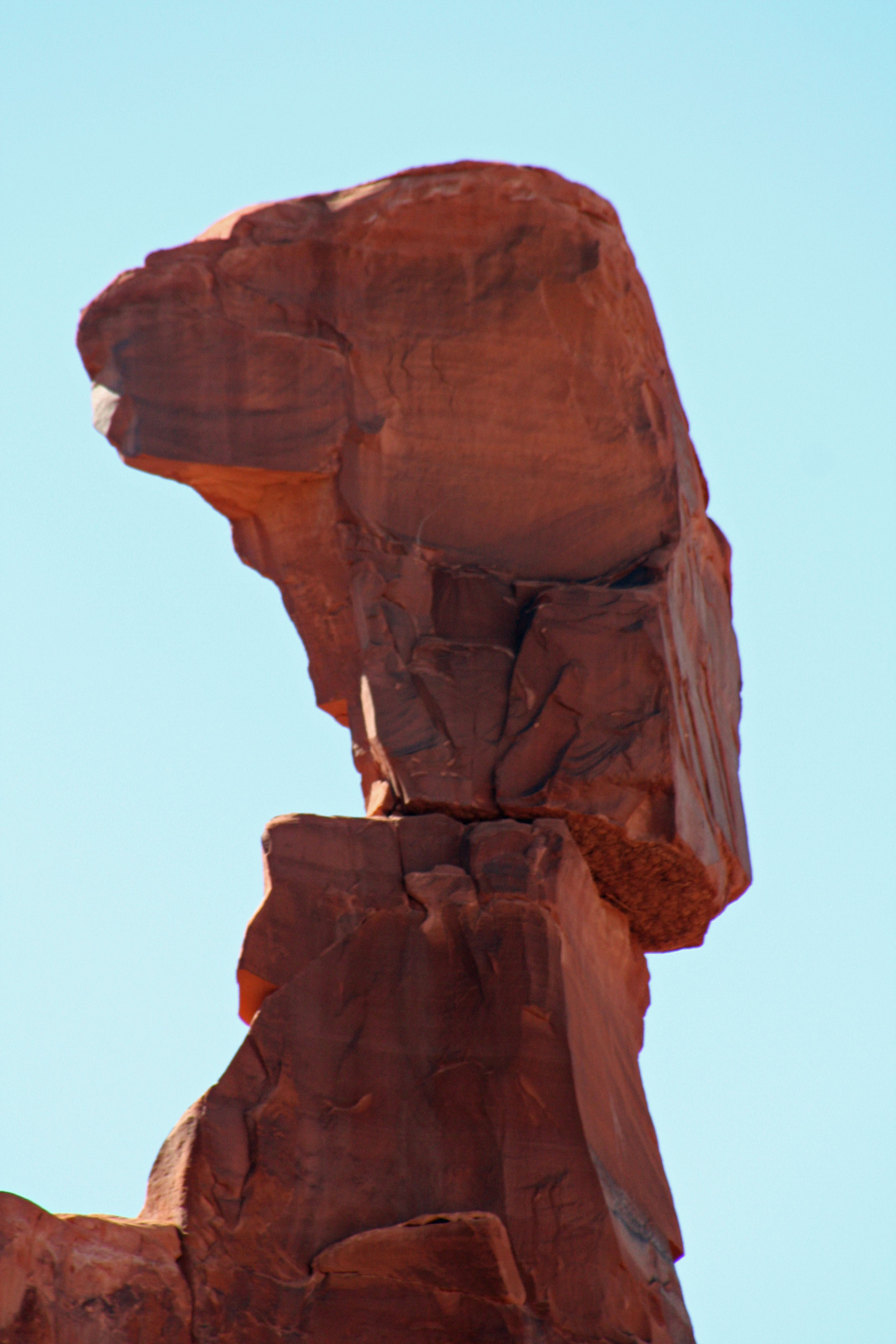
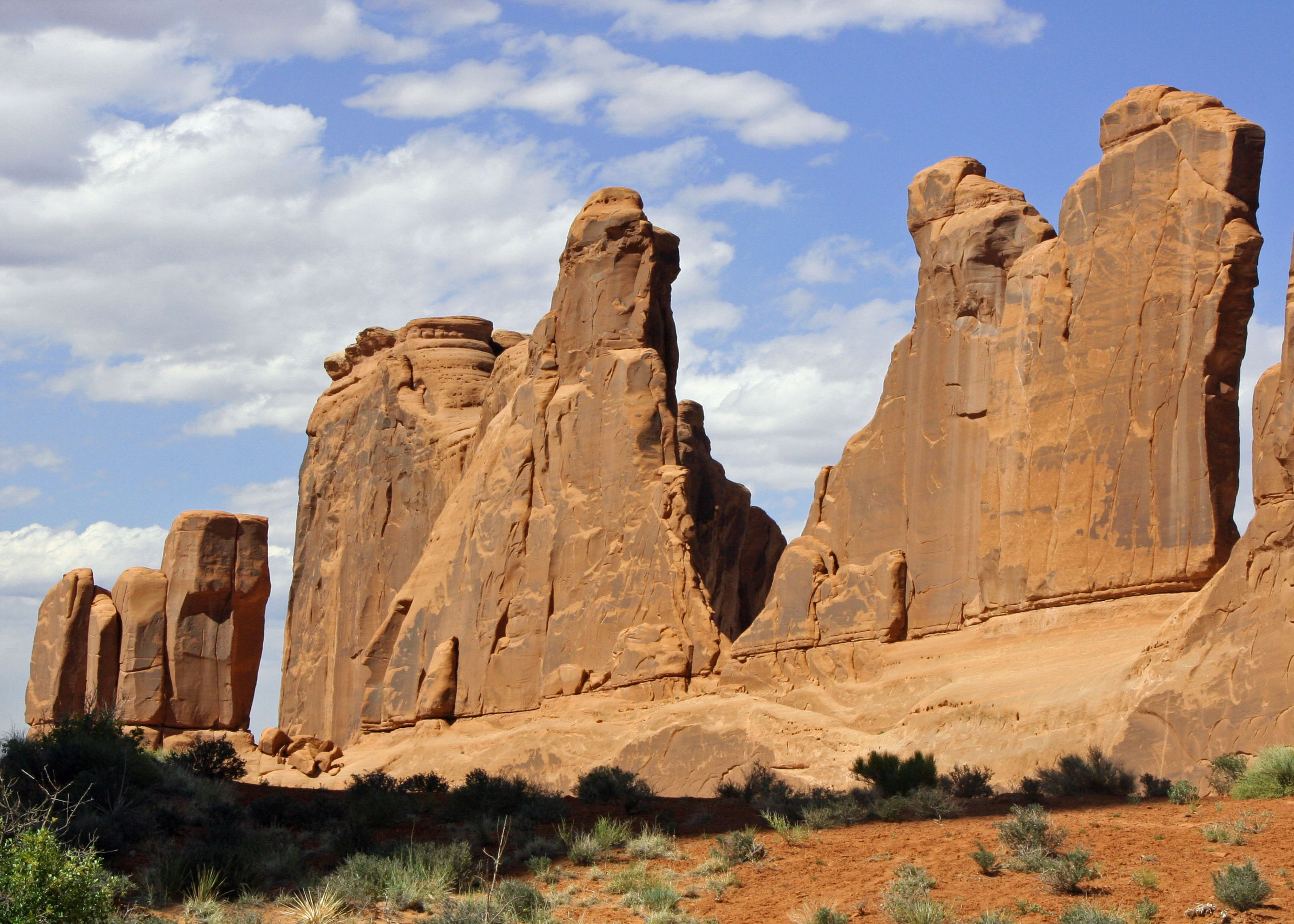
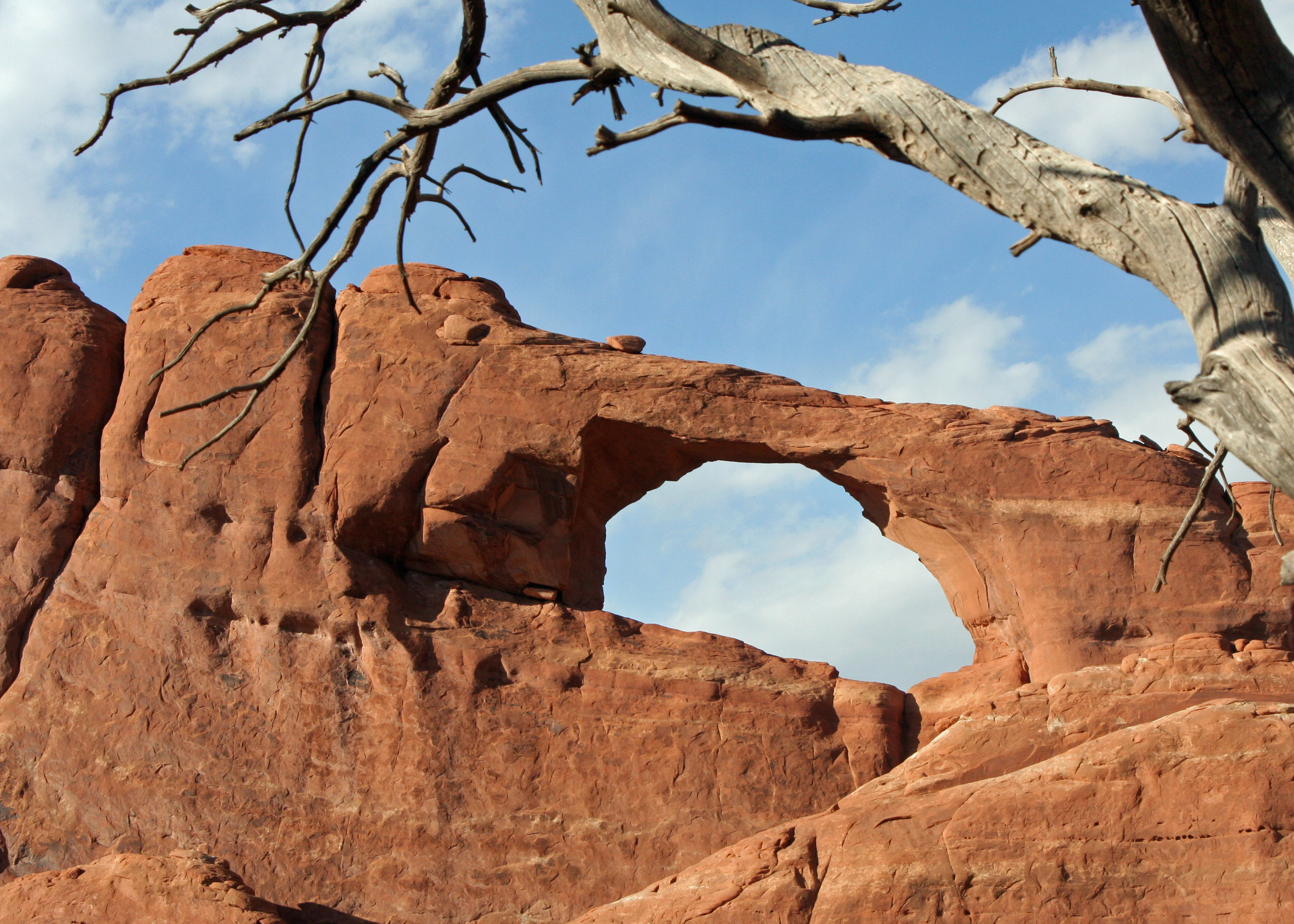
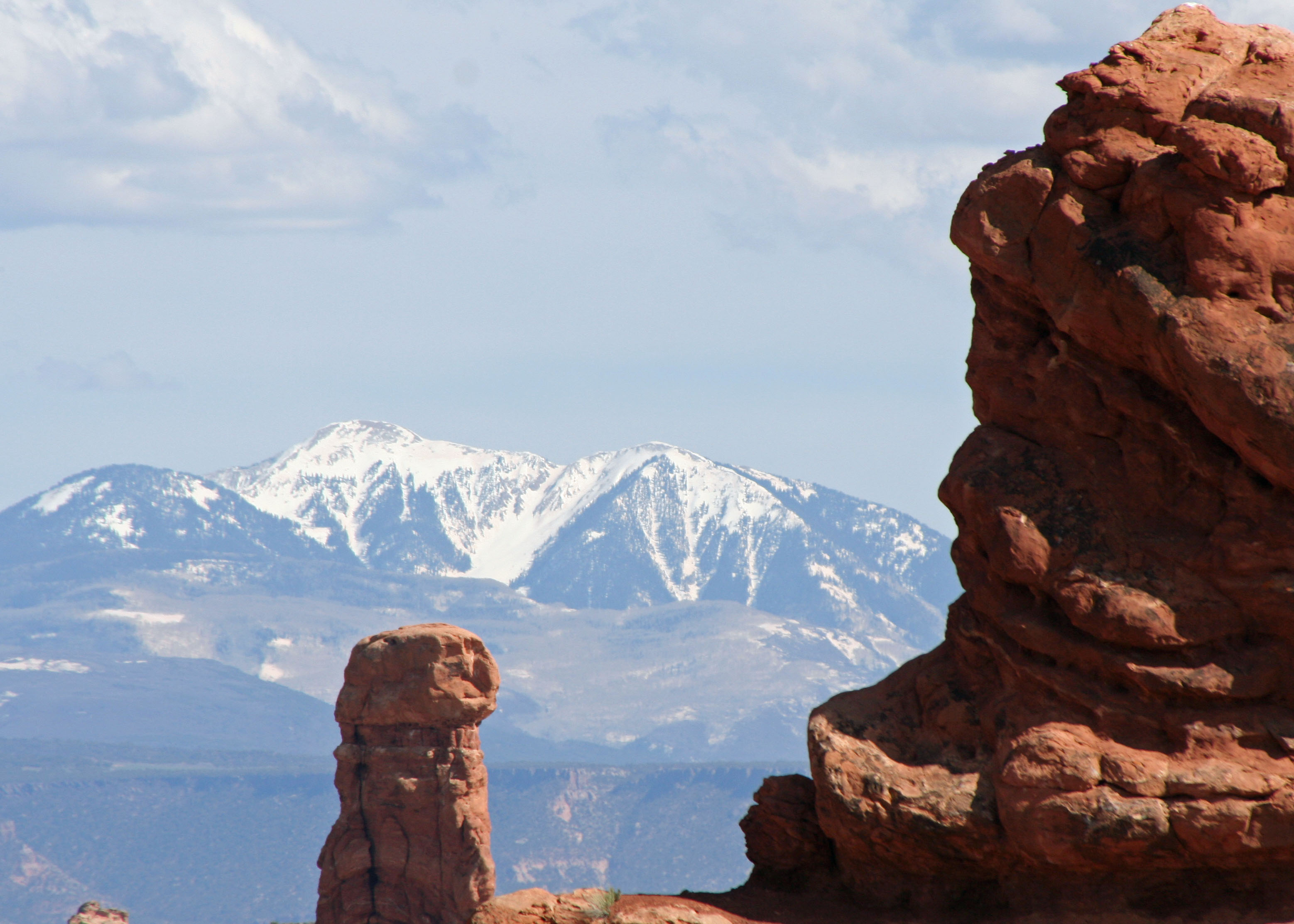
Arches National Park, Utah

Arches National Park, Utah

Tuolumne Meadows, Yosemite National Park, California

Tuolumne Meadows, Yosemite National Park, California. I once woke up near here with a bear standing on top of me.
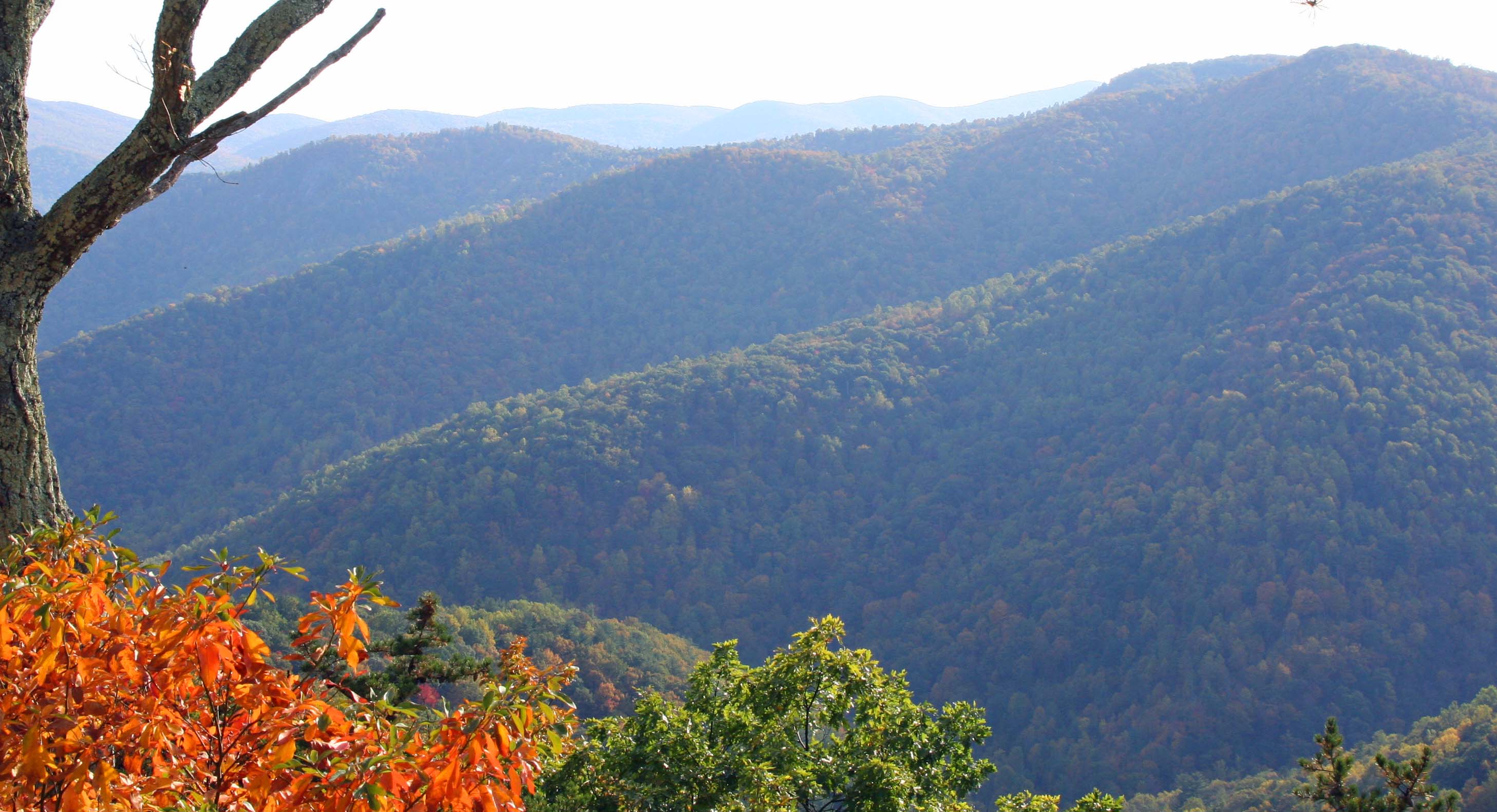
Fall colors of Shenandoah National Park in Virginia

Fall colors of Shenandoah National Park in Virginia.
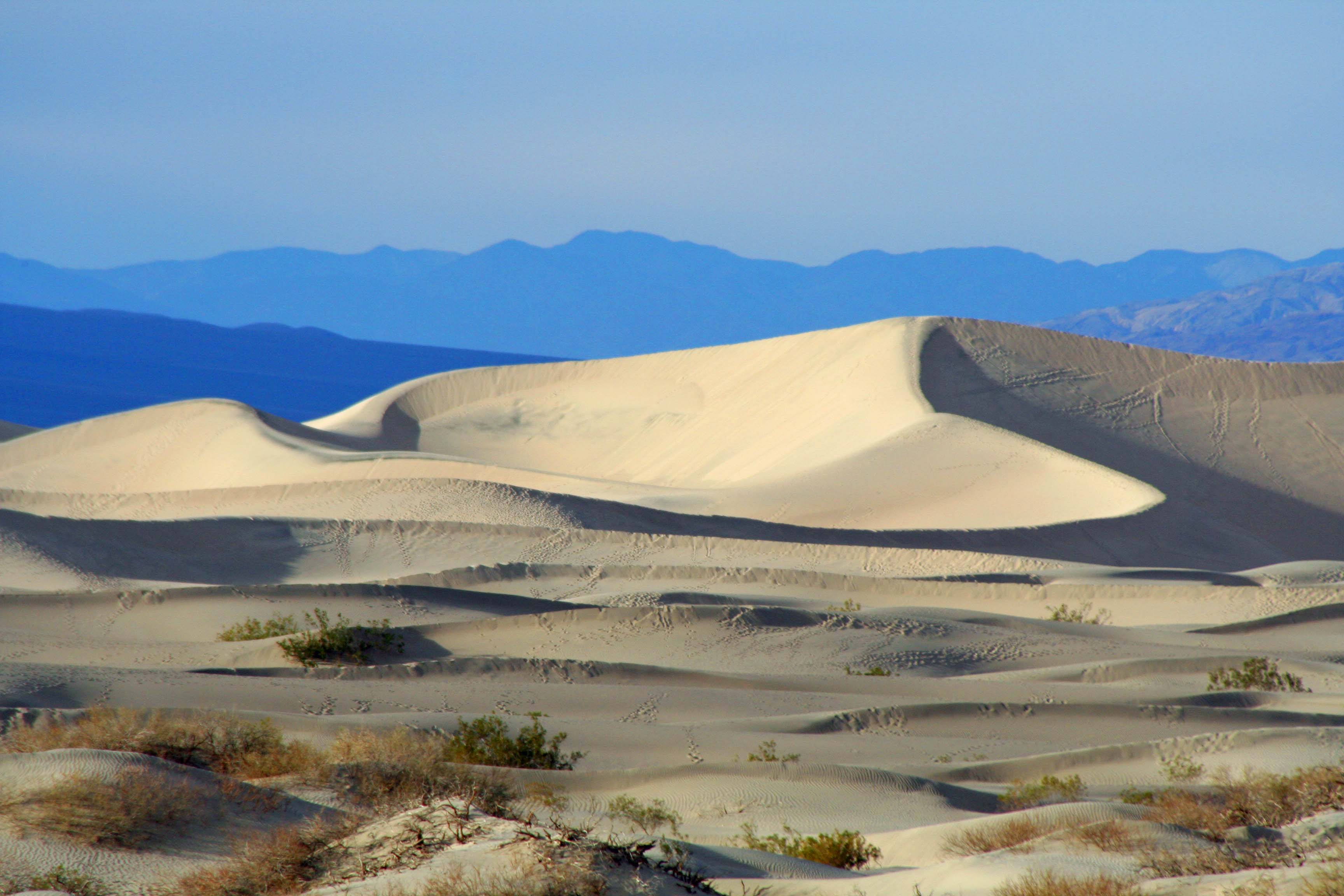
Sand Dunes in Death Valley National Park.

Sand dunes in Death Valley National Park.

The green of Olympic National Park in Washington.

The green of Olympic National Park in Washington.

Lesser known National Parks such as Great Basin in Nevada also hold great charm and beauty. This photo features the van Peggy  and I travelled in for four years as we travelled around North America.

Lesser known national parks such as Great Basin in Nevada also hold great charm and beauty. This photo features the van Peggy and I travelled in for four years as we wandered around North America.

Spectacular scenery is only part of the national park story. Wildlife, birds, insects, reptiles, flowers and history add to the experience.
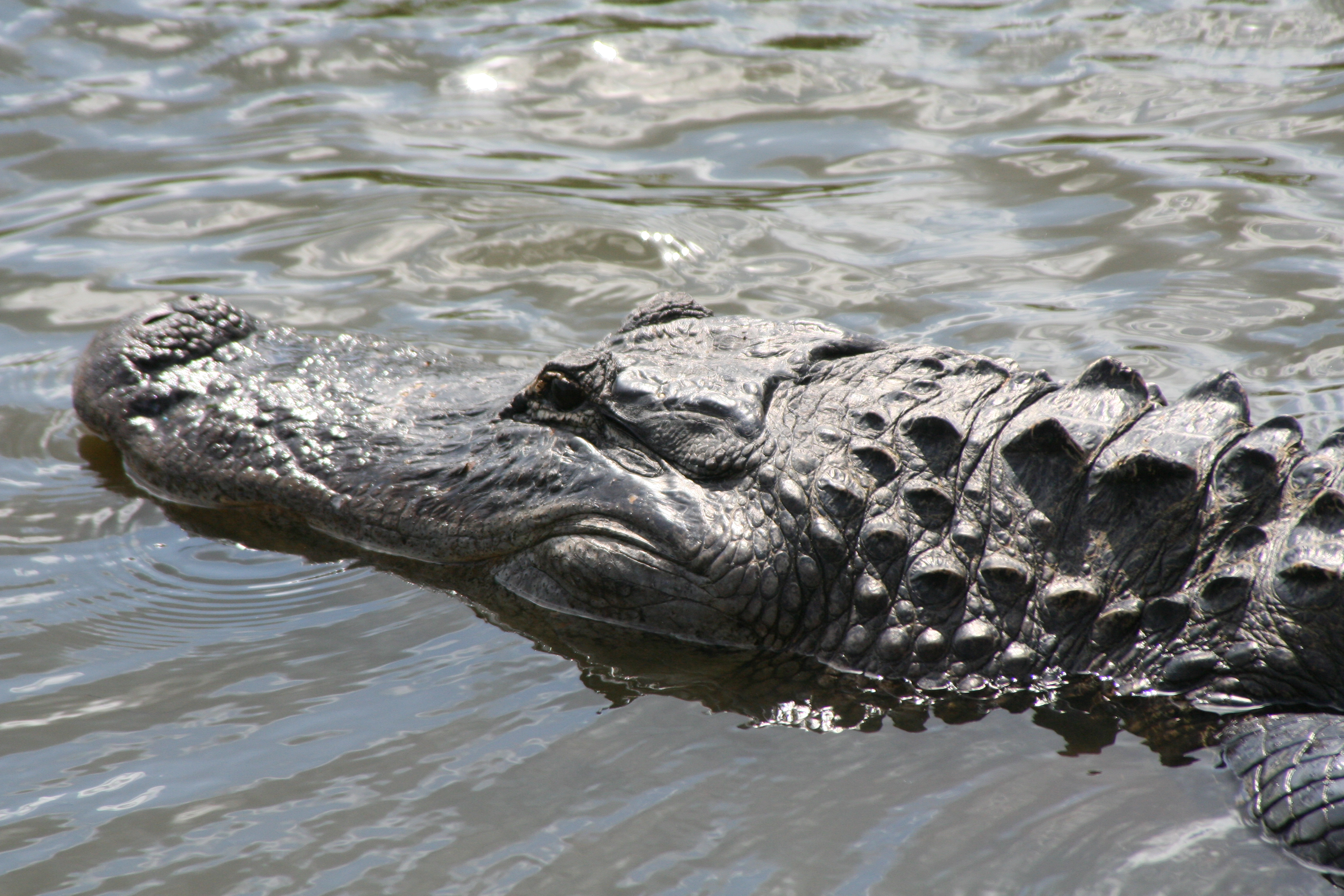
Peggy and I found this beauty swimming through the water at Everglades National Park in Florida.
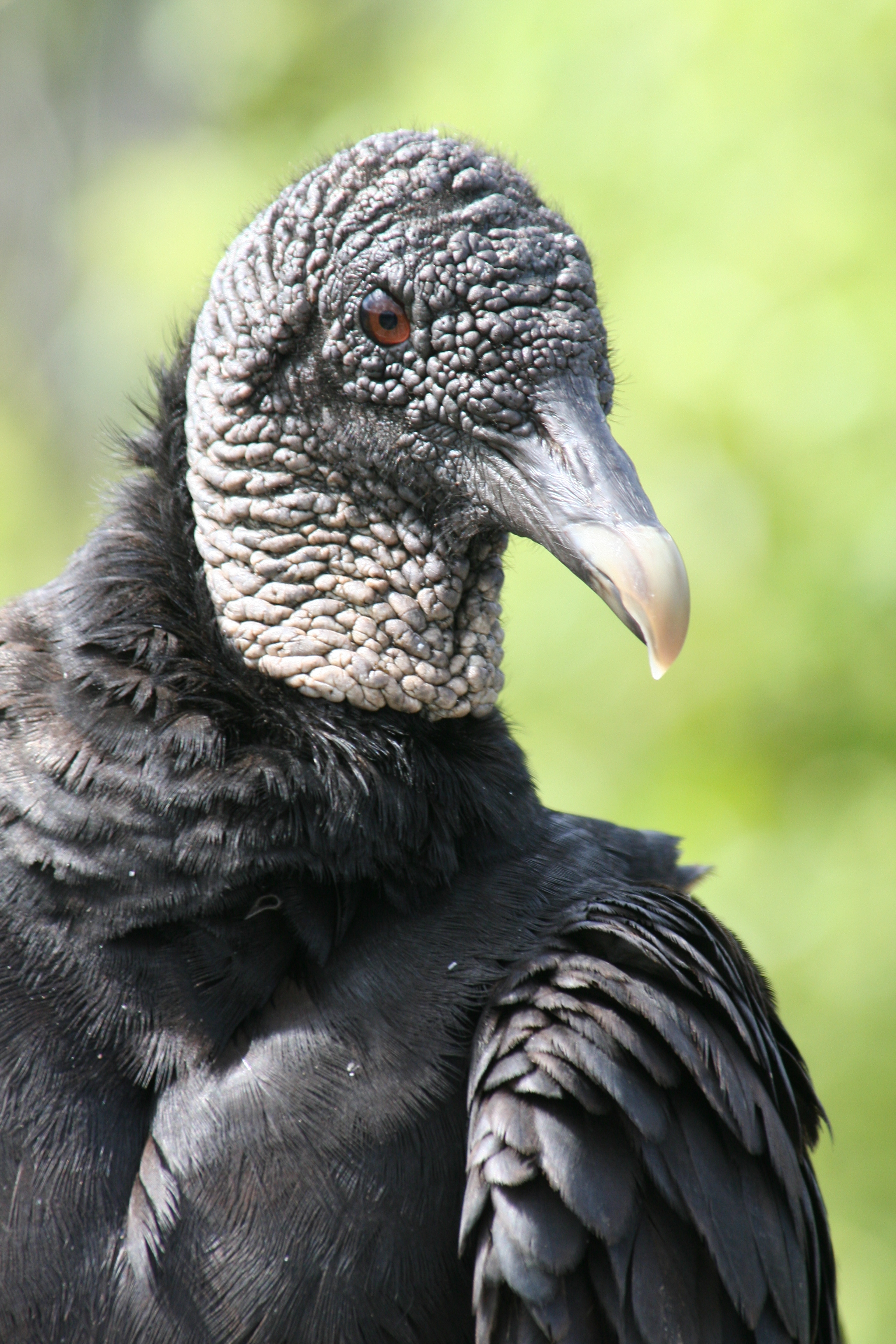
Peggy and I found this beauty swimming through the water at Everglades National Park in Florida.

And this striking Black Buzzard was another Everglades resident.
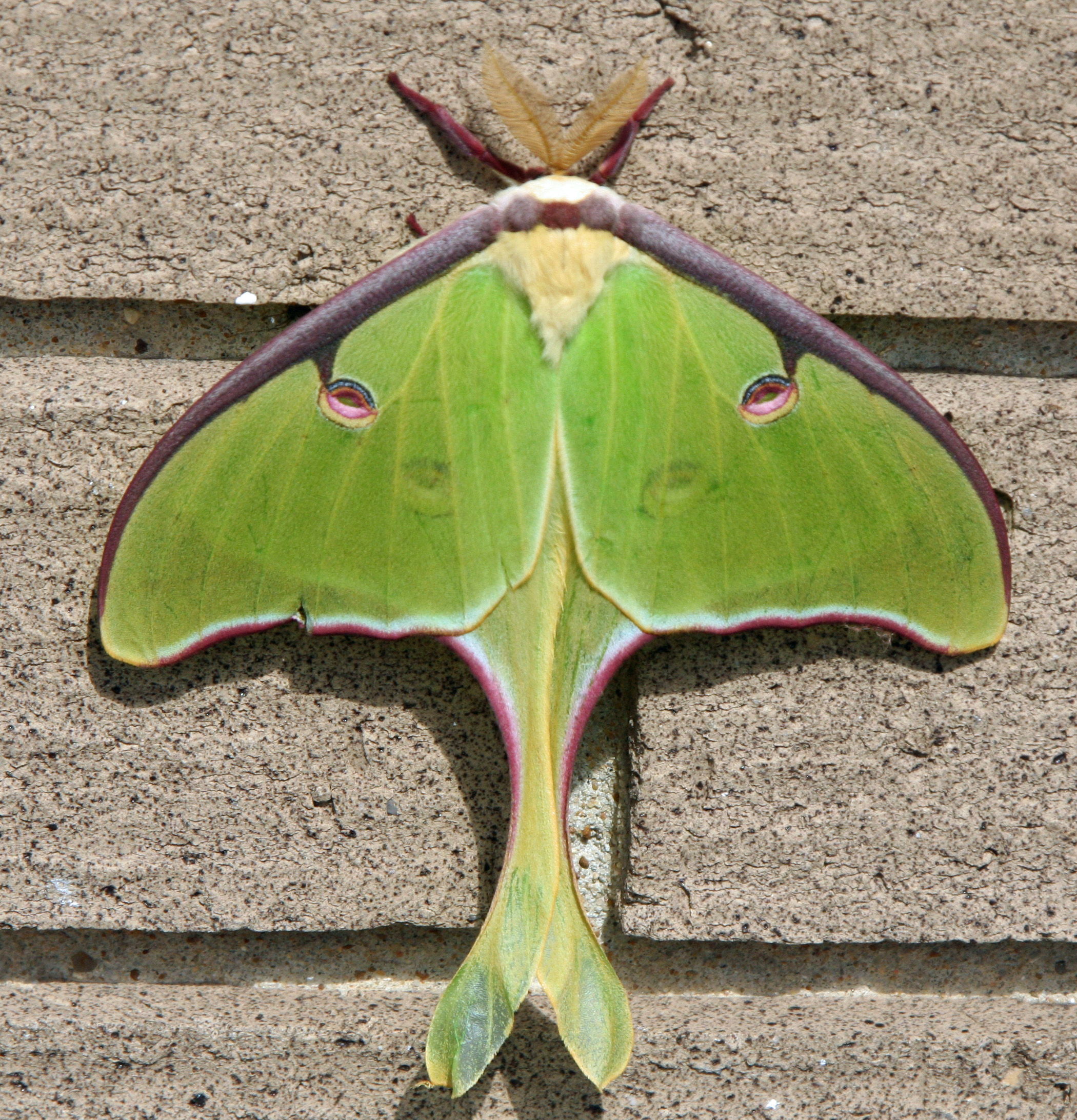
And this striking Black Buzzard was another Everglades resident.

We found this Luna Moth on the Natchez National Parkway.

We found this Luna Moth on the Natchez Trace National Parkway.

Brown Pelicans are a common visitor at Pt. Reyes National Seashore.

Brown Pelicans are common visitors at Pt. Reyes National Seashore.
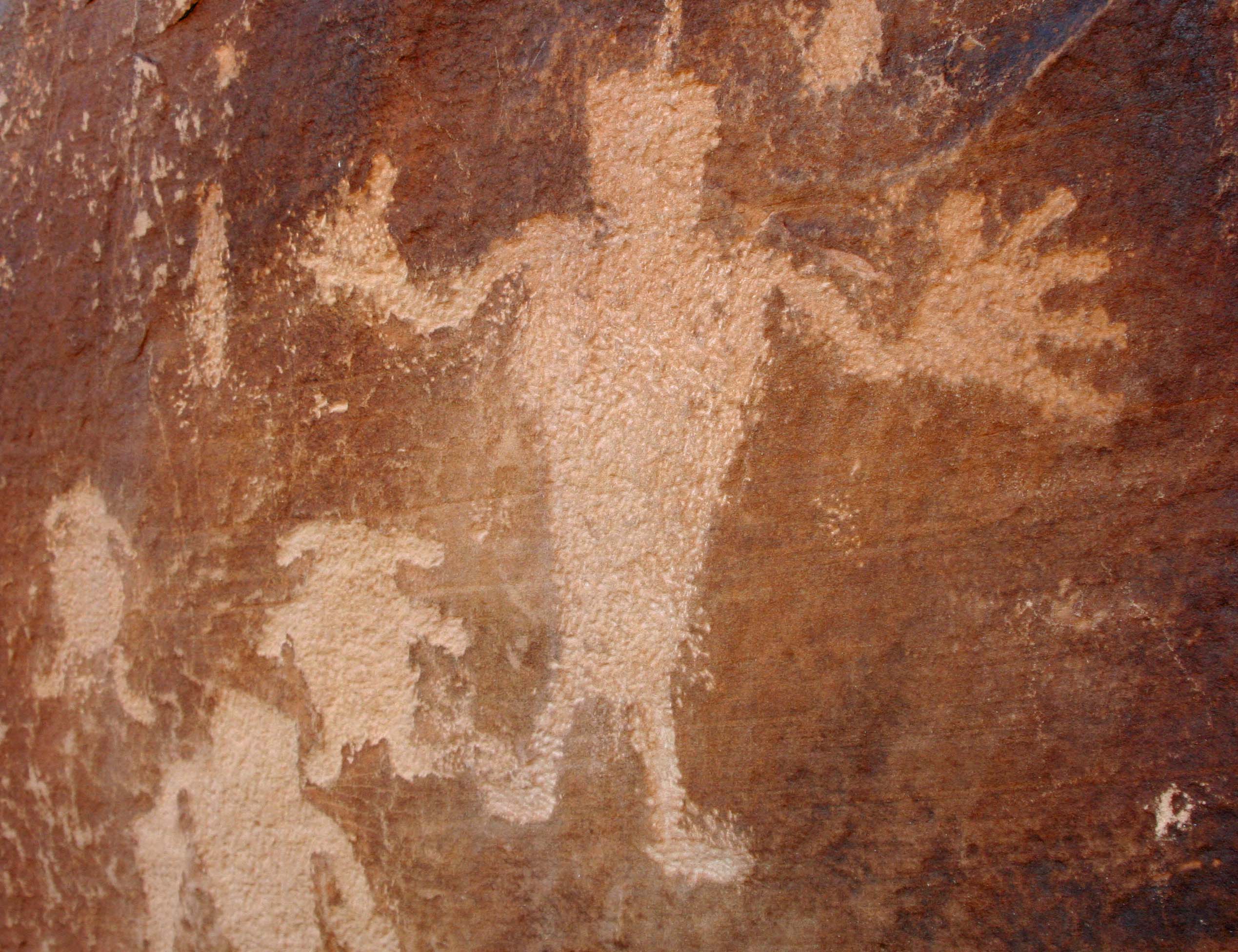
Peggy and I are great fans of Native America rock art, much of which is protected in National Parks and at National Monuments. This man with his big hands and fat little dogs has always been one of my favorites.

Peggy and I are great fans of Native America rock art, much of which is protected in national parks and at national monuments. We have several thousand photos from different sites. This one from Dinosaur National Monument in Colorado/Utah has always been a favorite because of the big hands and fat little dogs.

It never hurts to complete a blog with a pretty flower. We found this Foxglove growing in Olympic National Park.

It never hurts to complete a blog with a pretty flower, even if it goes on and on. (grin) We found this Foxglove growing in Olympic National Park.

NEXT BLOG: I hope you have enjoyed my two diversions over the past week because of Earth Day and National Park Week. On Monday I will return to Europe and Rome’s historic Colosseum.
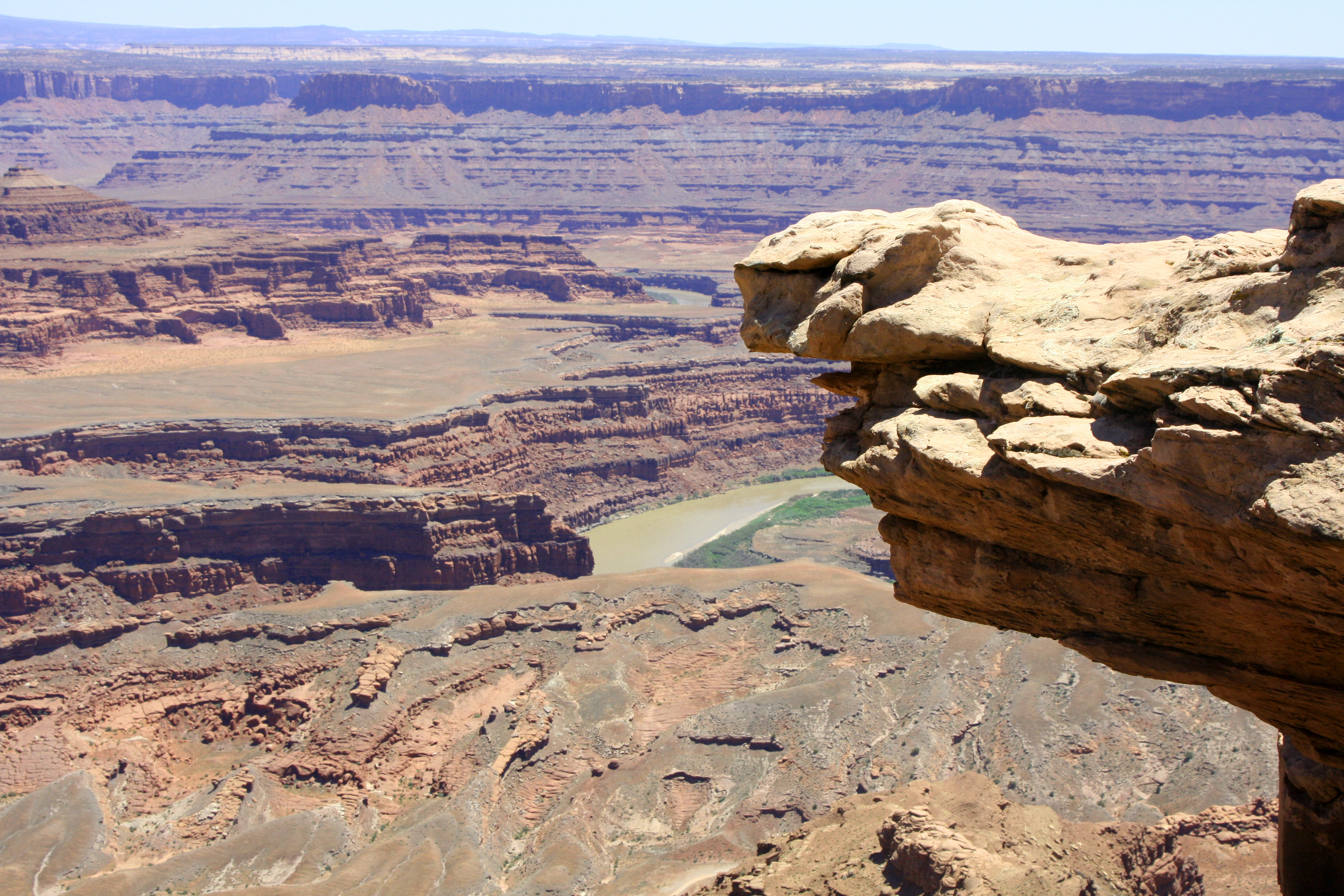
Where the Colorado and Green Rivers Meet… Canyonlands National Park

A gargoyle-type rock perches above the Colorado River in Canyonlands National Park.

I have a weakness for gargoyles. Their grotesque features appeal to my sense of humor. Or is that warped sense of humor? Whether I am touring a medieval cathedral or visiting Gotham City, they leap out and capture my imagination. Thus I was delighted when I came across a gargoyle-type rock hanging out above Canyonlands National Park.

Canyonlands is where the Green and Colorado Rivers meet. The down-cutting erosive power of these two rivers combined with the uplift of the Colorado Plateau and six million years of time are responsible for the breathtaking multitude of canyons and rock formations found in the Park.

A trip out the park road to Island in the Sky provides views of both basins and other prominent park features. A detour to Dead Horse Point State Park off of the main road shows the Colorado River doubling back and almost meeting itself in a major meander known as the Gooseneck.

The Colorado River winds around and almost meets itself at Gooseneck. This photo is taken from Dead Horse State Park and is looking down into Canyonlands.

Flowers, twisted juniper trees, wildlife and distant mountains add to the scenery.

Both Canyonlands and Arches National Park are easy day trips out of Moab in southeastern Utah. Sego Canyon with its fascinating examples of Indian rock art that I blogged about recently is also within easy driving distance.

One of the Southwest’s best known Indian rock art sites, Newspaper Rock, is located on the southern road into Canyonlands National Park. I will feature the site in my next blog.

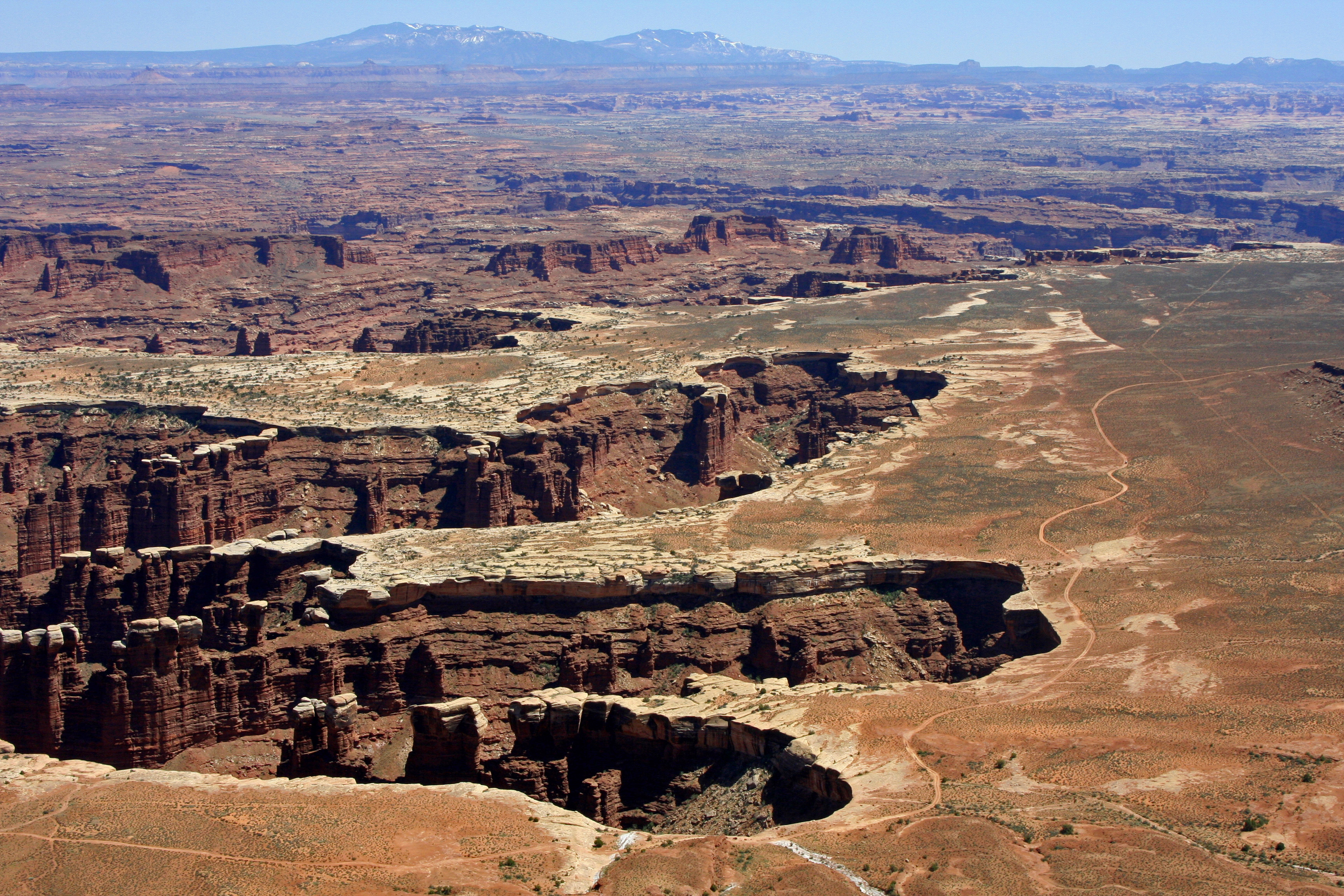
Finger like canyons working downward to the Colorado River gradually cut away at the harder rock of White Mesa. This picture is taken from Grand View Point at the end of Island in the Sky Mesa. The maze-like canyons that disappear into the distance provide multiple reasons for the Parks name.

Flowers, like this Indian Paintbrush, add a dash of color to Canyonlands.

Junipers, even young ones, tend to look old, but this guy has obviously been around for a while.

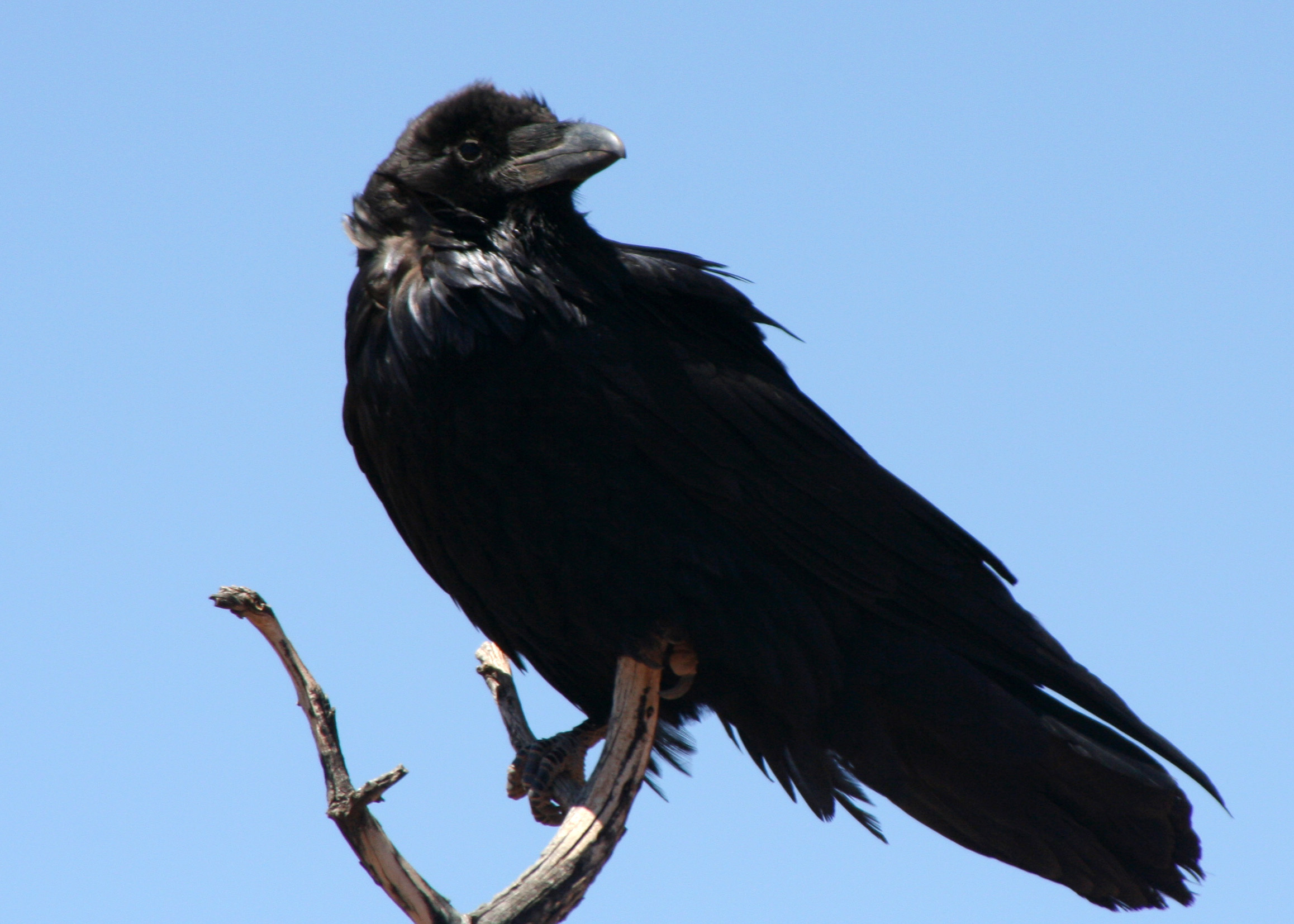
Raven has a special place in Native American lore. His tricky ways, croaky voice, and ability to survive in extreme conditions give him a special position in the bird kingdom.

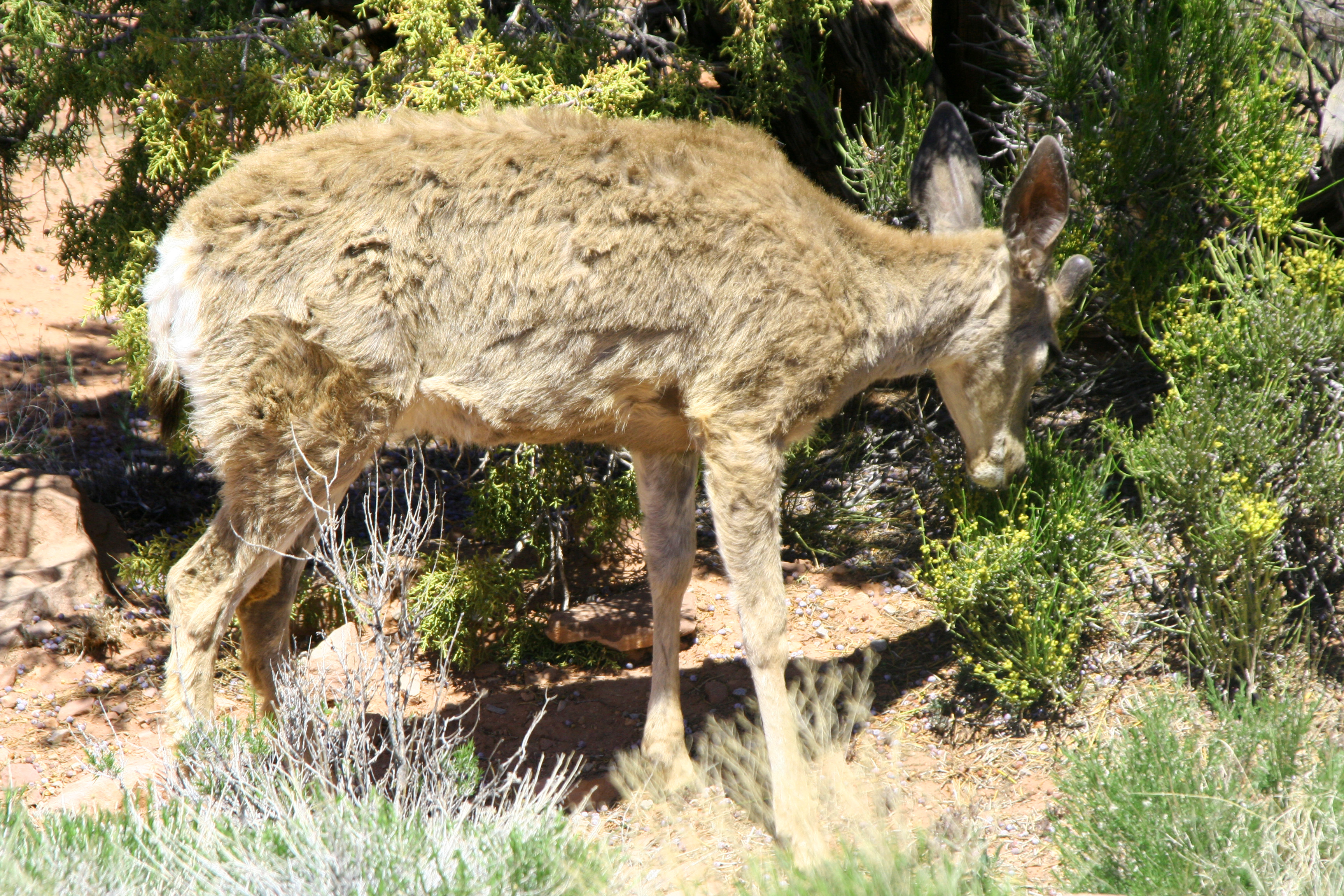
Spring is sprung but this young buck is still wearing his winter coat. While it may not be the height of fashion, it’s warm.

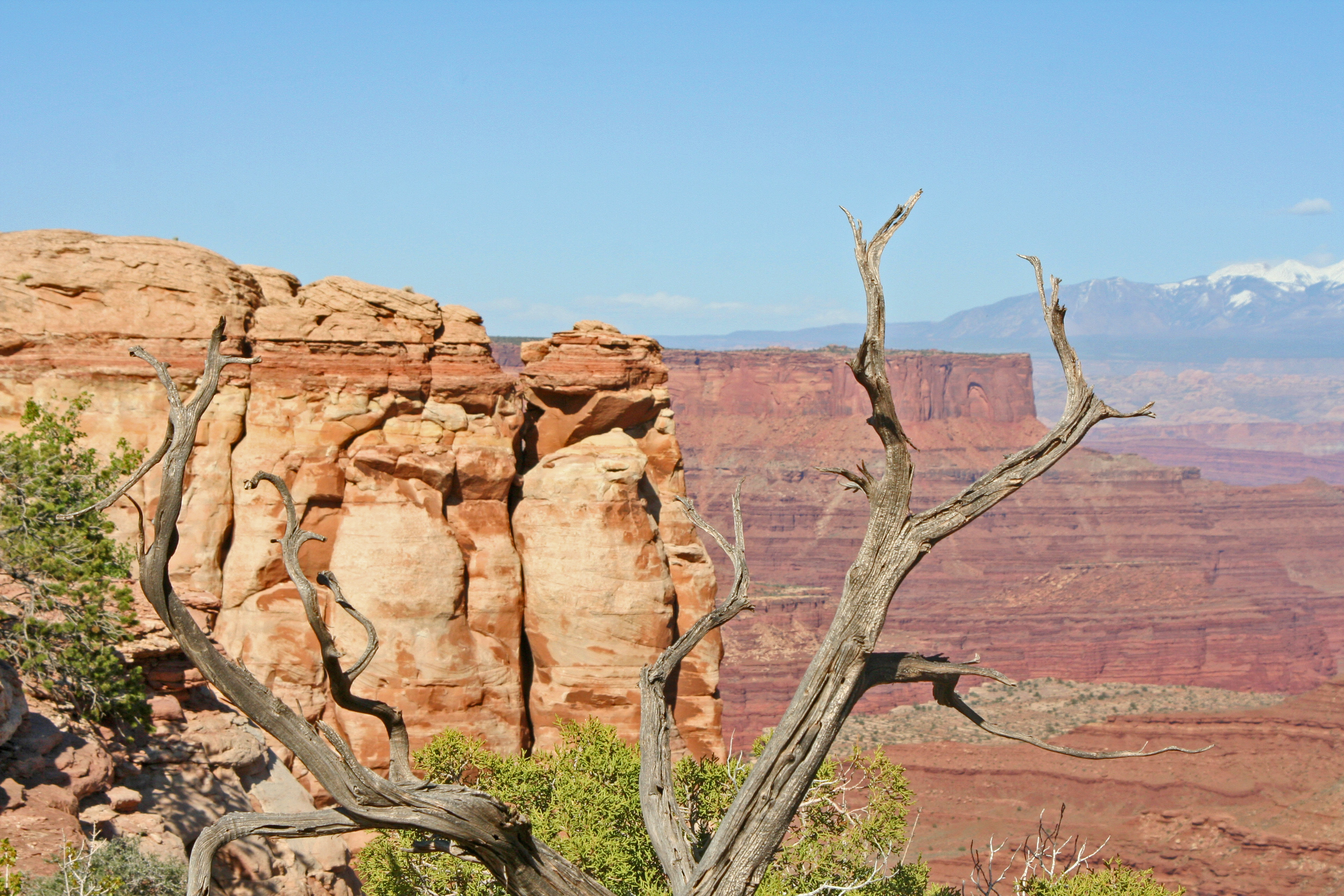
Distant snow-covered mountains, multi-colored rock cliffs, deep canyons and picturesque trees are all part of the Canyonlands National Park scenery.

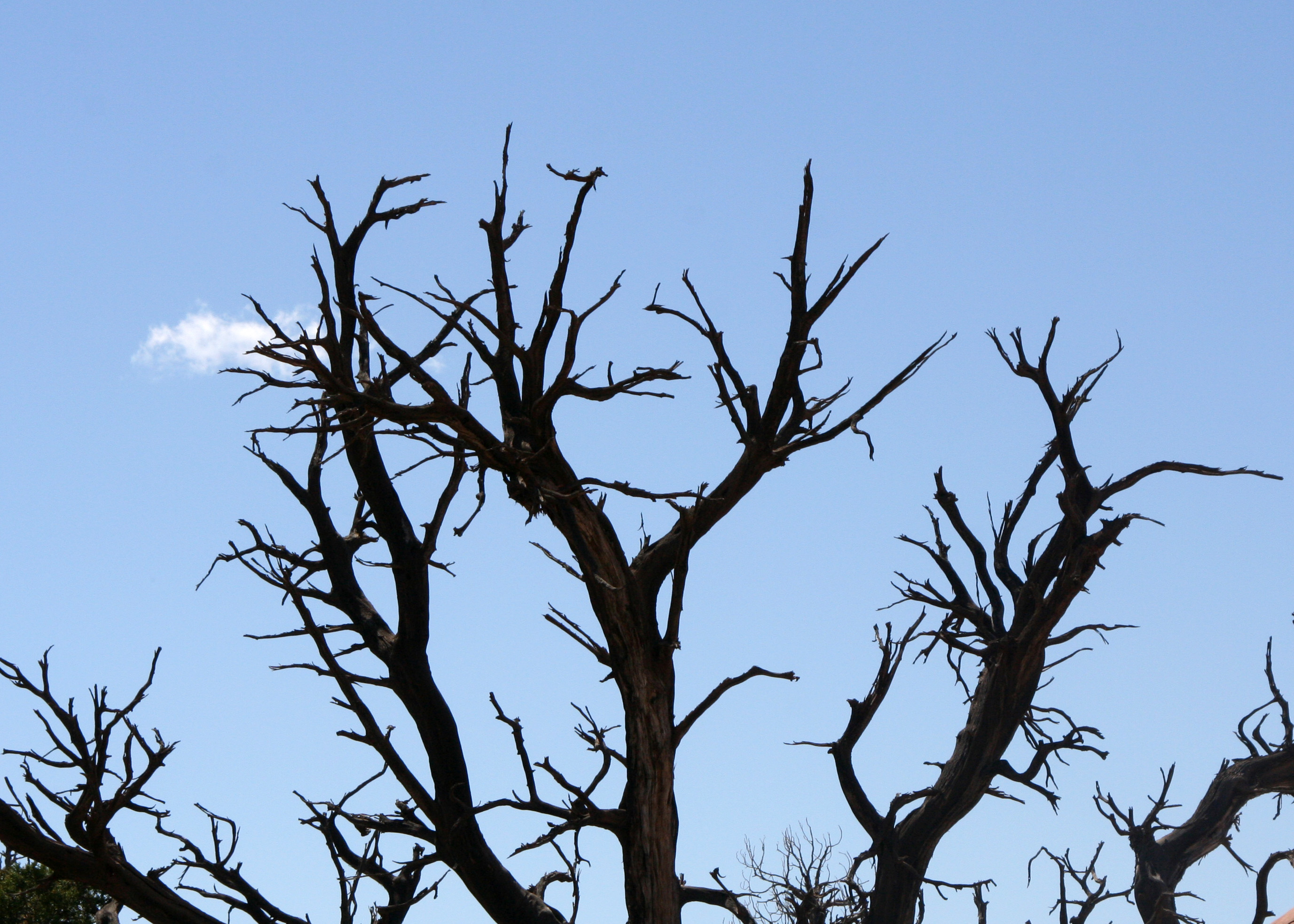
Stark tree.

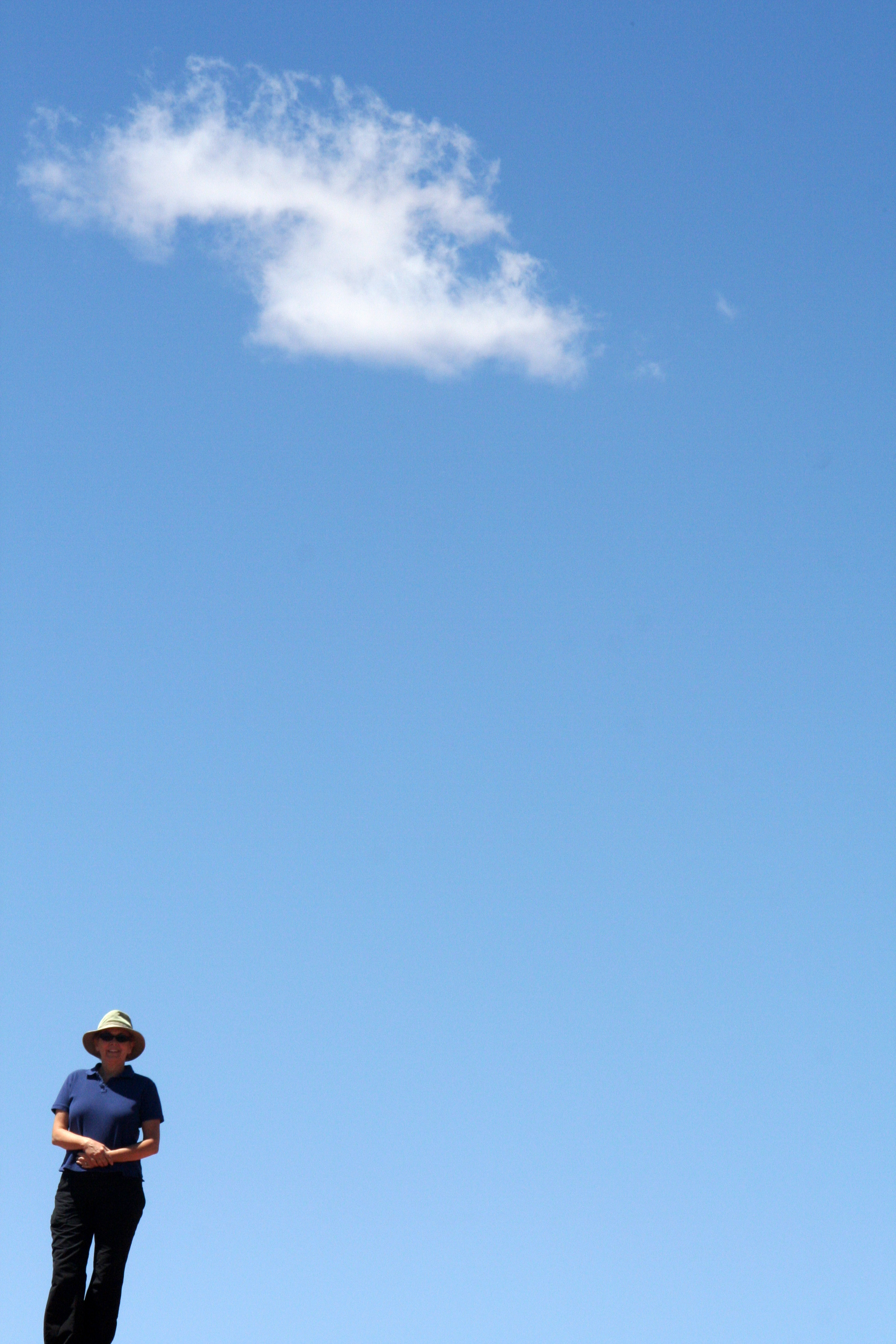
It is easy to lose yourself in the vast open spaces of the Southwest. My wife Peggy and Cloud prove the point.

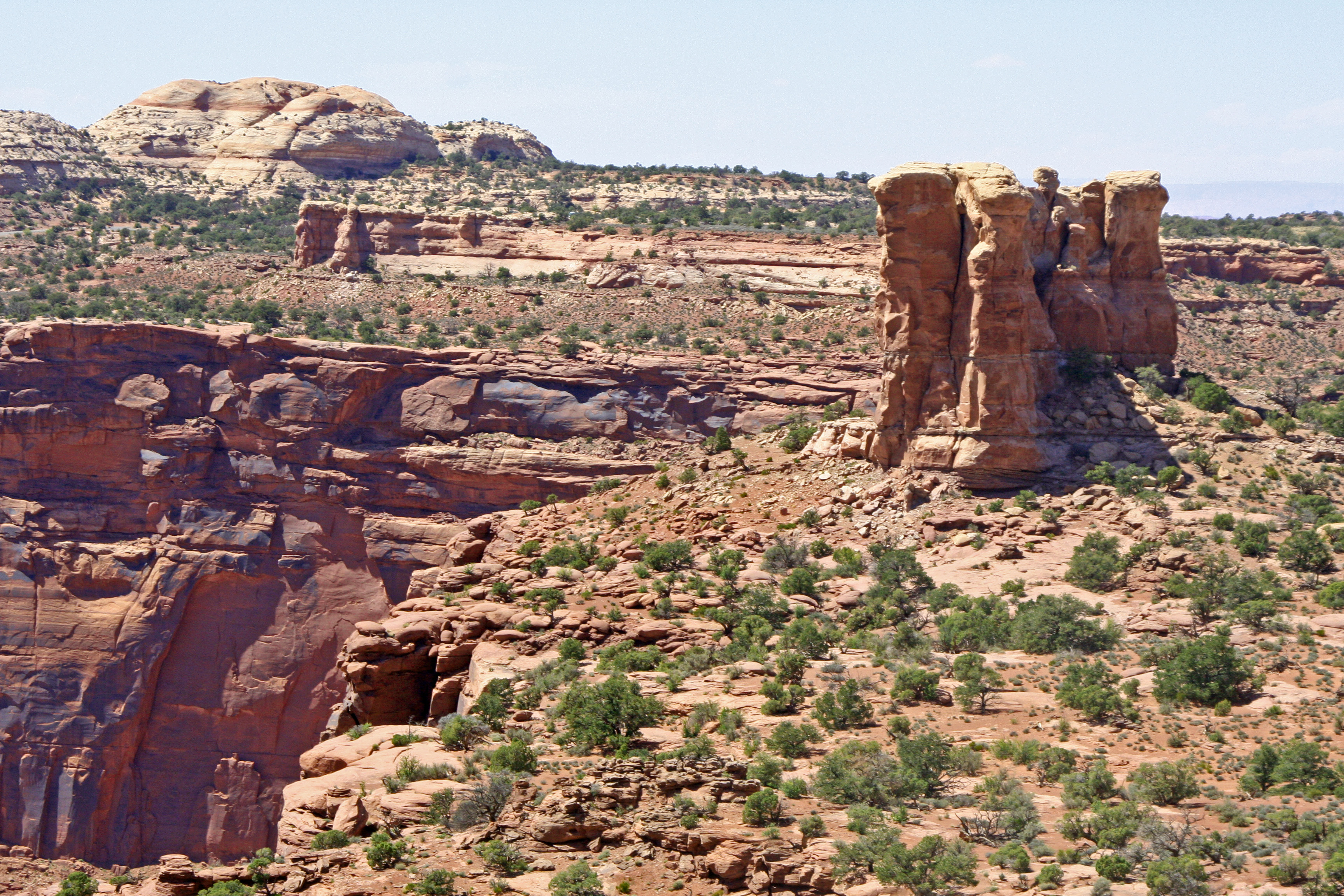
The semi-arid climate, erosive forces of nature, and geology of Canyonlands National Park and the Southwest combine to create unique natural sculptures.

If my memory serves me correctly, these two sculptures are called the Beehives.

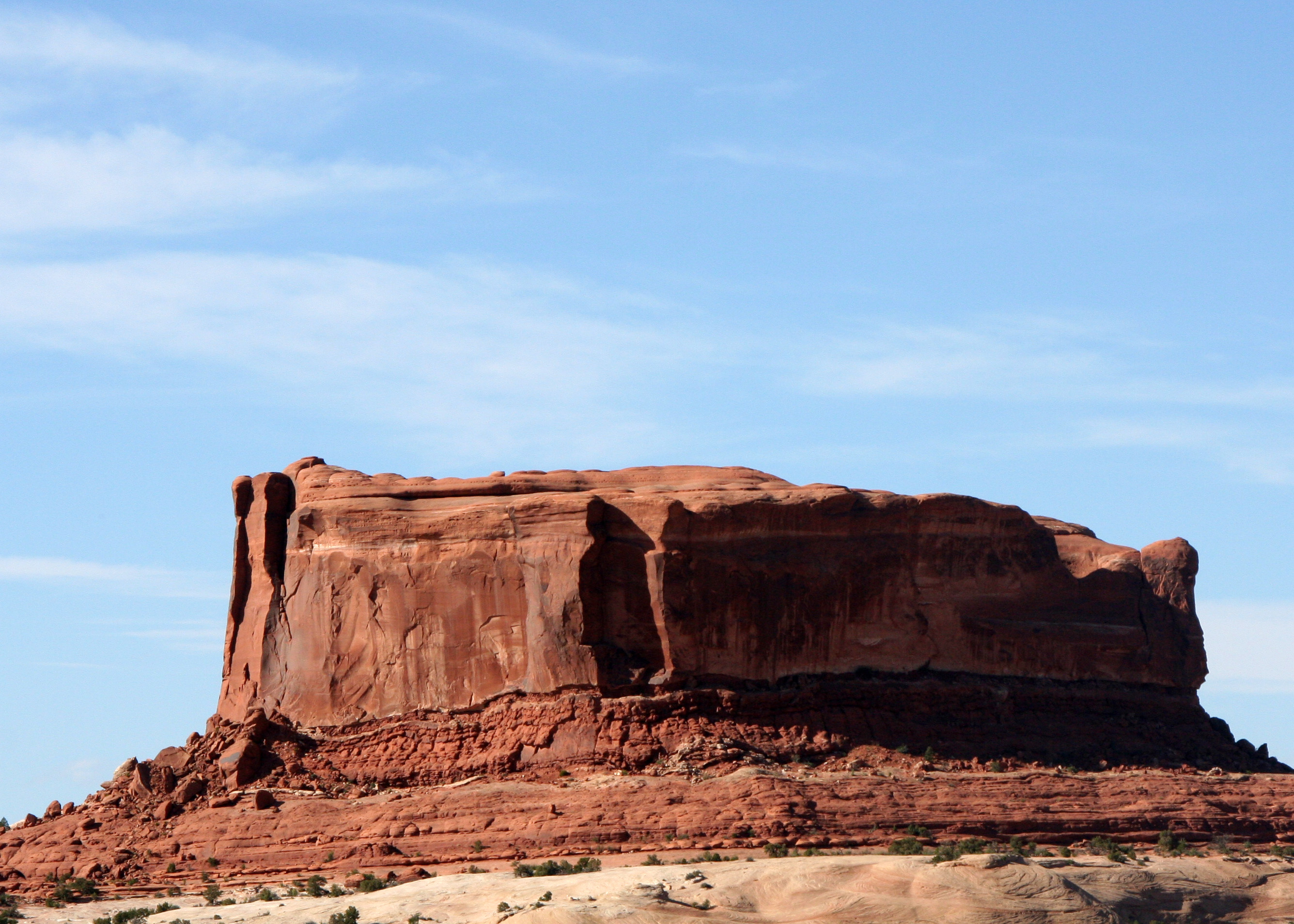
This massive monument of sandstone greets visitors at the north entrance to Canyonlands National Park.

Arches National Park… The National Park Series

The soaring arches of Arches National Park create magnificent scenery.

I added Arches National Park to my must see list when I read Edward Abbey’s book “Desert Solitaire.” I highly recommend both. The Park is located just north of Moab in the scenic state of Utah. You can pick up Abbey’s book by following my link, or better yet, visiting your local bookstore.

The eroded sandstone of Arches National Park forms some of the best stone sculptures in the world. Its claim to fame, of course, is arches, some 2000 of them, but I was equally impressed with its soaring pinnacles, massive balanced rocks, groupings of sculptures and long, thin ridges.

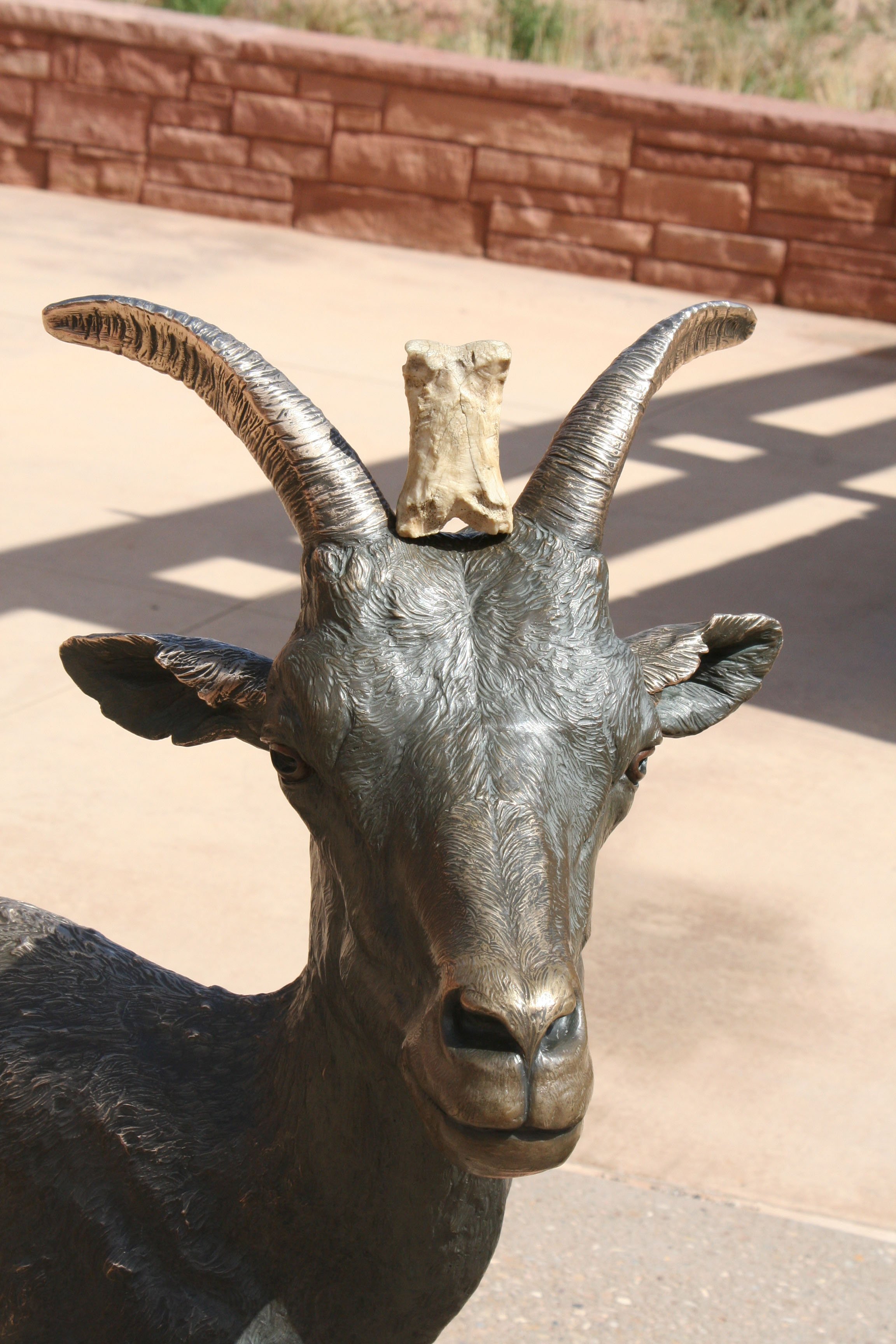
There are also Desert Bighorn Sheep in the area, often seen near the Visitors’ Center. Check out my blog on these magnificent animals.

Desert Big Horn Sheep are frequently seen near the Visitors’ Center at Arches National Park. The Peripatetic Bone decided to join a sculpture of the Big Horn Sheep at the Center.

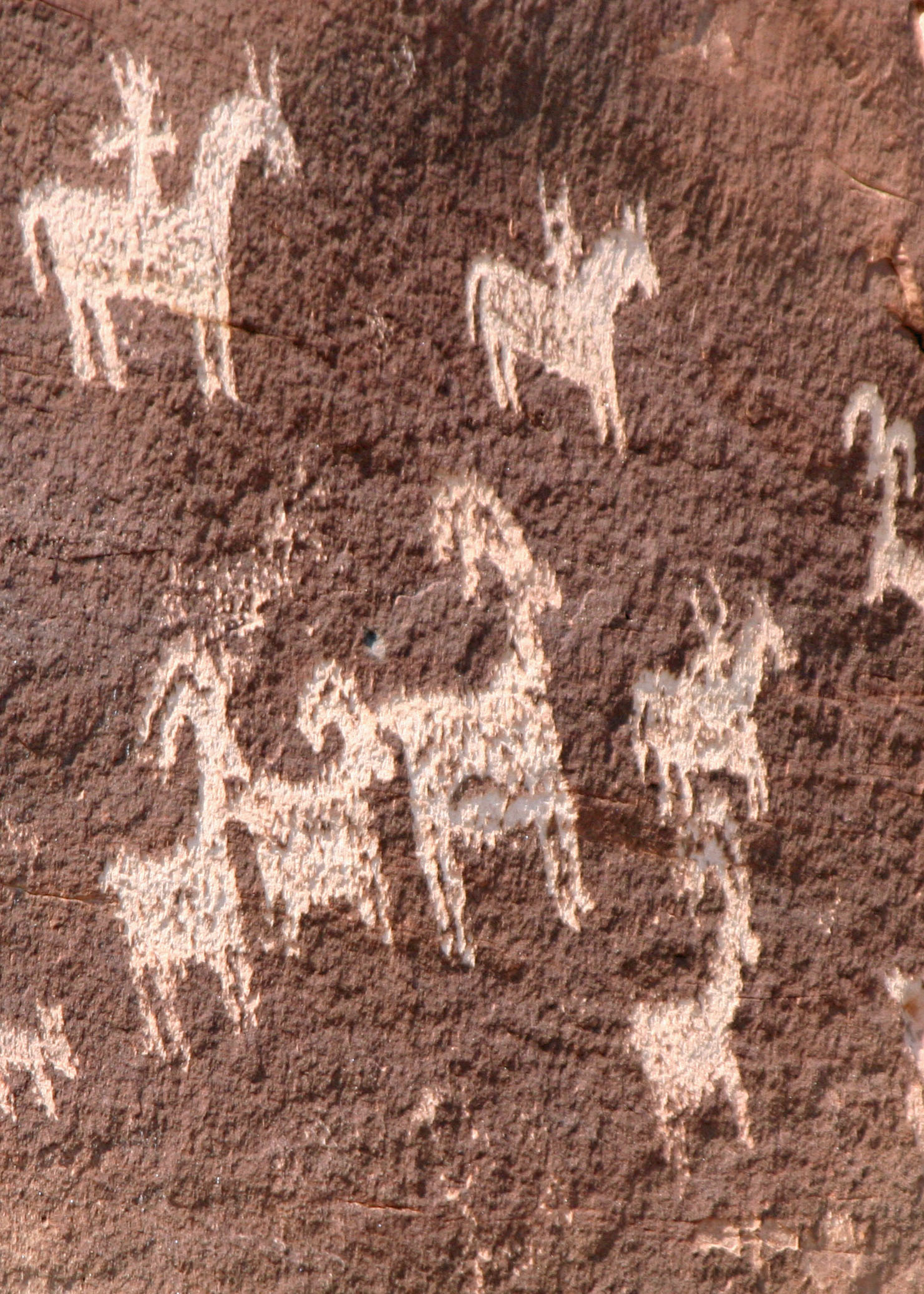
Ancient Native American Petroglyphs are found throughout the West and often feature Big Horn Sheep. This petroglyph is found in Arches National Park. Note the Indians on horses.

Utah has several other National Parks that I will feature in future blogs including Canyonlands, Capitol Reef, Bryce and Zion. You can visit these parks in a week but spending more time is definitely better. Each is worth a week itself!

I’ve been back to Arches National Park twice and have every intention of going again. Enjoy the photos.

Rock sculptures come in all shapes and sizes at Arches National Park. At one time arches would have connected these sculptures.

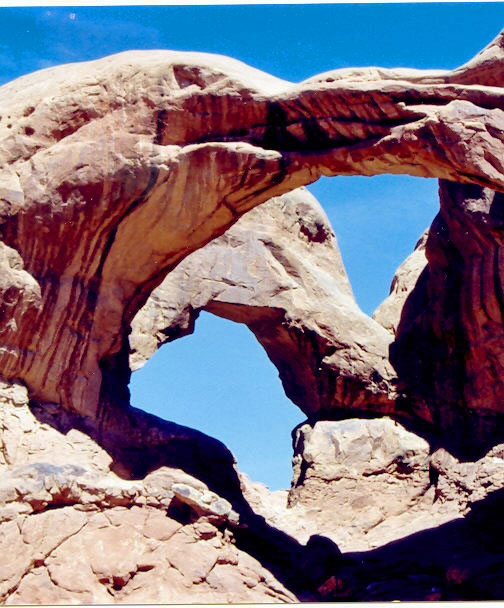
I took this photo on my first visit to Arches National park. The two arches are the same as I featured in my photo at the beginning of the blog.

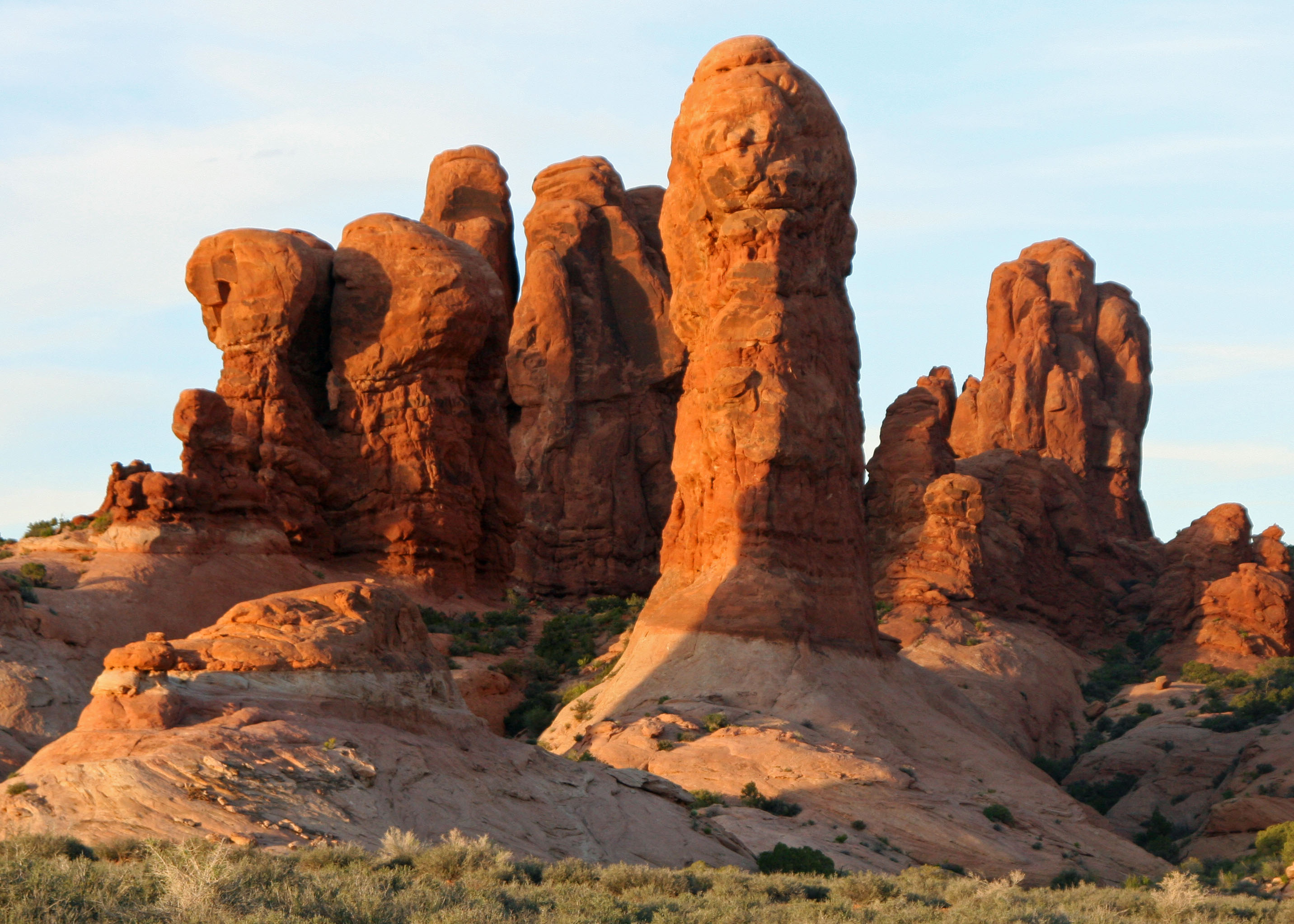
The stone sculptures at Arches National Park often form interesting groupings as demonstrated by the picture above and next three below.

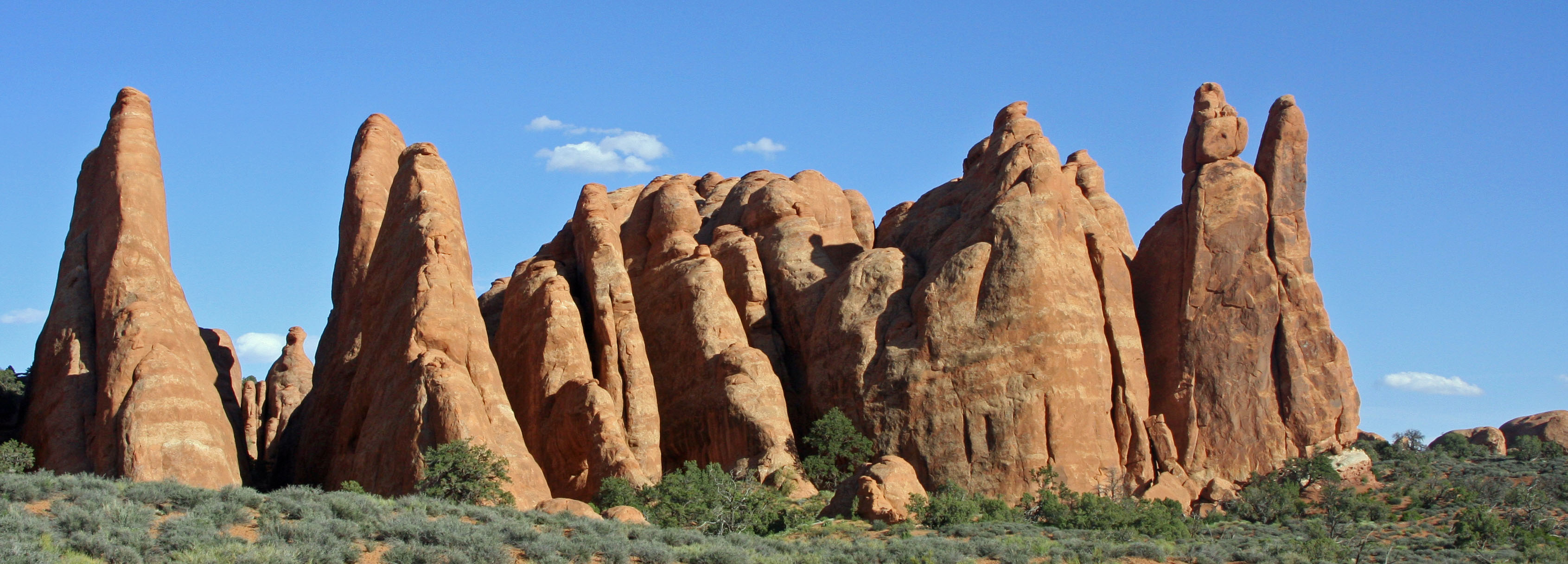
I thought teepees when I saw these sculptures.

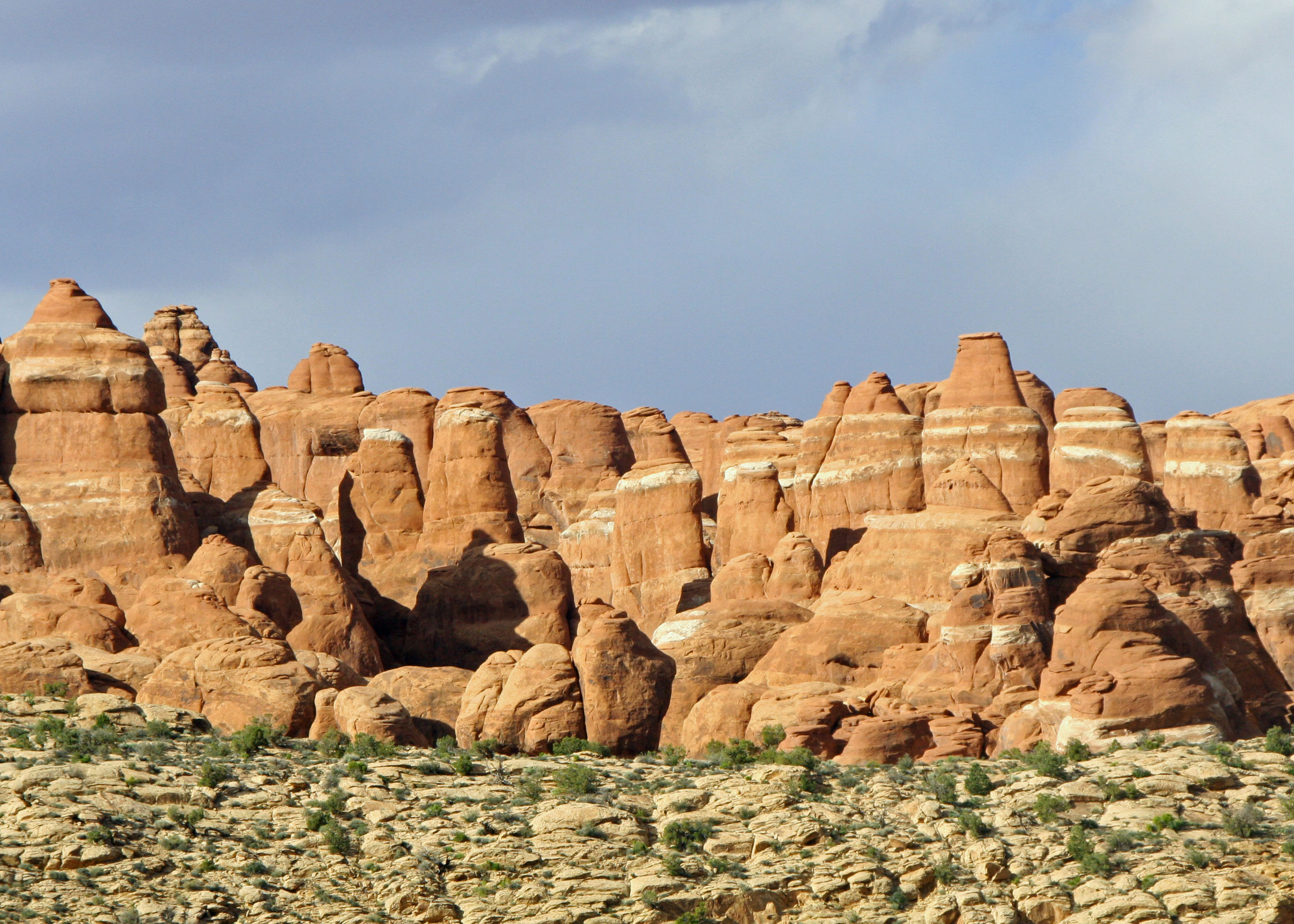
The dark sky above these sun-lit rocks added drama to this view.

Parent with lots of kids?

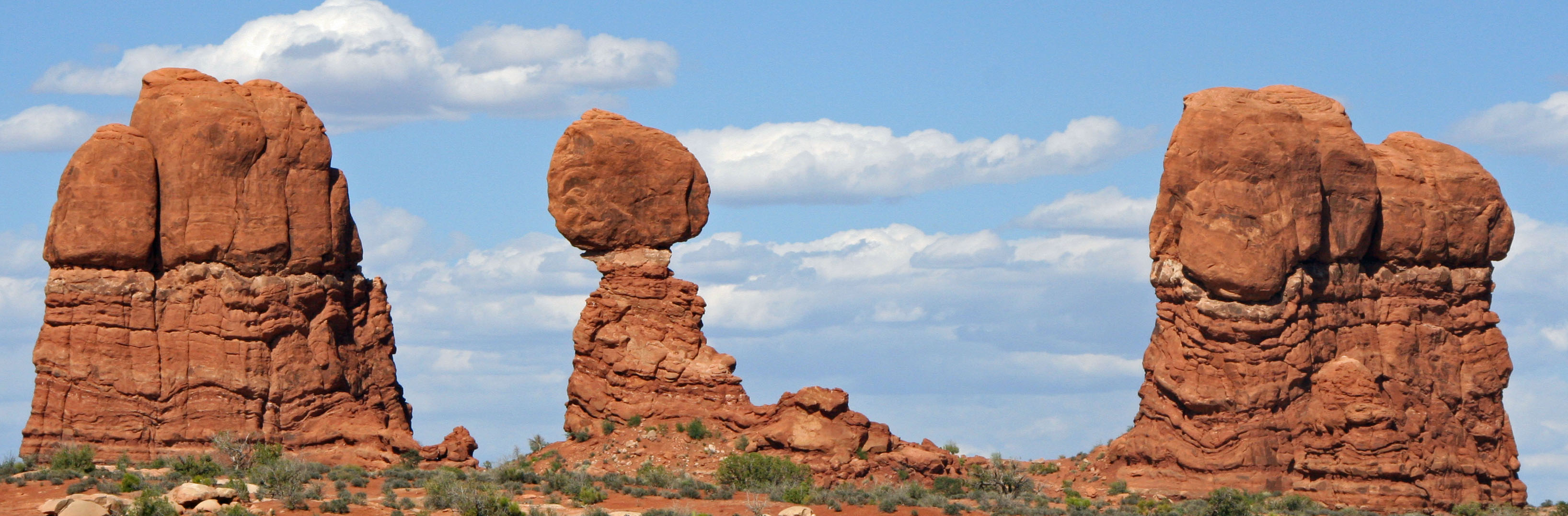
Erosion often leaves rocks precariously balanced at Arches. I wonder how long this rock will remain on its perch. it could fall tomorrow, or in a thousand years.

This impressive structure at Arches National Park is called the Courthouse. I call it V.

A final arch…

Distant snow-covered mountains add to the beauty of Arches National Park.