






We were on a mission to find zebras. They were the only major animal on our must-see list that we hadn’t seen in Chobe National Park. Finally, deep in Hwange National Park, Zimbabwe, we found them, a whole herd. As is obvious from their physical appearance, they are closely related to horses and donkeys. In fact, zebras can mate with them. When a zebra and a donkey get together, their offspring is a zonkey. Not surprisingly, the offspring of a horse and a zebra is called a zorse. This is definitely party conversation material! Like mules, zonkeys and zorses are sterile, however. You won’t find them in large numbers.
As for the marvelous black and white stripes, scientists aren’t exactly sure of their purpose. One might be to confuse predators. It’s really hard to pick out vulnerable individuals in a herd, especially when they are running like heck to get away. They may also serve as a form of identification for other zebras, a name tag if you will, since the stripes are different on each zebra. Controlling body heat might be another factor.


At the beginning of February, Peggy and I drove down to Florida to visit with our son Tony, his wife Cammie and their three boys: Connor, Chris and Cooper. Afterwards, we drove down to Everglade City in southeast Florida where we explored the 10,000 Island area of the Everglades and Big Cypress National Preserve. There were birds galore, alligators, and even crocodiles! We then crossed the state and drove down to Flamingo in Everglades National Park where we went glamping, i.e. stayed in a tent camp with floors, electricity and comfortable beds.
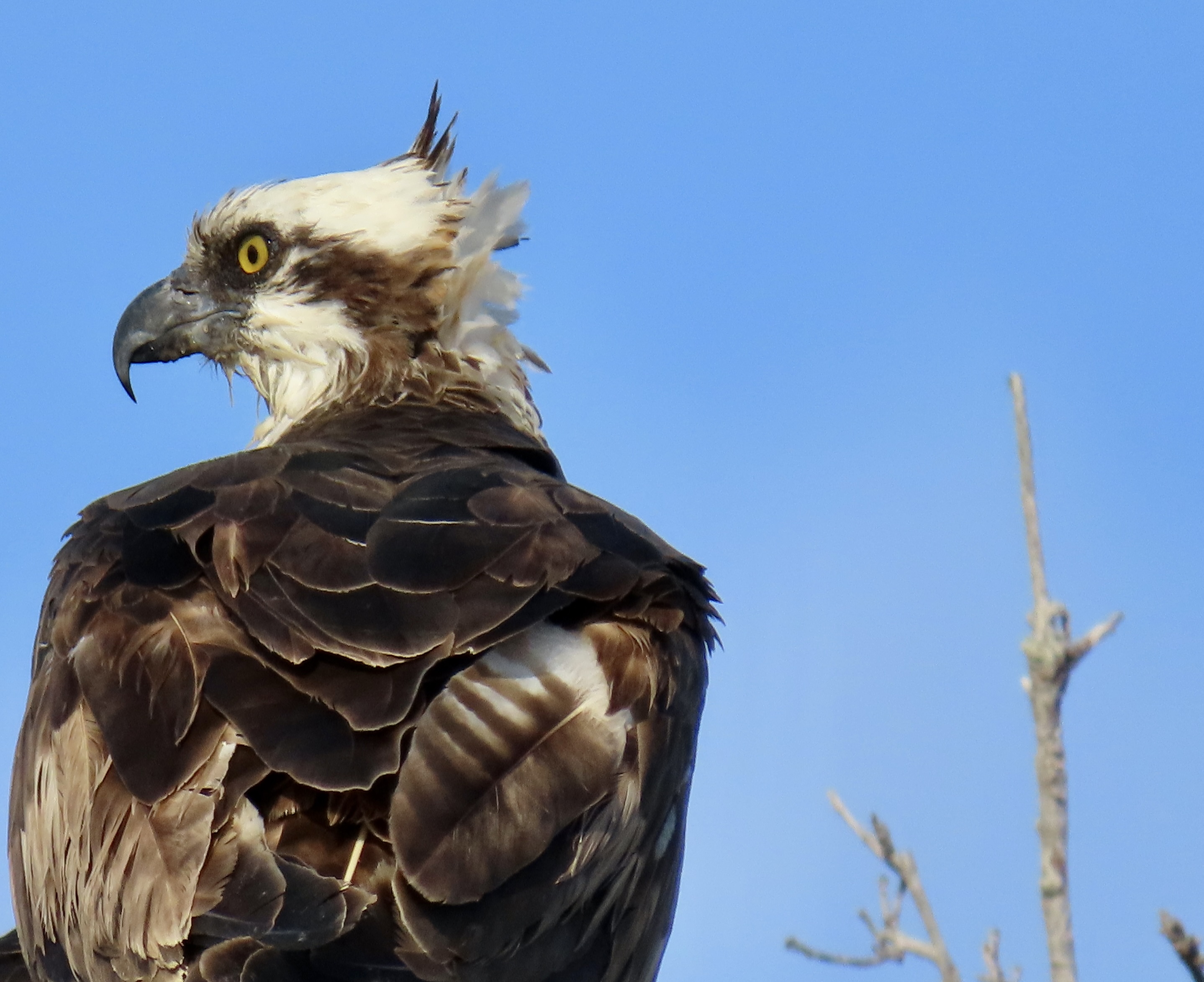
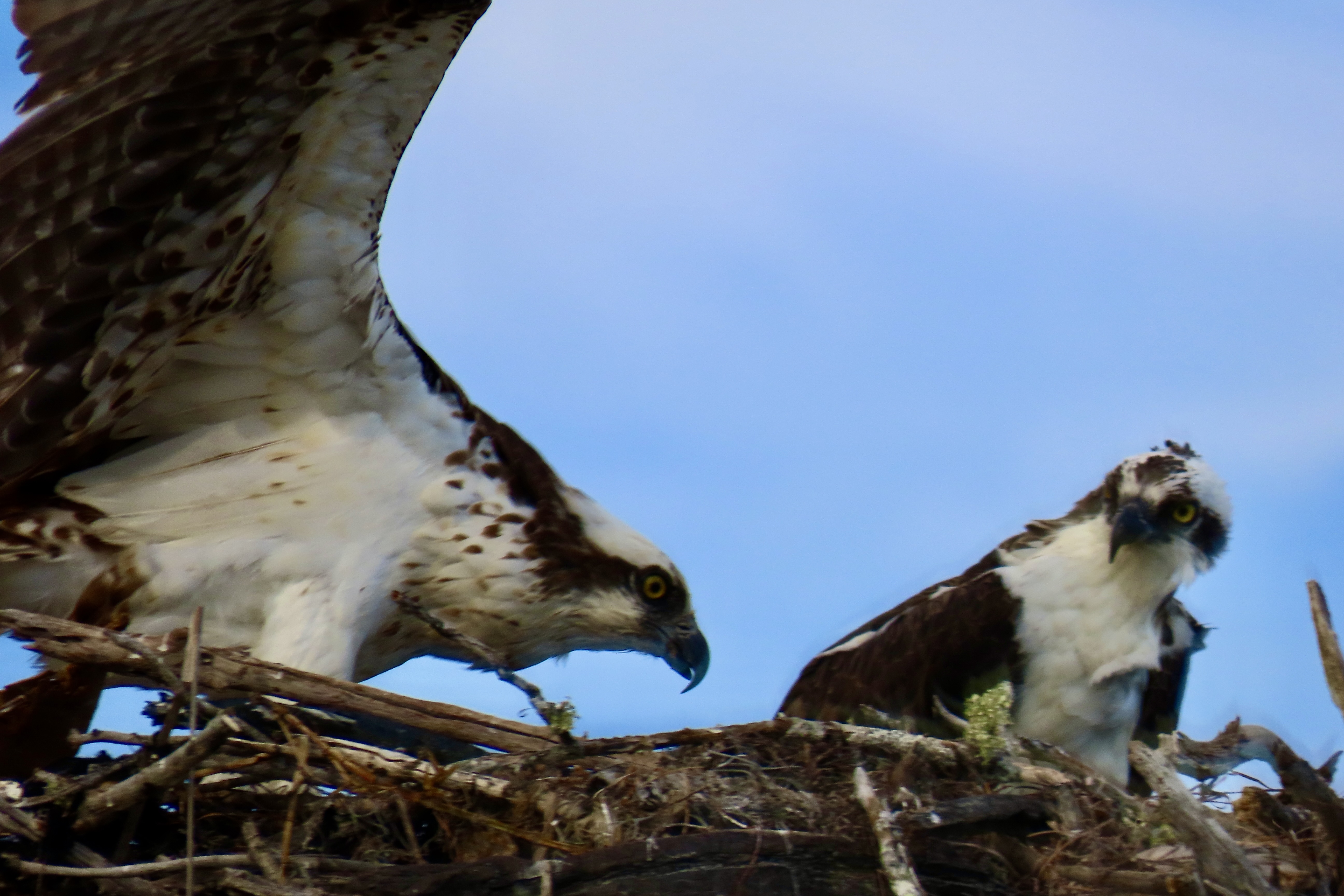
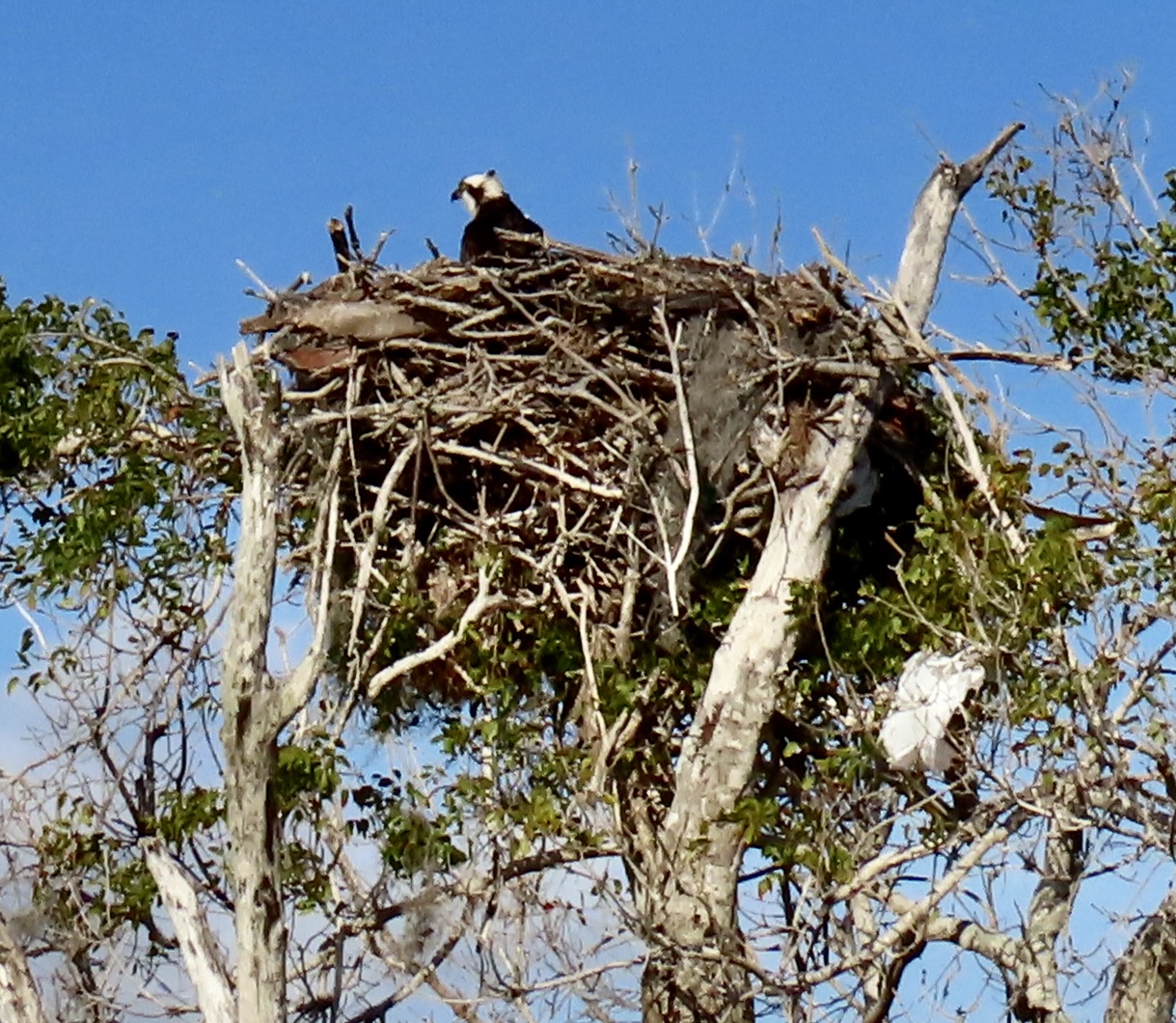
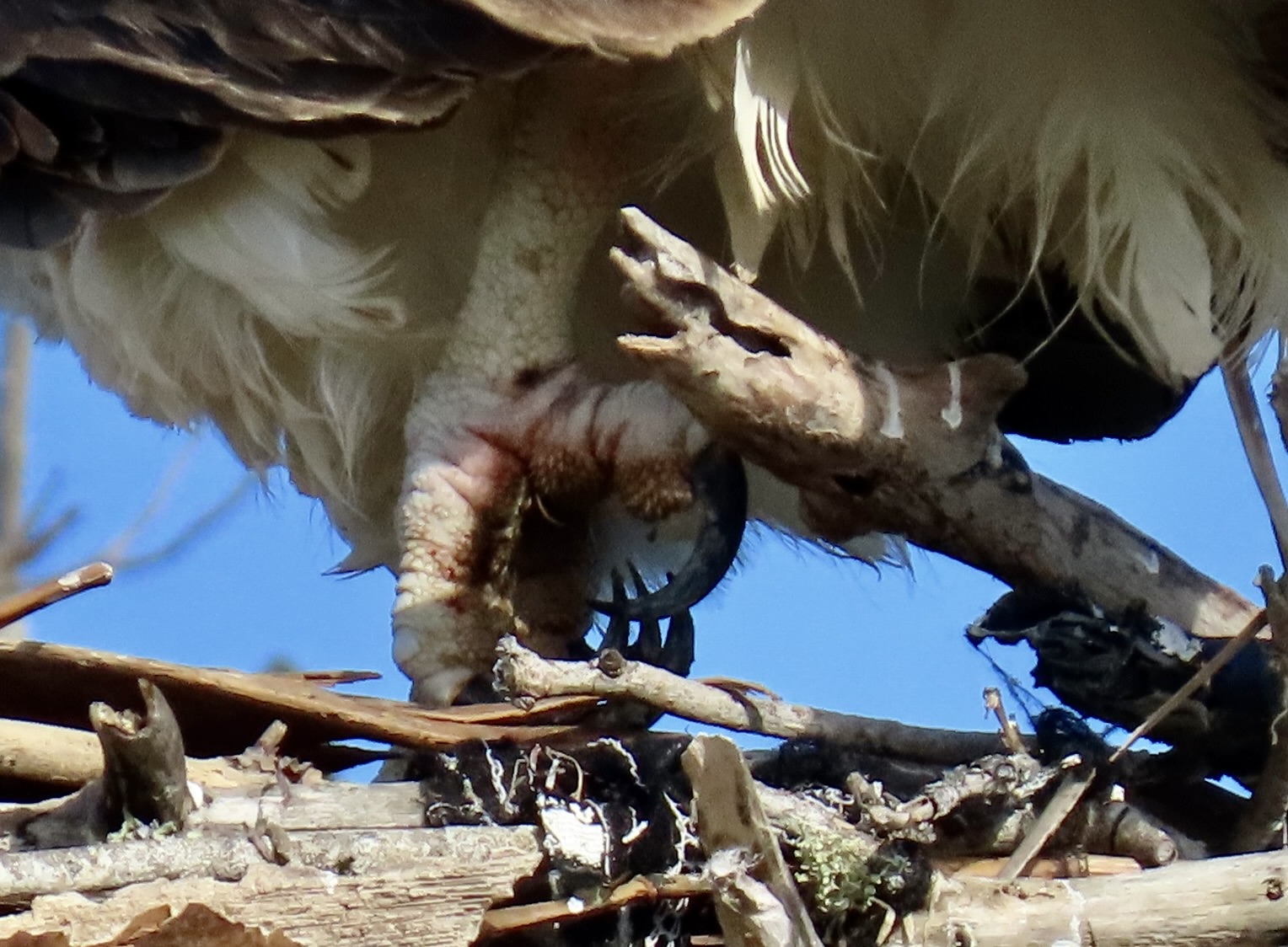
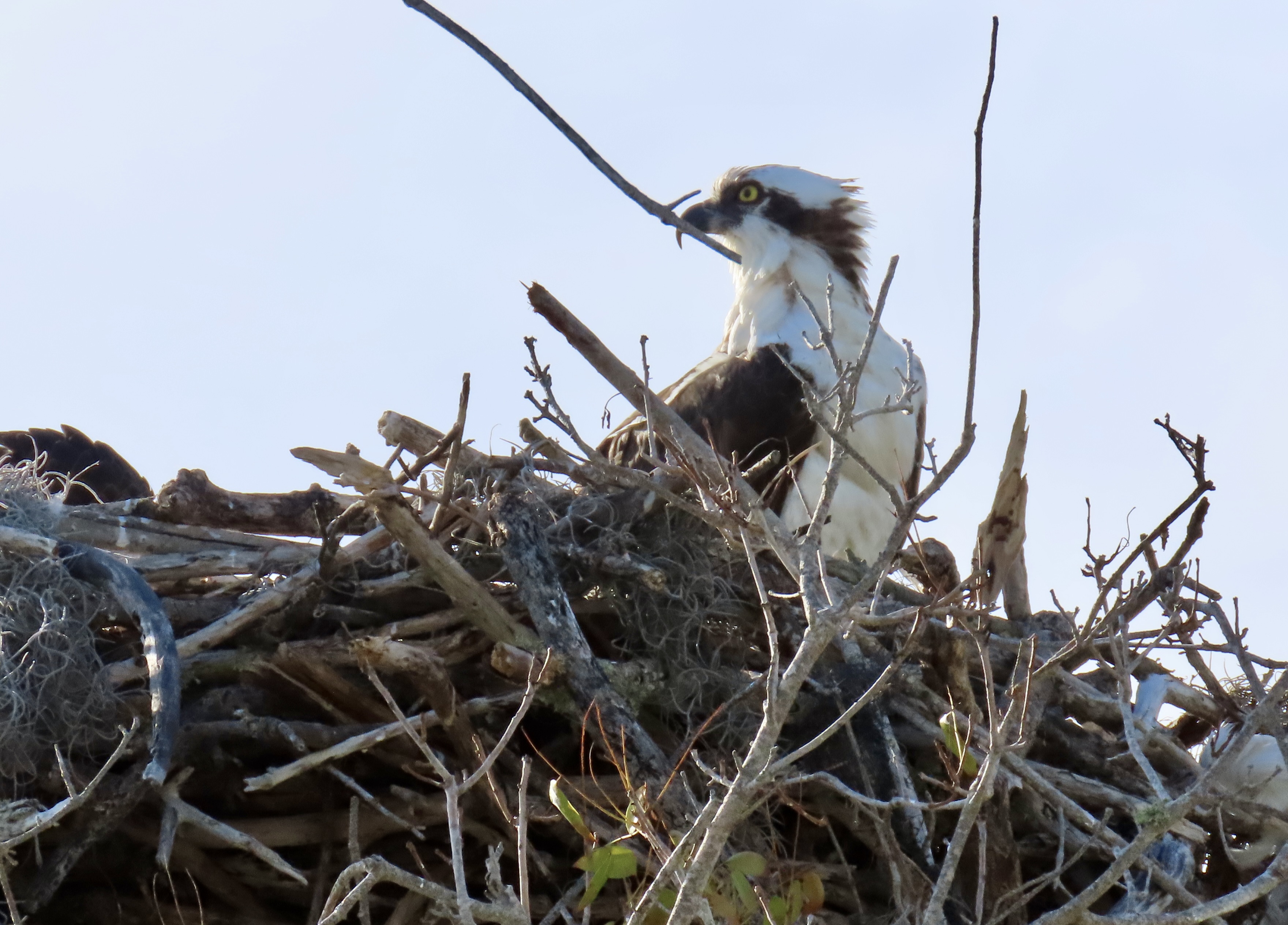
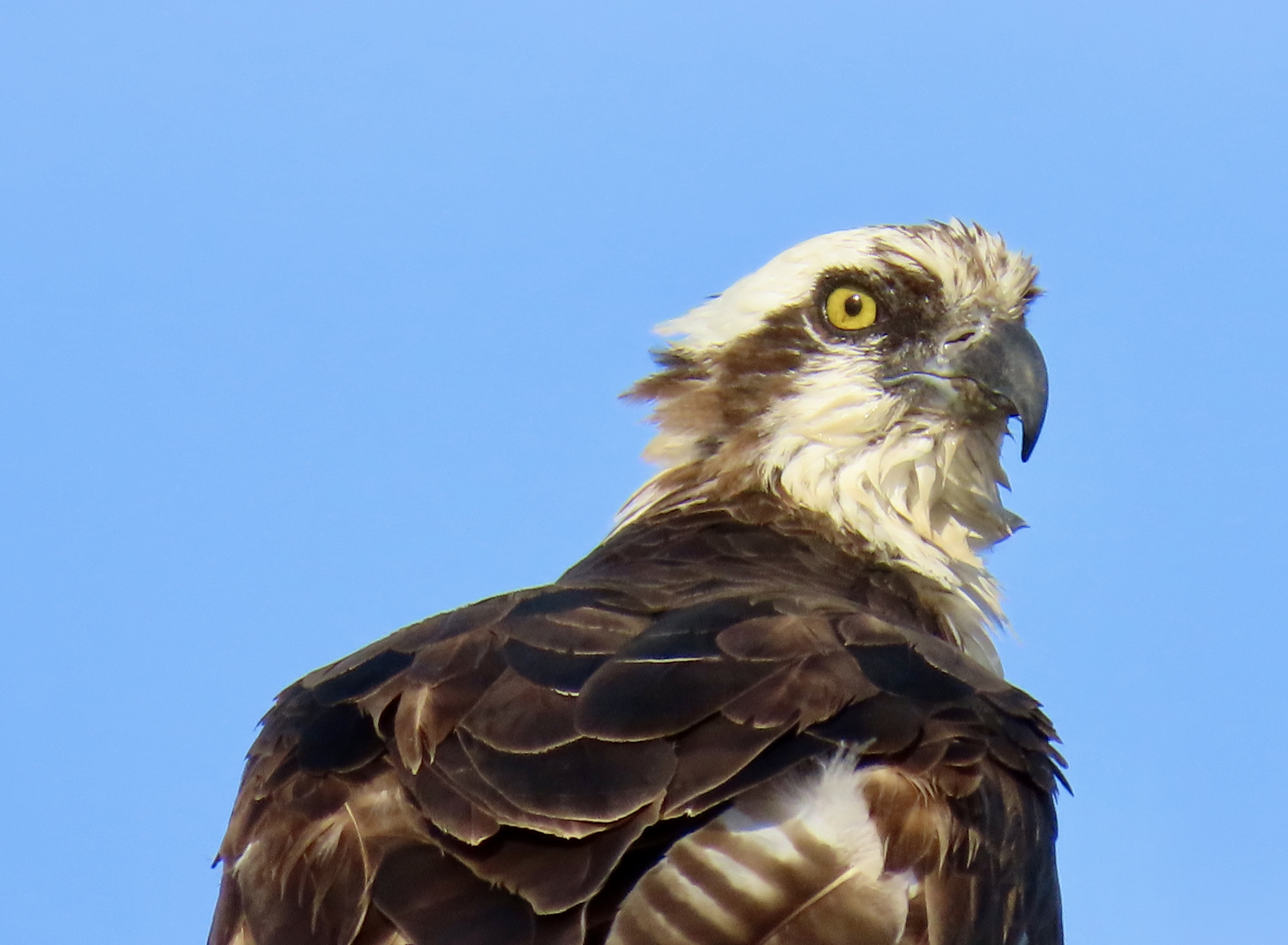
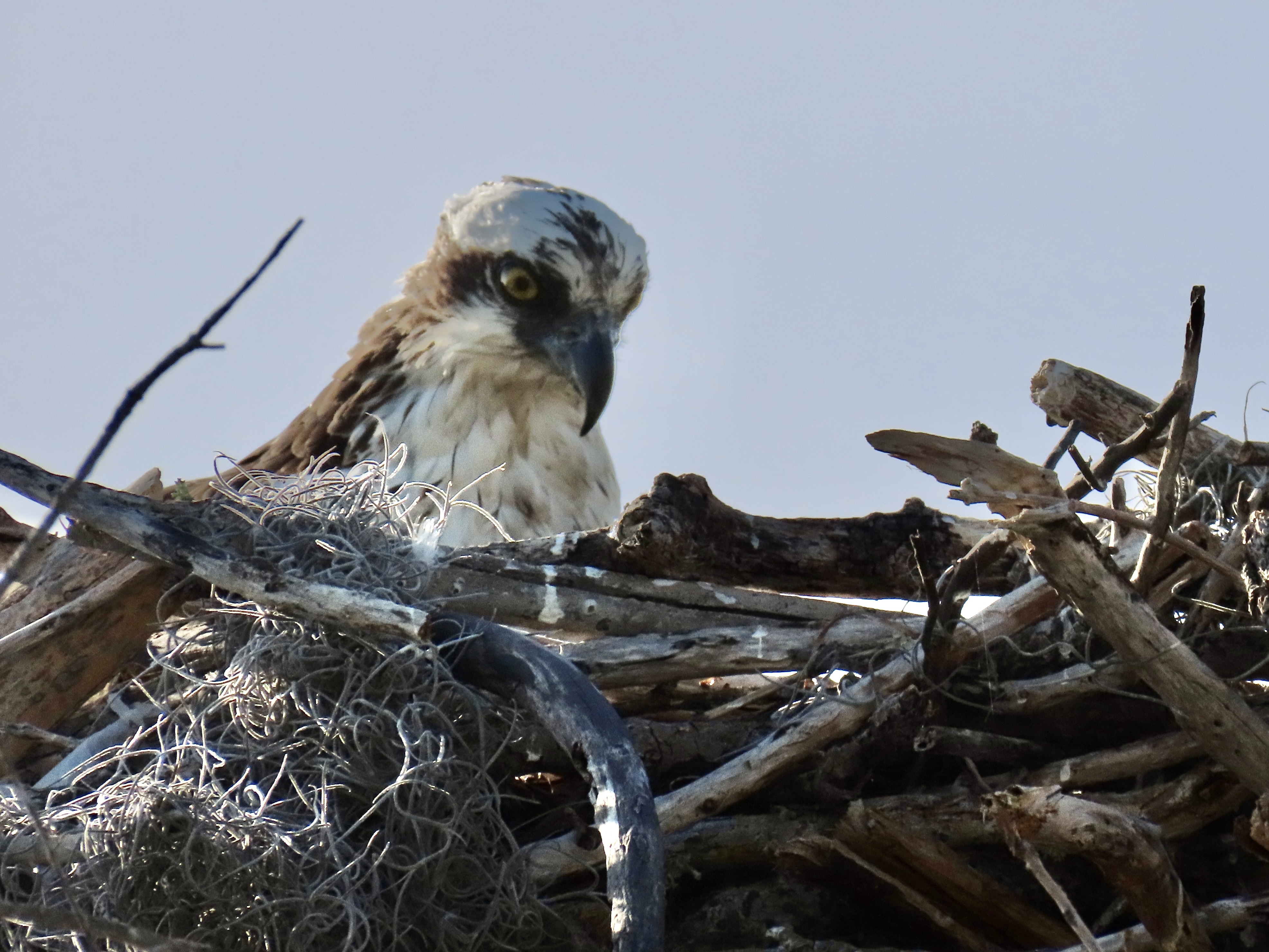
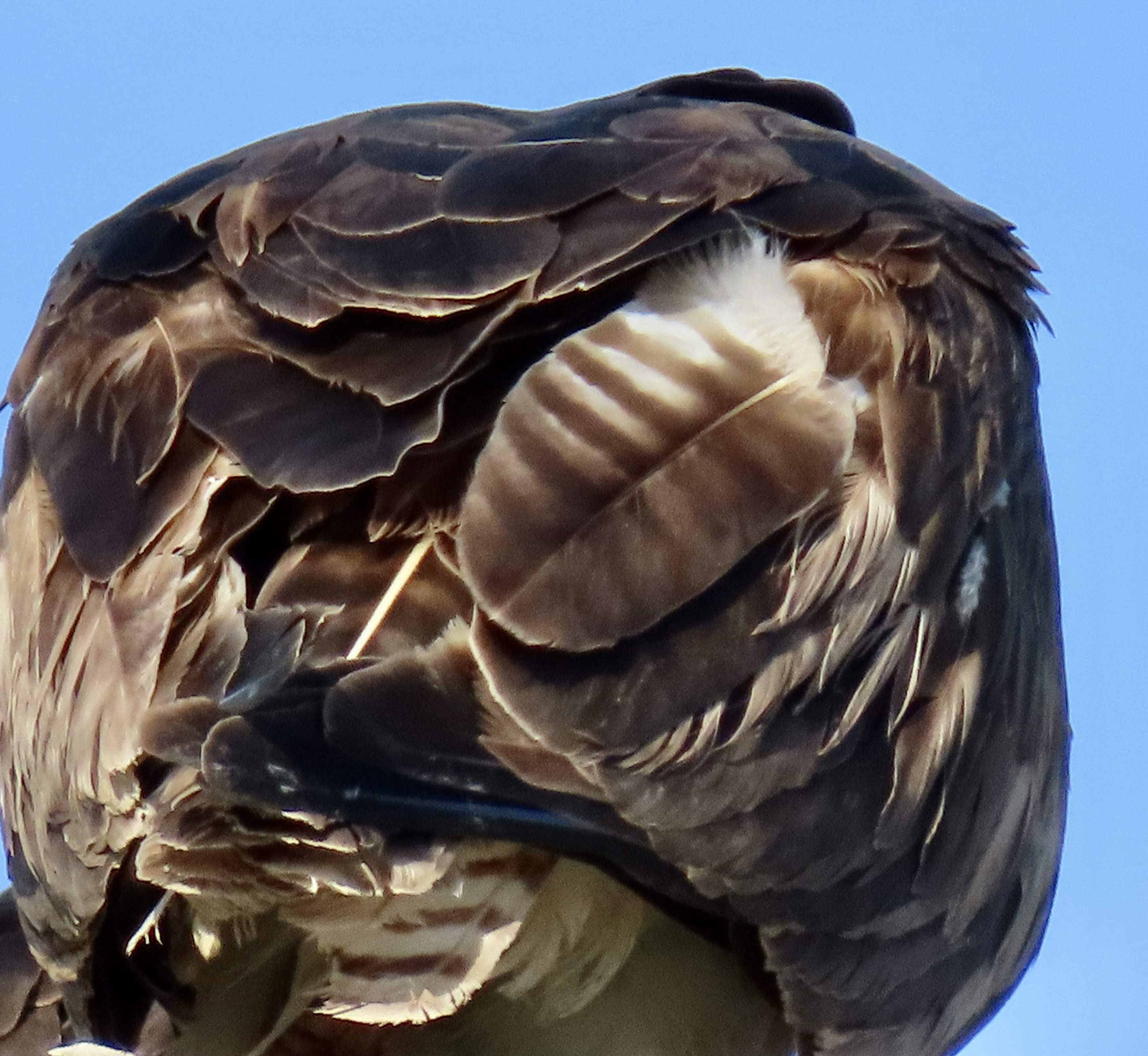
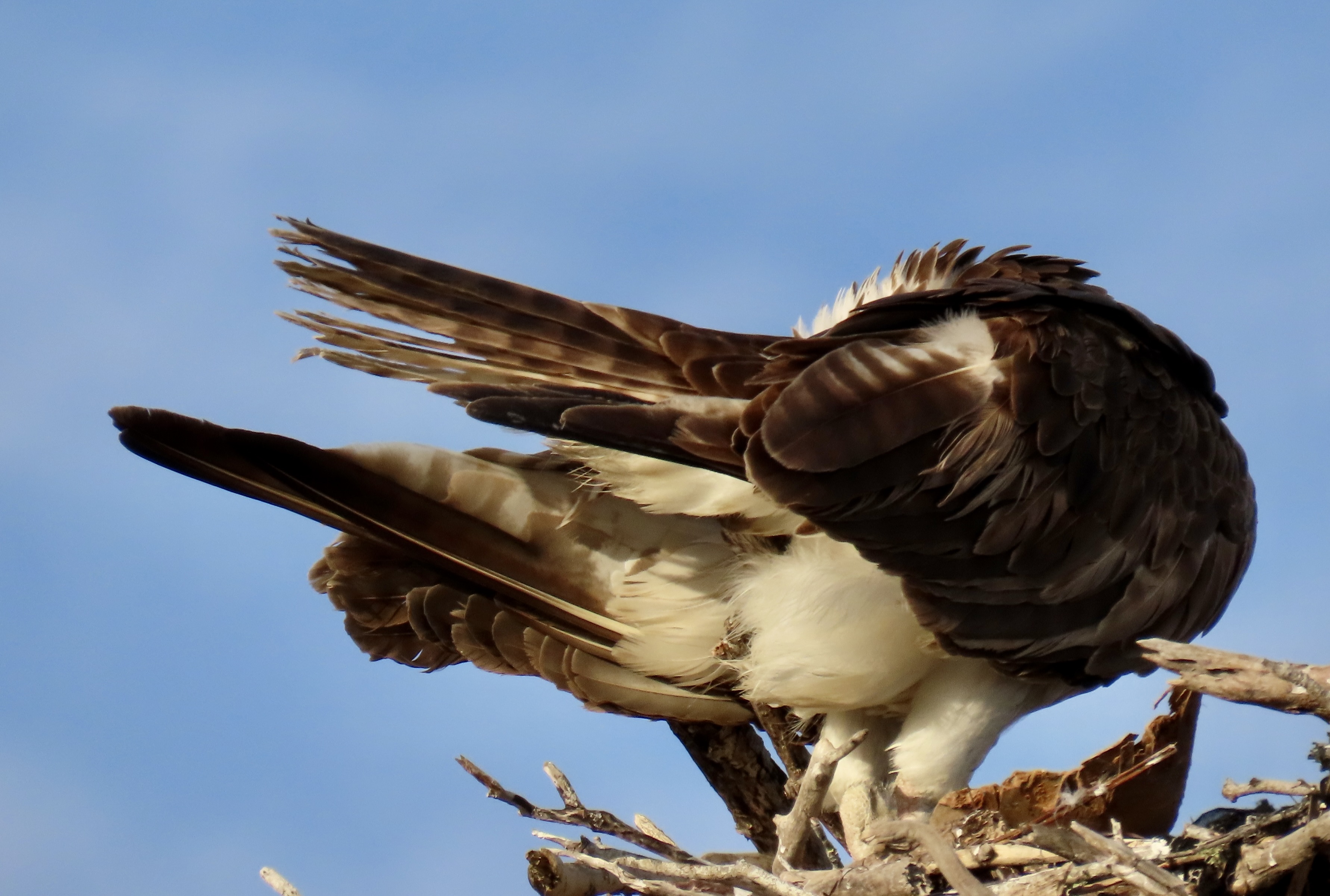
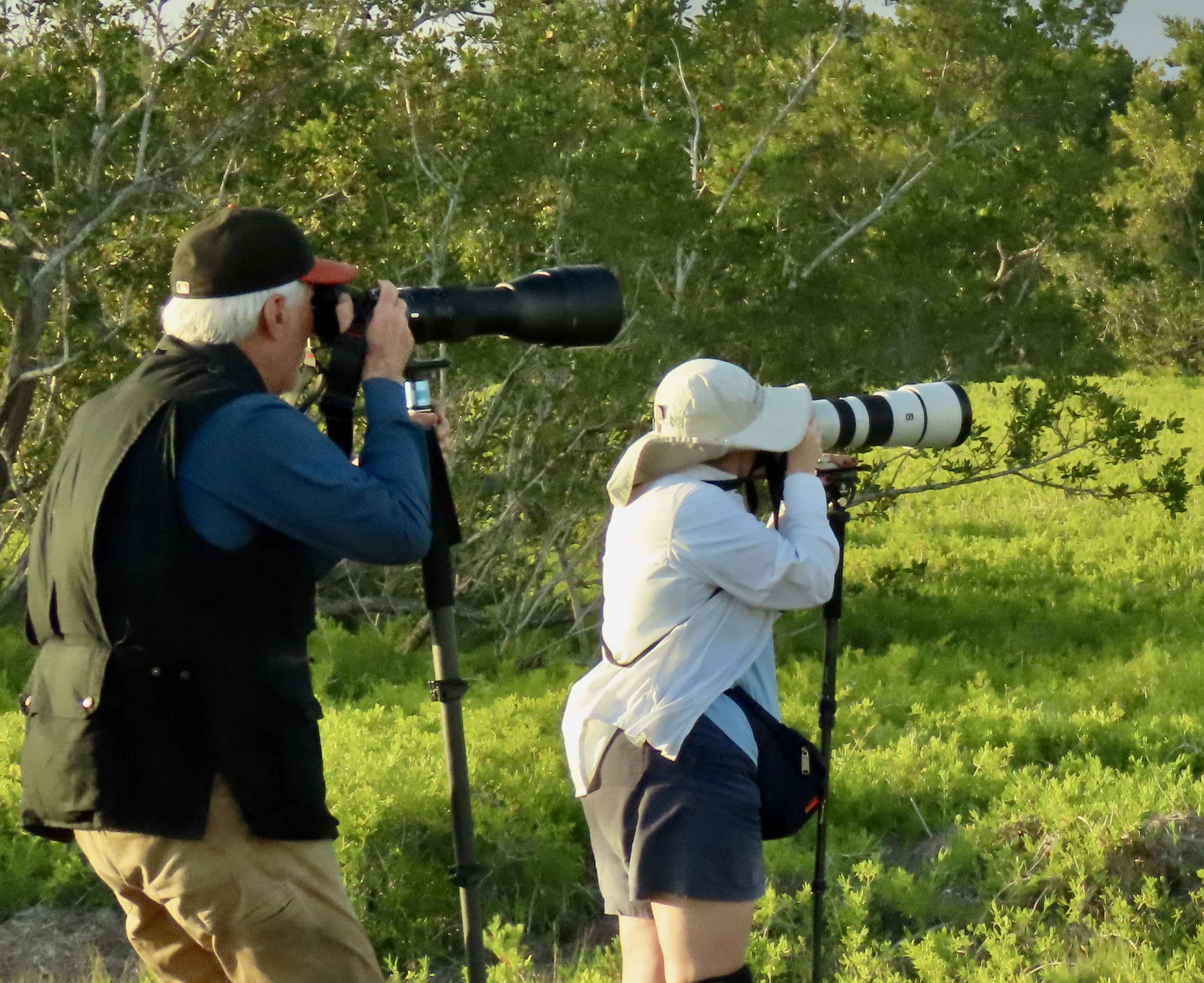
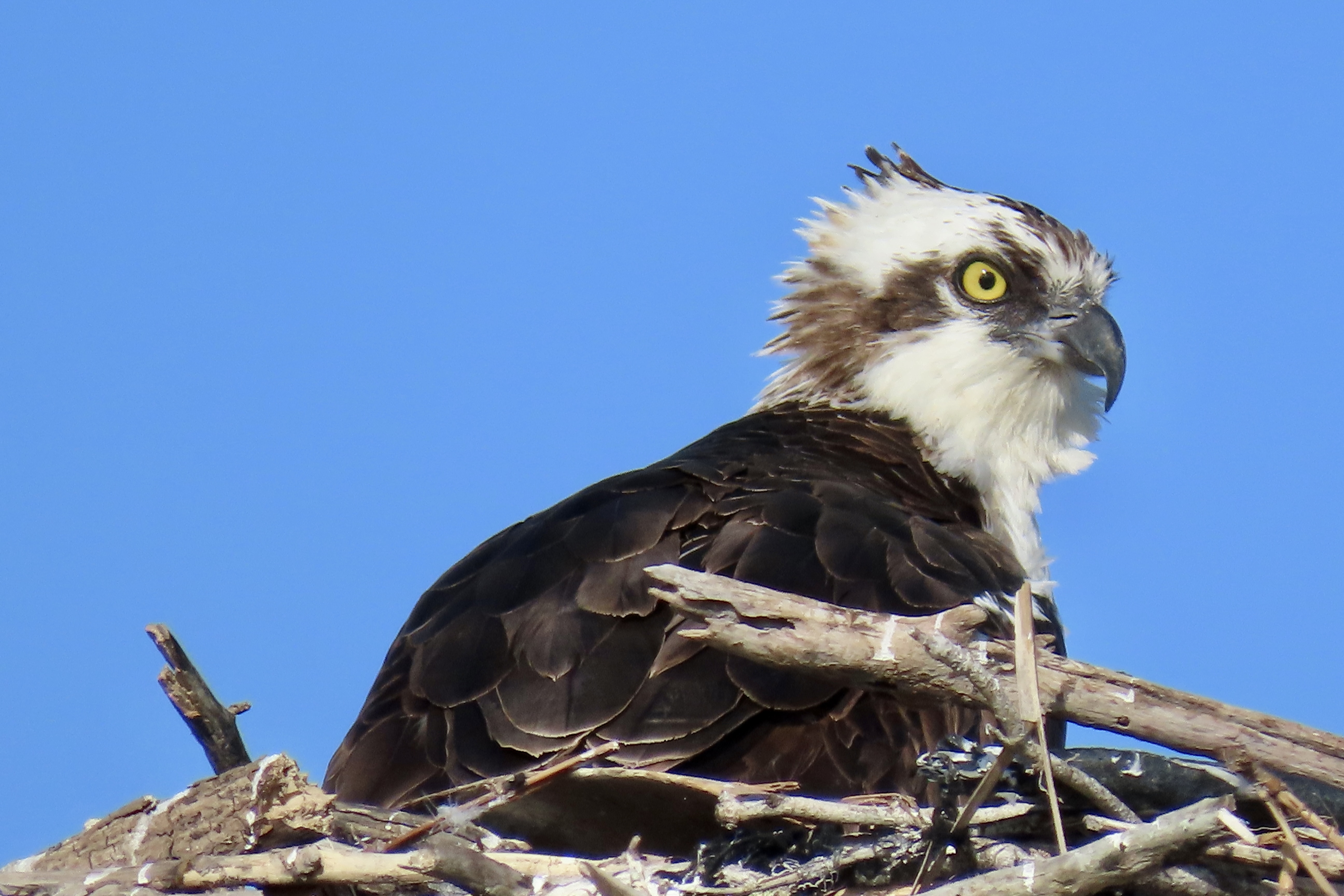
Peggy discovered an osprey nest nearby when she was searching for a restroom. The one in our glamp-camp was closed for cleaning. She came back to our tent quite excited— to say the least. It was imperative that we go check it out, immediately! We decided to have lunch near the nest so we could watch the osprey come and go. Peggy had seen a chick being fed on her first foray. Unfortunately, we didn’t get to see it. “Teach me to head for a restroom without my camera!” Peggy groused. But there was plenty of other action as the ospreys watched us, preened, and remodeled their nest.






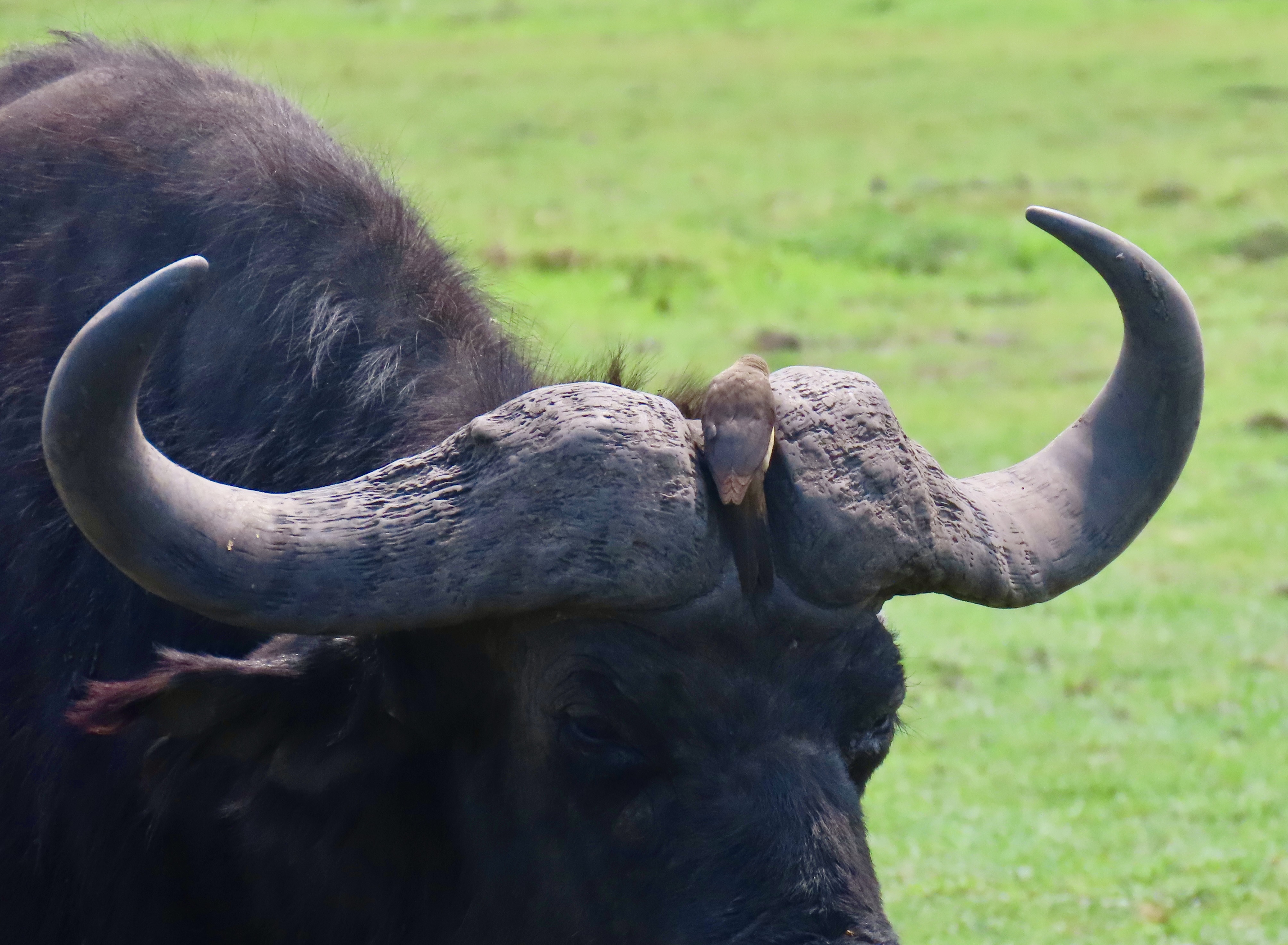
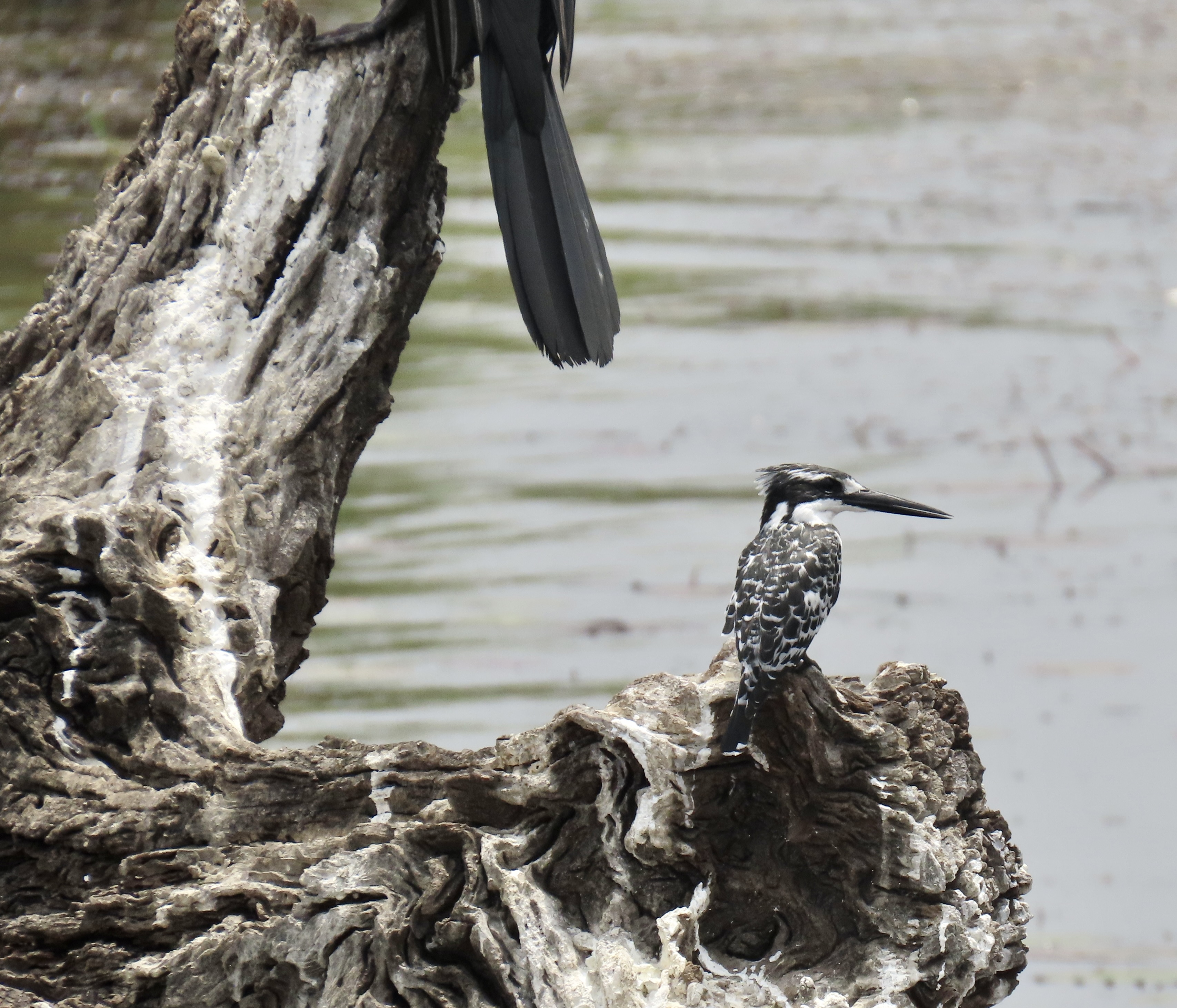
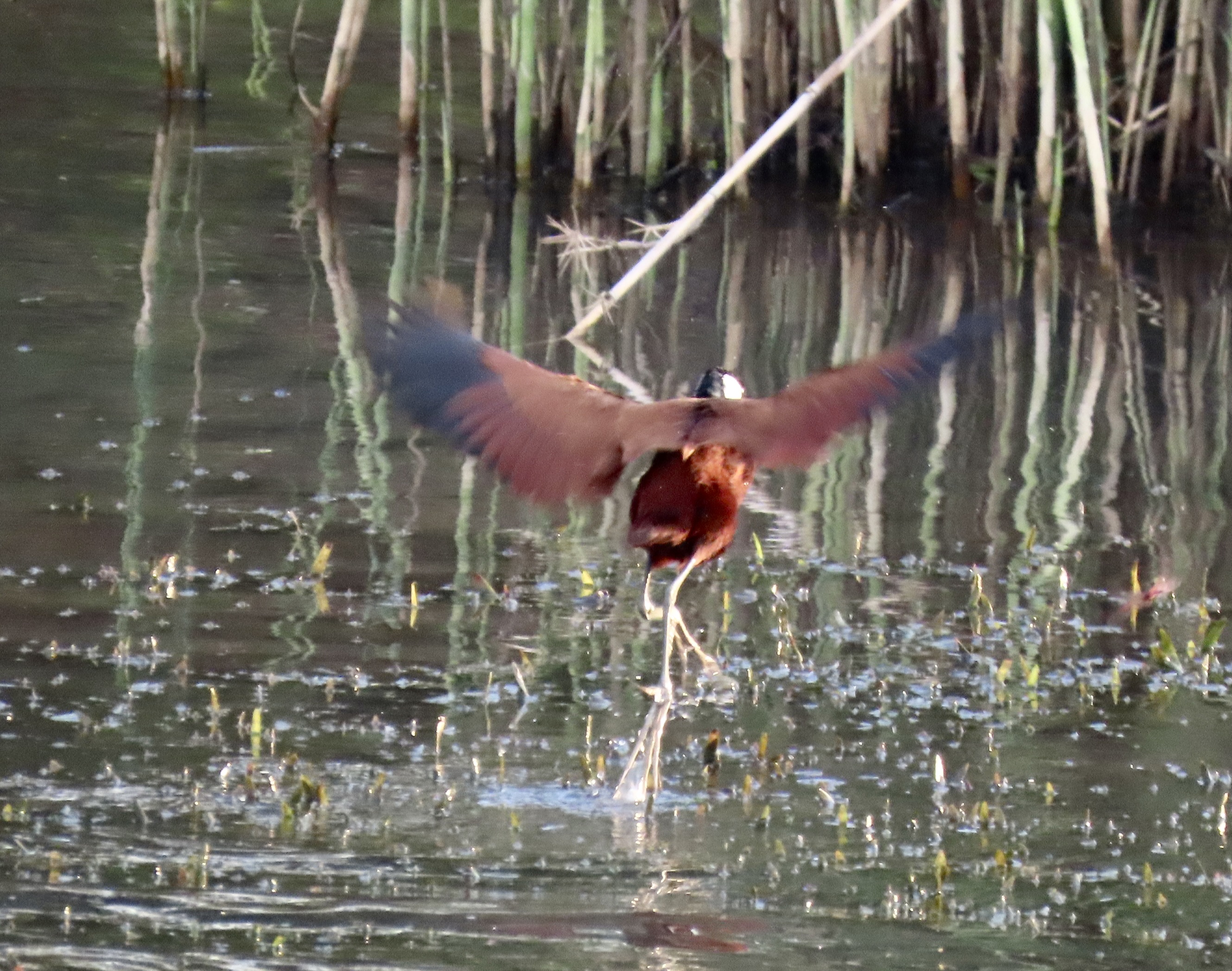
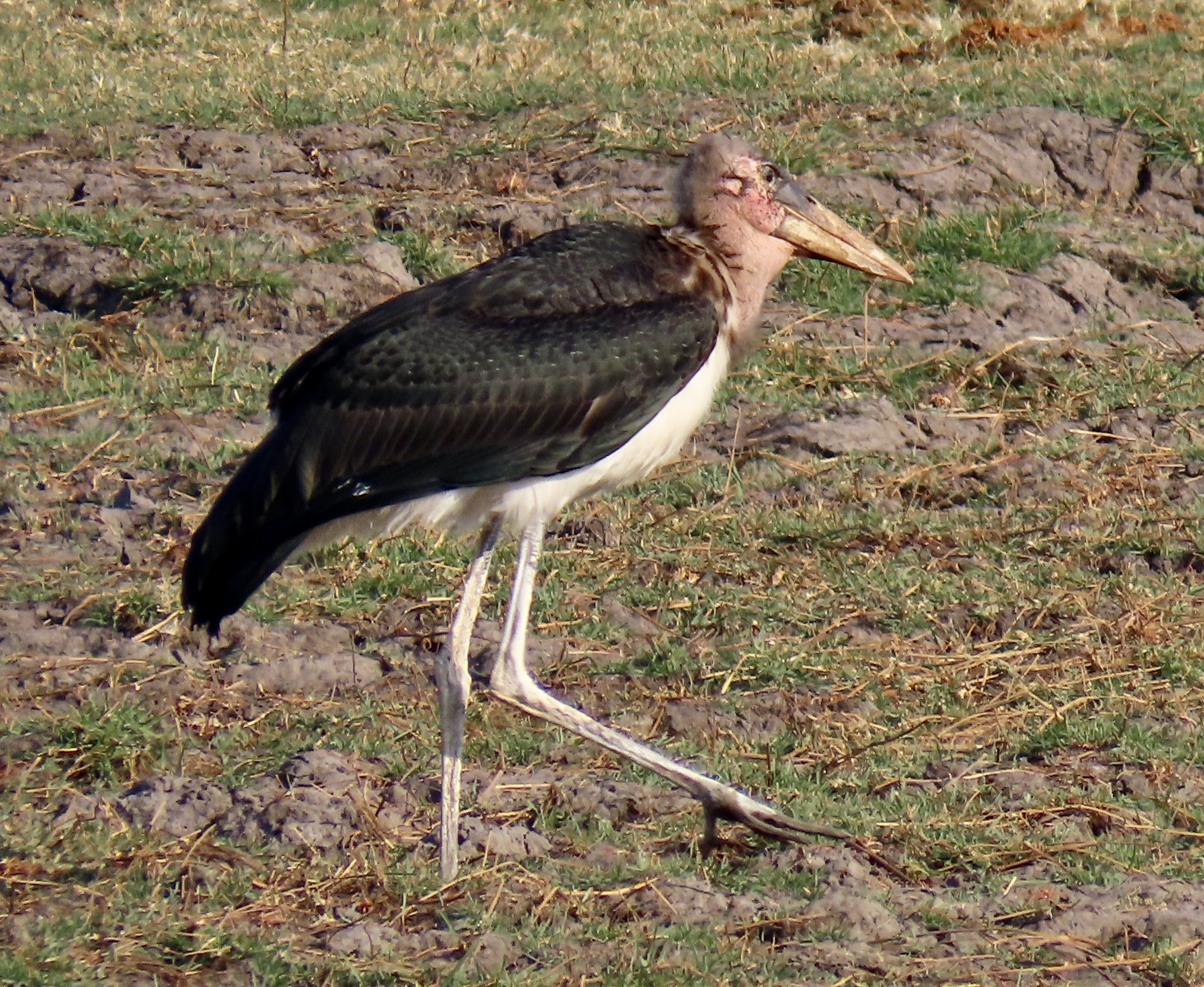
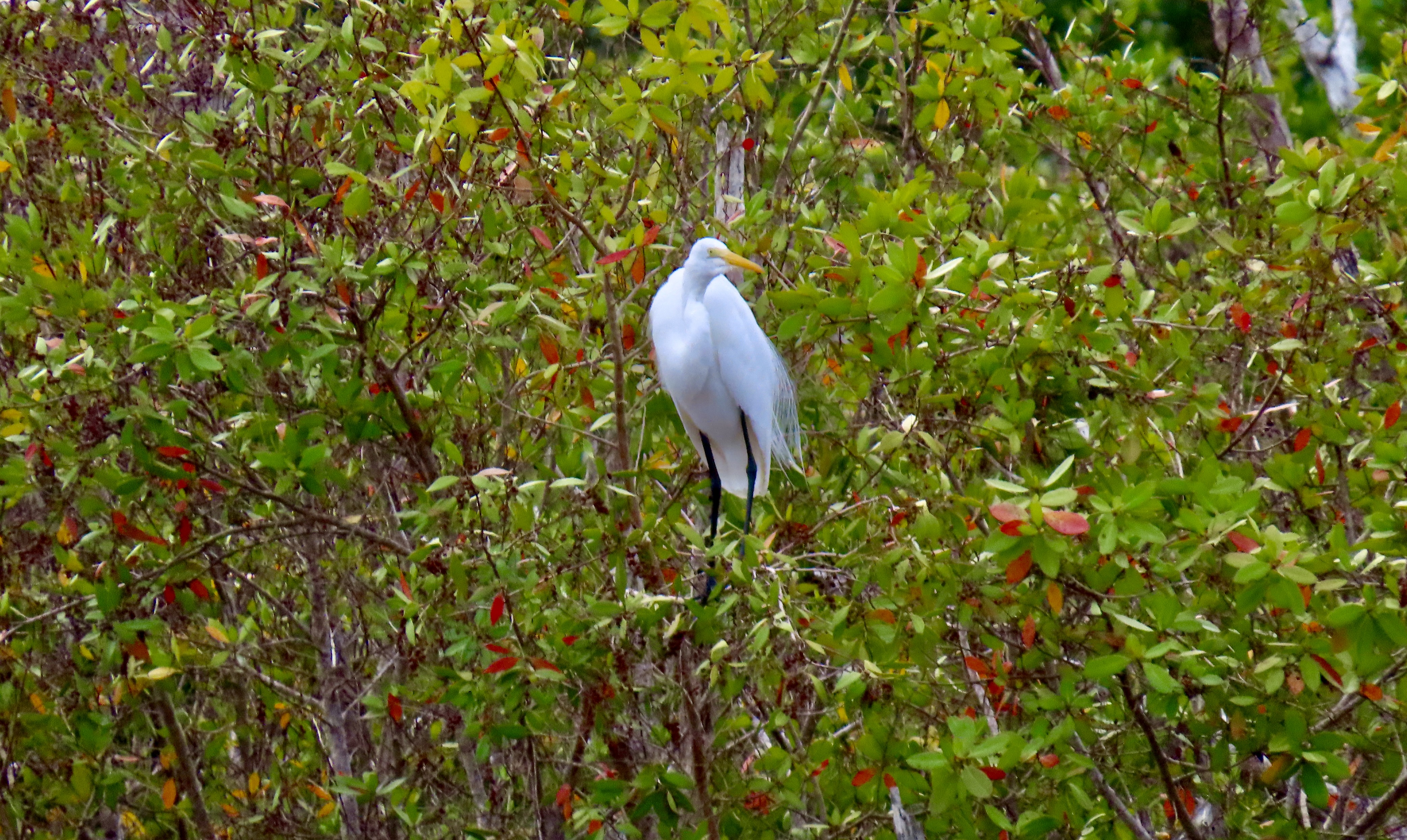
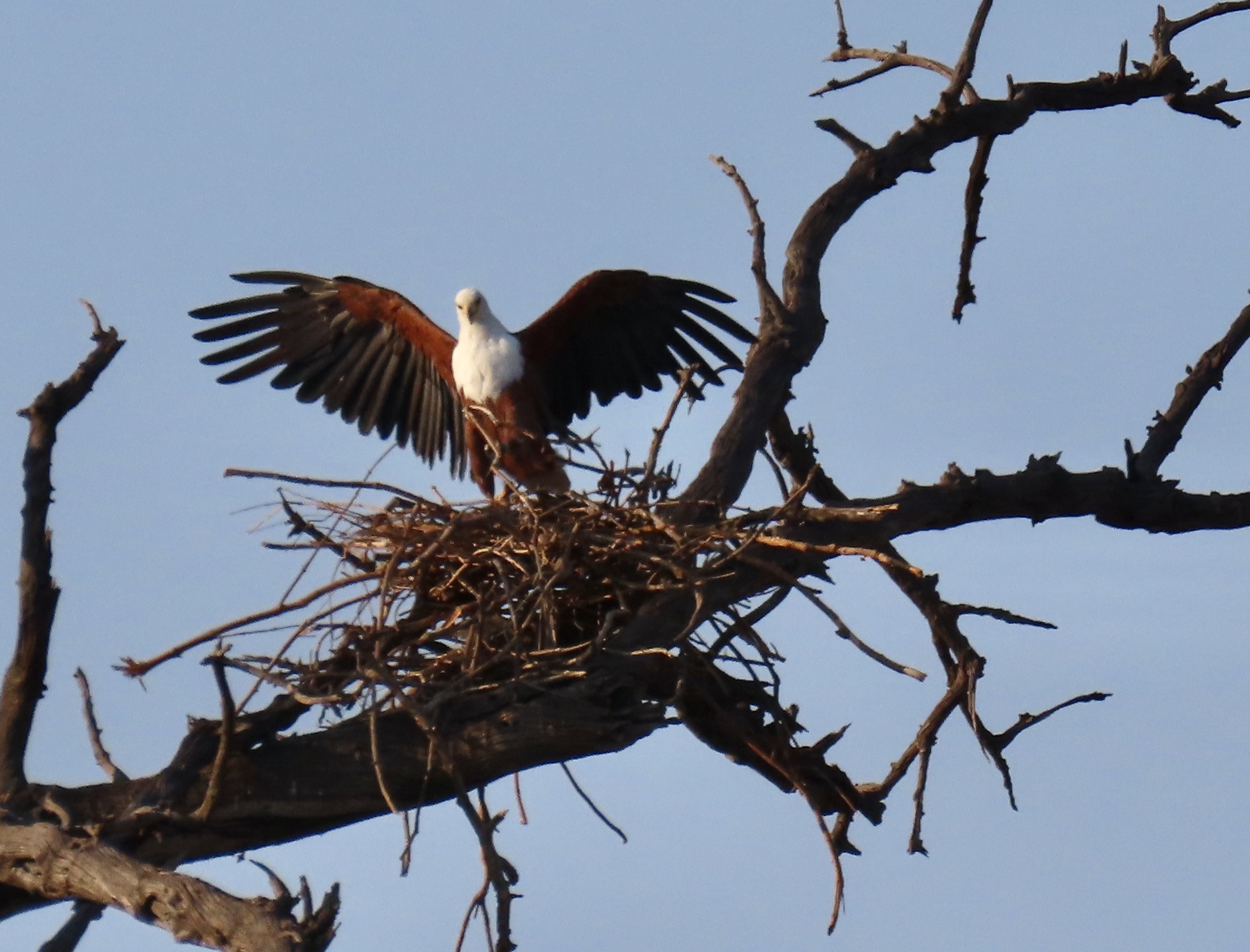
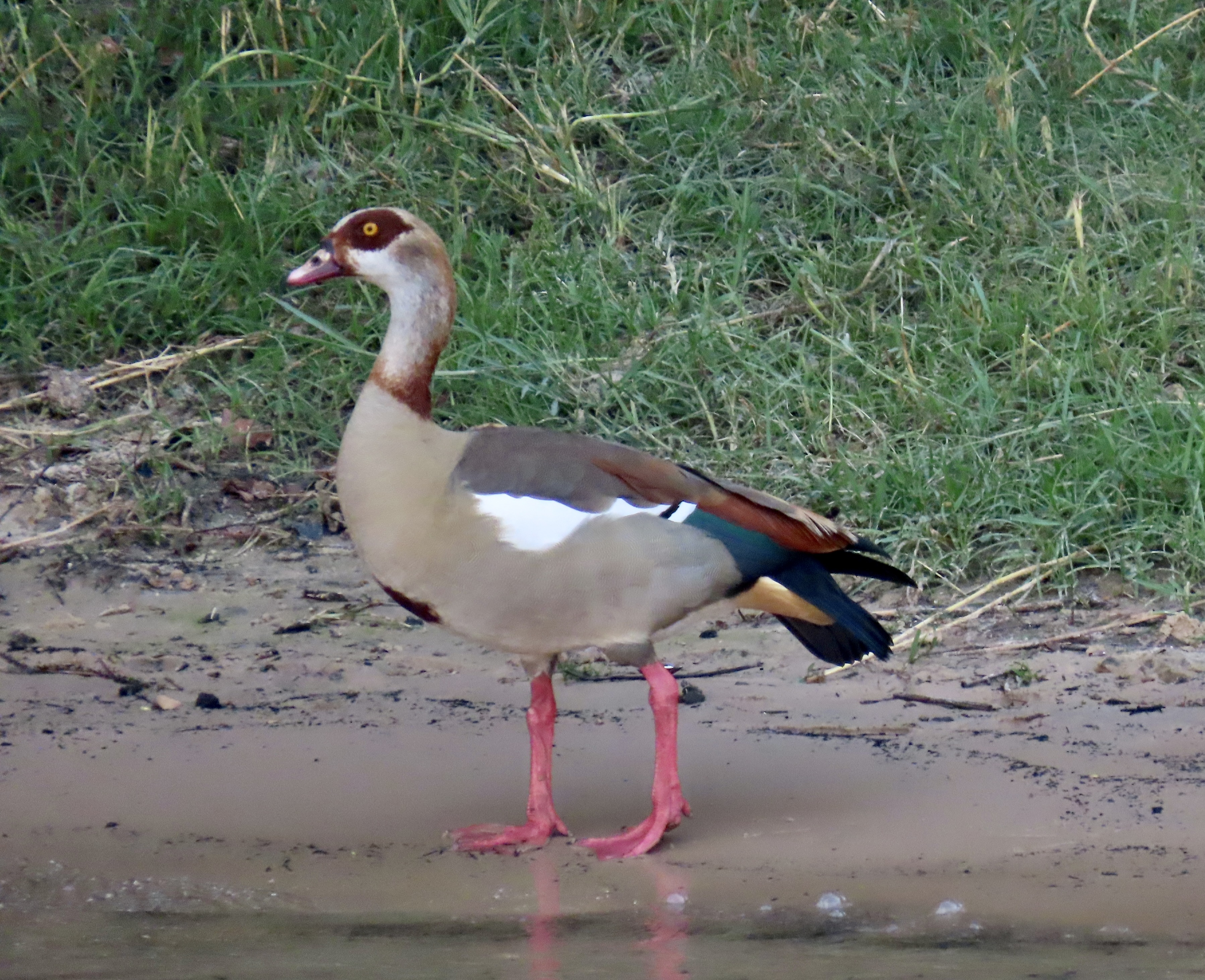
I’ve mentioned before in this series (several times probably) that Peggy and I were both surprised and impressed with the bird life we found on our safari through Botswana, Zimbabwe, and South Africa. We ended up focusing on the birds as much as the other wildlife. I’ve already introduced several. Today, I’ll do a wrap up on the others that captured our attention.






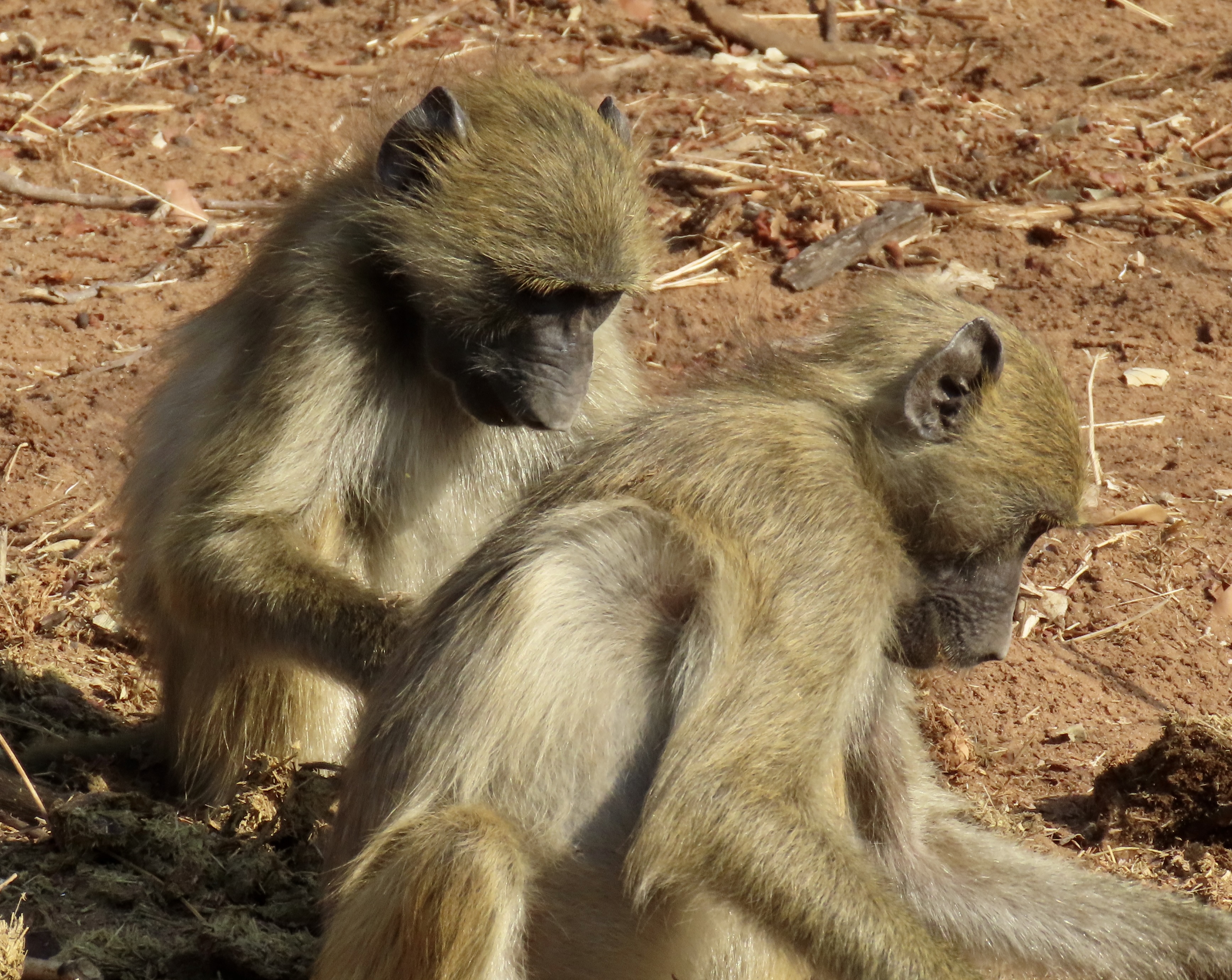
In the animal kingdom, baboons are close relatives of ours, sharing 94% of our DNA. While others are closer (chimpanzees at 99% for example), 94% is close enough to feel a sense of identity, or at least imagine one. This mom’s interactions with her baby were about as ‘human’ as they get.





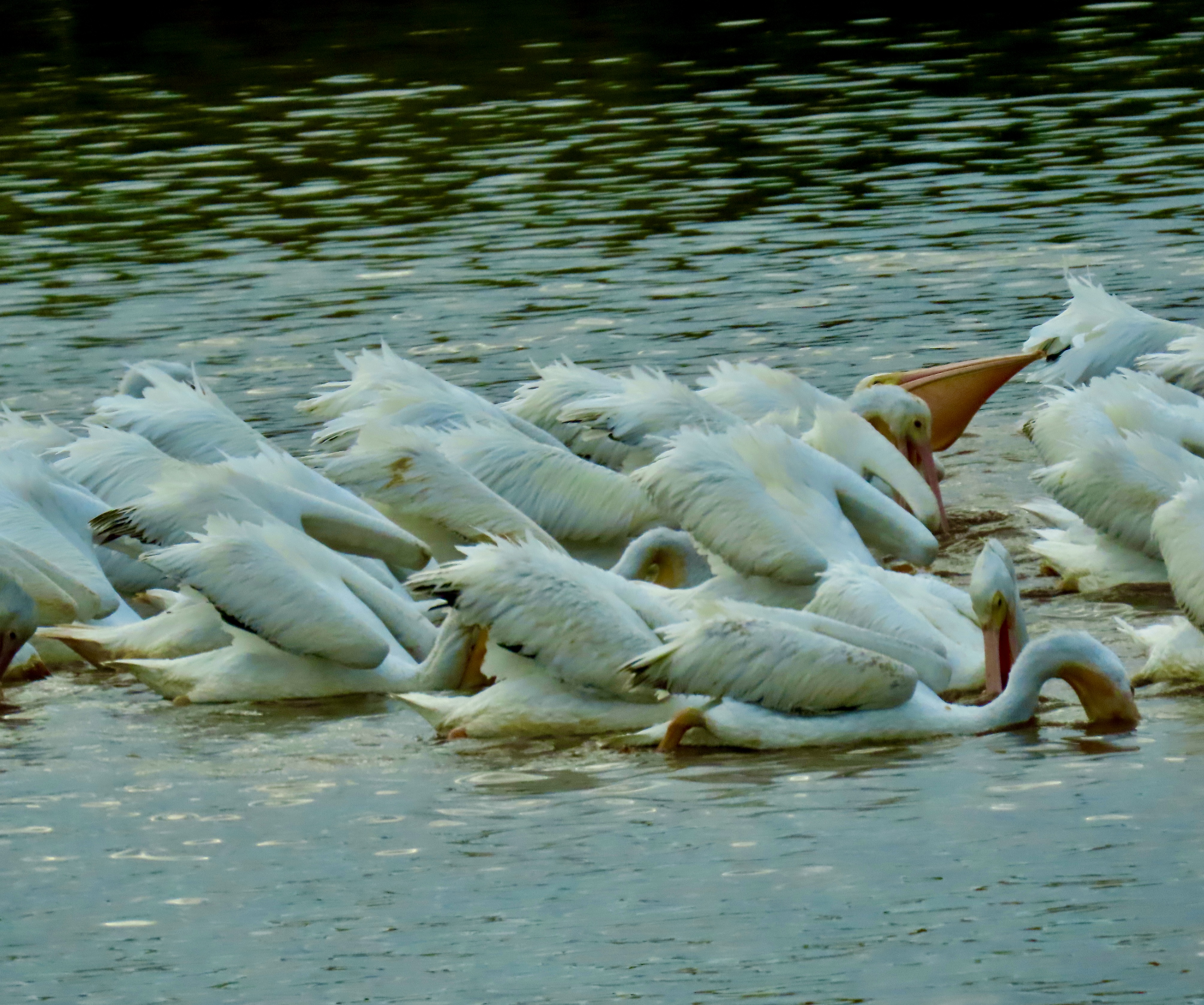
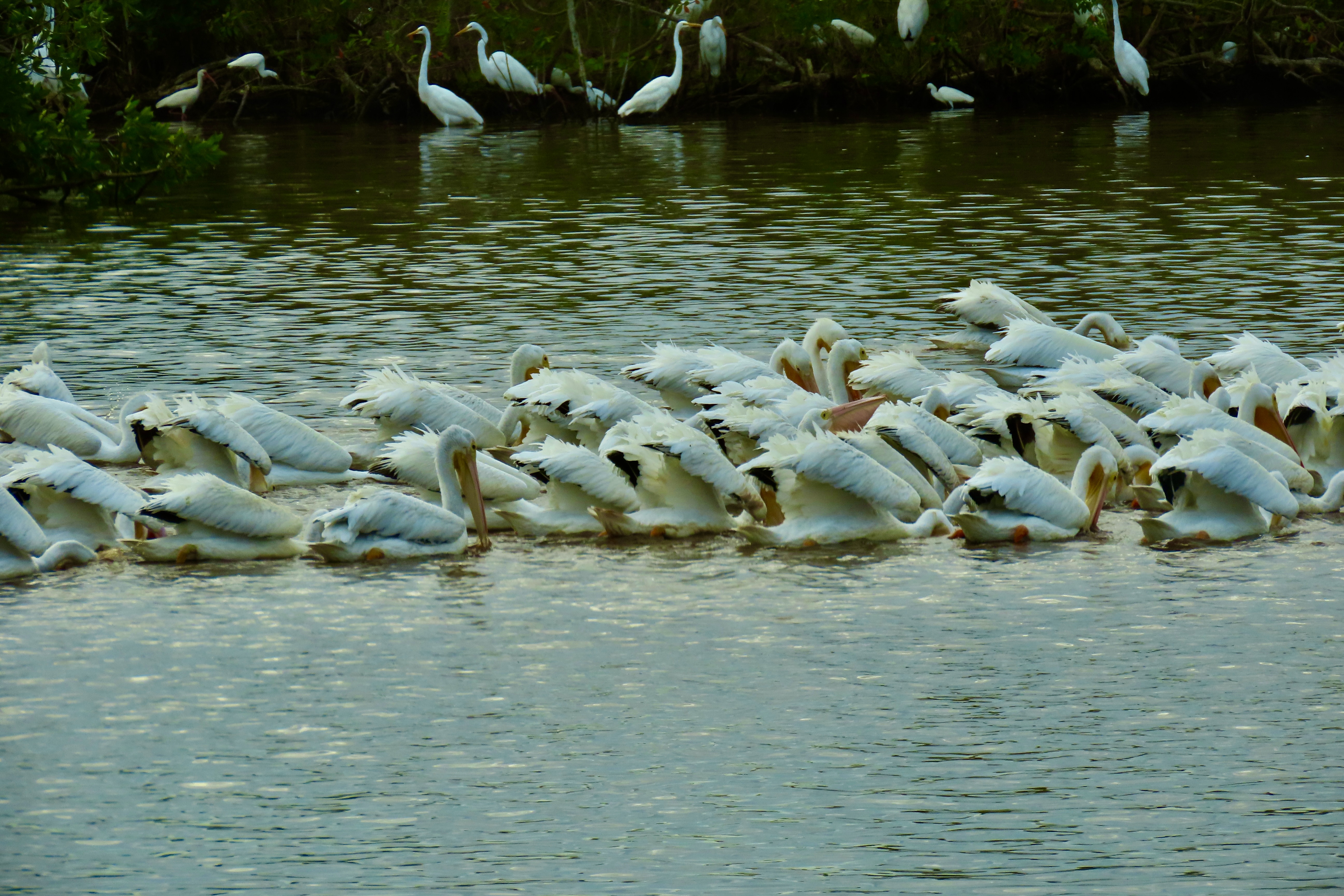
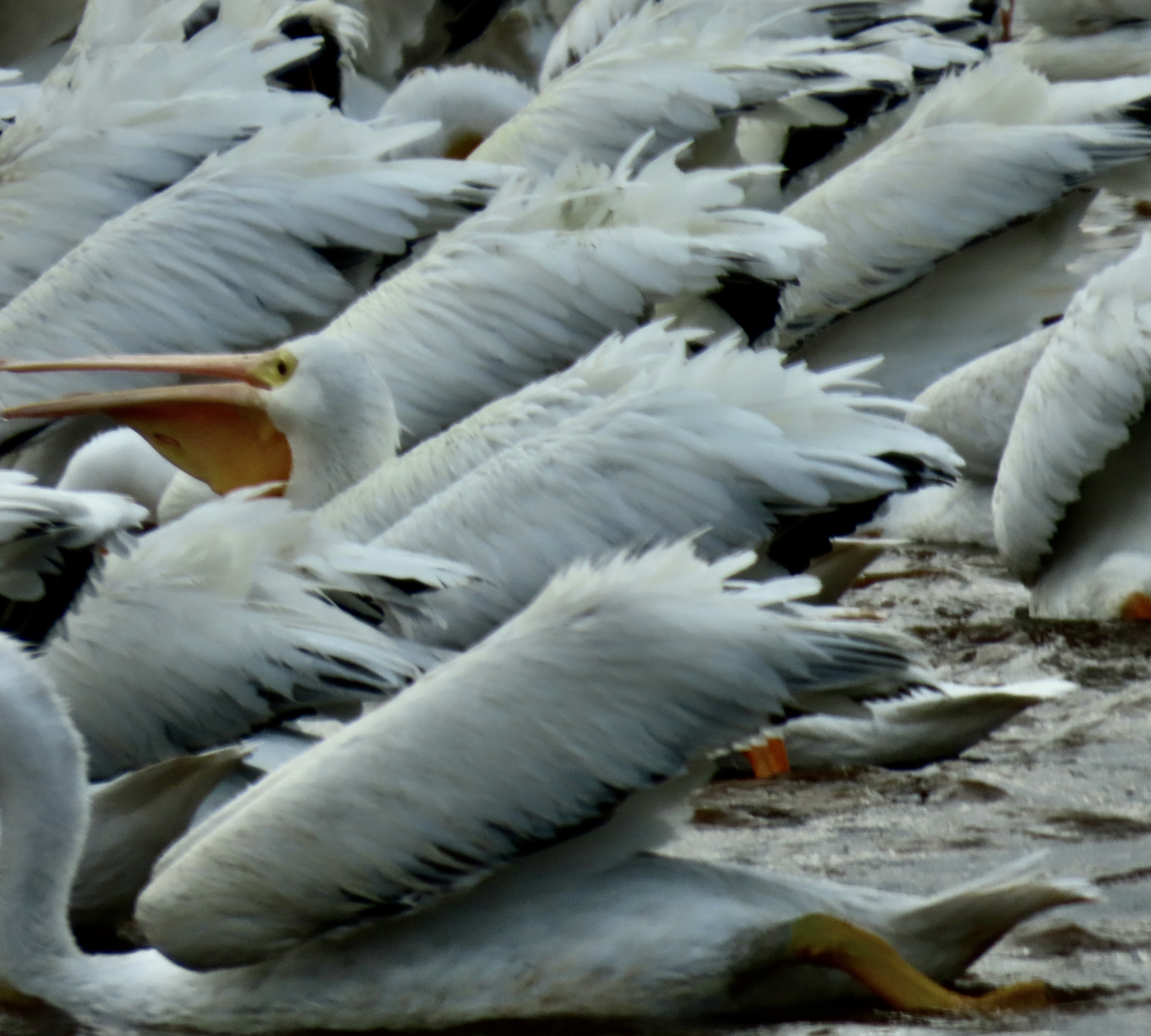
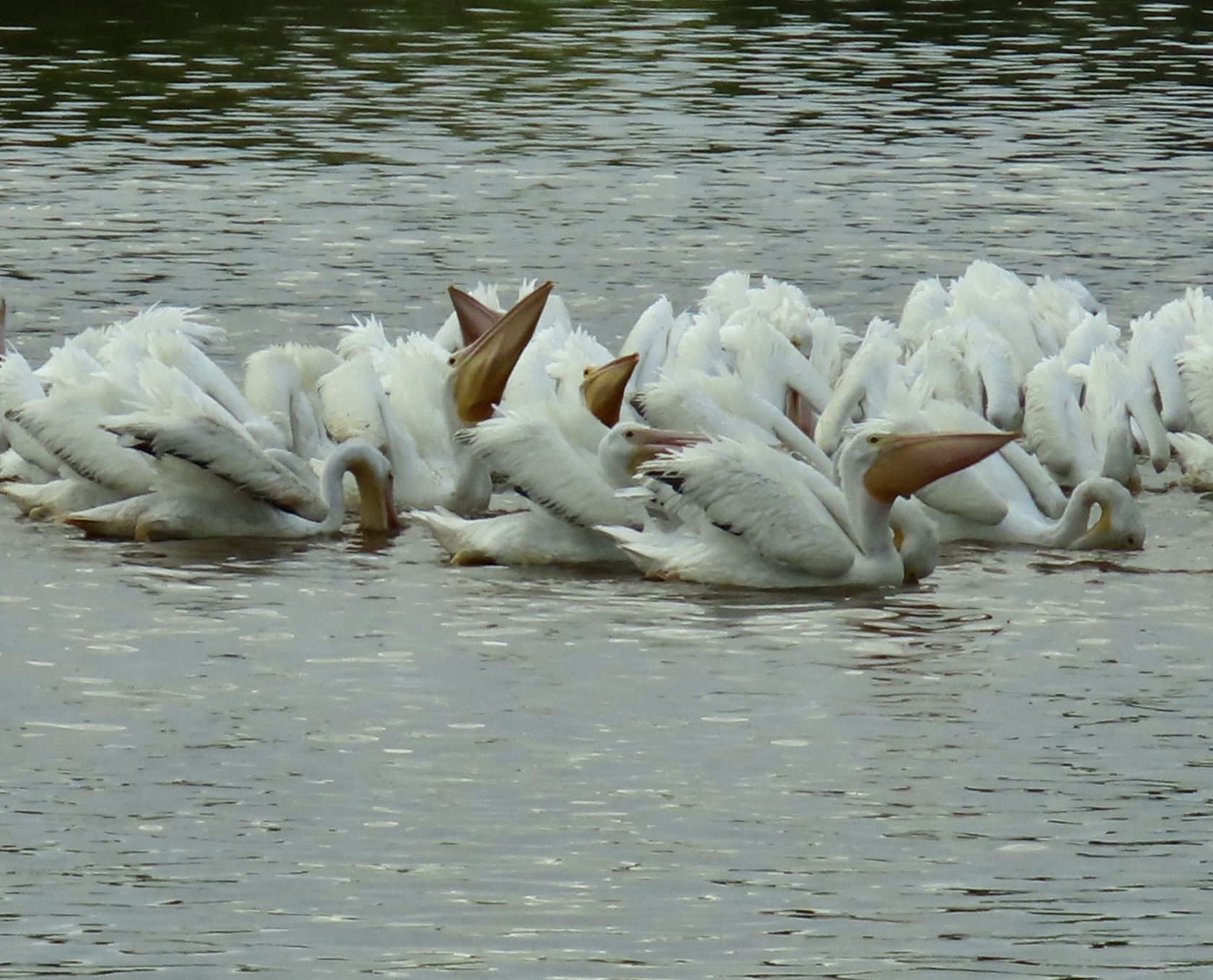
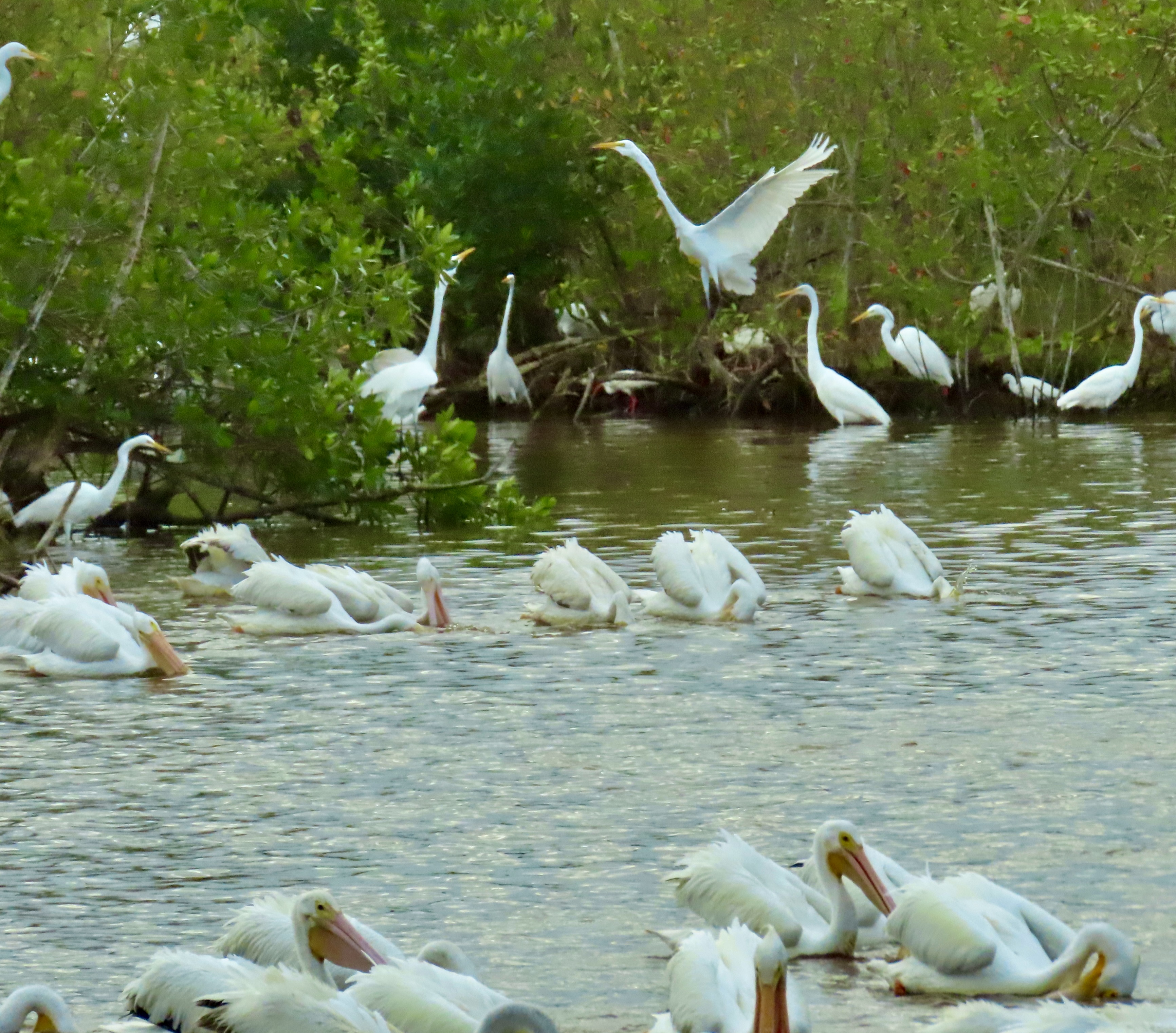
Having lived in California and Oregon with occasional trips to Washington and the west coast of Mexico for most of my life, I have spent hours watching brown pelicans make their impressive dives into the Pacific Ocean capturing fish. White pelicans are much leas common in the West and have a very different approach to fishing. They don’t dive. Instead, they herd fish as a group, scooping them up as they go. Peggy and I had only seen this process once before. We were at Morro Bay on California’s Central Coast and watched a half dozen white pelicans form a semi-circle and herd fish toward shallower waters. Imagine our surprise when we passed by a pond that had between 200-300 swimming back and forth in unison!




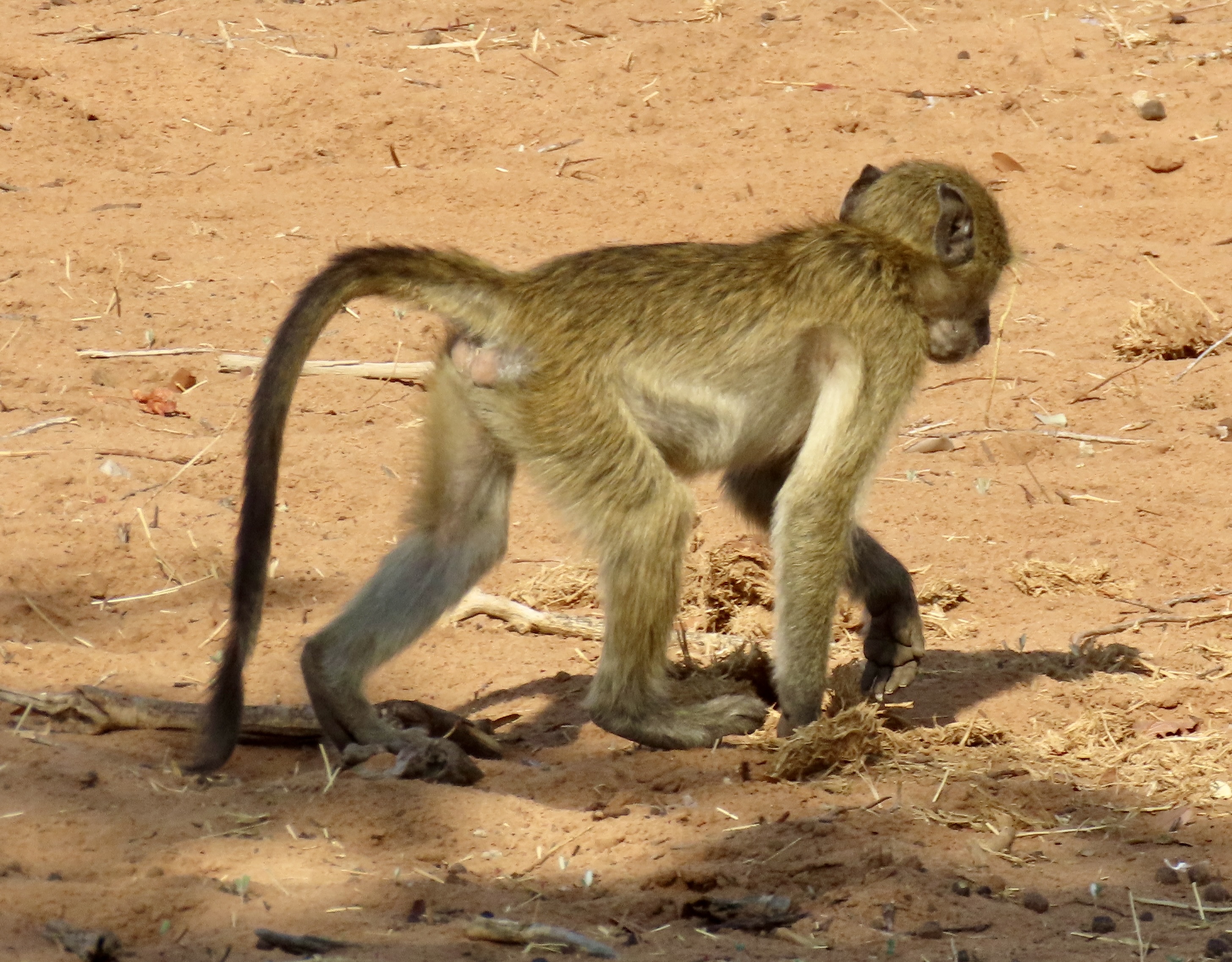
Friday’s post will feature baboons.
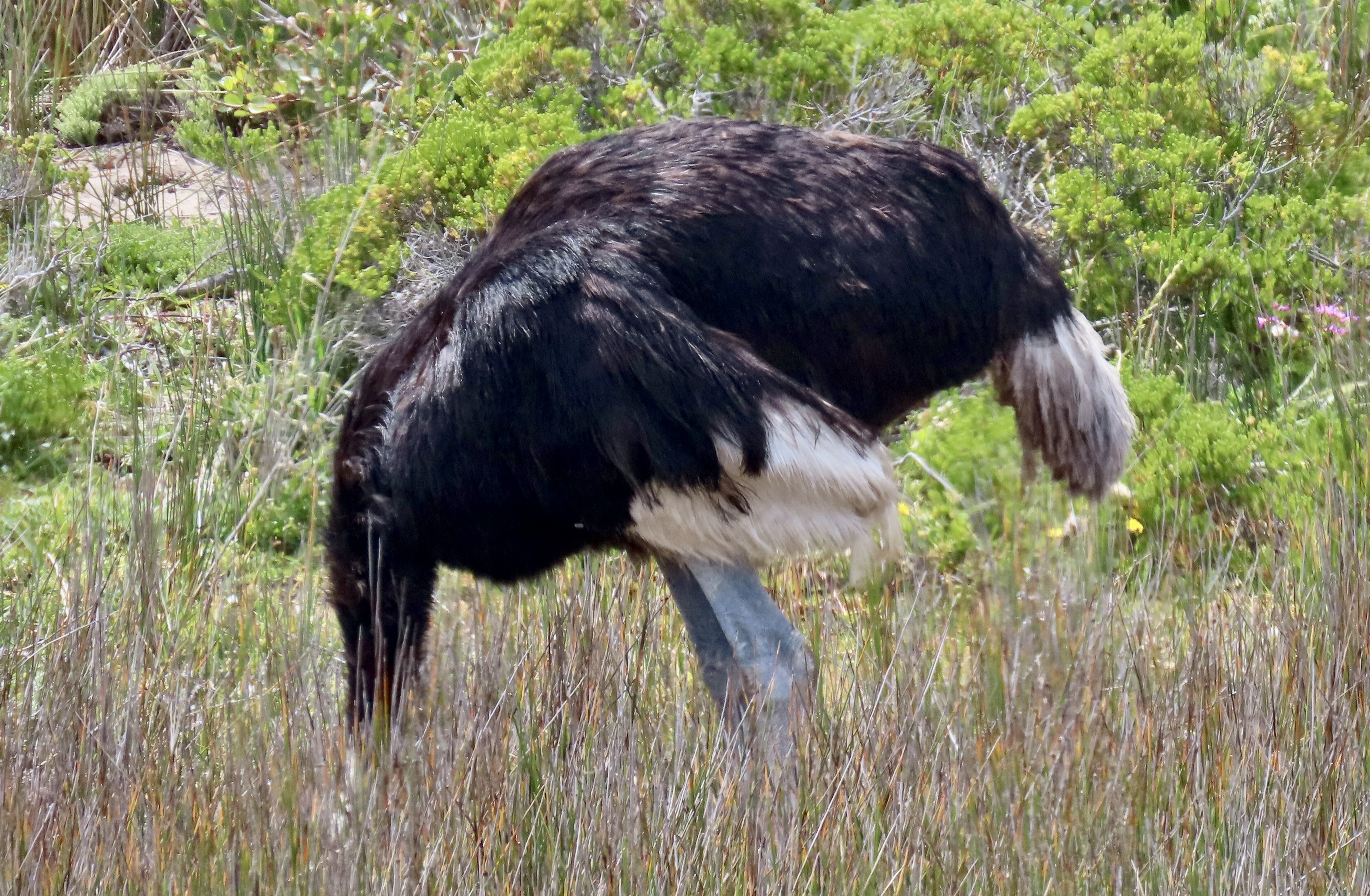
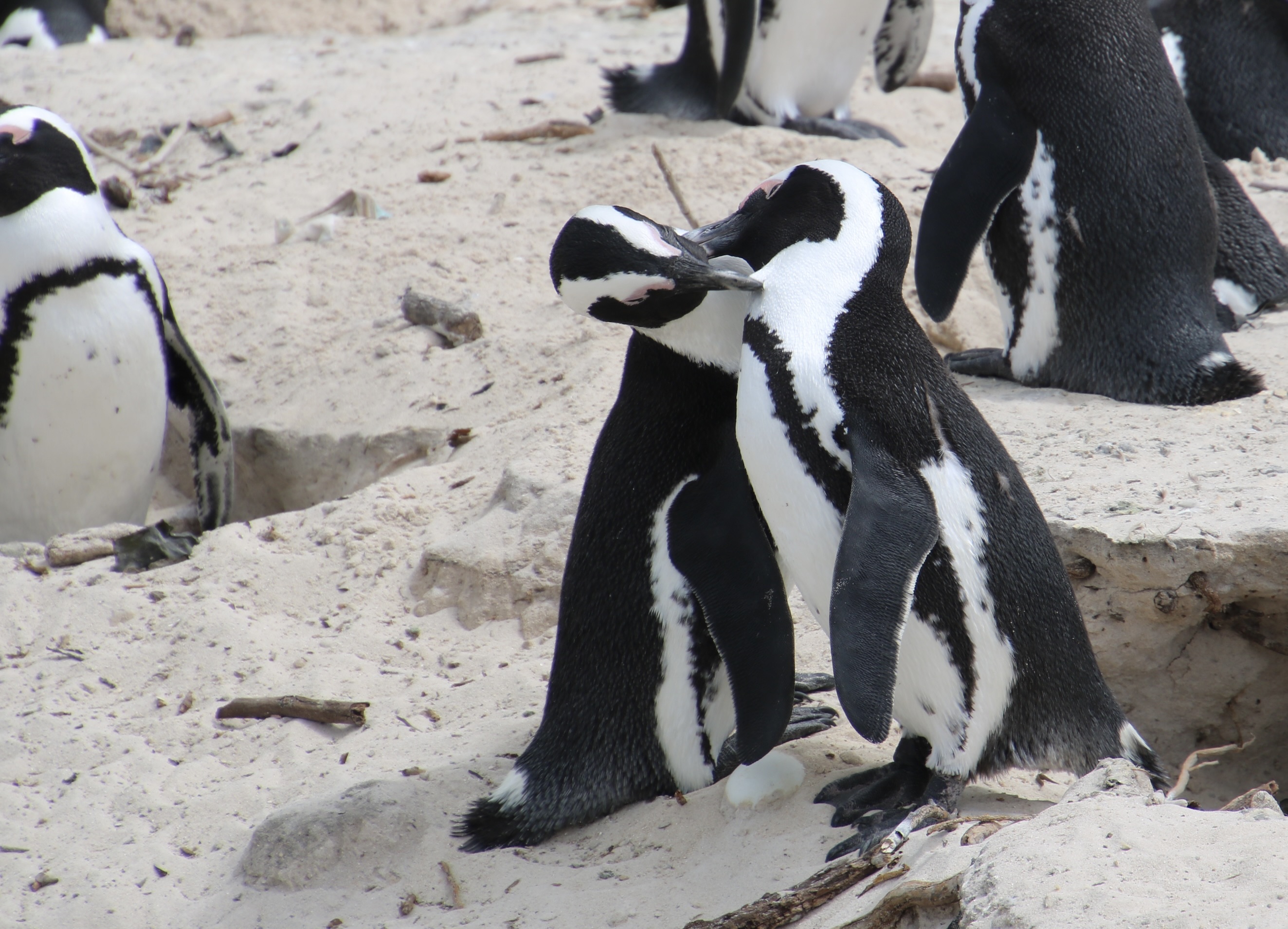
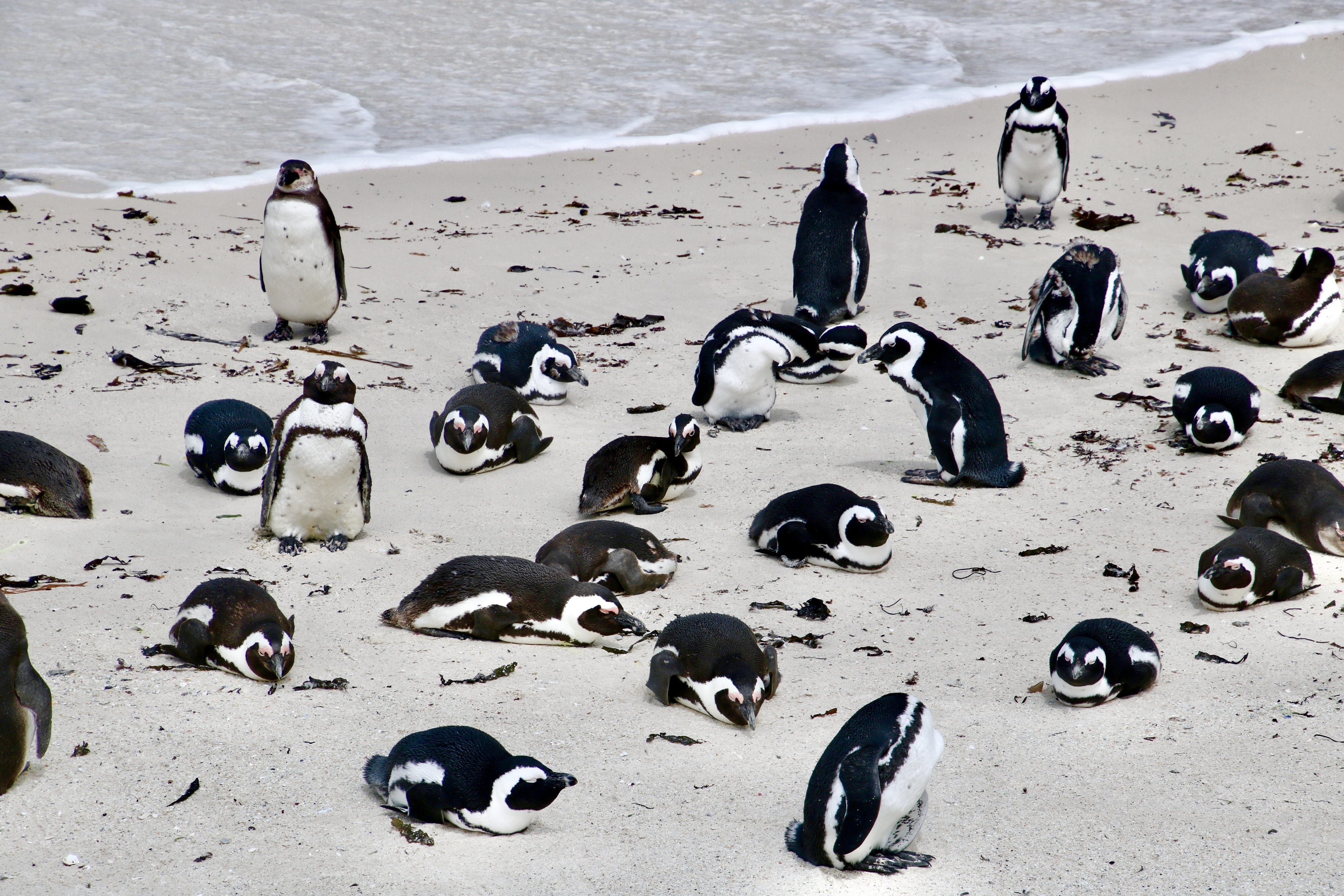
Peggy and I are dropping into South Africa for today’s On Safari post where I will feature the world’s largest bird and one of its smallest penguins. We found both of these ‘superlative’ birds on a road trip to the Cape of Good Hope. As mentioned above, the ostrich was a mile or so away from the Cape. The penguins were 20 minutes away on South Africa’s False Bay.


We left the large ostrich behind in search of one of the world’s smaller penguins near Simon’s Town, the appropriately named African penguin. If you live in the town, it’s not unusual to find them walking down the sidewalks, crossing the streets, or digging large holes in gardens to build nests. They pretty much rule the town. Before heading down to the beach where most of them hang out, we stopped in town for lunch. We were eating when Peggy spotted one of the two-foot-fellows walking up to the door. She jumped up and snapped a photo of the penguin. I think it wanted to know if we were eating fish.






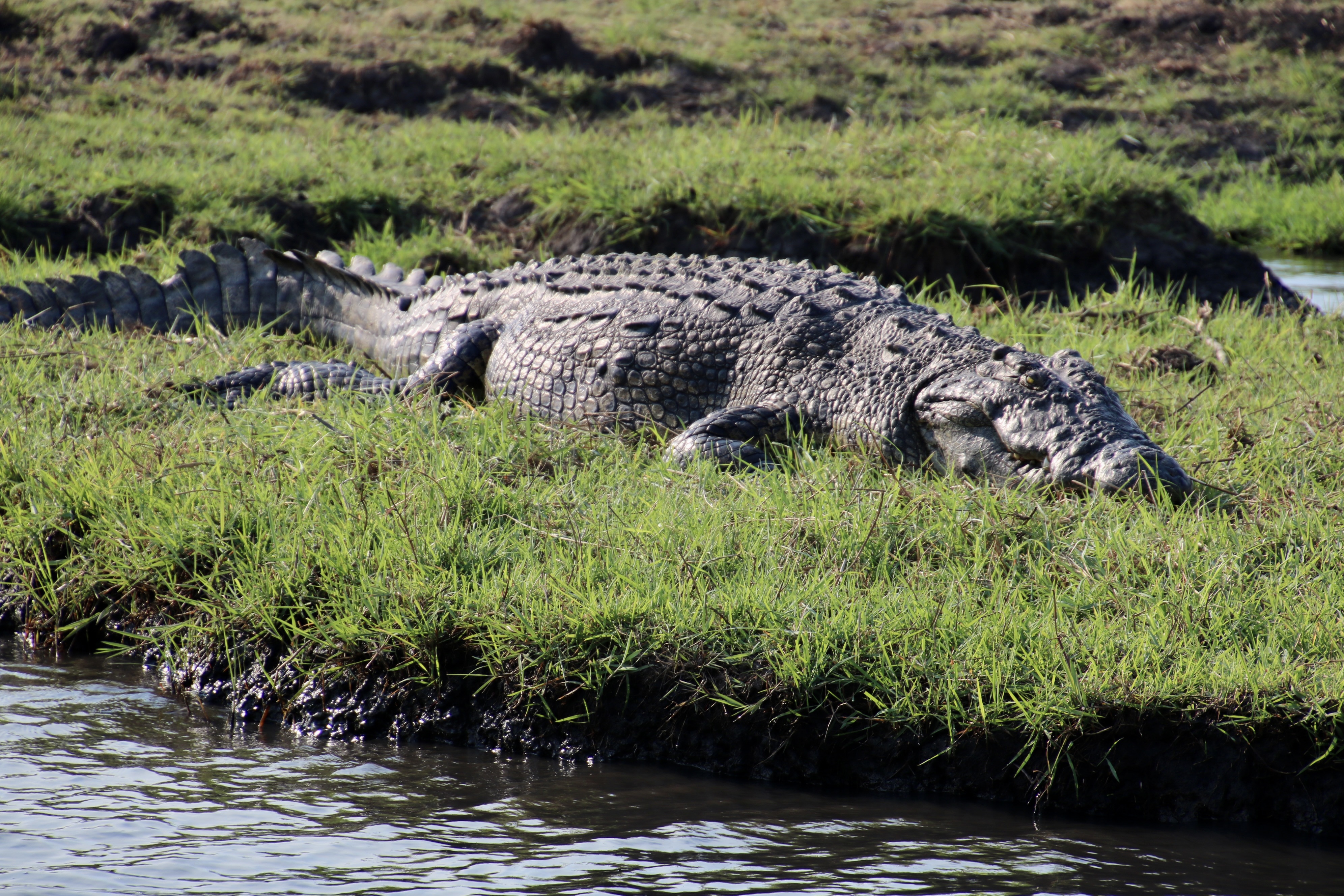
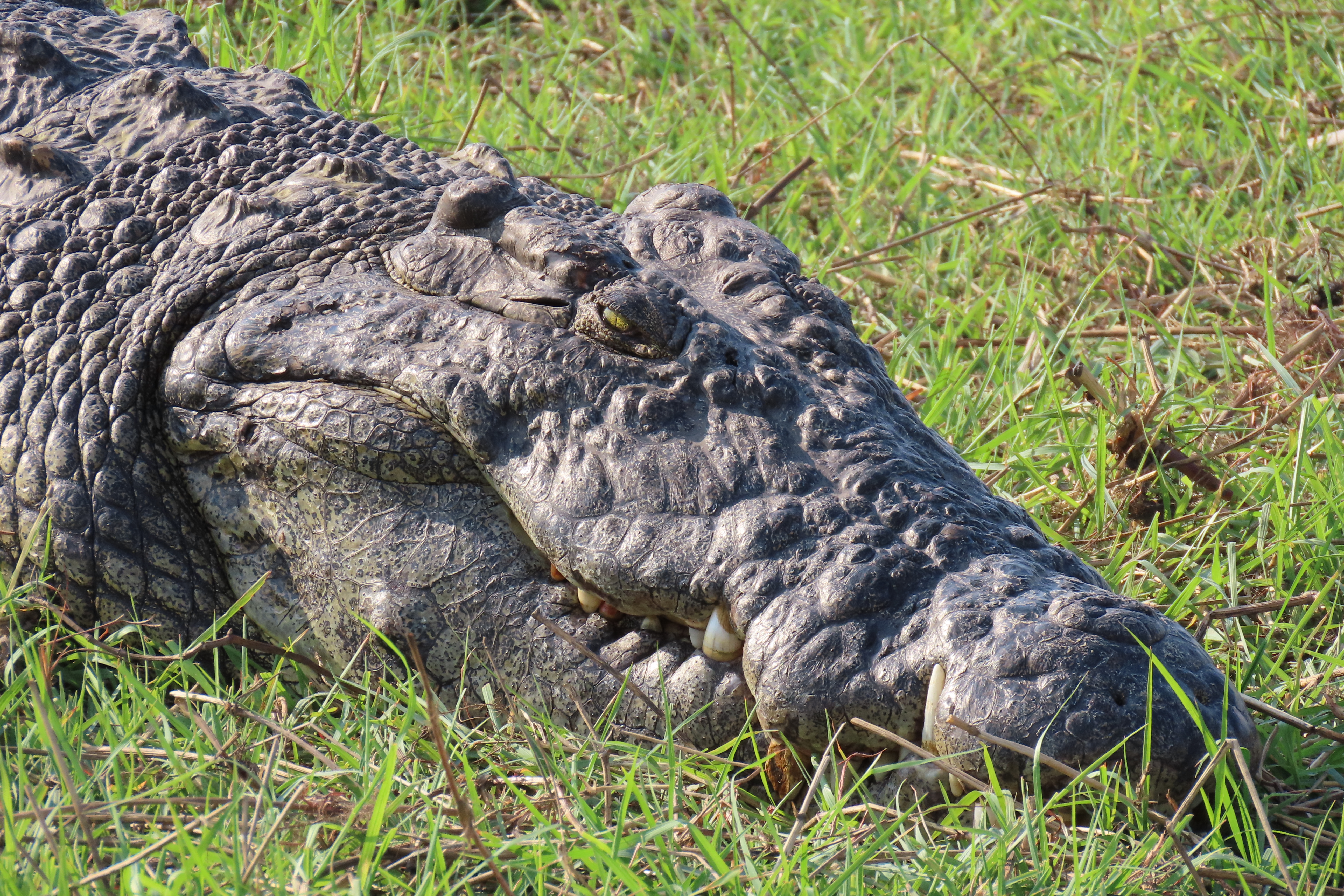
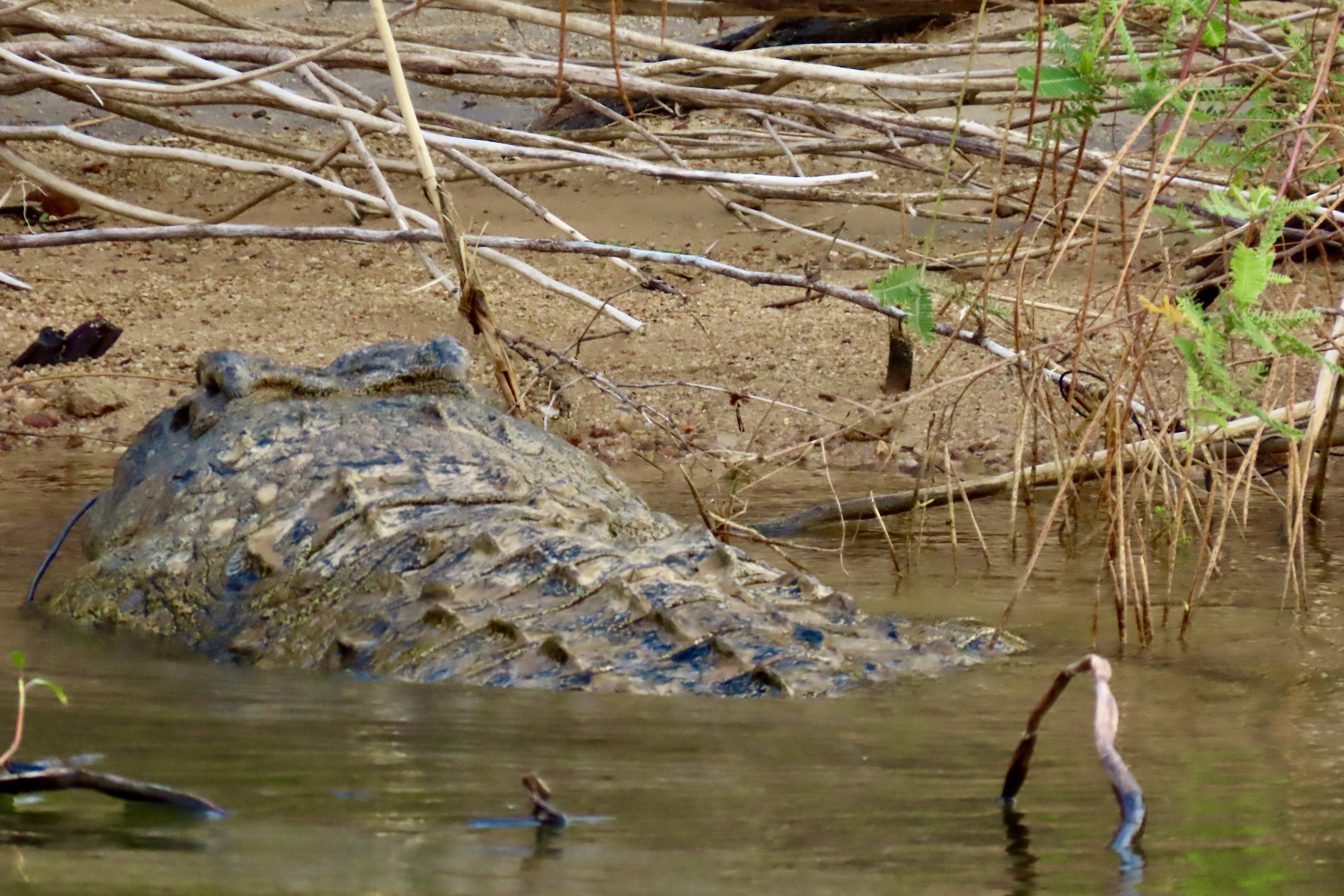
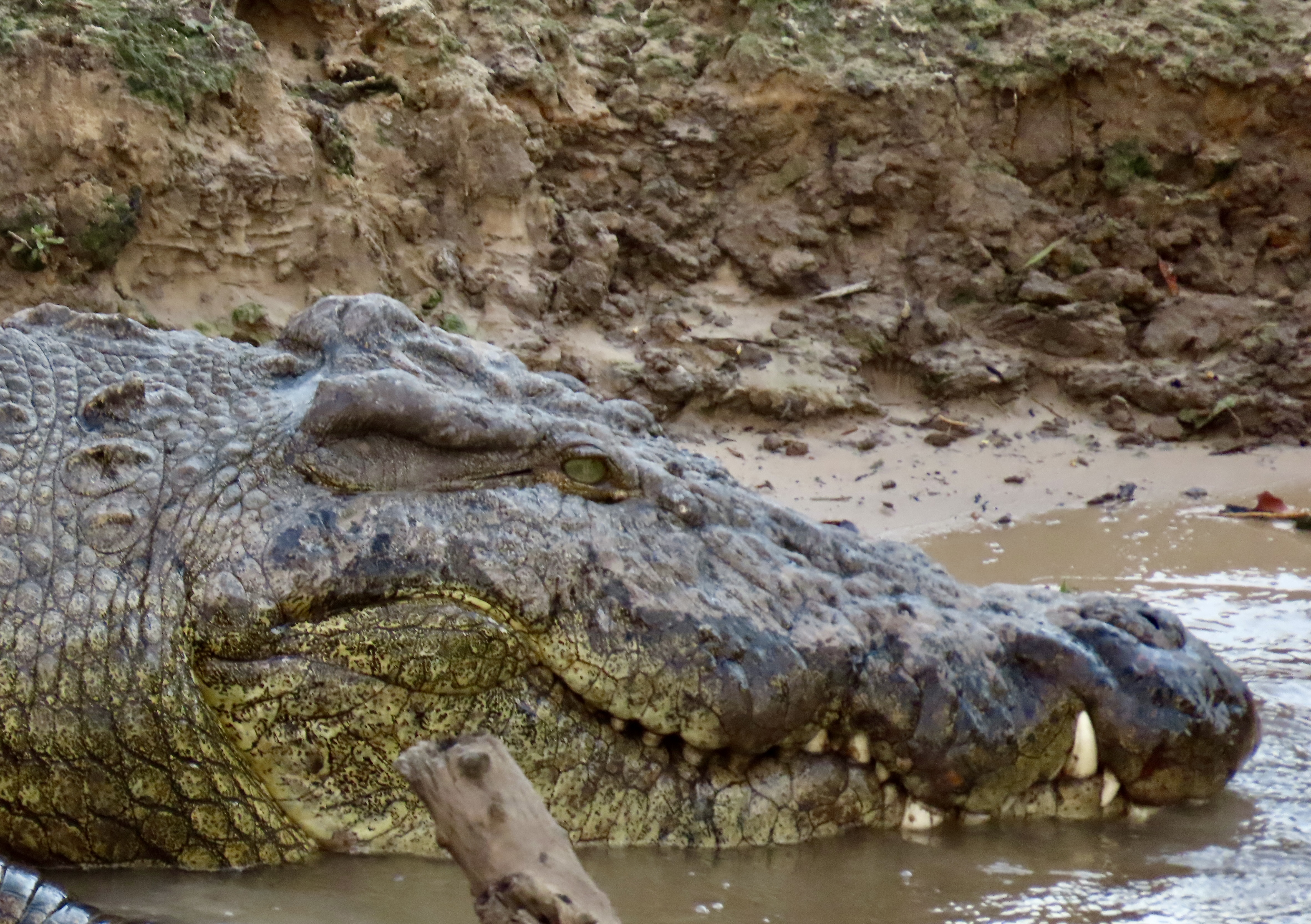
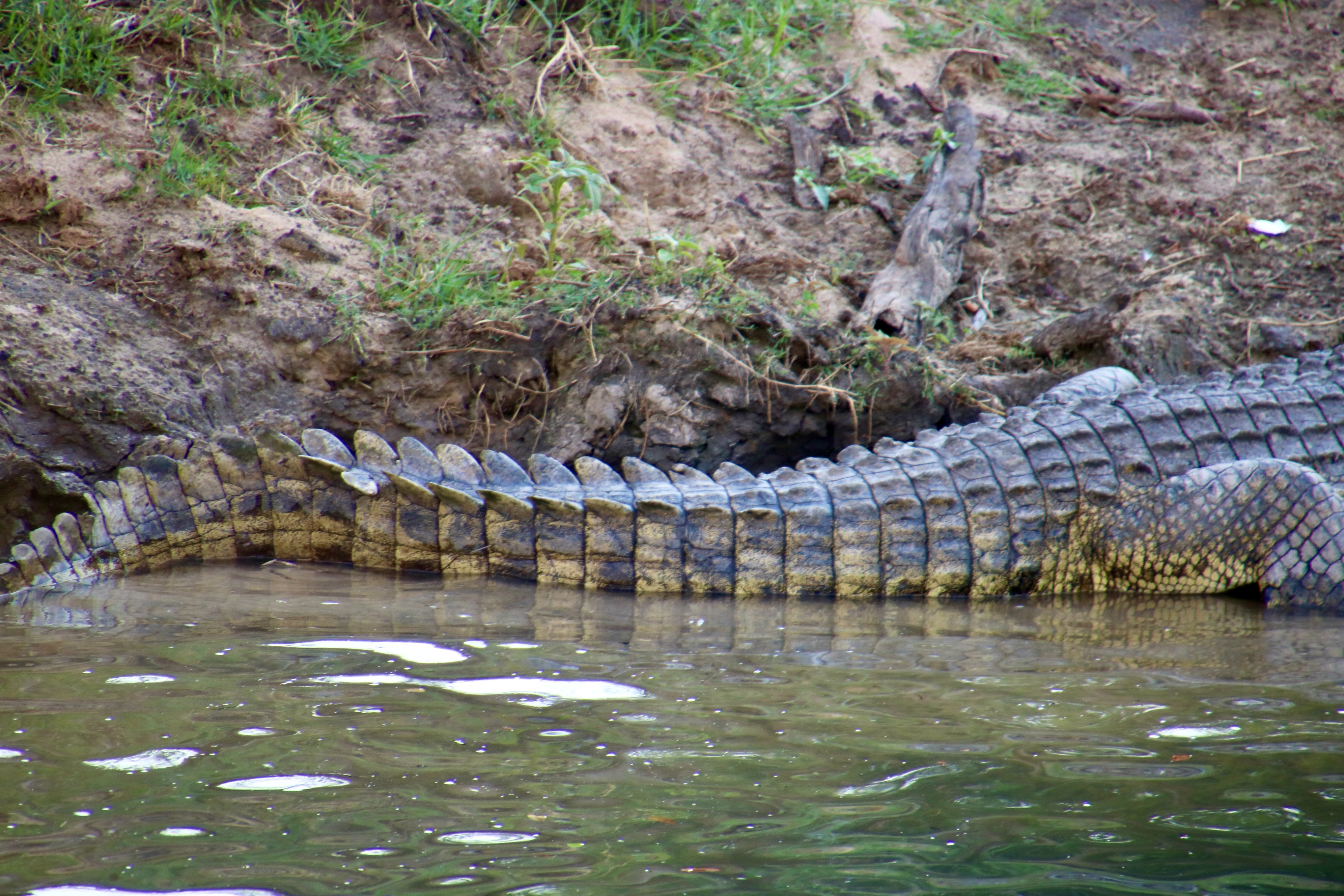
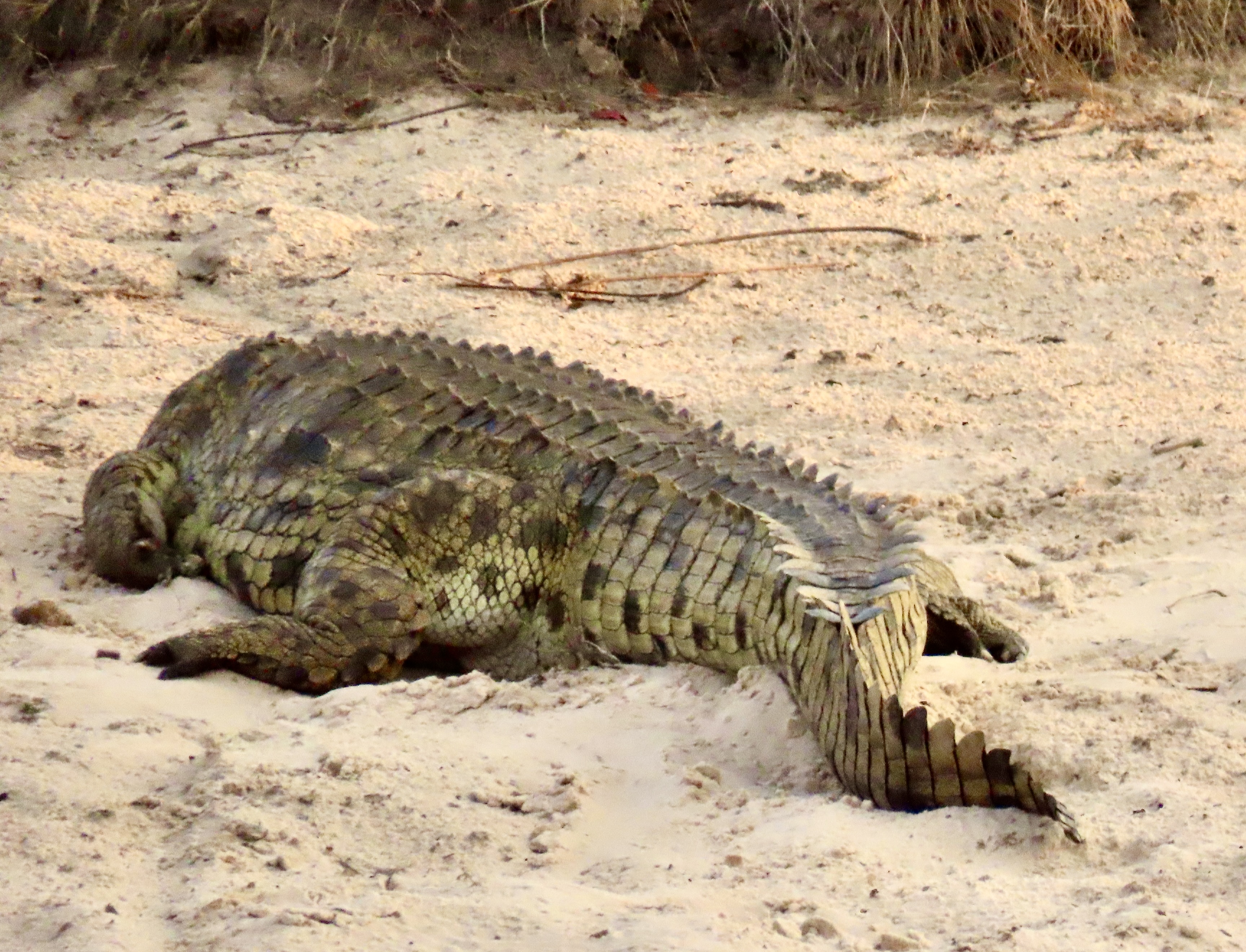
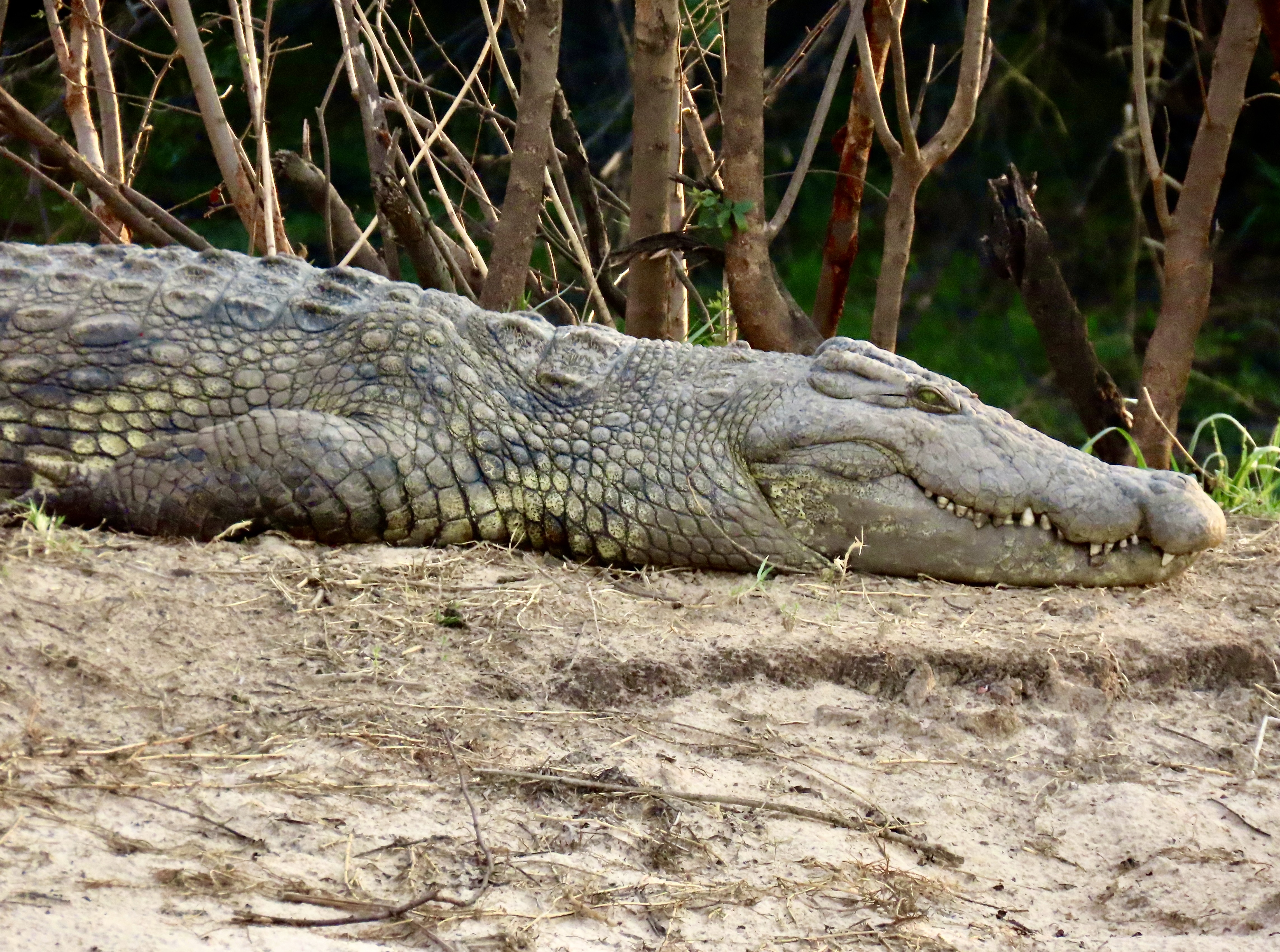
Nile Crocodiles are fascinating, fierce predators. You don’t want to mess with them. We were able to see them lying on the shores of rivers, lakes and ponds, slipping through the water, and even fighting. There is nothing endangered about them; they are quite common throughout sub-Saharan Africa. Large males can reach a length of 14 feet and weigh up to 1700 pounds. Females up to 12 feet and 550 pounds.
By the way, have you ever used or heard the expression ‘shedding crocodile tears?’ It means you are being insincere. The derivative? Crocodiles shed tears when they are eating whatever they have captured for dinner.




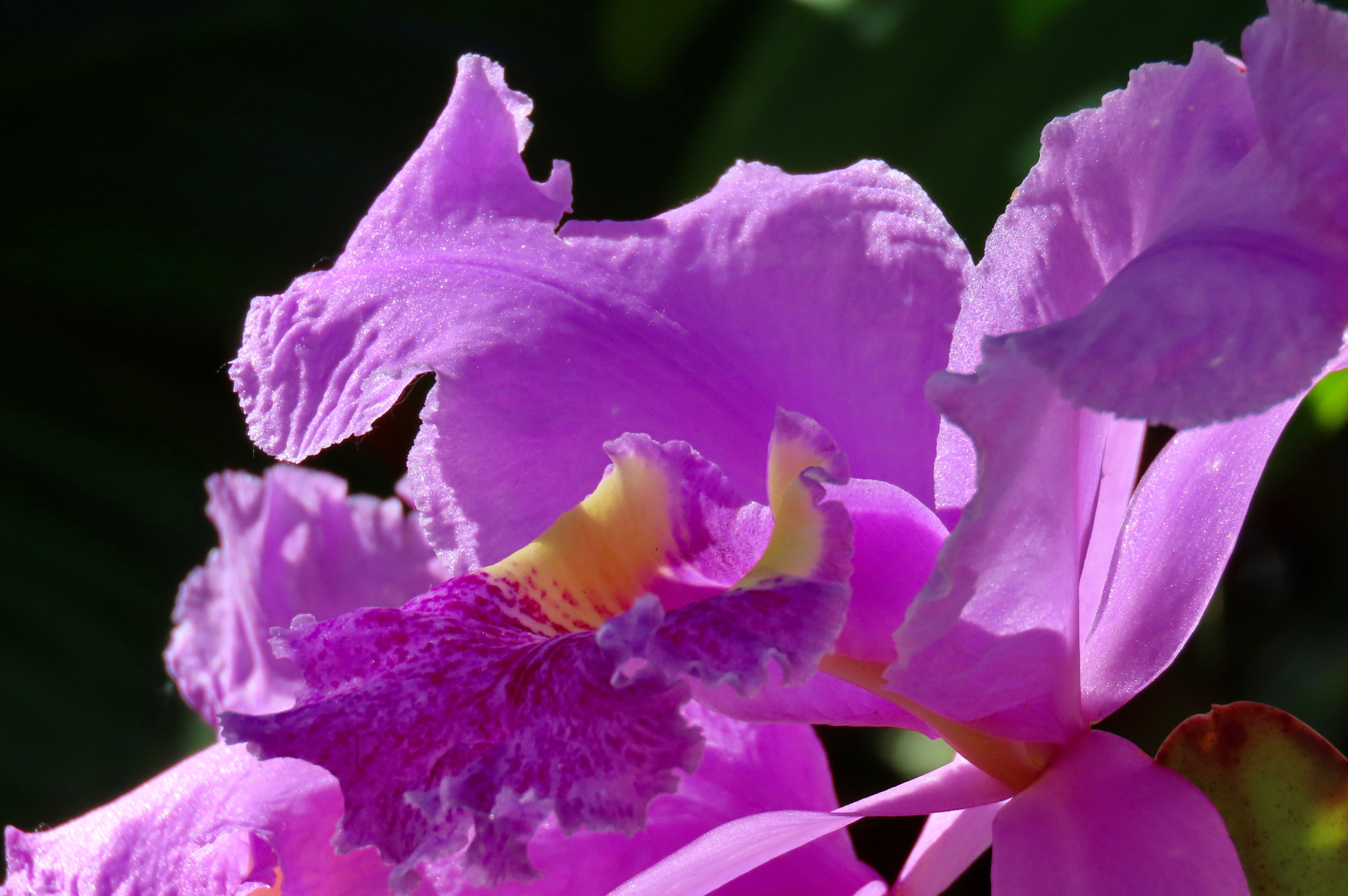
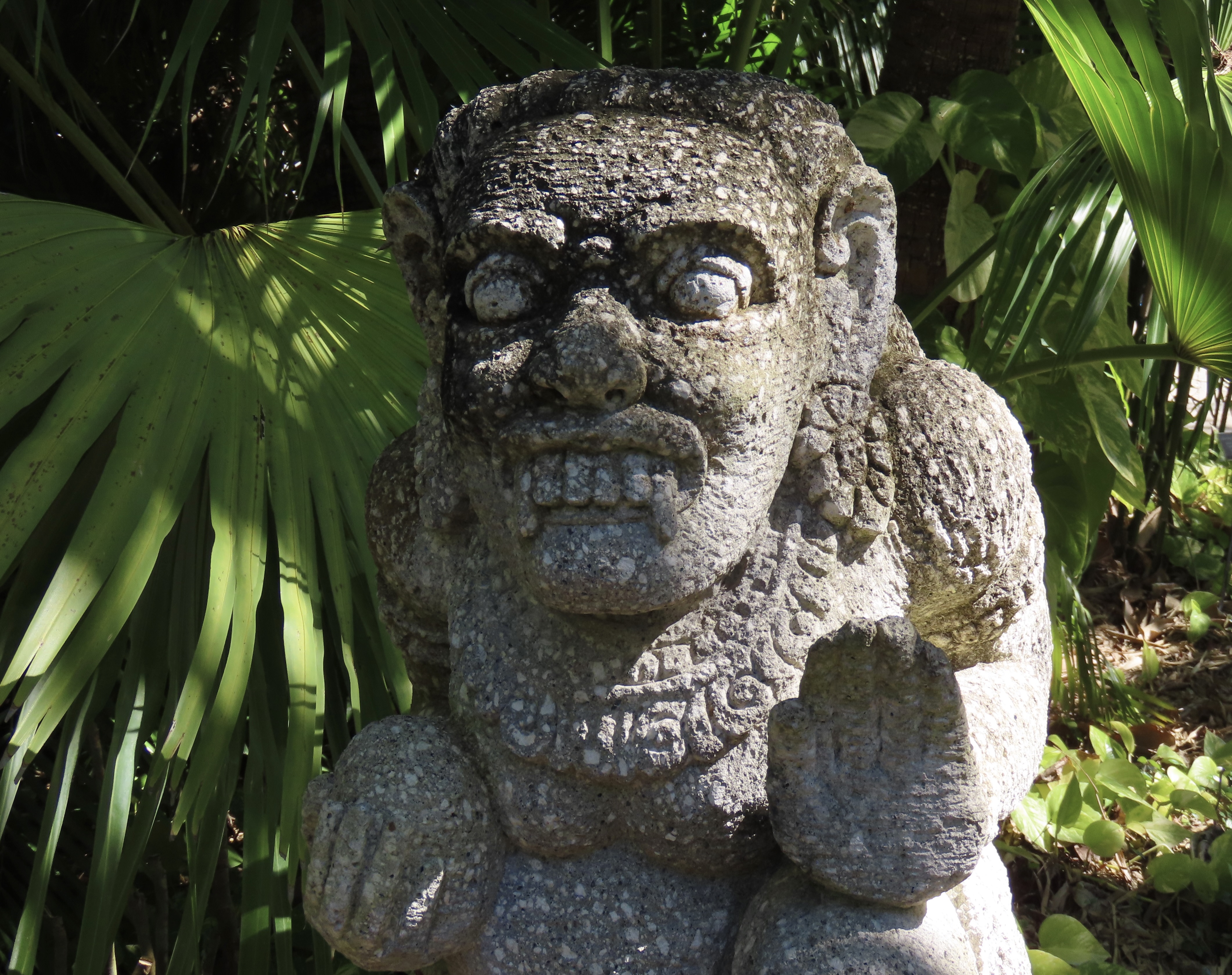
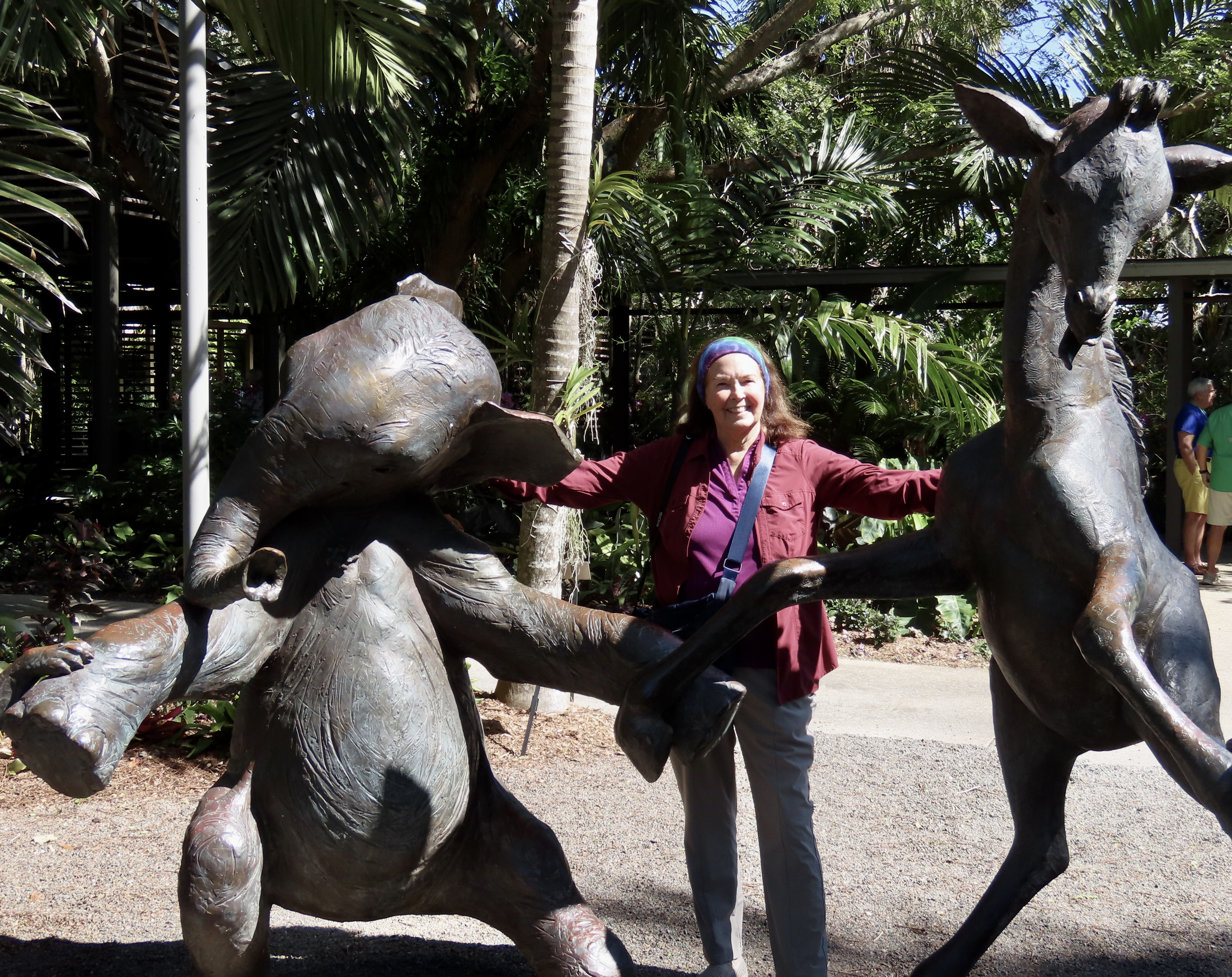
On our way down to the Everglades after visiting with our son and his family in Safety Harbor, Florida, we stopped In Naples on Thursday. Having never been there, we asked the locals what to do. One thing was to check out the Naples’ Pier. Not impressive. The other was to visit the Naples Botanical Gardens, which turned out to be fantastic. It is chock full of tropical plants from around the world. We spent three hours wandering down its numerous paths. Being on the move, we didn’t have much time to research what we were seeing but want to share some of the plants we admired. Enjoy.
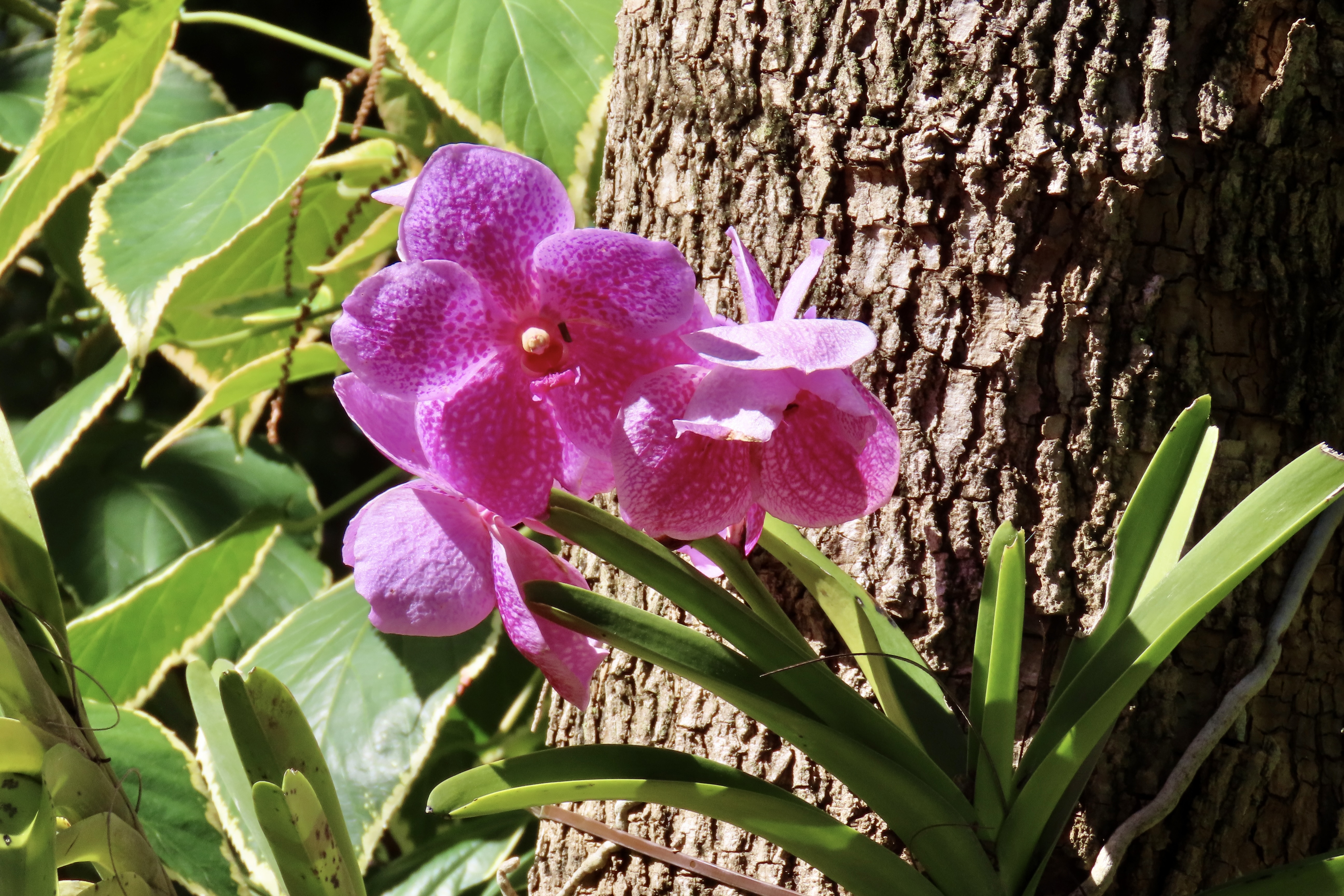
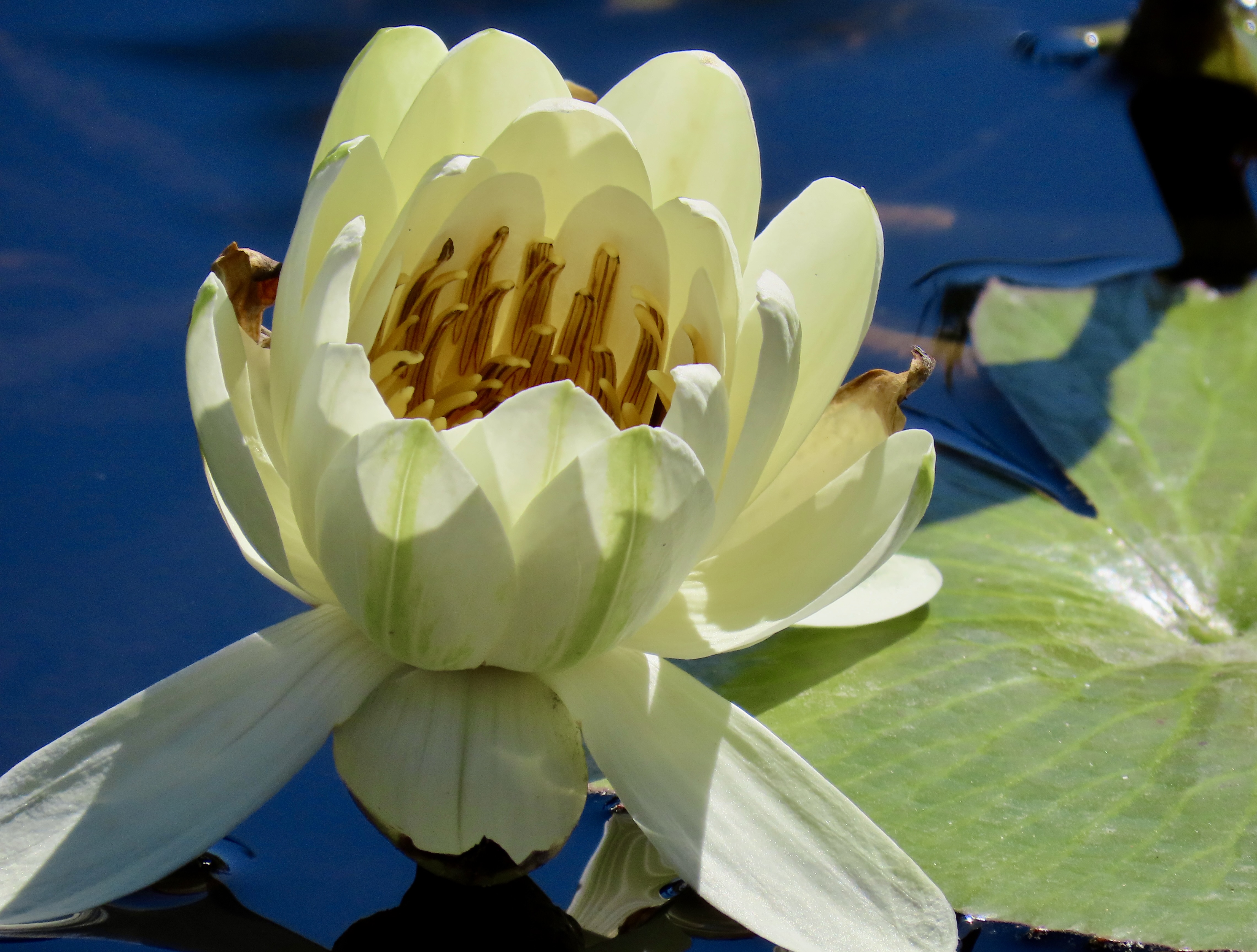
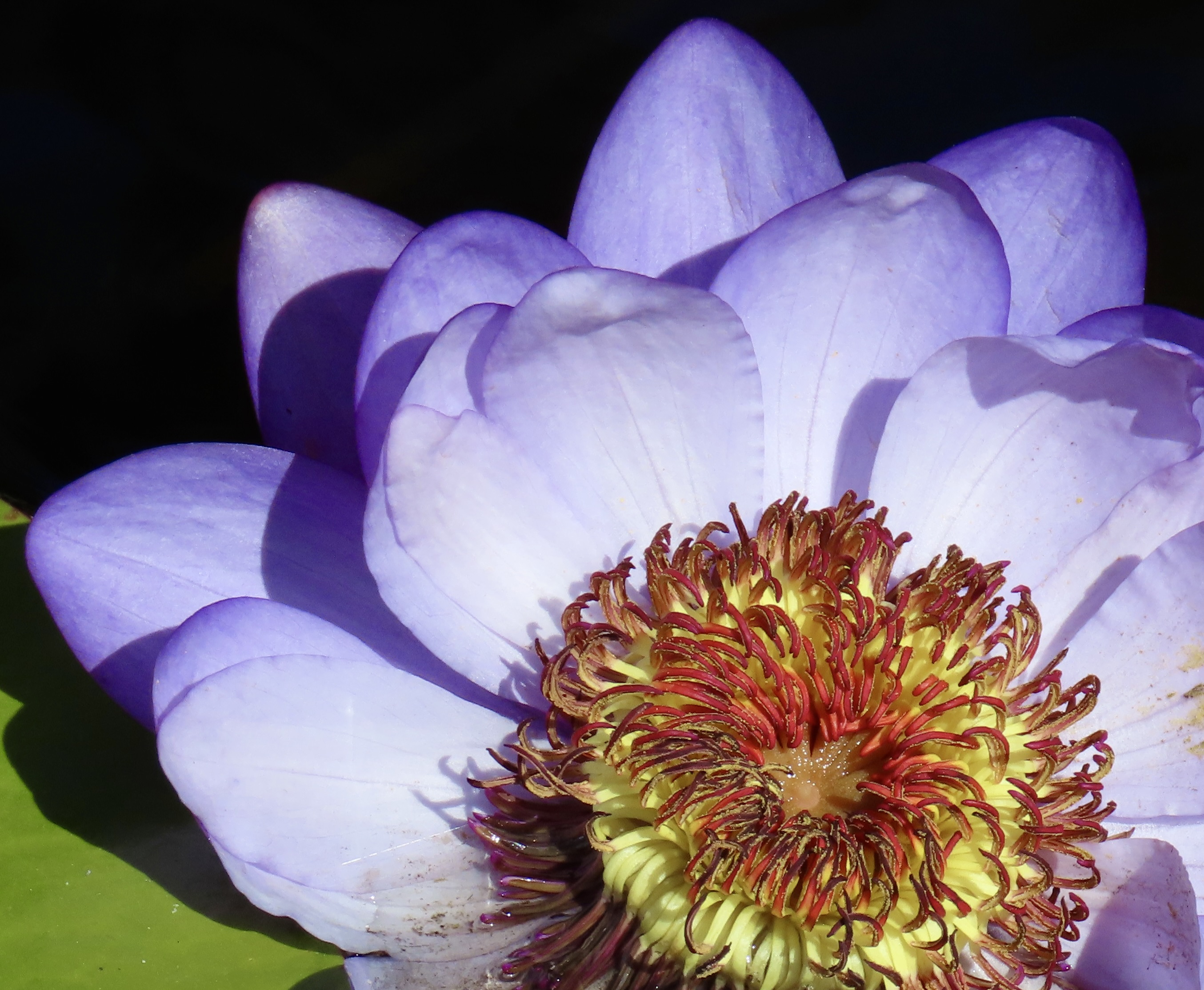
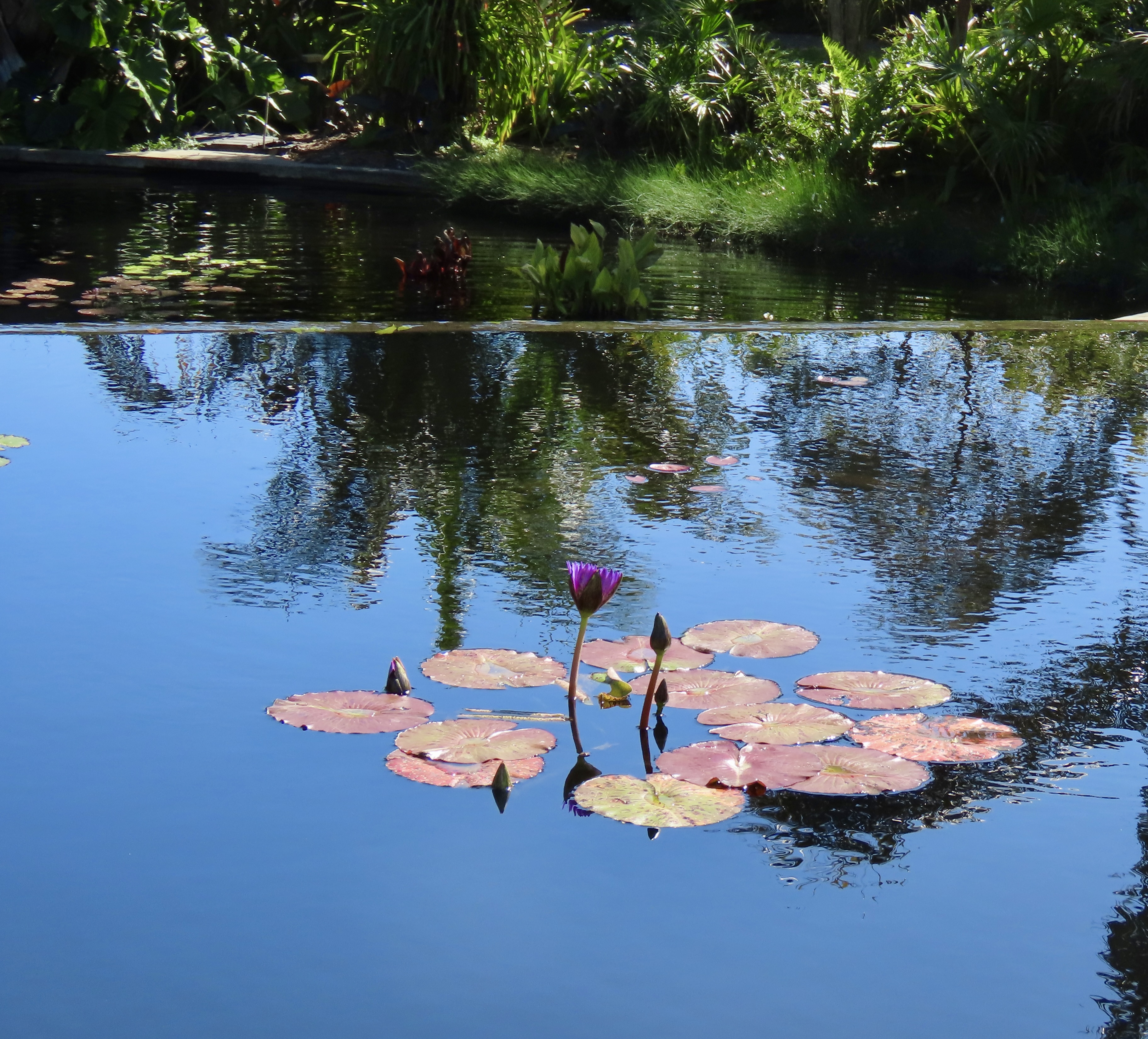
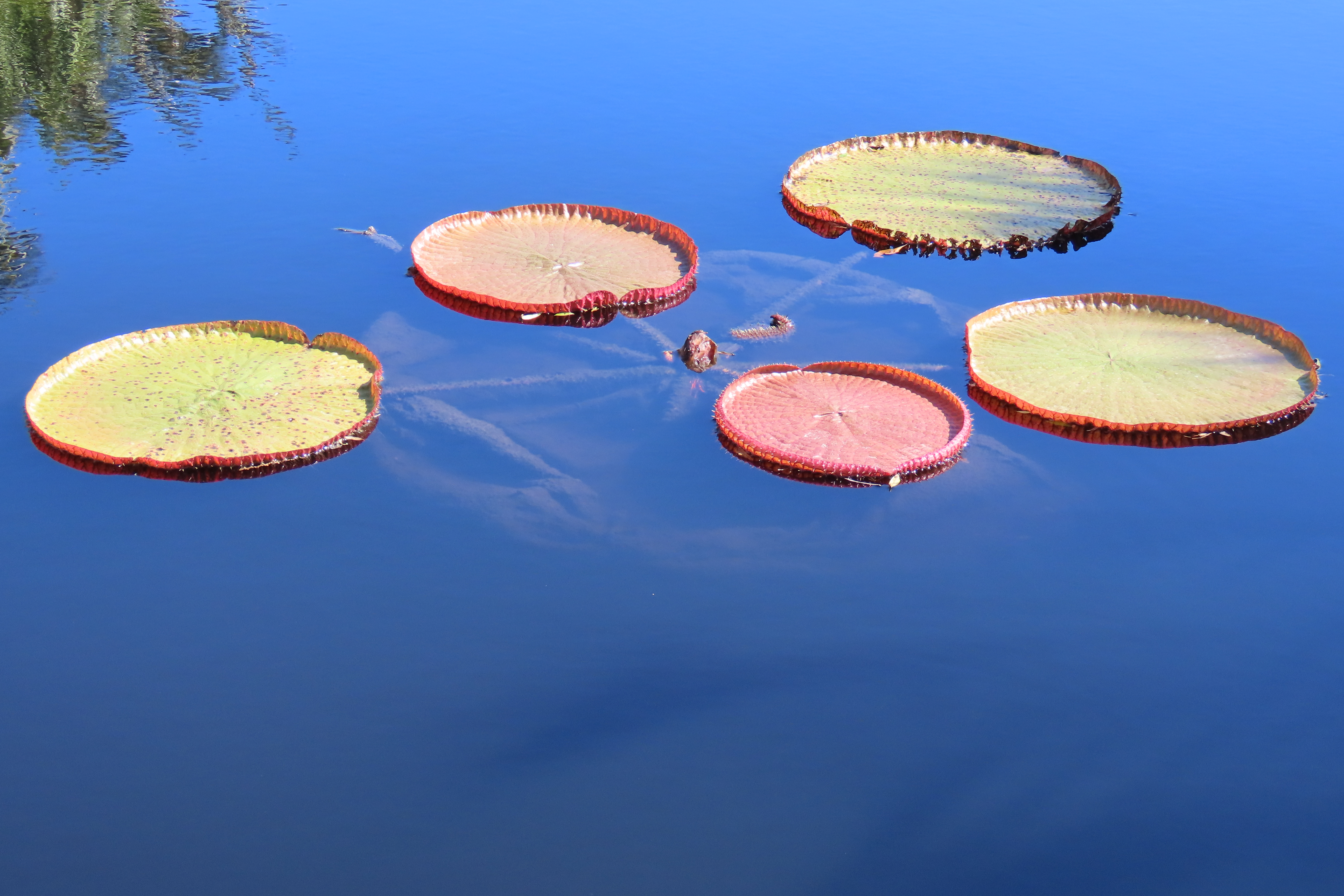
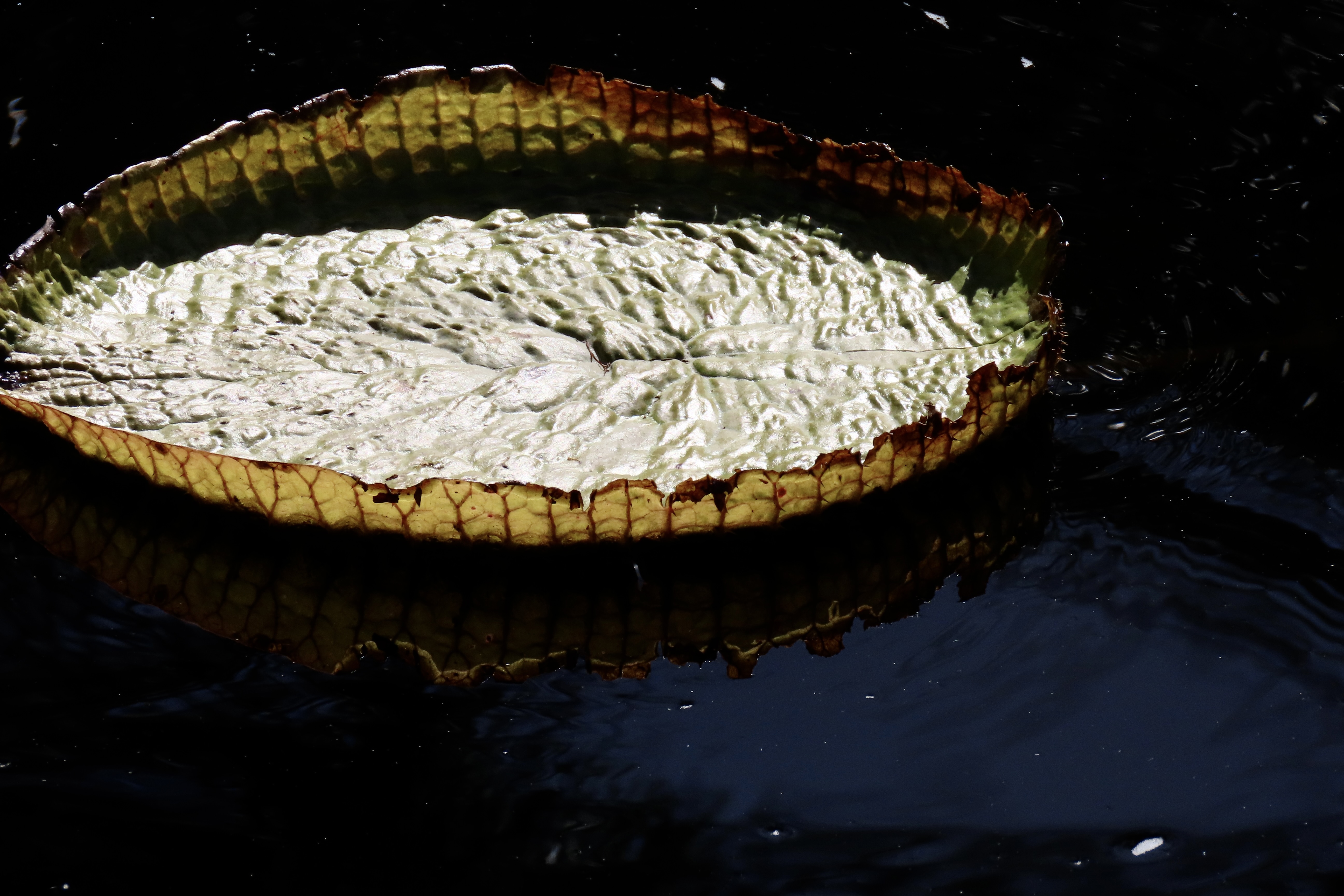
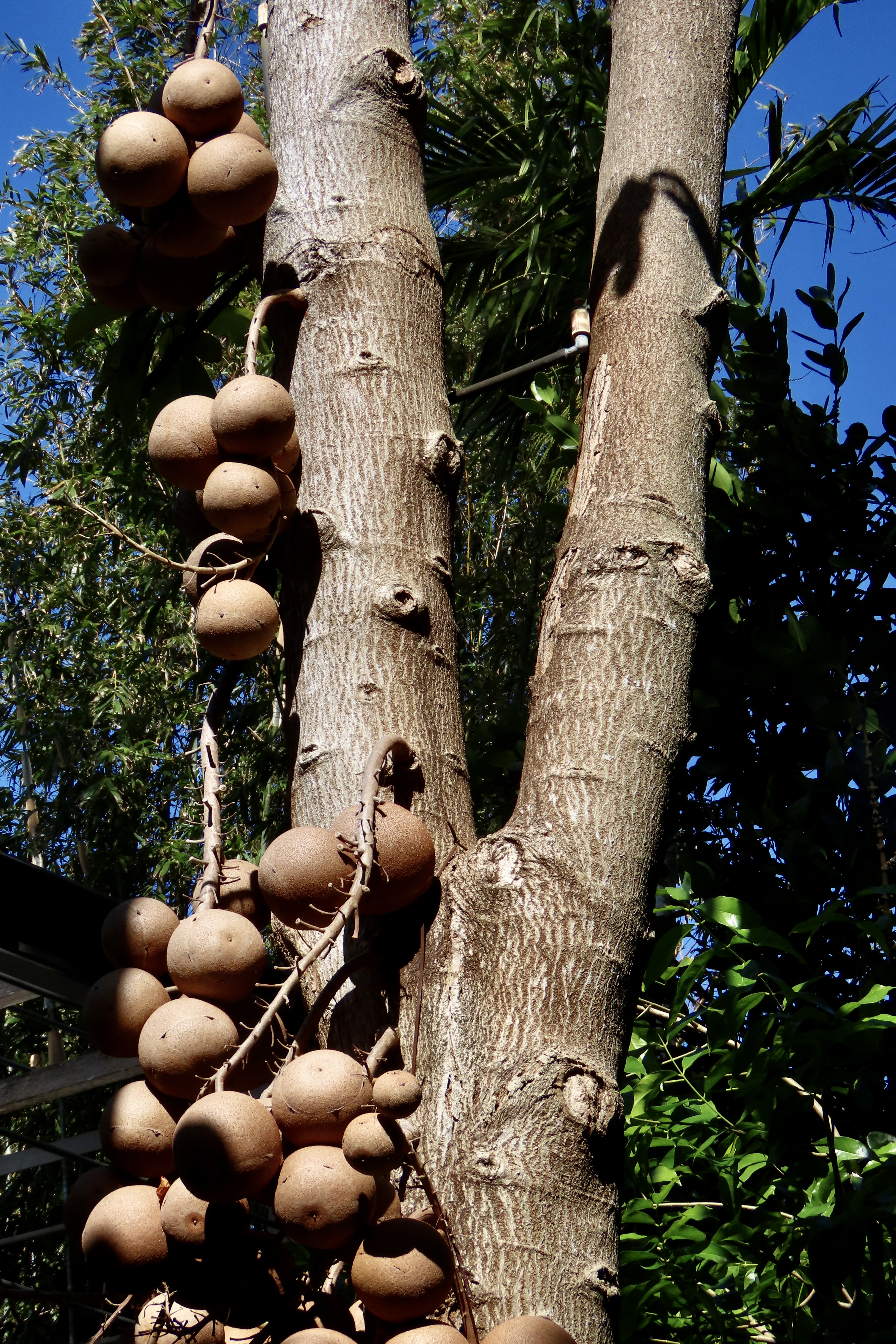
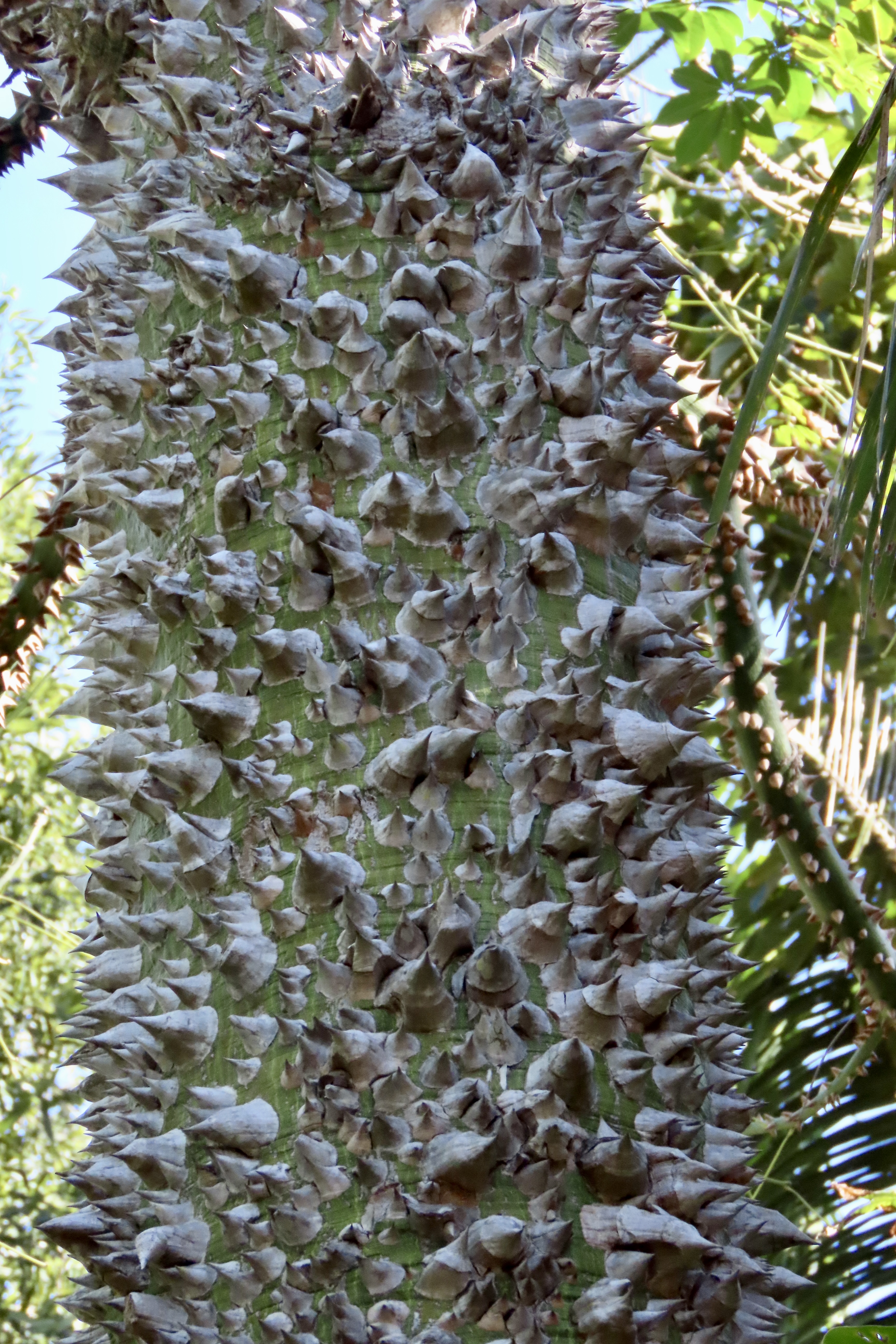
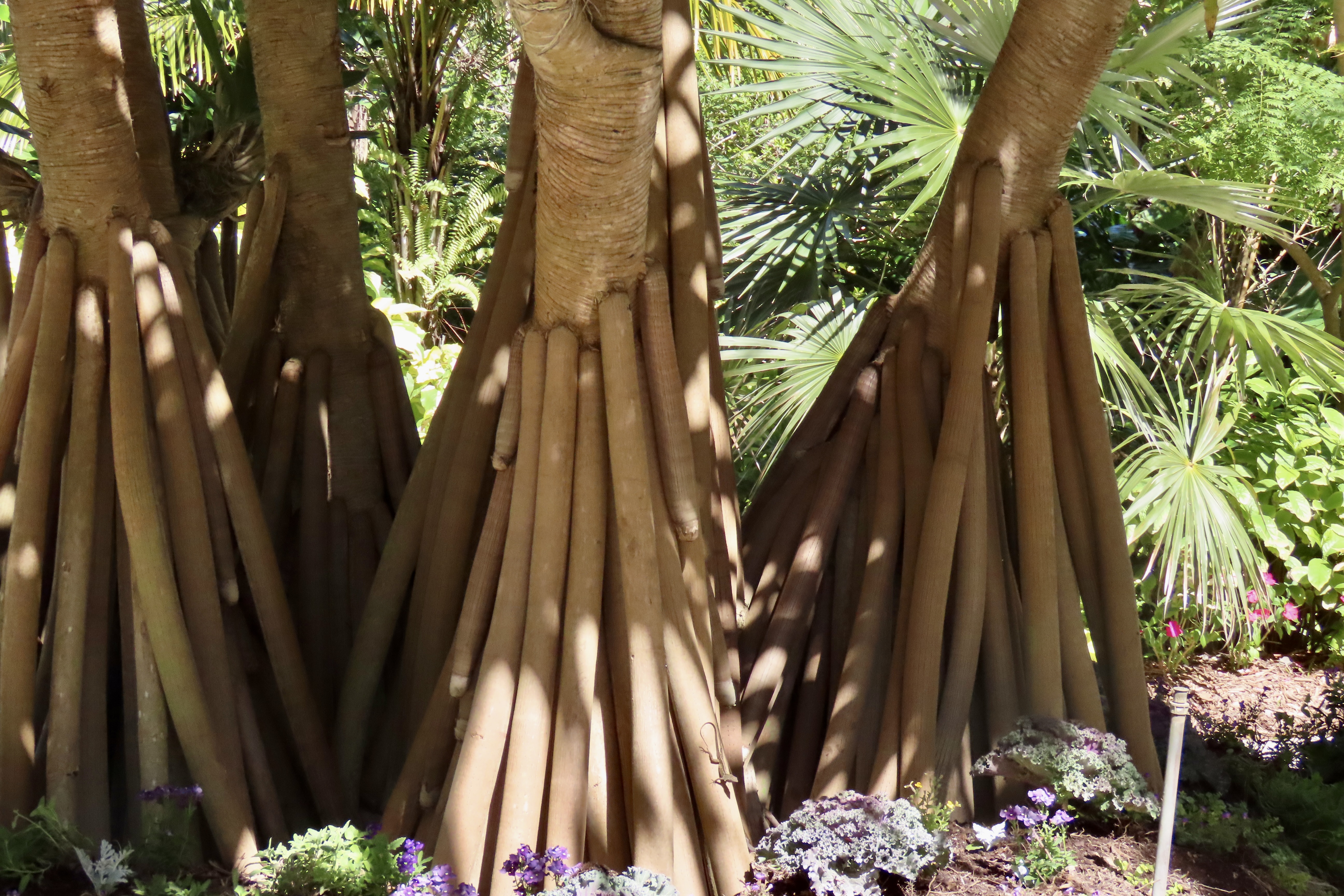
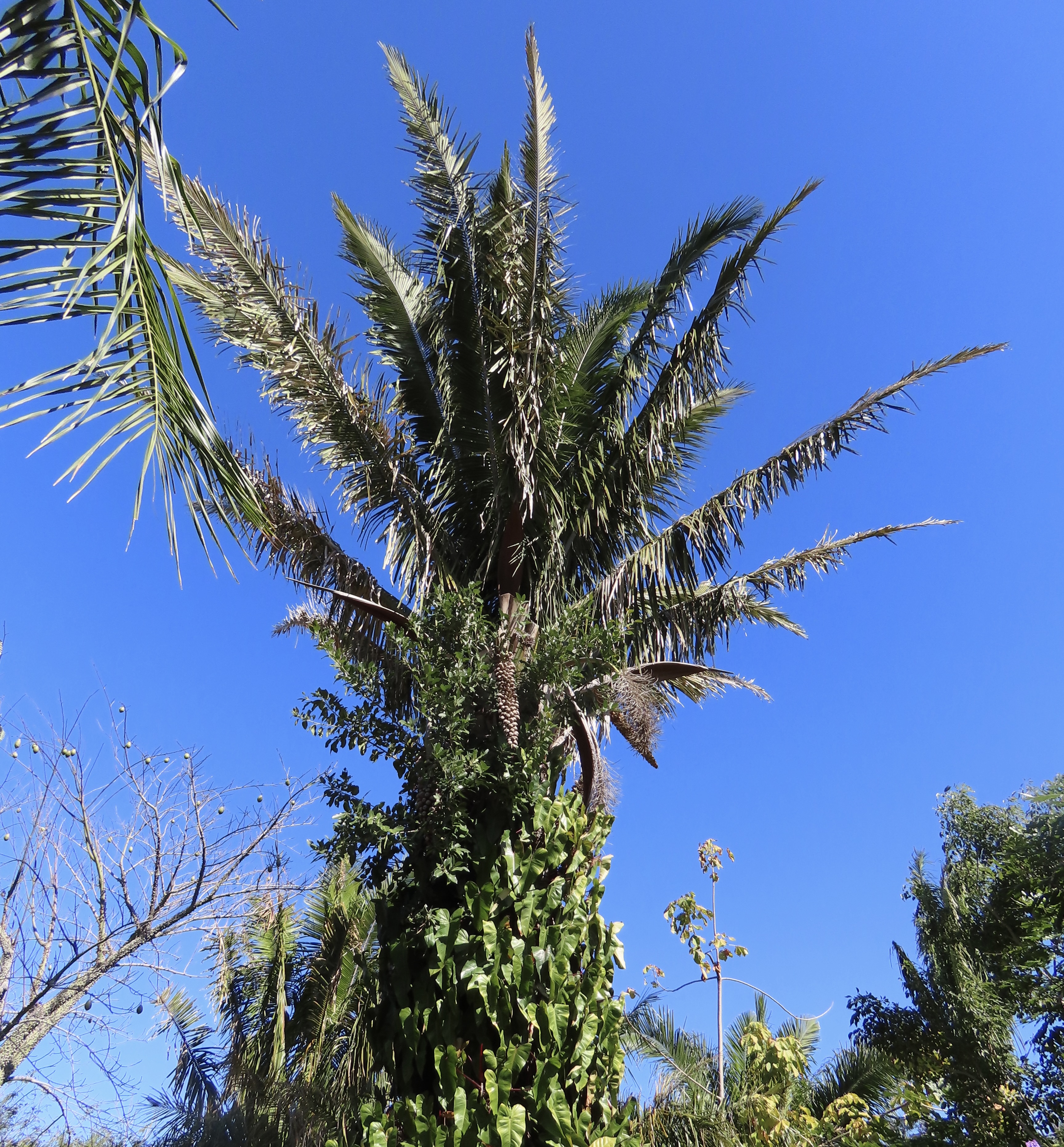
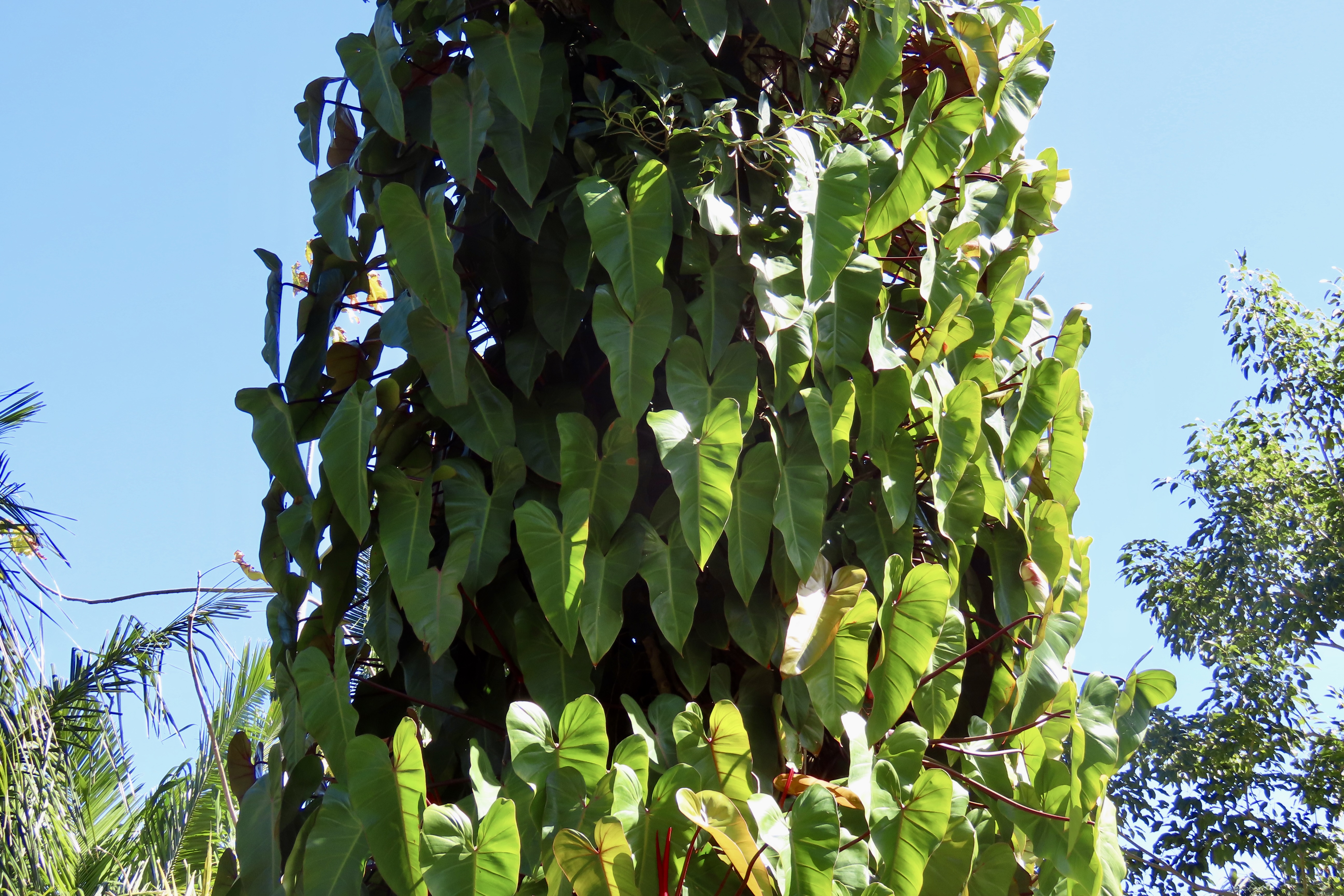
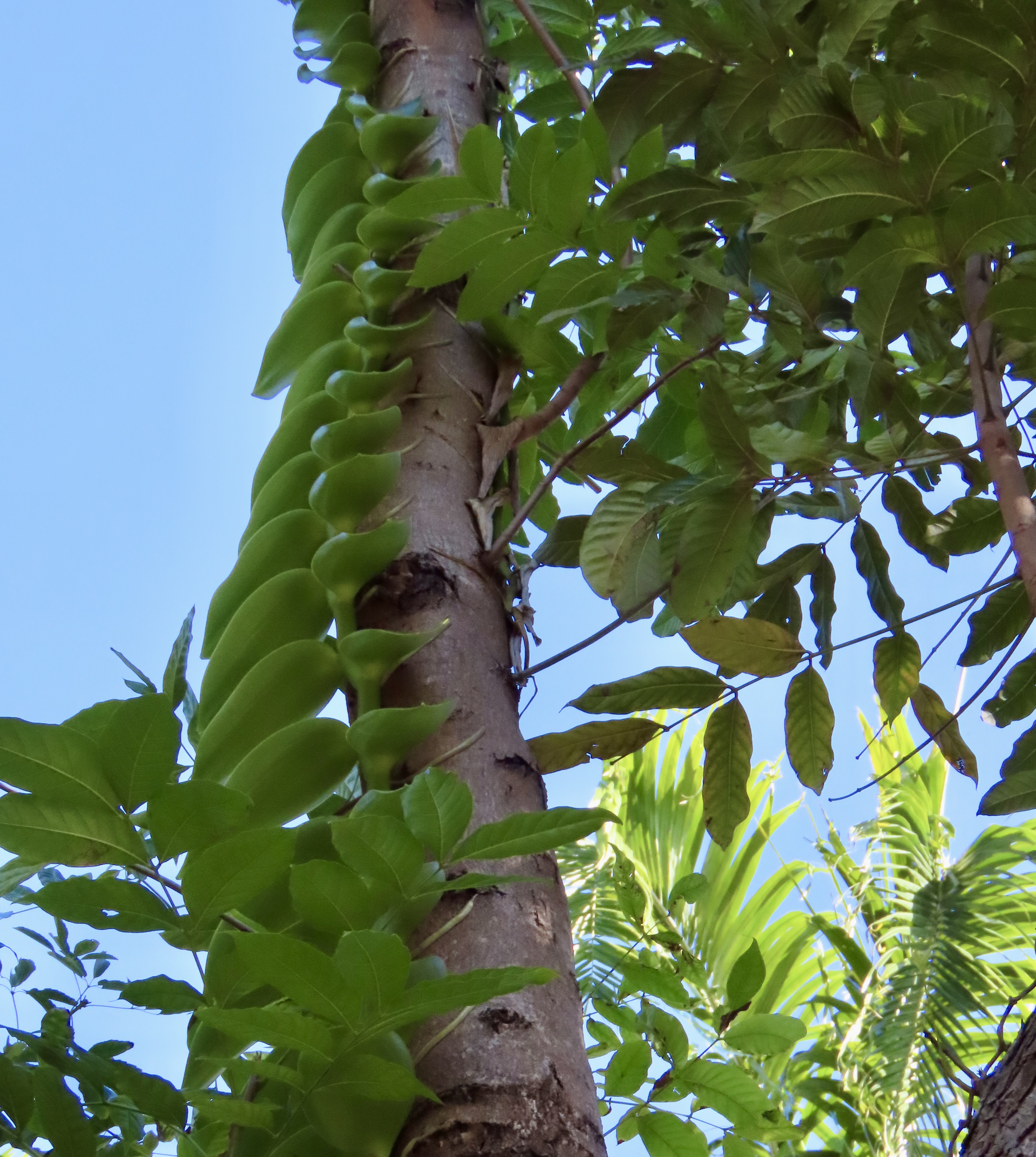
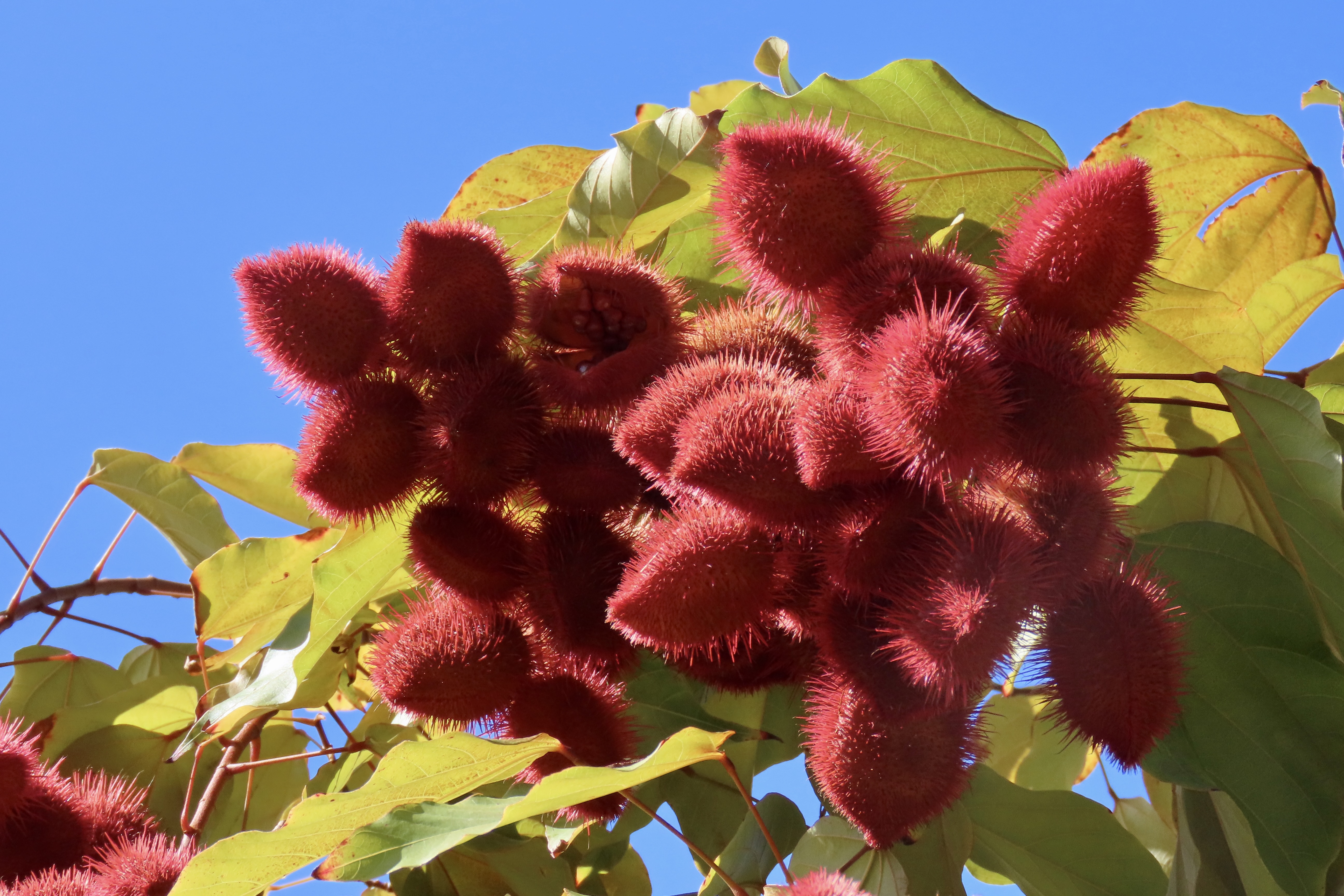

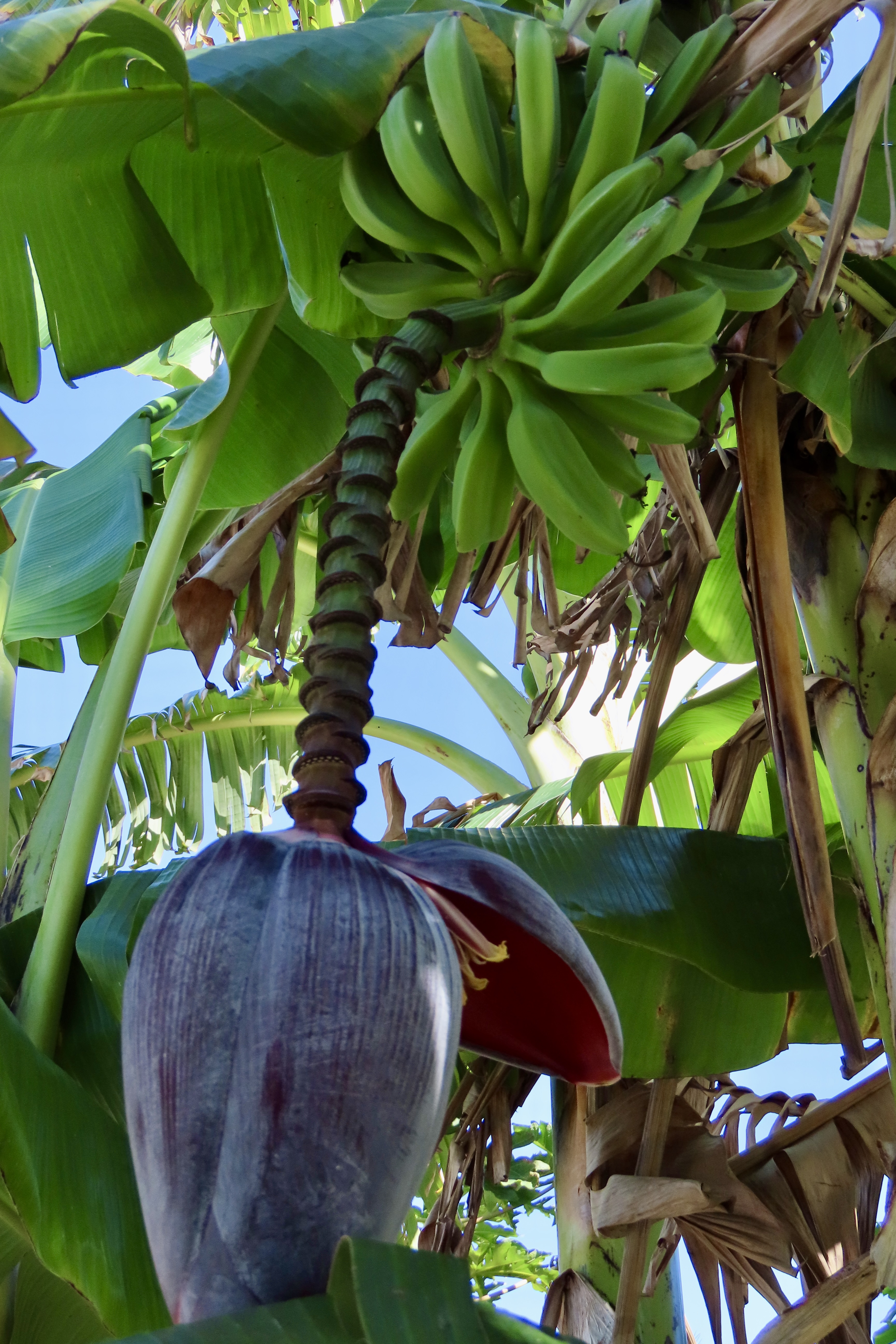


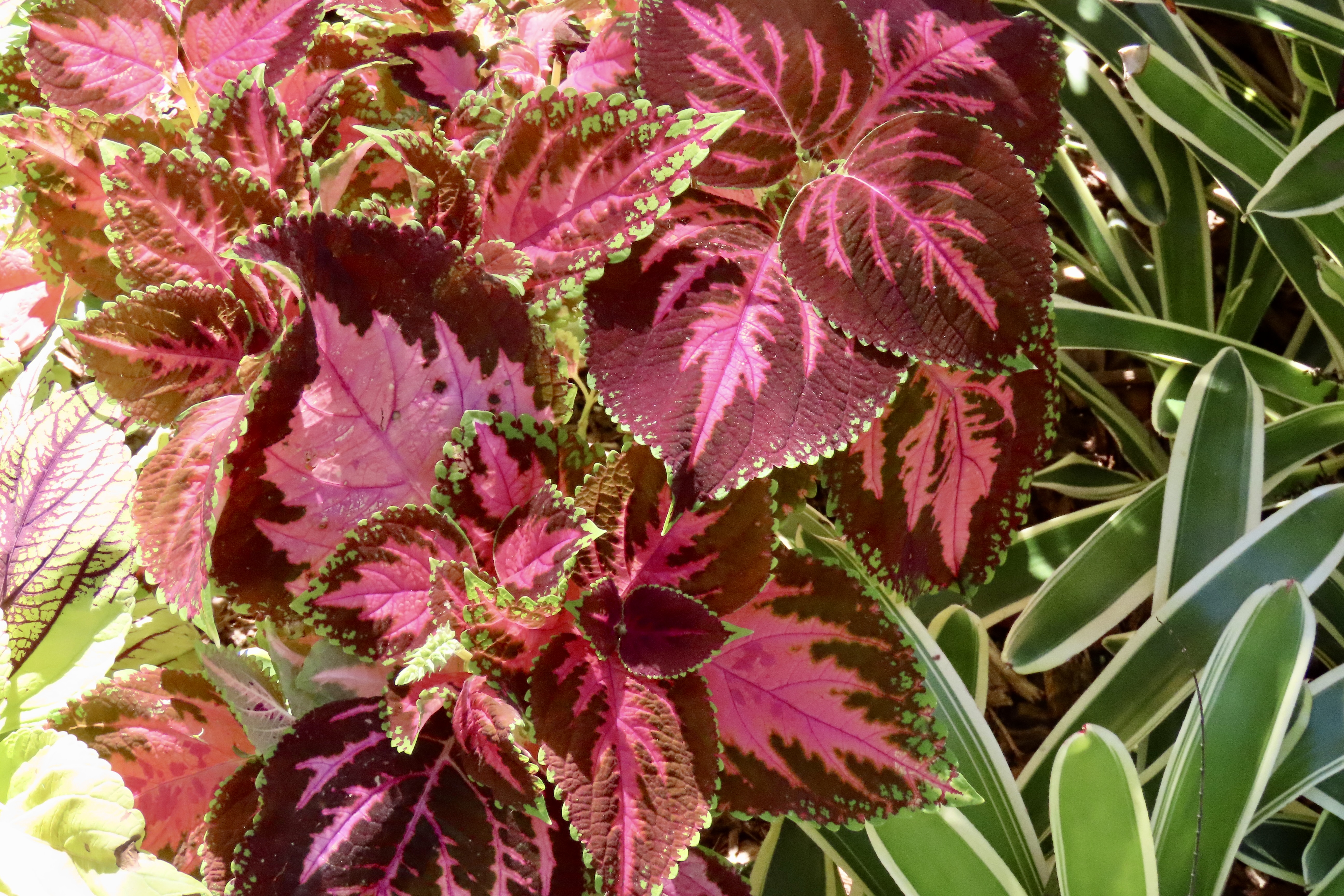
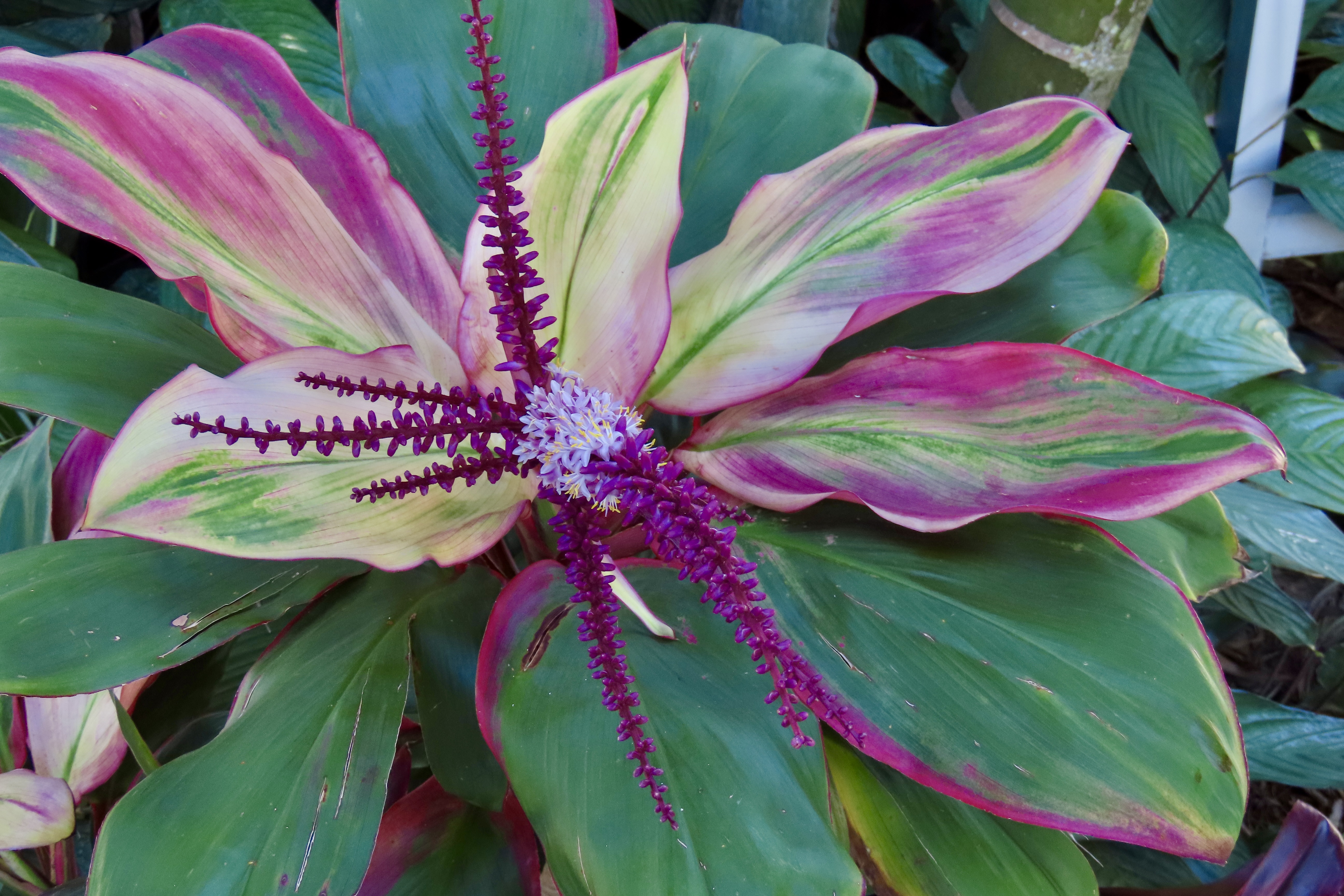
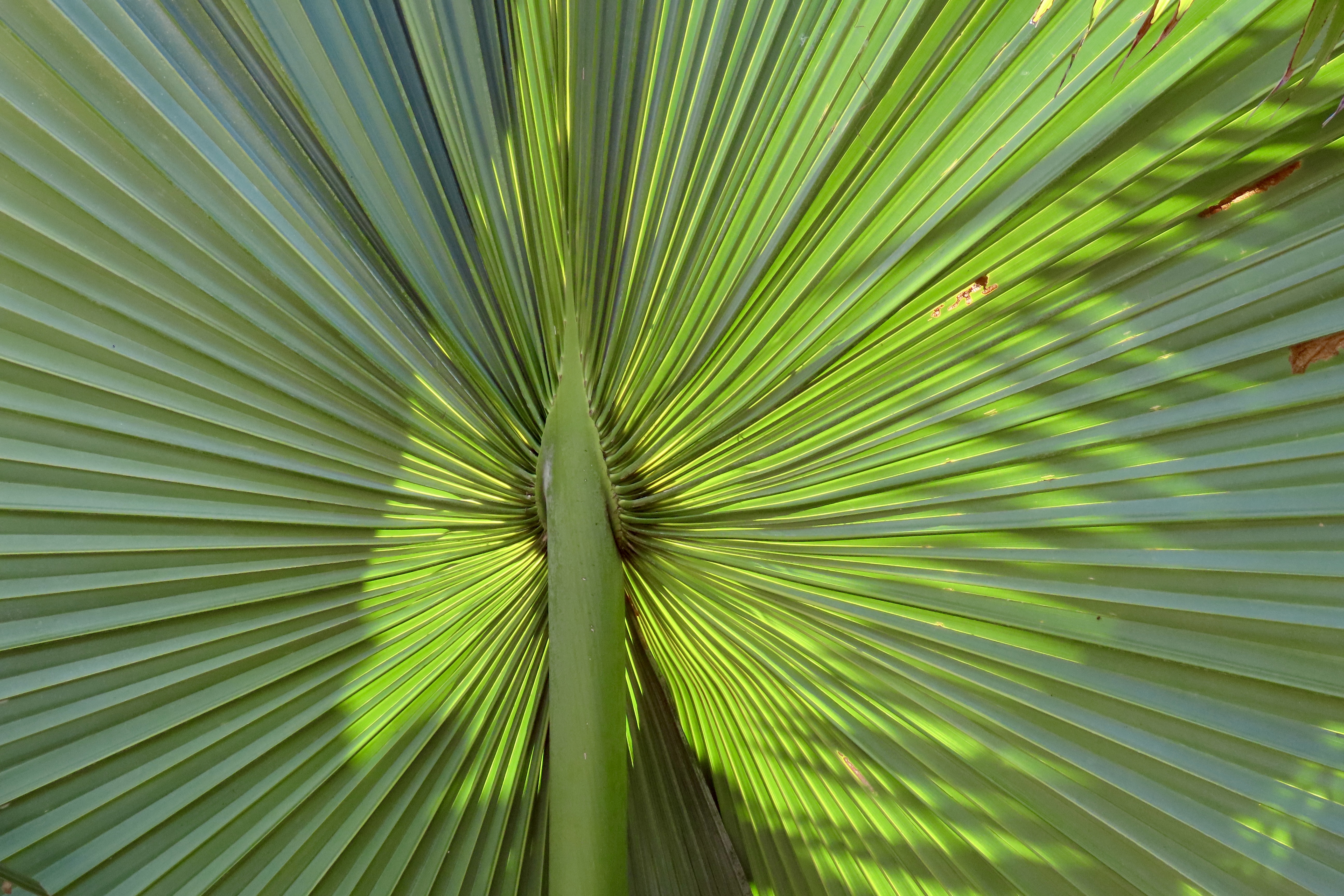
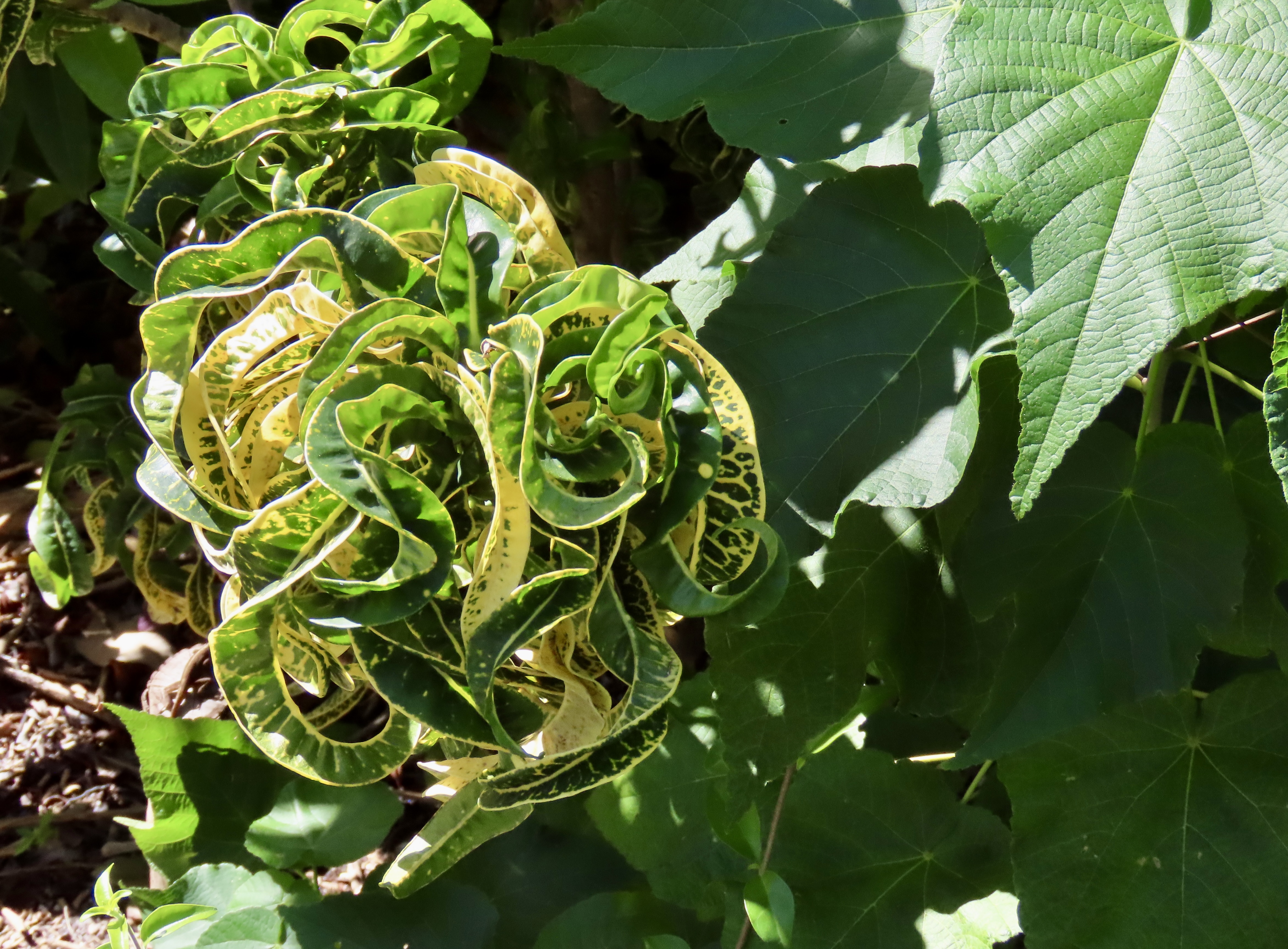

Peggy and I are down in the Everglades without an internet connection. I should be back to responding to comments and reading blogs this weekend.






 Wandering through Time and Place