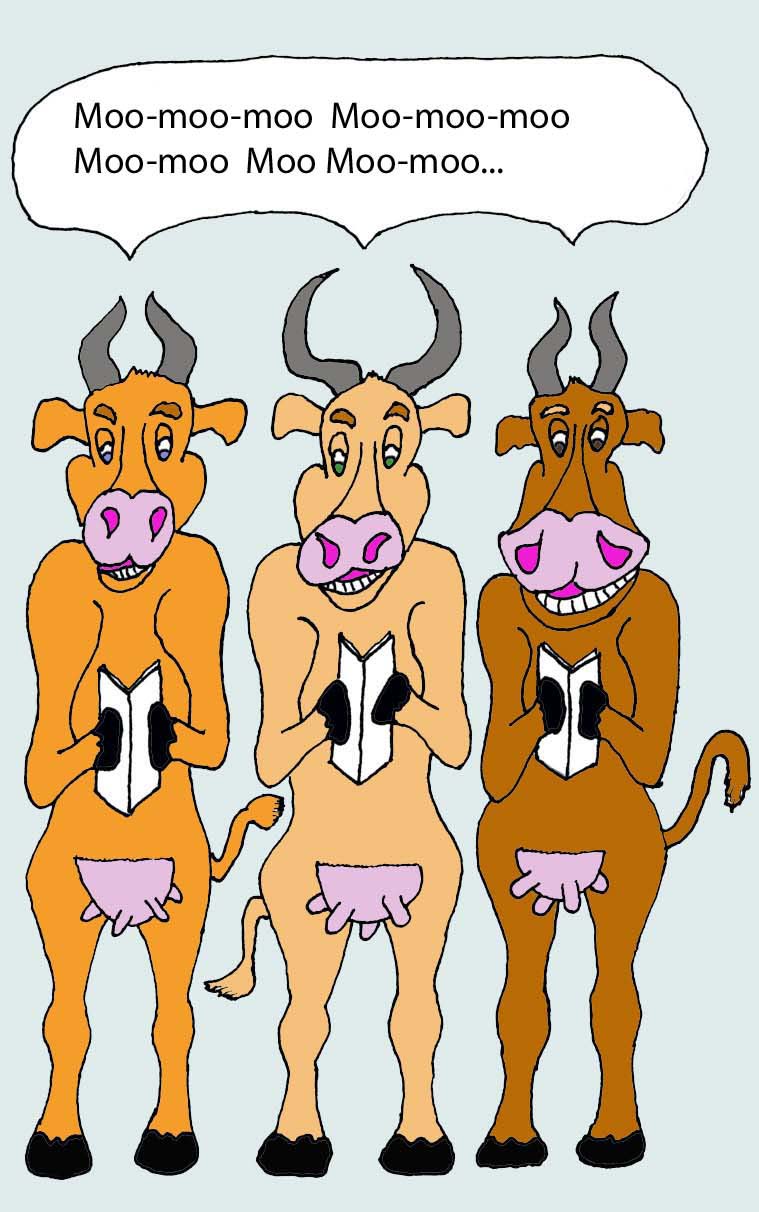
The Bovine Trio, Other Weird Creatures, and I Wish you Happy Holidays…

Moo'd music. Xmas Card by Curtis Mekemson.

Straight from Las Vegas, the fabulous Bovine Trio brings you moo’d music for Christmas.

I’ve always liked to send cards on the strange side– strange enough that they are hard to find. So I started making my own for family and friends. In the spirit of the season, I decided to share some of these cards with my blogging friends. Welcome to my wild (and, um copyrighted) collection. Enjoy.

You met my singing cows above. Like most chorus girls, they are slightly under-dressed. In addition to their obvious assets, they bring new meaning to the old phrase, hoofing it. They happen to be singing Jingle Bells, BTW. Here’s another carol you will be familiar with.

Silent Knight, Holy Knight Xmas Card by Curtis Mekemson.

Silent Knight, Holy Knight

Food is big over the holidays. Everyone has their favorite dishes. Mine is turkey with all of the trimmings! So here, in honor of holiday food, meet Tom.

Turkey dressing for Christmas dinner card by Curtis Mekemson.

Turkey dressing for Christmas dinner.

Turkey self-stuffing Xmas Card by Curtis Mekemson.

A miracle of modern culinary art– the self-stuffing turkey.

I will close my section on food with a few choice words from Chef Van Duck.

Christmas cards by Curtis Mekemson.

Chef Von Duck quacks up over bad yoke on Xmas morning.

Then we have Santa’s famous reindeer, who could ask for more faithful, hardworking companions. And what about the most famous reindeer of all– Rudolph with his famous nose. Did I say his? I recently learned a shocking secret.

Rudolph as a girl reindeer card by Curtis Mekemson.

Rudolph is a girl.

Male reindeer lose their antlers by December. Females keep theirs until spring. Have you ever seen a picture of Santa’s reindeer without antlers. Conclusion: Rudolph and all of Santa’s reindeer are girls. Here’s another Rudolph fact that the Christmas industry likes to downplay. Working conditions at the North Pole aren’t always the best…

Rudolph the Red Nosed Reindeer on strike. Xmas card by Curtis Mekemson.

Red nosed reindeer goes on strike.

But here is even bigger news– Santa hired a strike breaker.

Monty the mauve nosed moose Xmas Card by Curtis Mekemson.

Monty the Mauve Nosed Moose.

And finally… can you stretch your mind far enough to imagine a reindeer hunting season.
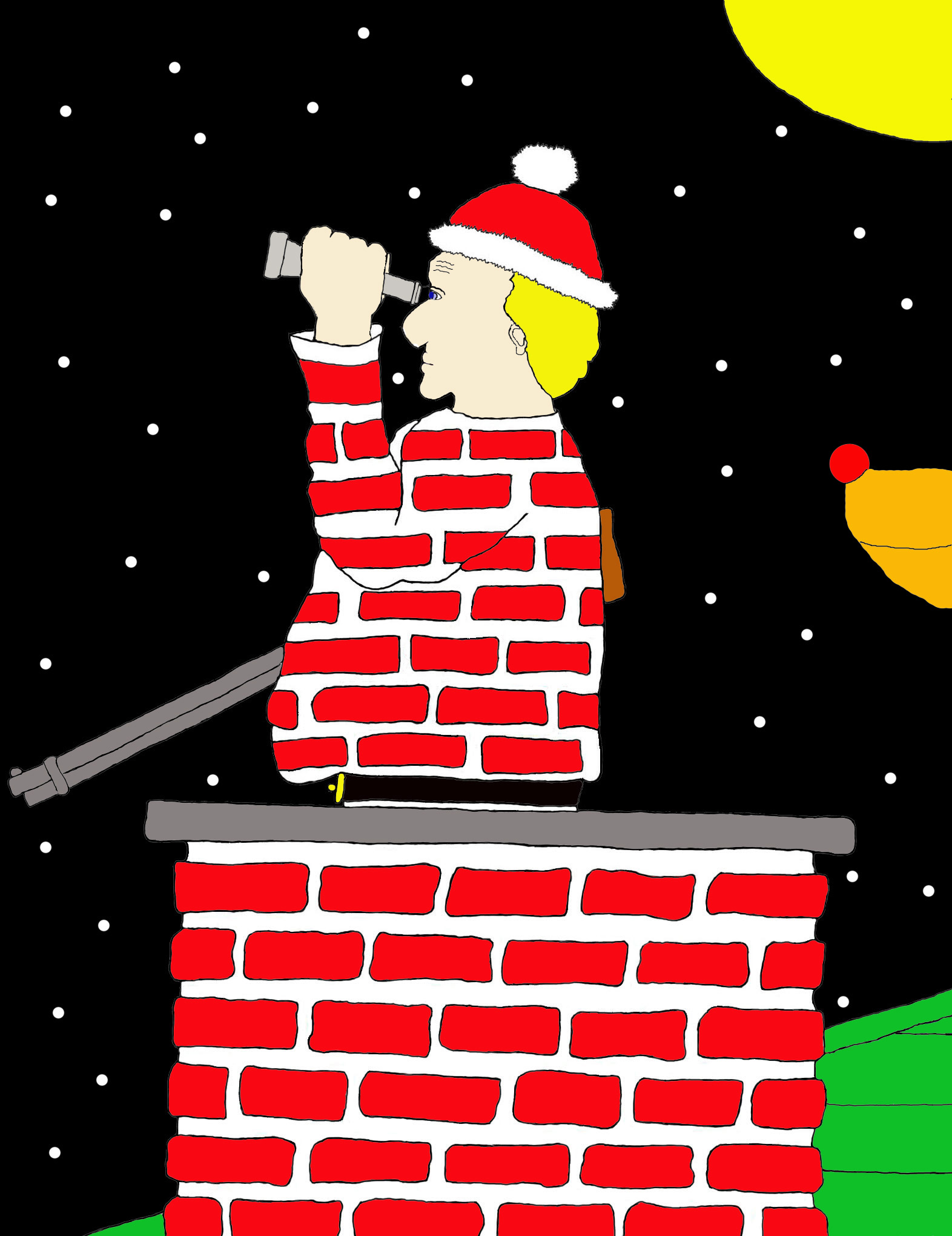
Christmas cards by Curtis Mekemson.

Carefully disguised hunter is about to get a flying lesson, free.

Beyond its religious significance, Christmas is about giving, right. Well maybe it’s a little about getting. But how often do you find yourself wishing you just had a few more days to prepare? Wouldn’t it be great if you could send the cat out to buy those hard-to-find gifts? Bad idea.

Christmas cards by Curtis Mekemson.

You never know what the cat might drag home.

So, I’ll just make a few suggestions for last-minute gifts…

Christmas Cards by Curtis Mekemson.

A box of Christmas Quackers.

A gift for the guy who has everything?

Dolly duck

Dolly duck

And finally…

Christmas Cards by Curtis Mekemson.

Primitive monster shows great presents of mind.

It’s a custom at Christmas to wish for world peace, right. One of Santa’s elves wishes we would hurry up and get it.
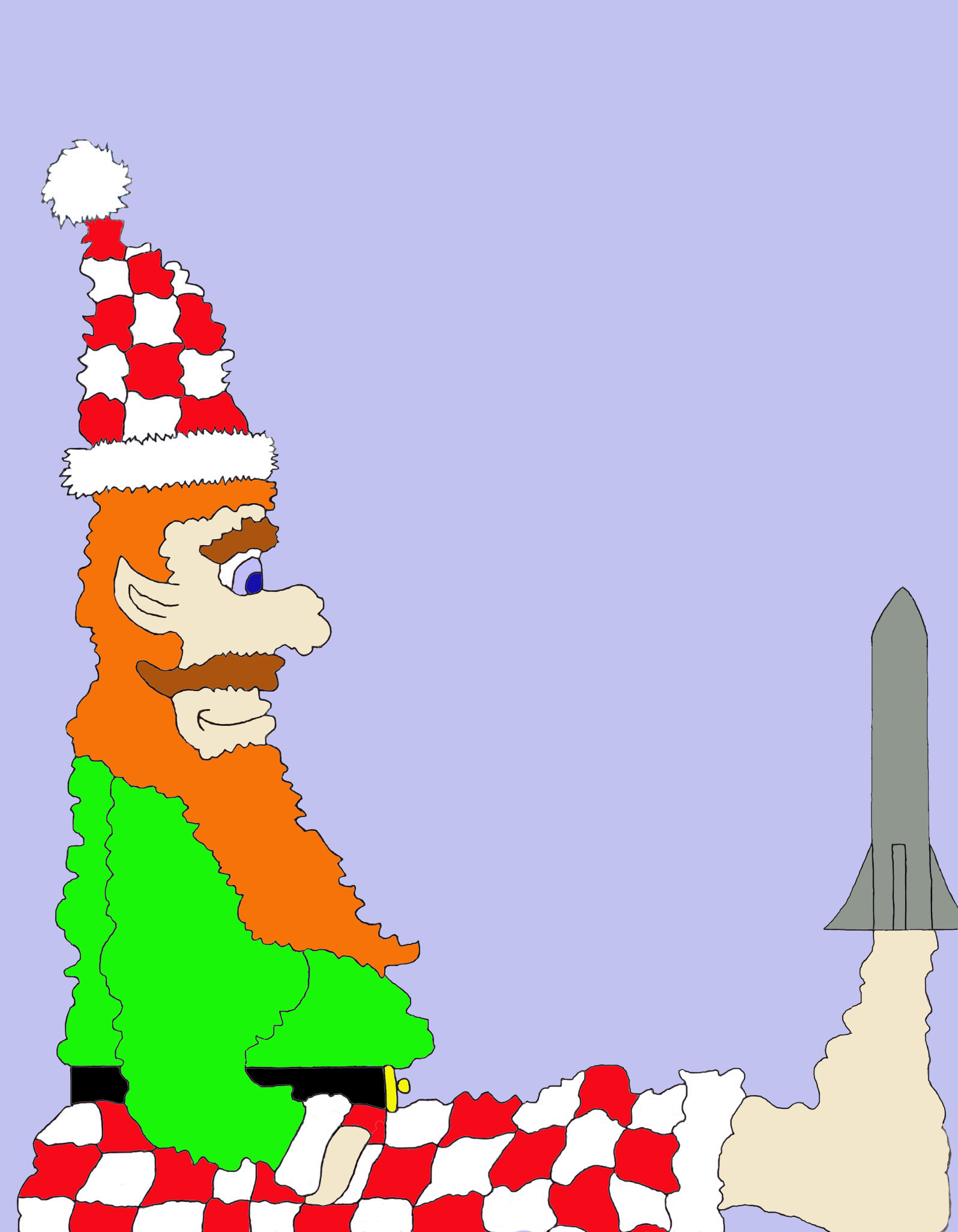
Christmas cards by Curtis Mekemson.

Santa’s elf displays an advanced case of missile toe.

As for Frosty the Snowman, he is wishing for an end to global warming.

Christmas cards by Curtis Mekemson.

Here lies Frosty the Snowman, victim of a premature meltdown.

And that’s it for my holiday Blog… Everyone in our household, including Peggy, me and the cow wish you and your family the absolute best for the holidays and 2014– Curt

Christmas Cards by Curtis Mekemson.


Peyote, Shamanistic Vision and Art… The Huichol Indians of Mexico

Huichol work of art representing the journey to gather Peyote. Photo by  Curtis Mekemson.

Peggy and I bought this Huichol yarn art painting several years ago. Yarn is pressed into beeswax to make the painting. This piece represents the Huichol’s annual journey to the sacred mountain of Wirikuta to gather peyote, which is central to their religion.

My fascination with indigenous art was piqued again on our recent trip to Mexico. The Huichol Indians, one of the last tribes in North America that has preserved pre-Columbian cultural traditions, are noted for their brightly colored bead and yarn art.

You can’t miss their work as you stroll down the streets and through the markets of Puerto Vallarta. What most casual visitors don’t realize, however, is that the art incorporates shamanistic visions inspired by peyote. Each piece provides an insight into the religion and mythology of the Huichol.

For example, the round buttons in the center of the painting above represent peyote. Just to the left of the peyote is the plant solandra, also with hallucinogenic qualities. The deer serve as intermediaries with the gods and the eagle serves as a messenger. Below the deer on the right is maize. To the left of the maize is what I believe is a prayer arrow with eagle feathers attached and to the left of that another arrow that has been shot into the base of a peyote plant. The wiggly lines represent communication that is taking place– between everything.

The Huichol, as they are known in Spanish, or the Wixaritari, as they call themselves, live in the Sierra Madre Occidental Range of Mexico. Each year, representatives of the tribe make a journey of several hundred miles to the sacred mountain of Wirikuta in central Mexico where they gather peyote.

Peyote is a small cactus with psychoactive alkaloids, particularly mescaline, which can create hallucinogenic reactions similar to those created by LSD. (If you’ve been around for a while, you will immediately think of Timothy Leary and the 60s.)  Effects include alterations in the thinking processes, sense of time, and self-awareness. Colors are said to appear brilliant and intense. Synesthesia, where senses interact, may also occur. An example of the latter is seeing colors when listening to music.

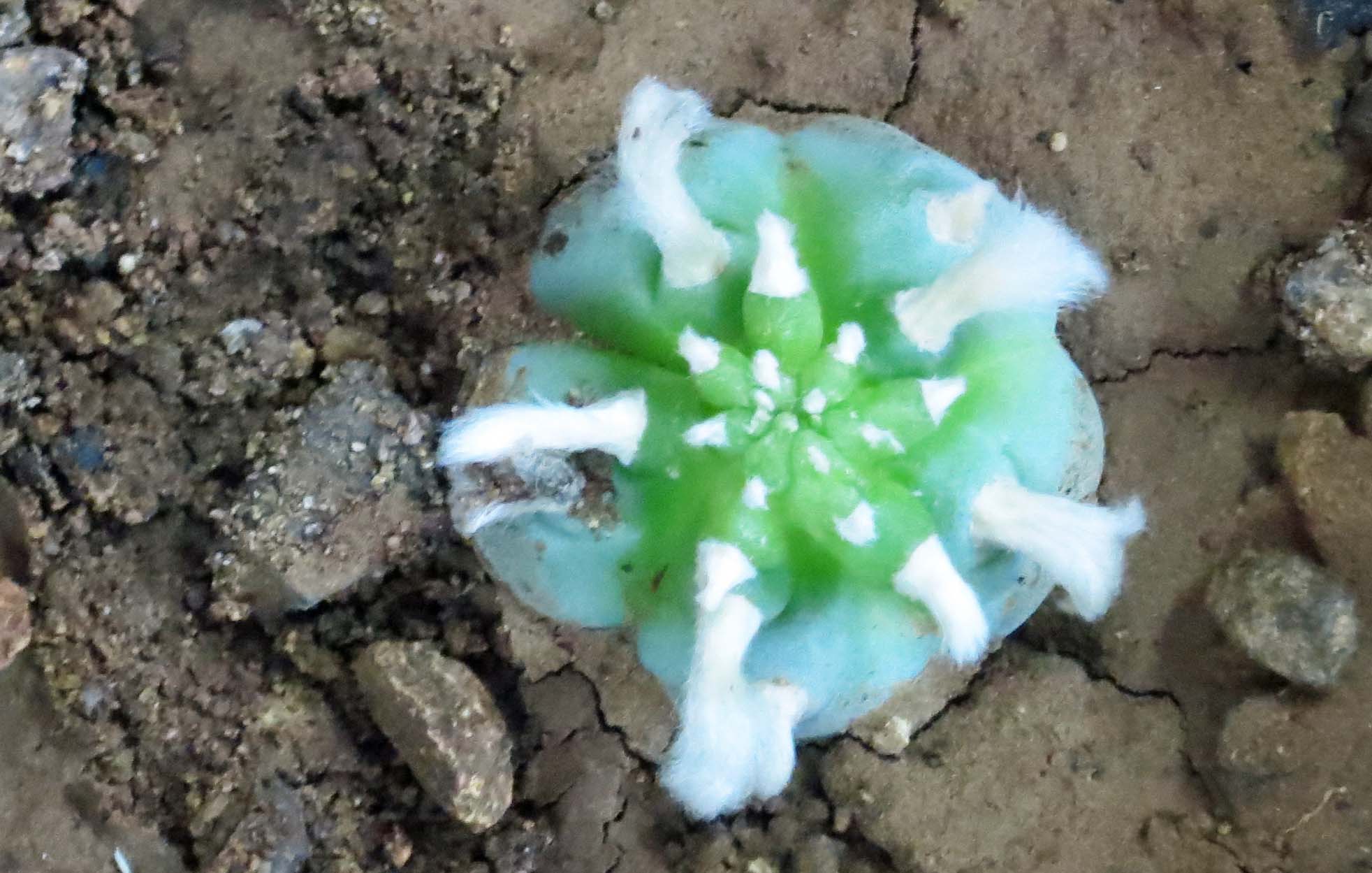
Peyote photo taken by Curtis Mekemson in Mexico.

The peyote plant is a small, spineless cactus that contains mescaline, a hallucinogenic drug. 

Huichol Shamans use the peyote to enter a trance where they communicate with the gods of the Huichol people. The shamans then make small yarn paintings known as Nierikas that represent the visions they experienced. The paintings are left as offerings to the gods in caves, temples and streams.

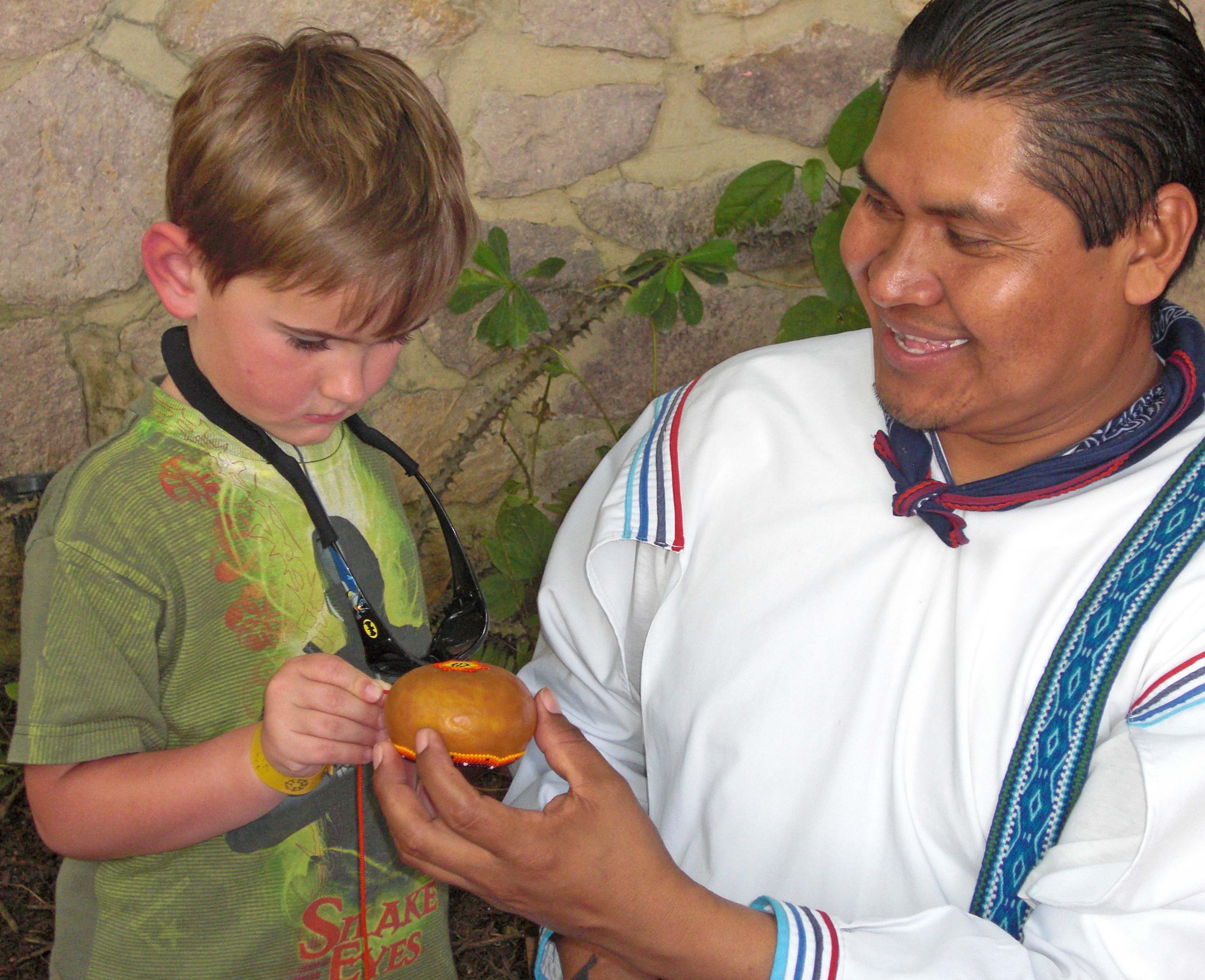
The Nierikas serve as the foundation for the Huichol art found in Puerto Vallarta, Guadalajara, and other urban locations. We have bought several pieces of the art, as has our daughter, Tasha. Our favorite Huichol artist for small bead art, Ernesto, maintains a table along the Rio Cuale. This year he took time to let our grandson, Cody, press some beads into a piece he was working on.

Ernesto shows lets our grandson Cody press beads onto a gourd covered with beeswax. (Photo by Ethan's mom, Natasha.)

Ernesto shows our grandson Cody how to press beads onto a gourd covered with beeswax. (Photo by Ethan’s mom, Natasha.) 

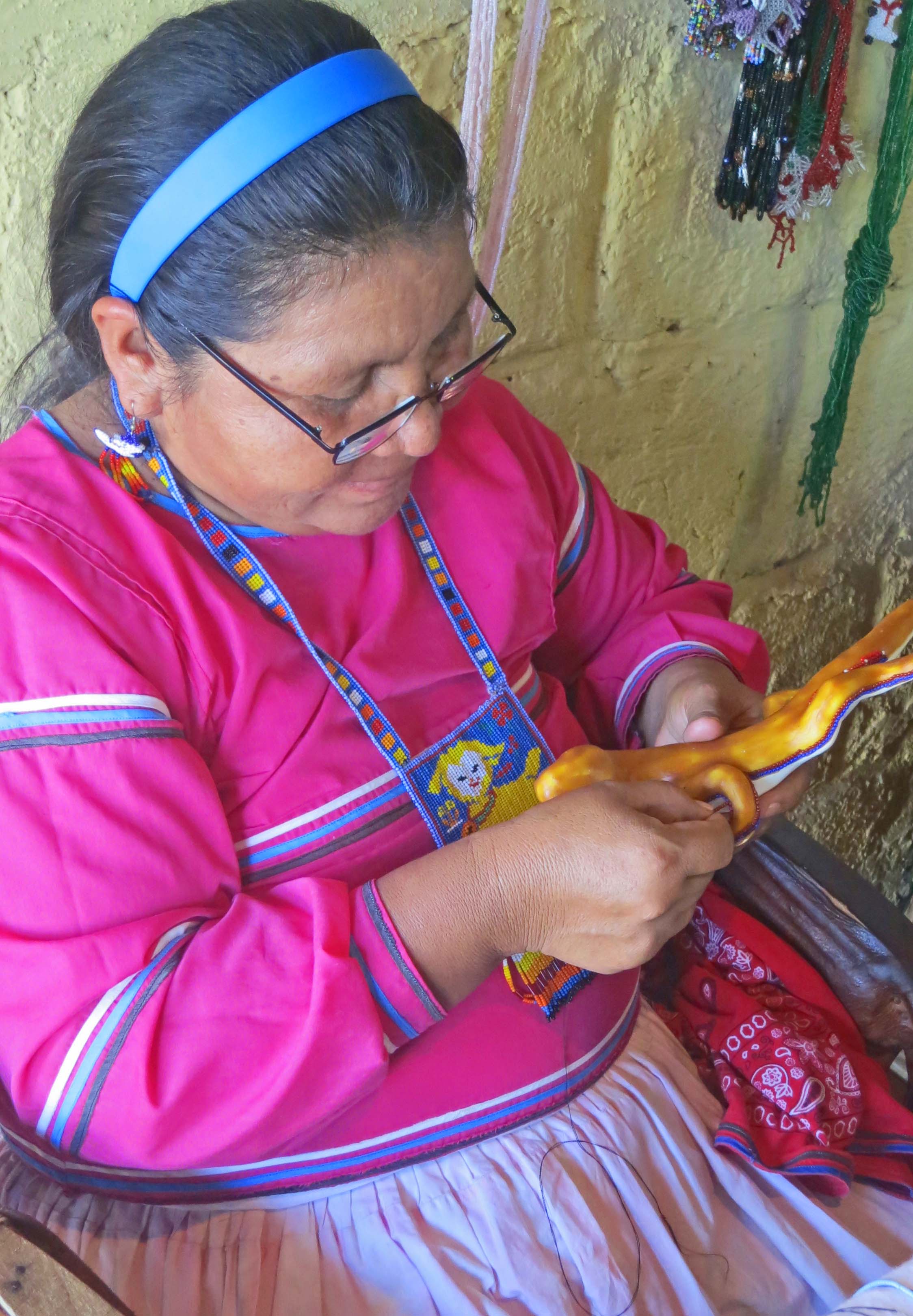
Huichol woman works on a bead art sculpture in Mexico. Photo by Curtis Mekemson.

In this photo, a Huichol woman works on another bead art sculpture.

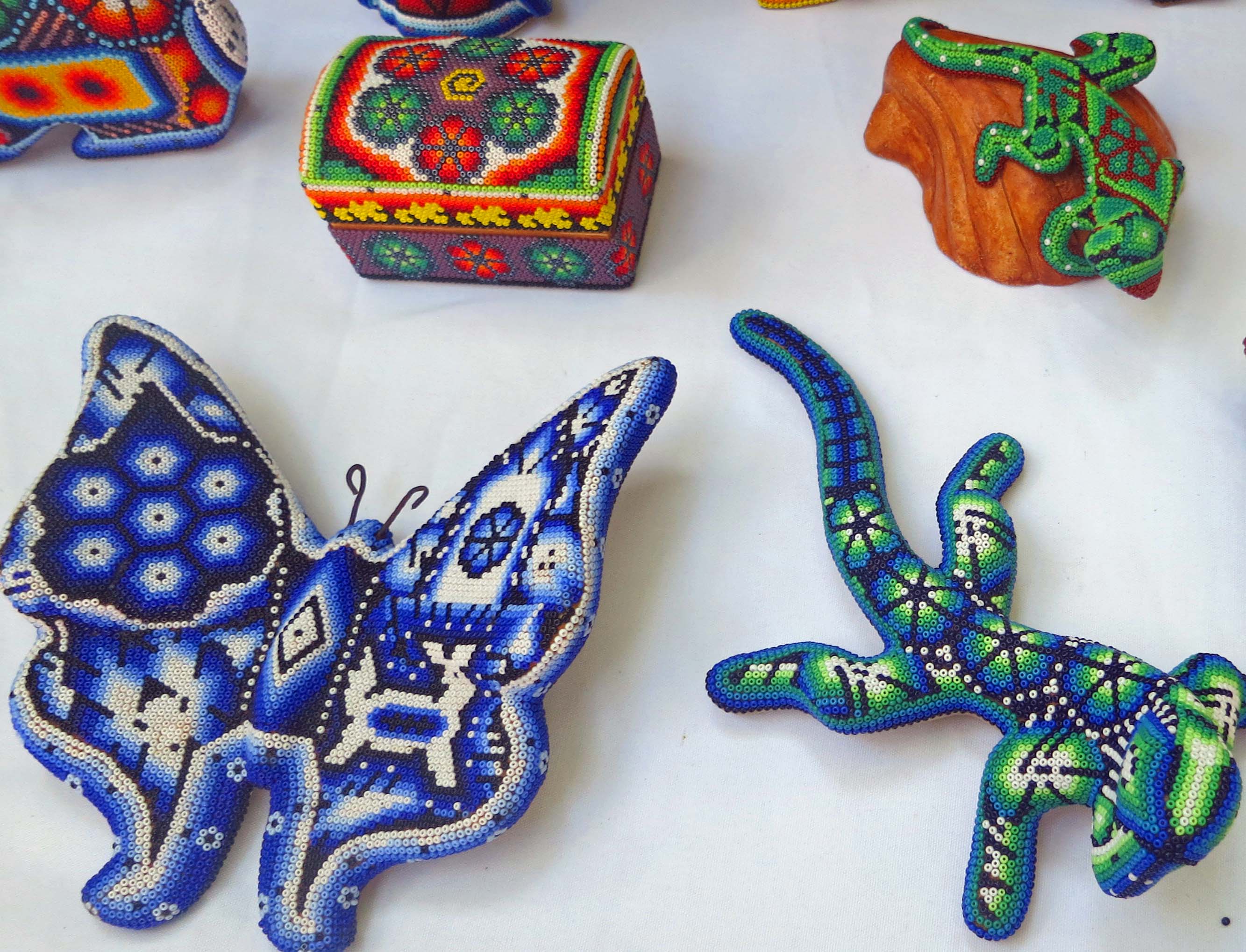
Beaded Huichol art. Photo by Curtis Mekemson.

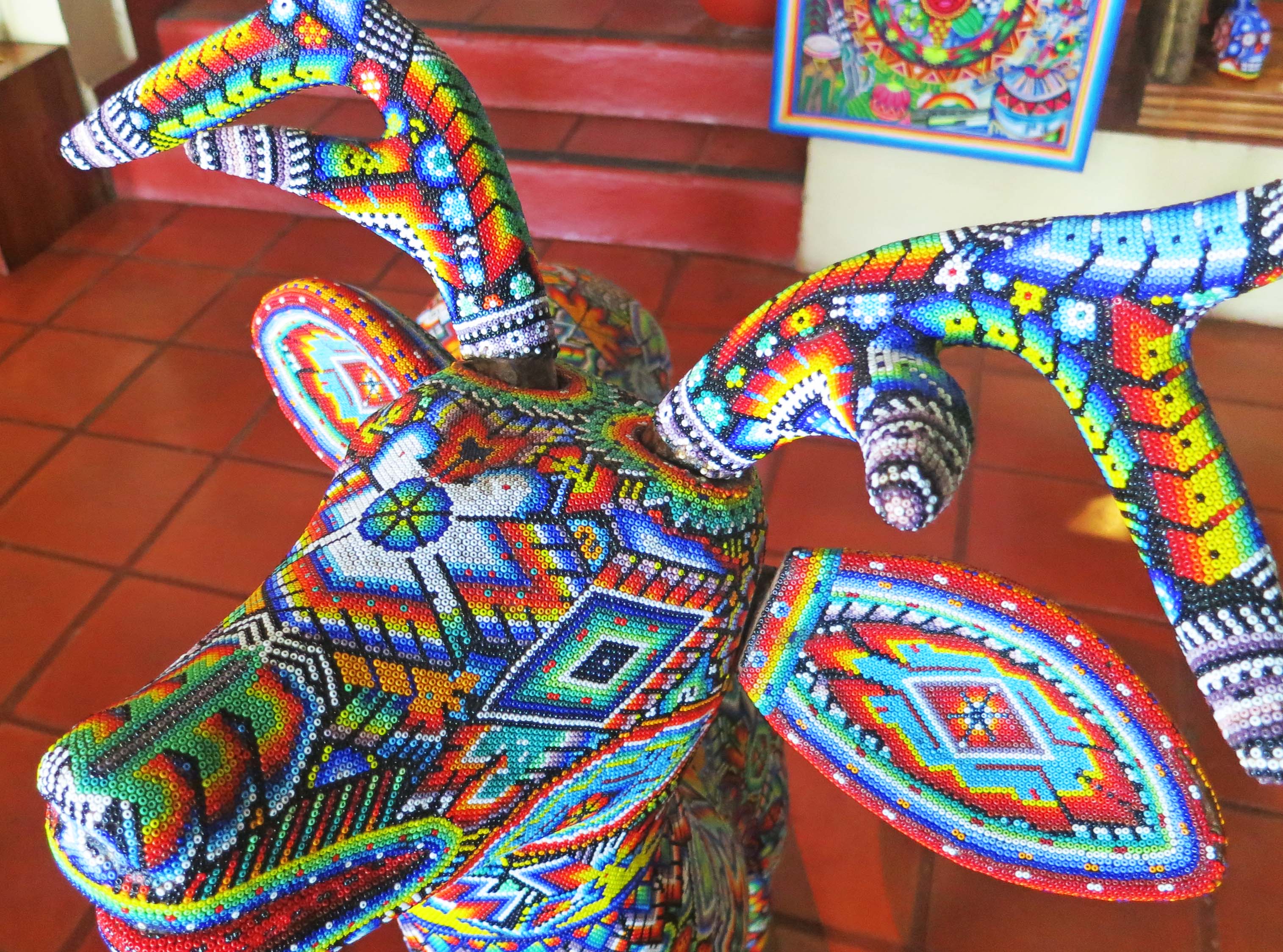
Beaded Huichol art can range in size from these small pieces created by Ernesto to much larger sculptures such as the deer shown below. Beaded art, like the yarn art, includes symbols of the Huichol Indians’ religion. The salamander, with peyote buttons marching down its back, helps bring rain.

Photograph of Huichol deer by Curtis Mekemson.

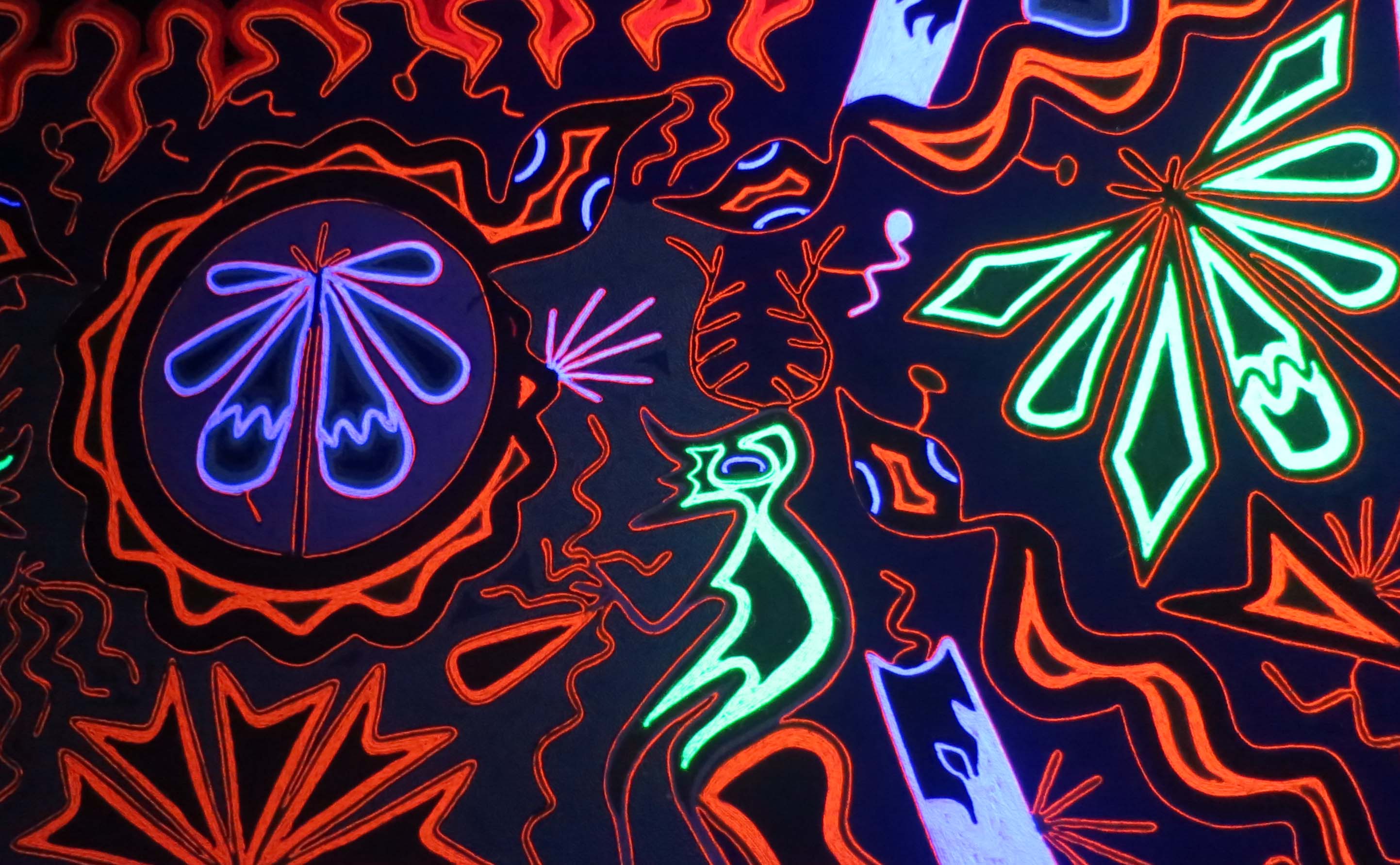
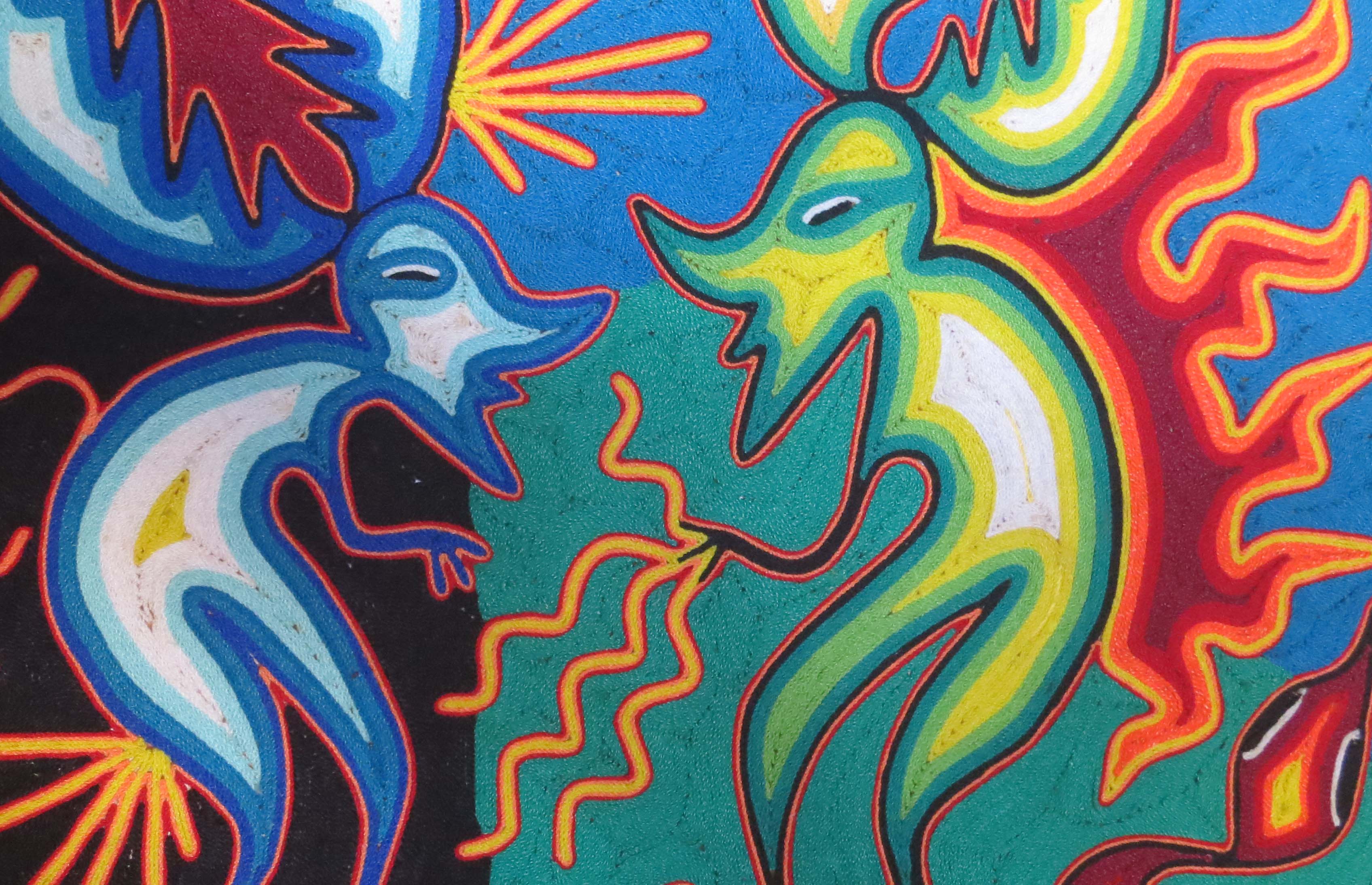
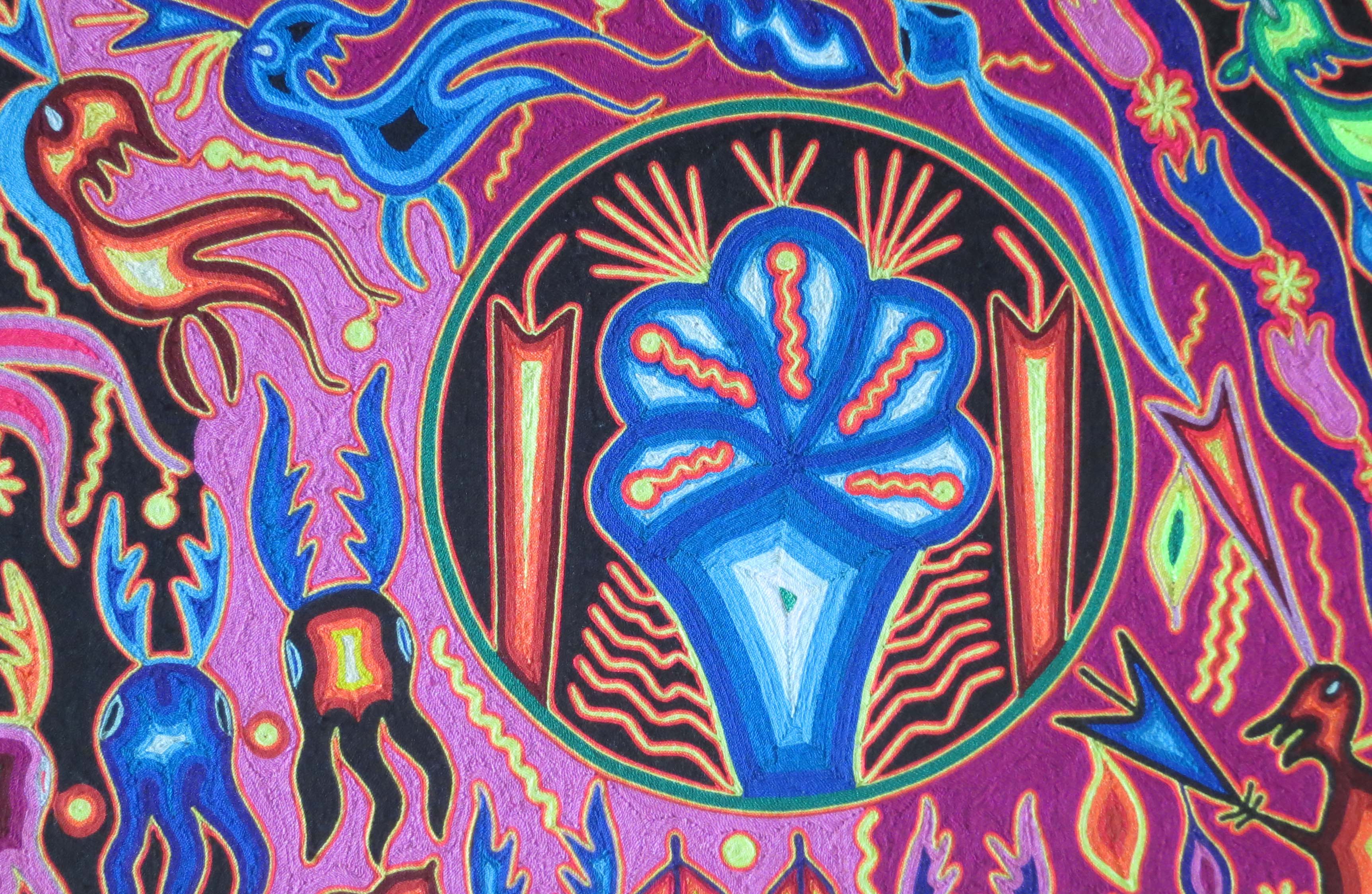
I’ll conclude today’s blog with several examples of Huichol yarn art which demonstrate the vibrant colors and spiritual figures seen by shamans while in trance.

Huichol art representing shamanistic visions. Photo by Curtis Mekemson.

Deer person in center represents a shaman.

Deer people representing shamans in Huichol art. Photo by Curtis Mekemson.

Huichol yarn art photo by Curtis Mekemson.

NEXT BLOG: I hope you are enjoying this journey into Mexico. I will be taking a break from blogging over the next couple of weeks to celebrate the season. Peggy and I would like to wish each of you Happy Holidays. –Curtis

“Oh my, what a big dewlap you have.” The Iguanas of Puerto Vallarta

Our grandsons Ethan and Cody were fascinated by the iguanas we found in Puerto Vallarta. The 8-year-old Ethan took this photo as  and iguana checked him out. (Photo by Ethan Cox.)

Our grandsons Ethan and Cody were fascinated by the iguanas we found in Puerto Vallarta. The 8-year-old Ethan took this photo as an iguana checked him out. (Photo by Ethan Cox.)

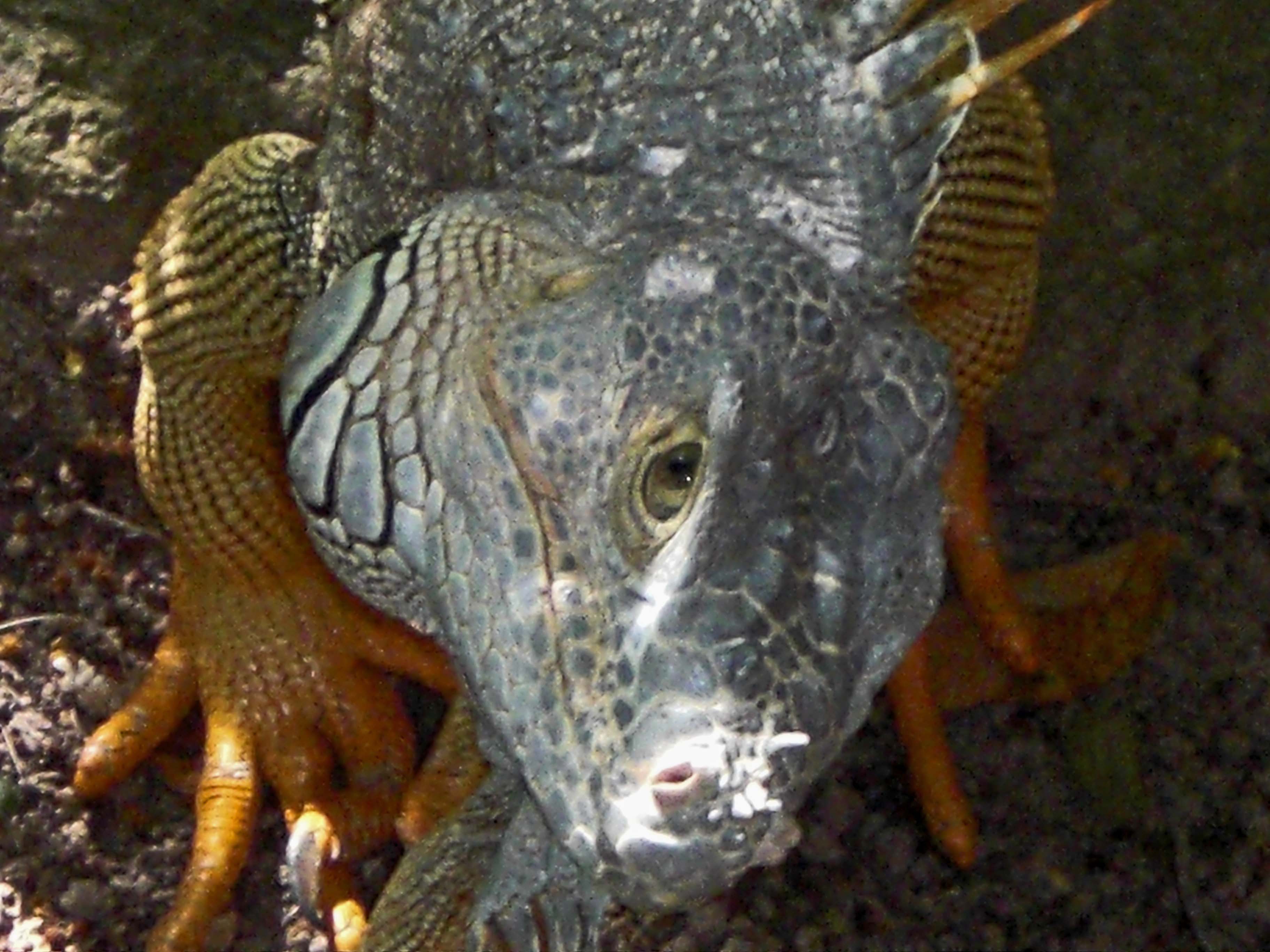
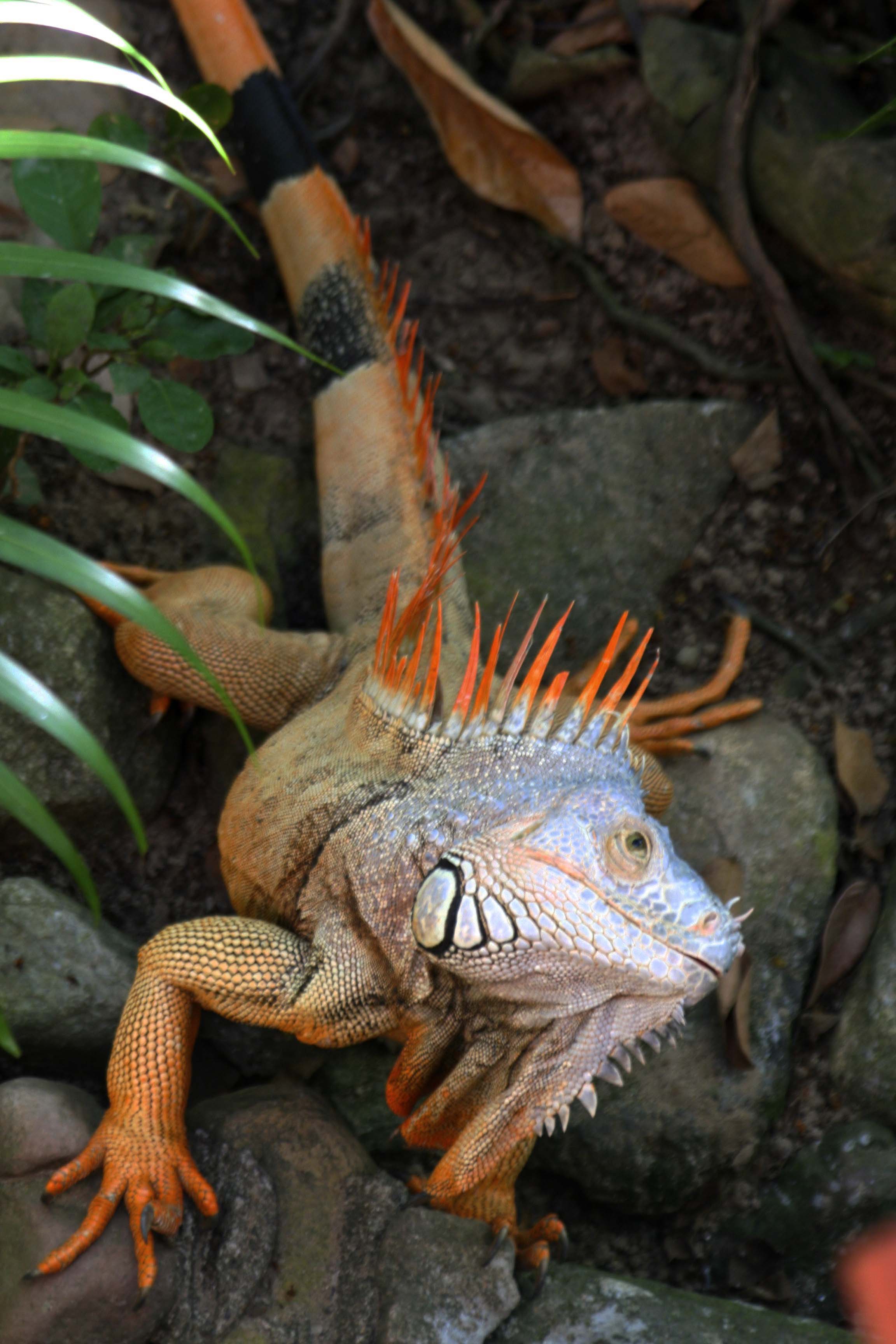
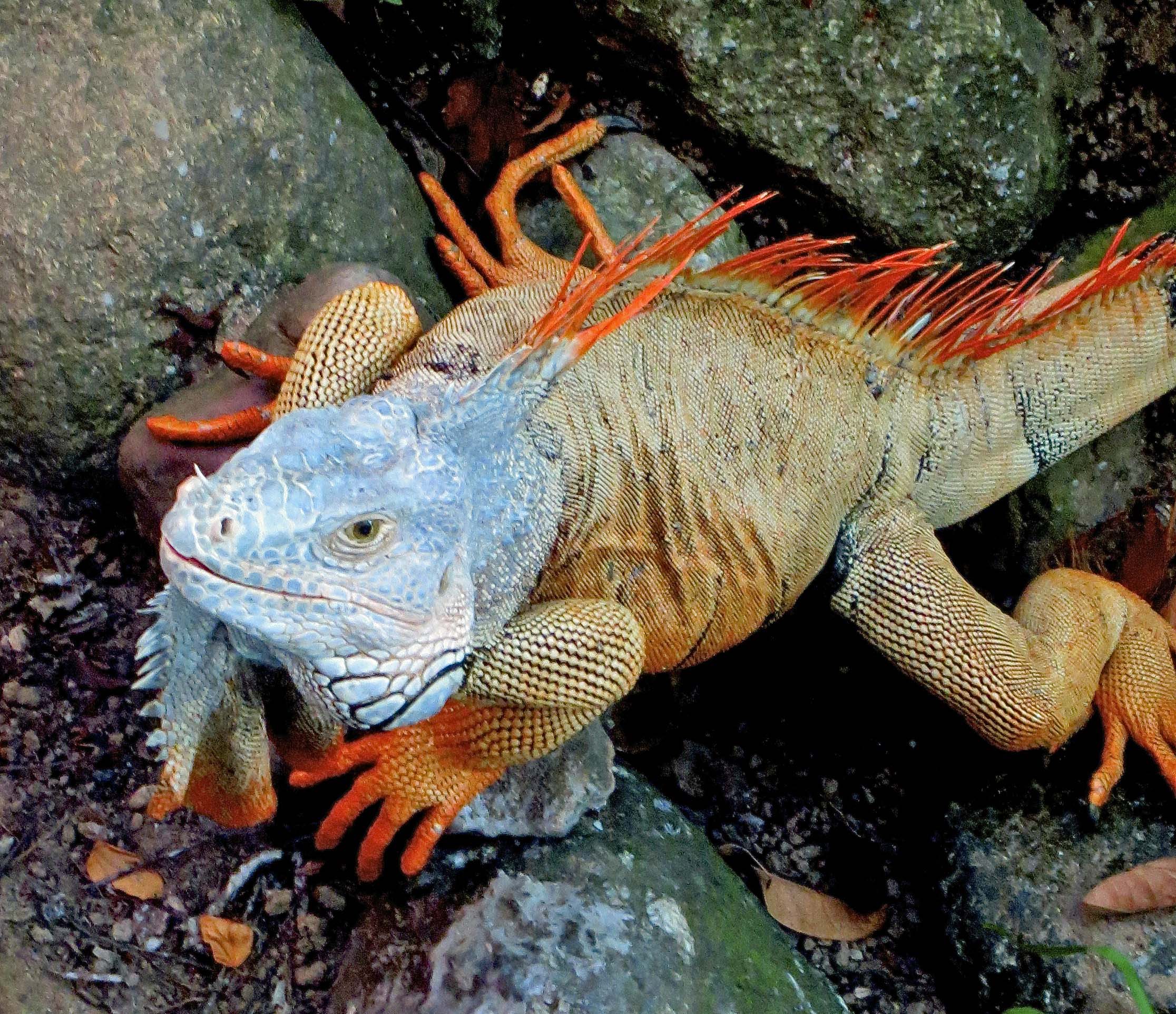
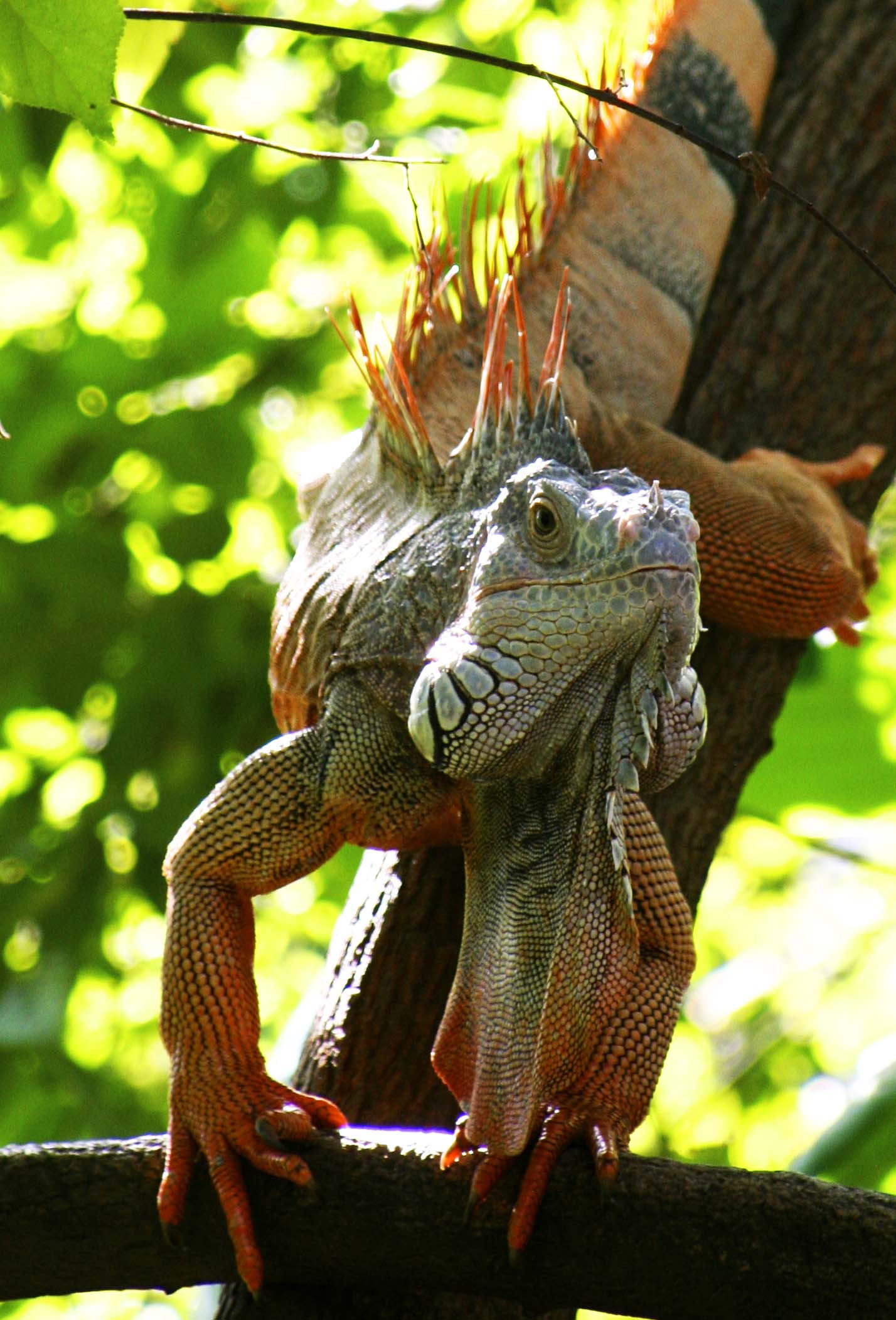
The iguana I named Big Orange was staring up at us with a curious eye. He had come down out of his tree and shuffled over to where we were having lunch on a patio above the Rio Cuale. My eight-year-old grandson, Ethan, was scratching the wall to attract his attention. The iguana and the boy seemed equally interested in each other.

Iguana in Puerto Vallarta, Mexico. Photo by Curtis Mekemson.

Another shot of the curious iguana. I named him Big Orange because of his color.

These large lizards can grow to be over 5 feet long. If their tastes tended toward meat, they might be worrisome, especially given their fearsome appearance. But iguanas are vegetarians and prefer to avoid conflict. Still, you wouldn’t want to irritate one; their lightning fast spiky tails and sharp little vegetarian teeth can do considerable damage.

Iguana in Puerto Vallarta, Mexico. Photo by Curtis Mekemson.

I, for one, would hesitate to get in an argument with the iguana I named Big Orange with his spiky tail, long claws and his tiny, but sharp teeth.

They also have a third eye, located on top of their heads. As eyes go, it is rather primitive. Cells sensitive to light and dark can warn an iguana when something is blocking the sun, such a hawk hovering over its head. One way of escape is to fall out of the tree. If there is a river underneath, you might call it a dive. They are good swimmers and use their powerful tails for locomotion.

Parietal eye of iguana. Photo by Curtis Mekemson.

The small oval on top of the iguana’s head serves as his third eye and is sensitive to light and dark. This photo also shows Big Orange’s leaf-eating teeth.

If a convenient river isn’t present, they land on the ground with a loud plop. Peggy witnessed one such fall. It was a little close for comfort. She was living in Panama at the time with her first husband. Our daughter Tasha, Ethan and Cody’s mom, was splashing around in a baby wading pool in the shade of a palm, when one of the big guys fell out of the tree and crash landed next to the pool.

“The iguana landed flat and seemed stunned. Then he stood up on his legs, shook his head, and wandered off.” Apparently iguanas can fall for up to 50 feet and survive. Whether baby Tasha could survive an iguana falling 50 feet and landing on top of her was another issue. Peggy moved the pool.

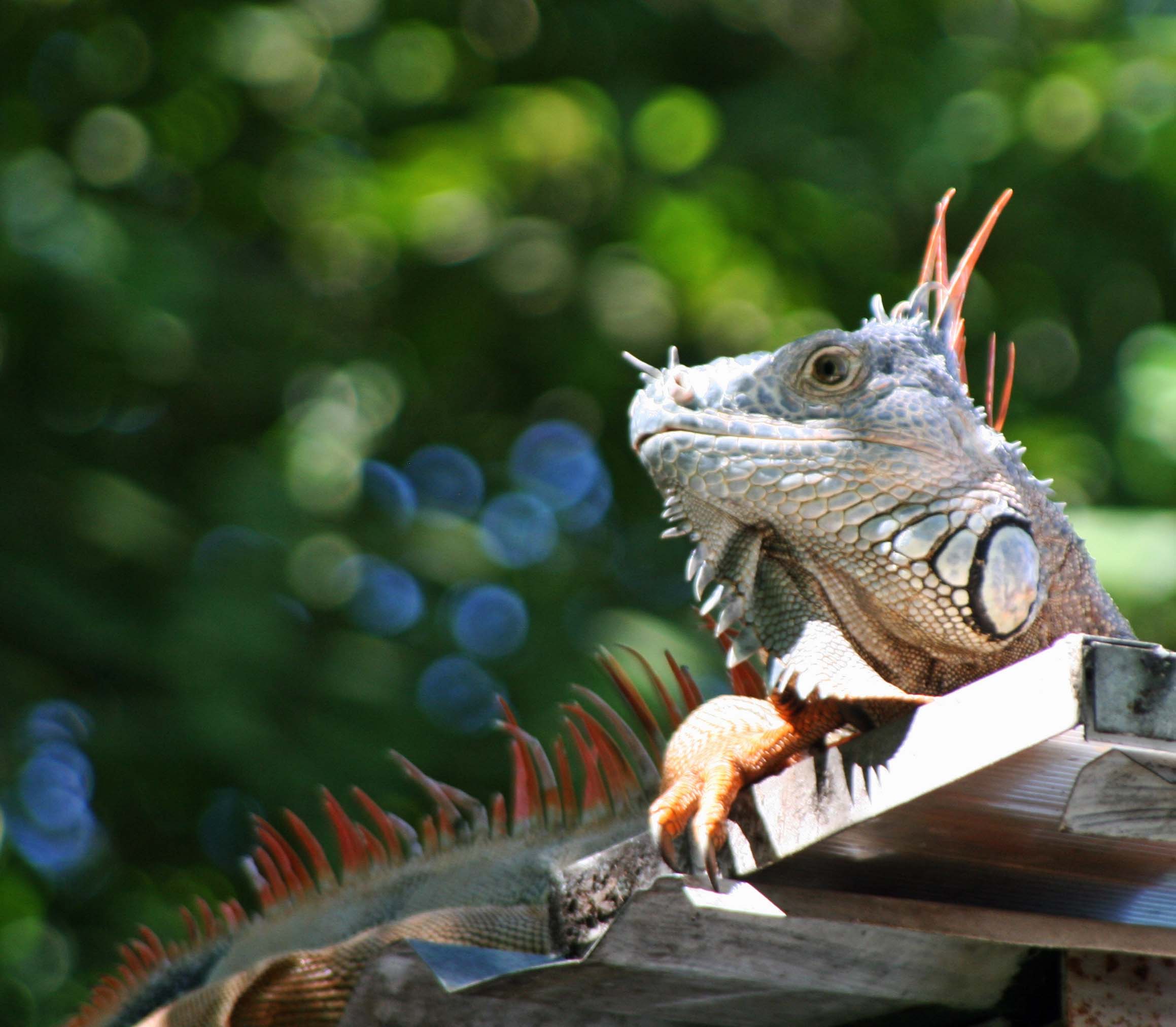
Iguana on roof in Puerto Vallarta. Photo by Curtis Mekemson.

Iguanas are arboreal (live in trees). A convenient roof will do in a pitch, however.

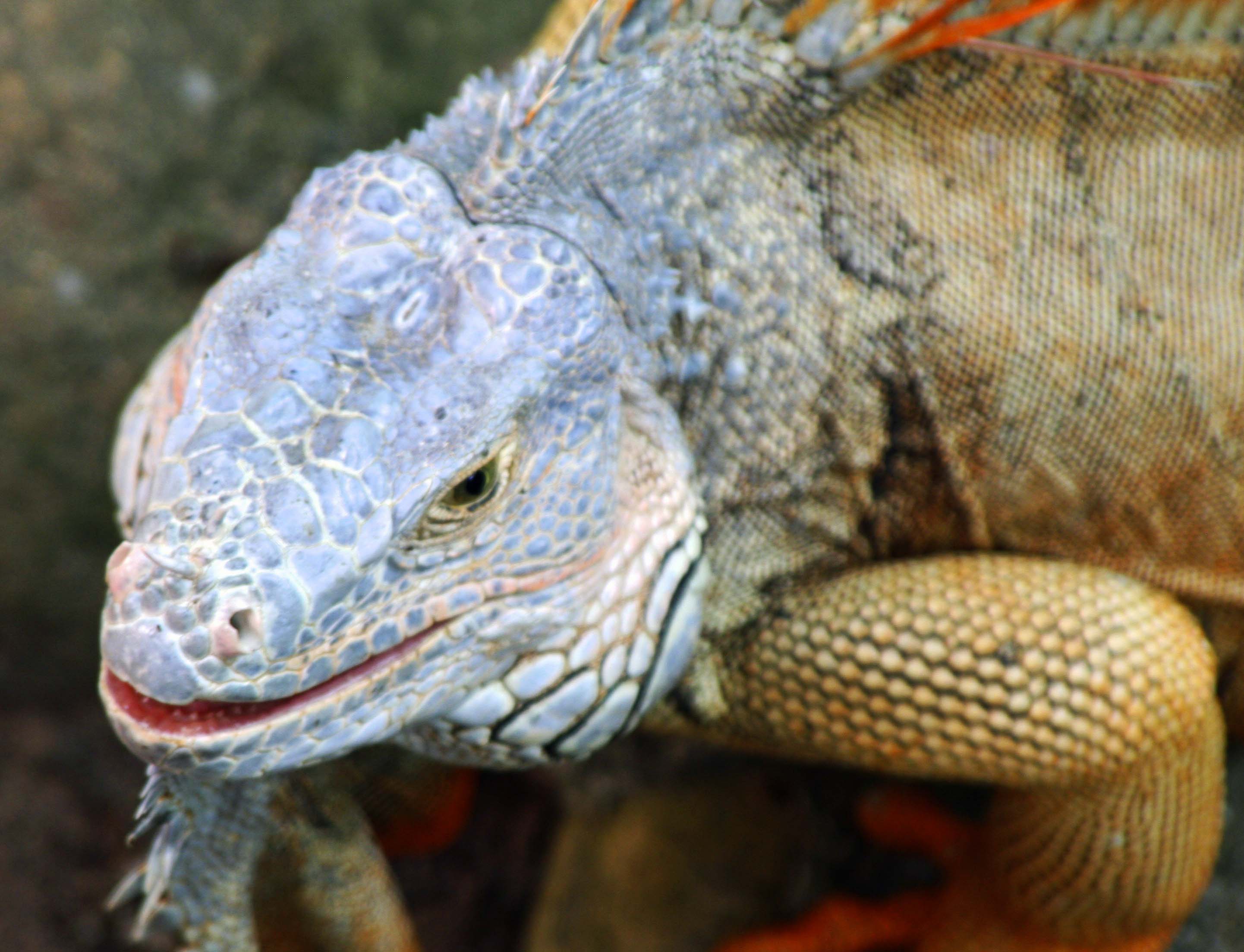
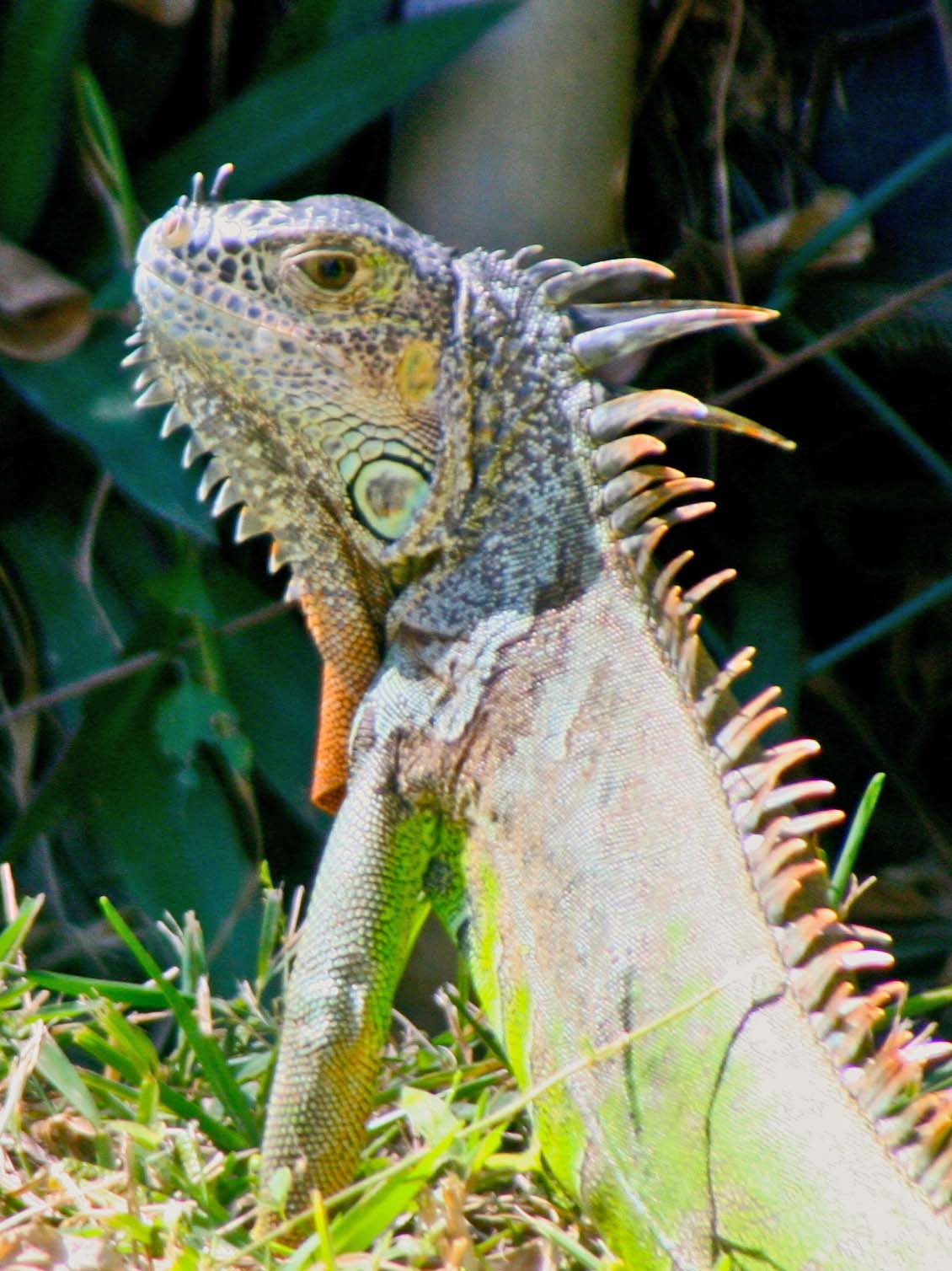
One of the stranger aspects of iguana physiology is a rather large dewlap that hangs down from the chin. I am surprised Big Orange didn’t stumble over his. Male iguanas bob their head and shake their dewlap when trying to impress a lady iguana. They also do the same thing to scare off the male competition. It must get confusing at times.

Large dewlap on Puerto Vallarta iguana. Photo by Curtis Mekemson.

Check out the large dewlap on this iguana. The loose skin hanging down from his chin does double duty, both attracting females and scaring away males. This guy was bobbing his head and shaking his dewlap at a lady iguana.

Human-iguana interaction goes in two very different directions. One, iguanas are used as pets. Their normally benign disposition and bizarre looks makes them quite popular. The downside here is that they require an unusual diet that pet owners frequently fail to provide. Two, they have served as a source of food in South America for over 7000 years. A common name is gallina de palo, which translates chicken of the tree. And yes, you guessed right. They supposedly taste like chicken.

I’ve never eaten an iguana but I did eat a rattlesnake once that tasted like chicken. Eating it, however, was like chewing a rubber band.

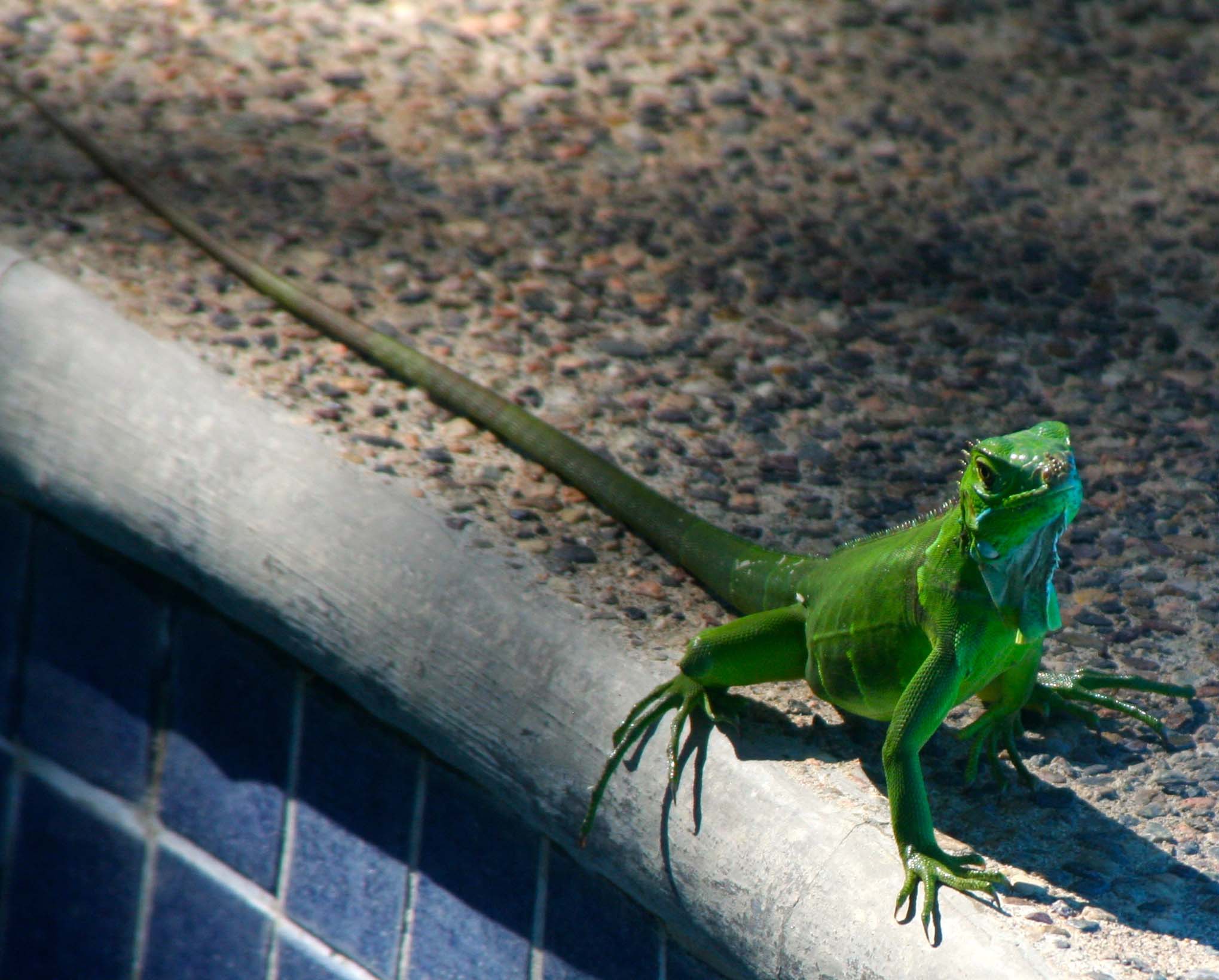
In addition to the iguanas that hang out in the middle of Puerto Vallarta on the Rio Cuale, we had a family in our back yard. The challenge each morning was to try to find where these arboreal lizards were hiding out in the trees. Later in the day they would come down and graze on our grass. Clover was in high demand.

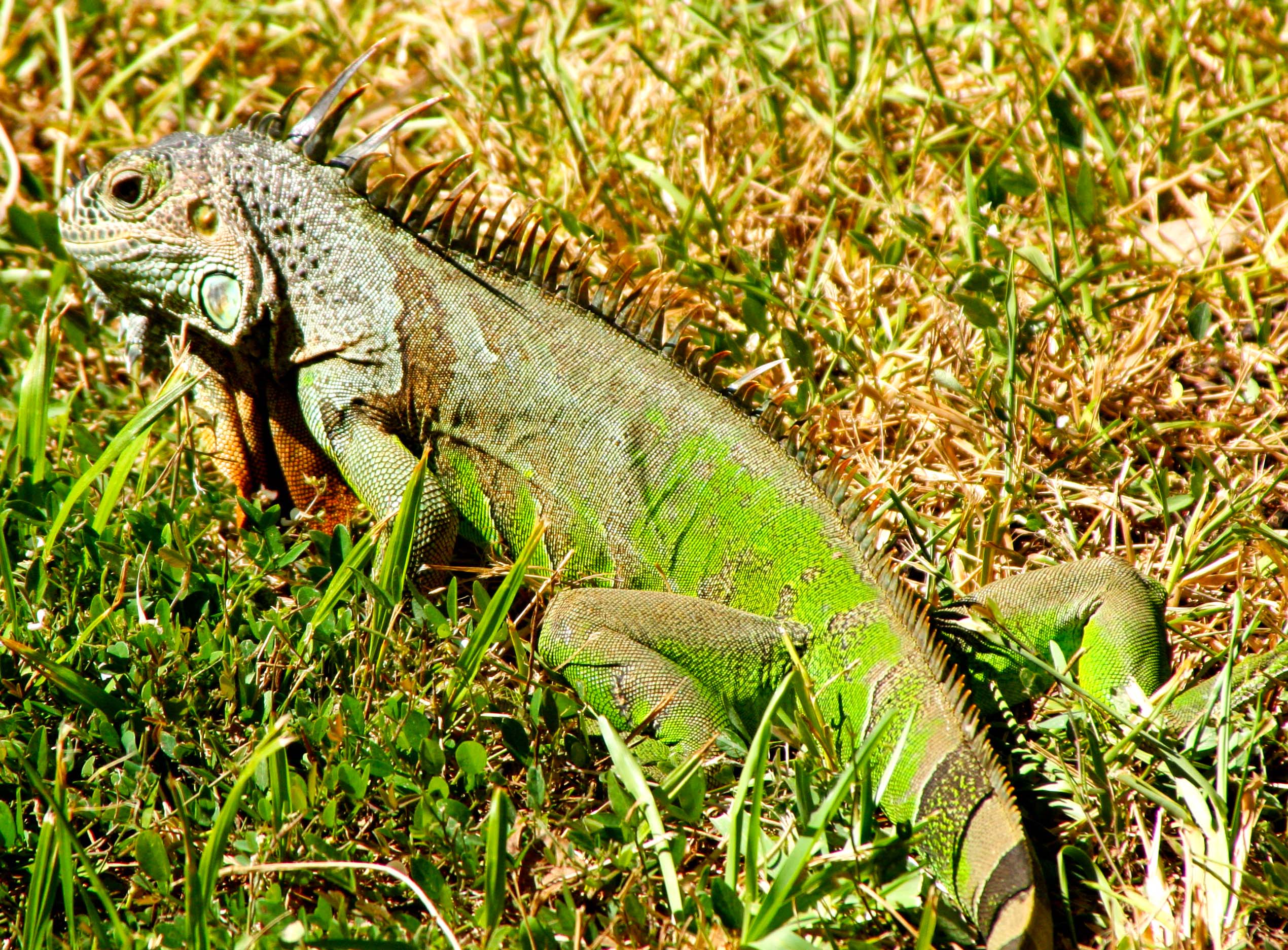
A Mexican Green Iguana. Photo by Curtis Mekemson.

“Come quick, Curt,” Peggy urged. A Green Iguana had come down from its tree and was grazing on the grass in our yard.

Green Iguana in Puerto Vallarta Mexico. Photo by Curtis Mekemson.

The grass-eating iguana ignored me for the most part, until I tried to sneak up on her for a photo. I got the eye. It was pretty much the same look Peggy gives me when I am misbehaving.

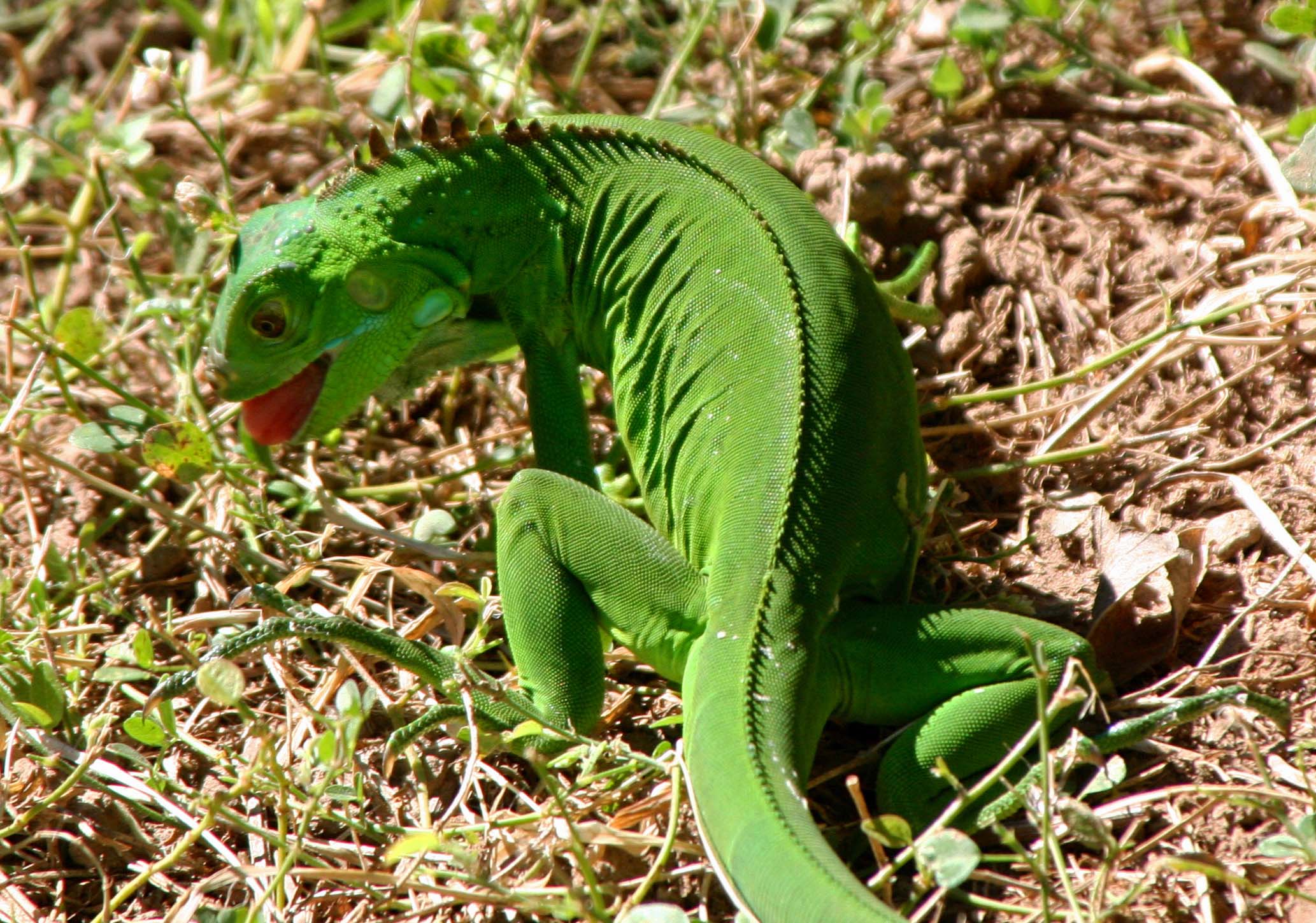
Baby iguana in Puerto Vallarta. Photo by Curtis Mekemson.

While I was sneaking up on the Green Iguana, this youngster came scurrying out next to our pool.

Young iguana grazing on grass in Puerto Vallarta, Mexico. Photo by Curtis Mekemson.

Having satisfied itself that I was not dangerous, the young iguana returned to grazing on our grass. He is about to chomp down on a tender clover leaf.

NEXT BLOG: The peyote influenced art of the Huichol Indians.

What a Wonderful Bird Is the Pelican… A Puerto Vallarta Feeding Frenzy

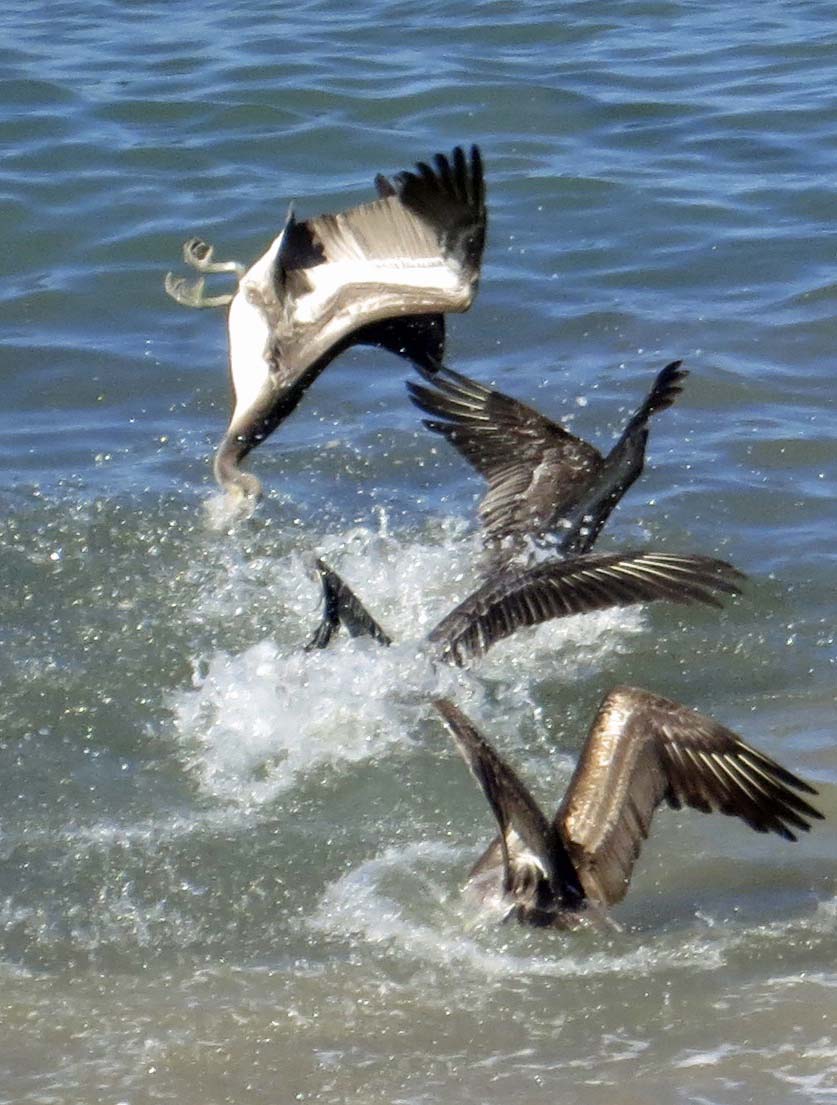
Pelican hist water upside down in Puerto Vallarta. Photo by Curtis Mekemson.

A Brown Pelican executes an amazing upside down dive to catch fish in Puerto Vallarta as three other pelicans join in the feeding frenzy.

 “What a wonderful bird is the pelican, whose bill will hold more than his belican.” Dixon Merritt

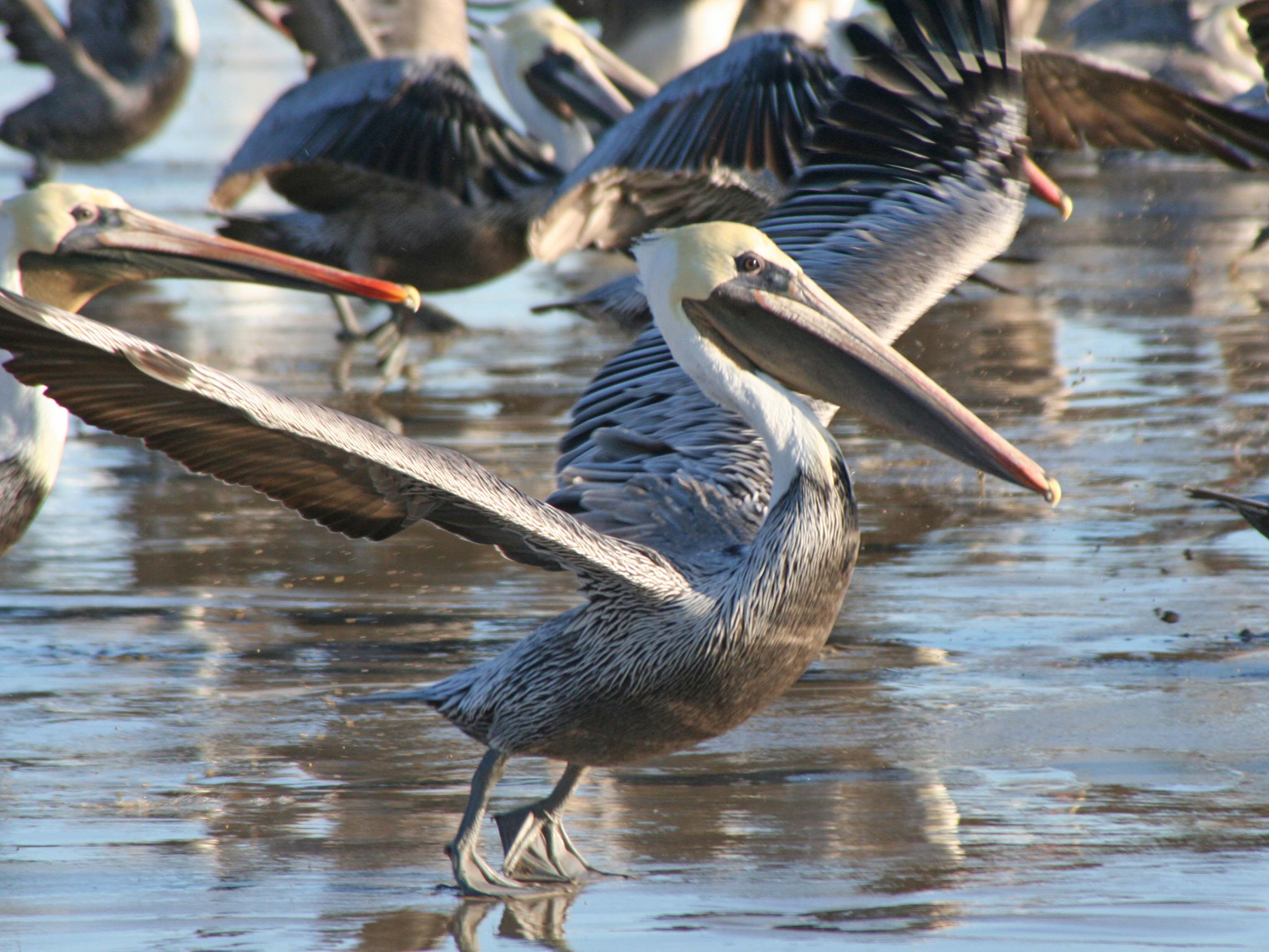
I am enamored with pelicans. These large, gregarious birds that appear to have been created by a committee, skim over the ocean in graceful lines, fly in V formations to distant locations, and crash into the ocean with abandon to catch fish.  Most of my pelican viewing has taken place on the coast of California and Oregon but I have also enjoyed their antics in Florida and the Mediterranean.

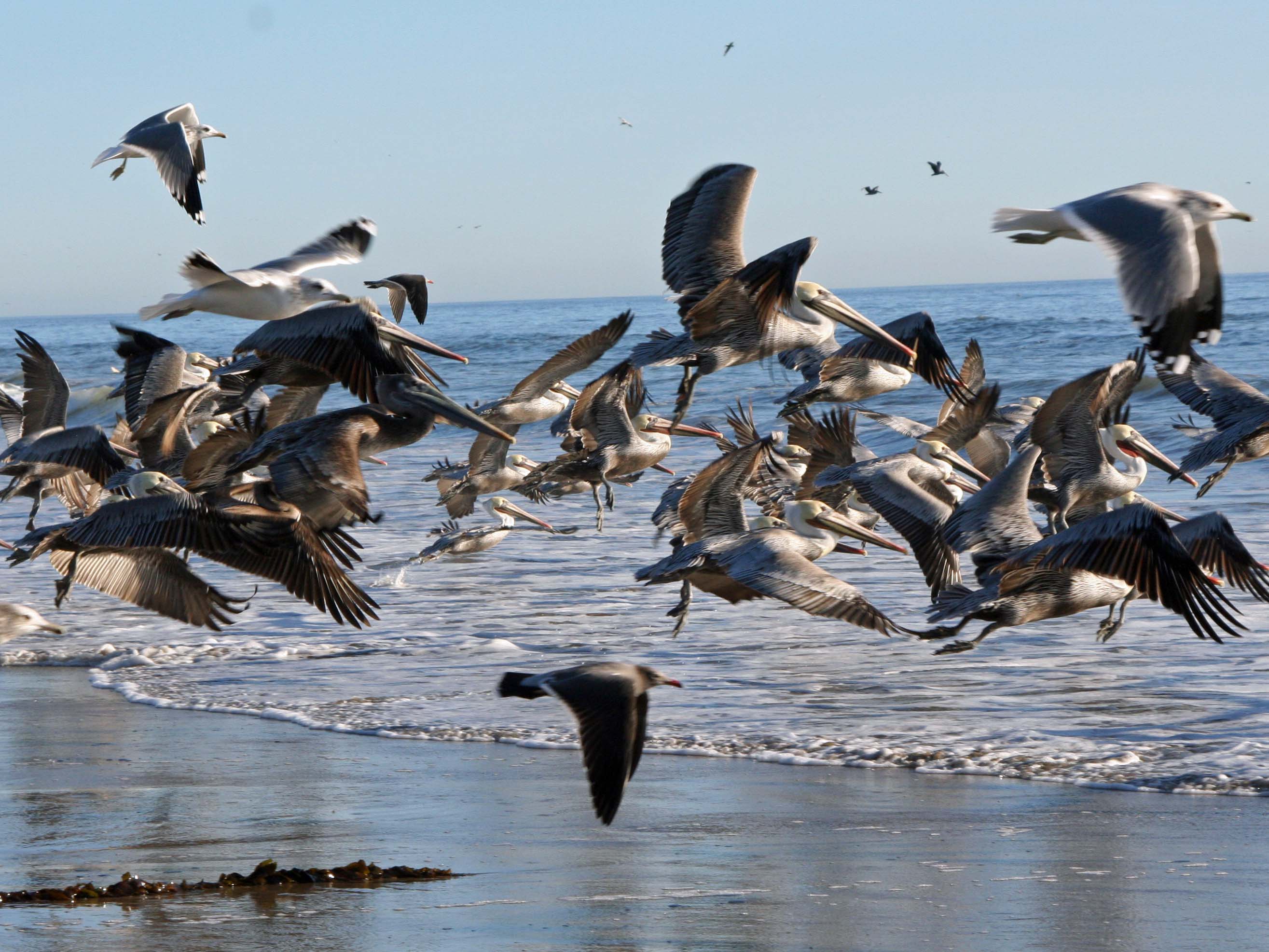
California Brown Pelican posed for flight. Photo by Curtis Mekemson.

A Brown Pelican stands on its toes and prepares for flight in California. I called this photo flight-line.

California Brown Pelicans in flight. Photo by Curtis Mekemson.

Shortly afterwards, I caught this photo of the pelicans, along with seagulls in flight.

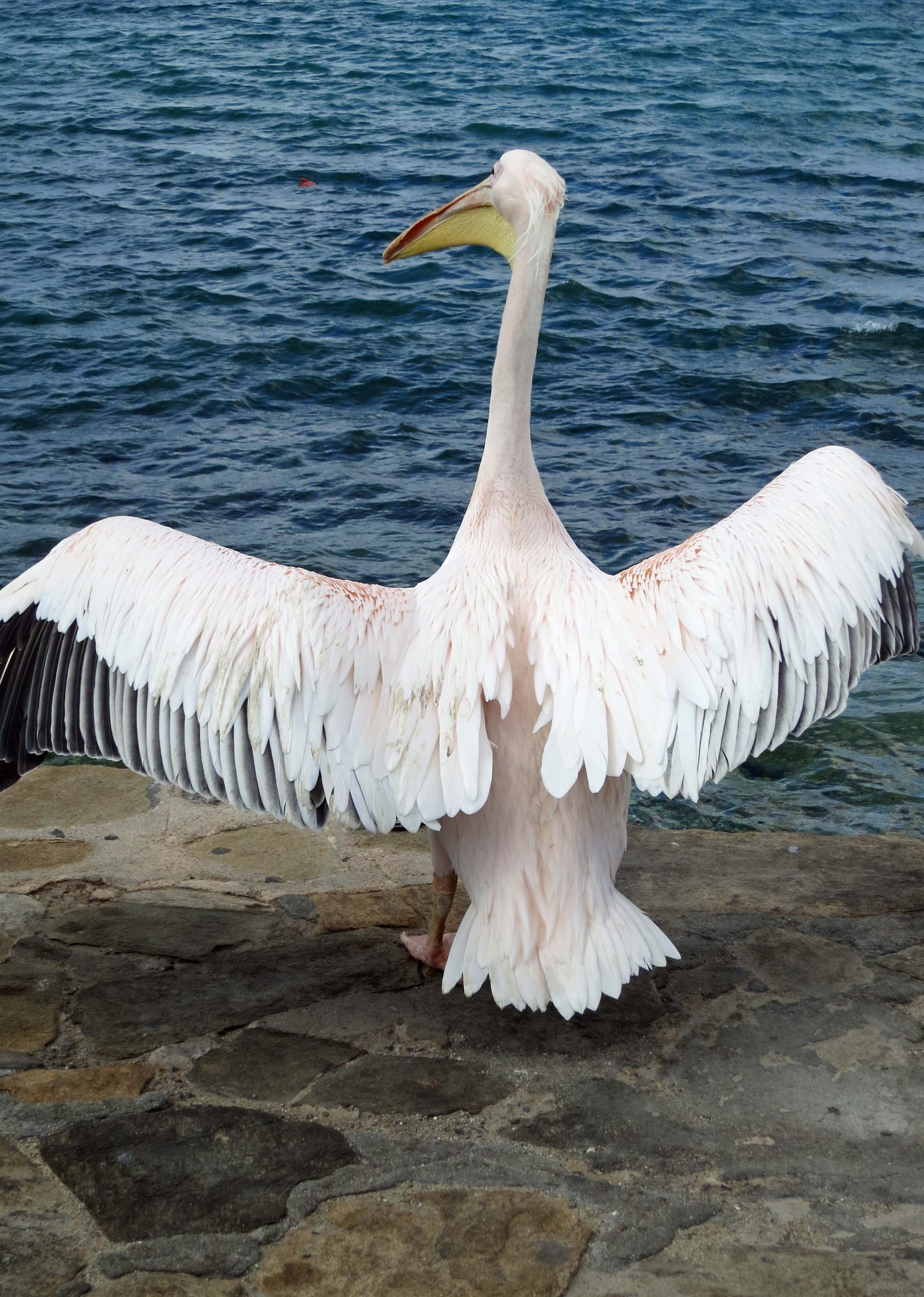
Petra the pelican of Mykonos. Photo by Curtis Mekemson.

We found this Great White Pelican named Petros holding court on the Greek Island of Mykonos last year on our trip through the Mediterranean.
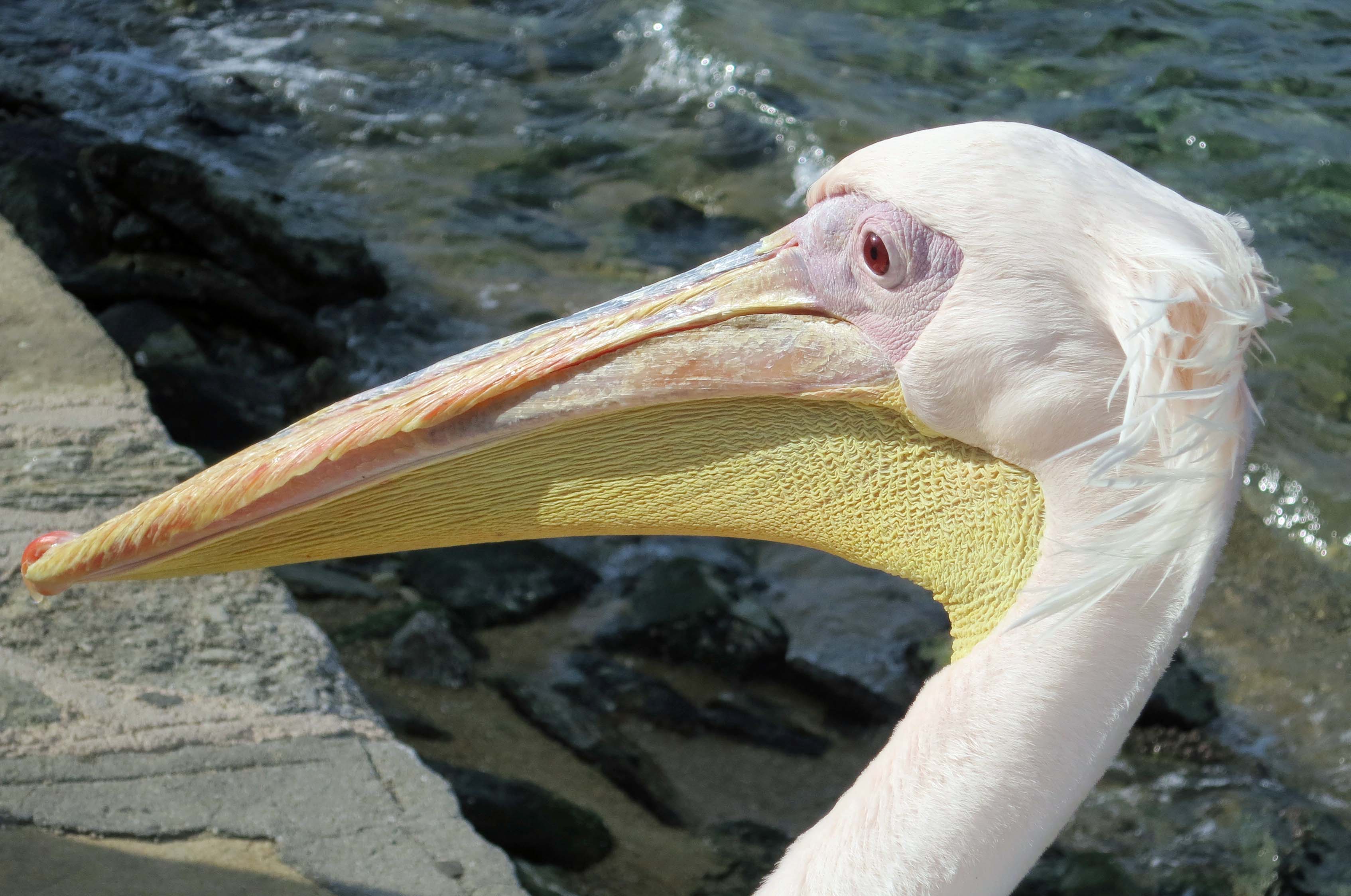
Petra the Pelican of Mykonos. Photo by Curtis Mekemson.

Petros the Pelican of Mykonos gives me the eye. “You wouldn’t happen to have a fish would you?”

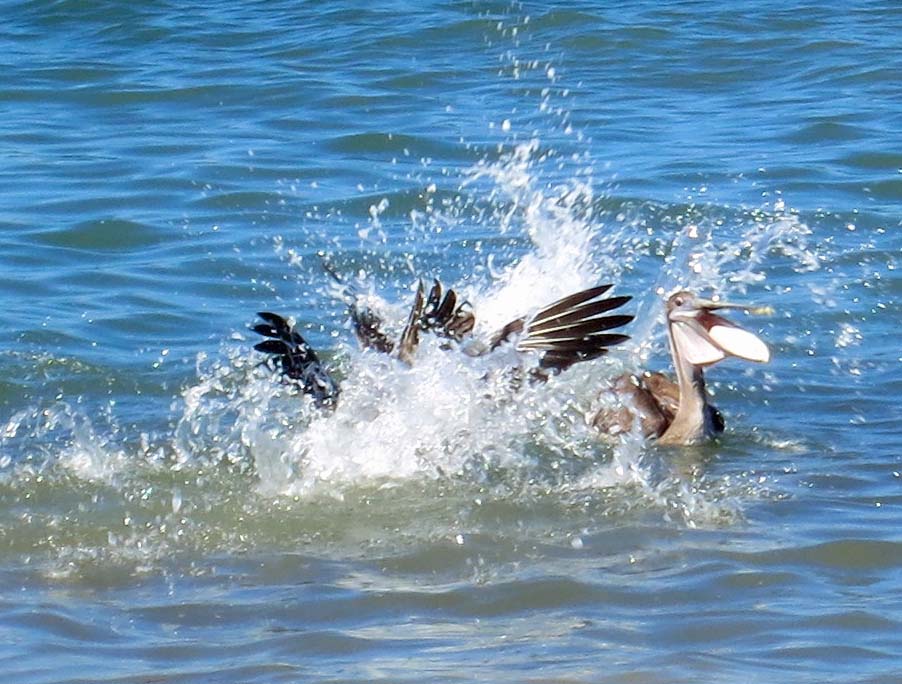
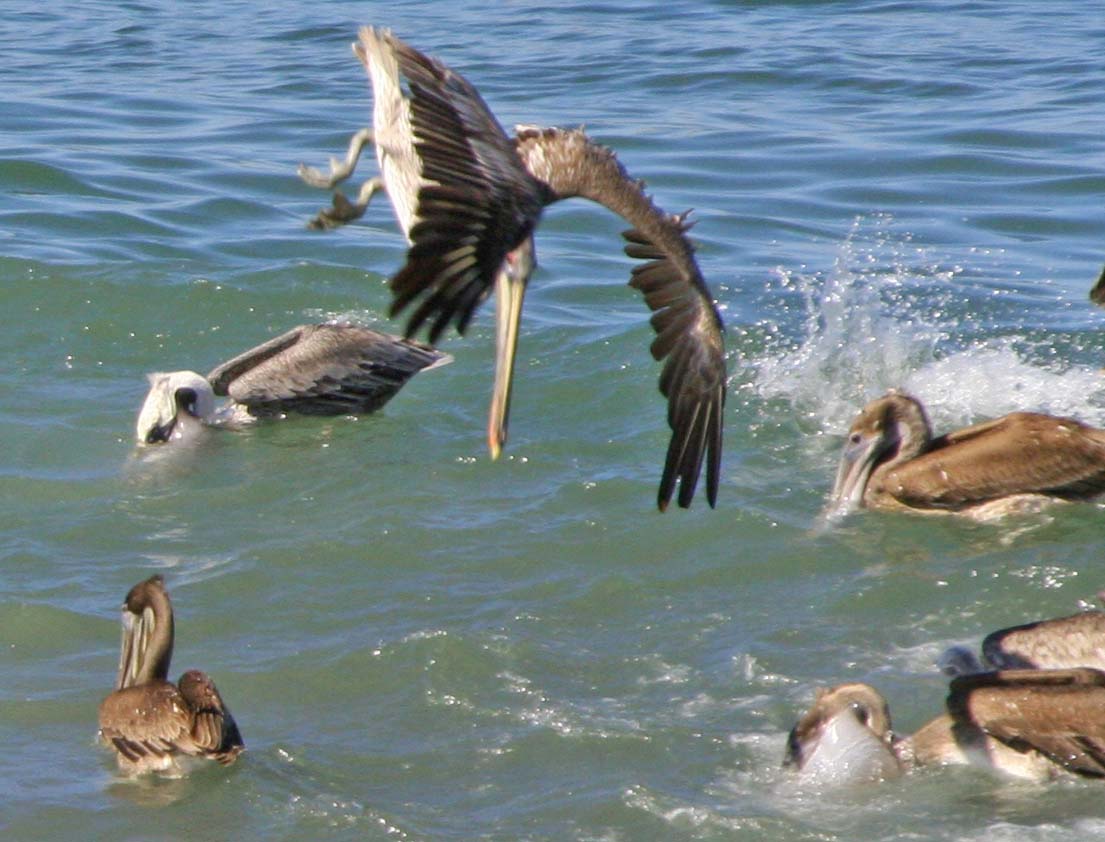
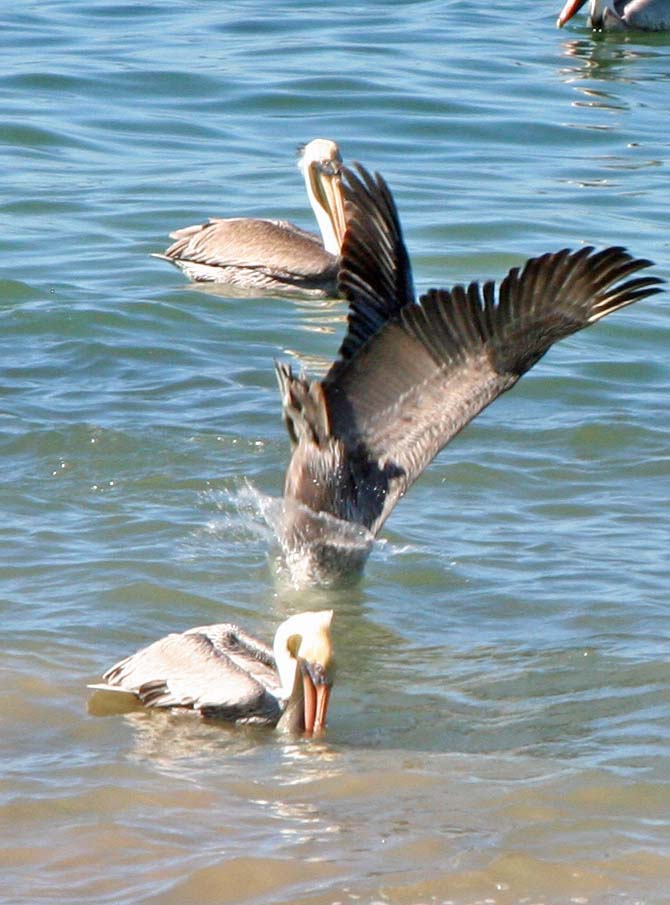
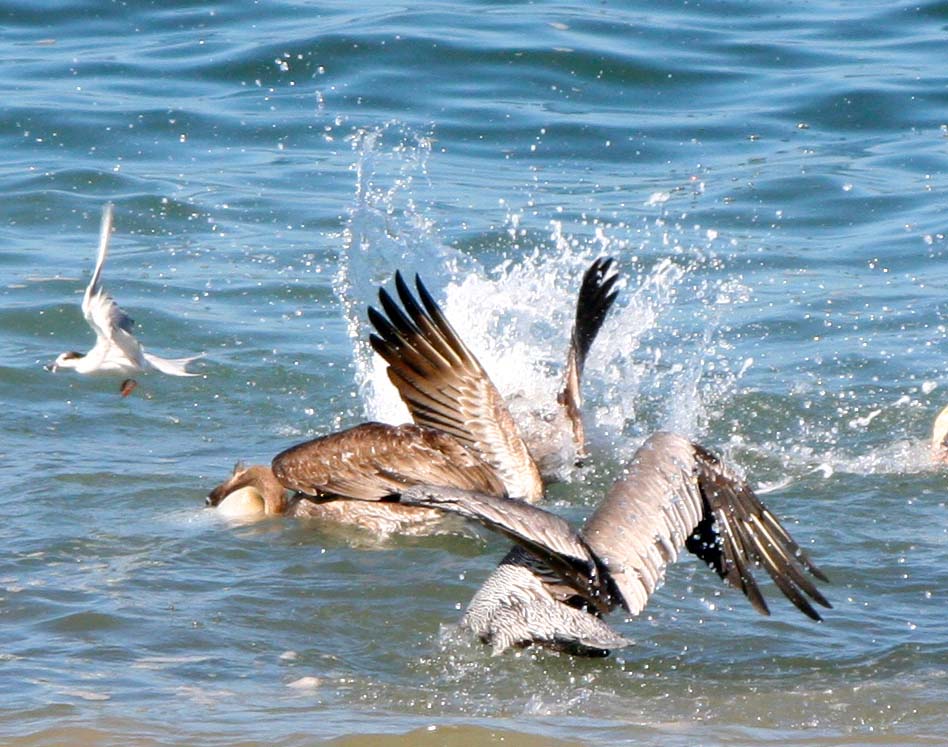
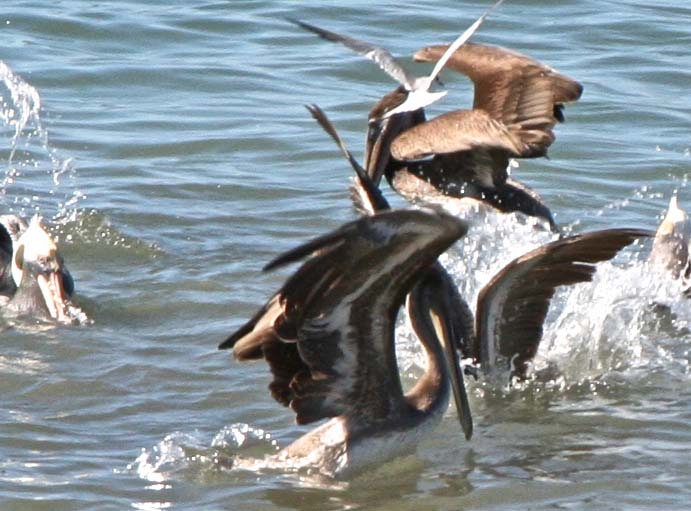
Over the past three weeks I have been enjoying pelicans in Mexico. Peggy and I were particularly lucky to find a large flock of them involved in a feeding frenzy right next to Puerto Vallarta’s boardwalk, the Malecon. I’ve often watched pelicans make their unique dives from a distance; this was up close and personal– as I hope our photos demonstrate. I was also able to videotape them and captured 15 plus dives in a few seconds. The action was wild!

Pelican drains water from bill in Puerto Vallarta. Photo by Curtis Mekemson.

One pelican seems to float in open-billed-amazement as two other pelicans crash into the ocean. Actually pelicans have to drain the water out of their mouths before swallowing their catch, which is what this fellow is doing.

Pelican shows throat pouch in Puerto Vallarta. Photo by Curtis Mekemson.

Check out the size of the Brown Pelican throat pouch here.

Pelicans prepare to dive in Puerto Vallarta, Mexico.

Hovering in flight, pelicans prepare to dive. (Photo by Peggy Mekemson.) The terns, BTW, are hoping to participate in the feast and will happily steal fish from the pelicans.

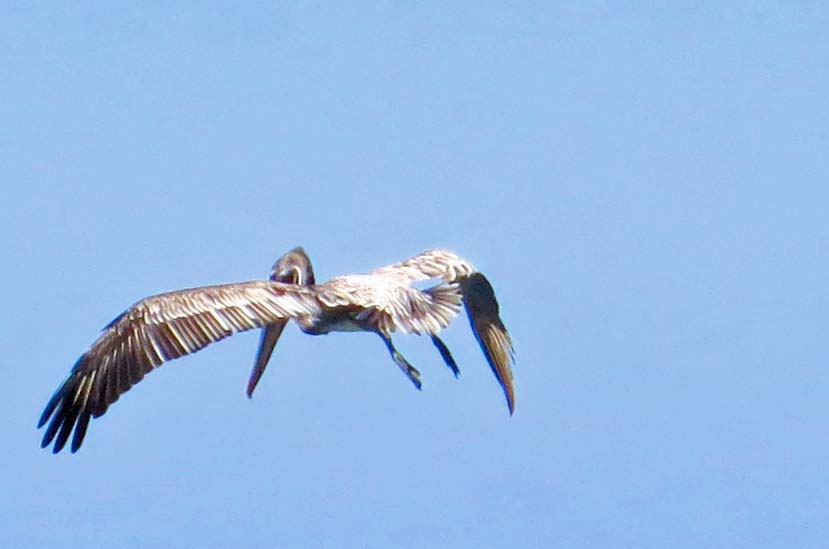
Brown Pelican in Puerto Vallarta hovers above the water in search of fish. Photo by Curtis Mekemson.

Preparing for a high dive…

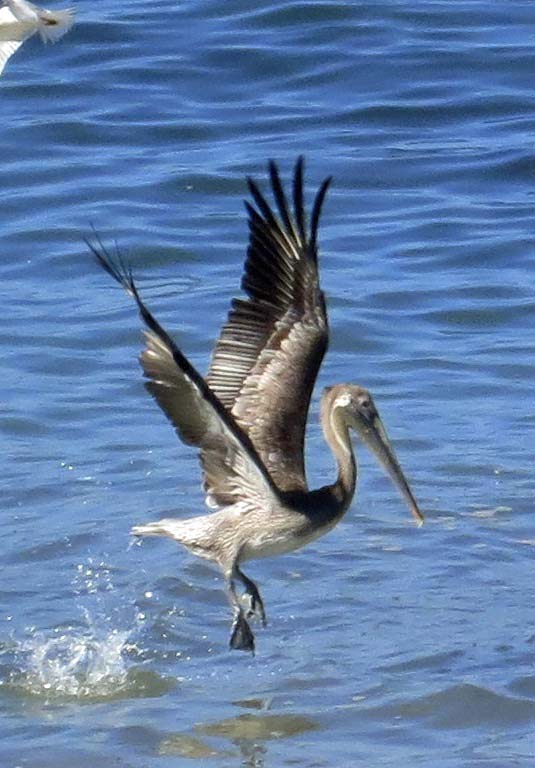
Brown Pelican takes flight off of Banderas Bay in Puerto Vallarta. Photo by Curtis Mekemson.

Brown Pelican takes off from water.

Brown Pelican appears to walk on water in Puerto Vallarta.

And this guy appears to be walking on water. (Photo by Peggy Mekemson.)

Brown Pelican dives toward the water of Banderas Bay in Puerto Vallarta.

A Brown Pelican plunges toward the water. (Photo by Peggy Mekemson.) Note the pouch filled with water on the lower right.

Pelican diving for fish in Puerto Vallarta, Mexico.

Plunging into the water. (Photo by Peggy Mekemson.)

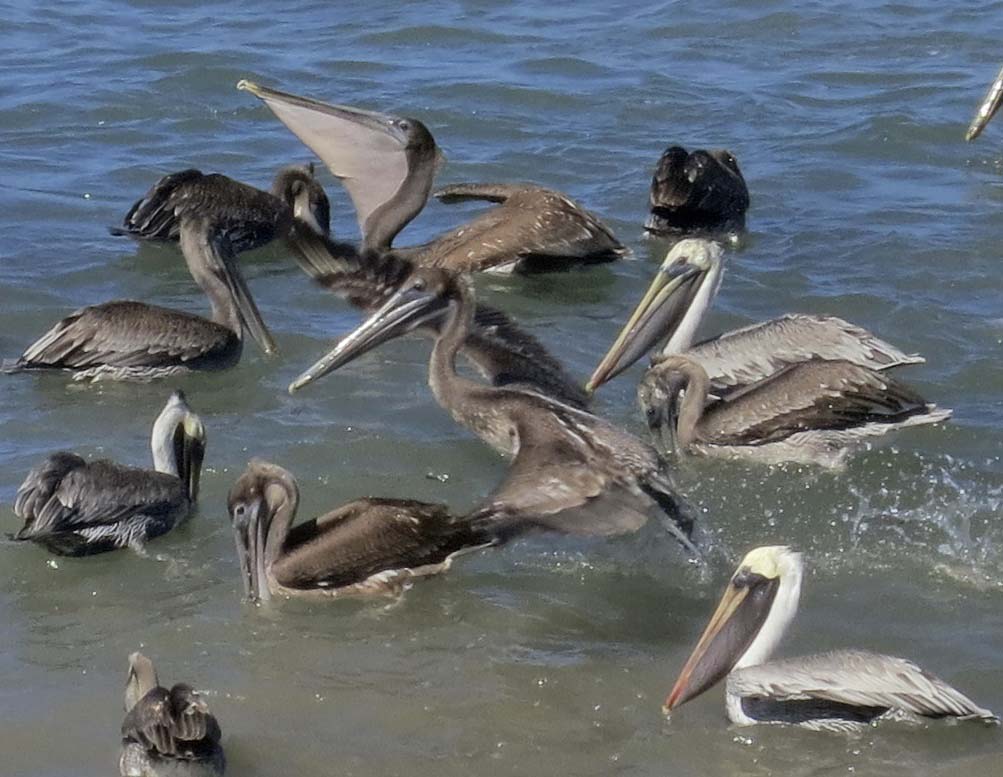
Brown Pelicans demonstrate different aspects of fishing in Banderas Bay, Puerto Vallarta. Photo by Curtis Mekemson.

A small portion of the flock, some 17 pelicans, demonstrate various aspects of fishing.

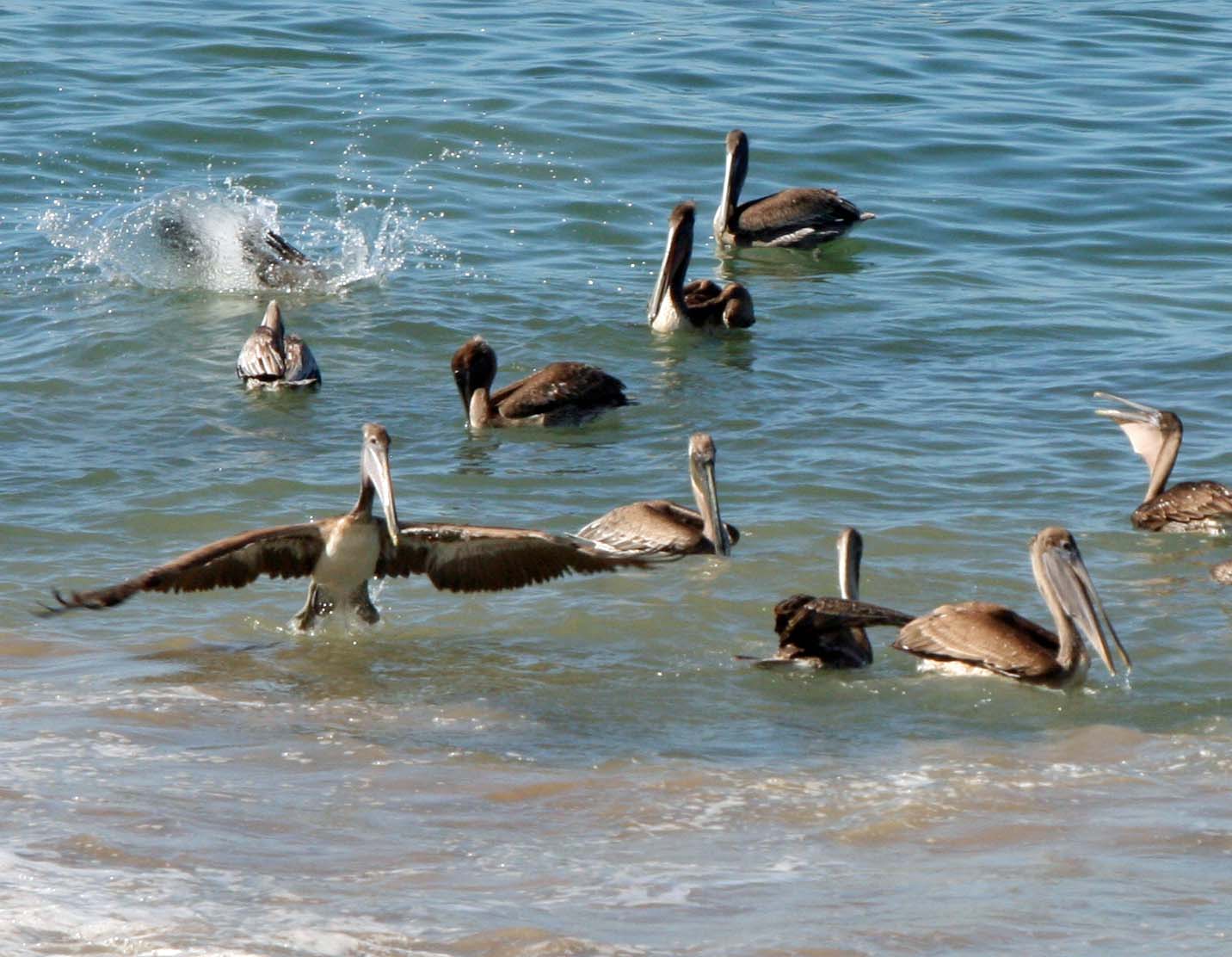
Pelican feeding frenzy in Puerto Vallarta.

Hard to tell who is doing what, here. (Photo by Peggy Mekemson.) Liked the graceful tern on the left.

Pelicans feeding in Banderas Bay, Puerto Vallarta Mexico.

Or here. But I really liked the wing action. (Photo by Peggy Mekemson.)

Now it is time to put all of the action together in a brief video…

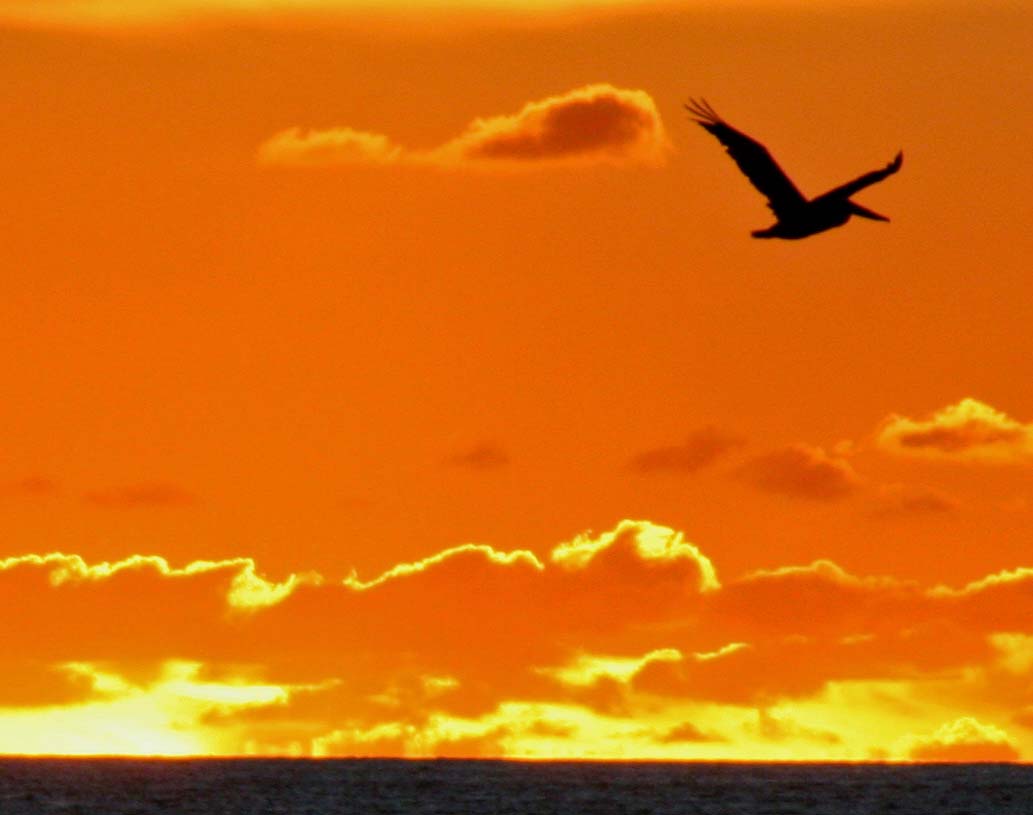
Pelican caught in sunset glow at Puerto Vallarta, Mexico. Photo by Curtis Mekemson.

A pelican flies toward its nest at the end of the day.

NEXT BLOG: Having featured the Brown Pelicans of Puerto Vallarta, I’ll move on to feature the Green Iguanas.

A Photographic Journey through America’s National Parks… Series Conclusion

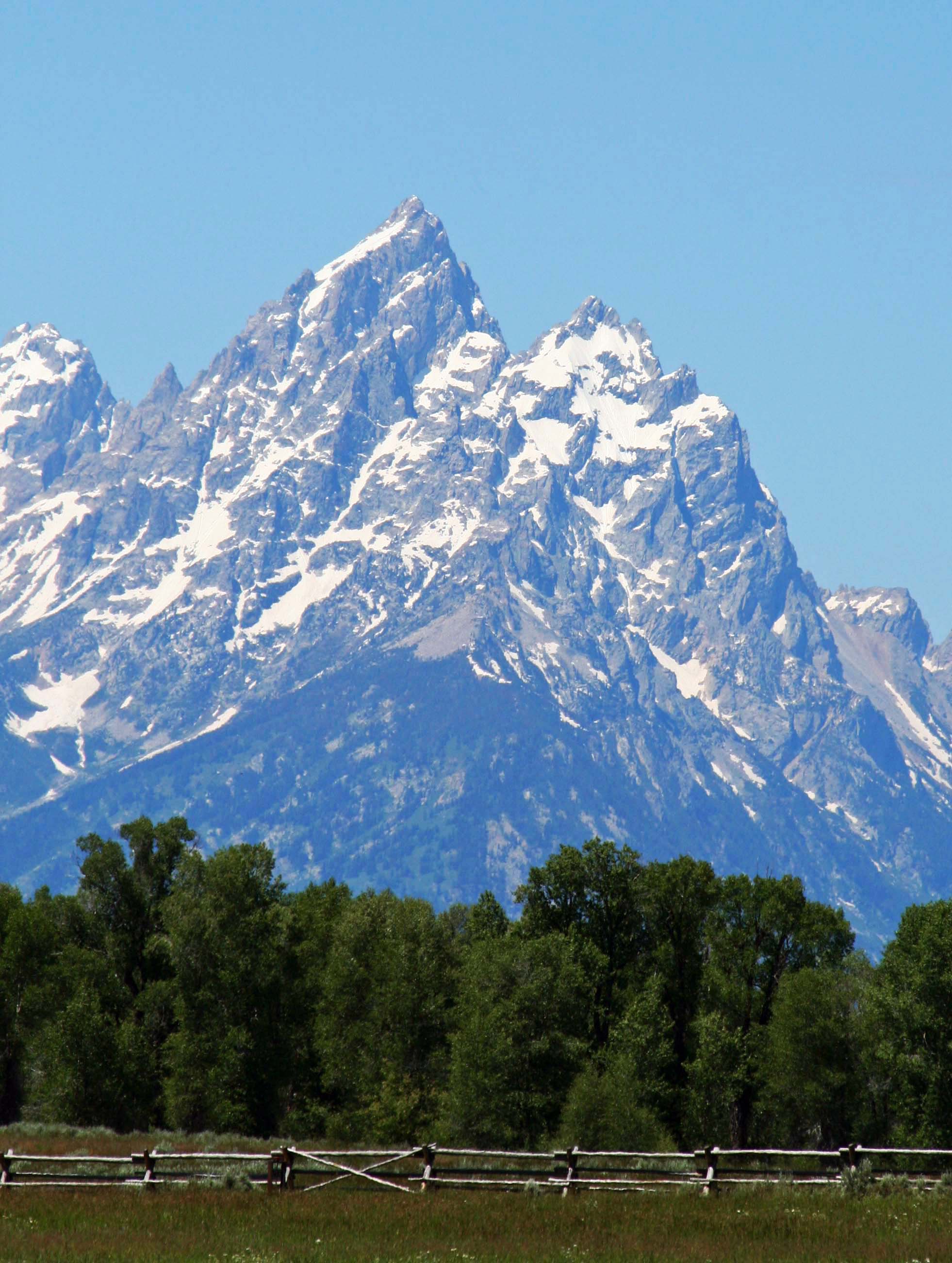
Grand teton photo by Curtis Mekemson.

National Parks in the United States and throughout the world protect and preserve many of our most scenic natural areas. This photo is of the Grand Teton Mountains in Wyoming.

Peggy and I decided to take a year off from work in 1999 and travel around North America. I worked as a consultant/citizen advocate on health and environmental issues when I was behaving like a serious adult, and led wilderness treks when I wasn’t. Peggy was fully adult and served as an assistant principal at a middle school.

People were more or less resigned to the fact that I came and went. You might say I was self-employed and self-unemployed. The only person I really had to check with was myself. Peggy’s situation was different, but the school district really wanted to keep her. They offered her an unpaid sabbatical. We bought a travel van and off we went.

We left on July 1. Planning was close to zero. Our only obligations were to meet up with friends for backpacking and kayaking in Alaska and to join Peggy’s parents in Florida for Thanksgiving. Beyond that we could be wherever we wanted to be and do whatever we wanted to do.

Early on, we decided to visit National Parks, Seashores, Monuments and Historical sites whenever we had the opportunity. It was a goal we continued when Peggy retired from being an elementary school principal in 2007 and we wandered in our van for another three years. As a result, we have visited the majority of America’s National Parks as well as many in Canada.

Over the past three weeks I have blogged about a few of the parks we visited. I hope you have enjoyed the journey. Today, I will wrap up this series with photos from several more. I will return to the National Park theme from time to time in the future.

Volcano Natioanl park photo by Curtis Mekemson.

A view of Volcano National Park on the island of Hawaii. The white steam in the background is coming from an active volcano.

Big Bend National Park photo by Curtis Mekemson.

A view of the Rio Grande River as it winds through Big Bend National Park in Texas. Peggy and I spent Christmas at the park.

Exit Glacier in Kenai Fjord National Park. Photo by Curtis Mekemson.

Exit Glacier at Kenai Fjords National Park. I ended backpack treks I led across the Kenai Peninsula near here.

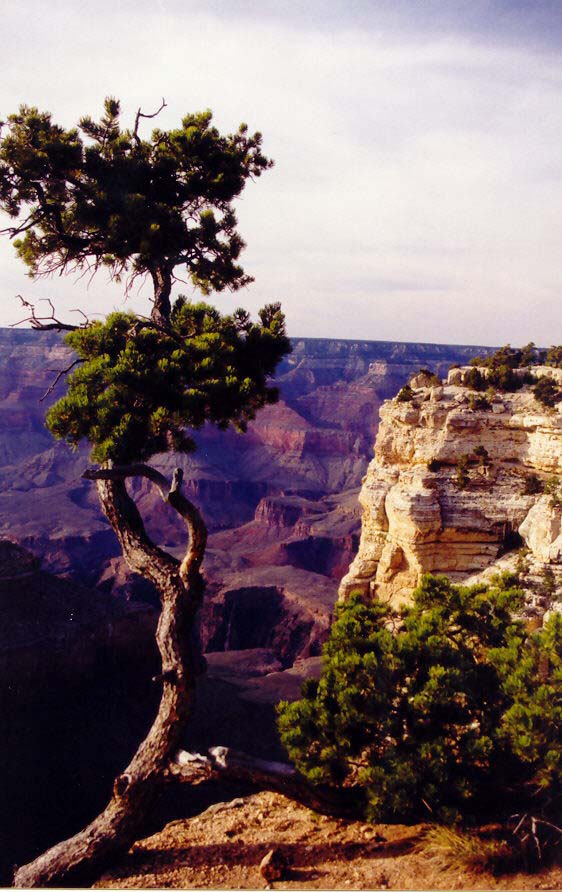
Sunset at Grand Canyon National Park in Arizona. (Photo by Peggy Mekemson.)

Sunset at Grand Canyon National Park in Arizona. (Photo by Peggy Mekemson.)

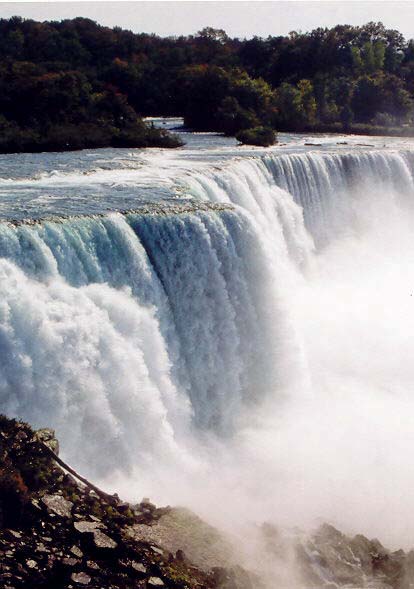
Niagara Falls photo by Curtis Mekemson.

Niagara Falls is not a National Park but it is a National Heritage Site.

Luna Moth on Natchez Trace.

We found this colorful Luna Moth on the Natchez Trace, a National Historic Highway that winds through Mississippi and Tennessee. No commercial traffic is allowed on the road, which makes it great for bicycling. (Photo by Peggy Mekemson.)

This brick outhouse found on the Natchez Trace is included because it is my favorite brick outhouse in the world. I hid out in it with my bicycle as a tornado tore up the countryside nearby.

This brick outhouse found on the Natchez Trace is included because it is my favorite brick outhouse in the world. I hid out in it with my bicycle as a tornado tore up the countryside nearby.

Photograph of Rocky Mountains National Park by Curtis Mekemson.

Rocky Mountains National Park in Colorado.

Photograph from inside Mammoth Cave by Curtis Mekemson.

A view from inside of Mammoth Cave National Park in Kentucky.

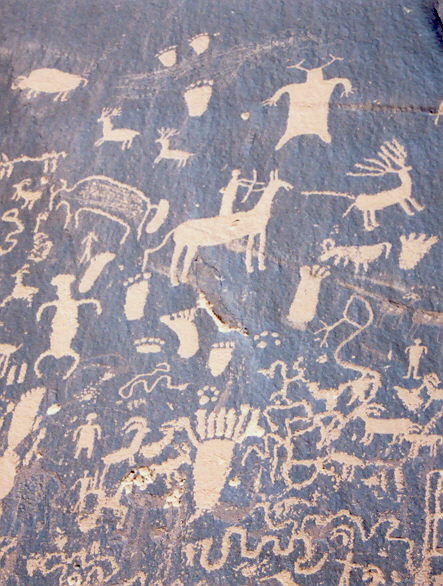
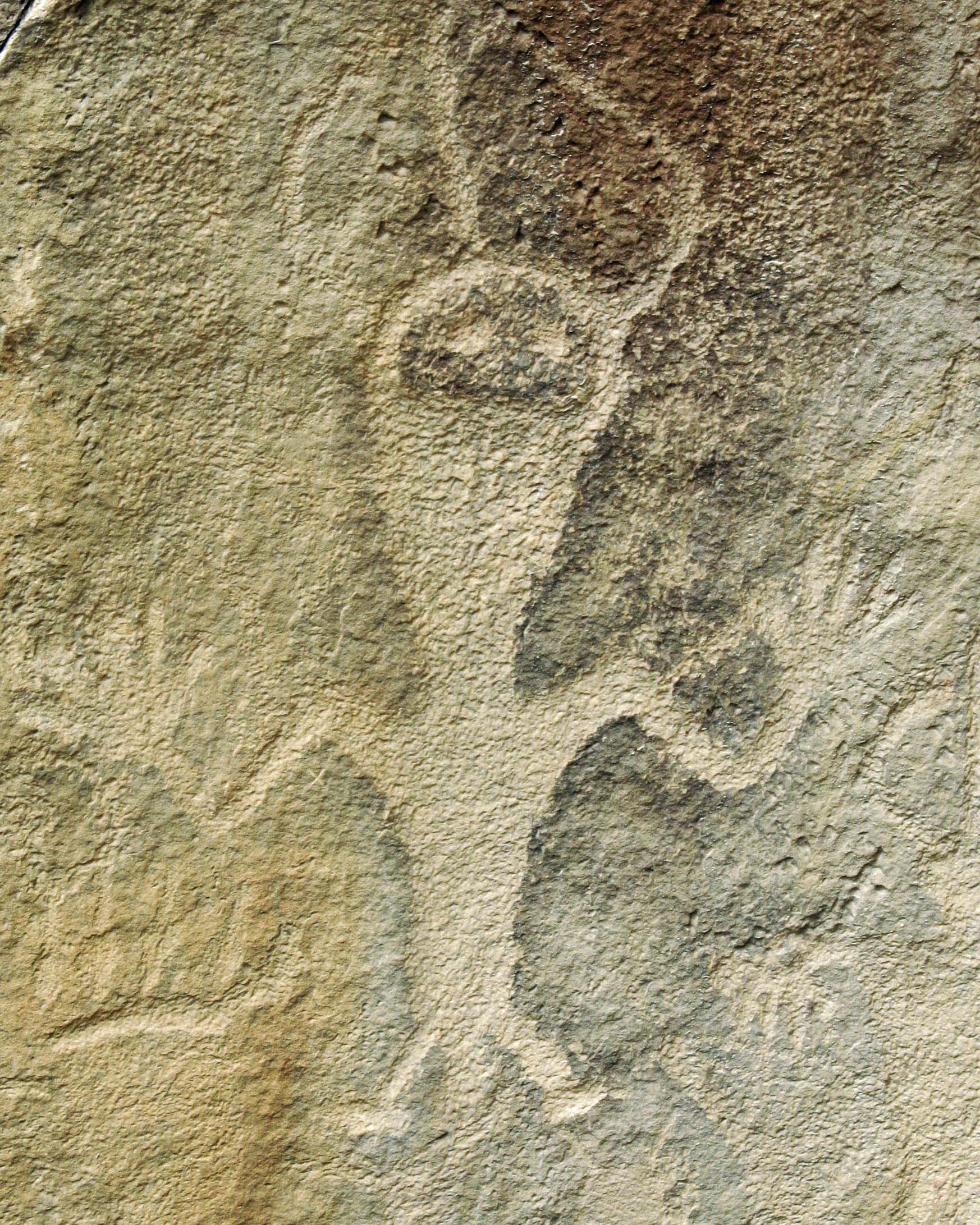
Photograph of Newspaper Rock by Curtis Mekemson.

A small section of Newspaper Rock National Historic Site in Utah. Native Americans have been leaving messages on this rock for over a thousand years. Note the guy shooting the elk in the butt with an arrow.

Photo of Painted Desert National Park in Arizona.
Painted Desert National Park in Arizona.

I'll conclude for today with this photo Peggy took of Capitol Reef National Park in Utah. (Photo by Peggy Mekemson.)

I’ll conclude for today with this photo Peggy took of Capitol Reef National Park in Utah. (Photo by Peggy Mekemson.)

NEXT BLOG: We are off to Puerto Vallarta, Mexico and the beginning of a new series. First up will feature photographs of Pelicans diving for fish in Banderas Bay. We were fortunate to be close to the action and caught some great shots. You won’t want to miss this blog.

The Redwoods… A Photographic Journey through America’s National Parks

A giant of the forest.

A giant of the forest: “an ambassador from another time.”

“The redwoods, once seen, leave a mark or create a vision that stays with you always. No one has ever successfully painted or photographed a redwood tree. The feeling they produce is not transferable. From them comes silence and awe. It’s not only their unbelievable stature, nor the color which seems to shift and vary under your eyes, no, they are not like any trees we know, they are ambassadors from another time.”

                                                                                                                                                                                                         John Steinbeck

Like John Steinbeck, I am in awe of the Redwoods. These giants of the forest can live for two thousand years and grow to over 300 feet tall. The so-called Big Tree in Redwood National Park, for example, is 304 feet tall, has a circumference of 68 feet and an estimated age of 1500 years.

Our home in Southern Oregon is a short three-hour drive from the coastal redwoods of Northern California so Peggy and I have visited them three times in three years. My first visit to the Redwoods was as a child and it is still a clear memory. Our last two visits we had our grandkids with us. My hope is that their memory of the visit will be like mine– and pull them back, time and again.
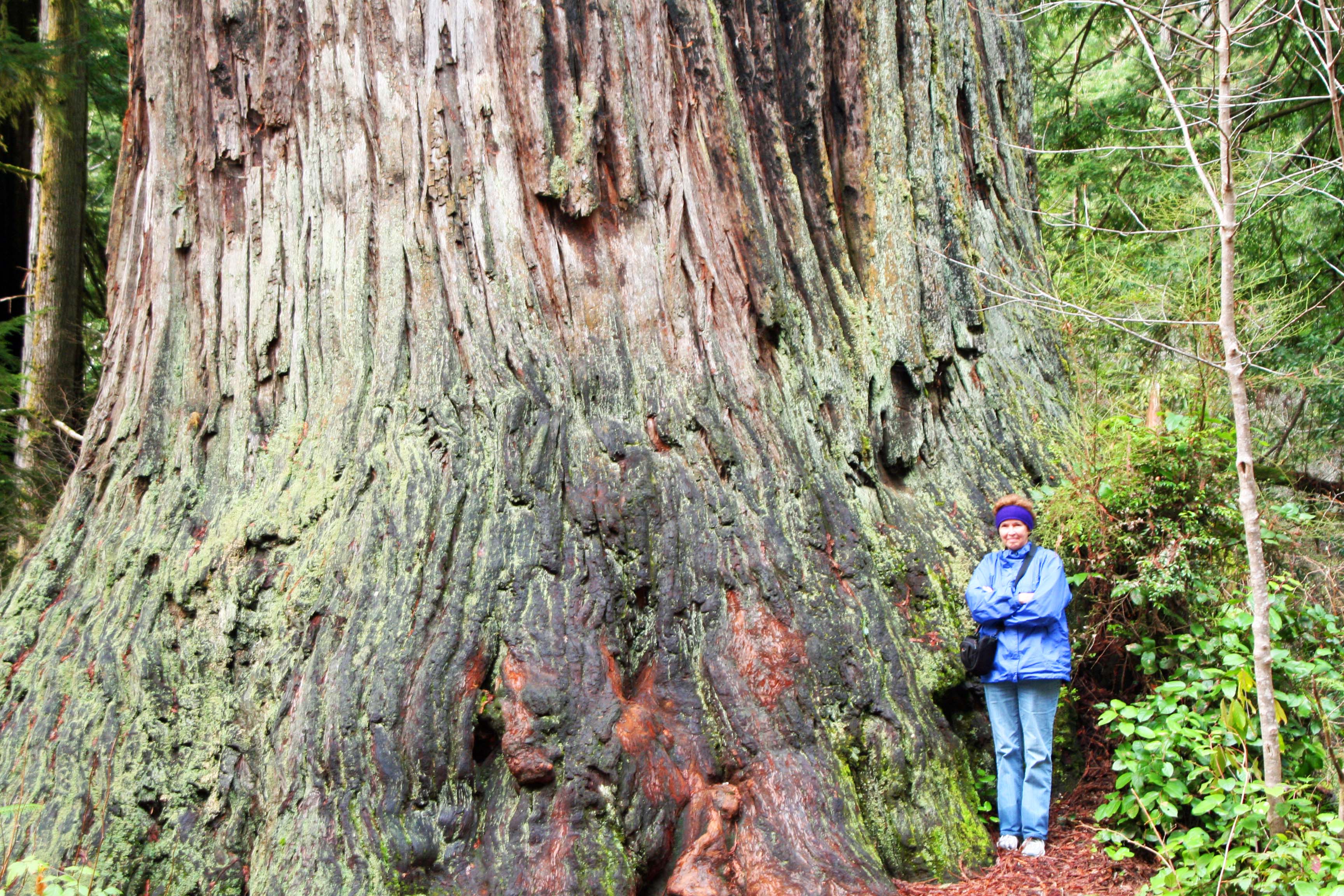
Peggy provides a perspective on the actual size of a giant redwood.

Peggy provides a perspective on the actual size of a giant redwood.

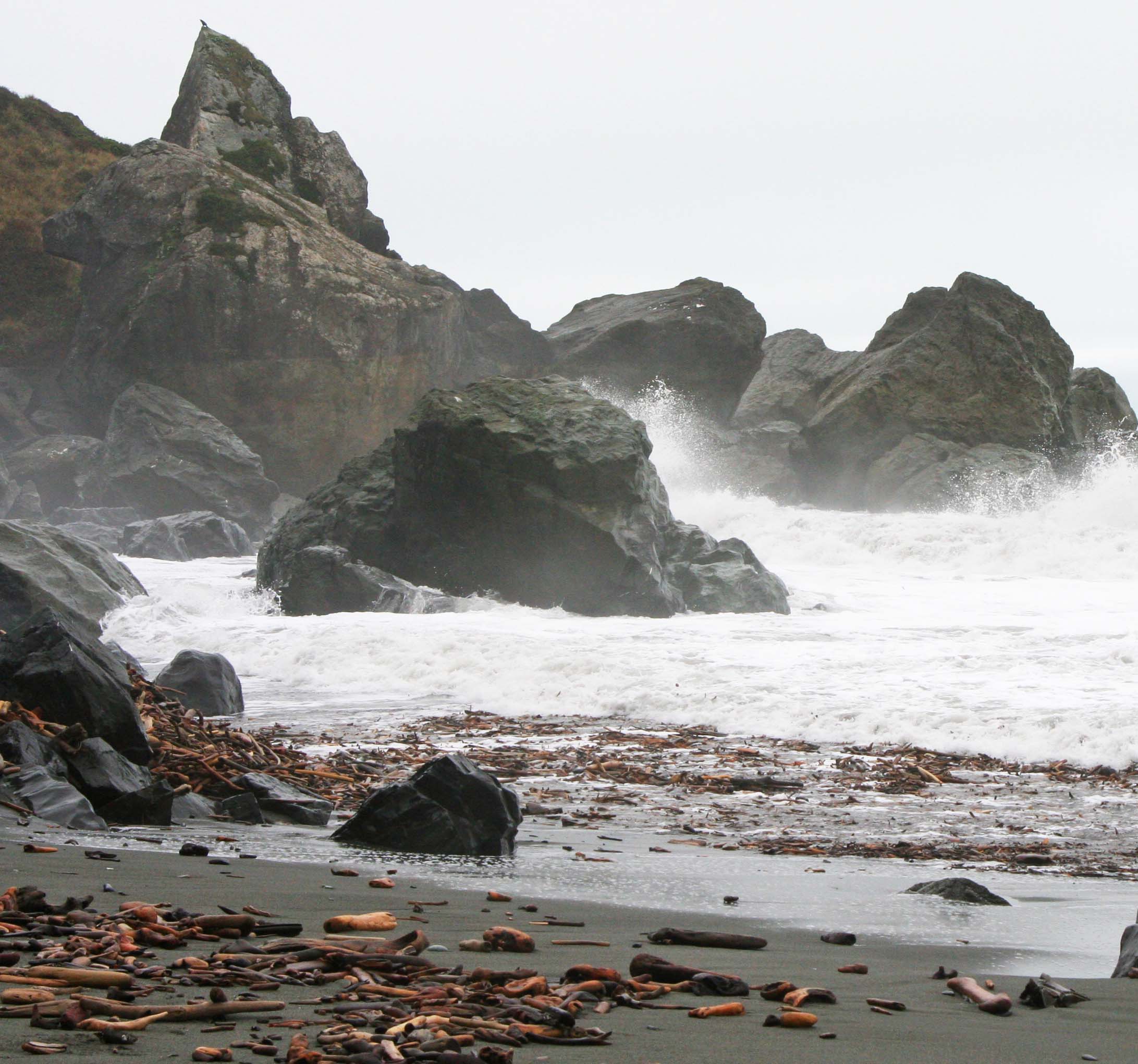
California's rugged North Coast. Photo by Curtis Mekemson.

Redwoods National Park is located along California’s rugged North Coast. Stormy seas had left behind piles of driftwood.

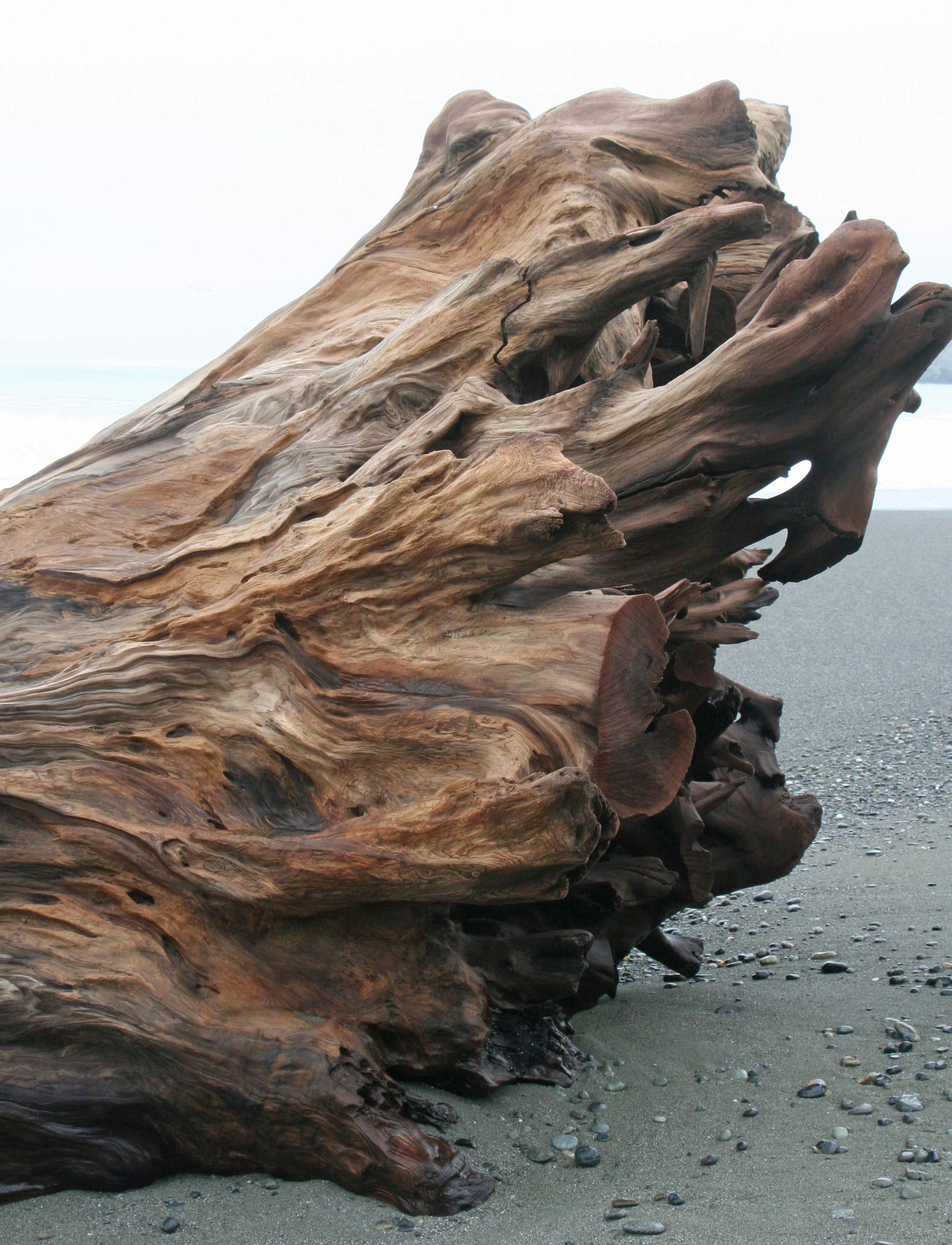
Redwood tree root on Northern California coast. Photo by Curtis Mekemson.

Among the driftwood was this large redwood tree root.

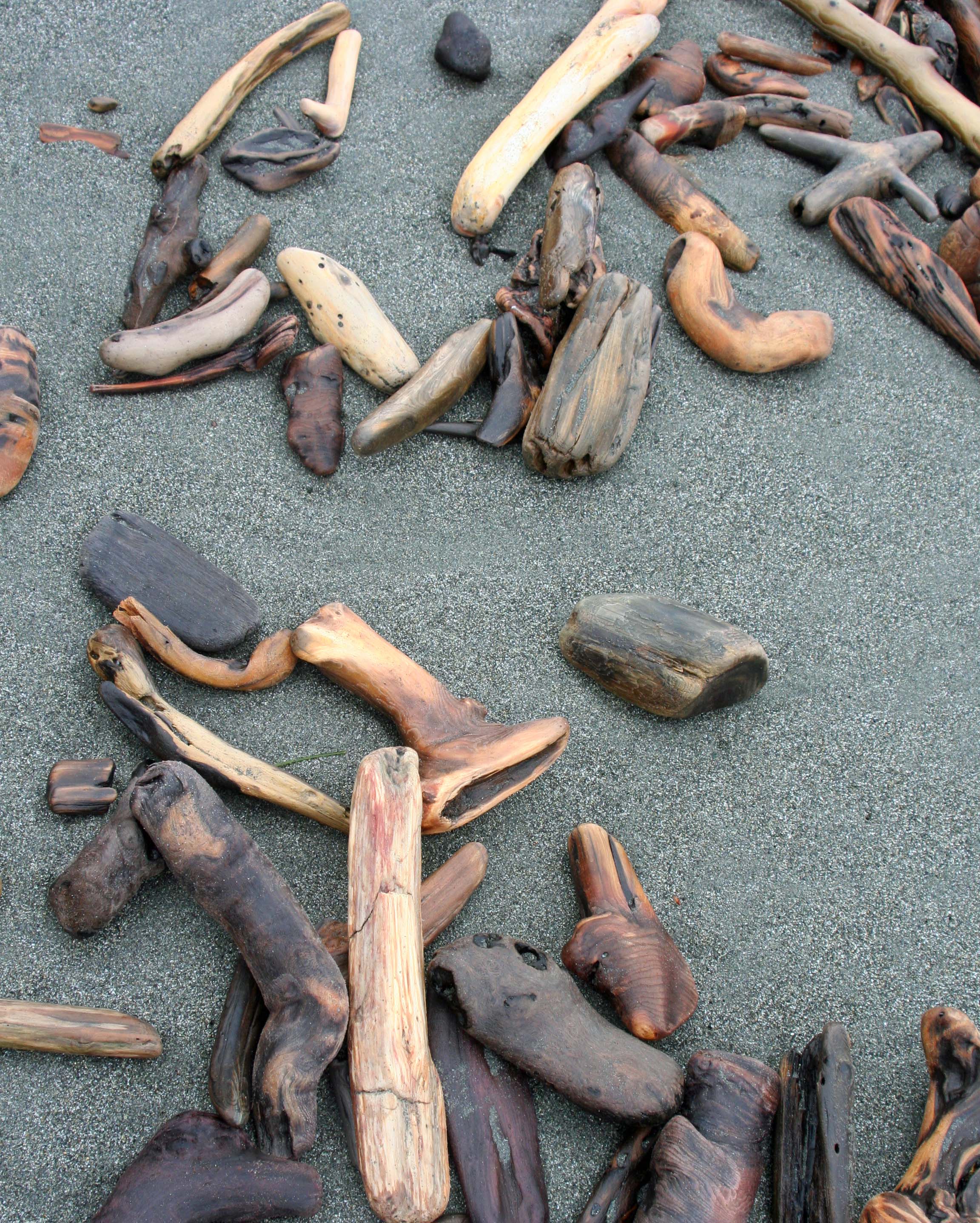
Driftwood at Redwood National Park. Photo by Curtis Mekemson.

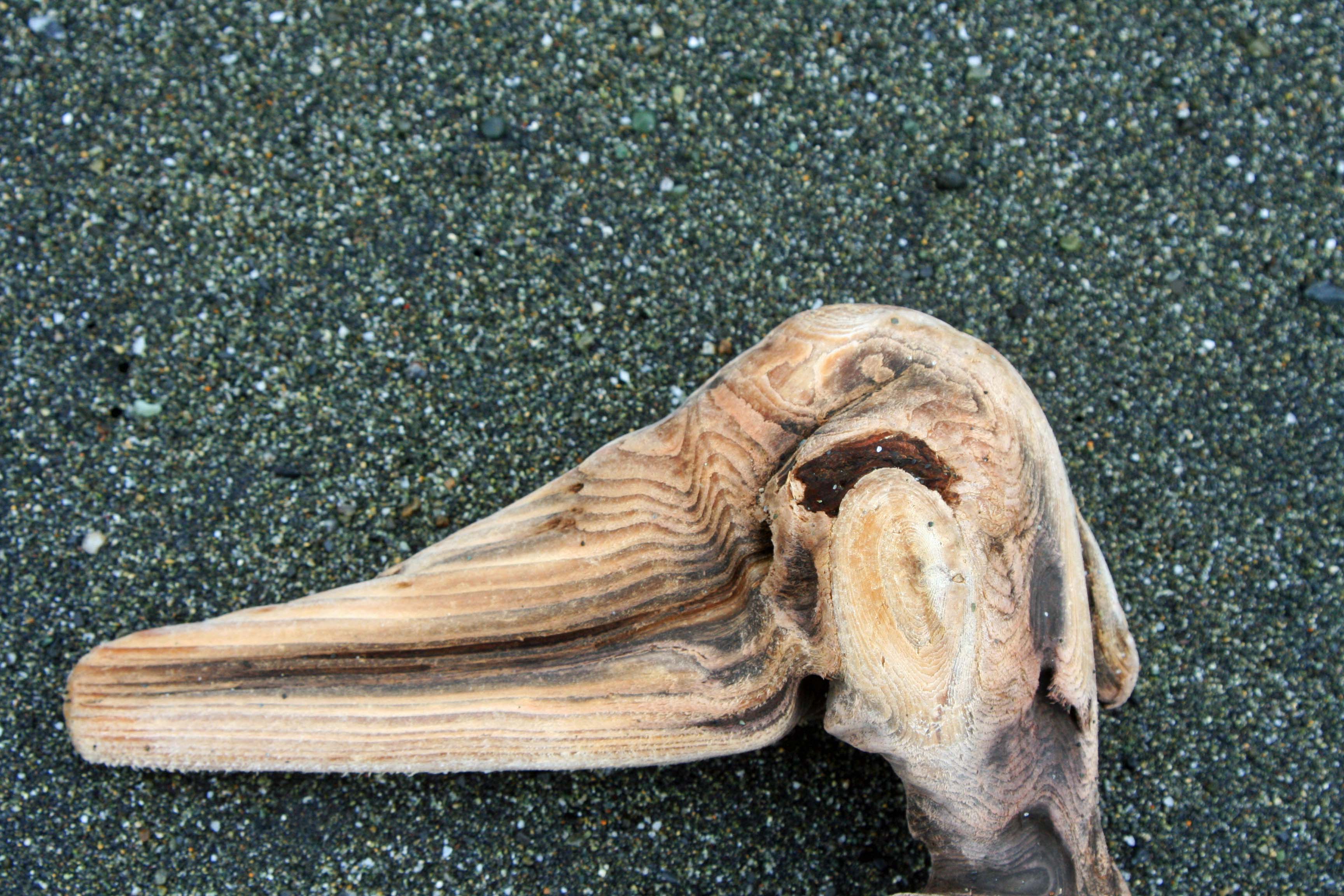
Most of the driftwood was small but also quite attractive. It was easy to imagine the various shapes as creatures…

Driftwood shapes at Redwood National Park. Photo by Curtis Mekemson.

I thought of this piece as a wood duck.

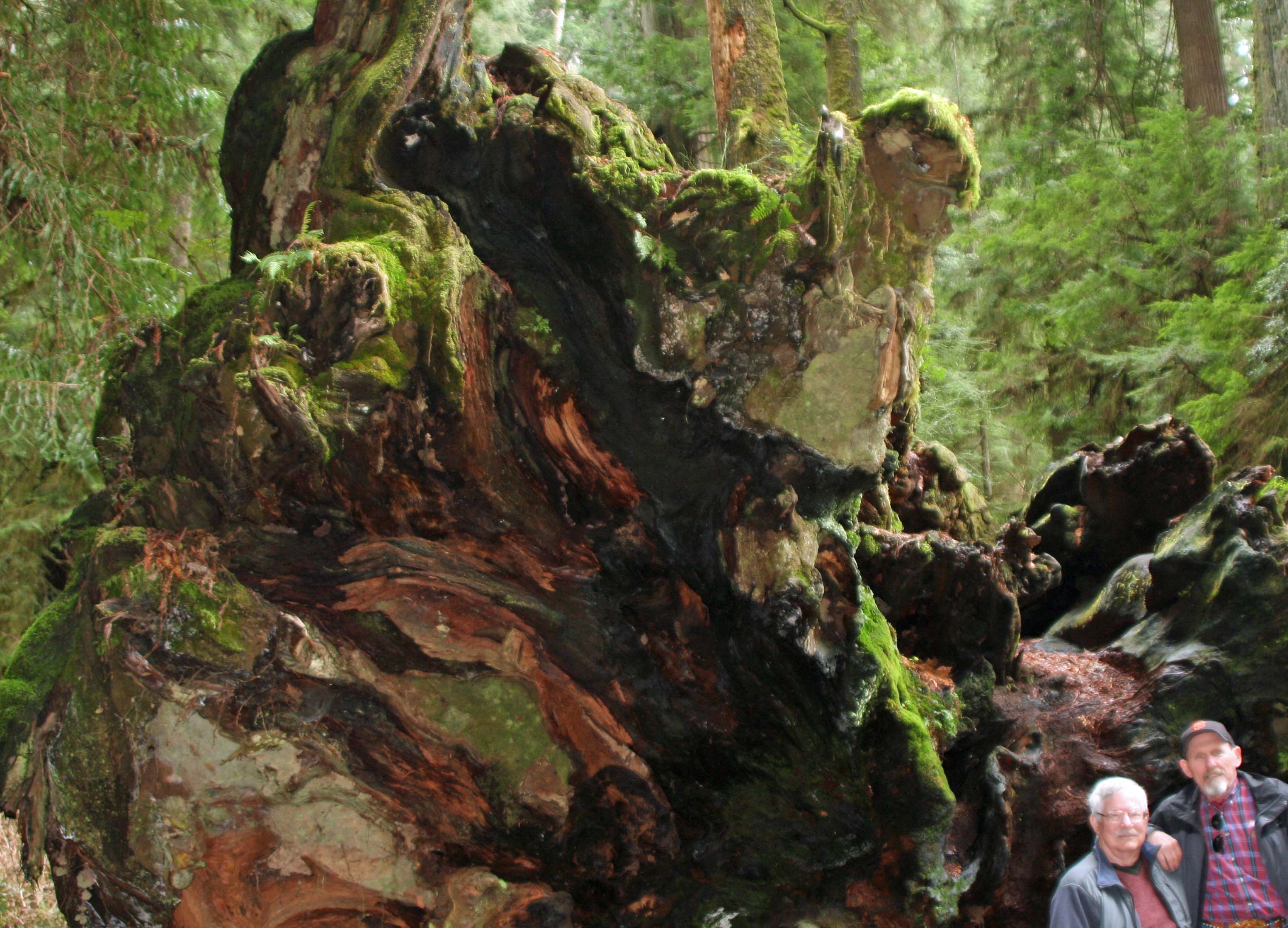
Downed tree root in Redwood National Park.

Back to the forest, my friend Ken Lake and I stand next to another massive root. (Photo by Peggy Mekemson.)

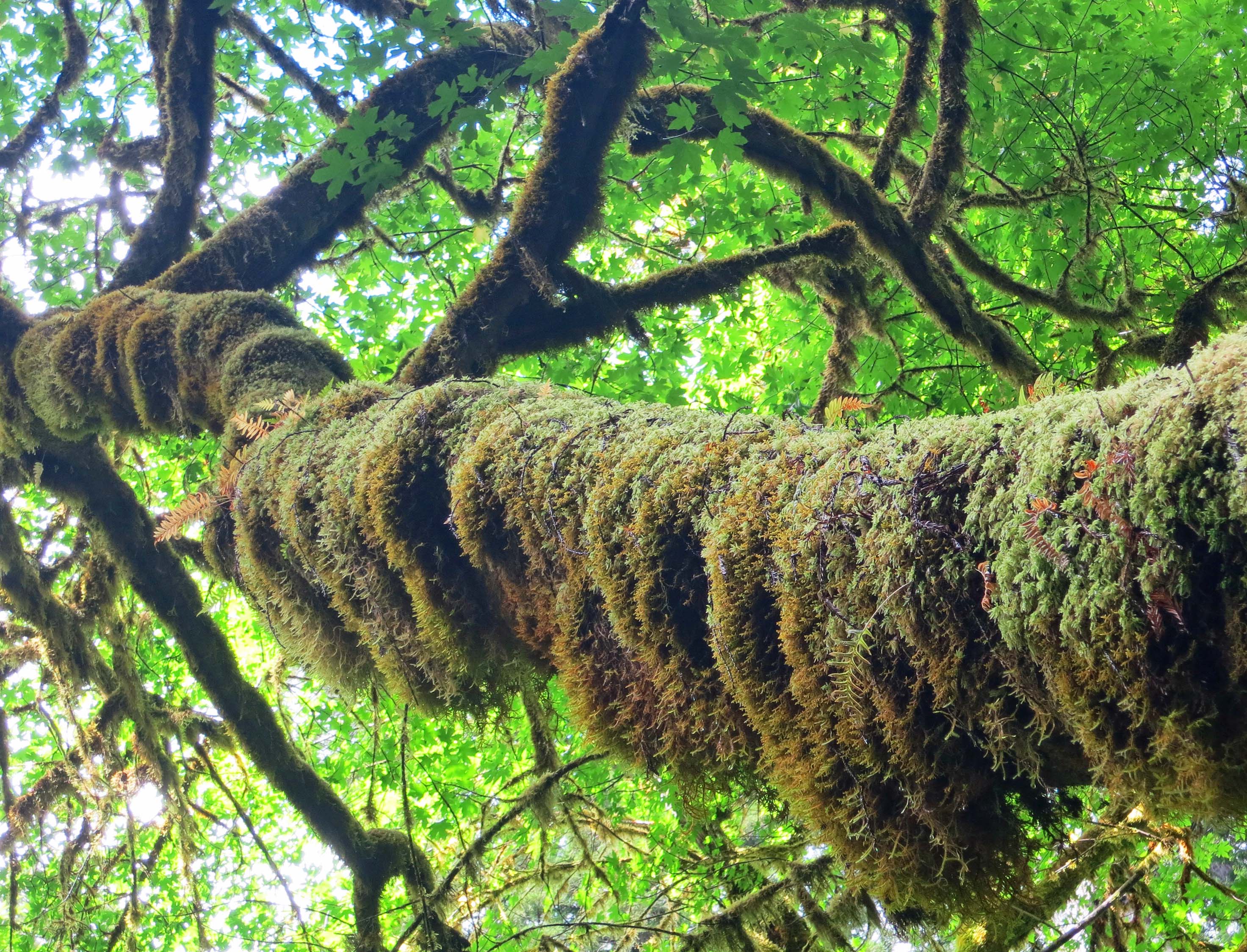
Moss coverend tree at Redwood National Park. Photo by Curtis Mekemson.

The moss growing on this tree is a reminder that Redwood National Park receives 60-80 inches of rain per year, thus making it a rainforest.

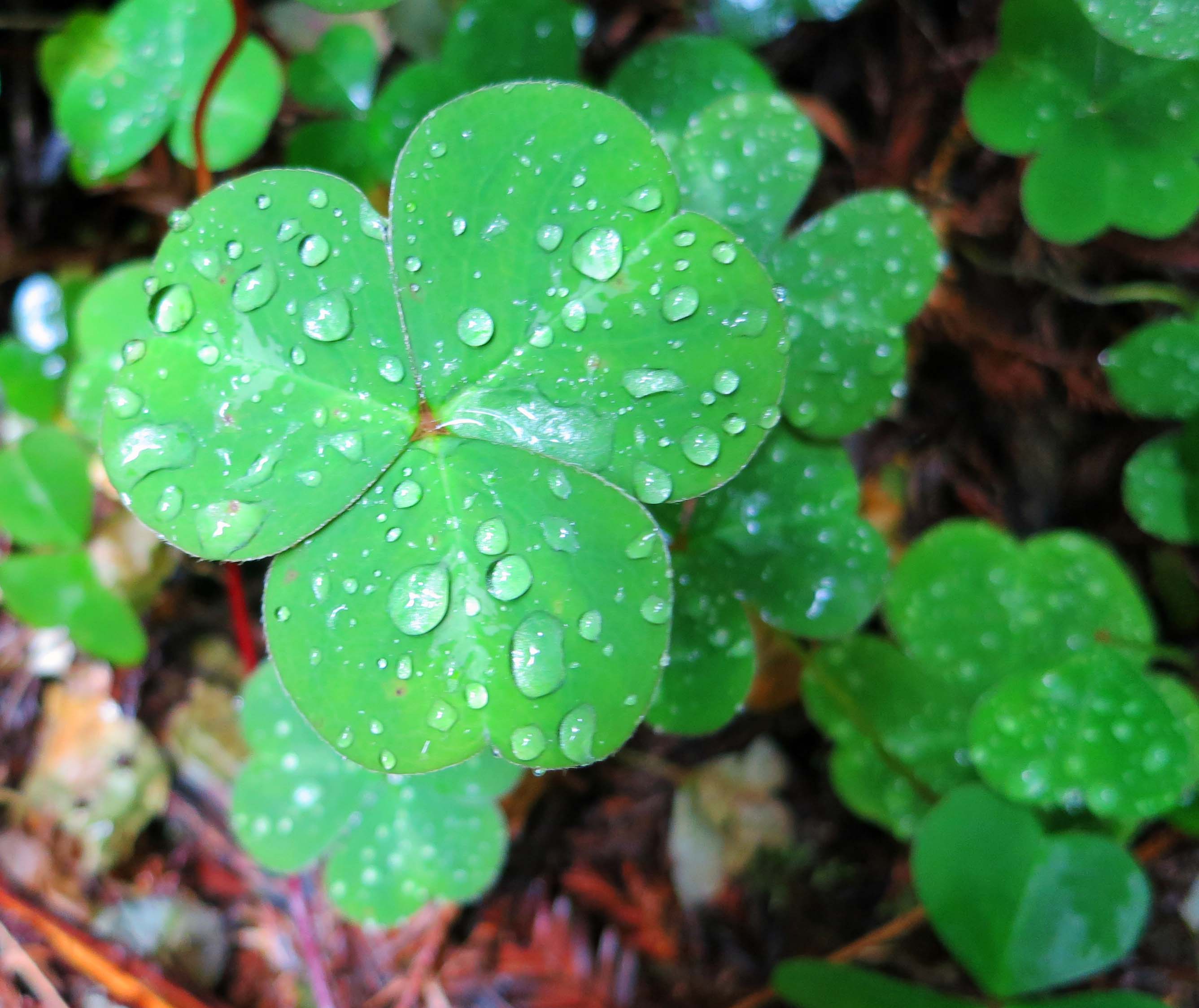
Large clover leaf in Redwood National Park. Photo by Curtis Mekemson.

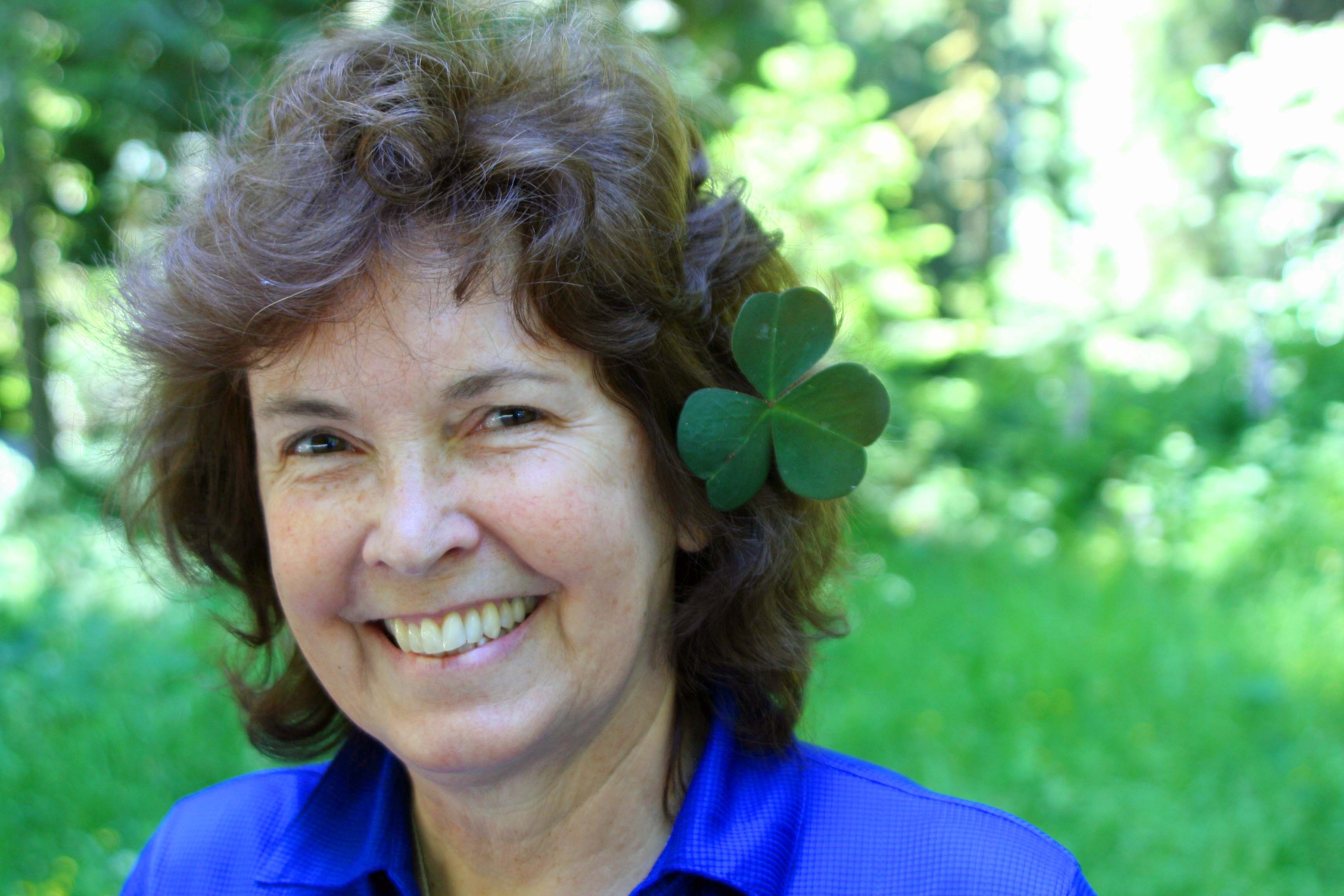
The size of clover is another reminder that things grow big in Redwood National Park– as my favorite model demonstrates below…

Peggy Mekemson wears a Redwood National Park clover in her hair. Photo by Curtis Mekemson.

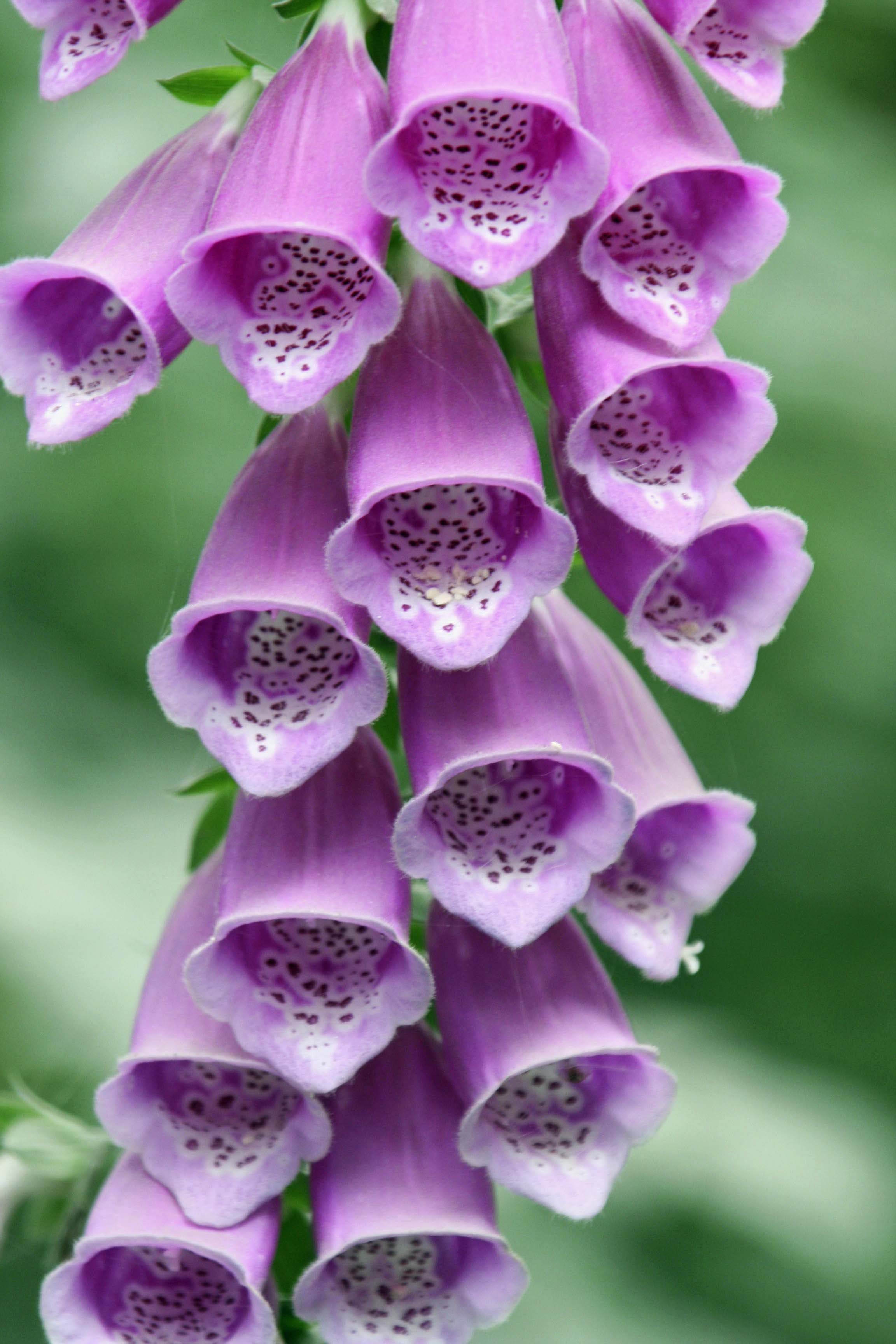
Foxglove growing at Redwoods National Park.

Beautiful Foxglove is also found growing among the redwoods. (Photo by Peggy Mekemson.)

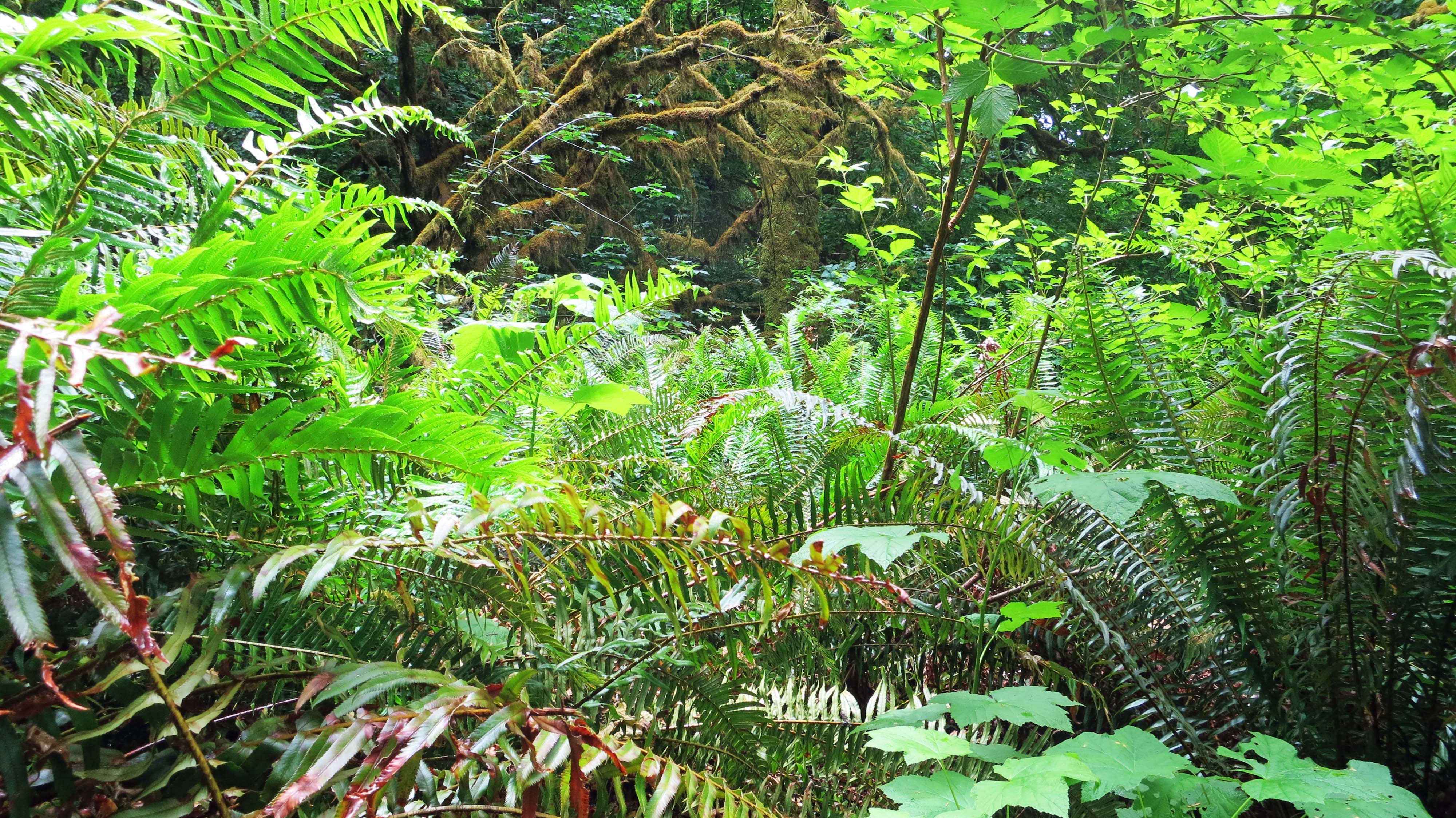
Fern growing in Redwoods National Park. Photo by Curtis Mekemson.

Another perspective on the rainforest look of Redwoods National Park.

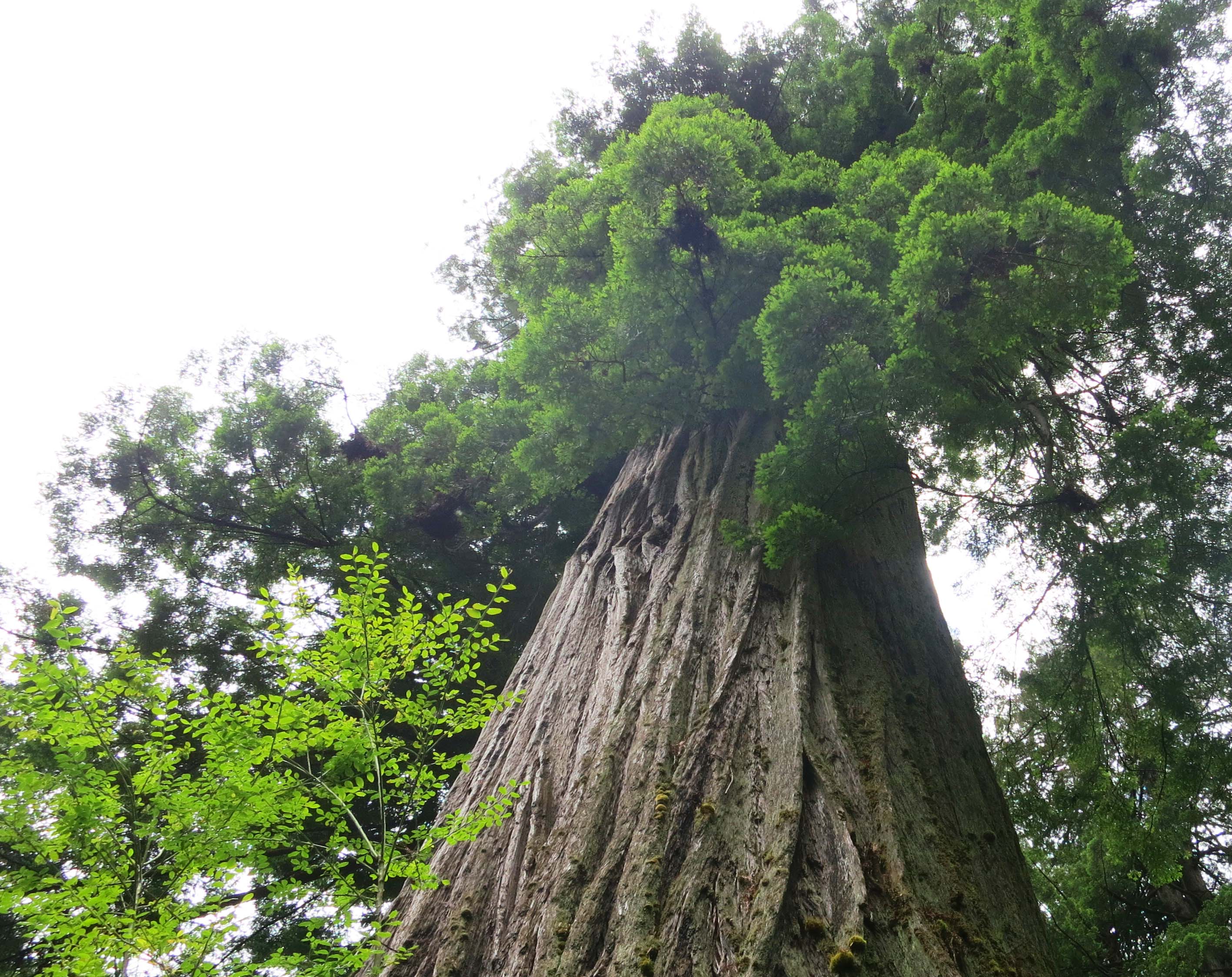
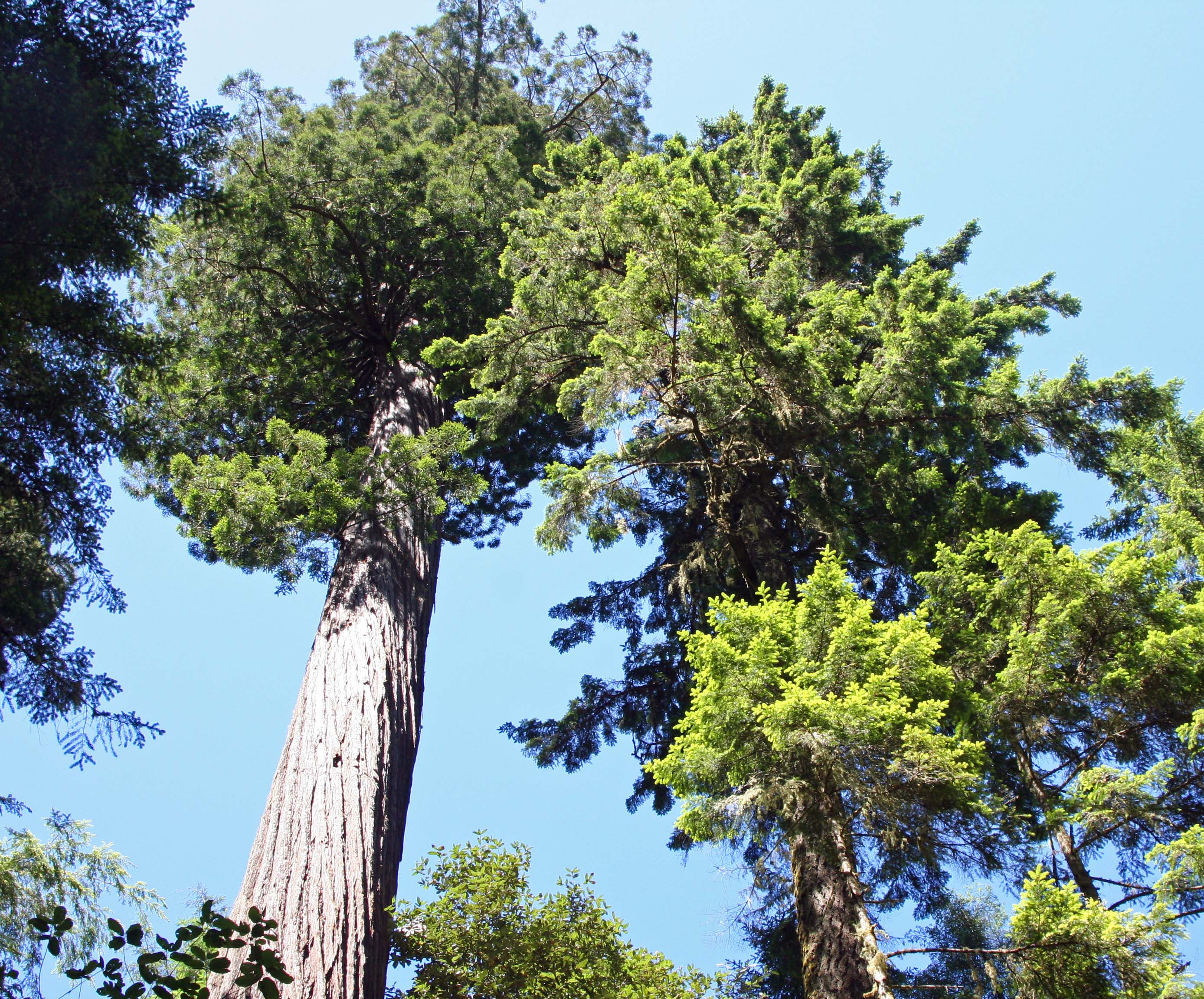
Two final views of the magnificent redwoods.

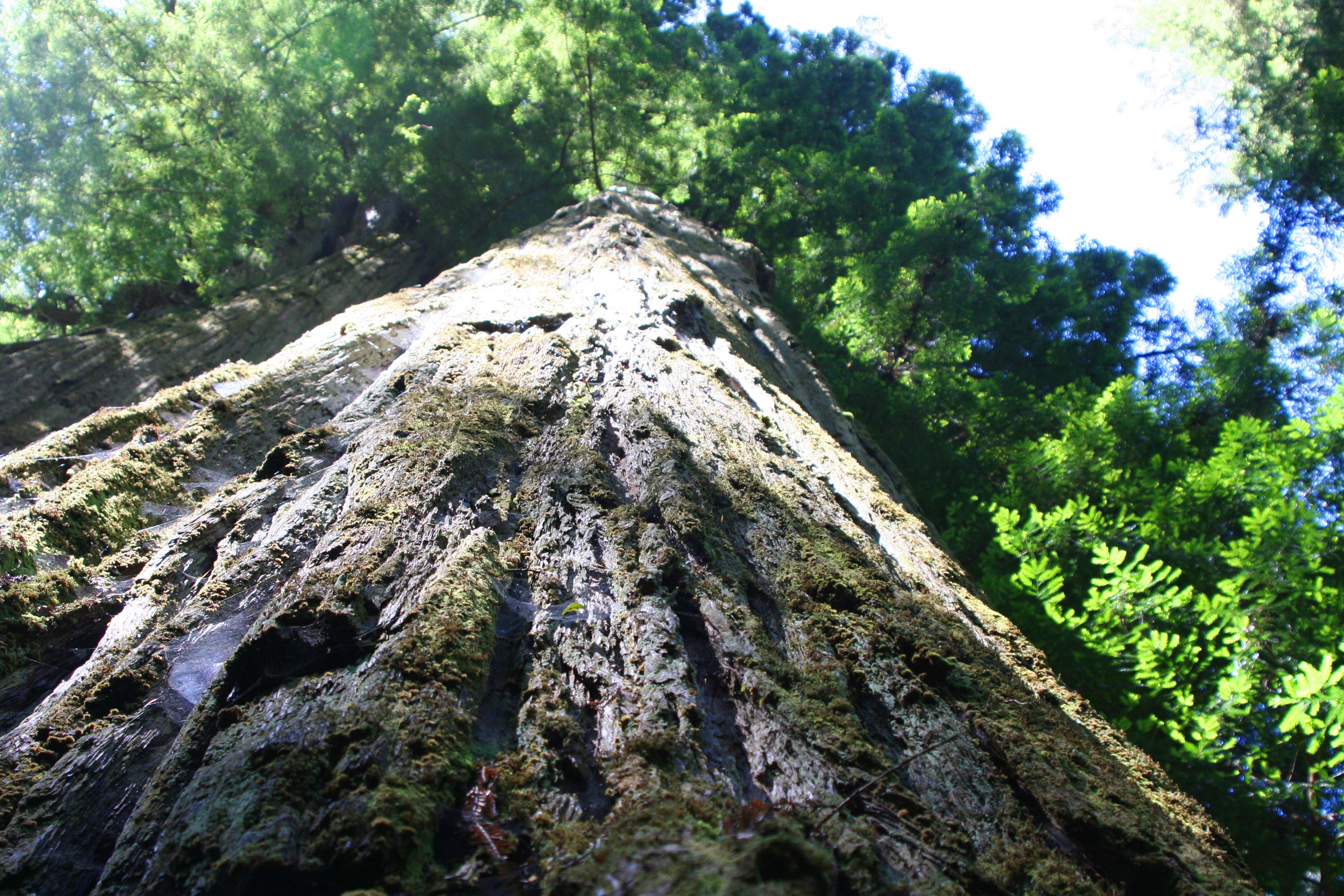
Giant redwood tree at Redwoods National Park. Photo by Curtis Mekemson.

Tops of redwoods at Redwoods National Park. Photo by Curtis Mekemson.


NEXT BLOG: Wrap up of park series (for the present) with photos from several different parks.

Bryce Canyon and the Hoodoos… A Photographic Journey through America’s National Parks

Bryce Canyon photograph by Curtis Mekemson.

Bright colors combine with interesting rock formations to make Bryce Canyon.

There is nowhere in the world quite like Bryce Canyon. This is a place where you can let your imagination run as wild as it wants to run. I am always struck first by the colors of the rocks and then immediately afterwards by their shapes.

Thousands of years of ice-driven erosion have created a fantasy world of amphitheaters filled with hoodoos and other rock formations climbing down the side of the Paunsaugunt Plateau in Southern Utah.

The best way to experience the canyon is to hike down the trails but even a quick drive-through is rewarding. Early morning and evening are best times to catch the colors. Snow adds another dimension.

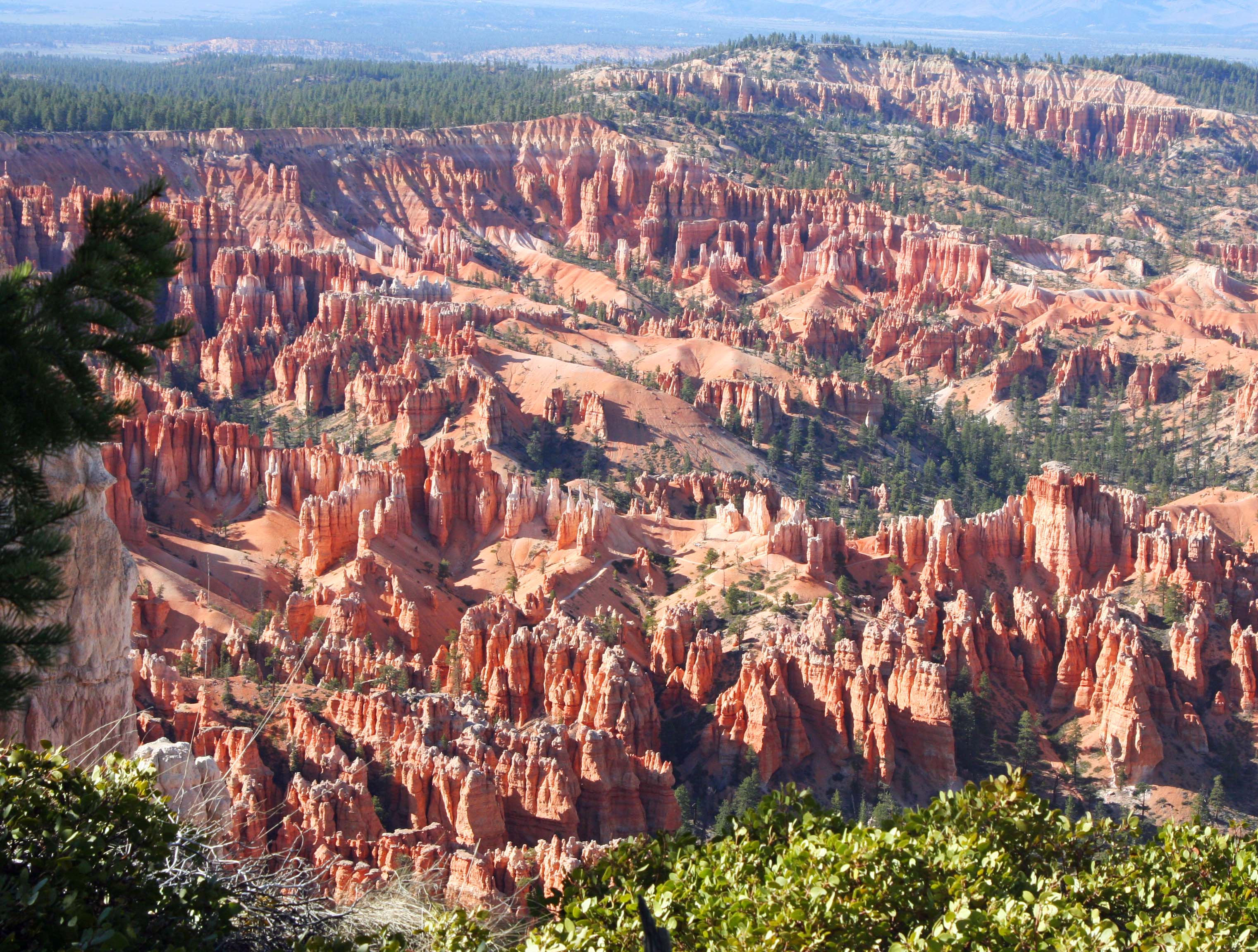
Bryce Canyon overlook. Photo by Curtis Mekemson.

An overview of Bryce Canyon from one of the major overlooks.

Bryce Canyon Amphitheater. Photo by Curtis Mekemson.

Bryce Canyon is actually not a canyon created by a river but is a series of amphitheaters dropping on of the Paunsaugunt Plateau.

Walls, Fins and hoodoos at Bryce Canyon. Photo by Curtis Mekemson.

Hoodoos are stand alone rocks created by the process of erosion. A thick wall becomes a fin. Arches are created in the fin and then cave in, leaving hoodoo behind.

Hoodoo formation at Bryce Canyon. Photo by Curtis Mekemson.

A close-up of hoodoo formation. The rock in the foreground is showing cracks and a small arch that will eventually fall in and form a hoodoo.

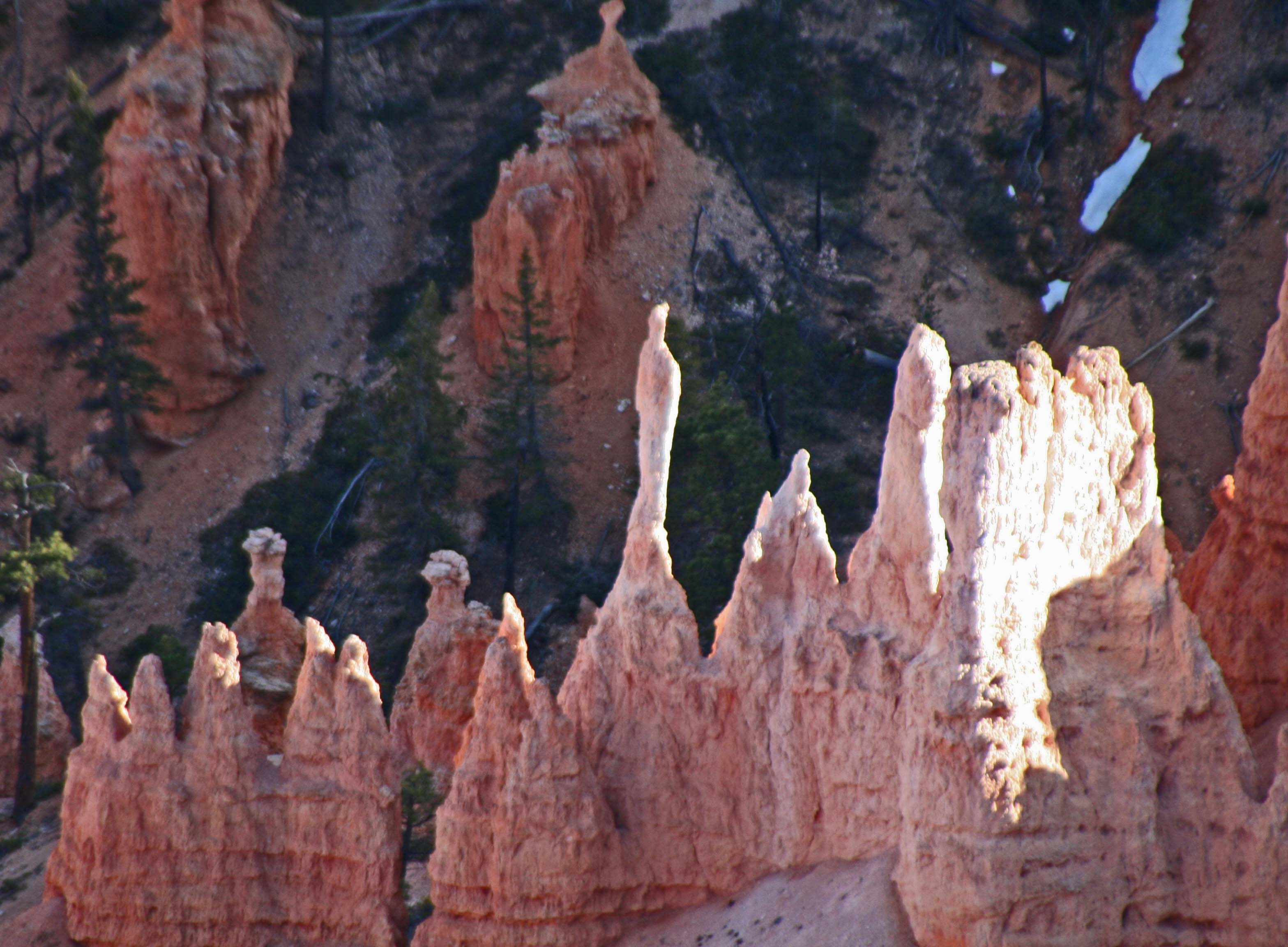
A hoodoo at Bryce Canyon National Park. Photo by Curtis Mekemson.

A ghostly hoodoo.

More views of Bryce Canyon:

Bryce Canyon photo by Curtis Mekemson.

Bryce Canyon photo by Curtis Mekemson.

Bryce Canyon photograph by Curtis Mekemson.

NEXT BLOG: A visit to the Redwoods.


Dinosaur National Monument… A Photographic Journey through America’s National Parks

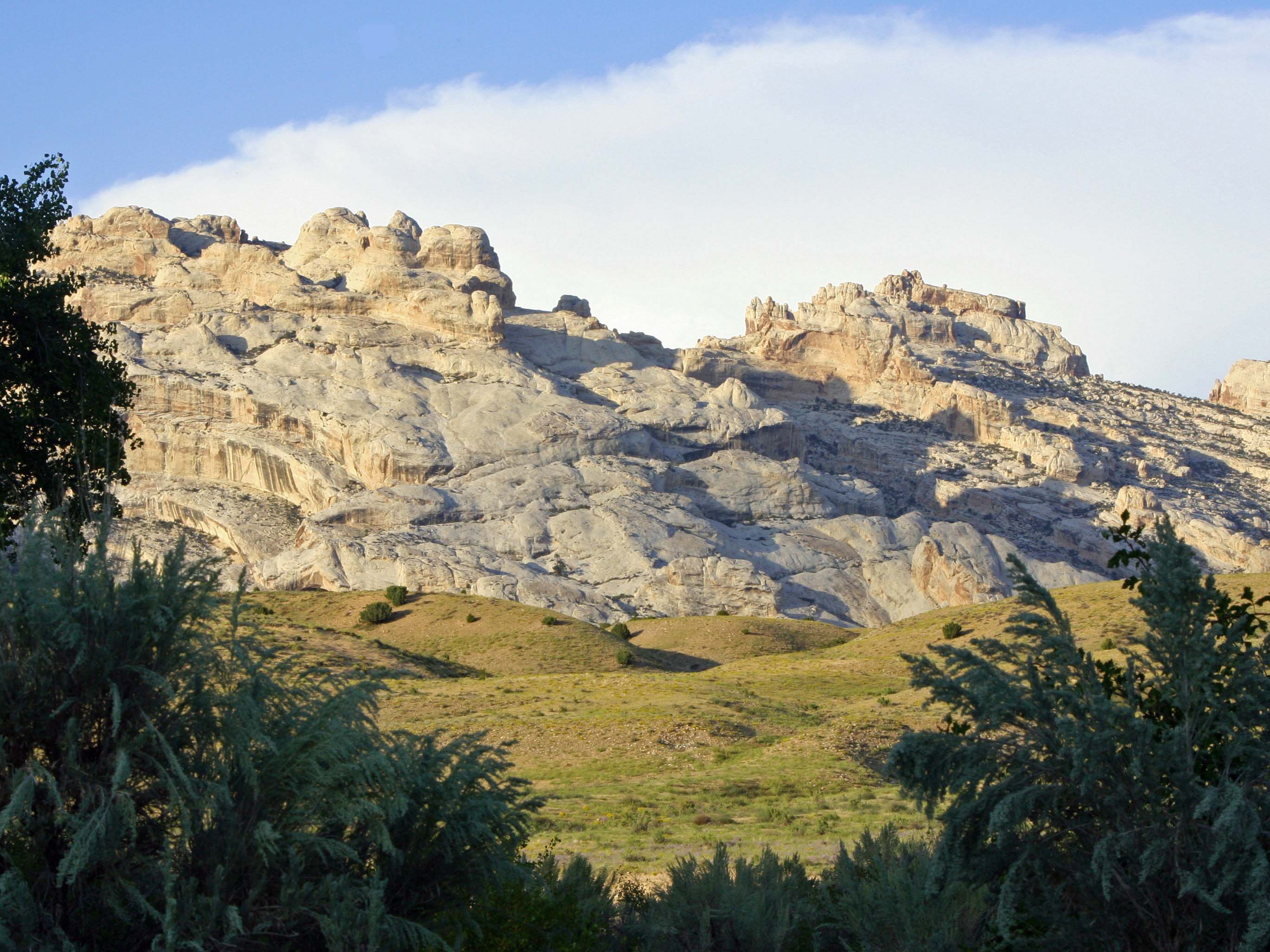
Dinosaur National Monument is filled with quiet beauty.

Dinosaur National Monument is filled with quiet beauty.

Located on the border between Colorado and Utah, Dinosaur National Monument is known for it’s large deposit of Dinosaur Bones. The Park also features a quiet beauty and an interesting collection of Native American petroglyphs. The Yampa and Green Rivers snake their way through the canyons of the park and attract white-water rafting enthusiasts– including several of my friends.

So there is a little bit of something for everyone in this little known National Monument.  Hopefully, this blog will encourage some of my readers to visit. You won’t regret the decision.

Asters in Dinosaur National Monument. Photo by Curtis Mekemson.

Bright asters decorated the roadside on our way into camp.

Petroglyph at Dinosaur National Monument. Photo by Curtis Mekemson.

This person with his/her large hands and dogs is one of my favorite petroglyphs.

Green River flowing through Dinosaur National Monument. Photo by Curtis Mekemson.

Shadows stretch across the Green River while the evening sun gently bathes the cliffs above in light. Not a bad view from our camp!

Dinosaur bone in cliff at Dinosaur National Monument. Photo by Curtis Mekemson.

This large dinosaur bone was sticking out the edge of a cliff.

Lizard petroglyph in Dinosaur National Monument. Photo by Curtis Mekemson.

I thought this Native American petroglyph was particularly appropriate for the park.

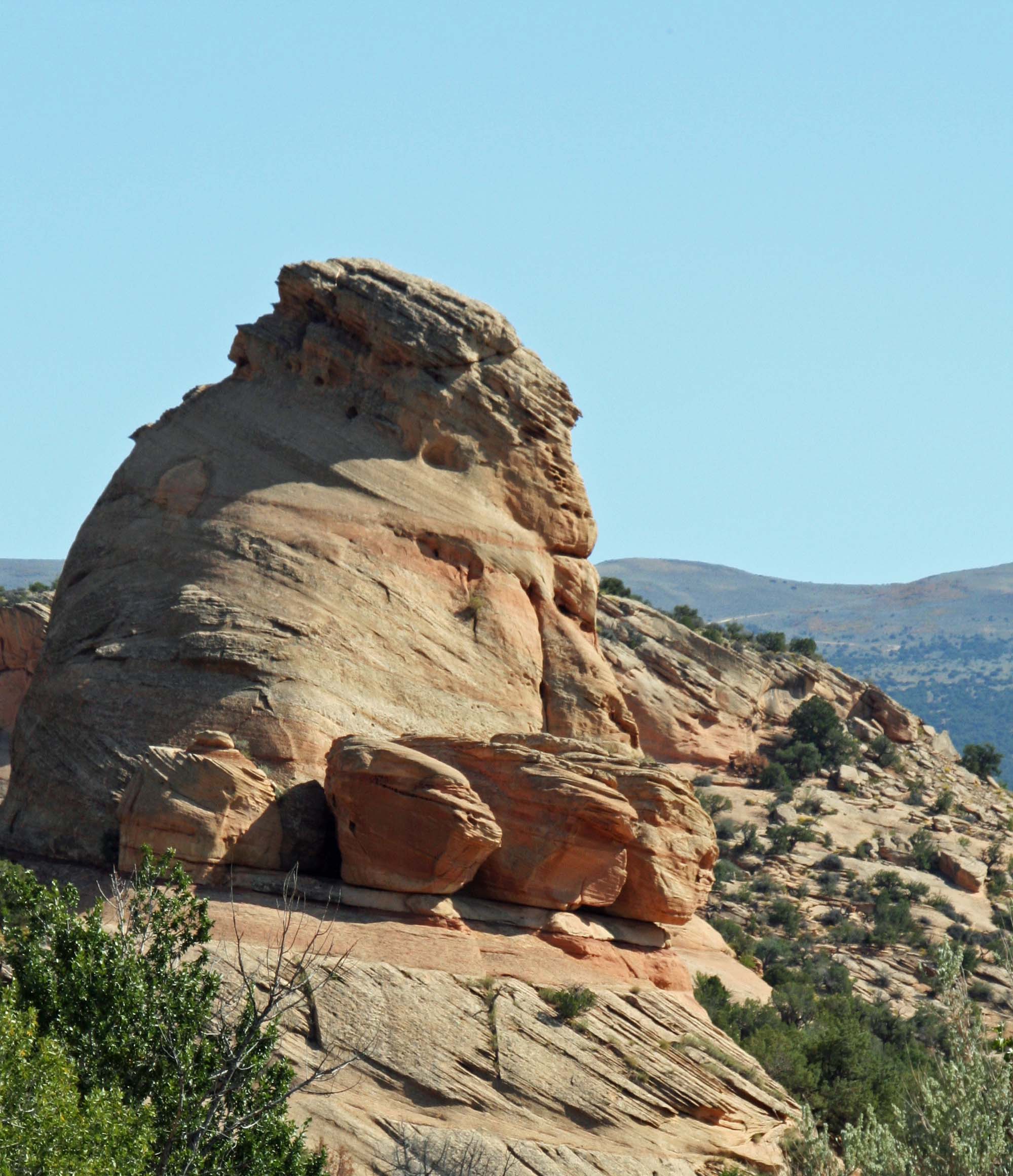
Elephant Toes rock at Dinosaur National Monument. Photo by Curtis Mekemson.

Rock monuments are given names in Dinosaur National Monument, as they are throughout the West. What would you name this? The local answer is below.

Cliff of petroglyphs in Dinosaur National Monument. Photo by Curtis Mekemson.

Peggy sits beside a series of petroglyphs we found high above the road.

Petroglyph at Dinosaur National Monument. Photo by Curtis Mekemson.

An alien petroglyph?

Dinosaur National Monument. Photo by Curtis Mekemson.

A final scene from our campsite.

The monument was named Elephant Toes. NEXT BLOG: The incredible rocks of Bryce Canyon National Park.

Organ Pipe Cactus National Monument… A Photographic Exploration of America’s National Parks

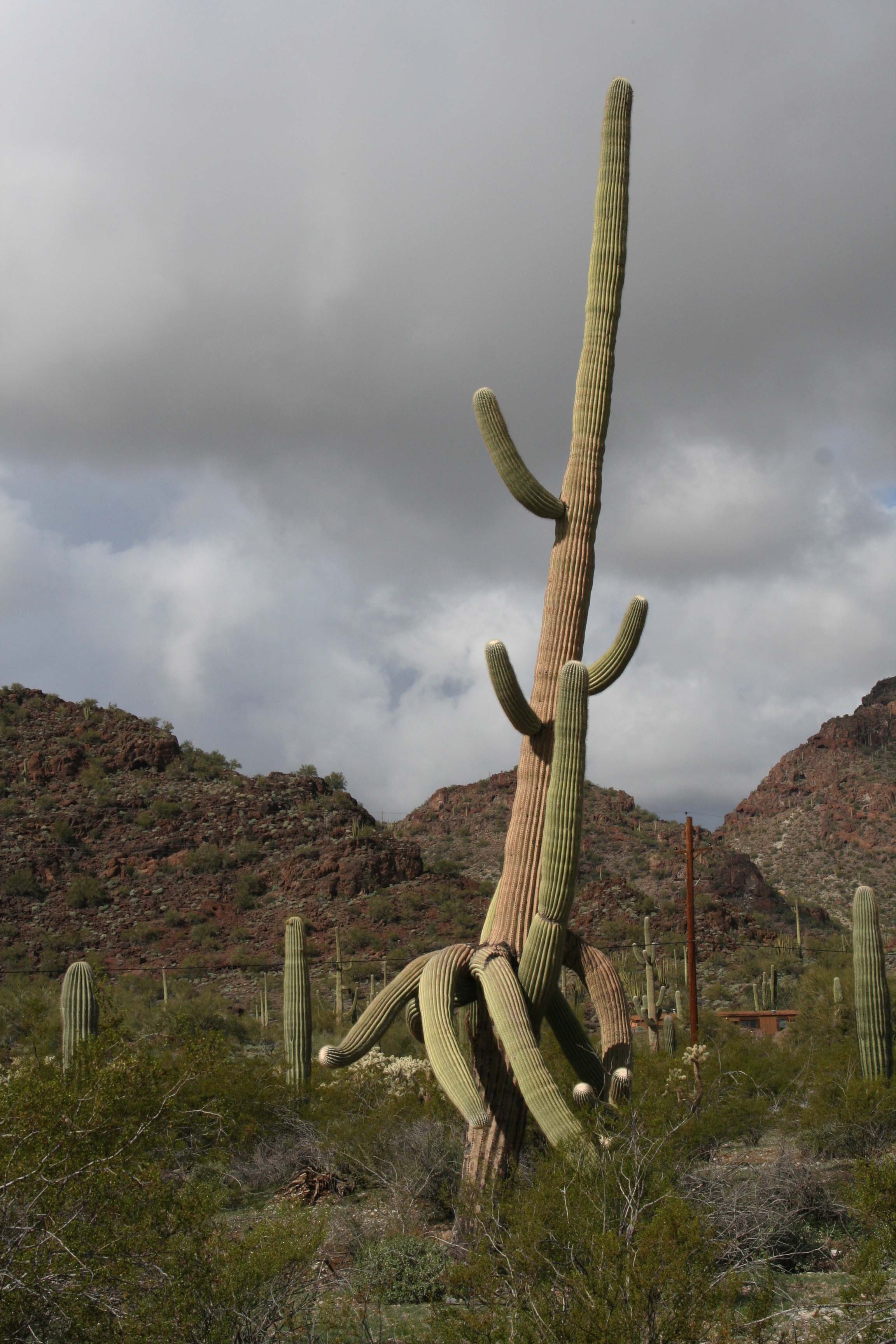
Saguaro Cactus in Organ Pipe National Monument. Photo by Curtis Mekemson.

While Organ Pike cactus give the National Monument its name, Multi-limbed Saguaro give it character. The power lines in the background are headed for the Visitors’ Center.

Organ Pipe National Monument had been on my bucket list for a long time. I liked its remote feel, how it hugged the Mexican Border, and how the only way to get there was via a small, rural road.

What surprised me were the number of Border Patrol police and their extensive network of roadblocks. I felt like I had left the US and entered a police state. People with guns to shoot you, dogs to sniff out your innermost secrets, and X-ray machines to probe your car make me nervous.  It didn’t matter if I was innocent, I felt guilty.

On top of the national paranoia over illegal immigrants, there was Arizona’s unique twist on the issue. Mexican-Americans and Mexicans were guilty until proved innocent.

As an aside, Peggy and I were on a bus to the small Mexican town of San Sebastian in the Sierra Madre Mountains last week. Our guide asked where we were all from and one couple announced they were from Arizona.

“Aha!” the guide proclaimed to the couple, “You must show me your passports.” He was joking and we all laughed, including the couple. But his point was made. What if people from Arizona had to carry special papers when they traveled in Mexico and were regularly stopped by police?

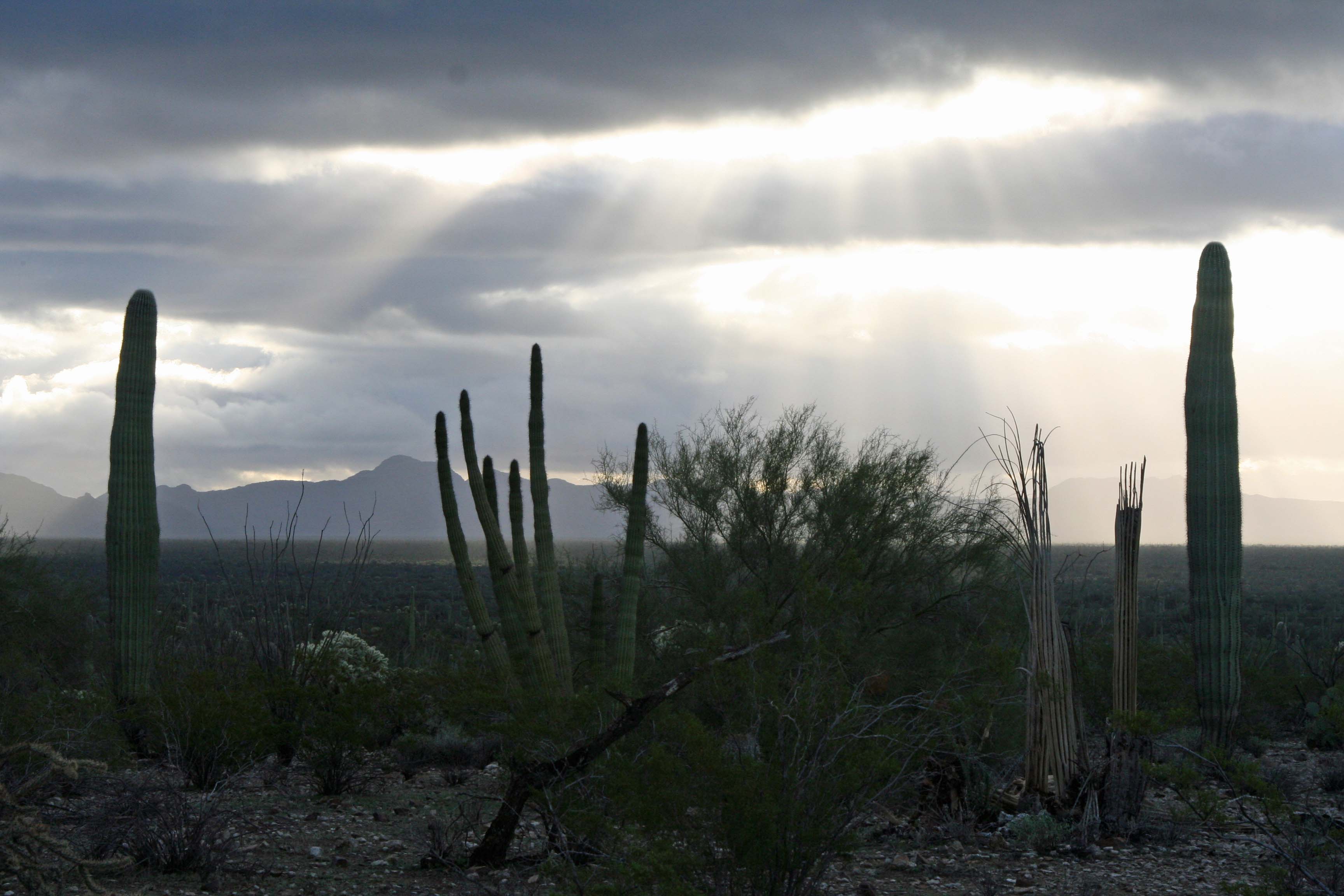
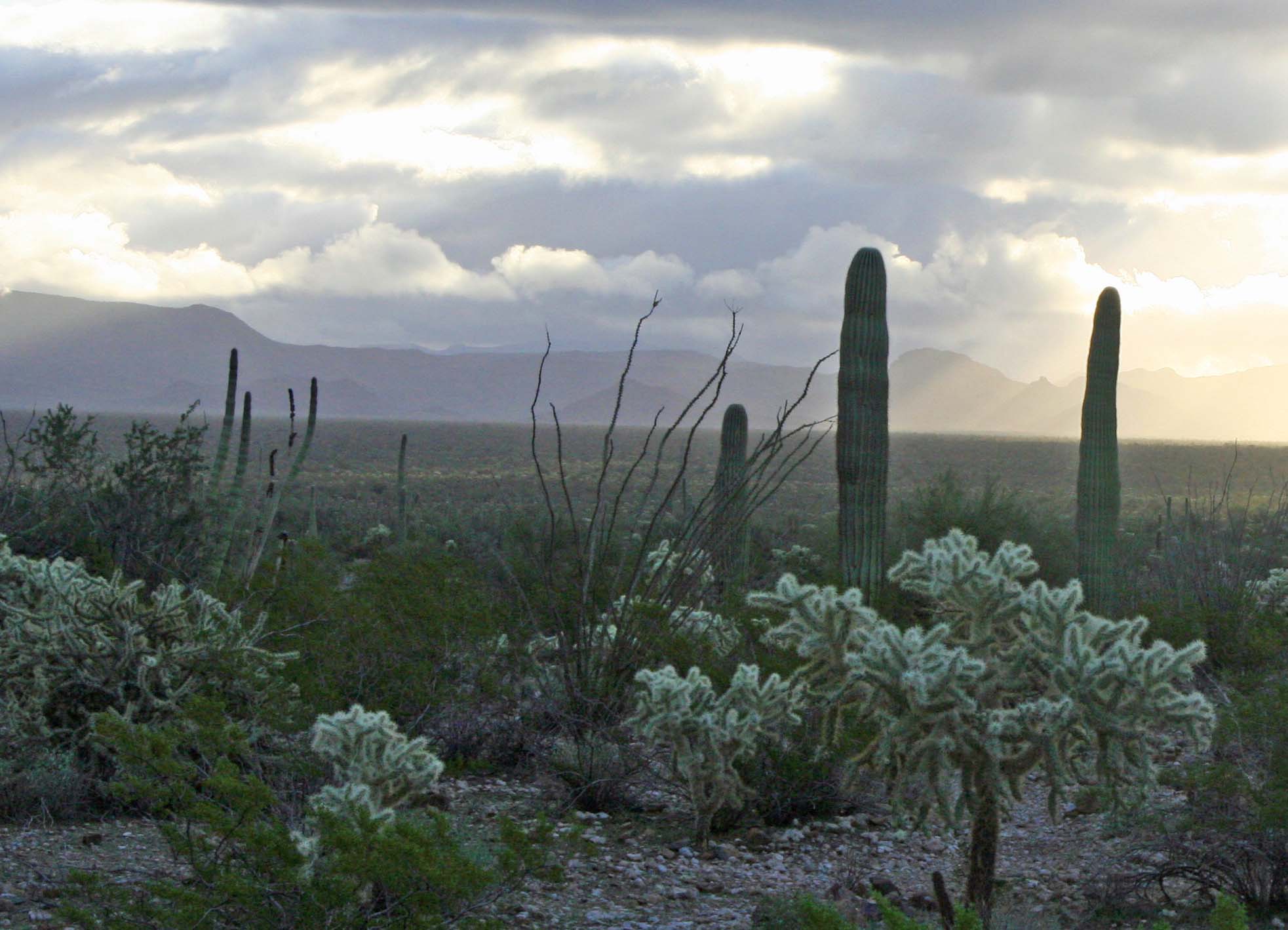
Politics aside, Organ Pipe Cactus National Monument was, um, filled with cacti. There were mighty Saguaro, whip-like Ocotillo, Barrel Cactus, Organ Pipe Cactus, Cholla, and round Prickly Pears that something with a large mouth had been eating. We got up early in the morning to miss the midday heat and followed a winding trail out into the desert. Dark clouds hung over the mountains; birds were busy announcing the day. Curiosity pulled us off the trail but sharp thorns required that we walk with care. The dark of early morning gradually gave way to bright sun.

Organ Pipe National Monument in early morning light. Photo by Curtis Mekemson.

Early morning sun broke through the dark clouds and provided enough light to walk by. Sort of. Running into cactus thorns is not fun.

Two Saguaros and an Organ Pipe Cactus in Organ Pipe national Monument. Photo by Curtis Mekemson.

An Organ Pipe Cactus grows between two Saguaros.

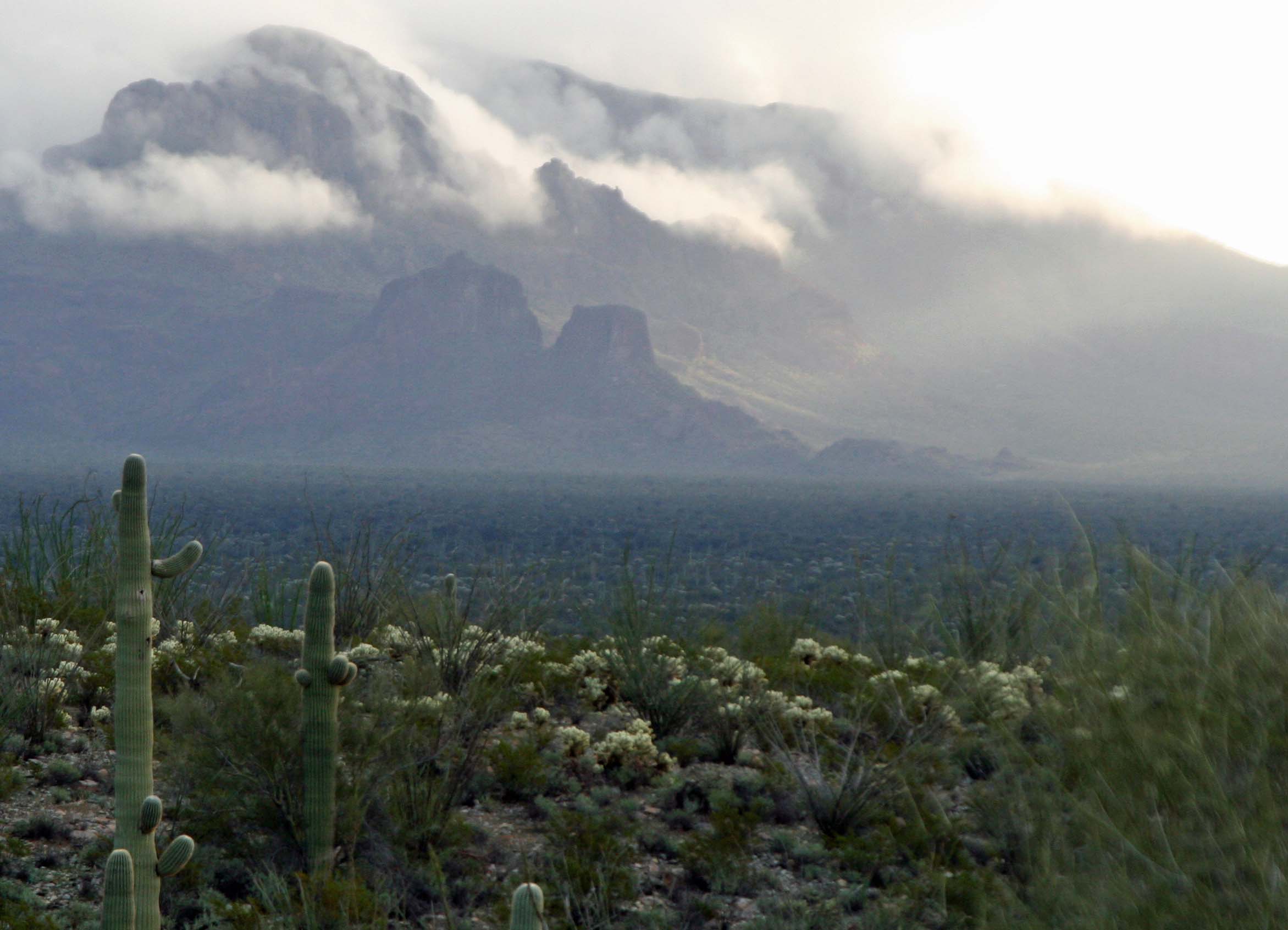
Misty mountains in Organ Pipe National Monument. Photo by Curtis Mekemson.

I loved this photo of the misty, almost mystical mountains.

Organ Pipe National Monument. Photo by Curtis Mekemson.

Whip-like Ocotillo Cactus grows behind fuzzy Cholla.

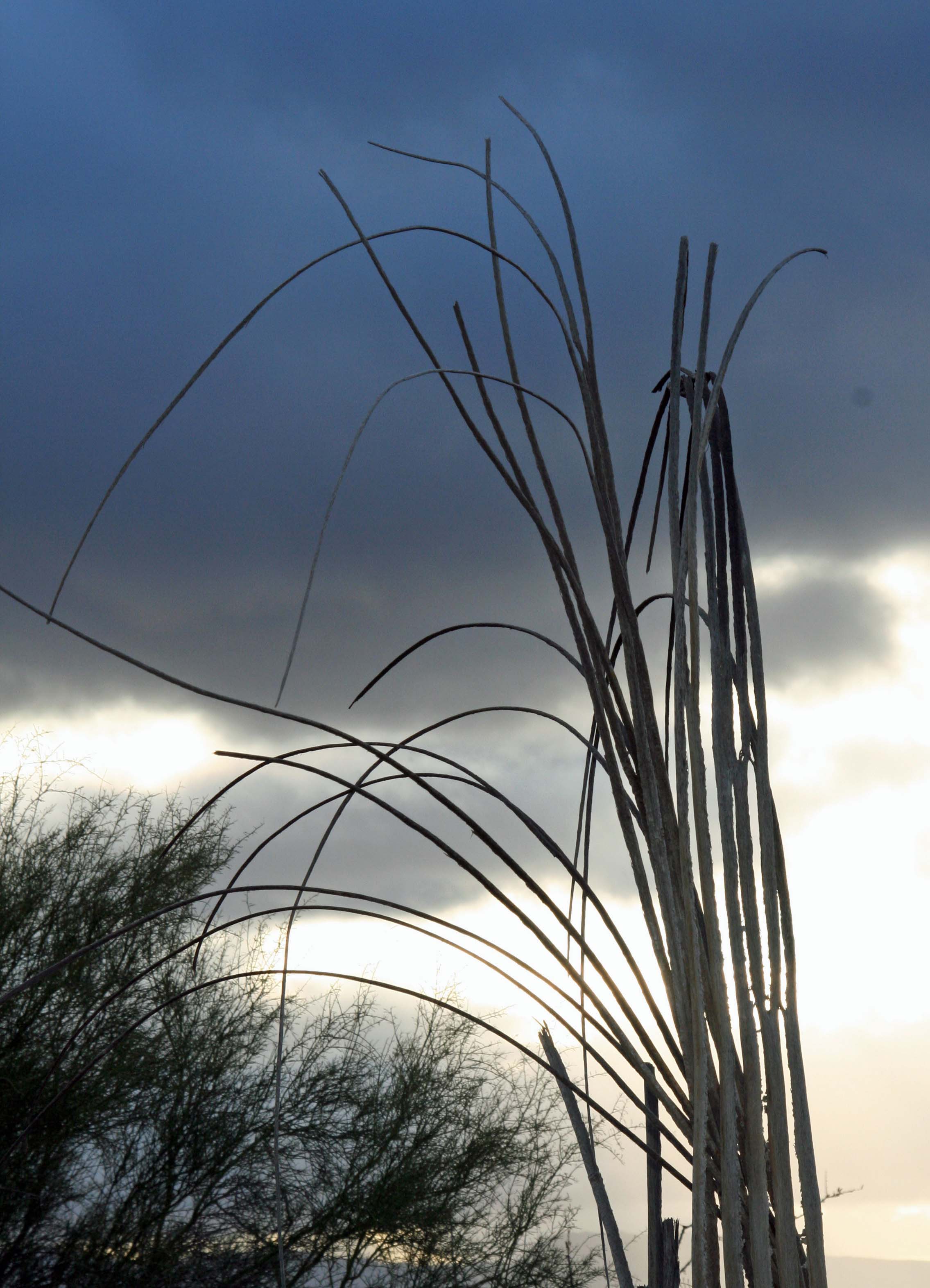
The "bones' of a Saguaro at Organ Pipe Cactus National Monument. Photo by Curtis Mekemson.

The “bones” of a Saguaro.

Cactus garden in Organ Pipe Cactus National Monument. Photo by Curtis Mekemson.

A cactus garden with an Organ Pipe Cactus on the left. It’s easy to see why care is required when walking off trail.

Organ Pipe Cactus in Organ Pipe National Monument. Photo by Curtis Mekemson

A mature Organ Pipe Cactus. Note the small holes in the top where birds nest.

Multi-armed Saguaro Cactus in Arizona. Photo by Curtis Mekemson.

I’ll close today’s blog with a Saguaro who didn’t quite know what to do with its arms.

NEXT BLOG: We are off to Dinosaur National Monument where the big lizards roamed.


The Everglades… A Photographic Exploration of America’s National Parks

Photo of a Black Buzzard in Everglades National Park. Photo by Curtis Mekemson.

I’ve blogged about Black Buzzards before, but these characters deserve a repeat visit.

Peggy, in her former life, which I refer to as BC, before Curt, bought some swampland in Port Charlotte, Florida with dreams of a handsome profit. Eventually, over a period of about 20 years, the land reached the value she and her ex-husband had paid for it. In the heady years of the early 2000s, the property shot up to triple the original investment. We were able to dump (oh, I mean sell) it before the 2006 housing crash to a land speculator. We split the profits between our kids, the realtor, and Uncle Sam.

I tell this story because the property provided an excuse to visit Florida. It was one of three. The second was that Peggy’s parents had retired to the state from Ohio, joining the relentless flood of people from the Midwest whose elderly bones had lost their sense of humor about freezing cold winters. My brother, Marshall, a homeless man with a bank account and a van, provided the third excuse. He included Florida on his migration route. Marshall, in fact, gave us advice on when to sell the property. In the days before he had decided being homeless was more fun, he had owned a successful real estate appraisal business.

Our regular trips to Florida gave us a chance to explore the state, which can be quite scenic if you can see around the billboards and like orange trees. It’s long sandy beaches are very attractive. Peggy loves them. As a general rule, the state is too flat for me. I can gain more elevation in the twenty-minute walk to our mailbox than I can from driving to the top of Florida’s highest hill.

The low elevation and flat land make for  extensive wetlands in Florida, however. And I find this quite attractive. The swamps are filled with fascinating wildlife such as Black Buzzards, Pink Flamingos and the lurking alligators. Everglades National Park provides an excellent opportunity to explore what Florida has to offer.

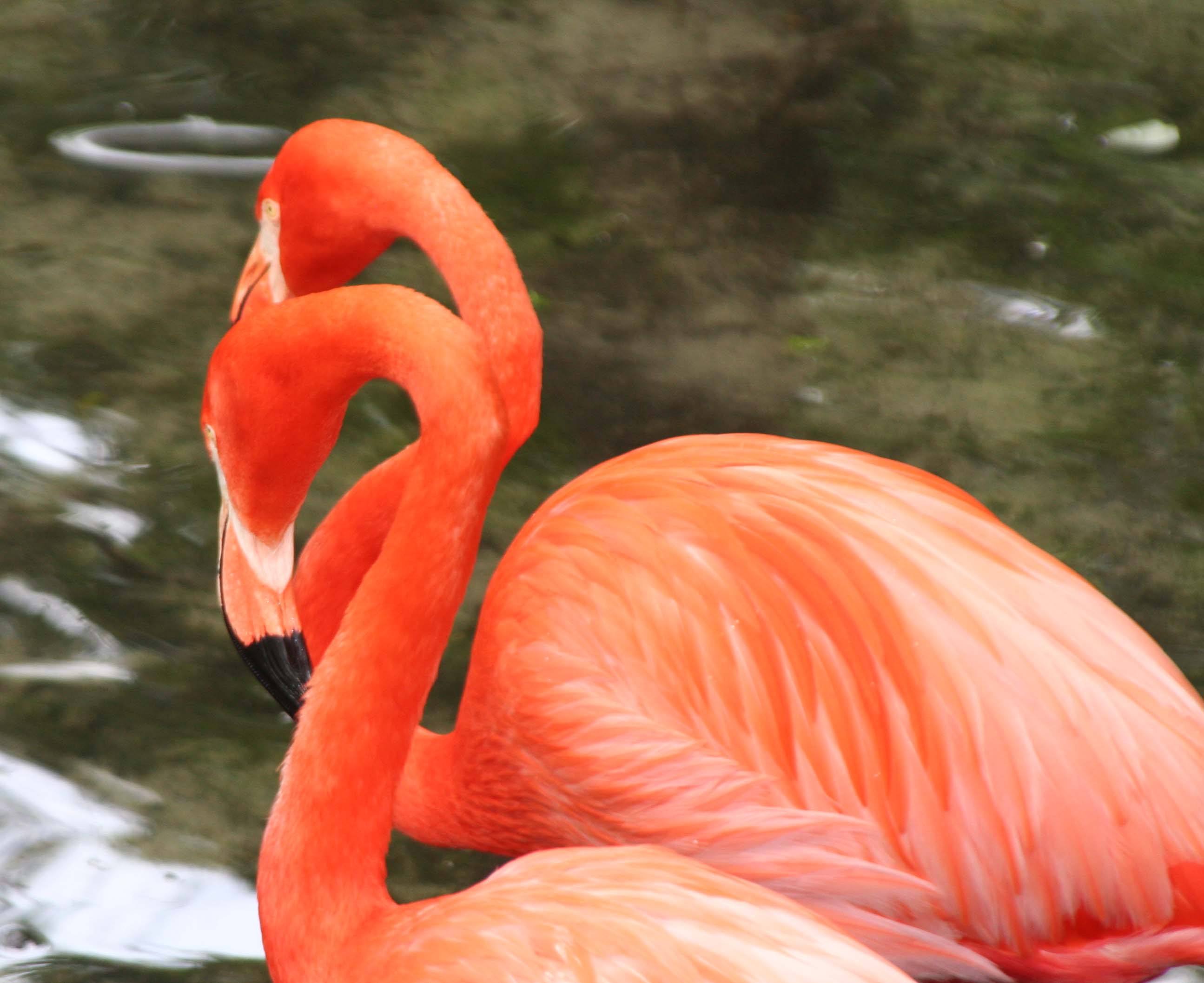
Photo of Flamingos by Curtis Mekemson.

You are much more likely to see photographs about Flamingos than Black Buzzards when reading about the Everglades. I suspect you have never seen a yard featuring plastic buzzards.

Anhinga in Everglades National Park.

This Anhinga was drying his feathers and presented another photo-op. (Photo by Peggy Mekemson.)

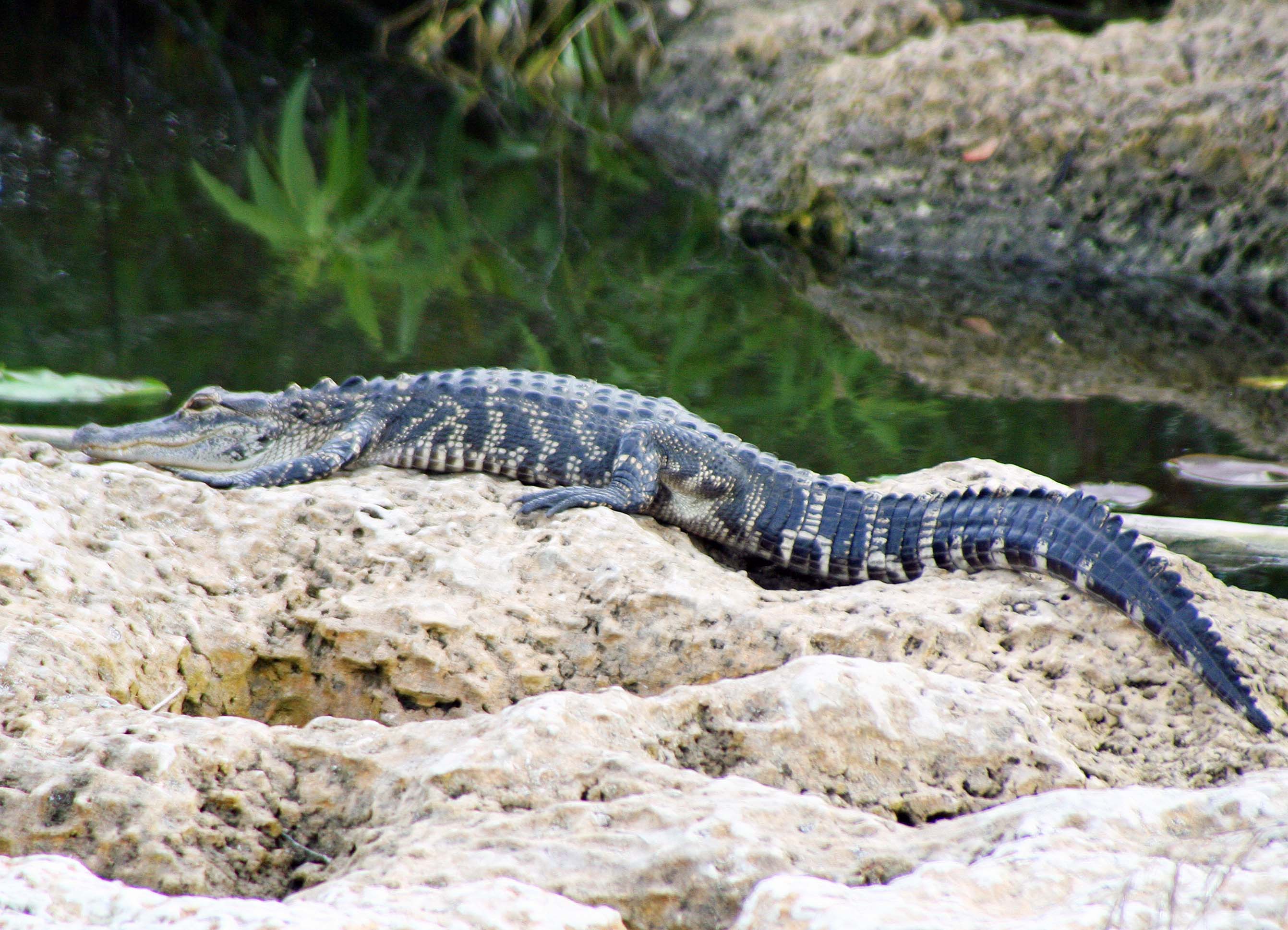
Alligator sunbathing in the Florida Everglades.

We came on this alligator sunbathing. It would be hard to appear more relaxed. (Photo by Peggy Mekemson.)

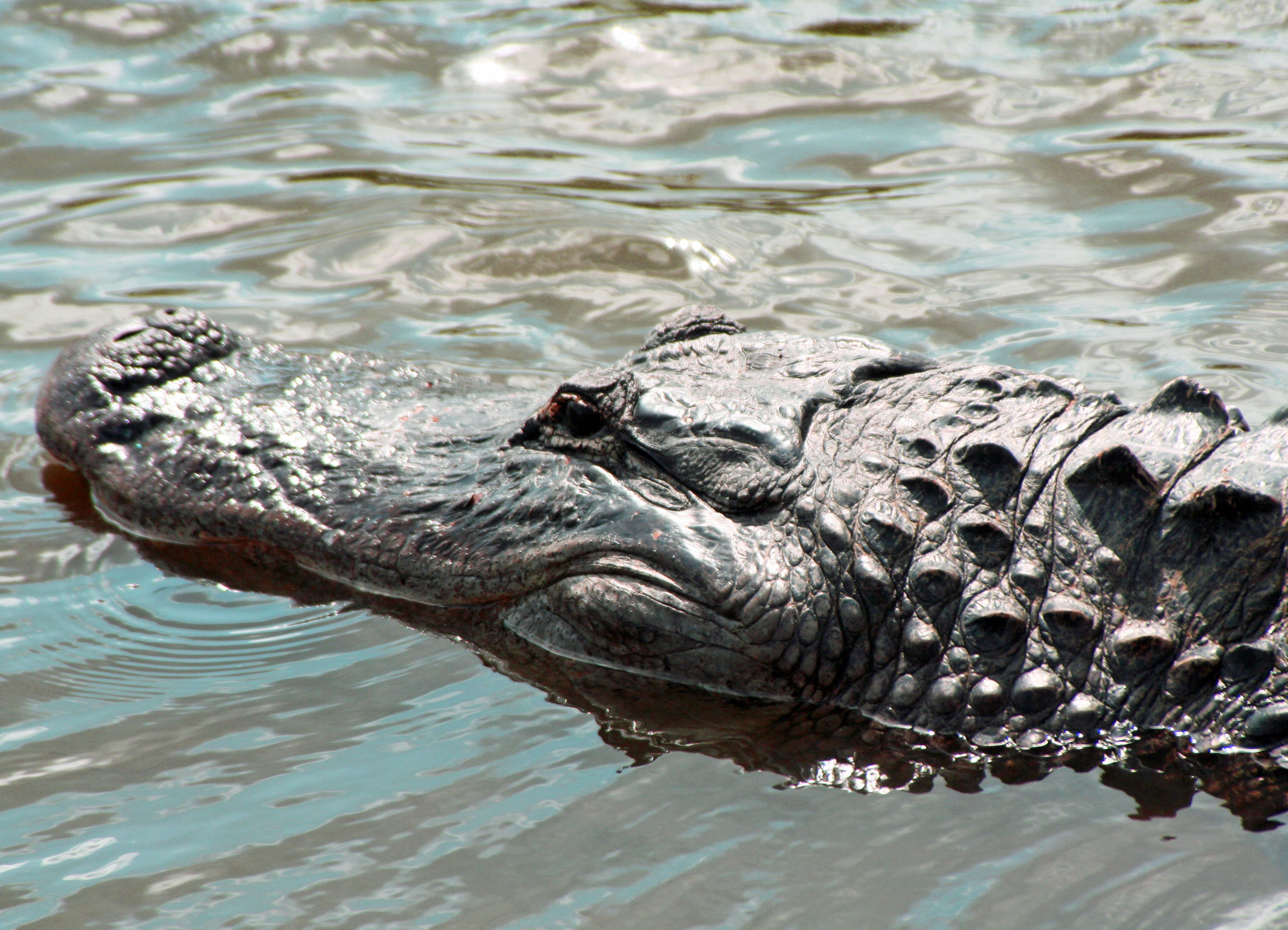
Alligator swimming through water in Florida Everglades. Photo by Curtis Mekemson.

I photographed this guy as he swam under a wooden bridge the park had built out above the wetlands.

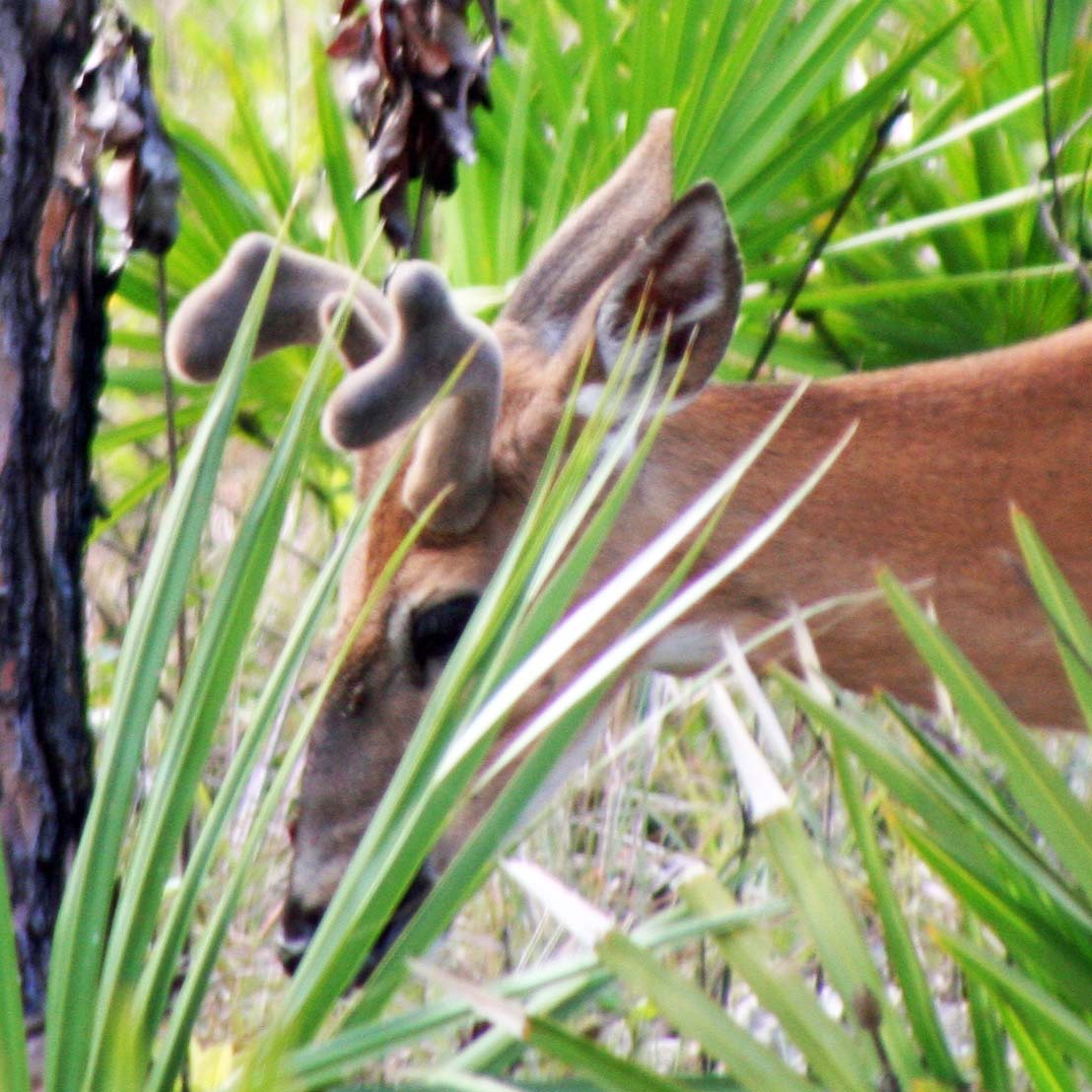
Everglade deer photographed by Curtis Mekemson.

This buck, whose antlers were still in velvet, came by to visit our campsite.

Everglades lake photo by Curtis Mekemson.

The Everglades teem with life. Our binoculars showed that the trees across the lake were filled with birds.

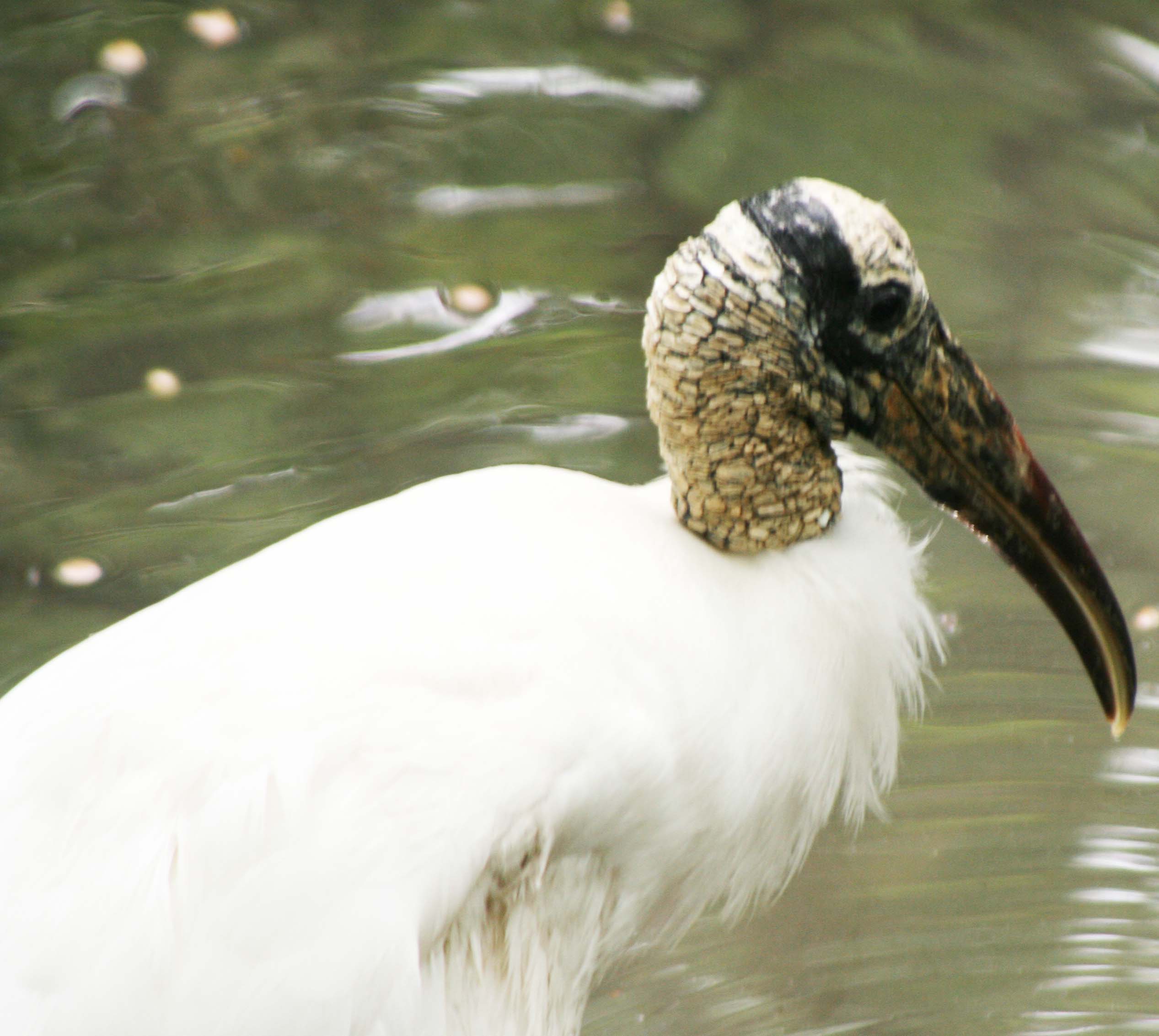
Photo of Wood Stork in Everglades by Curtis Mekemson.

This fellow, with his definitive neck and bill, is a Wood Stork.

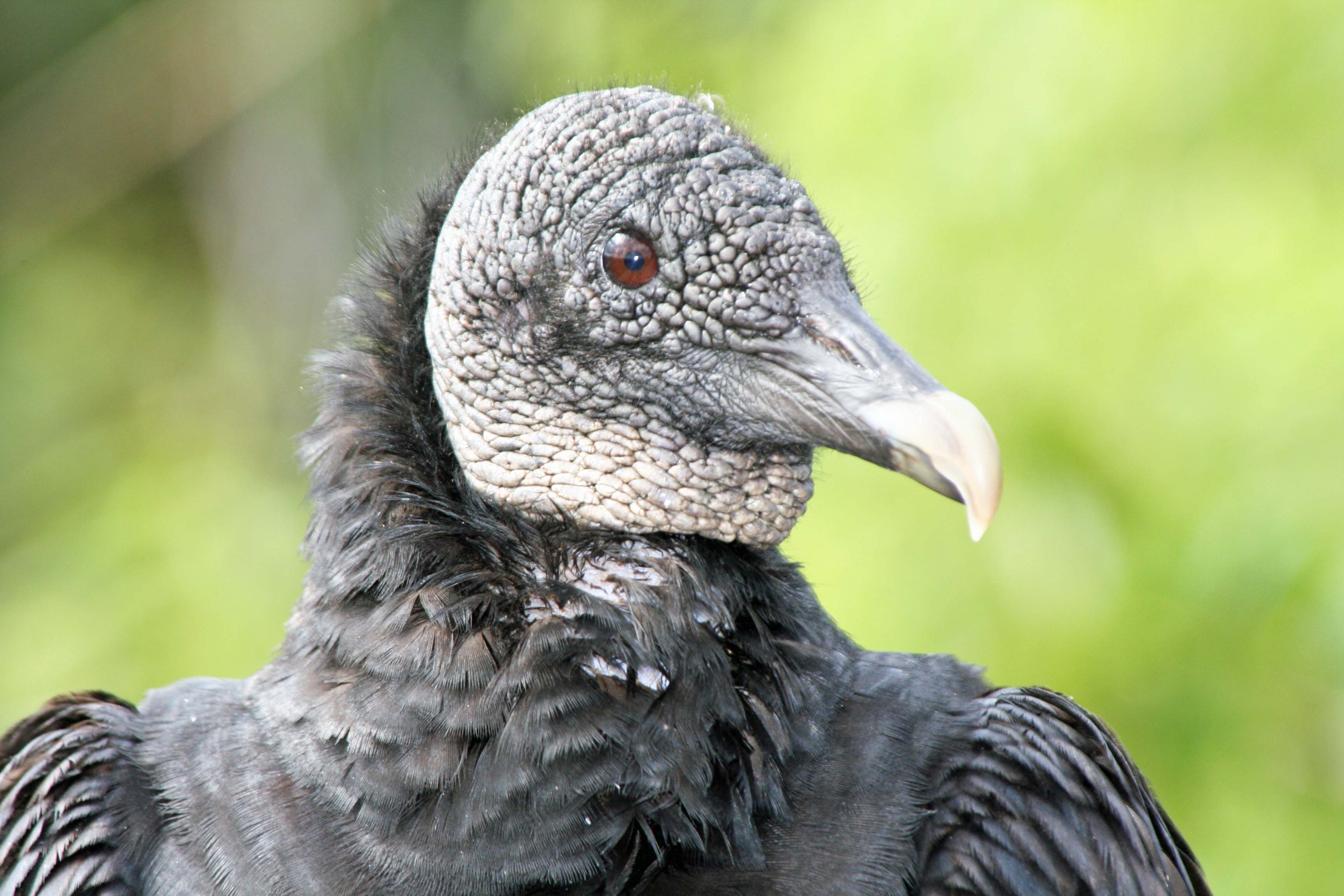
Everglades Black Buzzard. Photograph by Curtis Mekemson.

I’ll close this brief visit to the Everglades with two more photos of the Black Buzzards.

Florida Everglades Black Buzzard take a bow. Photo by Curtis Mekemson.

Taking a bow. The buzzard and I thank you for following this blog. (grin)

NEXT BLOG: Since we’ve been hanging out where it is really wet, let’s dry out and head for Organ Pipe Cactus National Monument in Southern Arizona next to the Mexican Border.