


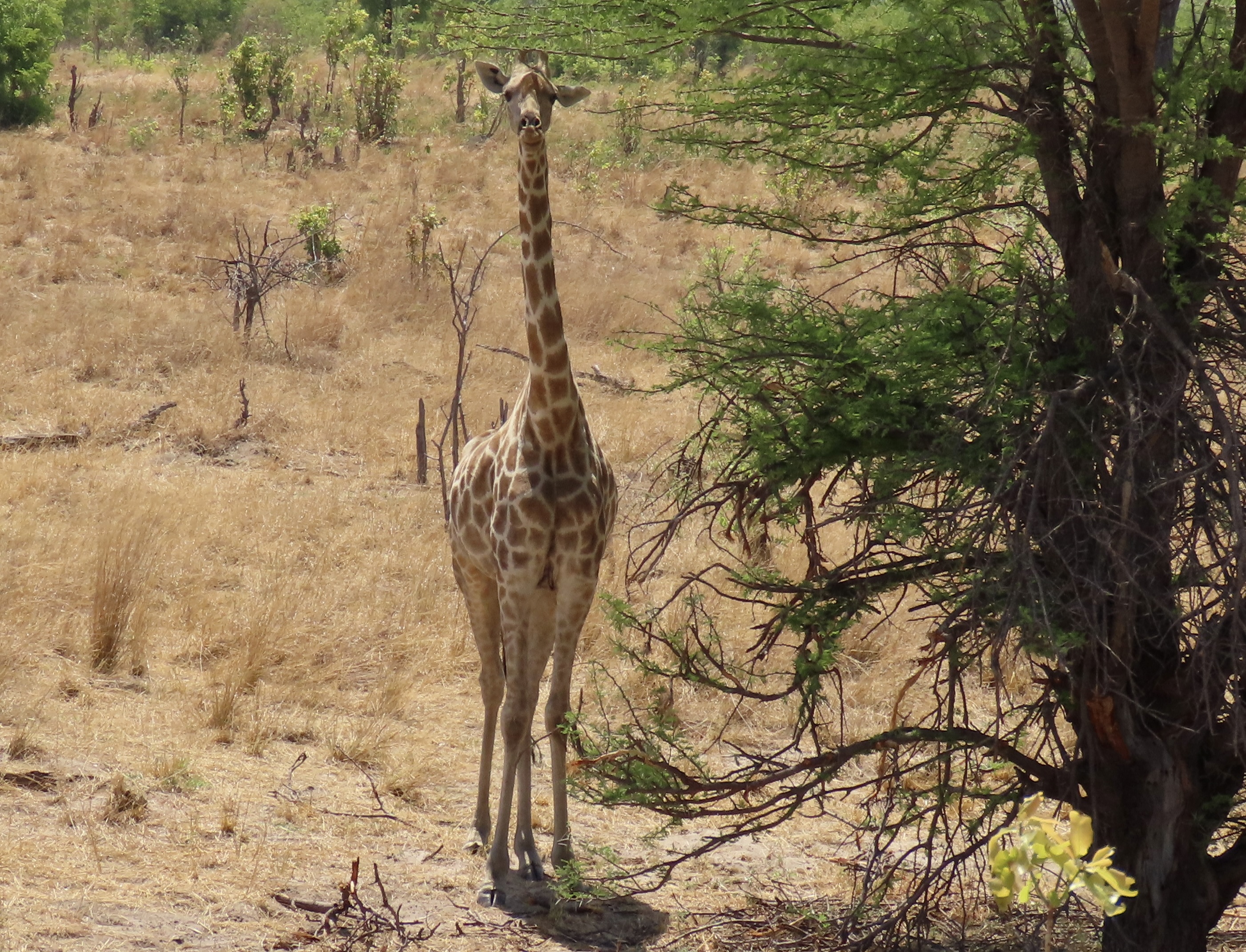
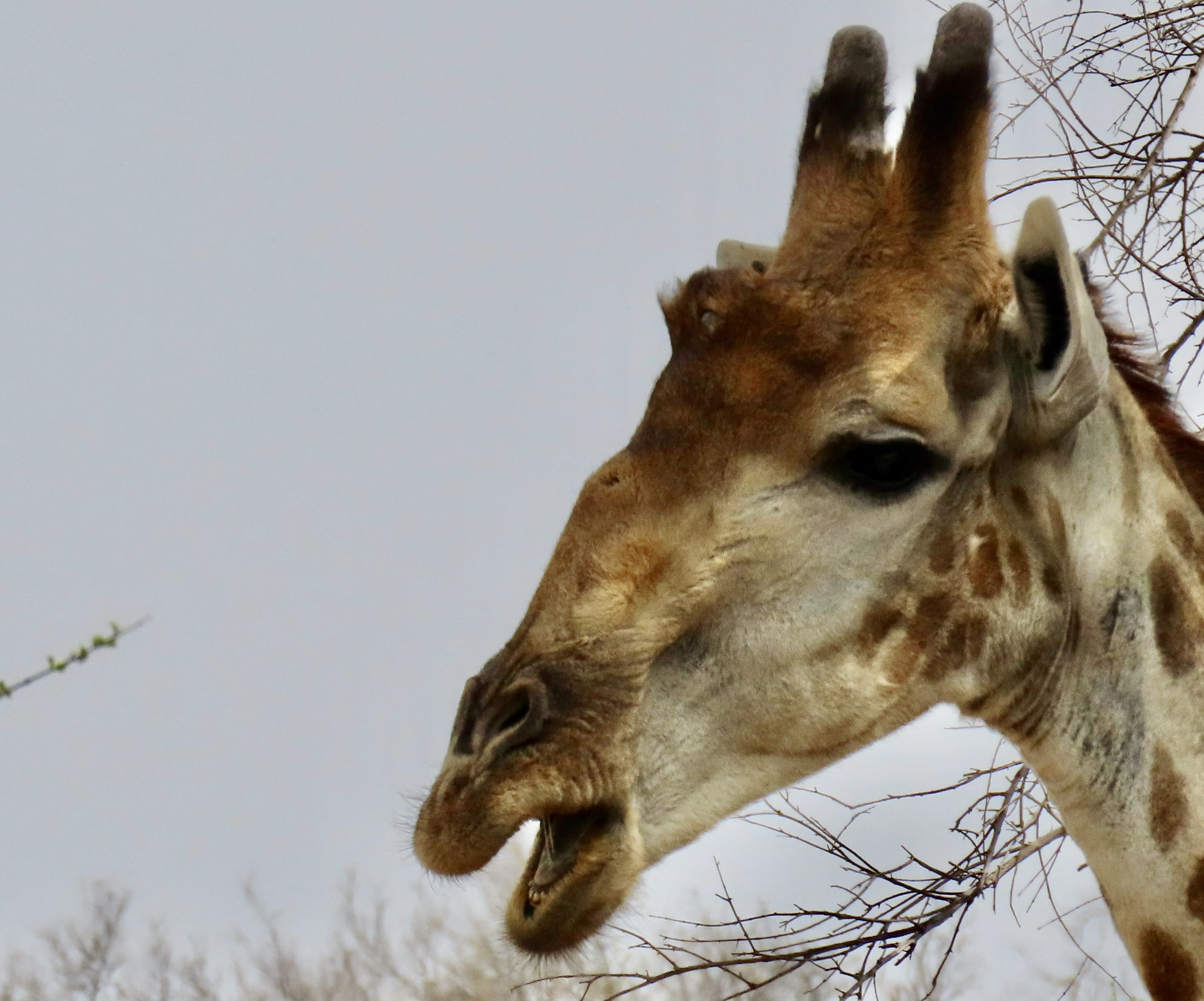

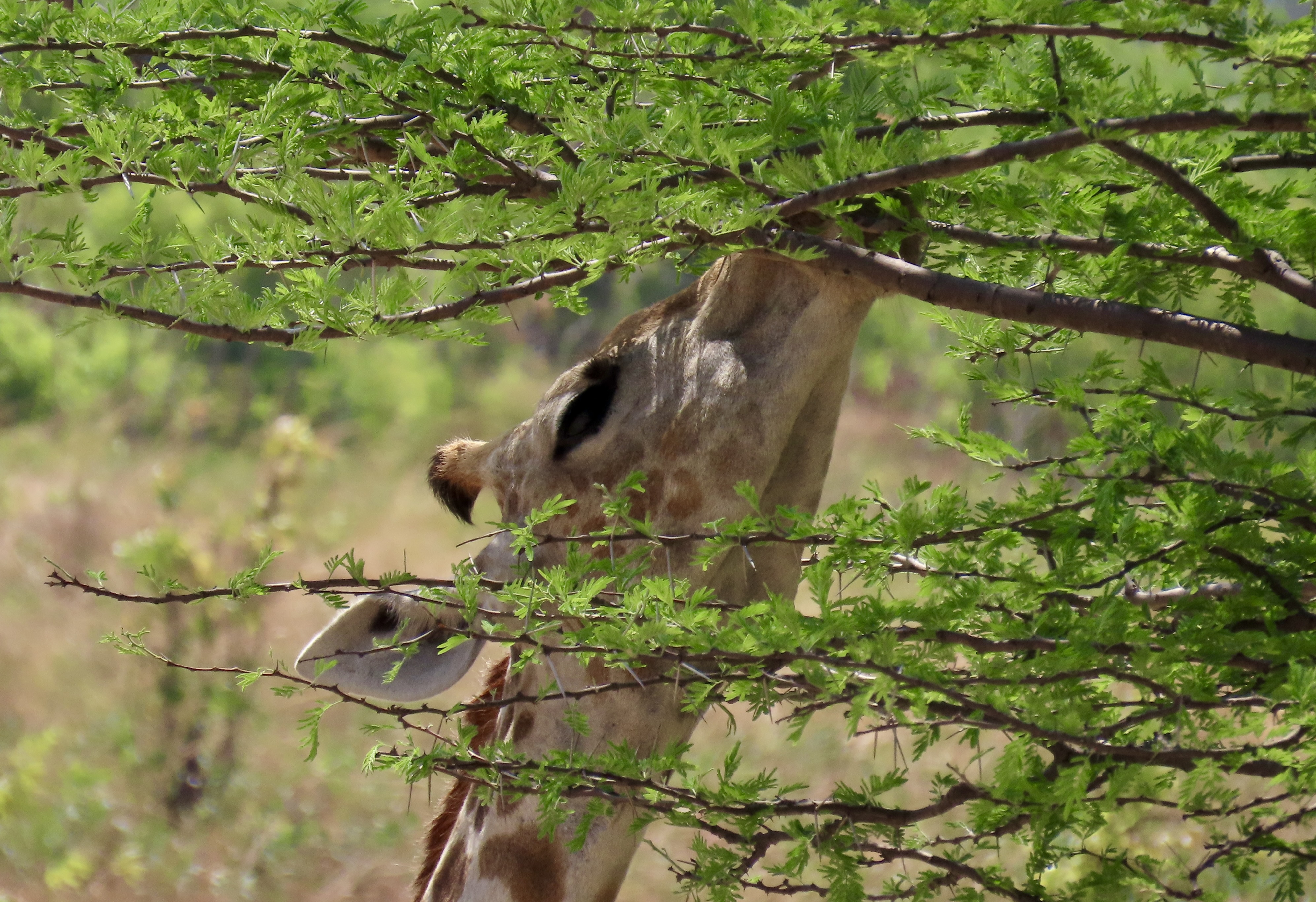

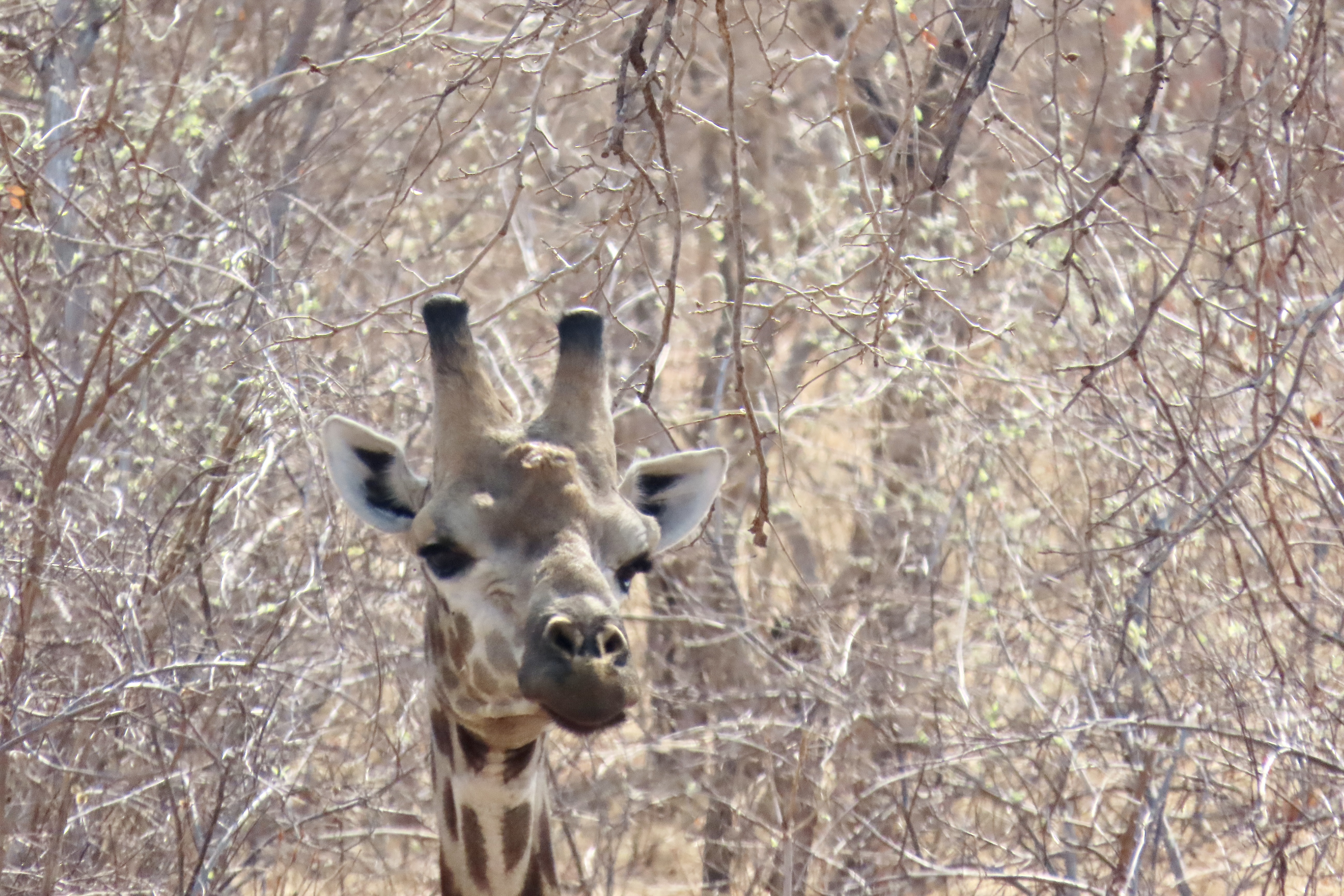
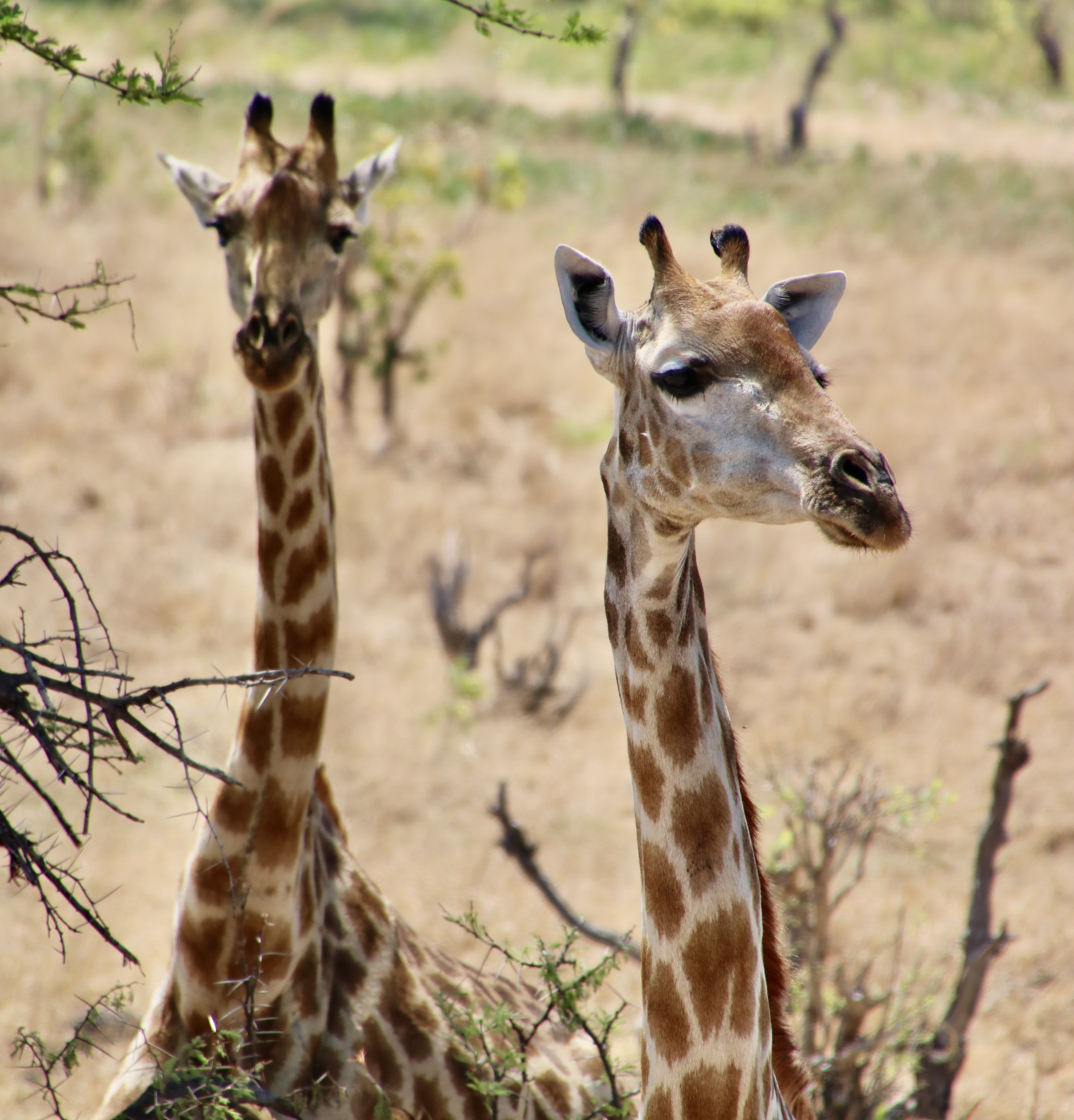
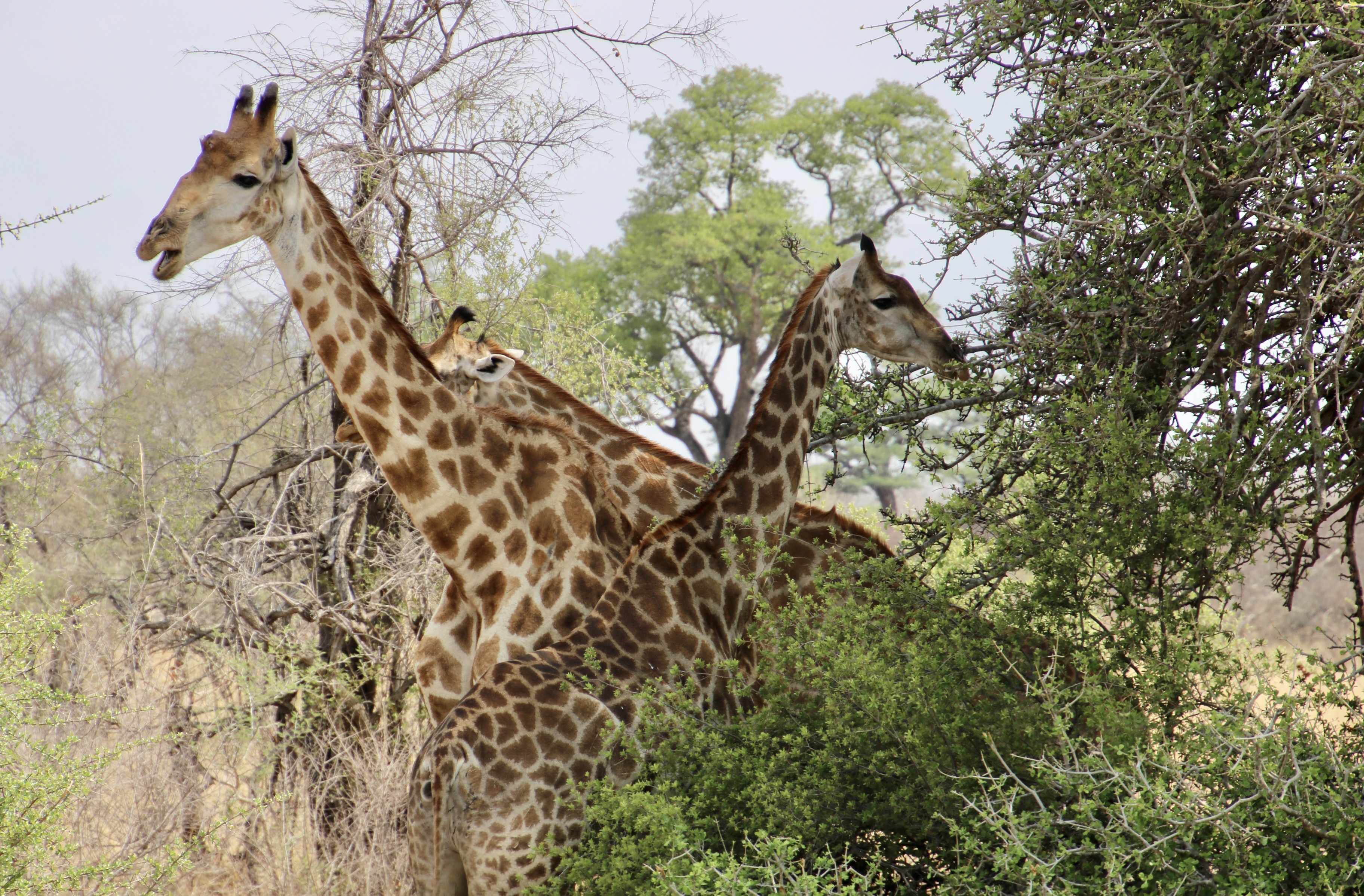
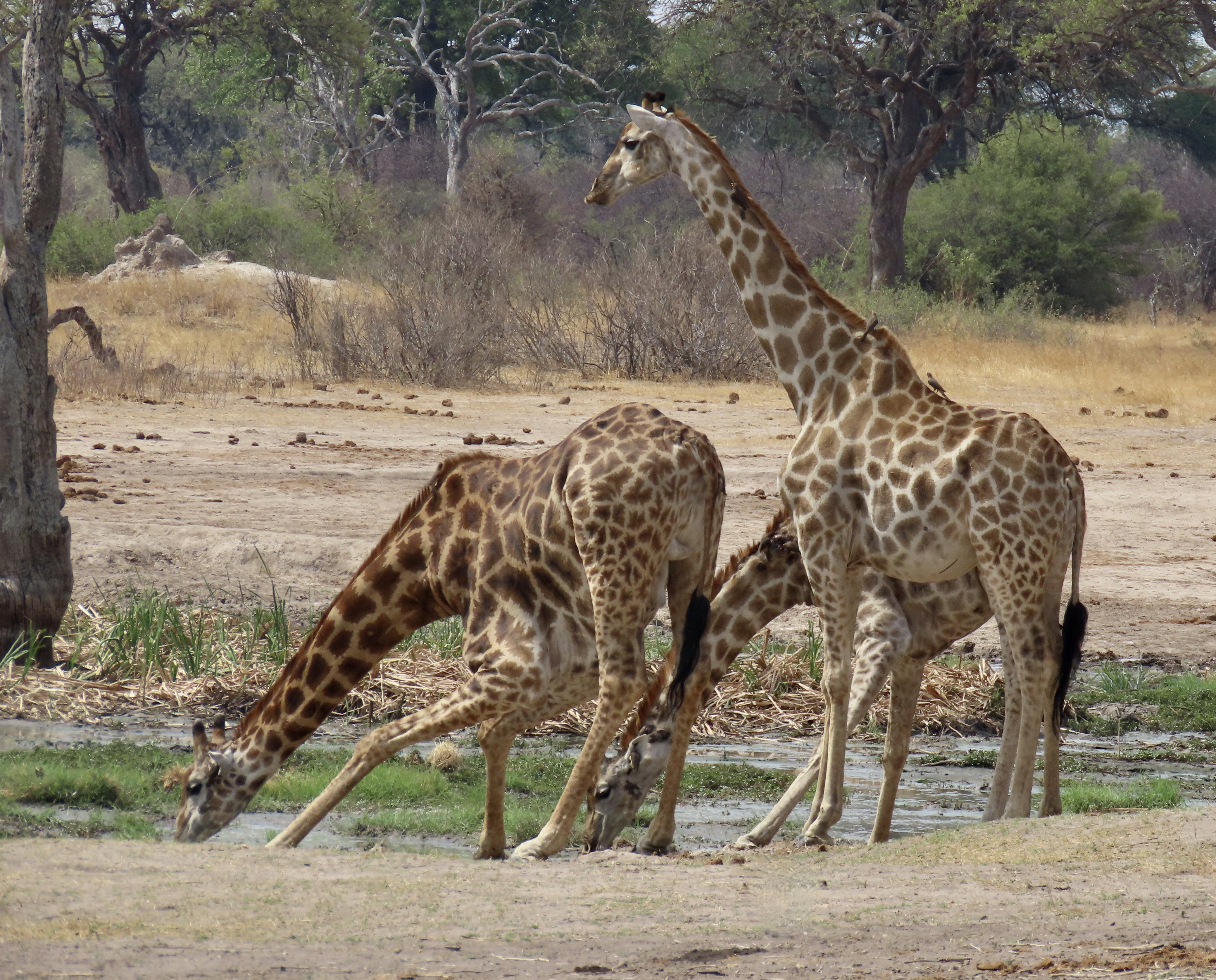
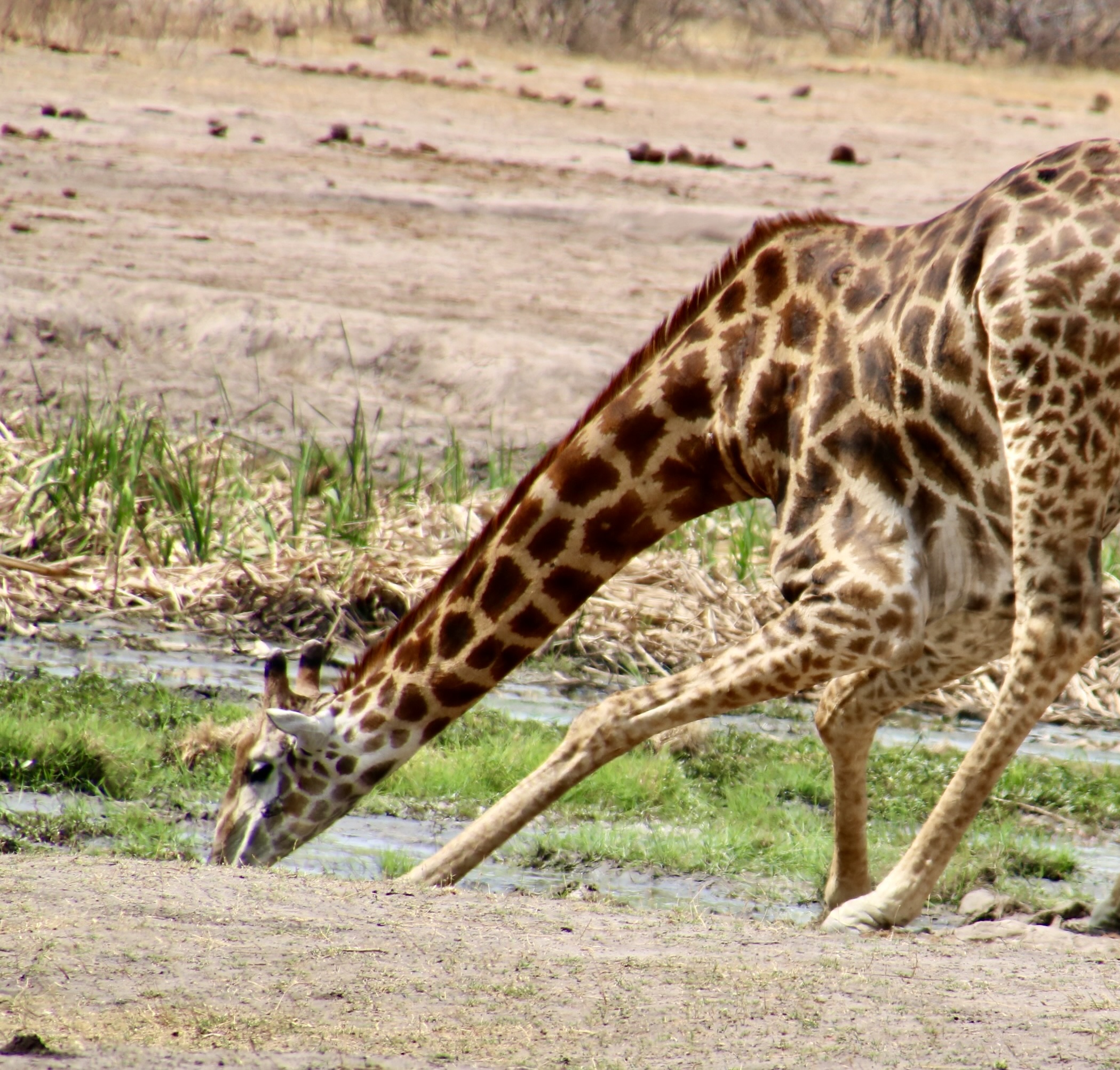


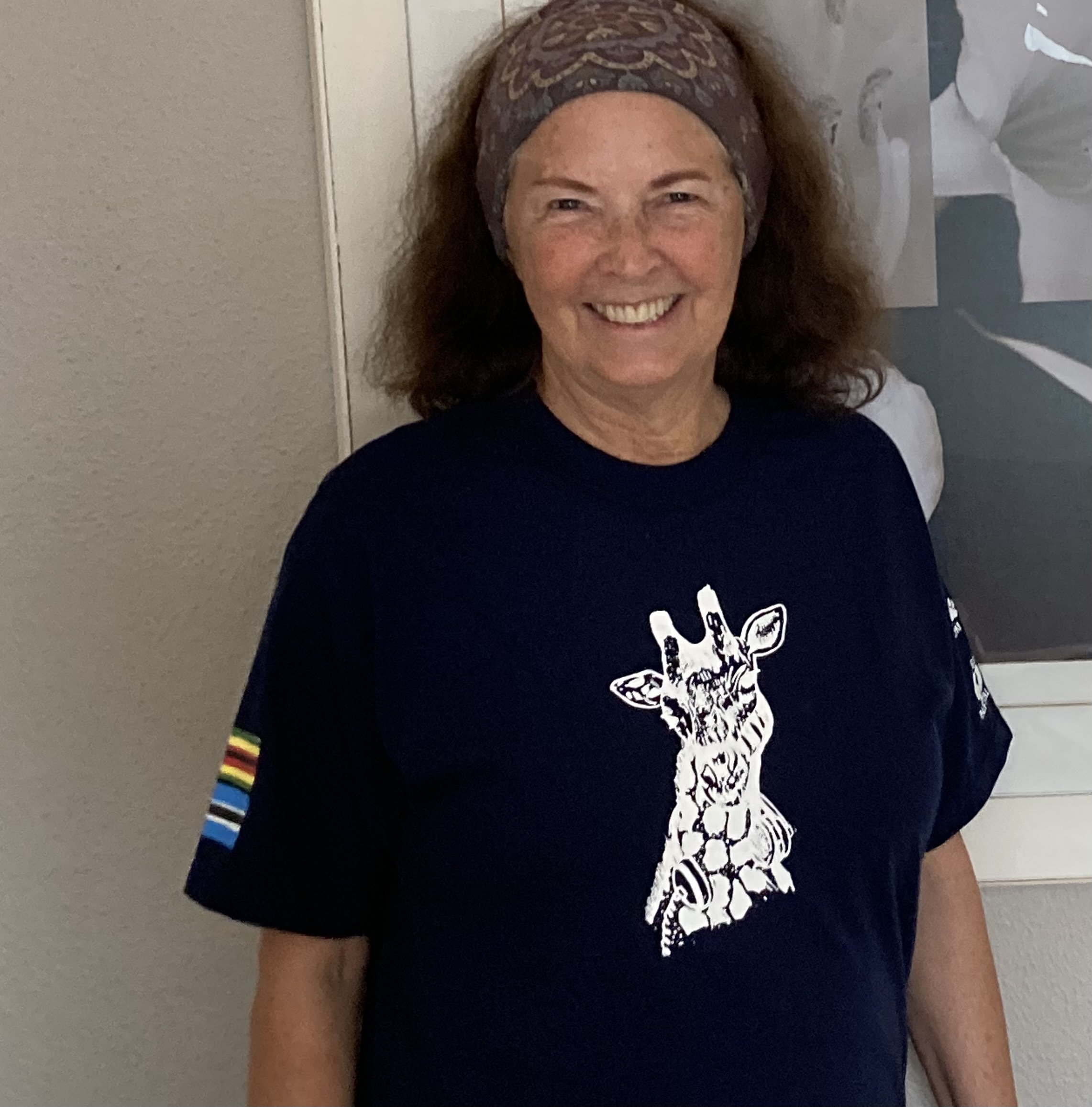

Peggy and I joined her brother John and his wife Frances on an African safari to see elephants and lions, and giraffes, and hippos, and crocodiles, and zebras, and baboons, and… the list goes on. And we did, in glorious profusion. What we weren’t expecting was the bird life. A serious birder would be in heaven. In fact, there are specific African bird safaris one can sign up for. While our passion doesn’t run that deep, we do enjoy bird watching and always have. Time and again on our trip, we found ourselves stopping to admire their beauty, character and antics in Botswana, Zimbabwe, and South Africa. We have the photos to prove it.
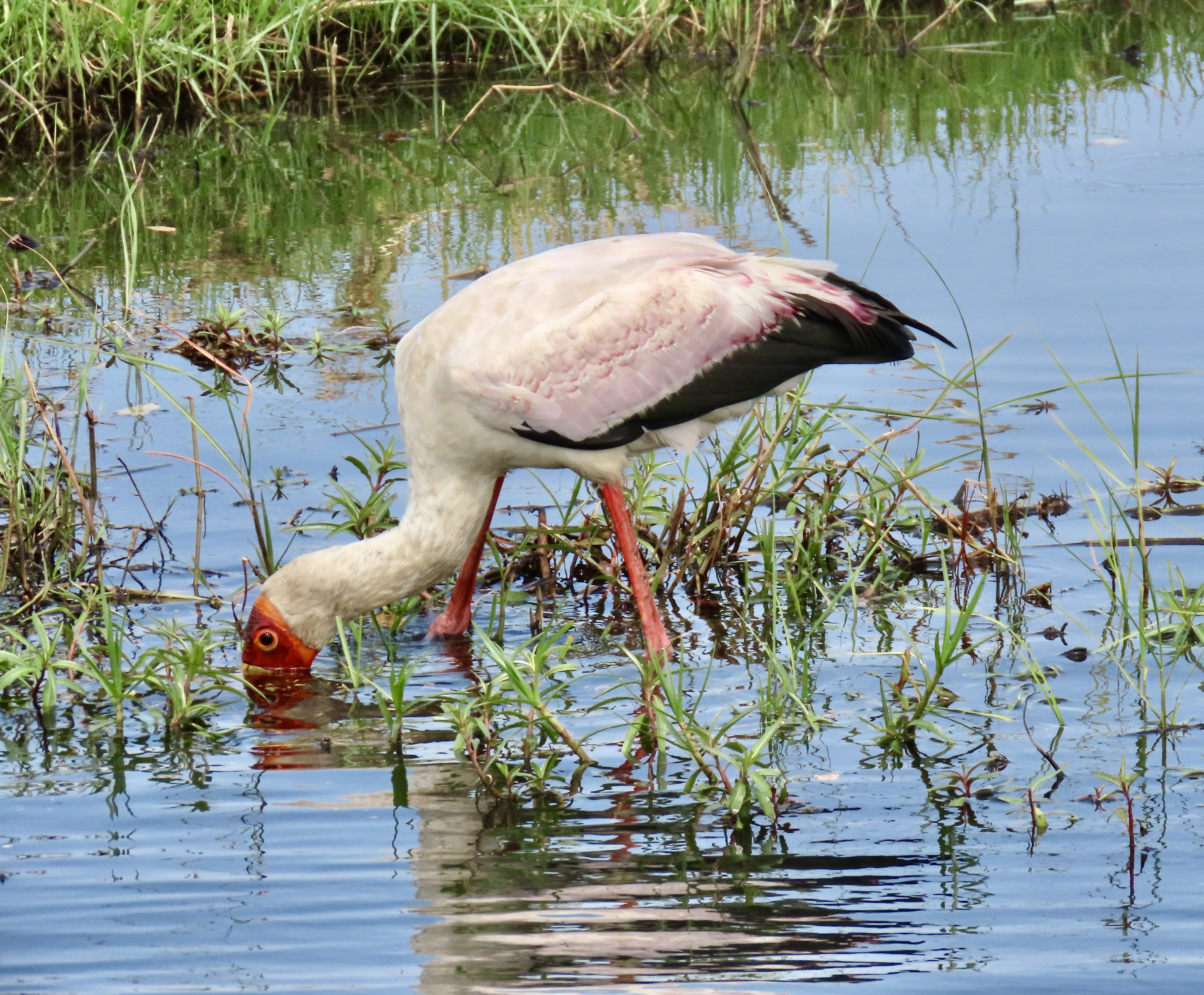
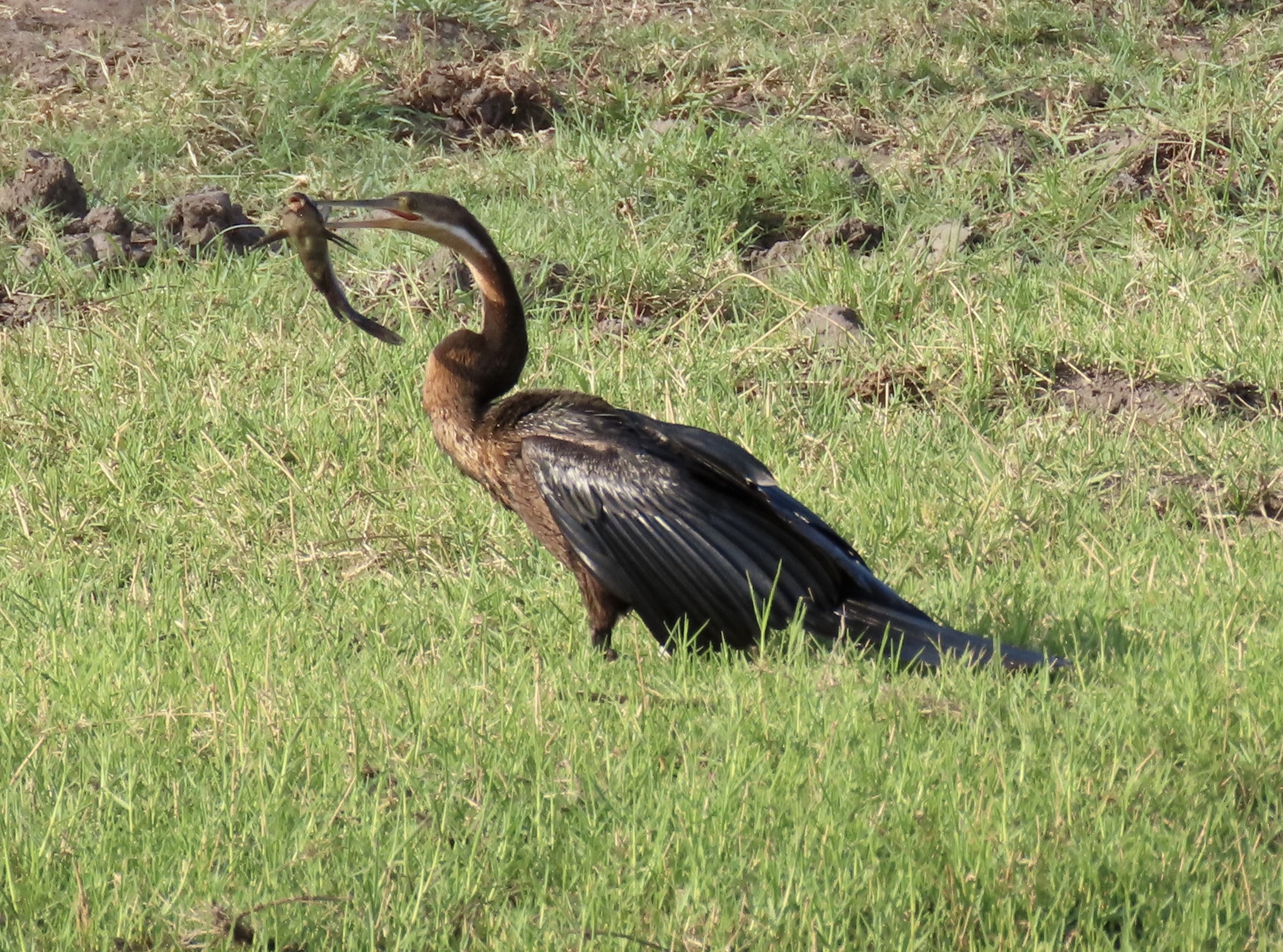
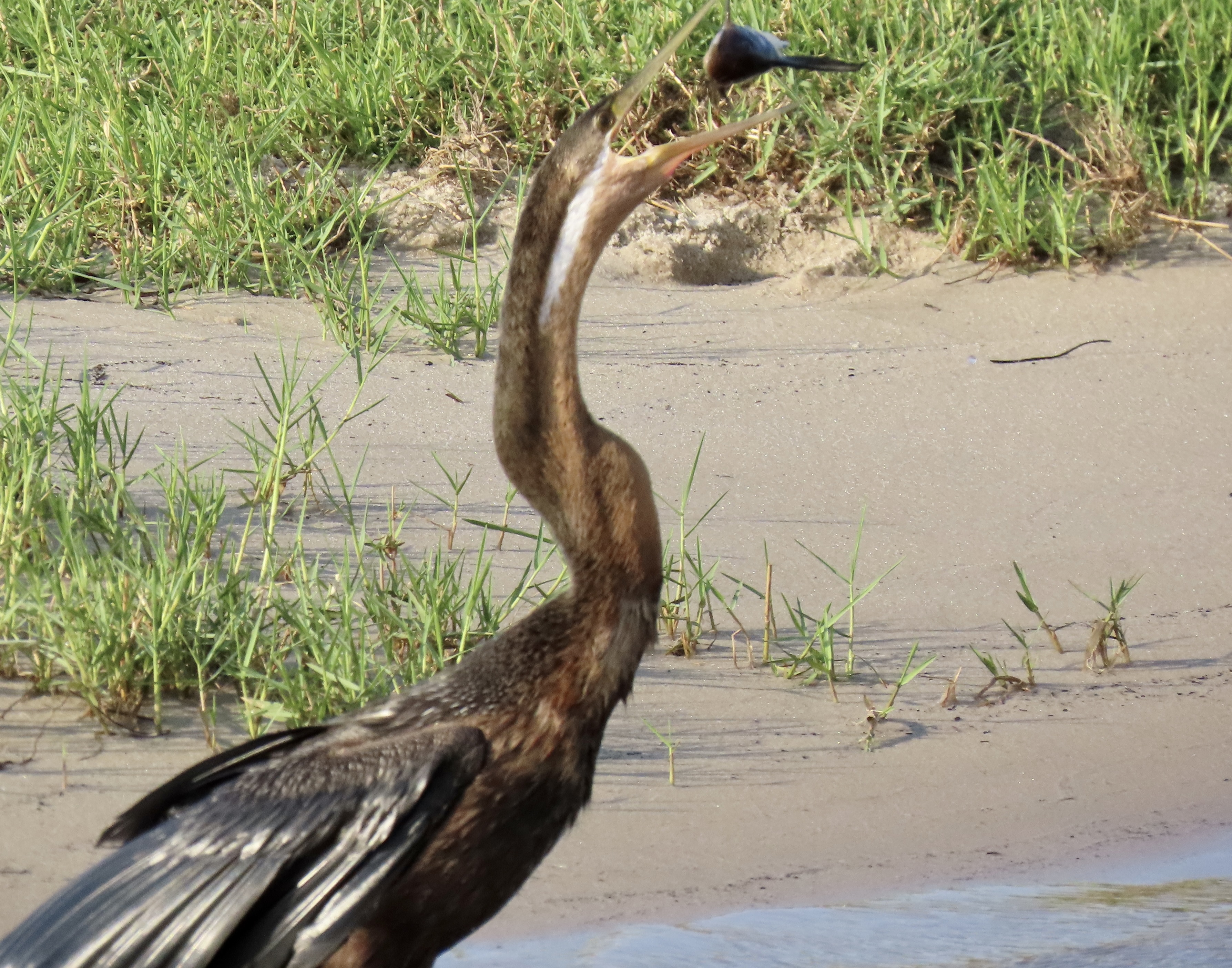
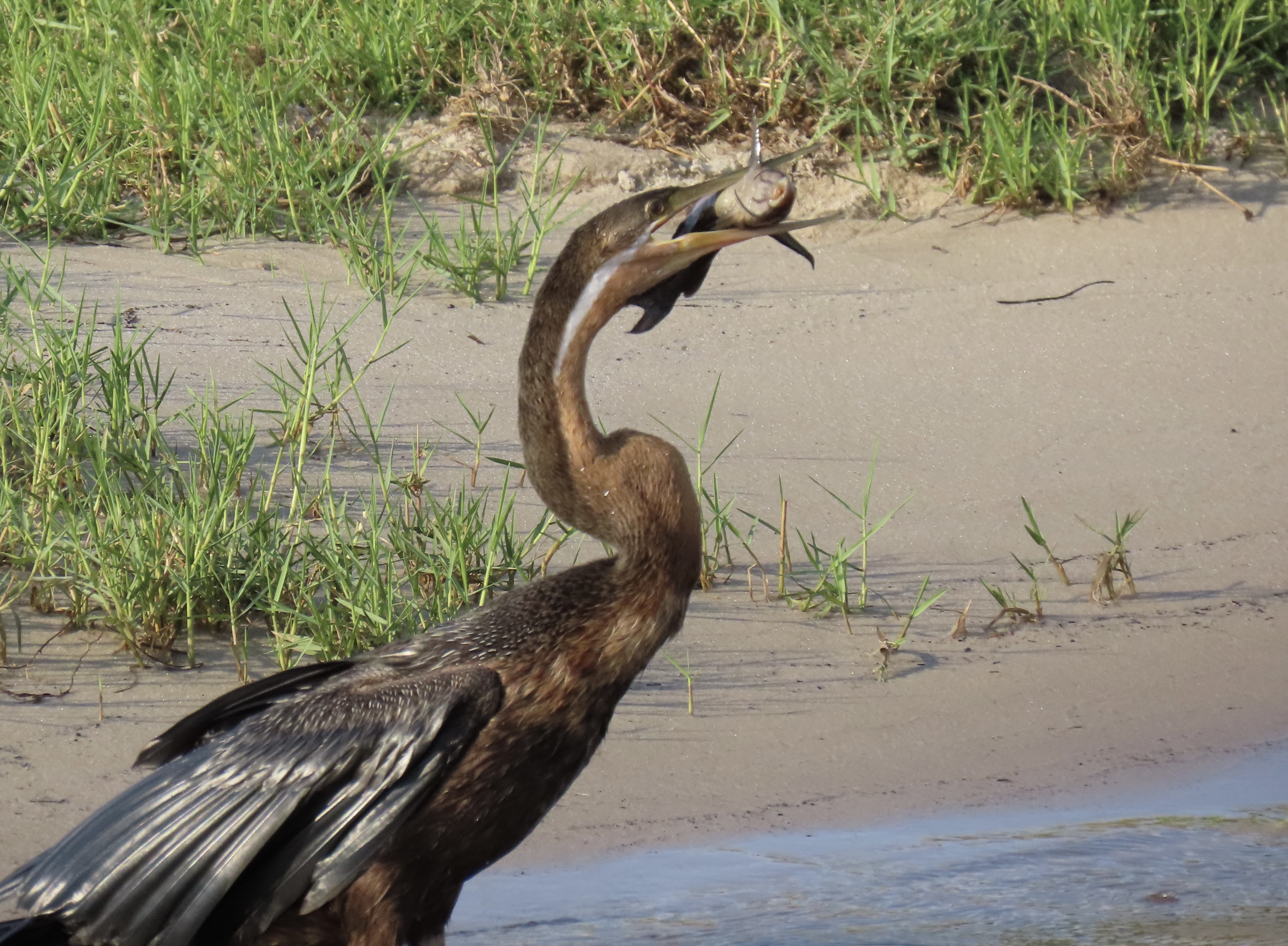
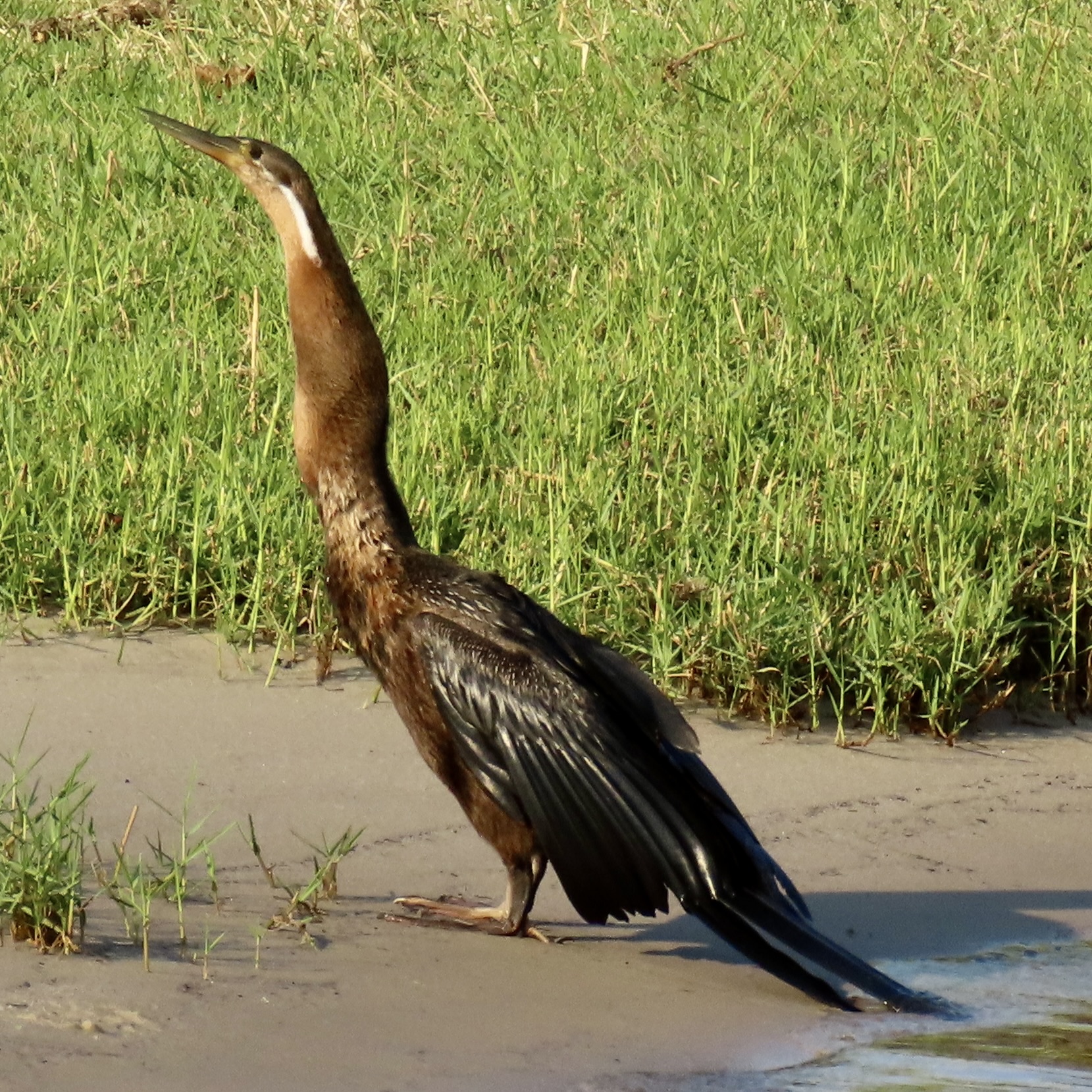
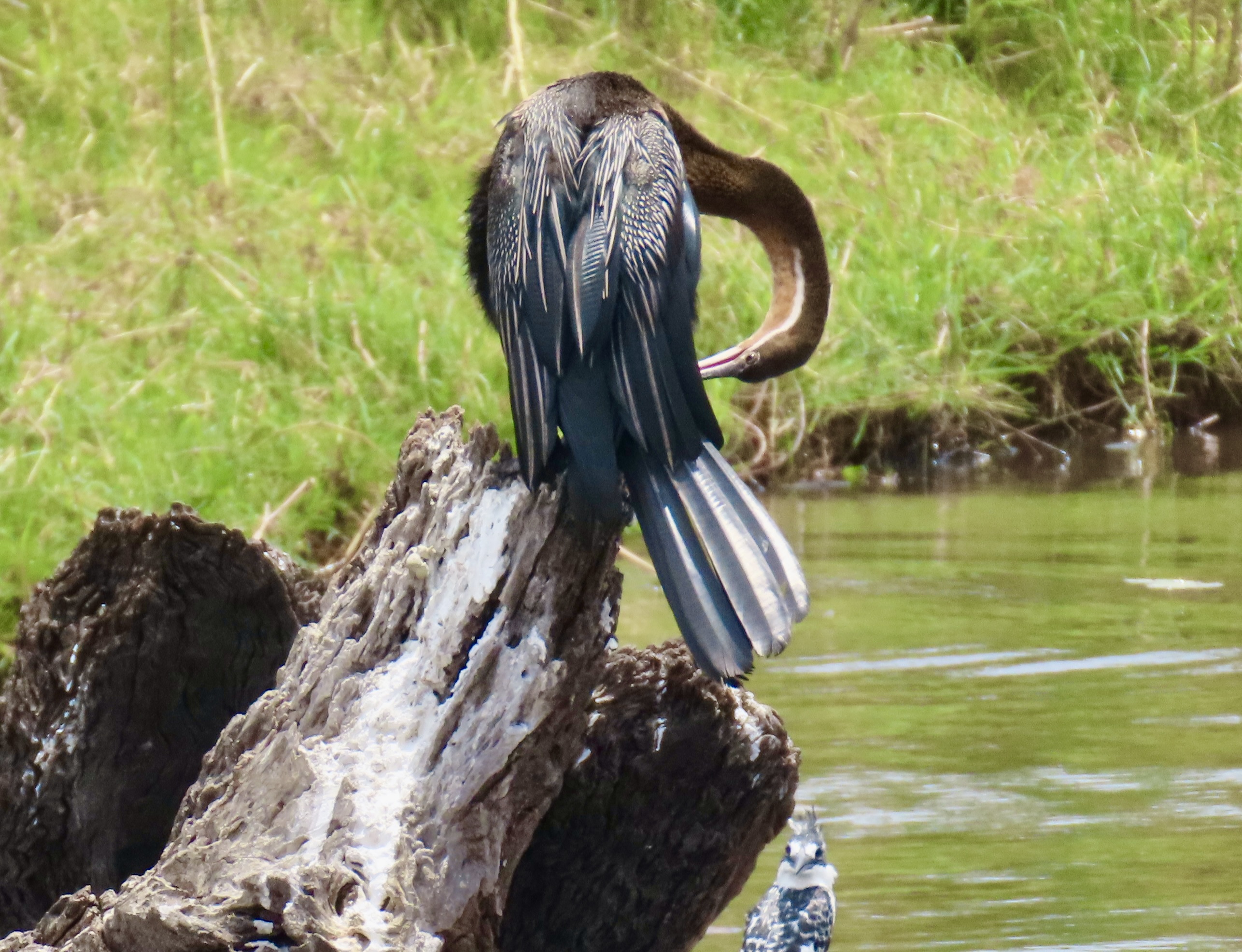
Altogether, we photographed over 20 species. You will be meeting up with many of them in my bird posts, including ostriches and penguins, but today, we are going on a fishing expedition with a yellow billed stork and an African Darter we met along the Chobe River in Chobe National Park, Botswana.
The yellow billed stork stands around three feet tall. It prefers fishing in shallow water where it shoves its large bill into the water and then stirs the water plants and mud with one of its feet to herd dinner toward its waiting bill. Small fish, frogs, and water insects are all welcome. It’s an open bill policy. It fishes by feel. When a suitable meal hits its bill, the stork captures it with a lightning fast reflex snap. But I’ll let the stork tell you the story.



And now on to the African Darter or anhinga, also known as a snake bird. These birds are closely related to cormorants. The 36 species of cormorants and four of anhingas make up the family Phalacrocoracidae. The African Darter swims through the water in search of its prey, often with only its head showing. When it finds a fish, it literally spears it. ‘Darter’ refers to how fast. The alternative name, snake bird, derives from its sinuous neck. Now, in its own words:





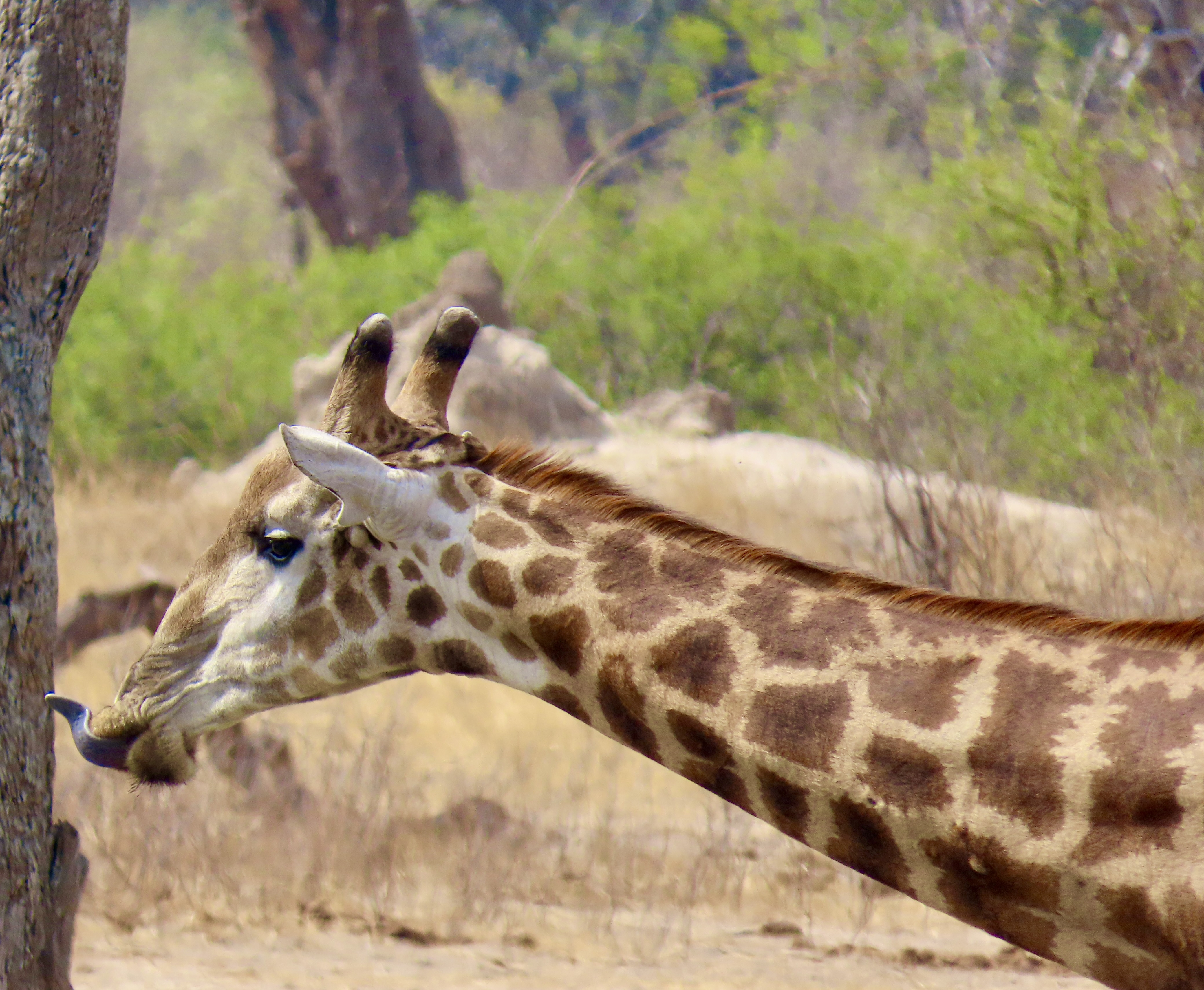
That’s it for today. Hope you enjoyed our talking birds. On Friday, we will be reaching for the sky and featuring giraffes.

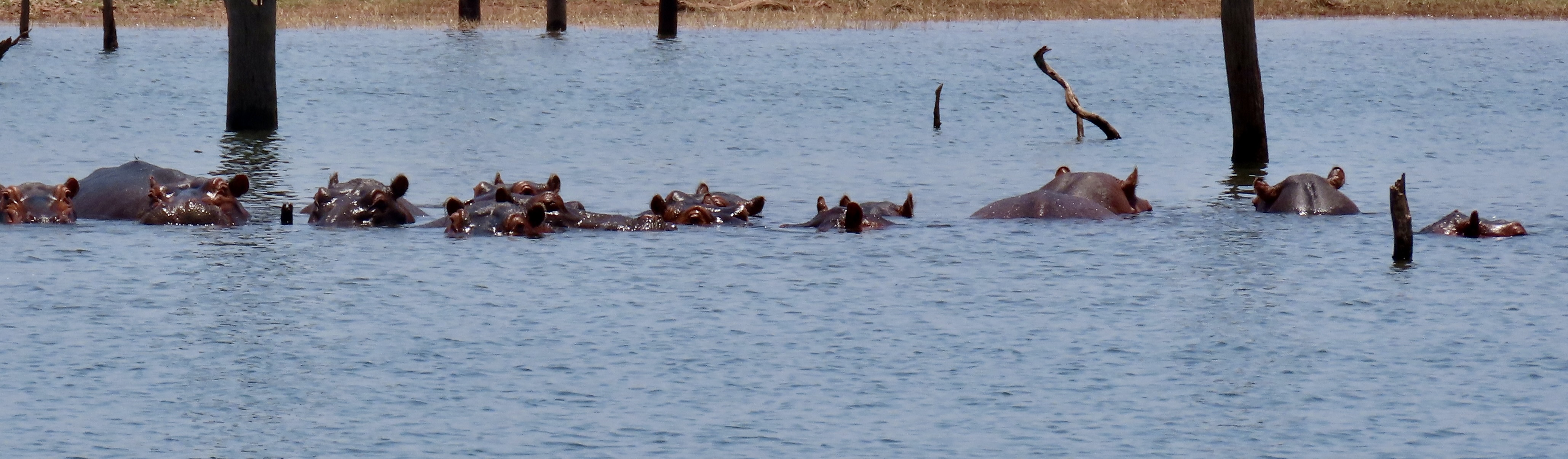
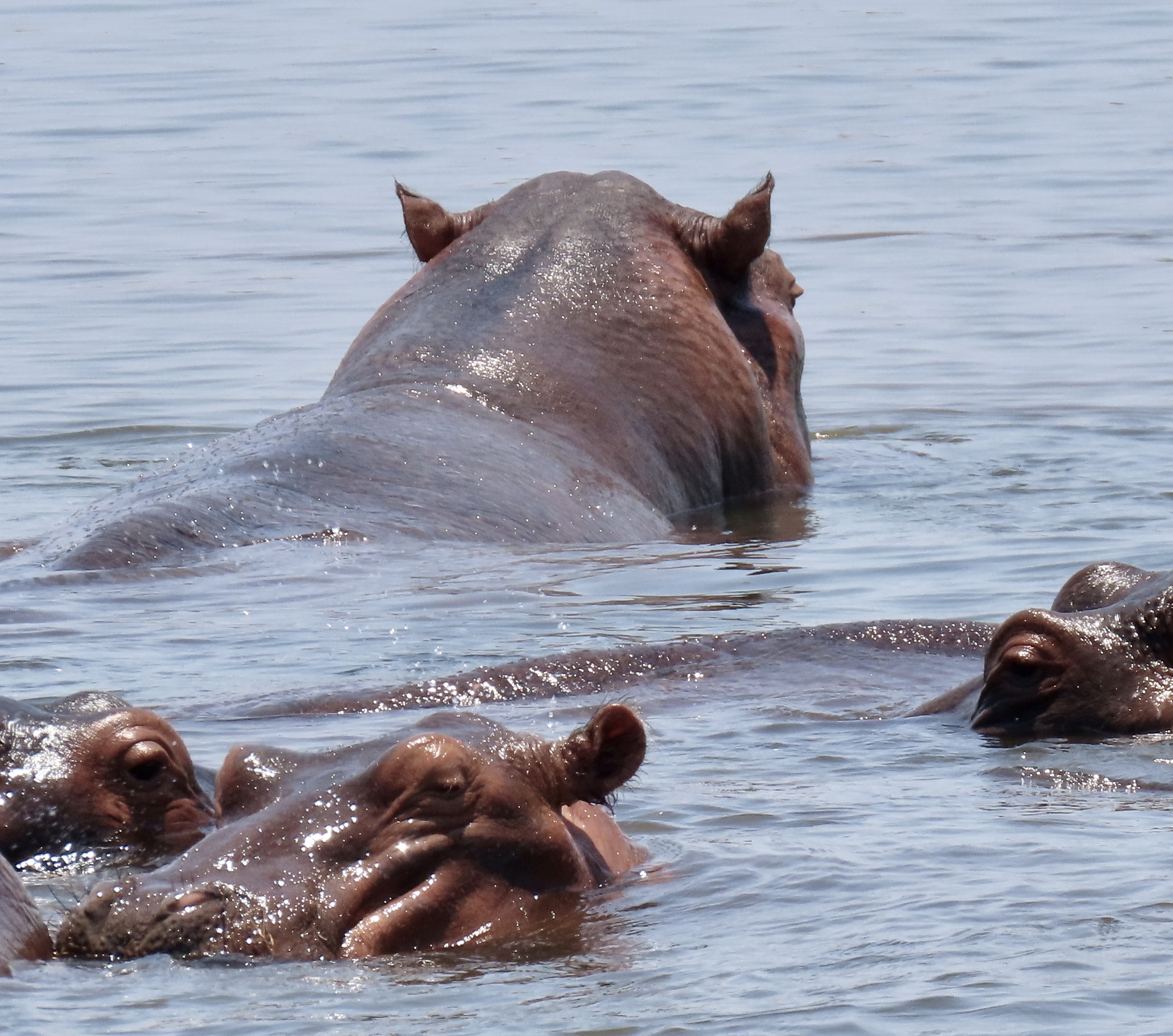
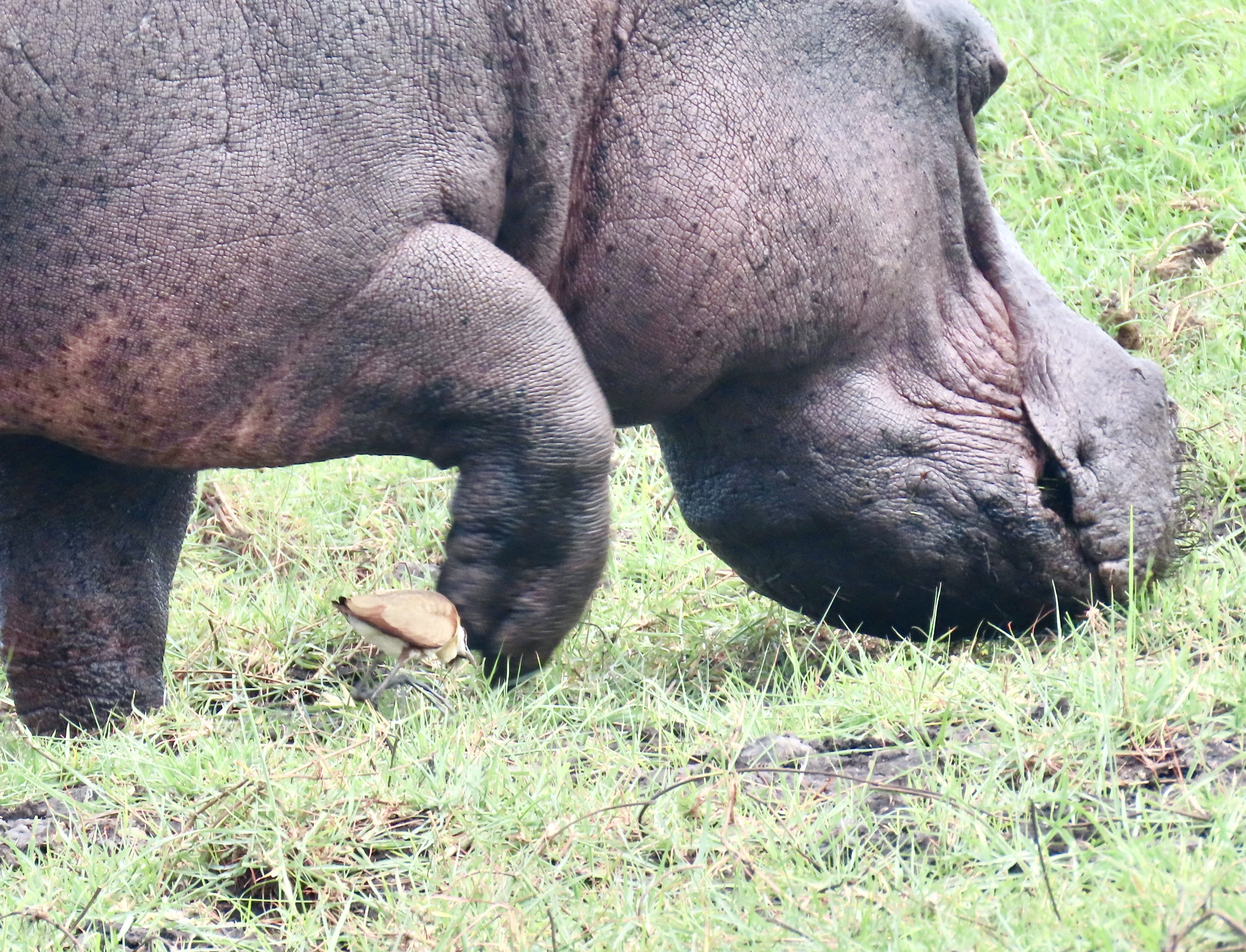
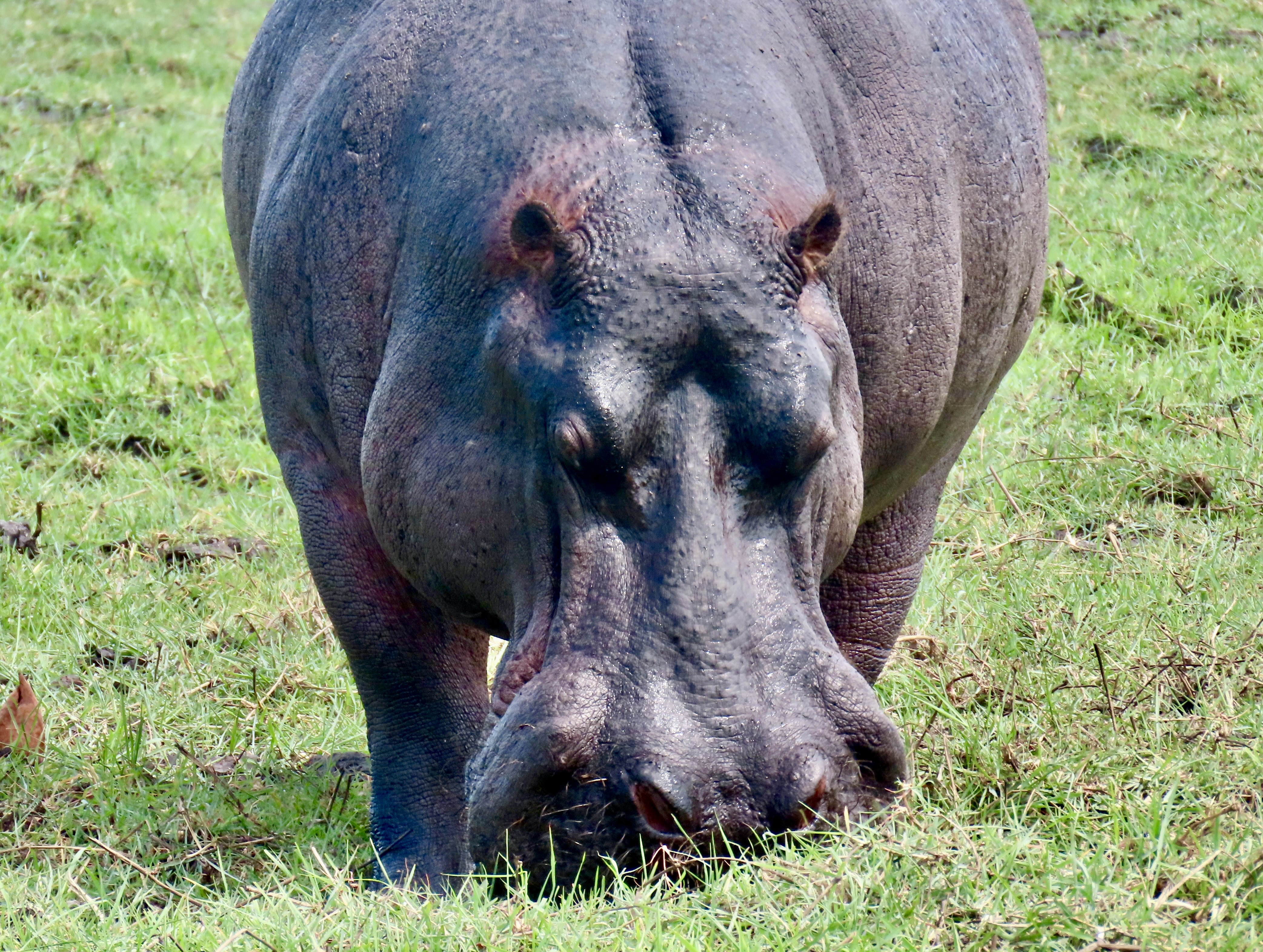
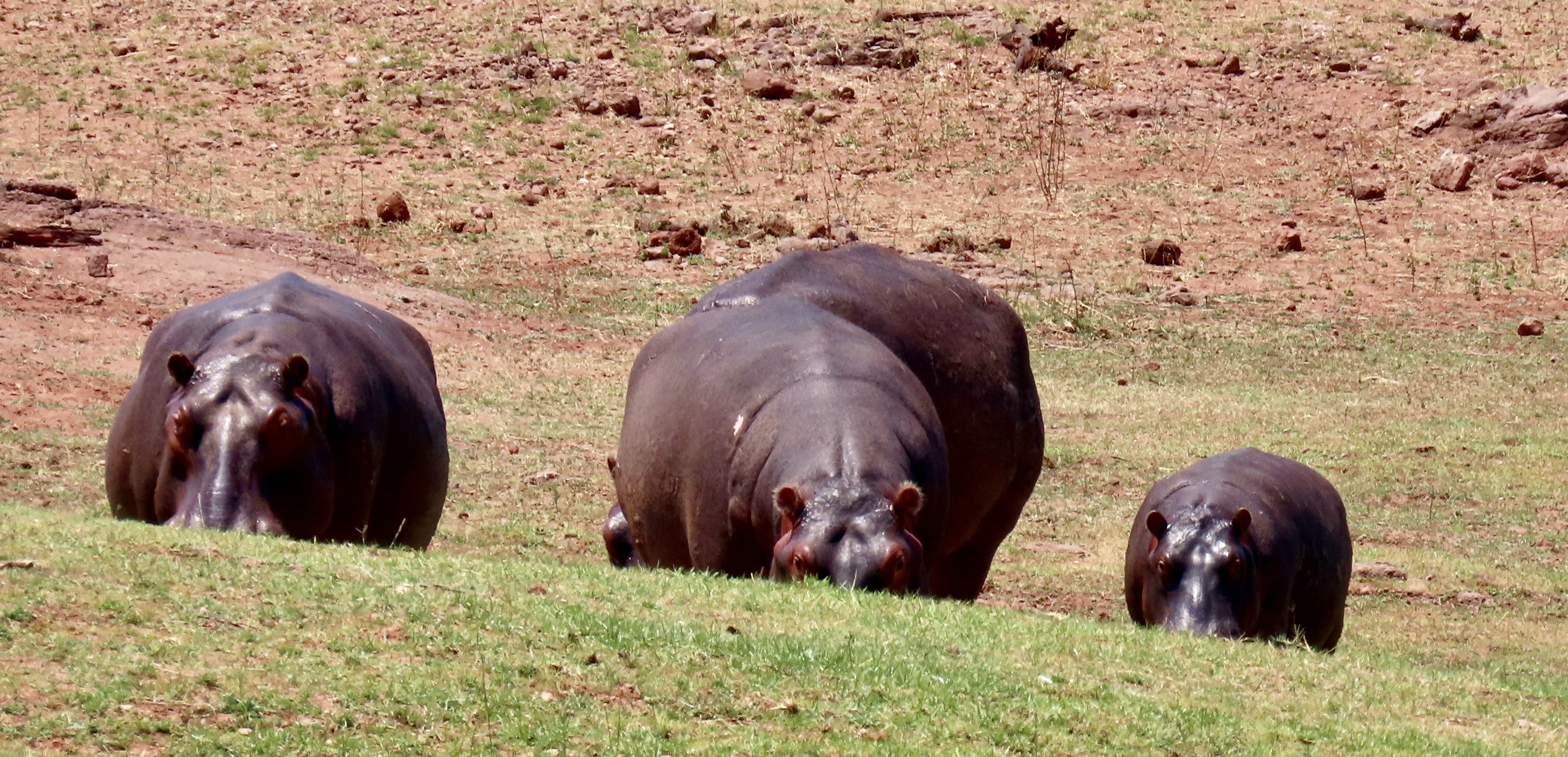
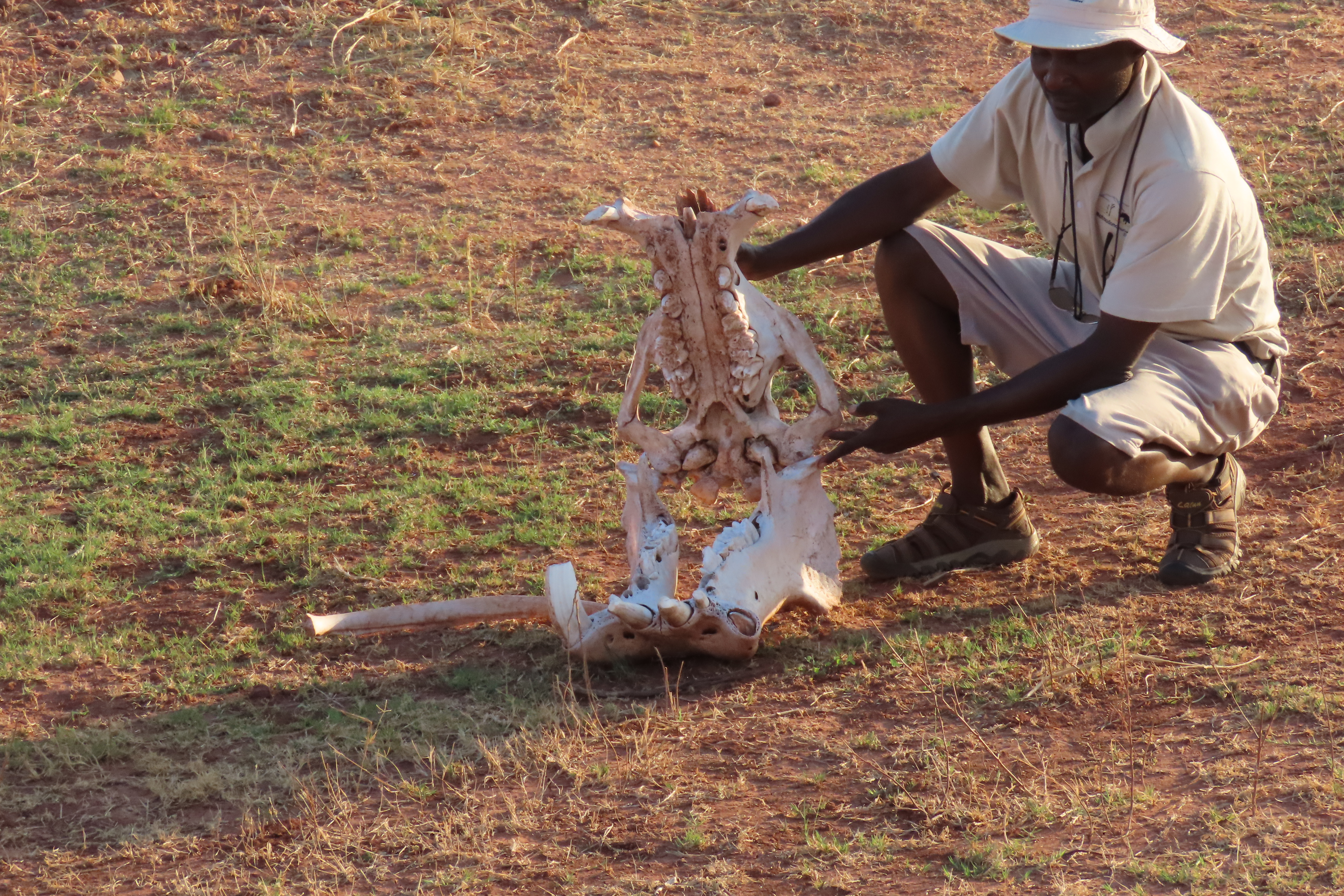
I didn’t expect hippos to be photogenic, but they kept Peggy and me busy with our cameras. Today’s post will mainly be made up of pictures. Folks who read my long elephant blogs deserve it. LOL. But still, a few facts are in order. I’ll work them into the photos.








I’m going to try something now in concluding this post that I rarely do: Share a video. We normally take several for ourselves but not for the blog. Too many oops. Handheld videography has its challenges! But this two minute video shows an excellent example of an elephant-hippo confrontation. It’s worth checking out, even with its occasional shakes. It’s almost funny as the hippo maneuvers his way through the elephants trying to show itself as harmless and submissive as possible— and only raises its head when the elephants are left far behind. You can almost hear its sigh of relief. Enjoy. Click twice on the photo to start the video. On our next post, we will feature giraffes, Peggy’s favorite animal.






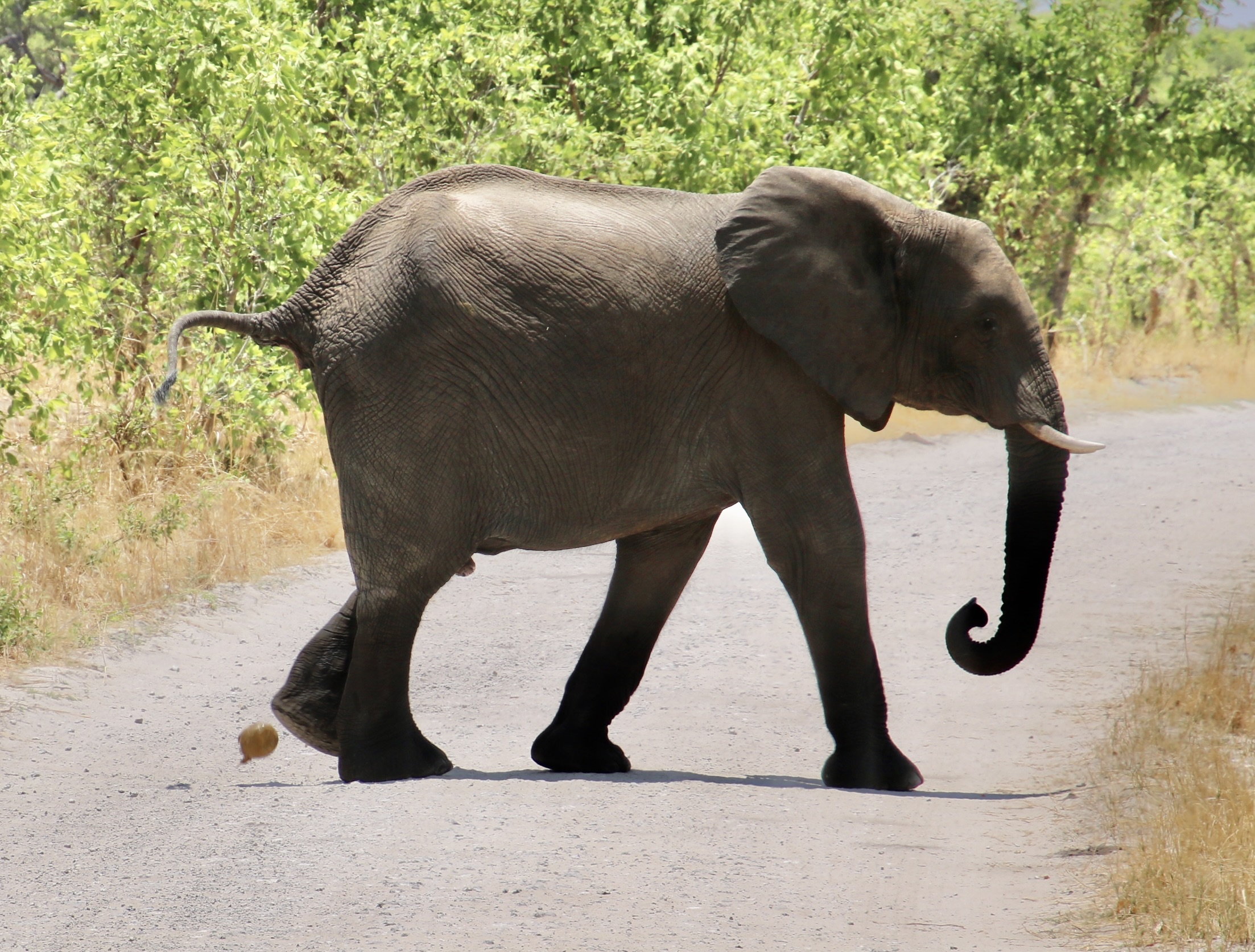
That’s a wrap on elephants, folks. My congratulations and thanks to all of you who have hung in here with my multi-blog presentation on elephants. I found them so fascinating, I couldn’t help myself. Next up is hippopotamuses (or is that hippopotami). Tune in Friday for Hip, hip, hippo!

Among elephants, family is everything— at least among the females. A herd normally consists of the matriarch, chosen for her leadership and knowledge, plus her sisters, kids, and grandkids. Females born into the herd almost always stay with it. The family can exist together for decades and beyond. The matriarch is expected to find water and food when they are scarce and provide protection when necessary. Her nurturing abilities are also quite important. The size of the group normally ranges between 6 and 20 elephants depending on available resources. New families are created when resources are limited, but they remain bonded to their original families. A celebration with much trumpeting of trunks, touching and general joy is shown whenever the groups meet up. The longer they have been apart, the bigger the party
Males leave when they are 12-15 years old to go off and live on their own, or to join a loose knit group of other males where an older bull provides leadership, protection, discipline and education. This dispersal guards against inner-breeding within the family and assures genetic diversity among herds.
The young male is normally around 30 before he is large enough and strong enough to get his first chance at breeding. His adventure is encouraged by what is known as musth, a period when his testosterone goes wild and he feels the drive to go in search of female companionship. Teenage boys will recognize this. (The hormonal imbalance of musth has an added characteristic of leading the males to be moody and dangerous. Guides recognize the condition and steer clear.) Off on his search for true love and romance, or at least sex, the young bull rumbles his rumble and— if he gets lucky— finds females with similar intentions who rumble back, often from several miles away. He makes a beeline for them, proving once again an elephant’s uncanny ability to communicate and find its way over substantial distances. Once he has done his job, he heads back to his group or solitary wandering, leaving the female to raise the kid. She’s not alone, however.
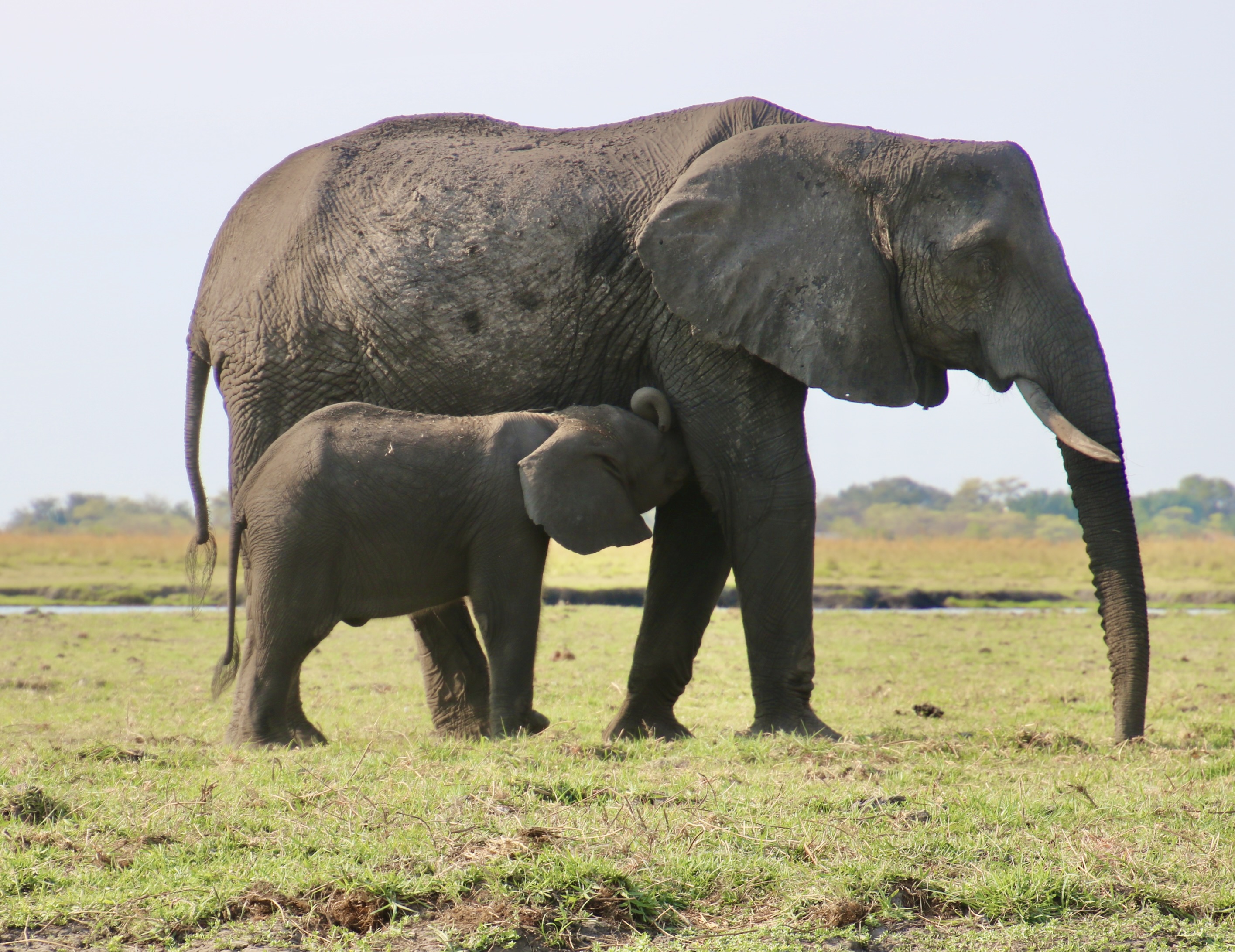
Gestation is a long, drawn out process. At 22 months, it is the longest among mammals. Baby is something of a relative term, given that the calf weighs in at somewhere between 200-300 pounds or more when born. The aunts and older female cousins stand in a circle around the newborn, trumpet in celebration, and kick dirt on it. At first I thought that maybe the dirt was an initiation ritual: “Welcome to the world, kid. It’s tough out there.” But actually the dirt helps protect the baby’s delicate skin from sunburn, a potentially serious problem. (As I write this, Peggy is sitting on a beach in the Caribbean soaking in the rays. She’s on a mother/daughter cruise with our daughter Tasha. I hope she remembered her sunblock. It beats the heck out of the dirt option.)
Raising a baby is a family effort with all of the females pitching in. Even the teenage females are given babysitting chores, a kind of on-the-job training. Education is big among elephants. It takes several years before a calf has reached the point where it can strike out on its own.
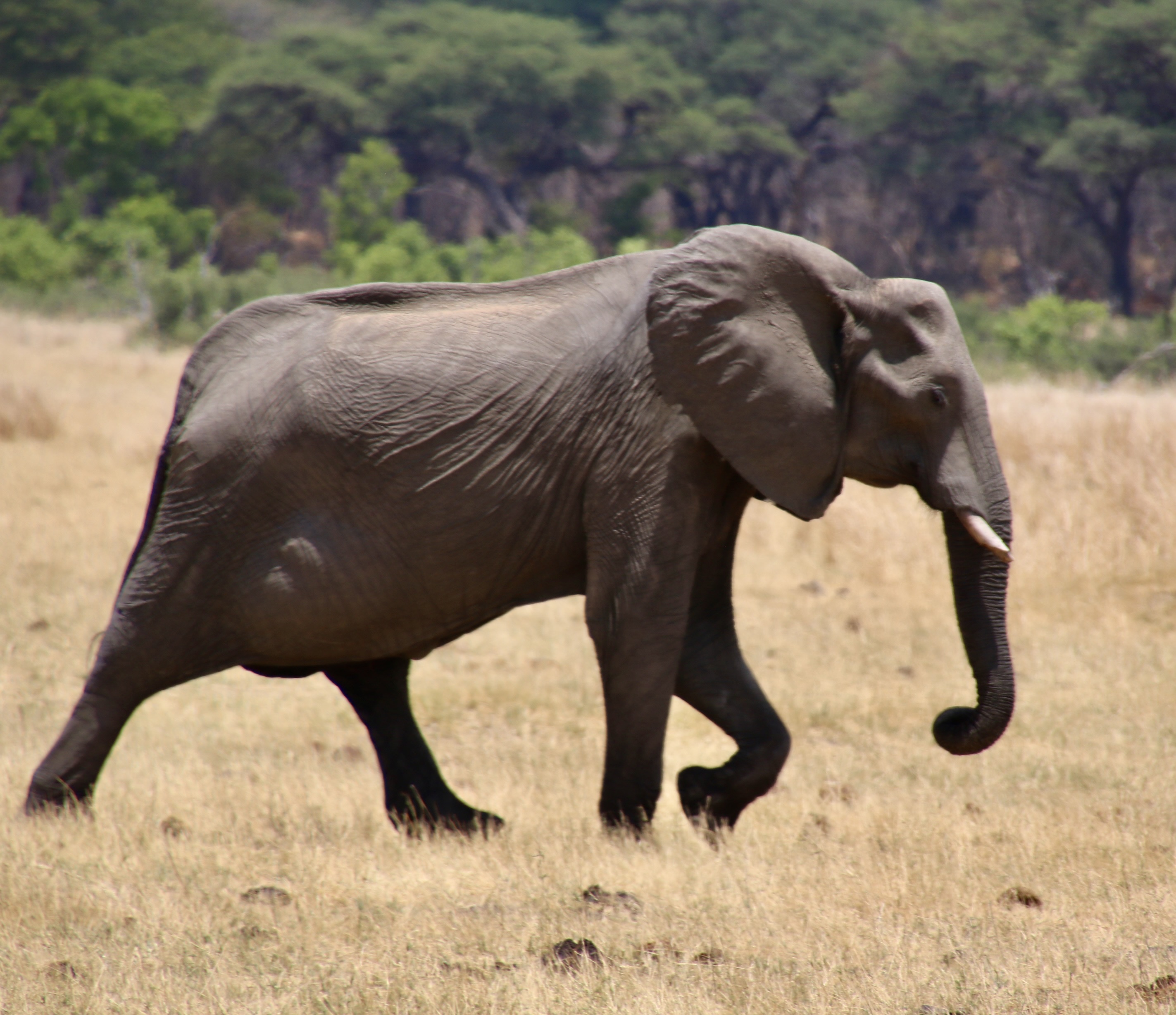
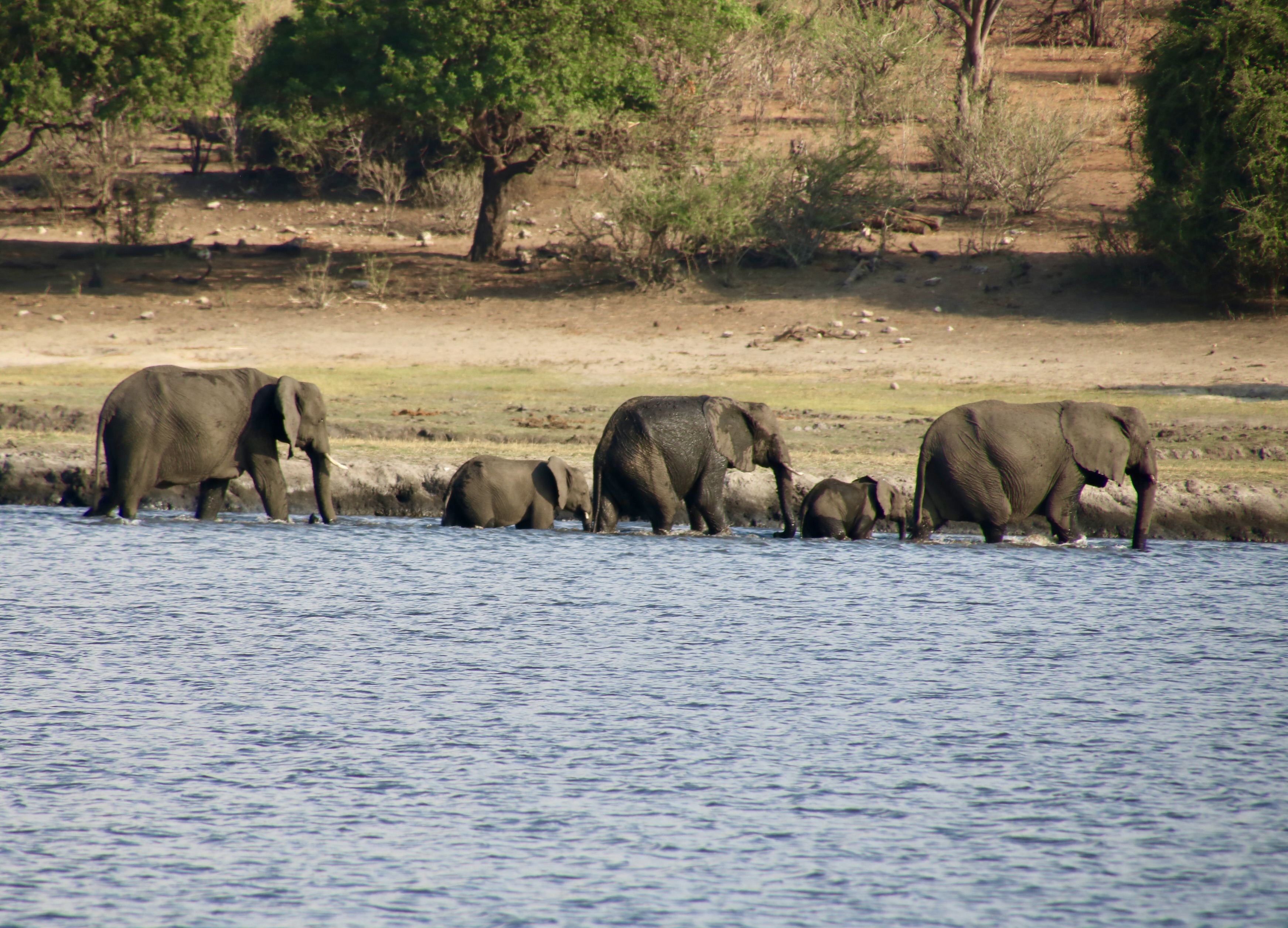
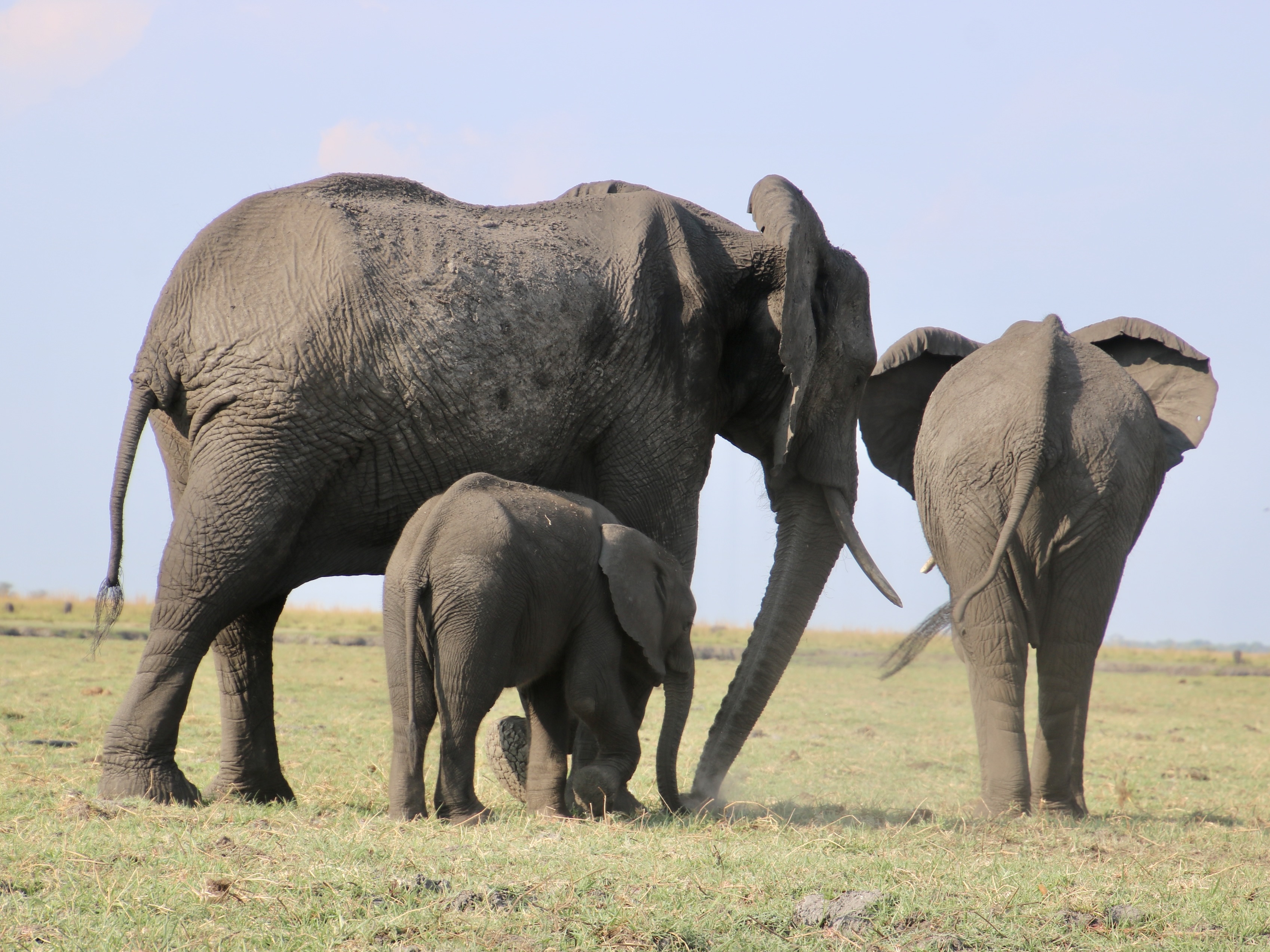


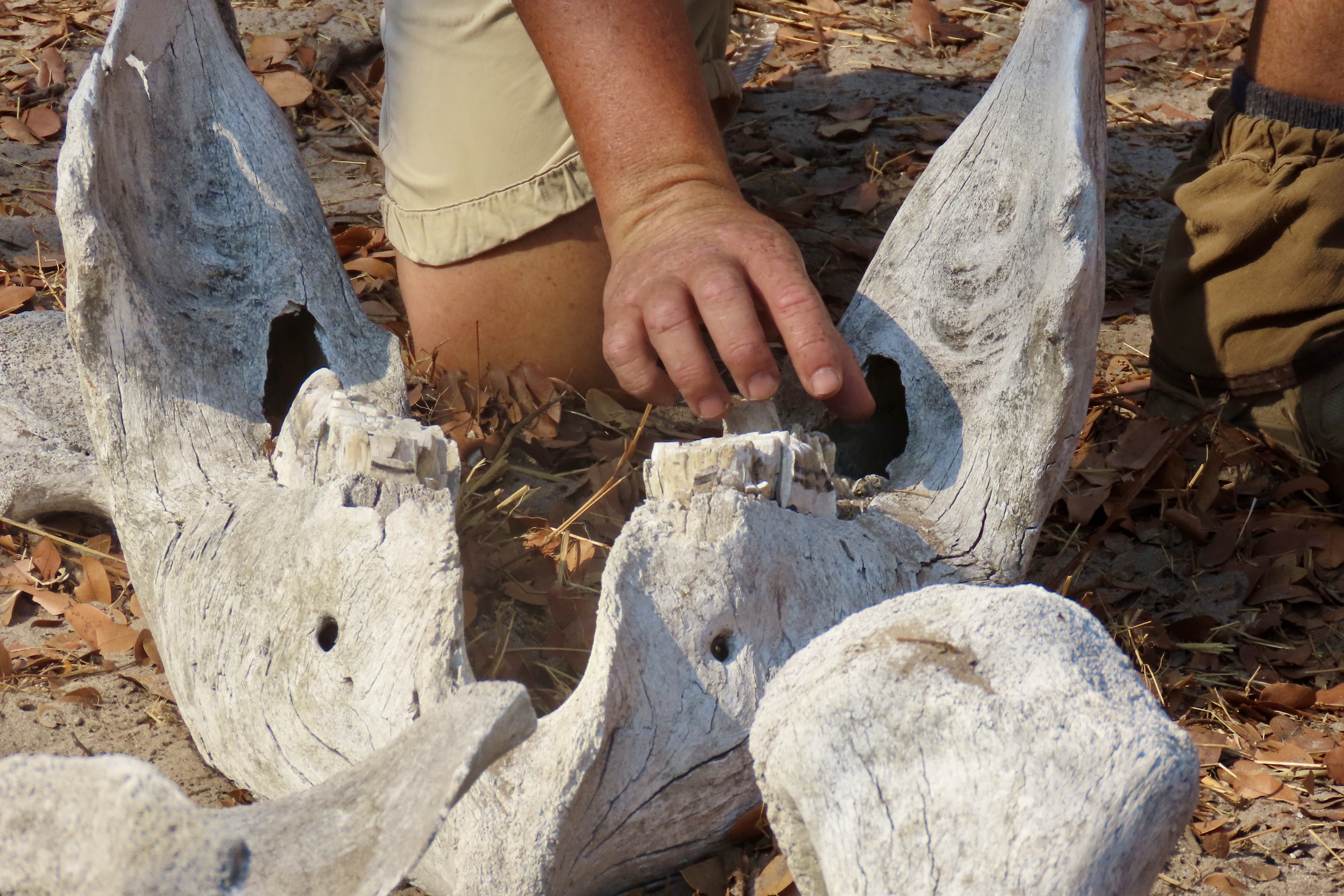
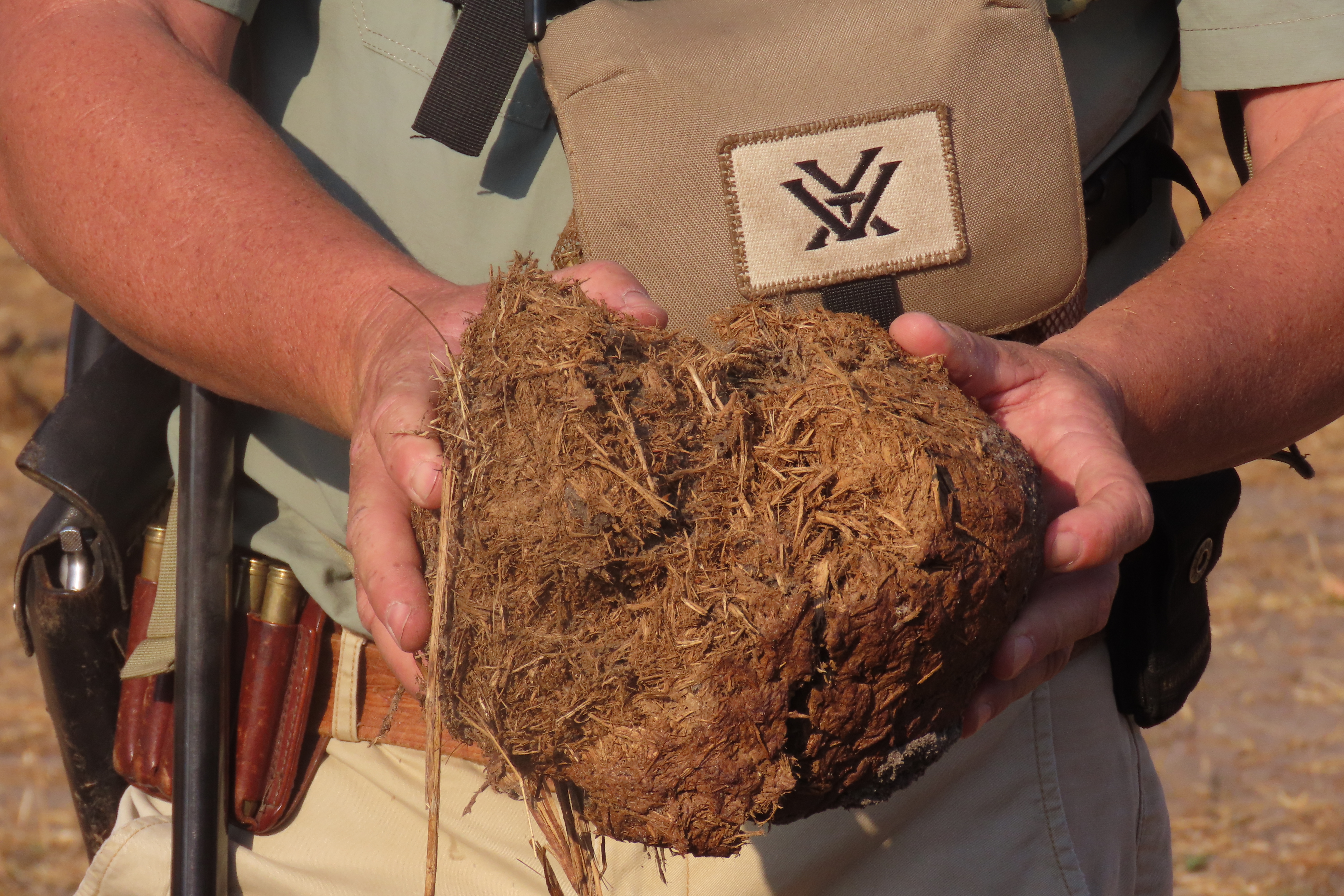
This post was twice as long. I had every intention of wrapping up elephants today so I could head on to hippos. They are getting impatient— and no one wants an impatient hippopotamus on their hands. Believe me. A nagging voice in my head suggested this post was too long, however. So I’ve scheduled the last half to go up on Monday where I will talk about such things as big brains, migrating teeth, 5 inch eyebrows, the fact that elephants can’t jump, and why they poop so much. Hint: It’s not rocket science. If you eat 350 pounds of food a day and have a poor digestive system, guess what…

2023 was a great travel year for Peggy and me with our trip up the Nile in the spring, 10,000 mile road trip around the US in the summer, and safari visit to southern Africa in the fall. I’ve been blogging about these experiences and will continue. I never get caught up, but, on the other hand, I never run out of material. Grin.
We also have fun travel plans for 2024. The highlight will be a three month road trip up the Pacific Coast from Big Sur to Olympic National Park. It will include some of the world’s greatest ocean scenery and is an area that I have returned to time and again during my life. A trip to the Everglades next month and a trip up into the New England states and possibly Canada’s Atlantic Provinces is scheduled for this fall. We plan on finishing off the year in Costa Rica for a month (or some other warm tropical place). Maybe we will be looking for a place to live…adding to our choices for “base camps.”
I’m a little nervous about 2024. Who knows what global warming will do to our travel adventures. We plan on being flexible. That’s one advantage of doing most of out wandering this year with our pickup and small travel trailer. At the first sign of a flood, forest fire, tornado, hurricane, or snow storm, we’re out of there! We will also memorize the earthquake/tsunami escape routes when we are driving/camping along the West Coast. One never knows when the next big one will strike.
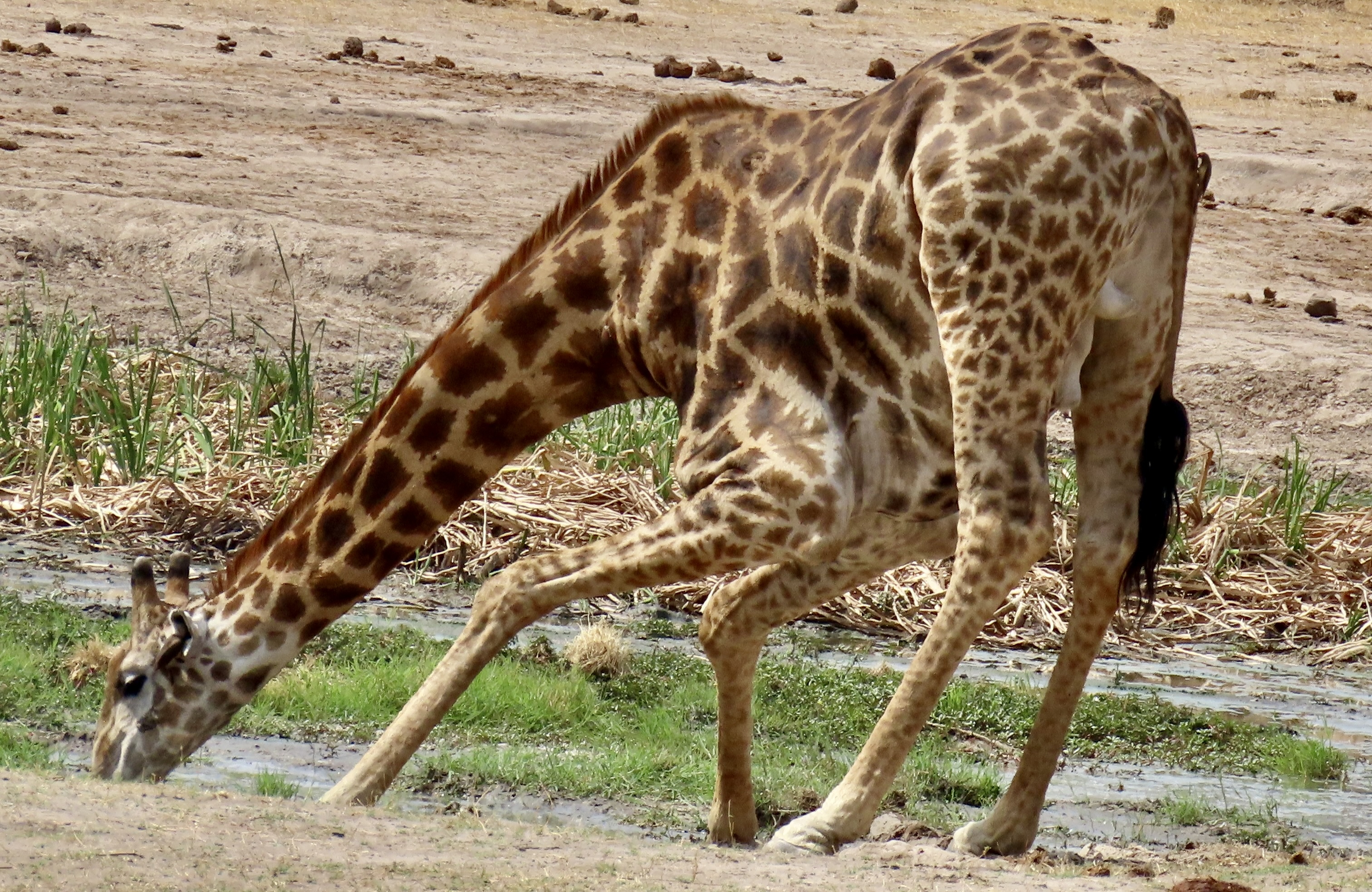
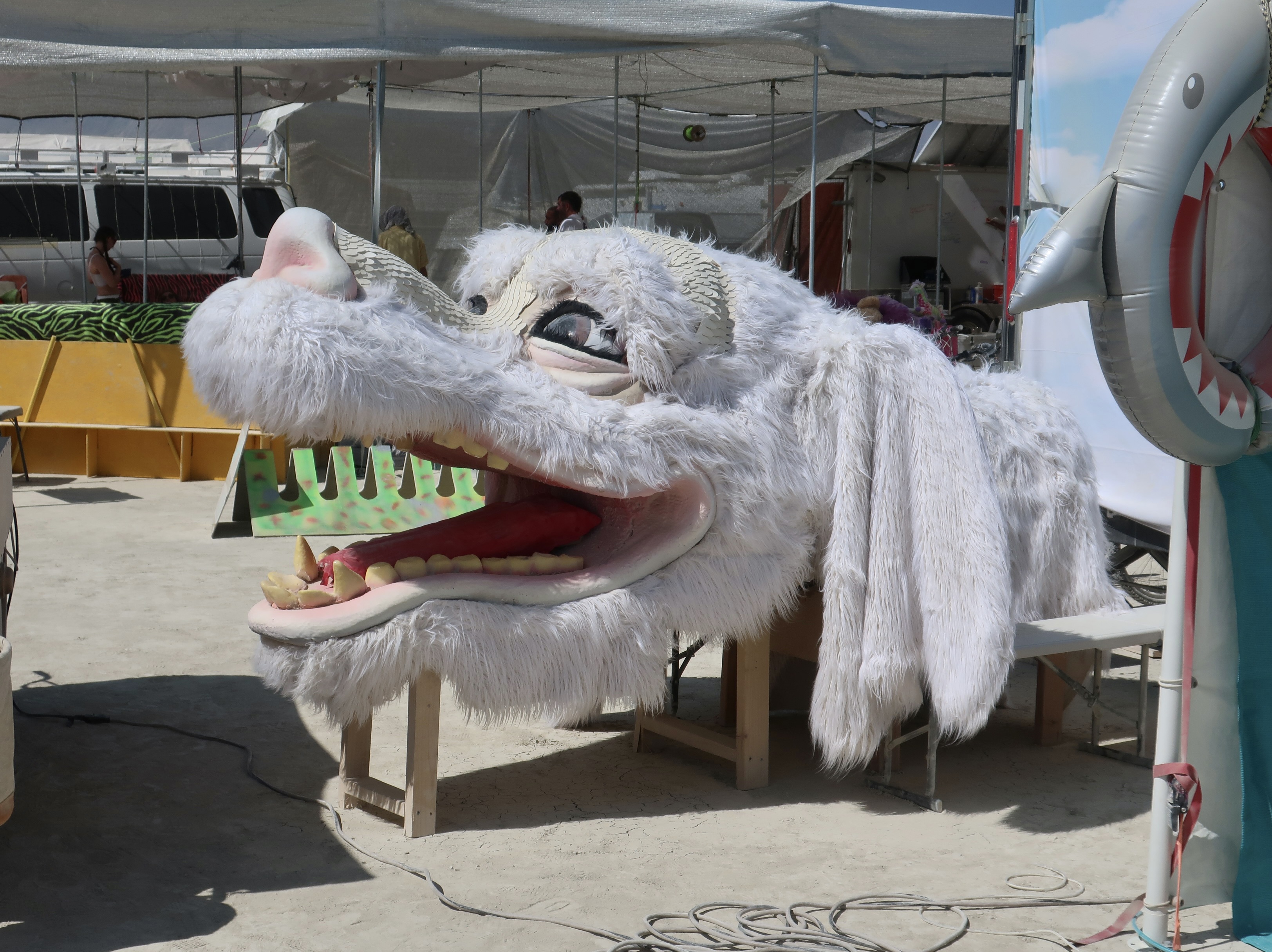
Then there’s the election: No escaping that. We’ll do our bit to support rational, humane, environmental friendly decisions but keep it to a bare minimum on “Wandering through Time and Place.” Peggy’s and my focus will continue to be on the beautiful, the quirky, and the historical. We believe our followers deserve to have somewhere they can go that maintains a sense of perspective and humor. Speaking of humor, here are a few photos from this past year that possibly relate to 2024:
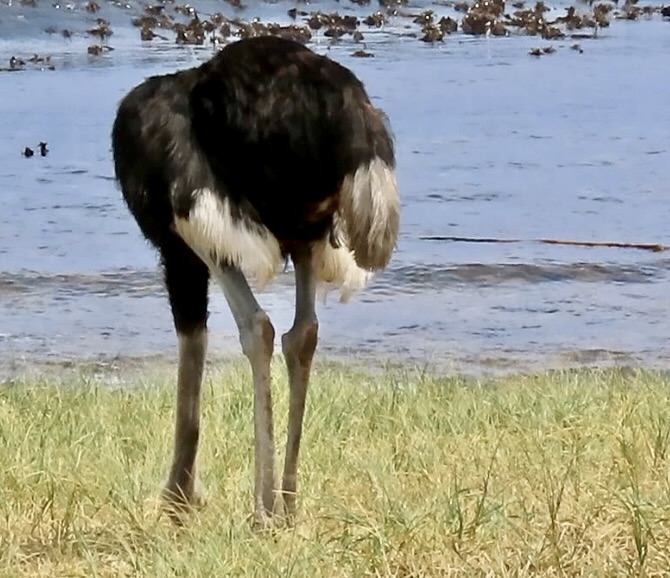


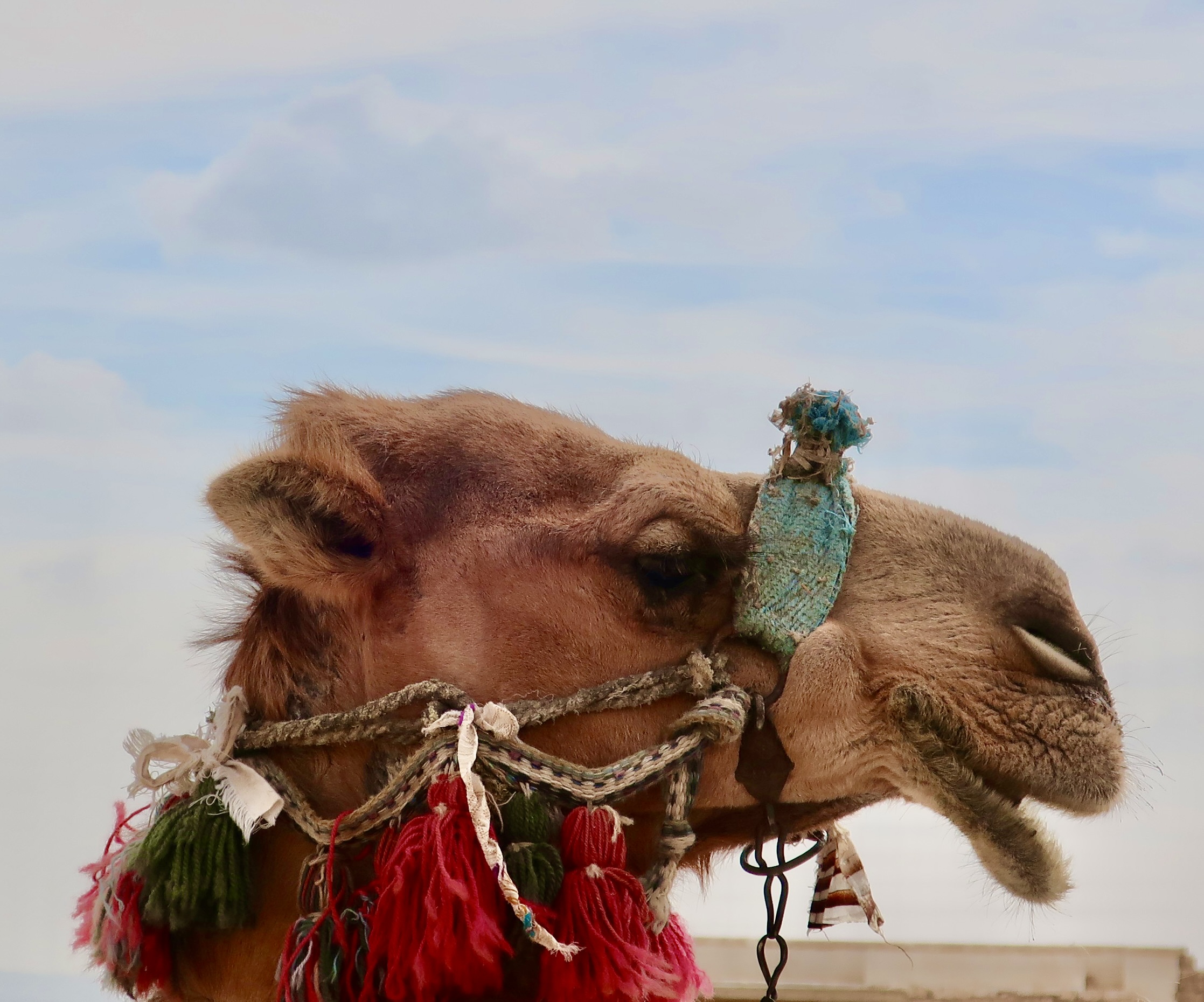

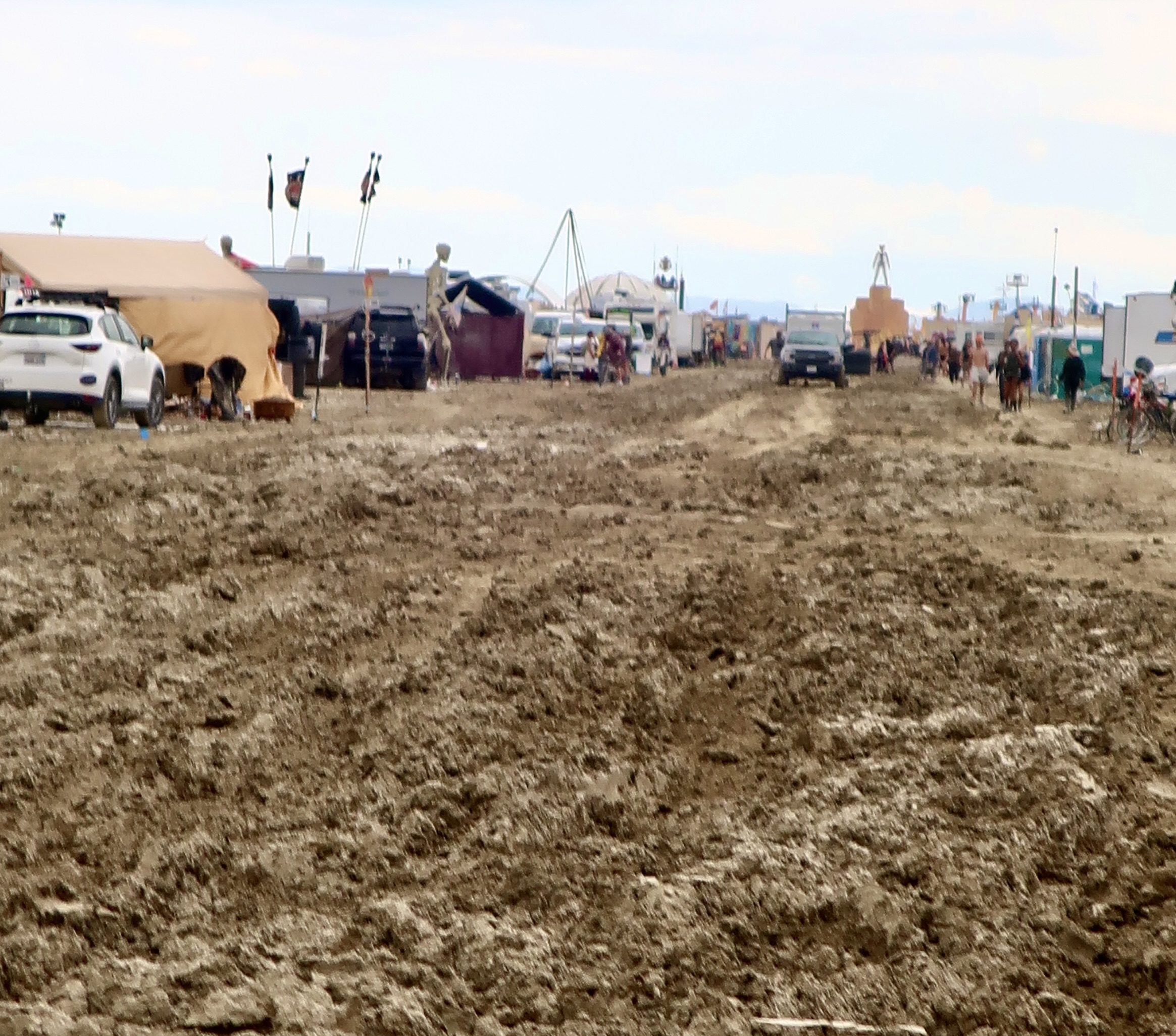



Whatever happens, Peggy and I want to wish you and your family a happy and healthy New Year in 2024. And safe travels! Next post: We will take a look at the closely knit elephant family and the matriarchal society that holds it all together.

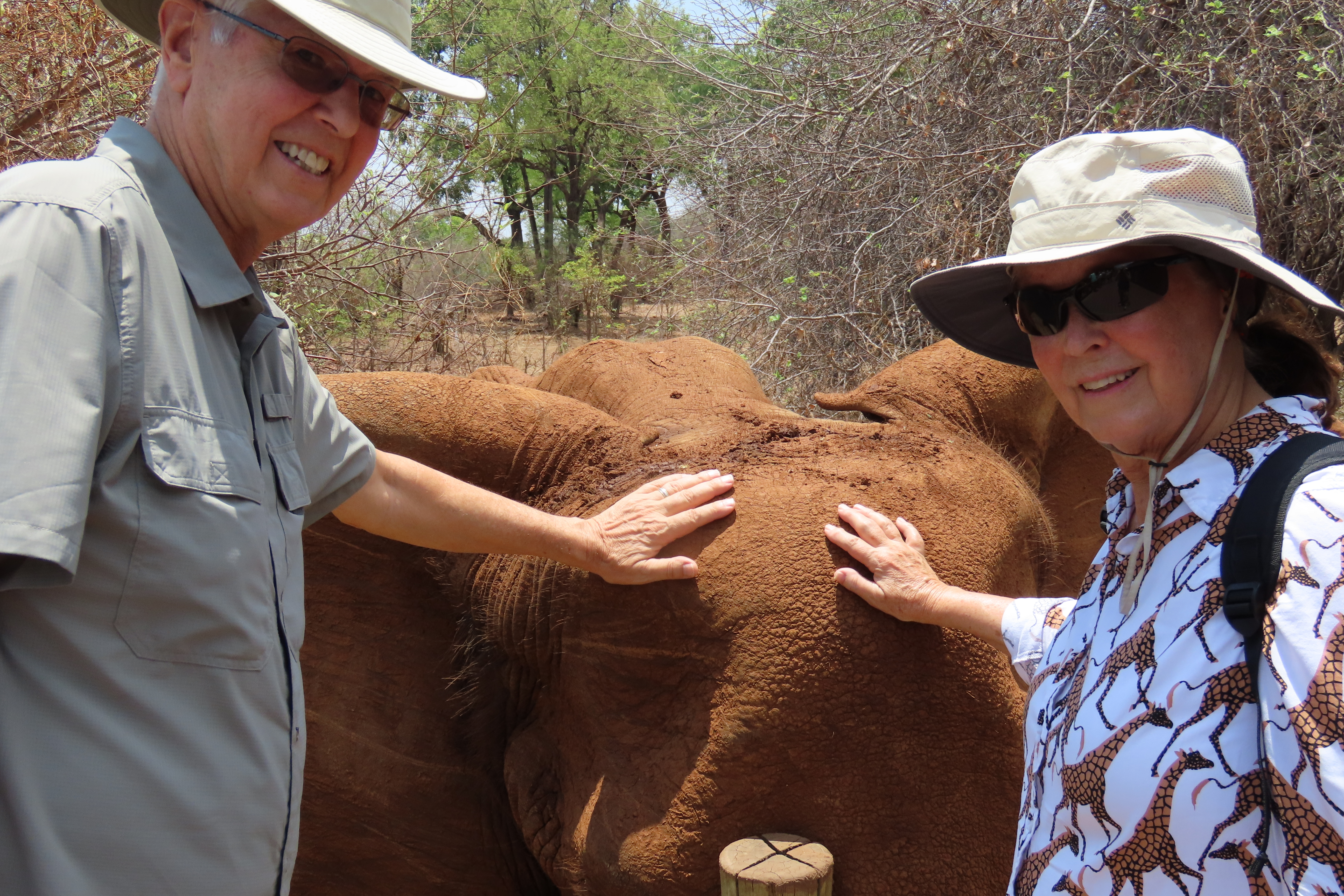
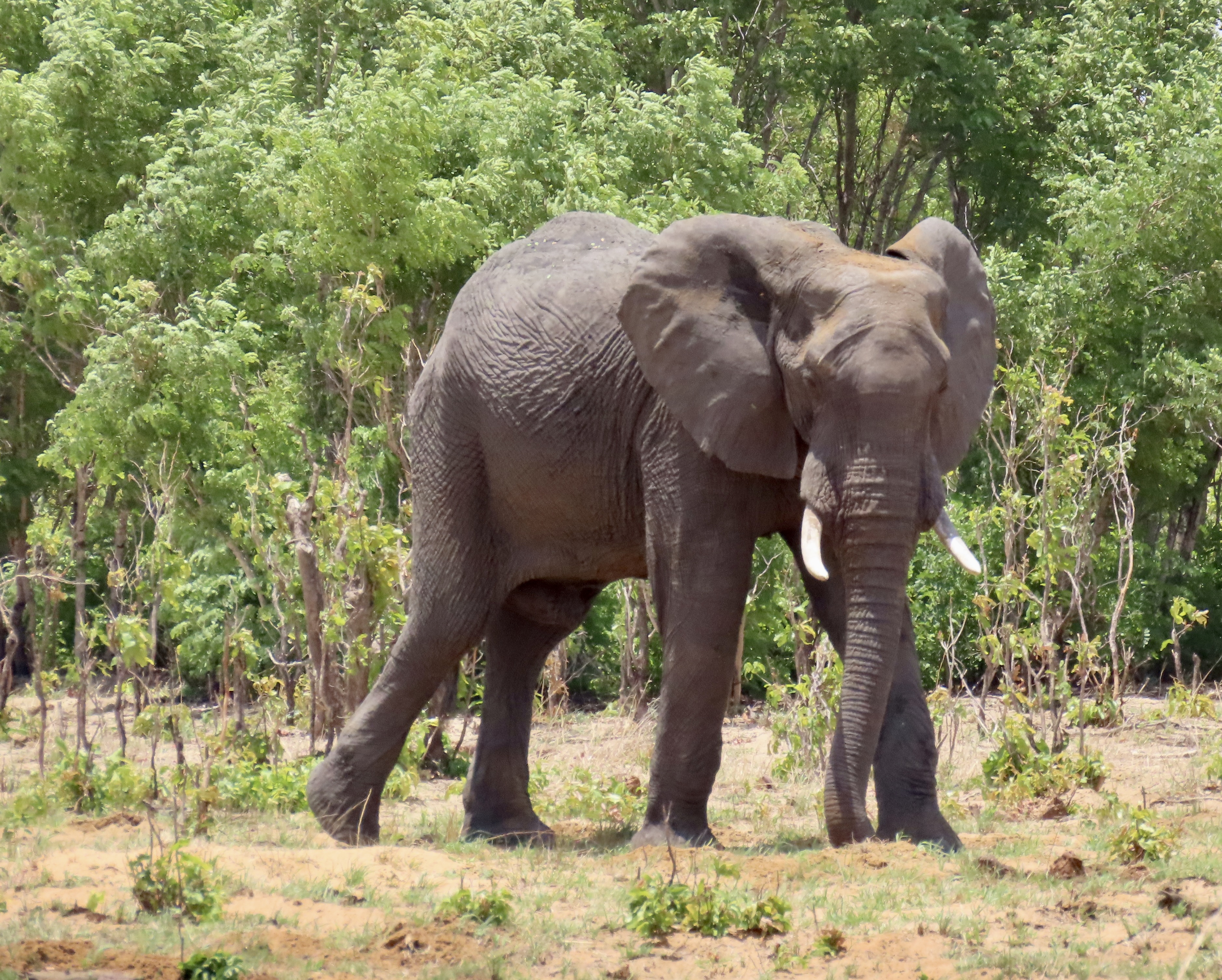
I have big ears. They are 3 1/2 inches long. African elephants have provided a new perspective. Theirs can be six feet long and five feet wide. “The better to hear with,” you might note. And elephants do have good hearing with a range from 14 to 16,000 hz. (Humans range from 20 to 20,000 hz in comparison.) The lower range is known as subsonic. Elephants can actually make subsonic sounds with their trunks that humans can’t hear but elephants can— up to miles away! The large flaps also serve to direct sound toward the inner ear. Think of cupping your hands behind your ears. It helps to say “eh.”
Of equal importance, an elephants ears play a big role in helping it to keep cool. The fancy name for this is thermoregulation, the process that allows your body to maintain its core temperature. For example, a message from your skin goes to your brain saying it’s hot. Your brain sends a message back to your skin: Sweat. Unlike us, elephants don’t have sweat glands except around their feet. They cope with Africa’s hot tropical sun using other methods. We’ve already discussed mud baths. Wrinkly skin is another.


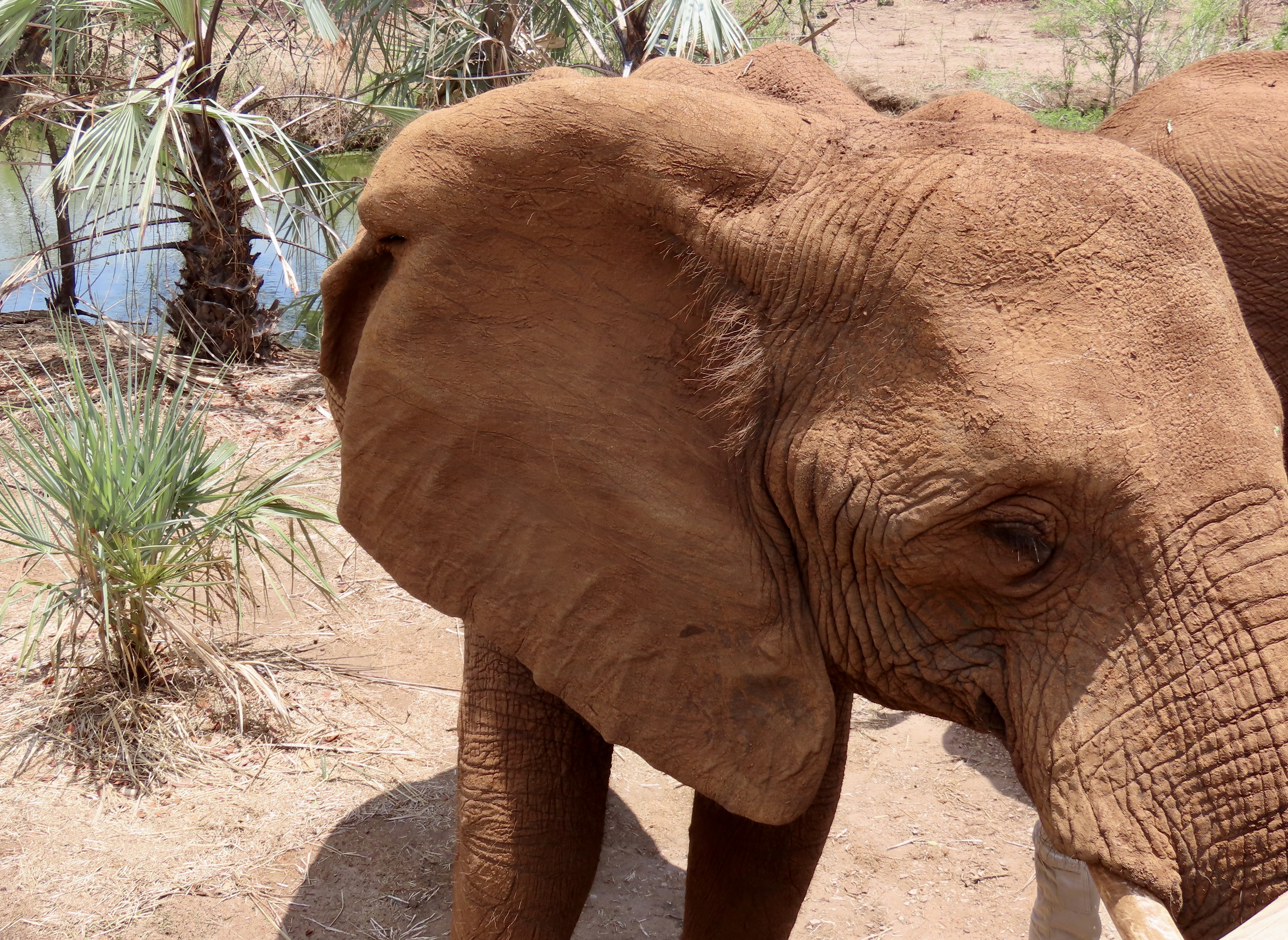

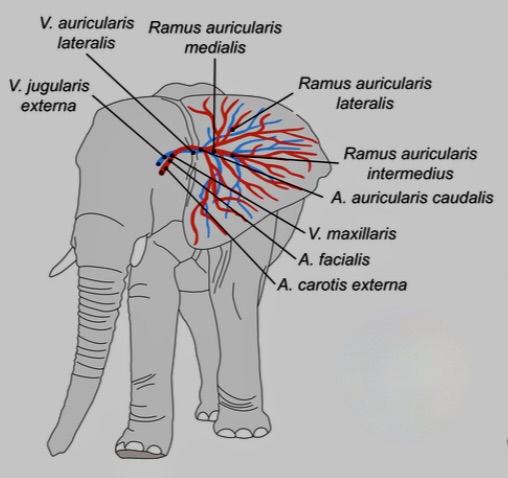
Elephants enhance this process in various ways. Providing air to move the heat away and cool the ear is the most important. Elephants are known to stand in the wind with their ears out. The most common approach, however, is to flap their ears. In addition to providing a breeze for the ears, the flapping also fans the body and blows insects away. (I wish I could flap mine.) Watching a group of elephants crossing the savanna while flapping their ears is so common it’s iconic. Other methods include getting out of the sun and taking mud/water baths.
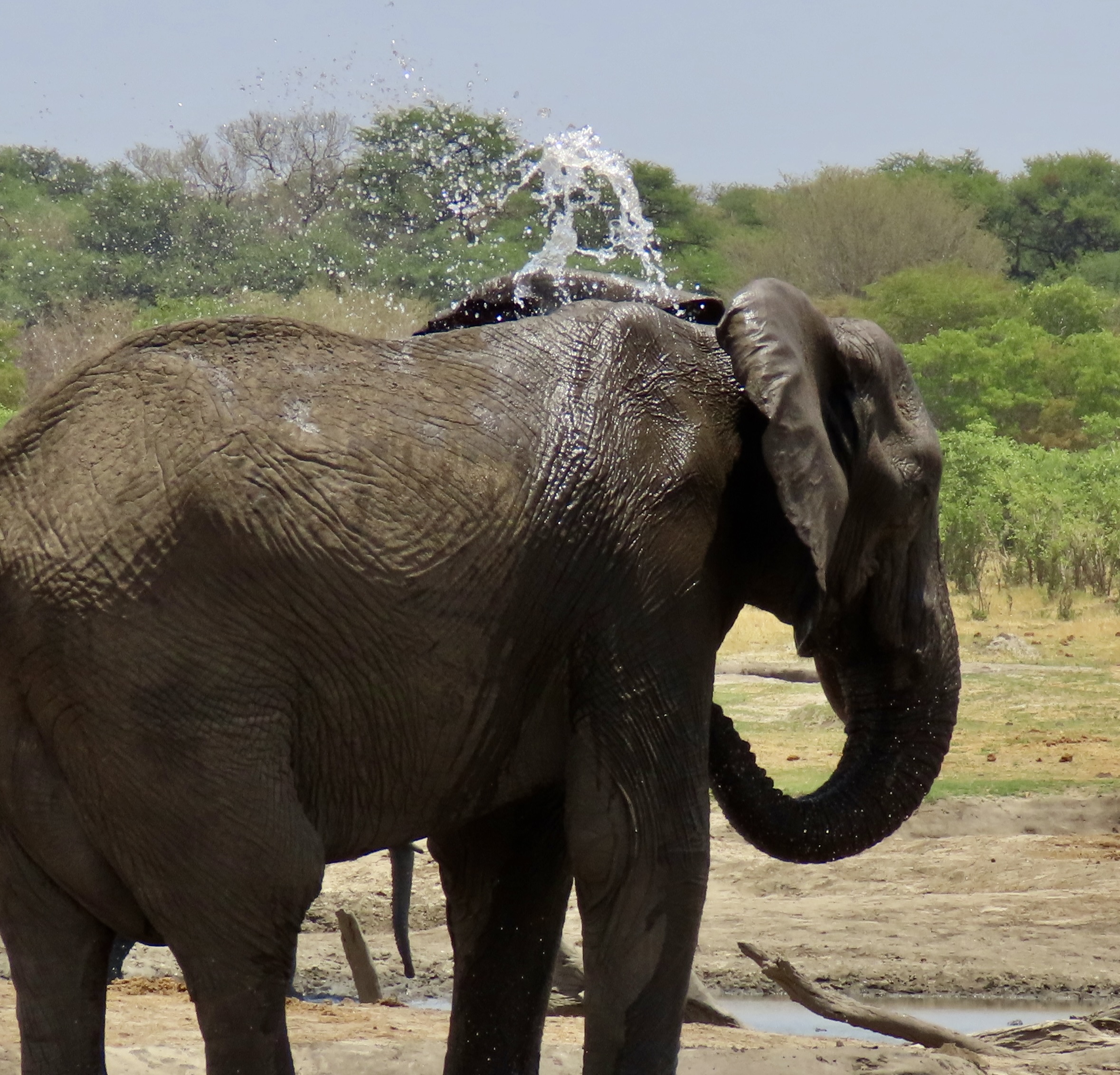
This caused me to think about another aspect of elephant behavior related to their ears. When the elephants came out of the mud bath I featured in my December 4 blog, they gave a vigorous shake to their ears. I thought at the time it was like, “Woohoo!” Thinking back, I wonder if they weren’t shaking the mud off of their ears. Given that the mud in general helps to keep them cool, protect them from sunburn, and frustrate biting bugs, why? My conclusion (for which I couldn’t find back up data) was that the mud coats their ears and reduces the ability of their blood vessels to transfer the heat to the air.

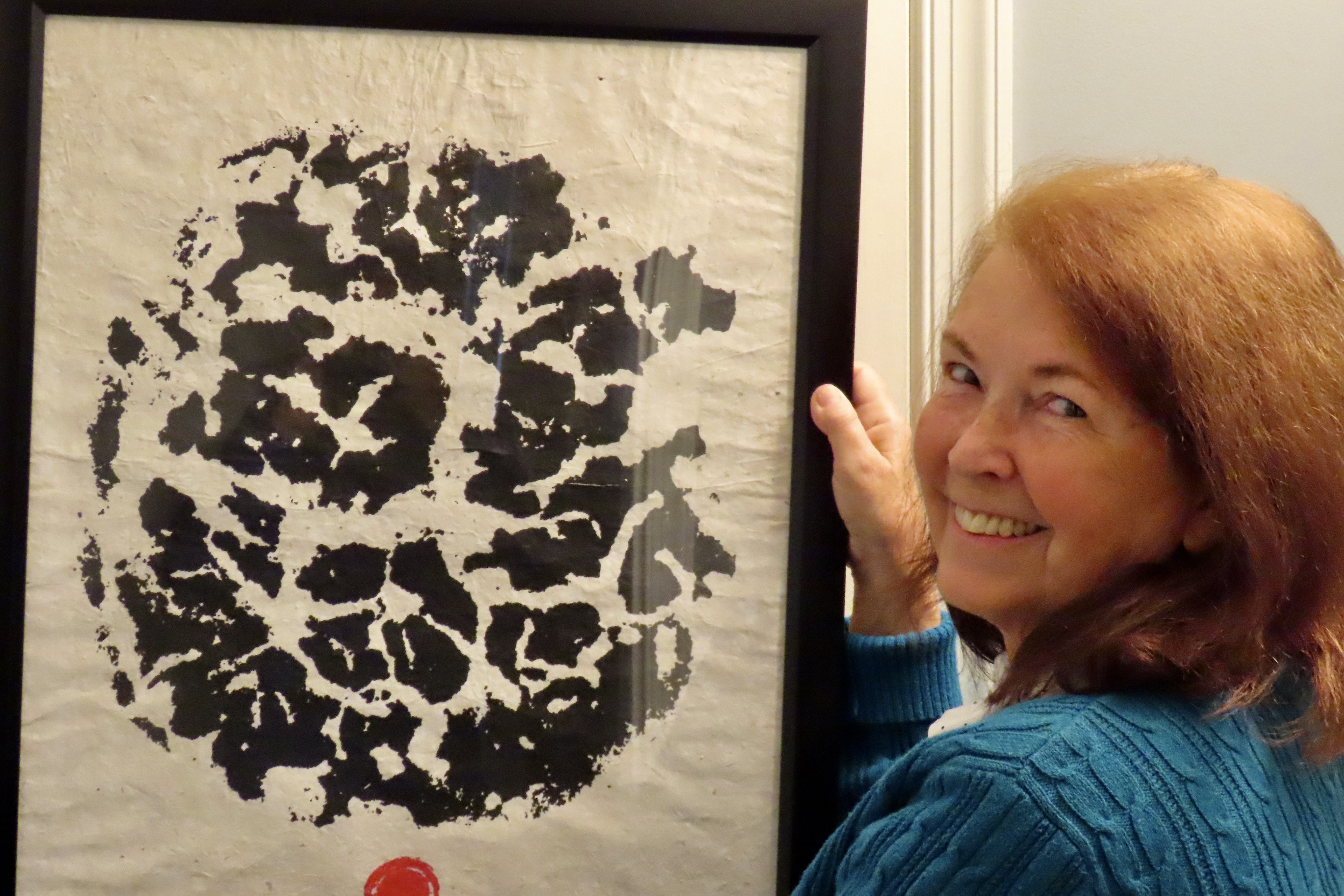


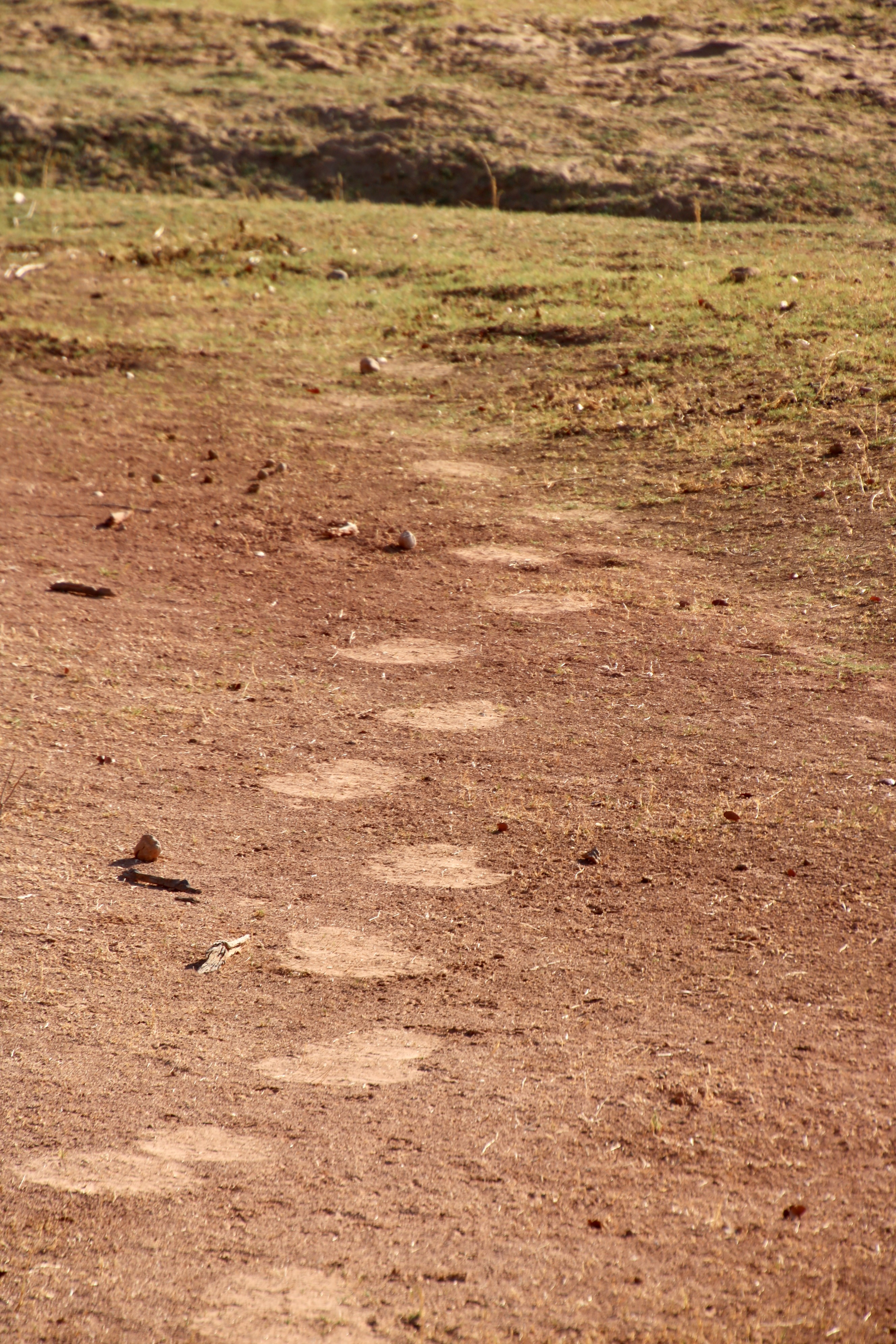

Given the years I have spent wandering in the wilderness, I’ve always been interested in animal tracks. And that certainly applies to elephants. But what interests me the most about elephant feet is how they ‘hear’ with them via seismic communication. Caitlin O’Connell-Rodwel, a Stanford researcher, has been returning to the same elephant watering hole in Namibia for over 25 years figuring out how they do it. Her work has demonstrated that African elephants exchange information by emitting low-frequency sounds through their trunks that travel dozens of miles through the ground. She believes this communication is the key in understanding the dynamics of elephant groups. “Announcements” can include warnings, mating calls and navigation instructions, e.g. “Don’t be alarmed sweetie, but I would really like to make it with you under the acacia tree next to the pond.” In a more passive sense, elephants can also keep track of each other through the sound of each other’s foot steps.
They “listen” with their feet in two ways. One is through touch. Just like us, elephants have receptors in their skin known as Pacinian corpuscles that are hardwired to the brain. On an elephant these are located around the edge of their feet. When an elephant is picking up sounds/vibrations, it presses its feet onto the ground, expanding their surface by as much as 20%. Signals are then sent to the brain for processing. While this isn’t hearing exactly, the message gets through. A second method called bone conduction is closer to real hearing. The elephant jabs its big toes into the ground and the vibrations are carried up through its body via bones to the inner ear where they are heard like sound vibrations coming through the air.

At first, I had planned to do one blog on elephants, then it was two. Now it is three. They are just too fascinating, at least for me. Next time I’ll get more into family life, eyes, teeth, bones, and even poop— a single elephant can produce up to one ton in a week!

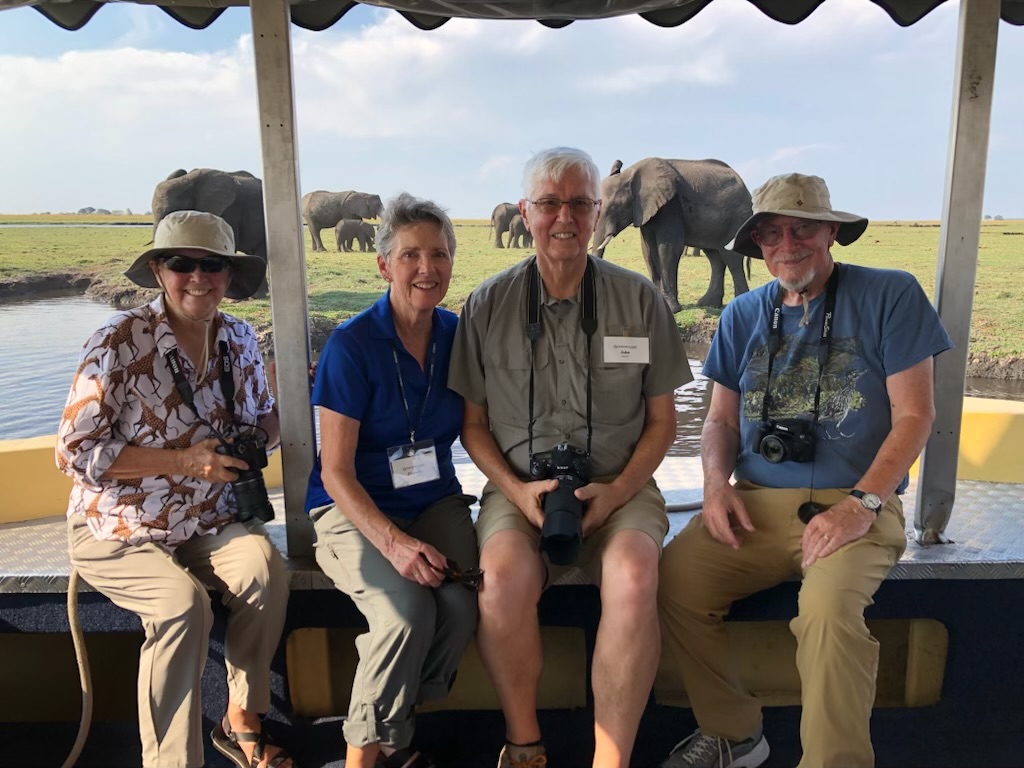
Today, I am starting my series of posts on Peggy and my recent safari to Botswana, Zimbabwe, and South Africa. It was an incredible adventure, one of our best ever. We owe a large vote of thanks to Peggy’s brother John and his wife Frances for asking us if we would like to join them on the Collette Travel Agency organized trip. Along the way, we visited four national parks, Victoria Falls and Cape Town— staying in accommodations that ranged from a safari lodge, to a tent camp, to a house boat, and comfortable hotels.

As for the wildlife we saw? It was incredible! That’s the only way I can think to describe it. In addition to seeing a great variety, we watched them going about their daily business of eating, sleeping, fighting, breeding and even pooping. (Elephants do a lot and hippos whirl their tails like a fan when going. It’s best not get caught in the splatter zone.) What we hadn’t expected to see was the colorful birdlife. It was a plus. Our guides also went out of their way to introduce us to local African culture, which I appreciated a lot, given my service as a Peace Corps Volunteer in Africa.
While we weren’t on a photographic safari, per se, we took a few. Make that 5,000. Grin. We will share some of the best. Exploring in open safari vehicles and boats, plus a “walking safari” provided excellent opportunities for both observation and photography. Our approach will be to feature one animal per blog for the major animals and then move to combined posts for the the birds and animals we saw fewer of.
I’m starting today with elephants. I was going to do two posts on these large, intelligent, family oriented animals but decided on three after I noted a rescue effort by family members when I was reviewing our photos of elephants enjoying a mud bath in Chobe National Park. It reflects an important aspect of how elephants care for one another.
But first, let me begin by noting that elephants take lots of baths, both by cavorting in mud and spraying water (and muddy water!) on themselves. Getting clean isn’t the objective, obviously. With minimal hair and few sweat glands, keeping cool in the hot African sun isn’t easy. The mud baths provide an opportunity to cool down, but they also serve as sunblock, and, to a degree, insect repellent. Elephants can get sunburned. And what blood sucking bug wants a mouthful of mud?


Searching on the net, I found where moms help their babies out when they are stuck in mud holes. I also read that when an adult went down, possibly because of old age, the other elephants gather around and help it stand, leaning in to provide support. Such behavior suggests the caring, empathetic nature of elephants. My post today provides a unique example, particularly the role played by the younger elephants.
I’ll conclude today by providing an example of another mud bath, this time traveling into Hwange National Park in Zimbabwe. Several artificial water holes have been established in the park to provide wildlife with water in dry season. It also serves to spread the animals out to reduce overgrazing. Peggy and I took these photos from an observation tower that had been set up beside one of the water holes.


It took me a while to get back to Africa after my Peace Corps assignment there from 1965-67. When my feet first touched African soil at Roberts Field in Liberia, Peace Corps was a baby of four and I barely qualified as a young adult at 22. That was 58 years ago. I always wanted to go back, but there was a lifetime of other things that needed to be seen and done…

Peggy and I made up for our lack of African travel this year. In February we flew off to Egypt and boated up the Nile to celebrate my 80th birthday. It was an incredible experience, packed with ancient history and magnificent structures stretching back over 5000 years.

Now, we have just returned from a journey to the southern part of the African continent that included national parks in Botswana and Zimbabwe, Lake Kariba, Victoria Falls and Cape Town. It was equal to, if not more impressive than our Egypt adventure. Imagine a herd of several dozen wild elephants joining us for dinner by drinking out of a swimming pool located next to our dining table.

Our recent trip started with a call from Peggy’s brother, John Dallen. Eleven years ago we took a delightful repositioning cruise with him, his wife Frances and friends Lee and Kathy Saaga, exploring the Mediterranean before sailing across the Atlantic back home. Since then, John has called several times with offers to join Frances and him in exploring the world. There were some great trips. But, as John likes to note, our travel styles differ substantially. If he is going to be out for six months, each day is carefully planned and reservations made, normally at four and five star hotels. If Peggy and I travel for six months, we have a vague idea of where we are going and make reservations a day in advance, if then. We once travelled for a year without making one. Our normal mode of travel is with a van or small travel trailer— or, putting our backpacks on and disappearing into the wilderness.

This time, John made us an offer we couldn’t refuse. “Would you like to go on an African safari with us?” It took us five seconds to say yes. There would be hippos and lions and elephants to see, not to mention leopards, wart hogs, baboons and numerous other animals and birds. I will be featuring the places we visited and the wildlife we saw in our next several posts.
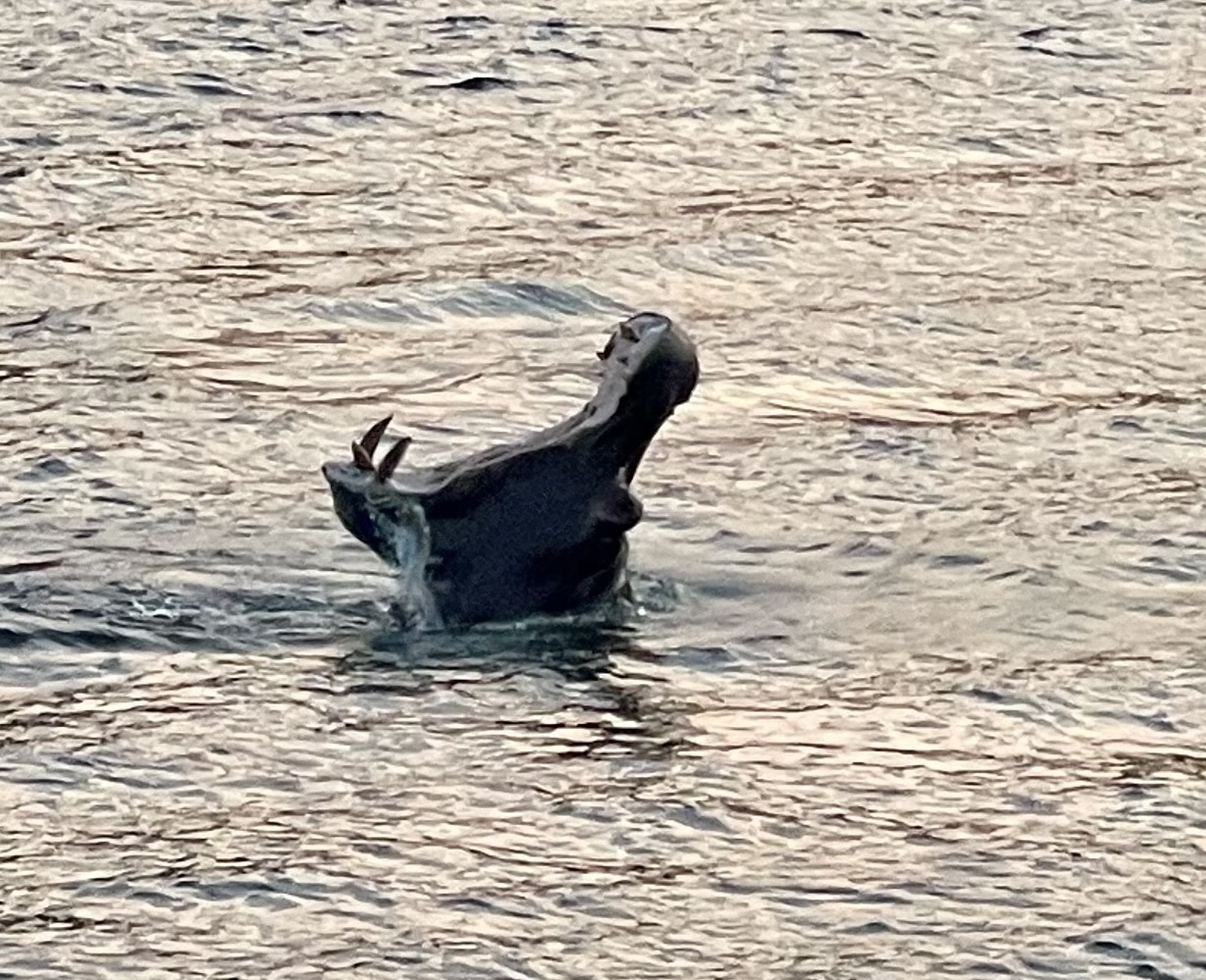
Today’s photos will give you a taste of what to expect. Peggy was traveling with her usual camera, a Canon EOS Rebel with a 20 to 300 mm Tamron lens. For Africa, I upgraded from my pocket Canon Power Shot to a different version, a Canon Power Shot SX 70 HS. Due to the miracle of modern technology it comes with a 21 to 1365 35mm equivalent lens and weighs just over a pound. It made it possible for us to capture photos like the hippo above.




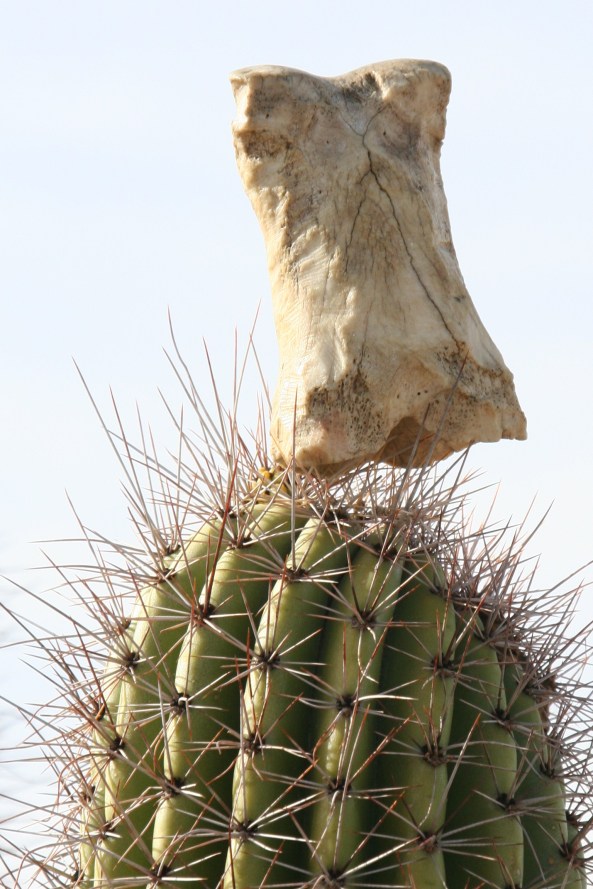
Q: Do you really talk? We’re speaking ethics here, Bone. Blogging is about transparency. That means honesty.
A. Are you crazy? Have you ever heard a bone talk? Of course I don’t talk. I just think out loud.
Q: Curt sometimes refers to you as he. Does this mean you are a male bone?
A. No. He makes assumptions, lots of them. He was showing me to a biologist at a writers’ conference in San Francisco and she suggested I have my DNA tested. “Just cut a small chip off of it,” she said nonchalantly. “You can determine its sex and breed.”
“Just cut a small chip off of it!” Outrageous! I am not some it to have chips cut out of. Besides, I lead a rich fantasy life and have no desire to know whether I am male or female. Call me she, he, or Bone, but never it.

Q: You have traveled all over the world and met thousands of people. How do they usually react to you?
A. With befuddlement. You should have seen the look on the face of the customs agent in New Zealand who tried to seize me as ‘animal matter.’ But emotions run the gamut. There was a Japanese man who got off a tour bus at Yellowstone National Park and wanted to hold me for good luck. Soon there were 40 other Japanese handing me around, oohing, and taking photos. I was thrilled. On the opposite side, I know a woman who refuses to touch me, like I have cooties. “I don’t know where Bone has been,” she states primly. Not surprisingly, there is also jealousy. “I want to be you and travel the world,” a good friend in Sacramento told me.

Q: What is your favorite thing to do?
A. Visit graveyards; there are lots of old bones there. My favorite grave is Smokey Bear’s in Capitan, New Mexico. I once stood on his tombstone for ten minutes trying to communicate but all I could get was something about ‘growling and a prowling and a sniffing the air.’ A close second is the grave of Calamity Jane in Deadwood, South Dakota. What a woman! These are difficult choices, though, when you toss in the likes of Hemingway, Daniel Boone and Billy the Kid. On the light side I once visited Ben and Jerry’s graveyard of discarded ice cream flavors in Vermont. My spookiest experience was a visit to the Capela dos Ossos, the Chapel of Bones, in Evora, Portugal, where an estimated 5,000 corpses were dug up to decorate the walls of the chapel. Those folks definitely have a skeleton in their closet, lots of them. The skulls kept whispering, “Join us, Bone.” I ran.


Q: So, what’s your second most favorite?
A. Too hard; I am a dilettante dabbler, but here are a few.
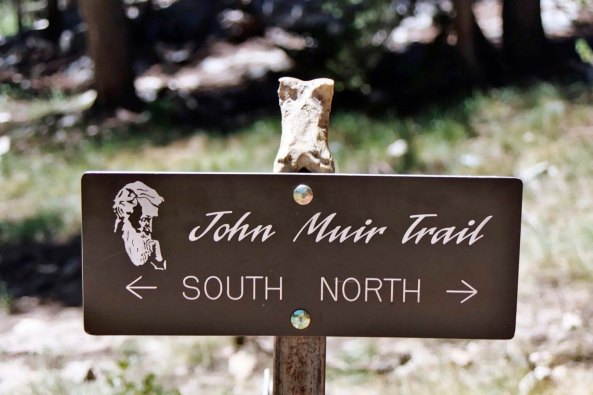
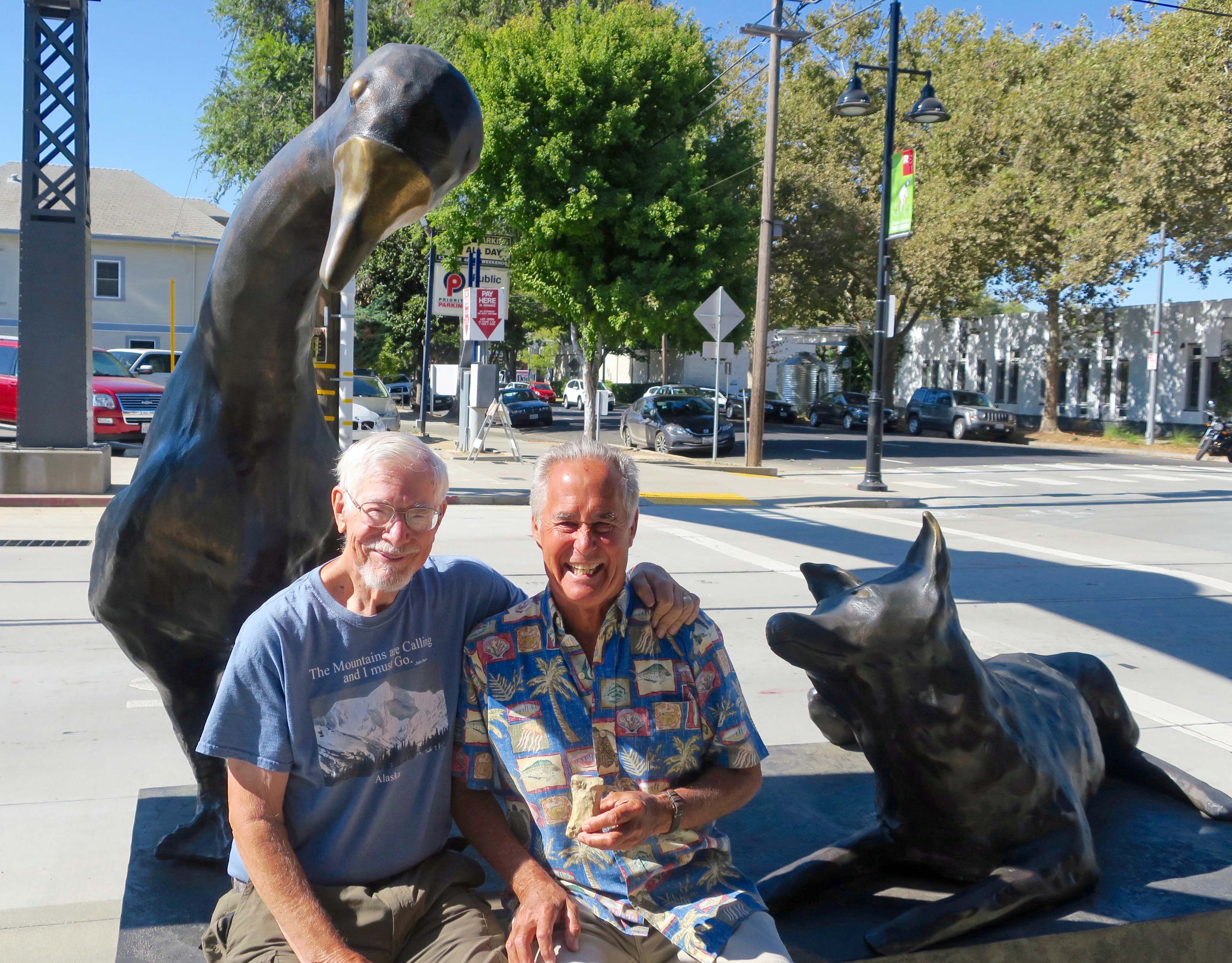
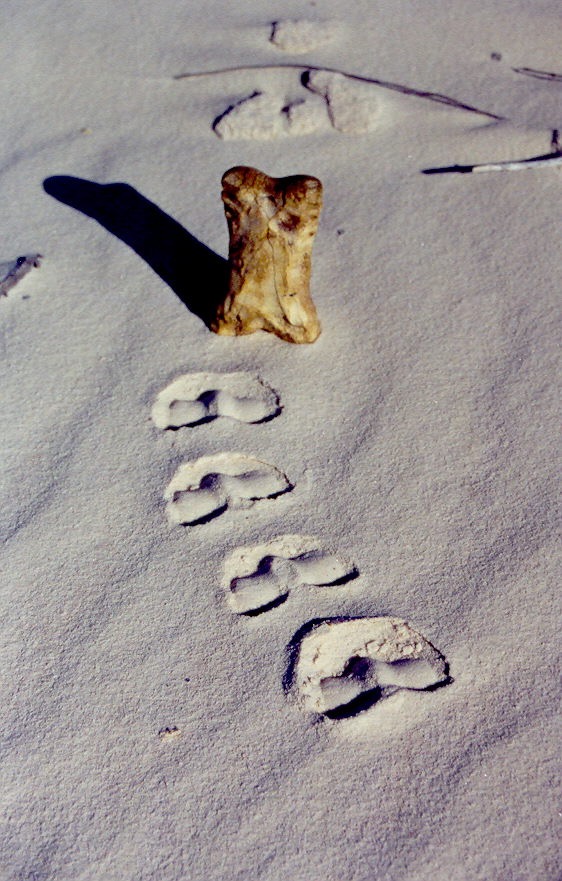
Q: Tom Lovering and Curt ‘discovered’ you in 1977 when backpacking south of Lake Tahoe. You have wandered extensively with both. Which do you like best?
A. Eeyore, the jackass who can’t keep track of his tail. We’re traveling companions and he saved me from being strung up and buried on Boothill in Tombstone, Arizona. I’d robbed a bank, cheated at cards and hung out with women of questionable character. (This is what I mean by having a rich fantasy life. It’s also known as evasion.)
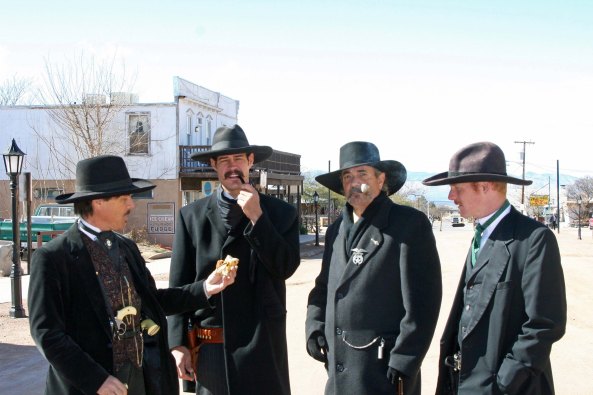
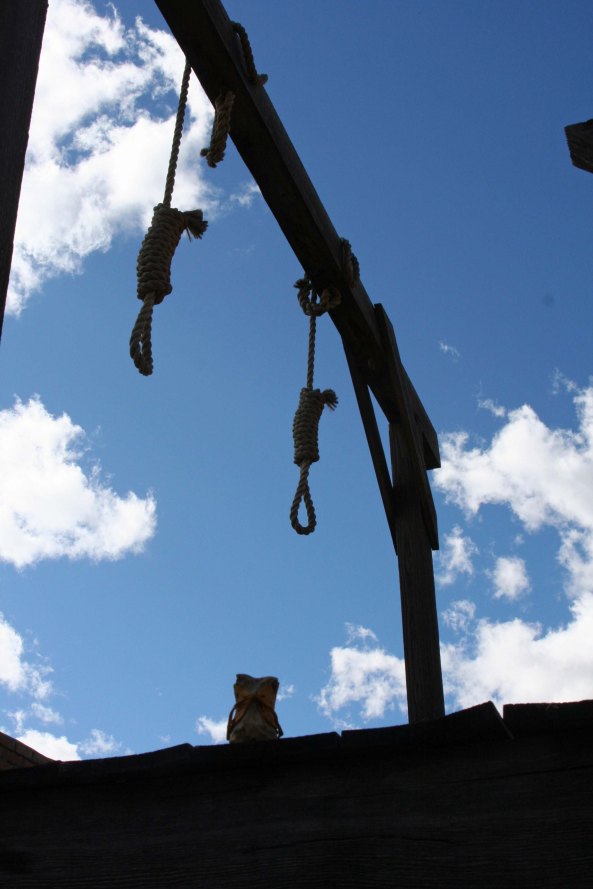
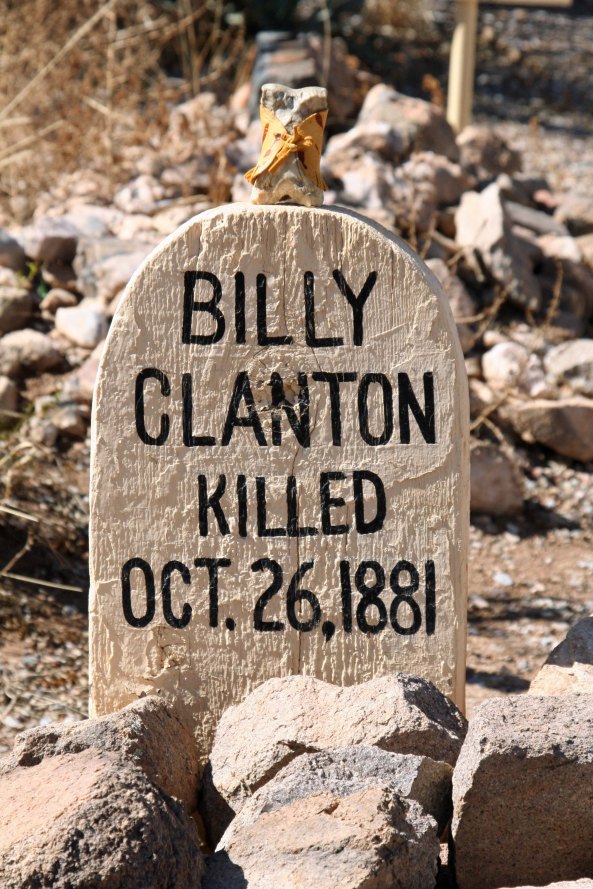
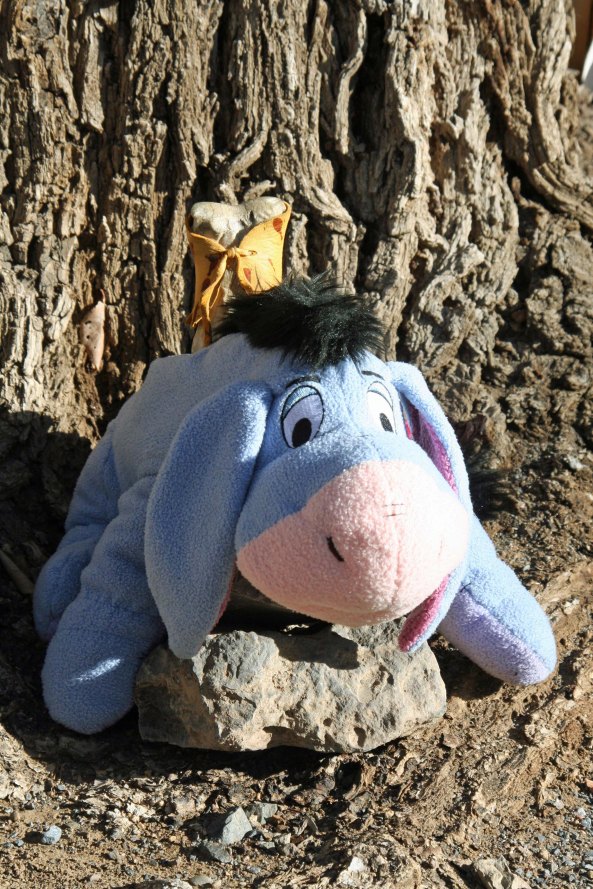
Q: Which of your journeys has been most memorable?
A. I would have to say traveling the length of Africa in the back of a truck from the Sahara Desert in the north to Cape Town in the south with Tom. Almost falling off the back of a riverboat into a piranha infested section of the Amazon River would have to be a close second. I was perched on the back railing doing a photo shoot with Peggy. And then, of course, there was the 10,000-mile bike trip with Curt in 1989 and hiking 750 miles down the Pacific Crest Trail with him to celebrate his 75th Birthday in 2018.
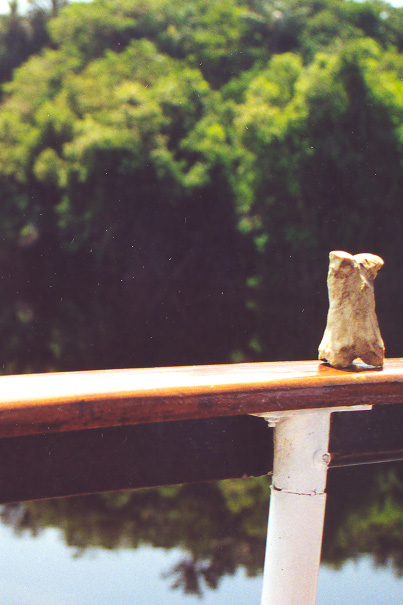

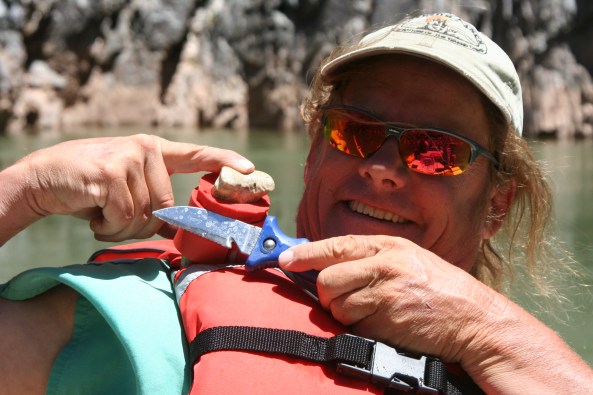

Q: You are often seen scrambling over rocks in remote sections of the Southwestern United States. What’s that all about?
A. I’ve developed a fondness for Native American rock art. It resonates with my bone-like nature. It’s also another excuse to go wandering around in the outdoors. Plus, some those places might be haunted and it is a great place to look for UFOs. Some of the petroglyphs look amazingly like aliens. Finally, wandering in the desert is known to be good for the soul. Ask the Prophets of yore.

Q: Ah, being a born-again bone, do you have any insights into the great unknown?
A. Ommmmmmmmmmmmmmmmmmmmmmmmmmmmmmmmmmmm.
Q: Finally, and this may be a little sensitive, but do you always run around naked?
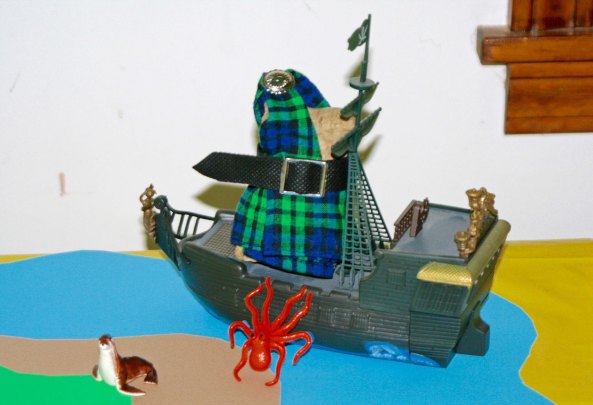
A. What kind of a question is that? Do you think I am uncivilized? For shame. I am the epitome of haute couture! A bow and arrow toting, card-carrying NRA member in Montana has designed and made me two leather vests. What’s more, a 90 plus year old woman in Kansas going on 20 with a crush on Johnny Depp and a room devoted to the Egyptian gods, has made me a kilt and several other outfits. Face it; I am hot stuff, clothed or naked. I may take up a modeling career.

 Wandering through Time and Place