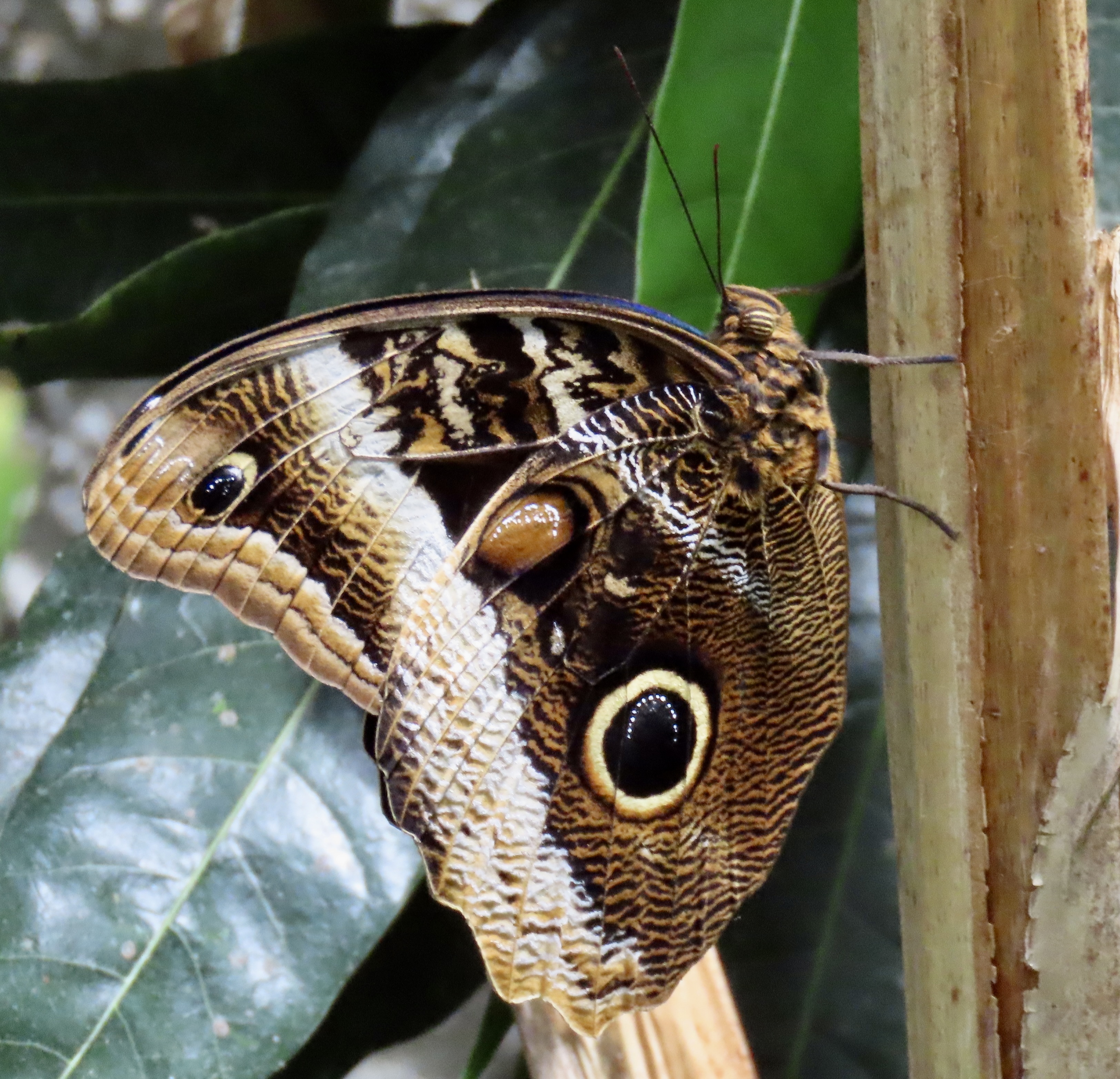
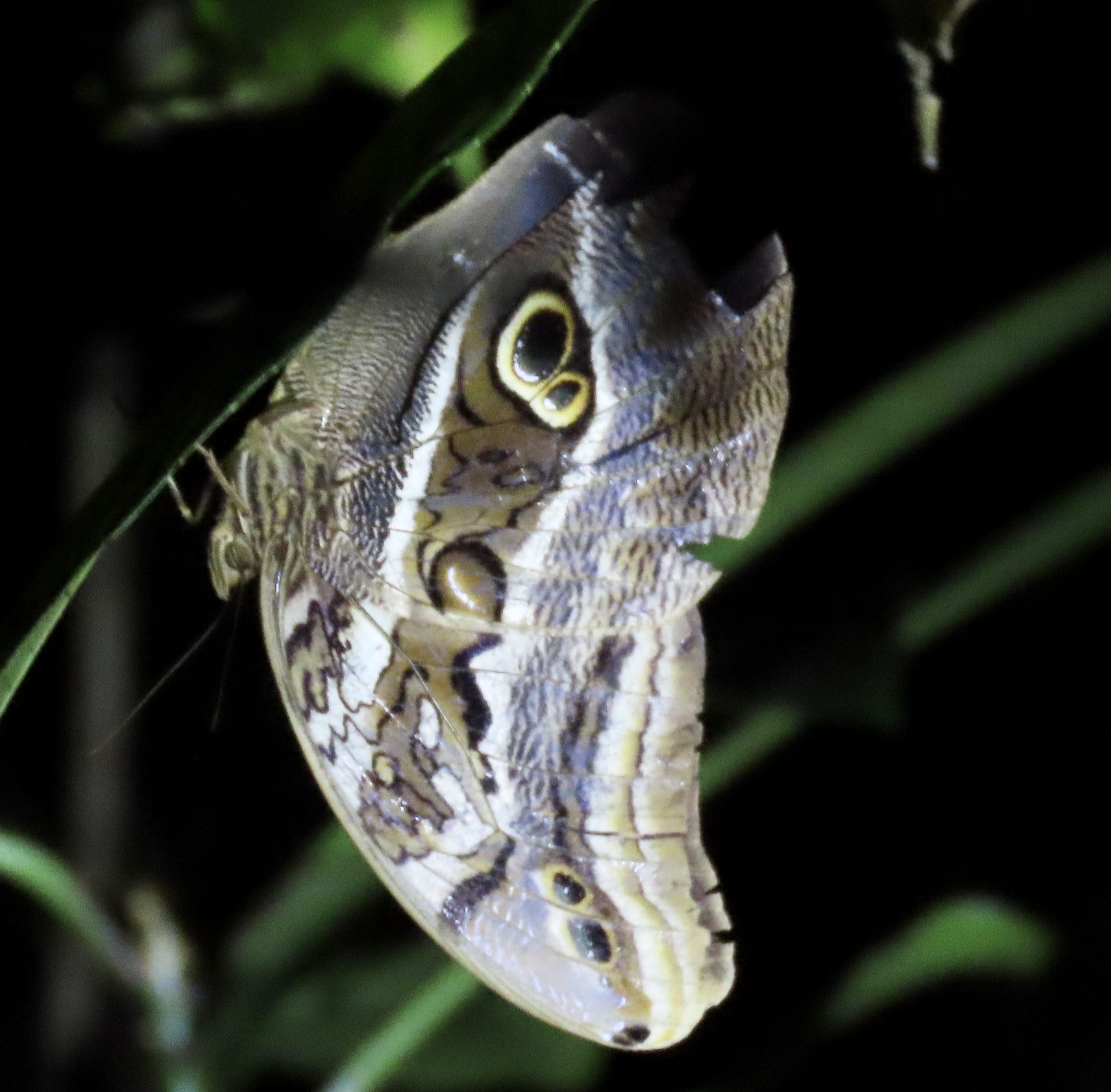
Our jungle night hike in Costa Rica introduced us to the Owl Butterfly in addition to the tarantula, pit vipers, and scorpions we featured on that post. Some fun, huh. This owl butterfly photo was taken during the day at the Monteverde Butterfly Gardens, where we visited to see it, and other butterflies of Costa Rica, up close.
The owl butterfly is so named because the large spot on the lower part of the wing. It has a matching spot on the other wing that resemble an owl’s eyes when the wings are open and seen from below. It’s called mimicry. One theory is that predators see the eyes and decide that fleeing is a better option than chomping lest they end up being the chompee. Another theory is that the predator sees the eyes and thinks that they represent the head of the butterfly, bites down, and get a mouthful of wing instead of the body. Given that the owl butterfly is one of the giants of the butterfly world with a 6-8 inch wing span, it has plenty of wing left to still fly. Either theory leaves the butterfly free to complete its goal in life, which is to breed and have babies, i.e. lay eggs.
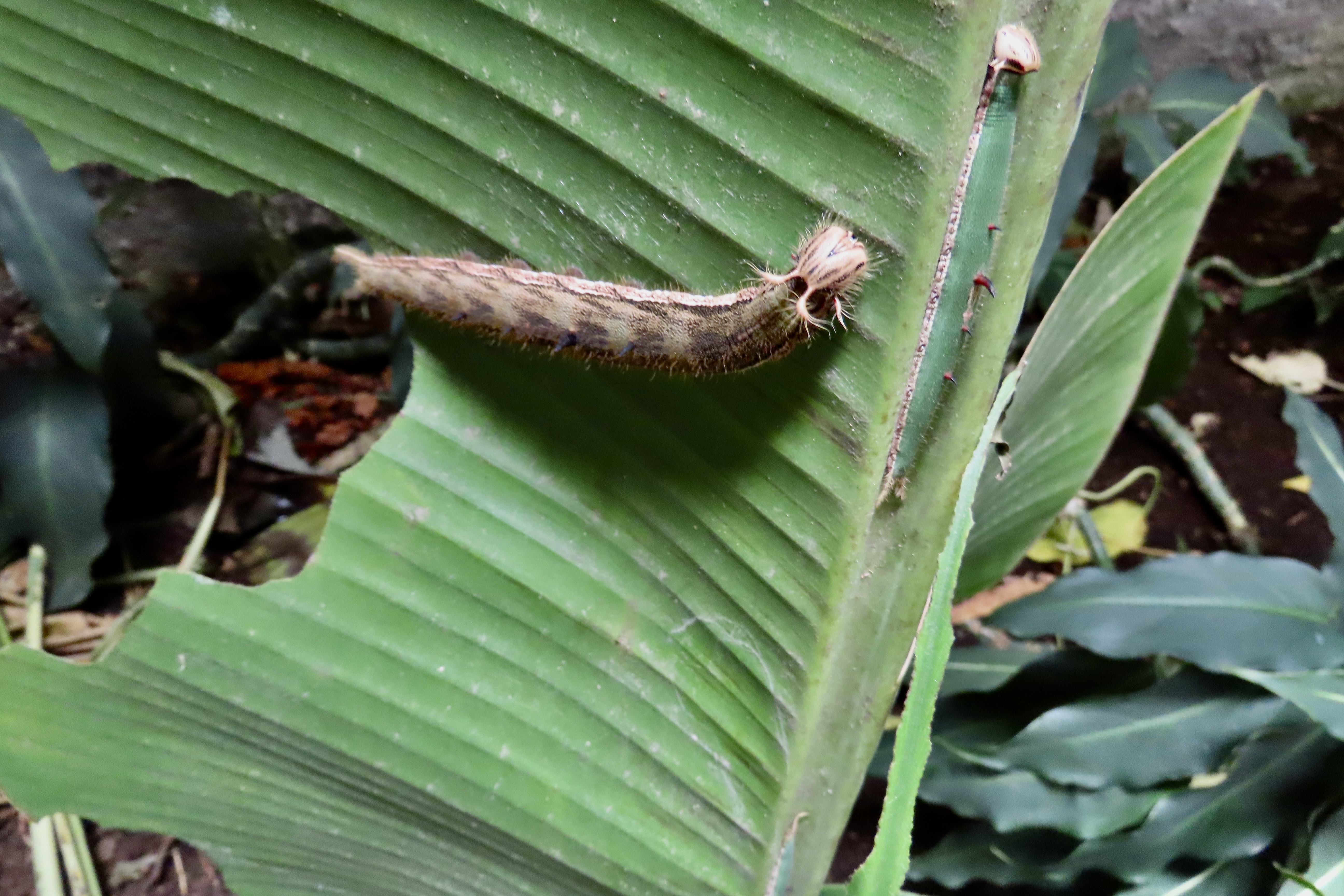
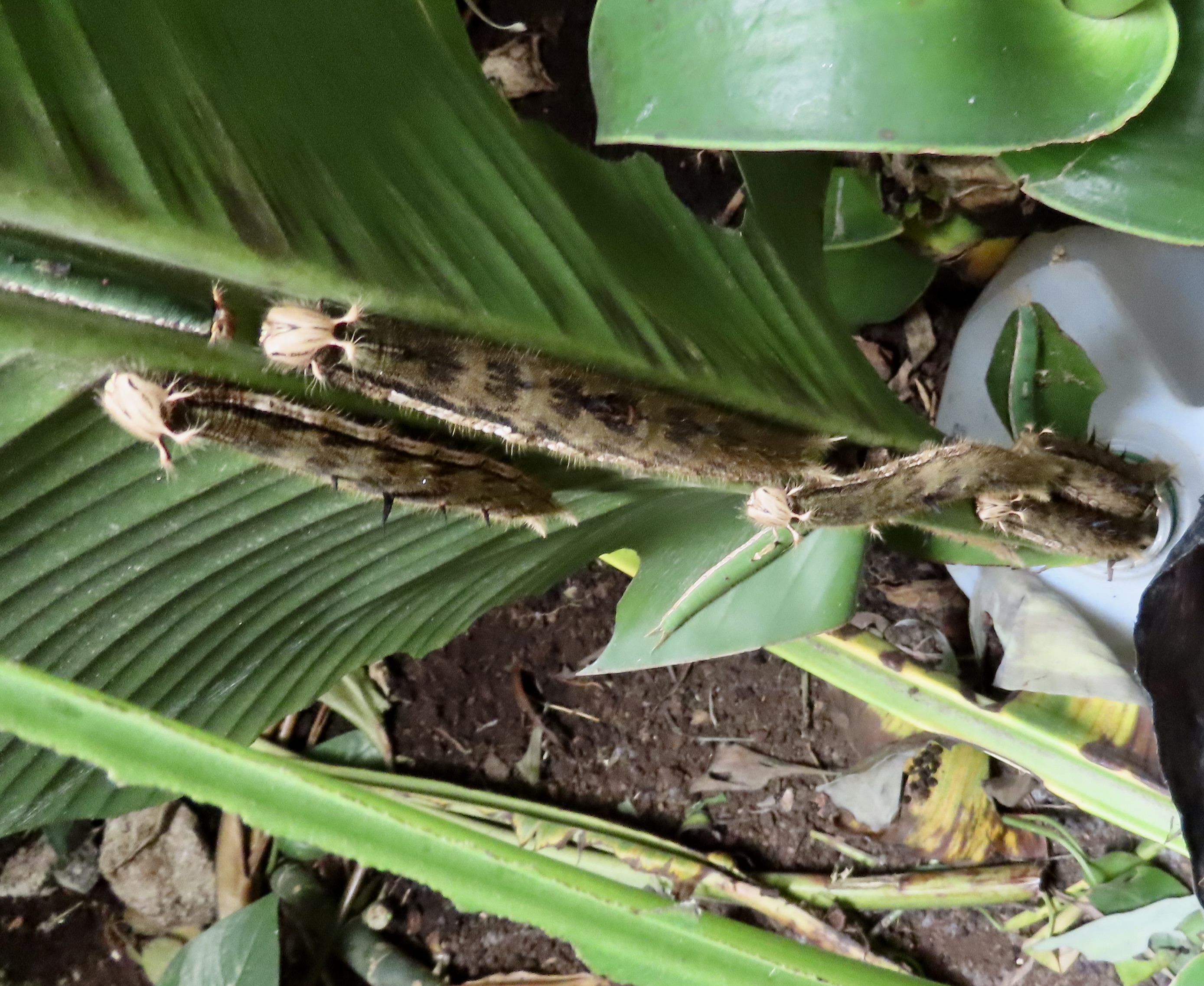
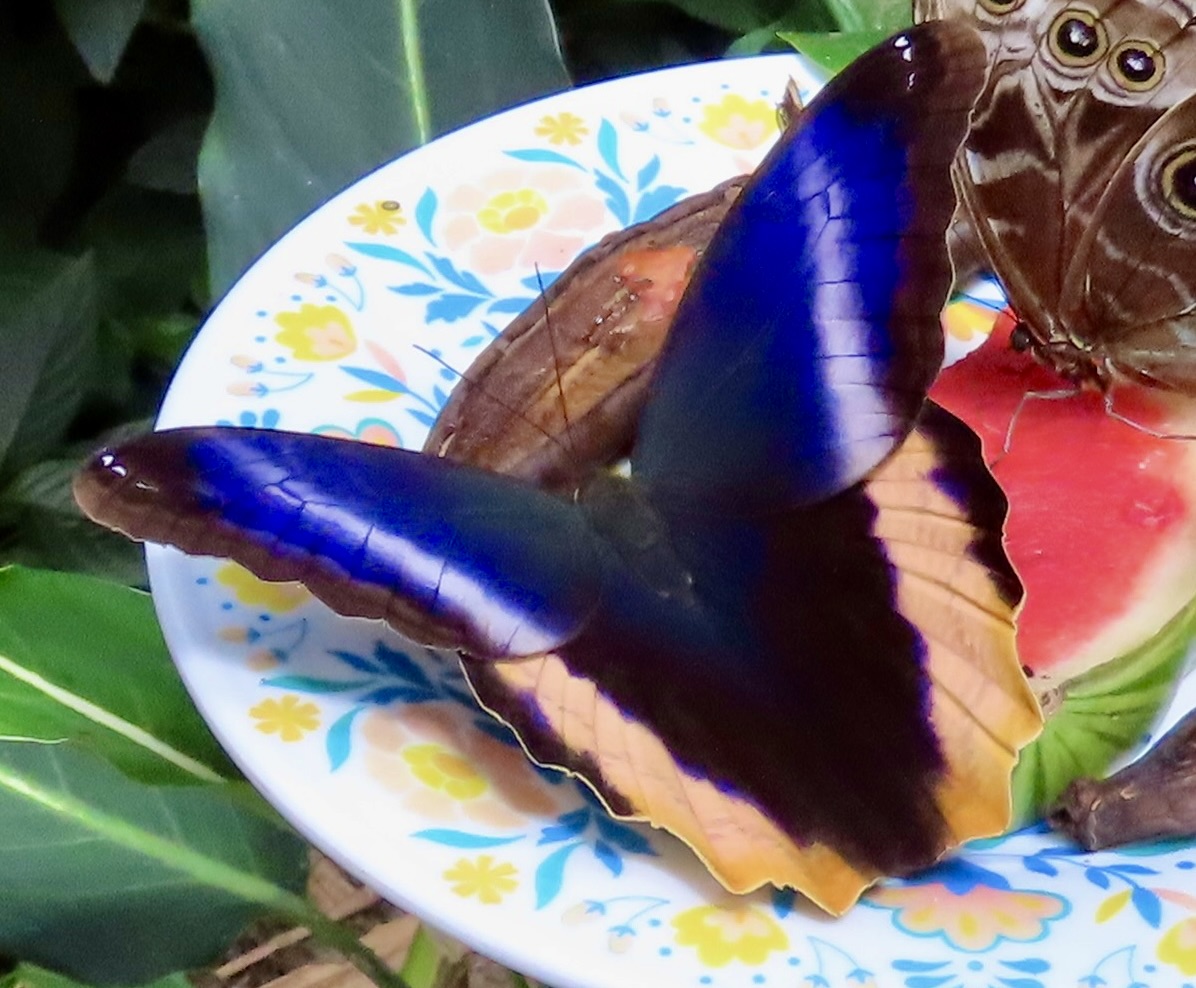
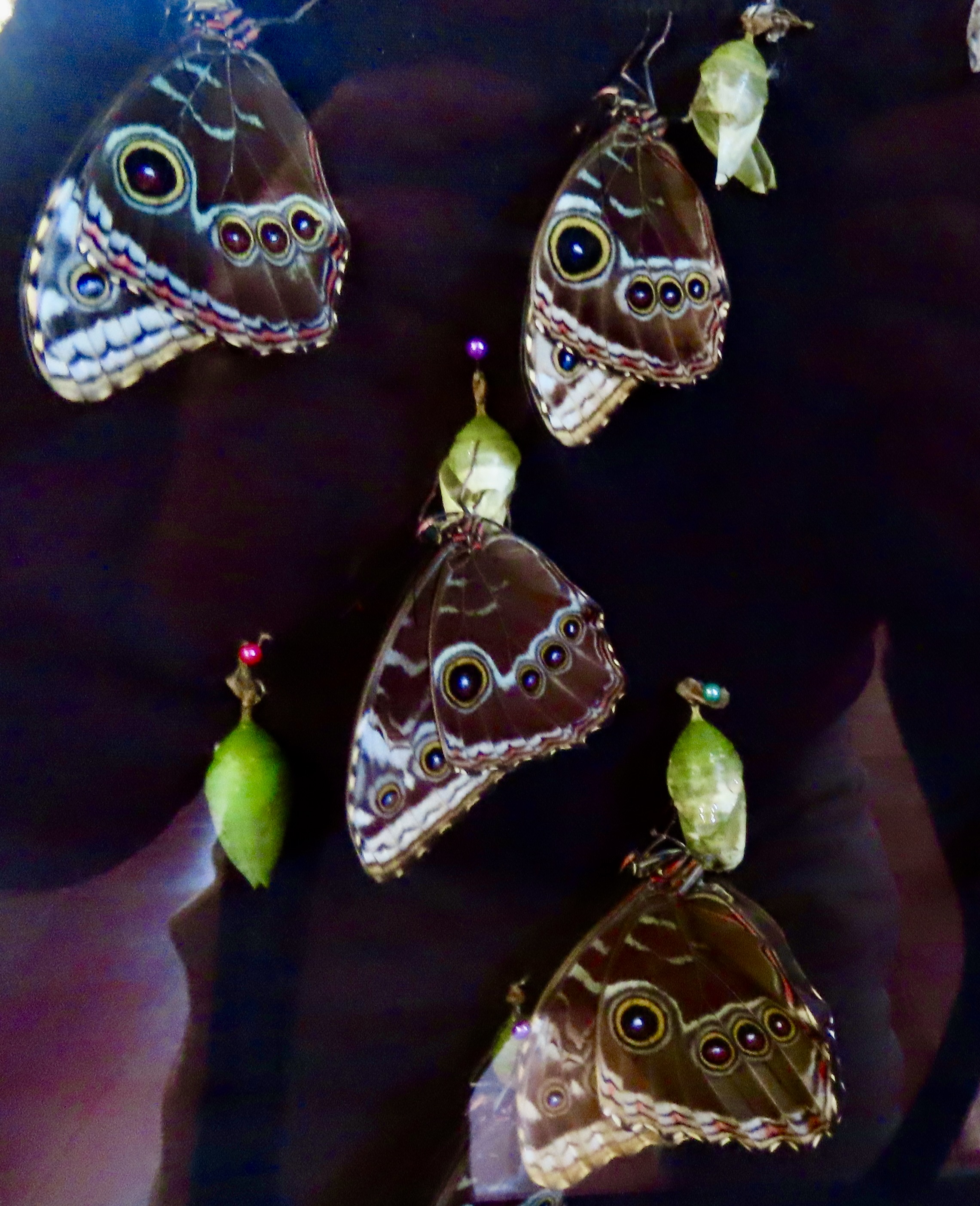
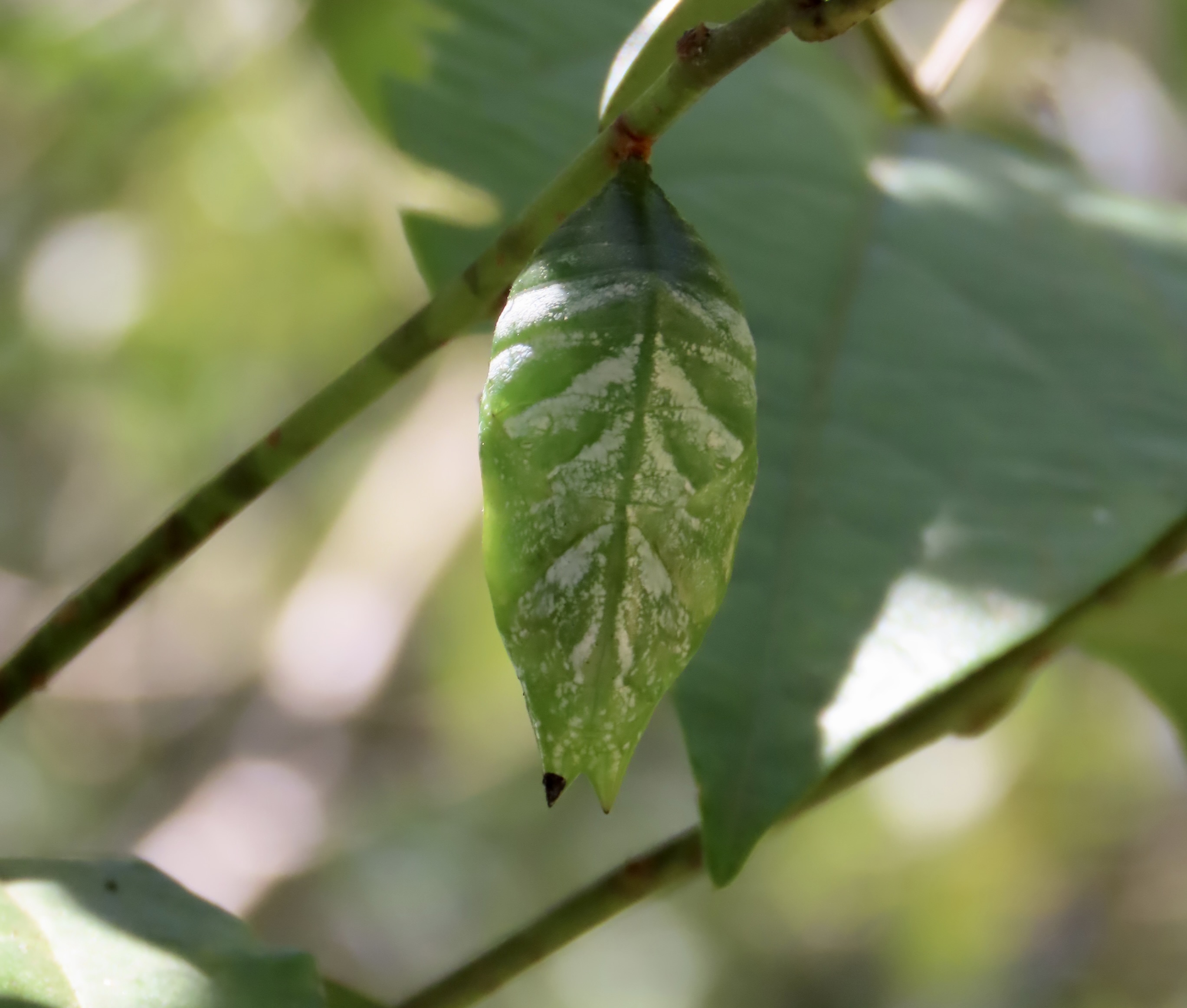
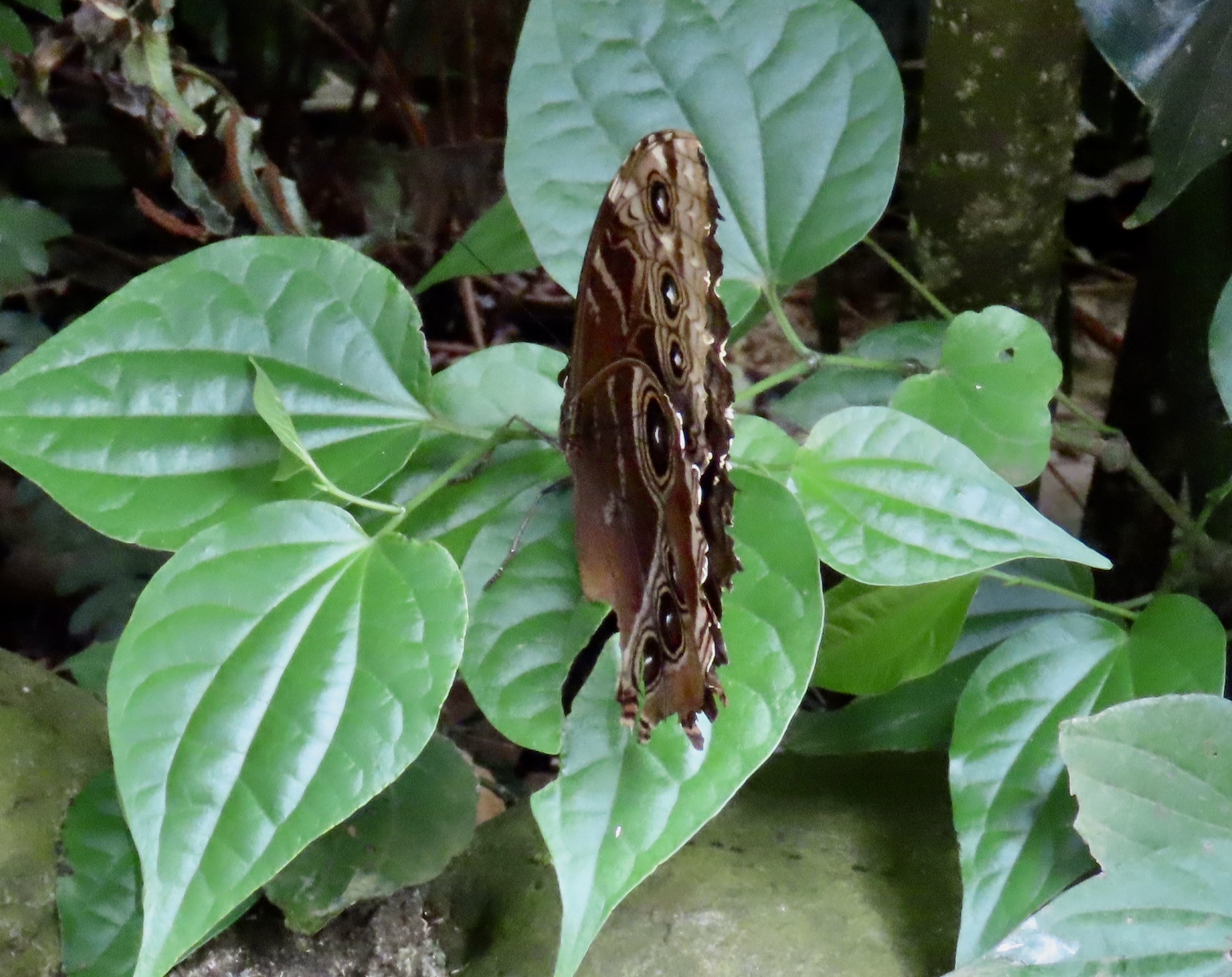
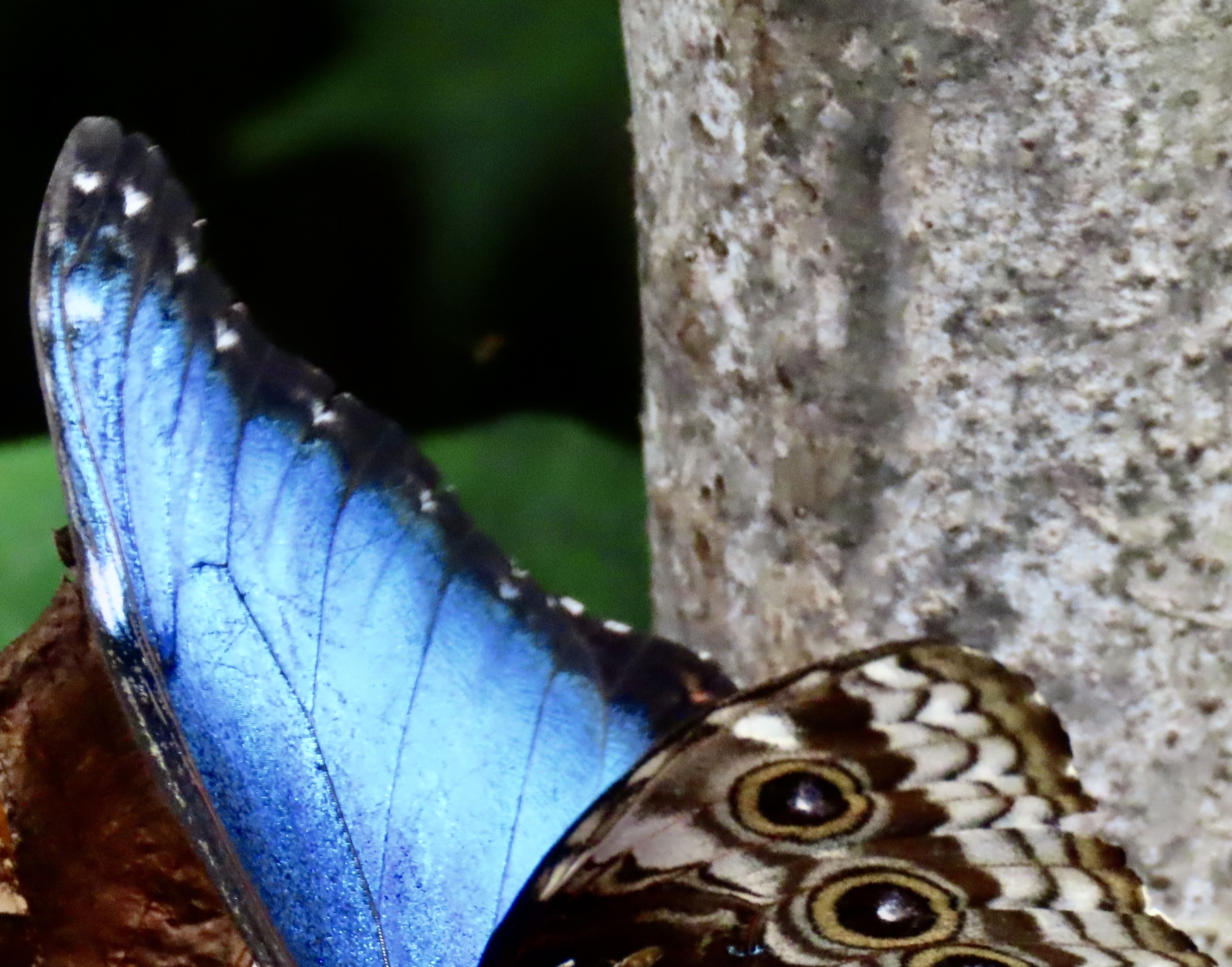
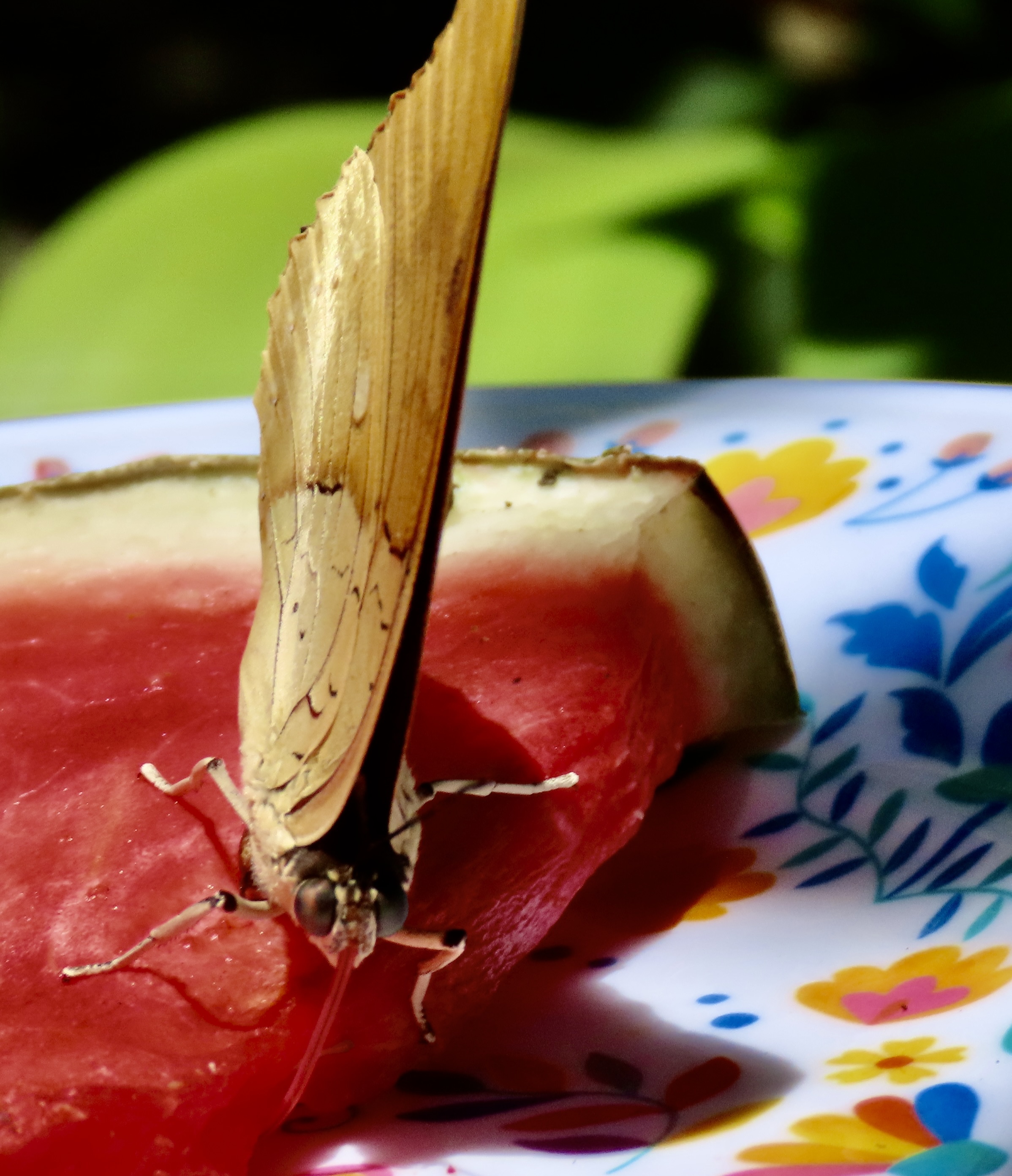
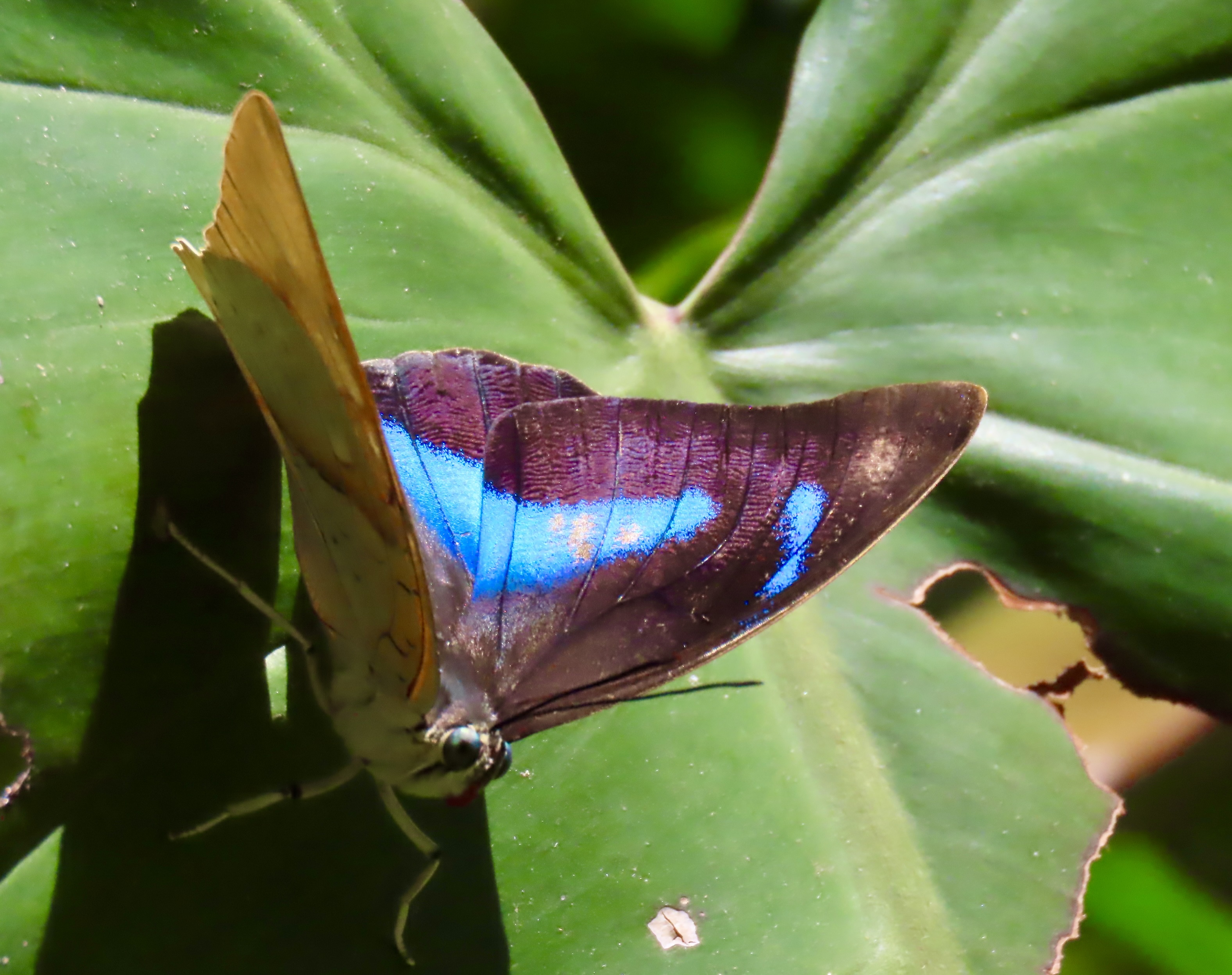
The eggs hatch into tiny caterpillars that come with a voracious appetite and quickly grow in size. Molting frequently, they change their looks each time. The caterpillar on the right is a younger version of the caterpillar on the left. The large hole in the banana leaf is why the big caterpillar is so big. It’s also the reason why banana farmers aren’t particularly fond of these insects that can grow 5 to 6 inches long off of devouring their plants before entering their chrysalis stage.From the perspective of the banana leaf, these owl caterpillars must look like one long gut approaching. The biggest one is about to enter the chrysalis stage of the metamorphous from caterpillar to butterfly. The first step is for to dissolve into a nutrient rich goop. Specialized cells that survive the melting process then utilize the nutrients to develop into the adult butterfly.The owl butterfly is quite beautiful when seen from above with its wings in open position. Here it was busy consuming watermelon that staff had left out for it. On the right is another one of Costa Rica’s best known butterflies, the blue morpho.Here a number of blue morpho are simultaneously hatching out of their chrysalis at a special hatching station that the Monteverde Butterfly Garden maintains for this purpose. Their wings have to dry and harden before they are ready to fly.Peggy found this blue morph chrysalis looking leaflike out in the Monteverde Butterfly Gardens. The chrysalis of the owl butterfly, btw, resembles the head of a viper. Both the leaf and the viper chrysalises are two more examples of evolutionary mimicry.A blue morph resting on leaves.A blue morpho gave us a brief glimpse of the vibrant blue color of its inner wing that gives the butterfly its name.
And now, for a quick look at some of the other beauties we photographed at the Monteverde Butterfly Gardens. Given that there are between 1200 and 1500 species of butterflies in Costa Rica, I’m late with this post, and my mind is on butterfly overload, I didn’t have time to pin down all the names.
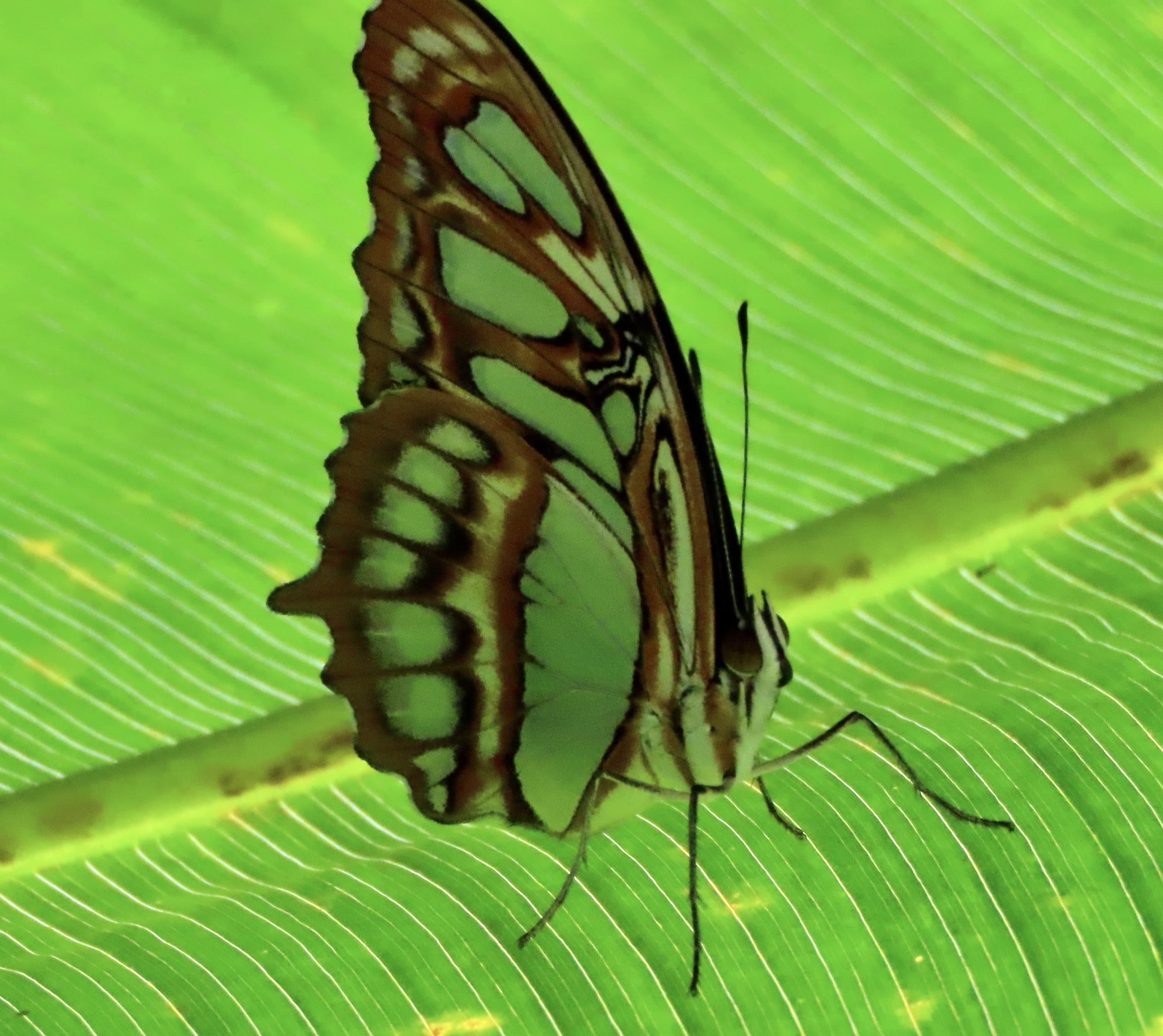
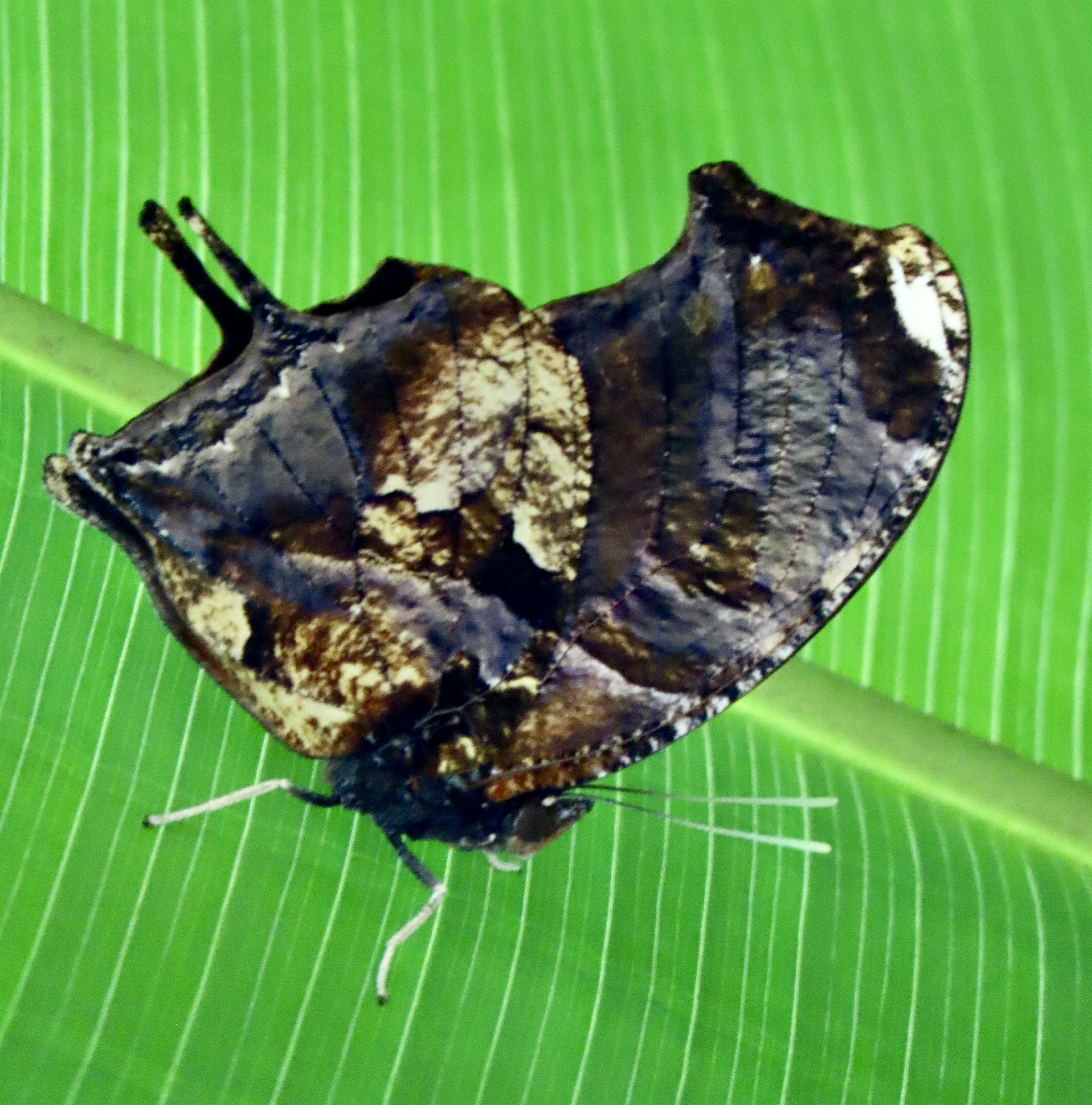
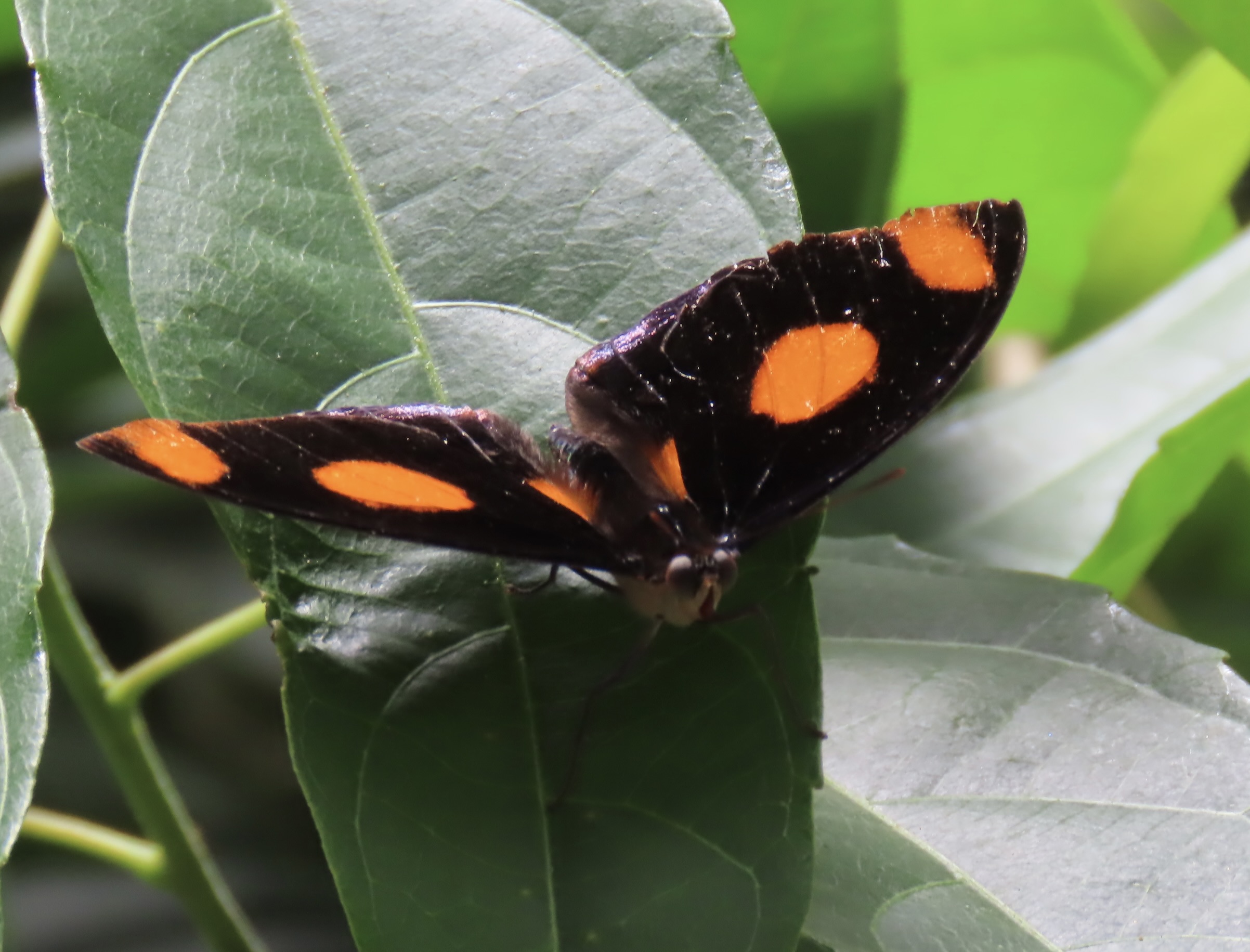
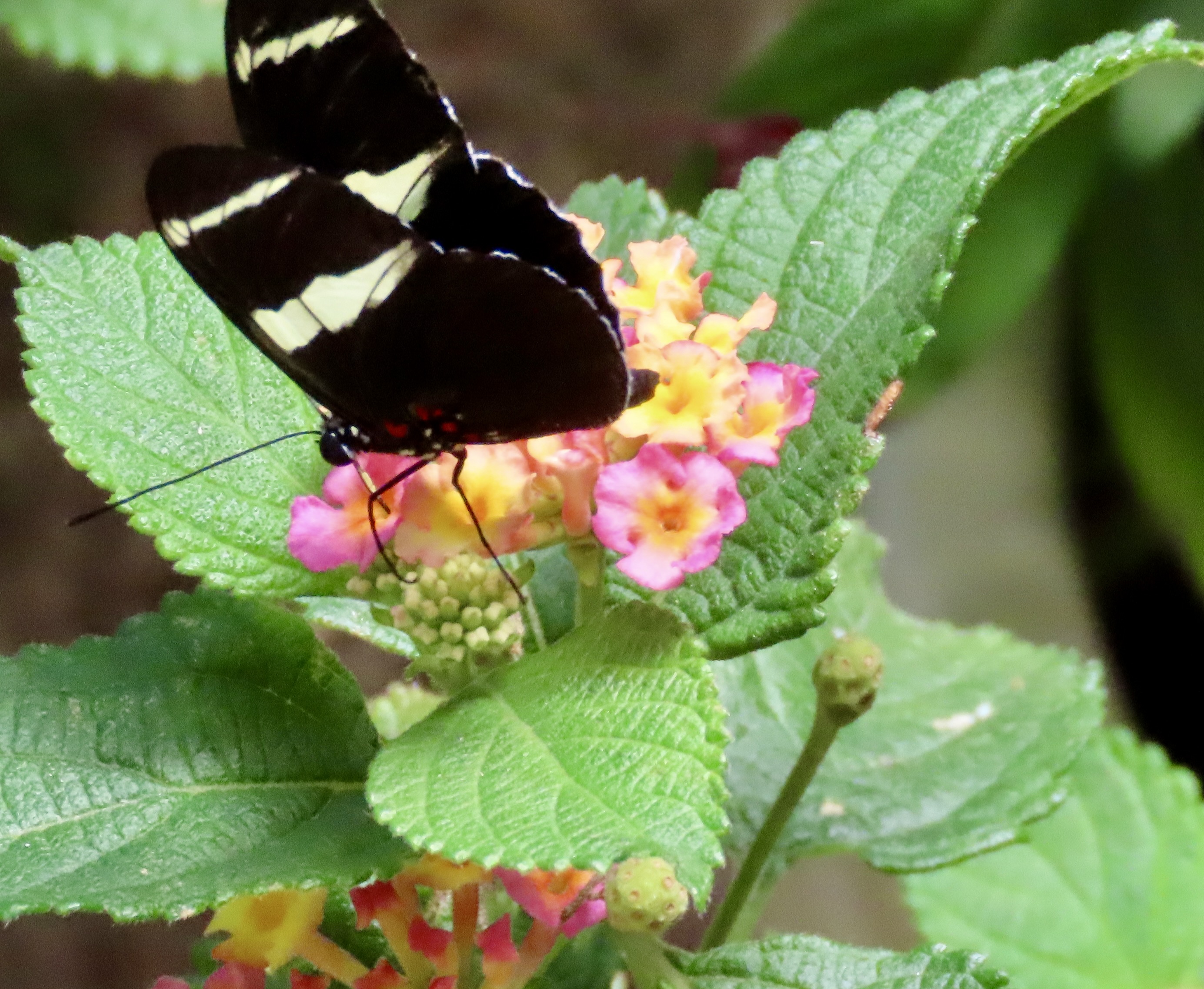
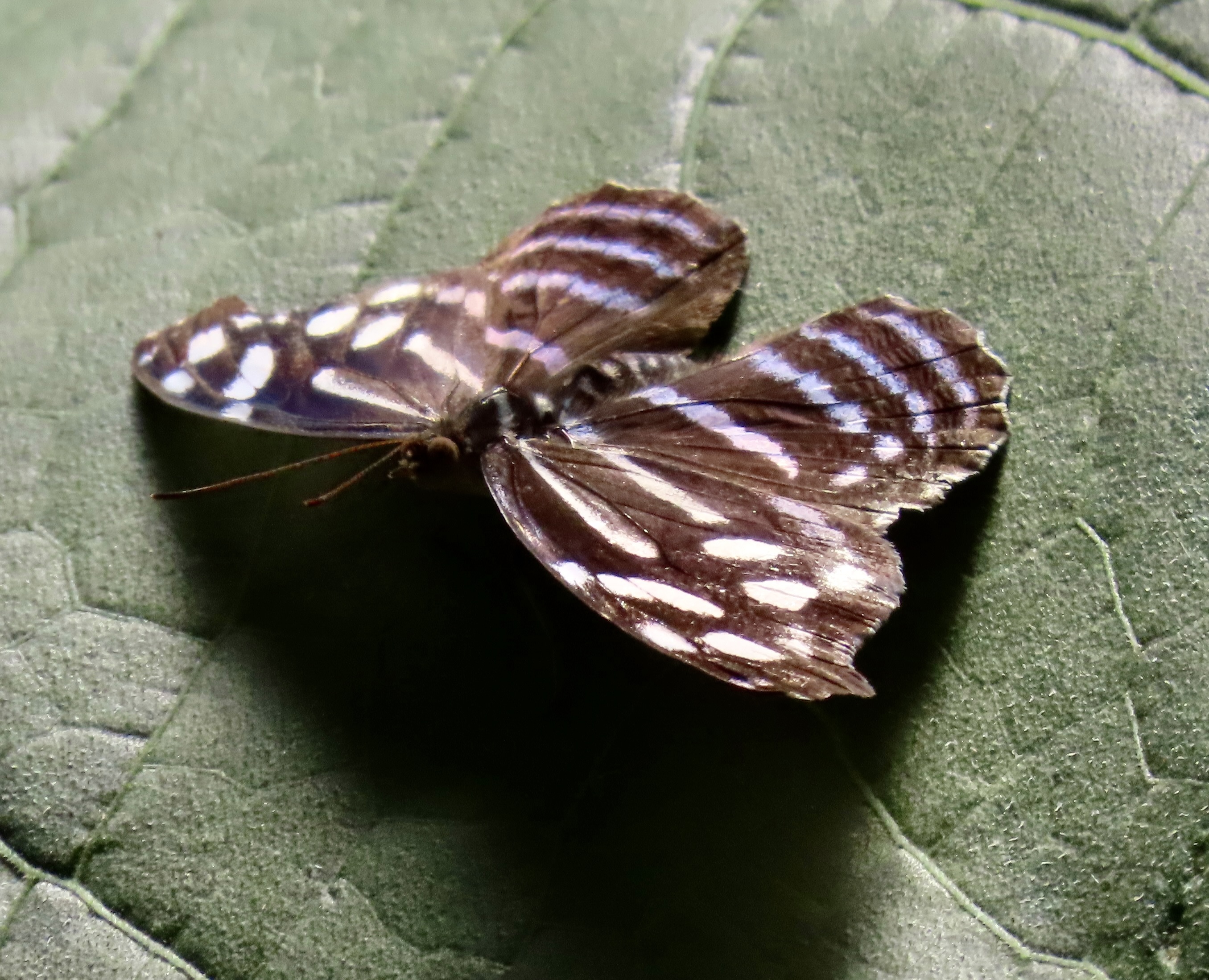
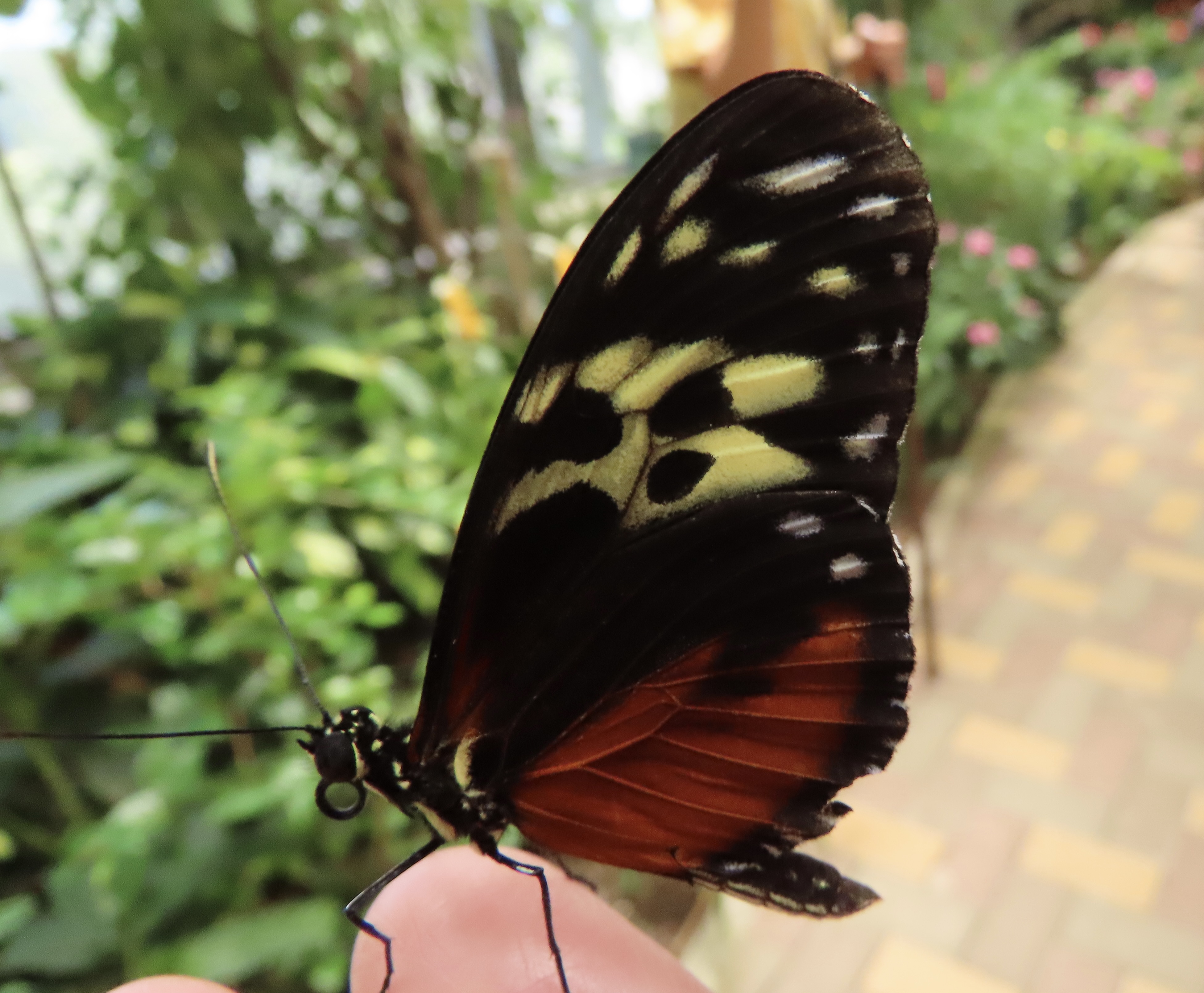
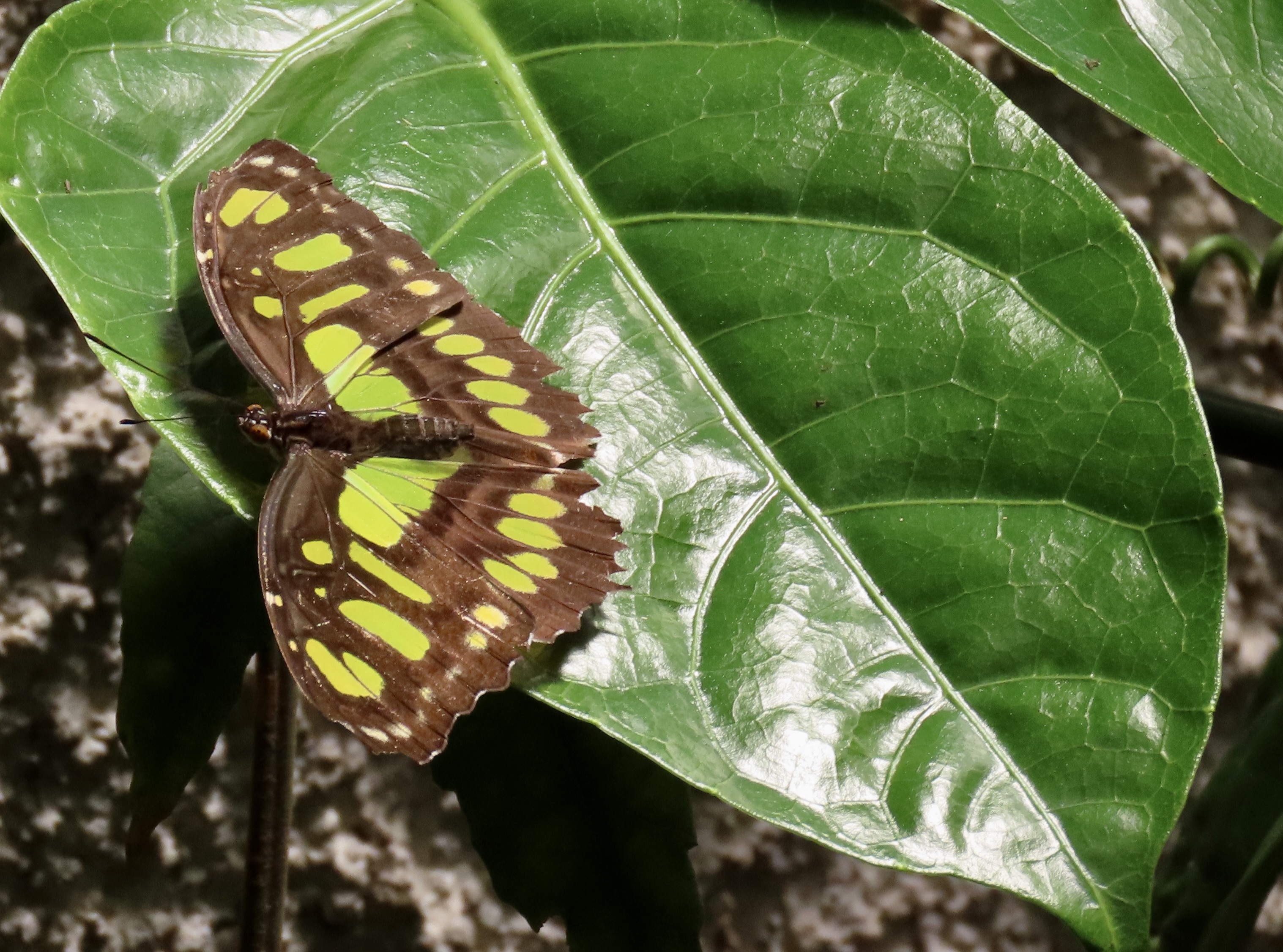
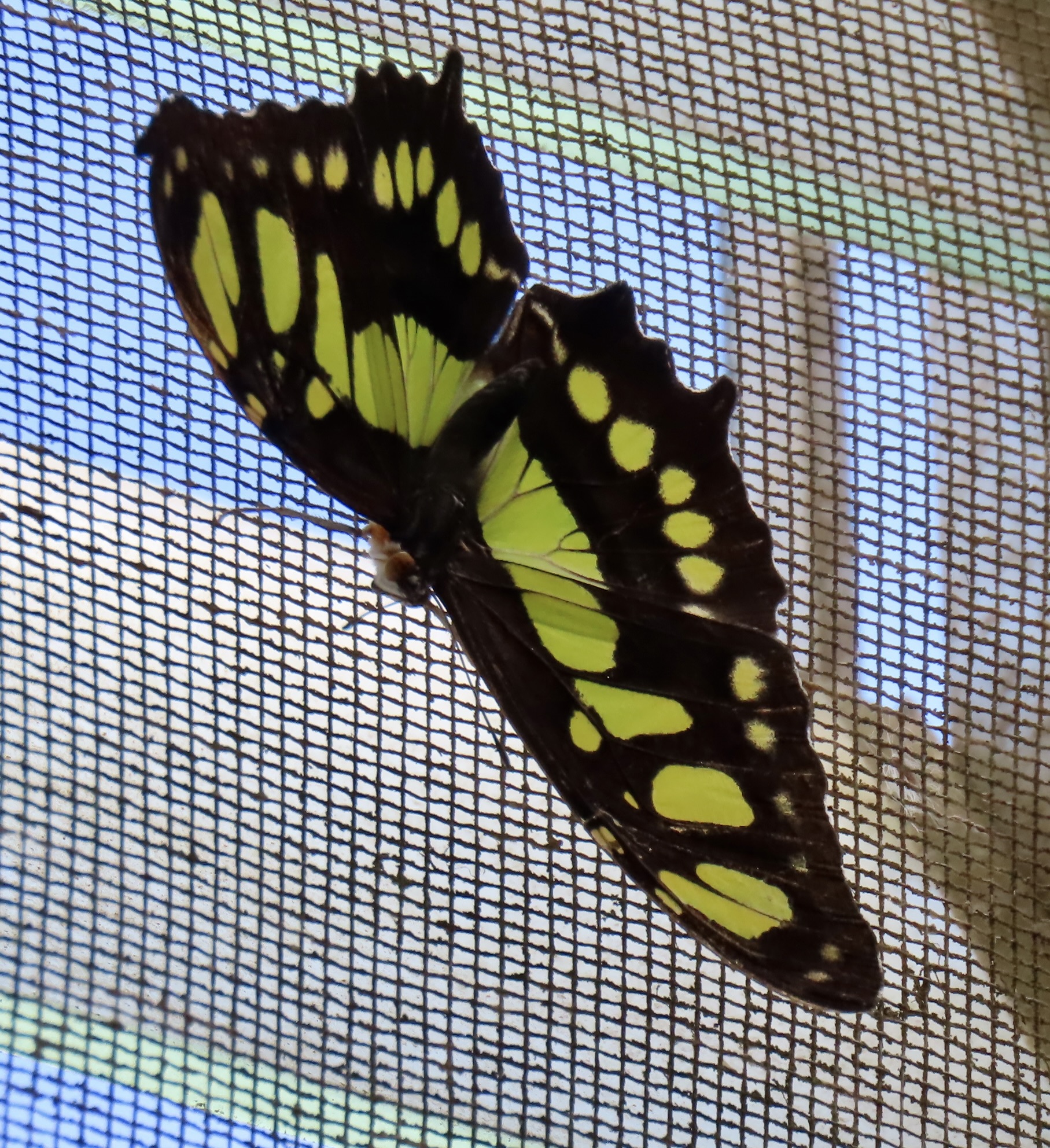
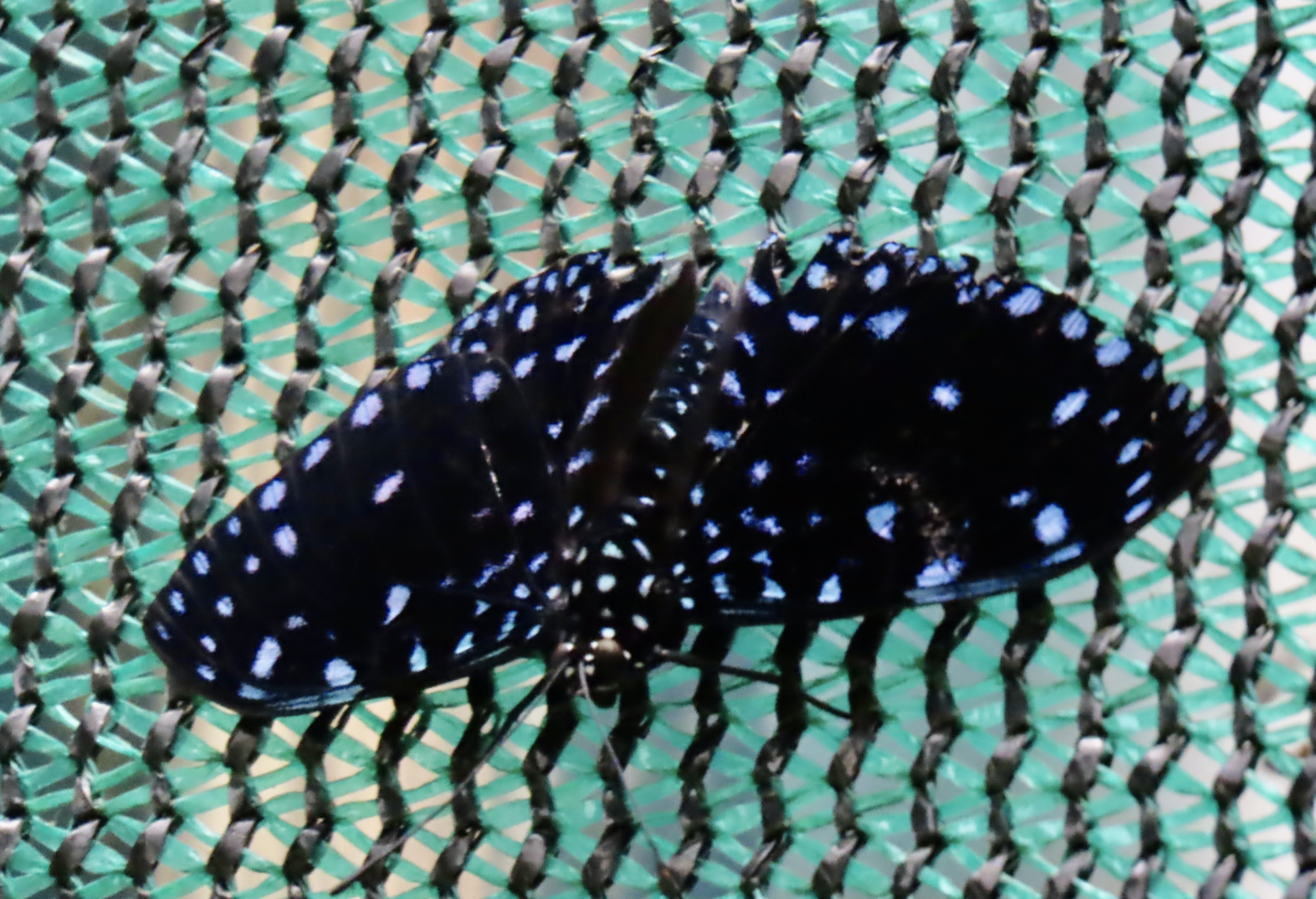
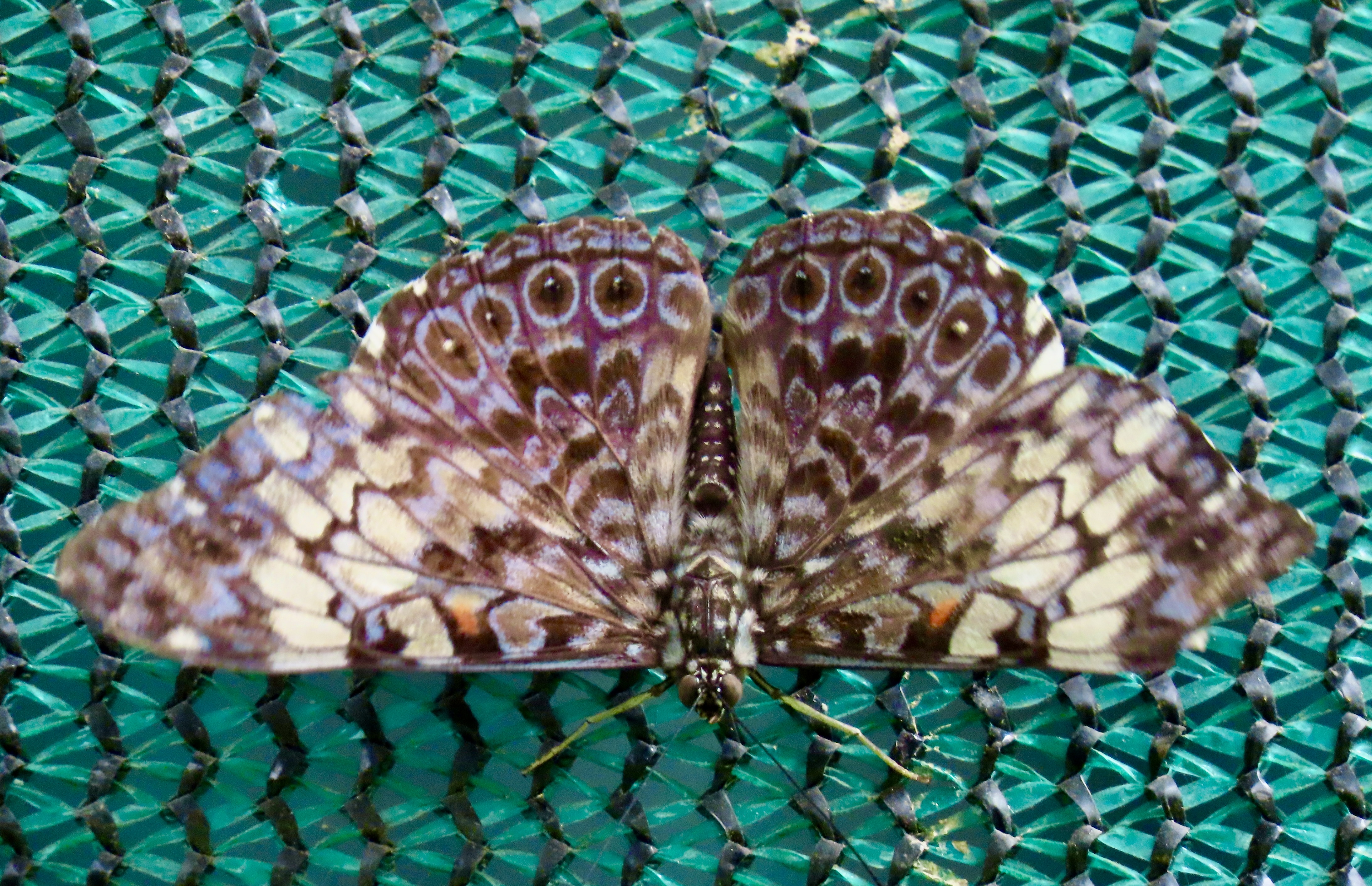
Set off by green, a Green Longwing Butterfly. Great camouflage. One of a number of butterflies that pretend to be dead leaves. This may be excellent camouflage on leaf litter covered forest floor. Not so good here.Red spots. This may be a ‘see me, see me’ look as opposed to camouflage. The caterpillars of some butterflies feast on plants that are poisonous to birds, lizards and other predators. The poison is transferred to the butterfly. Instead of hiding, the butterfly, announces its presence with bright colors that are designed to tell predators ‘You really don’t want to eat me.’ Other butterflies may adopt the same colorization in what is known as Batesian mimicry. They aren’t poisonous, but who’s to know the difference?Lunch. Butterflies, unlike caterpillars, sip nectar with their long proboscis instead of eating leaves. This is a HeliconiusSara (I think.)This sulfur colored butterfly is using its proboscis to sip watermelon juice. Note the color of the proboscis. Many Costa Rican butterflies take advantage of fallen, rotting (translate fermenting) fruit for food. They can actually become a little tipsy.This one looks like the same species as above with its wings open.Brown on green.I call this a finger butterfly since it landed on Peggy’s finger and refused to get off. It may be a Crimson Longwing.I’m going with a Malachite Butterfly on this one.And this one as well even through the colors are dramatically different. But note how close the pattern of their spots is. The butterflies often rested on the screens that kept them in the butterfly houses. Maybe they were longing to be free.Peggy’s favorite, a Starry Night Cracker Butterfly.And a final beauty. This is a Variable Cracker Butterfly. The unusual cracker name is said to come from the noise they make when they are flying.As for what noise that is, I lifted this: “The Cracker butterfly gets its name because the males are able to produce a crackling sound, reminiscent of bacon cooking in a frying pan. They make the sound when they take off, by twanging a pair of spiny rods on their abdomen against their anal claspers.” Not sure about the anal clasper but it brings a vision to mind.
Next Post: It’s back to UT-OH with two more final tales about the Mekemson Gang. There’s the issue of how I lived up to Bertha Brays expectations about my leading her son astray (although there’s an issue of who led who.) And there’s a question about why Tony Pavy wanted to shoot me. It had to do with his pig.
Night tours are big in Monteverde, Costa Rica. Every corner seems to advertise one. Take a dash of the exotic, throw in a pinch of danger, add a competent, knowledgeable guide— and how can one resist? No wonder there were at least 10 companies to choose from. There is big money to be made. We paid our $300 and off we went. We had an excellent guide, Marvin. He found us each of the big three, don’t mess with me, attractions, plus more.
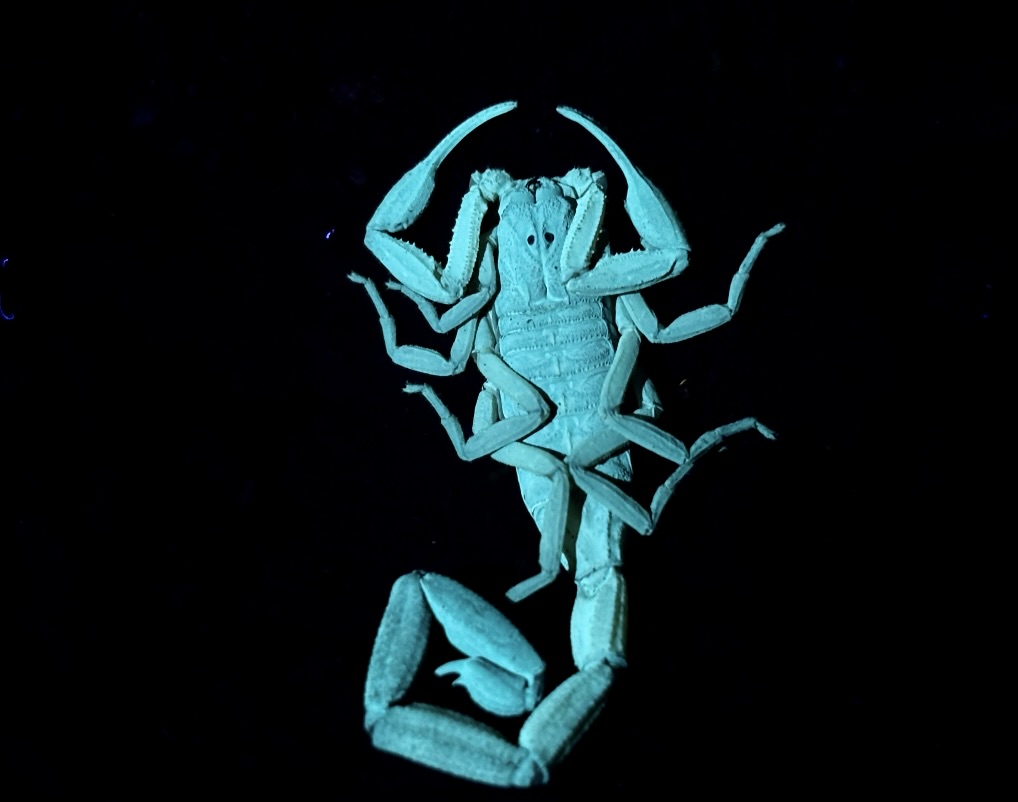
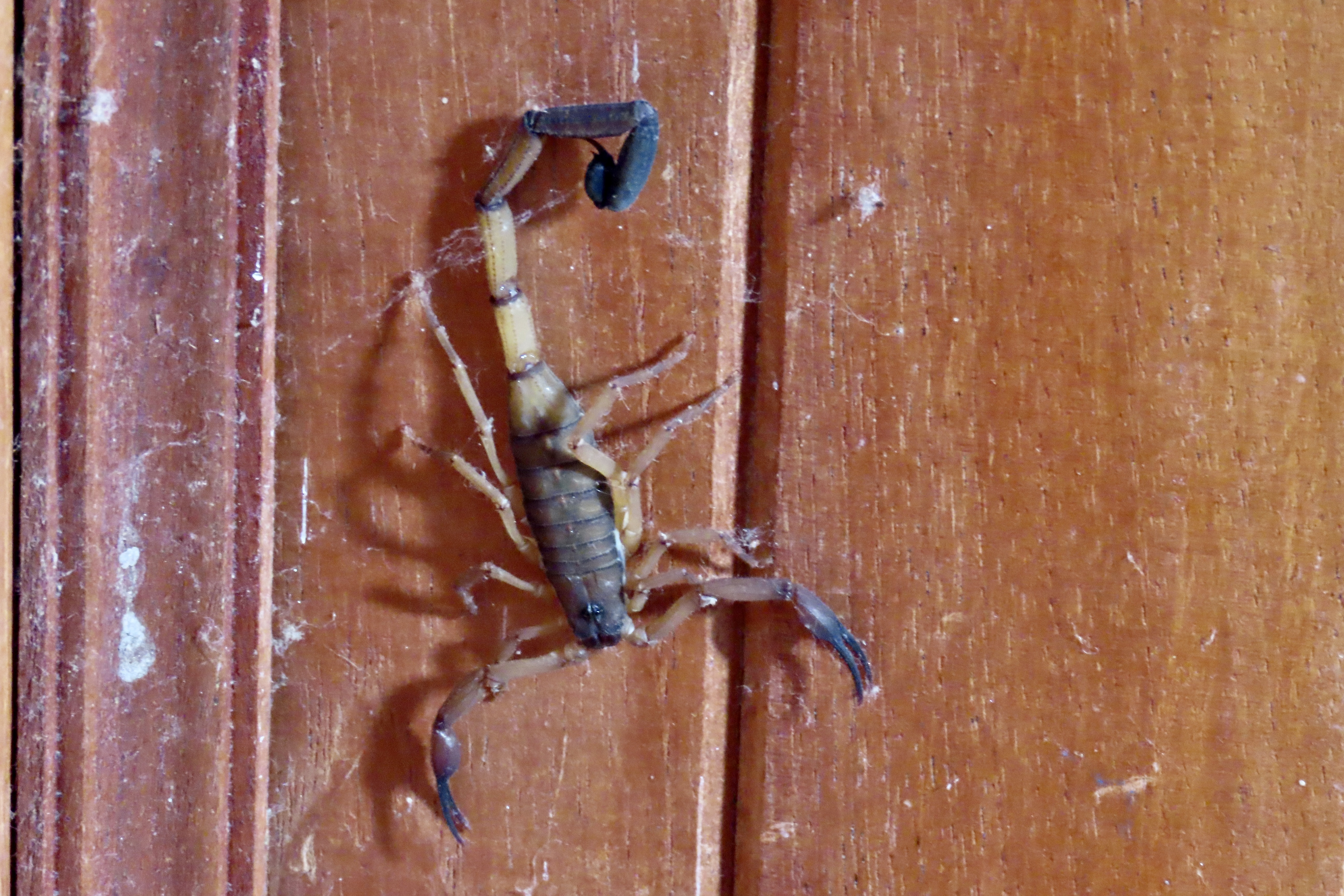
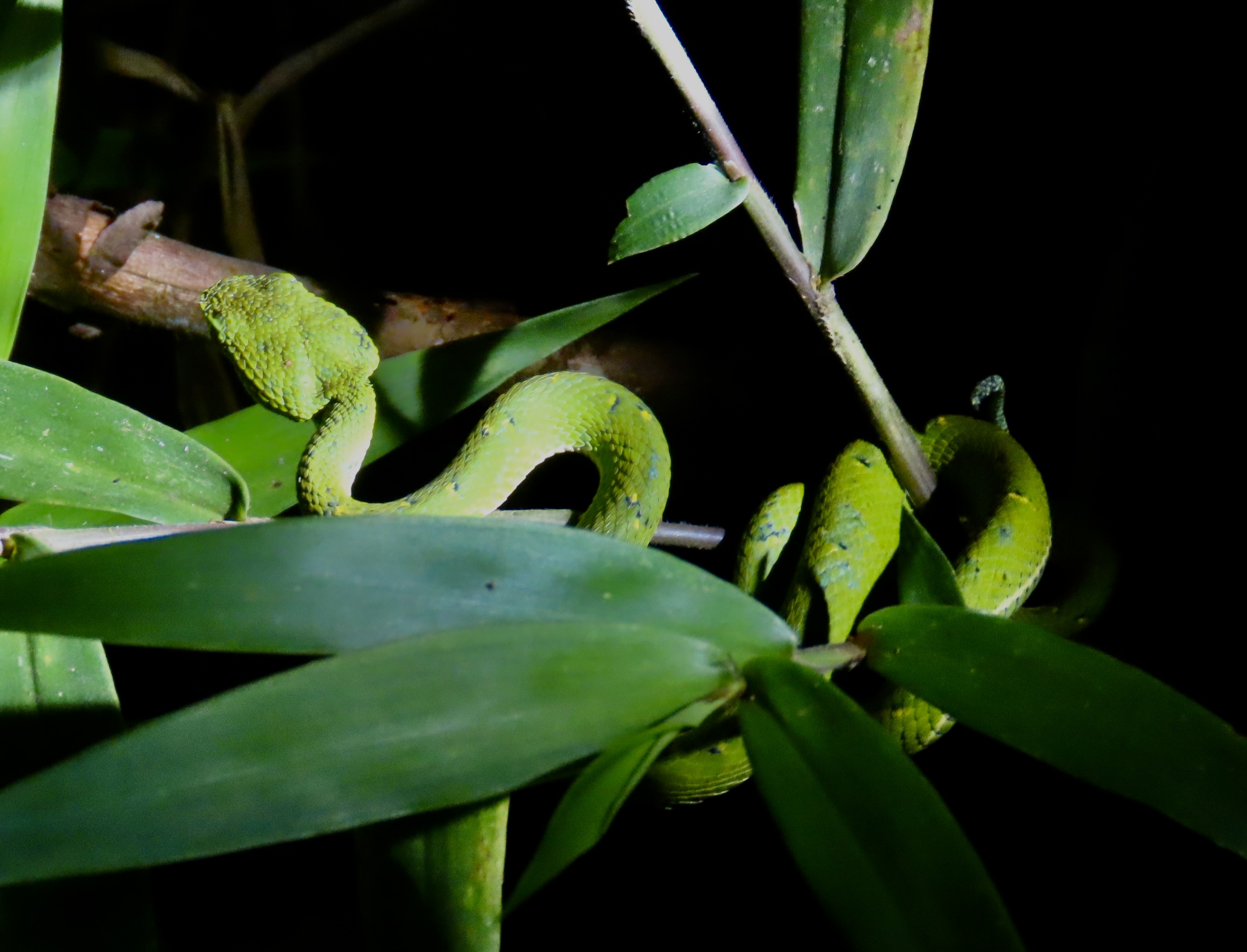
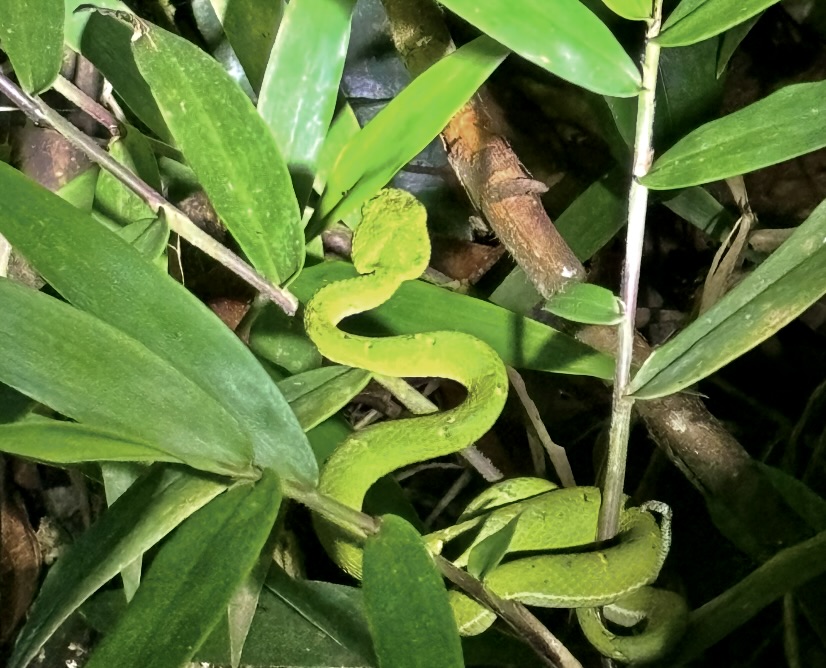
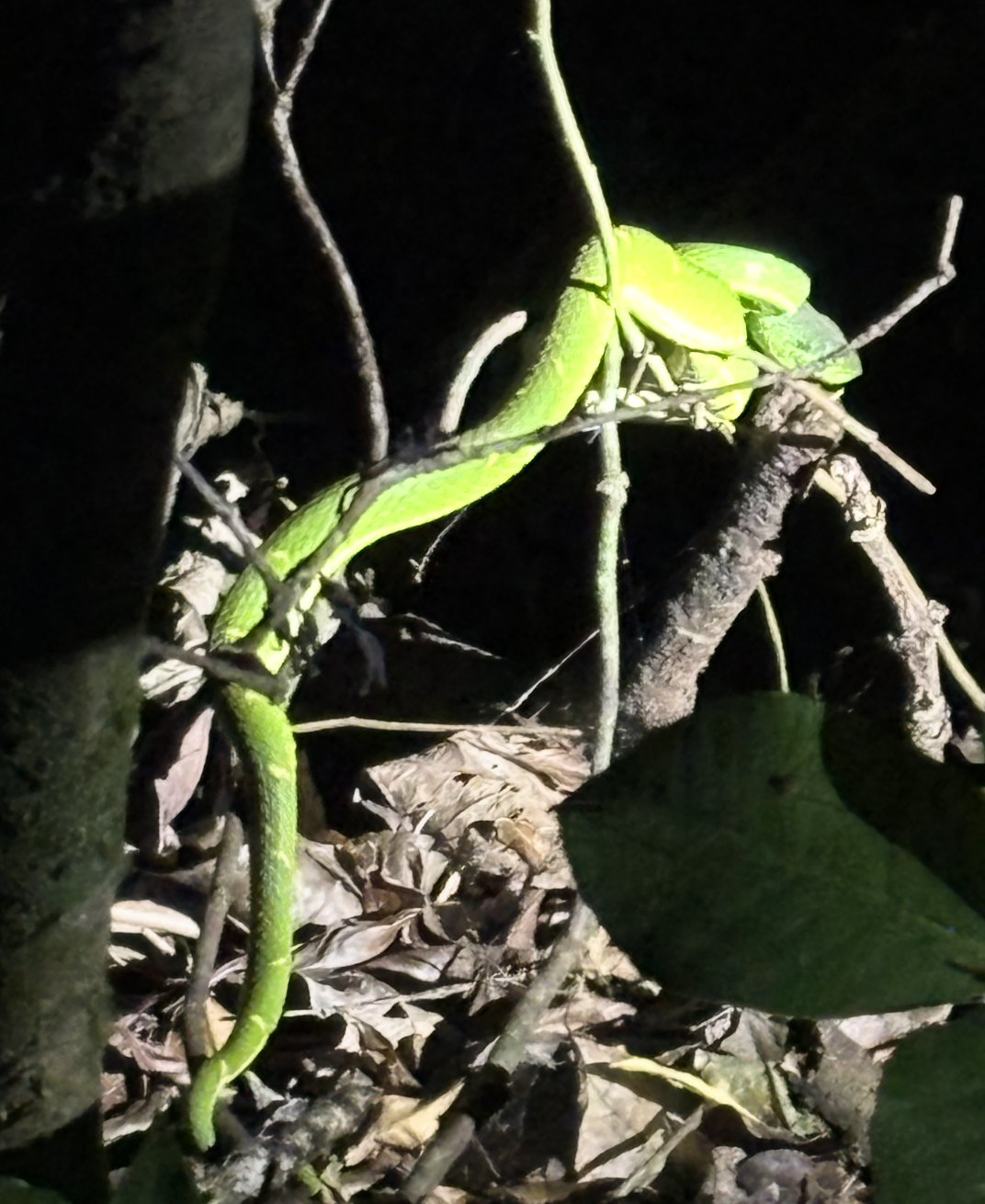
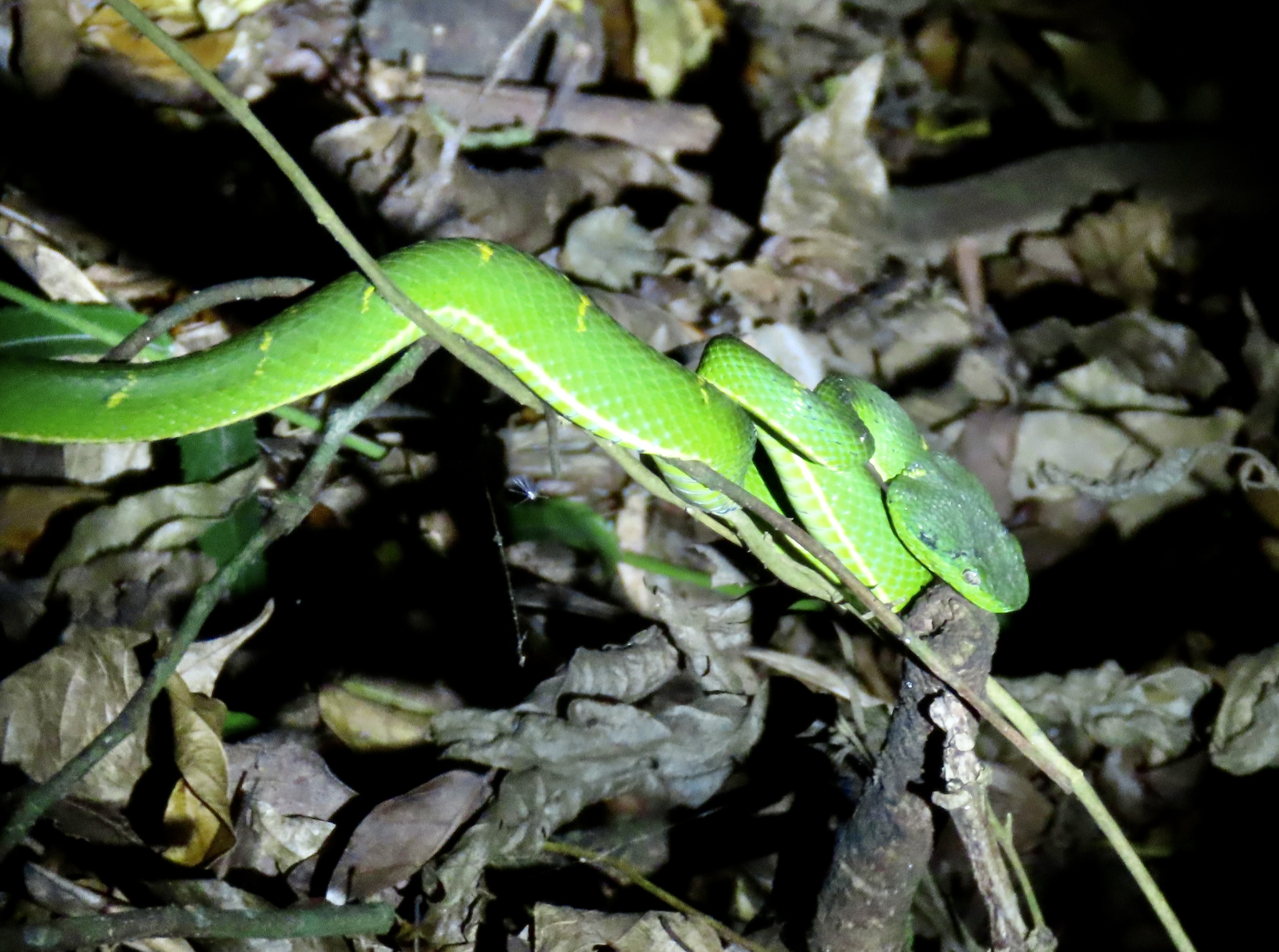
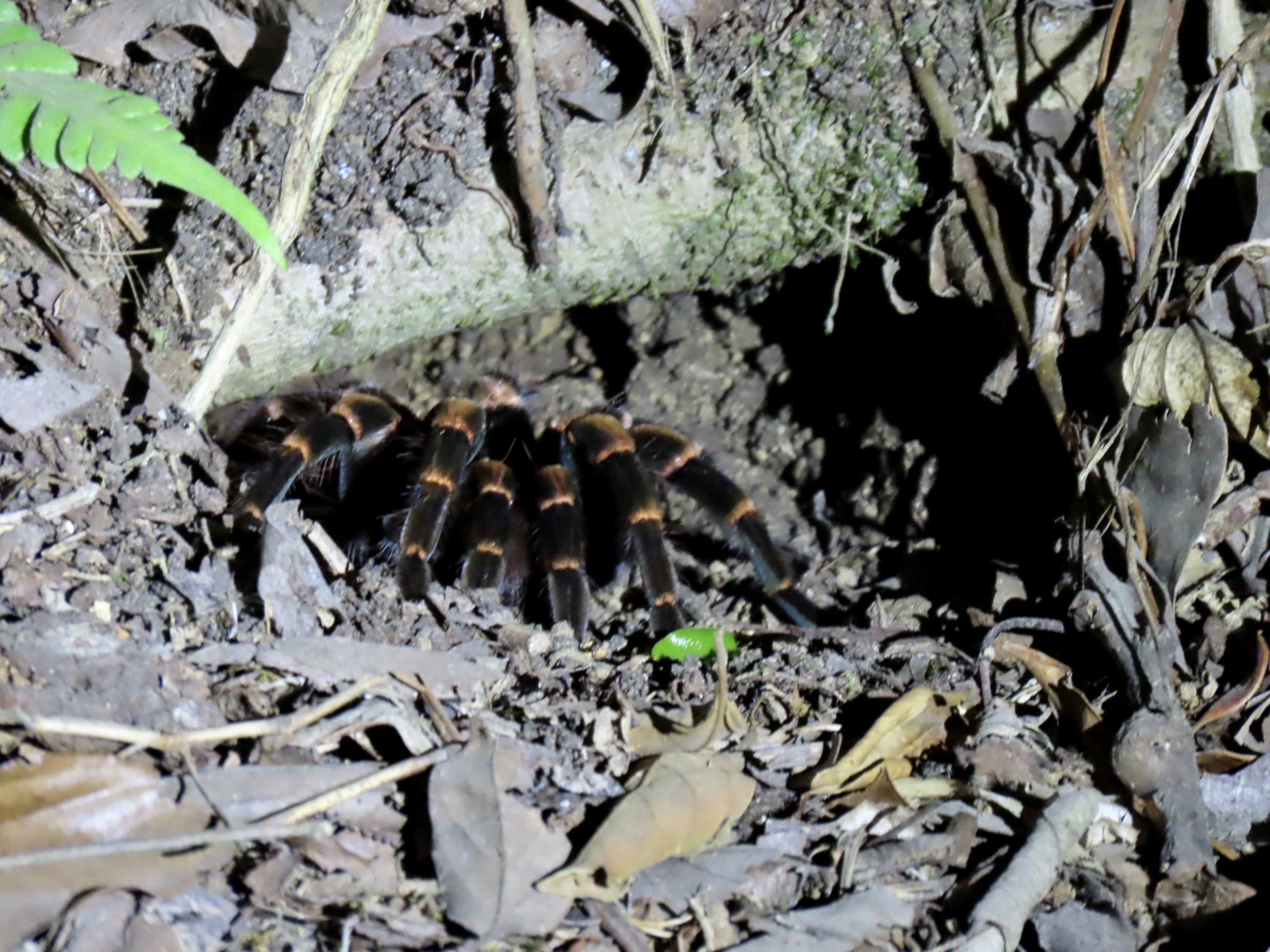
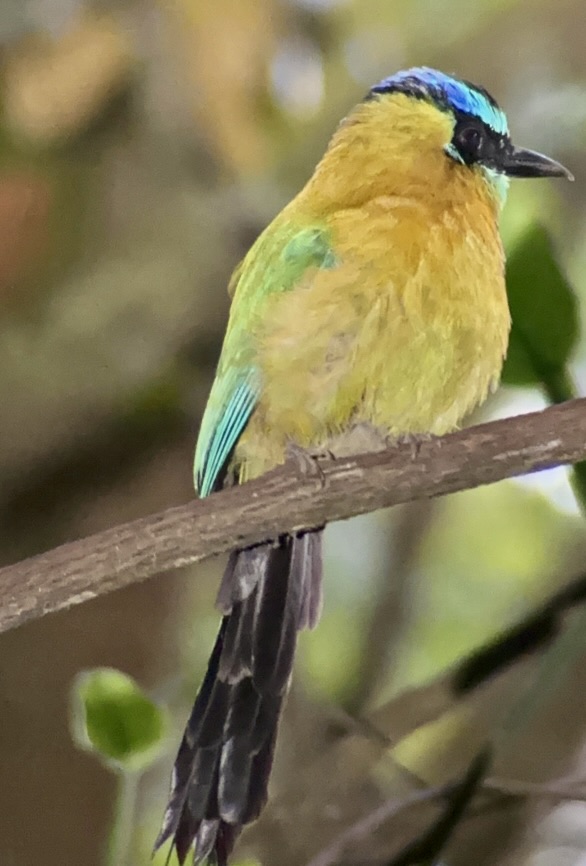
This iridescent, blue-green fellow was one of the creatures we came across. Actually, our youngest grandson, Cooper, spotted it first. Our son Tony claimed ‘That’s because Cooper is closest to the ground.” You will recognize this blue-green insect for what he is. A scorpion. I’ve seen many over the years. But never one of this striking color. They all pack a mean sting. Costa Rica claims that no one has ever died in the country from a scorpion. Well, except for that one girl…This one seemed almost tame in comparison. Our grandson, Chris, found it crawling up the wall behind him where he was watching TV at our VRBO. “Grandpa,” he yelled, “You have to see this.” “Well, hello,” I said, to the scorpion, and sent Chris scurrying for something to catch it with. He came back with a martini glass, i.e. large top, shallow bottom. Not ideal for catching something that packs a wallop in its tail, but great for a double martini if you get stung. Make it a triple. I slapped it over the top of scorpion but missed the offending appendage. It was swishing around trying to find me. I turned the glass right side up and he slid to the bottom, looking thoroughly peeved. “Just be glad it’s me,” I told him. “Anyone else and you’d be a grease spot on the wall.” It waved its tail at me in a single digit salute. I took him over to our balcony and tossed him out of the glass into the shrubs below. Chris, Peggy and I made a pact not to tell anyone else in our household. Mom might have had them packing.Next, on our pitch dark night, Marvin found a baby green pit viper known by the scientific name of Bothriechis lateralis, or if you prefer something you can pronounce, a side-striped palm pit viper. Apparently, they like to hang out in palms. Note its distinctive triangle shaped head: A sure sign you are dealing with a viper. Translate poisonous. There would be no trying to catch it! Least of all in a martini glass. I took this photo.Marvin, carried a spotting scope that gave us another view of the side-striped palm viper. He used Tony’s cell phone to take a photo through the scope. Here, you can see the stripe along its side. We each carried flashlights so we could see the trail plus light up whatever we wanted photos of. Not too far down the trail, we found an adult side-striped palm viper and Marvin took this photo through his spotting scope.I focused in on the upper part of its body. The viper, like New World monkeys, has a prehensile tail. It can use it to wrap around a limb while it dangles and relaxes. Or, he can whip it out to wrap around and retrieve dinner in the form of lizards and small rodents. While poisonous, few people die from its bite. Not so the lizards or a tasty mouse. The final member of our trio, a Costa Rican zebra tarantula, also known as the striped-knee tarantula. Peggy took this photo. These large spiders dig deep burrows into the ground which helps regulate temperatures. It’s reported that they often live together in large numbers. One was enough for us, but I must say, it was quite striking.Just so this post doesn’t give you nightmares, our night tour also produced less threatening species. This is Lesson’s Motmot seen through Marvin’s spotting scope. An owl butterfly. Marvin told us it was one of the largest butterflies in Costa Rica. It has large spots on the lower parts of its wings that resemble owl’s eyes when its wings are open.
Next up, the Mekemson Kids Did It: Something go wrong in Diamond Springs? Who do you blame? Like the gunslingers of the Old West, we developed a reputation that far exceeded our capacity for mischief.
Today, our focus series features ungulates. In case you don’t know what an ungulate is, like I didn’t, the short answer is that they are animals with hooves who walk or run on their toes. Did that help? They are divided into two categories: Odd toed ungulates (Perissodactyl) such as horses with one toe, and even toed ungulates (Artiodactyla) such as cows with two toes. The credit for having hooves goes to evolution. Horses, for example, started out with multiple toes just like us. They had 4 on the front and 3 on the back. Eventually, over millions of years, their claws/toenails expanded, grew together, and covered their toes. The evolutionary advantage being they could run a lot faster across grasslands and escape animals that wanted to eat them. A hoof is composed of keratin, the same fibrous protein that forms our toe and finger nails. It acts as a hard, protective casing that covers the toes and allows for weight-bearing, shock absorption, and traction— just like a good pair of running shoe works for our feet. But enough on the details. Let’s get to the fun part!
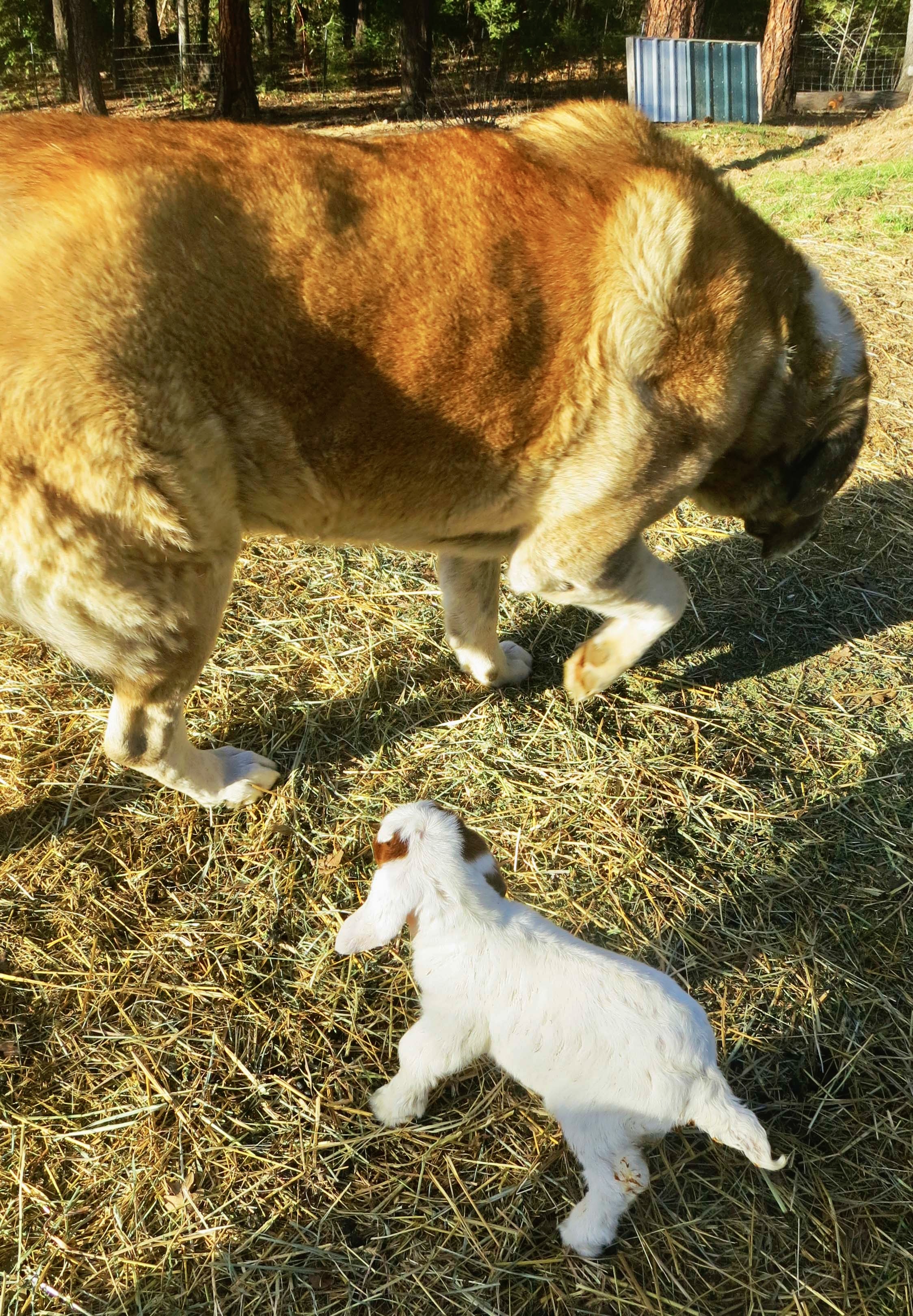
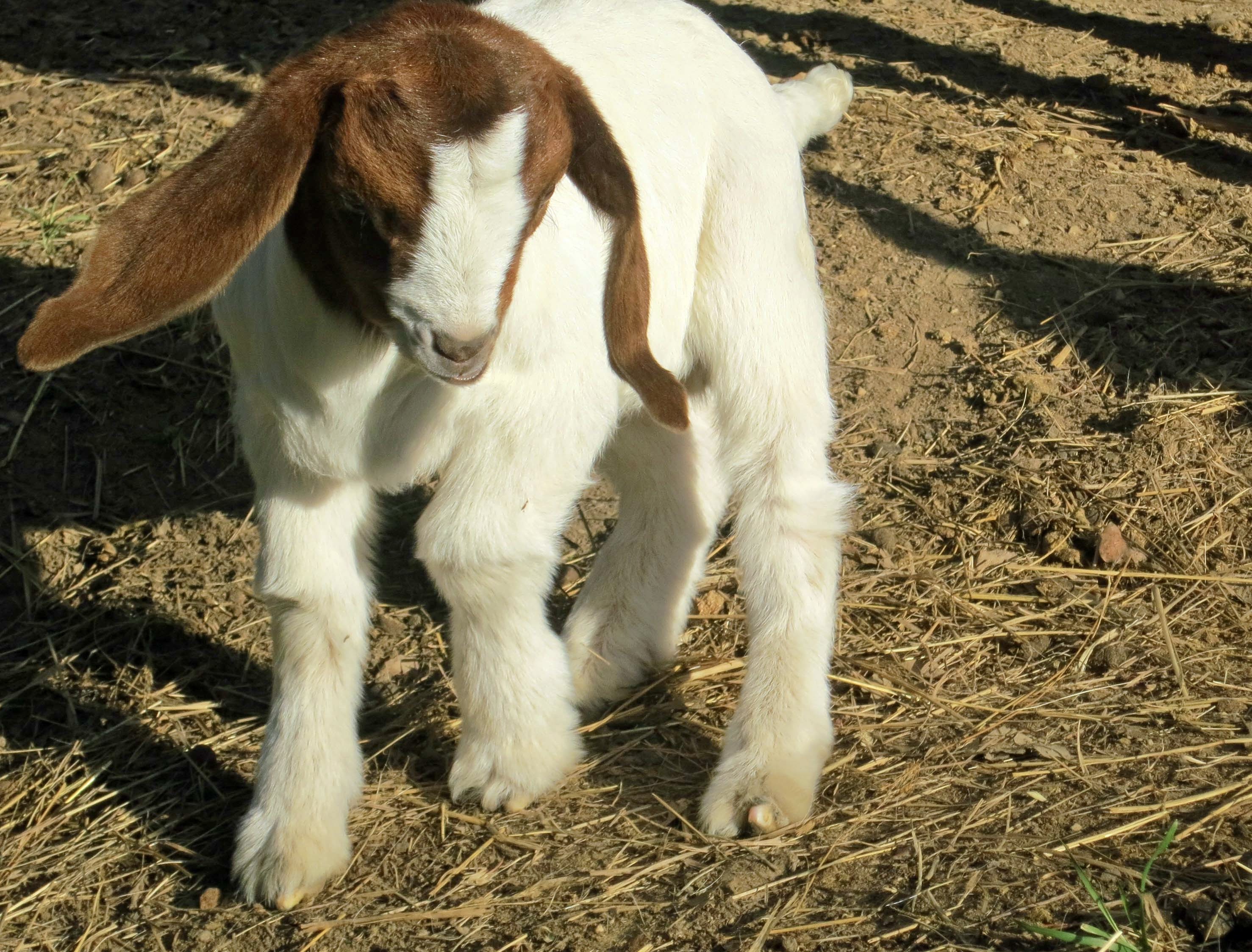
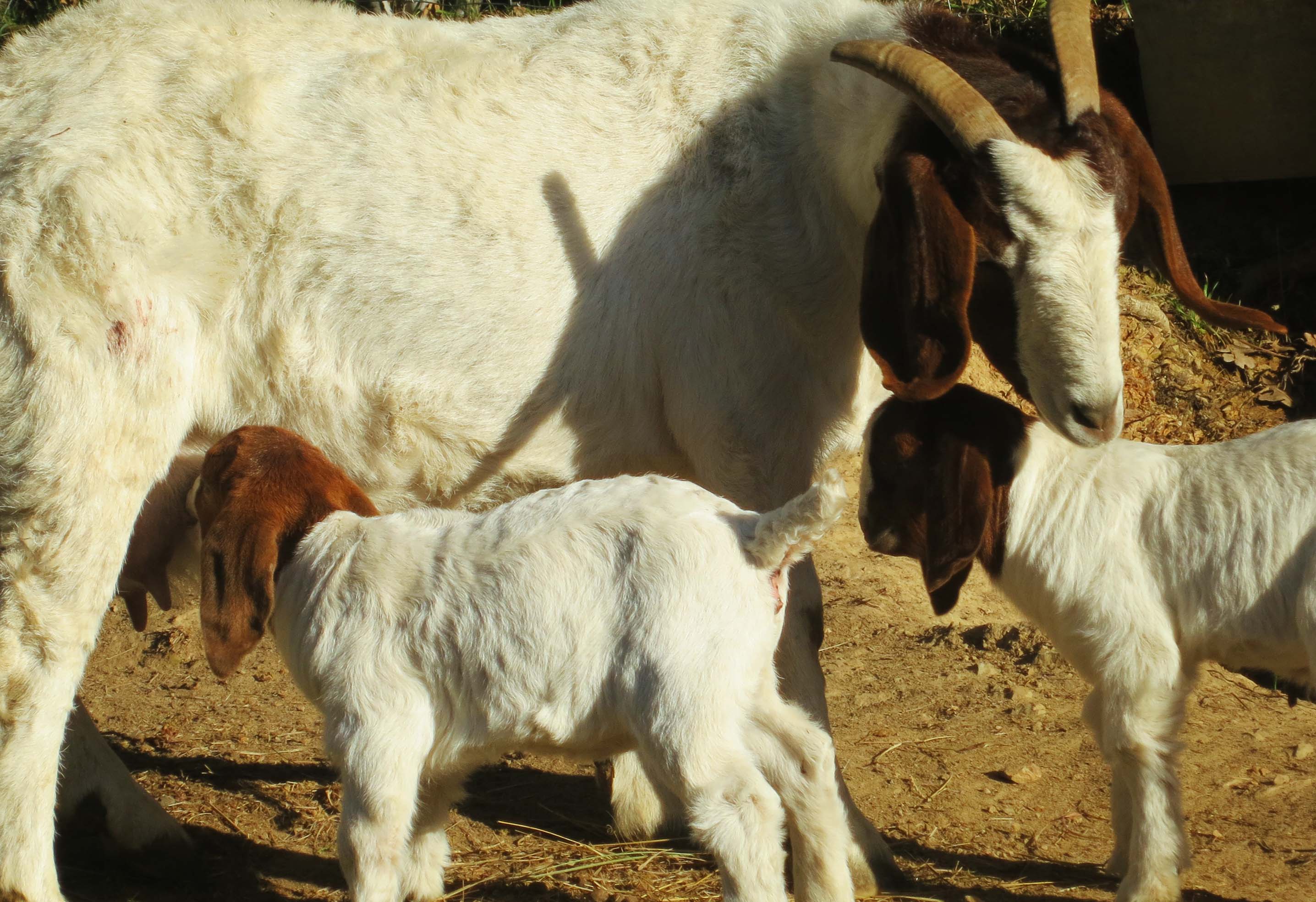
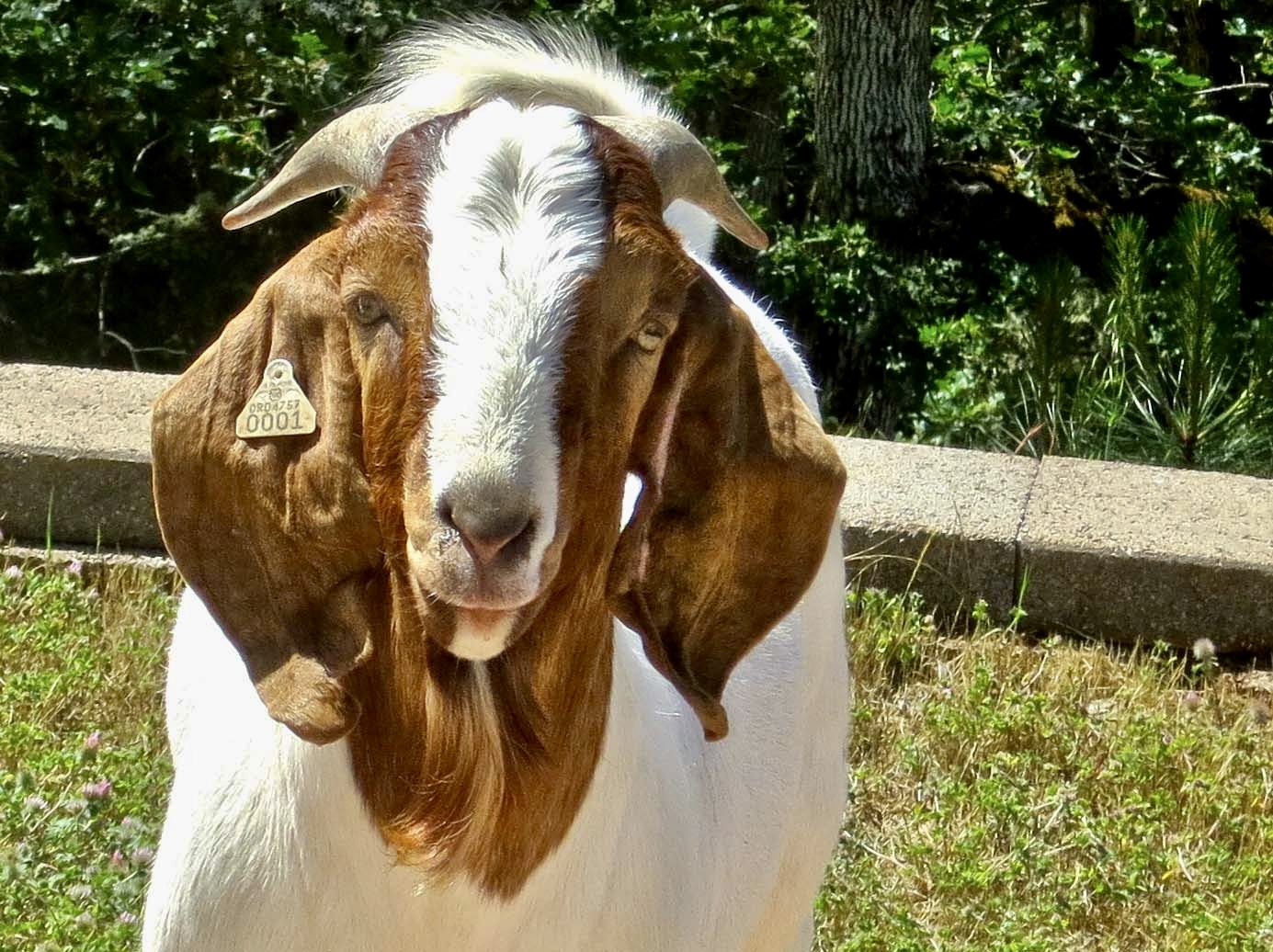
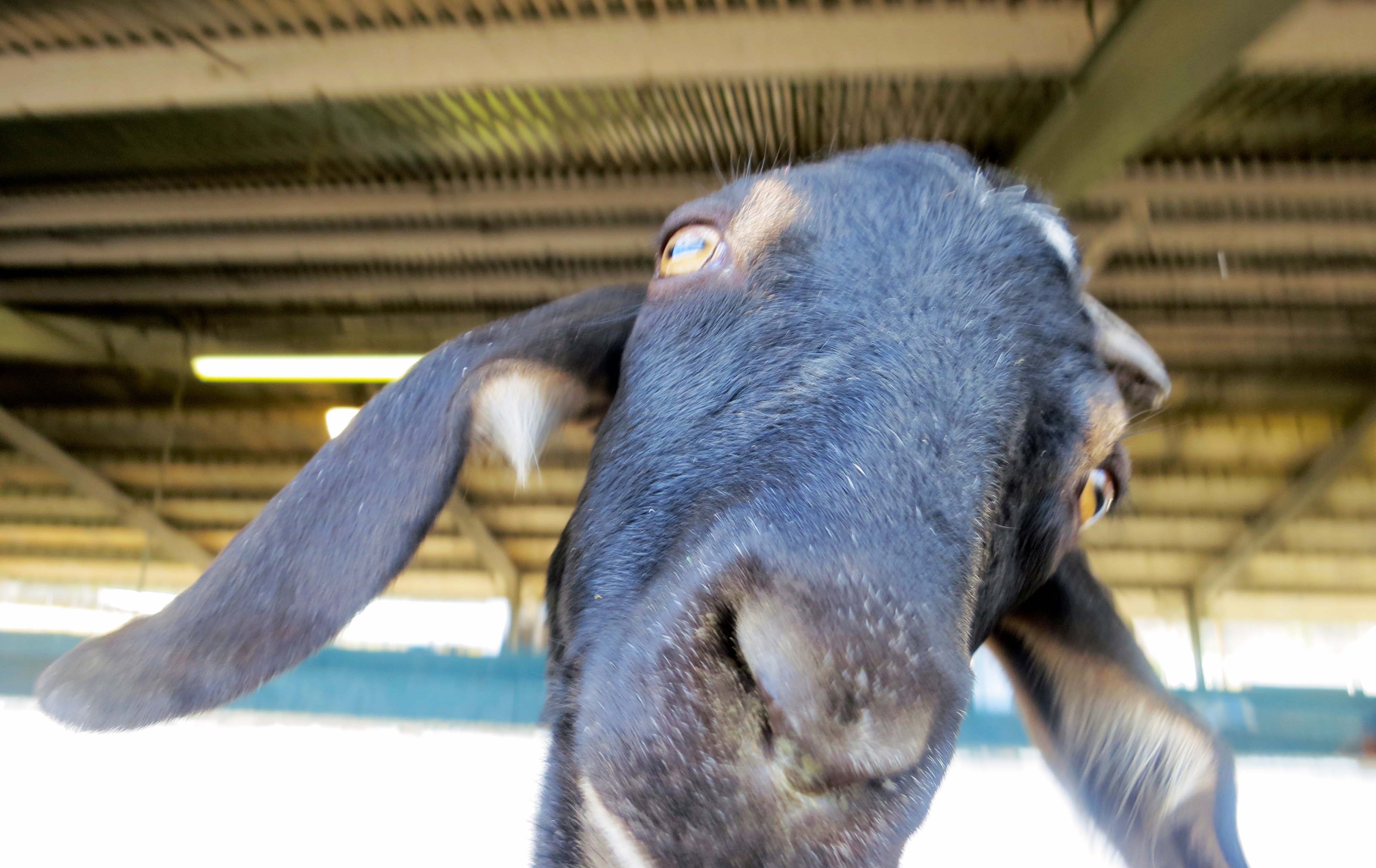
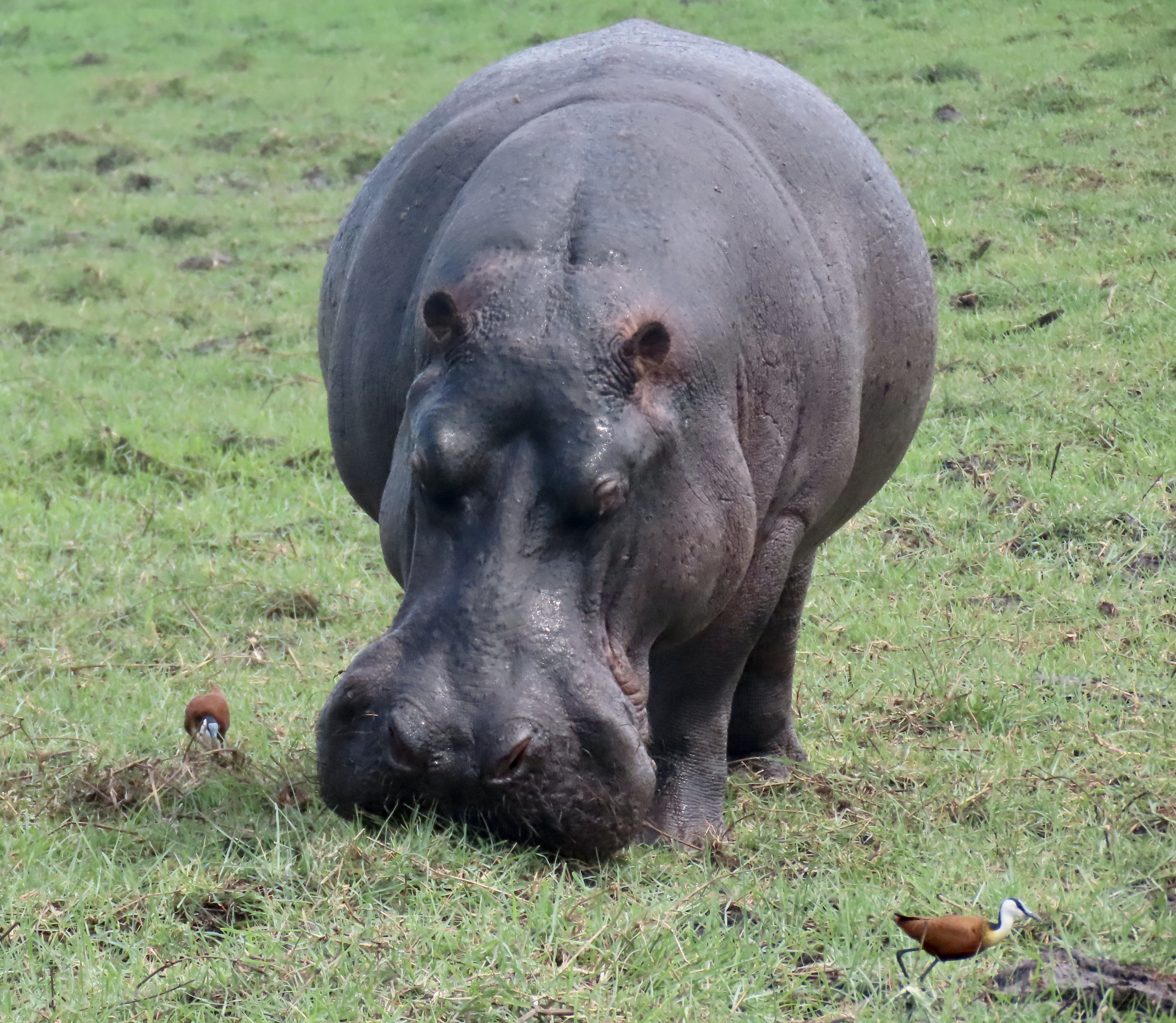
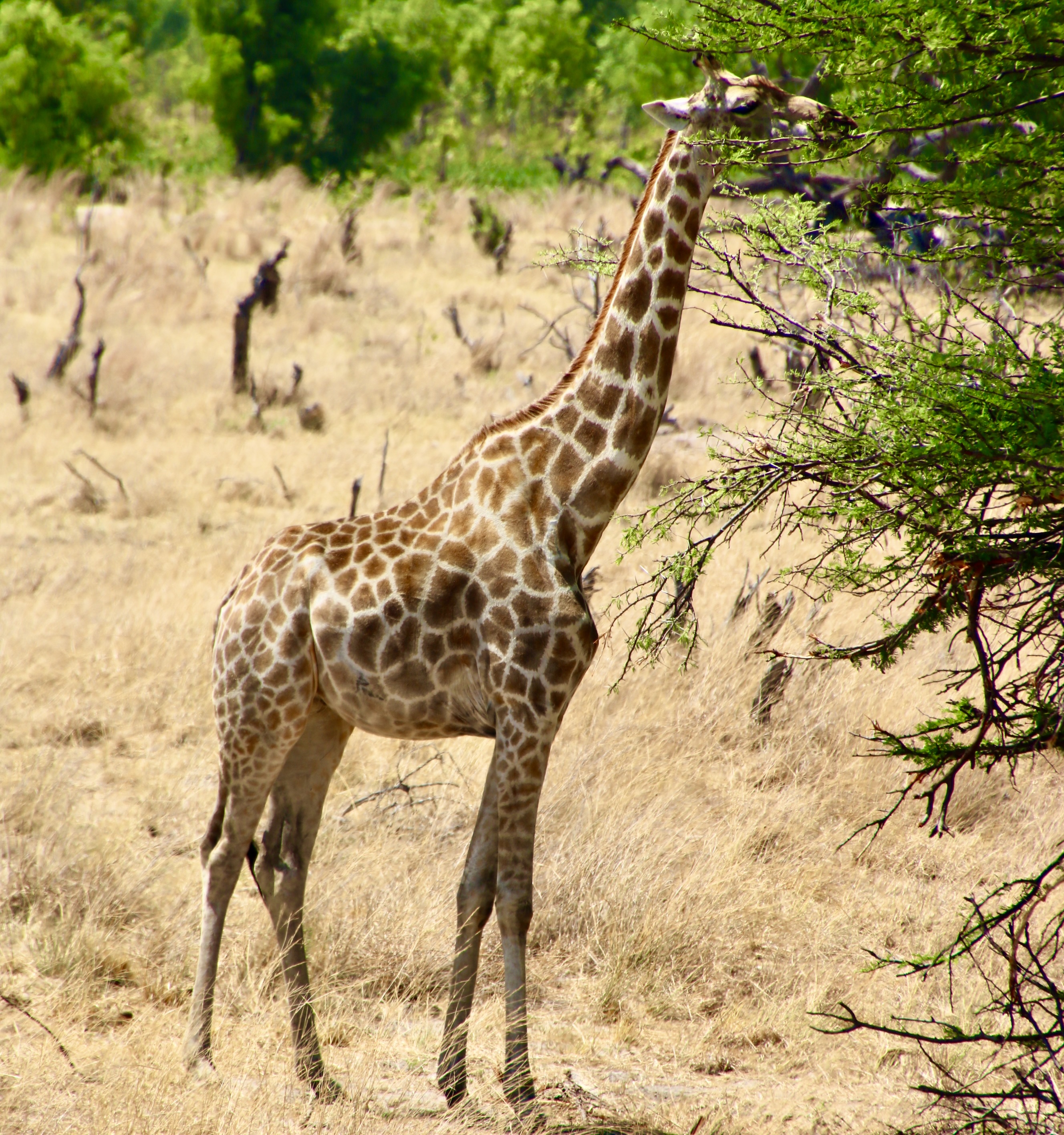
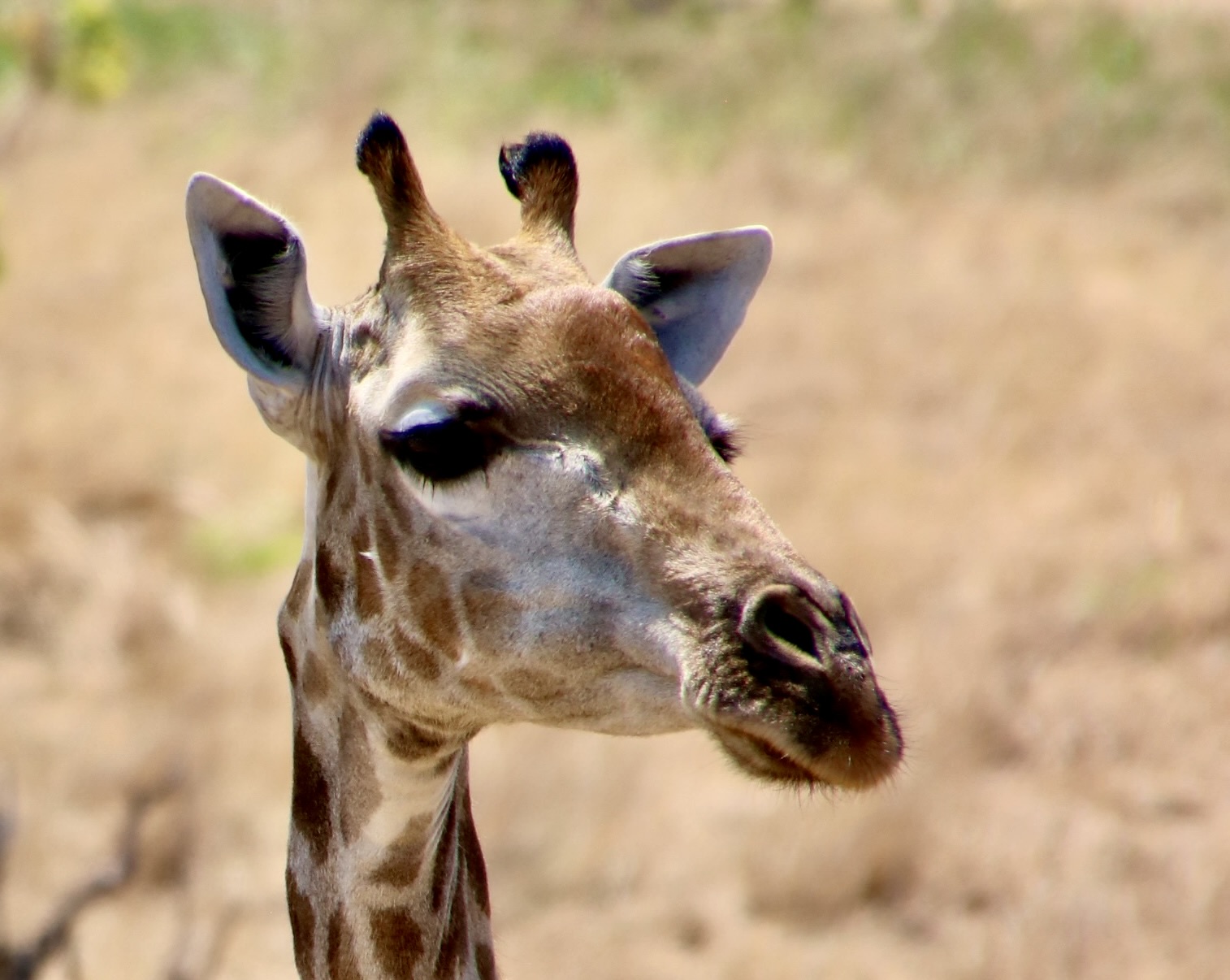
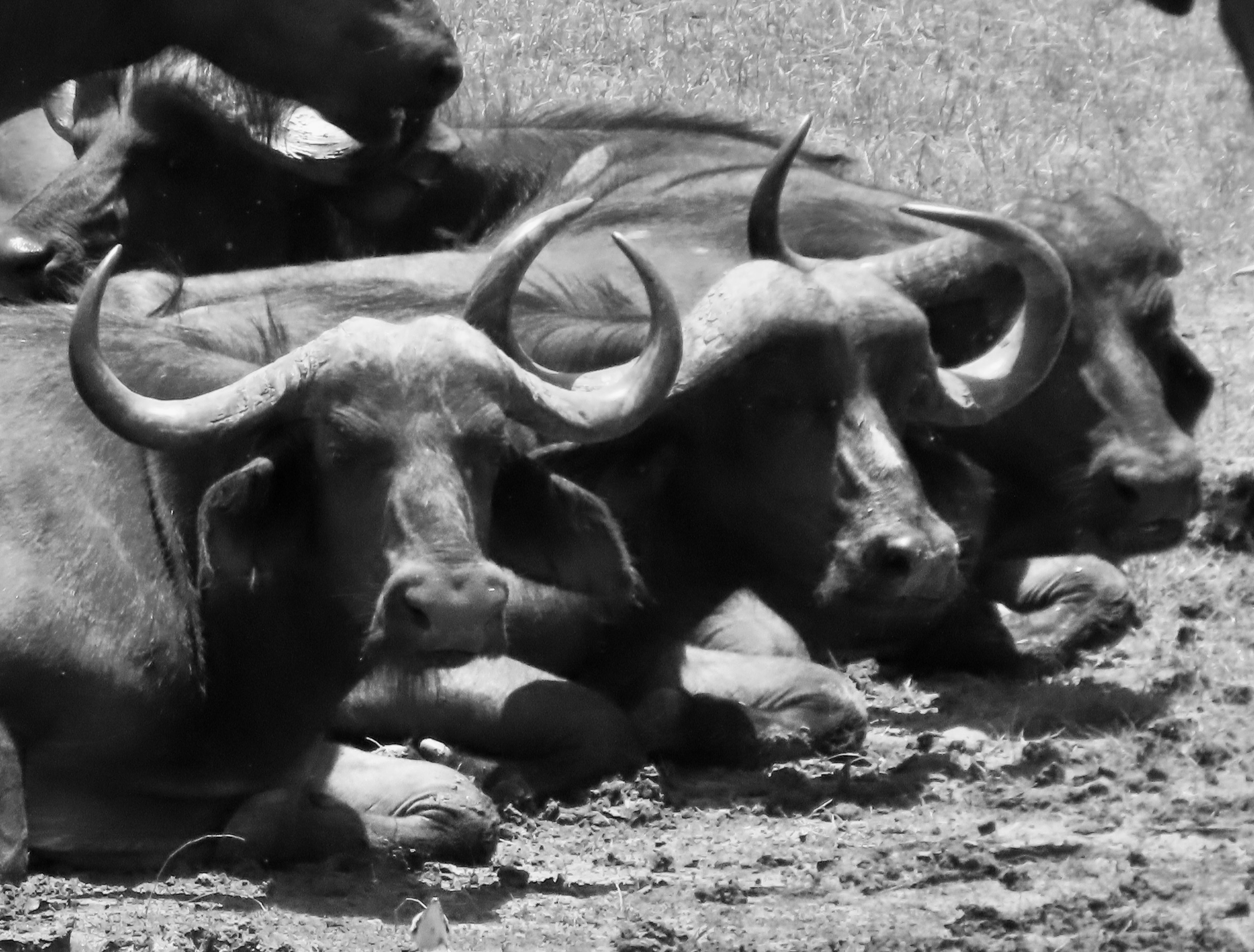
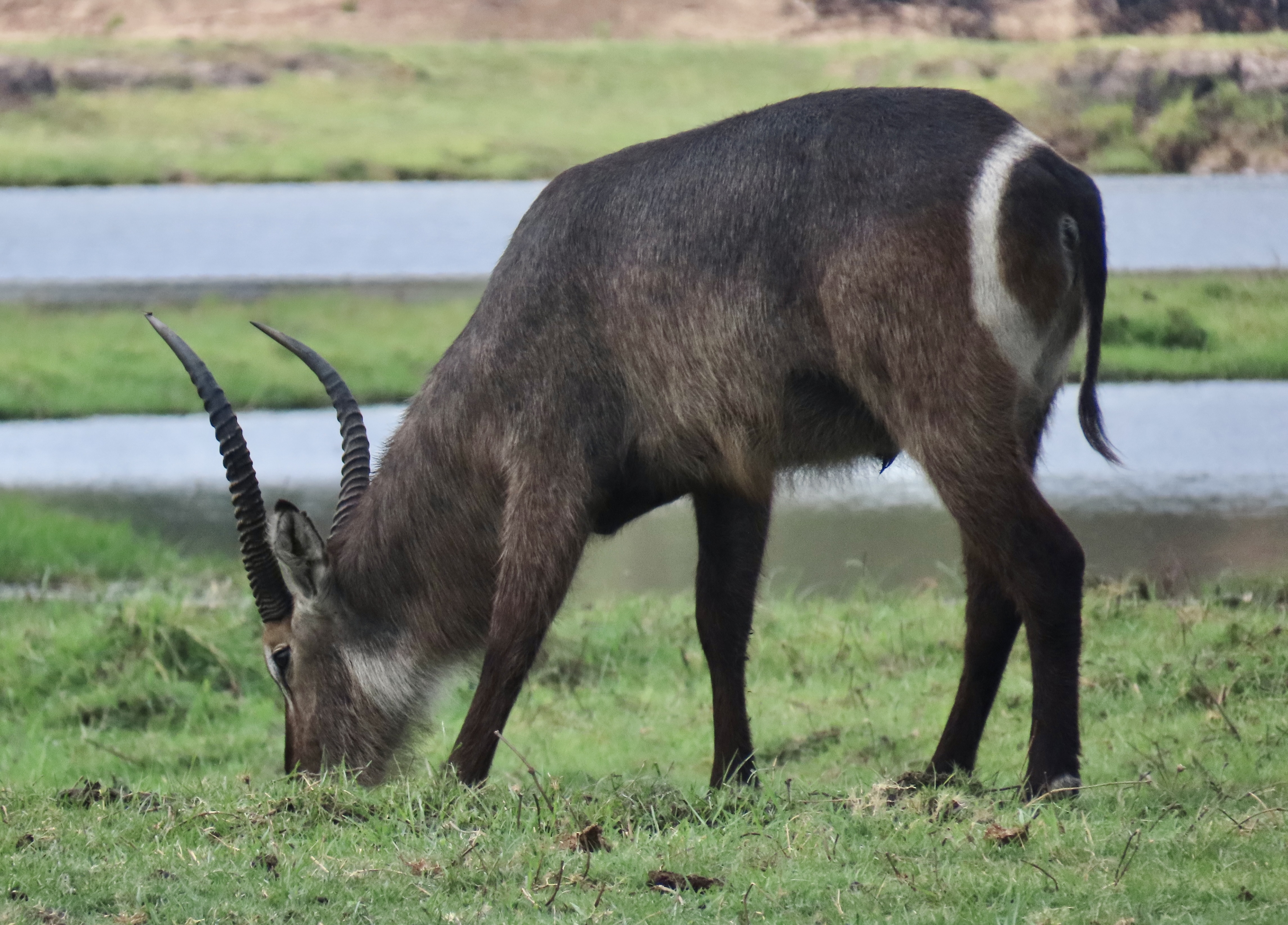
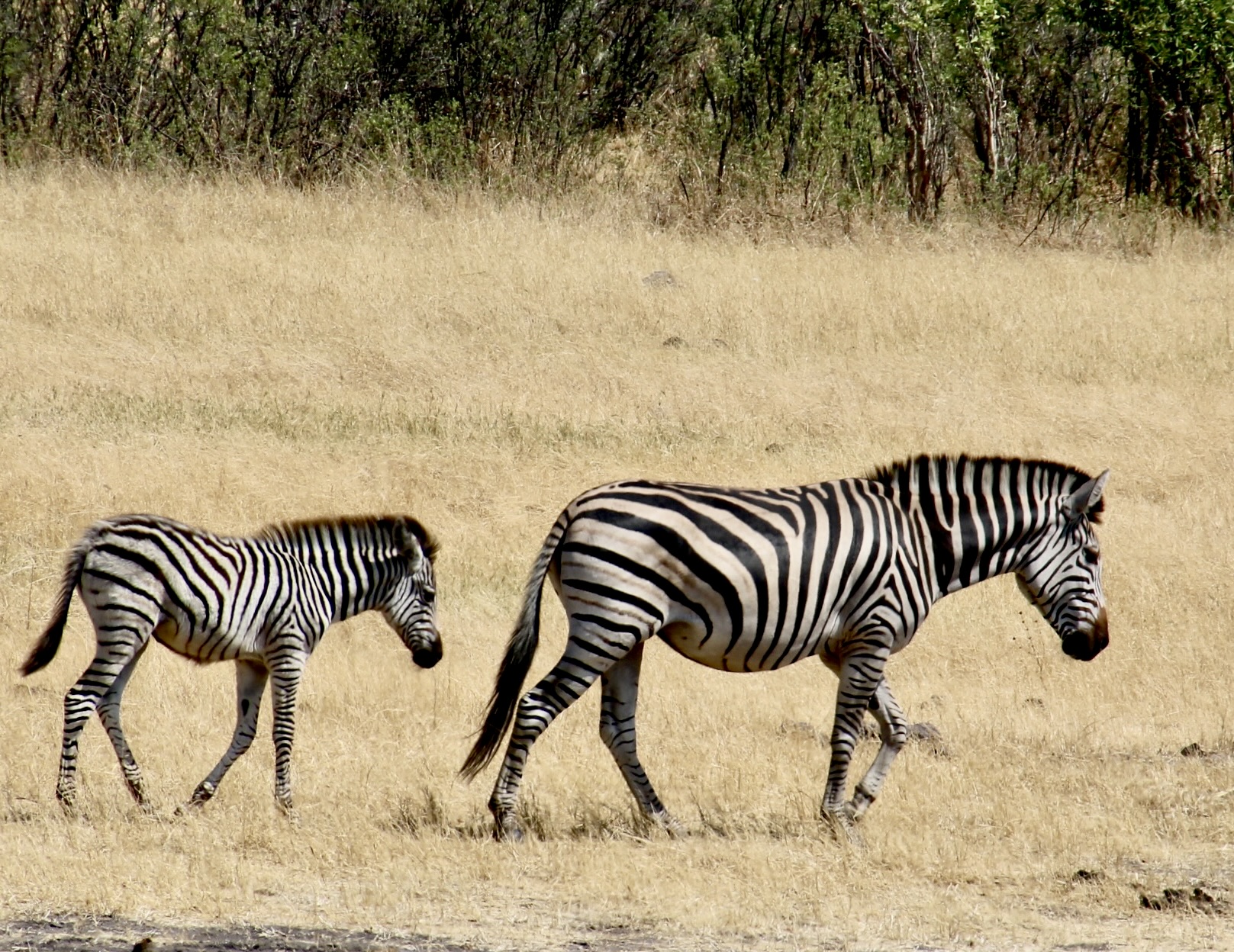
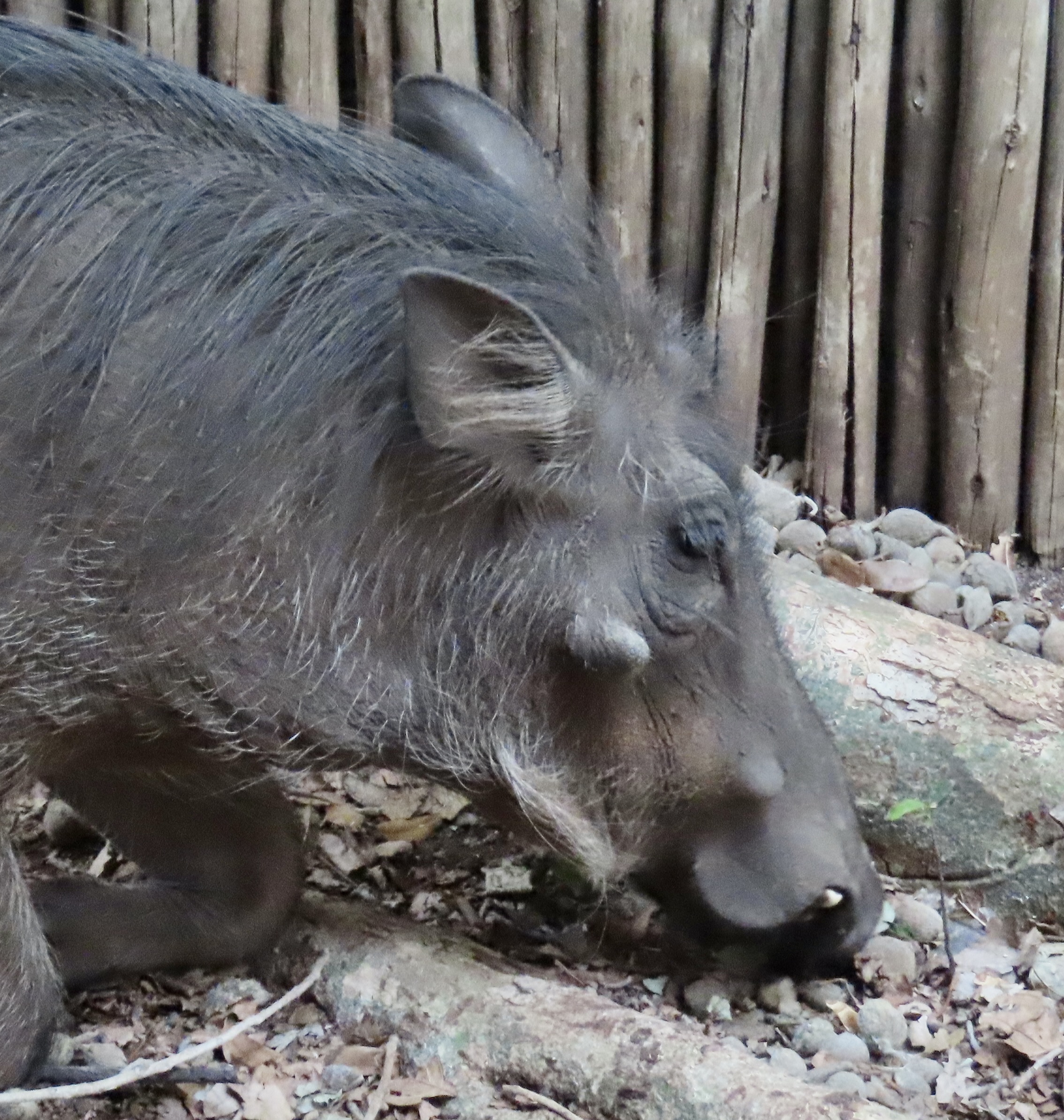
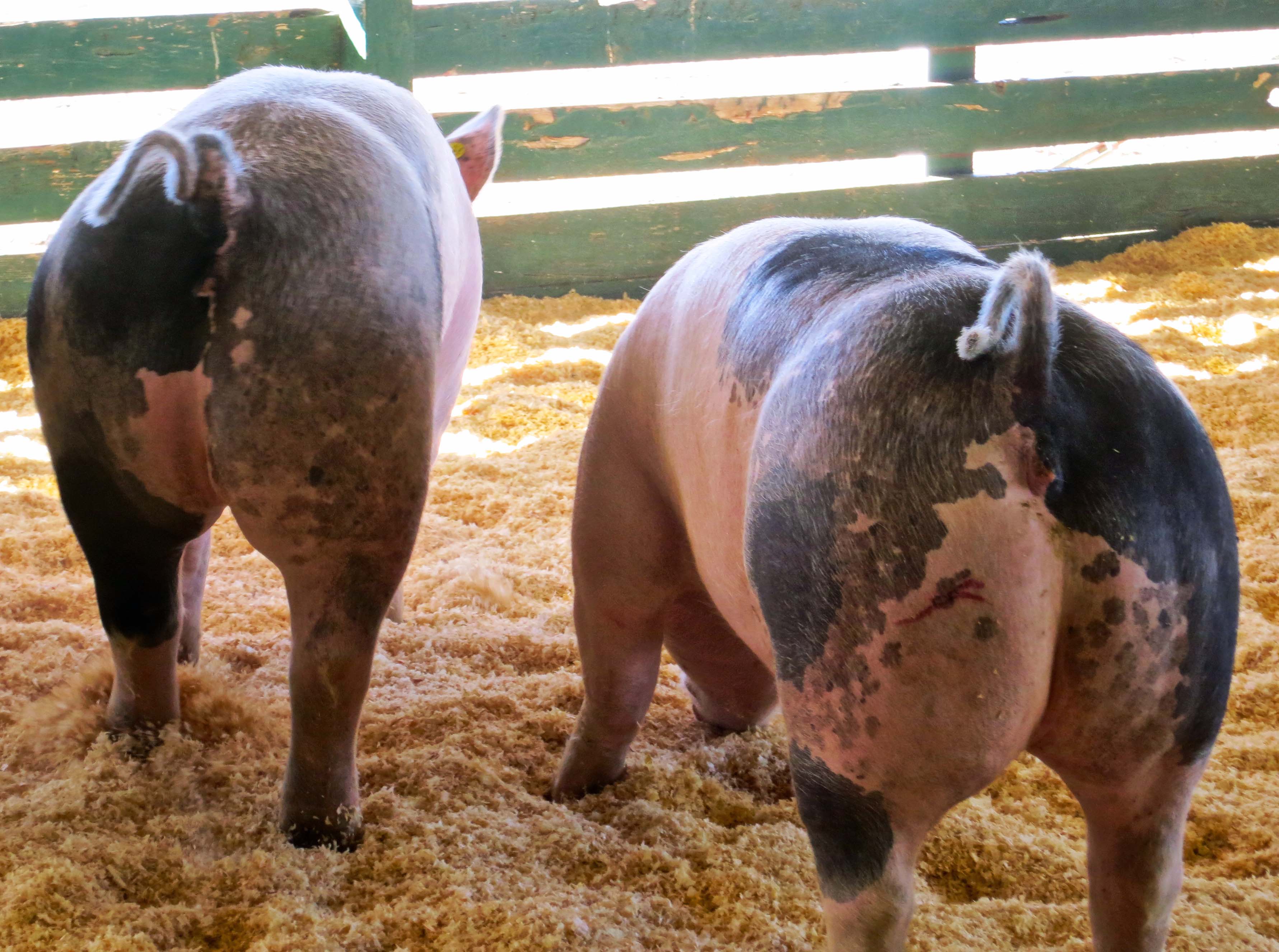
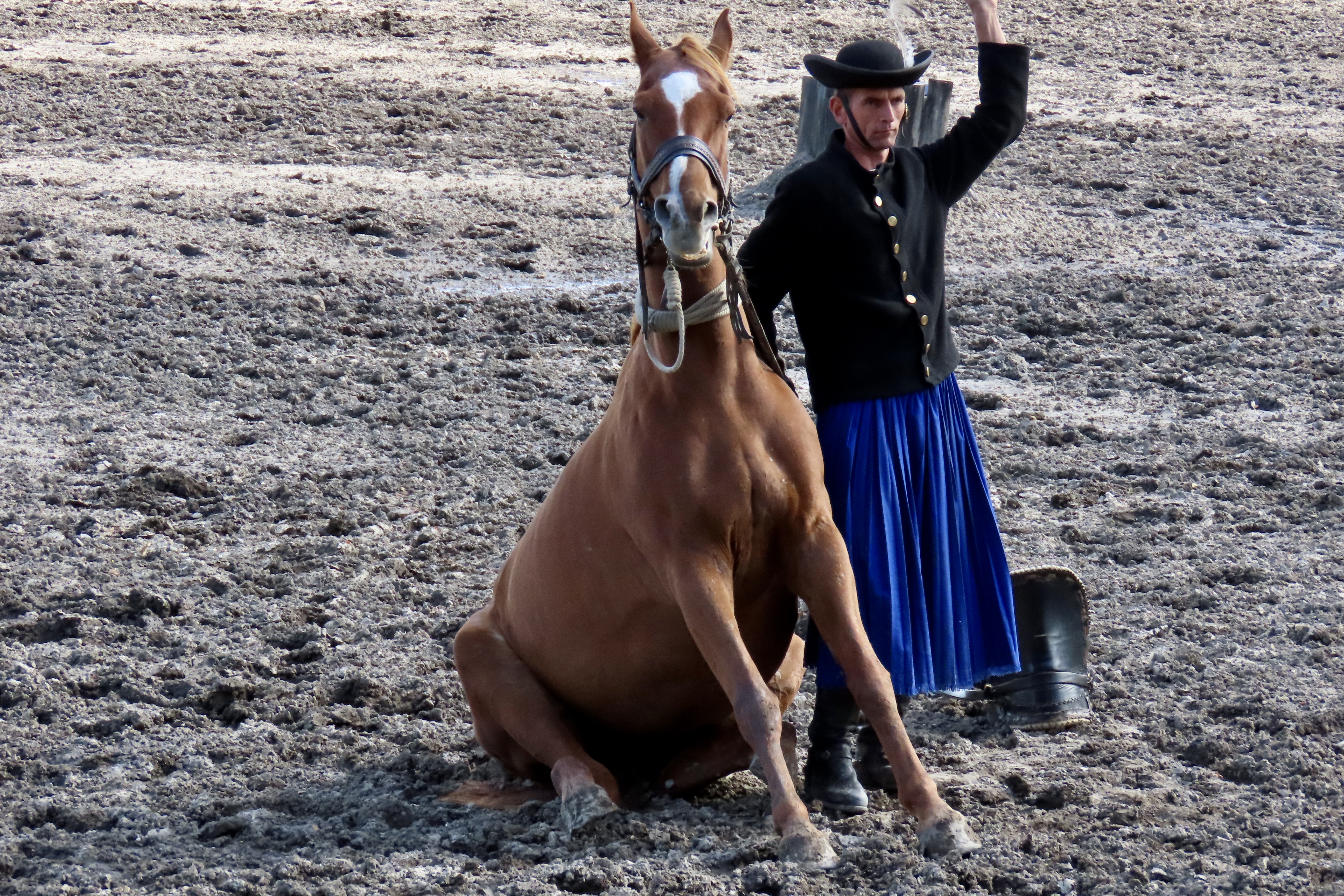
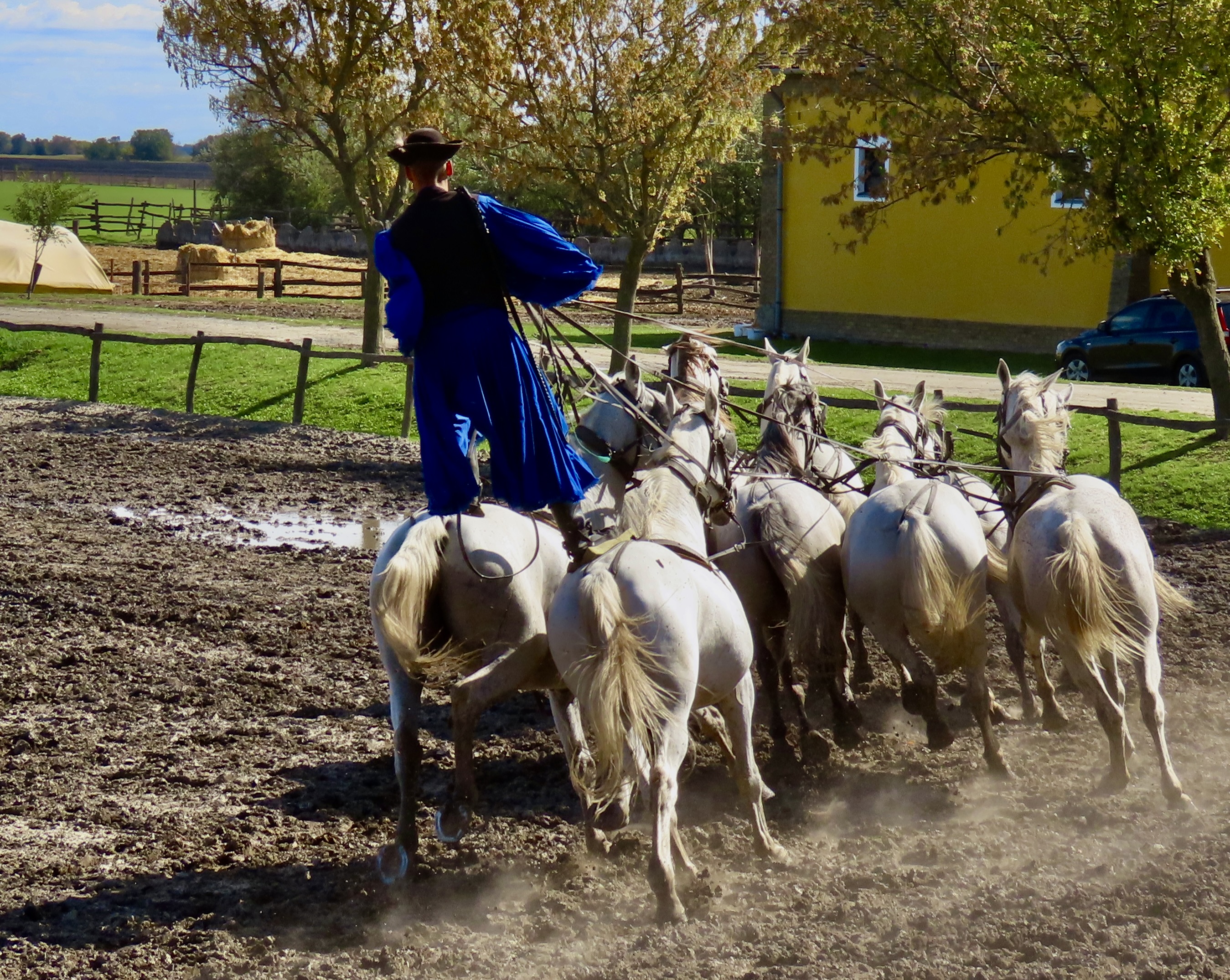
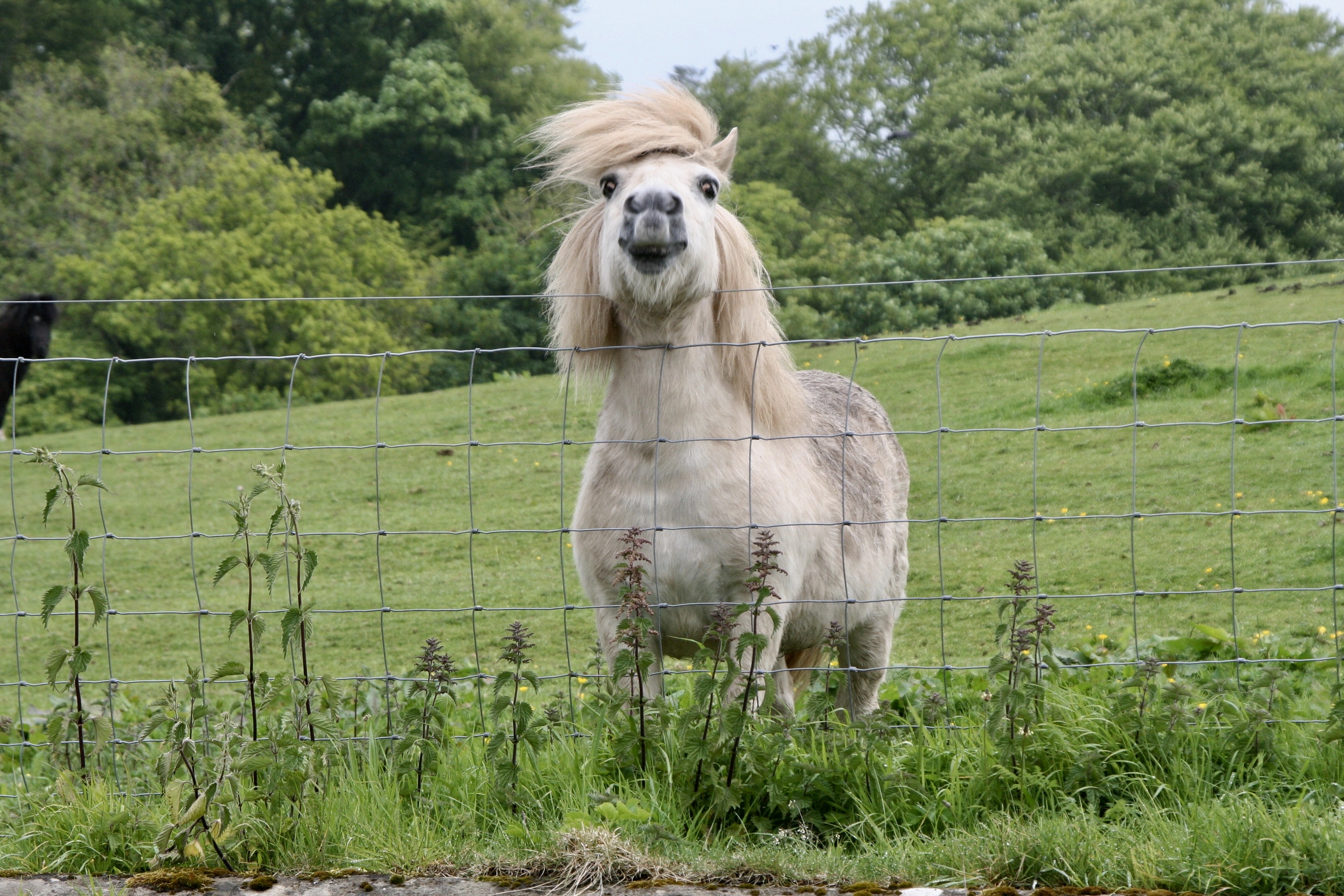
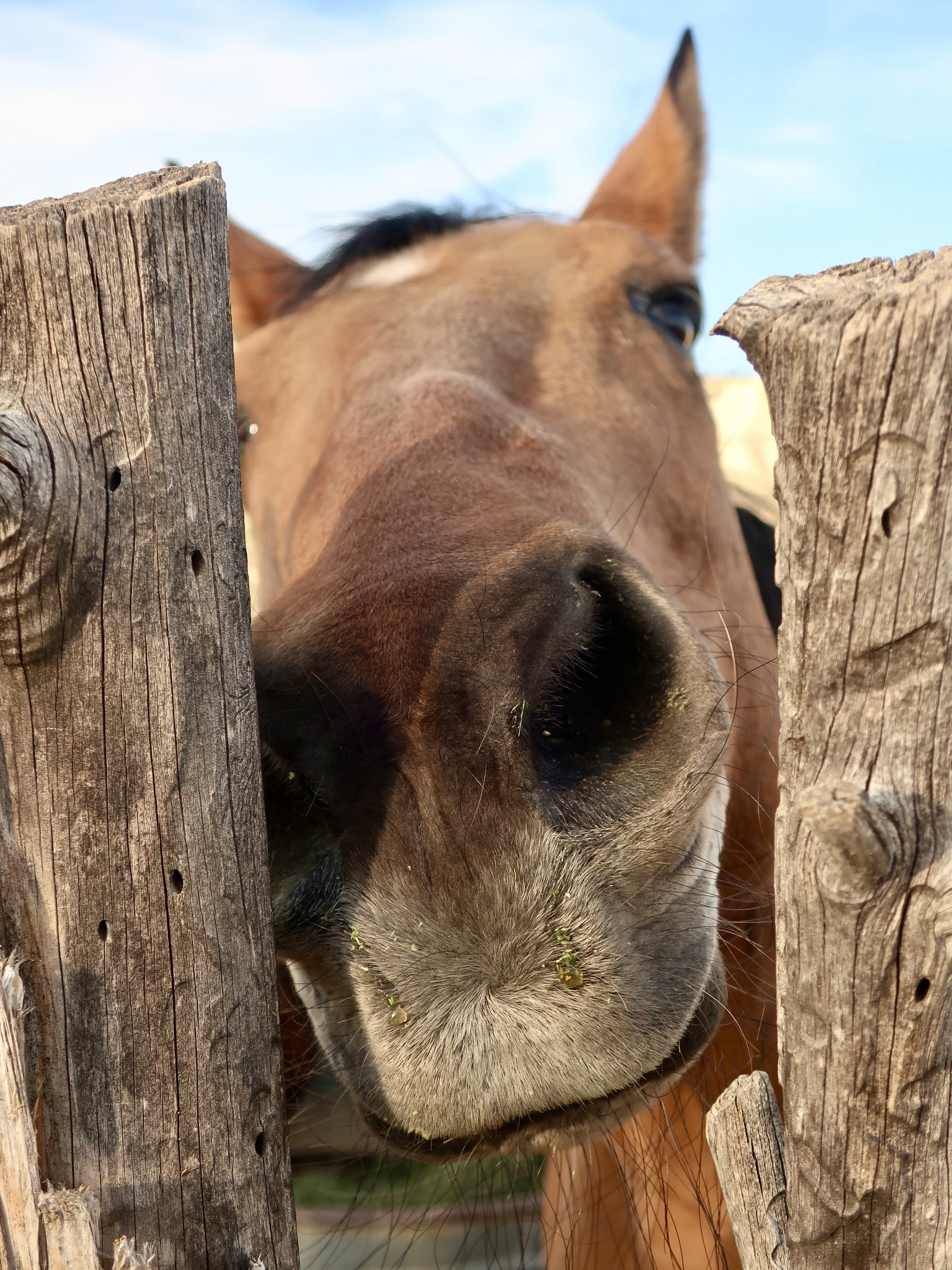
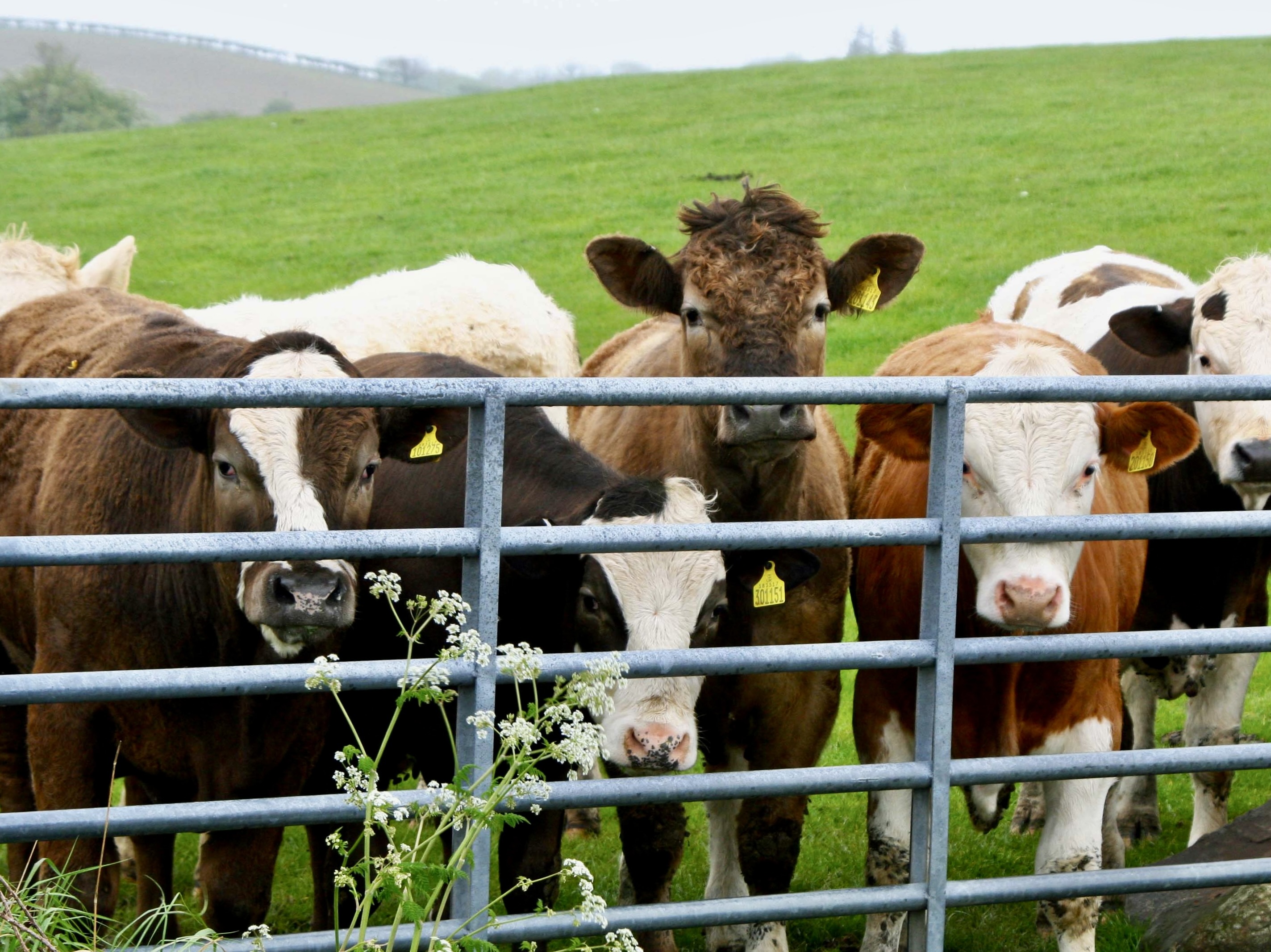
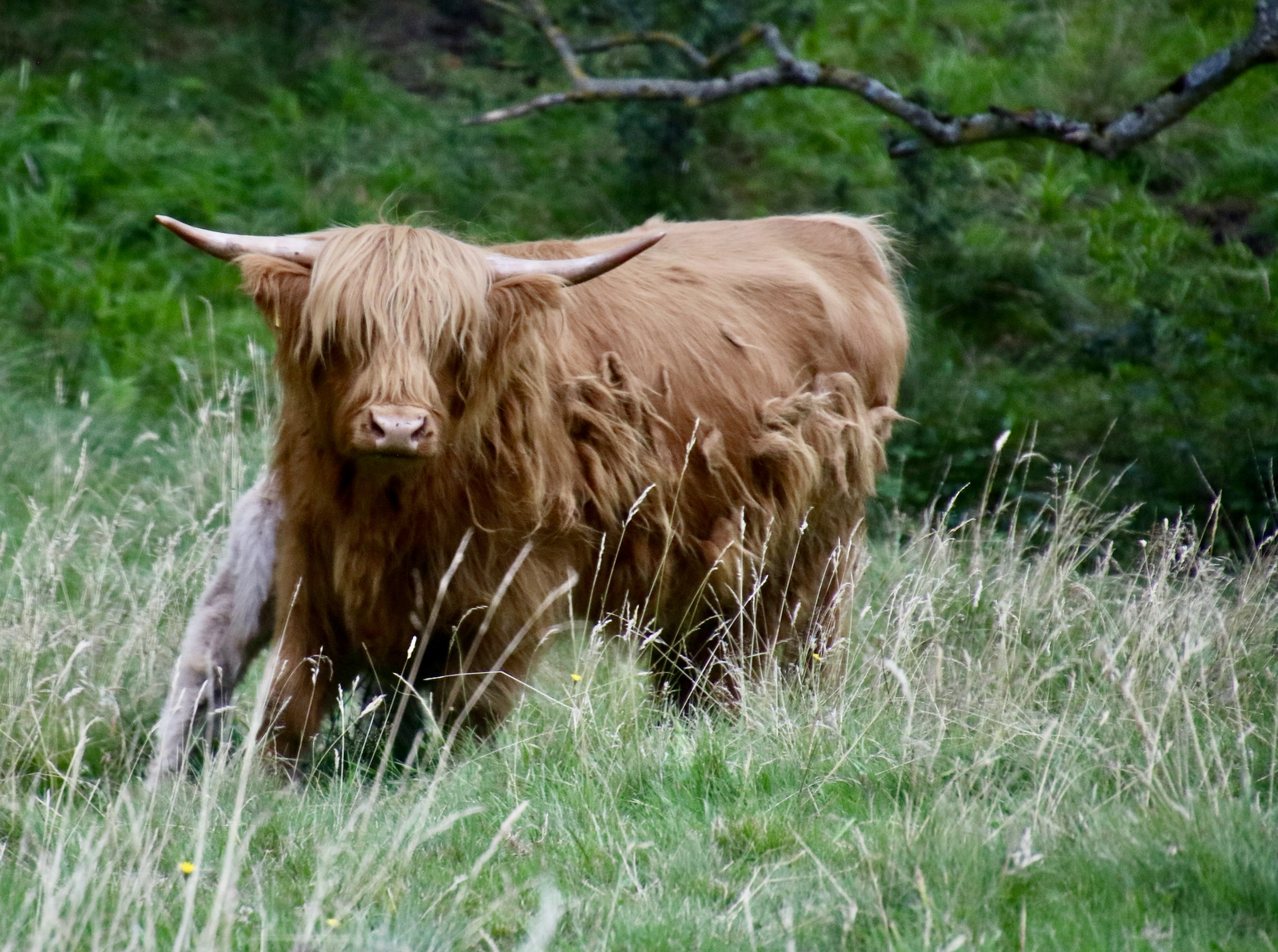
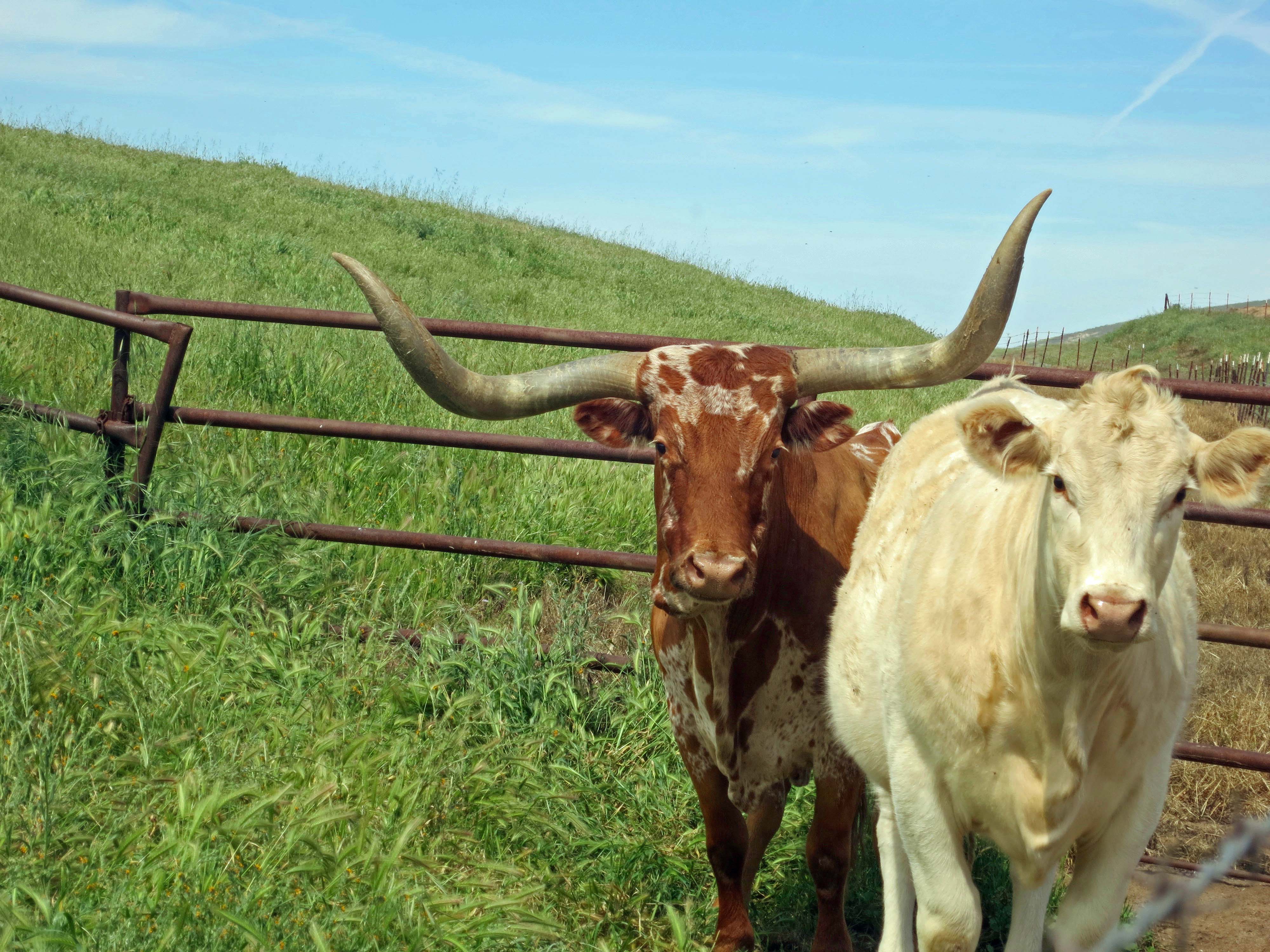
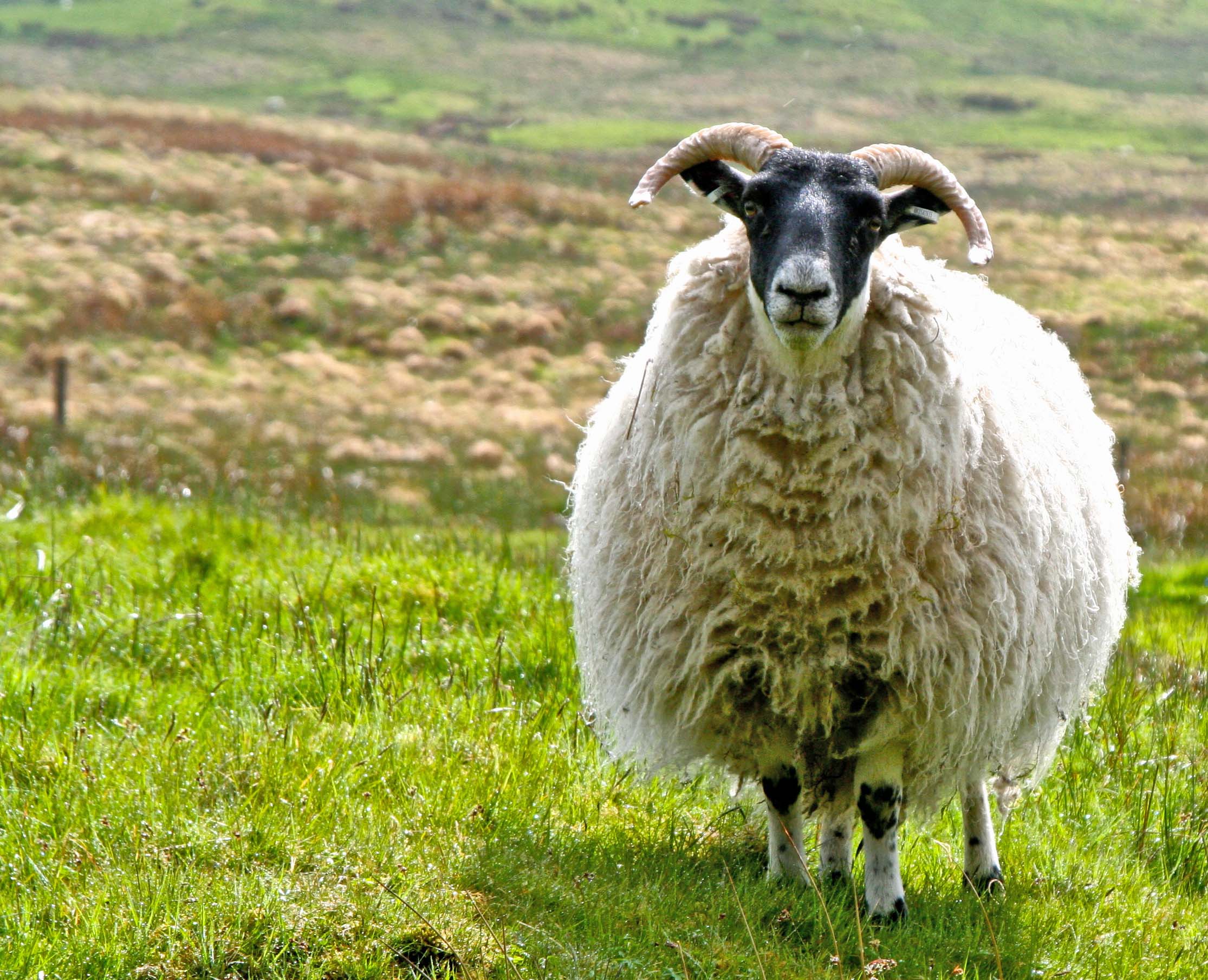
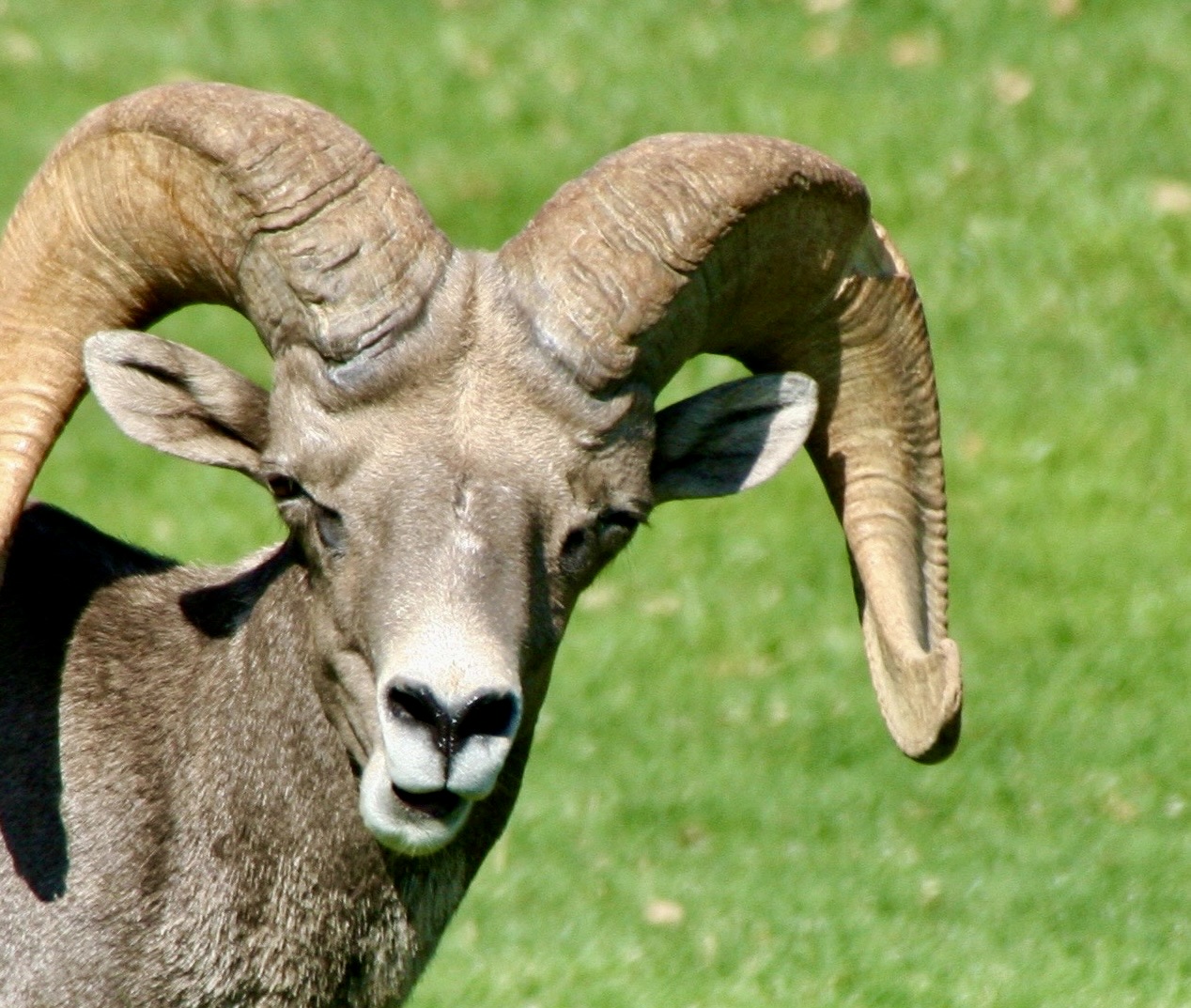
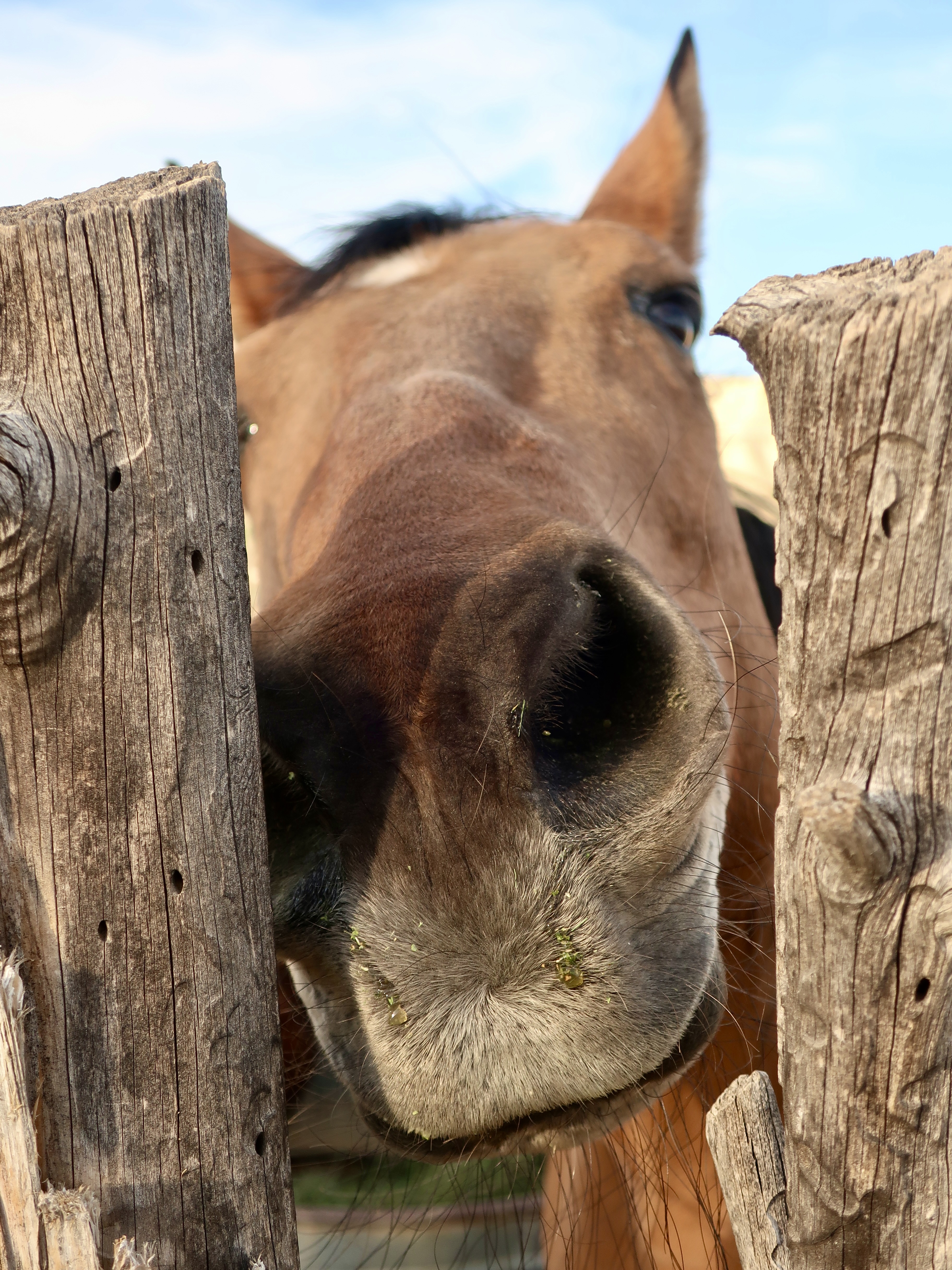
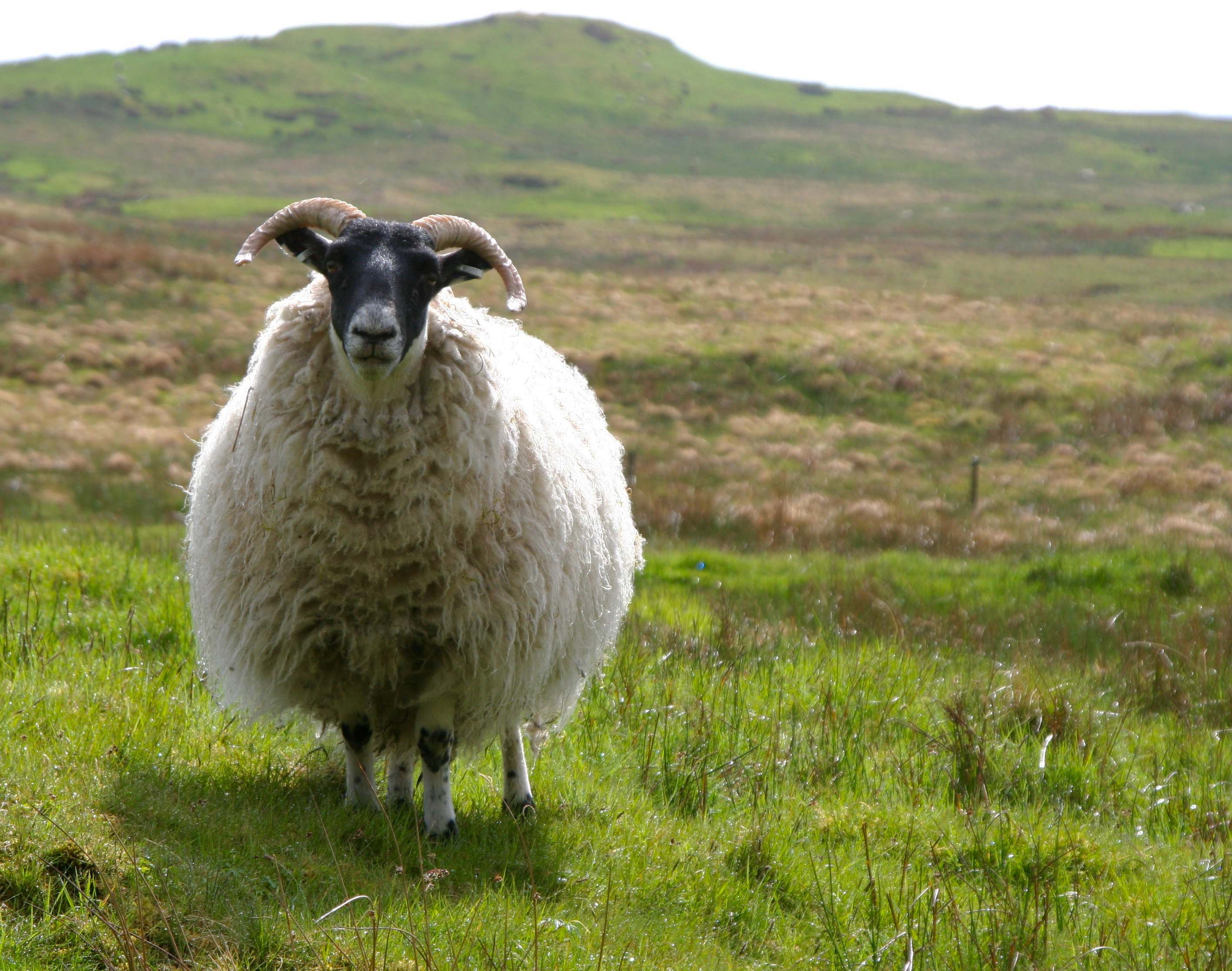
Bad dog! This was one of those occasions I was ever so glad to have a camera along. We had known that we would need one. Our neighbor Jim in Oregon had called and urged Peggy and me to come over and see his recently-born baby goats. Of course we went. Immediately. Who can resist baby goats? Plus, it was a photo op waiting to happen. I just didn’t expect this scenario where one, very small baby goat appeared to be dominating one very large dog. Have you ever seen such dejection? The dog, btw, wasn’t just a large dog; it was one of the largest, most ferocious dogs in the world, a Kangal Dog from Turkey. They are massive animals weighing up to 200 pounds that were originally bred to protect livestock from bears, wolves and other predators. Jim kept his to discourage unwanted intruders, whether four legged like our local bears and cougars, or two legged. I’m not sure what triggered the response above. The big dog had walked over and sniffed his latest charge and then started slinking away. Maybe baby or mom had objected.This is what we expected in terms of cute baby goat photos. Lining up for food cafeteria-style. Daddy. A handsome fellow. He had escaped from Jim’s and come over to visit us. Jim called him Rambo and was very careful not to turn his back on him. He had been butt butted far too many times. Goats are two toed ungulates, which make up the majority of the ungulates.Whenever I go to a county or state fair, my first stop is to visit the goats. I love the way they come over to visit and possibly nibble at your shirt. I found this guy at the Modoc County Fair in California, the same place I found the hogs shown below. In Africa, we met another two toed ungulate. It’s hard to find one more different from the goats. The birds are hanging out nearby because the big fellow stirs up lots of bugs as it shuffles along.While we are on the safari, we might as well check out other African ungulates. The giraffe is by far the tallest.A tree top perspective.The most dangerous of Africa’s two toed ungulates: The water buffalo. This is their “What are you looking at?” pose. I liked how each of them had its knee bent exactly the same. Horns and hooves, like finger nails keep growing for life. Apparently, there is a lack of farriers willing to trim water buffalo hooves.Africa’s numerous antelopes are also two toed. This antelope with a distinctive ring around its hind quarters is a waterbuck. Supposedly, the distinctive marking helps waterbucks follow each other when they are running through the woods. My guess is they would help a lion as well. “Target is in sight.” Horns, like hooves and your fingernails, are made of keratin.“I’d like to interrupt this presentation to announce that I, too, am a two toed ungulate even though Curt and Peggy didn’t find me on the safari. It was on the Nile River trip.Apologies for the interruption. Like the horses, donkeys and mules they resemble, zebras are single toed ungulates.I close my coverage of two toed ungulates in Africa with the warthog. It’s always in competition for one of the ugliest mammals to be found. Or maybe, it’s just cute. Guess who this one is related to?Yep. I found this handsome pair of porkers at the Modoc County Fair in northeastern California when I was on the way to Burning Man. Speaking of Burning Man, this is the time of the year that people sign up to attend the late August event that is held in the remote Black Rock desert of Northern Nevada. I often do a few posts around now to give newbies and curious folks an overview of what to expect. I’ve been going off and on since 2004. My friend Tom is trying to persuade me to join him this year in giving away hundreds of margaritas on the Playa. I’ll probably be rewarded for my work with all of them I can drink. Woohoo!Horses are one toed ungulates. Rarely do you find them sitting on their butt in the mud, however. Why would they? But Hungarian Cowboys, the Csikós, do things differently. We took this photo at the Bakodpuszta Horse Farm in Hungary, on our trip down the Danube River. Something else you wouldn’t find an American cowboy doing.This cutie came dashing up to a fence to see us when we were searching for ancestors of mine in Lowland Scotland near Stranrae. Given its excitement, I wondered if it wasn’t an ancient relative of mine reincarnated as a Shetland pony.I featured this horse in a promo for today’s post. He was hanging out on a ranch near Bryce Canyon National Park in Utah. I think it probably had high hopes for an apple..Cattle are two toed ungulates. We went looking for the unique Scottish Hielan coo (Highland cow) while we were in Lowland Scotland but only found what we normally find wandering around North America. Like the Shetland, they ran over to check us out.We found this Hielan coo in the Black Forest of Germany. Go Figure. This summer we are going to be exploring the Highlands of Scotland instead of the Lowlands. We are expecting to find the coos where they belong. This two toed ungulate with the large horns is immediately recognizable. It’s a Texas longhorn. We found it in the foothills of California.Not so clear in terms of heritage was this strange looking steer. But we found it about a mile from the gate to Area 51 in south eastern Nevada. Could it have been a cleverly disguised visitor from outer space? Hmmm.Sheep are also two toed ungulates. This stout fellow had been blocking a small rural road when we were lost in Scotland. It was being baaad. Had its body been black, I would have cited the old nursery tale to it: Baa, baa, black sheep have you any wool? Yes sir, yes sir, three bags full. BTW, sheep are closely related to goats and on rare occasions even crossbreed. Their offspring is called a geep. And no, I’m not making that up.Among sheep, nothing—from my perspective— is more regal than the wild big horned sheep of the deserts and mountains of Western North America. This magnificent example chewing his cud had bought his herd down to graze at a small county park between Las Vegas and Lake Mead Nevada.
There’s a fun story here. The big ram above had been bringing his flock down to the park from the mountains for years when a new subdivision was built beside the trail. This didn’t seem to bother the big horns and you can imagine what a treat it was for the people. But then, one of the home owners put a shiny aluminum door on his garage next to the trail. The leader looked over and saw his reflection. Except it wasn’t his reflection in his mind. It was another lage male challenging him for the leadership. He reared back and charged at the same time the other big horn did, again and again. Nobody was going to get his nannies. The story the locals told us was that the owner of the garage door had a really hard time convincing his insurance agent how the damage had been caused!
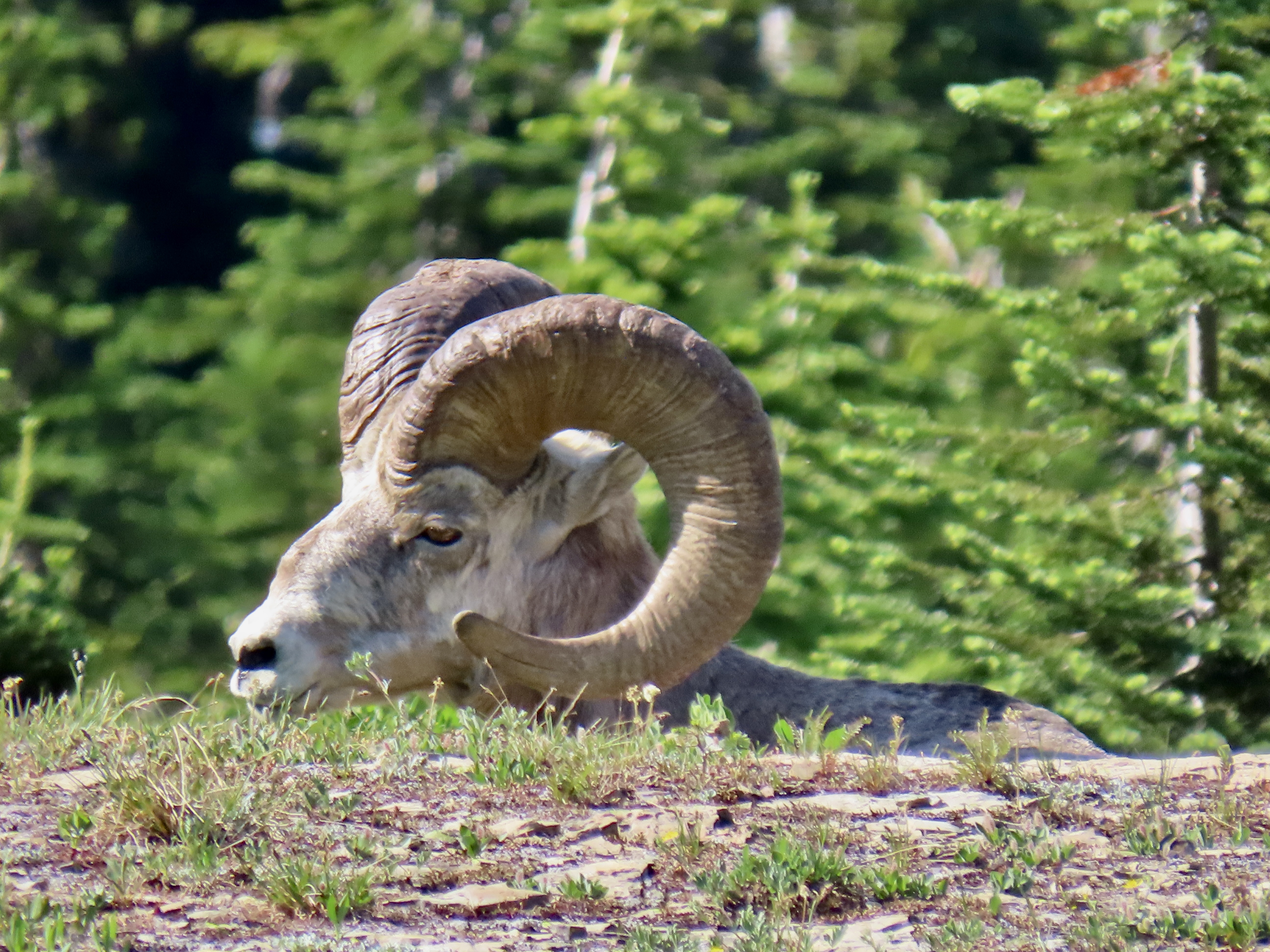
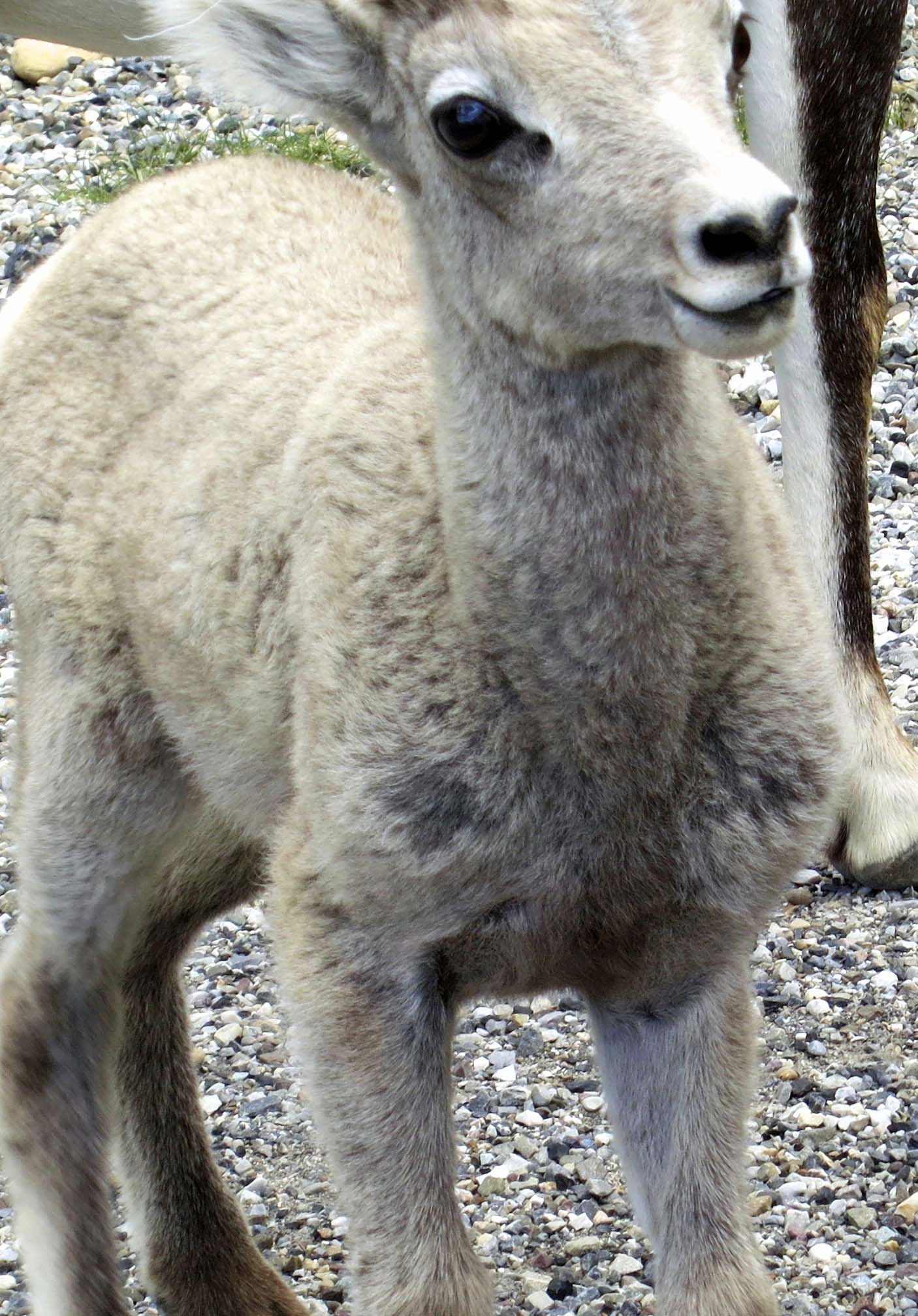
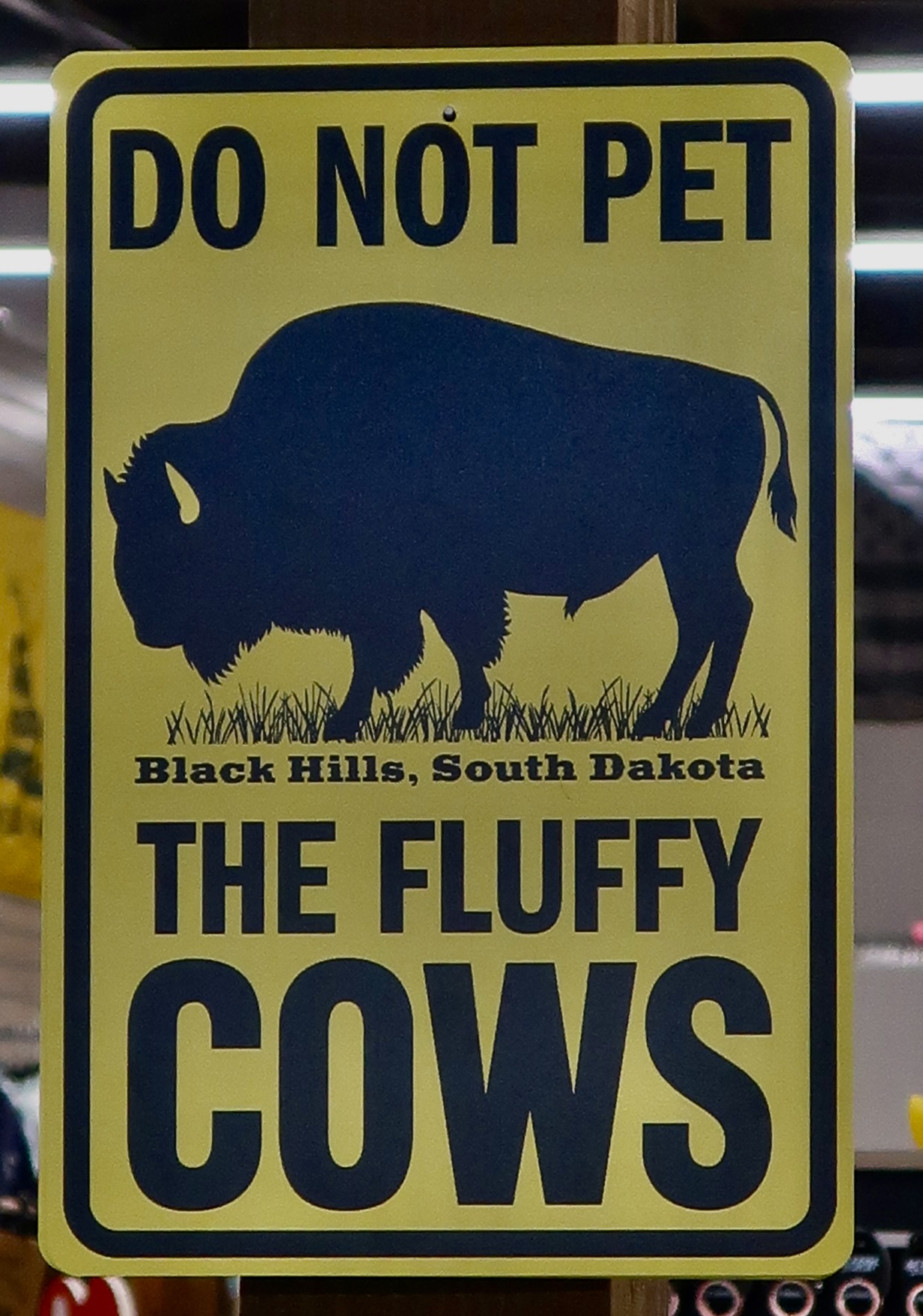
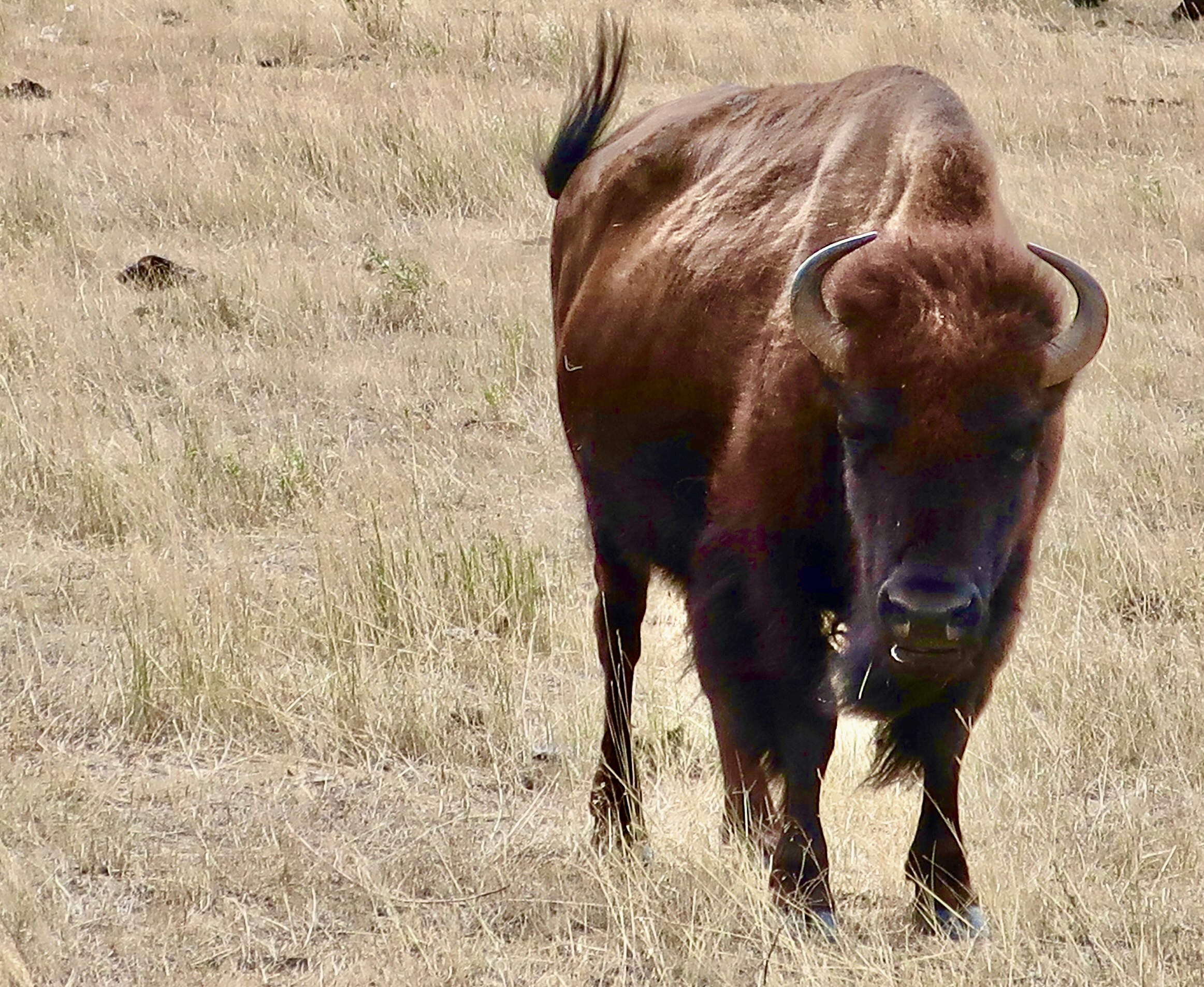
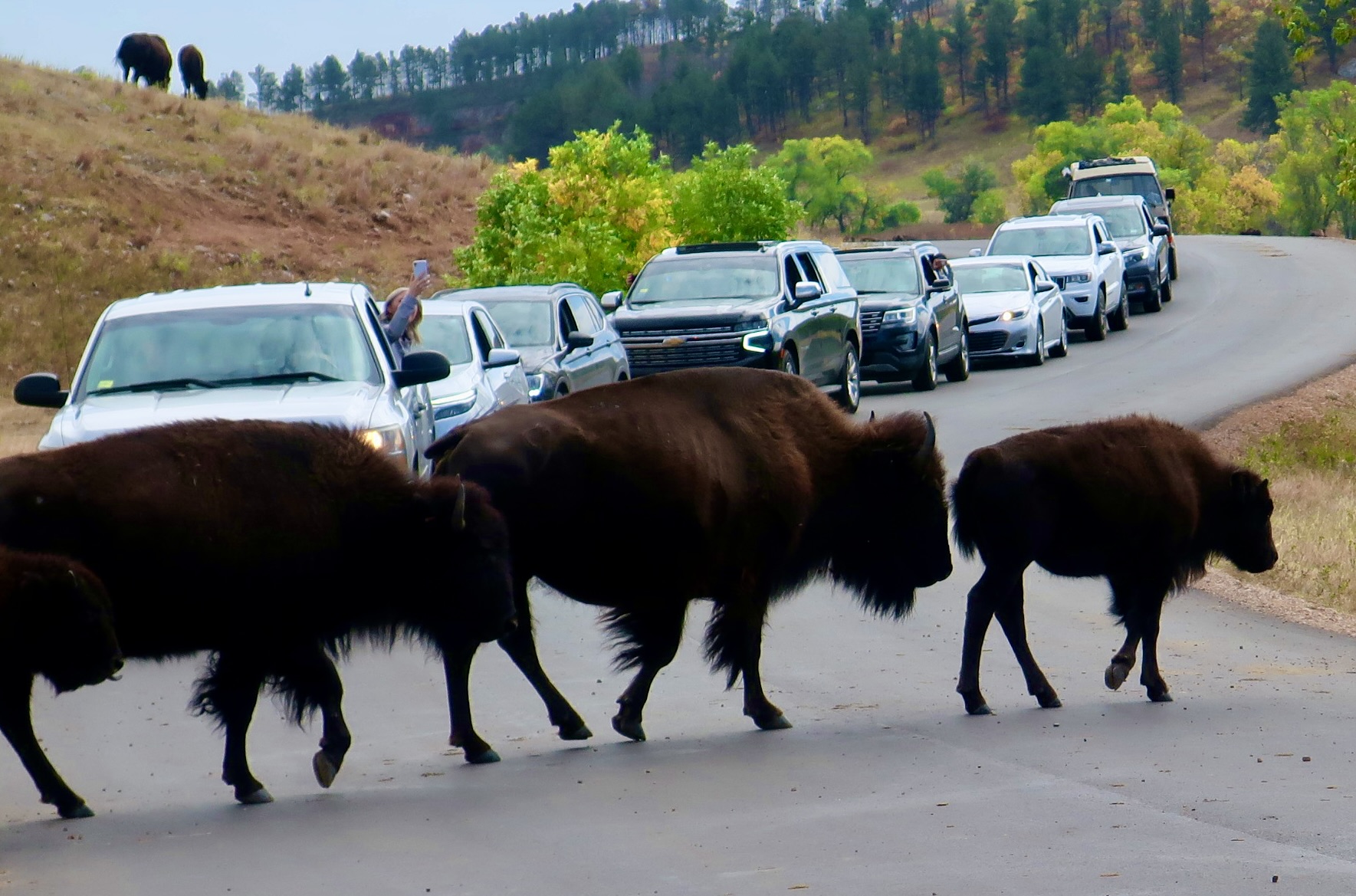
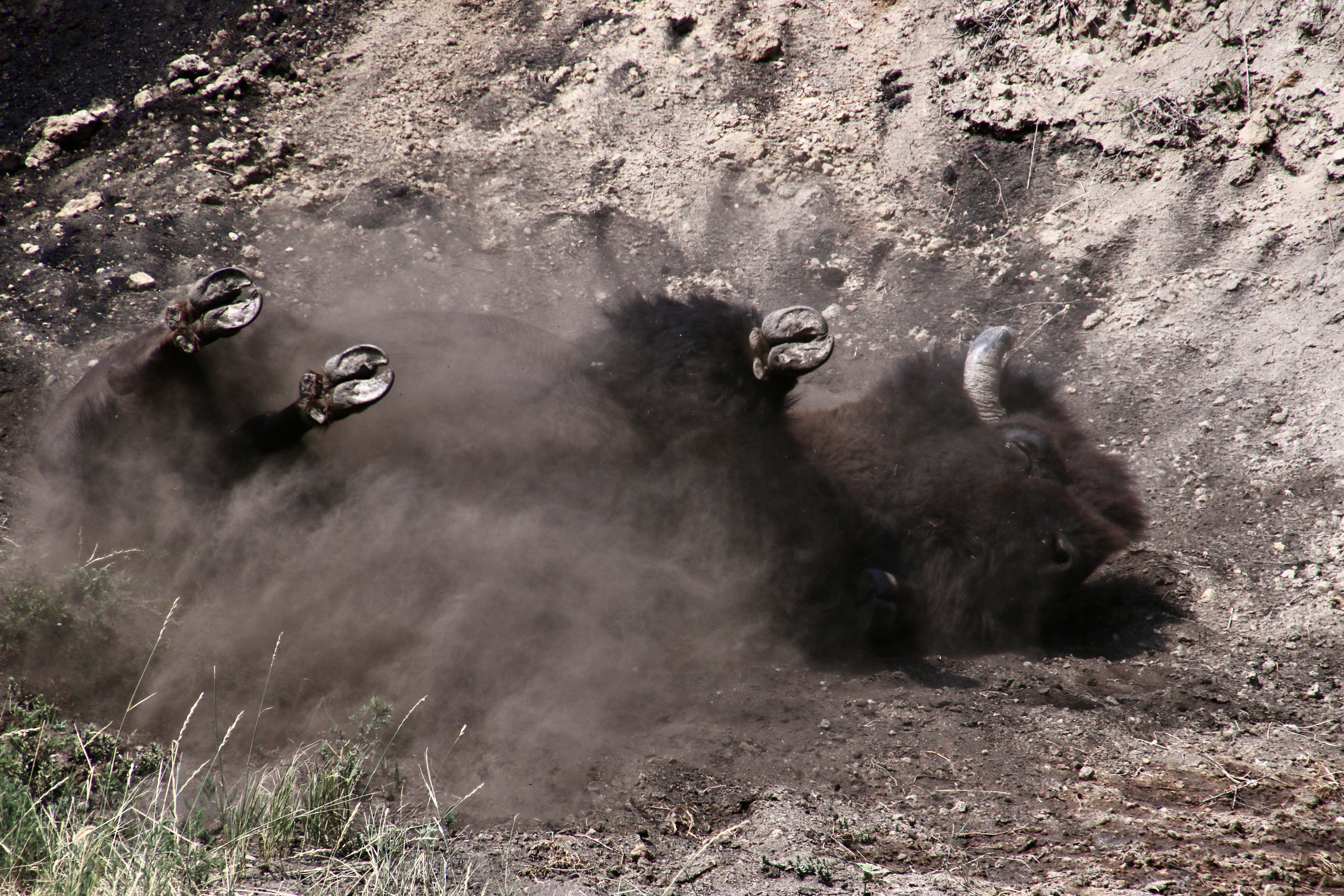
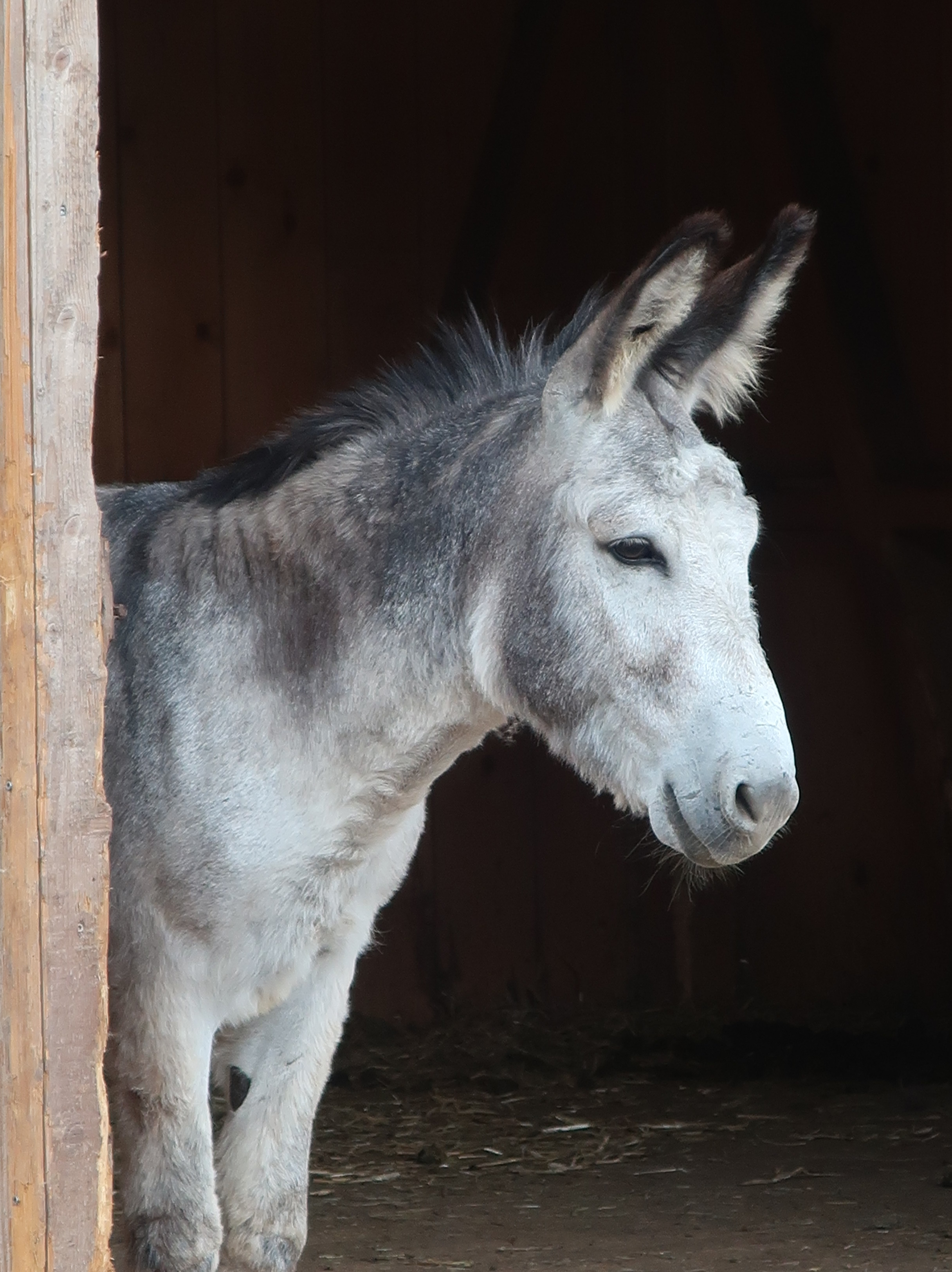
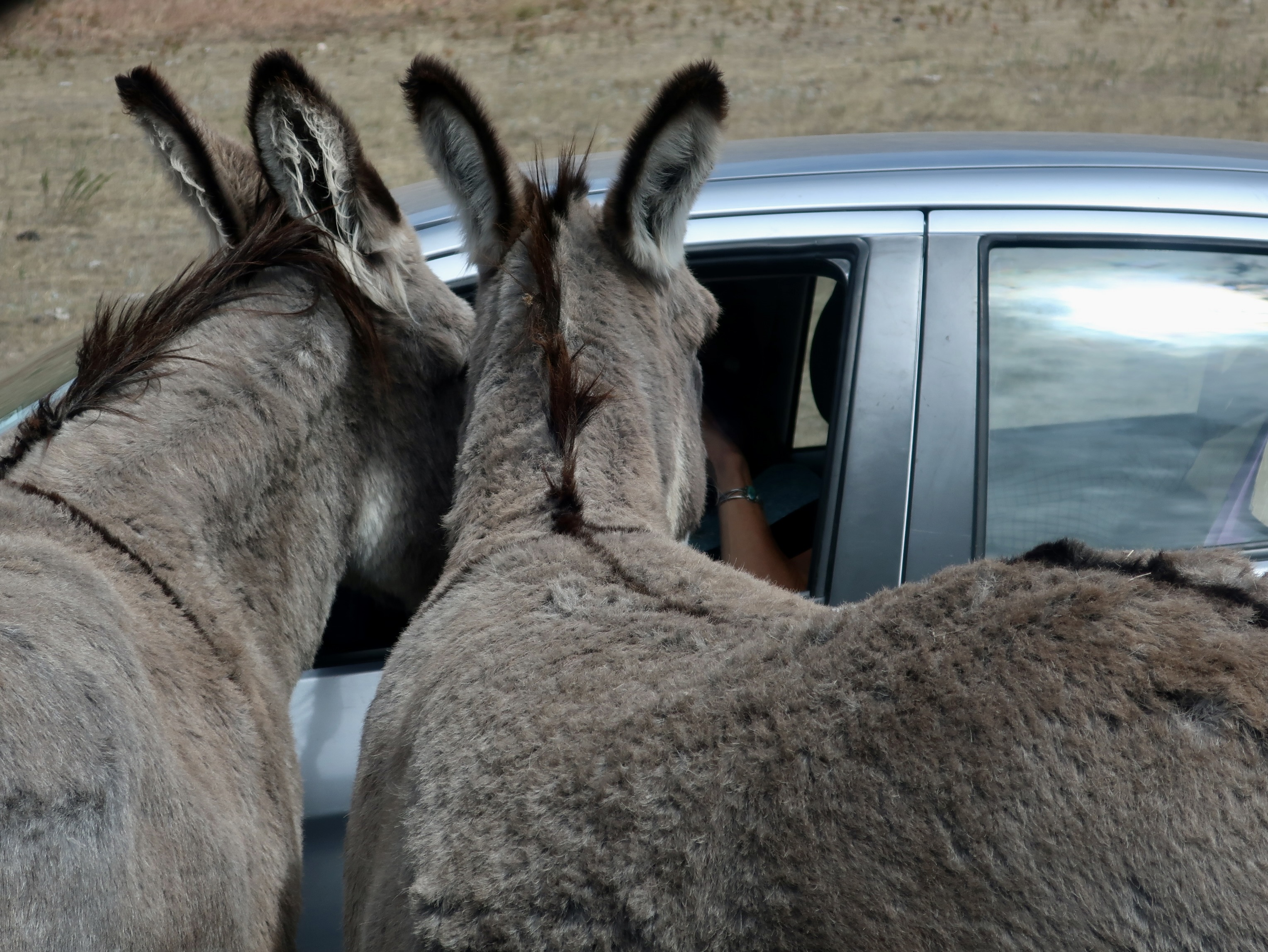
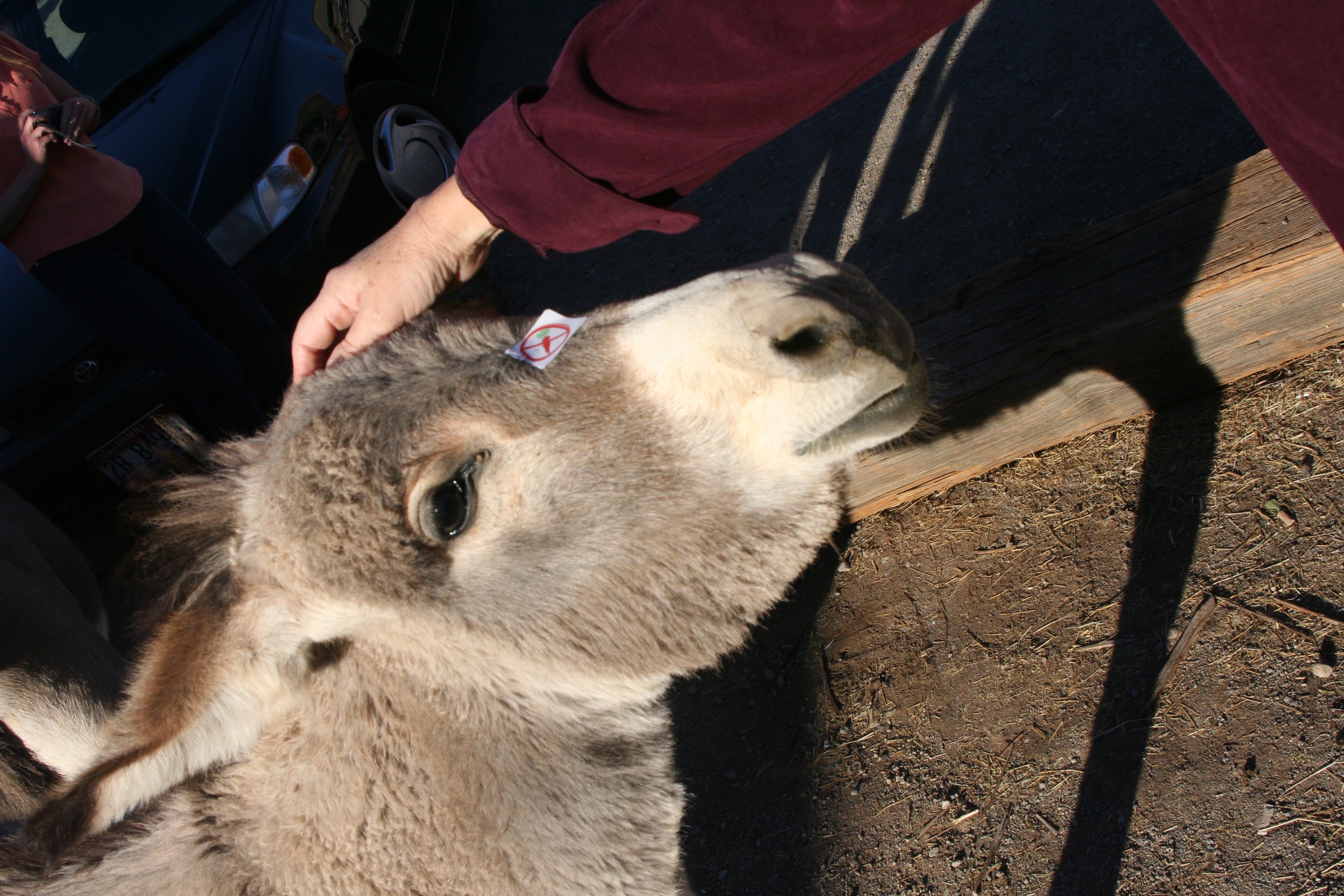
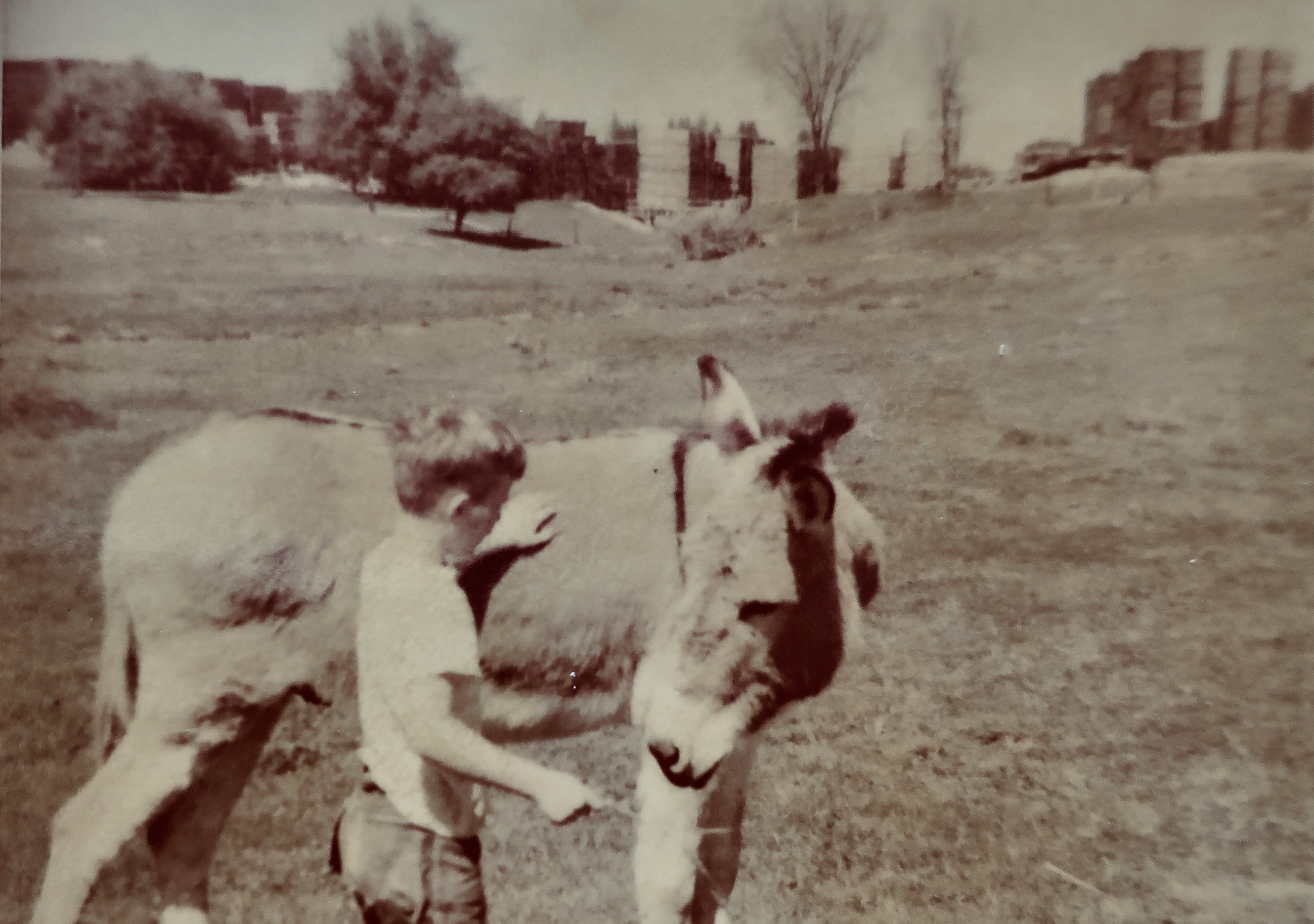
A big horned sheep at Glacier National Park.This young big horn sheep was standing beside the Alaska Highway in Canada’s Yukon Territory.Buffalo are another two toed ungulate. This sign was located in a store in Custer, South Dakota. We were on our way to Custer State Park. It’s good advice.If a buffalo stares at you, raises its tail, paws the ground and grunts, you are too close! It’s best to stay at least 75 yards away. Farther if there are calves around. This youngster was feeling its oats even though I was using my telephoto lens from a safe distance. The family of buffalo was crossing the road in Custer State Park. We waited patiently and took photos from the safety of our truck.Have you ever wondered how buffalo create their buffalo wallows? We caught this one wallowing away and taking a dust bath in Theodore Roosevelt National Park in North Dakota. It provides a good look at a two toed ungulate.I’ll close this post with what are our favorite one toed ungulates: Donkeys. This beauty was standing in a shed in Germany’s Black Forest.There were more than buffalo stopping cars at Custer State Park, South Dakota These two answered the age old question of how many donkeys can stuff their heads in a car’s window at one time.This donkey foal was obviously enjoying having its head scratched in Oatman, Arizona— but not nearly as much as Peggy was enjoying doing the scratching! The sticker on its head was put there to discourage people from feeding the youngsters carrots. They can choke on them.And finally, this is me petting a donkey in a field near my house in the early 50s. The lumber stacks in the background are at Caldor Lumber Company in Diamond Springs, California where my dad worked as an electrician. I may have been holding something to feed the donkey.
Next up on UT-OH, my blog-a-book-memoir, I learn valuable lessons that every first grader should know: It’s not smart to put your head down on a track to judge a train’s distance when it’s a hundred yards away (it makes the engineer nervous), deciding to go on a mile and a half hike by yourself at 5:30 a.m. may be frowned upon, habanero peppers are hot, and why it’s valuable to wear underwear. Getting caught in your zipper and having to have the first grade teacher free you is no joke.
The focus series looked at cats last week. Dogs insisted it’s their turn this week.
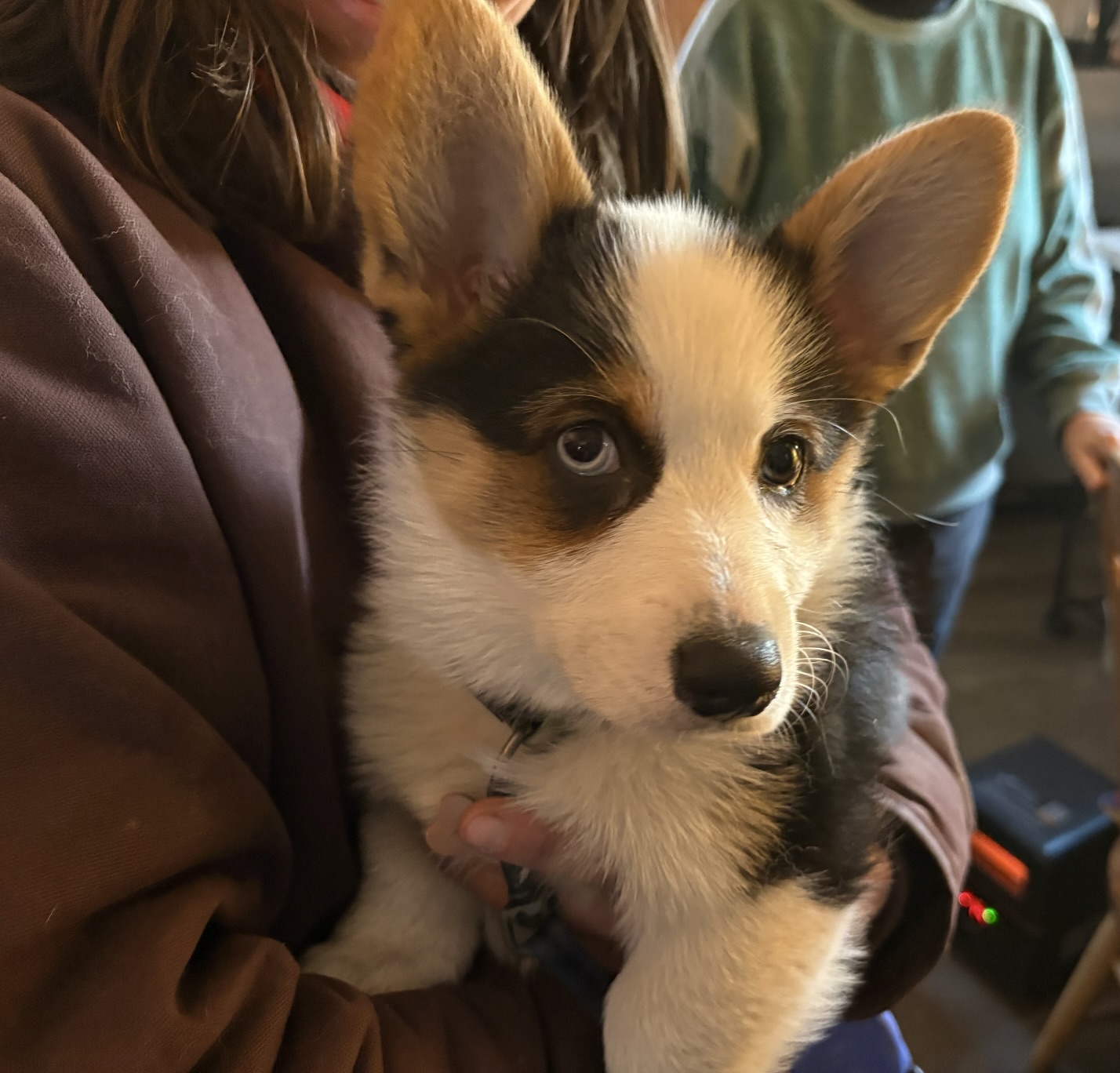
Meet Leta. When our grandson Ethan’s friend, Annie, came to visit recently, she bought her Corgi pup with her. It was ‘cuteness’ personified.
Here are some fun facts about the puppy and other dogs as well. Leta’s nose print is unique to her. Just like your thumbprint is to you. No two dogs have the same one. What her nose does share with most other dogs are some 150 million olfactory receptors. Humans have around 6 million. That’s why their sniffing ability far exceeds ours. Some dogs have a lot more. The blood hound is top dog with around 300 million. They can follow tracks several days old and can stay on a scent trail for over 100 miles. Their sense of smell is so well documented that it can be admitted as evidence in a court of law. “Sniff, sniff. Woof, woof, woof!” Translated: Number three in the lineup robbed the bank.
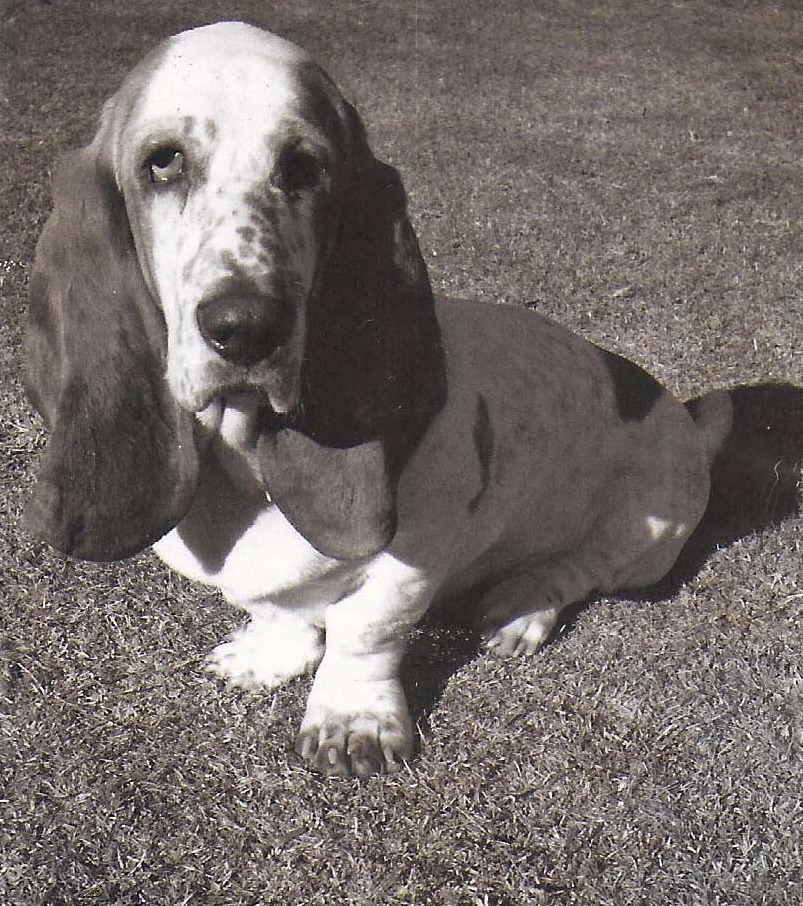
Basset Hounds are #2 in olfactory receptors and their capabilities for tracking. This is Socrates, my dog of the late 60s and 70s. He loved to go backpacking with me and wander off on his own— after who knows what. Gophers maybe. He specialized in trying to dig them up. I never worried about him, however. He always tracked me down later. He knew the source of his milk bones.
While we are dealing with a dog’s sense of smell, here’s a fact I didn’t know. They have a back up system for ‘smelling’ pheromones (chemicals) that contain a great deal of information. It’s called Jacobsons Organ and is found on the roof of their mouth. It has a direct line to the brain where the information on the pheromones is translated: Valuable information to Bowser: Such as whether Fifi is ready to breed. Information on health and mood can also be transmitted. Yours, as well as another dog’s.
Pee, poop, and even feet carry pheromones which are created by scent glands. Because pheromones are volatile, they are released to the air and can travel long distances. That’s why Bowser might get excited if Fifi is in heat, even if she lives three miles away. Given an opportunity, he will go roaming and show up on her doorstep. I found the information about feet interesting as well. You’ve likely seen a dog kicking backwards after it has done its business. I’d always thought it was making a half hearted attempt to cover its poop. Actually it’s using the scent glands on its feet to mark its territory. It’s kind of a “I pooped here,” message. The pheromone is the sentence; the poop the exclamation point.
Scent glands near the anus provide all kinds of information, which is why dogs are always sniffing each other’s butts. Each dog has its own unique pheromones that travel to the sniffing dog’s Jacobsons Organ and then their brain where they are stored and interpreted for immediate and future use. A dog can actually recognize a dog it has sniffed years before. And remember its mood. “When I was a puppy, you were grouchy and bit me. Now you are old and I’m twice as big. Guess what?”
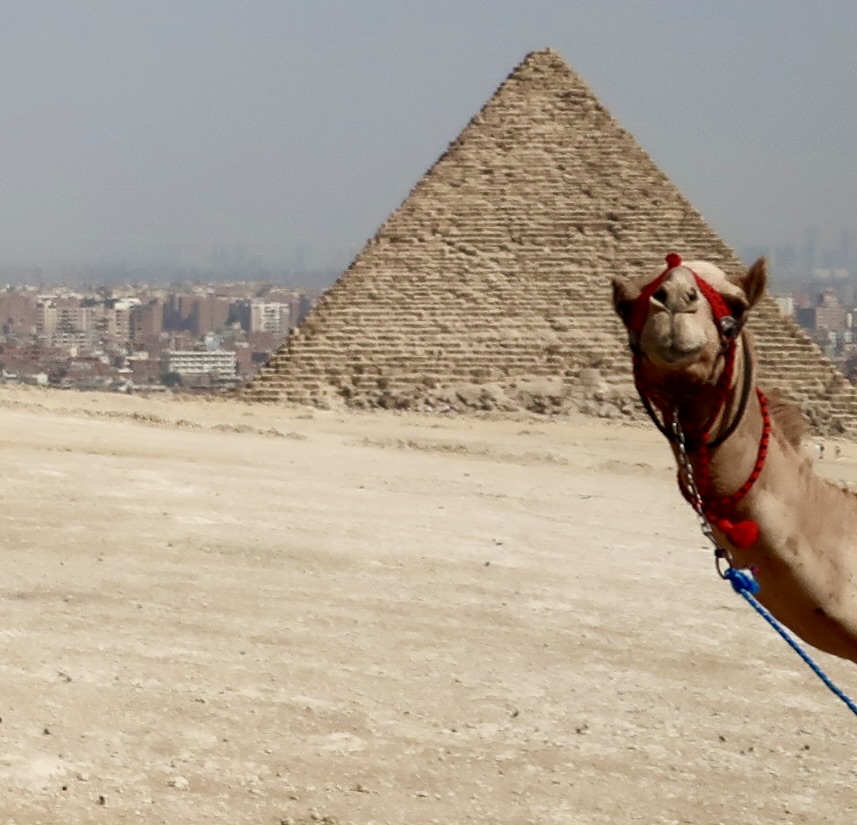
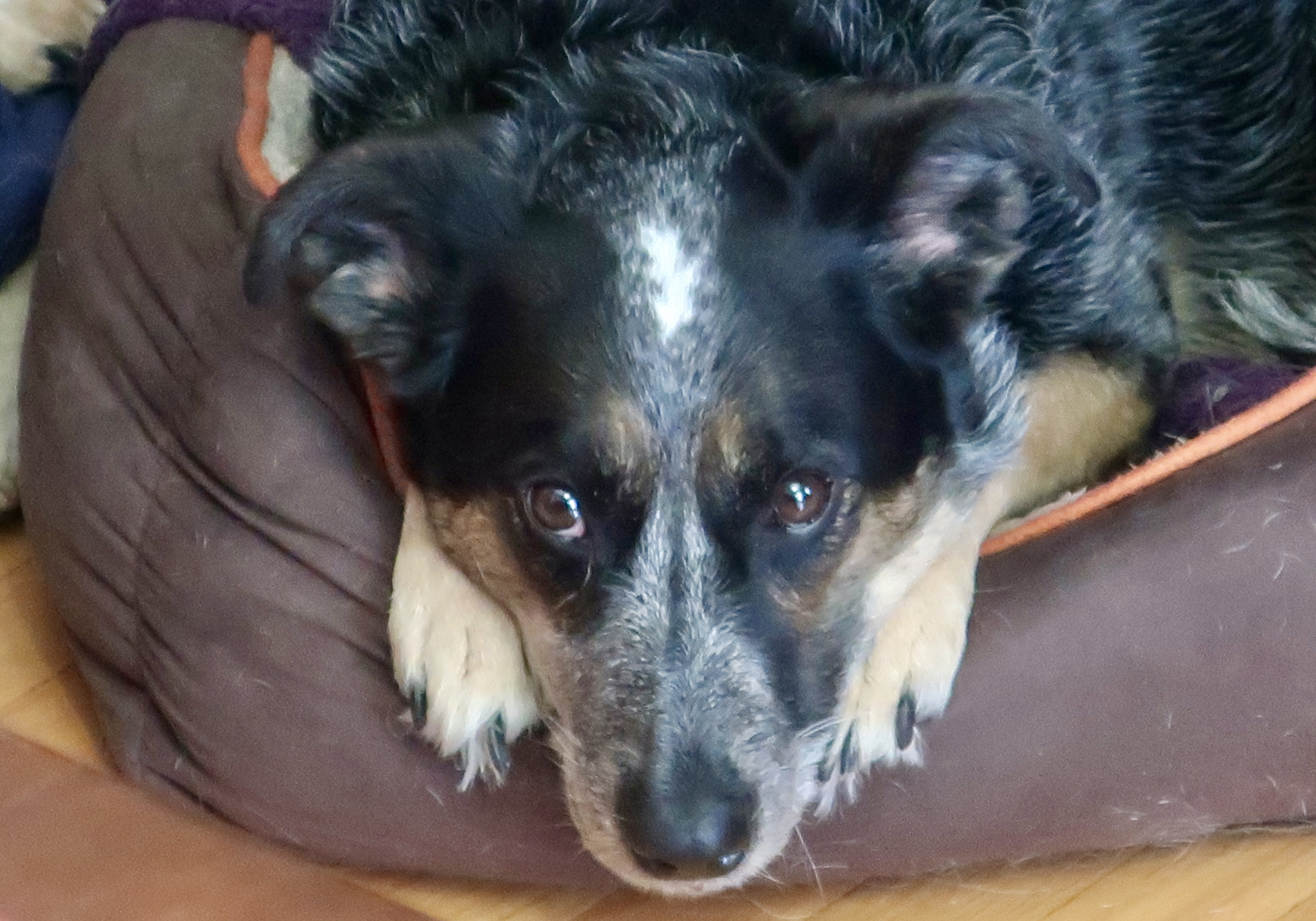
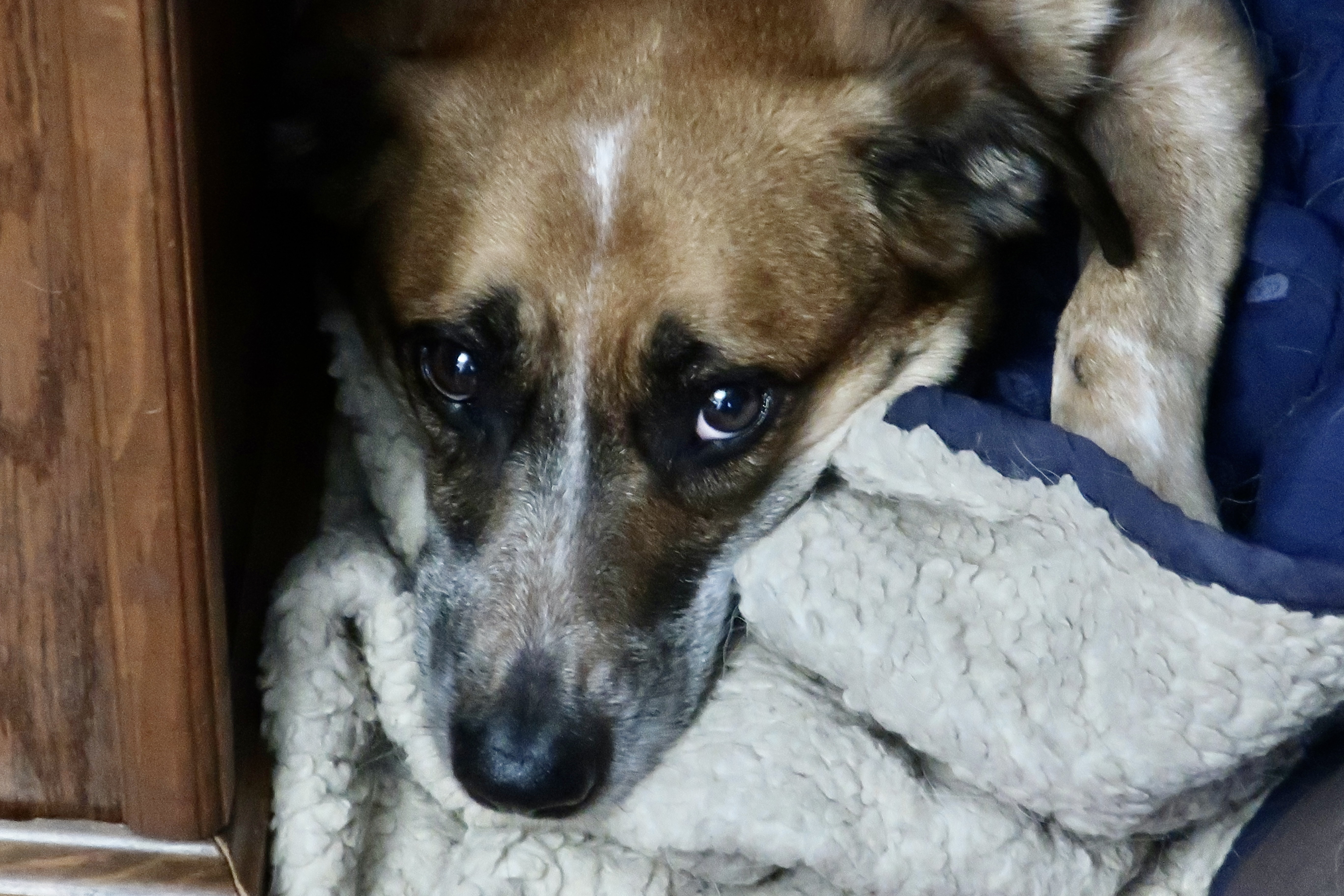
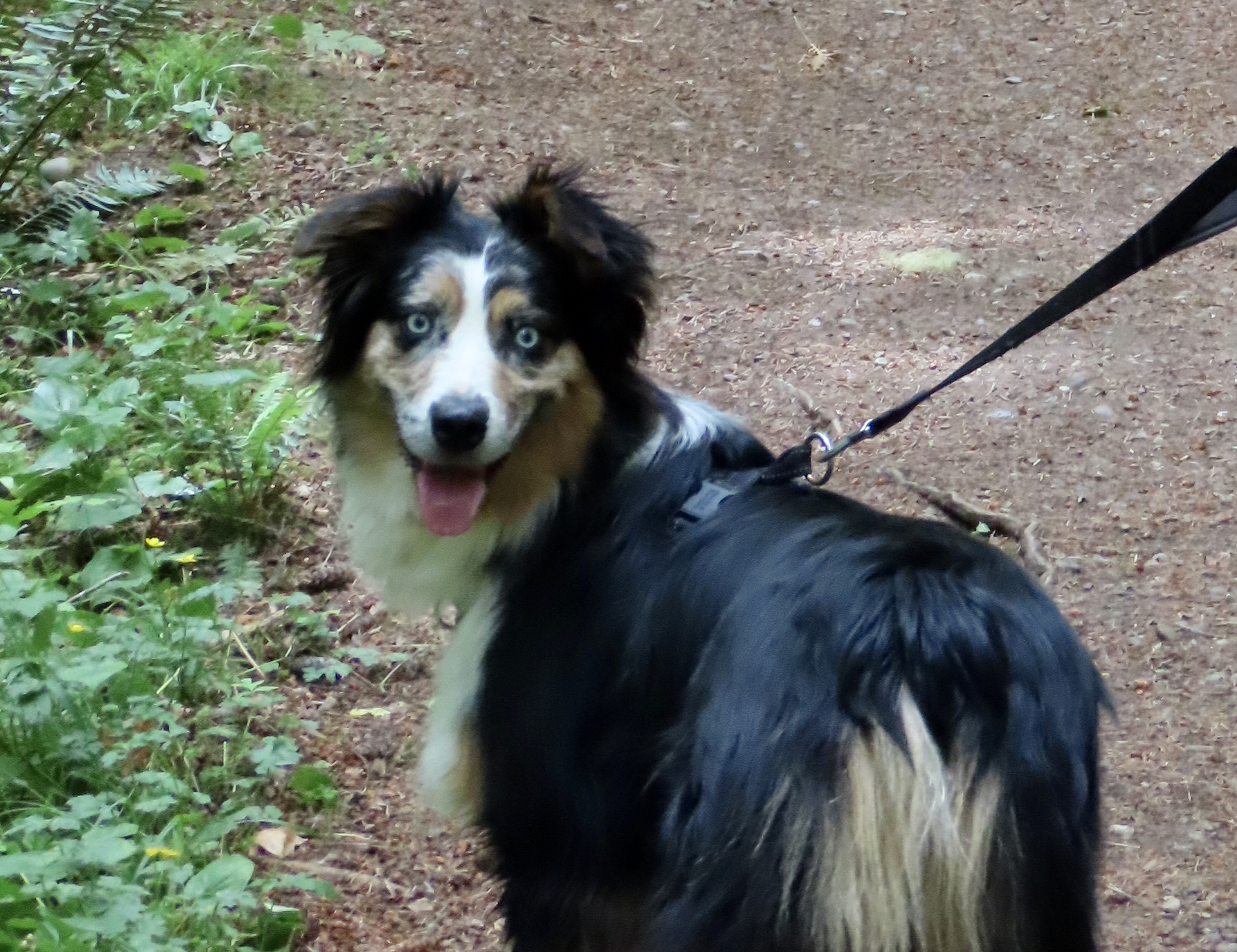
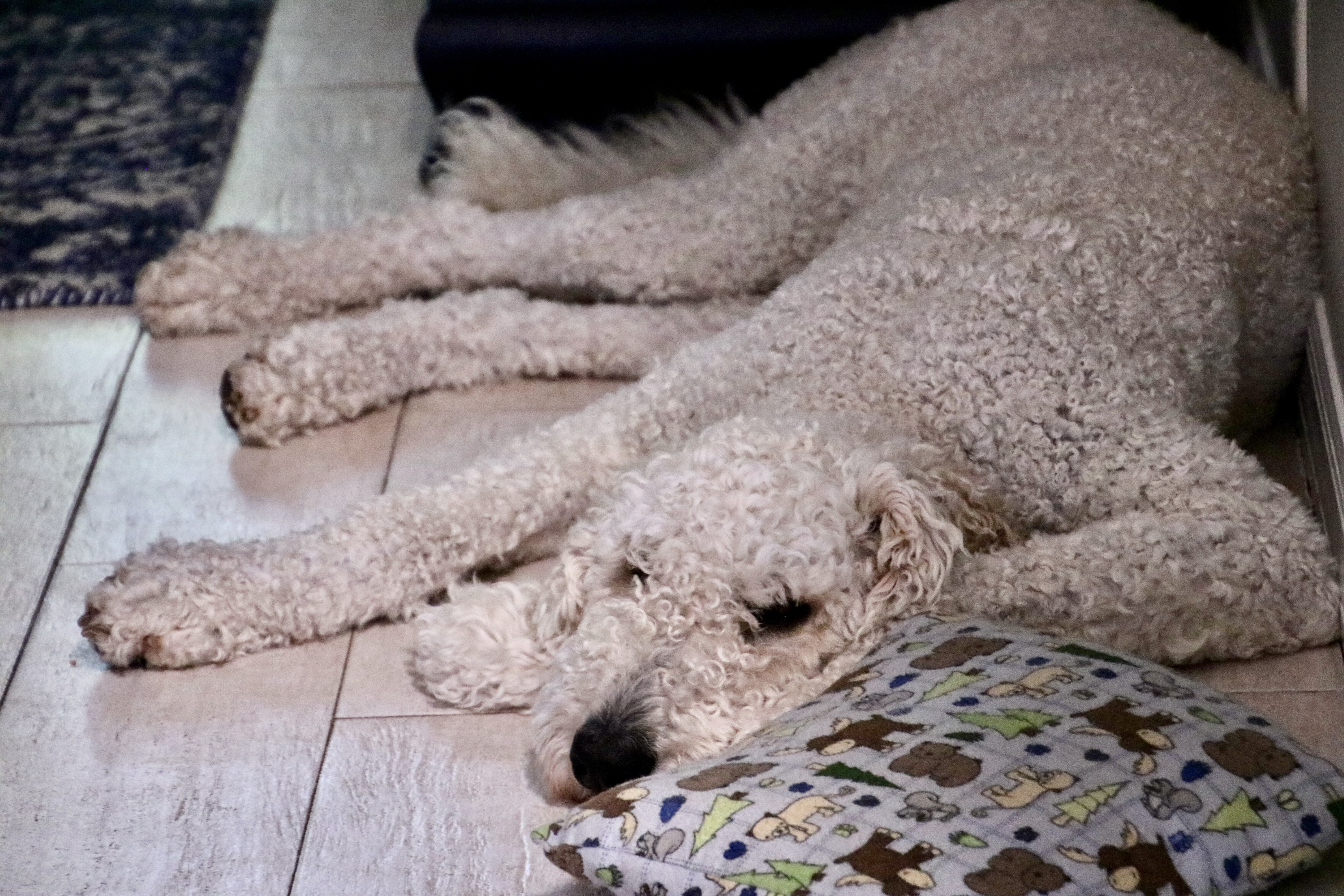
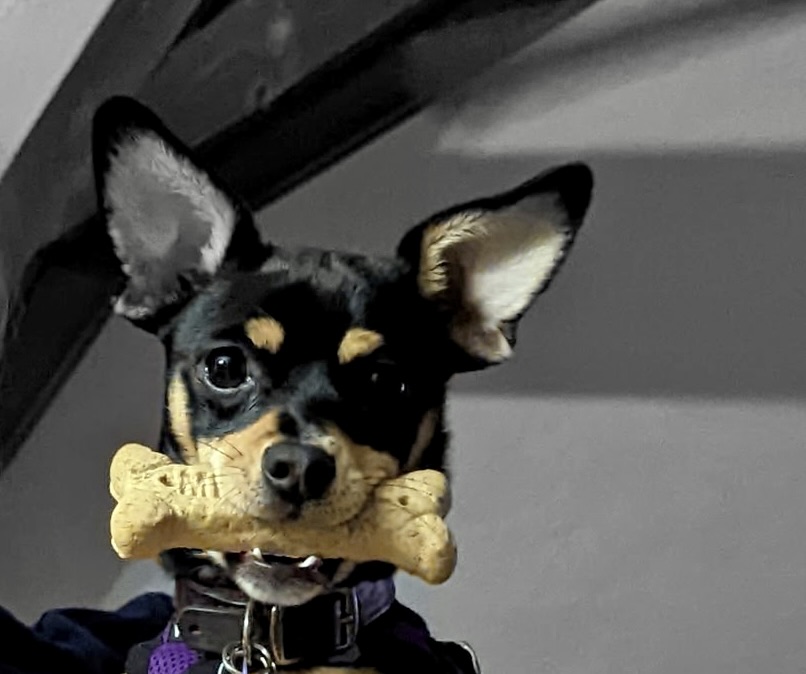
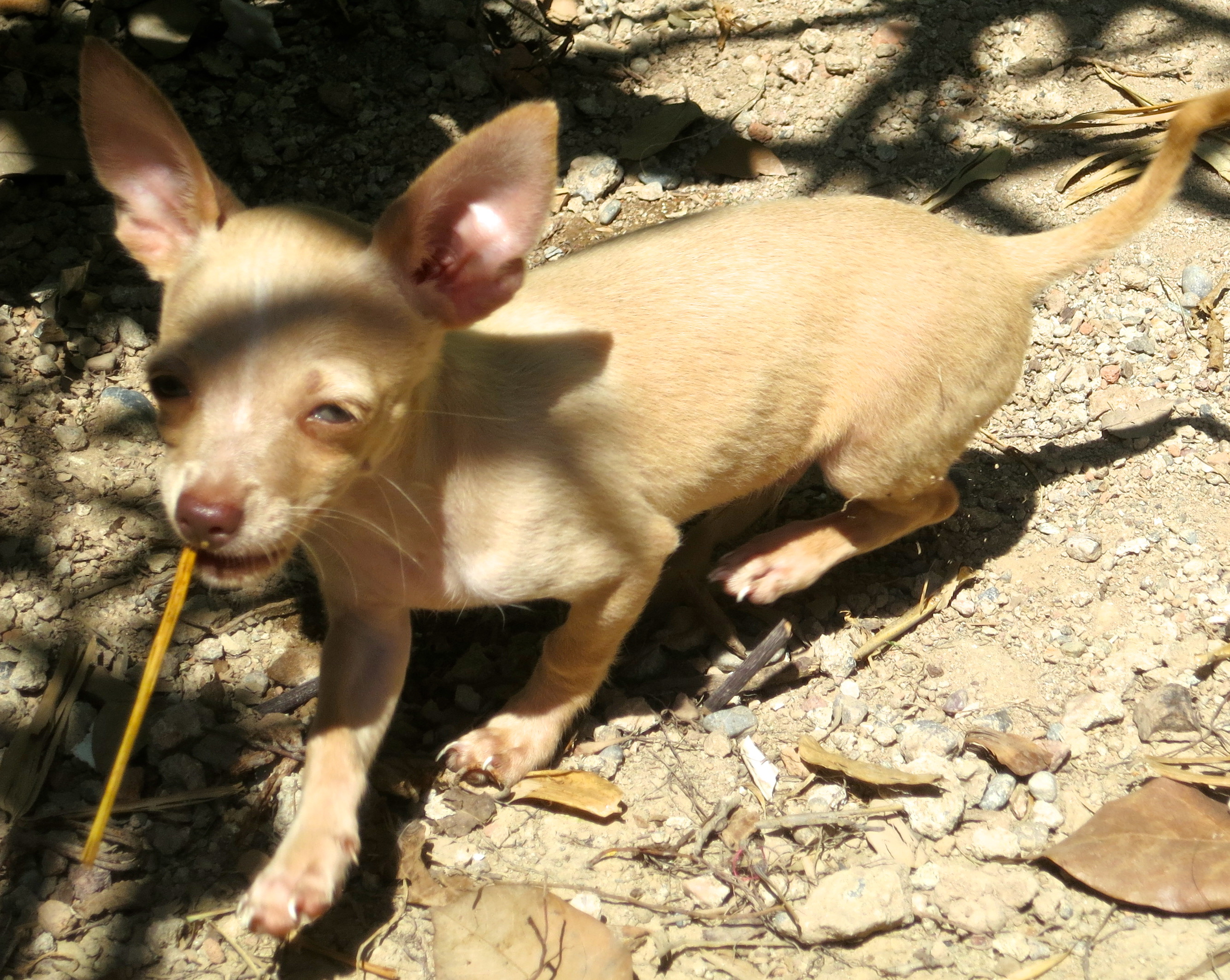
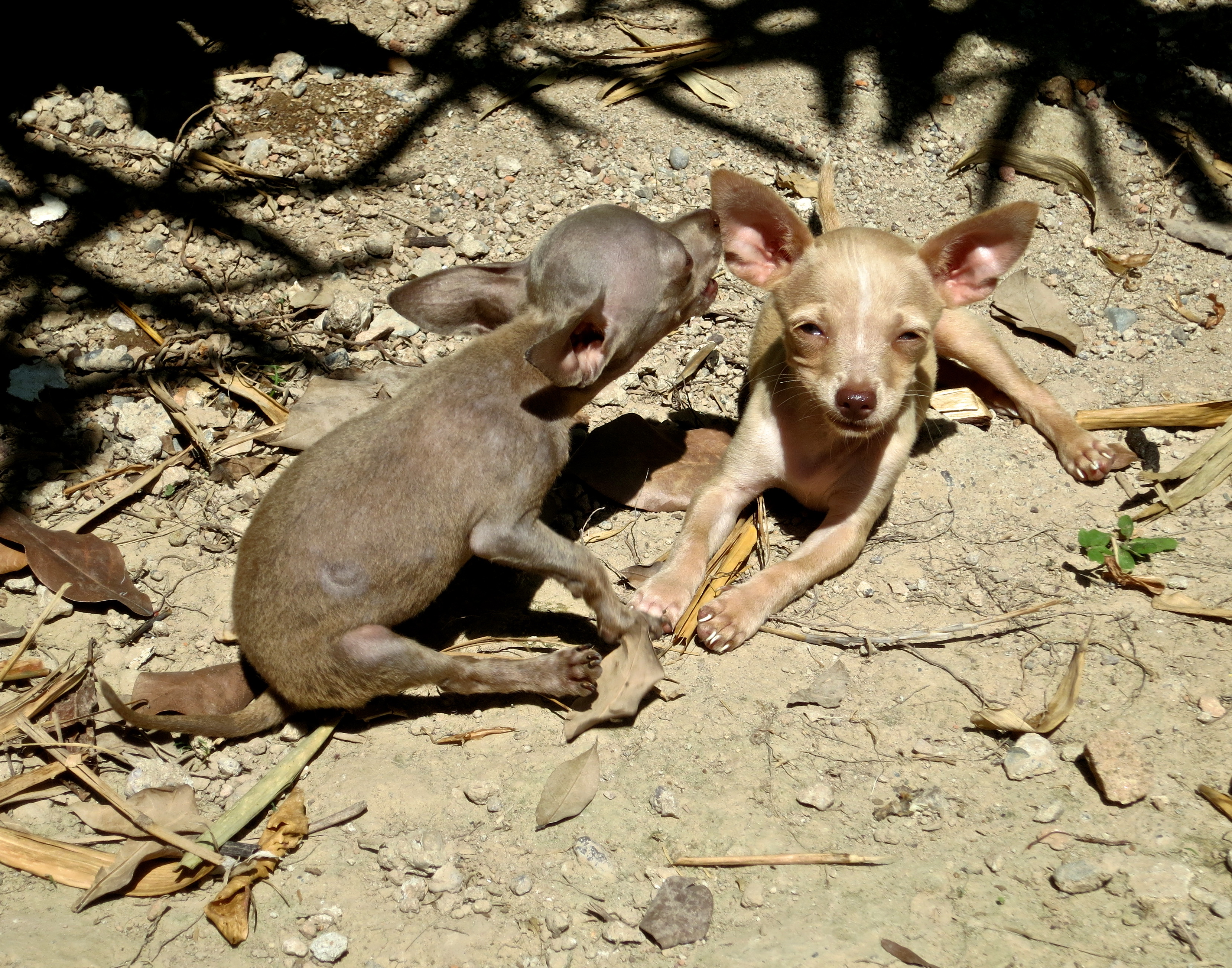
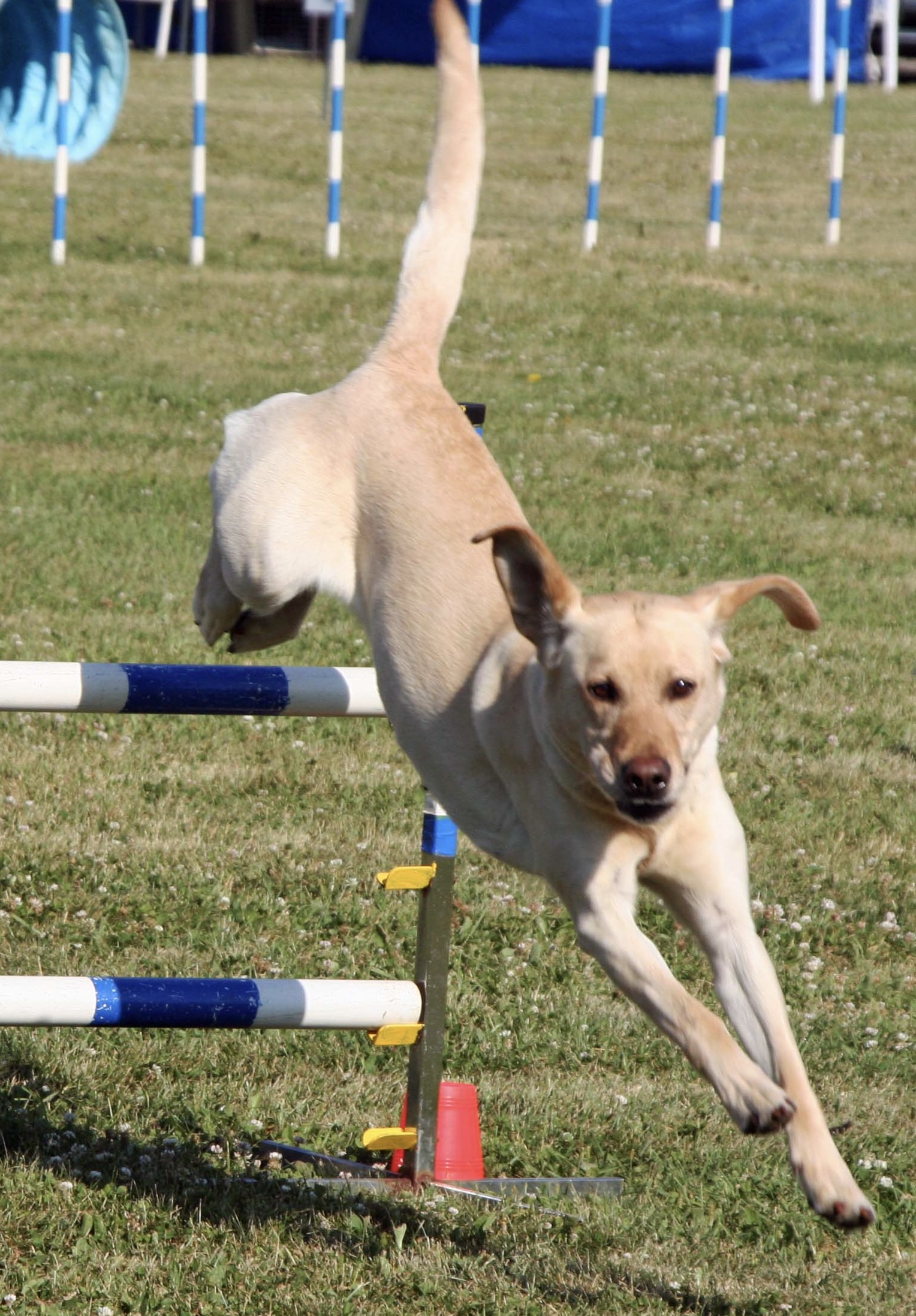
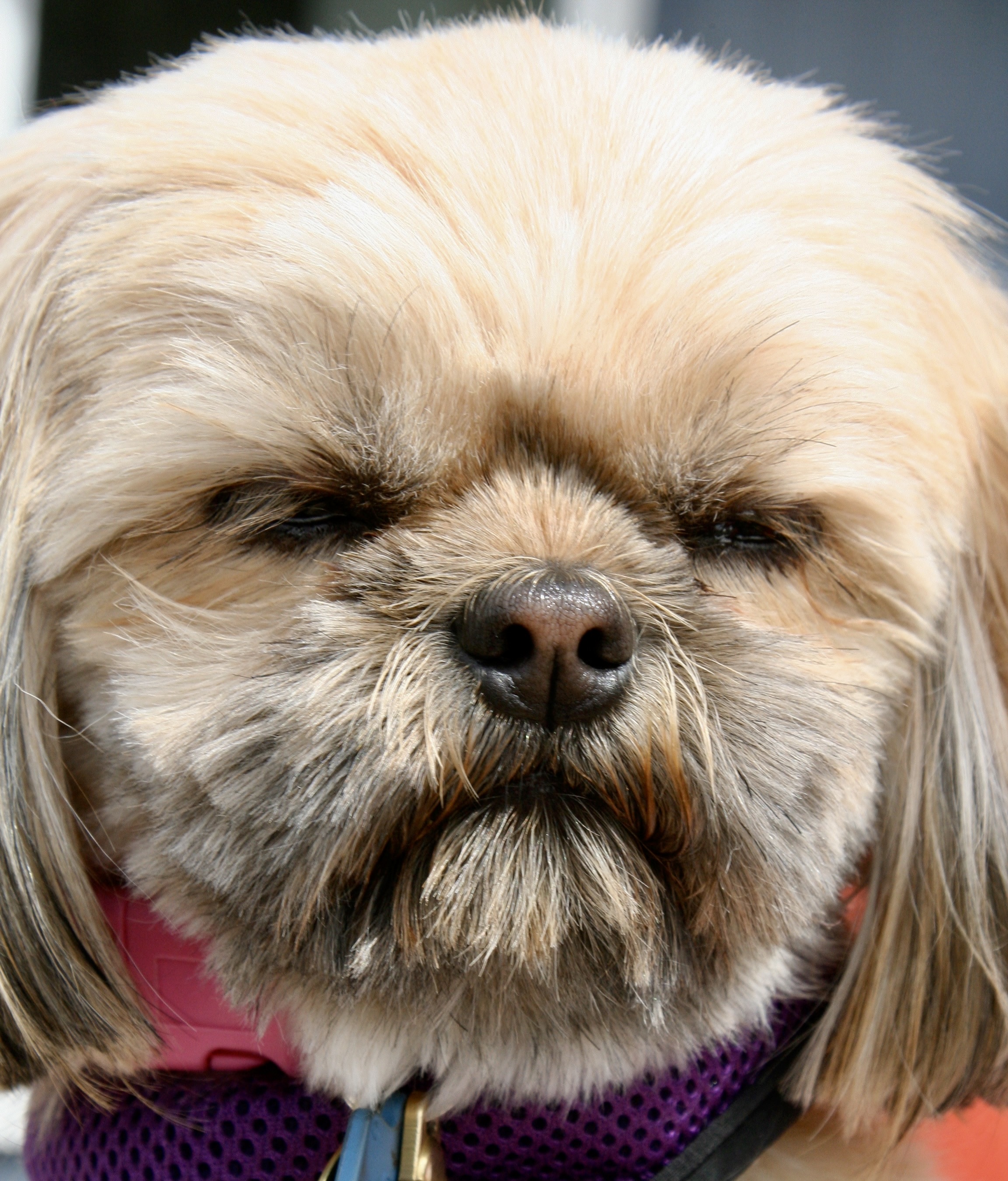
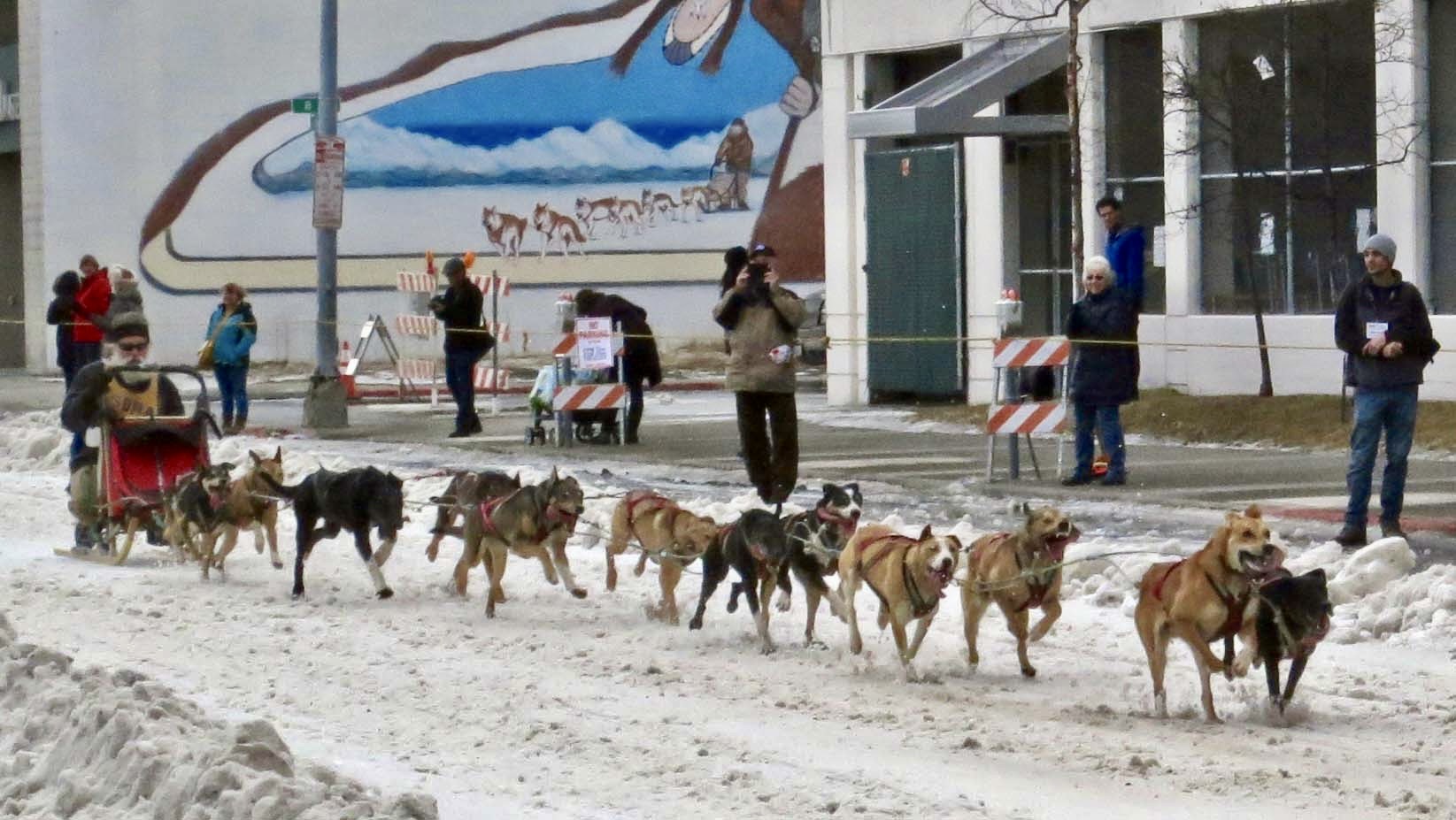
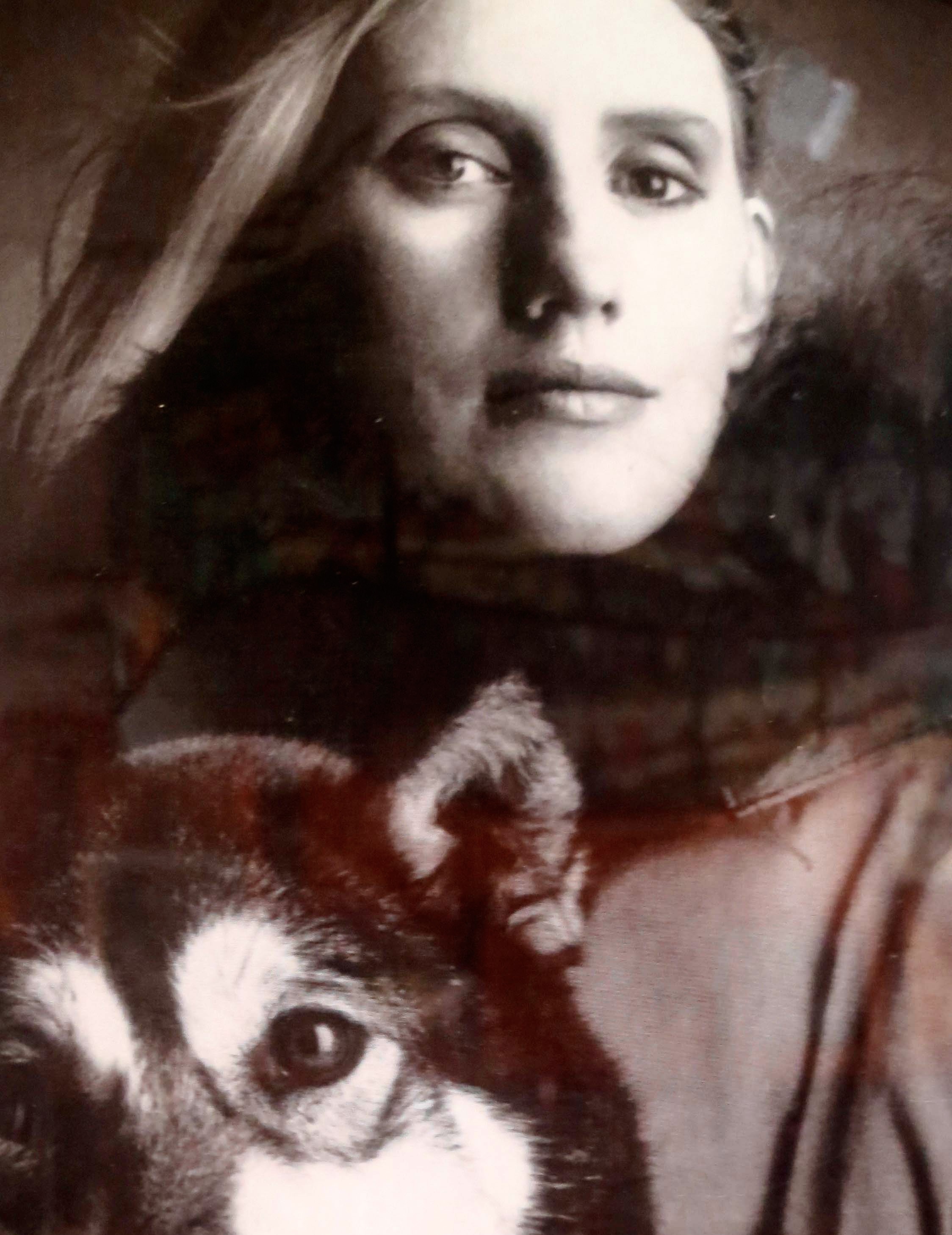
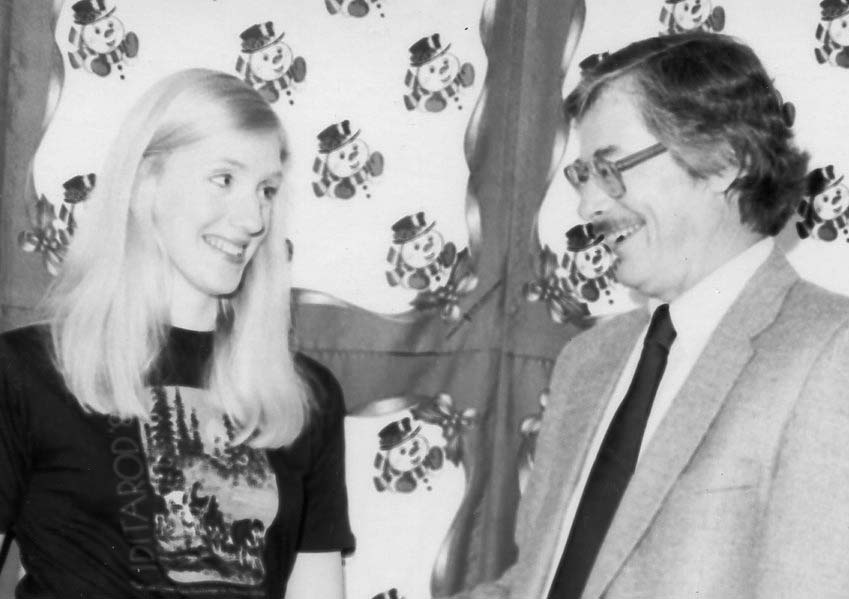
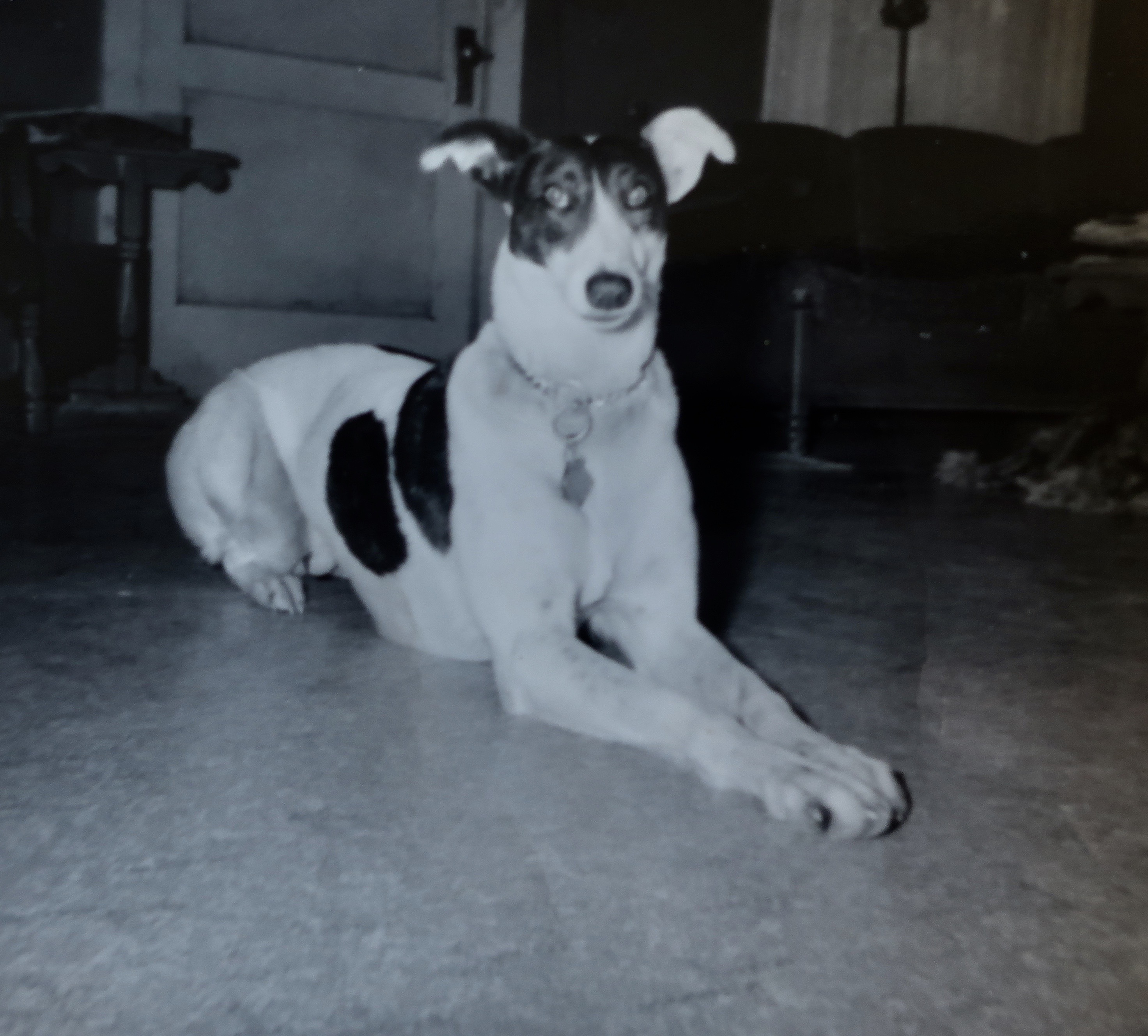
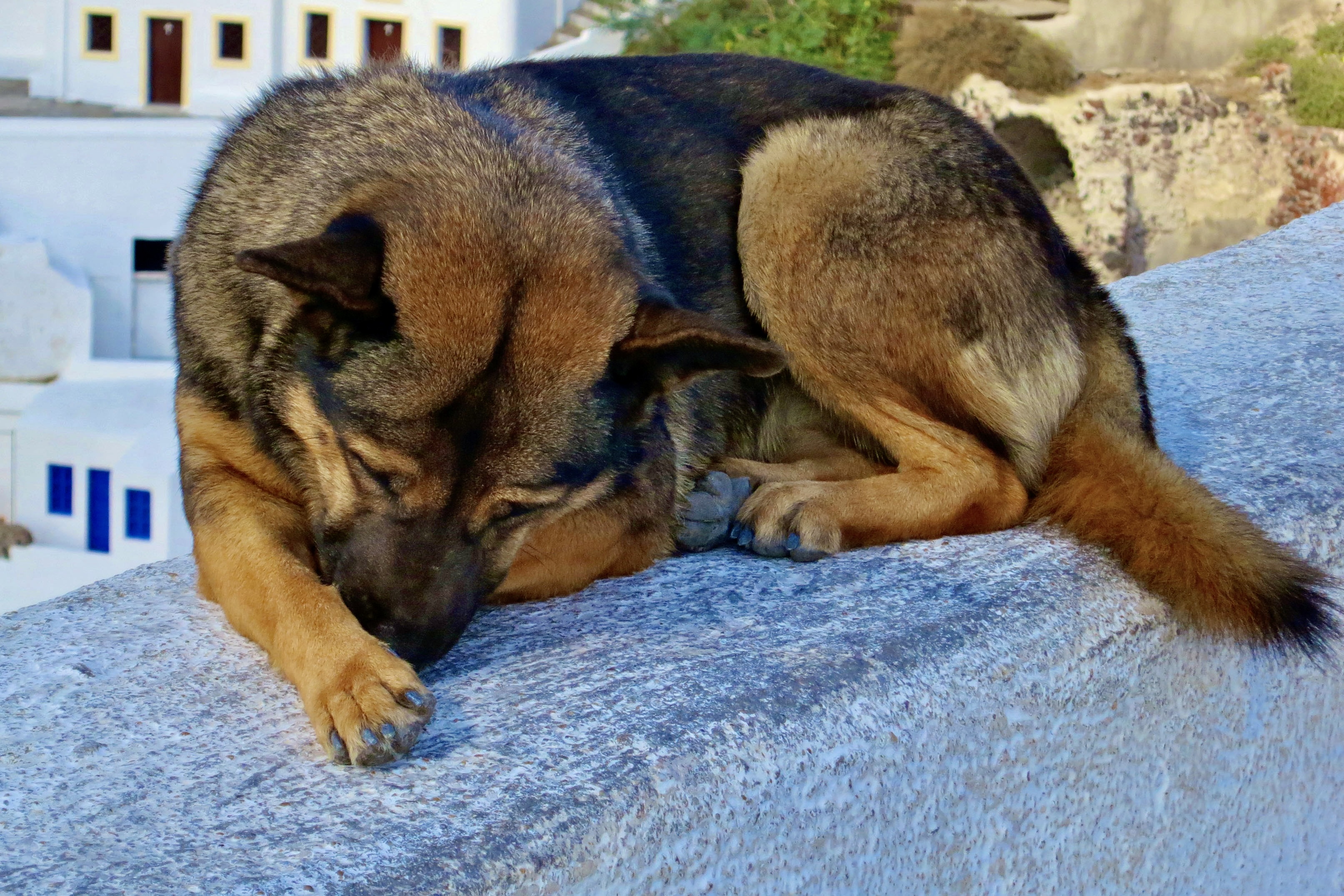
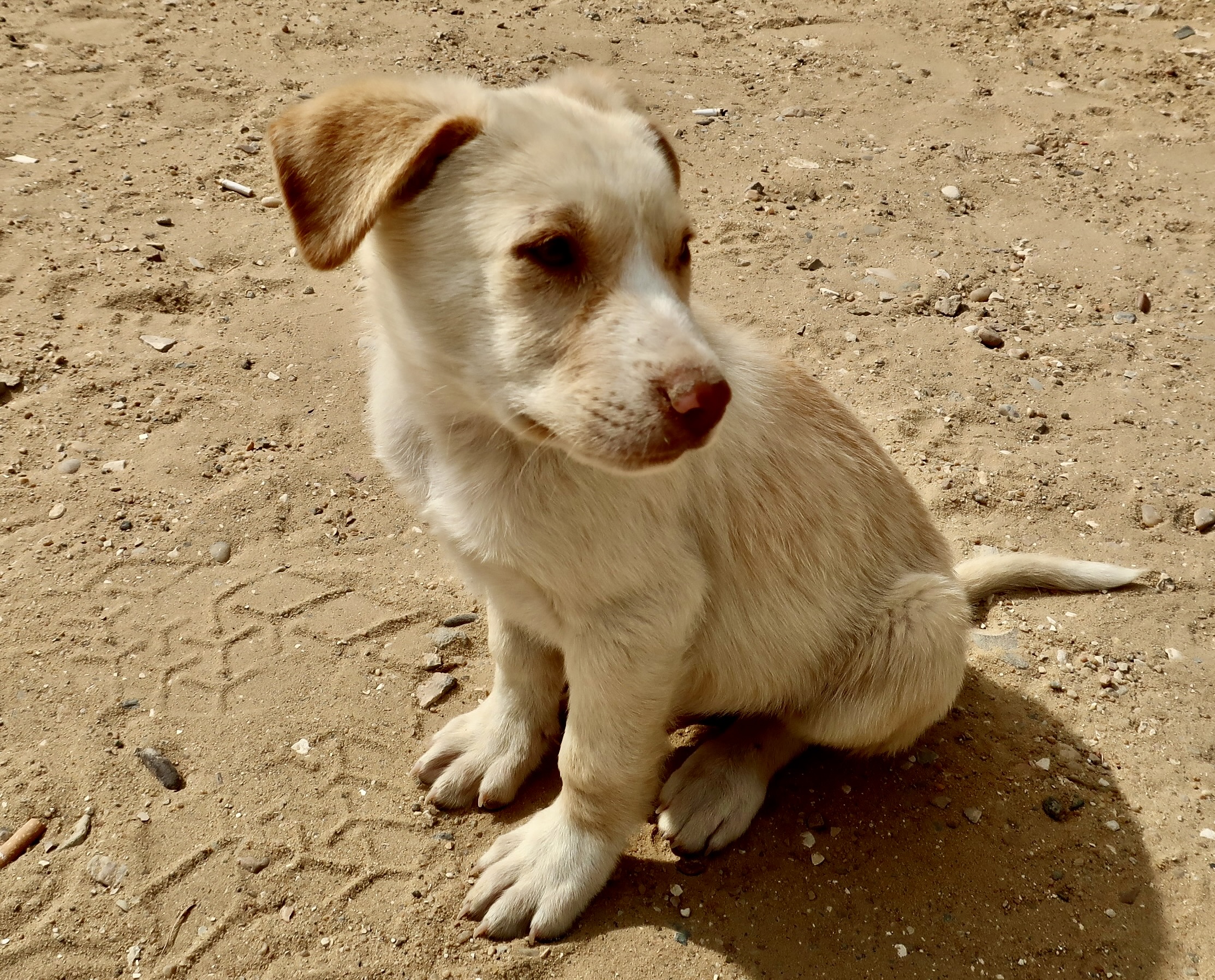
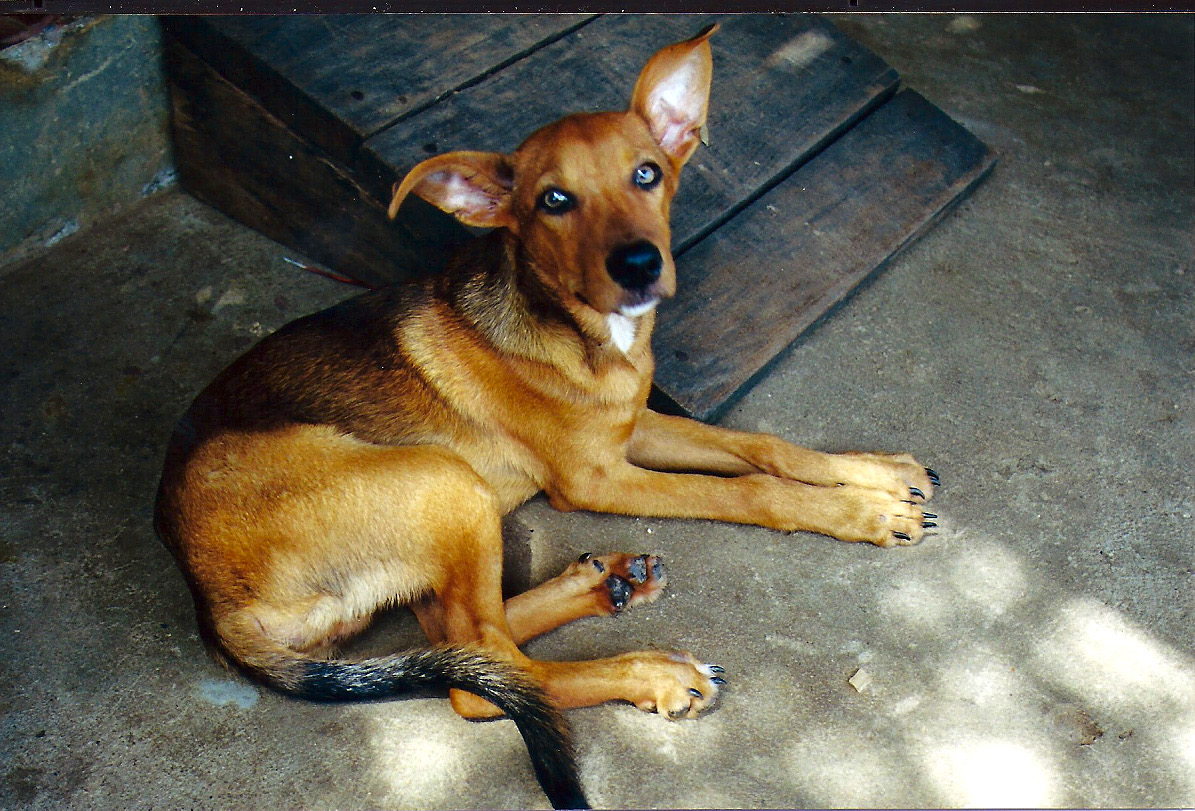
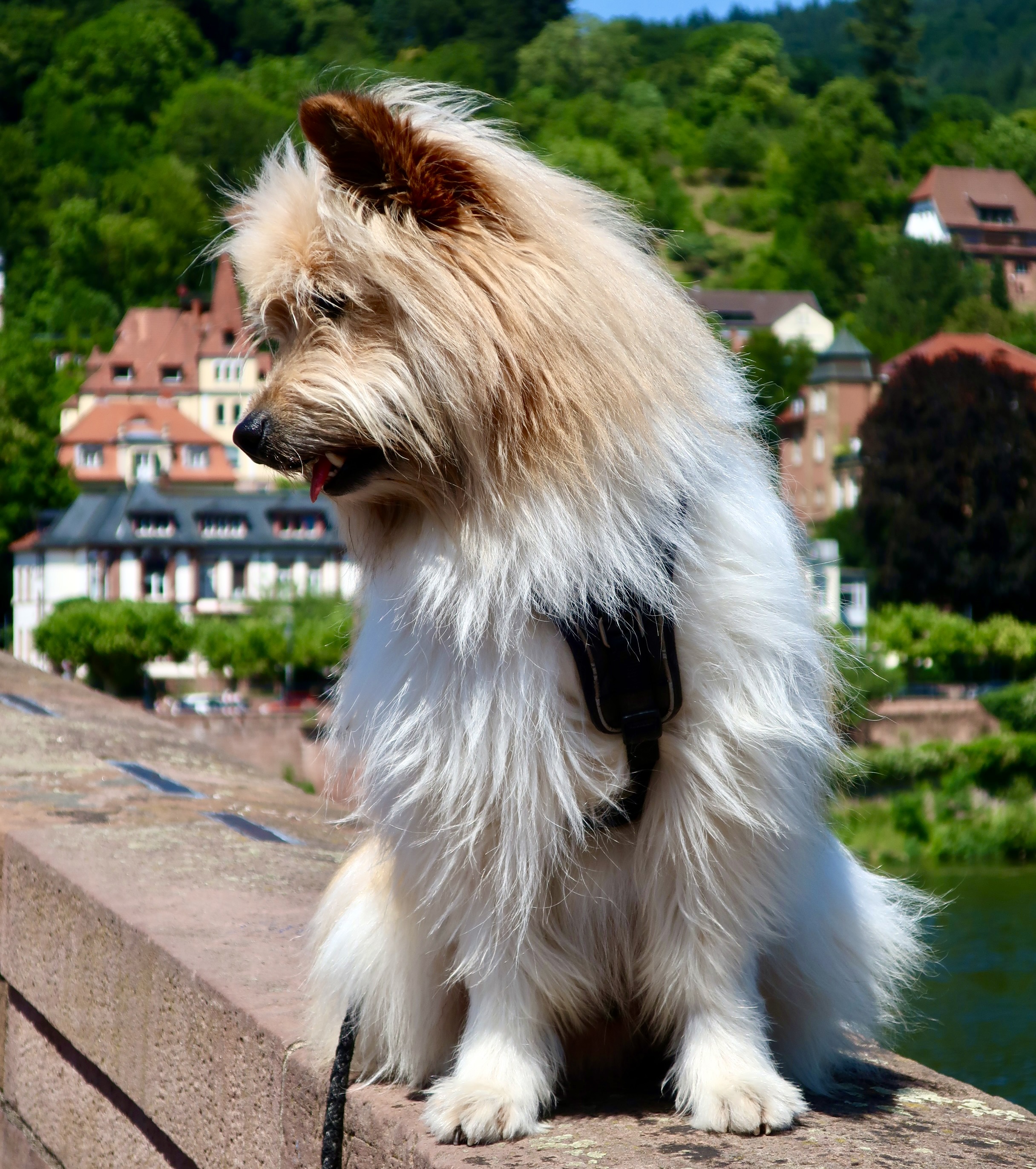
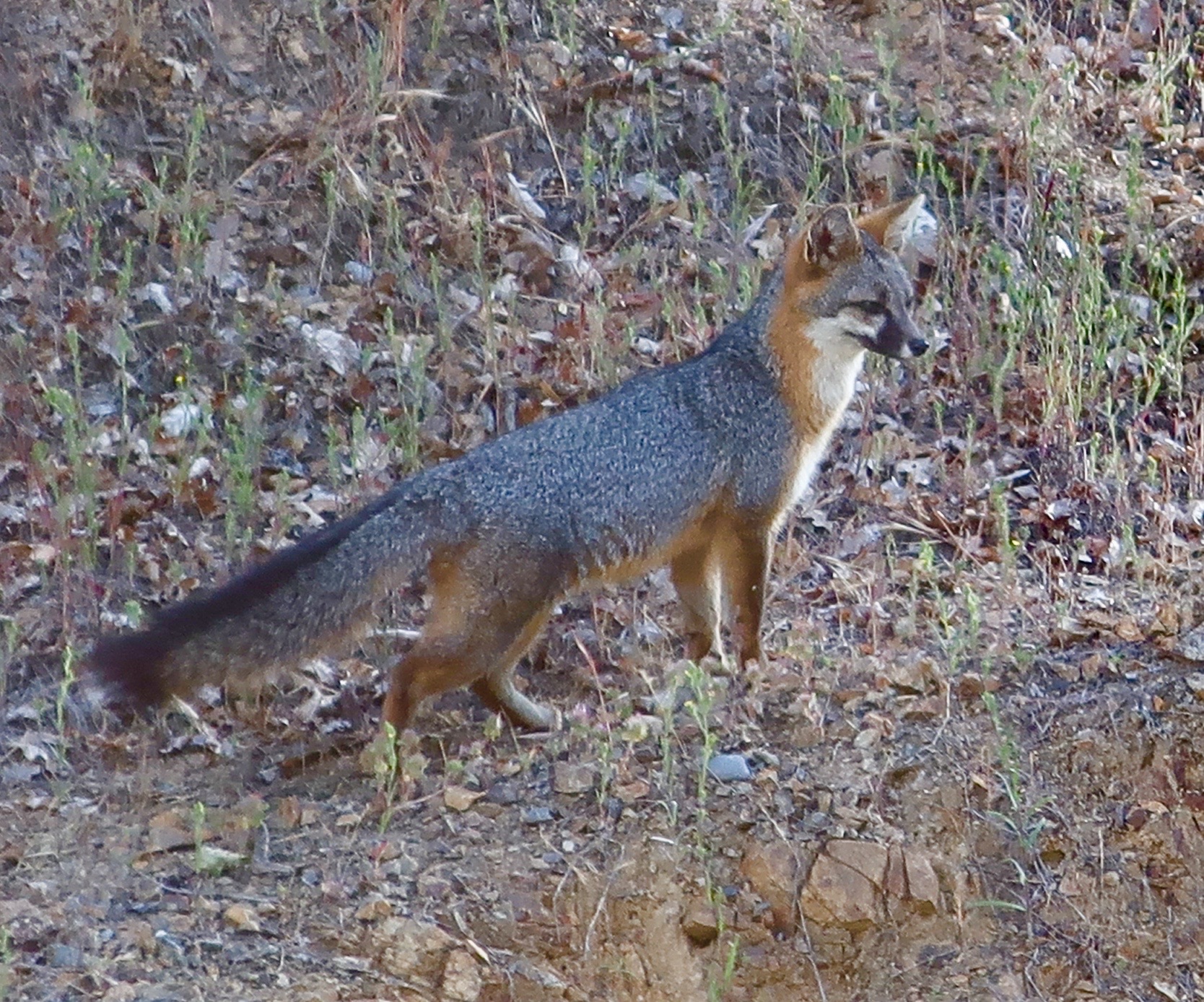
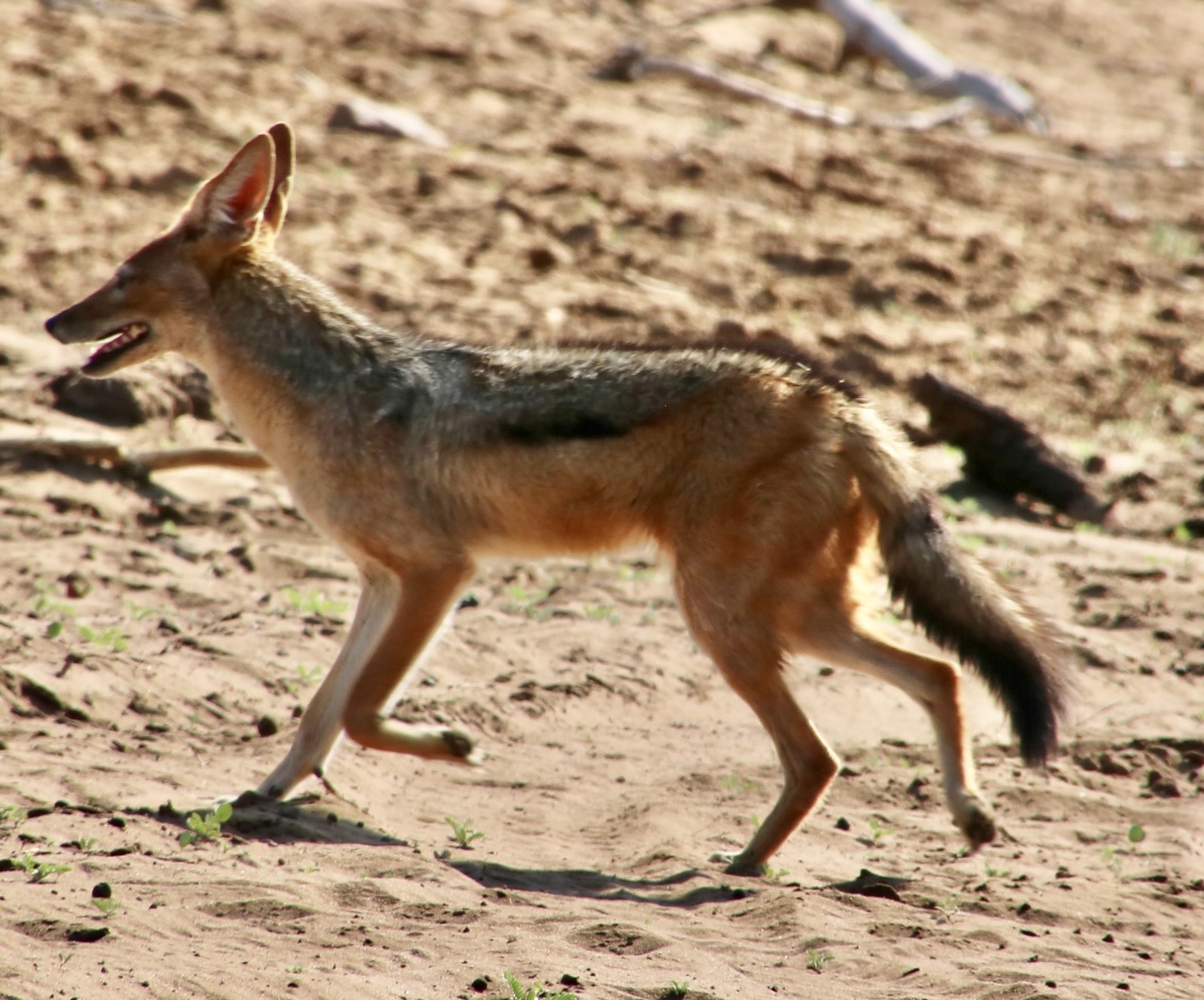
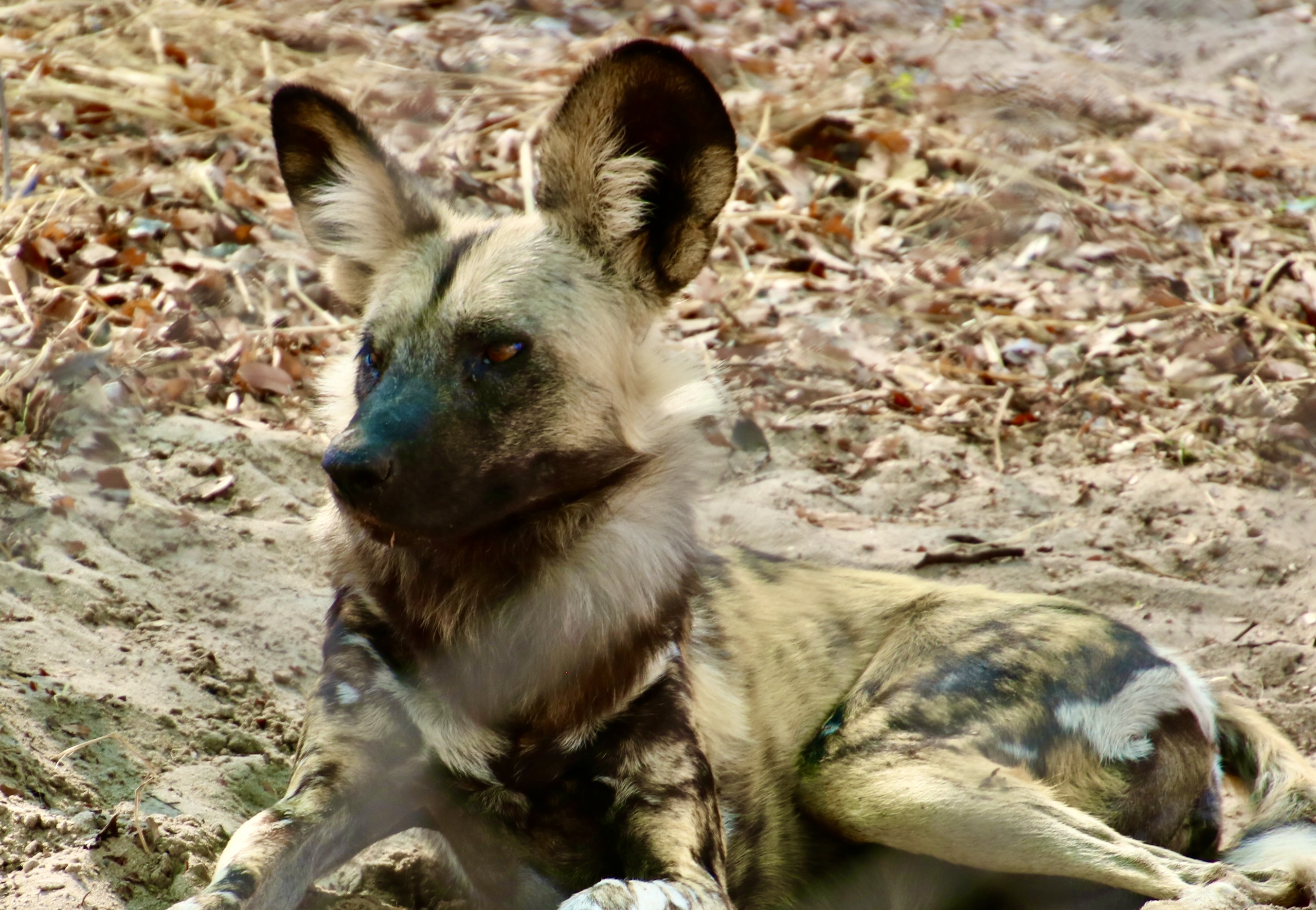
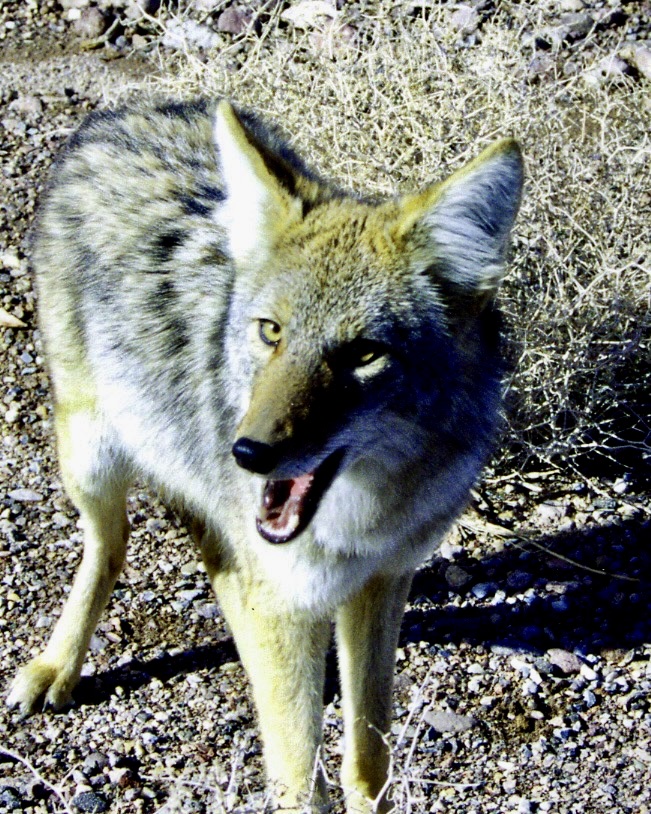
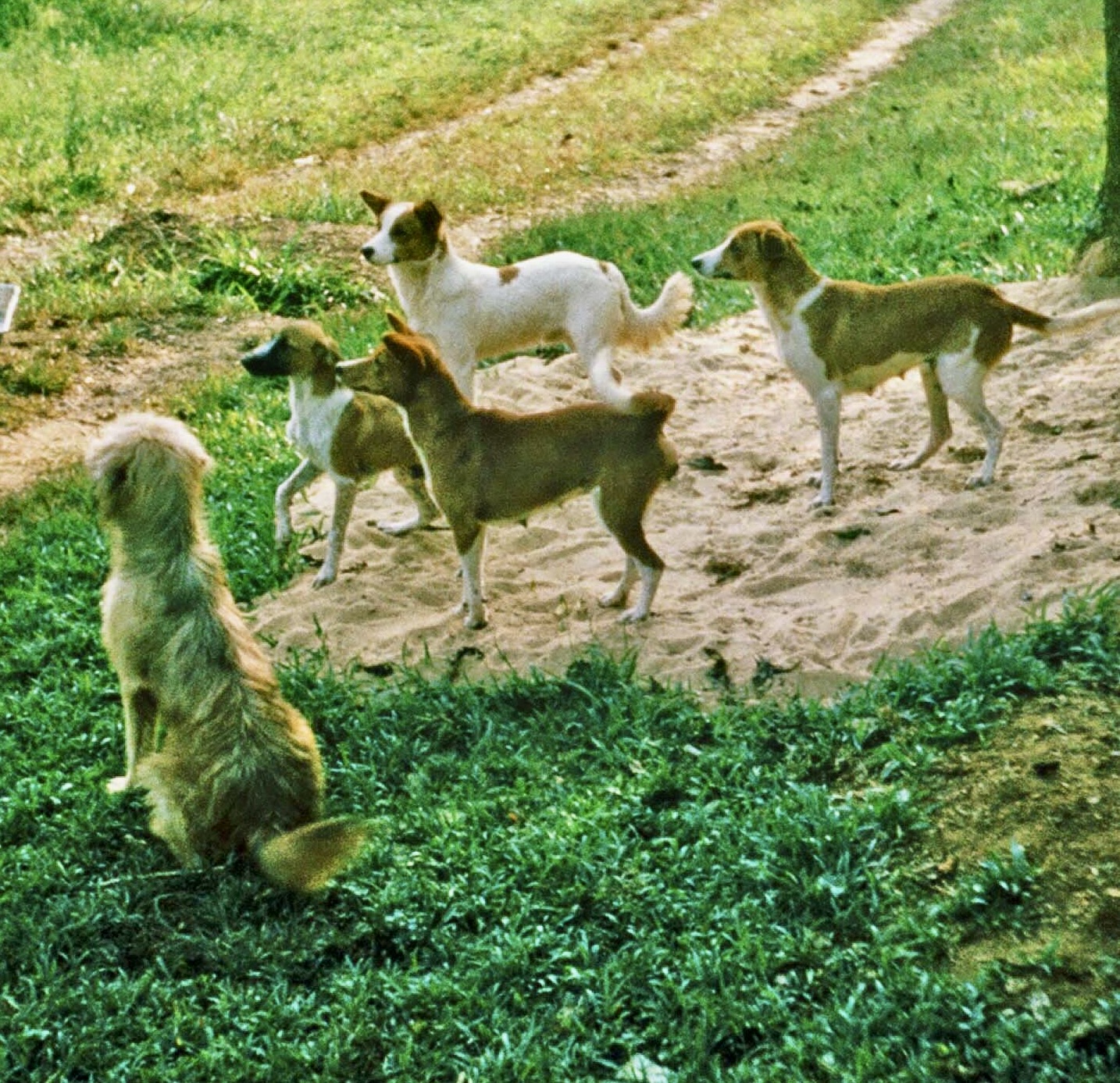
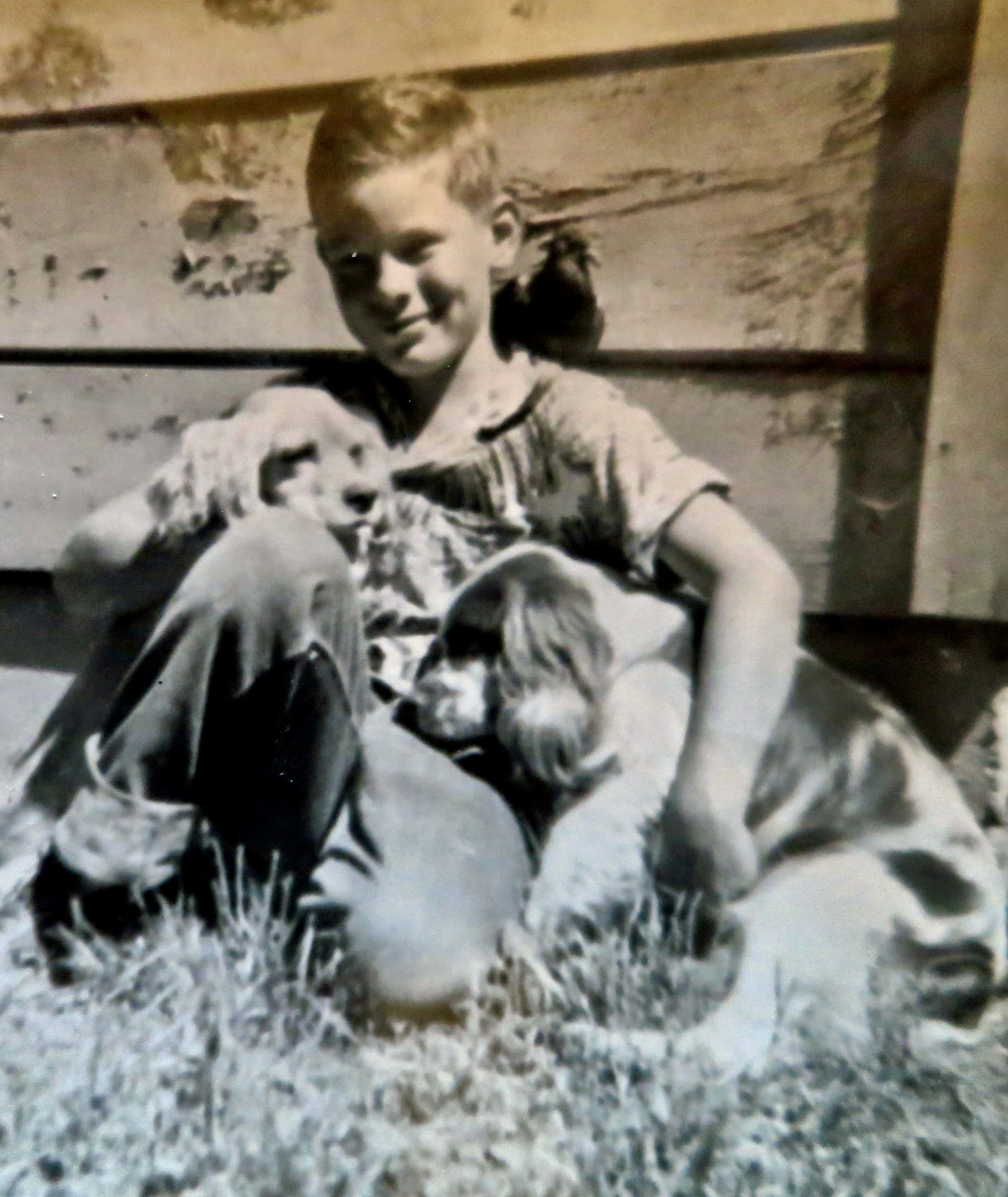
Dogs have been hanging out with humans for over 20,000 years, longer than any other domesticated animal. I commented on puppy eyes in my headline. It is theorized that they are an evolutionary development caused by people picking out dogs they found appealing down through the ages. Lexi, a blue Australian Cattle Dog definitely had them as a puppy.As did Chema, her sister, a brown Australian Cattle Dog. Both are by owned our daughter Tasha and her family. These were puppy pictures. They are both old dogs now but they still have the ‘look.’While we are on Aussies, this is an adult Australian Sheperd that belonged to our niece, Christina. It certainly hadn’t lost her puppy eyes. The blue eyes also capture your attention. The puppy Leta has them as well.As does Christina’s other Australian Shepherd, Zoe. This is a look that demands attention and includes a question. Likely, “Why are we stopped here, Mom.”A couple more family dogs before moving on… This is Lila, a Goldendoodle that belongs to my son Tony, his wife Cammie and their kids. No puppy eyes here but lots of brains (not to mention long legs). Poodles are noted for their intelligence. Of the above dogs, Corgi’s and Australian Cattle Dogs are also near the top. Socrates? Not so much. I once met a fellow Basset owner in Canada and we started talking about our respective dogs, as Basset Hound owners always do. I mentioned how difficult it was to train Socrates. He laughed. “My basset hound was kicked out of a dog training class in Edmonton. He was a bad influence.” Yep.I find the difference between our son’s family dog Lila and our daughter’s family dog, Rio, amusing. The milk bone provides perspective on Rio’s size. I asked Tasha what breed Rio was, assuming Chihuahua. And, yes, Tasha mentioned Chihuahua and then went on to list a few others. “Ah,” my response was, “Rio is a mutt.” Albeit a cute and loving mutt. “She sleeps on our bed with us,” Tasha admits. Actually, studies suggest around 50% of dogs sleep on their owner’s bed in the U.S. It might even be closer to 70%.The mention of Chihuahuas led me to remember an encounter that Peggy and I had with one in Puerto Vallarta, Mexico. I thought he looked cool carrying his small stick along in his mouth.This photo suggested that his ‘girlfriend’ had a different point of view. I imagined this to be the conversation. Her: “If I told you once, I’ve told you a hundred times, it’s stupid to walk around with a stick in your mouth. Odds are that you will stumble and drive it into your pea-sized brain.” Him: “Whatever.”Have you ever watched dogs compete on an agility course. We came on a competition once in British Columbia. Dogs work their way through a number of challenges that range from poles that they have to weave their way through to see-saws and tunnels. The more advanced the dog, the more barriers they have to overcome. Owners run along beside the dogs encouraging them to do their best. It’s as much fun watching the owners as it is the dogs. The dog that completes all of the challenges in the shortest period of time for its class wins. This small papillon was almost flying!Hurdles are another barrier the dogs have to leap over. The bigger the dog, the higher the hurdle.I asked this fluffy pooch with a pink collar if she had ever thought of competing in one of the dog agility competitions.Her response.The most renown dog competition in the world is the Iditarod, Alaska’s thousand mile sled dog race from Anchorage to Nome. This photo is actually from Anchorage’s Fur Rendezvous where the dogs were running more like 100 yard sprints than 1000 miles. They can run up to 20 miles per hour. I lived in Alaska for three years in the 80s and watched the beginning of the Iditarod each year. In fact, I was in Alaska the year that Libby Riddles was the first woman to win the race. I was Executive Director of the Alaska Lung Association at the time and called her up immediately afterwards and asked if she would consider serving as our Christmas Seal Chair. Winning the Iditarod is a huge deal in Alaska. Her immediate response was yes. Could I pick her up at the airport in a week when she got back from a photoshoot in Chicago.It was for Vogue Magazine.Libby and I with a backdrop of Christmas Seal scarves. I spent a couple of days driving Libby around to various media interviews. In addition to getting great PR for the Association, I had a lot of fun— and learned a lot about sled dogs.While sled dogs are fast and extremely tough, they aren’t the fastest dog in the world. That title goes to the greyhound. The fastest speed one was ever clocked at was 41.83 mph (67.32km/h). This is Pat, my greyhound, in our house in Diamond Springs CA. I named her after the local Greyhound bus driver I knew as a kid. Pat had been running wild, making a living off of jack rabbits and ground squirrels. She was getting skinnier by the day. One day, my mother stopped our car, opened the door and invited Pat to come home with her. Thereafter, she was my dog. What a great companion. I’d come home and she would be one big wiggle. Watching her run was poetry in motion.As we do with cats, Peggy and I take photos of dogs when we travel. This one had found a convenient ledge to sleeping on the Greek Island of Santorini.At a bus stop in Romania.This puppy hoping for food next to the pyramids in Egypt.A small village along the Amazon River.On a bridge overlooking the Neckar River in Heidelberg, Germany.Catching snowflakes on Vancouver Island, Canada. It took a second look to figure out what the dog was doing.We also try to capture photos of dogs’ ancestors when we get a chance. We had a pair of foxes that lived on our property in Oregon. One night we were awakened by them howling down near the road. It was repeated the next night and the next. Finally I went down to see if I could find out what was making them excited. I found a dead fox killed by an automobile. What we were hearing was its partner mourning its loss! I gave the dead fox a decent burial and said a few words over the grave. The nightly howling stopped.We caught this photo of a jackal when we were on our photo safari in southern Africa. In our post on cats, I mentioned how the cat was sacred to ancient Egyptians. So was the Jackal. Anubis, the god who guided souls into the afterlife and weighed people’s hearts during the final judgment had the head of a jackal.This is an African Wild Dog that we photographed in Zimbabwe. It is also known as a Painted Dog for its unique color.And finally, a coyote we found in Death Valley, obviously looking for a handout. Feeding them is a no-no in national parks.I could go on and on with dogs, but I realize it is past time when I should wrap up this post. See the little dog standing in front. She was a Basenji named Do-Your-Part by her Liberian owner. Basenjis are noted for not barking. Actually, they yodel. While she belonged to the principal of the high school where I taught in the Peace Corps, she adopted me. Everywhere I went, she went. Including my classroom. With zero training she was the best mannered dog I have ever known. And the sweetest. The day I had to leave, Do Your Part, who never climbed up on me, climbed up in my lap and shivered a goodbye. It broke my heart.One last photo. As a kid I was in charge of all the family pets. My first dog, Tickle, a Cocker Spaniel, is on the right. Another Cocker, Happy, is on the left. Our pigeon is on my shoulder. Missing was our grey squirrel, Pugemite, and several cats. Tickle, like Do Your Part, followed me everywhere. Much to his disgust, and mine as well, however, he wasn’t allowed to go to school with me.
In my next post on UT-OH, I relate how listening to the Lone Ranger on our family radio almost led to my head being smashed by a train. Our next focus post will be on Hoofing It with Ungulates.
We are continuing our focus series today with a look at cats. Our travels provide us with lots of opportunities to watch and photograph our feline companions. In their own enigmatic way, they are quite photogenic. Most of today’s entries are from around the Mediterranean Sea— or from my personal experiences of being owned by three cats: Demon, Rasputin and FE.
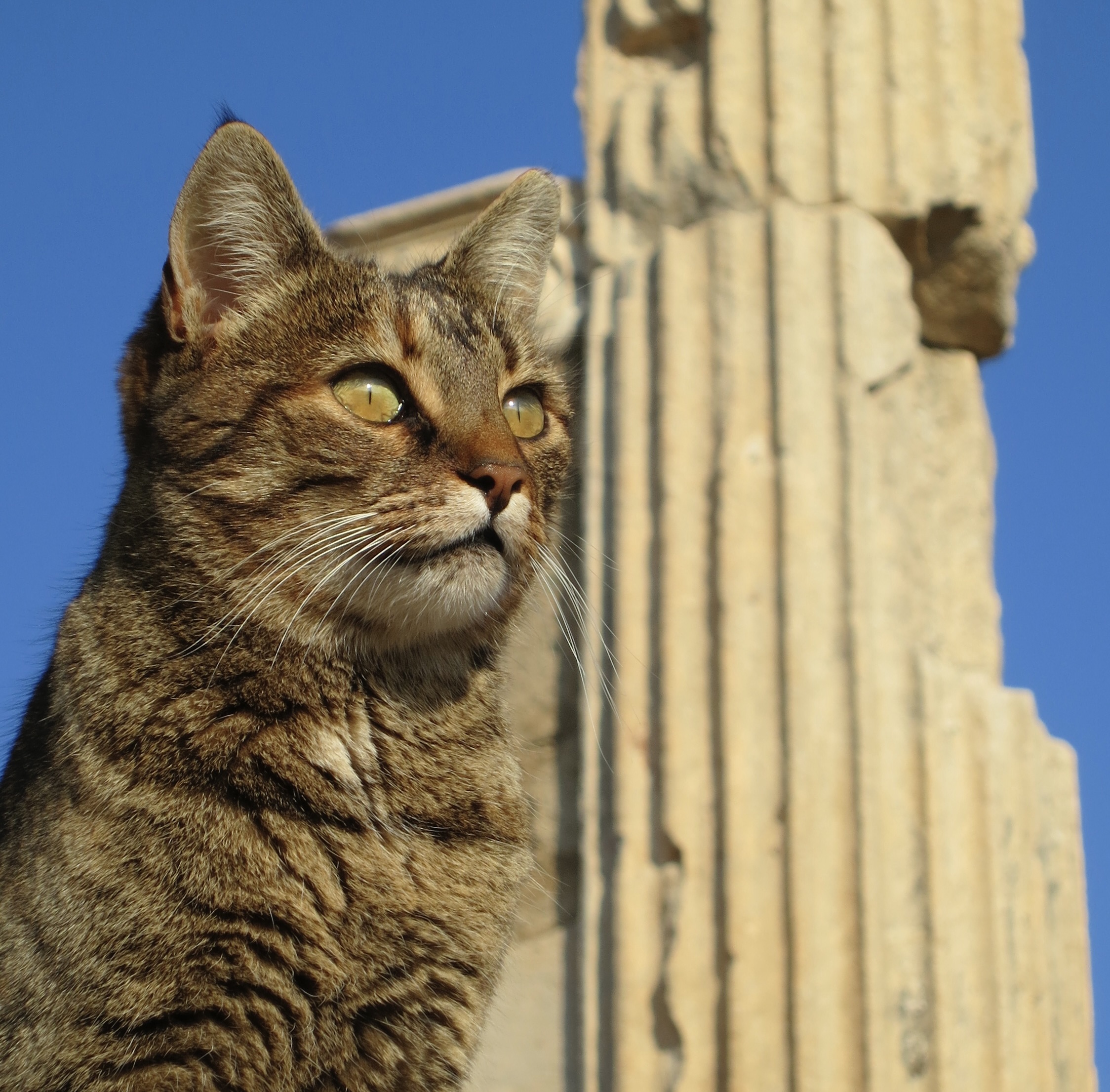
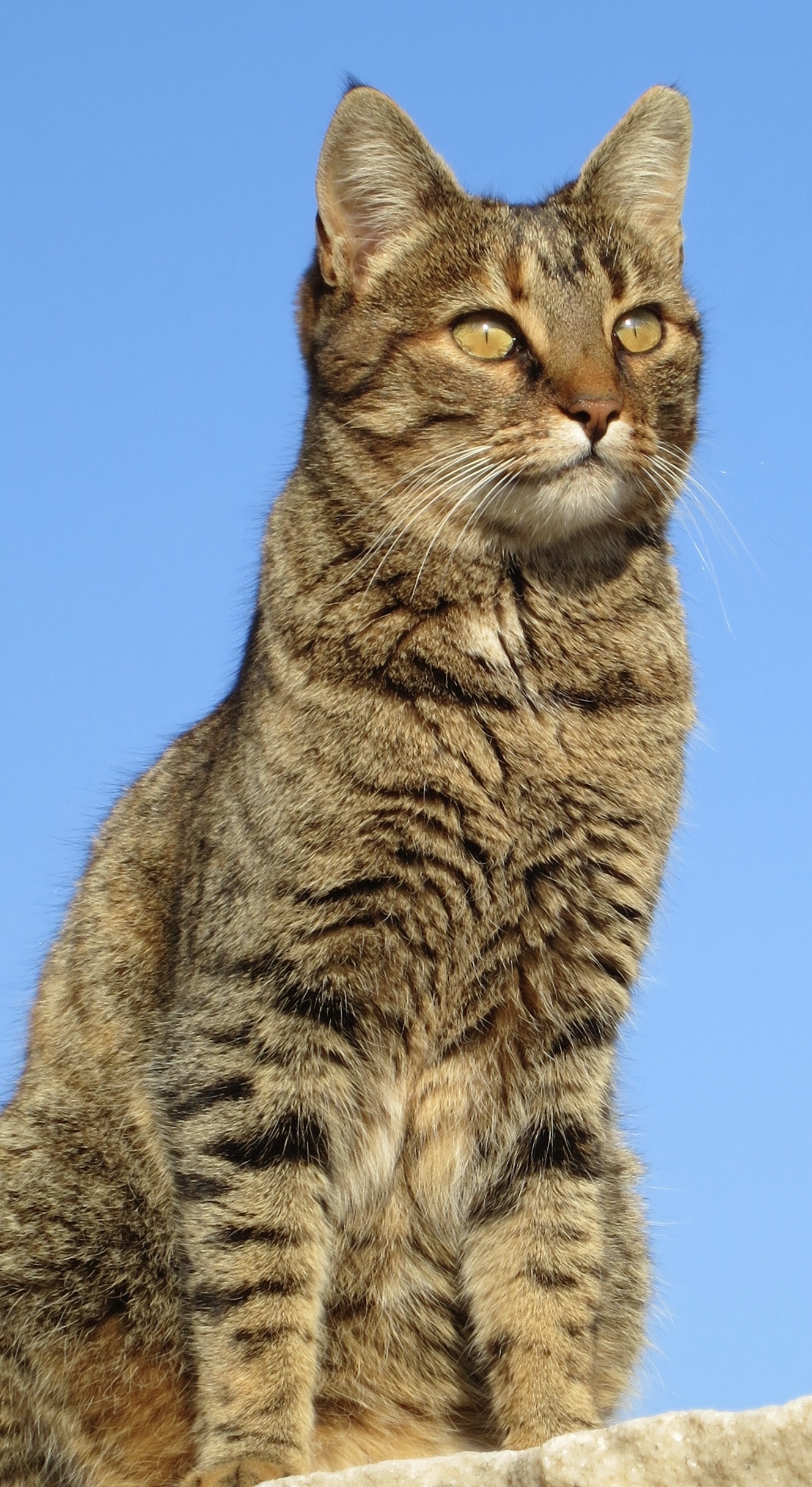
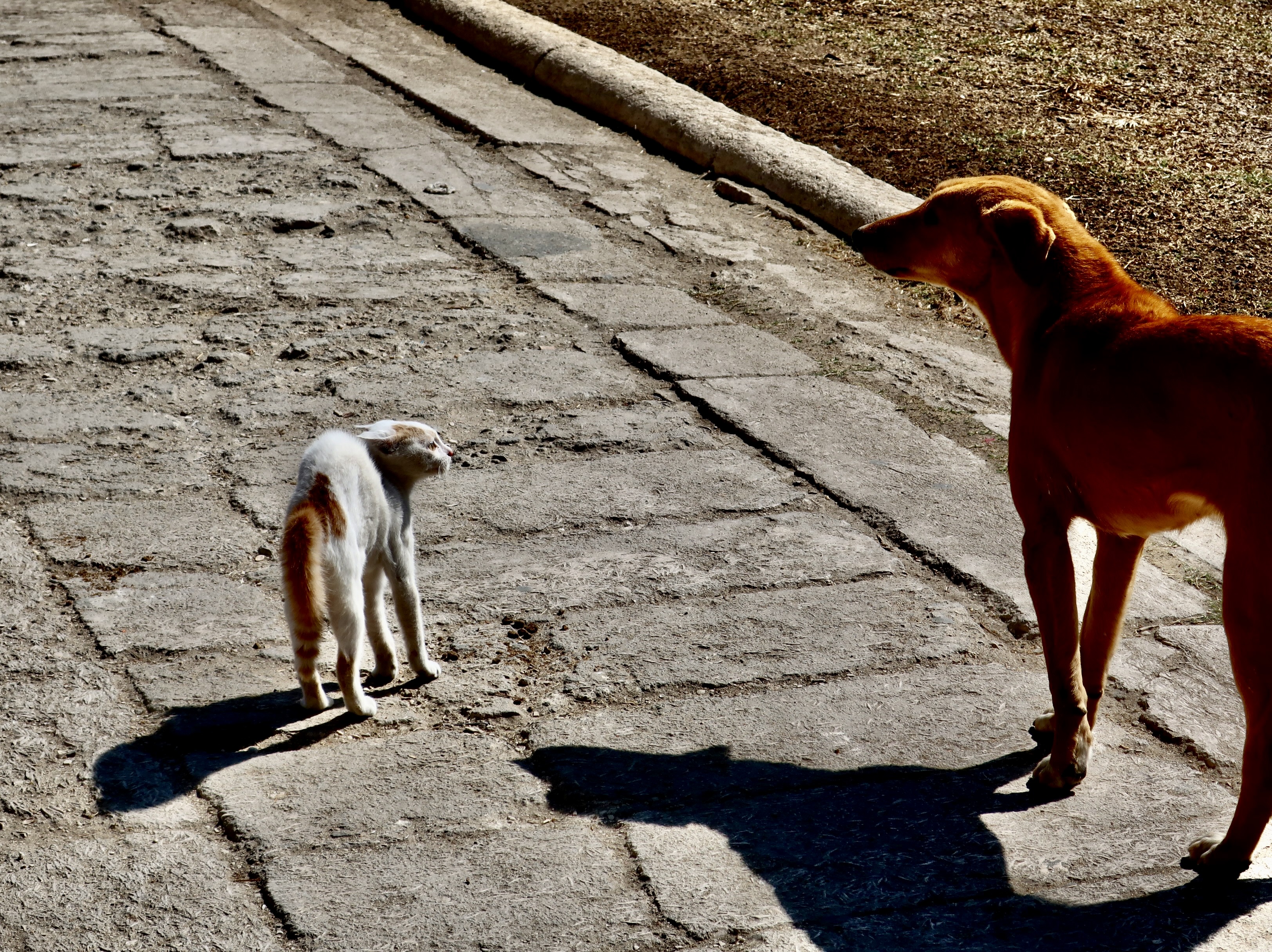
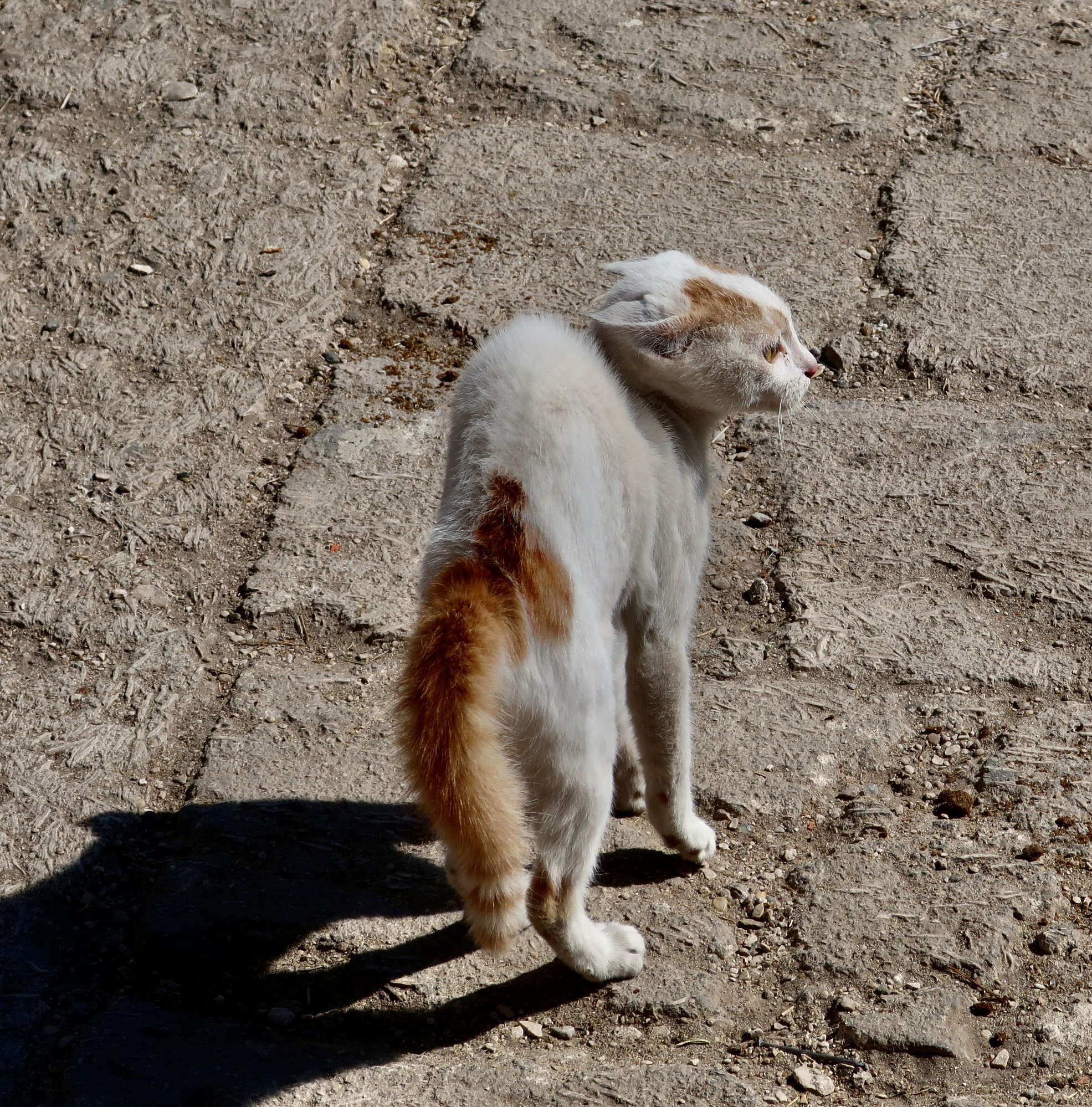
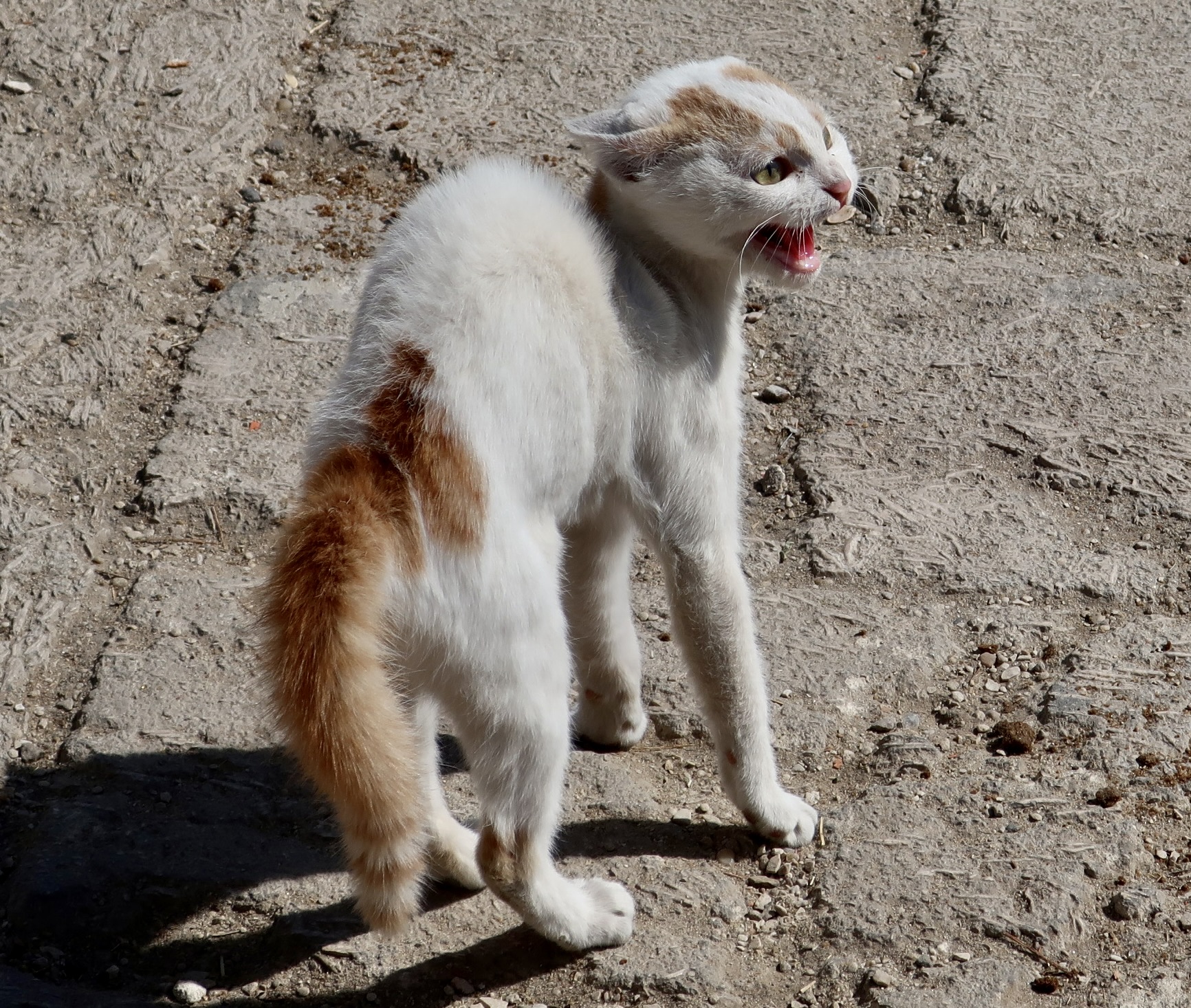
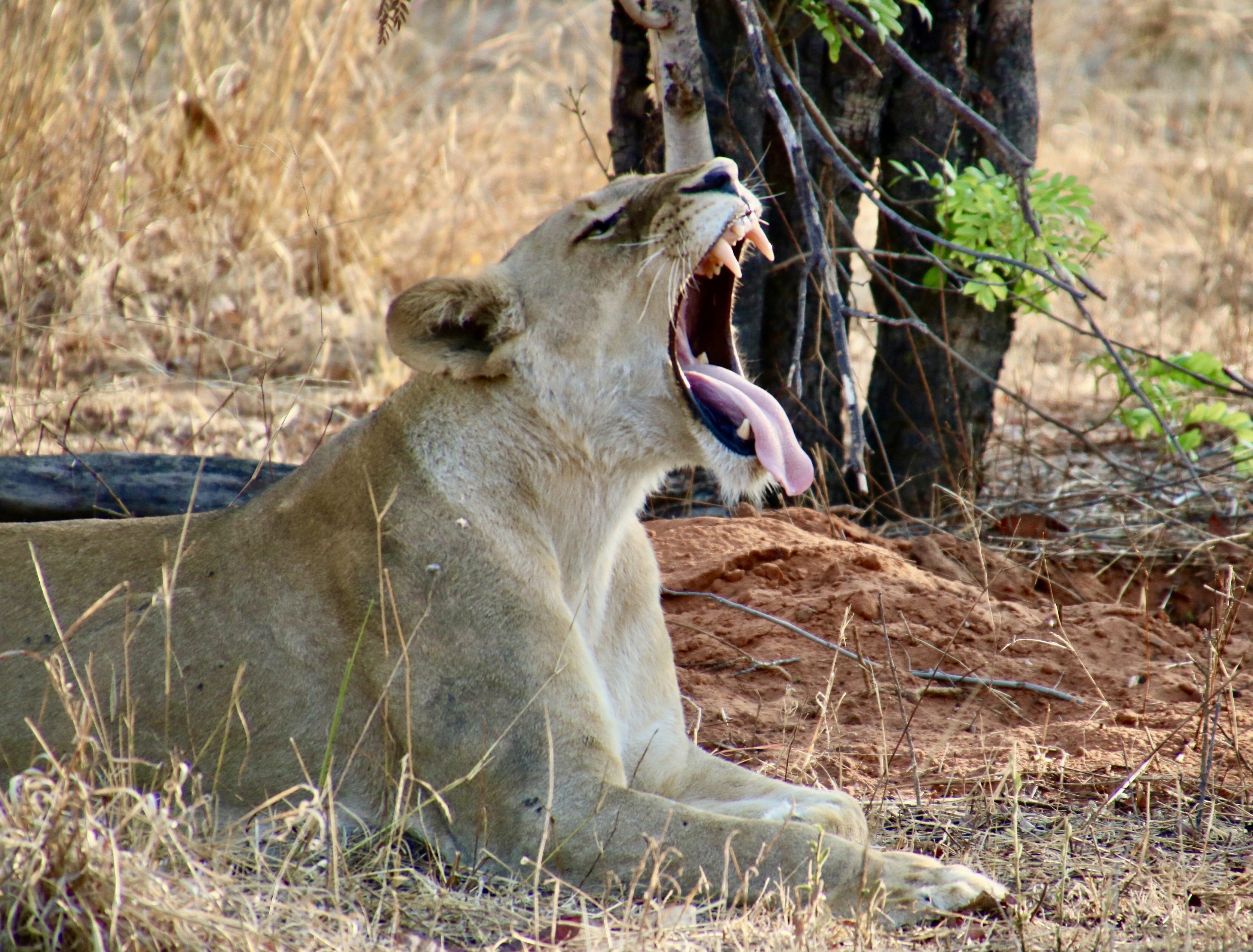
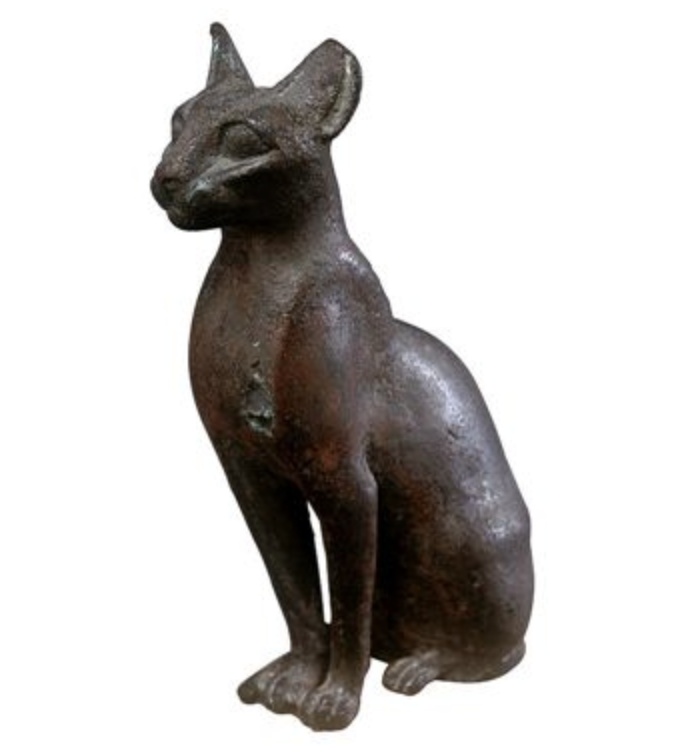
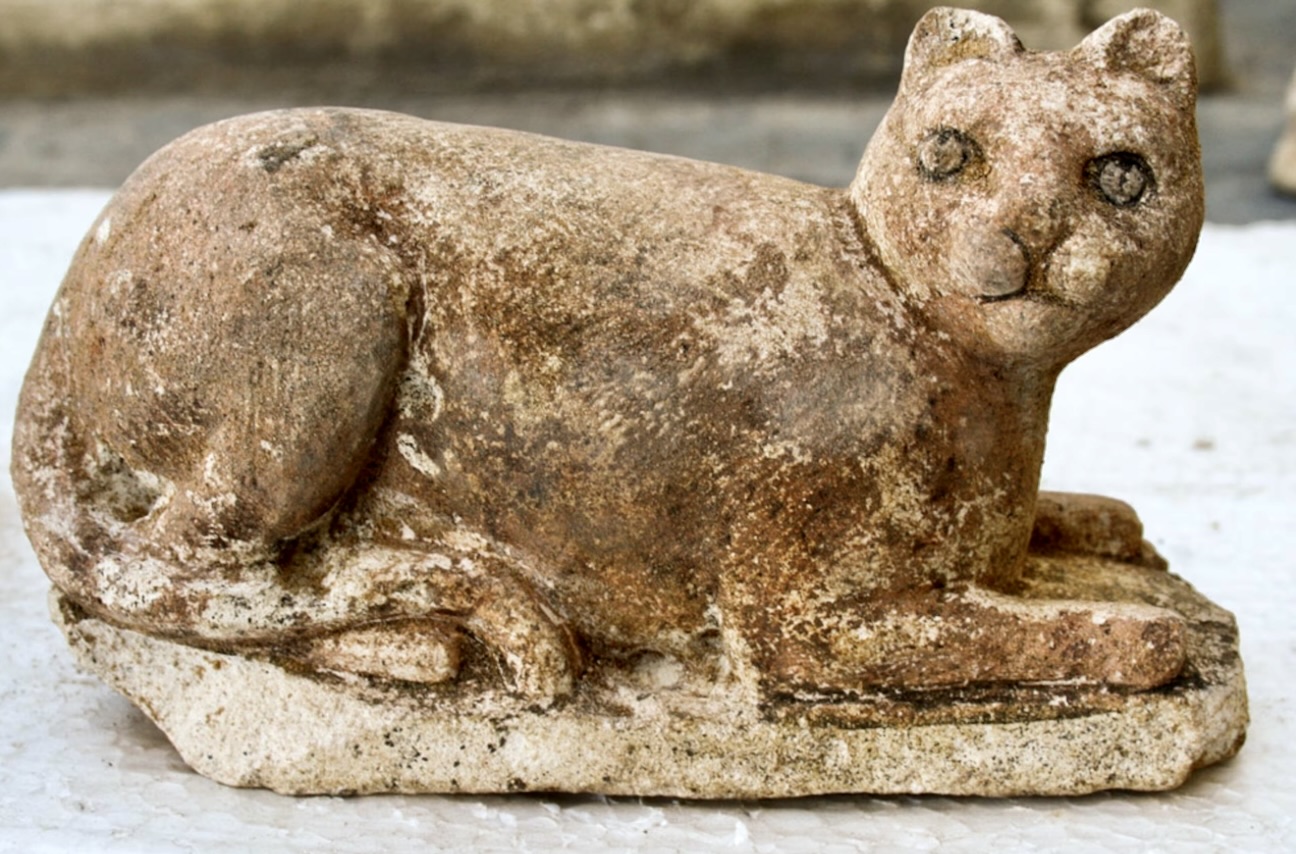
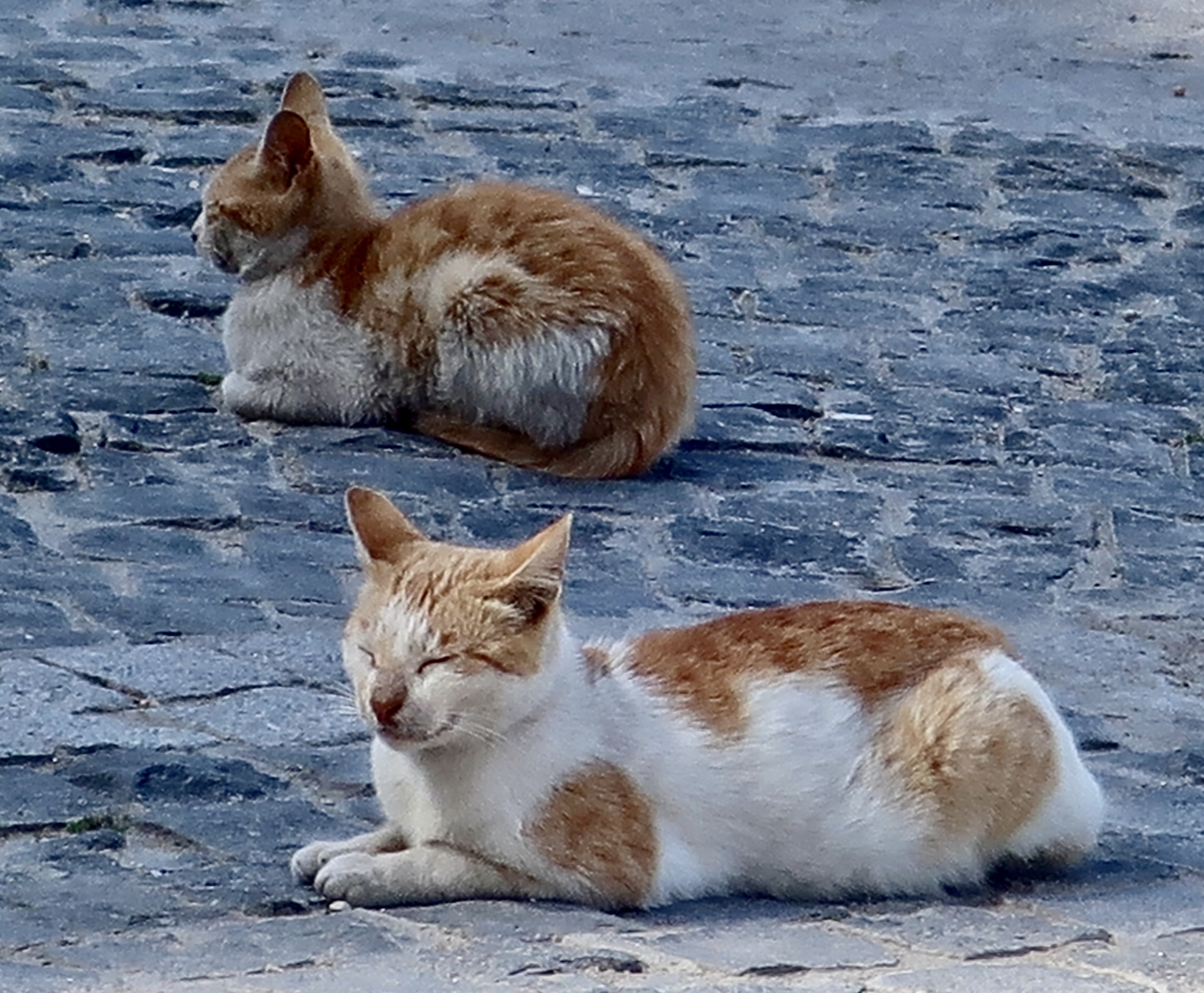
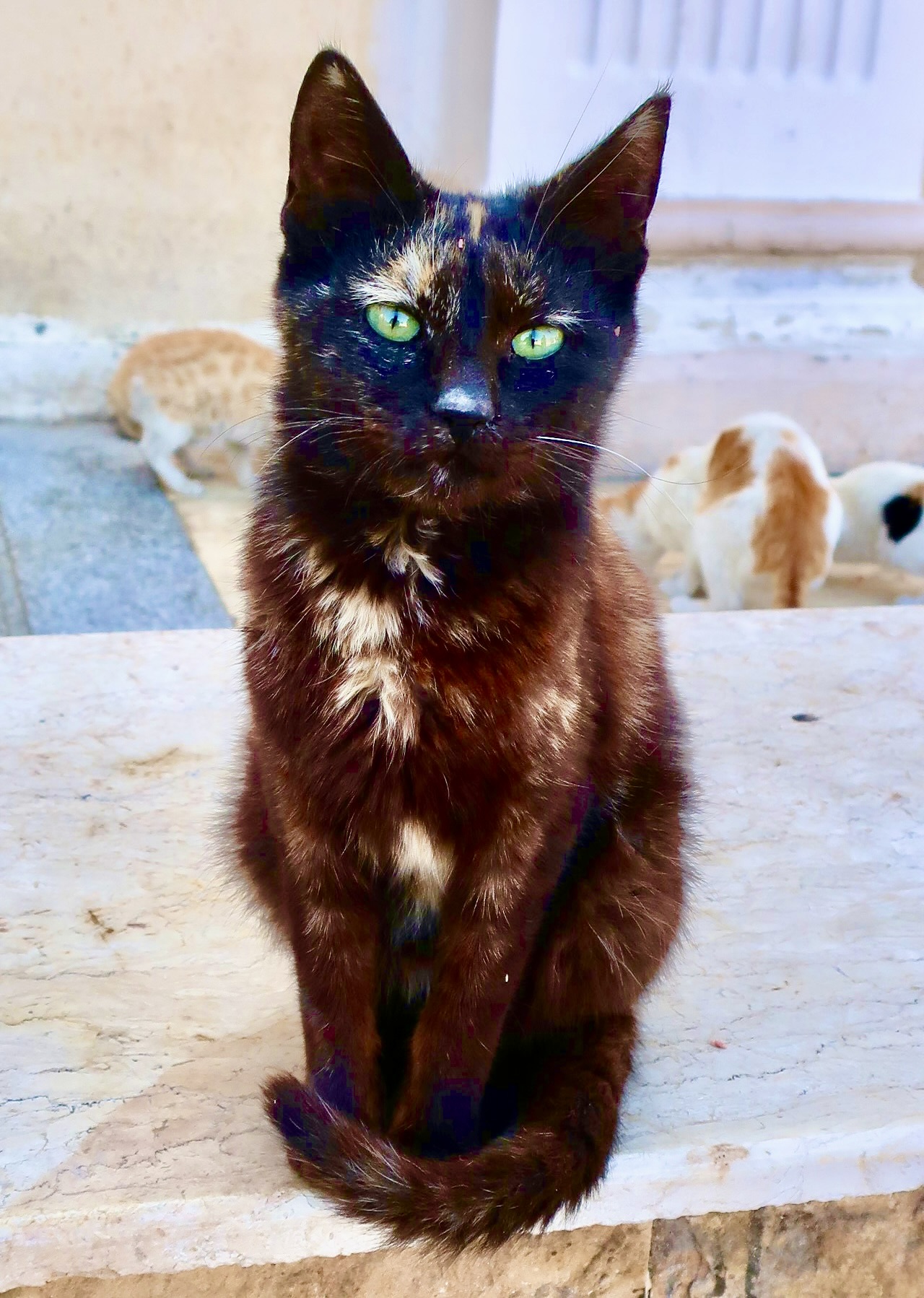
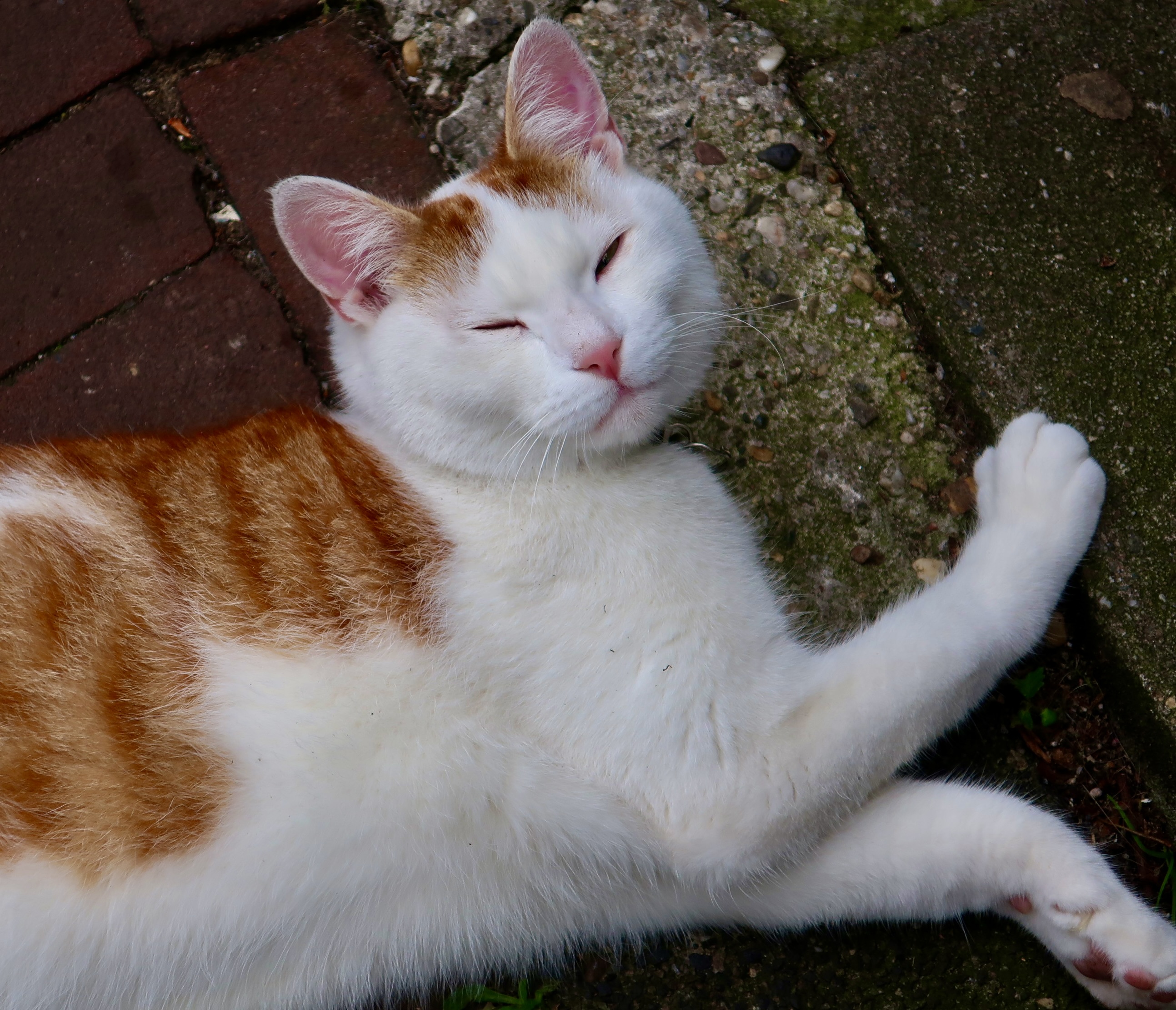
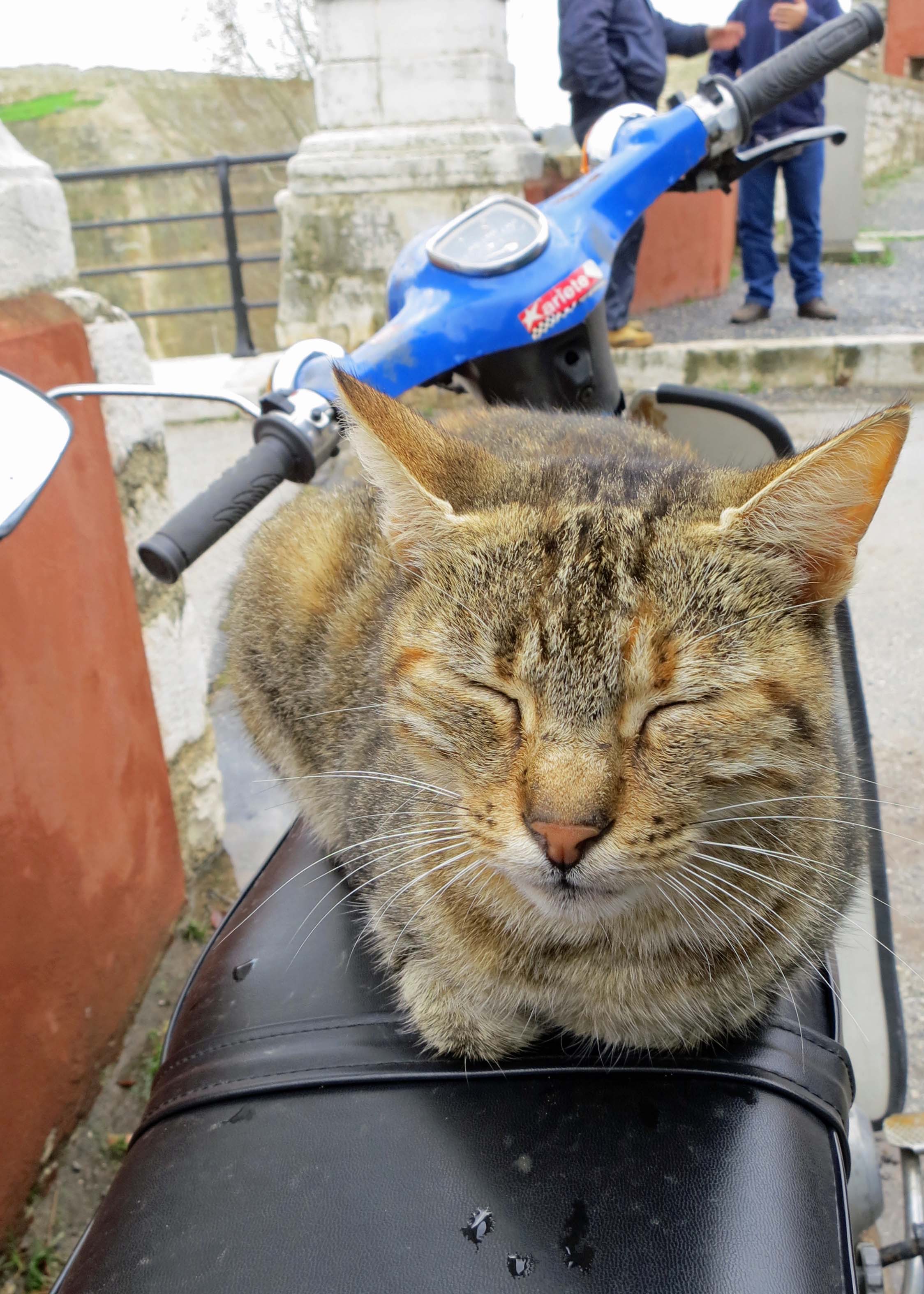
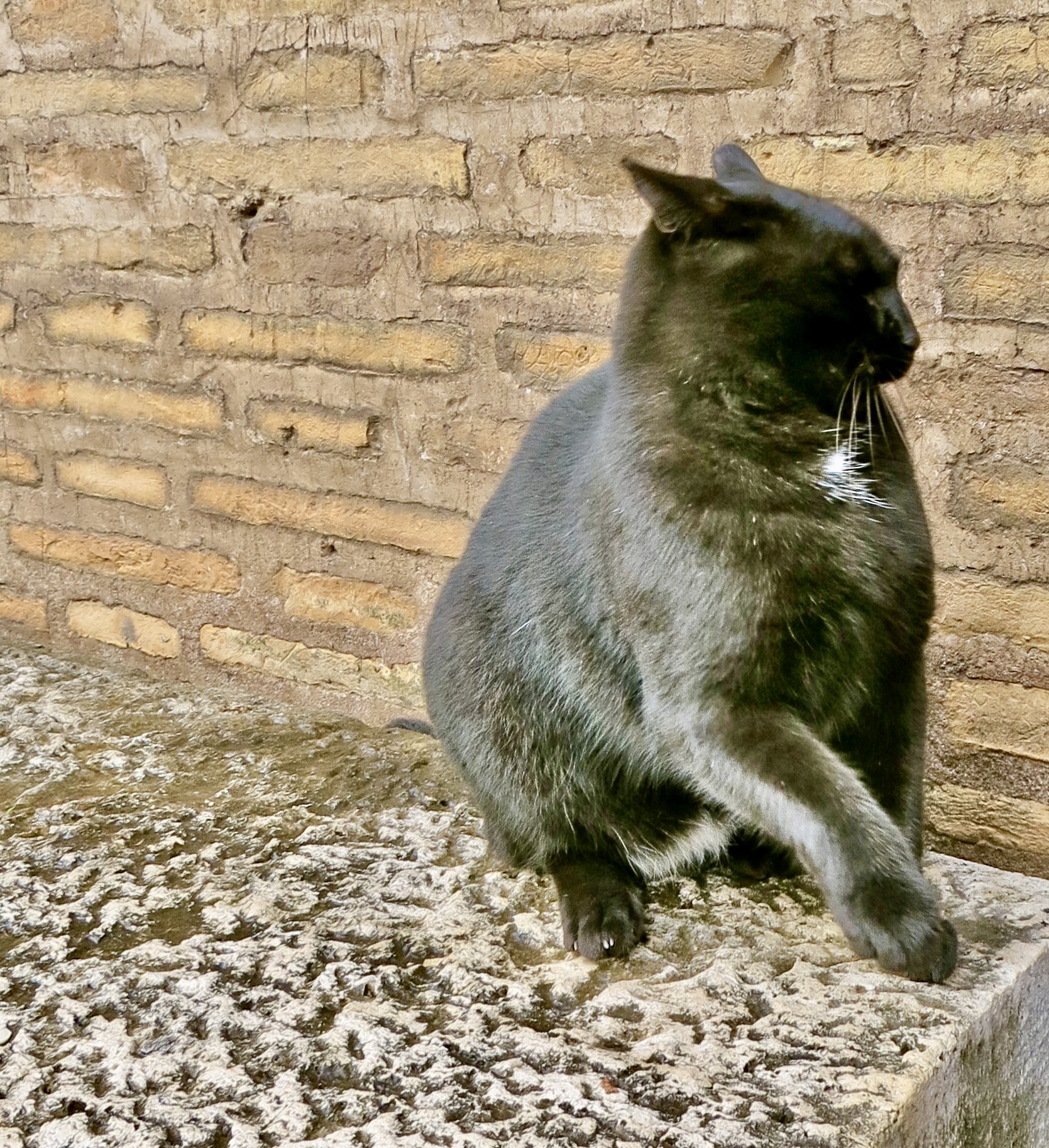
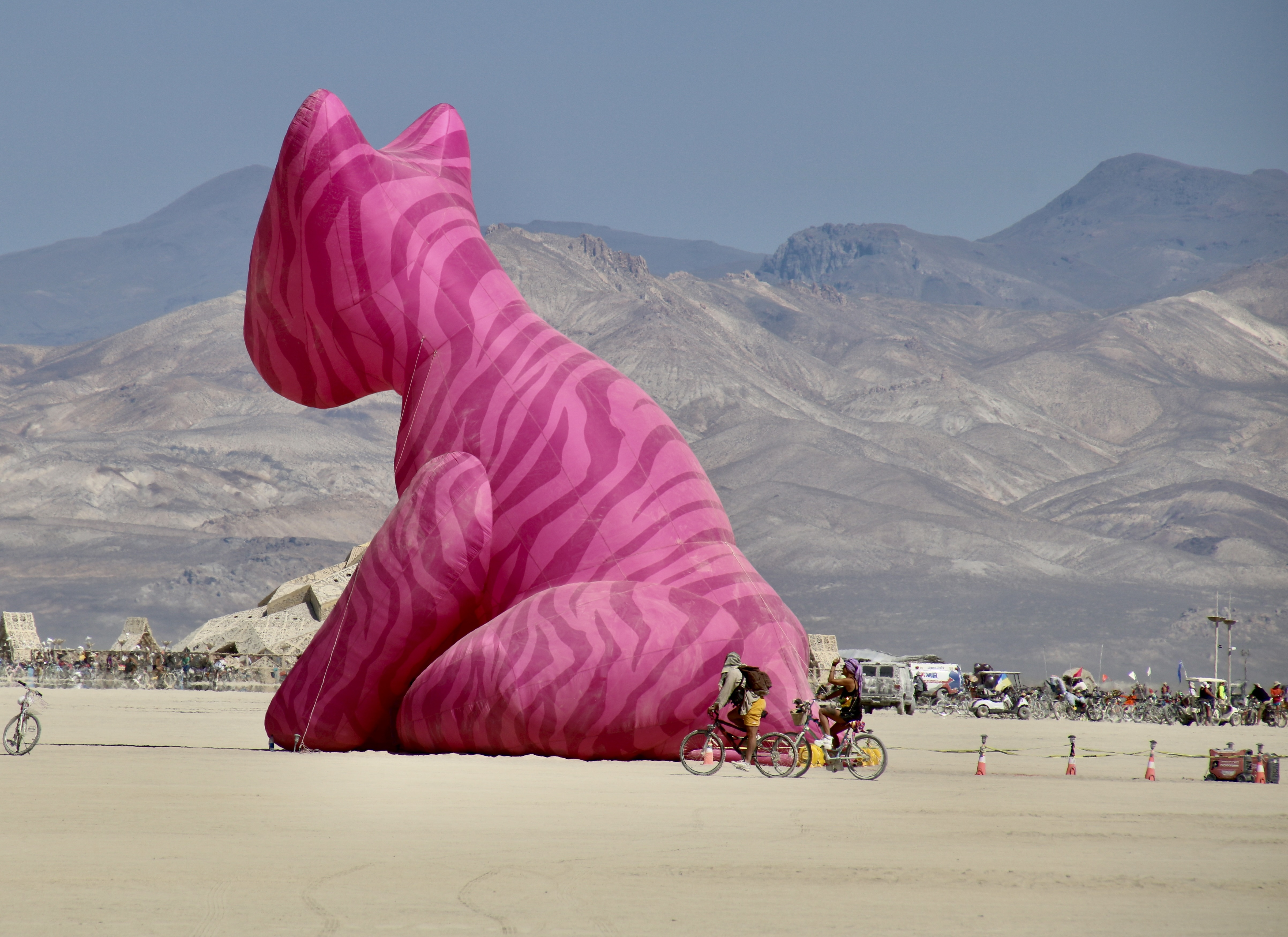
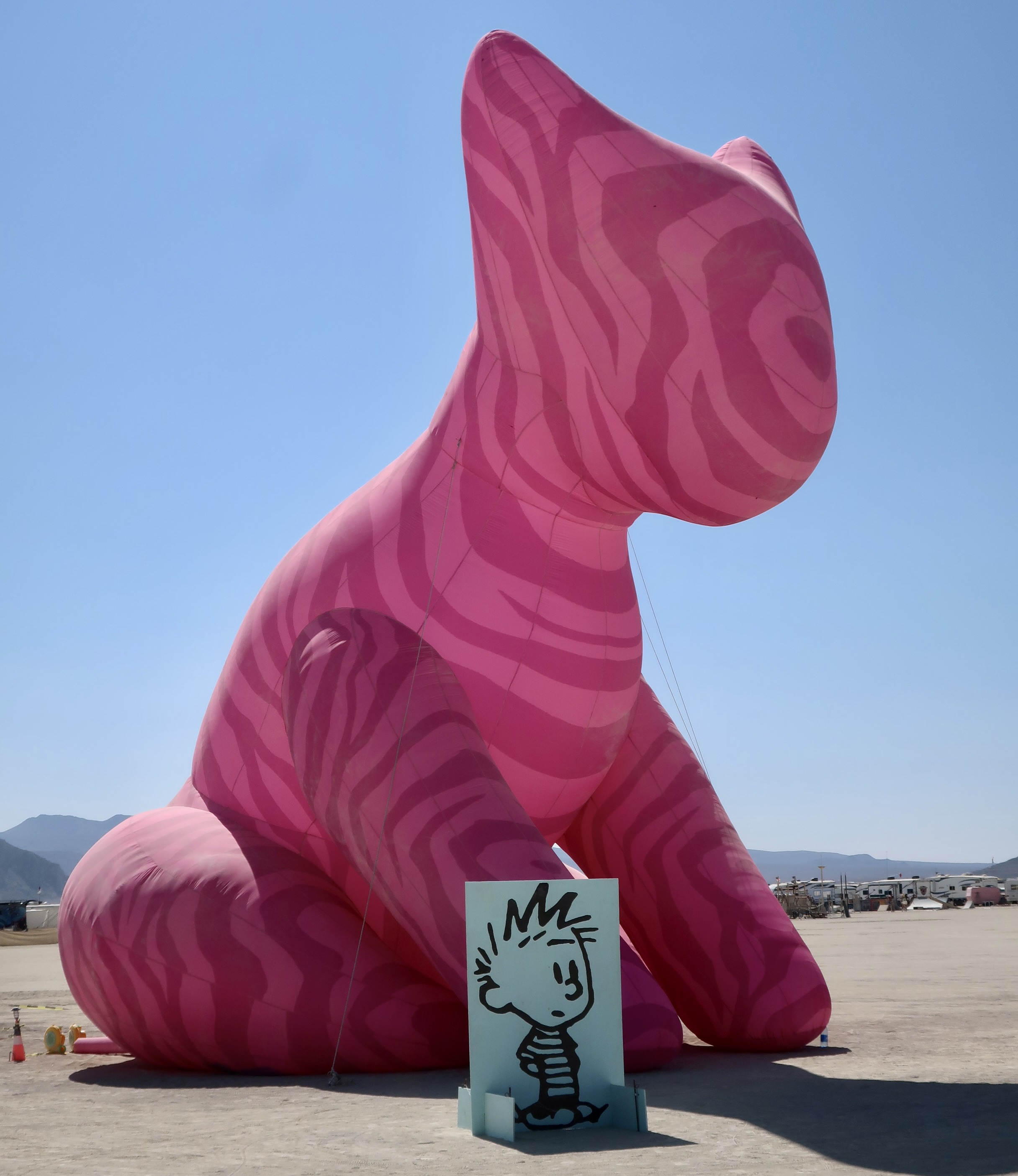
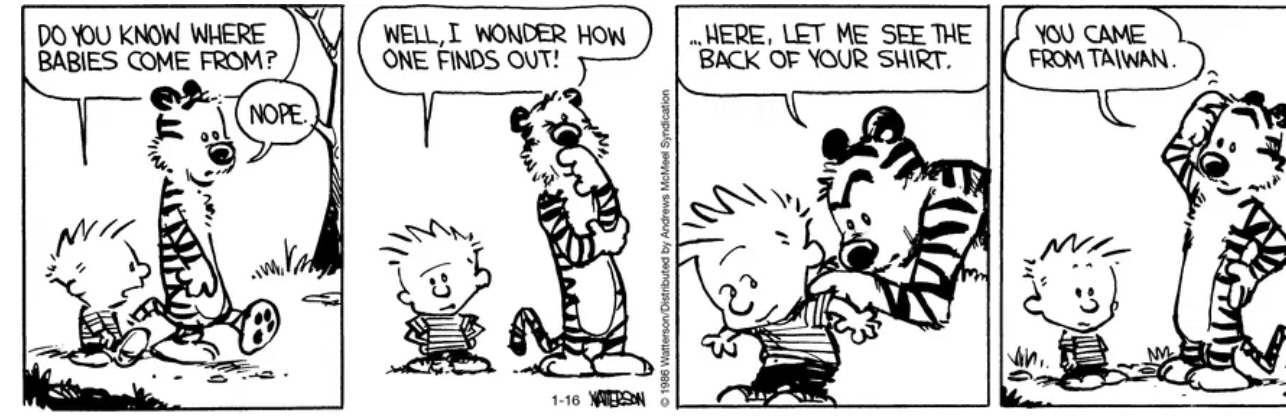
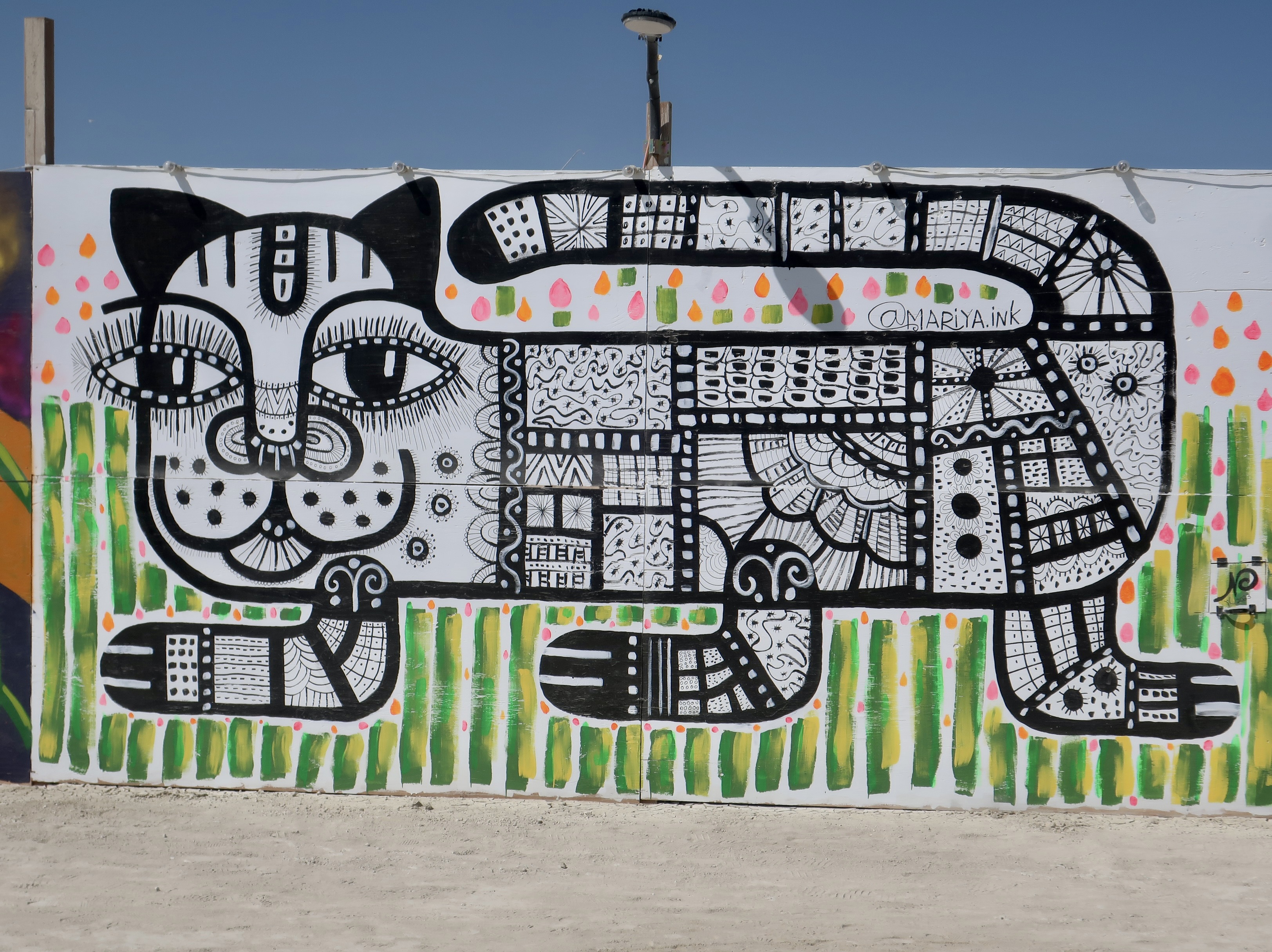
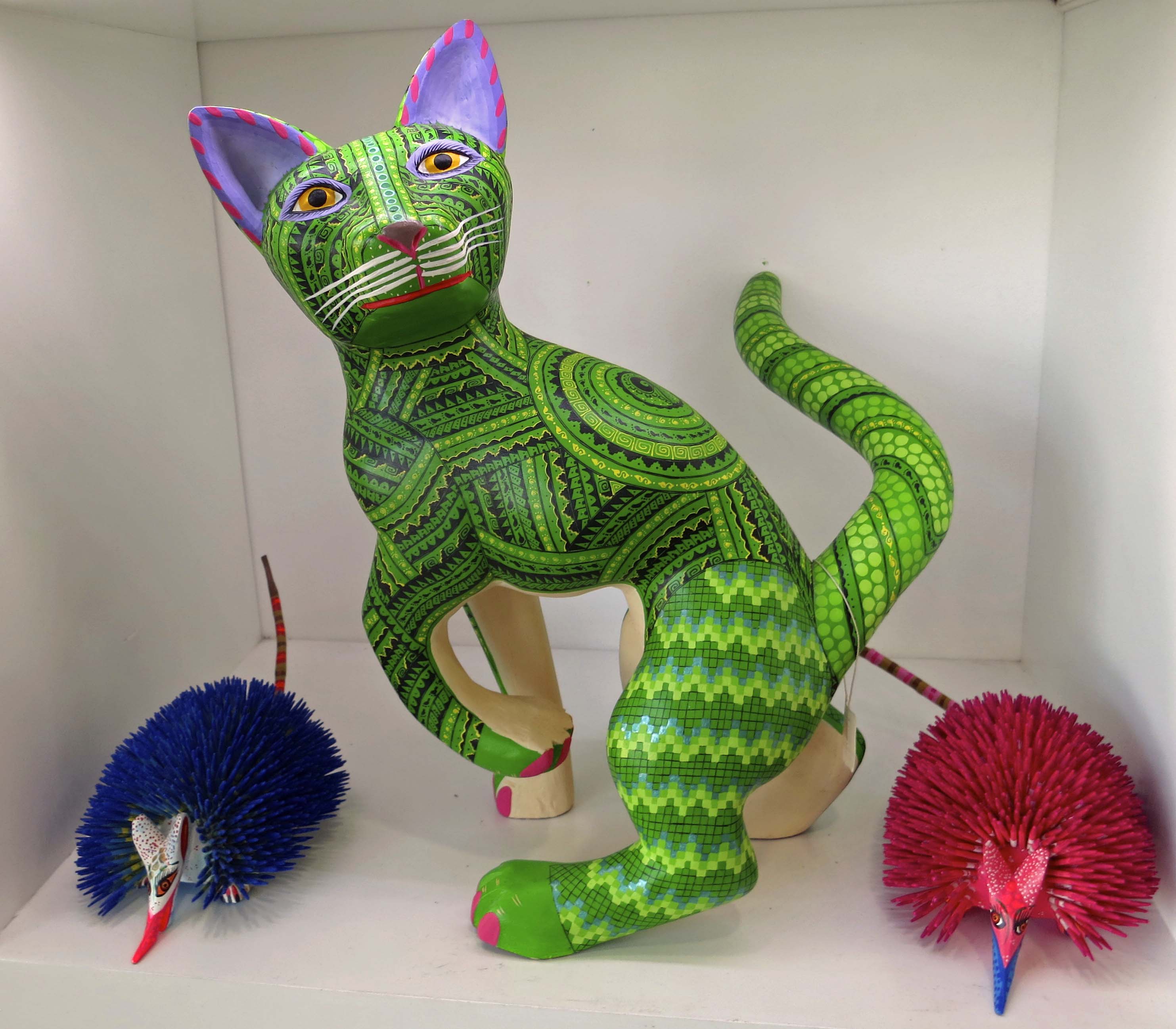
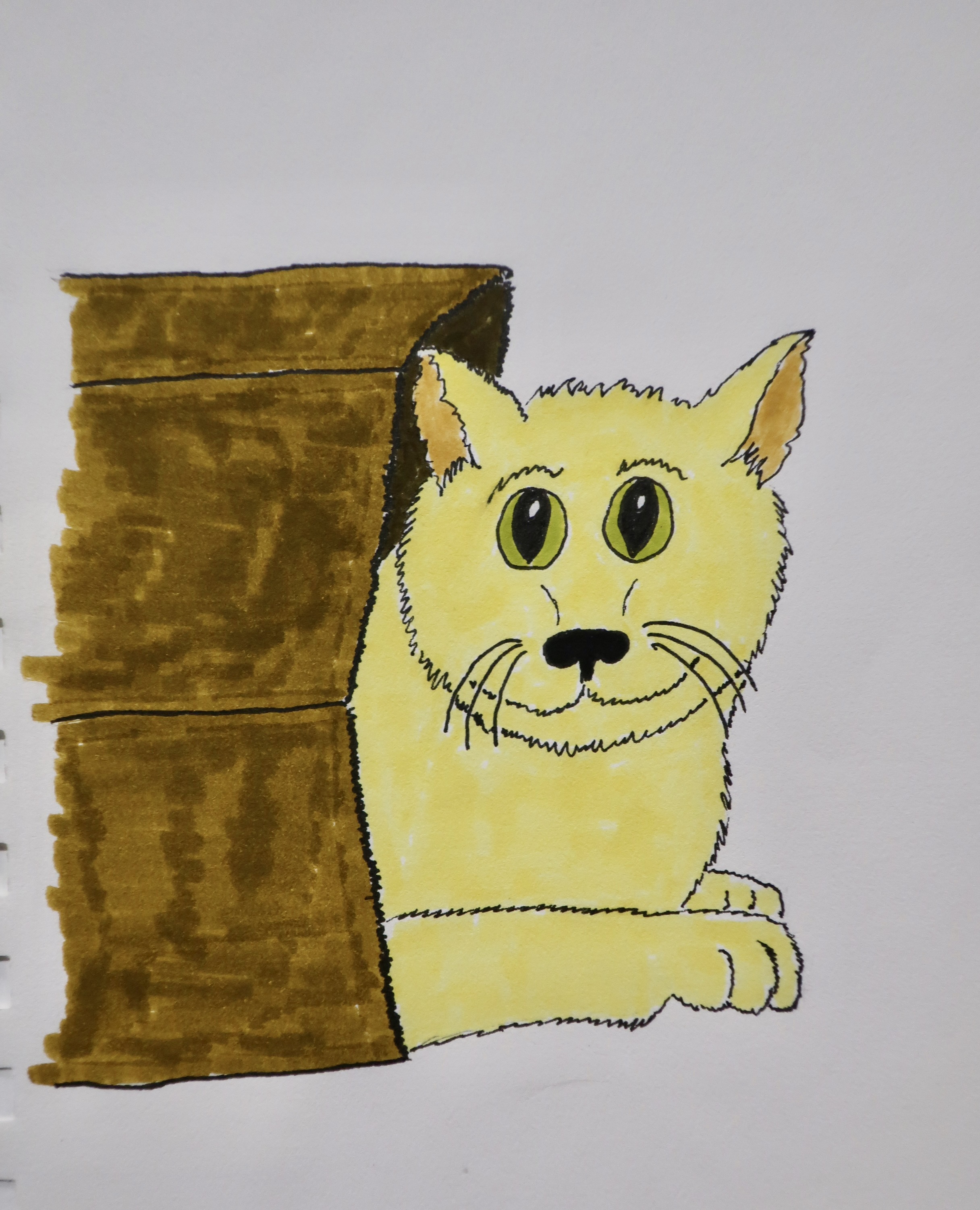
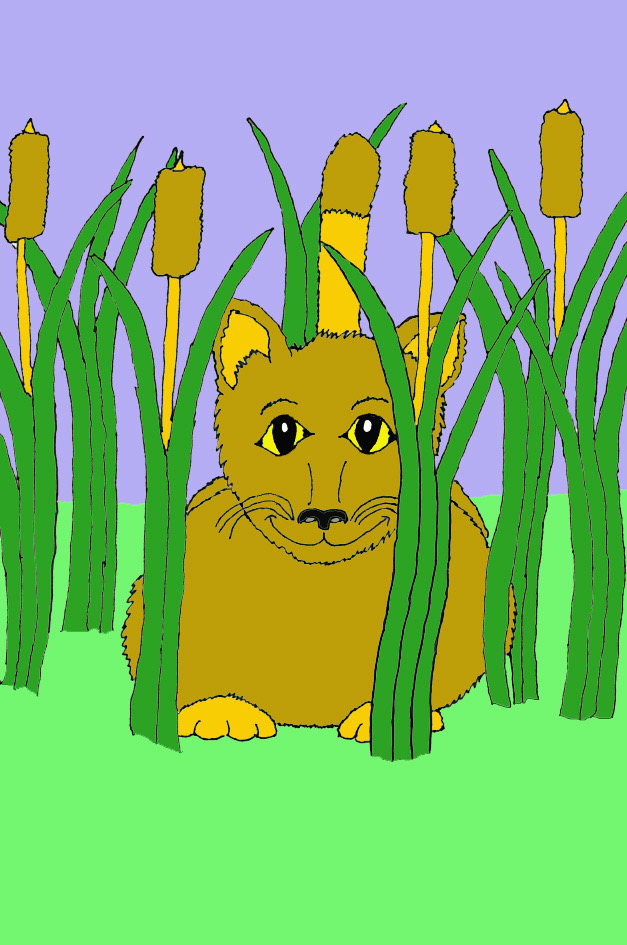
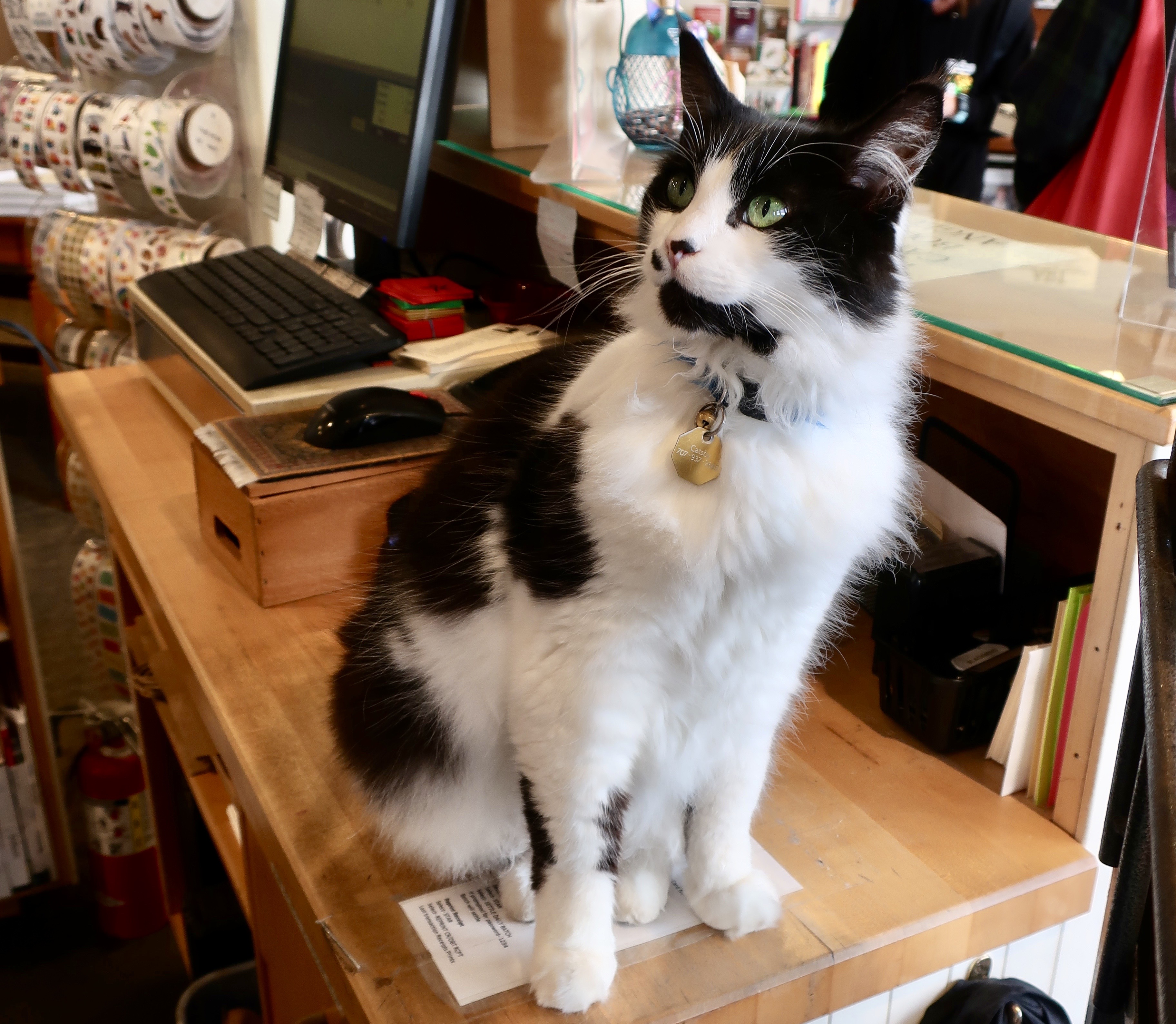
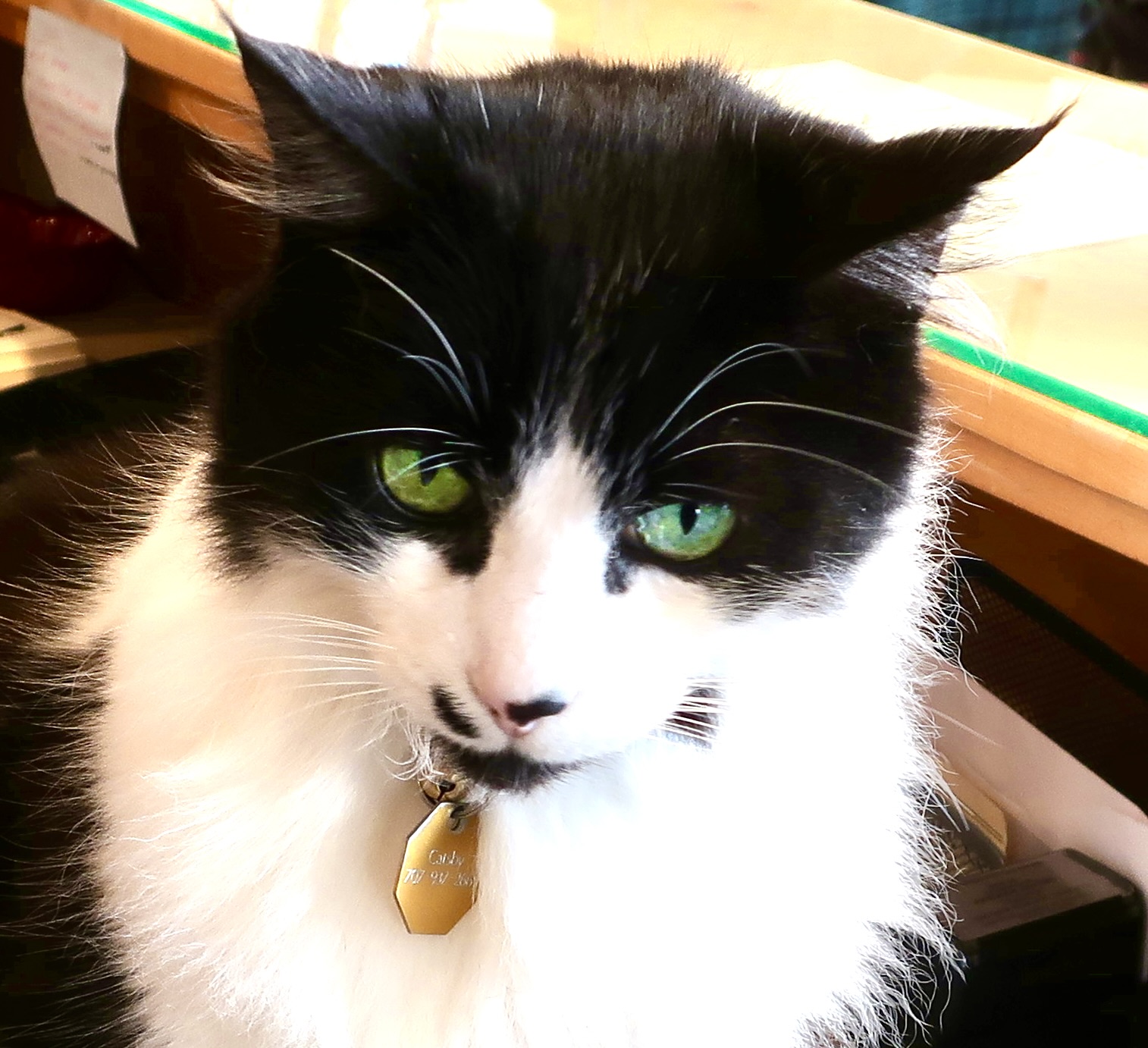
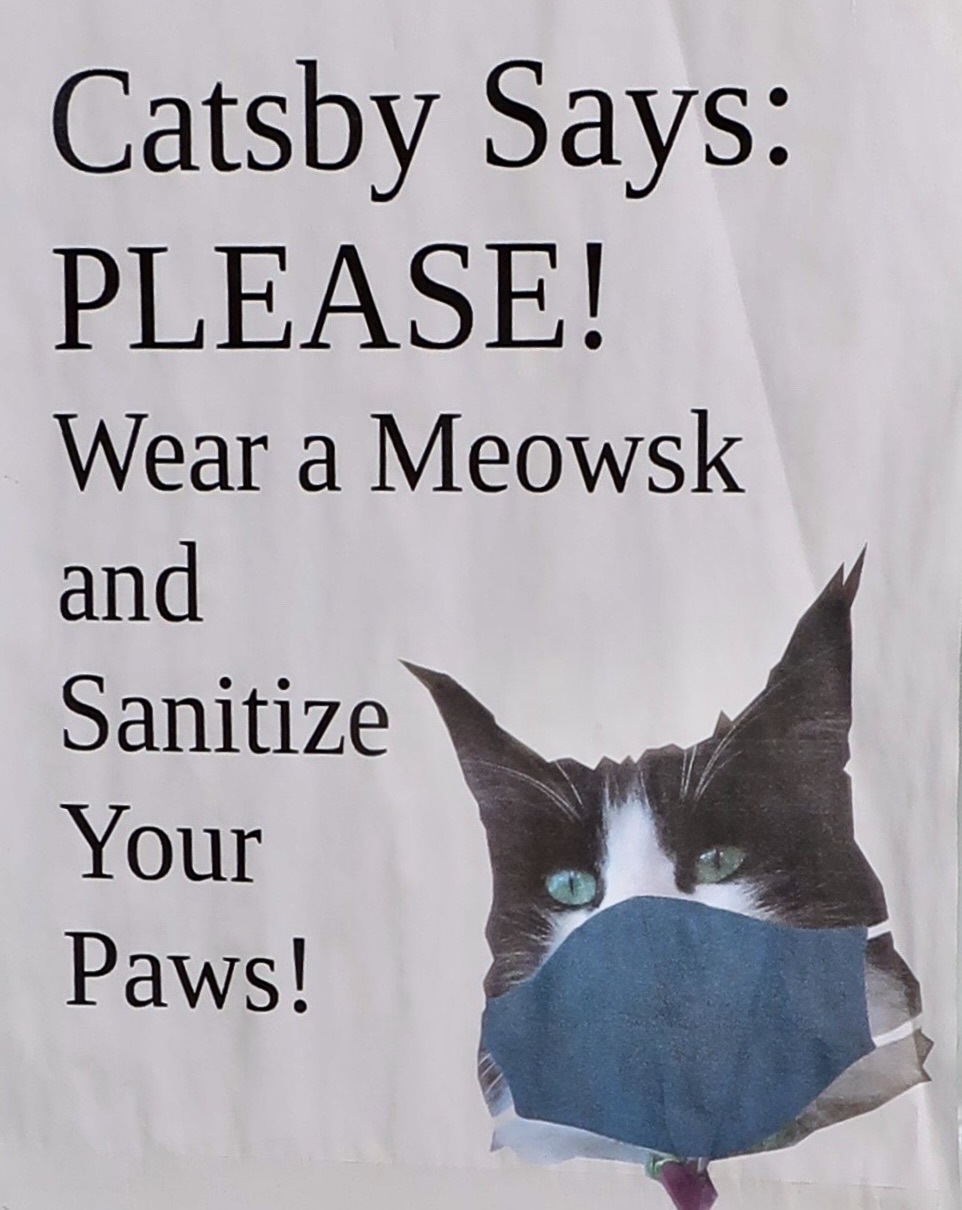
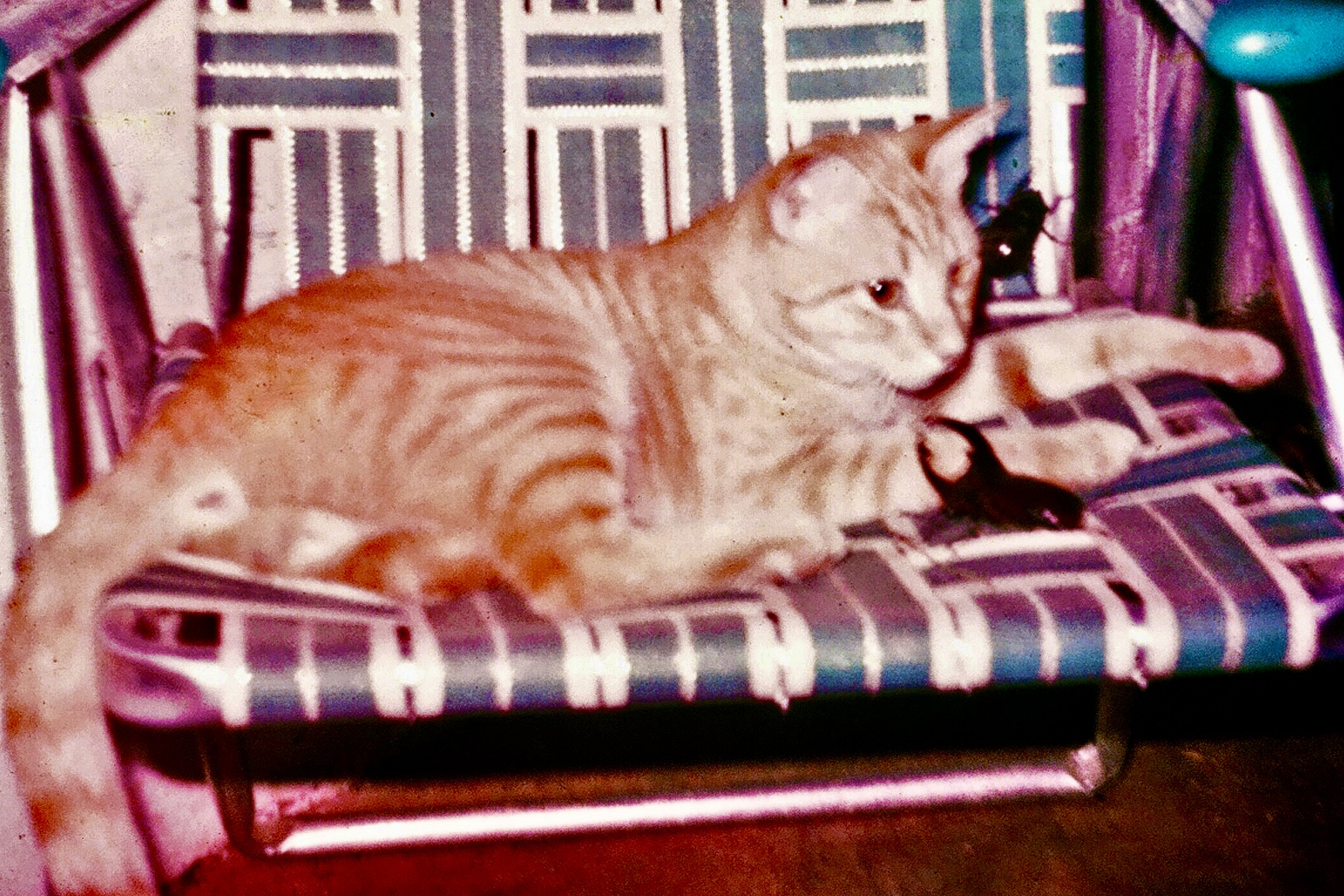
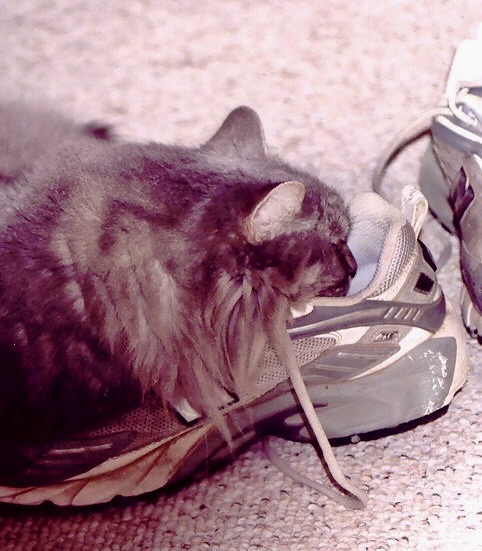
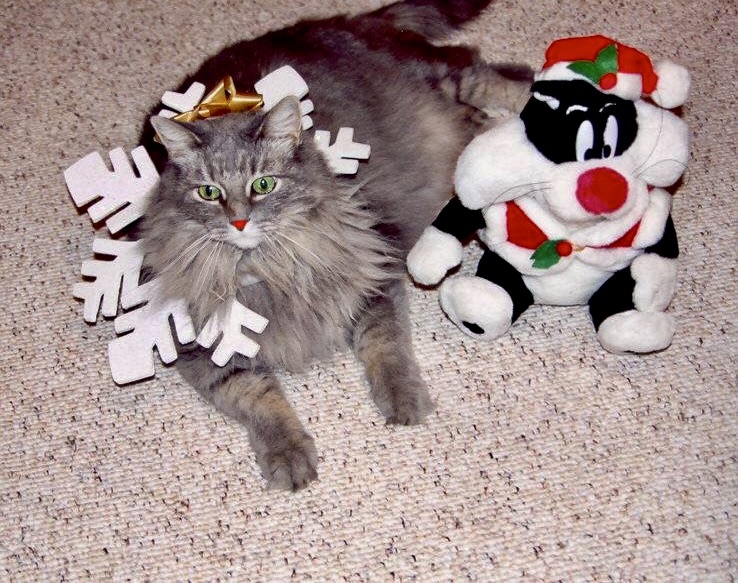
Cats, we have discovered, like to hang out in ruins. Maybe there are more mice there. This one had placed itself on a pedestal (no surprise there, cats like high places) in the Ancient Greek city of Ephesus in Turkey. Check out its gorgeous whiskers. Other than being handsome, they are an important part of a cat’s navigation system, helping them slip though tight spaces and avoid objects in the dark. The whiskers are so sensitive, they can even measure changes in the air flow, such as that caused by a mouse running by. Din,din!It looked quite regal. As the author Terry Pratchett wrote, “In ancient times cats were worshipped as gods; they have not forgotten this.” To explore their early godhood, we need to travel to Egypt where the cat goddess Bastet reigned. We found this cat near the beautiful Alabaster Mosque in Cairo. Ears laid back and body arched, she was letting a dog know to stay away from some small chunks of cat food located nearby.She was quite insistent.Our favorite photo. Hisssss. The goddess Bastet went through several changes evolving down through the ages from being like a ferocious lioness initially to much closer to our domestic cats by 1500 BCE or so. We thought this one was definitely representing her lioness phase.“Need help with that dog, sister? We cats have to stick together.” (Photo from our African safari two years ago.)“Damn, why does she have to do that when I’m having my nap!” It’s no secret that cats like their naps— up to 70% of the time. In fact, the lioness above wasn’t roaring ferociously, she was yawning. (Photograph from our photo safari.)Originally Bastet was represented as a woman with the head of a lion. Eventually, she assumed the look of a woman with a cat’s head, or simply a cat like this representation of Bastet in the Egyptian Museum in Cairo. During the 22nd Dynasty, the city of Bubastis, located in the eastern part of the Nile Delta (the modern city with the interesting name of Zagazig), became the cult center of Bastet. A granite temple there was dedicated to Bastet and thousands of mummified cats were buried in a nearby cat cemetery. An annual festival, best described as a drinking party, drew thousands to celebrate Bastet. As the Greek historian Herodotus noted: ‘More wine grapes were consumed at the Festival than the whole rest of the year together.’A temple to Bastet built around 230 BC was found beneath the streets of Alexander, Egypt in 2010. Included in this important archeological find were 600 statues of cats such as this one.We found a number of their ‘descendants’ still hanging out in the city at the tall Pompey column, including the above two catnapping in the sun.A calico cat posed prettily for us while her brothers and sisters were busy eating behind her. I’d bet on her being female because male calico cats are extremely rare and sterile. It’s all about genes.Speaking of poses…James Herriot once said that “Cats are connoisseurs of comfort.” This fellow proves the point. What could be more comfortable than a soft, black, motor scooter seat absorbing the sun after a rainstorm. I’d say the look on the kittie’s face is pure bliss. The Cat’s Meow, perhaps? (You might have to Travel back to the 1920s for this reference. Or at least Google.) We took this photo on the island of Corfu in the Ionian Sea.This young cat on the Greek Island of Santorini also proved Herriot’s point. It would probably still be sitting there enjoying a head rub by Peggy if we hadn’t of had a boat to catch.Not so this guy. I’d moved to rub behind his ears and he had responded by trying to take my hand off. It wasn’t too surprising due to the fact that we were in Rome’s Colosseum where his ancient relatives once dined on reluctant Christians. He had a reputation to maintain. Now, to cross the ocean and return to Burning Man…On our first journey out to the Playa in 2023 we discovered this huge pink cat dominating the desert. Curiosity drove us to ride our bikes around to the front. What did we discover???It was Hobbes, as Calvin made plain! But why pink? The simple answer: It was Burning Man where being different is an art form. It’s close to a rule.Calvin and Hobbes is my all-time favorite comic strip. I’m fortunate that my digital newspaper does reruns. I jumped into the comic section on Friday when I was putting this post together. This was the daily strip. How can anyone not love these two characters?I included a Burning Man mural featuring a cat in my blog last week promoting today’s post on cats. This is another cat mural from BM 2023.Traveling south to Mexico, we found an imaginative green cat in a box in Puerto Vallarta (along with what I assume were two armadillos). The cat came from the state of Oaxaca in southern Mexico, which is renowned for its wood carvings. If you have ever had a cat, you know they love to play in boxes and paper bags.This is one of the cat cartoons I’ve created. It’s titled, ‘Who let the cat out of the bag?’Here’s another one of my cat cartoons. I titled this “Old Tom cleverly disguises himself by hiding out in the cattails.” I think he was tying to catch the ‘blue bird of happiness.’ He’d heard it was a Happy Meal.Peggy and I are strong supporters of Independent bookstores and firmly believe that each of them should have a cat. We’ve discovered over the years that some of the best do. This is Catsby at the Gallery Bookstore in Mendocino, California.A closeup of Catsby.Peggy and I have visited the Gallery Bookstore several times over the years. Once it was during Covid. Catsby’s poster was next to the front door. And now it is time to wrap up this post with a visit to the the three cats I have been closest to over the years.I grew up with cats and dogs. This was Demon, named after her black cat persona, piercing eyes, and all of the time she spent in the Graveyard next door. My first memory of her was when I was six and she was one very pregnant cat. My mother had prepared a box filled with old clothes as a nursery. I was home alone one day when Demon was walking across the living room and suddenly stopped, squawked and squatted. Much to my surprise, and hers as a first time mother, a little black head appeared out of her undercarriage. Not knowing what else to do, I jumped up, grabbed her by the nape of the neck, and dashed for her closet nursery. Not fast enough. I was charging through the kitchen when the little black kitten completed its journey out of mom and was heading for a crash landing on the floor. Somehow I caught the little bundle and delivered Demon and her newborn to the box. Demon and I were bonded forever after that experience. I tell more Demon stories in my blog-a-book series, UT-OH.This is a photo of Rasputin, my cat when I was a Peace Corp Volunteer in Liberia from 1965 to 1967. He’s sharing his chair with a pair of Rhinoceros Beetles. I took this photo with the Brownie camera I brought with me to Africa. It isn’t the best of photos, but it is what I have. I wish I had more. He was quite the character and kept us entertained for the year and a half he lived with us. I included several tales about him in The Bush Devil Ate Sam, my memoir about my Peace Corps experience. I’d like to share one today because it illustrates the ability of a cat to jump high into the air, up to five feet. Liberian cats, like all Liberians share a belief that all snakes are deadly poisonous to be avoided at all costs. One night, probably after drinking a few Club Beers, I decided to try an experiment that would test both the Liberian fear of snakes and a cat’s ability to jump. We had an old fashion screen door with a long, round spring on it. In a moment of inspiration I unhooked the spring and rolled it across the floor toward Rasputin. The answer is yes, yes. Yes Liberian Cats are deathly afraid of snakes and ,yes, cats can jump high. I’m pretty sure it was over five feet. Not only did he leap high into the air but he managed to land on his stool, safely above the floor.And finally there is FE, the sweetest cat I have ever known. Peggy had got her for our daughter Tasha, but when Tasha moved away to go to college, FE adopted me. And showed it by choosing my shoes as her sleeping quarters. And by rubbing her face on my clothes frequently. That’s one way cats claim you as their territory, and cat’s are quite territorial. It beats the heck out of how tom cats claim their territory by backing up against things and peeing on them.I dressed Effie up for a photo with Felix the Cat and photoshopped a red nose on her. Peggy and I featured them in our annual Christmas letter. It speaks to how gentle she was by the way she tolerated her snowflake neckless. Rasputin would have torn it to shreds.
An endearing habit FE had was playing fetch with me. I’d roll up a small sheet of paper and toss it across the floor. Off she would go to retrieve it, bring it back to me, and drop it on the floor. Over and over. I never had the heart to tell her she was behaving like a dog. I’ll end this cat post with a quote from Einstein: There are two means of refuge from the misery of life: music and cats. I’d have to add dogs. They will be featured in our focus series to be posted a week from today.Our daughter’s dog, Rio, dressed up for Easter.
On Thursday, join me as I get kicked out of the first grade for a year! It’s the first chapter in UT-OH!
2025 was a good year for us from a travel perspective. We stayed home, so to speak, and limited our wandering to Hawaii, the Southwest, and New England. Now we have the itch to go abroad again. We’ve chosen three areas known for their beauty, culture, wild areas— and relative safety: Costa Rica, Scotland, and Bali.
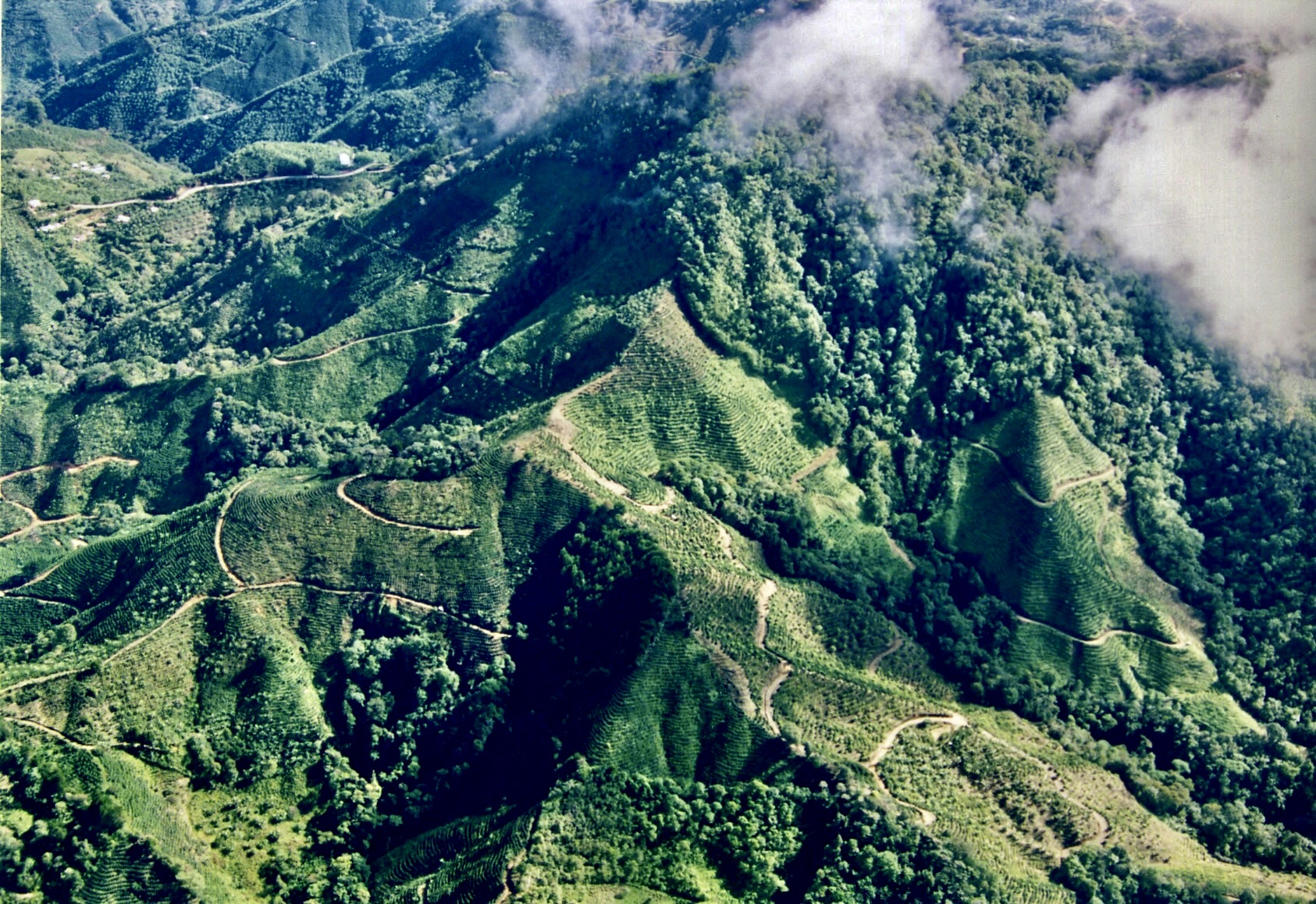
First up: Costa Rica. We took the above photo when we were in a small plane flying back and forth across the country on a tour in the 90s. This year we will be renting an SUV with high clearance and driving ourselves. The country roads can be challenging— even in the dry season! Peggy and I will be going there for the month of March. Our son Tony and his family will join us for a week in Monteverde.Next up, we will be visiting Bali. I visited in 1976 as part of a six month tour of the South Pacific. I’d lost my camera in Fiji, so I don’t have any Bali photos. I brought a painting home instead. The region is known for its colorful art. This one depicts a rice harvest. The woman on top is making an offering. It’s important to keep the gods happy. We will be there in May. Our grandson Ethan will join us for a week.We met this fellow in Scotland when we were doing family genealogical research in 2014. He had positioned himself in the middle of the narrow road we were driving on for about 10 minutes before finally moving over to the grass. Peggy and my families were Lowland Scotch so we were in the southern part of the country. This year we are visiting the highlands, coastal regions and islands of the north in late June and July. We will be checking out castles and looking for Nessie, the Loch Ness Monster. Our grandson Cody will be joining us for two weeks. We are planning to hop over to Northern Ireland after Scotland.
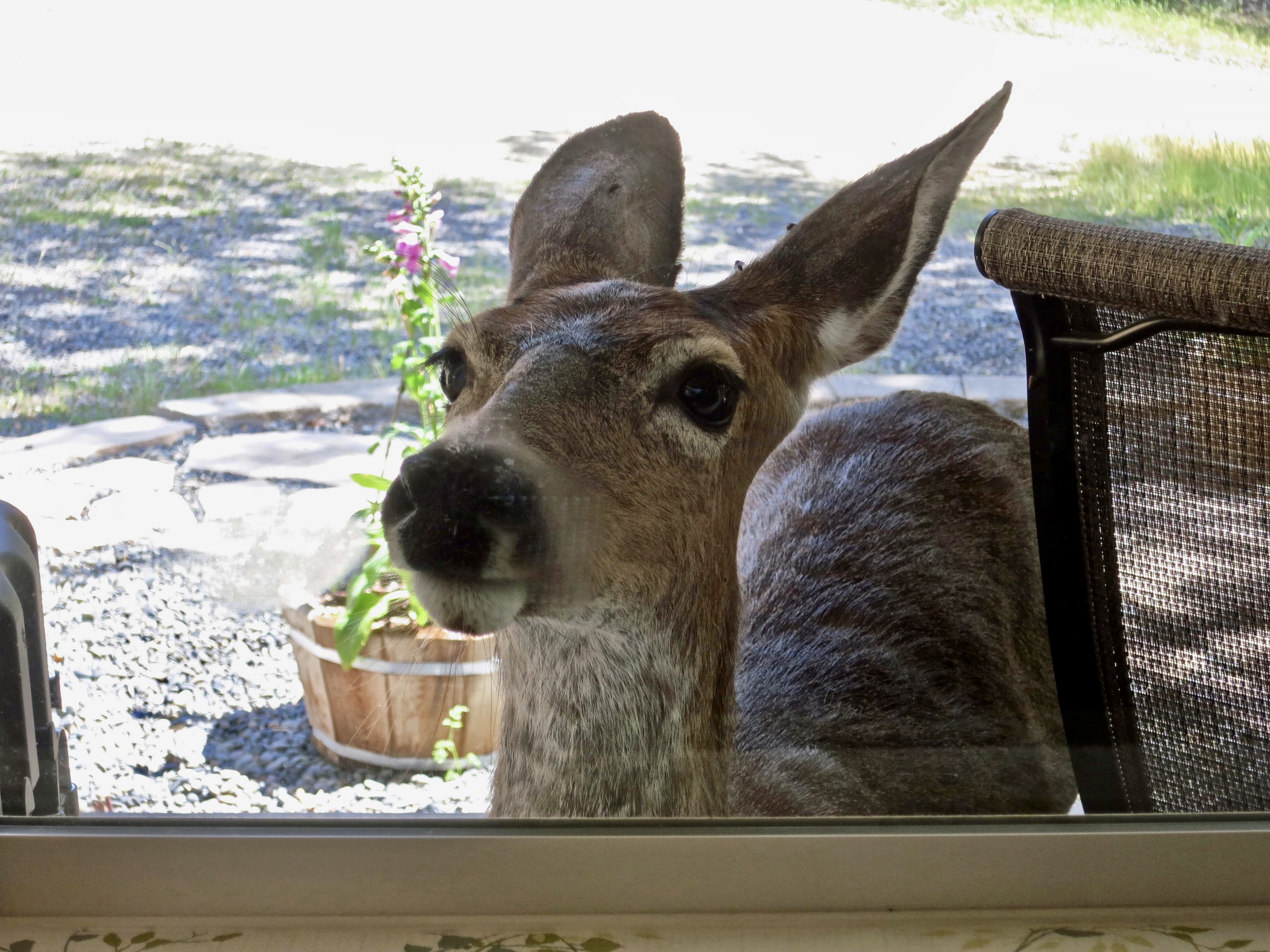
Naturally, we will be blogging about our journeys. But there is more, as they always say on late night TV ads. Or at least they used to. Peggy and I don’t stay up that late and most of our TV time is streaming without ads. I am continuing our focus series over the next two months and beyond. “Oh Deer” is my next one. I’ll be featuring the herd that lived in our backyard in Oregon and liked to stare at us through the windows.
A not unusual sight!
And finally, I’ll be offering a new series I’m calling “Ut-Oh” where I will be pulling together posts that I have included on my blog over the past 15 years plus new material featuring my more serious/humorous misadventures in my life. I’ll do an introduction to it next week.
The question here is why should such an innocent looking child be kicked out of the first grade for a year. My first post will answer the question plus relate how a caterpillar I was using to cut a road fell off a cliff— with me on it.
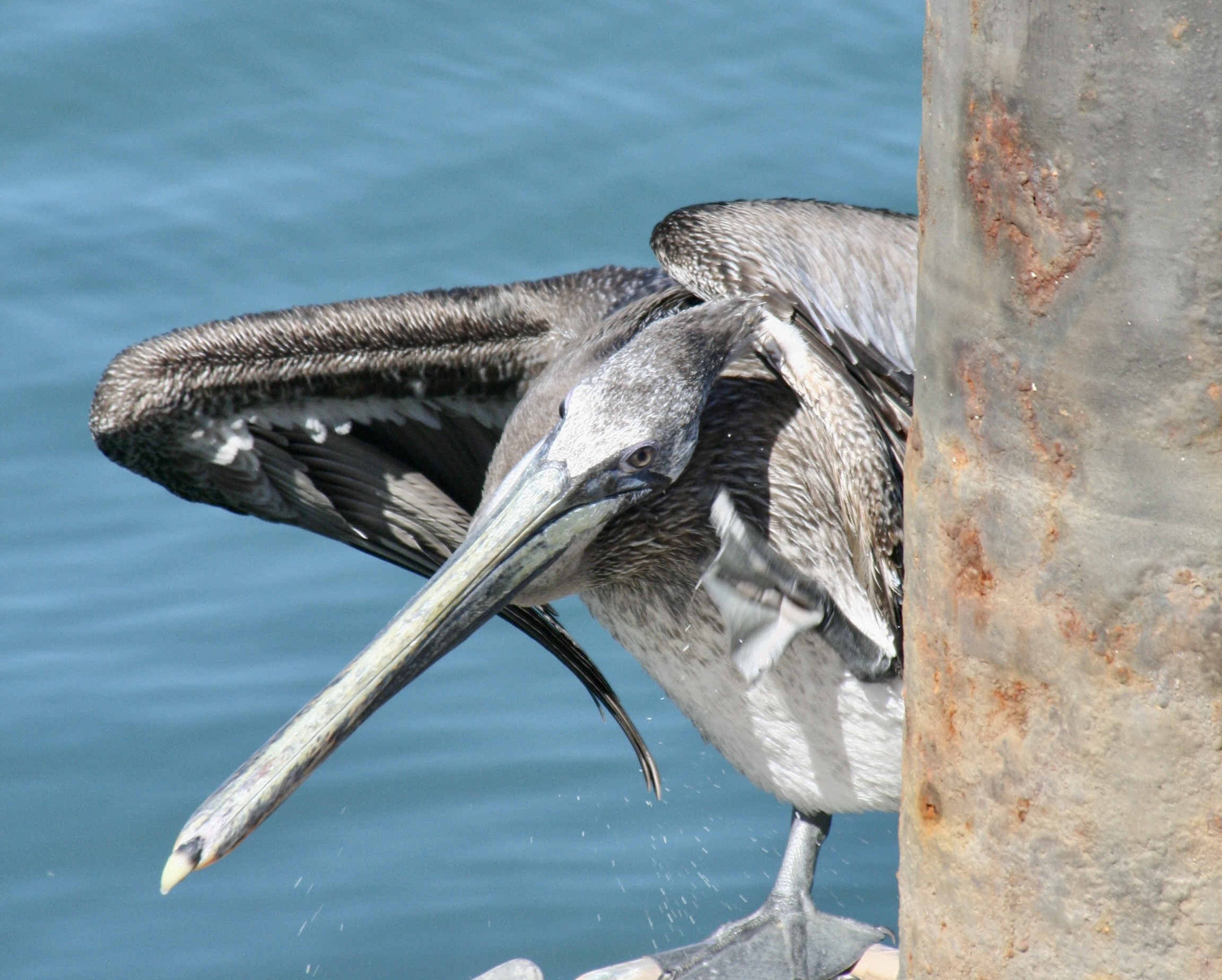
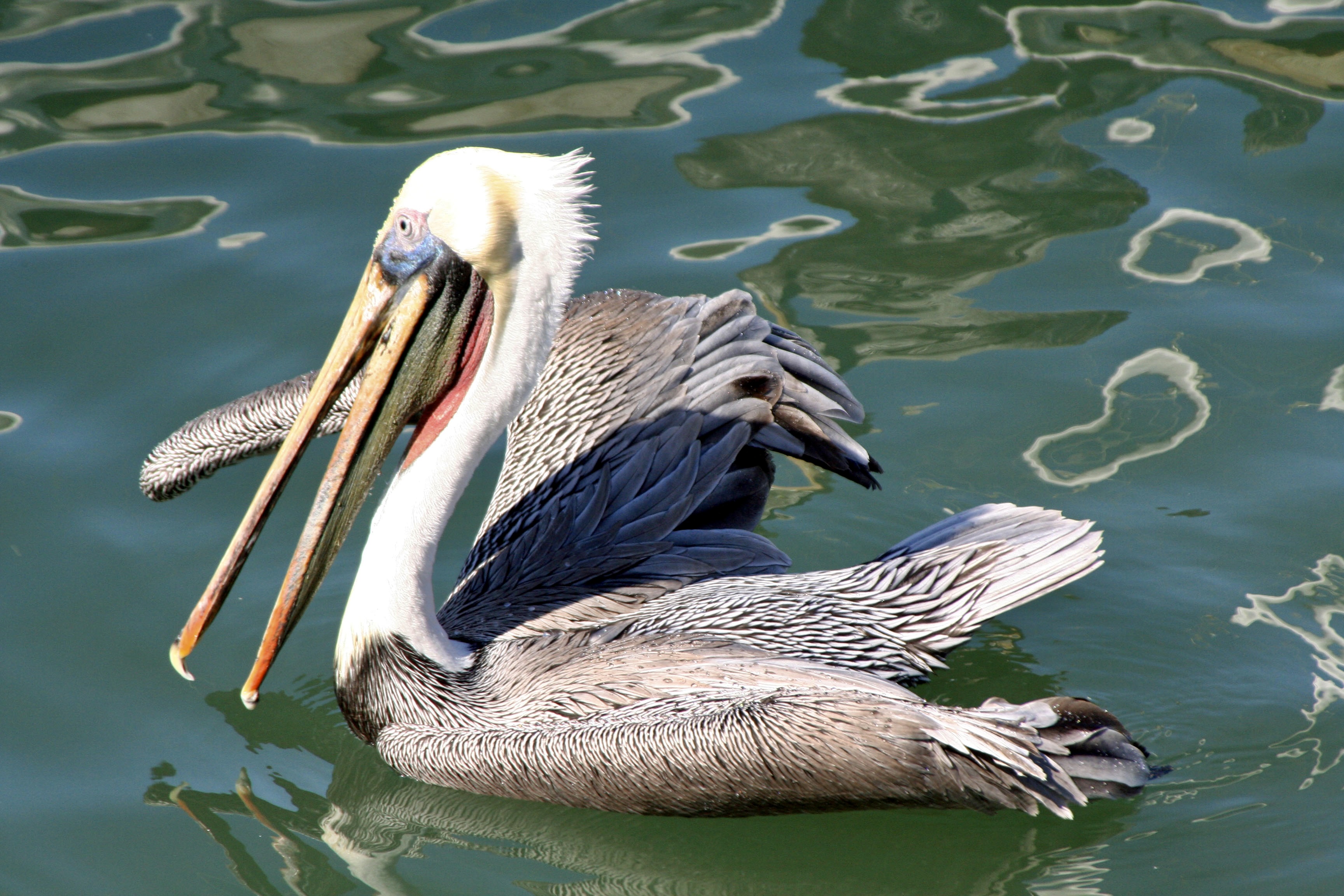
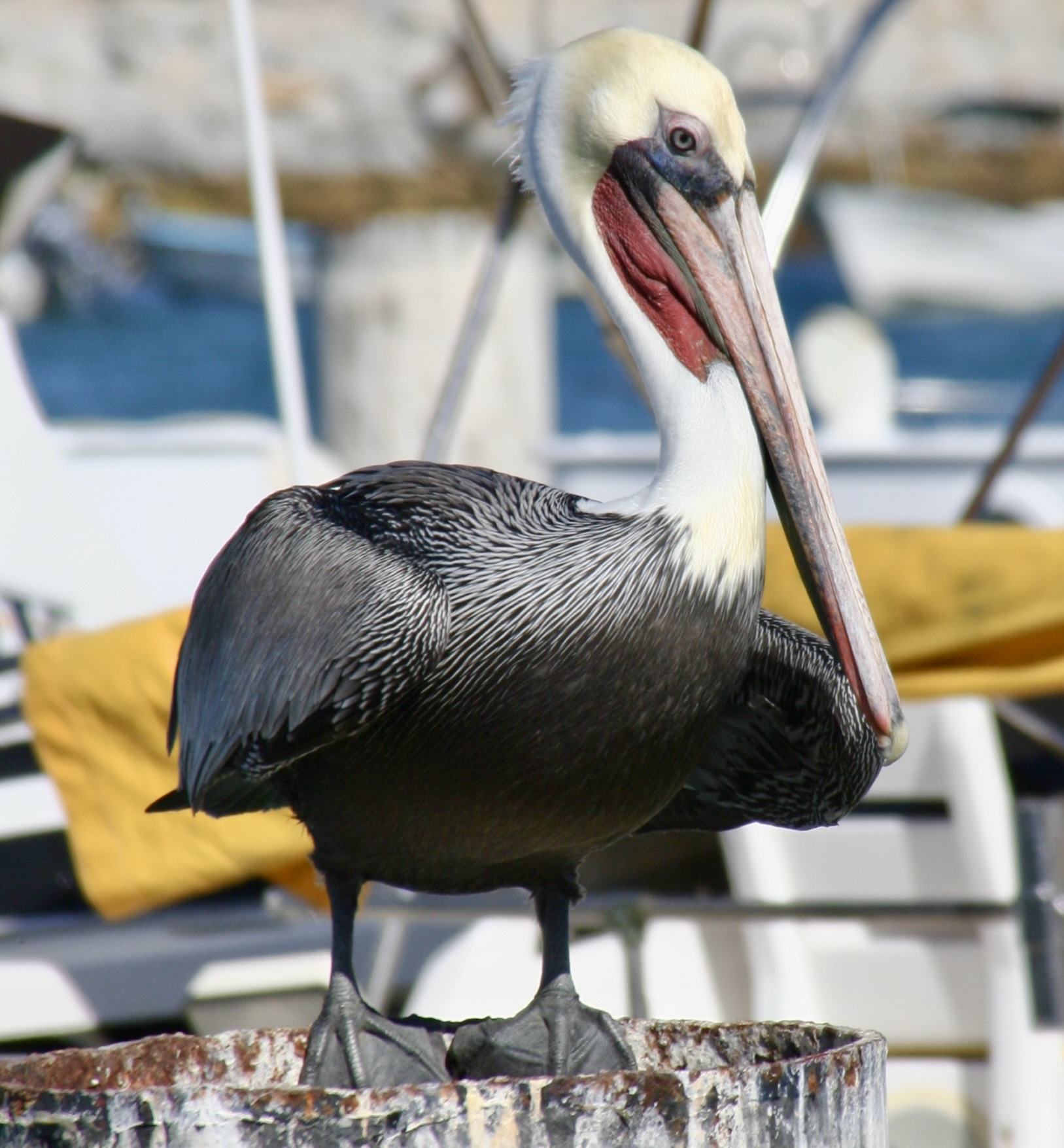
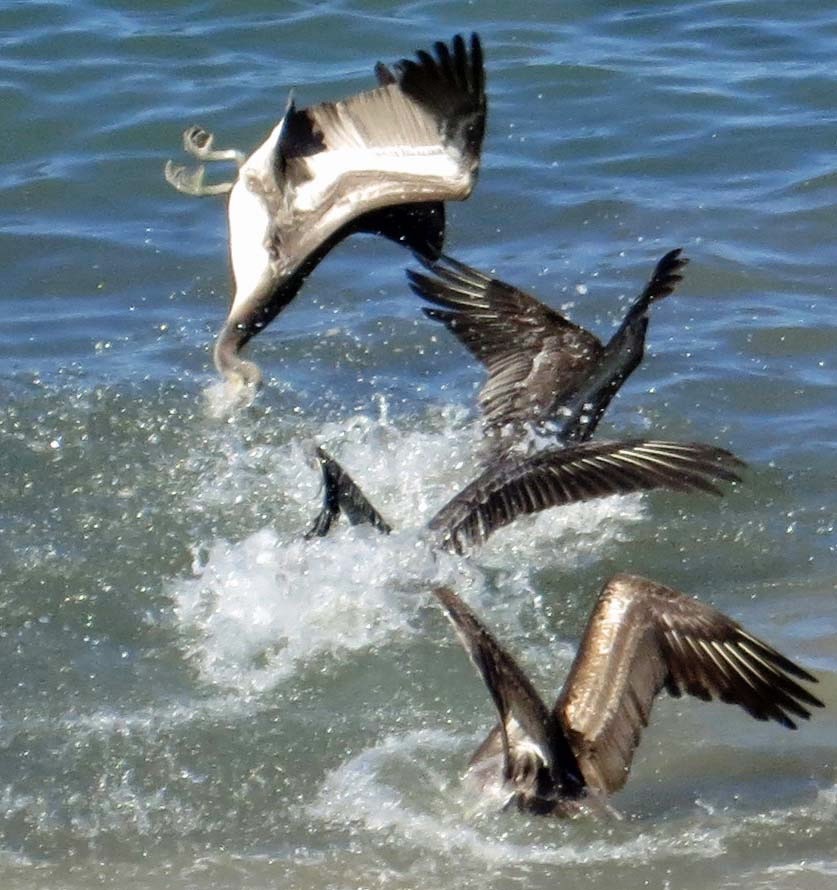
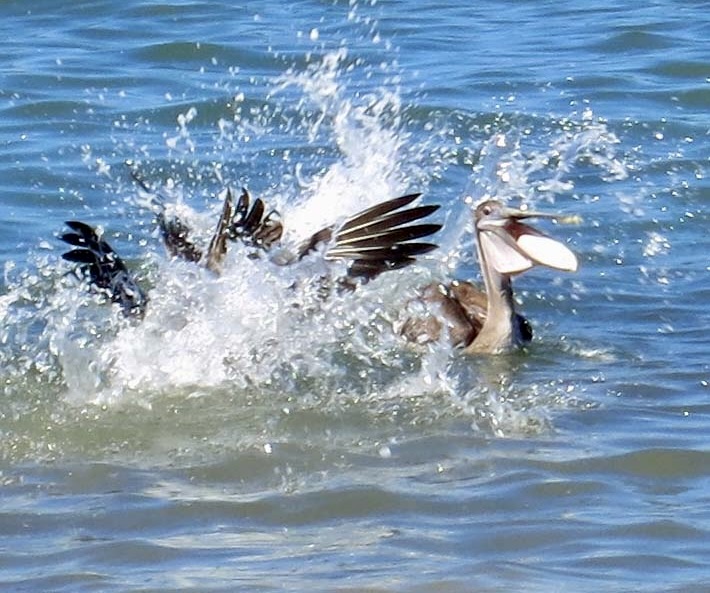
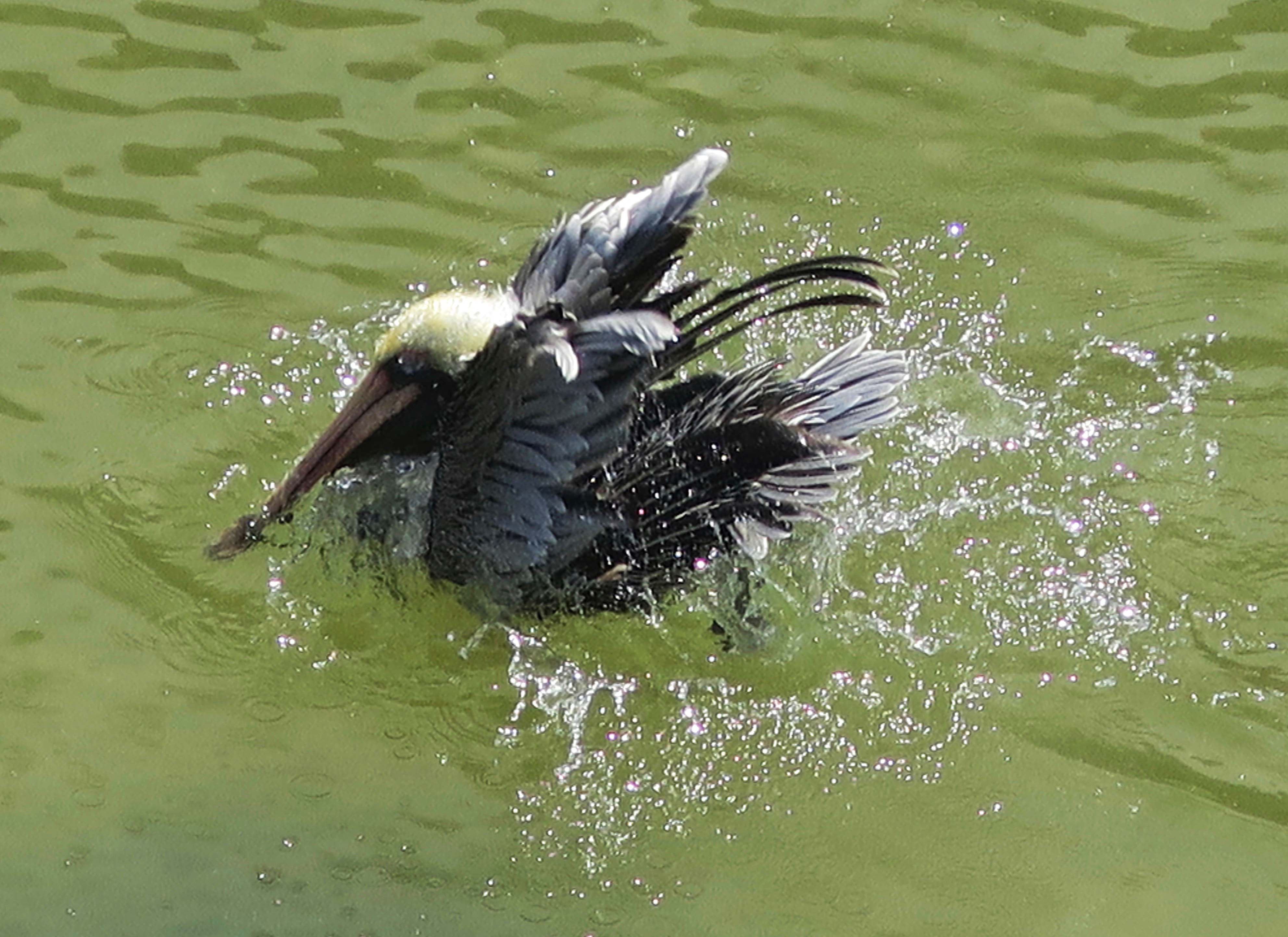
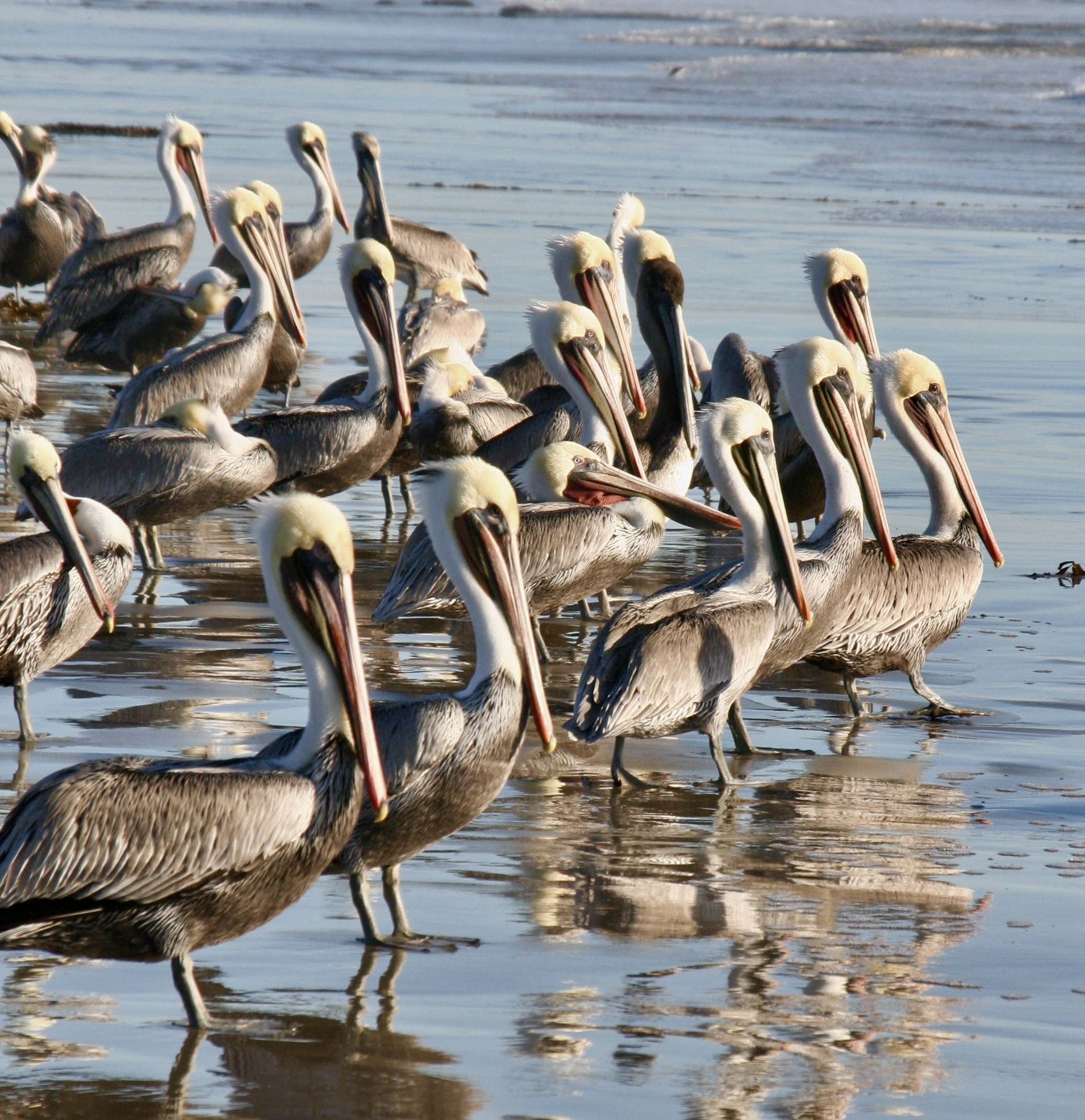
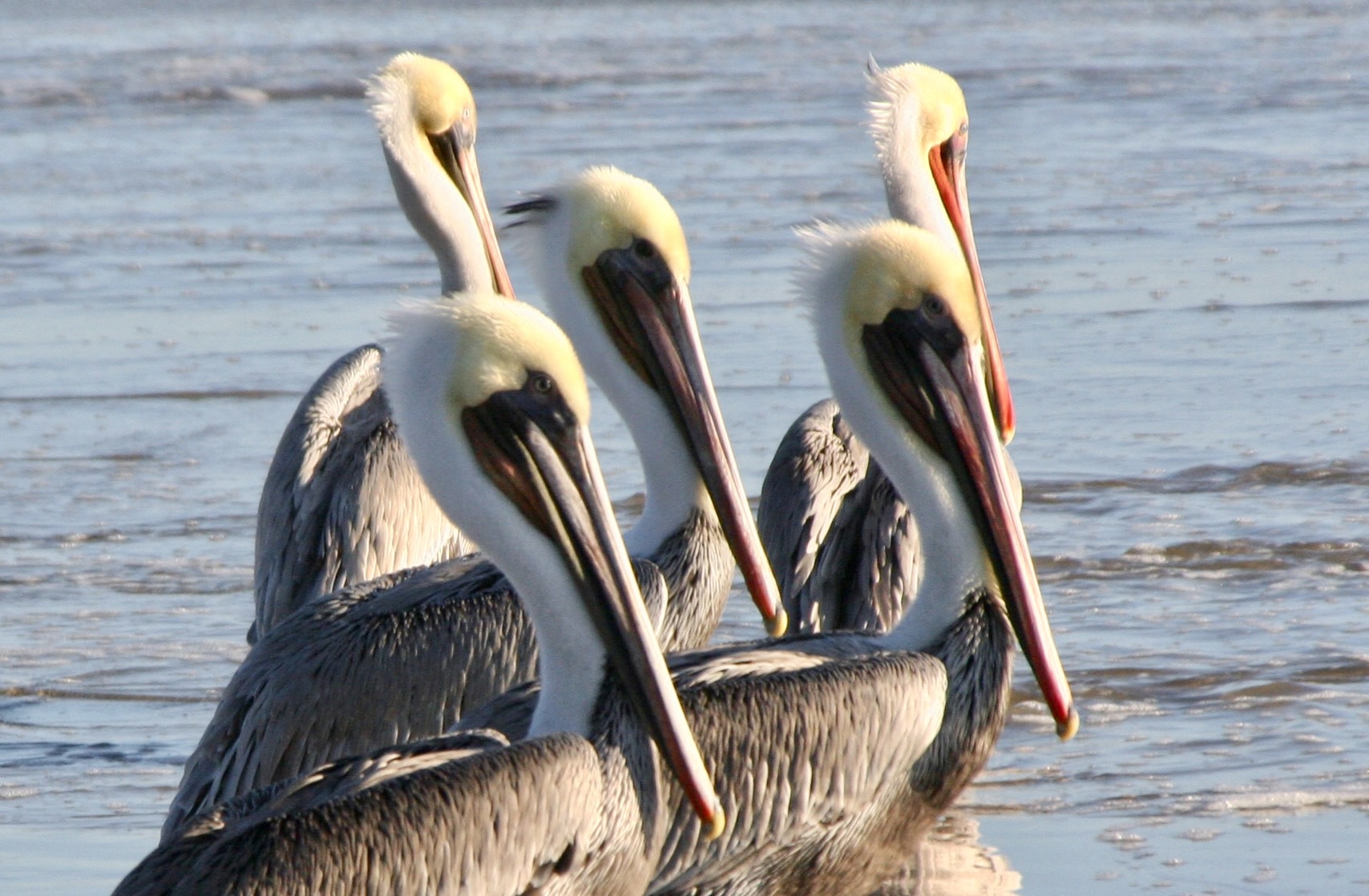
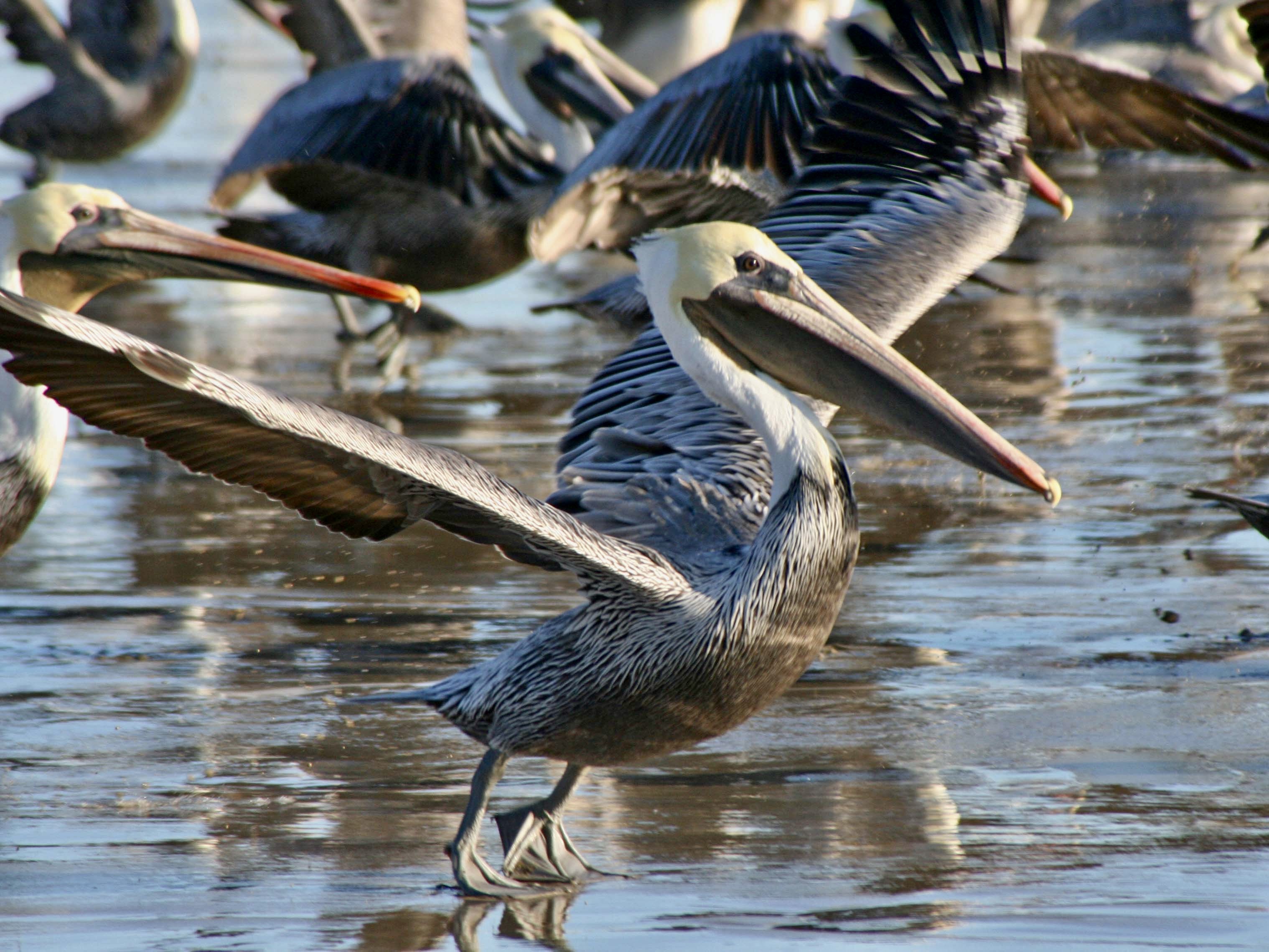
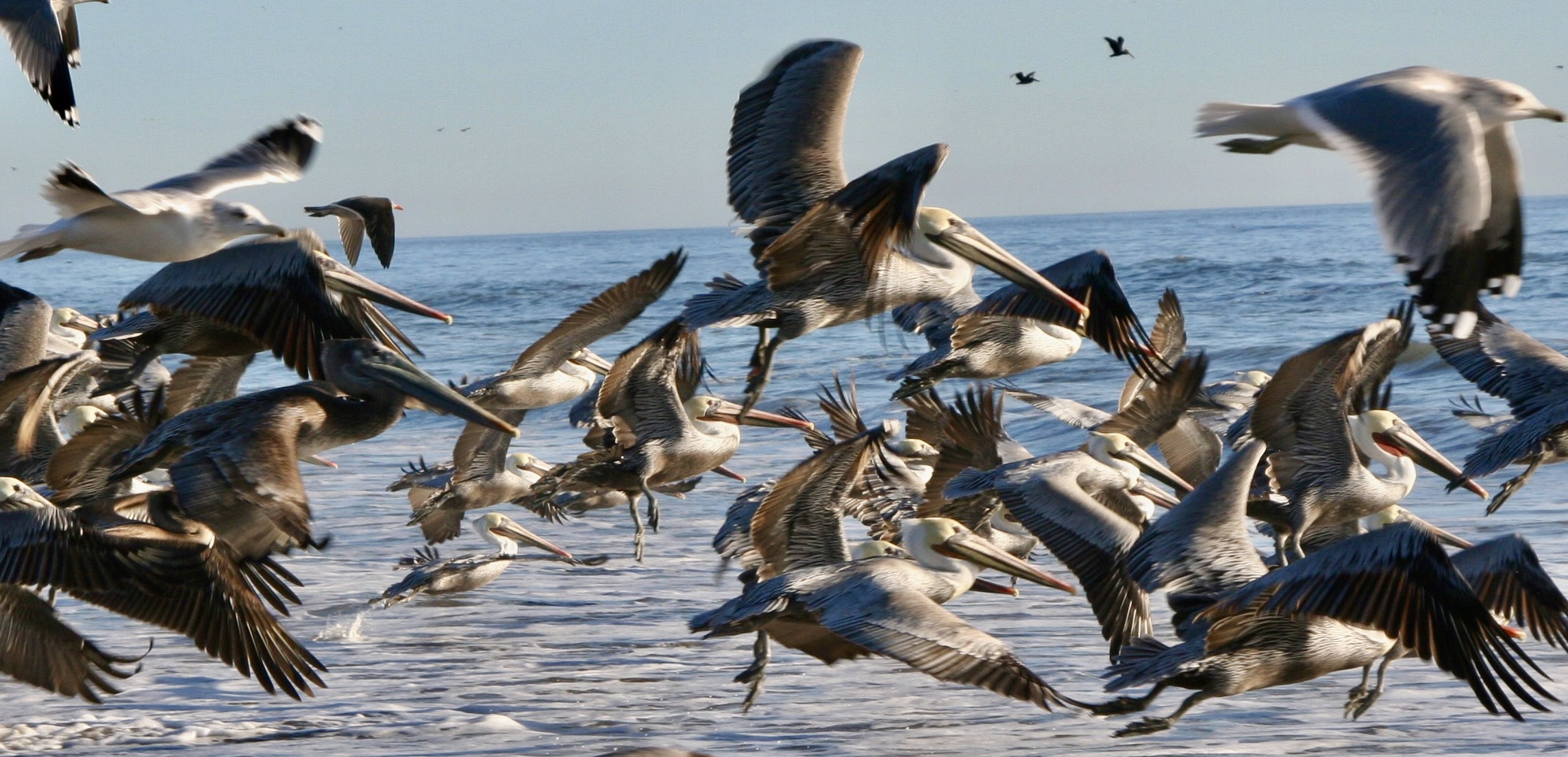
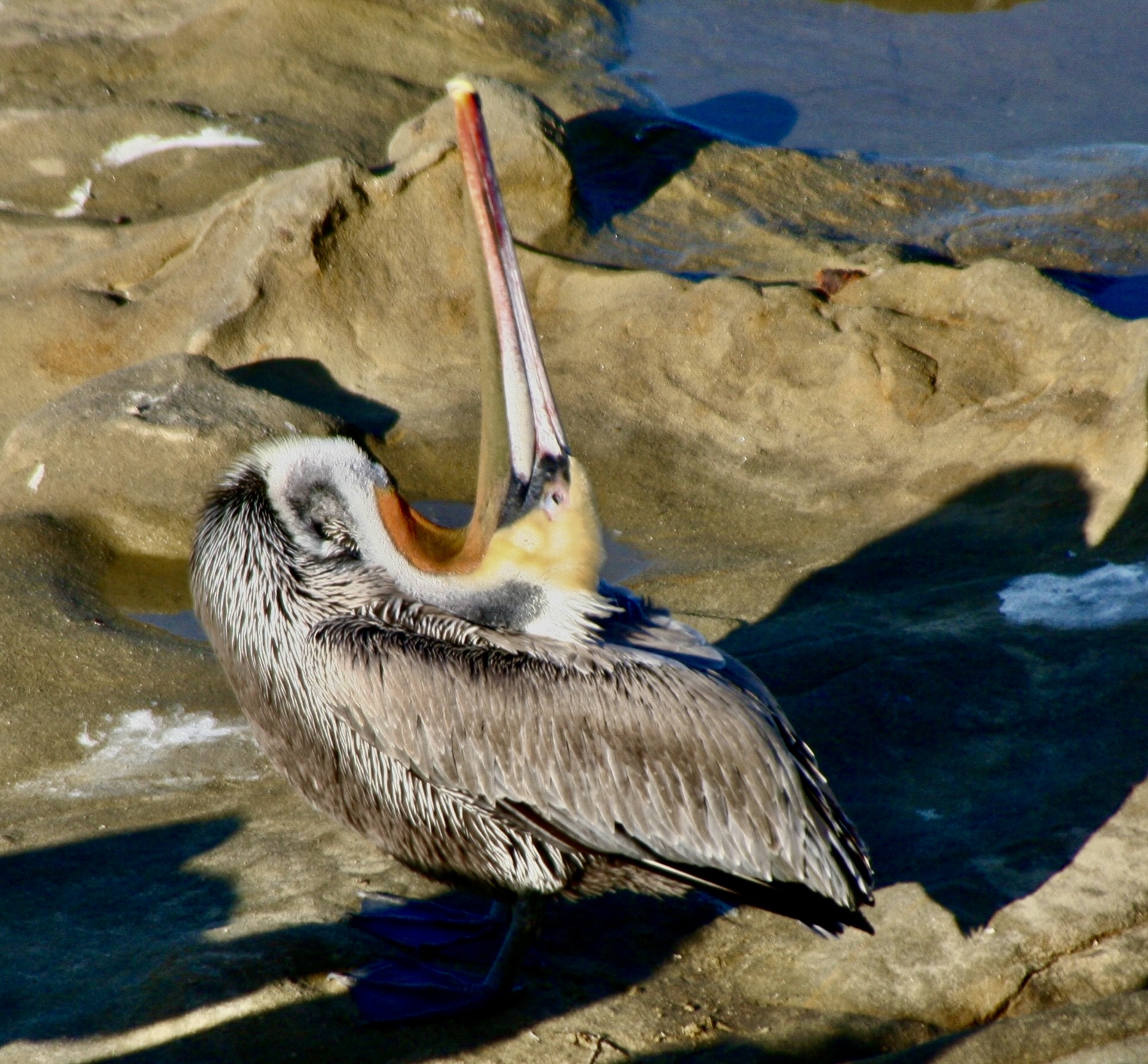
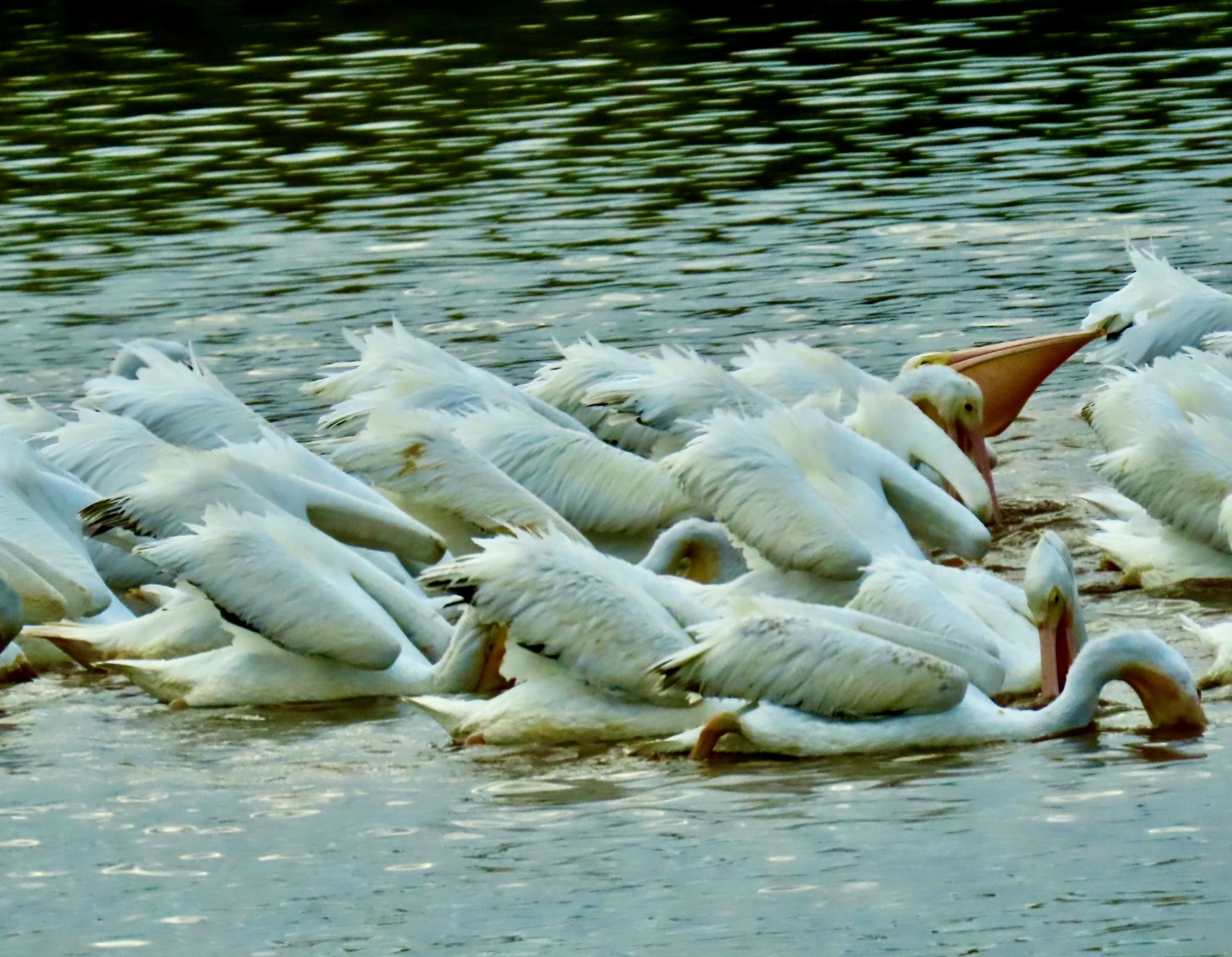
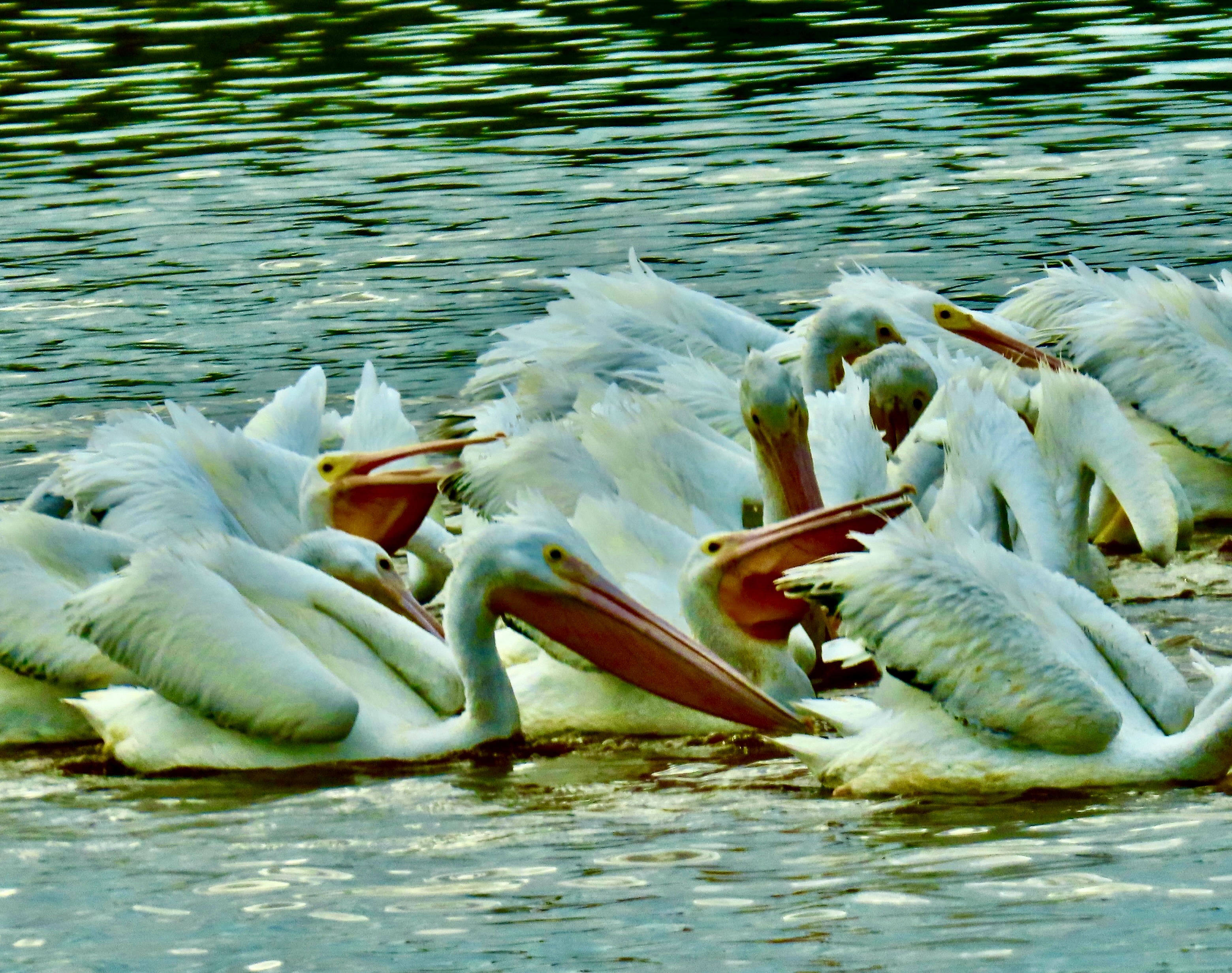
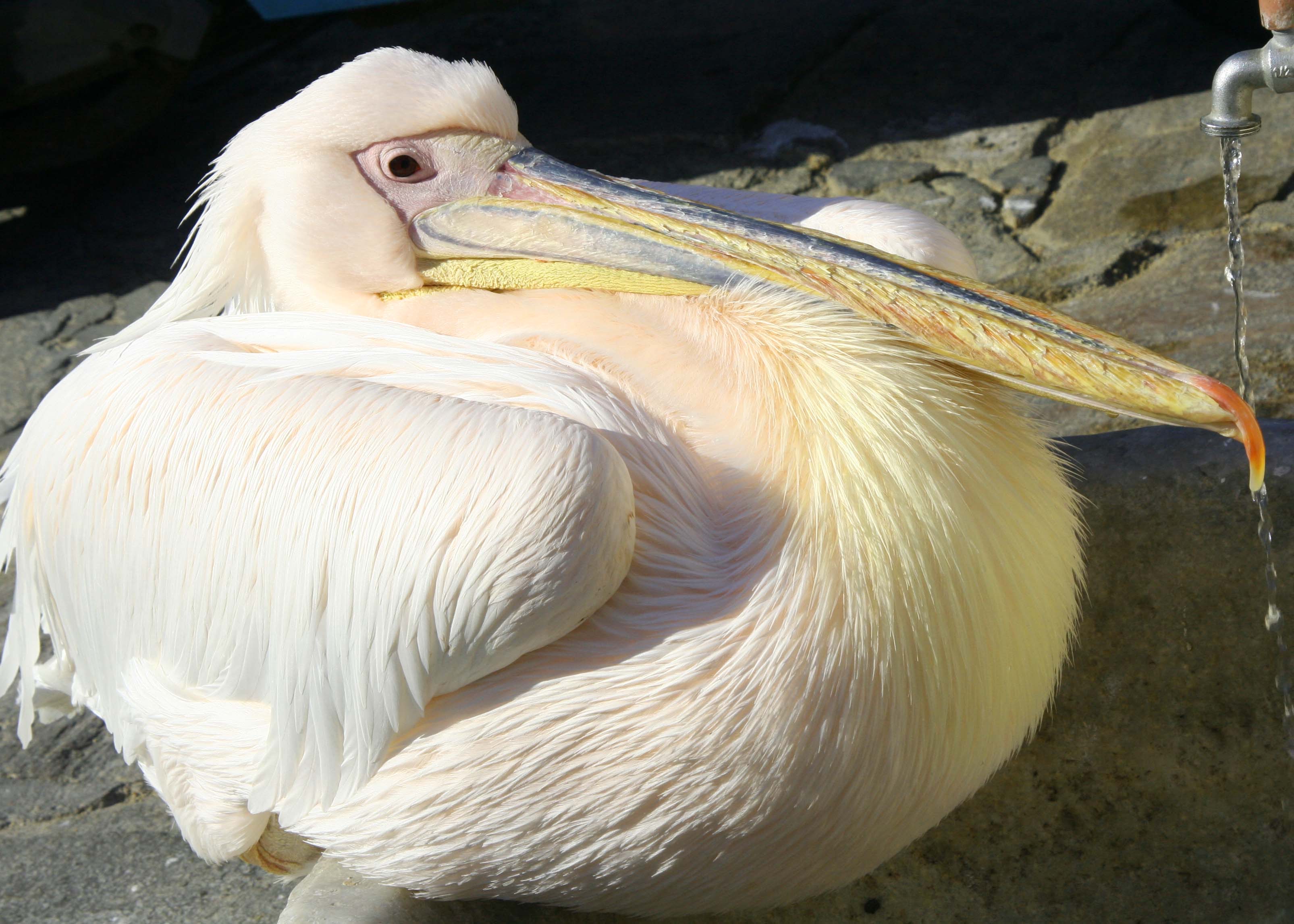
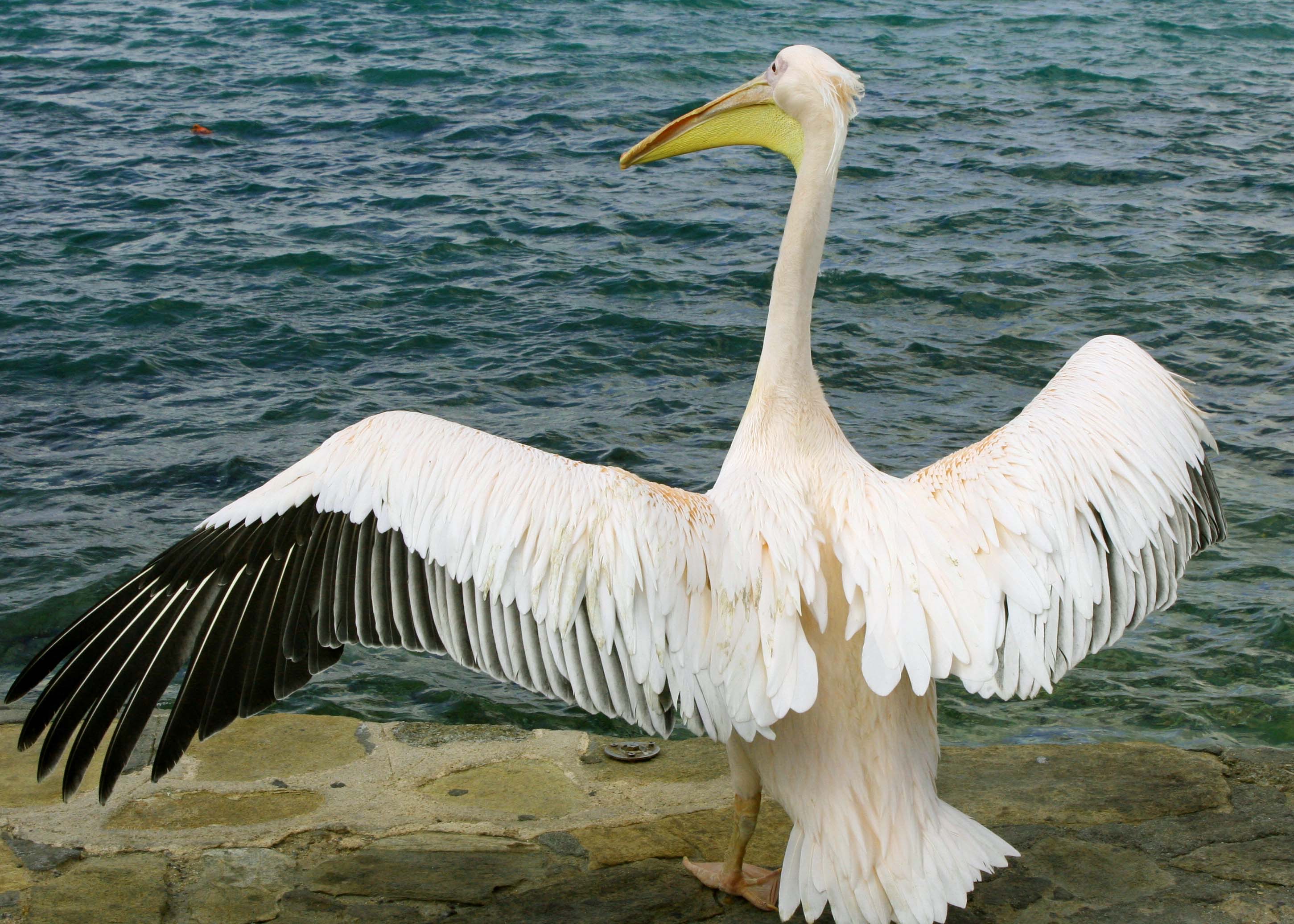
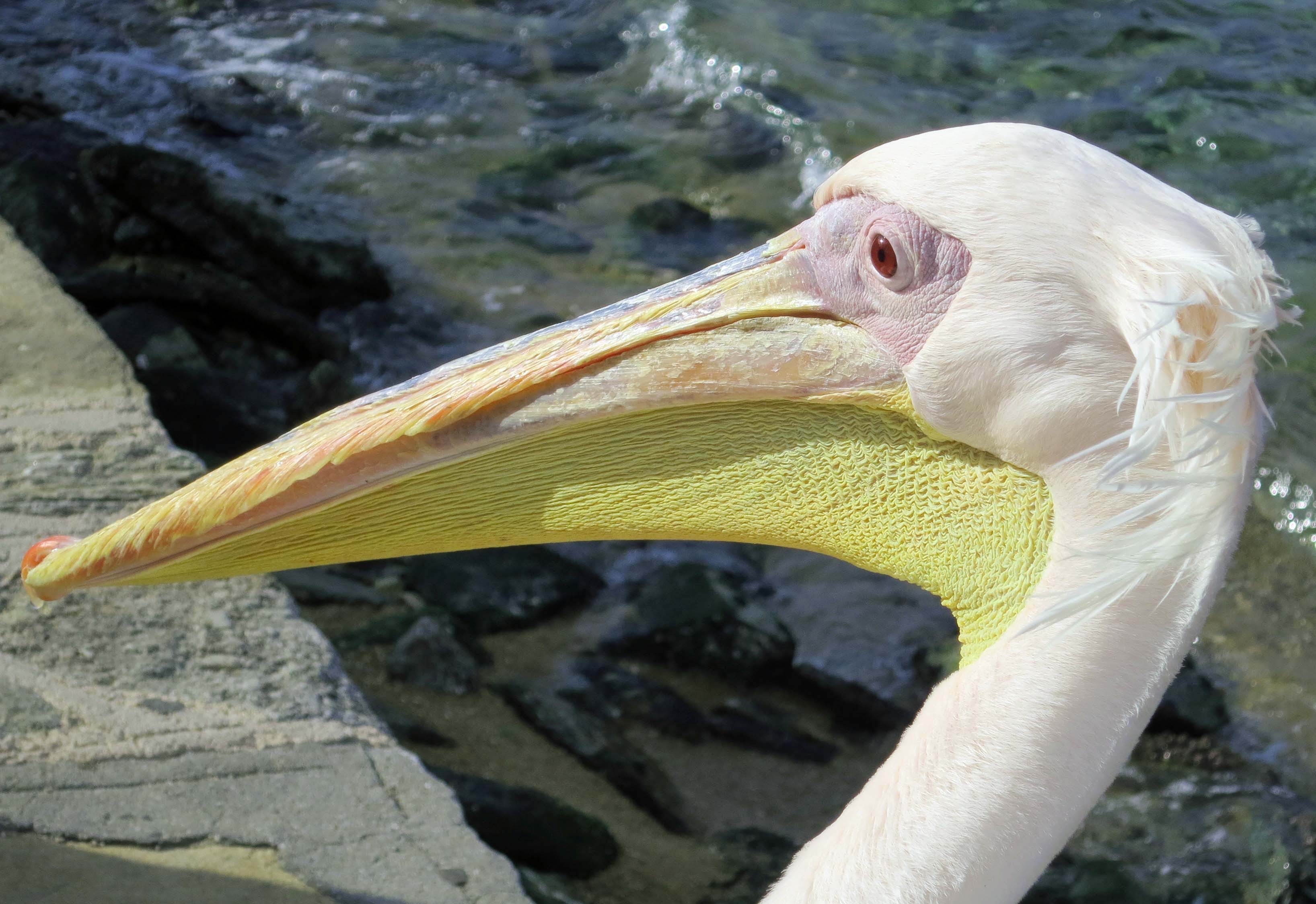
If you have been following this blog for a while, you know that Peggy and I love pelicans. They can appear and act a bit strange. It’s what makes them so attractive to us. We like weird. It wasn’t clear what this one was up to. Scratching an itch? Waving to us? Practicing a crash landing? Whatever, we were lucky to catch it in mid-acton. At the time we were visiting Cabo San Lucas on the the tip of the Baja Peninsula.This one was swimming around in the water nearby. The sharp tip on the end of its bill is called a nail, as in nailed it, to help in catching fish and assuring that they don’t escape from the pouch.A handsome fellow— in pelican terms— was watching the action. Note the big feet. Brown Pelicans use them to incubate their eggs, placing them on top of the egg instead of using their warm feathers and body heat like every other bird we can think of. Mom and Pop actually make good parents. The male brings in nesting material; the female builds the nest. Both participate in incubating the eggs, and both help in feeding the nestlings, i.e. they spew regurgitated fish into the nest. It’s a potluck.Graceful, huh. Brown pelicans dive into the water to catch dinner. Style is not required. They start their dive from as high as 60 feet up in the air and plummet straight down, turning their neck just before hitting the water to avoid injury. Peggy and I were watching a feeding frenzy of around 50 pelicans on the Bahía de Banderas, the bay off of Puerto Vallarta, Mexico when we took this photo and the next one.It was insane. The large pouch of a pelican can hold up to two gallons of water. As soon as the water drains, it swallows whatever it has caught. A two part stomach system then processes the fish to make them palatable. We couldn’t help but think that this pelican was celebrating— not only because it had caught a fish, but also because it was out of the melee. Woohoo!We watched a youngster on the Rio Cuale in Puerto Vallarta. Its body had a ways to go to catch up with the size of its bill. I think it was trying to scare up a meal. Or take a bath.The west coast of California, Oregon and Washington also provides numerous opportunities for watching brown pelicans. At one time these magnificent birds were almost extinct because of the poison DDT used widely by farmers to protect their crops from insects. With the banning of the poison, the birds are now off of the endangered species list and number over 600,000 worldwide. This, and the next three photos were taken on the Carpinteria Beach south of Santa Barbara, California.Looking dignified. A committee perhaps? Or maybe a board of directors. Note how three in front have placed their bills to the right. Takeoff on runway 1.You have probably seen brown pelicans in a neat line as they gracefully fly over waves. That wasn’t the case here. We were thinking, ‘Where’s the air traffic controller?’This is another one of those, “What the…” photos. Napping perhaps while resting its heavy head on its back? Catching a few rays on his pouch? We took this photo on a San Diego beach 17 years ago.Peggy and I were driving by a small pond in the Florida Everglades National Park last year when we spotted close to two hundred white pelicans stretched out in a long line, several pelicans deep. While brown pelicans dive for their fish dinners, white pelicans work together in a coordinated effort to herd fish into groups that makes them easier to catch. Most of these are peering into the water, watching and waiting. When a fish swims within reach, they strike using their broad pouches as a trap. It’s kind of like catching a butterfly with a butterfly net. The pelican on the top right has succeeded. Its pouch is still full of water.Success. Several pelicans are in various phases of swallowing their catch here. The roundup was apparently a success. The white pelican is one of the largest birds in North America with a wing span of up to 9 feet. While brown pelicans primarily catch their fish out of coastal waters, white pelicans can be found on lakes far inland. Shallow water where they can herd fish more easily is preferred.Our favorite pelican of all times was Petros, the well-loved white pelican of the Greek Island of Mykonos. We were wandering around the Mediterranean Sea several years ago with Peggy’s brother John, his wife Frances and friends when we met him. The original Petros passed on in 1986 but he has been replaced by at least a couple since. One was donated by Jackie Kennedy-Onassis.Petros and his successors have been living on Mykonos for 70 years, capturing the hearts of locals and visitors alike.I’ll conclude today’s post with my favorite photo of Petros. With the end of 2025 rapidly approaching, we will use our next three posts to focus on our three major trips of 2025: Hawaii, the Southwest, and New England.
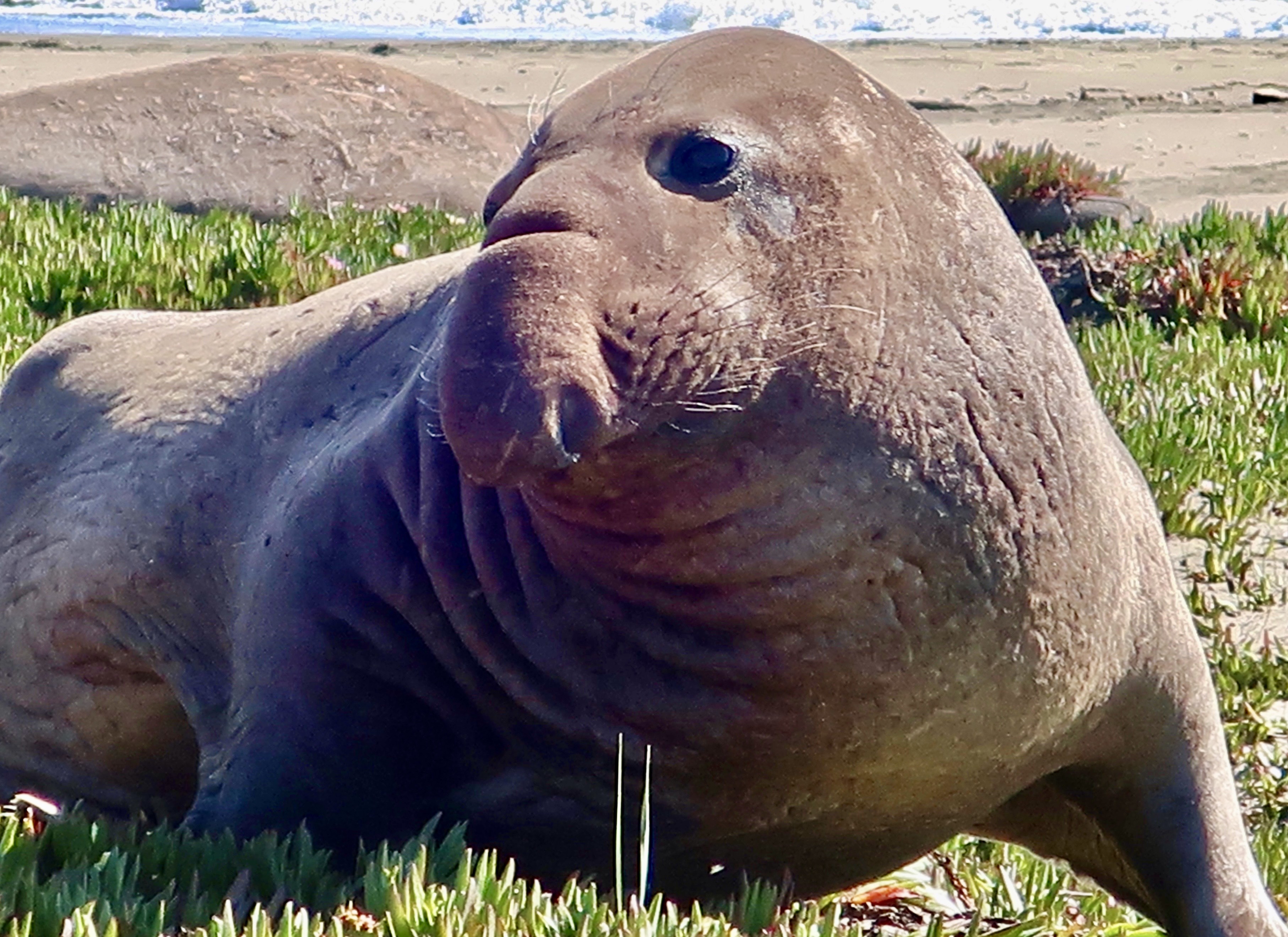
Today marks the beginning of a new/old series for us. It’s old in the sense that we have done a similar series in the past, but not for a long time. We are going to select a specific subject for each post. Today, for example, is on iguanas. Our next post will be on elephant seals, and the time after on pelicans. We chose these three to kick off the series because we find them wonderfully weird. They also represent reptiles, mammals and birds.
Given that we have 100,000 (plus or minus) photos in our photo library that we’ve gathered over 25 years of wandering the world, there will be no lack of subjects for future posts. We will, of course, continue to do posts on our ongoing adventures as they take place. As always, photos appearing on our blogs have been taken by either Peggy or me unless otherwise noted.
I am also going to do a new series titled Ut-Oh, which is how I pronounced uh-oh as a child. But more on that in the next few weeks.
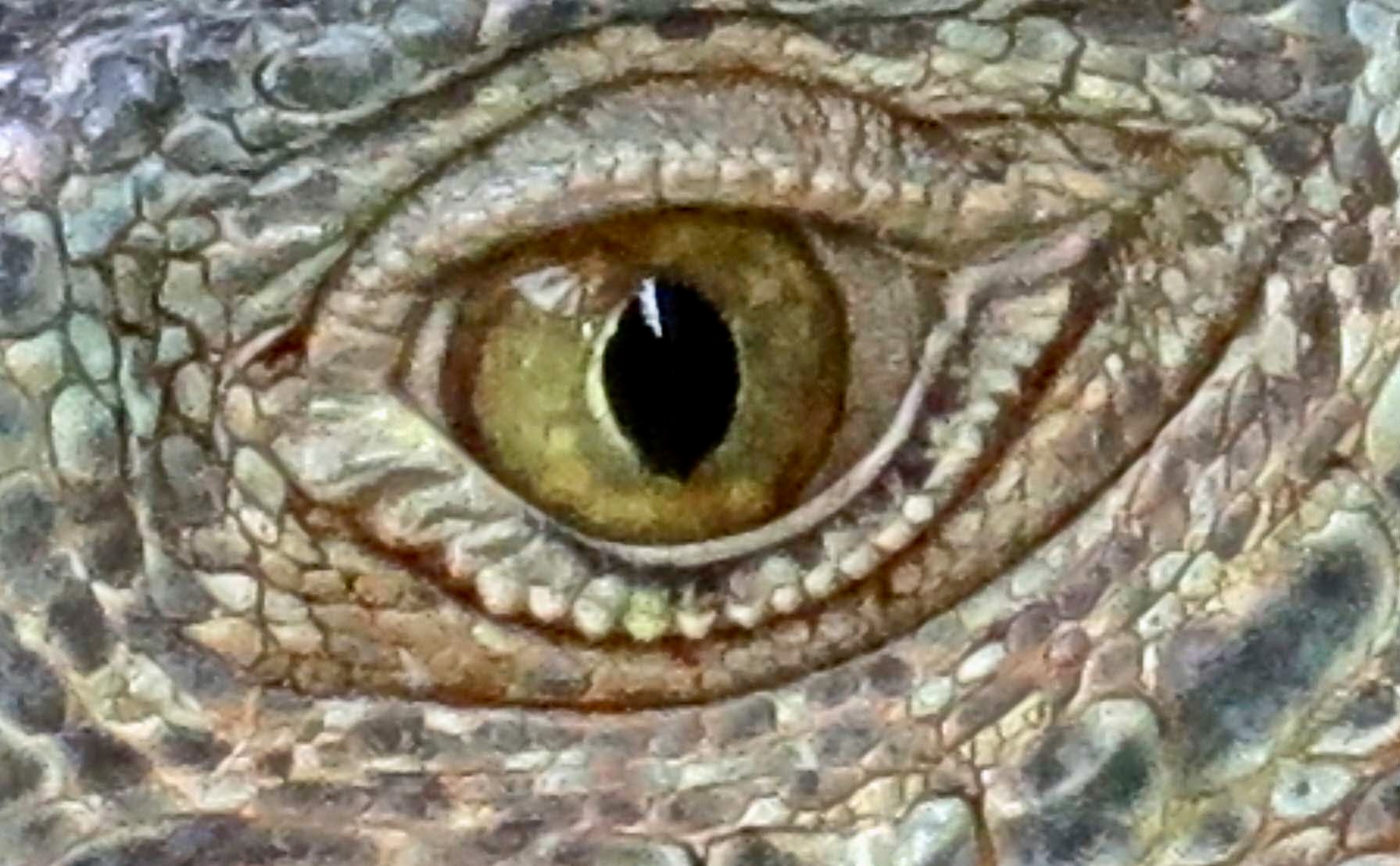
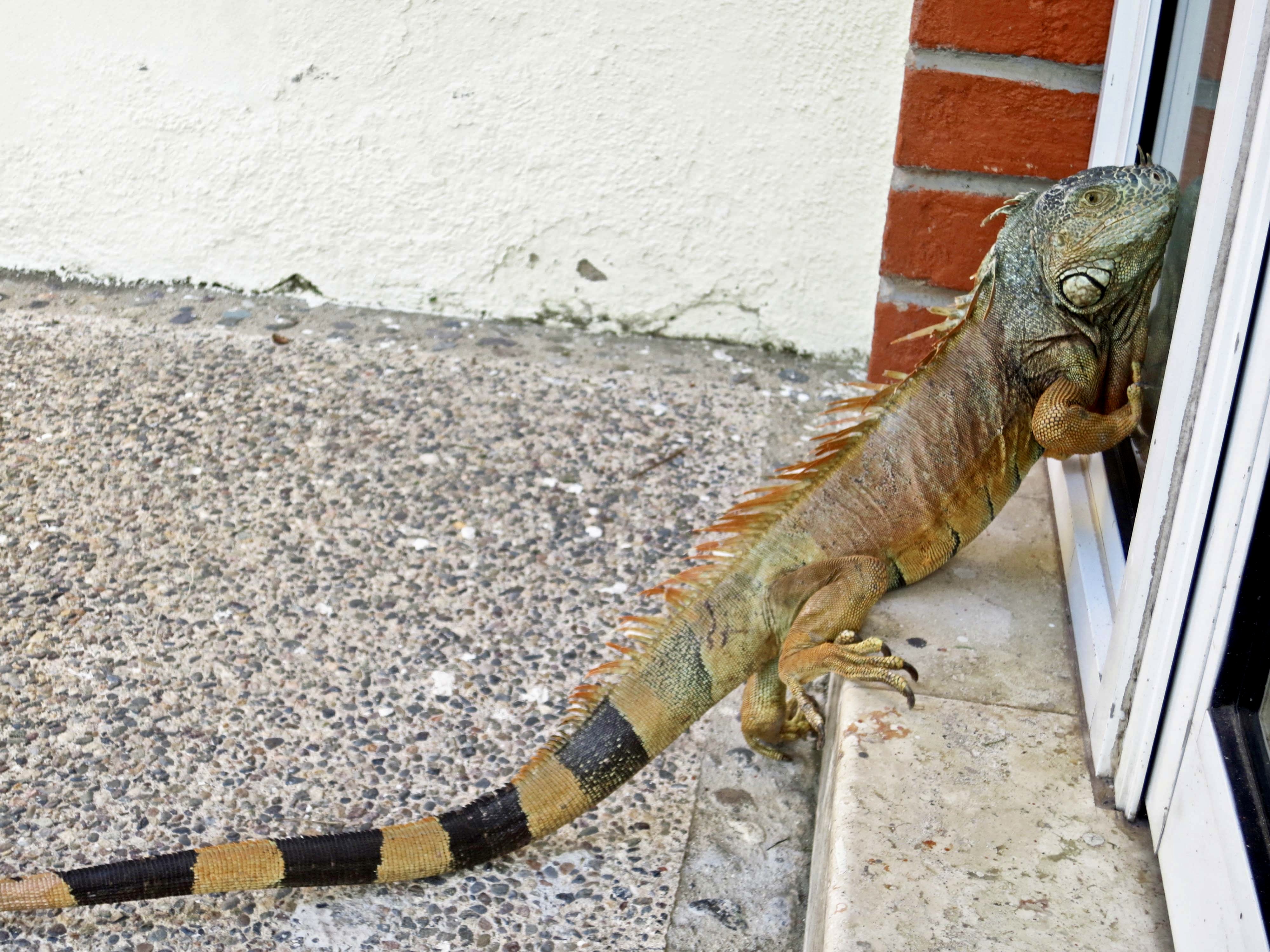
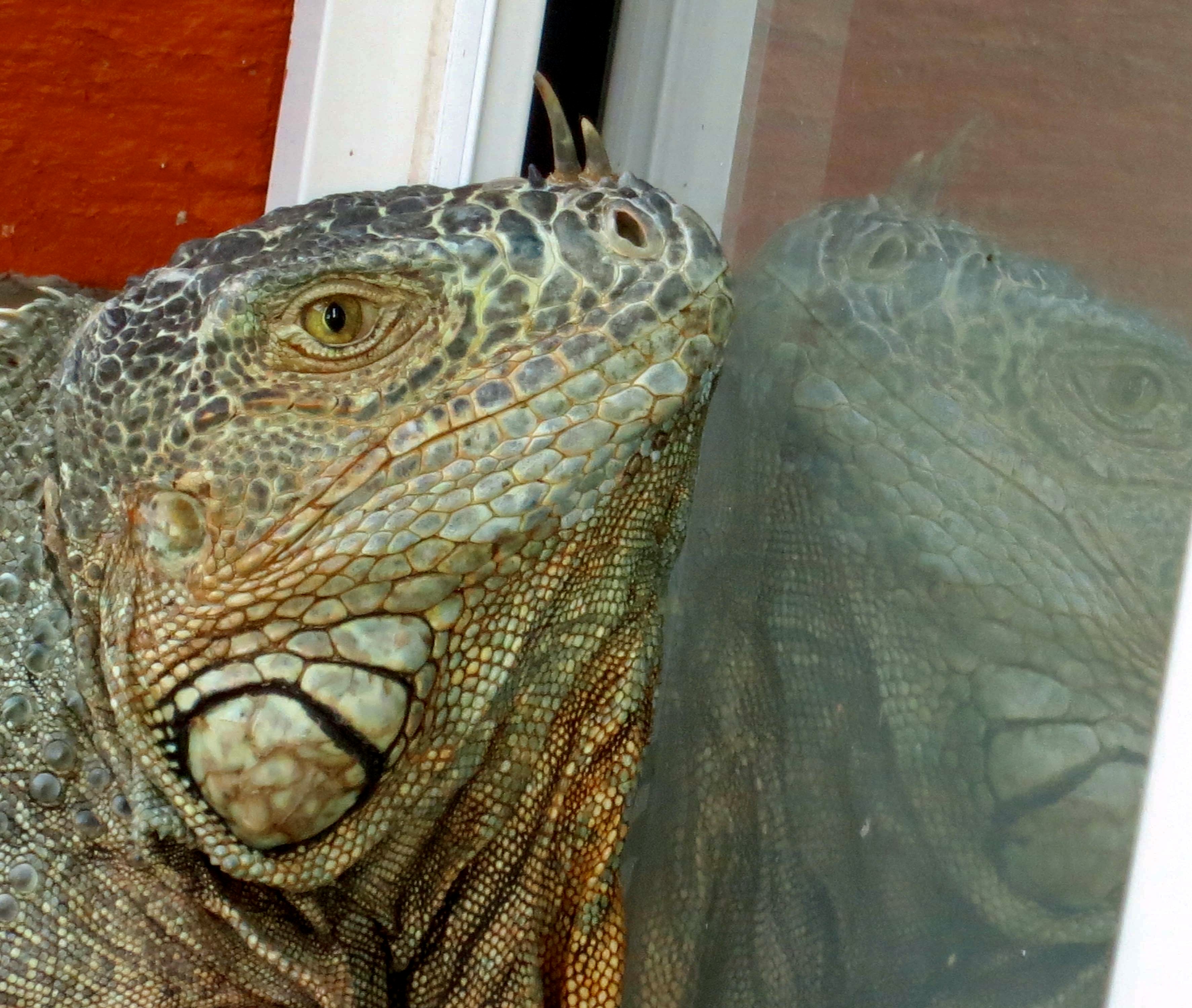
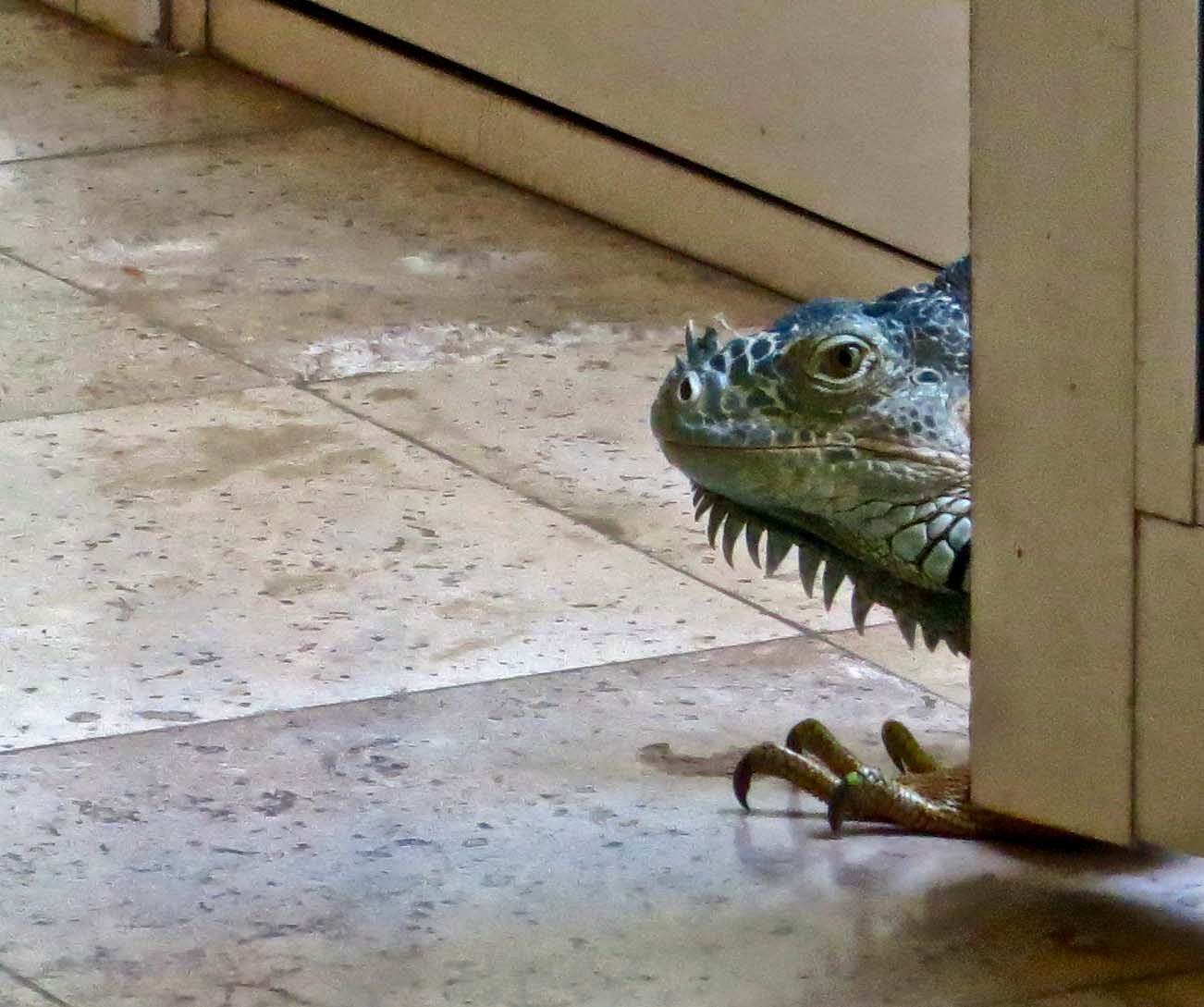
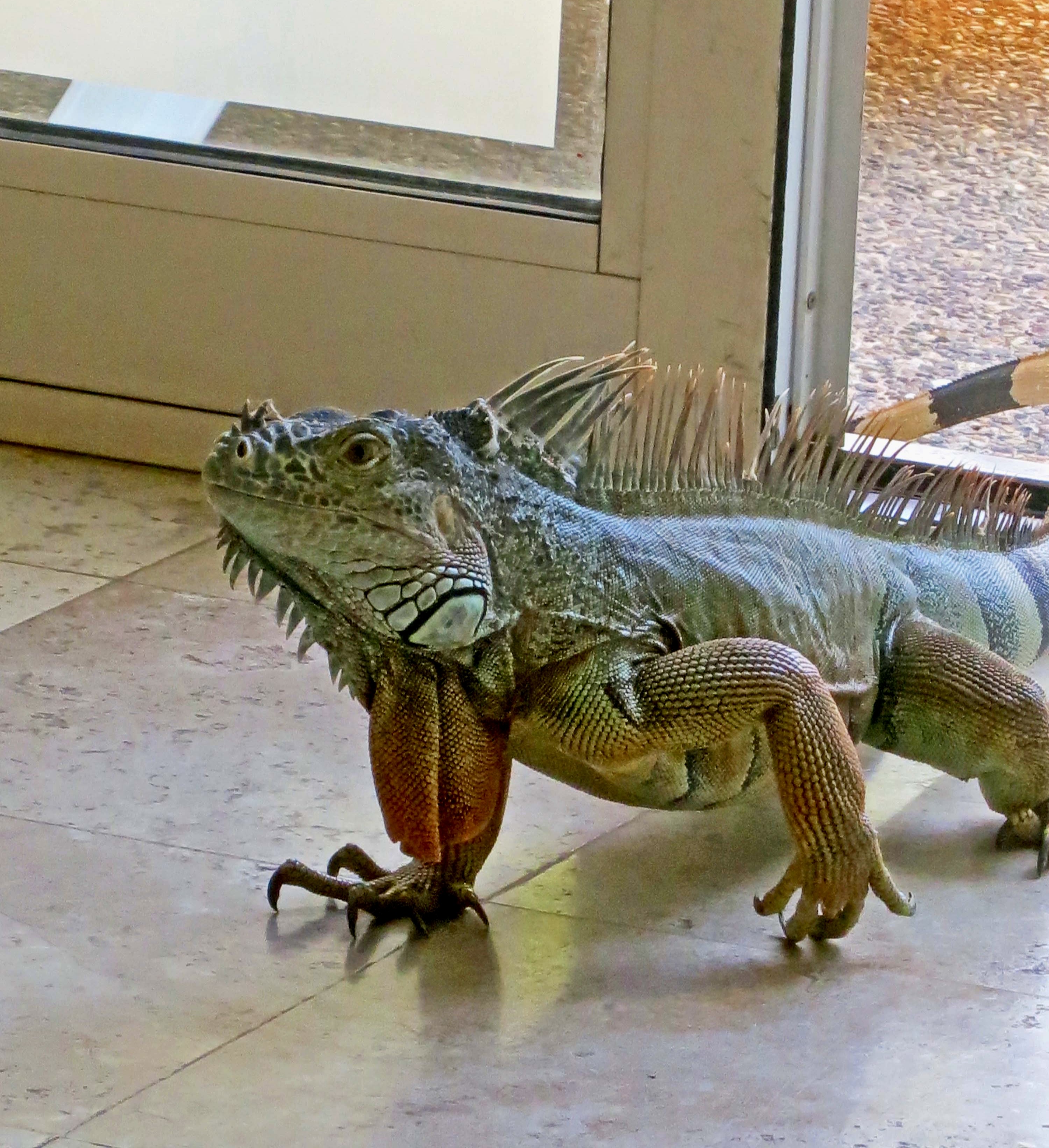
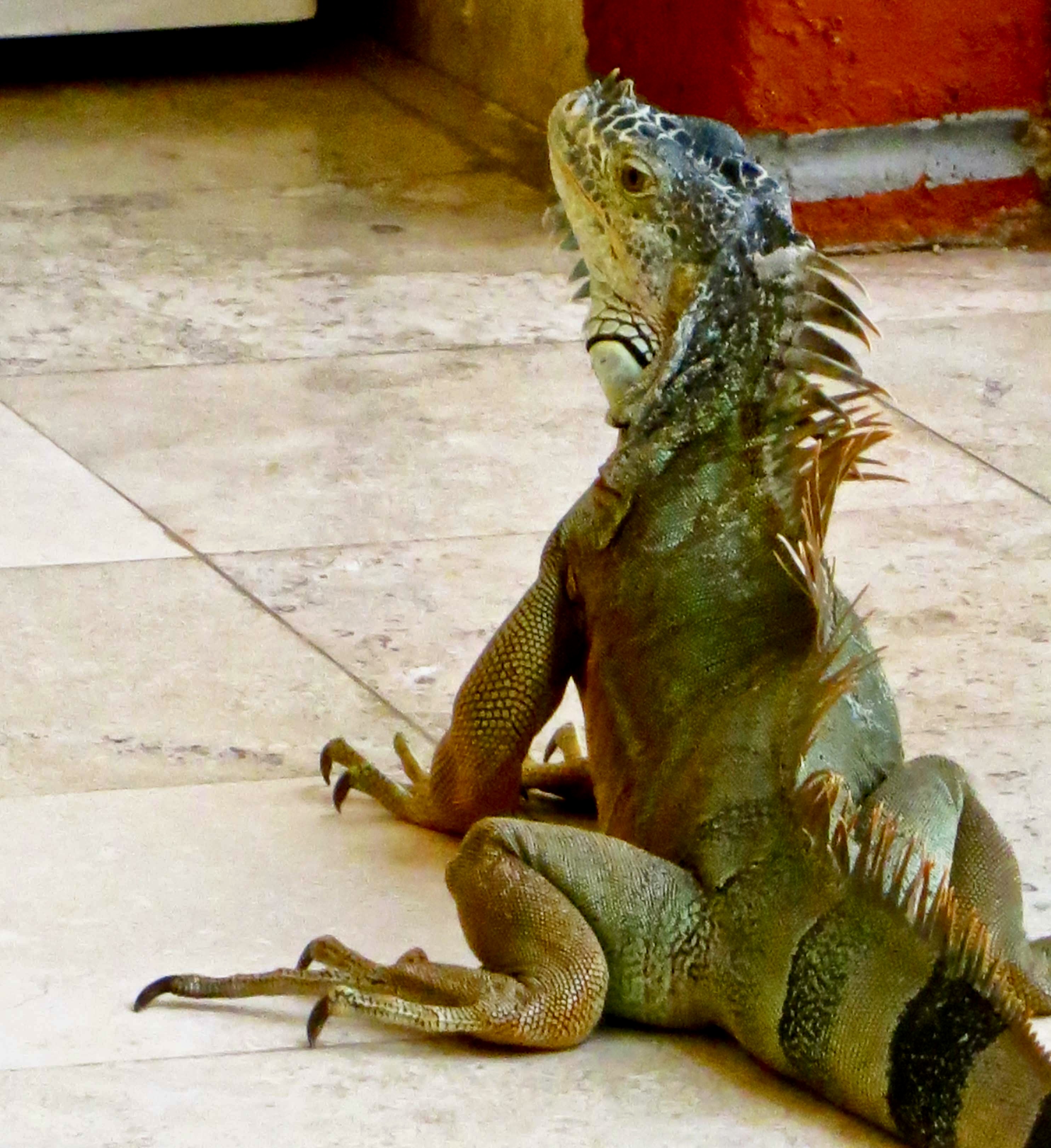
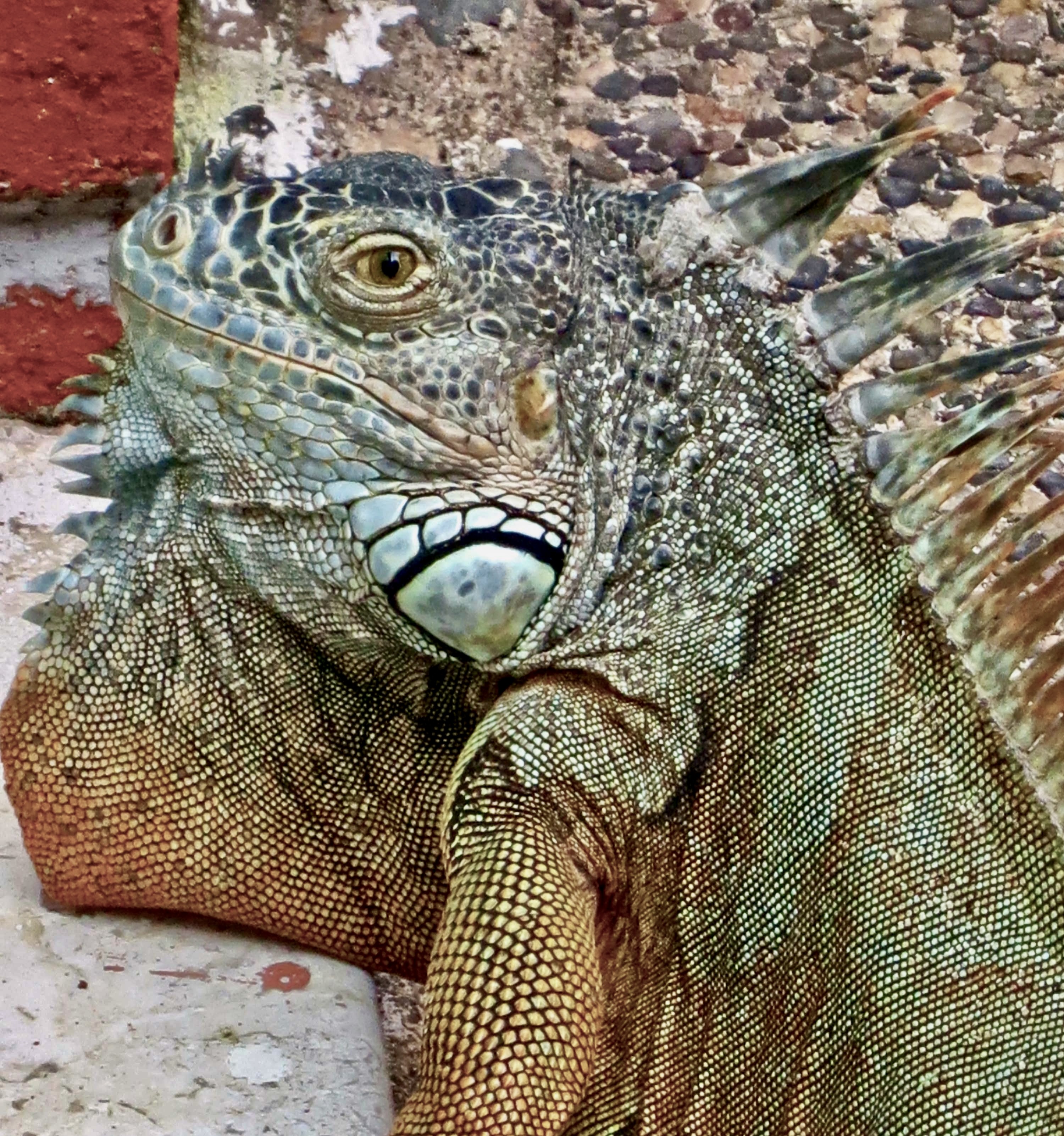
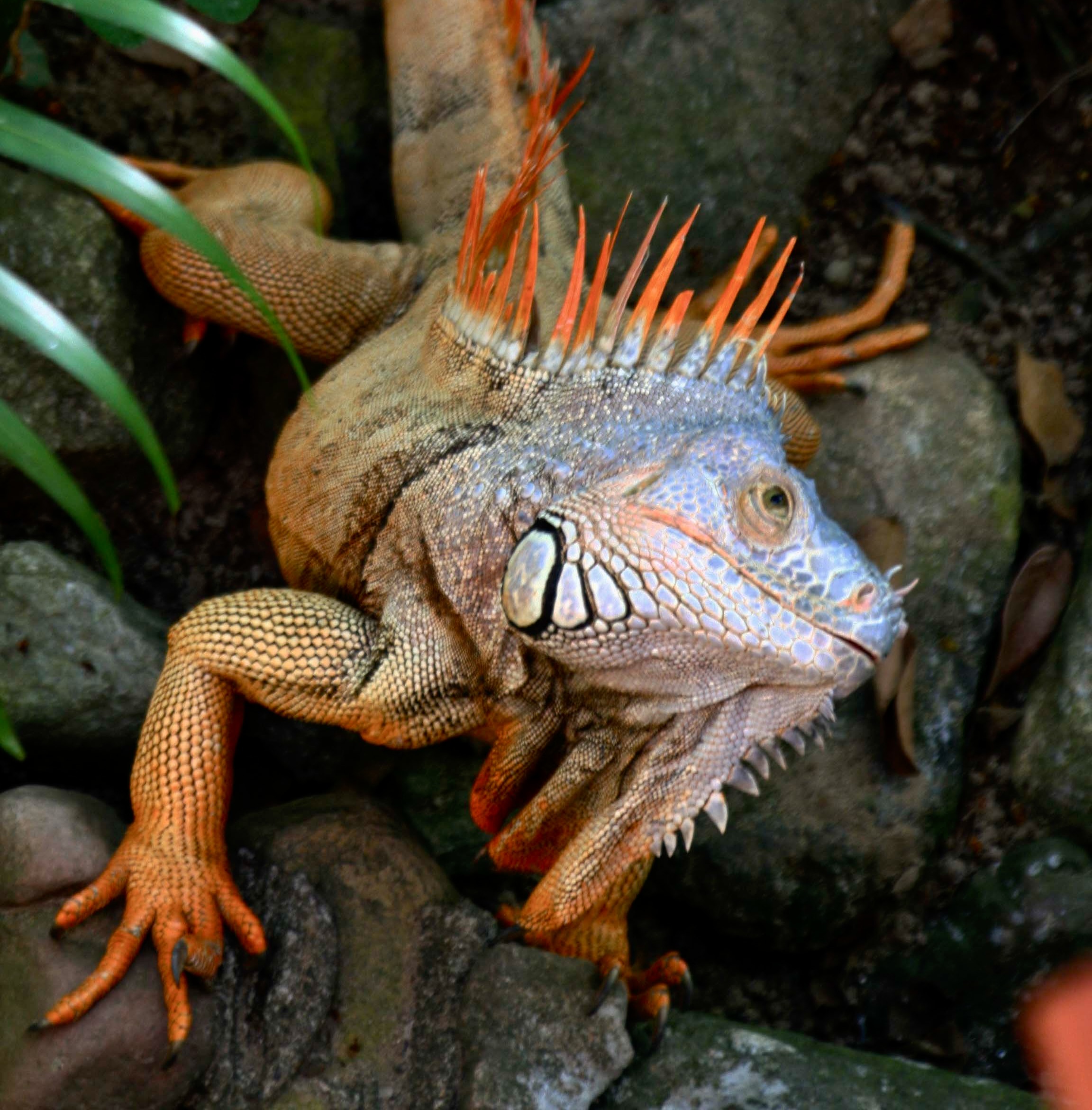
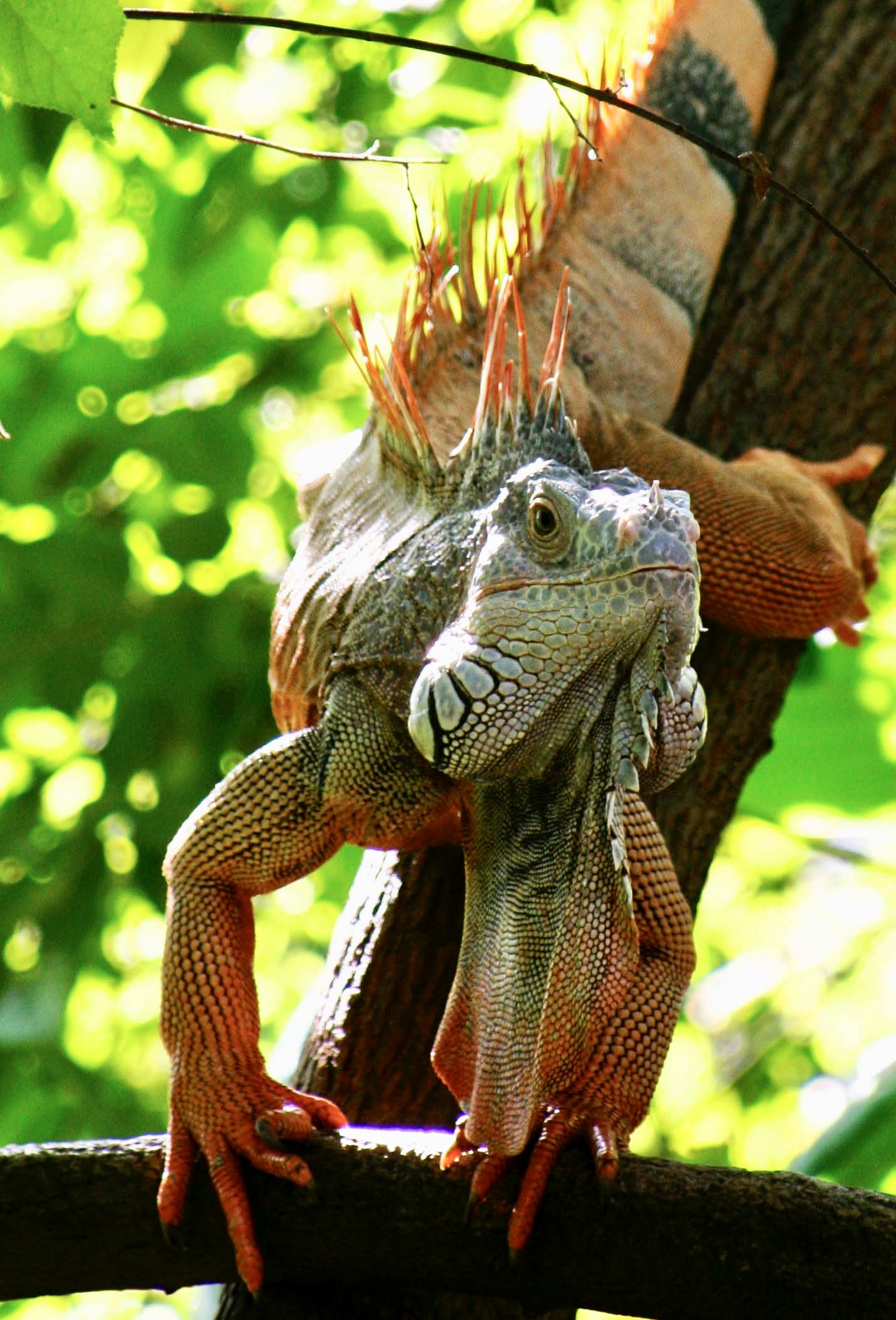
Let’s imagine for a second that you look through a peephole in your door and see this eye staring back at you. I don’t know about you, but my reaction would be to follow the bartender’s advice and “Run!” Or at least bar the door with anything available! “Oh, Peggy, could you lend a shoulder here…” I’ve named the photo The Eye of the Iguana in honor of the classic 1964 movie, The Night of the Iguana, starring Richard Burton, Ava Gardner, and Deborah Kerr. Like Burton’s iguana, ours was hanging out in Puerto Vallarta. As the peep hole scenario suggests, it wanted in. He wasn’t pounding on our door, however…It was scratching loudly on our frosted window. Other than big and possibly scary, we didn’t have a clue what it was. I opened our door just far enough so I could see out— and close it immediately necessary. Just in case, you know.Here’s what I saw: a huge male iguana. But what did it want? Had it come by demanding arugula? I took a photo from another angle and found the answer.it was staring at its image. I don’t think he was thinking, “My, what an handsome guy you are.” It was more like “Who are you and what are you doing in my territory. Get out now!” He was obviously trying to get at his competition. Peggy came out and sat on our doorstep to watch him. “Hey, Curt,” she asked, “what if we leave our door open? Do you think he will come in?” That’s Peggy, for you. Okay…“Hola, amigo. ¿Estás abrigando a un invasor?” (Hello friend. Are you harboring an invader?) I’d say it took him about three minutes to poke his head through the door and look around…..And a few seconds to invite himself in. Check out those claws! No wonder his scratching was so loud. That’s his tail coming along behind. Like his smaller cousins (normal size lizards), he can detach it if something grabs it thinking about dinner, like a very large snake or puma.He did a thorough search, pausing to look around. We kept our feet up off the floor.And then sat down, as if he wanted to chat with us about where the other iguana went. Like was there a reason we had closed our bedroom door? Grin. Actually, the answer was yes. Can you imagine this fellow sleeping under your bed? Talk about childhood nightmares!He truly was a handsome fellow. He wandered around for about 20 minutes and then, satisfied that he was still the biggest iguana in the neighborhood, went back outside.
These large representatives of the reptile class are herbivores and relatively peaceful. People even keep them as pets. It’s said that they enjoy being petted and eating arugula.
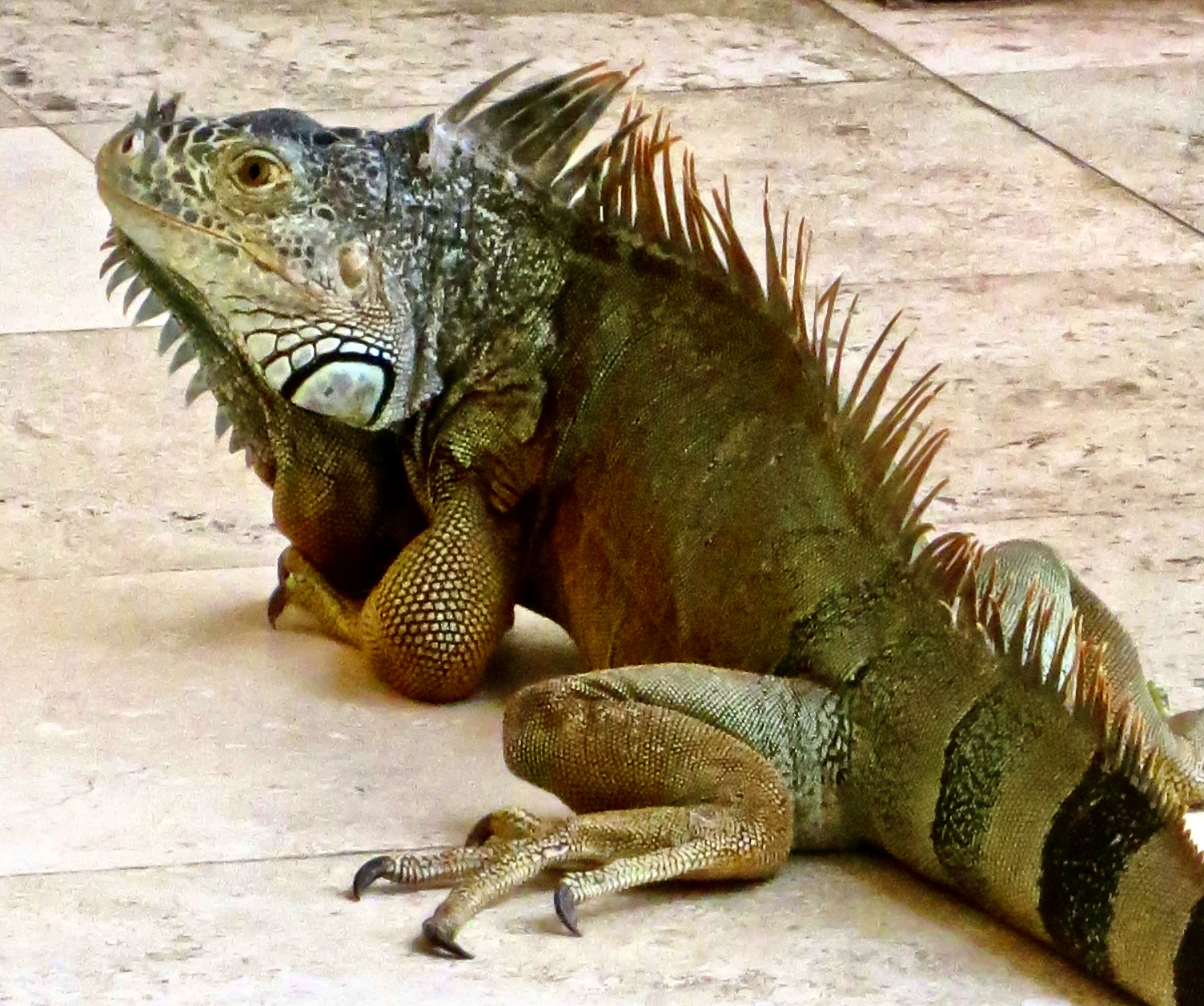
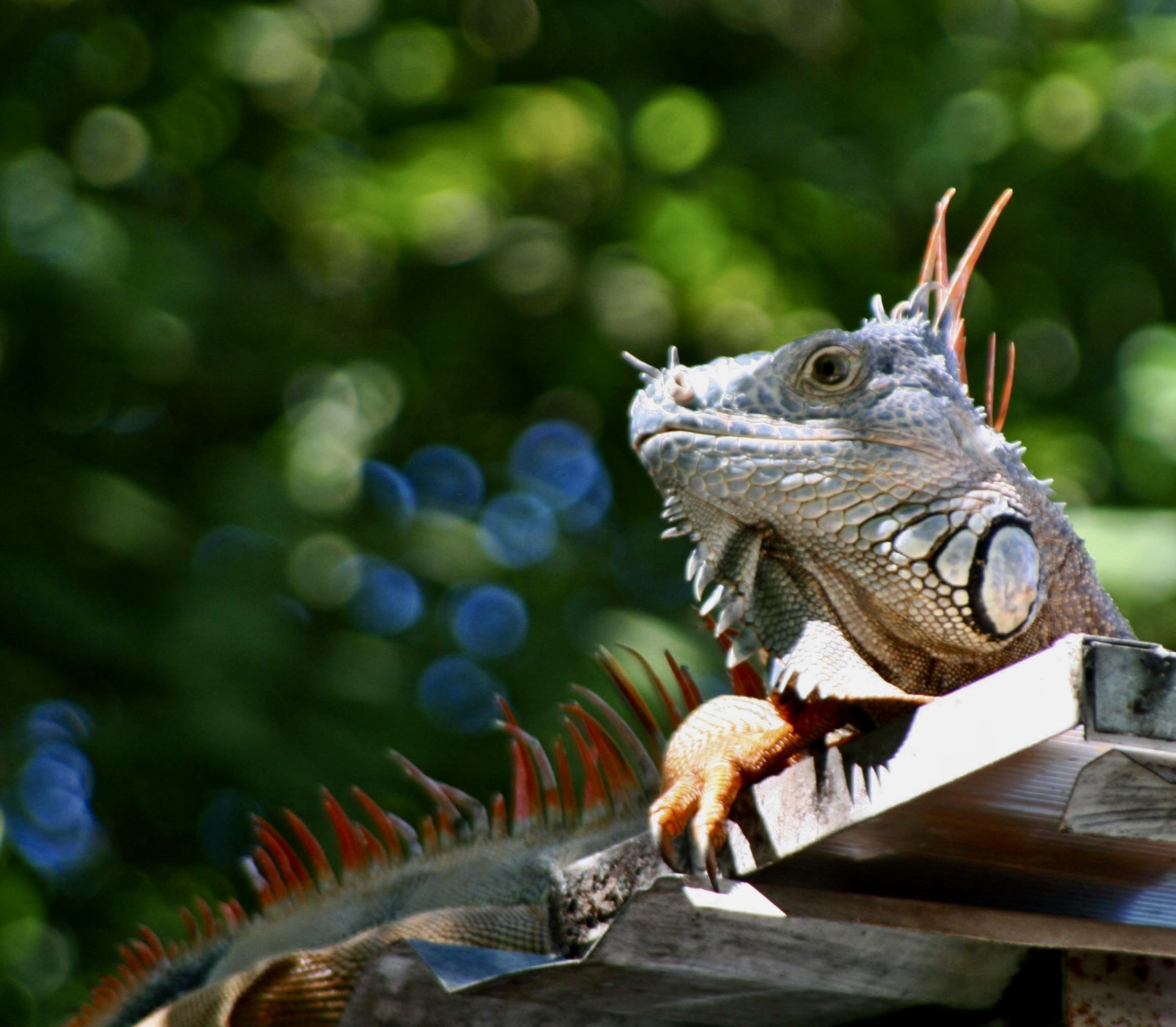
Two of their prominent characteristics are dewlaps and spines. Dewlaps are the large flap of skin hanging down from their chins. They are used for thermoregulation, communication, and courtship, i.e. gaining or losing heat, scaring off competition or predators, and attracting females— the larger the dewlap, the greater the attraction. Size matters. Females also have dewlaps, but they are smaller.
A couple of other interesting facts: One, they are great swimmers. They often jump from trees into water when a predator is after them. Two, they can jump from great heights without harm, up to 50 feet. It isn’t always a jump, however. When the temperature drops to 50° F or below, their bodies ‘freeze’ up and they come cashing down. Every once in a while when Florida suffers from a cold spell, headlines warn, “Watch out for falling iguanas.” They aren’t kidding.
A huge one fell out of a tree and landed about a foot away from our two-year-old daughter Tasha when she was sleeping outside in Panama. Needless to say, she was quickly moved.
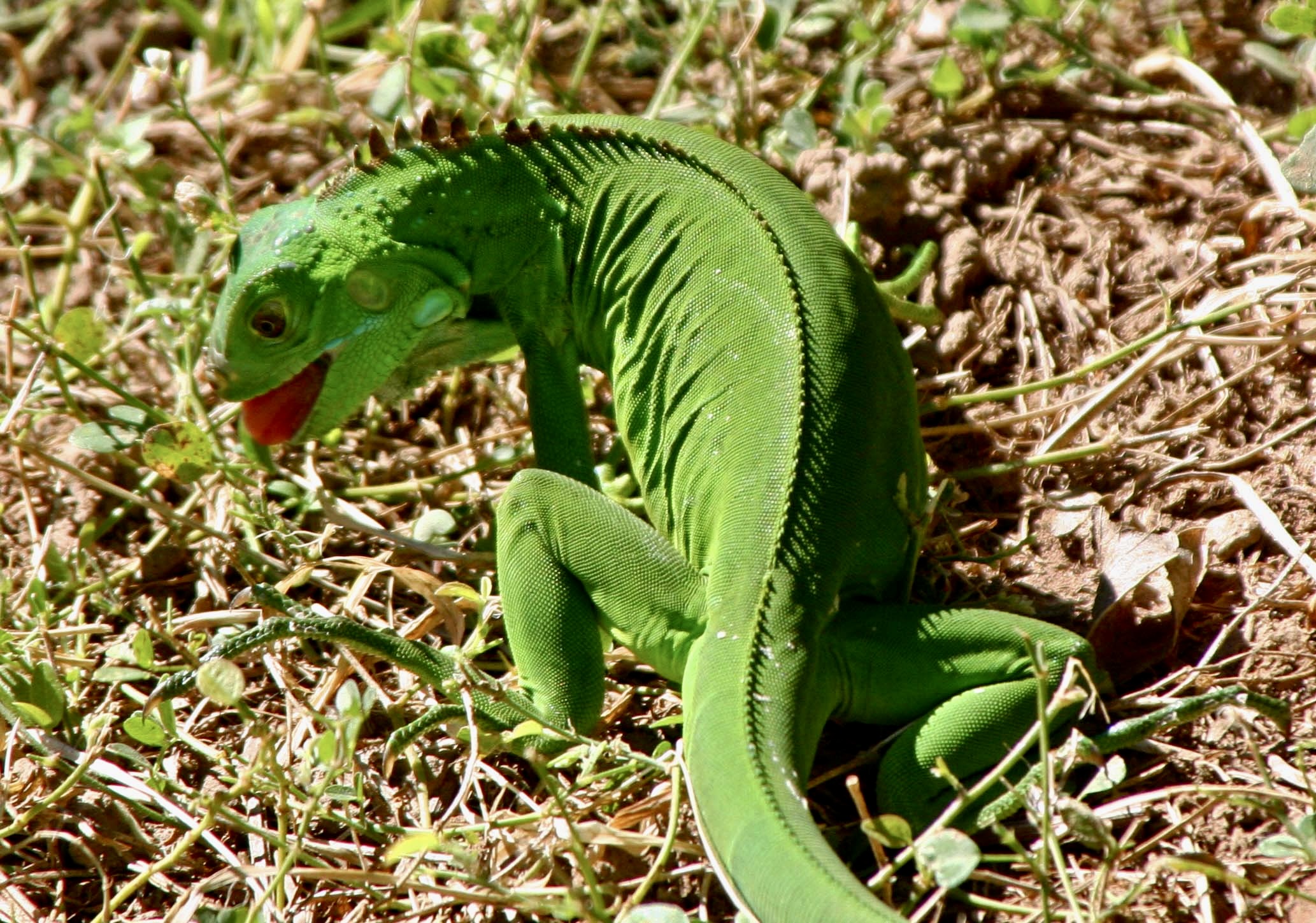
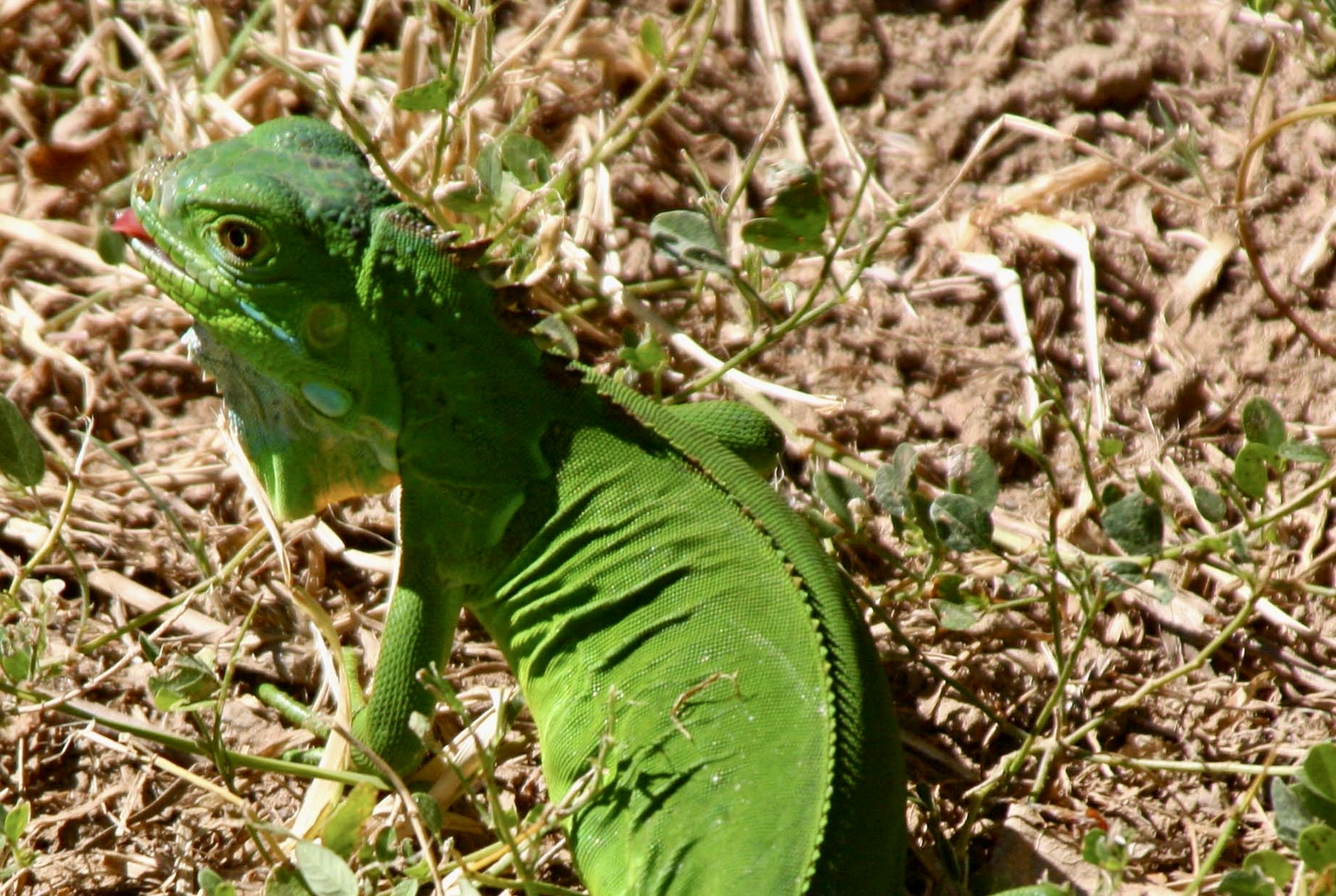
We also found this much smaller green iguana running around in our yard gobbling down plants. There are some 35 different species of iguanas. Check out the tongue.A closer look. The now missing plant is being swallowed. Is the iguana licking its chops? Yum.
There is a small, narrow island, La Isla del Rio Cuale, on the Cuale River that runs through the heart of Puerto Vallarta where iguanas like to hang out. Open air restaurants along the river provide a front row seat for watching them and the birds. Peggy and I always try to grab a seat right next to the river.
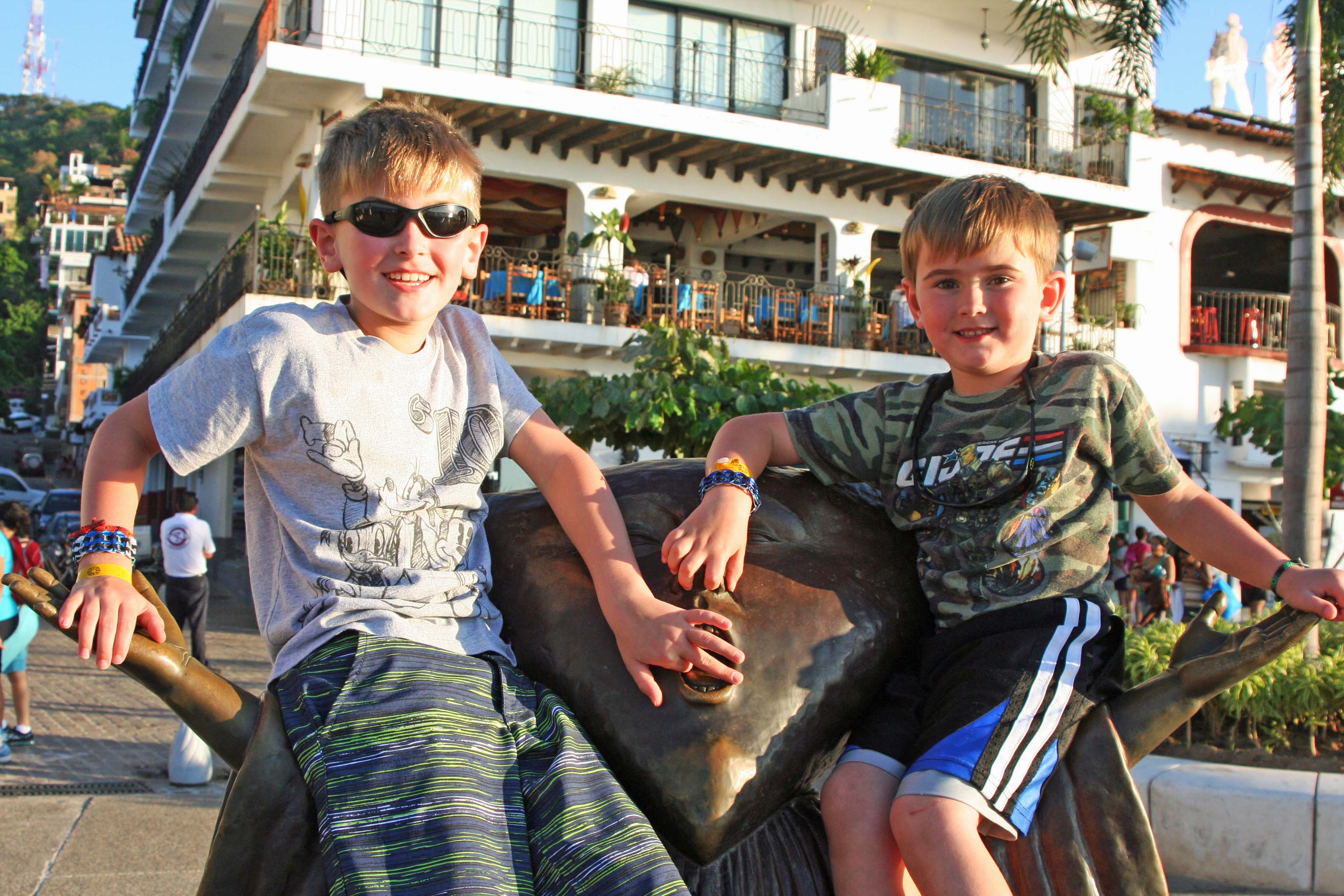
My grandson, Ethan, grabbed our camera and took this photo when he was 9. The iguana was on the ground checking us out.Our grandsons Ethan and Cody having fun with the art in Puerto Vallarta, 2013.Another iguana climbing down a tree. Their long claws are what enable them to climb. The also use them to slow their falls when jumping down, which can lead to injured toes like this guy displays on his right foot.I’ll close with this youngster who was looking down at us from the roof.Next up: Elephant seals. We found this big guy at Point Reyes National Seashore, California.
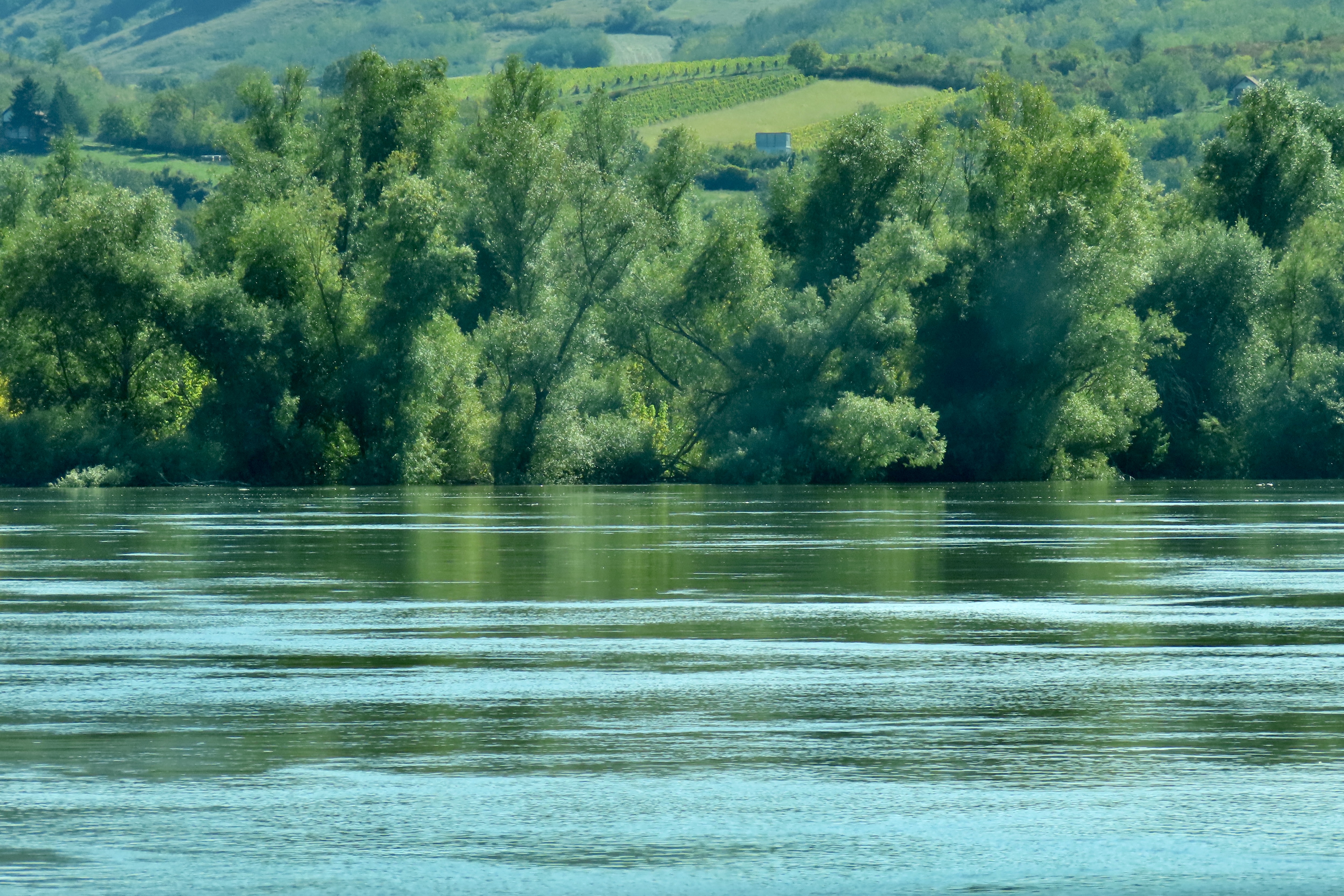
A view of Croatian countryside from the Danube River.
Our journey down the Danube River from Kalocsa, Hungary on October 1st took us to Vukovar, Croatia and on to Novi Sad, Serbia. Since I felt like I was coming down with a cold, I skipped the trip into Vukovar and will be focusing on Novi Sad today. Peggy did make the trip, however, and told me the guide devoted much of his attention to the bloody conflict that had taken place during the 1990s Yugoslav Wars. The peaceful countryside above is my counterpoint to that conflict. The tragic war that tore up the region was yet one more example of what happens when people focus on what divides rather than what unites, and clever, unprincipled politicians exploit differences to gain power rather than focus on common interests to solve problems. Unfortunately, our ancient tribal instincts make fomenting disunity much easier than creating unity. But a guy can dream, can’t he…
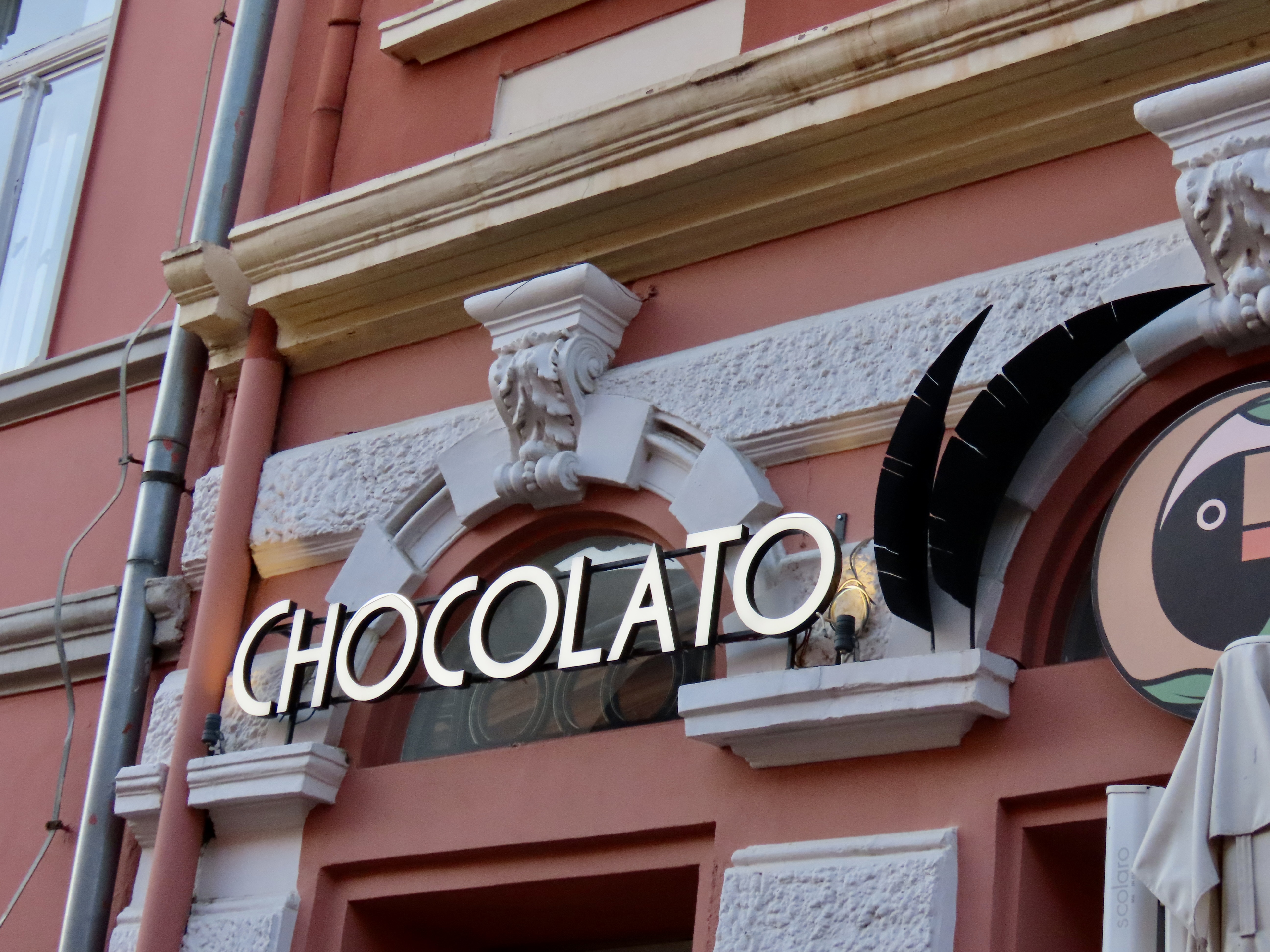
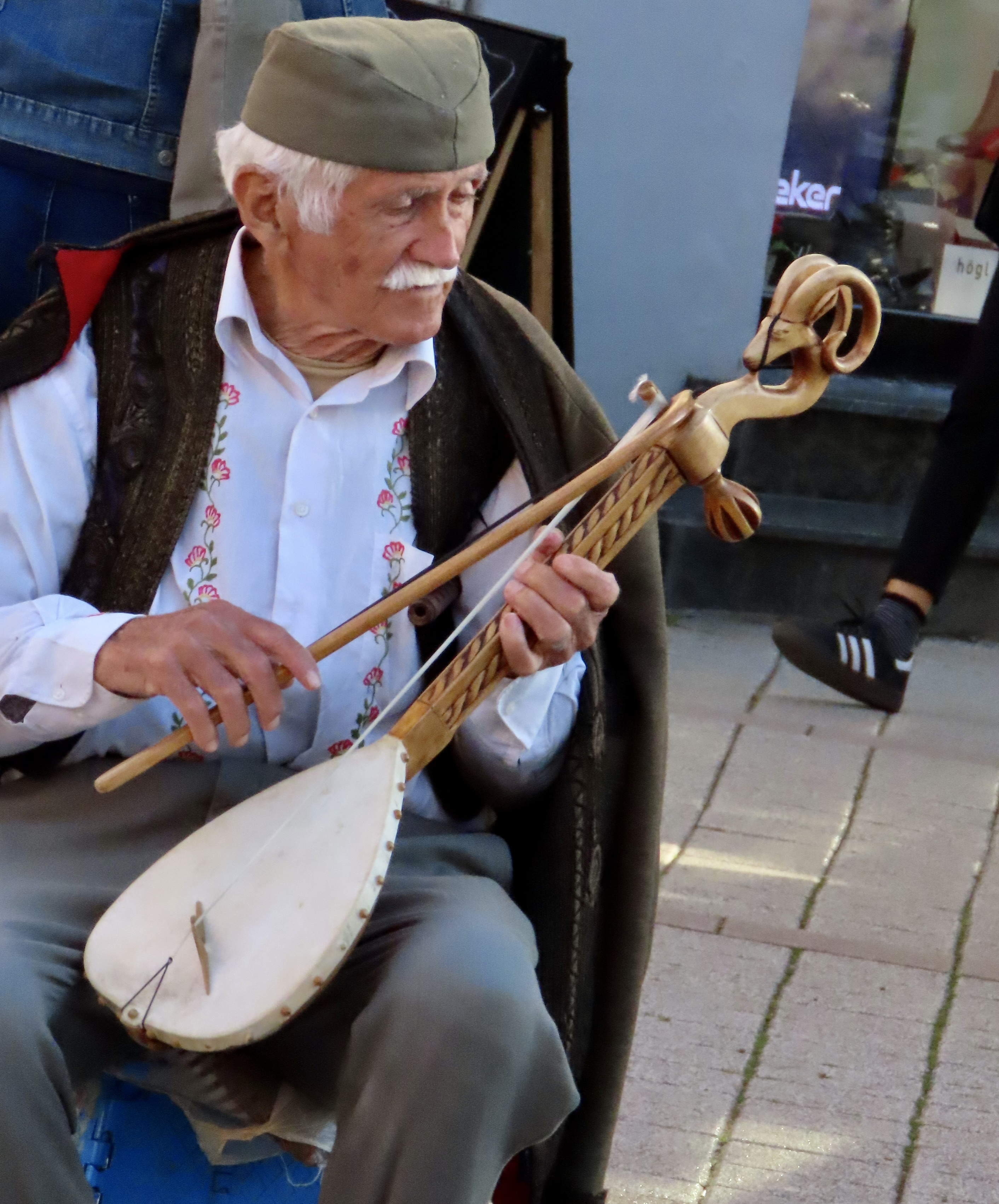
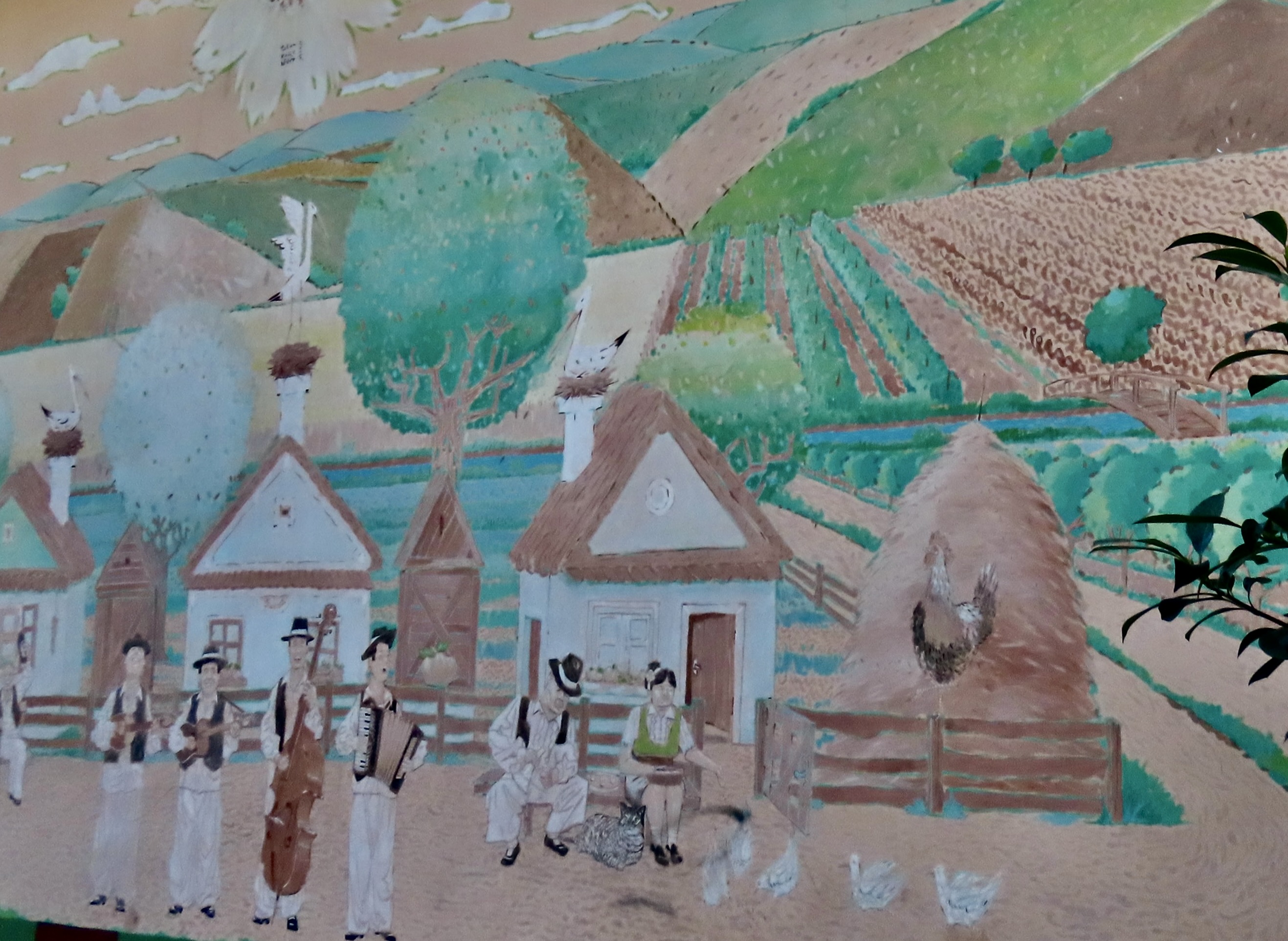
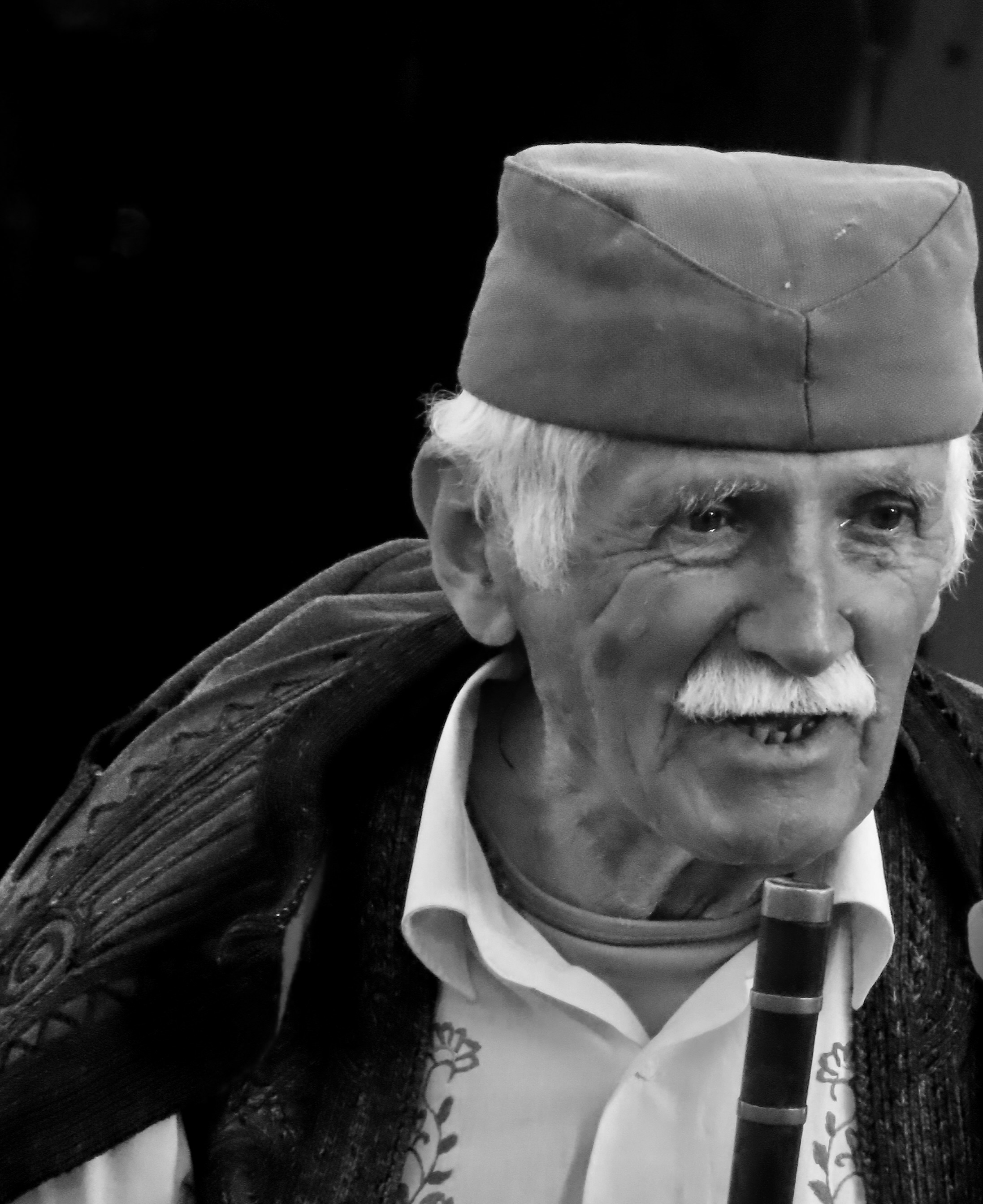
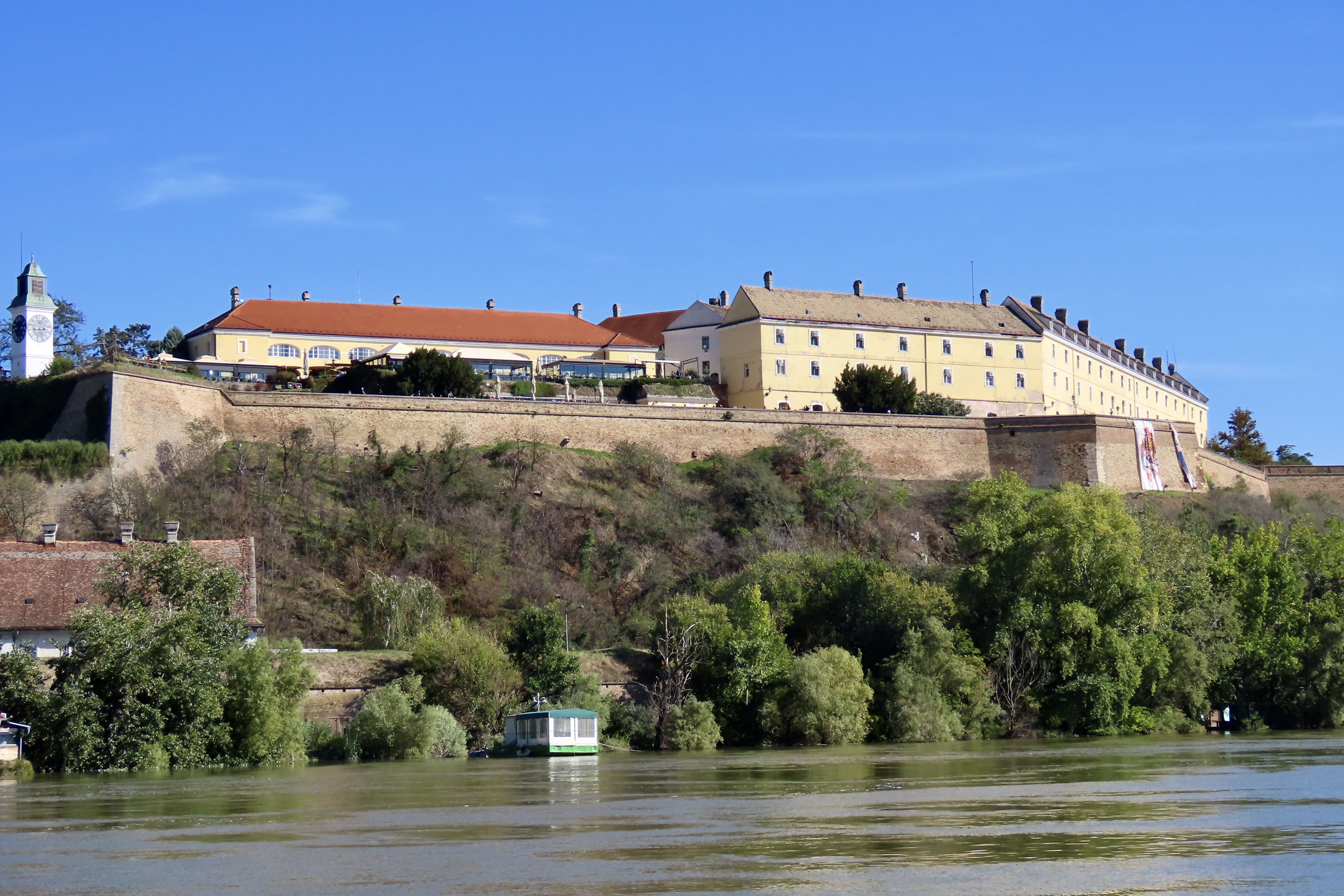
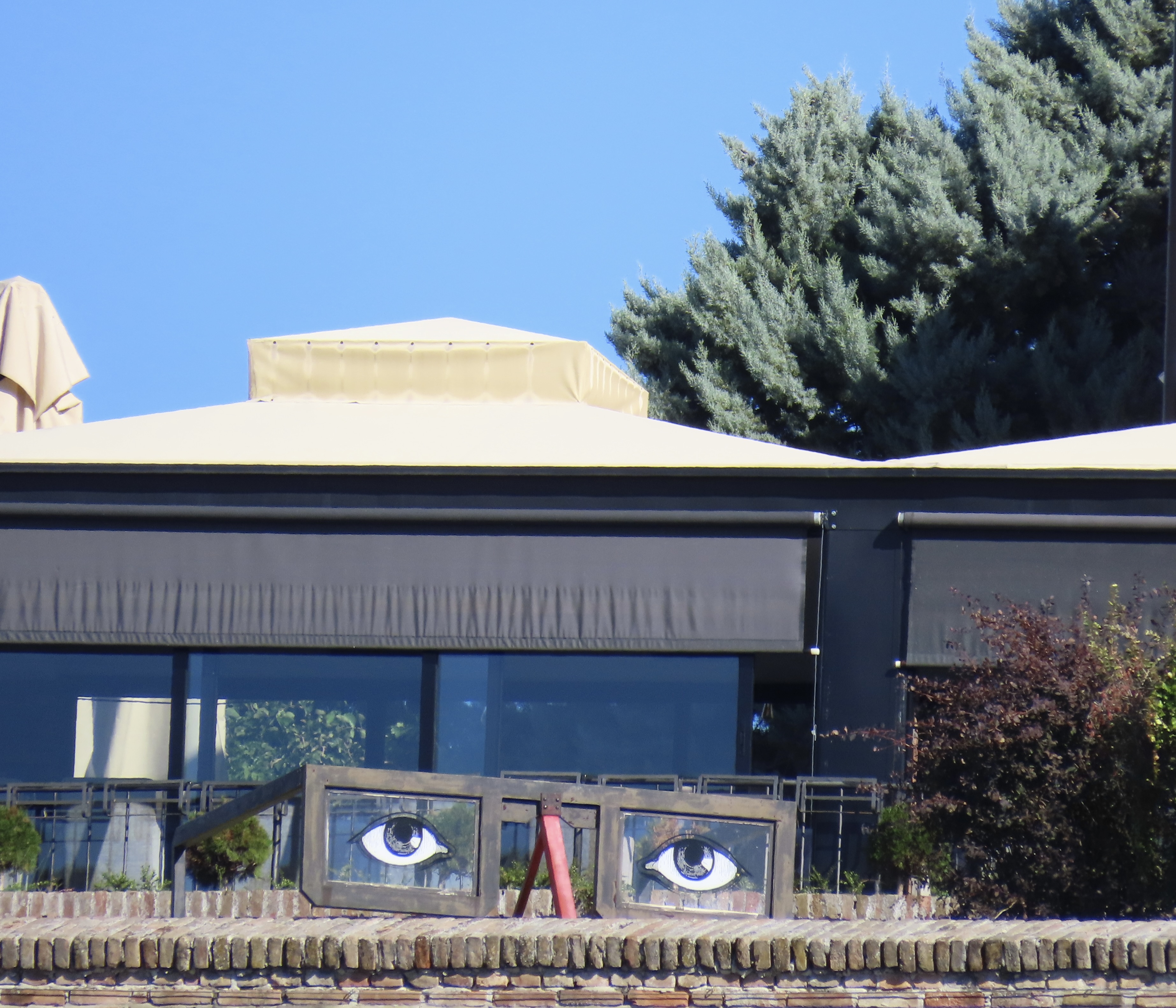
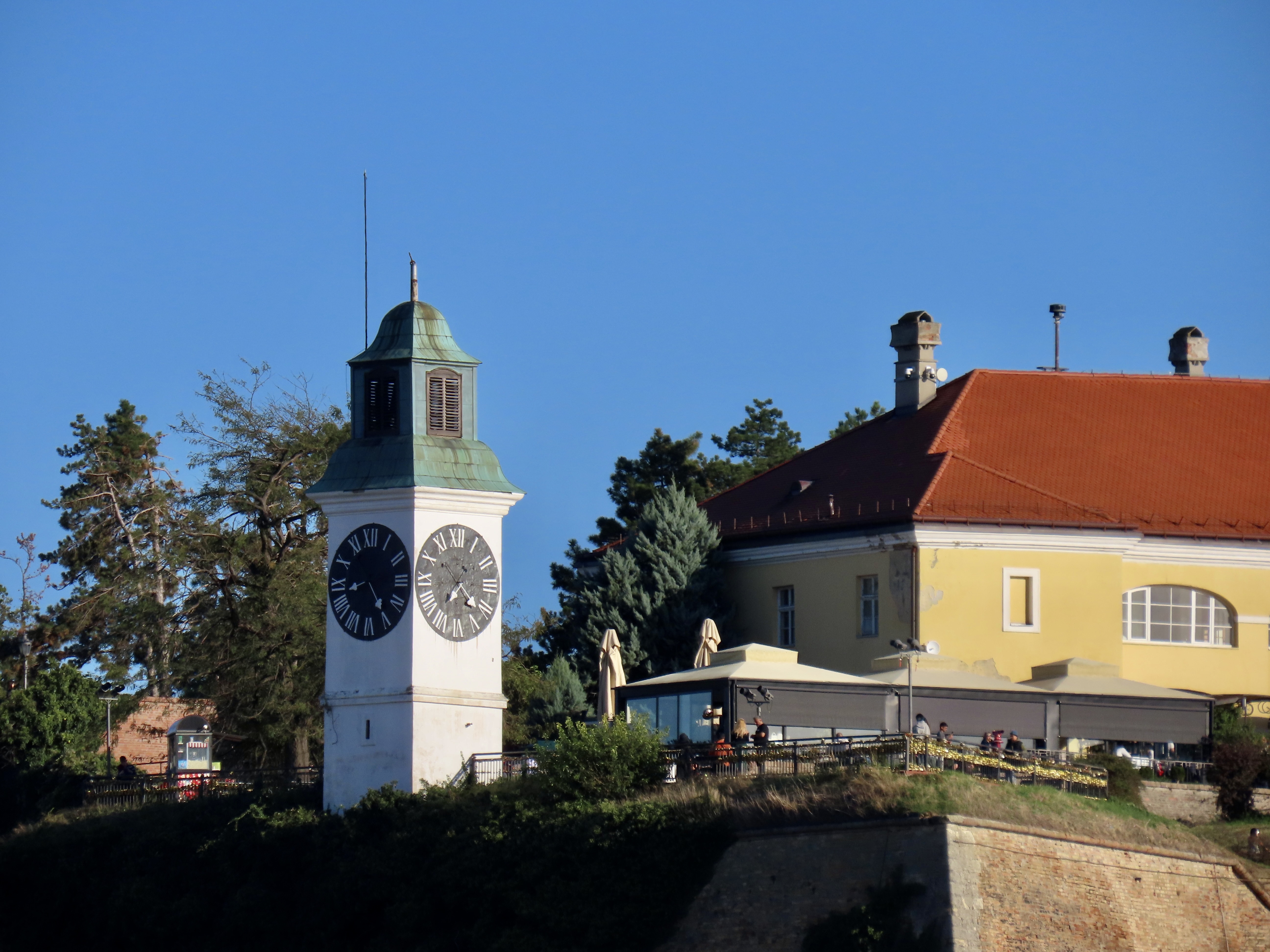
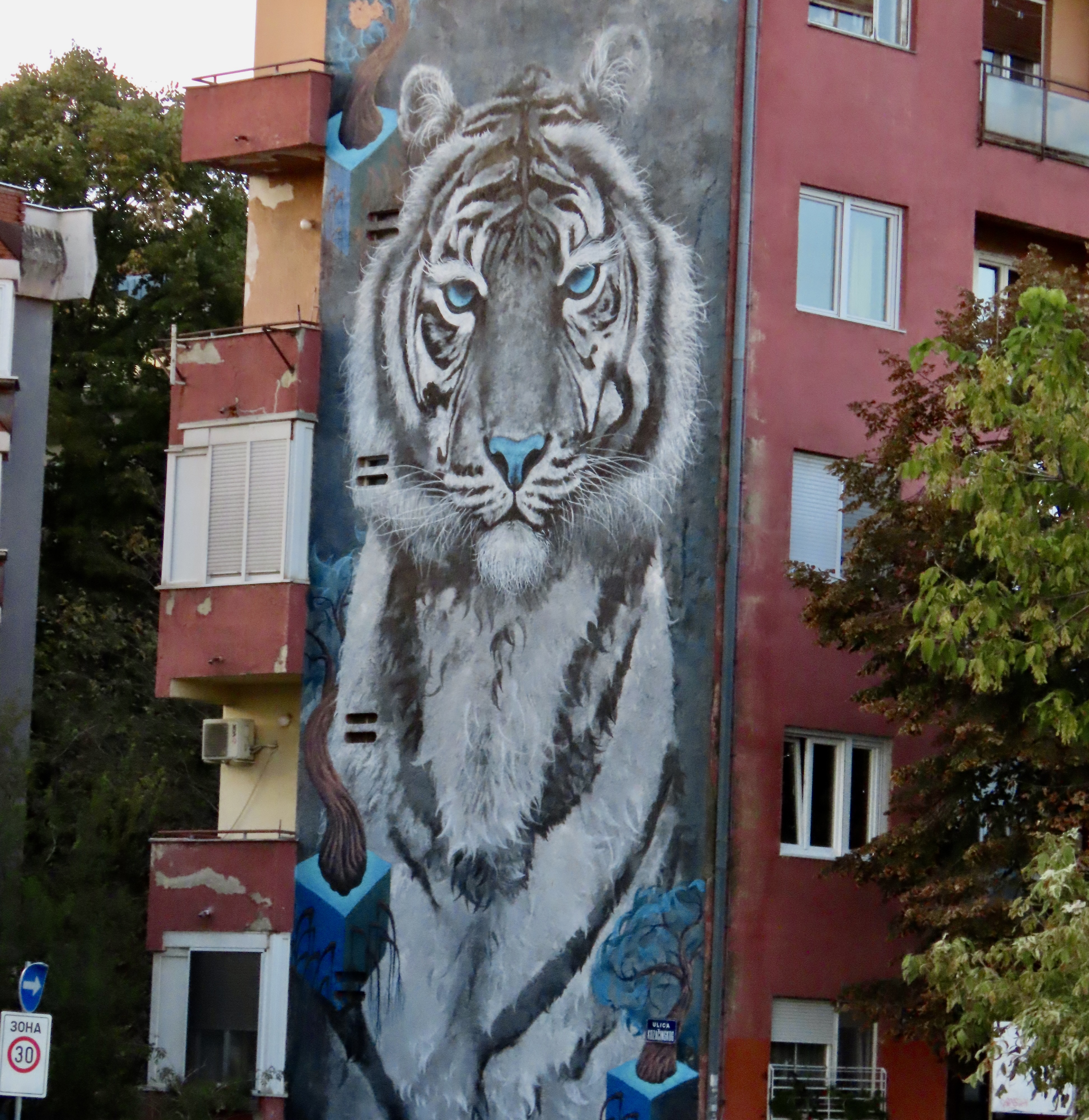
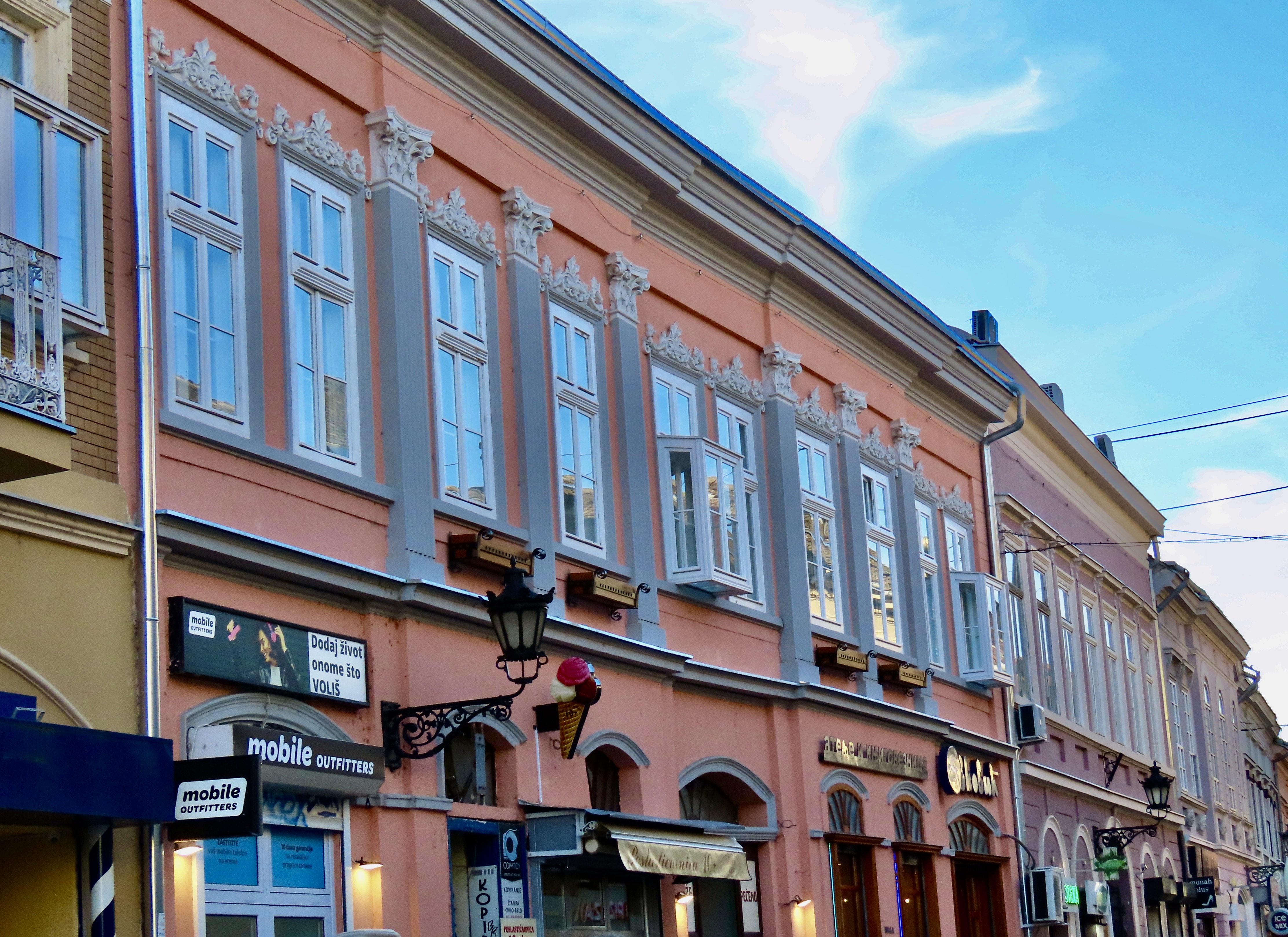
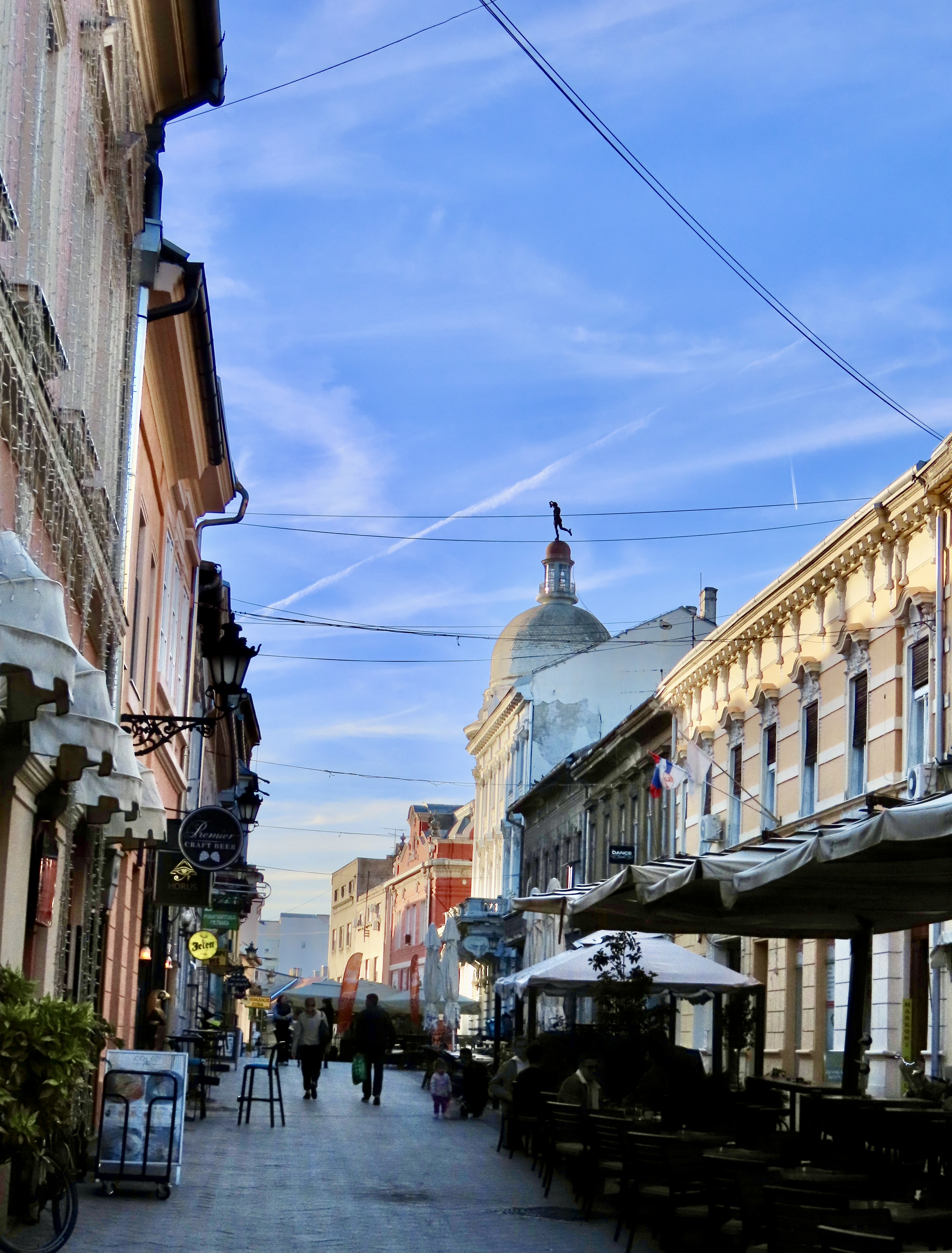
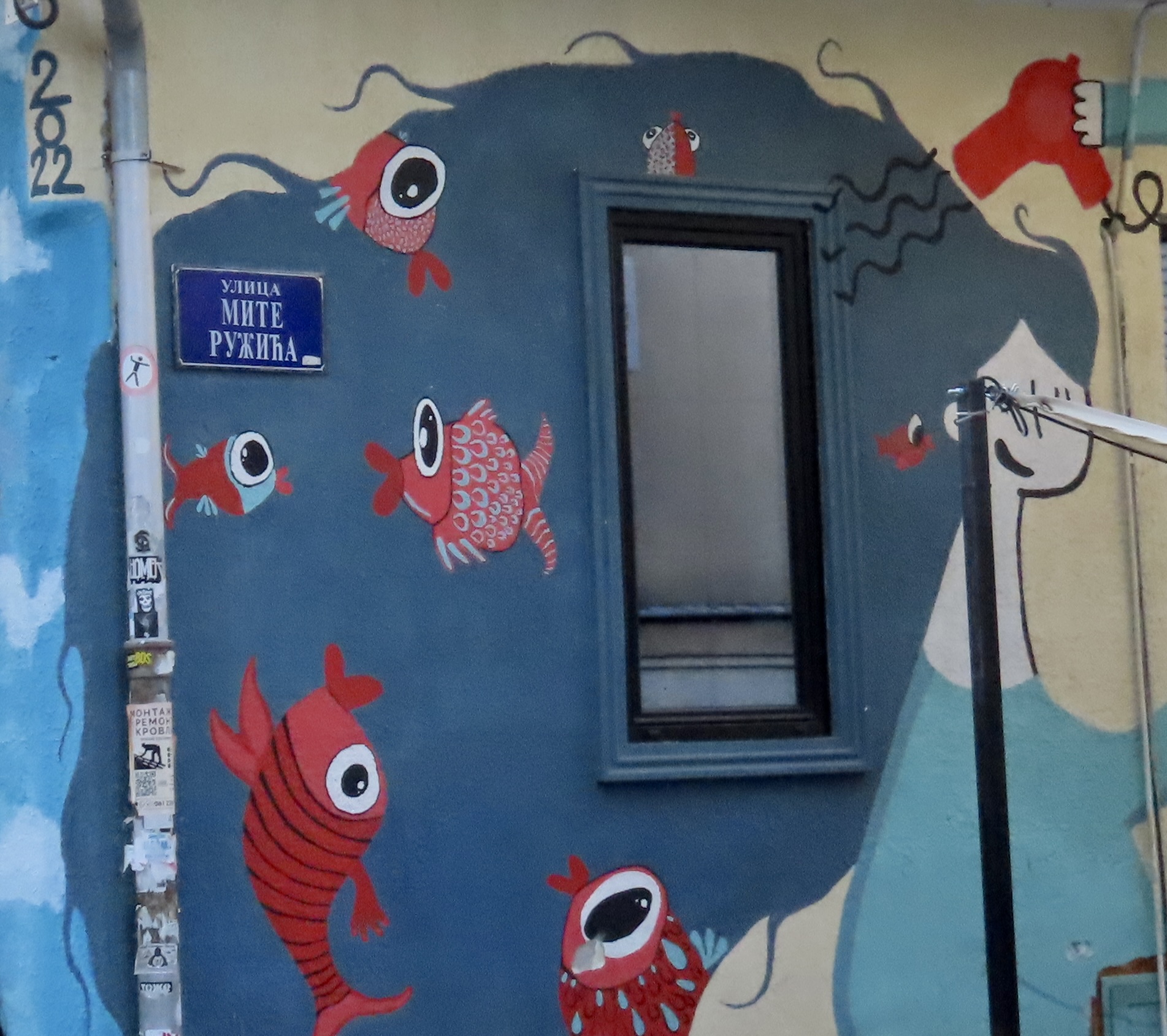
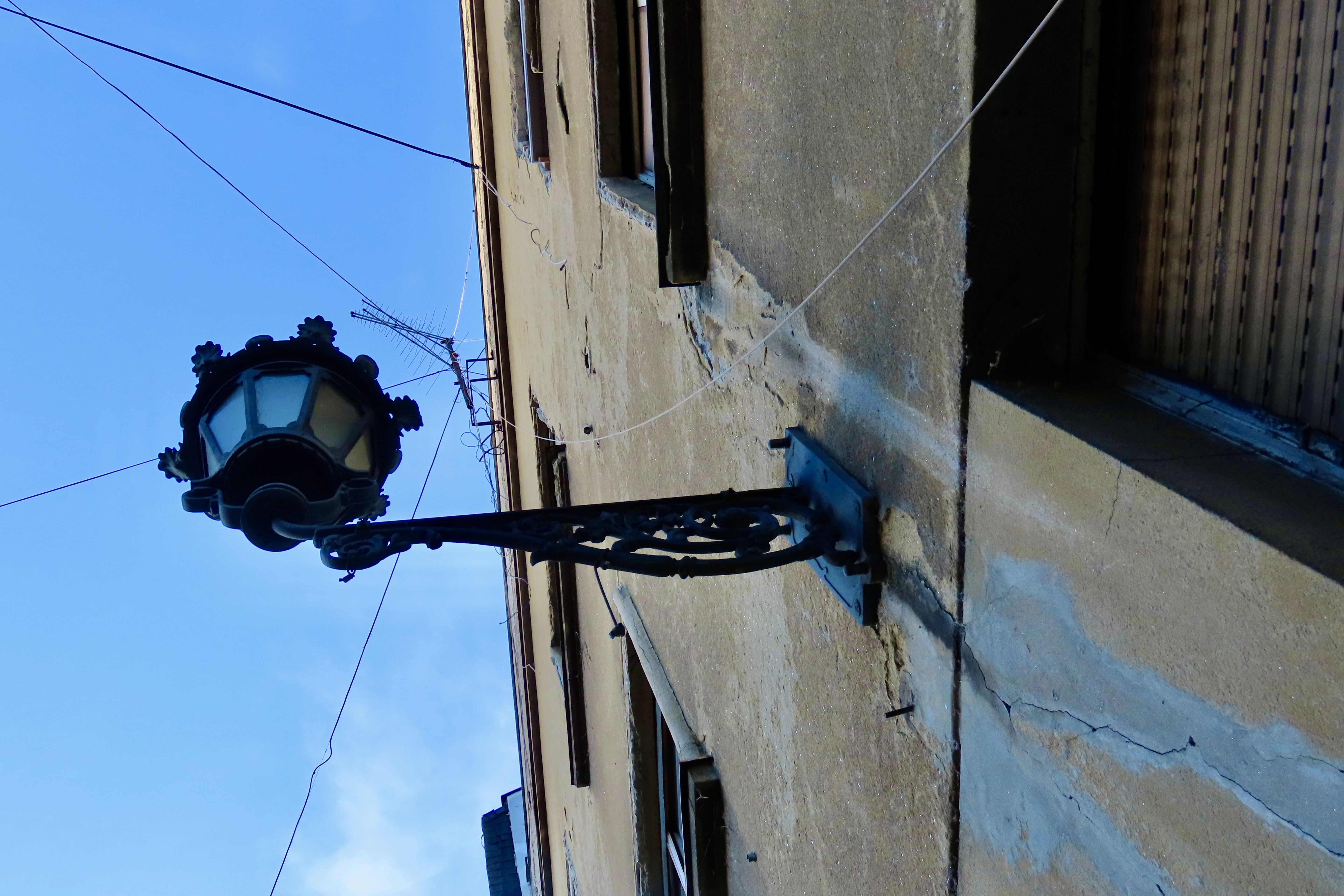
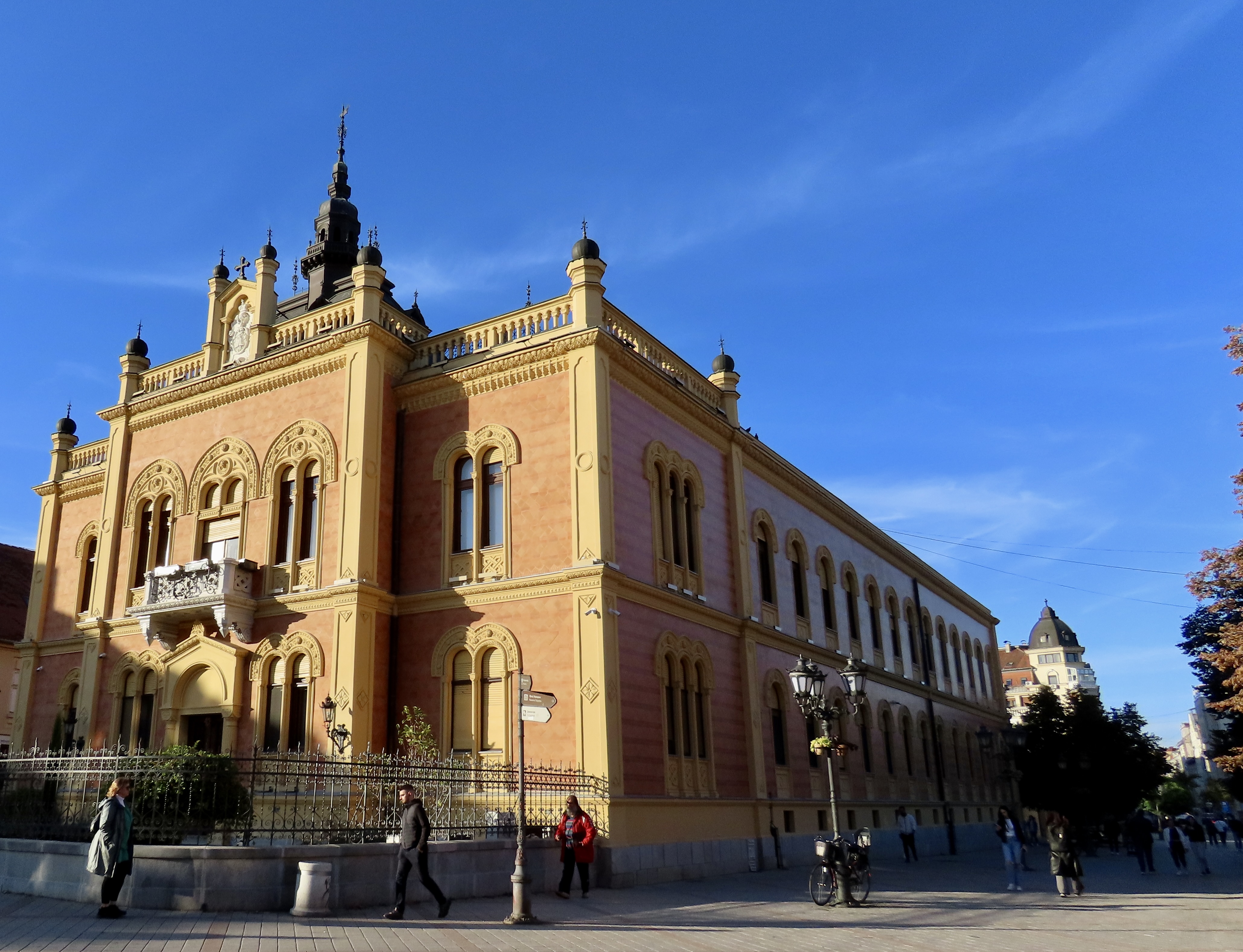
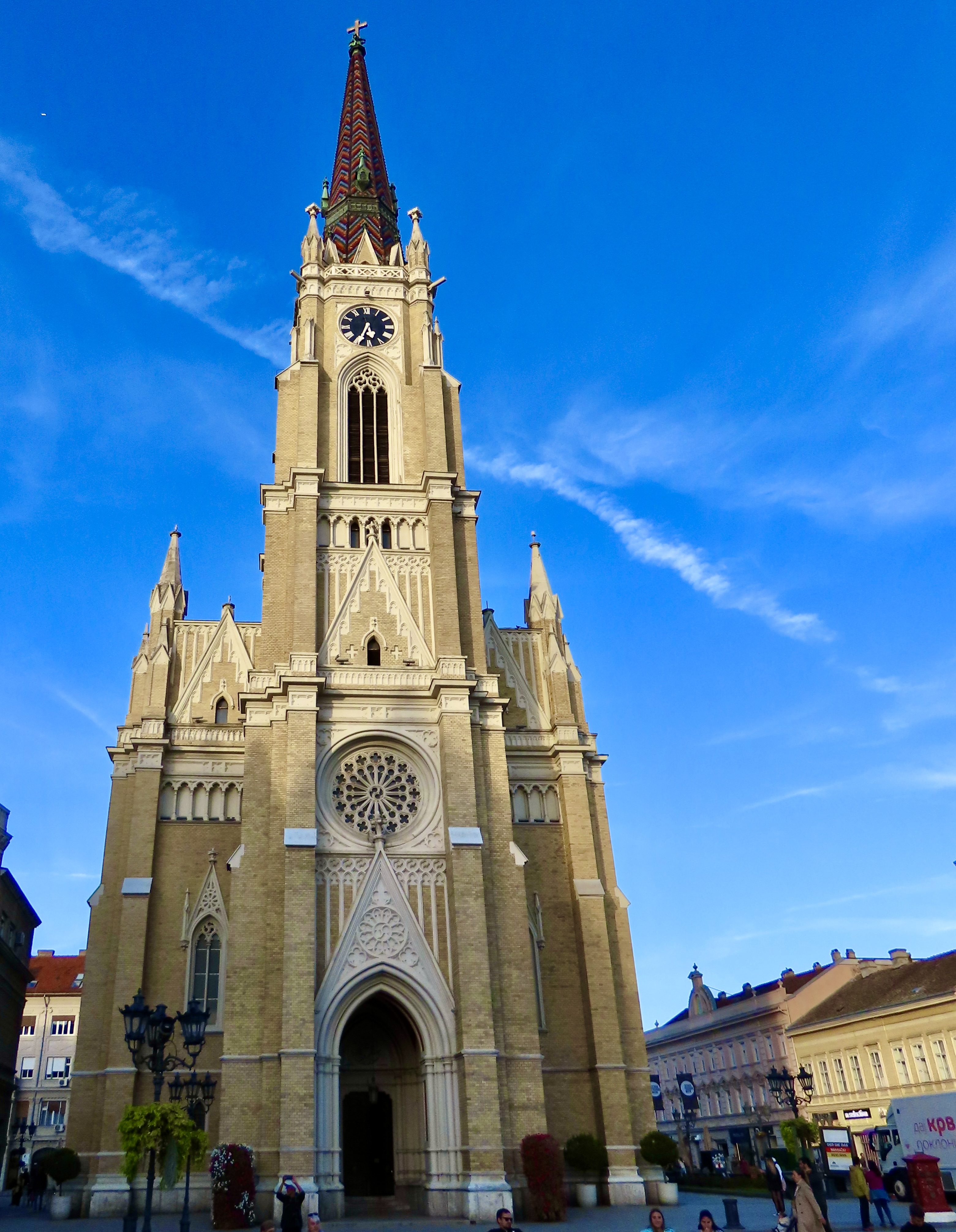
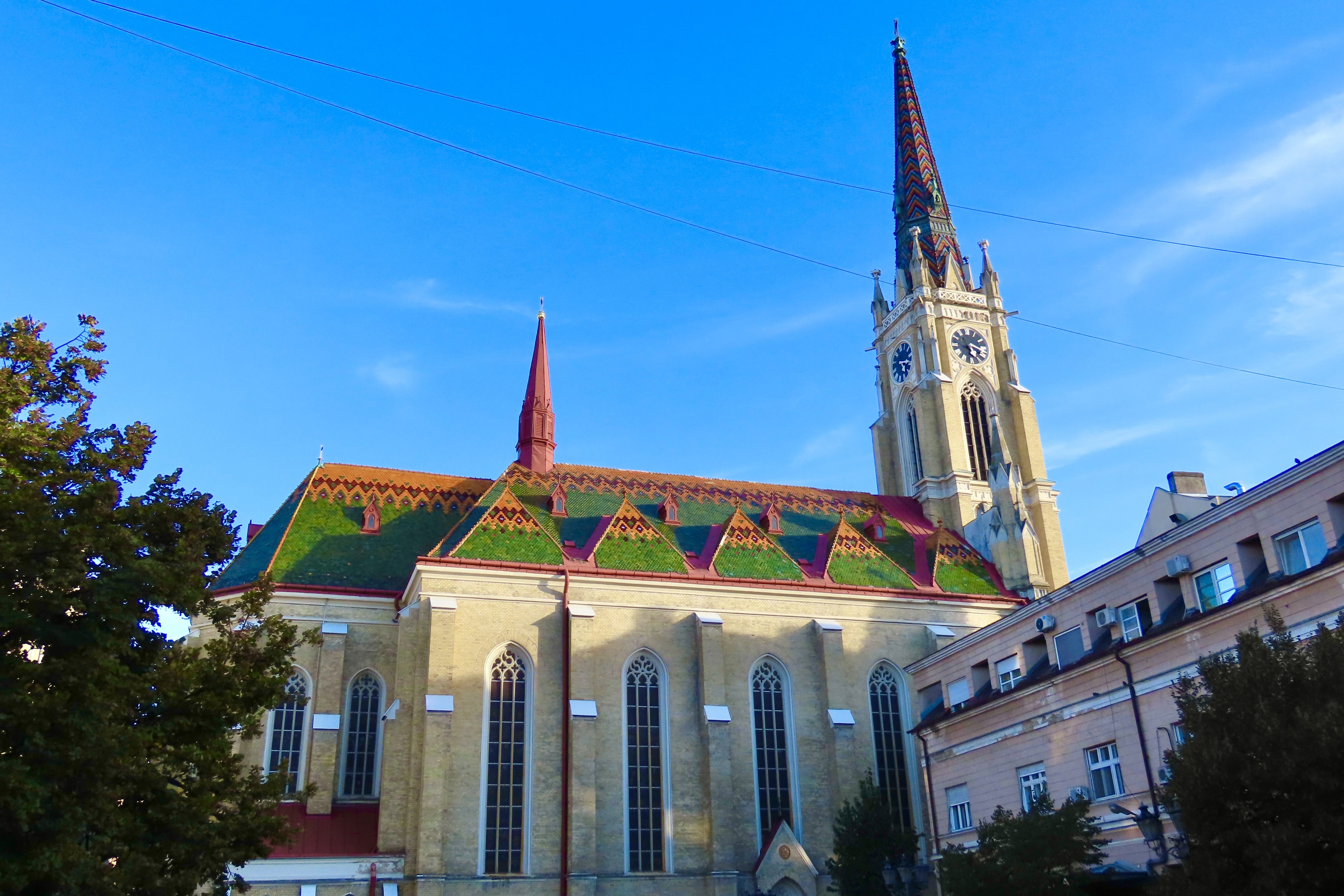
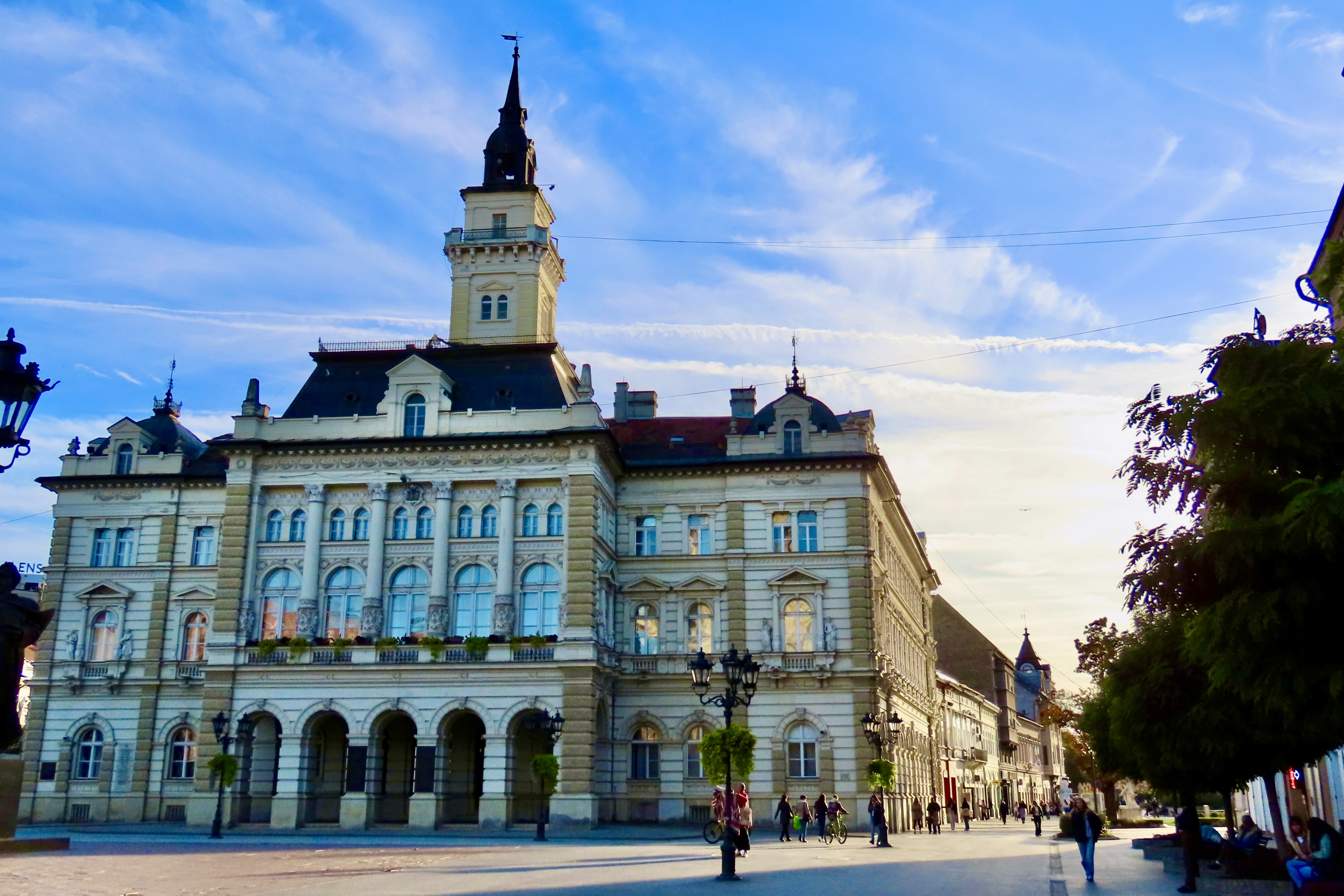
Maybe if we all just ate more chocolate. Grin. It doesn’t care what your political, ethnic, religious, economic , or other tribe is. I almost lost Peggy at this store in Novi Sad.Or maybe if we spent more time listening to music and going for quiet walks in the countryside. We stopped in Novi Sad to enjoy an old musician play Serbian folk songs on his gusle, a traditional Balkan instrument.A mural in Novi Sad showed musicians (with one enormous rooster crowing along) performing in a rural village. The painting made me think of Grandma Moses. The musician also entertained us with his frula, a traditional Serbian flute.Just down the street, a young Japanese woman entertained us with popular Western songs utilizing the latest in technology. The old Serb man and the young Japanese woman represented two incredibly different worlds connected by music.The huge Petrovaradin Fortress was our first view on coming into Novi Sad, a bit ironic given my comments on peace. I’m sure others would use the word ‘realistic.’ The Fort dates all the way back to the 1600s and has miles of tunnels running under it.A pair of eyes were staring down at us at a restaurant near the fort.This clock tower at the end of the fort had an interesting twist: The minute hand was short and the hour hand was long. Our guide explained that the switch was made because sailors and fisherman using the Danube were much more concerned about the hour and needed to see it from a distance. The clock is nicknamed the “drunk clock” by some because it’s slow when the weather is cold and fast when the temperature is hot. One of our first views on docking in Novi Sad was this old apartment building. Its hodgepodge of colors caught our attention but not nearly as much as the mural on the end of the building…Nice kitty.Our walking tour of Novi Sad took us through its attractive old town featuring modern shops. Most shops were advertised in English as well as Serbian.My weakness, old style lamps.Mercury, the Roman God of commerce, travel and trickery, can be see running on top of a commercial building from this back road that included a number of restaurants.Also along the street (which I think I read was the oldest road in the city) was a kissy fishy mural where the fish were swimming around in a girl’s hair that she was blow drying.I thought this lamp situated on the side of a building in obvious need of attention made an interesting photo.Back on the Main Street, balloons were being sold. Choices ranged from cats and dogs, to a pink pig, to ponies, to chipmunks, a baby Yoda and more— topped off by marauding sharks.As always on our tours, there were major city buildings to explore. This was the Bishop’s Palace of the Serbian Orthodox Eparchy of Backa. An eparchy is the equivalent of a Catholic diocese and the bishop is an eparch, in case you were curious. The Cathedral Church of the Holy Great-Martyr George looms behind the Bishop’s Palace. The American Orthodox Church knows him as the Greatmartyr, Victory- Bearer, and Wonderworker George. Either way, George lost his head and gained sainthood.We went inside the church. A whole wall was dedicated to 33 paintings of various saints and other religious icons important to the Serbian people. Such a wall, known as an iconostasis, is common in orthodox churches.The Name of Mary Catholic Church is a couple of blocks away, dominating Liberty Square.Looking up at the church.A side view of the church with its red and green roof. We liked it.Inside the church, looking toward the altar.Novi Sad’s attractive City Hall stood just opposite the Name of Mary Catholic Church across Liberty Square. A surprisingly few people occupied the Square. That was about to change.
One month to the day after we visited Novi Sad, the new canopy of the city’s railway station collapsed killing 15 people and seriously injuring 3 others. Sloppy workmanship seemed to be the cause. A student led coalition demanded details and wanted the people who did it held responsible. Combined with a growing concern over the repressive tactics of the country’s populist president, Aleksandar Vucic, a series of nationwide protests involving 10s of thousands of people with support ranging from judges to farmers to medical workers to civil engineers to arts groups and more has been going on since. Several cars have been driven into the protesters, while masked men carrying baseball bats have attacked others.
Liberty Square has been one of the centers of protest. I doubt that we would have been touring the city had we arrived on November 1 or any day since.High school students hold a protest filling Liberty Square. In opposing student participation in the protests, a high ranking member of Aleksandar Vucic’s political party stated that students were a property of the state until they reached their age of majority (18). You can imagine how that went over. (Balkan news photo)
And now on to our next post: It’s back to Hawaii and volcanoes. KC of Seaview, Hawaii (shown here with her Chihuahua Pomeranian (Reni Roo) and me), watched as lava shot 300 feet into the air in 2018 from nearby Fissure 8 and wondered if the house she was building would soon be buried under lava. Our next post will focus on the 2018 volcanic eruption on the Big Island of Hawaii plus other worries that Hawaiians occasionally face: Earthquakes, tsunamis, hurricanes, fires and floods. Hey, let’s party. Life’s short. I’ll drink to that (especially a week from today when I turn 82).
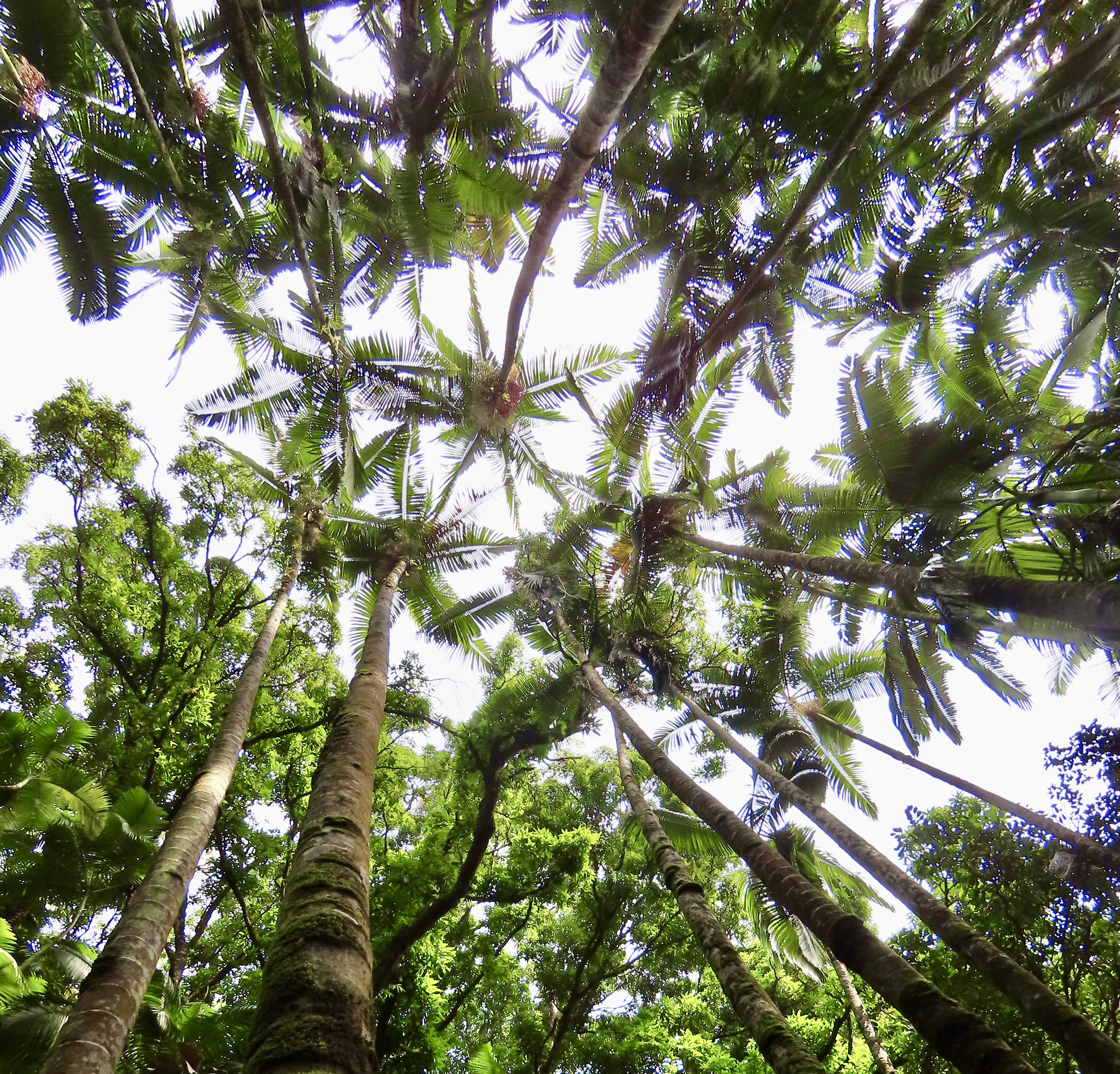
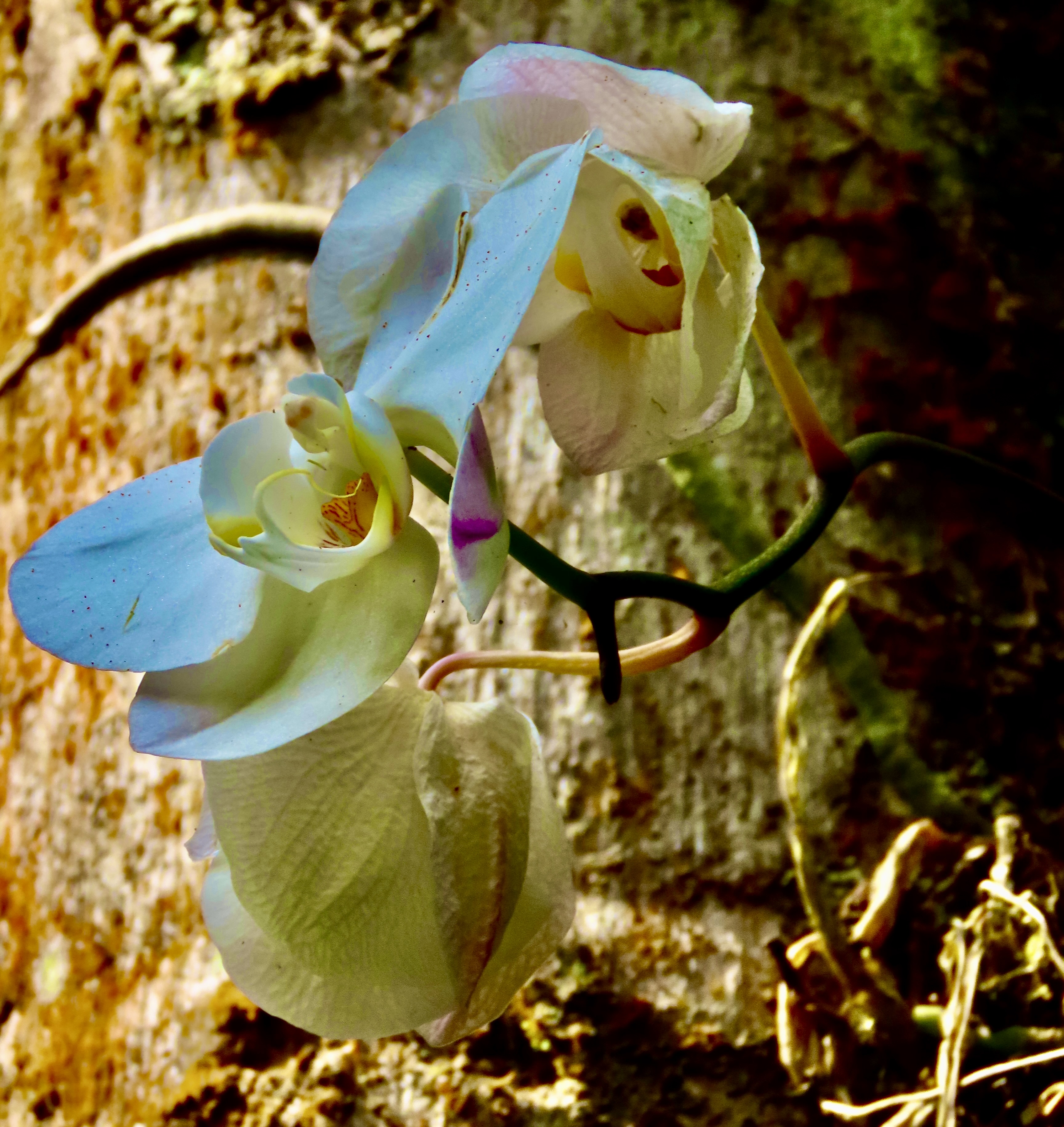
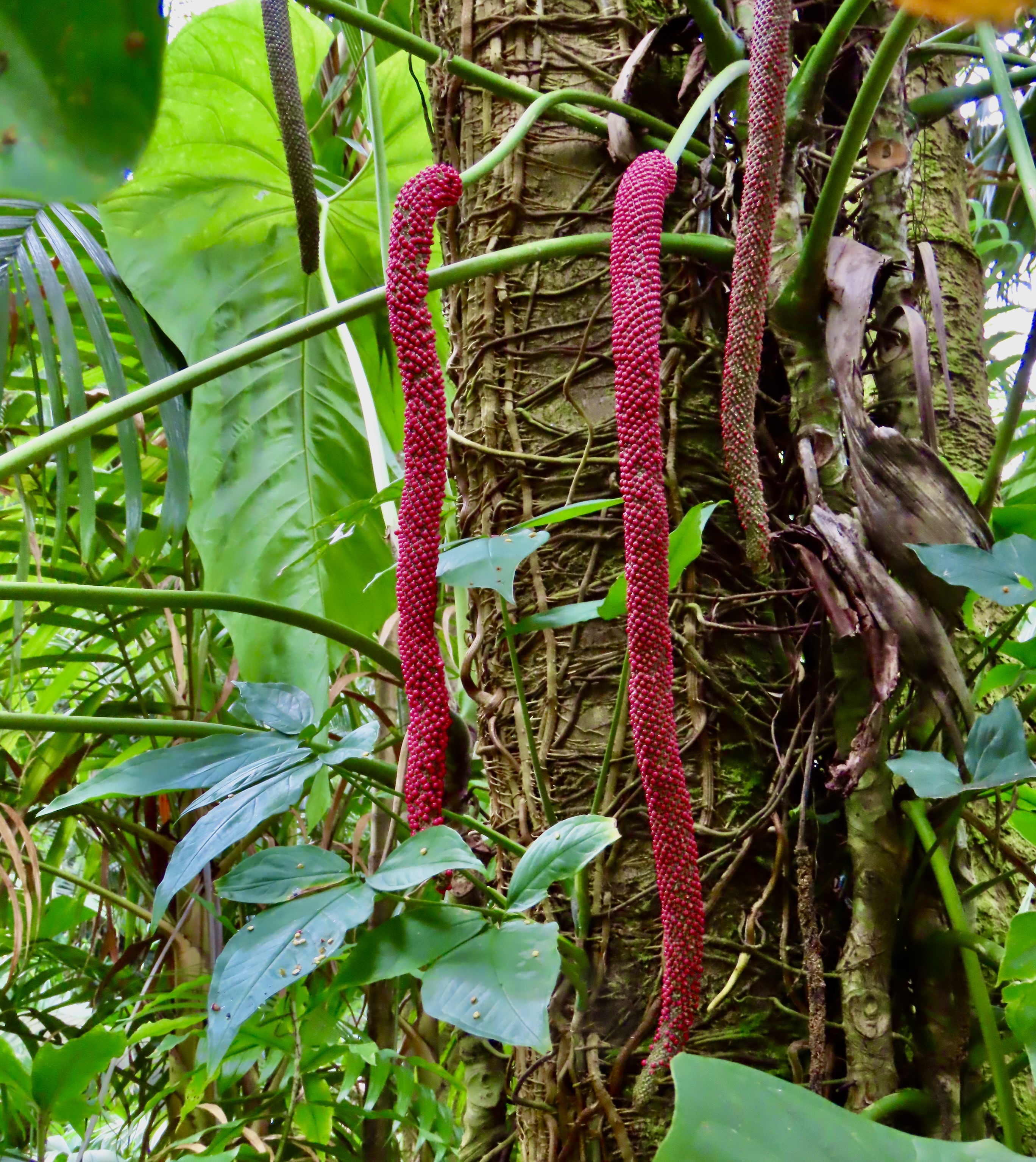
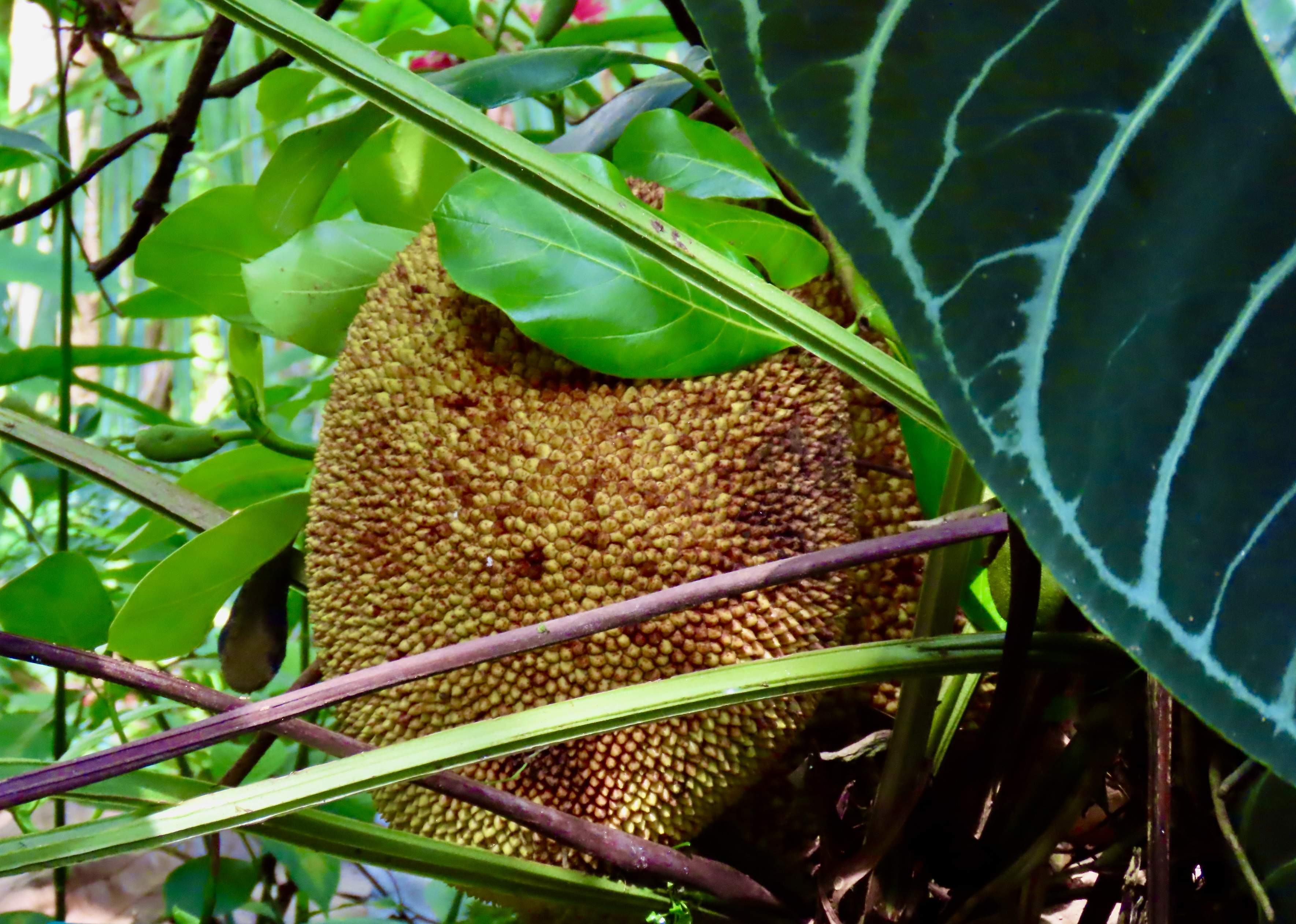
Peggy and I have been to a number of botanical gardens over the years. They have all been special, each offering something unique. The Hawaii Botanical Tropical Garden we visited two weeks ago is one of the best. Every few feet we screeched to a halt to admire yet another plant. Beautiful flowers, out of this world leaves, unique trees, vines galore, waterfalls and even an ancient Hawaiian God— the garden has it all. Today we are bringing the best of what we saw to you with minimal commentary. Happy Valentine’s Day. (Say it with flowers. Grin.)
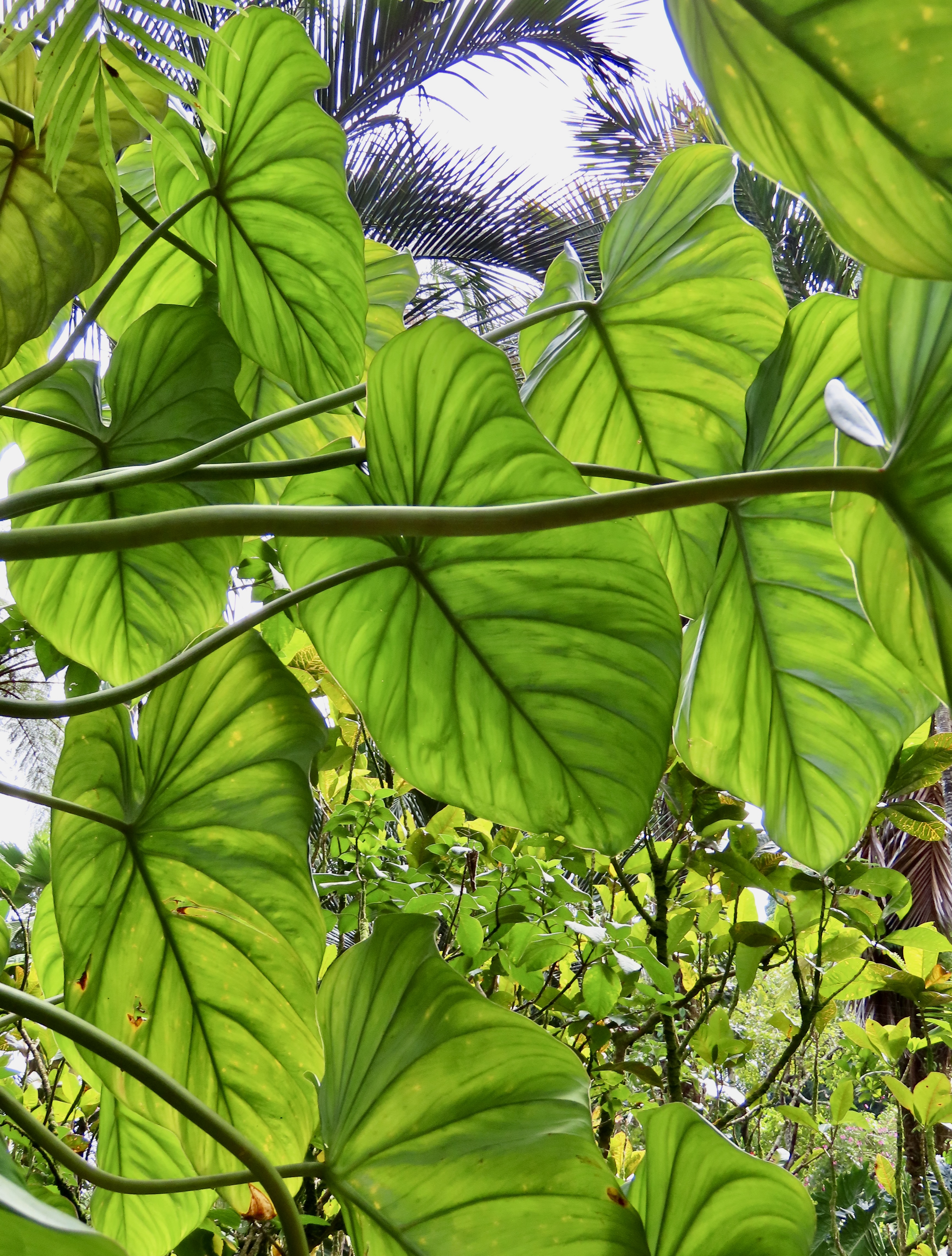
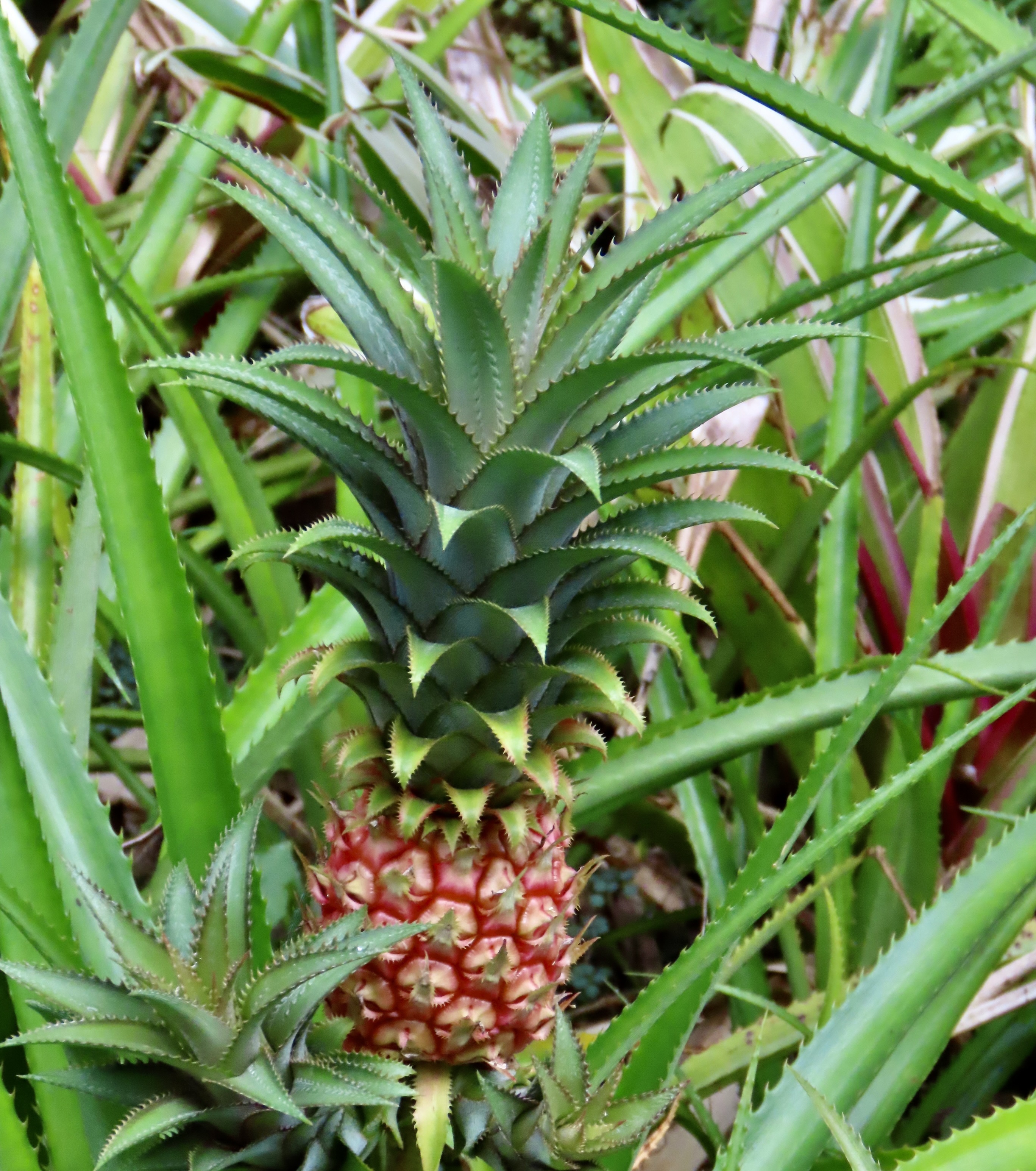
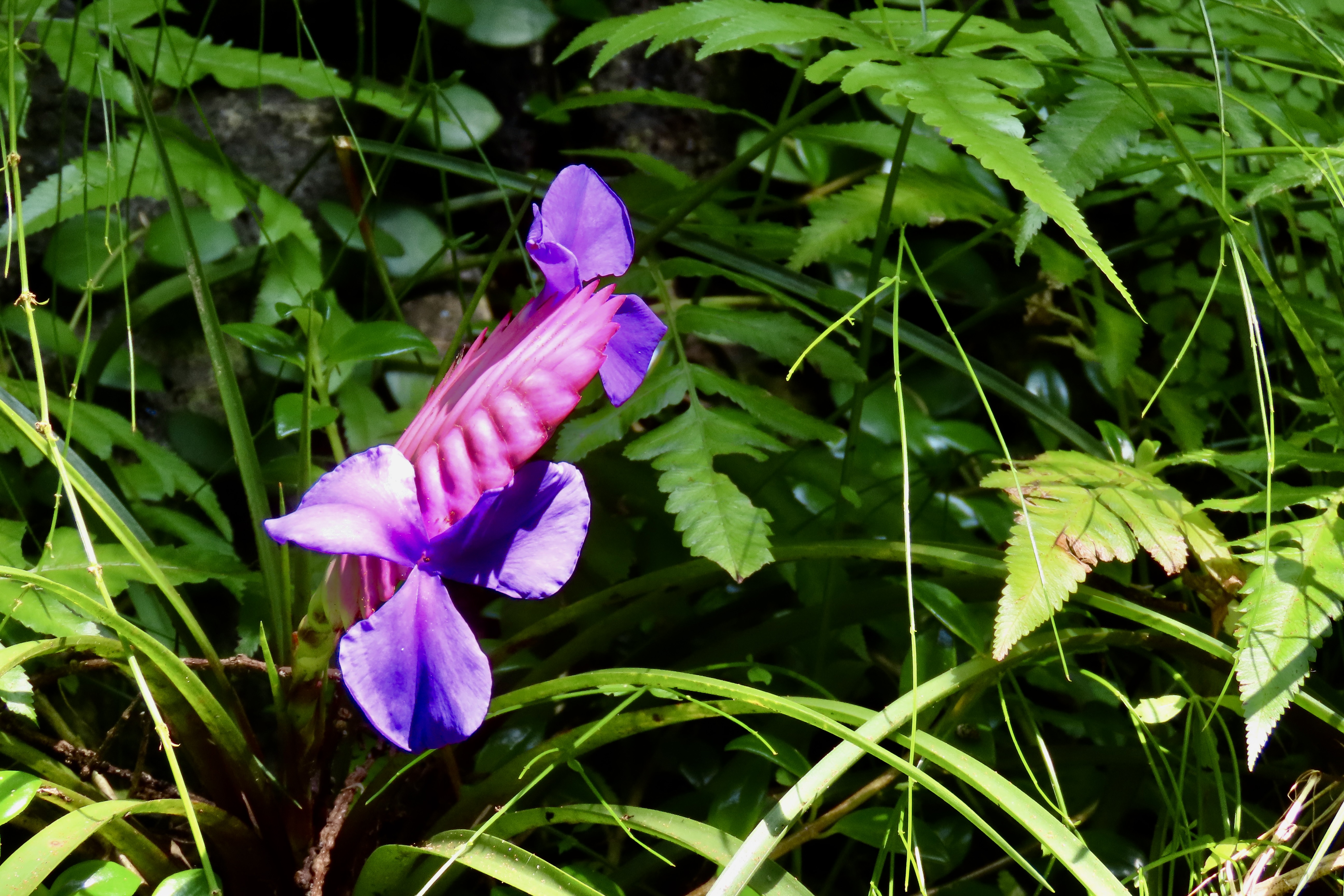
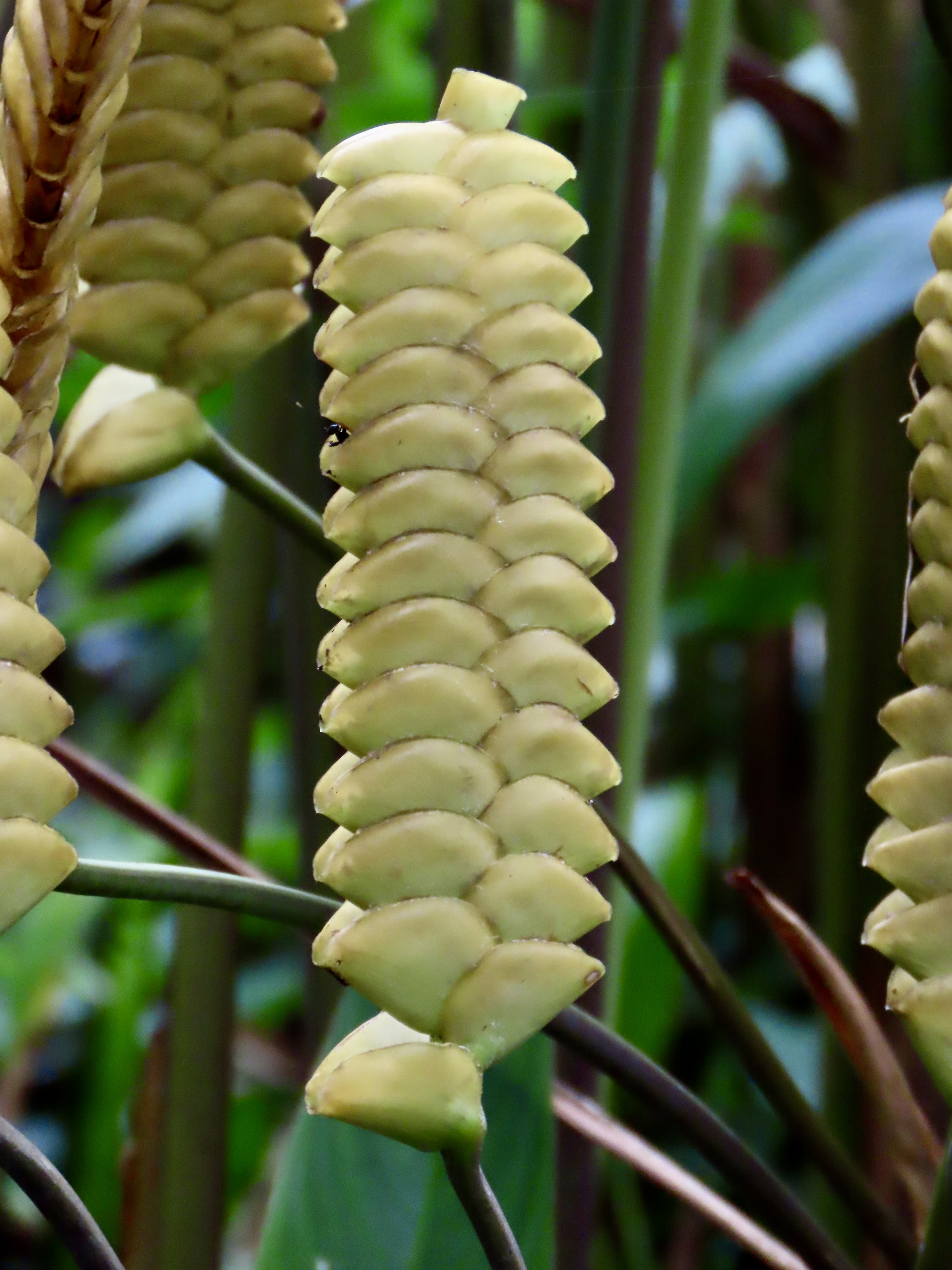
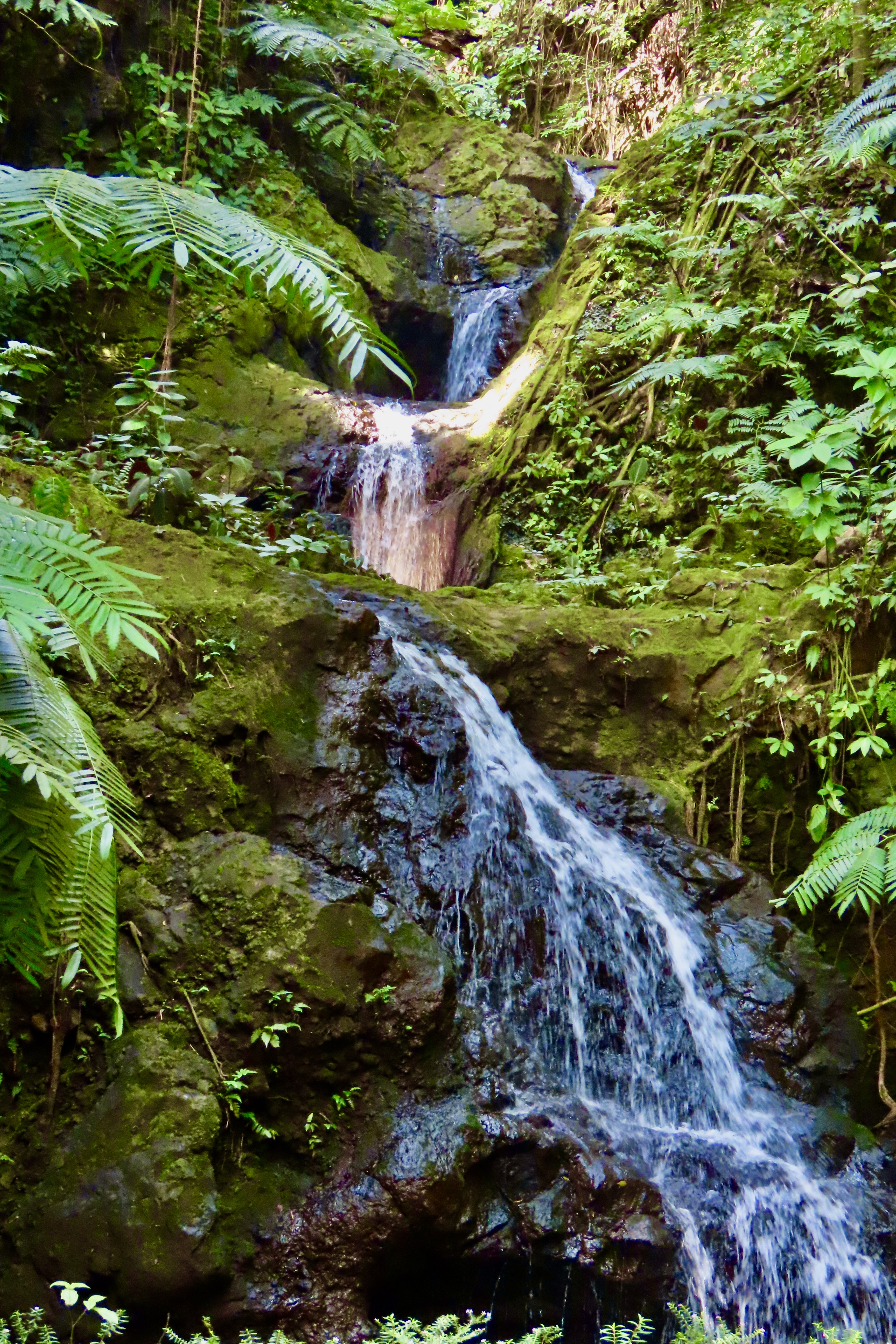
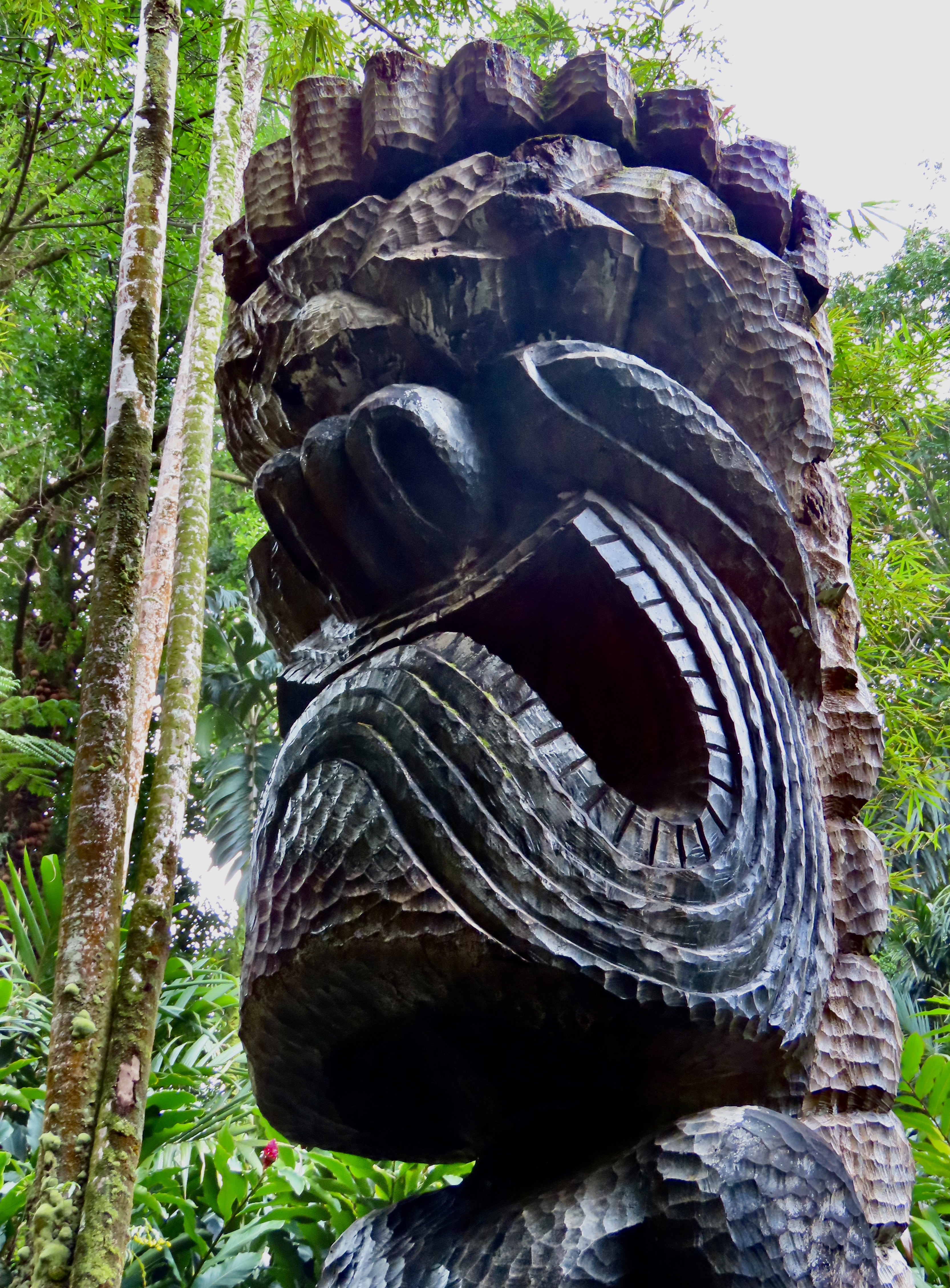
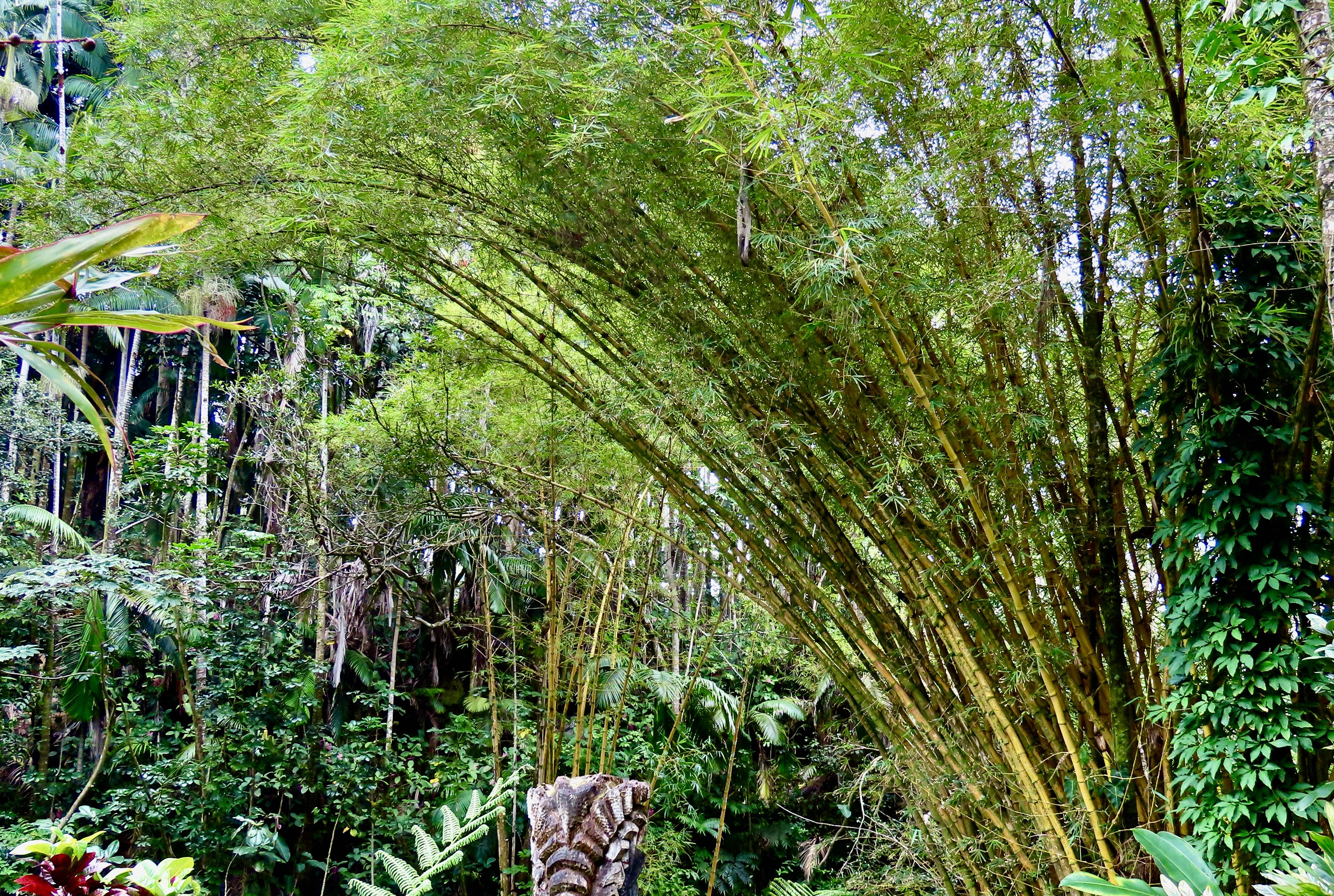
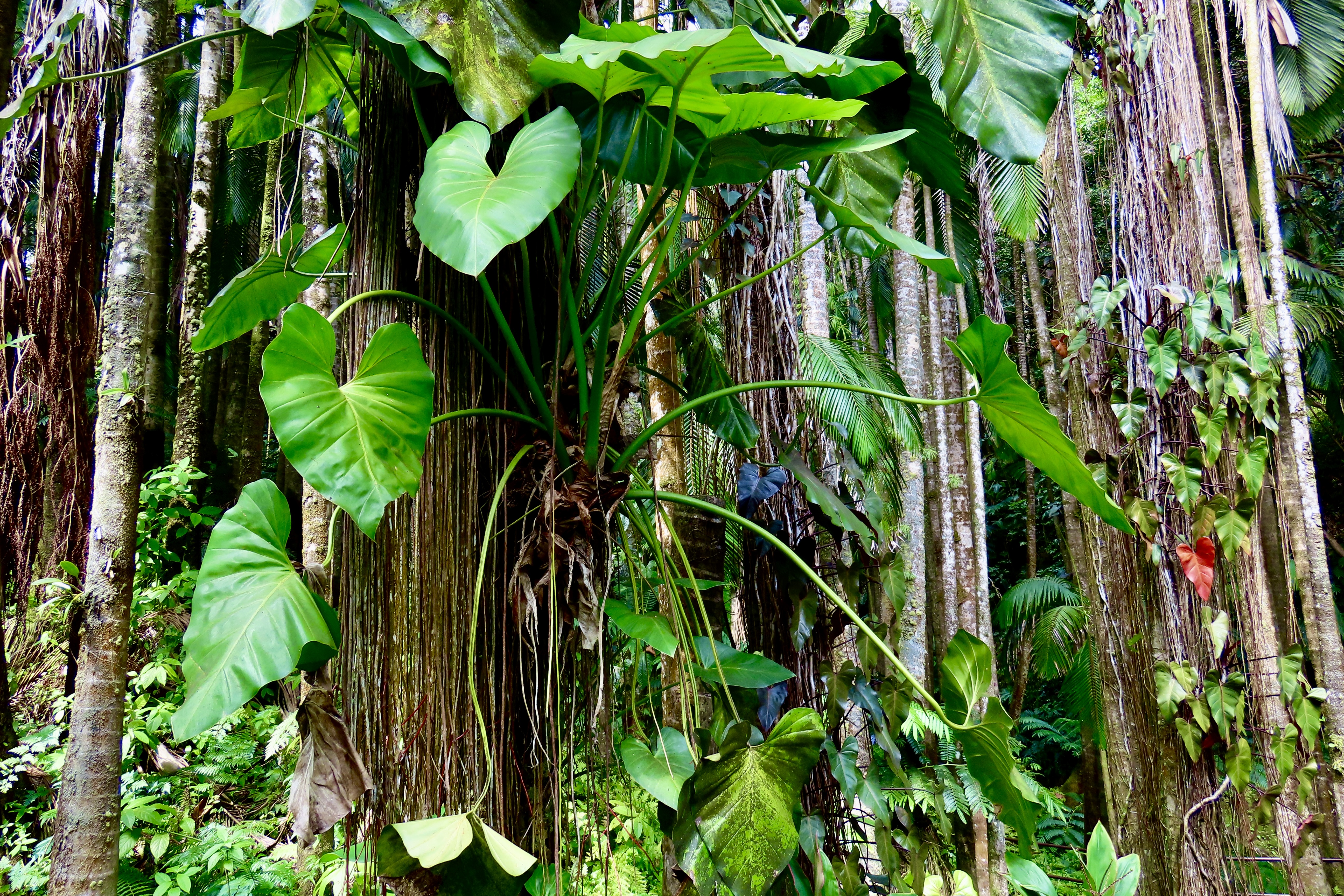
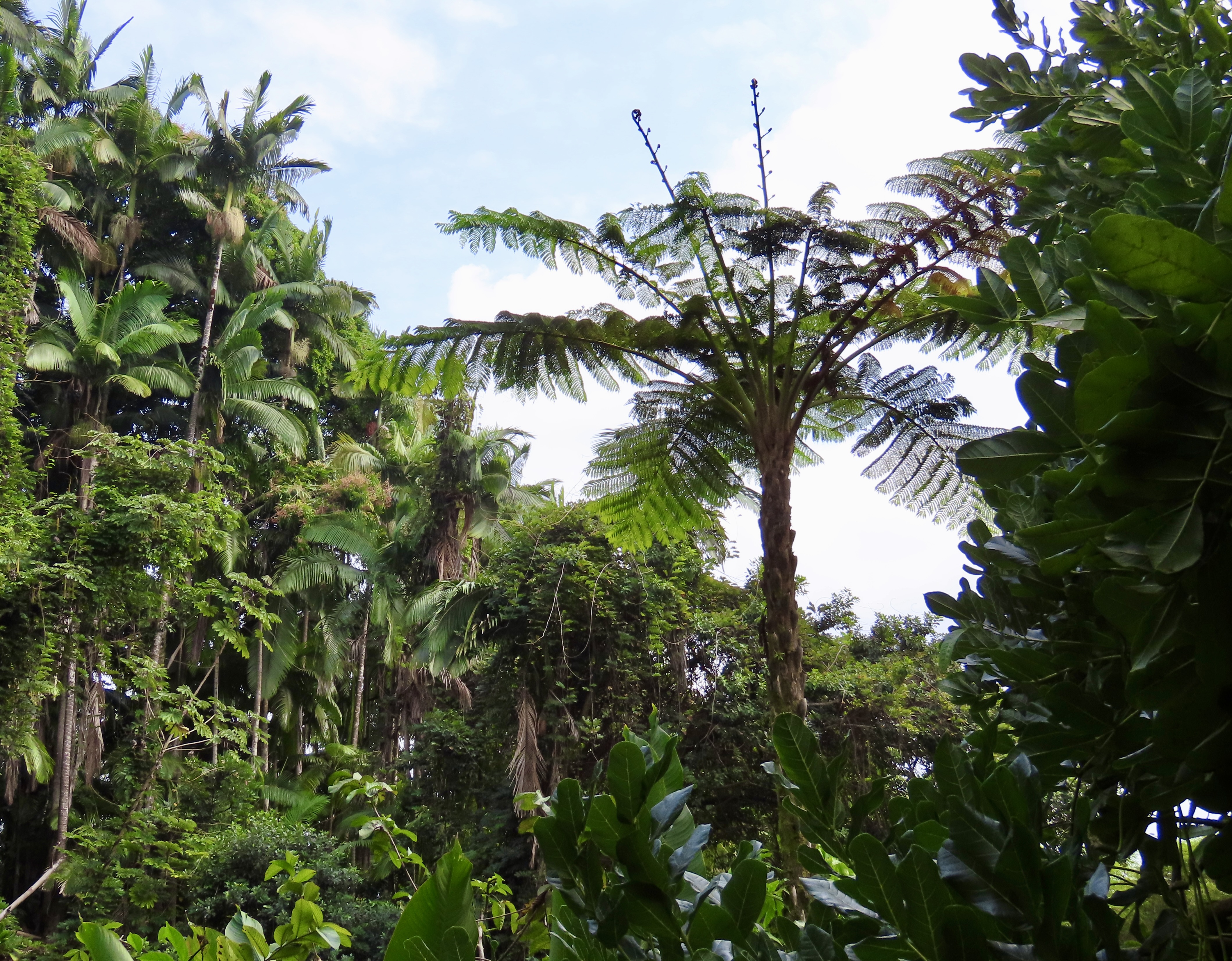
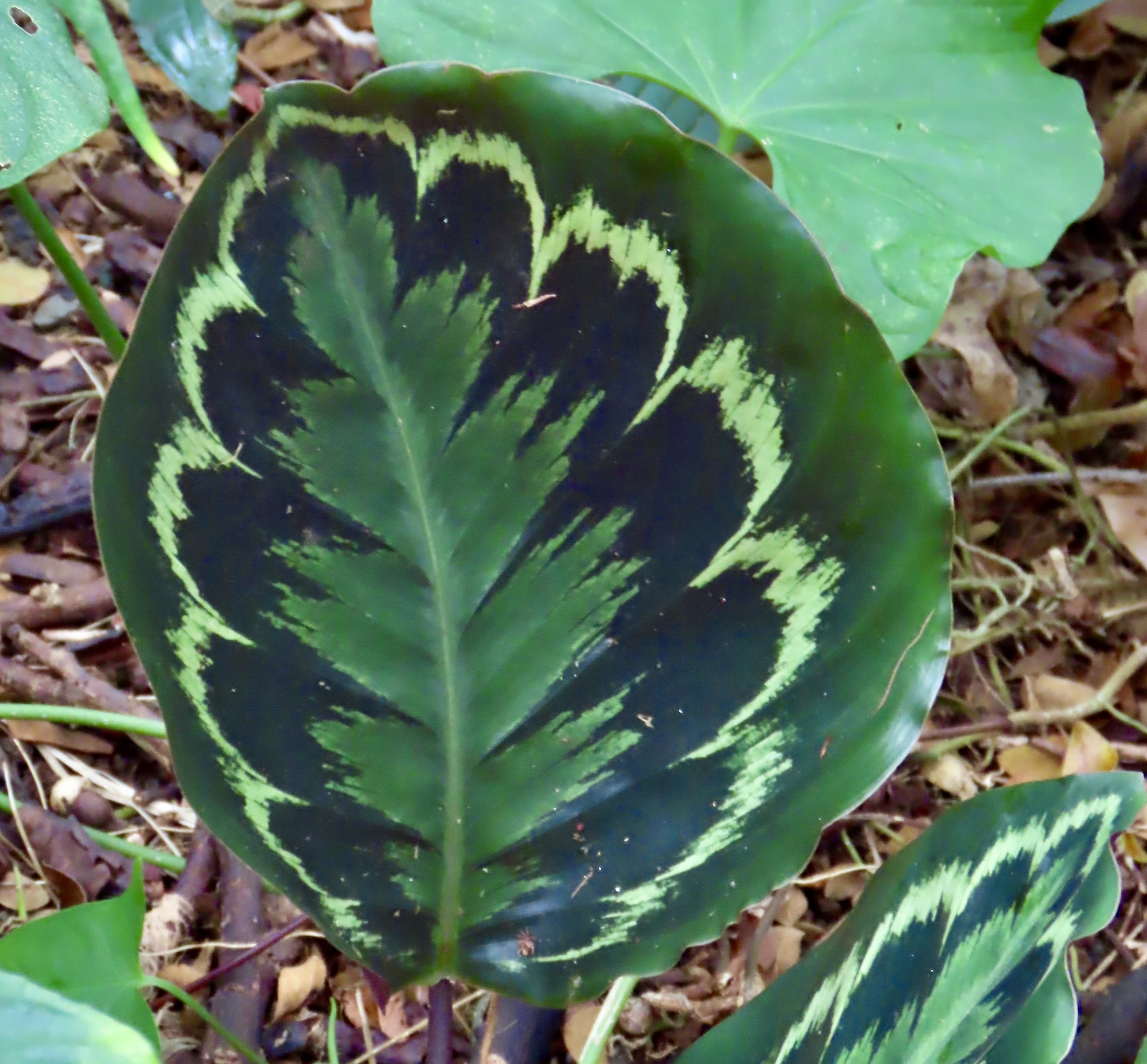
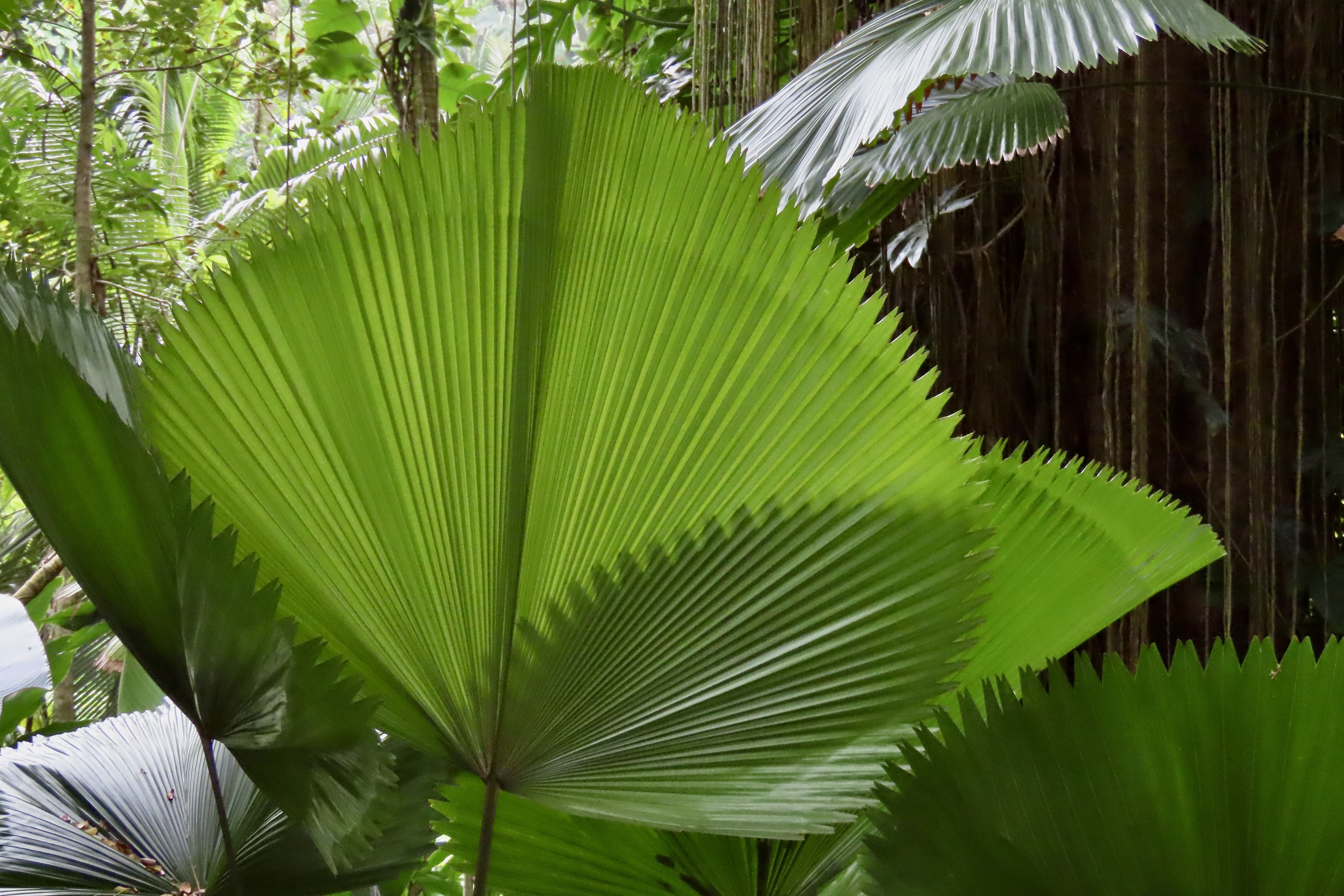
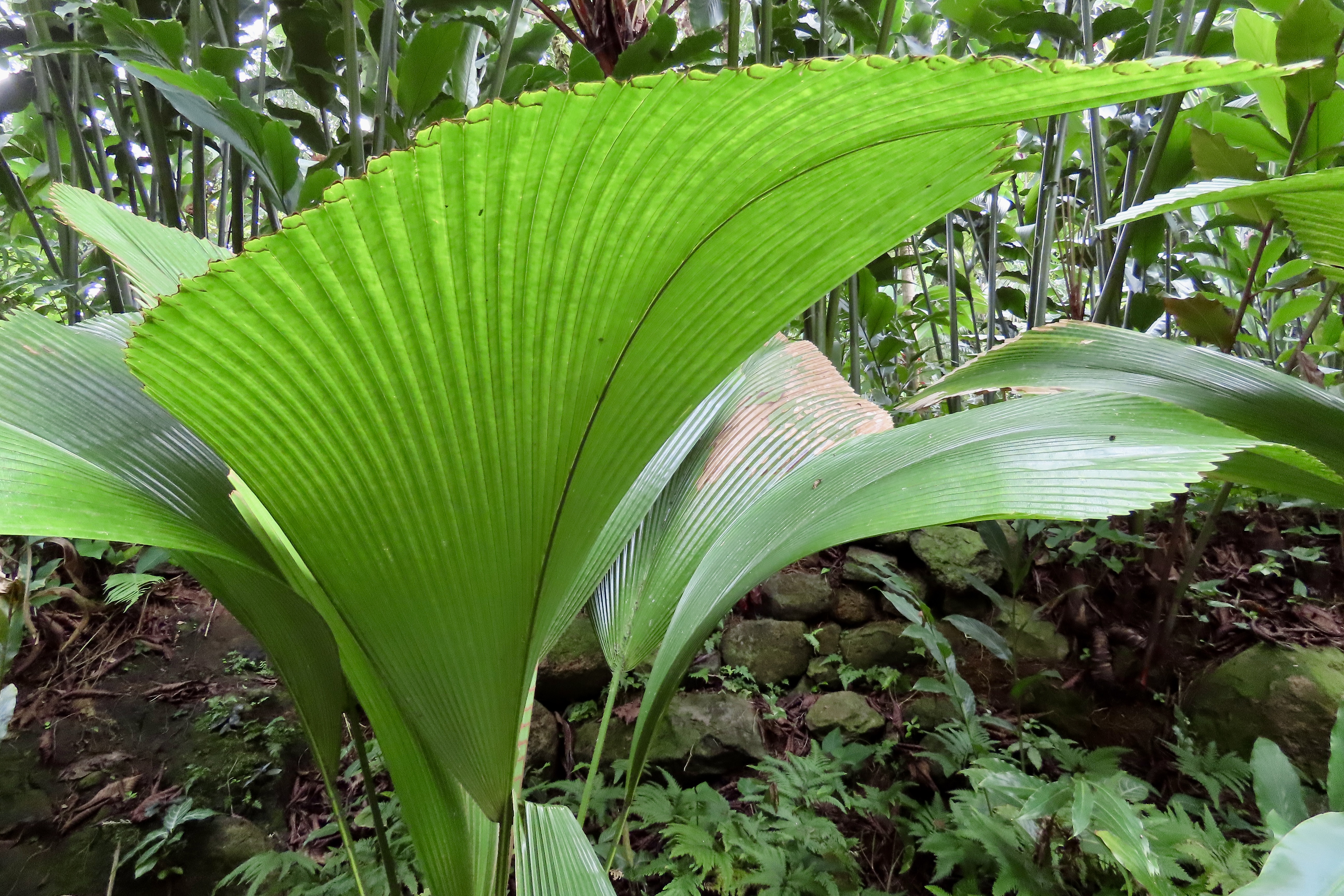
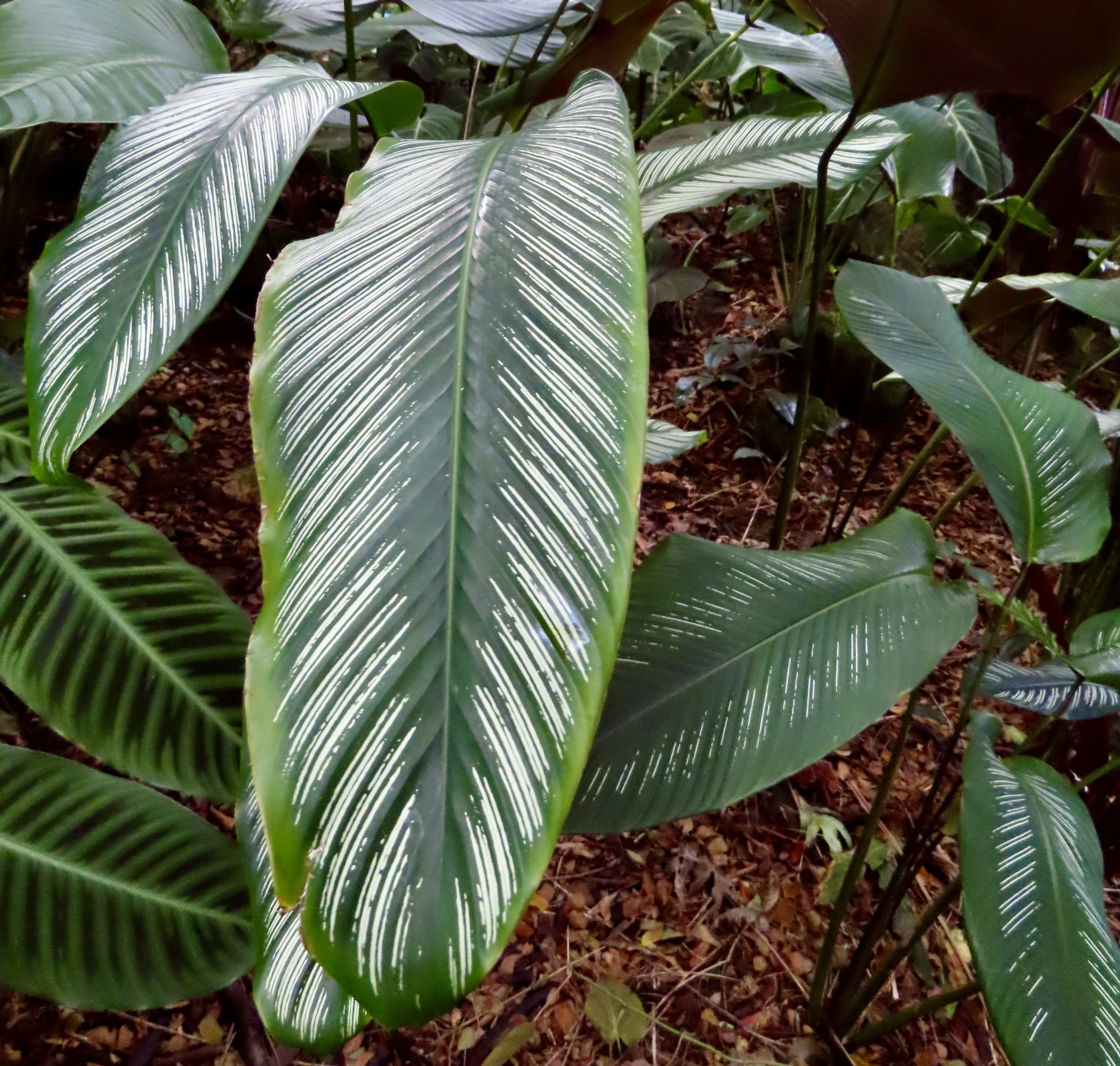
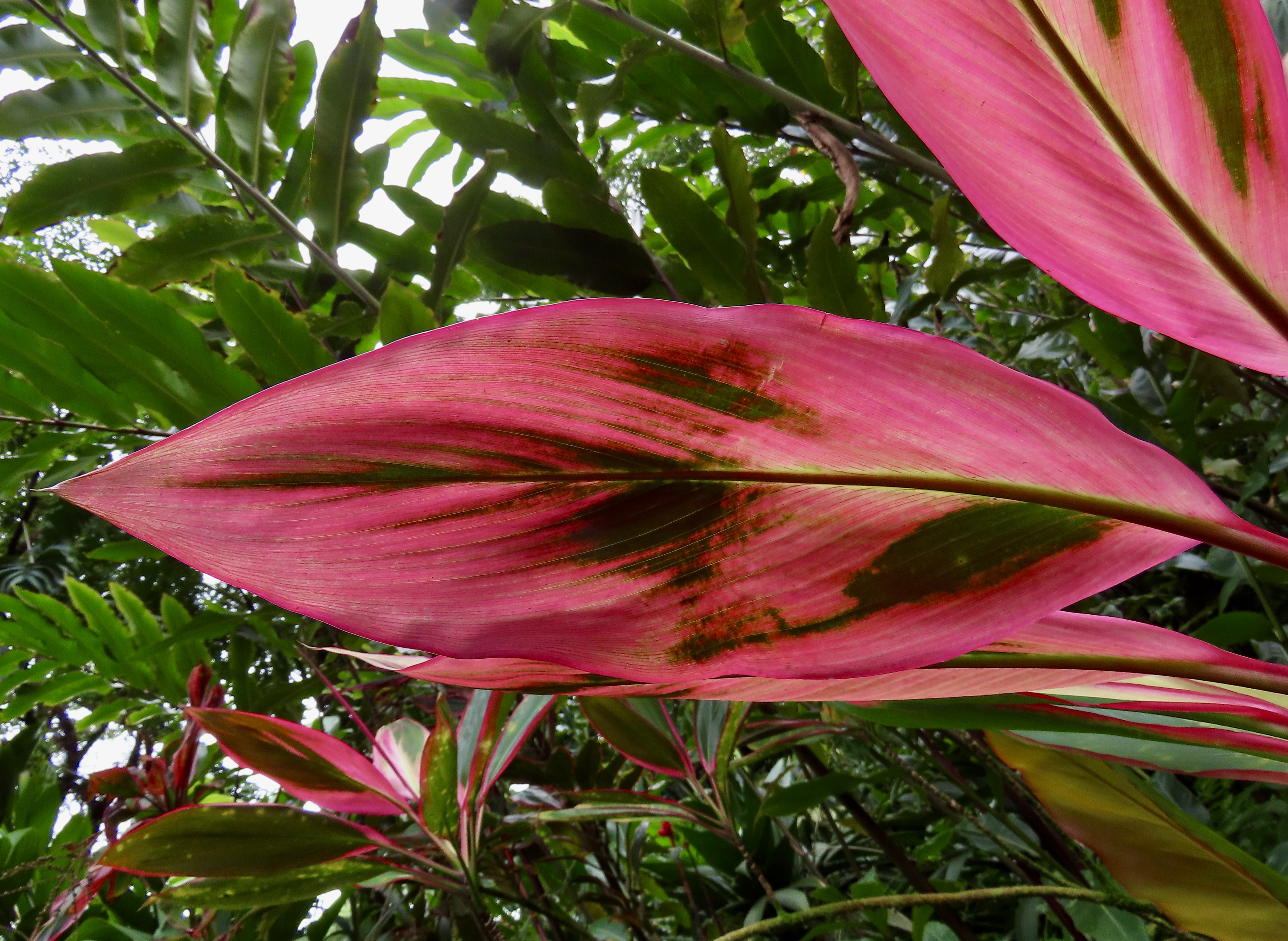
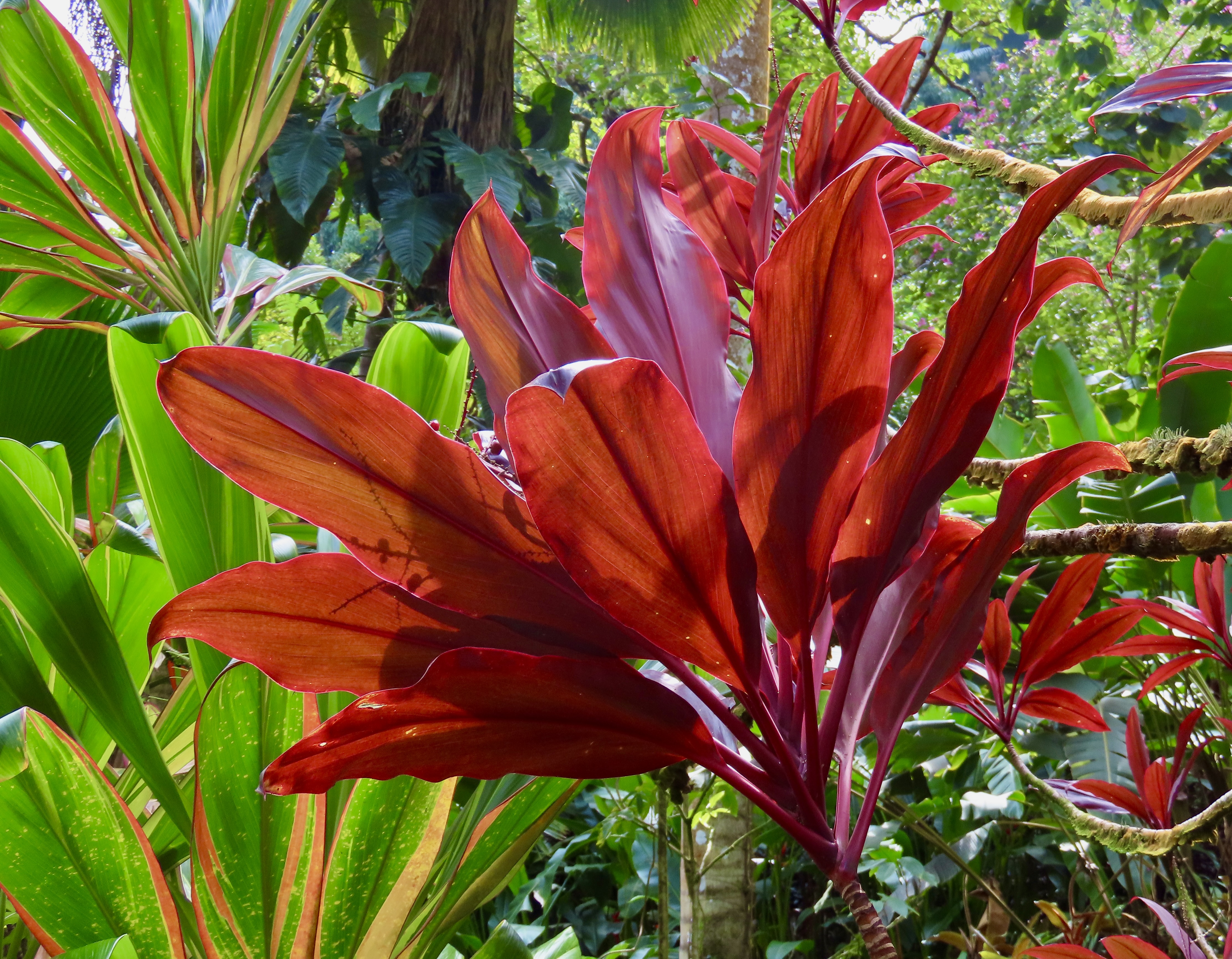
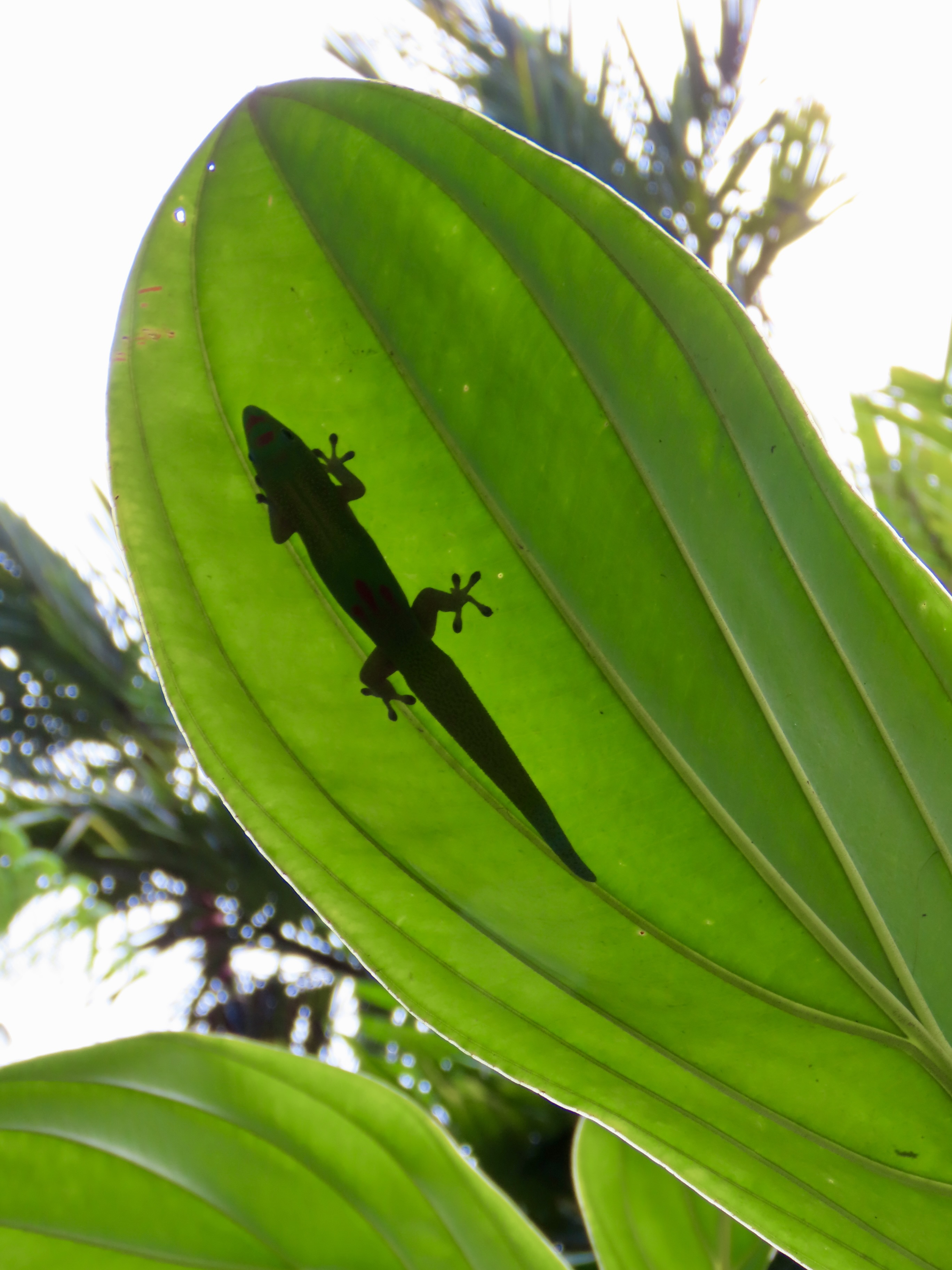
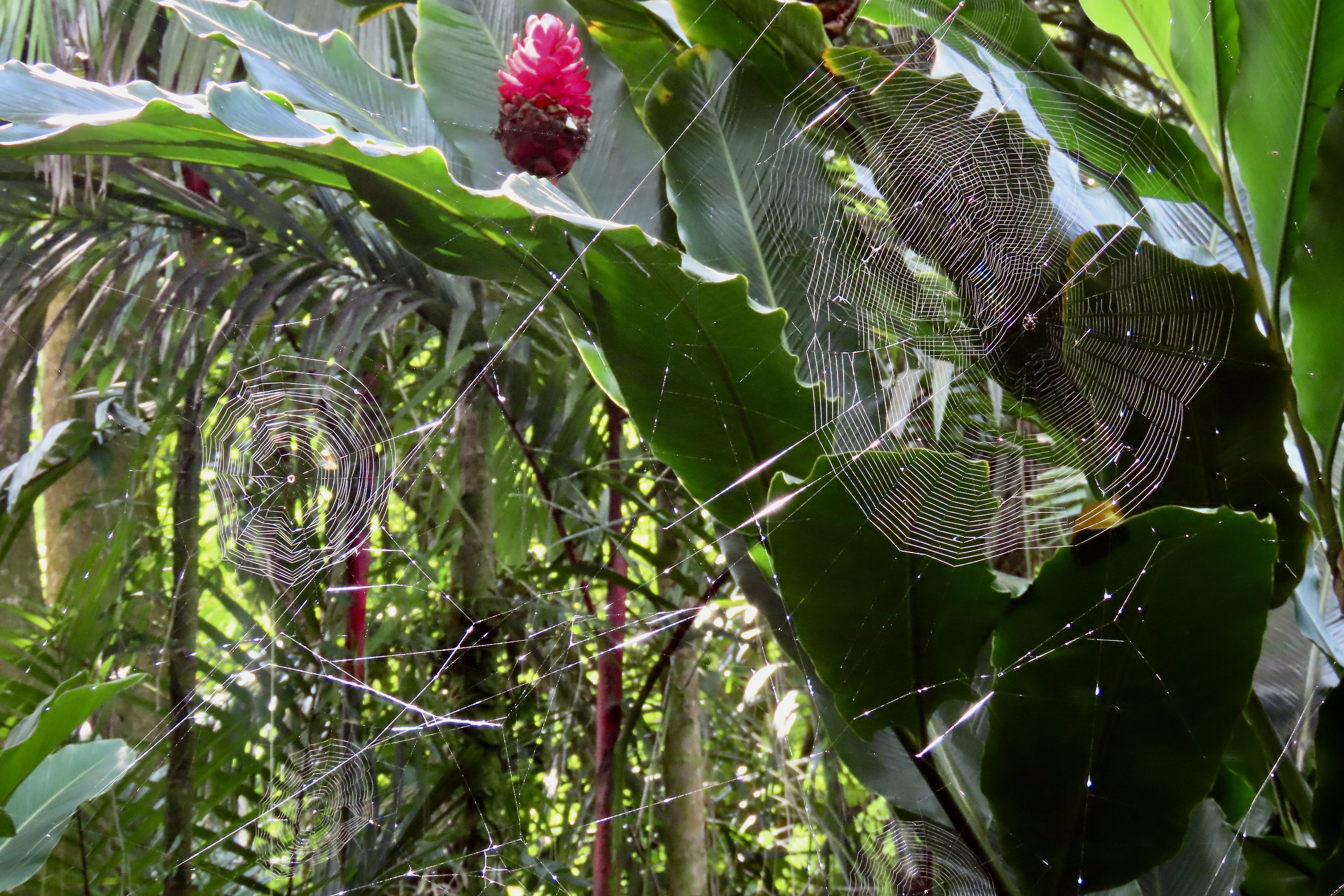
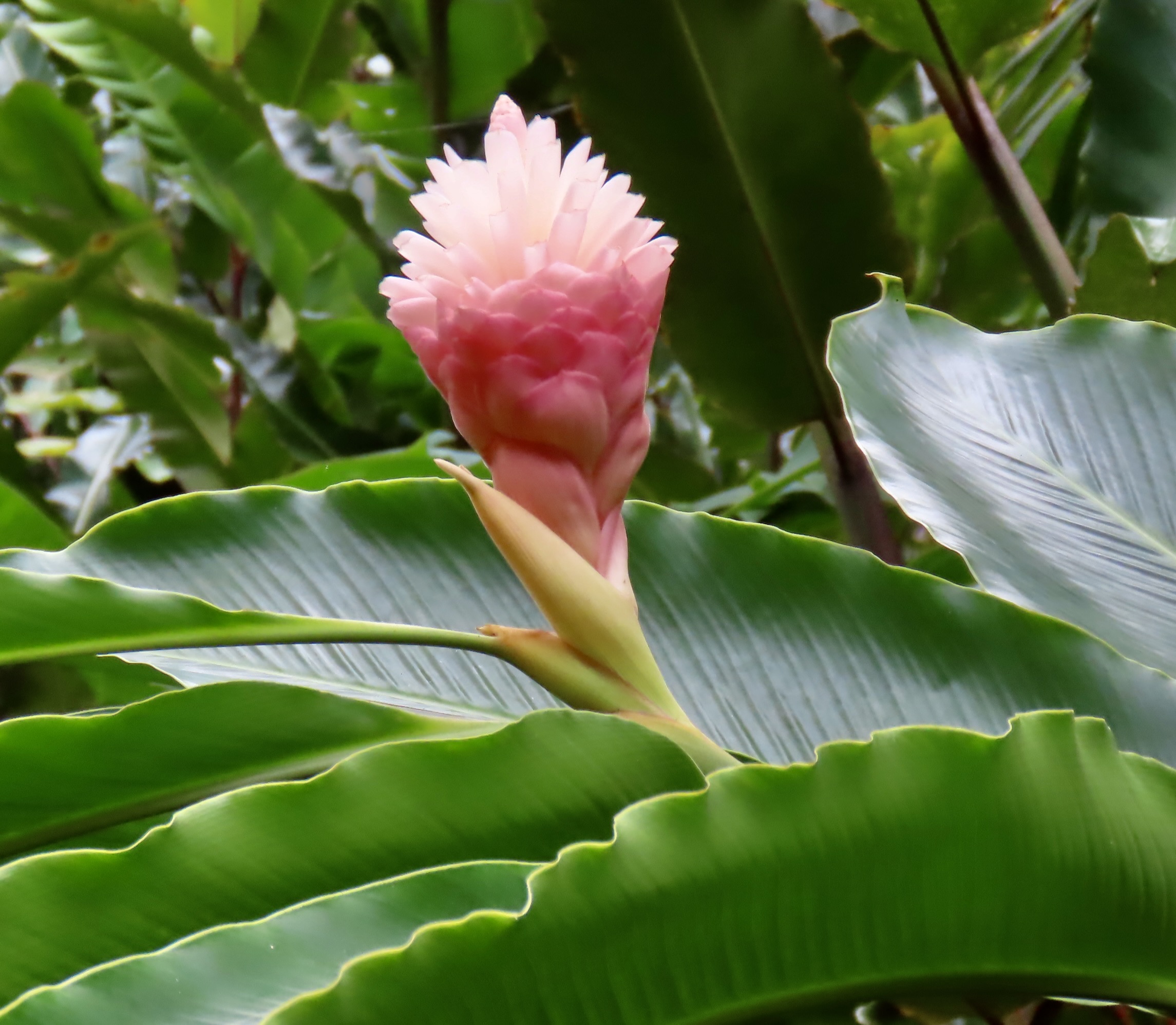
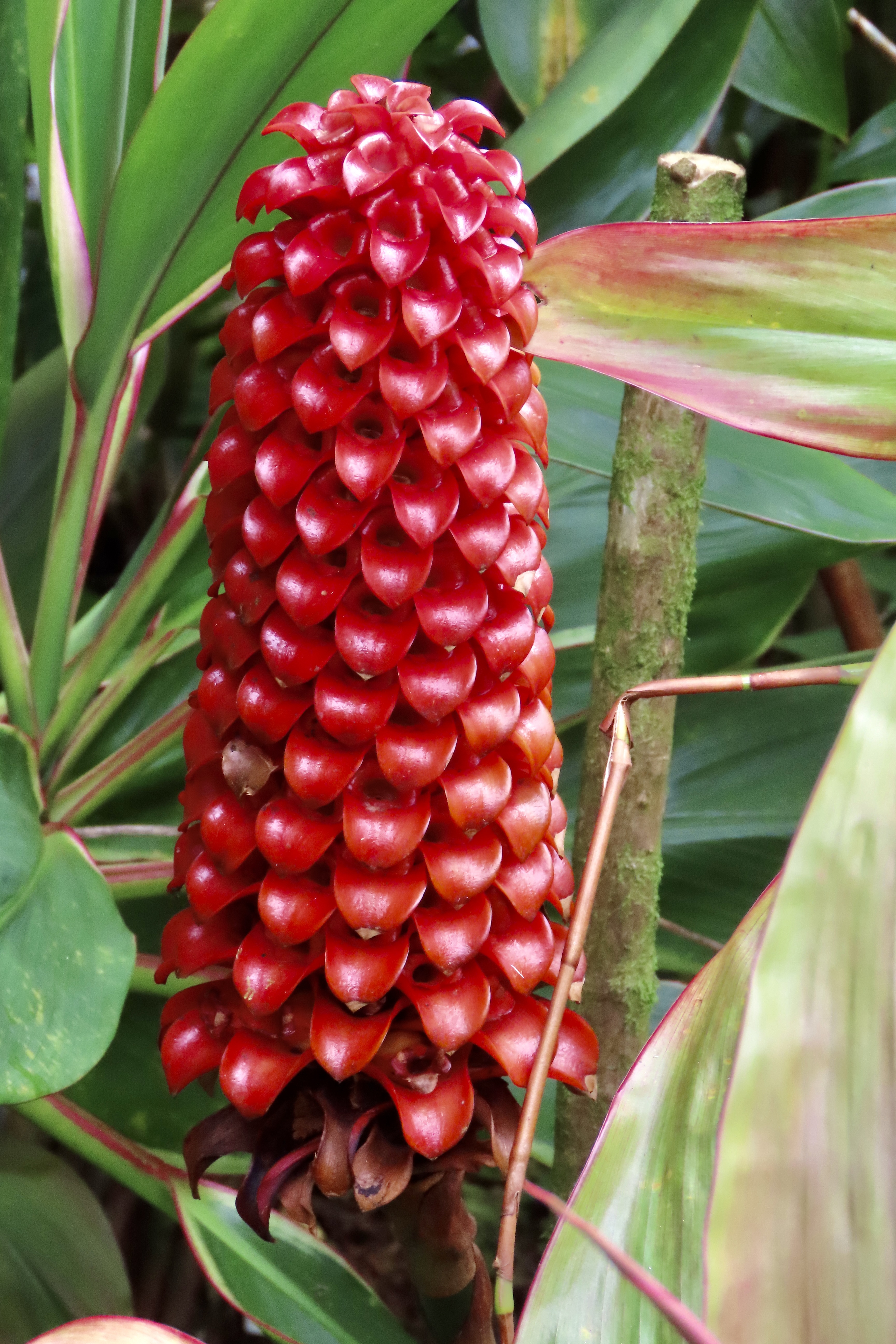
In the middle of large leaves, a single flower.It didn’t matter where we looked. There was beauty. And green.Pretty enough to eat. Grin.A bit strange.Striking.Looking up.Varieties of orchids from throughout the world were in the dozens.Elephant like?Did you know that there are between 25 and 30,000 varieties in the world?They come in many colors…And shapes.This is only a portion of the ones we photographed.As I noted, everywhere we turned, there was something interesting to photograph.Half of the time, what we saw was new to us.This flower made Peggy hungry for corn on the cob.There was a small multi-tiered waterfall.Quiet pools.Green, moss-covered rocks.And KU, a major Hawaiian God. (There will be more on KU when we do a post on the ancient Hawaiians.)Bamboo shaded KU.Leaves and vines were hanging everywhere, in profusion.Palm trees and fronds are a natural for the tropical garden.Leaves were almost as varied as the flowers.Green, yes. But not necessarily in a form we are used to. We thought the contrast created by the shadows was dramatic.Similar. And yet…Pin stripes?Not green.Likewise.A gecko caught Peggy’s attention. The Hawaiians call it Mo’o.Spider webs caught mine.We will close with a few more flowers. Some of them were even familiar to us. Note the ‘some’ word.Like this one.Orange and white.Red.Great buds, assuming they belong together.Pretty in pink.Look at me!Another old friend.And another.And this red beauty for Valentine’s Day to close our post.
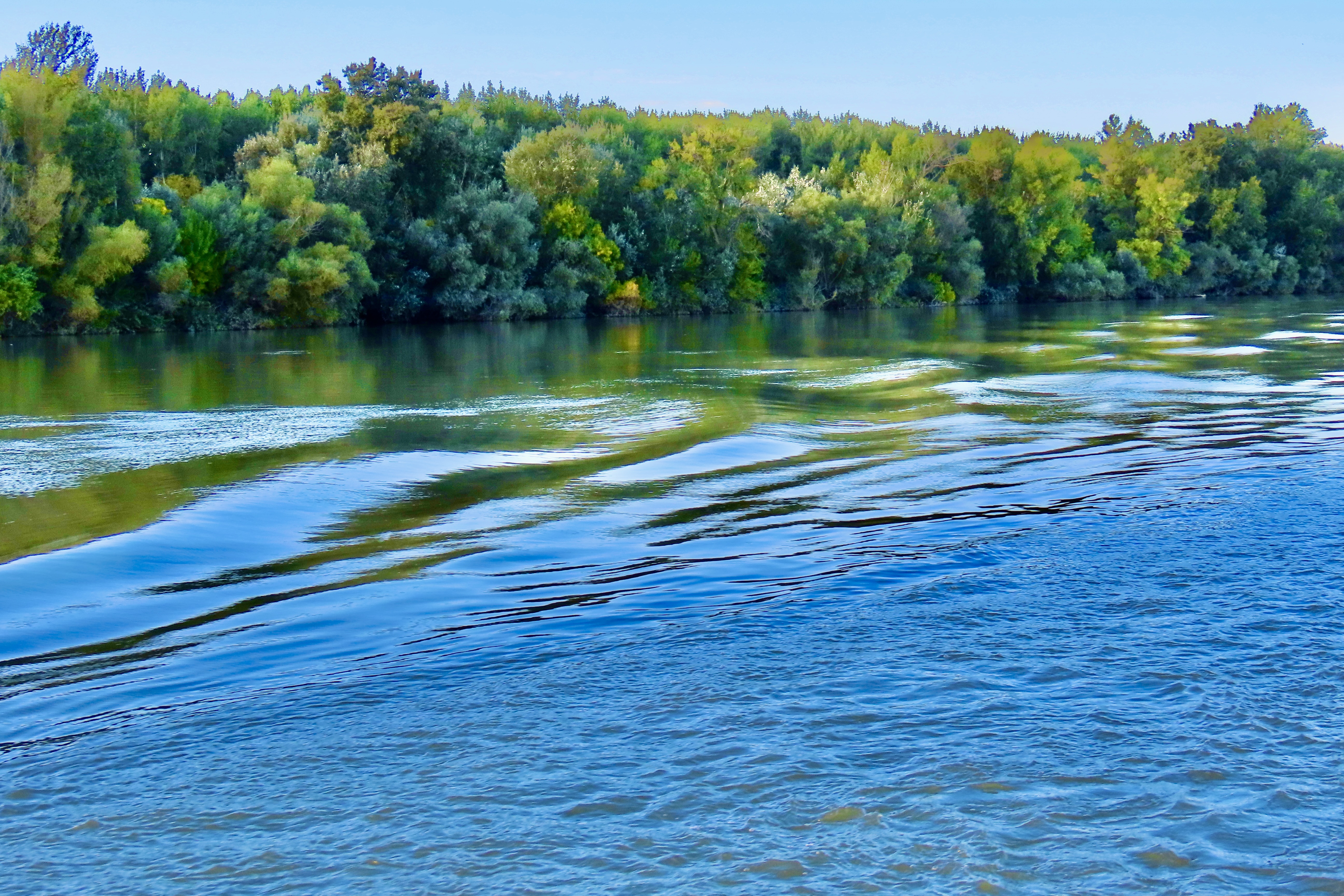
I just counted the photos that Peggy and I included in today’s blog. It struck me that we could have probably turned this into a month’s worth of posts doing one everyday. Or a small book. I hope it downloads. But we have so darned many things to blog about. Tough, I know. Our next post will find us floating down the Danube River again…


























 Wandering through Time and Place